
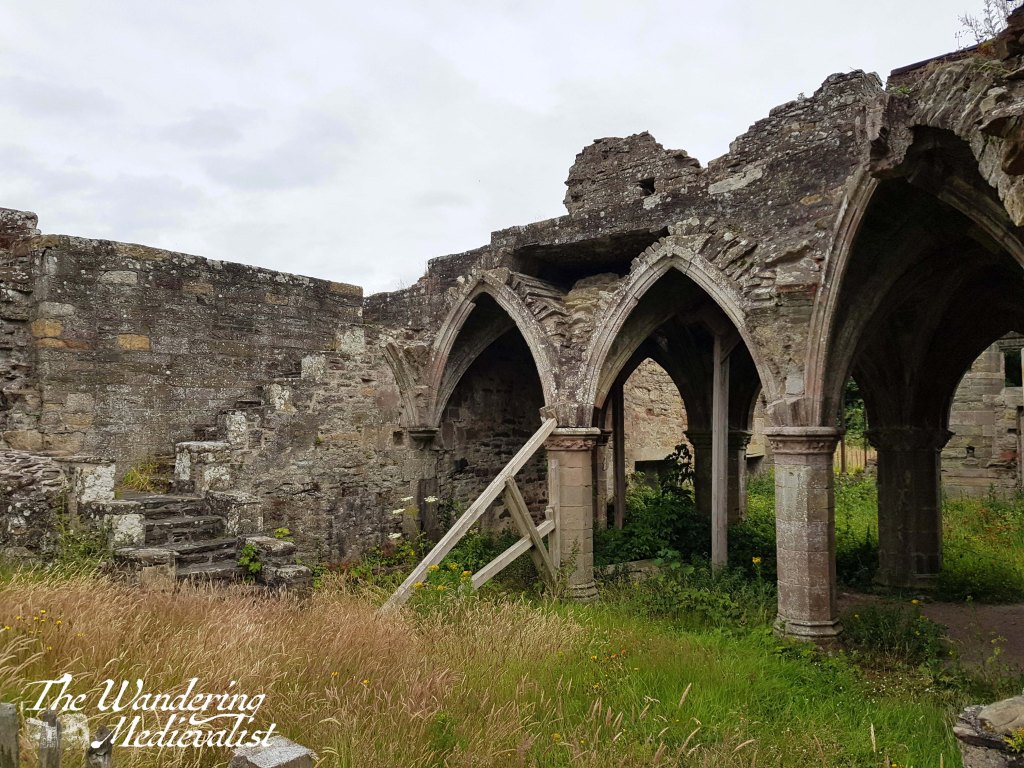
I recall summer 2020 as being a time of hope and a touch of freedom after a spring of uncertainty, lockdown, and fear. While work was still very much from home, people were taking advantage of the fine weather to be outdoors, even if socialising was still touch-and-go. I took advantage of having not long passed my driving test to plan short day trips for myself including to Balmerino Abbey, a twenty-minute drive along the coast from where we lived in Tayport. I’ve never been particularly into abbeys or ecclesiastical history, but one has to appreciate their architecture.
So, I packed myself up and planned the route on Google, trusty camera in tow. It was one of my first solo driving adventures and so I was both excited and a touch nervous as I made my way into the small town and managed to find a place along the road to park.
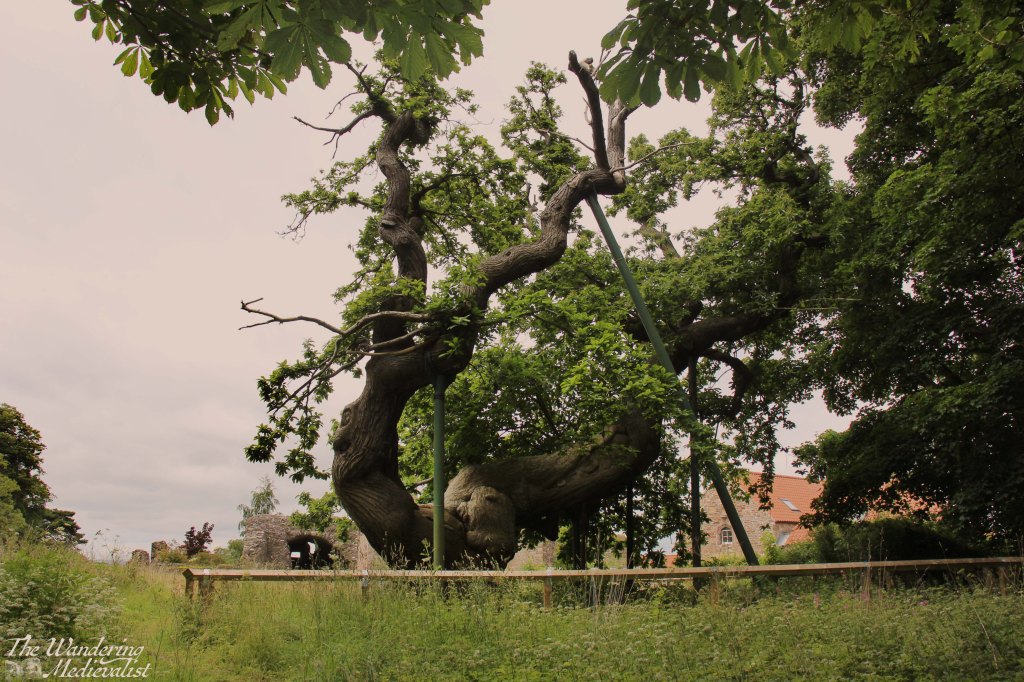
The abbey, as I discovered, is in ruins, but with much less left than I had expected. It was founded in 1229, when a group of Cistercian monks arrived from Melrose Abbey, about 85 miles south. King Alexander II and his wife Queen Ermengarde were patrons – the queen visited many times and was buried there. It was even said that Ermengarde planted the ancient Spanish chestnut tree upon the abbey’s foundation.
Analysis of the tree performed by the National Trust however indicated that it is ‘only’ around 420 years old, so more likely to have been planted closer to the time of the abbey’s dissolution than foundation.
Throughout the Catholic Middle Ages, the abbey maintained a small population of monks, reaching 20 in the beginning of the sixteenth century, but it suffered in the wars with England, damaged both in 1547 and then again in 1559 by the Reformation.
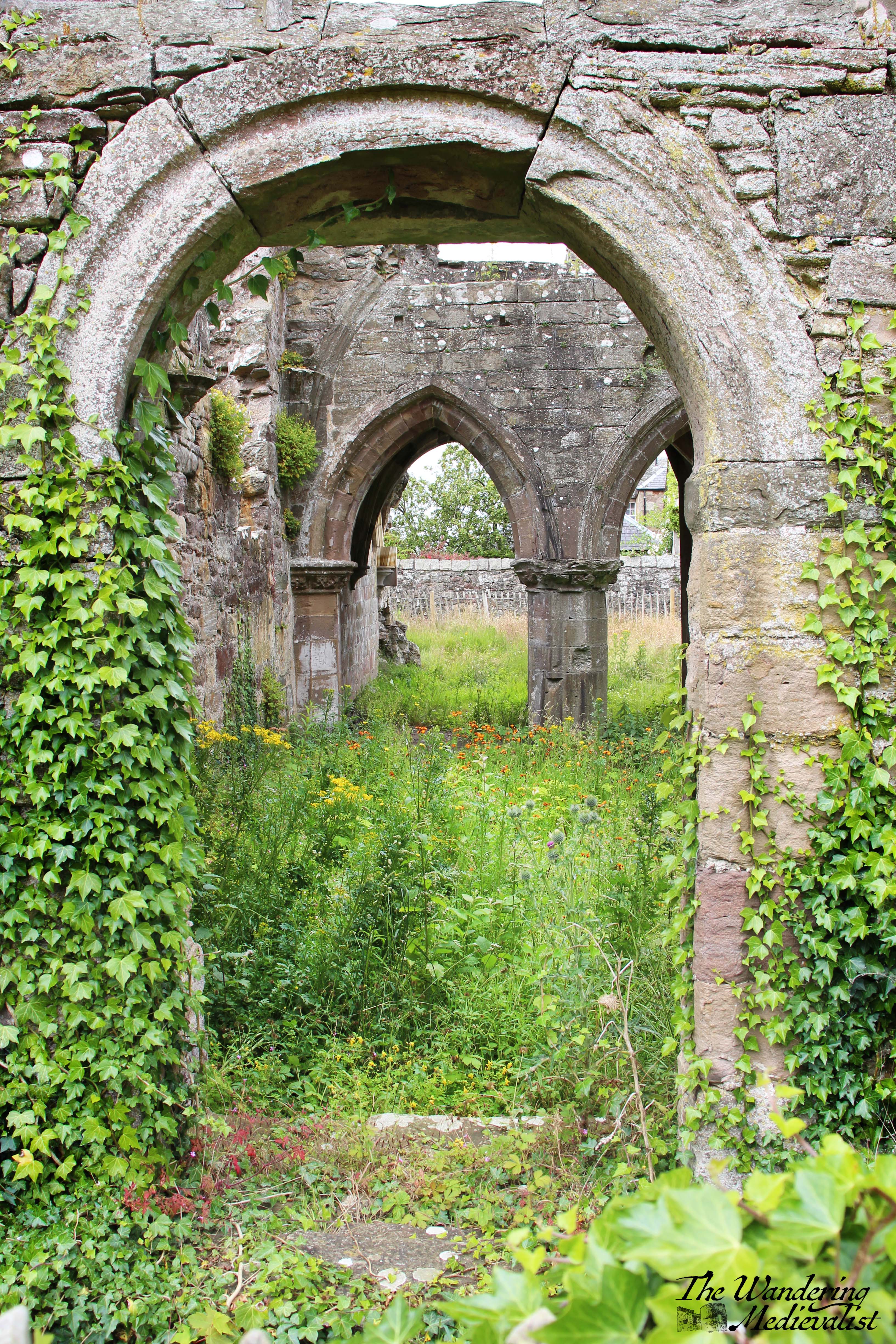
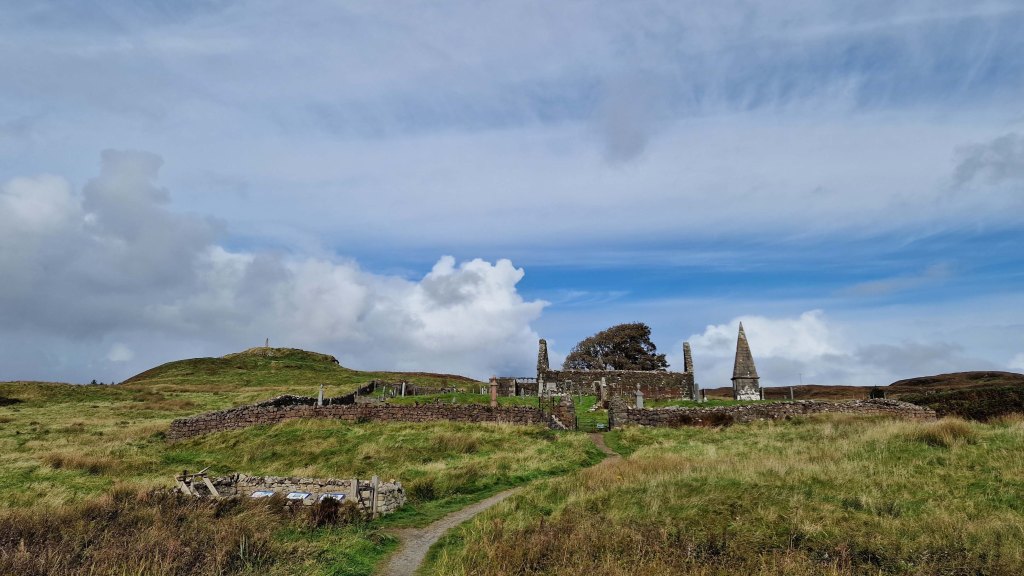
Compared to the border abbeys, Balmerino was quite small, and there is considerably less to draw on one’s imagination, however the outline of the church is still visible, marked out in the grass. The ruins that are left are still markedly ecclesiastic in their feel, with beautifully shaped pillars and arches, hints of vaulted rooms, and the remains of a carved entrance way.

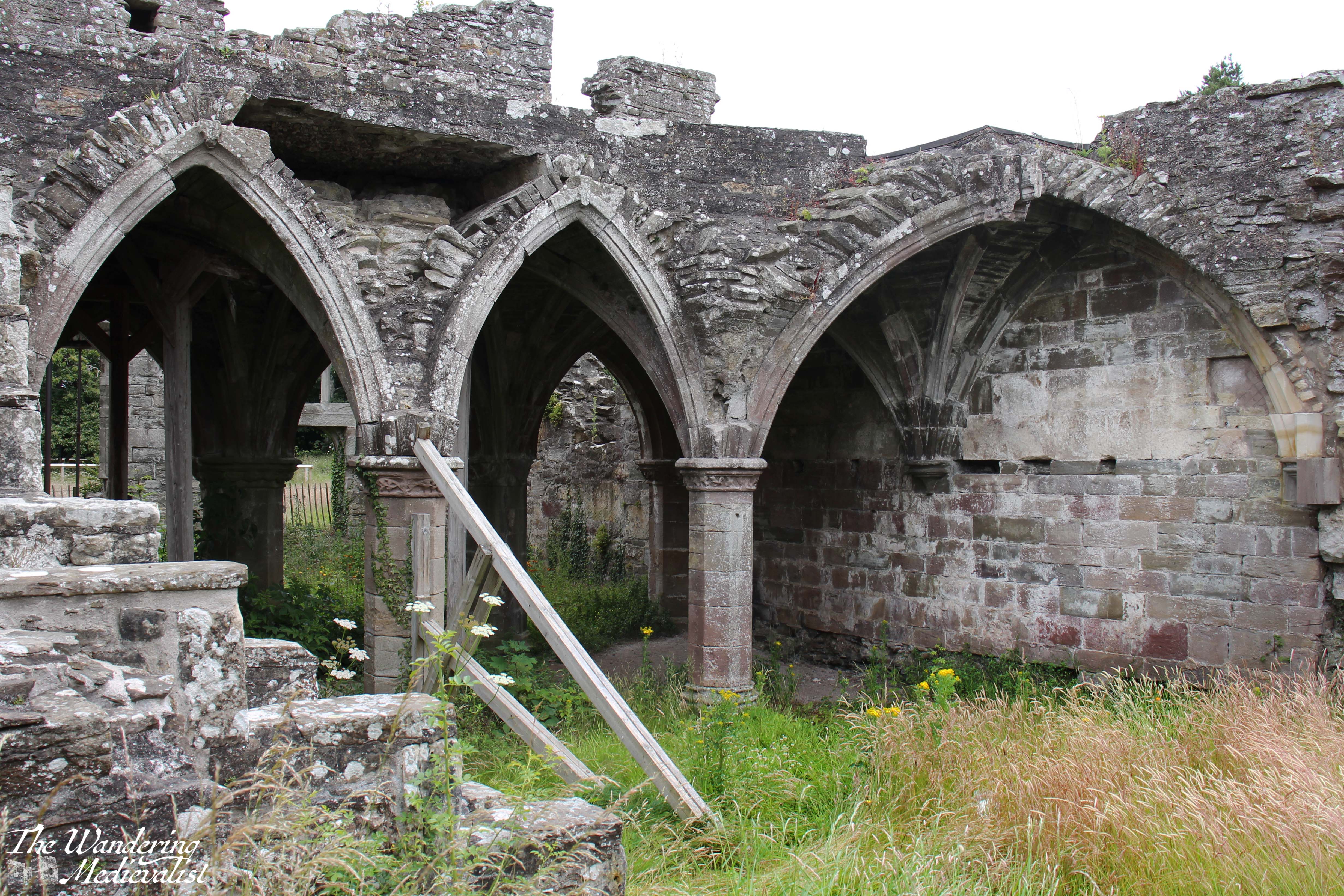
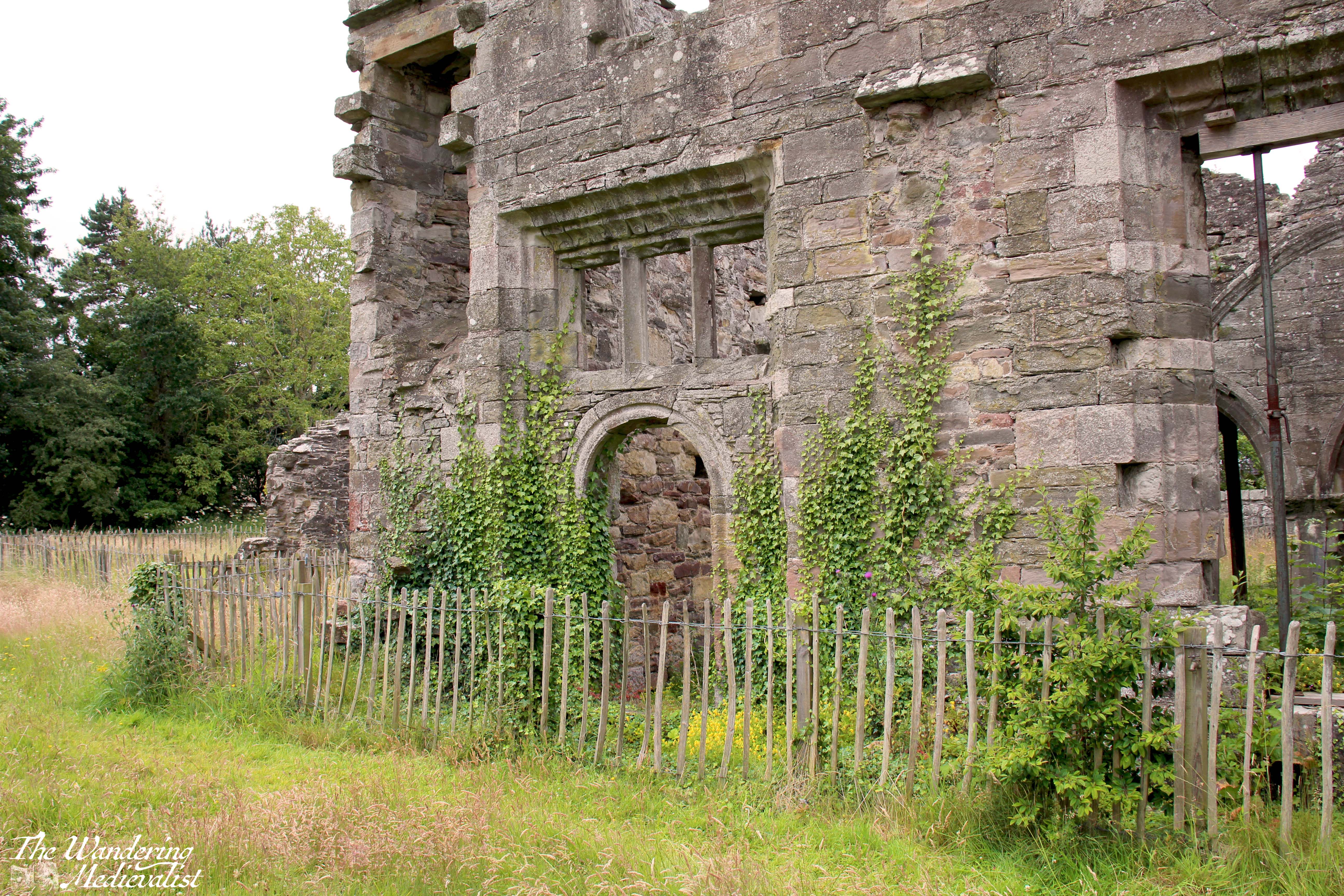
Moving past the remaining stones and towards the ancient tree, one can look back and get a feel for the scale of what once stood here.
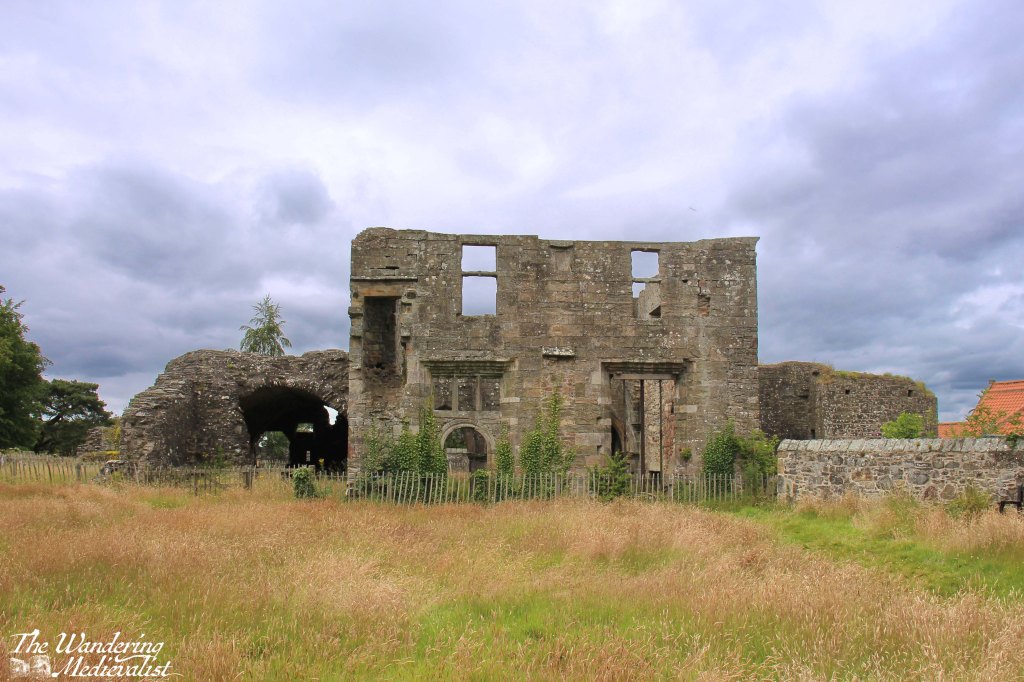
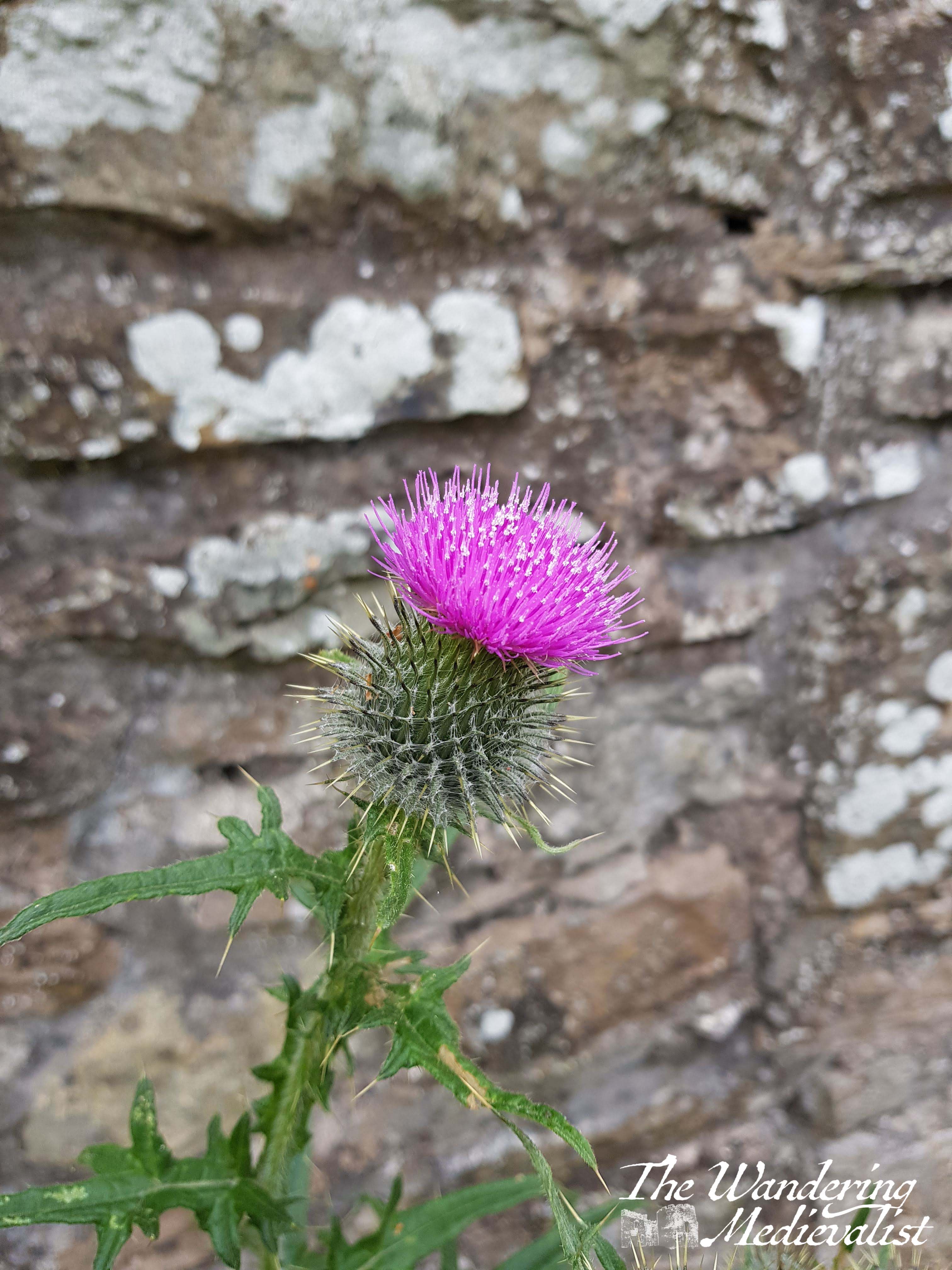
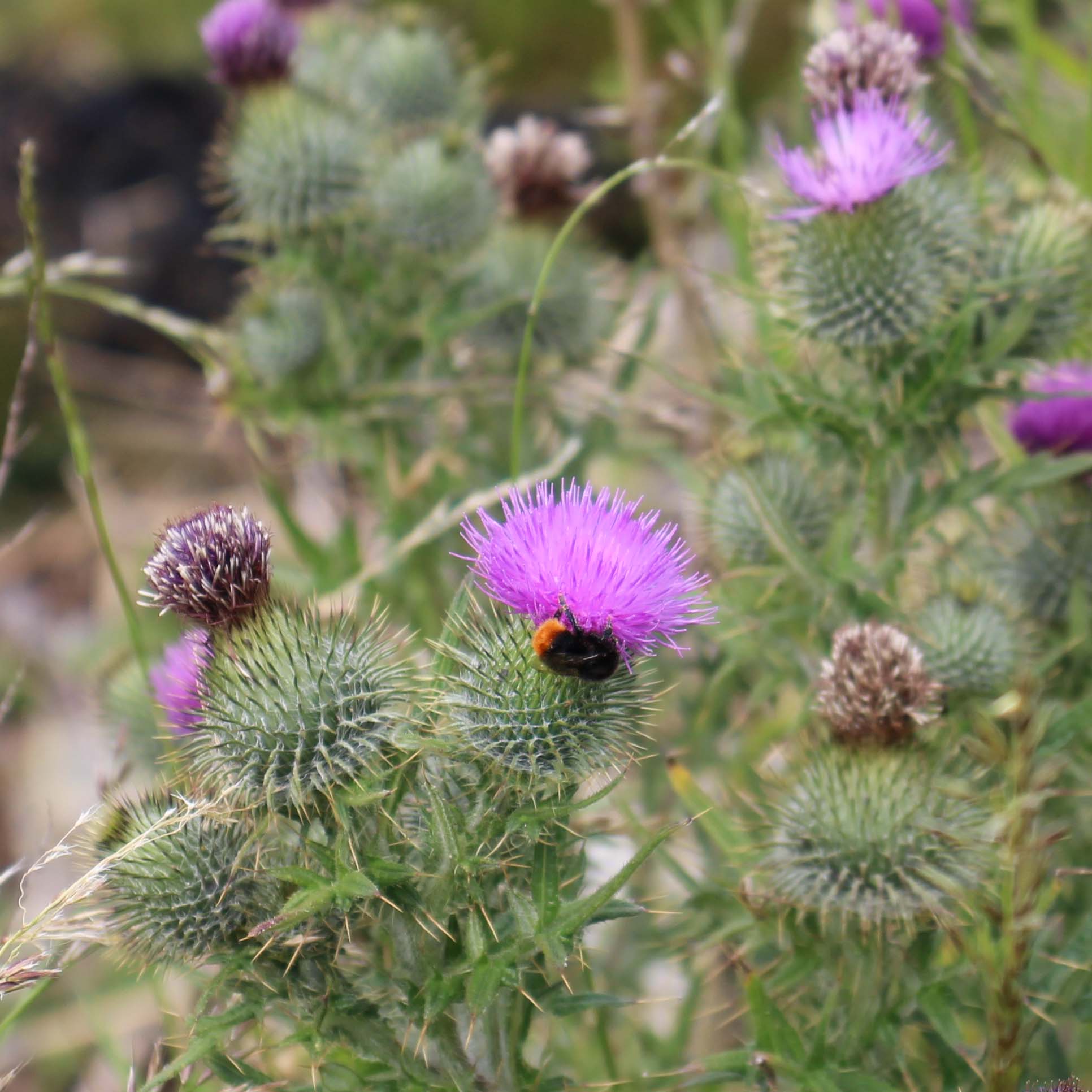
One could wax philosophical about how the years since the Reformation have chipped away at the remaining stones – or outright stolen them – much in the way that the Catholic or indeed any faith has been allowed to decay since the Middle Ages. I always find these locations to be haunting and yet still holding on to a spiritual vibe; even if one is not religious, one can hold appreciation for the devotion those who lived here would have felt. In 2020, there was an aura of loneliness and abandonment caused by months of lockdown, with the grass longer than it should have been and distinctly Scottish thistles and purple flowers sprouting everywhere.

After wandering the abbey grounds for a while, I decided to extend my outing by following the signs for the Fife Coastal Path, which stretches from Newburgh around the edge of Fife to Kincardine. It is generally well-kept and some stretches are positively stunning, so offers a good option for someone looking for a short – or long – ramble on a mostly sunny day. The stretch near Balmerino kept quite close to the beach to the left/west, and to the right/est followed the wall above the beaches, skirting in front of some lovely houses and cottages while the Tay Rail Bridge came into view.
While I cannot say that go out of my way to return to Balmerino Abbey quickly, I could certainly see the value in a trip here for any student of medieval abbeys, monks, or monastic life. And for anyone who enjoys a good wander along the coast.
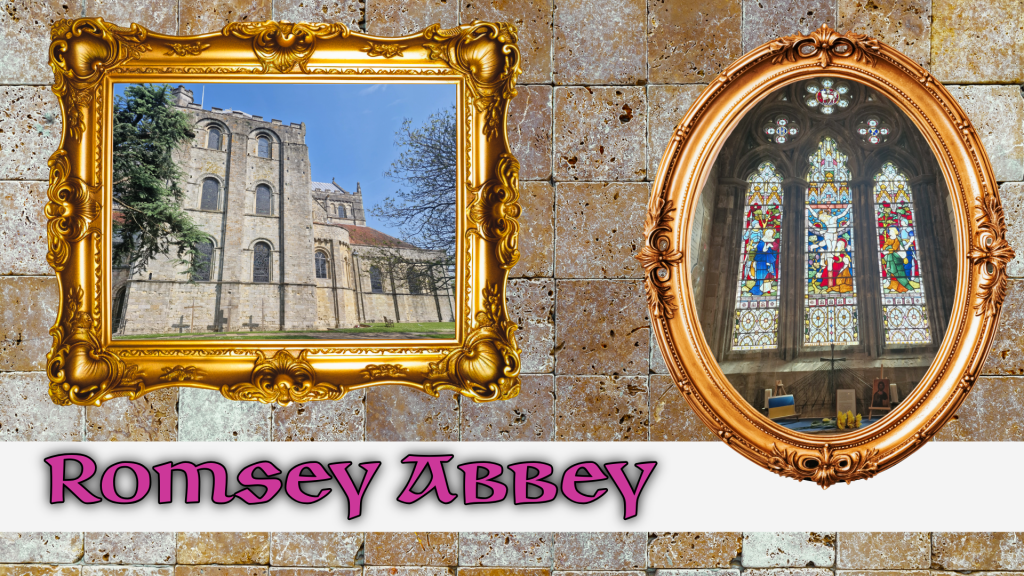
Like this post? Explore some of the other abbeys I have visited:

 The Wandering Medievalist
2 responses to “Balmerino Abbey”
Beth, I love thus when I have time to read this❤️. Please keep me subscribed !
Stephanie Shelley
LikeLike
[…] just enough time to wander through the ruins before sitting down to peel off my boots. I had first visited the abbey several years ago, on one of my first ever solo adventures, and it was very little changed: haunting, I think, is the […]
LikeLike