
I am a medievalist at heart, but that doesn’t hold me back from enjoying plenty of historical fiction books from other time periods (though I have to admit to being slightly horrified as to what counts as ‘historical’ fiction on some lists – late 20th century, surely not? Yes I know I sound old.)
In fact, a list of non-medieval historical fiction includes some of my best-loved books of all time. If I had to choose a favourite non-medieval time period it would probably be Ancient Rome, and there is a LOT of fiction that takes place during that era – in fact the ancient period around the world offers a great selection. For the record, I will use the relatively strict cut-off for ‘Medieval’ as that I was taught as an undergraduate historian at St Andrews: AD 800 – 1485, very British-centric dates, but then I’m a British medieval historian. There are plenty of arguments against using those dates, but they are all purely academic, and this selection is not.
So, in no particular order:

The Red Tent, Anita Diamant. To call this a comfort book is not really appropriate considering its content, but I have read it multiple times, partly for its beautiful prose and partly for the moving story. A reimagining of the Biblical story of Dinah, daughter of Jacob and Leah, and sister of Joseph, this book dives deep into the complicated relationships between women as it goes through her life. Throughout the tale is the theme of women finding themselves both within and without their families, and how their interpersonal relationships shaped those with men. It is tragic, sometimes funny, and draws you in almost immediately to Dinah’s world.
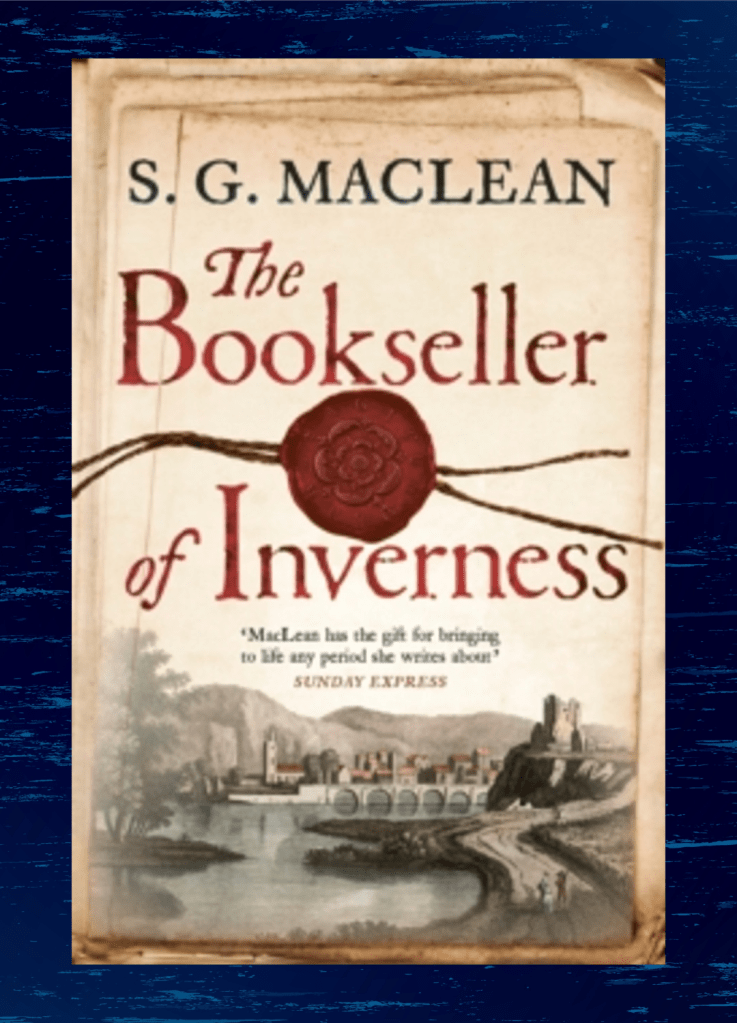
The Bookseller of Inverness, S.G. Maclean. I was pleasantly surprised by how much I enjoyed this foray into a period of history usually a bit too late for me. A fascinating book, this is something of a love song to Highland culture as it struggled to survive after the disaster of Culloden which is still inflicting scars. A good mystery, and the characters are compelling and vivid. Absolutely a must for Outlander fans who may be looking for a slightly less romanticised version of Scottish history.
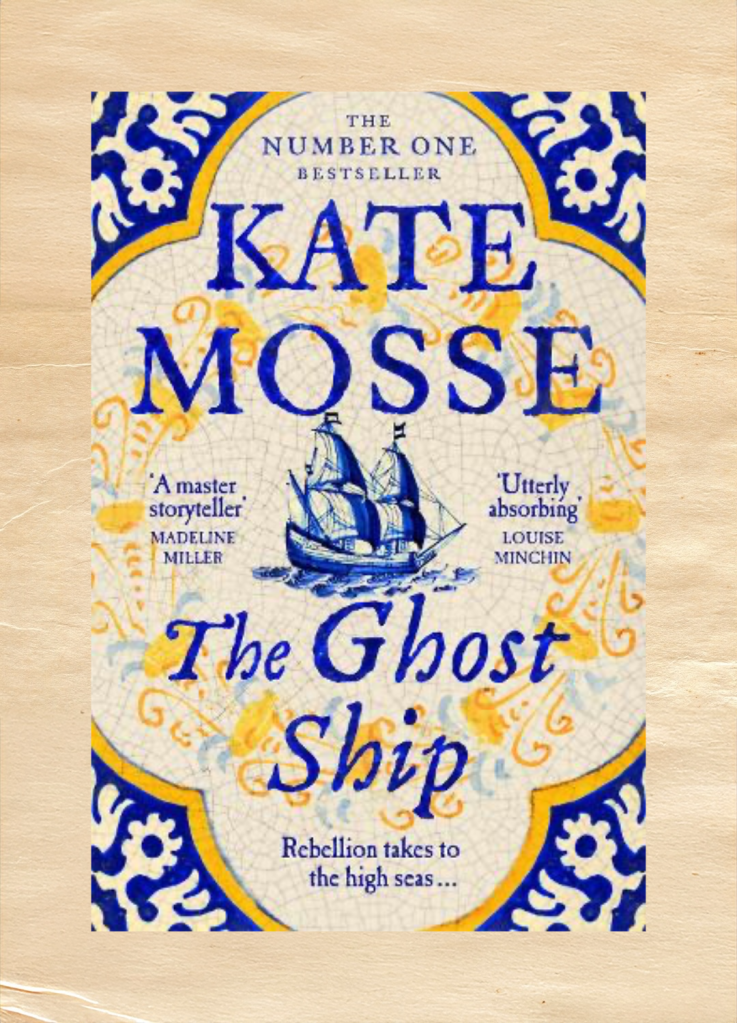
The Ghost Ship, Kate Mosse. The third in a series of what is now four books, this one is also my favourite. The story is of a young woman who takes charge of a ship and acts as captain and pirate. The love story is poignant and uncertain to start, but grows to be passionate and heart-warming. It’s impossible not to love a story of a woman succeeding – at least for a time – in a man’s world where, in the 17th century, she did not belong. The whole series is worth a read, detailing the Reydon-Joubert family adventures from Carcassonne to Paris to Amsterdam.
Nefertiti and The Heretic Queen, Michelle Moran. I have been fascinated by Ancient Egypt since studying it in 5th grade, at which point I actually wrote a research paper about Akhenaten, Nefertiti’s catastrophically monotheistic husband. Moran recreates the world of Egypt vividly from the daily life to the complex courtly struggles of queens, wives, priests, advisors and pharaohs. Loosely connected, these two books cover the rise and fall of Akhenaten and Nefertiti, the damage done by their reign, and the resurgence of Egypt under the spectacular leadership of Ramesses the Great. Told – as many of these stories are, I realise – from a female perspective, the time period comes to life through complex relationships.

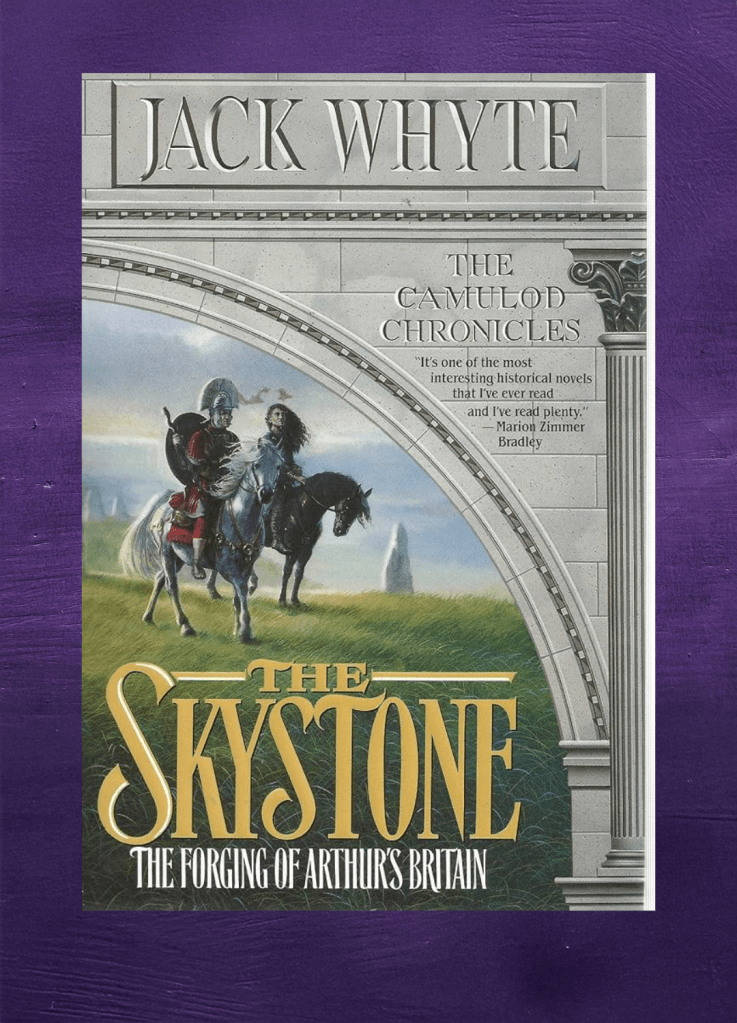
The Skystone, Jack Whyte. This is the first in a significant series that represents a truly historical version of the Arthurian legend (the Camulod Chronicles). Though Arthuriana is often placed securely in the Middle Ages, this series re-imagines the characters as living at the end of the Roman period in Britain – a time during which the tales of a King Arthur may have their murky roots. True Arthurian fans will need to be patient but will glory in the slow revelation of the pieces of the legend, paired with long expositions on Roman military practices, engineering, ironmongery, and survival tactics. A really fascinating and fantasy-free version of the Arthurian legends we know.
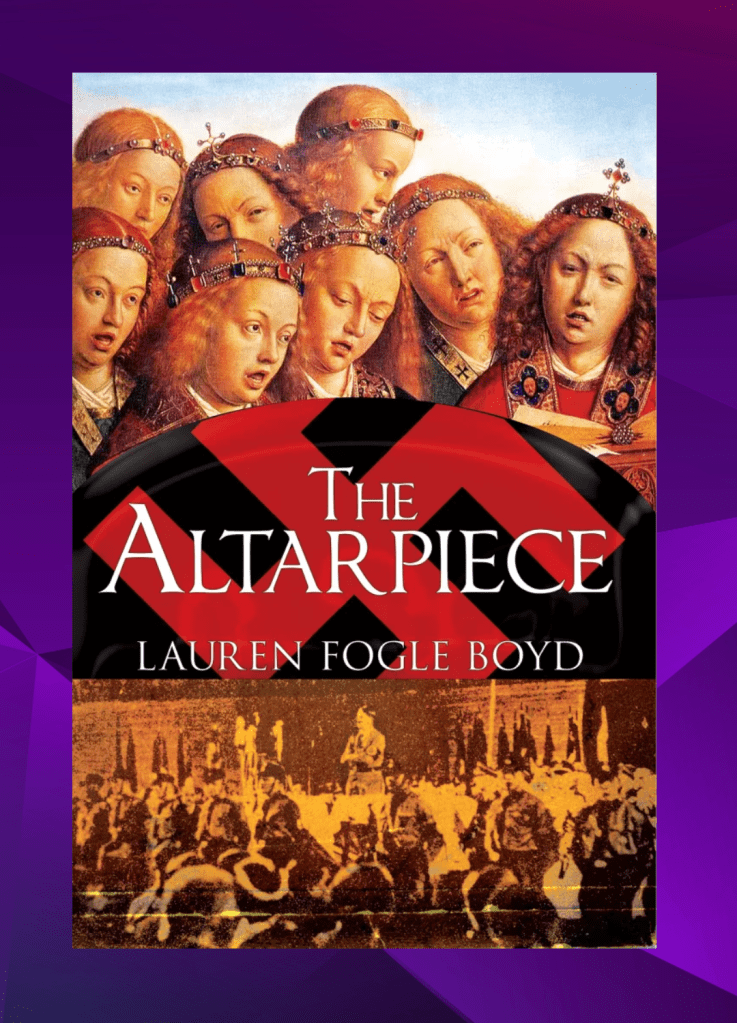
The Altarpiece, Lauren Fogle Boyd. One of the more modern in this list, this book is about the disappearance of the Ghent Altarpiece during World War II, told through the lives of Anke and Erik, two natural enemies of the Third Reich. As with many tales of this period there are horrific events of fascism and cruelty by the Nazis, and a destruction of art and culture that sends shivers down your spine. The author brings to life the passion of those who tried to fight the Nazis and the many ways occupied Europe desperately tried to keep this power from destroying their history. After reading this the first time, I sent a message to the author (who I do know), telling her that this is the movie ‘Monuments Men’ the way it should have been done. Or, really, they should have made this book into a movie instead.
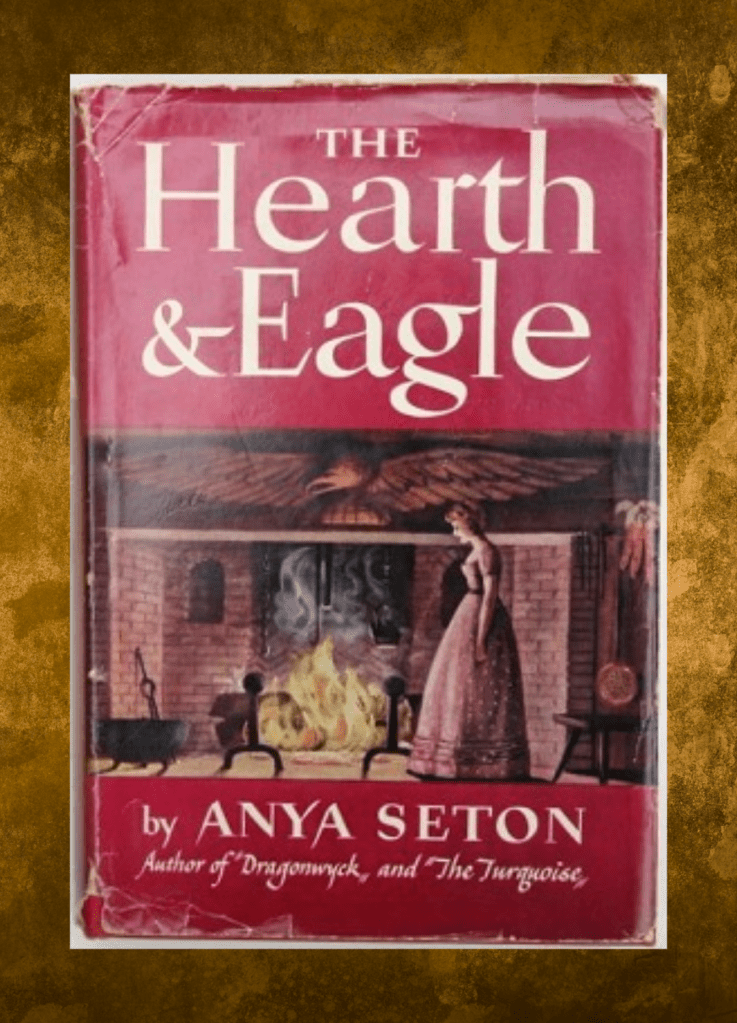
The Hearth and Eagle, Anya Seton. This book means a great deal to me simply for taking place in my home town. It is very much a love story to Marblehead, describing in detail its evolution from a fishing village to the wealth-infused sailing Mecca that it is today, covering several centuries within. The story follows a young woman as she experiences love, tragedy, and the growth that comes with maturity and experience. Not necessarily a new story in terms of originality, Hesper’s tale shows that the true love of her life is her home. In the end, she recognises the importance and value of coming home.
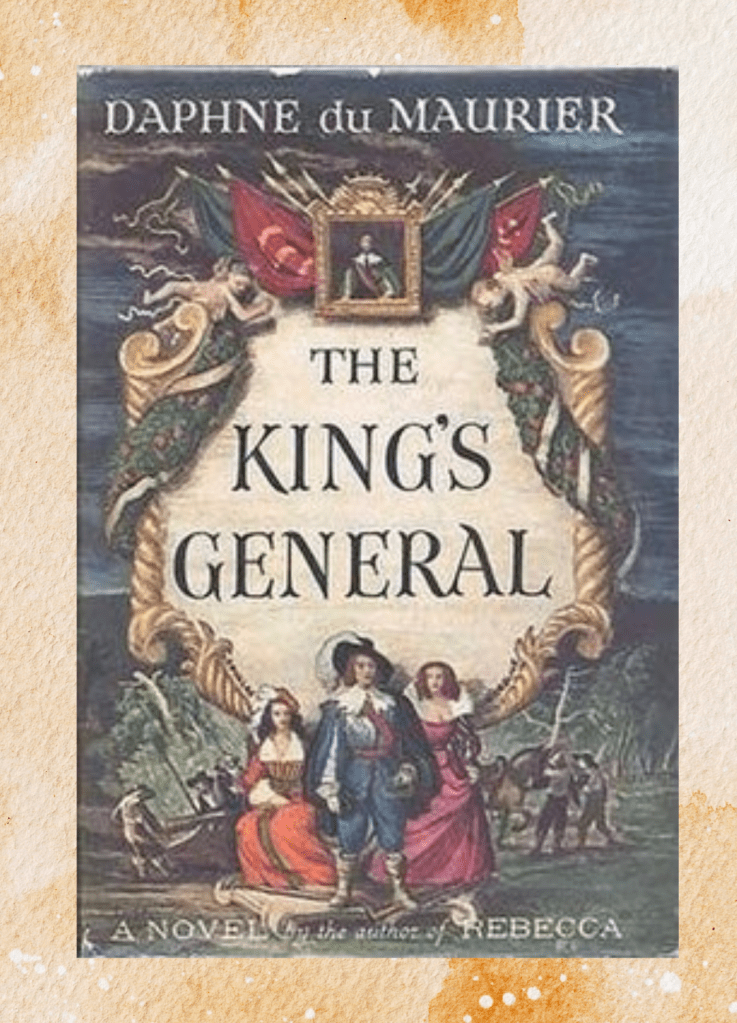
The King’s General, Daphne Du Maurier. Like many of Daphne Du Maurier’s works, this book is a mixture of mystery, tragedy, and romance. It takes place before, after and during the English Civil War, a period about which I know very little. The story is based around Honor Harris, an aristocratic young woman who falls in love and looks likely to have a golden life, until a tragic accident changes her. Also a tale of war, the book embraces the tragedy and futility of warfare and its impact on the civilian population. As ever, Du Maurier includes a subtly revealed mystery amongst characters that are inherently flawed.
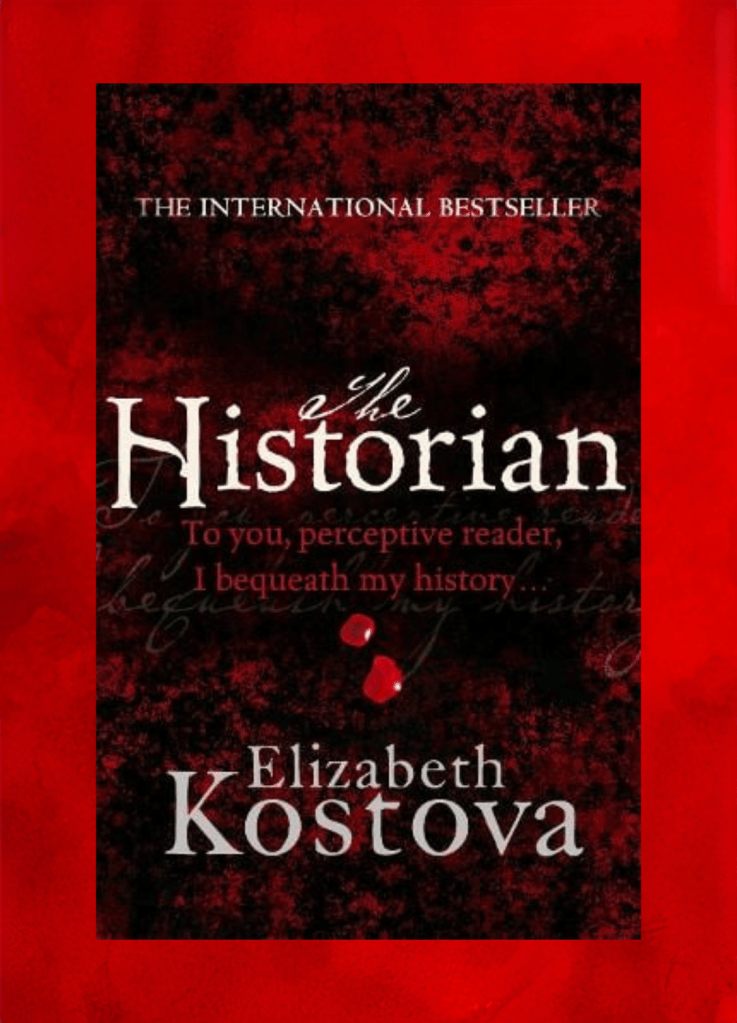
The Historian, Elizabeth Kostova. While some have described this book as gothic – which I suppose makes sense considering its subject – I prefer to think of it as academic. It is a well-researched mystery with a gothic undertone, that describes in loving detail the world of academia before computers, and those who love books and dusty libraries. The story is told across the 20th century through three connected storylines but so well-written that you are never confused as to who is the narrator. From Oxford to Istanbul to Provence, the characters follow the lore of Vlad Ţepeş and find themselves caught up in unexpected ways.
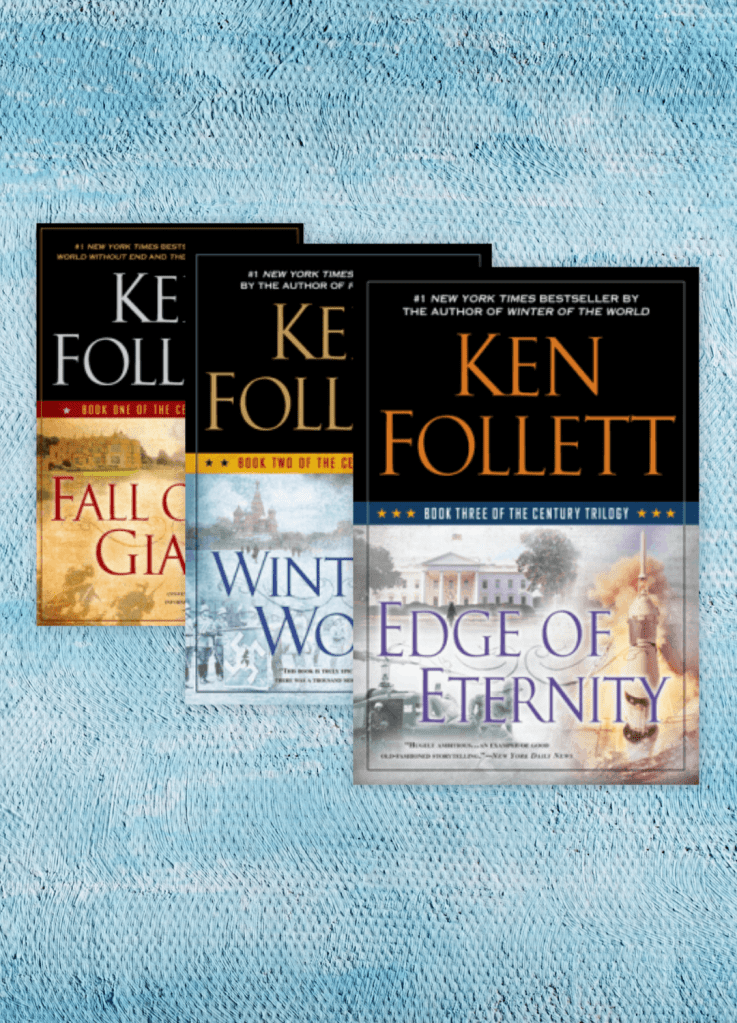
The Century Trilogy, Ken Follett. As I have written before, Ken Follett is the master of multiple storylines that weave in and out of one another, sometimes barely touching and sometimes deeply embedding themselves in one another. In these books, he tells the complex story of several families over the background of the tumultuous 20th century, starting with the First World War and ending, in coda, with the inauguration of Barack Obama. The characters and situations are moving, tragic, funny, and real, as Follett places his characters at some of the most important moments of recent history such as the Christmas truce of 1914, the burning of the Reichstag, Pearl Harbor, the fall of the Berlin Wall, and so much more, which we see humanised through their eyes.
Many of these tales are, perhaps unsurprisingly, focusing on women in history, often battling to maintain their place in a world where their gender is one of their biggest barriers to success. As a student of history, particularly of a period where women are frequently overshadowed by the men in their lives, I always enjoy finding those female stories, and discovering how successful many women could be in asserting themselves in difficult places.
Honorable mention must go to the following books and authors:
- Anya Seton and almost all of her other books. Mistletoe and Sword in particular focuses on the time of the Iceni rebellion. with Boudicca one of the characters.
- Colleen McCullough’s epic series on Ancient Rome starting with the first Triumvirate and taking us through the life of Julius Caesar and those around him. The books are hefty but the characters very real and well-researched. I also have to mention The Song of Troy, McCullough’s reimagining of the Trojan war.
- Anita Diamant, The Last Days of Dogtown. This book takes place in a small village in Cape Ann, north of Boston. A series of interwoven vignettes, each with characters that draw you in.
- Alice Hoffman, The Dovekeepers. A fascinating story of women living inside Masada during the Roman assault in AD 72.
- Patricia Clapp, Constance: a Story of Early Plymouth. A young adult novel covering the story of one of the passengers on the Mayflower, Constance Hopkins. I read this book so many times as a teen that I had it almost memorized and found it a fascinating tale particularly of the first year of the Pilgrims in New Plymouth – doubtless due to several school trips to Plimoth Plantation.
Getting away from the Middle Ages when reading fiction can actually be more relaxing for me, as I find it much easier to turn off the historian brain that critiques the accuracy, or authenticity. But then I find it important to remember that one can enjoy fiction (or indeed other media, TV and movies) from a historical perspective as long as one is not then accepting fiction as fact. Have many authors done extensive historical research? Yes of course. Are they then using creative license to tweak history into what works for their story? Also, of course. I love historical fiction, knowing that it is just that: fiction.
Lecture complete.
 The Wandering Medievalist