
Several years ago, I took myself away for a few nights on a mini writing retreat. I chose as my destination somewhere out of the way and yet relatively easy to reach by public transport (though not on a Sunday as I had forgotten): Doune. I had opted for the same destination in January of my final year of university, when everyone else had exams and I did not. I’ve already written about my exploration of the fabulous castle, but as I discovered, Doune has plenty more to offer in the way of countryside walks and a charming village with lovely gardens.
My journey from St Andrews to Doune involved a bus to Dundee train station, train to Stirling, and then transfer to another local bus to Doune.
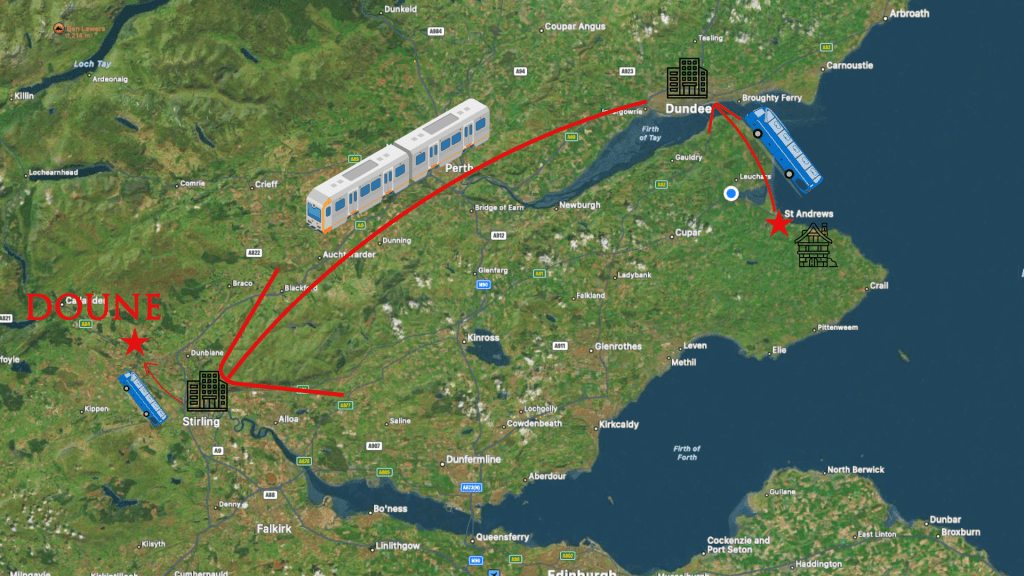
I reserved myself a nice room with a bathtub and plenty of space to spread out and write. The hotel was the same I had stayed at more than ten years before and was a touch more run down than I remembered (the food also not quite as good) but it was in easy walking distance of the bus stop. Aside from one evening when we were treated to a typical Scottish summer downpour, the weather was excellent – sunny and hot, at least for Scotland in summer.
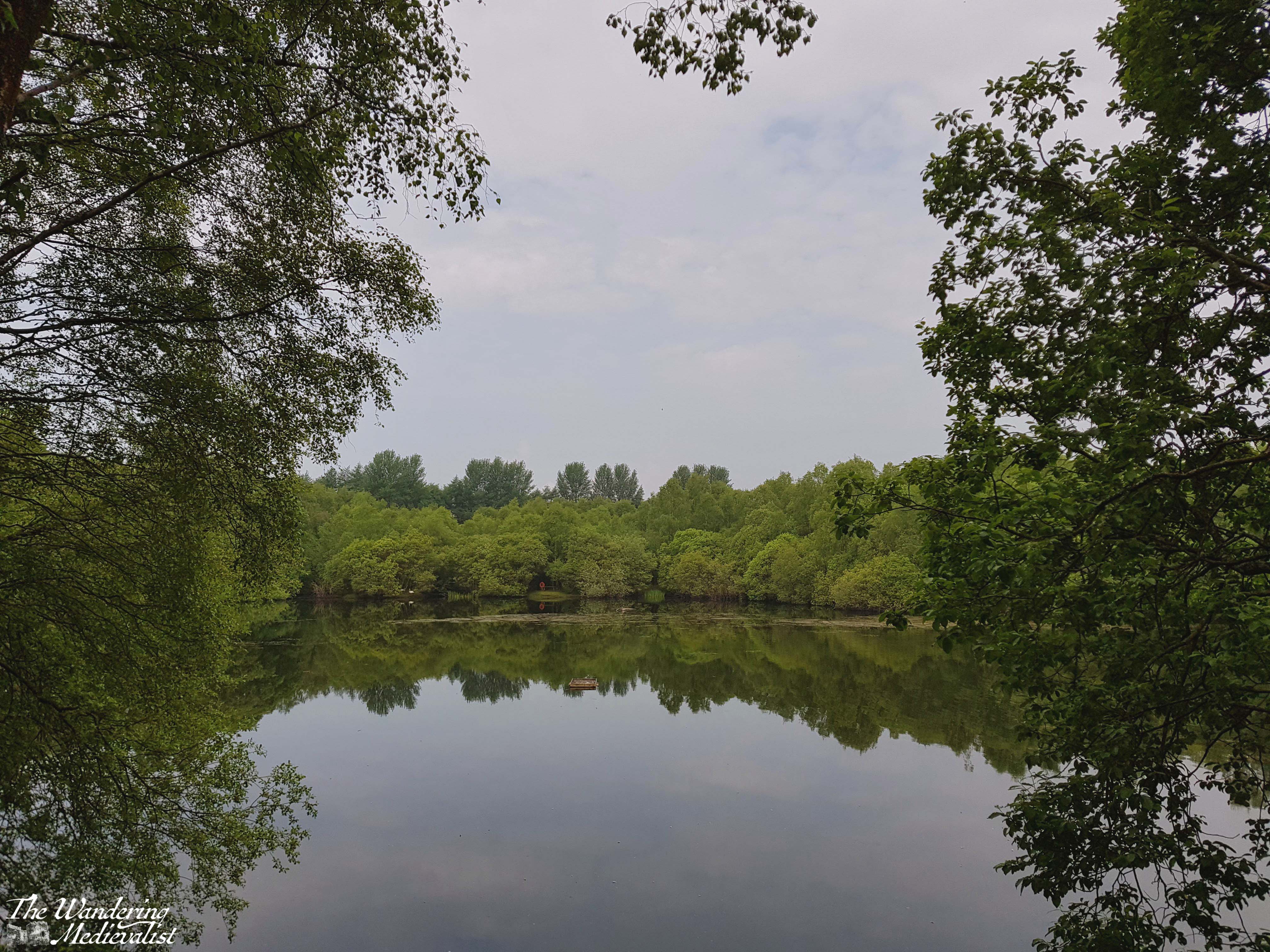
Rather than race for the castle, which was undergoing renovations, I planned myself a long walk which essentially circumnavigated the town centre, starting at Doune Ponds on the north-west edge of town. I was advised by the kind woman at the hotel reception to make sure I had midge spray (something we don’t often have to bother with by the coast) and so I made my way via the pharmacy in town. The reliable spray they said was the outrageously-priced ‘Smidge’ brand, but was worth the spend.
I cannot for the life of me recall where I got the instructions for my walk, which were to start at the conservation land area of the ponds, where there are numerous paths to take.
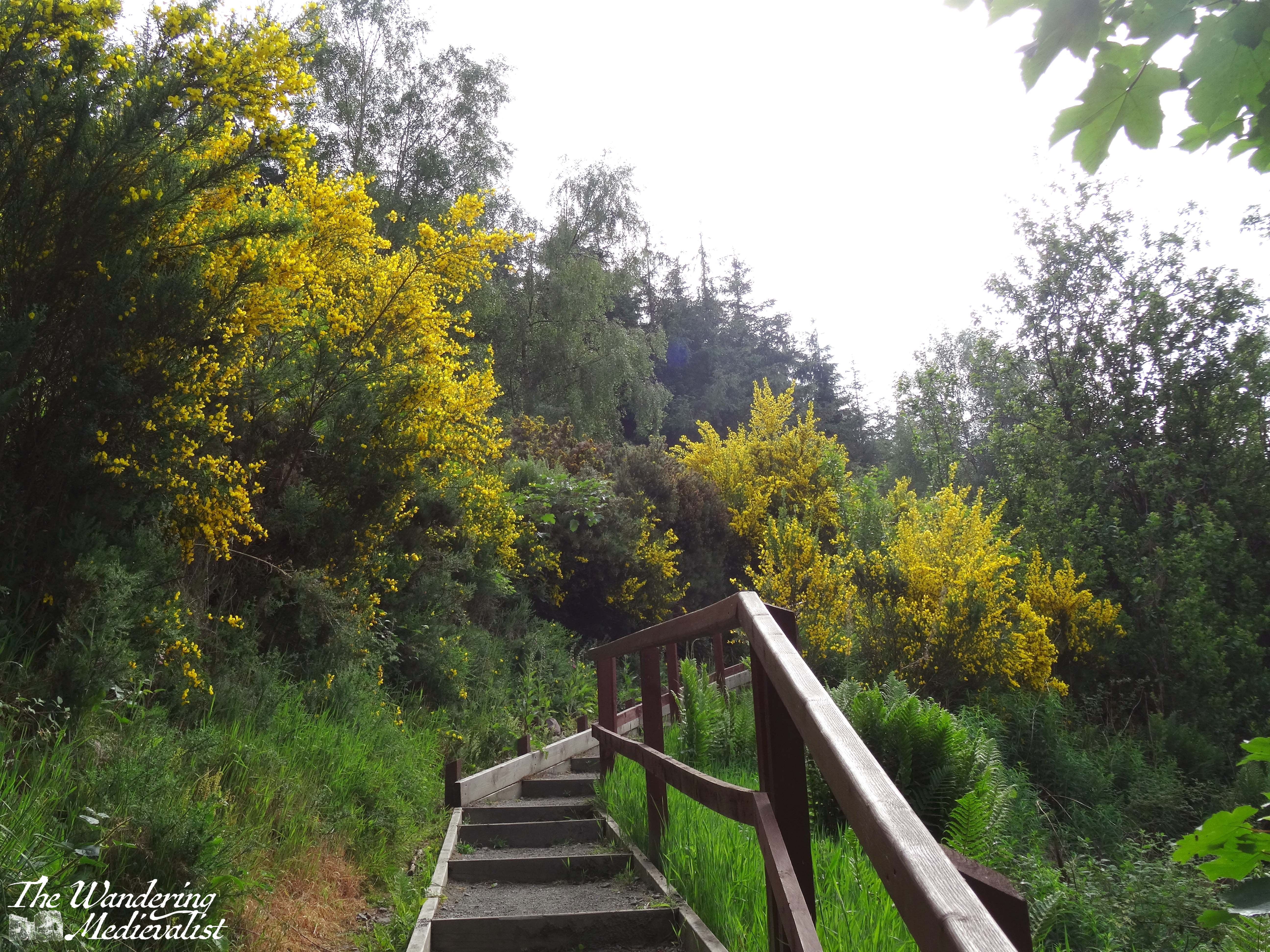
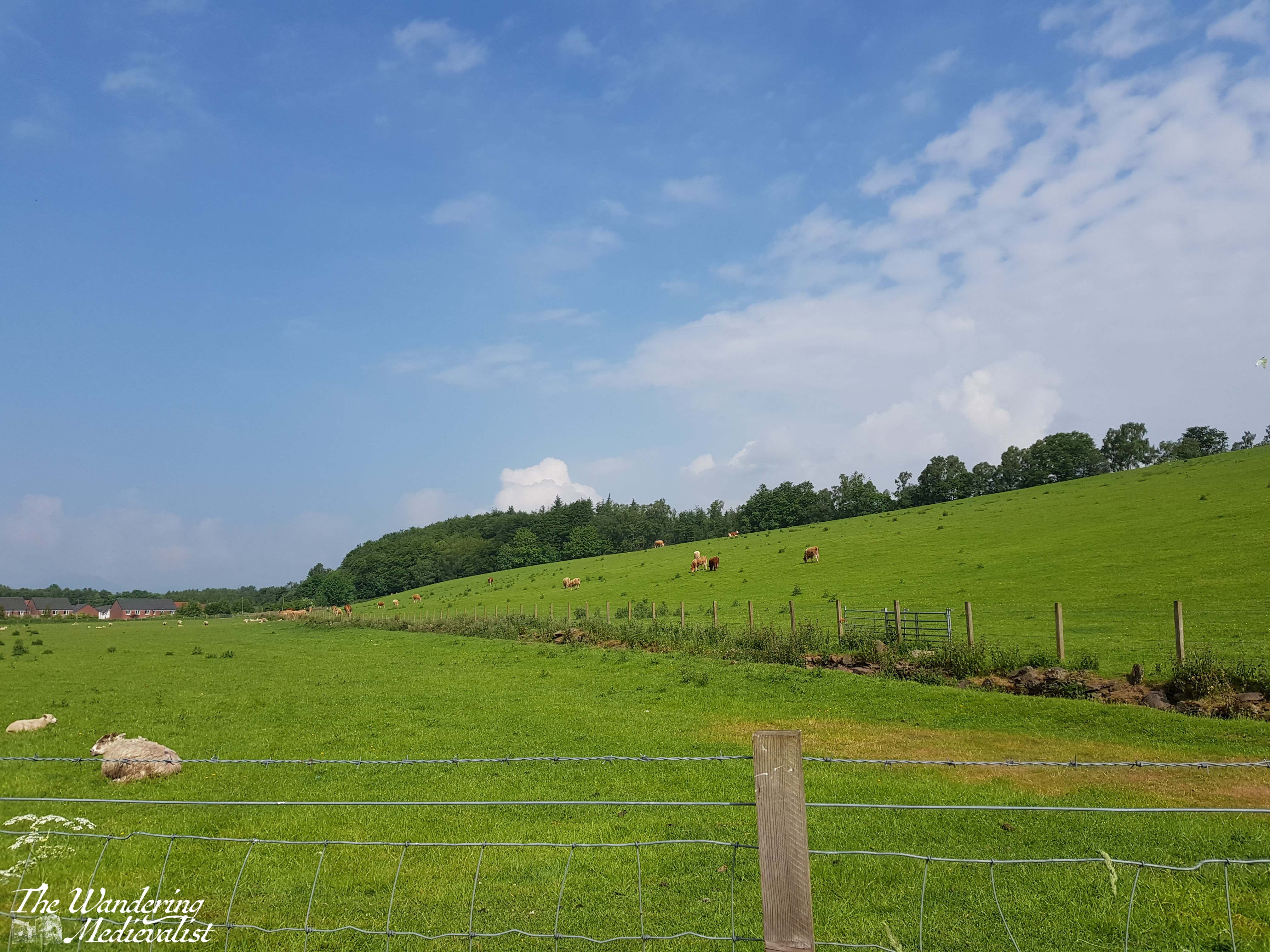
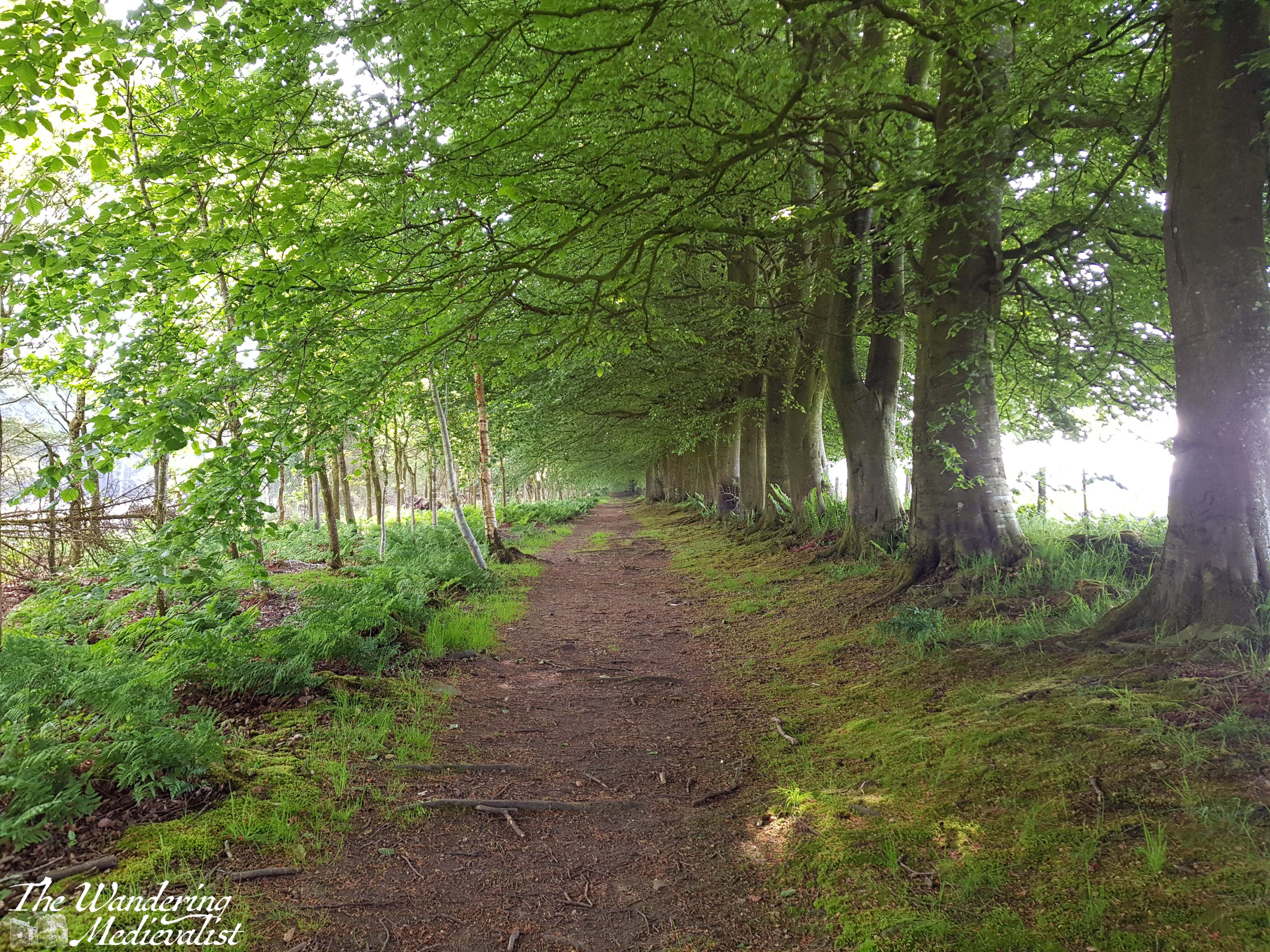
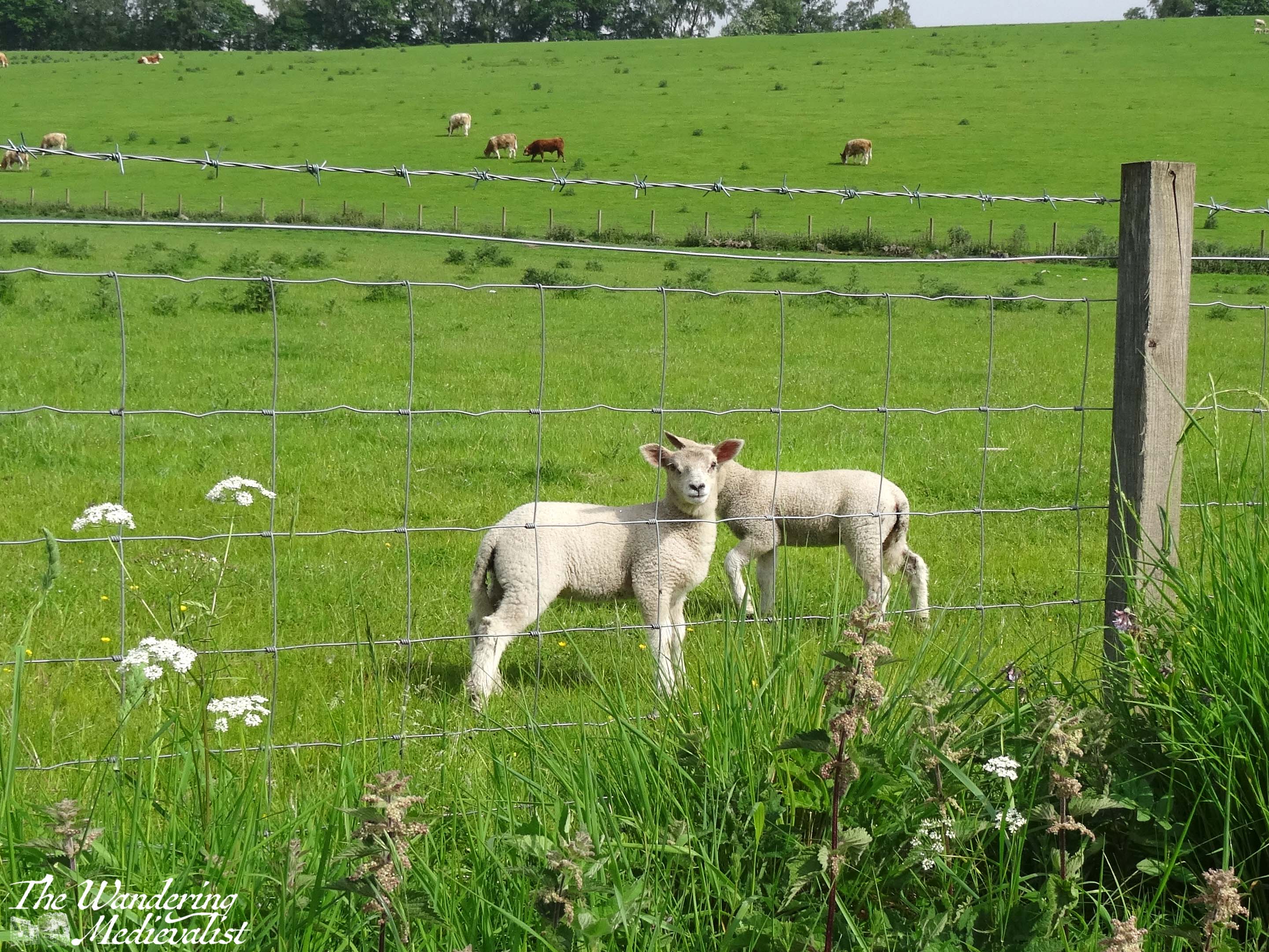
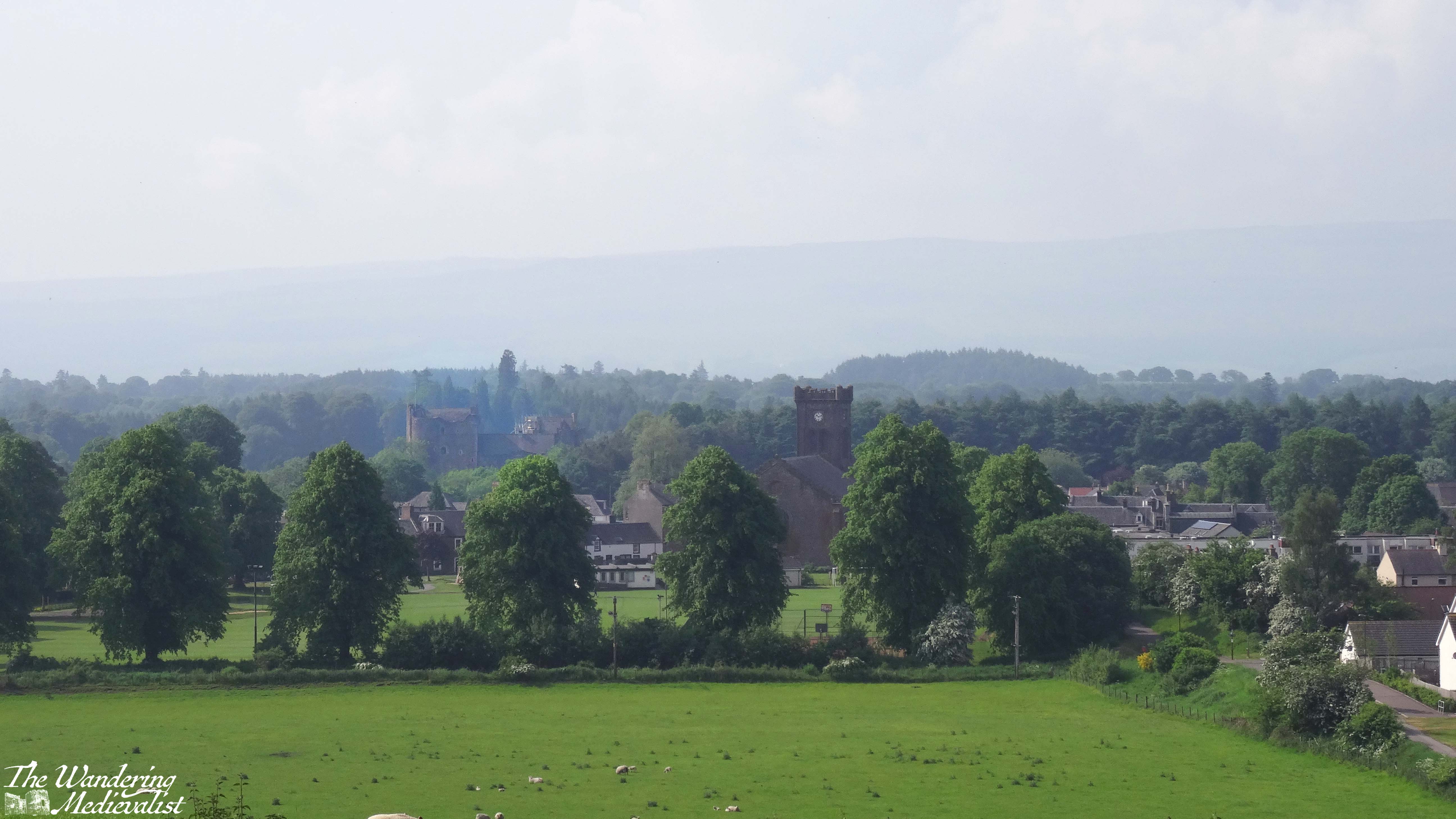
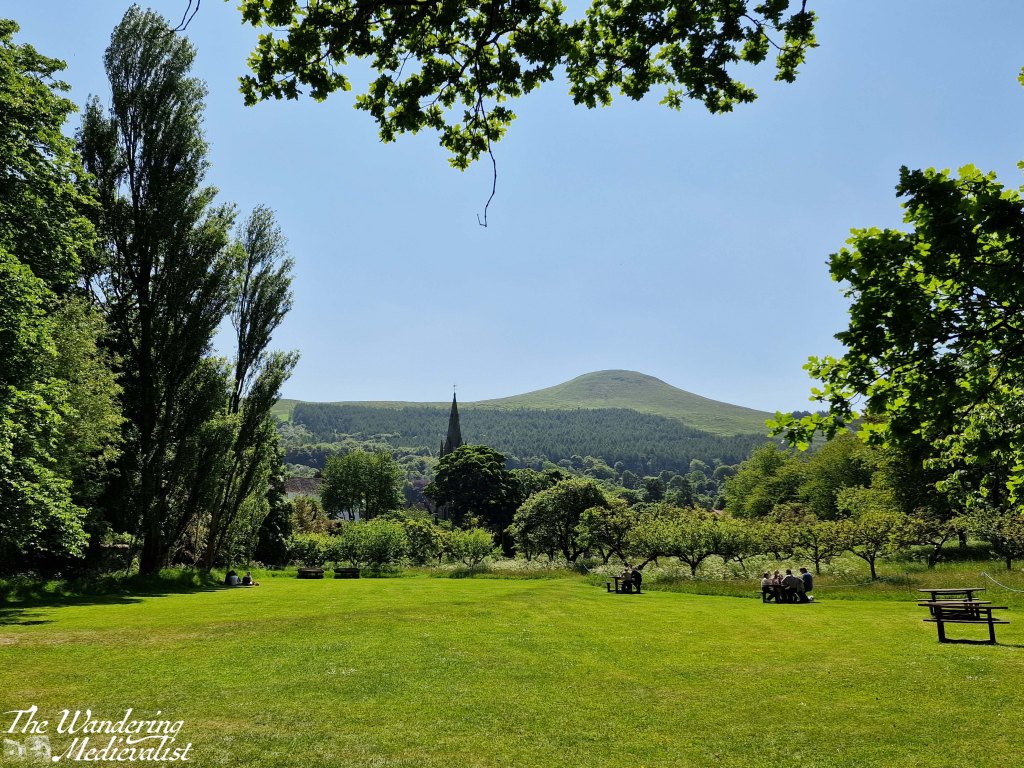
I attempted to follow the poorly-worded route for my walk and managed to find one of several paths up out of the pond area, through large gatherings of gorse bushes. I have a love-hate relationship with gorse, which is a beautiful bright yellow harbinger of spring, but to which I am quite allergic. So I climbed quickly up to where my route joined a farm road. I have been unable to re-create the route I took at this point though I believe I may have ended up partly on the Commonty Walk. The path and my instructions were a bit haphazard, but it was a beautiful warm day and I had water and snacks so I just kept walking. There was a lovely section of the trail through a wooded area with sheep fields to my right, and looking down over the town.
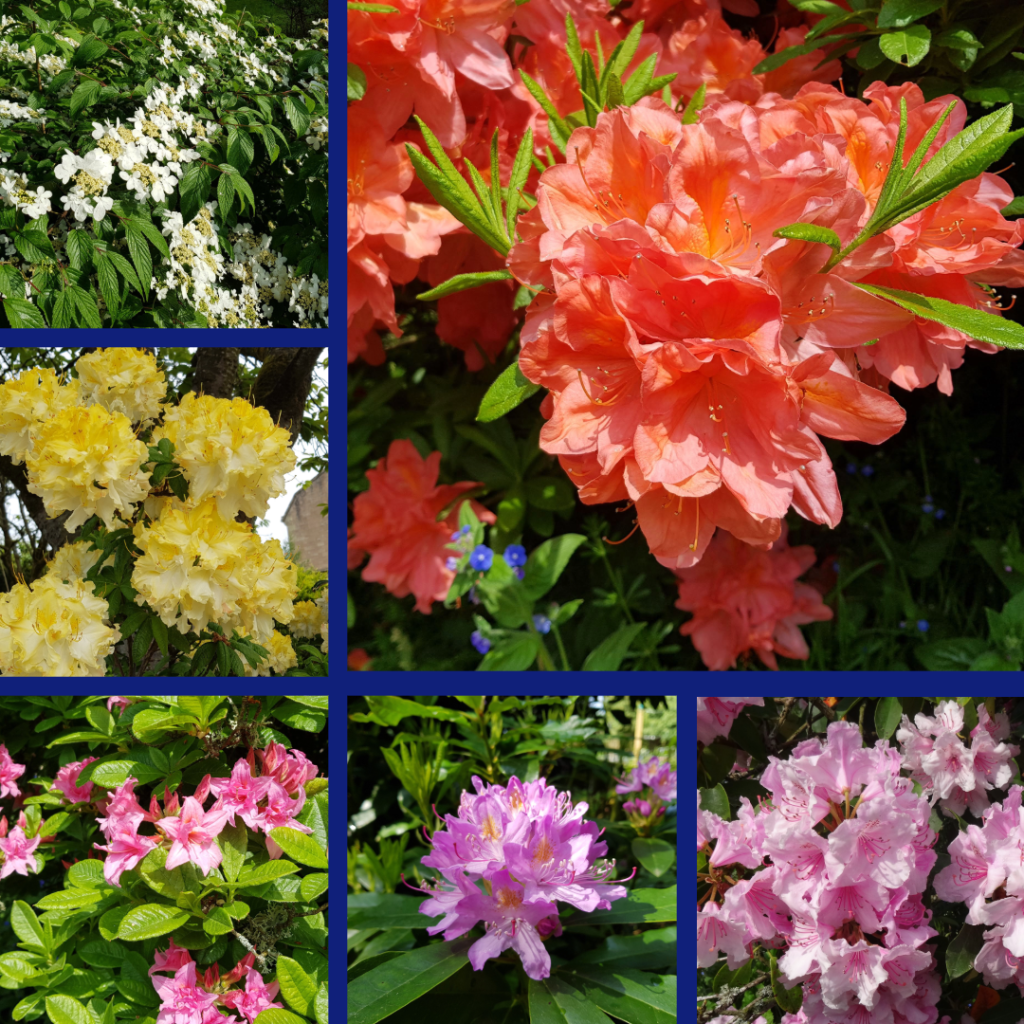
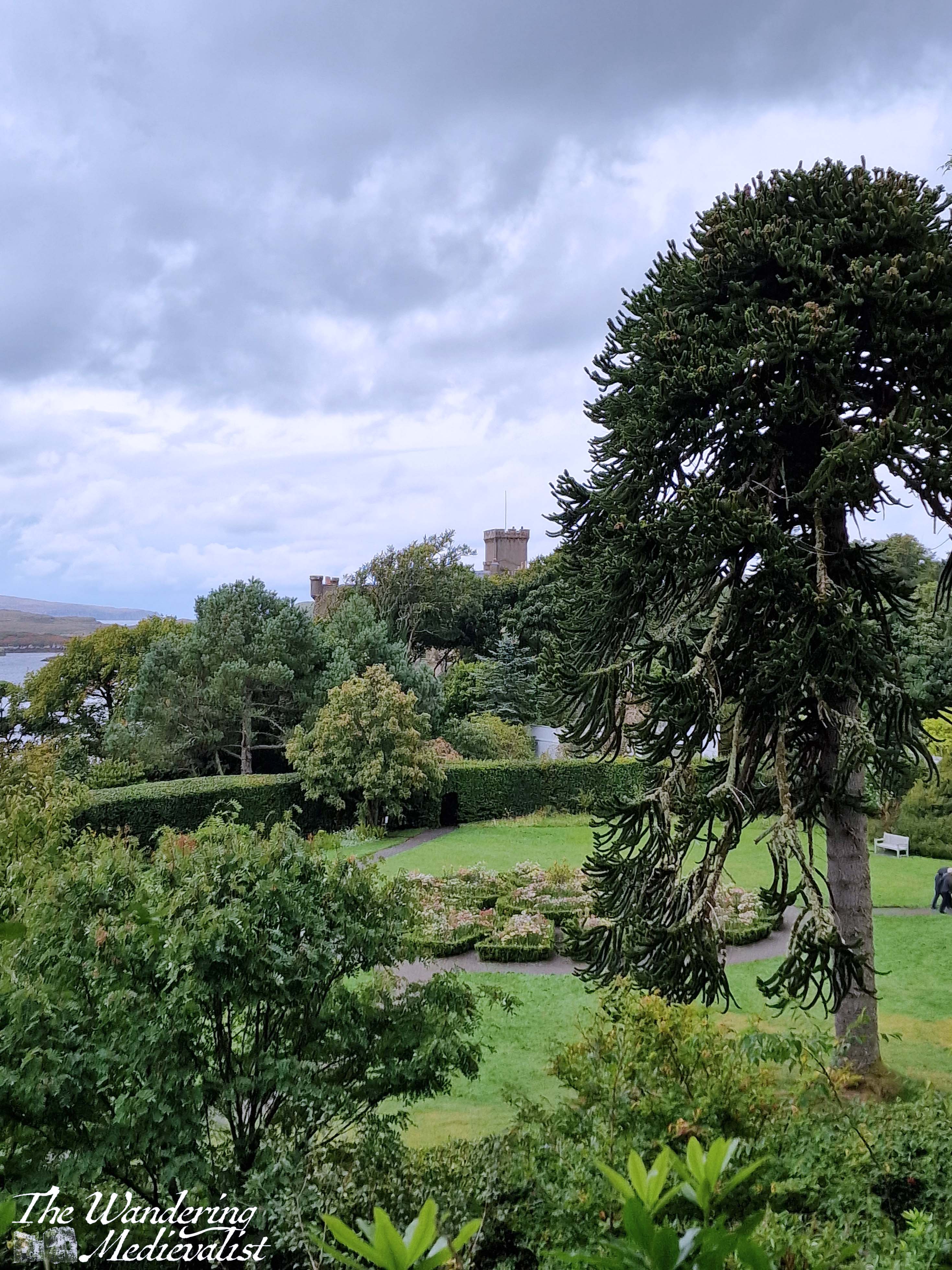
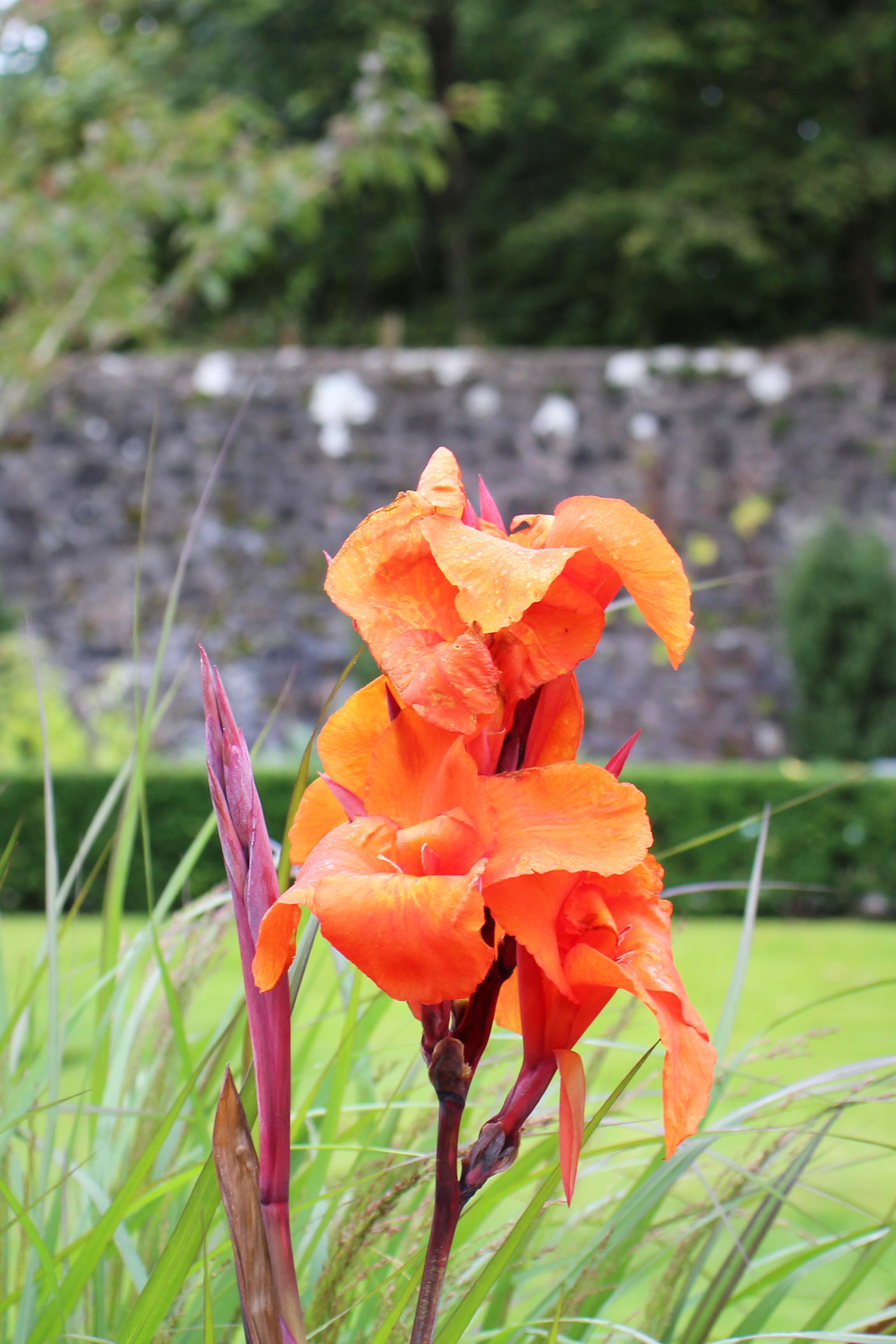
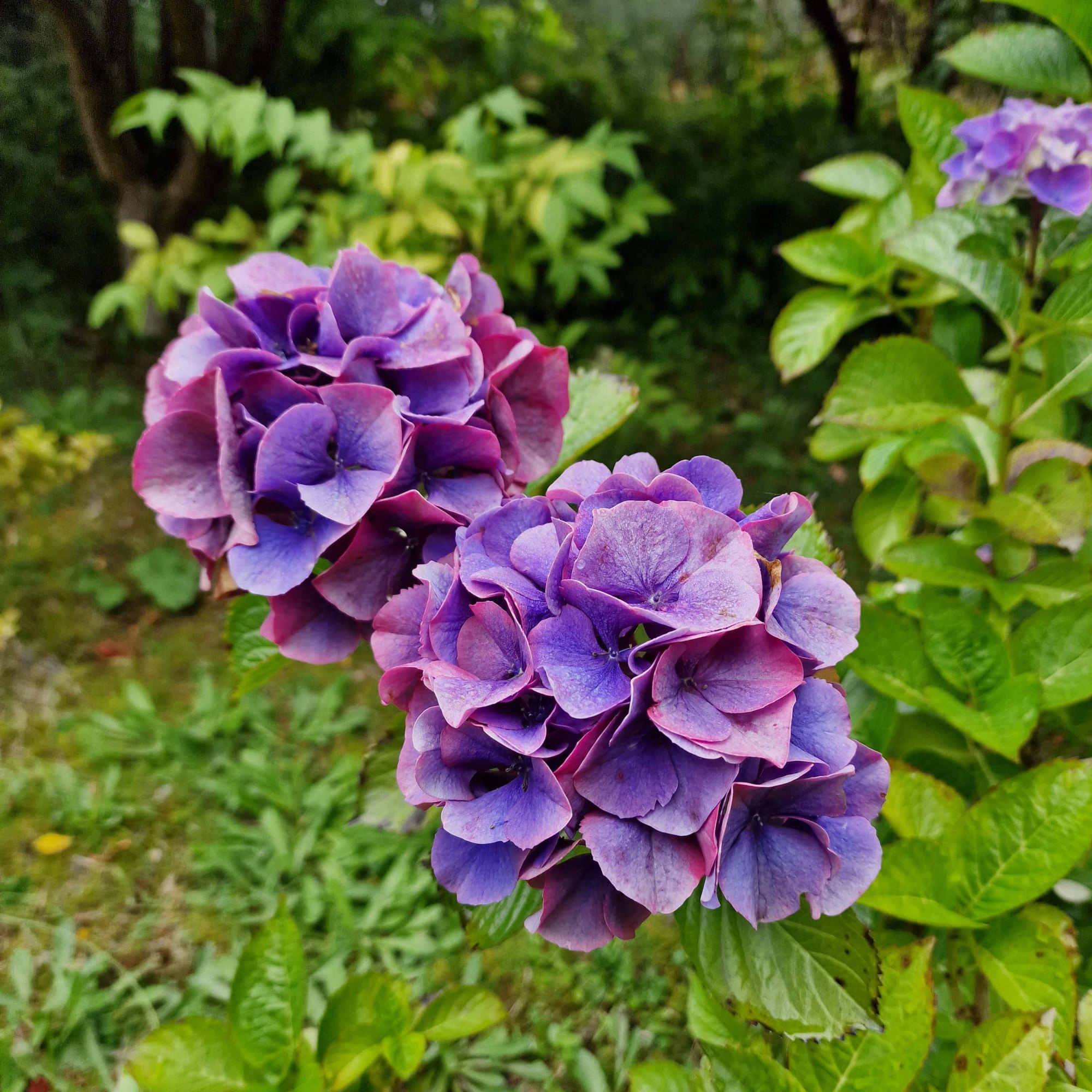
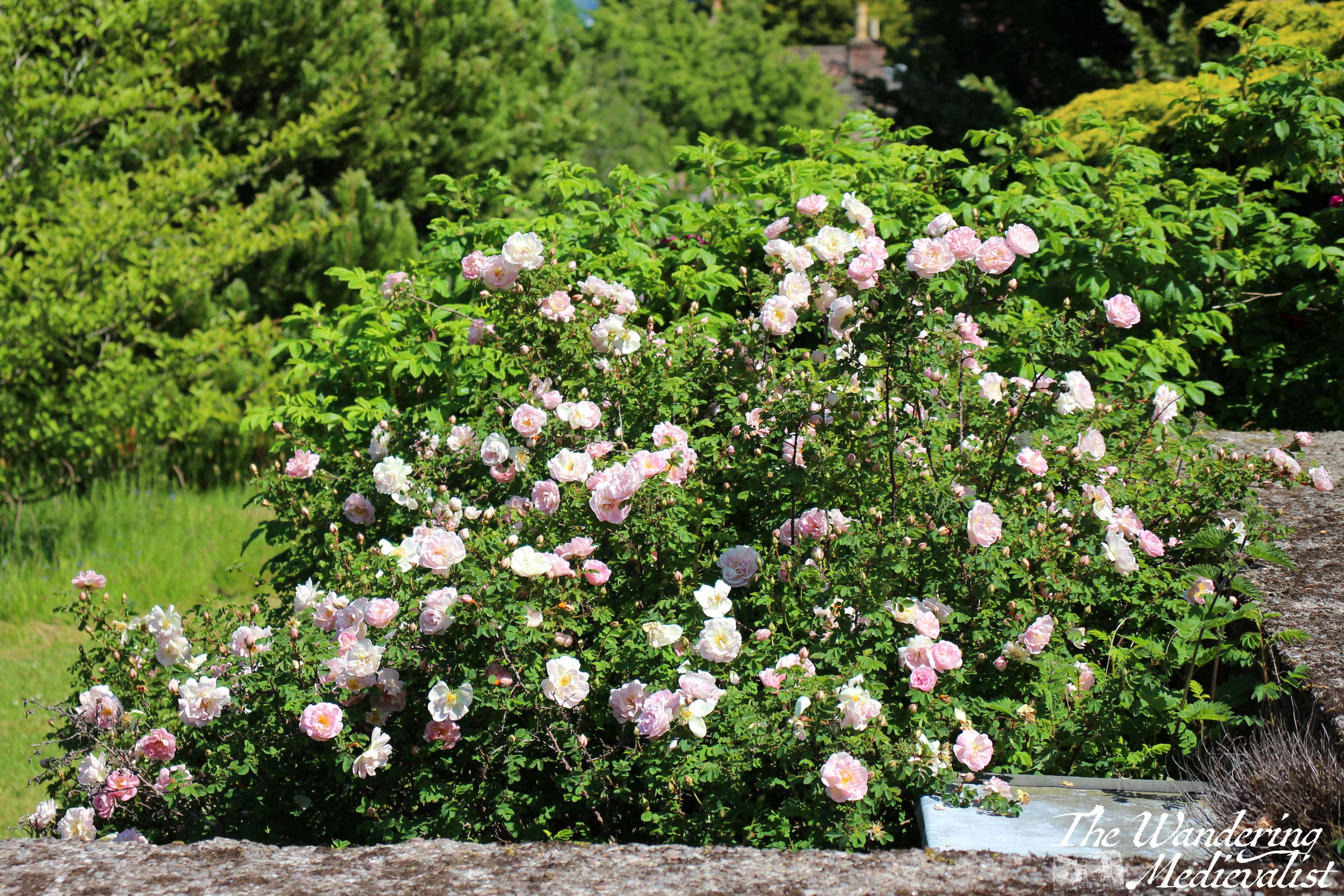
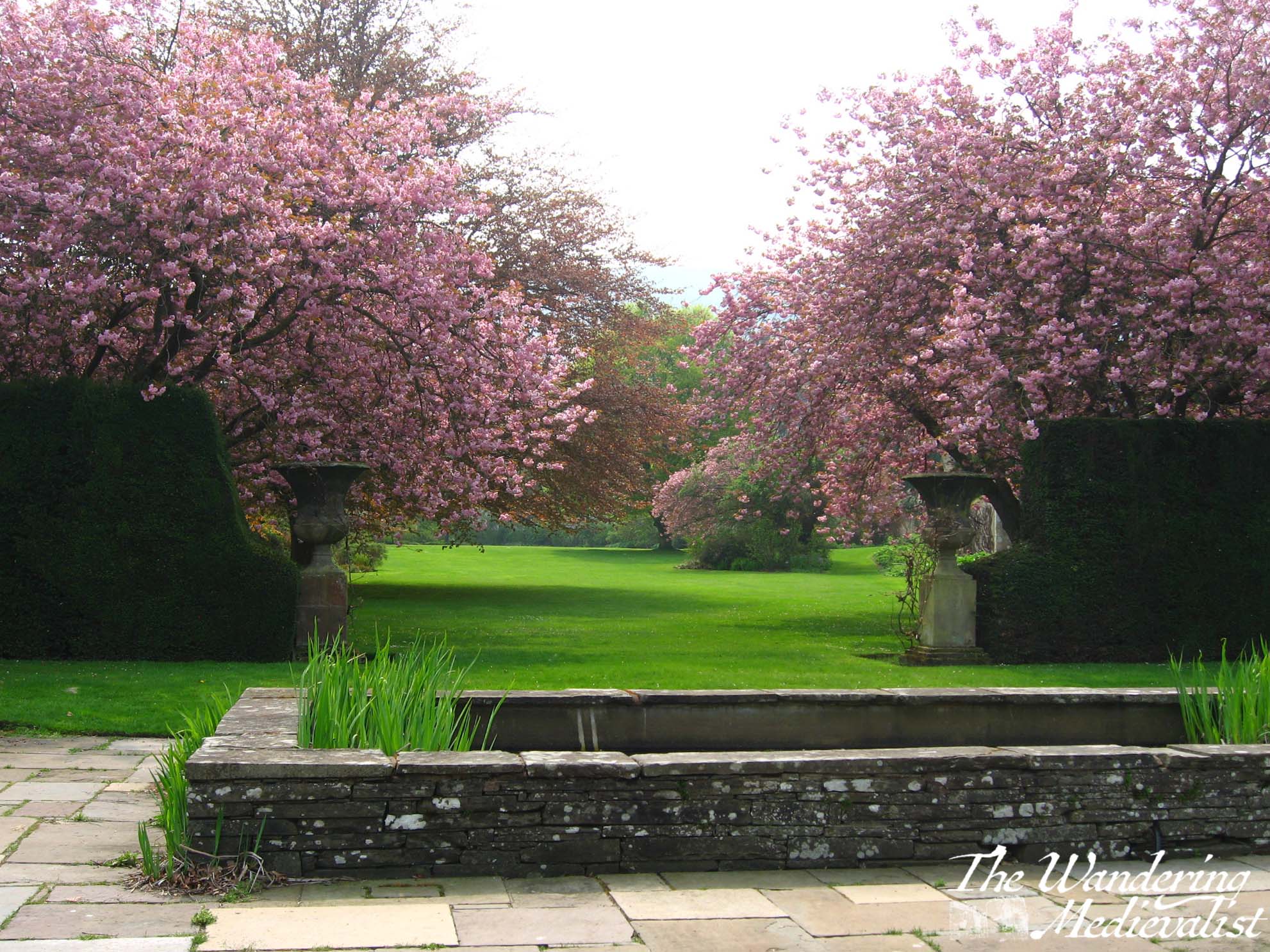
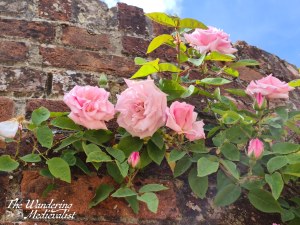
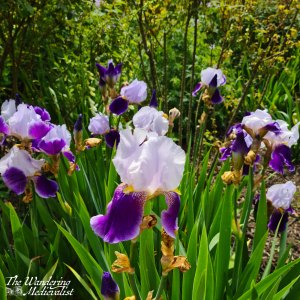
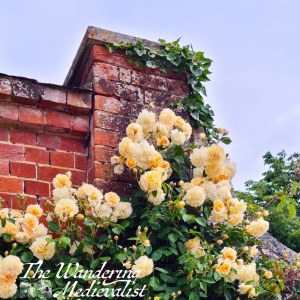
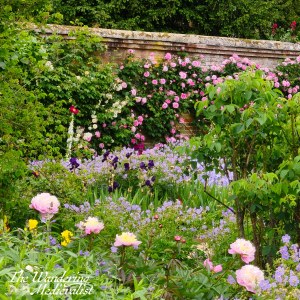
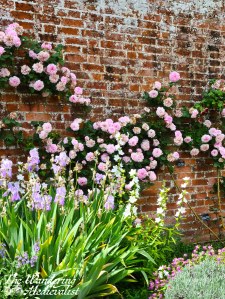
More than a few times I was sure I was lost, but eventually I ended up on the far side of the town, following my walk instructions which took me to the entrance of an old estate, recognisable from the gate cottage and of course the towering rhododendron bushes in full bloom. In fact, the flowers are what stand out to me most from this trip and this walk – everywhere I looked were gorgeous colours, in particular the rhododendron going from purple and white to bright red and coral pinks, and even a buttery yellow.
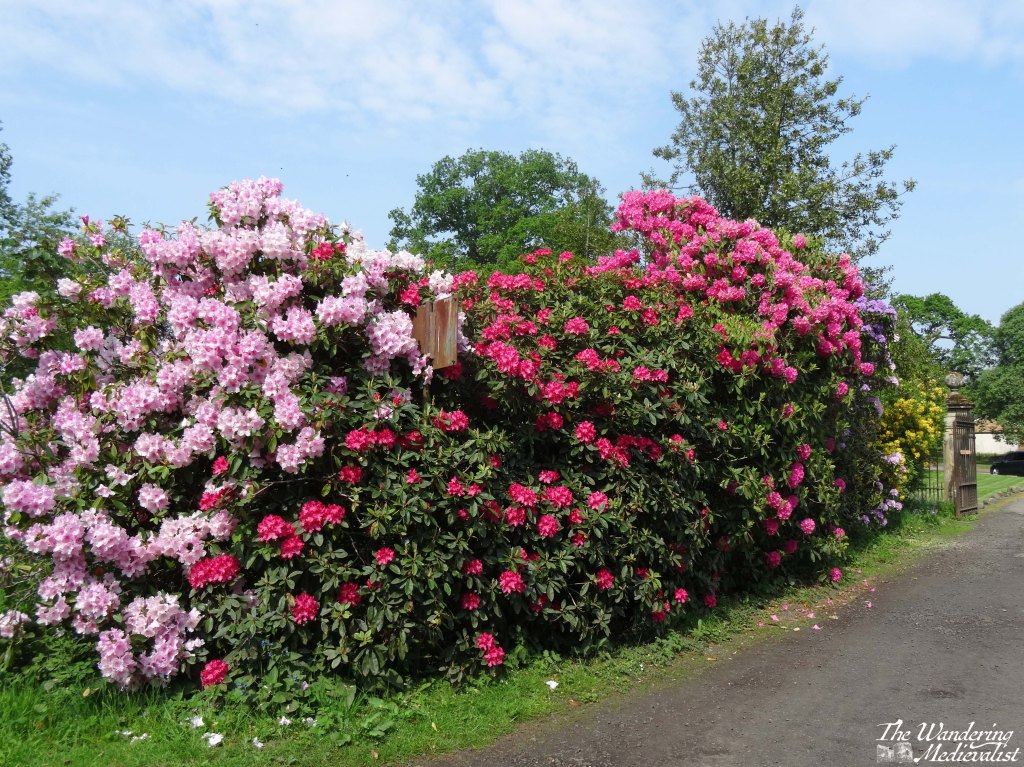
As I made my way down the path, I was met by a woman asking if I needed help, as the area I was heading into was closed to public access. I explained that I was trying to follow a trail, and trying to get to the castle, and when she realised (I assume) that I was simply a slightly lost walker, she immediately offered to guide me through the estate. It was my second experience in Doune of the joy of travelling on your own and being relatively happy to chat to almost anyone.
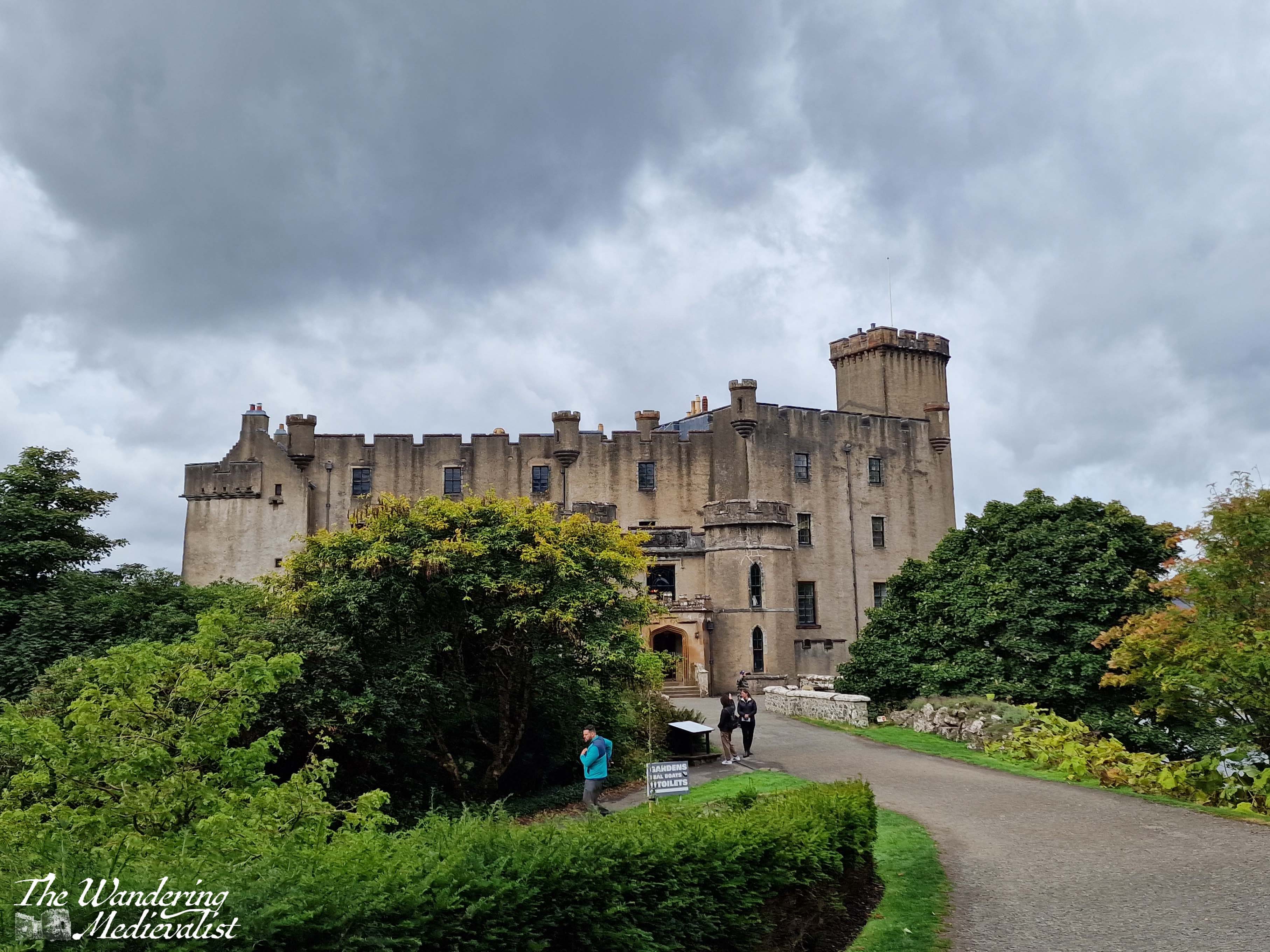
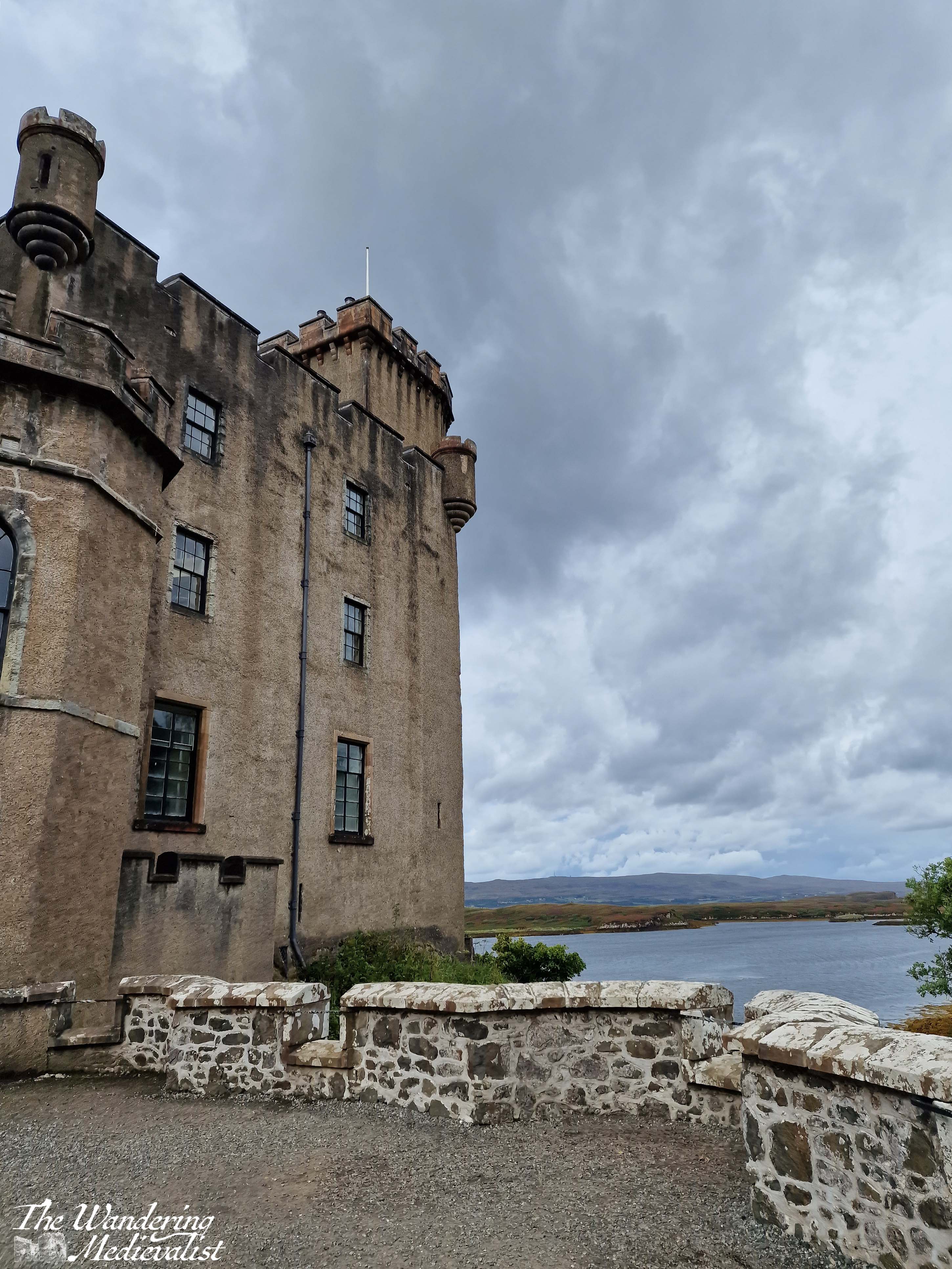
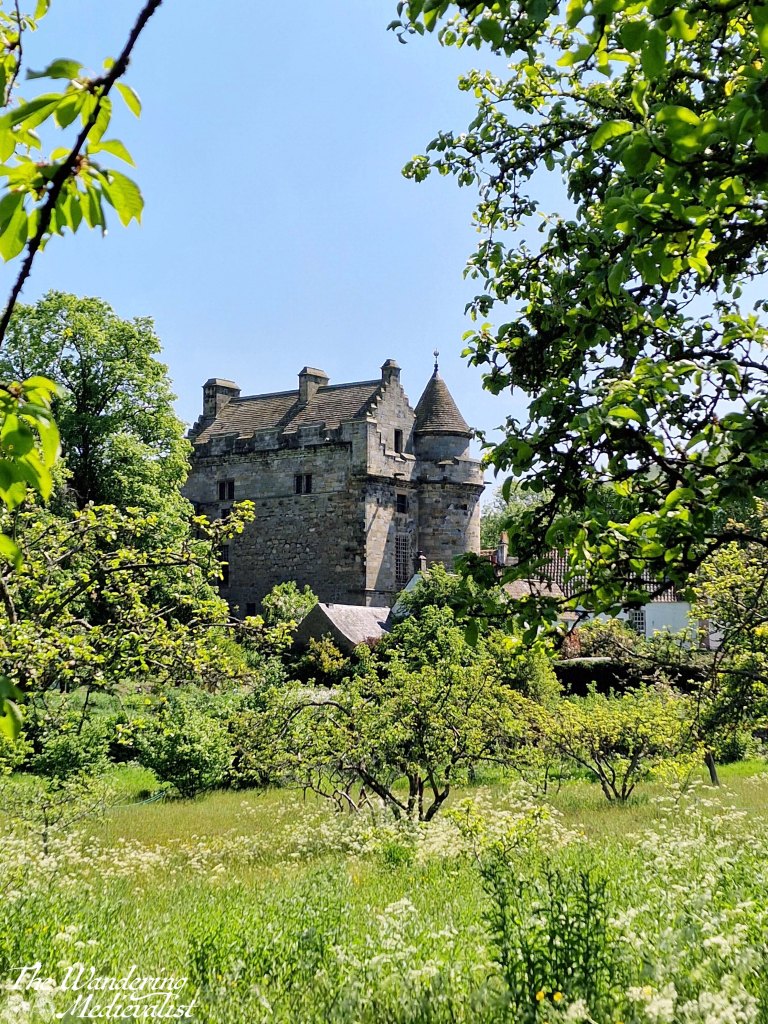
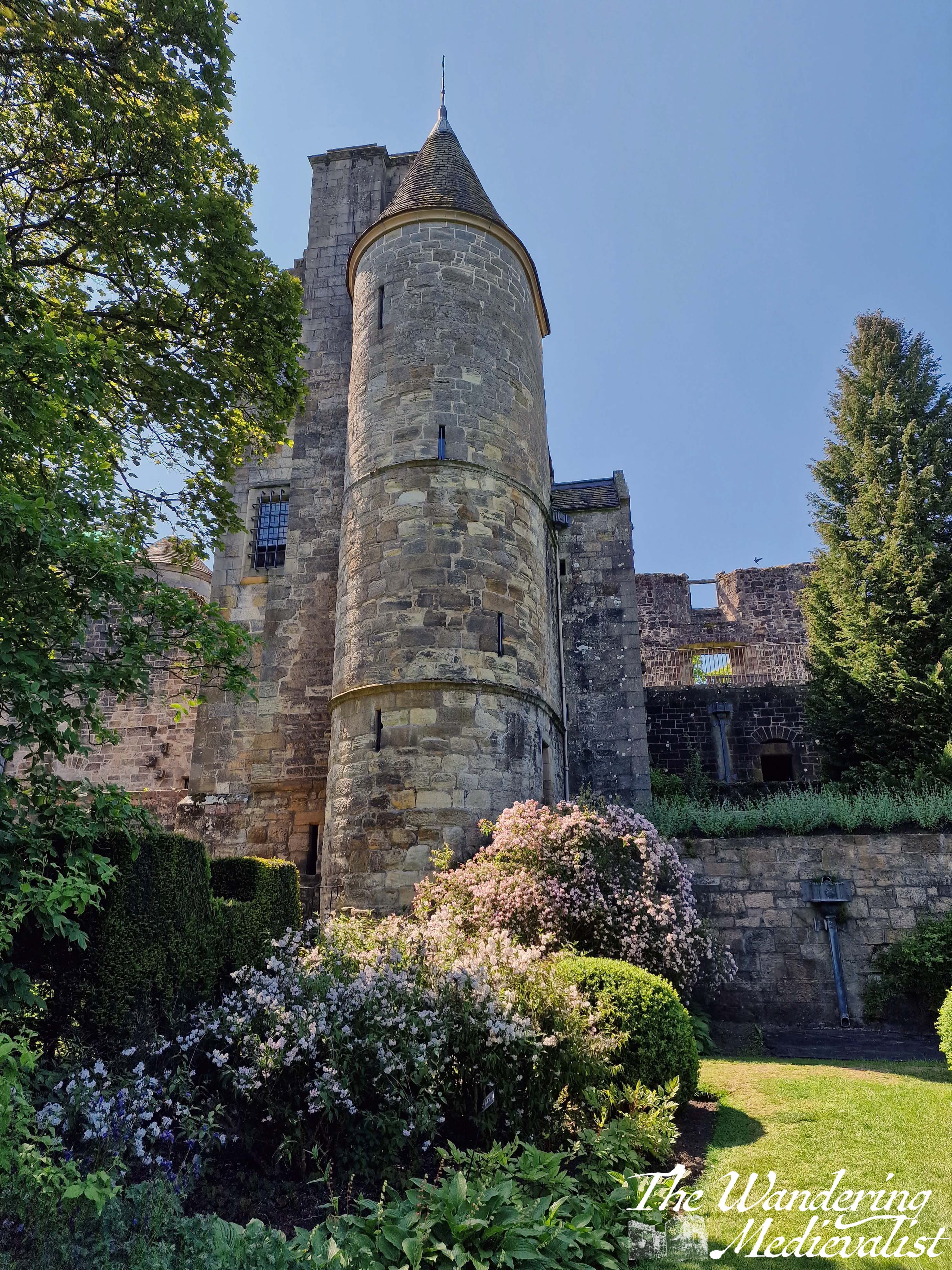
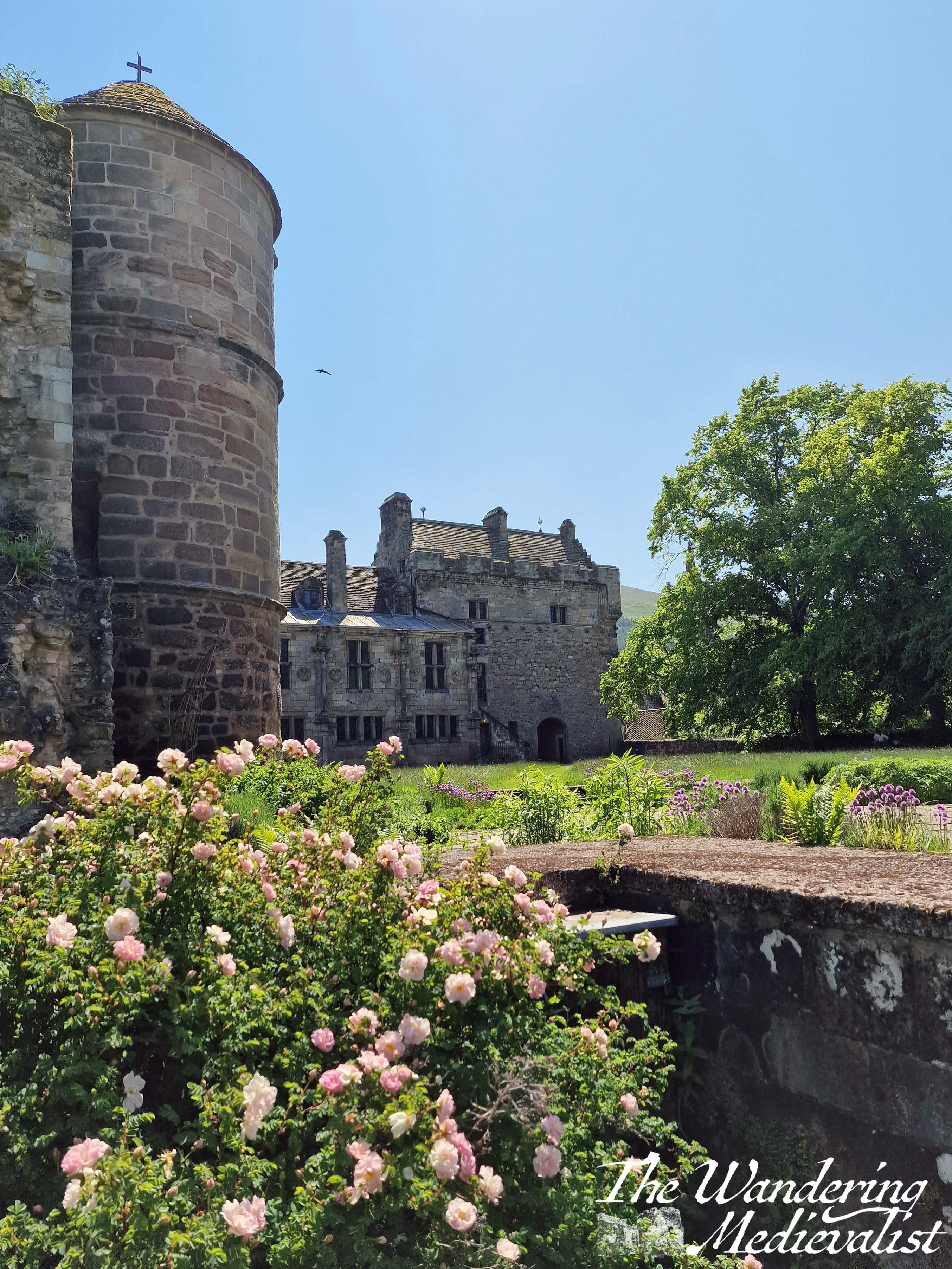
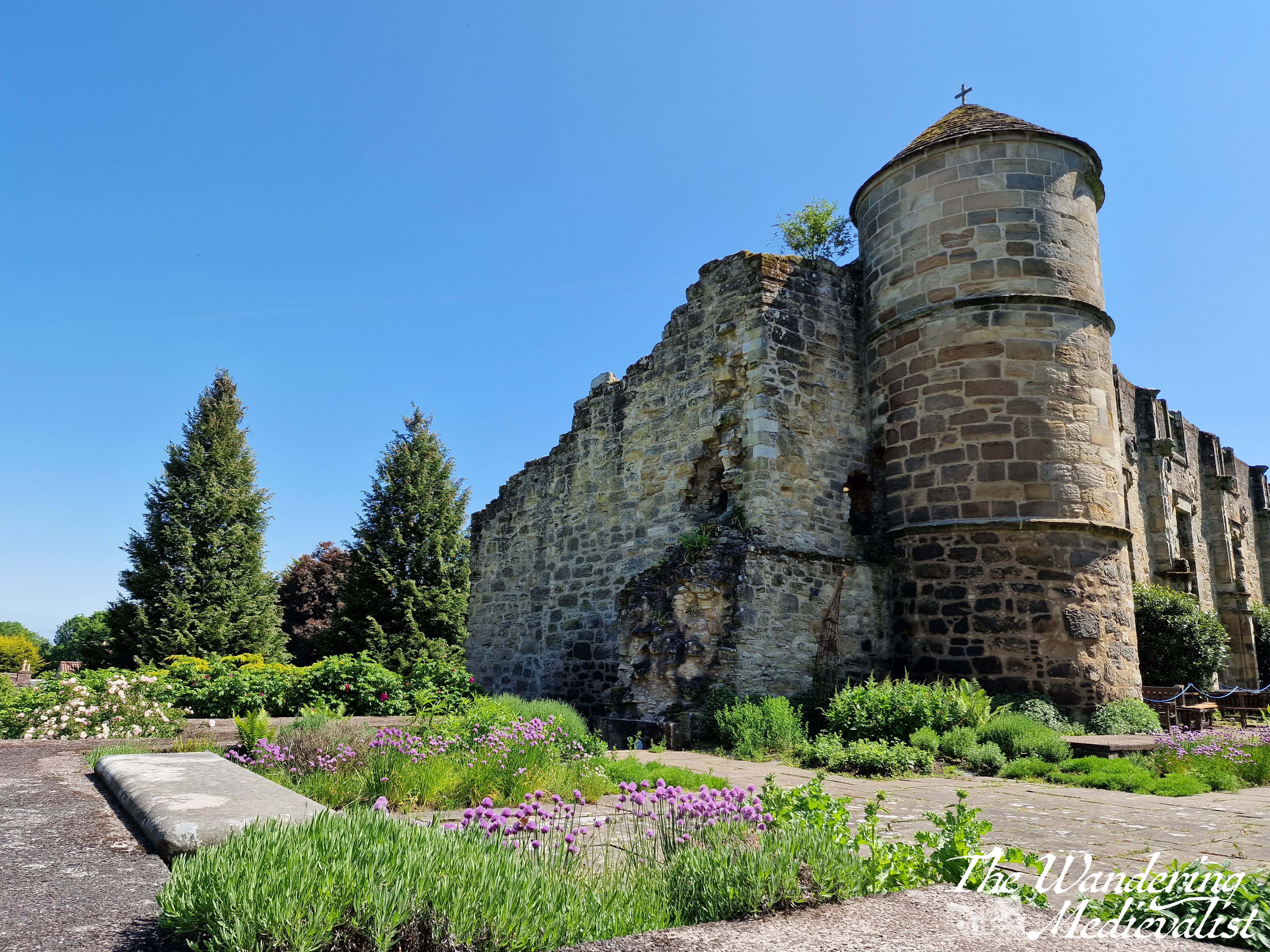
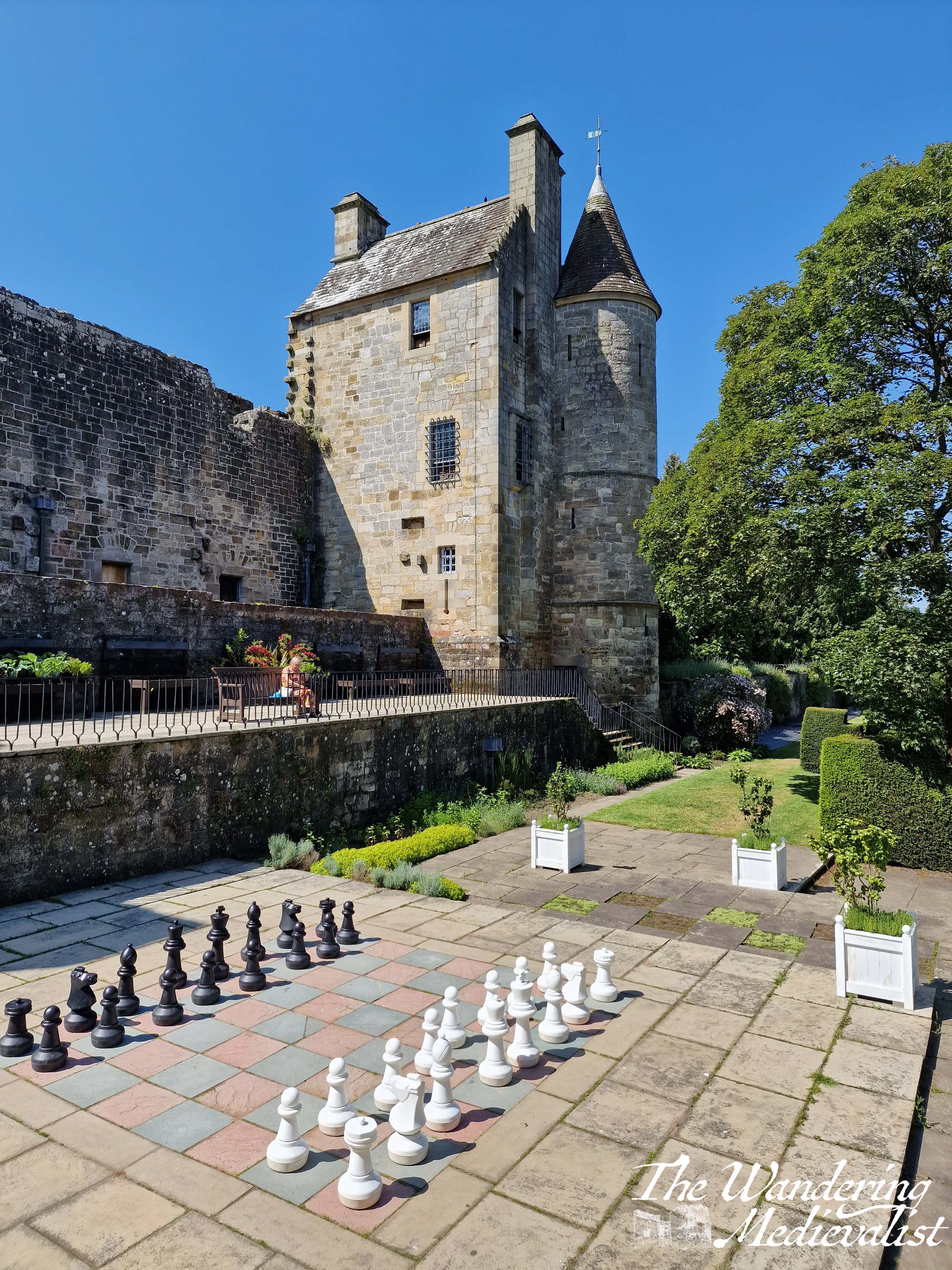
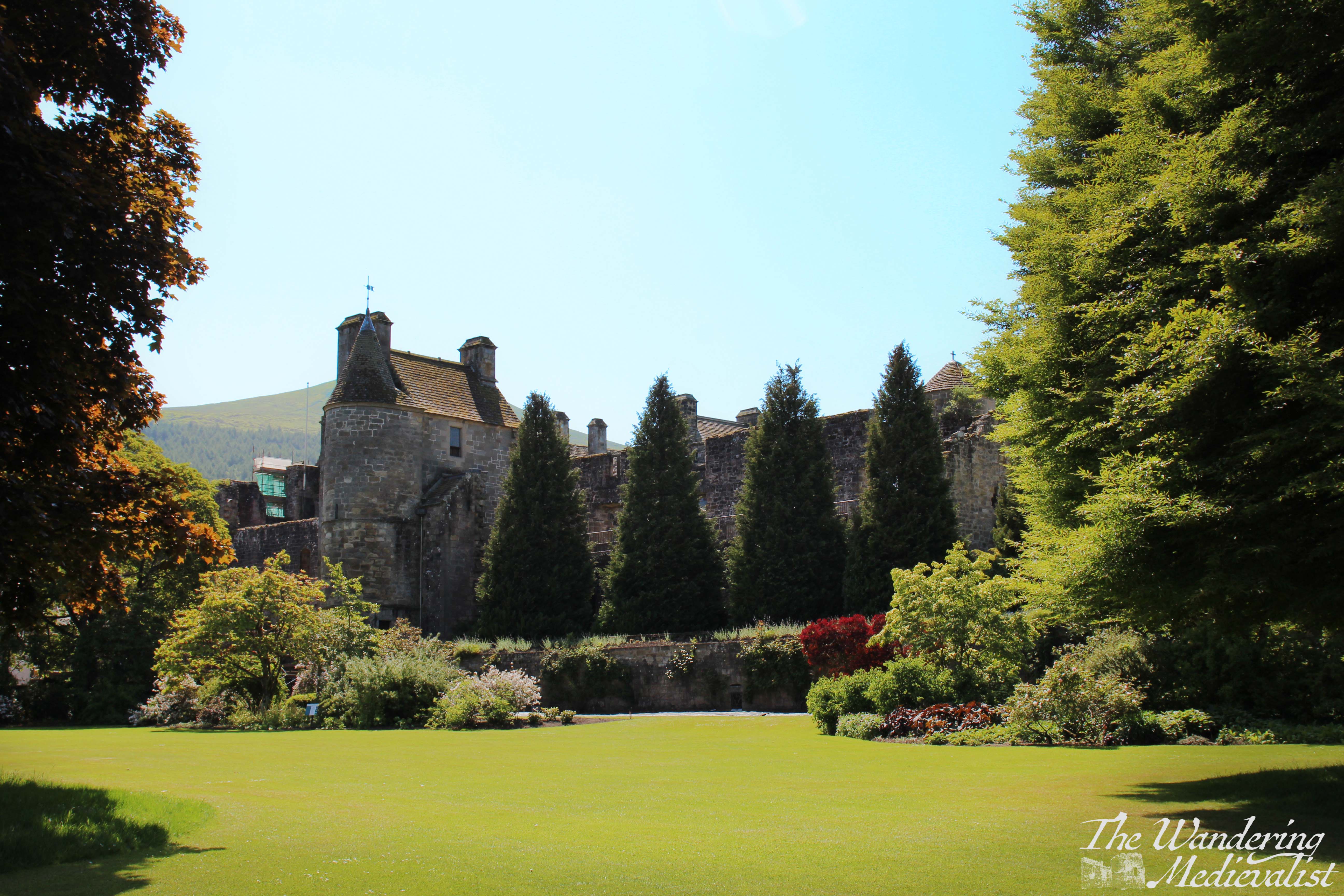
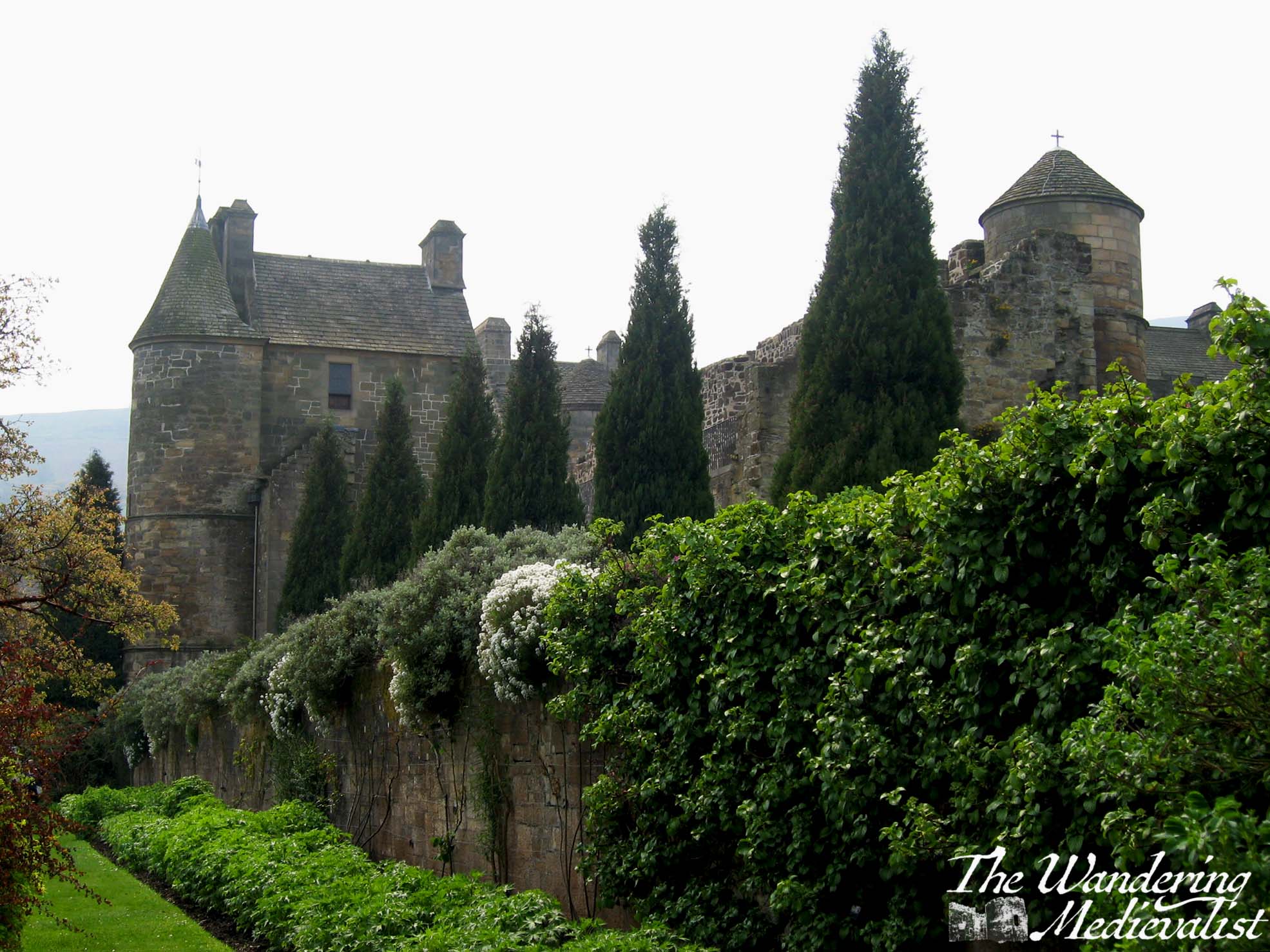
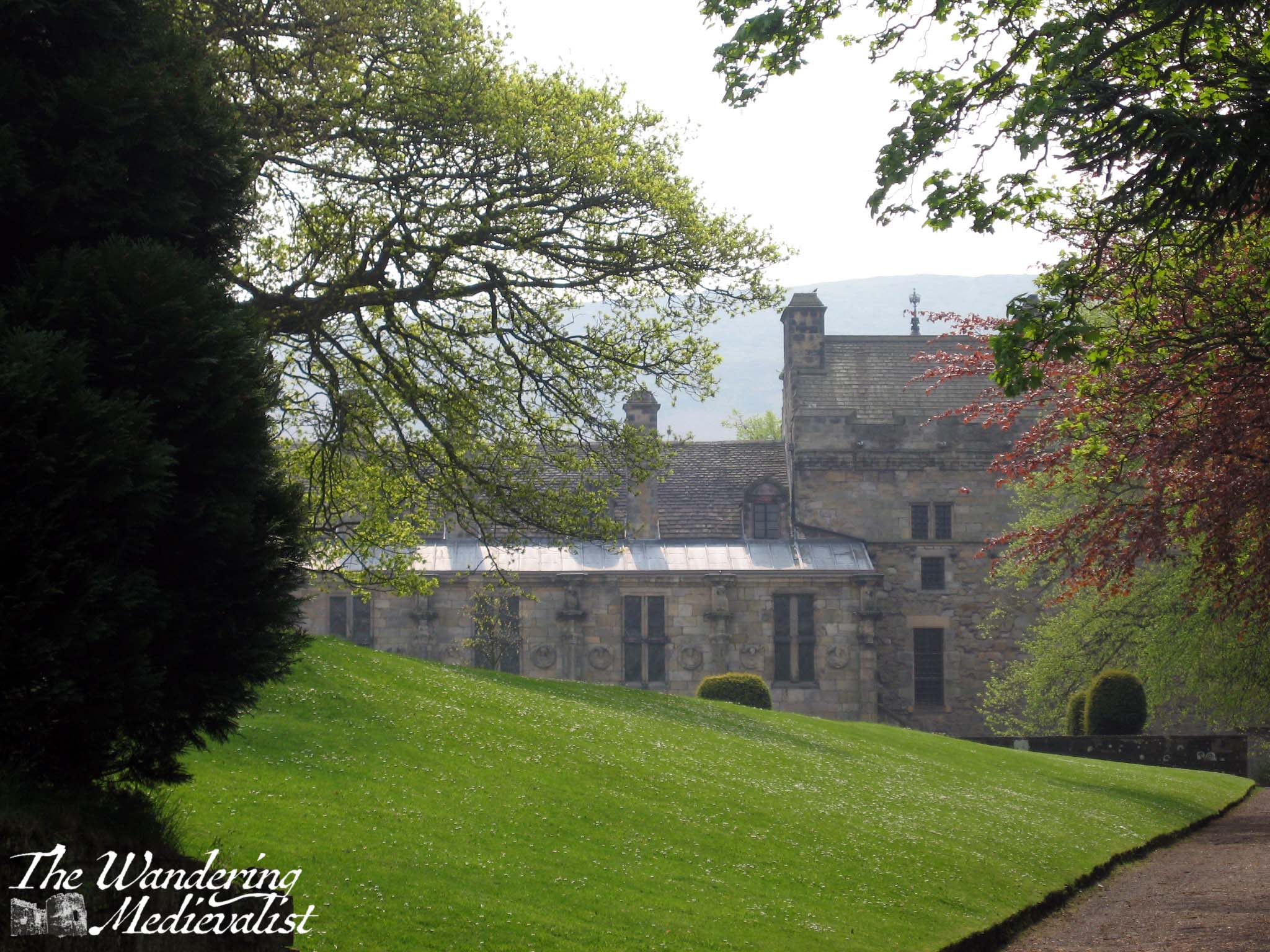
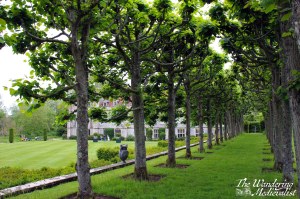
The estate where I ended up is called Old Newton of Doune, part of the Inverardoch Estate, and not long before the cast and crew of Outlander had been staying there while filming – to think I was only a few days off! The caretaker told me a bit about the area and allowed me to walk around the edge of the old estate house, which is stunningly landscaped and kept up. Built in the 16th-century, the castle-house was designed primarily for defence and only used for more domestic purposes several centuries later; now it is used as a group holiday rental. Though I was not allowed to go inside the gate, I was able to get plenty of pictures from the nearby hillside and path.
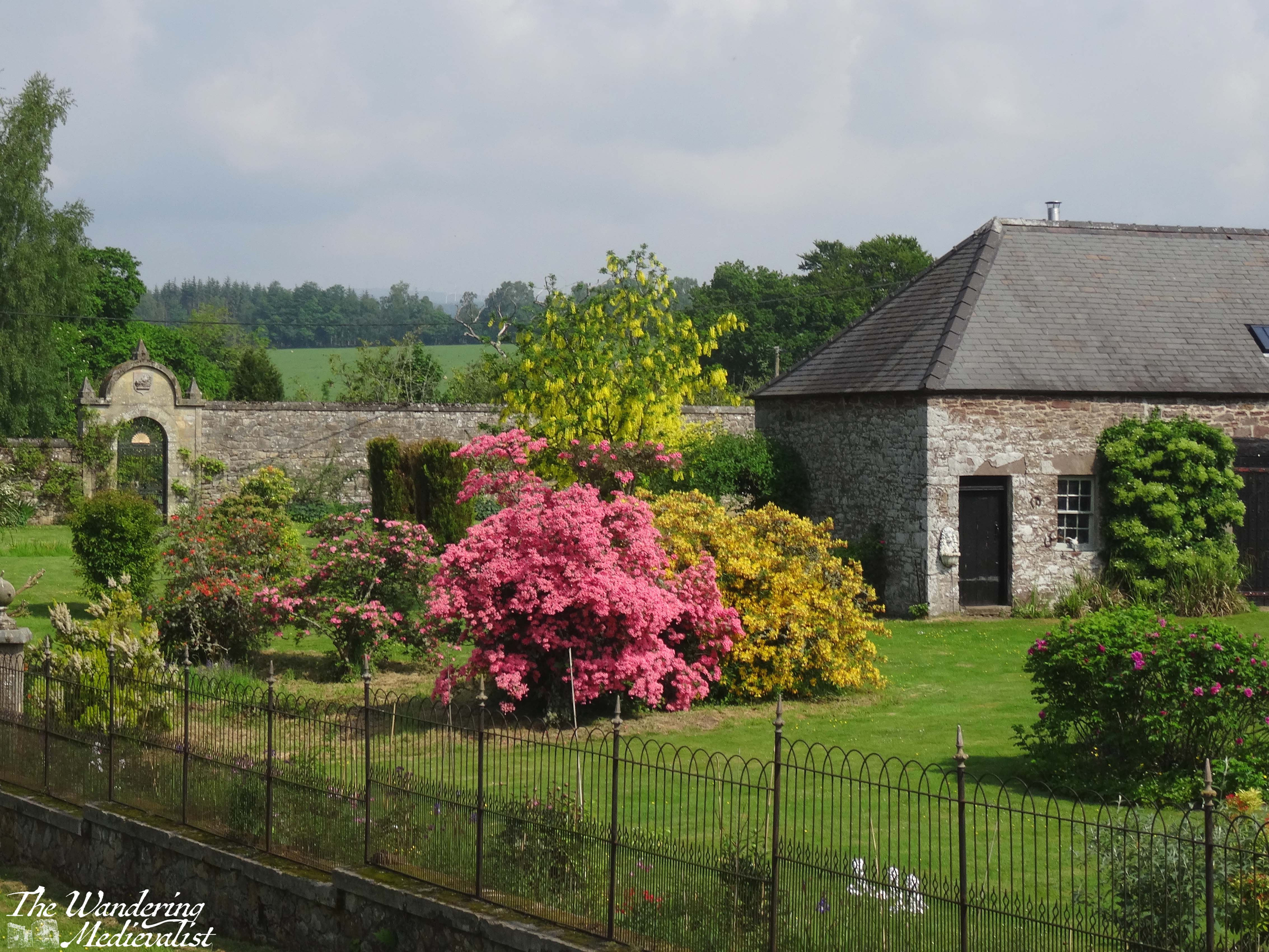
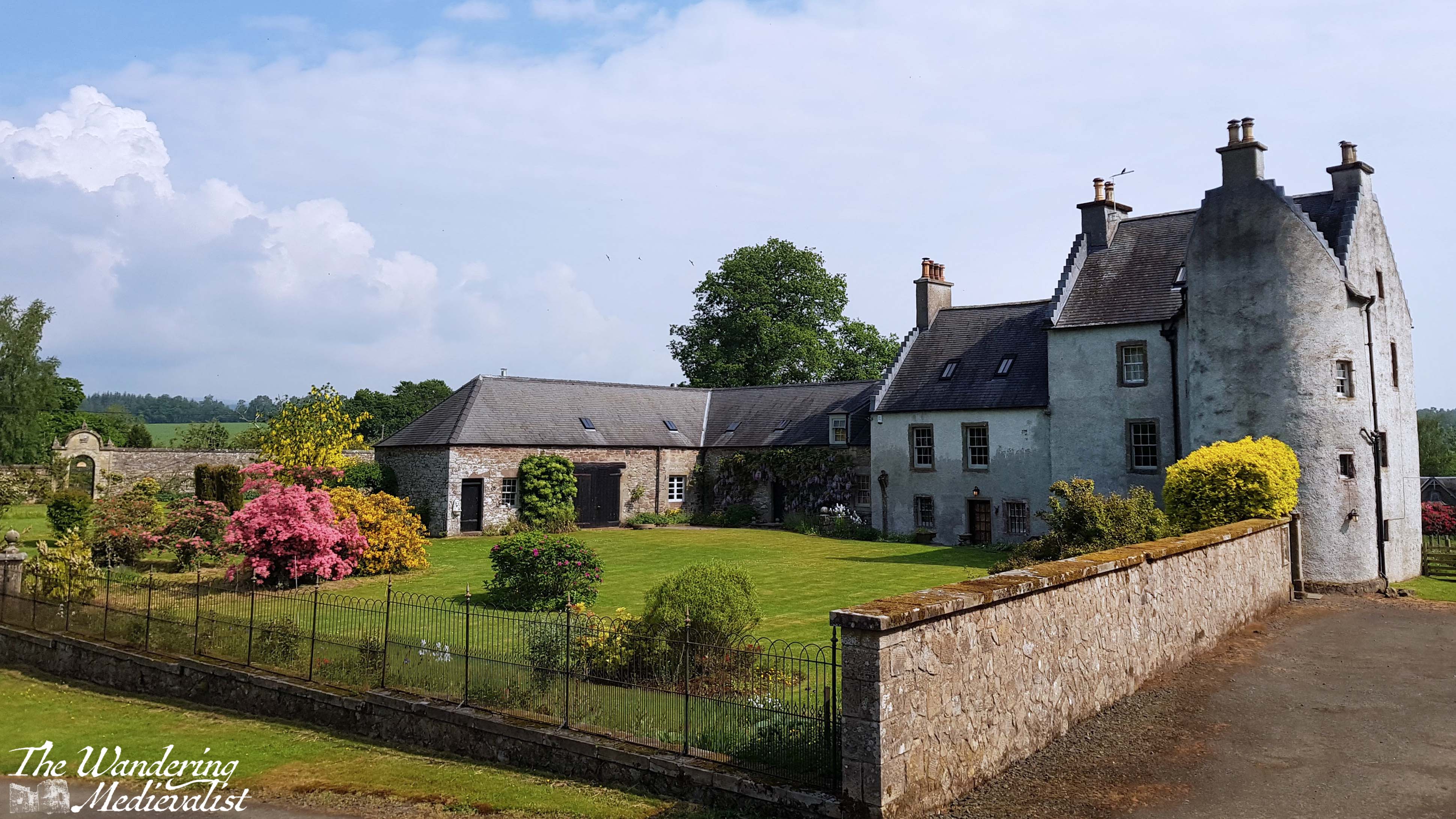
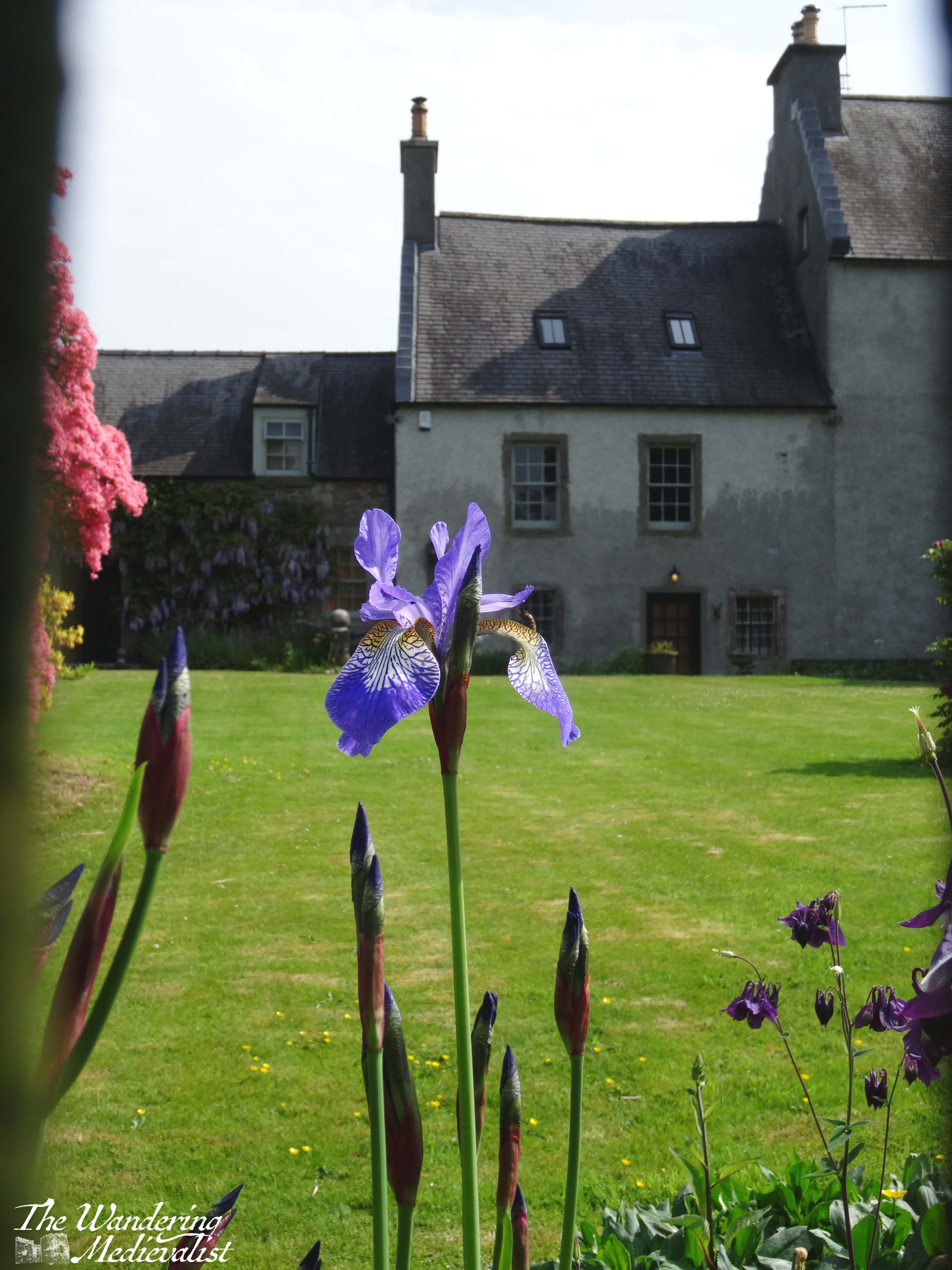
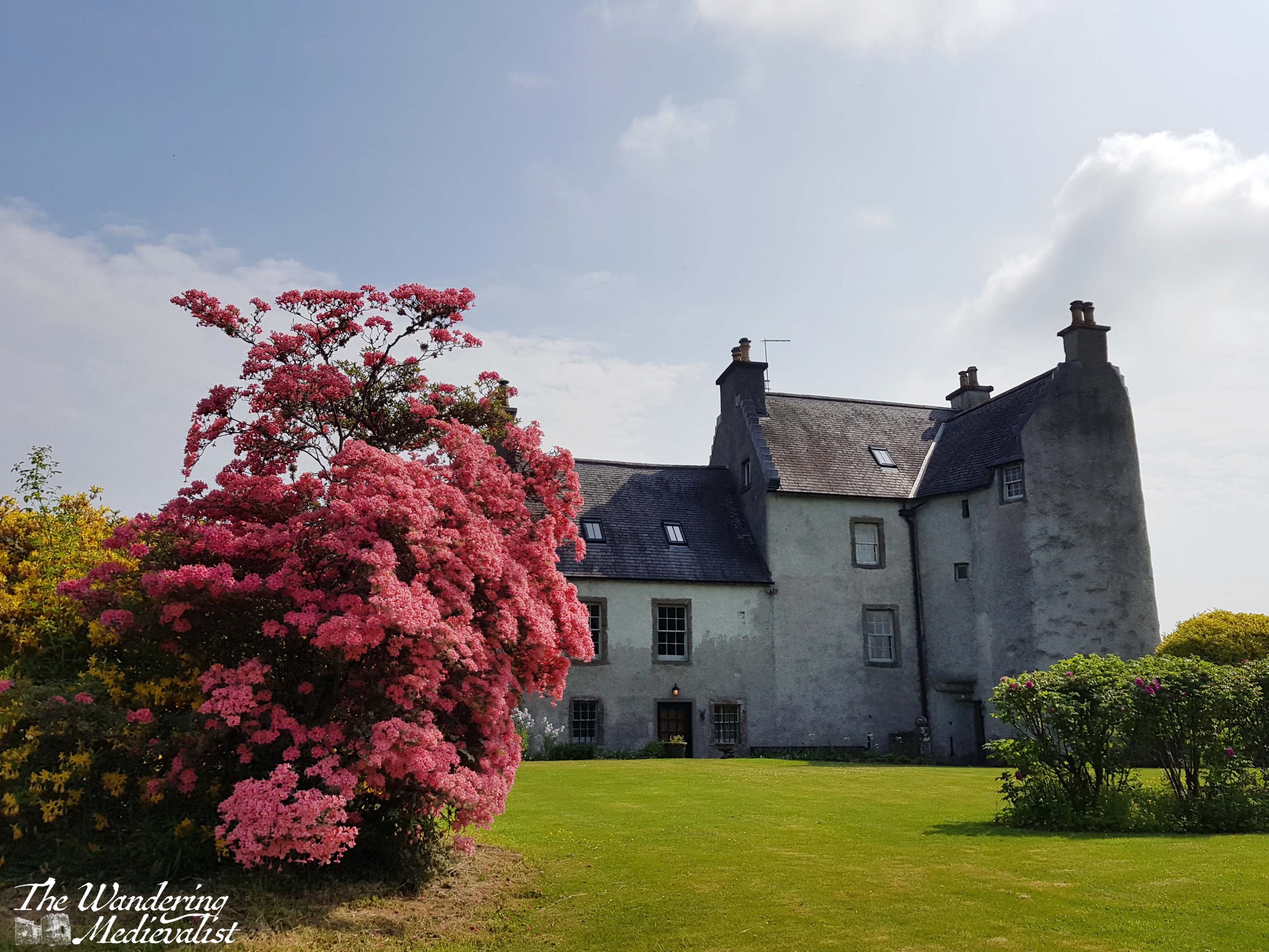
It was going to be hard to top my visit to Old Newton!
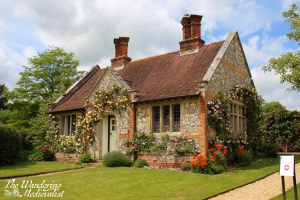
I passed out of the estate on a back access road lined with yet more rhododendron (so common on Scottish estates) and pines, to meet Castle Road. From here, I bypassed the castle and several gorgeous old stone houses, and followed signs for the riverside walk. As it was still a hot and sunny day, I was quite happy to be down by the gently meandering river, where there was a touch of breeze to keep away the worst of the bugs.
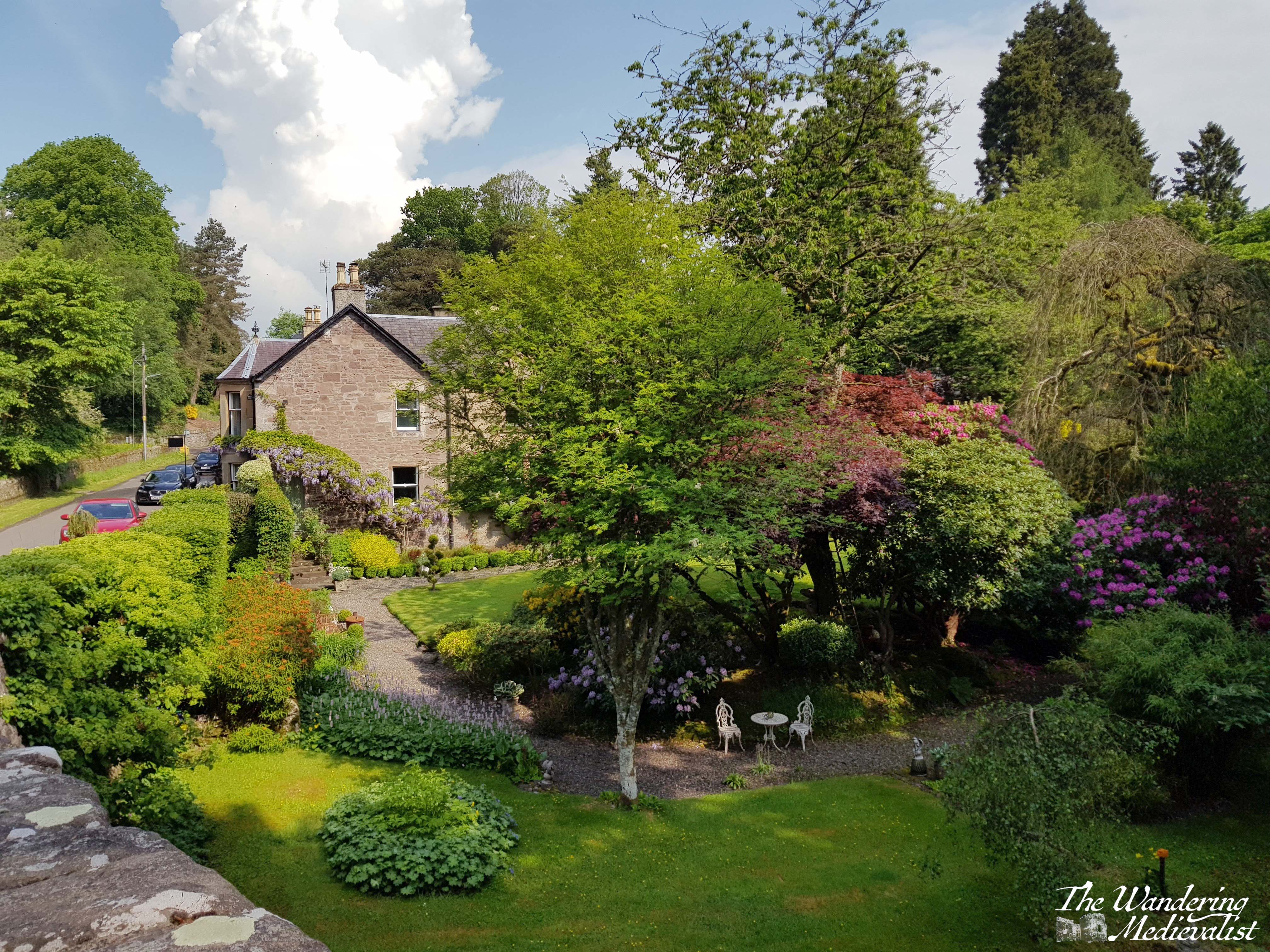
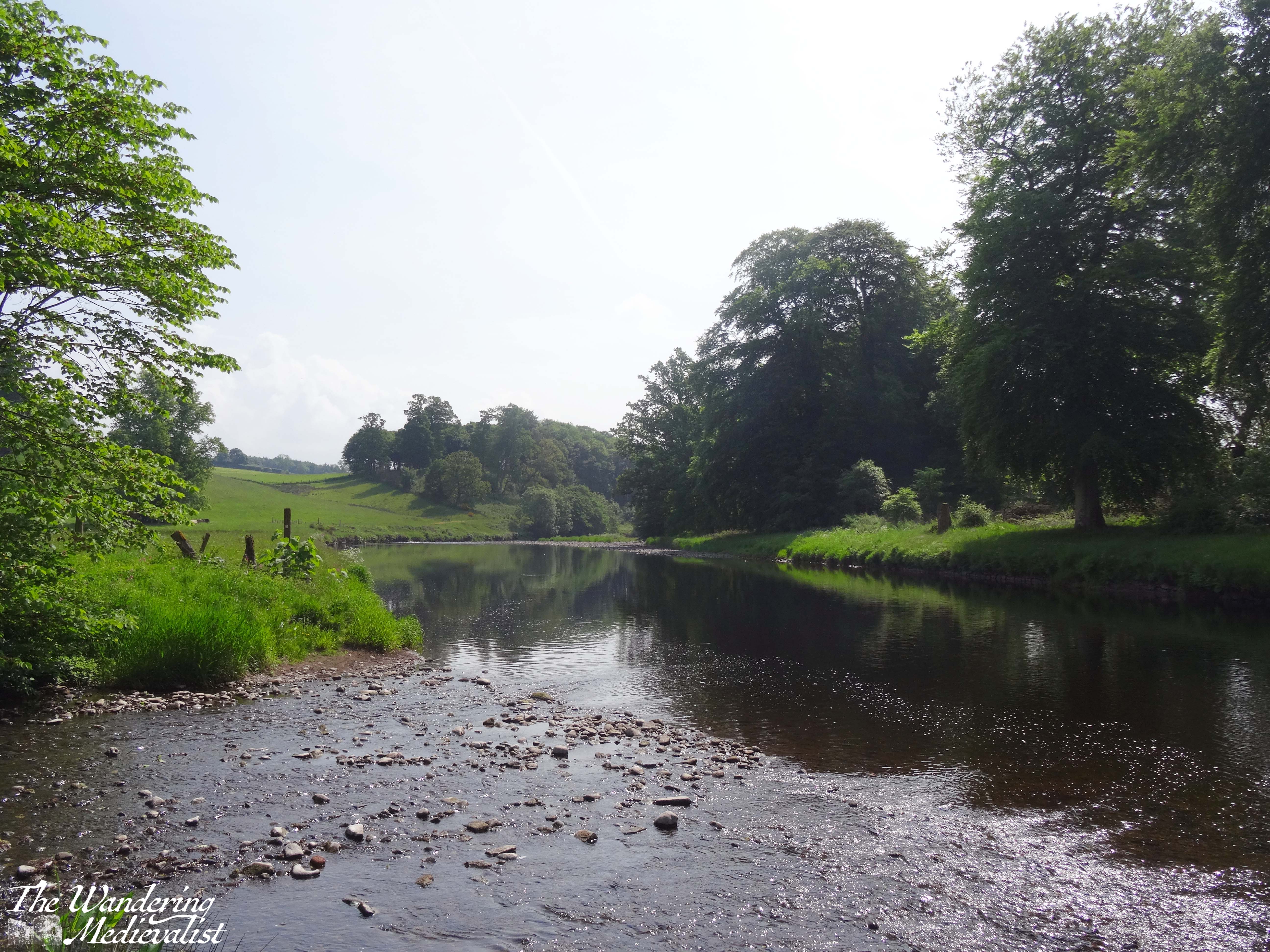
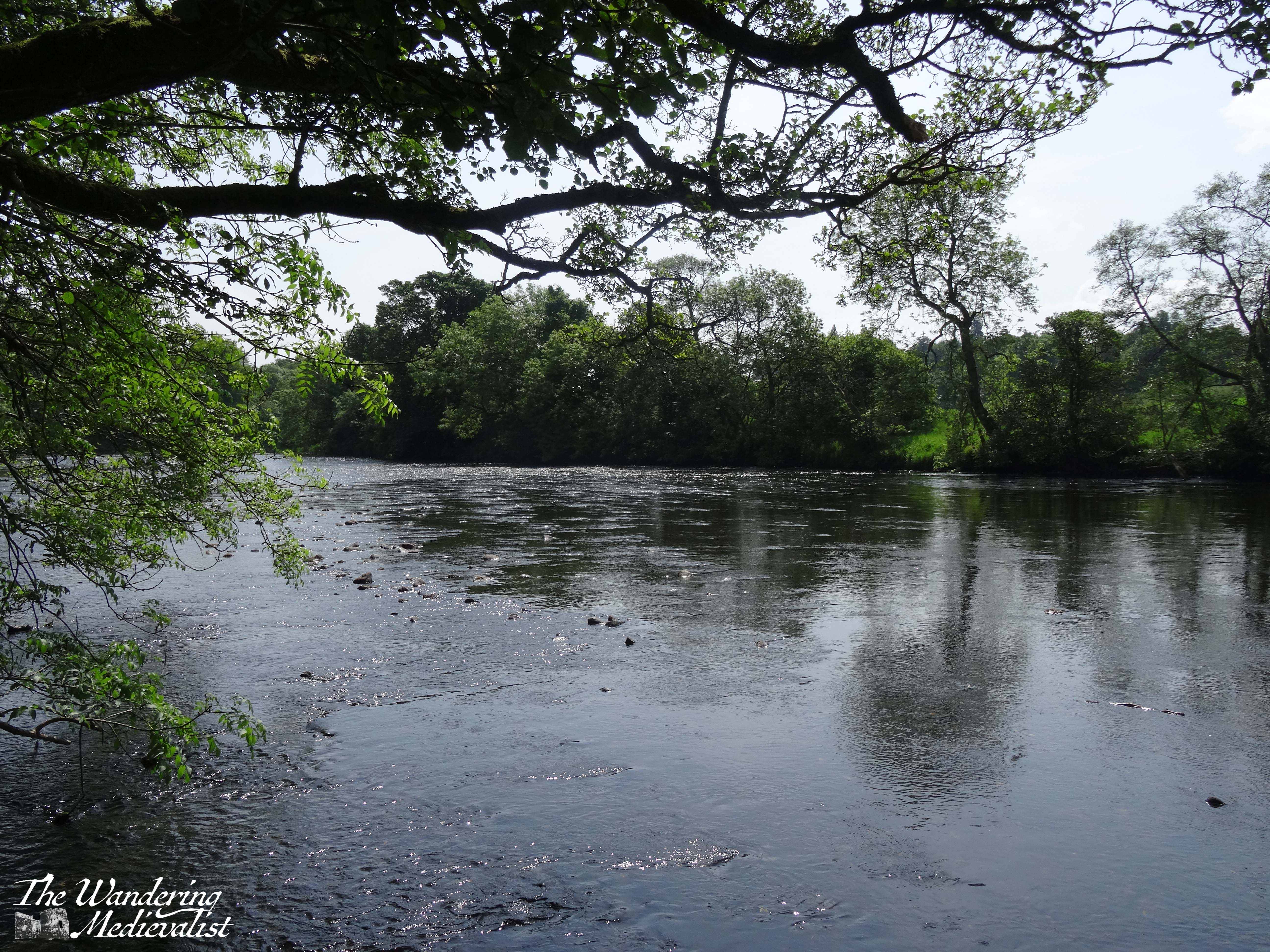
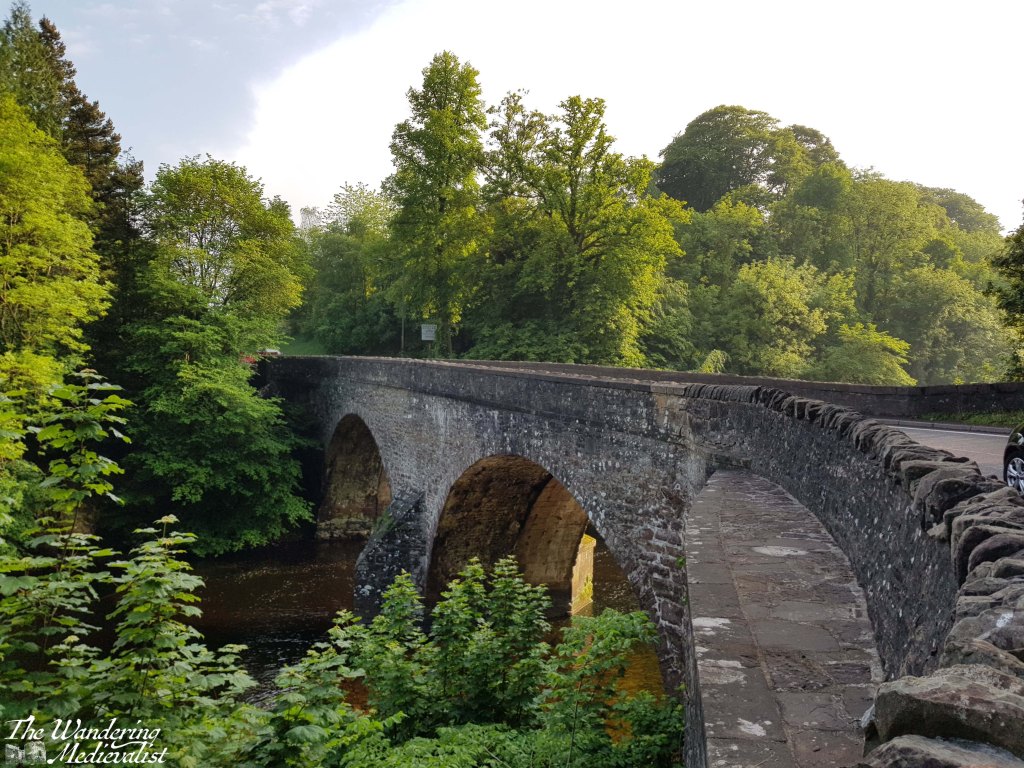
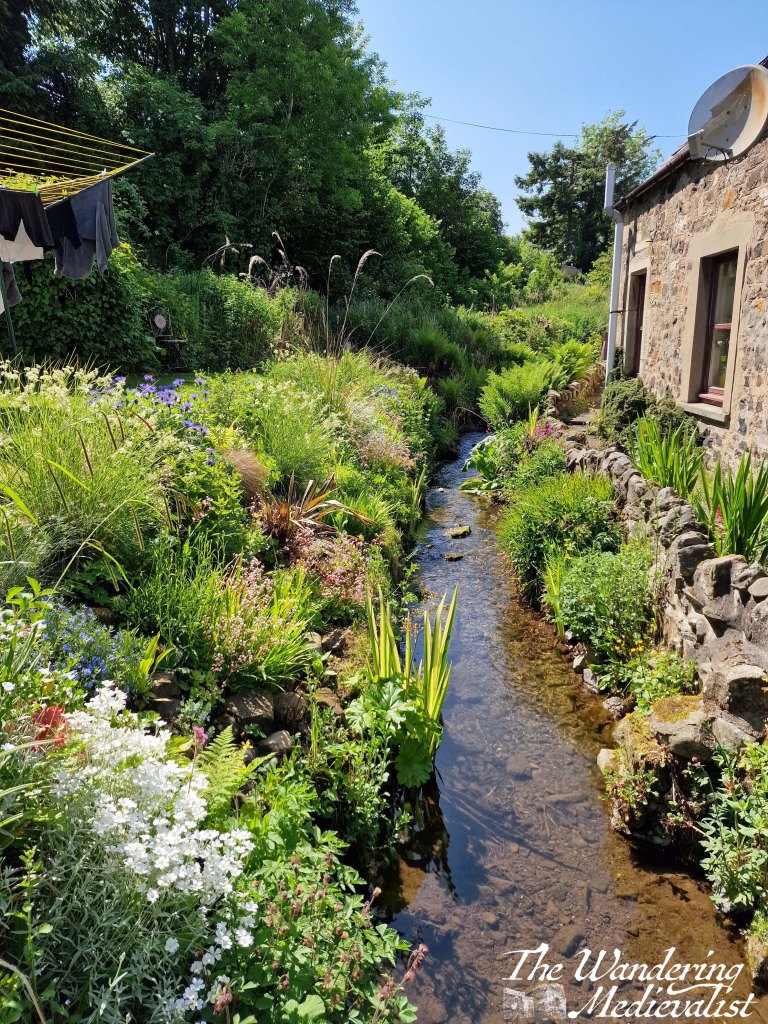
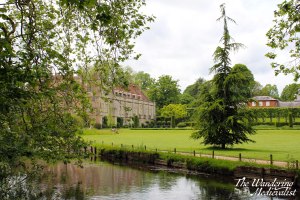
The path was well-kept and lined with trees, while the back fences and gates of the gardens of Doune offered hints at some beautiful landscaping. The route ended just before the bridge and cut up a set of stairs towards the road, where it would curve back up into the village proper. The bridge offers a stunning view back along the river towards the castle, but can be a bit hazardous. The sidewalk is there, but very narrow, so caution is essential.
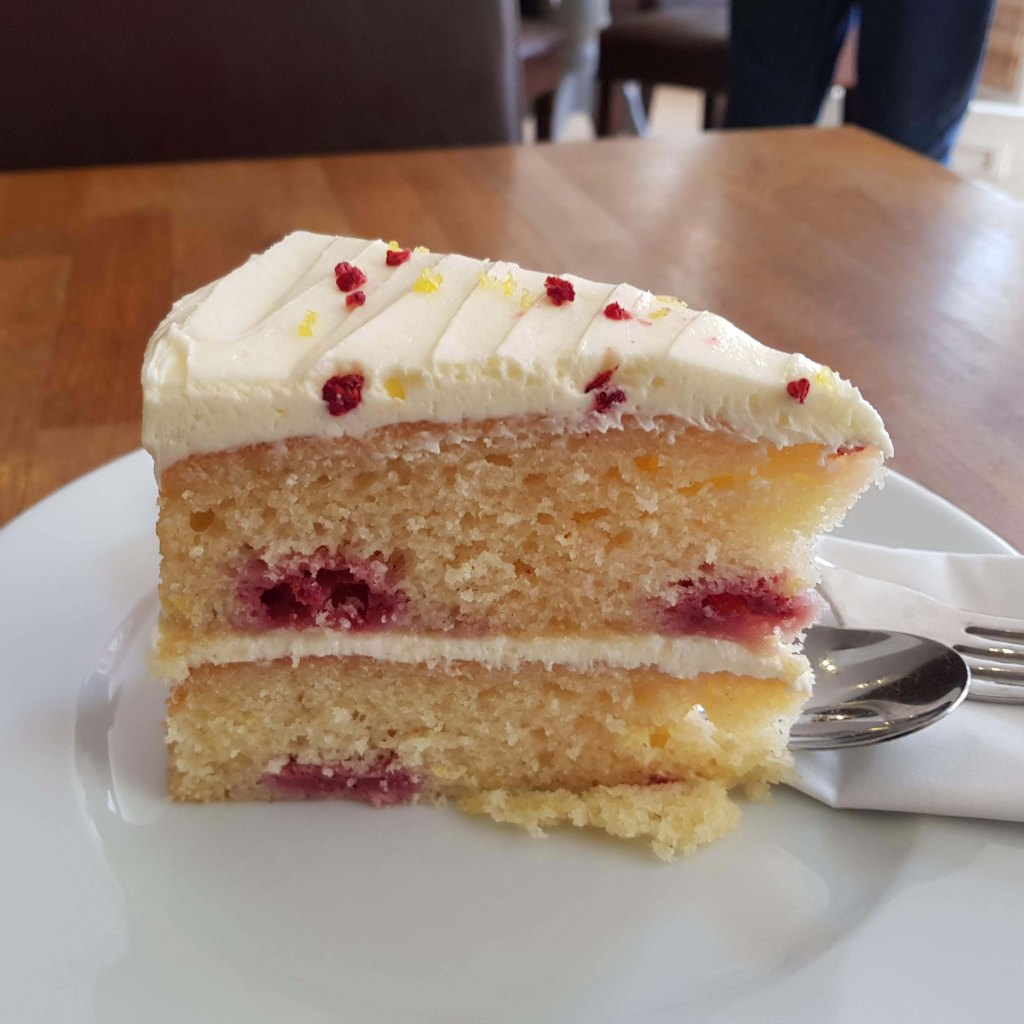
Back in the town centre, I found myself a table at the fantastic Buttercup Cafe, which had finished their lunch menu but still offered coffee and cake. I decided that my long walk deserved a bit of a reward, and so ordered a delicious raspberry and white chocolate confection along with my Americano. Highly recommended!
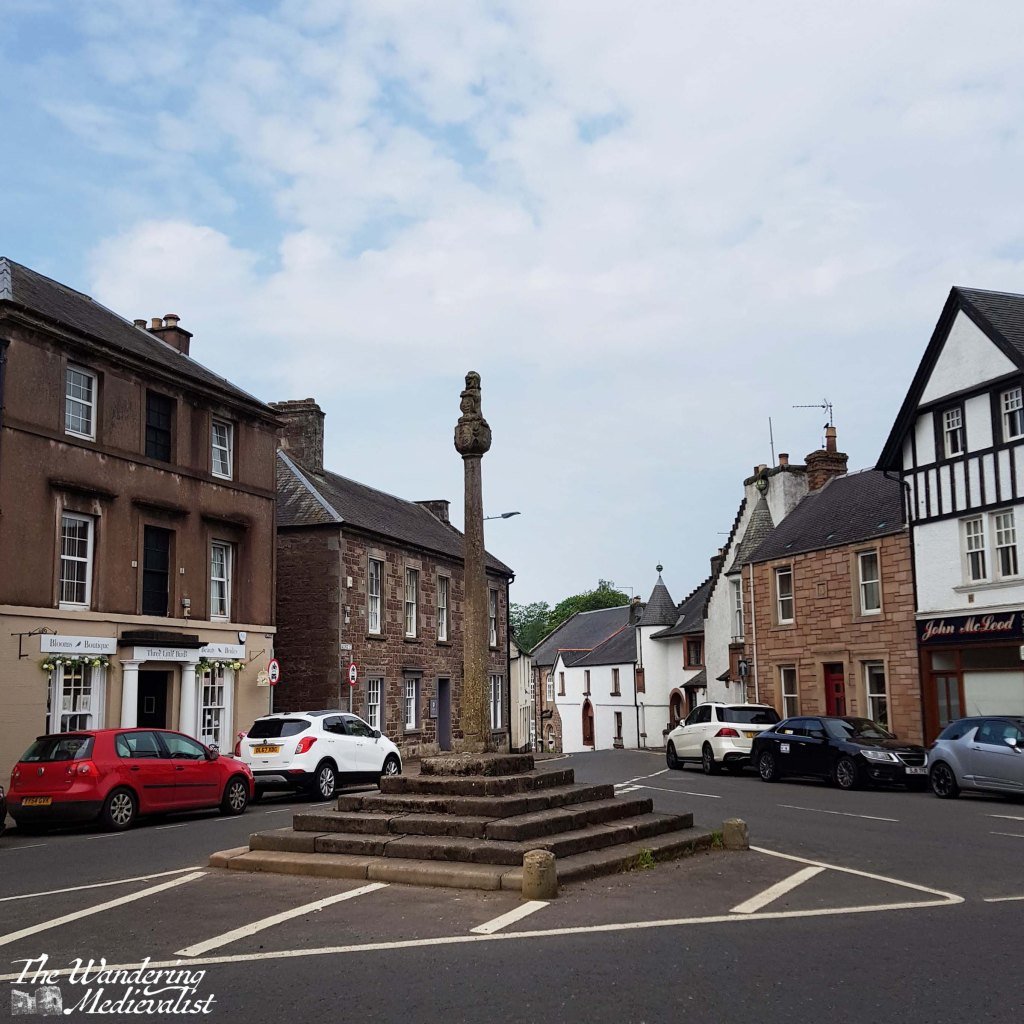
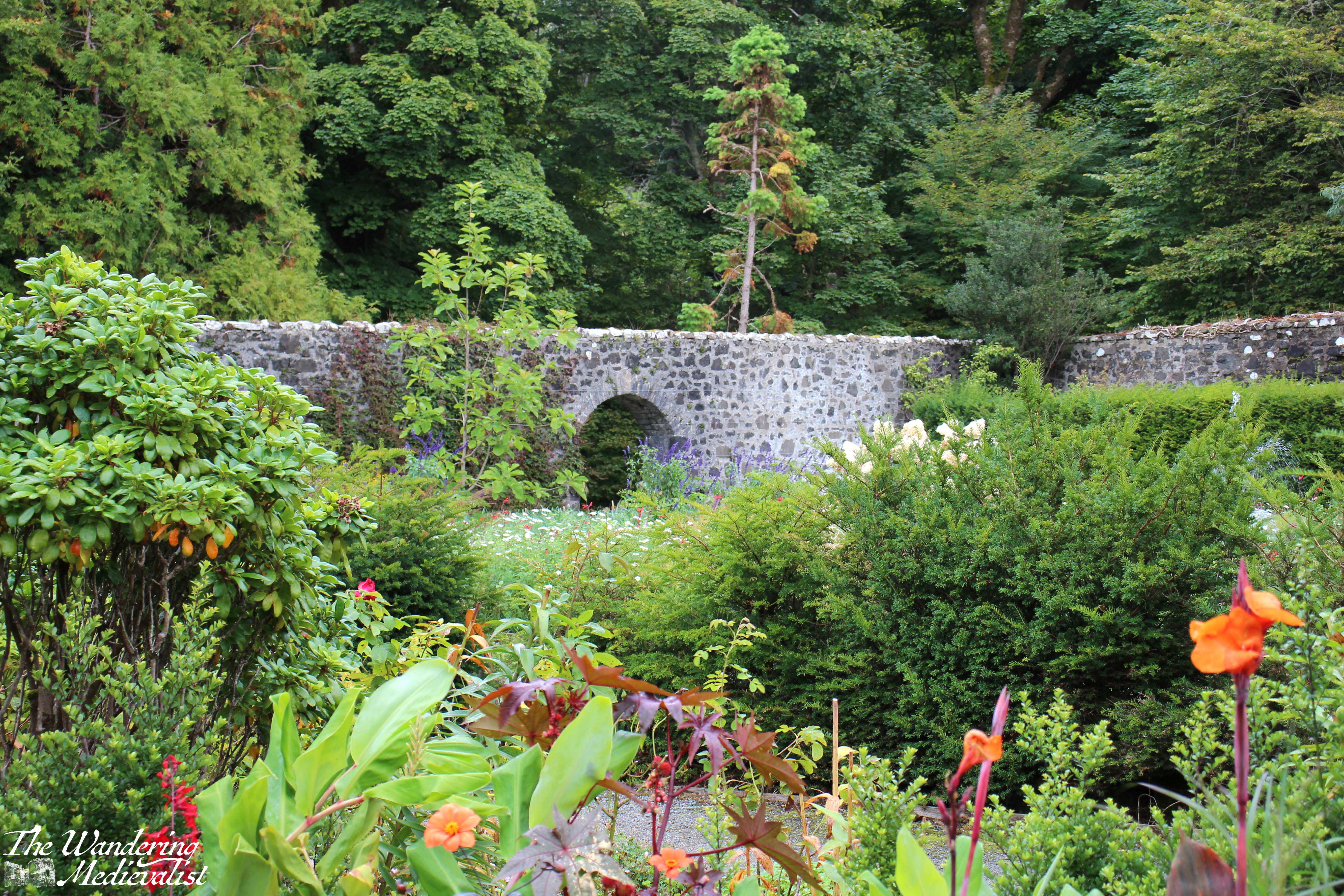
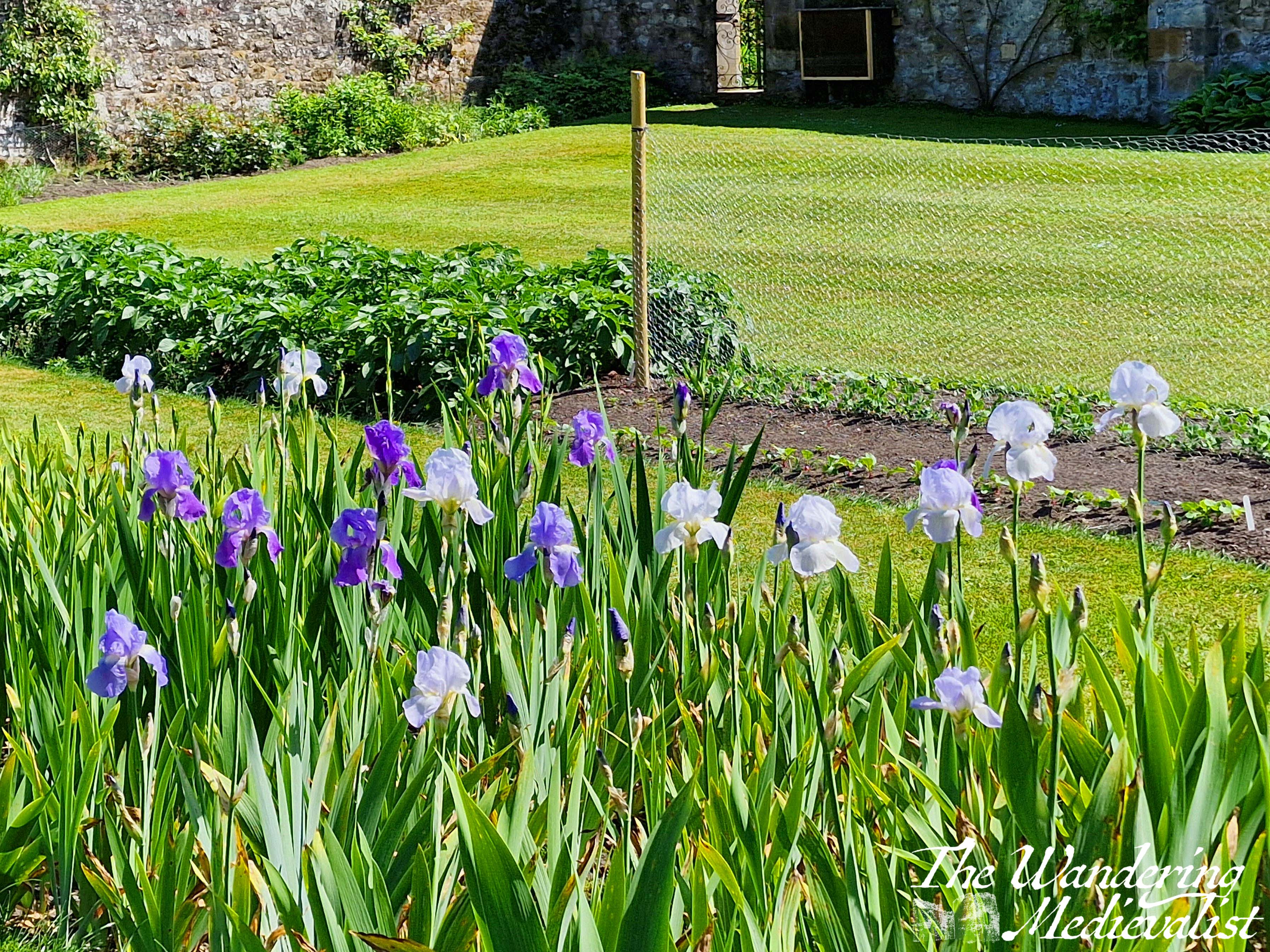
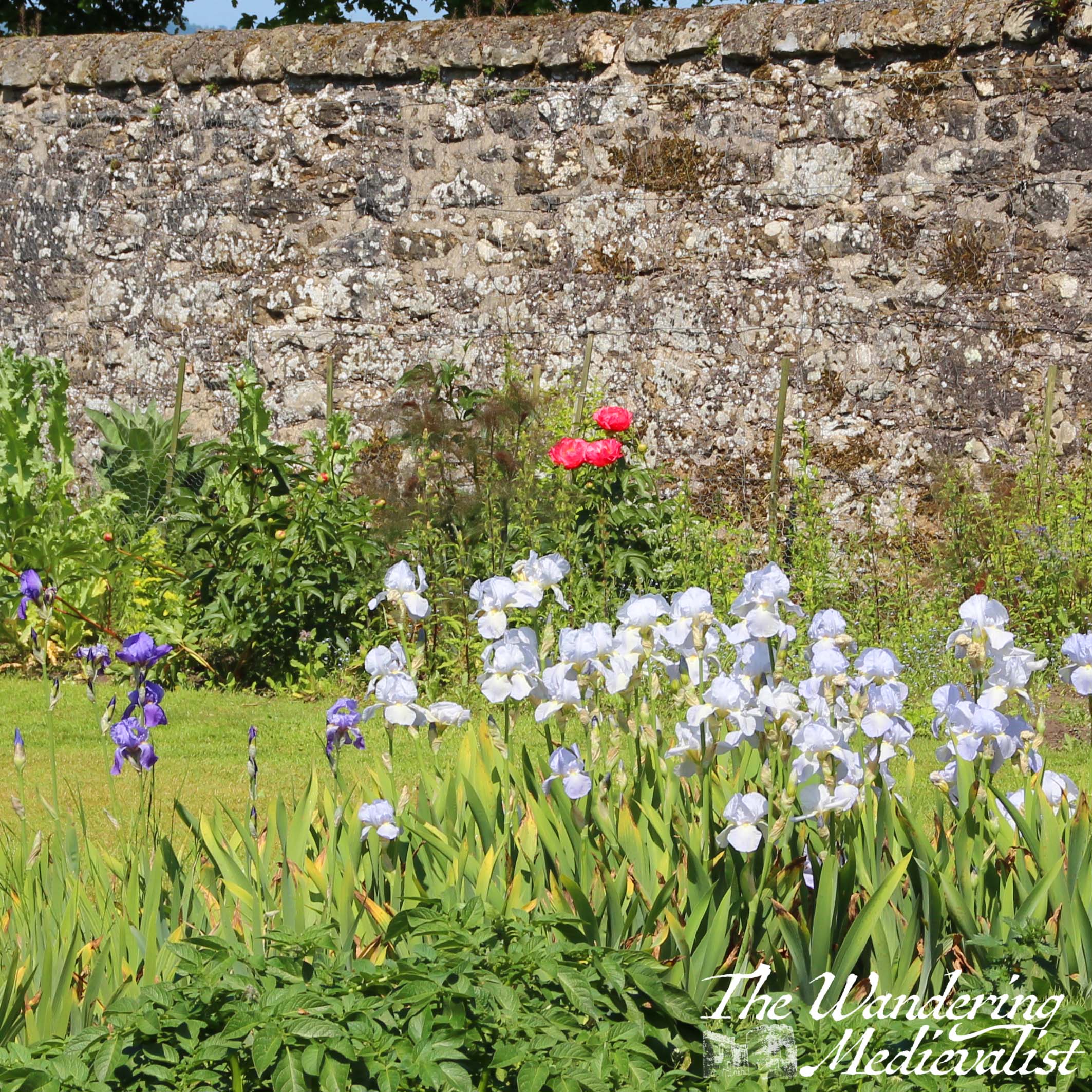
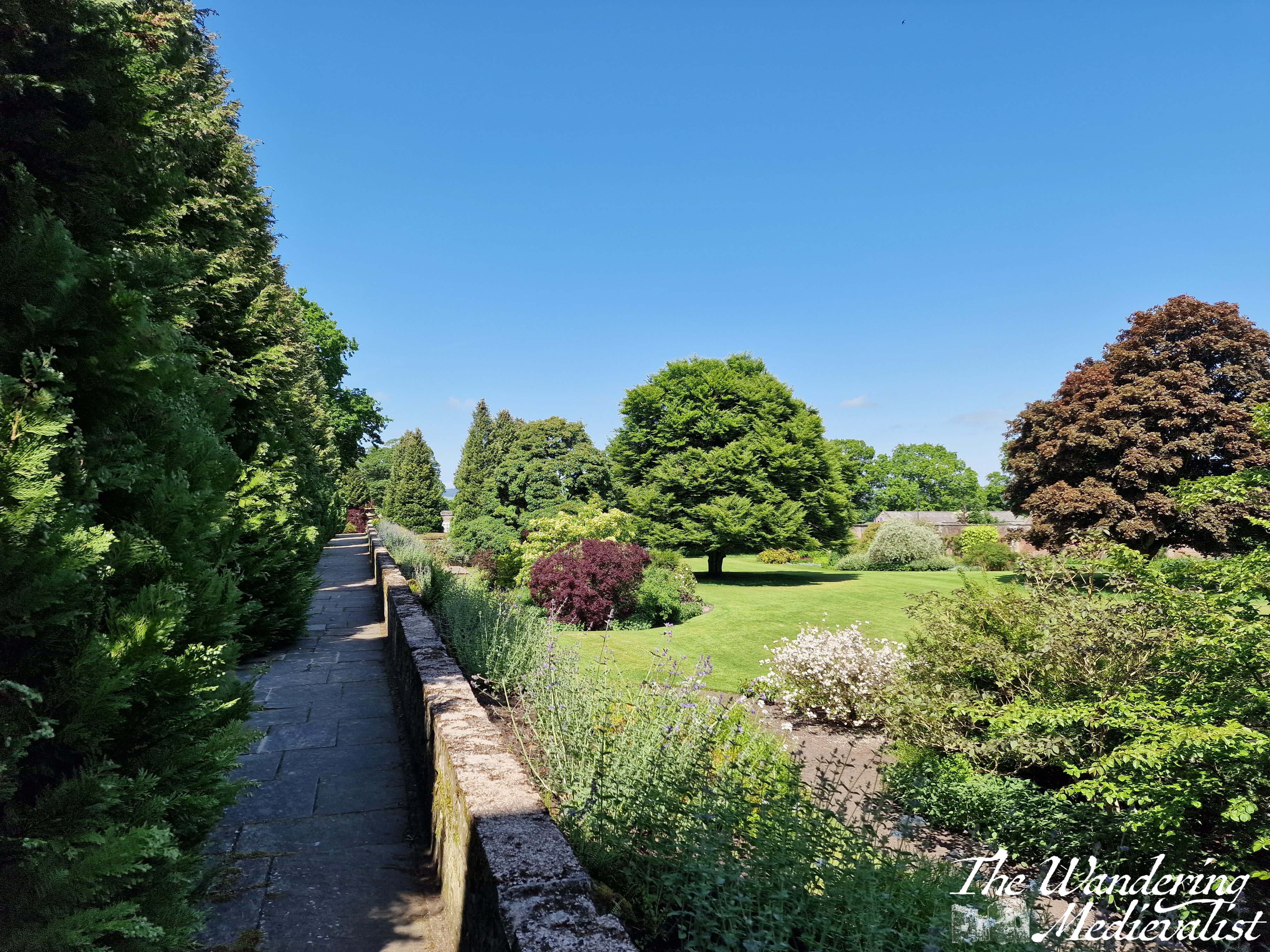
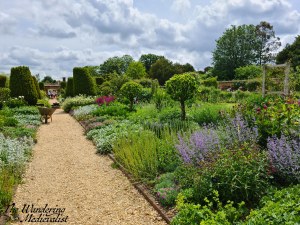
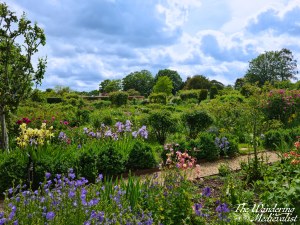
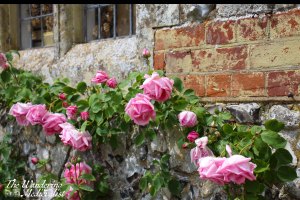
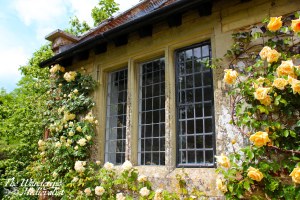
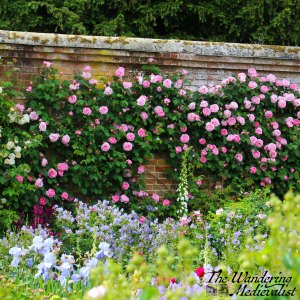
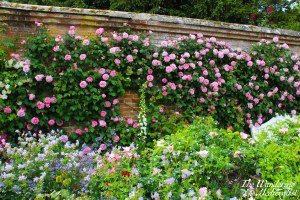
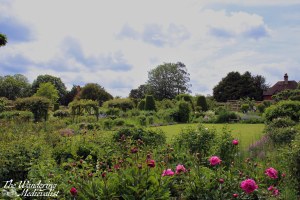
I am sure that if I had more time, I could have found plenty more fascinating walks and trails to take, but I was determined to get a chapter or two of my book edited and re-written, so I headed back to my hotel for a shower and a few hours of writing. While I cannot say I’ll be rushing back to Doune in the near future – I feel like I’ve seen a good bit of it – there is no question that it is a lovely little town with residents well-enough off to keep some gorgeous gardens.
The 14th-century castle and evidence of a Roman fort demonstrate that the site of the town has been inhabited for potentially 1000s of years. In the 17th century, the town became famous for the pistols crafted by the Caddell family, Flemish gunsmiths. The pistols were often sold in pairs, and the Caddells had developed methods of ornamentation that made the weapons highly sought-after. Interestingly, this claim to fame ties back to the Boston area in that it is likely Doune pistols were used during the American Revolution and even, perhaps, at the early battles of Lexington and Concord. Now who says history isn’t fascinating?









 The Wandering Medievalist