It has been a shockingly long time since I have managed to sit down and focus on a blog post. What can I say? Life got in the way – I’ve been back and forth to the US twice in two months, run a conference at work, and been inundated with life admin that needed to be done. All of this and jet lag meant that since finding time in my hotel room to write about my visit to Crystal Cove, I have really struggled to find the motivation, time and energy to be creative. But, while work continues to be busy and my travel schedule is no less intense, I had to make some time to write. I have never gone this long without posting before, I don’t think, and it feels wrong.
I started pulling the basis of this post together some time ago, when I was submitting pictures for a contest and realised just now many shots I have of reflections. So many hint at this theme, some more effectively than others, but it’s a motif I have always leaned towards. Perhaps because a reflection is so often the embodiment of a moment of calm – an early morning, evening, quiet time when the world is still for just a short second. And because water has a magical way of capturing what is happening in the world and giving it back to you in an image sometimes identical, but often slightly altered.
Here are some shots that I love, and wished to share.
Themes
This series focusses specifically on bird reflections, taken across a variety of locations including West Sands in St Andrews, the Tay River, Loch Leven near Ballachulish, and the Eden Estuary.
Another series, this time on bridges. I have always loved photographing bridges, not in the least due to their symmetry. These bridges include the Ballachulish Bridge, Kenmore Bridge, Guardbridge, Wade’s Bridge in Aberfeldy, and the Historic River Bridge in York.
Tayport
For the relatively short time we lived in Tayport, I was able to really take advantage of the seaside location to capture reflections at all times of day. The harbour was my favourite spot, as you can see – sunrise, sunset and even with a full moon.
St Andrews
The many years I have spent in St Andrews have allowed for plenty of reflections, be it harbour, castle, sunrise, or Craigtoun Park.
St Salvator’s Quad, in the centre of town, was renovated some years ago to include these beautiful slabs of stone that reflect perfectly in the rain (and can be treacherously slippery when wet). Many early morning walks around town enabled these views.
I have said it before, that St Andrews is one of the most photogenic places I know, and the groupings below show just how stunningly beautiful it can be – and how well the clouds and distinctive skyline reflect on the surrounding beaches. West Sands in particular stretching out for miles and – at low tide – what feels like miles wide provides some of the most amazing reflections I have ever captured.
Guardbridge
Morning walks along the Eden Estuary have provided spectacular views, in particular this one taken from the University’s Eden Campus.
The view from the old bridge in Guardbridge is one of my favourites, allowing the sunset or blue sky to reflect off the water at high tide. I have literally 100s of this view – there are more below.
In fact, there were so many of Guardbridge that I could not narrow them down any further than this massive grouping. Living here through the pandemic years meant a daily walk was essential, and capturing the glory of the Eden was inevitable, at all times of day. Even the old mill, which is not particularly attractive but adds something to the scenery.
Scottish Highlands
As anyone who has read my blog thus far is aware, the Highlands (or anything north of Perth really) is an almost sacred area for me. The stunning serene beauty that can be found in the lochs and mountains is almost unmatched in my experience.
The lochs in particular provide ideal opportunities for capturing reflections, at those rare times when the wind dies down and everything is calm and still.
To start with, Loch Katrine, and the almost mirror image of fluffy clouds and blue sky.
These two collections are some of my favourite loch pictures, and include: the view off Spean Bridge (not a loch, but gloriously still), Loch Tay at several points, Loch Linnhe from the Ballachulish bridge, Loch Duich not far from Eilean Donan castle, and the loch at Ballachulish quarry, reflecting the snow-capped Sgorr Dhearg.
These views were captured from Ballachulish bridge, and from across the River Tay looking back at the Kenmore Hotel. Only moments later, the river in the below shot was caught by the wind, and the reflection erased. For the top shot, the water was still for close to thirty minutes, early in the morning before the breeze picked up or the tide shifted.
Last but not least, a vague reflection of the Cuillin Hills just above Sligachan Old Bridge, Skye.
Marblehead
Finally, I have been lucky enough to spend a decent amount of time in my home town in the last year or so – more than I have for more than a decade – and I have captured what I consider to be some lovely views of my favourite places in town.
Starting of course with Redd’s Pond and Old Burial Hill, which I have written about at length. This was a cold morning with the ice just hanging beneath a layer of water on the pond.
Two more shots taken on the same day as the one above, I felt I had to include them anyway, as one captured the monument to sailors of the town. The moonrise was a perfect calm evening last November, and I waited by the harbour for close to an hour for the moon to rise above the clouds.
More Redd’s Pond, but how could I resist? One in late winter, the other in mid-winter at sunrise, on a magical morning that a wrote a whole post about. The reflections here are hazy rather than crisp, but equally lovely.
And last but not least, a picture taken on New Year’s Eve 2025, when I went down to the Marblehead Lobster Company (as it was) to pick up a special dinner for my mother. I and a few other photographers had noticed the not-quite-full moon and the still water that reflected the changing colours in the sky. It was incredibly quiet with only a gentle lap of waves on the shore, and no birds to disturb the surface.
Do you have a favourite one of the images I’ve shared? Let me know, I would love to hear your feedback! I hope you have enjoyed this short trip into a thematic project that has mirrored several others in recent past such as cloudy skies, or sunrise/sunset. I hope to get back to the Coastal Path soon, or at least visit a castle! I’ve also got a few good ideas for posts that I developed while walking around Marblehead this last week – keep an eye out!
Enjoying my pictures? Why not claim one for your own project or wall space through my online shop:
Is there one on this post that you’d like to own? Just comment below!
After a summer of almost unprecedented beauty, day after day of blue sky and warm temperatures, Scotland is getting its karmic retribution in January. We have had steadily wet, grey, cold, windy weather for most of this month. Some days are colder than others, some windier, and some have been icy, but almost all have been dreary, and while Scotland of course has its reputation for weather, this is extreme. Extremely bad.
But, sometimes grey weather can lead to a silver lining, of sorts – in fact, I have a real affection for storms, for big roiling clouds that turn all sorts of blues and yellows and greys and blacks as bad weather approaches. (Not that we are getting those now, which is part of the problem, just endless cloud with no variation). So, in honour of this truly unpleasant January, I thought it might be worth pulling together some of my favourite stormy sky pictures from over the years – both with dramatic clouds and the grey skies that create atmosphere, particularly here in Scotland.
I feel I should observe that when I went through my pictures to select some for this post, I ended up with more than 90 that I liked – the ones I include here are a choice selection. I feel this indicates both Scotland’s prevalence for overcast (perpetuating the stereotype), but more my own passion for stormy skies, and the increased likelihood that I will scurry out the door with my phone or camera to catch a dark sky.
Guardbridge
It seemed most appropriate to start closer to home, with two of the views I photograph most often – the bridge at the north end of Guardbridge, and the view across the Eden Estuary towards St Andrews.
The bridge picture was taken in the spring, with roiling clouds twisting and turning in light that was at times black, at times yellow. Similarly, the light in the view over the Eden is a mixture of silvery grey and yellow, though it was taken in the depth of winter. In fact, it was February 2021, the iciest month we have had in some years, and deep in the heart of the pandemic lockdown. My daily walk was my lifeline to nature, to the outside world, and it was so poignant to look across to the town where I should have been working and spending most of my time.
Tayport
As I have mentioned before, we spent the earliest months of the covid pandemic living in Tayport, and our view over the Tay provided the opportunity to watch some truly epic storms.
The group below includes a yellow-orange storm light that I just loved and the sunny blue with the storm clouds drifting away towards the ocean. The last of the three is the one I had at least 20 versions of: a purple-black cloud over the far shore, topped by fluffy white. Visually stunning and fascinating to watch.
The two below were taken on the same day, a few minutes apart, and remain two of my favourite storm pictures. The first because you can still see the benevolent blue sky above the white and then purple clouds, and the second for its view out to sea and how lonely and small the Larick Beacon looks against the dark.
St Andrews and East Neuk
Living and working right on the coast allows for some of the best stormy sky pictures, and while St Andrews is often considered a bubble with its own weather, it does not escape dramatic clouds.
The castle picture here was taken in February 2018, and the distant clouds are remnants of the first wave of the Beast from the East, an epic snow storm that shut Scotland down for several days. I managed to get into work on the Wednesday and pick up a laptop, but had to leave early to get home before the bus service stopped. The cathedral ruin shot comes from May 2021, on one of my few days in the office as the University slowly re-opened, while the Market Street shot is just over a year later, with plenty of people happily wandering the town and hoping they do not get rained on.
My more recent walking efforts along the Fife Coastal Path have been fortunate enough to be mostly sunny, but a few dark and stormy days have been on the cards. My walk to Anstruther ended with me cowering under a bus shelter as the storm clouds opened, while a preparatory walk along West Sands was equally in danger of ending in rain.
Isle of SkyE
Dad and I were so lucky on one of our trips to Skye to be favoured with spectacular weather; the second visit was less fortunate, and we had a few good squalls come through to dampen our hiking.
I love the wide open fields of sheep you see on Skye, and I thought this view of a cloudy day was perhaps more appropriate than a sunny alternative. Likewise, the intermittent rain we experienced while attempting to climb the Old Man of Storr allowed for very atmospheric shots across the Skye coastline. Finally, while it is only just visible, if you zoom into the smaller grassy picture, you will spot evidence of a Highland native peeking over the hill.
HighLands and Perthshire
I fight hard both in my posts and in my work to stifle the stories that Scotland is a wet, cold, rainy place. Or at least, that it is ALWAYS wet, cold and rainy. That said, Fort William is on the rainier west coast, and the winter months do bring in a fair amount of doom and gloom.
I found this picture of Loch Faskally in Pitlochry while searching for reflection shots (a future post, no doubt) but fell in love both with the clarity of the reflection and the wispy clouds melting into the treeline.
The further north you go, the more dramatic the pictures. These two were taken of and from (respectively) the Nevis Range; one on a wintry afternoon and one on an otherwise sunny day, where the clouds closed in higher up. The view of Nevis Range with snow and half in the clouds was partly our inspiration for hoping to retire up north.
On the same day as the first picture above was taken, we ventured out along the A830 to Glenfinnan, seeing as we could not really go hiking. While I would have loved to capture the monument, viaduct and views of Loch Shiel in sunlight (and did several years later), the cloaking mist and rain were again quite atmospheric. One can just imagine ships emerging from the haze, heading for the end of the loch, where the monument now stands – filled with huddling, cold soldiers ready for a fight.
And hey, Glenfinnan Viaduct looks pretty incredible in any weather.
Finally, there is one spot that is even more evocative in the clouds, and that is Culloden Moor, and the monuments to the clansmen who died there in 1746. I visited some years back with Mum, and there is no question that the emotions are heightened on a day like this.
Puerto Rico and the South
The Caribbean is known far more for its sunny weather than for its storms, but no one living there would deny that the heat of the ocean creates for some amazingly awful weather. The pictures below include one dark cloud rolling over the Vieques sound, and then two beach pictures that were taken shortly before I was required to hide (mostly fruitlessly) beneath some trees during a downpour of rain.
In fact, some of the heaviest rainstorms I have experienced have not been in Scotland, but instead in Puerto Rico and in Florida. On my most recent trip to Orlando, I was driving on the highway in a storm so powerful it almost blinded me – not something I wish to experience again.
This shot was taken ten minutes before an intense Florida storm, and I love how innocuous the puffy white clouds look. But how ominous they actually are.
What these cotton-like towers really mean is run for cover.
My love for thunderstorms comes I am sure from summers on the boat, watching storms pass by under the knowledge – assured by my father – that other boats would be hit before us. We spent more than a few summer evenings huddled just under an awning, watching storms race across Marblehead harbour or the lake in Canada.
Approaching storms
In fact, sometimes the most exhilarating storms are the ones you have been able to see coming from a distance. I find that anticipation, that slow transition from a sunny day to an ever dark one, fascinating. The wind often picks up, and you can smell the rain coming even before it hits you. So here are a few of my favourite distant rain pictures, including Fife farmland, a Puerto Rican mountain, the Beast from the East over St Andrews Bay, and a stunning pink sunset rainstorm.
Monuments under clouds
To wrap up this post of a love story to cloudy skies, I thought it would be fun to include some views of castles and monuments. Like in the Highlands, a sunny sky might be most desired when capturing special locations, but a dramatic sky is the next best thing. It is certainly never boring.
Château Comtal, Carcassonne.
I got plenty in the sun, but this might be my favourite.
Paris, taken from Notre Dame in 2005. An overcast trip for the most part, but still beautiful.
Romsey Abbey, from the beer garden of a nearby pub. Happy to report that we did not get wet.
Balvaird Castle, on a windy day when the weather changed almost constantly. The clouds blew past at an alarming rate, though fortunately for me, as I stayed dry.
And finally, the pièce de résistance, a dramatic location in any weather, but even more moving with great dark clouds: Stonehenge. When we visited, we were allowed to wander up quite close to the monument, almost close enough to touch the stones. Like few other famous places, Stonehenge did not disappoint – it was mysterious, spiritual (and I am not a particularly spiritual person) and an incredible touchstone to thousands of years of history.
It sure would be nice to see it in the sun someday.
Autumn and winter compete as my favourite seasons of the year, both for photography and life in general. There are few things that make me happier than a snowstorm and snow scape (see my post about Marblehead in snow). That said, the colours of autumn are just stunning, be they orange, red, gold, or anything in between. This year in particular, I had two trips that reminded me of the spectacular nature of autumn on both sides of the Atlantic; and I am lucky enough to call both regions home – or very close to it.
As I have written about before, Pitlochry is a special place for us, and one to which we return regularly. Our first weekend away in November many years ago allowed us to catch the very end of the autumn colour, but this year we chose to take a day trip on my weekend at home, and we caught some gorgeous golds and yellows (despite the often overcast weather). My favourite point on the drive, which I have mentioned before, is just as you turn a corner on the A9, and on this trip we could see just the start of the colour.
In Pitlochry, we parked at the edge of town and meandered our way through the crowds (yes, even a small town in Perthshire has crowds), then down to Loch Faskally and the famous Pitlochry dam, where there is a fish ladder and excellent views in both directions. We crossed the dam and walked a short way around the loch, where we could look back on the trees still in sunshine.
The standard walking loop in Pitlochry goes across the dam and then down the far side of the river, past the Festival Theatre. This theatre reminds me very much of the North Shore Music Theatre which I visited frequently while growing up, for its eclectic shows and unique nature. I have never actually attended a show here, but some day soon…
Not far beyond the theatre, the street passes by some stone cottages on one side and an inn on the other, then walkers must pay close attention not to miss the narrow entrance to the turn-off across the pedestrian suspension bridge. From this bridge, the view looking back towards the dam and the river is fantastic.
Once across the bridge, walkers can continue up through the town or take a sharp left to follow the riverbank back towards the dam and its visitor centre. We chose this route as there were several families ahead of us moving at the pace of the accompanying toddlers, and we wished to go back up to the overlook of the loch, below. Side note, the visitor center is relatively new (opened less than 10 years ago), and offers a great café, small gift shop, and clean restrooms.
The sun on this day just would not cooperate and show off the yellows and oranges the way I wanted, but I think you can get a hint of what we saw.
After a quick lunch in Pitlochry, we headed back to the car to drive up to Killiecrankie, which is only a few miles north.
The walk here is famous for stunning colour, but apparently everyone else had heard that too – there was not a place to park, and so we drove a bit further north to Blair Atholl. Immediately upon crossing the bridge into the town, there is a small car park where we stopped and found a walk along the riverbank.
Finally, here the sun came out in honest and I was able to capture a bit more of what we saw in person, brightness that really isn’t as visible in the above, overcast pictures.
We thought very briefly about going all the way to House of Bruar, but decided it would likely be even busier than Pitlochry, so not appealing. The drive home boasted one more impressive view, looking up at Kinnoull Hill near Perth, from the A9. There was a hint of what once had been (or may be on a less dry autumn).
The rumour on TV was that this year had been so dry, that all of the famous New England colour would be muted. It may be that further north this was the case, but on my drive from Boston to Greenwich, CT and back again, I saw some of the most amazing colour I can remember in many years. Now, granted, this was only my second autumn visit to New England in 20 years, but I found myself in awe over the beauty and vivacity of the leaves. There was one colour, which I do not seem to have managed to capture, that was an almost fluorescent pink-orange that you would not be blamed for thinking could not appear in nature – I was desperate to capture this colour, but it seemed only to exist on the side of the highway, where I could not stop. Nonetheless, I managed a few lovely views and took some short breaks while driving to stretch out my back and enjoy the scenery.
My first stop was at a rest area heading south, about halfway between Sturbridge, Massachusetts and Hartford, Connecticut. I did not expect it, but the small information cabin included a back porch looking over the river below, lined by some stunning maples.
The next morning I found myself favoured by traffic and so 40 minutes early for an appointment, making it possible for me to take a short detour down a tree-lined road to a pond. The reflection of the trees on the calm water was stunning, and there was a small brook meandering past the road.
My final day in Connecticut was dominated by the long drive from New Canaan to Marblehead, through downtown Boston as going through Salem is not an option in October (as I was reminded frequently). This was looking to be around 4 hours, so I planned to stop twice along the way – my back was starting to show the wear and tear of a busy few weeks in the car.
My second and final stop was just outside Sturbridge, Massachusetts, where there was a short mile-long walk around a pond – the perfect opportunity to stretch legs/back, and take a walk in the woods. Sure enough, while once again I was stymied in finding many bright colours, I found the golden hues everywhere, and it was a beautiful afternoon.
The light shining through the yellow trees against white birch bark reminded me of a scene in House of Flying Daggers, a film known for its imagery perhaps more than its story.
I am forever grateful to myself for taking this interlude, as what should have been two more hours in the car turned into three as I hit the Friday afternoon traffic through Boston. That was a long drive.
I am forever grateful, though, for a job that allows me to experience this kind of journey at a time of year when I could not visit for so long. I hope that I may be back next year.
Finally, while this visit to Dunkeld did not take place this year, I have been wanting to post these pictures for some time and was looking for the right time. Several years ago, as I recovered from my second bout of Covid, the other half suggested a day trip as I was no longer testing positive and had been confined to the house for two weeks. Dunkeld is a beautiful village in Perthshire – one of many – even closer than Pitlochry, boasting a medieval cathedral and some lovely homes.
On the day in question, we arrived just after lunch and walked through the village to the cathedral, then down to the river where you can walk along the bank back towards the main bridge.
While it was later in the season, there was still a touch of yellow and gold, particularly in what I think are beech trees. As we approached the bridge, the sun was glinting off the river between the mostly-empty branches of the trees, and I took about 10 pictures of the leaves. These are the better ones.
The day was growing clearer, and so we climbed up to the bridge and across, to take in the view from both sides. In one direction is the village, spread along the riverbank and the hills.
In the other direction is the river and – just visible through the trees – the tower of the cathedral. Covid exhaustion meant that I was not really up for a long walk, and so we headed back towards the car via a coffee shop on the main street.
On the day we visited, there was a perfect Scottish mist hanging on the treetops, though the hints of red and orange are still visible between the green pines.
This is one of my favourite pictures of Dunkeld, and the grassy area you can just see on the left side is where the cathedral grounds meet the river.
There is nothing particularly thought-inducing about this post, but I wanted to share my appreciation for autumn in both of the places I have lived. New England colour is world-famous, and deservedly so, but Scotland – along with many other countries – produces its own autumnal glory. It may not be as dramatic, but it is beautiful.
As I have written about before about my affection for the area around Aberfeldy and Kenmore, and so it will come as no surprise that, during an unexpected long weekend, we decided to book two nights at Moness Resort just above Aberfeldy. We didn’t plan much, but discovered the Dùn Hill walk as an option that looked ideal for our purposes – not too long, and in walking distance from our accommodation. Though the weather was a bit disappointing – overcast for the whole day – it was not actually wet, and so after a full Scottish breakfast (well almost full, I skipped the black pudding, but still a requirement when eating breakfast away from home), we headed out.
For those familiar with Aberfeldy, the Dùn Hill is above the Birks walk, and starts by heading up a farm track between some trees and a field full of sheep. ‘Up’ is a good word to use, as ‘up’ was very much the theme of the walk; while not particularly long – 3 miles round trip – this path is a pretty constant uphill, and at times quite steep. We had not intended on vigorous exercise (as the other half reminded me several times), but we pushed on in any case.
As with many walks we do in Scotland, we were using a page from Walkhighlands to guide us on the way, and while I generally find their route maps to be very useful, the instructions are on occasion a bit vague. Fortunately, there is really only one option for this walk.
The road climbs steadily and winds around to the right in time, offering what appears to be a choice to be made between a higher and lower road. In fact, the low road is a private drive, leading to an impressive large house and outbuildings.
Passing this fork, the trail opens up so that the views over the fields and hills are visible – at least climbing quickly means the vistas are also fast to appear! Unfortunately our view was marred slightly by the weather, meaning that pictures do not tend to show the glory of the area.
Perhaps five minutes beyond the fork, walkers tired of a dirt road and having to look out for the infrequent traffic will be delighted to notice a sign pointing up the hill. This is roughly the half-way point of the walk.
From here, the path becomes a bit more typical for mountain walking – alternately rocky, grassy, and climbing through fields and trees. In relatively little time, the shape of an abandoned white cottage appears, nestled amongst some trees and with a walled yard. Almost covered by the foliage, this house reminded me a touch of something Bob Ross would paint – an abandoned spot in the woods, mostly overgrown (see below). But with a great view over the town.
This was where we got a bit lost, as while our instructions said ‘go through a forest gate’, we could not immediately see the way to the gate. So, we thought perhaps it was a bit further along the meadow, and that is the way we headed.
It was uneven, with deep grass and rough to walk on, no markings or discernible gates in the distance. After a few minutes of trudging along, we realised that there was a dog walker behind us who could only have come through the gate we had seen. Clearly, we had gone the wrong way. While the view from the meadow was pleasant, it was not going to take us where we wanted to go.
So, we retraced our steps and discovered, mostly covered by high weeds, a sign pointing towards the gate. The faintest remnants of a trail was evident, and so we bivouacked towards the gate, passed through and discovered a narrow forest path – clearly the correct way.
The forest path was pleasant, winding through pines and larch (I think?), and the dry summer plaguing Scotland was a touch less evident here. Yes, it has been a very dry summer – Fife is at near drought conditions as is a large portion of the UK. The gorgeous weather I have experienced while hiking the Fife Coastal Path was unfortunately not good for the overall health of the countryside. Rain is very much in need! Despite all stereotypes of Scotland…
This is the kind of hiking trail I love the most – well-kept and easy to follow, winding through forests that smell like the pine I used to play under when I was young. Occasionally there would be a break in the trees where a hillside meadow met the tree line, but we saw no one else and very little sign of civilisation for most of the remainder of the climb.
Then, suddenly, there were signs that up ahead the trees were thinning, and we reached the clearing at the top of the hill – wide open, grassy, with large patches of beautiful purple heather.
While it is not really visible to untrained eyes like ours, this clearing is the remnant of an Iron Age hill fort, the Dùn. Scientific equipment and archaeologists can identify the rings and gaps where entrances may have been, but for us it was just a lovely peaceful clearing where we could sit for a while, have a snack and some water, and enjoy the quiet. Well, quiet except for a sheep in a nearby field that was baa-ing with a gusto.
The views were unfortunately marred by the low cloud that made the distance hazy, but there was enough of a vista to make one imagine how impressive it could be on a clear, sunny day.
And of course, there is a rock cairn marking the top of the hill; I realise how fortunate we were to be hiking at a time when the heather was in bloom, as it really did add some spectacular colour to an otherwise mostly grey and green landscape. I could have sat quite happily for hours watching the bees, enjoying the many different shades of purple from a soft lavender to bright almost fluorescent magenta – I also found myself humming ‘Heather on the Hill’ from Brigadoon, and had it stuck in my head for hours after.
However, despite a hearty breakfast and a few hiking snacks, we hadn’t really provisioned ourselves for a long time away, and so we eventually headed back to the break in the trees and began the meander back down towards Aberfeldy. We have reached that age – as I am sure I have mentioned – where down can be harder than up, and this was definitely the case once we left the forest path and re-joined the road. Small pebbles and stones combined with dust made for a slippery descent, and almost as slow as the climb. But, we did enjoy the views a bit more heading down and I can see how this could be even more lovely with autumn colours.
While not a particularly long walk, like its sister walk at the Birks of Aberfeldy, the Dùn hill is unexpectedly steep and requires a bit more stamina than originally expected. One review of the walk did mention this, though one we did not read until later; as the other half pointed out, it is worth observing how far a walk ascends in height to make sure you are prepared for the climb. We weren’t, but we made up for it with an excellent dinner that evening at a relatively new place in Aberfeldy, the Inti lounge. Fortunately, we had reserved a table as it was packed by 6.30pm – food and drink all fantastic! In particular, the best whisky peppercorn sauce we had ever had (and this from the other half who is serious about his peppercorn sauce) and a delicious play on a traditional cocktail, the Highland Iced Tea, made with whisky and Irn Bru.
I would definitely be up for trying this walk again in better weather, but also forewarned about the climb. There are plenty of walks up mountains and hills in the area that are not quite so steep, and take a longer trail up that allow for a bit of flat along with the up. Nonetheless, this is a lovely peaceful walk in the woods and an equally serene, history-filled clearing at the top – and perfect if you are staying in Aberfeldy and do not want to drive!
First, a disclaimer: this is not an ‘official’ walk, but rather a trek that we stumbled onto ourselves. It isn’t really a loop, and not really an out-and-back, instead two out and back paths, and it is a record of the walk we took most recently when visiting Glencoe. It combines parts of a few others into two miles of lovely scenery, a bit of climbing, and two bridges. As you know, I cannot resist a bridge.
One of the hikes on my bucket list – right behind climbing Ben Nevis – is the Lost Valley trail that leads up a ravine next to the Three Sisters of Glencoe. It is not particularly long (about 5 miles out and back), but as we learned on this hike, it is quite steep, and neither of us were feeling quite rested and ready enough to really give it a go. So, we…adjusted.
The day started off in the parking lot at the Three Sisters Viewpoint, which since the pandemic has undergone an excellent redevelopment, allowing for safer entrance and exit on to the busy A82, and designated parking spots. The parking is still a bit of a free-for-all, with visitors ‘creating’ their own spots when they are all full and blocking people in, but at least tour busses now have their own viewpoint, a few hundred yards along.
The spot is busy because it offers access to one of the more famous views in Scotland: the Three Sisters of Glencoe. I have more than a few versions of this view, taken in many different types of weather, but here is the one I took when we visited most recently:
I can never really decide if I like this view better, or the one that looks down towards Loch Achtriochtan:
What do you think? Leave me your comments below 😊👍
While you no longer have to take your life into your hands stopping at this car park, you do need to stay alert and be prepared to be hemmed in, at least for a short while. If only there were a nice view to distract you…this, like St Andrews castle, is another view of which I cannot avoid snapping another version. The light may be different, after all, and the mountains are always a different colour.
But I’m getting distracted. We managed to find a good – legitimate – parking spot, changed into our hiking boots, and started off down the steep path that leads from the car park into the valley below. Here, the trail is wide and quite well-kept, dirt with small rocks that can turn your boot if you’re not paying too close attention. On either side of the trail is grass, heather, and low bushes, with small rivulets making their way down to the river below.
The well-used trail is just about in shape for cyclists, and once level leads either to the west towards Loch Achtrioctan or to the east, towards the Lost Valley trail. We took this route, and found that as we got further from the car park, the trail became rockier and a bit wetter, as the small burns broke over the path. In a few places you have to either jump across water or make your way on rocks, so if attempting this walk ensure that you are wearing sturdy shoes or boots. Not, as I saw several tourists wearing, flip-flops (as we call them in the US) or sandals. The path is relatively level, though to your right you will notice that the river, which is relatively open below the car park, is quickly being hidden by the rising banks.
In about 0.3 miles, you reach a small cairn which marks the entrance to the Coire Gabhail (Lost Valley), and sits at the top of a set of steep metal stairs that descend to the first bridge. The River Coe is deep below in a gorge, just visible as you cross.
The bridge is well-maintained, and almost immediately upon crossing you are faced with your first real hurdle (not counting the steep metal stairs, which are probably only a real issue for the vertically challenged among us). This hurdle is a steep wall of rock which really does require all four limbs to get up – there are plenty of hand-holds, but the rocks are slippery and there is a very sturdy wire rail which can be used to help climb. It is an absolute necessity on the way back down again.
This picture does not really capture the climb, as I was already part-way up so the angle is not steep enough. Suffice it to say, by the time you have reached the top, you will have gotten your blood pumping a bit.
From here, it really is just a steady climb, varying from gentle to quite steep, climbing up small boulders and stone steps, sometimes open but more often surrounded by lovely stands of birch, gorse, and heather.
As you climb, the open areas begin to offer really excellent views towards the car park and over the valley, as well as a different angle of the mountain than you see from the road.
We hiked up this path for about half a mile before deciding that we weren’t quite up for the whole trail. As anyone over 35 reading this will appreciate, down has become more of an issue than up, and neither of us were interested in injuring already testy knees. The trail continued to wind up relatively steeply from this point on, so we took a short break to enjoy the view before heading back down towards the bridge. The very steep section required a backwards approach, clinging to the rail, but we both made it without too much stress.
This photo shows the tree line and, roughly, the route of the trail we took.
In time we re-crossed the bridge and made our way back to the main path, where we decided to turn west and wander along the flatter path for a bit. It meanders up and down gently, crossing a few burns. The views of the mountains are stunning, and the river is relatively flat with a stony bank.
Perhaps five to ten minutes along this trail is a left-hand turn, and a trail that eventually takes hikers up between the two mountains.
We of course had no such ambition, but took the path anyway as I figured – correctly – that it would lead us to another scenic bridge. Sure enough, about a quarter mile in, we reached a viewpoint up the glen, complete with a cairn marking the Coire nan Lochan trail and wooden bridge. I appear to have neglected to photograph the bridge itself, as the view was a bit distracting.
I could not resist climbing a bit further so that we could take in the view from a few hundred feet above, looking over the glen in both directions.
It was tempting to want to keep going either up or along the valley, but the steep uphill climb of the first part of our walk had taken more out of us than we would have liked, and so we meandered back towards the car. The final push up the steep bit of scrabbly hill to the car park was a bit more challenging with several cyclists and tourists coming the other way; in total the whole walk was just over two miles, and after a short drive back into Ballachulish we topped up our step count with another short walk along the loch. (Note, sure enough, our car had been blocked in when we reached it but the gent with an enormous truck was happy to move long enough for us to get out – and for him to nab our spot.)
The early section of this walk starting the Lost Valley route was steep and reasonably challenging, but the second half of the loop was very pleasant and easy walking. I have a wish at some point also to walk to Loch Achtriochtan, though the latter part of that trail appears to be close to the highway, so perhaps of less interest. This part of the A82 is nearly always busy – even at night, as we learned – and with large coaches, motor homes, and trucks added to the normal car traffic, so walking close to the road does not appeal to me.
What I refer to as our Two Bridges trail definitely offers some lovely views, a bit of exercise, and an option to lengthen in almost all directions, even if you do not attempt the longer trails. I hope you enjoy it!
As a bonus, here is a night sky picture of Glencoe I took that evening, with the full moon behind me.
For the past ten years or so, it has become a tradition for the other half and I to take a long weekend off in March and to head north into the Highlands. We find a nice place to stay – sometimes self-catered, sometimes a hotel – and spend a few days in lovely scenery, hiking and walking and finding a good place for an evening meal and a few pints. This year was no different, and I was determined to find us a new walk in the Ballachulish area that was both scenic but not too challenging. The Brecklet Trail was a perfect option: a loop just under two miles in length, with plenty of up and down, and some stunning views.
Side note, I learned of the trail by consulting the trusty website Walkhighlands, which allows you to search by area, and also by difficulty, and includes a good summary of each walk as well as step-by-step instructions. While at times these are a touch vague, very seldom have we been completely lost by them.
The day we chose this hike had started off cool, with the surrounding peaks covered in snow or heavy frost. By the time we had our delicious hotel breakfast and got started, it was warming up perfectly for a walk – still cool, but pleasant once your blood is moving a bit.
Access to the Brecklet trail is incredibly straight-forward; there is good parking at the Ballachulish visitor centre, which itself offers a great little café and souvenir shop. There is also a clean toilet.
Passing by the visitor centre, one needs only to cross the street and enter the old quarry grounds, which are very evident in the towering cliffs of slate still surrounding three sides.
There are a number of plaques and several walks, but the sign for Brecklet Trail leads off very clearly to the right. Almost from the first, the path climbs steadily through young forest of birch, rhododendron, heather and some gorse.
Through the growth to the left can be glimpsed the pond in the middle of the quarry, perfectly flat on the day we visited and reflecting the sky and cliffs.
The trail winds up around the ledge and eventually curves off towards the right; while consistently an uphill climb it is not hugely steep, and the hike is a pleasant one. In time the trees thin out and open to a kind of scrabbly heath, with low scrub and heather on either side. We discovered a detour off to the right which led along a ridge to a pine tree, beyond which was a positively spectacular view over the village, the loch, and the nearest mountain.
This was the view we had read about and were climbing for, and it really did not disappoint, particularly on such a stunning clear day. It was something I had particularly noted earlier in the morning: whether due to the frosty start or some quirk of nature, the air was crystal clear. This was even more evident that night, when our star-viewing was marred by the full moon, and the following day when the distant mountains were hazy.
After enjoying our fill of the view, we headed back to the main trail, which presently passed through a gate and pointed us up a hill, through a stand of what I think were larch, coated in a beautiful seafoam-coloured draping lichen.
We continued up, the view on the left blocked somewhat by the treeline, and in time turned right into a stand of tall pines. There was another viewpoint off through the trees, over the loch, but we did not linger and instead followed the winding trail into the forest.
I should mention that the trail was very well-kept, even and relatively dry.
Whenever we hike on a trail such as this, the other half gets a bit irked when I ask him about certain flora, but that is mainly because my father had drilled the plants and trees of New England into my mind. I suppose I assumed his father did the same – but of course that may just be one of our family quirks!
The climb continued for a while longer, and eventually levelled off slightly though not for long at all before beginning a slow – or sometimes not so slow – descent. This was also the part of the trail where there were several alternative routes through the trees that had doubtless been bivouacked by hikers at some point. As with many Scottish trails, it is usually safest to try your best to stay on the main trail, as tempting as it may be to deviate along some other explorer’s route.
I was particularly taken by the tree-lined paths, which in many ways reminded me of cross-country ski trails we had taken when I was young, in the White Mountains. The trees there are generally bushier with considerably more needles, but the lined path was reminiscent.
We also came across several out-of-use stone walls that cut through the forest. The stones were coated in moss and there was periodic damage, but the sun shining through the trees off the stones made for a nice break in the view.
Presently the descent grew a touch more steep, and we came across the ruins of several houses and in fact a small settlement of cottages, now well overgrown with moss and fern.
The historian in me wished this was an old Highland village, but as the other half pointed out, at least one house included an electric box and some wires, so they must not have been abandoned too long ago.
Beyond the village, the descent through the trees is steady, with the trail passing over small rivulets and mini-waterfalls, and finally eventually meeting a road.
Here, the trail turns to the right and follows a woodland track down to the edge of the village, which appears gradually after a gate and the official woodland marker for the trail.
Gradually, well-kept houses appear at the side of road. We passed two churches, one Church of Scotland and one Catholic, each with a very similar name – St Munda’s and St Mun’s, respectively. Beyond the houses to the left is just visible – and at times audible – a small river, the River Laroch. A bit further into the village, the road crosses the river and there is an old bridge plus a viewpoint where you can get a bit closer to the water.
The River Laroch and the star pictures taken in the evening – that bright light on the hillside is in fact moonlight.
Eventually, the walk circles back towards the visitor centre, past the village green and playing fields, which also boast stunning views back towards the mountain that overlooks the village of Ballachulish, Sgòrr Dhearg.
The main street passes by several small shops including a delicious-looking bakery and the Laroch, a pub we were thinking of eating in that evening. The whole loop is just under two miles, though the climb up and down makes it feel a bit longer. We decided to head back into the quarry to explore a bit and discovered that there are two ponds, the smaller of which offered a beautiful view up to the mountain. It was a warm spring day in feel by this point and there were clouds of midges rising from the sun-warmed ground, so we did not linger too long.
In all the hike took us about 90 minutes, and was one I would highly recommend. While it is far from flat and some energy is needed for the climb up, the views are stunning. Another win for my researched walks!
Finally, a message I feel is very true from a carved rock along the trail:
October has been a whirlwind of work travel and so I have not had time to sit down and write as I hope to do each week. I started this post a few weeks back, when my memory of the walk was fresh, but now have finally been able to finish.
On our recent return to Skye, Dad and I chose a more challenging hike for our first day, and so by day two were looking for something gentle to keep us moving but not over-tire.
The solution was to dig out my Isle of Skye walks book, one of a series that I have been collecting. While there are plenty of walking books out there including the Ordinance Survey series – excellent options that tend towards longer trails – I have found these smaller books to be a wealth of knowledge for shorter strolls.
It took us only a few minutes to decide upon the Two Churches walk, an option I had noted for future exploration on our last visit, and helpfully located only about fifteen minutes away.
The Two Churches walk is about 3km long, a relatively flat loop with a combination of well-kept moorland paths, forest trail, and a short section on the roadside. It leaves from a well-signed lay-by with enough parking for between 5-10 vehicles; we found it almost empty, as many of our fellow walkers were clearly locals.
The path starts just to the right of the ruins of St Mary’s Church. It is a well-kept trail with a slow incline. There is a plaque with details about the walk and its route, as well as some of the birds you may see along the way (though we did not). You get nice views back towards the churchyard, with grassland on both sides. On the day we visited it was mostly dry though I imagine it would be muddy at times, and once the path turns rockier a bit further on, it could be slippery in the wet. I would definitely recommend good sneakers or walking boots to traipse through the puddles.
The walk passes through a farm gate, and continues through patches of gorse and other prickly plants. In spring and summer it would be gorgeous and yellow, though I am quite allergic to gorse so was pleased that the blooms had passed. Only a few minutes in, the path enters a light forest, and going through another gate finds you walking through trees and ferns. It reminded me in many ways of trails in the White Mountains, though the flora was slightly different of course. As the path swings around to the left, the deciduous trees turn mostly to pines, and the trail is surrounded by great tall trees, all very straight in the manner of a planned forest. I had learned that on some estates these tall pines were planted for ship-building, but by the time they grew the industry had moved past using wood. Great expanses of pines in the Highlands were therefore left, though the acidity in falling needles meant little could grow beneath. (This information came mostly from a fantastic series I watched years ago called ‘Making Scotland’s Landscape‘ presented by a Scottish professor of Geoscience.)
It is a lovely peaceful walk with not too much up and down – though there are a few climbs and dips to be had – and we passed several sets of joggers and plenty of dog-walkers, showing the path is clearly popular with locals. There is not much to be seen beyond forest in this stretch, though as the path continues to circle around there is one open viewpoint through which the power cable runs, and through which you can see the loch and the house and mountains on the far side.
After the viewpoint you can hear and at times see the road below the path to the right, and as you approach the end of the forested section, we discovered that the local school had designed fairy houses in the trees and rocks. They were a charming combination of modern and very old-fashioned in design, with a little village at the bottom of a small cliff.
As you leave the fairy town behind, you soon come to the second of the two churches, the Duirinish Parish Church, which unlike St Mary’s is still very much in use. Here the path meets the road, and there is a short stretch of shops and buildings. There is an option for a short detour up to a memorial for those lost in battle, and the site overlooks the town and loch with lovely views.
The trail follows the road up and around the corner to the left, returning to the lay-by. At this point, Dad and I decided we still wished to explore the church ruins and the standing stone on the top of the hill. We started in the church, which was likely to have been founded in the Middle Ages due to its alignment, though the parish dates to the post-reformation period. The stone enclosure of the site dates from the 1730s, and the church was the burial site for some Chiefs of Clan MacLeod as well as their hereditary pipers, the MacCrimmons. It is a beautiful ruin with lovely carvings in the nave, trees overlooking the now roof-less church, and graves of varying ages dotted around the property. It reminded me in some way of Old Burial Hill in Marblehead, though again that may just be my affinity for graveyards!
After exploring the church we felt it was still required that we climb to the top of the nearby hill, where the local community had raised a standing stone referred to as the ‘Duirinish Stone’.
I was a touch disappointed to discover that it was modern and not authentically ancient, but not disappointed enough to miss a visit. The stone was raised on the event of the Millennium as a marker in time, and to celebrate the memory of the ancient settlers of the area. It was found on a beach in the south of the island, and it was erected using ancient methods – hand and rope – an impressive feat! So not ancient, but actually authentic.
In order to reach the path, one has to exit the churchyard completely and then follow the edge of the wall until the trail branches off to the left through the grass. It is not a long walk in any way though the top is quite steep and requires a bit of scrambling. There is a detour about half-way up where hikers have clearly discovered a good viewpoint.
The top of the hill is larger than it looks from a distance – and I imagine there is a less steep path than mine – and the views are spectacular. We could see some rain coming in the distance so did not loiter long, but I got my fill of pictures while Dad wandered a bit.
Upon returning to the car, we both felt the need of refreshment after our roughly two-hour walk and exploration of the church and hill. Fortunately, the town has several options for food and we stopped into the Dunvegan Deli and Café, where I had purchased a few extra snacks on our previous visit. The café does not offer lunch but does sell coffee, tea and an impressive array of excellent cakes. The tables overlook the loch, and it was a very pleasant place to sit with a cuppa to relax. It was also the perfect spot to pick up some dinner supplies: pasta, sauce, and a delicious local cheese, plus of course another cake for dessert. Their range of food includes crackers, jams and jellies, Highland honey, cheese and some cured meats, local ale, and much more!
This is a very pleasant walk for a morning or afternoon, long enough to work out sore muscles from the day before but not enough to add to exhaustion. The views of the loch and mountains are lovely, and this could easily be combined with a visit to Dunvegan Castle which is only a mile or two further along the road. And definitely, if you have time, stop into the Dunvegan Café for a snack!
Check out my online shop for more Highland pictures!
The stretch of road just south of Fort William leading through Glencoe and across Rannoch Moor is hands down one of my favourite driving routes in the world. No matter the weather, I cannot help but smile at the approach – even on the days when the rain is pouring sideways and the wind is trying to blow the car off the narrow road, as it did on one occasion which felt like driving through a hurricane. In good weather, it is simply breath-taking. In bad weather, it is atmosphere, dramatic, and a touch frightening. Either way, one should only attempt the drive when rested, confident, and possessing a full tank of petrol. Or at least a car that can make it at least 100 miles on the tank it has.
Sometimes the road is relatively clear, but most of the time it is on the crowded side, with visitors, tour busses, delivery lorries and of course locals just trying to make their way from point A to point B all crowding up the narrow highway. If stuck behind a lorry or bus, you can find your speed significantly diminished, and some will take risks to overtake. Needless to say, do this only if you feel comfortable and safe. Otherwise you just have to suck it up and enjoy the scenery – darn.
So here we are, a step-by-step of the drive, stopping at all of my favourite viewpoints.
Part 1: Fort William to Onich – 10 miles
The A82 route from Fort William to Onich is about 10 miles, and hugs the edge of Loch Linnhe. For most of the route, the trees block the view of the water, but there are a few gaps and parking spots where you can pull over – in particular the Linnhe Picnic Area, about 7 miles along, which is a spit of land sticking out into the loch and providing views in both directions.
This stretch of road is winding, no question, with few straight bits. My advice? Pay attention if the signs warn you of a sharp turn.
We have never stopped properly in Onich but it seems a nice little town with a few hotels, guesthouses and B&Bs taking advantage of the proximity of Fort William and Glencoe.
Part 2: Onich to Ballachulish – 4.5 miles
From Onich, it is a simple matter of following the A82 across the Ballachulish Bridge, which spans Loch Leven. Once across you can head straight south towards Oban, and this is also a beautiful drive along the water, but my route will take you left towards Glencoe.
Almost as soon as you turn you will be heading immediately for a distinctive sharp peak called the Pap of Glencoe, and beyond it ridges of mountains leading east. On our first ever long weekend away together, the other half and I found a deal at the Isles of Glencoe Hotel in Ballachulish, which sits on a promontory in the loch. The views are just spectacular, especially at sunset. If you can, pull over at the parking area along the loch just after the hotel, or even turn into the village and get a coffee or snack at Crafts and Things. It was more than 10 years ago that we visited, but the other half still fondly remembers sitting in the April sun, looking over the loch with a cuppa and a tiffin.
You can also take a quick detour left into the Loch Leven viewpoint (above), which as it suggests provides a view down the loch towards the bridge, at this point obscured by islands. Mountains rise in the distance and give you a preview of what is to come. This is also the route to the Glencoe Lochan walks.
Part 3: Ballachulish to Loch Achtriochtan – 5.5 miles
After Ballachulish the road turns inland away from the loch, and enters Glen Coe proper. Only 2 miles along on the right is the Glencoe Visitor Centre, where you can learn about the region and the famous massacre of 1692.
Mountains are rising on both sides of the road and ahead, often a combination of brown-grey scree and stone with lighter green patches of heather and ferns, and darker green foliage. The road here is in relatively good shape with a few potholes, and many drivers slow down both due to the sharp turns and the views. Enjoy the width of the lane while you can!
Another mile or so south, the road swings more sharply east to continue along the glen. Ahead of you the A82 stretches along the valley and then begins to climb, and ahead to the right is Loch Achtriochtan.
It can be a very busy and treacherous stretch of road, with drivers going faster than they should and plenty of tour busses and caravans, so I recommend pulling into the Loch Achtriochtan car park. Here you can either pause at the bridge, or cross to make friends with some sheep and approach the waterside. This spot allows you to capture the gorgeous hillsides and loch.
There is also apparently a turn-off around here to view Hagrid’s hut from the Harry Potter films, though I have never done so.
Part 4: Loch Achtriochtan to the Three Sisters viewpoint – 2 miles
Once you have dragged yourself away form the the loch, it is two miles further to the pièce de résistance of this drive – the view of the Three Sisters of Glencoe. Until quite recently, there were several places you could turn off and you were often taking your life in your hands trying to park and find a safe place to get back onto the road. In the last year or two however they have built a proper car park – and another one for tour busses – to allow the many visitors to safely park and explore. There are a few parking spots slightly further up the road too, and there are paths leading down into the valley or up the hillsides.
The Three Sisters of Glencoe is one of the most photographed spots in Scotland and only a visit need tell you why. I have countless pictures from different times of year and I can never decide which one I prefer. Some day soon I hope to do some of the walk down into the valley and across the bridge, though I know I do not have the fitness or skills needed to venture too much further up into the hills at this point. Aonach Eagach Car Park is another good option but often too busy to find a space. It is at the trailhead for the Lost Valley trail and provides a slightly different view of the valley.
Side note: if it seems at this point as if you are just driving a few miles and then stopping again, you’re not wrong, but I promise the stops are worth it. If you get bored, skip one! But if this is your only trip to Scotland, I’d take advantage of them all.
Part 5 – Three Sisters Viewpoint to Meeting of the Three Waters viewpoint – less than 1 mile
Yes, this is a short drive. I had passed it by many times before I made myself actually stop on one beautiful autumn day. The waters are, as it sounds, three separate rivers (Allt Coire Gabhail, Allt Doire-bheith and the River Coe) that meet here at a pool and series of waterfalls, before continuing down the glen towards the lochs.
There is a short climb from the car park that takes you up the rocks and over the waterfall, and the start of the climb is a bit ropey. But, once you have clambered up the hill, you reach a stunning viewpoint that shows you the newly built road, the falls, and the burn heading up into the mountains. There is a pool where I have seen people swimming – brave souls – and of course a trail that follows the burn. I dragged my octogenerian father up to see the view and I think even he was impressed. It is easy to see here the old military road, which was in modern times replaced by the route of the A82.
One point I should make is that in that .7 miles between the two spots, you are driving along a narrow road.
At one point, the highway cuts through the hillside, with solid rock towering on either side, and leaving very little room for error. Not that anyone would err…
It can be a bit harrowing even after several goes, so take it slow and easy.
It is very easy to miss the parking spot for the Meeting of the Three Waters
and this is not an easy place to turn around, so definitely use your Google/Applemaps or whatever Satnav system you prefer to warn you.
Part 6 – Meeting of the Three Waters to the Kingshouse Hotel – 5 miles
Beyond this parking spot are plenty more viewpoints and places where you can pull over, and it’s really about deciding how often you want to stop, and how busy they are. Sometimes there are so many cars parked in a small spot that you really cannot safely get off of the road. Once you have had your fill of waterfalls, you can make a bit of headway as the road opens up a bit with mountains on either side. Eventually the road will hug the edge of Rannoch Moor, and this is where in bad weather you can really start to feel the car being blown about.
The Kingshouse Hotel is a popular stopping place though they are strict about people coming in just for the view. I would love to stay and know friends who were married here during the pandemic – this area is famous for the amazing views of the mountain, Buachaille Etive Mór. You can also take a detour here and drive part of the way down Loch Etive, though as yet I have not done so. Some trip, one day!
Part 7 – Kingshouse Hotel to the Loch Ba viewpoint – 5 miles
Just after the hotel you will pass the turn-off to the Glencoe Ski resort – the trails are evident – and the mountains stay a bit closer on the right though they start to fall away on the left, as the moor creeps closer. This is quintessential Scotland, in my mind – boggy moor with mountains in the distance, countless little burns falling over rocks and carving their way down from hills and across the landscape. Rocks poke through either on their own or in clusters and chunks, covered in lichen and reminding one just how thin the soil is here. There are a few lone trees, but most of the landscape is relatively barren.
The final place that I cannot resist stopping is the Loch Ba viewpoint. There is usually plenty of space to pull over, and it is easy to see coming due to the lump of land that marks the view. Climbing this short hillock allows for 360 views, though it is the one almost due east that I love the most – glistening loch with plenty of small islands, leading away into the wilderness.
Behind you are the peaks of Glencoe, and ahead just the road, leading towards the next hills in the distance. I can understand why some might assess it as stark, but I think it is gorgeous.
Part 8 – Loch Ba viewpoint to Crianlarich – 19 miles
About three miles beyond the Loch Ba viewpoint, you realise how high the road still is when it suddenly, dramatically, begins to fall. There is a sharp descent through an s-bend that can challenge lorries and busses coming the other direction, though there is also a large parking area to pull over in if needed. From here, the road is a bit less dramatic though still stunning, crossing the Loch Tulla bridge and winding its way across the valley floor before climbing again.
One of your last views of the lochs and lowland of the edge of the moor comes at the far side of Loch Tulla, where there is a small parking area, but the views are better in person than in pictures. From here, the A82 is heading almost due south, passing through a number of villages and meeting up with the rail line that runs from Glasgow to Fort William. Bridge of Orchy and Tyndrum stand out as the two larger towns, with Tyndrum in particular possessing several hotels, petrol stations – if you can get in – and the Green Welly stop which has always been so busy that we haven’t been able to get in. For some reason there always seems to be a large gathering of motorcycles here.
Tyndrum is also where the highway branches off towards Oban, and from here south can get busier. The remainder of the drive to Crianlarich is following the River Fillian and its many small tributaries; mountains continue to dominate on both sides though they are slightly less dramatic than further north.
Crianlarich is another smallish town that has become significant for those heading to the Highlands. Firstly, it is where the road branches either to continue south towards Loch Lomond and Glasgow as the A82, or east to Loch Earn and Perth as the A85. Secondly, it is where the rail line divides. As I mentioned in my exploring Scotland by public transport post, the train from Glasgow north can go either to Fort William or Oban, and Crianlarich is where it stops long enough for the train to either split in two, or be re-joined. There is also a significant hiking peak, Ben More, not far from town, and plenty of places to stop for the night.
Part 9 – Crianlarich to Lochearnhead – 16 miles
The 16 miles from Crianlarich to Lochearnhead is highlighted by a bit wider road, and slightly lower mountains, though still offers glimpses of lochs off to the left. Just over half-way is the turn-off to Killin, where one can view the Falls of Dochart. There is also what I will always refer to as my emergency petrol station – on my last drive back with Dad, I misjudged how much petrol we had and could not see a place to stop in Crianlarich, so was running on fumes by the time we reached this spot. I was considering just going into Killin where I knew there was petrol, but this station saved us and allowed us to continue without a detour.
After the emergency petrol station, the road climbs and winds again through what is clearly planned woodland. One of the most dramatic parts of the drive is as this path falls again, with the road hugging the mountainside and a sharp drop on one side. Ahead, though, is Perthshire and in what feels like no time at all, you enter Lochearnhead, and take a left to stay on the A85. While there is not a huge amount here, there is a safe and relatively clean public toilet that can be a godsend if you have not stopped anywhere except viewpoints since Fort William.
Part 10 – Lochearnhead to Crieff – 19 miles
The drive along Loch Earn is beautiful. The loch itself is long and narrow, with plenty of well-to-do houses along the edge and water sports galore: paddleboarding, sailing, swimming and fishing are all advertised. Especially on a sunny day, the glimpses of glistening water through the trees make you want to stop and find a boat of your own.
The drive from one end to the other is about 7 miles, and the town at the far end – St Fillians – is a charming village with plenty of Victorian-era gingerbread-style houses and lovely gardens. After St Fillians, the driving is much more lowland, with farms on either side, sheep fields and stunning stone farmhouses dotted between stands of trees and hills.
Crieff itself is an excellent spot to stop for a snack if you need, or you can push on through towards Perth – another 15 miles. This road offers a more Fife and lowland feel. Fields stretch off into the disttance over rolling hills, and the distant Ochils on the horizon. I have never liked this stretch but I think it’s at least partly because I know I’m heading away from the mountains, and that never ceases to make me a bit sad.
Once you have done the circular drive from Perth to Fort William and back again, you will quickly decide which leg you prefer and where you like to stop. I’m fond of both routes really, though I find myself often preferring the northerly loop as it can be a touch faster, traffic depending. I am looking forward to trying it again…tomorrow!
It has been a hectic few weeks at work, which has meant I have not had time to devote to anything but getting through the day. But the busy time is unlikely to pass, and so I have to make time to focus on my real love – my blog and pictures, and anything Fort William-focussed. And so, I bring you this account of a drive I will happily do at any time of year, and with any companions: the drive to Fort William.
East Scotland – the Dundee area, Fife, southern Perth and Kinross – is quite similar in terms of geography: rolling hills, plenty of farmland, coastlines, and dotted with regular towns of good size. Not far north of Perth on the A9, though, pine trees close in around the road and the landscape begins to change. More dramatic, jagged hills rise and all at once I relax. A feeling of joy comes over me, and I cannot help but smile, knowing that I am headed north. I cannot really explain why my mood changes. It may be the hills, heading to mountains; it may be the many happy memories I have of locations to the north; it may be just that the stretch of Scotland north of Perth is some of the most beautiful countryside I have ever seen. Whether continuing to Fort William or just planning a day trip, I just love this stretch of road, and beyond.
And so, in this post I’ll take you on the first half of a circular journey to Fort William, a drive I have done many times. Once I managed it all in one day though I would not recommend it.
There is an issue with the A9 – where this drive begins – that must be addressed, and one that I have confidence will remain an issue for years to come despite all efforts of the Scottish government. That issue is that, for the last eight+ years, Transport Scotland has been working on a project to make the entire road from Perth to Inverness dual carriageway. For Americans, this means that there is a strip of land separating the traffic going in opposite directions, like many US highways. As the A9 is the main road north through the Highlands with increasing traffic and plenty of freight, this seems a no-brainer – it is just taking a touch longer than hoped (doing my best not to make a Big Dig comparison). There are also significant engineering challenges to many stretches of the road. This means, more often than not, areas of slower traffic and roadworks can hold you up, but anyone stuck behind a lorry on a stretch of two-lane road will understand the necessity of this work.
Back to the drive.
The road pictured above is where the A9 curves, just before reaching the towns of Dunkeld and Birnam, and the Hermitage woodland walk. All three are worthy of their own posts in time, but generally when driving north we do not stop until a bit further on. The road cuts through a set of hills here, with sheep fields on both sides between patches of trees. The highway runs near the River Tay and parallel to the train line that runs from Perth to Inverness. While the track disappears on occasion, it is not uncommon to spy a train.
The next way marker is the widening of the valley in anticipation of reaching Pitlochry. Pitlochry is a small town that holds a place in my heart as where the other half and I went for our first weekend away together, but also for its quaint touristy feel.
Just past Pitlochry is Killiecrankie, famous location of the Soldier’s Leap, and another great place to stop for a walk. Beyond the turn-off to Loch Tummel and the Queen’s View, the highway starts to rise up and along the side of a hill, and there is a gorgeous view of the mountains and the valley along to the left – it never comes through on pictures, though.
At this point in the drive there is a touch of anticipatory excitement, as I know what is coming. Almost never do we manage to get this far north without stopping at our favourite money trap: the House of Bruar, a high-end shop that sells textiles, outdoor equipment, kitchen accessories, toys, Scottish souvenirs and art of all kinds, and boasts an impressive fine food hall with every type of jam, jelly, cracker, cheese or fine meat that you can imagine. The butcher is fabulous, and the cafe is just as good for a scone or soup, sandwich and snack. Even better is the fantastic walk in the woods behind – again a post for another time, though I have several pictures of the Falls of Bruar in my ‘winter wonderland’ post.
House of Bruar represents another key marker on this drive – a bit less than half way (if you have started in central Scotland), and one of the last places until you reach Fort William that you can easily stop for a restroom break (there are a few other options, but they are not always available).
Beyond Bruar, one really enters the Highlands, with hills on both sides as the A9 follows the River Garry. While it is not always easy to tell, you are climbing at this point, and to the left in particular you can catch glimpses of lochs and glens cutting south. One of my favourites is the Dalnaspidal viewpoint, with a lovely river leading from Loch Garry:
It is not always feasible to stop here, but the next point is a must. At Dalnaspidal you are only a few minutes away from the Pass of Drumochter, the highest point on the A9 and the rail network, and the only gap in the Grampians suitable for road traffic for 100 km. The weather is quite frequently dramatically different here, sometimes raining or snowing when Bruar was sunny and warm. There is a good-sized lay-by, and it boasts one of the happiest signs in Scotland: ‘Welcome to the Highlands’.
There are countless walks that one can take up into the hills here, and I have made it a habit to get out and stretch my legs, particularly if we have not stopped long at Bruar.
Drumochter is only a few miles from the next important milestone: the turn off of the A9. If one has examined a map, one notices that the A9 heads north and then curves east again slightly as it approaches Aviemore. To head west and then a touch south to Fort William, one must take the exit at Dalwhinnie, where there is a small town and a large distillery where they make, surprisingly enough, Dalwhinnie whisky. Tours are available at certain times of year.
The road in fact circles up around the distillery, and it is important to take care here as the lanes are narrow and large lorries and trucks are regular sights. From this point you will by requirement drive a bit slower; from Dalwhinnie north the road is winding and often roller-coaster like as it sinks and rises through the hills. The views are stunning though, back over the valley and town, and to the east where the Cairngorms are stretching out away from the road. To the left is relatively new forest, immediately to the right are fields, usually with sheep, and ahead rises a sharp peak of which I have not yet worked out the name. The road here is actually following the route of General Wade’s Military Road, constructed in the mid-1700s to help bring Scotland to order.
In several miles the road falls away and curves around to the west, with dramatic craggy peaks up to the left. When driving, one must be paying close attention as the route is both narrow and winding; passengers can enjoy the view. There is a touch of relief when you reach a T-junction with the A86. Here one turns left, following signs for Kinloch Laggan, Spean Bridge and Fort William. Note, turning right will eventually take you back to the A9 via Kingussie.
The road now is a touch wider, and in a few miles meets up with the River Pattack. There is a trail and small picnic area so that you can climb up to view Pattack Falls – well worth a stop if you need to stretch your legs or take a break from the roads.
Several miles beyond Pattack, the trees open up for a fraction of a moment to allow you a stunning view down Loch Laggan; I have seldom been able to properly pause here, but if you can find a viewpoint along the loch that is not blocked by trees, it is definitely recommended to stop briefly.
I always manage to confuse myself, thinking we are almost at the Laggan Dam, but in fact it is a solid 12 miles further as it does not sit at the end of the loch as one might expect. Approaching the the dam are more views over the mountains and the waterway down to the left, while to the right is the forest and hillside.
If you have managed the whole stretch from Dalwhinnie without stopping, you will absolutely want to stop at Laggan Dam, both for the view and to stretch your legs – you’re still about 30 minutes or so from Fort William. Directly south, behind the range of hills, is Rannoch Moor, and if you look at a map you will see you have just done a big loop up and around some impenetrable hills.
Constructed in the early 1930s, the dam is part of the Lochaber hydroelectric scheme, designed post-World War I to provide electricity for aluminium production. Now, you are able to stand at the edge of the dam and see the reservoir formed by the River Spean, and also the sharp peaks that form the eastern end of the Nevis Range.
Starting off from Laggan again you are in the home stretch, but also some of the more challenging part of the drive – this portion of the A86 is regularly considered one of the more dangerous roads in Scotland. You will quickly see why; it is winding with sharp bends, narrow turns, and drivers who often go far too fast. In the rain it can be prone to slippage from the steep hill above, and there is an equally steep drop off to the other side, into the gorge of the River Spean. I should say, I have never had any issues here, but I am also on the cautious side here.
It is a beautiful route through a series of towns and villages where there are B&Bs and small hotels abounding. Some of the towns are also served by the rail line from Fort William to Glasgow. We stayed several times in a lovely hotel near Roybridge that provided excellent views up Glen Spean to the Nevis Range, but also showed how winding the road could be. Between Roybridge and Spean Bridge there are a few wide open fields where you can see up to Ben Nevis – the UK’s highest peak – often still snow-capped in April.
Spean Bridge is slightly larger than Roybridge, and there you can find several hotels and a woollen mill that provides refreshments (mostly to bus tours) as well as wide-ranging Scottish souvenirs. As expected, the River Spean passes under the road here, before carving its way through the landscape to join the River Lochy. This is also where the A86 joins the A82, offering an option to turn north towards Inverness or continue west to Fort William.
The drive into Fort William from here includes some spectacular scenery on both sides, with the Nevis Range rising to the left and farm and more mountains to the right. A few miles out from the town, you pass the Nevis Range mountain resort, where you can take the gondola up Aonach Mor.
The approach into Fort William passes some very familiar modern sights such as a large Aldi, M&S Food Hall, KFC, Costa Coffee, and Pound Stretcher. You will also go through the roundabout where the road from Glenfinnan and Mallaig intersects the A82 – believe it or not, I have been stuck at this roundabout in long queues of traffic. One does not often imagine finding a traffic jam in the Highlands!
Nevertheless, I always find myself smiling as whatever vehicle I am in makes its way past the turn off to Ben Nevis, then the many guest houses and B&Bs, and eventually into the town centre of Fort William.
A few items to note if you intend to try this drive:
As mentioned above, there are not many places to stop for refreshments or comfort breaks between Dalwhinnie and Spean Bridge, so plan both carefully.
Likewise, petrol is scarce between these points, but if you have filled up in Perth you should be able to reach Fort William without any danger of running low – transport depending of course.
Roads will be slippery and potentially even closed in poor weather (particularly in the winter). Drive carefully and always check the route on Google Maps or your preferred method before leaving. Roadworks and diversions may pop up without much warning!
If you intend to stay in Fort William, make a reservation. It is frequently busy, even when you think it might not be…
I will write soon I am sure about the town of Fort William itself, places to eat and stay, as well as the drive back south again via Glencoe and Rannoch Moor. Until then, I hope some of my pictures have persuaded you to give this journey a go!
Are you travelling in Scotland but not willing to rent a car? Maybe you’re from overseas, and don’t fancy driving on the other side? Perhaps you’re looking for a more carbon-friendly option?
Fortunately, Scotland has a really robust public transport network and you can see a large part of the country just using busses and trains. I was lucky enough to have experienced excellent public transport where I lived for so much of my life that I didn’t learn to drive until quite late. This means I also became well-acquainted with British public transport and both its pros and cons. I have done several of these trips with family who have more limited mobility, but I have always been there to help with luggage; once you get off of trains and major busses, I would imagine the routes are more challenging if you are not able to carry your own luggage and traverse coach stairs easily.
First, a few tips if you plan to attempt a tour of Scotland using trains and busses:
Pack light. Most busses have little to no room for luggage.
Have a book or alternative method of entertainment. You will be doing a bit of waiting.
Always have a plan B. Most of the time, public transport works pretty well, but aiming for the first or last transport of the day can be a bit risky and sometimes there are last-minute cancellations.
Always expect a delay and be pleasantly surprised if there isn’t one. If you’re needing to catch a plane or train at a specific time, give yourself plenty of extra wiggle room.
Don’t rely on the internet; depending on how far north you go, you may find that reception drops, so make sure you have a backup payment method as well as the basic timetable.
Take a bit of time to get used to the way the timetables look, and how to read them.
A note on cost
I have not estimated or stated cost for any of the journeys below, as they change regularly. You may find the best rates if you purchase online ahead of time, and there may also be group or family rates, as well as rail card discounts. Contactless payment should be available on all transport, and if you wish to pay with cash, be aware that operators will expect the exact change.
The routes
Below you will find a suggestion of some great trips you can take and a rough loop that will cover most of my favourite bits of Scotland. This is only the tip of the iceberg though – Scotland’s transport network allows you to explore even the far reaches of Mull, Skye or the North Coast without once setting foot in a rental car. I’ve popped links to all the major travel websites you may need at the end of this post.
Route 1 – Edinburgh Airport to Edinburgh City Centre
There are two options here: tram or bus. The tram is a nice calm modern choice, as the line is only ten years old – it opened in May 2014. But I actually prefer the bus, particularly the Airlink 100. The route into the city passes through some lovely neighbourhoods, the West End, and kisses the end of Princes Street, providing excellent views of the castle and Princes Street Gardens. It then cuts up to George Street, providing a peek down the side streets towards the water. Definitely sit upstairs if you can.
There are a few bus options with varying prices, but the 100 drops you right at Waverley Bridge, which is a perfect spot from which to explore the rest of the city. If you want to continue exploring by bus, you can pick up a hop-on, hop-off tour of the city from Waverley Bridge, too.
Boarding the airport bus was my favourite part of journeying back to St Andrews after time at home as a student. I was almost always half asleep after an overnight flight, but sitting back to watch the streets of Edinburgh speed by and then the majestic castle rising over Princes Street Gardens rejuvenated me long enough to stay awake for the train ride north.
Route 2 – Edinburgh City Centre to St Andrews
There is a bus that leaves from Edinburgh City Centre (confusingly, from St Andrews Bus Station) and takes you directly to St Andrews (St Andrews Bus Station, Fife), but I recommend the train. You’re looking for a route that stops at Leuchars, which is the local St Andrews station. Any train heading to Dundee or Aberdeen will stop there. If you can, start your journey at Waverley – you’re more likely to get a seat – and sit on the right-hand side of the train. This journey can take anywhere from 60 to 90 minutes depending upon the route and train operator – some trains go almost directly to Leuchars but some will stop at every small village along the way.
Once you pull out of Haymarket station (which often smells faintly of yeast from the local brewery), you start to get some great views of Edinburgh: you’ll pass Murrayfield Stadium and go right past the end of the airport runway, then out across the historic Forth Rail Bridge.
My video of trips across the rail bridge:
From the bridge you can see down the Firth of Forth in either direction, either west towards Stirling or east towards the islands and North Sea.
As you pass into Fife, the train line continues to hug the coast and offers some spectacular views of the beaches, Bass Rock, and Edinburgh itself across the water. Once the train cuts inland, you get a great feel for the farmland and rolling hills of Fife. You will know you are approaching Leuchars if you catch sight of the chimney of Guardbridge Paper Mill (now a biomass plant).
From the station in Leuchars, it’s easy to grab a taxi or one of the very regular busses into St Andrews. In total, the journey should take no longer than 2 hours.
One small warning – phone signal is very patchy along this route, and if you find yourself having to make a phone call or trying to check your email, you may be scuppered. The stretch between Inverkeithing and Kirkcaldy is particularly bad, but the hills of Fife seem to block signal quite effectively no matter where on the line you are.
Route 3 – St Andrews to Elie
Several years back I happily discovered this route while exploring with my father. We hoped to walk some of the Fife Coastal Path, but were without a car.
The Stagecoach 95 route runs from St Andrews to Leven and passes through all of the charming wee towns of the East Neuk, which is the area of Fife south of St Andrews. The 95 stops in Kingsbarns, Crail, Anstruther, St Monans, and eventually cuts inland at Elie to pass through Kilconquhar and Colinsburgh.
If you can, get on at St Andrews and go up to the top level – this bus is almost always a double-decker. The views are awesome, and it’s a great way to see Fife. If you tend towards travel sickness, however, be careful up there – the road is narrow and quite winding, while the bus drivers seldom slow for the corners.
You can hop on and hop off using a North-East Fife dayrider ticket, or even get off and walk along the Fife Coastal Path to the next town, as we did (Elie to St Monans, for the record). Just keep an eye on the timetable, as the bus only runs about once an hour.
All of these villages will have places for you to get refreshments, often a charming little pub or chippy. Anstruther is famous for having award-winning Fish and Chips!
The whole route from St Andrews to Leven is about 90 minutes.
Route 4 – St Andrews (or Edinburgh) to Inverness
There is no direct train from Leuchars or Dundee to Inverness, and so my recommendation for this next leg is – if starting from St Andrews – that you take the 99 bus to Dundee Rail Station (it stops there immediately after crossing the bridge). From Dundee you get a train to Perth, where you switch to the Inverness train. If you can, book in advance and make sure you have a seat reserved on that train, which is often busy. These trains come from Edinburgh, so you can also get on there if you prefer to spend more time in the city.
The train from Perth to Inverness stops in some fantastic places such as Dunkeld, Pitlochry, Blair Atholl, and Aviemore. There are stunning views as the train passes through the forests of Perthshire and then the Highlands; my favourite spot is the Drumochter Pass, which is the highest point in the pass between the north and south. Often the weather is very different here than only a few miles in each direction, with snow common in the winter.
As the train winds down out of the mountains you start to see villages and then the town of Inverness.
The journey from Perth to Inverness is just over two hours.
Route 5 – Inverness to Culloden Battlefield
Inverness is a lovely little city to walk around, with paths along the river and over bridges, and of course it has its own castle. It is a popular destination for coach trips and tours, partly for its size and the plentiful hospitality options, but partly for its proximity to one of the most famous battlefields in the UK, if not beyond: Culloden.
Whether you are a Scottish history fiend, a military history fan, a fan of Outlander, a Scot, someone descended from Scots, or someone who is looking for the most popular spots to visit in Scotland, you will have come across Culloden. It is of course the famous field where, in April 1746, Bonnie Prince Charlie and his Jacobites lost their fight against the forces of King George II, and where many Highland clansmen lost their lives. A major turning point in Scottish history, Culloden marked the beginning of the end for Highland culture, and the battlefield site has been preserved well. The visitor centre has some fascinating displays that immerse you in the battle, and provides a solid historical understanding. The battlefield itself is incredibly moving, with stone cairns marking the burial places of the clans.
Fortunately, Culloden is easily accessible via bus from Inverness city centre. Absolutely a must-visit, and only about 20 minutes away.
Route 6 – Inverness to Fort William
Before I go too far in describing this route, one small caveat – I have never actually done it by bus. But, I know it can be done by hopping on a Citylink bus at Inverness bus station – sit on the left if you want the best views for the first half of the journey. The route follows the Great Glen down Loch Ness, Loch Oich, Loch Lochy, and then through Spean Bridge to Fort William. This alone is a spectacular route, but the Citylink stops along the way at several points that may be of interest to you, if you have time.
The first is Urquhart Castle, which is one of the most picturesque castles in Scotland and a perfect place to look out for Nessie.
The next is Fort Augustus, the town at the far end of Loch Ness from Inverness, where you can grab lunch and watch ships navigating the locks of the Caledonian Canal.
After Fort Augustus, the bus will continue to Invergarry and eventually cross to the other side of the glen to hug the coast of Loch Lochy. Here the A82 lifts away from the water and climbs over the rise on which the Commando Memorial stands – you may just catch sight of it before the road drops again into the town of Spean Bridge.
There are a few hotels and B&Bs here which are sometimes a bit less pricey that Fort William, though you are still 20 minutes away. The road between here and Fort William is quite pretty, with the Nevis Range ahead and rolling hills off to the right.
The whole route takes about two hours if you do not get off at all, and runs relatively regularly – hourly during the summer though less often in colder months.
River Spean at Spean Bridge
Route 7 – Fort William to Nevis Range
Fort William has plenty to keep you busy with hikes of all different lengths from a short wander to climbing Ben Nevis, the UK’s highest peak.
If you are less inclined to hiking, I would definitely recommend trying one of the Loch Linnhe Seal Cruises, which you can book ahead even if it is just the day before. There is also a small cinema, plenty of pubs and restaurants to explore, and numerous places to stay. That said, definitely book your accommodation well in advance, as Fort William is almost always busy.
Fort William and Loch Linnhe from the Old Fort
Another fantastic option for the Fort William area is to take a bus out to Nevis Range, where you can find more walks in the woods and the gondola up Aonach Mor. The gondola can be taken by those of all abilities and ages, and at the top you can enjoy the cafe or walk along the side of the mountain to two viewpoints: Meall Beag and Sgurr Finnisg-aig. The gondola ride alone is worth trying, even if you do not wish to hike.
The way to get to Nevis Range is to pick up a Shiel bus from one of the bus stops just outside Morrisons, on MacFarlane way. As of writing it is the N41 route you want, and it runs frequently enough that you can get out and back in a day. But, as always, keep a close eye on the timetables. The route is only about 20 minutes.
Should you miss the return bus, you may need to order a taxi, and those can take some time – I’d recommend making note of a local taxi number, as Uber has not yet reached Fort William.
Route 8 – Fort William to Glasgow
If the train route from Glasgow to Fort William does not make it on to some list of one of the world’s most beautiful, someone goofed. Whether you are boarding in Glasgow, Fort William, or one of the several stops in between, I do recommend booking in advance if you can, and selecting a seat. I cannot really recommend a side of the train though – both offer stunning views.
If you are travelling the whole distance, you may want to bring your own snacks and refreshments, as the train trolley can be pricey. The trip is about 4 hours, but delays around Crianlarich are not uncommon, so it is best to be prepared for a longer ride.
Any delay is 100% worth it, though. For one thing, it often allows you a few minutes to get out of the train and walk around on the platform, and get some fresh air. It is also just a fact – you will be stopped in Crianlarich for a short while even without delays, as that is where they split the train (or join it together again), with one half going to Oban and the other to Fort William. This is another good reason to book your ticket – it guarantees you are sitting in the correct part of the train.
If you board in Fort William, you will find that the train passes out of the town almost immediately and follows the River Spean through the towns of Roybridge and Spean Bridge. The line hugs the side of a gorge and then at Tulloch cuts south to head across Rannoch Moor.
The moor is a stretch of land composed of bogs, lochs, rivers and rocky soil that is one of the last great wildernesses in Europe. The train offers a unique opportunity to see it, as the only other way to experience this part of the Moor is on foot – the roads go around in either direction. Corrour Station, one of the stops in the middle of the Moor, is more than 10 miles from the nearest road. The train runs just frequently enough that you could take a train in the morning, have a hike, and then catch one of the trains back again to Fort William, but be warned – as mentioned above, trains on this line are not 100% reliable and accommodation is very limited.
Barren, rocky, boggy, and breathtaking, the Moor alone is – in my opinion – worth the train trip. You may even catch sight of a deer or other Highland fauna.
Once across the Moor, the train line cuts through mountains and valleys, eventually re-discovering the A82 highway not far north of Tyndrum. Just beyond Tyndrum, the train line loops west to cross the viaduct seen in the picture above, hugging the hills as it heads south.
After stopping at Crianlarich, the line touches the north shores of Loch Lomond before cutting over to Loch Long at Arrochar and Tarbet. From there, beautiful views down the loch and of the distant mountains will keep you glued to the windows all the way to Helensburgh, only a few minutes from Glasgow.
If you take the train in reverse, the scenery becomes more stunning the further north you travel, and I always find it a touch disappointing when you finally reach Fort William. Once we did continue on the line all the way to Mallaig, and while doing so will give you a good feel for the barren nature of the coastal Highlands, nothing is quite like crossing the Moor.
Give yourself most of the day for this journey of at least four hours, and cross your fingers for a rain-free trip. I have never yet had one, but rain makes the pictures more genuine!
Travel from Glasgow back to Edinburgh is incredibly easy, with regular trains and busses from Buchanan and Queen Street stations.
Other options:
The loop I have suggested above is just one of the many options available to you. Want to try a truly epic journey? Citylink offers busses from Glasgow to Uig on Skye. It’s a long trek but crosses some stunning scenery, and Skye can be explored on foot if you’re ready for it.
Here are a few more suggestions:
Hop on the train from Fort William to Glenfinnan, crossing the famous viaduct. There is a hike from the train station back towards the parking lot with spectacular views over Loch Shiel and the viaduct itself.
Take the train from Dundee to Aberdeen, along the stunning coastline.
Take a bus or train to Stirling and walk up to the castle and old town.
Take a bus to Doune and explore the castle and town.
Hop a bus from Glenrothes to Falkland and visit the Palace and Gardens, or climb up East Lomond Hill.
Board a bus in Aberdeen to take you to Crathes and Drum castles.
For a truly epic journey, you can take a train or bus to Oban, a ferry to Mull, another bus from Craignure to Fionnphort, and a ferry to Iona! Lots of coordination required, but entirely possible.
The bottom line is, busses go almost anywhere you want. Be aware of travelling on Sundays as things are always less flexible, and make sure you have the most up to date timetables.
Here are some useful links to help you plan your adventure:

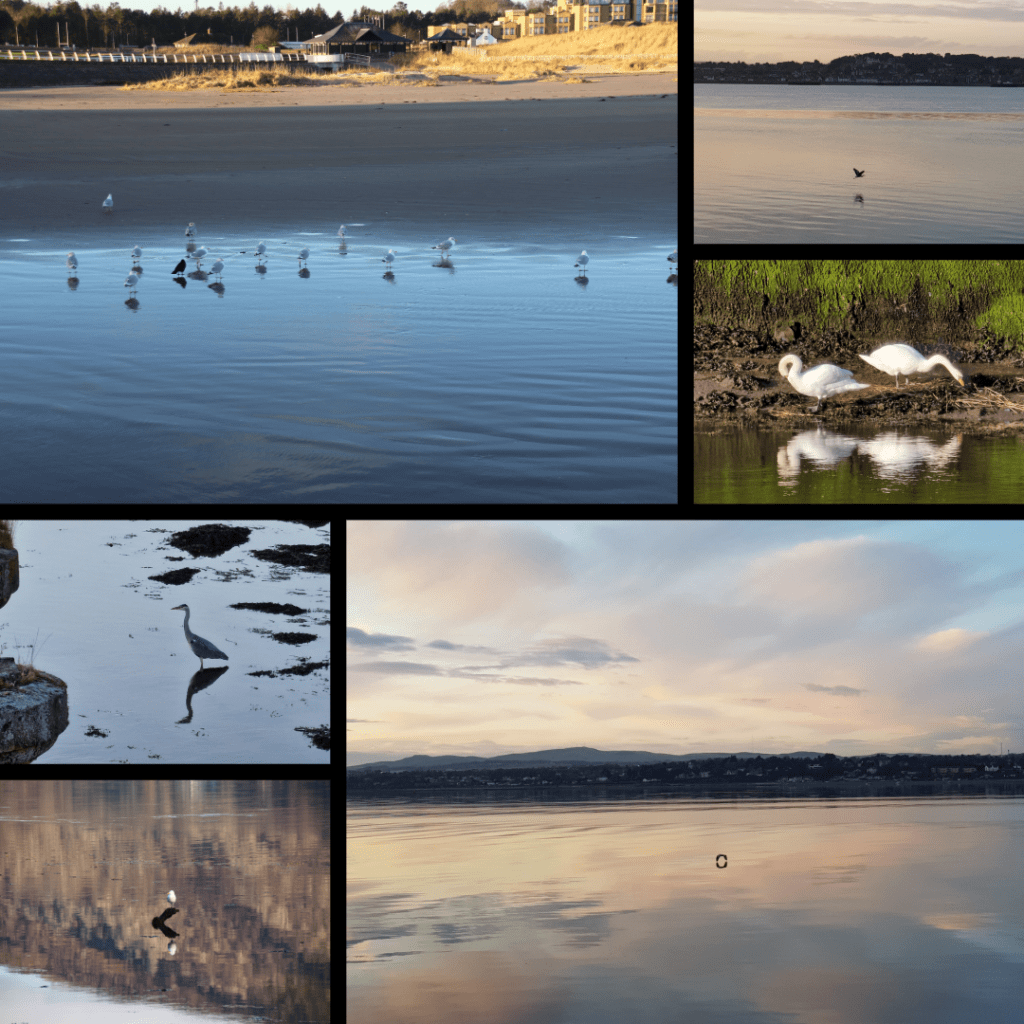
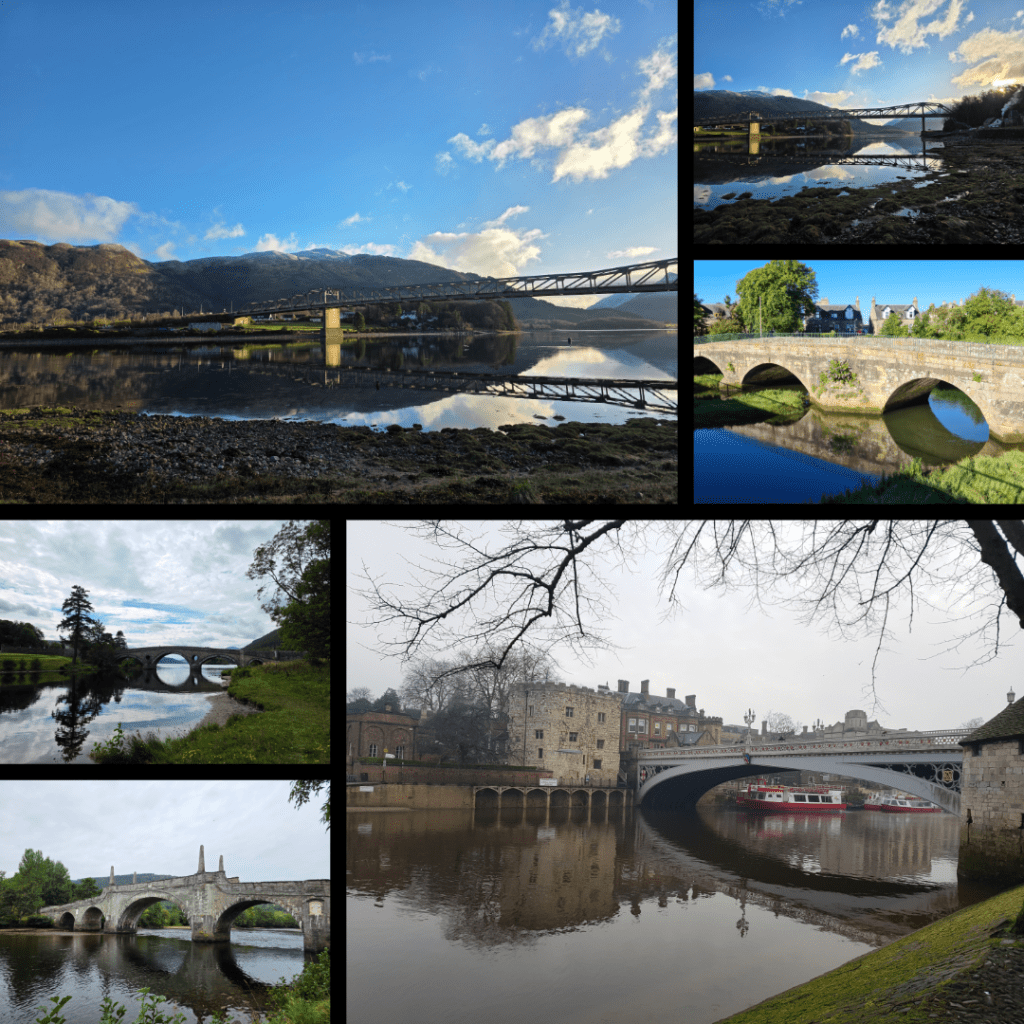
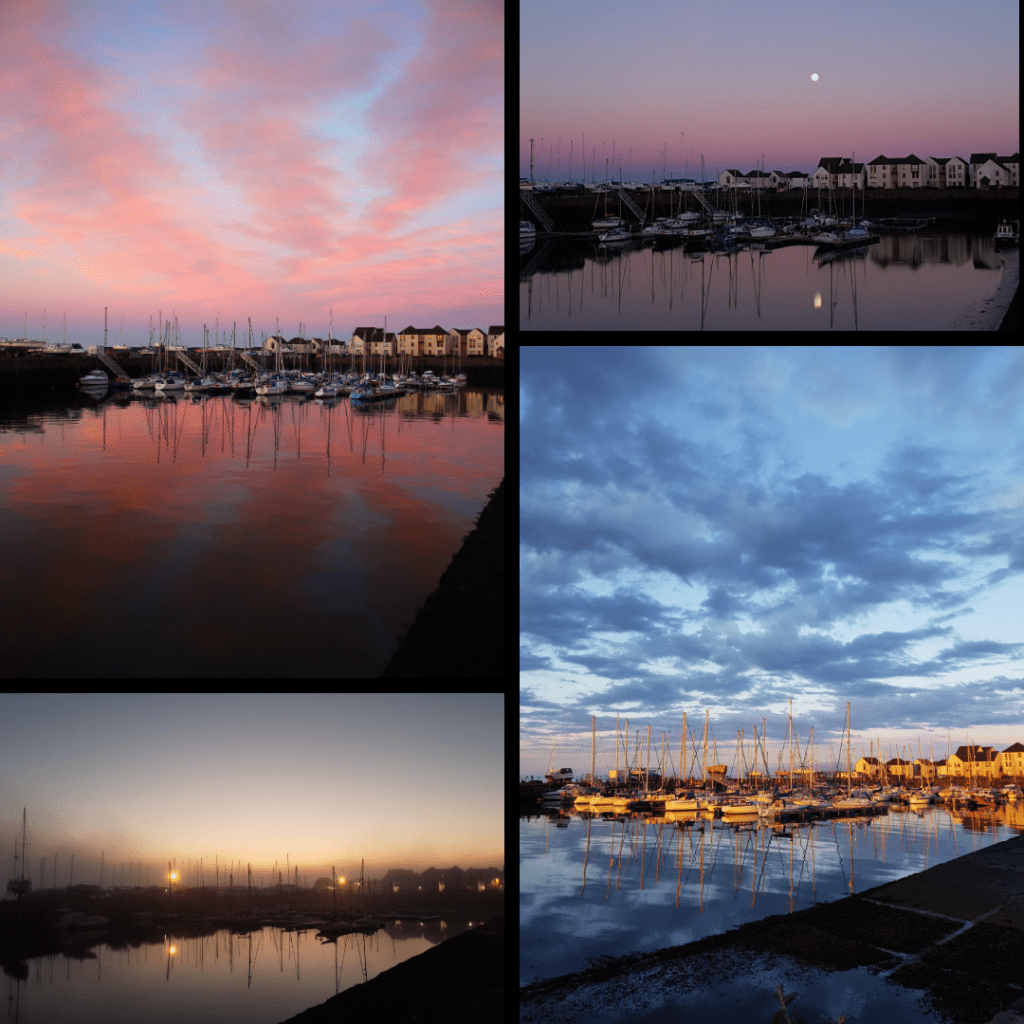
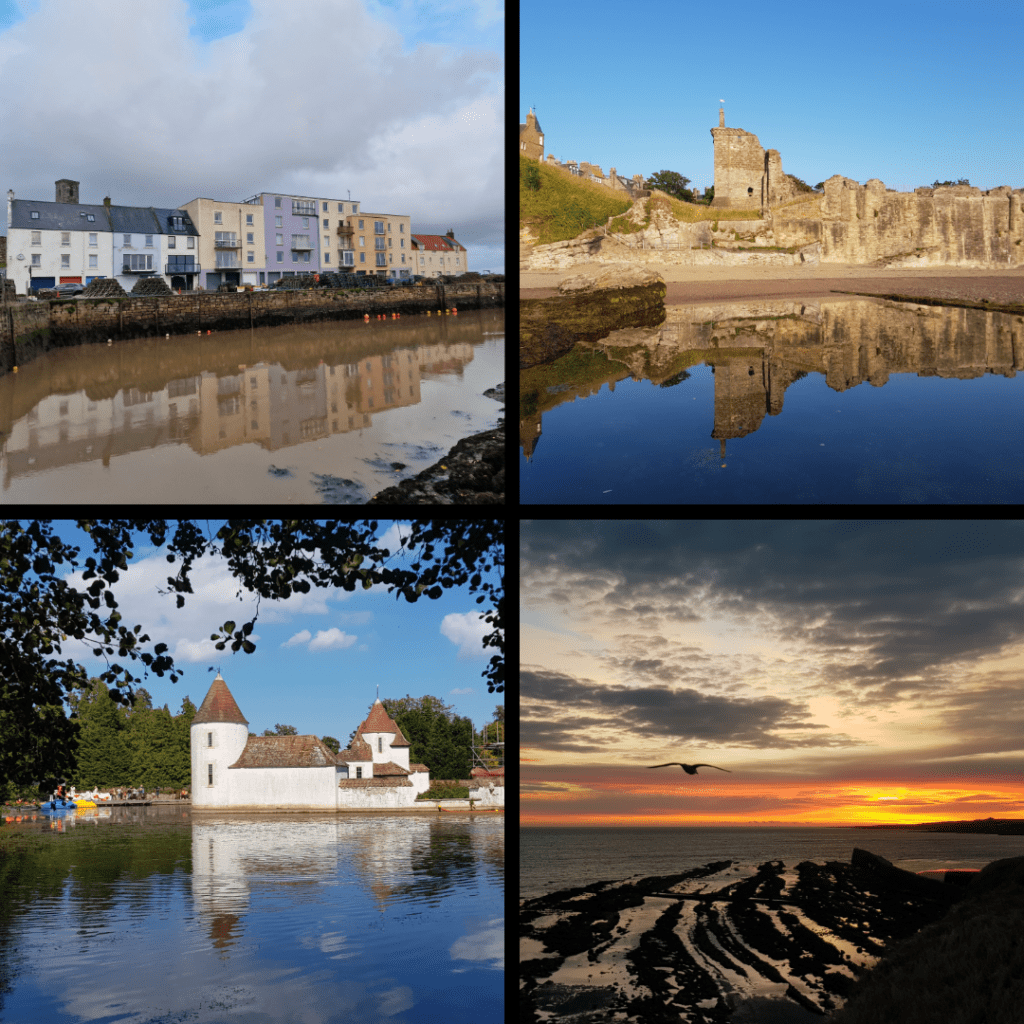
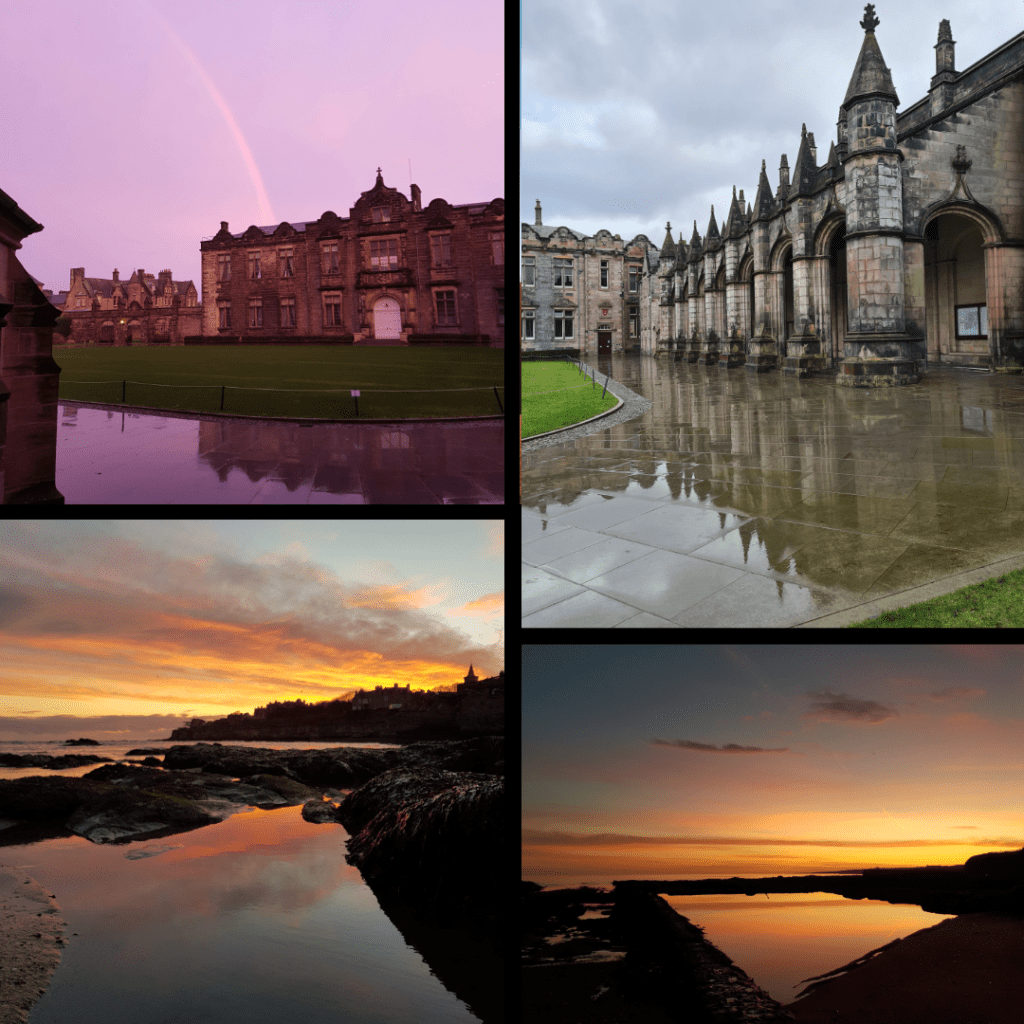
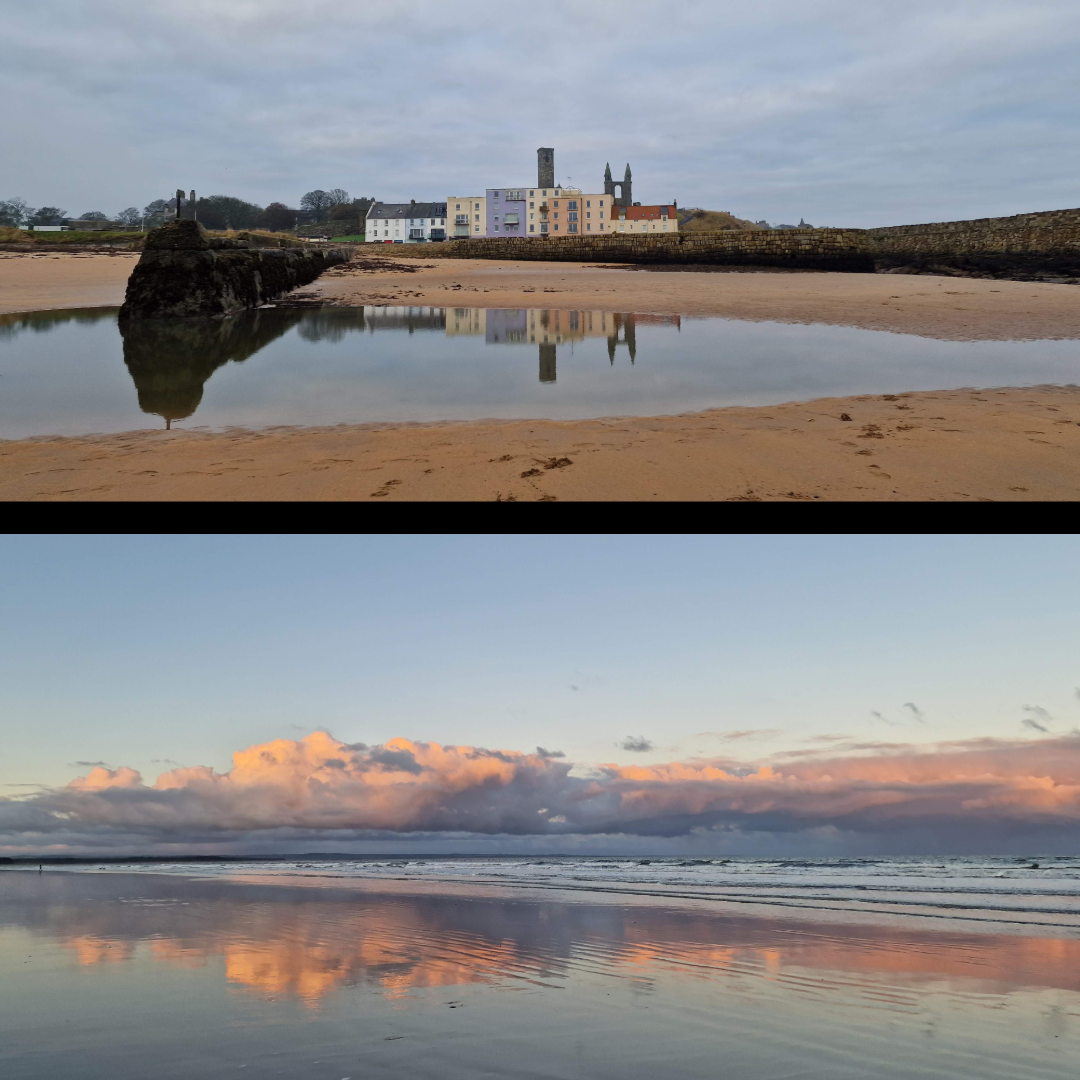
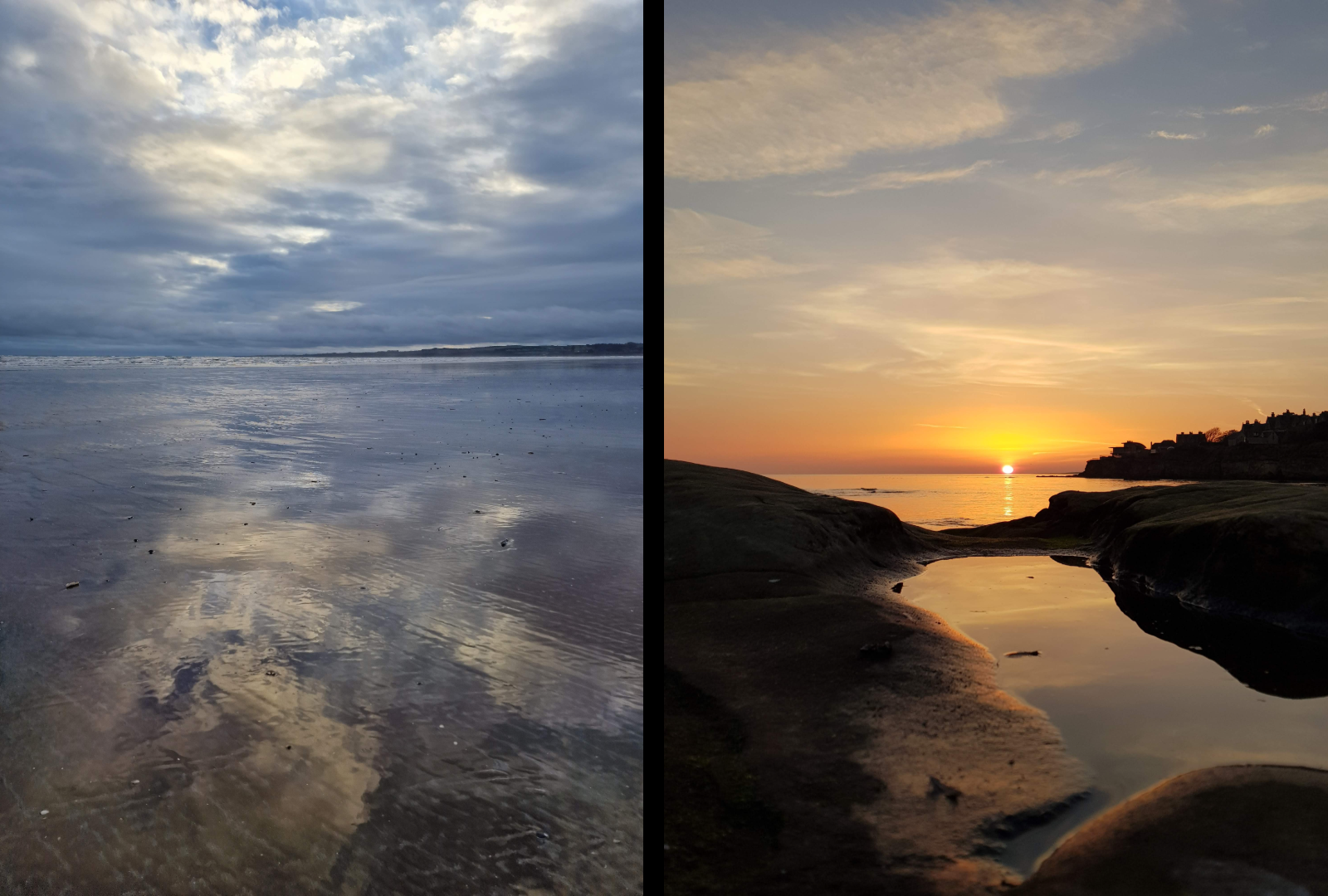
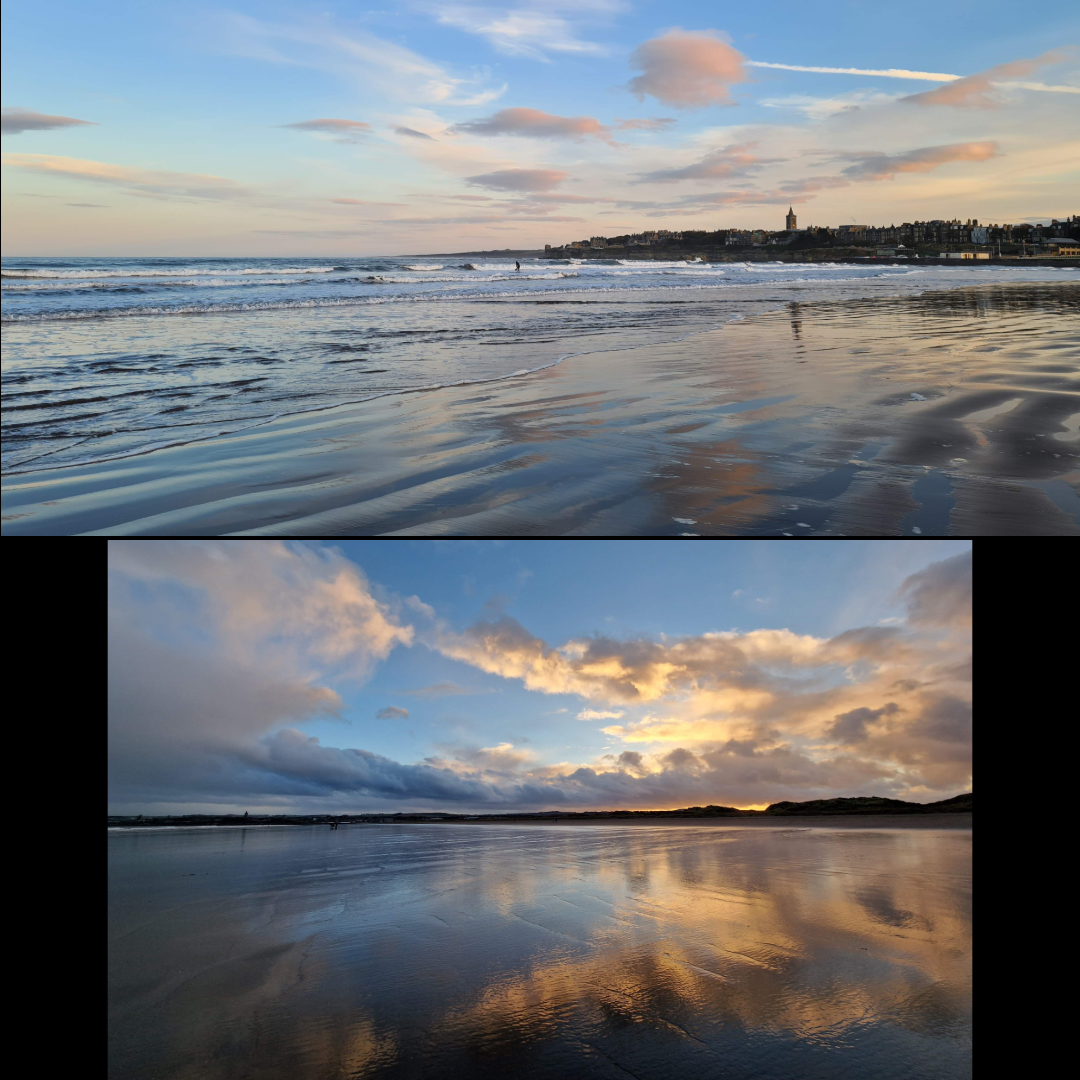
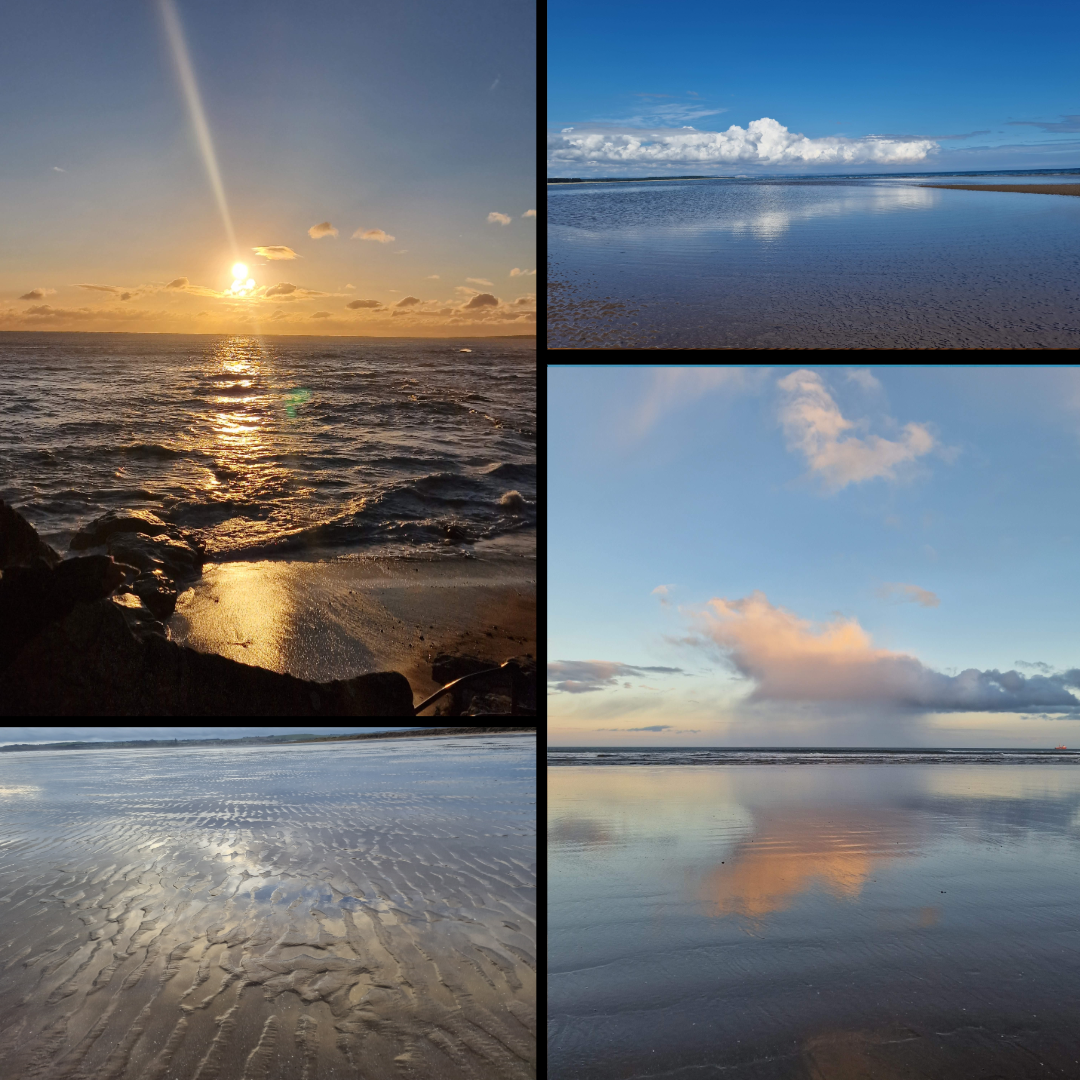
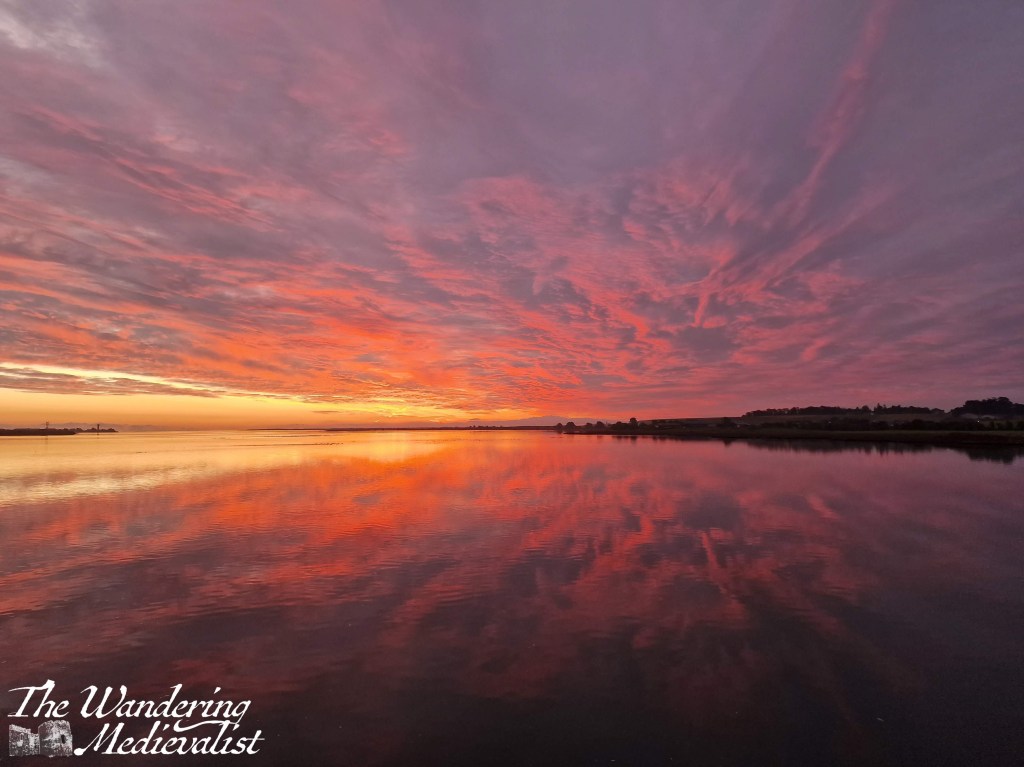
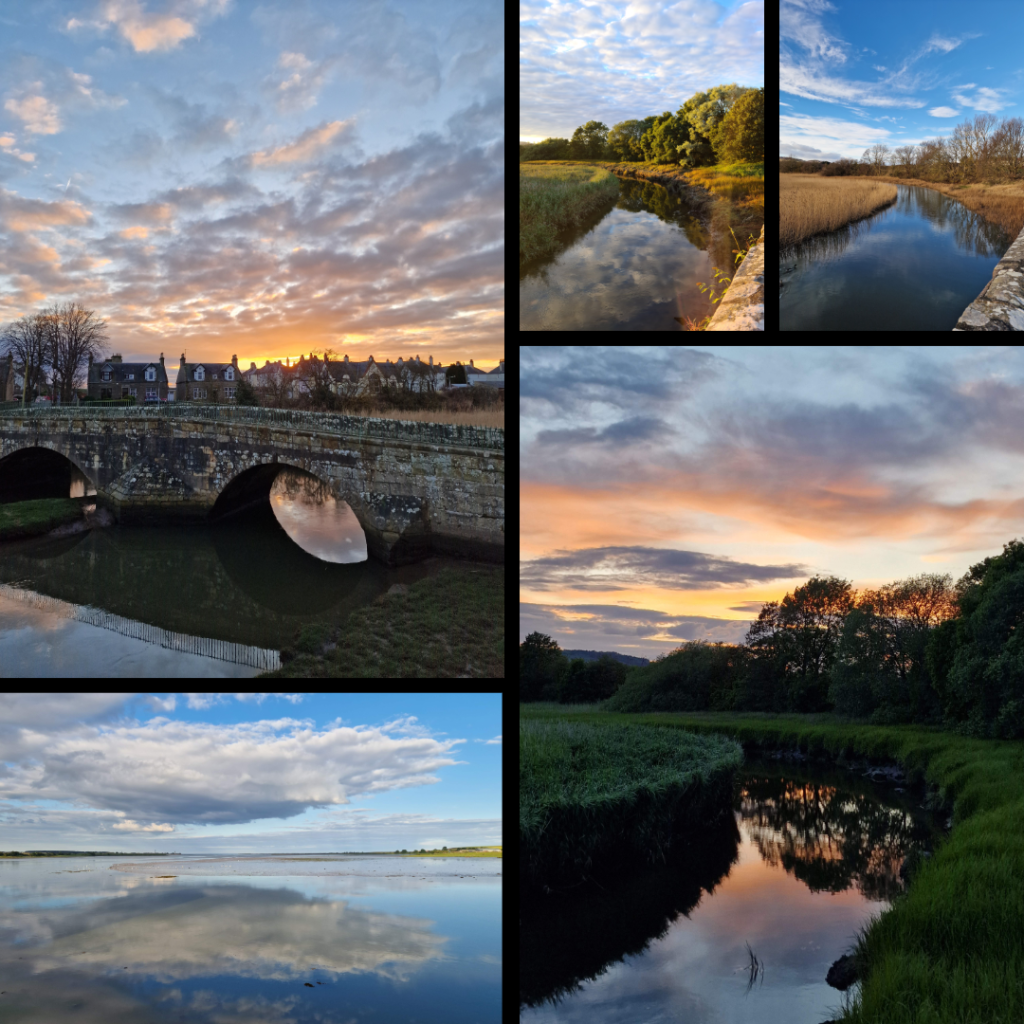
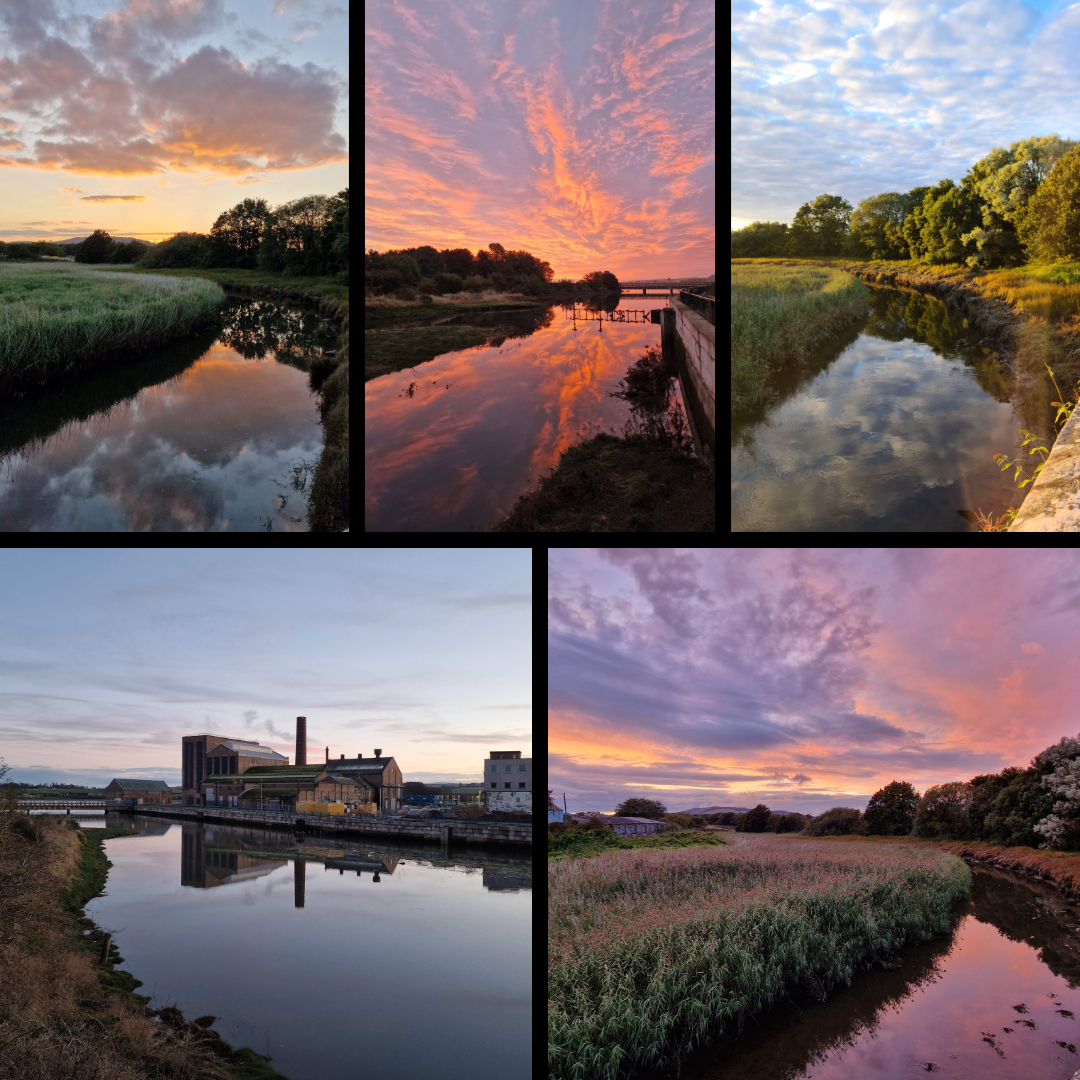
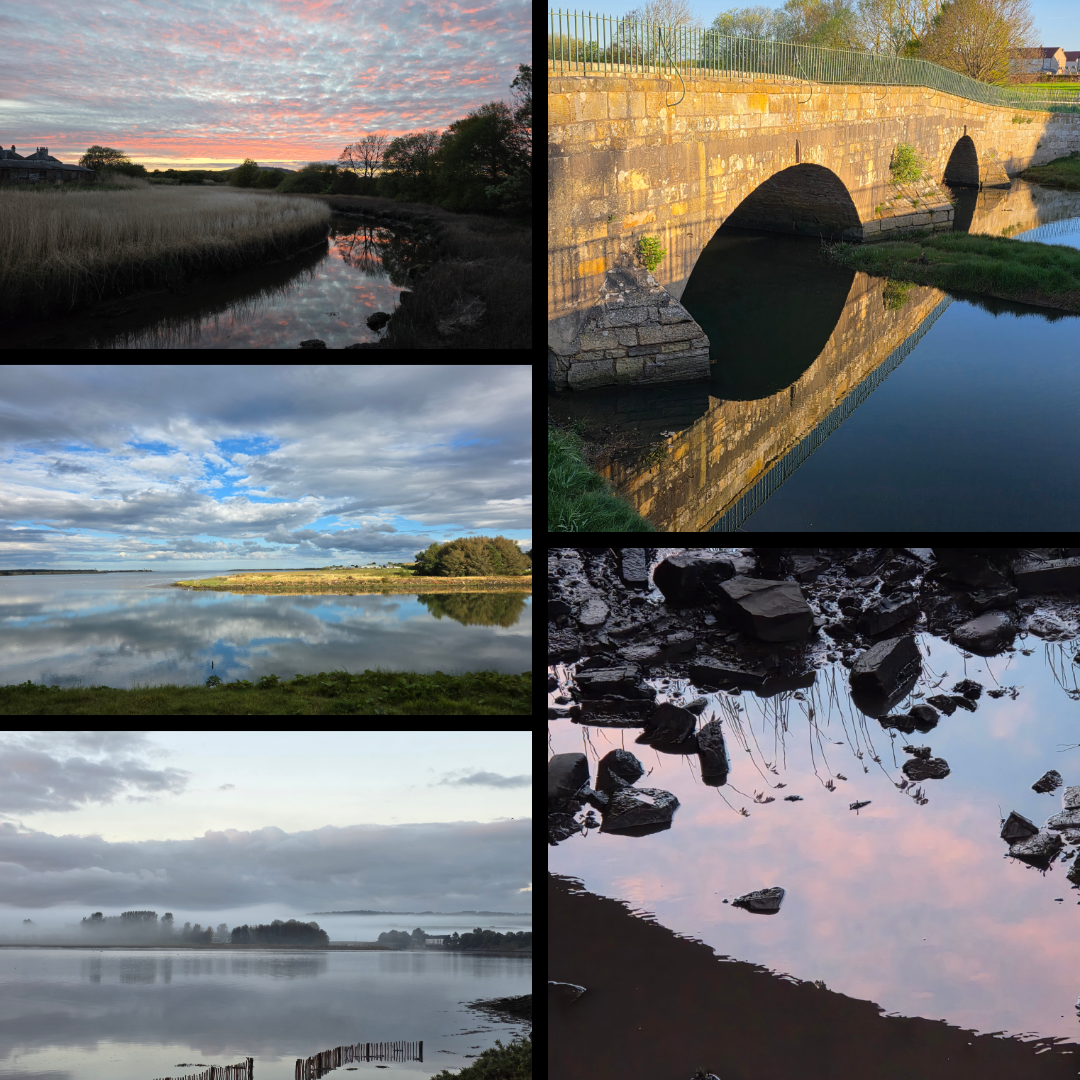
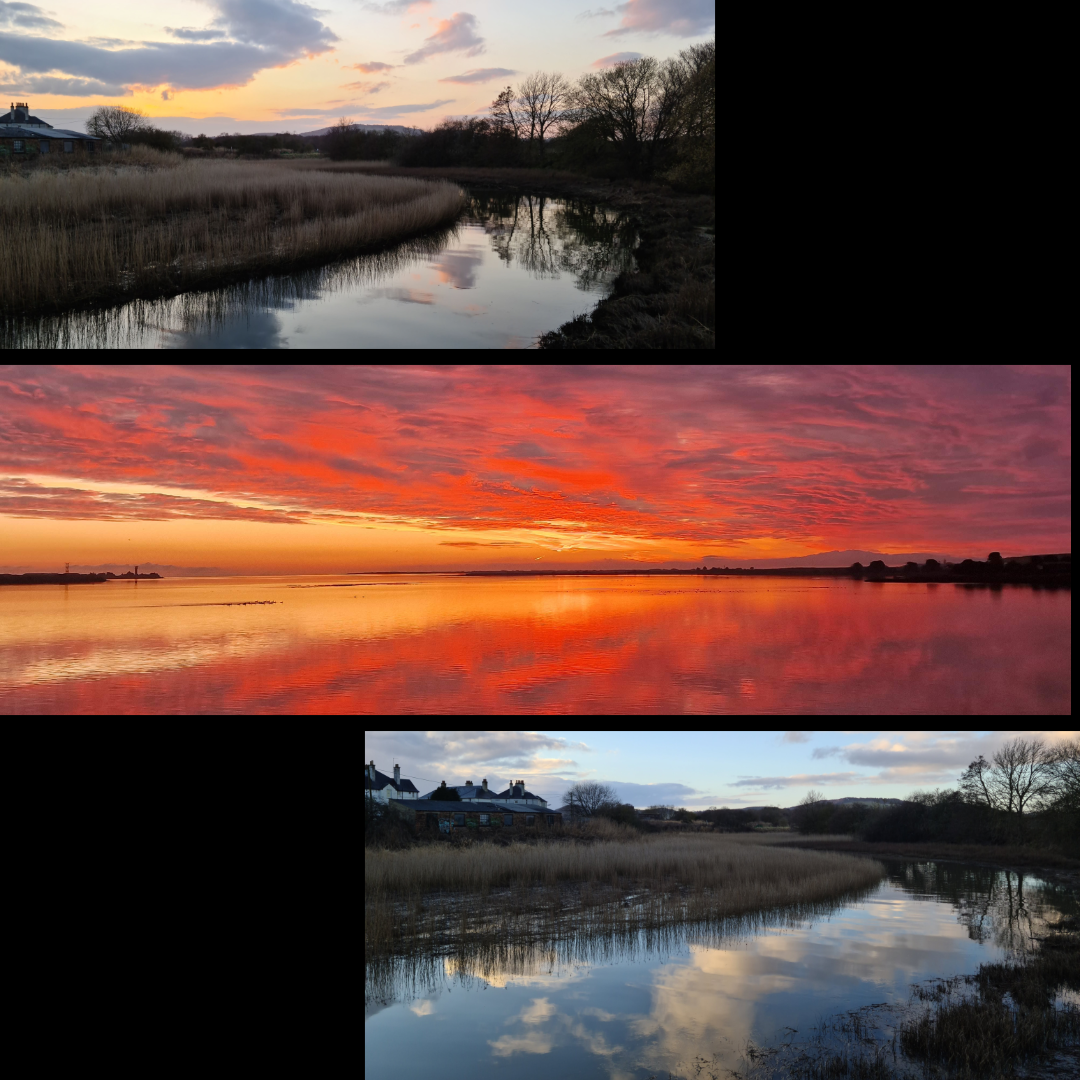
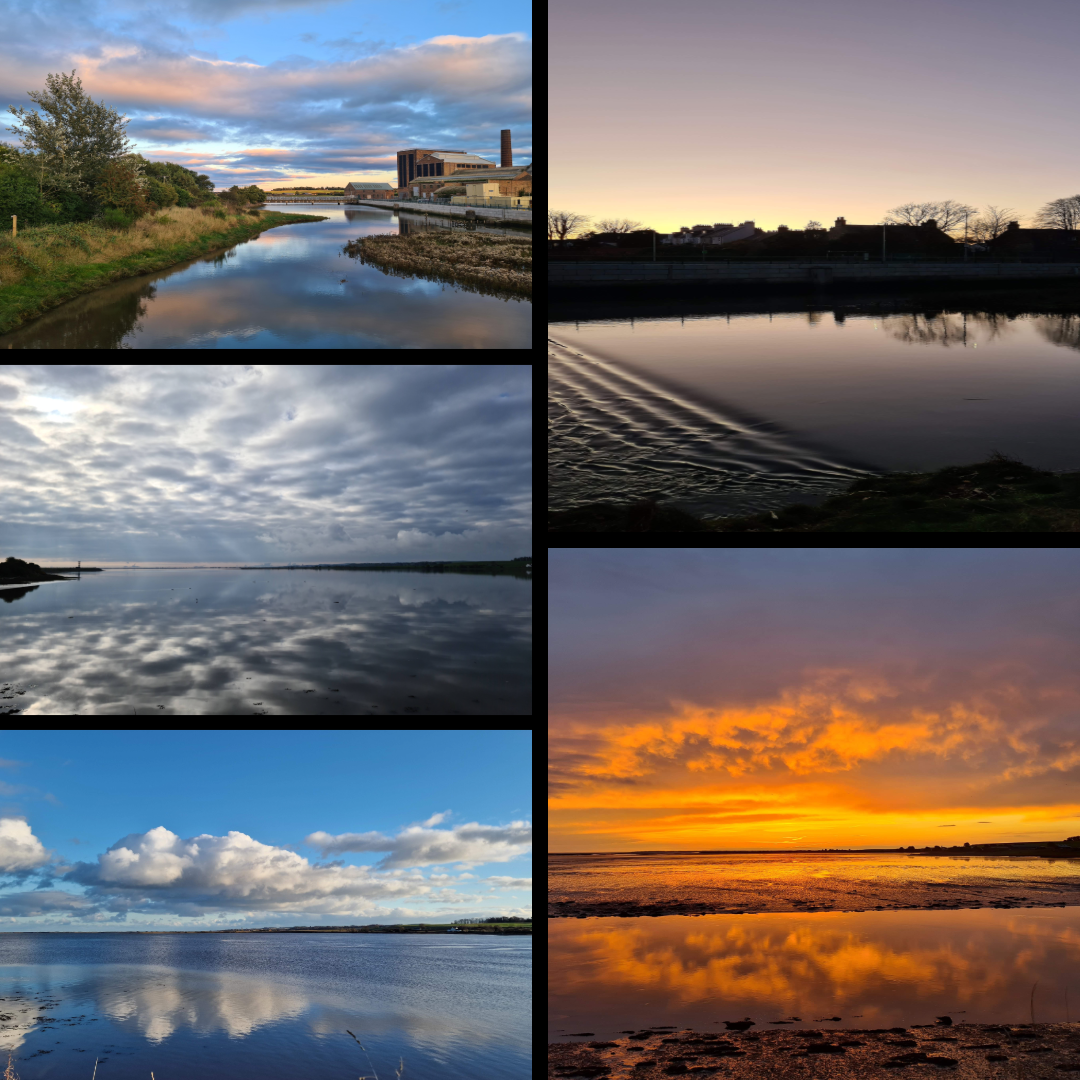
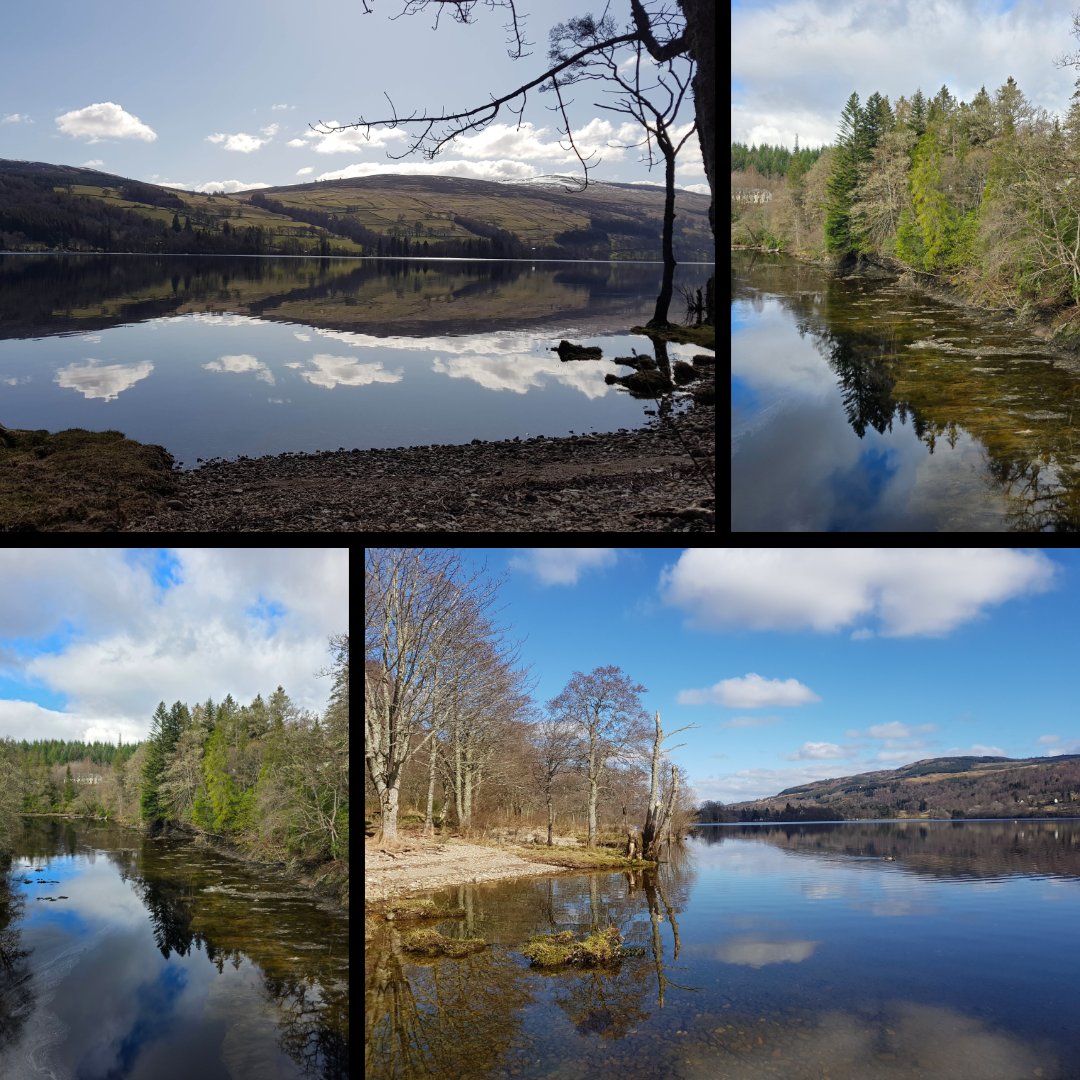
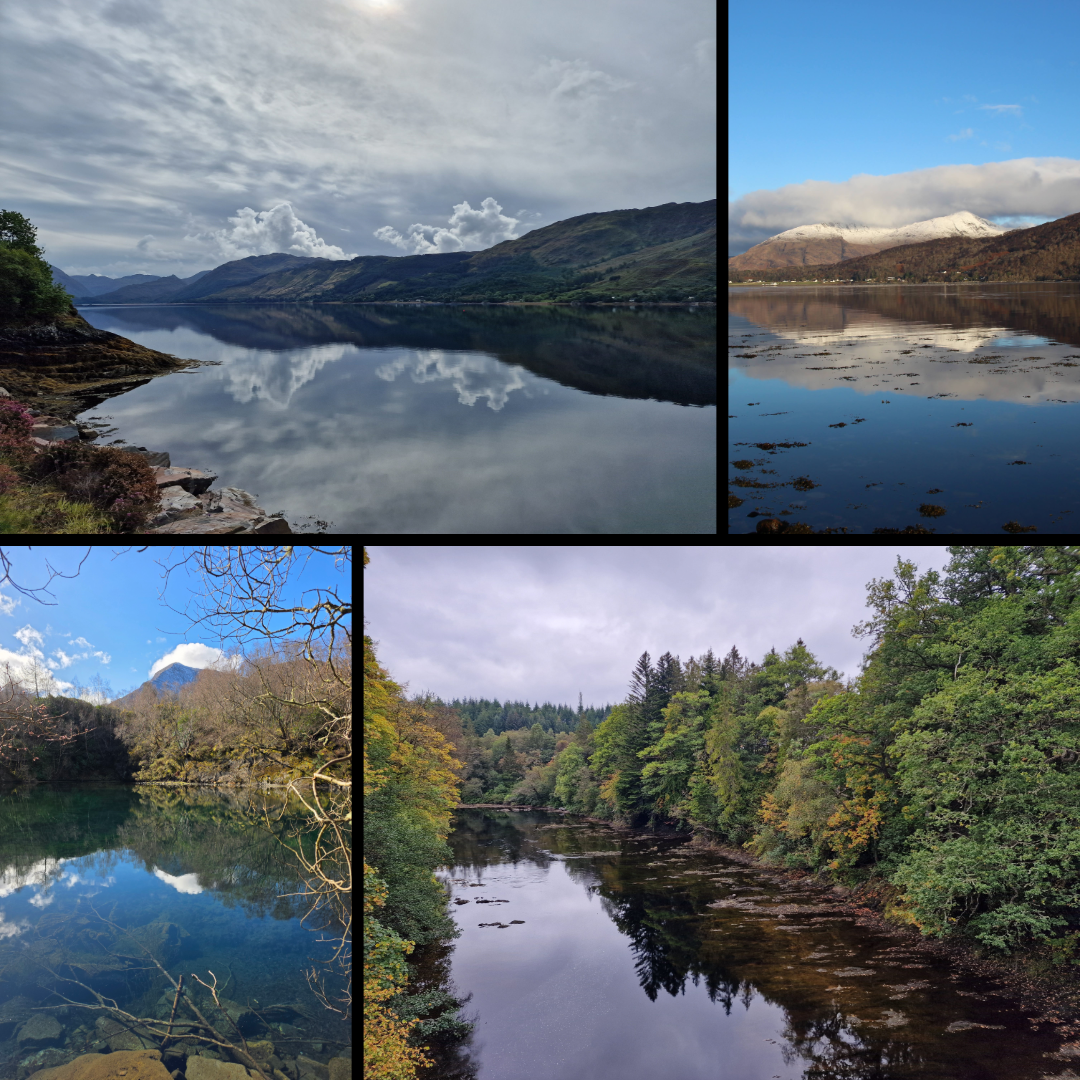
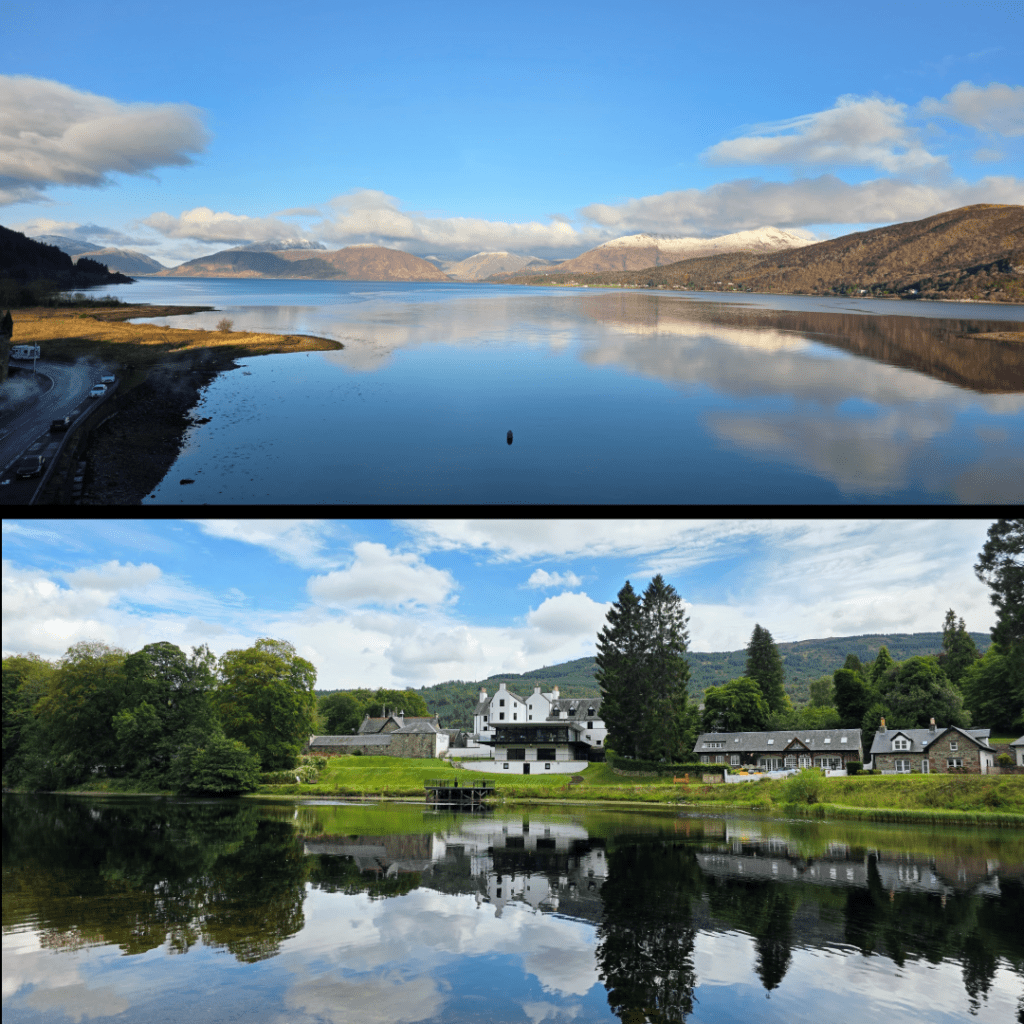
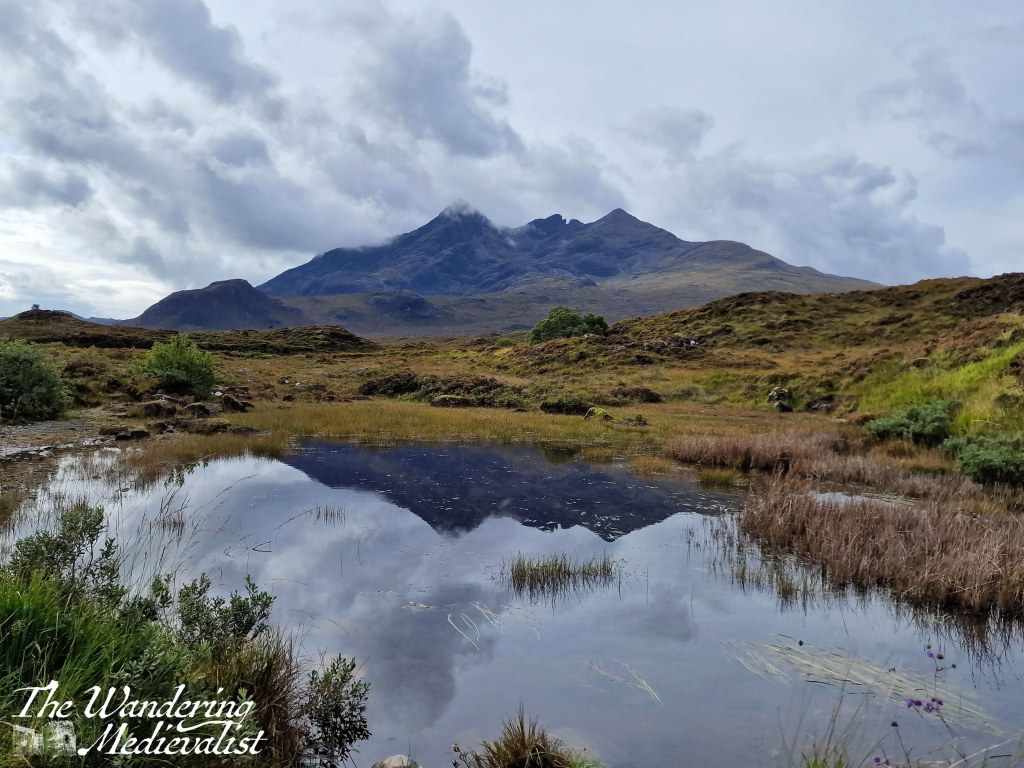
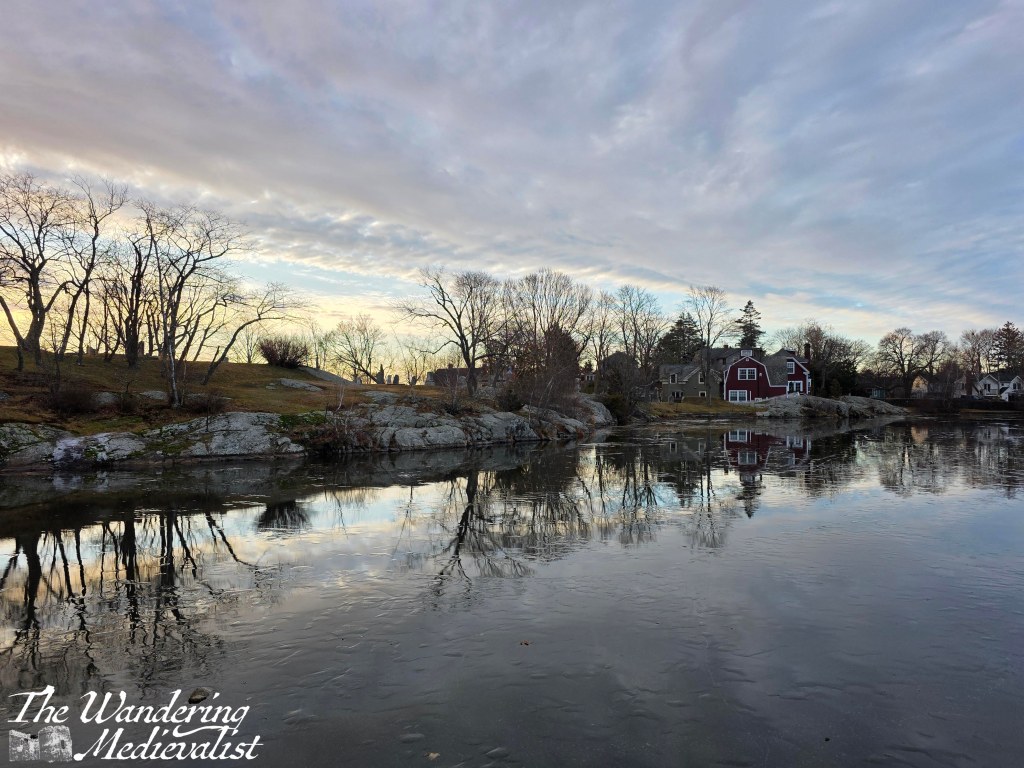
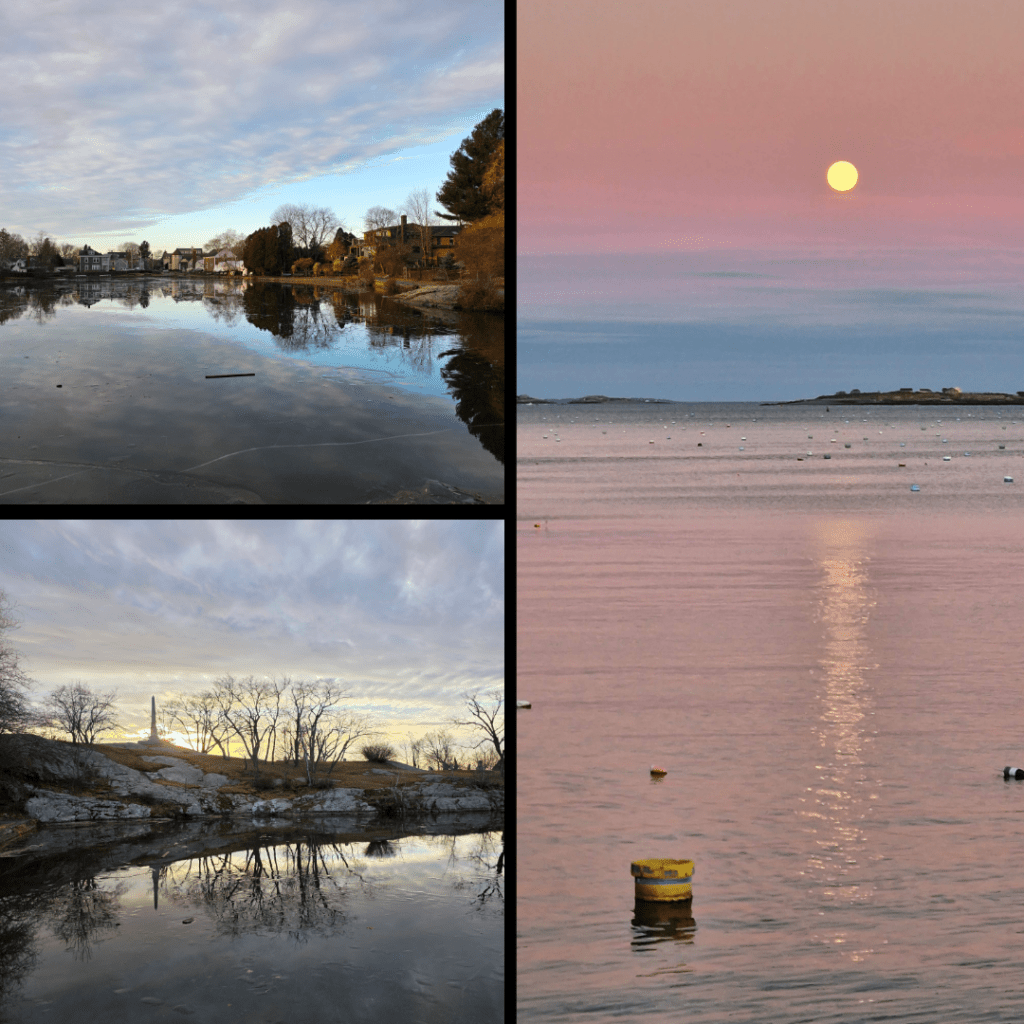
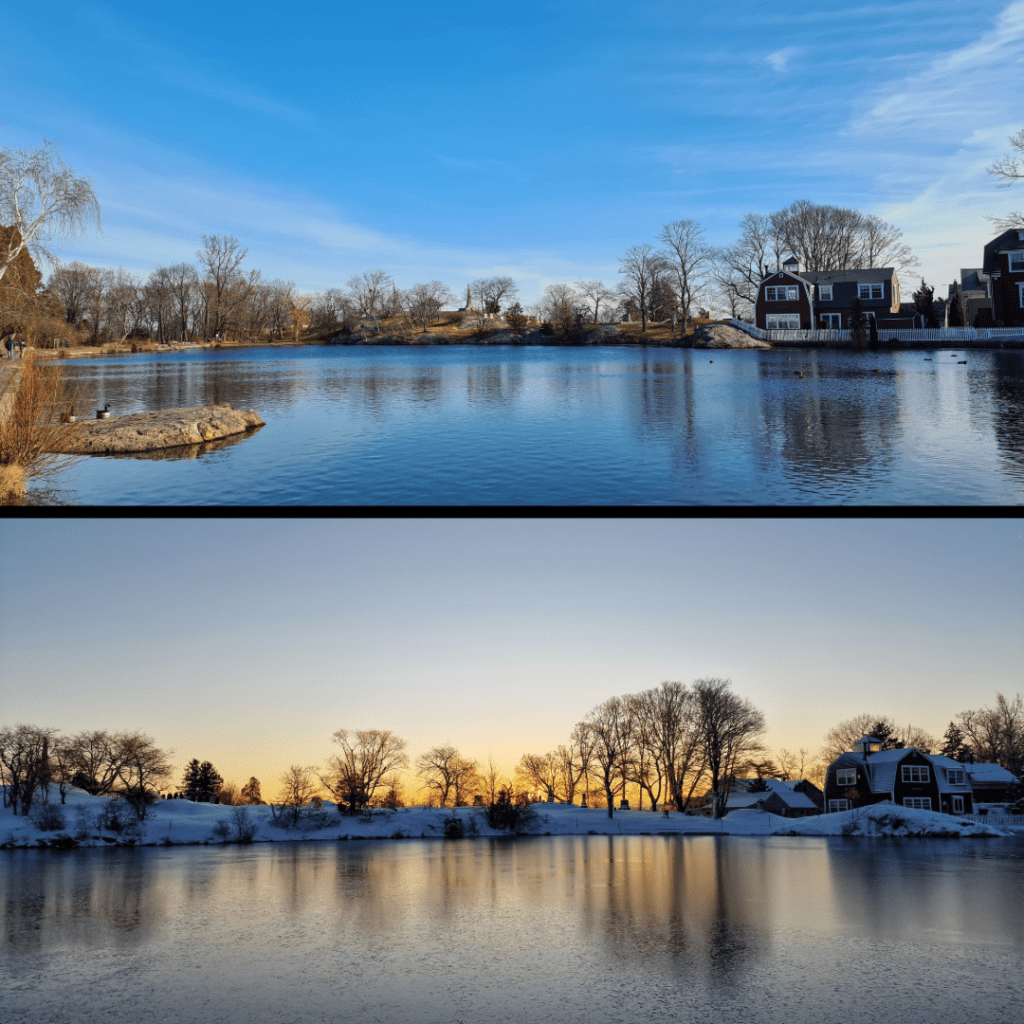
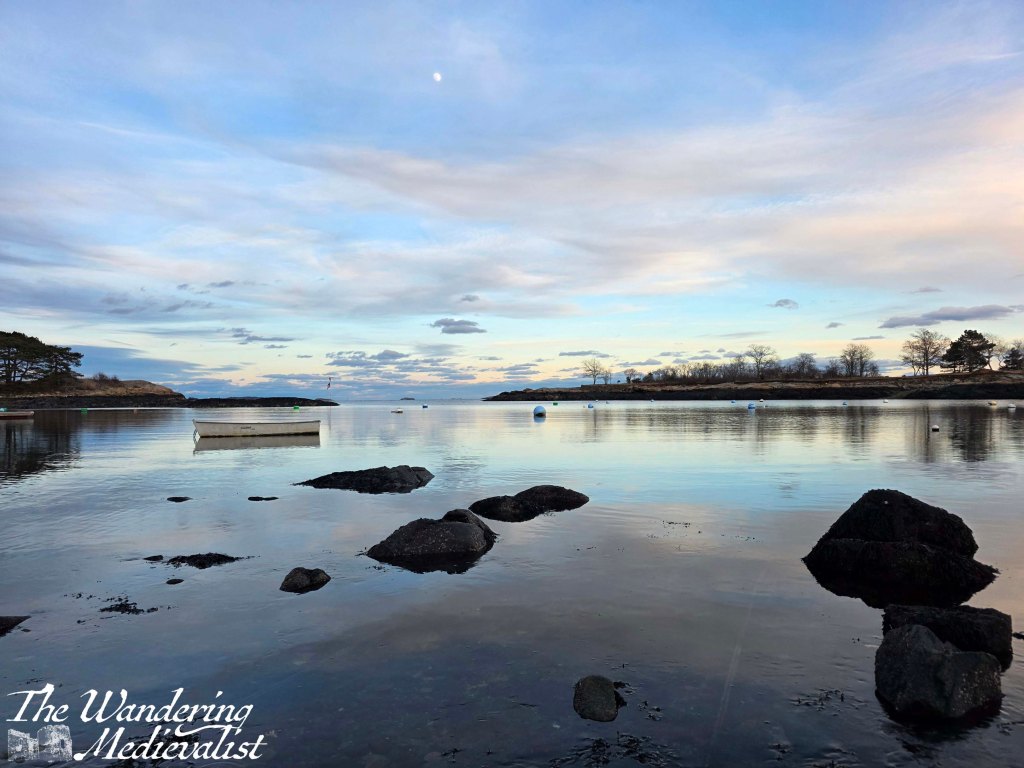
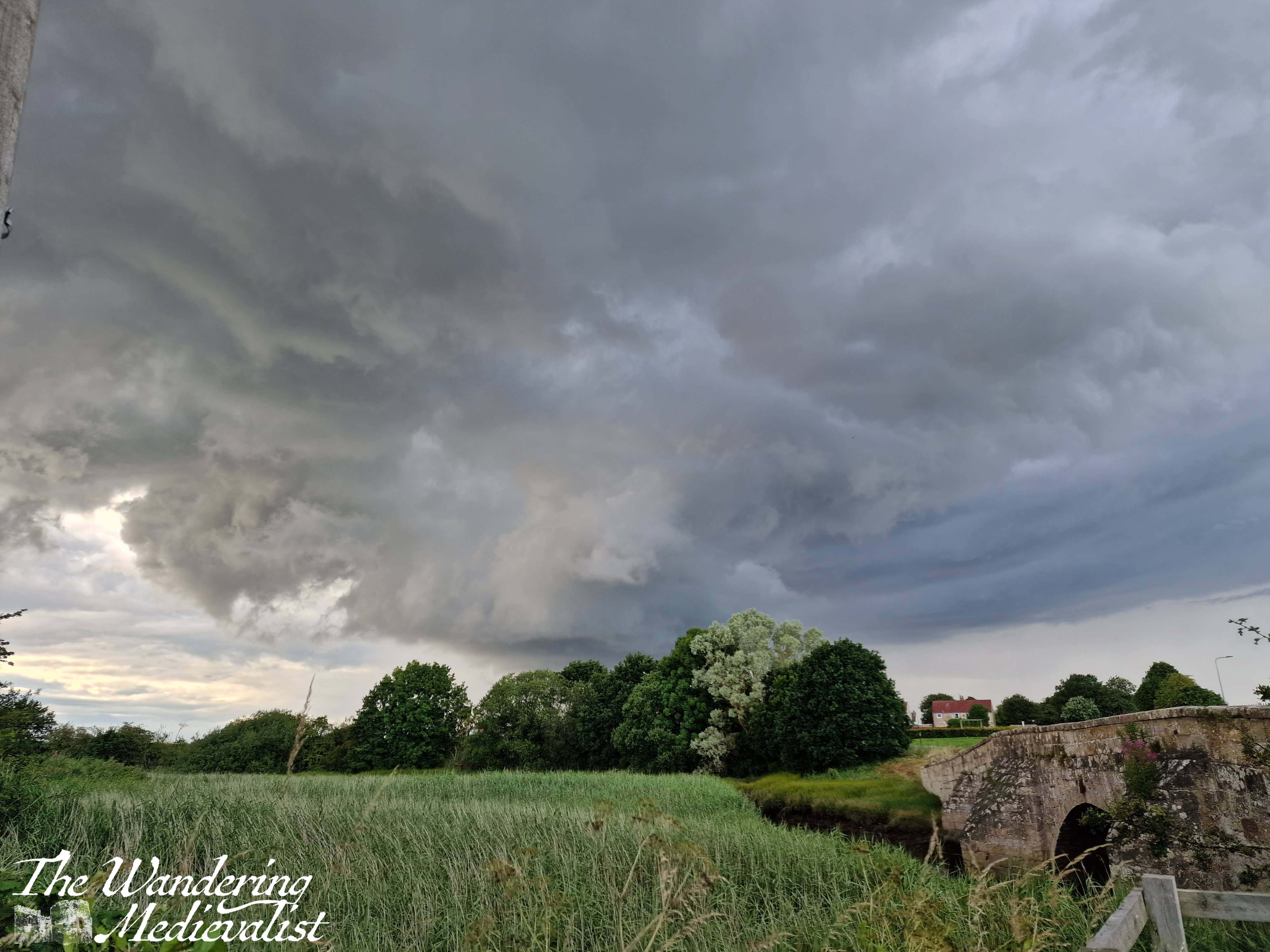
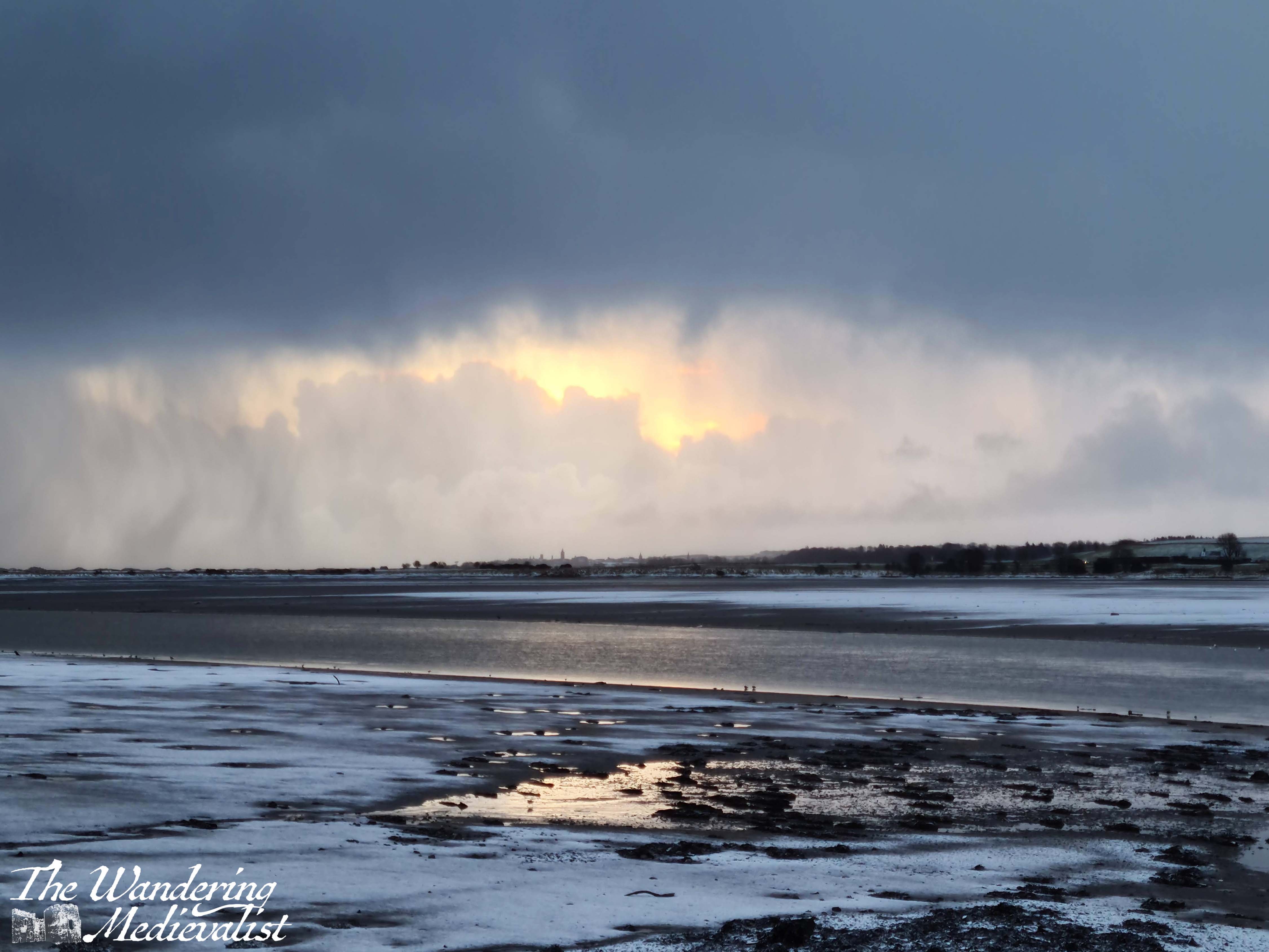
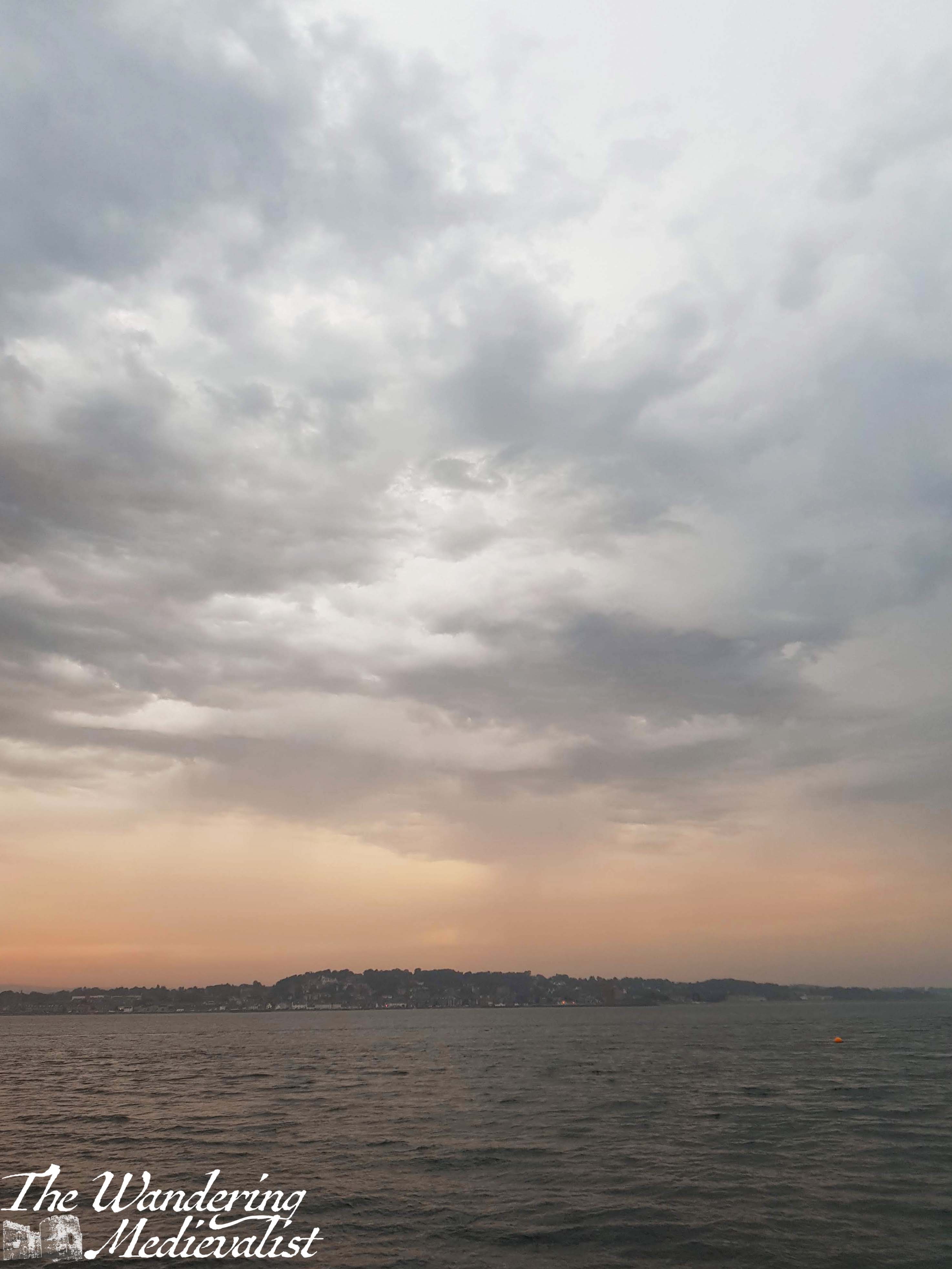
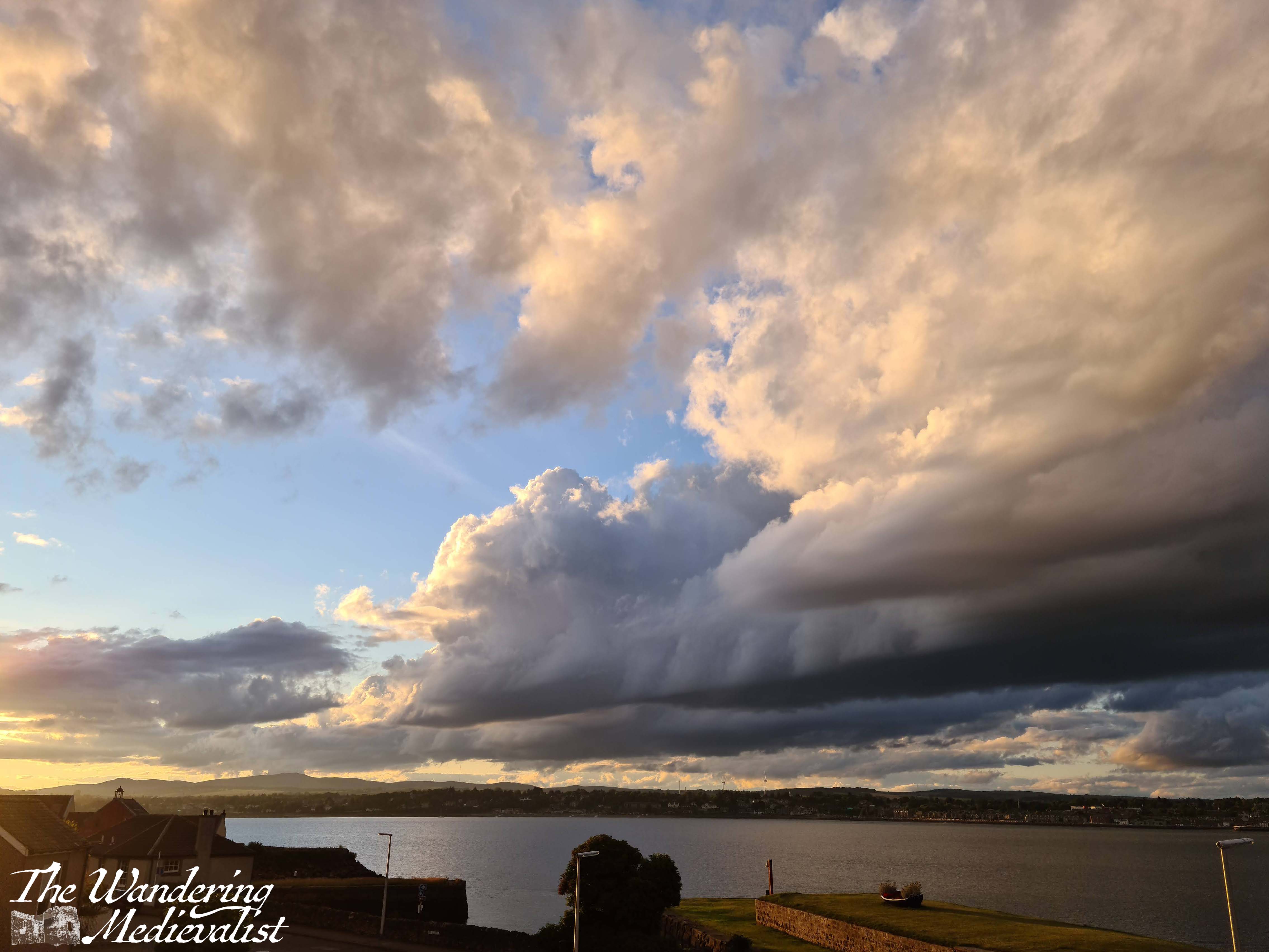
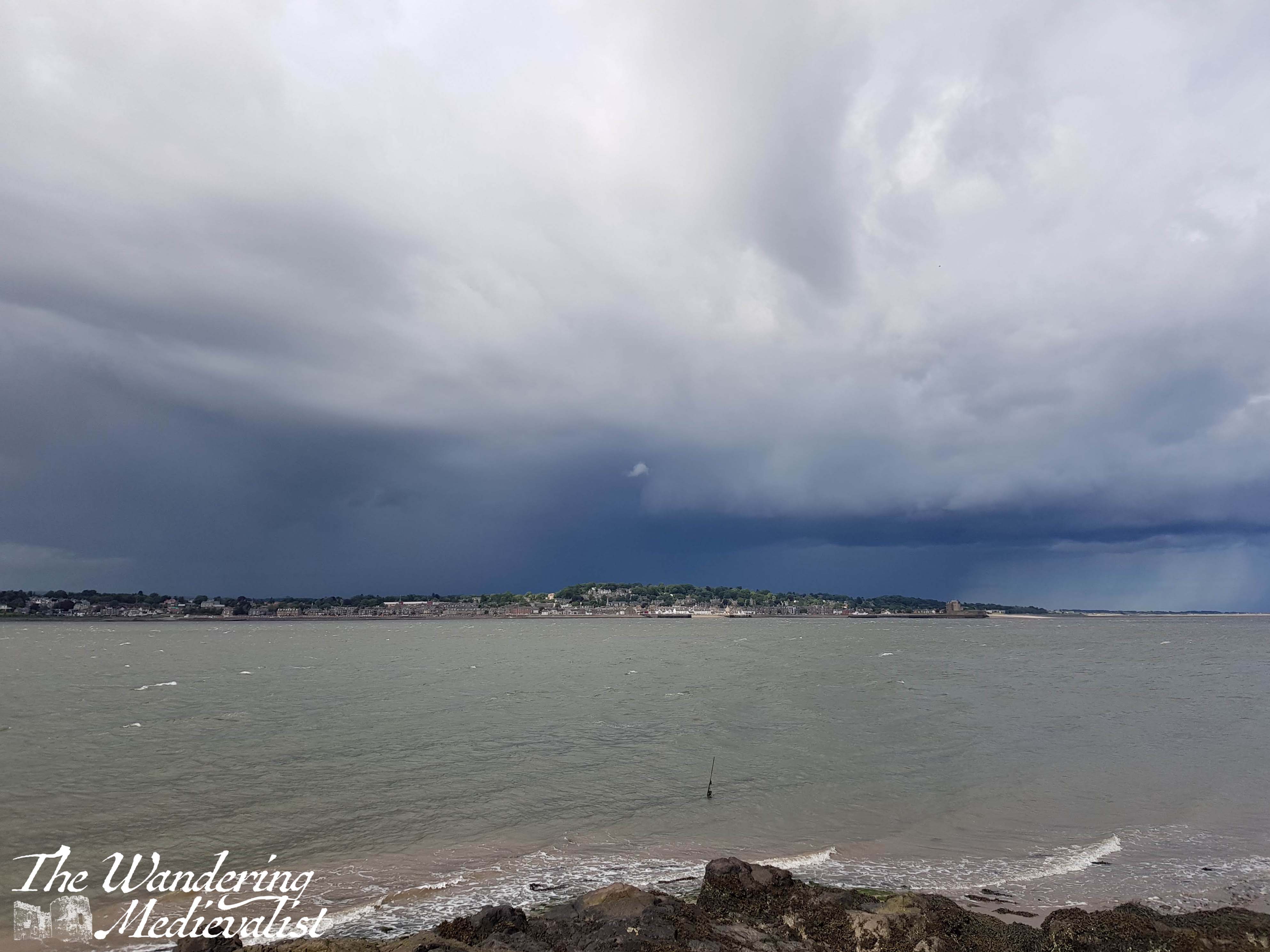
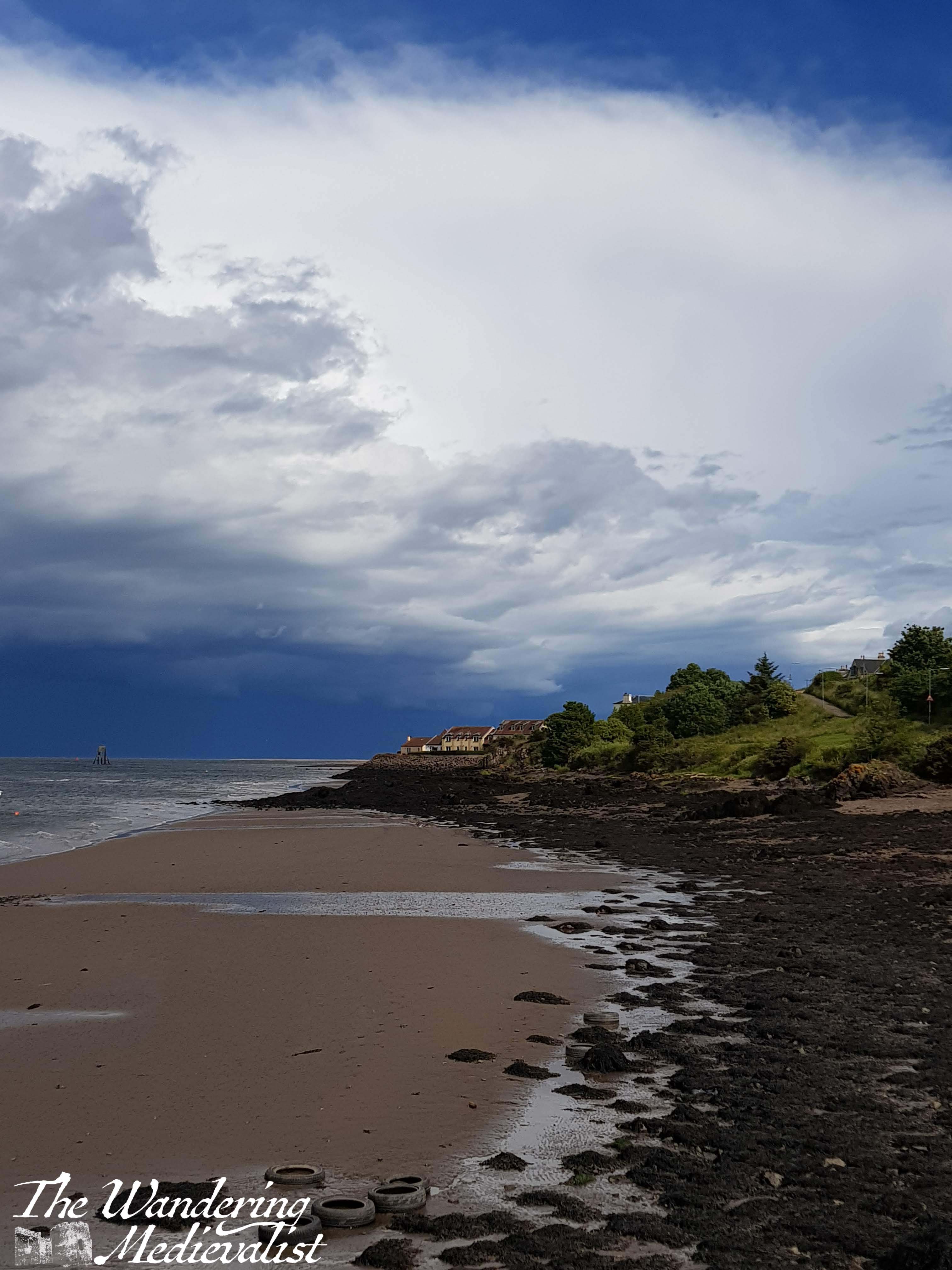
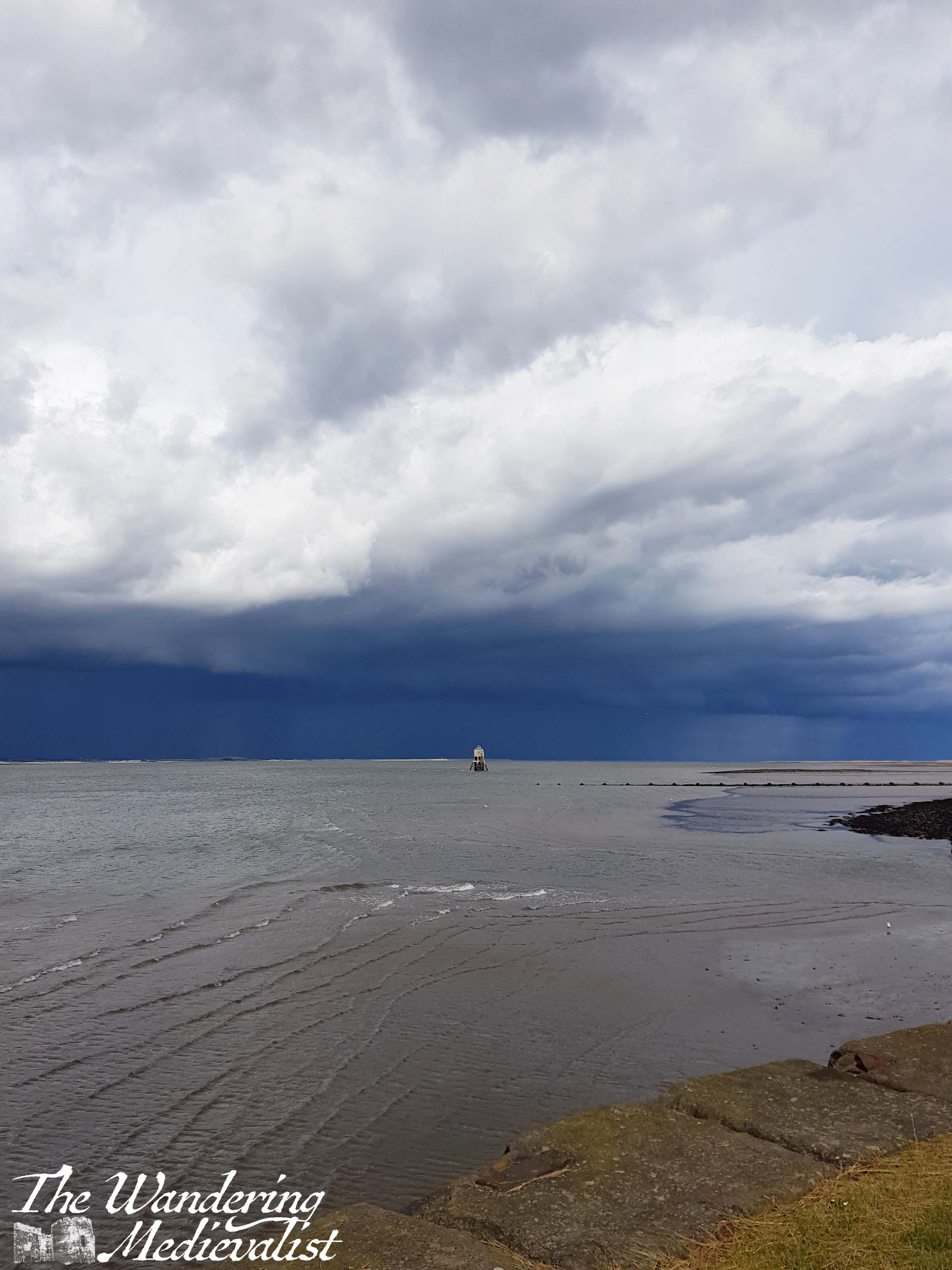
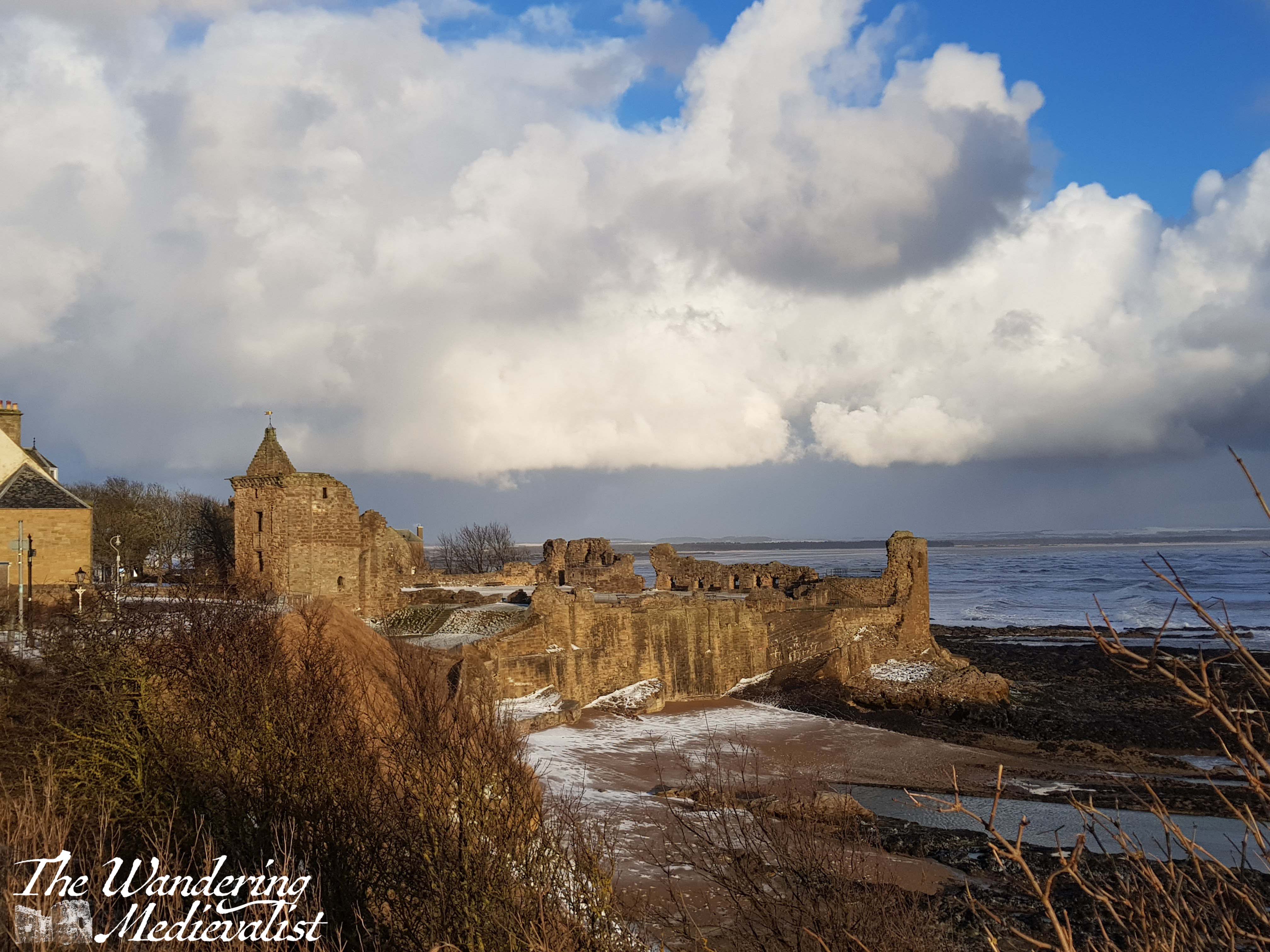
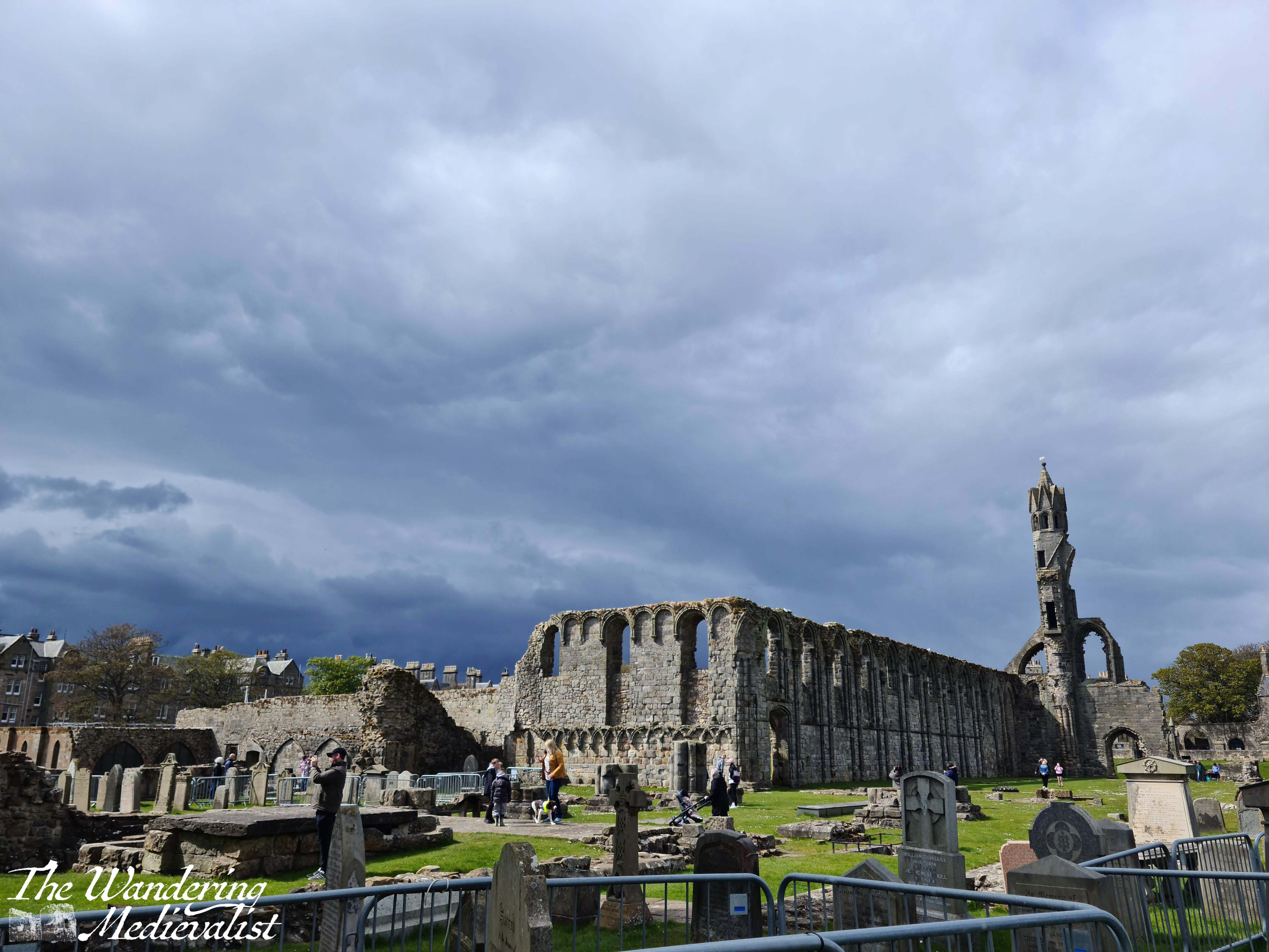
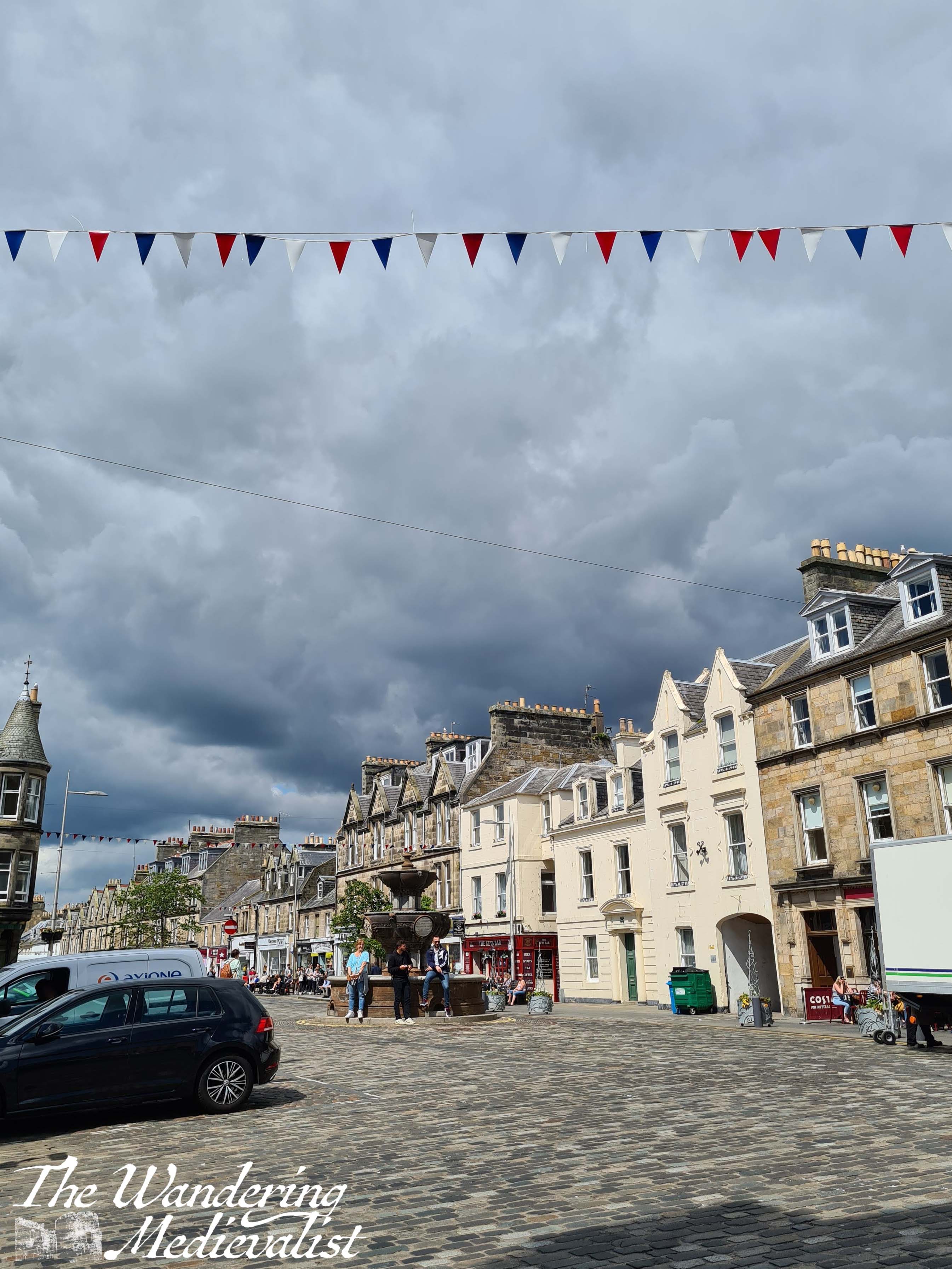
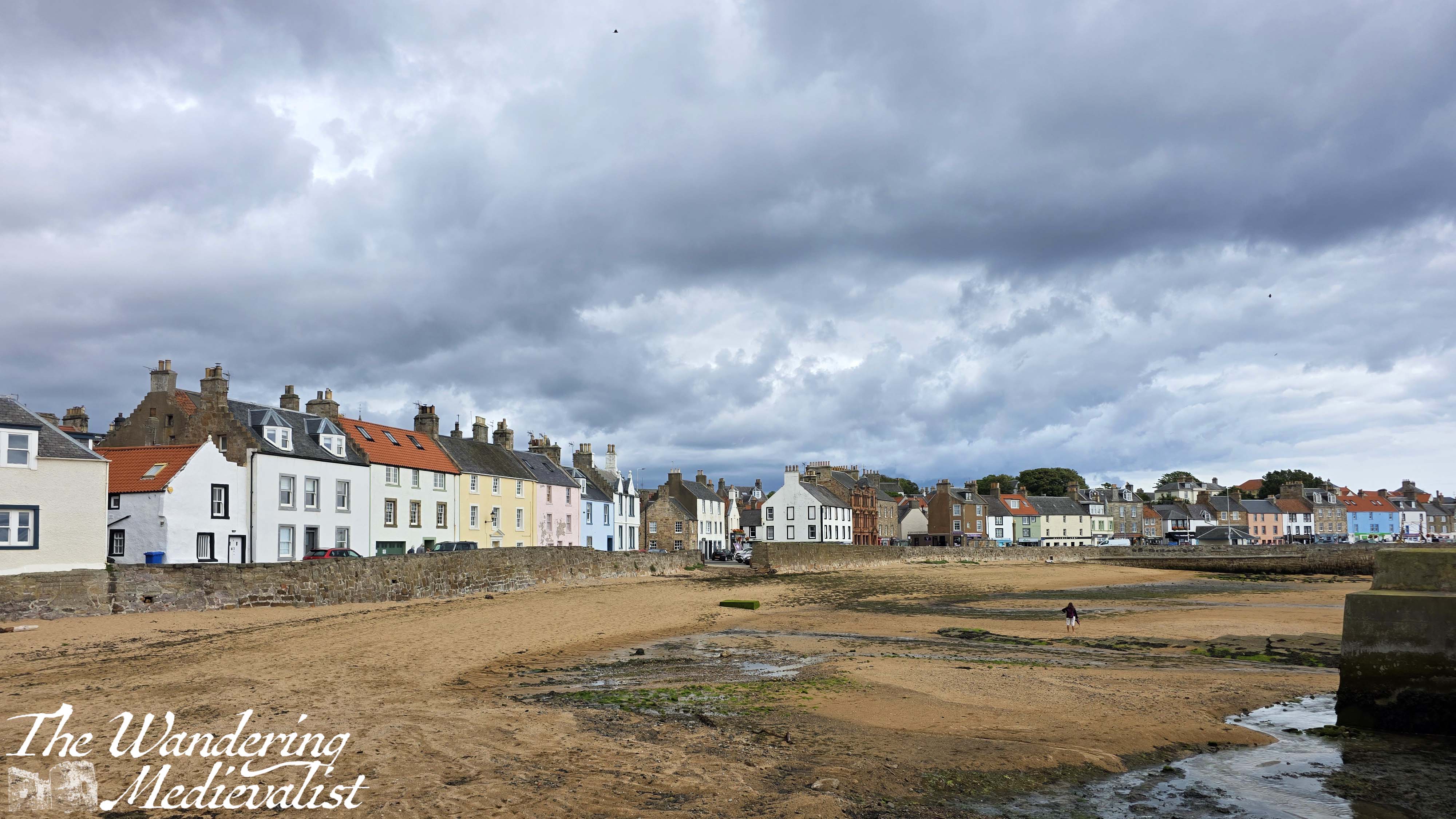
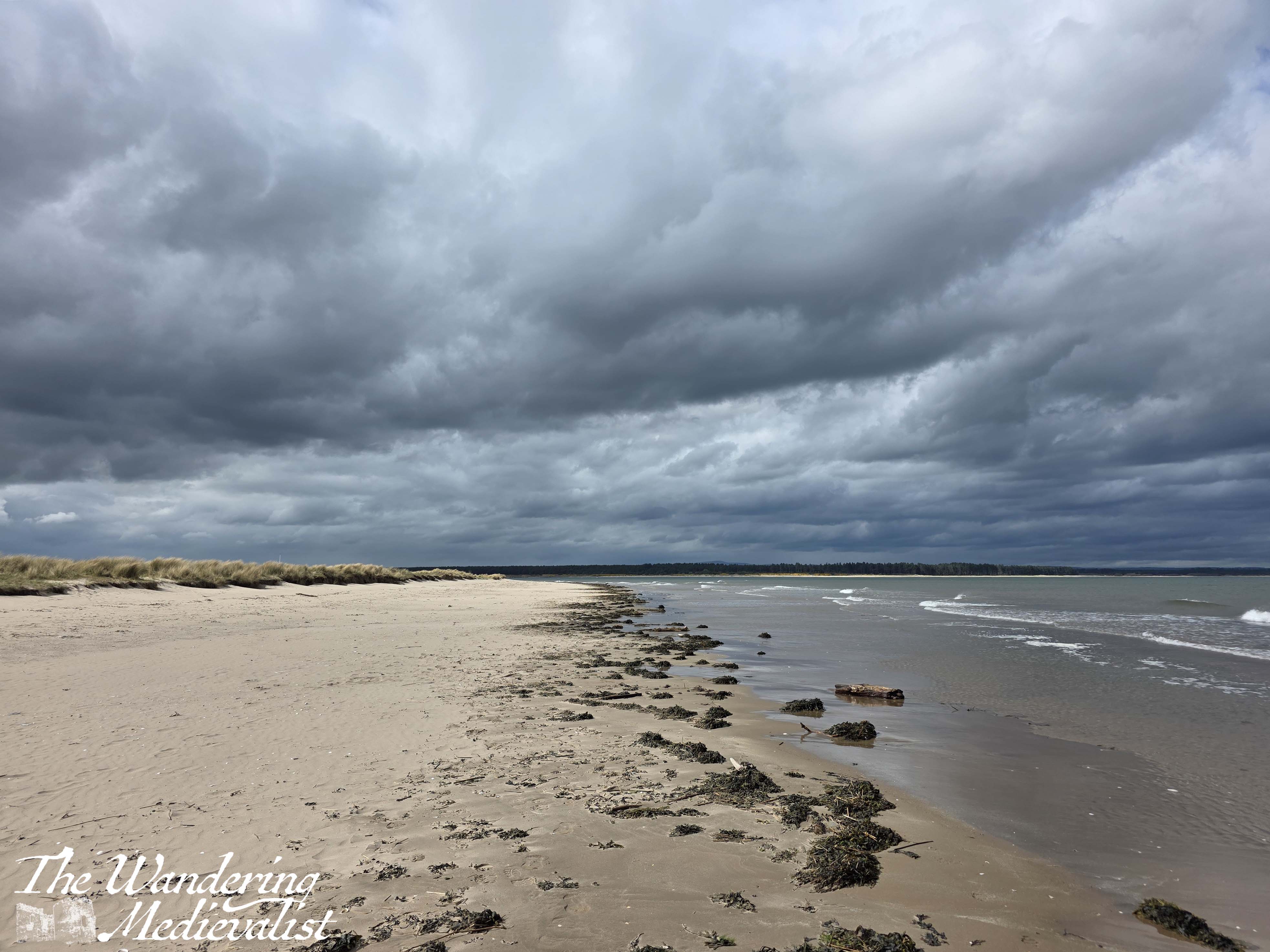
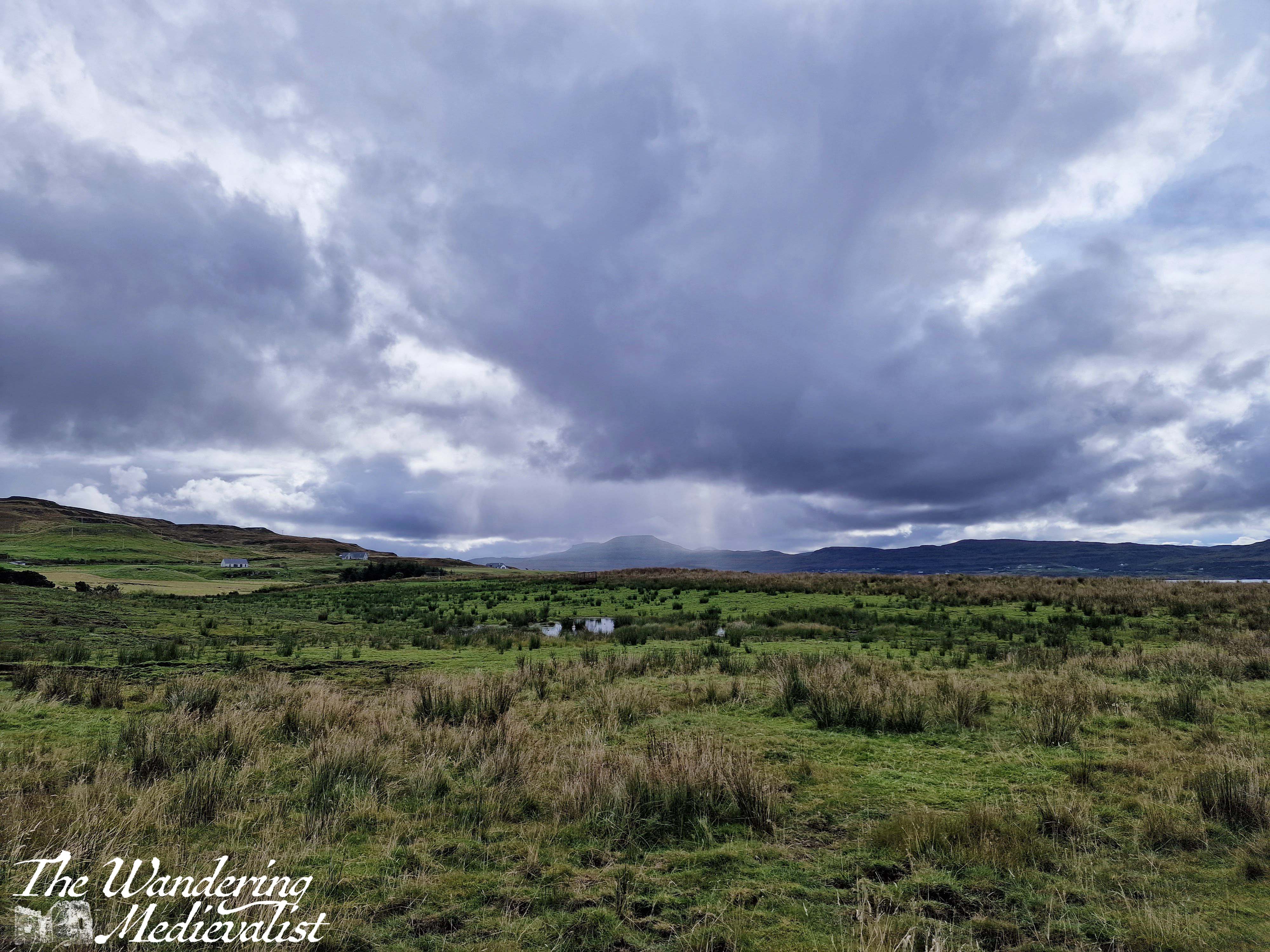
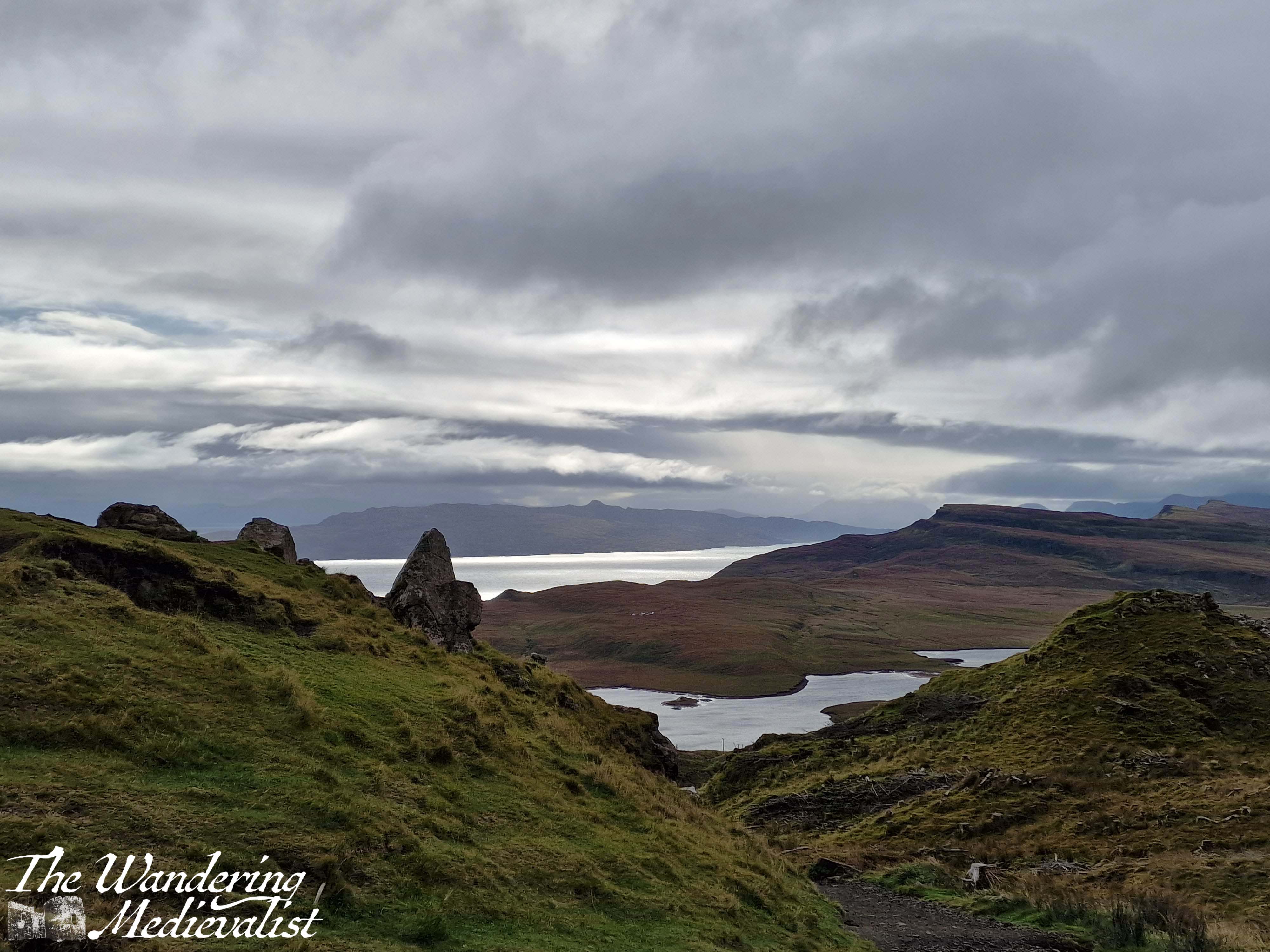
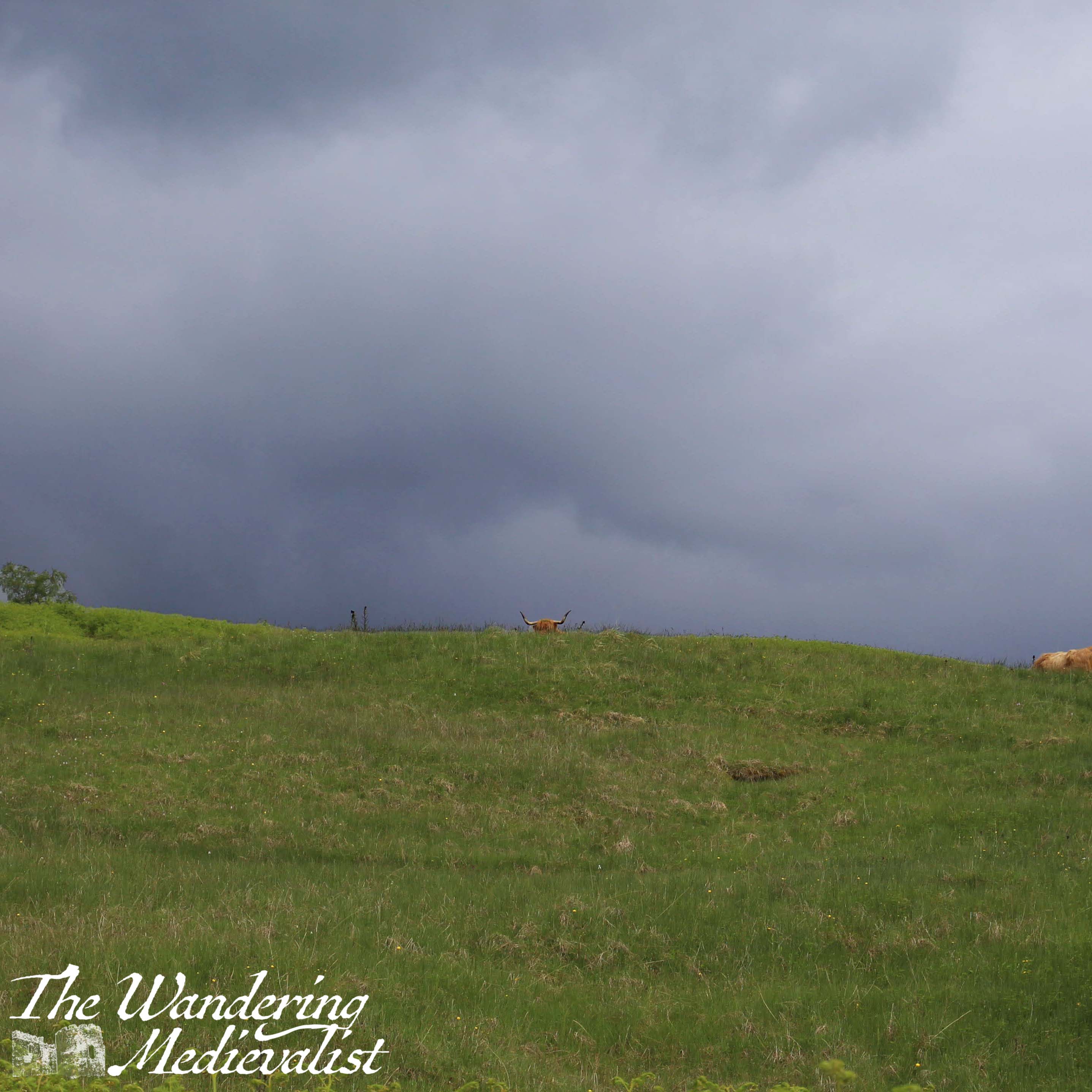
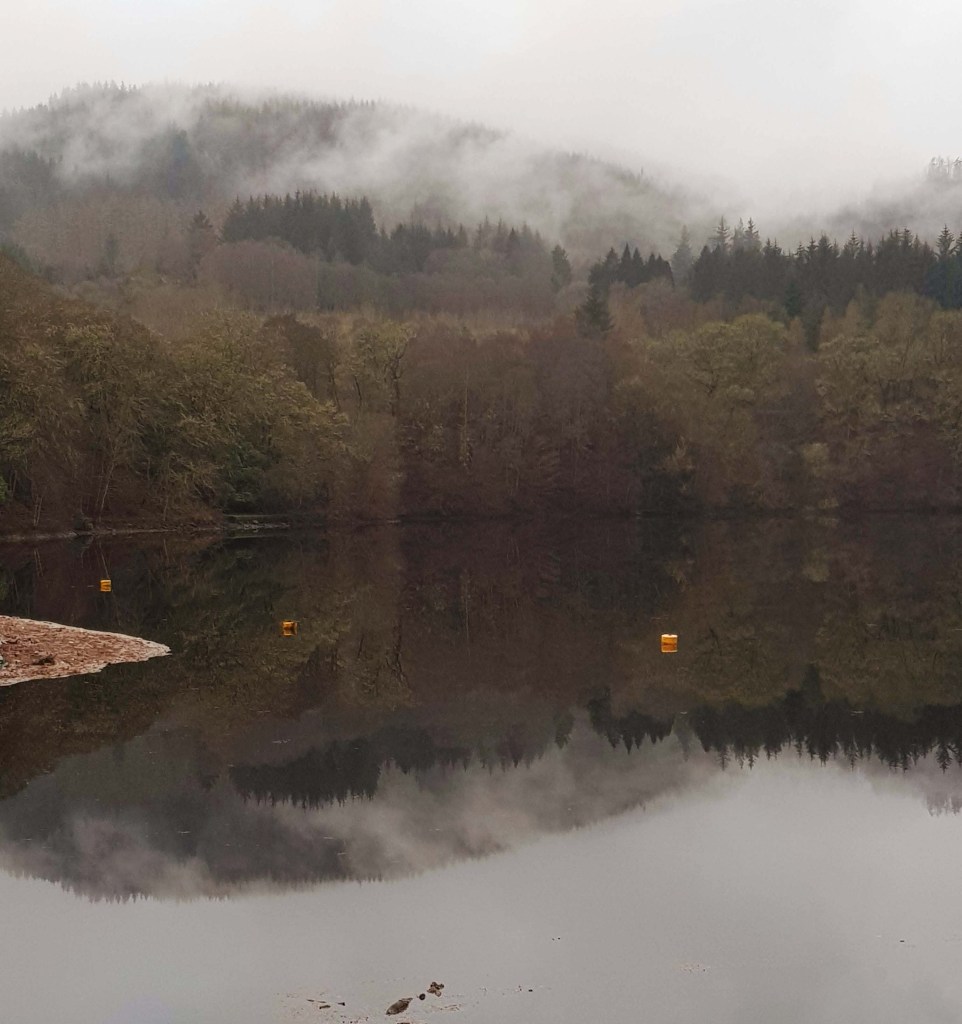
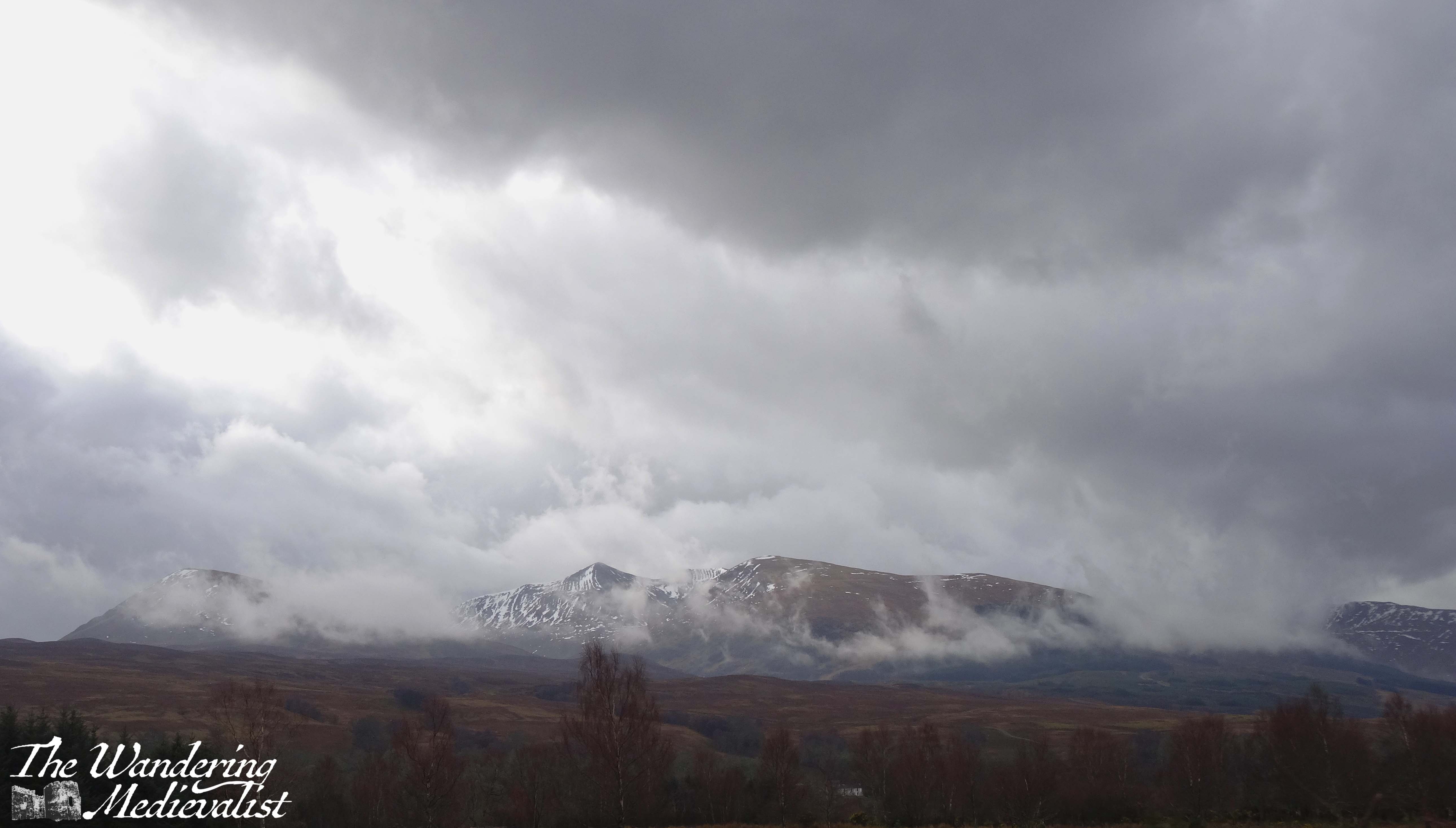
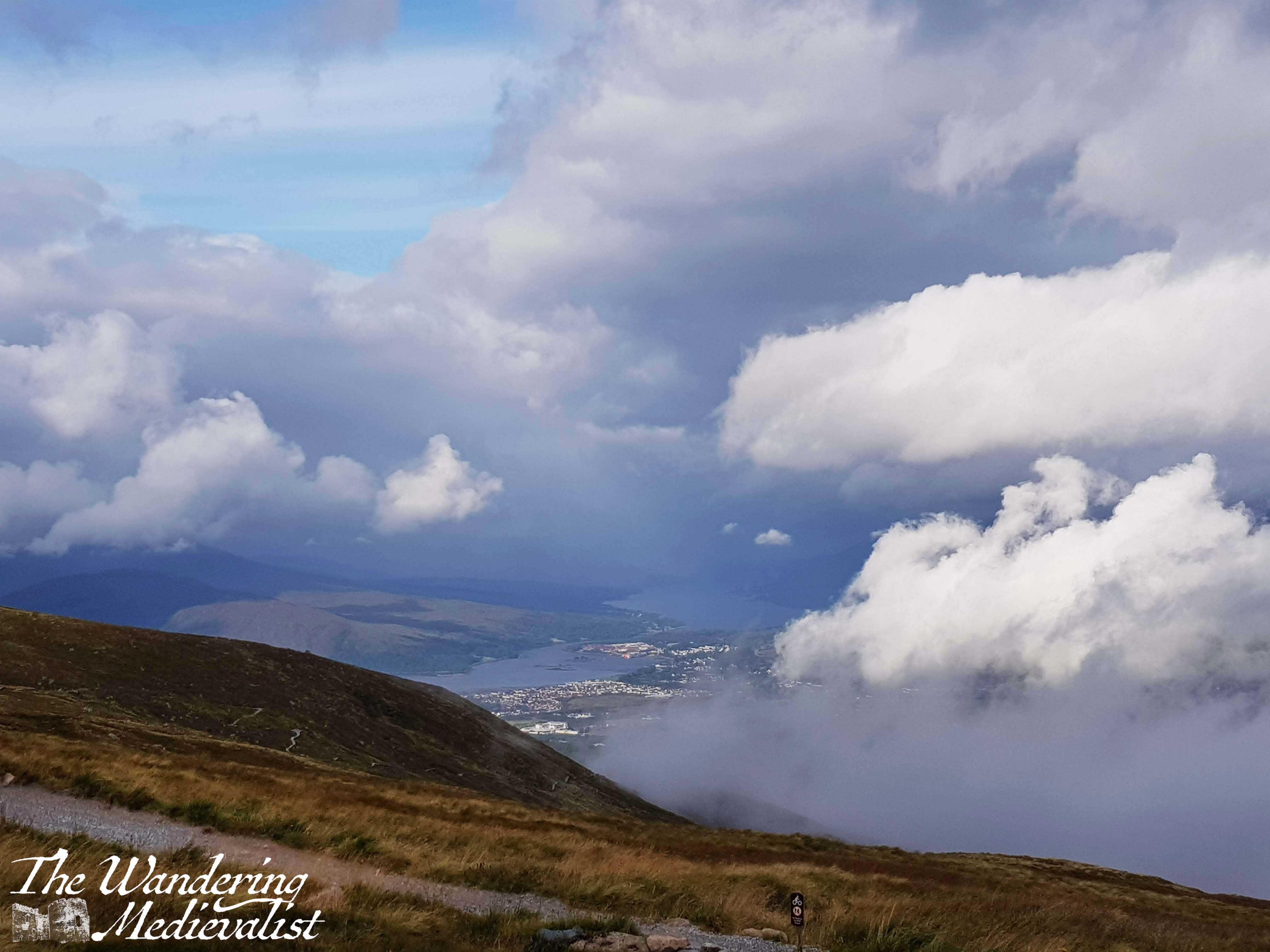
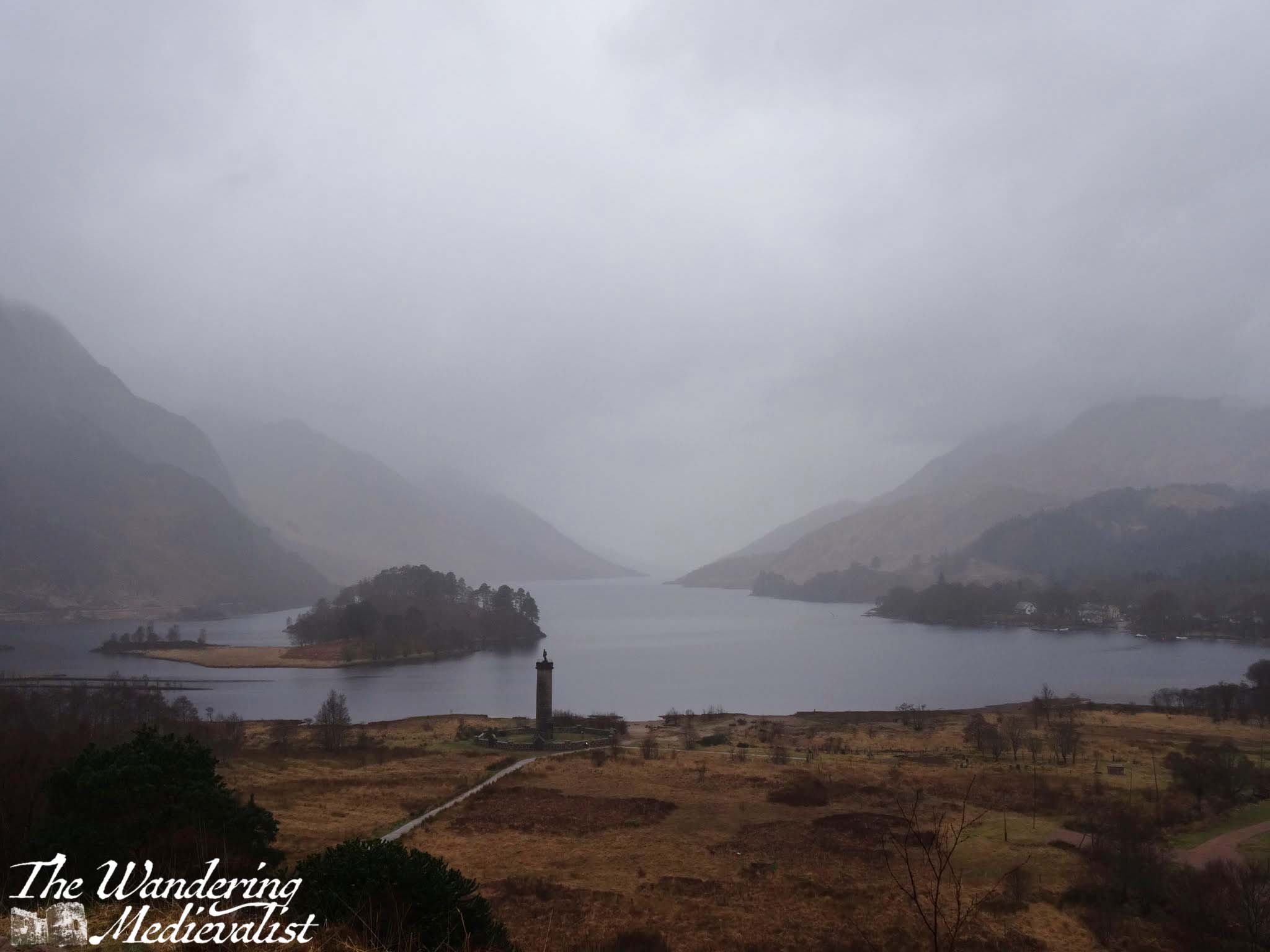
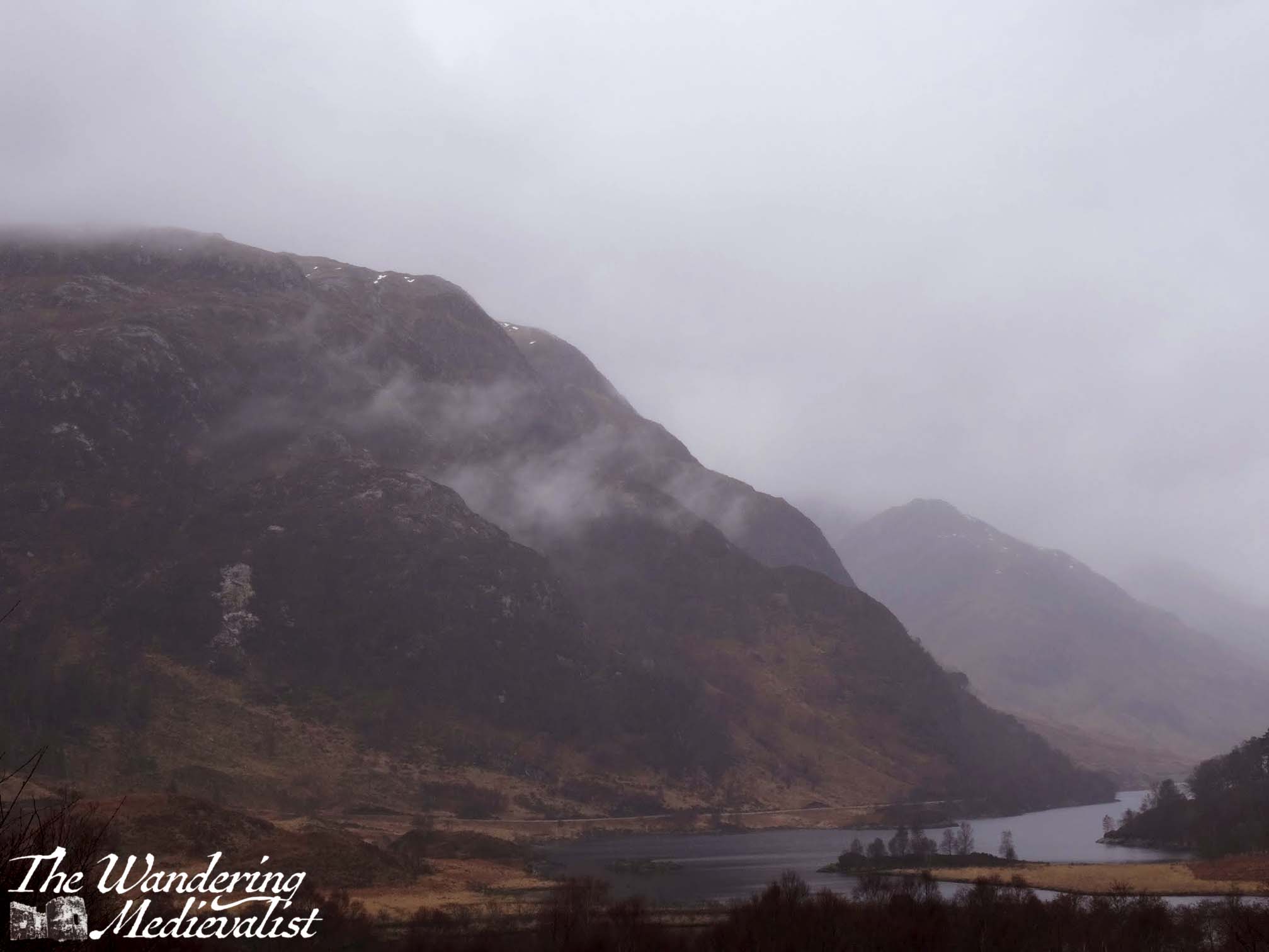
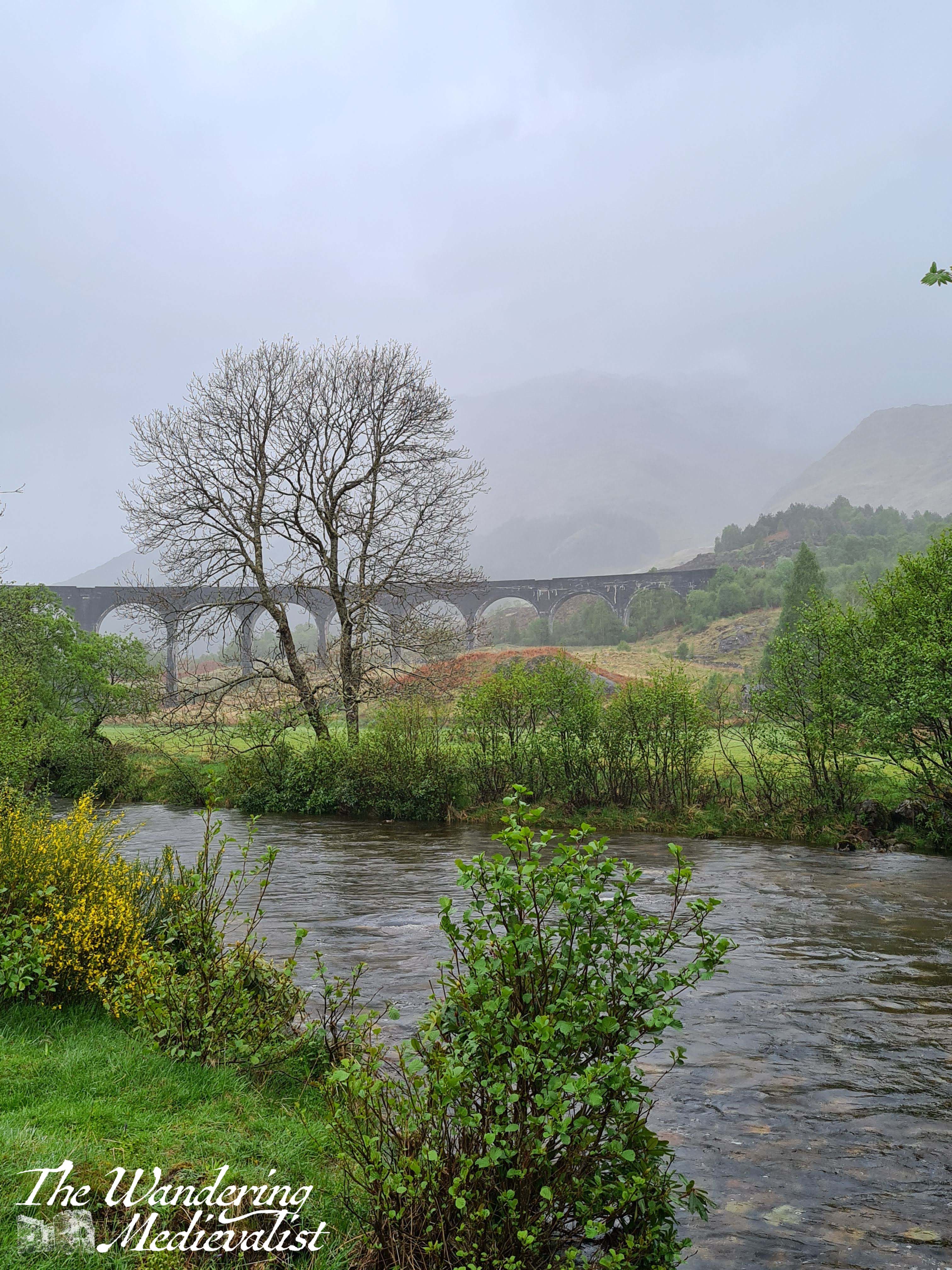
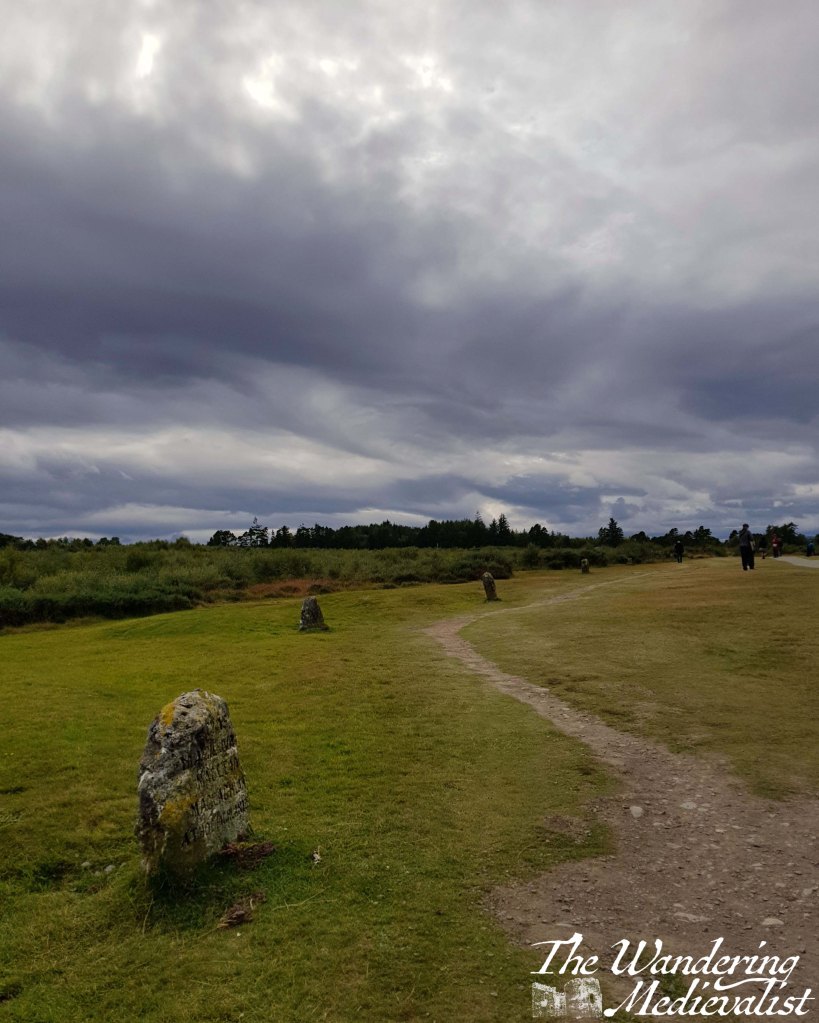
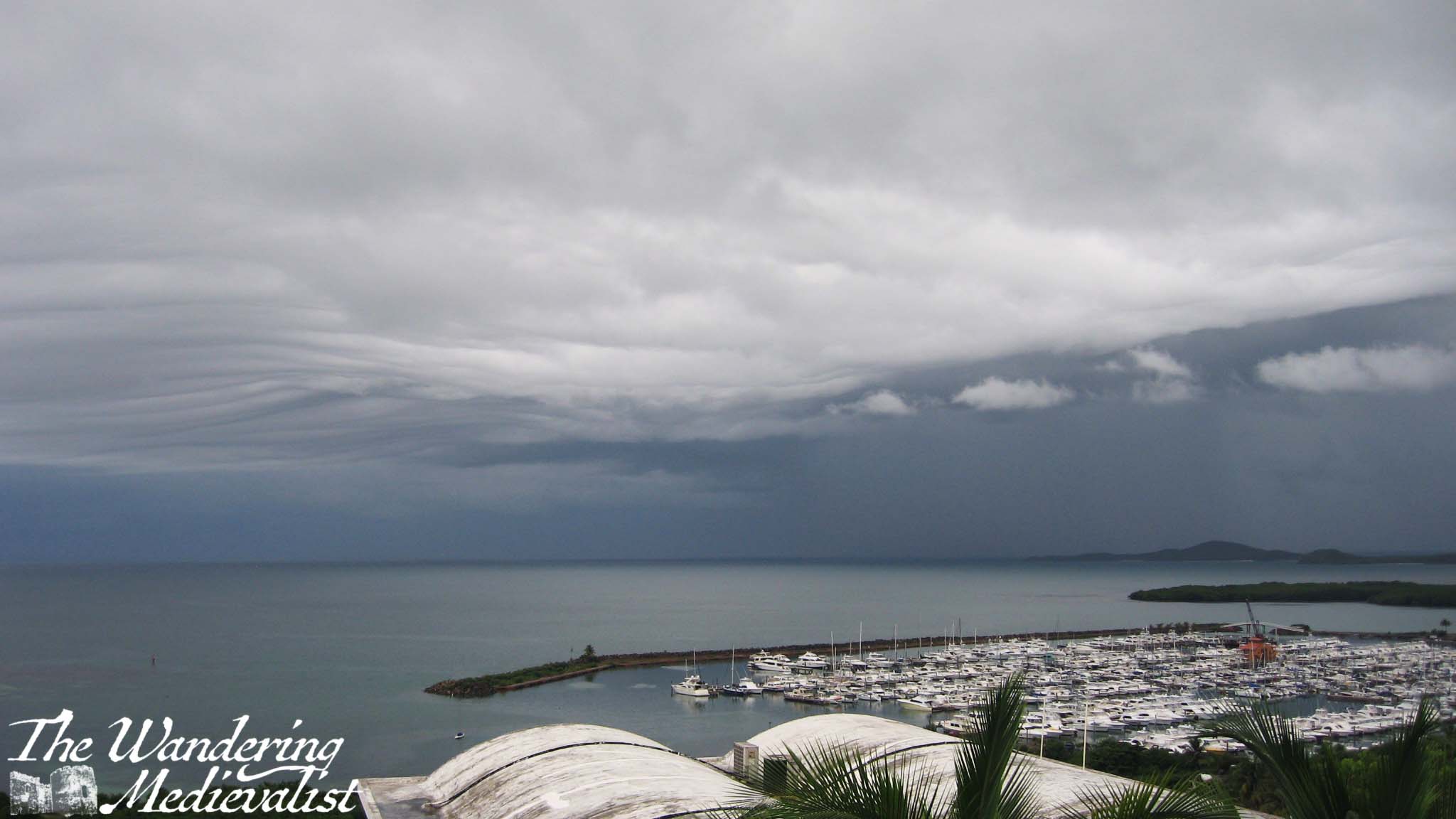
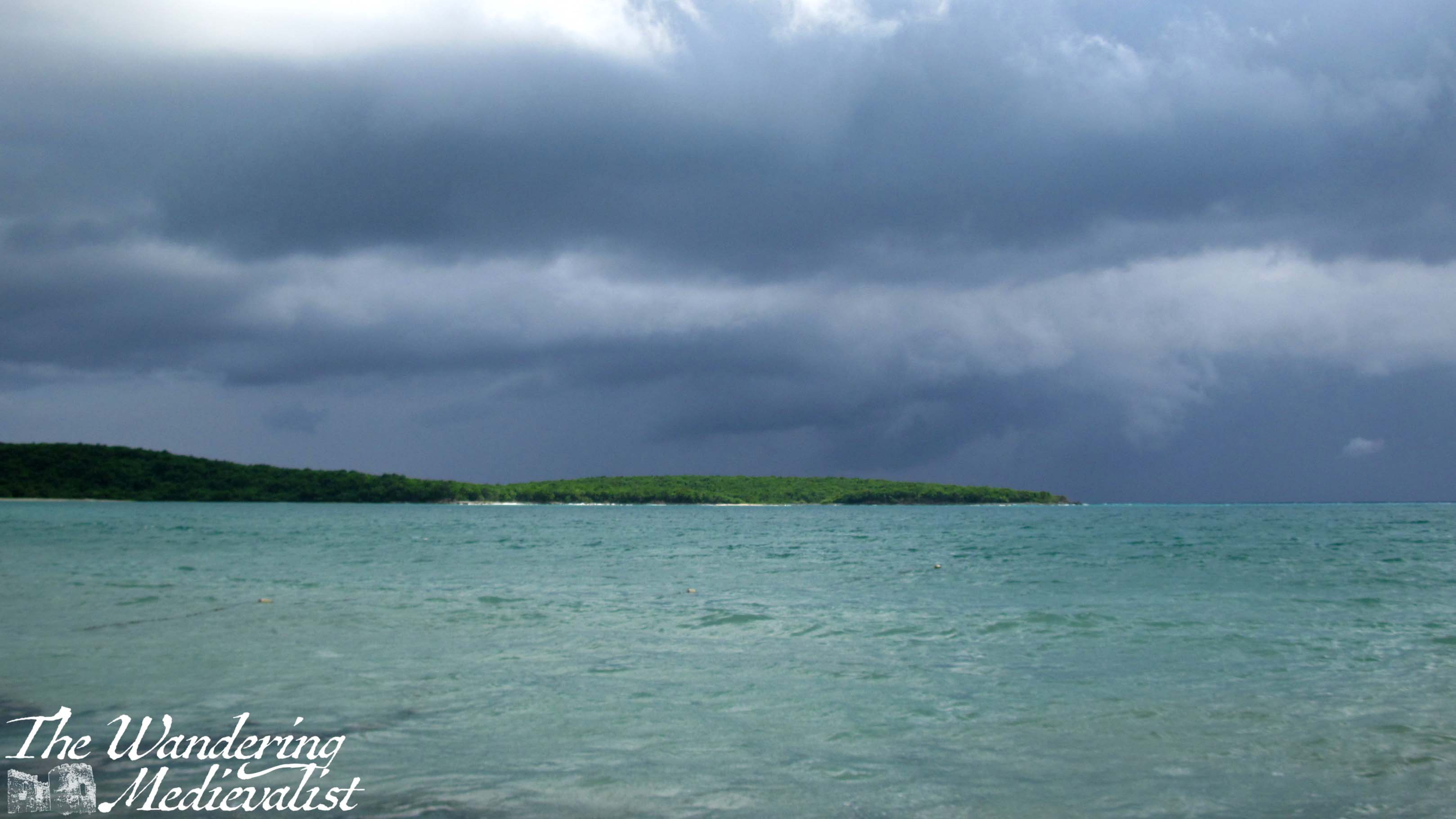
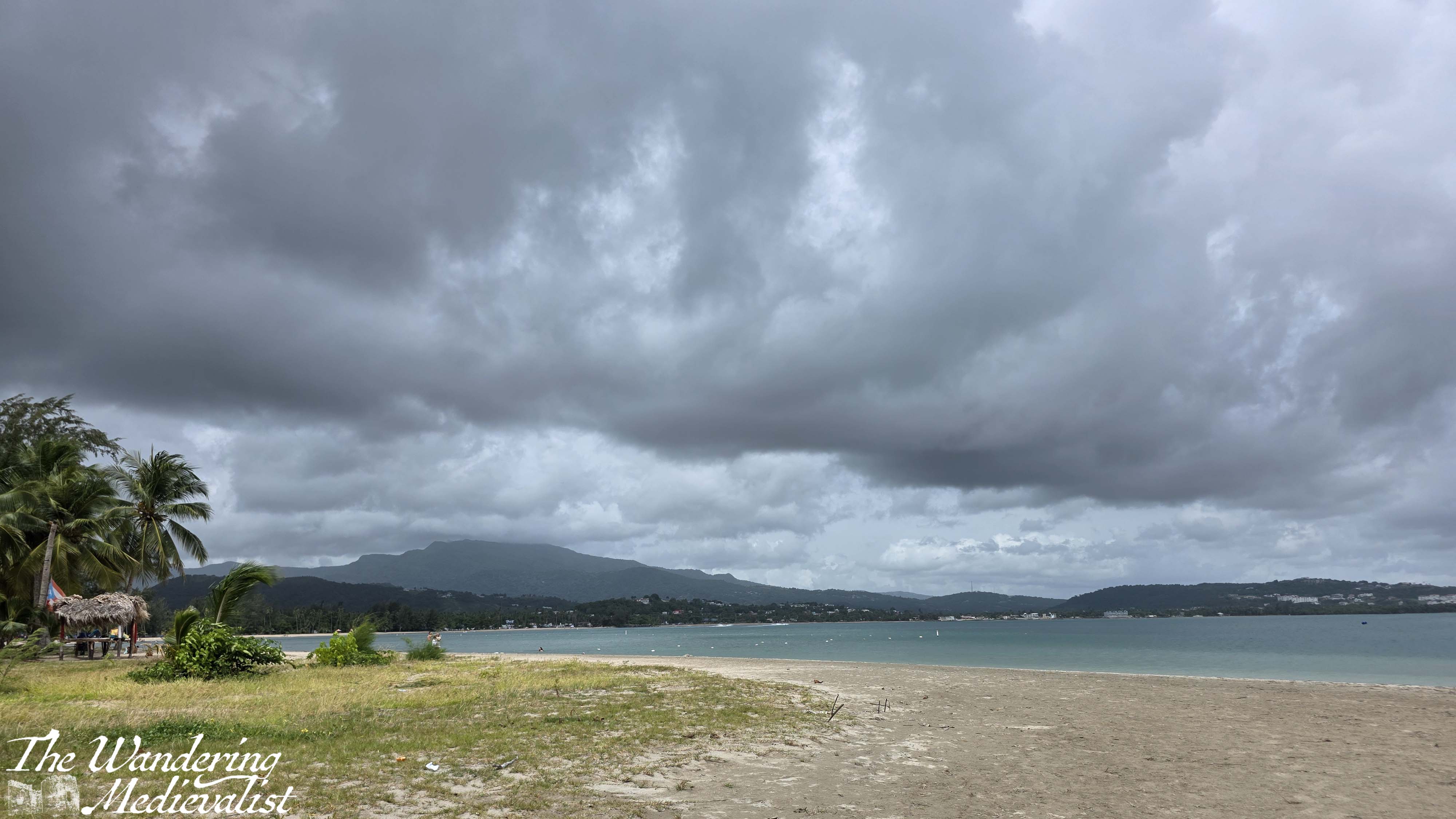
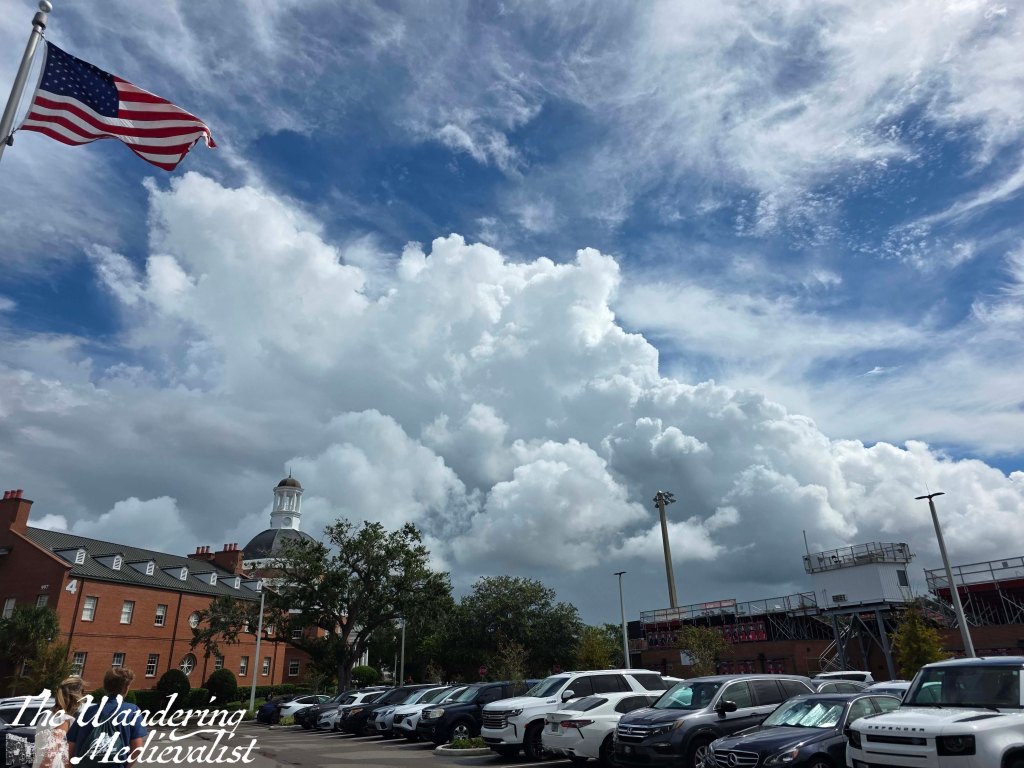
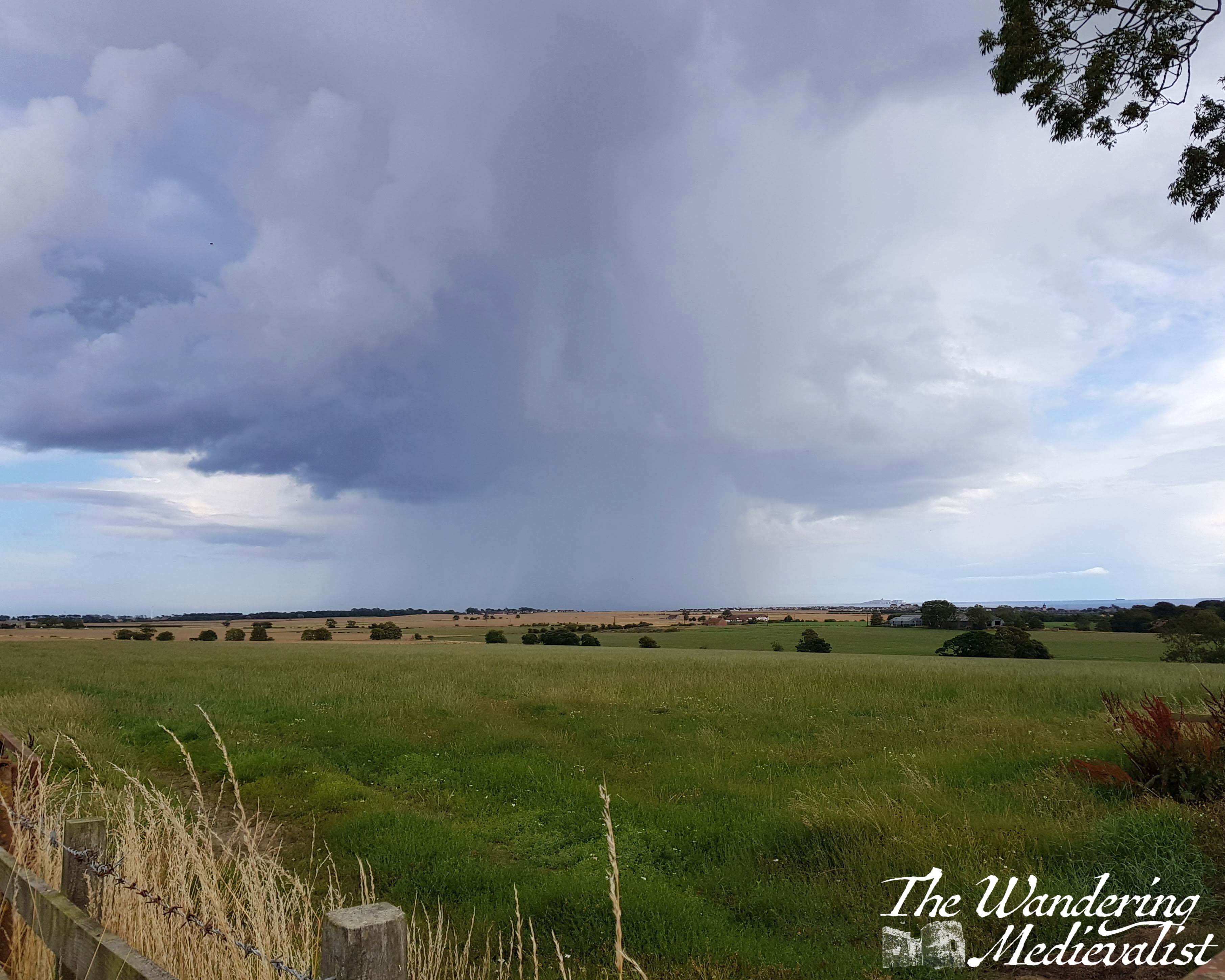
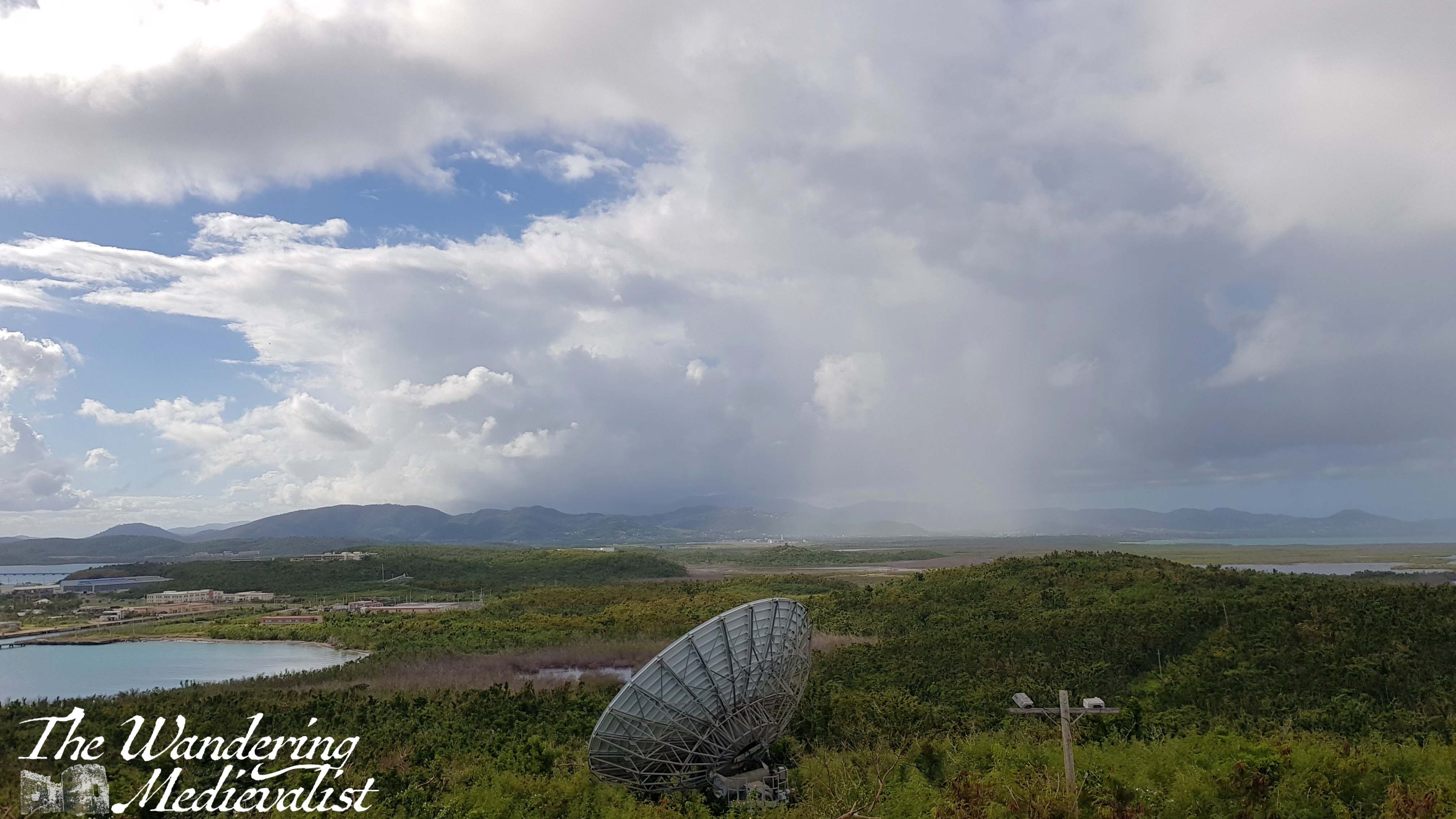
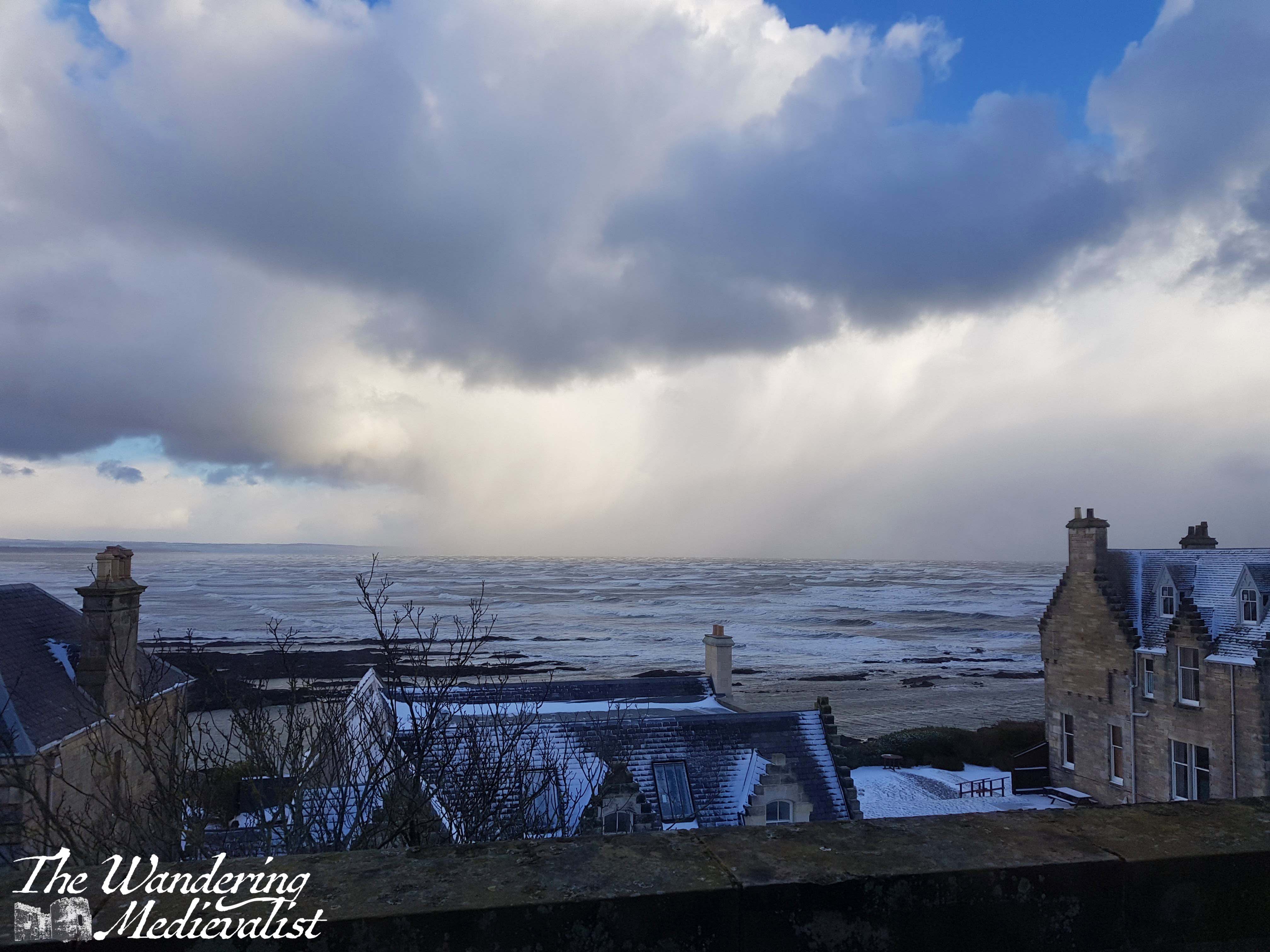
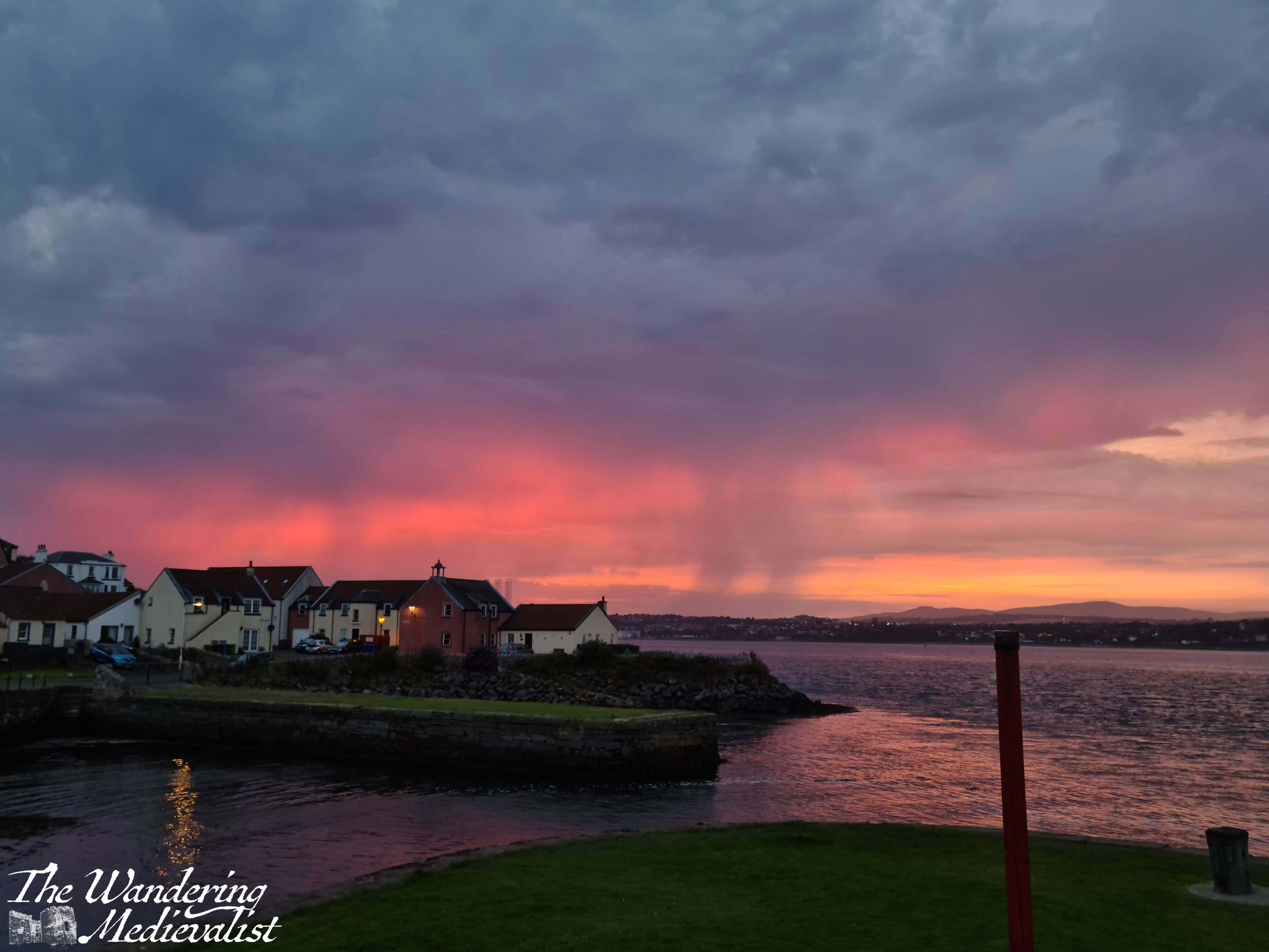
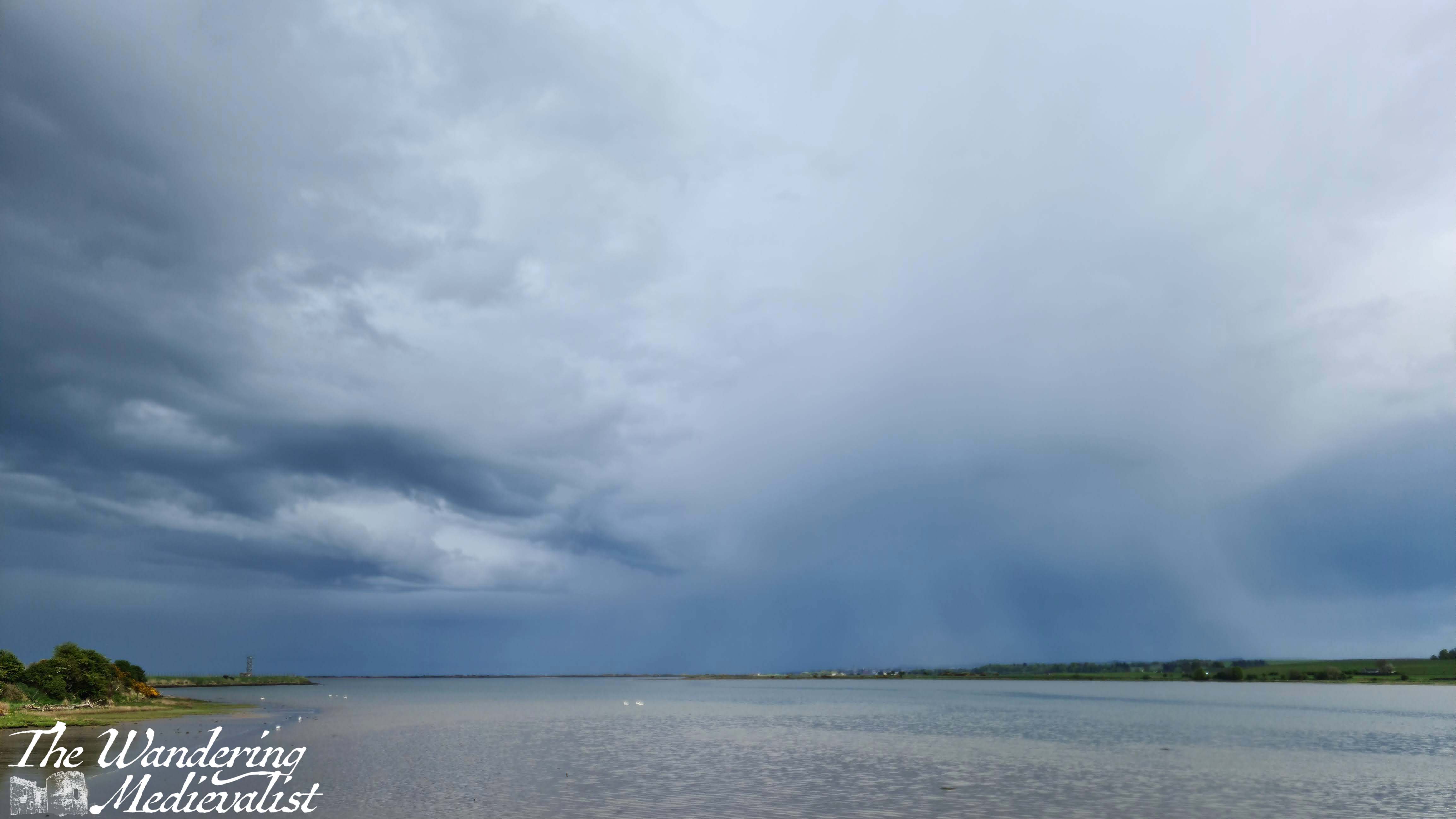
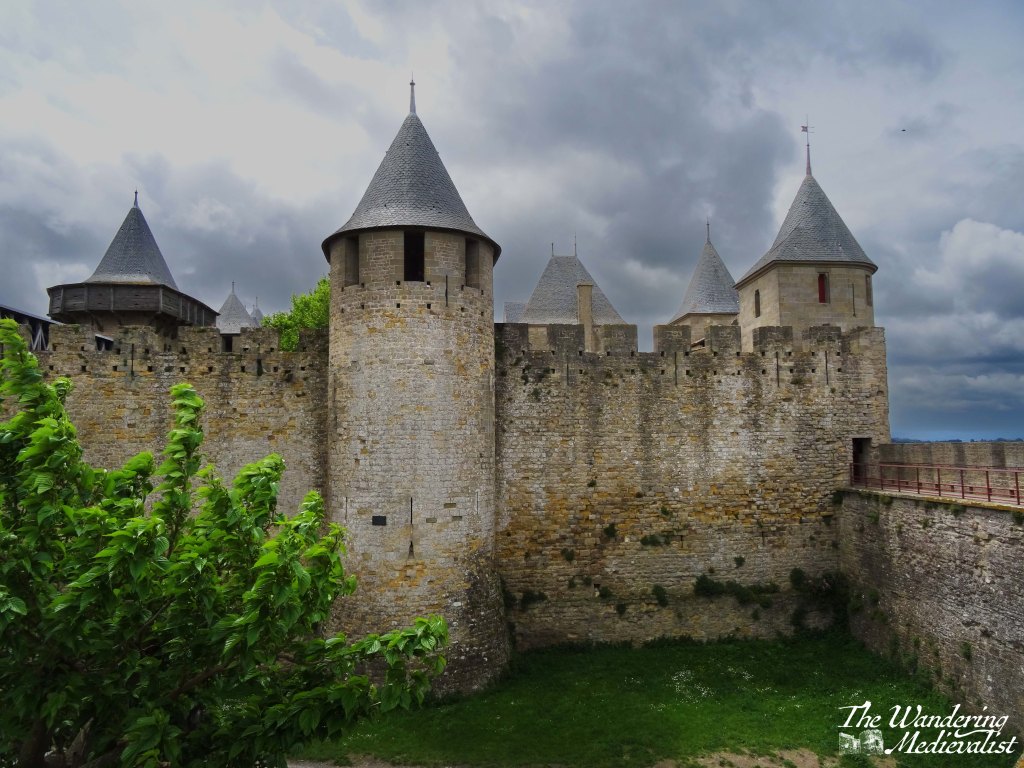
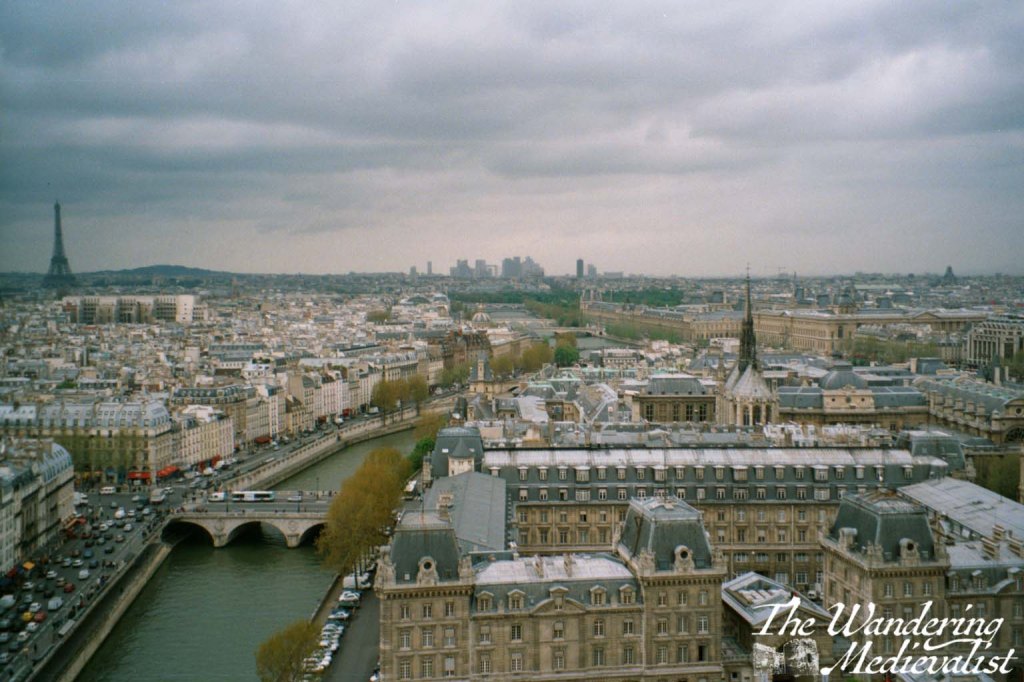
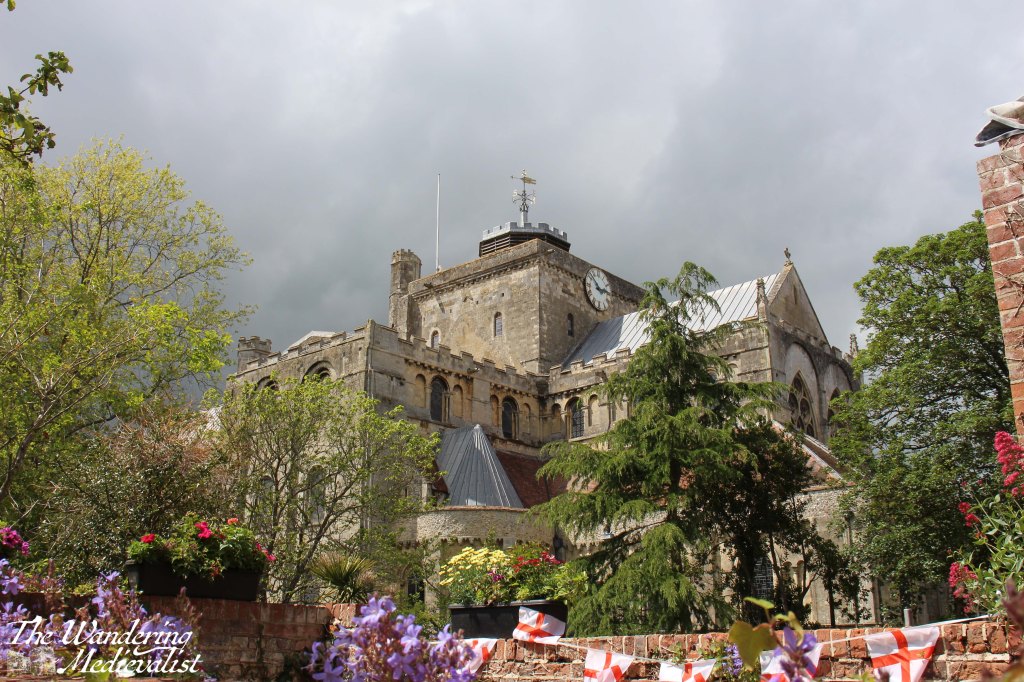
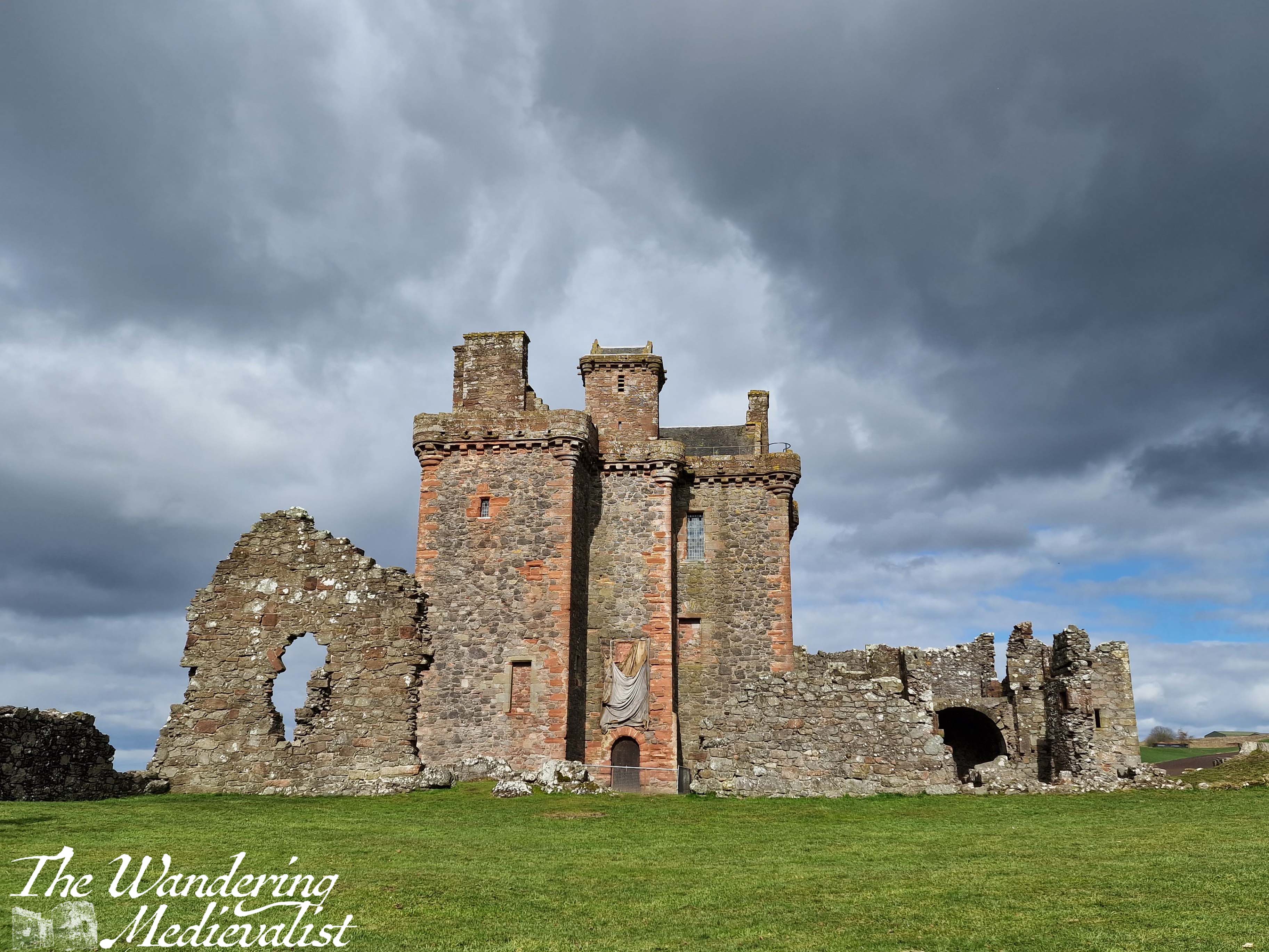
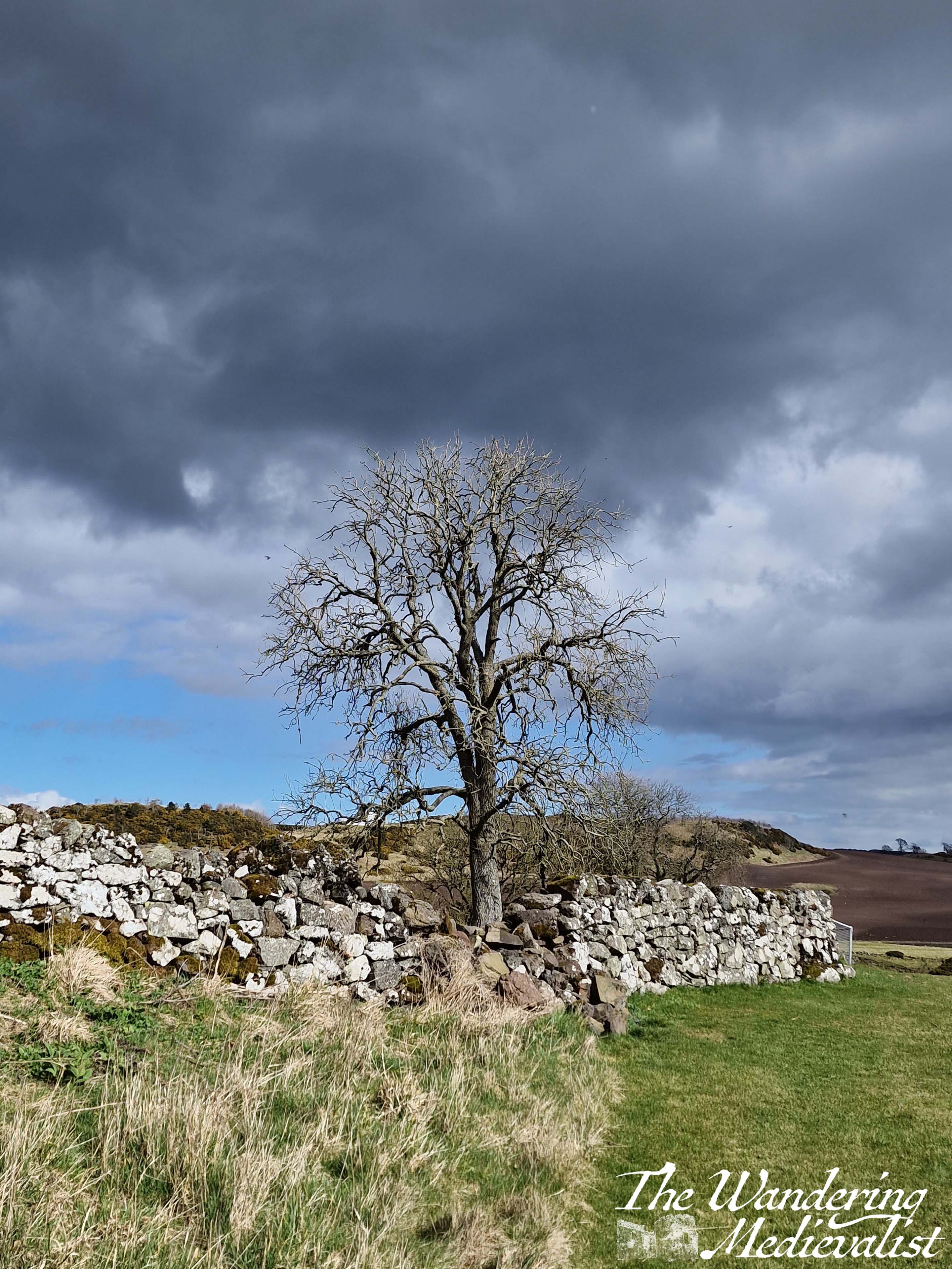
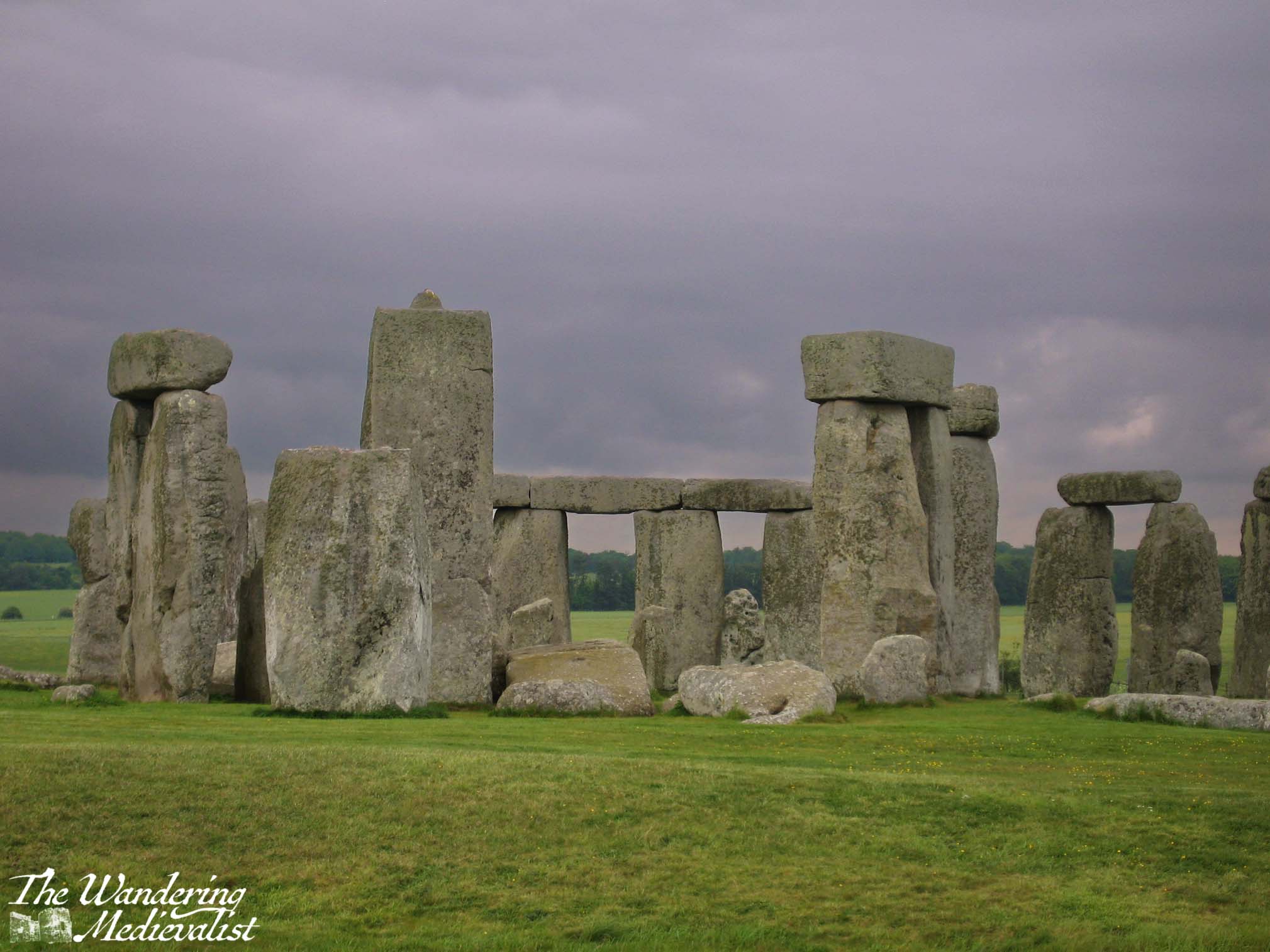
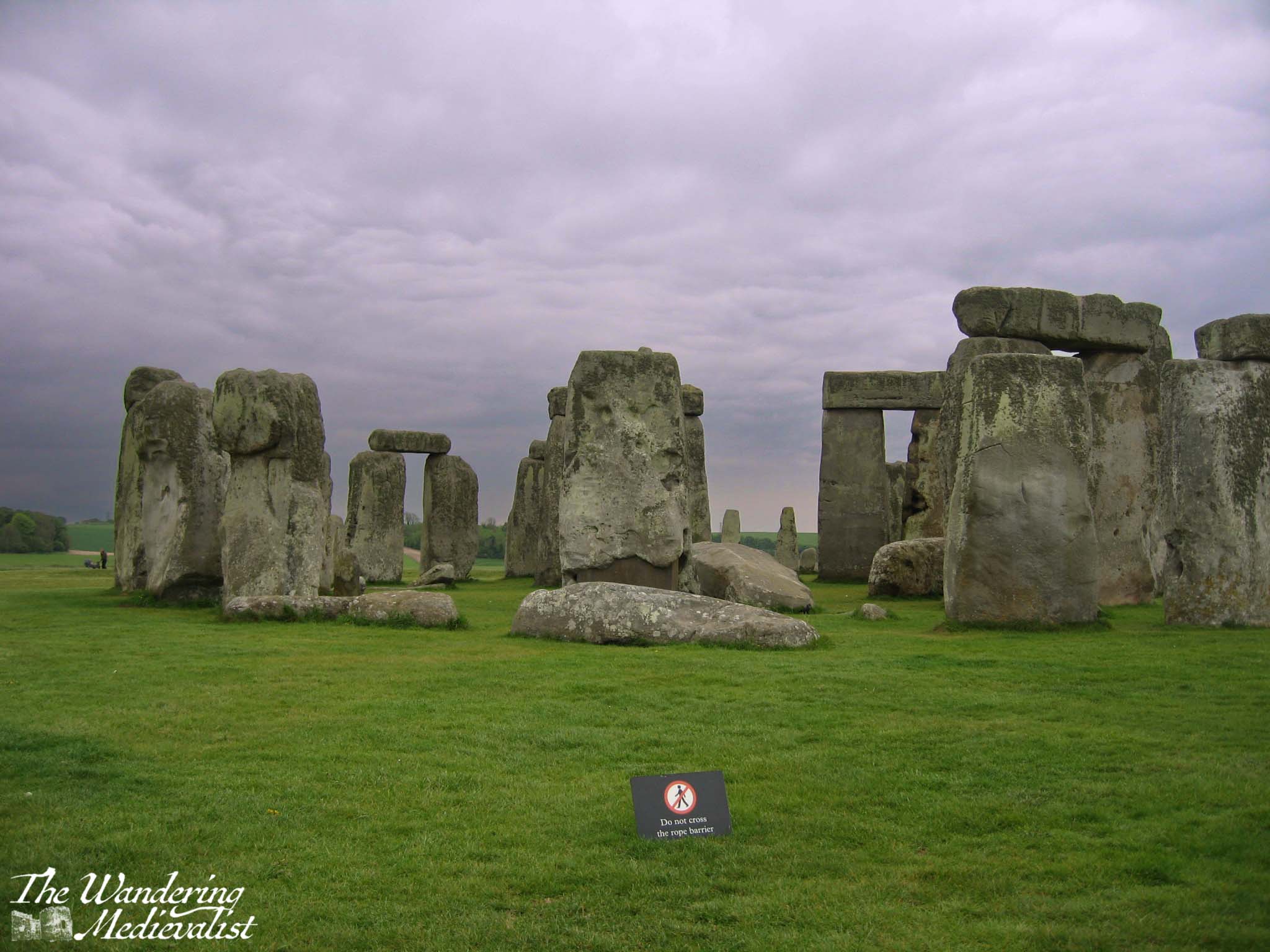
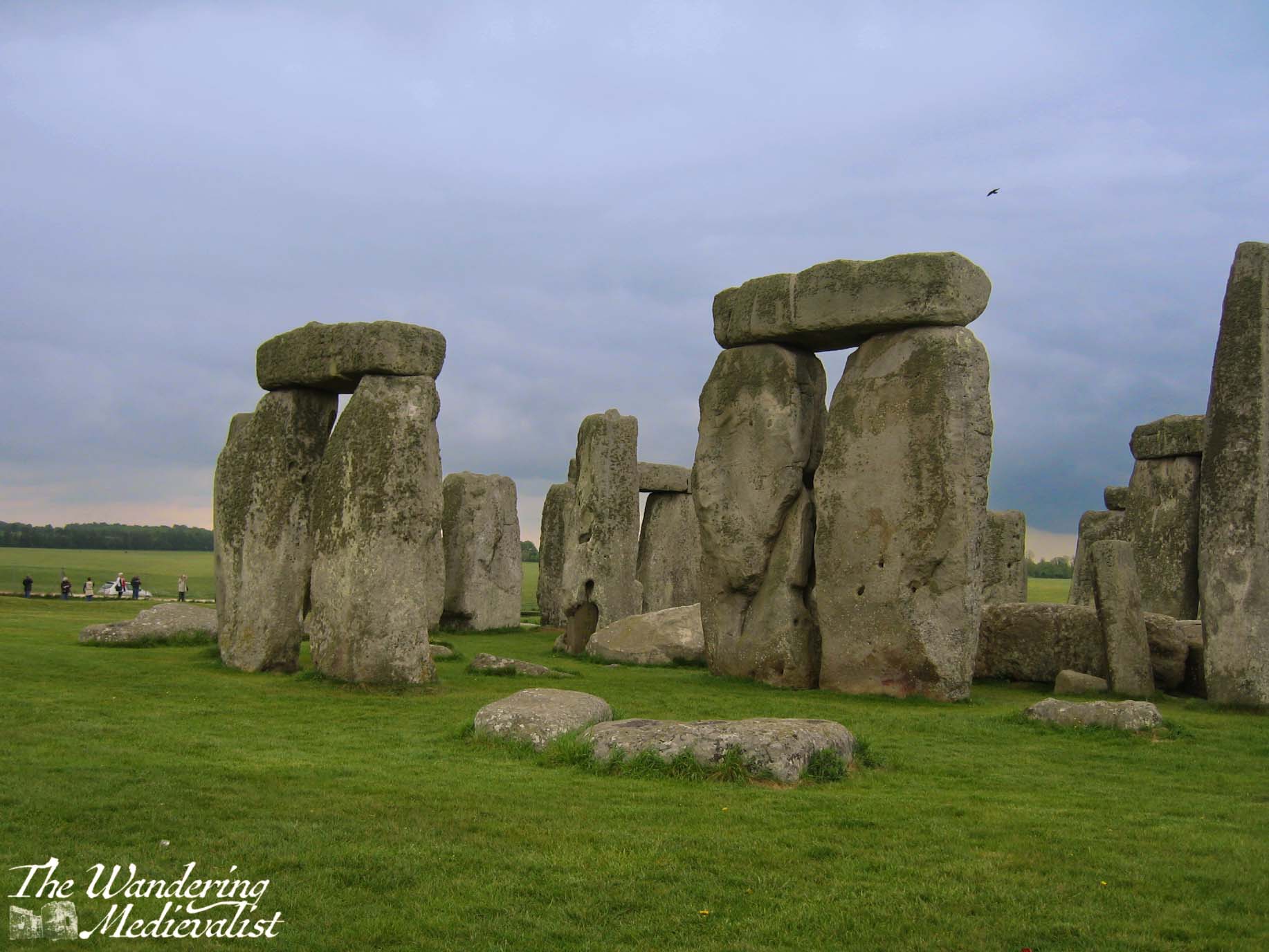

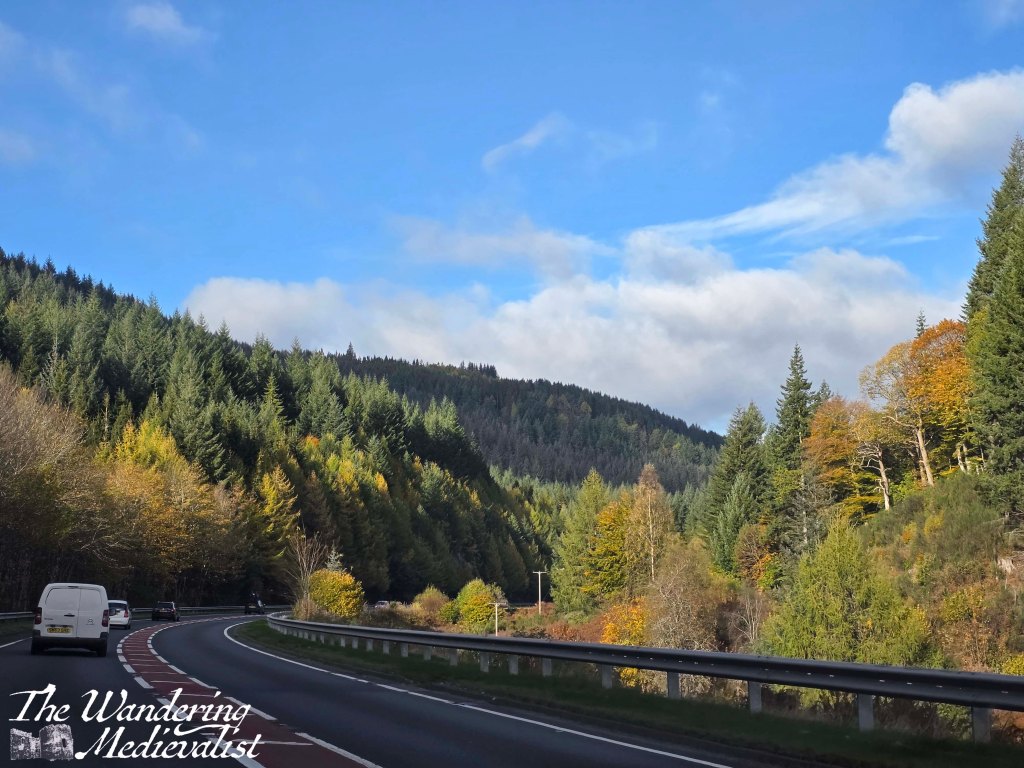
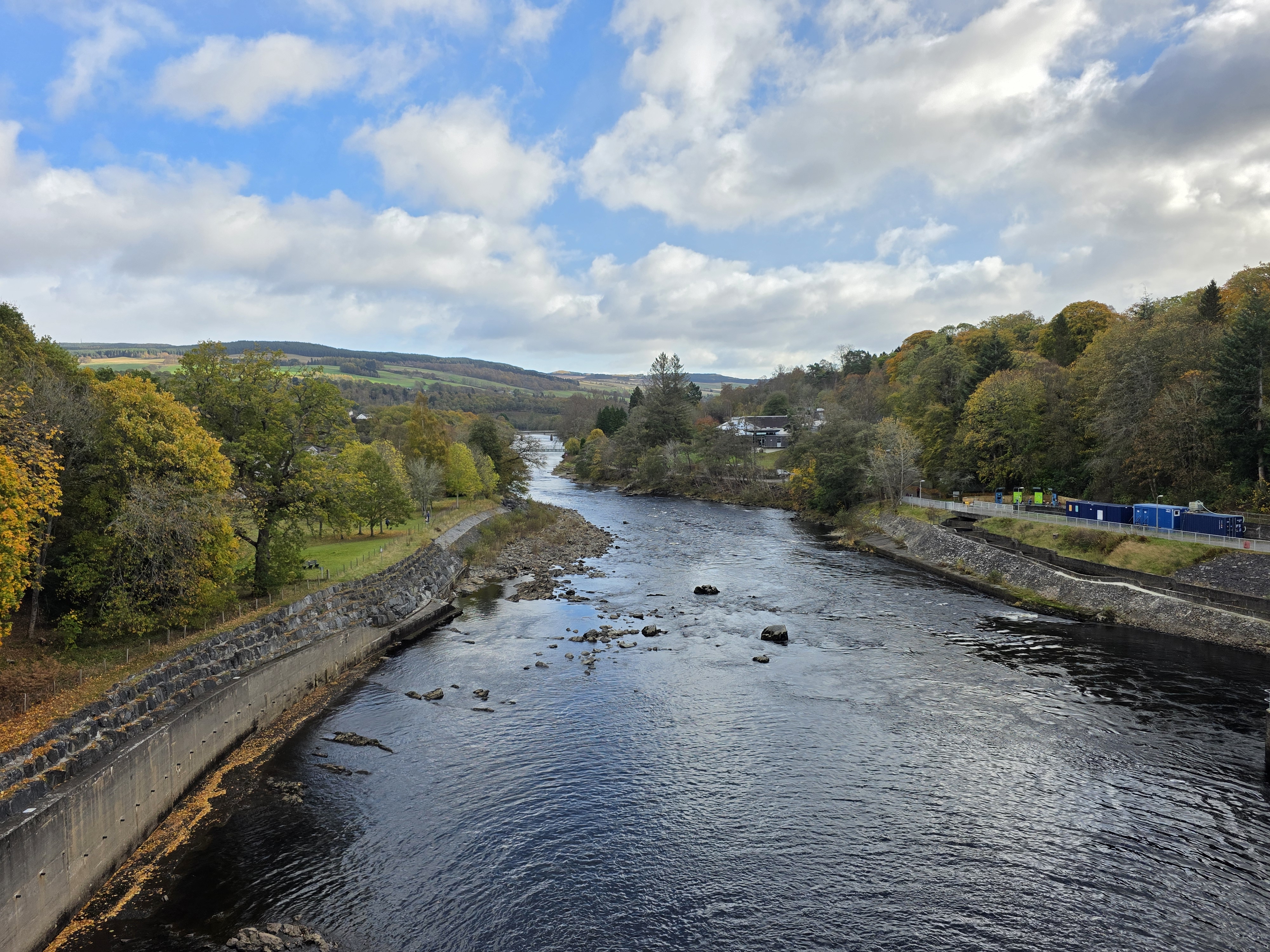
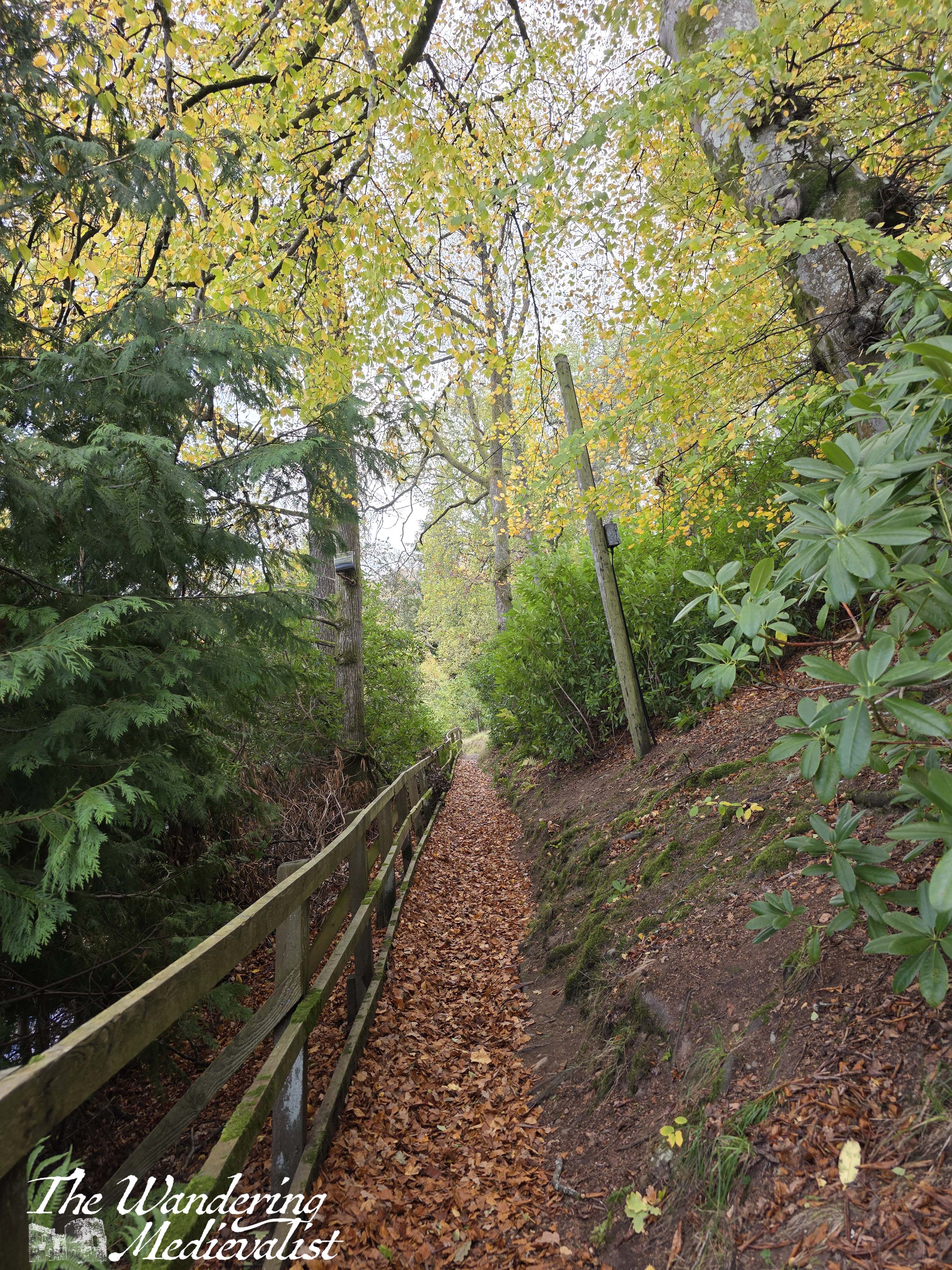
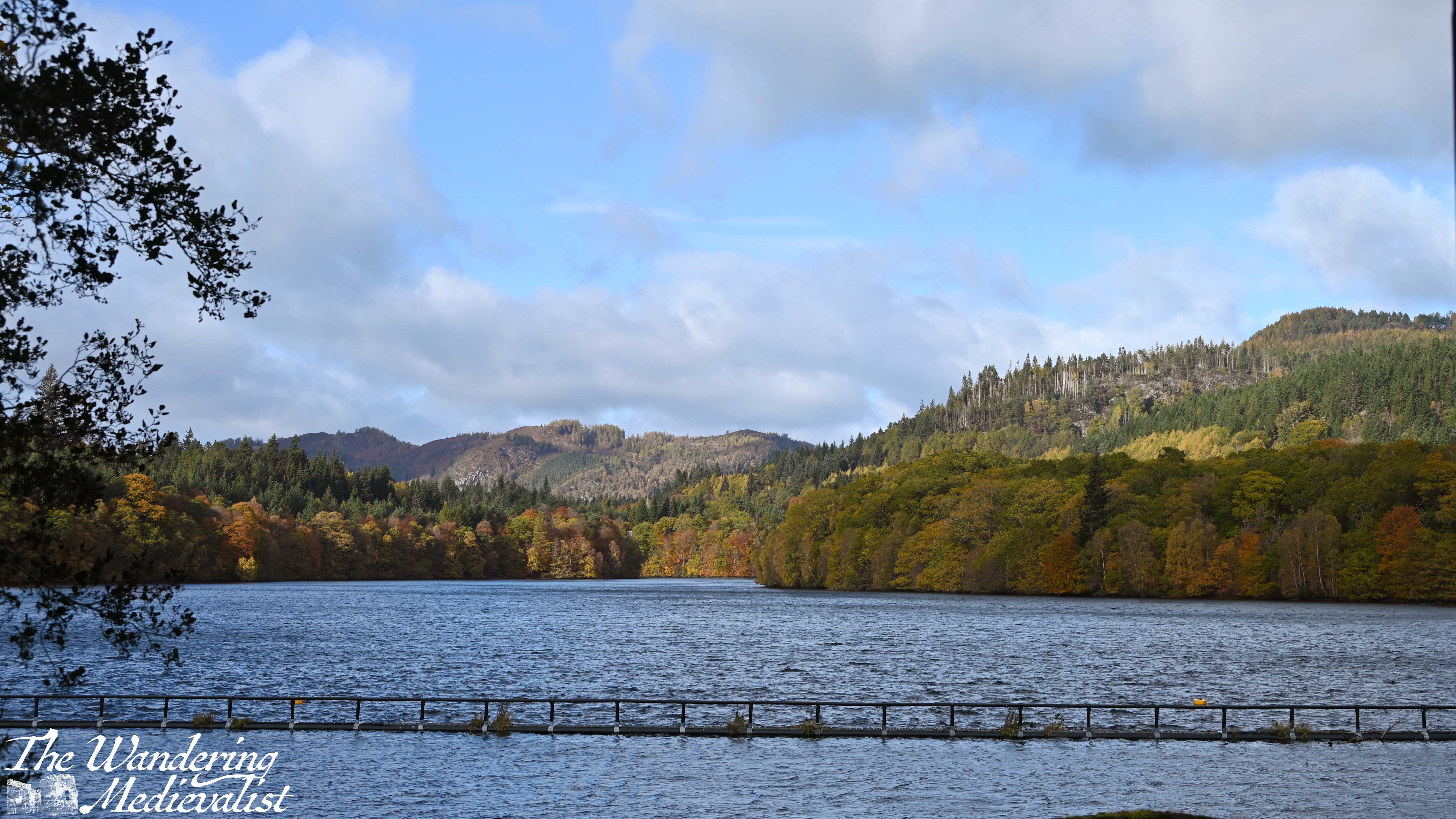
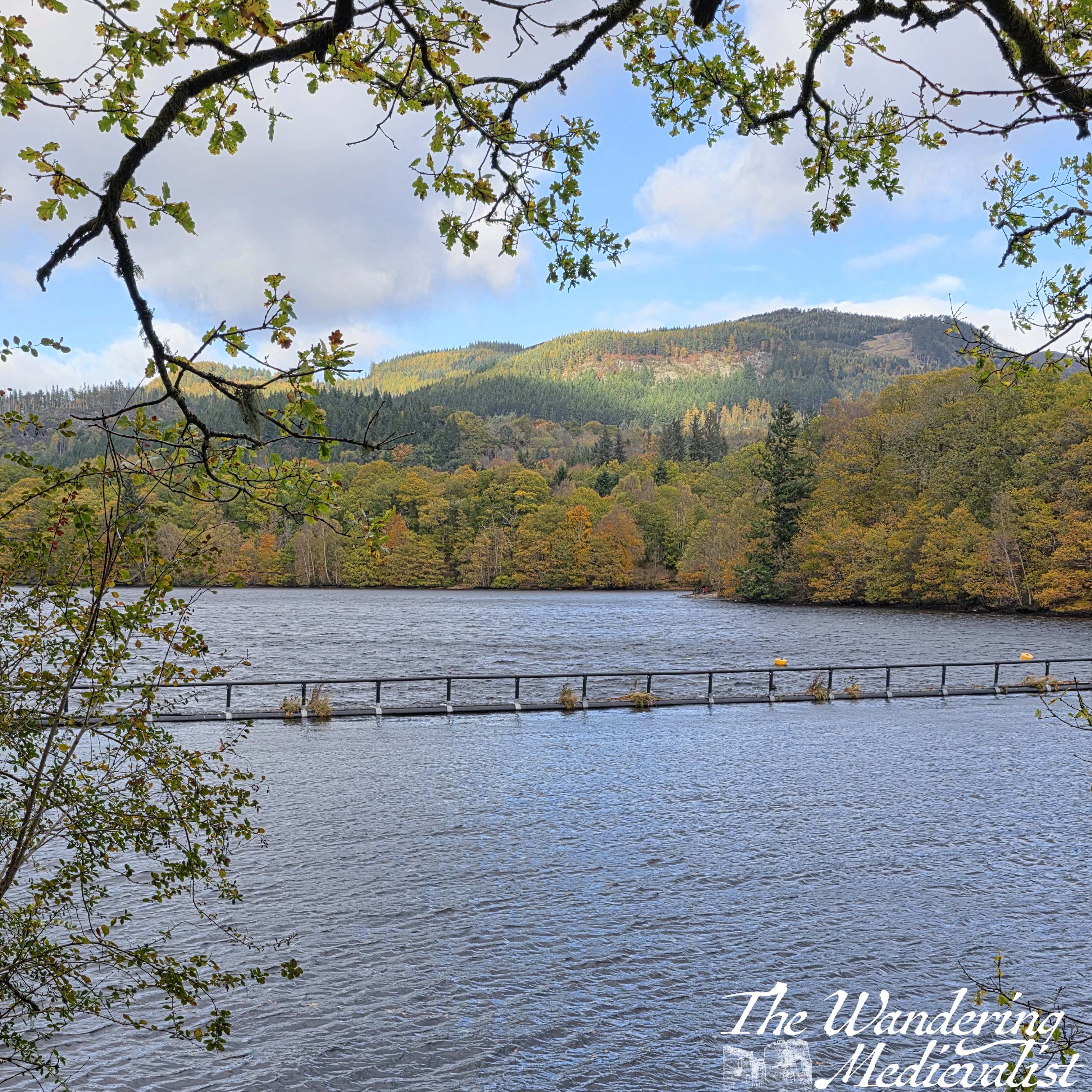
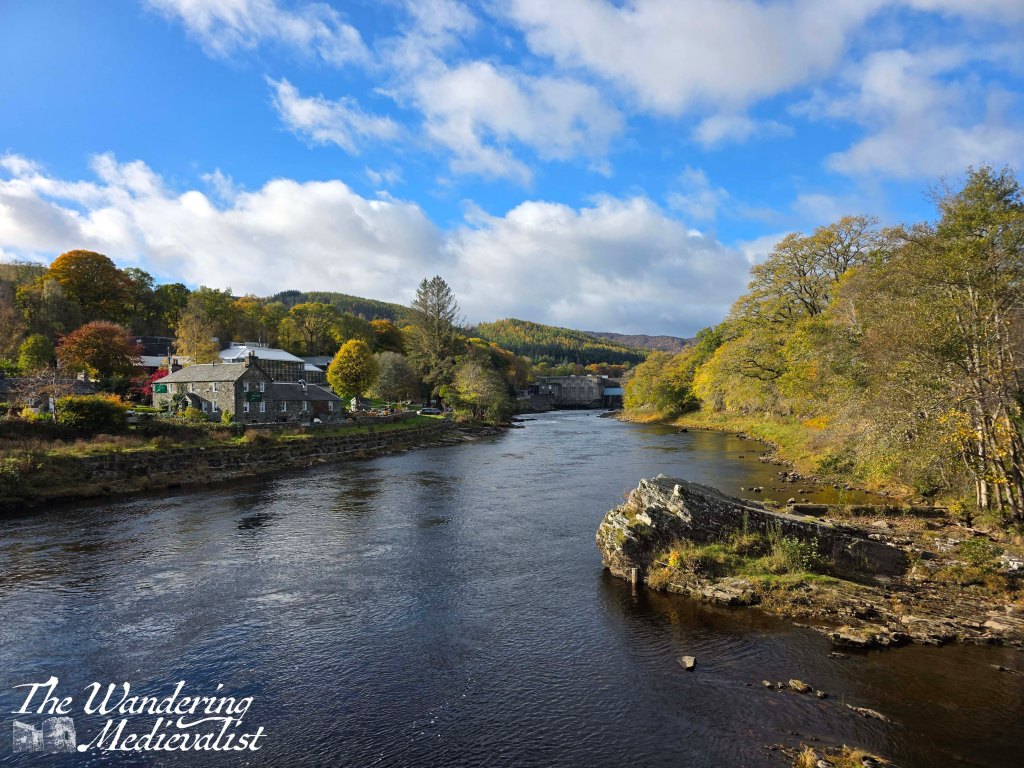
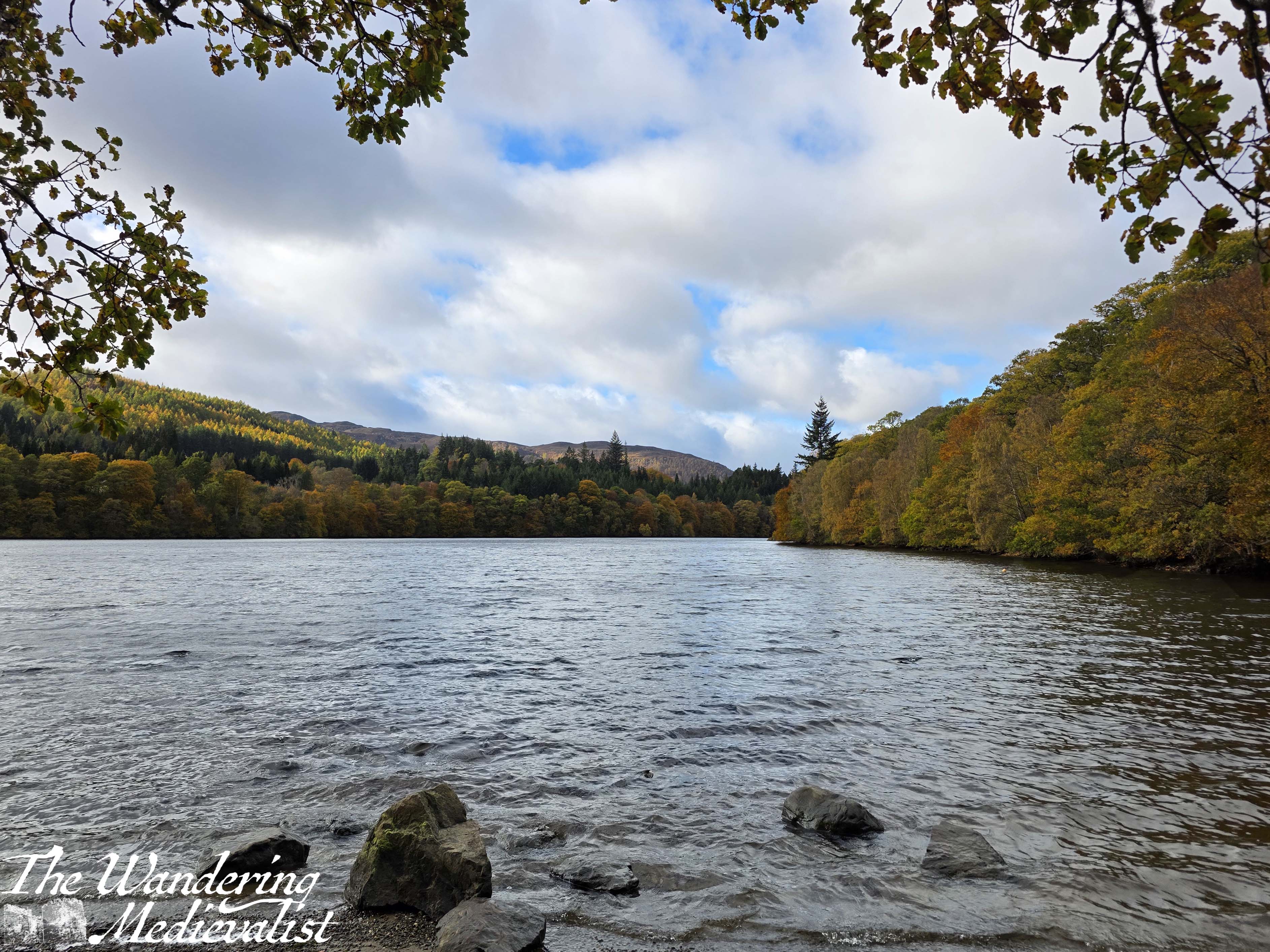
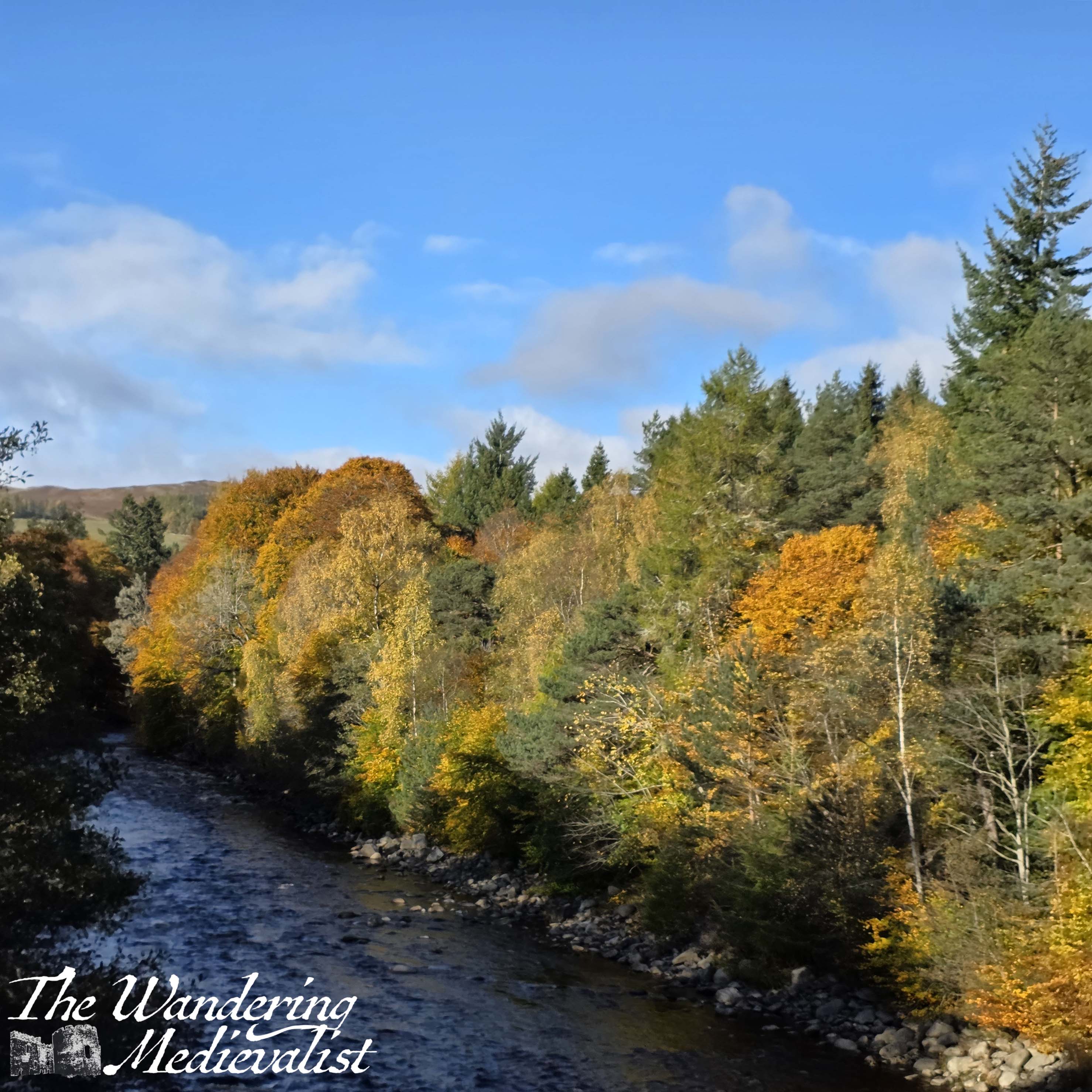
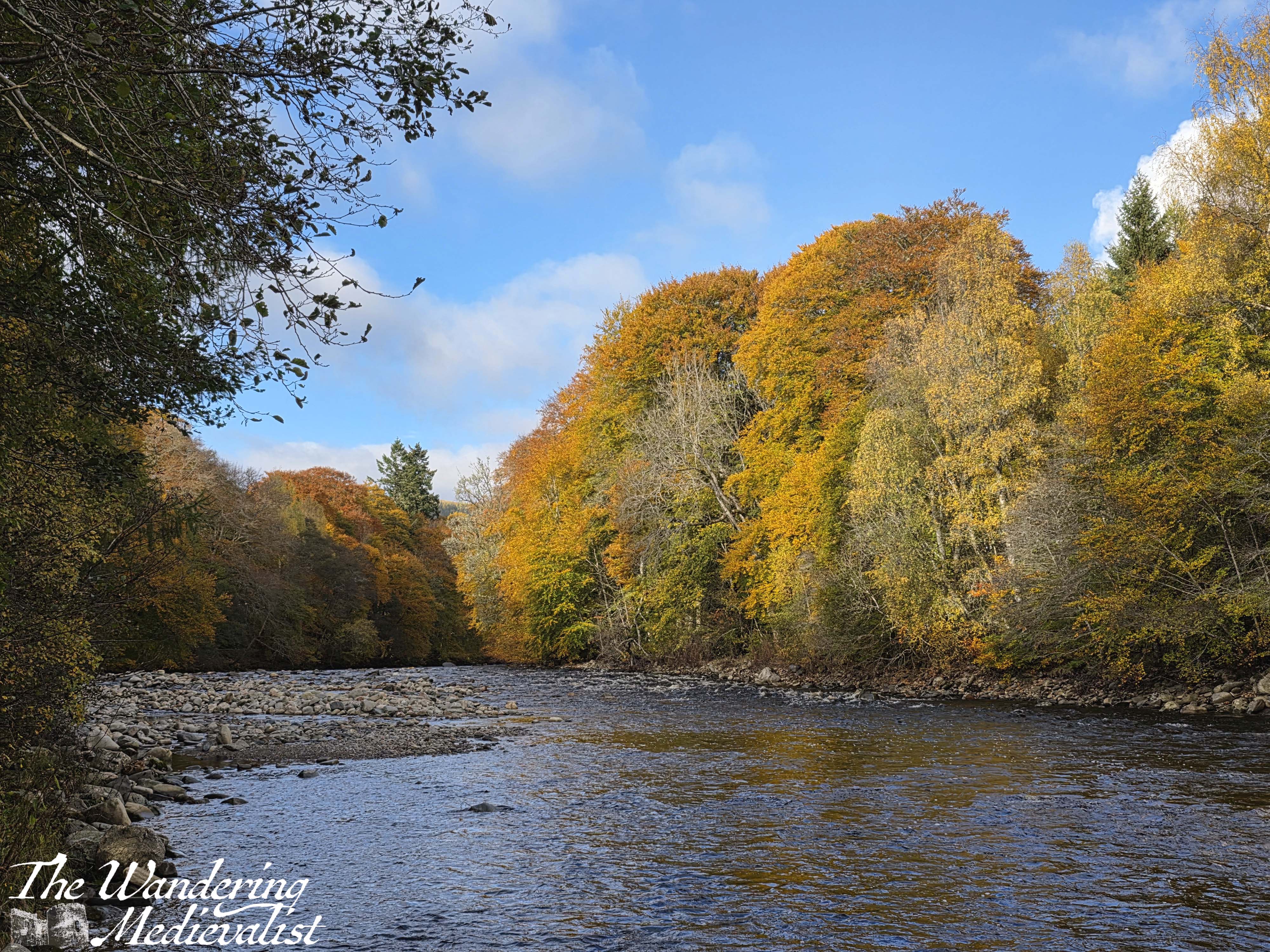
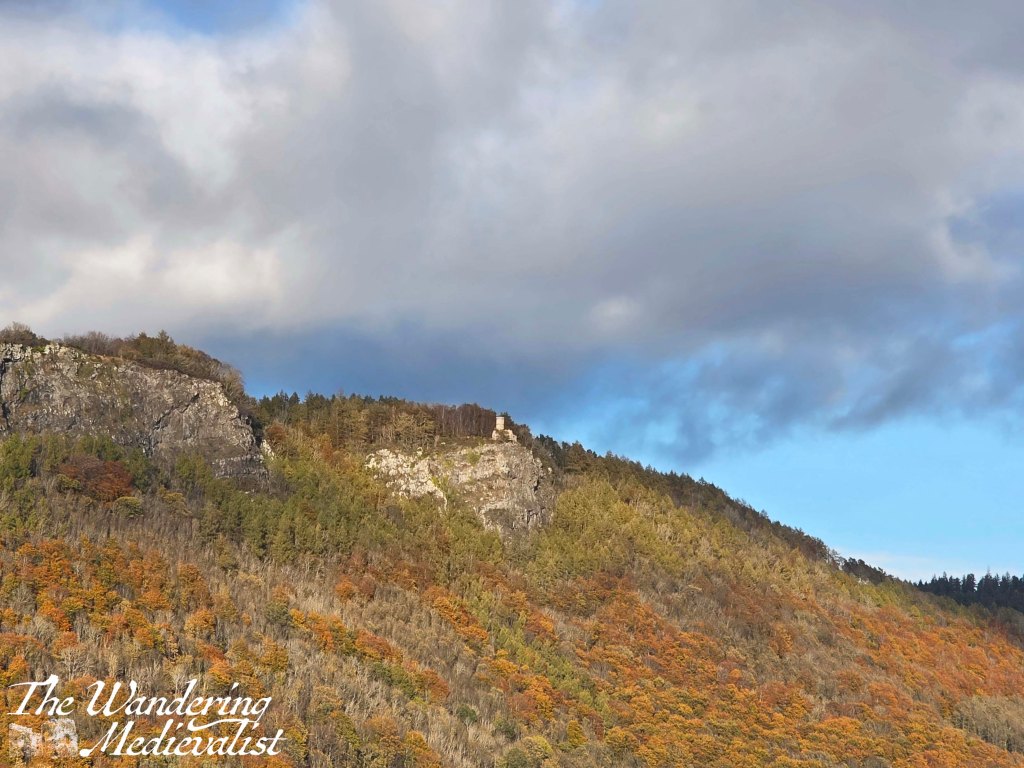

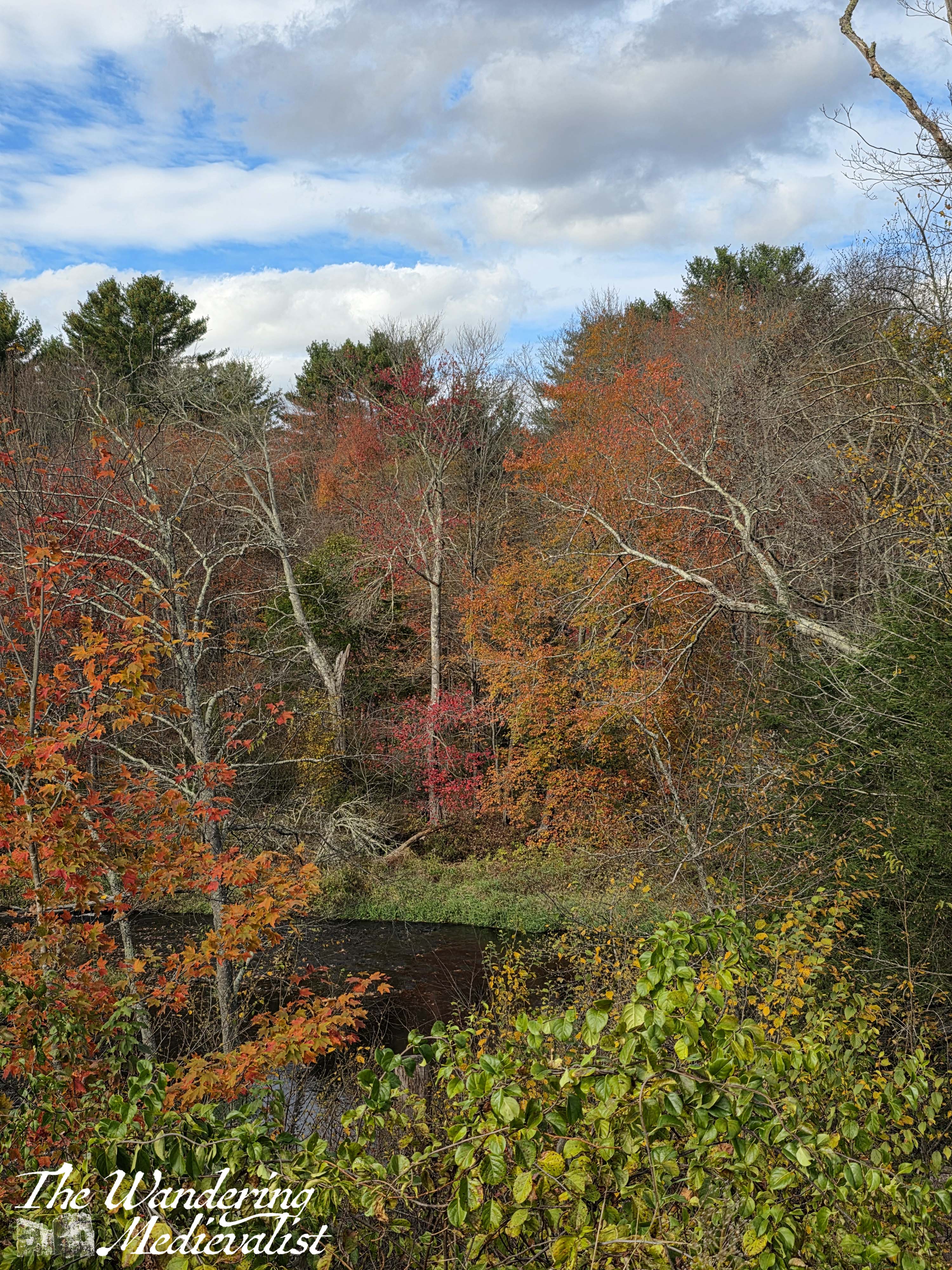

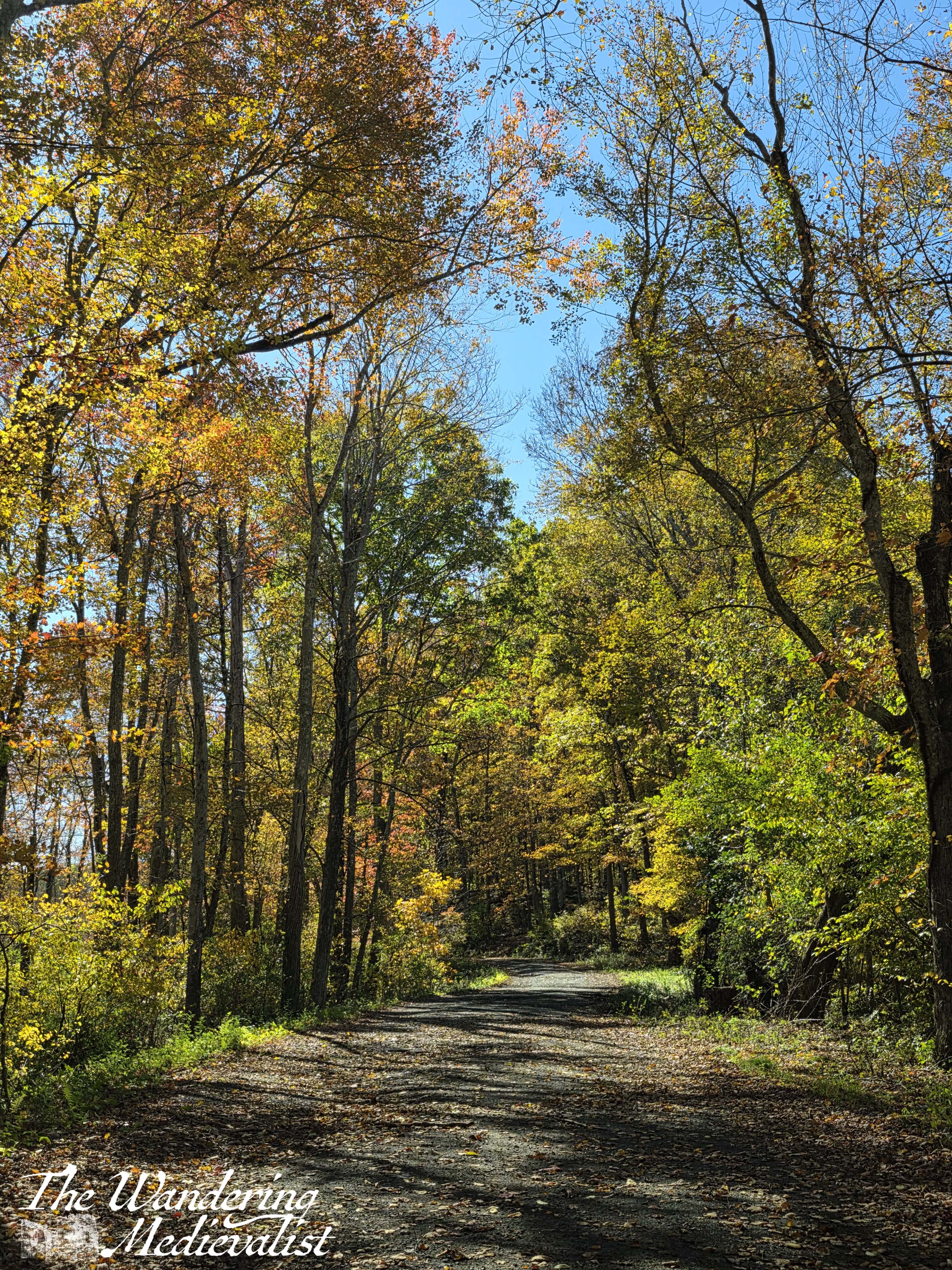

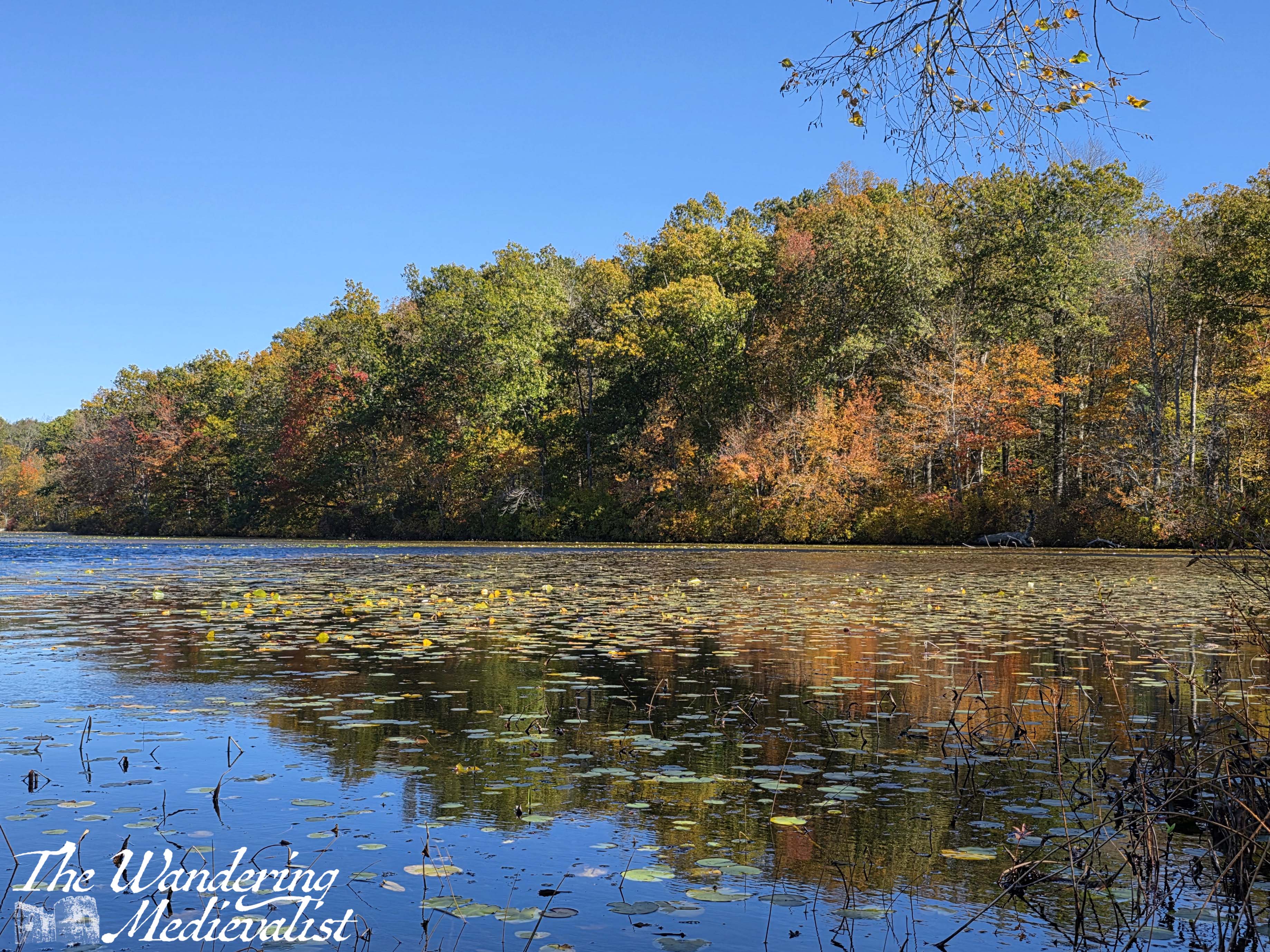
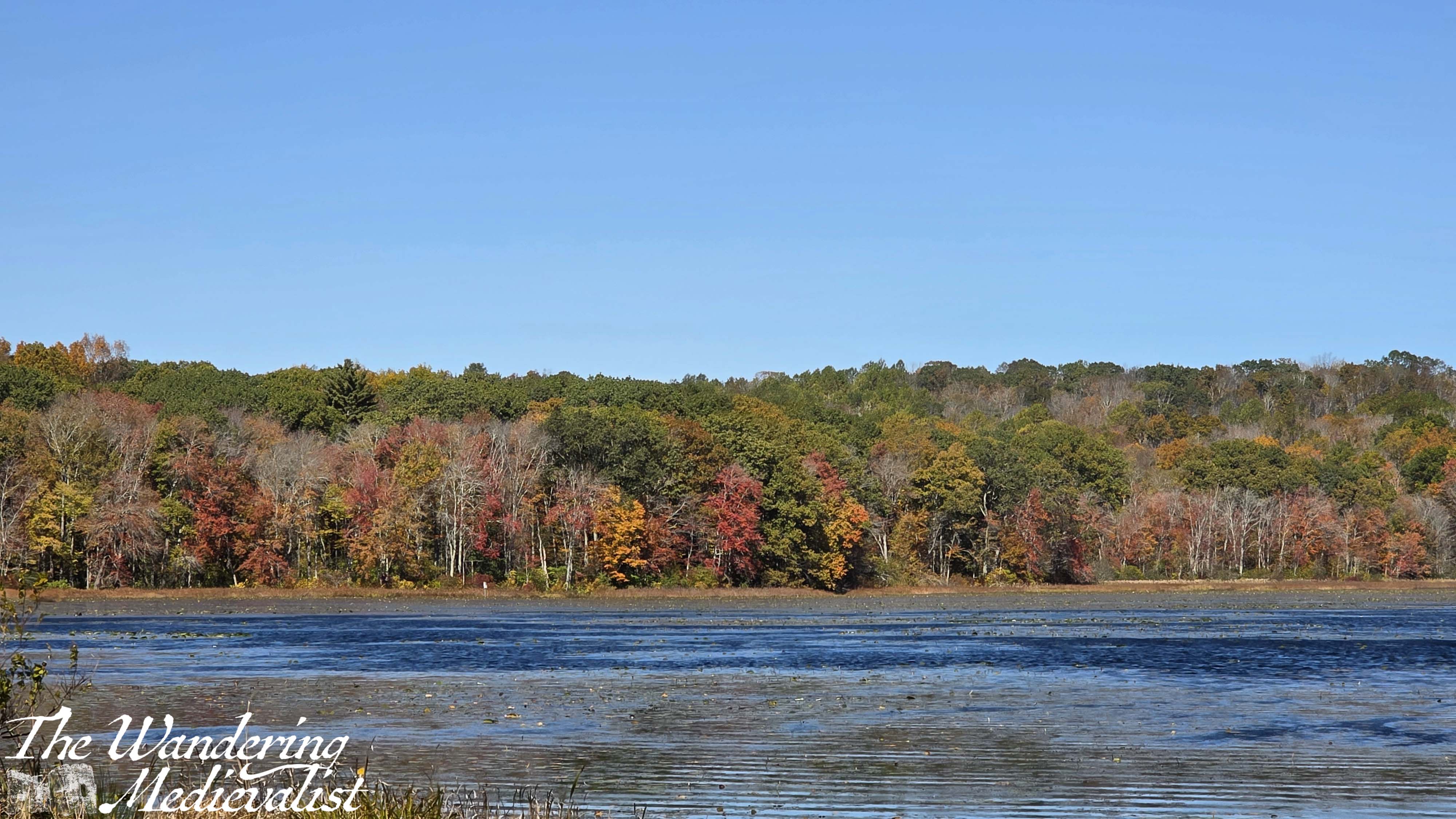
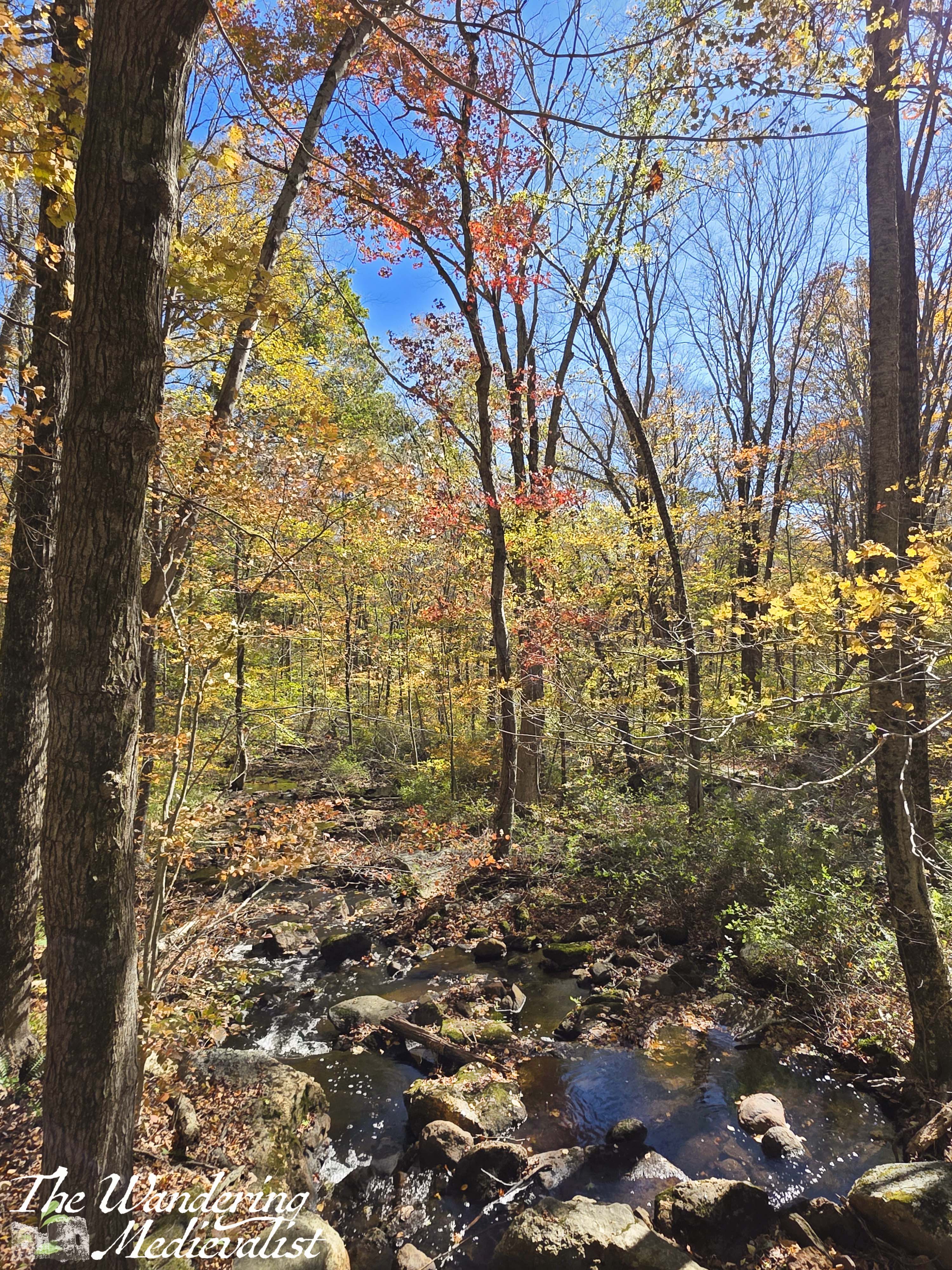
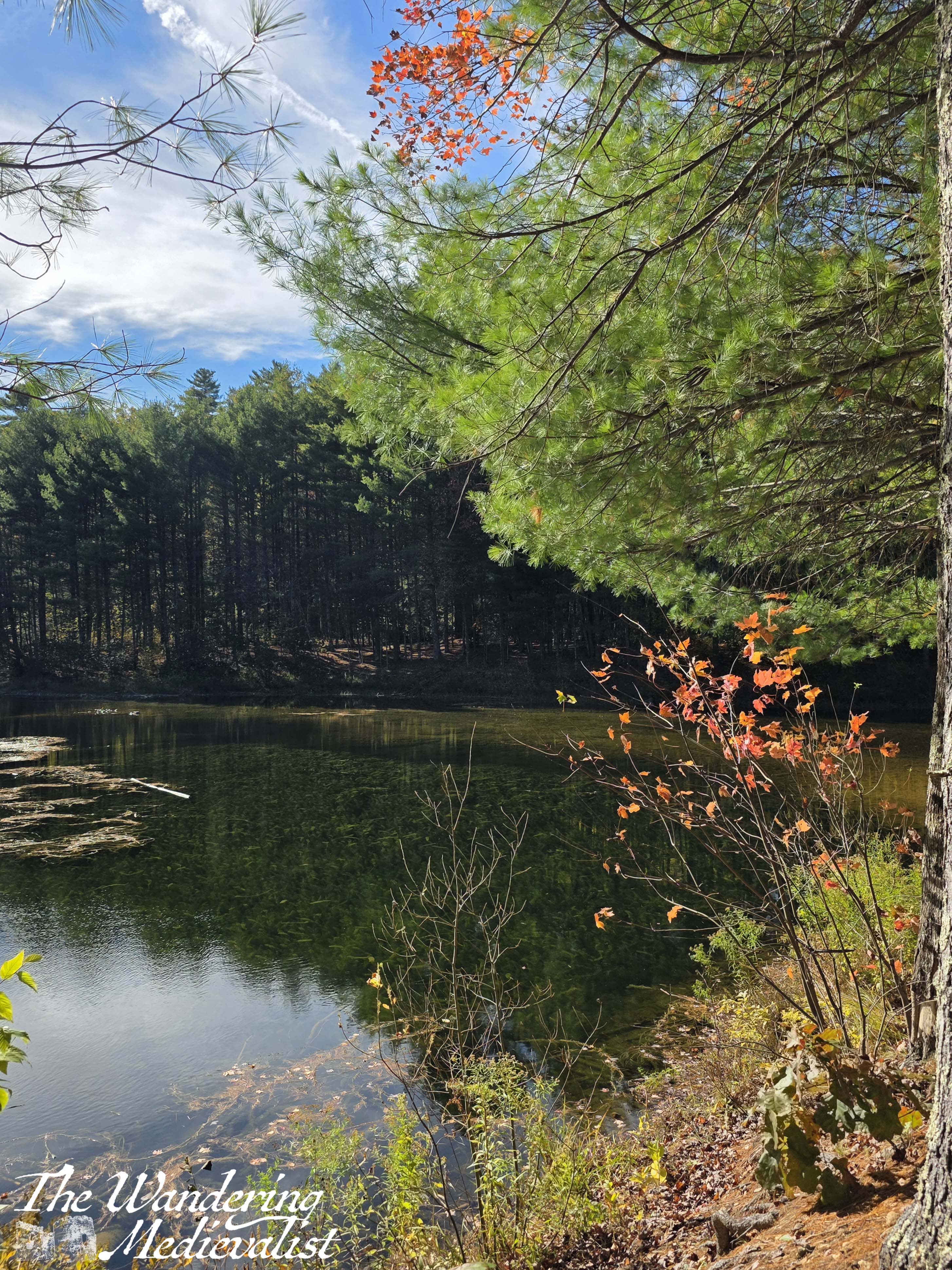
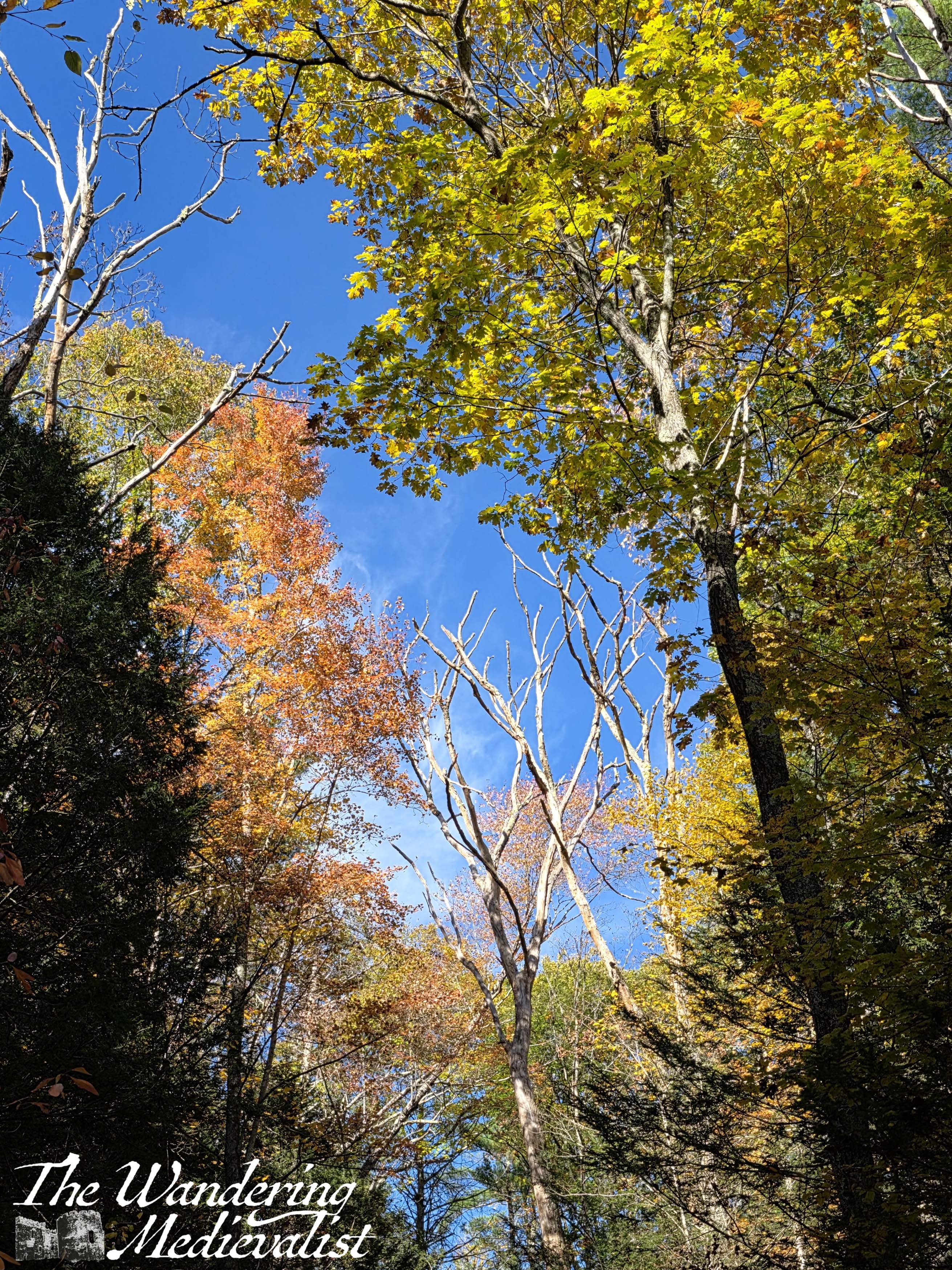
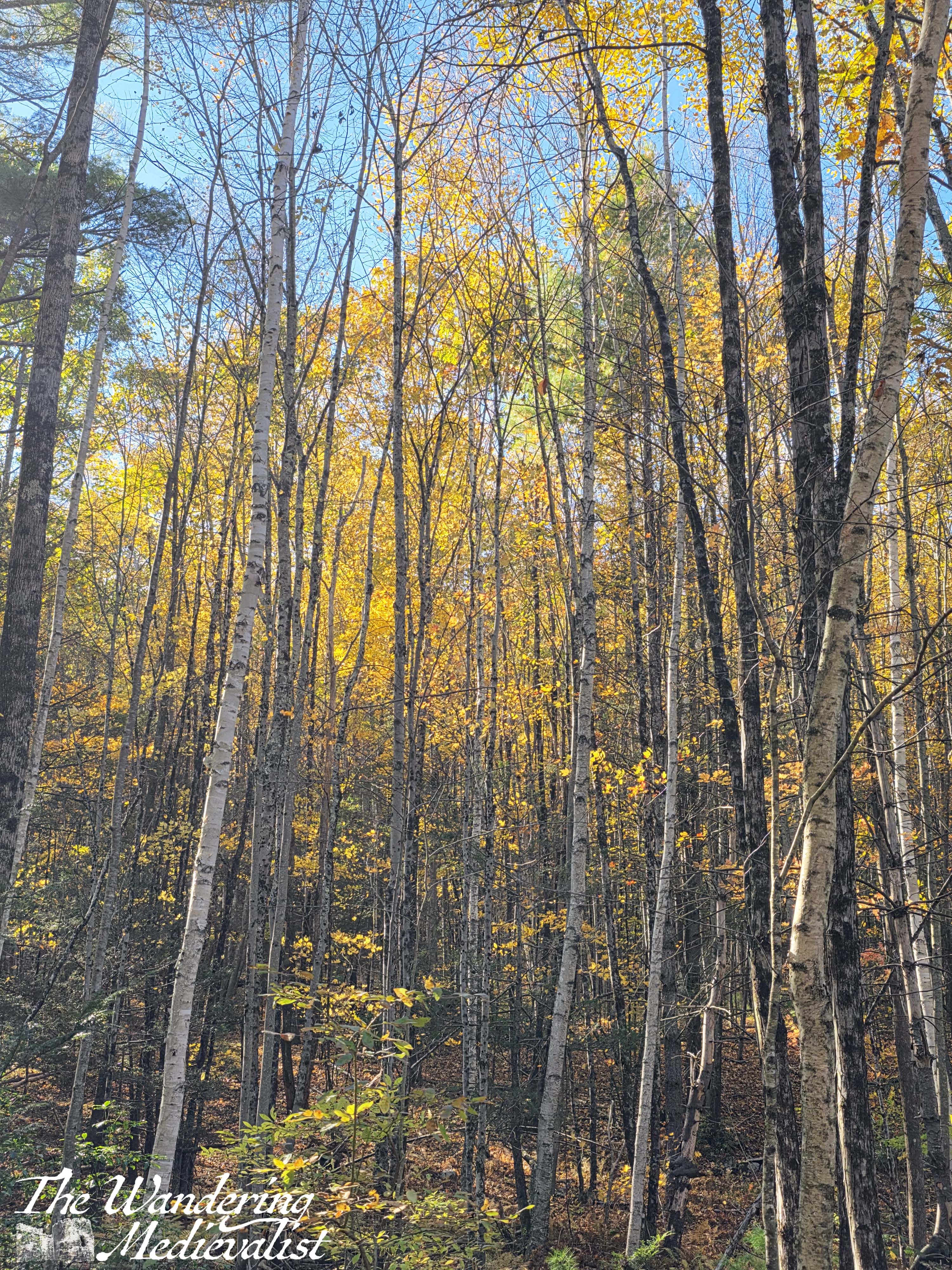
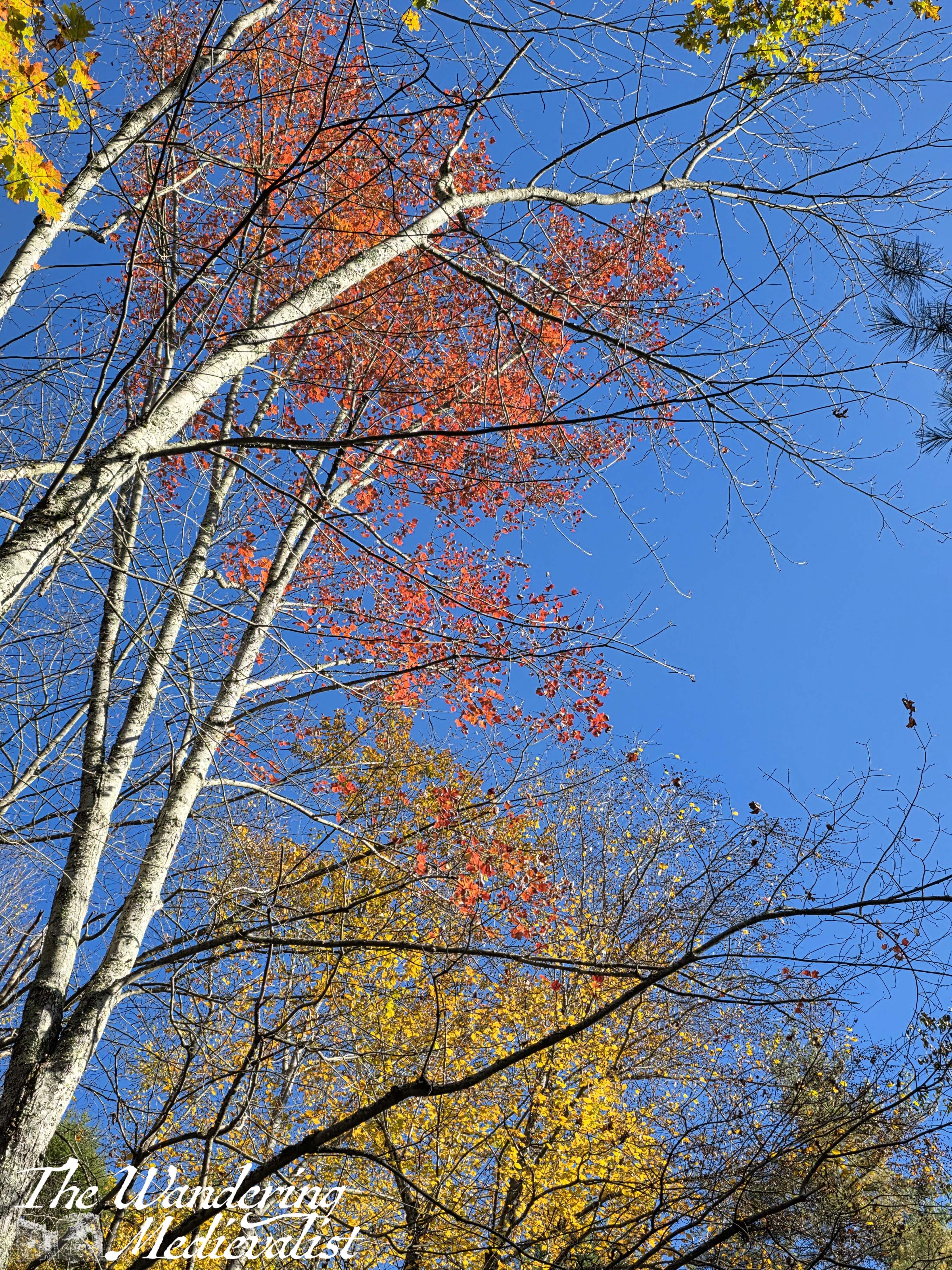

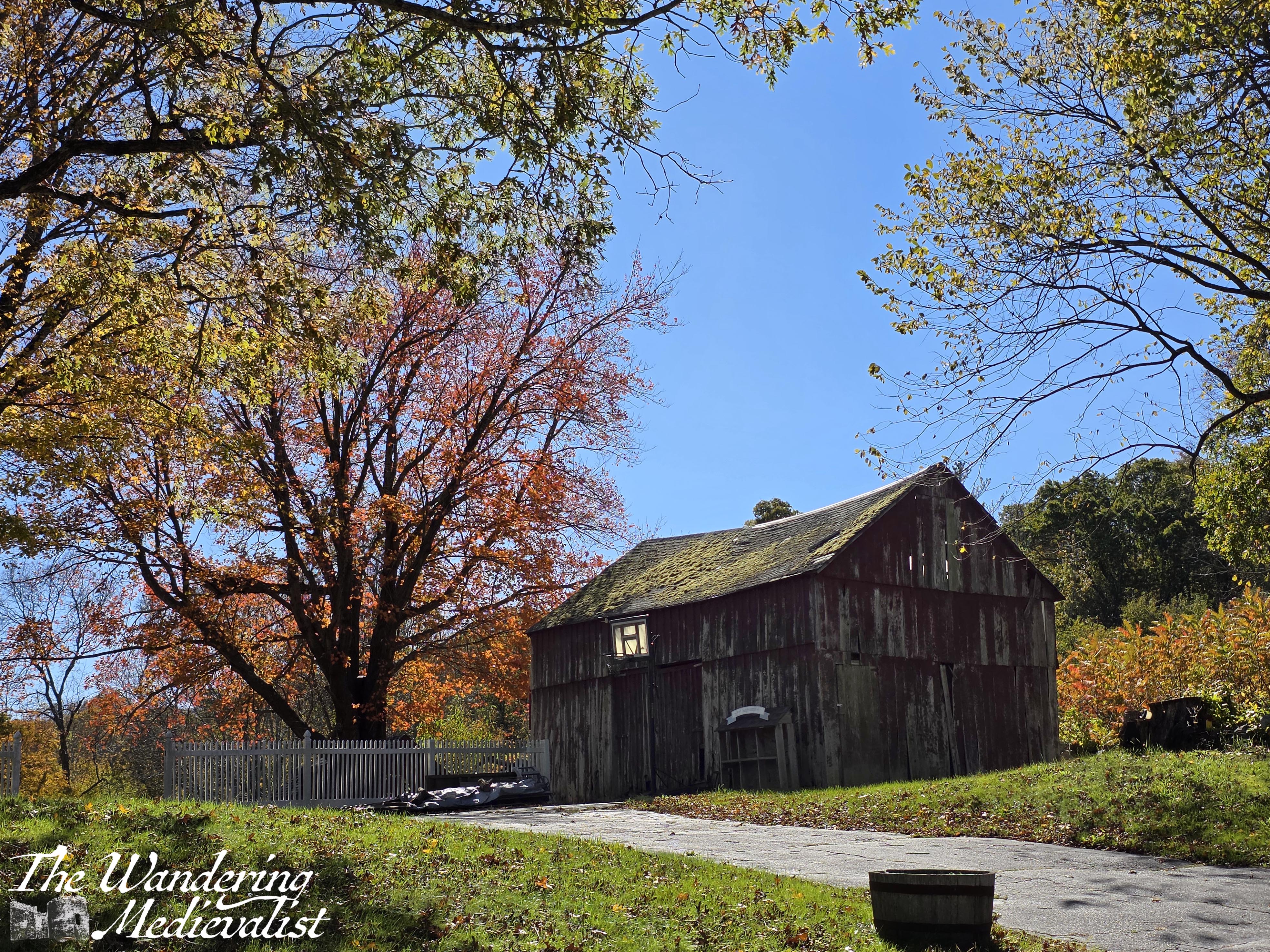

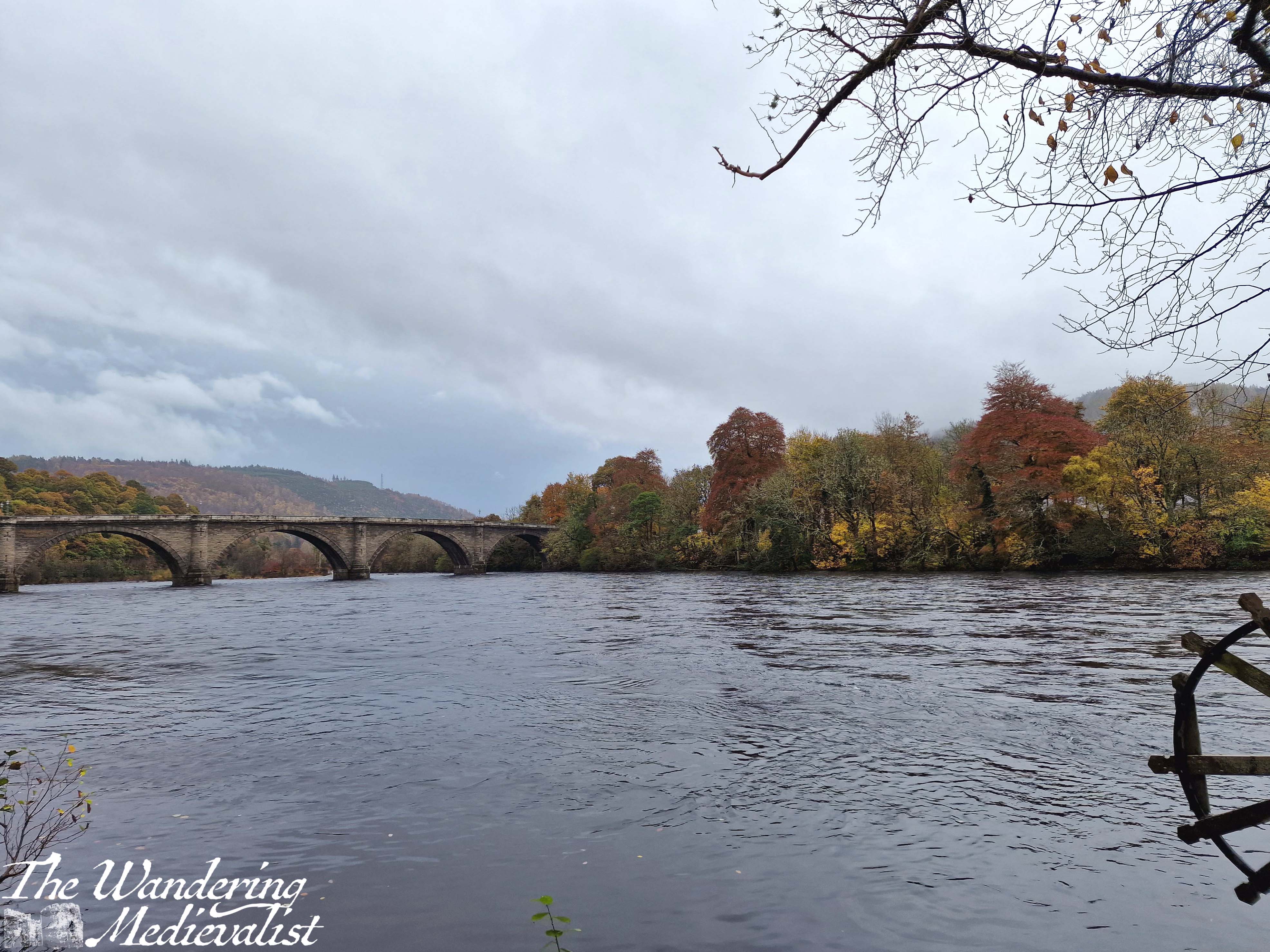
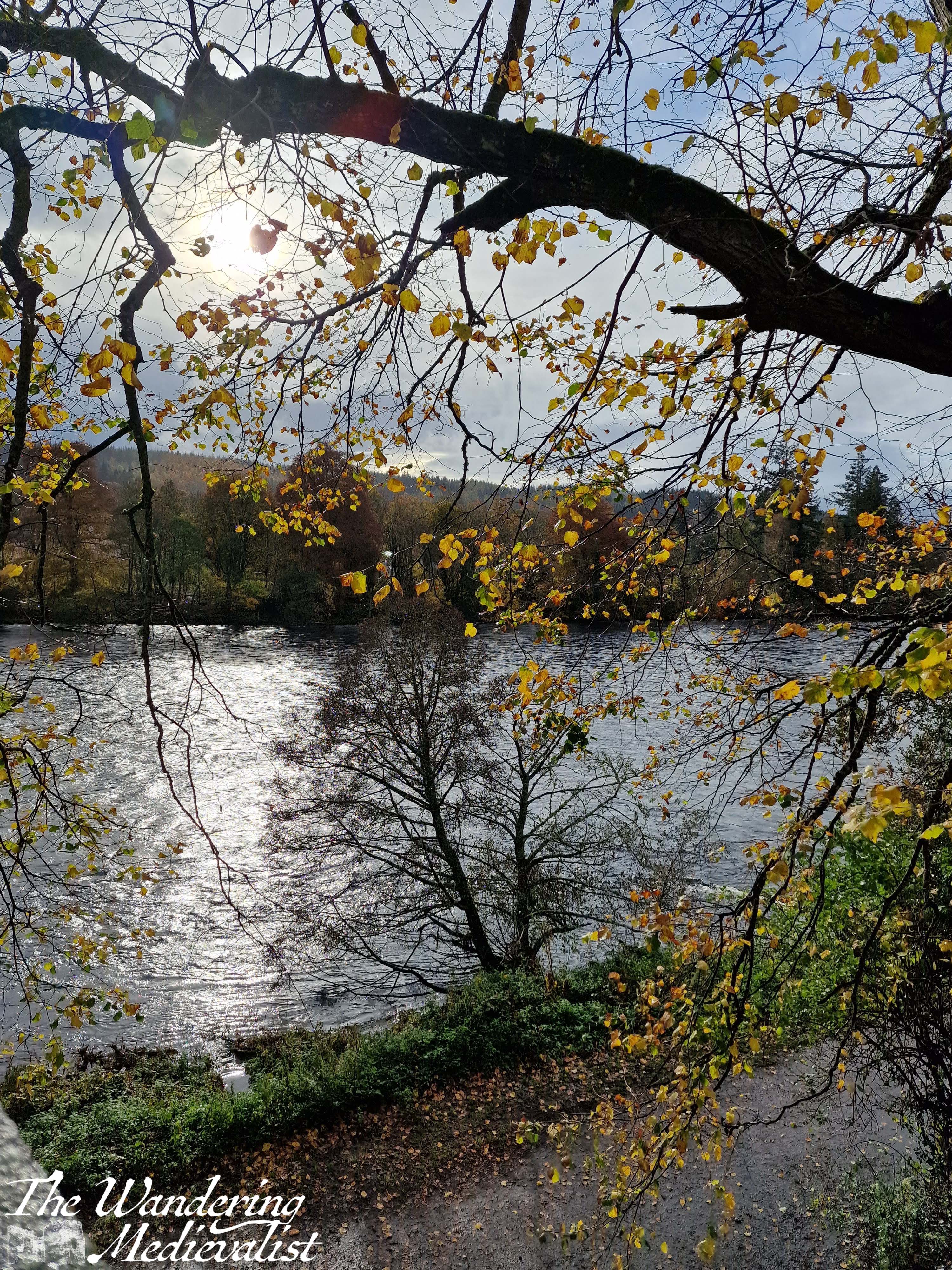
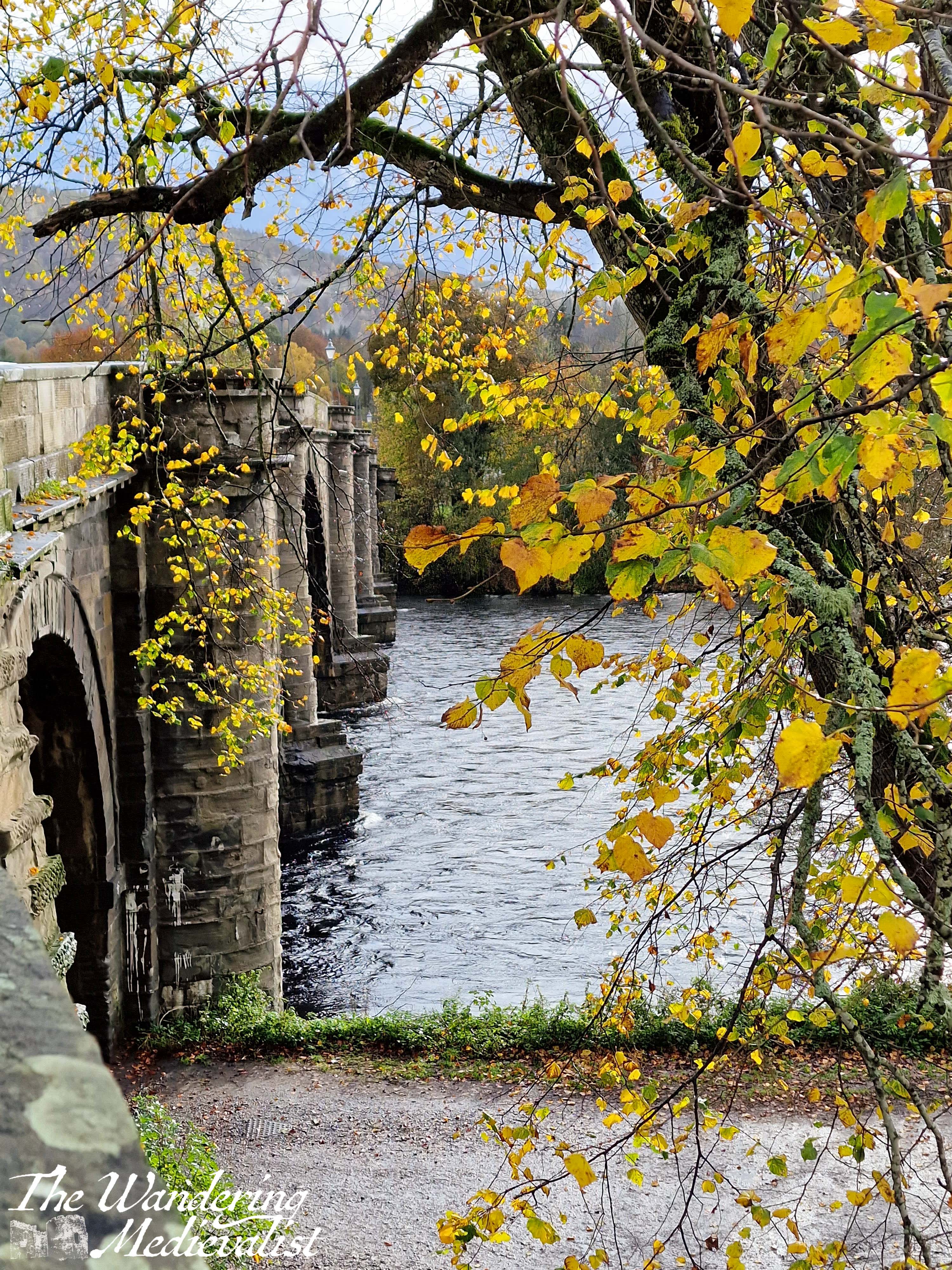
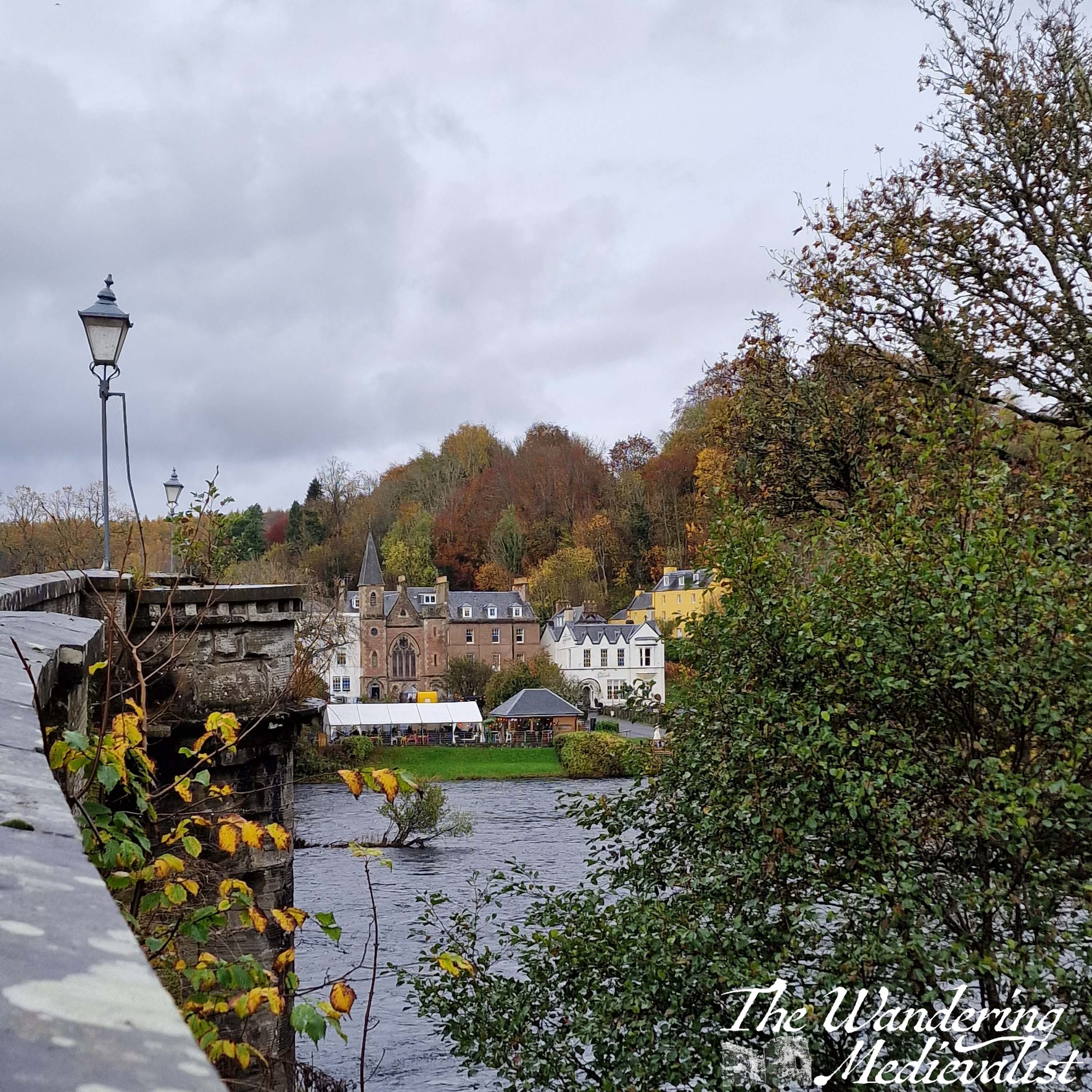
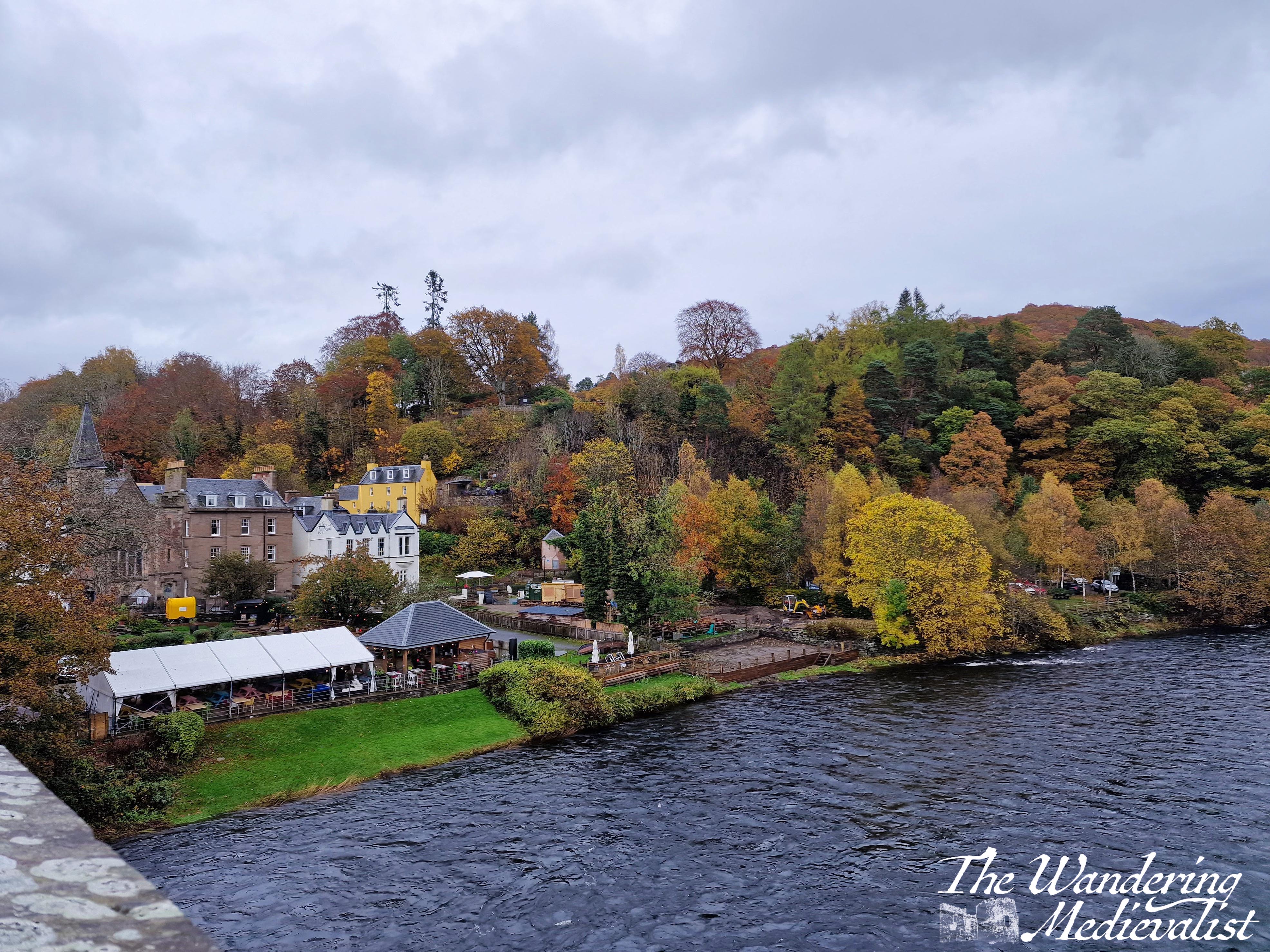
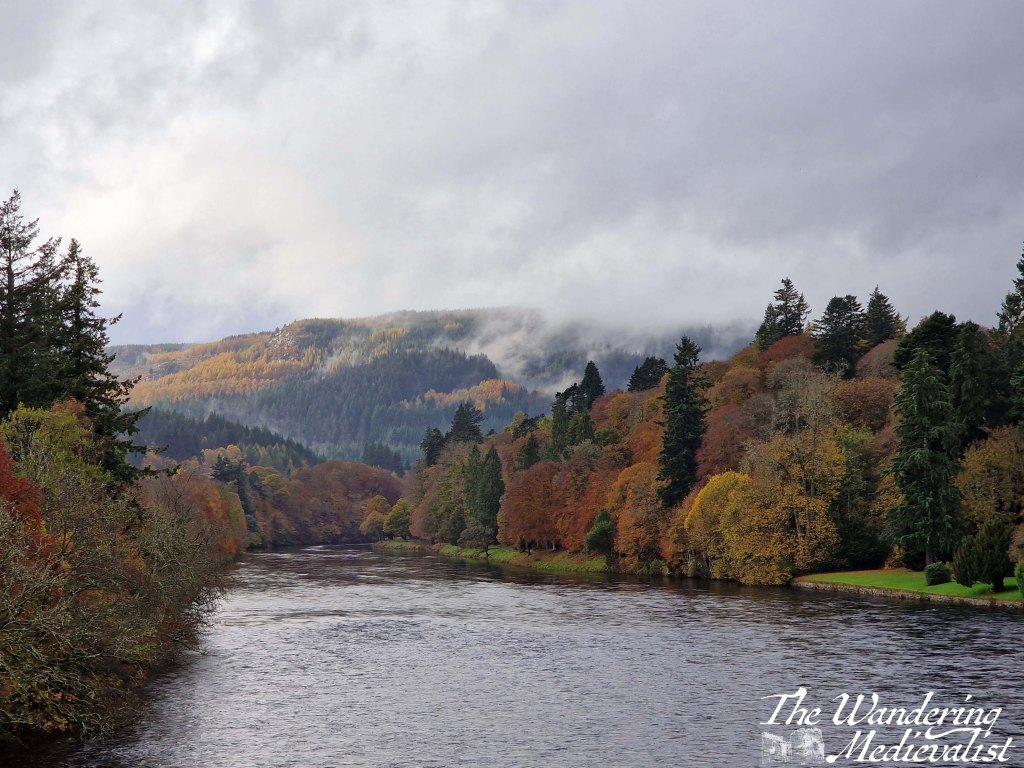
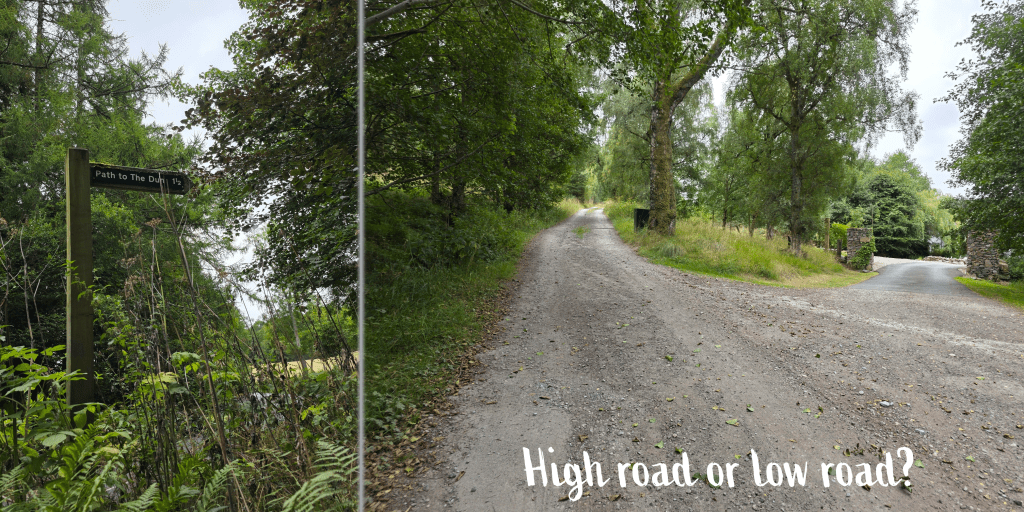
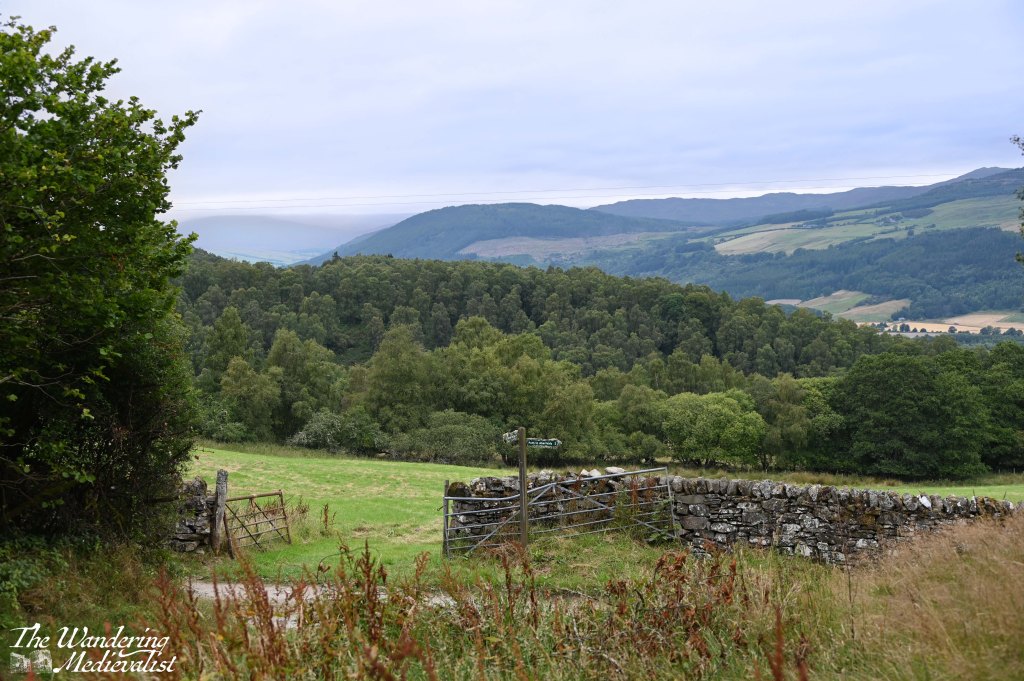
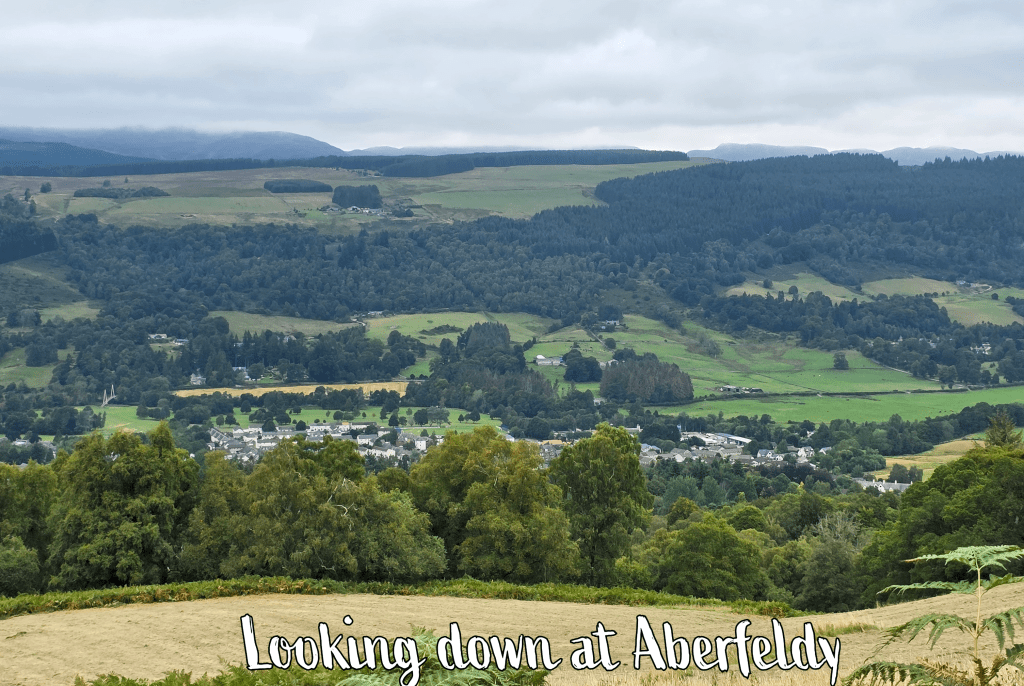
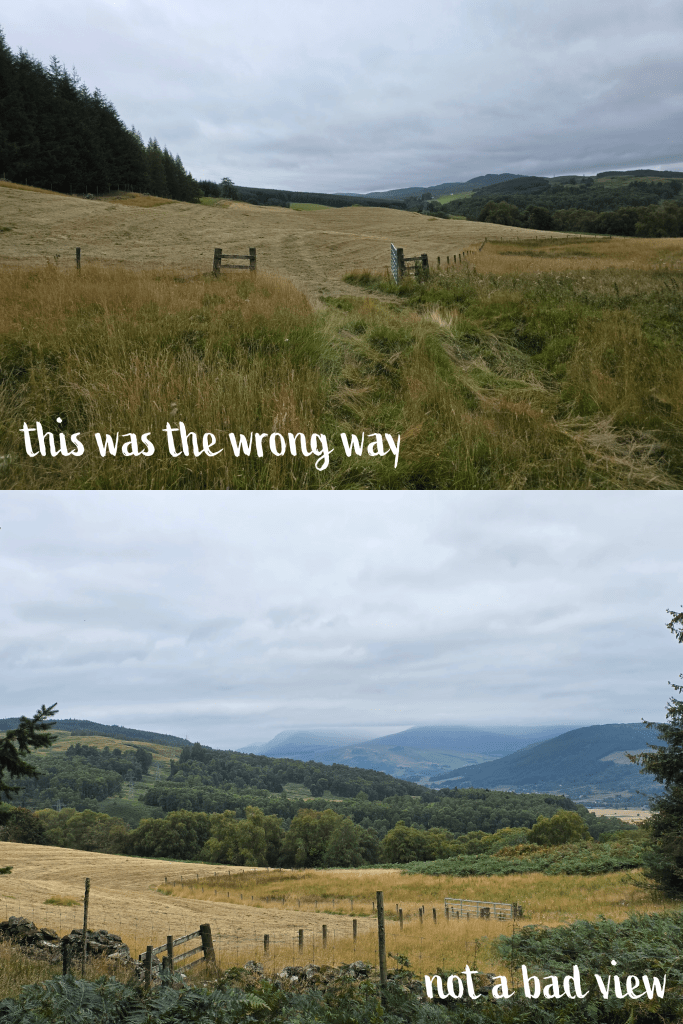
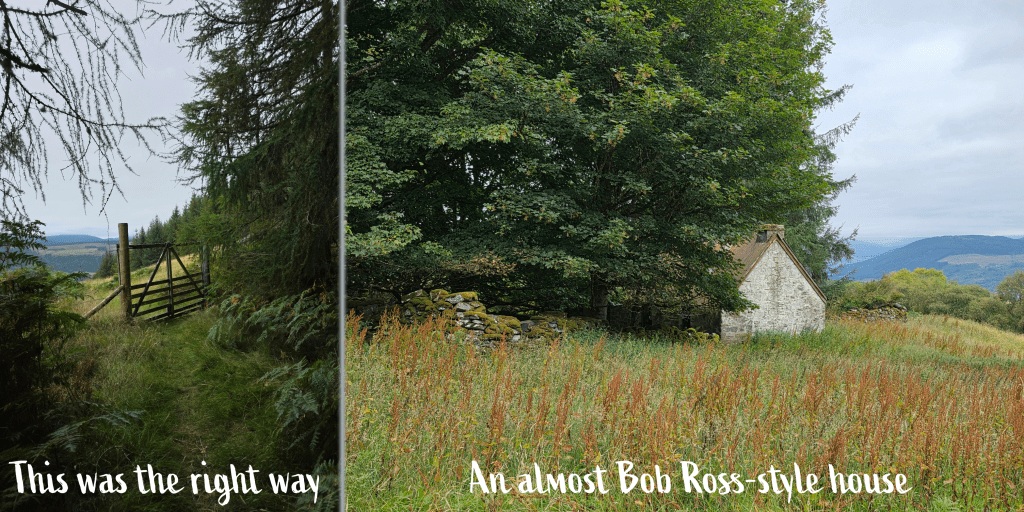


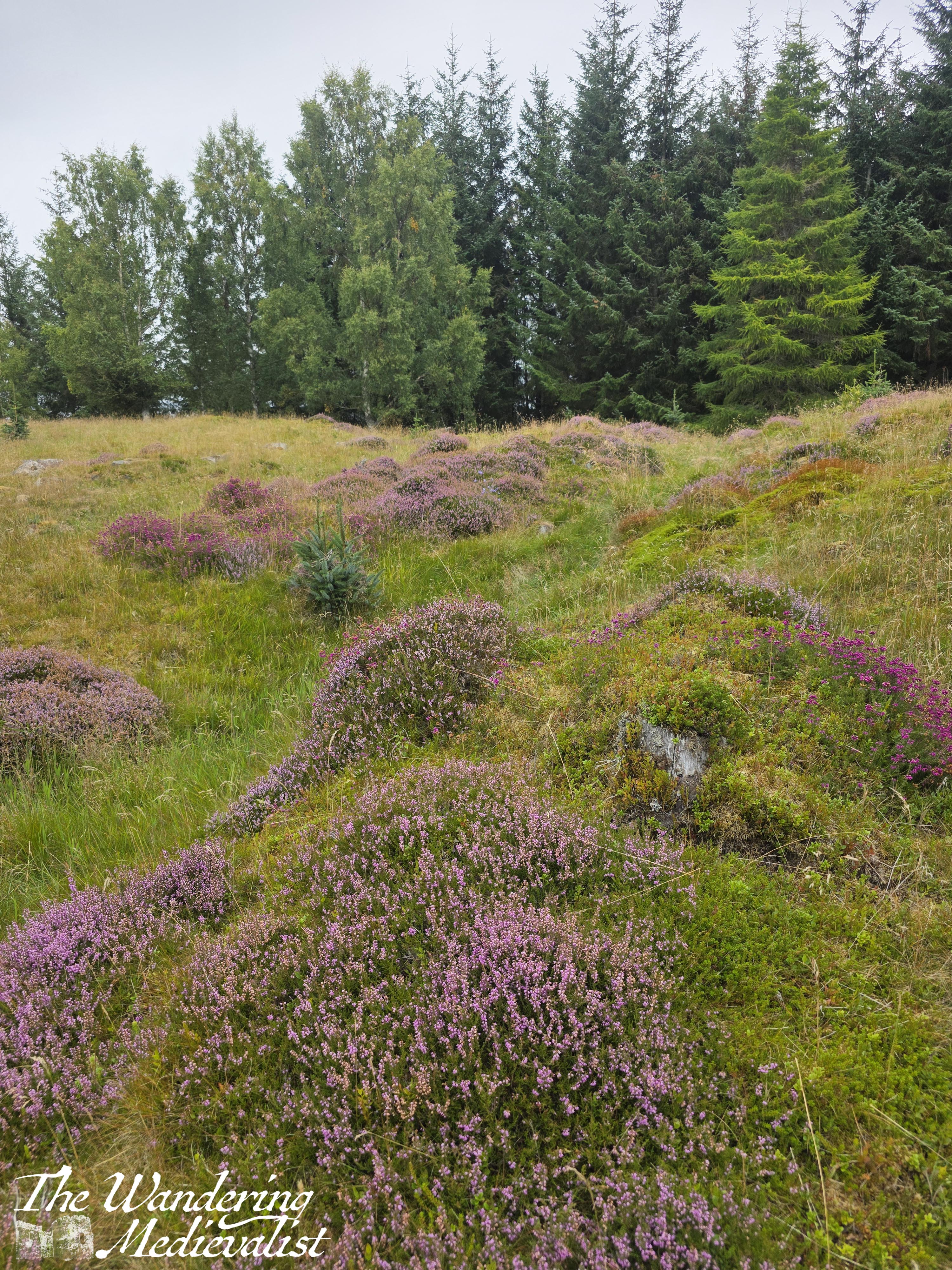
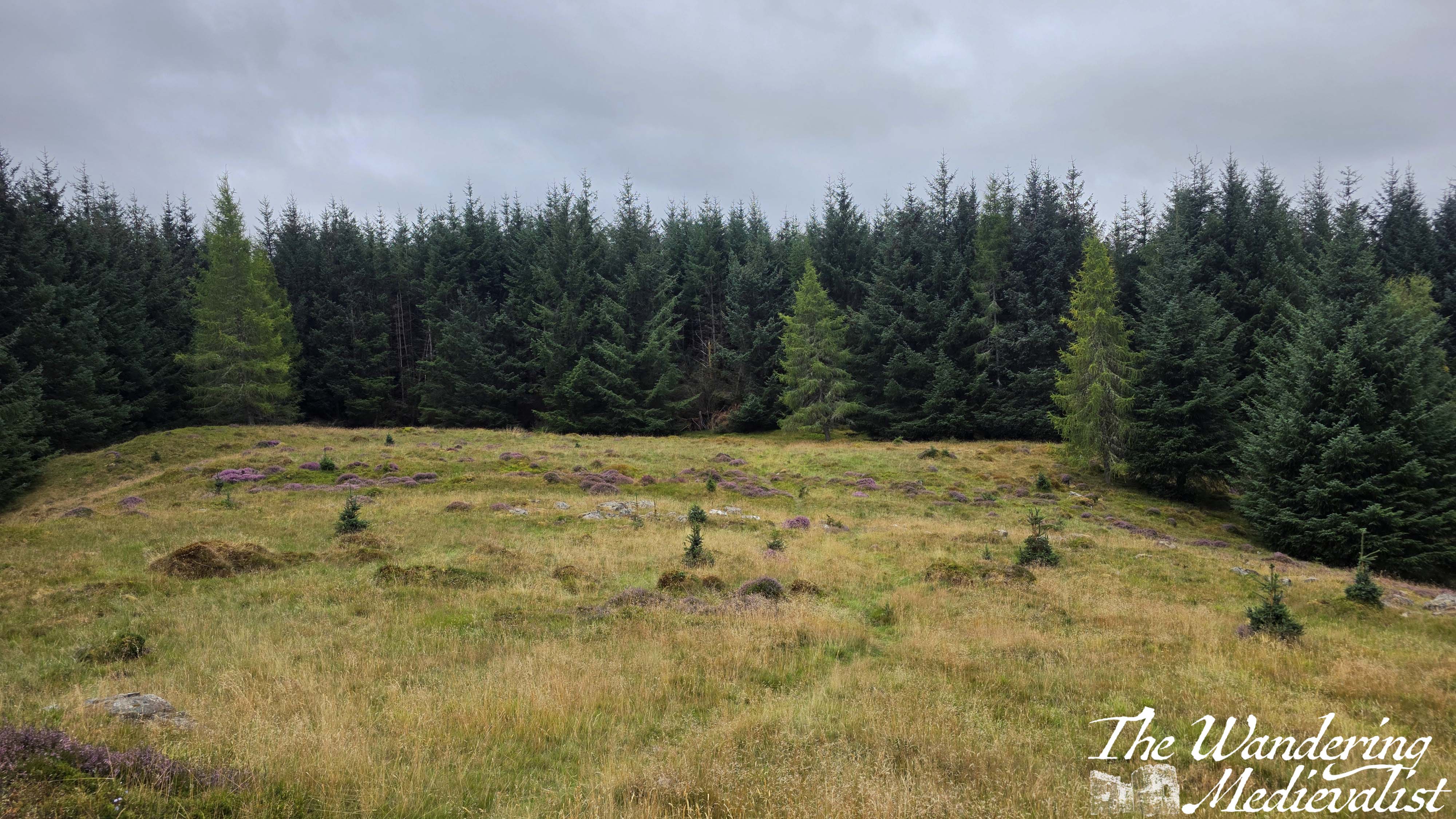
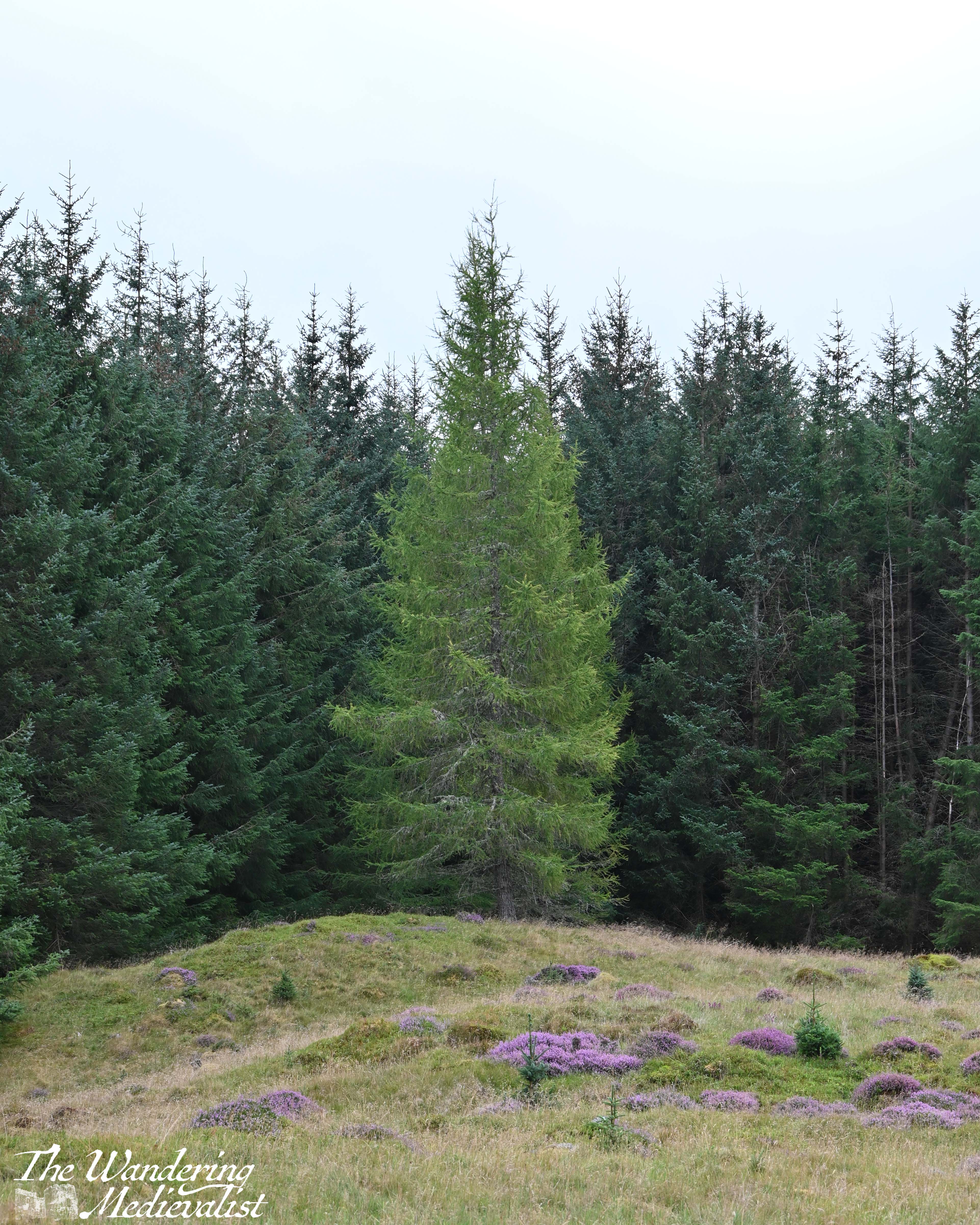

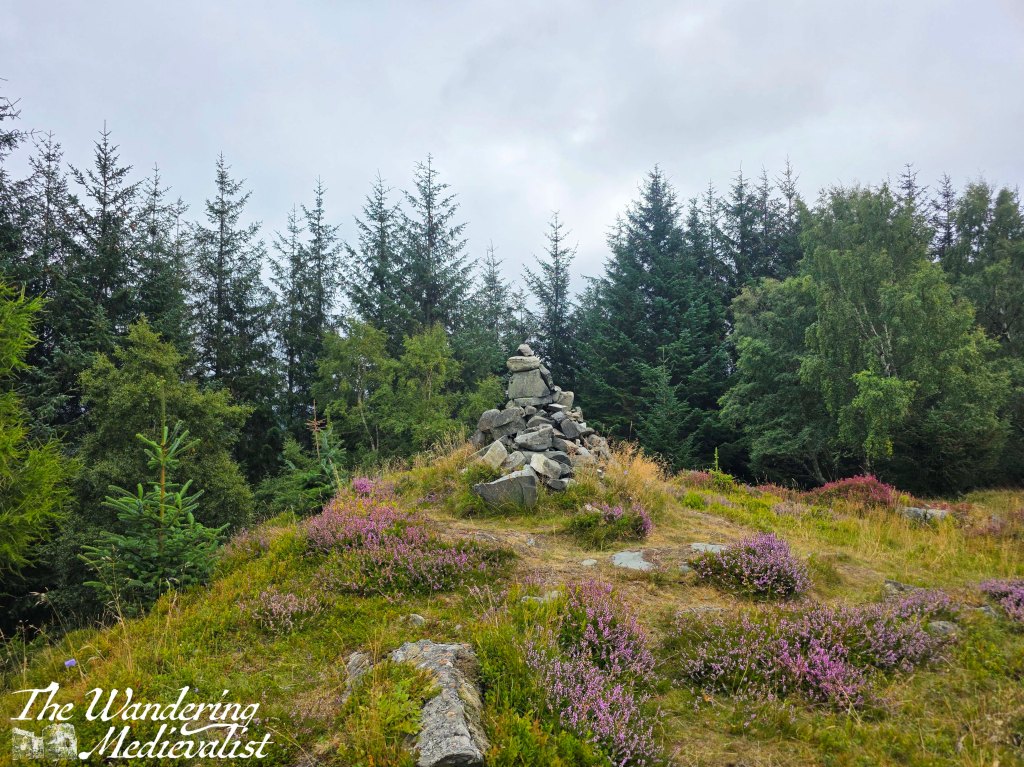
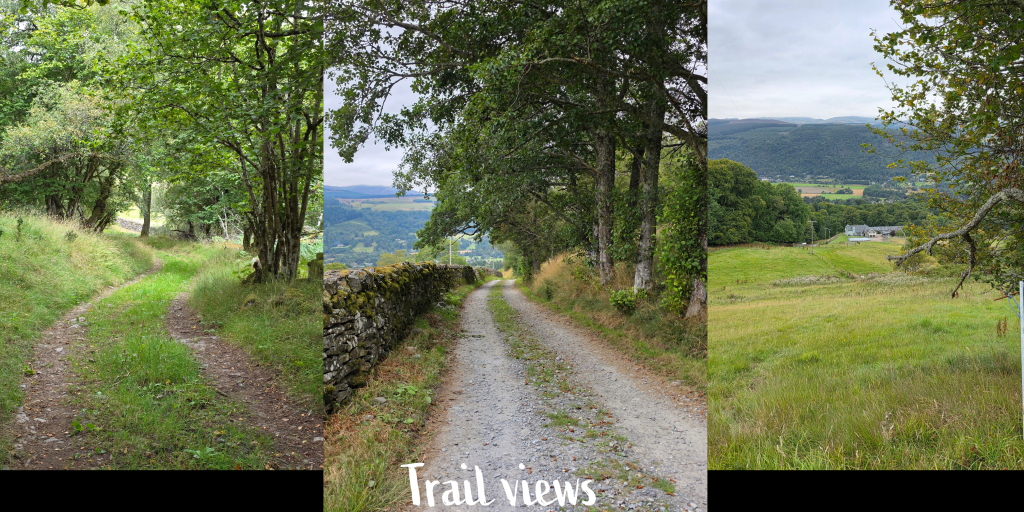
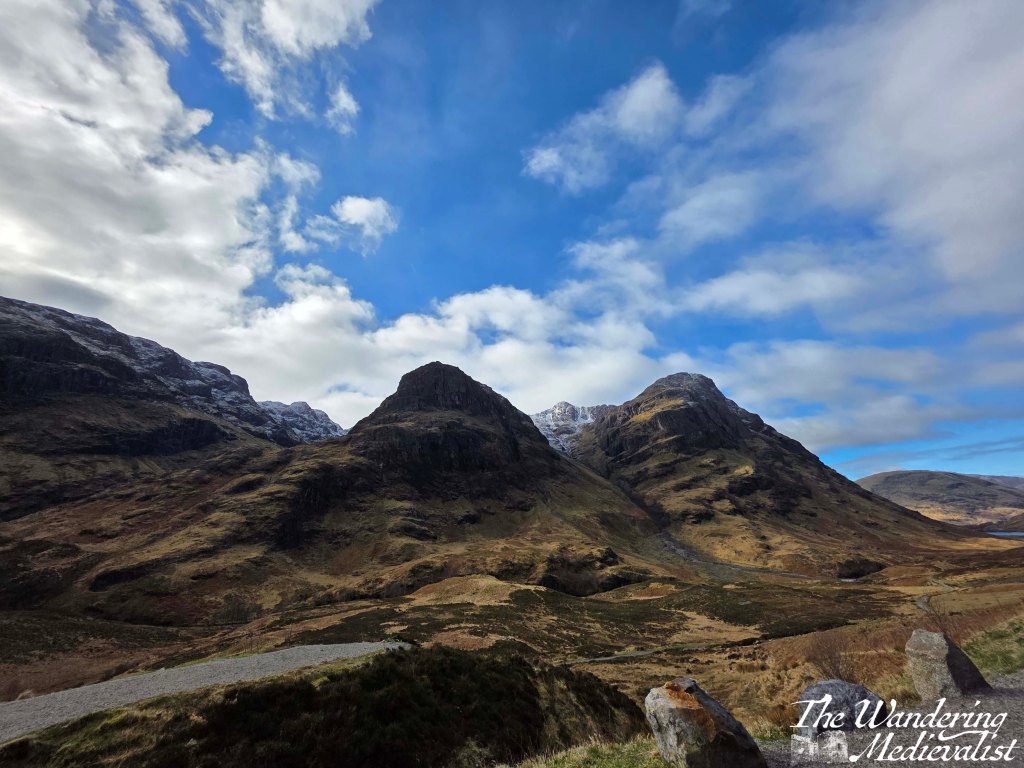

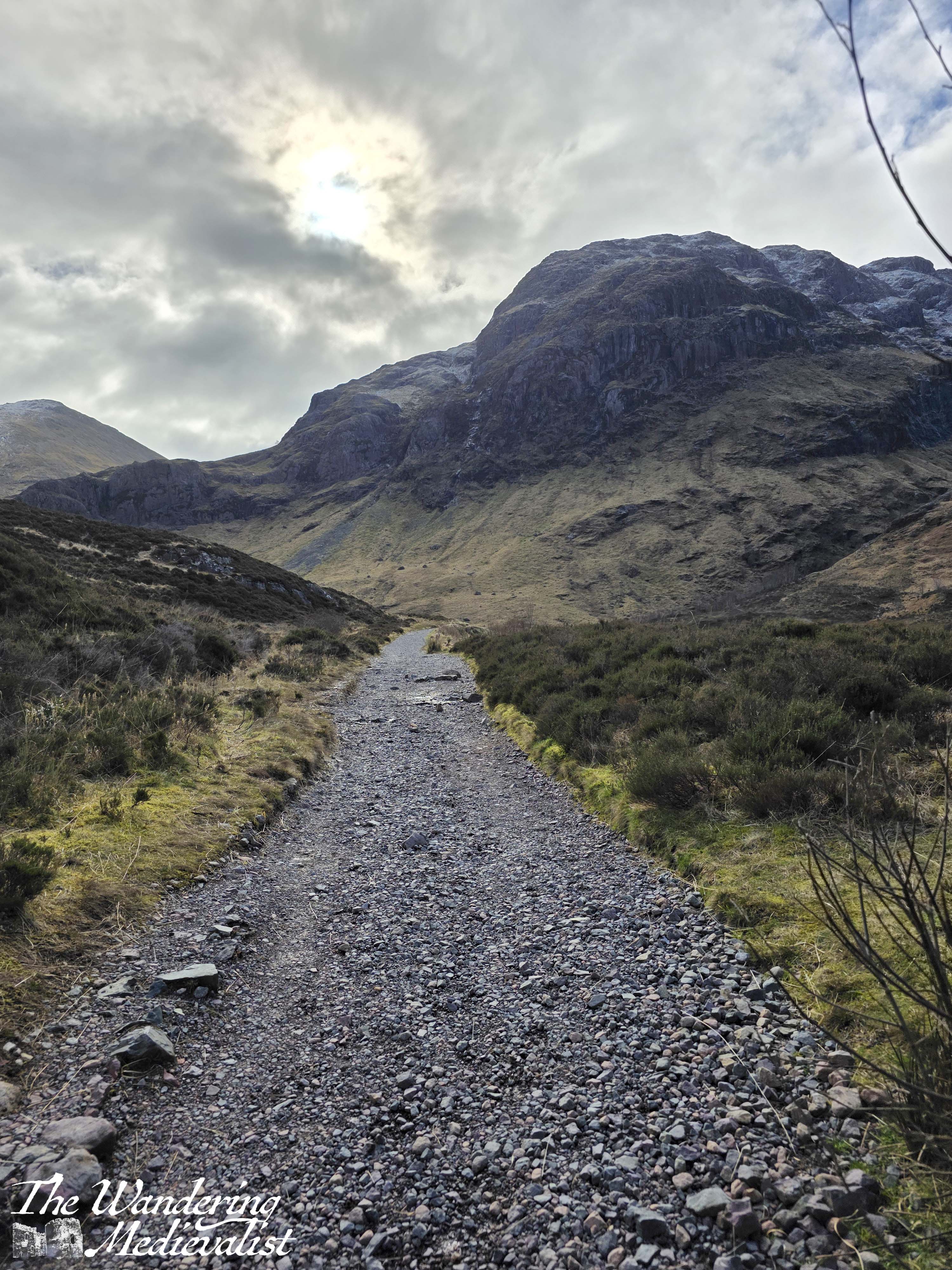
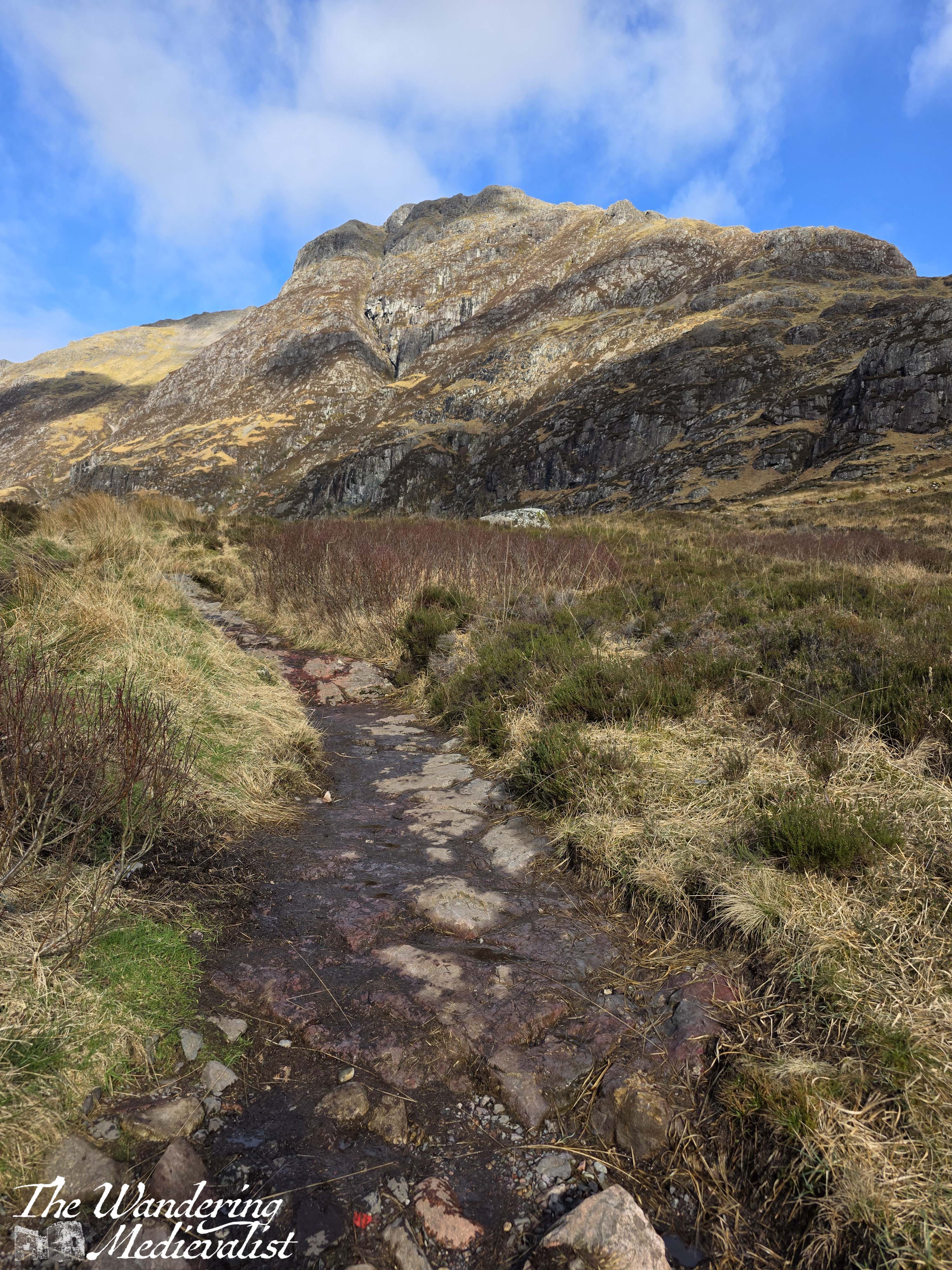
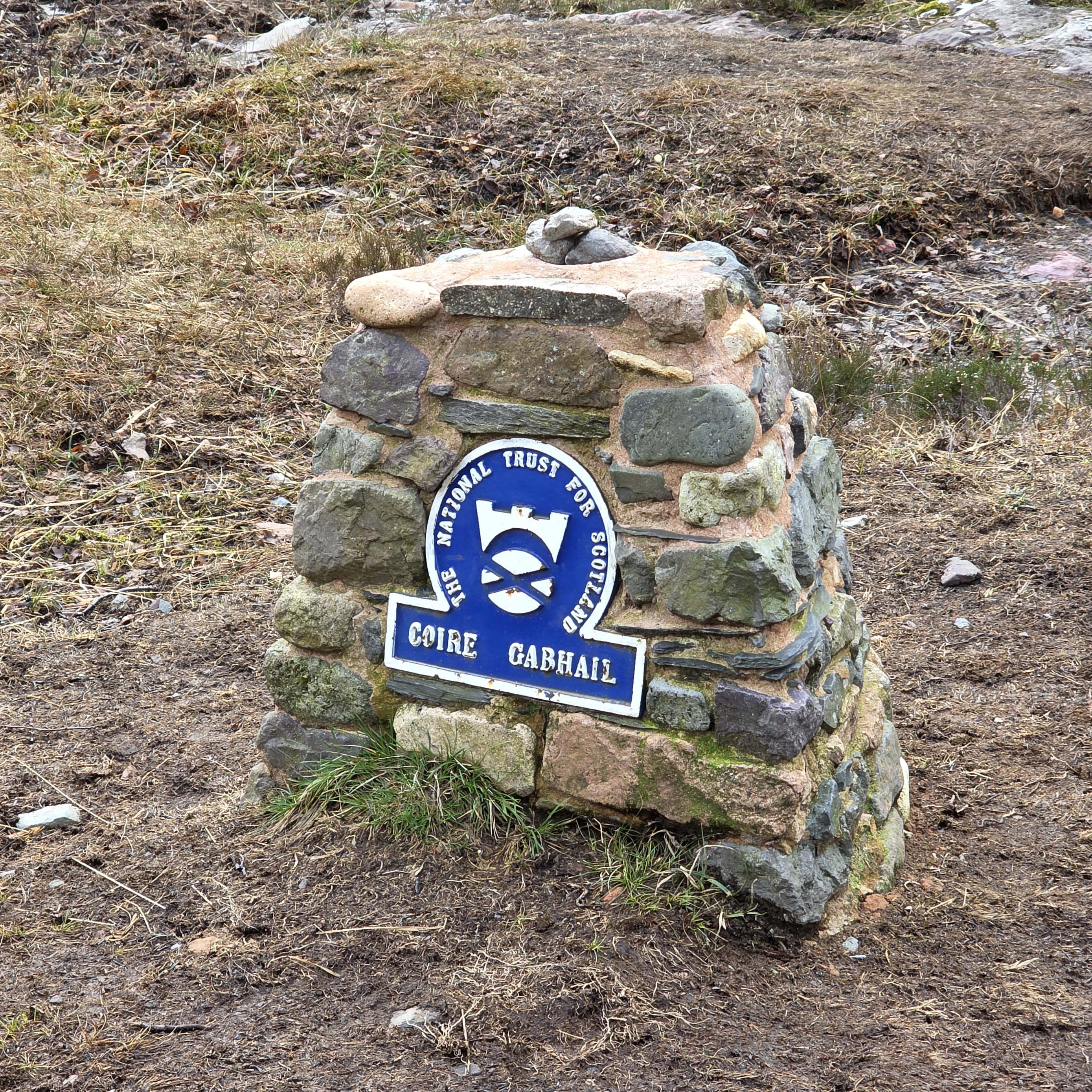
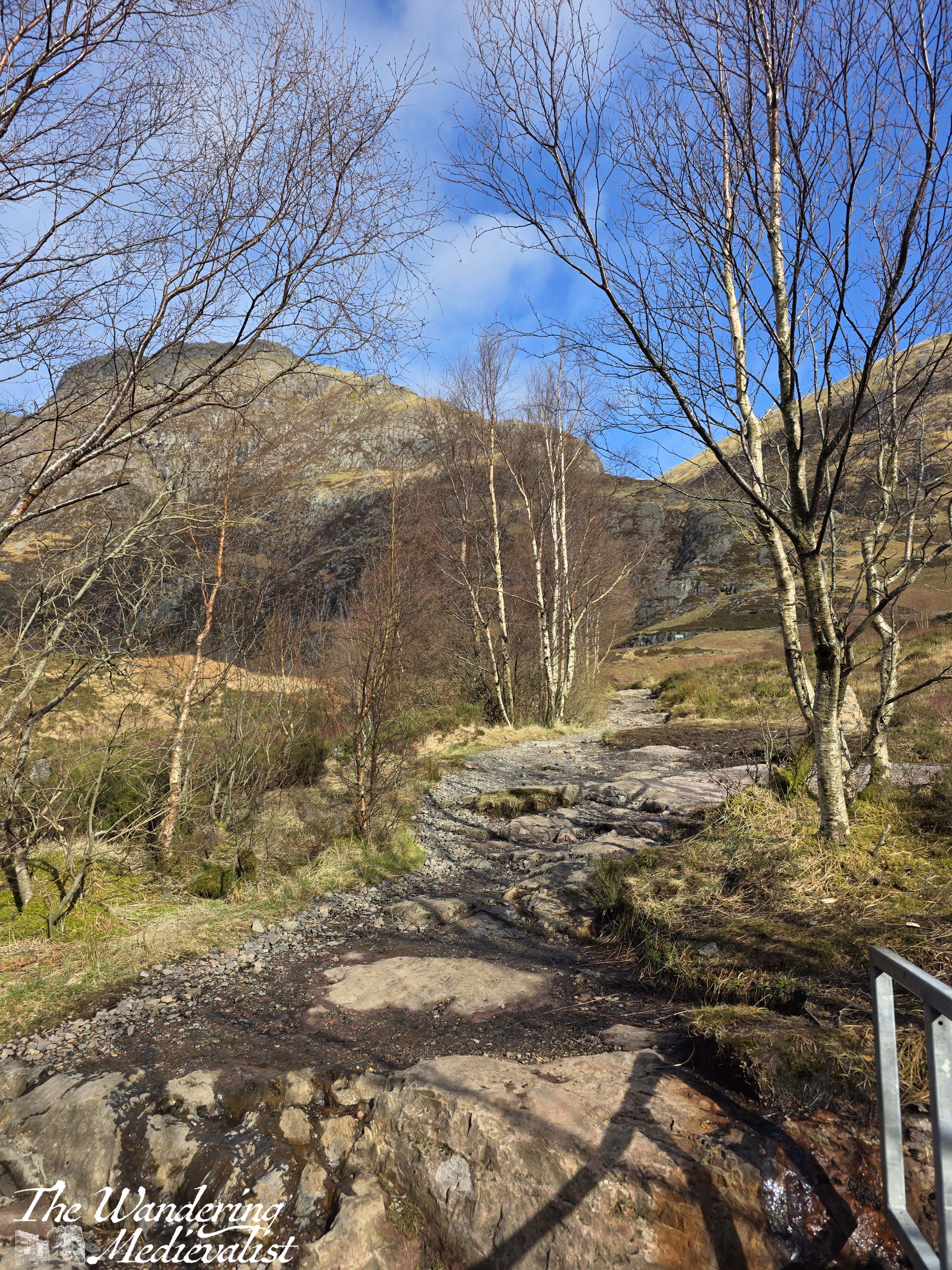
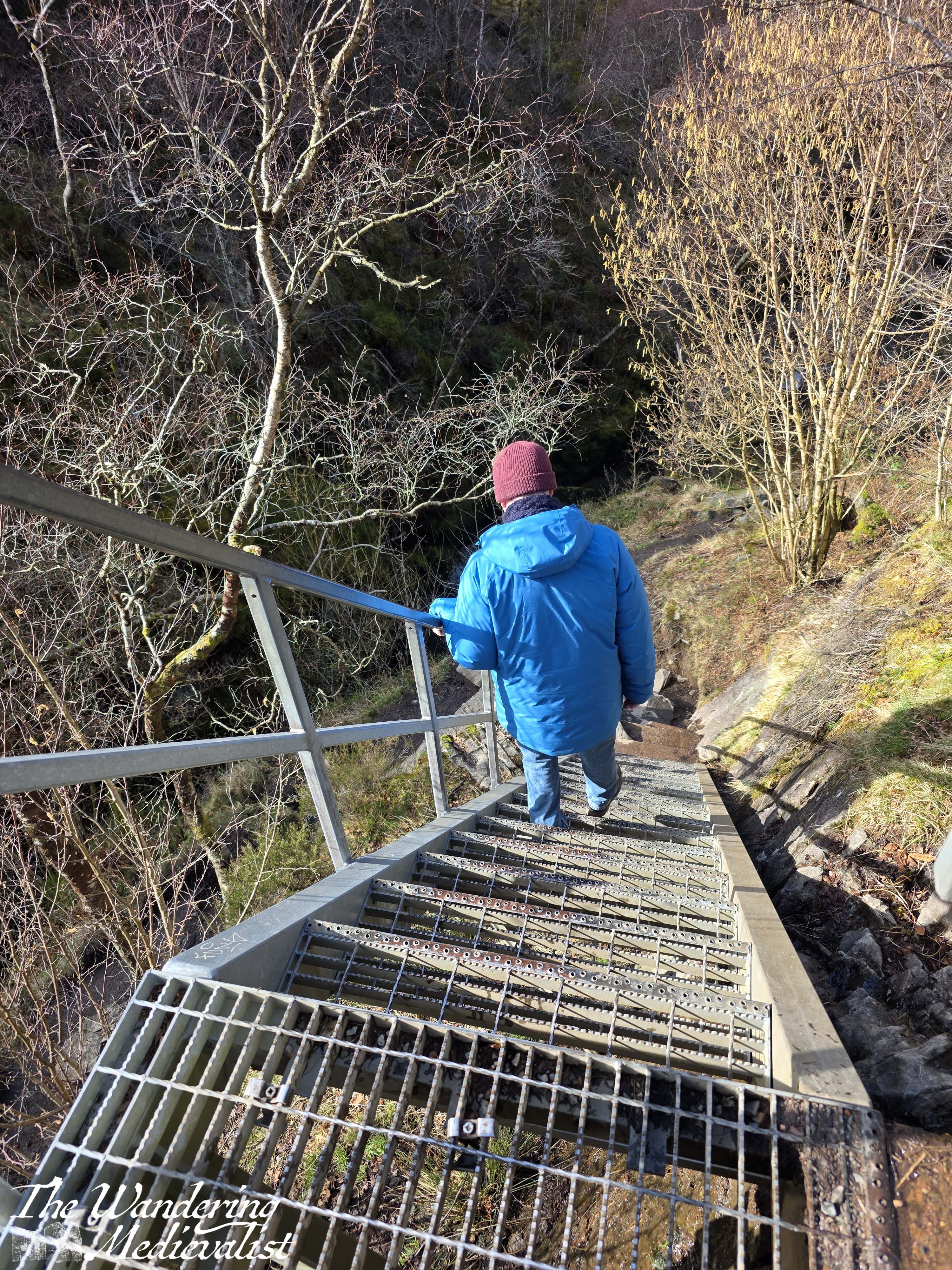
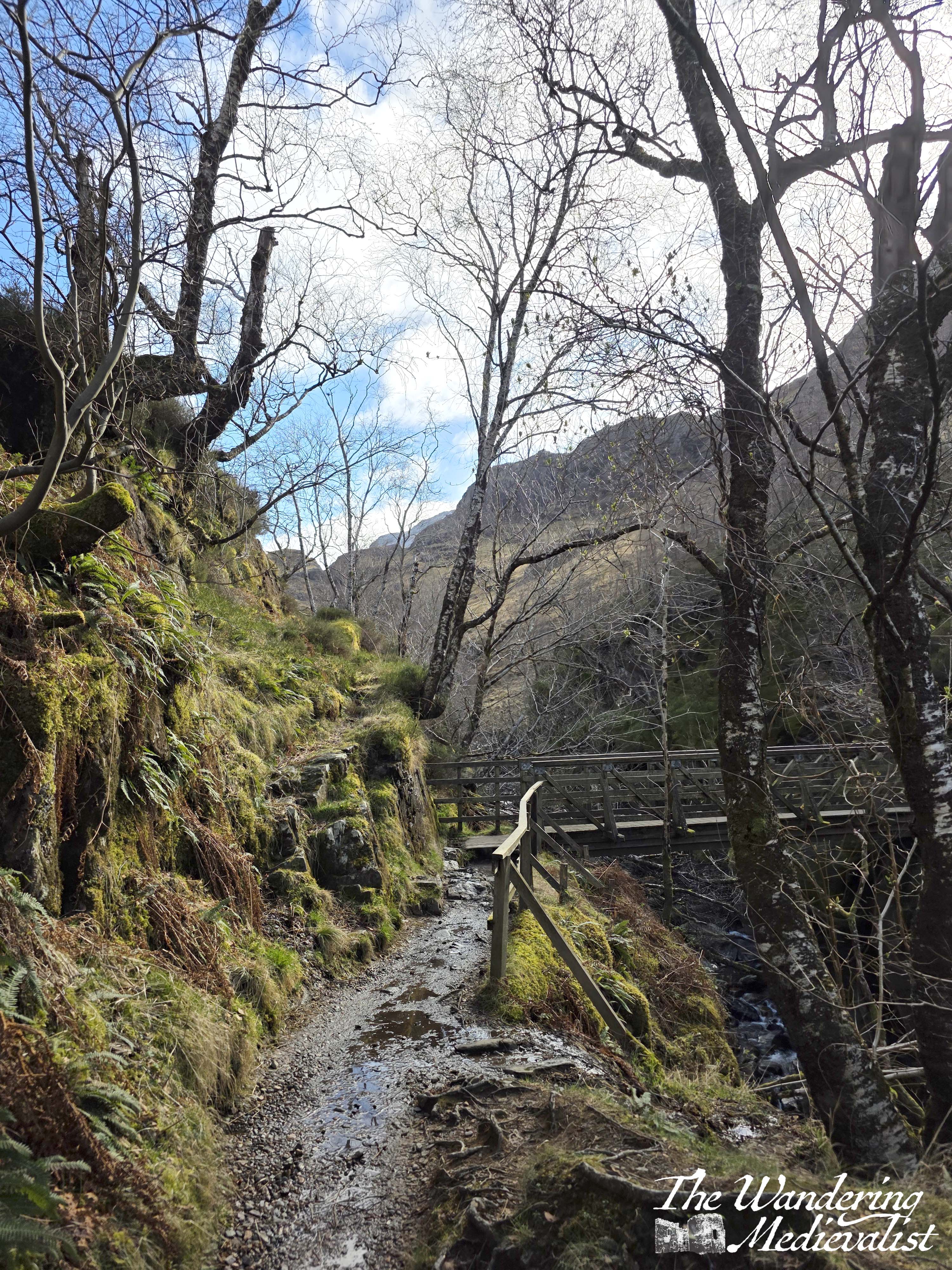

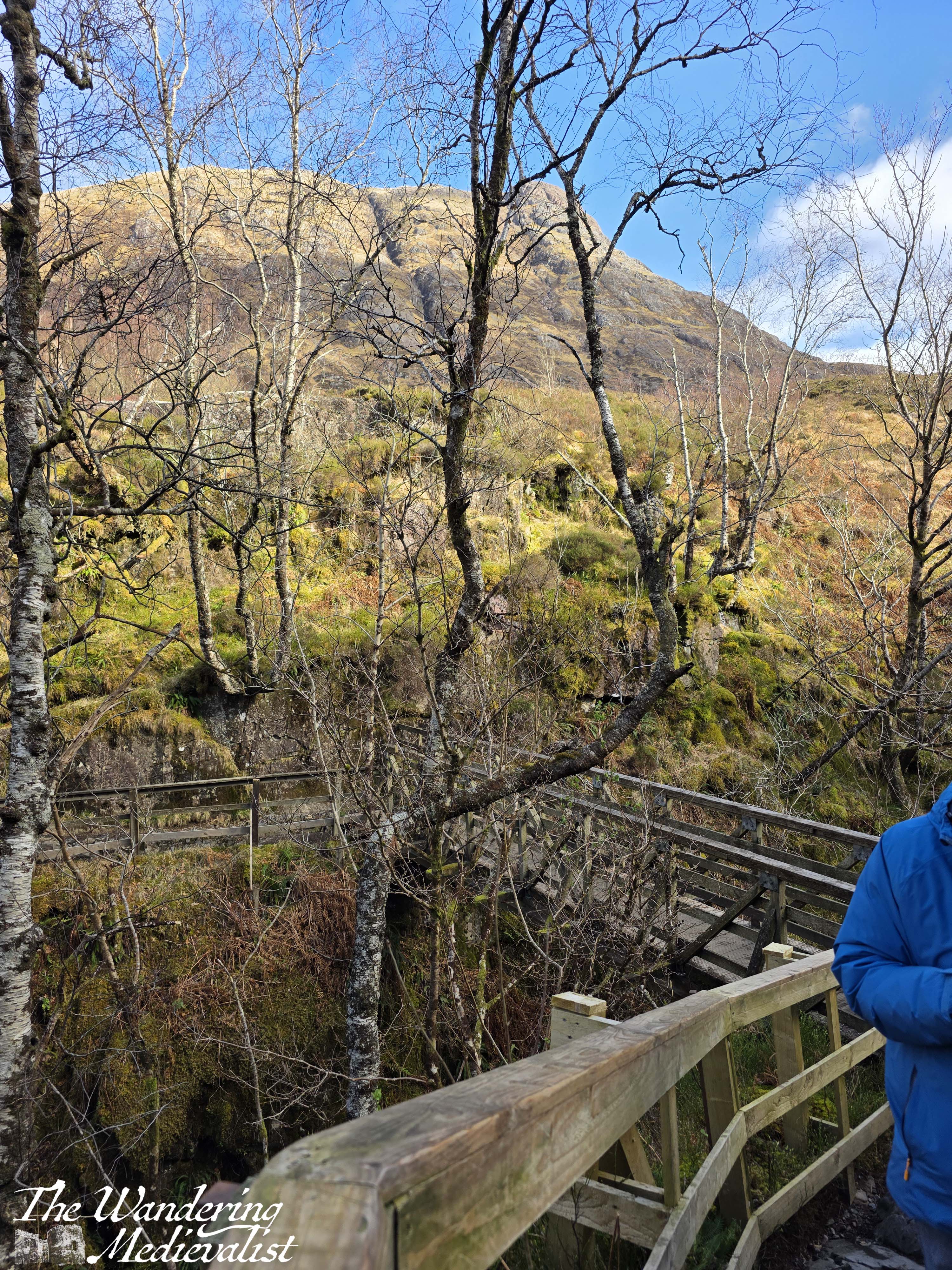

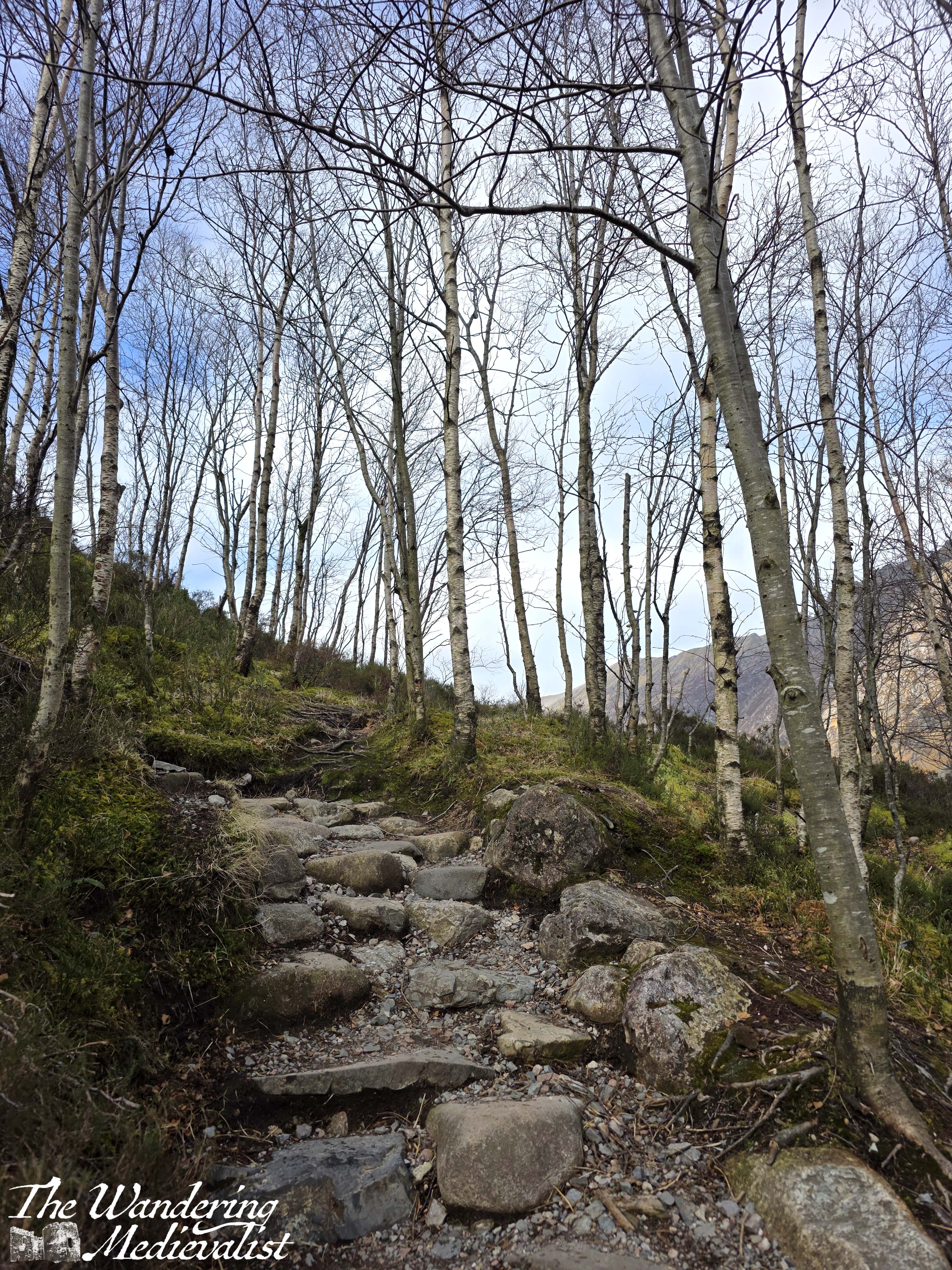
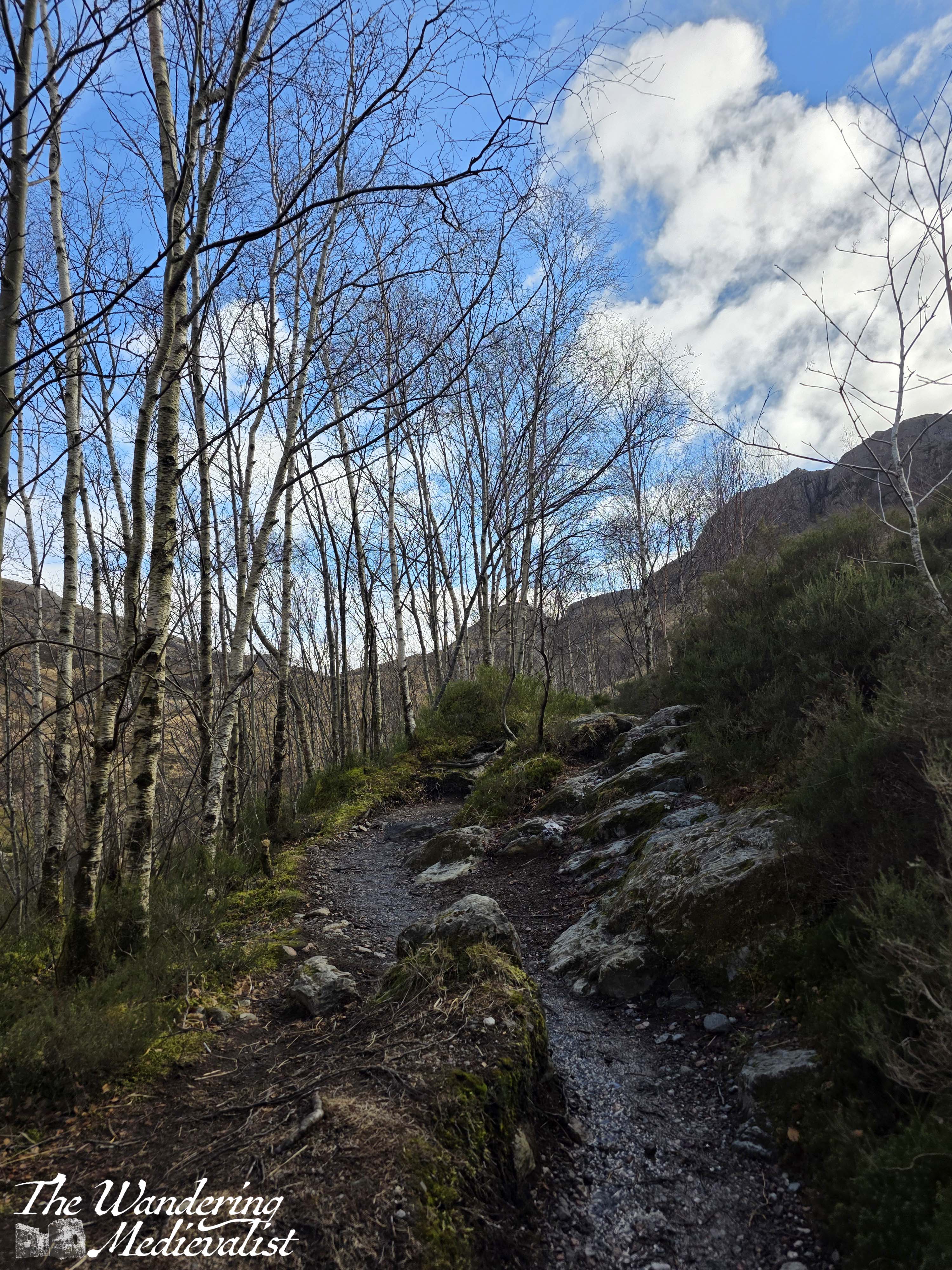
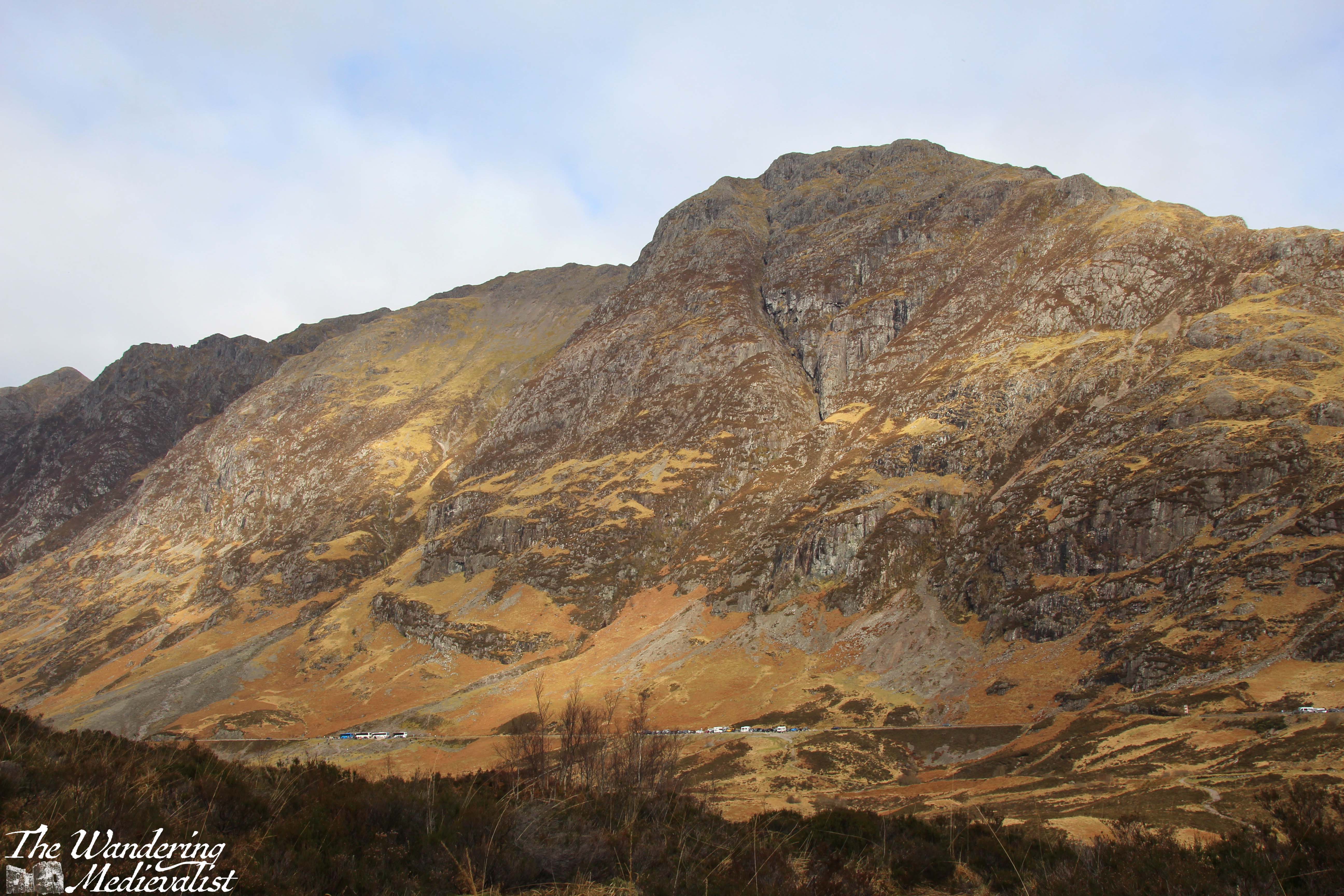

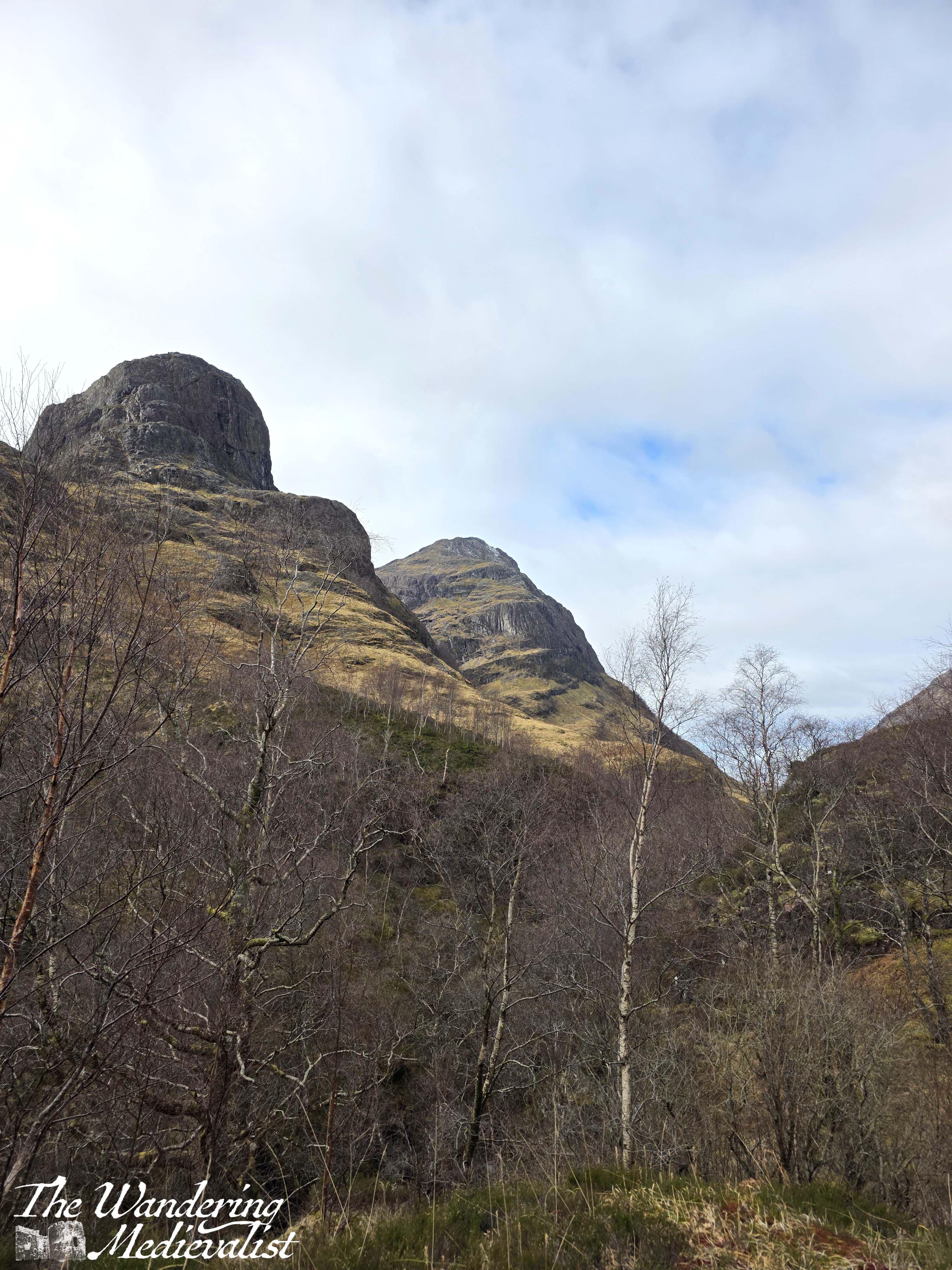
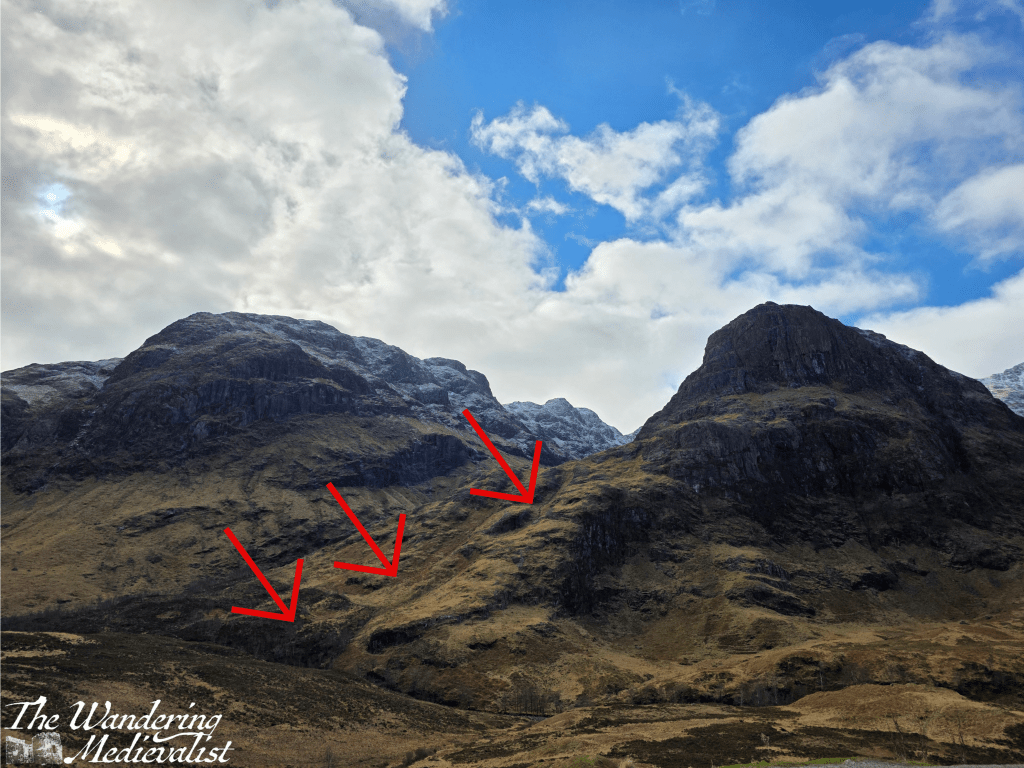
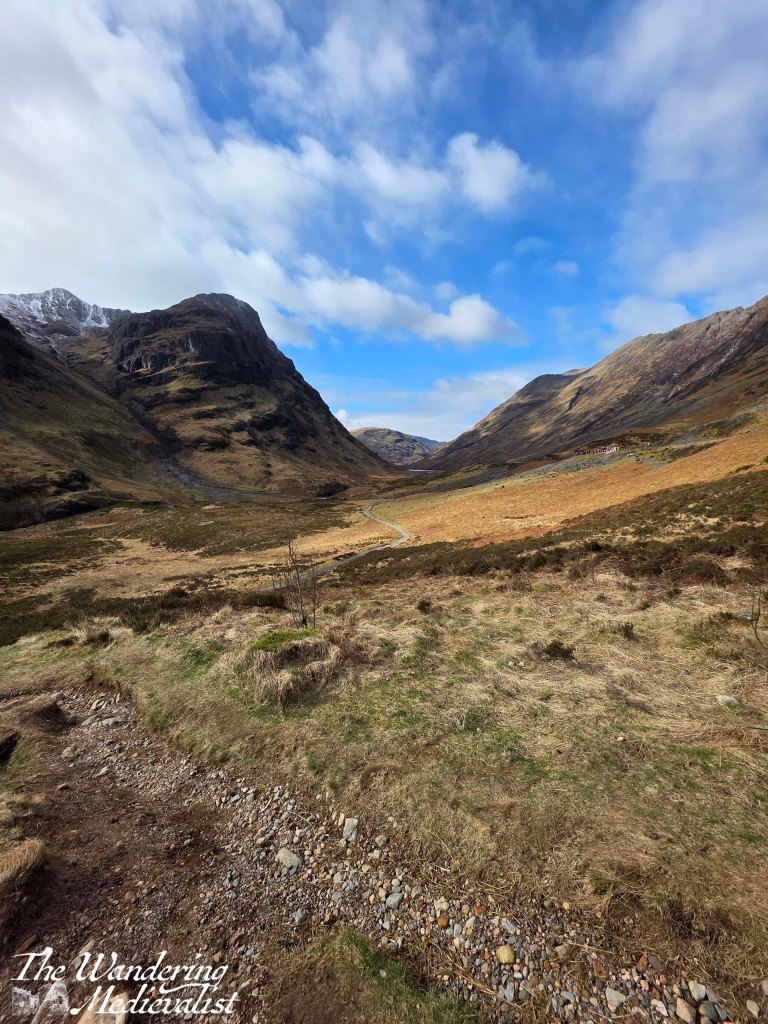
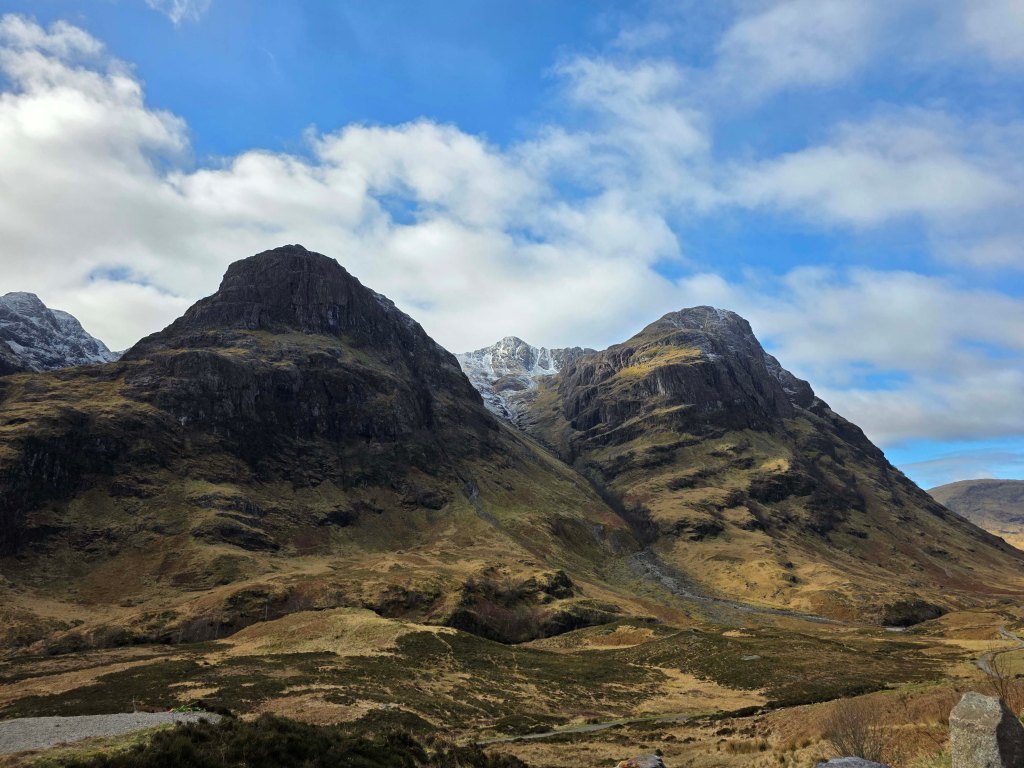
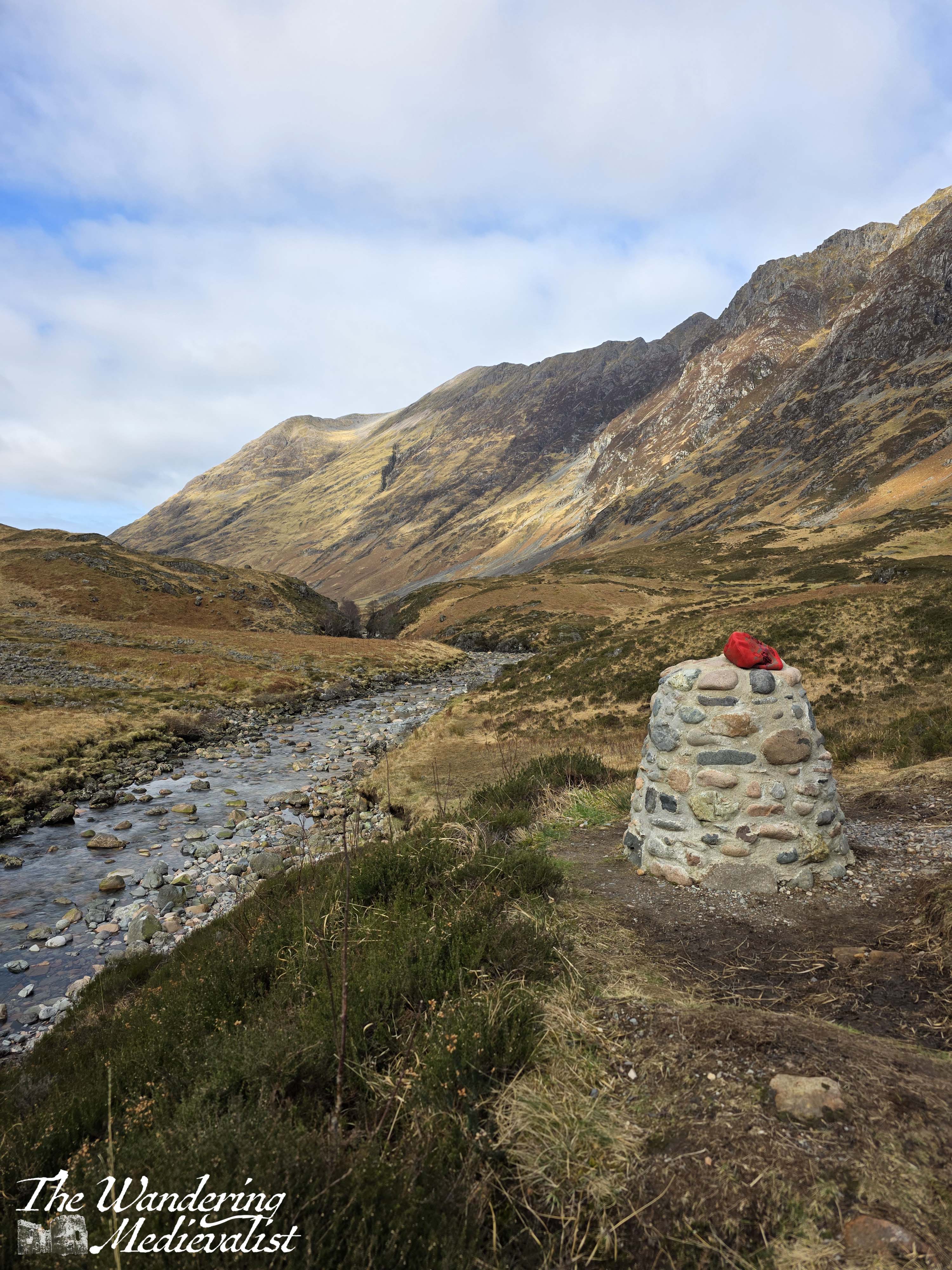

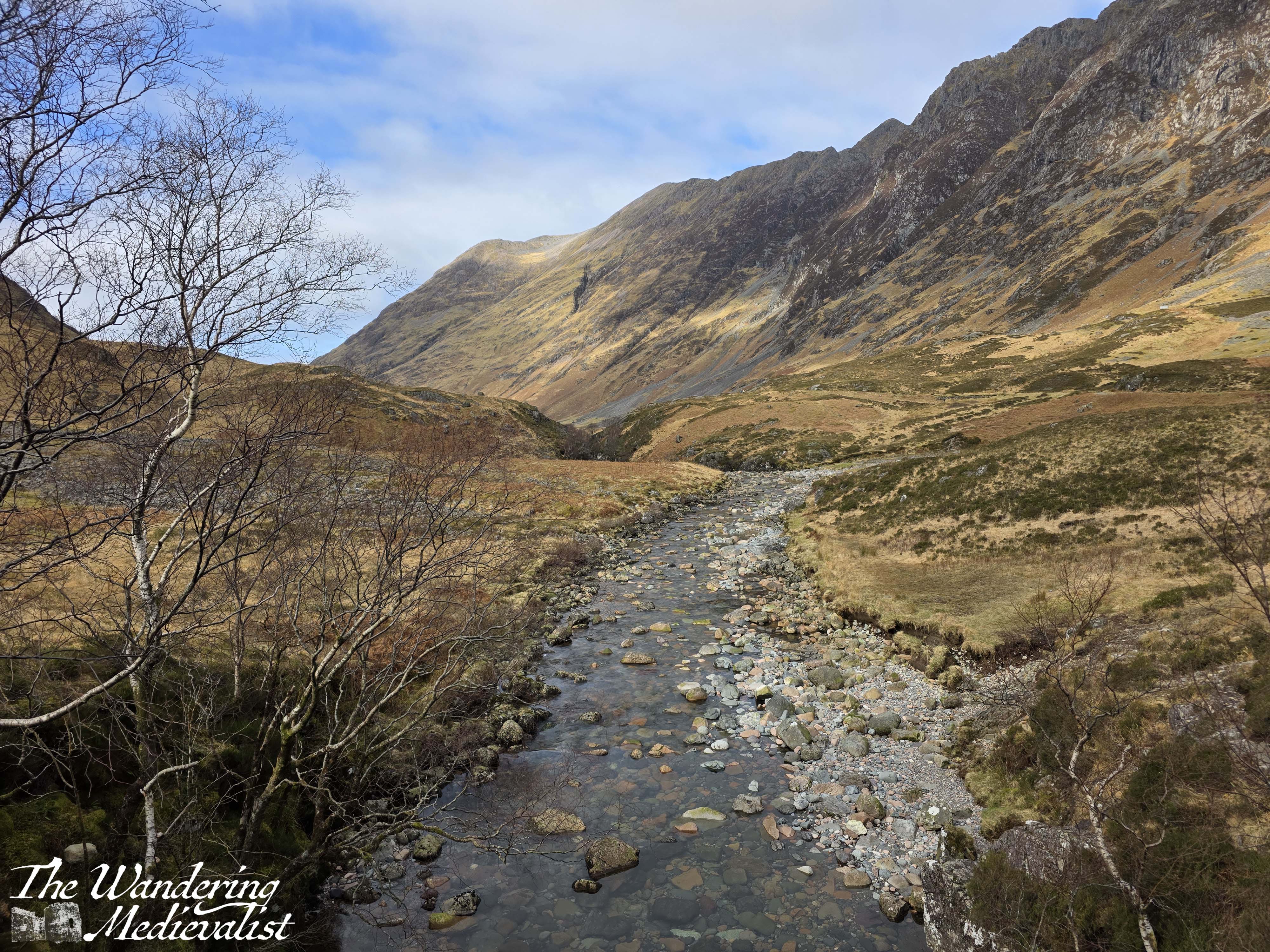
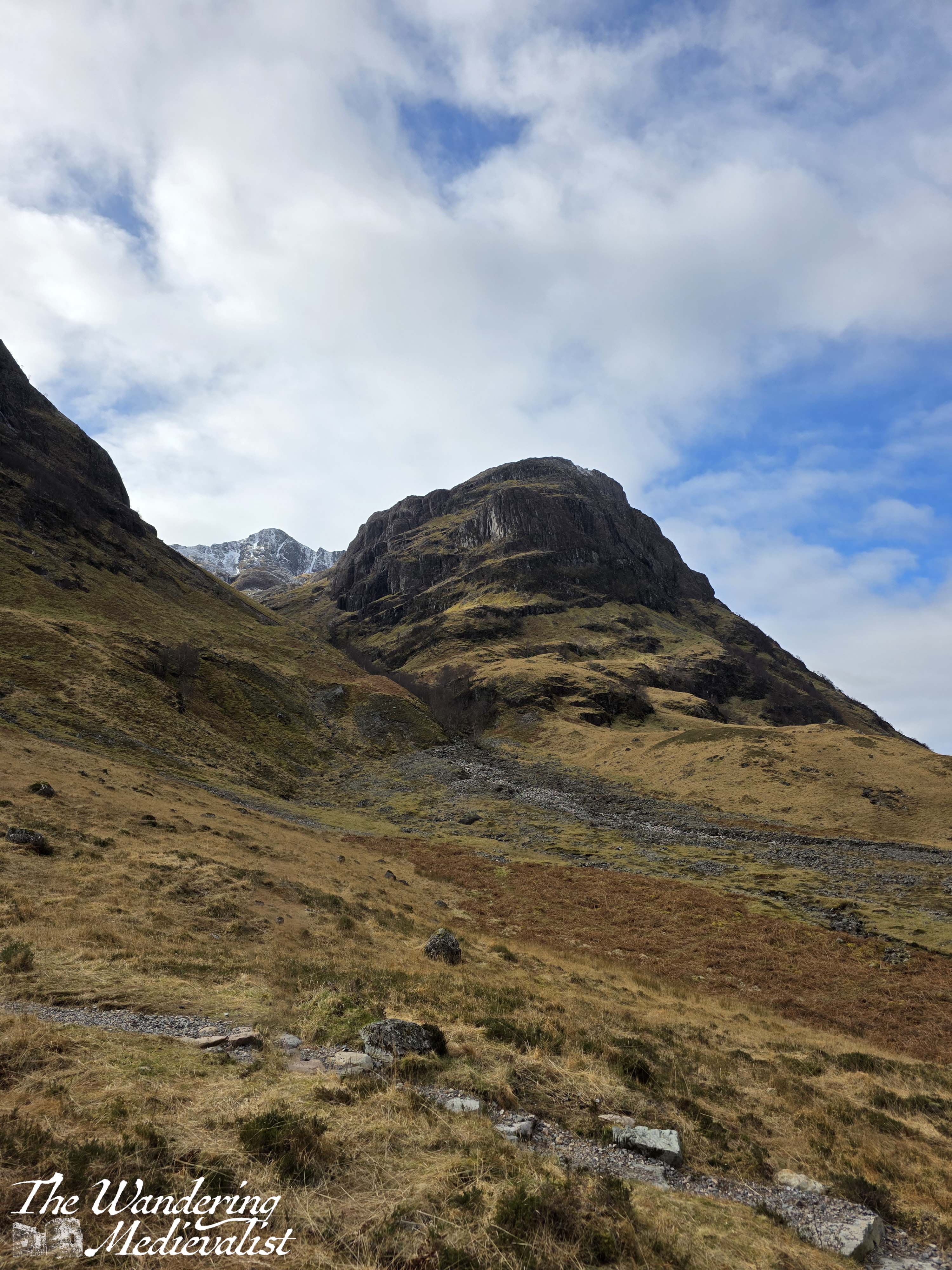
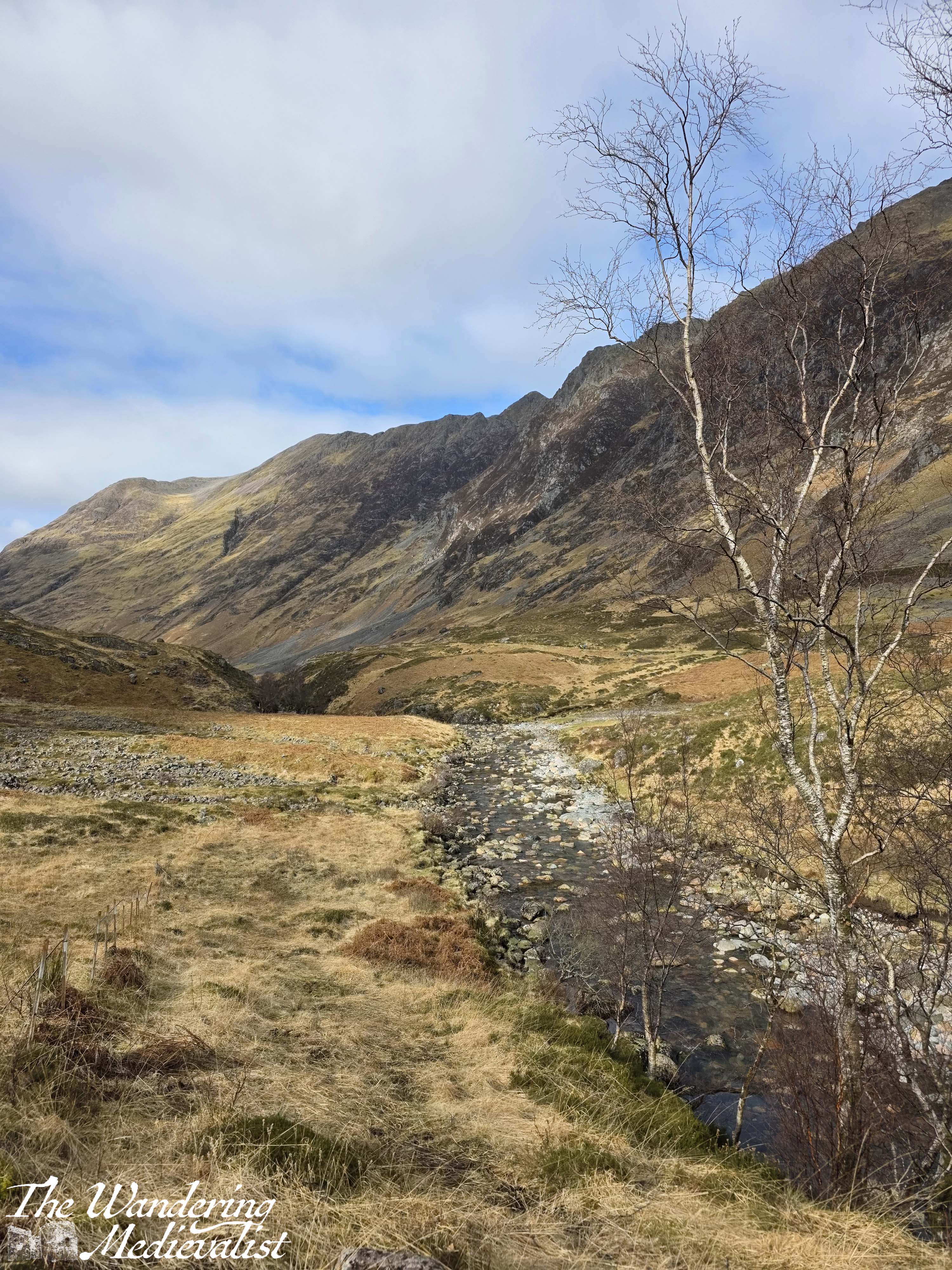
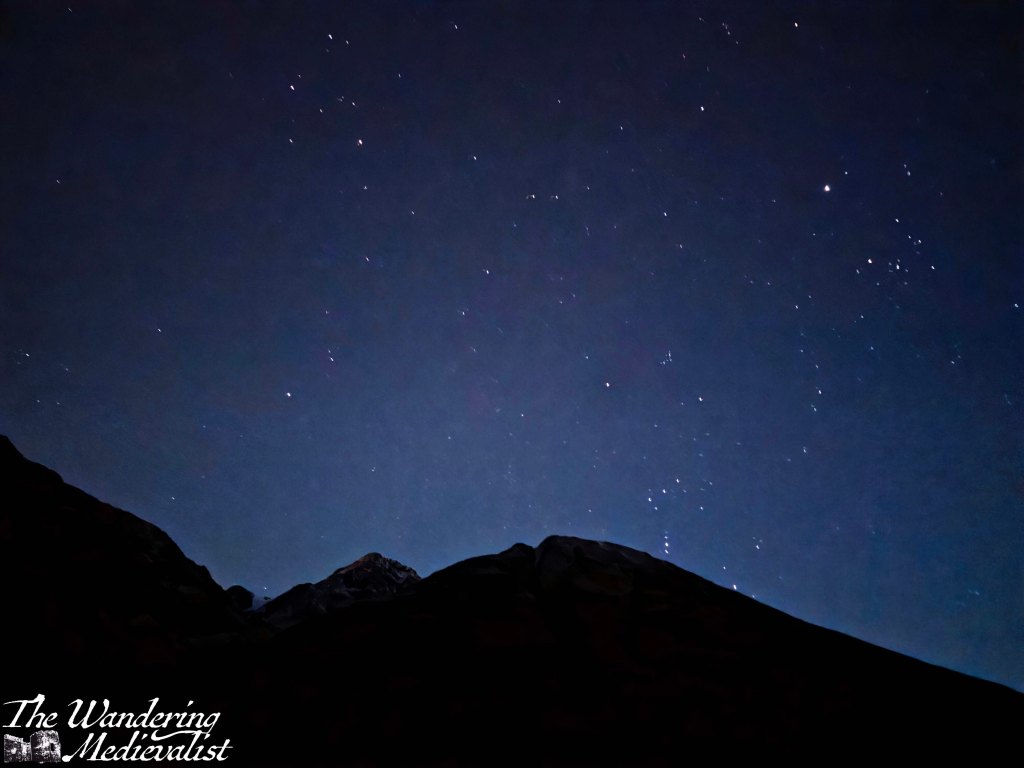
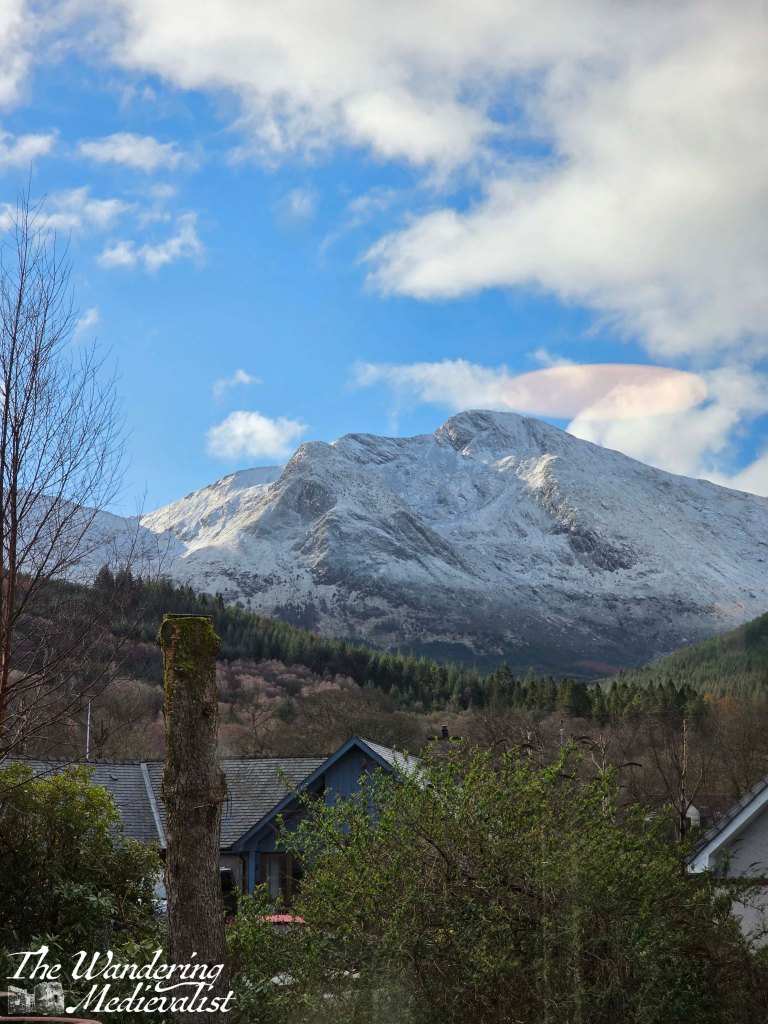
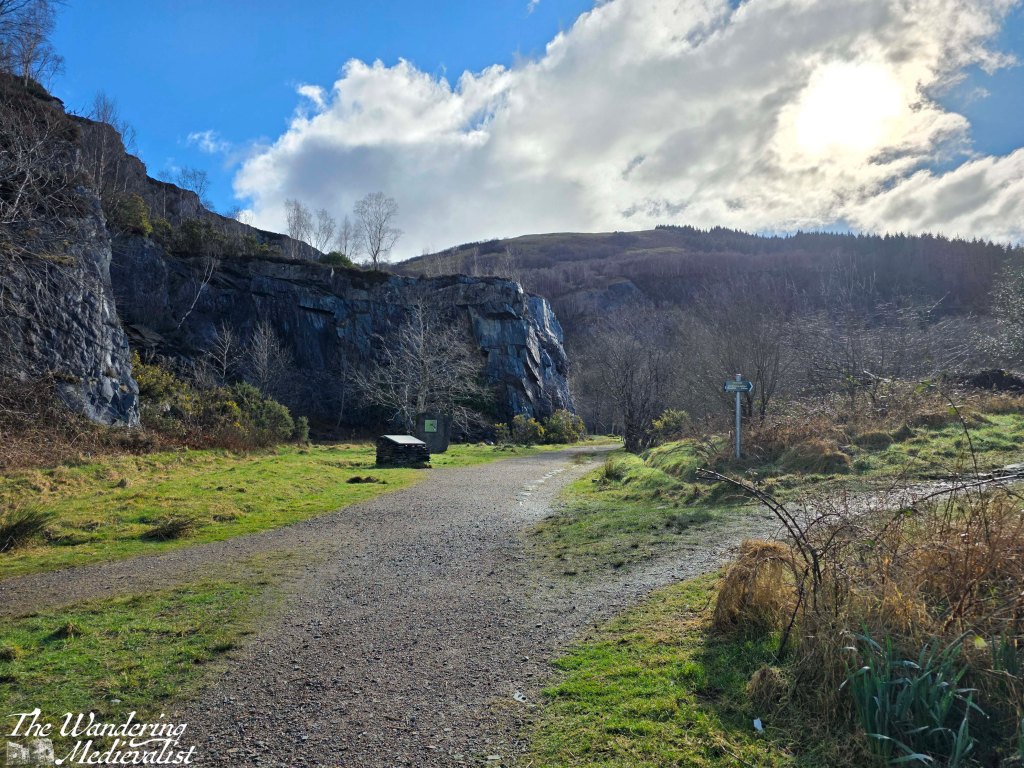
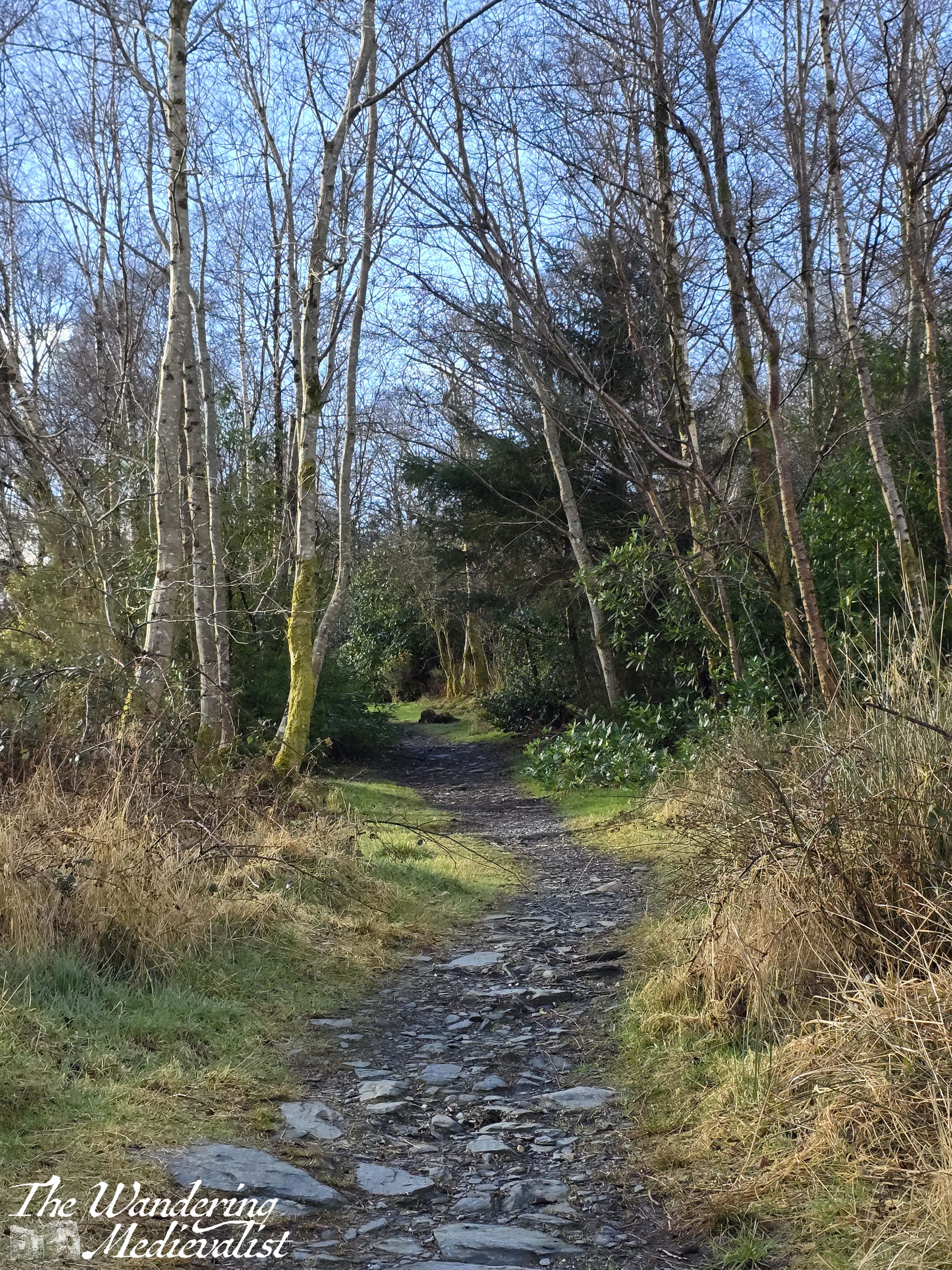
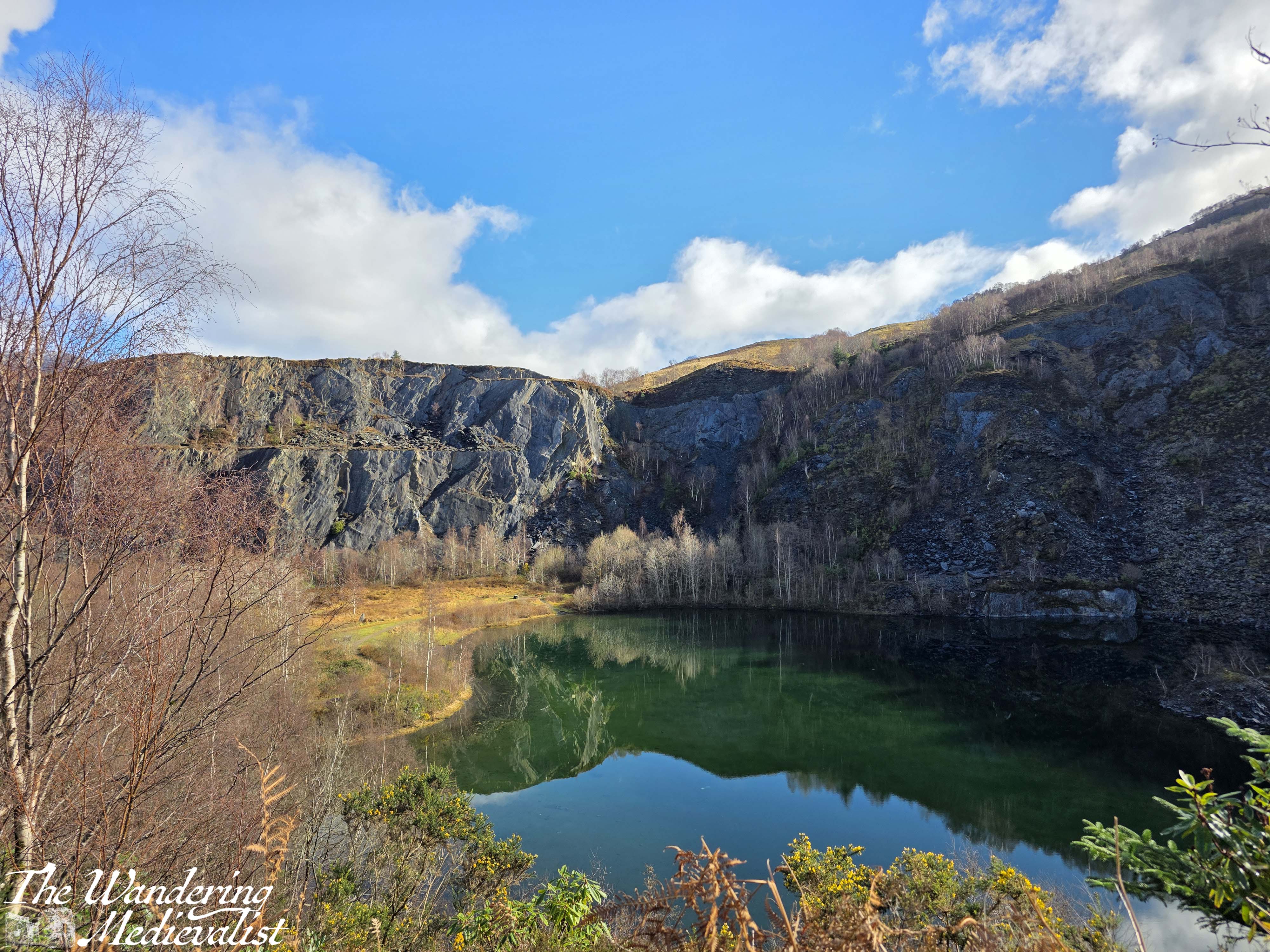
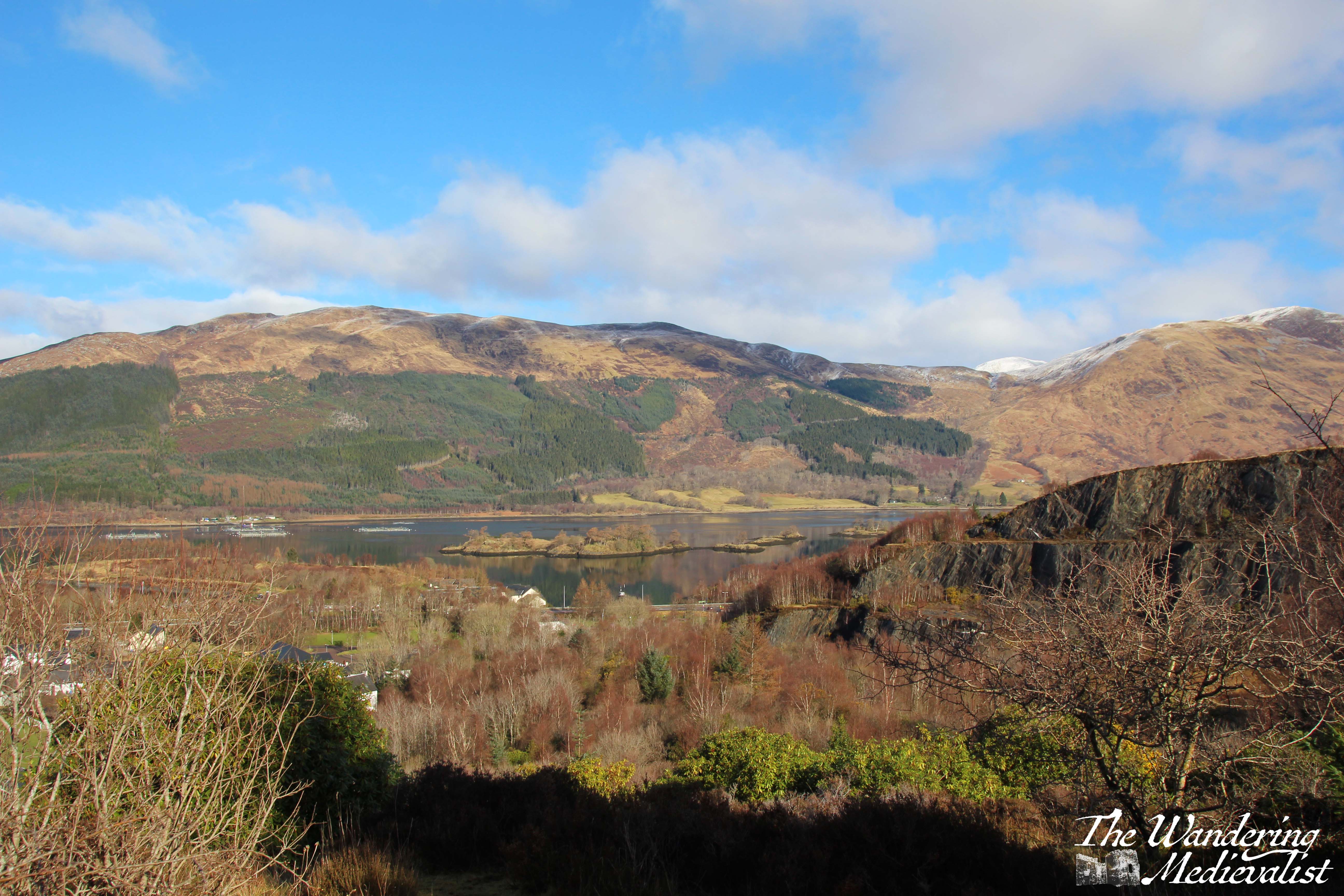
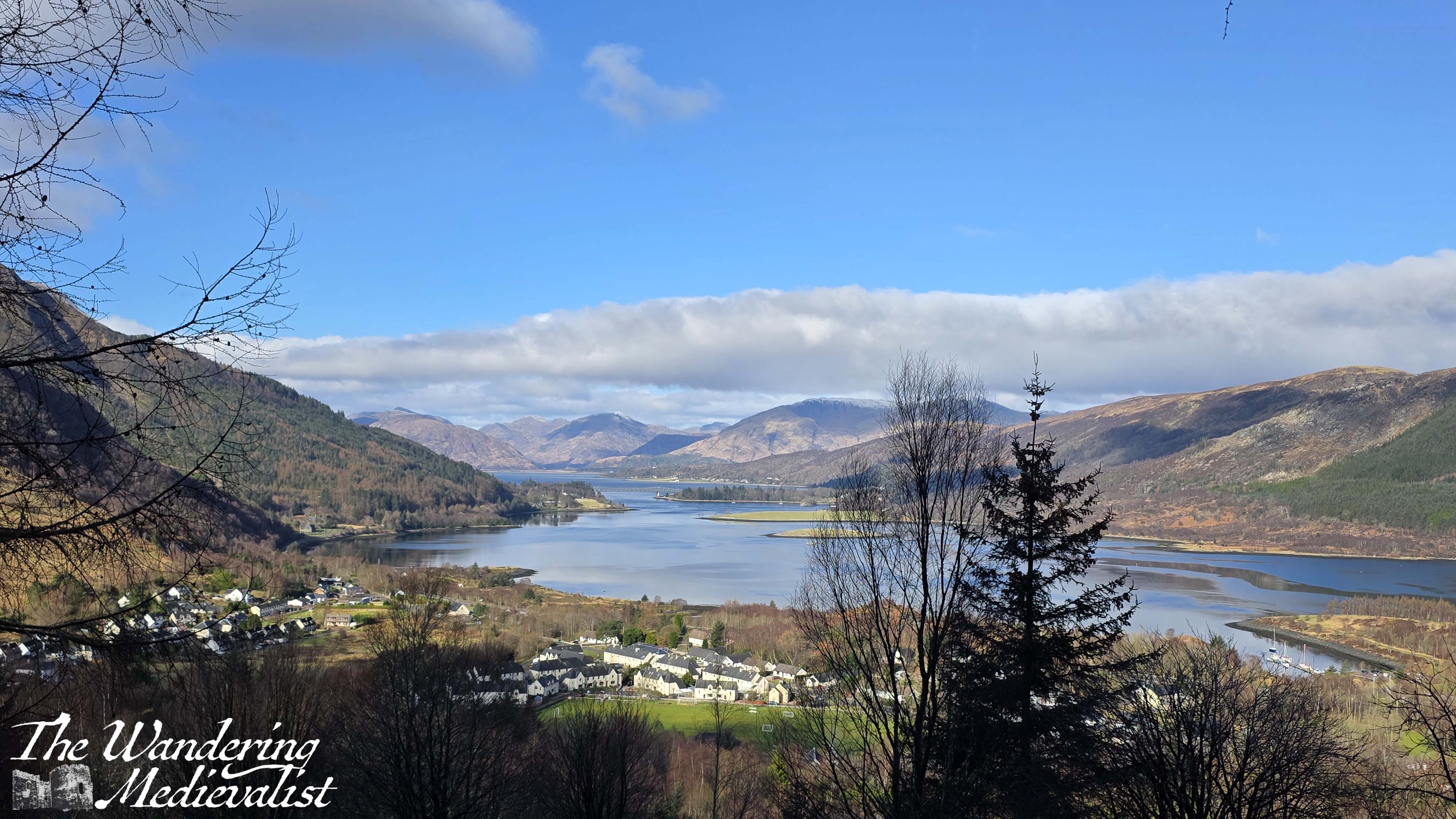
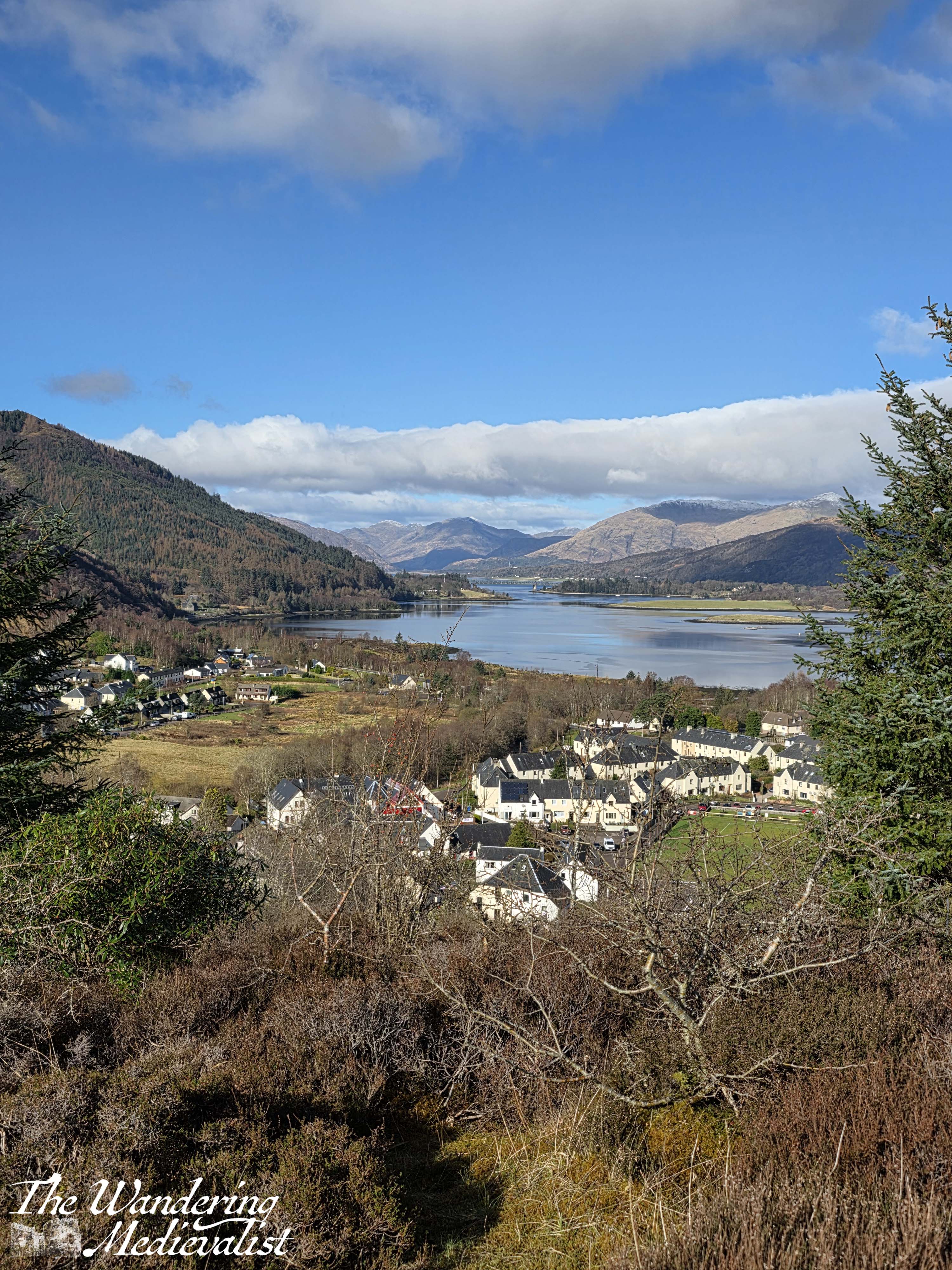


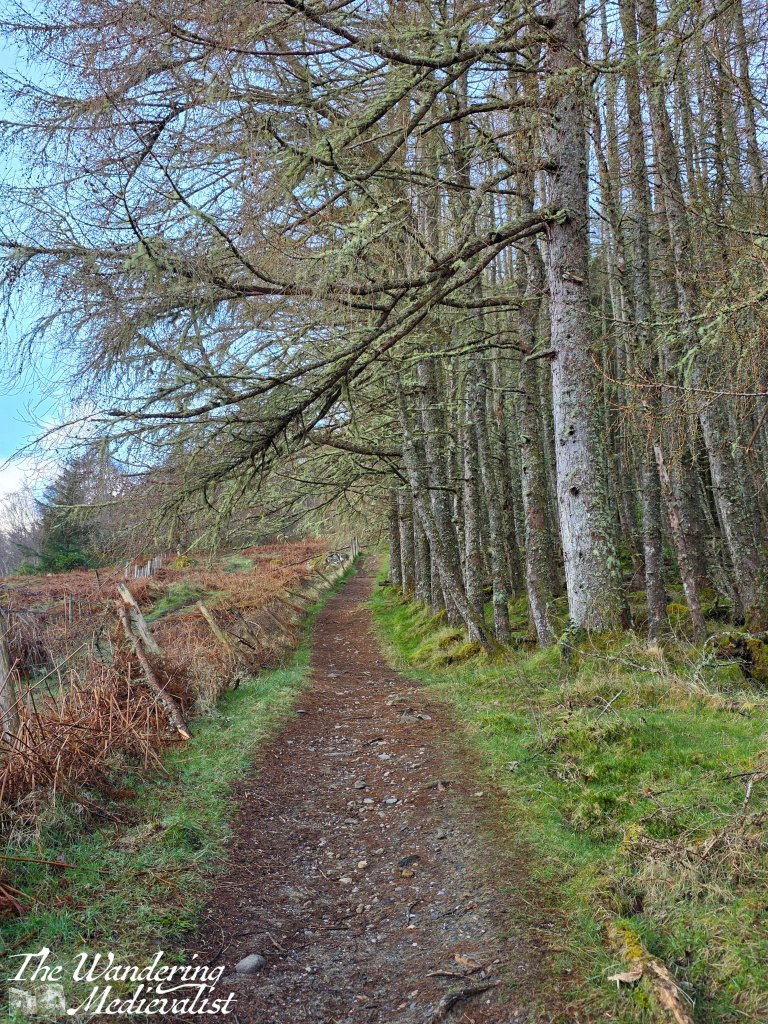
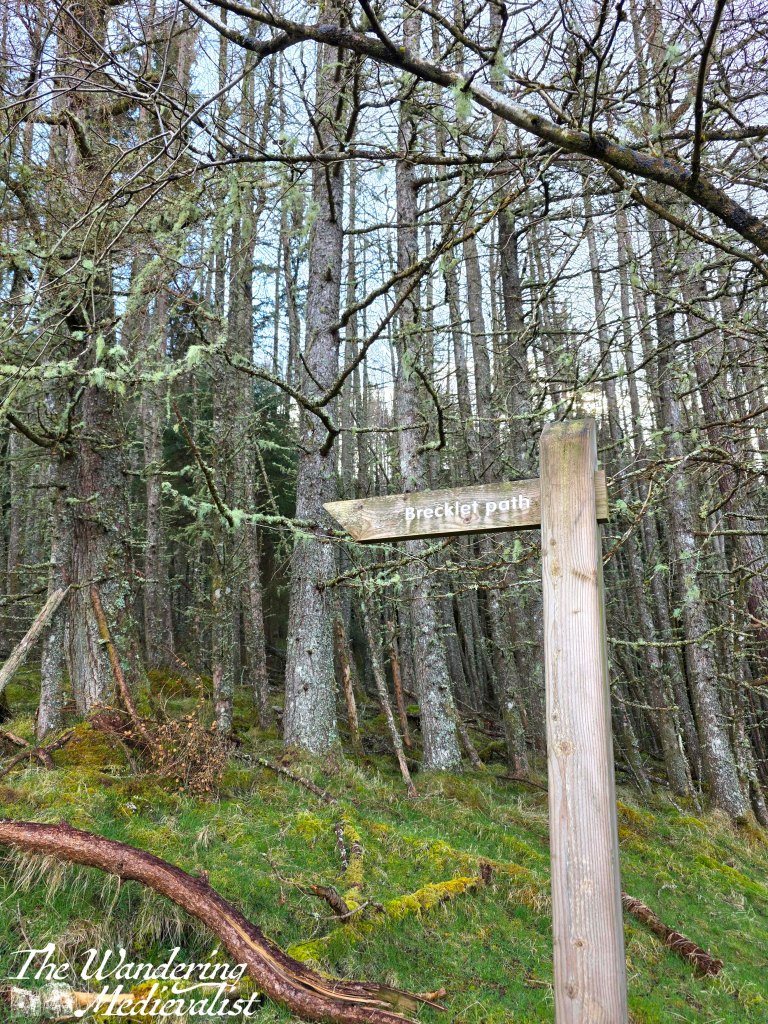
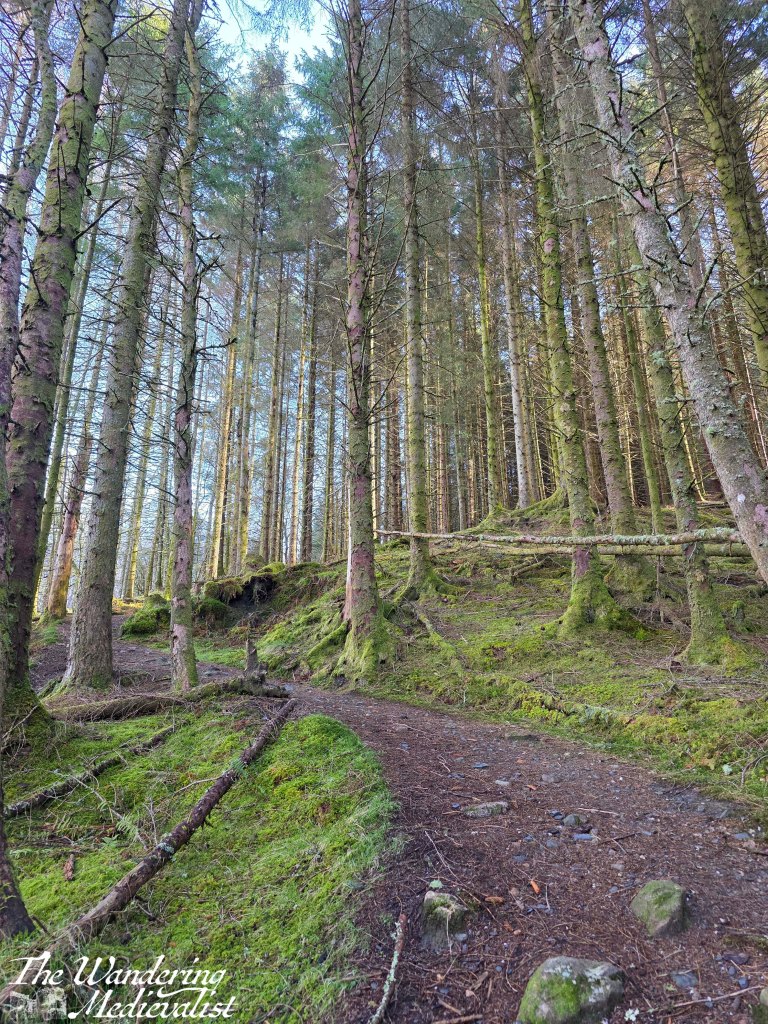

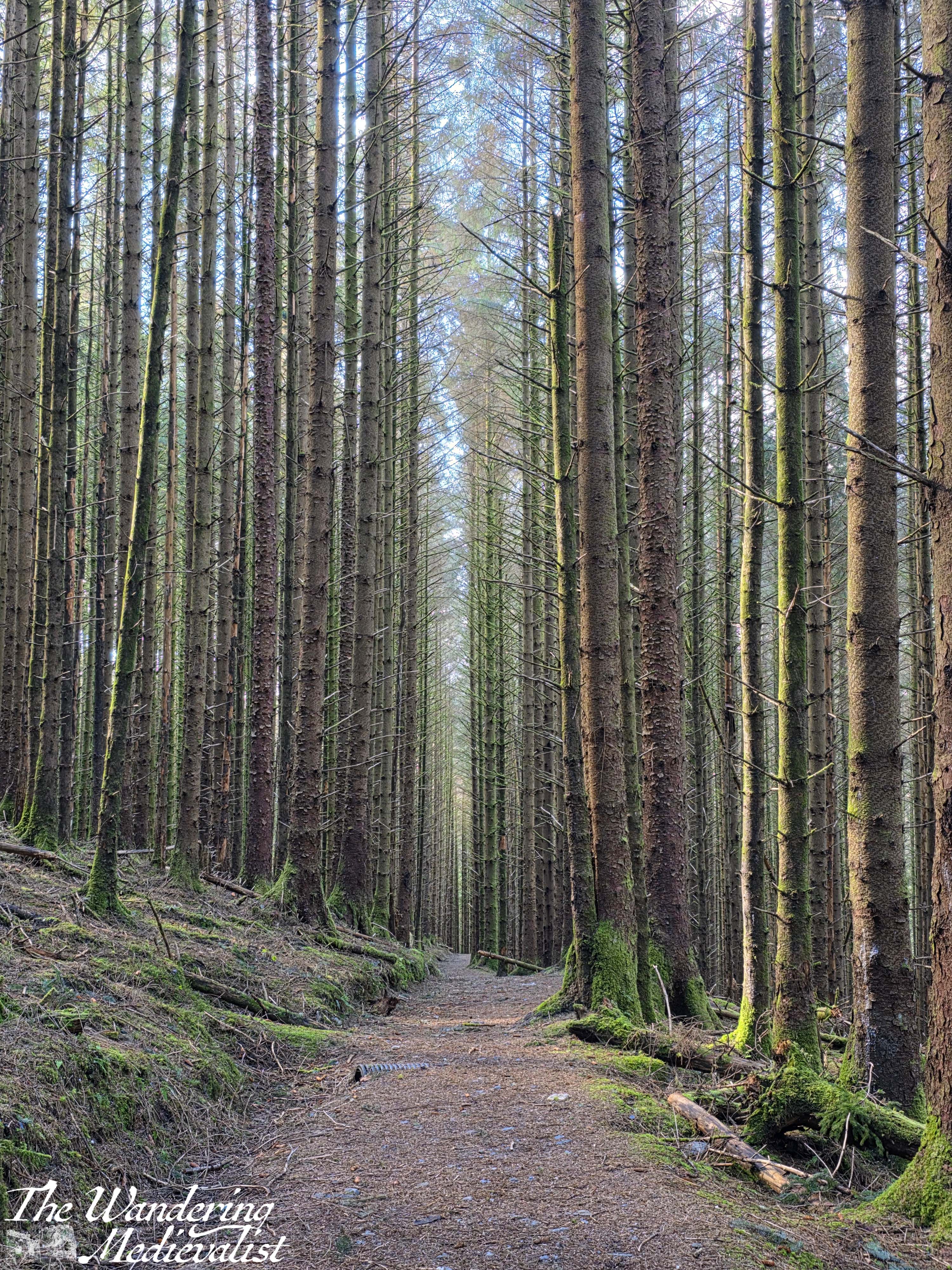
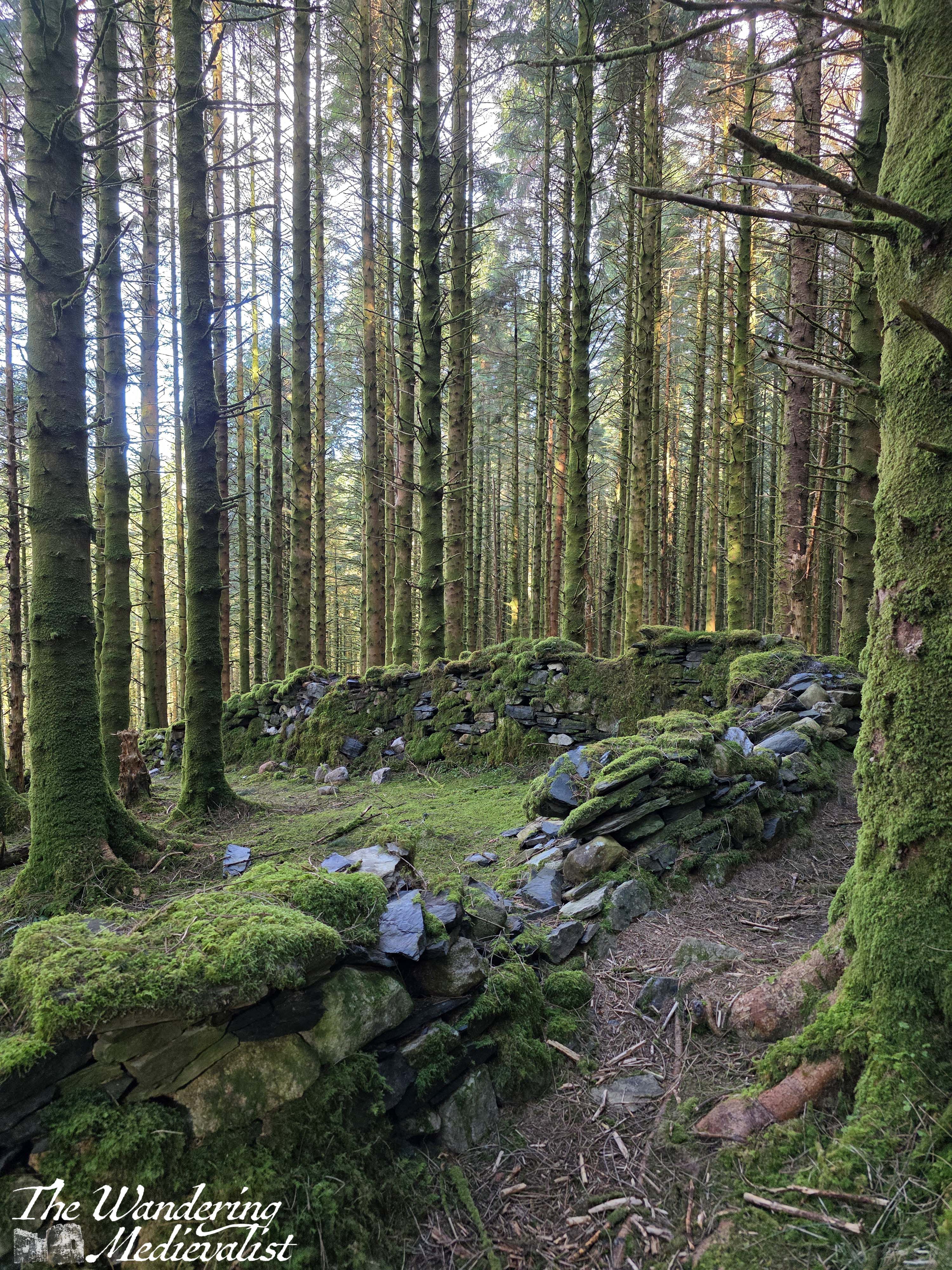
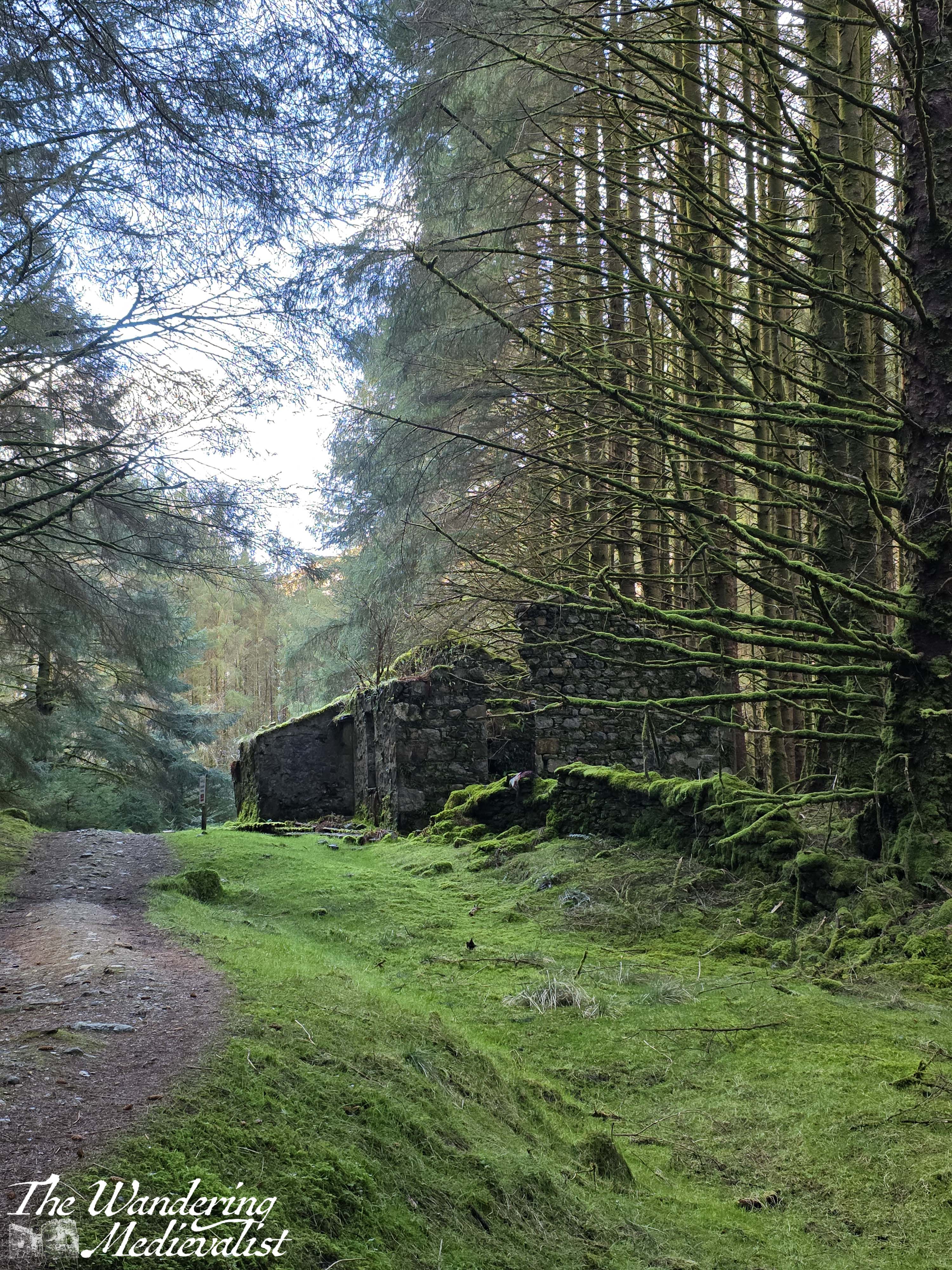
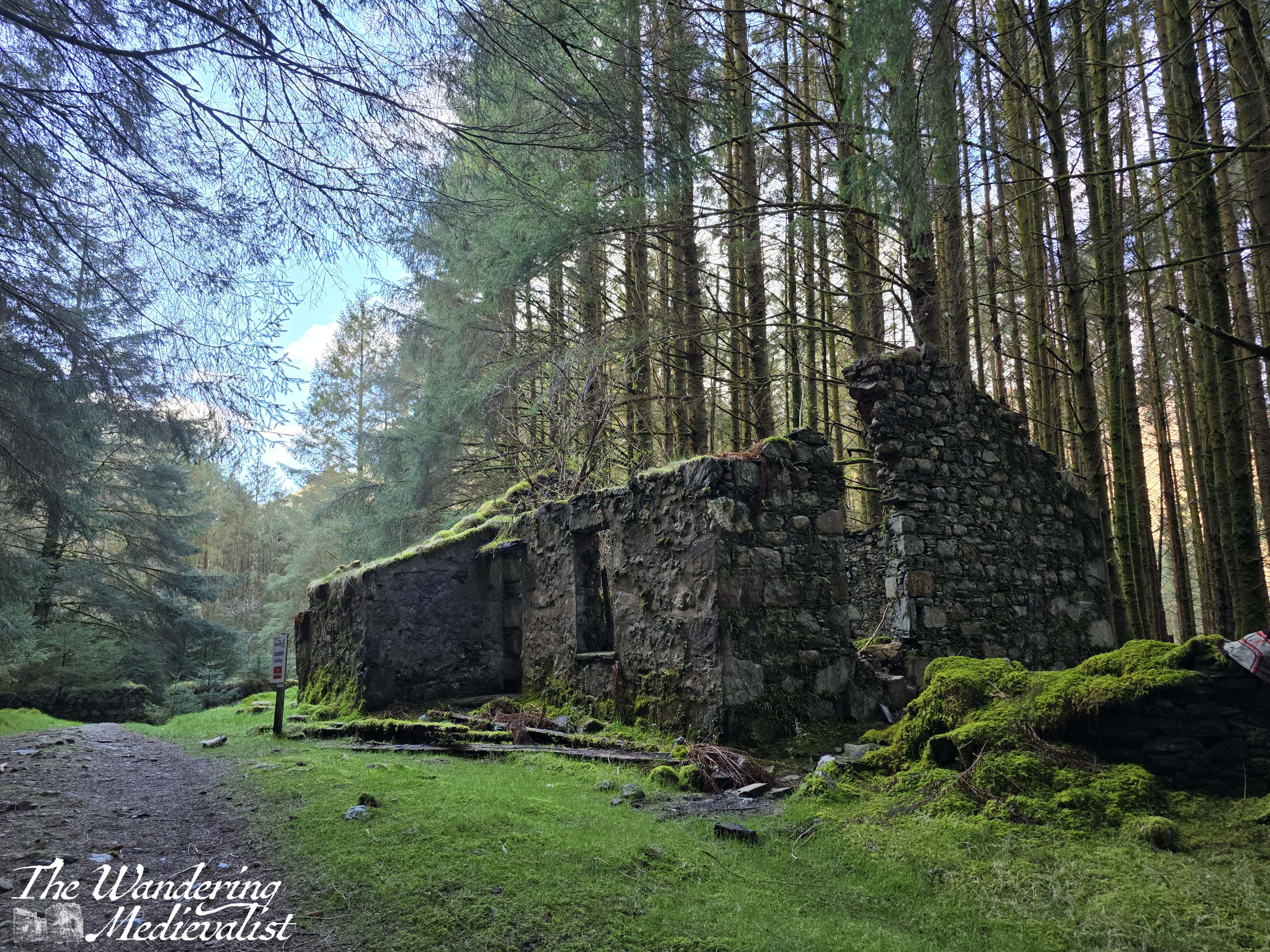
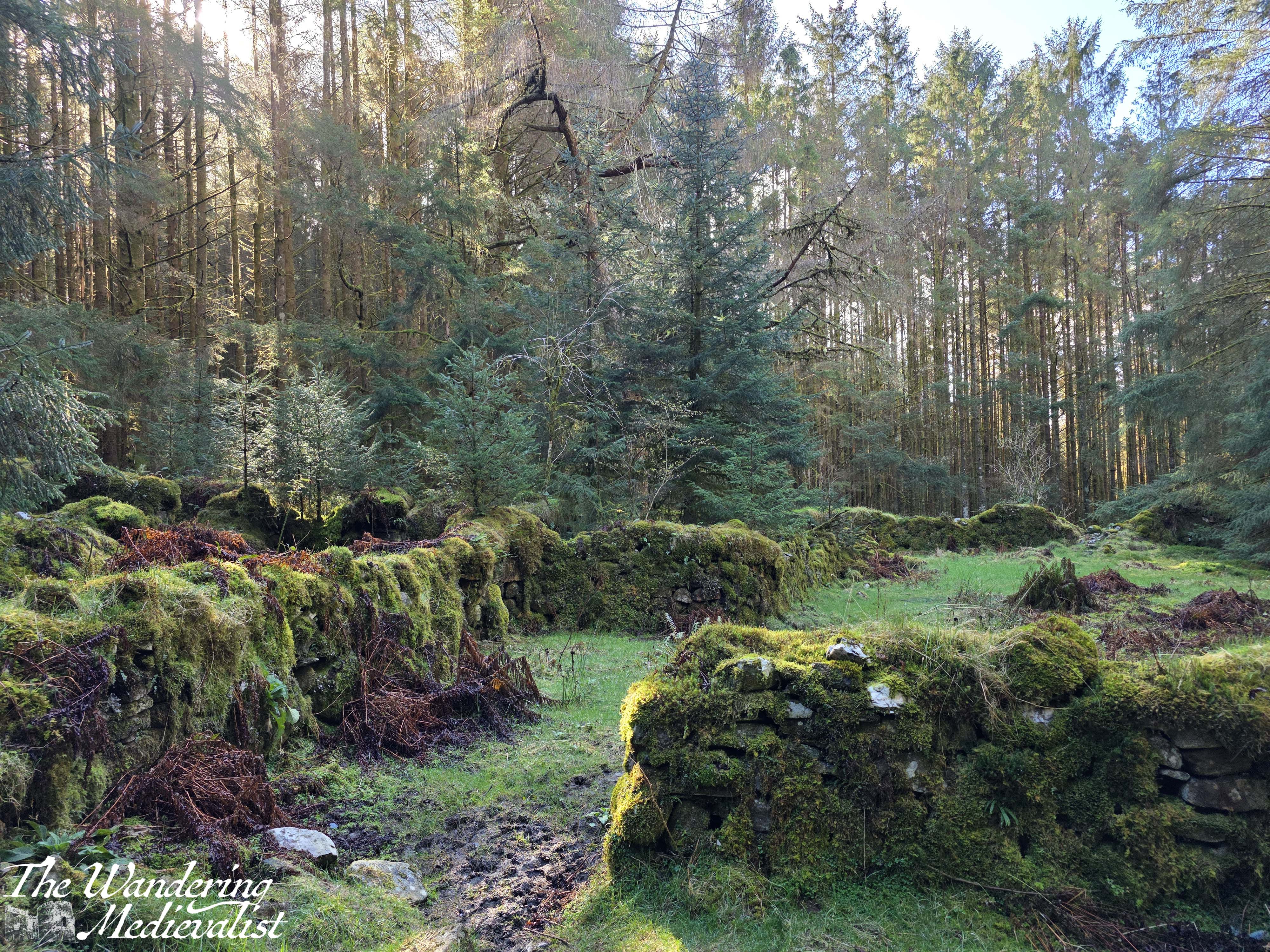
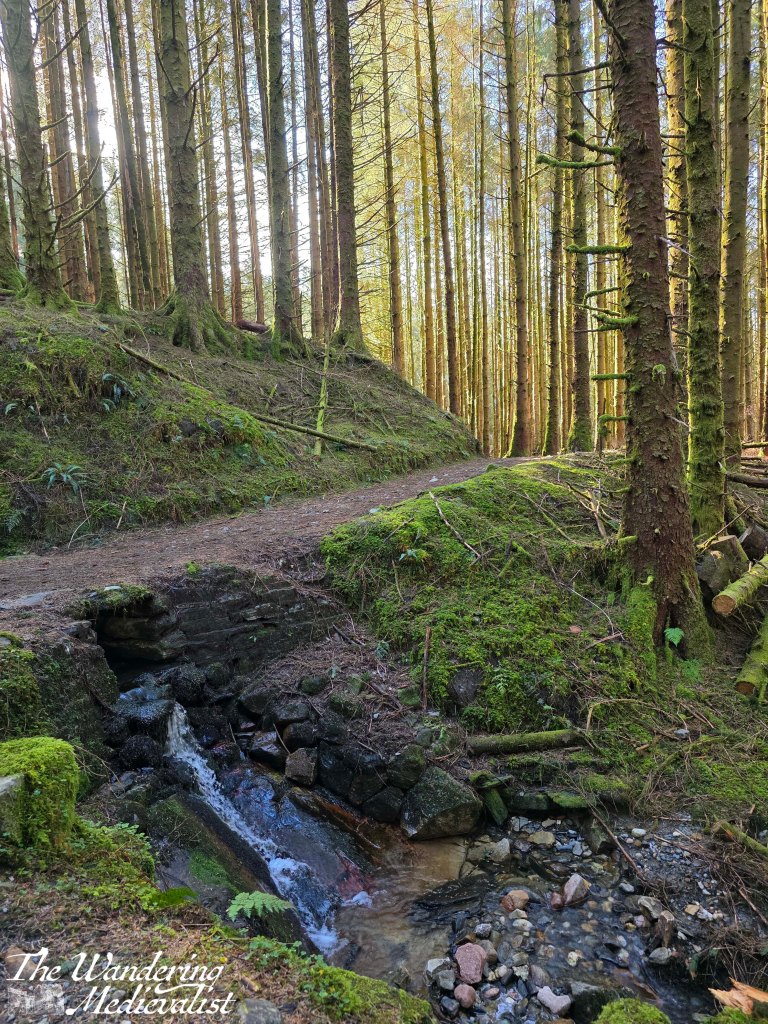

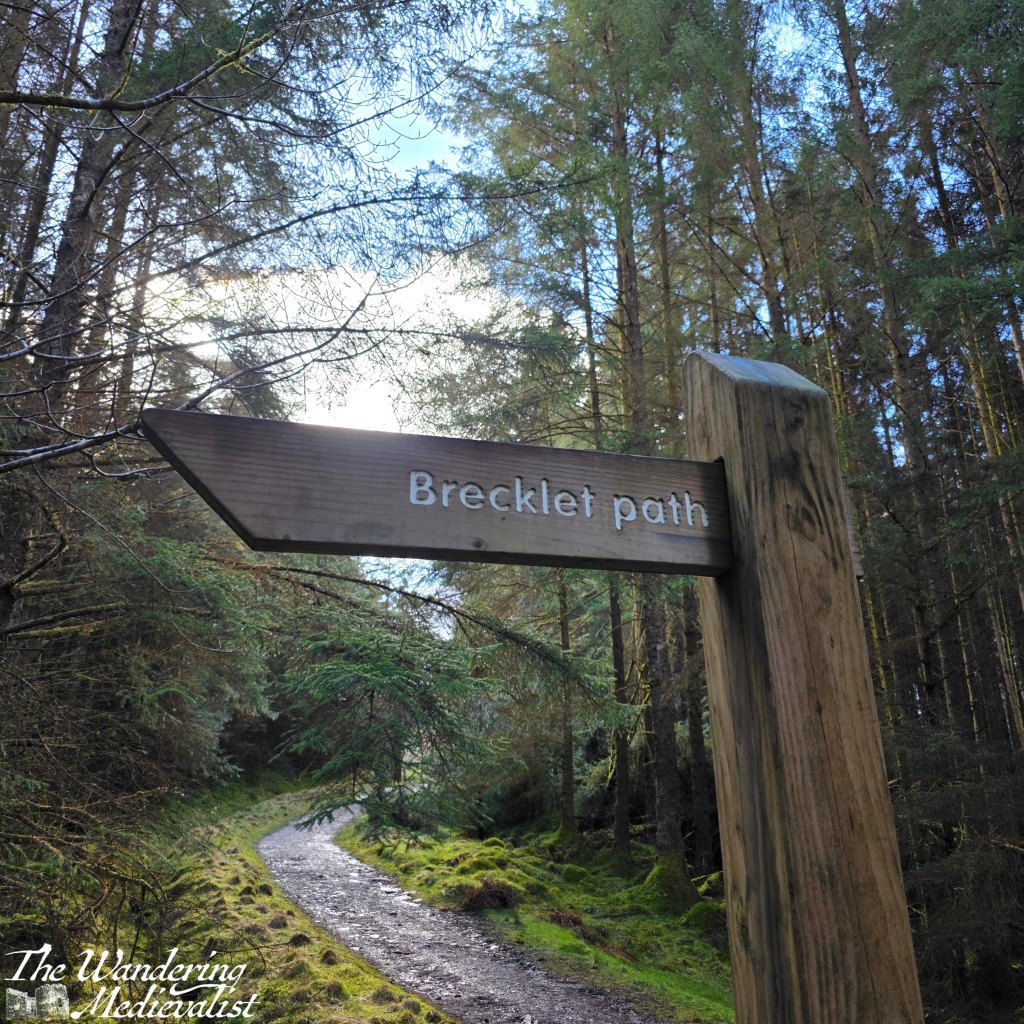
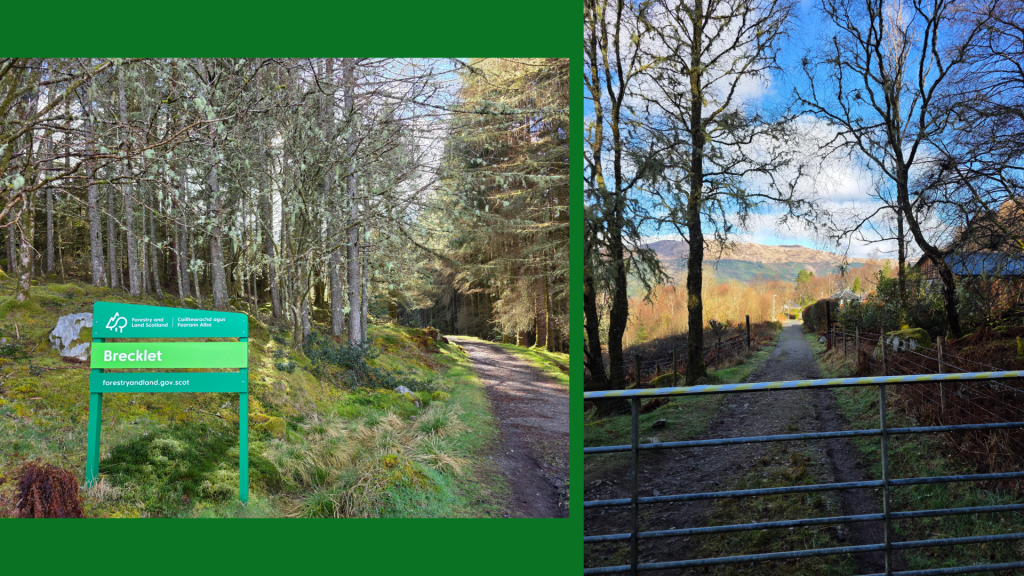
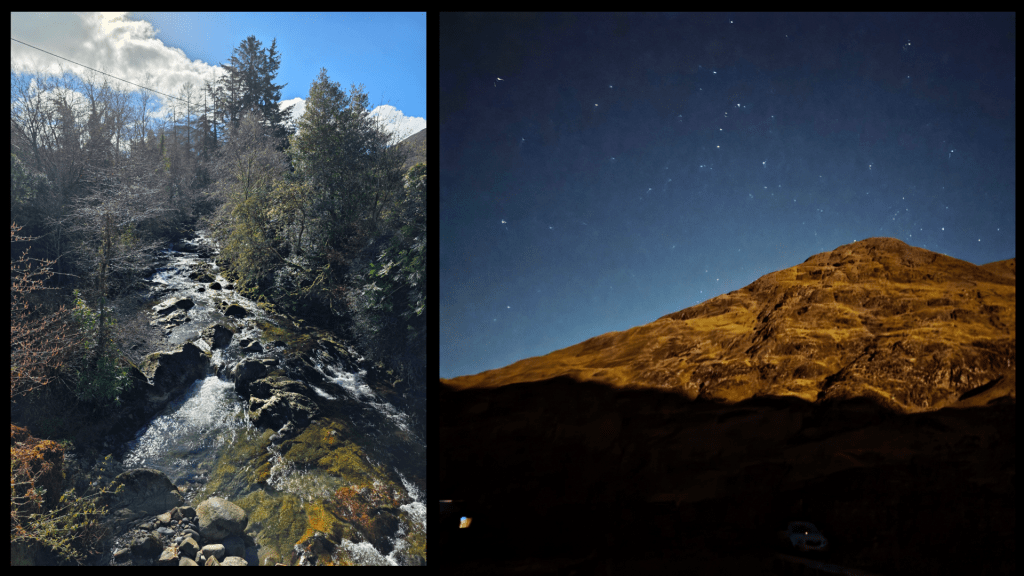
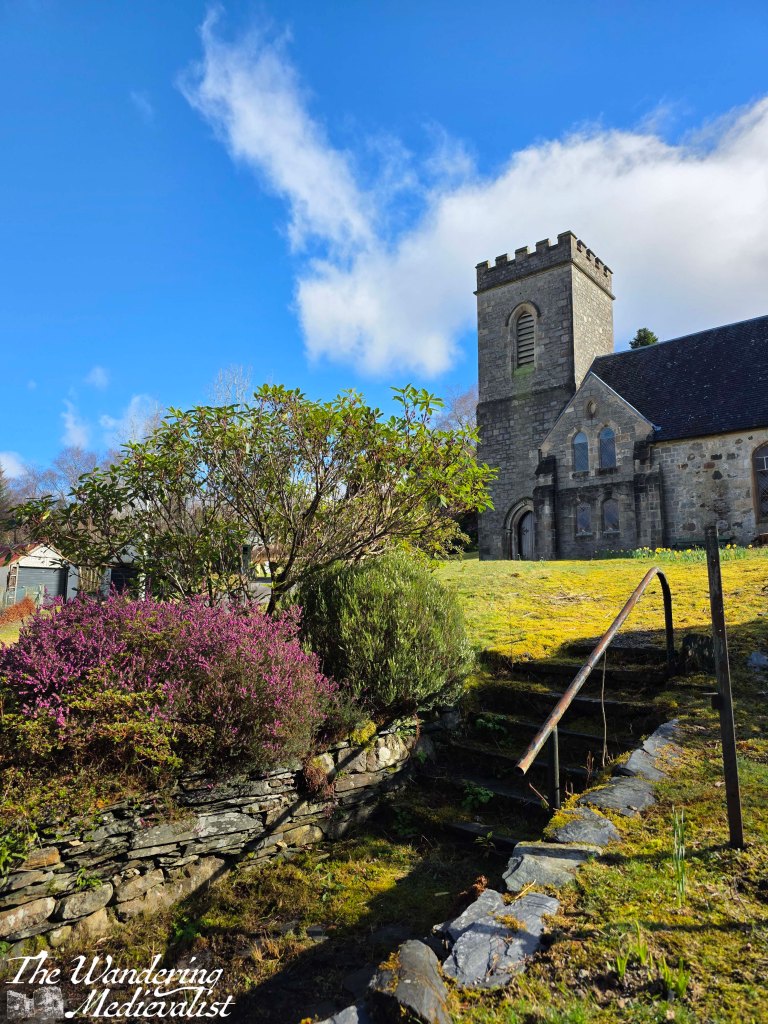
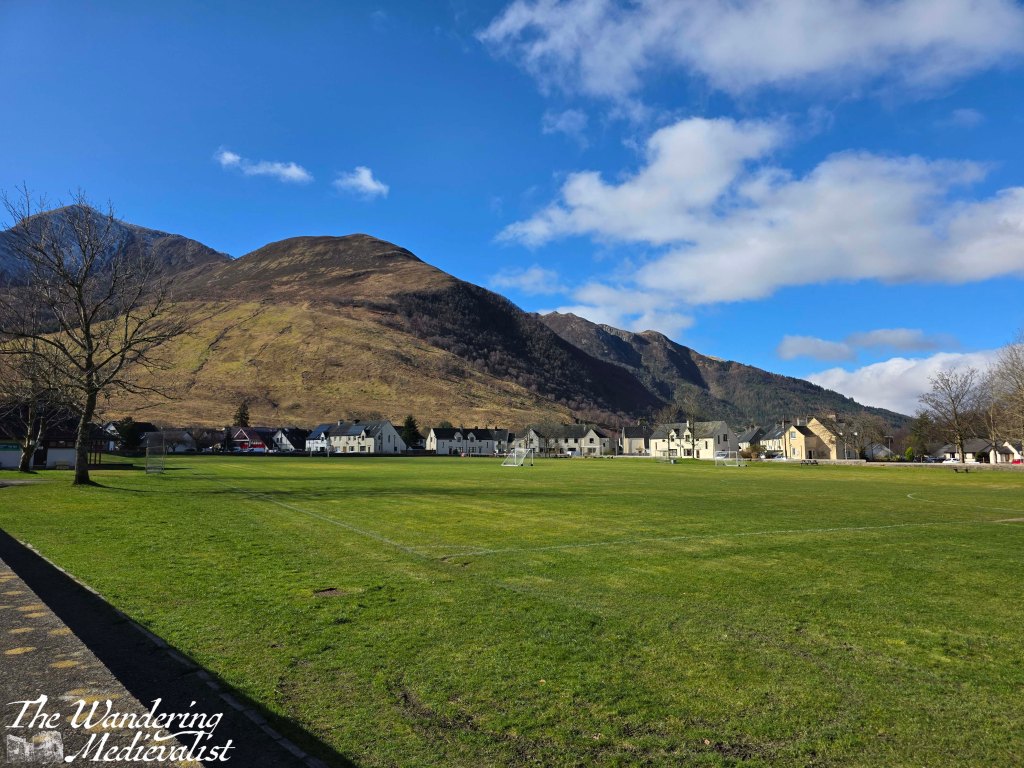
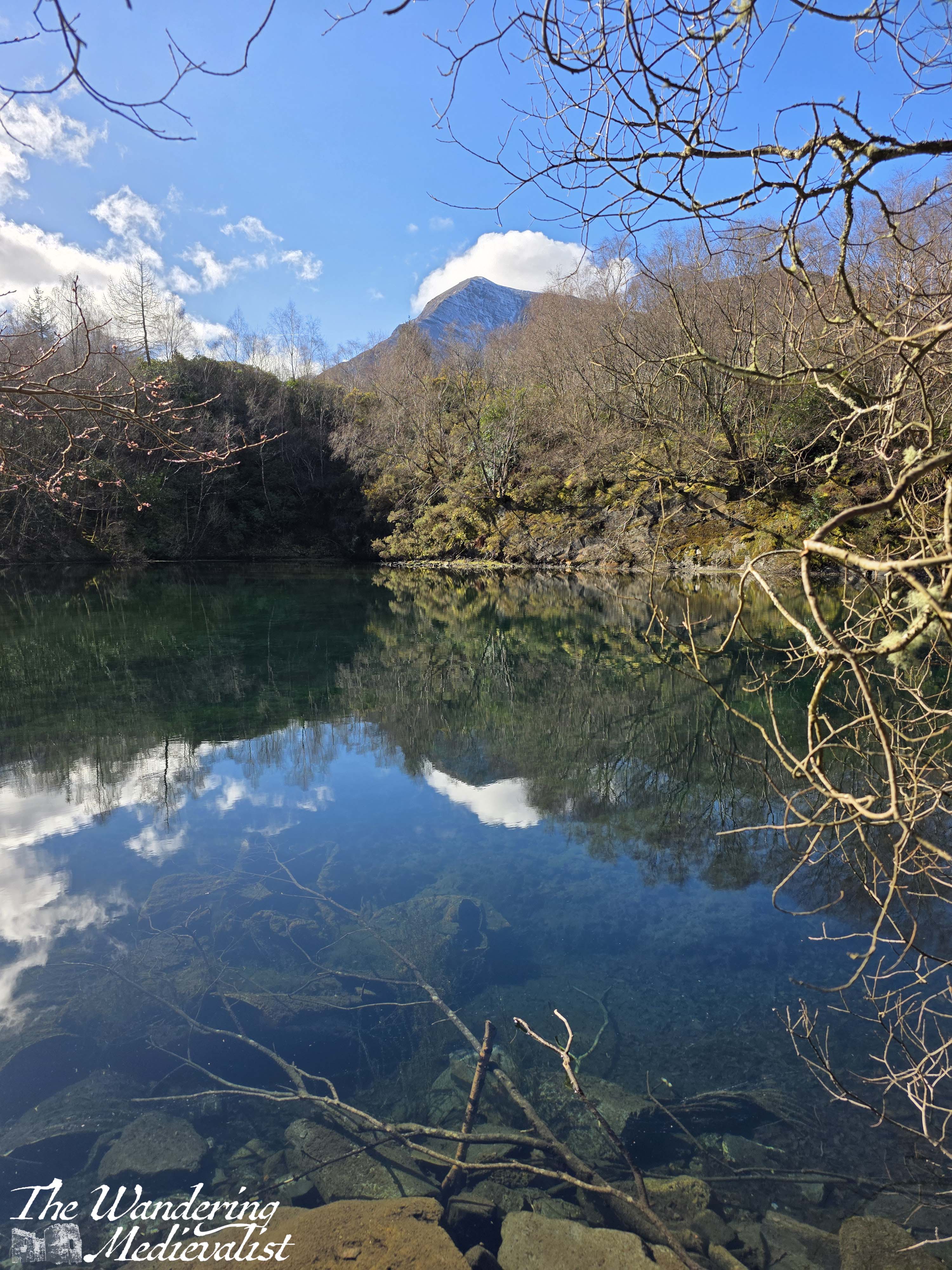
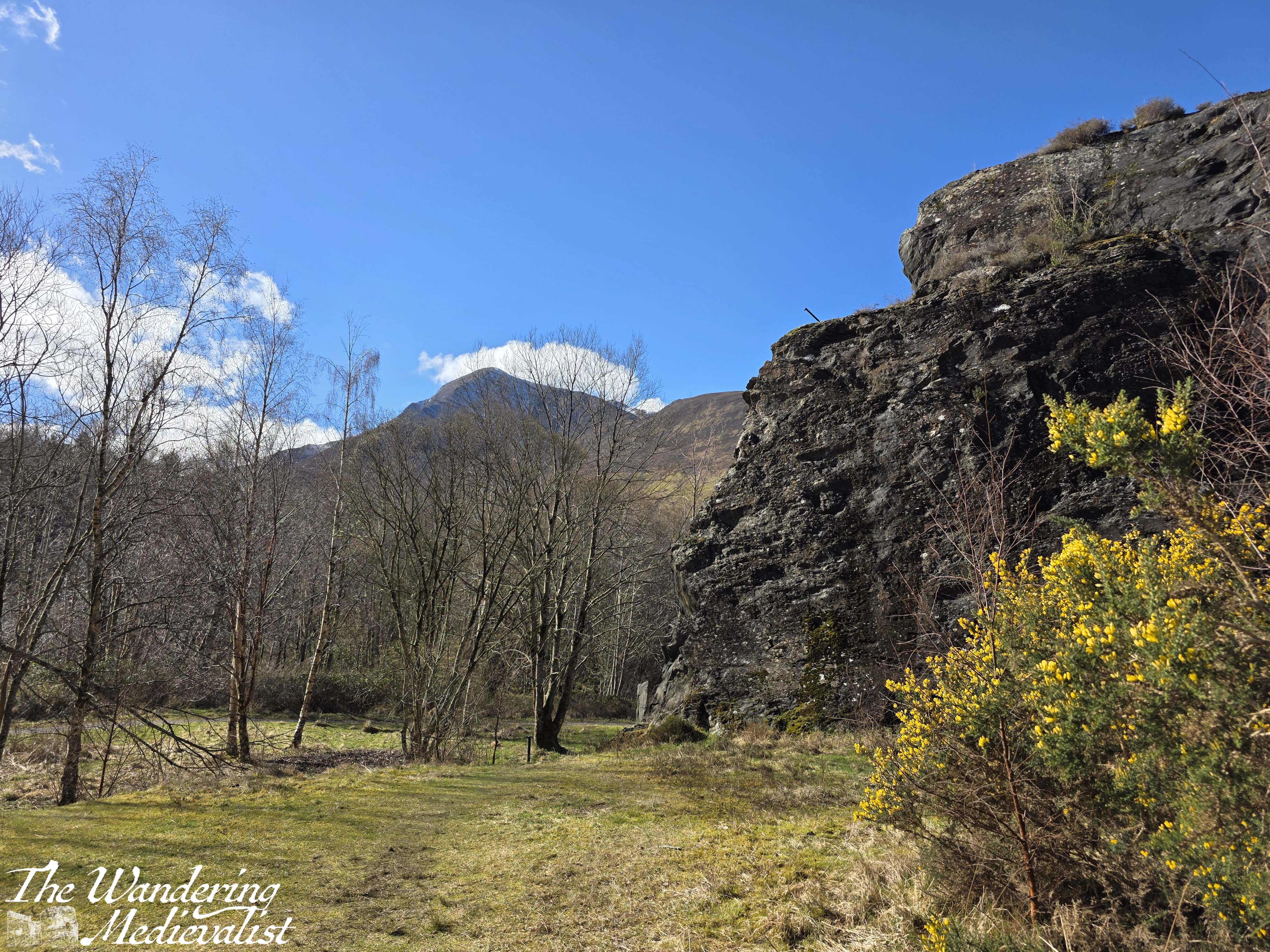
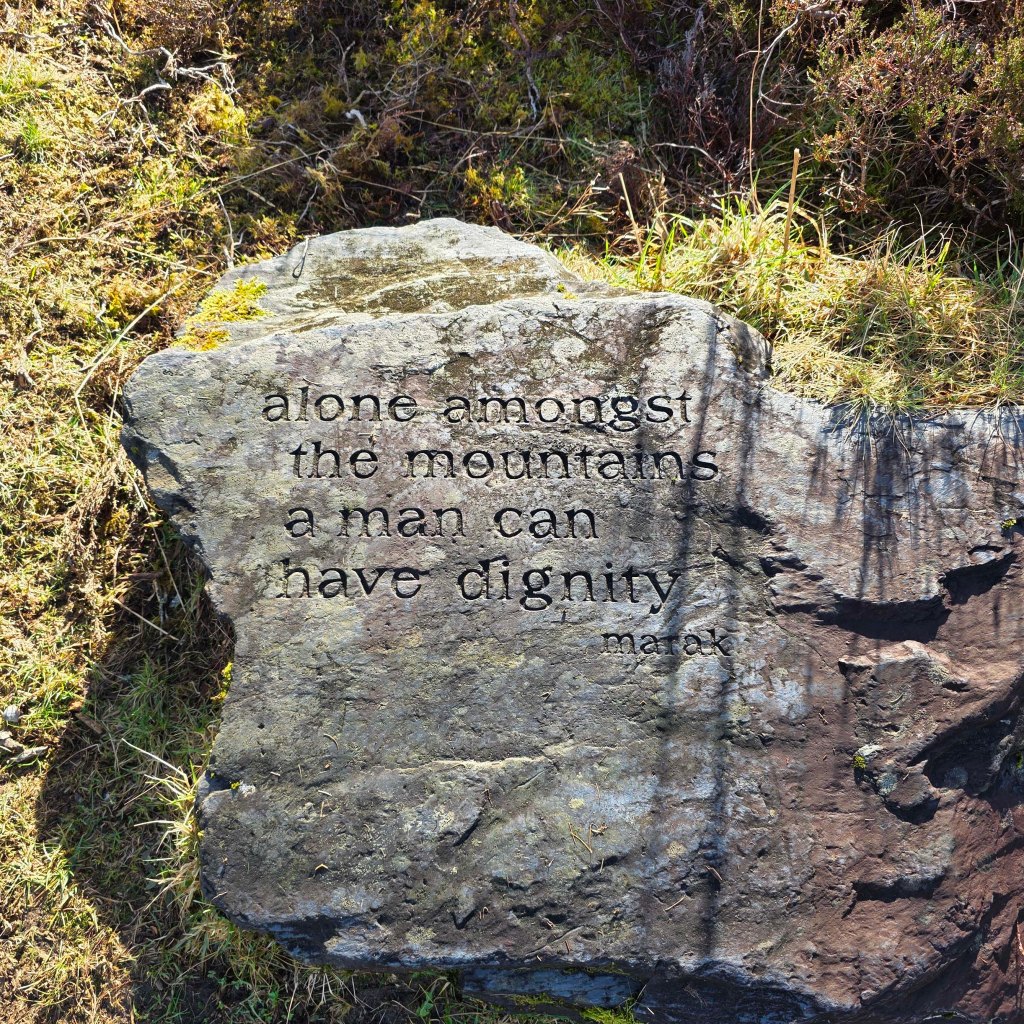
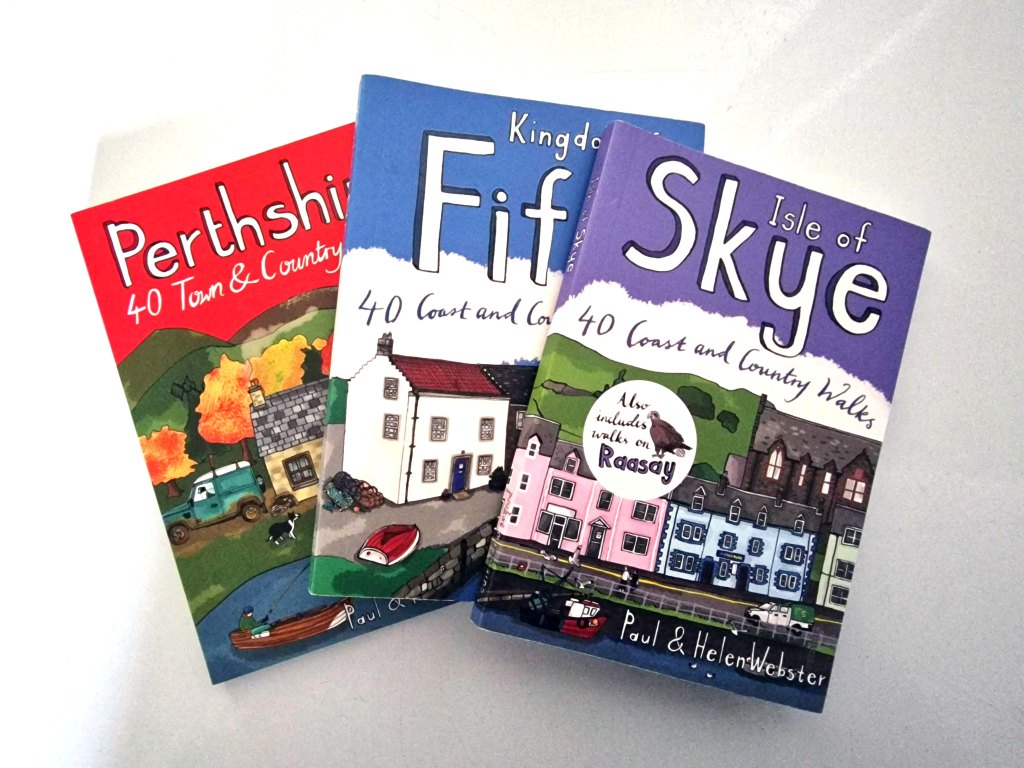
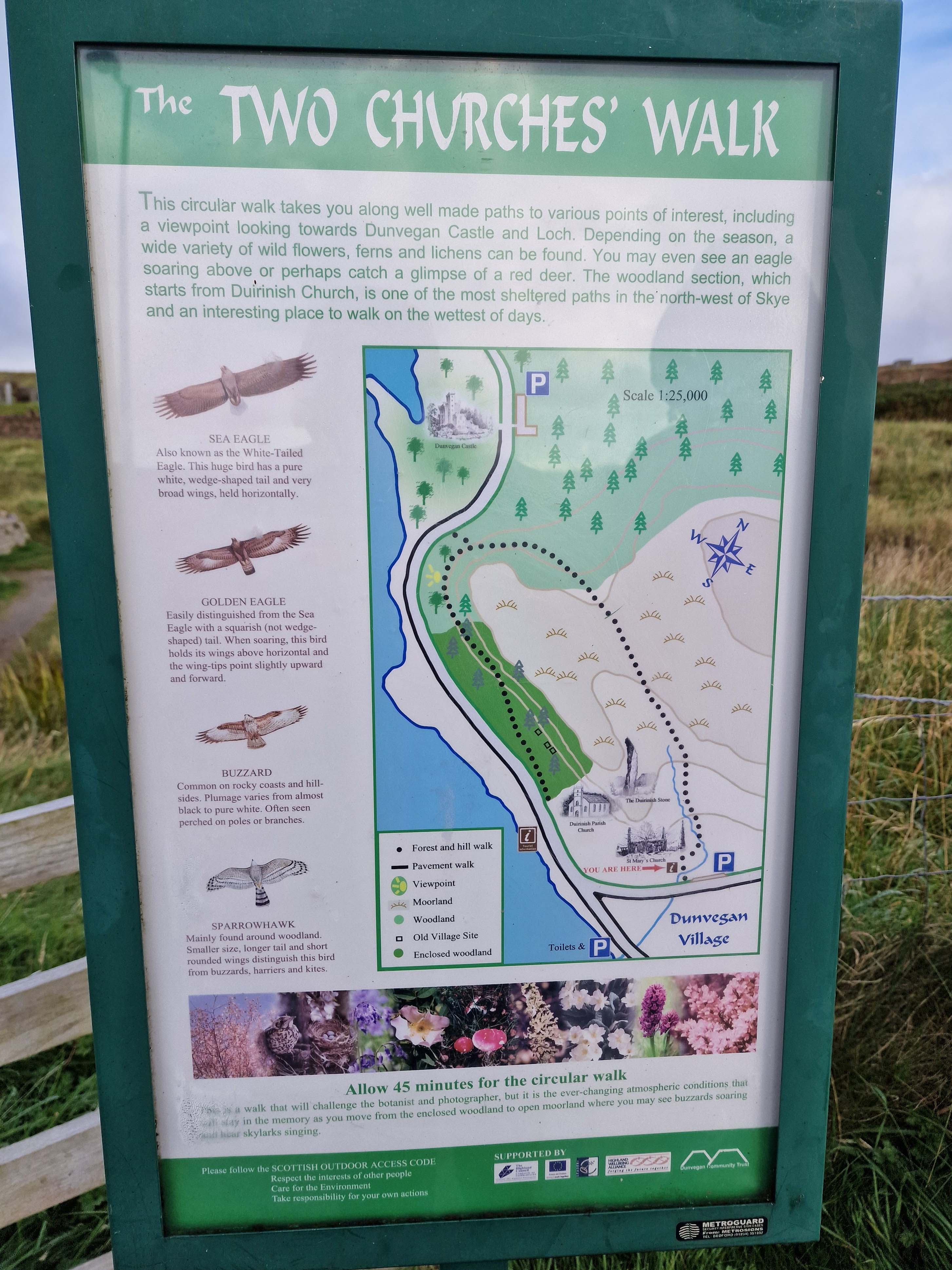
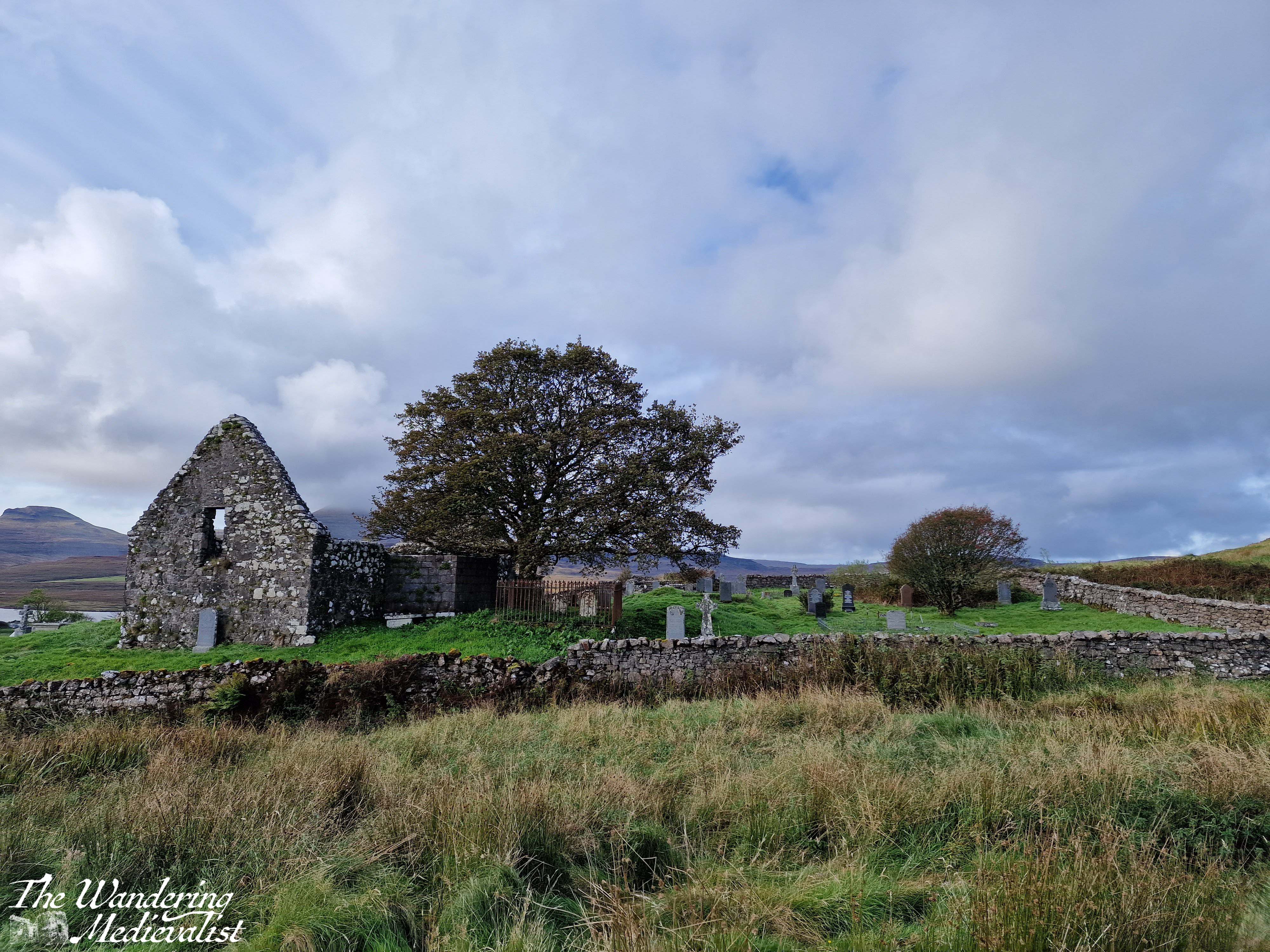
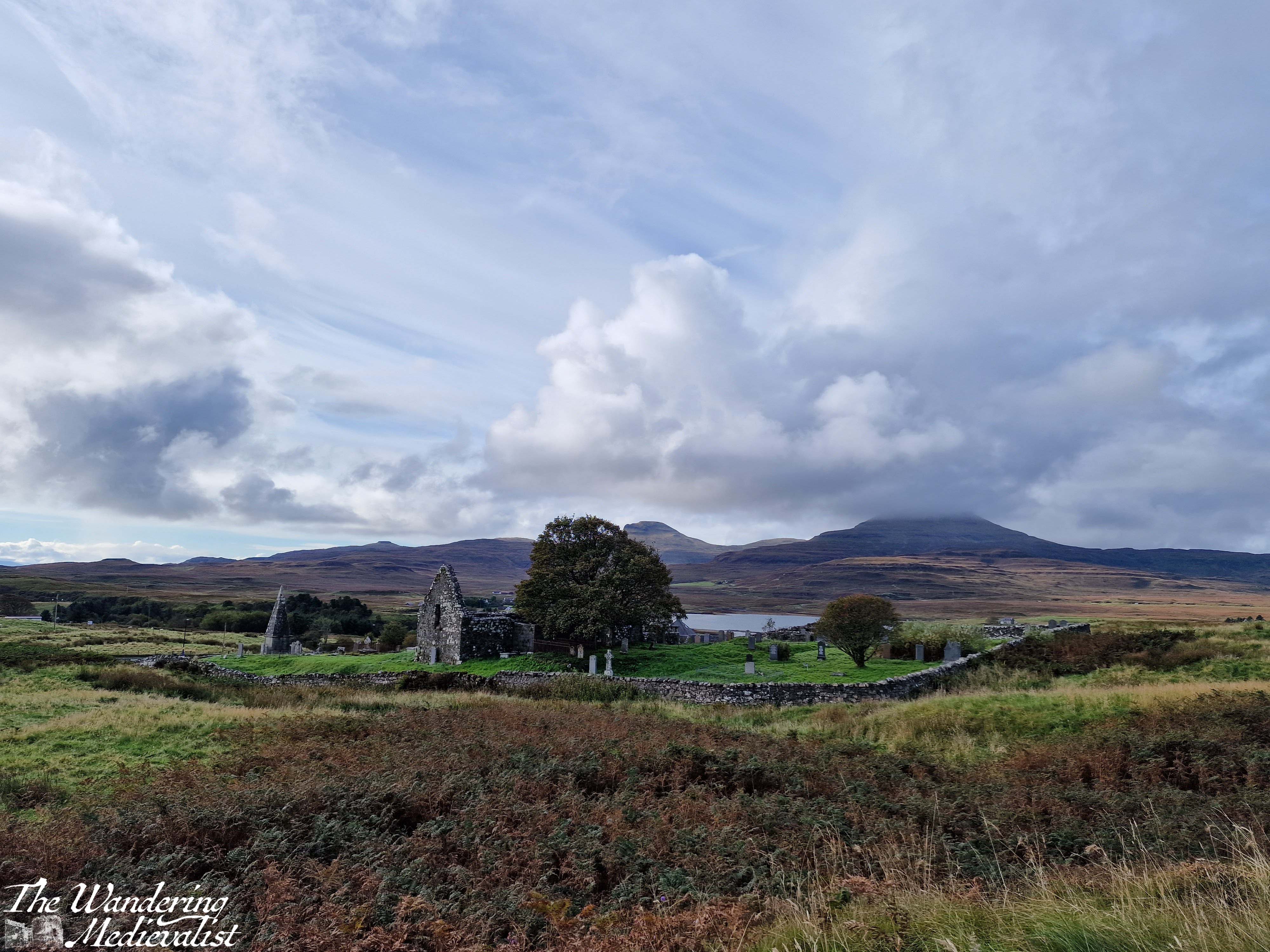
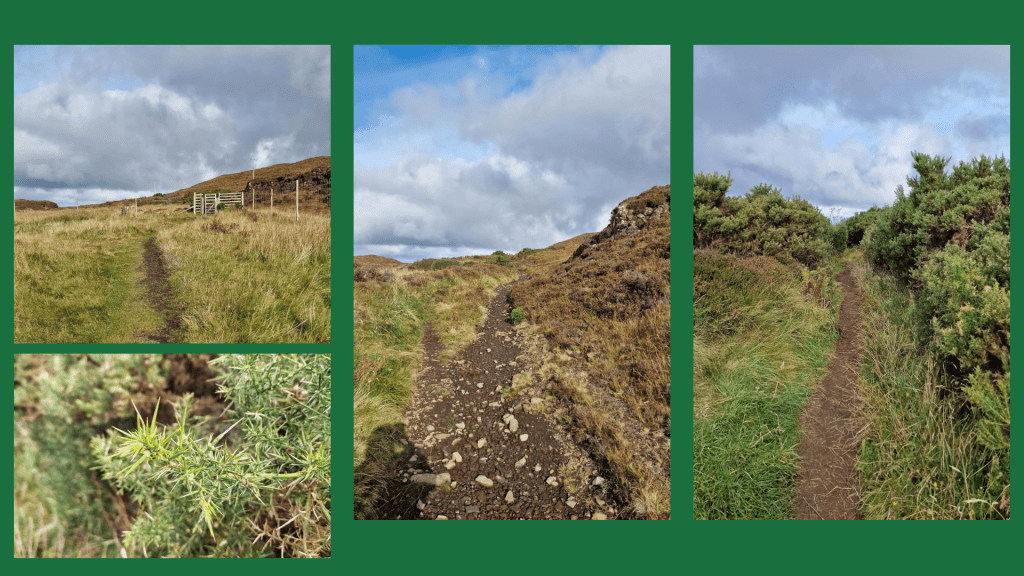
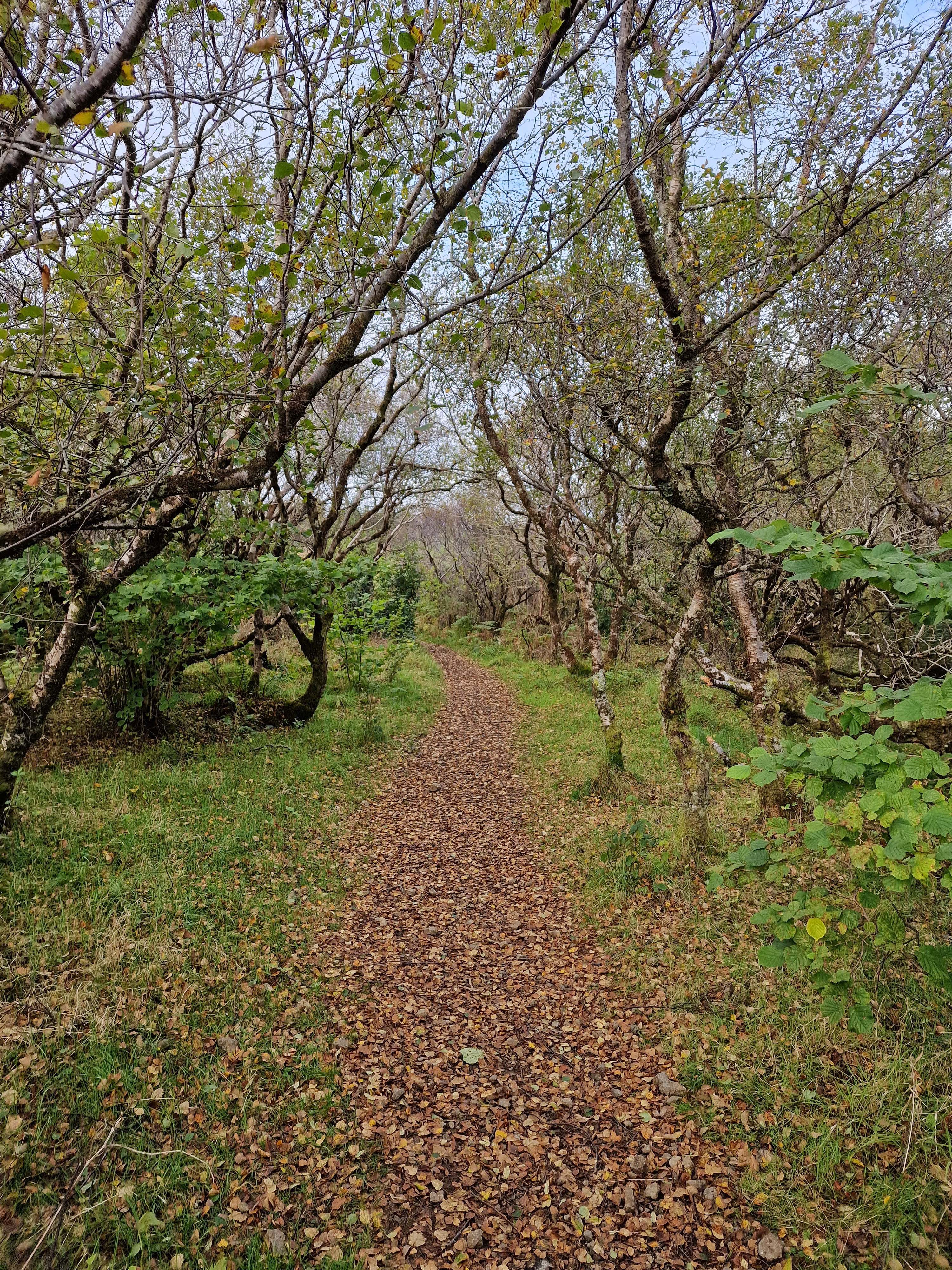

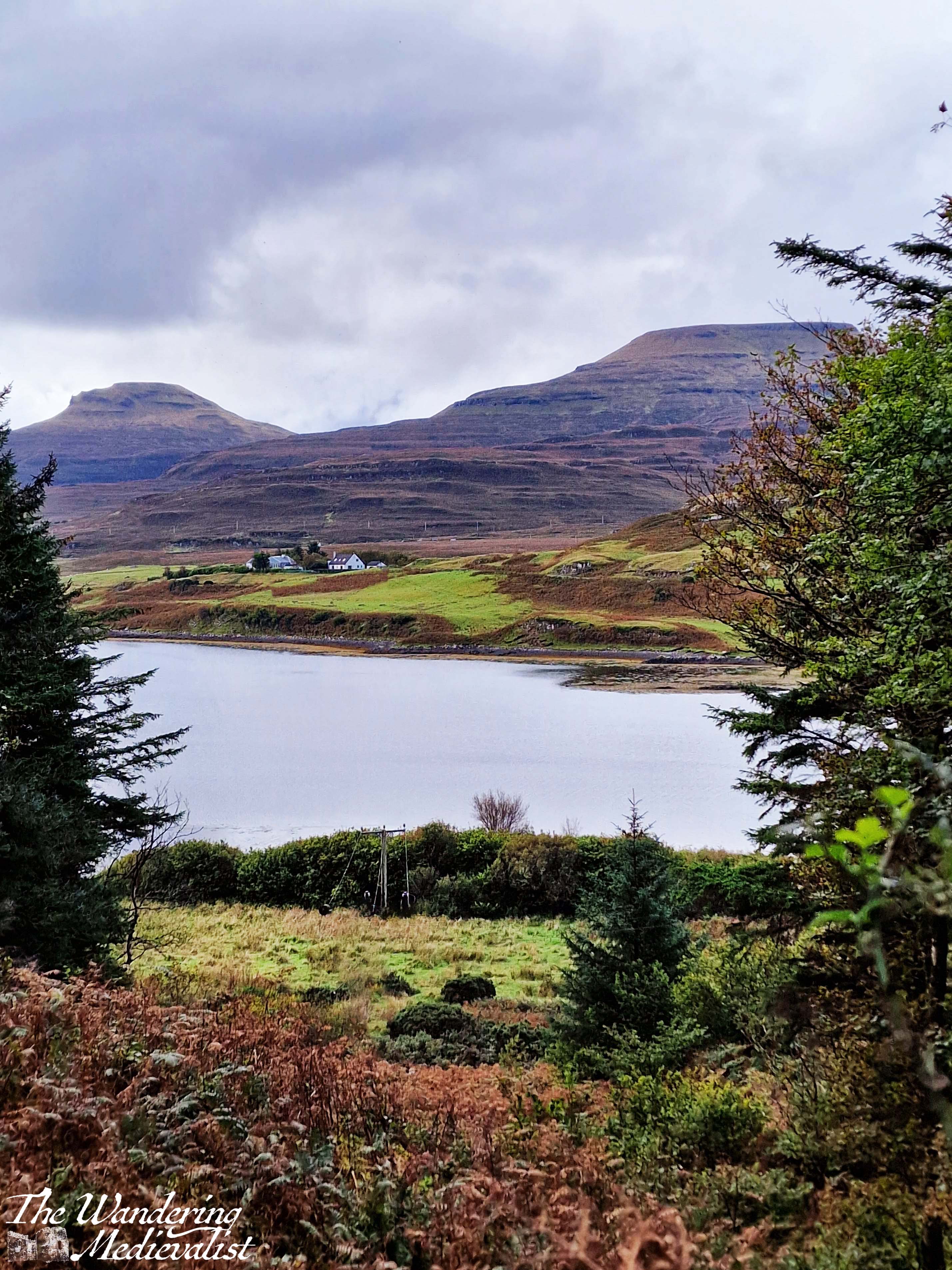

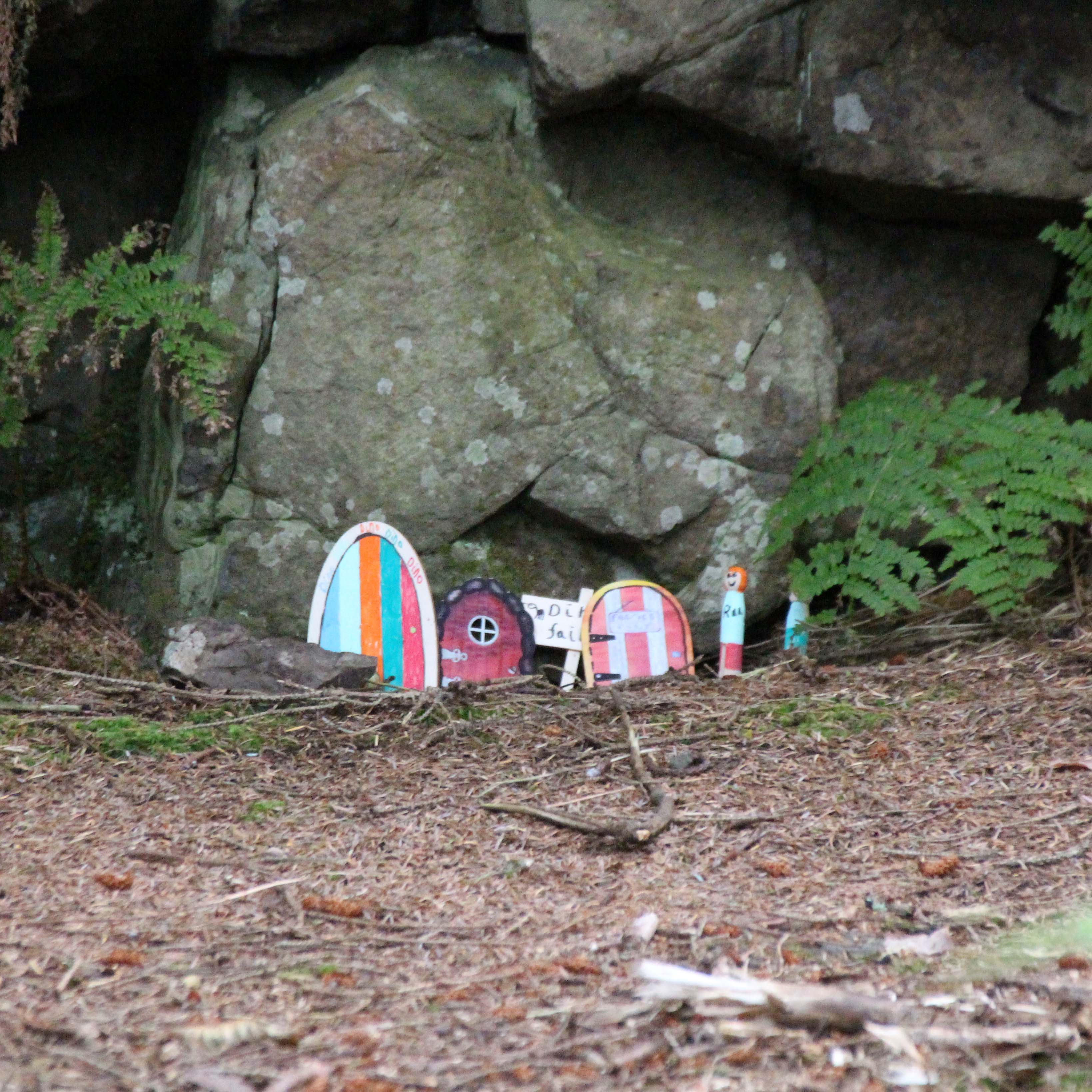
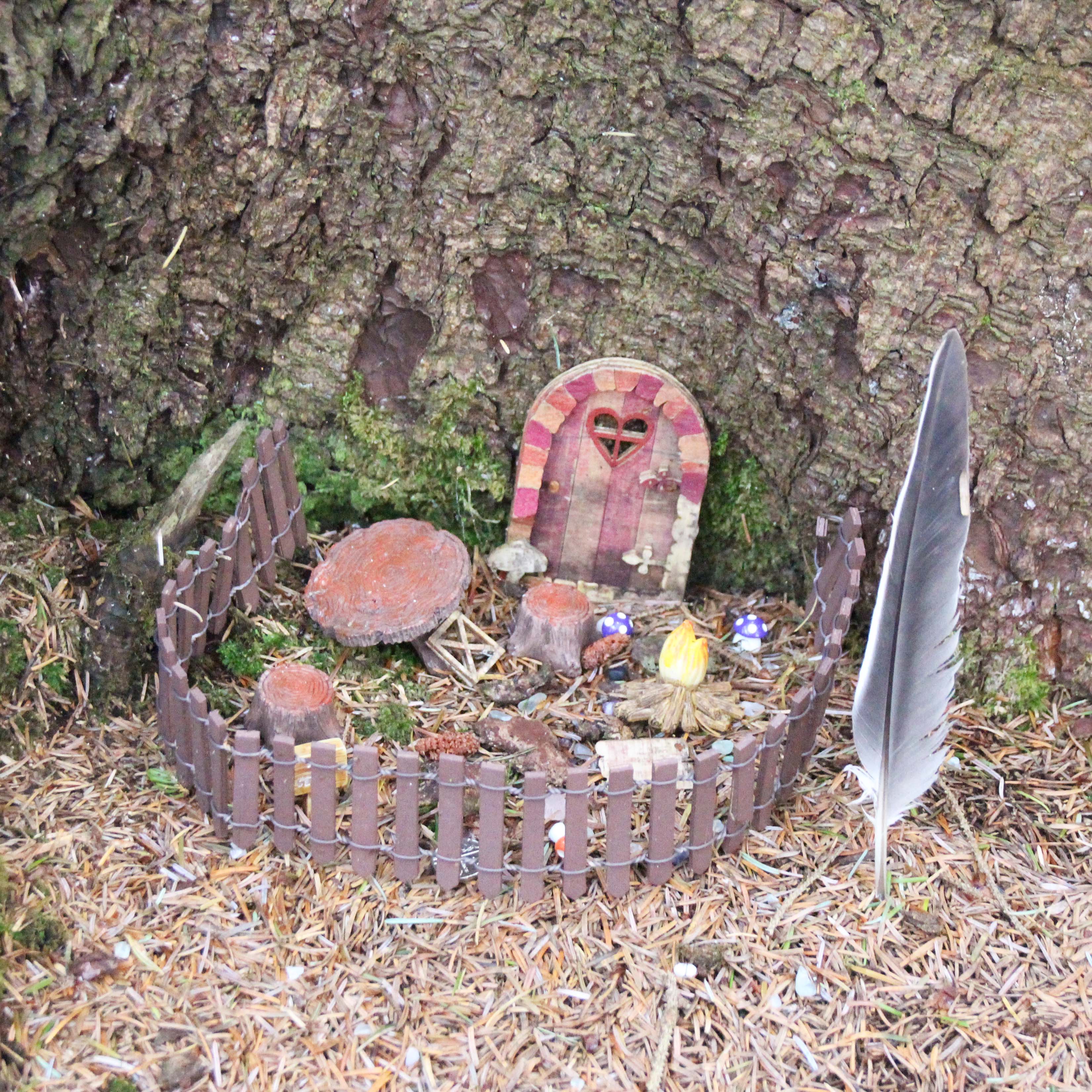

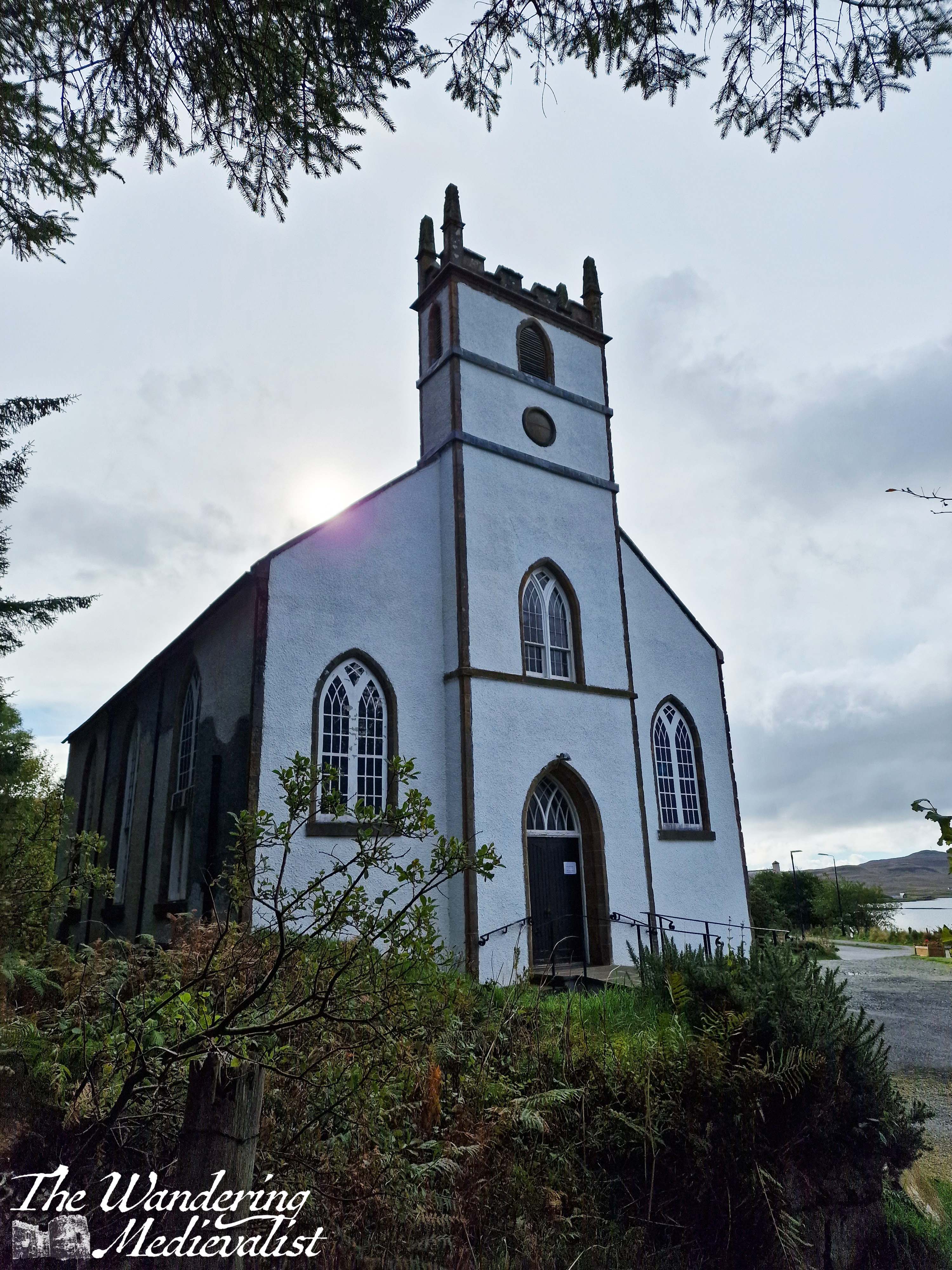
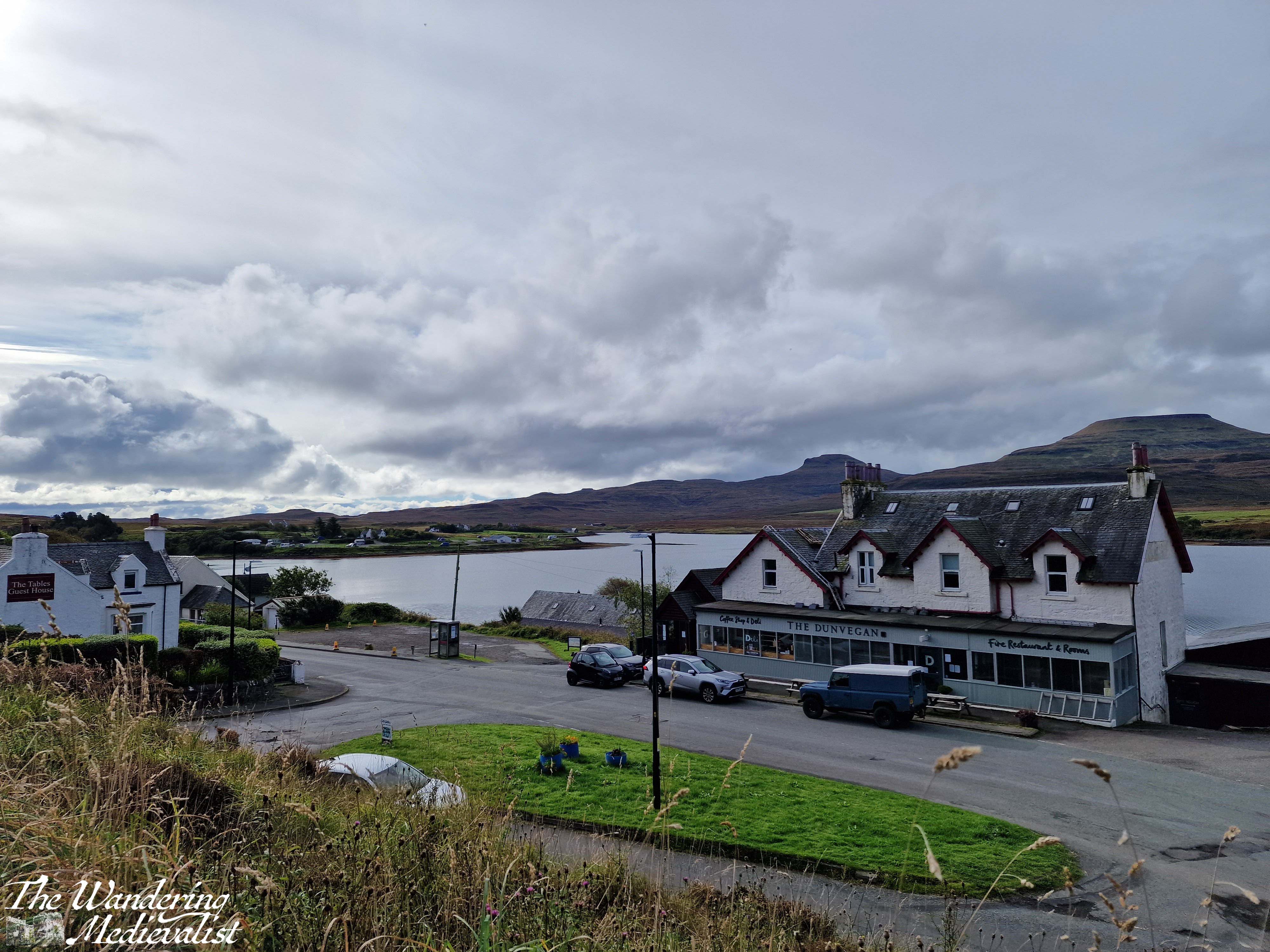
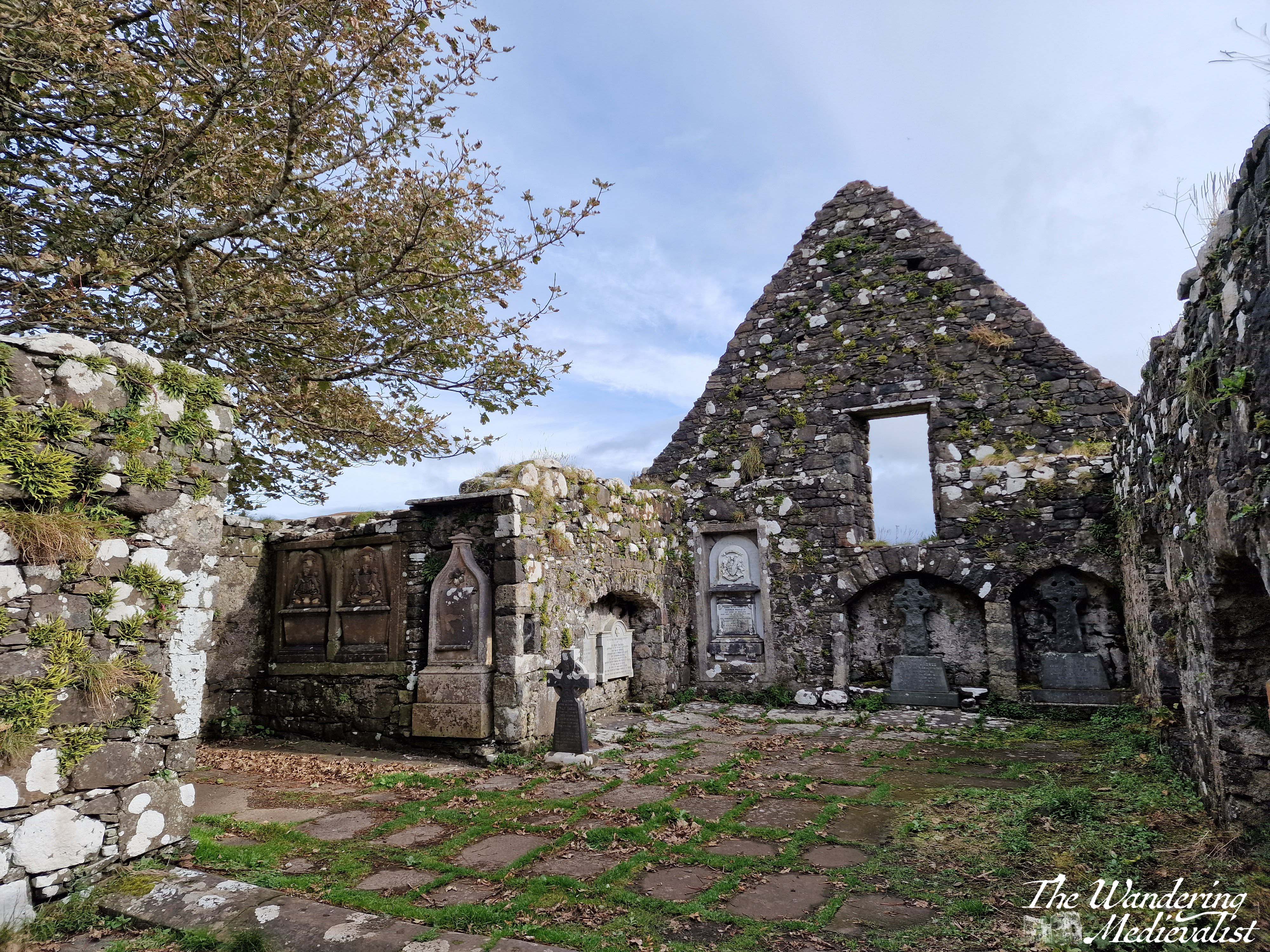


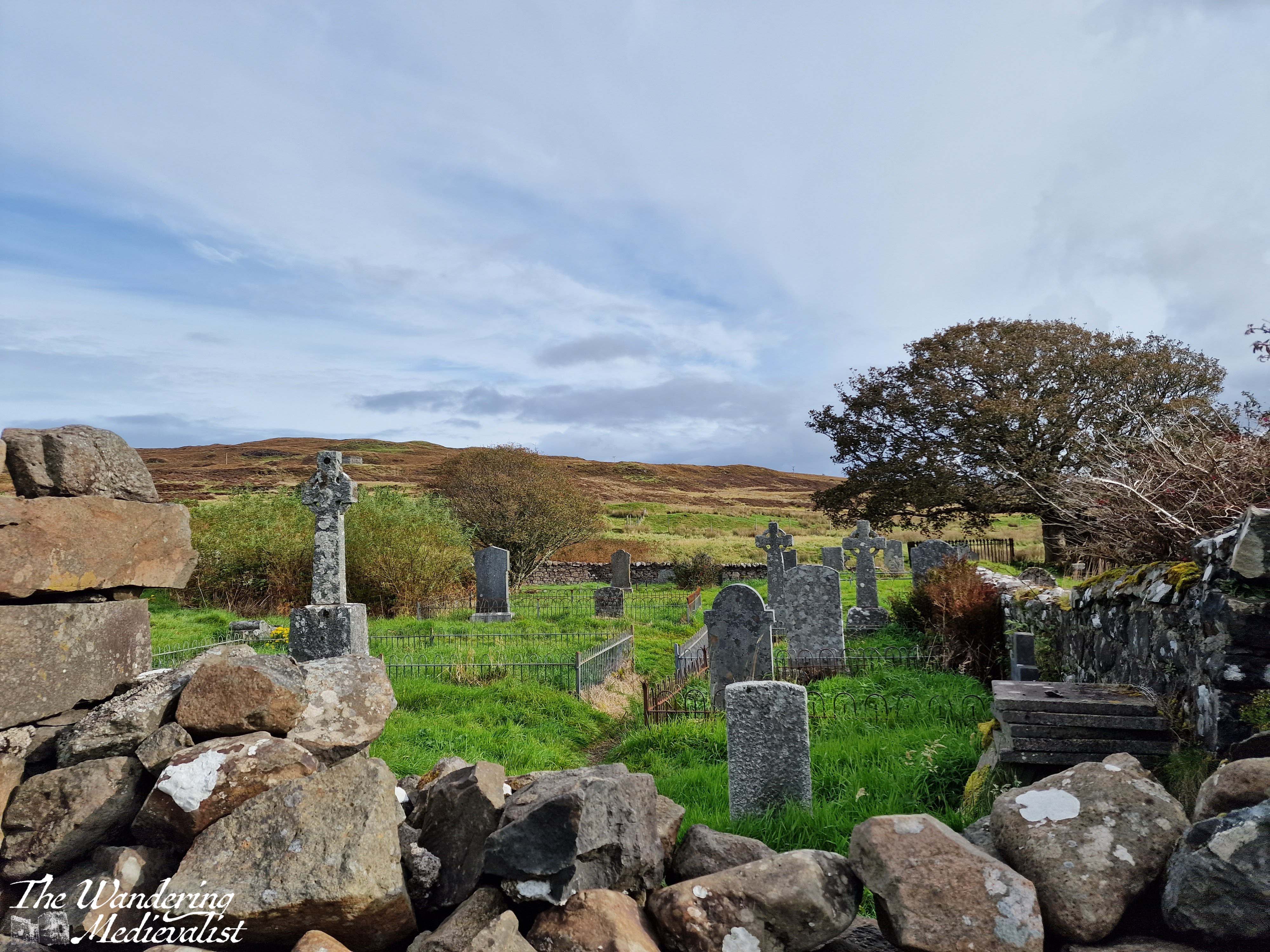
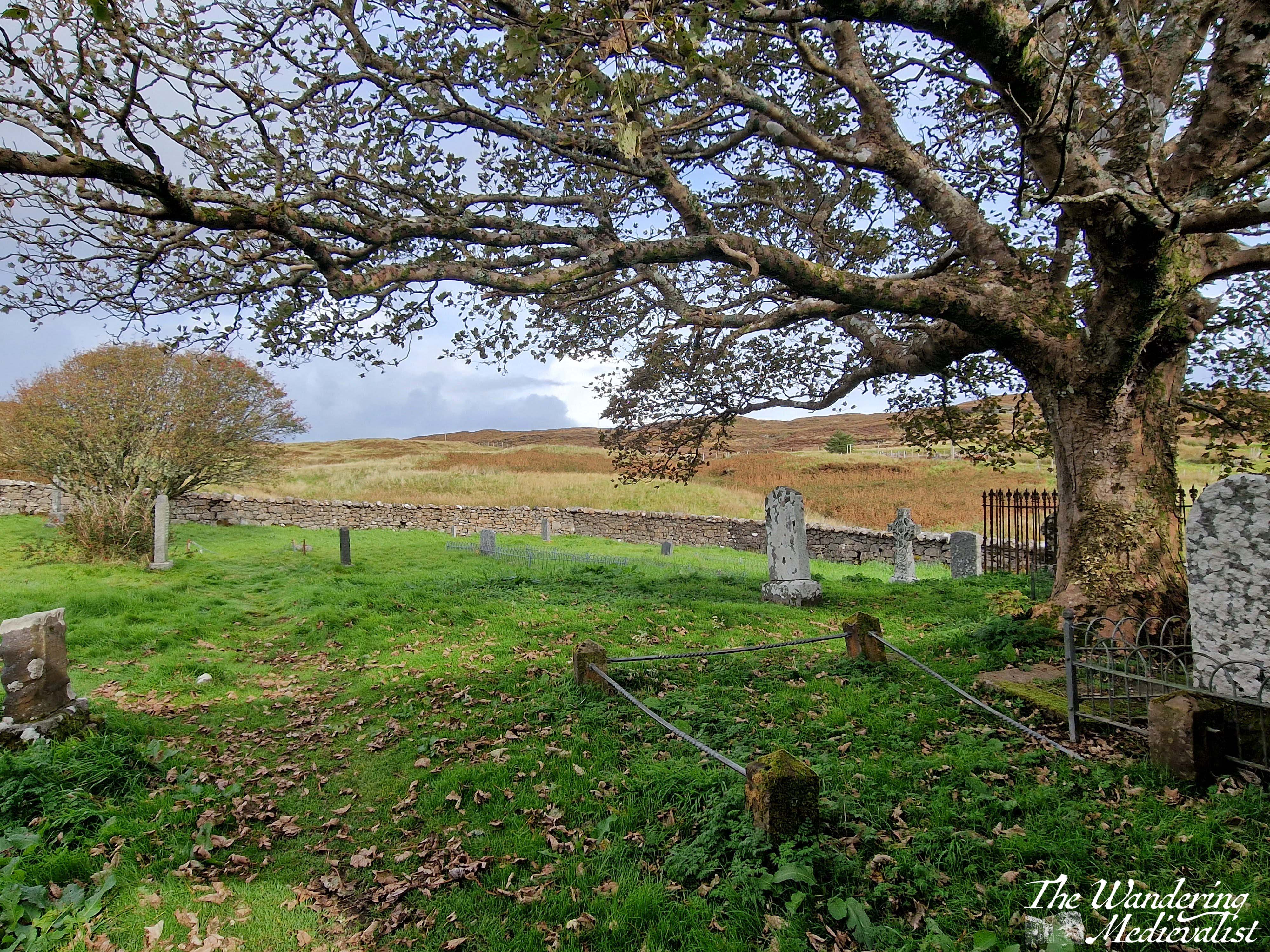
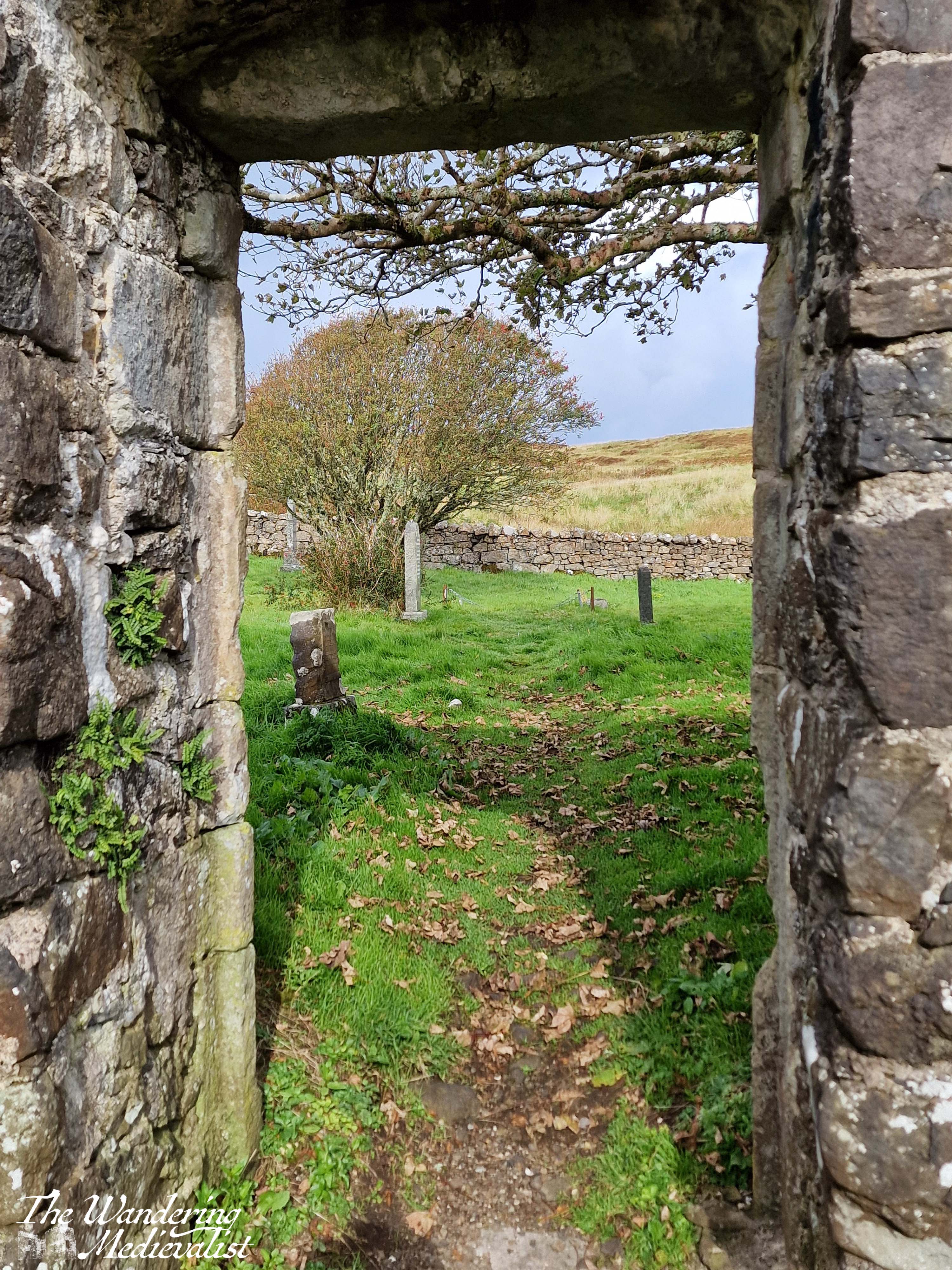
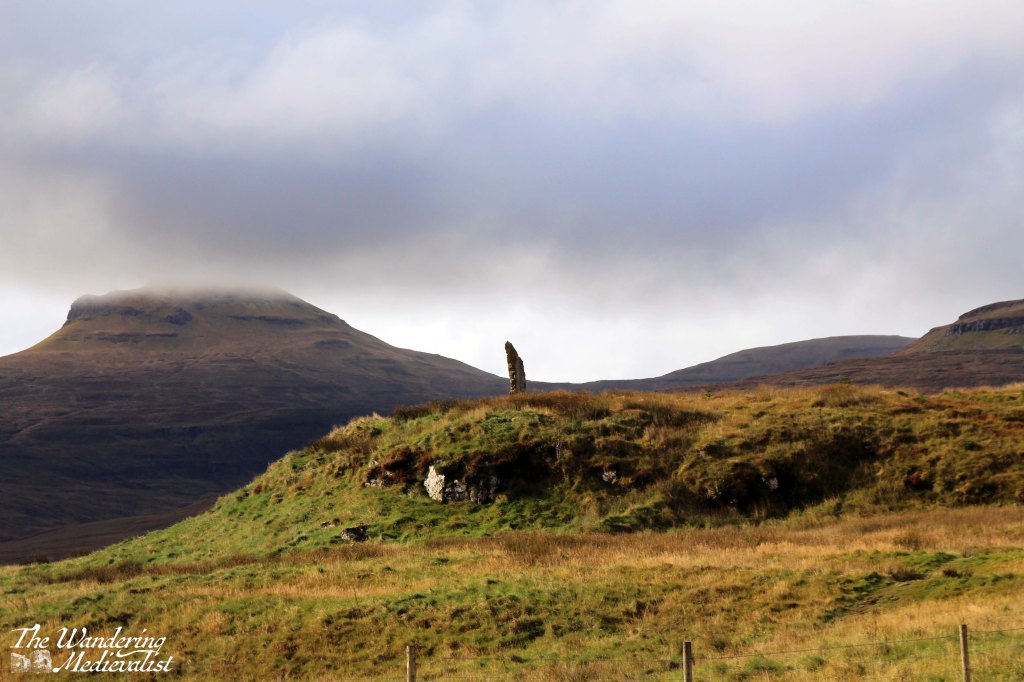
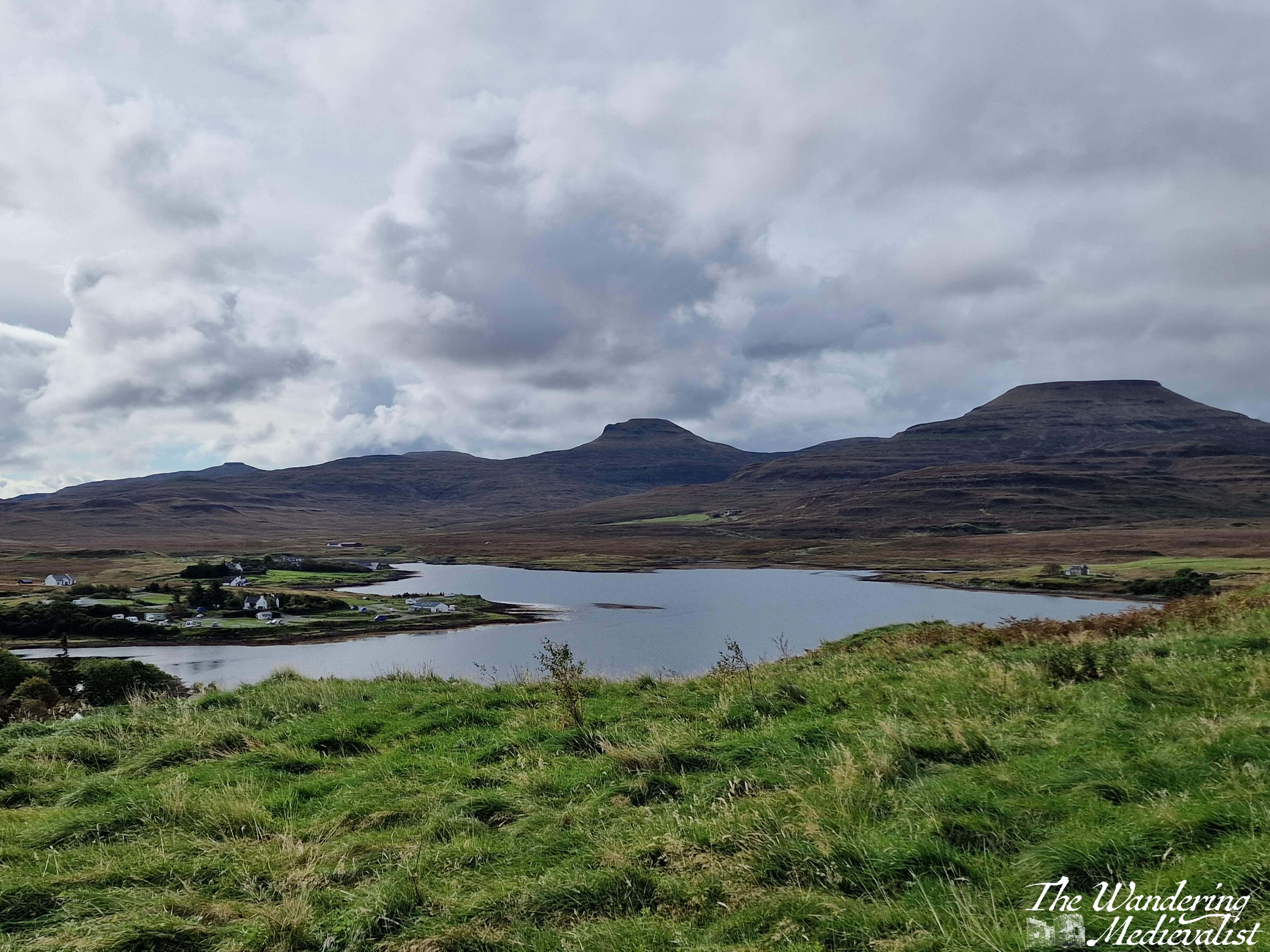

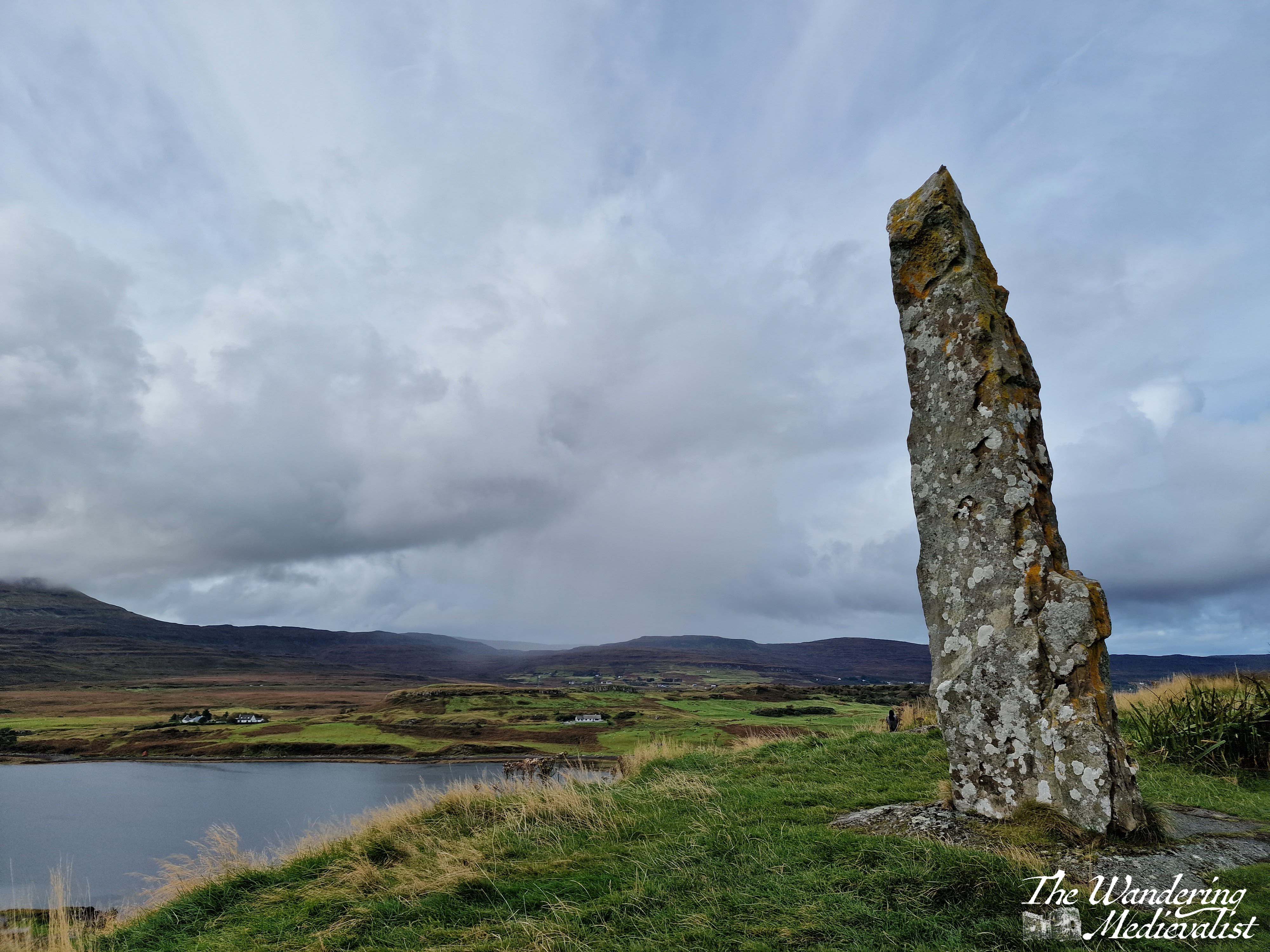
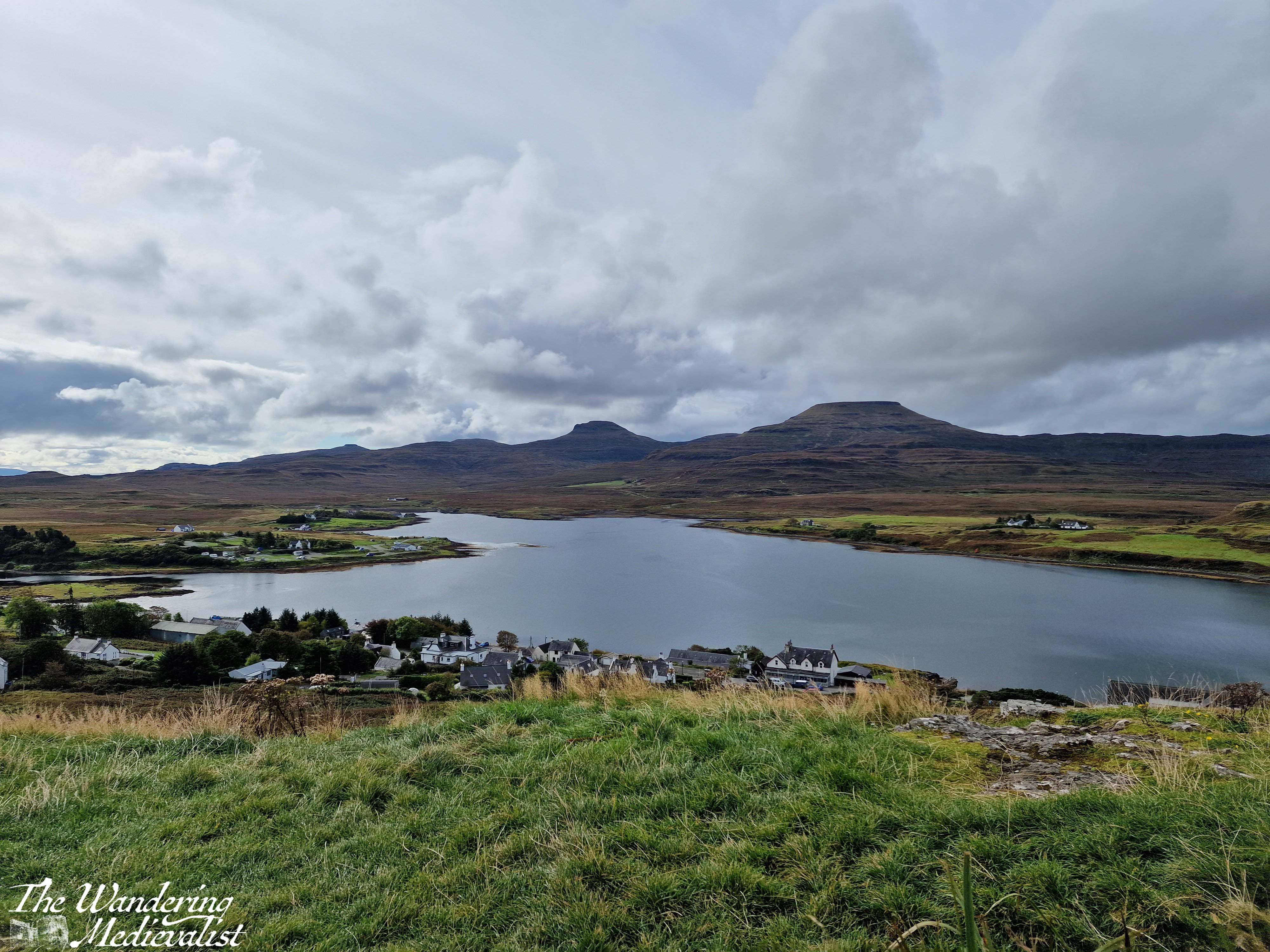
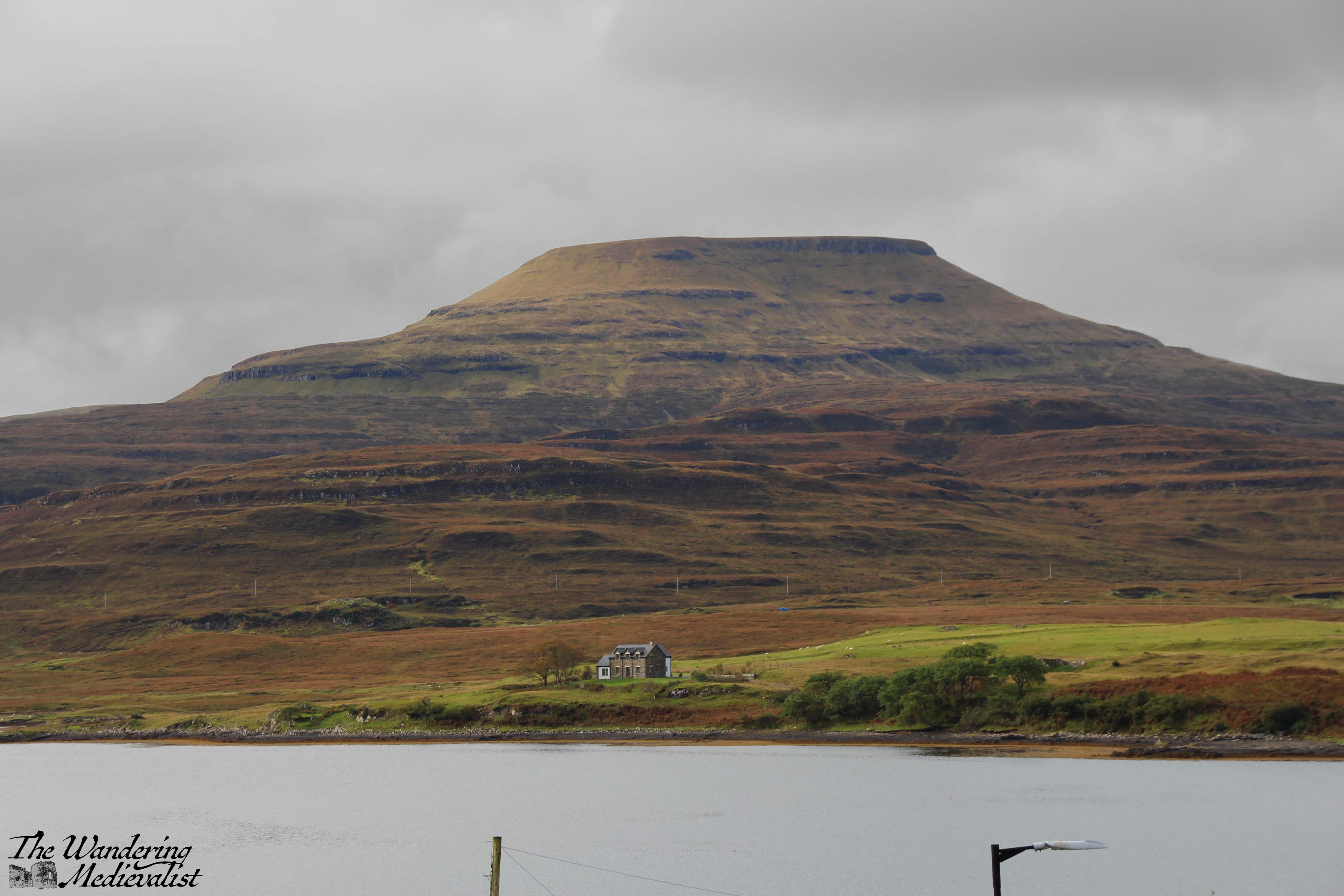
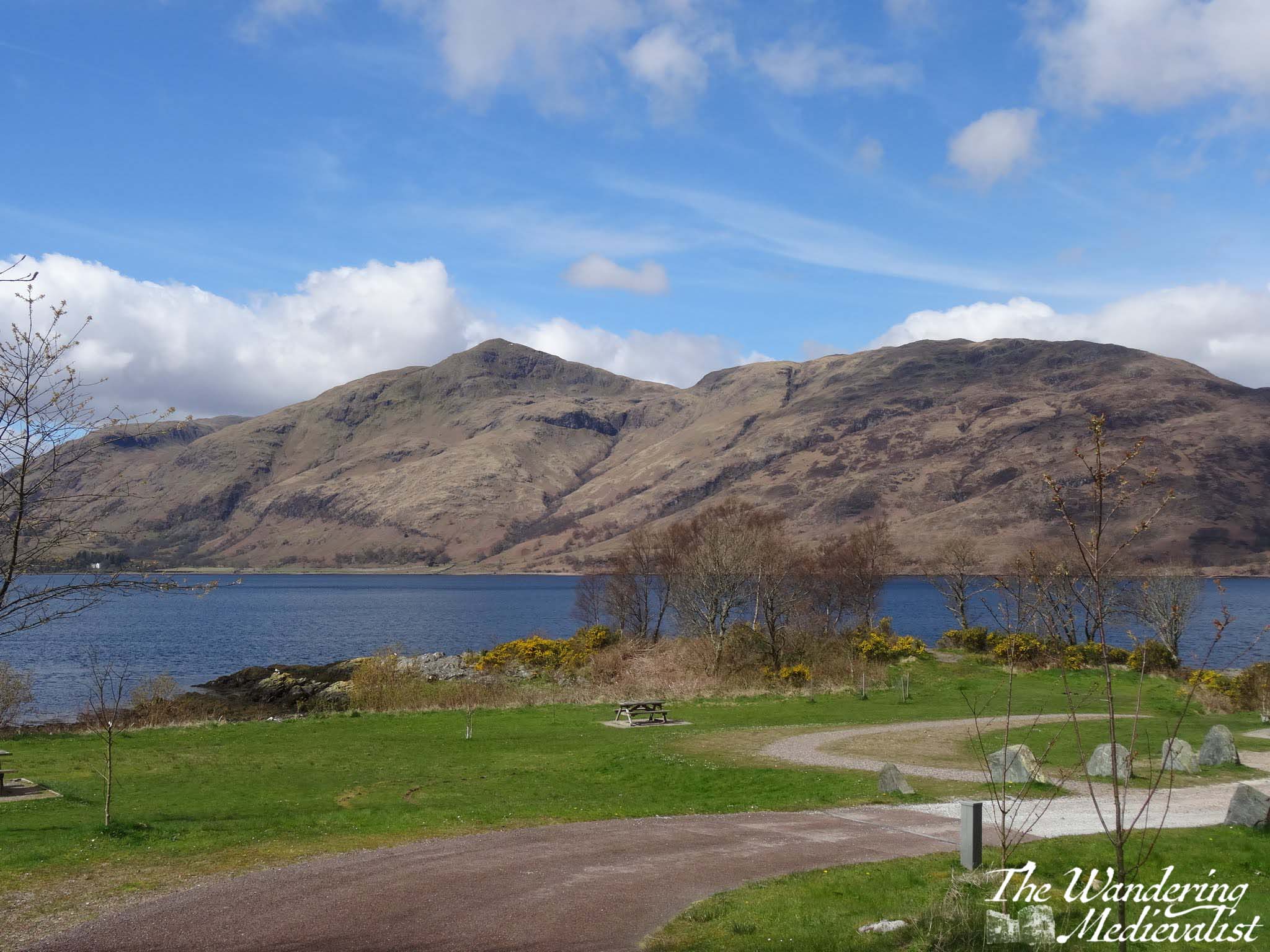
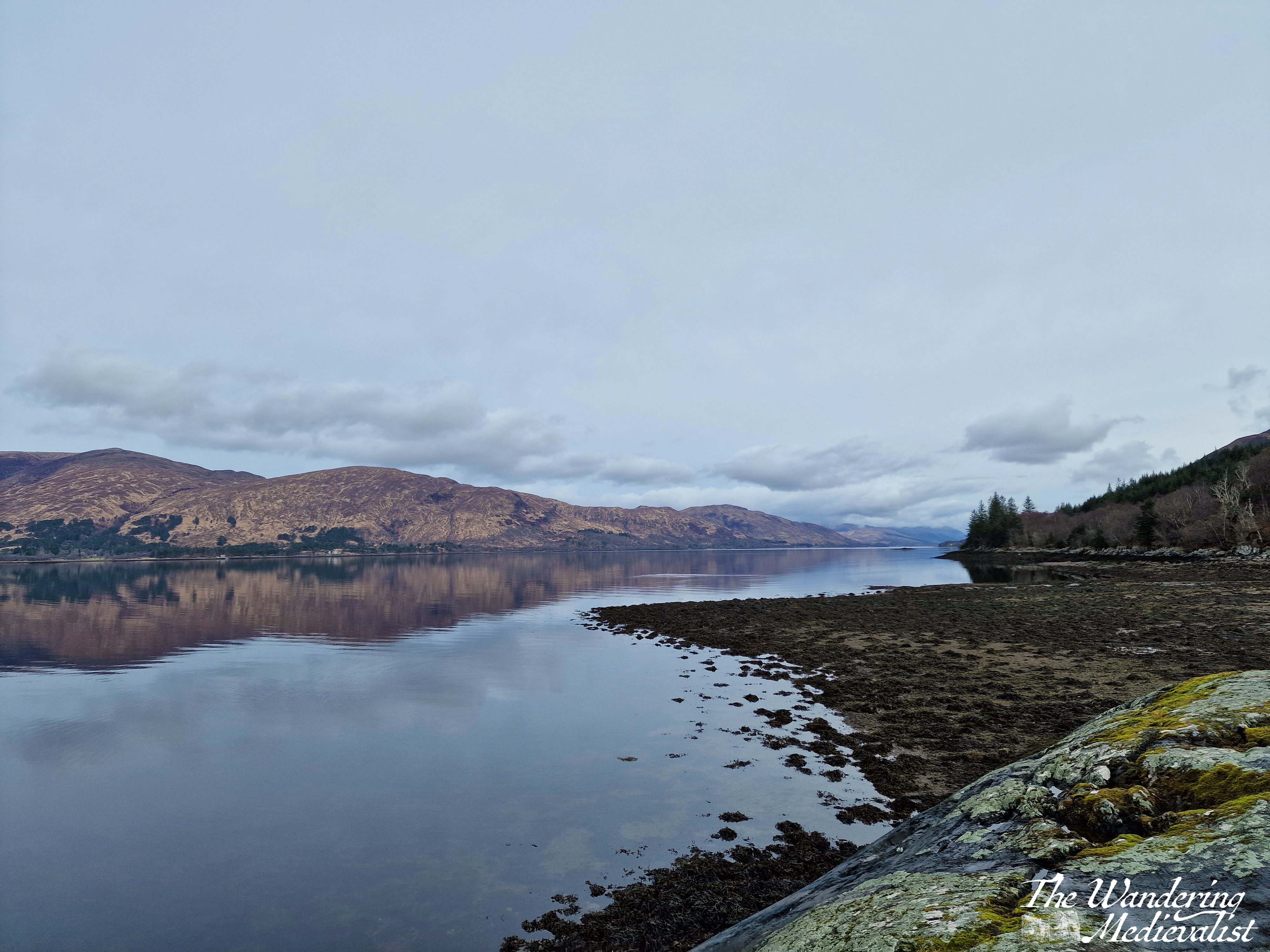
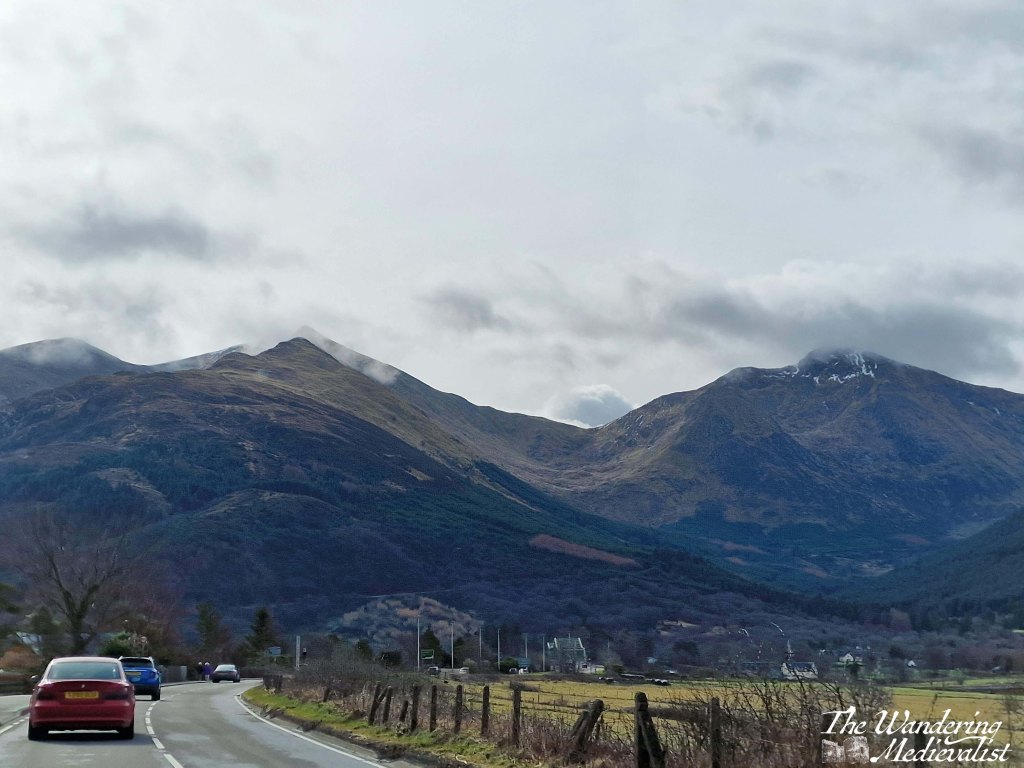
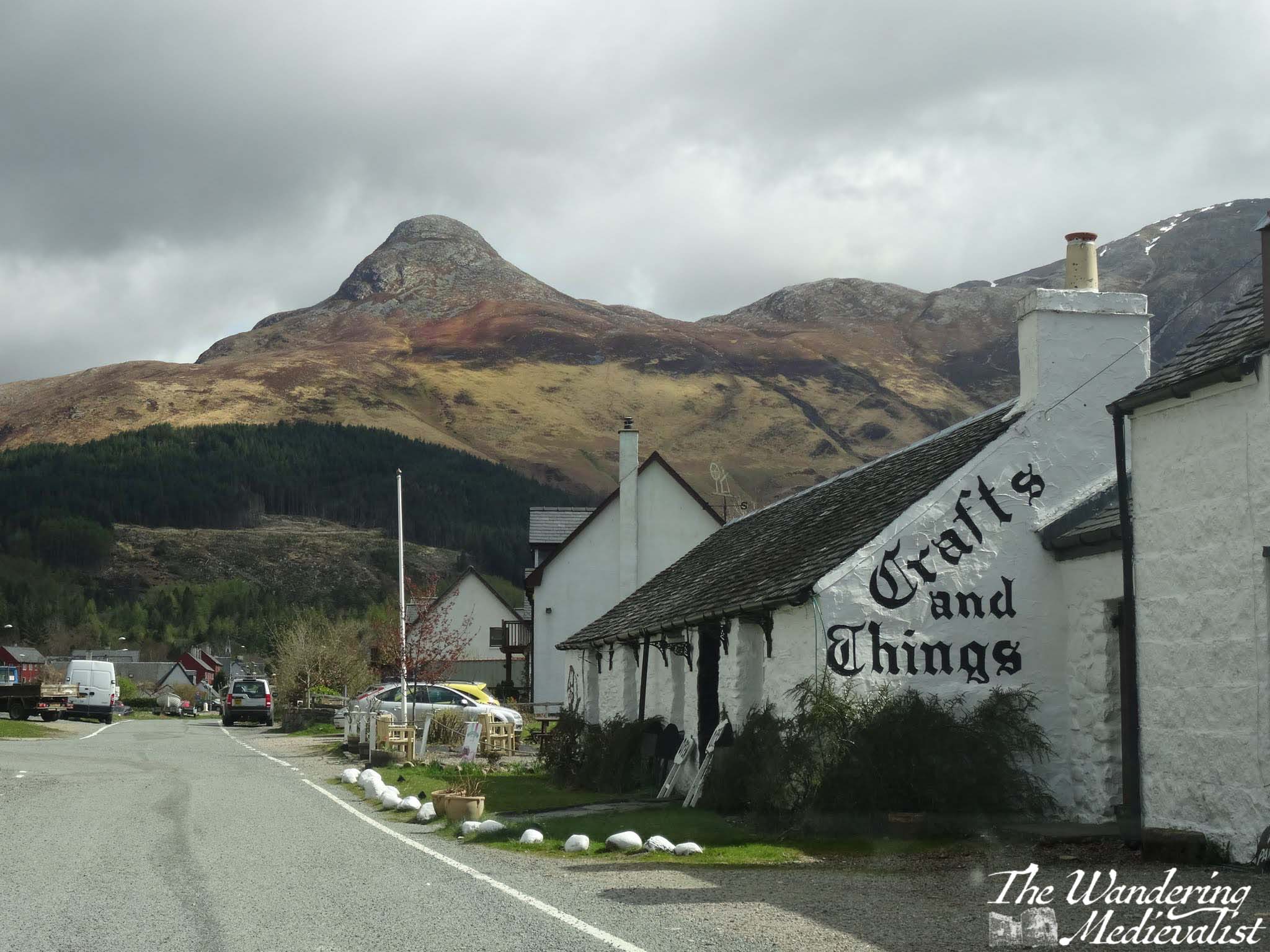
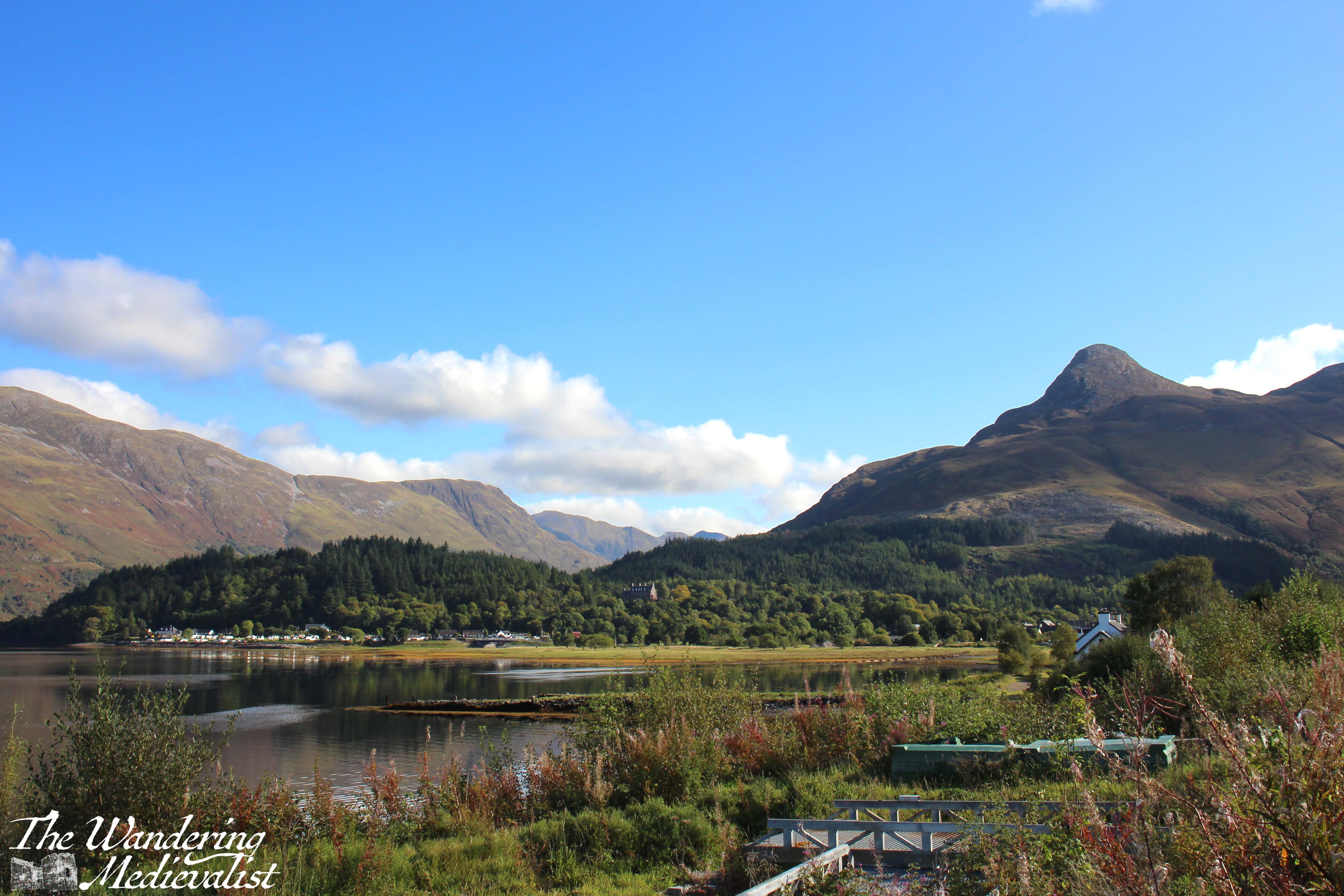
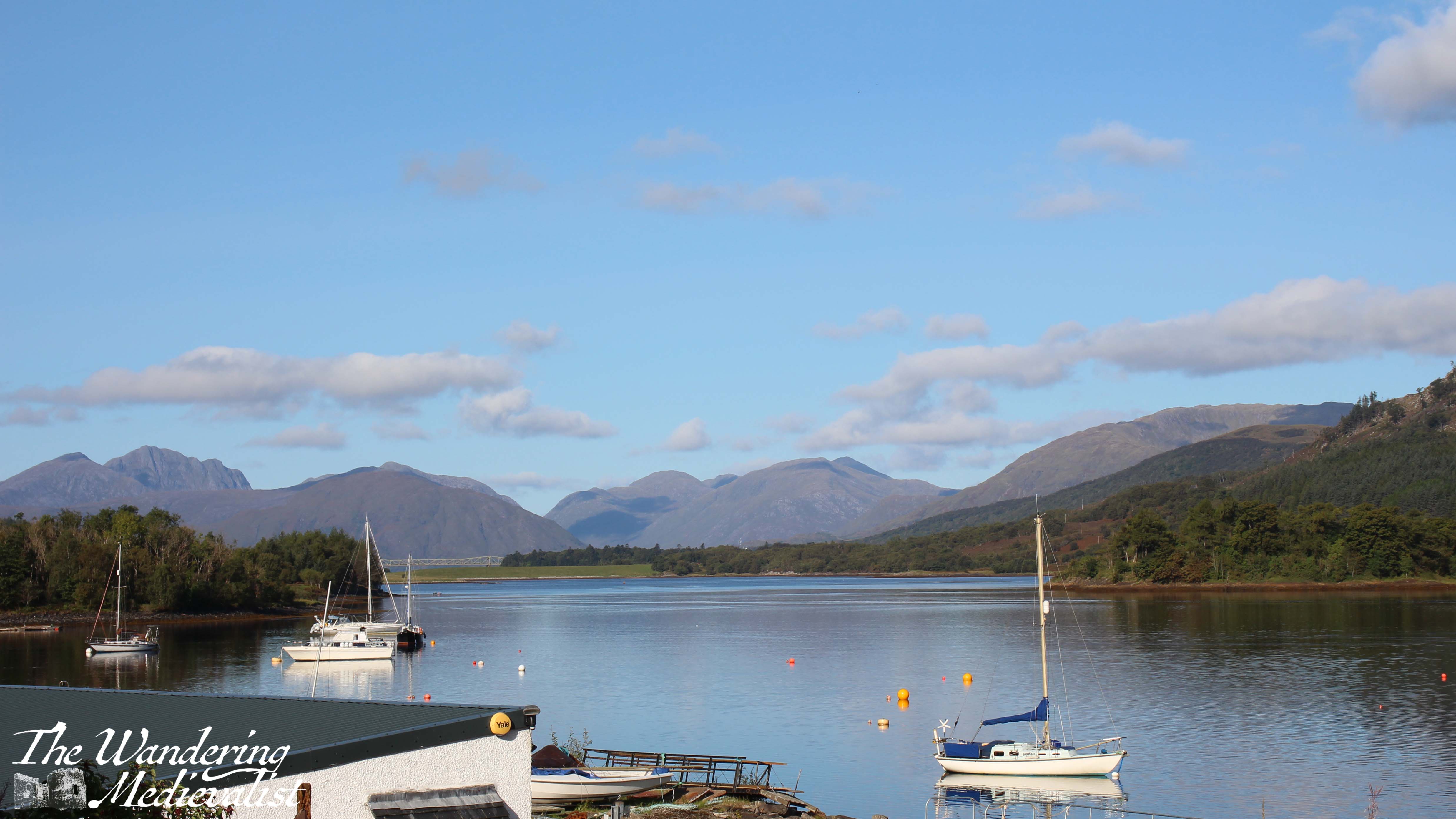
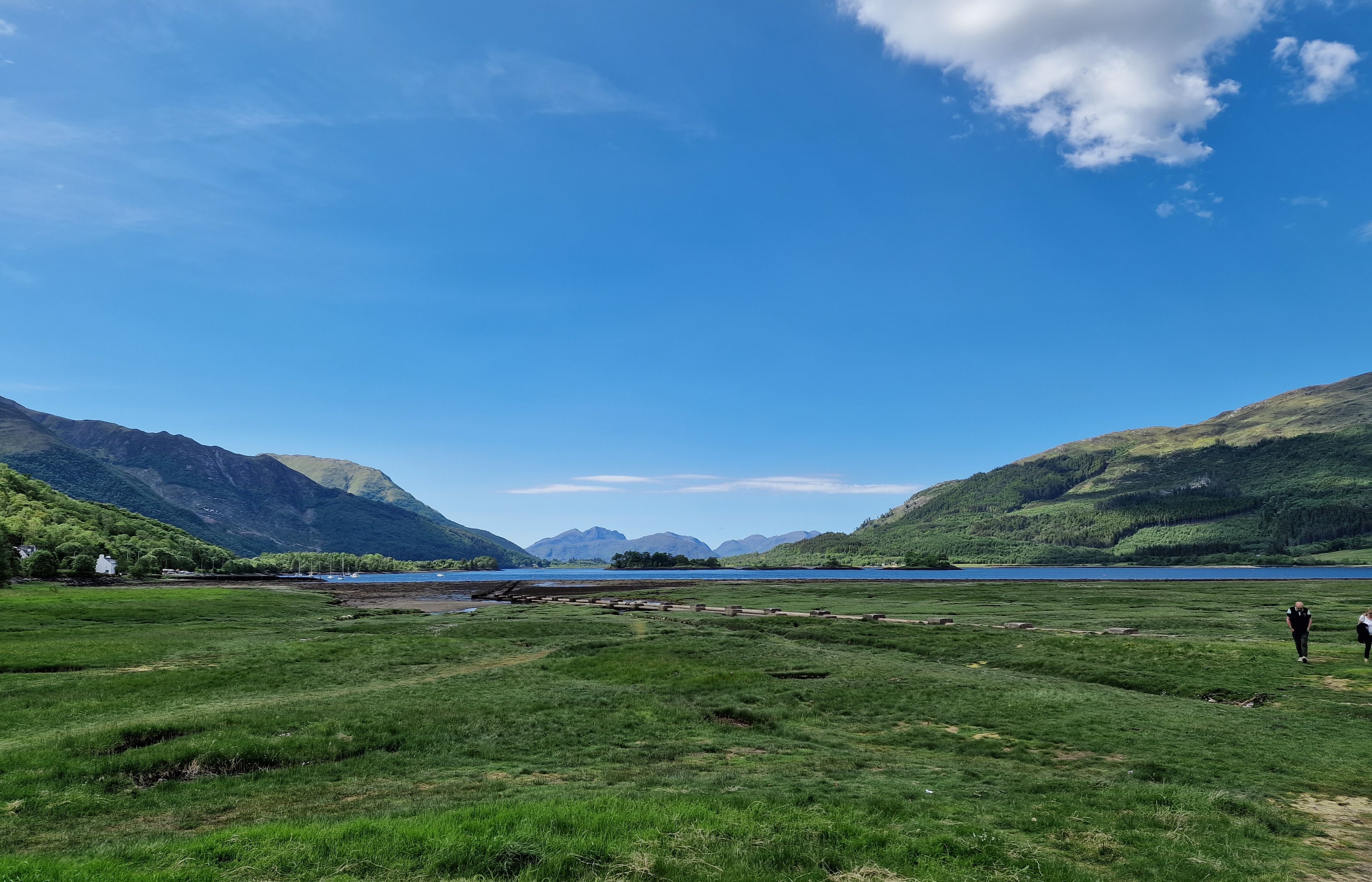
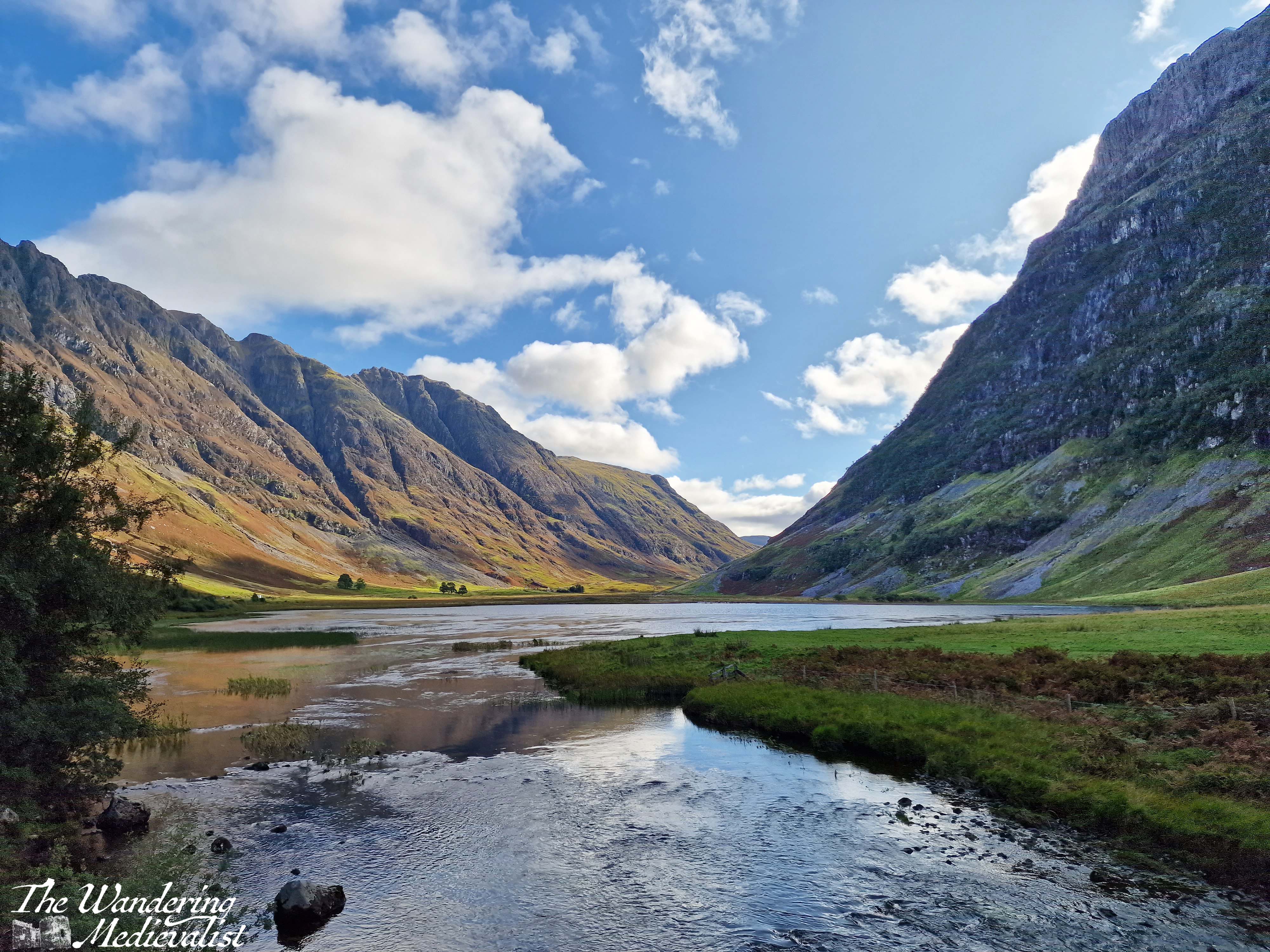
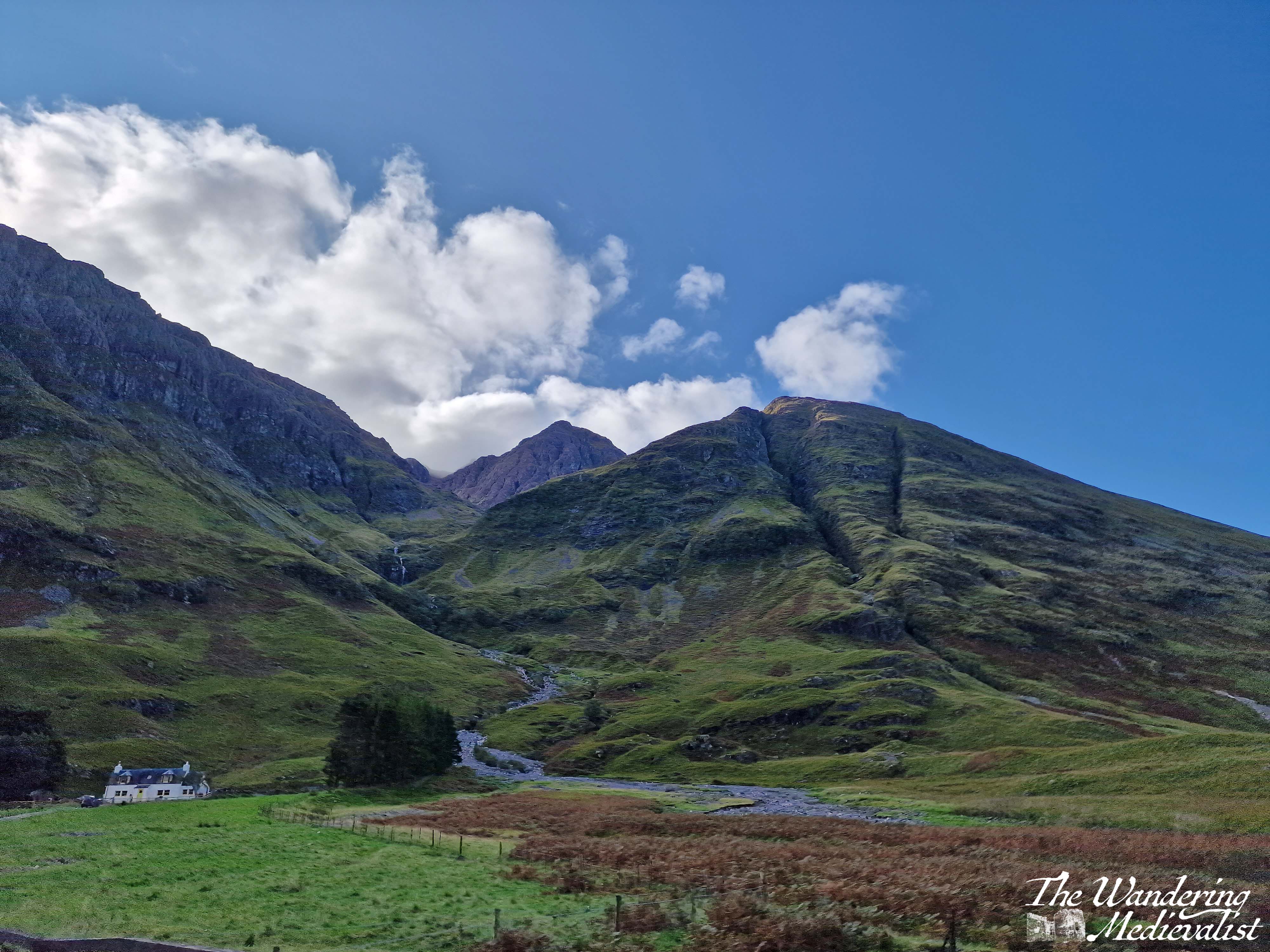
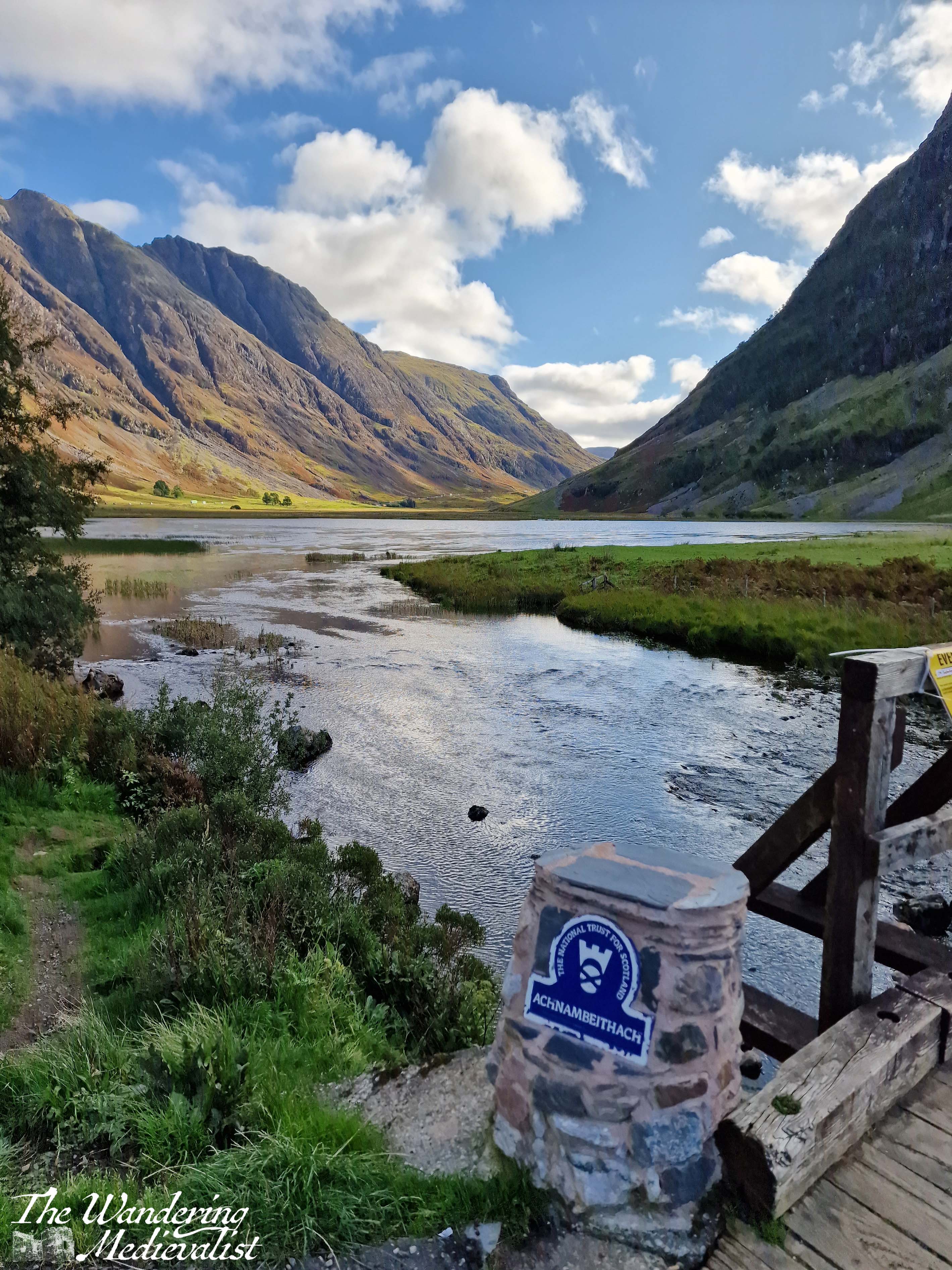
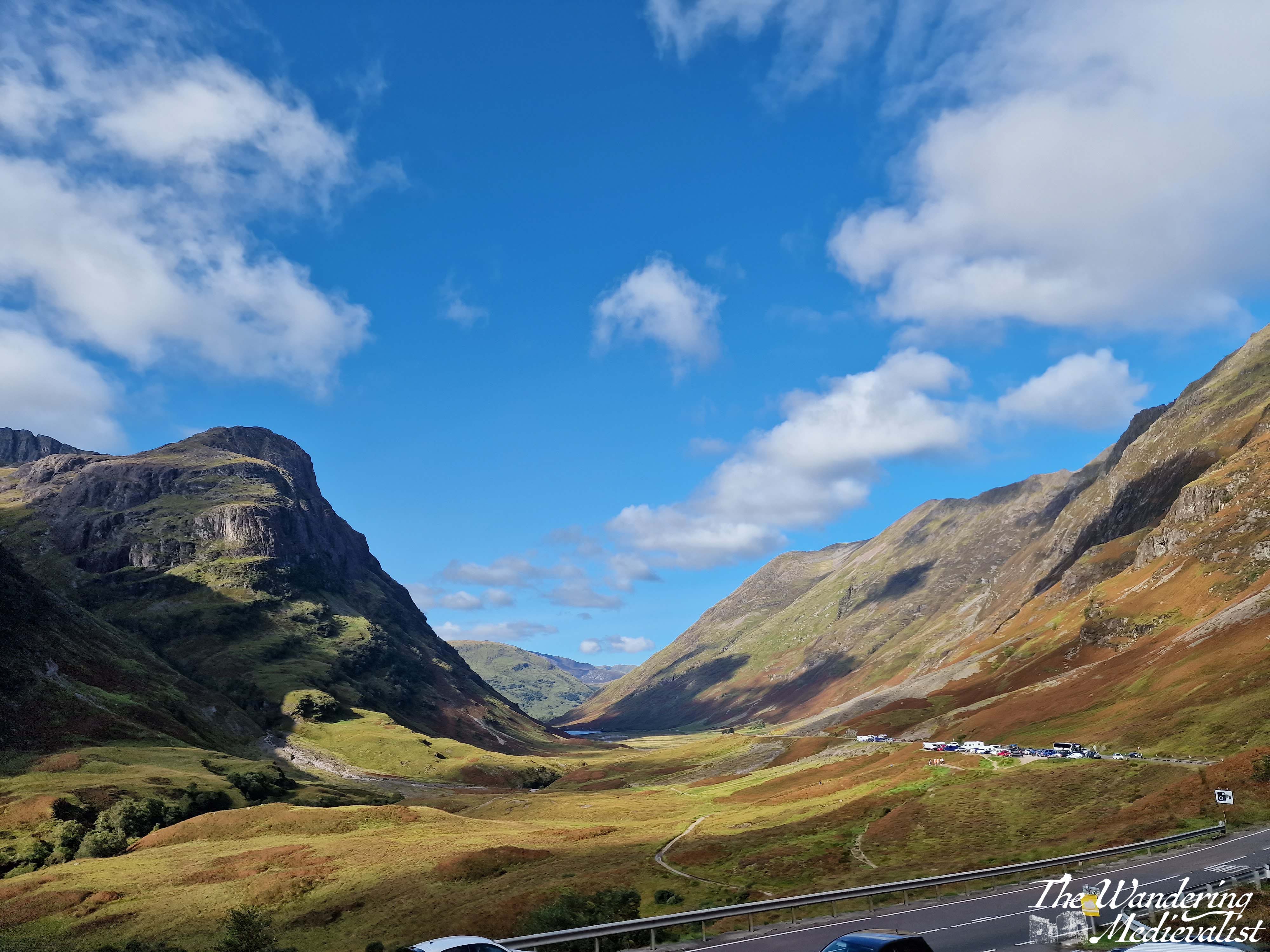
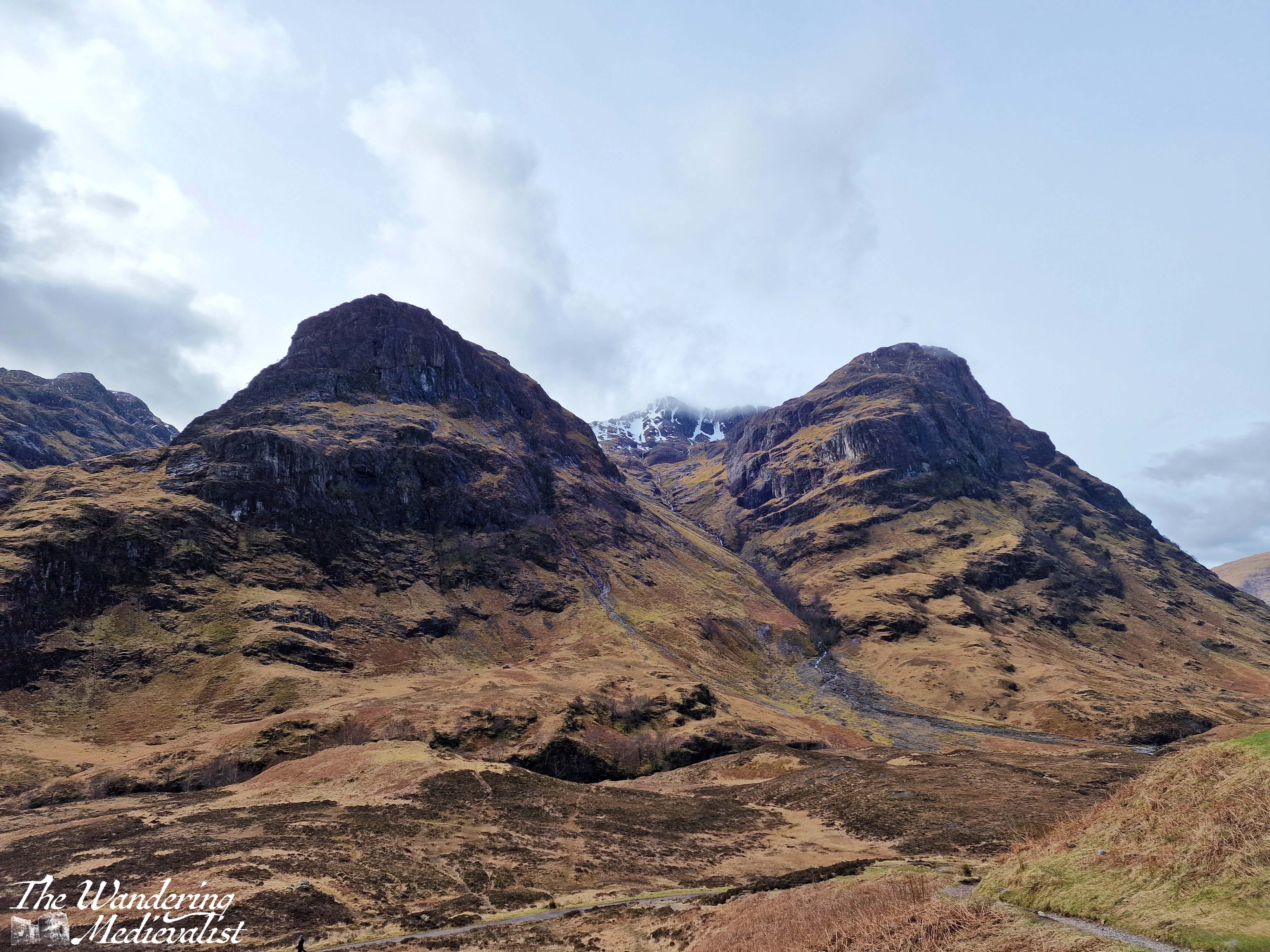
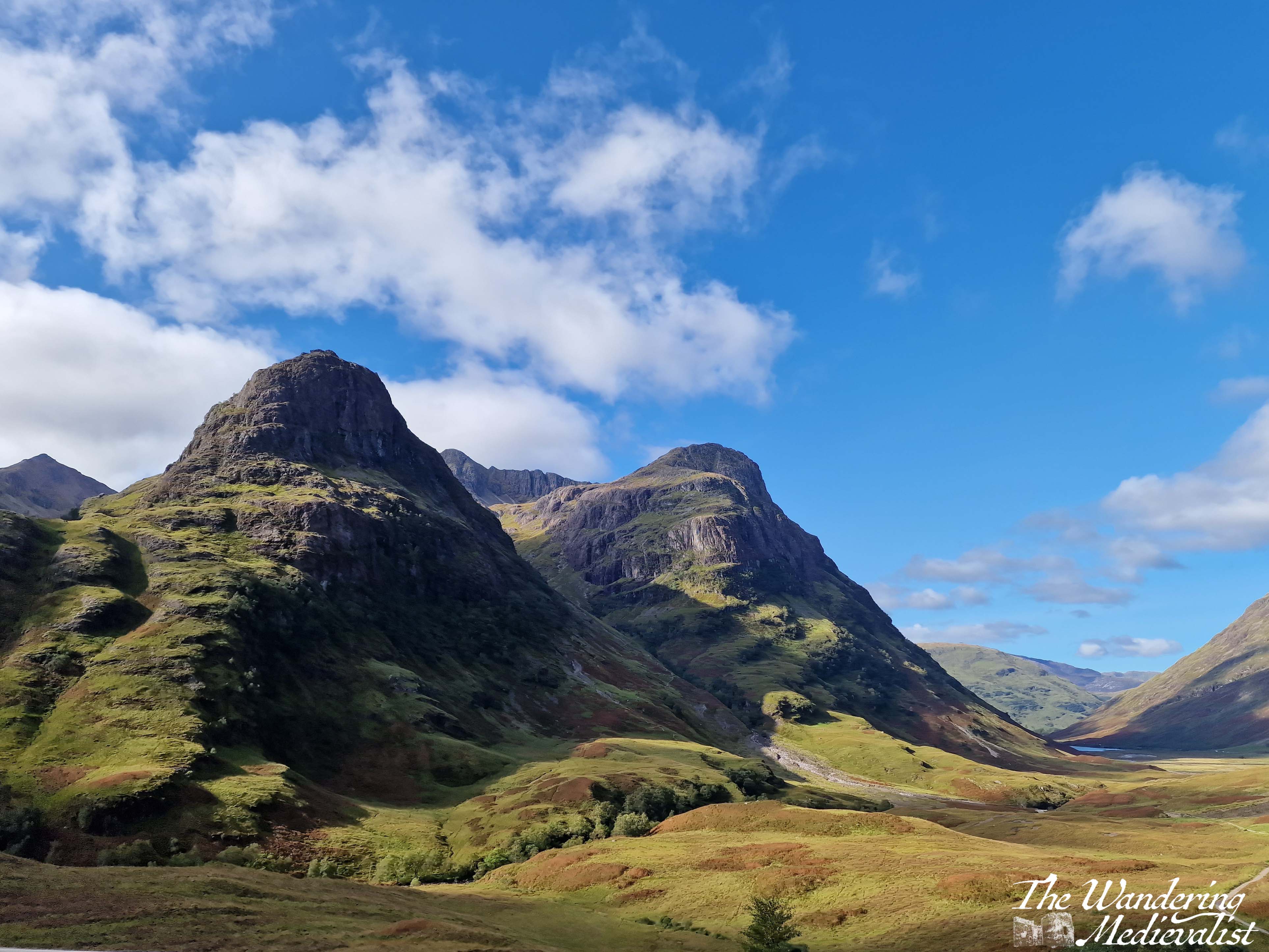

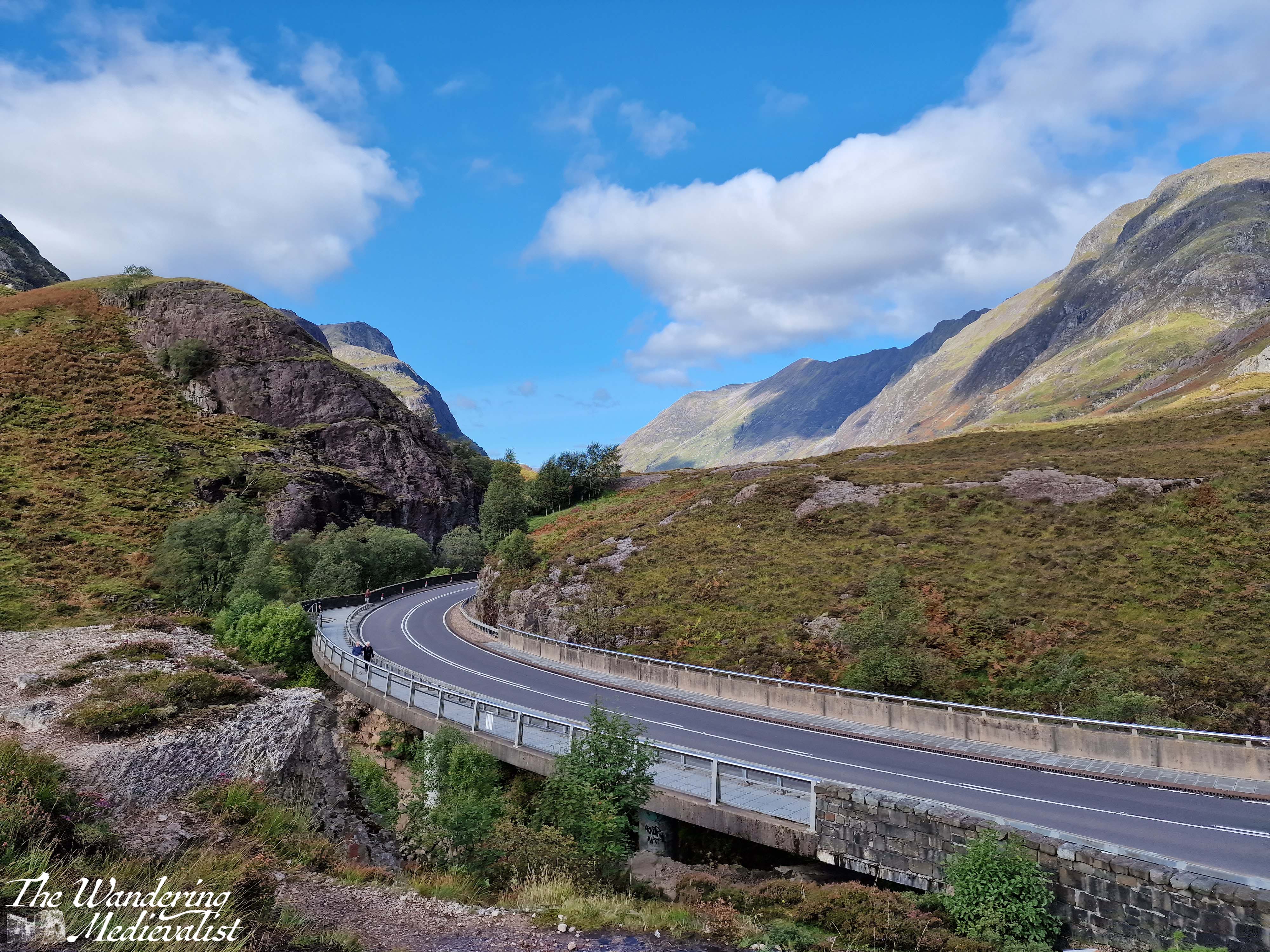
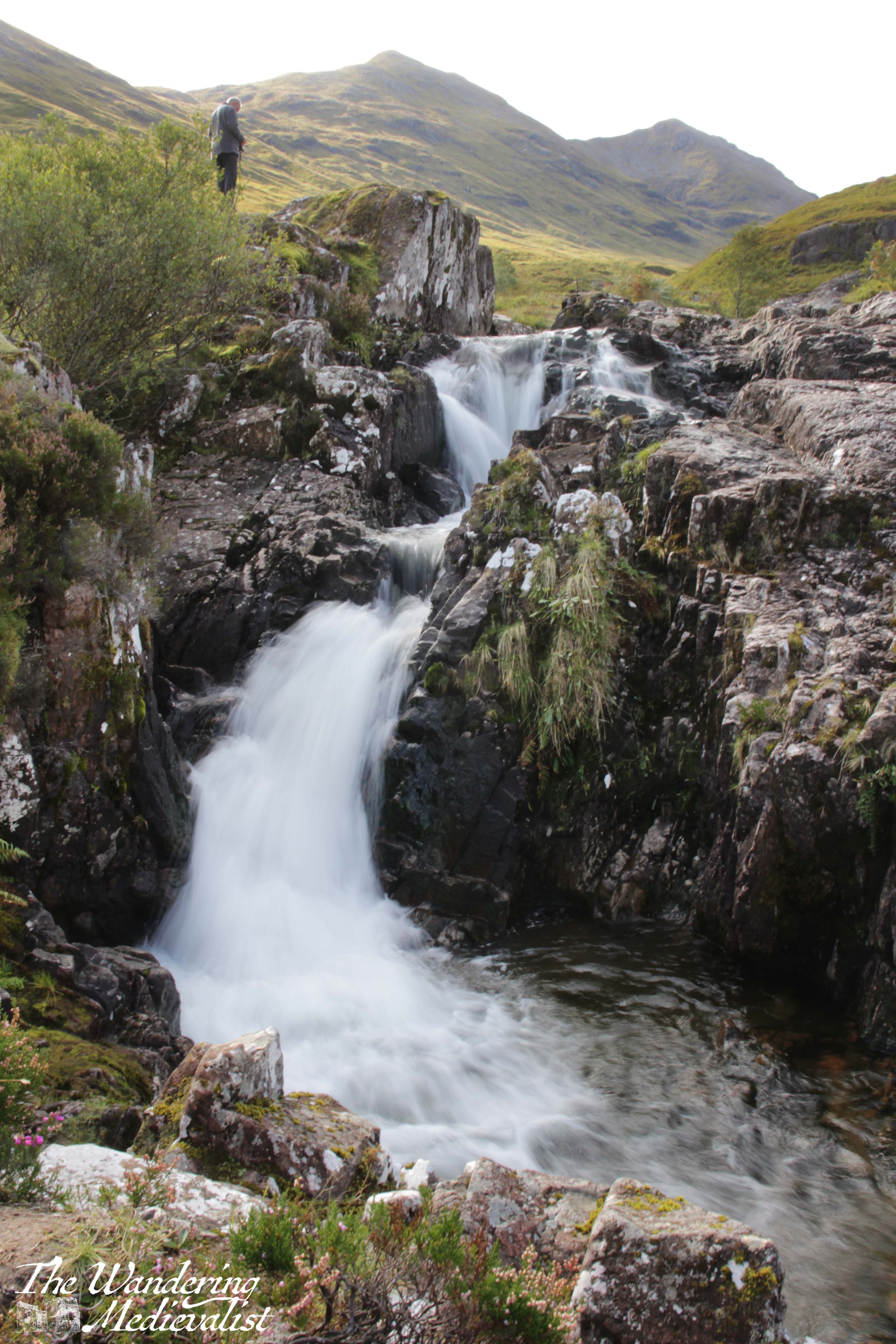
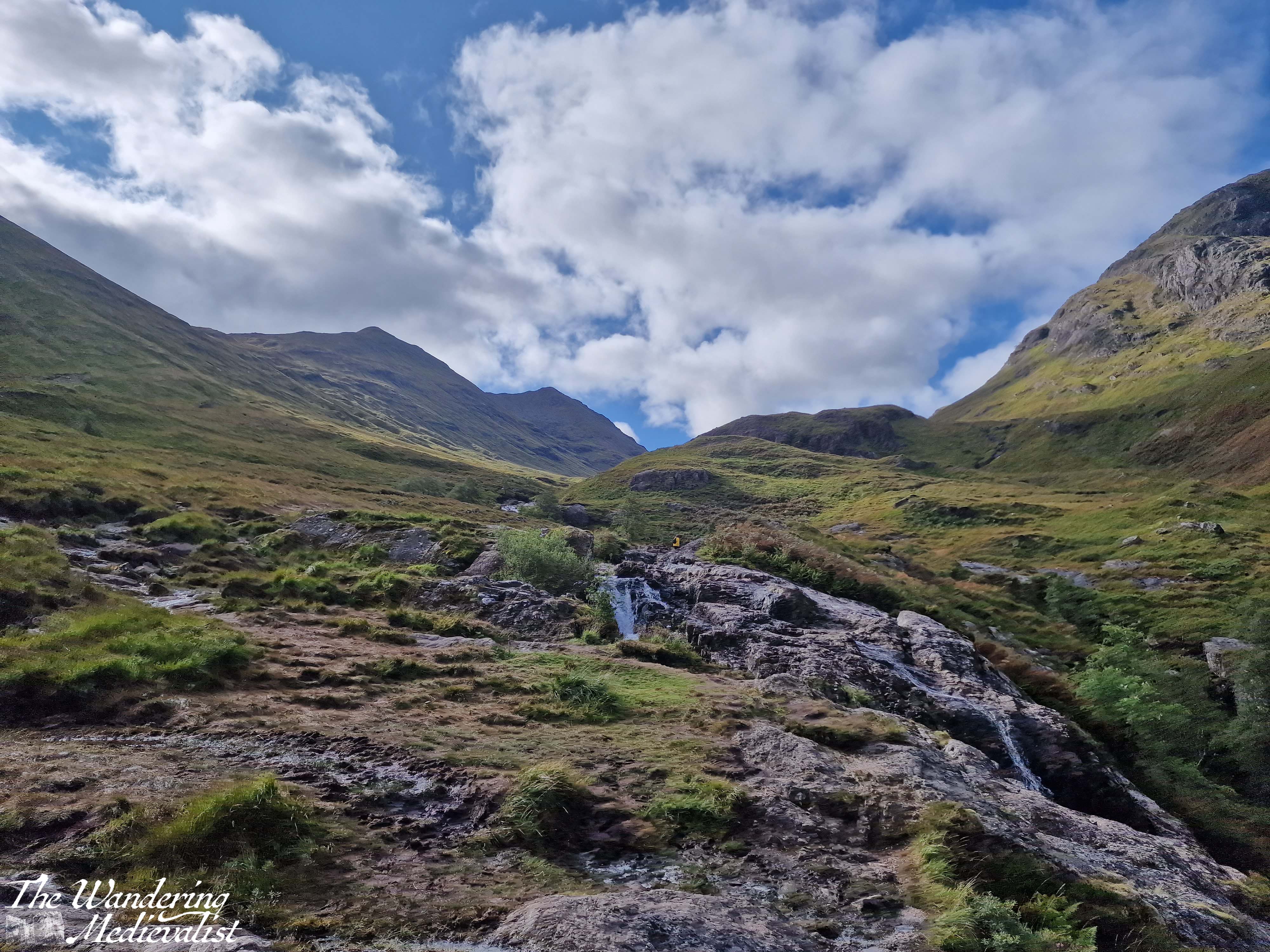

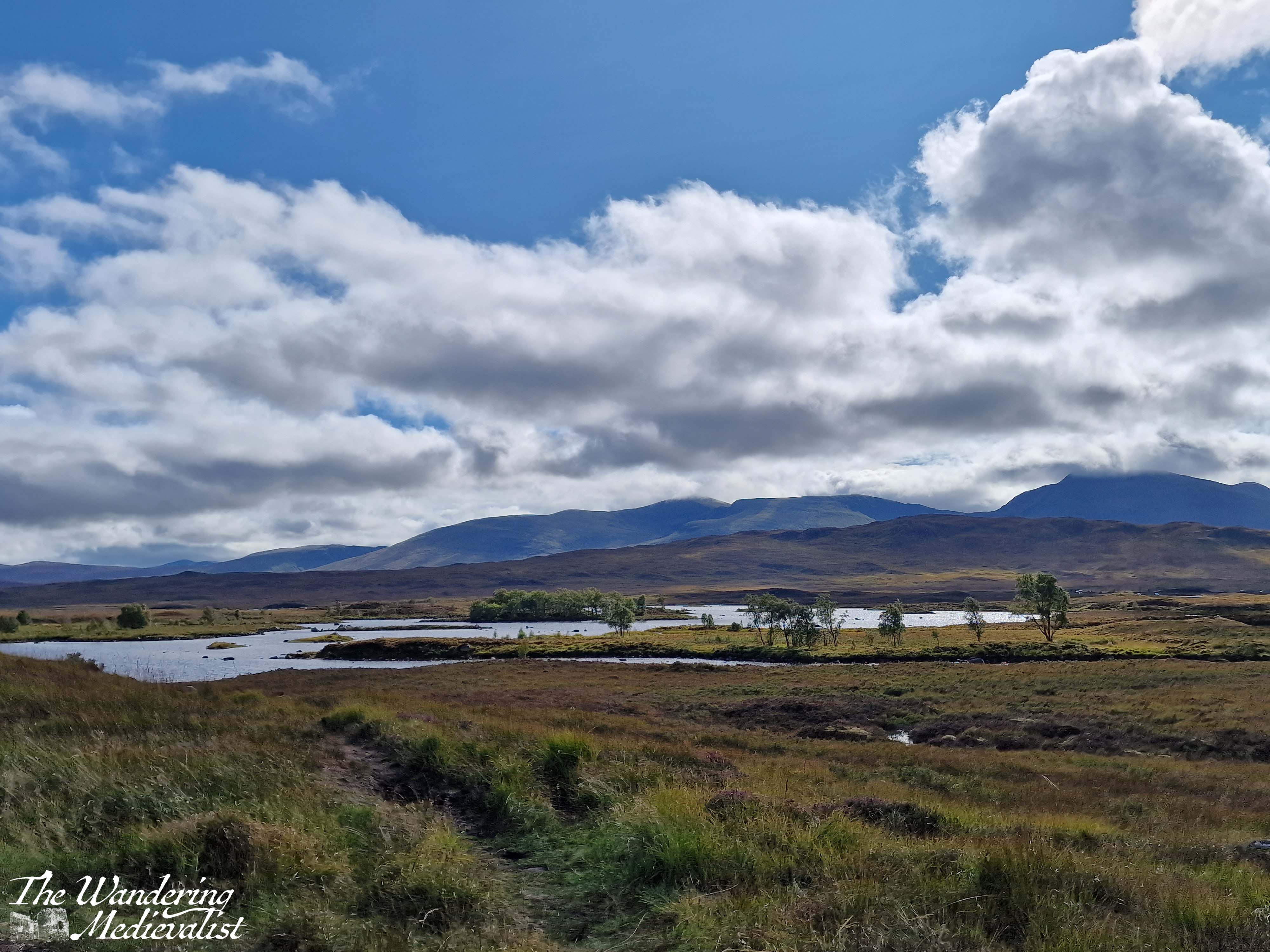
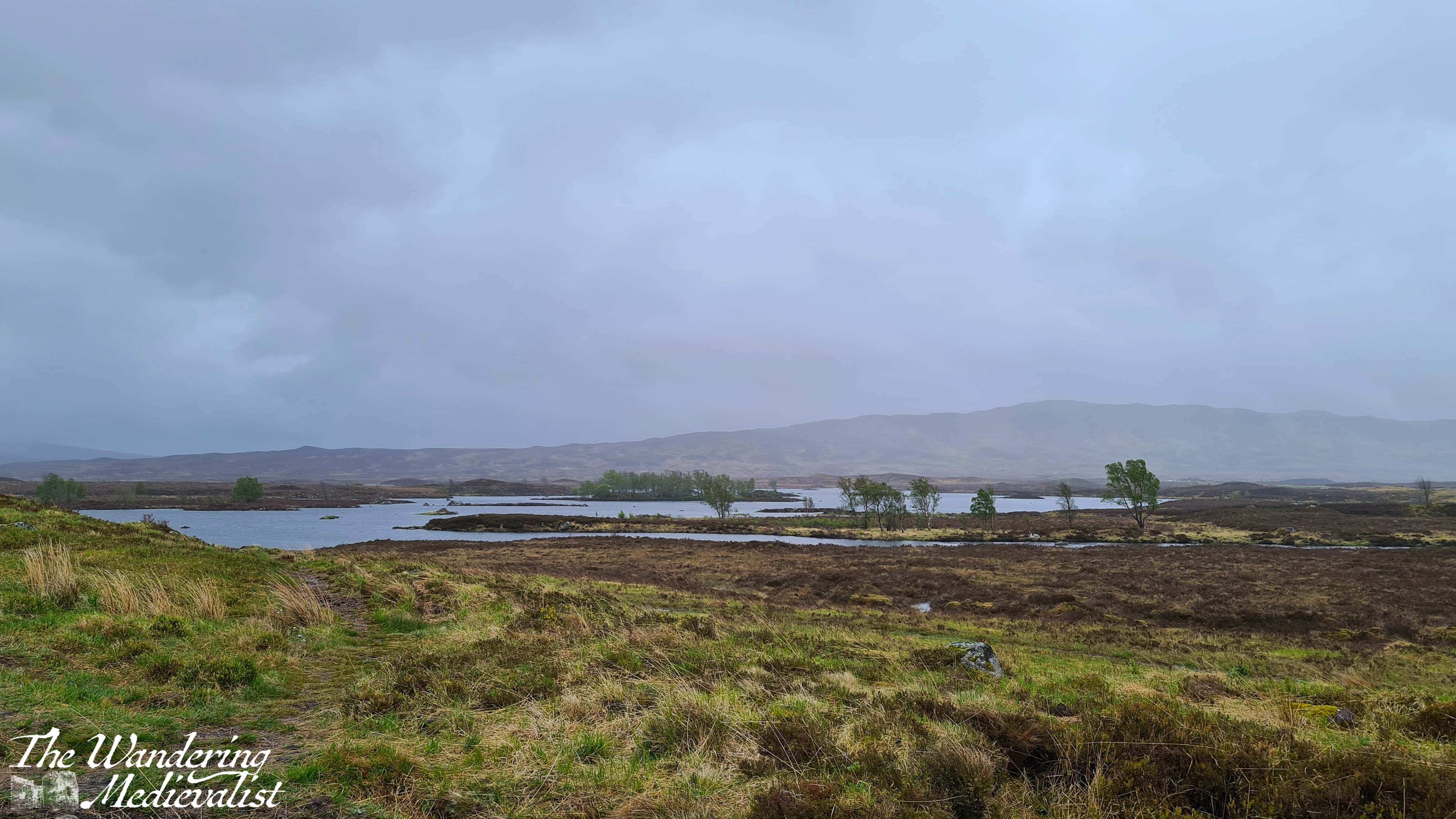
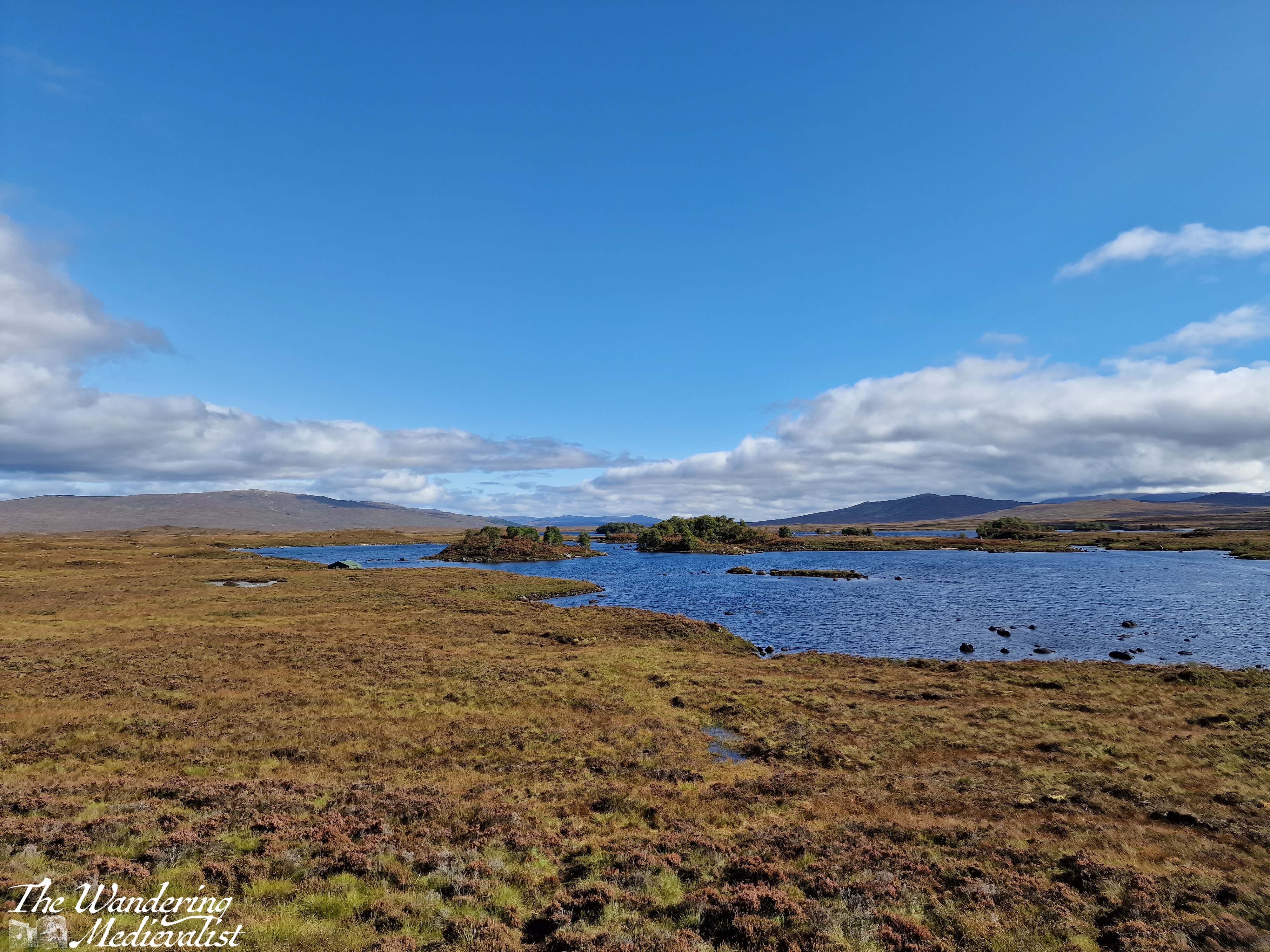
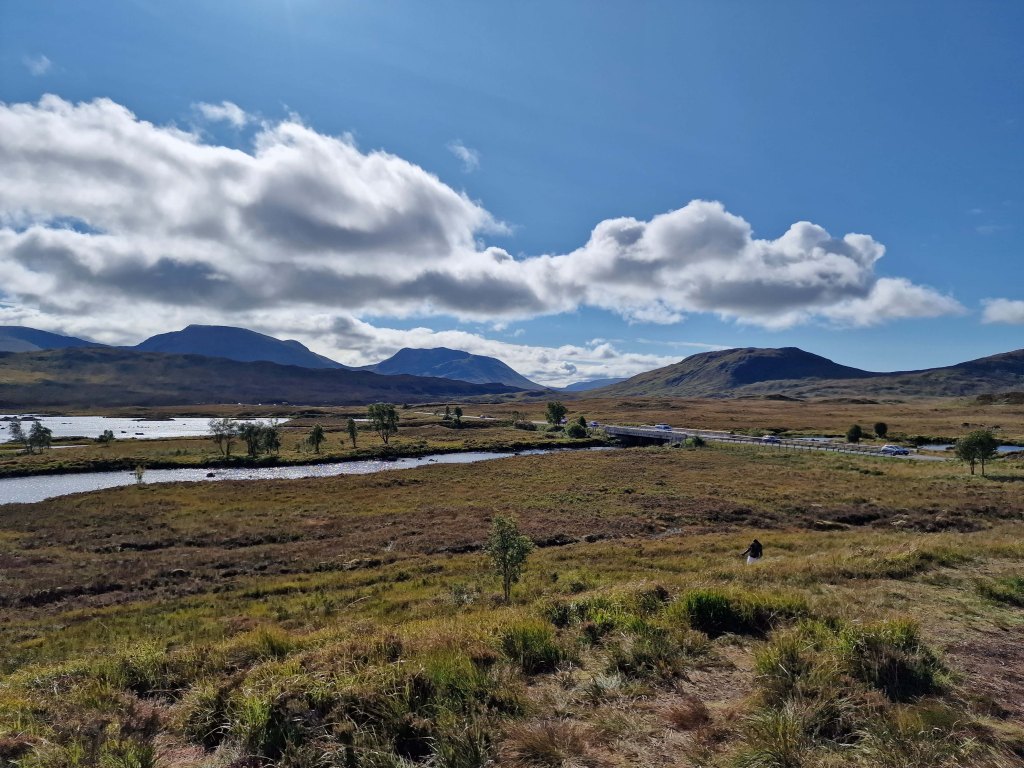
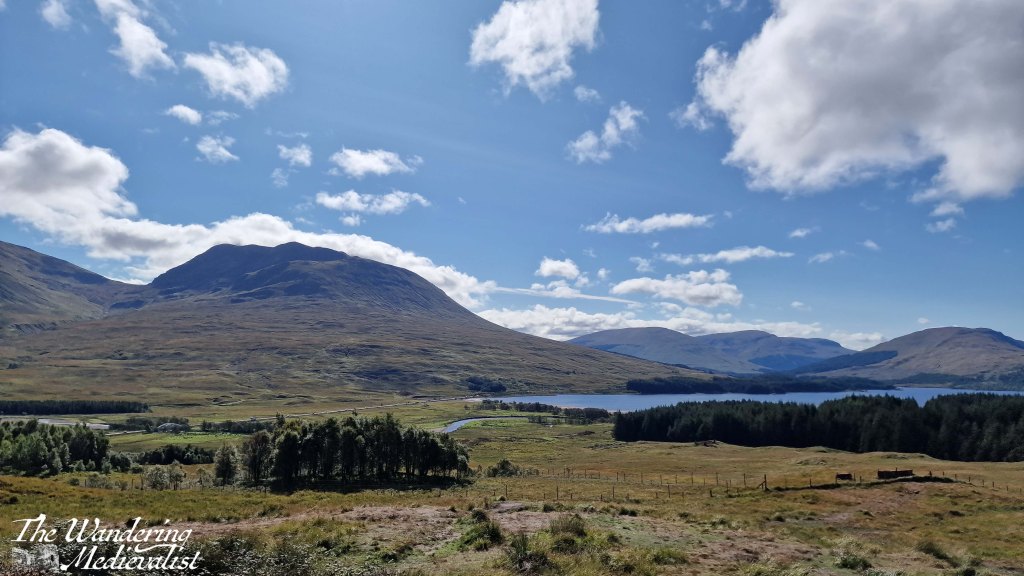
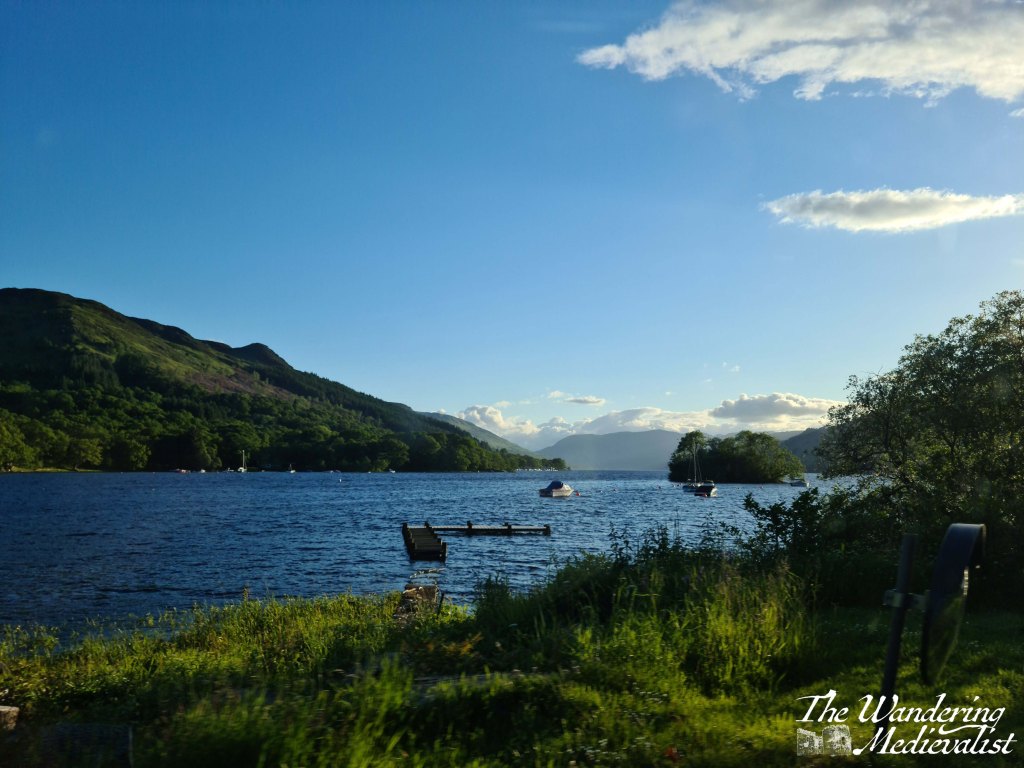
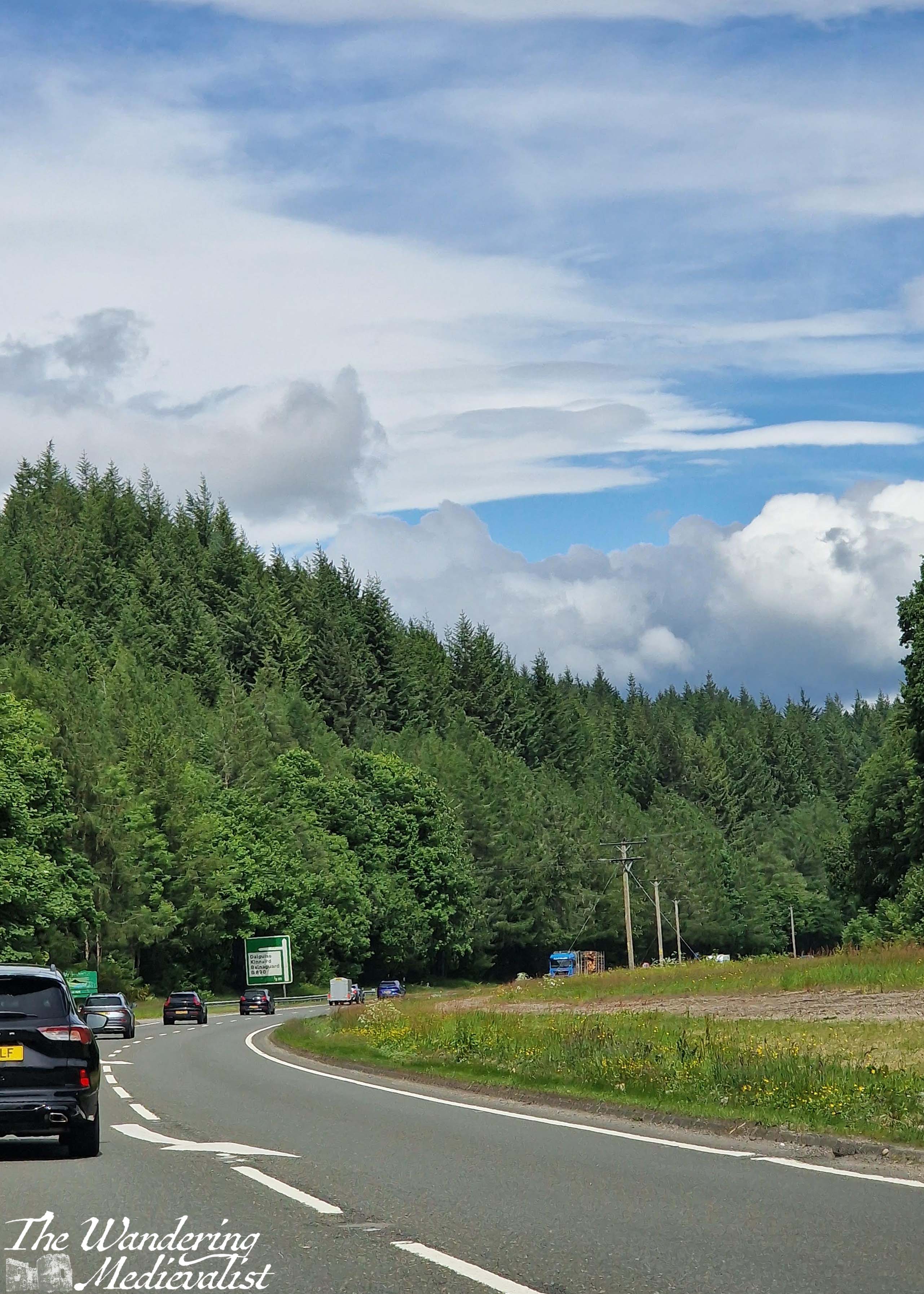

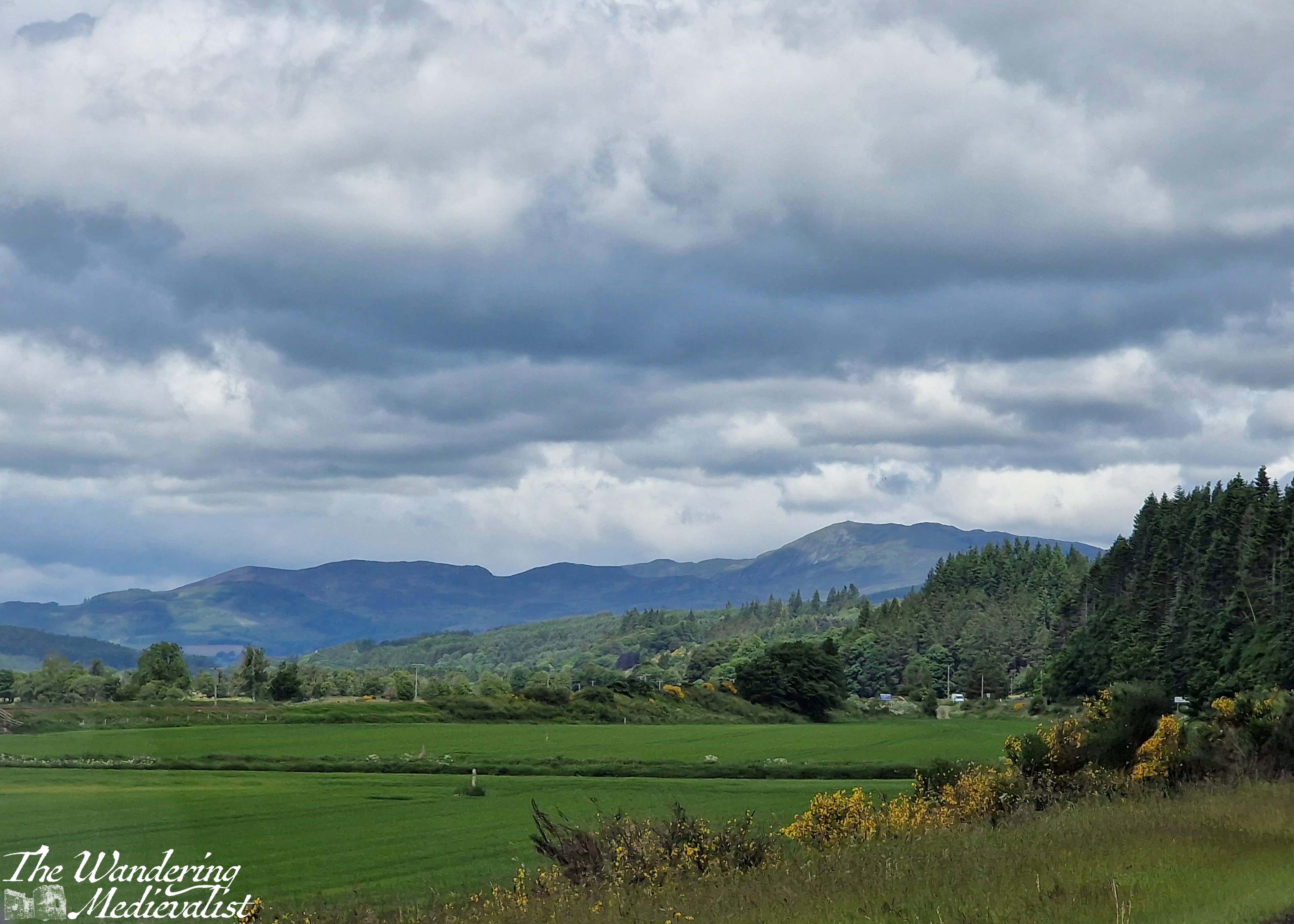

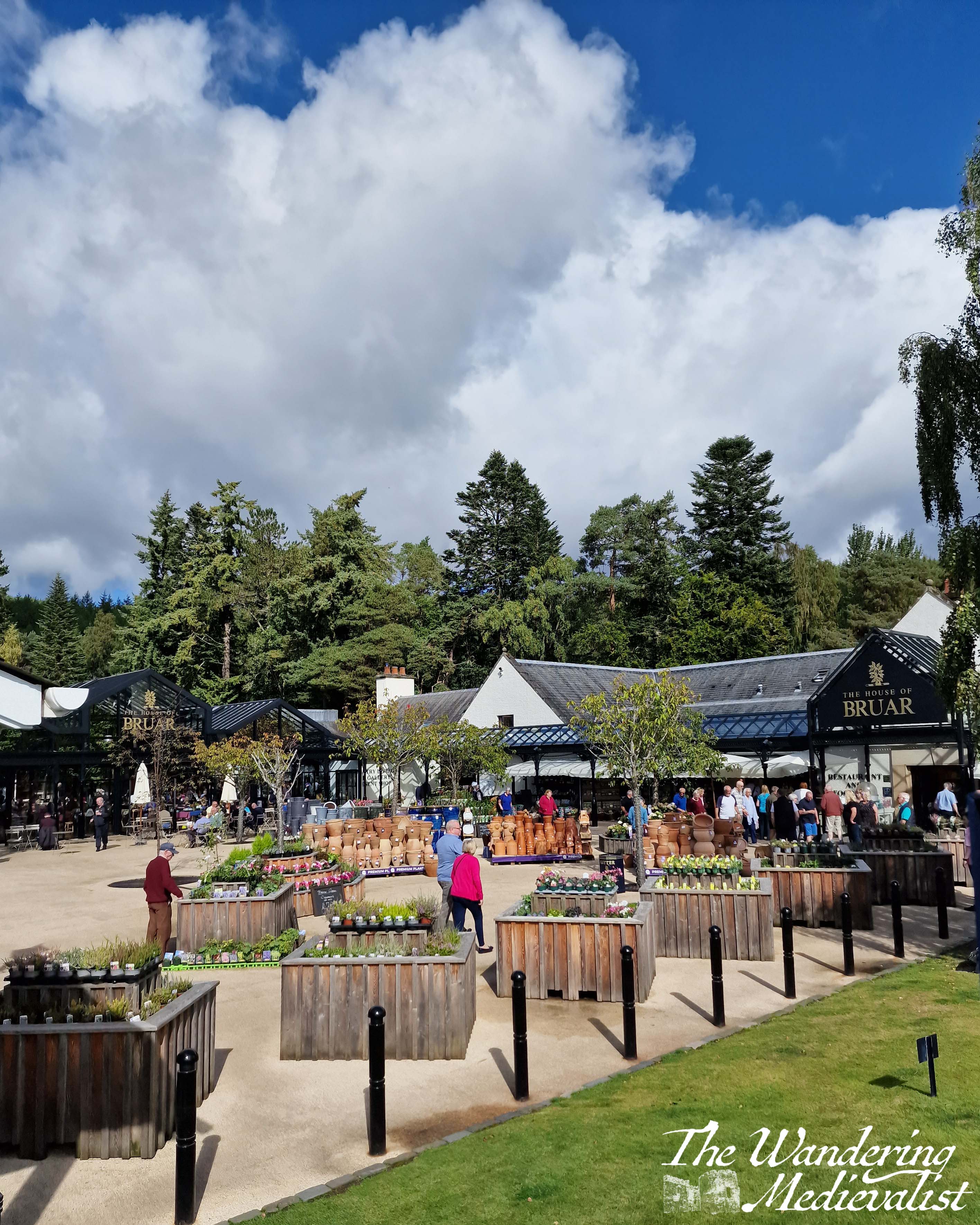
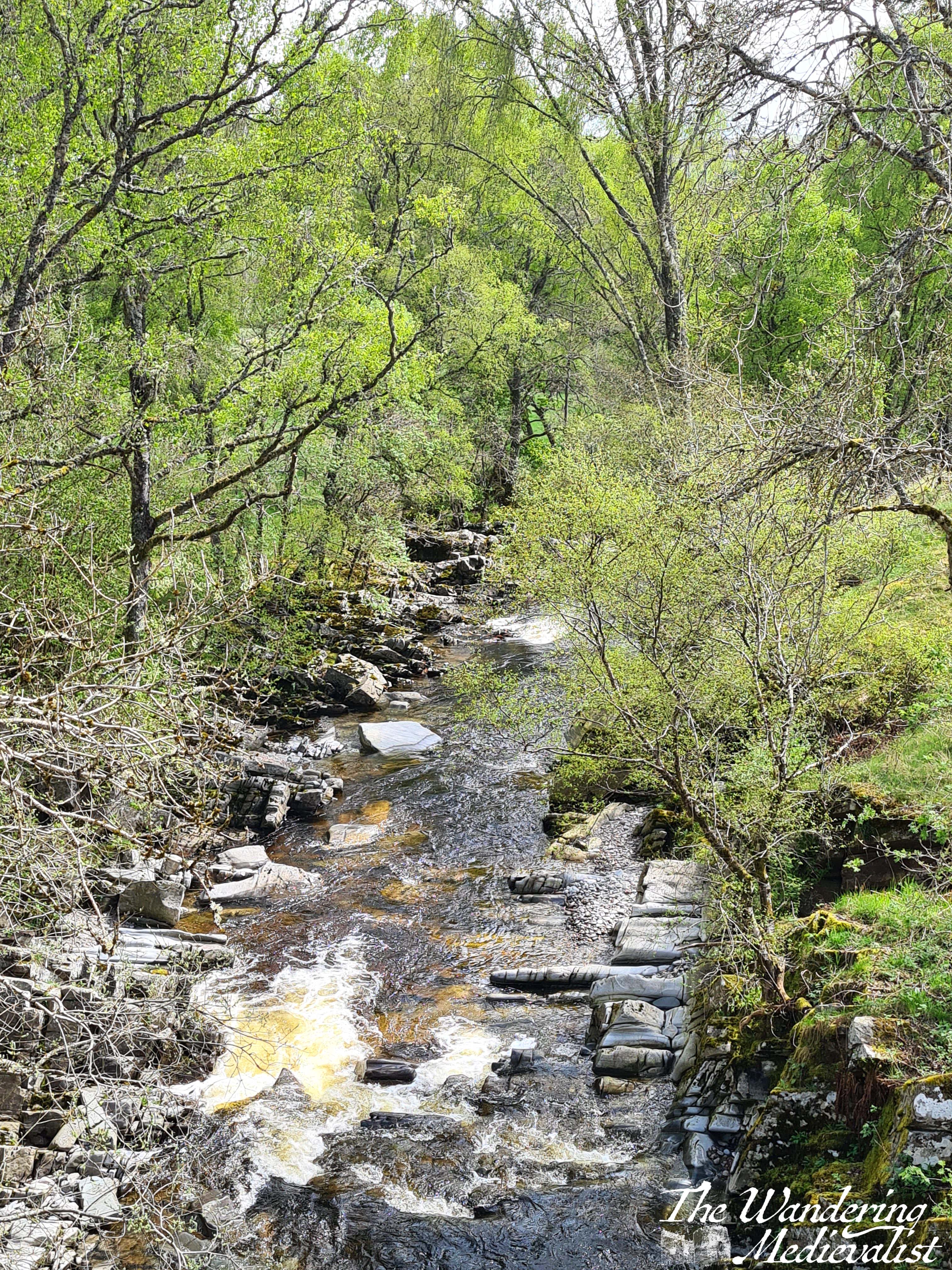
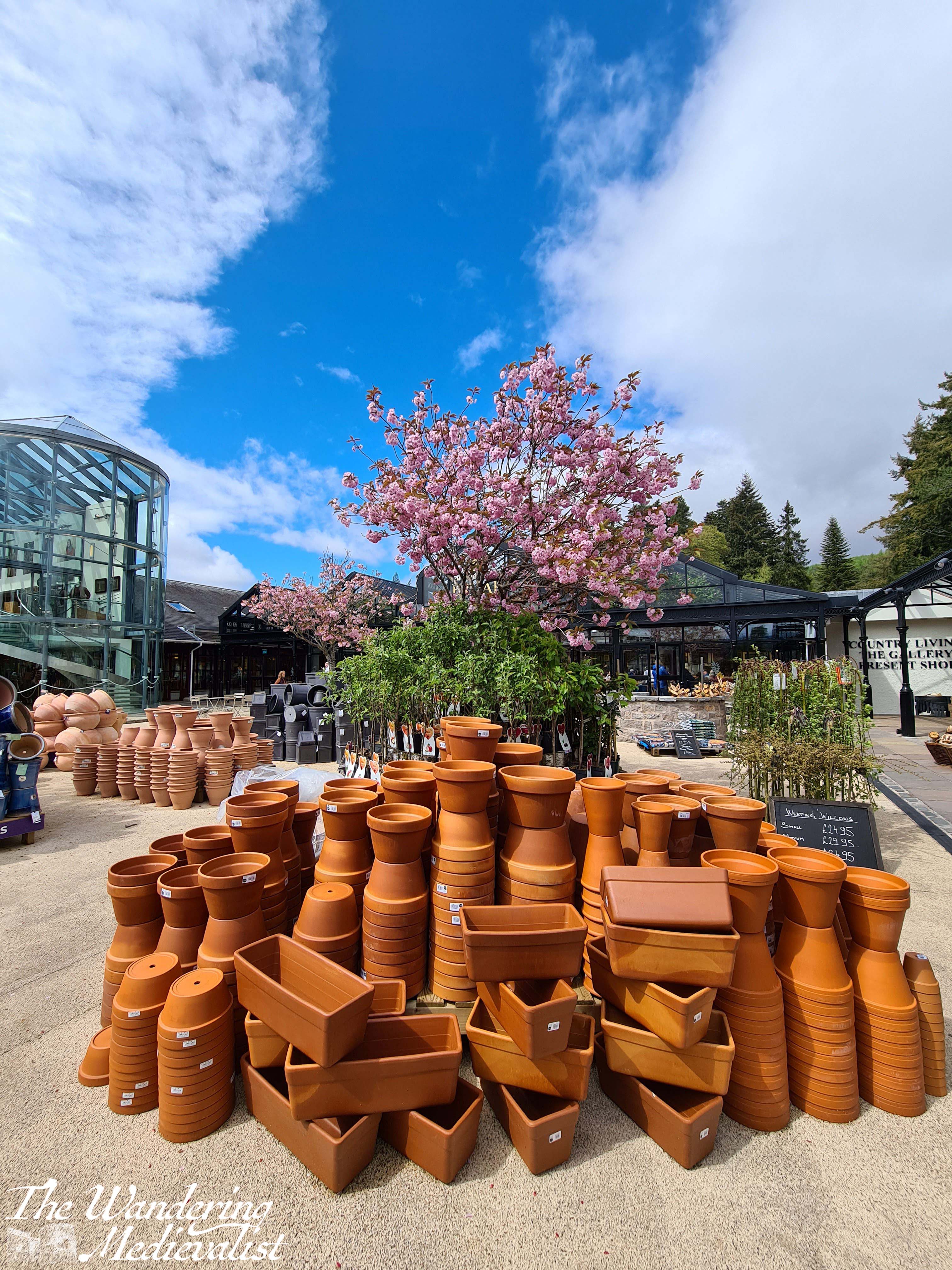
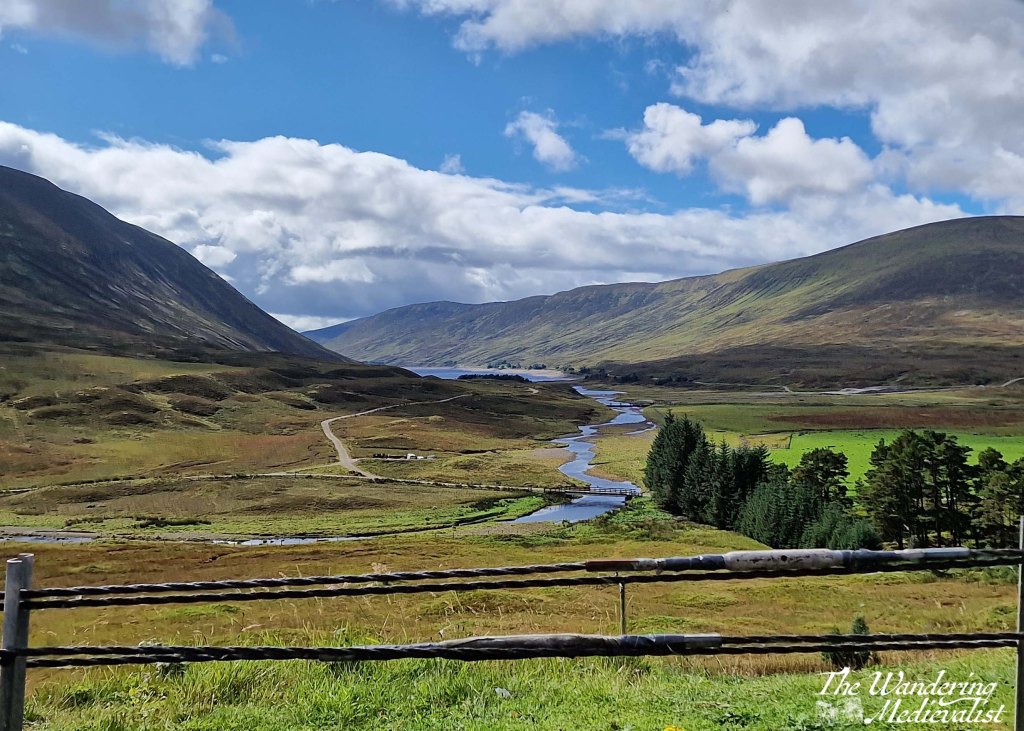
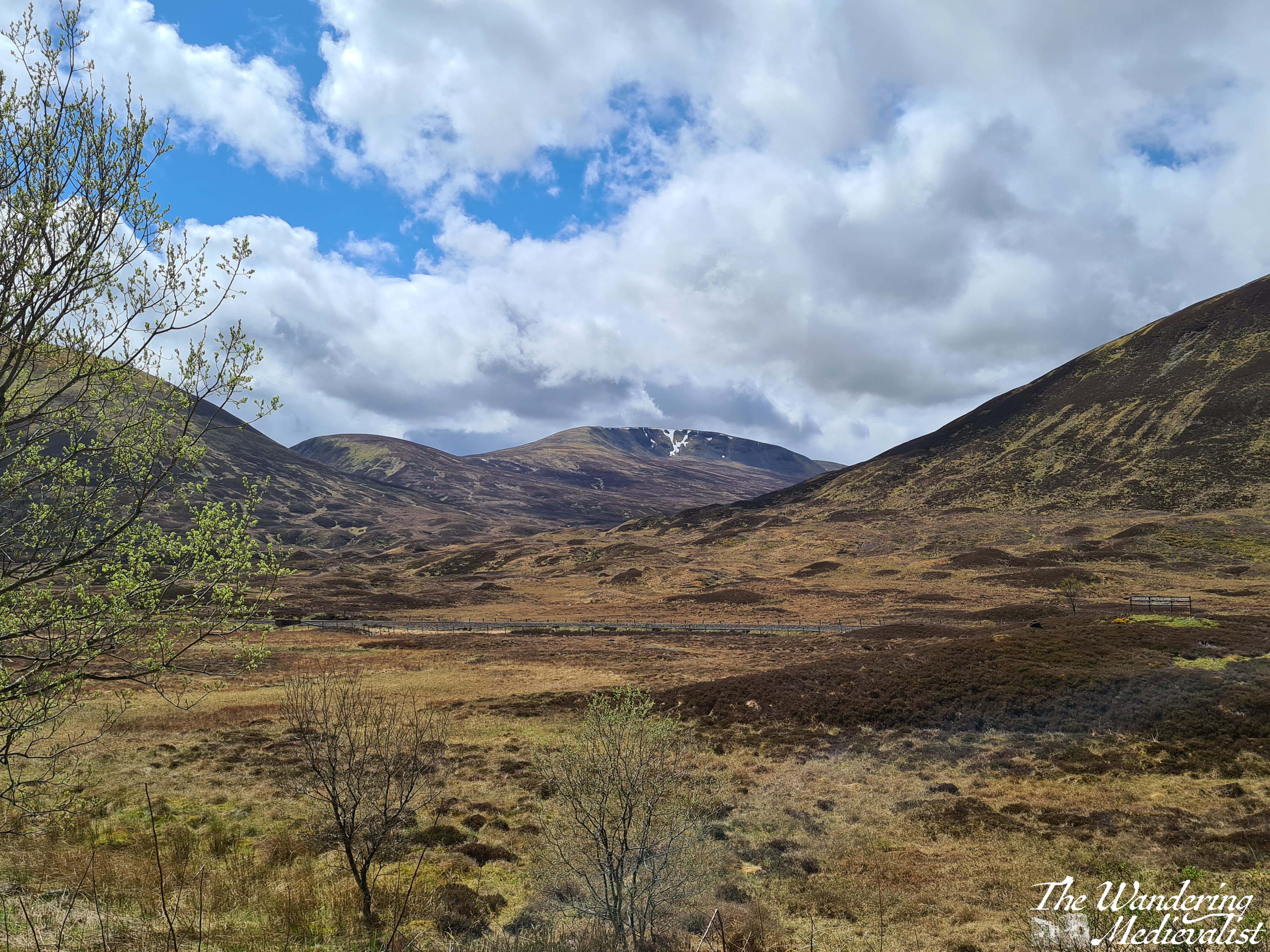
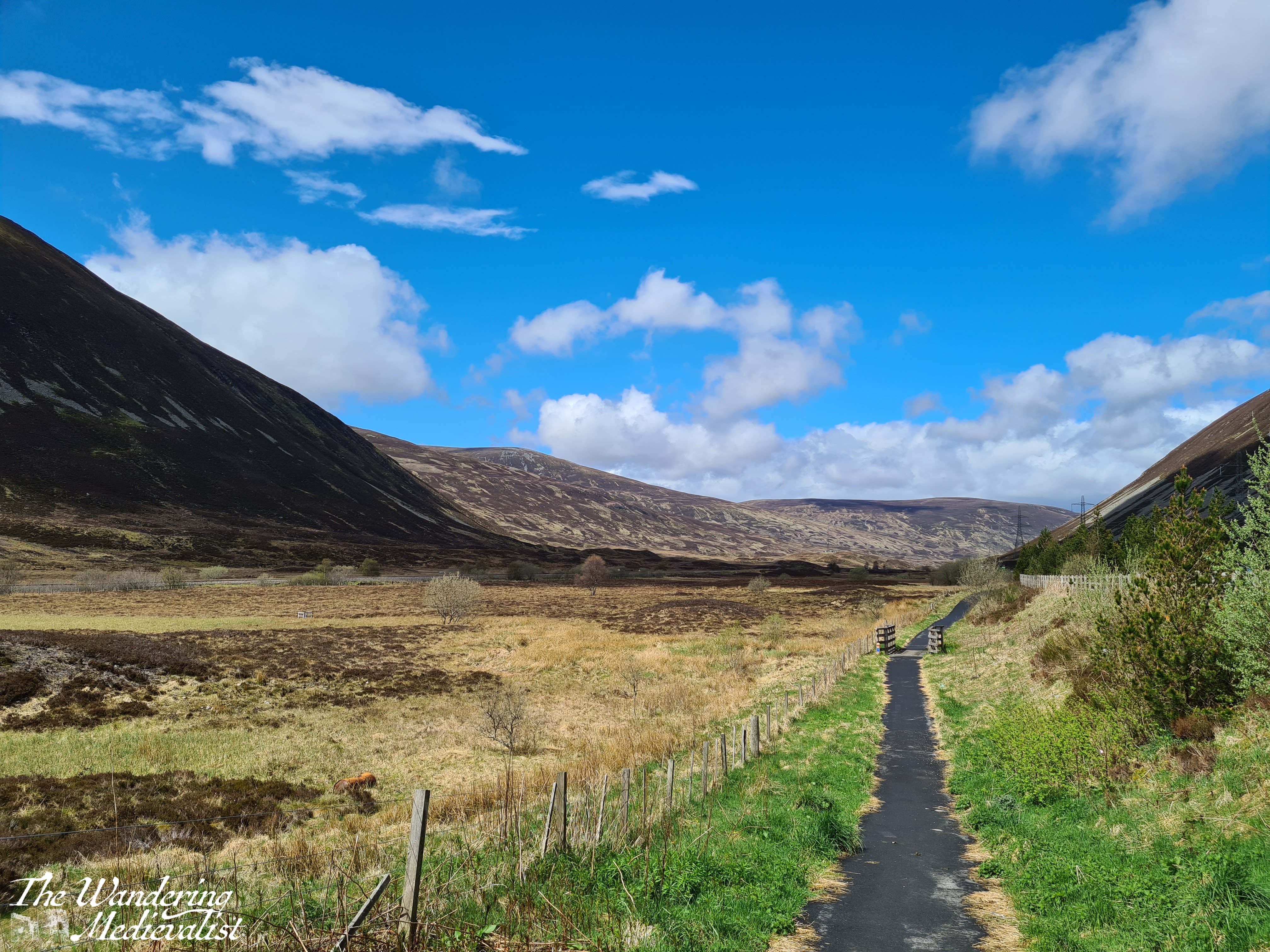

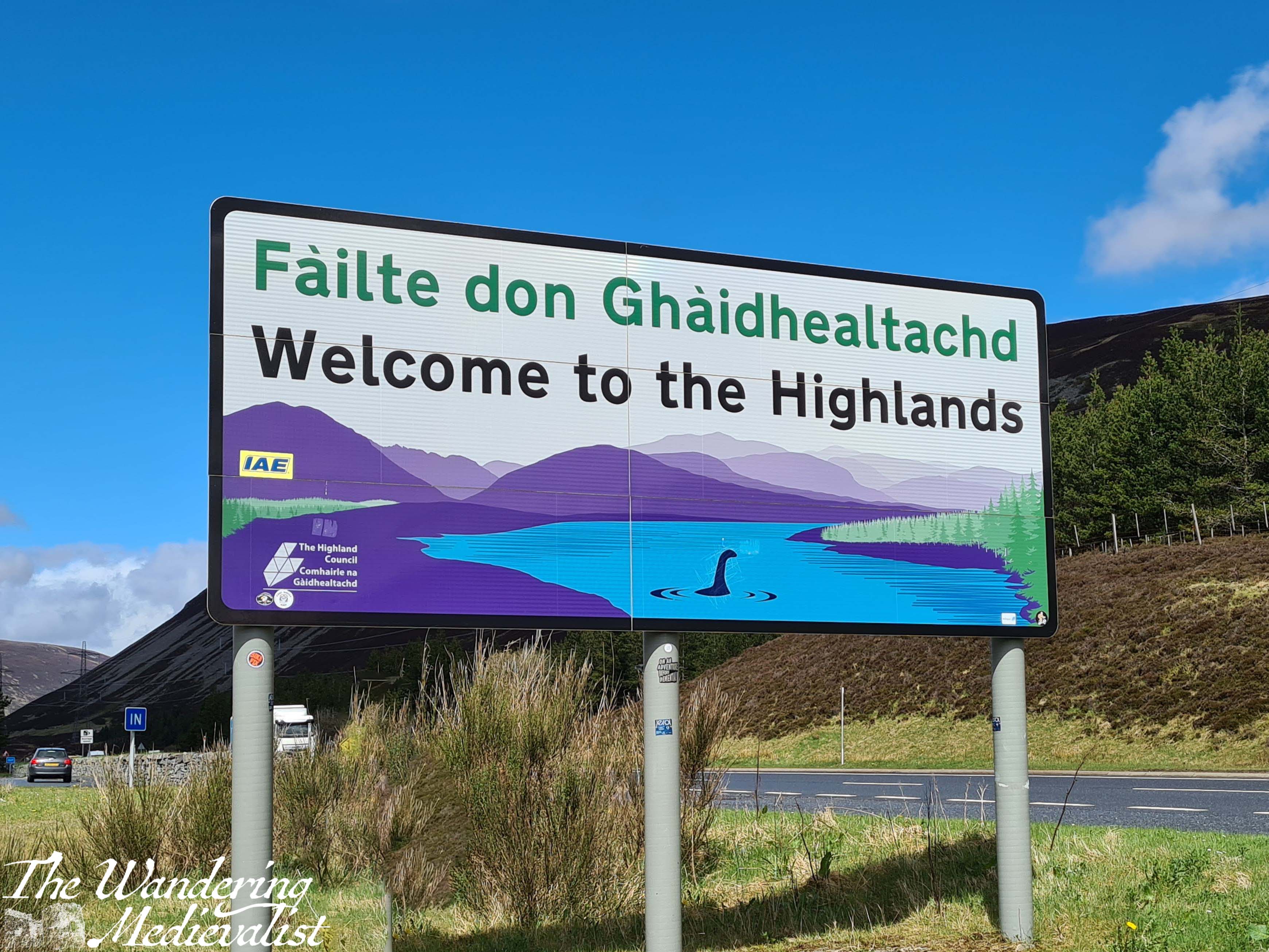
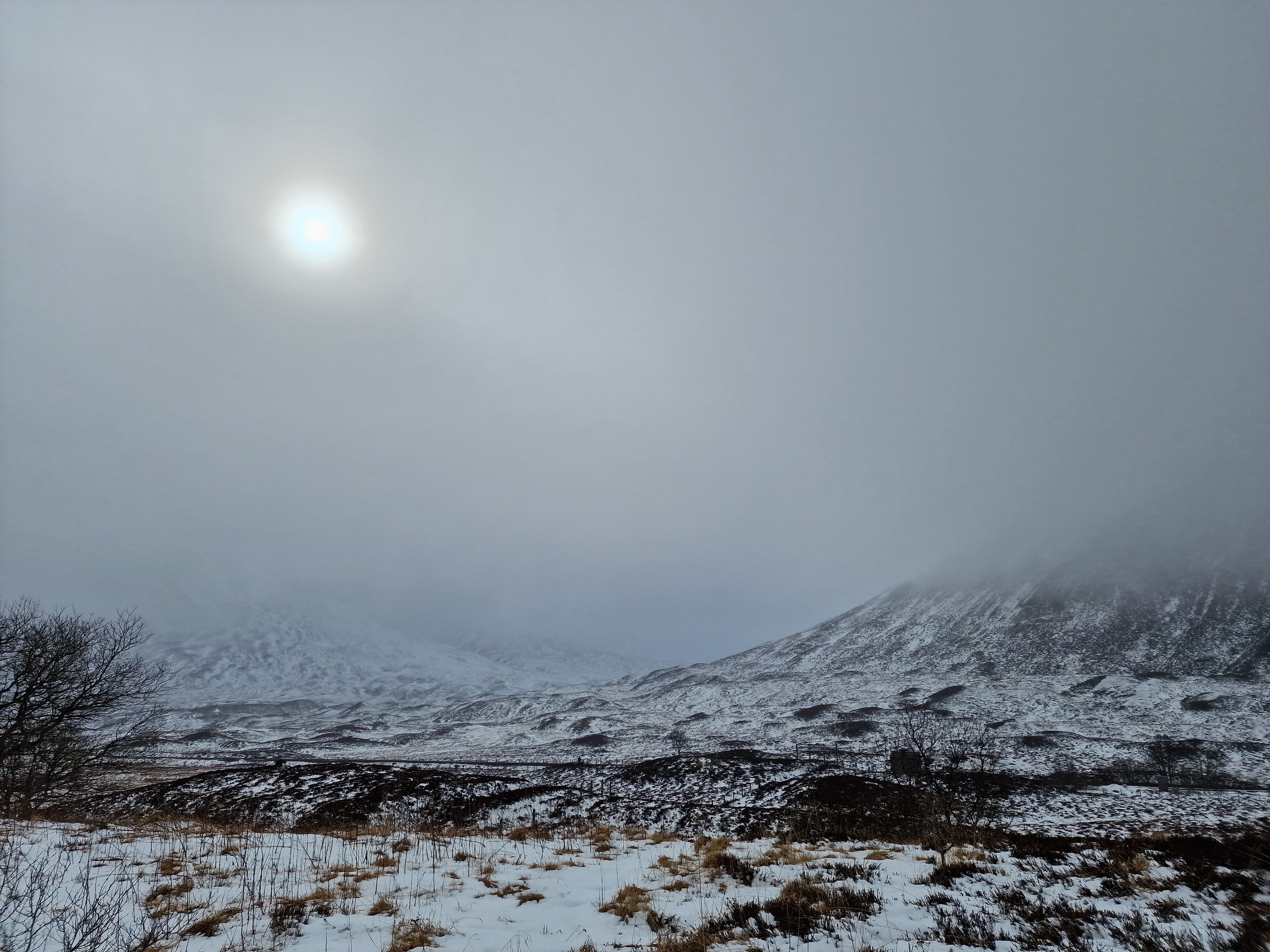

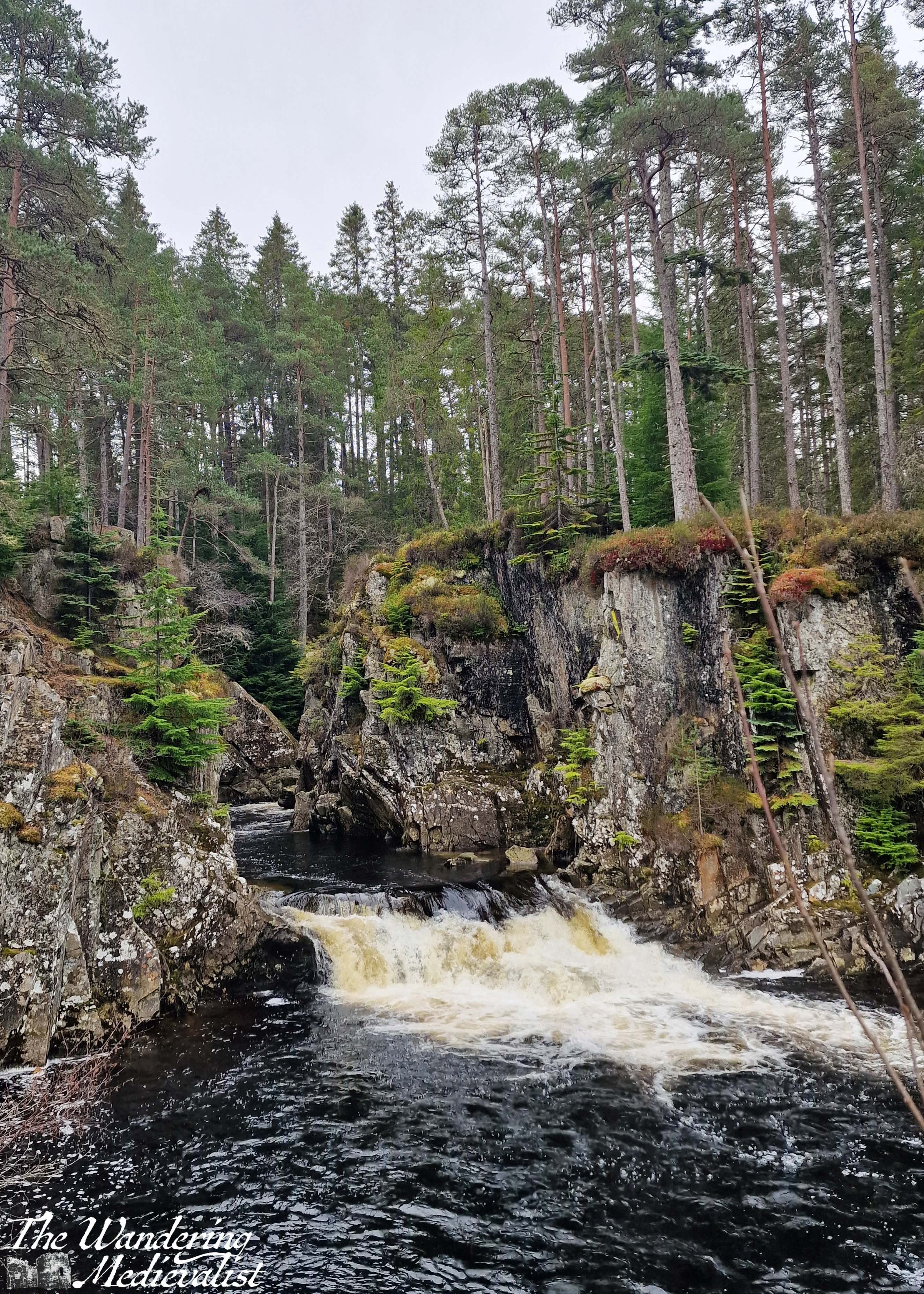
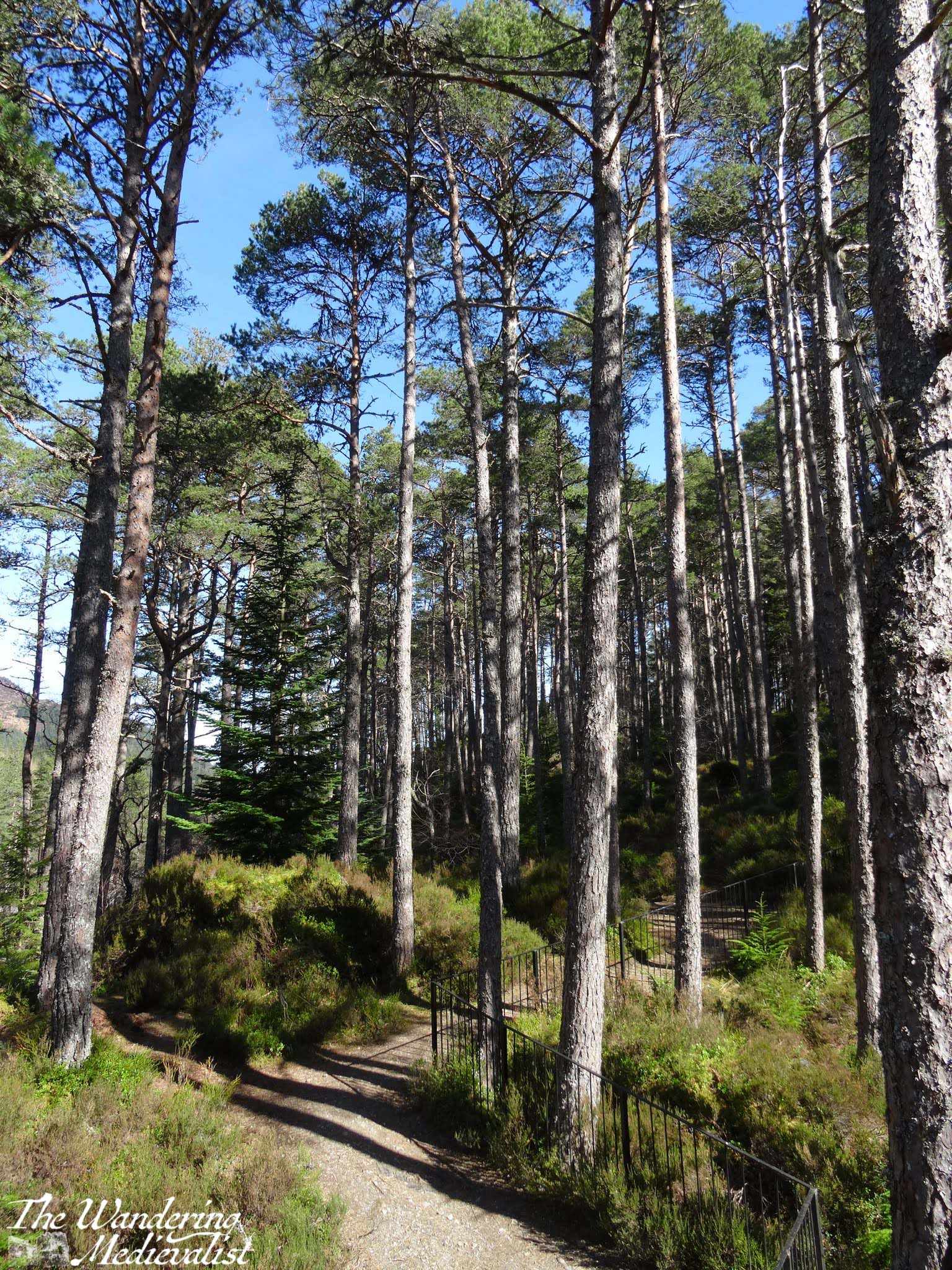
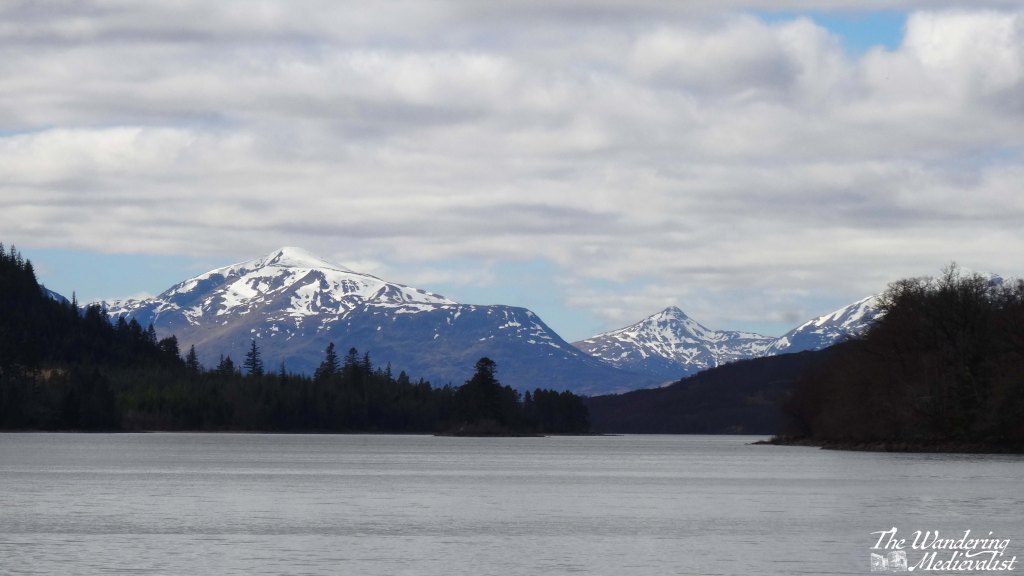
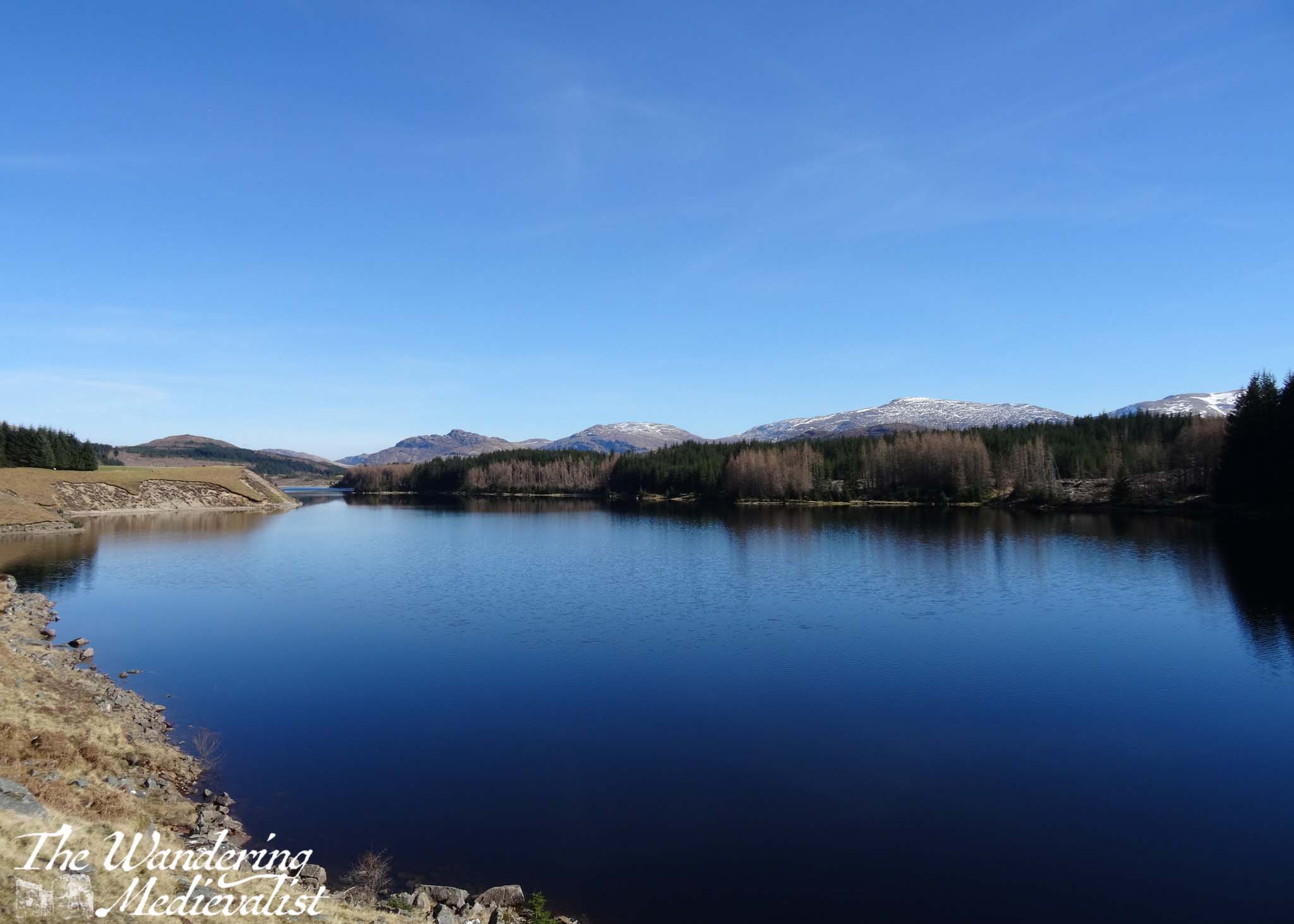
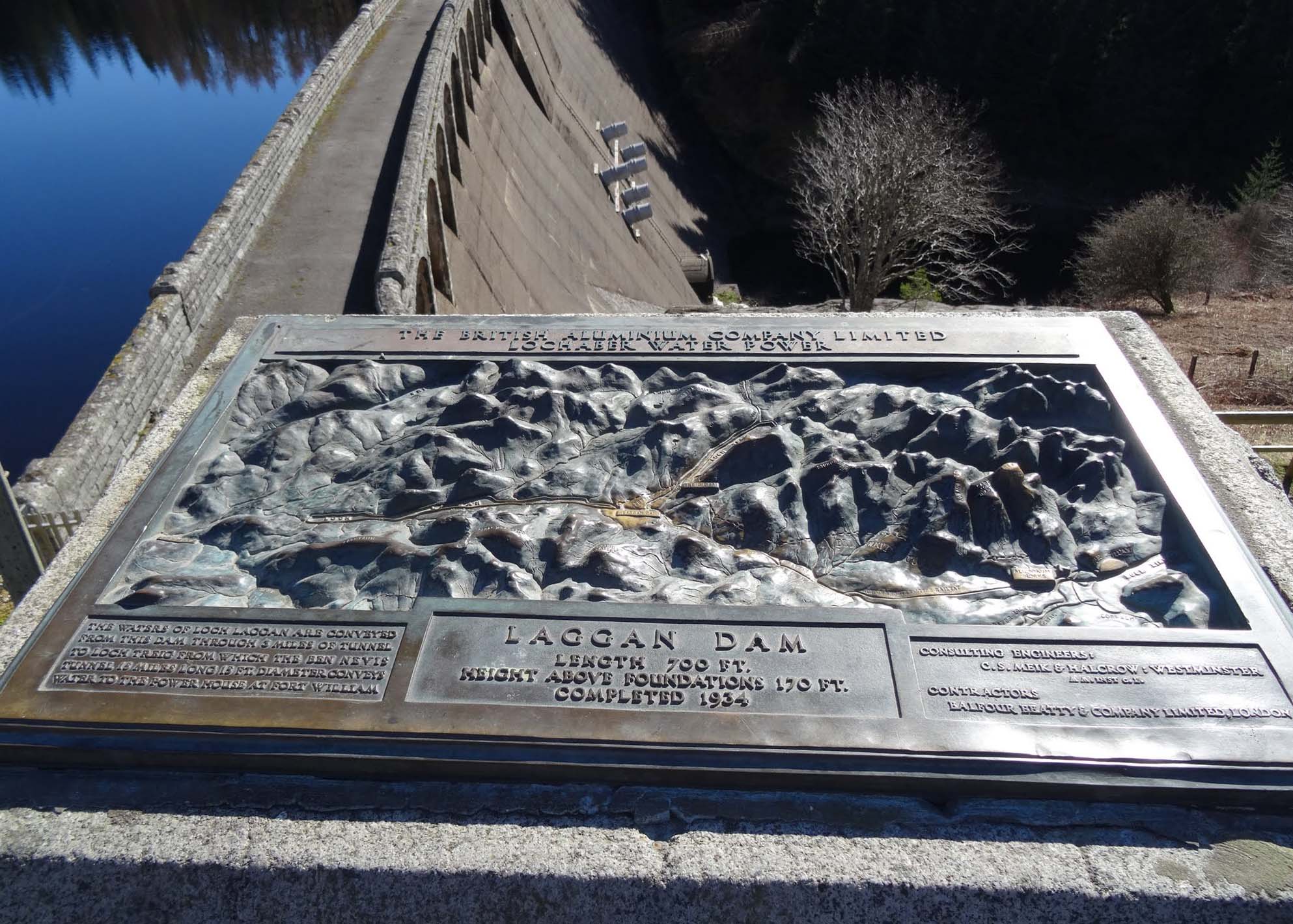
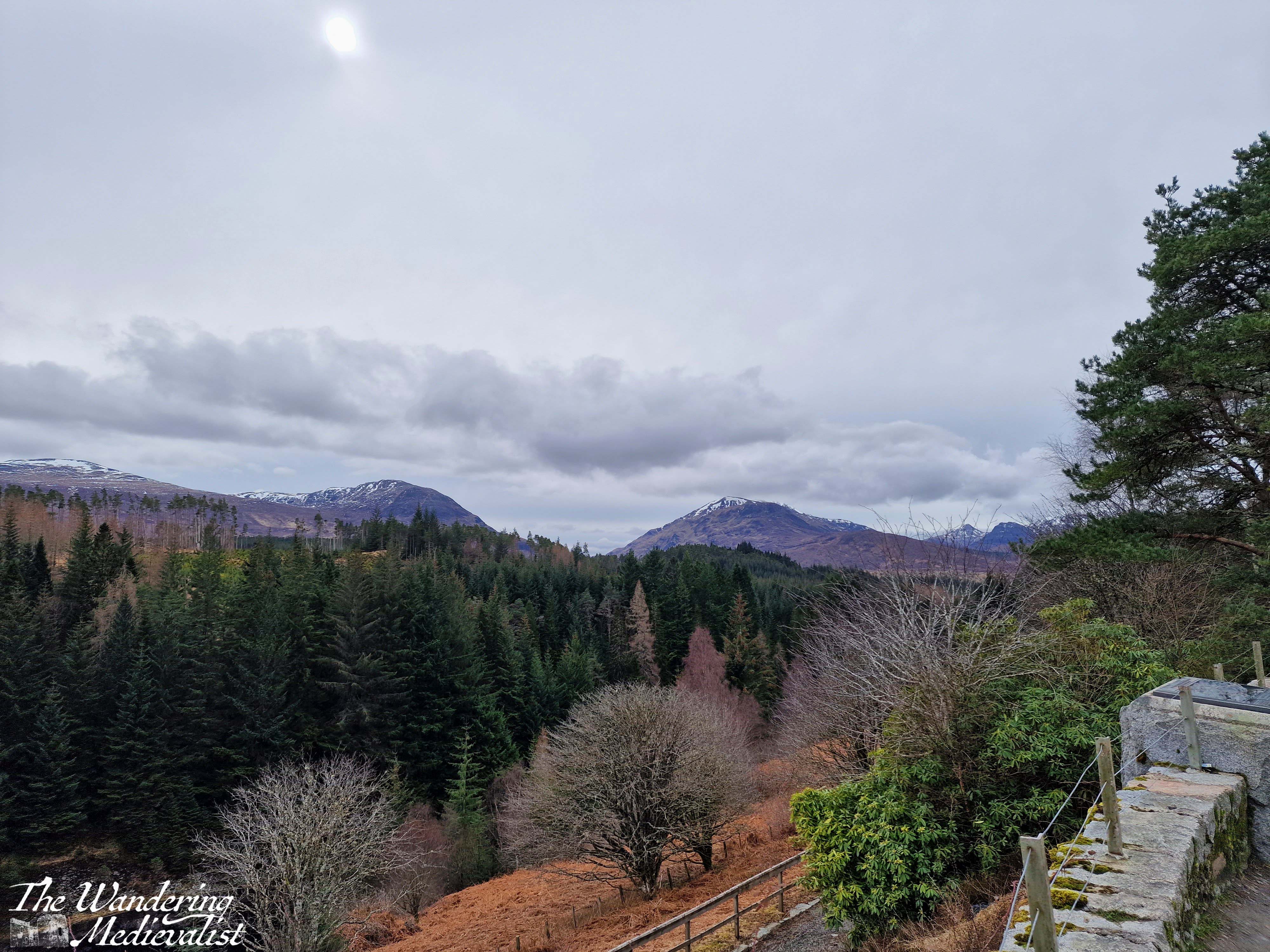
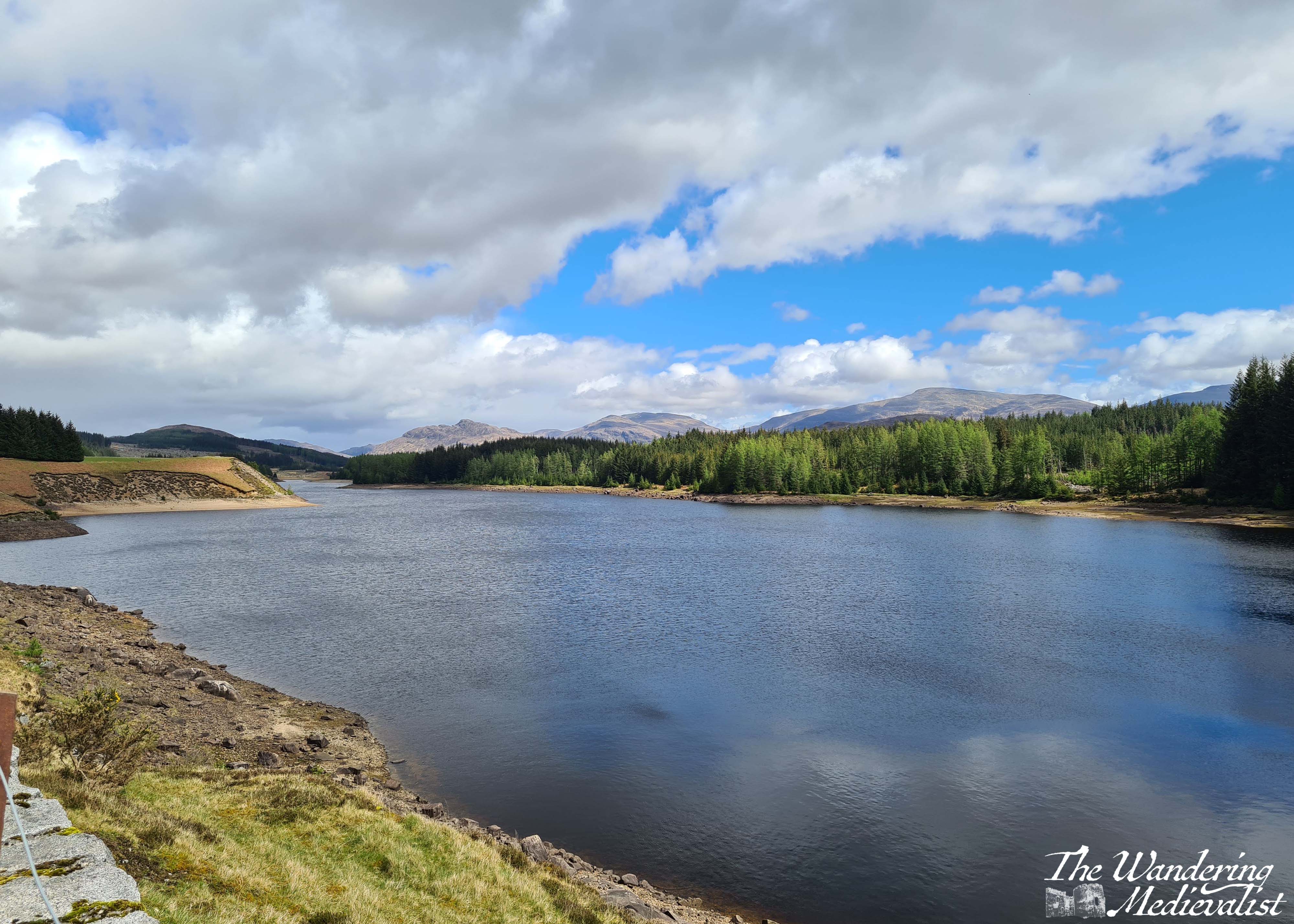
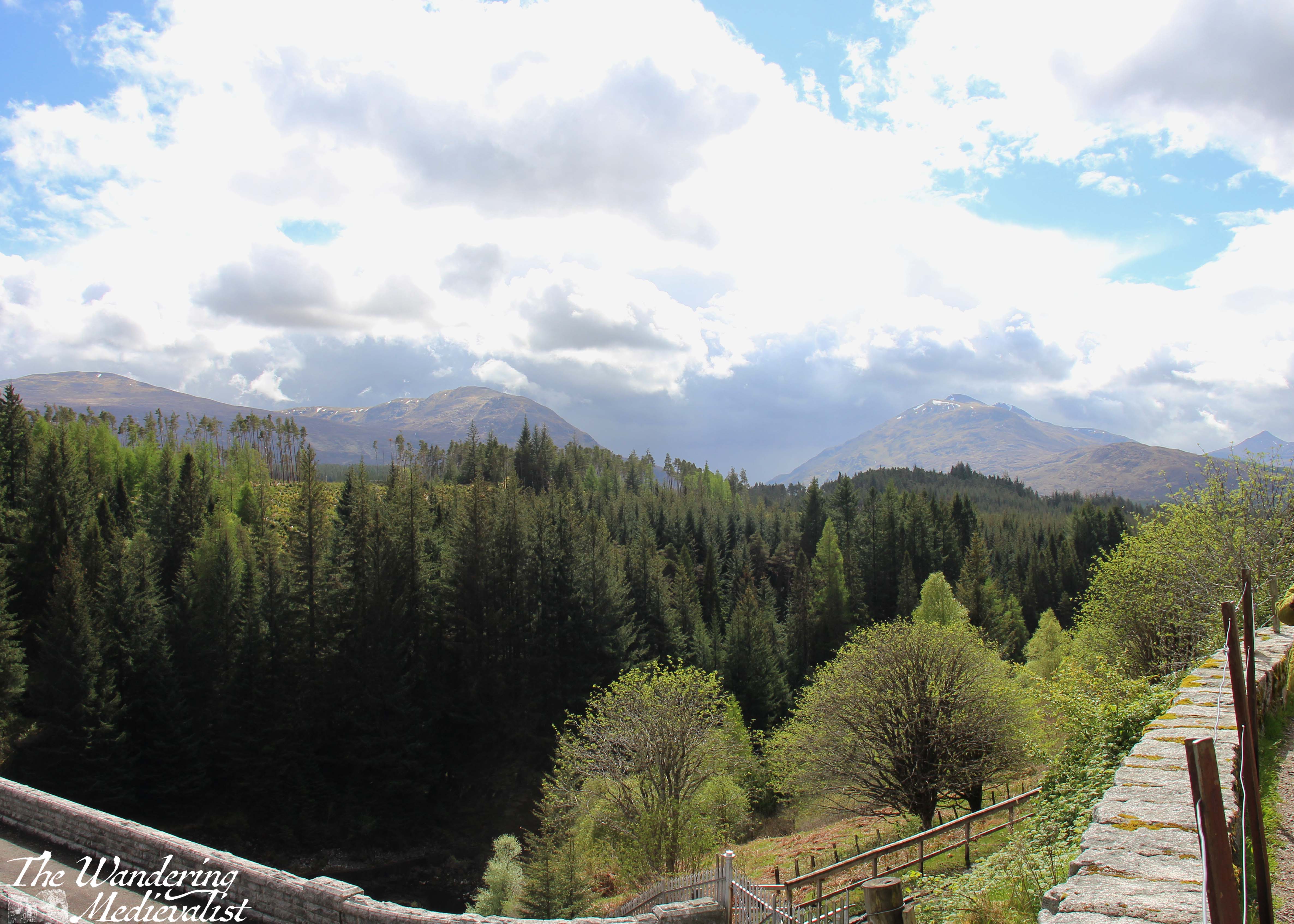
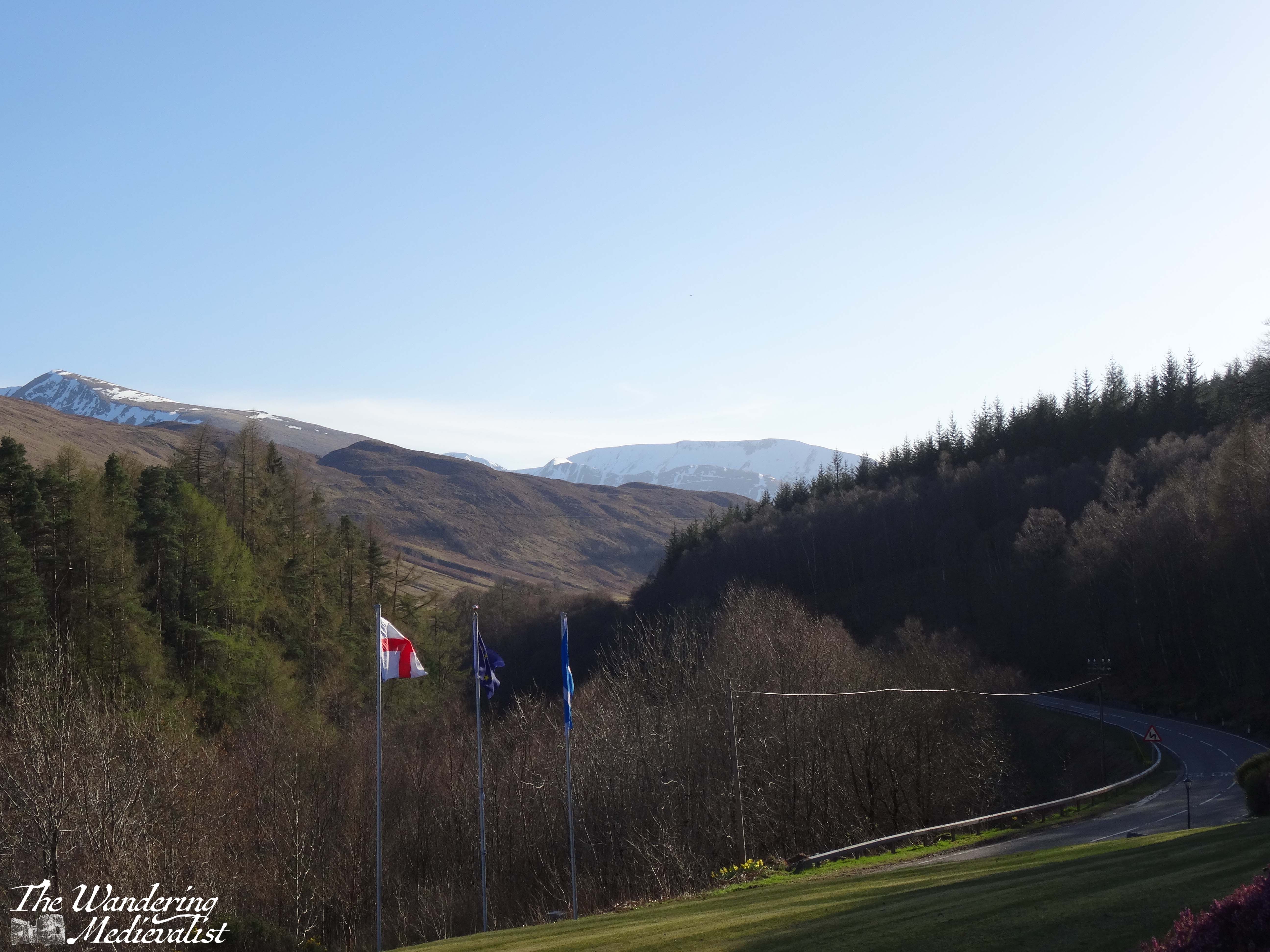
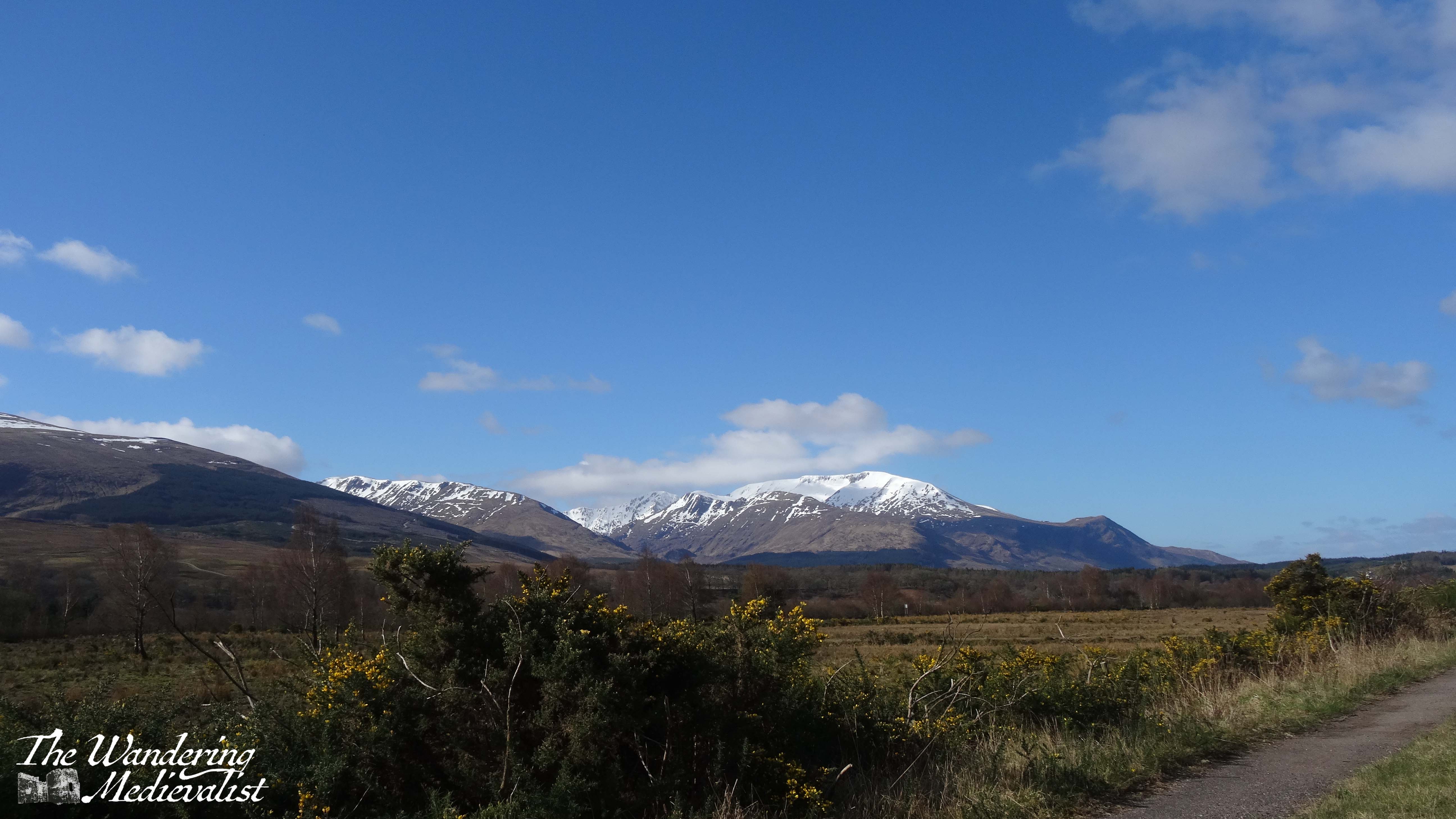
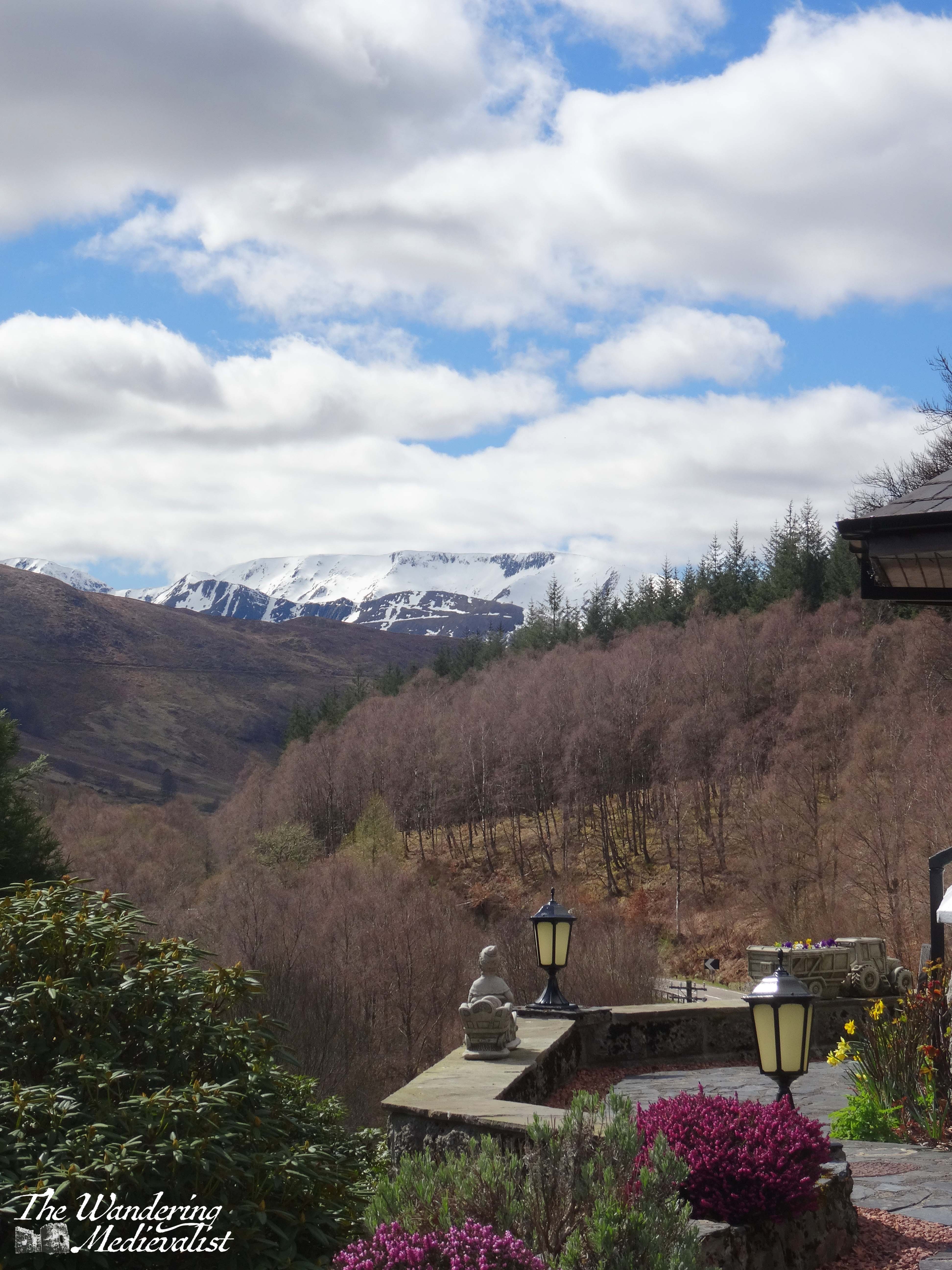
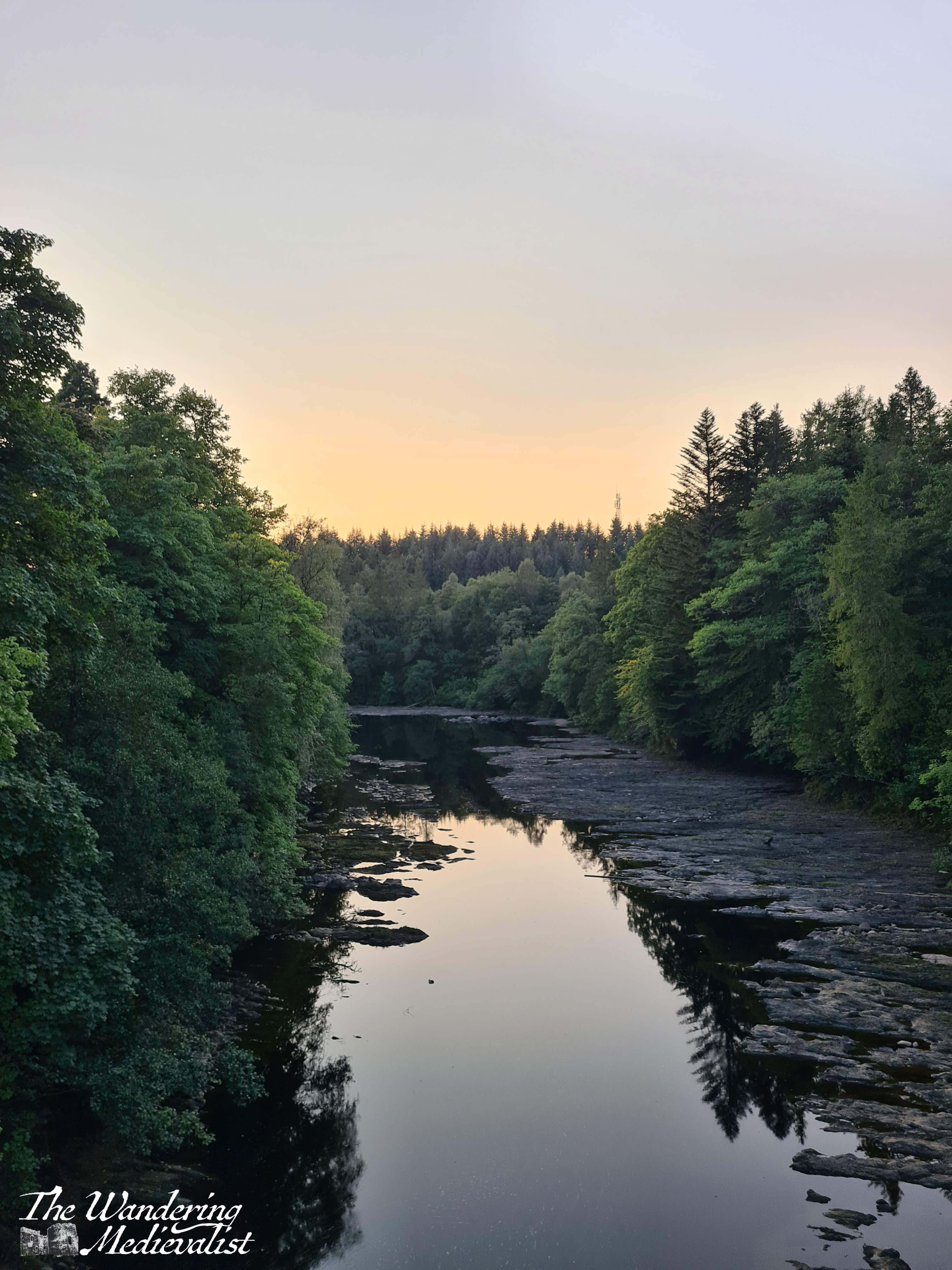
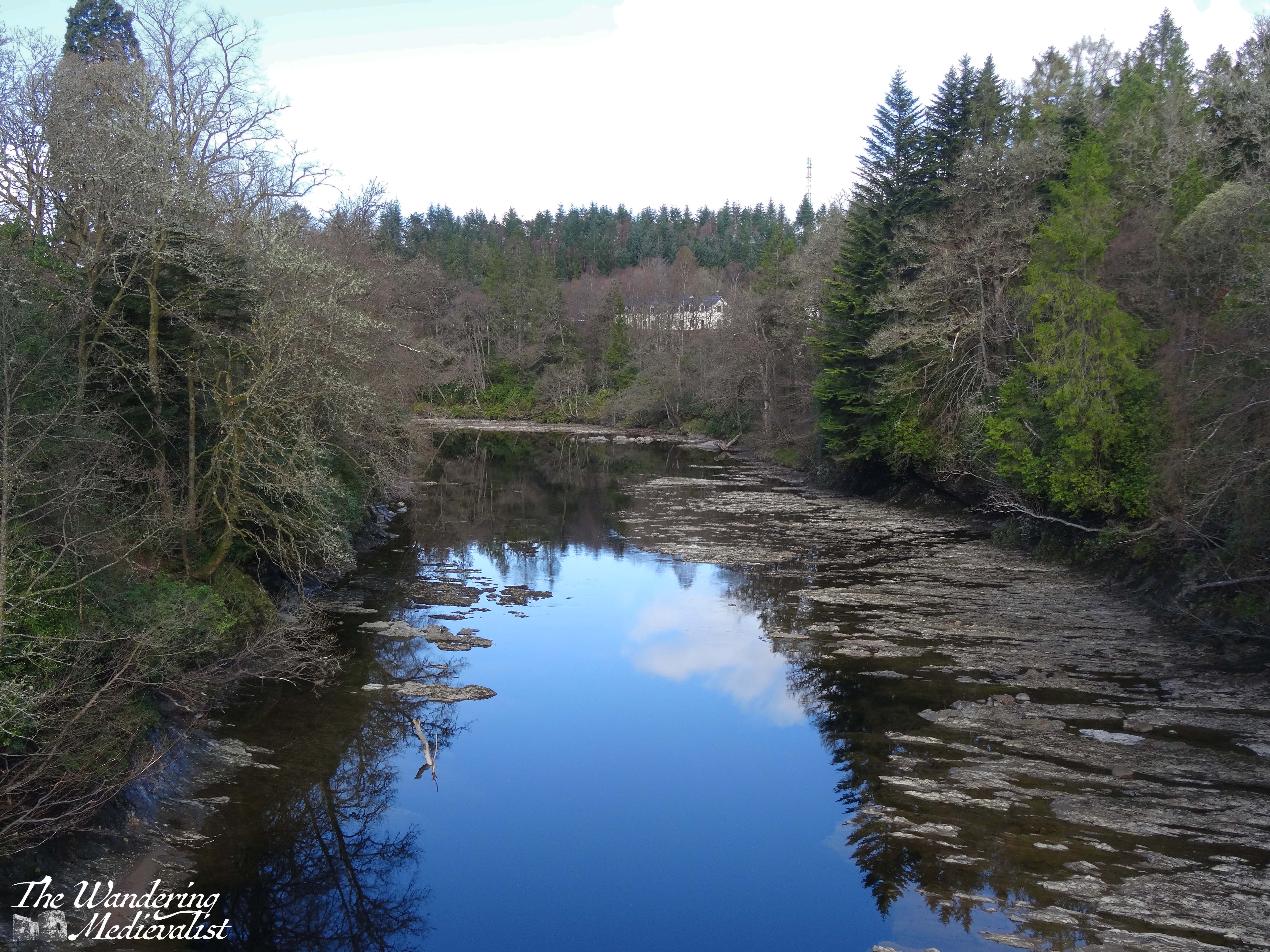

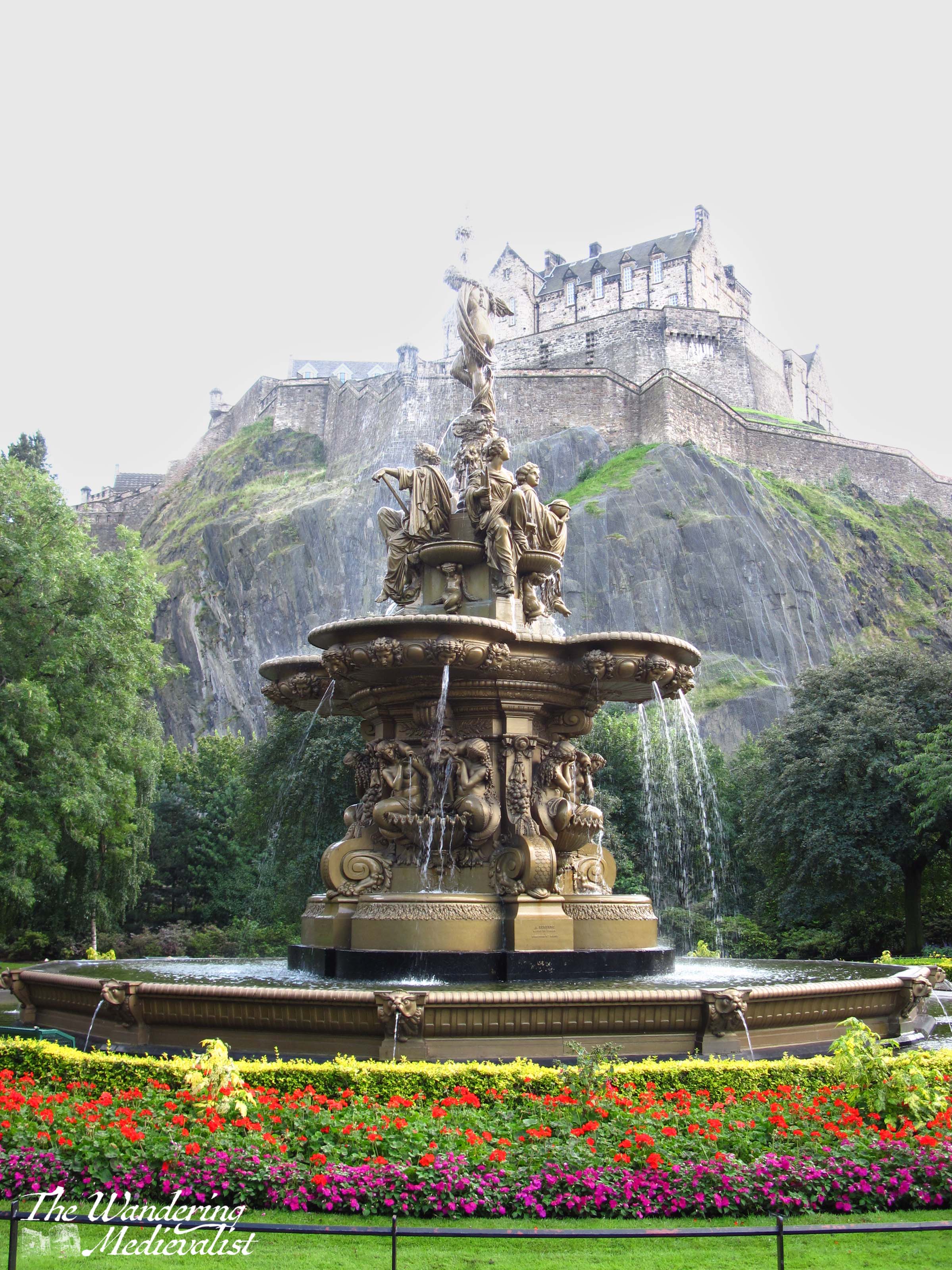
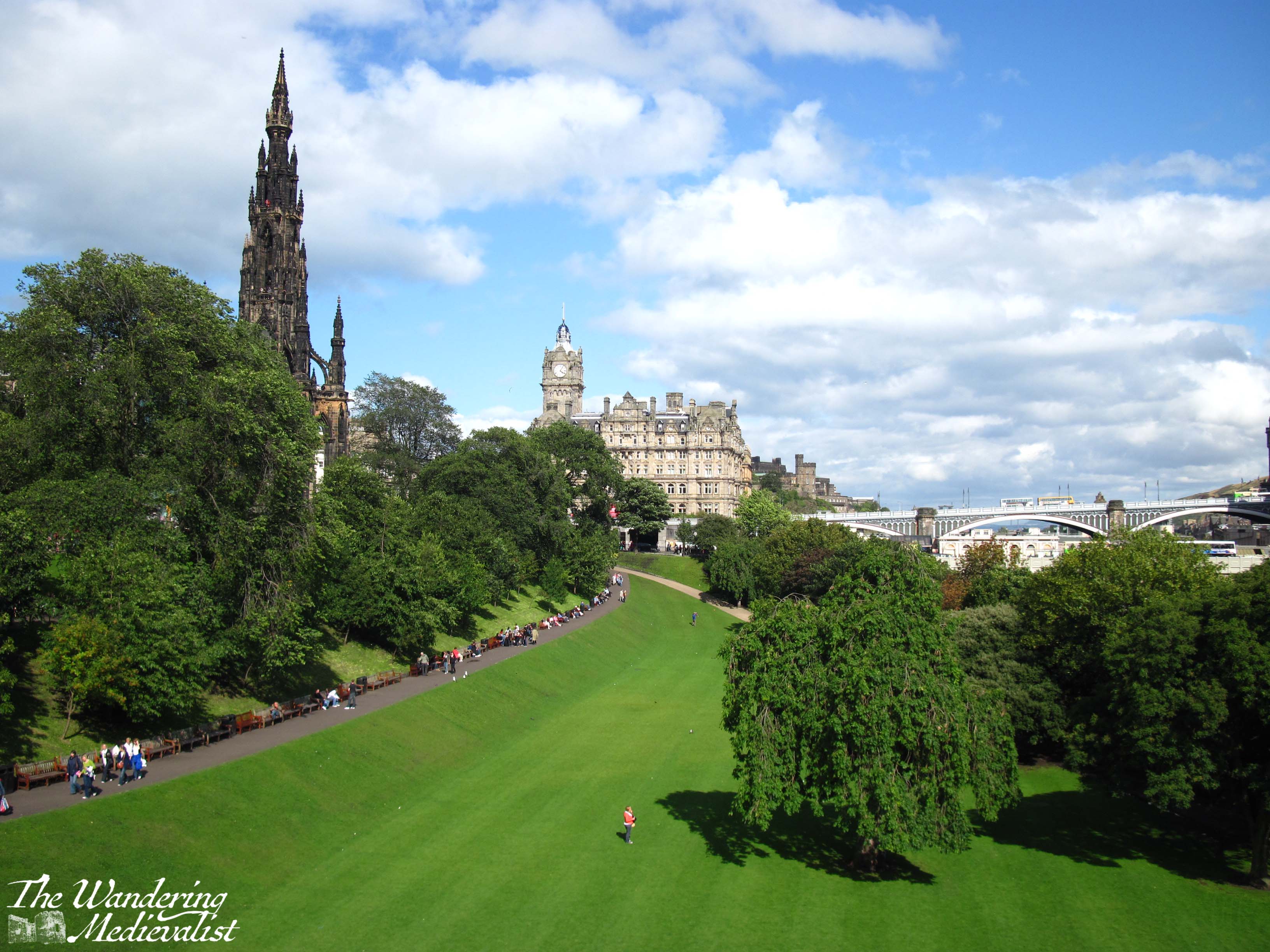
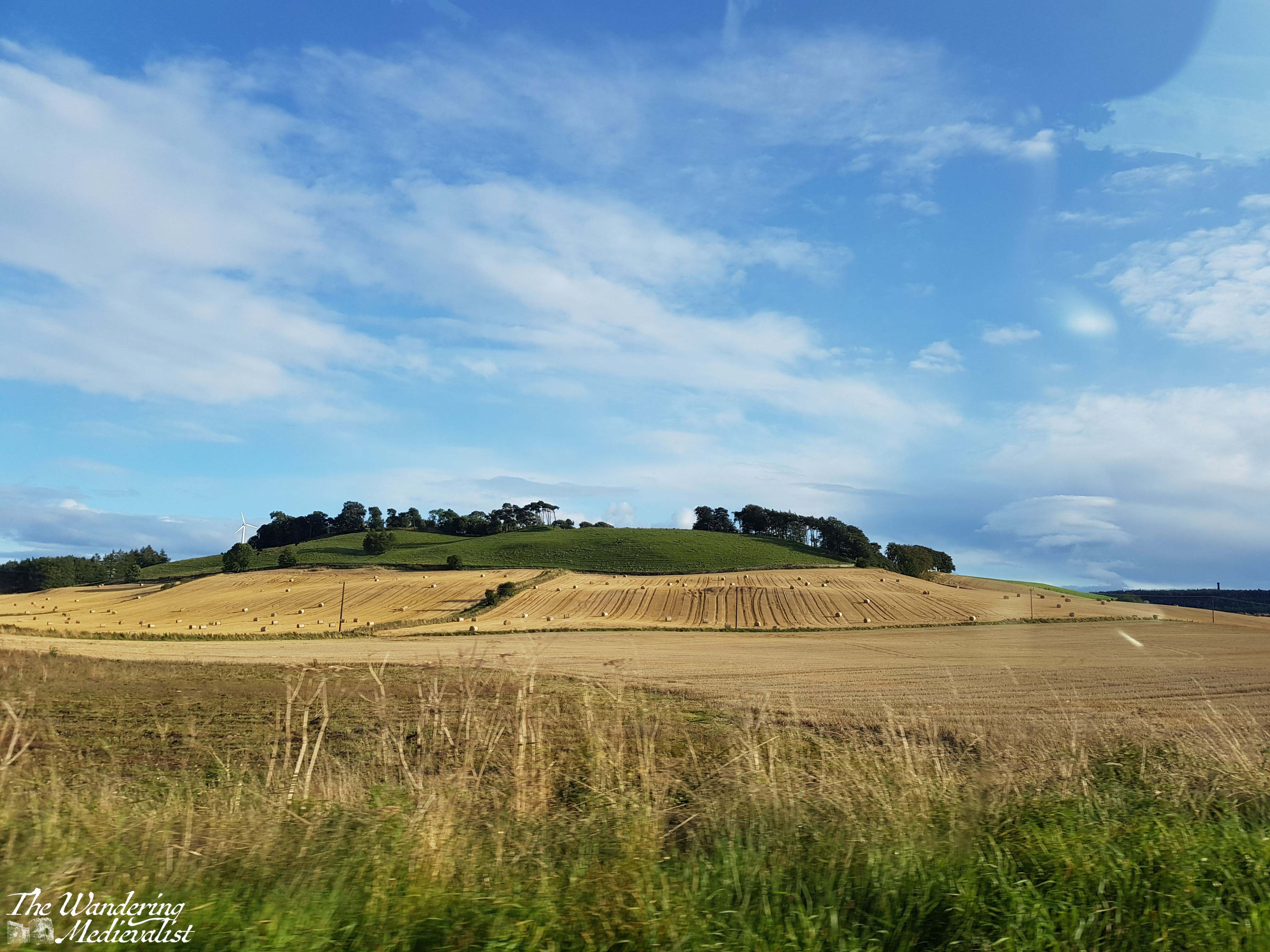
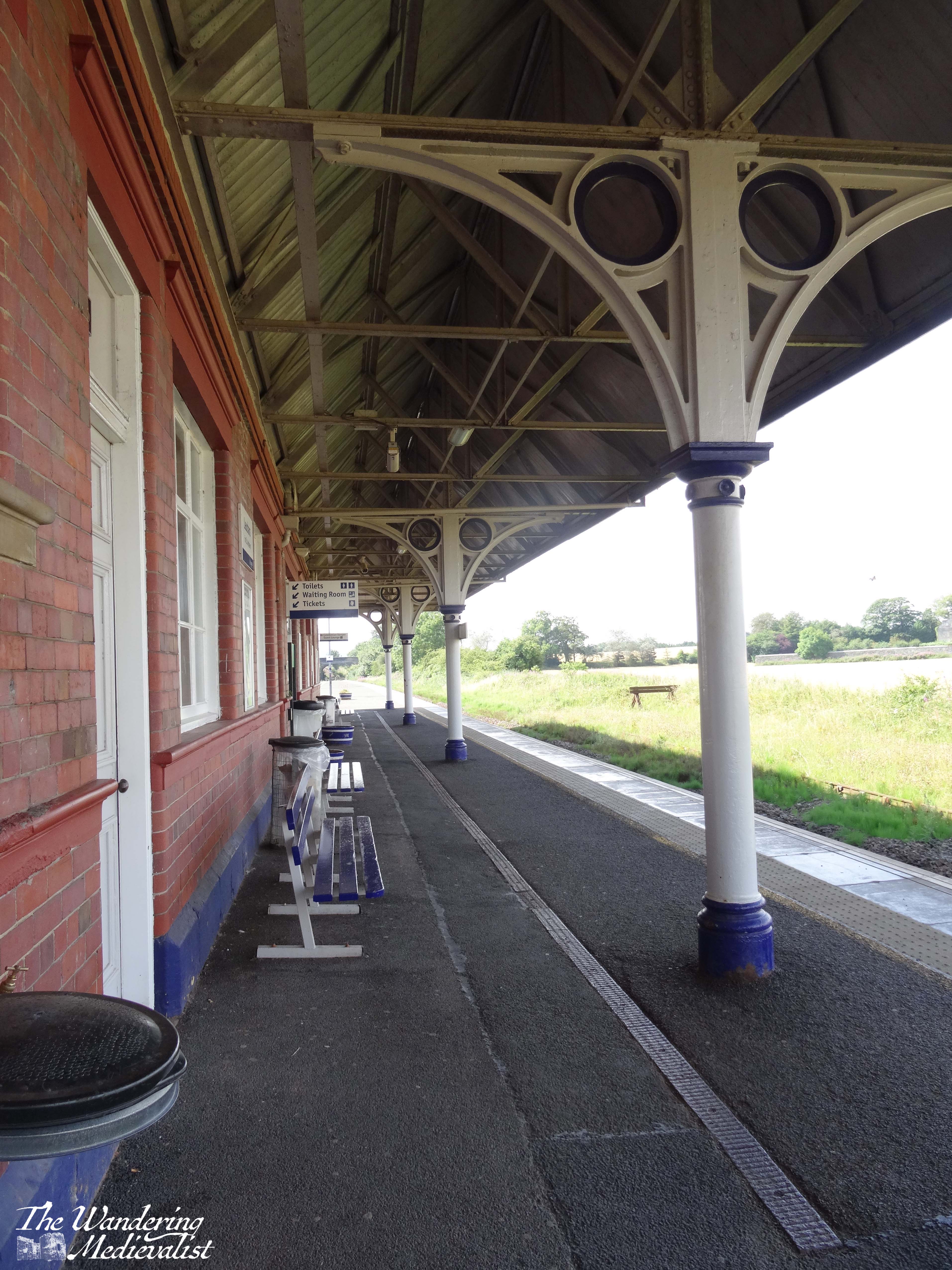
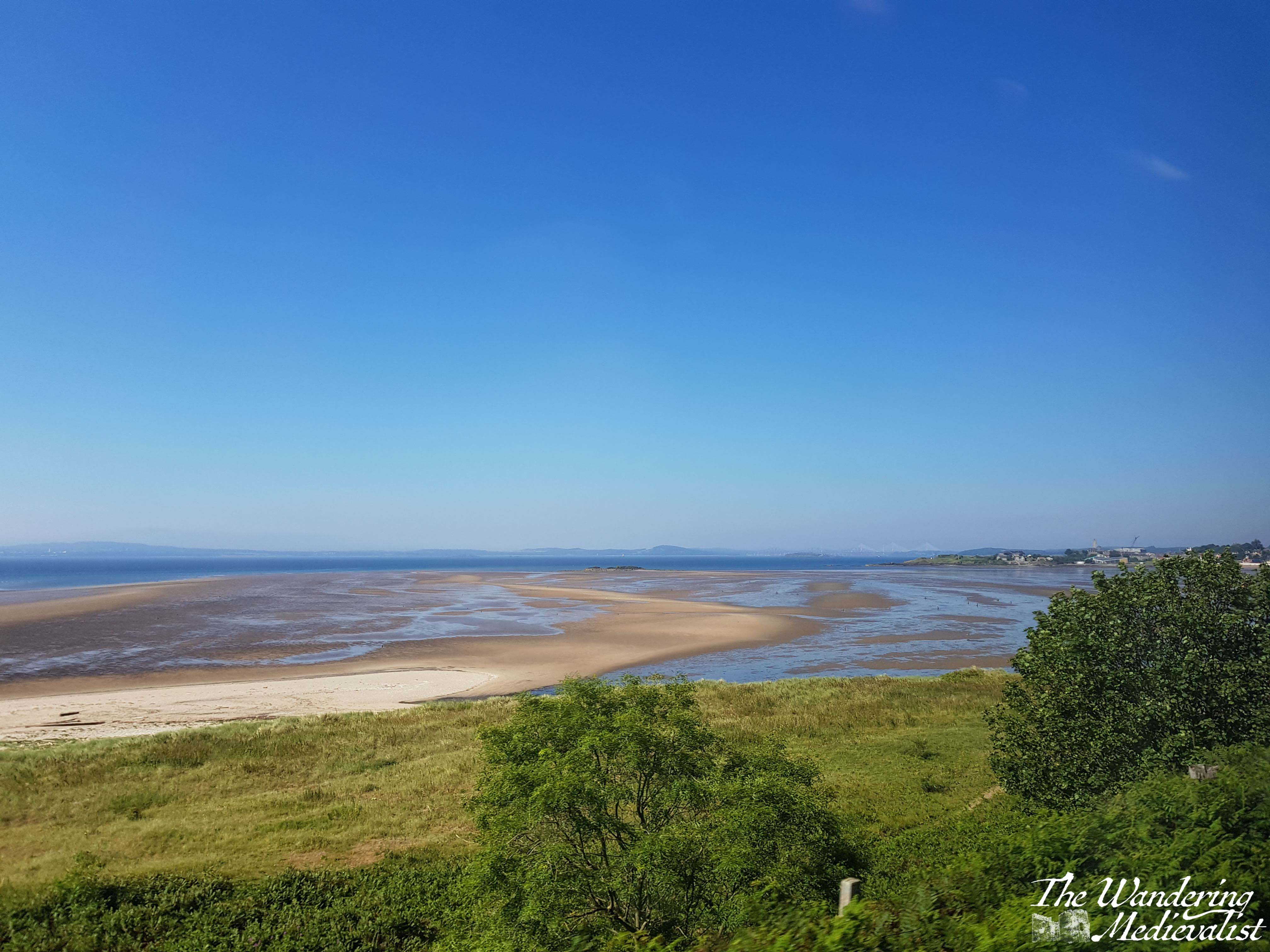
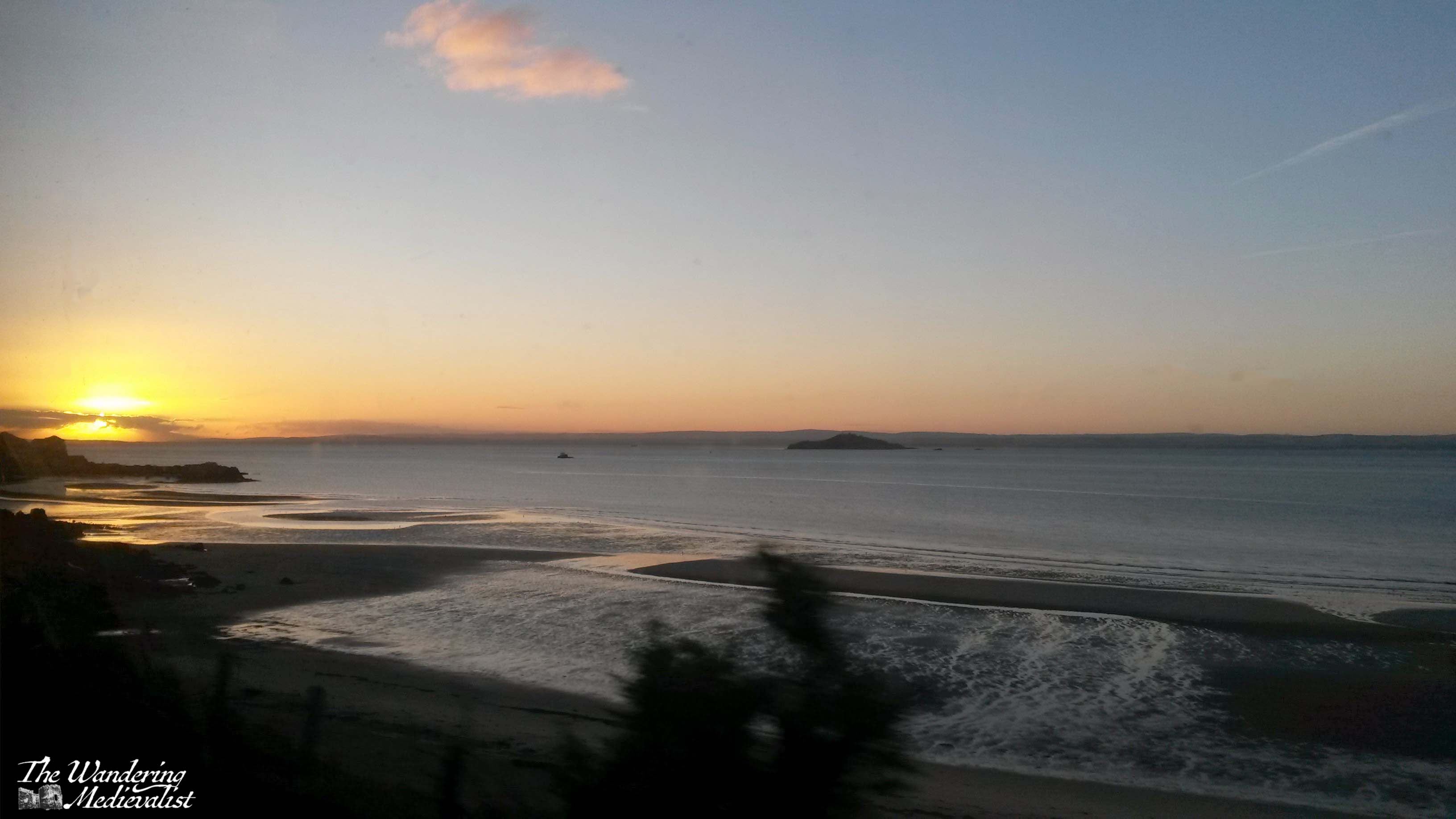

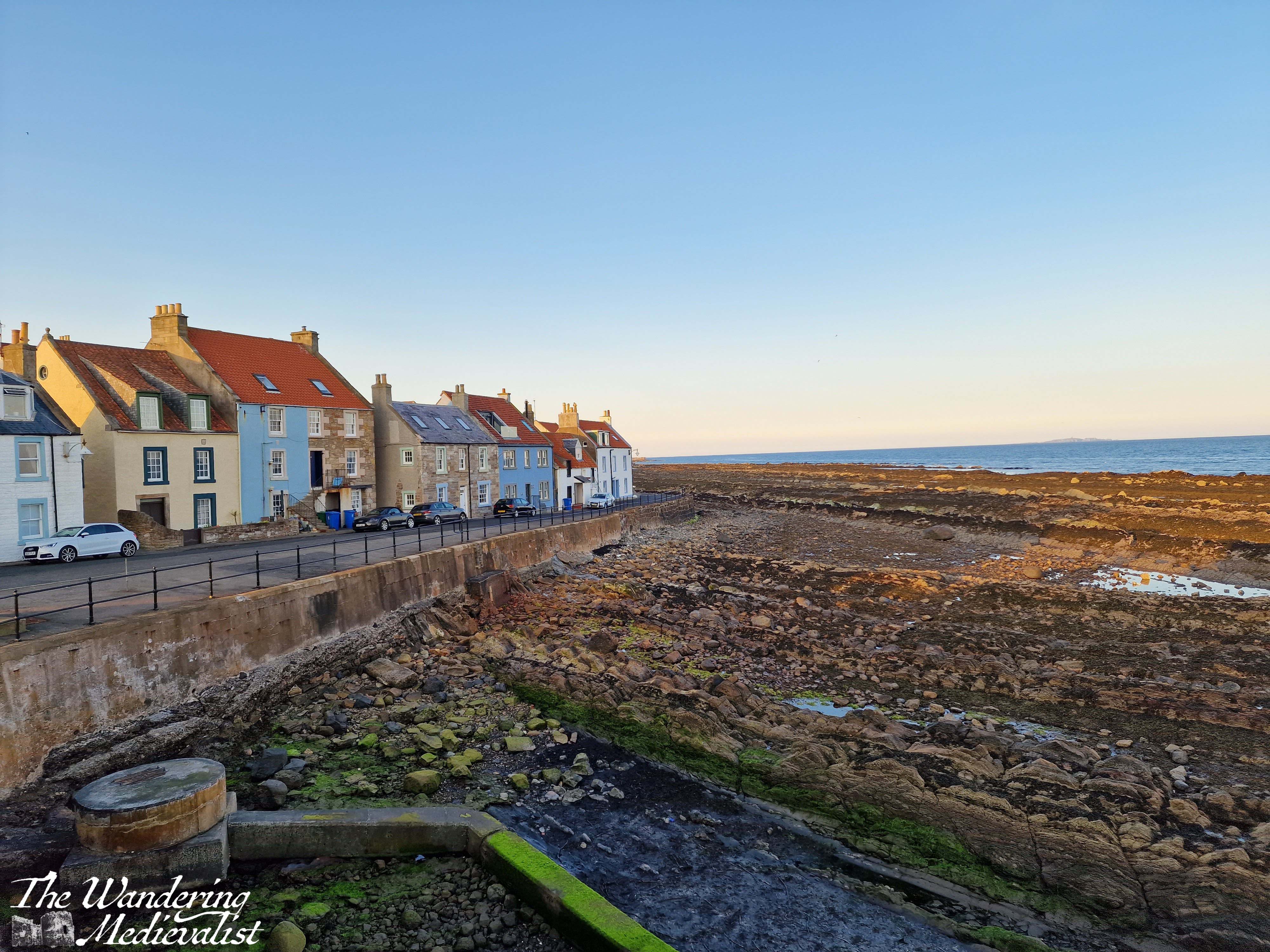
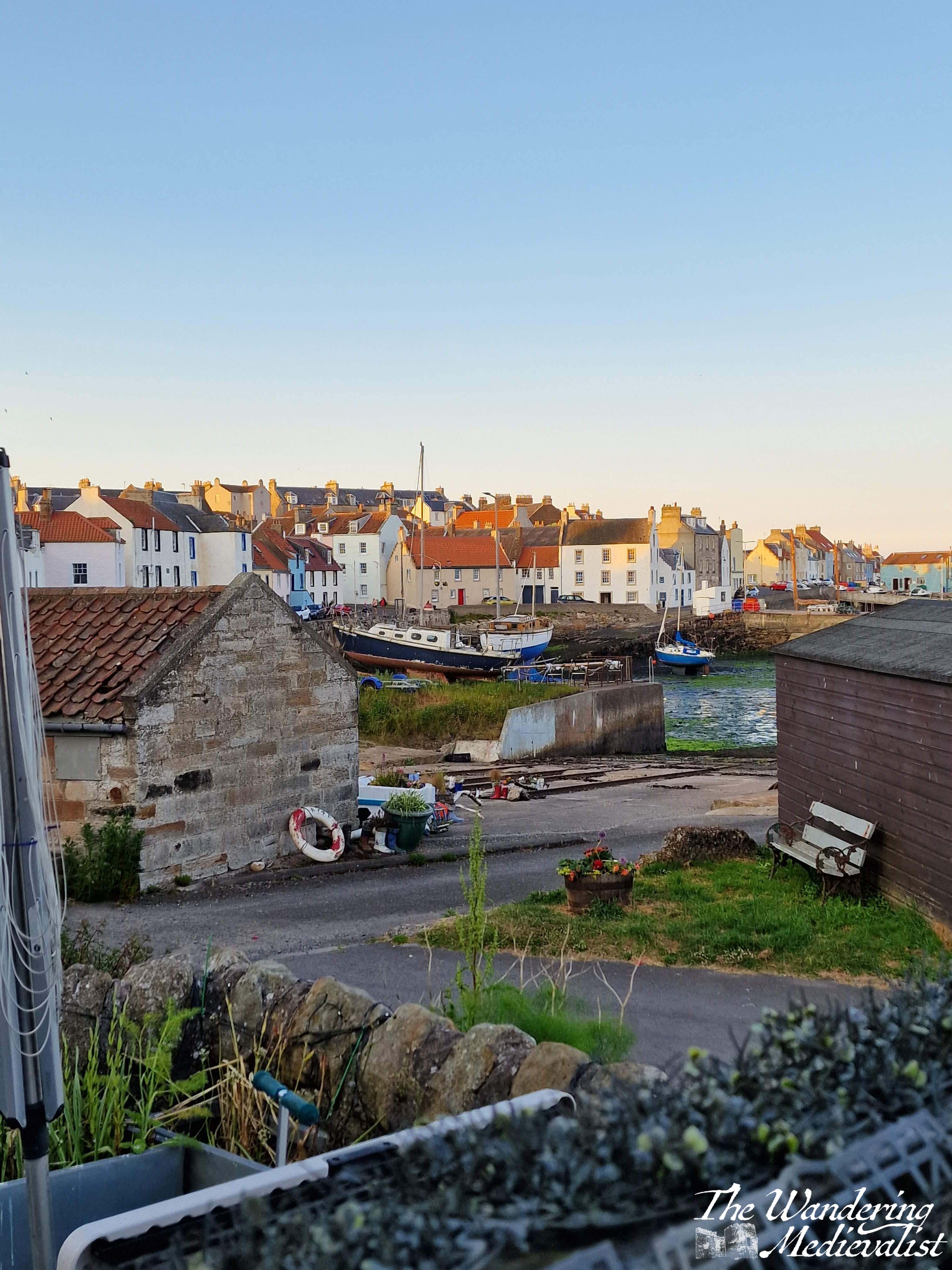
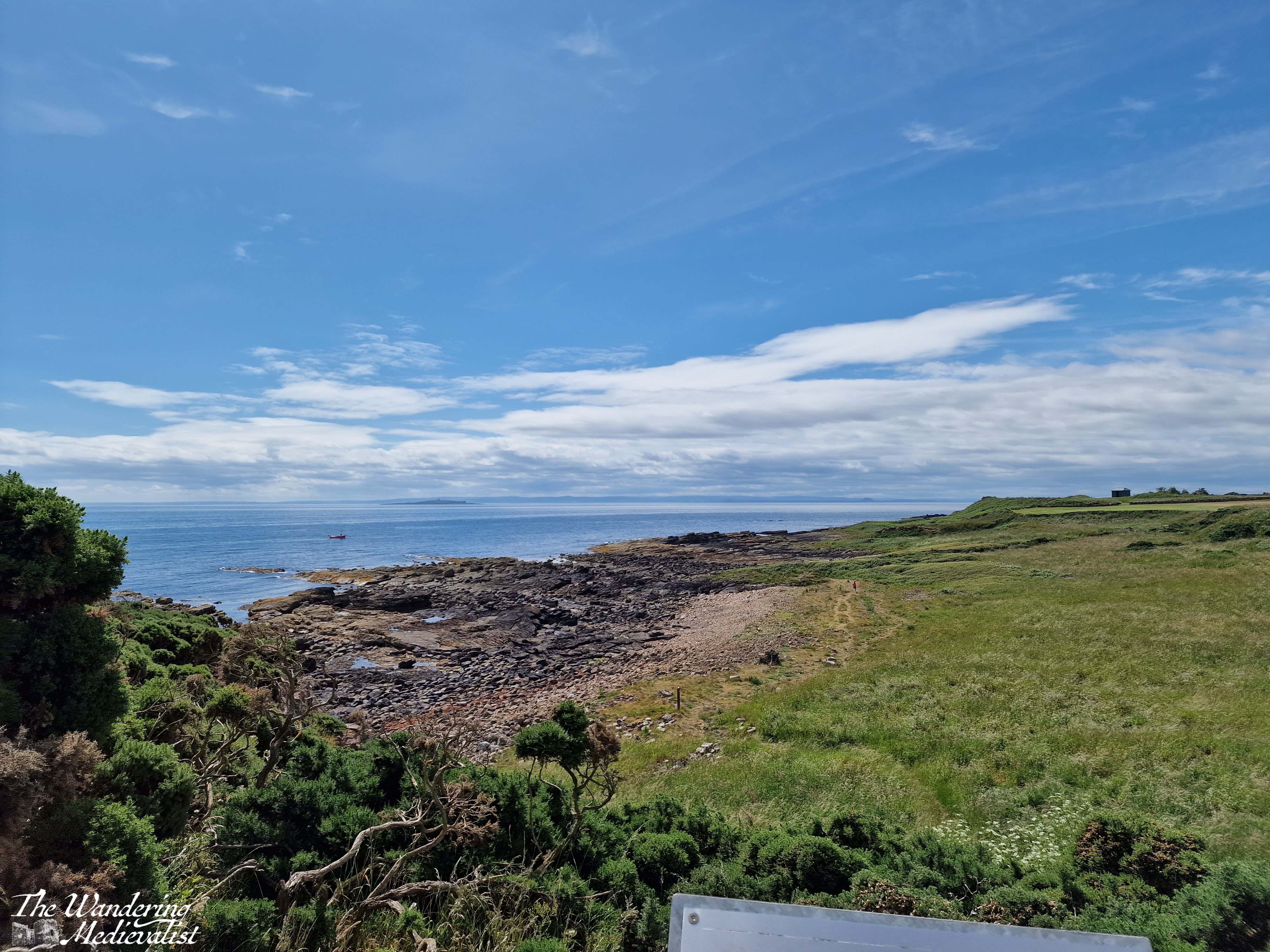
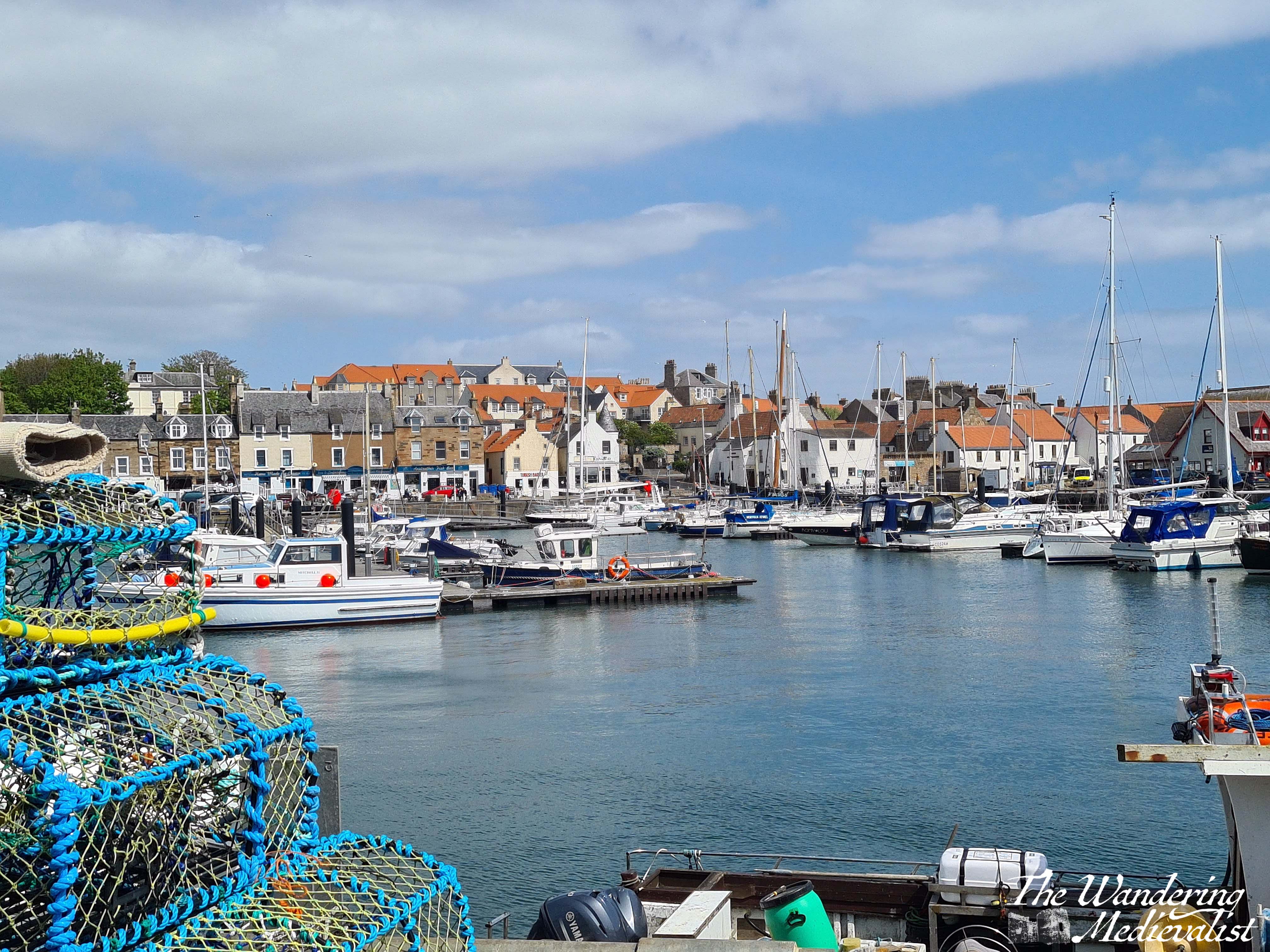
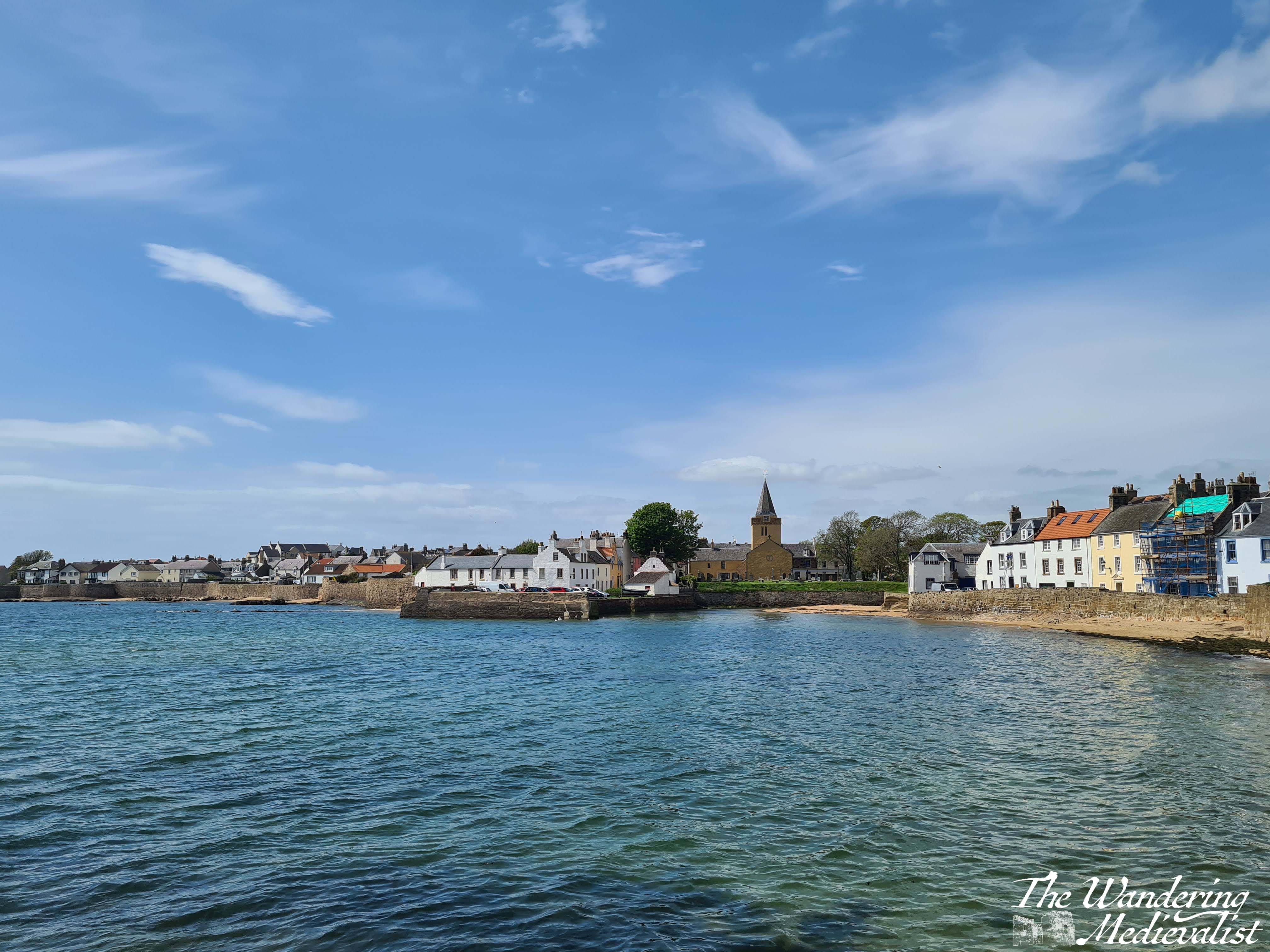
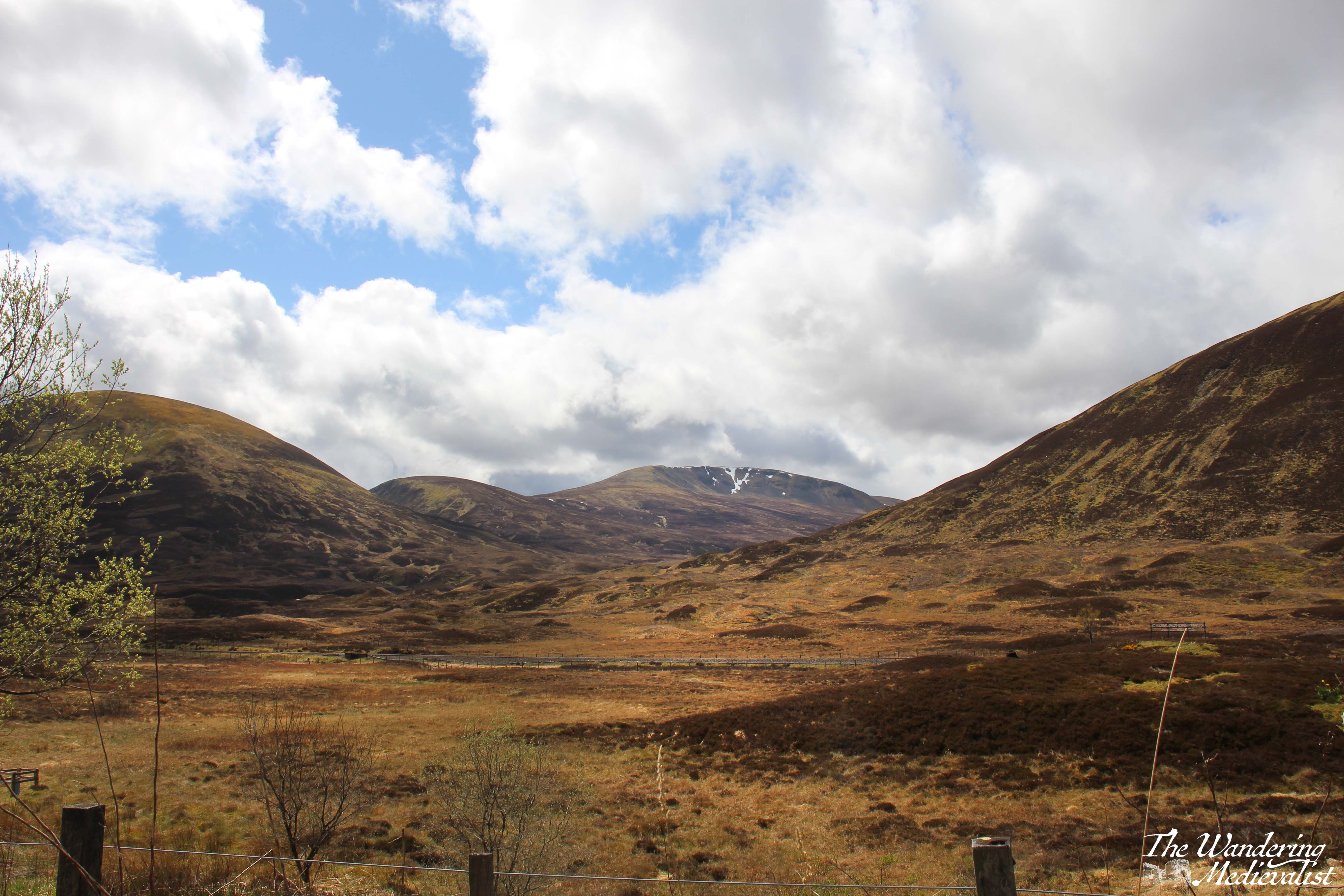
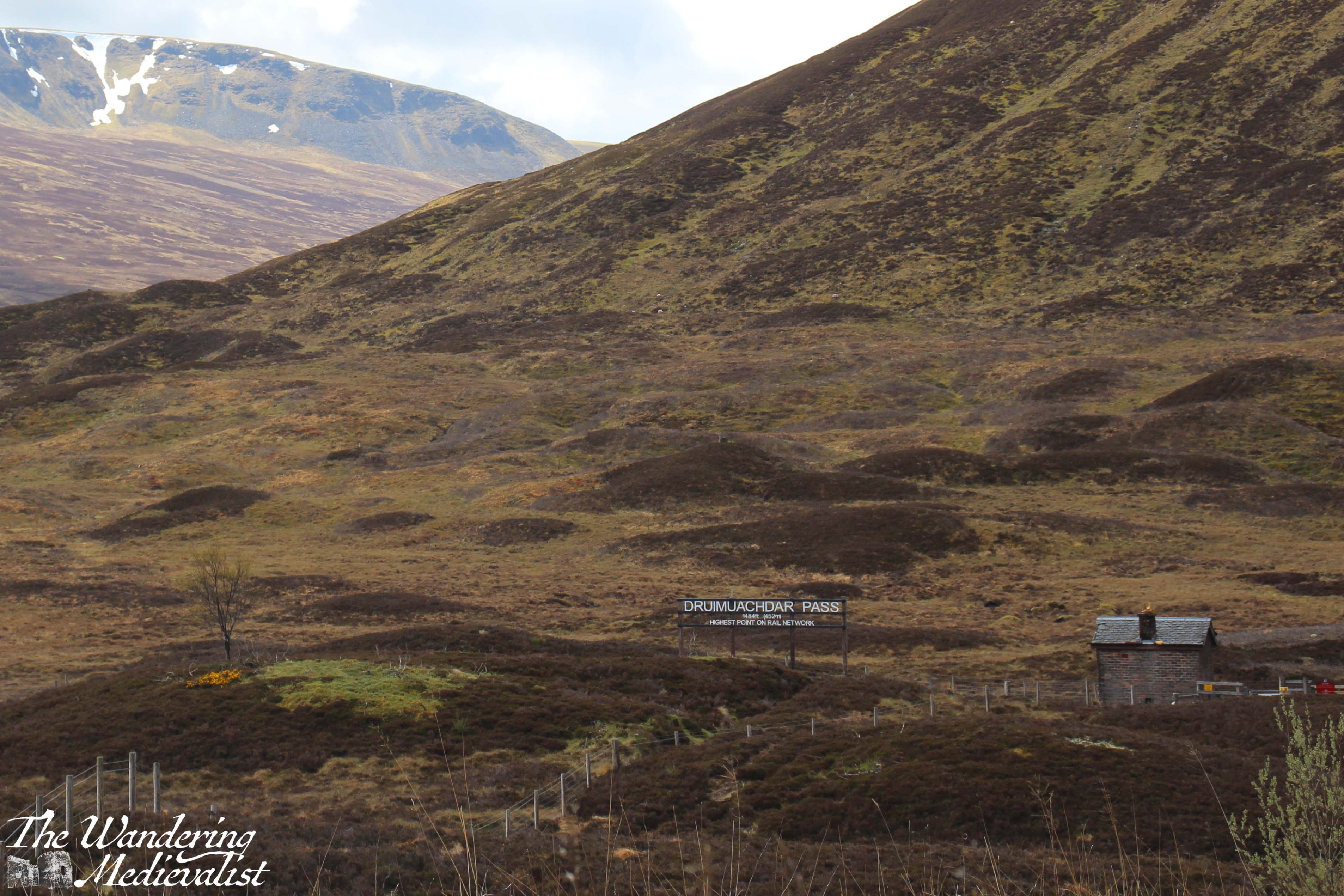
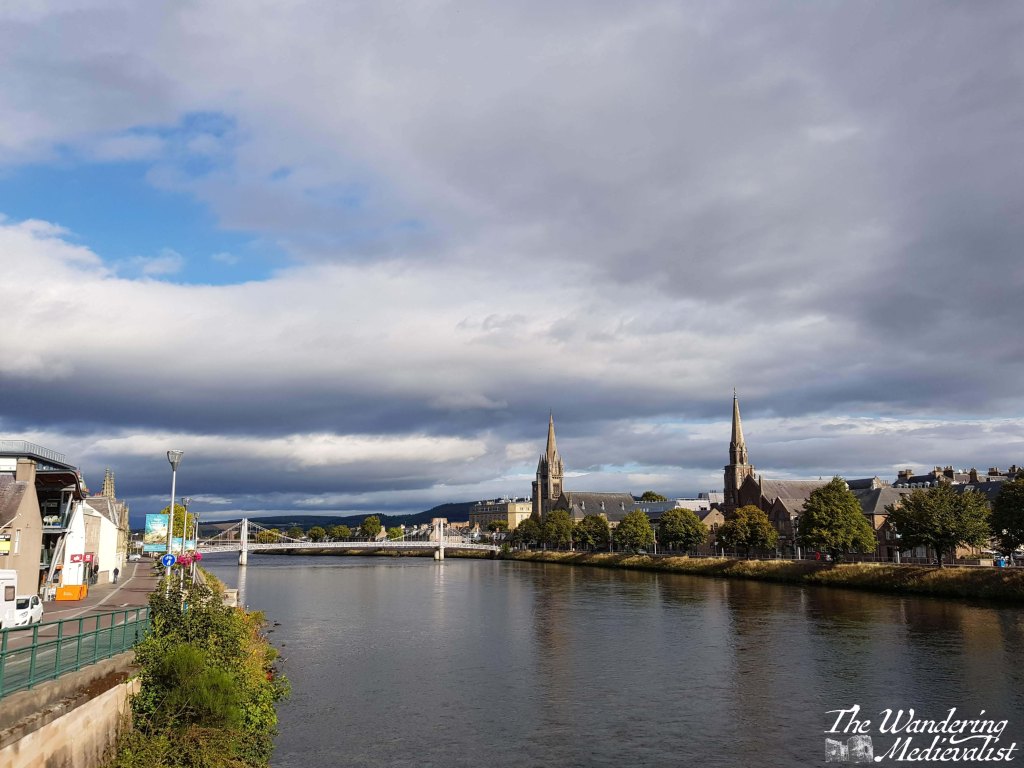
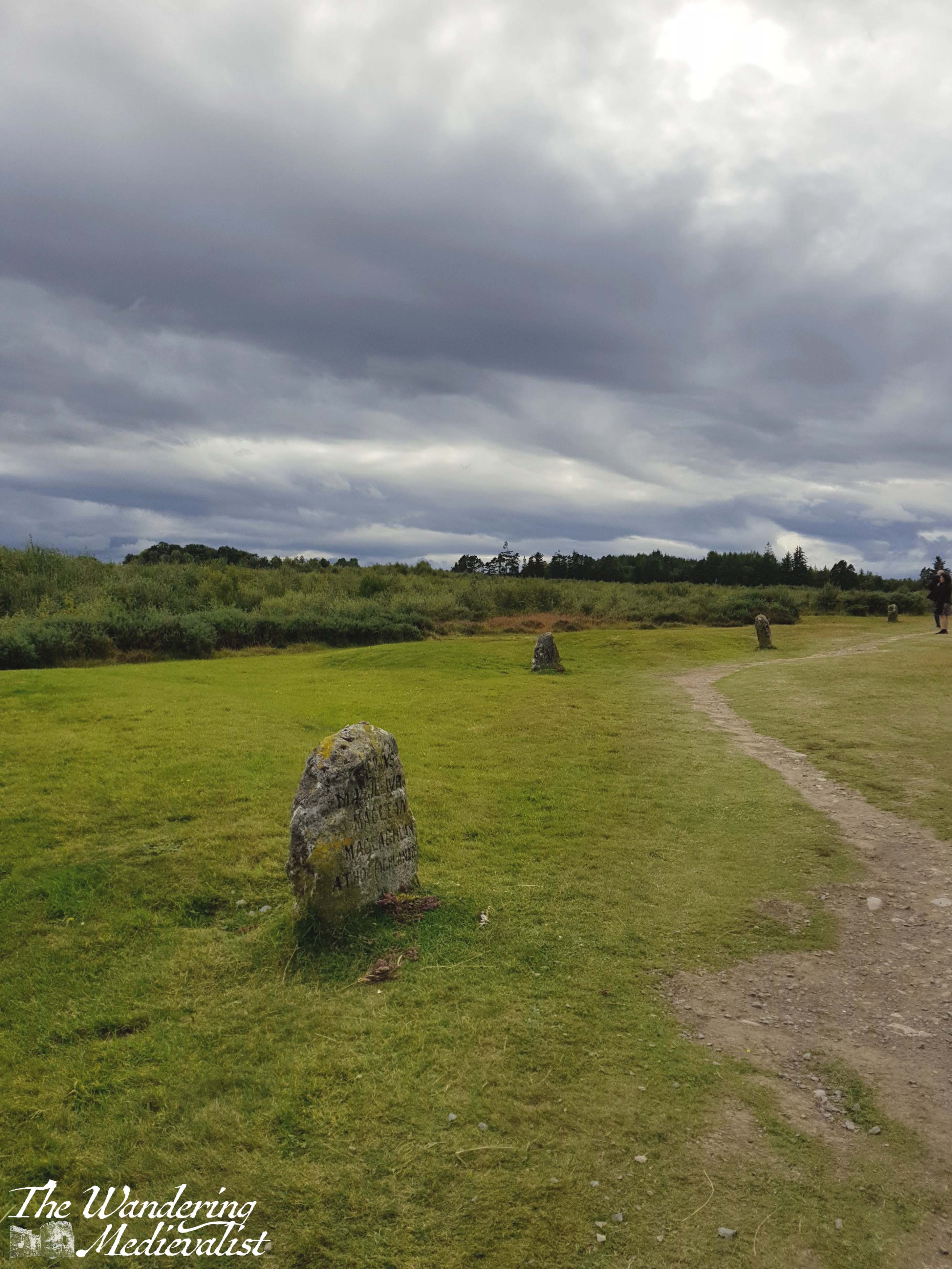
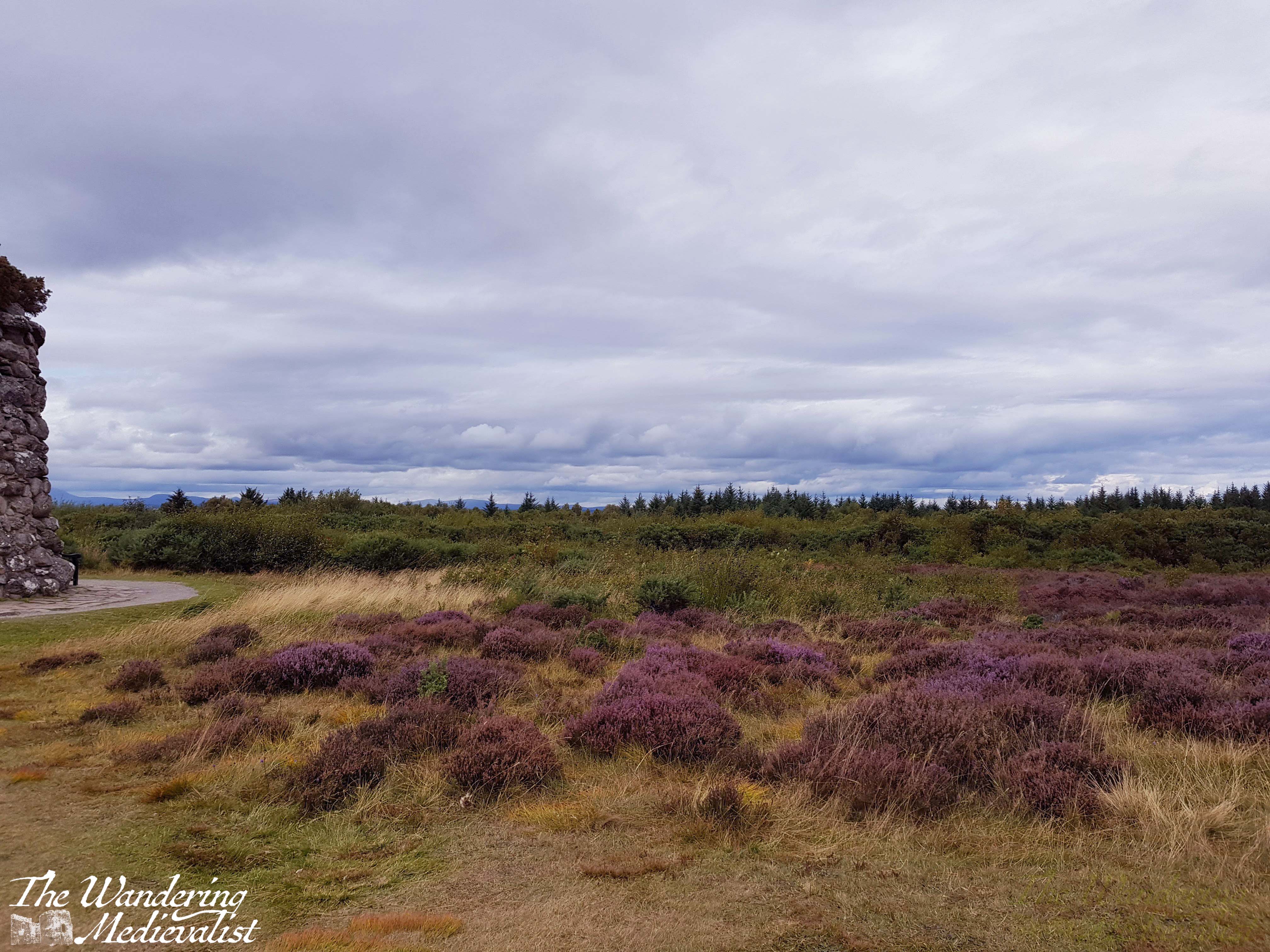
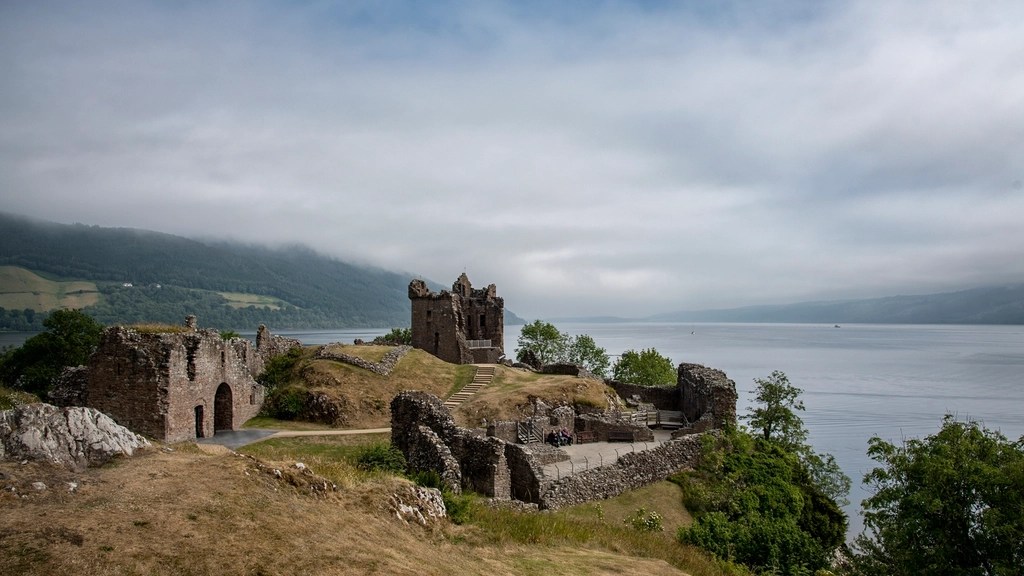

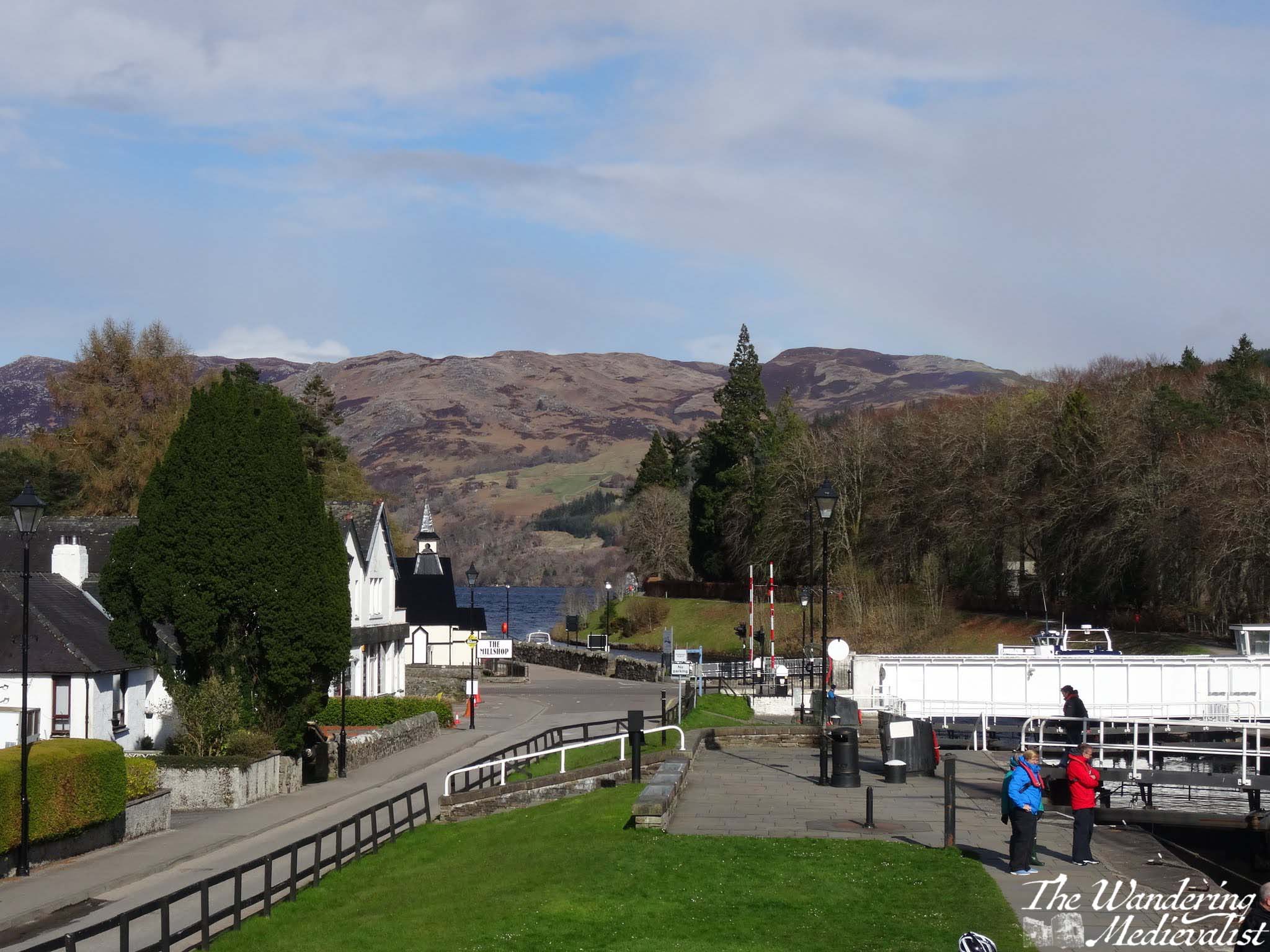
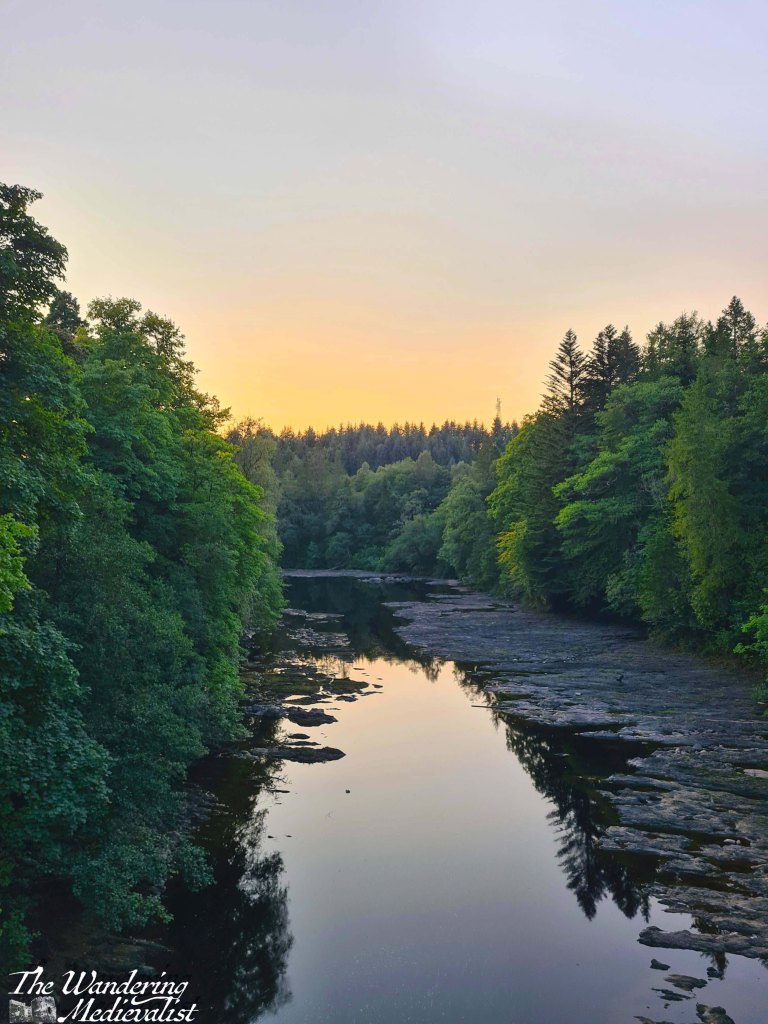

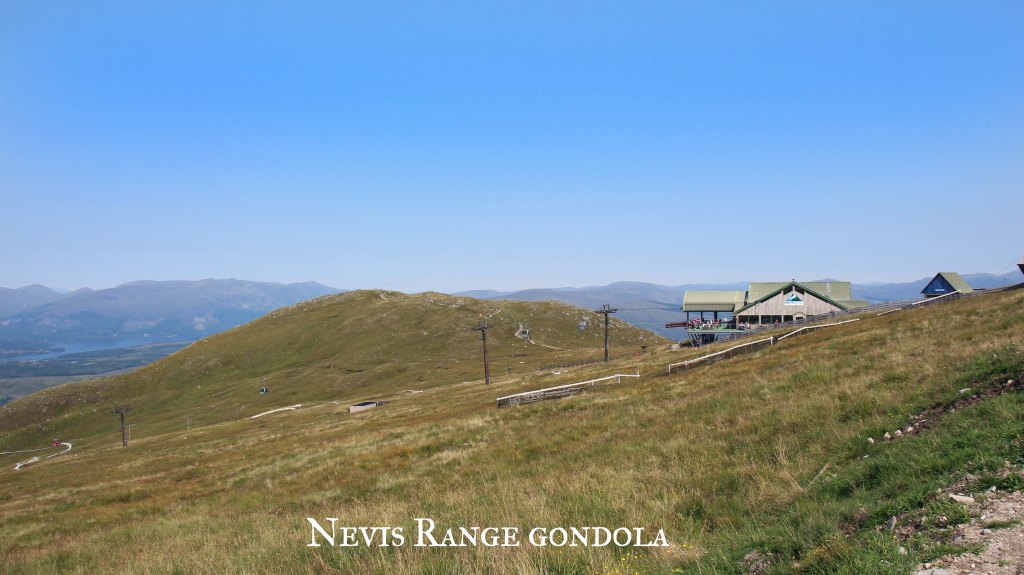
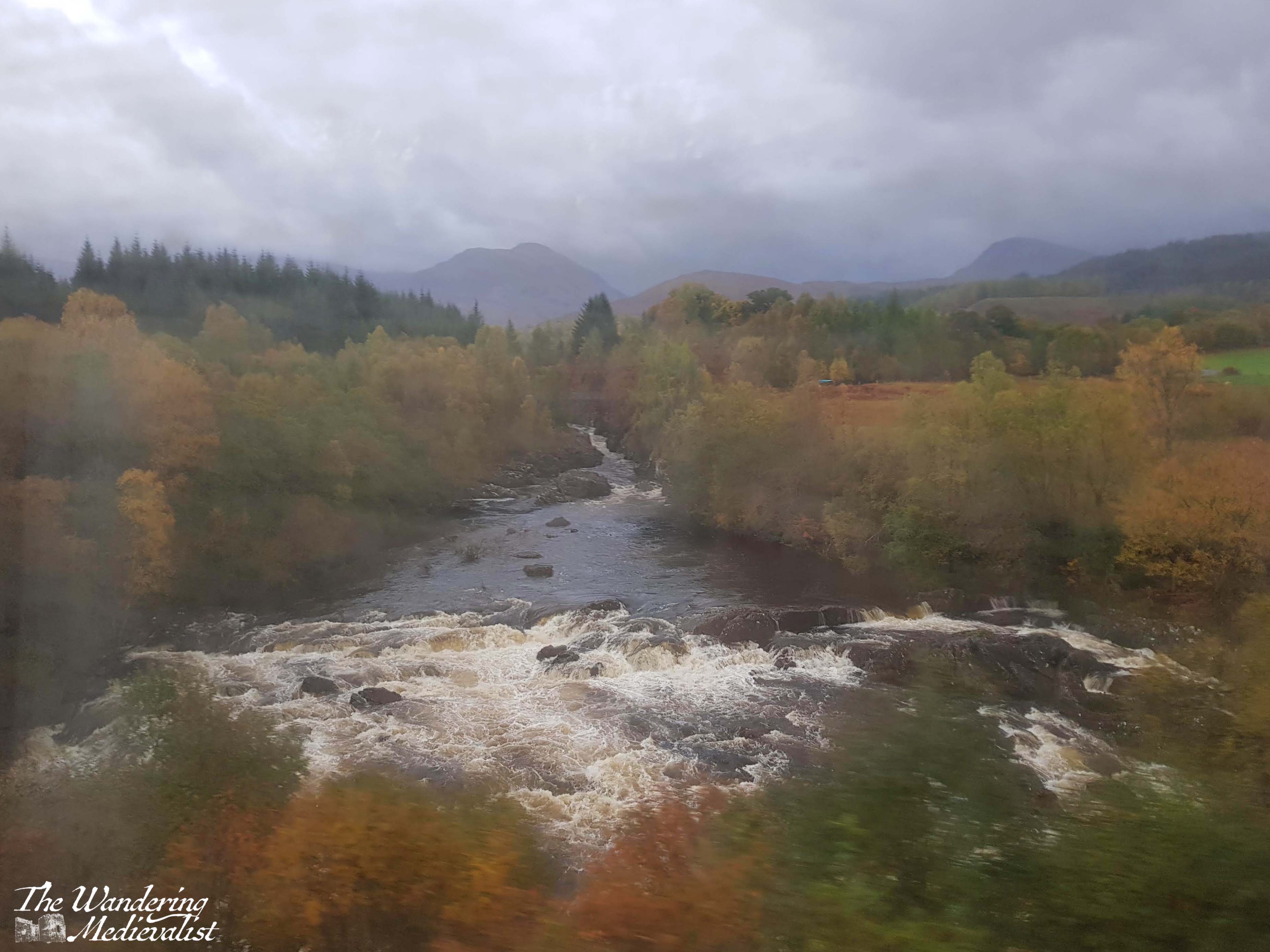
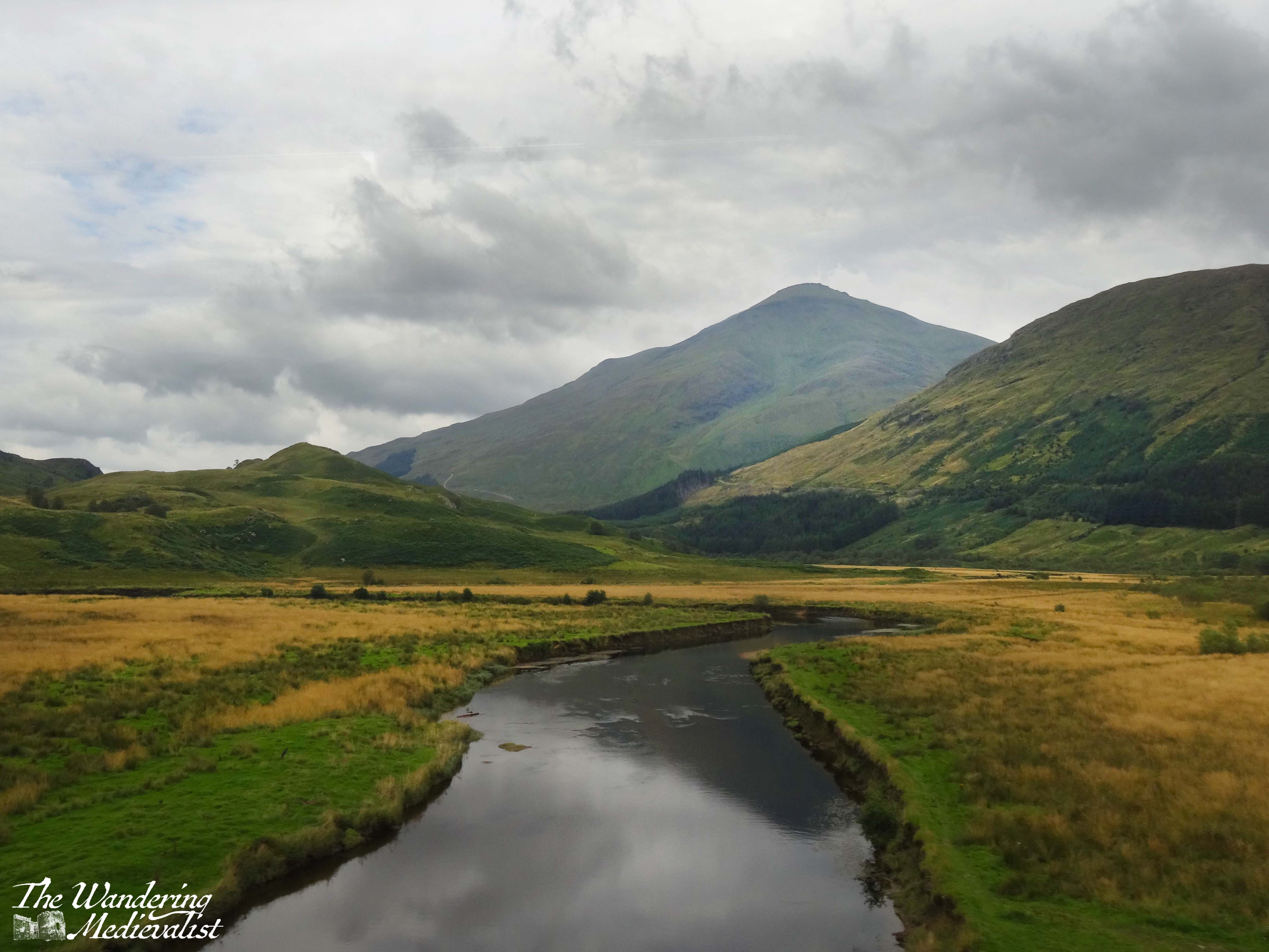
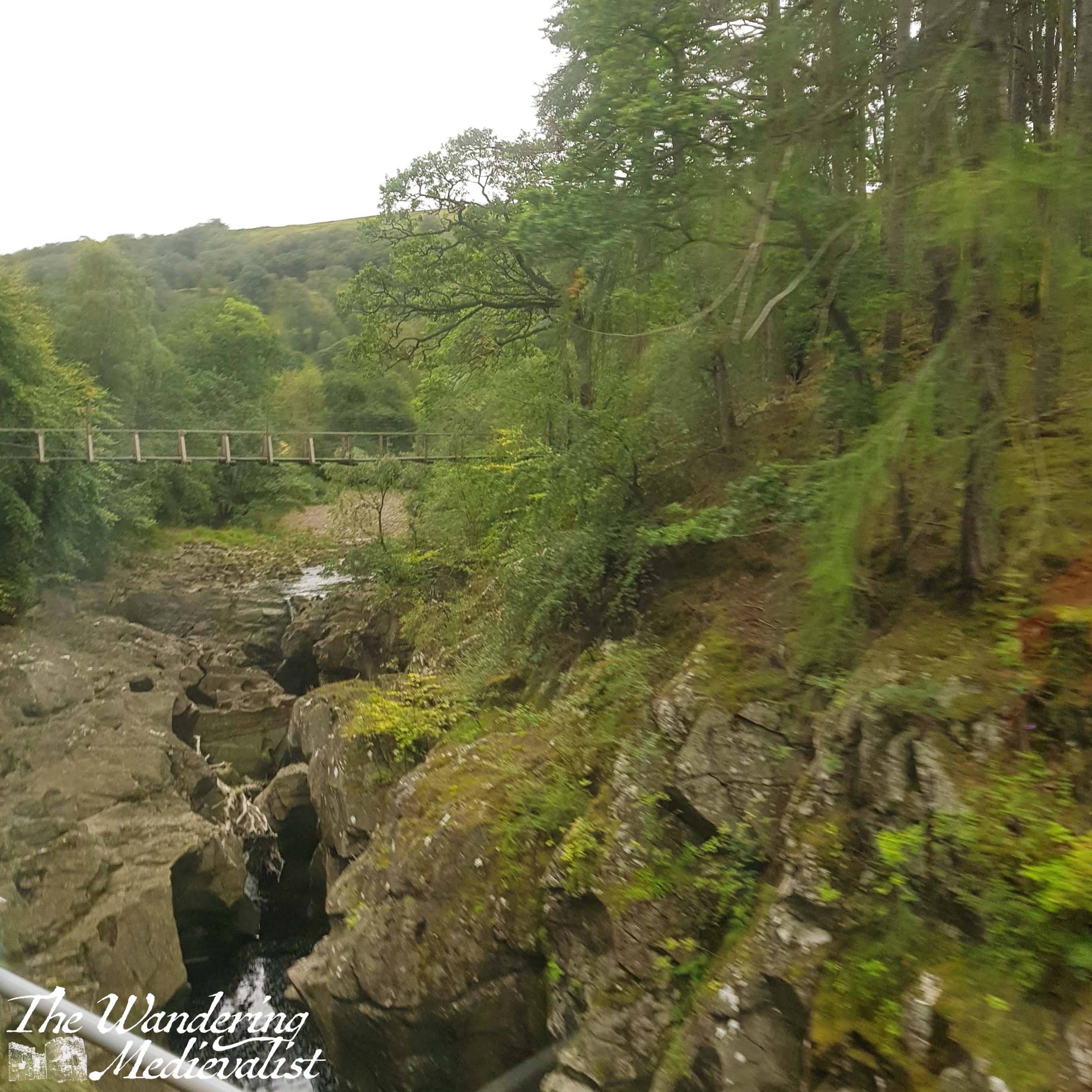
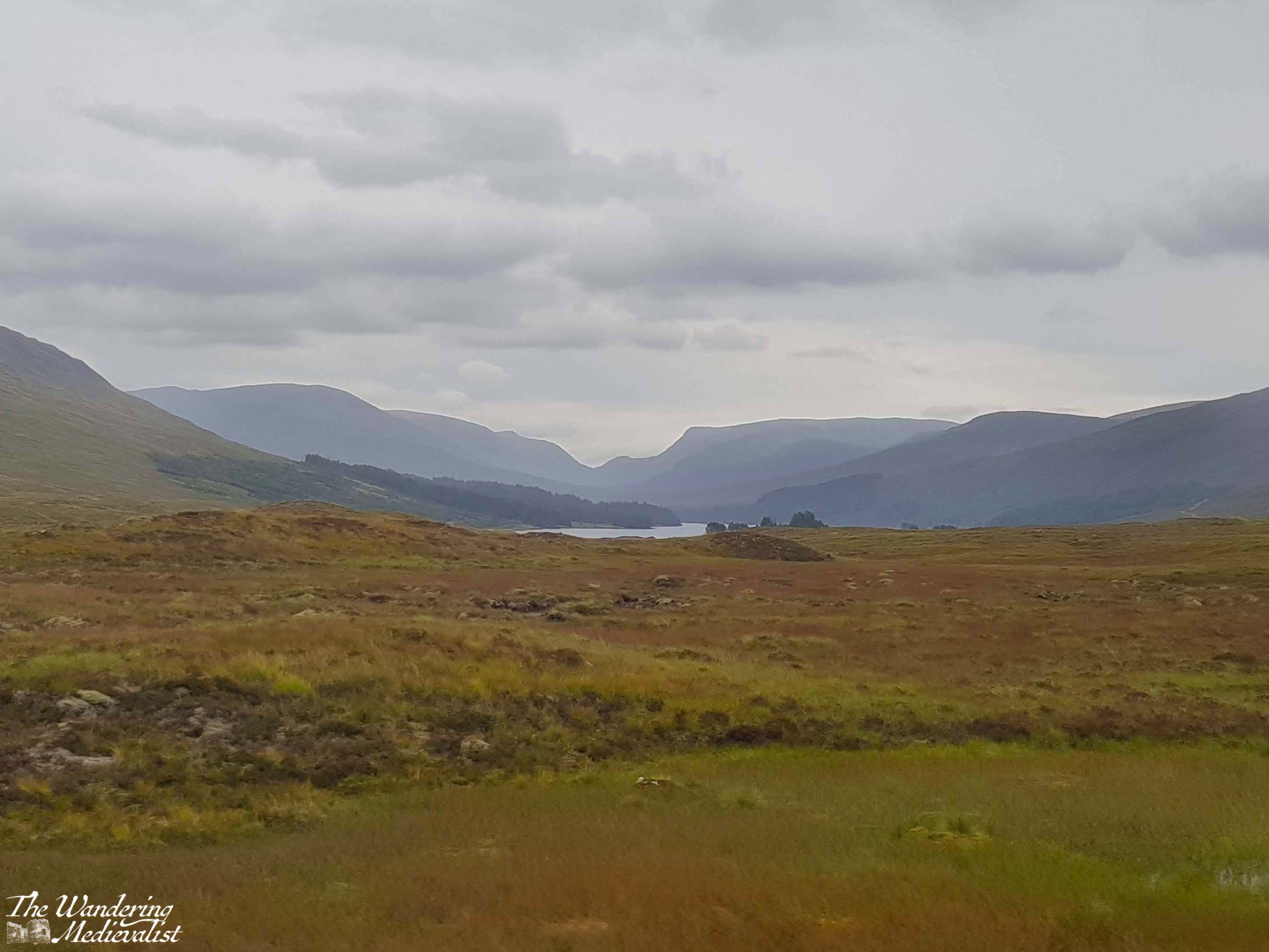
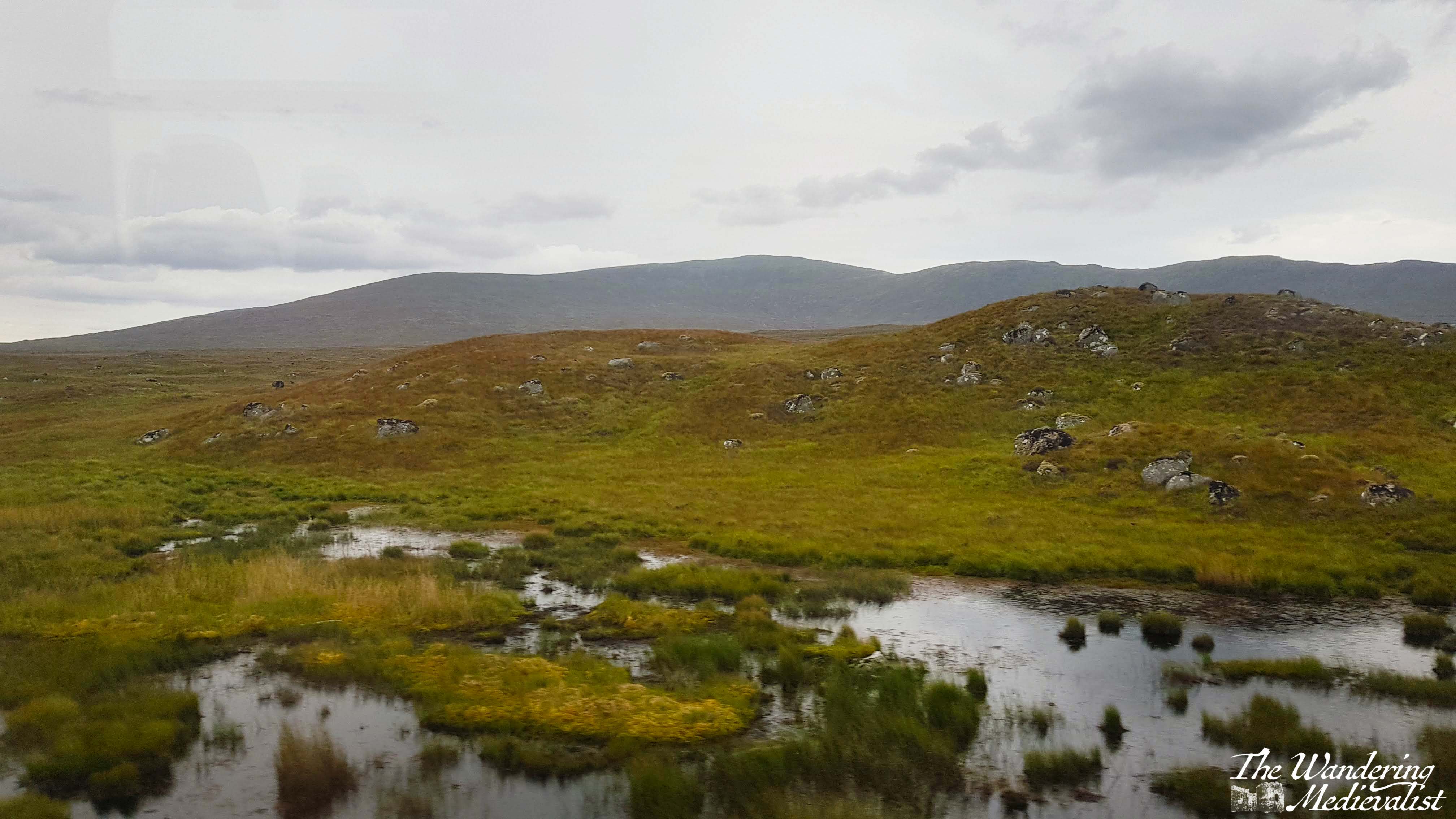
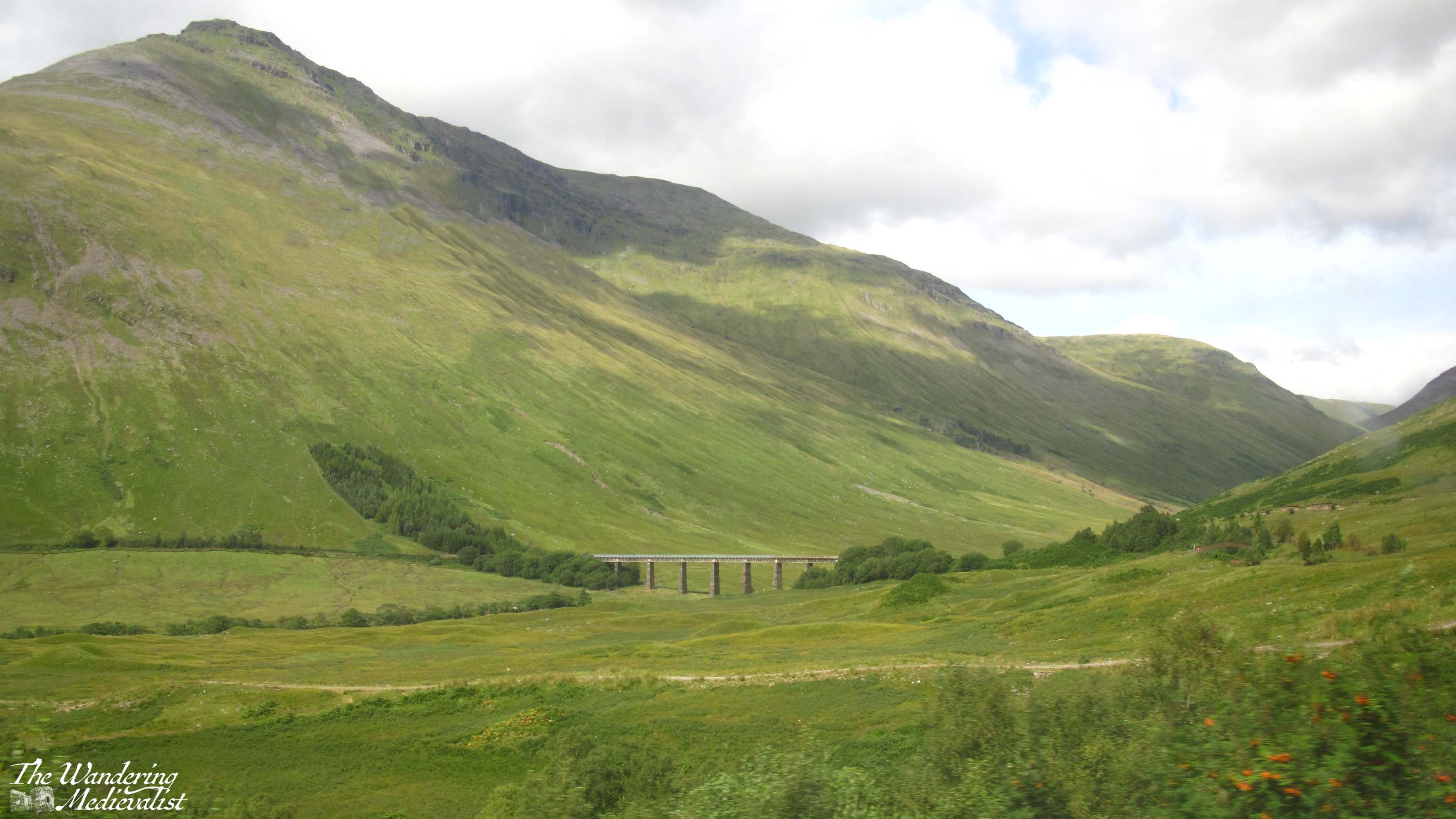
 The Wandering Medievalist