Our excursion to Elcho Castle was part of a late summer weekend during which we met a friend – and fellow medievalist – in Perth for lunch and decided to explore this heretofore unknown castle. I had identified it on one of my many castle maps of Scotland, and the Historic Scotland website confirmed it to be a well-preserved example of a late medieval Scottish tower-house. I note that as of writing, the castle is one of the many currently closed while masonry inspections are undertaken.
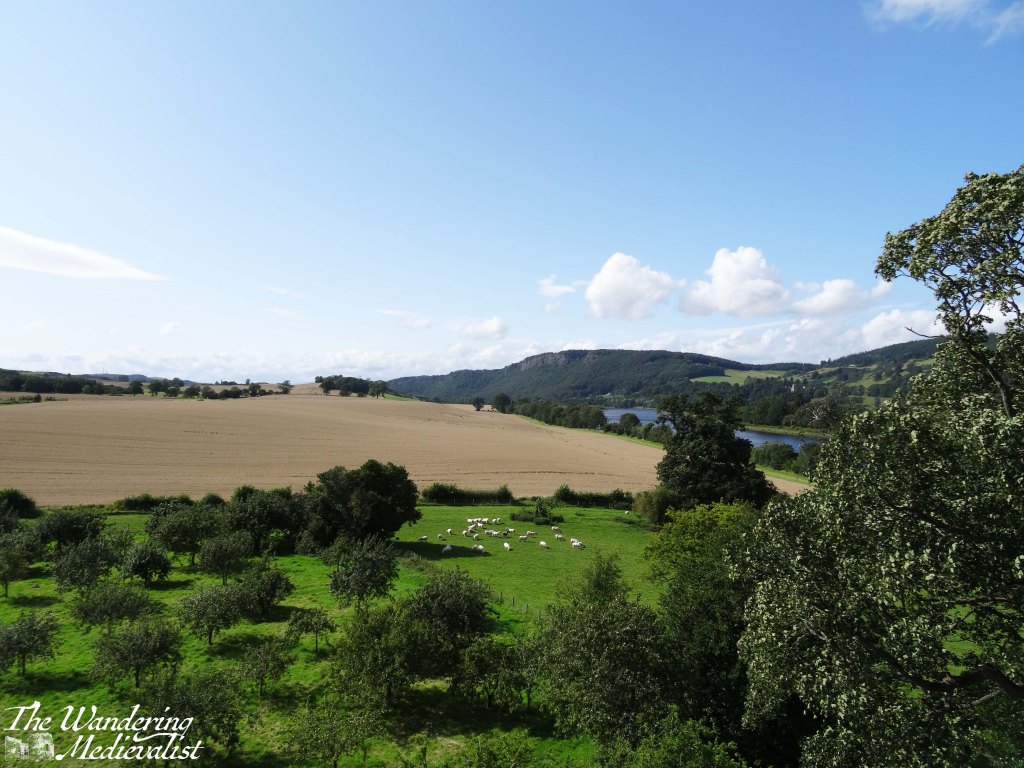
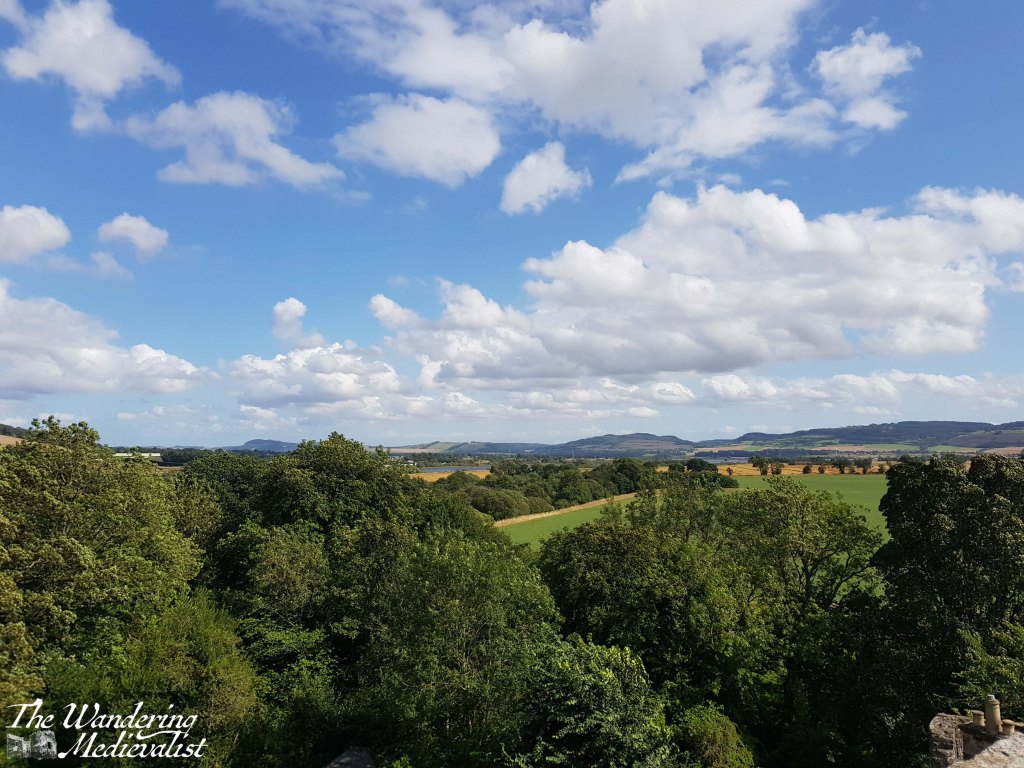
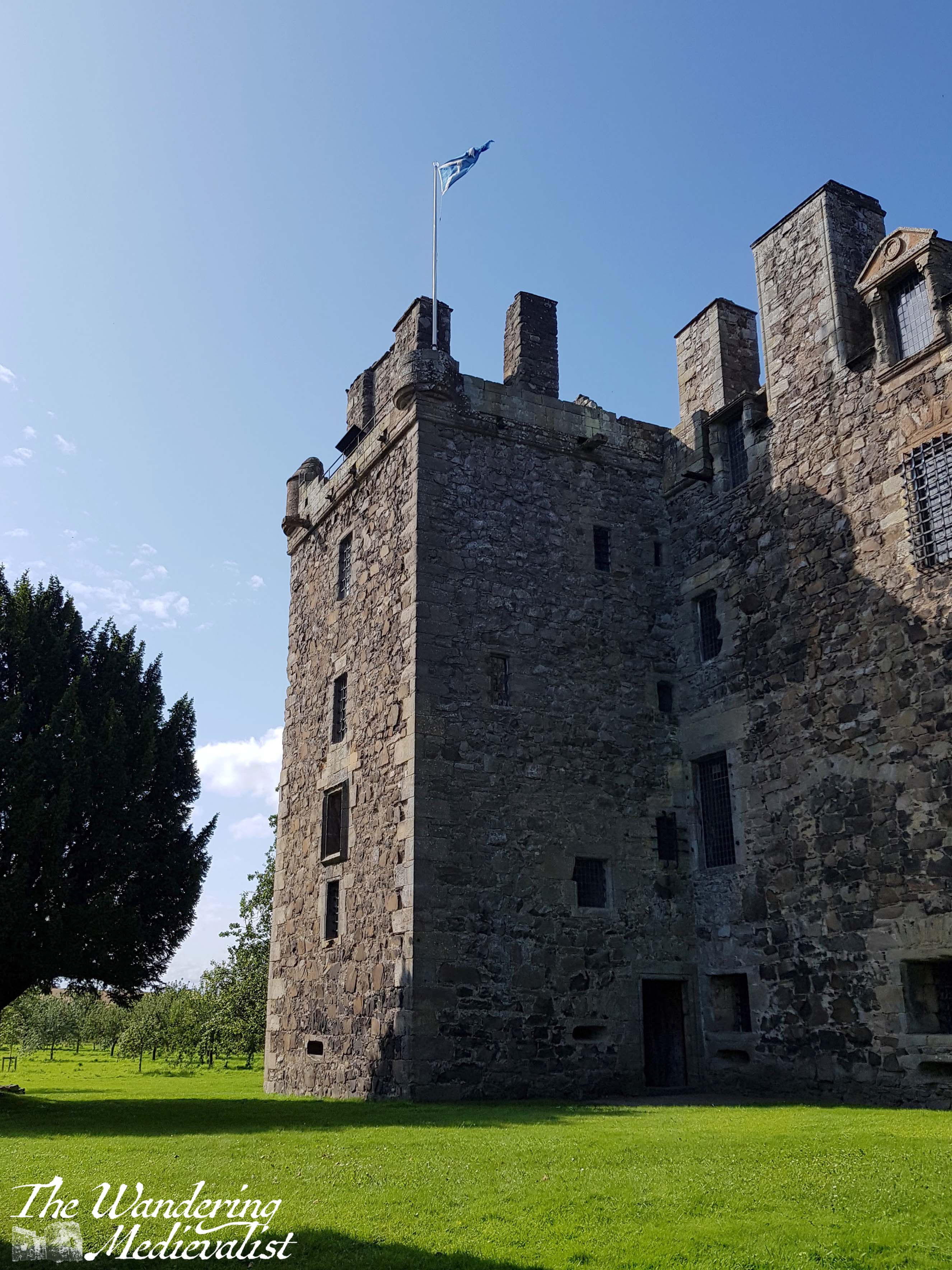
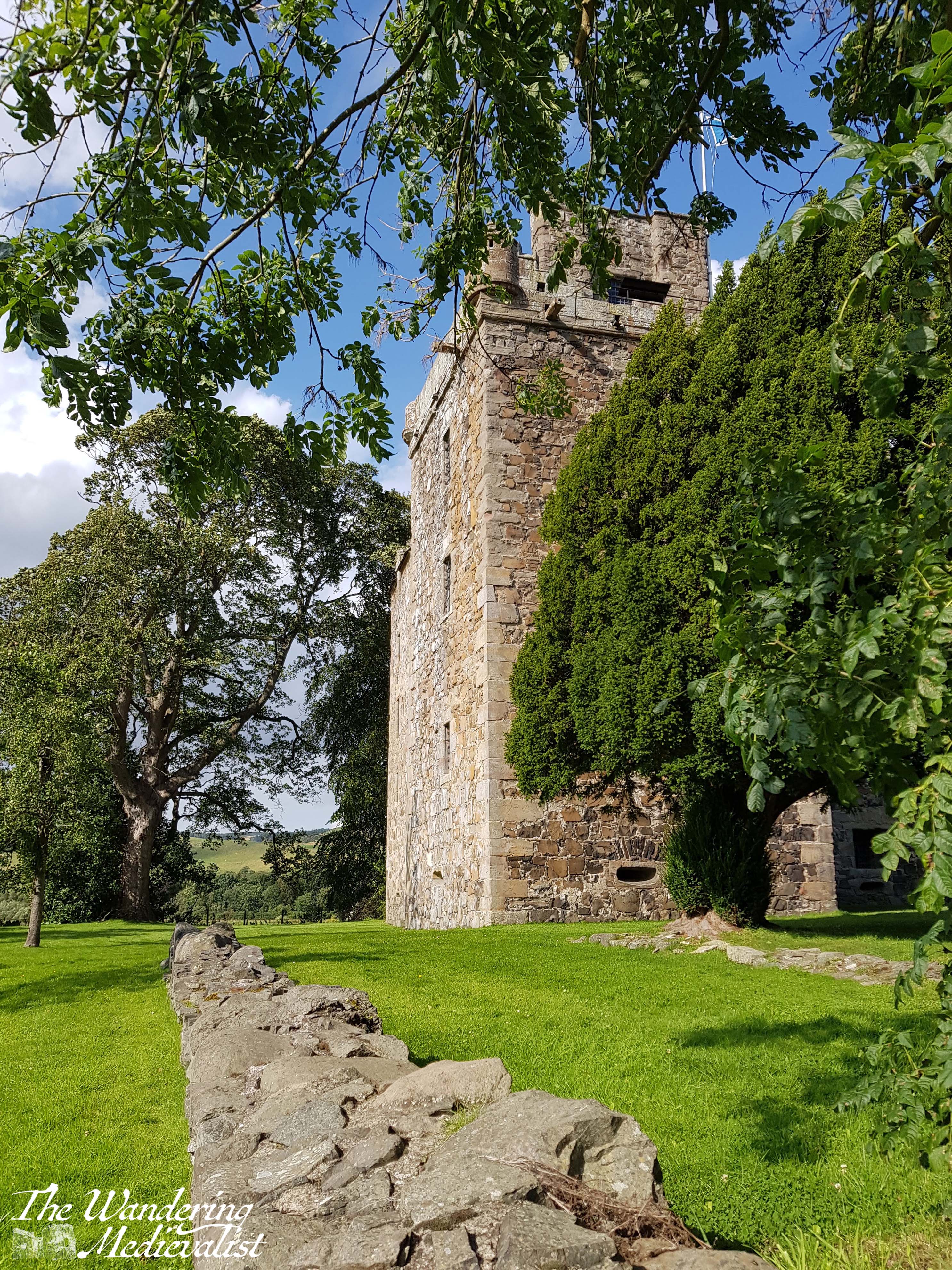
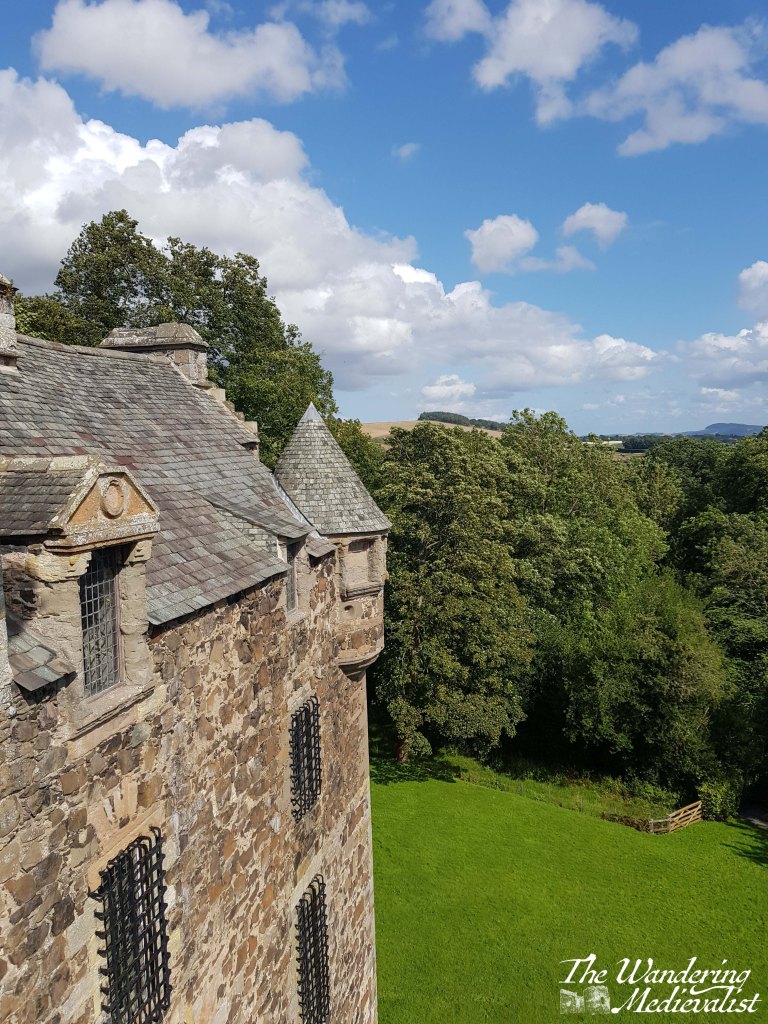
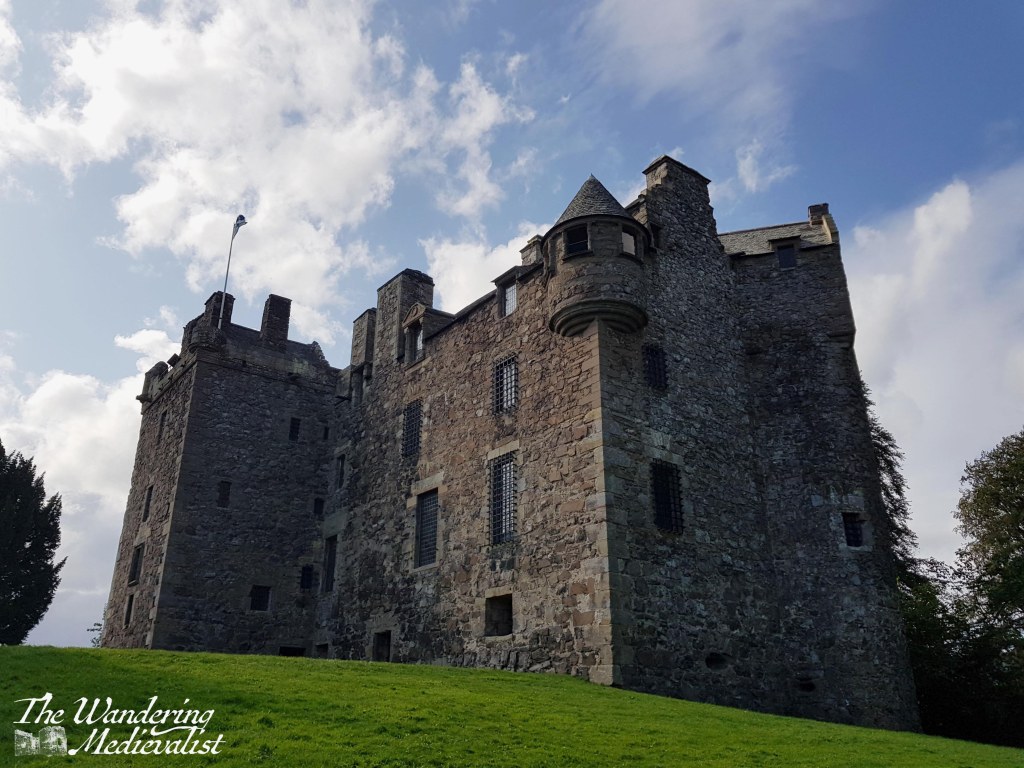
Only four miles from Perth, Elcho is accessed by narrow back roads that eventually lead to a small car park, the castle, and the nearby listed cottage. It was built by the family of Wemyss of that Ilk, around 1560, and is an interesting example of a comfortable country manor residence that was also defensive. It has both guest rooms and gun ports. As one can see from the view from the castle walls, it was happily situated beside the River Tay, amidst fields for crops and sheep, as well as an orchard. In the distance one can just make out the cliffs of Kinnoull Hill.
The view to the west is towards Perth, just out of sight beyond the rise, and to the east along the river in the direction of Dundee and Fife.
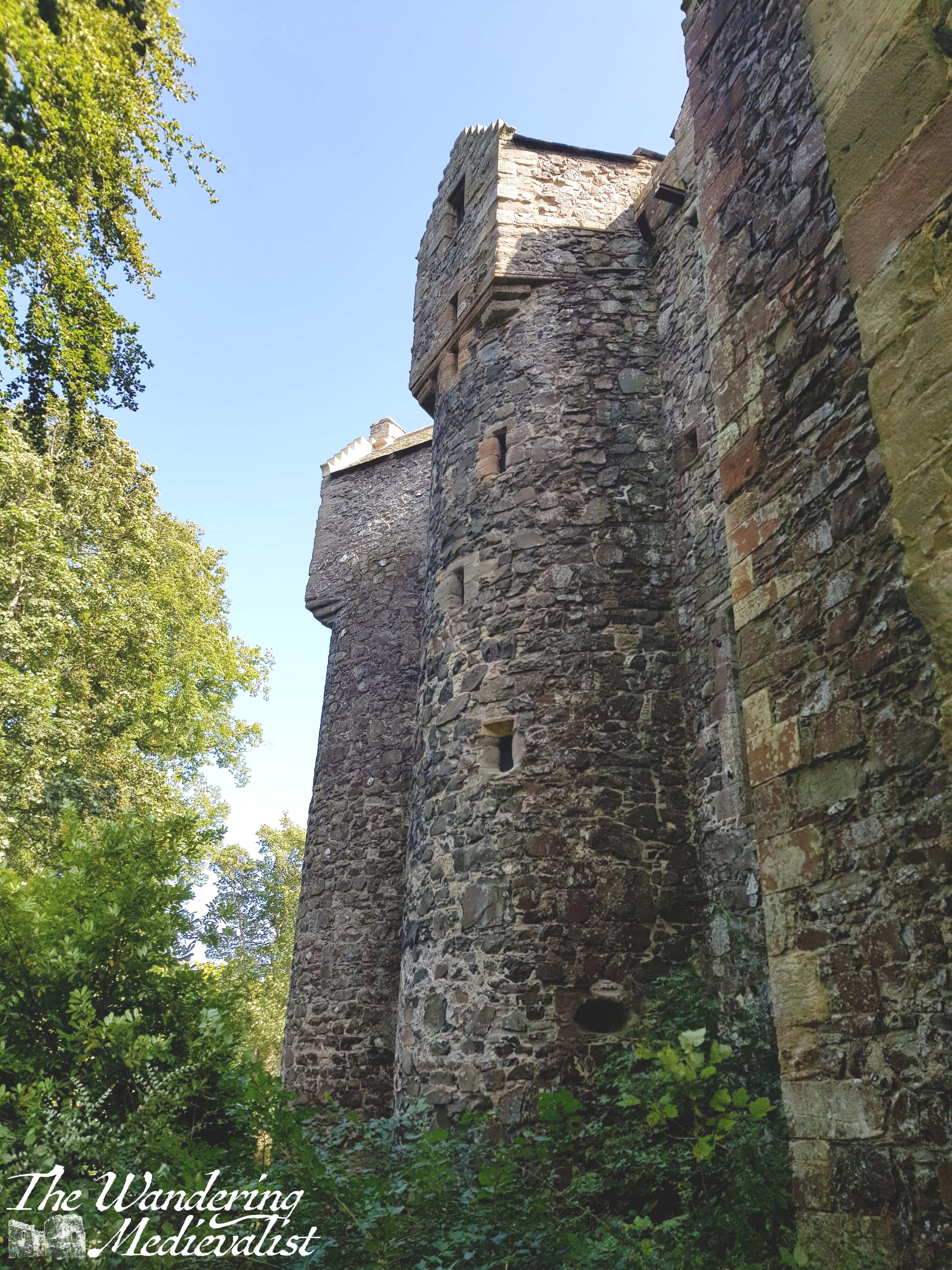
It is just about possible to walk around the outside of the castle, though the river side is well-treed and the view of the walls is obscured somewhat. There is evidence of a formerly walled courtyard and at the edge of the orchard are some well-placed picnic tables.
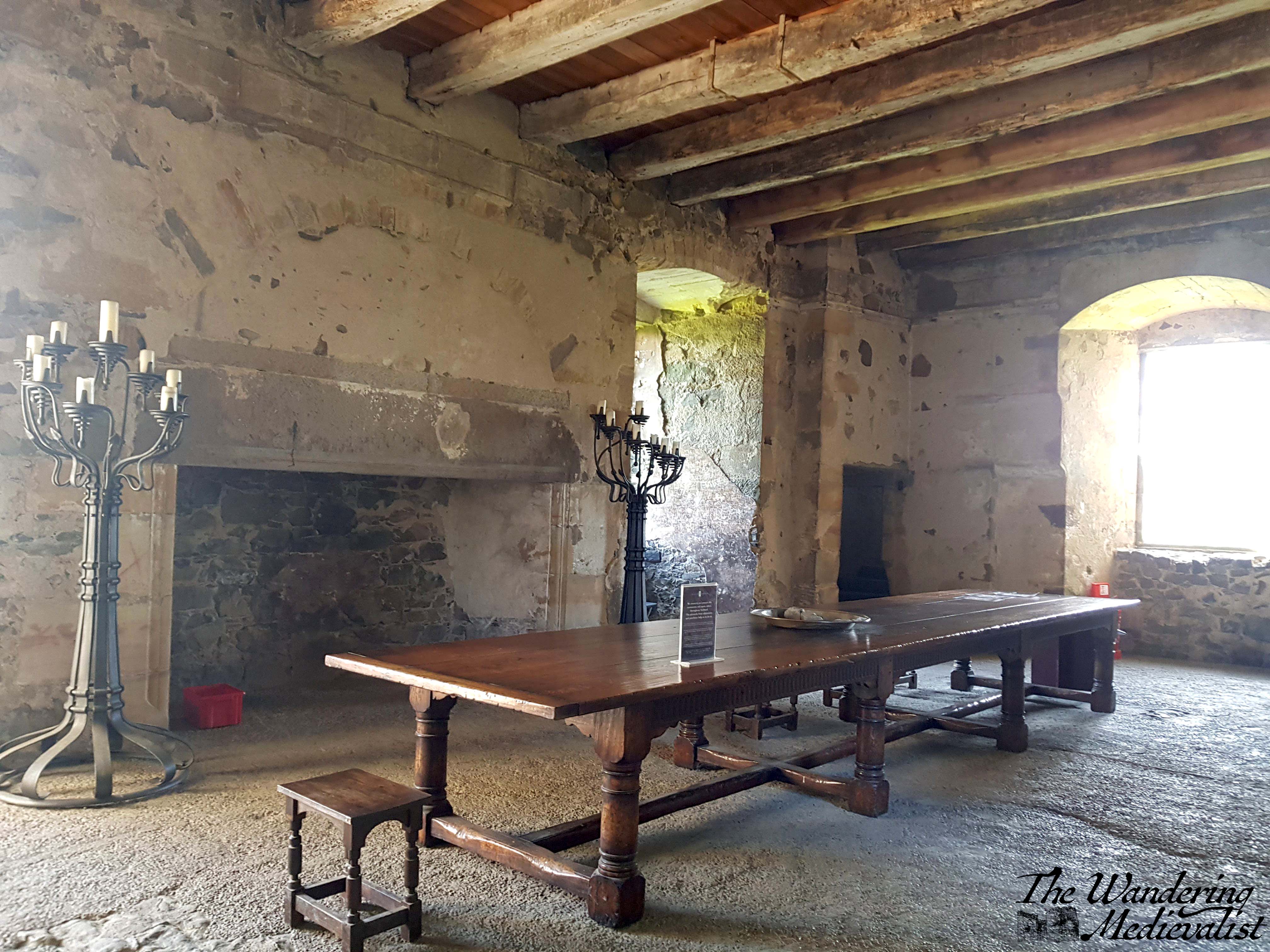
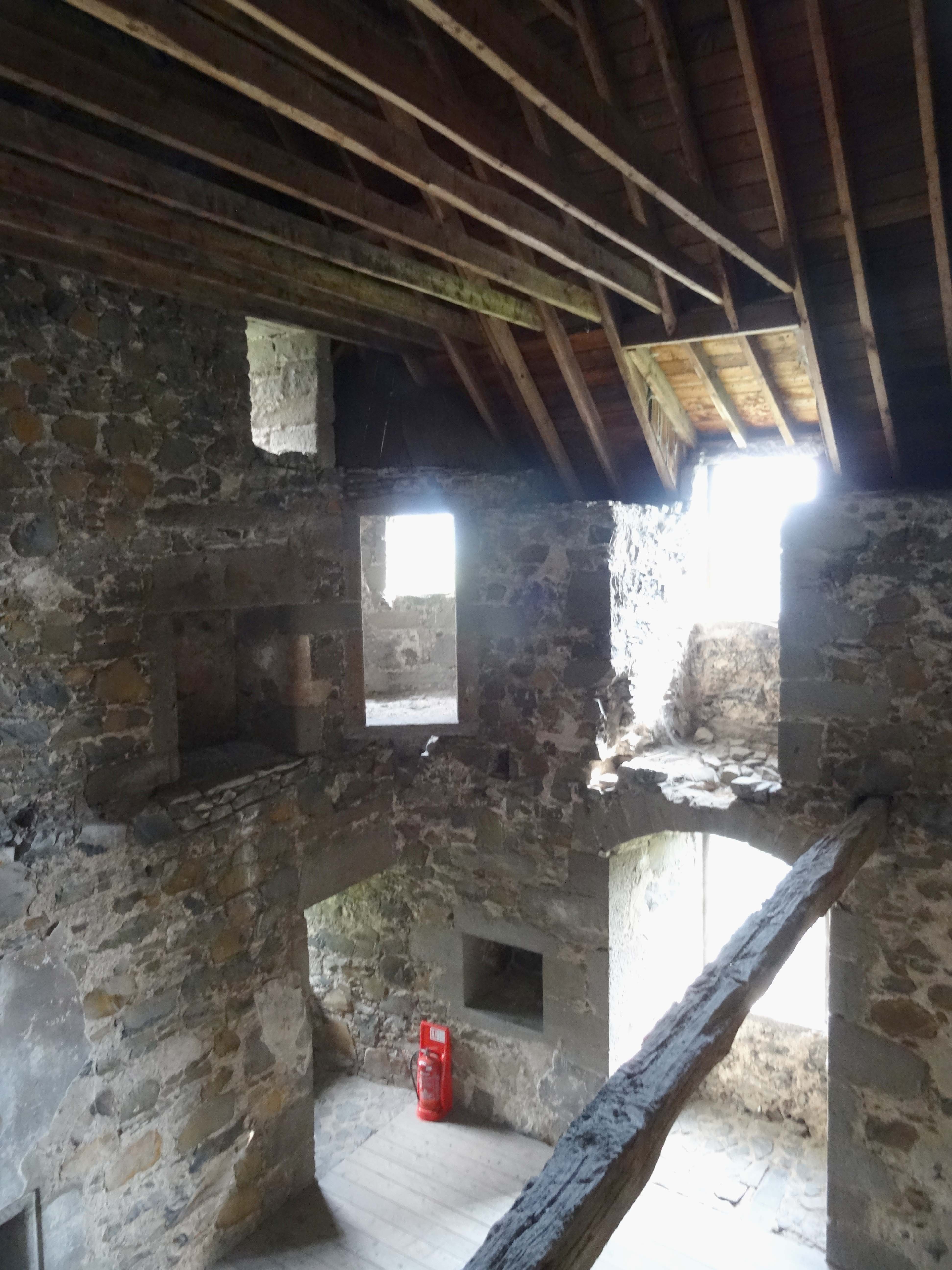
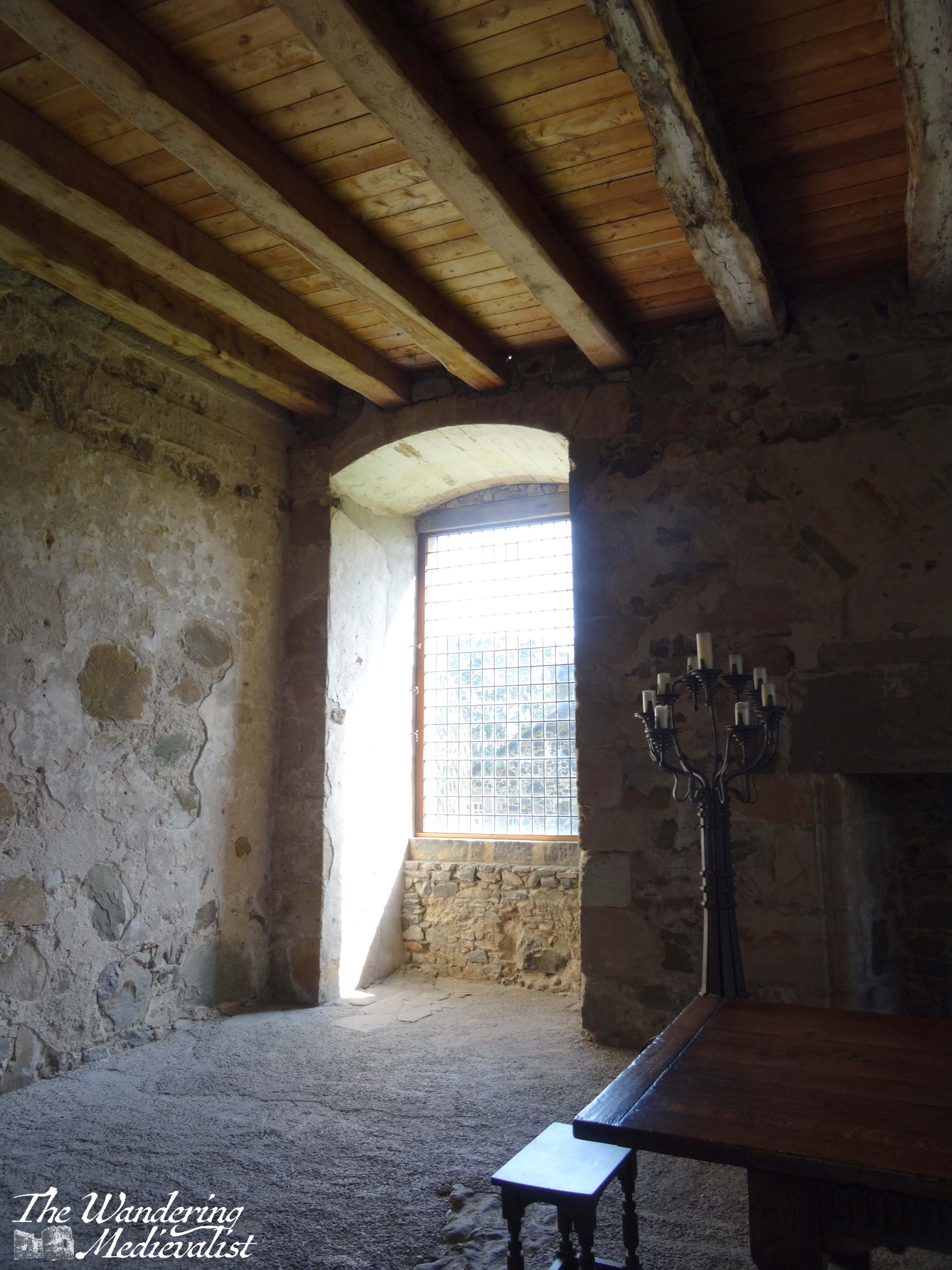
The true joy for a castle lover, though, comes inside, where the main hall, vaulted pantry and cellars, and numerous floors are all visible. Deep kitchen hearths and ovens can be explored, and there is a combination of restored rooms, but also open space where you can look up the walls to see where additional floors and fireplaces would have been.
And of course, one can climb to the top of the castle walls to see the views above, and examine the turrets and roof that was replaced in the 19th century.
It is quite easy to see, while wandering through these rooms and the nearby land, how this could be a comfortable spot to live. The surrounding fields are plentiful, the river is close by for fish and transport, and while the orchard is clearly young, one can imagine there may also have been one in the 16th century.
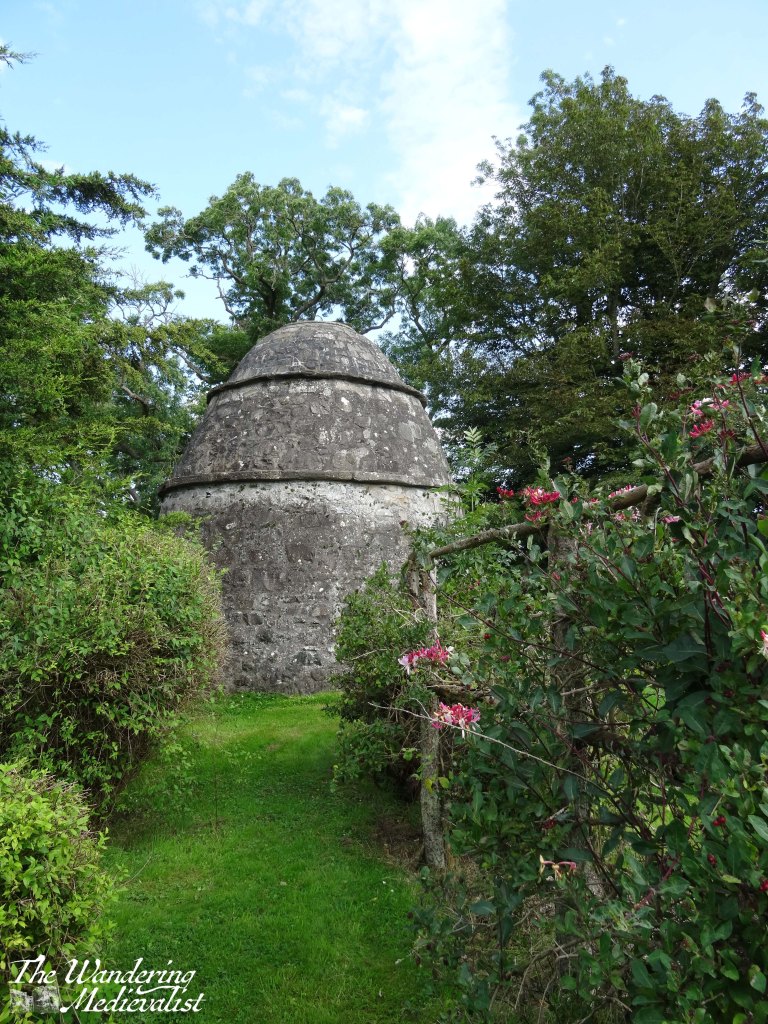
Also on the grounds is a well-preserved doocot (Scots for dovecote), surrounded by a small garden. This doocot would have provided valuable food for the castle through the winter months, both from the birds living within and their eggs.
We did not spend a great deal of time at Elcho but it was the perfect castle for an afternoon jaunt; photogenic and well cared-for, it also boasts a small gift shop which, to our delight, sold ice cream. We happily enjoyed our treat, which also kept the other half patient while I scurried around taking pictures of the castle exterior. Though it does not necessarily hold a dramatic place in history, Elcho is an excellent window into the past, demonstrating how comfortable life might be for a lord living in the late 1500s. It is also an excellent castle to explore, and once it has opened again I could see it as a good spot for children, with lots of rooms to get lost in. Furthermore, it is an easy day trip from Perth, Dundee or anywhere in Fife, the perfect spot for a picnic!
It is clear to everyone by now, I am sure, that I love castles. I have opinions on which types are best, of course, but really, I love them all. I love the aesthetics: the ruined ones, the restored ones, the mostly complete ones, and everything in between. Several years ago I decided it was prudent to set up a Google My Map of every castle I have seen, and all those I would like to see – I have barely scratched the surface of English castles, while Wales and most of mainland Europe are on the list of dreams. Needless to say, the list is…lengthy.
In this post are some of those I have visited – many of them multiple times – and found to be even more spectacular than others, or having historical significance that sticks in my mind. Some of these pictures are scans of those taken before digital technology (gasp!) so please bear with the quality. I hope you enjoy!
England
There are so incredibly many castles in England, and some of the most famous I have seen at a distance (Warwick for example). I have visited the Tower of London several times and – despite being chastised by a Beefeater for being overly excited – I experienced less emotional attachment than to some of these below.
Carisbrooke Castle
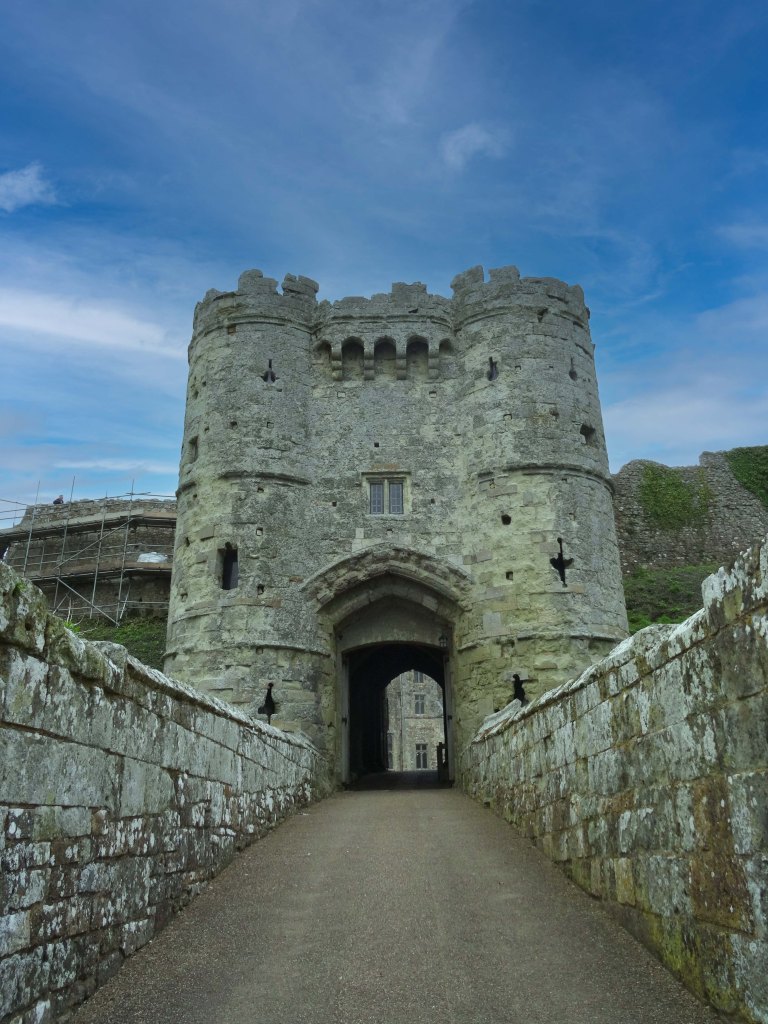
Located on the Isle of Wight, Carisbrooke is a fantastic example of a castle constructed across many generations and styles. Complete with an early motte-and-bailey that you can still climb, this gatehouse, and a perfect view across the countryside, the castle is an excellent spot for a day out and encompasses so many different ages of castle.
Ludlow Castle
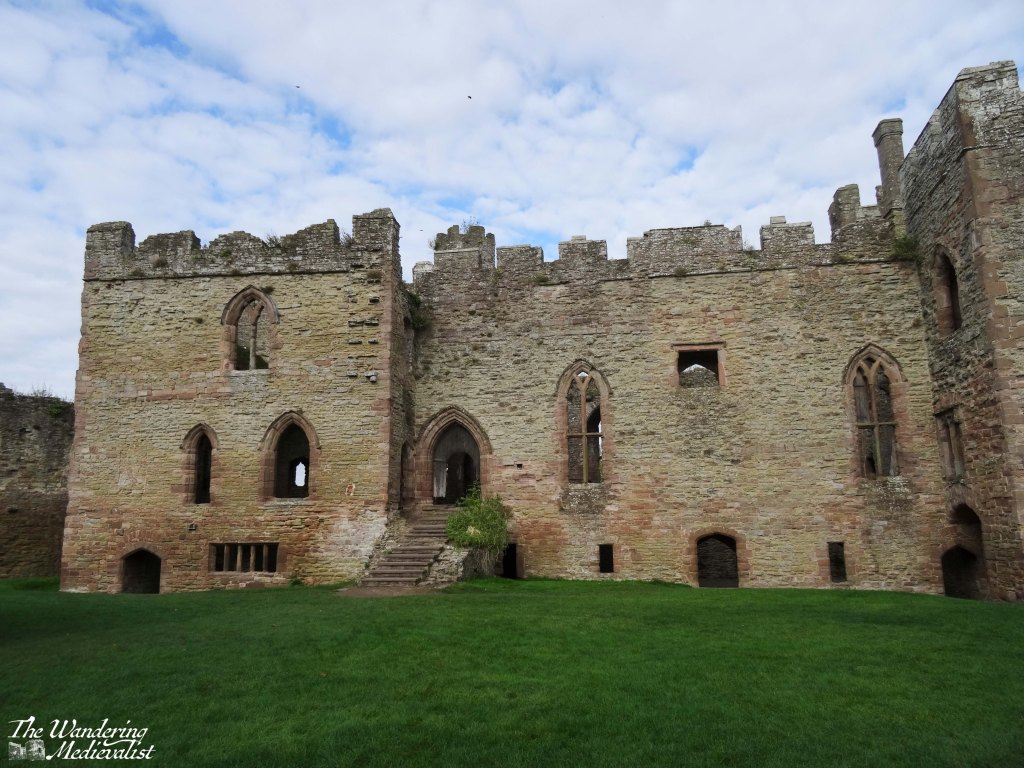
Arguably one of the most stunningly ‘typical’ castles I have ever visited, Ludlow gained significance as a border castle, on the Welsh marches. It has been managed through the ages by some of the ‘biggest’ names in English medieval history including the Mortimers, de Lacys, and the Duke of York.
Scarborough Castle
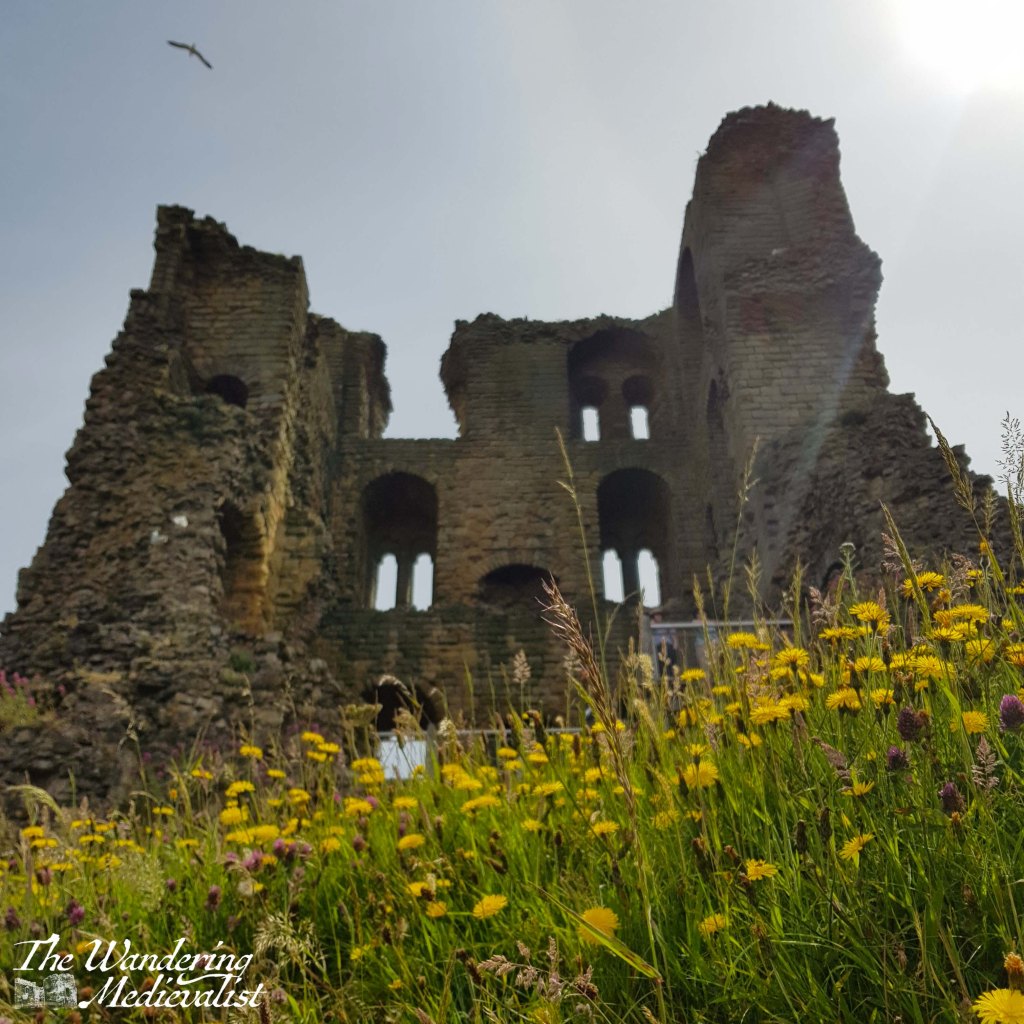
Another link to King Henry II, Scarborough is mostly ruined but the views and remaining curtain wall are a ghostly example of what a high medieval castle could be.
France
The sheer variety of châteaux in France is world-famous – the Loire valley in particular boasts some of the most stunning in the world. As one who has spent a great deal of time studying French history, many of the locations inspire memories of a particular moment of battle or conflict, with castles at the crux of many arguments. There are so many I have yet to see, but Mum and I have managed a few.
Château d’Angers
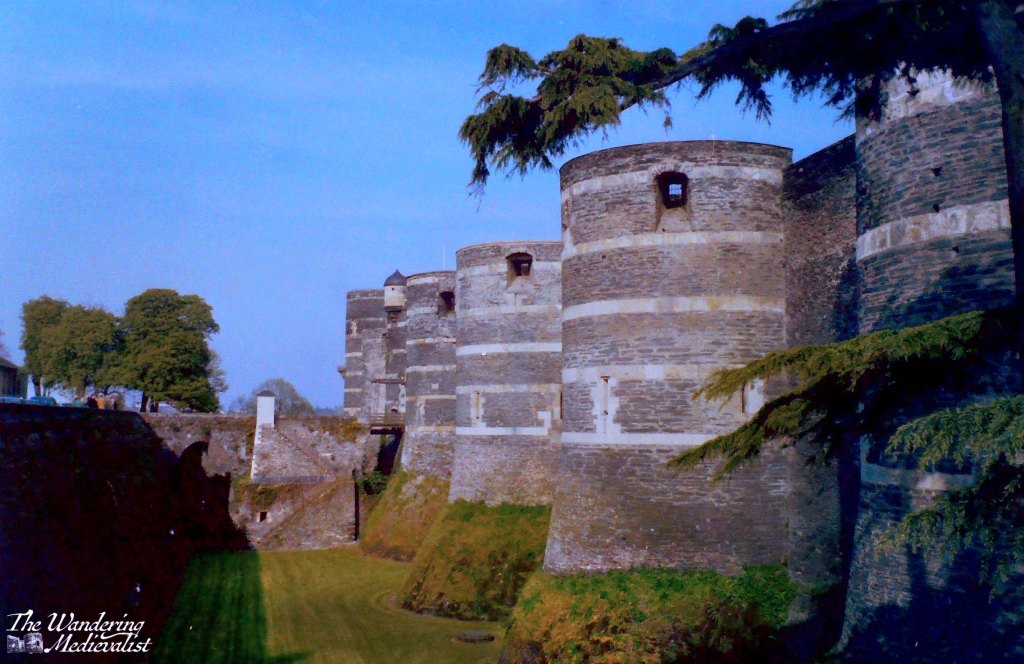
Easily recognised by its stunning striped stonework, the Chateau d’Angers – or a version of it – has stood since the ninth century. The castle lent its name to the Angevin Kings of England, starting with Henry II.
Château de Carcassonne
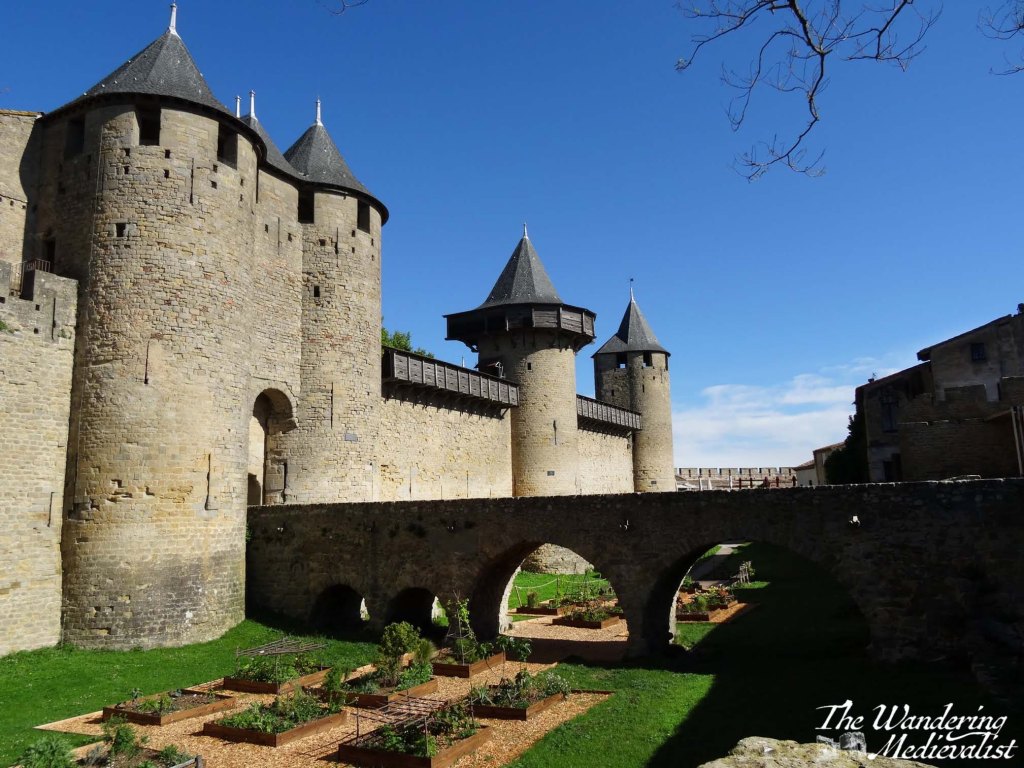
I’ve written plenty about Carcassonne, one of the better examples of a modern restoration of a castle, complete with battlements.
Château de Chinon
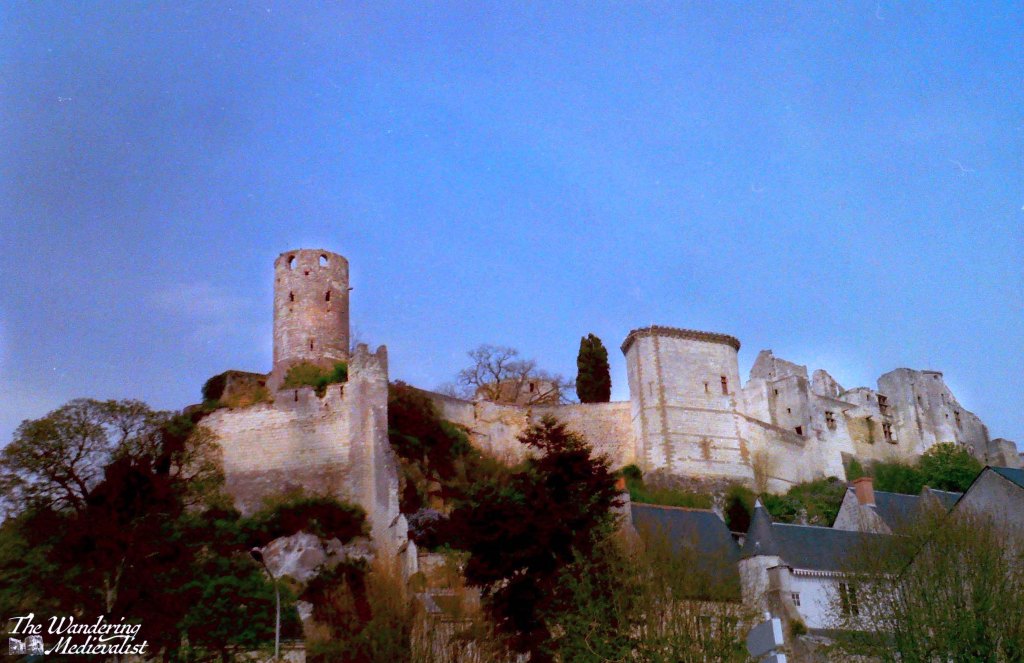
Chinon is the setting of one of my favourite films, The Lion in Winter, and was a vital strategic fortress for Henry II. It is also where he passed away, betrayed by his last son. We visited in 2002.
Château de Loches
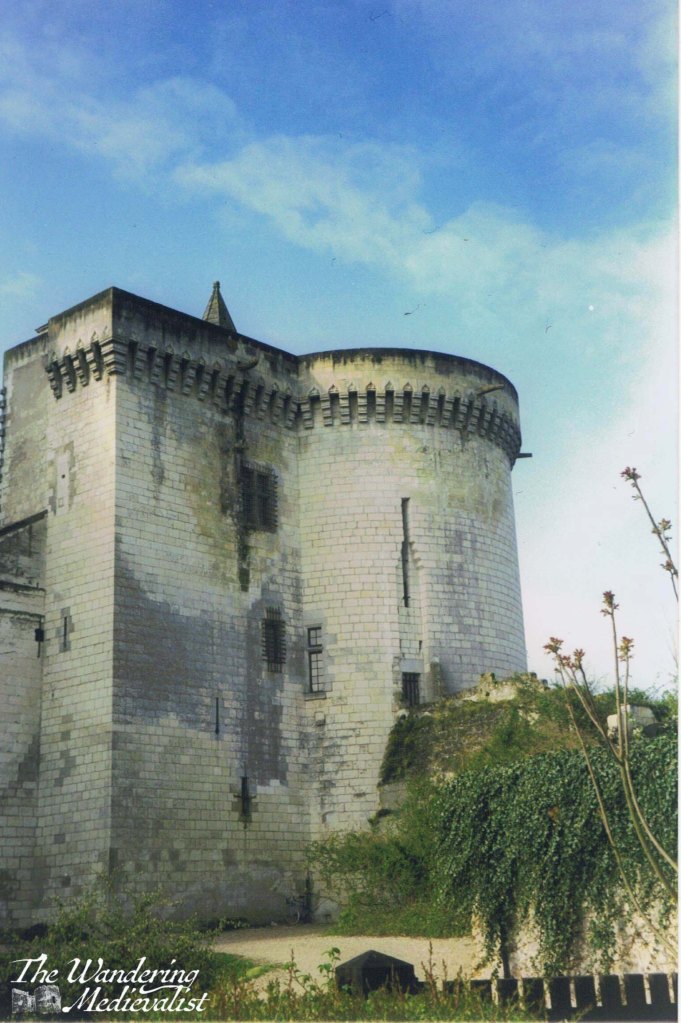
Though I did not know it in 2002, Loches is in fact twinned with St Andrews. The town itself is renowned for its medieval feel, but my recollection is mostly of the impressive square Norman keep that has remained in place despite all the construction around it. Another castle occupied by Henry II and Richard in their day.
Scotland
Needless to say, Scotland is rich with castles and I have done what I can to visit as many as possible – there are still many to go! A few stand out as favourites; many are of a similar style, with a central keep and walled courtyard of various sizes, known as a tower house. Most offer spectacular views over the ocean, shoreline, or countryside.
Caerlaverock Castle
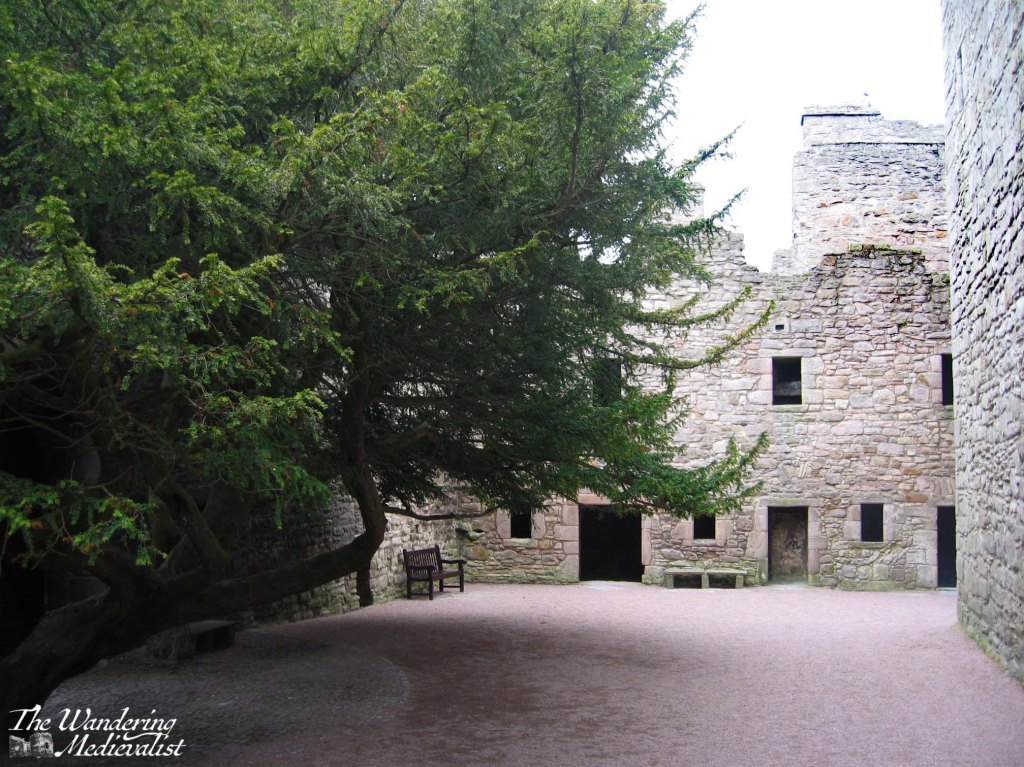
Uniquely triangular in shape, Caerlaverock is another castle that has been partly destroyed and rebuilt over the years. Pieces of the walls are clearly medieval while the interior buildings are of a slightly newer style.
Castle Campbell
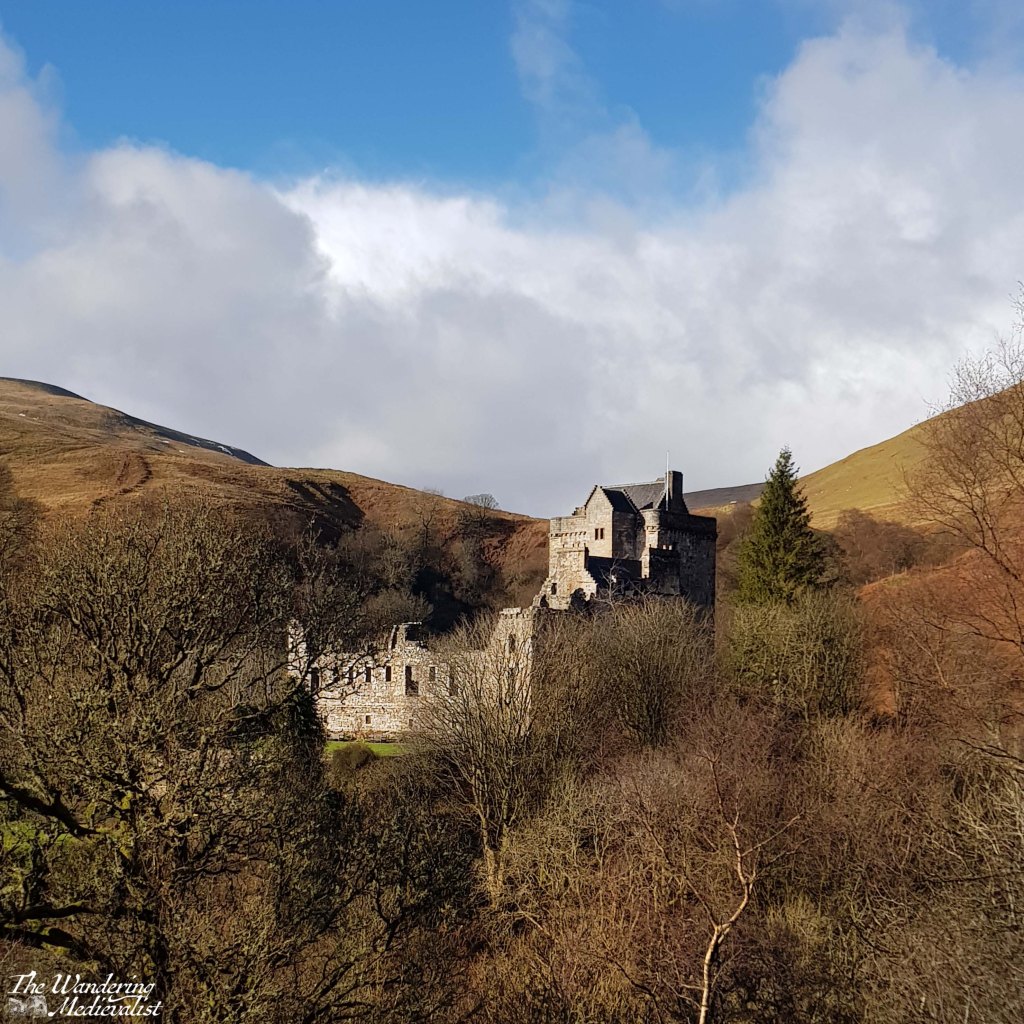
The location of Castle Campbell is half of its draw – nestled in Dollar Glen with walks on every side, every time I have visited has provided a different view. The tower itself is still relatively intact, and the views from the surrounding hills are breath-taking.
Craigmillar Castle
One of many castles most recently used for filming Outlander and other Scottish productions, Craigmillar is located on the outskirts of Edinburgh. The castle itself offers a great place to explore, and the views back towards the city are excellent.
Doune Castle
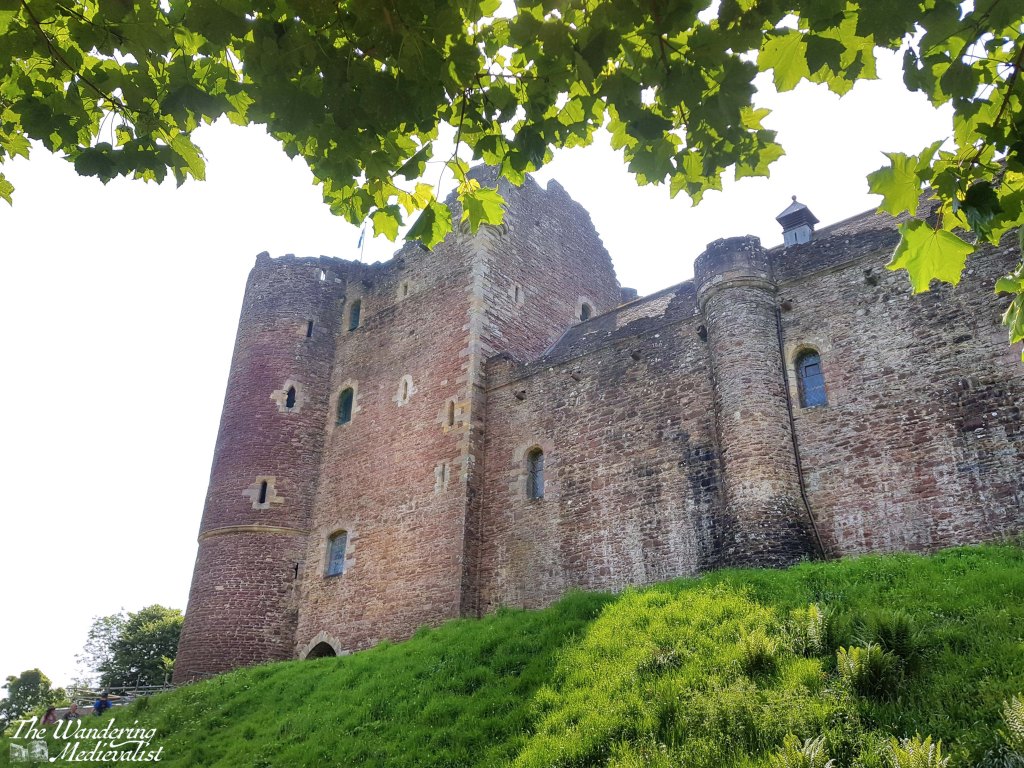
Another movie star castle, Doune is mostly intact with a central keep that offers plenty of staircases and rooms to explore. It tends to be busy year-round but is one of my favourites since my solo visit in January many years ago.
Dunnottar Castle
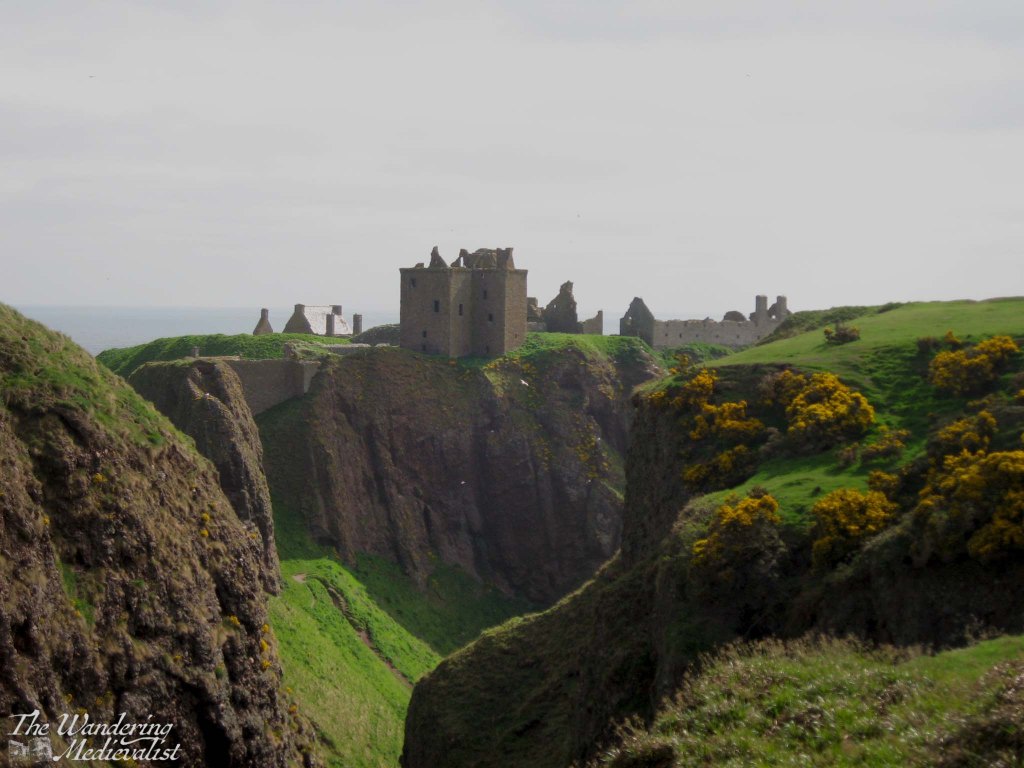
Constructed on a rocky headland, Dunnottar is the epitome of a defensive castle; even now, it requires a good bit of climbing to reach its main gate. Once inside, one finds plenty of buildings to explore and views of the Aberdeenshire cliffs.
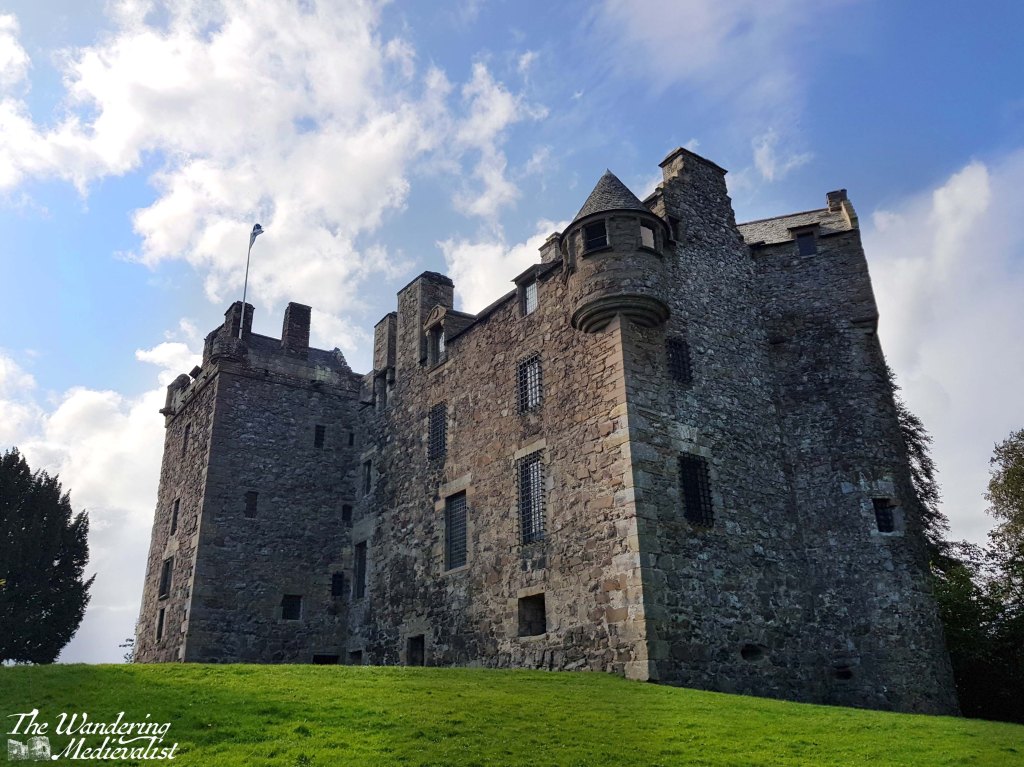
Elcho Castle
Self-contained and still in quite good shape, Elcho was a castle we visited on a spur-of-the-moment trip and I really enjoyed. It is ‘new’ for a castle, but the rooms inside have a solidly medieval feel. Lovely views over the countryside and the nearby River Tay.
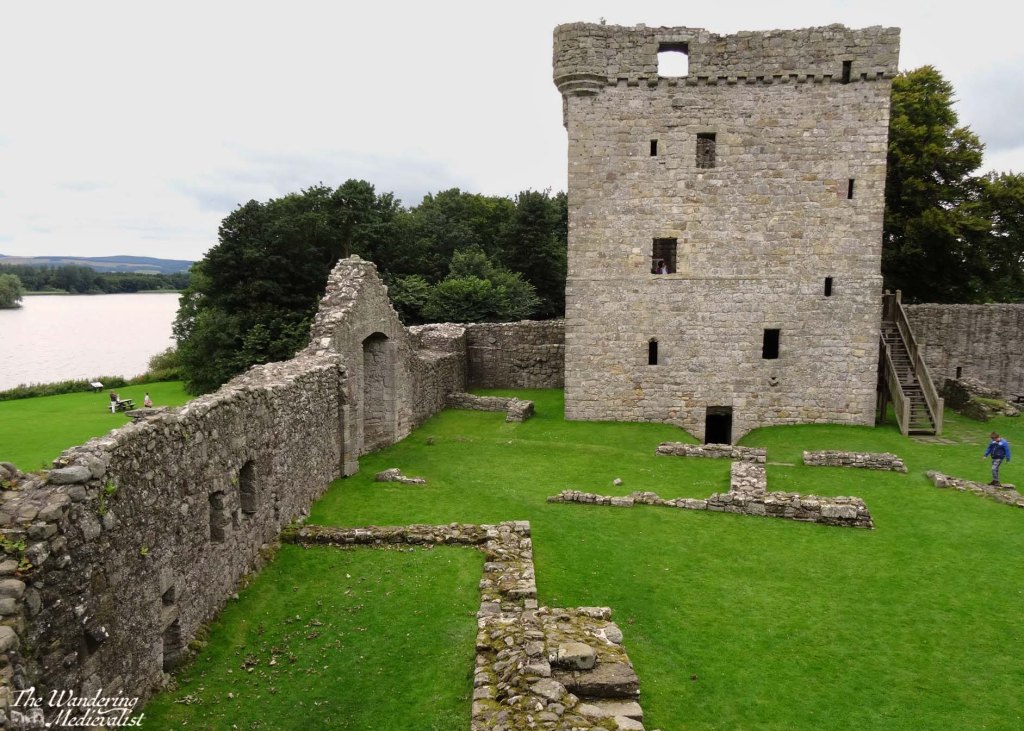
Lochleven Castle
Once upon a time, the other half planned a daily outing for us, ‘Castle Day’, which included a picnic and boat trip to Lochleven Castle. Perfect for defence, the castle takes up most of the small island on which it was built. It was also one of several places where Mary Queen of Scots was imprisoned.
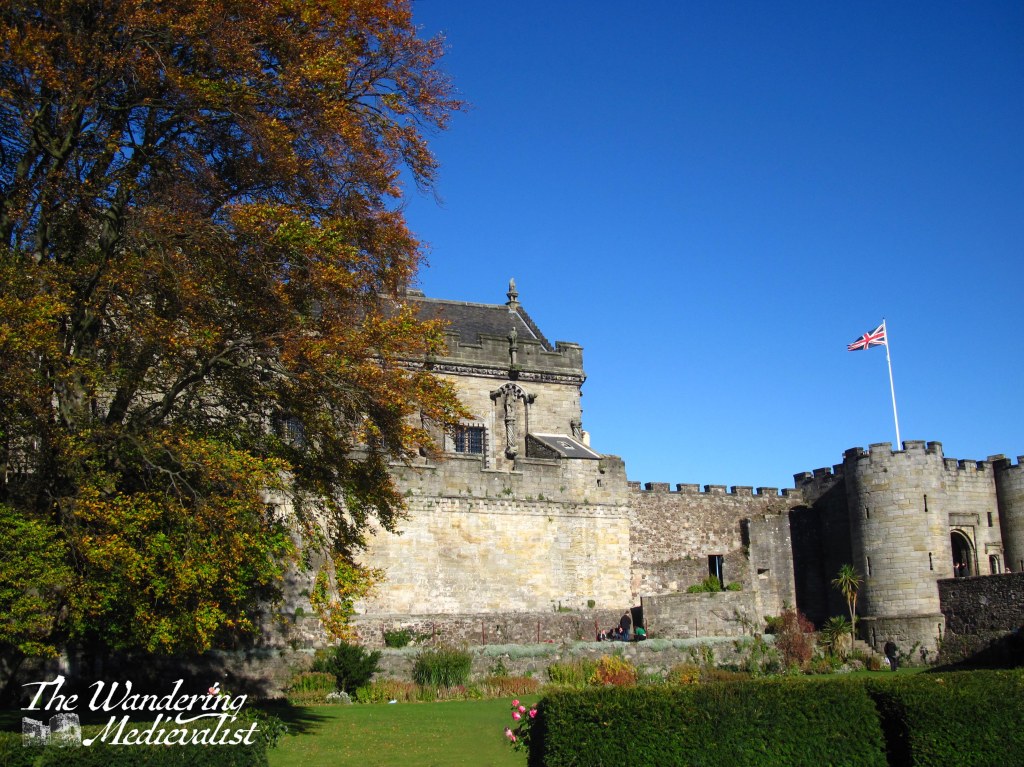
Stirling Castle
Last but not least, Stirling has always been one of my favourite castles. Similar to Edinburgh in some ways, it is still more medieval in feel, and it offers some of the best views in Scotland.
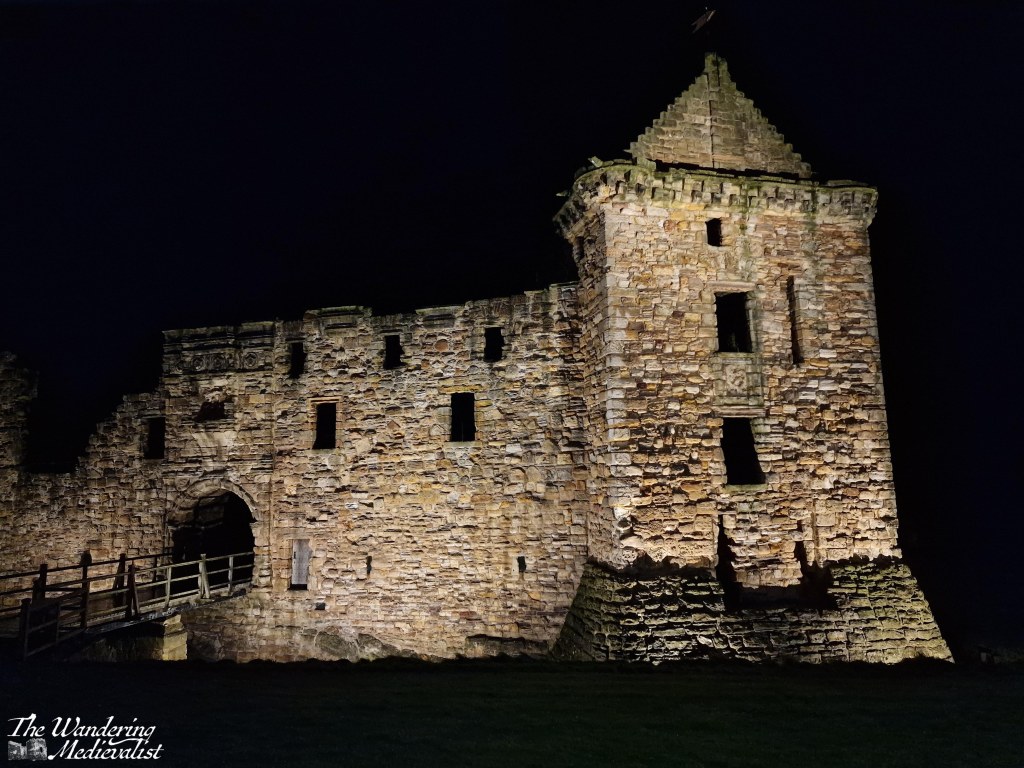
Finally, honourable mention must go to the castle of which I have more photos than any other and which I walk past almost every day: St Andrews. A bishop’s castle, it boasts a bottle dungeon, some lovely carvings, and perhaps most unique, a preserved mine and counter-mine dug during a siege. I will never grow tired of the view walking up the Scores past the castle, enjoying the magnificent gatehouse and the often pounding waves of the North Sea. It is almost impossible to pass by without taking yet another picture. The one below is from Christmas Eve 2022, in the pouring rain; but still a picture that needed to be taken.
There are some movies that my other half will outright refuse to watch with me. Fair enough, at times I shout or get annoyed when a historical fact is misrepresented. 2010’s Robin Hood was one of those during which I lost my mind a touch (despite my love of Cate Blanchett).
But, I am also perfectly capable of closing down my historical mind and watching a film as a piece of entertainment. I took a course as an undergrad on ‘Middle Ages and the Movies’, taught by Prof Robert Bartlett, and we were challenged to look at films from several perspectives – the historical background and the influence of the time in which the film was made, as well as how interesting the film was. Its historical accuracy was less significant. I am perfectly able to accept and even enjoy when film-makers choose to alter history, bend a fact or condense a timeline to fit the story.
I get annoyed when the story is changed and would actually have been better, more interesting, told the true or real way – or when it painfully misrepresents real history. One of the keenest examples of this for me is Troy – not medieval I know – based on one of the oldest stories in the world. They chose one of the most beautiful men in Hollywood to play Achilles – great – and an Odysseus who made me wish they would film the Odyssey next with Sean Bean as the main character. Then they destroyed it all.
There are so many historical periods about which there have not been any – or any well-known – films made which surprise me.
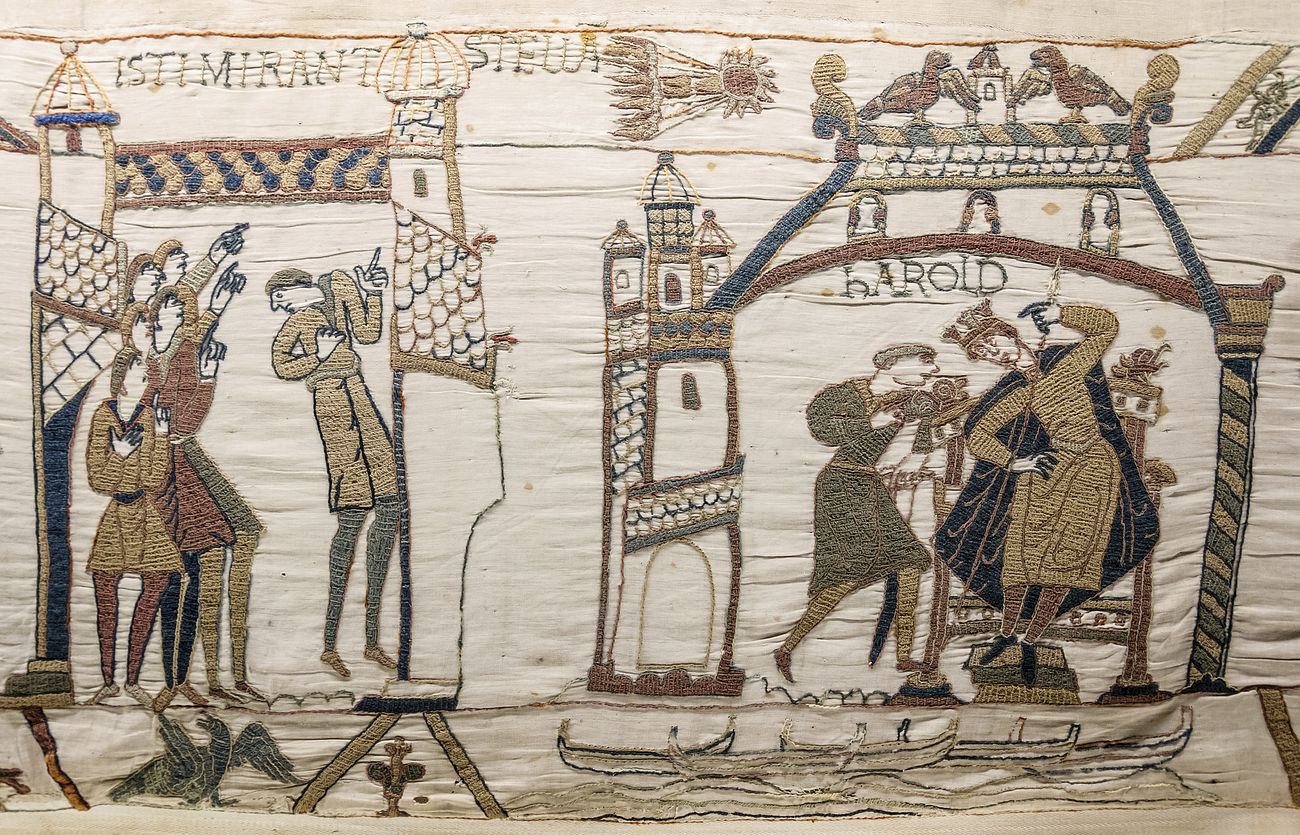
For example the Norman Conquest – the amazing story of Harold leading his army the length of Britain twice in quick succession seems perfectly cinematic – there are a few older films and a French one from 2015 but all look to be painfully one-sided. The intense drama of a war where both sides could be considered just is intriguing.
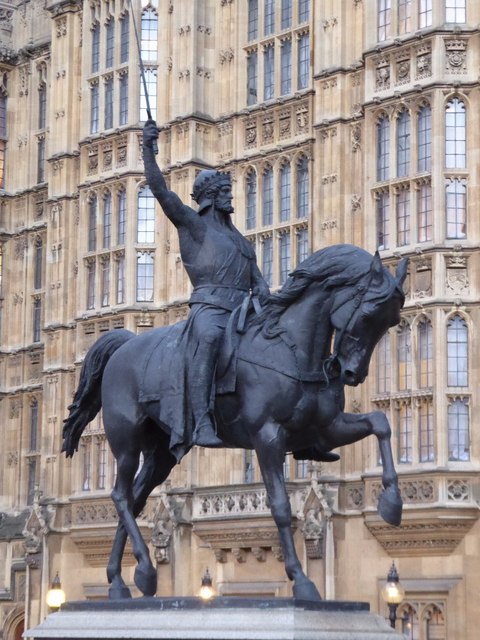
Another miss is the complex and fascinating relationship between Richard I and Saladin – they began to hint at the possibility in Kingdom of Heaven but missed out this epic story. The whole challenge would be portraying their interactions through envoys and letters, as they could never meet. There do seem to be some versions of this from the 1950s and 60s, but they look, well, bad.
These are just the top two I can think of and I know there are 100s more (the real MacBeth? Malcolm Canmore and St Margaret? The First Crusade? The settling of Greenland? The civil war of Stephen and Matilda?)
There is also a great deal of debate amongst historians as how to classify a film as medieval, as authentic, as ‘good’. I’m not here to talk about that today; I may come back to it in a later post. I think there is no question that there are certain markers that make someone think a film is medieval: dress, speech, castles, knights, armor, etc. One can pick apart whether the Lord of the Rings is medieval. I’m not really bothered. The same with Game of Thones, where the places the author has ‘stolen’ from and embellished history are very evident to those of us who have studied it, but who cares? The idea that some of these dramatic events were based in history makes them that much more compelling.
I feel that inspiring interest in the past, and inspiring someone to perhaps go read more about a topic, is a good place to start for a medieval movie. I like to hope that in the modern age, viewers understand that not everything they see on a screen is truth. I realise this hope may be a touch ambitious.
My favourite movies
So, which are my favourite medieval movies? I’ll probably do a full review at some point, but here goes, in no particular order:
Sleeping Beauty (1959) – this Disney classic has been my favourite since childhood, when I always wanted to be the Blue Fairy.
The Lion in Winter (1968) – Peter O’Toole IS Henry II. I have a whole paper on this movie that I may share in the future.
Outlaw/King (2018) – not a perfect film, but authentic in many ways and one of the better Scottish accents by a non-Scot in Chris Pine.
Ladyhawke (1985) – camp with insanely 80s music, it is a beautiful love story nonetheless. Matthew Broderick is decidedly un-medieval however.
Robin Hood, Prince of Thieves (1991) – Kevin Costner notwithstanding, this is a classic and a monument to Alan Rickman’s talent. Plus that song…
Brave (2012) – red-haired Scottish archer girl voiced by actual Scot. Plus Emma Thompson and a bunch of other legitimately Scottish voices. Love.
El Cid (1961) – so many problems with this film, including brown face and Charleton Heston. But it is epic.
The 13th Warrior (1999) – this movie has one of my favourite film sequences ever of Antonio Banderas’ character learning another language, so cleverly done.
Films I watch as guilty pleasures:
Braveheart (1996) – yeah, I know. I’ve literally written a lecture on this movie and its inaccuracies. But I still have love for it.
Kingdom of Heaven (2005) – this film had so much potential to be excellent, with a truly winning cast of Liam Neeson, Jeremy Irons, Brendan Gleeson and a cameo I won’t give away just in case…not so much a fan of Orlando Bloom though.
King Arthur (2004) – due to my undying love for the late Ray Stevenson.
Camelot (1967) – Richard Harris looks embarrassed. But the music is beautiful.
Medieval movies I know I should like but I just don’t:
A Knight’s Tale (2001) – I’m of a generation that can find little wrong with anything Heath Ledger did, but I’ve just never been able to get into this film.
The Seventh Seal (1957) – again a film most medievalists are ‘supposed’ to like. It’s a really interesting film and I love its portrayal of life during the plague, but I probably would never watch it for fun.
The Name of the Rose (1986) – based on the book of which I also was not a huge fan. I’ve never really been into monks or monastic history.
Becket (1964) – fantastic acting but the character of Thomas Becket always annoys me.
I’m not a huge fan of Arthurian stories overall, and there are plenty of movies I have not yet watched. There are quite a few out on Neflix/Prime that have been produced more recently that I haven’t gotten to – The King with Timothée Chalamet, The Last Kingdom: Seven Kings Must Die the movie that completes the TV show I watched the first few seasons of, The Last Duel which bombed so badly I didn’t know it existed until I found it in a list of medieval movies.
I also realise that this list is very Euro-centric, and most lists that you find online are the same. I imagine that there are plenty of Asian movies, particularly Chinese cinema, based in what we consider to be the Middle Ages. The Korean epic TV show Empress Ki (to which I became addicted for a while during lockdown) is a medieval story. I am also very aware of the multitude of medieval movies that are overwhelmingly male in characters and storyline, more recent ones often with a token strong female. The reasons behind this are, I am sure, complex, but also infuriating.
I have written several papers/lectures on some of my favourite medieval movies and will hope to share them with you at a later time. For now, I hope I have inspired so medieval viewing!
Don’t agree with me? Leave a comment to tell me about your favourite medieval movie!
I recall summer 2020 as being a time of hope and a touch of freedom after a spring of uncertainty, lockdown, and fear. While work was still very much from home, people were taking advantage of the fine weather to be outdoors, even if socialising was still touch-and-go. I took advantage of having not long passed my driving test to plan short day trips for myself including to Balmerino Abbey, a twenty-minute drive along the coast from where we lived in Tayport. I’ve never been particularly into abbeys or ecclesiastical history, but one has to appreciate their architecture.
So, I packed myself up and planned the route on Google, trusty camera in tow. It was one of my first solo driving adventures and so I was both excited and a touch nervous as I made my way into the small town and managed to find a place along the road to park.
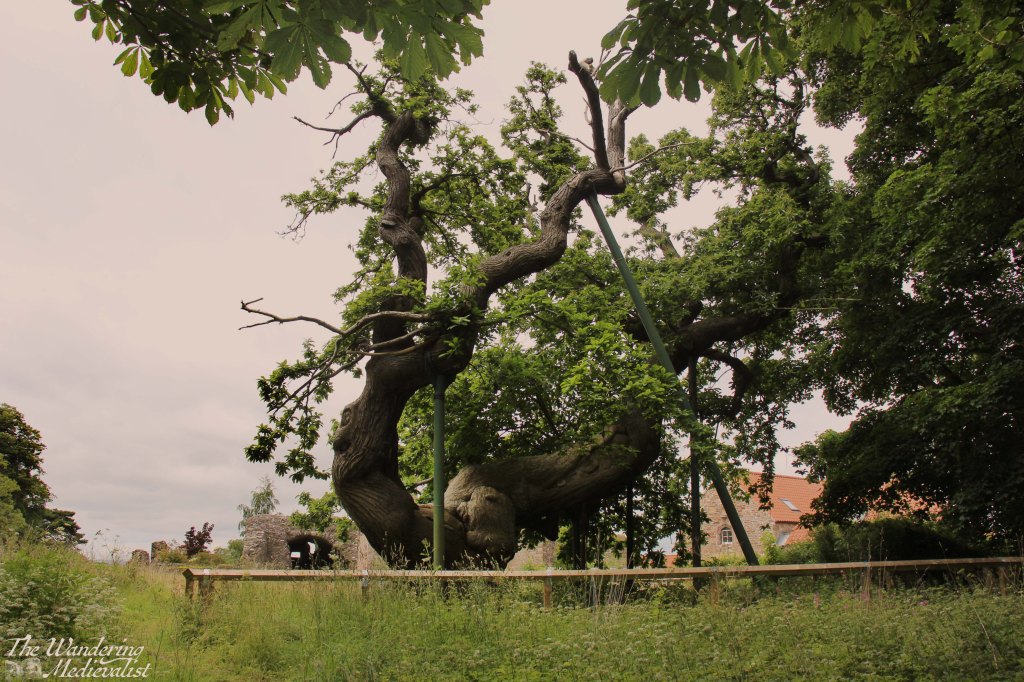
The abbey, as I discovered, is in ruins, but with much less left than I had expected. It was founded in 1229, when a group of Cistercian monks arrived from Melrose Abbey, about 85 miles south. King Alexander II and his wife Queen Ermengarde were patrons – the queen visited many times and was buried there. It was even said that Ermengarde planted the ancient Spanish chestnut tree upon the abbey’s foundation.
Analysis of the tree performed by the National Trust however indicated that it is ‘only’ around 420 years old, so more likely to have been planted closer to the time of the abbey’s dissolution than foundation.
Throughout the Catholic Middle Ages, the abbey maintained a small population of monks, reaching 20 in the beginning of the sixteenth century, but it suffered in the wars with England, damaged both in 1547 and then again in 1559 by the Reformation.
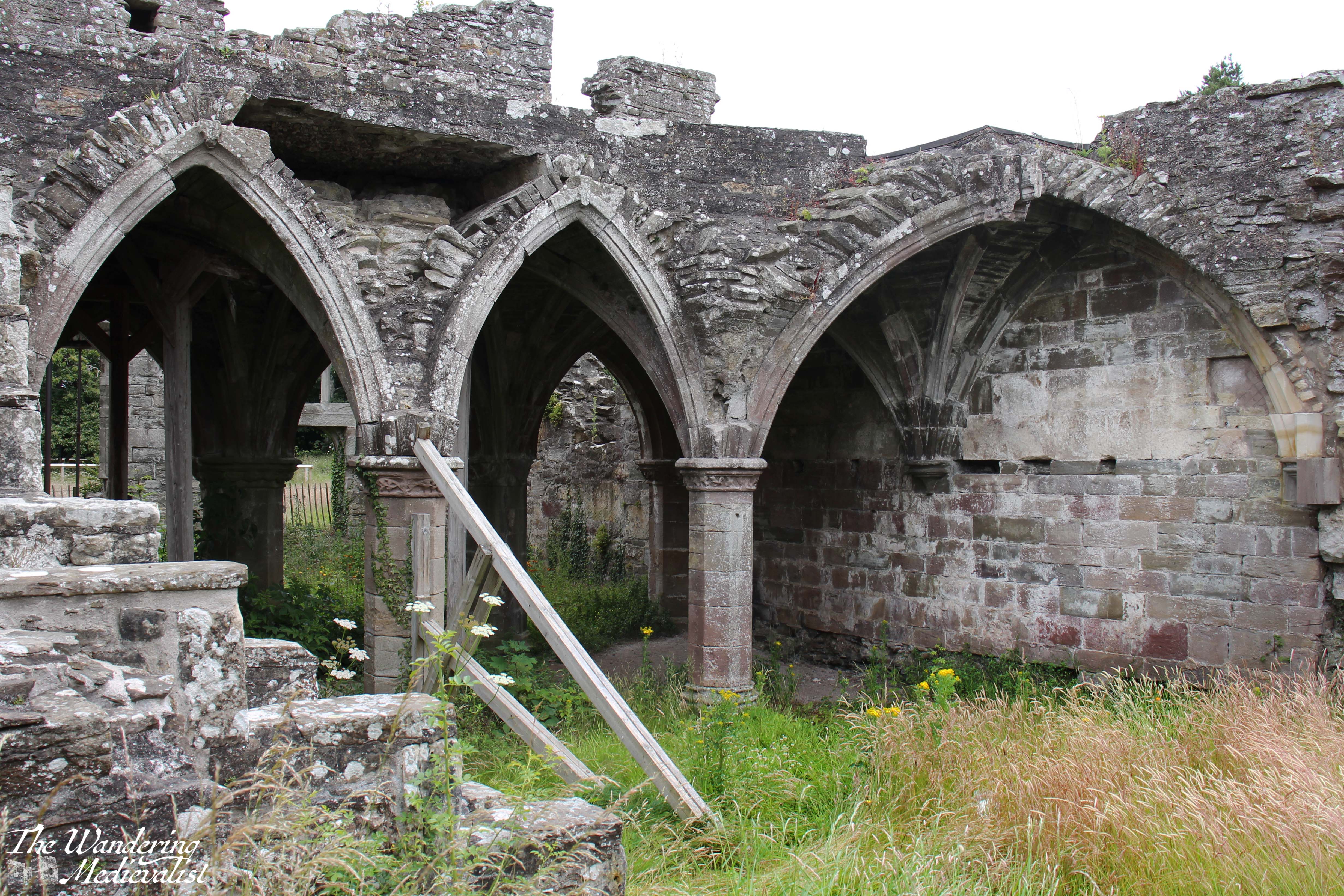
Compared to the border abbeys, Balmerino was quite small, and there is considerably less to draw on one’s imagination, however the outline of the church is still visible, marked out in the grass. The ruins that are left are still markedly ecclesiastic in their feel, with beautifully shaped pillars and arches, hints of vaulted rooms, and the remains of a carved entrance way.
Moving past the remaining stones and towards the ancient tree, one can look back and get a feel for the scale of what once stood here.
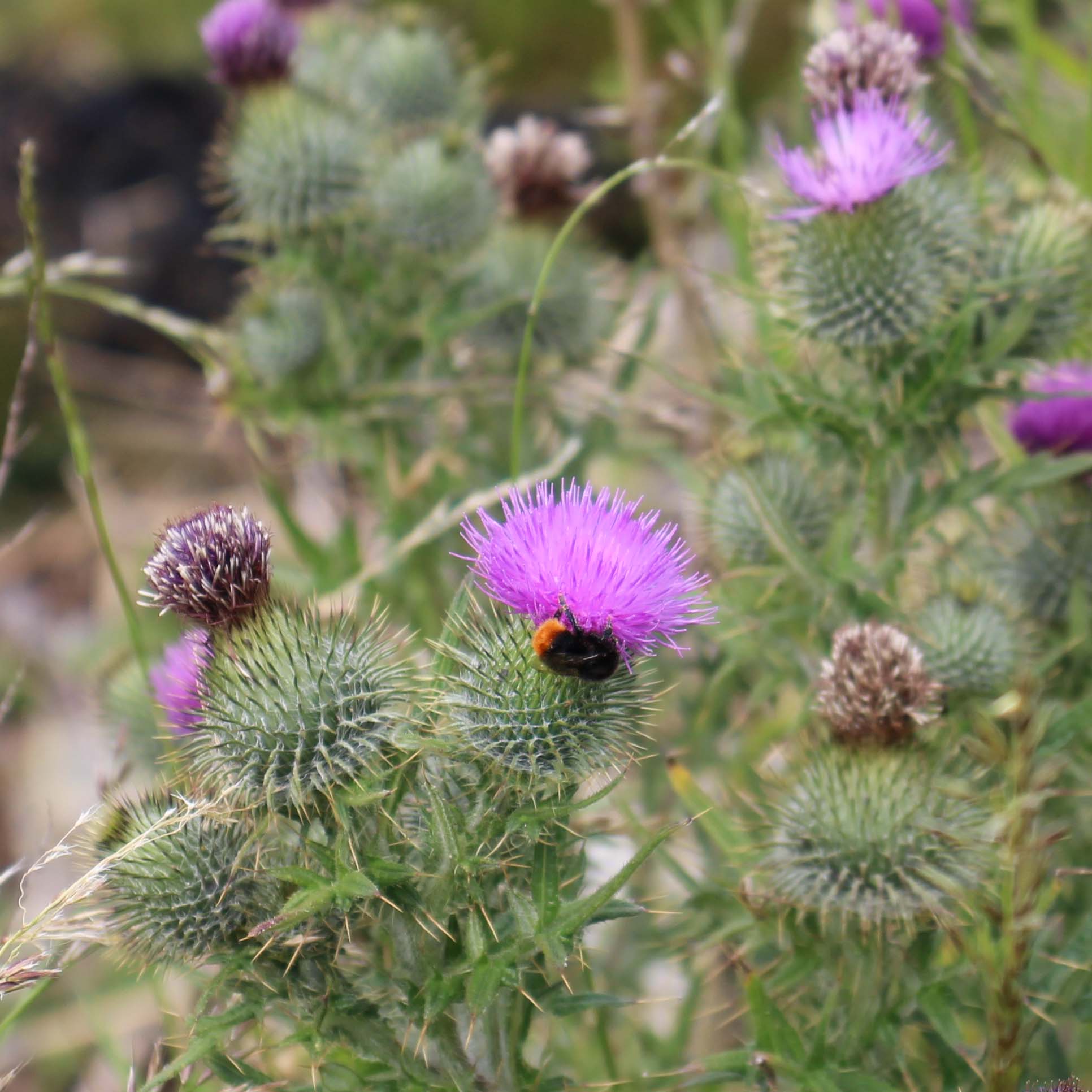
One could wax philosophical about how the years since the Reformation have chipped away at the remaining stones – or outright stolen them – much in the way that the Catholic or indeed any faith has been allowed to decay since the Middle Ages. I always find these locations to be haunting and yet still holding on to a spiritual vibe; even if one is not religious, one can hold appreciation for the devotion those who lived here would have felt. In 2020, there was an aura of loneliness and abandonment caused by months of lockdown, with the grass longer than it should have been and distinctly Scottish thistles and purple flowers sprouting everywhere.
After wandering the abbey grounds for a while, I decided to extend my outing by following the signs for the Fife Coastal Path, which stretches from Newburgh around the edge of Fife to Kincardine. It is generally well-kept and some stretches are positively stunning, so offers a good option for someone looking for a short – or long – ramble on a mostly sunny day. The stretch near Balmerino kept quite close to the beach to the left/west, and to the right/est followed the wall above the beaches, skirting in front of some lovely houses and cottages while the Tay Rail Bridge came into view.
While I cannot say that go out of my way to return to Balmerino Abbey quickly, I could certainly see the value in a trip here for any student of medieval abbeys, monks, or monastic life. And for anyone who enjoys a good wander along the coast.
Like this post? Explore some of the other abbeys I have visited:
It has been longer than usual since my last post, but for the very happy reason that I have been on holiday with family. We went to Skye for my first time ever, and it was absolutely extraordinary, even on the rainy day we had when we chose to visit Dunvegan Castle. (and please be assured, many posts on Skye will be coming as soon as I can sort through the mountain of pictures I took)
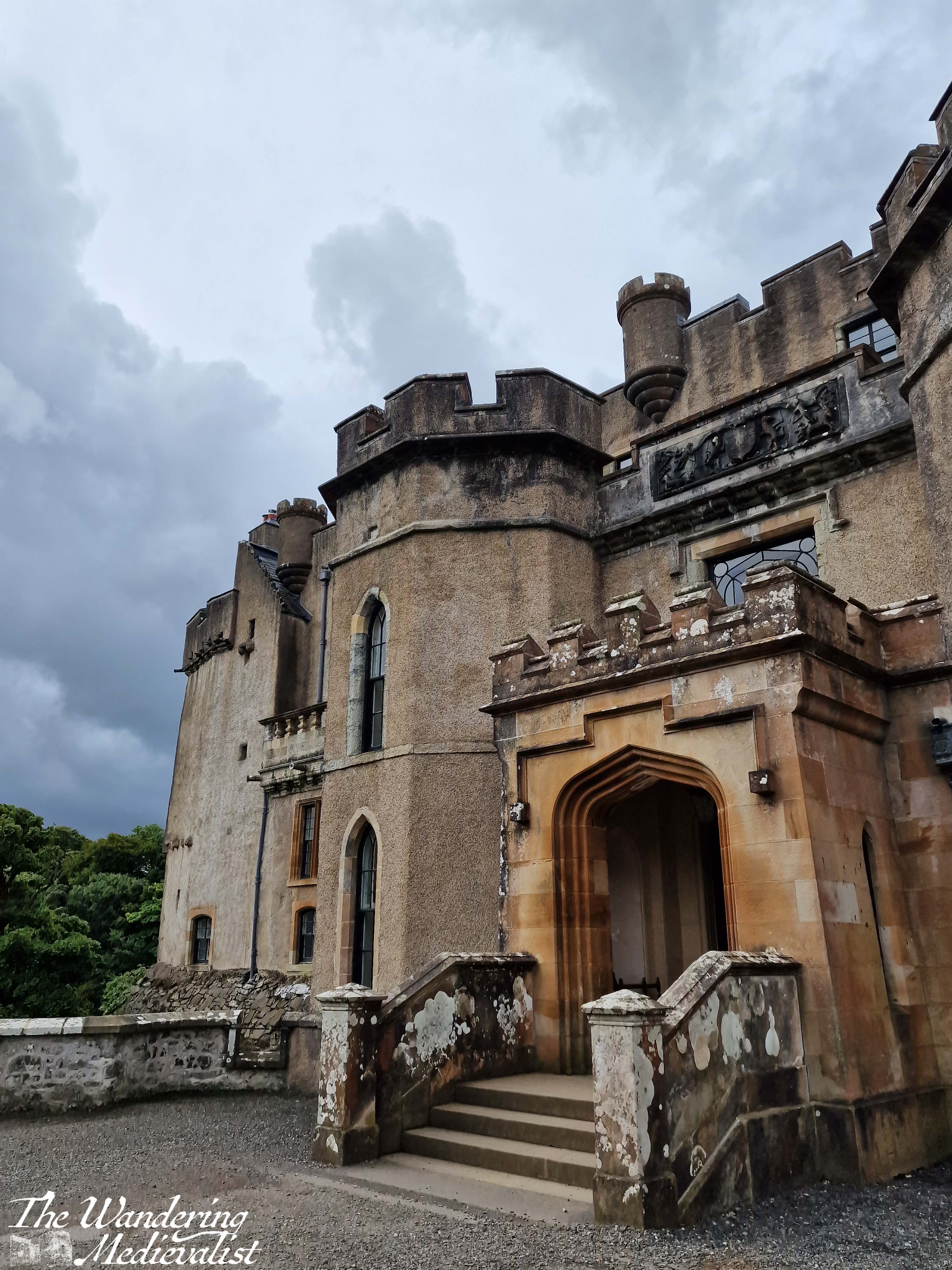
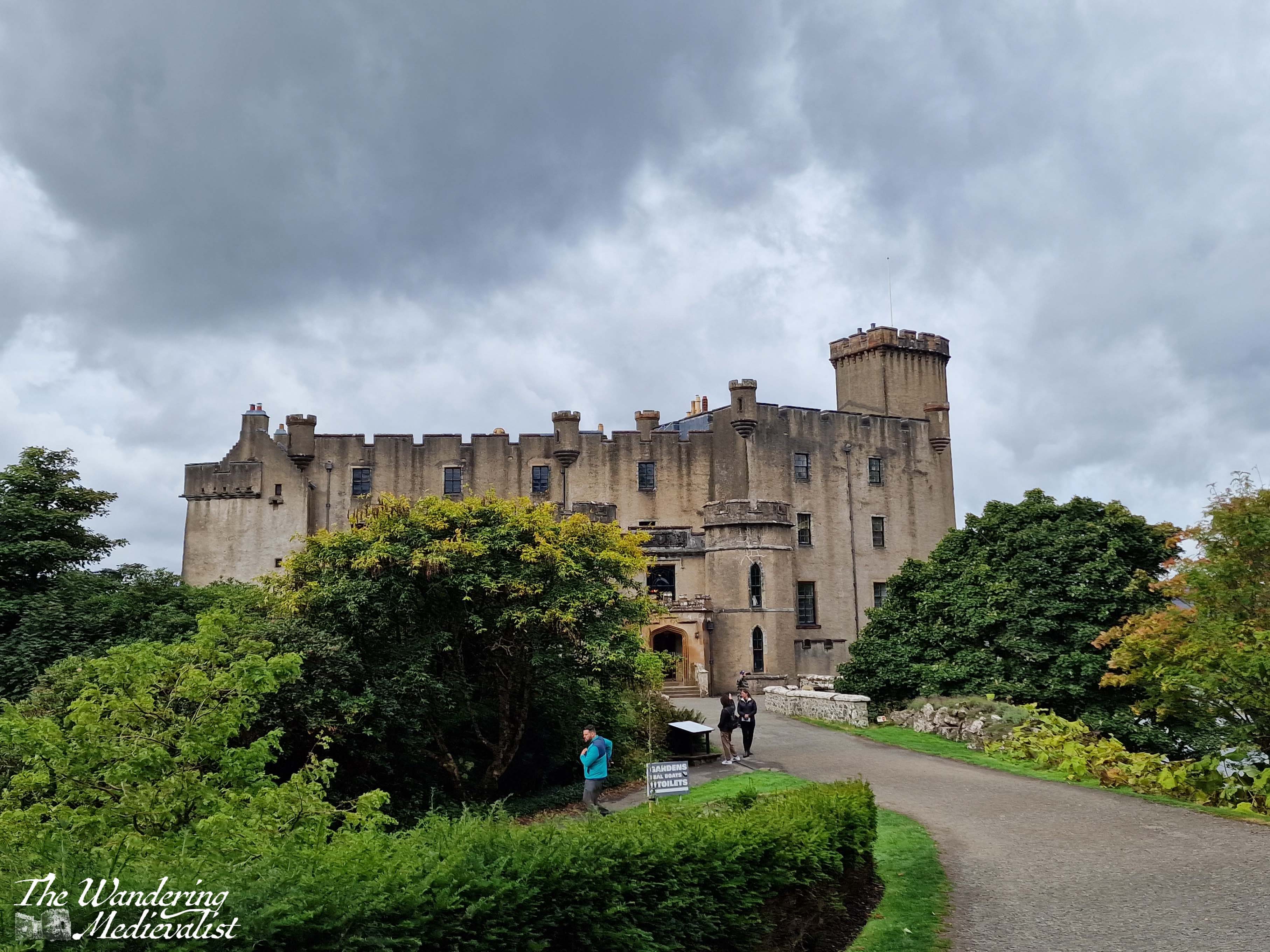
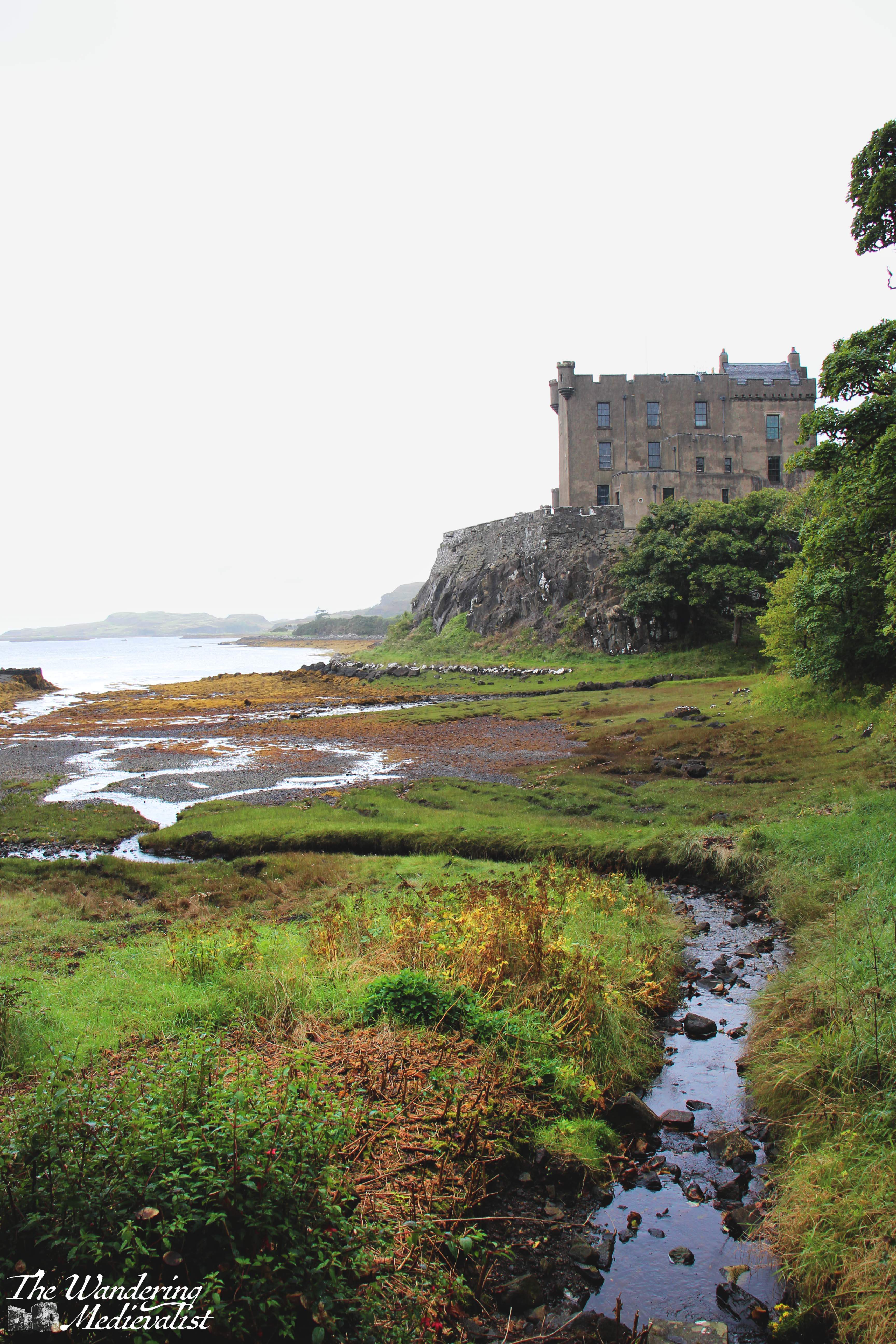
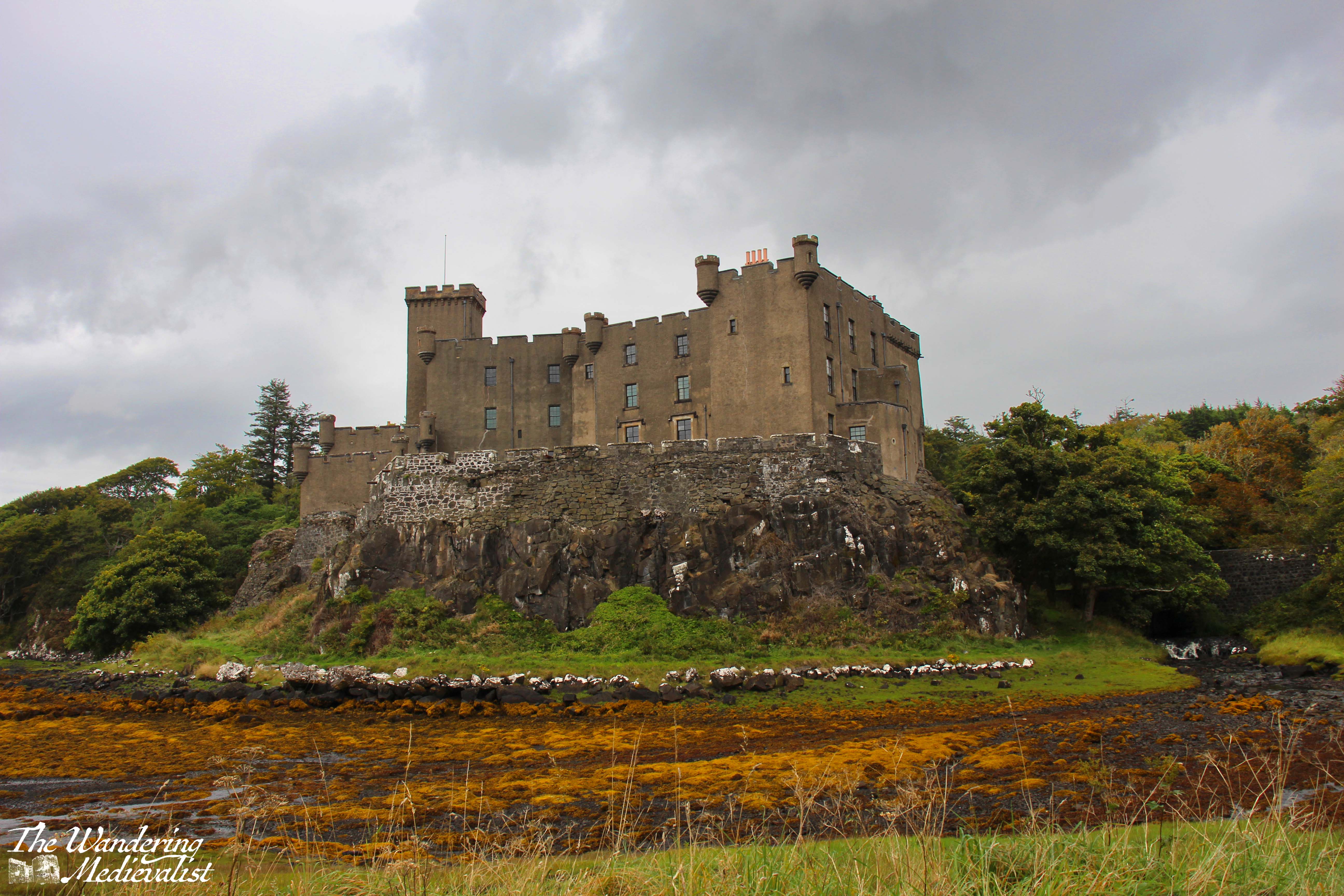
Now I have to admit, it doesn’t often happen that I am underwhelmed by a castle, but Dunvegan is on the list. It may be due to the rain – though that doesn’t usually hold me back – or the fact that I did not go inside to tour the castle proper, which does look impressive in pictures. But, the excitement I had felt preparing to see this famous spot did not quite measure up. It may also be that it has been remodelled in a mock-medieval style, or that the original stones have been coated with concrete to provide a smooth exterior (most likely I imagine for preservation). I have made my preference clear for older-style castles, even crumbling ones, to those still used as baronial residences or palaces.
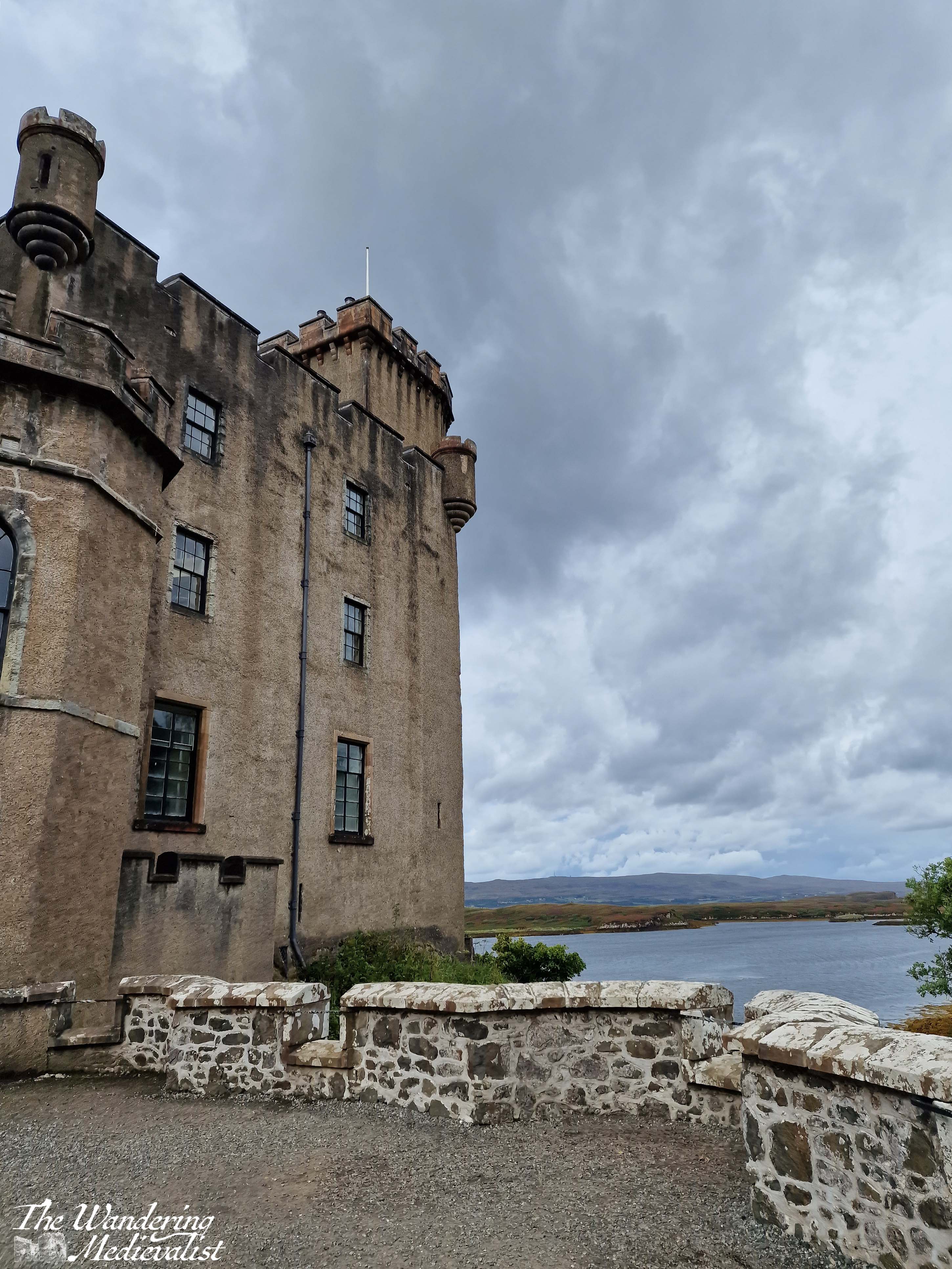
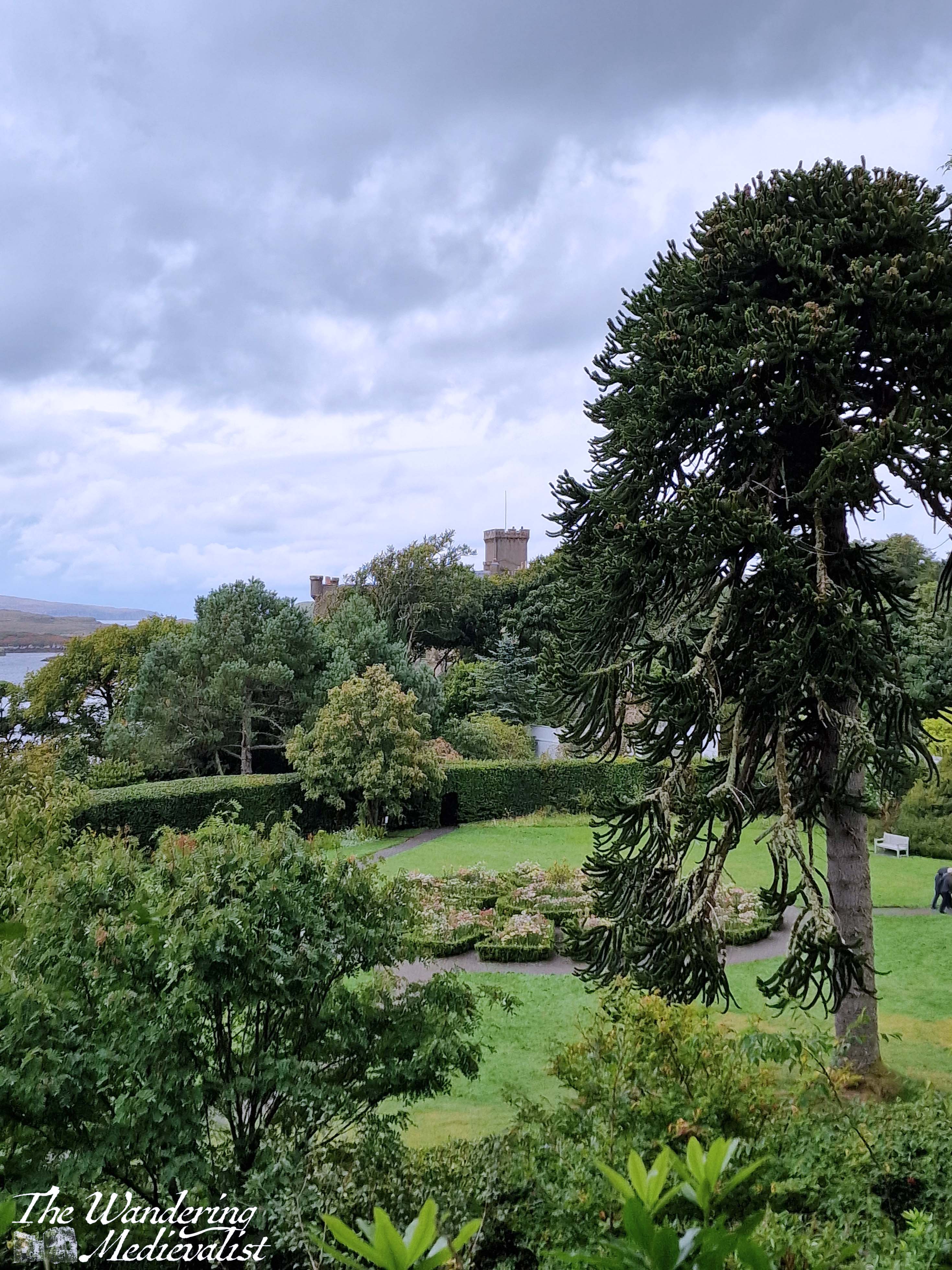
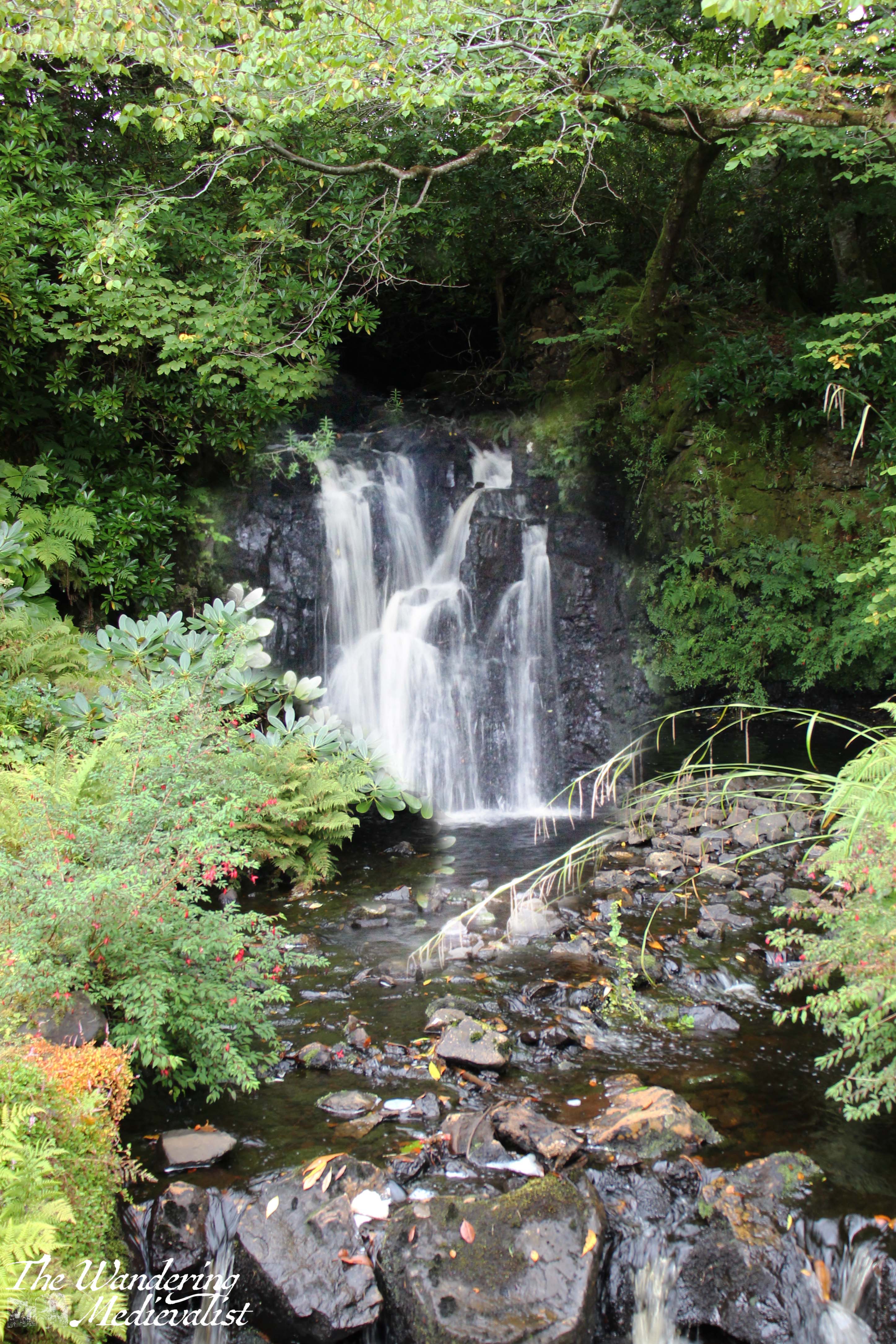
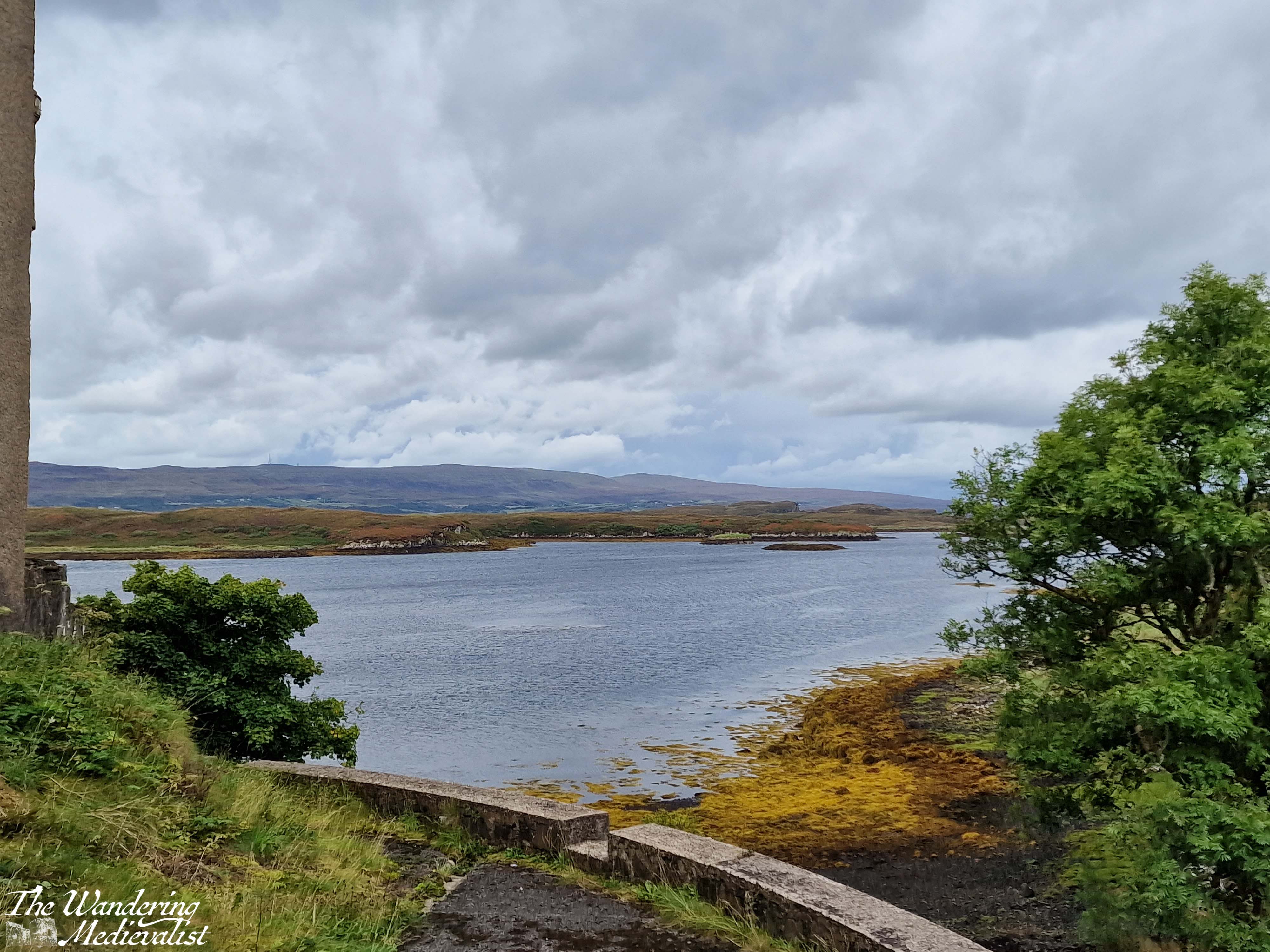
I do not mean to say that the castle is not incredibly impressive – by all means, the sight of it towering over the bay, commanding views and a romantic atmosphere even in the rain, demonstrates the significance of the location and why there was a fortress here for hundreds of years. The castle is the seat of the MacLeod of MacLeod, chief of the Clan MacLeod, and it is surrounded by a beautiful garden with water features, a walled formal garden, and more natural forest spaces. On the day we visited, the gardens were more our style and were the focus of our time. Even in the rain and after the height of the summer blooms, it was very easy to see how stunning the place would be on a sunny day in the right season. One amusing story here is that I had declined to bring my tripod with me due to the poor weather, but as I was resting my camera on a railing to keep it steady, a kind German man offered me use of his so that I could properly capture the waterfall. I think I did ok with out it, though!
We made a circuit that ended with the walled garden and greenhouse, then ventured down towards the pier where they were advertising seal cruises. It is hard to imagine the cruise could beat the one we went on in Fort William, and even if we had been tempted, this is when the rain hit in honest, turning from a gentle pitter-patter to a downpour. I managed to get my brolly up in time to take a few pictures of the castle from the water side before we made our way swiftly back towards the car. From this angle it is even more evident why the spot would be chosen – more than 50 feet above the low tide, the castle would be incredibly difficult to attack from the sea.
One of the most striking aspects of Dunvegan really falls in its ownership, which is still held by the Chief of Clan MacLeod. This family line can be traced back to the thirteenth century, when Skye and many outer islands were still ruled by the Norse; Norse influence on Skye is evident in many place names. Despite living in Scotland and professing a love of Medieval history, I have never delved too deeply into the lore of Highland Clans, but more visits to castles like this one would be a good way to pique my interest. Certainly, if I were to visit again, I would hope to do so at a time of year when the flowers were properly in bloom and with someone who might have the patience to tour the castle itself.
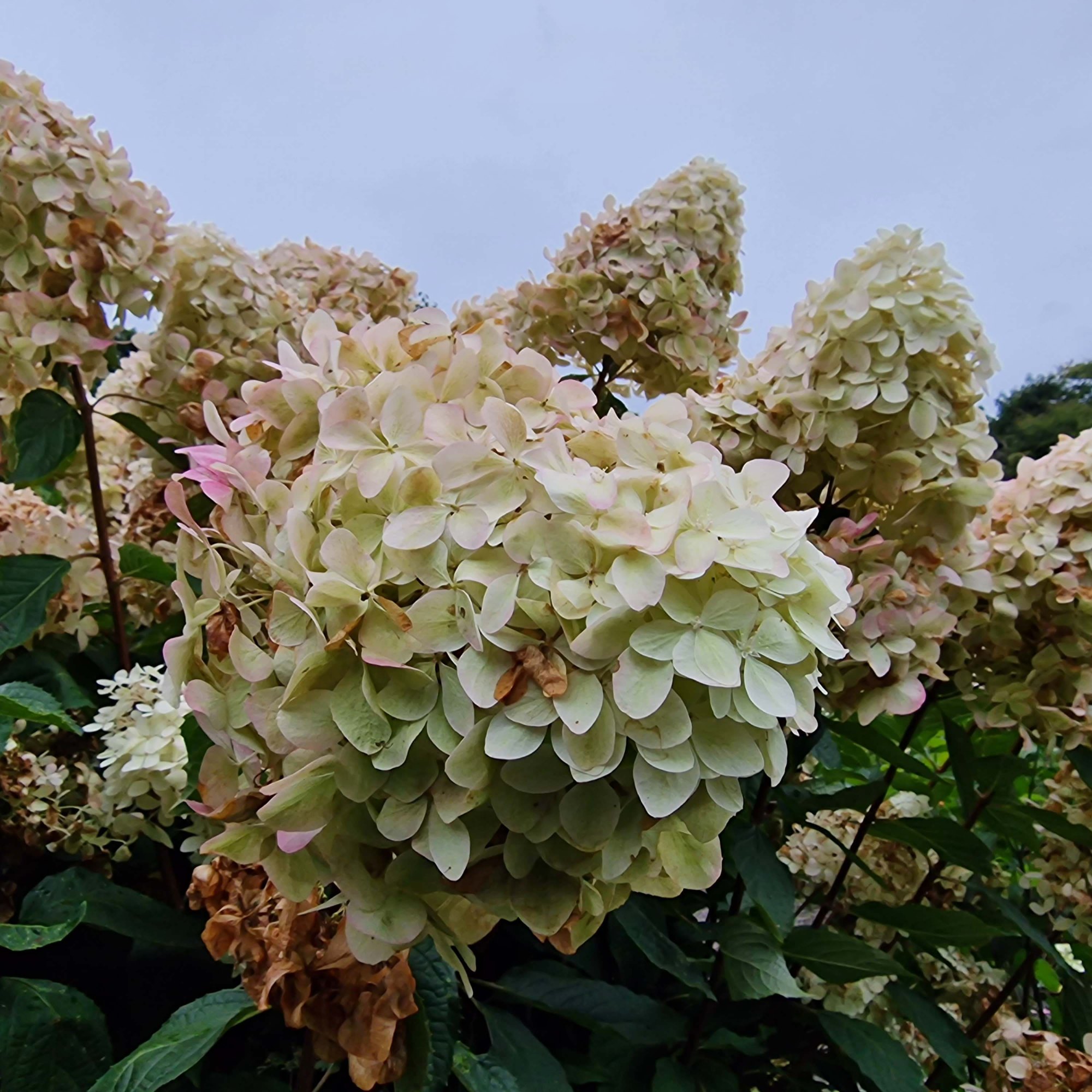
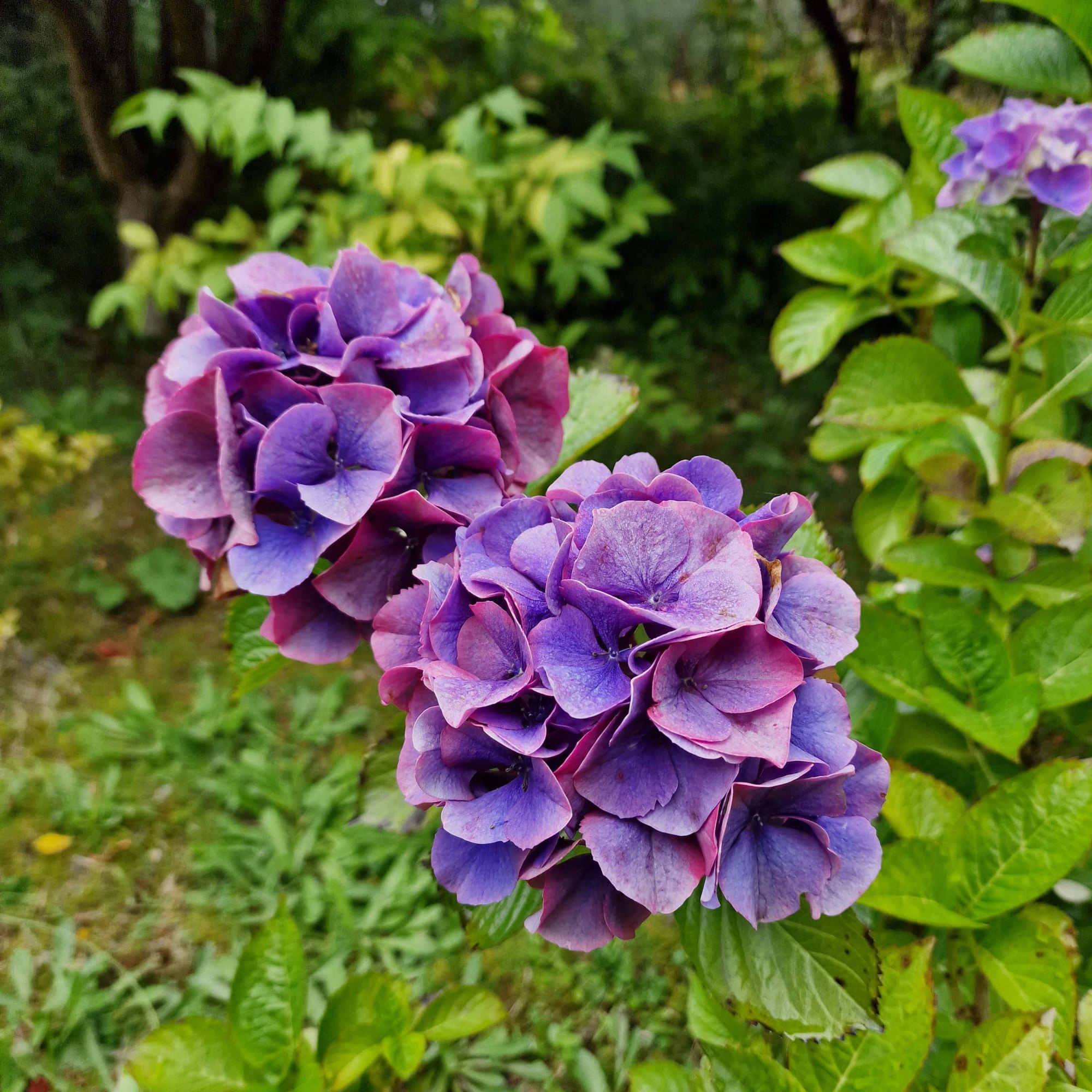
As an end note, here are some of the lovely variants of hydrangea blooming throughout the gardens:
As I mentioned in my first post about Carcassonne, our first attempt to visit the château was stymied by industrial action, leaving Mum and I with an unplanned day of exploration of the restored medieval cité and surrounding town. It was a stunning sunny day with brilliant blue skies, and only towards the middle of the afternoon were clouds visible gathering in the distance and moving closer.
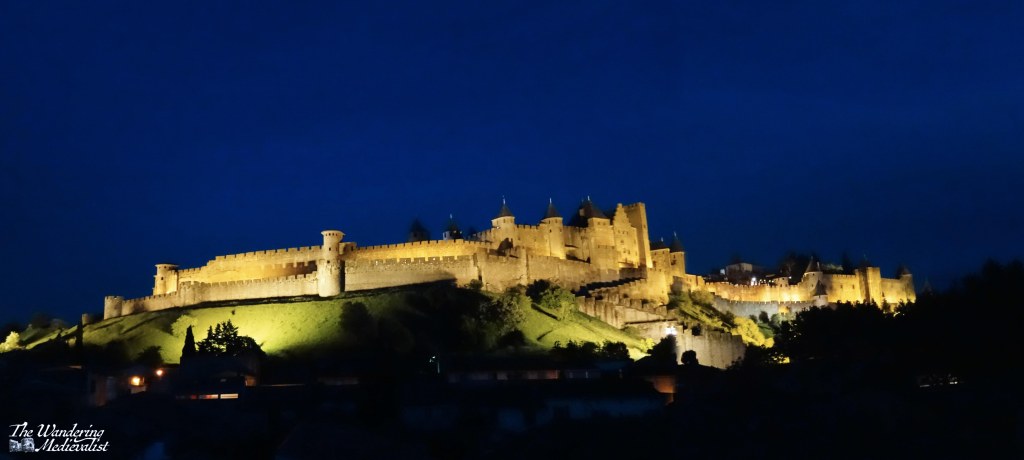
The night before, we had arrived in Carcassonne in cloudier weather, but I had selected our hotel carefully and the first thing I did was climb to the roof to enjoy the view. It was, in a word, breath-taking.
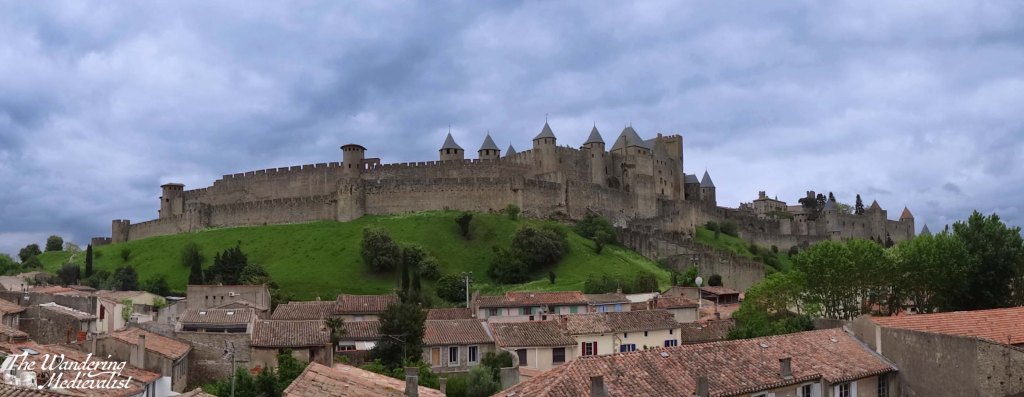
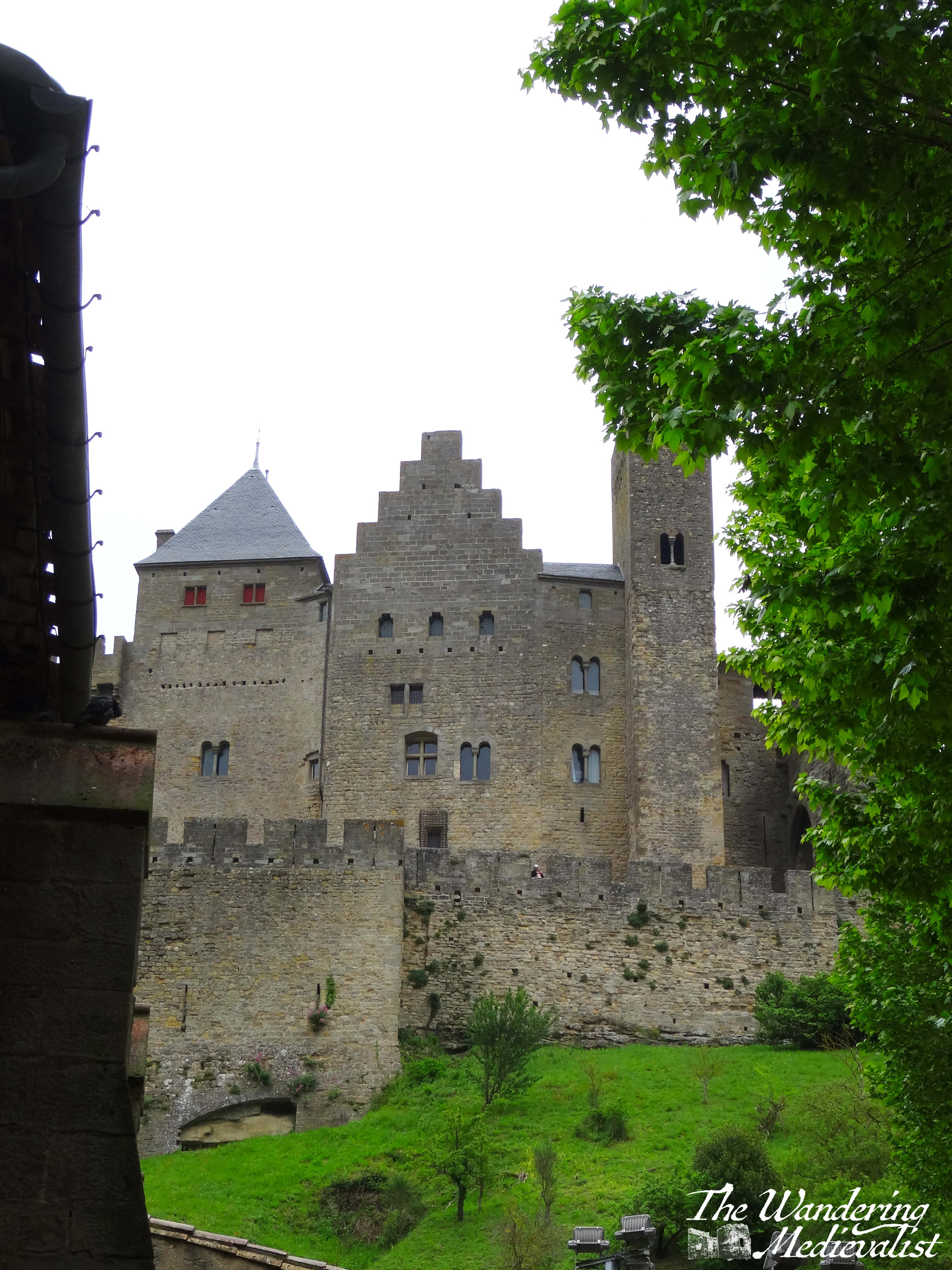
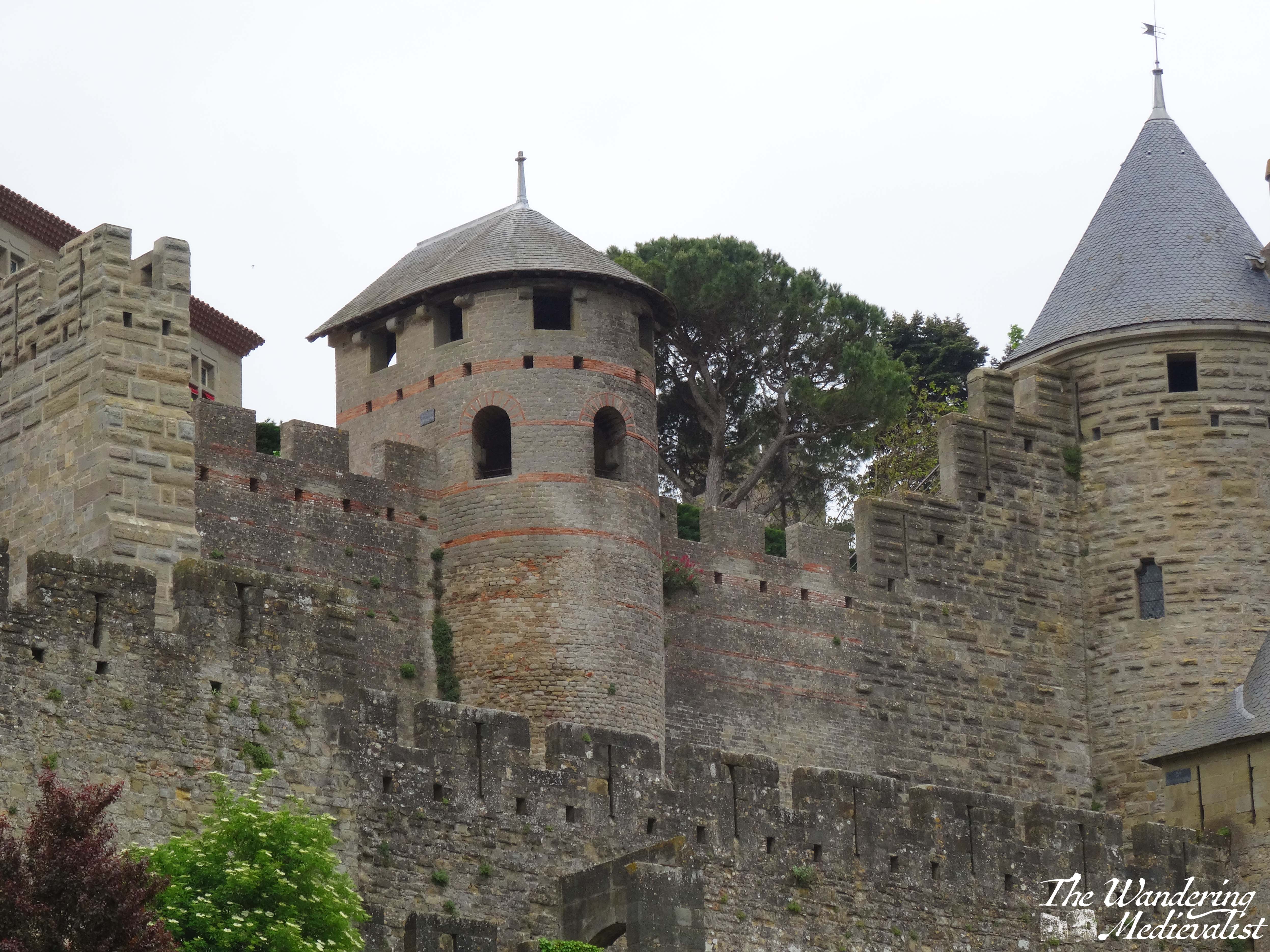
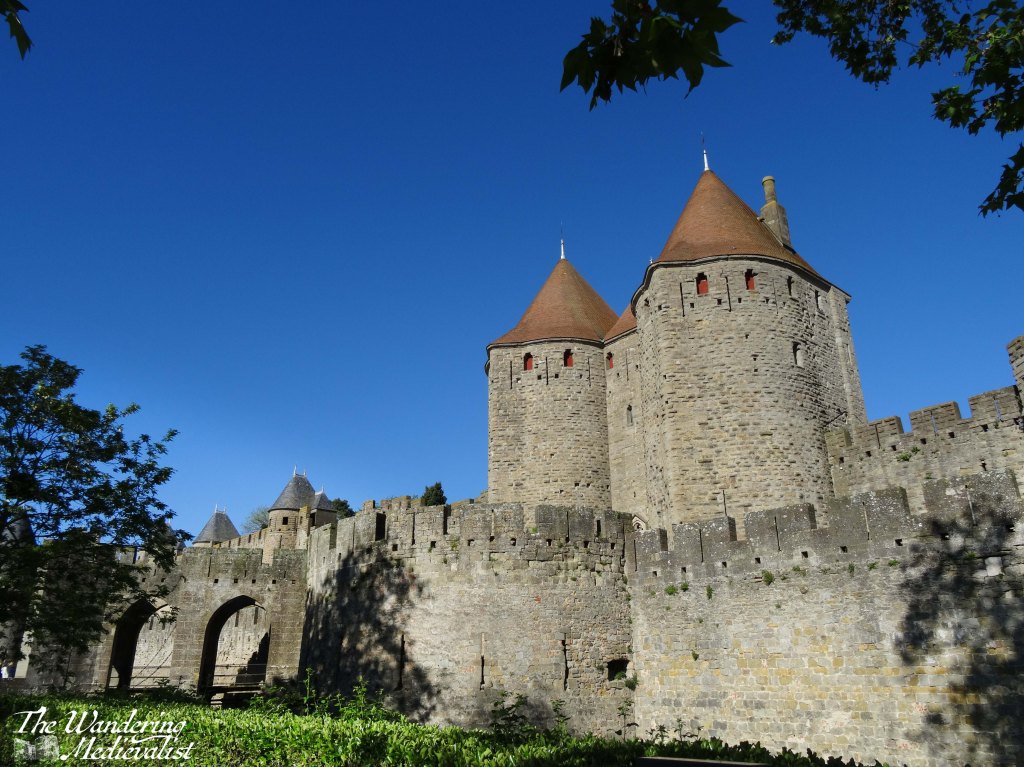
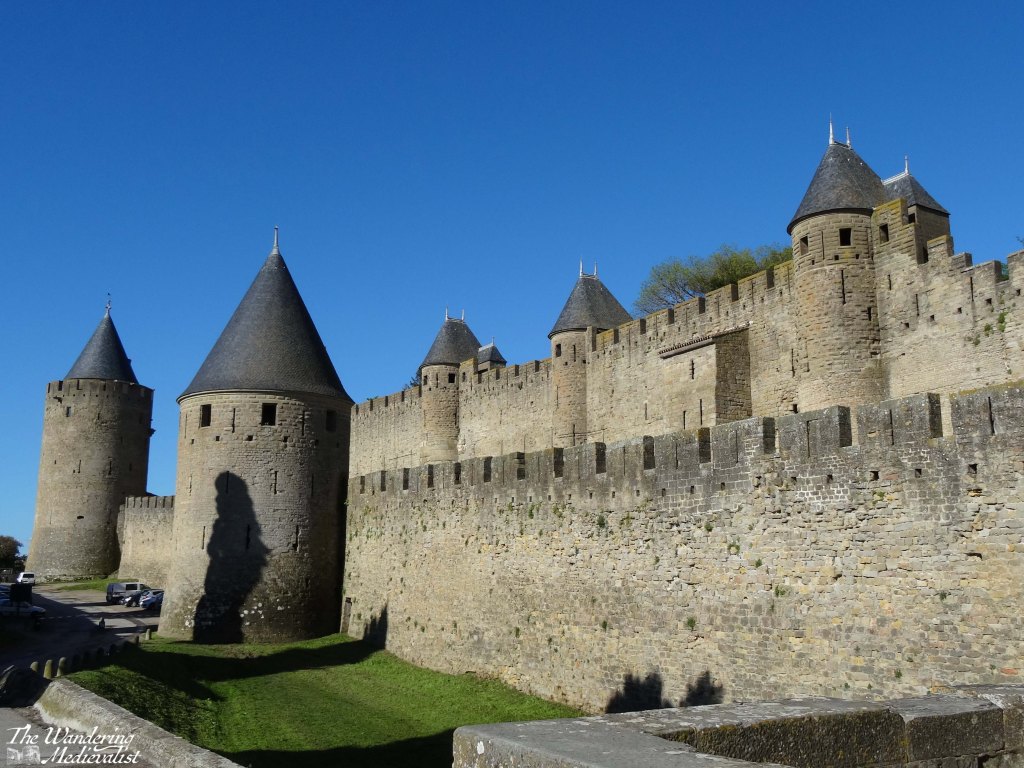
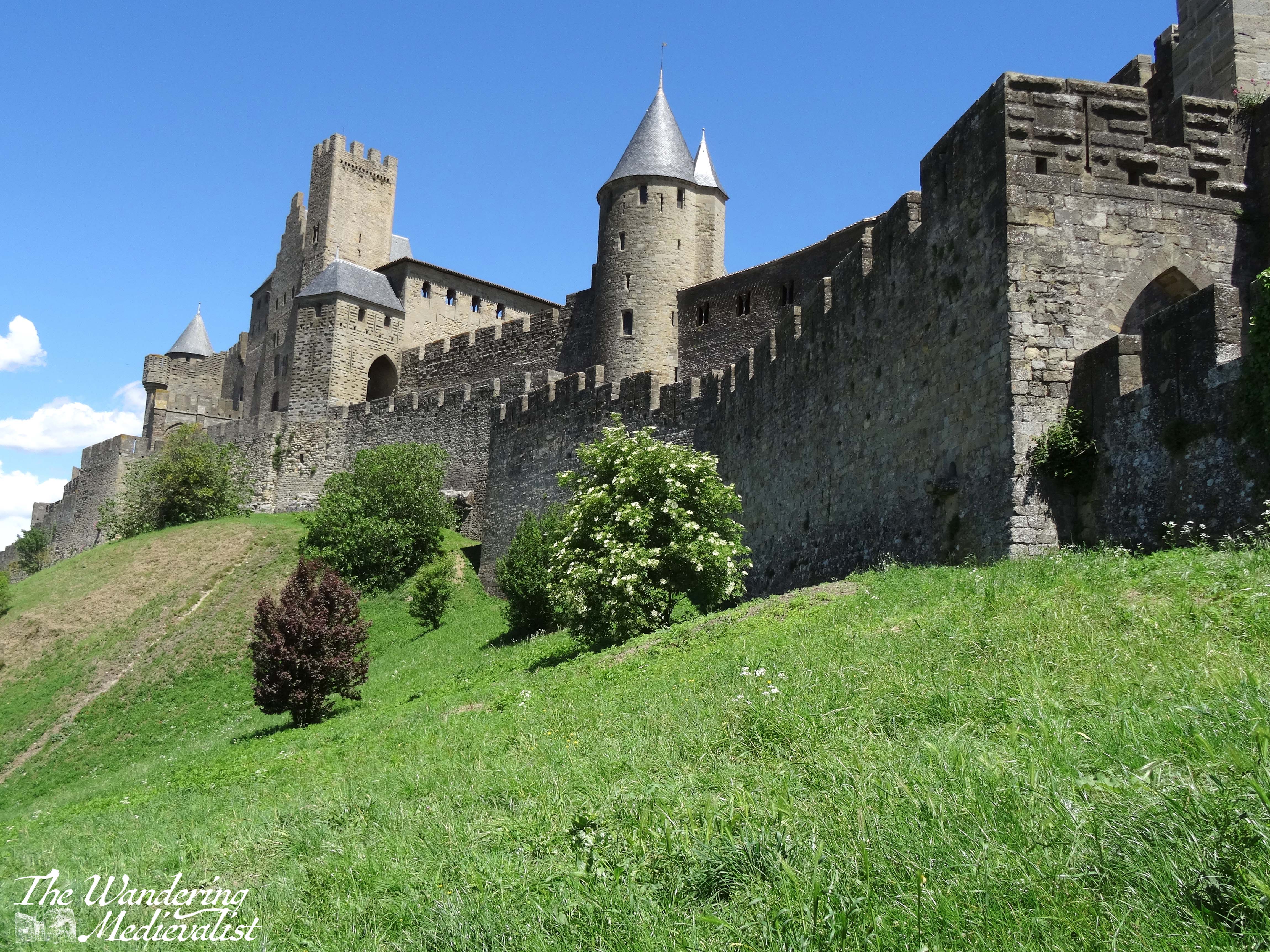
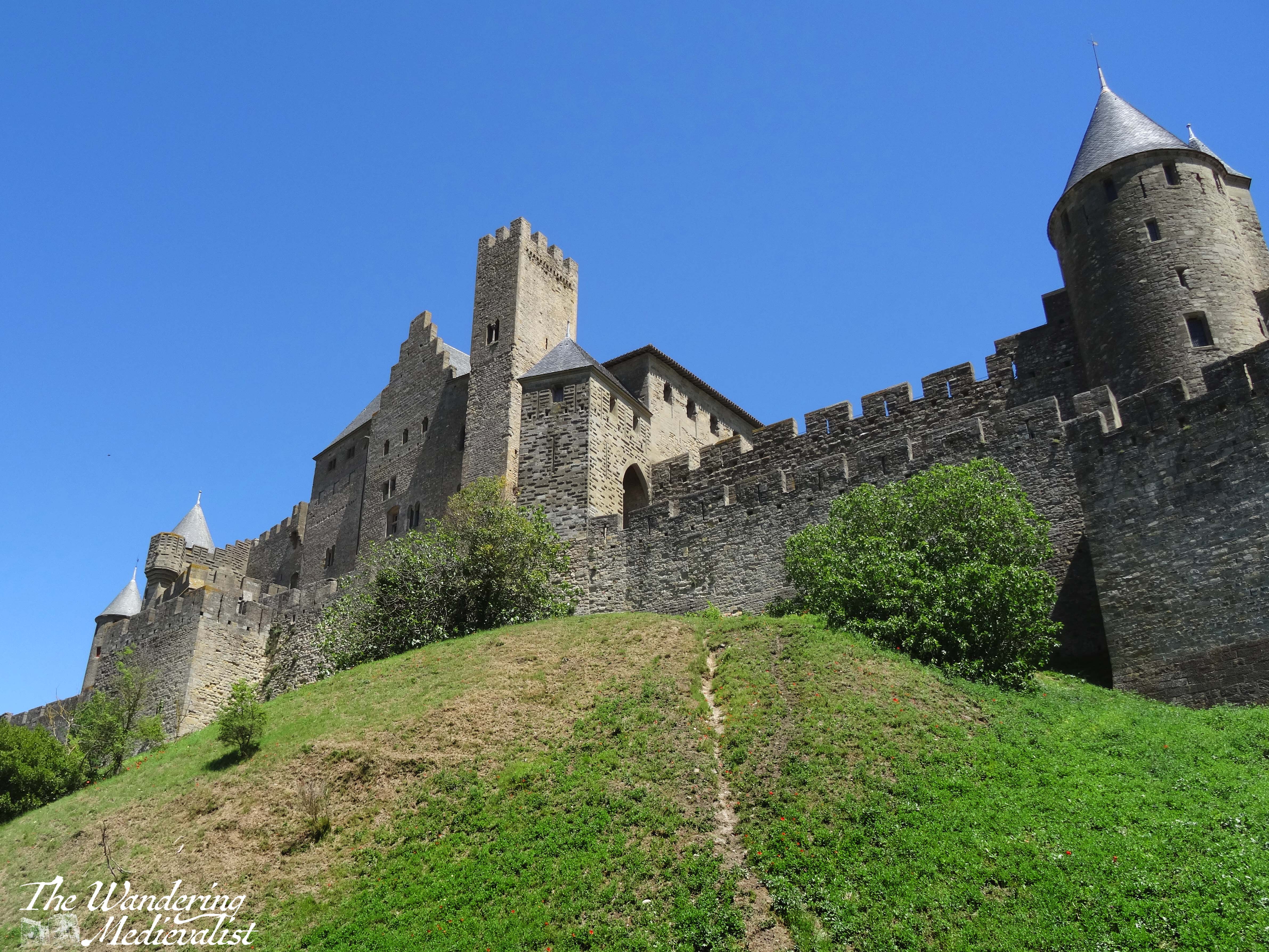
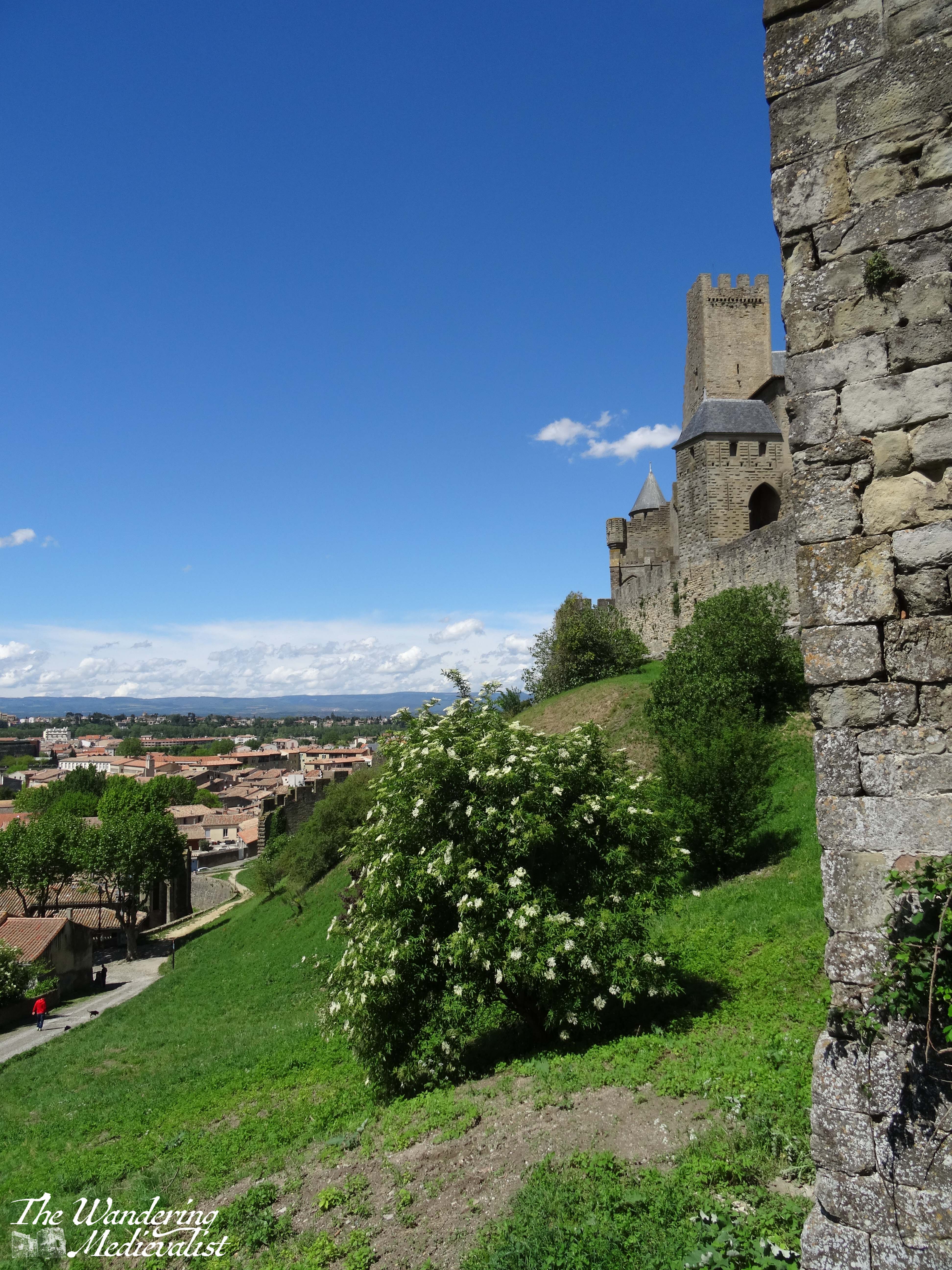
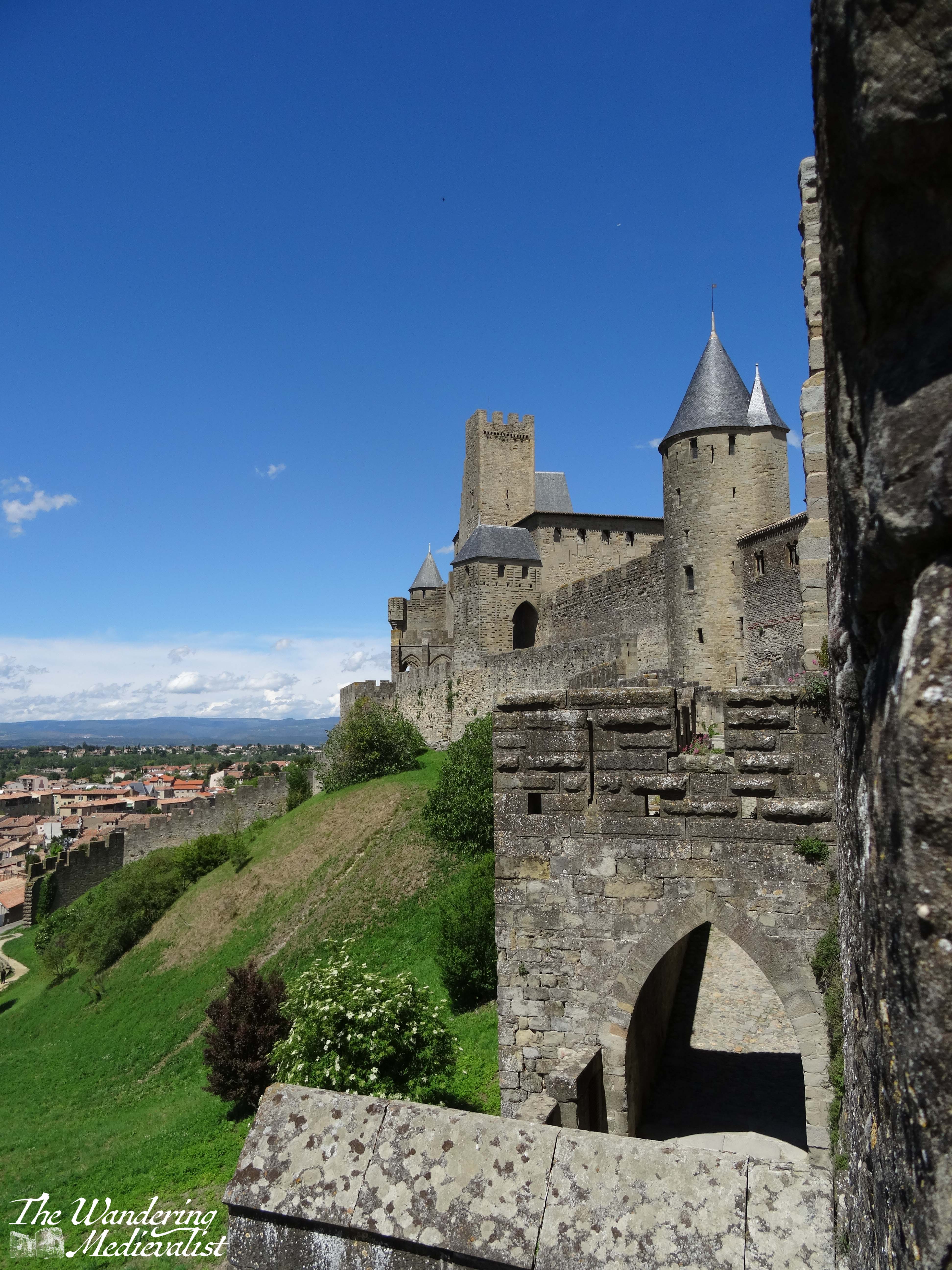
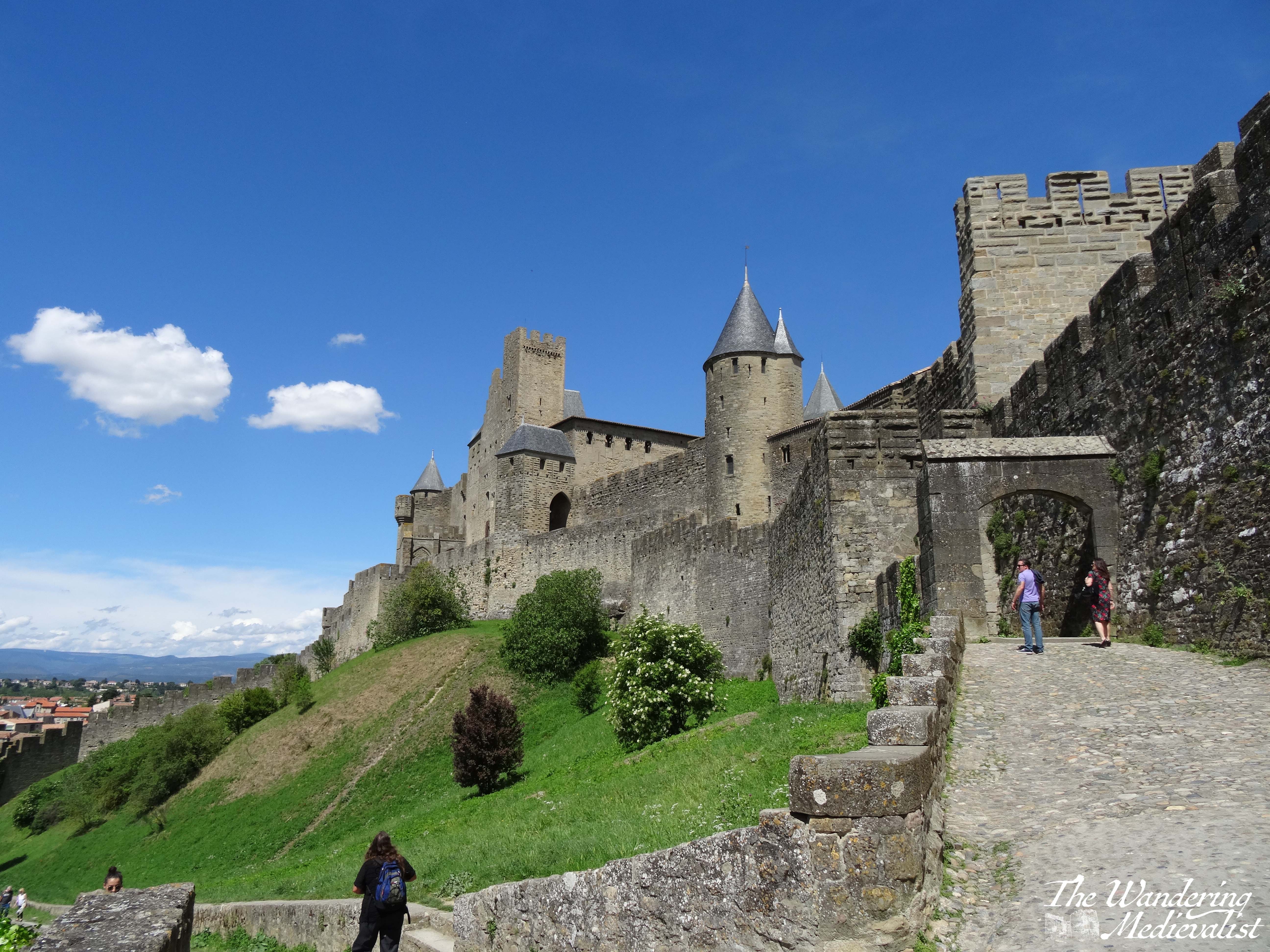
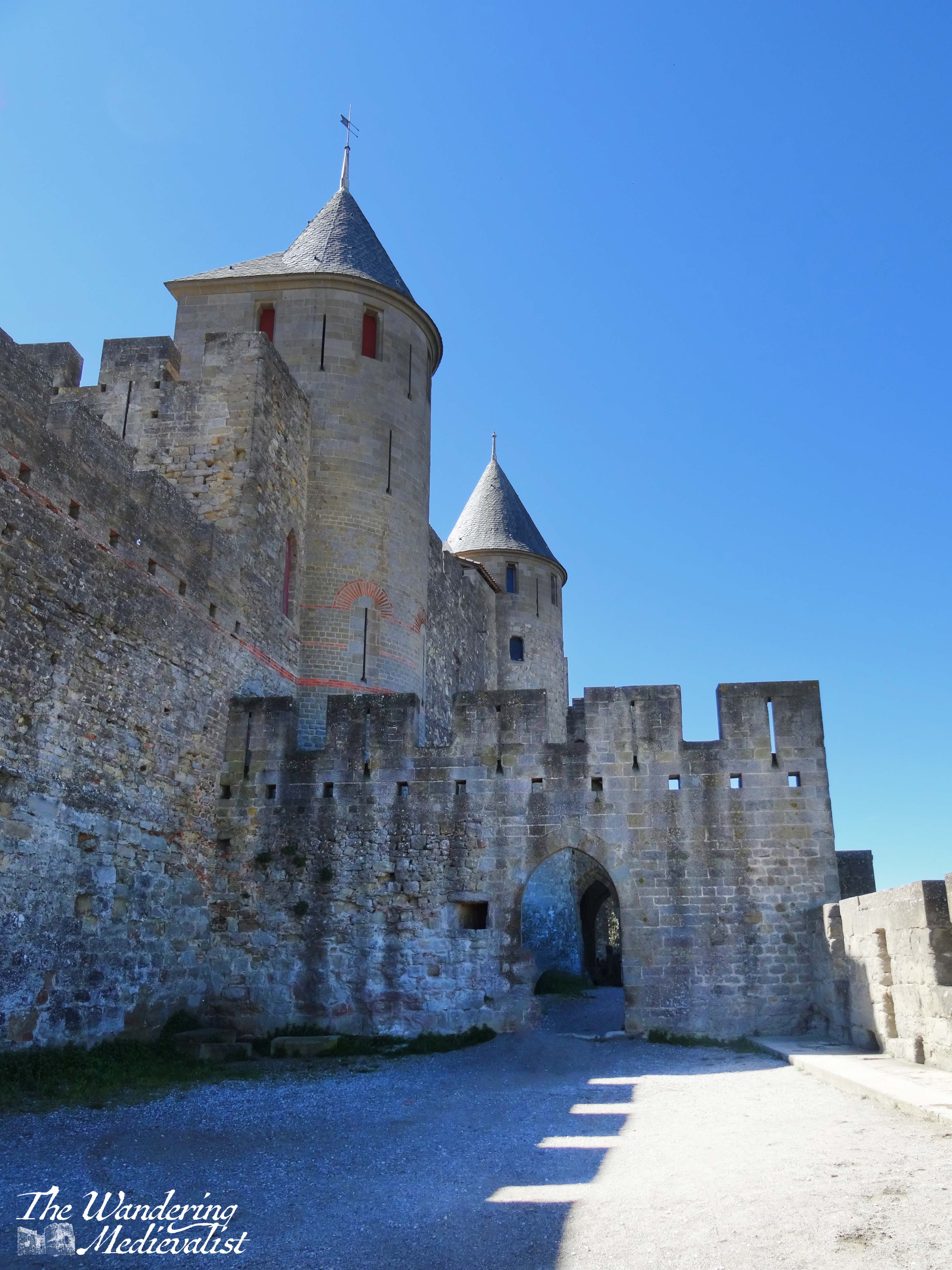
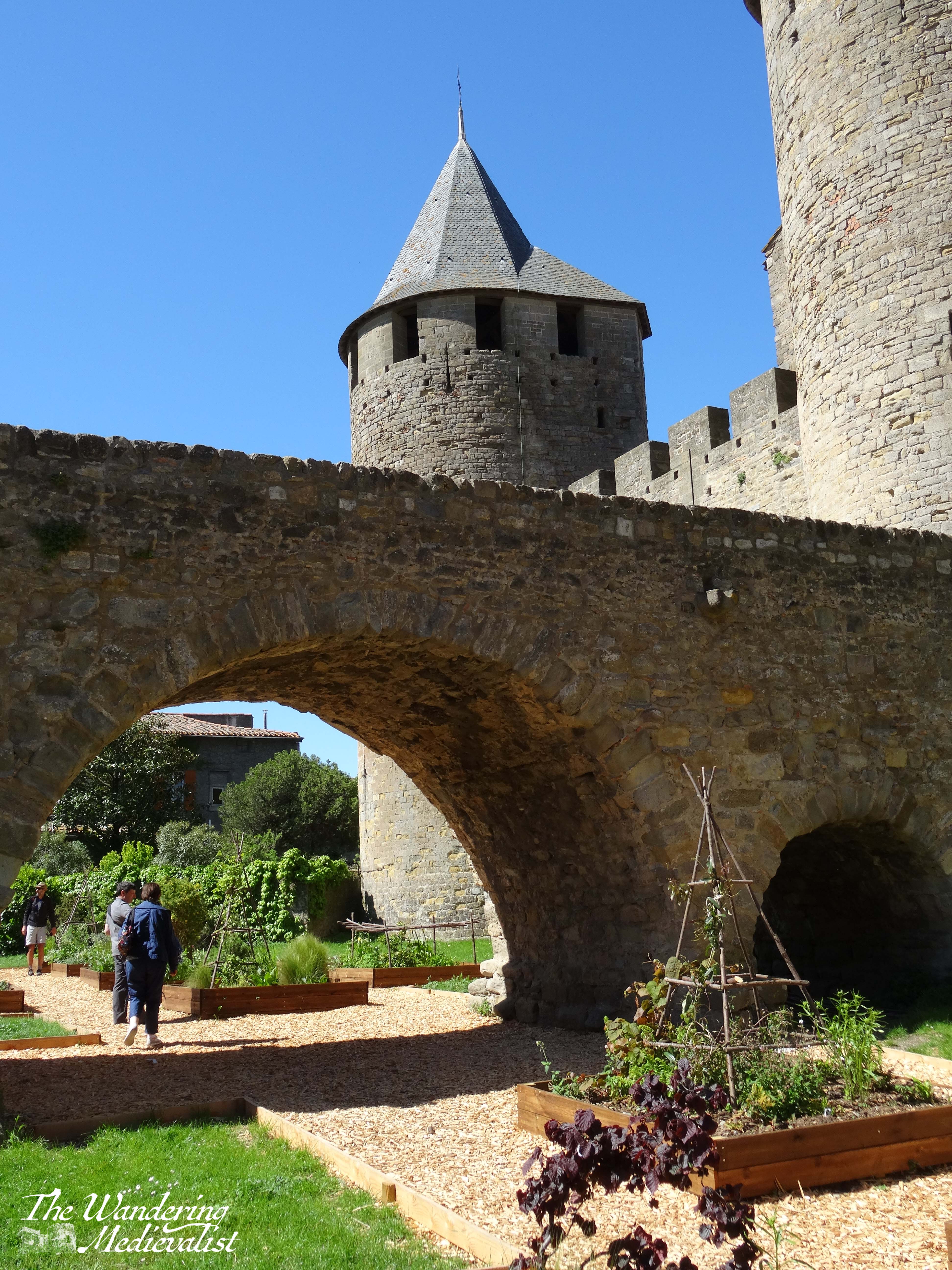
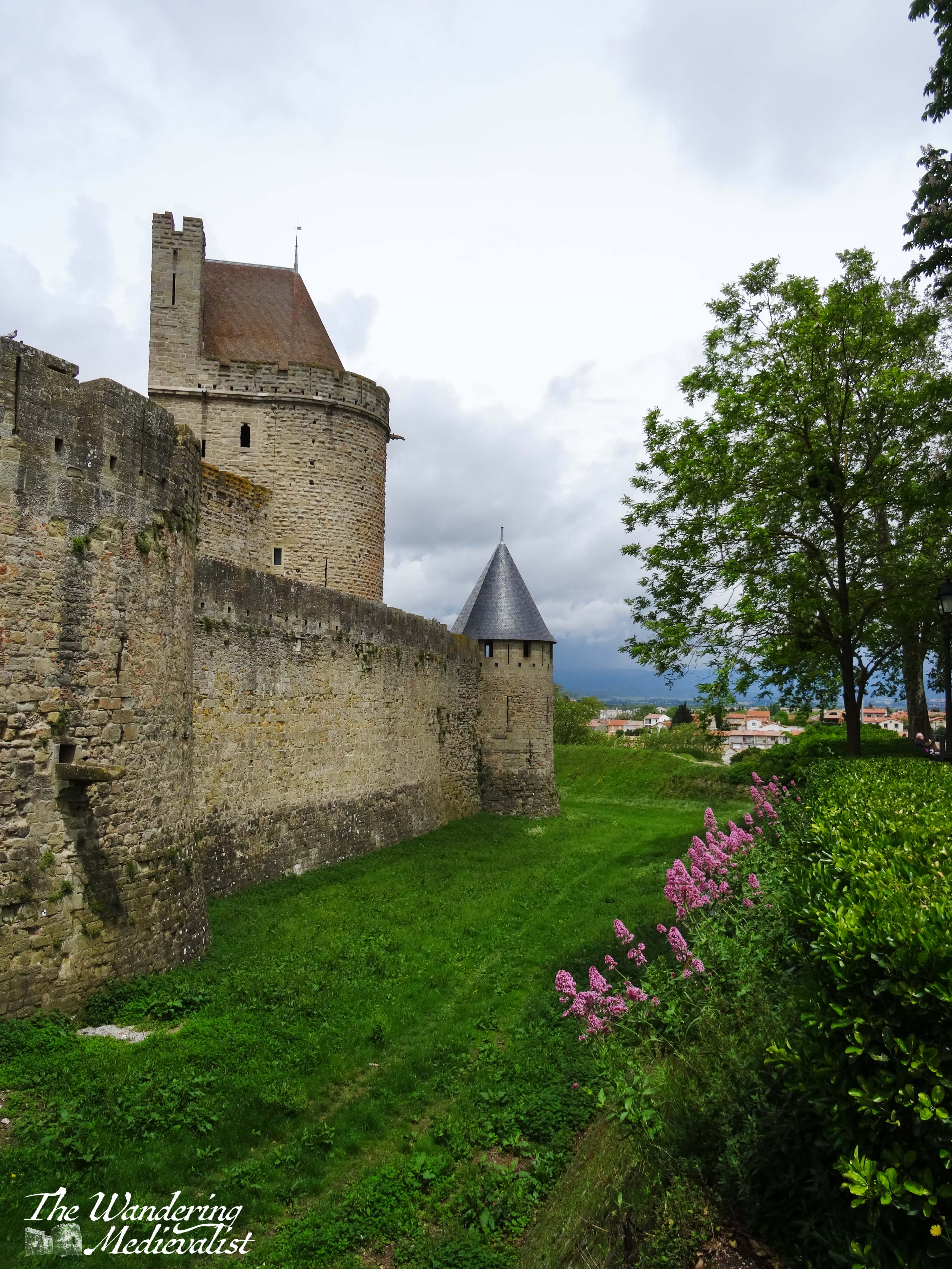
Upon seeing the view, I could not resist going out for a short walk to explore the city walls, which rise from the grassy hill in layers and are topped by the iconic coned towers towards the château, interspersed with older Roman-style roofs and towers.
That evening after dinner I encouraged Mum to climb to the roof as well, and we enjoyed the arguably even more impressive night-time view. Like many monuments and historic sights, the walls are lit up and almost as clear as day.
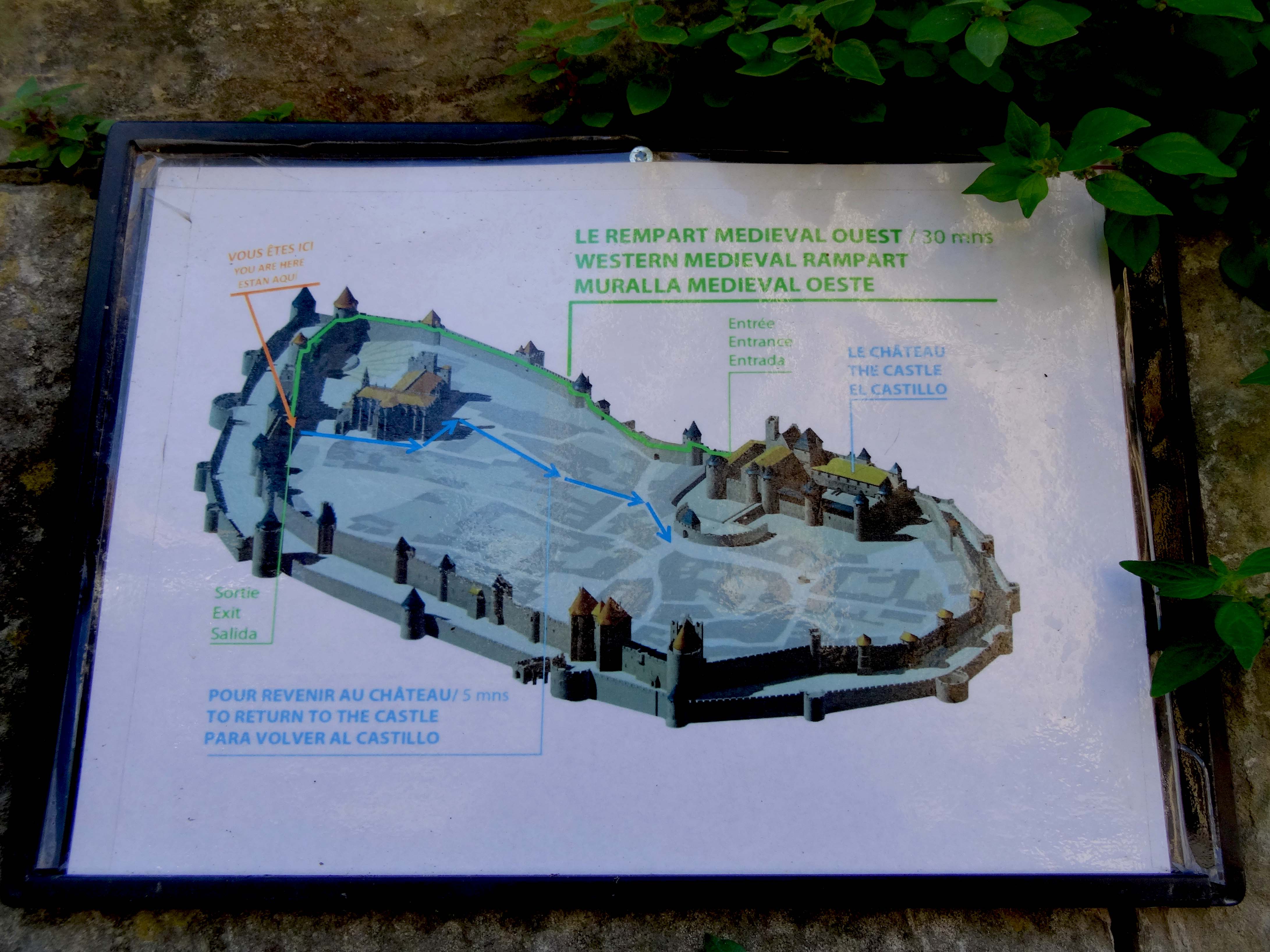
The following morning, we hiked up and around the hill to the main entrance to the cité, accessible through an impressive gatehouse.
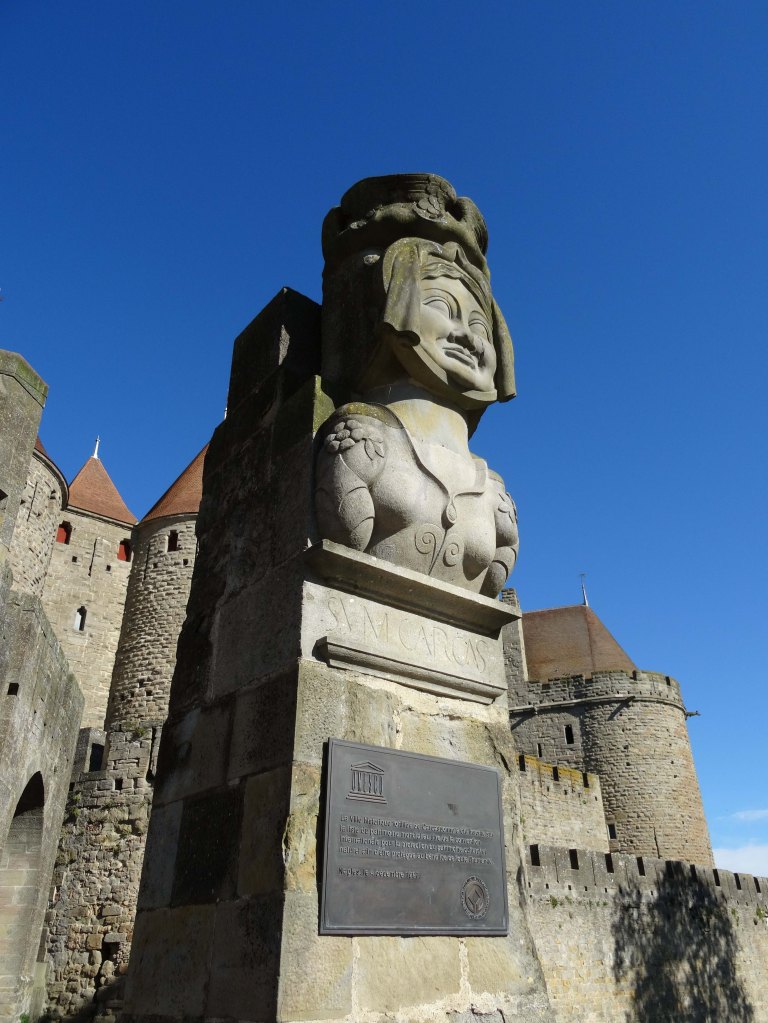
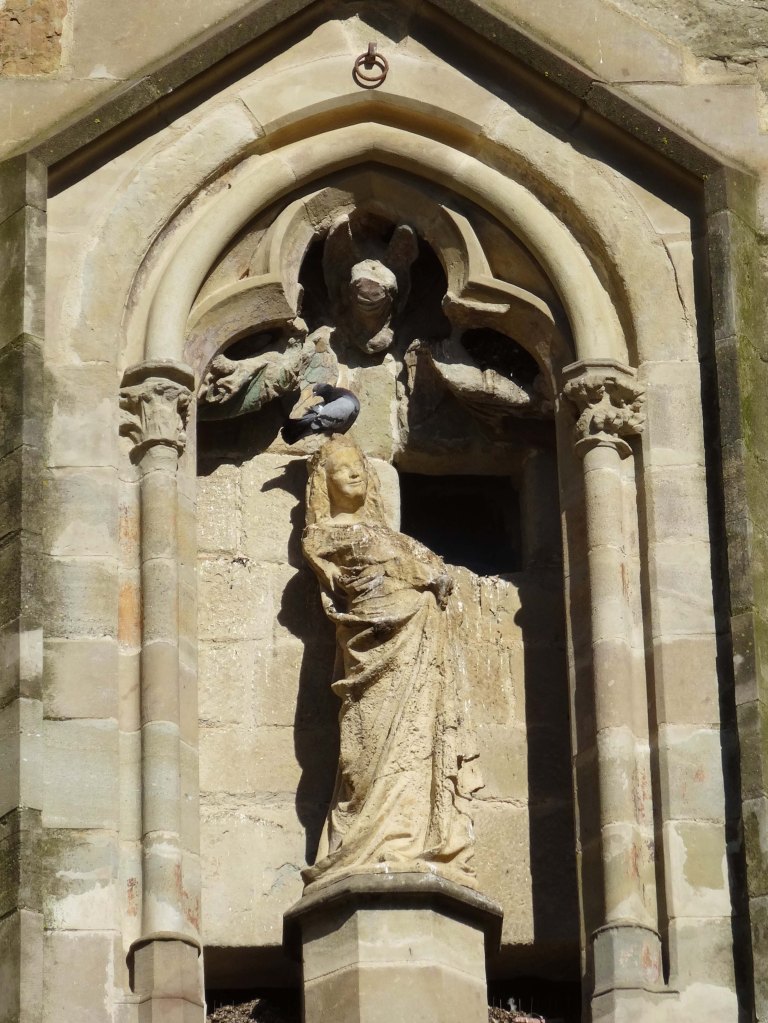
Immediately outside the gatehouse is the replica bust of the Lady of Carcas, a legendary defender of the city. The story was that in the 8th century, Carcassonne – then ruled by Muslims after the Umayyad conquest of Spain in the early 700s – was under siege by the Christian Franks. The siege lasted more than five years, and during this time the king died, leaving his wife Dame Carcas to organise defence of the city.
Her final and most famous effort to dispel the invaders came when the people were close to starvation; she found one of the last pigs left in the city, stuffed it full of wheat, and tossed it over the walls. This gesture convinced the Franks that the city was so well-provisioned that it could throw away pigs and so they abandoned their siege.
This story is almost certainly a myth, with its basis in oral tales of the early Middle Ages, but it is evocative of the long and often dramatic history of the city, which experienced its fair share of sieges, most famously in 1209. Due to its location on trade routes, Carcassonne welcomed a wide range of people from all over the world and so developed a tolerance for religion that likely encouraged the viscounts’ support of the Cathars. But moving on…
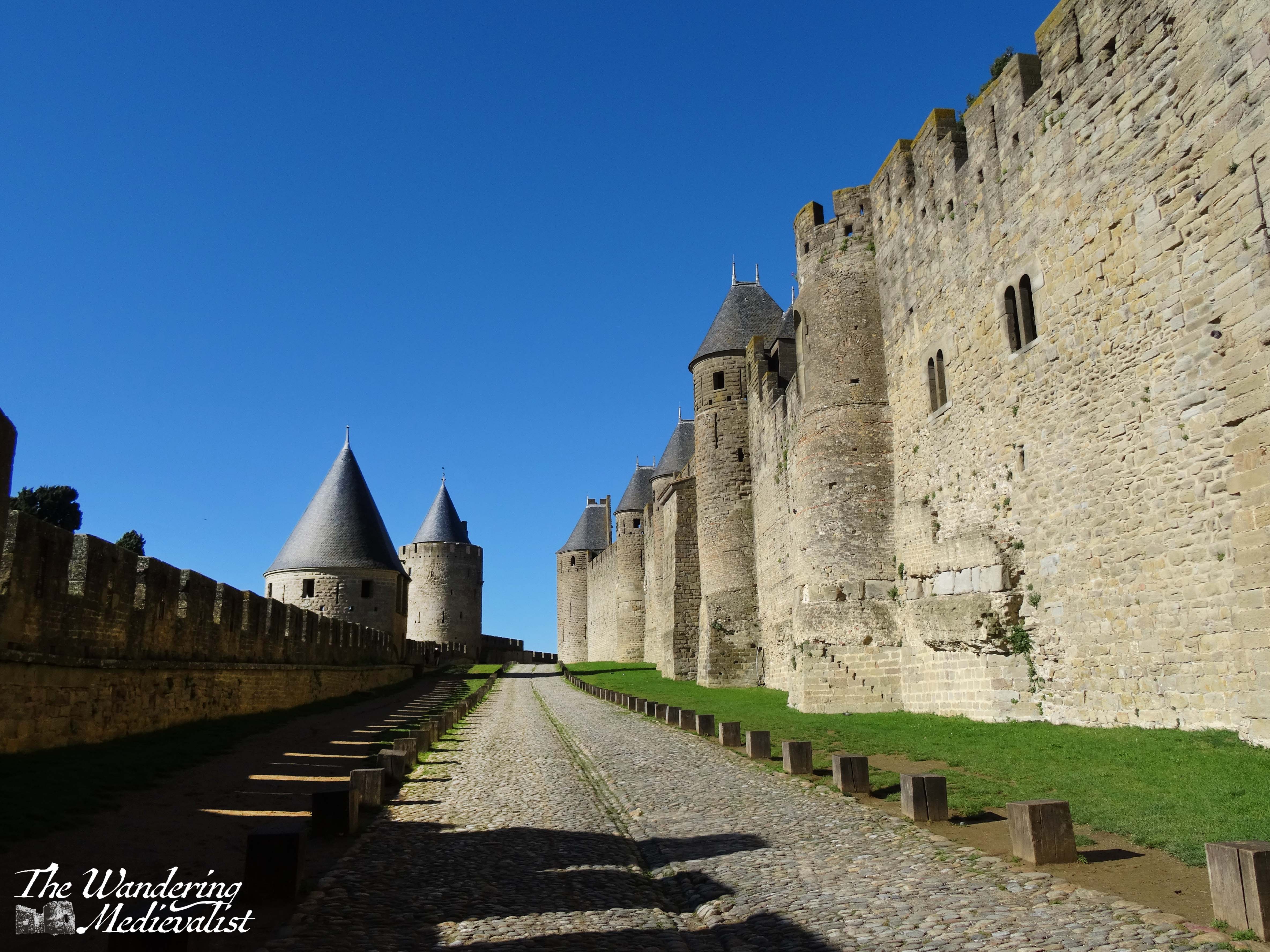
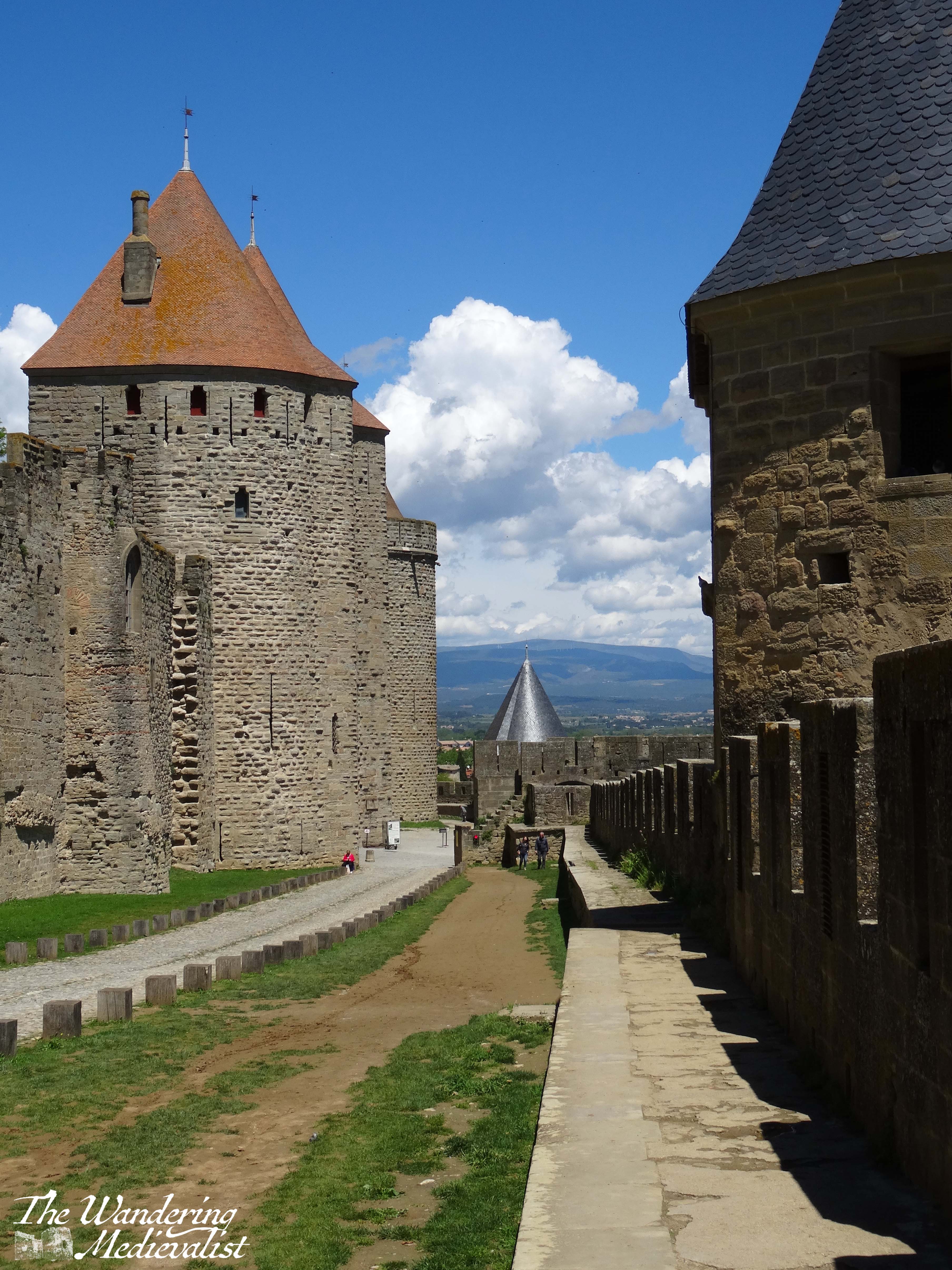
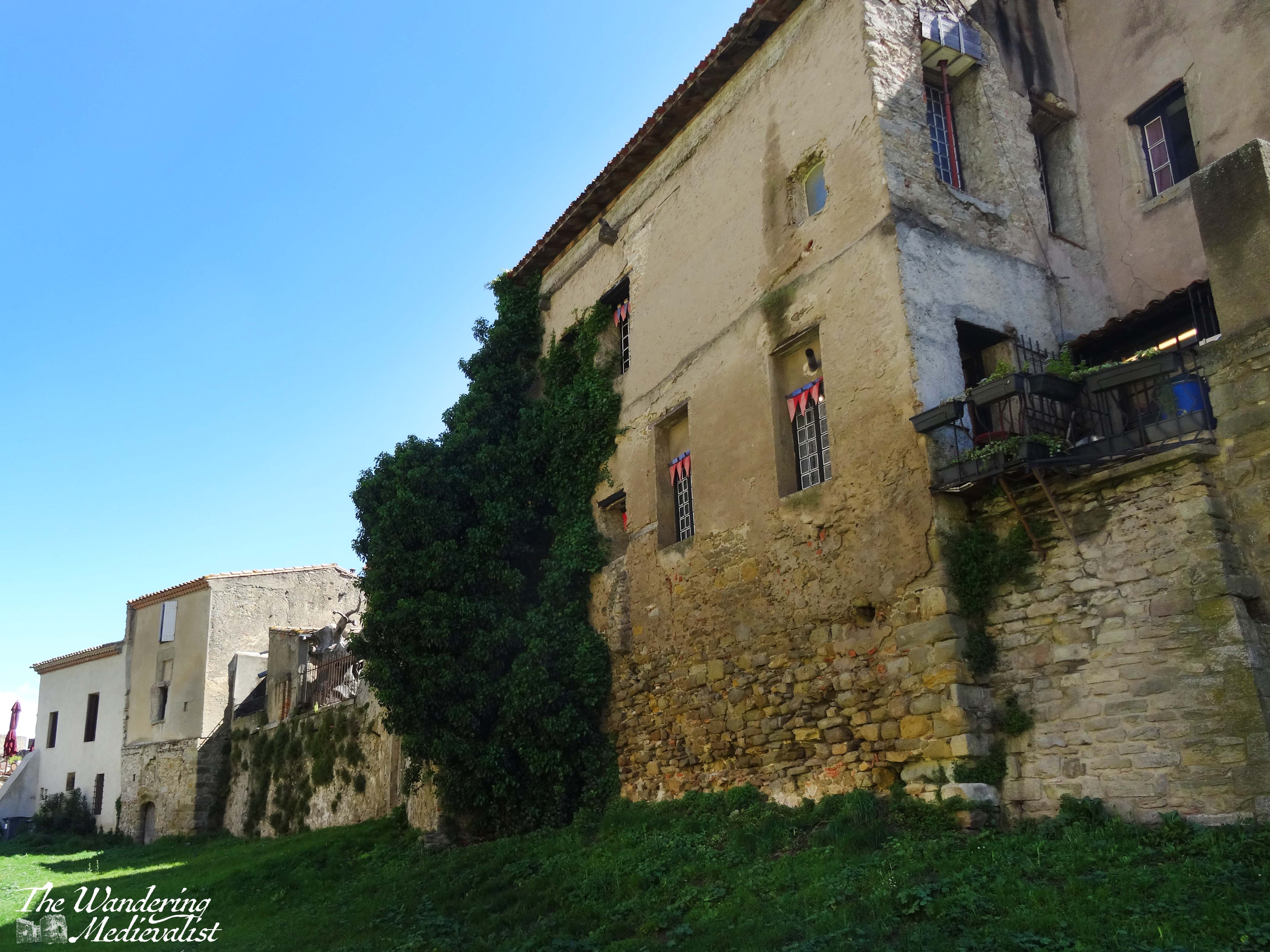
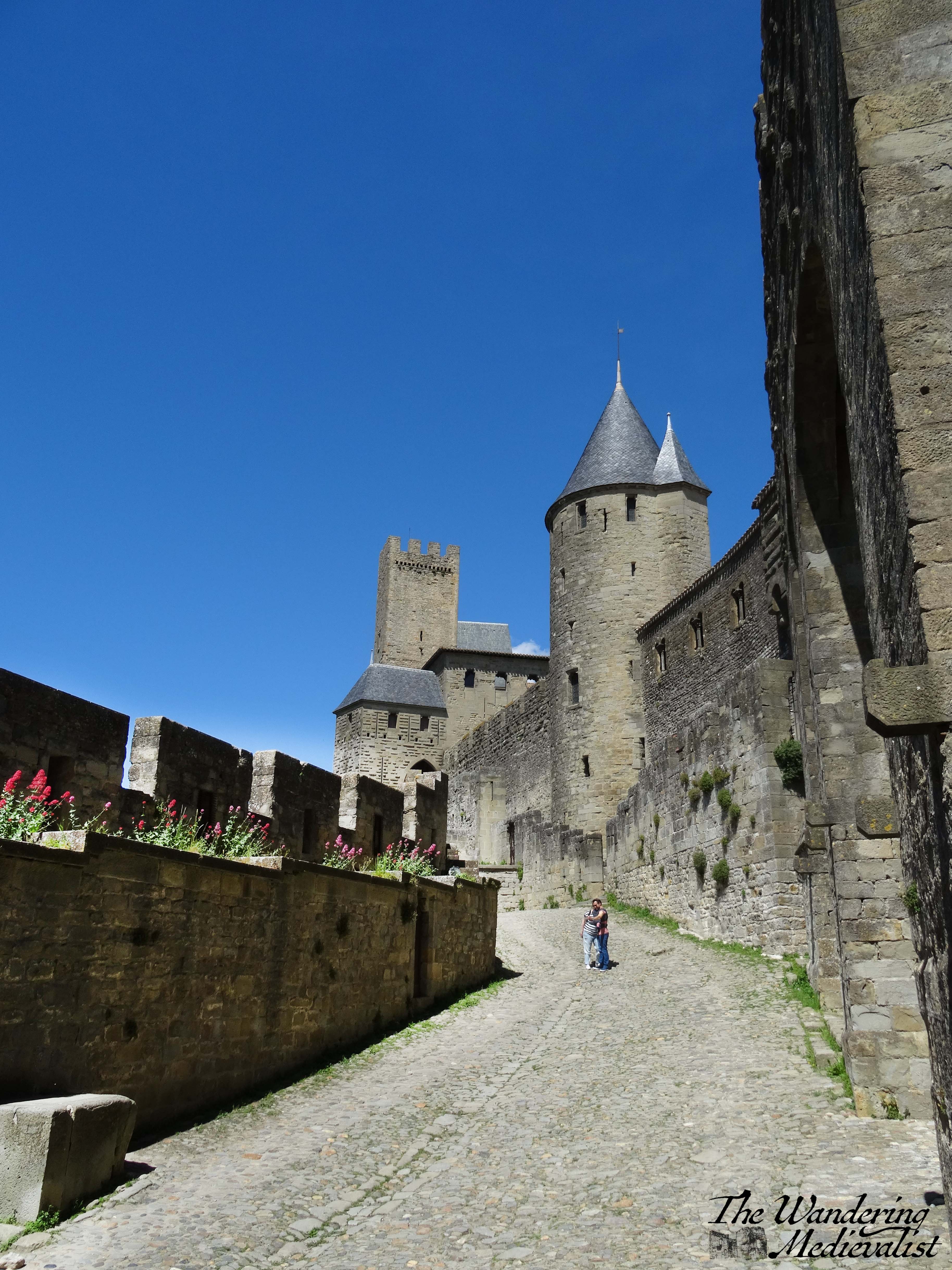
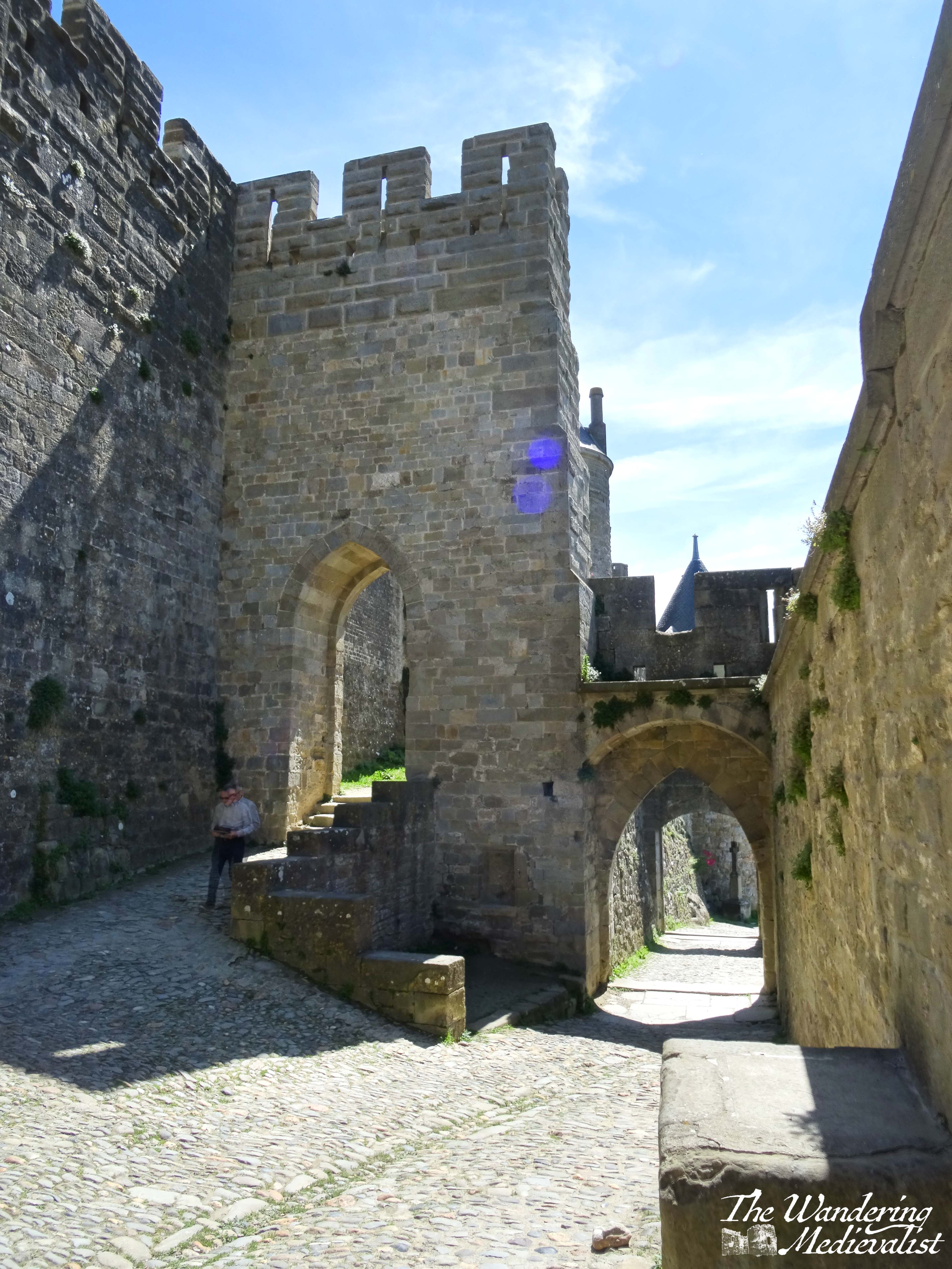
Once one has passed through the gatehouse, it becomes clear that the outer walls are just the first layer, and in fact the inner walls stretch endlessly in both directions.
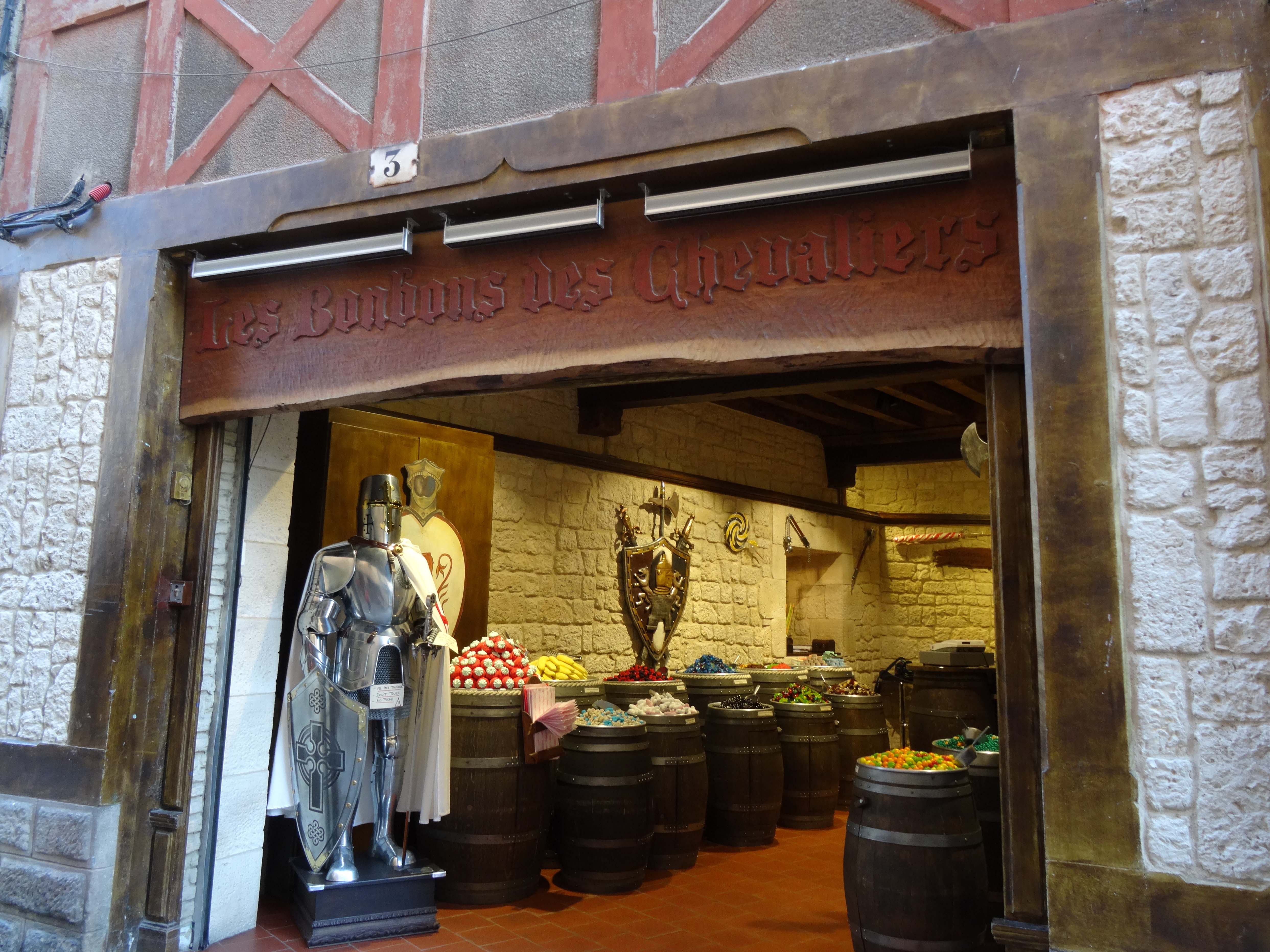
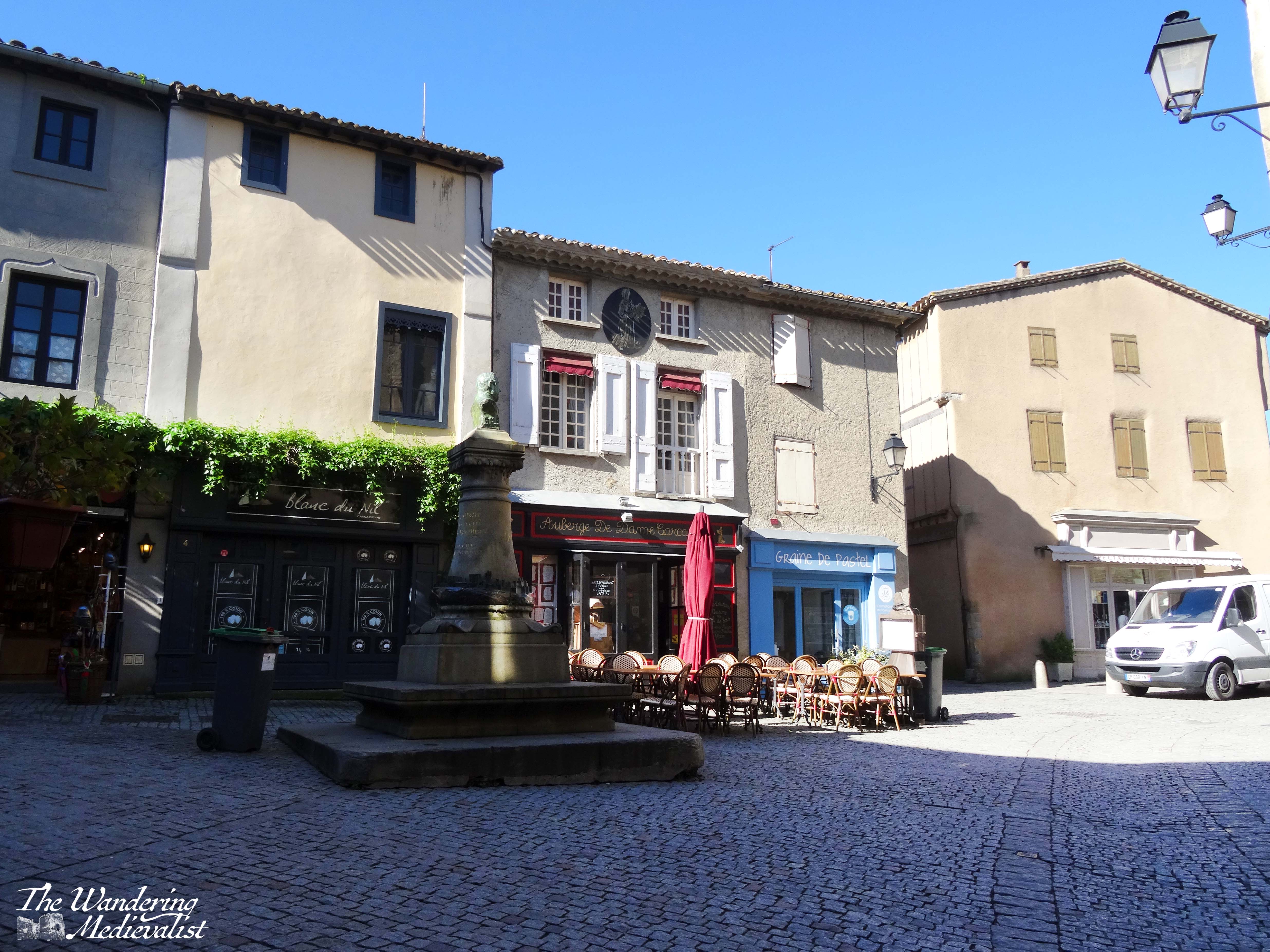
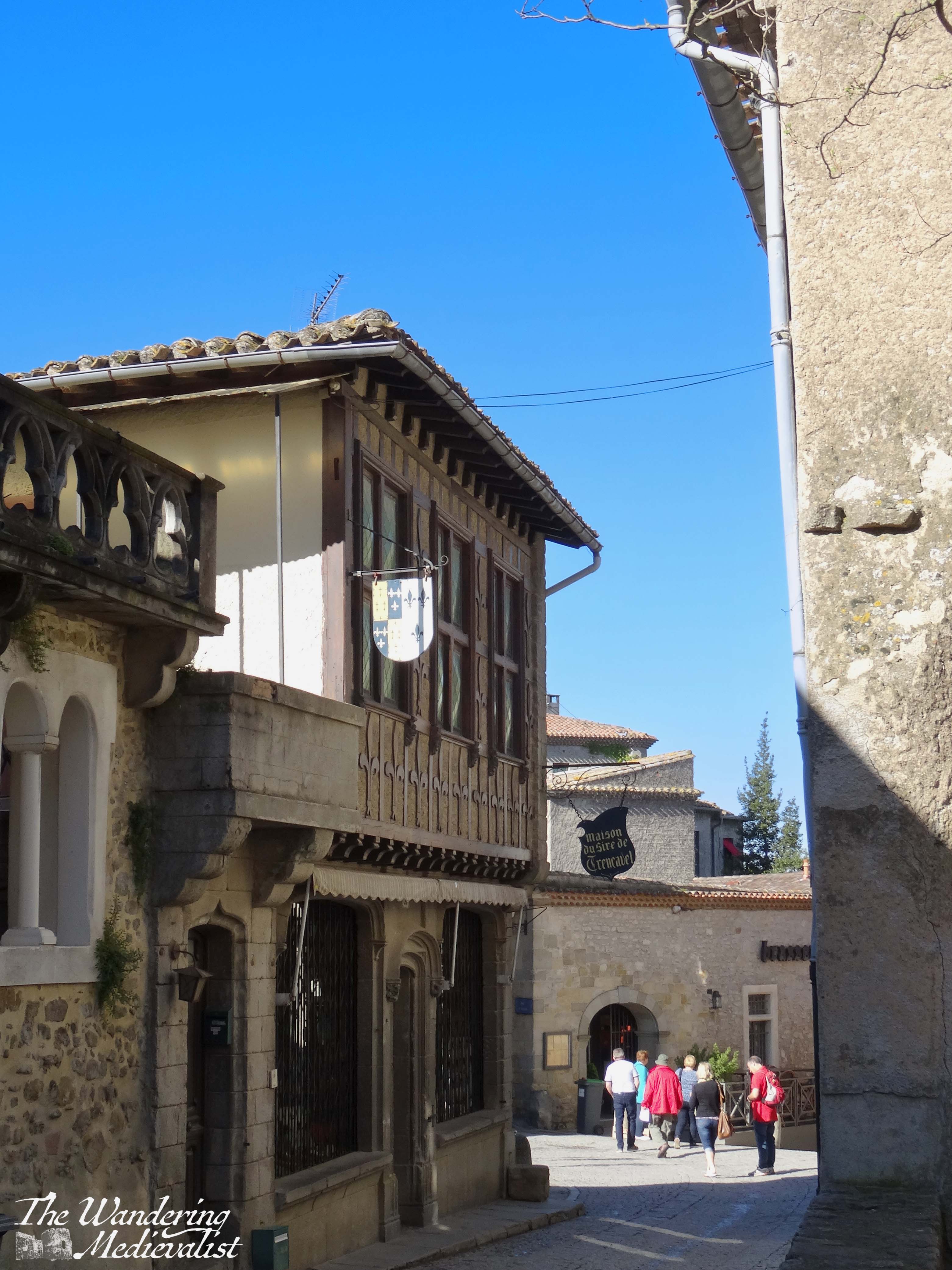
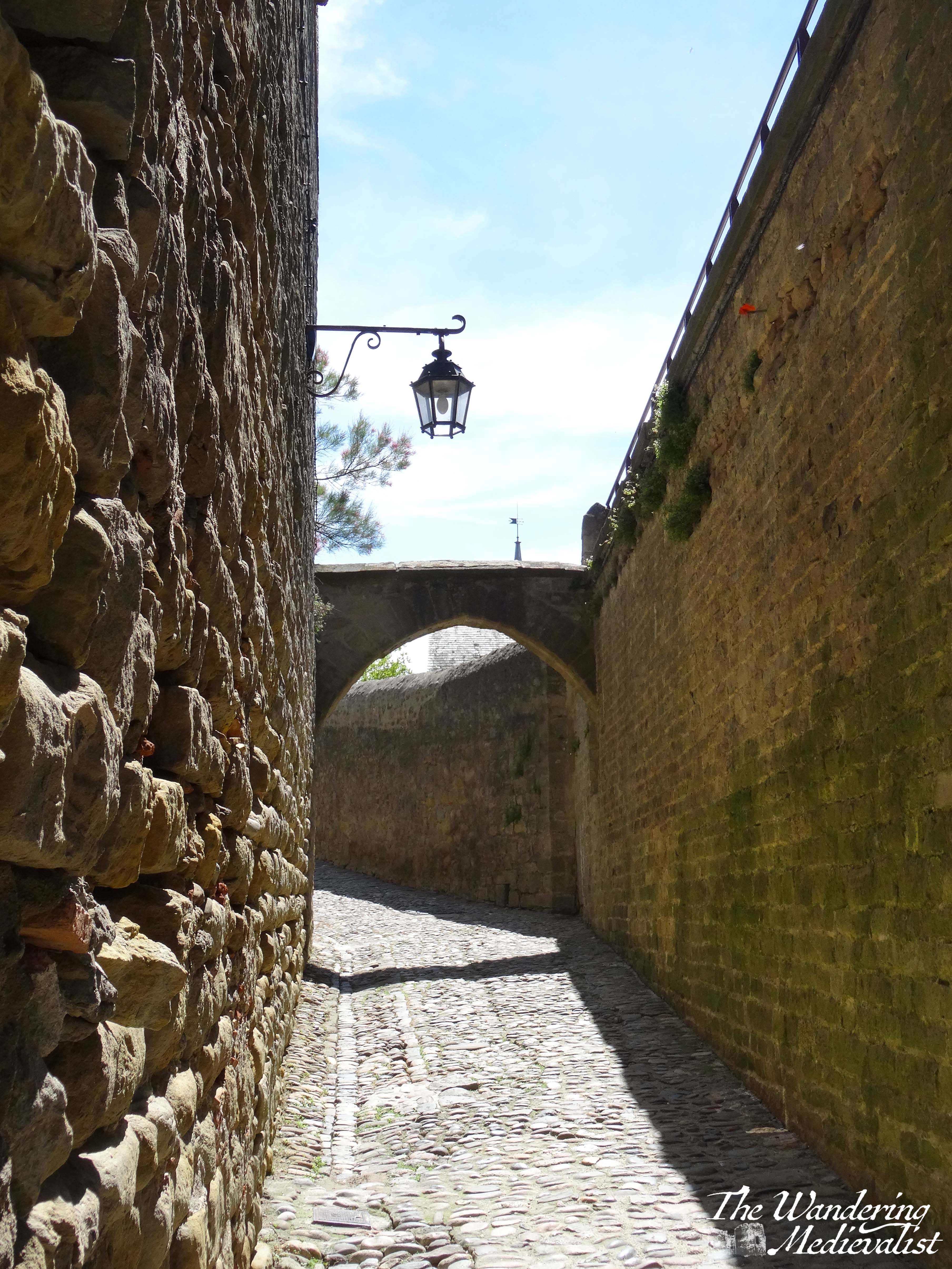
Another wall must be passed through before one enters the city proper, where immediately the stone buildings close in around visitors, creating narrow streets that twist and turn and were clearly not designed for modern vehicles. The medieval cité is reminiscent of Mont-Saint-Michel in the way the houses tower around you, but also in its tourist nature, with numerous shops selling a mixture of medieval and Provençale wares, scattered amongst restaurants and cafés.
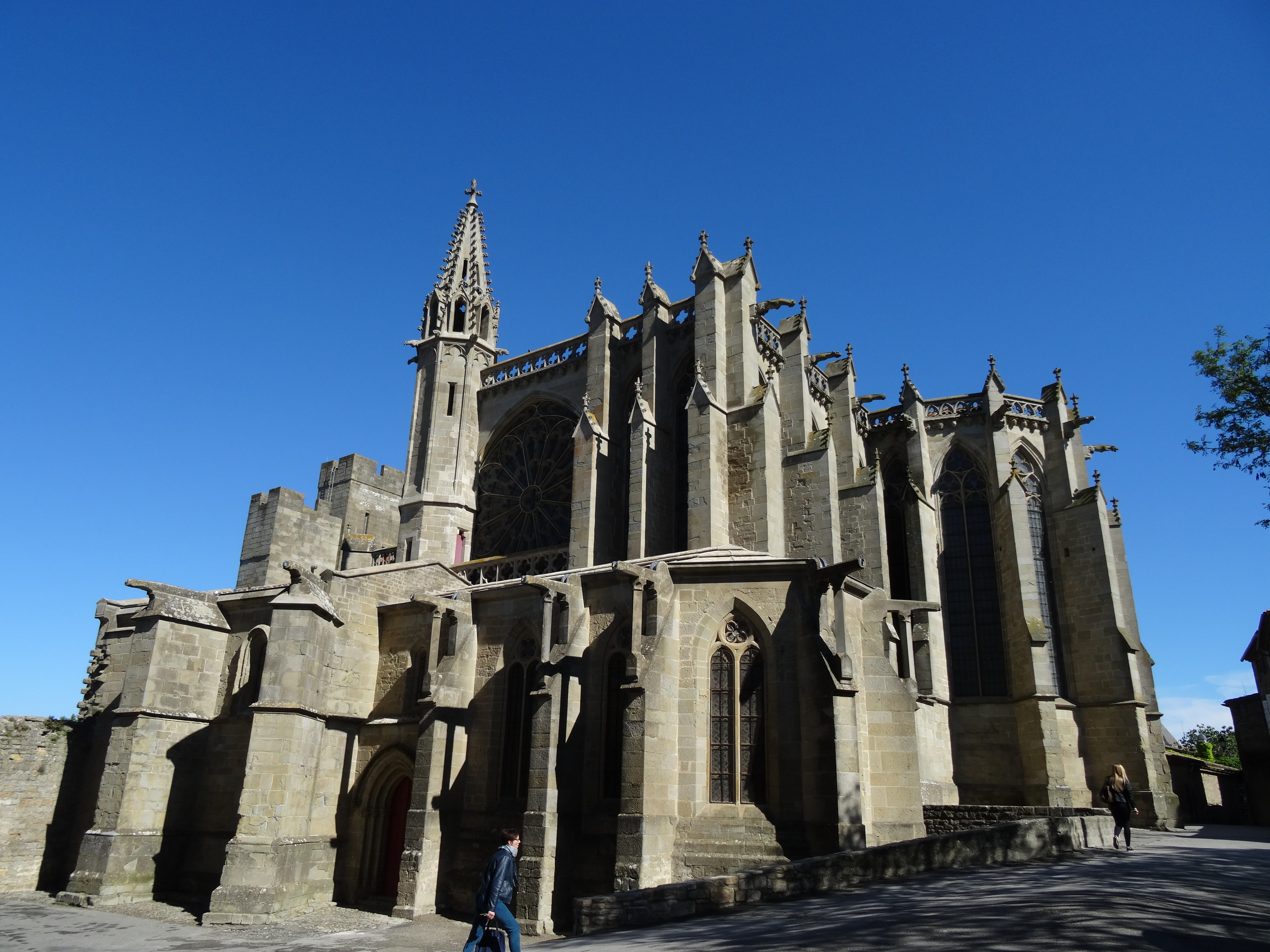
Our first stop – after a short coffee break – was the Basilica Saint-Nazaire and Saint-Celse, Carcassonne’s cathedral until 1801, and the source of many of the sculptures on exhibit in the château. That may be post 4 on Carcassonne, as I discovered far more pictures of it than I recalled taking!
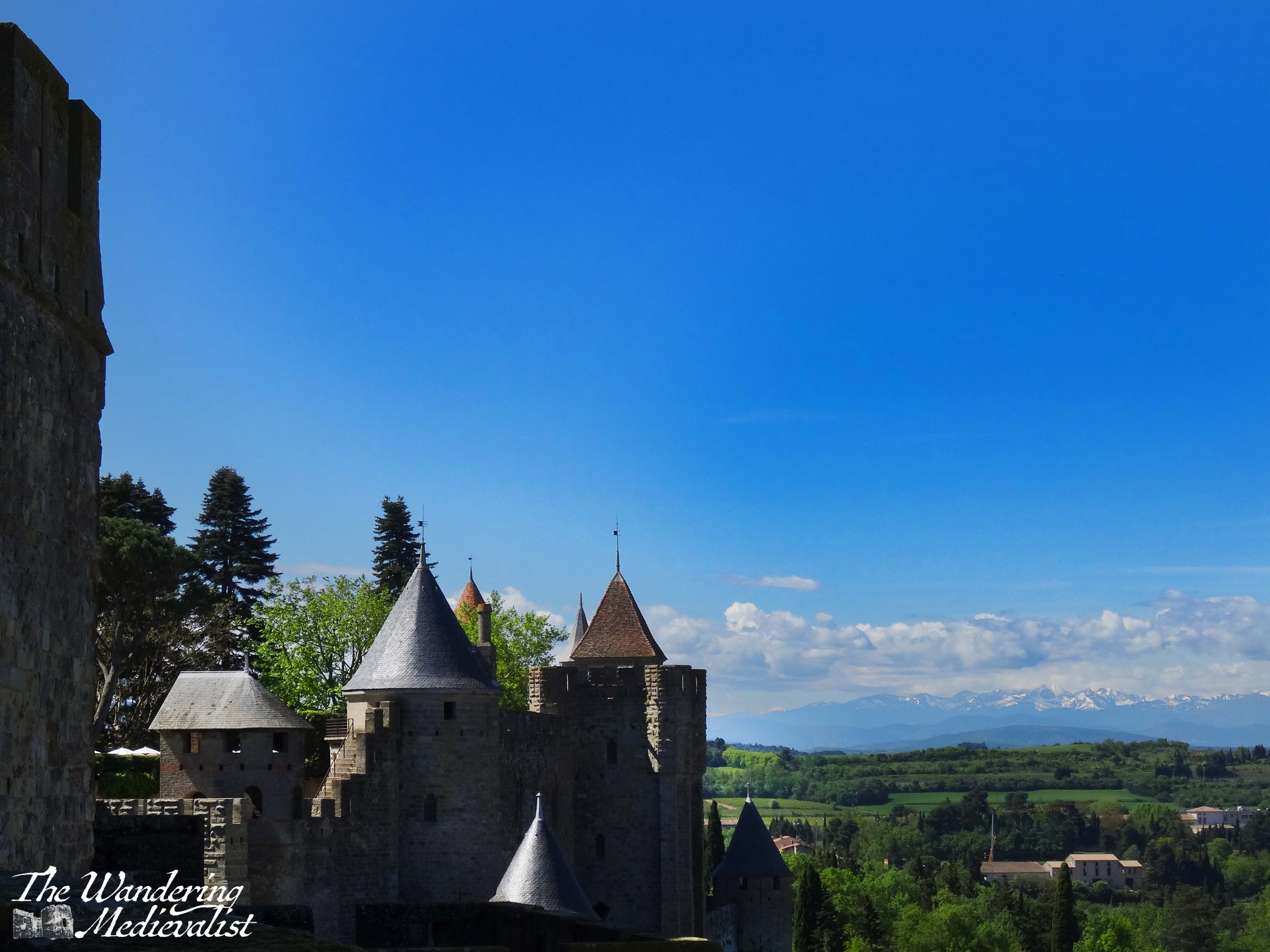
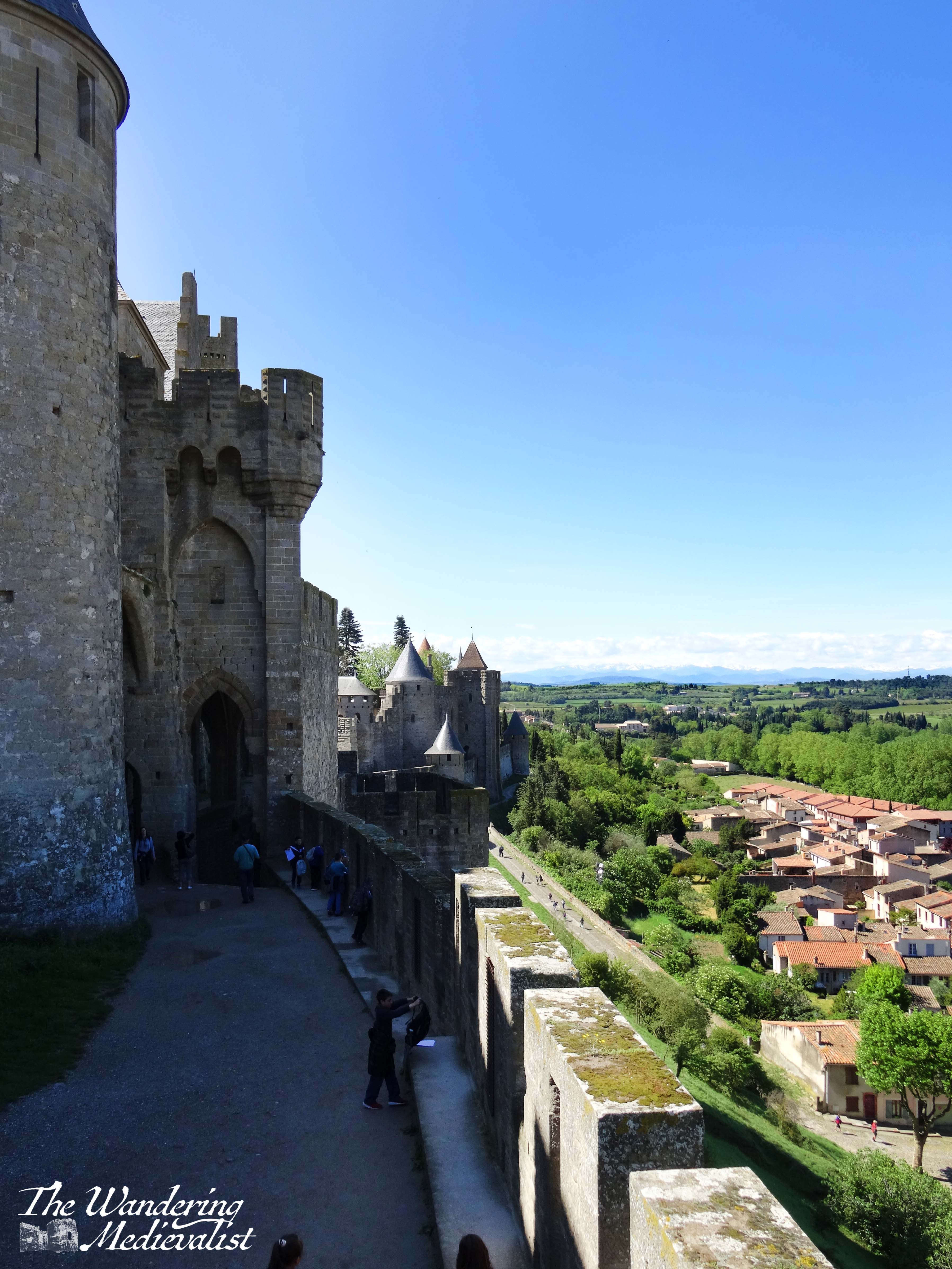
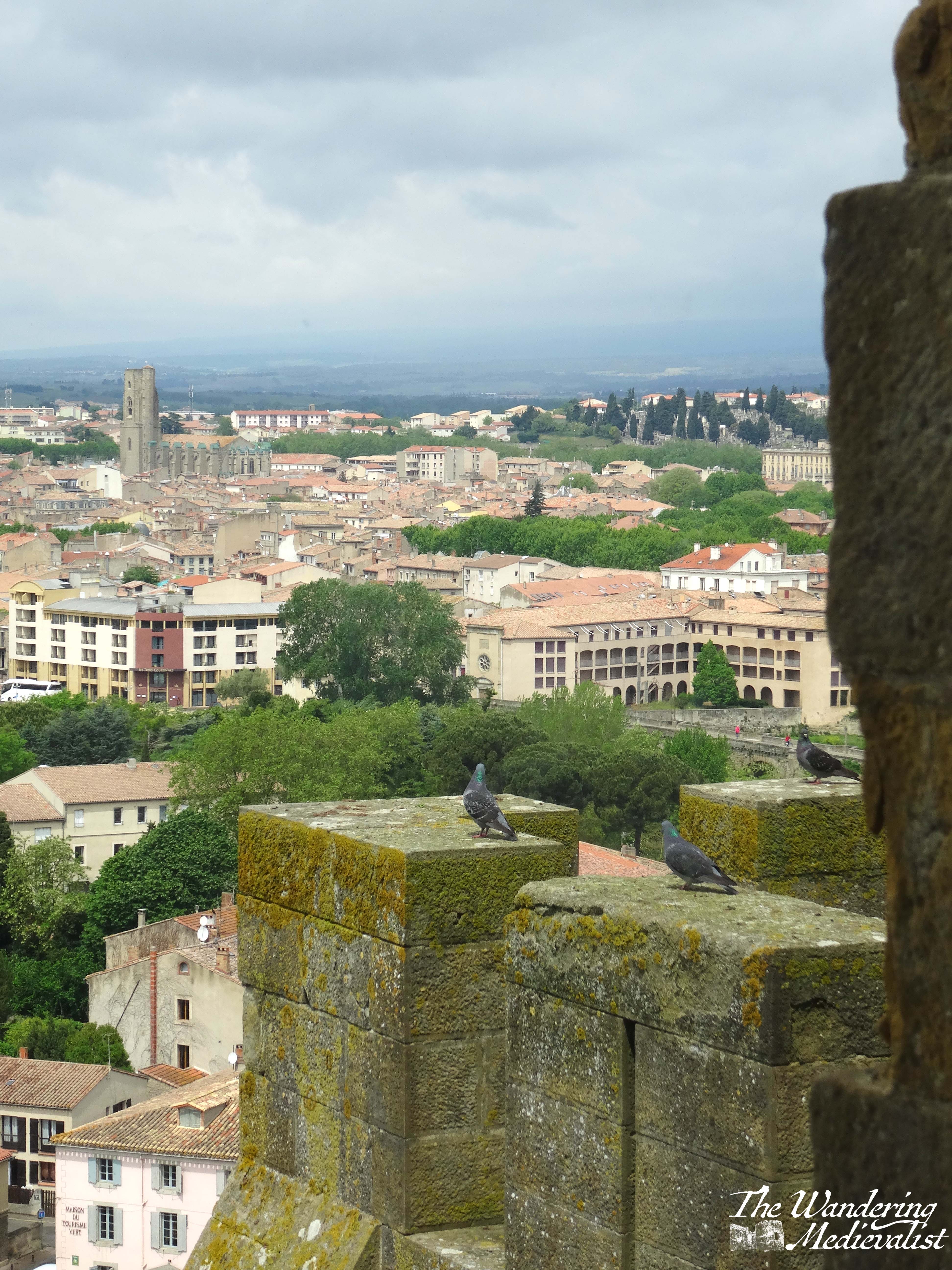
While we could not get into the château we could get onto the city walls, and the views make it clear why Carcassonne had been built where it was, and why it was so significant as a fortress – one can see as far as the first slopes of the Pyrenees, beyond the rolling hills and farms.
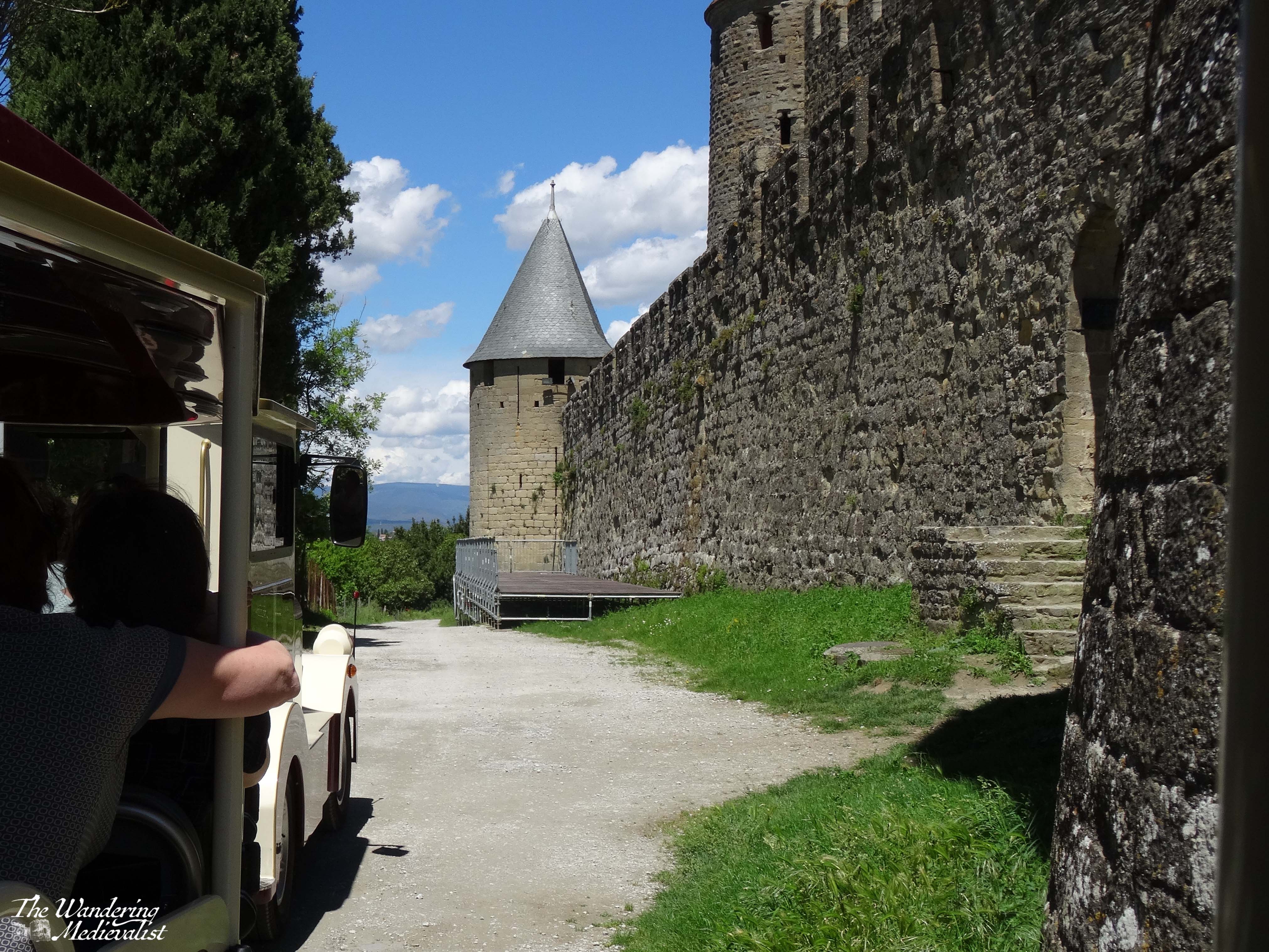
The day was growing warmer – it peaked at 31℃ (almost 90℉) – and so we chose to continue our circumnavigation from the comfortable seats of the small road ‘train’ just outside the city. The ride allowed us a bit of rest and also some spectacular views of the walls, and enabled me to plan my later explorations.
Mum eventually decided to return to the hotel for a rest – she was still suffering from jetlag – and so after lunch I made my own way back up to to the city, starting with the famous entrance-way which played the part of Nottingham in Robin Hood: Prince of Thieves.
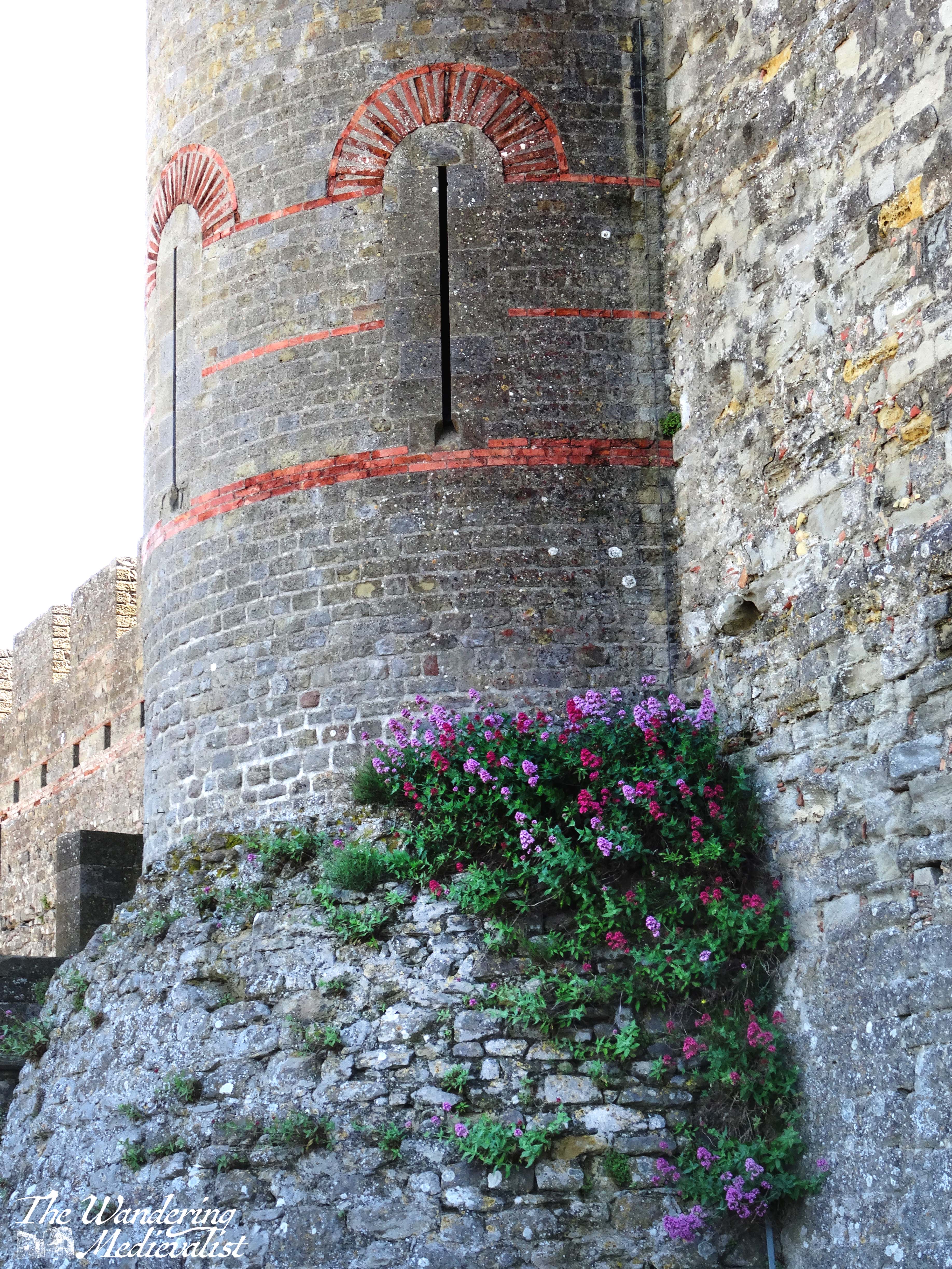
I find it very hard to narrow down the enormous range of pictures I took at this point, as I was completely in my element. While I do not have any real knowledge of medieval architecture, and so cannot say whether the appearance of the restored city is properly authentic, it certainly felt the way one might imagine a medieval city could have looked, from the layered walls and crenellations to the narrow passages and old stone walls. I had read enough by this point to identify the Roman towers with their red brick, and I was absolutely in my element wandering the battlements.
I could imagine another medievalist with more knowledge than I perhaps picking apart the restoration or pointing out numerous faults in how the city looks now, but it makes me think of the discussion I had with some of my summer school students about historical accuracy in movies. While I will likely get into that in more depth in another post, the essence is the question of how important accuracy, or authenticity, is when the point is to entertain, to begin to inform, to intrigue? I and most of the tourists visiting that day were no worse off for being ignorant of how it ‘should’ look, only enjoyed how it did, and if nothing else, the streets certainly smelled a lot better than they would have in the 13th century.
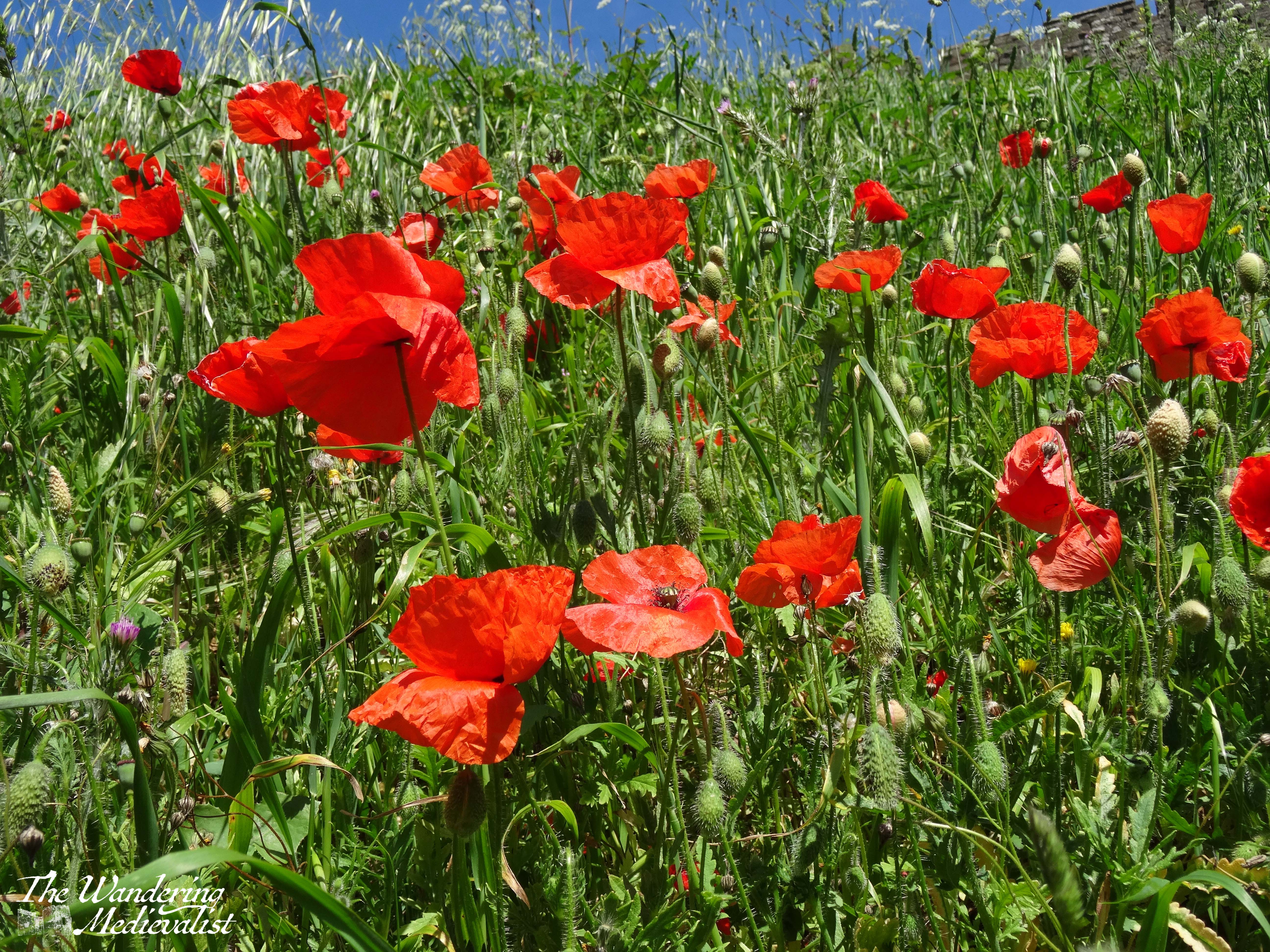
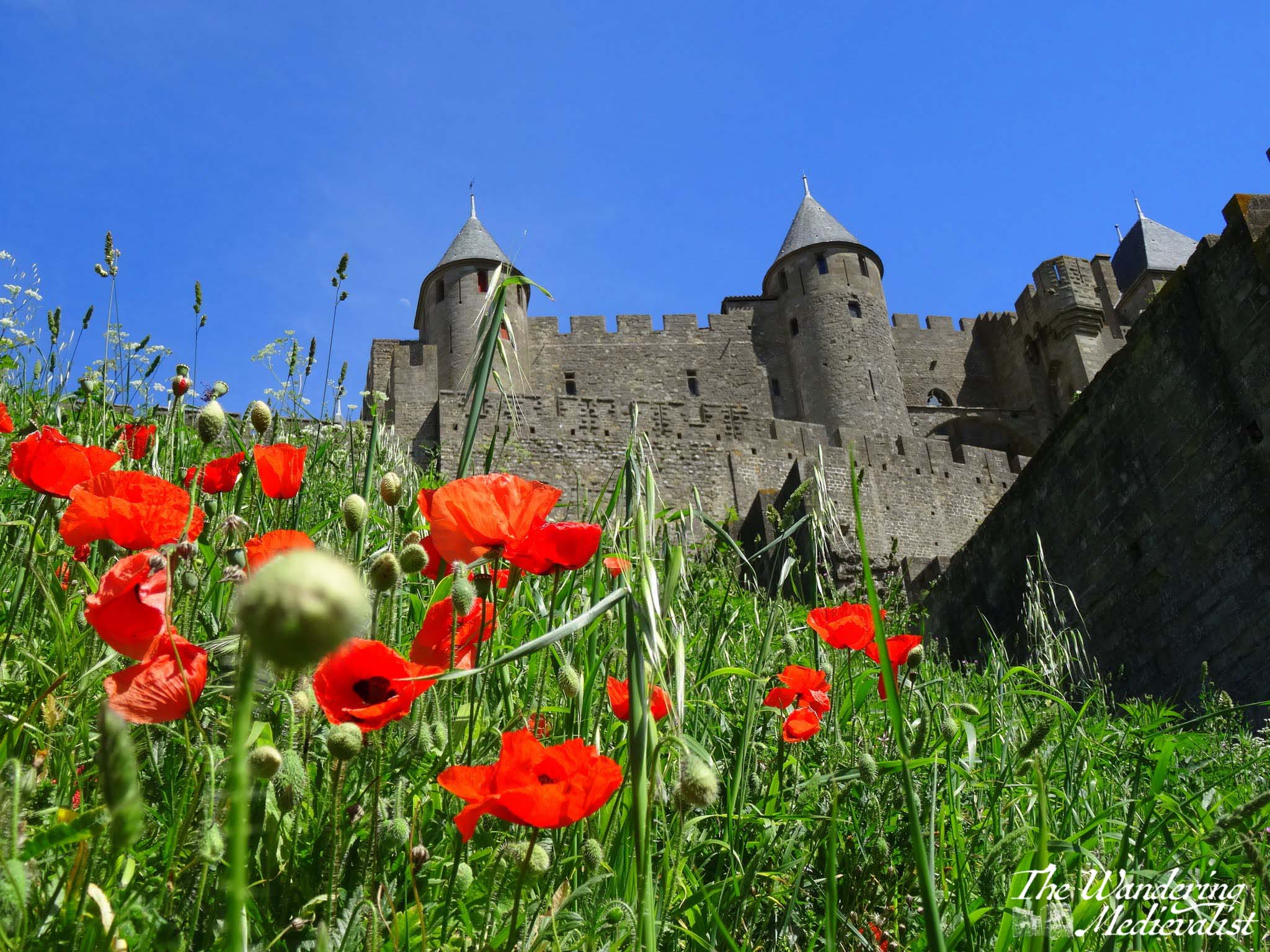
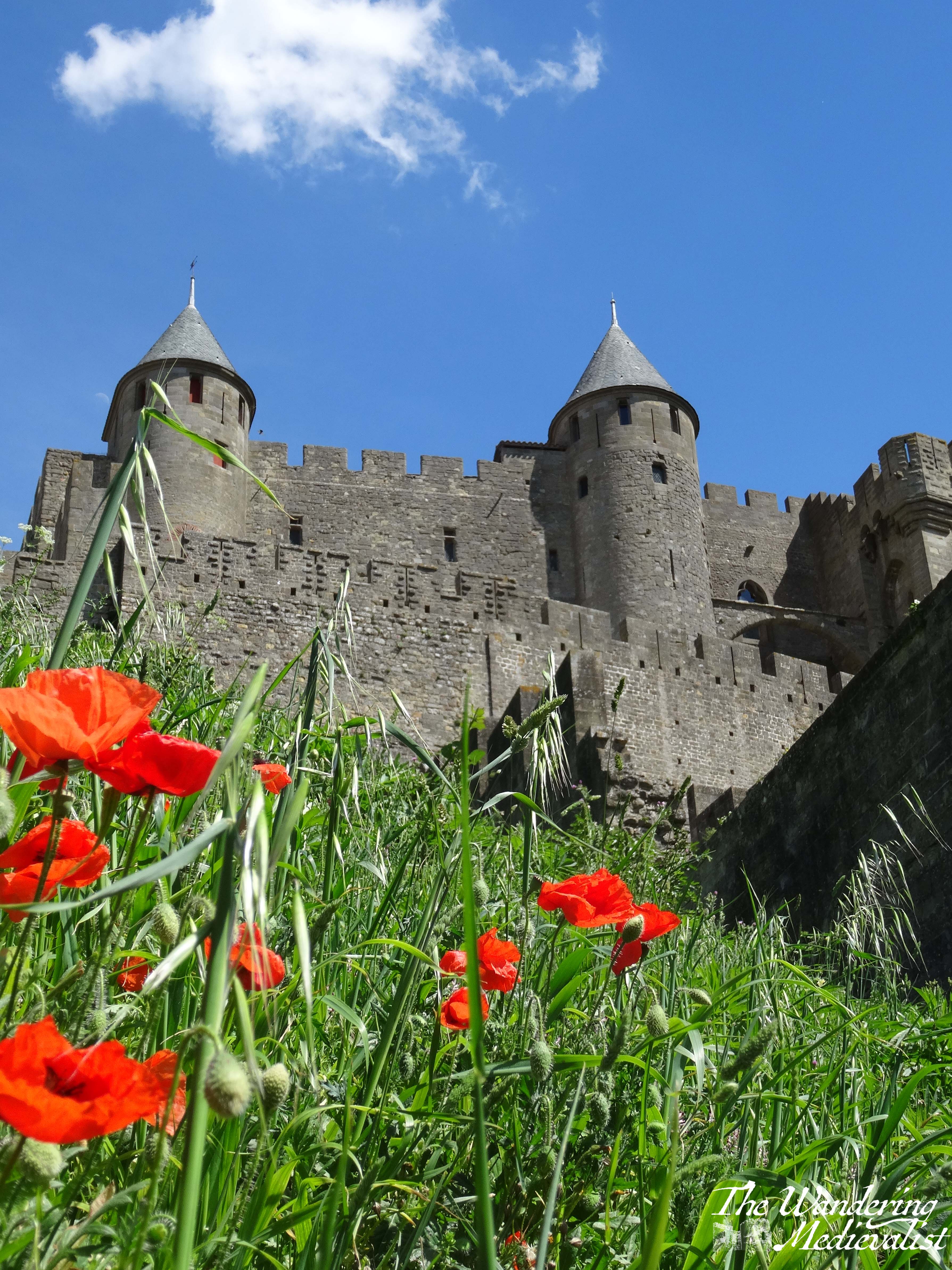
The highlight of the day came as I decided I had seen all I could of the walls, and chose one of the many pedestrian paths back towards the newer parts of town. As I walked, I noticed on the side of the hill the bright red-orange of a field of poppies, stunning enough on their own. But, as I got closer, I realised how perfectly situated they were against the blue sky and fairy tale-like towers, and I took a few of my favourite pictures of the entire week in France.
The blazing hot sun made for such stunning colours that I have not even had to edit these, and I could probably have sat here and just watched the view for quite some time. Unfortunately, that hot sun also meant that I was at risk of sunburn and dehydration, and so I made my way into the town to find some water and an ice cream.
I know I was incredibly lucky to have had such spectacular weather on this day, and to have been able to visit at all; Carcassonne is an absolute must for any history-lover or reader of Kate Mosse‘s several books on Languedoc, especially Labyrinth.
One could also wax philosophical about the significance of the city not just for medievalists and tourists but as a representative of the independent nature of medieval French nobility – the Albigensian crusade and the fall of the counts of Toulouse in the 13th century both demonstrate the rising power of the French kings as they fought to raise themselves from ‘first among equals’. This era also bookends nicely the lives of my favourite medieval family, Henry II and his children – his daughter Joanna was married to Raymond VI of Toulouse and was mother of Raymond VII. Carcassonne and the surrounding region is positively steeped in history, and stunningly photogenic – almost as much as the Highlands of Scotland 😉…almost.
Carcassonne was the ultimate destination for the trip to France my mother and I made several years ago, during which we met in Toulouse and travelled on the train further south. I took so many pictures and was so in love with the city – both medieval and modern – that I have had to divide my posts into three, starting with the château, the glorious jewel in the crown of an already impressive restored medieval city.
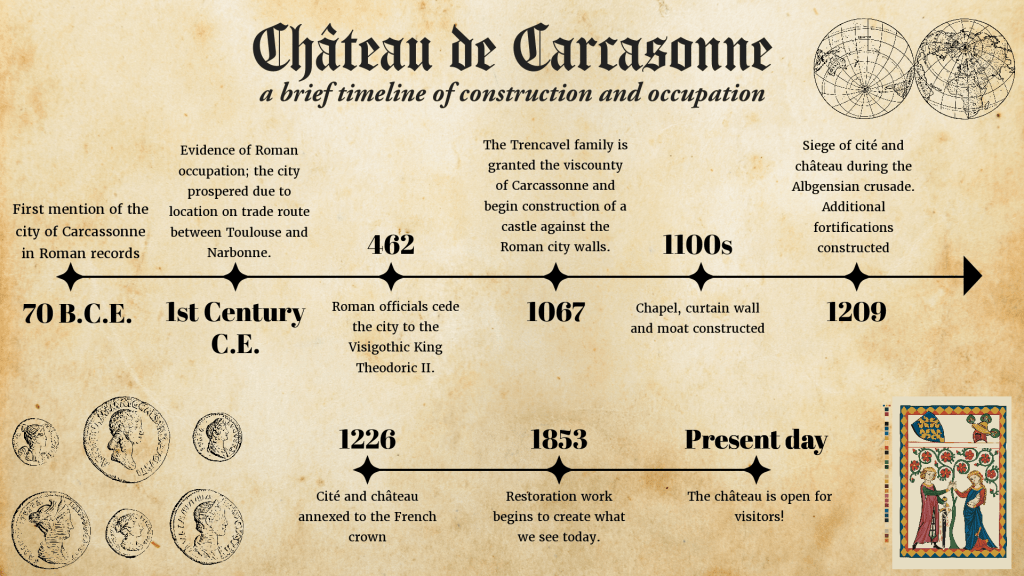
I’ll speak a bit here about the history of the château and how it was built and used, but here is a short timeline of the significant dates in its history:
In an experience a nearby Englishman declared ‘stereotypically French’, Mum and I hoped to visit the château on our first full day in the Carcassonne. However, upon arriving at the gates we discovered that it was closed due to strike action. So, we enjoyed a stroll around the cité instead, and later I took a long walk around the walls. We did enjoy a cup of coffee nearby, and I managed the first of many pictures of the exterior walls and moat.
The château’s history began in the 11th century, when the Trencavel family became viscounts of Carcassonne. Over the course of the next century, the family constructed a living space built against the Roman city walls, and continued to fortify as the years passed. There are patches in the walls today that are clearly Roman in origin, and it remains awe-inspiring to me that something erected almost 2000 years ago can continue to be structurally sound.
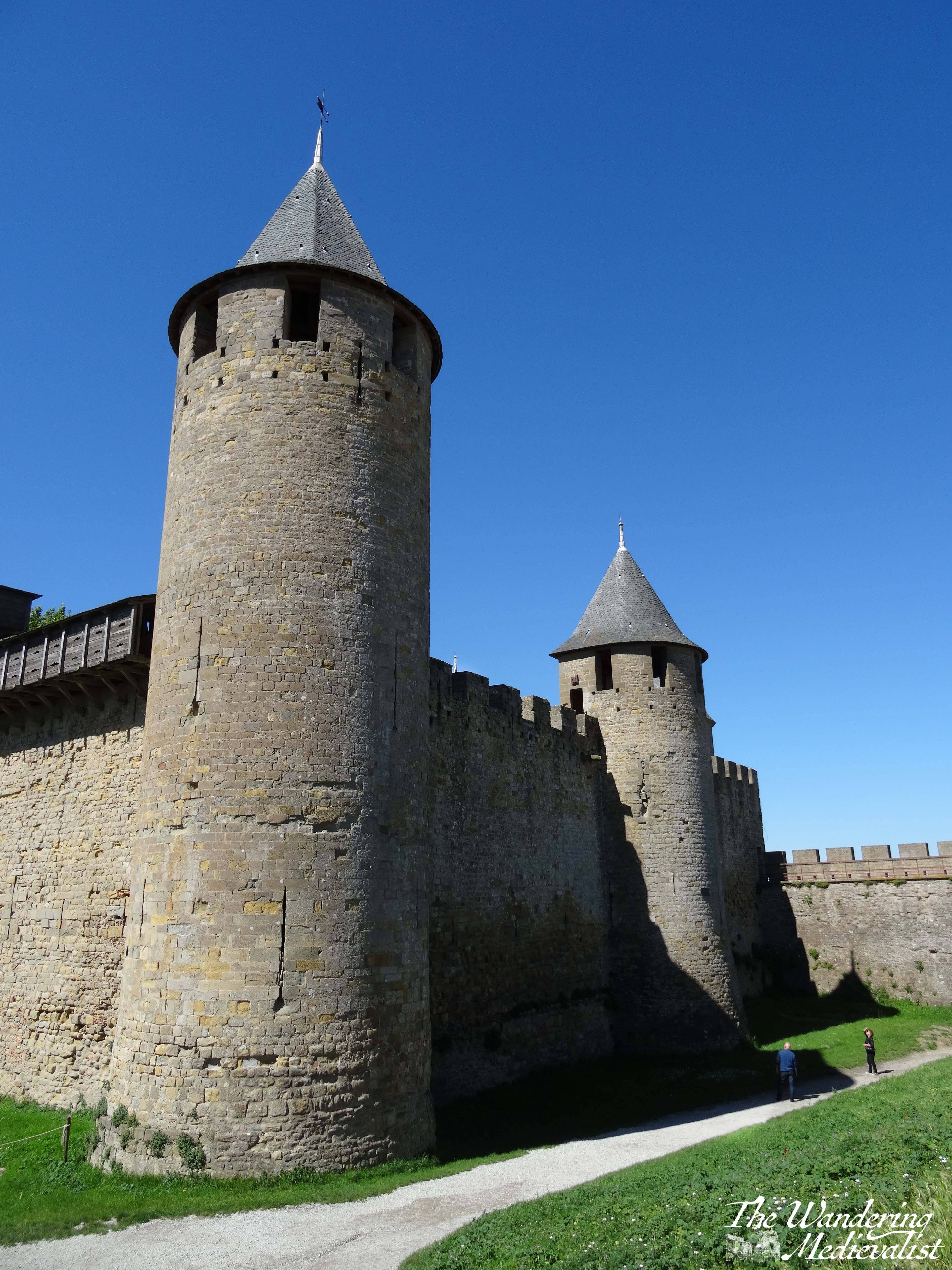
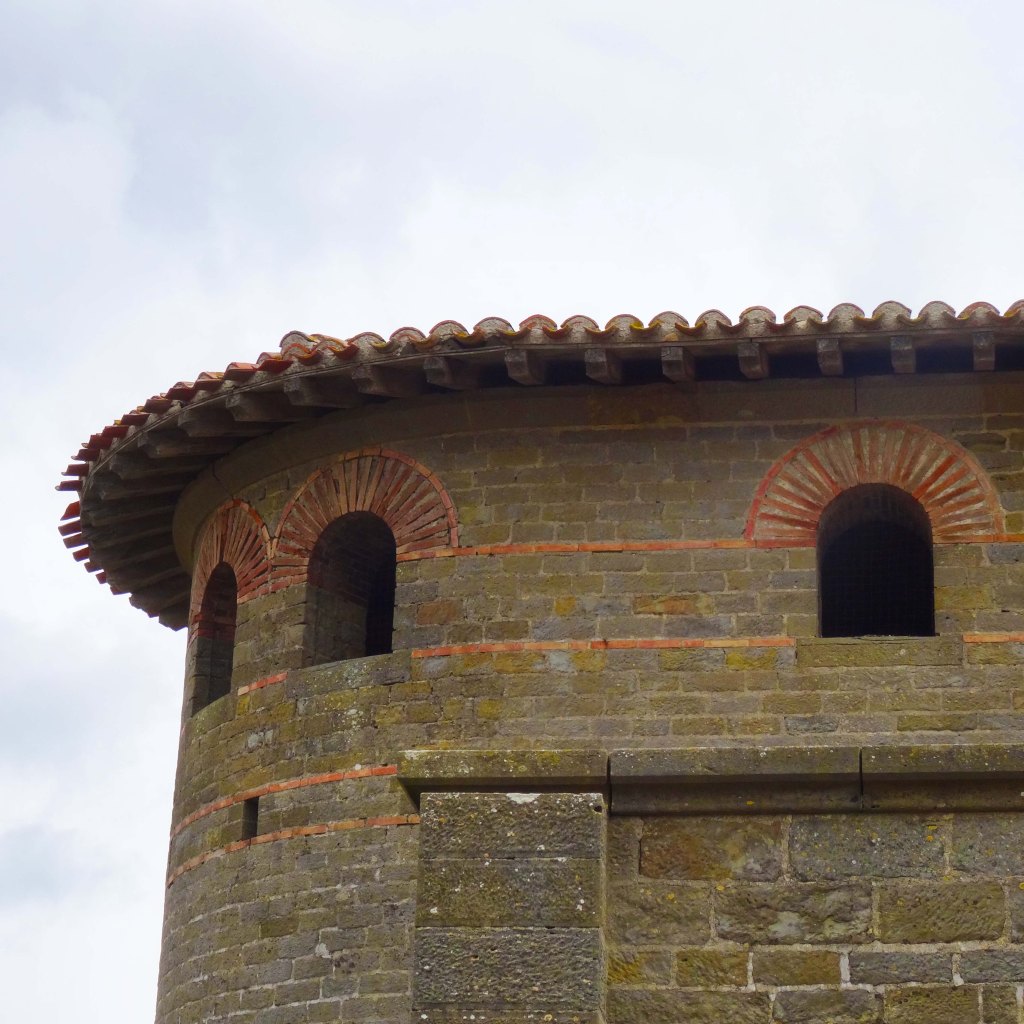
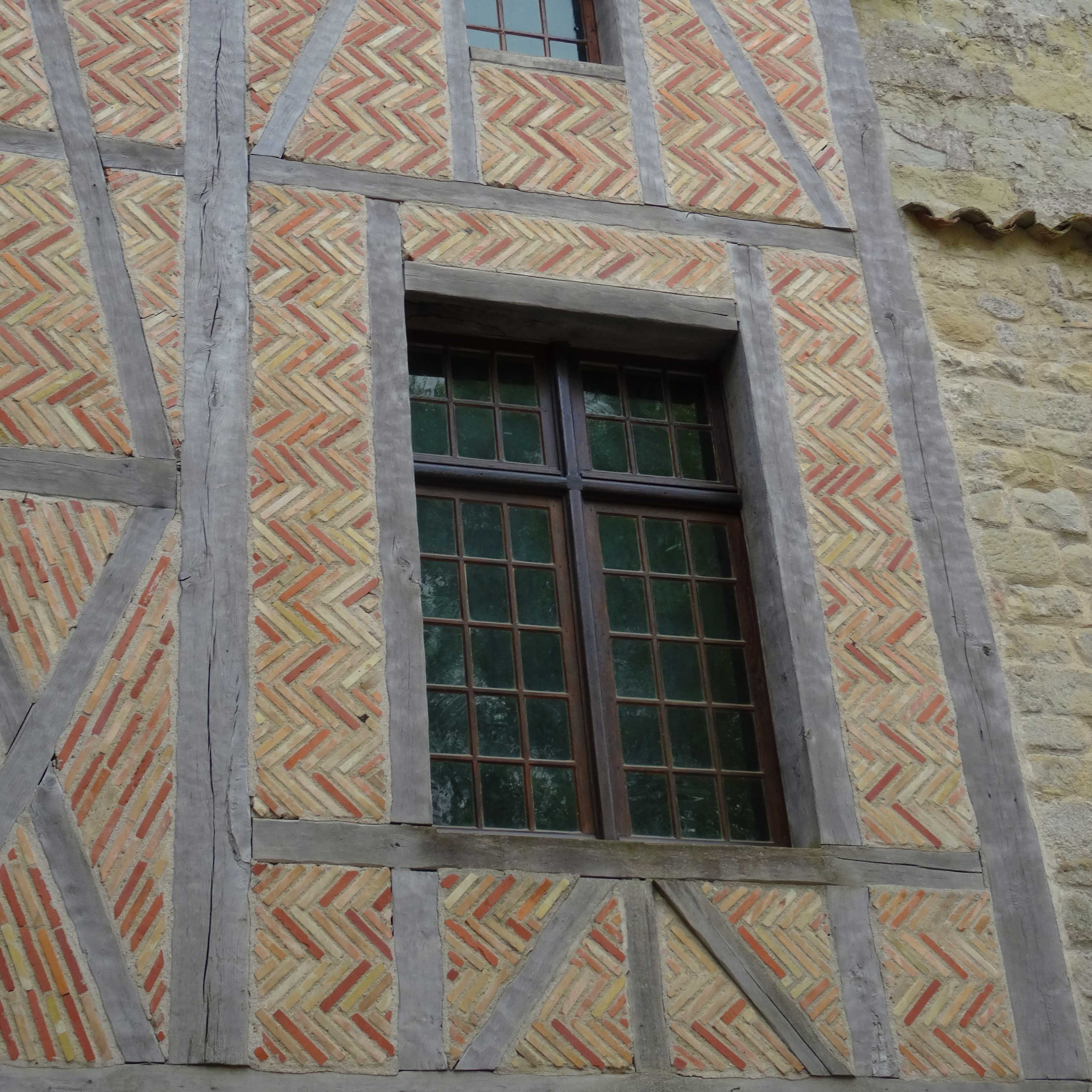
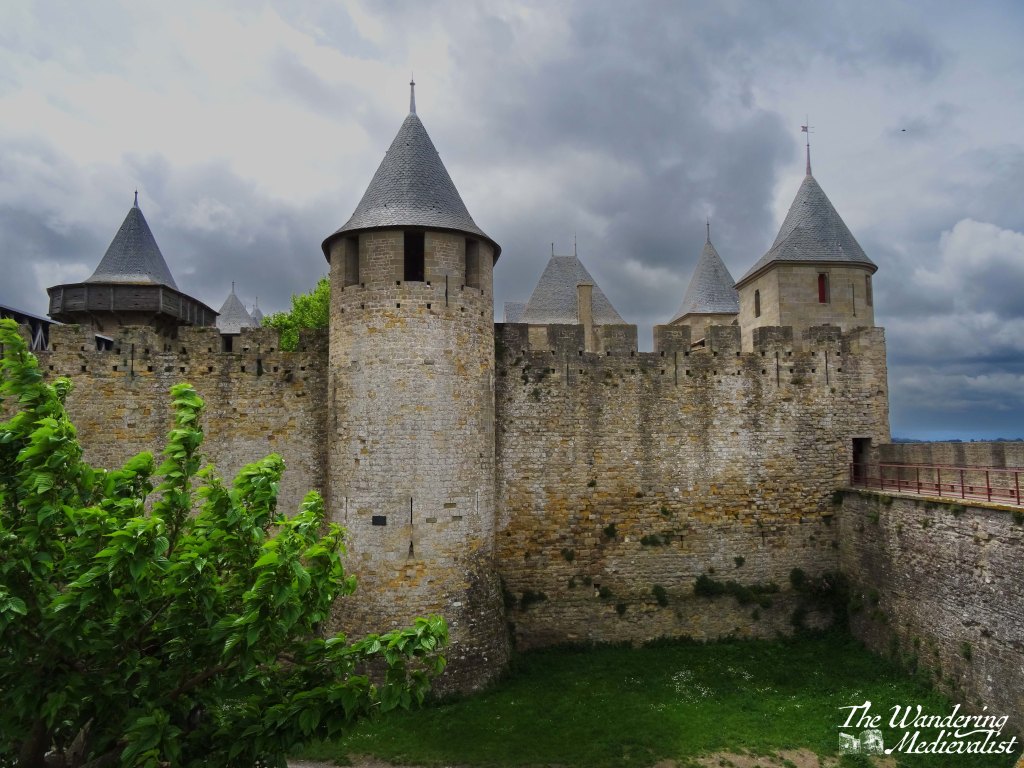
The north part of the inner rampart still has several 4th-century Roman towers. They are U-shape, and red brick is inlaid in the stone, in parallel lines and around the window arches. The bases of these towers are solid, making them very sturdy and explaining their longevity.
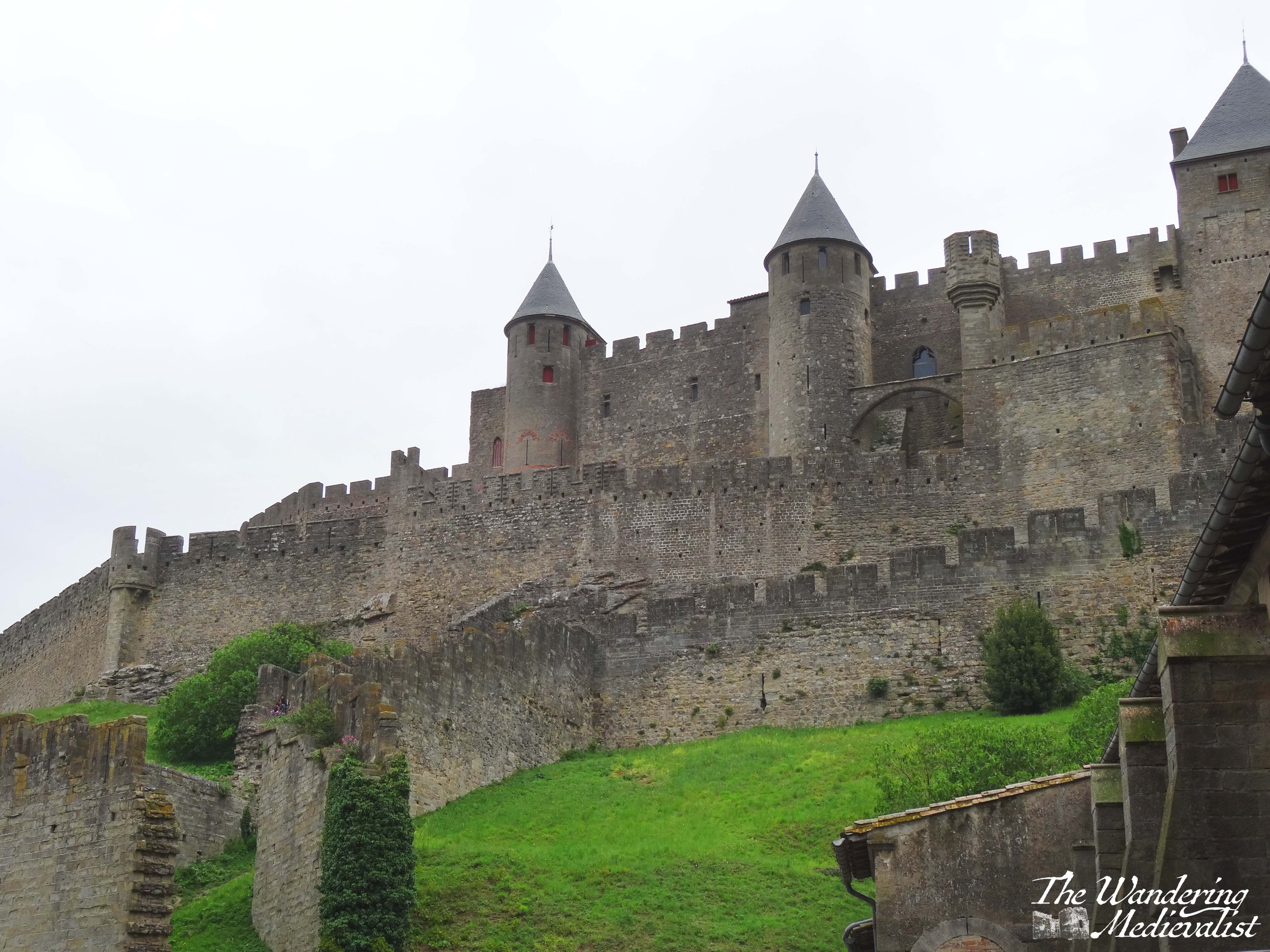
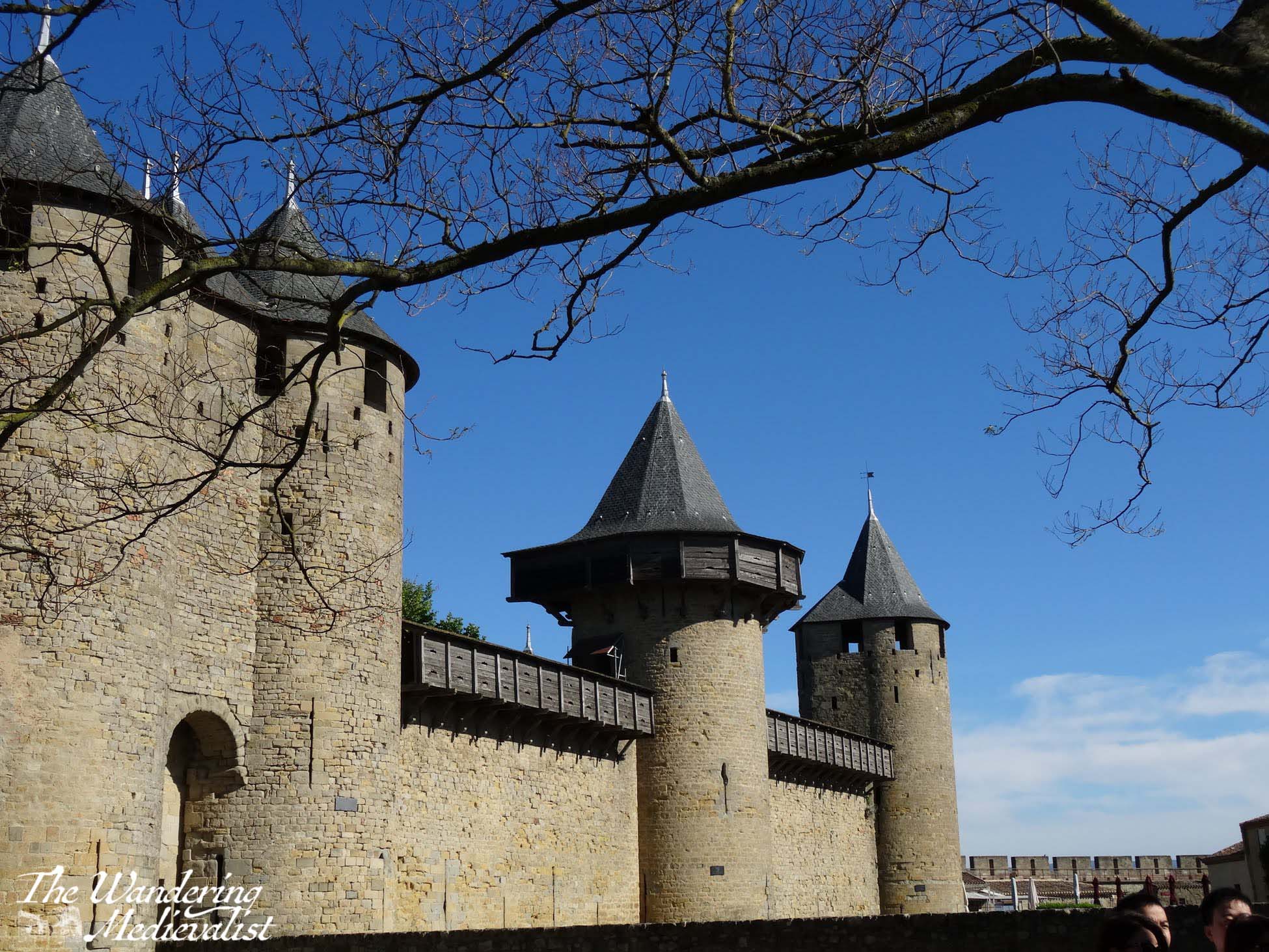
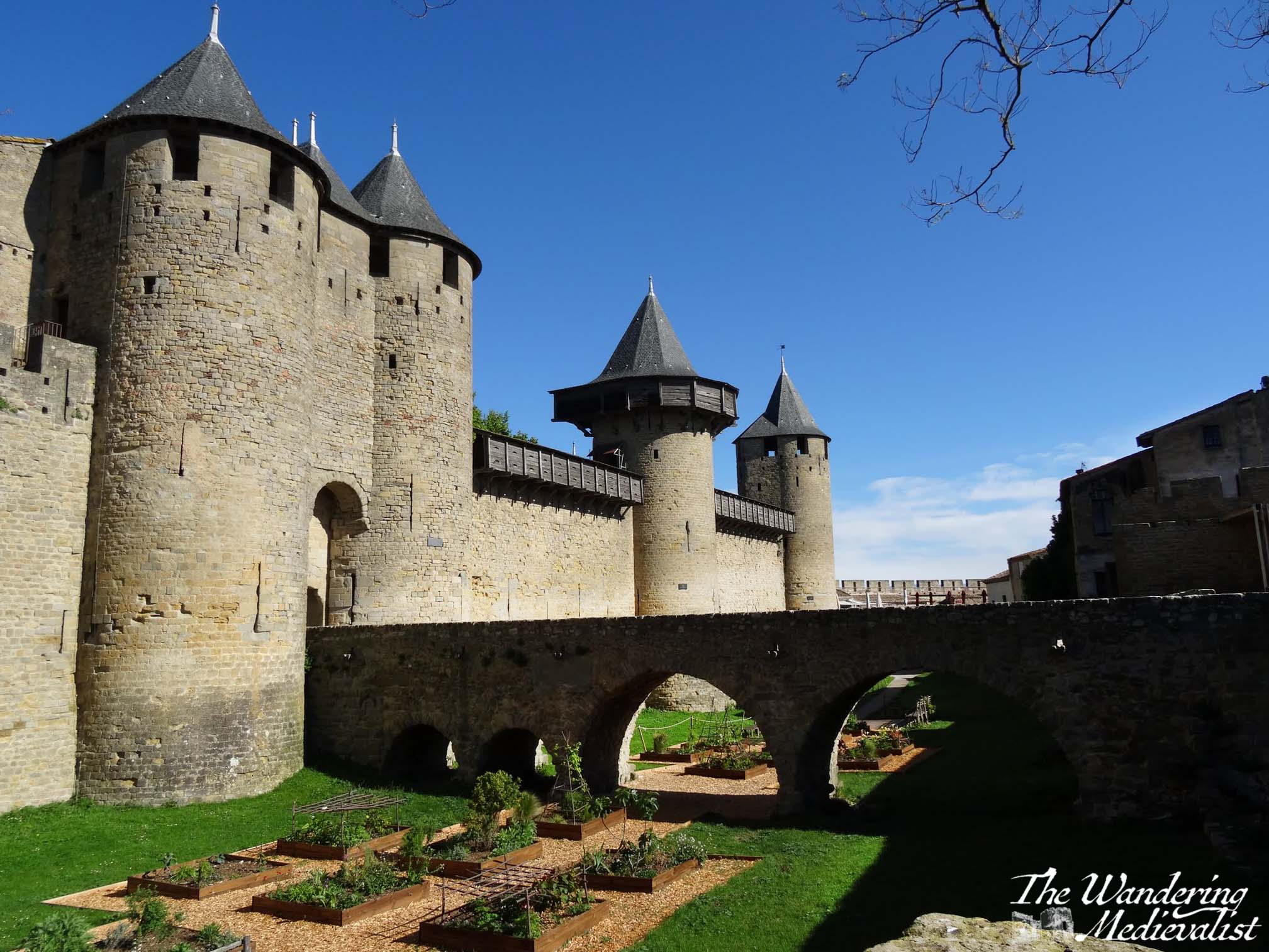
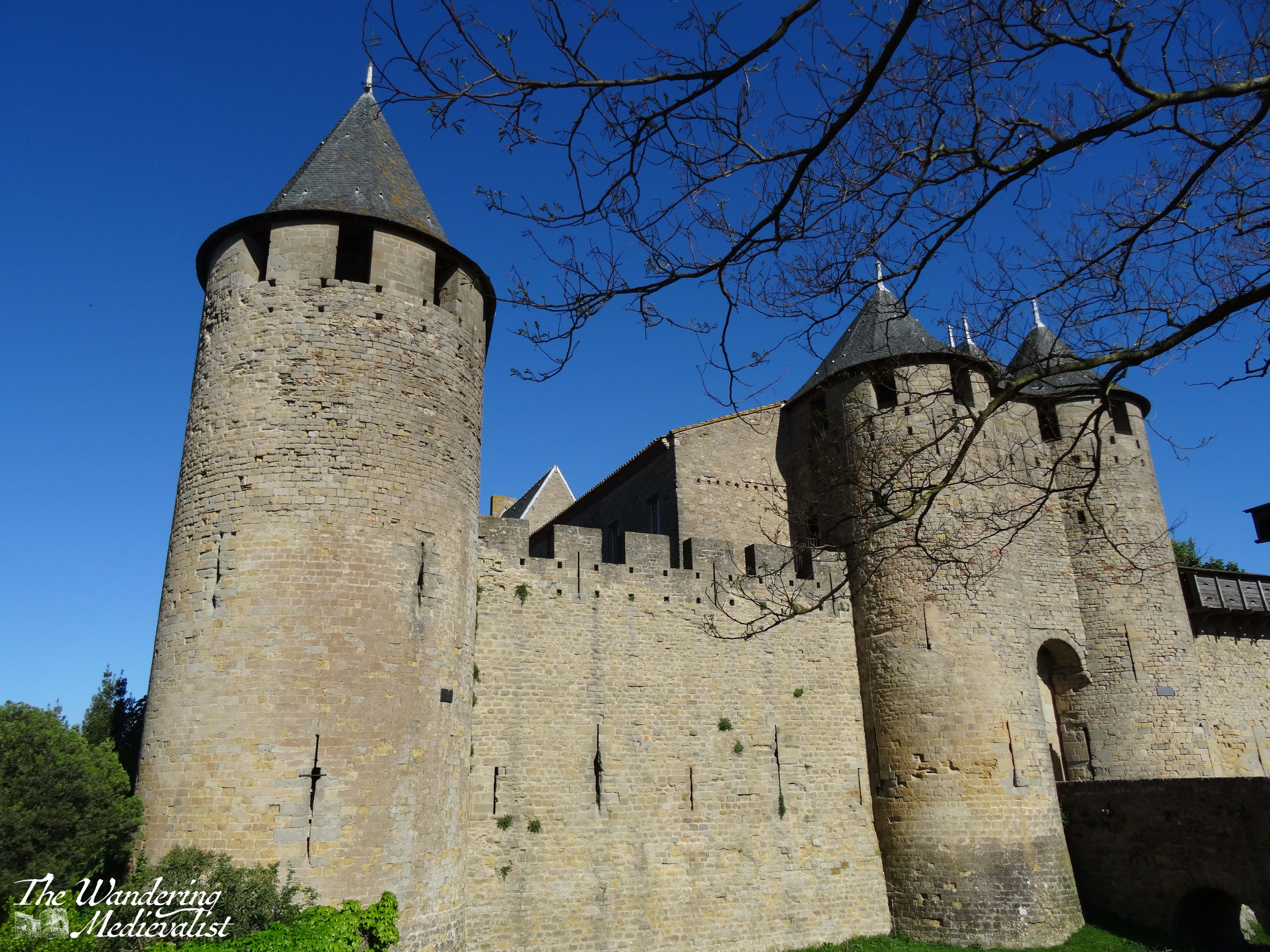
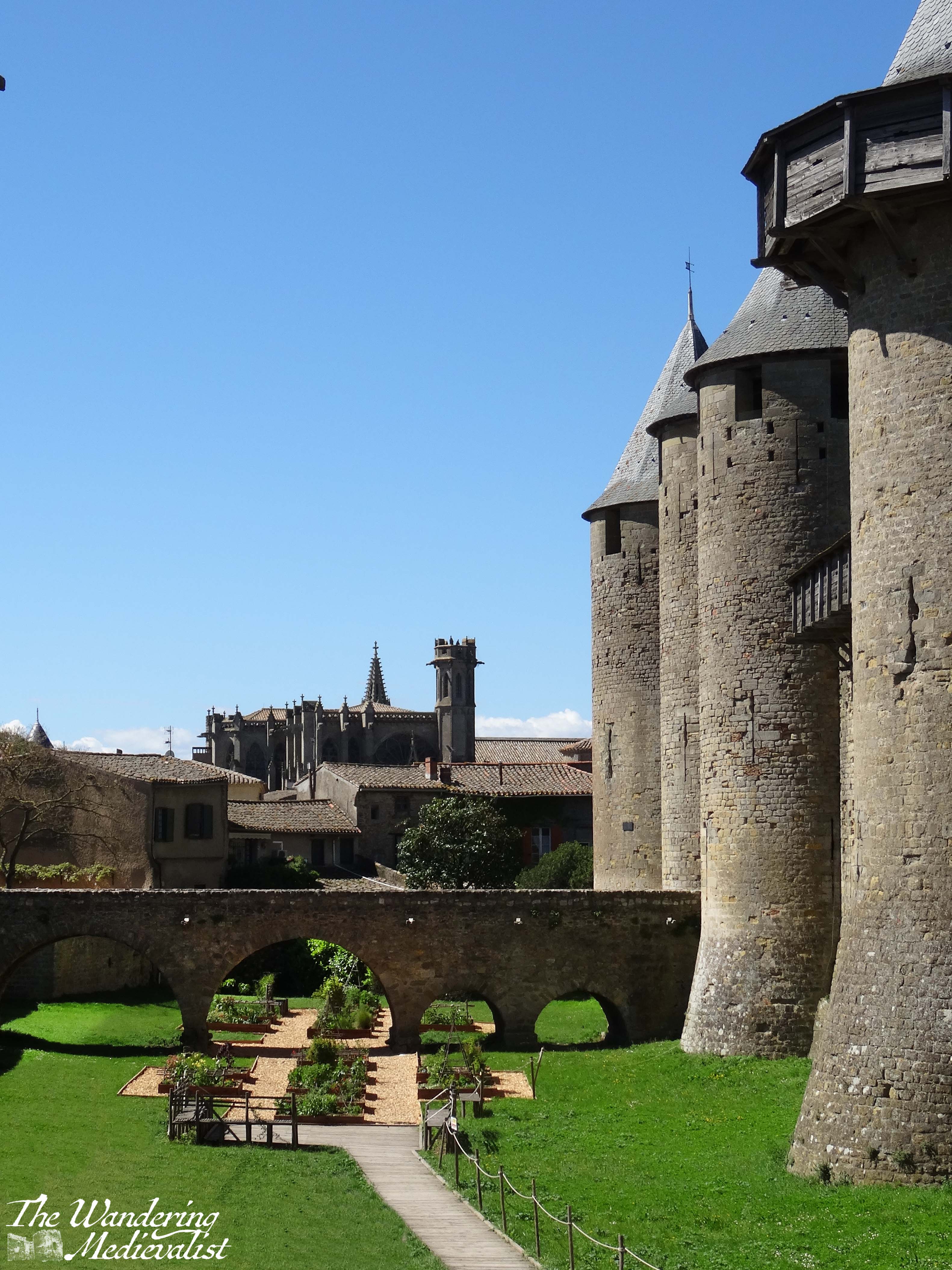
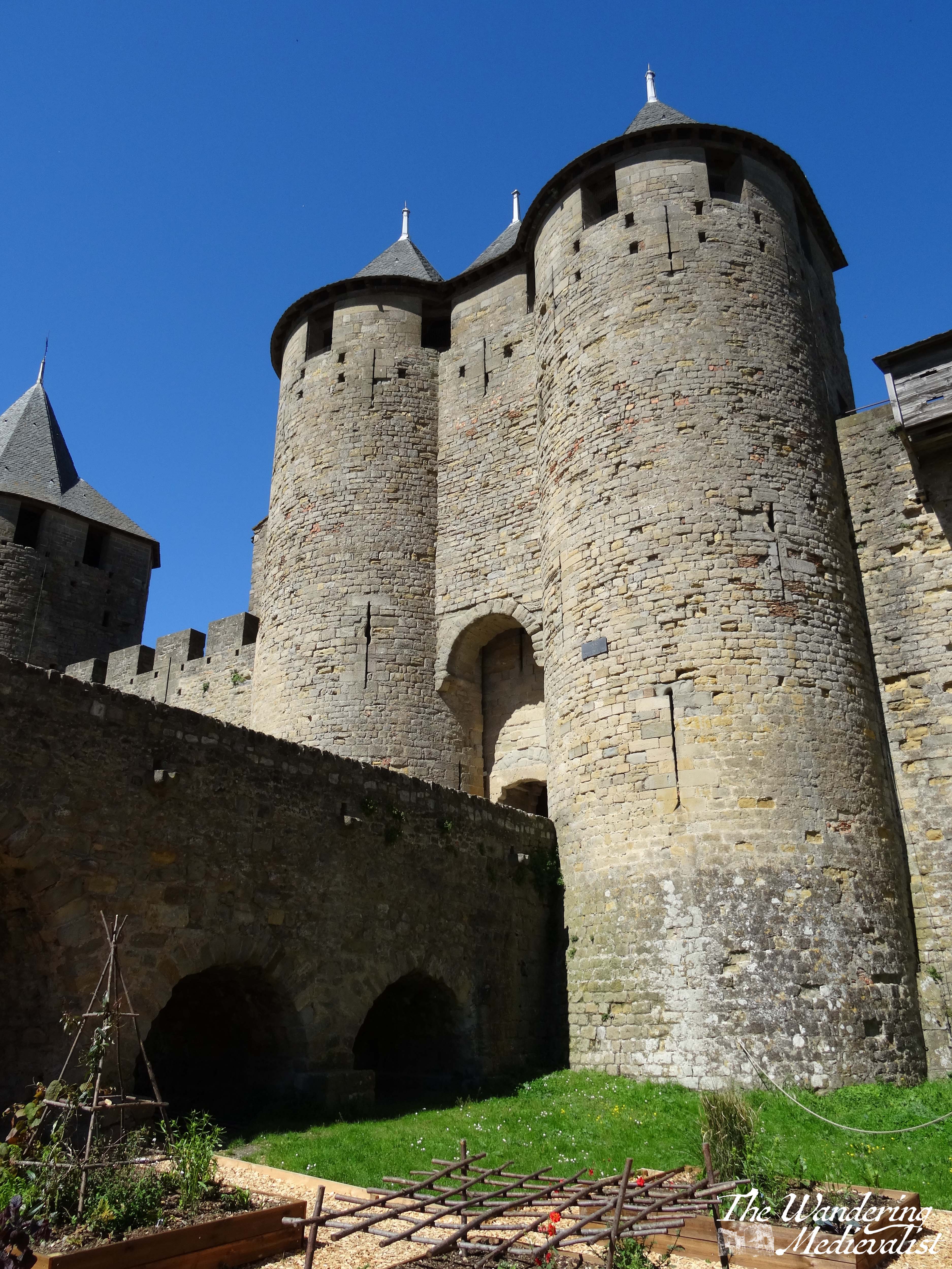
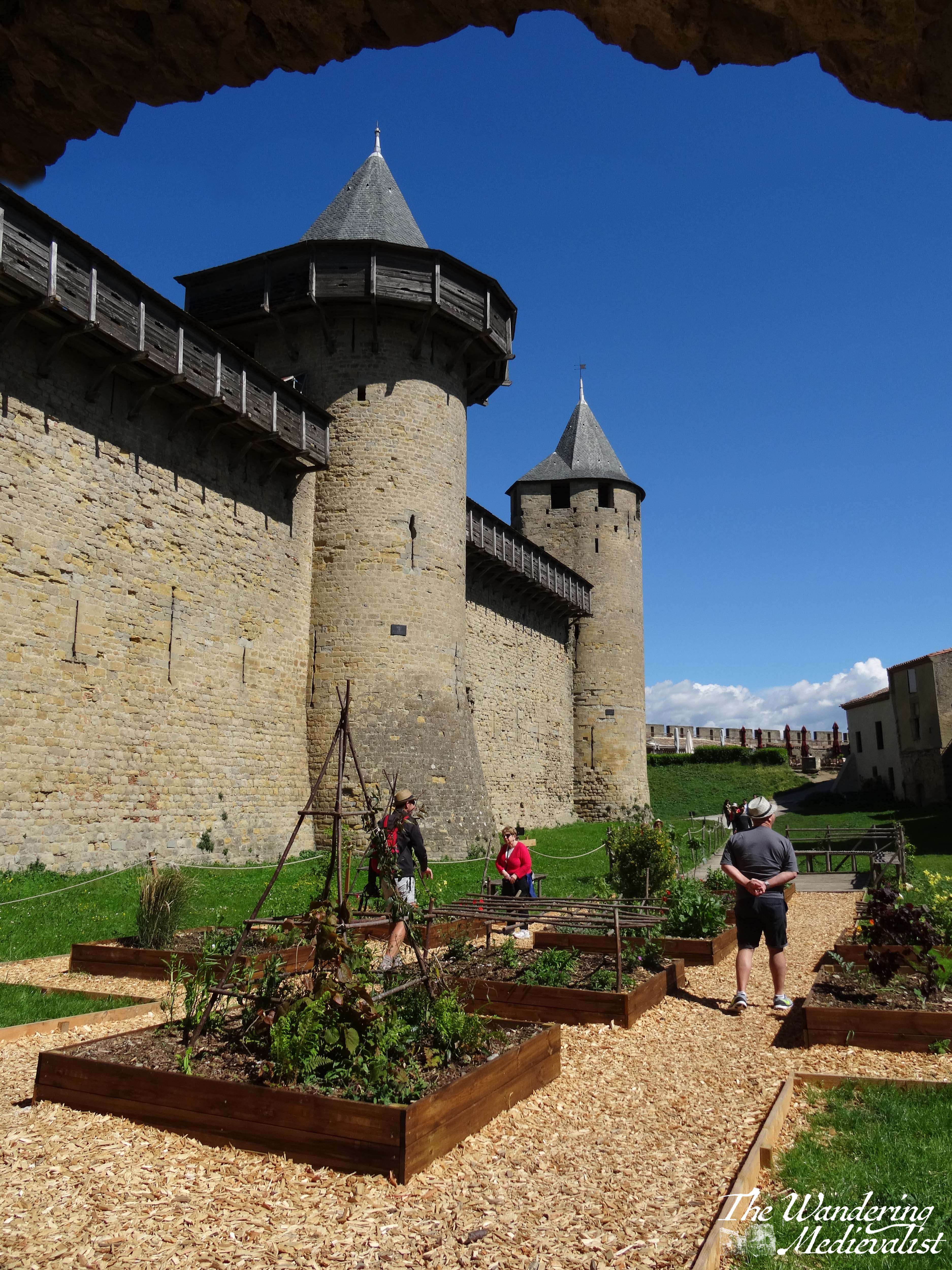
The defensive intent of the castle is more than evident as one enters across the moat – now a garden – and through the massive barbican.
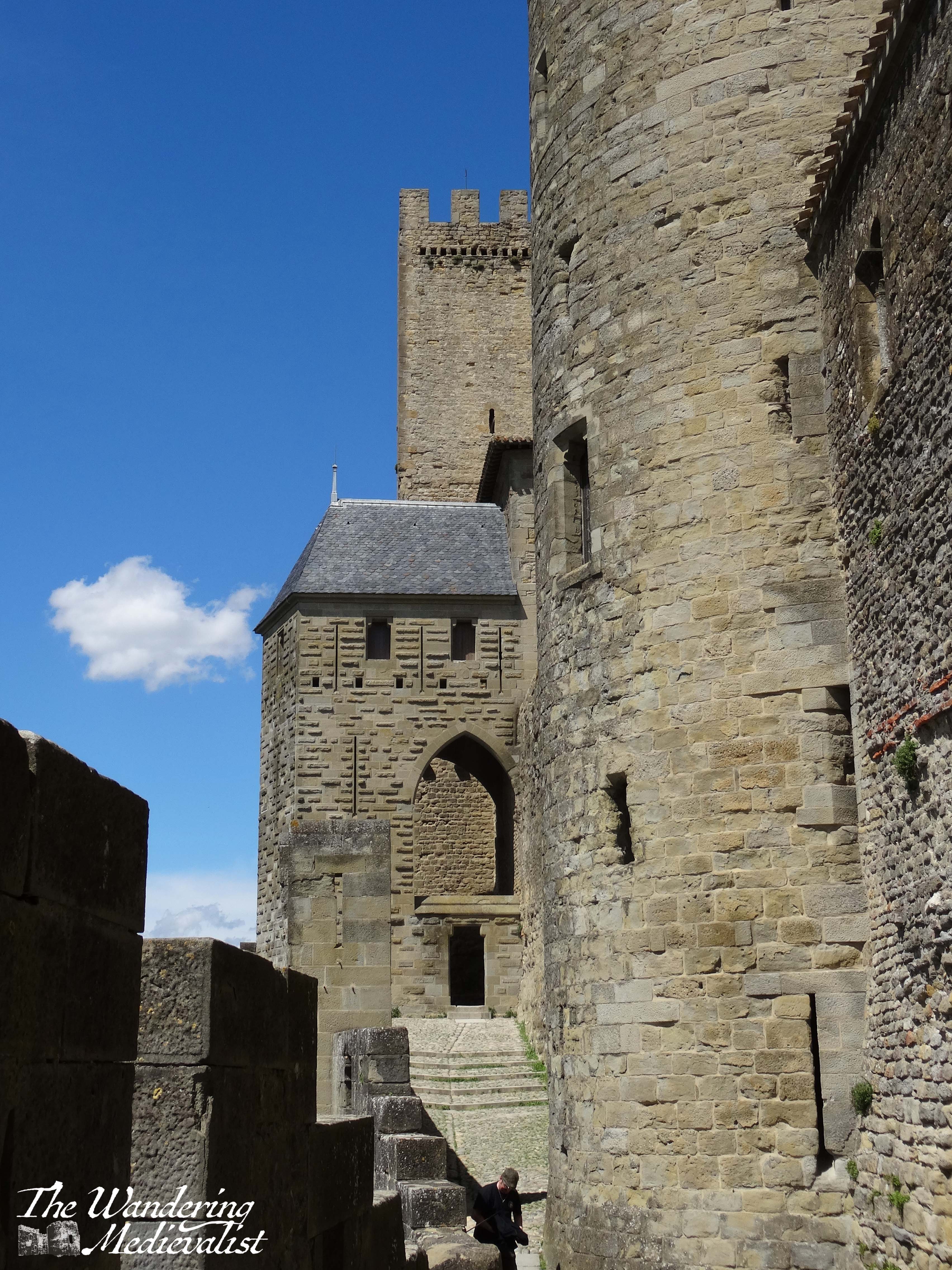
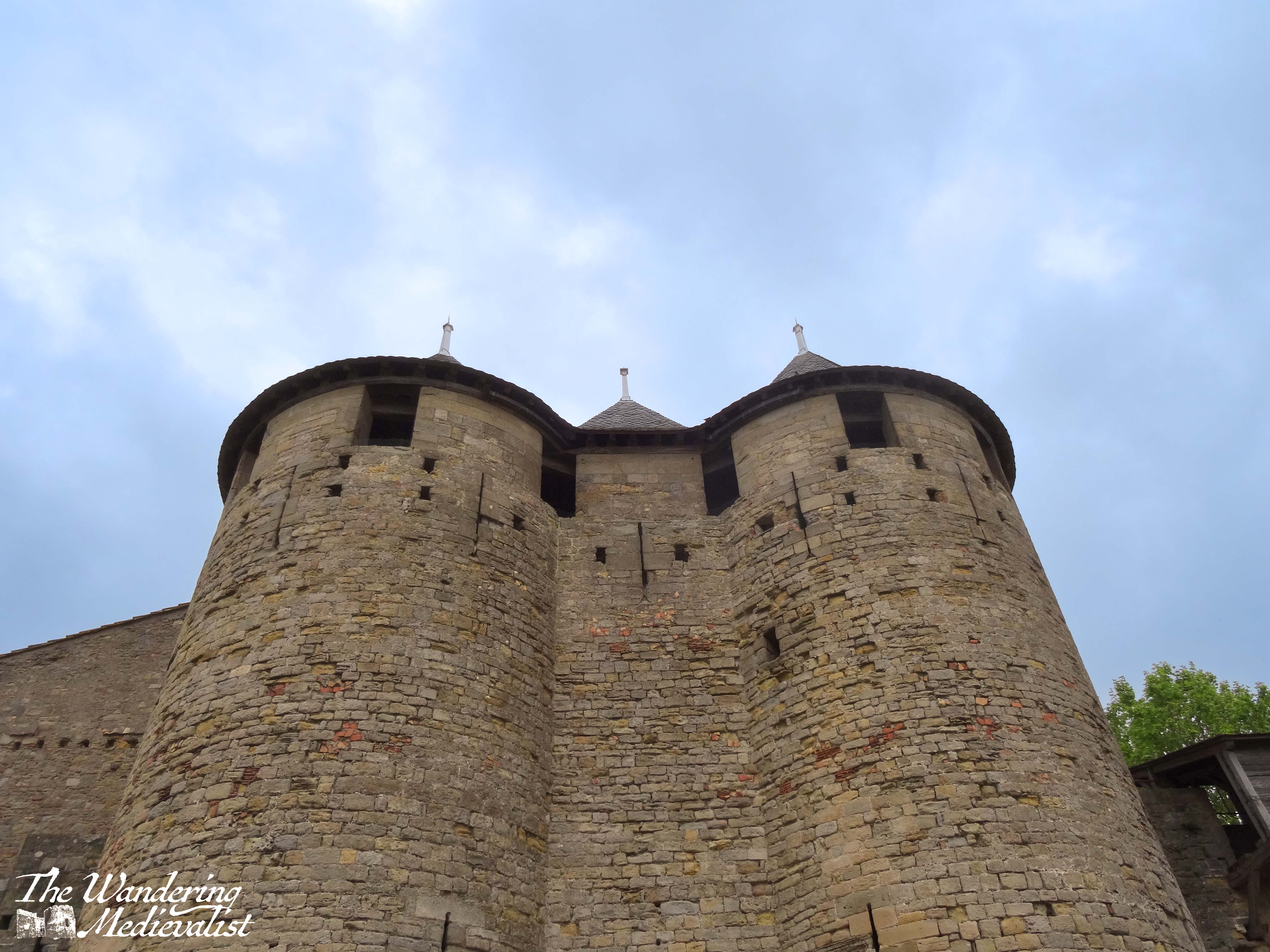
The gatehouse exists separately from the rest of the castle, as is evident in the last photo above, in case it was taken – there is an open area, now where tourists gather, but once a space to muster troops in case of attack. The entrance has two portcullises – the gigantic heavy gates famous for closing at the wrong time, or just in time, in many movies – each operated from a different floor, so that no one soldier could cause danger through treachery. Needless to say, there are also projecting towers with arrow loops for bows, crossbows, and other projectiles – this was not an easy place to gain entrance by force.
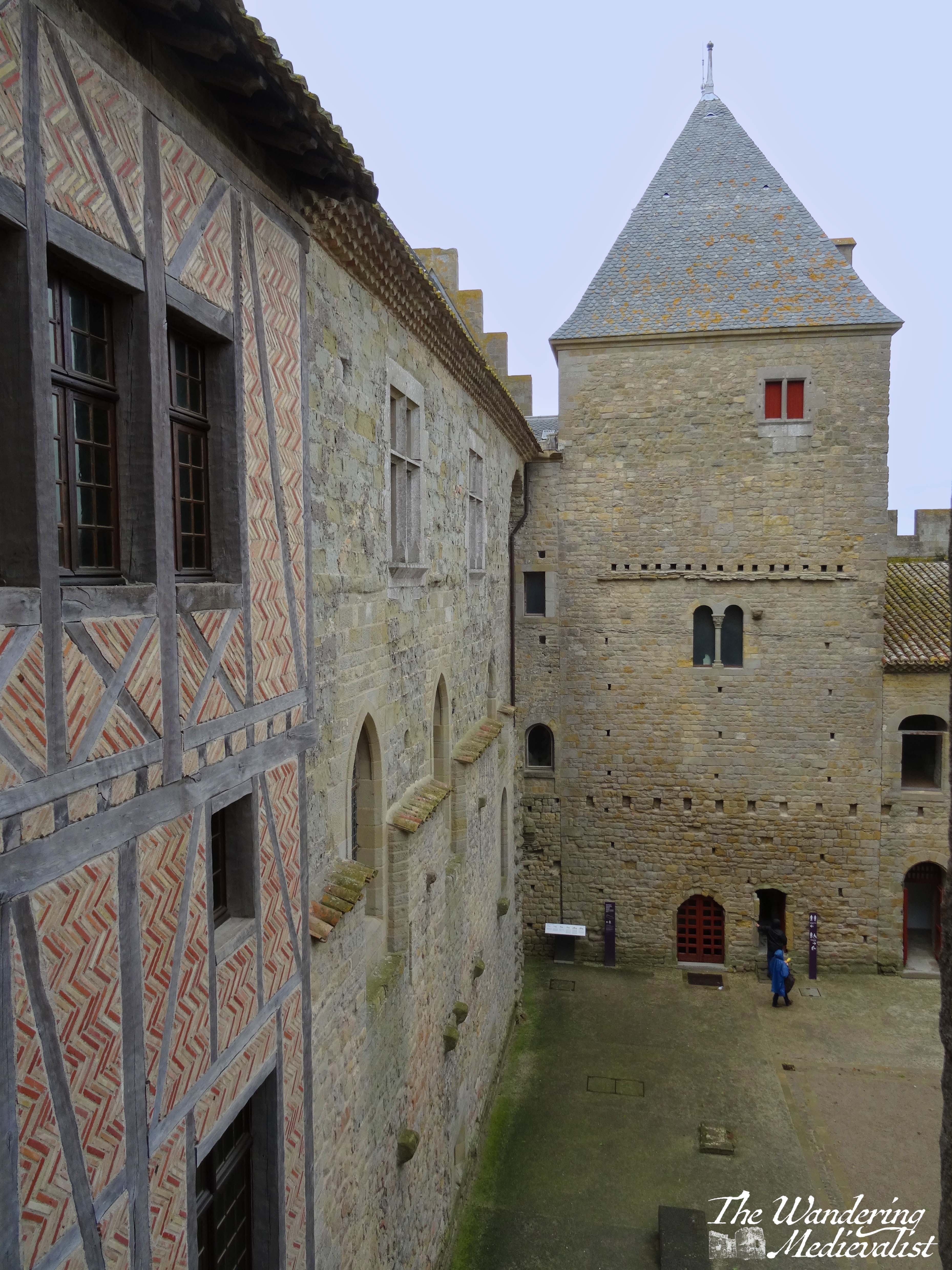
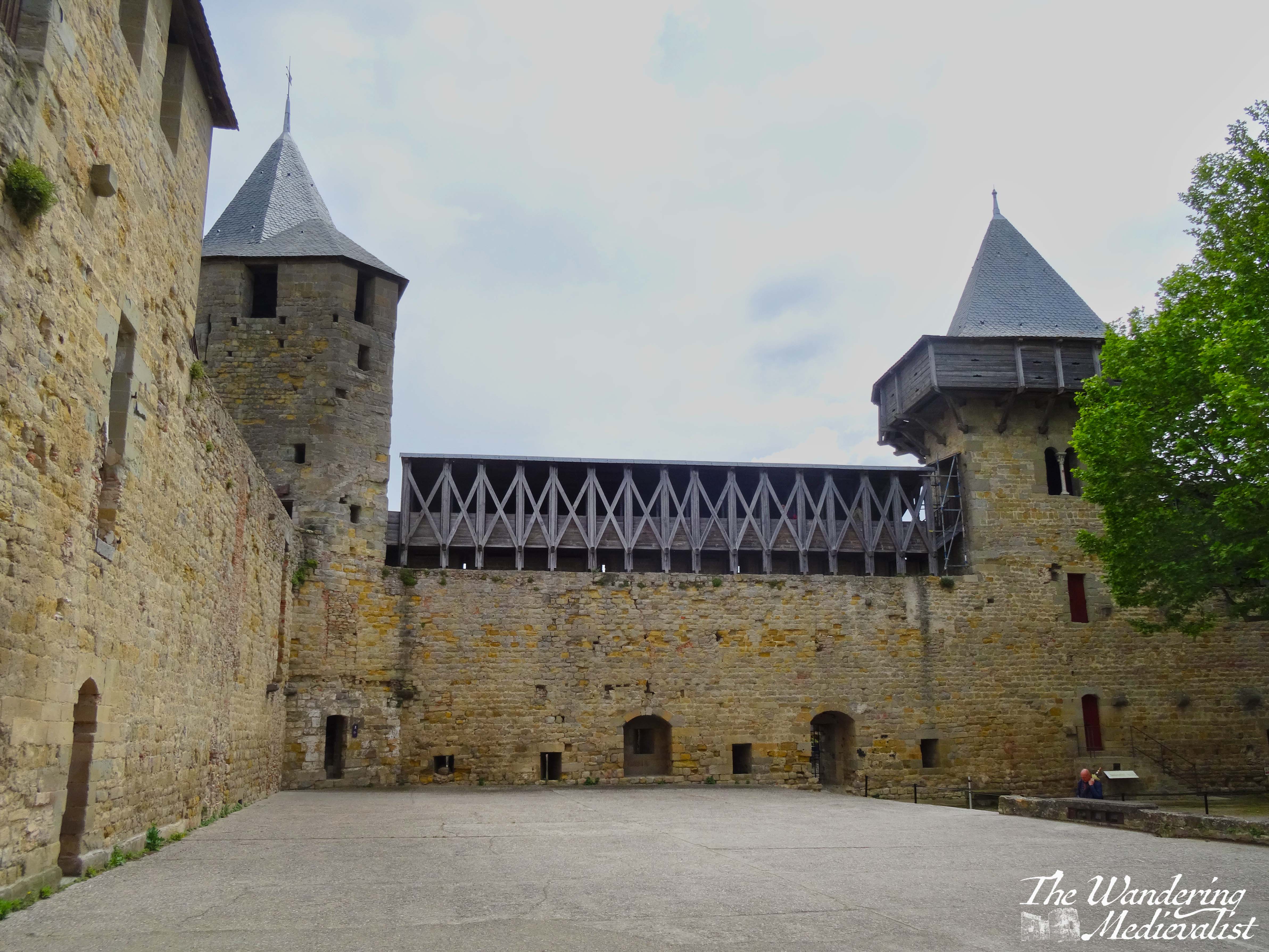
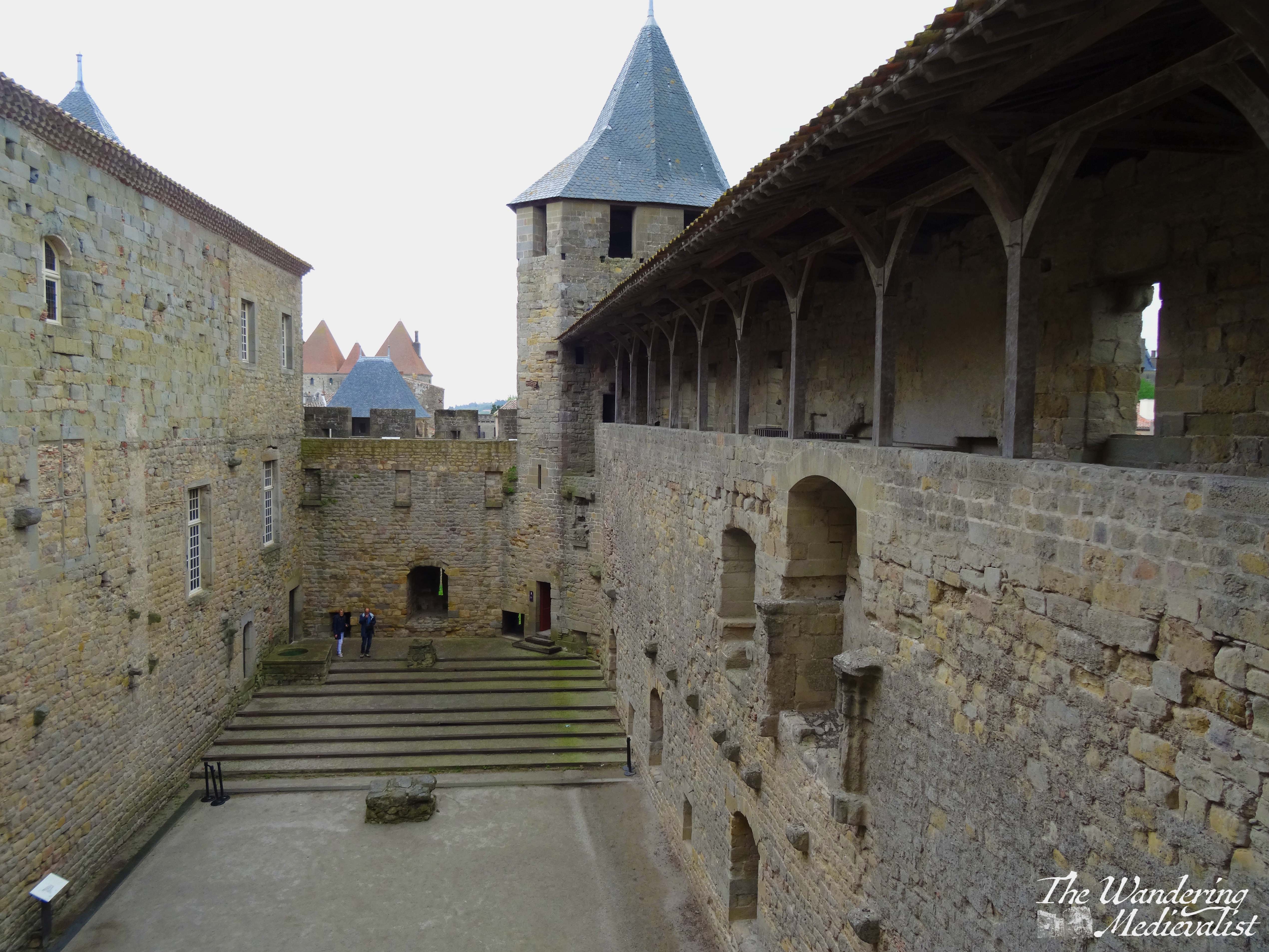
Once through this dangerous, imposing block, one enters the courtyard, a wide open area with several trees. Around the edge of the courtyard are the remainder of the palace buildings as well as clear evidence of buildings now gone.
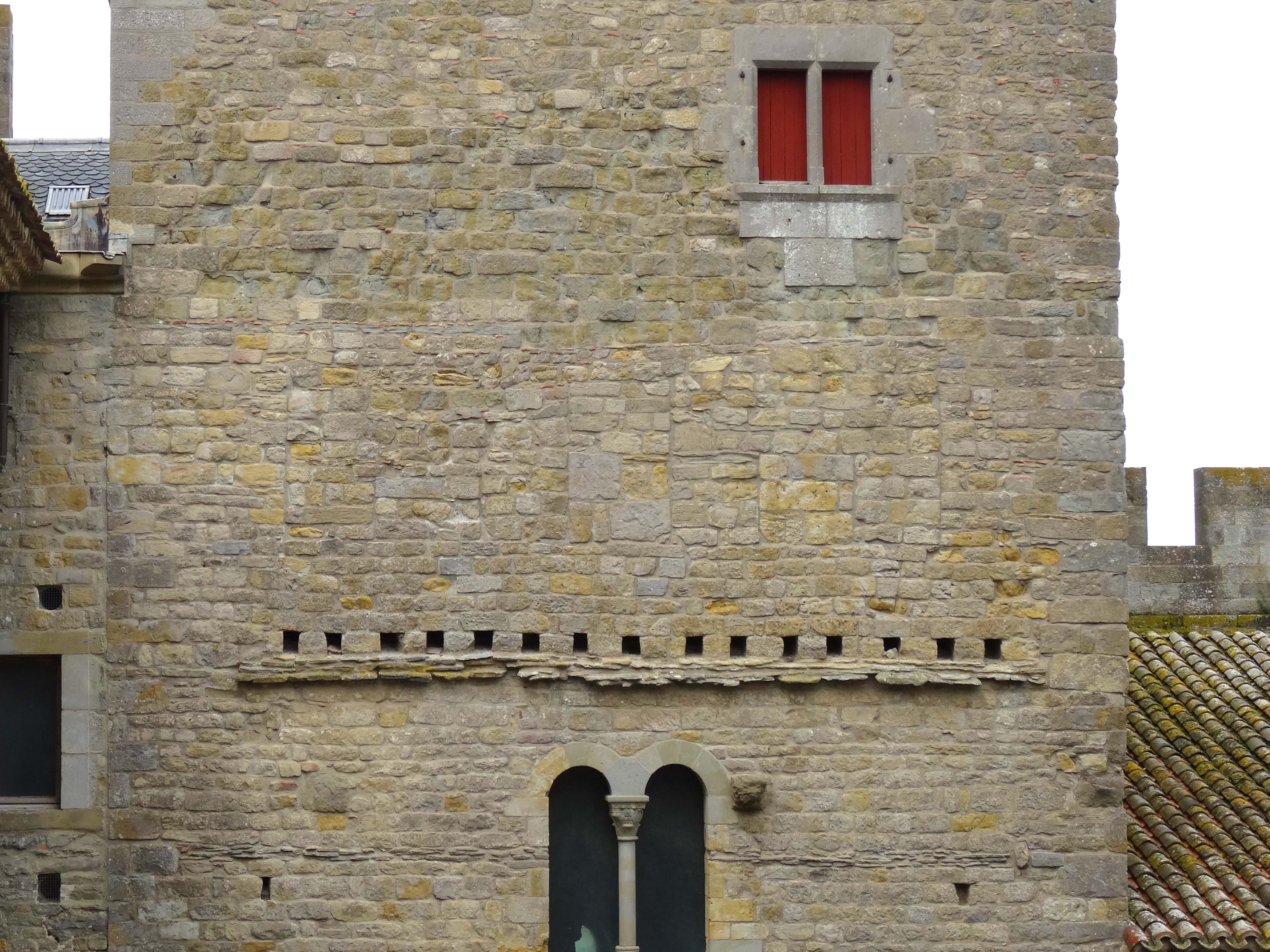
The keep part of the residence built in the 12th century reveals several phases of building, including outlines of crenellations that were constructed during the period of the Albigensian Crusades. These were filled in as the height of the keep was added to, and holes are visible in the stonework for wooden beams.
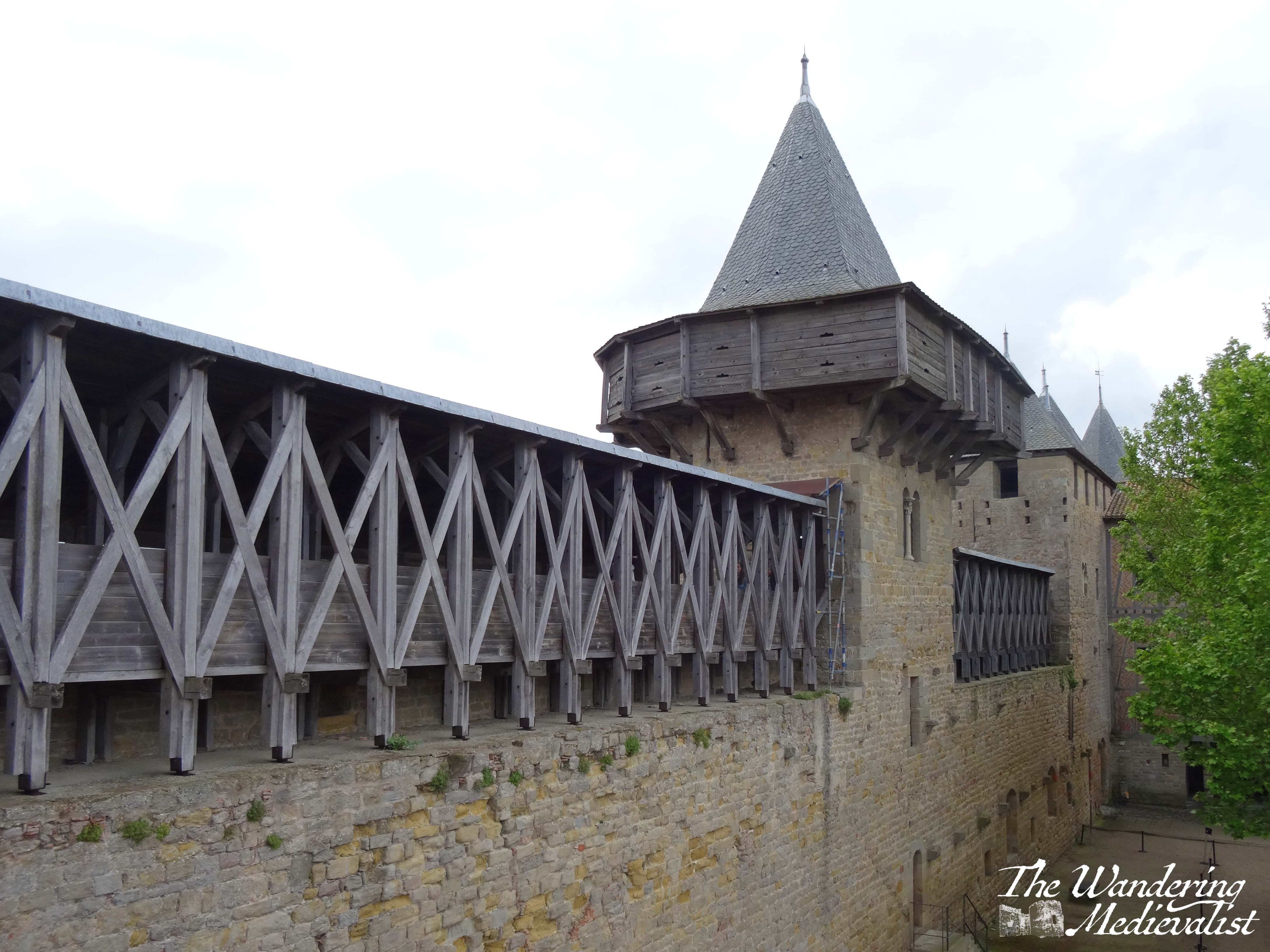
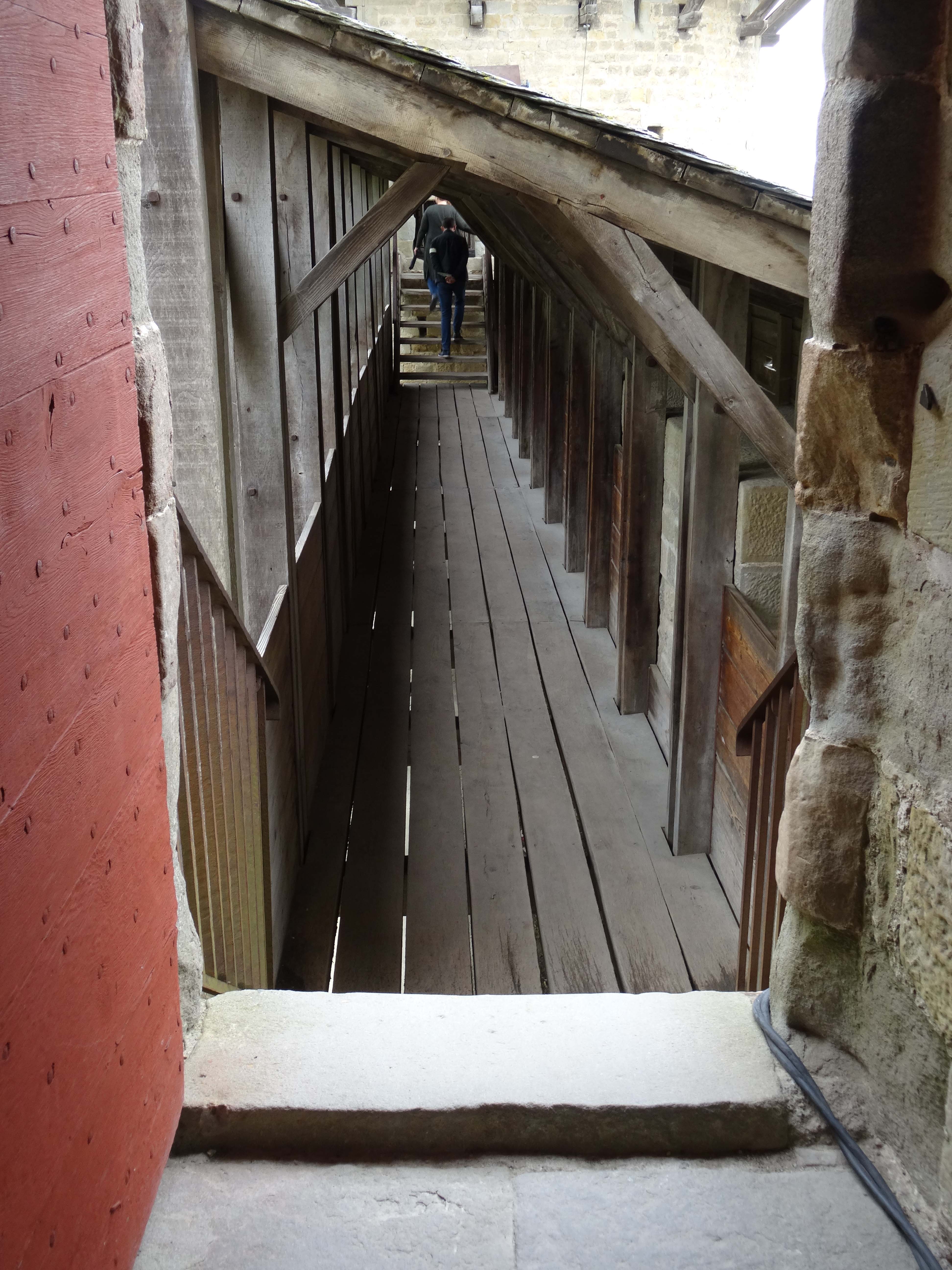
From the courtyard you can enter the keep and explore the ramparts, which have been reconstructed to appear more like they would have done when in use. Hoarding has been re-built – it is missing off most castles – and it gives you a real sense for what defenders would have experienced.
The hoarding is the wooden gallery installed on top of the ramparts as an additional defence during sieges. The beams supporting the hoarding slid into holes in the masonry, and openings in the floor allowed for arrows, stones and possibly hot oil to be dropped onto attackers below. The timber was covered in wet animal skins to protect it from fire arrows.
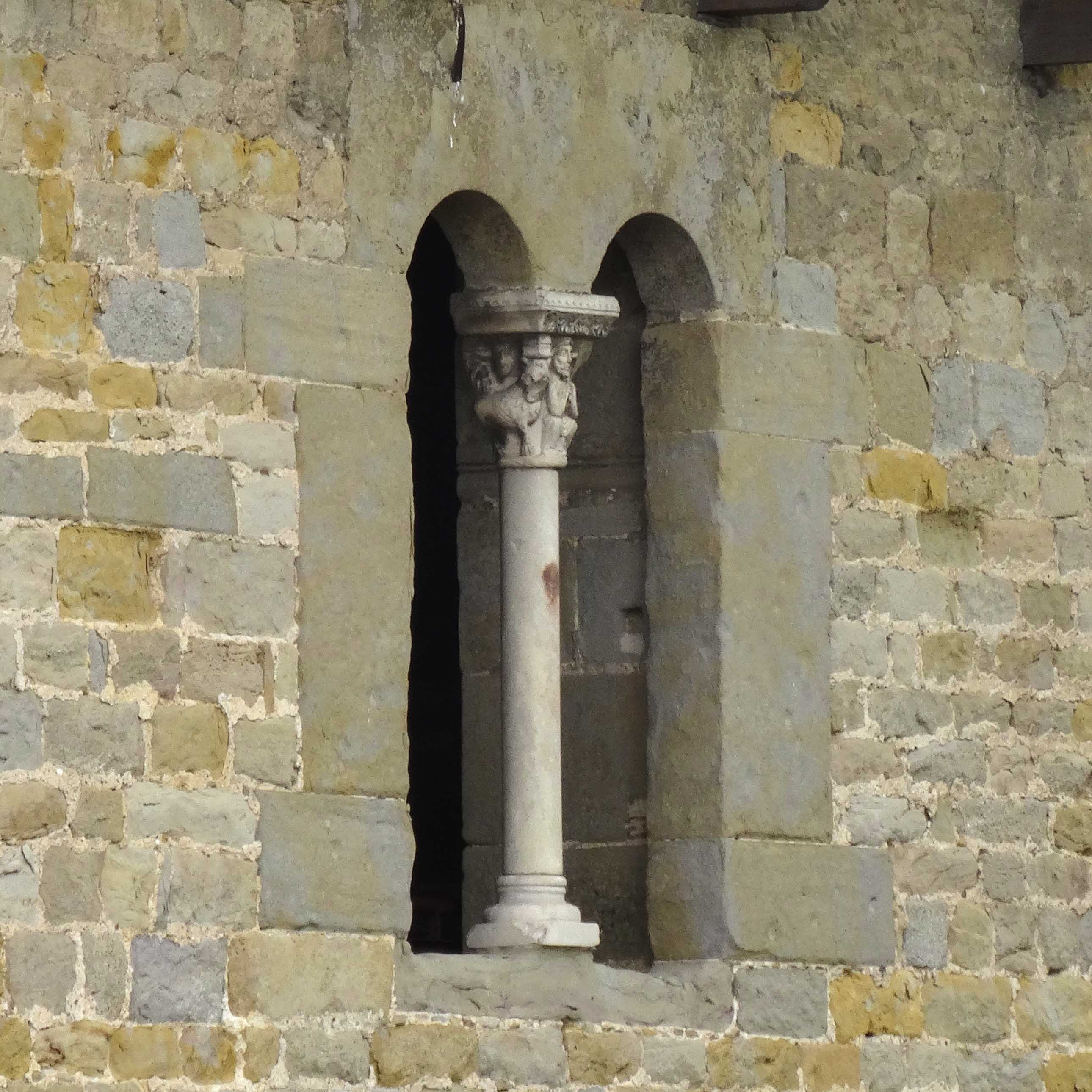
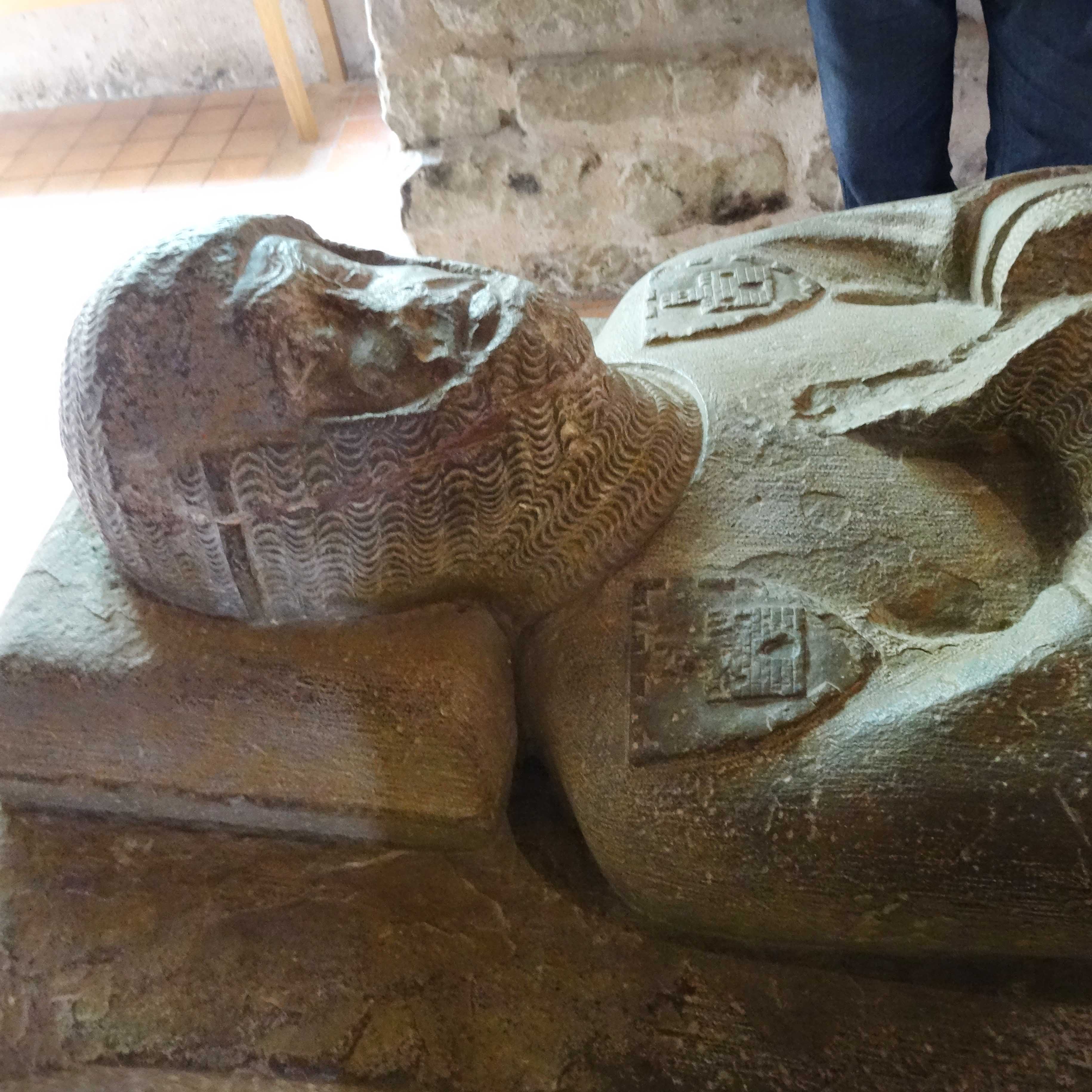
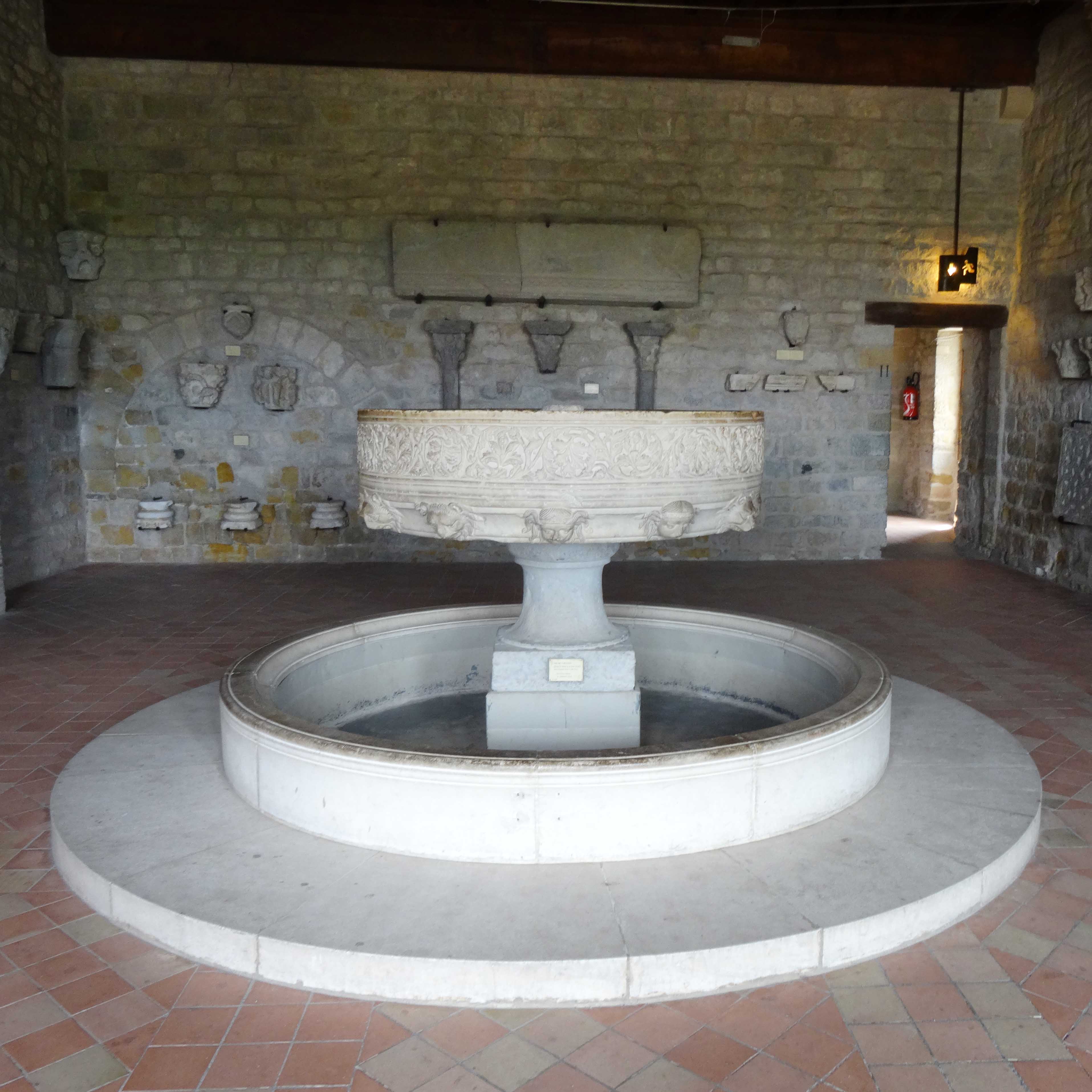
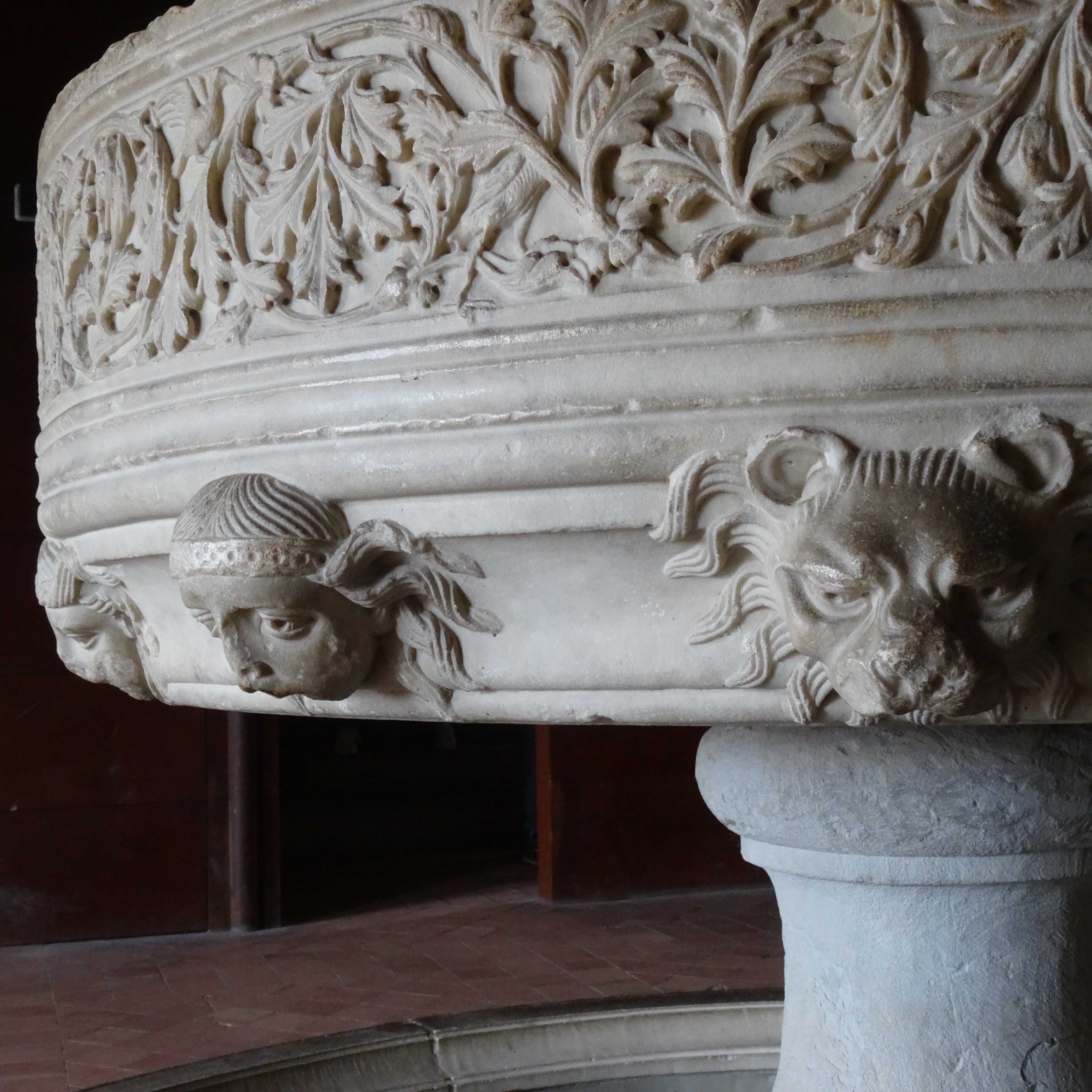
Inside the keep, a display has been made of masonry that has been rescued from various parts of the cité including the fountain, the knight effigy below, and much more.
Mum and I spent a good deal of time inside the keep, wandering through the rooms and for me, recalling bits of history I had known about the counts of Toulouse, the Trencavels, and the Cathars – all mostly firmly left in my undergraduate years of study.
The Trencavels were descended initially from the viscounts of Albi, a city about sixty miles or so north. They acquired Carcassonne through marriage, and by no means experienced an easy time of ruling the surrounding lands; there were revolts against them in the early twelfth century, and they were expelled from the city for four years between 1120 and 1124. They were also on occasion at odds with the counts of Toulouse, their powerful nearby neighbours.
The end of the family’s power came in the early thirteenth century when they, like the nearby counts, found themselves embroiled in the crusade against the Cathars directed by Pope Innocent III. Arguably one of the most powerful and influential of medieval popes, Innocent III was known as a reformer, and one of his targets was the centuries-old sect of Christian heretics who believed, amongst other things, that the pope and Catholic clergy were corrupt. To Innocent’s frustration, though, the Cathars were tolerated by the counts of Toulouse, and there were a number of powerful noblemen who embraced the faith. Count Raymond VI refused to assist the papal delegation of monks sent to stop the heresy, even after he was excommunicated in 1207.
To shorten a long story, in 1209 the pope declared a crusade against the Cathars – also known as Albigensians due to their association with the city of Albi – and the city of Carcassonne became a target due to its high population of Cathars. It was besieged and surrendered in August 1209, after which many other local towns followed suit. The viscounts clung tenuously to the city until 1226 when it was formally annexed to the French king, Louis VIII. After this point, a royal seneschal was the primary resident of the château, and many of the defences were reinforced to protect him from the often rebellions local population – southern France at this time was not known for its love and loyalty of the crown.
You can read a lot more about the history of the château online, and I found this guide in English to the cité itself.
As I have mentioned in a previous post, I am quite the curmudgeon when it comes to castles, and I vastly prefer the castles that were built for defensive rather that decorative purposes. Carcassonne is a fantastic mix of both – it has been restored to look almost fairytale-like, but maintains its authentic, defensive feel. The views from the walls show why it was such a significant fortress, and the layers of aging stone provide a history lesson in themselves.
Even on a rather overcast day, we had a wonderful visit and the clouds offered an air of mystery and drama that the bright sun the day before had not. There is no question that this is a spectacular location to visit, whether you are a historian, a fairy-tale lover, or just a tourist looking for a good way to spend the day. I am excited now, having re-visited my enormous cache of pictures from this trip, to spend a while sorting through and finding the best for you all. Suffice it to say, I would return to Carcassonne in a moment.
And to finish, one last view, which I think could have inspired Disney just as well as the fabled Château d’Ussé.
Toulouse, the fourth-largest city in France, was never somewhere I had a particular desire to visit. But, it was the perfect place for me to meet Mum on one of our more spectacular adventures, the ultimate destination of which was the medieval city of Carcassonne – another post or two soon to come. I was able to fly directly to Toulouse and so it seemed a natural spot to meet and stay for a night or two before heading on our way, and I was pleasantly surprised when we found more than a few sufficiently medieval spots to explore – the Couvent des Jacobins was one of the best.1
Located just a short walk from the Place du Capitole and our (almost) adjacent hotel, the Couvent des Jacobins was the perfect place to start our adventures, which included a bus tour.
The city itself is far older than medieval, having been founded by the Romans, and the university is one of the oldest in Europe, chartered in 1229. Like many French cities, Toulouse is a complex combination of historic and modern – stunning architecture contrasts with industry – and is in fact the headquarters of Airbus. Side note, it was while landing in Toulouse that I recall first seeing the incredibly odd Airbus Beluga plane and thought it must be a prototype.
Those of you who have knowledge of medieval history and particularly of my favourite Angevin period may wonder at why I had so little interest in visiting Toulouse when the Counts of Toulouse played such an important role in the history of France and particularly Aquitaine. I don’t really have a good answer other than to say cities aren’t really my thing, normally.
And indeed, it was once we got out of Toulouse that I was happiest; but this convent, built of red Roman brick in the heart of the city, gave me pause.
Ecclesiastical history had never been at the forefront of my interests, but I have to admit that the carvings and architectural symmetry of medieval churches, monasteries and convents has fascinated me from an early age.
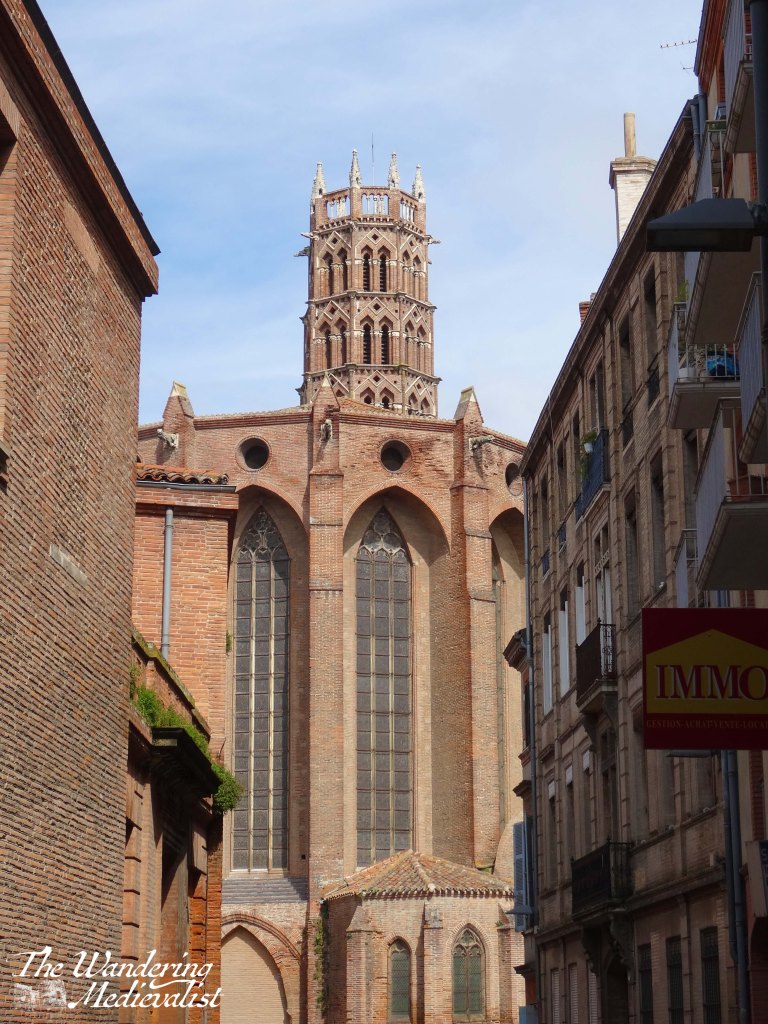
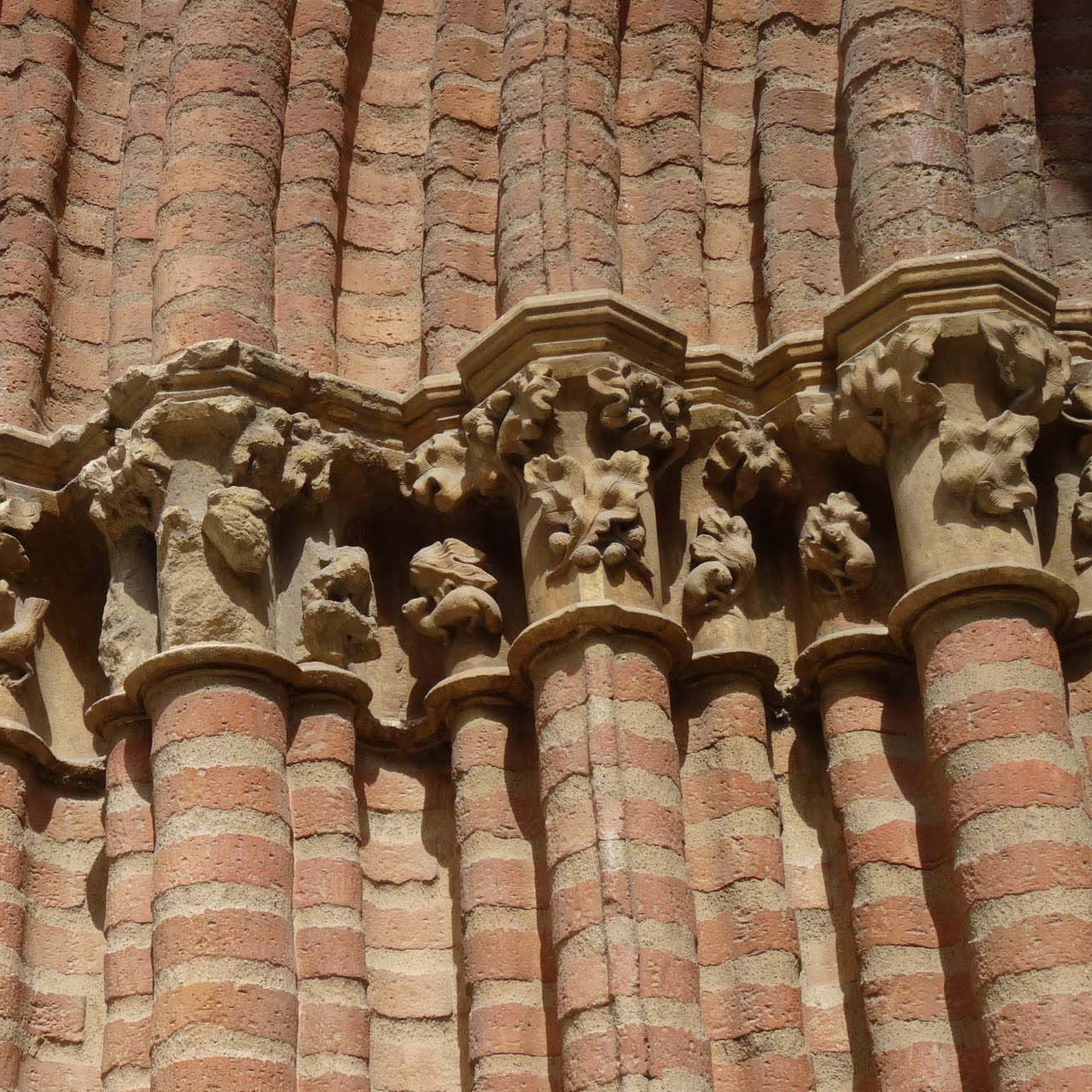
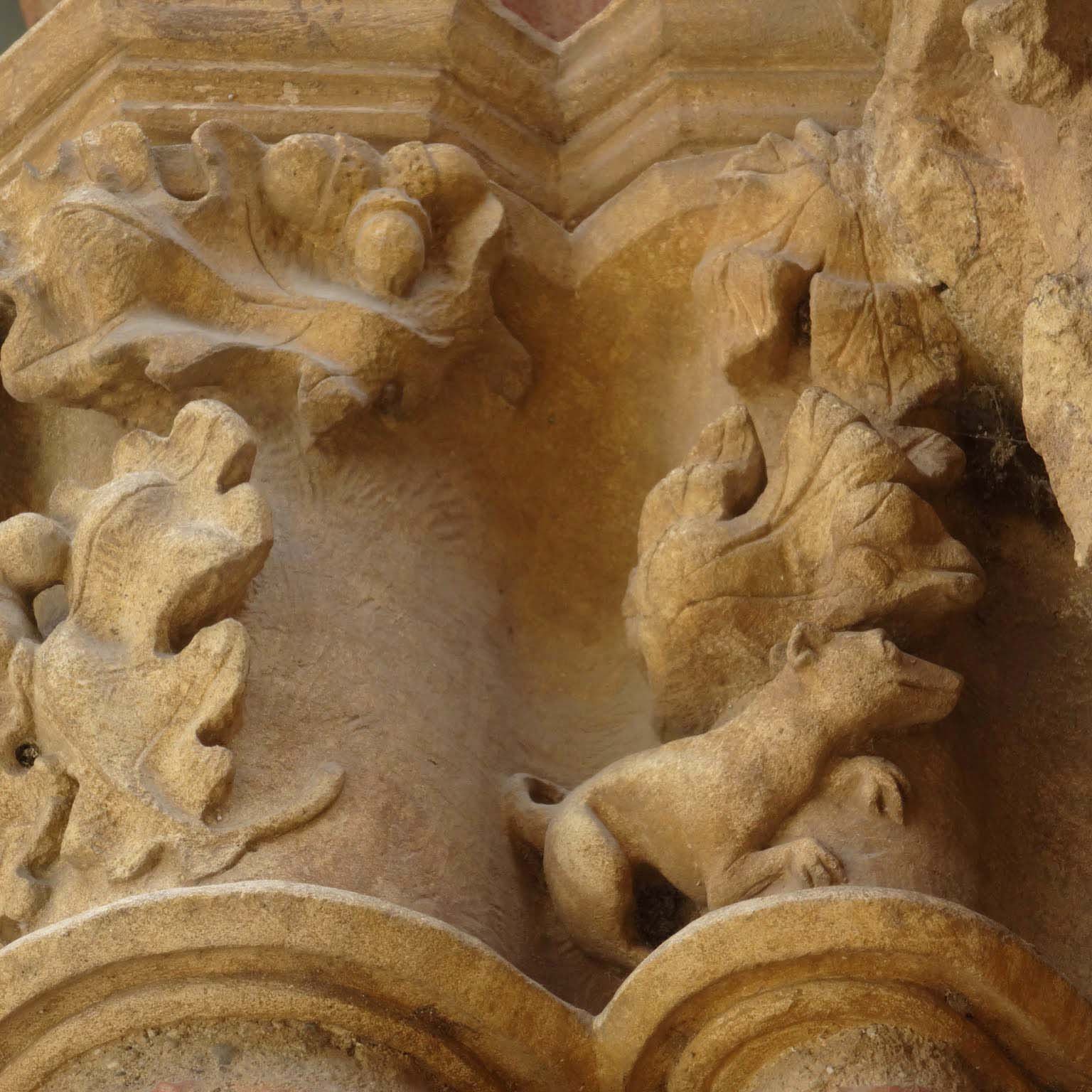
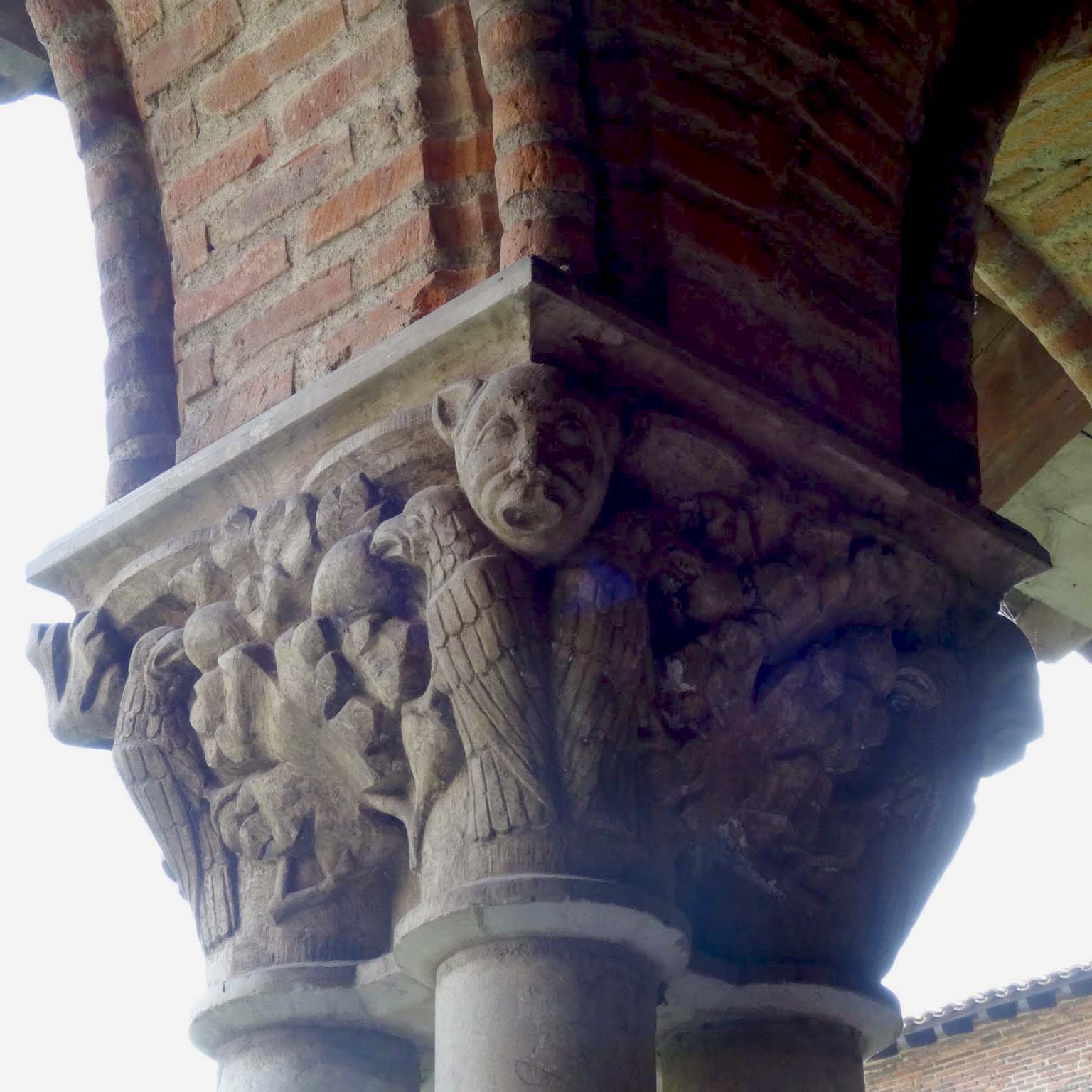
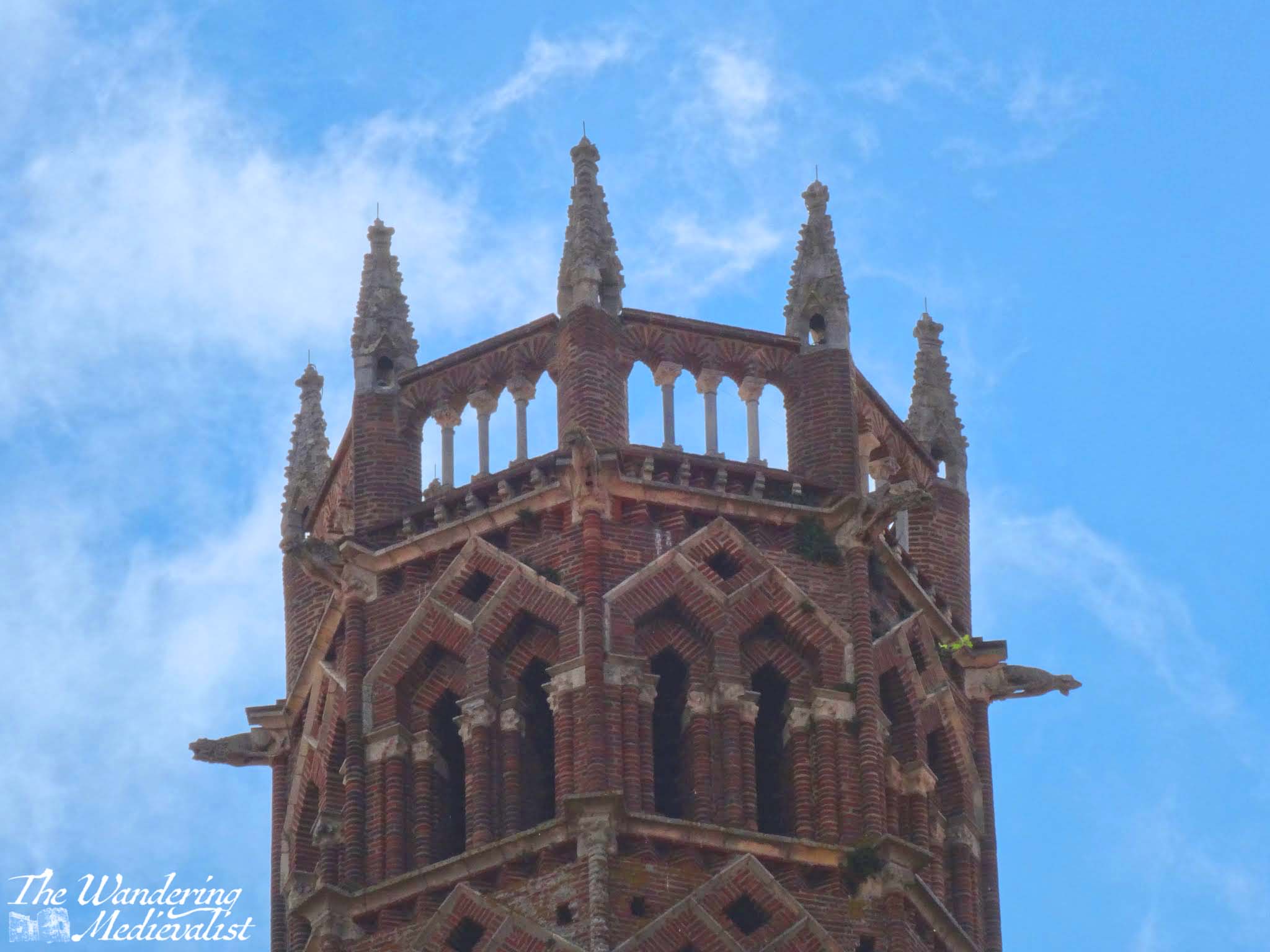
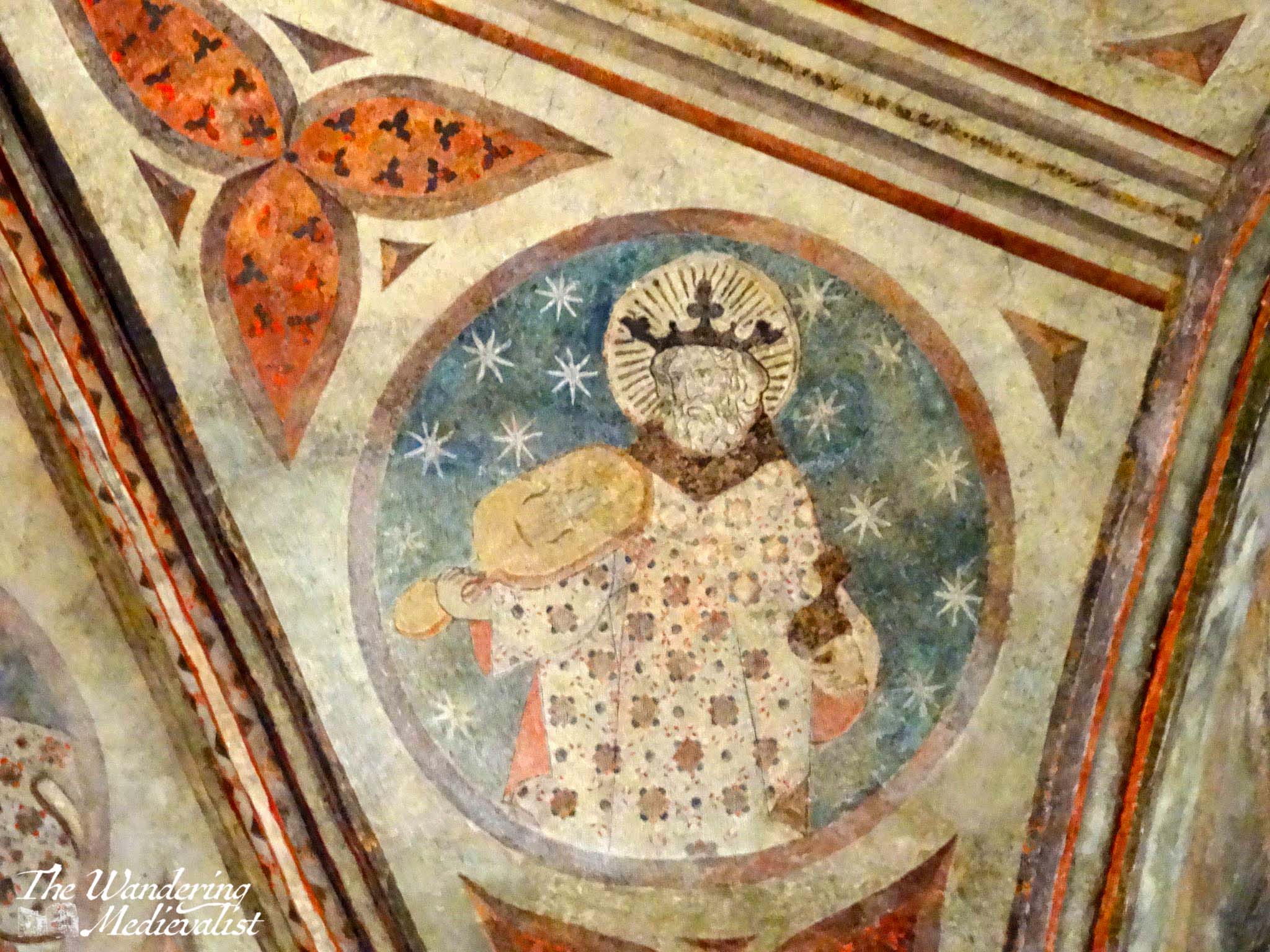
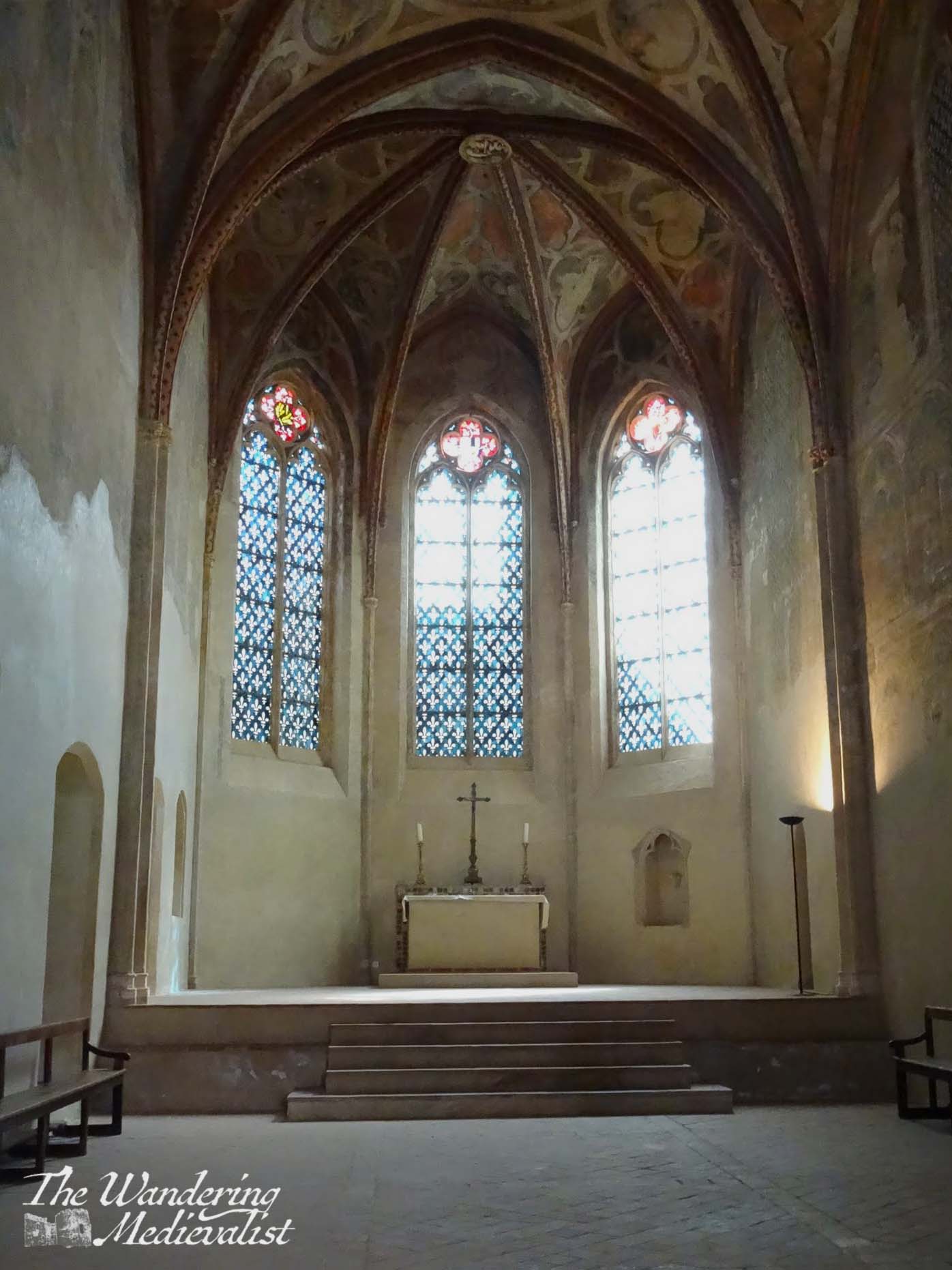
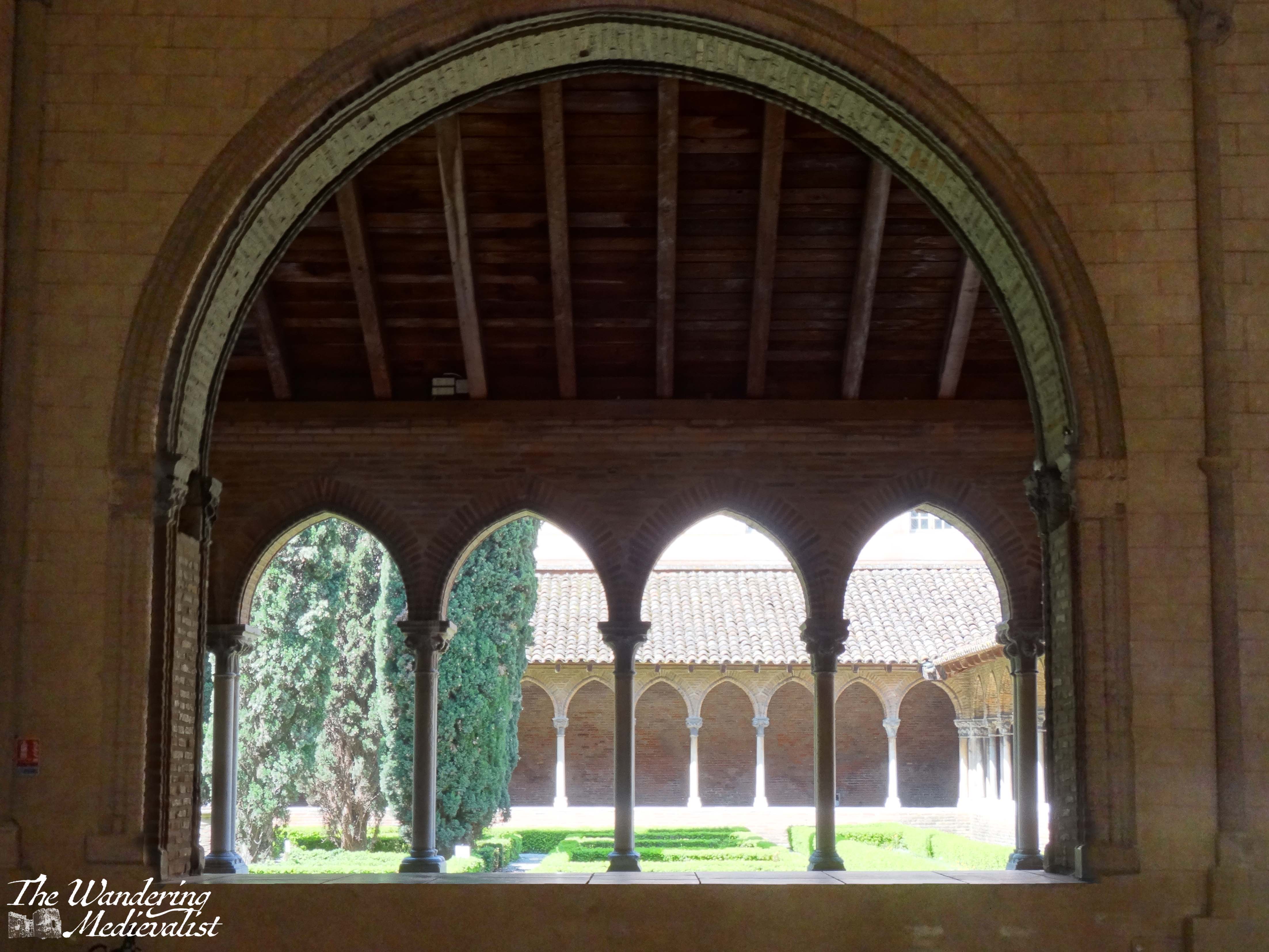
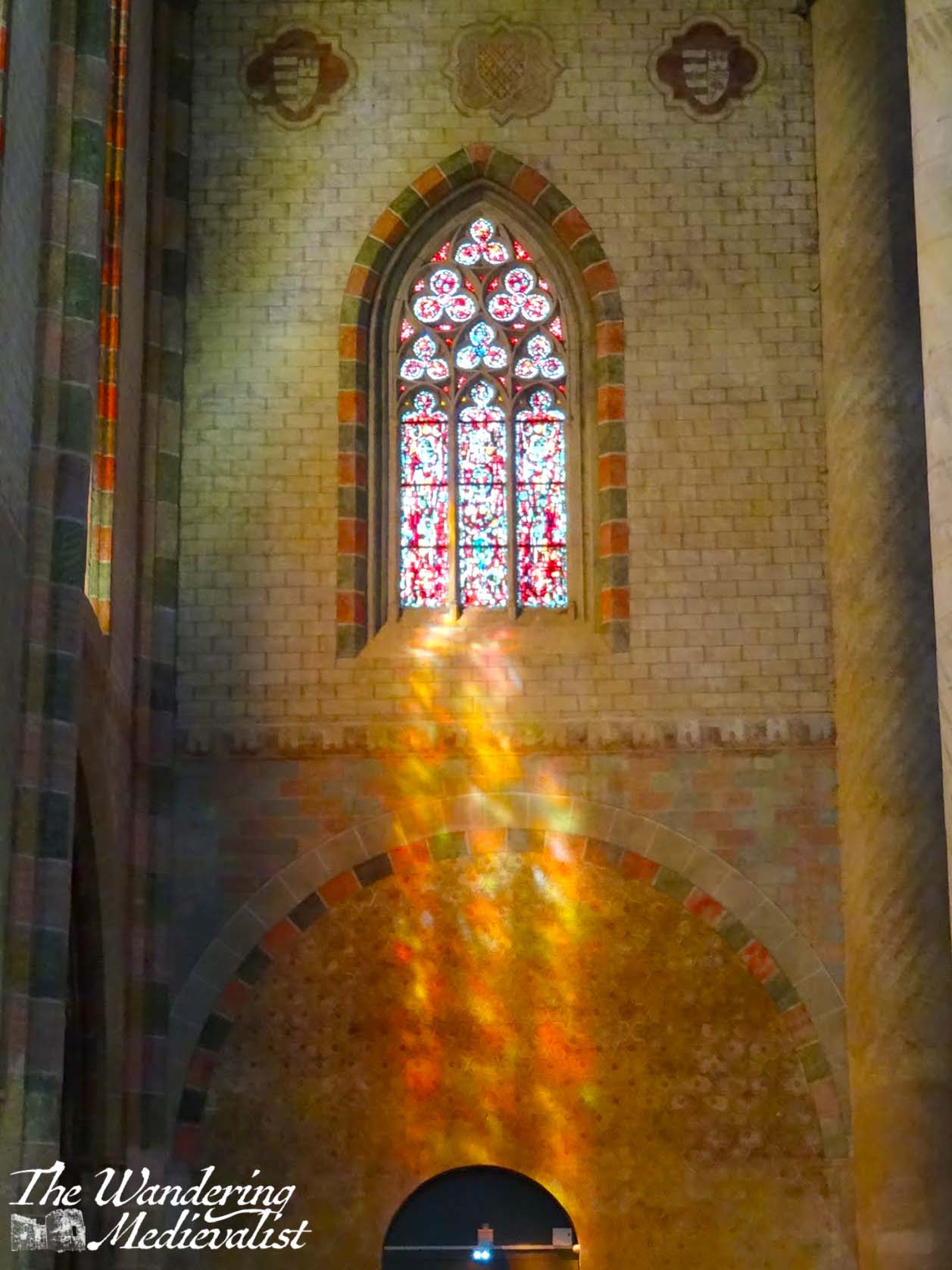
Used to the grey stone of northern France and much of the UK, I found the red (or pink) Roman brick to be really stunning, and while I was unable to get a picture of the whole church, I was drawn instead to the details of its decoration. Everywhere I looked there were carvings, restored paintings, and architectural styles that I had to capture.
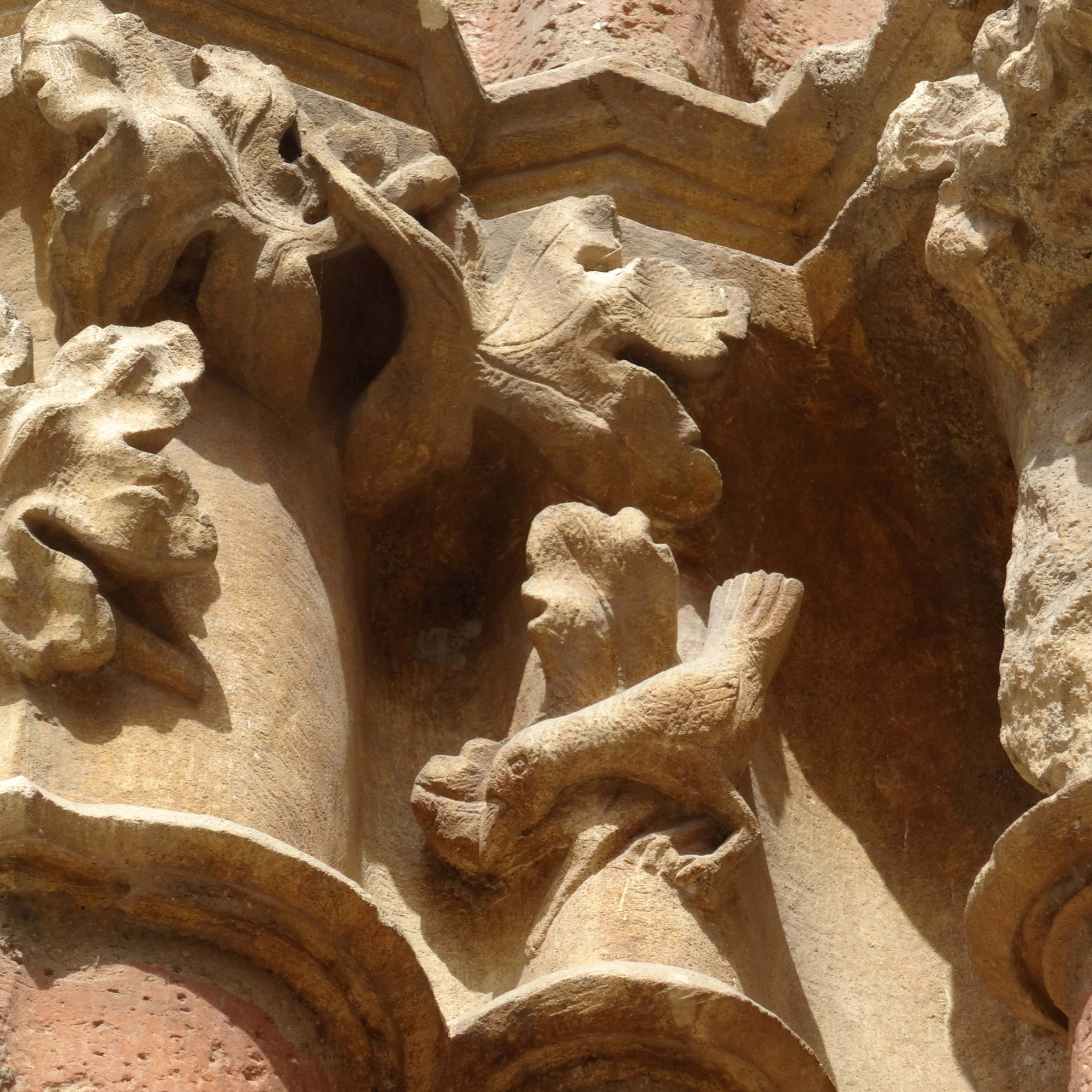
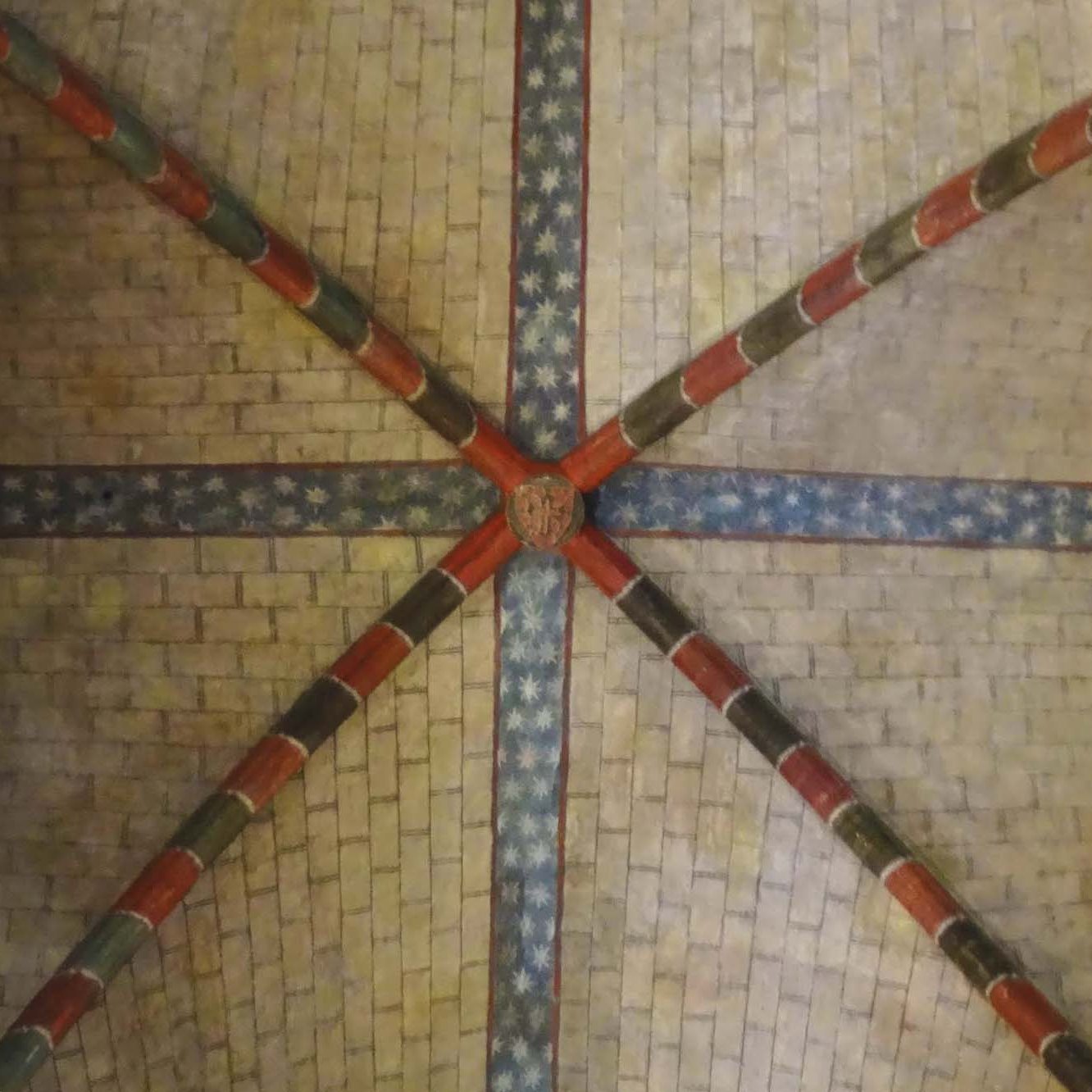
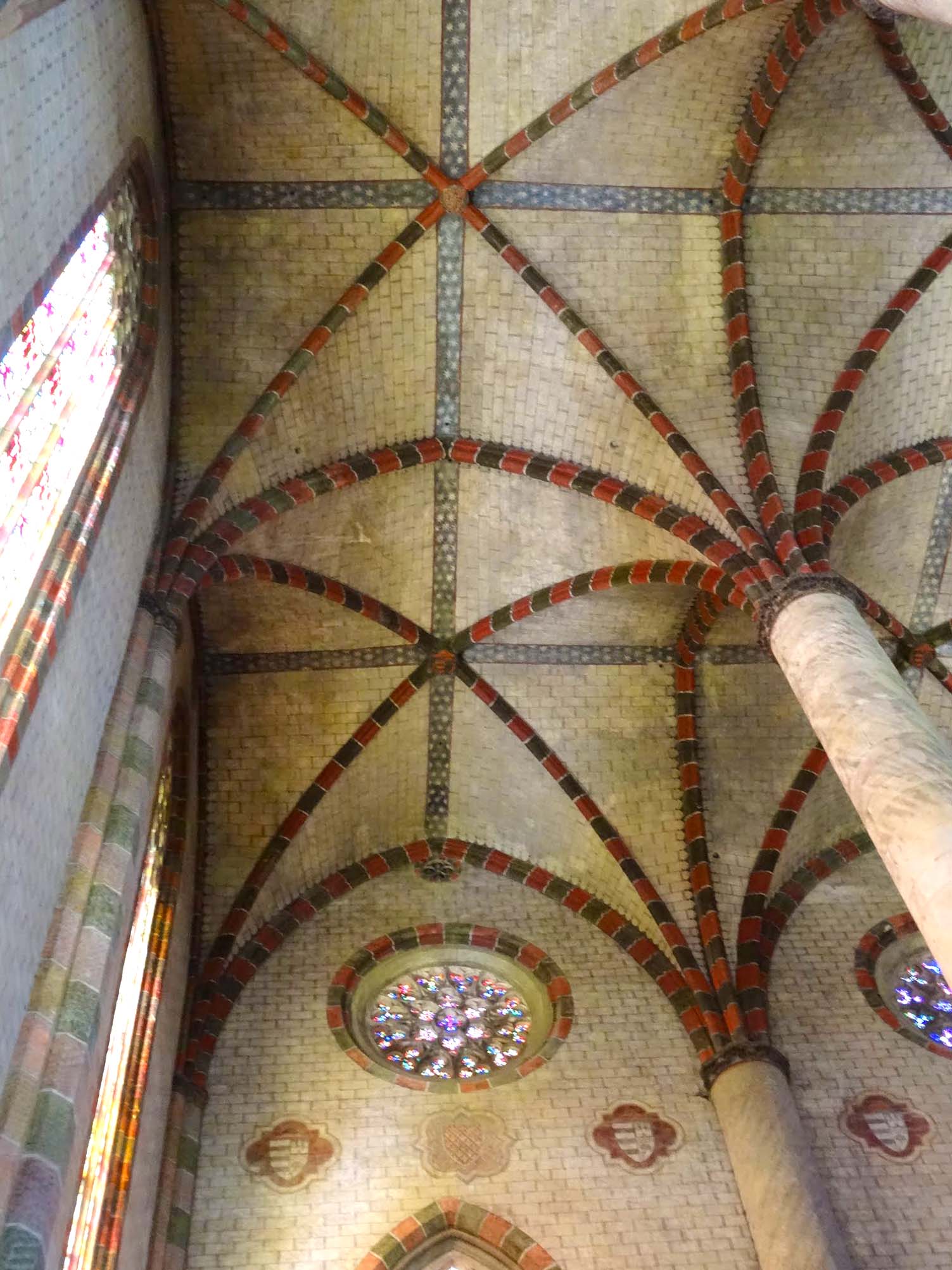
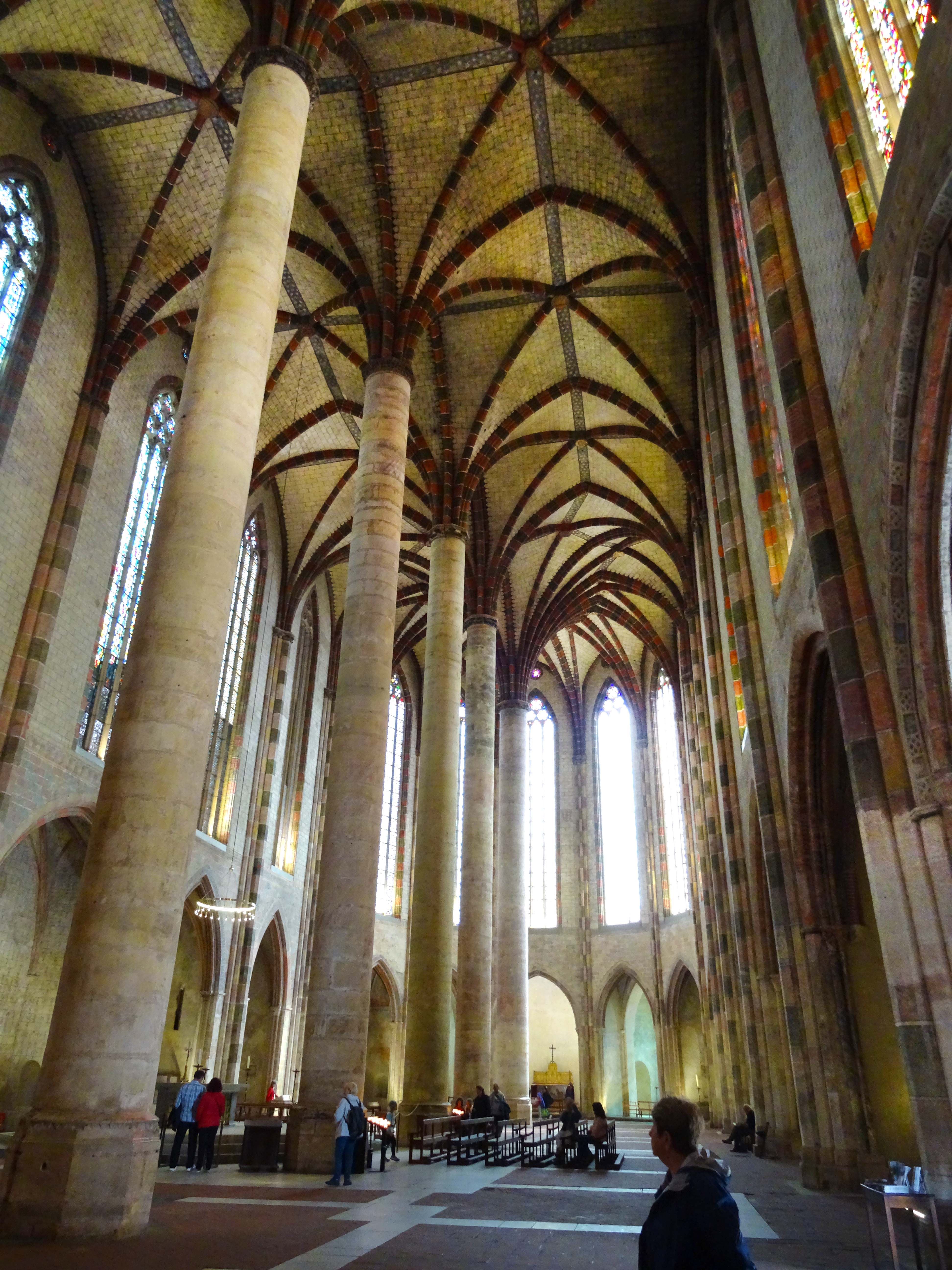
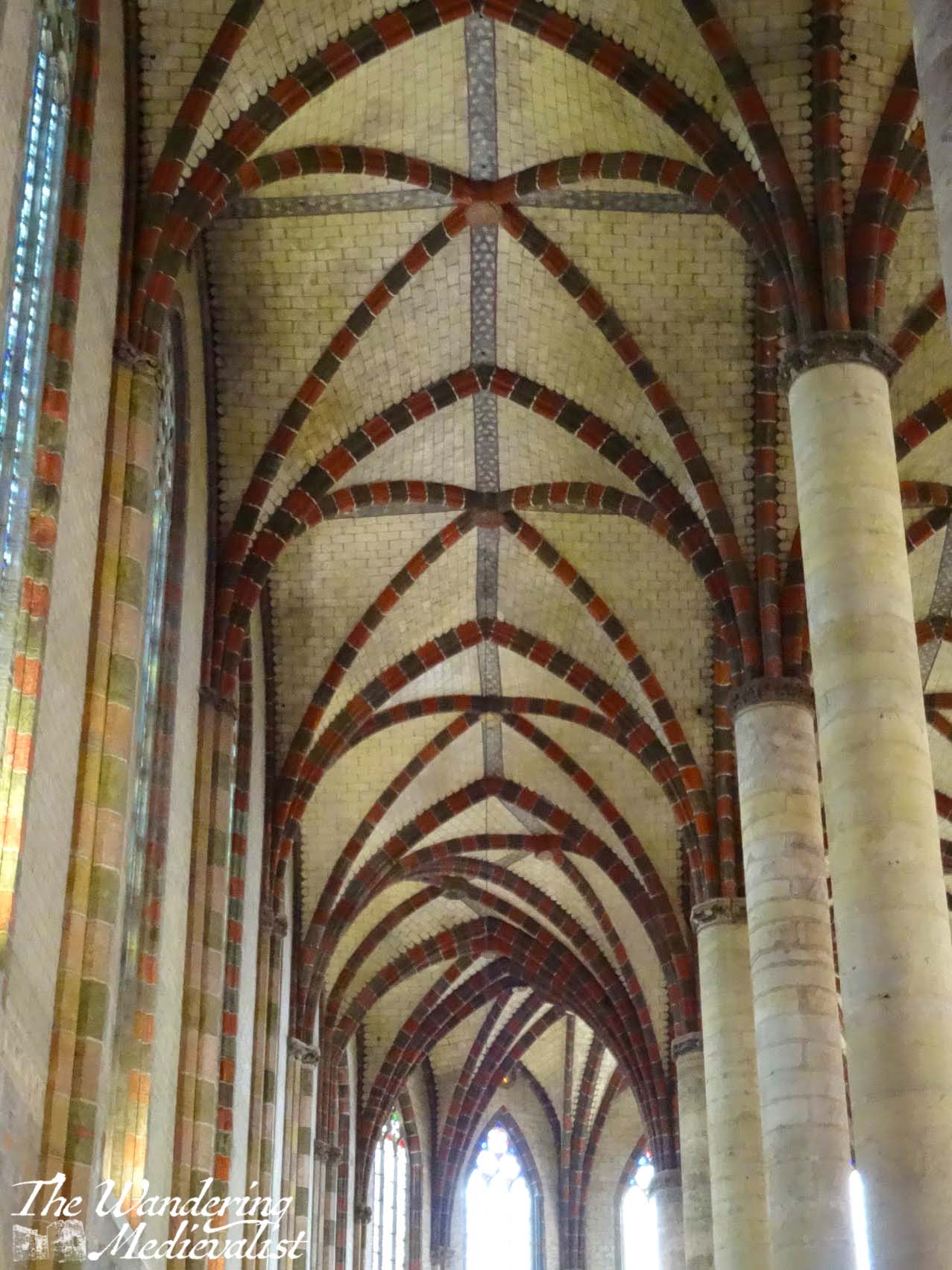
I would be remiss of course not to discuss the history of this church. Construction began in 1229 by the newly-founded Dominican order, who were heavily involved with the founding of the university.2 Over the subsequent hundred years, the church was expanded upon, and one of its most stunning features is the vault, with an oversized column from which ribs radiate in all directions – a style that became known as Le Palmier des Jacobins, the palm tree of the Jacobins – just visible at the top of the nave in these pictures.3
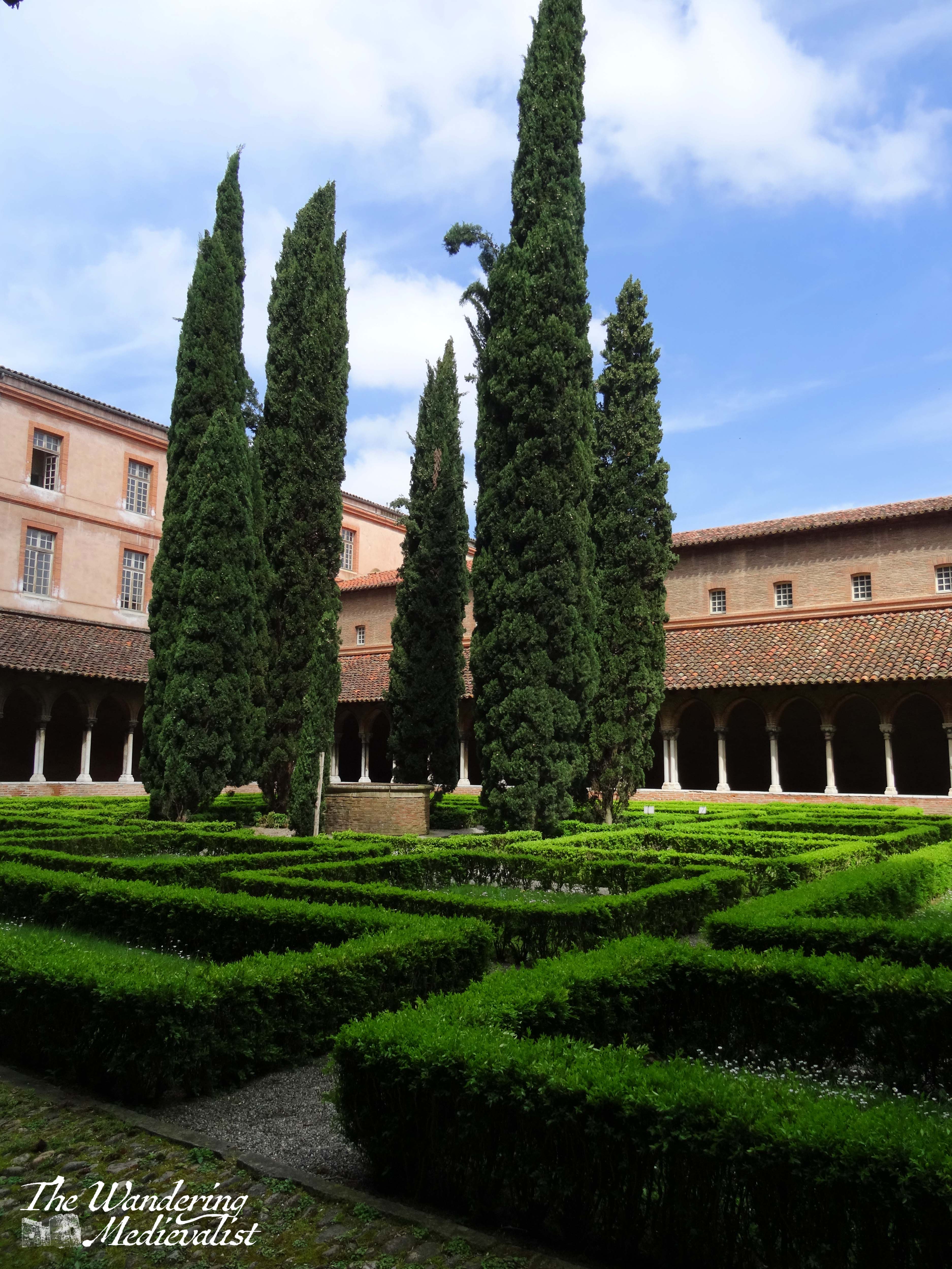
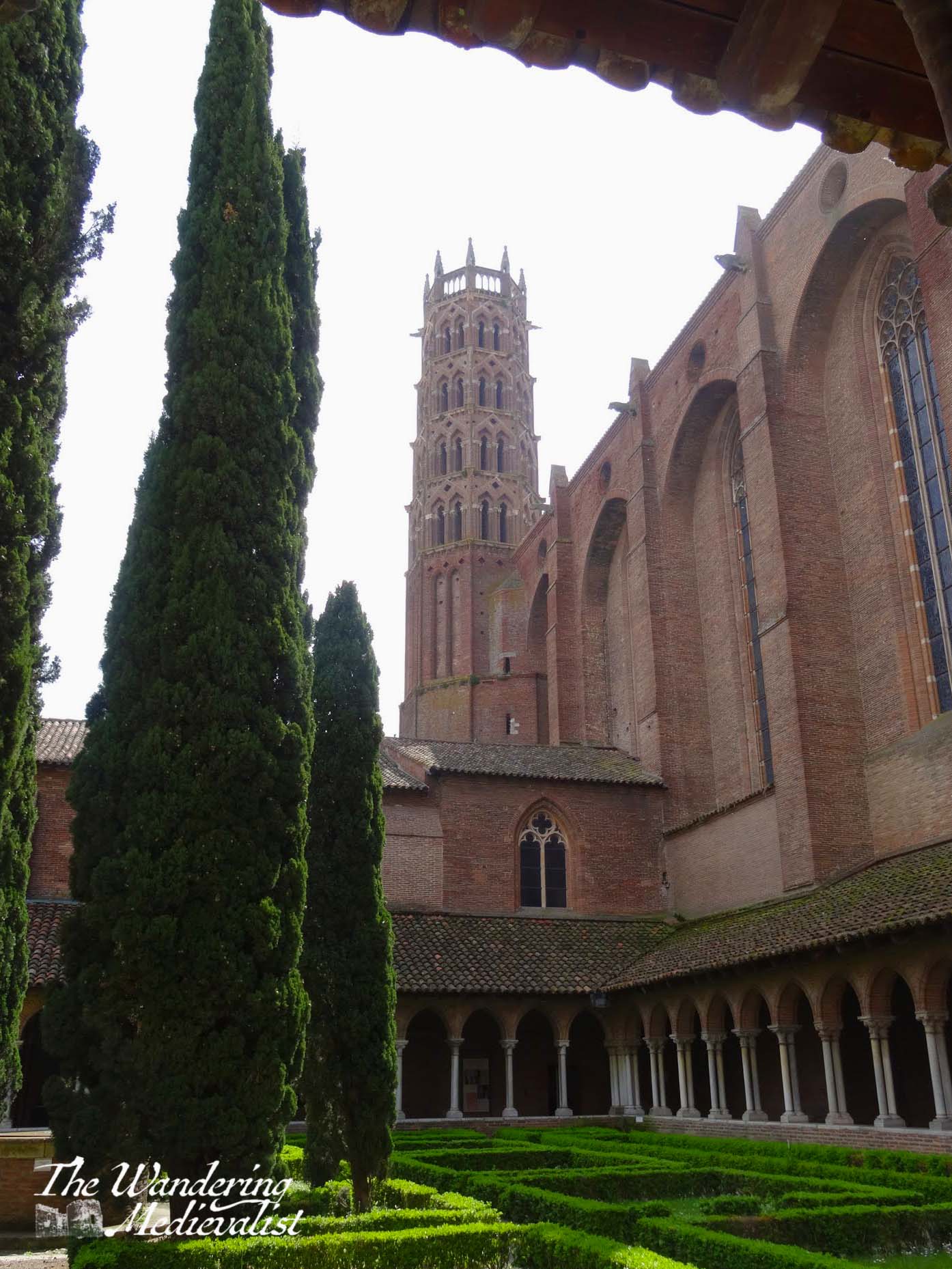
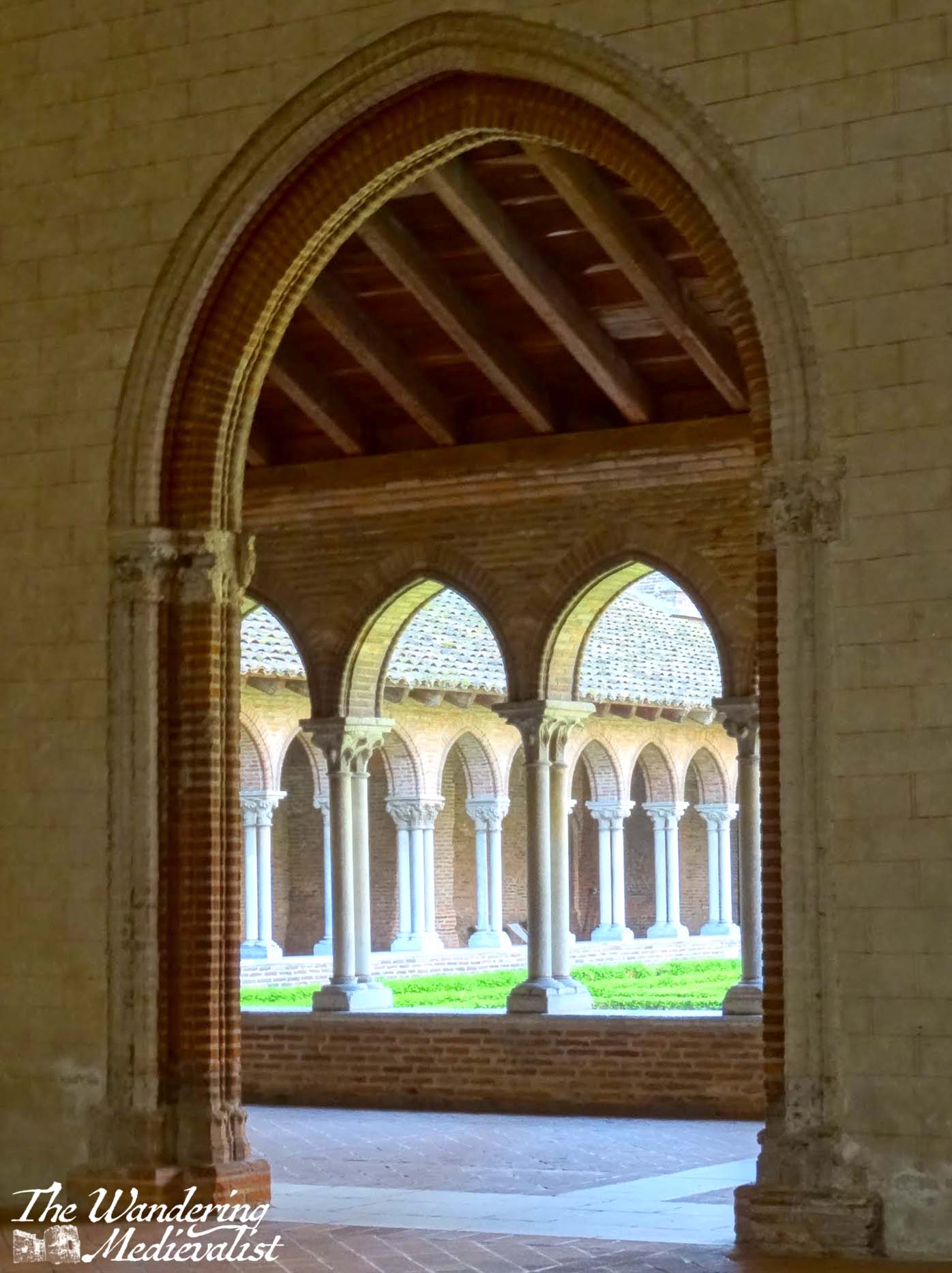
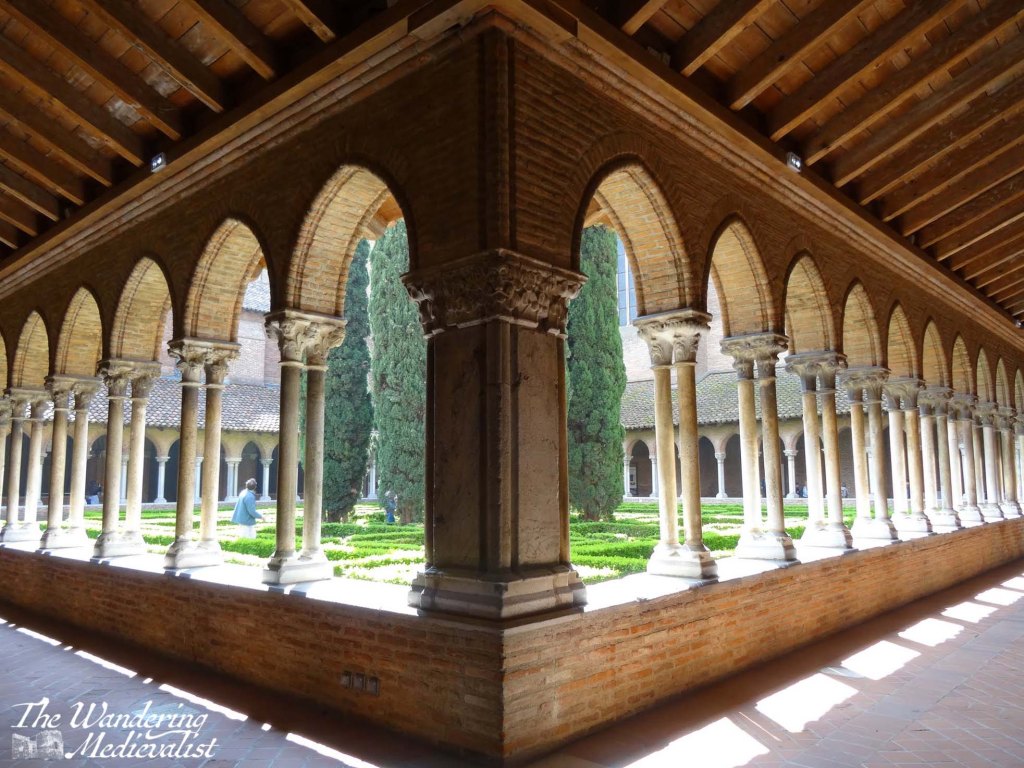
Equally impressive were the cloisters, complete with carefully-tended hedges and views up towards the octagonal bell tower.
Off the cloisters are the restored chapter house and chapel of Saint Anthoninus,4 both of which offer yet more stunning decoration.
Perhaps my favourite photo is one I felt I had to pull out and present separately, and reminds me of one I know I took years earlier at Mont-Saint-Michel but can no longer find.
This was only the start of our visit, and I would soon have memories of this church overshadowed by the splendour of Carcassonne. Nonetheless, it is clear that a great deal of time and effort has gone into restoring the church after it was abused and used as a barracks by the Emperor Napoleon in the early 1800s, and I would certainly recommend a visit, particularly if you have even the slightest affection for ecclesiastical architecture.
Yes, of course I will visit non-medieval spots, but Mum is always kind enough to humour me when I aim for medieval options first. ↩︎
The university was founded shortly after the Treaty of Paris stopped the persecution of the Cathar order, and the Dominicans had played a role in encouraging dialogue and discussion. It makes sense then to learn that this church along with others in the city acted as some of the earliest classroom space for the university. ↩︎
For those of you who may be curious, the term Jacobin arose as a nickname for the Dominican order, as their first convent was on Rue Saint-Jacques (Latin = Jacobus) in Paris. ↩︎
It is so easy to find the wrong saint when doing a quick search, as often the names are similar or repetitive – there are several Saint Catherines, for example – so to clarify, this is Saint Antoninus of Pamiers, an early Christian missionary and martyr. ↩︎
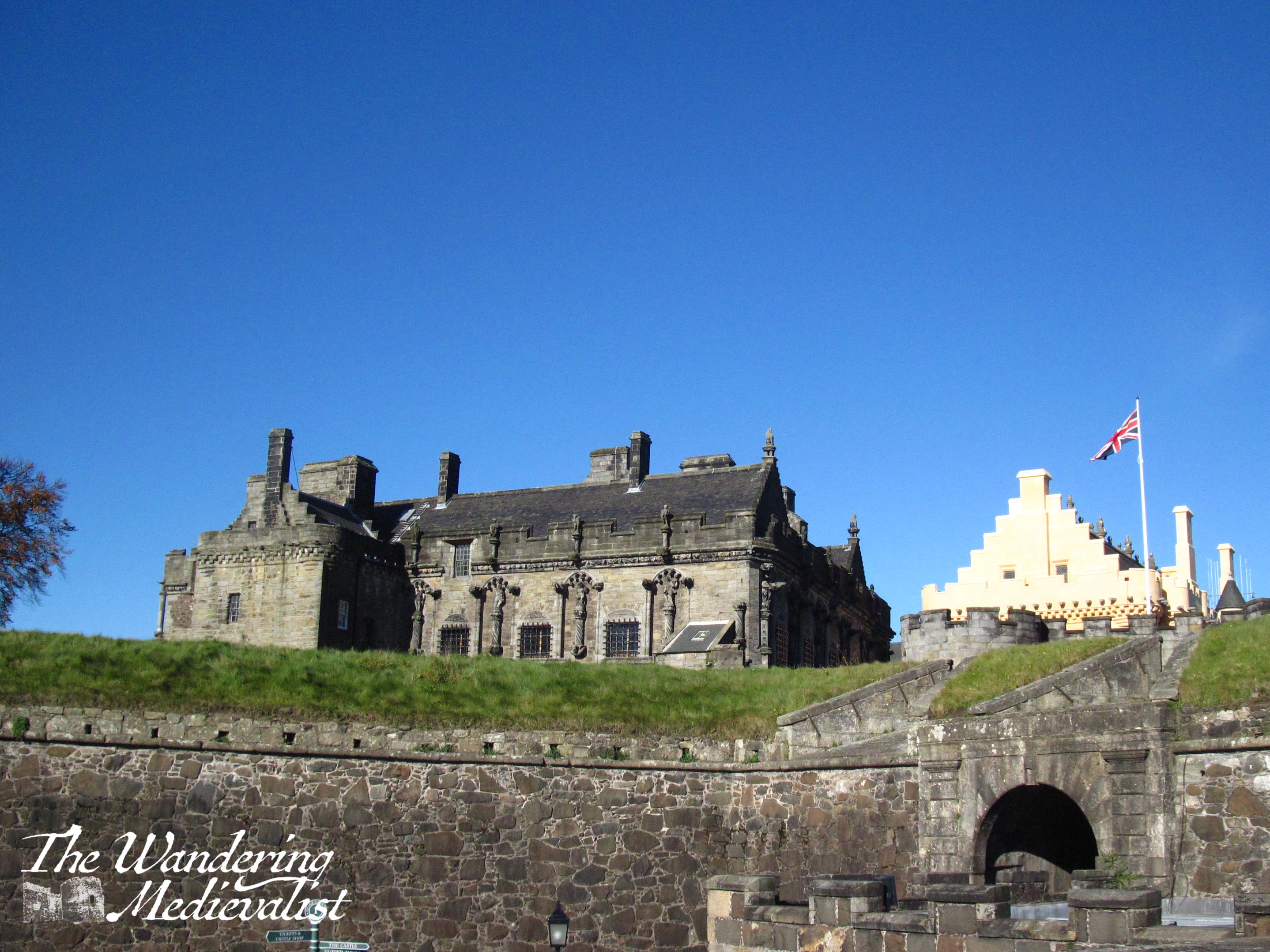
Stirling is the castle I recommend above all others if someone is in Scotland for only a short time and has limited options or time; you can reach it using only public transport from both Edinburgh and Glasgow, and even – with a bit of effort – St Andrews. It is positively steeped in history and, in my opinion, is more medieval than Edinburgh, which has been re-built and added to so many times.
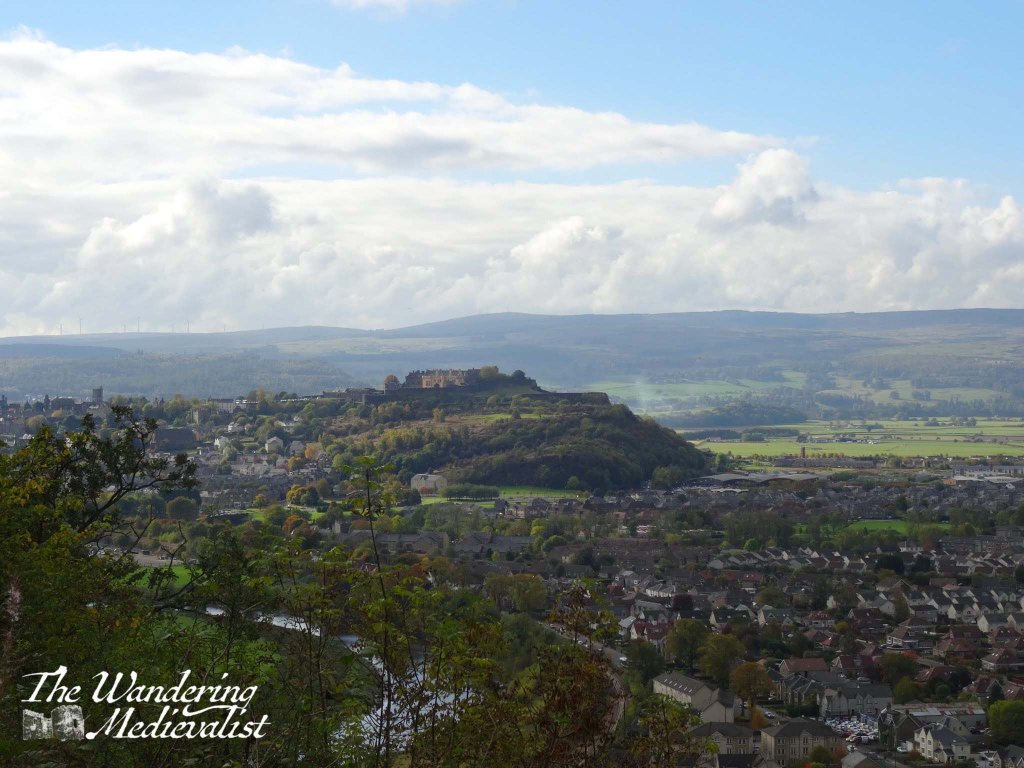
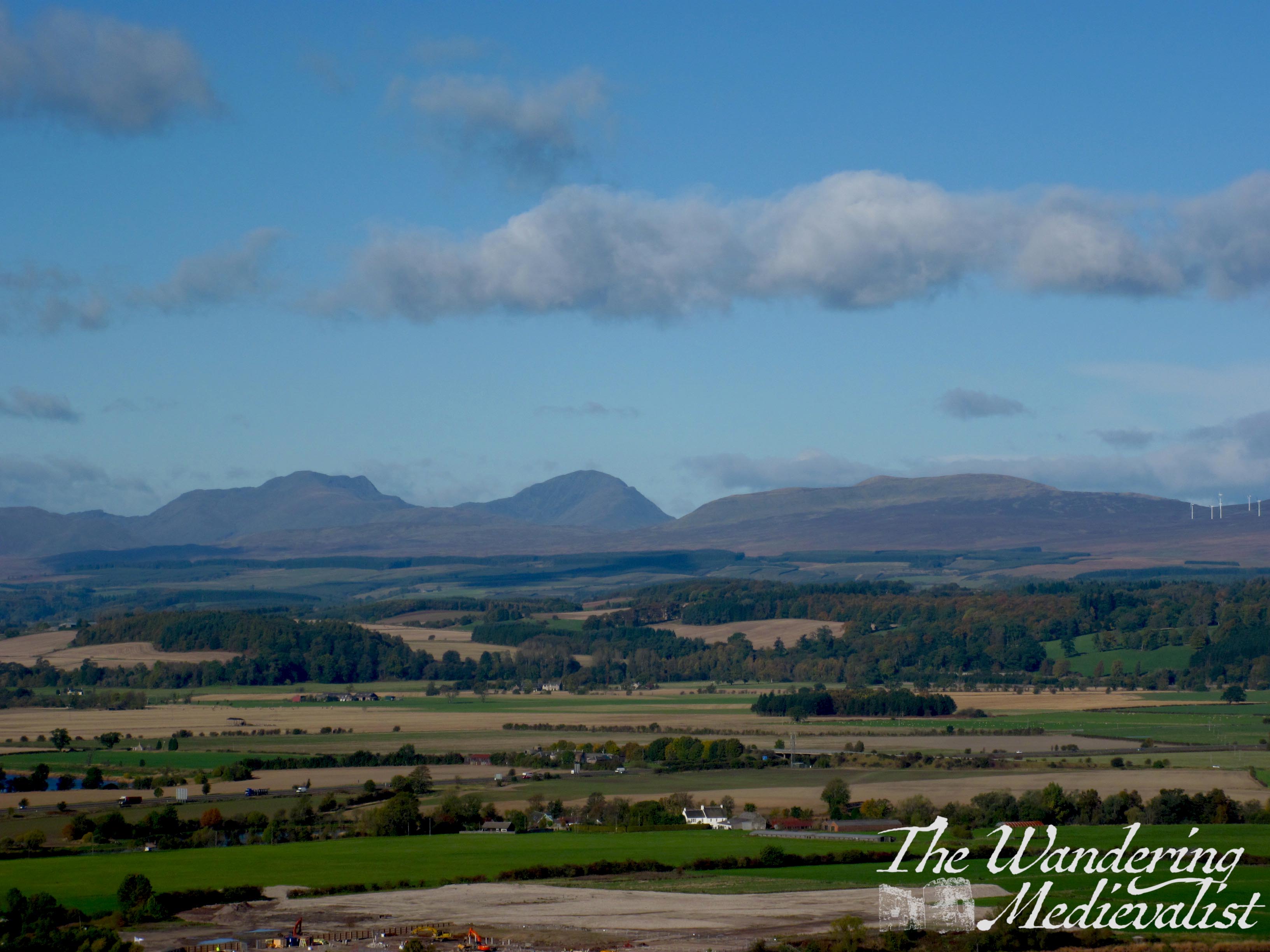
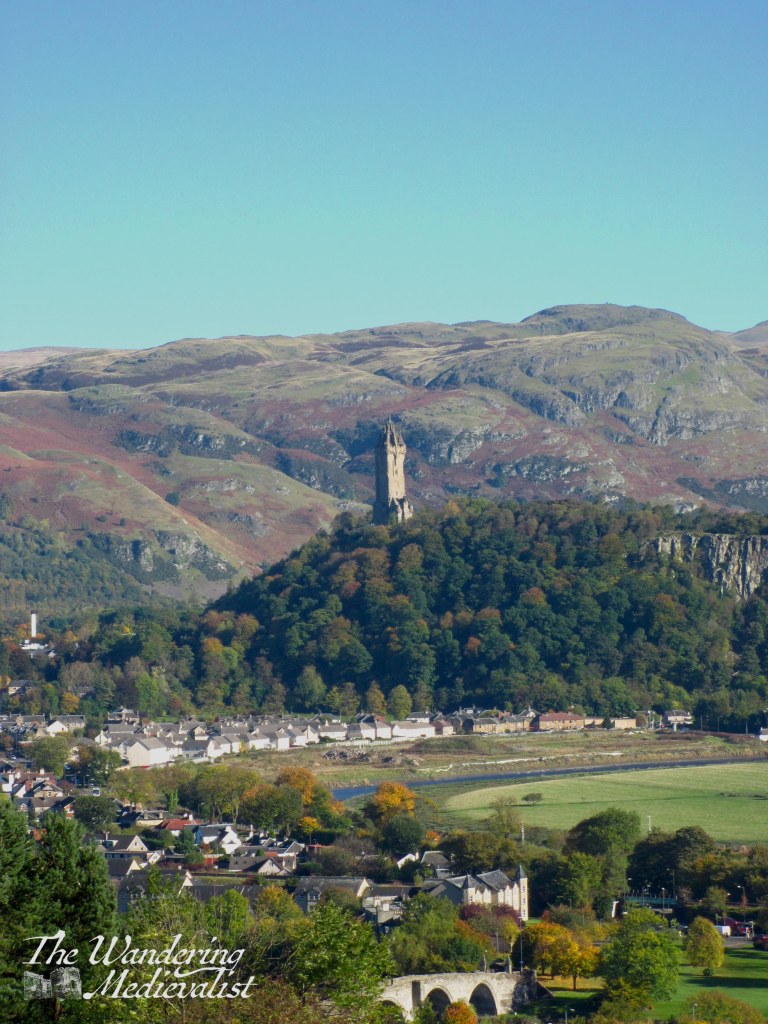
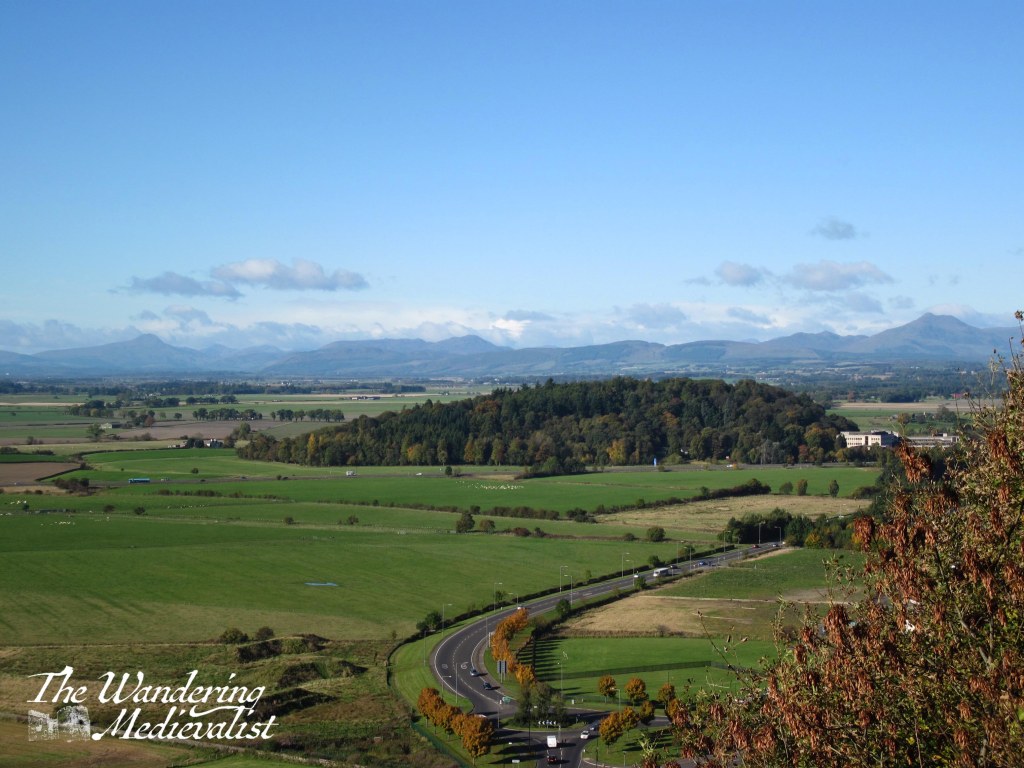
Like Edinburgh Castle, Stirling sits on a massive volcanic outcrop high above the surrounding plain, and from its walls you can see into Fife, the incredible winding River Forth, along the Ochils, and right to the edge of the Highlands. On the surrounding plains were fought at least two iconic battles of the Scottish Wars of Independence: Stirling Bridge (1297) and Bannockburn (1314).
Stirling was, for most of history, the furthest downstream crossing of the river that becomes the Firth of Forth, and a fortress here was a natural protector of the way to the Highlands and all of northern Scotland.
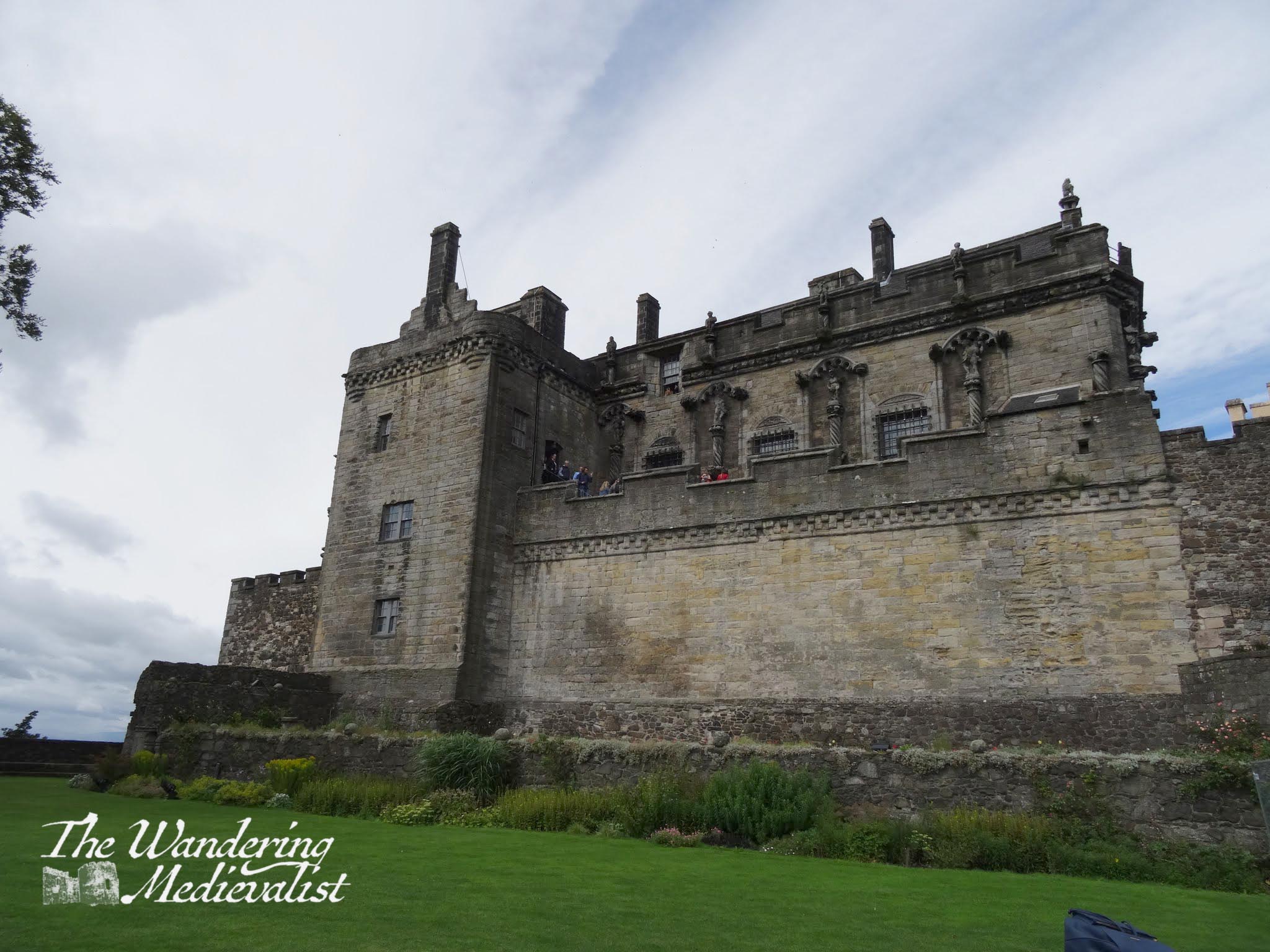
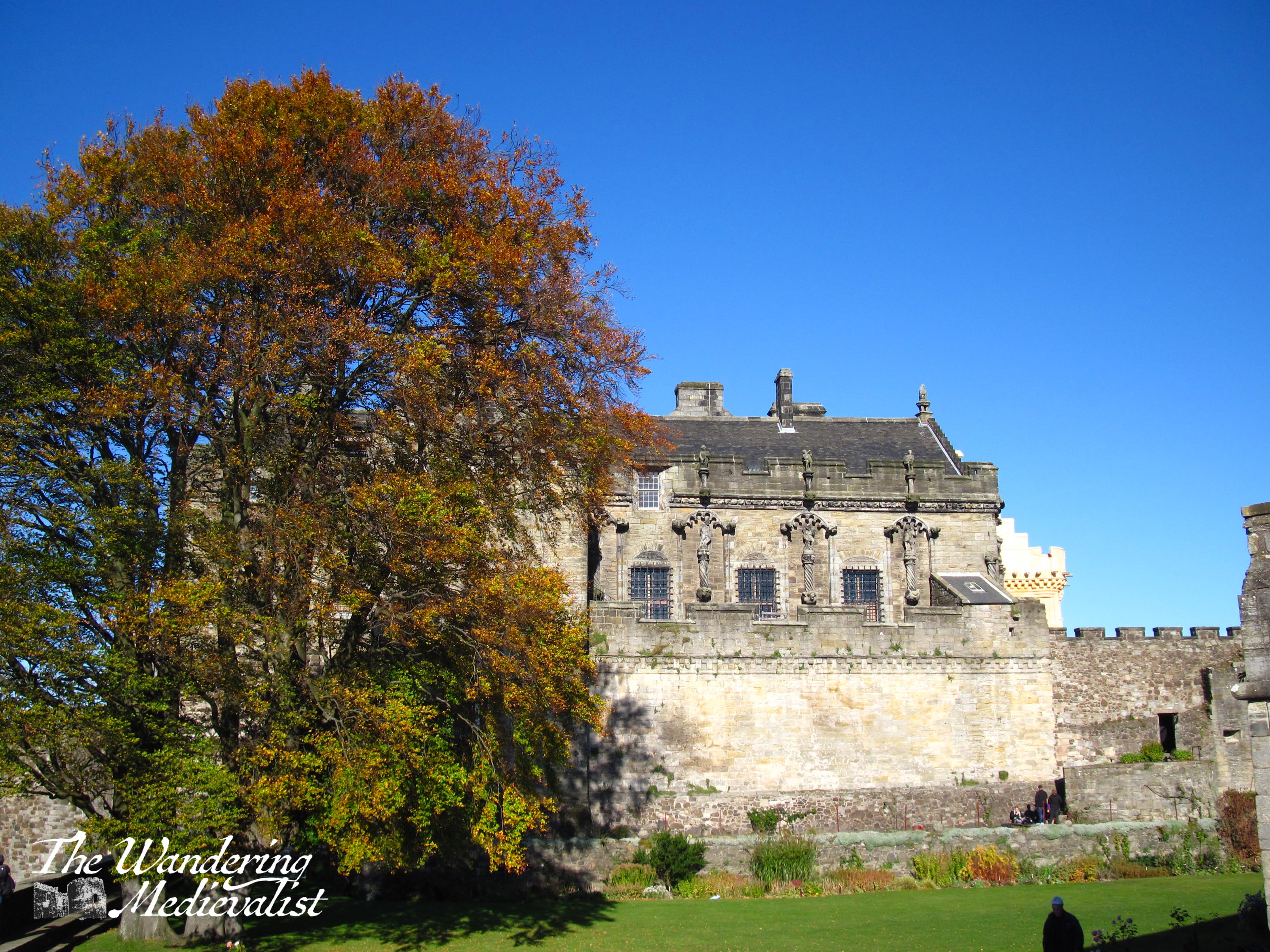
The historical significance of this castle really cannot be understated – it was fought over constantly during the Wars of Independence and changed hands regularly. Several times it played the role of haven for widowed Scottish queens – starting with Queen Joan Beaufort and her son after the murder of James I – and Mary, Queen of Scots was crowned here in 1542. There is first mention of a castle here in the 12th century, though most of the buildings date from considerably later, the 15th and 16th centuries, at which point the castle became more of a residence than a fortress. Even without an understanding of Scottish history, one must only stand on the castle walls and look north to understand the significance of the location.
I first visited Stirling in the final year of my undergraduate degree, while everyone else was busy studying for and taking exams. I had turned in my dissertation and had no exams, so took the long bus trip from St Andrews winding through Fife and Clackmannan to Stirling. It was more that two hours and passed through so many little towns I had never heard of but now know well – Dollar and Tillicoultry being the two I remember the most. It was my first glimpse of the Ochils, and the town of Stirling.
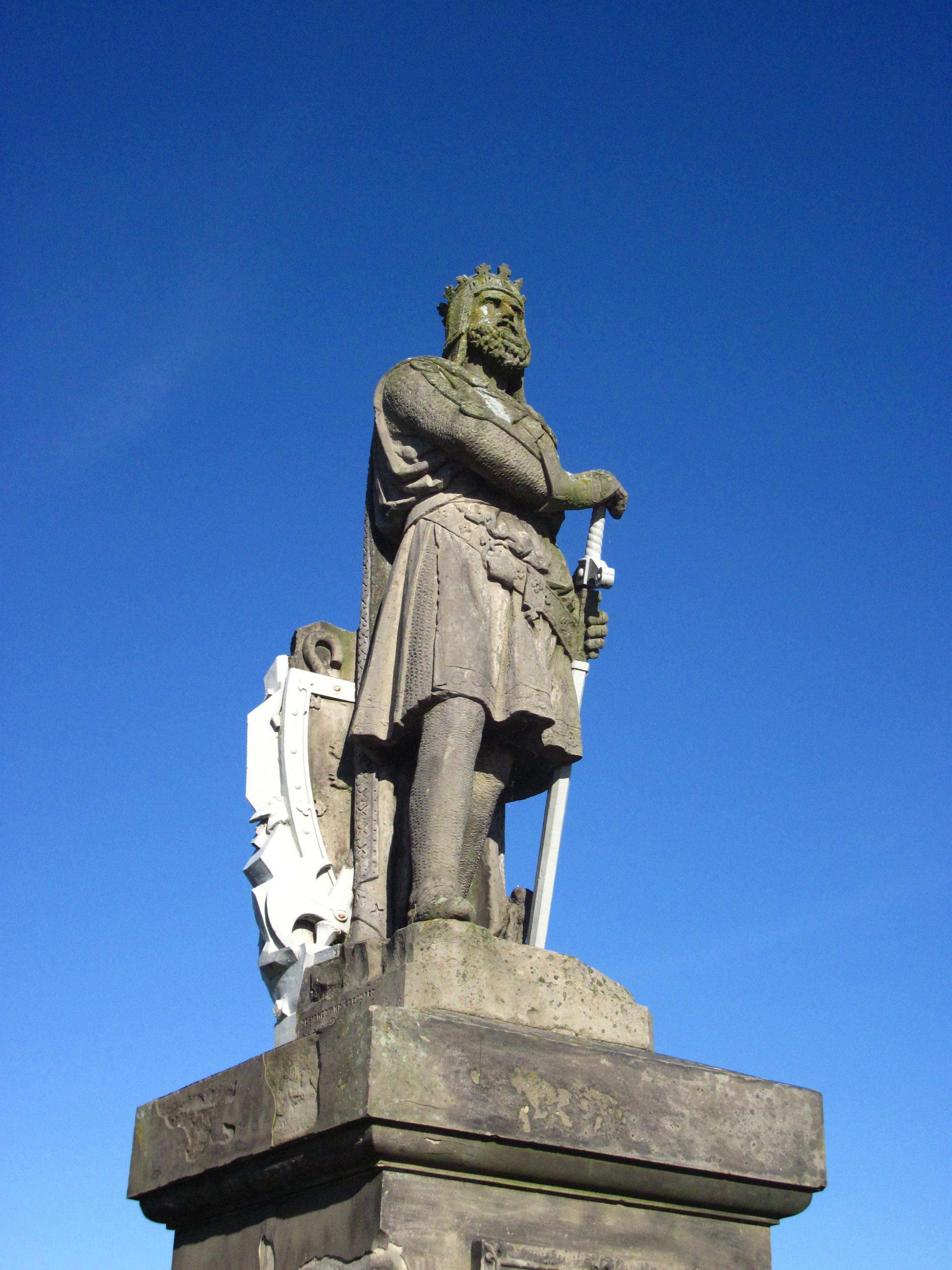
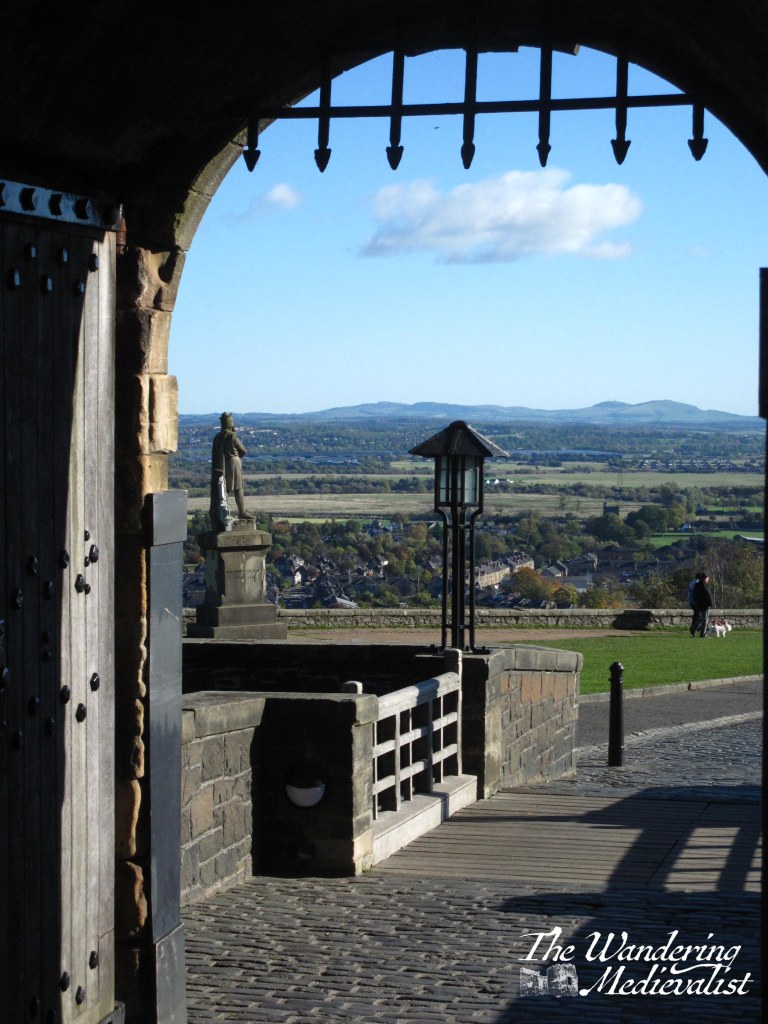
From the bus or train station in Stirling, one is met with an up-hill climb through the historic and picturesque town. Many old Scottish towns have the odd juxtaposition of beautiful old stone houses, contrasting with much newer housing and shops that always stand out. And then, before the castle, one is met by who else but Scotland’s national hero, King Robert I the Bruce (r. 1306 – 1329).
Visitors enter the castle through the main gate, across the drawbridge and under the portcullis. Past the guard room, the path leads up into the Bowling Green Gardens, where you can explore some of the rooms where soldiers lived. The green offers more stunning views over what is left of the formal gardens, and also up towards the palace area.
While at times I think I could just stay here, there is plenty more to see, including ramparts with enormous black cannon – great fun for kids to climb on – and gun loops that provide views over the town towards Stirling Bridge , the Wallace Monument and Ochils.
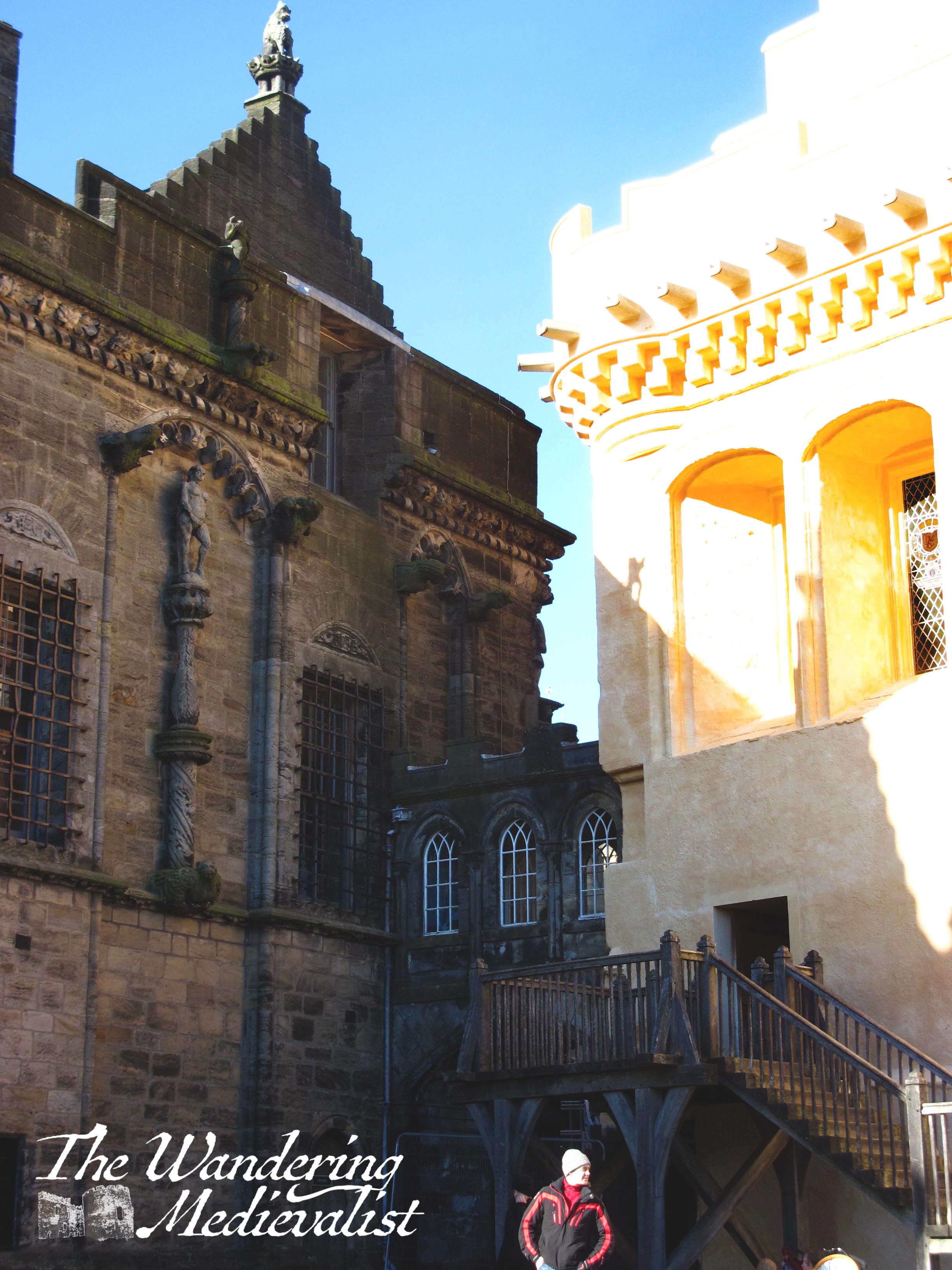
From these ramparts, one can visit the extensive gift shop, or move up into the palace and Inner Close. A great deal of work has been done over the past 20 years to renovate some of the palace spaces, in particular the Great Hall.
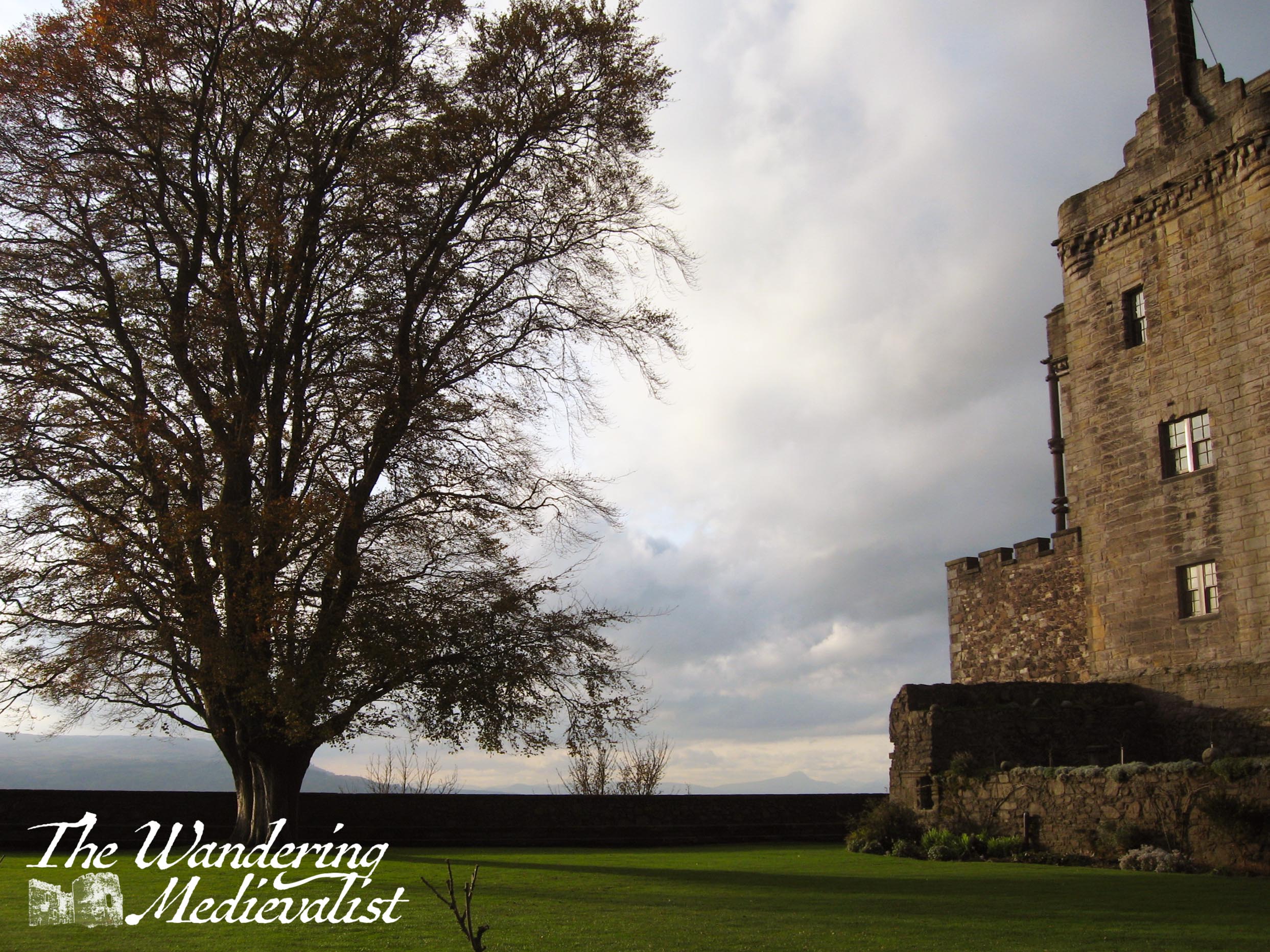
Once visitors have finished exploring the palace area, I recommend continuing beyond the chapel to the small garden that appears to be the ‘bow’ of the castle, were it a ship – this is where the views north are at their best.
It occurs to me as I write that it has been a number of years since I have visited Stirling, and I may be about due for a return trip – the only down side to this castle is that it is one of the more expensive to visit in Scotland. But well worth it!
A few years back, I managed to secure some time off that the other half could not, and so I took myself away on a castle-finding adventure to North Berwick. My efforts were hampered slightly by two factors:
Time of year – many castles and monuments are open only seasonally in Scotland, or their winter opening hours are limited.
Restoration works – during the pandemic when everything was shut down, many castles in Scotland were discovered to have some dangerously unstable masonry. At the time I travelled, many sites were still closed, or partly closed, for renovation and restoration. As of writing, this is still the case for many castles, and for St Andrews Cathedral.
I had hoped to make it a two-castle day and see Dirleton, but it was completely closed, so instead I booked ahead – as one still had to do due to Covid restrictions – and being me, arrived about 20 minutes early. The empty car park was a short walk from the actual ticket office/gift shop. I was eager to get a bit of exercise though, so while I could probably have driven closer, I chose to walk the quarter mile and hoped for some good views as I did so.
Upon arriving at the shop, I was greeted by name – I was one of two people booked in all day! So I chatted with the shop assistants, who apologised that I could not get into the castle itself (which I was prepared for) and it was during this chat that I learned about the state of so many of the monuments in Scotland. Then, they allowed me access to the castle early, ‘You have it all to yourself just now,’ I was told. Music to my ears.
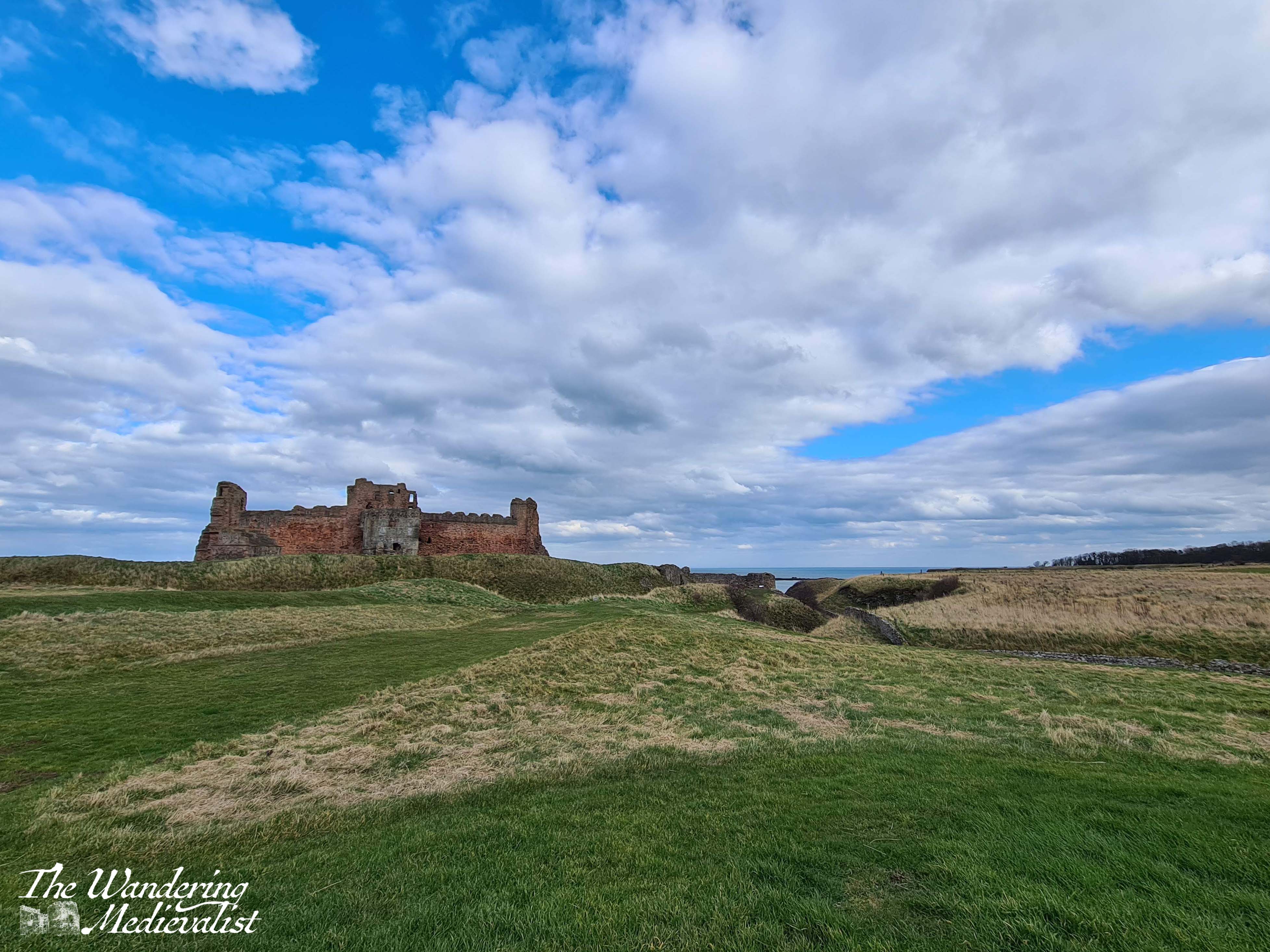
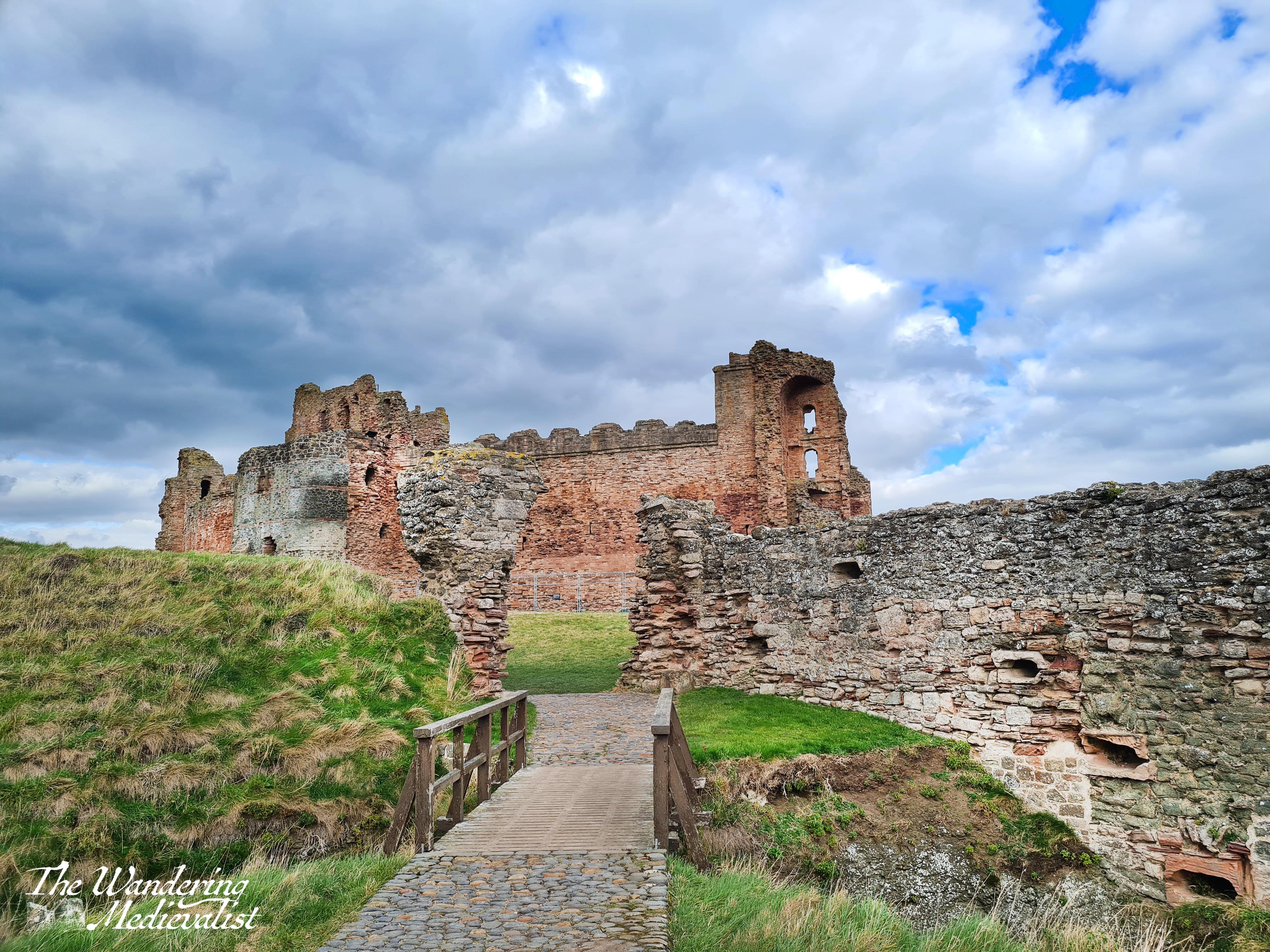
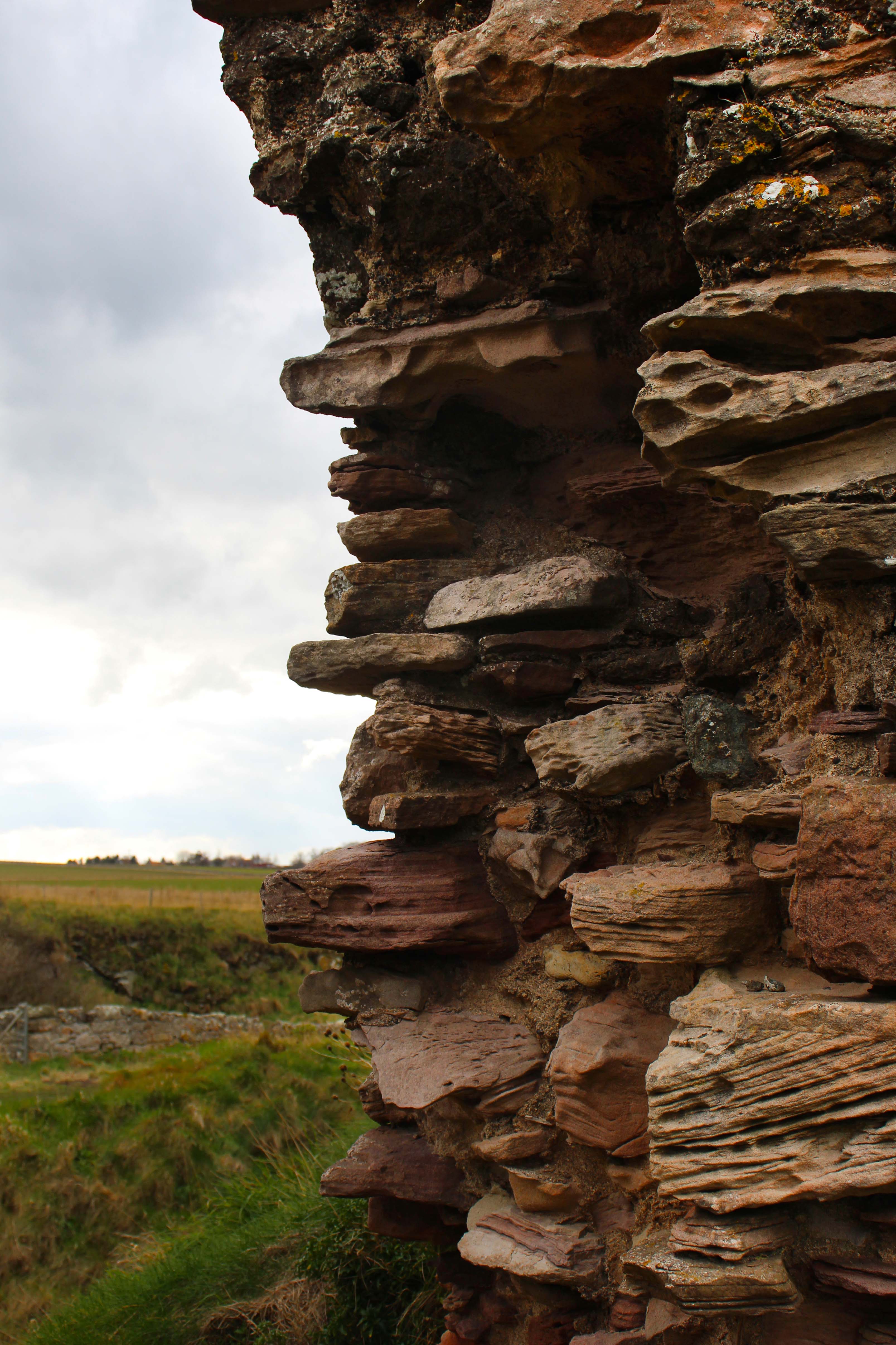
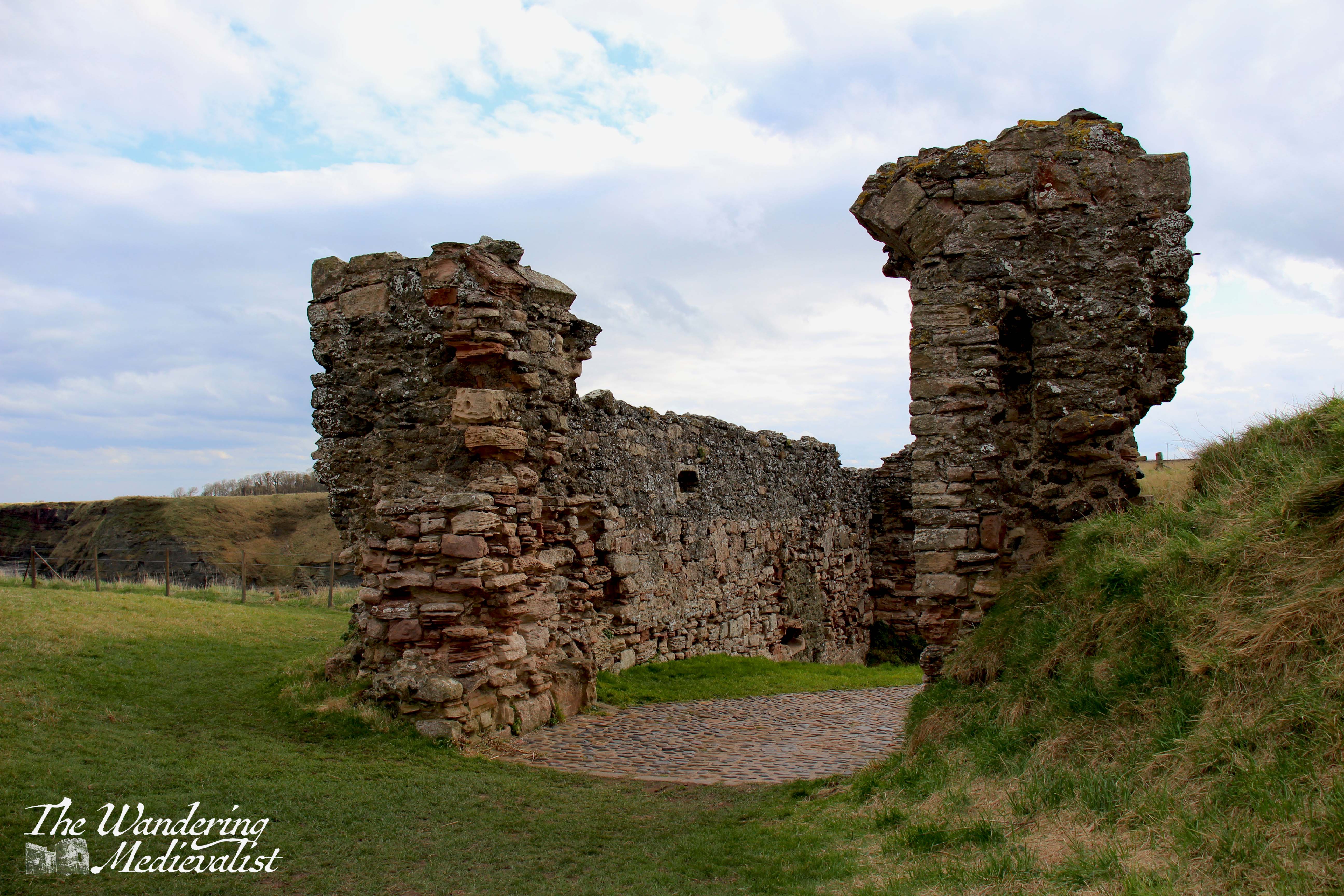
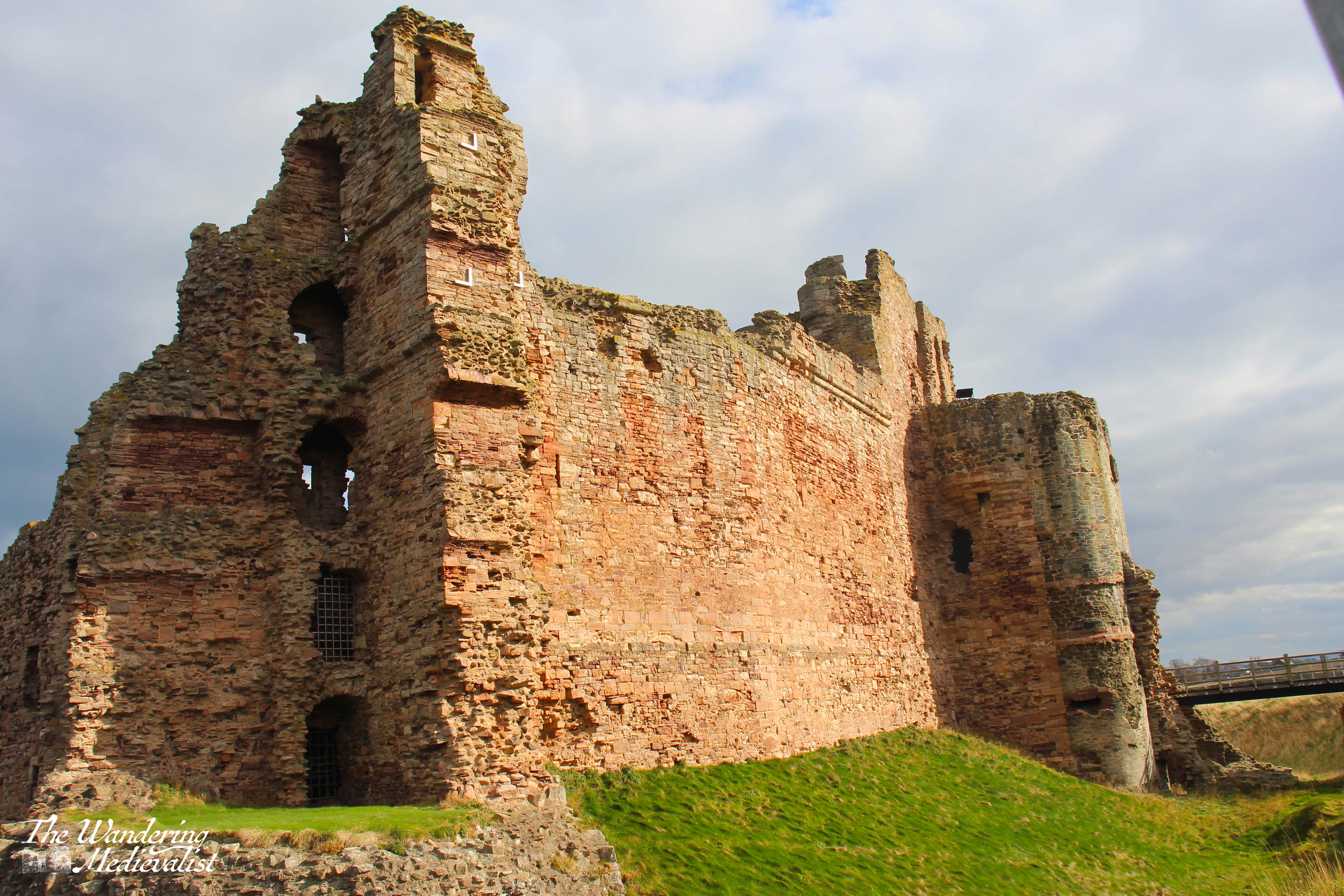
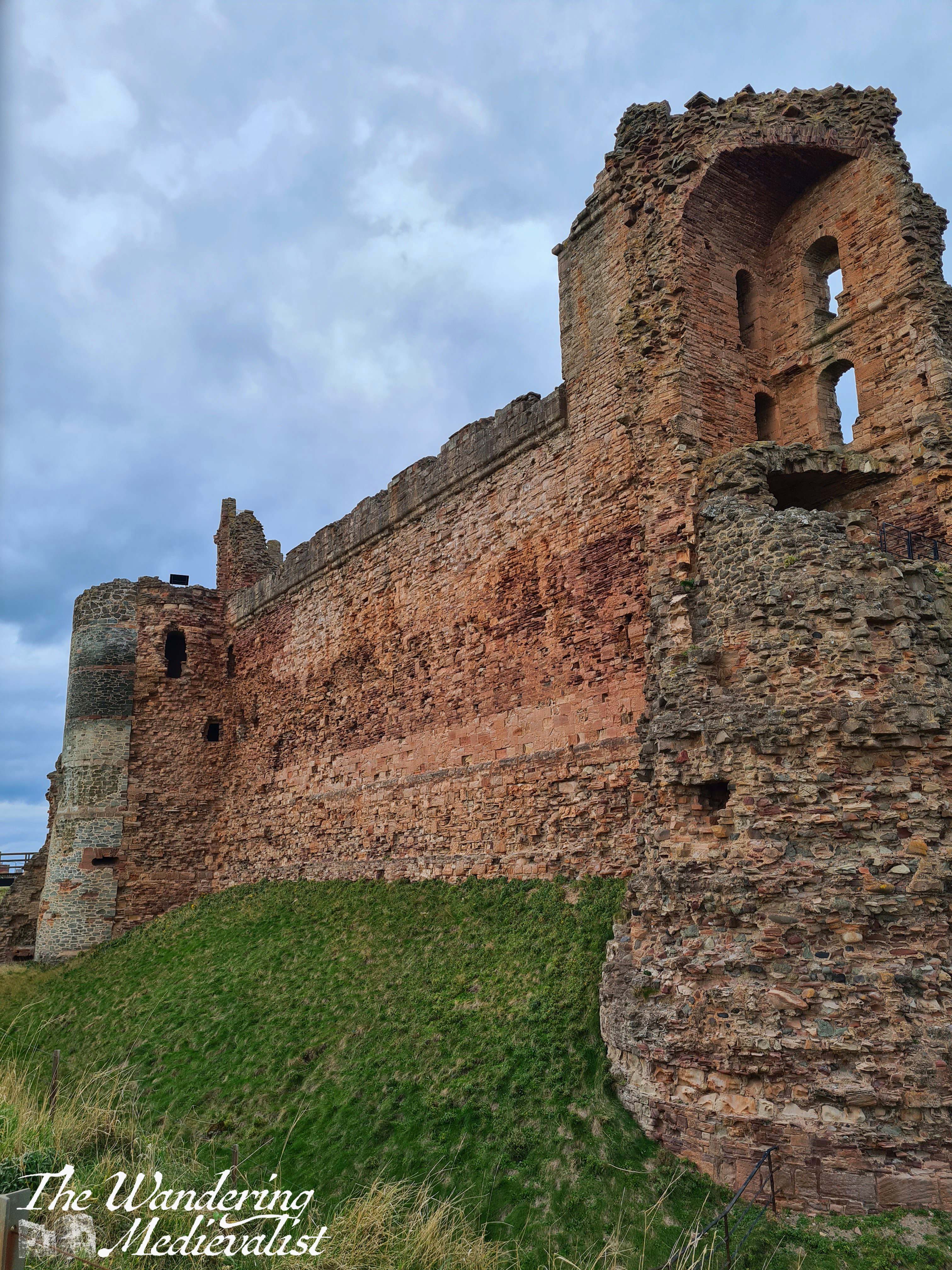
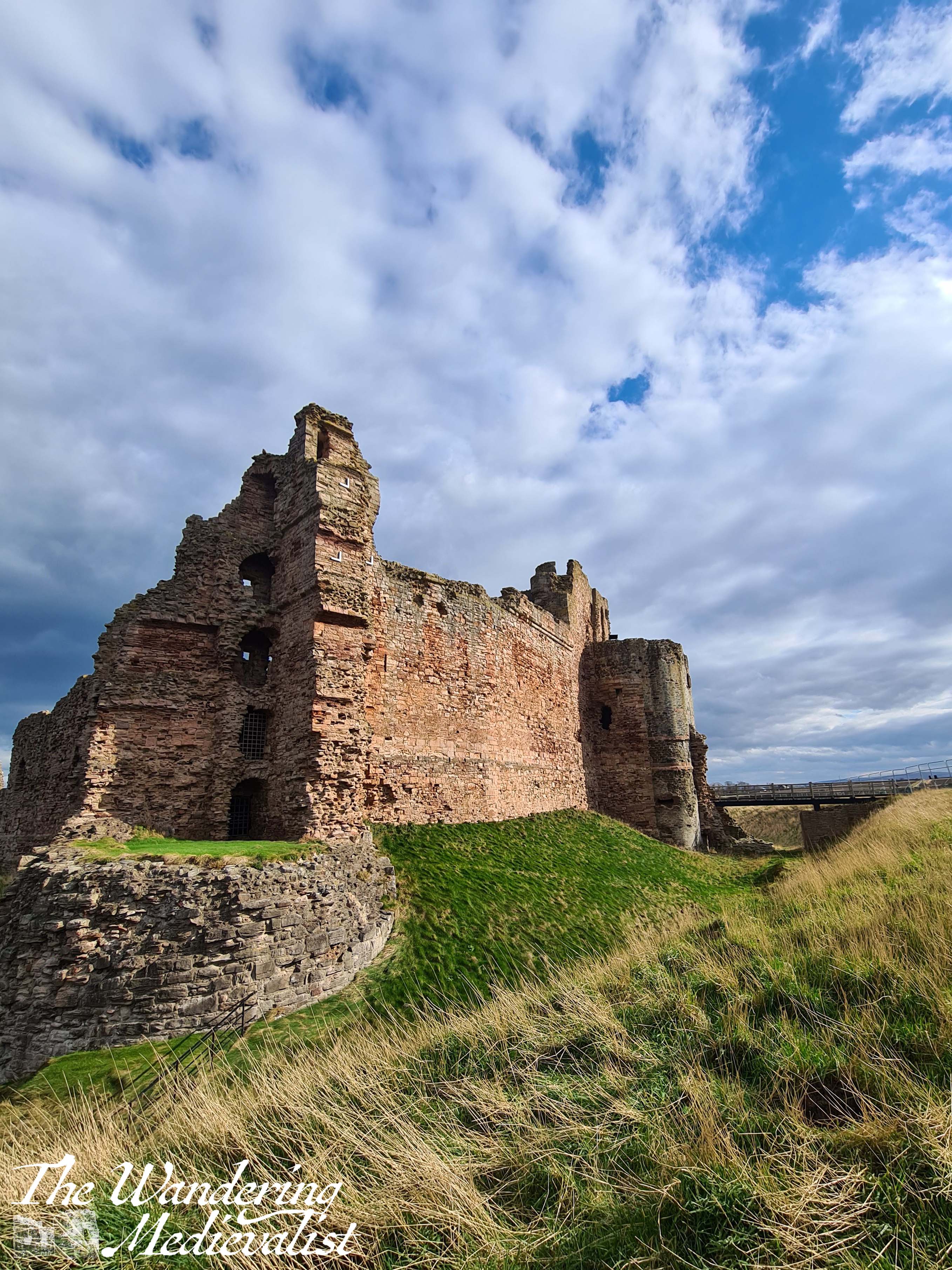
The approach to the castle is along the route one can imagine was used when it was whole, and there are lovely views of the main curtain wall. As I passed through the outer defences, two things stood out to me: one, the gorgeous orange-red of the sandstone; and two, the rather stunning way in which rain and wind had shaped and eroded the soft stone.
The day I visited boasted rather typical Scottish weather, in that it changed almost by the minute – sky was dark and stormy then bright blue and sunny, so I had a lot of fun playing with some of the changes in light.
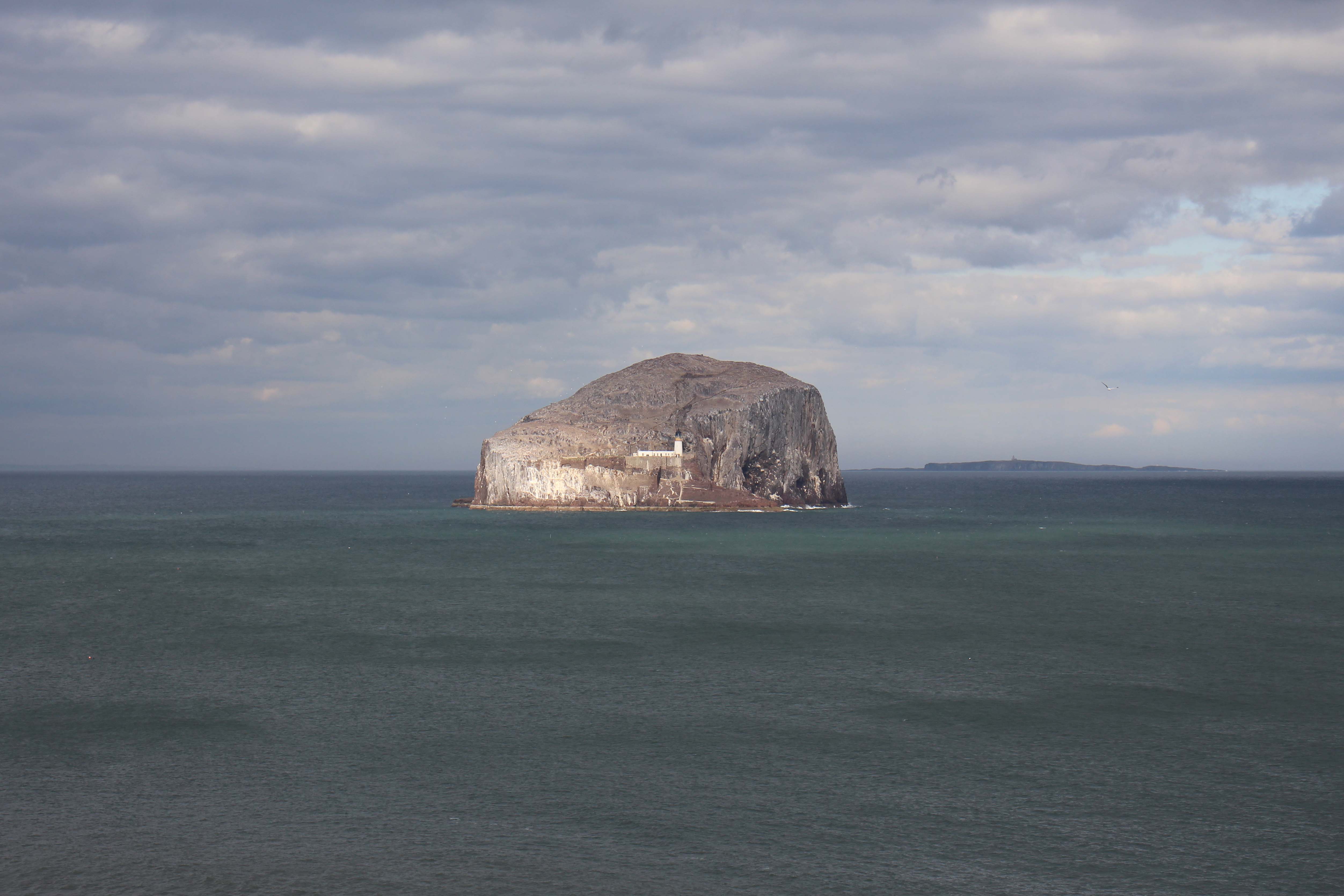
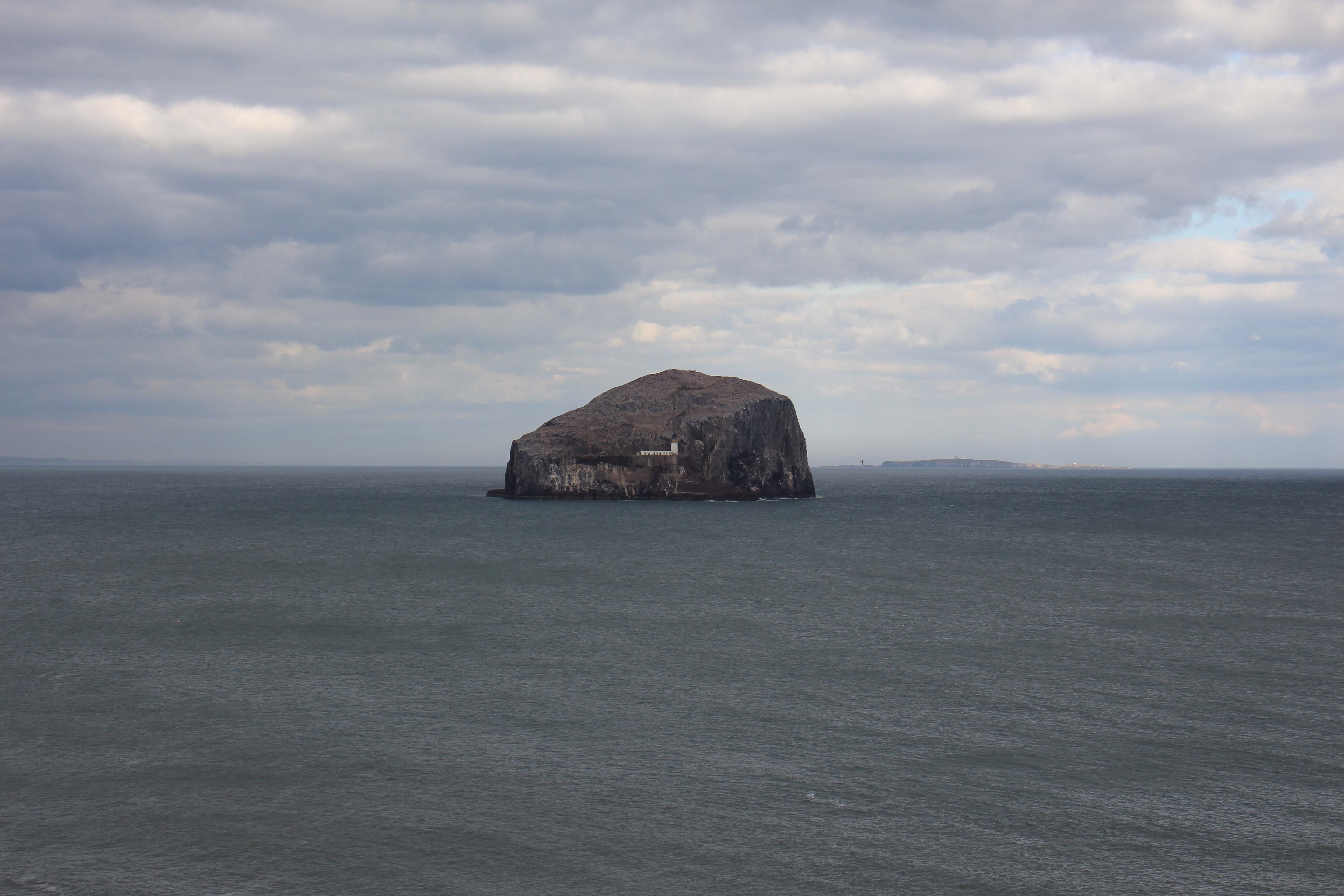
One of the most spectacular aspects of Tantallon is its view – not only along the coastline, but out to sea and the Bass Rock, a spectacular lump of stone in the Firth of Forth that housed a fortress in the Middle Ages and later a prison. At times it has hosted colonies of sheep. Today you can see a lighthouse, and the rock is the world’s largest colongy of northern gannets. Here it is in both sun and shadow:
view of the Bass Rock from Tantallon
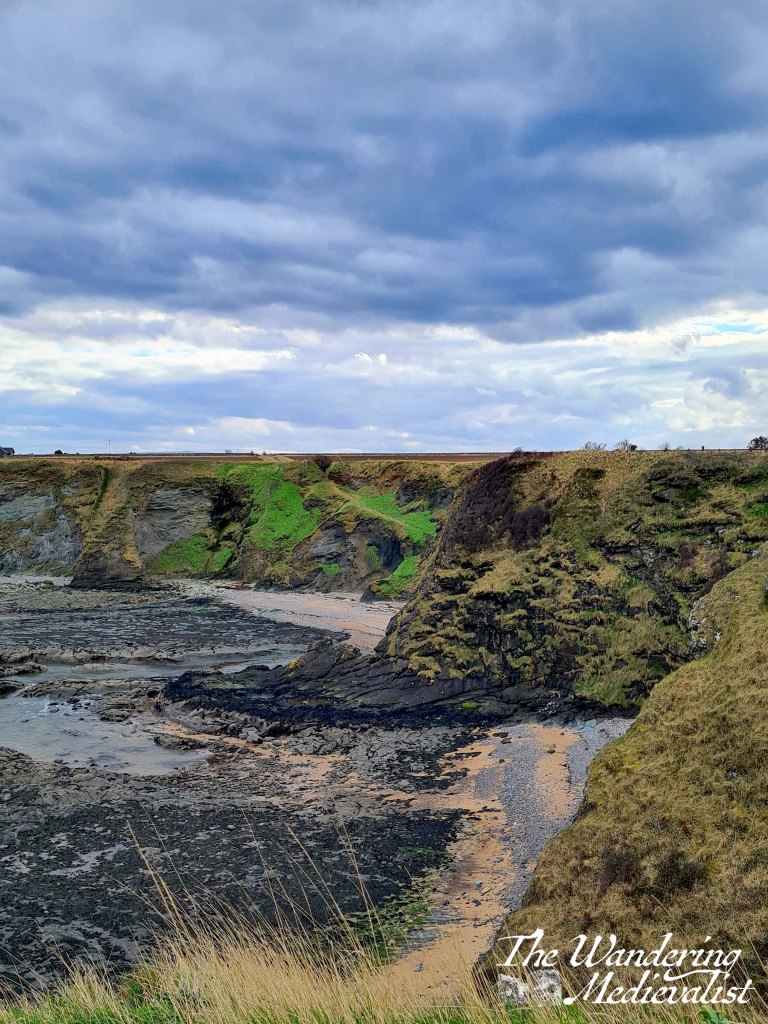
The other view from the castle is of course along the coastline – cliffs and rocky beaches galore, one could understand why landing an army here would be a formiddable undertaking.
I was eventually joined by a few other adventurous souls on this day, but in the meantime I sat down and enjoyed my picnic lunch in the lee of the castle.
It would be remiss of me, as a historian, not to tell a bit about the castle’s background. It was built in the 1350s by William Douglas, who would be the progenitor of the Red Douglas line, descended through his illegitimate son George, later Earl of Angus. Douglas was quite clever in this design, as the castle defences are comprised essentially of one long wall, securing a headland that pokes out in to the Firth.
It was known in the Middle Ages to be nearly impenetrable, but unfortunately this was proven false through a siege conducted by Oliver Cromwell’s Parliamentarian forces in 1651. Twelve days of cannon fire were too much for even this curtain wall, and it was left as it is now.
The trip I spent visiting Tantallon introduced me to a part of Scotland I had never really seen before, and I found the North Berwick area to be both beautiful and well worth exploring in more depth. There is not a big town, but the roads were in decent shape and the edge of Edinburgh is very close, so one could probably be based in the city and do day trips. I will definitely be going back to visit Tantallon, hopefully with the opportunity to go inside and explore some of the ruined towers and rooms I could only glimpse from around the edge. I was struck, as I stood looking across towards Fife, that while the drive was around two hours, a boat could probably get me home faster, as the distance between Tantallon and Fife is less than 10 miles as the crow flies, more than 80 by road. When standing in St Monans several days ago I could look across to the Bass Rock and know this castle was hiding just behind it – just out of sight.

















 The Wandering Medievalist