It has been a shockingly long time since I have managed to sit down and focus on a blog post. What can I say? Life got in the way – I’ve been back and forth to the US twice in two months, run a conference at work, and been inundated with life admin that needed to be done. All of this and jet lag meant that since finding time in my hotel room to write about my visit to Crystal Cove, I have really struggled to find the motivation, time and energy to be creative. But, while work continues to be busy and my travel schedule is no less intense, I had to make some time to write. I have never gone this long without posting before, I don’t think, and it feels wrong.
I started pulling the basis of this post together some time ago, when I was submitting pictures for a contest and realised just now many shots I have of reflections. So many hint at this theme, some more effectively than others, but it’s a motif I have always leaned towards. Perhaps because a reflection is so often the embodiment of a moment of calm – an early morning, evening, quiet time when the world is still for just a short second. And because water has a magical way of capturing what is happening in the world and giving it back to you in an image sometimes identical, but often slightly altered.
Here are some shots that I love, and wished to share.
Themes
This series focusses specifically on bird reflections, taken across a variety of locations including West Sands in St Andrews, the Tay River, Loch Leven near Ballachulish, and the Eden Estuary.
Another series, this time on bridges. I have always loved photographing bridges, not in the least due to their symmetry. These bridges include the Ballachulish Bridge, Kenmore Bridge, Guardbridge, Wade’s Bridge in Aberfeldy, and the Historic River Bridge in York.
Tayport
For the relatively short time we lived in Tayport, I was able to really take advantage of the seaside location to capture reflections at all times of day. The harbour was my favourite spot, as you can see – sunrise, sunset and even with a full moon.
St Andrews
The many years I have spent in St Andrews have allowed for plenty of reflections, be it harbour, castle, sunrise, or Craigtoun Park.
St Salvator’s Quad, in the centre of town, was renovated some years ago to include these beautiful slabs of stone that reflect perfectly in the rain (and can be treacherously slippery when wet). Many early morning walks around town enabled these views.
I have said it before, that St Andrews is one of the most photogenic places I know, and the groupings below show just how stunningly beautiful it can be – and how well the clouds and distinctive skyline reflect on the surrounding beaches. West Sands in particular stretching out for miles and – at low tide – what feels like miles wide provides some of the most amazing reflections I have ever captured.
Guardbridge
Morning walks along the Eden Estuary have provided spectacular views, in particular this one taken from the University’s Eden Campus.
The view from the old bridge in Guardbridge is one of my favourites, allowing the sunset or blue sky to reflect off the water at high tide. I have literally 100s of this view – there are more below.
In fact, there were so many of Guardbridge that I could not narrow them down any further than this massive grouping. Living here through the pandemic years meant a daily walk was essential, and capturing the glory of the Eden was inevitable, at all times of day. Even the old mill, which is not particularly attractive but adds something to the scenery.
Scottish Highlands
As anyone who has read my blog thus far is aware, the Highlands (or anything north of Perth really) is an almost sacred area for me. The stunning serene beauty that can be found in the lochs and mountains is almost unmatched in my experience.
The lochs in particular provide ideal opportunities for capturing reflections, at those rare times when the wind dies down and everything is calm and still.
To start with, Loch Katrine, and the almost mirror image of fluffy clouds and blue sky.
These two collections are some of my favourite loch pictures, and include: the view off Spean Bridge (not a loch, but gloriously still), Loch Tay at several points, Loch Linnhe from the Ballachulish bridge, Loch Duich not far from Eilean Donan castle, and the loch at Ballachulish quarry, reflecting the snow-capped Sgorr Dhearg.
These views were captured from Ballachulish bridge, and from across the River Tay looking back at the Kenmore Hotel. Only moments later, the river in the below shot was caught by the wind, and the reflection erased. For the top shot, the water was still for close to thirty minutes, early in the morning before the breeze picked up or the tide shifted.
Last but not least, a vague reflection of the Cuillin Hills just above Sligachan Old Bridge, Skye.
Marblehead
Finally, I have been lucky enough to spend a decent amount of time in my home town in the last year or so – more than I have for more than a decade – and I have captured what I consider to be some lovely views of my favourite places in town.
Starting of course with Redd’s Pond and Old Burial Hill, which I have written about at length. This was a cold morning with the ice just hanging beneath a layer of water on the pond.
Two more shots taken on the same day as the one above, I felt I had to include them anyway, as one captured the monument to sailors of the town. The moonrise was a perfect calm evening last November, and I waited by the harbour for close to an hour for the moon to rise above the clouds.
More Redd’s Pond, but how could I resist? One in late winter, the other in mid-winter at sunrise, on a magical morning that a wrote a whole post about. The reflections here are hazy rather than crisp, but equally lovely.
And last but not least, a picture taken on New Year’s Eve 2025, when I went down to the Marblehead Lobster Company (as it was) to pick up a special dinner for my mother. I and a few other photographers had noticed the not-quite-full moon and the still water that reflected the changing colours in the sky. It was incredibly quiet with only a gentle lap of waves on the shore, and no birds to disturb the surface.
Do you have a favourite one of the images I’ve shared? Let me know, I would love to hear your feedback! I hope you have enjoyed this short trip into a thematic project that has mirrored several others in recent past such as cloudy skies, or sunrise/sunset. I hope to get back to the Coastal Path soon, or at least visit a castle! I’ve also got a few good ideas for posts that I developed while walking around Marblehead this last week – keep an eye out!
Enjoying my pictures? Why not claim one for your own project or wall space through my online shop:
Is there one on this post that you’d like to own? Just comment below!
After a summer of almost unprecedented beauty, day after day of blue sky and warm temperatures, Scotland is getting its karmic retribution in January. We have had steadily wet, grey, cold, windy weather for most of this month. Some days are colder than others, some windier, and some have been icy, but almost all have been dreary, and while Scotland of course has its reputation for weather, this is extreme. Extremely bad.
But, sometimes grey weather can lead to a silver lining, of sorts – in fact, I have a real affection for storms, for big roiling clouds that turn all sorts of blues and yellows and greys and blacks as bad weather approaches. (Not that we are getting those now, which is part of the problem, just endless cloud with no variation). So, in honour of this truly unpleasant January, I thought it might be worth pulling together some of my favourite stormy sky pictures from over the years – both with dramatic clouds and the grey skies that create atmosphere, particularly here in Scotland.
I feel I should observe that when I went through my pictures to select some for this post, I ended up with more than 90 that I liked – the ones I include here are a choice selection. I feel this indicates both Scotland’s prevalence for overcast (perpetuating the stereotype), but more my own passion for stormy skies, and the increased likelihood that I will scurry out the door with my phone or camera to catch a dark sky.
Guardbridge
It seemed most appropriate to start closer to home, with two of the views I photograph most often – the bridge at the north end of Guardbridge, and the view across the Eden Estuary towards St Andrews.
The bridge picture was taken in the spring, with roiling clouds twisting and turning in light that was at times black, at times yellow. Similarly, the light in the view over the Eden is a mixture of silvery grey and yellow, though it was taken in the depth of winter. In fact, it was February 2021, the iciest month we have had in some years, and deep in the heart of the pandemic lockdown. My daily walk was my lifeline to nature, to the outside world, and it was so poignant to look across to the town where I should have been working and spending most of my time.
Tayport
As I have mentioned before, we spent the earliest months of the covid pandemic living in Tayport, and our view over the Tay provided the opportunity to watch some truly epic storms.
The group below includes a yellow-orange storm light that I just loved and the sunny blue with the storm clouds drifting away towards the ocean. The last of the three is the one I had at least 20 versions of: a purple-black cloud over the far shore, topped by fluffy white. Visually stunning and fascinating to watch.
The two below were taken on the same day, a few minutes apart, and remain two of my favourite storm pictures. The first because you can still see the benevolent blue sky above the white and then purple clouds, and the second for its view out to sea and how lonely and small the Larick Beacon looks against the dark.
St Andrews and East Neuk
Living and working right on the coast allows for some of the best stormy sky pictures, and while St Andrews is often considered a bubble with its own weather, it does not escape dramatic clouds.
The castle picture here was taken in February 2018, and the distant clouds are remnants of the first wave of the Beast from the East, an epic snow storm that shut Scotland down for several days. I managed to get into work on the Wednesday and pick up a laptop, but had to leave early to get home before the bus service stopped. The cathedral ruin shot comes from May 2021, on one of my few days in the office as the University slowly re-opened, while the Market Street shot is just over a year later, with plenty of people happily wandering the town and hoping they do not get rained on.
My more recent walking efforts along the Fife Coastal Path have been fortunate enough to be mostly sunny, but a few dark and stormy days have been on the cards. My walk to Anstruther ended with me cowering under a bus shelter as the storm clouds opened, while a preparatory walk along West Sands was equally in danger of ending in rain.
Isle of SkyE
Dad and I were so lucky on one of our trips to Skye to be favoured with spectacular weather; the second visit was less fortunate, and we had a few good squalls come through to dampen our hiking.
I love the wide open fields of sheep you see on Skye, and I thought this view of a cloudy day was perhaps more appropriate than a sunny alternative. Likewise, the intermittent rain we experienced while attempting to climb the Old Man of Storr allowed for very atmospheric shots across the Skye coastline. Finally, while it is only just visible, if you zoom into the smaller grassy picture, you will spot evidence of a Highland native peeking over the hill.
HighLands and Perthshire
I fight hard both in my posts and in my work to stifle the stories that Scotland is a wet, cold, rainy place. Or at least, that it is ALWAYS wet, cold and rainy. That said, Fort William is on the rainier west coast, and the winter months do bring in a fair amount of doom and gloom.
I found this picture of Loch Faskally in Pitlochry while searching for reflection shots (a future post, no doubt) but fell in love both with the clarity of the reflection and the wispy clouds melting into the treeline.
The further north you go, the more dramatic the pictures. These two were taken of and from (respectively) the Nevis Range; one on a wintry afternoon and one on an otherwise sunny day, where the clouds closed in higher up. The view of Nevis Range with snow and half in the clouds was partly our inspiration for hoping to retire up north.
On the same day as the first picture above was taken, we ventured out along the A830 to Glenfinnan, seeing as we could not really go hiking. While I would have loved to capture the monument, viaduct and views of Loch Shiel in sunlight (and did several years later), the cloaking mist and rain were again quite atmospheric. One can just imagine ships emerging from the haze, heading for the end of the loch, where the monument now stands – filled with huddling, cold soldiers ready for a fight.
And hey, Glenfinnan Viaduct looks pretty incredible in any weather.
Finally, there is one spot that is even more evocative in the clouds, and that is Culloden Moor, and the monuments to the clansmen who died there in 1746. I visited some years back with Mum, and there is no question that the emotions are heightened on a day like this.
Puerto Rico and the South
The Caribbean is known far more for its sunny weather than for its storms, but no one living there would deny that the heat of the ocean creates for some amazingly awful weather. The pictures below include one dark cloud rolling over the Vieques sound, and then two beach pictures that were taken shortly before I was required to hide (mostly fruitlessly) beneath some trees during a downpour of rain.
In fact, some of the heaviest rainstorms I have experienced have not been in Scotland, but instead in Puerto Rico and in Florida. On my most recent trip to Orlando, I was driving on the highway in a storm so powerful it almost blinded me – not something I wish to experience again.
This shot was taken ten minutes before an intense Florida storm, and I love how innocuous the puffy white clouds look. But how ominous they actually are.
What these cotton-like towers really mean is run for cover.
My love for thunderstorms comes I am sure from summers on the boat, watching storms pass by under the knowledge – assured by my father – that other boats would be hit before us. We spent more than a few summer evenings huddled just under an awning, watching storms race across Marblehead harbour or the lake in Canada.
Approaching storms
In fact, sometimes the most exhilarating storms are the ones you have been able to see coming from a distance. I find that anticipation, that slow transition from a sunny day to an ever dark one, fascinating. The wind often picks up, and you can smell the rain coming even before it hits you. So here are a few of my favourite distant rain pictures, including Fife farmland, a Puerto Rican mountain, the Beast from the East over St Andrews Bay, and a stunning pink sunset rainstorm.
Monuments under clouds
To wrap up this post of a love story to cloudy skies, I thought it would be fun to include some views of castles and monuments. Like in the Highlands, a sunny sky might be most desired when capturing special locations, but a dramatic sky is the next best thing. It is certainly never boring.
Château Comtal, Carcassonne.
I got plenty in the sun, but this might be my favourite.
Paris, taken from Notre Dame in 2005. An overcast trip for the most part, but still beautiful.
Romsey Abbey, from the beer garden of a nearby pub. Happy to report that we did not get wet.
Balvaird Castle, on a windy day when the weather changed almost constantly. The clouds blew past at an alarming rate, though fortunately for me, as I stayed dry.
And finally, the pièce de résistance, a dramatic location in any weather, but even more moving with great dark clouds: Stonehenge. When we visited, we were allowed to wander up quite close to the monument, almost close enough to touch the stones. Like few other famous places, Stonehenge did not disappoint – it was mysterious, spiritual (and I am not a particularly spiritual person) and an incredible touchstone to thousands of years of history.
It sure would be nice to see it in the sun someday.
Somehow, it is mid-January. It feels like we just got back from our Christmas trip to New England, and I’m deep into planning my next trip to the US, in just about three weeks. At this time of year time can pass quickly, and we have been adjusting to the time change, getting back to work, and dealing with some truly January Scottish weather – cold, wet, windy, dark. Not great for hiking, but great for duvet days and planning.
So rather than tear myself apart over my inability to get back onto my hike, I thought it might be time for some reflection.
Firstly, I am excited to share a preview of my new hiking boots, a birthday gift from my father. I’m delighted to have found exactly what I need at L.L. Bean (I never doubted), assisted by a delightfully chatty salesman who measured my feet and demanded to know all about my plans before allowing me to make a purchase. I’ve already done an inaugural walk in them (not far, just my normal morning jaunt) and they already feel amazing – nice and light, sturdy, no rolling ankles or rubbing.
But I’m getting carried away. It has been a year since I walked my first section of the Fife Coastal Path and determined that it would be my goal – partly to have a goal, and partly to assist with getting fitter.
In order to write this post, I have had a read through all of the posts I’ve written, and have started to plan this coming year’s activity. There are a few definite spanners in the works, potentially, in that I do not know how much time I will actually be able to spend in Fife over the next few months. But even if I only manage another ten miles before summer, never doubt that it is in my mind, and I still intend to finish this damn trail. Eventually.
So, what did I learn in reading my posts?
I’ve definitely become a bit more thoughtful as the posts go on, giving more background on what I am passing. I’ve done my best to describe the trail but not get into too much detail, which I did early on, rather providing pictures of what you might expect to see. I’ve been incredibly lucky with weather for the most part. I’ve challenged myself physically a few times and usually been delighted to discover that I can push harder than I thought and not been in too much pain. Towards the end of the summer I was the fittest I have been in years and it felt fantastic – I hope I can get back there. Certainly summer in Scotland with long light and enticing late evening sunsets is a better time to force yourself out of doors than January, but I’ll still give it a go.
I’ve worn through a pair of hiking boots, though they may not have been as good quality as I hoped. And, I’ve put together a pretty comprehensive pack of materials that I bring on each trip, including: a map, sunscreen, bug spray (not yet needed), chapstick, water, a snack, my camera, tissues, and a power bank for if/when my phone starts to die. Layers as appropriate as well, of course. I’ve even got a designated hiking backpack, so I don’t have to think too hard about what to get together.
I’m also getting good at reading the signs as to where the path will go even when the markers aren’t the clearest – or there at all. That said, I have also once or twice forgotten to check the tides before setting out – so far I’ve gotten away with it, but I could pay eventually, and of course came close on my recent walk from the Fairmont to St Andrews.
Above all, I’ve discovered parts of Fife that I’d never known were there, and been able to really enjoy the towns and countryside of the East Neuk in particular, in a way I would not have done just by touring by car or bus.
Another thing I’ve learned – I can only do what I can do. There is plenty going on in life which means that sometimes, I just can’t get away for most of a Saturday to make a dent in the miles. I travel for work, meaning I see exciting places but am often jet-lagged and sometimes unwell, and I spend a lot of time not at home.
So I have had to allow myself, on occasion, to put life before the walking. And that’s ok. As ok as it is to put walking ahead of other things, especially as I use it as self-care. I set this goal for myself, not others – I am the only judge of how and when it is fulfilled. So I haven’t quite made it halfway, but I’ve lost more than 20lbs (over 2 stone to you Brits – and in all fairness not just through walking but also in cutting most added sugar from my diet) and I’m fitter and happier, having completed these mini-goals:
Despite the occasional setback, I’ve never given up on a walk once started; I’ve taken some great pictures, produced more content for my blog, and I’ve enjoyed every minute (well, almost).
Favourite walk
So which walk was my favourite? This is a tough one, as I really enjoyed the section from Aberdour to Kinghorn. I liked being out of the East Neuk for a change of scenery, the views were excellent and I proved to myself that I could do a longer walk and not be exhausted. I also really loved the Tayport to Newport stretch, as it brought back many fond memories of living there.
That said, I think I have to select my absolute favourite as the walk from Crail to Cambo Estate, rounding the ‘corner’ of Fife, crossing some beautiful beaches and experiencing lots of different types of coastline. It was a challenge physically but I managed, and several of my favourite pictures of the FCP journey were taken on this walk:
Favourite picture
This was also a tough decision, as I absolutely love the long, jagged lines of the Fife coastline, like those caught from the above-mentioned Crail to Cambo walk:
But for the red poppies and the stunning view of Crail, I think this is my favourite of all the pictures I have taken, while on this route:
Crail itself is perhaps even more like my hometown than St Andrews, stunning and quaint and historic, and it presents a beautiful view when approached from the south-west while on the Fife Coastal Path. I was fortunate to have chosen this section while the poppies were still blooming, and on one of those gorgeous sunny days we had this summer with endless blue sky. Just perfect.
A close runner-up though is the view back over Wormit on a rainy day, in a very different part of Fife, with the Tay in the distance and the Rail Bridge stretching out towards Dundee. I do love bridges.
It never ceases to amaze me how varied the coastline can be, how surprising, and how the trail can show me viewpoints I have never seen before, even in places I know so well as St Andrews.
I’ve made it just less than half way, and in case you can’t picture it, here is a visual of the walks I have already done:
So, what next?
I have a lot of work travel planned for this semester and I’ve finished most of the sections of the trail that are relatively easy to reach. So, from now on, most of my walks will require considerably more planning and effort to complete. The far end of the walk, from Kincardine to Inverkeithing, is a solid 90 minutes away by car or longer on public transport, meaning a full day is likely needed to get these sections done. That said, the most challenging part may be Balmerino to Newburgh, which if done in one go is 13 miles. So more likely, I will need to split it in two, and I will need someone else with a second car to help. I’ve had plenty of offers from kind friends, so hopefully this summer the coordination will be possible. (I do, of course, have it planned out. This is me, after all).
So I’m not sure if I’ll manage the rest of the path by the end of July, or if I’ll need to extend by a few more months, but one way or another, I intend to keep walking, keep photographing, and keep writing about my experience.
Last year in December, struggling to think of a post, I decided to pull together and share some of my favourite pictures from the past year; many o them I have not shared before, or have only done briefly in an Instagram story. It struck me that this might be a nice tradition to start.
Throughout the year, wherever I am and no matter how tired I am, taking pictures of the beauty around me keeps me inspired. And so in this post, I would like to share with you MY favourite pictures that I have taken this year, and a bit of why they are special to me. They are, for the most part, entirely unedited except for some cropping.
When I was young and growing up in Massachusetts, every autumn we would go apple picking, and the apple of choice was McIntosh. So, I grew up eating them in pies, applesauce, and of course straight off the tree. They are seldom found in Scotland though, and so when I found these at House of Bruar, I was overjoyed.
We visited House of Bruar on a cold January afternoon, and we left in time to drive home mostly in daylight, with the hilltops frosty. I love winter and this picture reminds me of that lovely day in Perthshire.
St Andrews is one of the most photogenic places on earth, and I used to get up early just to catch the sunrise here. Fortunately, in January, the early part is not required.
We had very little snow this past winter, but on visiting Loch Leven we discovered a dusting had made it inland. I loved this hill half-hidden by cloud.
The winter months are by far the best for night sky, if only because it gets so very dark. Nonetheless, this picture was taken in the middle of an unlit field and shows the rather extreme light pollution here in Fife.
I decided to show off my new camera case patch with this posed picture on my walk along Tentsmuir. Love how it turned out.
Dundee is not always thought of as the prettiest city, but on this day walking from Tayport to the bridge, we caught the river in stillness as the tide turned. I love the reflections.
I have 100s of versions of this view, but this is one of my favourites, with frost just touching the flowering gorse on a grey and silver morning.
Sunrise over a frosty field. Does it get better?
I did this walk every day in lockdown, and it is still the best way to start off any day.
In March we drove up to Ballachulish for a long weekend, and stopped at the Loch Ba viewpoint. The loch is behind me, but this view of the sun fighting through the clouds was just as impressive.
Our favourite snack spot in Glencoe since our first weekend away in 2009. Great coffee and an even better view.
On our first morning, the cold night had left a heavy frost over everything, and there is nothing I love more than white mountains against a crystal blue sky. Also shows our hotel’s excellent location.
Frosty mountains are definitely one of my things…I can’t not take a picture. Just as my other half.
On a clear night, we drove to Loch Achtriochtan in Glencoe to try to get some excellent star pictures. A full moon rising and the busy road made for far too much light pollution, but I like this picture anyway, especially as that isn’t the sun setting behind the hills – that light is just from the moon.
April blossoms, stunning colour contrast.
I spent my childhood playing on this island in Marblehead, long before it was cleared or with a bench to enjoy the view. Still, it brings back so many fond memories to see it.
One of my favourite views in Marblehead, overlapping Colonial houses and rocky gardens. The old town in a nutshell.
Old North Bridge in Concord MA, the location of the shot heard round the world.
Mostly I just love reflections.
May was the month in which I really focussed on my fitness and in making a dent in my Coastal Path plans. The weather cooperated most of the time, but not always, like this rainy day when I walked from Newport to Balmerino. It is Scotland after all. No one would believe me if it was always sunny.
That said, most of my walk WAS sunny. Cellardyke harbour on this Saturday morning was calm and quiet, and just the epitome of the East Neuk.
I love a good flower against the sun picture. Had you noticed?
The walk into Crail is simply stunning, and when I completed this section the poppies were just blooming. The town is in the background, but the stunning red was the subject for this picture.
San Antonio in June. Whose idea was that?
Taken relatively early in the day, this picture shows the heat that would come.
I fell in love with the Riverwalk in, and I have plenty of daytime pictures. But this one shows what is clearly an old building, just as the evening begins. So much promise of the night’s entertainment to be had!
While I was visiting my father in Puerto Rico, we climbed a mountain. We hiked up through the cloudy mist, and never quite came out above it. It doesn’t matter if you get rained on here, and I like the mysterious feel.
Flowers and castle ruins.
I did several more chunks of the Coastal Path in July, and there was no shortage of these small yellow beauties.
I also visited London, where the roses were in full bloom around St Paul’s Cathedral. I can’t miss a rose.
Durham Cathedral and Castle from the train. The sun was setting and the medieval stones glowed orange and yellow. Breath-taking.
Most towns in the East Neuk have small gardens planted in or around a fishing dinghy, like this one. One of the many echoes in this area of New England.
Who doesn’t enjoy a photobomb by a seagull? Well, I sure do.
Sea roses are a special kind of delicate, and remind me of summers on Cape Cod. This picture could be taken on either side of the Atlantic (though it was of course in Fife, near Kinghorn)
It was such a dry summer in Scotland that the leaves started to turn an orange-brown even in late August. Super calm water, and you can just see St Andrews in the distance.
Summer late light. I cannot resist.
One cool evening in early September, four of us trooped out to West Sands to see if we could catch the Aurora. We did.
Plane views are a big thing with the amount of travel I do now. The flight into San Francisco included these fantastic vistas of the mountains of eastern California and western Nevada.
Pure Americana, in the perfectly mid-west town of Columbus, Ohio.
Another plane view!
I have visited and enjoyed many cities, and would happily live in many of them. But none will ever surpass Boston (even with a cloud obscuring downtown).
A misty late September morning – five minutes later this had cleared. Silver and grey again, just beautiful.
To me, this picture is the epitome of Florida: palms, beach grapes, a pool and a hotel. I loved even this small hotel view.
Travelling in Connecticut in October reminded me why New England is famed for its autumn. I’ve even written a post about it. I stopped the car briefly coming out of a parking lot to take this – gorgeous.
Autumn colour in Perthshire. Always gold and orange, even in a dry year like this one.
I absolutely fell in love with this view of the sun rising over Mexico City’s distant mountain barrier. They were never as clear as before the sun rose, and an hour later were obscured by haze.
I was fascinated by these mountains, peeking out of the otherwise civilised centre of Mexico.
My one coastal path walk in November was on a cloudy windy day, with the sun fighting through. I loved this view with crashing grey waves and some blue sky.
A heavy frost on my morning walk. I took so many plant pictures this morning…
Full moon rising – just managed to catch it before it disappeared into the clouds again.
Rising sun in Marblehead on the shortest day of the year, taken across a partially frozen Redd’s Pond. Gorgeous morning to be out and about.
And finally, to wrap up…
This is my absolute favourite picture I took all year; I’ve shared it before, but I want to share it again – the snow, the light through the clouds, the still loch. And the memories it evokes, of a lovely weekend away hiking and enjoying late winter in the Highlands.
Loch Leven and Glencoe, Scottish Highlands
I hope you have enjoyed this photographic trip through my year! Have you checked out my online shop yet?
For the last two years I have been consistent in recommending 10 books each year, but this year I am a touch short, and for several reasons.
Firstly, this year I tried to read my way through more of Diana Gabaldon but found it increasingly hard. The length of the books grew and grew, and I found myself getting frustrated at what I viewed as her editor allowing her to just write whatever she wanted. A few dozen pages could probably have been culled…
I also went through a real lull over the summer where I tried to read several books and found them un-compelling. Despite loving the first two Crescent City books by Sarah Maas, I struggled to dive into the third.
Furthermore, my ‘to read’ collection includes plenty of hard-backs, which are difficult to travel with, though I still stubbornly refuse to use an e-reader. I travelled quite a bit this year, and I tend not to read as much when I’m away.
Finally, several of the books I read were not ones I feel like recommending – I do not want to put them on the list simply to have 10 books. So there you have it.
1. The Good Wife of Bath, Karen Brooks.
I enjoyed this book almost from the first word – funny and real, the main character is generally likeable and yet inherently flawed. You frequently find yourself shouting at her not to make ridiculous mistakes, yet it is clear why she does.
The story itself is loosely based on Chaucer’s character of the same name – an imagining of what her life might have been. It is authentically and pleasantly medieval, but with the females in the story in particular always pushing back against the inevitable patriarchy.
The fight feels authentic – this is the kind of life a woman could really have lived, not a fantasy romance or filth-smeared peasant story. The agency she struggles for and the vulnerability of her position as a woman are felt equally, while the Chaucer character – yes he is in the story – keeps us grounded with the history taking place around her. In the end, all the main character wants is respect, making her eminently relatable. Possibly one of the best medieval fiction books I’ve read.
2. The Vanishing Half, Brit Bennett.
A compelling story about twin sisters who separate and lead two very different lives. Brought up in a town for light-skinned black people, the girls each choose to wear that identity differently, and in fact I saw this as very much a story exploring identity. How much is it what you make or what yourself to be, and how much is it the people and places around you? Can you reconnect with your old life once changing, and how does that impact you? It is also an exploration of lies, of denying who you are and whether this makes you happy.
Generally, the characters who cannot or do no hide their identity are more content. This is also of course a story of race and racism in America, and how it has shifted over the generations – not necessarily lessened, but shifted. I will definitely be looking out for Brit Bennett’s other book!
3. The Historian, Elizabeth Kostova.
I chose to re-read this book as I had so enjoyed it in the past as a beautifully-written mix of mystery and history. I found it a bit harder to get through this time, as I knew the outcome of the story and so some of the middle bits seemed to take a long time, but the quality of this book is unmistakable. For one, while the narration moves between two to three people without clear separation, it is always evident who is speaking through the style of the writing.
Perhaps more impressively, Kostova takes a topic that could easily be looked at as cheesy or over-done – there are so many vampire stories about – and makes it authentic and believable. Her love of not just history but the academia behind the study of history is evident. Overall, a compelling book about the search for Dracula, with beautifully written characters and relationships.
4. The Women, Kristin Hannah.
I had seen this book recommended on numerous ‘historical fiction’ reading lists, and decided to give it a go. The tale of a privileged young woman from California in the mid-1960s who joins the army as a nurse to help the Vietnam war effort, this book is a fast and fascinating read. The character development as Frankie grows into her confidence as a nurse is believable and compelling, and it echoes the ‘war is hell’ message of the later seasons of M*A*S*H, one of my favourite TV shows.
A different war, but in many ways, very similar.
The story is of quite normal people doing extraordinary things during wartime, in the midst of tragedy and despair. The second half of the book is quite a bit darker, as Frankie faces the mental anguish of PTSD and how to adjust to a society that is ashamed of the war – an adjustment which so many Vietnam vets battled with, often to their own detriment. It is hard to see a character spiraling down, making poor choices, wishing you could help them make better ones, but it is chillingly realistic. And rewarding to see how hope can return with the catharsis of support, time, and talking.
5. The Mummy, or Rameses the Damned, Anne Rice.
My affection for this book is perhaps most obvious by the well-read state of the cover; I have been an Anne Rice fan since receiving the first four books of the Vampire Chronicles upon graduation from 8th grade and positively devouring them, though some of the more adult nuances were lost upon me I am sure. The Mummy is one of Rice’s few stand-alone books, and touches on some of the same themes of immortality and love, but from a different angle.
Firstly, those made immortal usually have more of a choice in the matter than in the vampire stories, and do not need to kill to survive. Further, there is I would say a more detailed exploration of the idea of time passing, of waking up after 2000 years and having to adjust to an entirely new society. There has always been, I feel, an element of a historian’s fascination in Rice’s work of the wish to the impact of time passing on society over a great many generations, what changes and what stays the same. In this tale, the mummy of Rameses the Great is awakened almost accidentally after having been asleep since the time of Cleopatra, into the world of early 20th century London, during the height of colonial Britain’s obsession with ancient Egypt. There is consideration of morality and the soul – do the resurrected have the same soul as the deceased person they were? How might an immortal view mortal death? And always, the many potential horrors of immortality are explored.
This is also a satisfactory love story, with a satisfactorily vague ending that could point to several potential outcomes, allowing the reader to imagine the rest. An excellent book for someone who might be curious about Rice but unwilling to dive into the seemingly endless Vampire Chronicles or the massive tomes of the Mayfair Chronicles, with some great ancient Egyptian lore to boot. I have re-read this book many times and always find something new.
6. The Boston Girl, Anita Diamant.
This book is narrated by a grandmother, telling her granddaughter about her life, with the implication that the younger girl has asked questions. I was naturally drawn to it by the title, and was not disappointed to find the Boston and Massachusetts of two generations ago brought to life. As I have written before, I am a big fan of Anita Diamant and her writing style, particularly the realistic and consuming way in which she describes the complexity of female relationships, especially mother-daughter.
These relationships are not idealised but brutal, honest, sometimes heartbreaking and ugly.
This story, of a relatively normal girl finding her way through life, is beautiful in just how ordinary it is. The kind of story that just makes you feel good, with some heartache and some humour, but nothing intensely dramatic. Just everyday life, brought to the page. The characters are so real, they are people you wish you could meet and be friends with. This story is not as earth-shattering as the Red Tent, but it is imminently relatable.
7. The Queen of the Damned, Anne Rice.
Another Anne Rice, you ask? Sure, why not!? Anyone questioning this choice has never actually read her, or they would be aware of her skill. As I mentioned above, I was given the Vampire Chronicles as a gift, and I was hooked almost at once. I recall very clearly finishing The Vampire Lestat and immediately picking up The Queen of the Damned, as I could not wait to continue the story.
This has remained my favourite of the series even as I have explored some of her newer vampire stories. For one, I love a book told from multiple points of view, with many threads that tie themselves together over the course of the story. What’s more, I love a good origin story, which really is what this book is – it includes some fascinating ideas, such as the origin of vampires and why they have the traits they do, why they crave blood. There is also continued exploration of the idea that immortality is a burden as much as a gift, that a vampire could not possibly survive eternity without hiding, or hibernating, for several centuries or even millennia. Rice creates the concept that someone recently awakened in this world might see men as the root of evil – controversial naturally, and the brutality of the reaction to this conclusion makes it absurd. Furthermore, we see the root of the Talamasca, and the Great Family. This in particular intrigued me, that tracing a family back 6000 years, you would discover that family includes people from every country and race in the world – a beautiful idea.
I certainly did not catch all of the erotic undertones at the age of fourteen, but I could identify the omnipresence of wealth and love – the fact that you could love anyone, whoever they are. Gender was not really important any longer – a relatively forward-thinking idea for when this book was published. If you pick up no other Anne Rice, pick up this one – I am sure it will intrigue.
(note: yes, I have seen the movie. I am not a fan.)
8.The Plot Against America, Philip Roth.
This is not the first alternative history of World War II I have read – Man in the High Castle was in fact the first – but it is probably the most authentic-feeling and also the one that more closely mirrors some of what is happening in the US today.
The story is told mostly from the point of view of a young Jewish boy living in a primarily Jewish working-class neighbourhood in New Jersey.
His daily life is quite normal, and as the story progresses he wrestles with understanding his older relatives (a cousin and brother who handle WW II in very different ways) and his parents process the politics of the time. One of the most fascinating and chilling aspects of the story is where he chooses to change history – Frankin Roosevelt loses the 1940 election, and Charles Lindbergh the famous aviator is elected in his place. He proves to a friend to Hitler and the German cause, and there is great concern in the US as to how this will unfold.
Roth’s writing style is easy to follow yet clear and evocative as he moves between relating the story as if a news article, and then switching back to narrative to see how the bigger events impact the young boy. A fascinating example of alternate history – though in this case, history is really almost just delayed a few years – and a real exploration of how everyday people in America manage when those in charge think very differently or are hostile to who they are. It was not without parallel in the modern era.
There are a few books I read this year that I considered including in my list, but decided in the end I did not wish to recommend. The most prominent was Promising Young Women, a very thought-provoking story and one about which I’m still not sure how I felt. Another was the Jodi Taylor history-adventure-fantasy Doing Time, which had been recommended to be and I enjoyed. I think. Still not sure if I want to read the sequels or related St Mary’s series.
I did have quite a pile of books gifted to me at the start of the year which I had every intention of reading, but as I mentioned above, were not travel-friendly and serious enough that I struggled to read them in an already stressful autumn. I hope to make a dent one of these days. I also, as mentioned above, spent FAR too long trying to read my way through the Outlander series. I still have two books to go, and I’m not sure when I’ll have the will to pick them back up. While Ken Follett is often as long and weighty in his writing, in my opinion he earns it in a way Gabaldon’s later books just don’t. Which isn’t to say I am not excited about season 8.
I am a medievalist at heart, but that doesn’t hold me back from enjoying plenty of historical fiction books from other time periods (though I have to admit to being slightly horrified as to what counts as ‘historical’ fiction on some lists – late 20th century, surely not? Yes I know I sound old.)
In fact, a list of non-medieval historical fiction includes some of my best-loved books of all time. If I had to choose a favourite non-medieval time period it would probably be Ancient Rome, and there is a LOT of fiction that takes place during that era – in fact the ancient period around the world offers a great selection. For the record, I will use the relatively strict cut-off for ‘Medieval’ as that I was taught as an undergraduate historian at St Andrews: AD 800 – 1485, very British-centric dates, but then I’m a British medieval historian. There are plenty of arguments against using those dates, but they are all purely academic, and this selection is not.
So, in no particular order:
The Red Tent, Anita Diamant. To call this a comfort book is not really appropriate considering its content, but I have read it multiple times, partly for its beautiful prose and partly for the moving story. A reimagining of the Biblical story of Dinah, daughter of Jacob and Leah, and sister of Joseph, this book dives deep into the complicated relationships between women as it goes through her life. Throughout the tale is the theme of women finding themselves both within and without their families, and how their interpersonal relationships shaped those with men. It is tragic, sometimes funny, and draws you in almost immediately to Dinah’s world.
The Bookseller of Inverness, S.G. Maclean. I was pleasantly surprised by how much I enjoyed this foray into a period of history usually a bit too late for me. A fascinating book, this is something of a love song to Highland culture as it struggled to survive after the disaster of Culloden which is still inflicting scars. A good mystery, and the characters are compelling and vivid. Absolutely a must for Outlander fans who may be looking for a slightly less romanticised version of Scottish history.
The Ghost Ship, Kate Mosse. The third in a series of what is now four books, this one is also my favourite. The story is of a young woman who takes charge of a ship and acts as captain and pirate. The love story is poignant and uncertain to start, but grows to be passionate and heart-warming. It’s impossible not to love a story of a woman succeeding – at least for a time – in a man’s world where, in the 17th century, she did not belong. The whole series is worth a read, detailing the Reydon-Joubert family adventures from Carcassonne to Paris to Amsterdam.
Nefertiti and The Heretic Queen, Michelle Moran. I have been fascinated by Ancient Egypt since studying it in 5th grade, at which point I actually wrote a research paper about Akhenaten, Nefertiti’s catastrophically monotheistic husband. Moran recreates the world of Egypt vividly from the daily life to the complex courtly struggles of queens, wives, priests, advisors and pharaohs. Loosely connected, these two books cover the rise and fall of Akhenaten and Nefertiti, the damage done by their reign, and the resurgence of Egypt under the spectacular leadership of Ramesses the Great. Told – as many of these stories are, I realise – from a female perspective, the time period comes to life through complex relationships.
The Skystone, Jack Whyte. This is the first in a significant series that represents a truly historical version of the Arthurian legend (the Camulod Chronicles). Though Arthuriana is often placed securely in the Middle Ages, this series re-imagines the characters as living at the end of the Roman period in Britain – a time during which the tales of a King Arthur may have their murky roots. True Arthurian fans will need to be patient but will glory in the slow revelation of the pieces of the legend, paired with long expositions on Roman military practices, engineering, ironmongery, and survival tactics. A really fascinating and fantasy-free version of the Arthurian legends we know.
The Altarpiece, Lauren Fogle Boyd. One of the more modern in this list, this book is about the disappearance of the Ghent Altarpiece during World War II, told through the lives of Anke and Erik, two natural enemies of the Third Reich. As with many tales of this period there are horrific events of fascism and cruelty by the Nazis, and a destruction of art and culture that sends shivers down your spine. The author brings to life the passion of those who tried to fight the Nazis and the many ways occupied Europe desperately tried to keep this power from destroying their history. After reading this the first time, I sent a message to the author (who I do know), telling her that this is the movie ‘Monuments Men’ the way it should have been done. Or, really, they should have made this book into a movie instead.
The Hearth and Eagle, Anya Seton. This book means a great deal to me simply for taking place in my home town. It is very much a love story to Marblehead, describing in detail its evolution from a fishing village to the wealth-infused sailing Mecca that it is today, covering several centuries within. The story follows a young woman as she experiences love, tragedy, and the growth that comes with maturity and experience. Not necessarily a new story in terms of originality, Hesper’s tale shows that the true love of her life is her home. In the end, she recognises the importance and value of coming home.
The King’s General, Daphne Du Maurier. Like many of Daphne Du Maurier’s works, this book is a mixture of mystery, tragedy, and romance. It takes place before, after and during the English Civil War, a period about which I know very little. The story is based around Honor Harris, an aristocratic young woman who falls in love and looks likely to have a golden life, until a tragic accident changes her. Also a tale of war, the book embraces the tragedy and futility of warfare and its impact on the civilian population. As ever, Du Maurier includes a subtly revealed mystery amongst characters that are inherently flawed.
The Historian, Elizabeth Kostova. While some have described this book as gothic – which I suppose makes sense considering its subject – I prefer to think of it as academic. It is a well-researched mystery with a gothic undertone, that describes in loving detail the world of academia before computers, and those who love books and dusty libraries. The story is told across the 20th century through three connected storylines but so well-written that you are never confused as to who is the narrator. From Oxford to Istanbul to Provence, the characters follow the lore of Vlad Ţepeş and find themselves caught up in unexpected ways.
The Century Trilogy, Ken Follett. As I have written before, Ken Follett is the master of multiple storylines that weave in and out of one another, sometimes barely touching and sometimes deeply embedding themselves in one another. In these books, he tells the complex story of several families over the background of the tumultuous 20th century, starting with the First World War and ending, in coda, with the inauguration of Barack Obama. The characters and situations are moving, tragic, funny, and real, as Follett places his characters at some of the most important moments of recent history such as the Christmas truce of 1914, the burning of the Reichstag, Pearl Harbor, the fall of the Berlin Wall, and so much more, which we see humanised through their eyes.
Many of these tales are, perhaps unsurprisingly, focusing on women in history, often battling to maintain their place in a world where their gender is one of their biggest barriers to success. As a student of history, particularly of a period where women are frequently overshadowed by the men in their lives, I always enjoy finding those female stories, and discovering how successful many women could be in asserting themselves in difficult places.
Honorable mention must go to the following books and authors:
Anya Seton and almost all of her other books. Mistletoe and Sword in particular focuses on the time of the Iceni rebellion. with Boudicca one of the characters.
Colleen McCullough’s epic series on Ancient Rome starting with the first Triumvirate and taking us through the life of Julius Caesar and those around him. The books are hefty but the characters very real and well-researched. I also have to mention The Song of Troy, McCullough’s reimagining of the Trojan war.
Anita Diamant, The Last Days of Dogtown. This book takes place in a small village in Cape Ann, north of Boston. A series of interwoven vignettes, each with characters that draw you in.
Alice Hoffman, The Dovekeepers. A fascinating story of women living inside Masada during the Roman assault in AD 72.
Patricia Clapp, Constance: a Story of Early Plymouth. A young adult novel covering the story of one of the passengers on the Mayflower, Constance Hopkins. I read this book so many times as a teen that I had it almost memorized and found it a fascinating tale particularly of the first year of the Pilgrims in New Plymouth – doubtless due to several school trips to Plimoth Plantation.
Getting away from the Middle Ages when reading fiction can actually be more relaxing for me, as I find it much easier to turn off the historian brain that critiques the accuracy, or authenticity. But then I find it important to remember that one can enjoy fiction (or indeed other media, TV and movies) from a historical perspective as long as one is not then accepting fiction as fact. Have many authors done extensive historical research? Yes of course. Are they then using creative license to tweak history into what works for their story? Also, of course. I love historical fiction, knowing that it is just that: fiction.
For many people, January is the worst month of the year. In the northern hemisphere anyway it can be cold and dark, one is often short of money after the holiday season, early January means back to work (if you have been fortunate enough to have the season off) and there is a societal pressure to better or reinvent yourself.
But, I think January has some good aspects, too: you are getting back to a routine after an often hectic holiday period (hey, I like routine); days are getting longer so that by the end of the month you can really see that it is lighter; I like winter snow when it comes, but most of all, the LIGHT.
There can be some truly gorgeous light in late December and January, either on a crisp cold blue winter day or when the long shadows of the golden hour last for two or three. I have often been fortunate enough to get a chunk of time off in January, which is another perk.
This January has not been a particular exciting month and there have not been any huge adventures, but I have managed a few lovely day trips. I was pleasantly surprised, when looking through my camera, that I have managed to capture some really beautiful scenes that I wanted to share, if nothing else to cheer up this January which for many has been even harder than others.
New Years Day
We were fortunate enough to spend New Years Eve with some good friends, and on New Years Day we had a lazy, quiet day playing games. By dinner time we were all in pyjamas or slouchy clothes, and there was a comedic scramble for coats when a WhatsApp came in stating that the aurora had been seen nearby. Sure enough, the reliable aurora tracker website was high red, and so we dashed outdoors to see what we could see. We were unfortunately a touch late for the best of the colour, but I managed a few good images (this has been my dream ever since we missed the extreme colours back in May). The rumour is that there will be lots of opportunity to see the aurora this year, and I will be consistently on high alert!
House of Bruar trip
Whenever Mum visits, we must make the time to visit the House of Bruar. We managed to visit on a cold quiet day when the food hall and shops were even quieter than normal. While Mum browsed the woollens, I took a short walk around the edge of the grounds.
On our way home, I took us the back route through Blair Atholl, where we experienced a proper Scottish winter day – a dusting of snow, and beautiful blue sky.
Kilconquhar
A glorious Scottish name, this village is pronounced locally as ‘Kinucker’, with the soft ‘ch’ sound rather than a hard ‘ck’, and a short ‘u’ like in luck. It is a town I love to drive through while taking visitors on a loop down through the East Neuk of Fife, visiting Elie, St Monans, Pittenweem, Anstruther and Crail. On this trip we paused briefly to explore the lovely local parish church which sits on a hill at the edge of the village. This current church is about 200 years old, but behind it are the ruins of the medieval version.
As is often the case this close to the solstice, the moon was out during the day, highlighted against the blue sky.
Loch Leven
There are two primary routes that one can take from east Fife to Edinburgh. For whatever reason, I have always preferred to go straight west across the A91, driving through the villages of Auchtermuchty and Gateside before joining the motorway south. Many opt instead to go through Glenrothes on the larger A92, but according to Google, there is very little difference in time. And, my route is more aesthetically pleasing, taking in the Fife countryside as well as a view out over Loch Leven. After dropping Mum for her early morning flight, I found myself returning home on a very cold (-6°C) morning with a gorgeous pink sunrise. I could not help stopping alongside the loch for a picture or two, and made the other half come back with me that weekend for a frosty, foggy walk at Loch Leven’s Larder.
St Andrews morning walk
A few weeks ago I had an early morning appointment in St Andrews, and used the opportunity to take in some of my favourite haunts in that beautiful time of the morning when the sun is just up and casting a pink and later golden glow.
Back to work – Dundee
Getting back to work in January after a few weeks away inevitably brings on a touch of excitement and a touch of anxiety – what will the new year bring? What have I missed during my weeks off?
Dundee isn’t always top of the list when one is considering photography options, but as with any location, being there every day means you can capture the light – or lack of it – at just the right time and really appreciate its beauty. The sunny picture is taken just outside the Overgate mall, and the two foggy early morning shots are from the Houff, a burial ground once part of the Grey Friars Monastery destroyed during the Reformation. On this morning it reminded me more of Dickensian London and I half expected the Ghost of Christmas Yet to Come to drift across the grass.
Morning walk
Back to work means back to the morning walk routine, and I was lucky enough to catch a few stunning winter sunrises. Dark mornings sometimes mean a lunch rather than pre-work walk, but the view across to St Andrews is just as stunning in the daylight.
And finally, stargazing
About two years ago when I had some time off work, I became fascinated with photographing the night sky, as previous posts have shown. Fortunately, I have been blessed with both friends and my other half, who are willing to brave cold nights and uneven ground to find the dark views. Towards the end of the month, we went out several times to try to view the planetary alignment that was all over the news – we didn’t have a great deal of luck photographing them but did get some great views of the stars from West Sands, as well as of St Andrews at night.
Another perk of January is putting plans in place for the rest of your year (if you like planning, which I of course do). While I have only gotten to about June, I have trips of both work and family nature planned in the Highlands, USA and Caribbean – an exciting mix of places to photograph and explore!
Enjoying my pictures? Why not claim one for your own project or wall space through my online shop:
I have been thinking for some time that it would be nice to share here some of the research I have done over my years as a medievalist. While I have not formally studied for some time, I am always fascinated by how new views can be found on events that took place hundreds of years ago. So in this post, I will share with you a version of a piece of work which I put together for the International Medieval Congress in 2019.
I’ve tried to make it accessible, and I hope you will find it as interesting a topic as I did. It touches on some of my favourite characters in history, and the subject upon which I focussed for so long: medieval marriage.
But really, it’s a story – a story of the people involved in the negotiations, of their personalities, their strengths and weaknesses, and their priorities.
The title of the paper was, ‘An Unexpected Proposal: the suggestion of a marriage between Joanna of Sicily and al-Adil during the Third Crusade’.
Setting the scene…
The tale begins in the midst of the Third Crusade, which was called in 1187 by Pope Gregory VIII after the fall of Jerusalem to the Muslim forces led by Salah al-Din, the sultan of Egypt (for the purposes of this paper, I will refer to him as Saladin, as do most western historians). Jerusalem had been captured by the Christian armies of the First Crusade in 1099, establishing the Frankish Kingdom of Jerusalem, so the loss of the city less than a century later caused most of the leaders of Europe to take notice. The Holy Roman Emperor Frederick Barbarossa was the first to set off, but he drowned while crossing a river in Turkey, and his troops disbanded. This left the kings of England and France to lead the second wave of the crusade, and both Richard I of England and Philip II of France departed Europe in 1190.
Arrival in the Holy Land
In June 1191, Richard I, king of England – known in later years as the Lionheart – arrived in the Holy Land after a number of delays, to take his role as leader of the Third Crusade. He had left England some months previously but was held up first in Sicily – where his sister Joanna was the dowager queen – and then in Cyprus – where he was ‘forced’ to intervene when the Byzantine ruler, Isaac Komnenos, seized his supplies and belongings after a shipwreck. (it’s an interesting story, but not the point of this paper…)
There were plenty of other high-level nobles and kings present upon his arrival, including his now arch-enemy King Philip II of France, (they had fallen out in Sicily) and two candidates for the throne of Jerusalem: Guy de Lusignan and Conrad of Montferrat. But, almost from his arrival to dramatically lift the siege of Acre, Richard’s secured his position as the foremost warrior and hero.
The Itinerarium Peregrinorum (long title Itinerarium Peregrinorum et Gesta Regis Ricardi), a Latin prose account of the Third Crusade that is likely to have been written from first-hand experience, tells us:
Even the enemy had a view on his arrival with one chronicler stating,
“He was wise and experienced in warfare, and his coming had a dread and frightening effect on the hearts of the Muslims.”1
Richard’s first few months were very successful; Acre, the maritime foothold of the Kingdom of Jerusalem, was captured, though the surrender was marred by the controversial decision to execute the Muslim garrison, probably more than 2,600 men. The motives for this action have been debated at great length, and you can read more in Gillingham and Spencer.2
However, the incident does give us insight as to Richard’s negotiating strategy. The treaty he had made with the enemy forces upon the fall of Acre were for Saladin to hand over a fragment of the True Cross and to release 1,500 Christian prisoners in exchange for the lives of the garrison and their families.3 When the terms were not upheld by Saladin, Richard followed through on his threat, without compunction.
Negotiations
The military aspects of the crusade have been the stuff of numerous articles and discussion, and the diplomatic negotiations were also an integral part of the relationship between the Christian and Muslim armies, as well as between Richard and Saladin. These negotiations have been examined thoroughly by Thomas Asbridge,4 but this paper looks in more depth at one particular part of these negotiations: a series of exchanges that took place in Autumn 1192, during which Richard suggested that the battle for Jerusalem could be ended by a marriage between his sister Joanna, the widowed queen of Sicily, and Saladin’s brother, al-Adil, often called Saphadin by European sources of the time.
Curiously, eastern sources discuss this proposal in some depth and are our primary evidence for it, while western sources are completely silent. This silence has always intrigued me. Many historians have focussed on the likelihood that the whole thing was just a joke, if it took place at all, but I believe it to be quite clear from reliable sources close to Saladin that the proposal was indeed made and considered in seriousness, at least at first.
Here I will make an effort to come to terms with why western sources leave the incident out, and I hope to answer some of the questions surrounding the event, which has been called ‘implausible’5, ‘extraordinary’,6 ‘remarkable’7 and ‘curious’.8
The proposal was not the first step in this round of negotiations. Rather, Richard had requested personal meetings with Saladin from the time of his arrival at Acre, but Saladin always refused.
For that reason, Saladin’s trusted general and brother, al-Adil, was his stand-in, and he met Richard in person on several occasions. They developed a rapport and traded regularly both food and gifts, and shared many meals.
In autumn 1192, Richard’s first offer, an opening gambit if you will, was one Saladin could never possibly accept. Baha al-Din, one of Saladin’s most trusted personal secretaries – and the writer from whom we get the most detailed account of these events – recorded Richard’s letter.
Saladin’s response, unsurprisingly, was a much wordier version of ‘no’.
He also reminded Richard that Jerusalem was as holy for Muslims as it was for Christians, and that the land had of course been theirs originally, before the First Crusade of the 1090s.
There was another player in these negotiations who was influencing Richard’s position. This was Conrad of Montferrat, one of two rivals to the crown of Jerusalem. Conrad was attempting to make his own agreement with Saladin, wherein the Muslim leader would confirm his possession of lands in Sidon and Tyre in exchange for Conrad’s attack on Acre, now garrisoned by Richard’s men.
Fortunately for Richard, the majority of Saladin’s advisors favoured a deal with the English king over one with Conrad. So, with his opening offer refused, Richard moved on to the second. There are three accounts of this incident, and I will look at each in turn.
Three Accounts
1. Old French Continuation of William of Tyre
This is the only surviving Christian source to mention the incident, and the source is often hostile to Richard. The writer states that Saladin was the initiator – the only source to suggest this, almost certainly in error. Further, the passage supports the belief held by some historians that Saladin was afraid of his brother. Certainly strife between two brothers is a common trope, but there is no real evidence of it, rather the sultan appears to have trusted and depended upon his brother. The overall accuracy of this version is therefore questionable.
2.Les Livres de Deux Jardins, an account heavily based upon the writings of Imad al-Din al-Ishfahan, a Persian scholar who worked as a secretary to Saladin and was personally involved in many of the political machinations at court.
Clearly, this account is far more in-depth and indicates the more likely scenario that Richard initiated the proposal, directly to al-Adil, who passed the terms to Saladin. It was not a secret.
Furthermore, this account brings in a fact left out by the Continuation, that it was Joanna herself who was the spanner in the works, refusing to marry a man not of her religion. I’ll come back to this.
3. Baha al-Din, The Rare and Excellent History of Saladin. As mentioned, Baha al-Din was one of Saladin’s personal secretaries and a writer who is considered one of the most reliable for this period due to his first-hand knowledge of Saladin’s inner circle. His account is most comprehensive, covering Richard’s opening gambit, Saladin’s subsequent refusal, and Richard’s regroup to approach a second time. The delicate nature of the terms is made clear in that al-Adil required both Saladin’s trusted emissary, Baha al-Din himself, and a number of emirs to be present when they were announced.
Al-Din asserts that he himself was given the task of bringing the message to Saladin and bore witness to the reply. There were to be no secret negotiations between Richard and al-Adil, rather al-Adil was cautious, acting in self-preservation – Saladin may have not reacted well to hearing about the offer second-hand.
Echoing Imad al-Din’s account but with more detail, the story goes on. Saladin immediately approved the terms, ‘believing that the king of England would not agree to them at all and that it was intended to mock and deceive.’9
Baha al-Din also confirms Joanna’s involvement, stating that she was very displeased, ‘How could she possibly allow a Muslim to have carnal knowledge of her!’ instead asking al-Adil to convert. (remember of course that she was Catholic and this was the Middle Ages – it was entirely unheard of to marry a non-Christian). With regard to this refusal of Joanna’s, I do have my doubts about whether Richard would have allowed the prospect of peace in the Middle East to be ruined by his sister’s temper tantrum. The fact that the story is repeated by both Muslim writers makes it more likely that Richard used her as an excuse to get out of a proposal with which he never intended to follow through.
What does it all mean?
What the sources indicate, then, is a diplomatic suggestion that, joke or not, was also quite daring. Al-Adil considered it so noteworthy that, rather than continue his personal tête-à-tête with Richard, he wrote immediately to his brother. If the brothers were aware, as Baha al-Din relates, that the proposal was a joke, they certainly reacted in a serious fashion. They may also have wished to call Richard’s bluff.
So one has to ask of Richard – why? Was the proposal merely a distraction? Did he do it just to see what Saladin and al-Adil would do? It could have been a test of al-Adil, a way of assessing his loyalty to his brother – certainly Richard himself had no reason to believe in brotherly bonds and knew how precarious the relationship could be, so perhaps he hoped that al-Adil would leap on the suggestion to gain power over his brother.
Seal of Richard I
Or perhaps he hoped that Saladin would grow to view his brother as a threat. Either way, Richard would be causing dissension in the ranks, which could only be to his advantage.
One can understand the Muslim writers’ assertions that Richard never intended for the proposal to be taken seriously when one looks at the rest of the tale. When Saladin accepted the offer, Richard was forced to scramble for a reason why Joanna could not, in fact, be married: he would have to ask the pope (dowager queens in Europe could not remarry without his permission), and that could take months. Richard suggested the al-Adil could have his niece instead, of course she was in Europe so again another delay…this is not the sign of a well-constructed plan. Richard may even have fibbed, saying that his Christian colleagues objected to the idea – but if the Christians had been asked, surely one chronicle somewhere would have mentioned it?
Finally, if this was a real proposal, part of a long-term strategy to end the warfare and allow Richard to return to Europe where the king of France was chipping away at his empire with the help of his brother John, why is it not in the Itinerarium Peregrinorum?
Because this period of negotiation IS there:
I feel this section to be a bit harsh on Richard. He was more than experienced at the art of war and negotiation, and would never have allowed himself to be distracted. Rather he would have been perfectly aware that a period of negotiation did not mean cessation of hostilities – frequently the opposite. Instead this indicates that the writer, whoever he was, had no knowledge of the more delicate negotiations taking place in the background, or if he did, he left them out. Which was it?
We cannot know for certain, but the only reasonable answer for either the writer leaving the story out or for Richard keeping the proposal a secret lies in Richard’s reputation. A little later, the writer of the Itinerarium alludes to the problem:
One has to remember that just because Richard was leading the crusaders did not mean that he was supported by all of them. In fact there were French factions – and others – who were seriously adverse to Richard’s strategies, particularly what they saw as his reticence to march directly upon Jerusalem- a true strategist, Richard was hoping to establish a solid base from which to attack the city, rather than attack directly.
A French source tells us that Richard had been overruled in his wish to approach Ascalon, a strategically vital city: whoever controlled Ascalon also controlled access to Egypt, Saladin’s home base. Its significance is evident in that Saladin himself had made it a priority to re-capture Ascalon in 1187 prior to his march on Jerusalem – this tactic was one Richard hoped to emulate, but could not convince the other Christians. They remained focused, inexorably, on relieving the Holy City.
Richard would have been considered even more suspect and likely found himself in danger had the majority of the crusading host discovered that he was offering his sister to a Muslim, rather than fight the infidels courageously for Jerusalem.
And it is here, I believe, that an answer may be found.
I have no doubt that Richard made the proposal, as suggested by two reliable Muslim sources, both very close to Saladin. It is possible that Richard’s closest advisors knew of the proposal and objected, but he mostly ignored them. However, the lack of inclusion in Christian sources such as the Itinerarium, which was unlikely to have been written by someone with the level of access to Richard that Baha al-Din had to Saladin, indicates a lack of widespread knowledge of the proposal. It is quite reasonable that there would have been a lot of detailed negotiation taking place which a member of the general crusading force would not know about, but which Saladin’s personal secretary would. An every-day crusader would also be more aware of the threats to Richard’s reputation that his close relationship with al-Adil caused.
The Muslim sources go into more depth about the gifts and offer a more detailed timeline than the Christian sources, and are generally better informed about the relationship between Richard and al-Adil. Richard was a bold strategist, and his life shows numerous examples of the willingness to make extreme choices in order to get what he wanted – he took part in several rebellions against his own father, beginning in his teenage years; he alienated the king of France by refusing to marry his sister and choosing another wife; he regularly led his armies into battle even when his life was in serious danger.
So, I do not see it as uncharacteristic for him to have made a proposal, almost off-the-cuff, just to see what kind of reaction he would get. But he would have been aware of the danger involved: his strategies were often questioned, he was frequently ill while in the East, and his kingdom was in serious peril during his absence. His reputation was not so strong that it could have suffered the kind of serious outrage which would have arisen had a French crusader heard of the proposal.
Muslim sources tell us what happened, but the details in the Christian sources actually hint more clearly at why the incident was omitted, or kept secret – it had to be.
As for the incident being implausible, I personally am not surprised by anything Richard did – he was bold, intelligent, witty, arrogant, and not above extreme negotiation. This time, he was up against an equally skilled strategist who called his bluff.
But Richard had some good luck. The proposal was refused by his own sister, and the counter-proposals that al-Adil convert or wed Richard’s niece, were passed over.
So, Richard never had to face a council of European and French nobles to explain that the Crusade was over because his sister was going to marry a Muslim prince. But it is intriguing to wonder what might have happened if he had…
Thomas Asbridge, ‘Talking to the enemy: the role and purpose of negotiations between Saladin and Richard the Lionheart during the Third Crusade,’ in Journal of Medieval History. ↩︎
This year started strong with the reading, but as it crept on and work got in the way, I found it increasingly more challenging to make the time to read. And yes, of course, if it is important enough you make time, but this year was a lot.
I also found that most of my books were big and heavy, meaning it was often not possible to take them with me on my travels (I am not a Kindle person, I like the physical book – I am a medieval historian after all). Stubbornness prevailed though and as I adjusted to my new lifestyle, time for books returned. I wasn’t able to tackle some of the more serious tomes I had in the pile this year, but they are not forgotten!
1. Never, Ken Follett. The premise of this book is a modern scenario in which the world is on the brink of nuclear war, and there are elements that are frighteningly real. Follett is a master of telling a tale across multiple interwoven storylines, and this book follows that pattern.
I read Never over the winter break and found it to be fascinating and quite eerie. It’s not one of Follett’s best in terms of writing quality, as it seems evident that his editor is just letting him do what he wants. One or two of the storylines don’t seem to really matter as much as others but they are all compelling and intriguing. Certainly I was on the edge of my seat by the end, trying to work out if the world could be saved.
2. Elske, Cynthia Voigt. The fourth in the loosely-connected Kingdom series that started with Jackaroo (see last year’s reading list), Elske is a really interesting tale that is clearly designed for young adults and yet covers some violently mature topics. Elsie is an independent young woman who escaped a potentially violent end and finds herself frequently standing out from society by her unique nature of self-assurance and self-preservation. I’ve written more about Elske and the Kingdom series before.
3. The Daughter of Time, Josephine Tey. I was not really sure what to expect from this book but had been told at times that I should read it. What I found was a really fascinating and quite speedy read that is not medieval in timing but is all about the Middle Ages. The main character is an injured policeman of Scotland Yard, who in his convalescence stumbles across the story of Richard III and the fate of the Princes in the Tower. He is immediately intrigued, and through his exploration of the subject, the historical facts behind the case are slowly revealed. I found this story not only fascinating for its quite anti-establishment assertion of Richard’s innocence but also for the way in which it embodies good historical practice. It could in fact be used as a first-year historian’s guide to how to examine a story – look at the sources, assess those sources, discover their bias and their purpose, and determine their relevancy and potential accuracy. Fascinating both as a mystery and an example of how examination of history should be attempted.
4. Eve, Cat Bohannon. A fascinating read that to some extent many if not all women should read. Strike that, all people. Bohannon answered a lot of questions I have always had about why childbirth is so dangerous – seemingly a biological nonsense – and more. The sections about giving money to women are fascinating, and the matriarchal vs patriarchal societies amongst animals.
The writing style is a bit odd at times, as Bohannan seems to make an effort to shock or surprise, though possibly in an effort to familiarise or normalise certain ideas or terms.
Overall though a phenomenal read, that demonstrates above all why women and men should be studied separately in medicine and science.
5. When Christ and His Saints Slept, Sharon Penman. The civil war between Stephen and Matilda in the 12th century is far less well known than the much later English Civil War, but was no less destructive. Penman starts off with the history-altering wreck of the White Ship in 1120 and carries on through the many battles and tide changes of the war, before resolution in the accession of Henry II.
This is my comfort read, and holds a special place in my life as the book that introduced me to Sharon Penman, an author who would quickly become one of my favourites – as I have written. I also consider this book to be the pinnacle of her writing style: well researched, enthralling, and able to create sympathy for both sides of a brutal war. Even the heroes and heroines are flawed, make decisions you wish you could yell at them for, and often pay the price. Most significantly, this book introduces the characters of Henry FitzEmpress and Eleanor of Aquitaine, about whom so many of Penman’s books are written. For anyone tempted to take Penman’s books into their library, this is a good place to start.
6. Stay With Me, Ayobami Adebayo. Beautifully written and heartbreaking, this book is a testament to a mother’s love, its power and depth. It is fascinating how well she can move back and forth between viewpoints, and yet there is never any questions as to who she is writing in that particular section, her style is so clear.
The book also demonstrates how key communication and trust can be in a marriage or relationship, and the destruction that can rain down when they are missing.
I read this book as part of a concerted effort to read more black authors, and would highly recommend, though it may be triggering to some in its discussions of the struggles around conception.
7. Hearth and Eagle, Anya Seton I have loved Anya Seton ever since reading Katherine and falling in love with her style. This book is even more special as it is based in my home town and is very much a love story to Marblehead, describing in detail its evolution from a fishing village to the wealth-infused sailing mecca it is today. The story follows a young woman as she experiences love, tragedy, and the growth that comes with maturity and experience. Not necessarily a new story in terms of originality, Hesper’s tale means more to me as it takes place in Marblehead where the true love of her life is her house. In the end, she recognises the importance and value of coming home.
8. Ghost Ship and The Burning Chambers, Kate Mosse.
I’m classifying this as one as really these are two books of a series, the second of which I have started but not yet managed to finish.
Mosse is an author I can go back and forth over, but I really enjoyed The Ghost Ship and it made me want to go back and read the whole series about these women. I loved the historical take on what is often considered the more modern concept of gender fluidity, and her take on love crossing boundaries. The main character, Louise, felt very real and authentic, struggling against the gender norms of her time; there are so many powerful women in this story.
I am not sure that the publisher’s official synopsis pays enough credit to the first 200 or so pages of the book, about women finding their way in a world not meant for them to succeed on their own – but I look forward to reading more.
9. The Paleontologist, Luke Dumas Whatever I expected this book to be about, it really was not. The writing starts of a bit clunky, I’d say, but eventually settles into a better rhythm. The story is a satisfying if a bit weird mystery, and Dumas seems to be uncertain at times if he is writing a fantasy or a mystery – the main character’s descent into madness is quite abrupt. An interesting attempt to explore the morality behind the practice of palaeontology and what the field owes to its subjects.
10. Hood, Stephen Lawhead. I have always half intended to do a bit of work on the story of Robin Hood, but it is such a massive topic it can be intimidating. This book is one of many attempting to re-imagine the story, this time moving the tale from the standard Midlands Nottingham to medieval Wales. It’s an interesting take, though slow in places and at times a bit distracting – as any reimagining of a well-known story can be – as you try to work out which characters are which from the classic tale.
I did find it a powerful view into early medieval Wales and its fight to remain independent, a fight that would continue for 100s of years; certainly placing a young outlaw in this world makes as much sense as the time of Prince John.
I am not sure if I will read the rest of the trilogy at this point, but if so will most definitely report.
Honourable mention for this year goes to:
The first three books of Diana Gabaldon’s Outlander series. The fact that I have watched the TV show has made it harder to read the later books, as I can see why large portions were shortened or cut out. The books contain a lot more detail and their pace is much slower, but the story is of course richer for that detail. There are times when I quite actively dislike Claire, and like on screen the story can be brutal. I may try to skip ahead a few books so that I can read the story before watching the final season.
The Goodwife of Bath, by Karen Brooks, which I have almost finished and am thoroughly enjoying. I look forward to writing about it.
The Mistletoe and Sword, by Anya Seton – I tried to re-read as much Seton as I could this year after really enjoying a few of her books, and this one has always been quite low on my list. It includes a relatively standard view of the Roman occupation of Britain – Romans are brutal and lack appreciation for the locals, a good parallel to most of the history of the British empire – and of the Druids as mysterious and maligned. Takes place against the background of Boudicca’s revolt.
And finally, a sneak peak into next year – here is the pile of books I received for Christmas/birthday gifts! It is a bit less intense than last year’s collection, yet equally appreciated!
(I have started reading The 1619 Project and am fascinated – I cannot wait to dive back in after the holidays)
I have endless, unrepentant, unflinching affection for Charles Dickens’ A Christmas Carol. Anyone who read last year’s post on Christmas movies will have a feel for this, but I wanted to dive deeper. I love the language, the story, and the memories that the tale evokes. It has been part of my Christmas tradition for as long as I can remember. We read the story, watched adaptations on TV, went to the play, and had a series of Christmas ornaments depicting the characters. I cannot imagine a time wherein I did not know the story, and was not able to quote at least the first two pages by heart. But I get ahead of myself.
Dickens is considered a master for a reason – the richness of his prose draws one into the scene inexorably, painting a picture so clear that there is no question as to what he is envisioning. His descriptions of Victorian London are, like in many of his works, of a city that is grimy, cruel, icy cold and full of hard people living hard lives. The poverty is palpable, in both the streets and the small house of Bob Cratchit, often with an ugliness that is different from what we see today. But amongst that hardness is beauty – the goodness of Christmas, of people caring for one another and creating joy so that we cannot entirely sink into despair. Even when brutal, his writing is beautiful – his similes and metaphors unique, concise, and often humorous.
The ancient tower of a church, whose gruff old bell was always peeping slyly down at Scrooge out of a Gothic window in the wall, became invisible, and struck the hours and quarters in the clouds, with tremulous vibrations afterwards as if its teeth were chattering in its frozen head up there.
Charles Dickens, A Christmas Carol, Stave One.
Perhaps most of all, I love his ability to forget the formality of writing and to speak to us as equals, as if we are in the room with him. He seeks confirmation from us as to the wisdom of a simile (what is there particularly dead about a doornail?), and ensures that we understand the significance of his choices. He wants us to know that he spent a great deal of time clarifying Marley’s deceased state because it is vital.
There is no doubt that Marley was dead. This must be distinctly understood or nothing wonderful can come of the story I am going to relate. If we were not perfectly convinced that Hamlet’s father died before the play began, there would be nothing more remarkable in his taking a stroll at night, in an easterly wind, upon his own ramparts than there would be in any other middle-aged gentleman rashly turning out after dark in a breezy spot – say St Paul’s churchyard for instance – literally to astonish his son’s weak mind.
Charles Dickens, A Christmas Carol, Stave One.
Every scene that we are taken to as the ghosts draw Scrooge through memories of his life is spectacularly vivid: an abandoned run-down school room, Bob Cratchit’s small house house, his nephew’s more opulent parlor, Fezziwig’s Christmas party – one of the scenes which every adaptation insists upon including, probably due to the sheer pervasive joy.
Dickens’ style of long, almost run-on sentences works particularly well in scenes like this, where the breathless nature of the structure helps to understand the breathless excitement of the story. Who would not want to attend a party like this one, lit by candles and firelight, full of dancing and punch and the most gracious host one can imagine?
One of John Leech’s original illustrations.
Dickens chooses his words carefully, constructs them perfectly, with in depth descriptions that pull us into the world and make us feel that we are walking beside Scrooge on his journeys.
The story
It is not just the richness of the writing that I love – it is also the value of the story. It is more than just a wealthy, miserly man learning to give back; rather, it is also a tale of self-reflection. Few are as capable of harshly judging a person as that person himself or herself – throughout Stave (Chapter) One, it is evident that Scrooge knows perfectly well that people do not like him. He is happy with this, prefers it that way. It is only once he sees the impact he has had on others, the tragedies of his own life and the potential tragedies of those around him, that he can reflect back upon himself and realise he does not wish to be this way. He has made his own choices in life, he owns them, and decides to change his ways. It is a heroic and not easy thing to do. In his confrontation with the final spirit it is clear that just a desire to change may not be enough to save him, even has he beings to stammer his life-altering promise, that is also begging for another chance.
Now of course, Scrooge was faced early on with the threat of eternal damnation that Marley’s ghost revealed, but this was not enough to scare him. Not even when, in one of the more stark scenes of the story, he is forced to see other spirits desperately wishing that they could help a poor woman.
Below are two of the original illustrations that were published with the tale, by John Leech.
Instead, it is the terrifying figure of the Ghost of Christmas Yet To Come, showing Scrooge how little the world will miss him, that really completes his repentance. He has been softened by the joy of the families he has seen, the love they show one another, by the Spirits of Christmas Past and Present. The horror of seeing his own grave is the ultimate in self-reflection. But I am not really here for an analysis of the story.
Why I love it
The quality of writing and the quality of the tale are only part of my affection for this story. It stems also, and perhaps primarily, from familiarity and memory. My father read the story to me, word for word, one stave each night, every Christmas for at least ten years. It is so ingrained in me that even when reading it silently (which I find hard to do), I can hear his voice and intonation, the way he would drop his voice half an octave when reading Scrooge’s dialogue and make the words more gravelly, or lighten the tone when reading Fred’s words (I suppose I should be relieved that he never attempted an accept). He read to me often when I was young, and would pause to explain words or phrases he thought I might not understand. In grade school, I surprised my class with my dramatic memorisation and performance of the first few pages of the tale for recitation day. I had always chosen a slightly different passage than my classmates – I preferred Lewis Carroll poems or Robert Louis Stevenson’s A Child’s Garden of Verses rather than something like the Gettysburg Address or Dr Seuss – and was generally shy. This piece of work which I knew so well and felt every word almost won me the class prize of reciting before the school, but not quite. I remember the moment well, decades later, and the confidence that the prose instilled in me.
Adaptations
I will fully admit that I have not watched every adaptation of A Christmas Carol, not in the least because there are just so many out there – more than 100 according to Wikipedia. Many older actors have attempted the role of Scrooge and can do the early staves well, the almost comic greed and cruelty. But the role also requires a softening, a growing humanity, which is both tragic and comic. And, I grow cross when there is no respect for the original prose – much of the dialogue can be pulled directly from the page, and I have always been a purist. I like when adaptations respect the source (perhaps I may write about my feelings on Jane Austen another time). And this source is sacrosanct.
There are two adaptations to which I return annually, as I wrote in last year’s post on Christmas movies.
The first is Mickey’s Christmas Carol. It is very short but contains all the original characters and despite the drastically fast visitation by the final spirit gives a good feel for the story. Plus, Scrooge McDuck is excellent. This is the first adaptation I ever watched, and Christmas just doesn’t feel right if I haven’t had a 20-minute window to see it. I have particular affection for the way the three Christmas spirits are portrayed, and for Donald Duck as Scrooge’s incorrigibly cheerful nephew.
The second is The Muppet Christmas Carol. The puppets work quite well somehow and the musical numbers are both hilarious and impossibly catchy. The highlight is of course Sir Michael Caine’s absolute straight-faced portrayal of Scrooge. He could have been in a film with only human actors and have played the role no differently – and so it works. He is delightful to the end, and there is careful attention to maintaining quite a bit of the original prose and dialogue.
Finally, this year I decided to widen my experience and so settled down to watch what is in fact yet another Disney production of the story – the 2009 Robert Zemeckis film ‘starring’ Jim Carrey as Scrooge and several of the spirits.
I was prepared to be annoyed and dislike it, as I tend to be less of a fan of Carrey’s more recent work (the Grinch for example). However, I was pleasantly surprised by several aspects of the film, not least how close it sticks to the book and its inclusion of several scenes that are frequently omitted, such as all the bells in the house ringing prior to Marley’s arrival, meeting Scrooge’s young sister, the gradual aging of the Ghost of Christmas Present, and the couple who owed Scrooge money but were relieved by his death.
The dialogue is generally a direct quote of the text, and it is clear that Zemeckis has true affection and respect for the story.
Likewise though, there were some parts that I did have some issue with. Firstly, I am not certain the director could make up his mind who the audience is – some scenes seemed aimed at children, but others were very adult (the twins Ignorance and Want, a concept probably beyond children and visuals quite frightening for youngsters). I found myself distracted by the animation, trying to see the original actors in the faces on screen, though the latter faded in time.
Overall I found a lack of subtlety, even in a book that does not particularly deal in subtlety. Dramatic scenes were overdone in a way that is typical of Disney shows for children – Marley was creepy, disgusting, and scary but not necessarily unsettling; the many ghosts of former misers were a bit over the top; on several occasions Scrooge is shooting through the sky, falling, or being dragged or chased through London, which seems to detract from the truth that this is all, really, in his head. The film rushed through the Fezziwig ball scene, but provided one of the most touching and accurate breakup with Belle scenes that I have watched.
Perhaps most annoyingly for me, I found the portrayal of the Ghost of Christmas present generally just…wrong. It may be that it was Carrey in yet another character – Gary Oldman, who played Cratchit, might have been a better choice – but I found his laugh to be more sinister than jolly, and I prefer the more forgetful, simple-minded versions of the Muppet and Mickey adaptations. The spirit’s death in particular was upsetting, as we watched him dissolve to a skeleton and then blow away – I am not sure what the point of this is, when in the book he just vanishes, leaving Scrooge alone in the darkness, with the final spirit approaching. That sudden, drastic change is jarring and unnerving it itself. Personally I would have been happy to cut that scene shorter and spend more time at the ball, though I realise it is less integral to the story.
I did find it intriguing that Zemeckis used the Mickey version’s idea of having Scrooge falling into a grave, where a fiery coffin waits for him, with his final speech proclaiming to keep Christmas in his heart stammered out as he clings to a root. This is certainly more dramatic, but I always miss the idea of Scrooge fighting with the spirit to have it, “dwindle down into a bedpost.”
Finally, I felt that overall, Scrooge’s giddiness upon awaking and his whole changed demeanour was well done. I was distracted by it being Jim Carrey, as he always has a touch of the Mask mania about him, but the book is followed more closely with Scrooge meeting Cratchit at the office the next day, which I enjoyed. This allowed Scrooge to go to his nephew’s house for dinner, and there is a moment of hesitation, of fear that he will not be accepted, and I think that is important to see.
Anyway. I have waffled on about this version at length partly because I had put off watching it for so long, and partly because it is so clear in my mind. I think, in fact, that it would be a very good option for children to watch to get a feel for the story (perhaps not too young though, as it is scary in places – I have a new appreciation of what is scary after terrifying my niece with Lady and the Tramp). I found the animation jarring but I understand that this style allowed Zemeckis to create the world with an authenticity that would otherwise be incredibly expensive. It is interesting to realise that all three versions were released by Disney, though in very different eras (1983, 1992, 2009) and with very different production teams. I look forward to, in time, exploring non-Disney adaptations. Above all, I really loved Gary Oldman’s Bob Cratchit, and the fact that he was able to narrate at the end, finishing of course with Tiny Tim’s observation, “God bless us, every one!”
Post script
It was suggested that I attempt to write about why A Christmas Carol is still relevant today though it was published nearly 200 years ago. I feel that Disney’s continued funding of new adaptations, and the continued popularity of plays and musicals of the story really make that suggestion moot. There is no need to analyse why it is still a popular story; it speaks for itself.

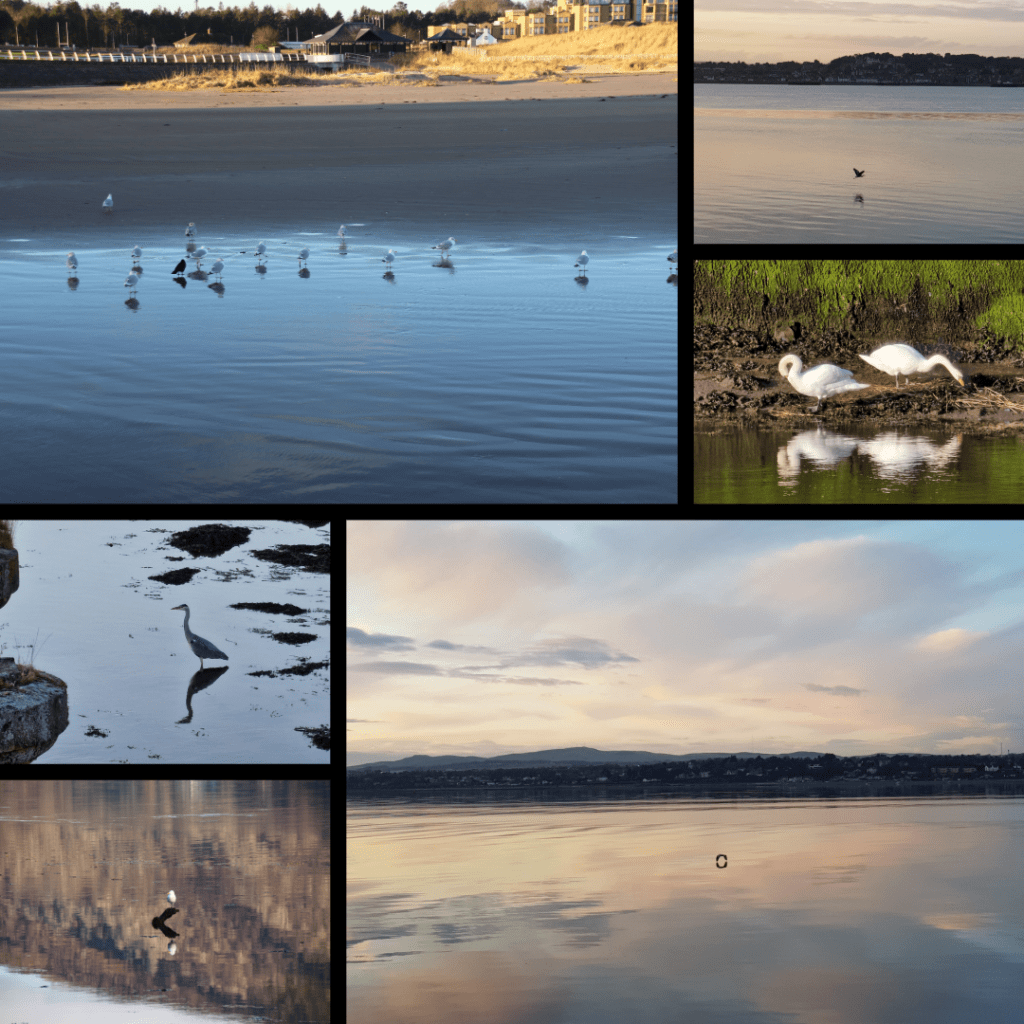
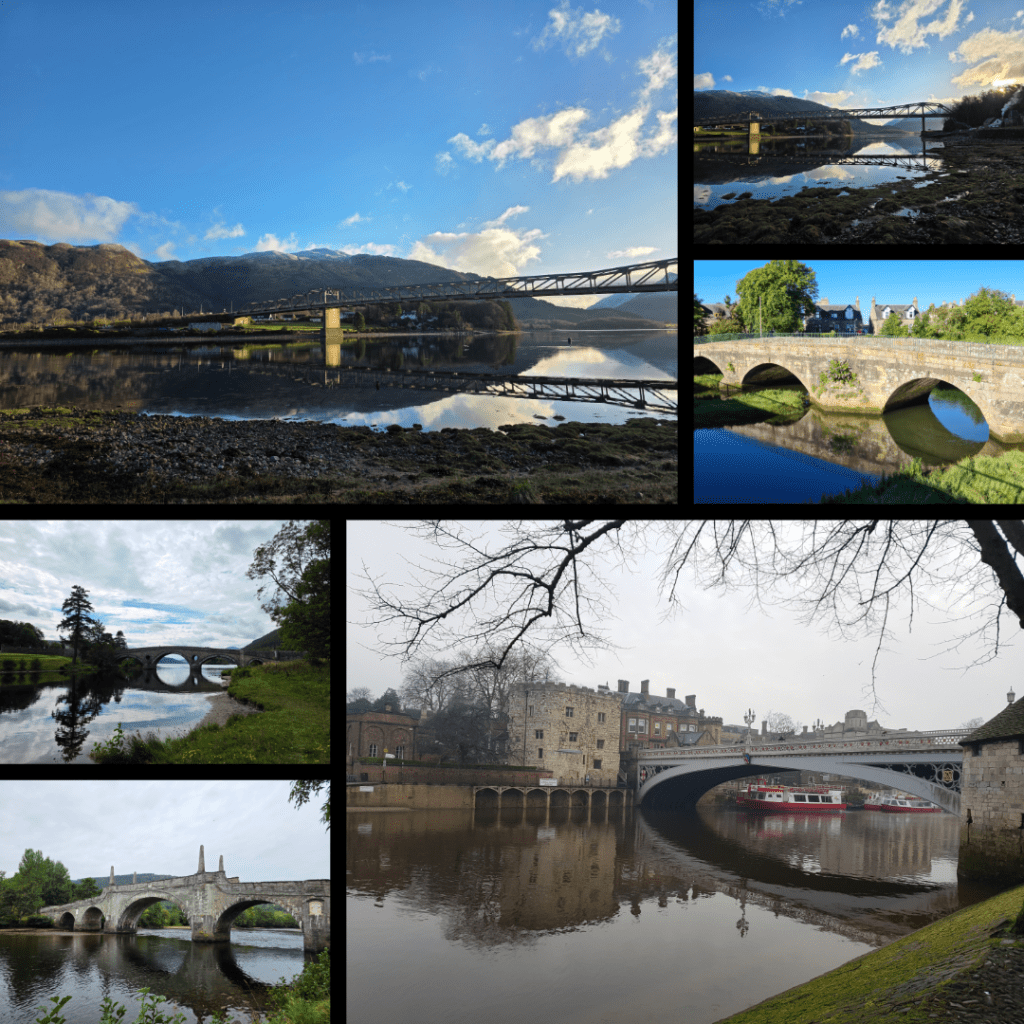
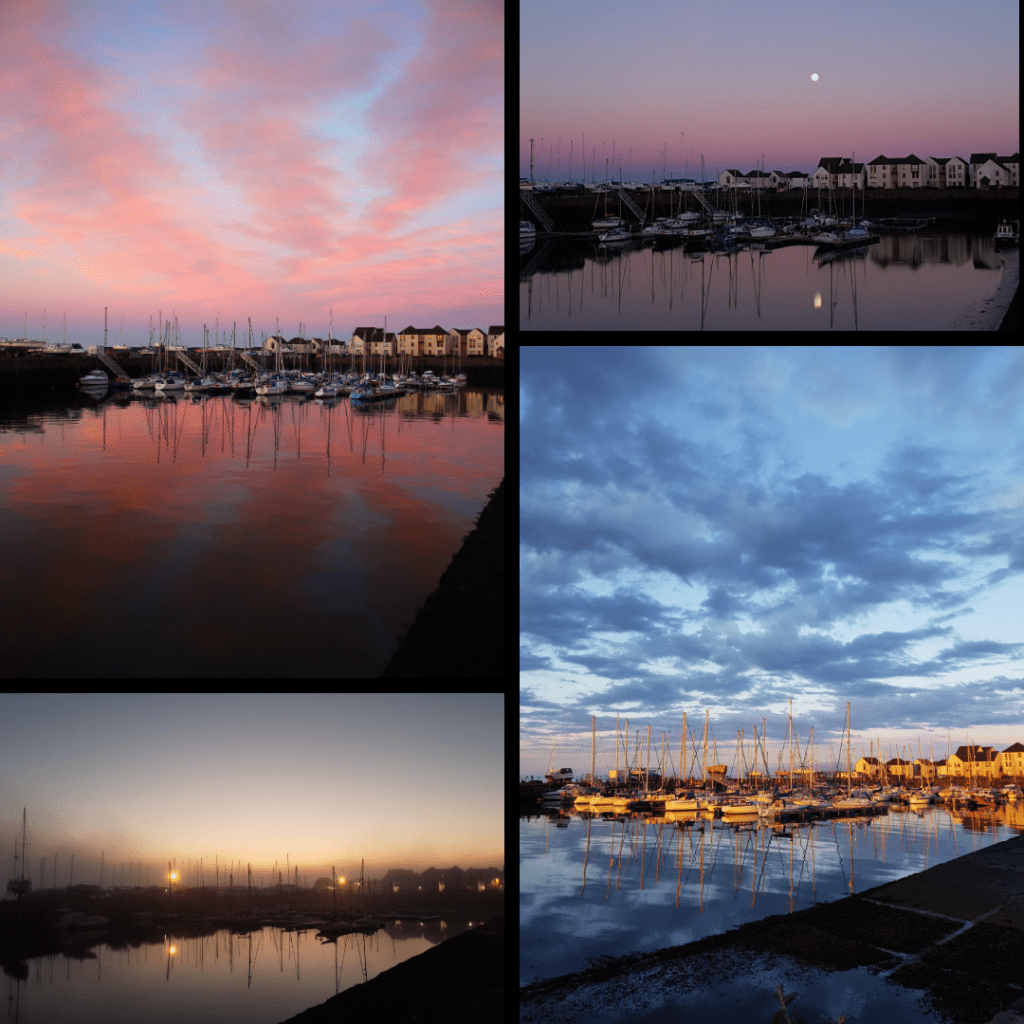
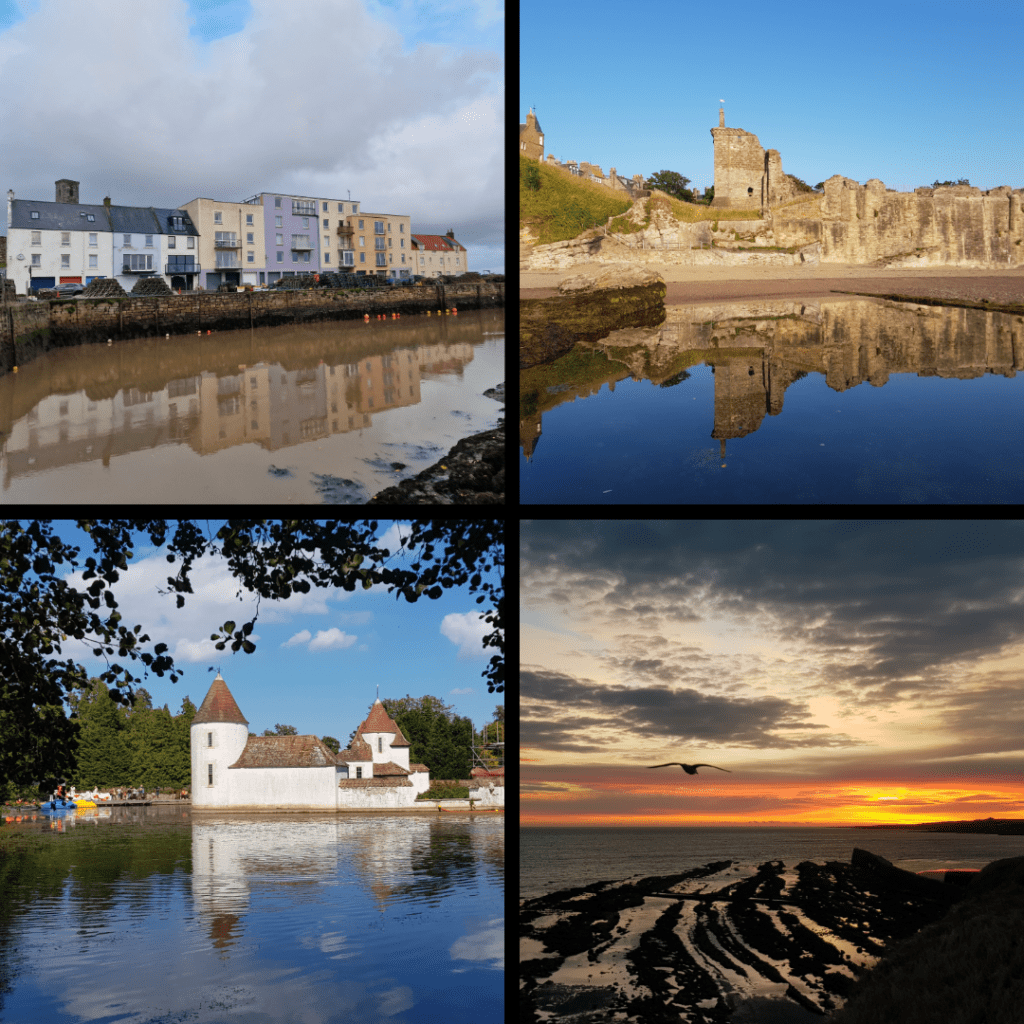
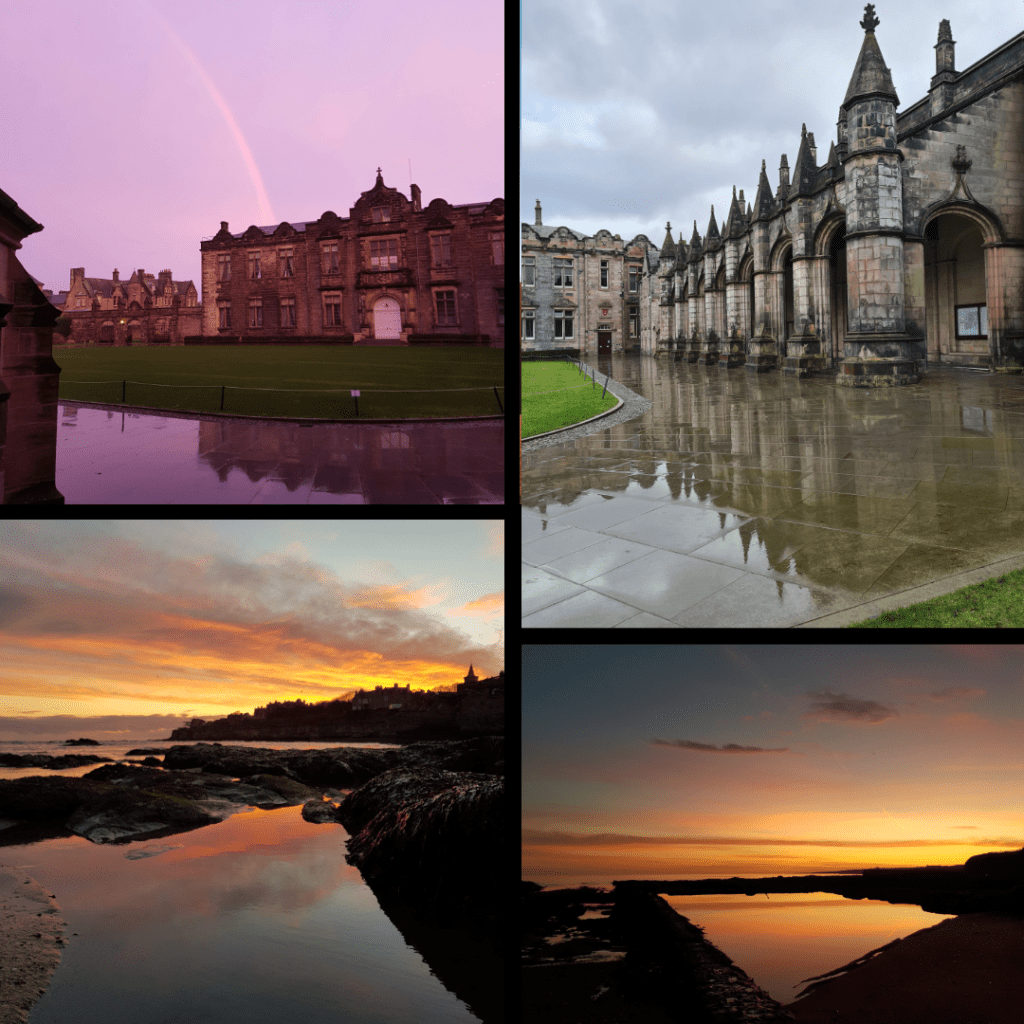
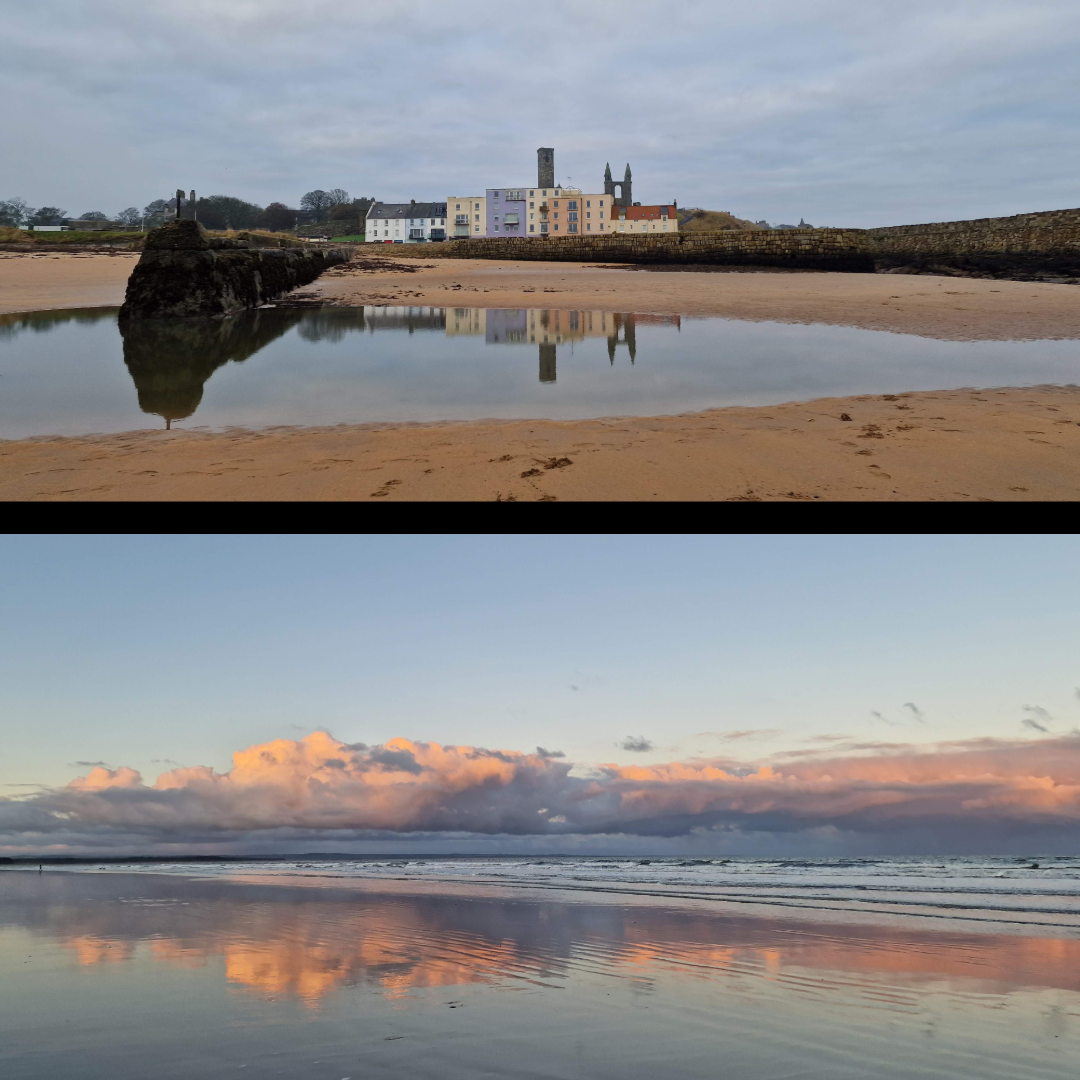
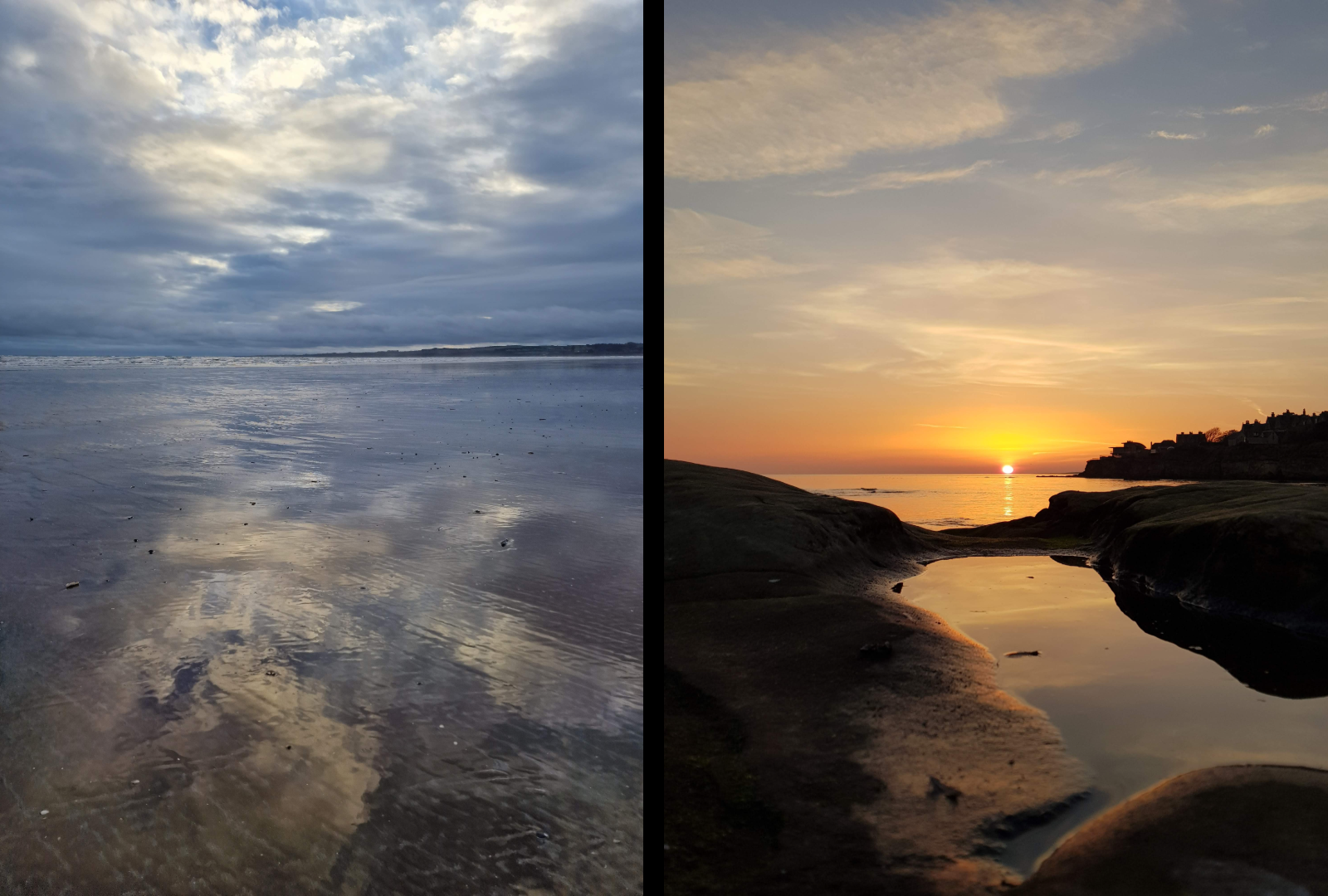
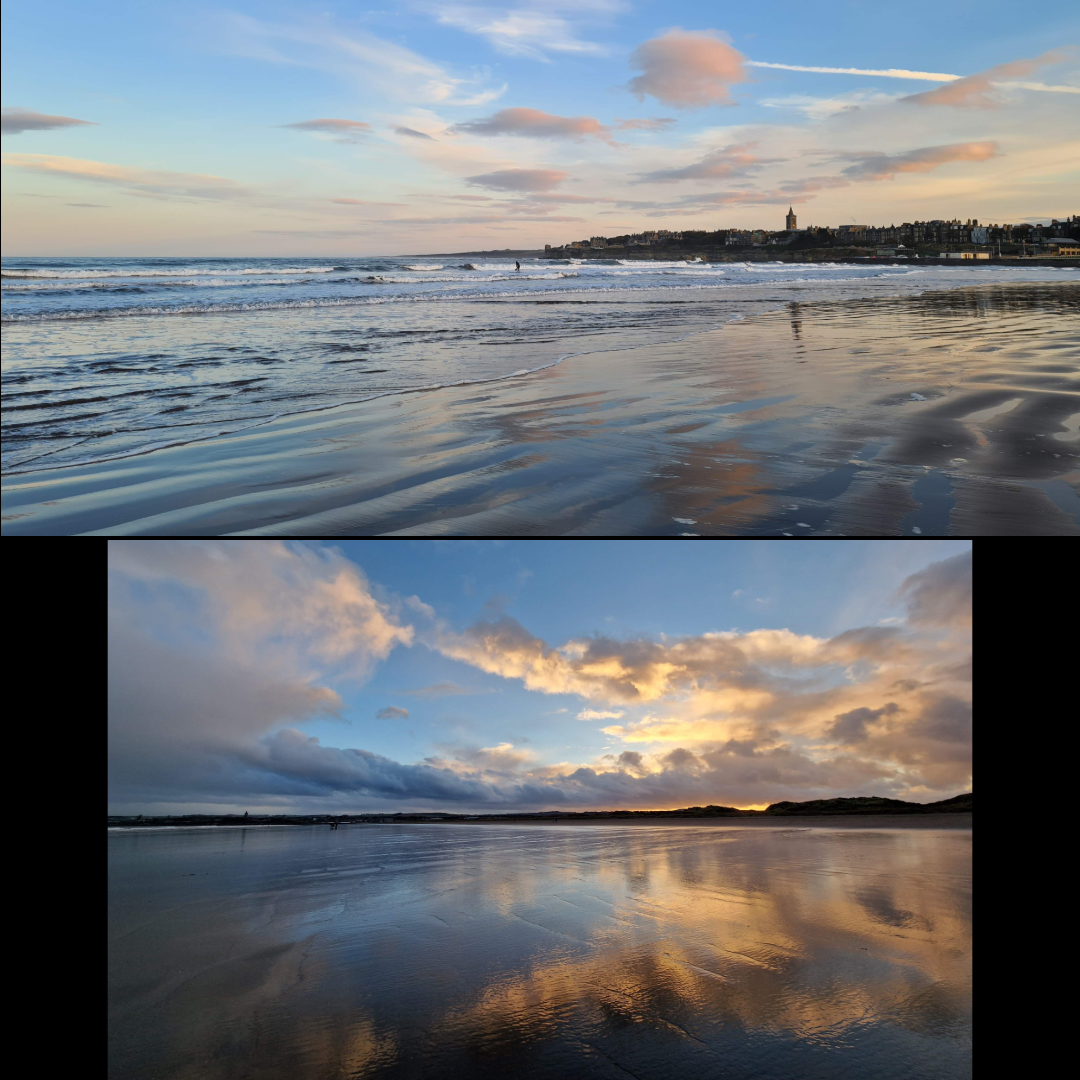
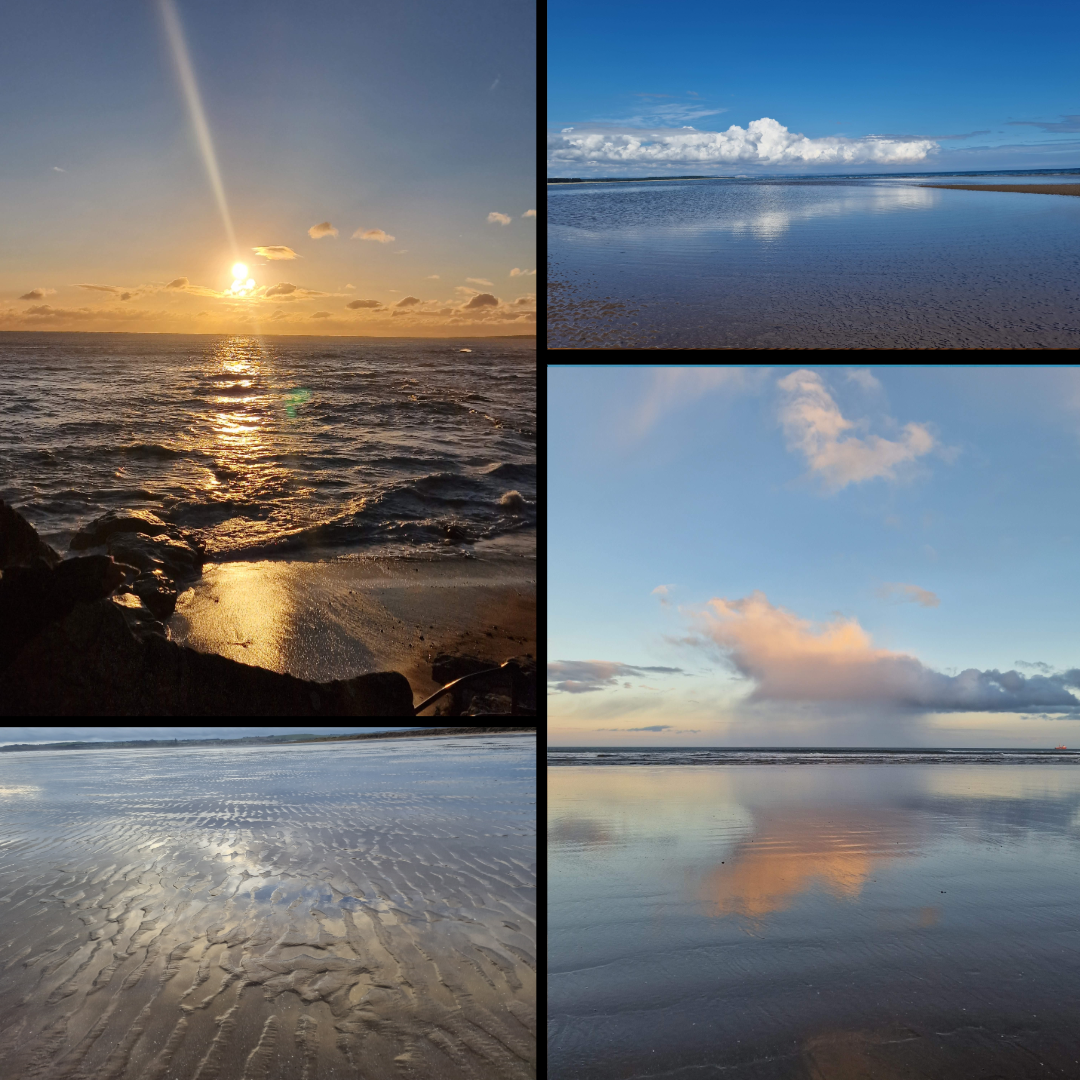
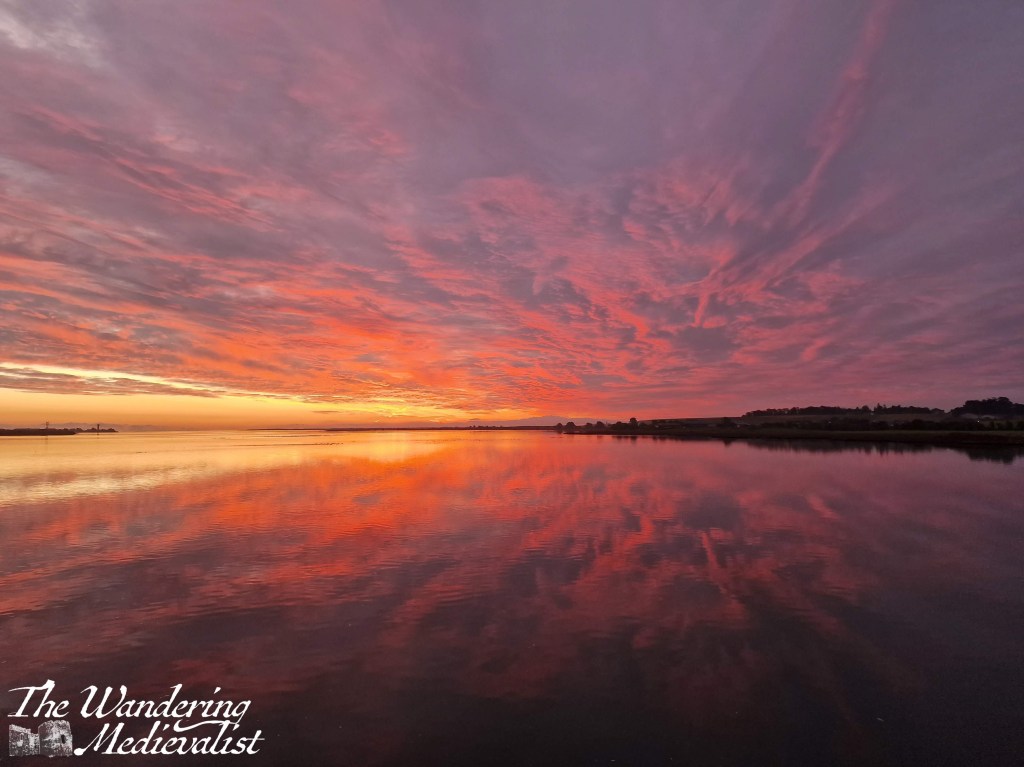
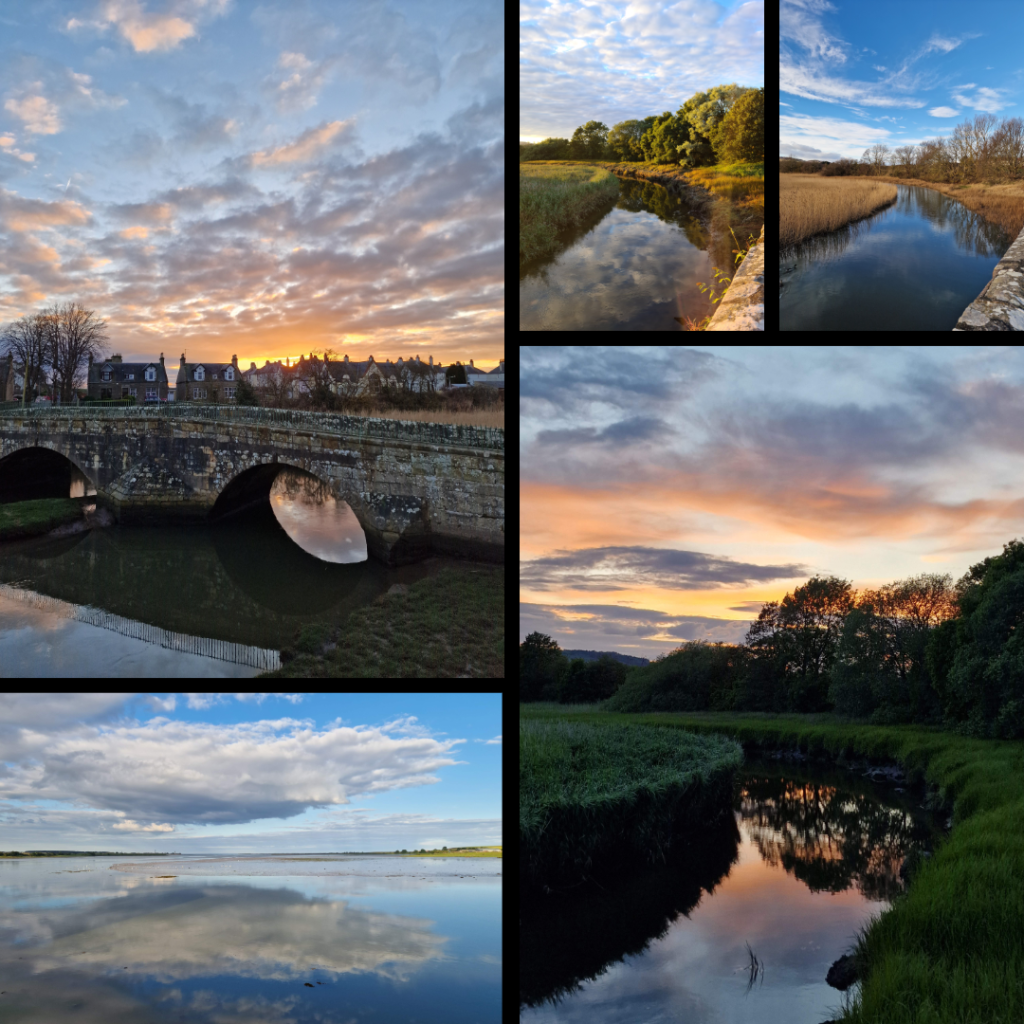
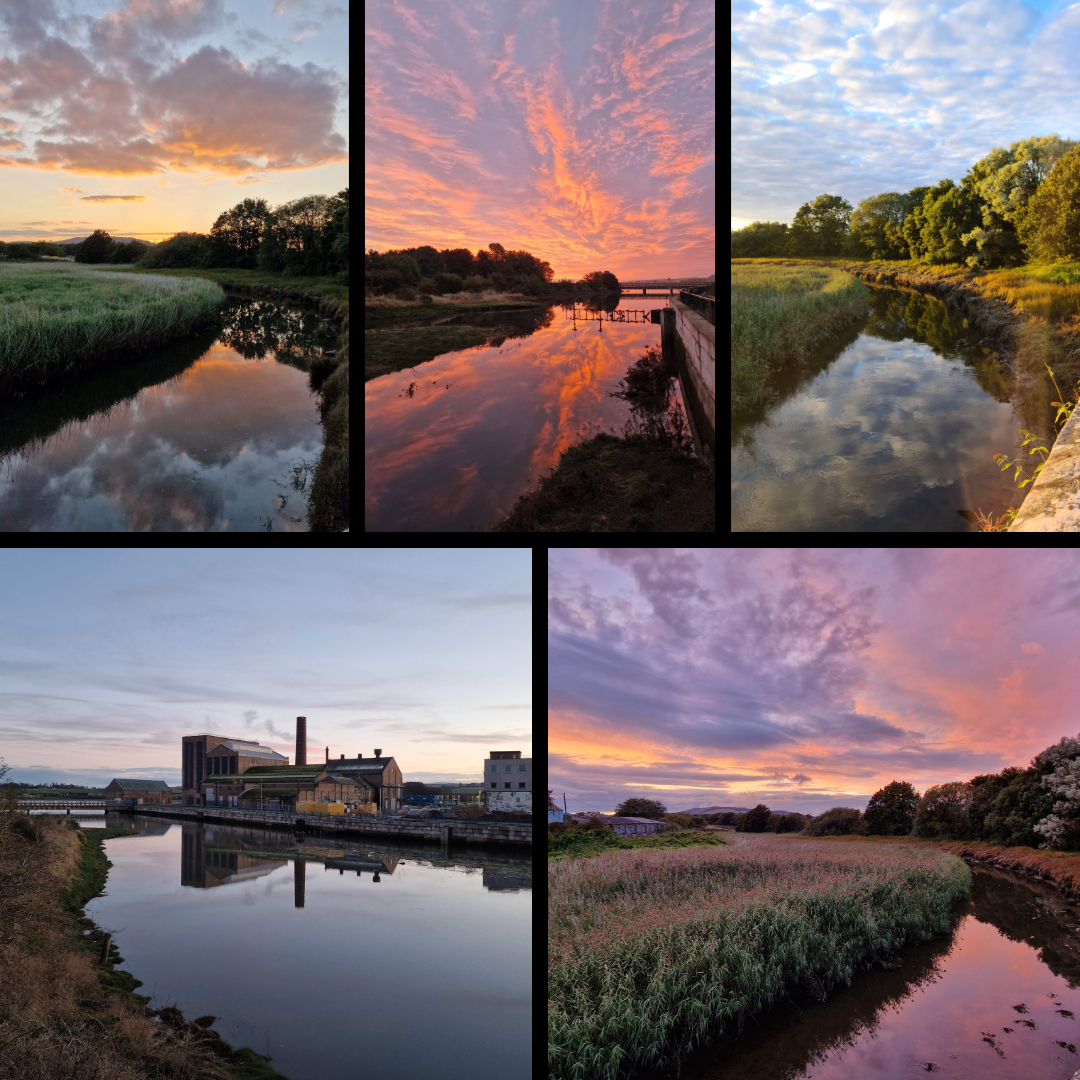
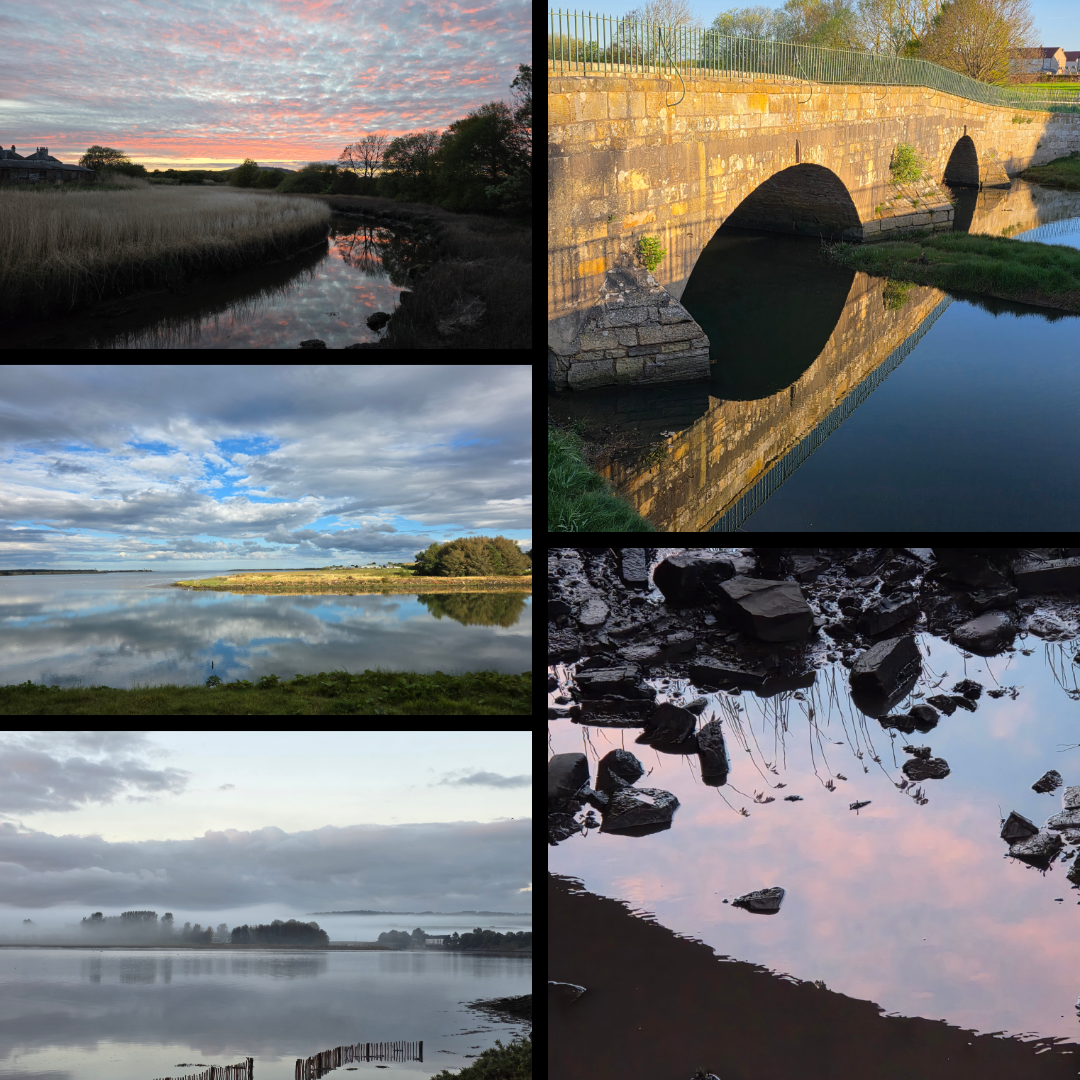
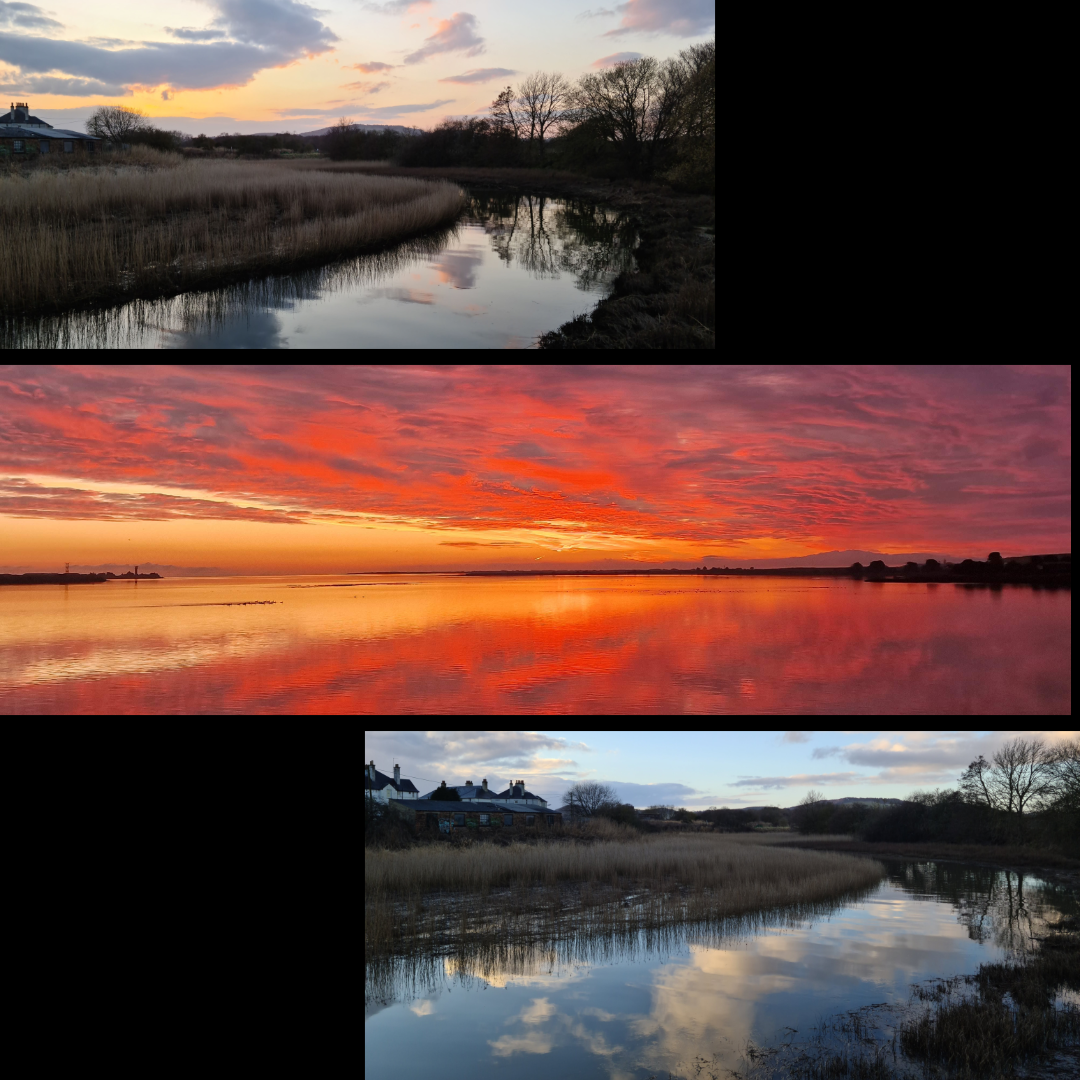
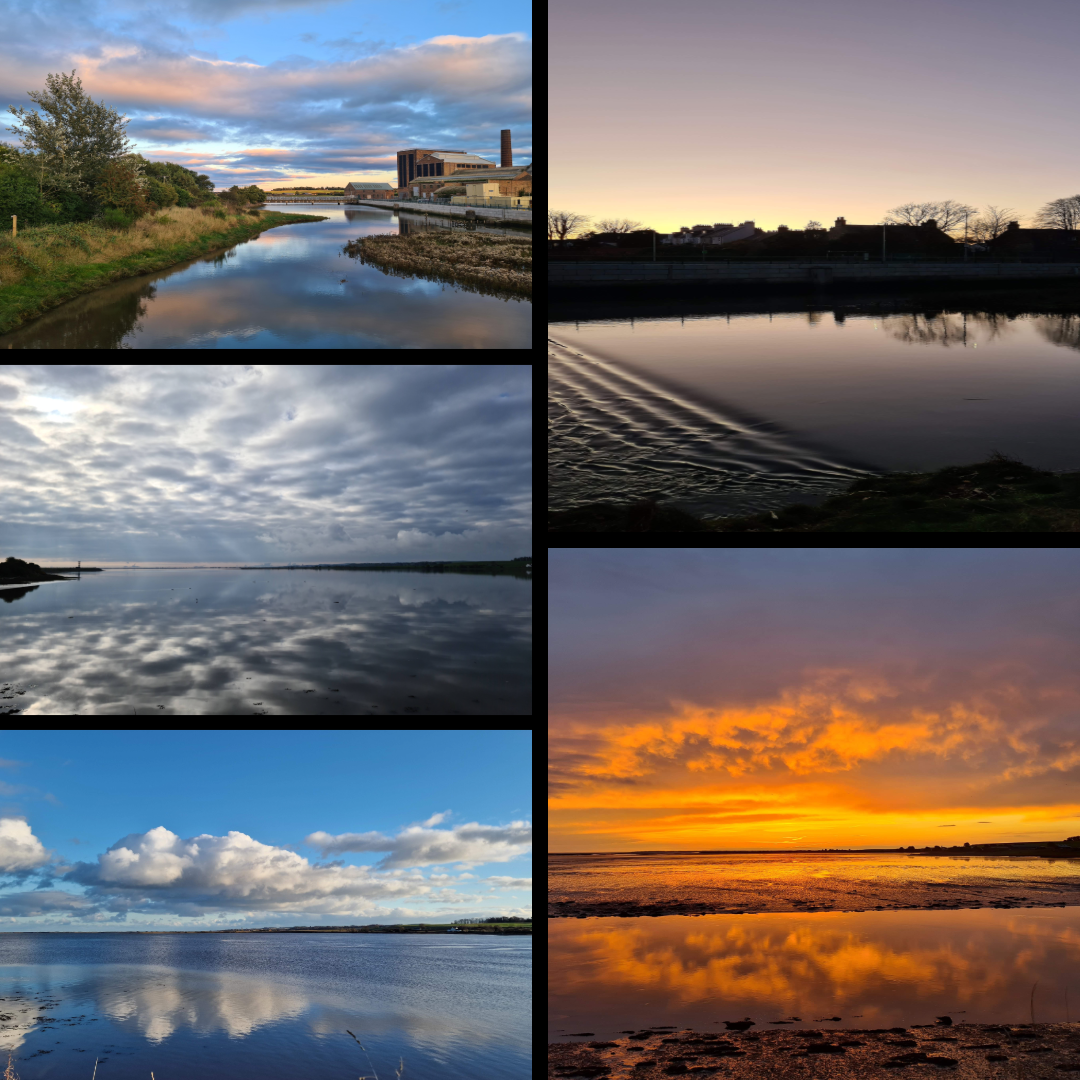
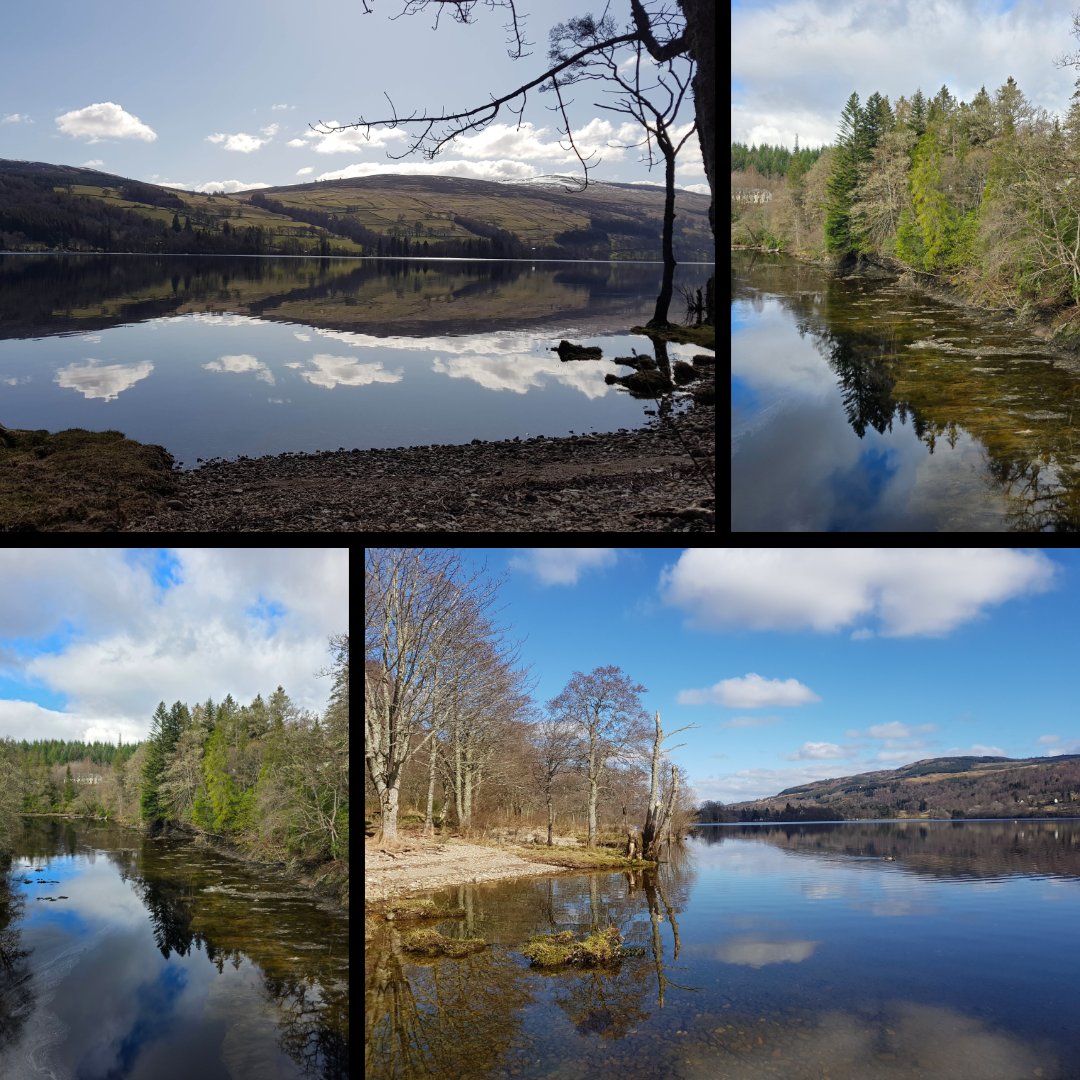
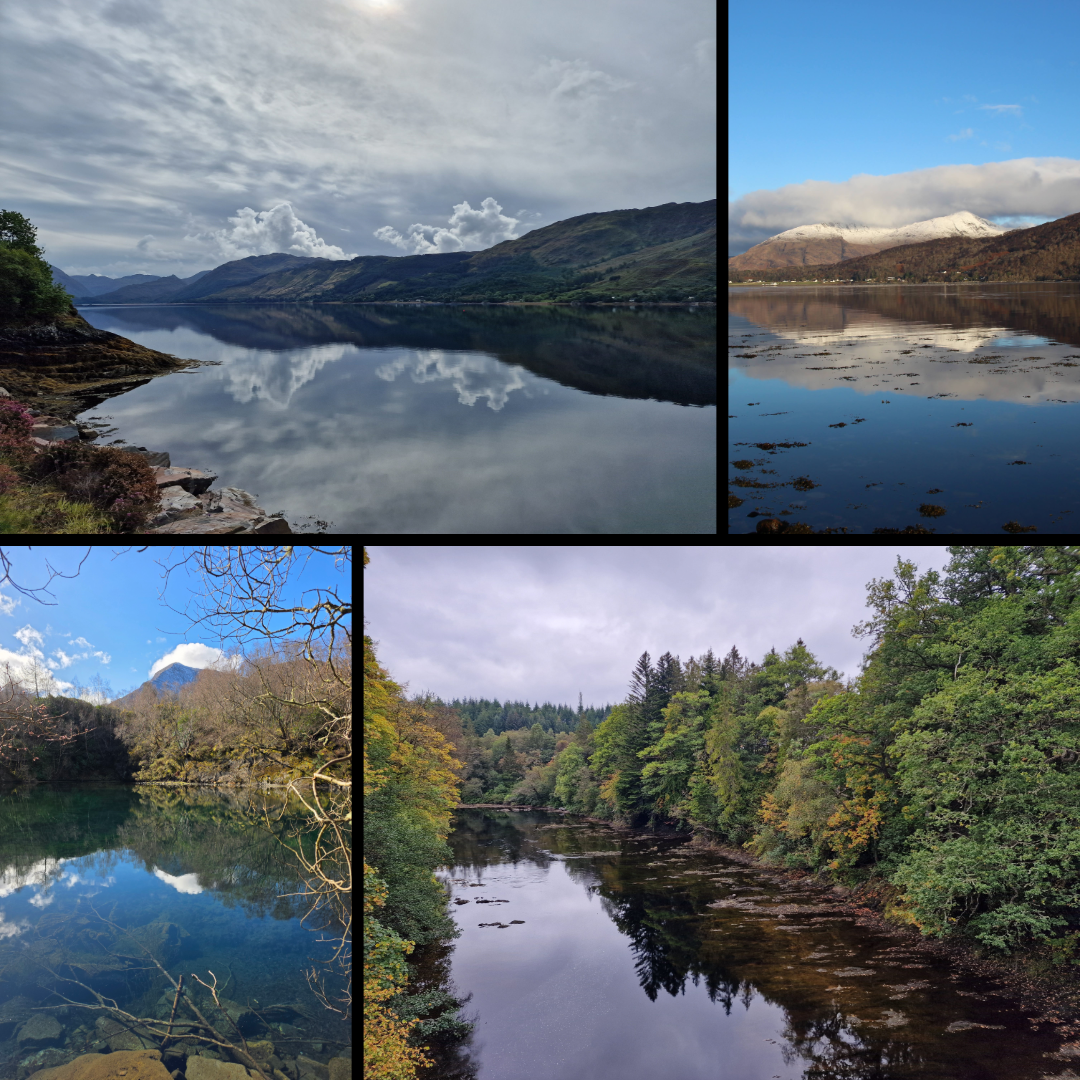
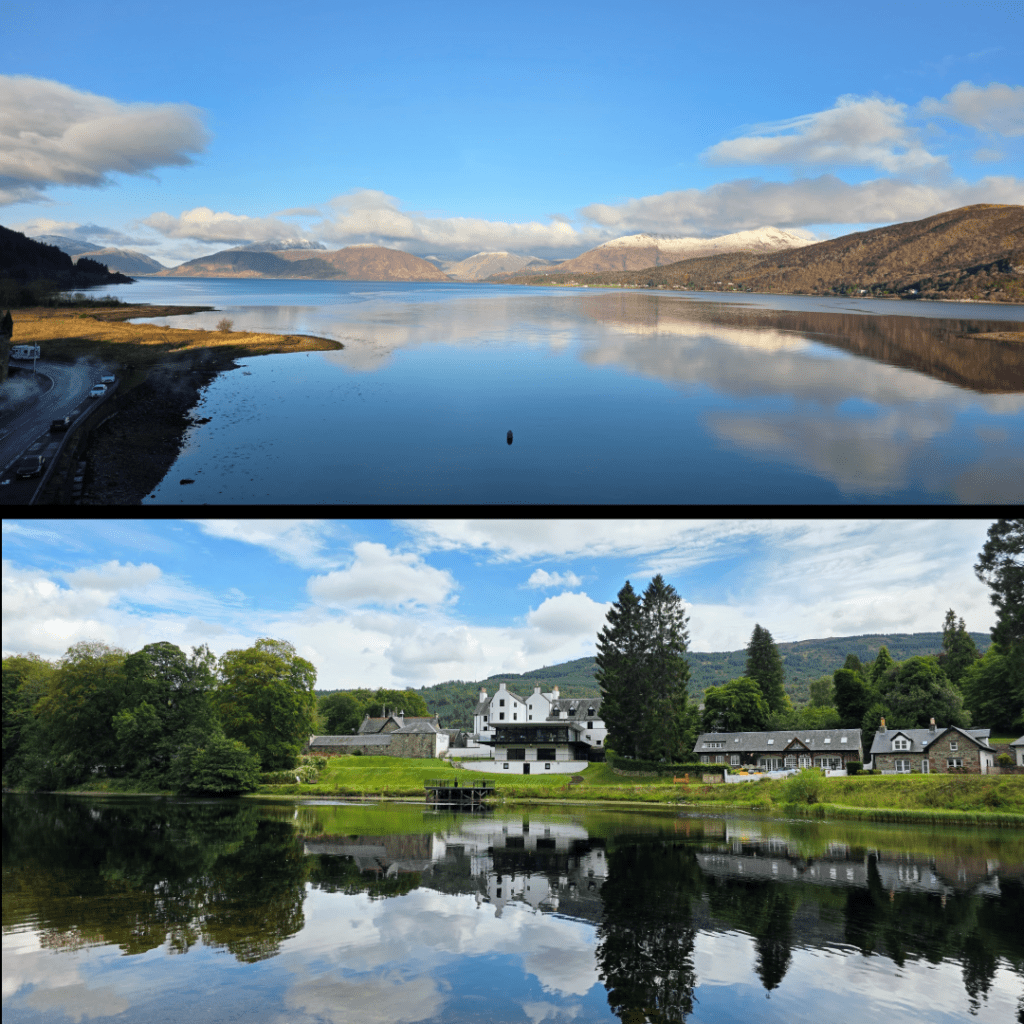
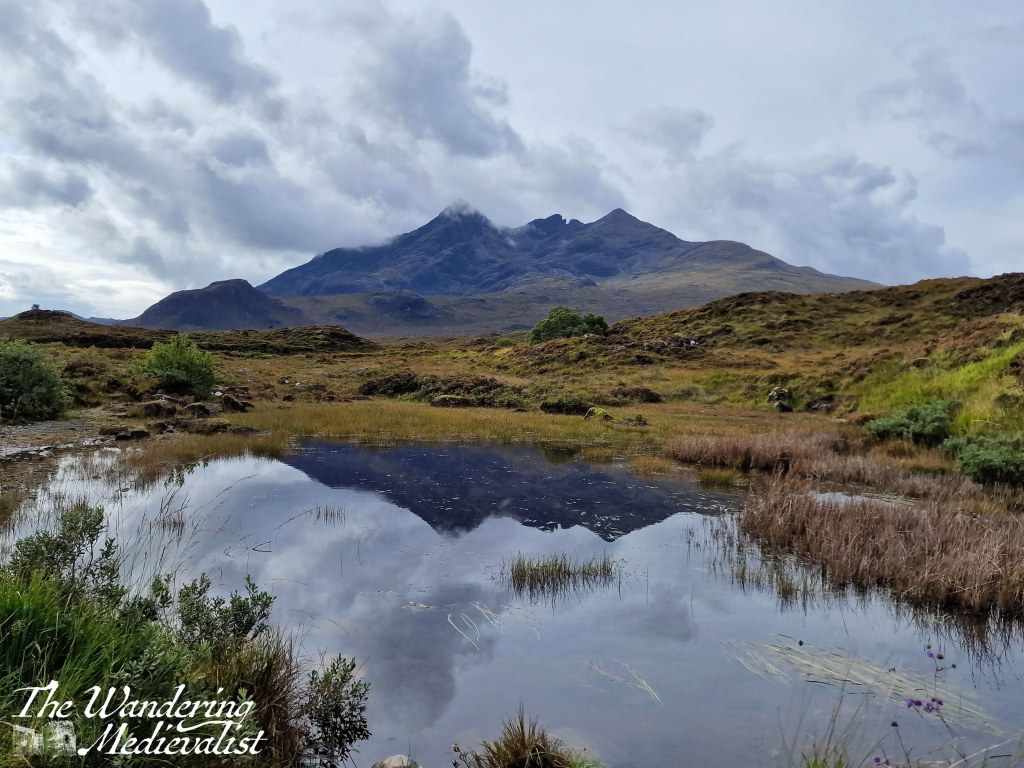
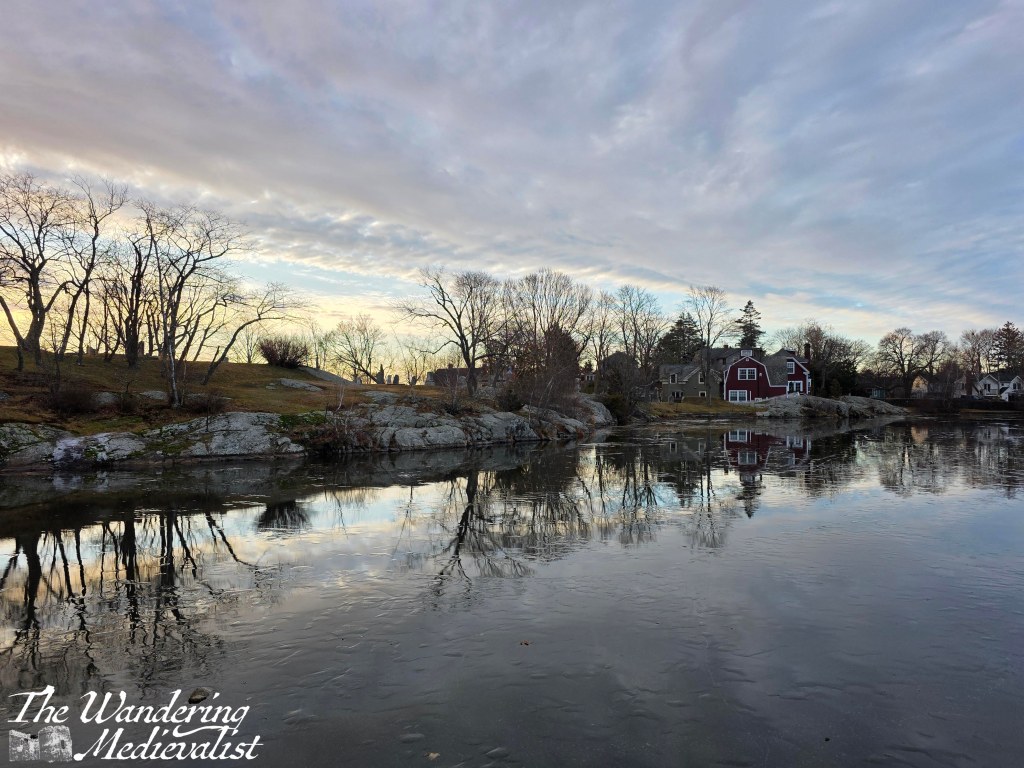
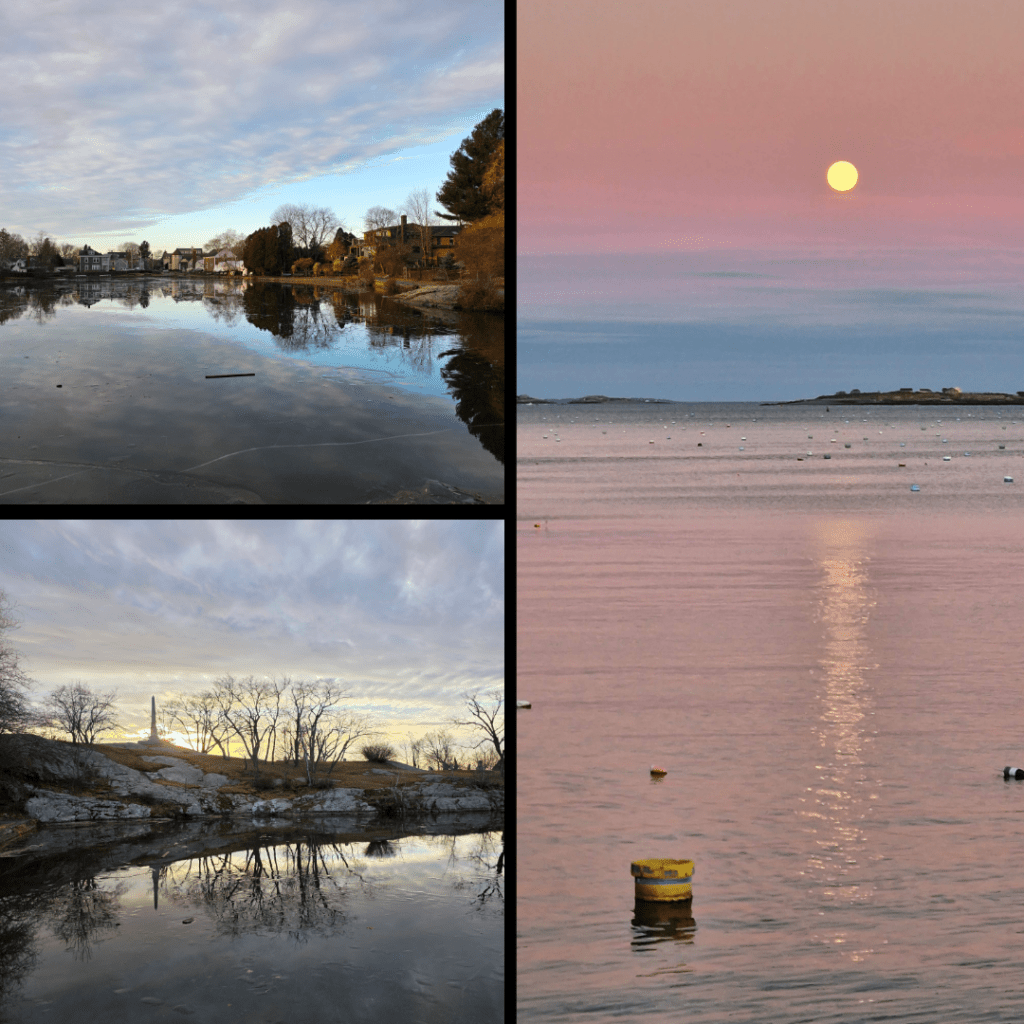
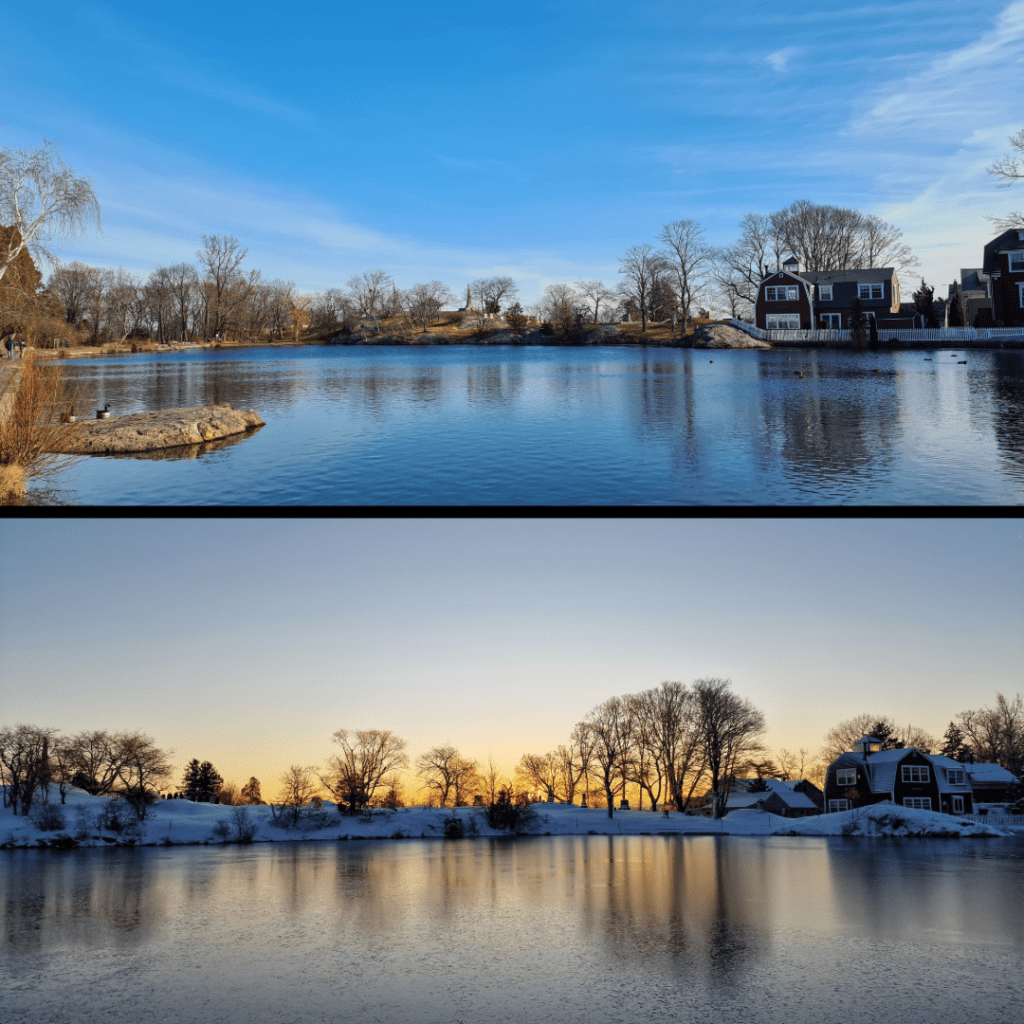
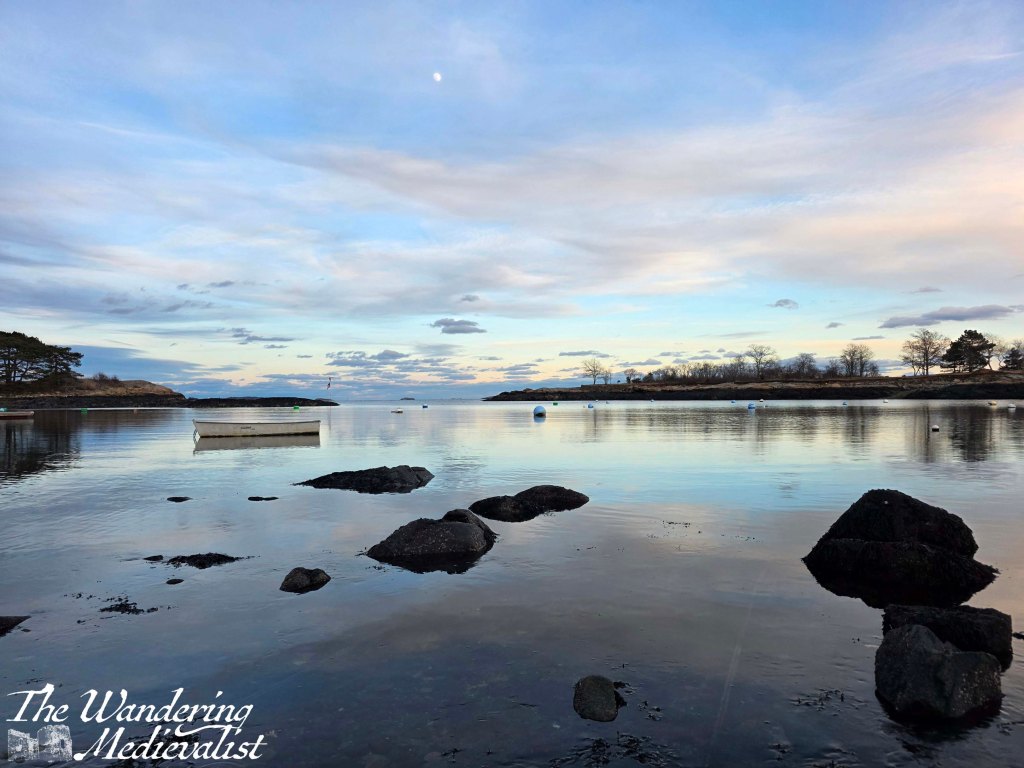
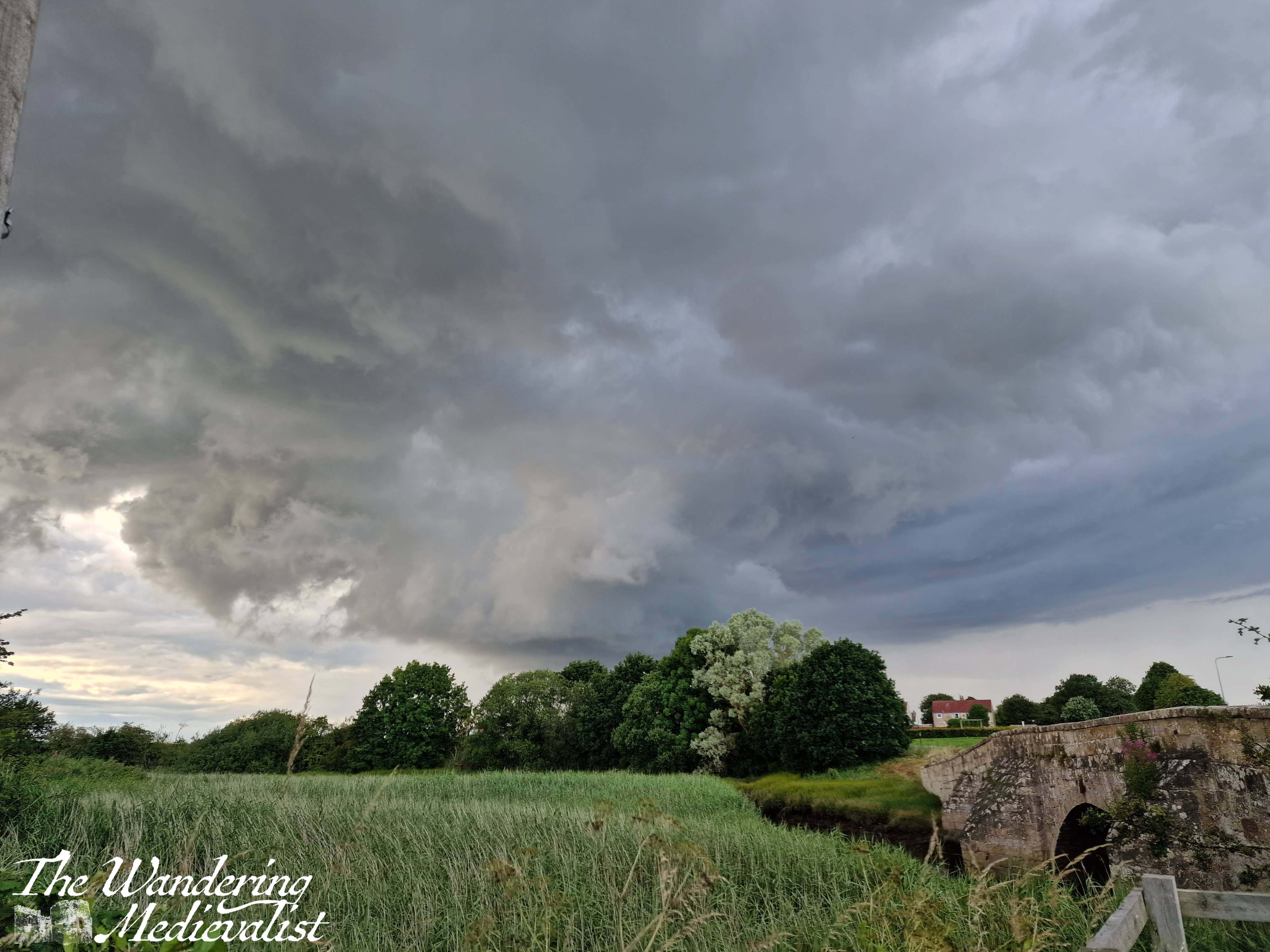
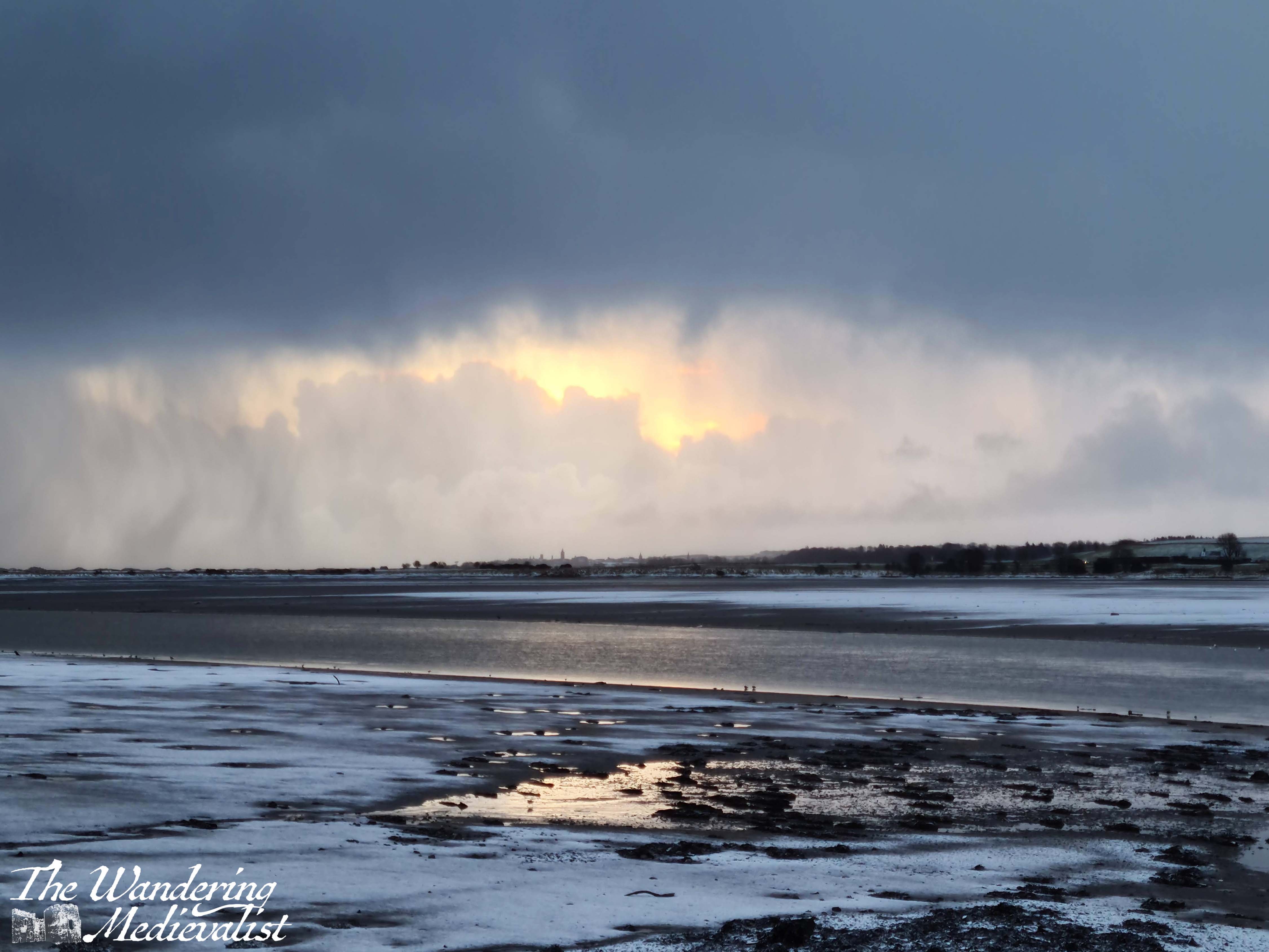
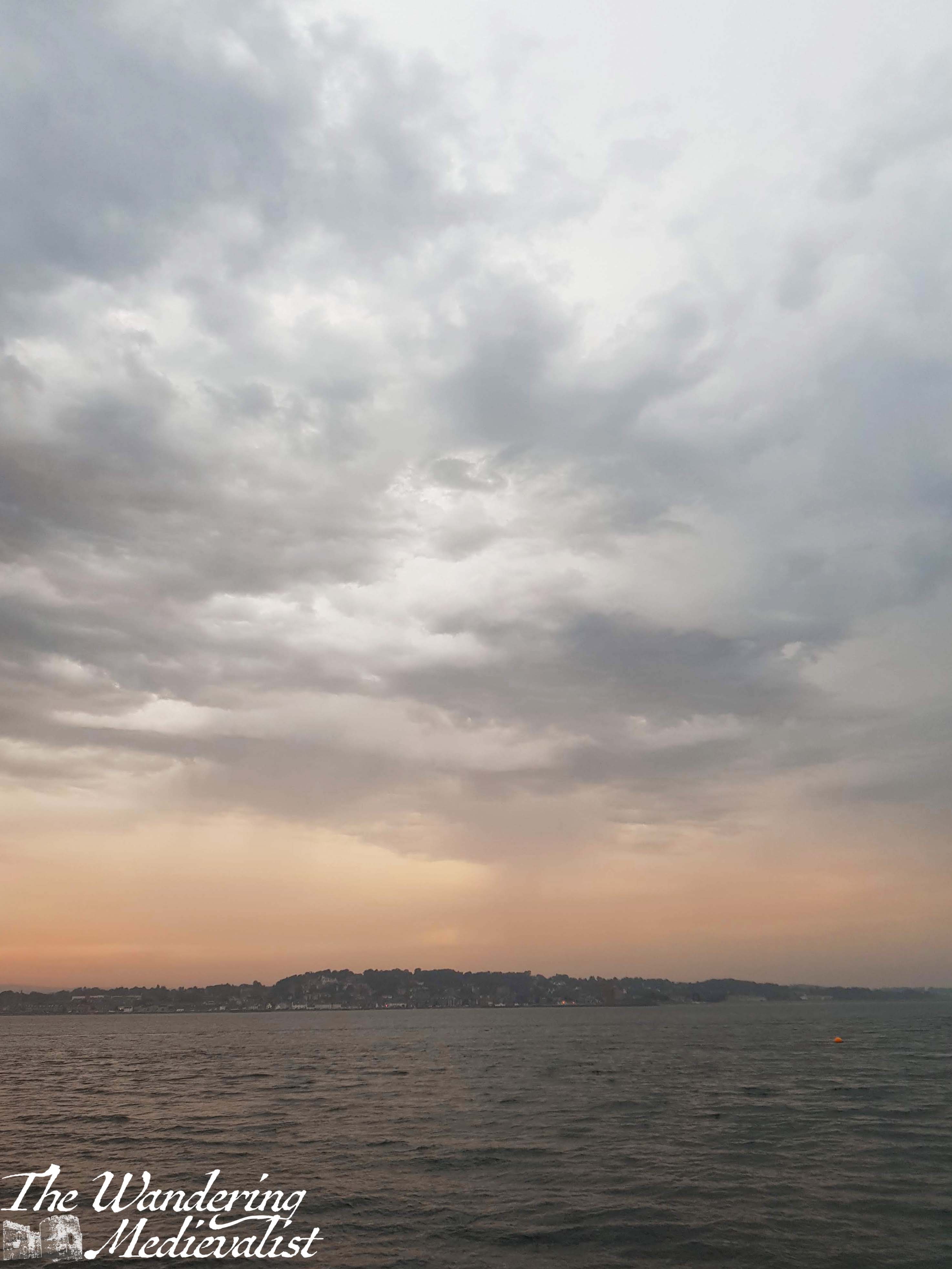
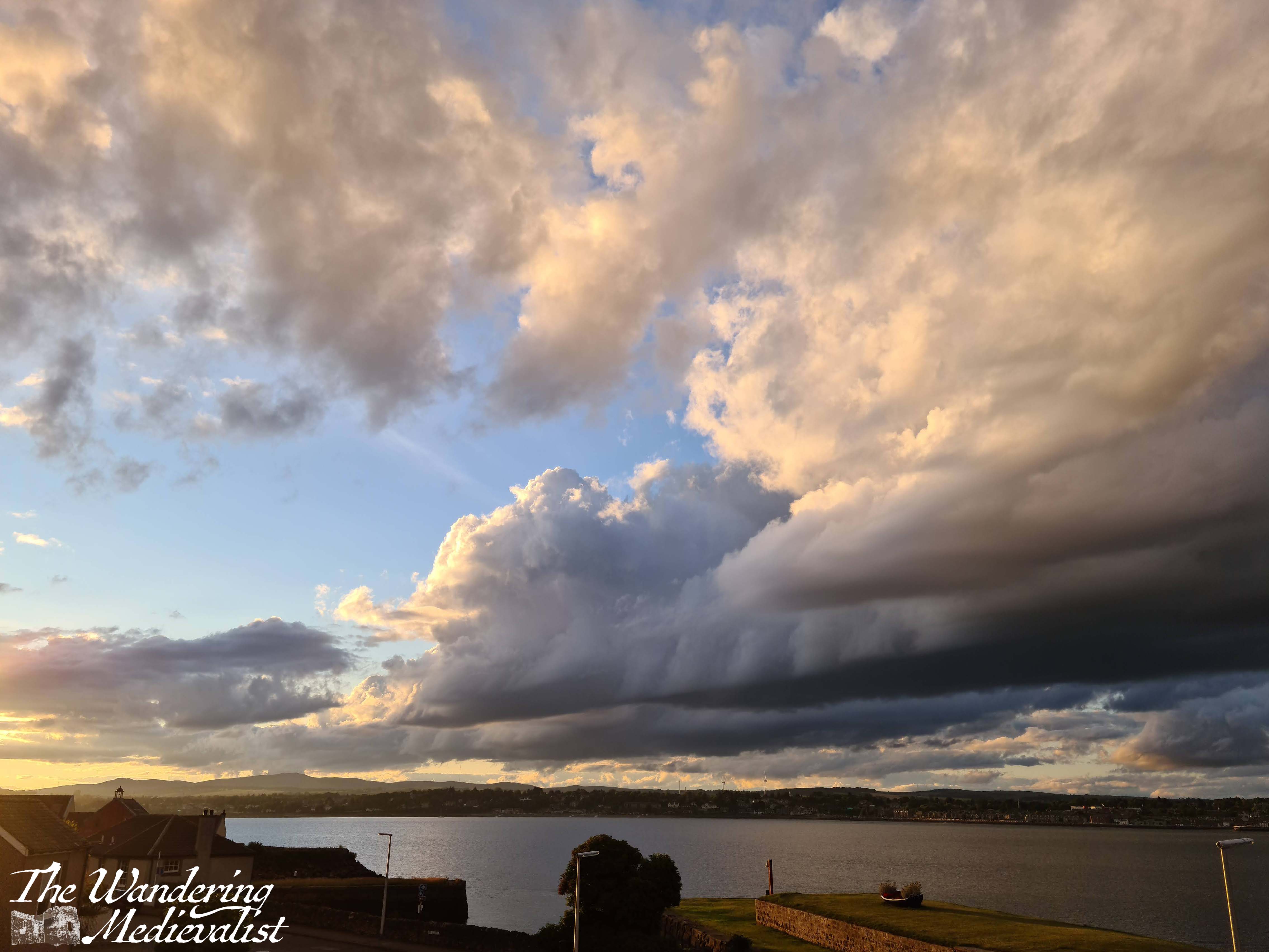
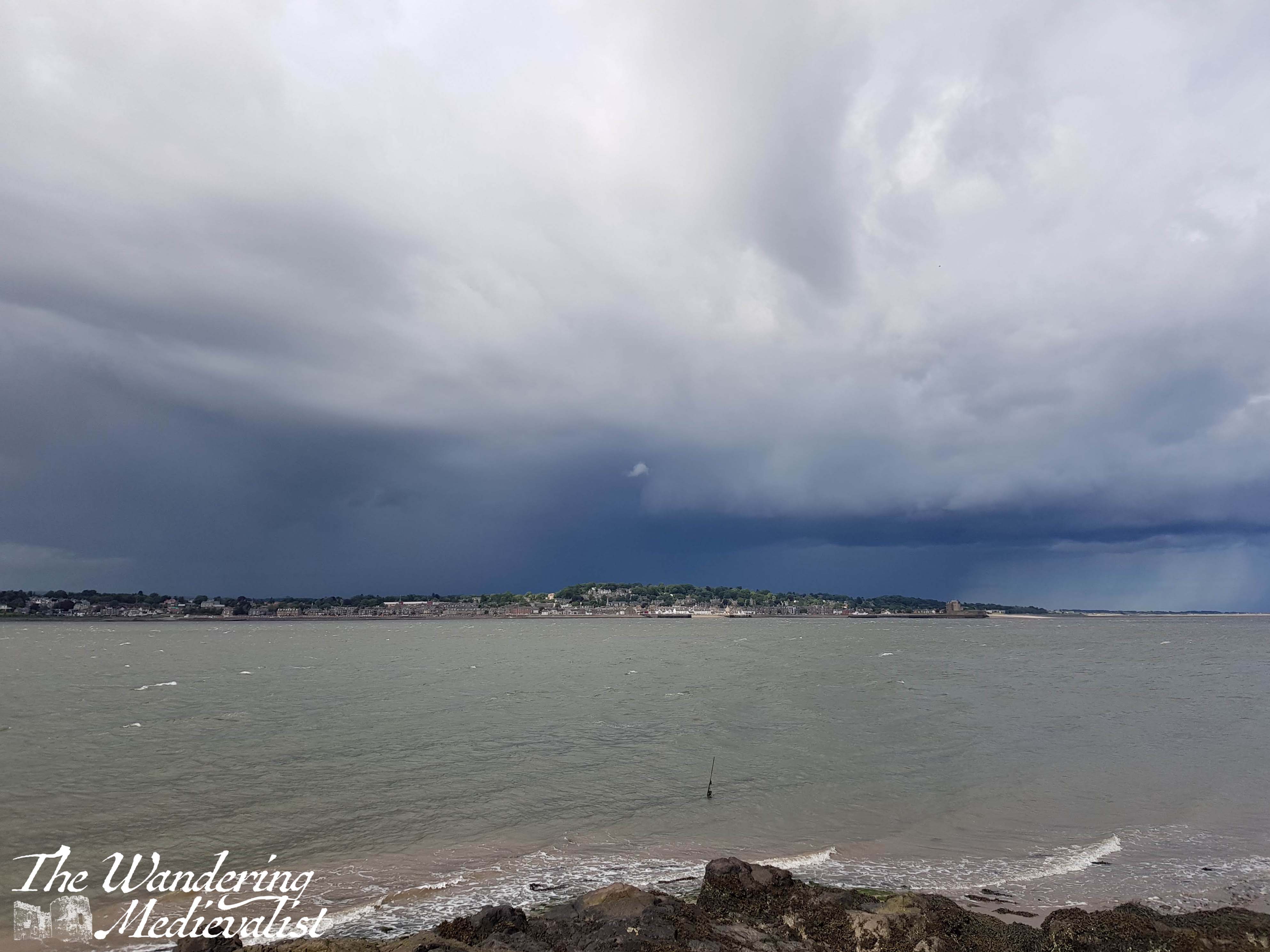
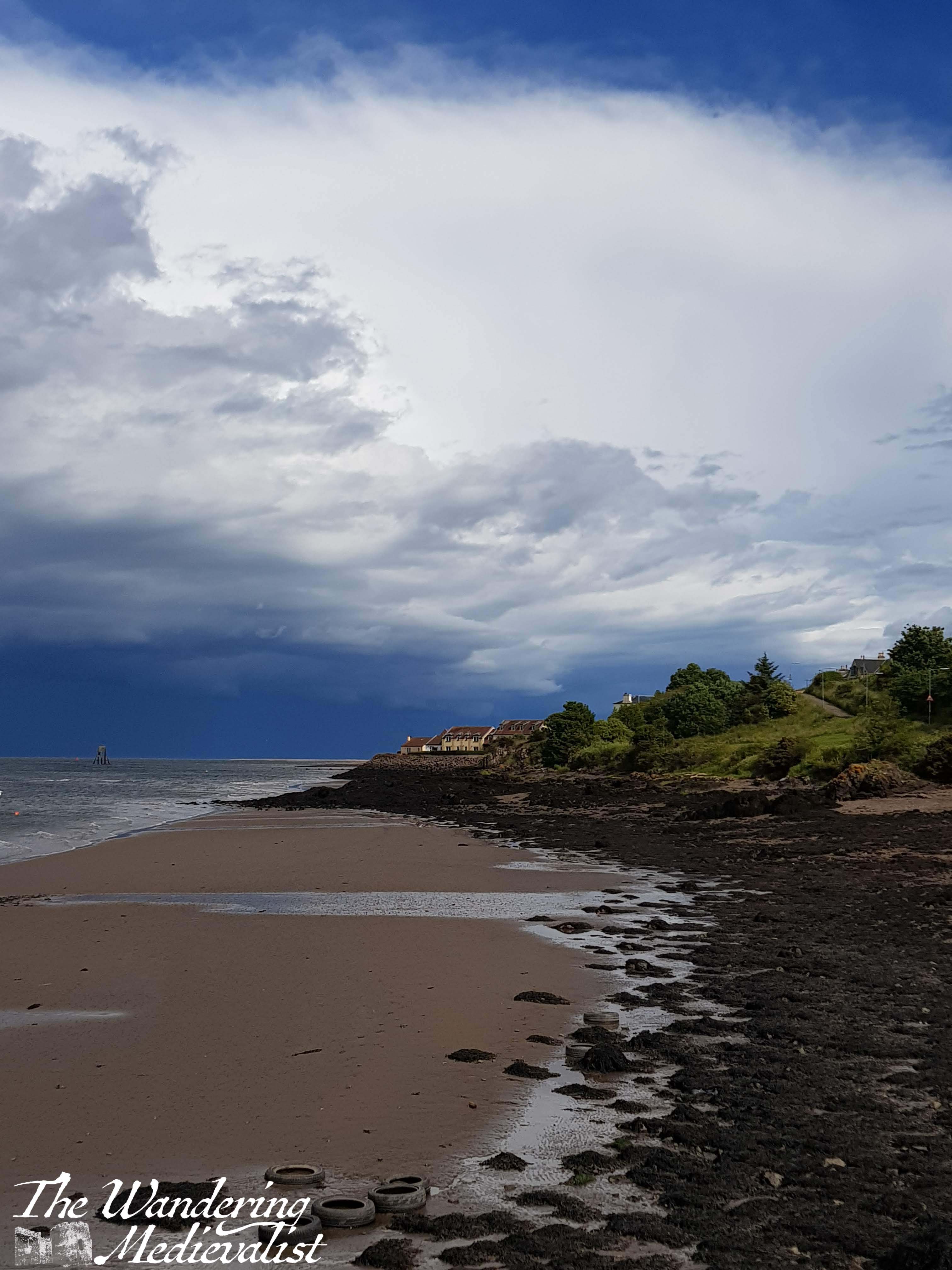
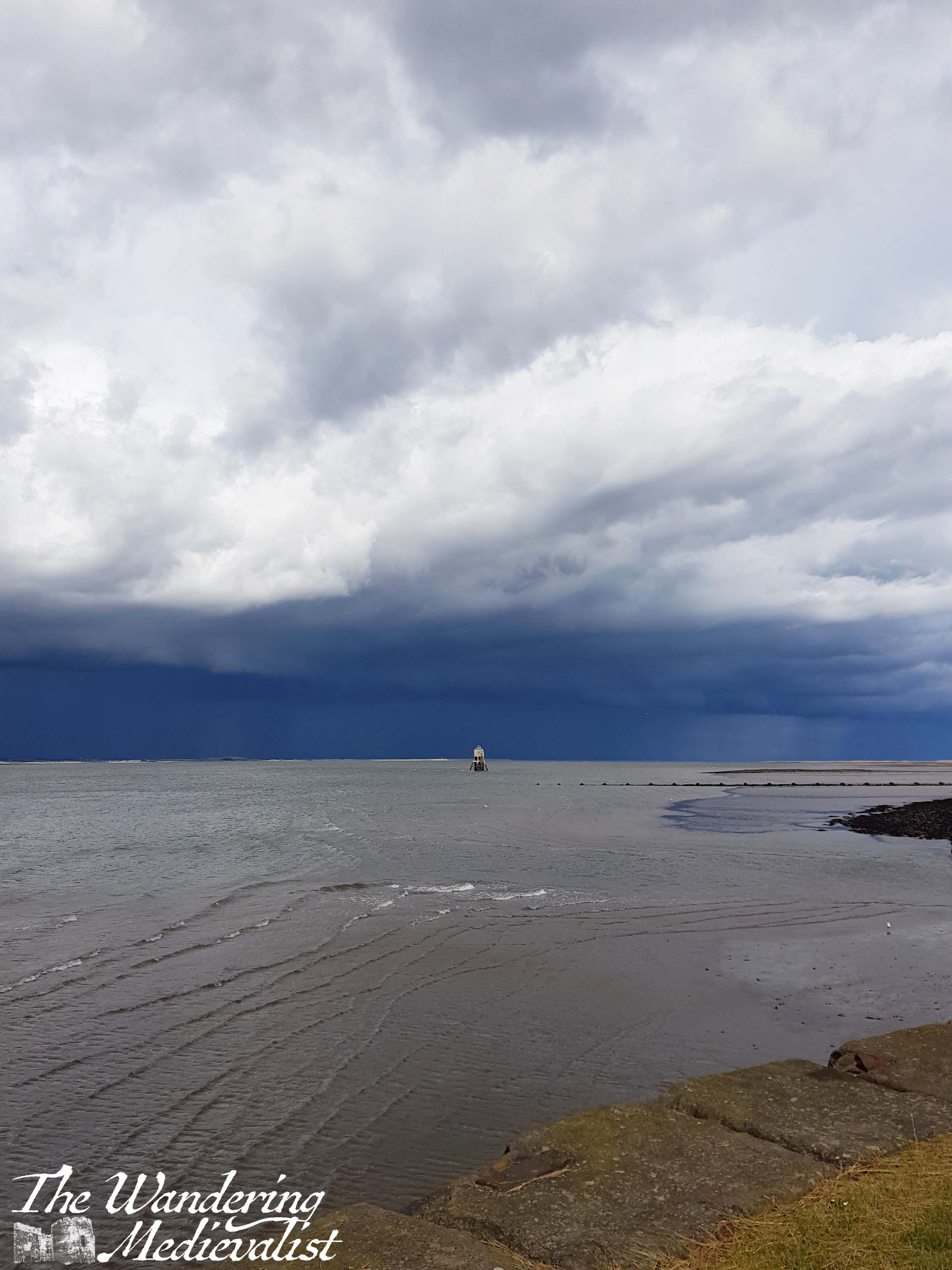
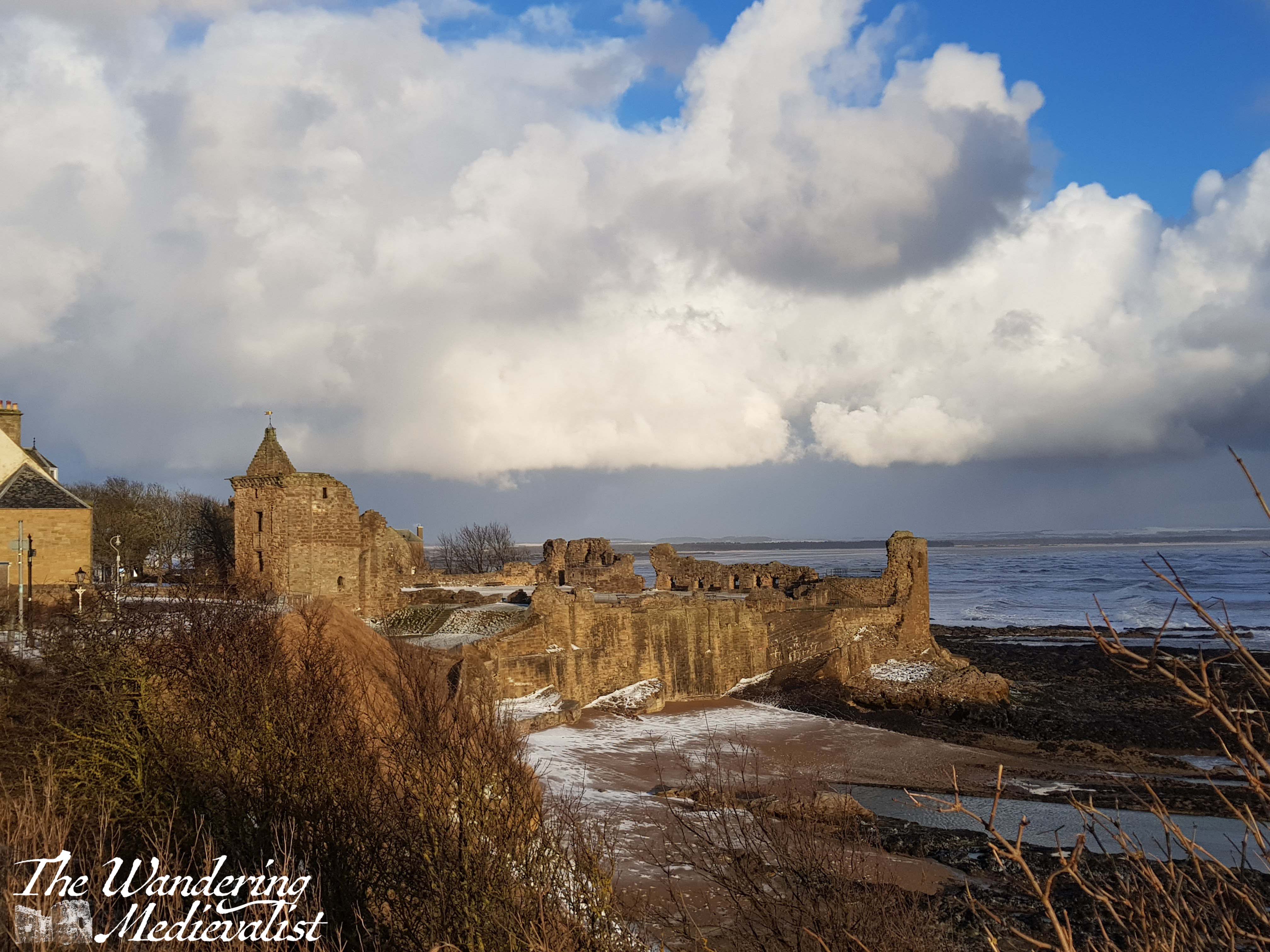
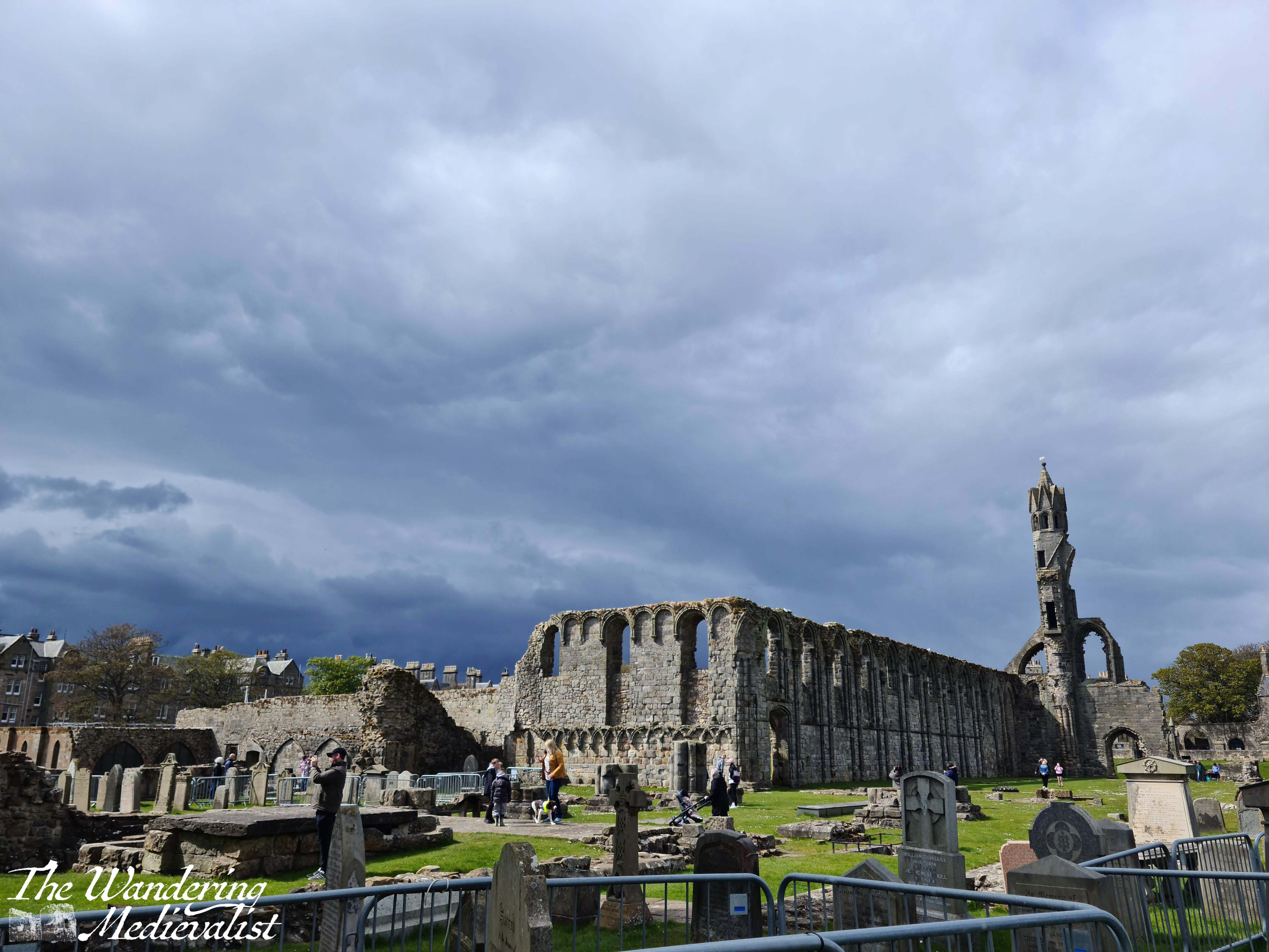
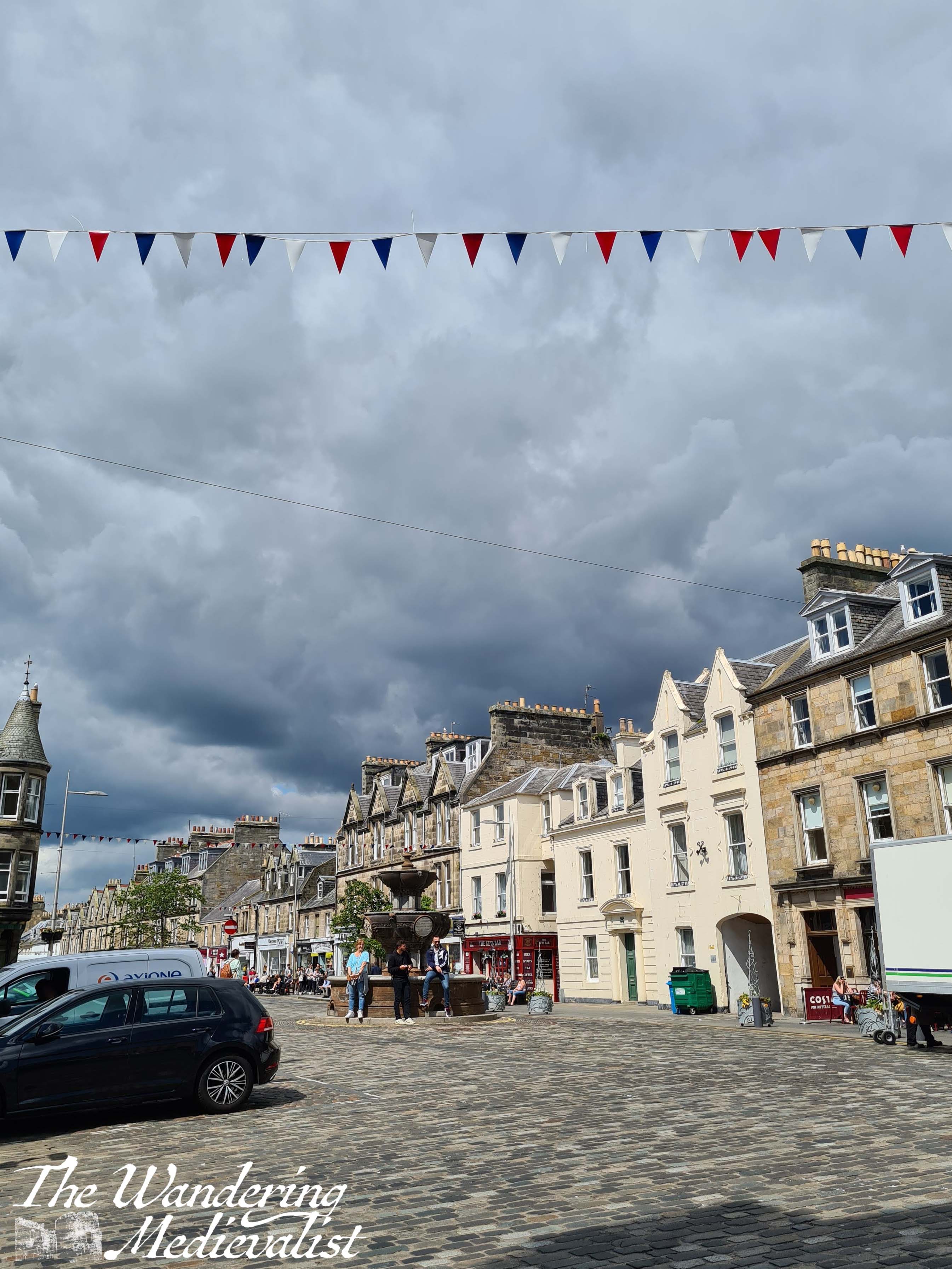
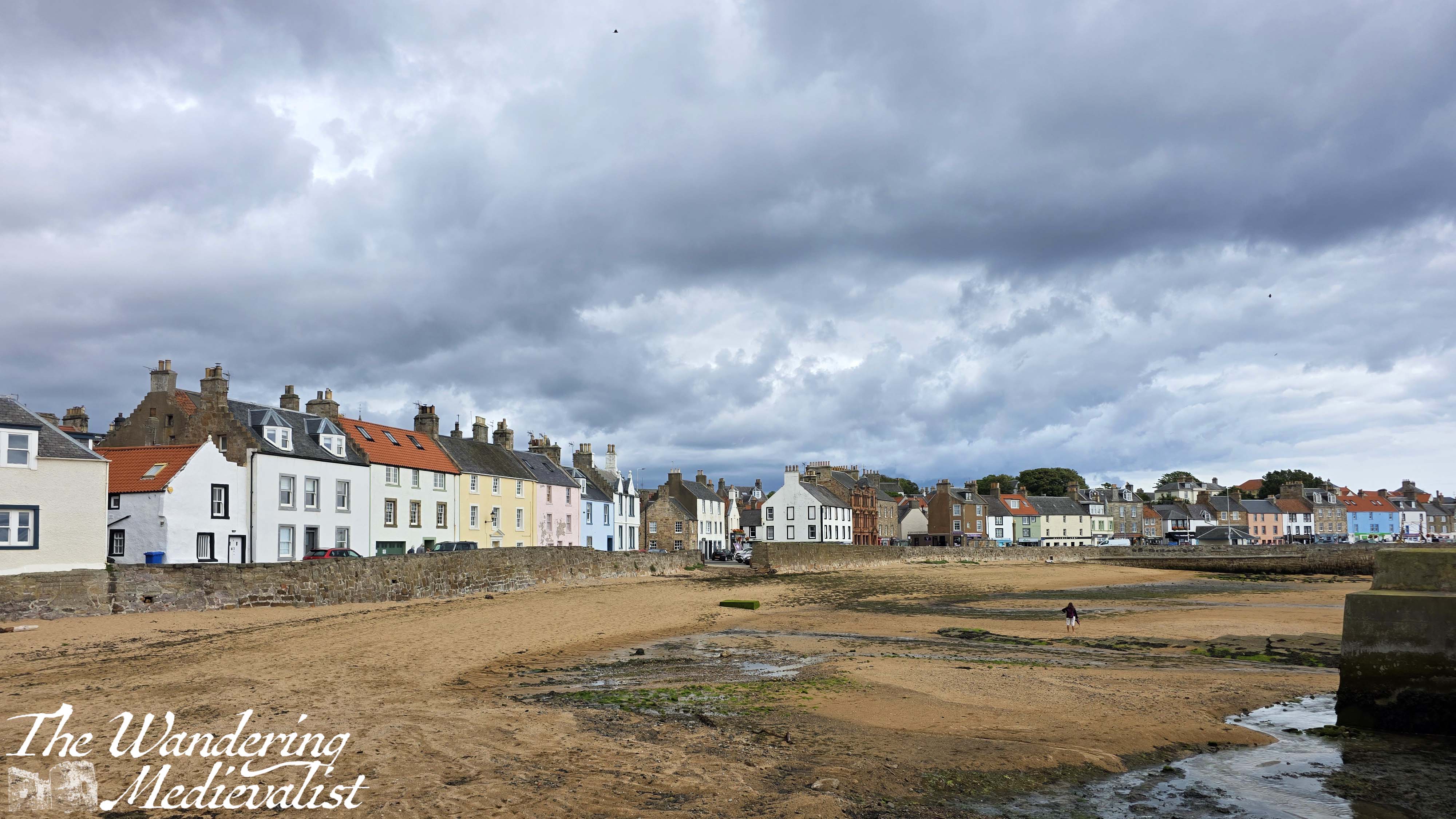
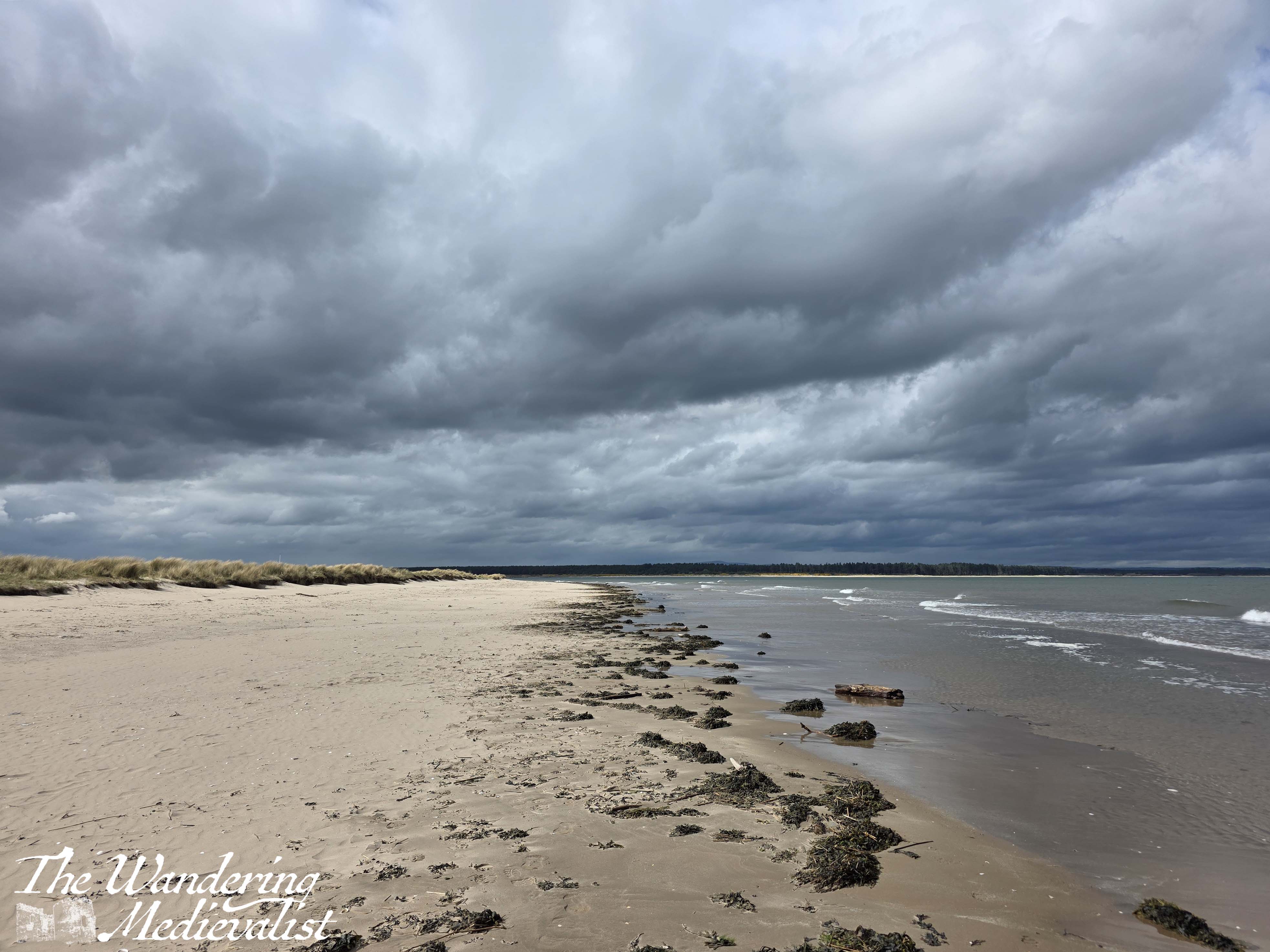
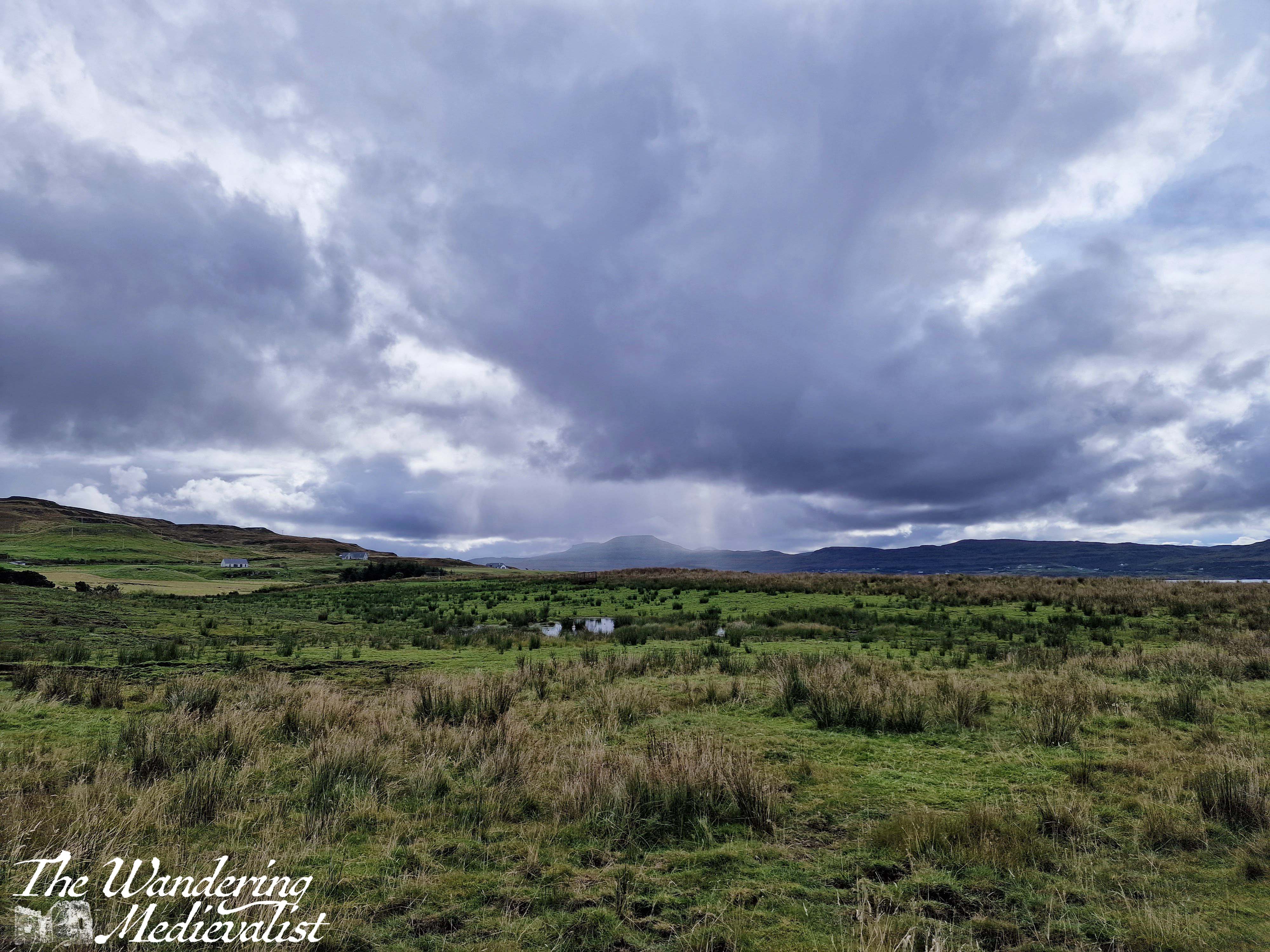
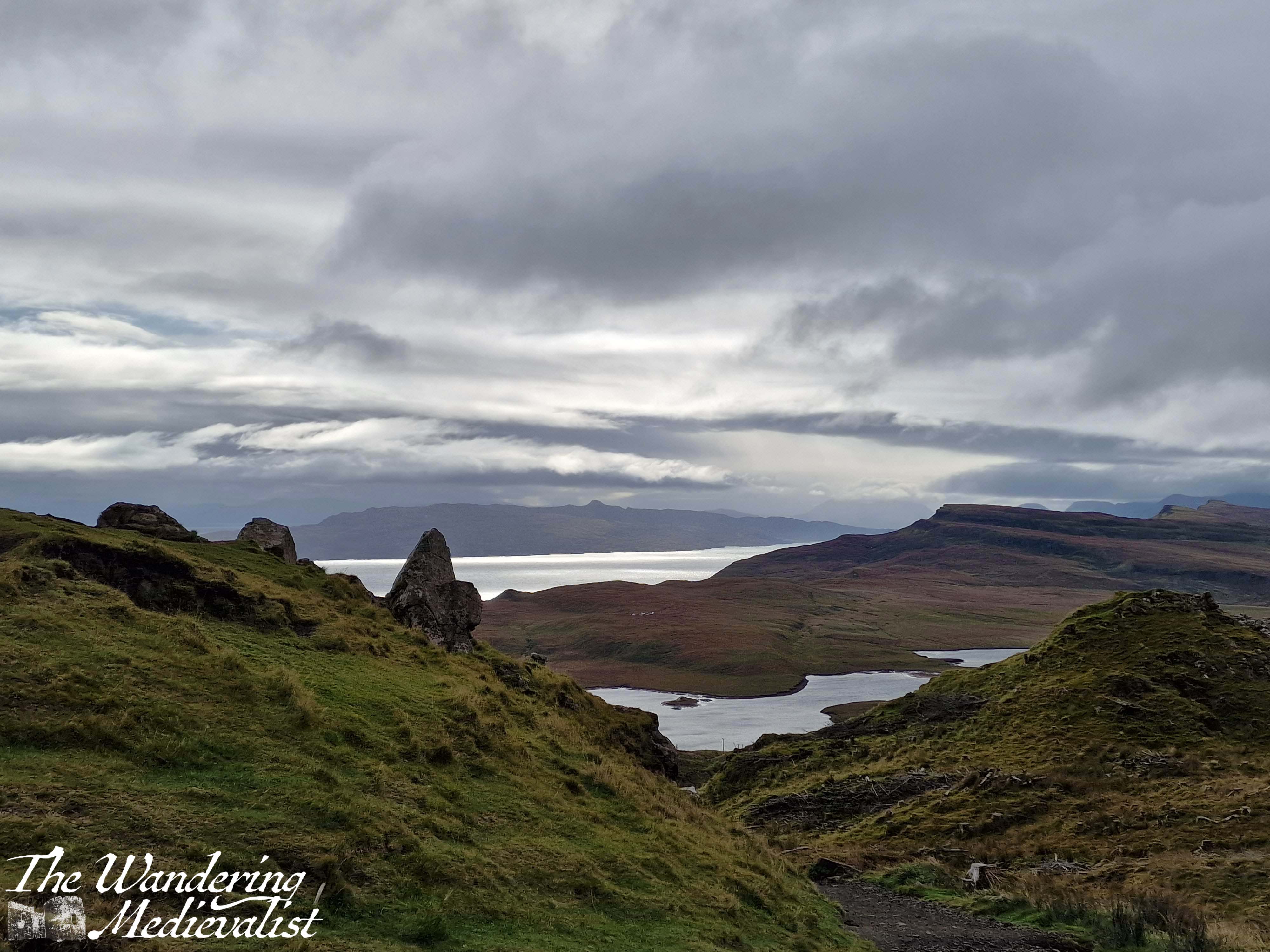
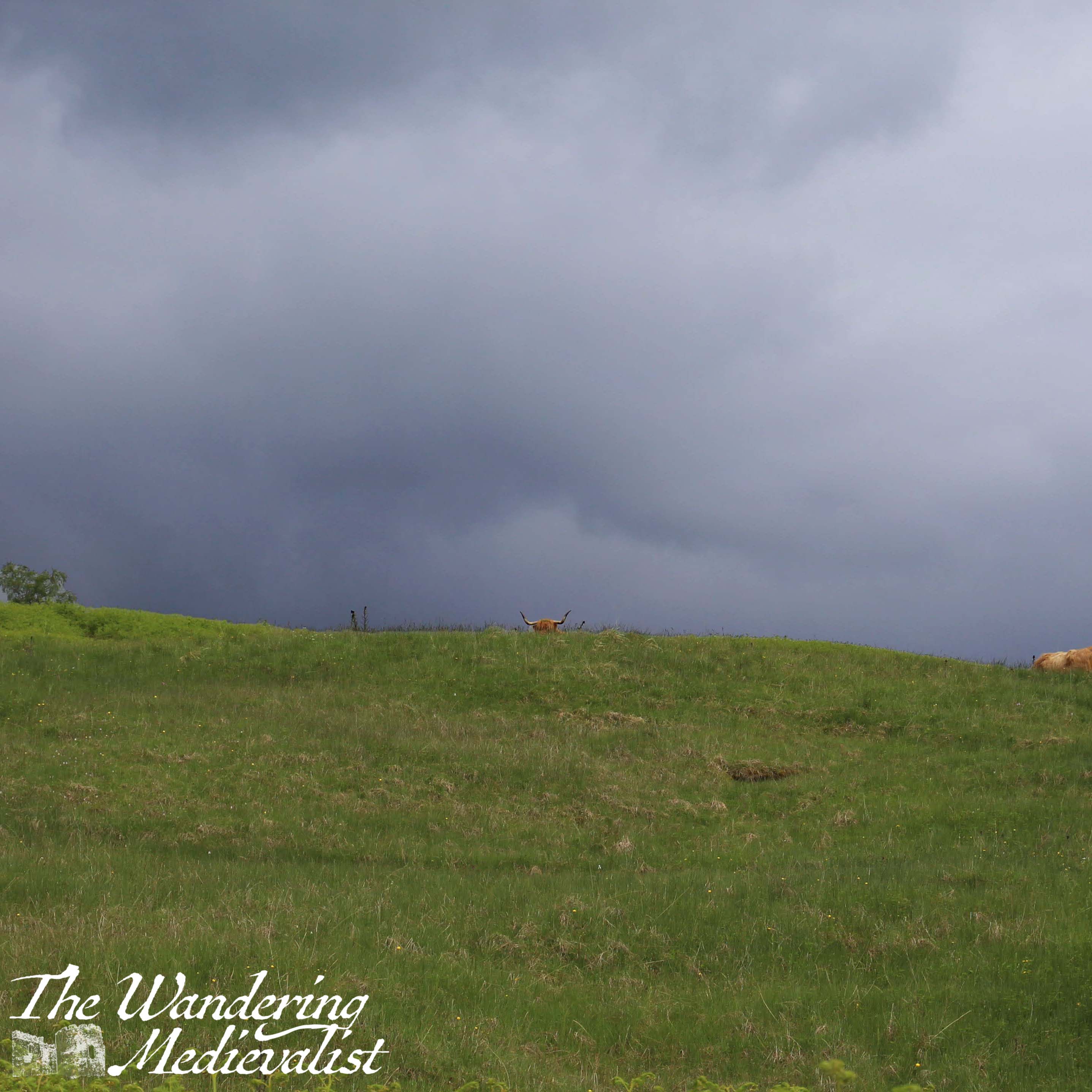
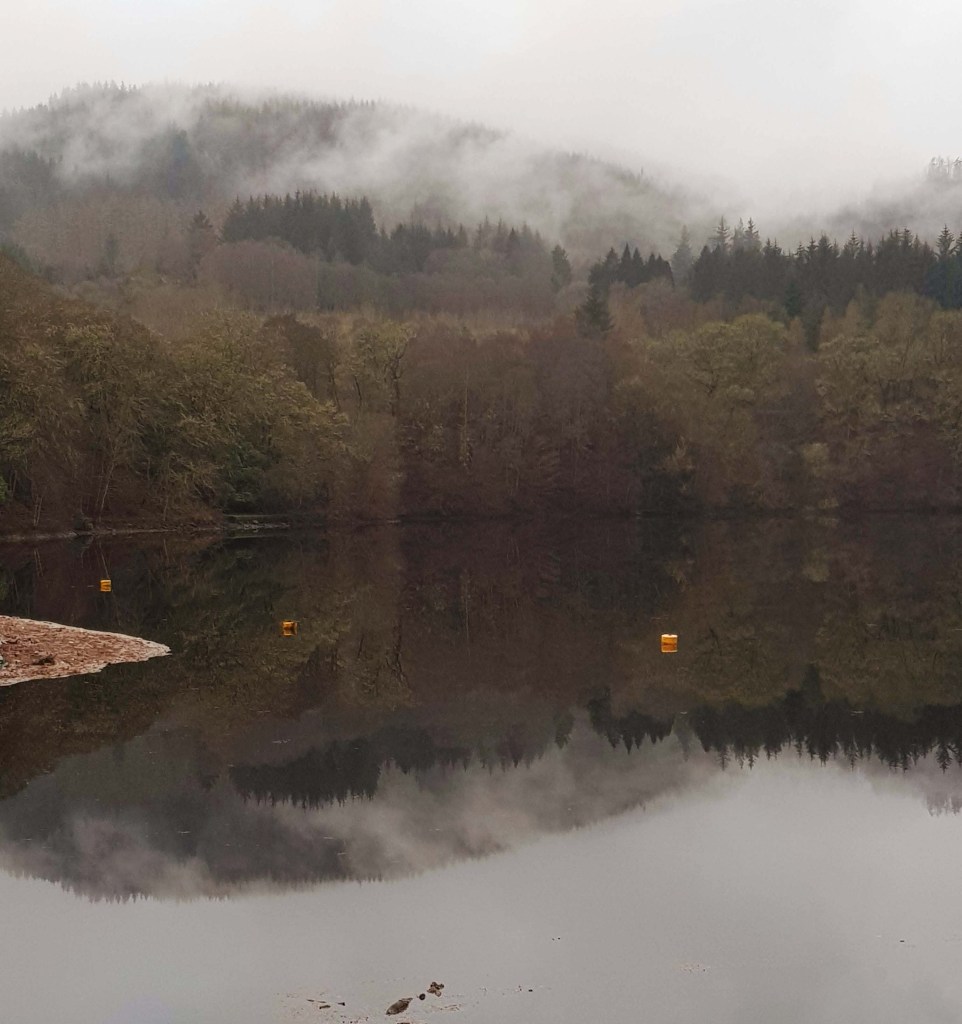
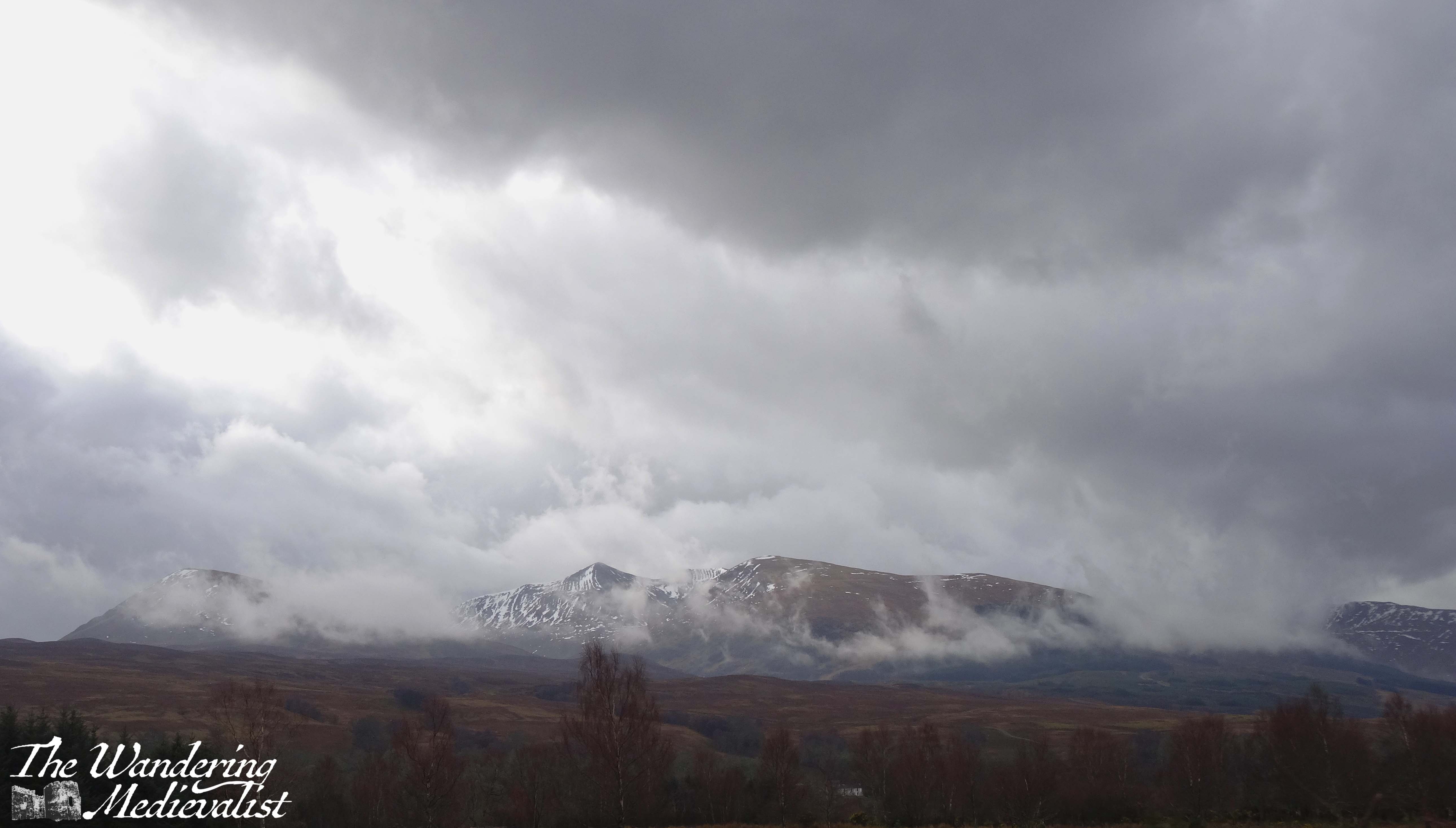
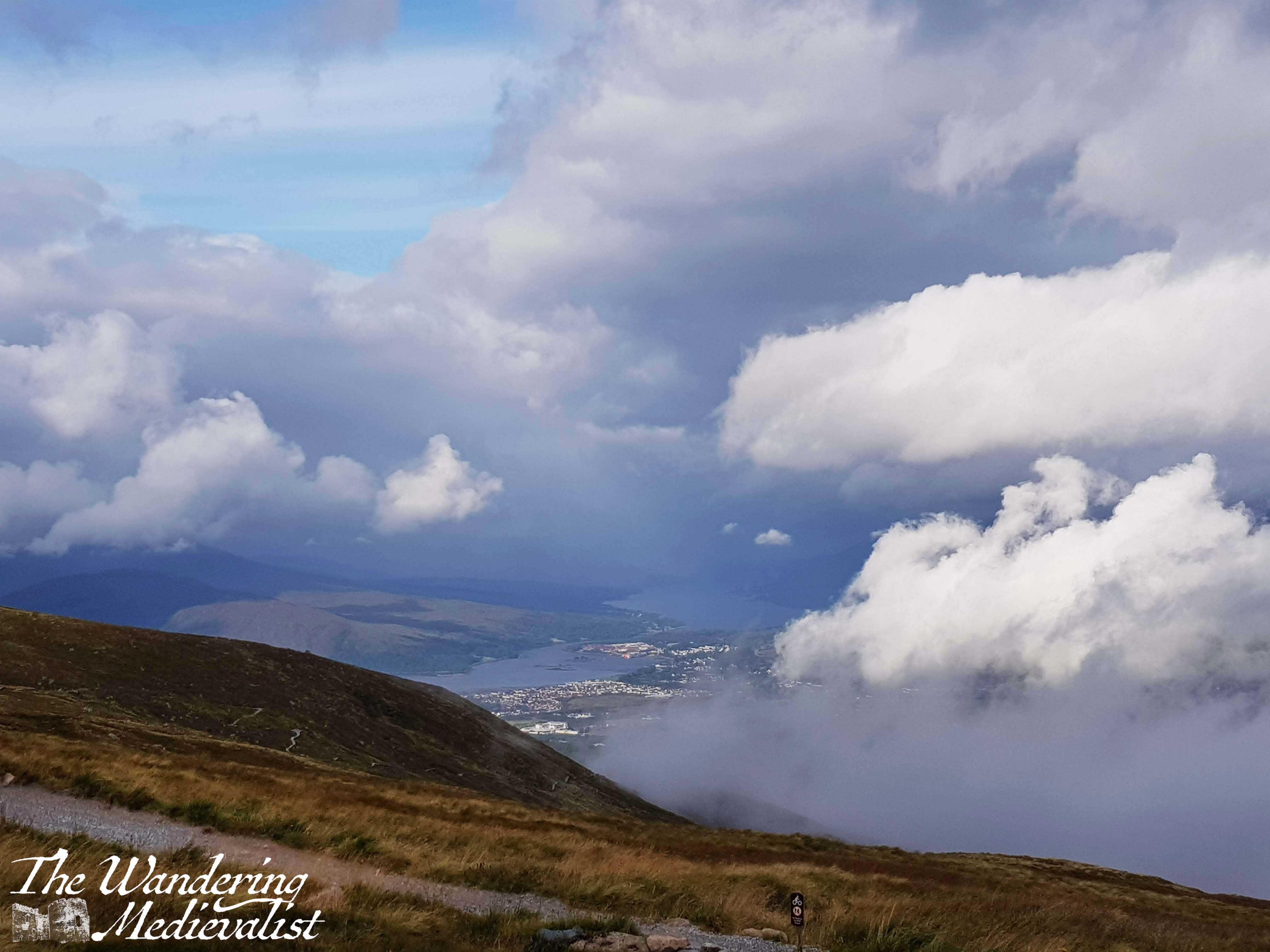
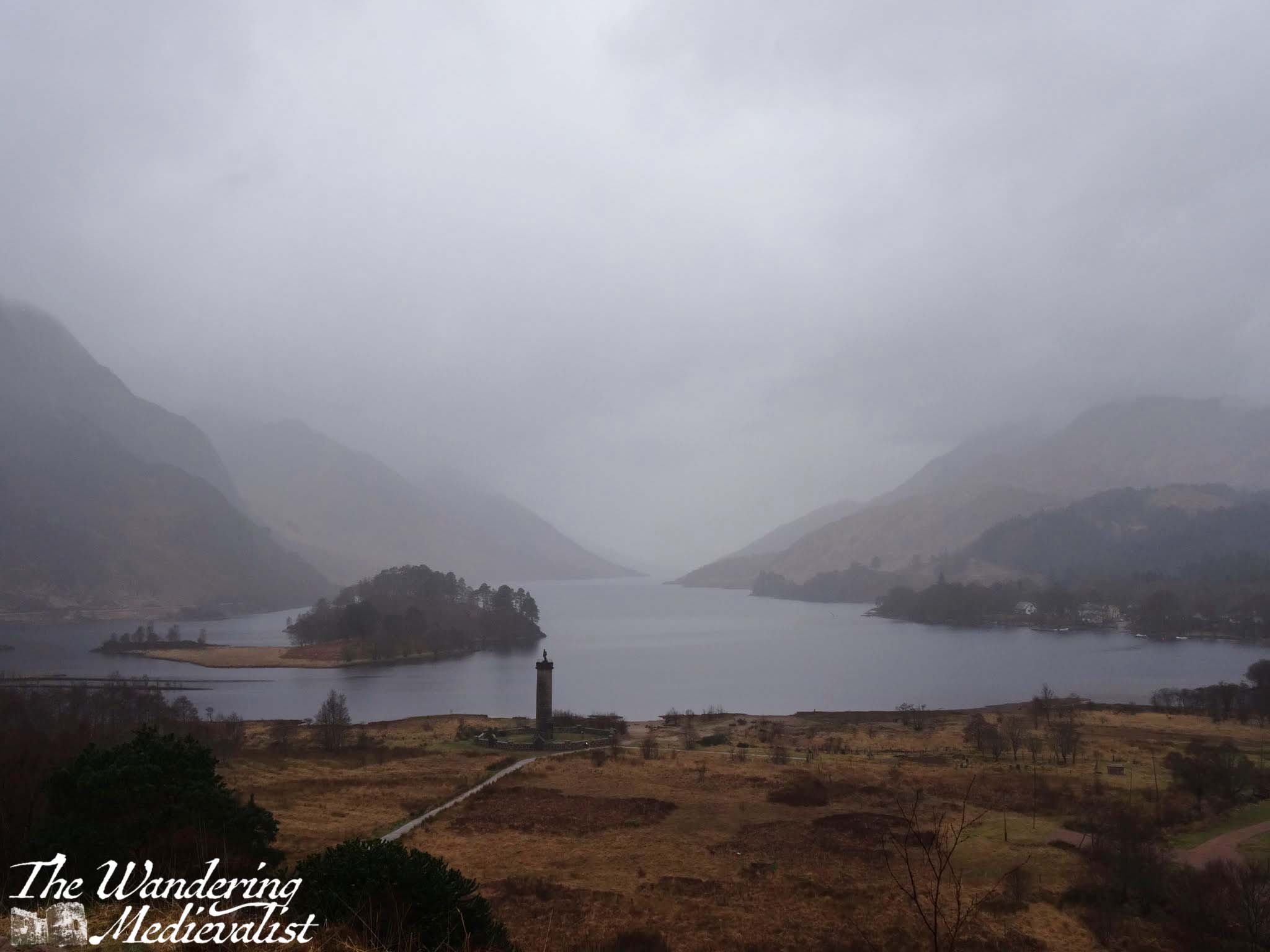
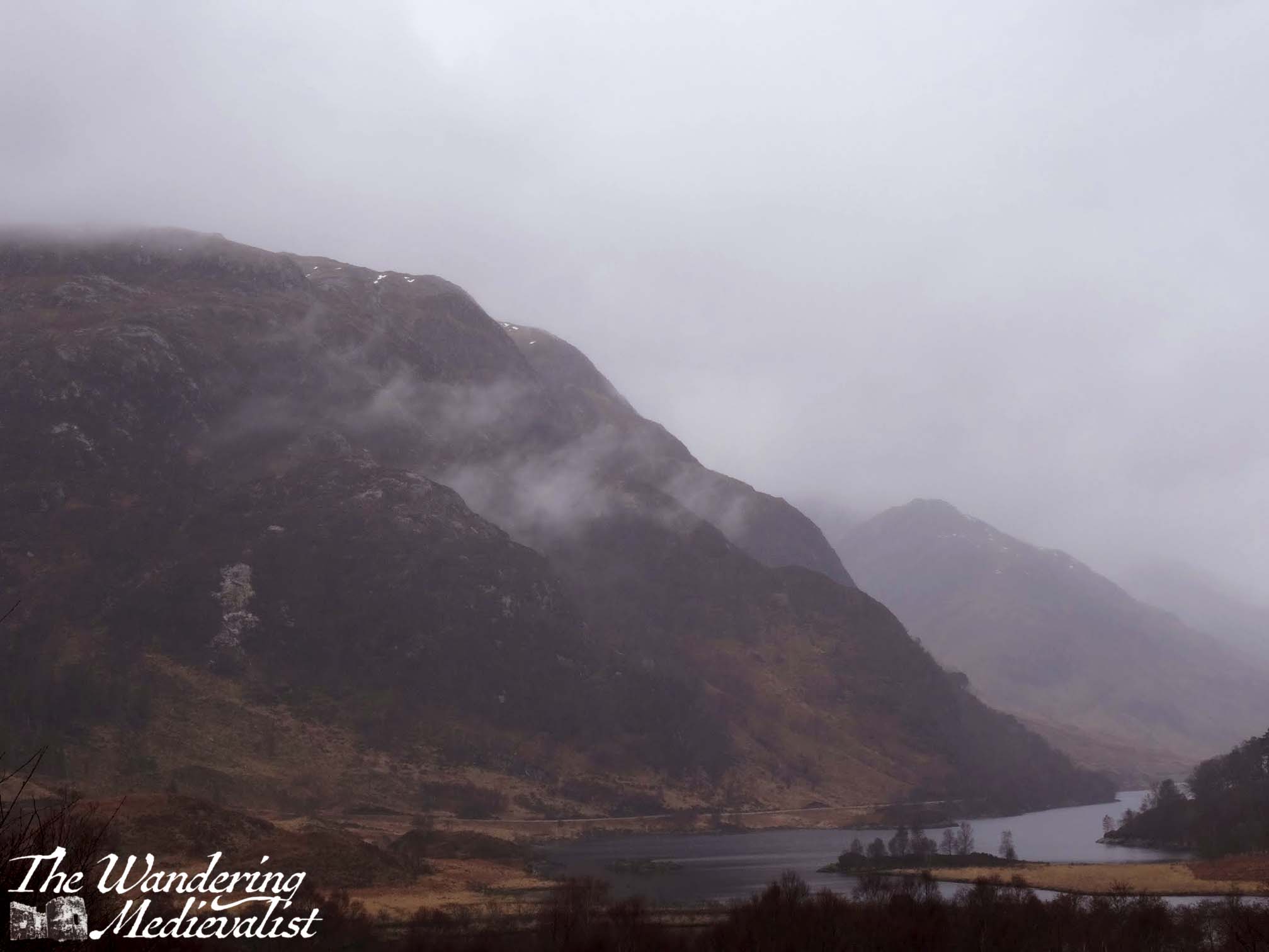
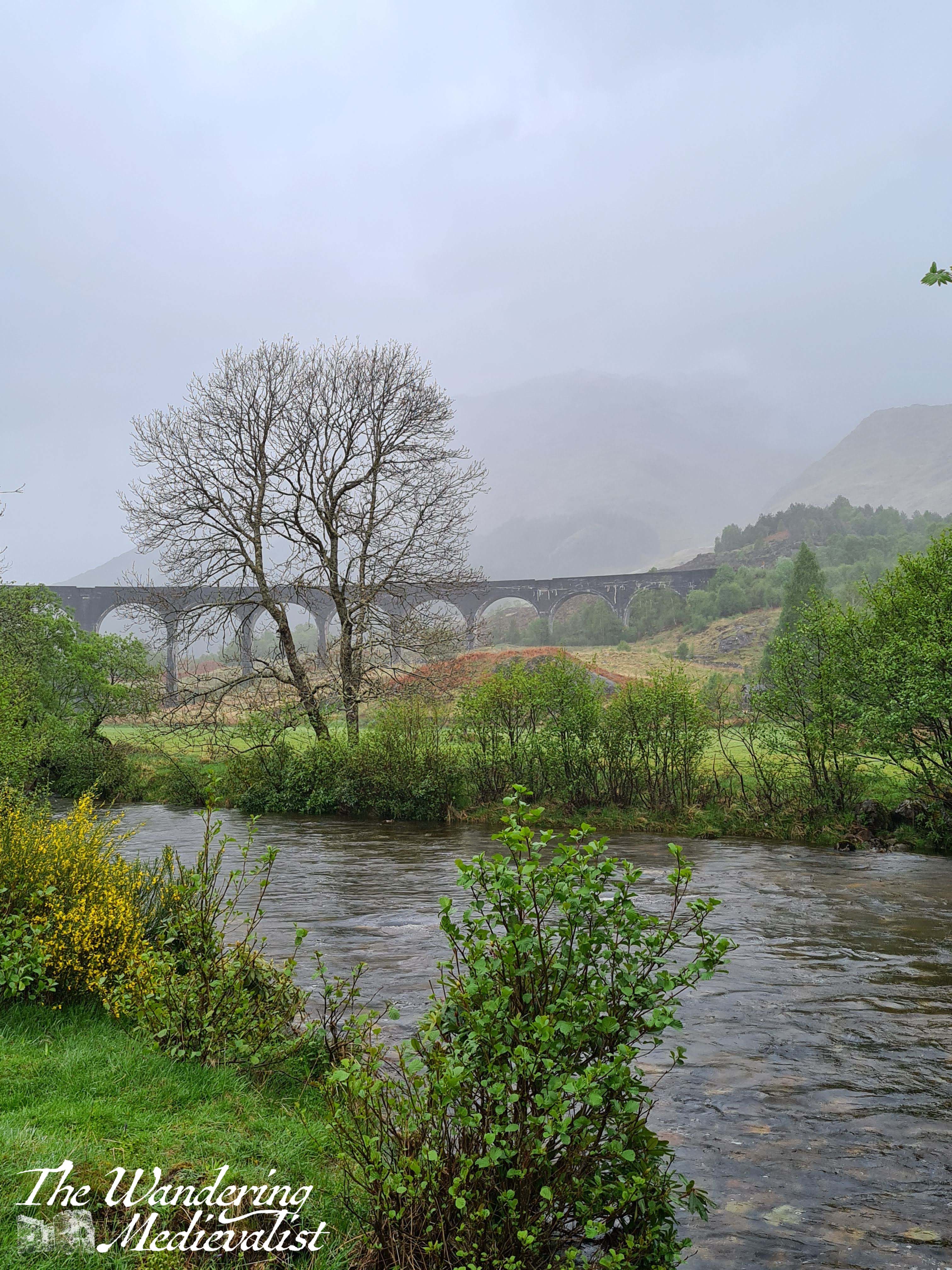
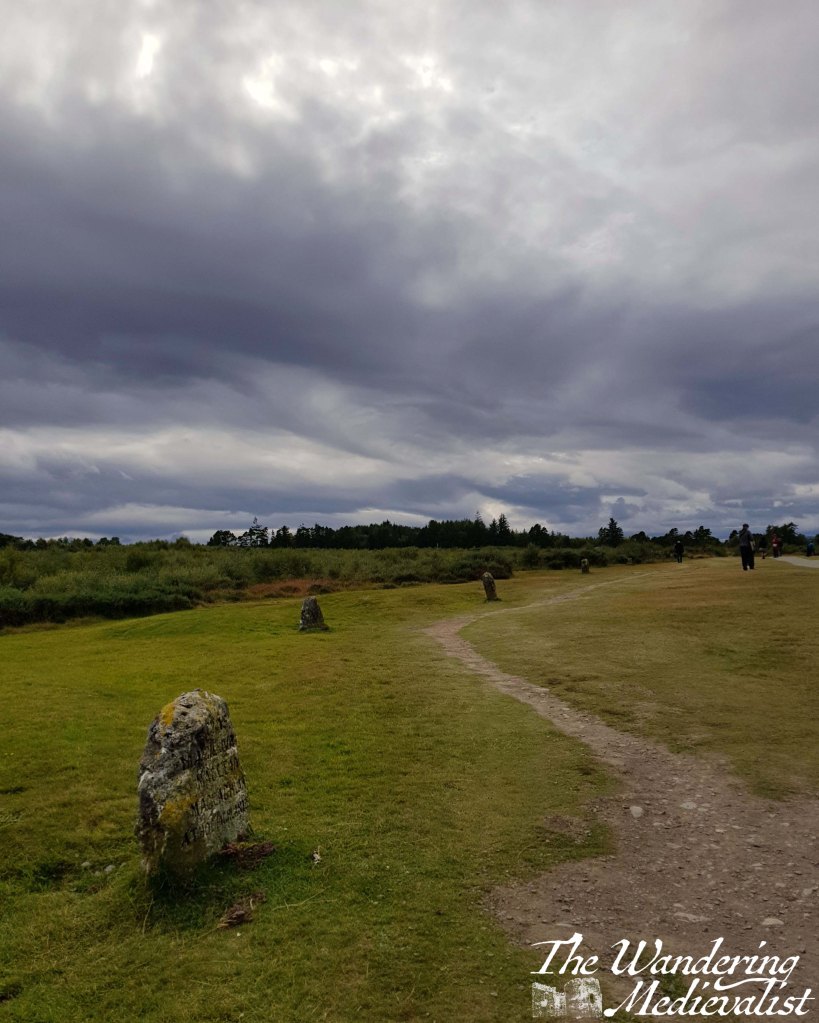
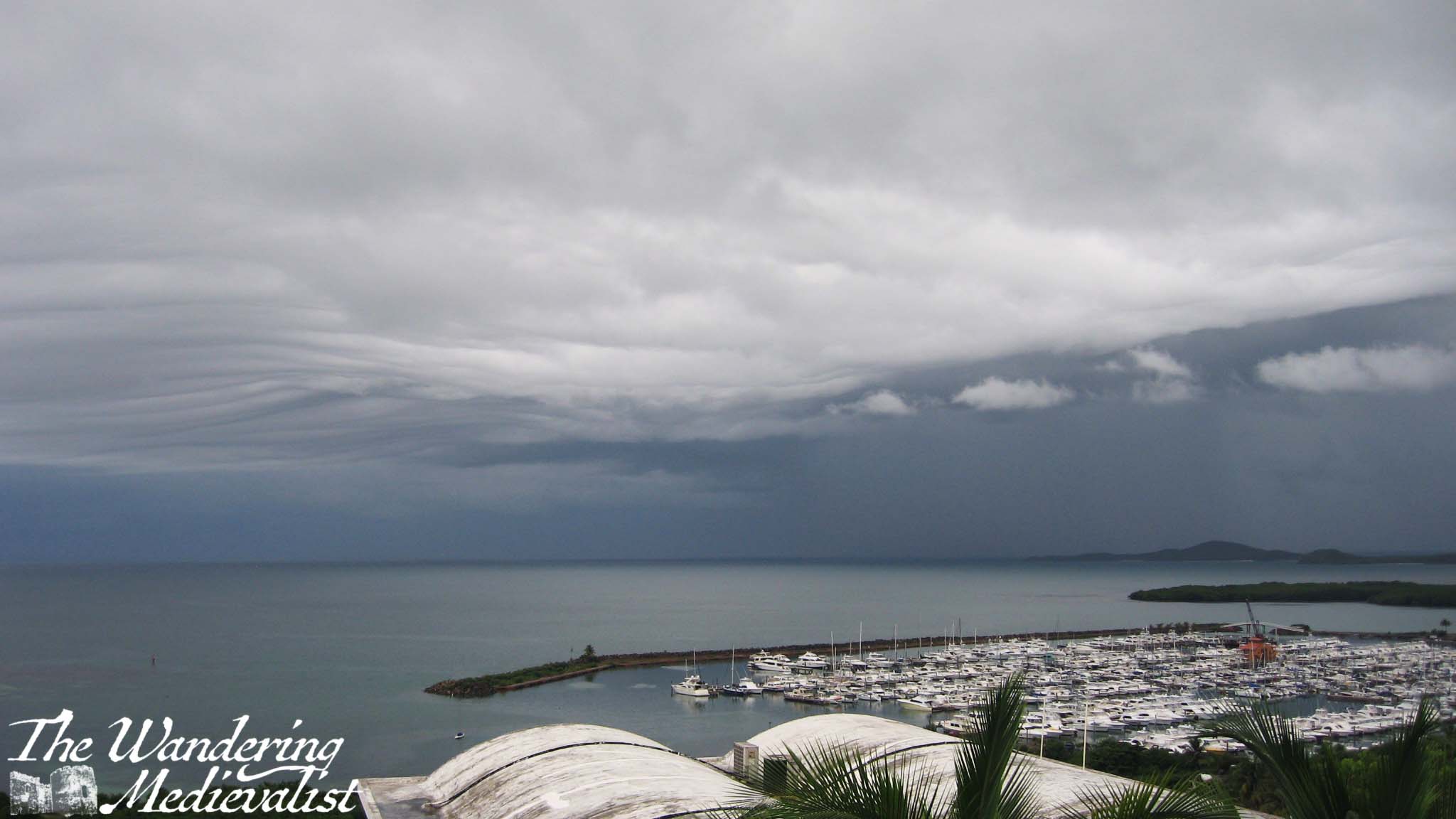
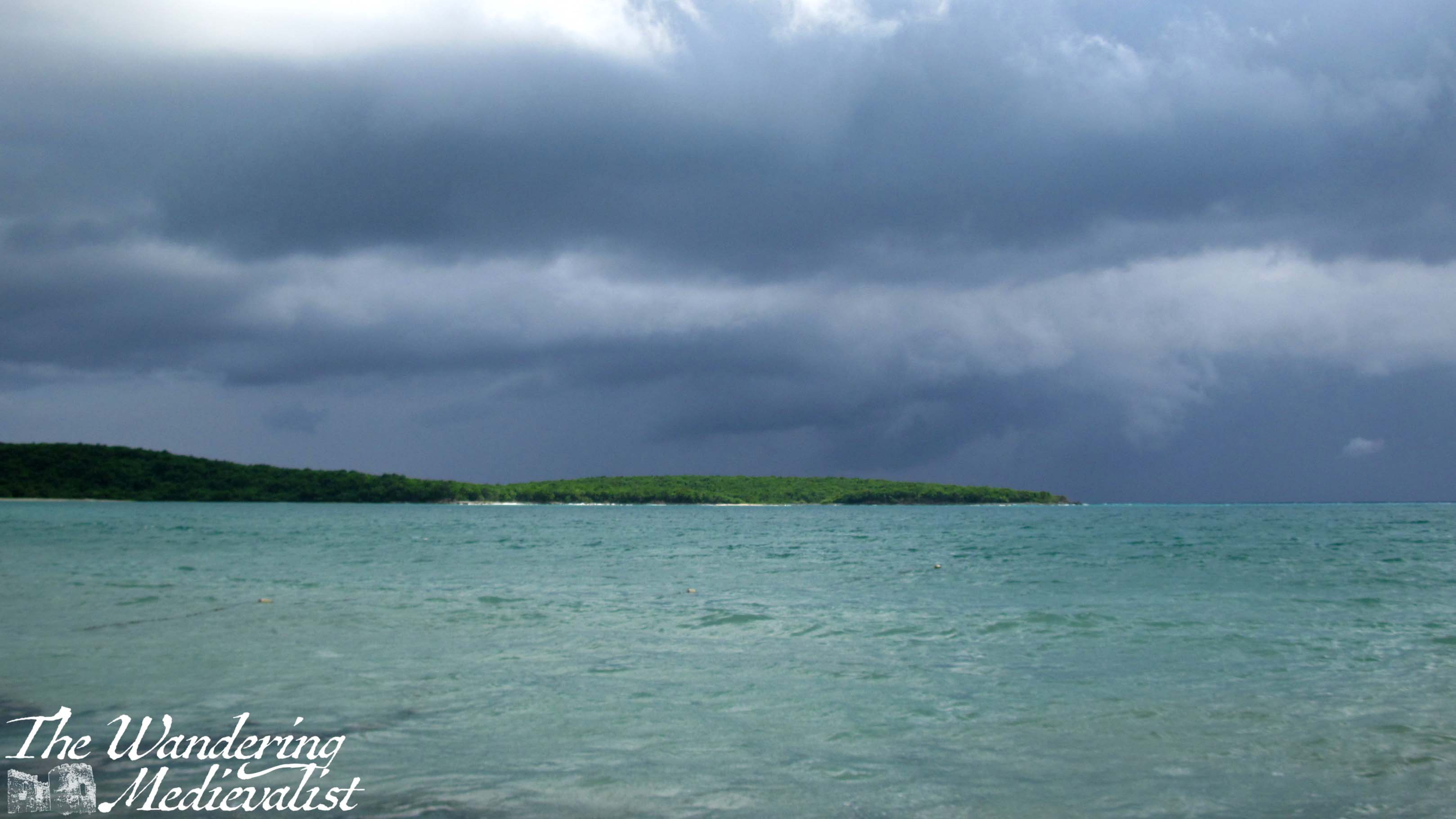
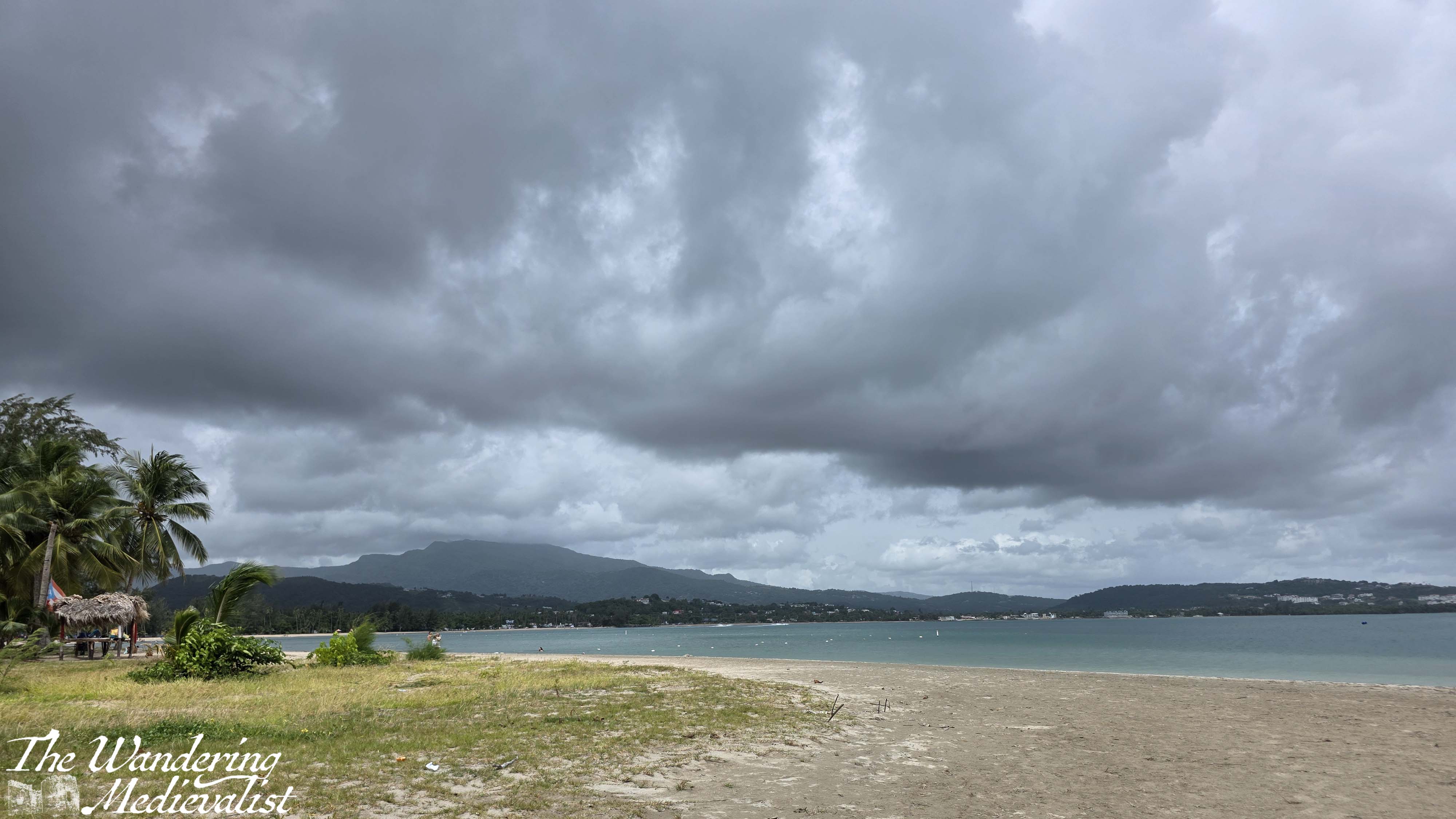
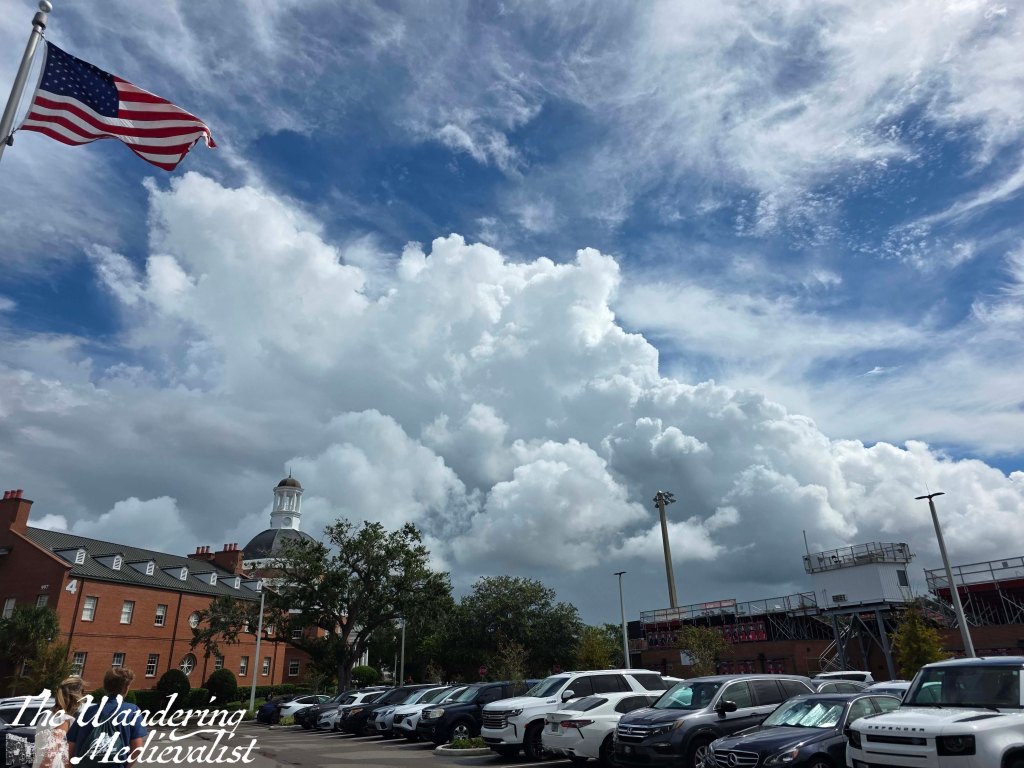
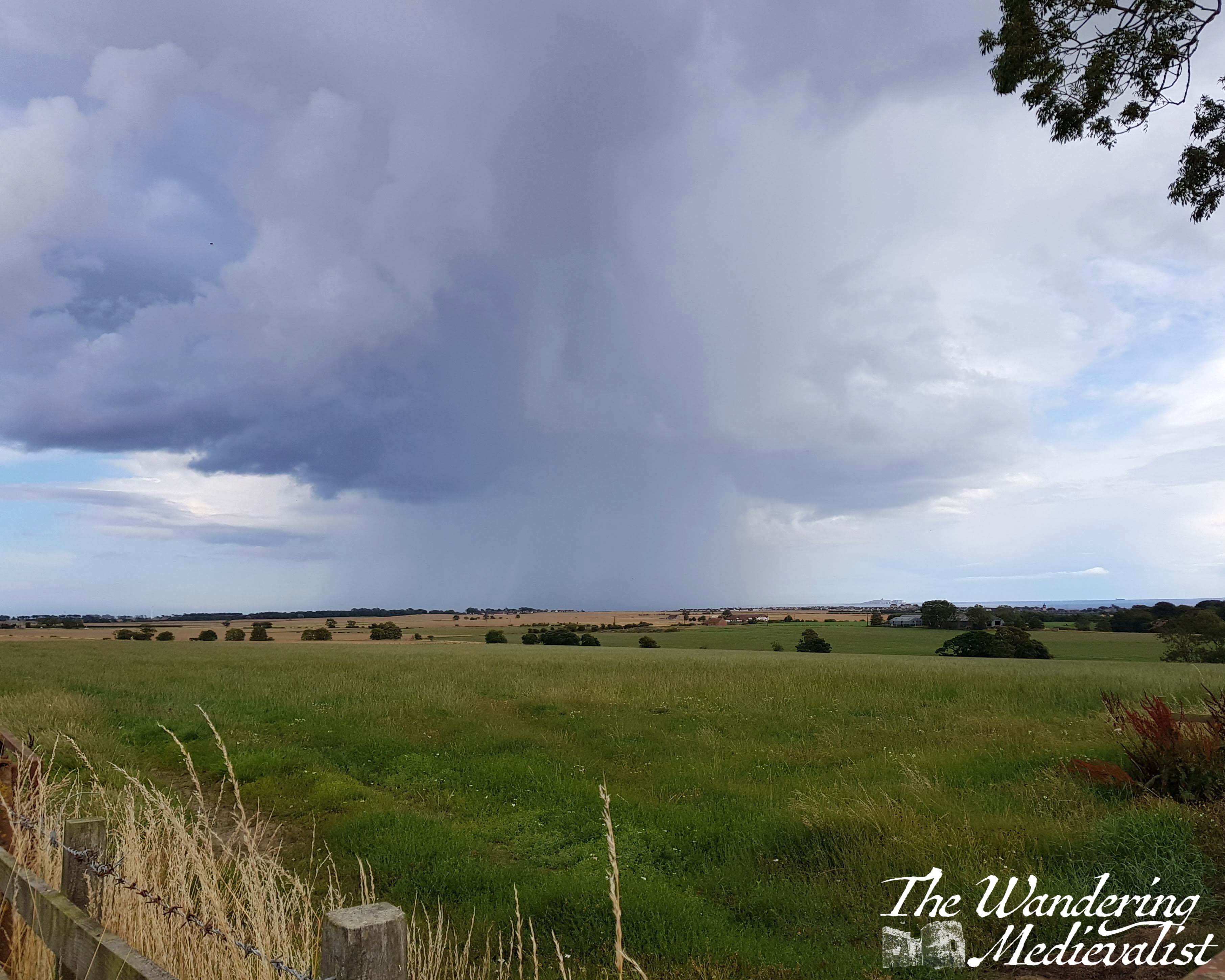
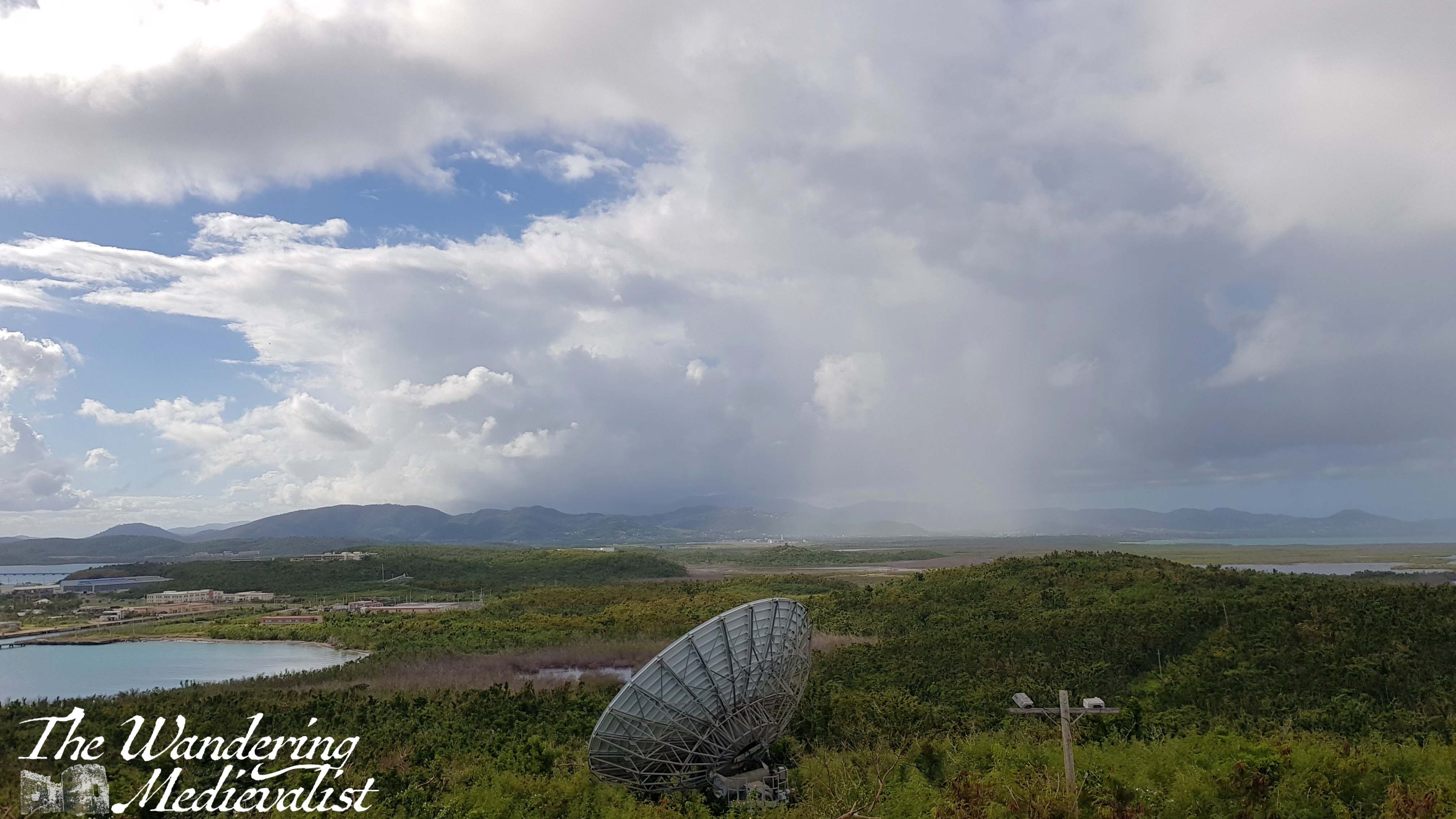
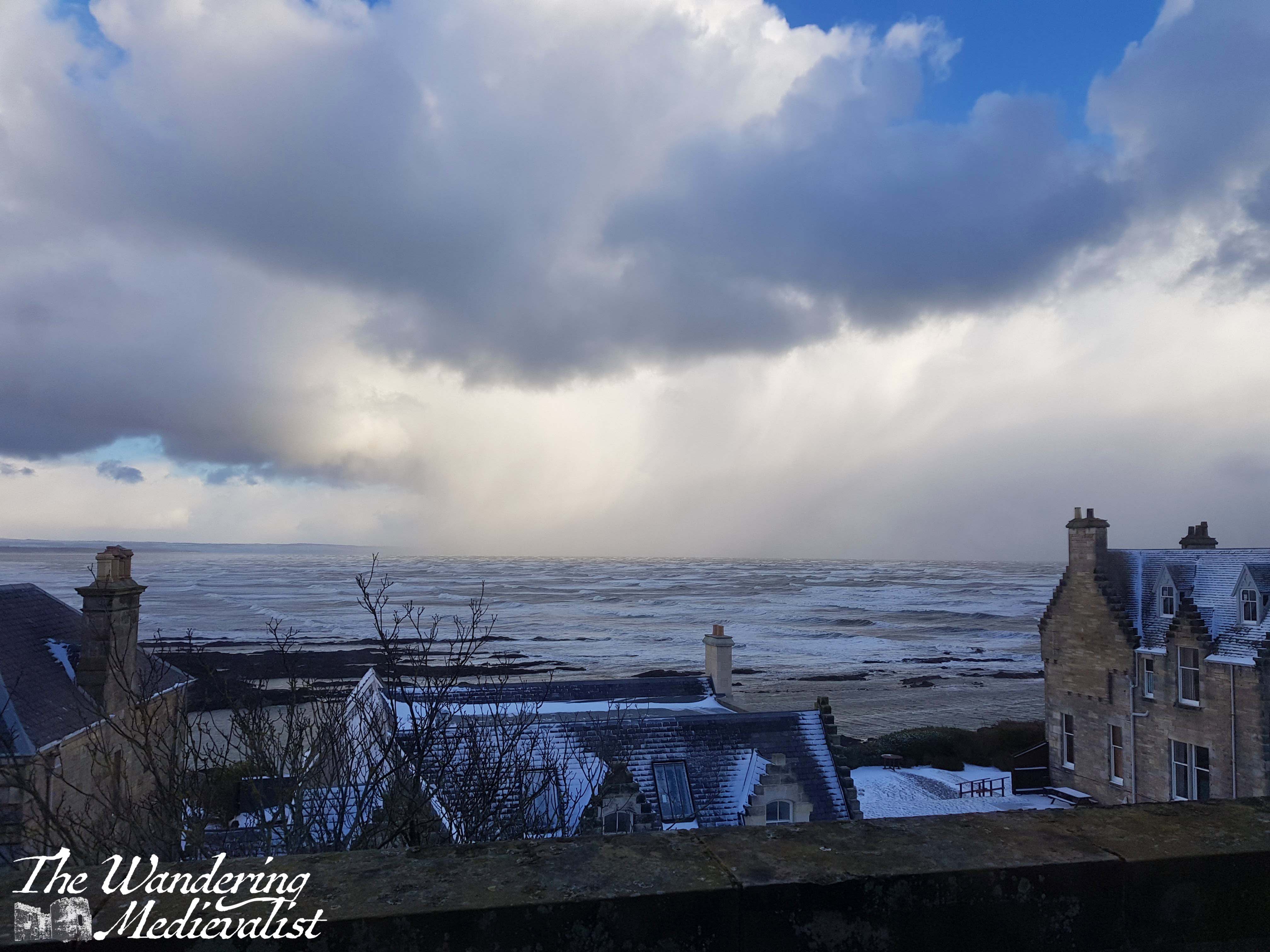
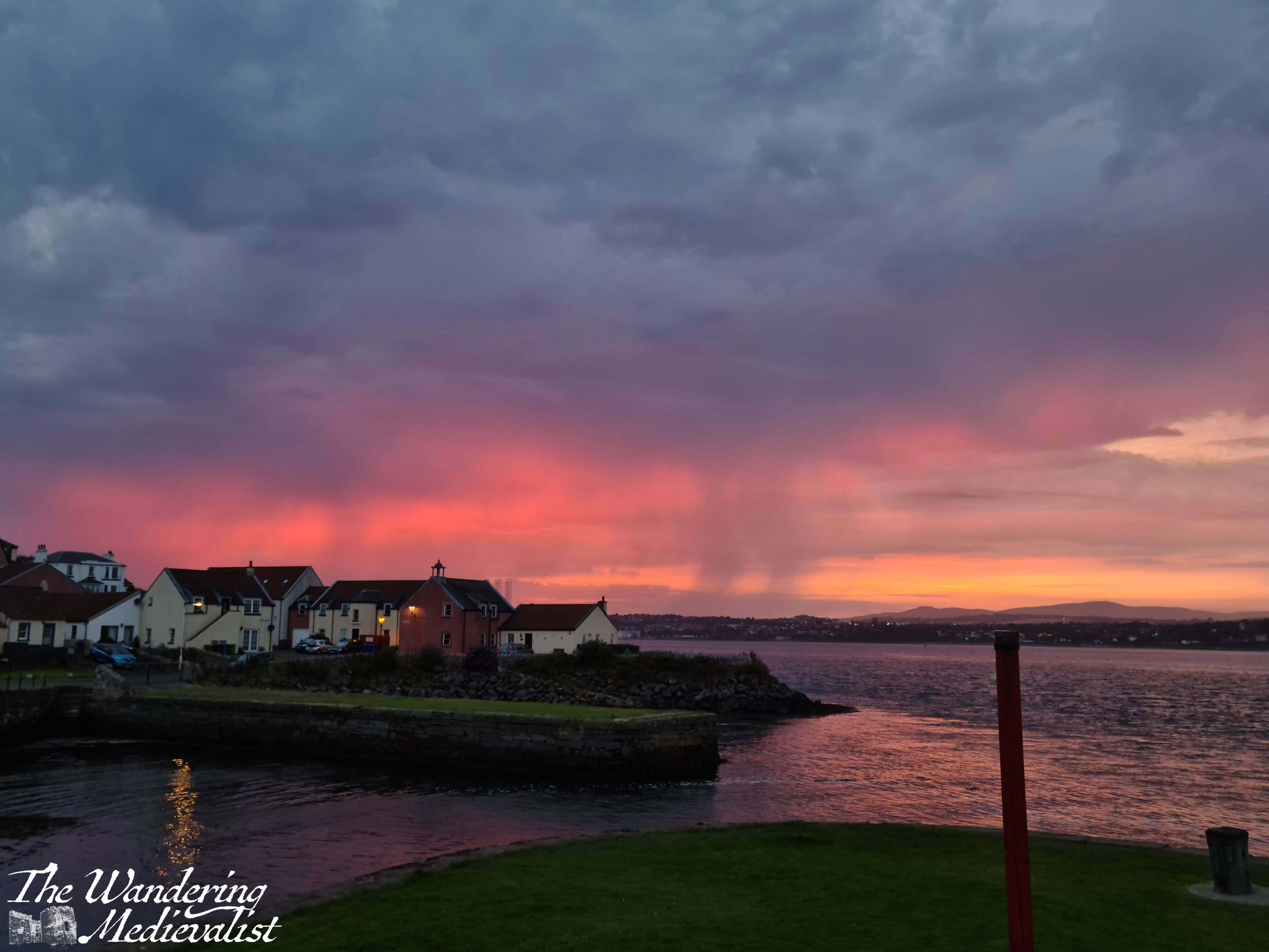
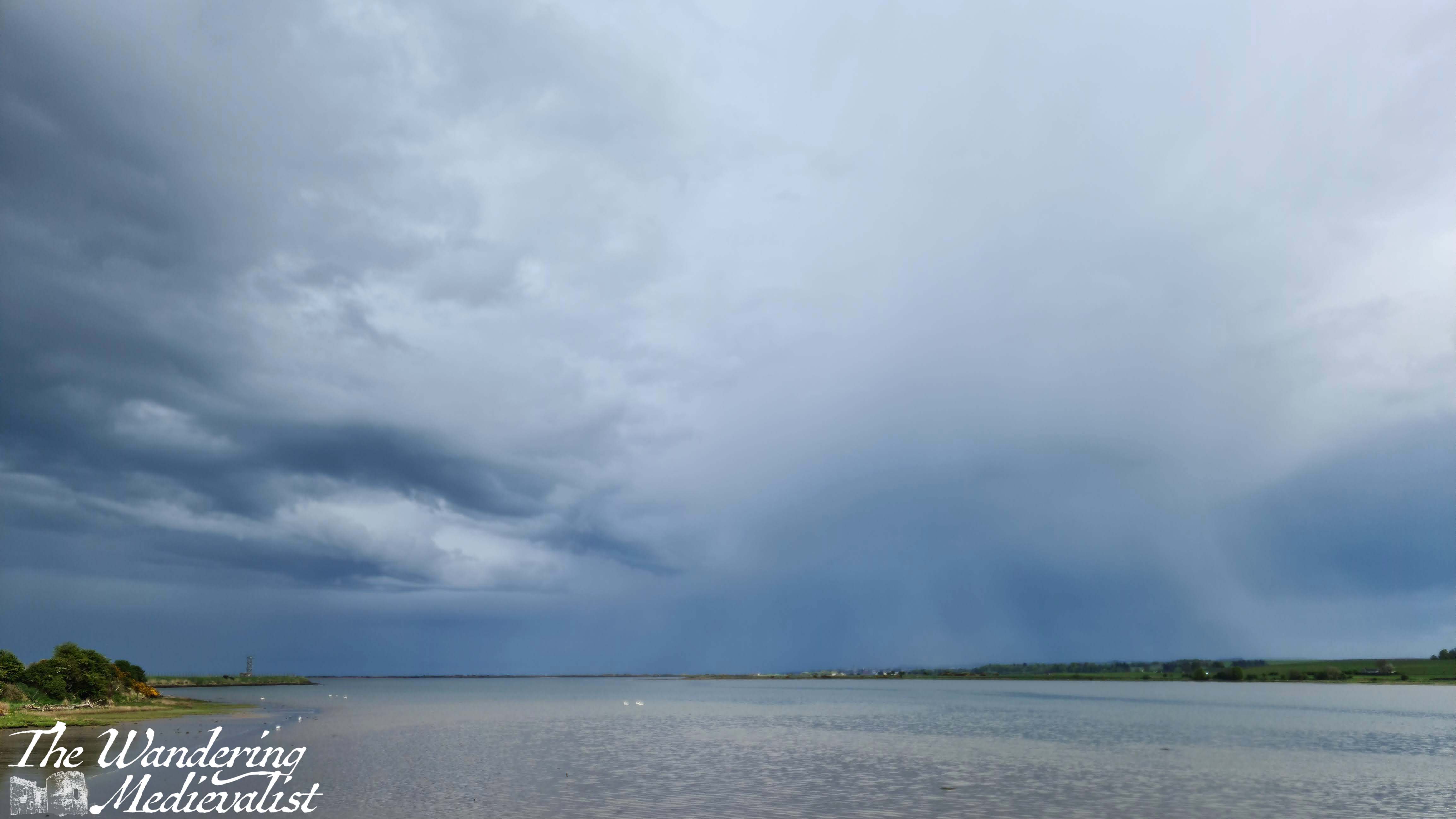
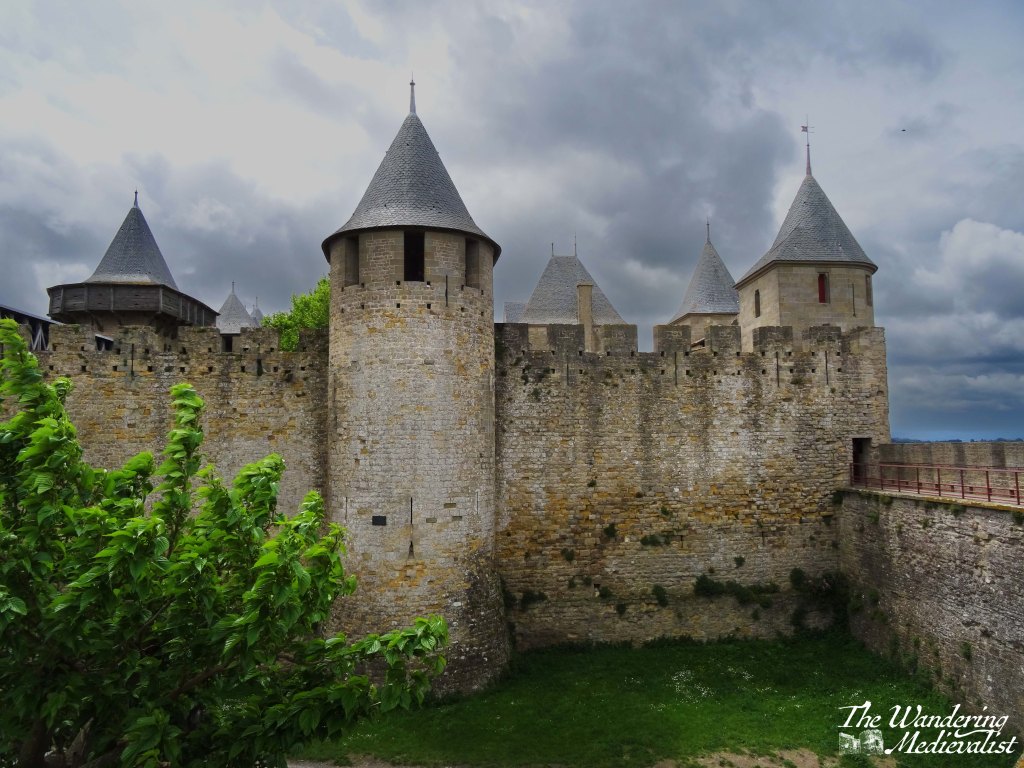
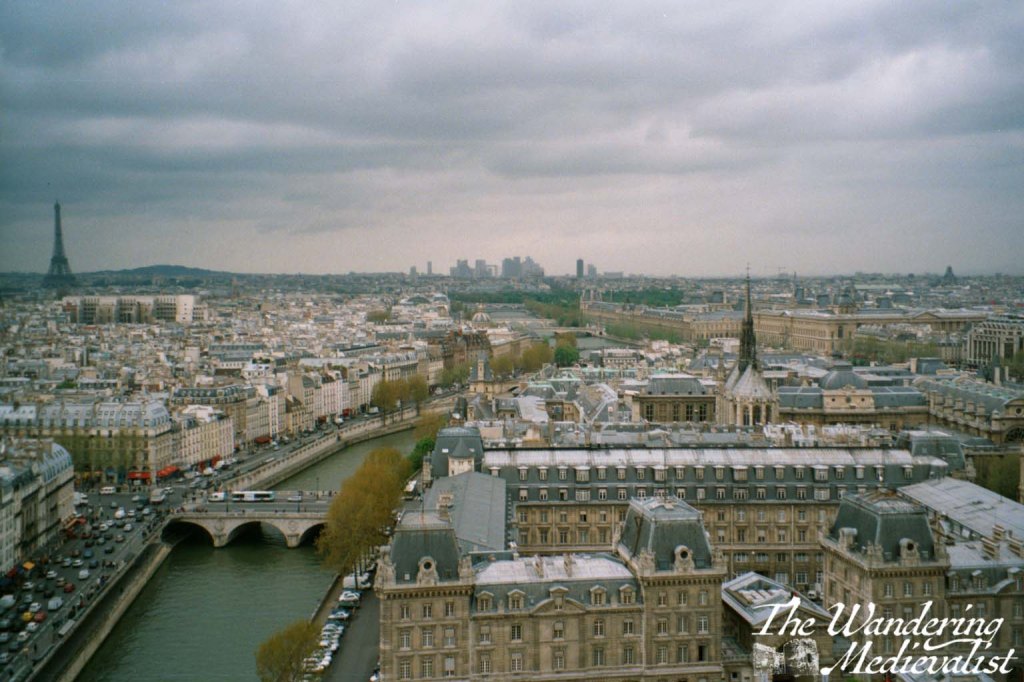
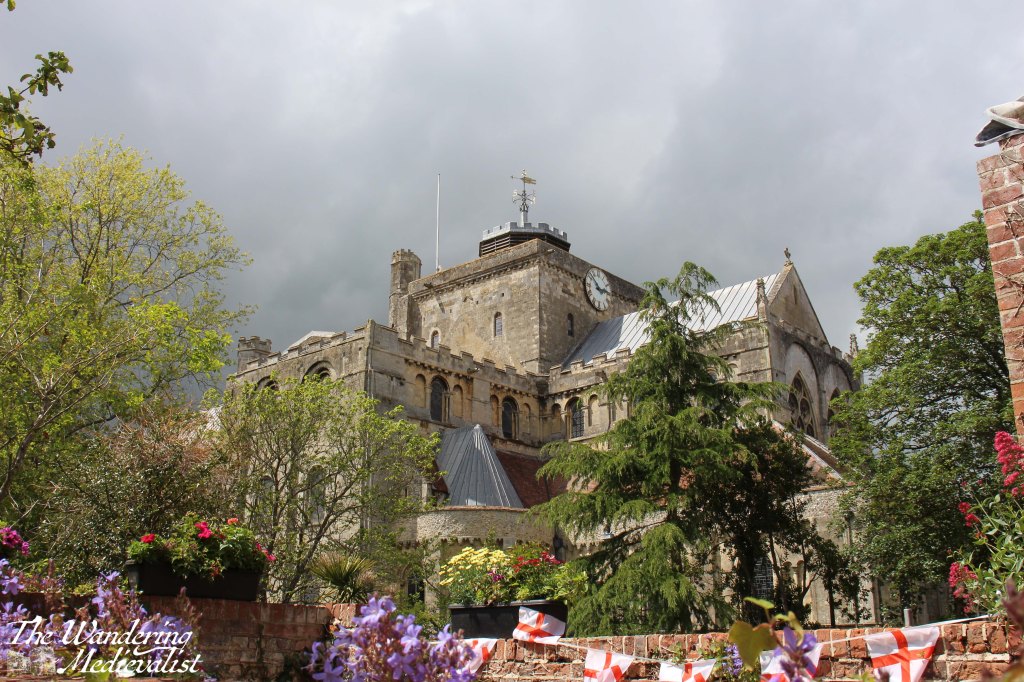
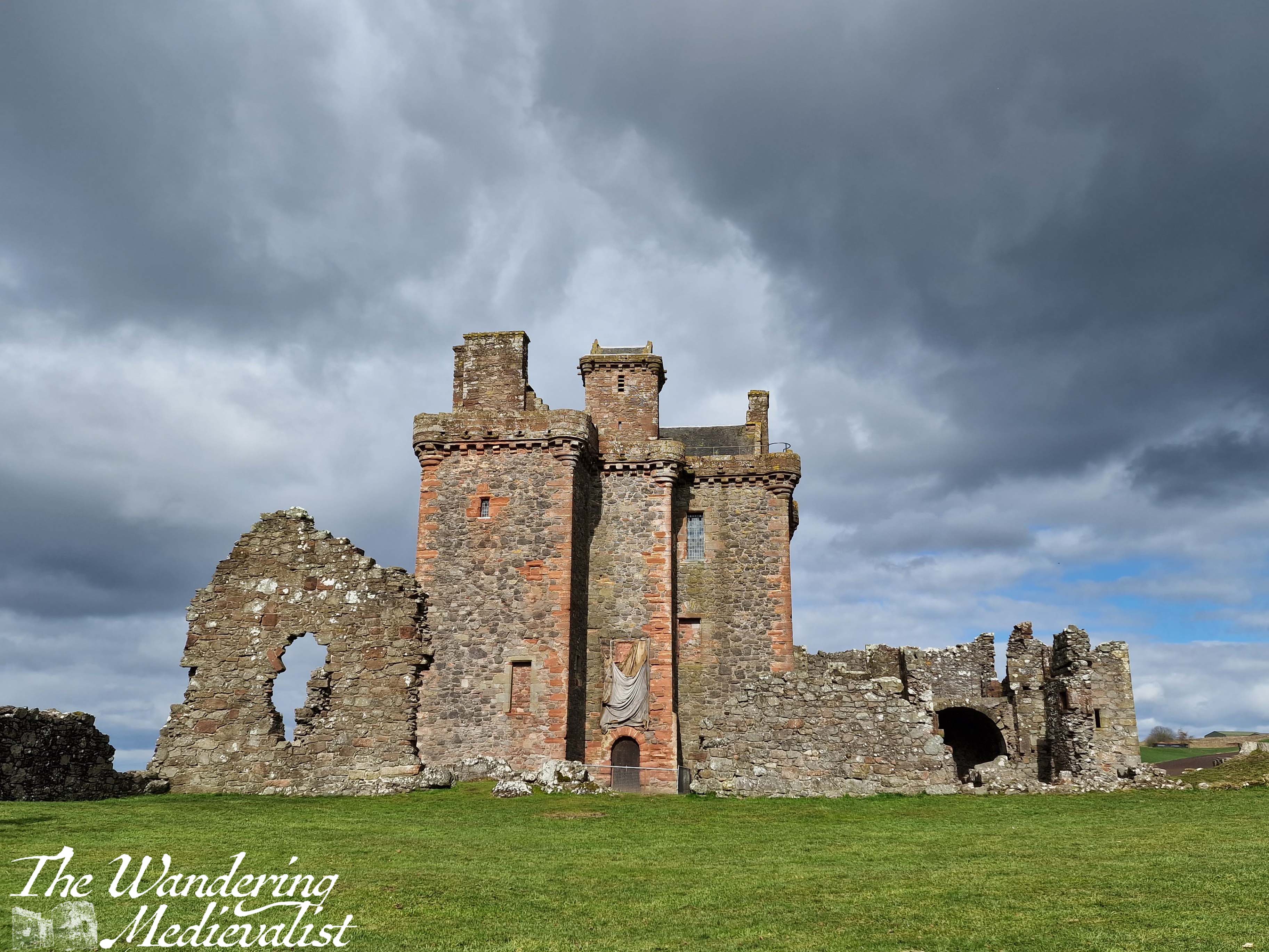
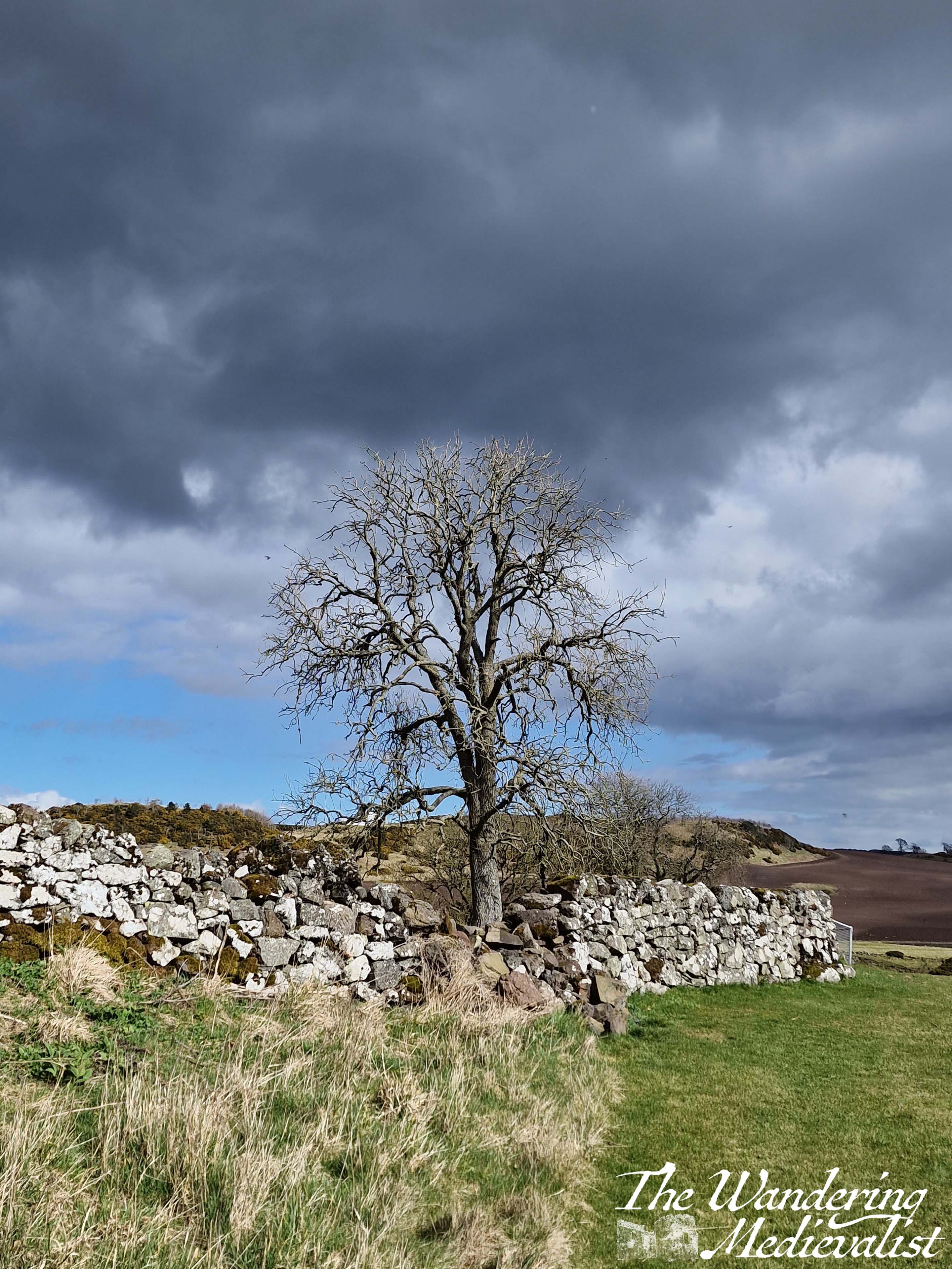
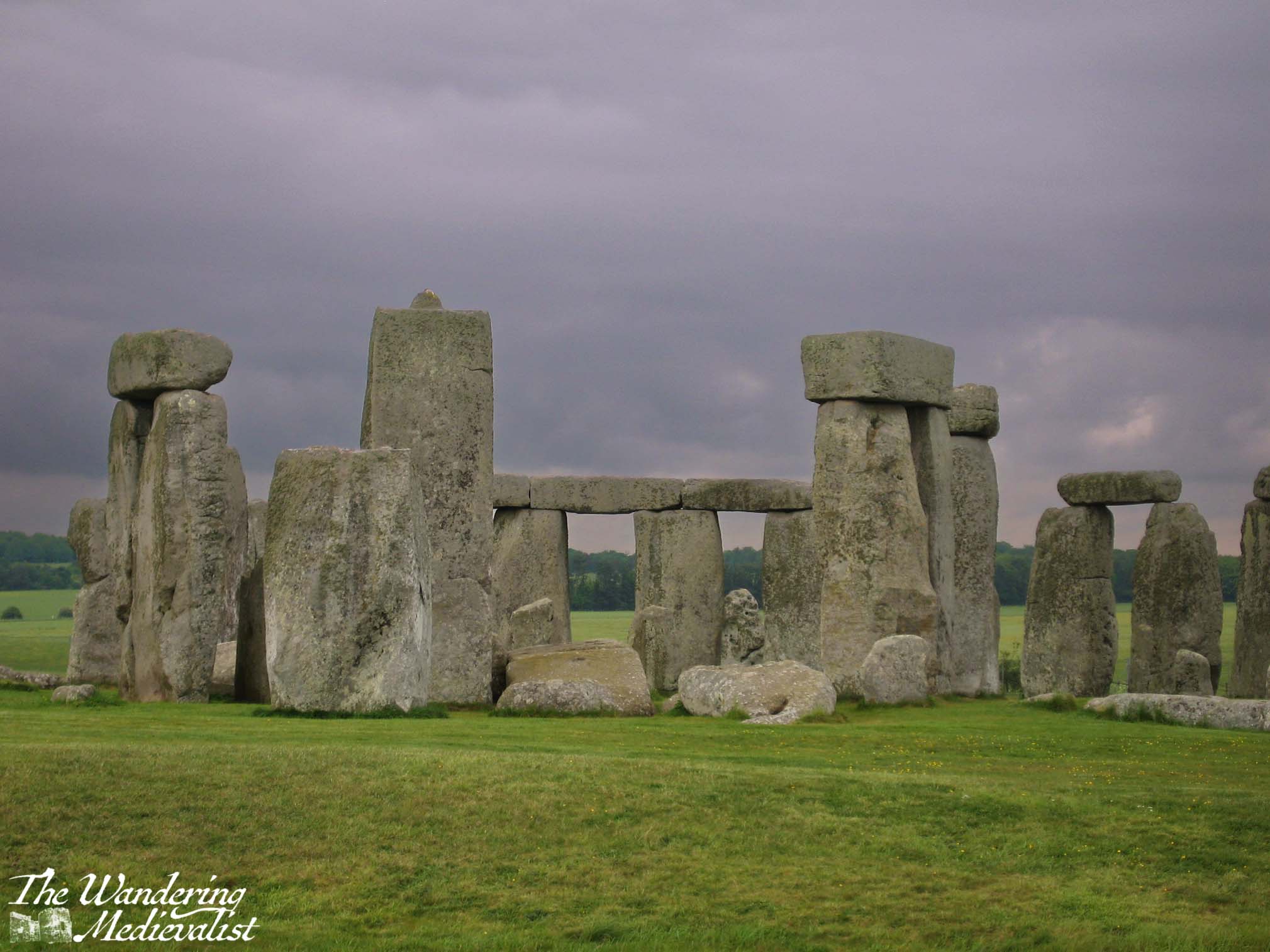
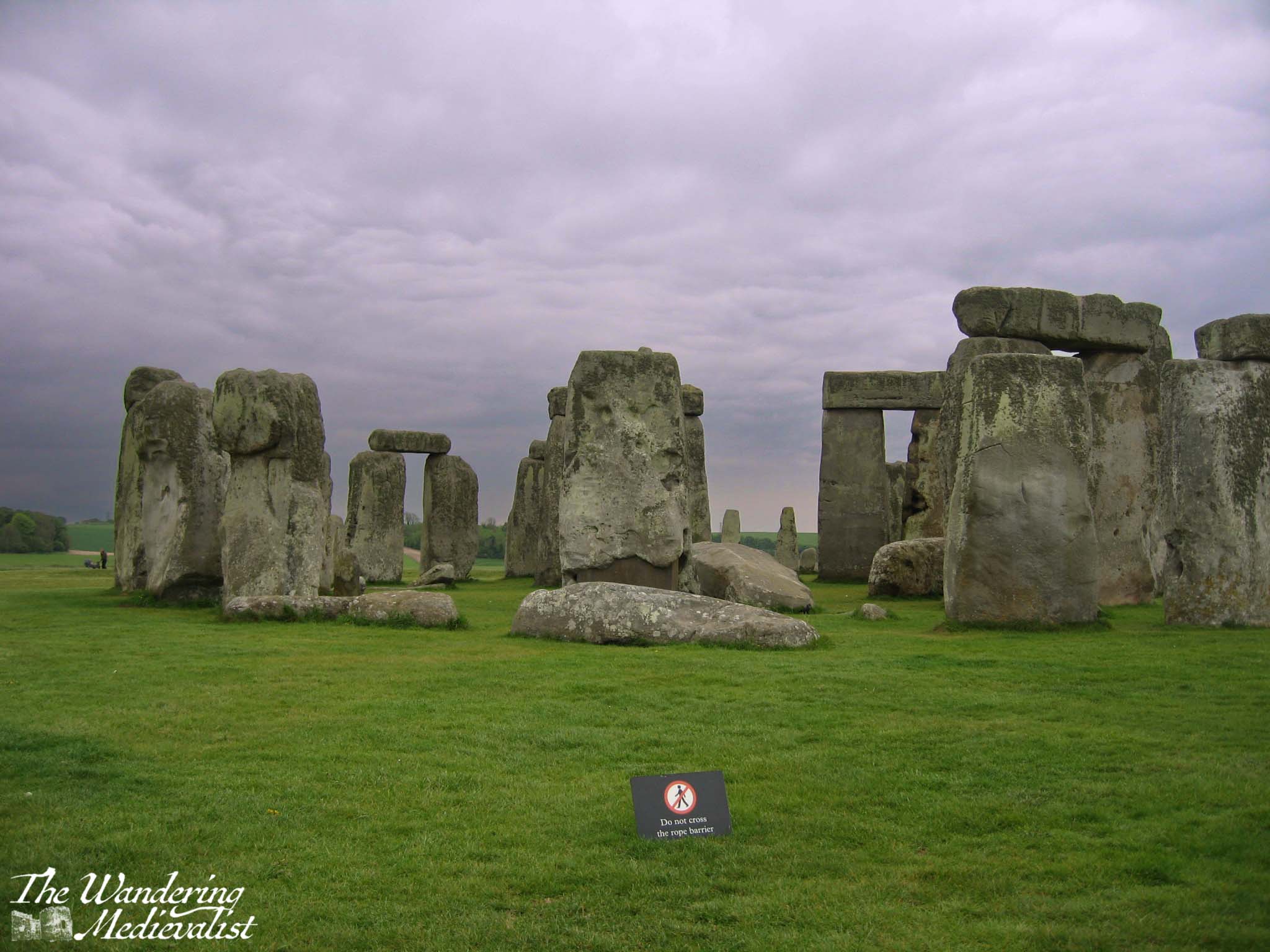
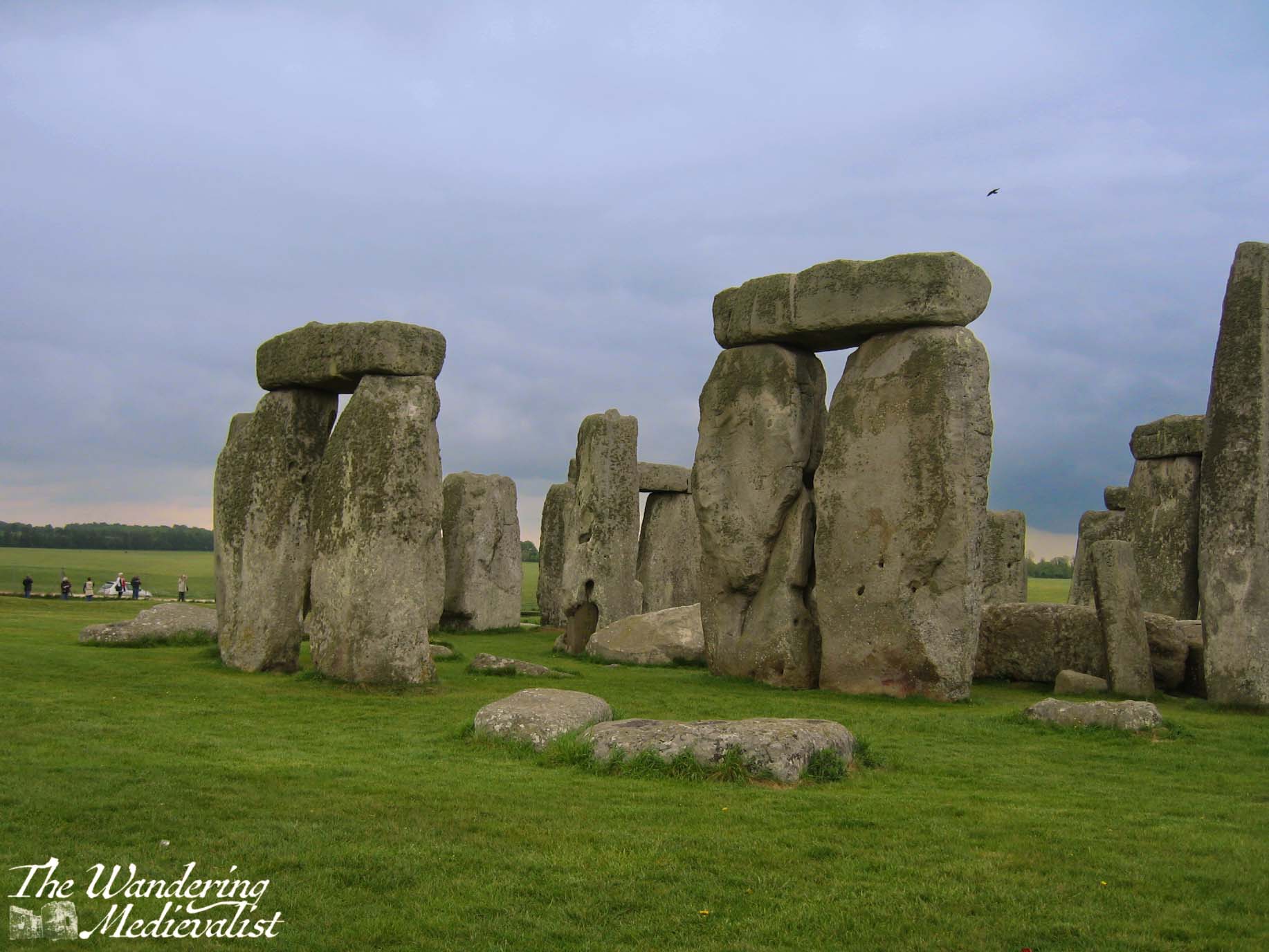

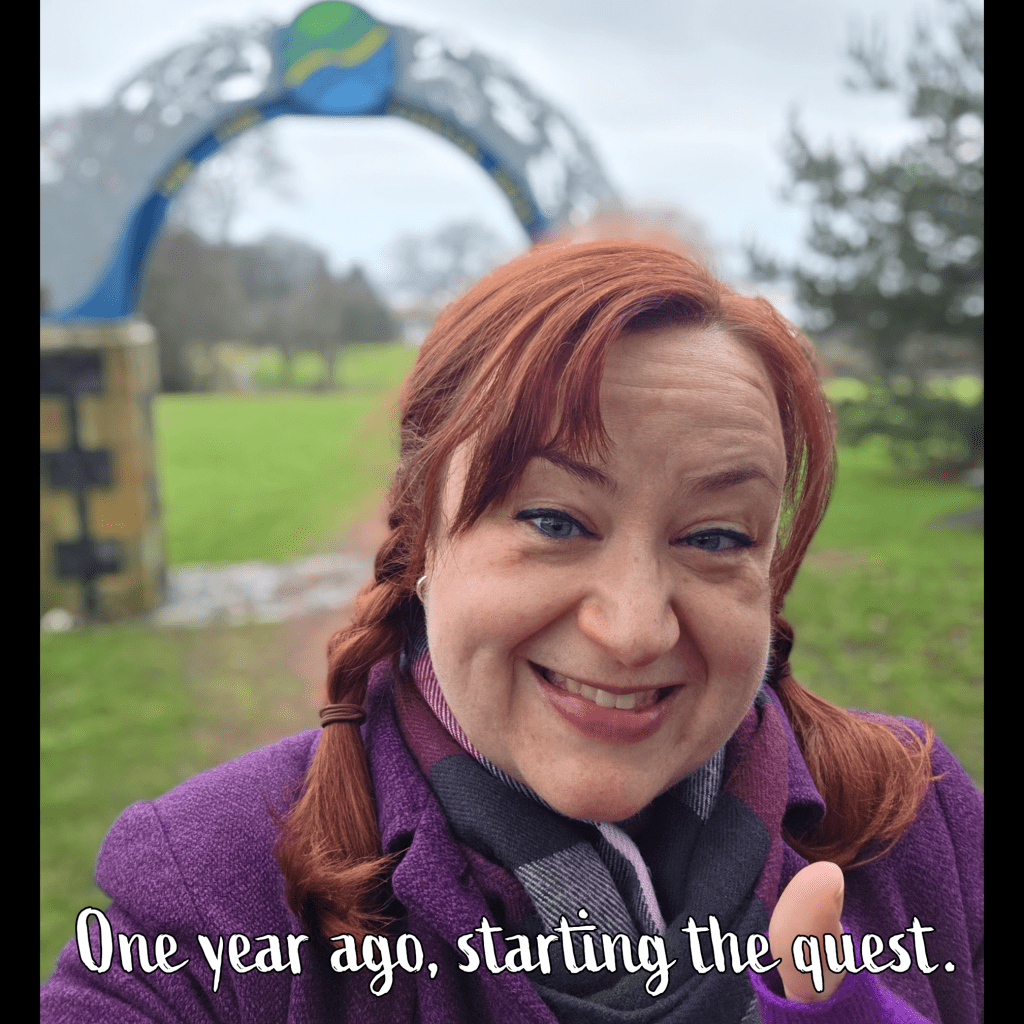
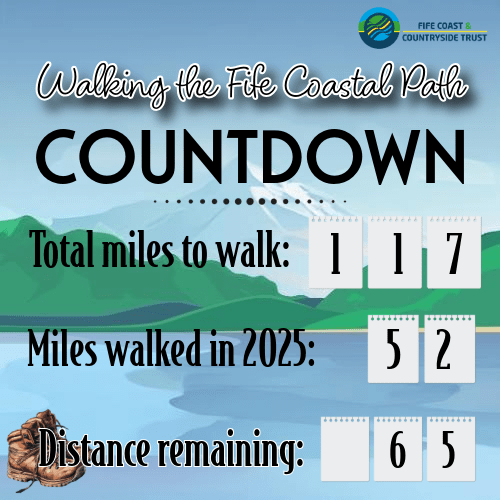
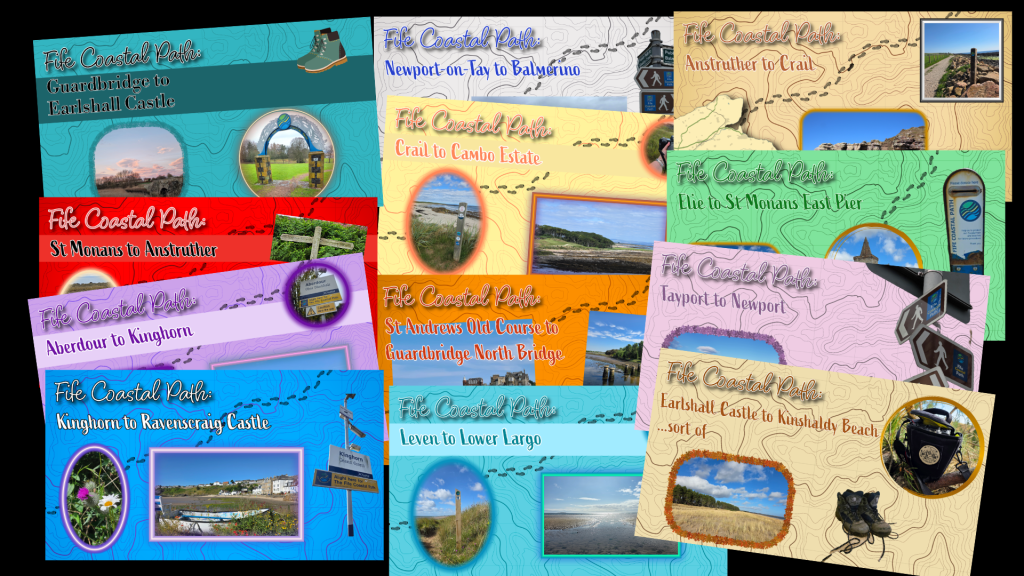
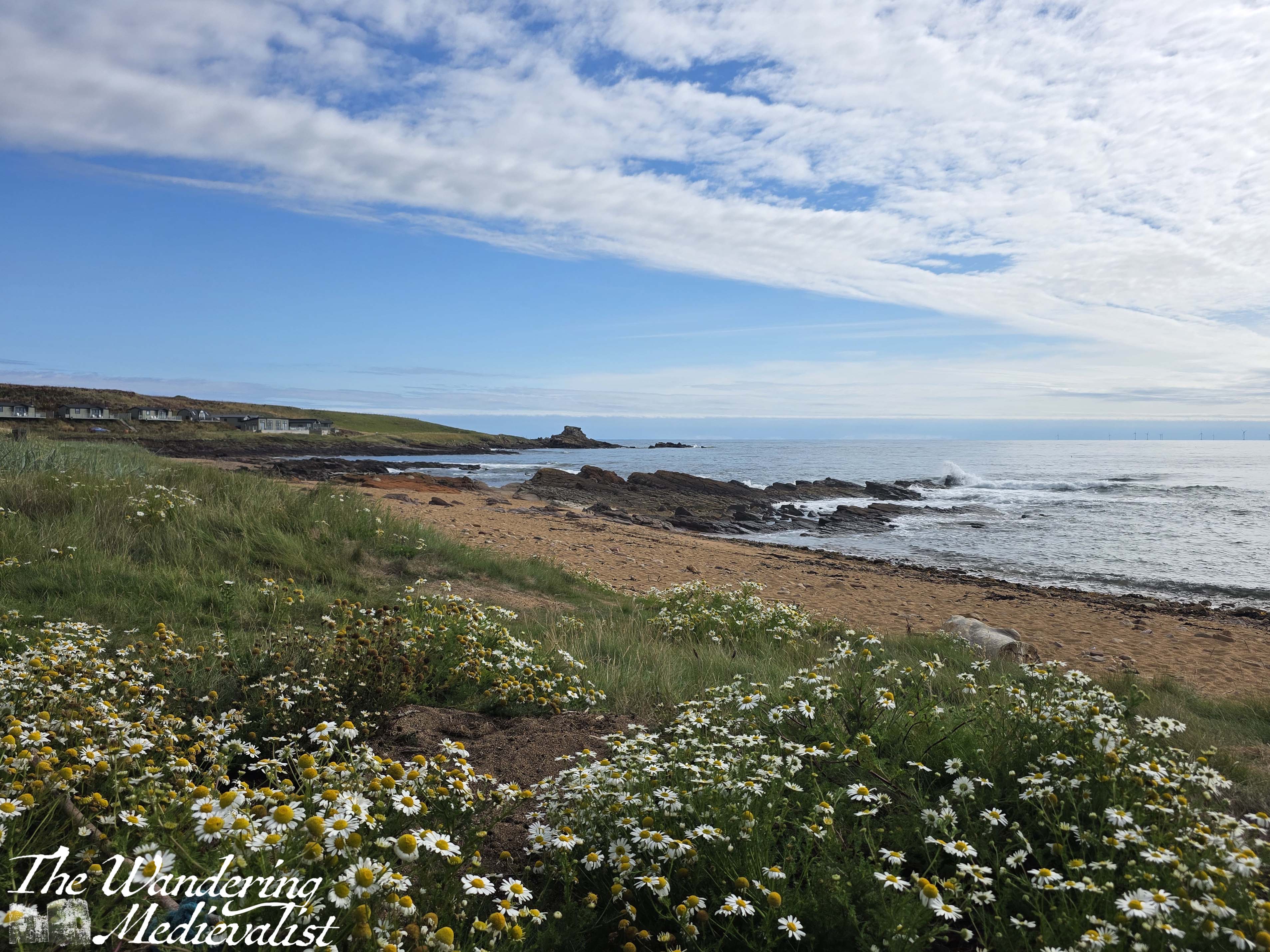

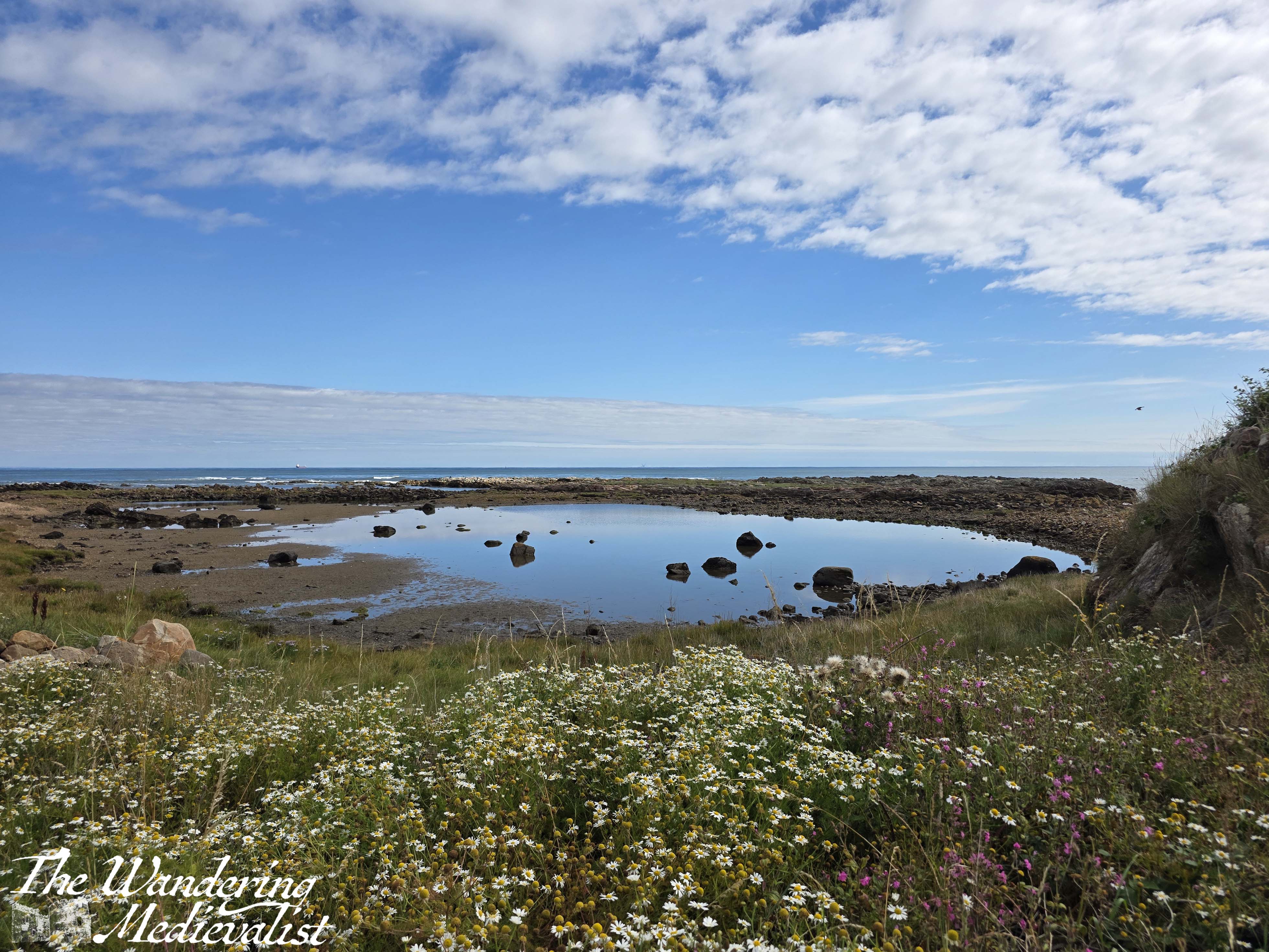

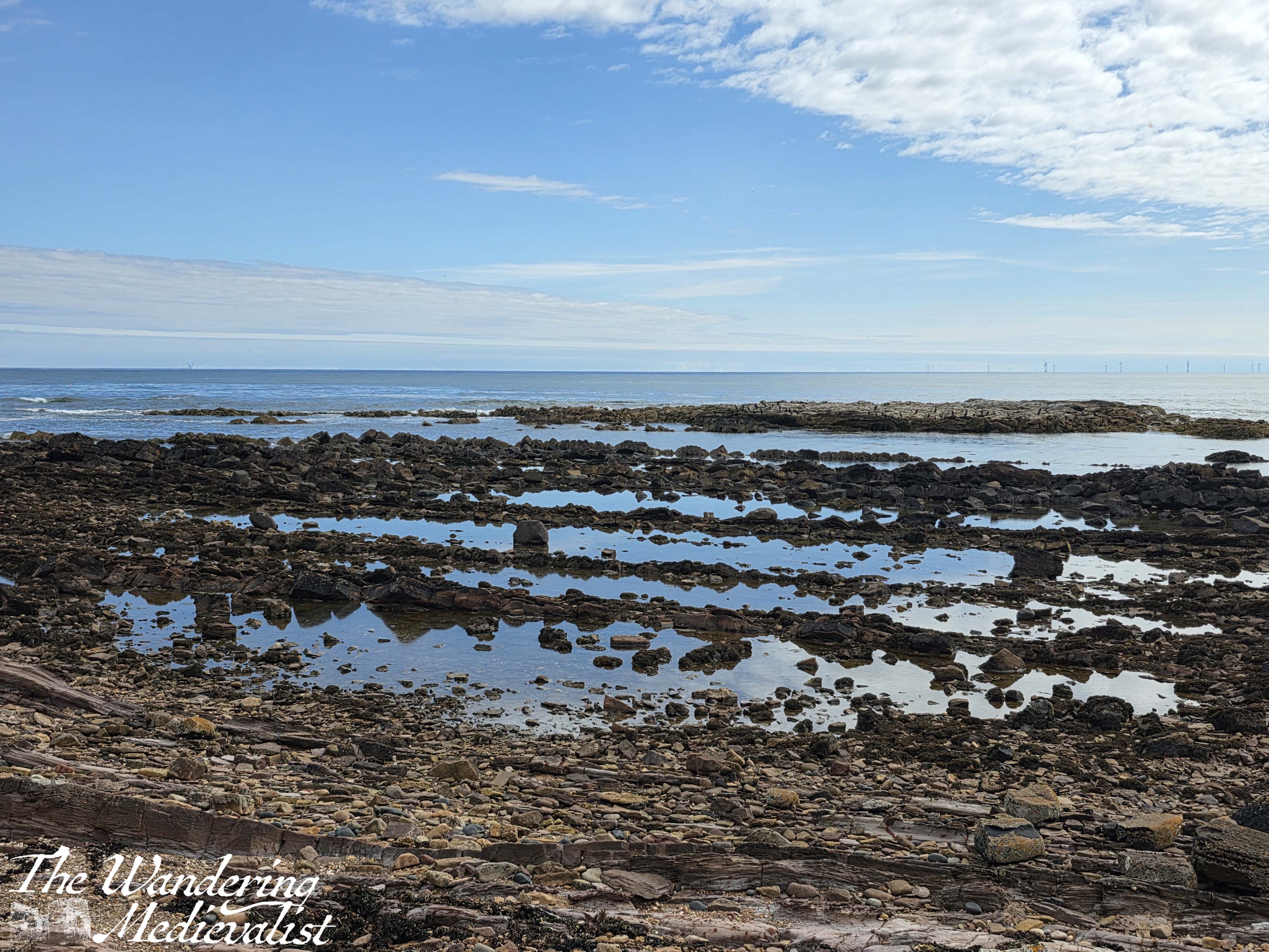
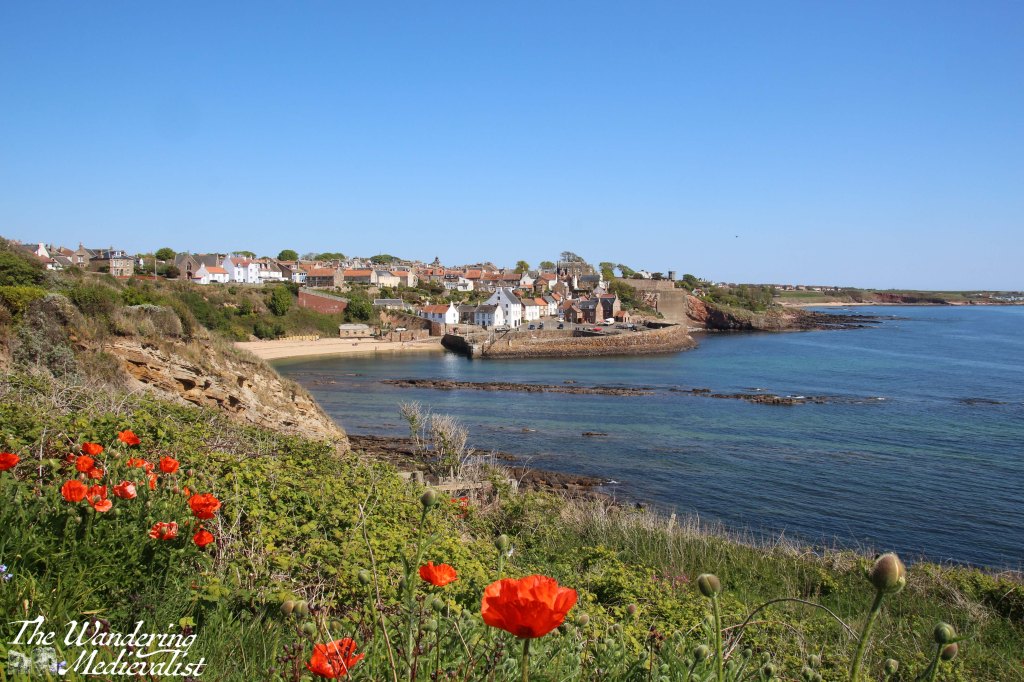

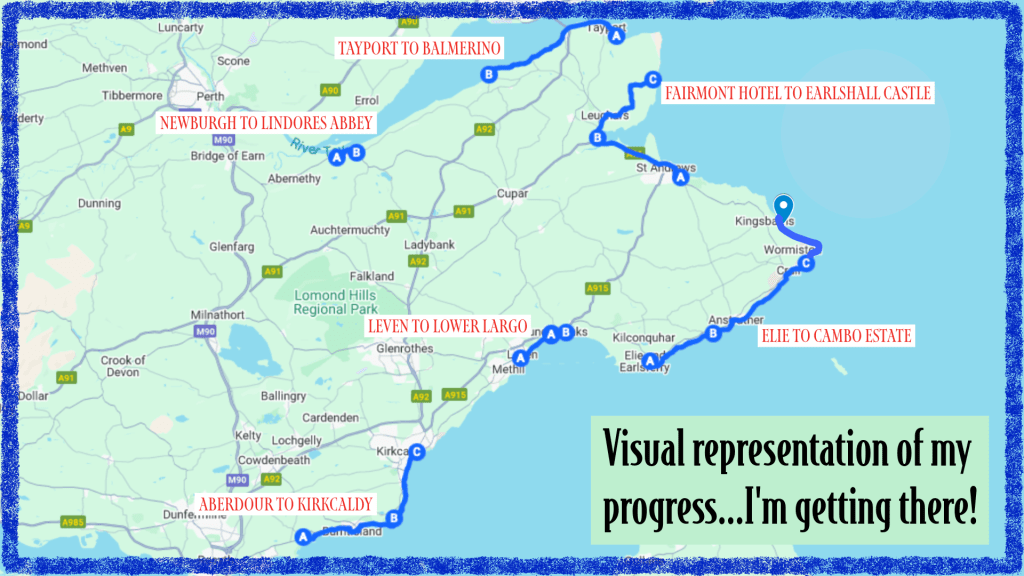


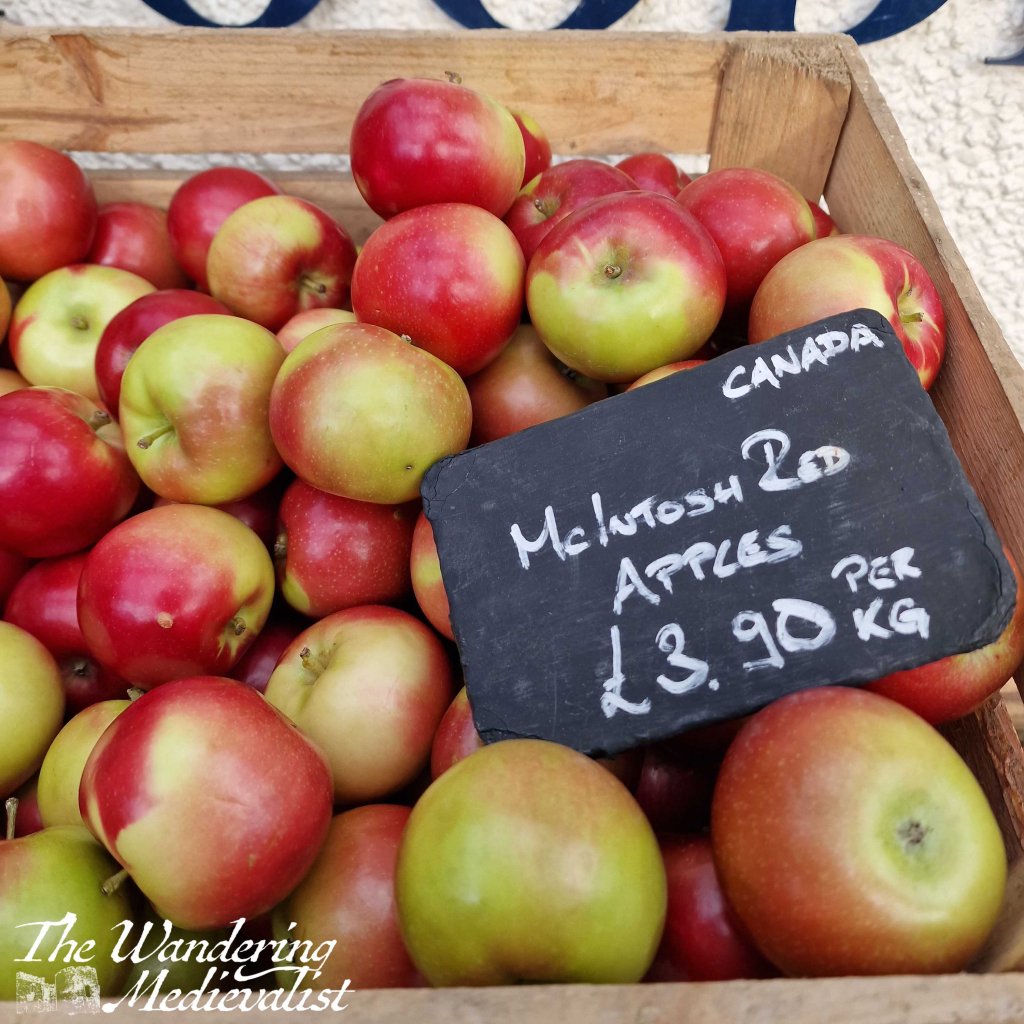

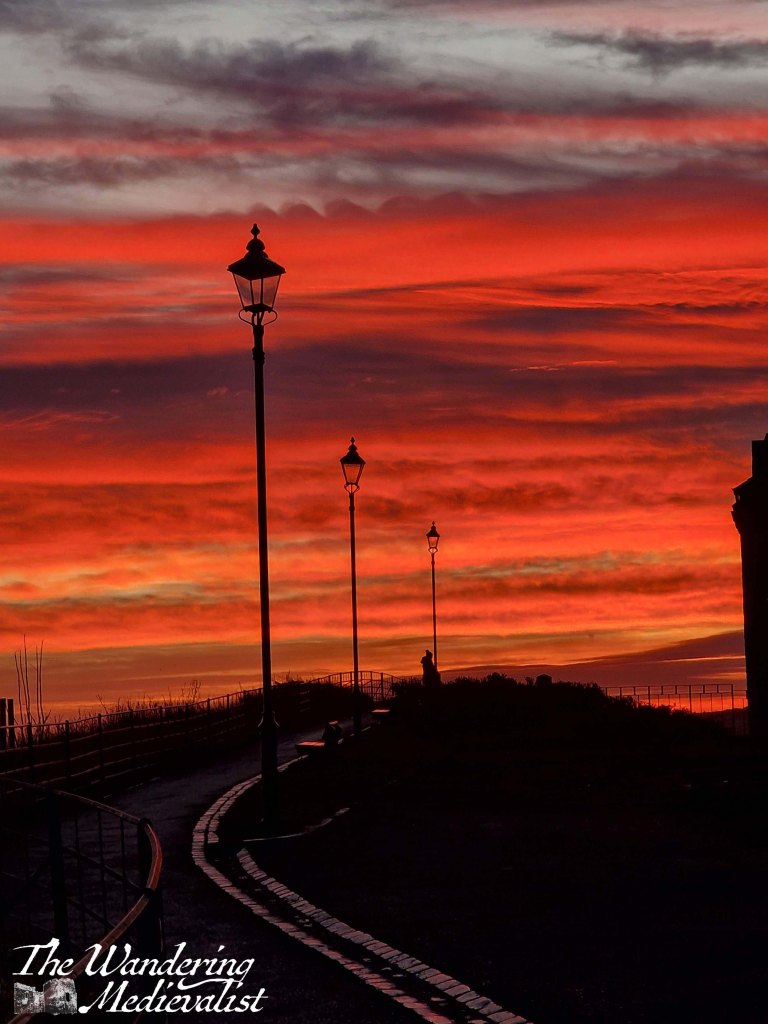
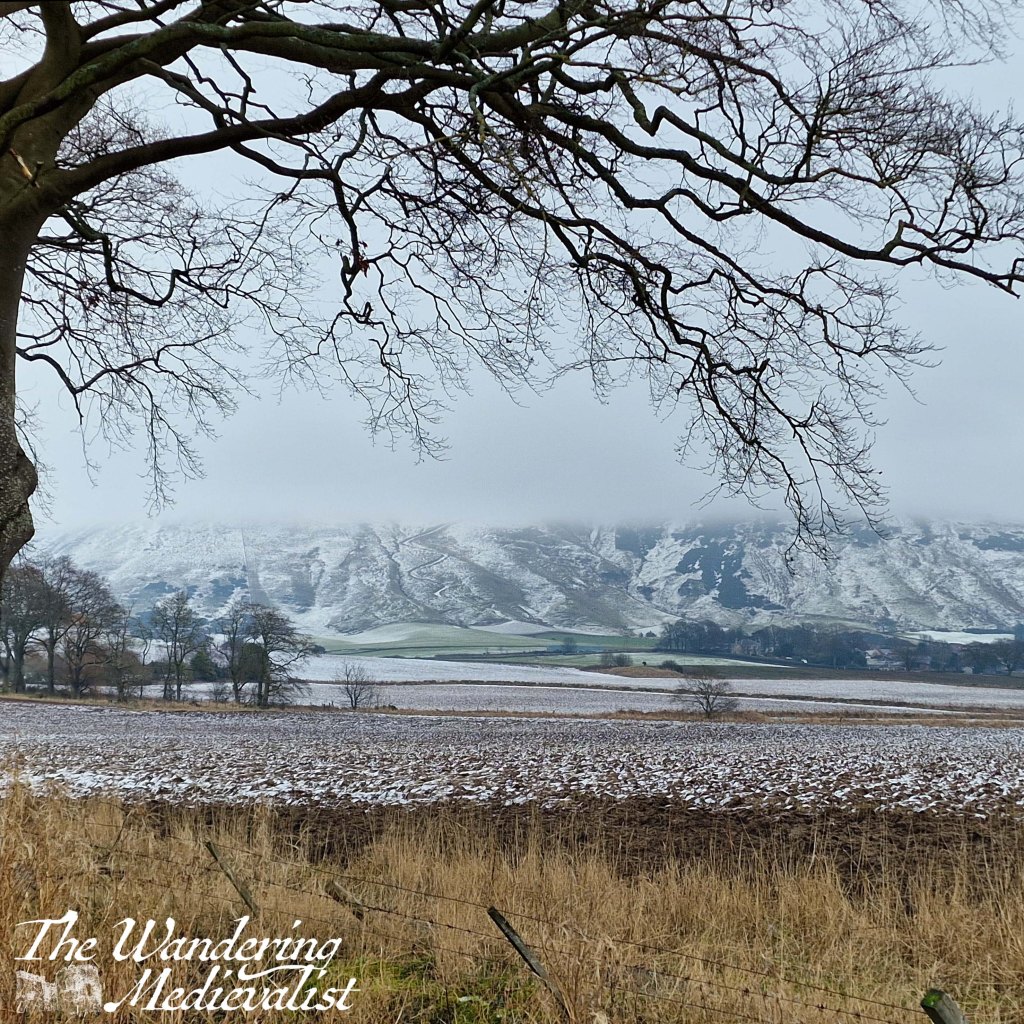

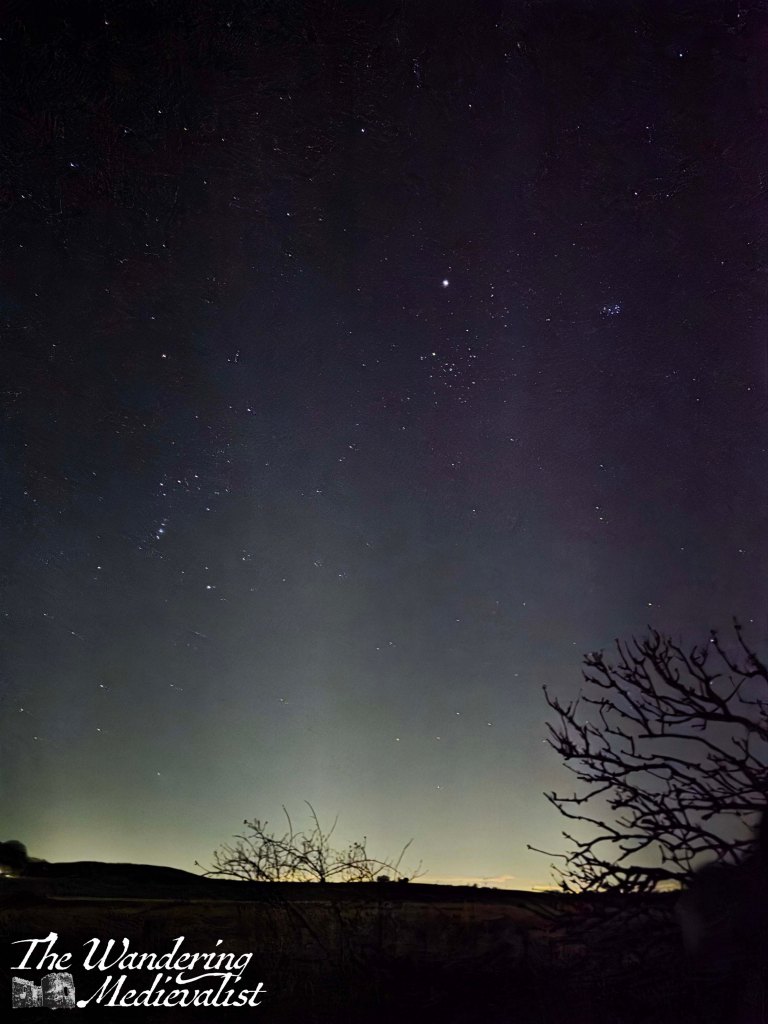
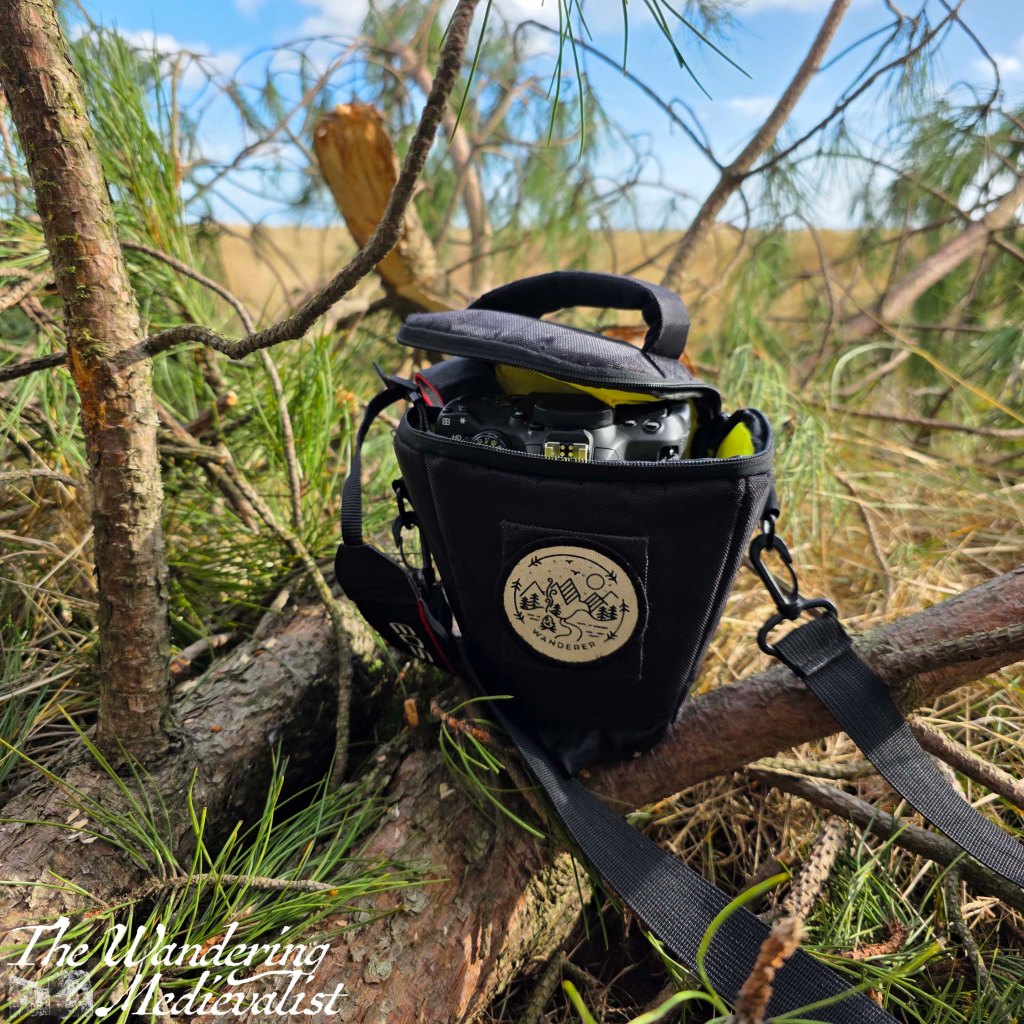
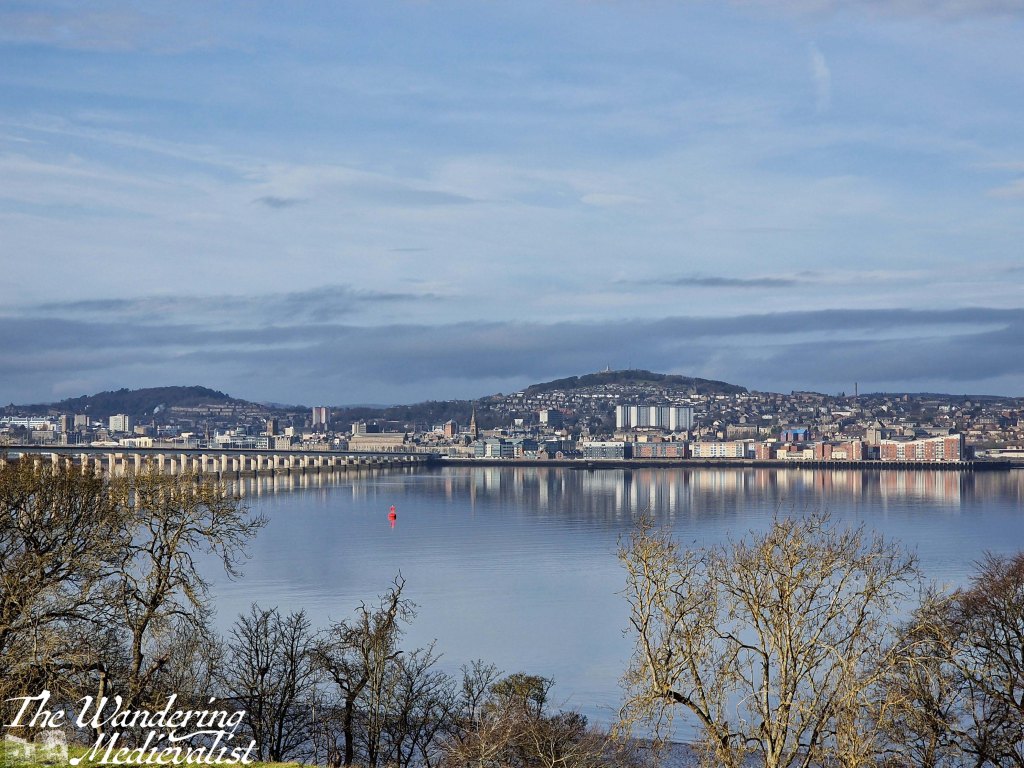
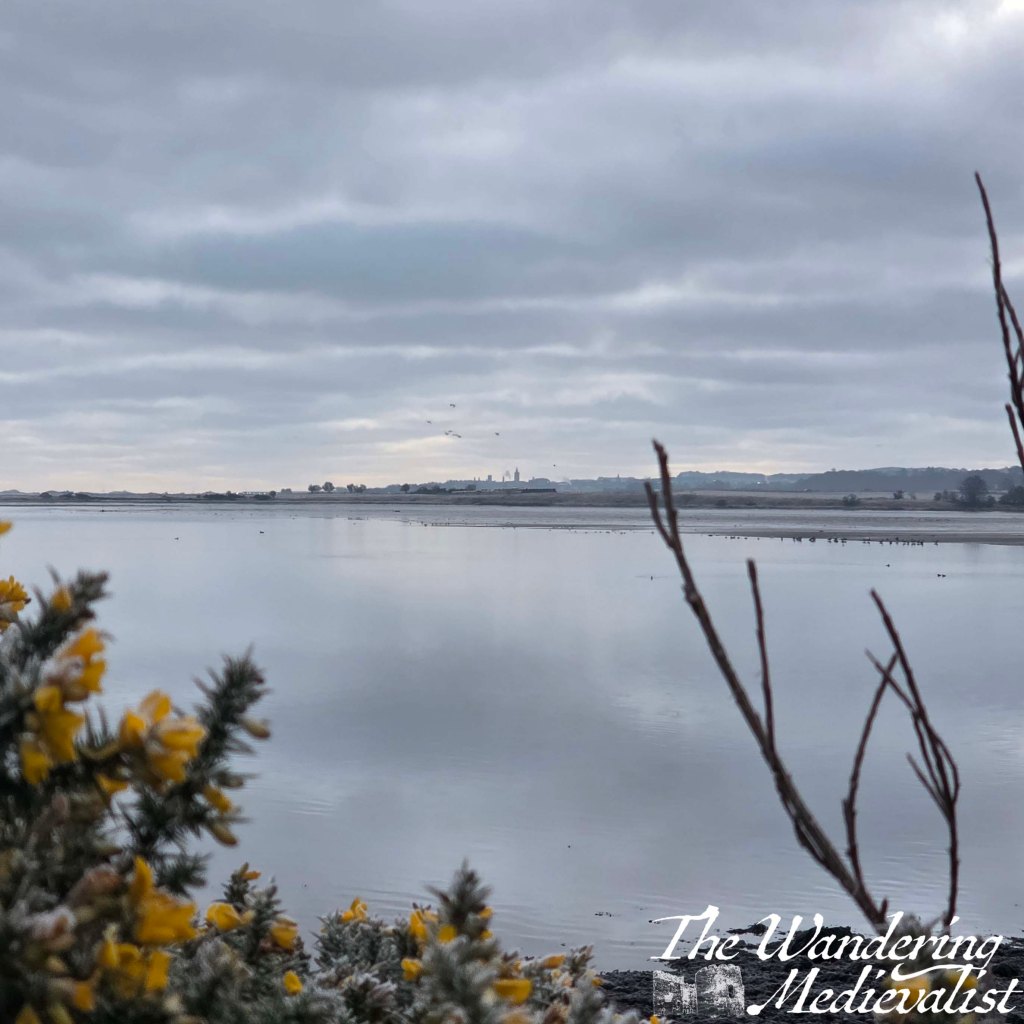

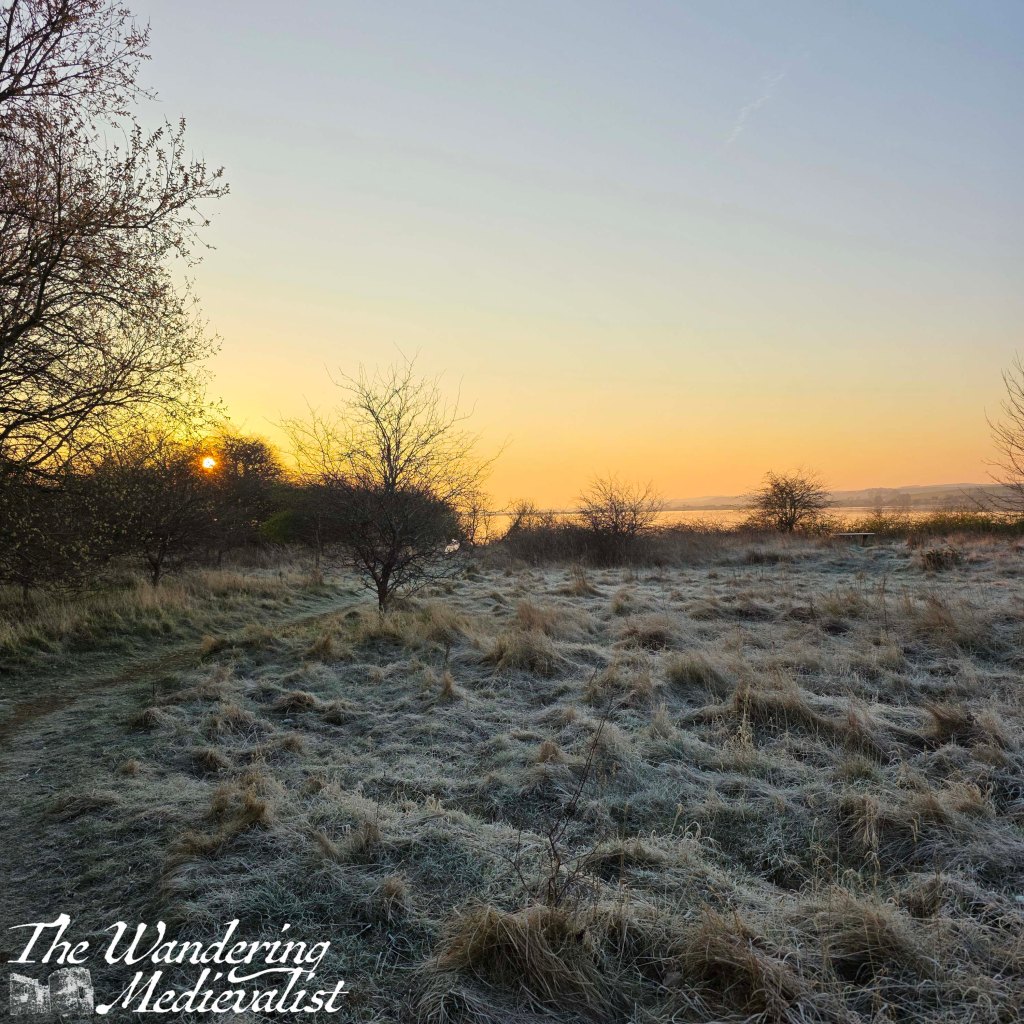
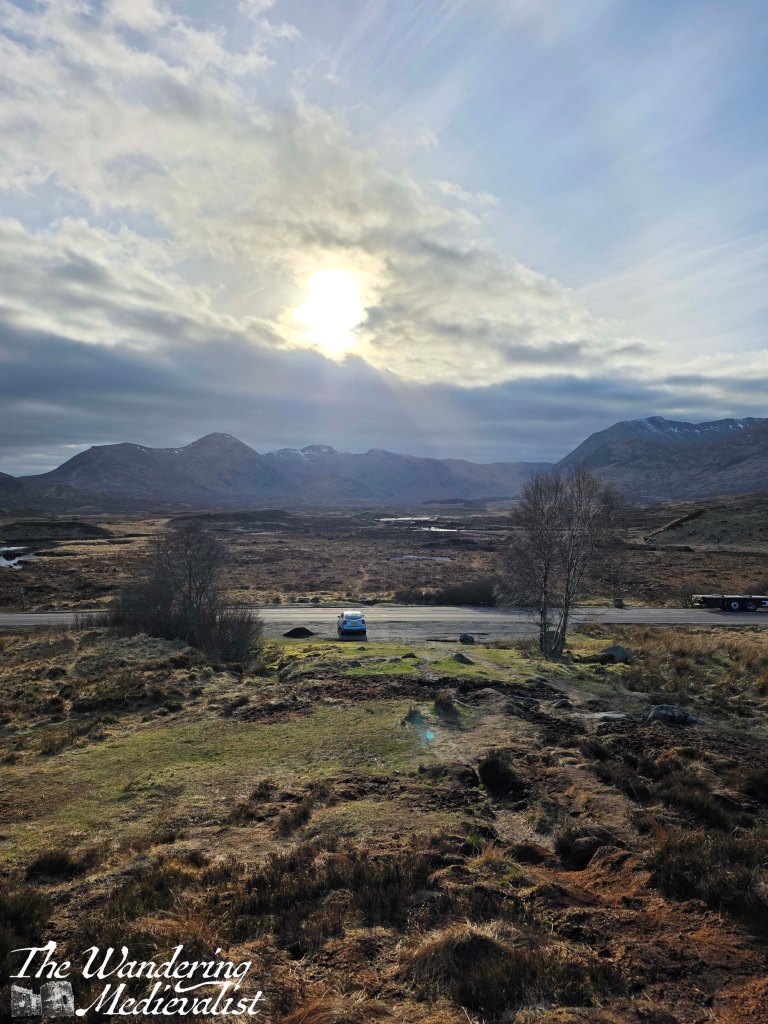
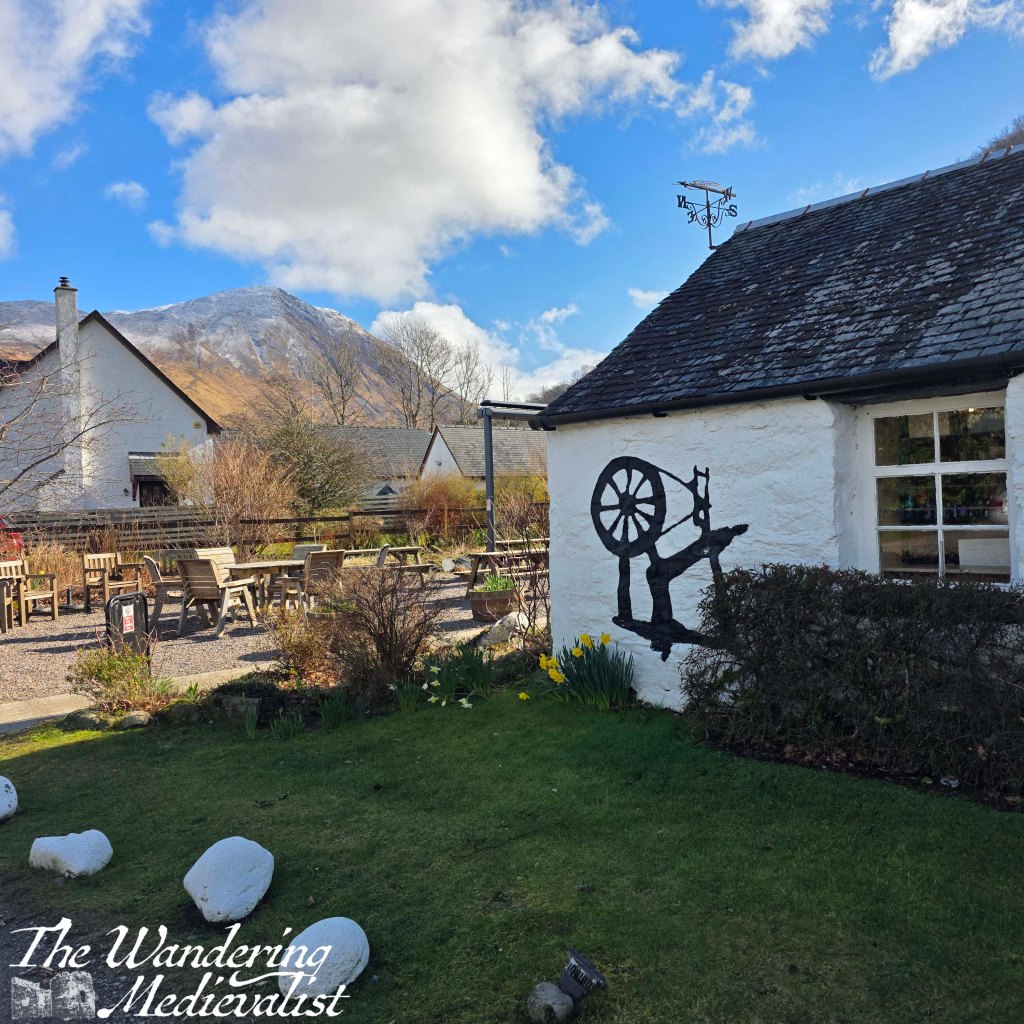
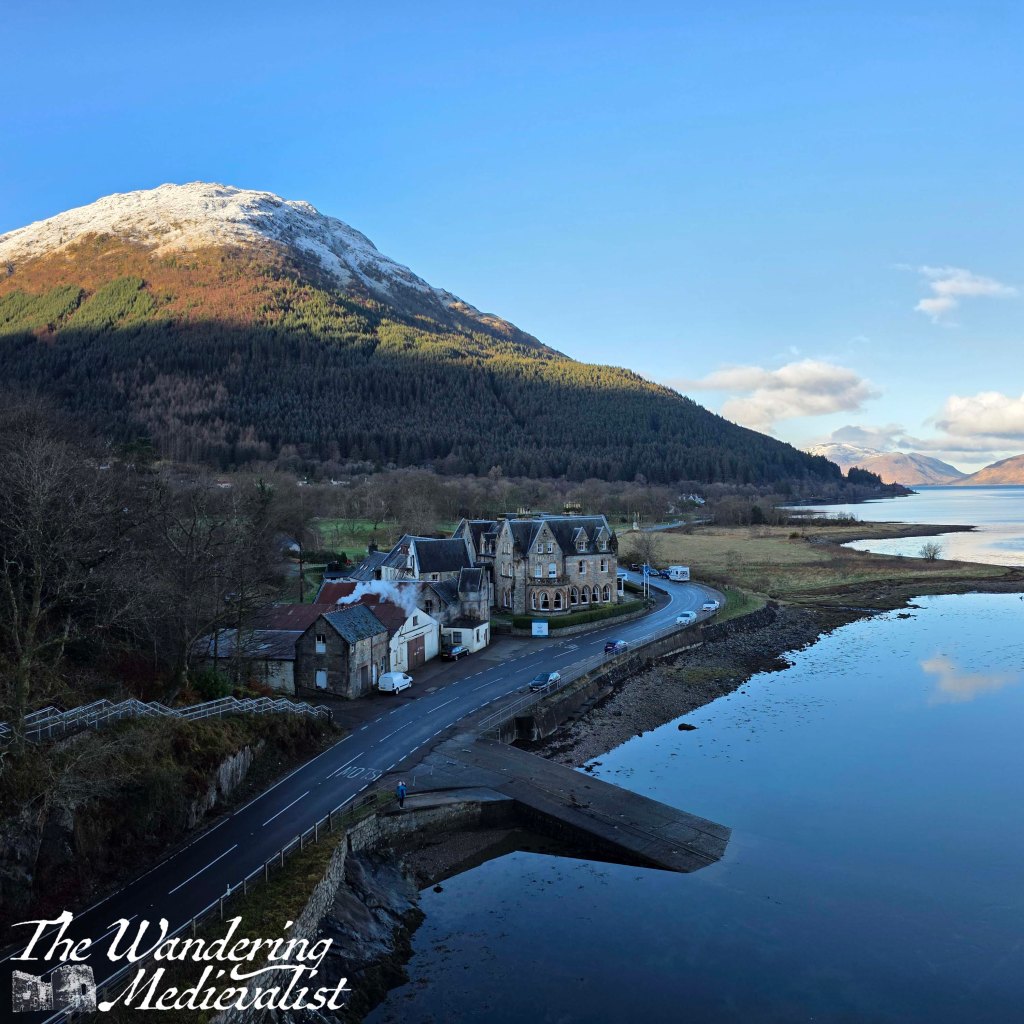
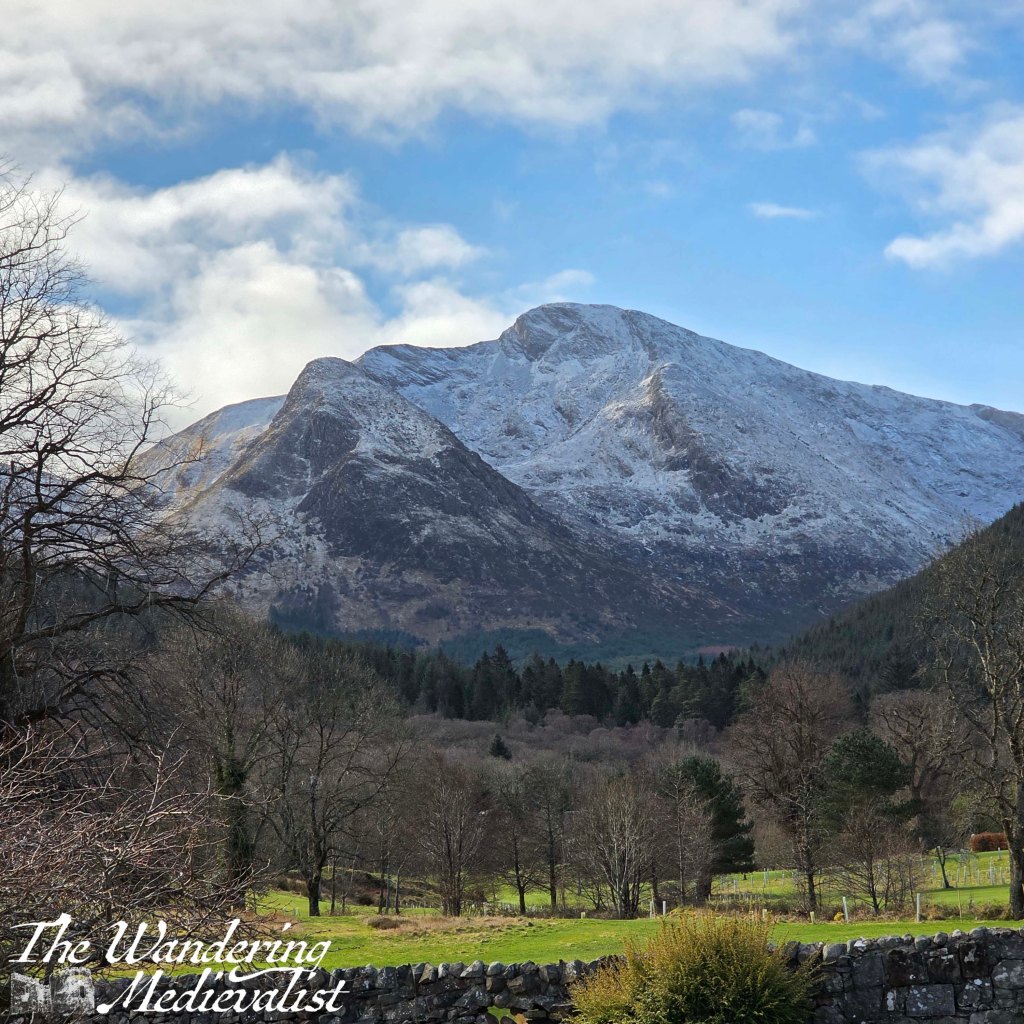


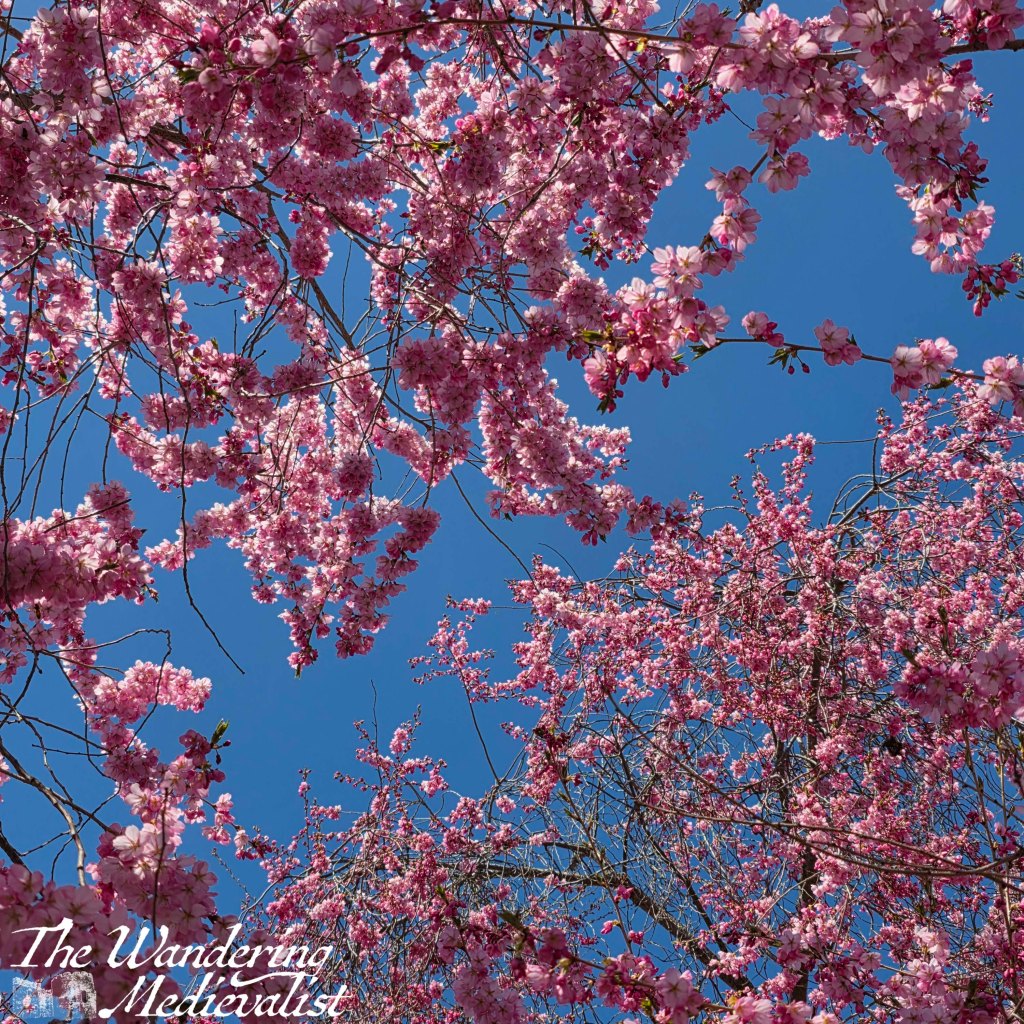
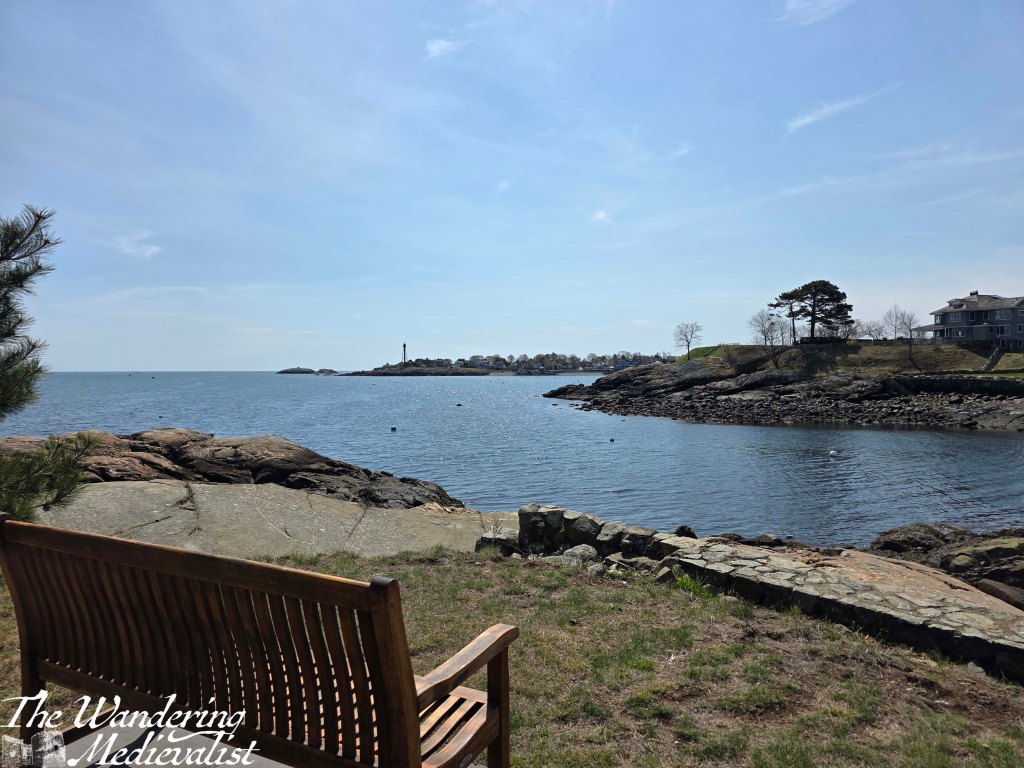
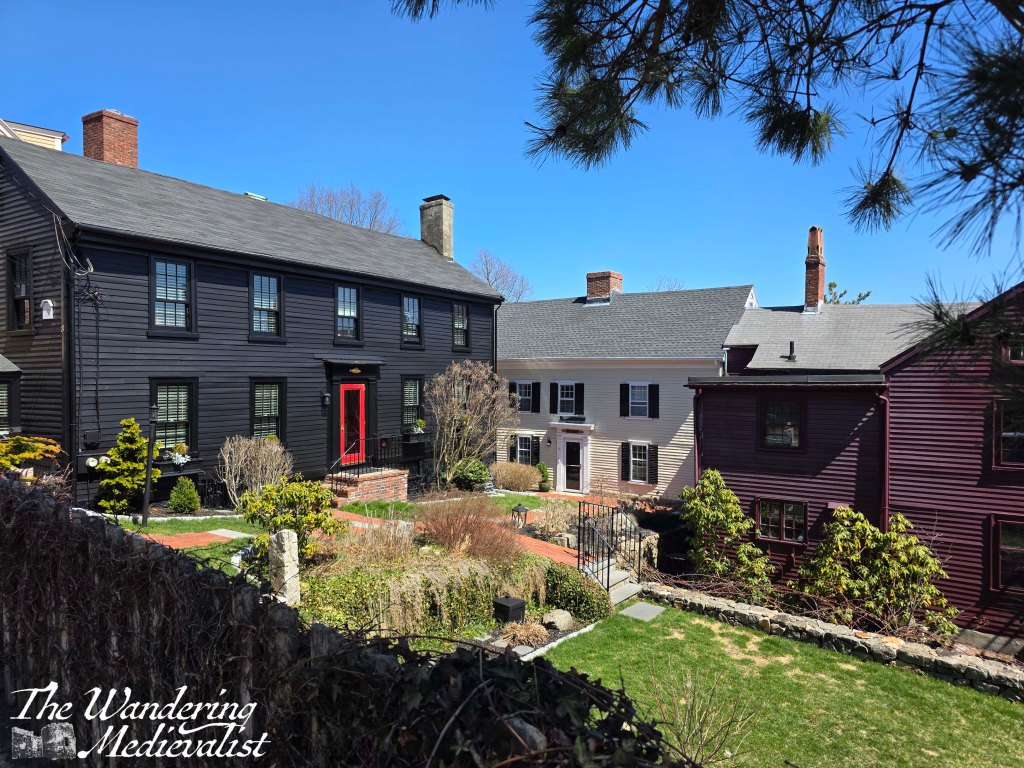
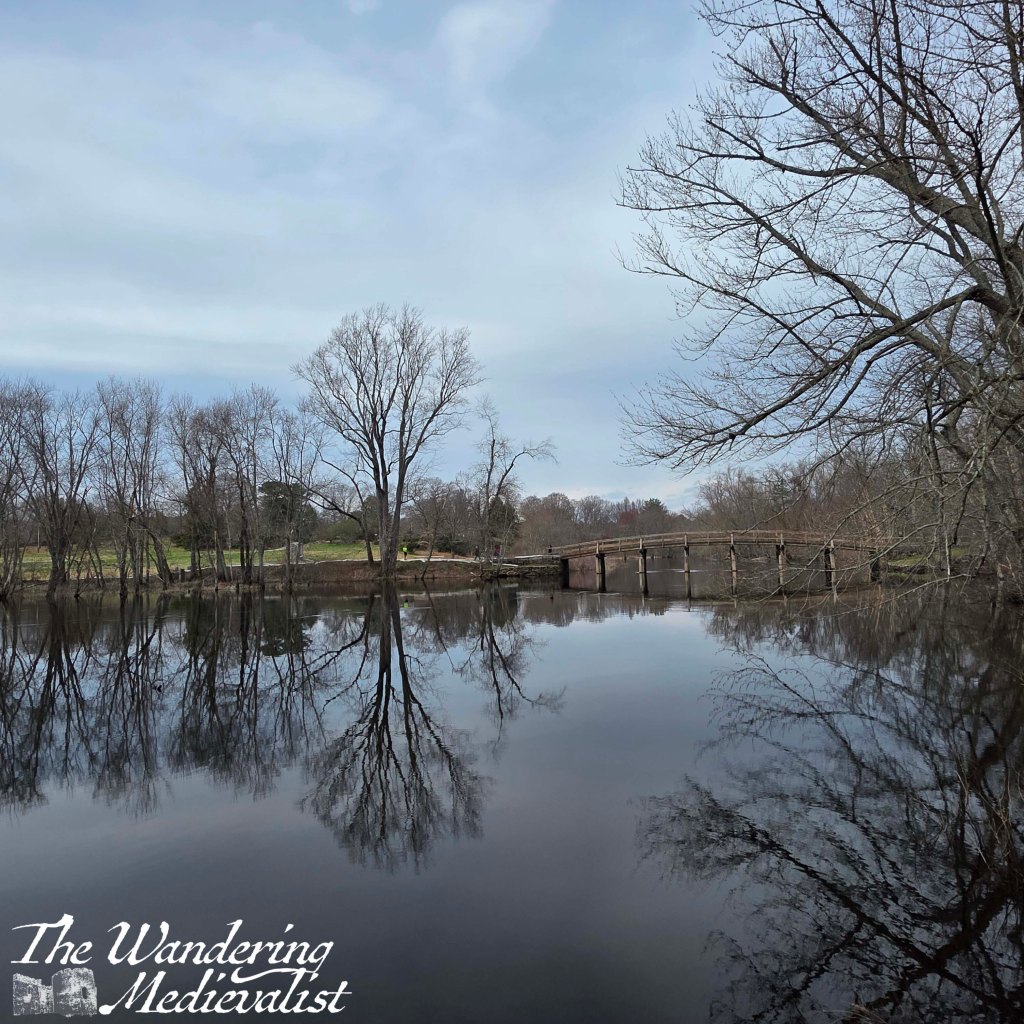


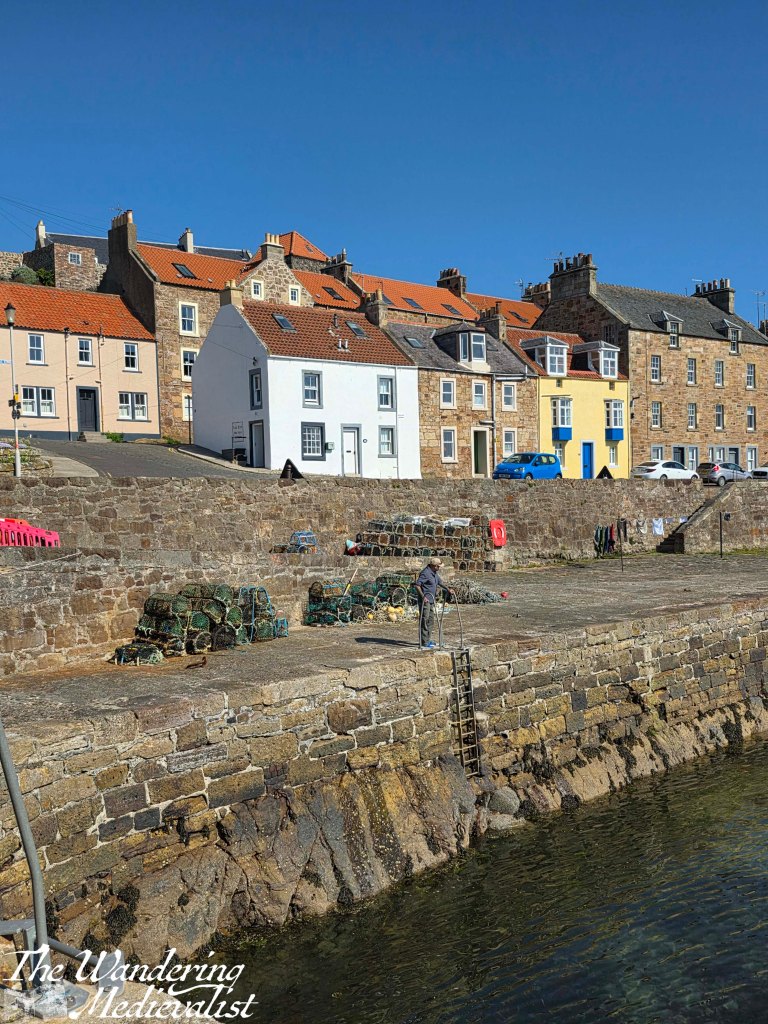
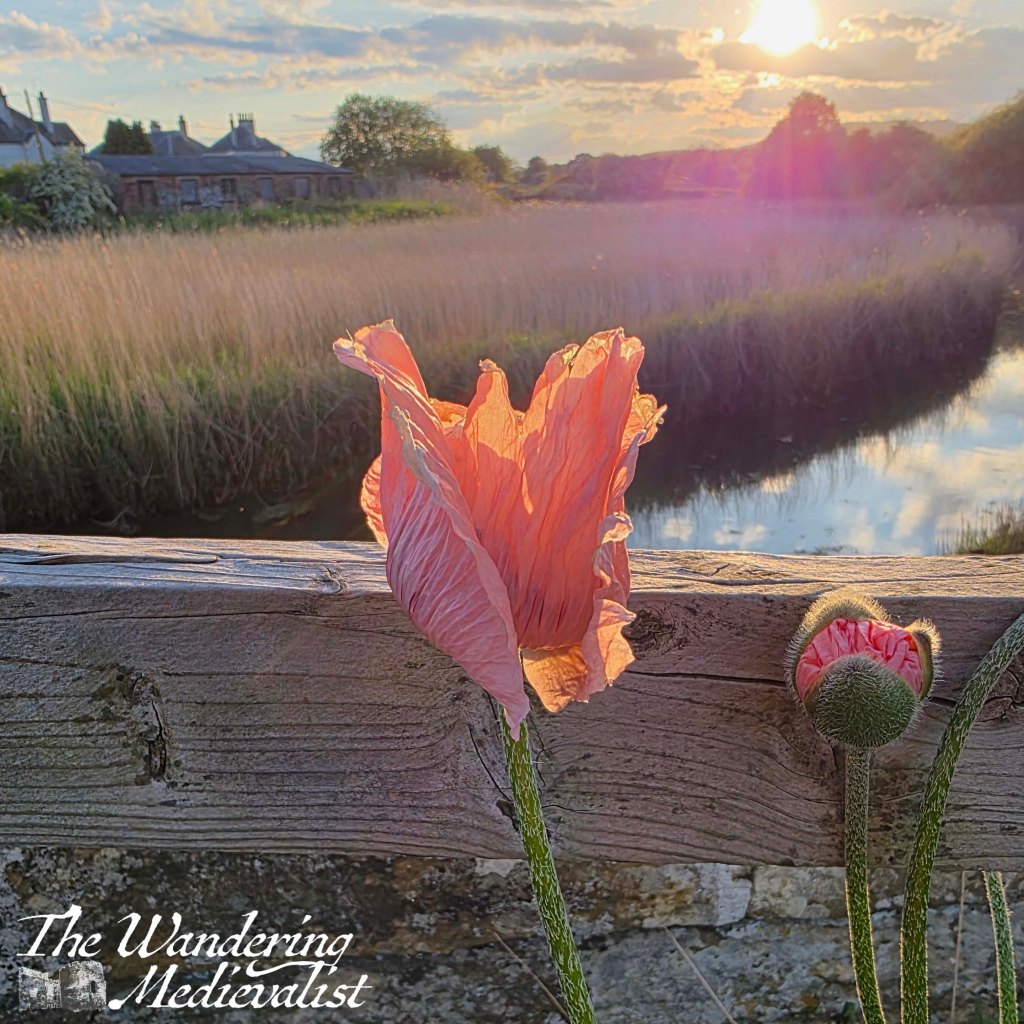
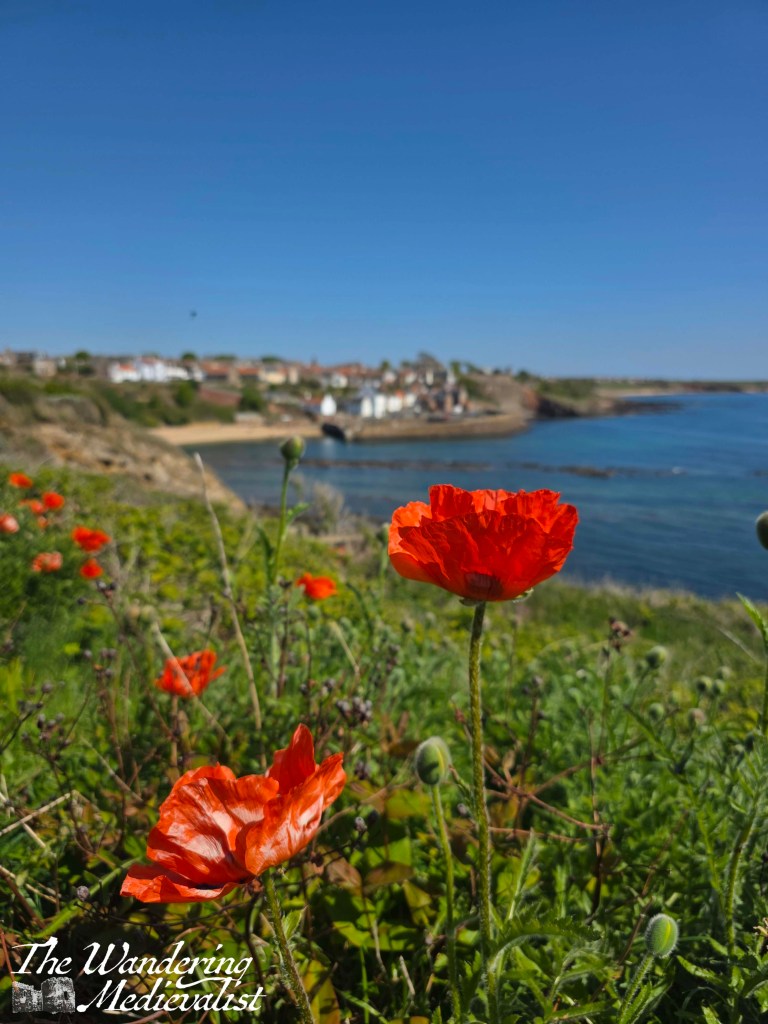

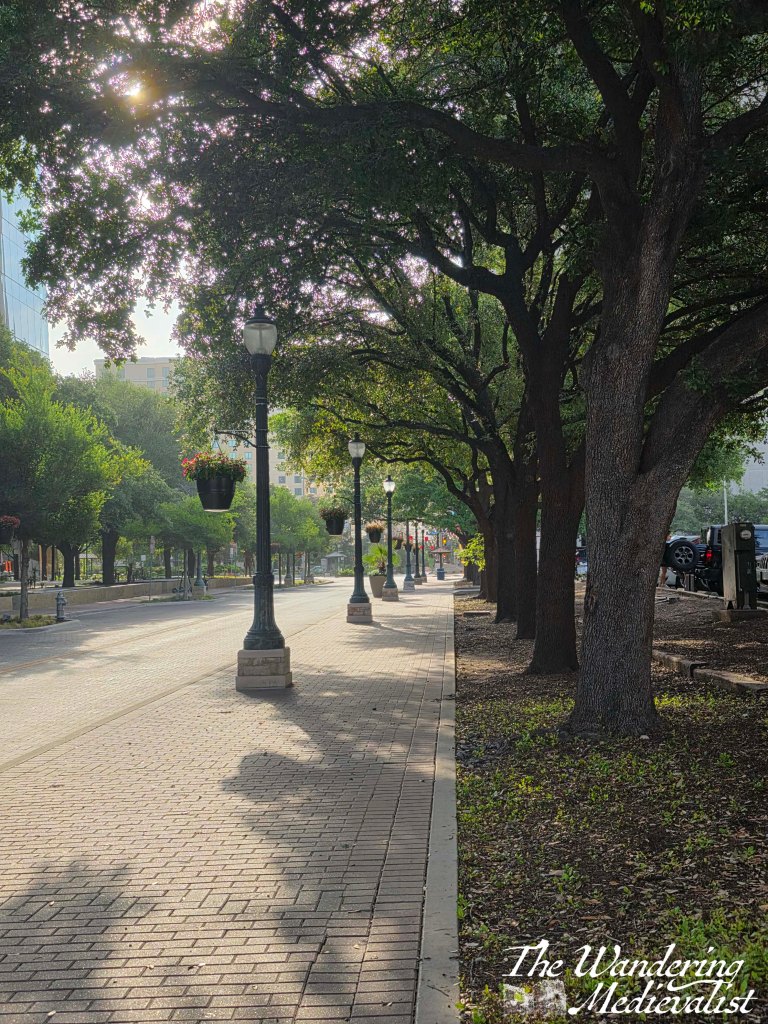
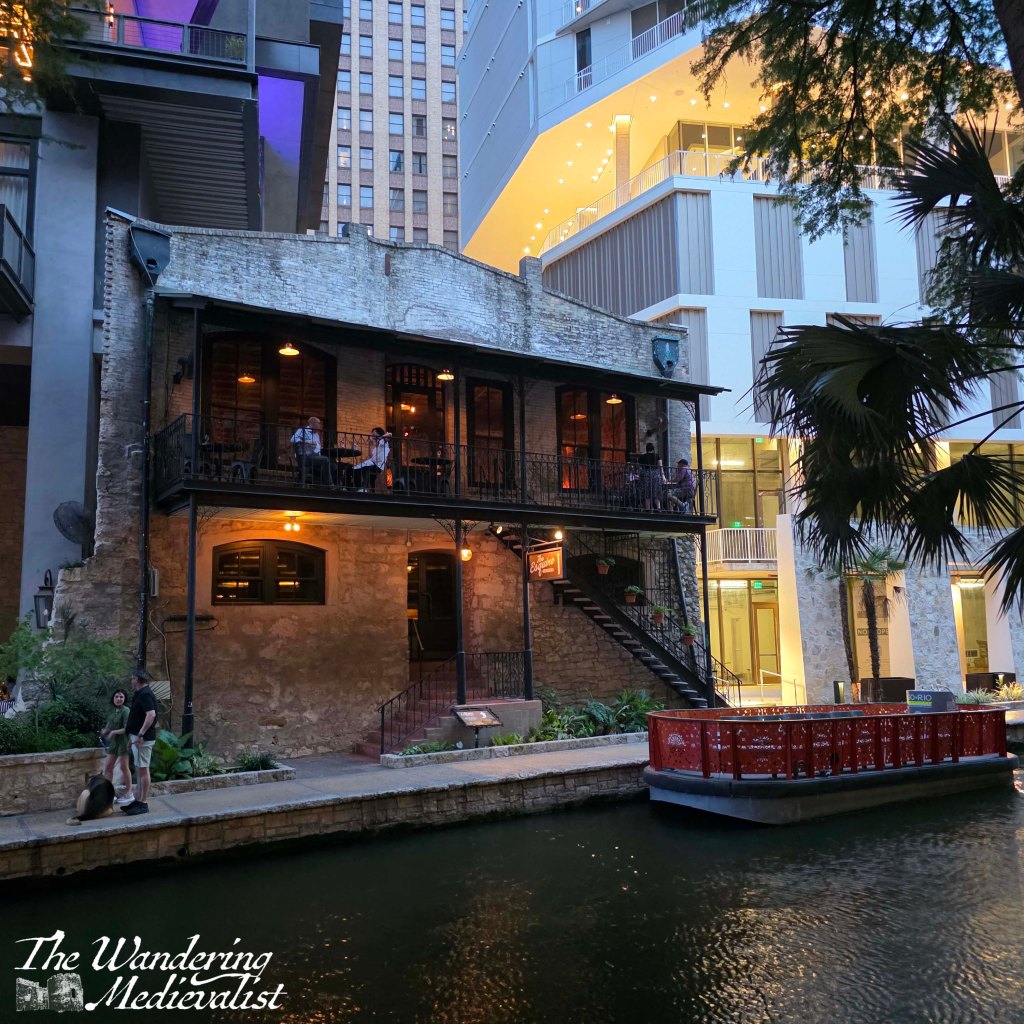
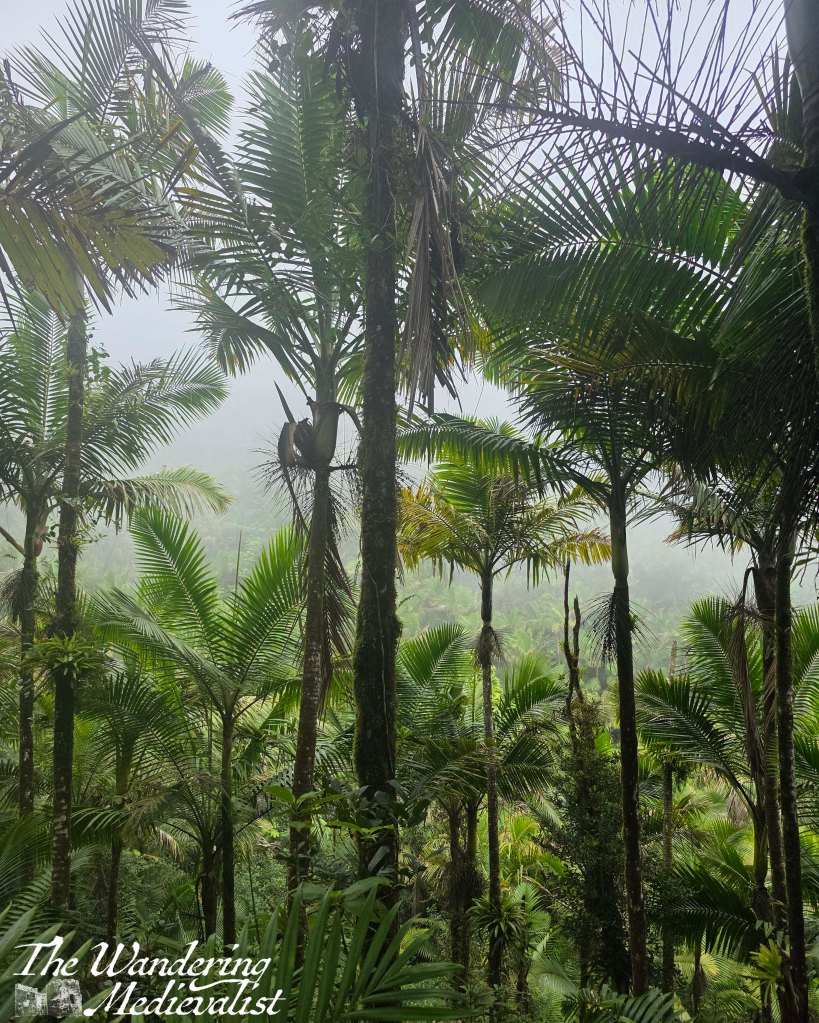

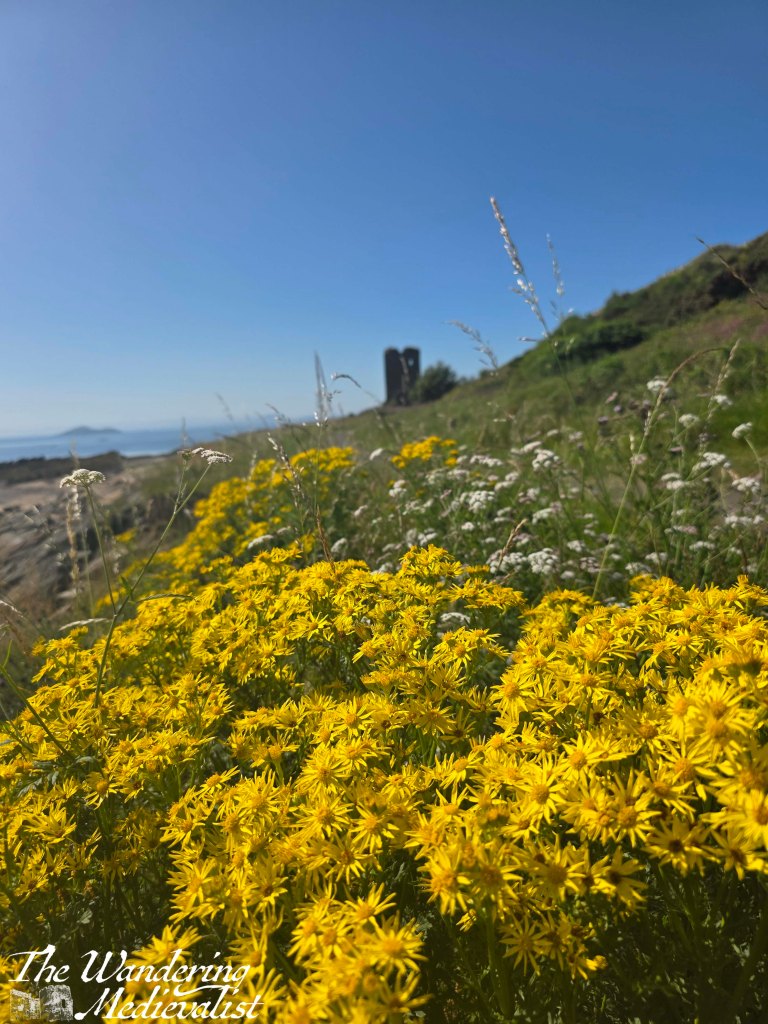
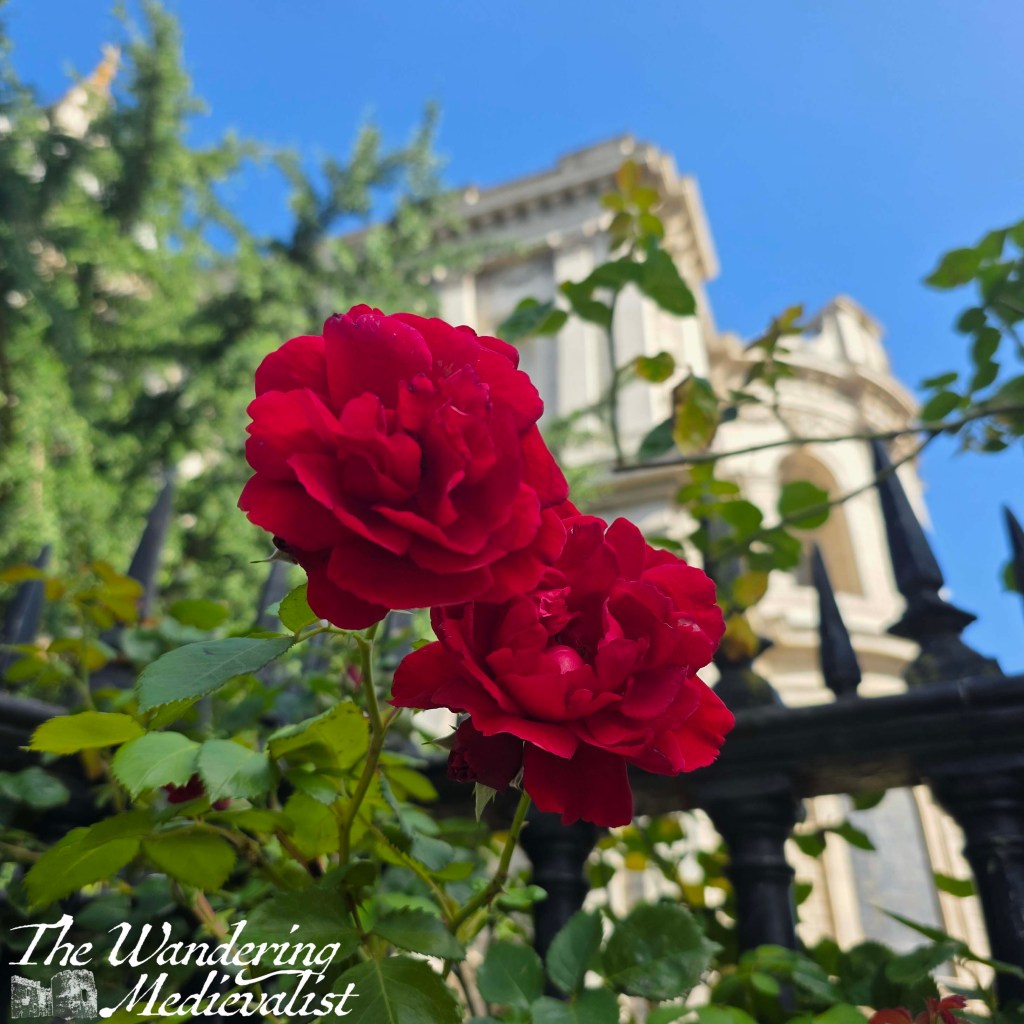
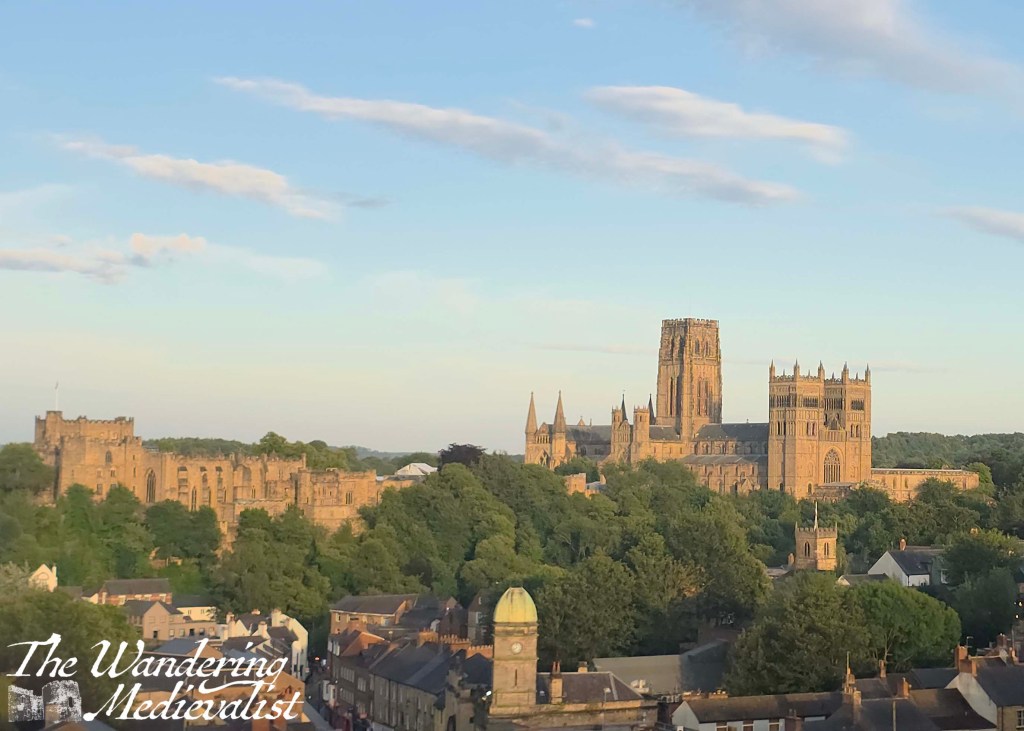
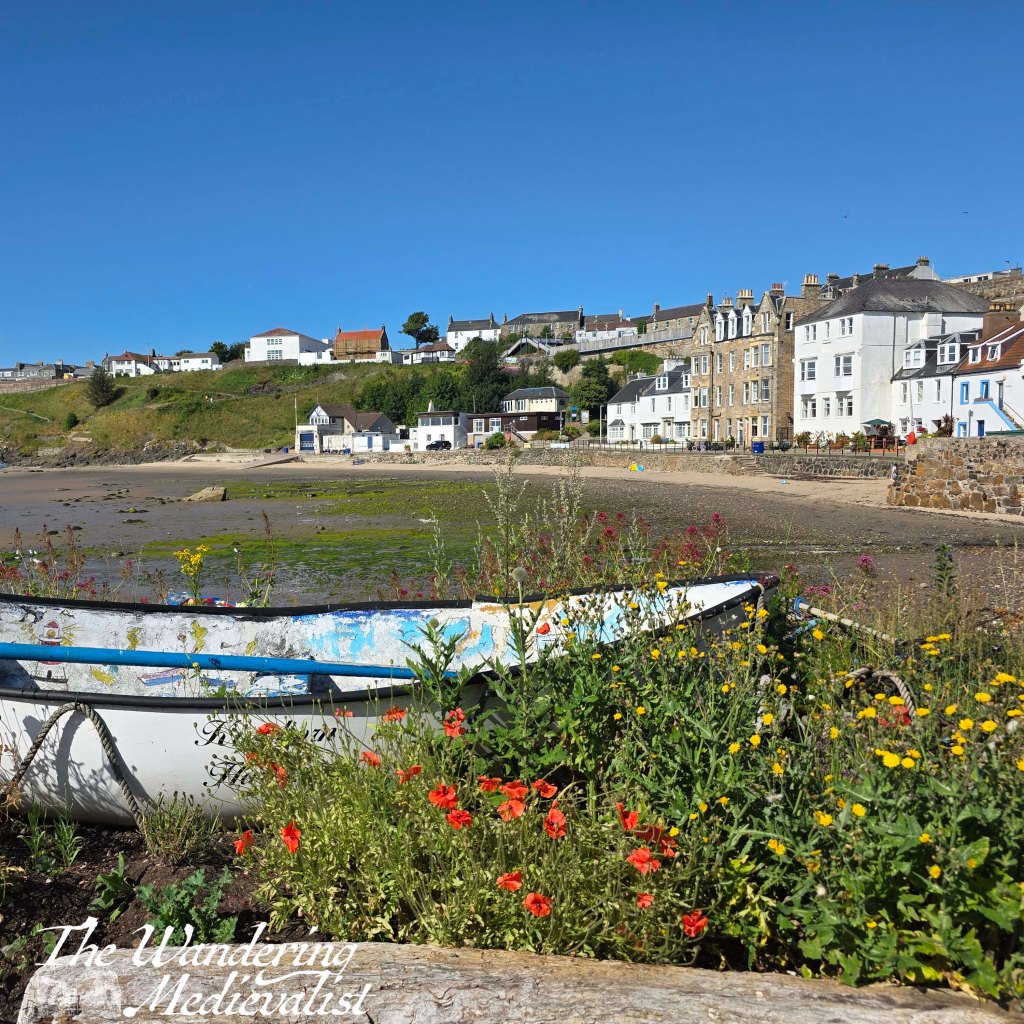

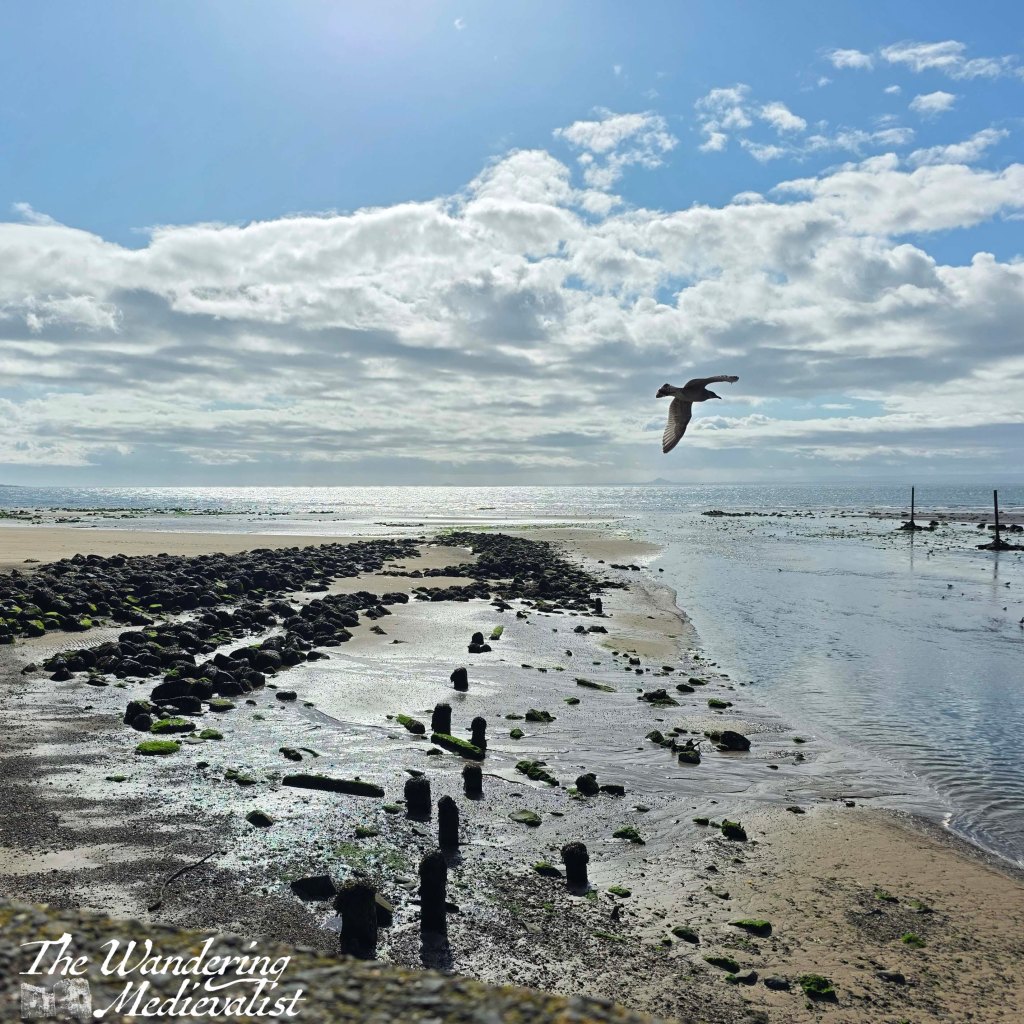
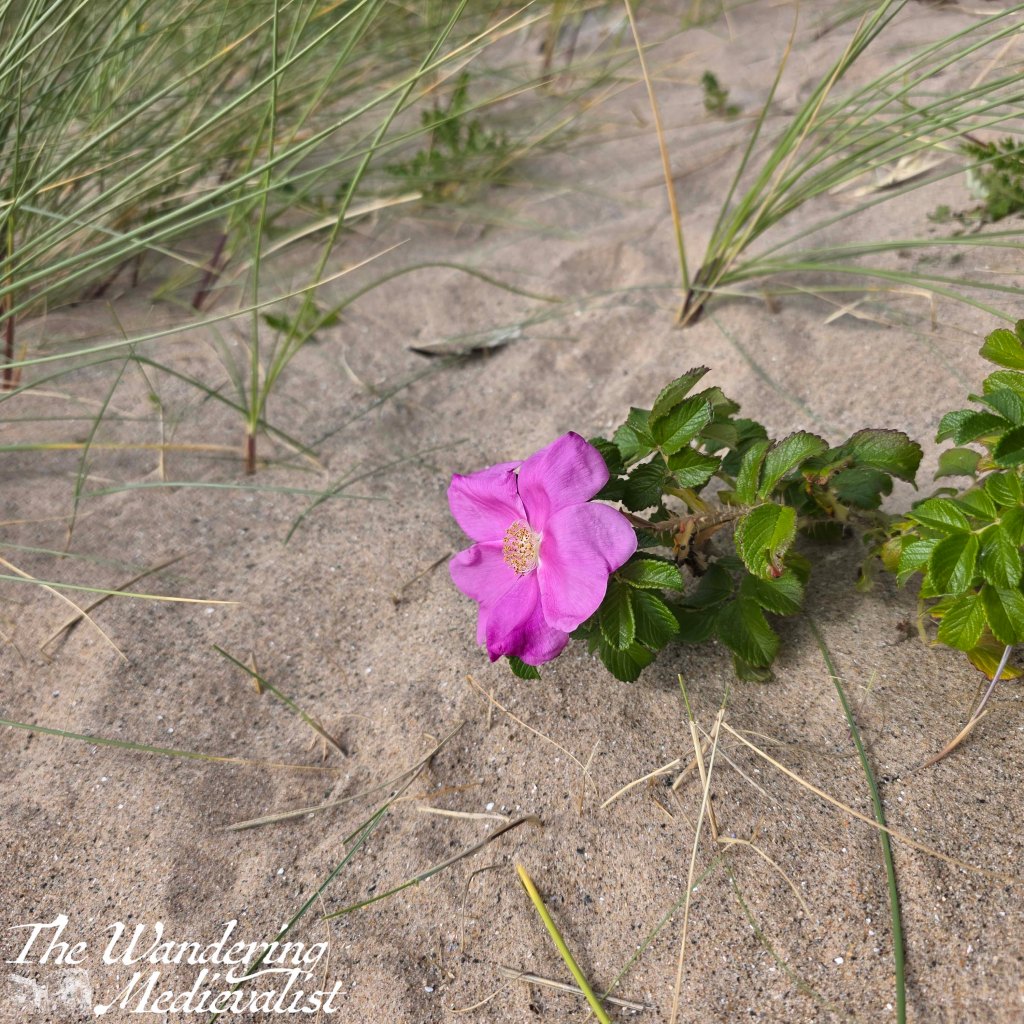
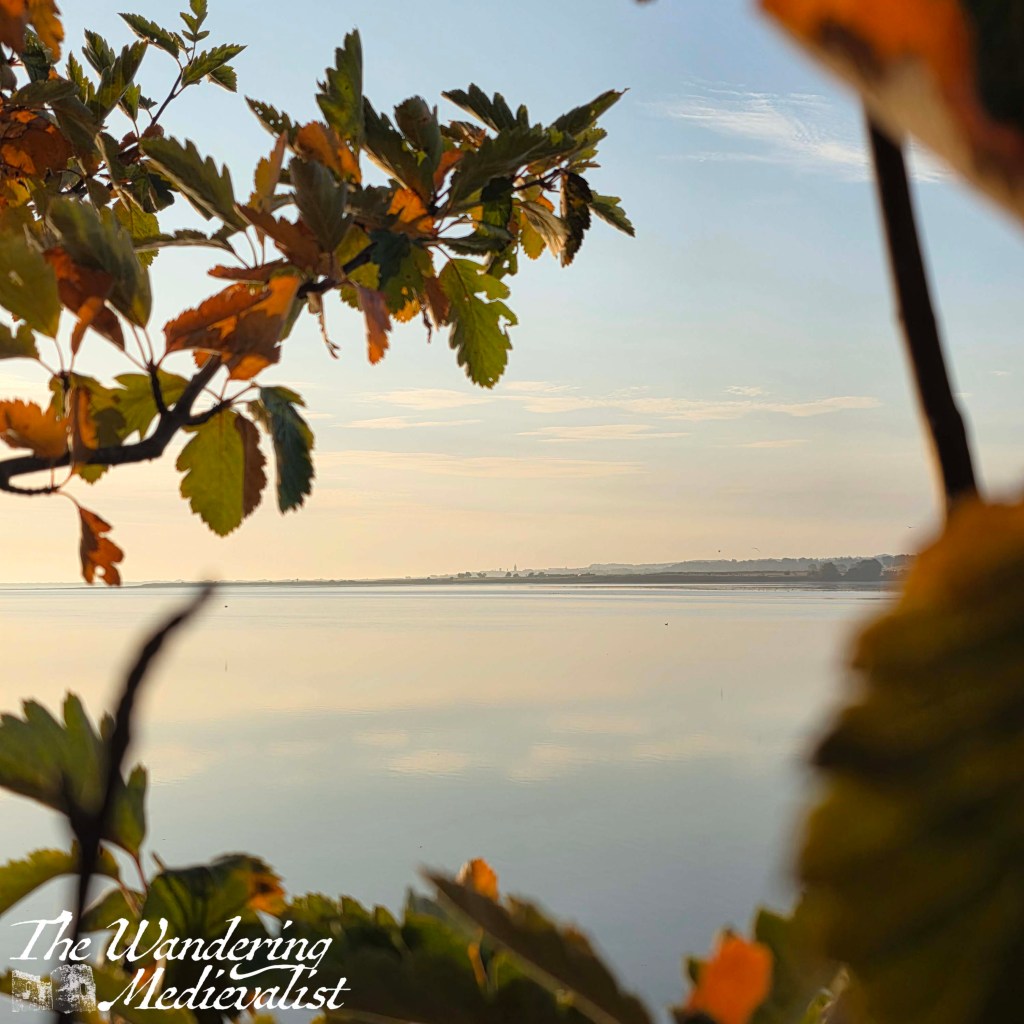
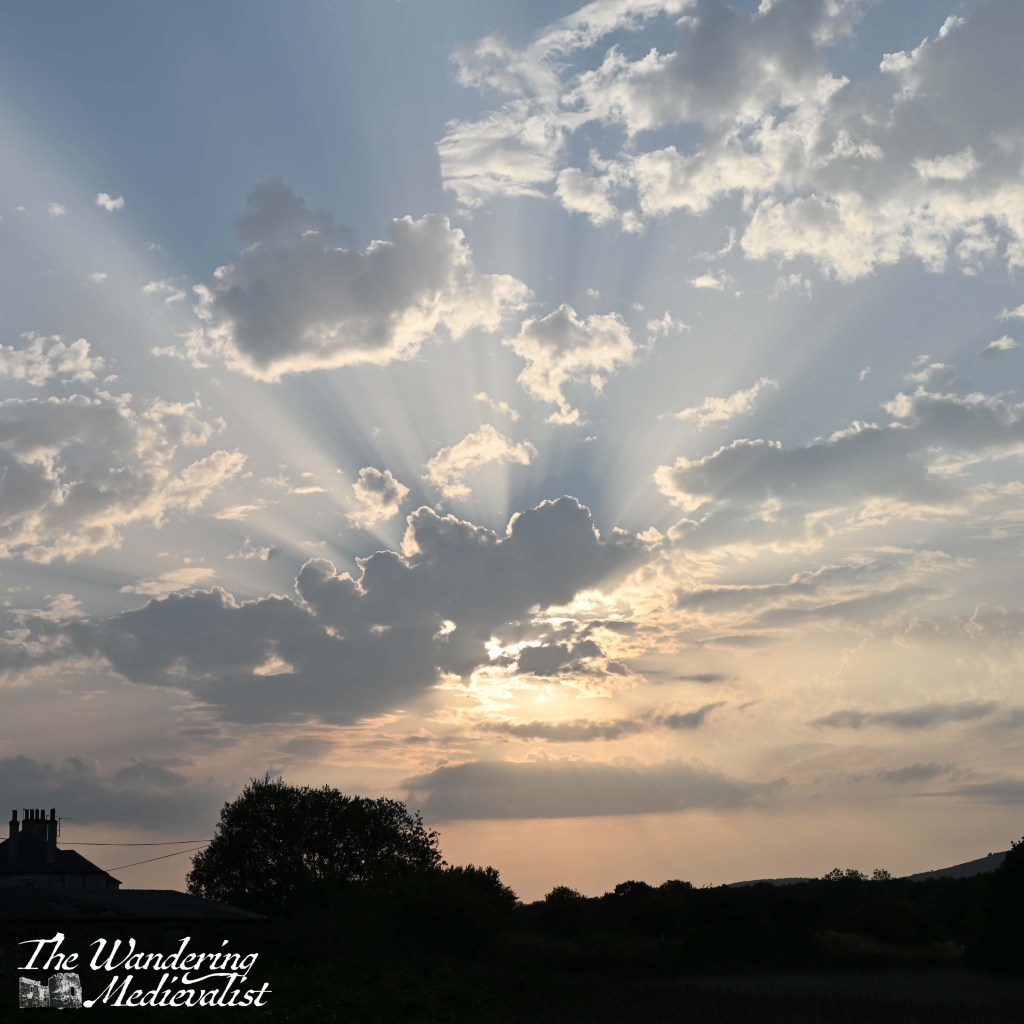


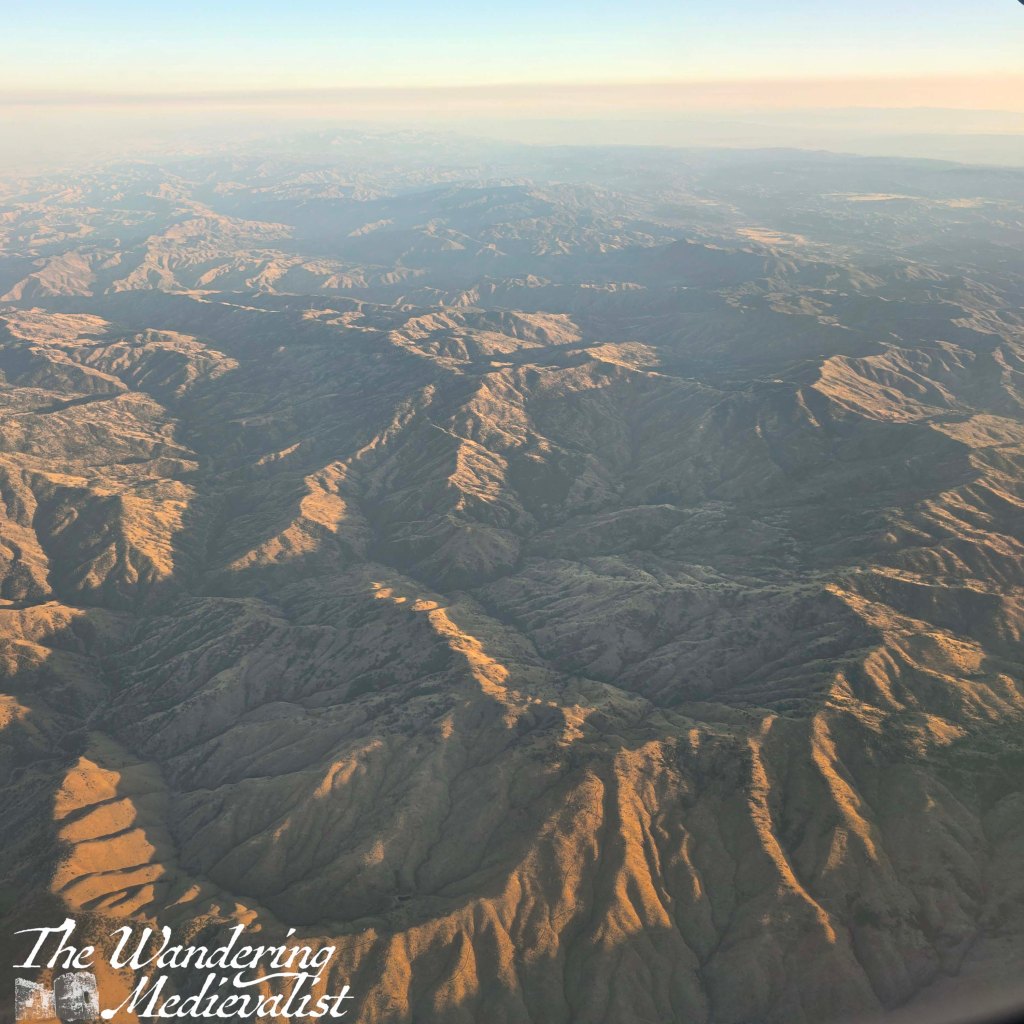

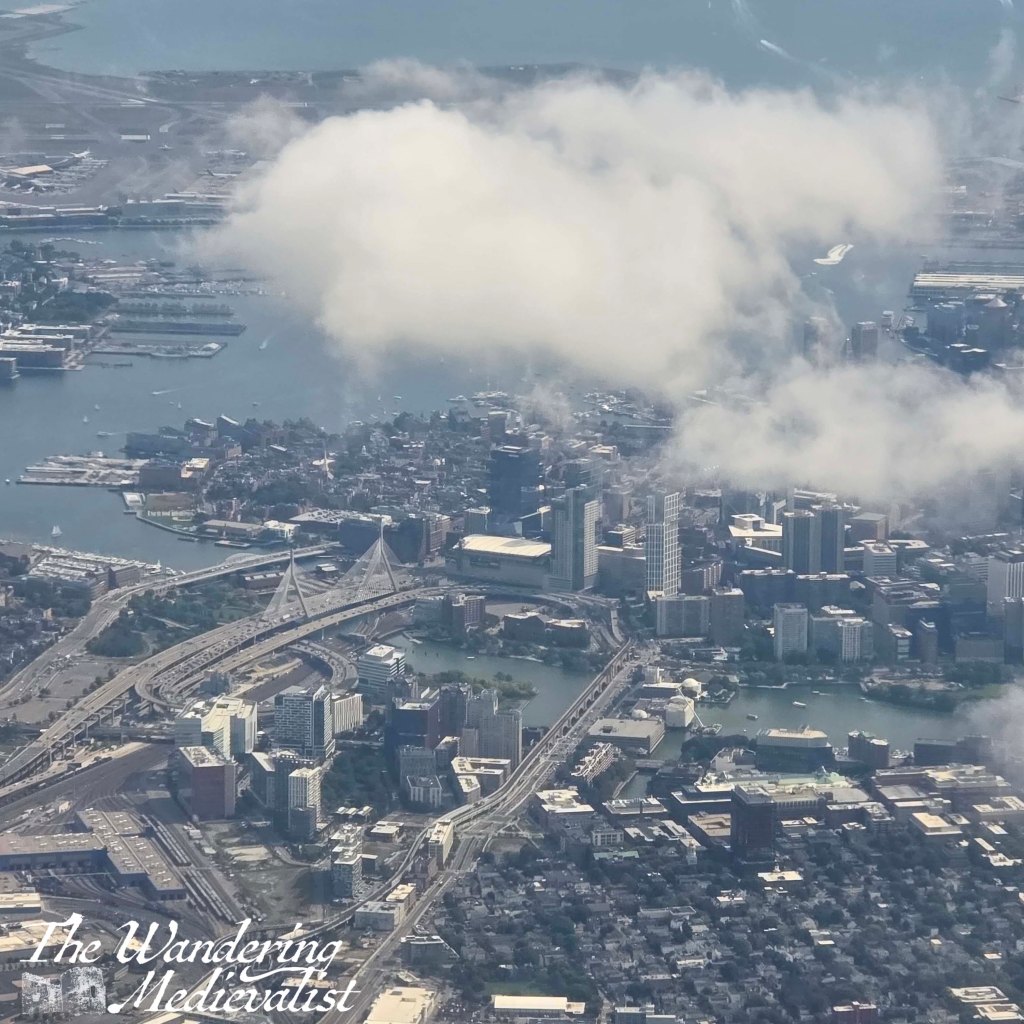


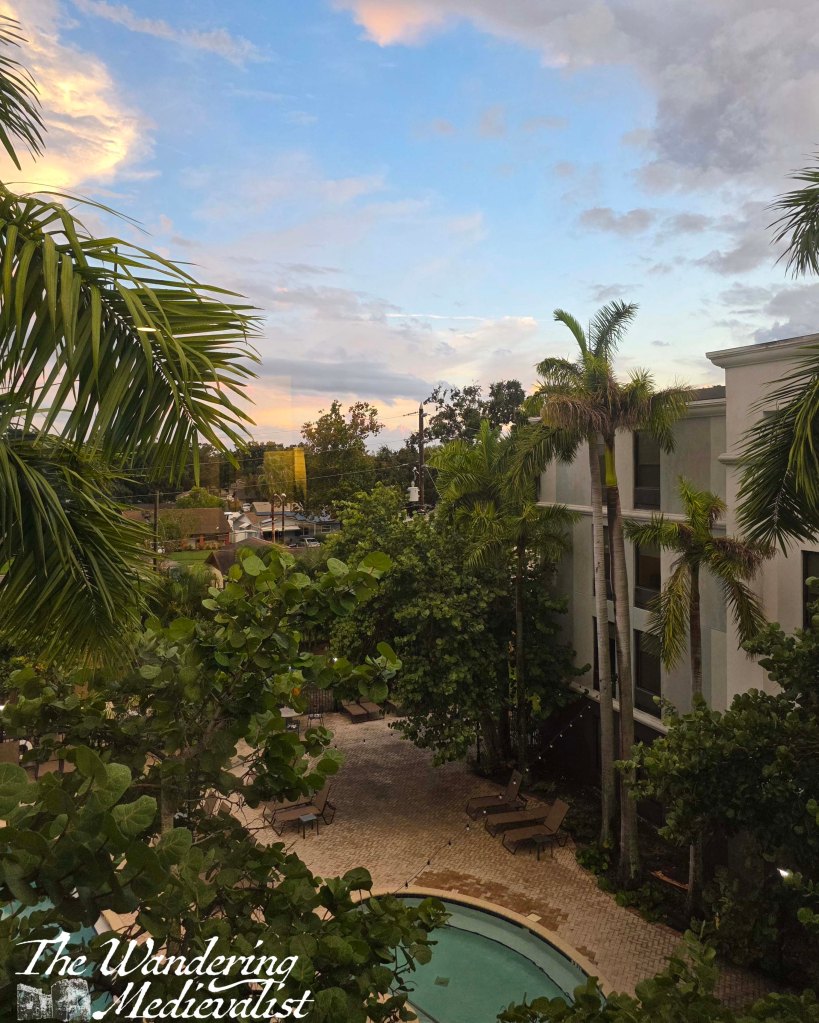
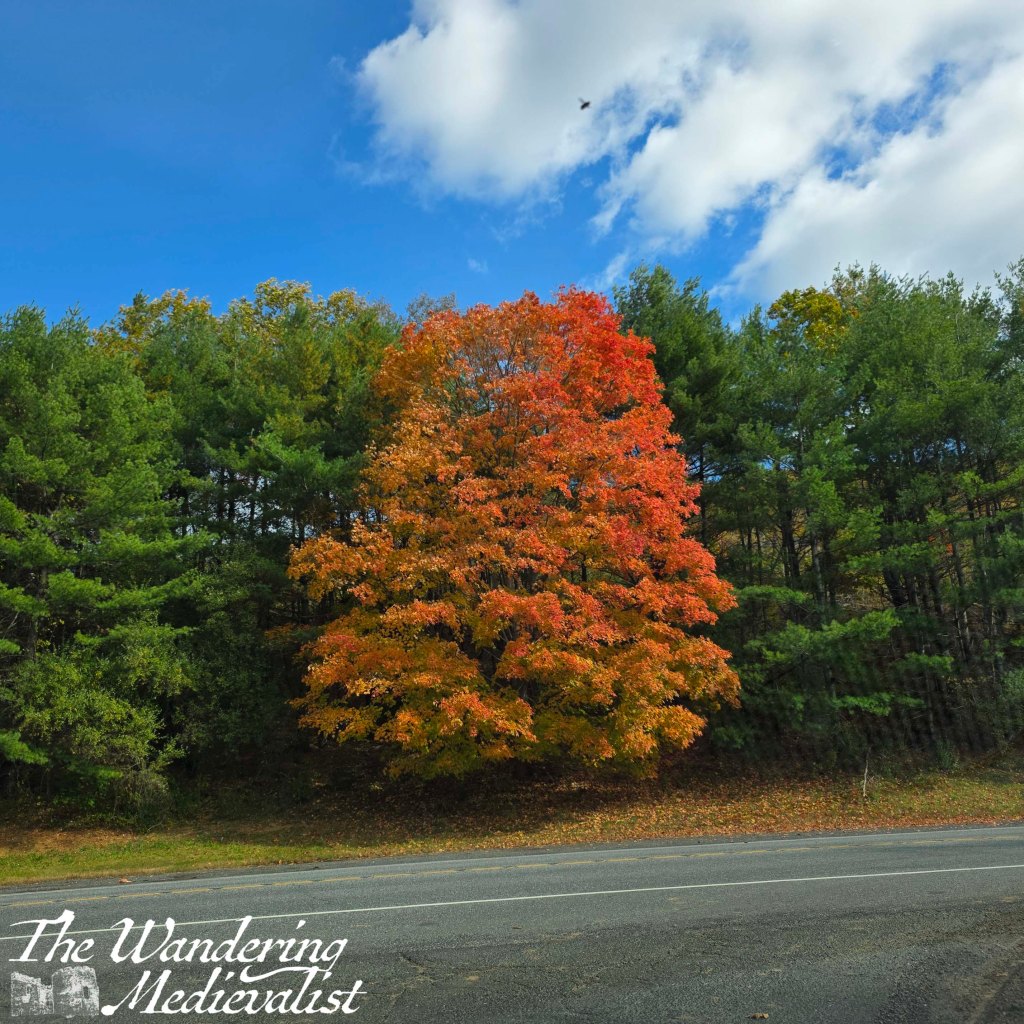
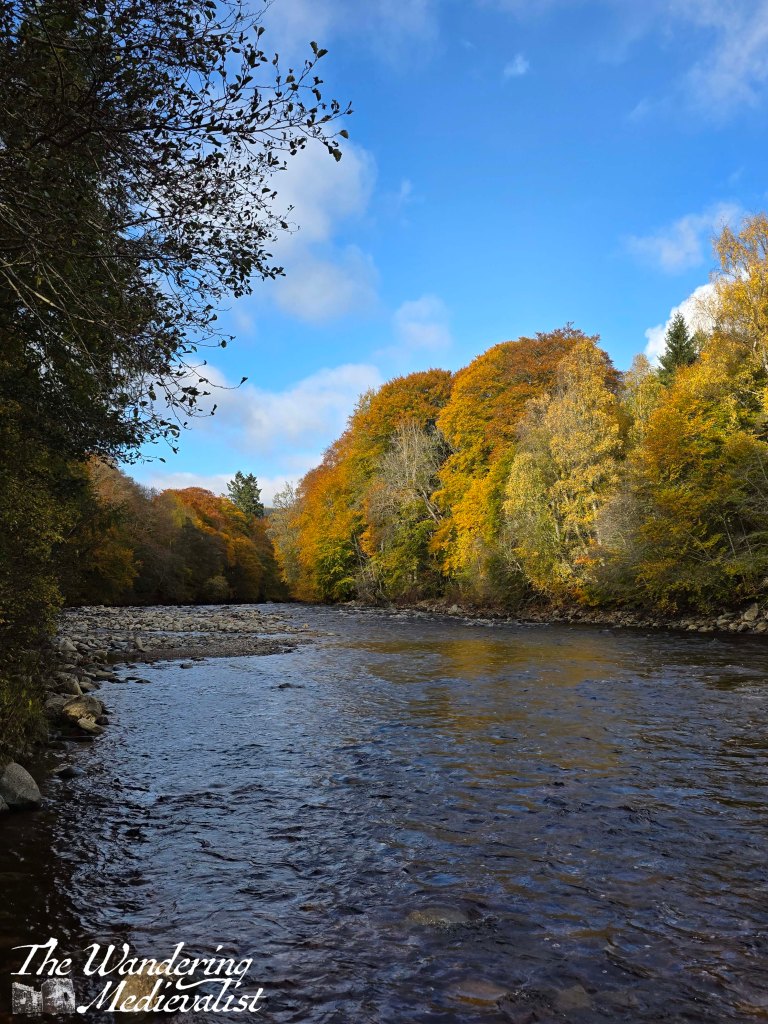


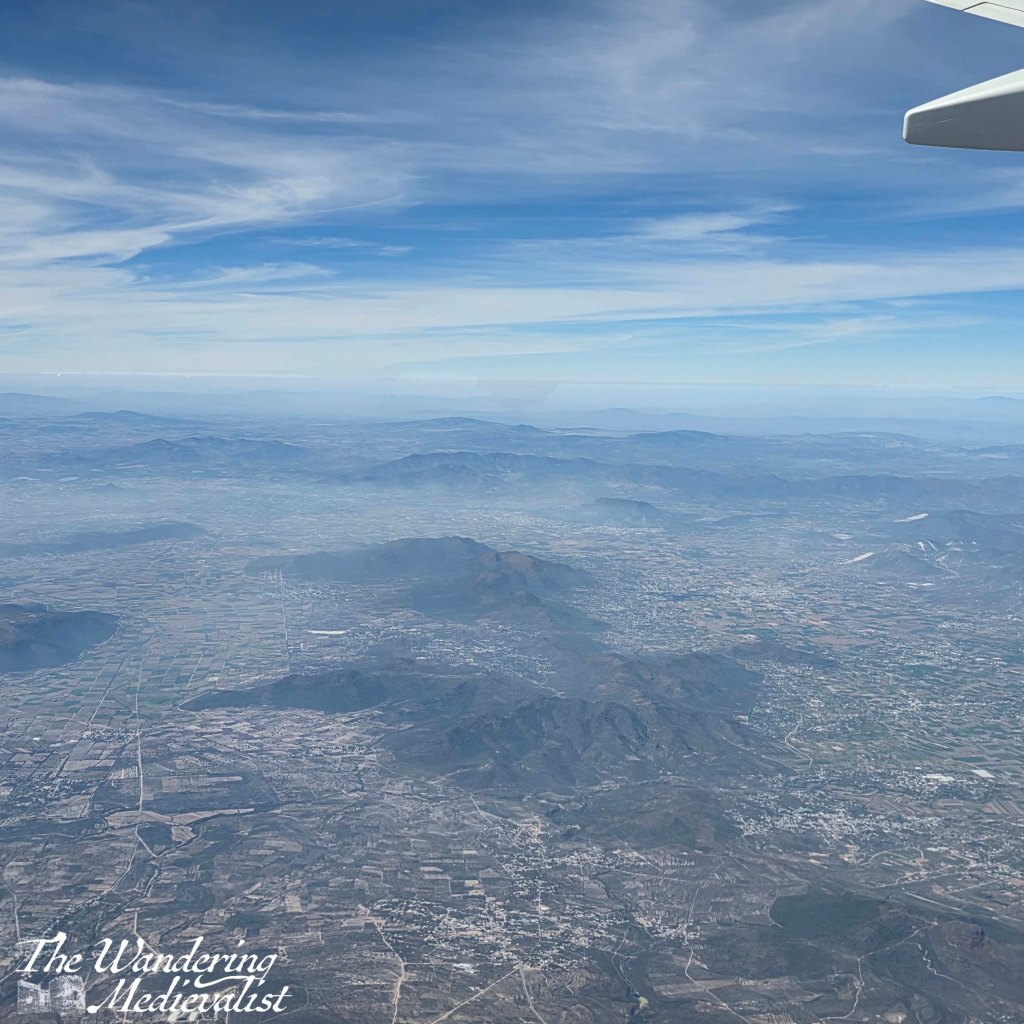
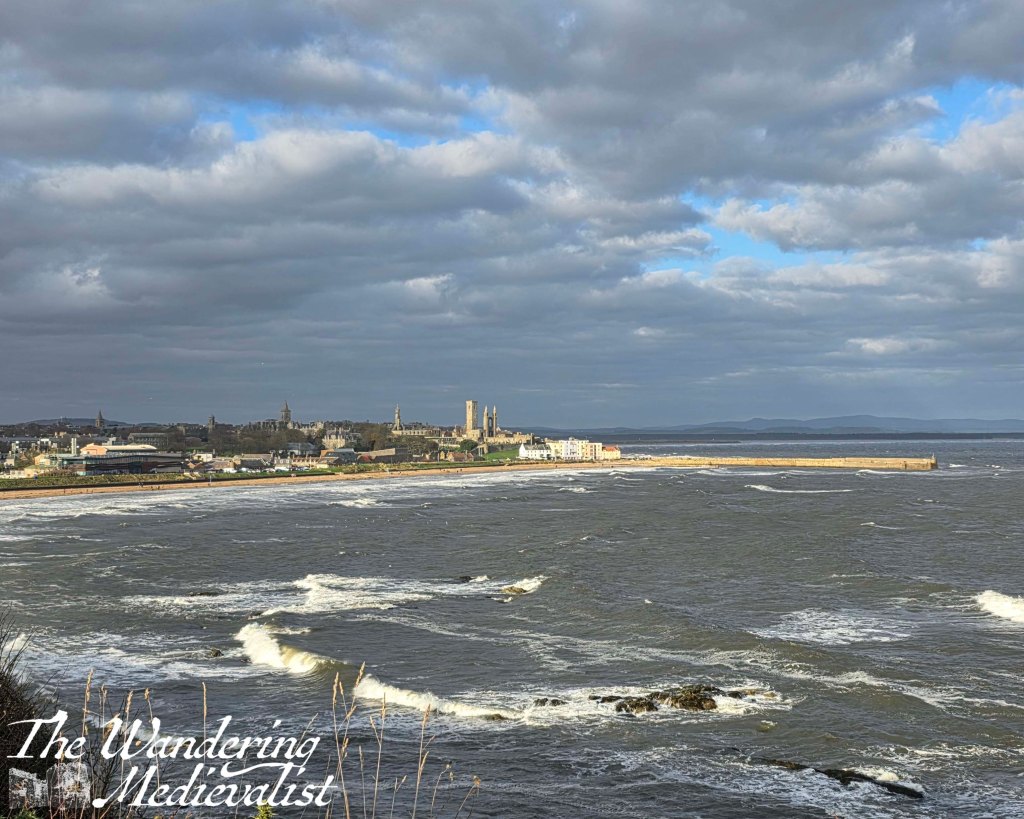
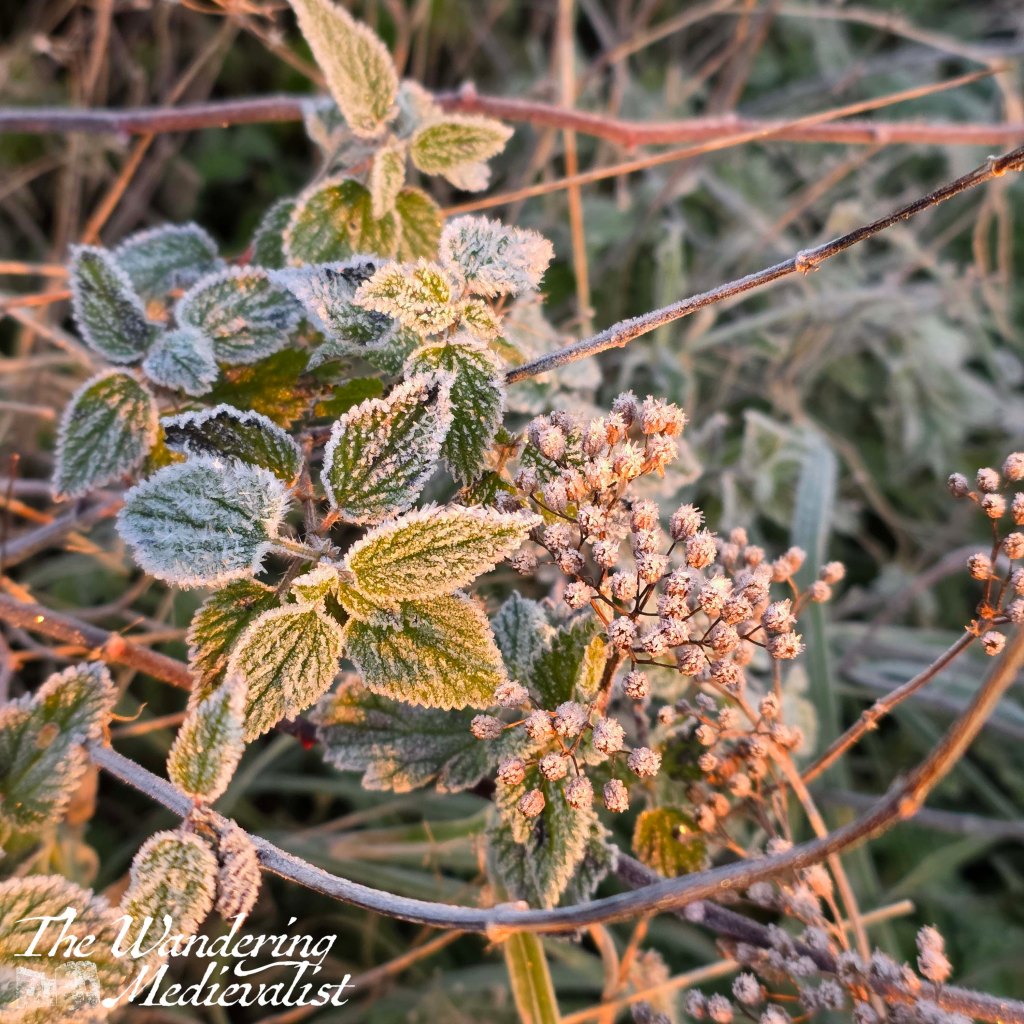

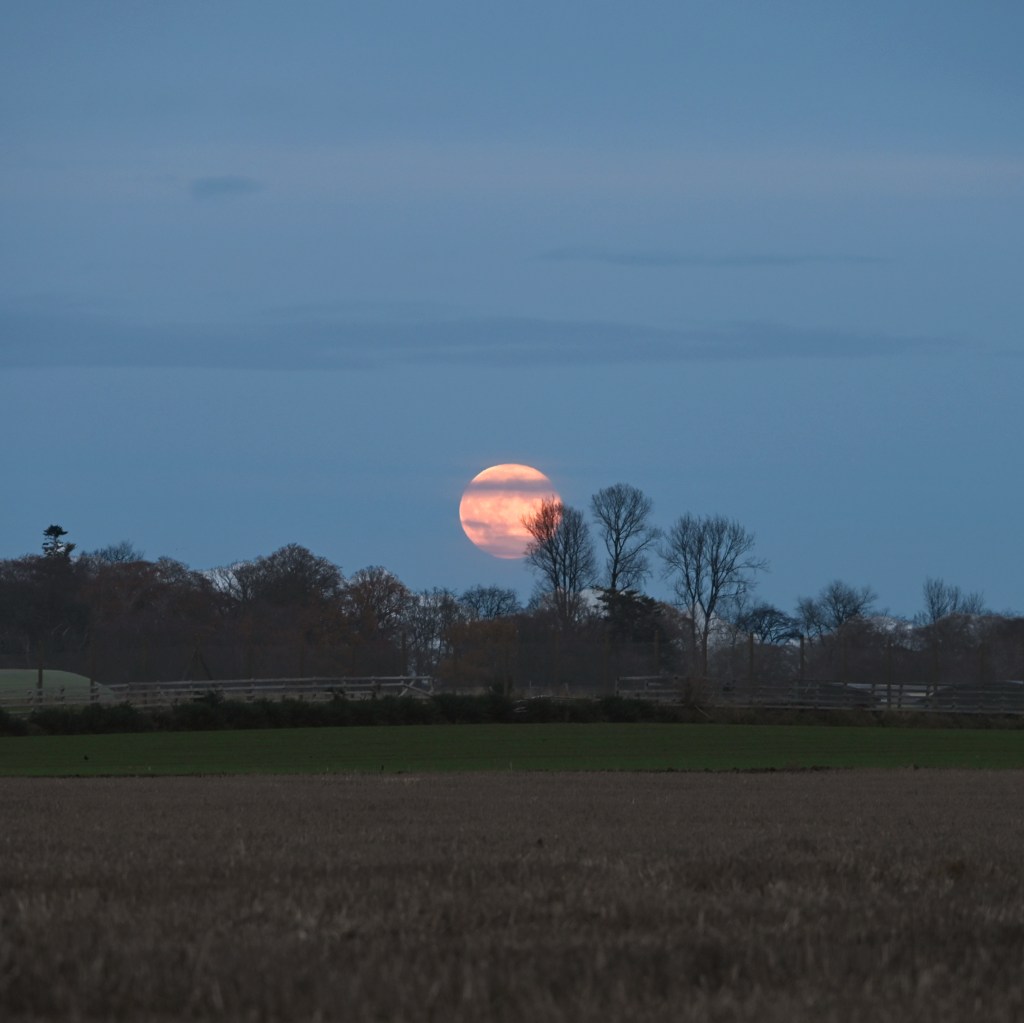
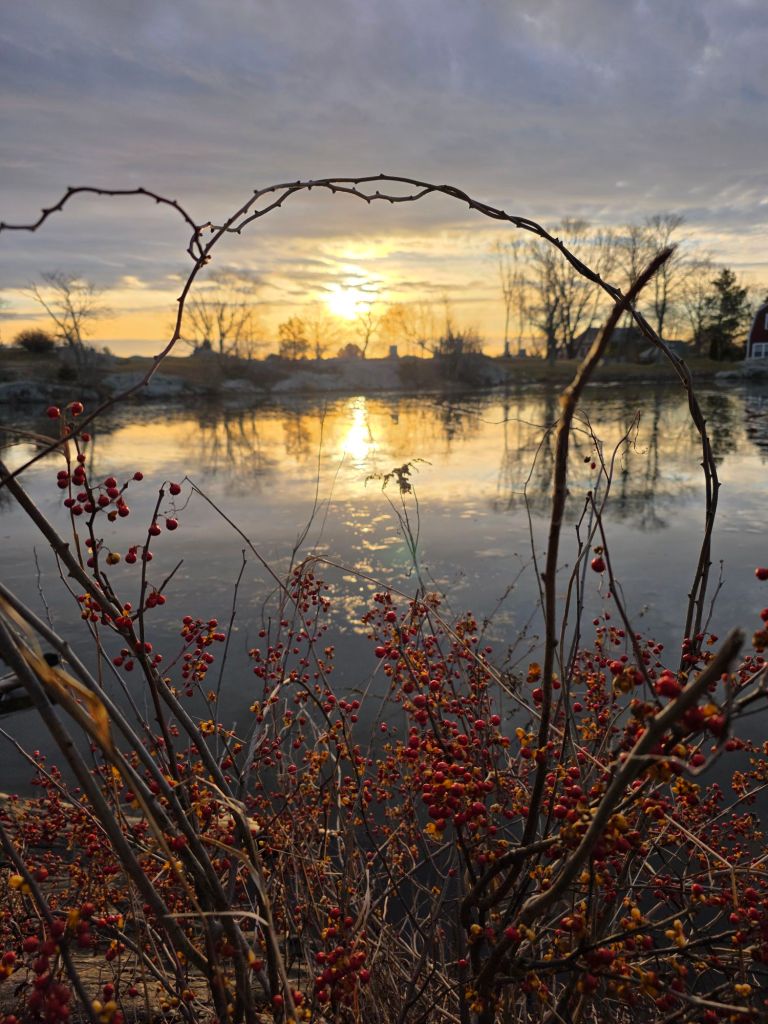
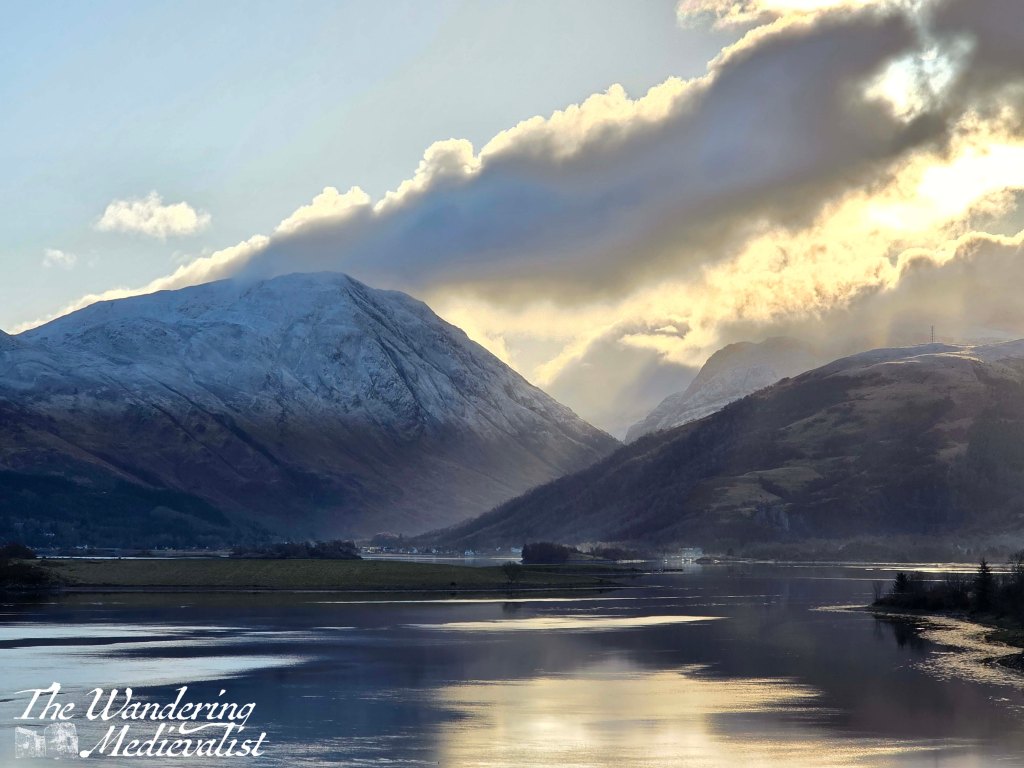


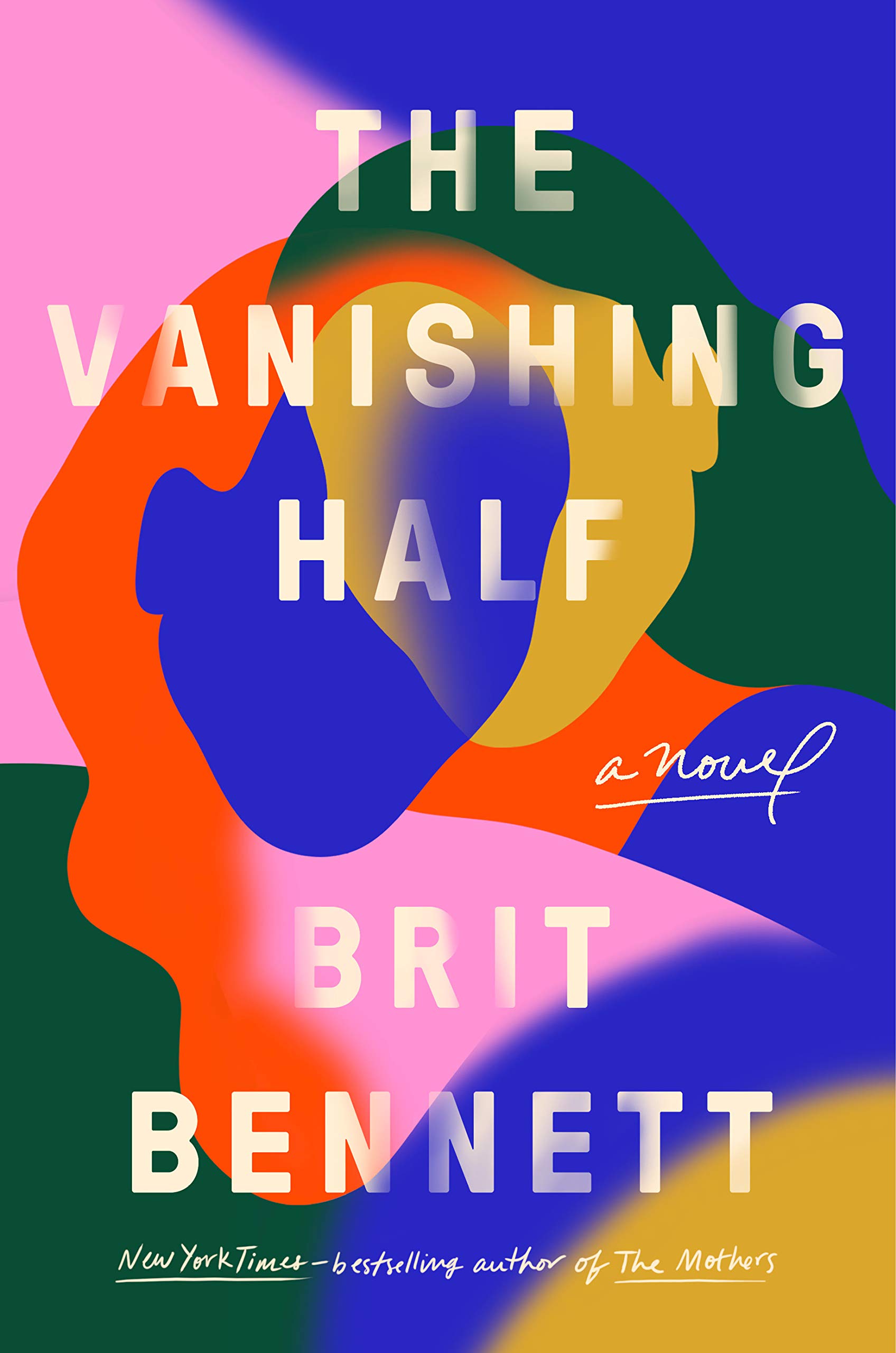


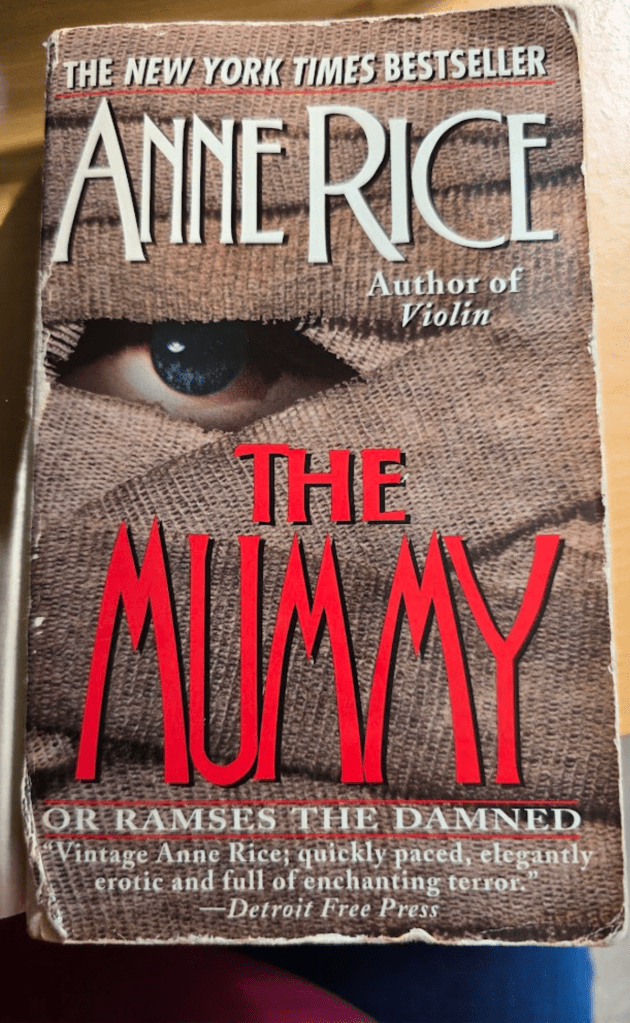
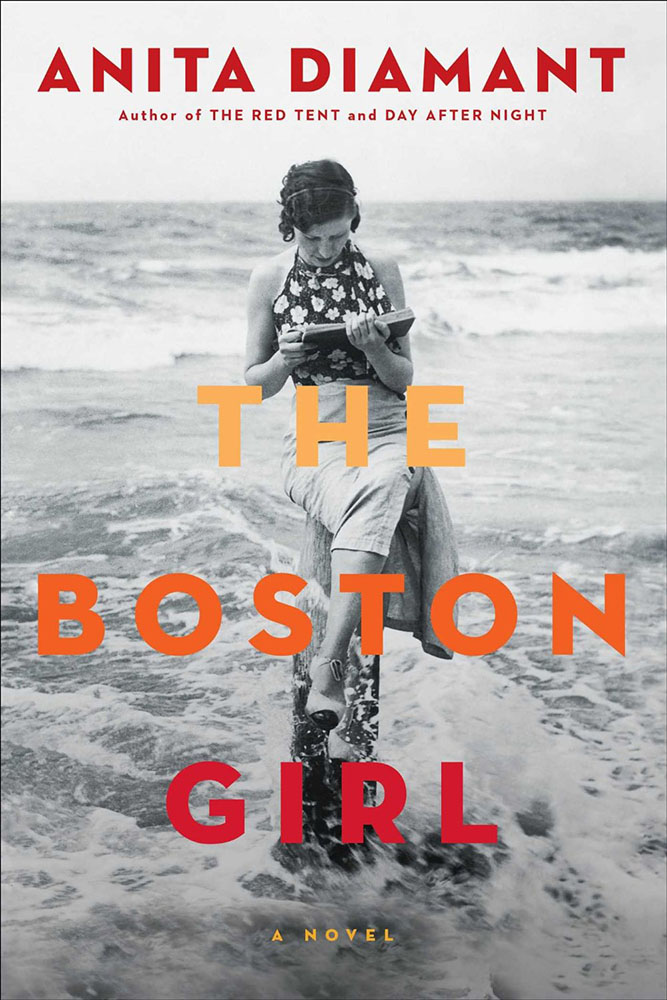
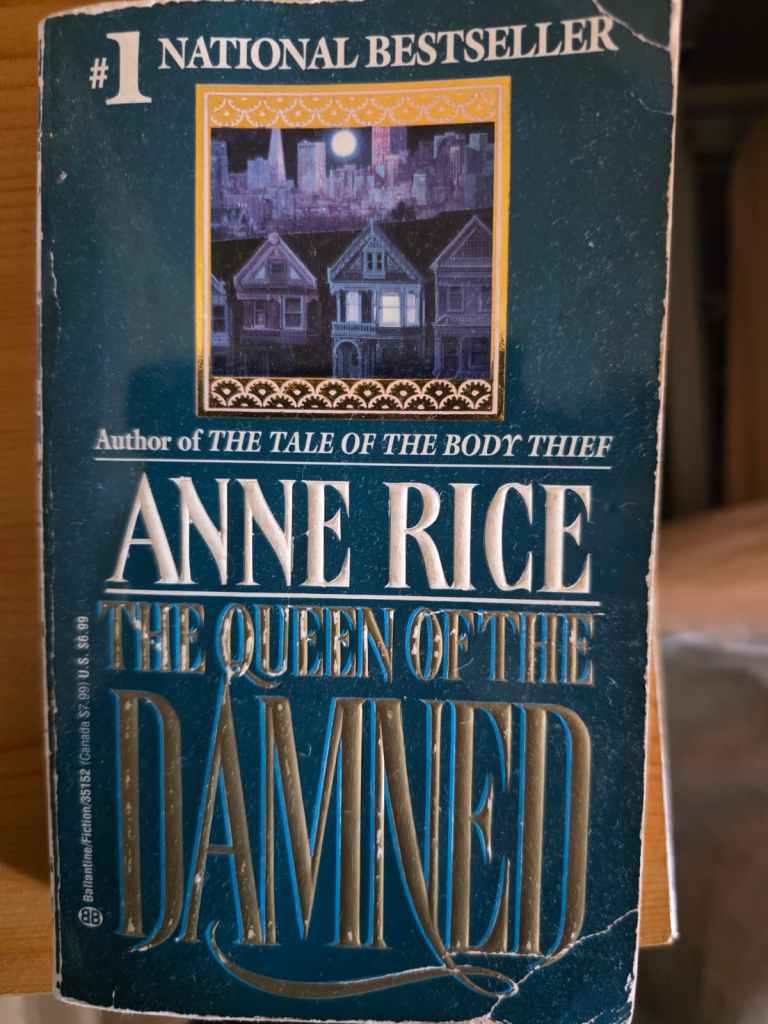


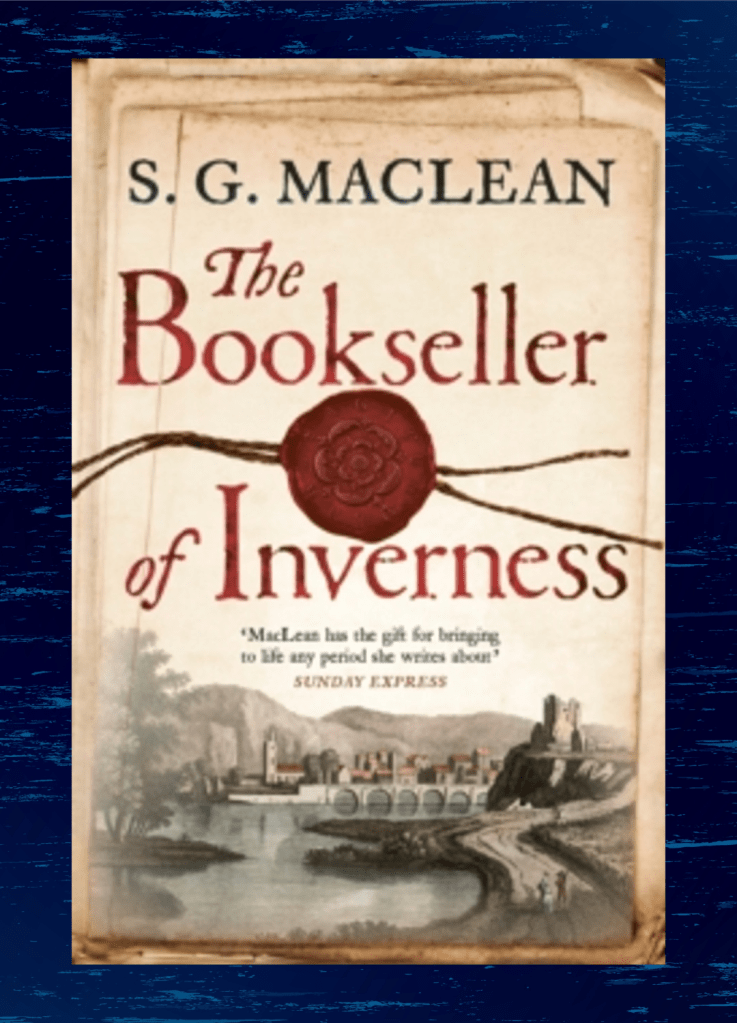
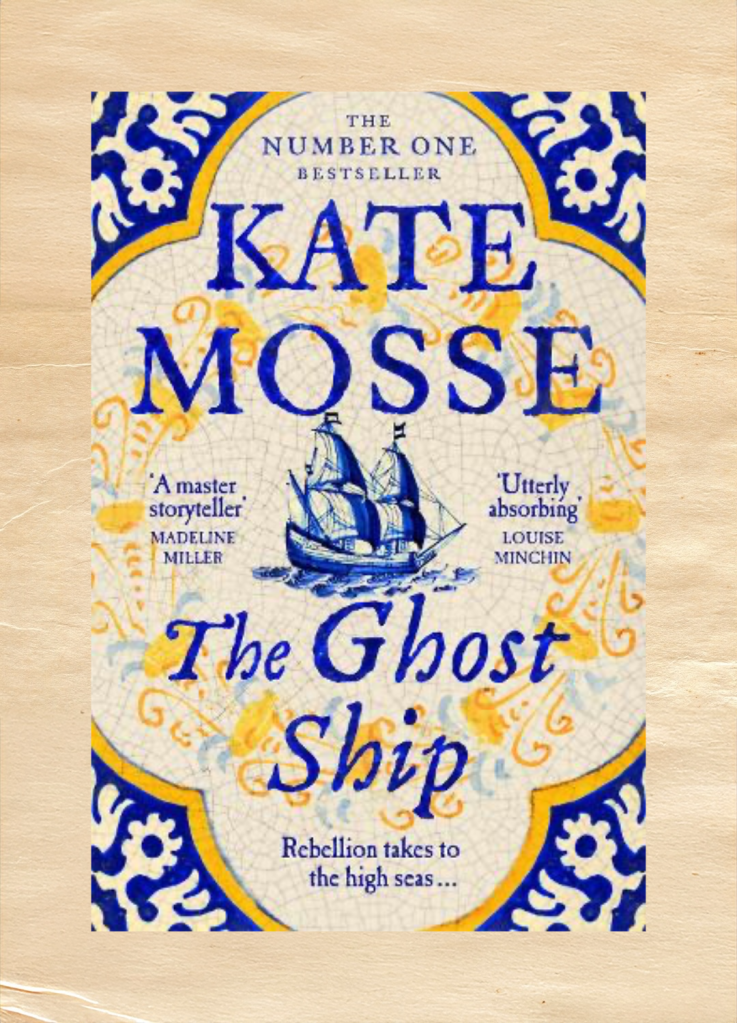

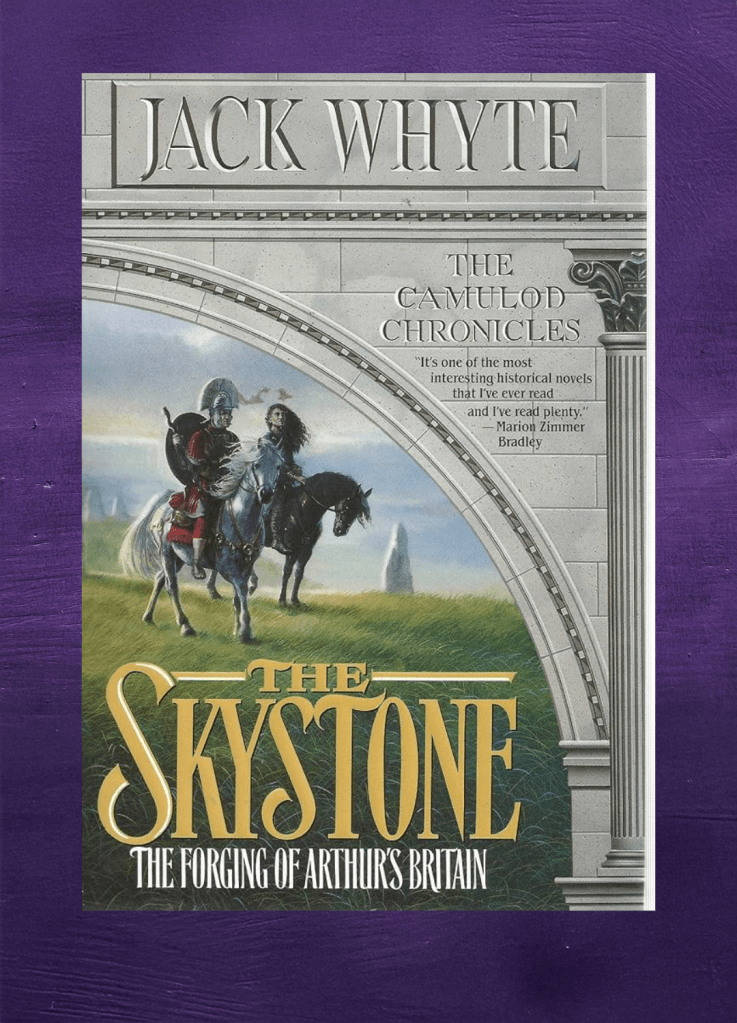
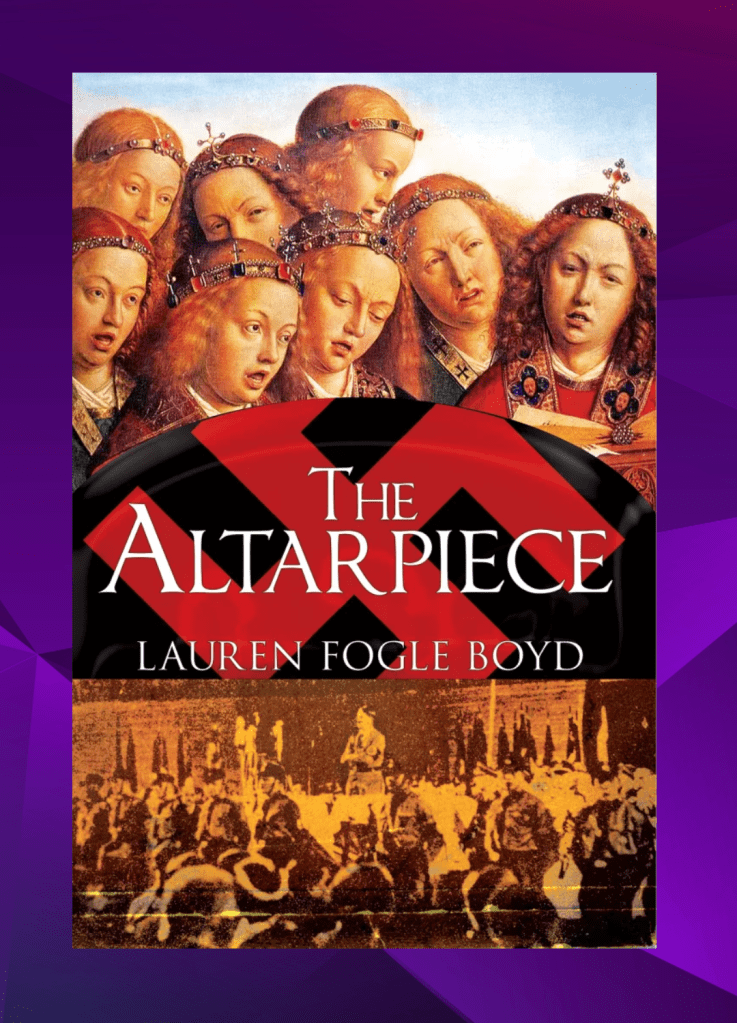
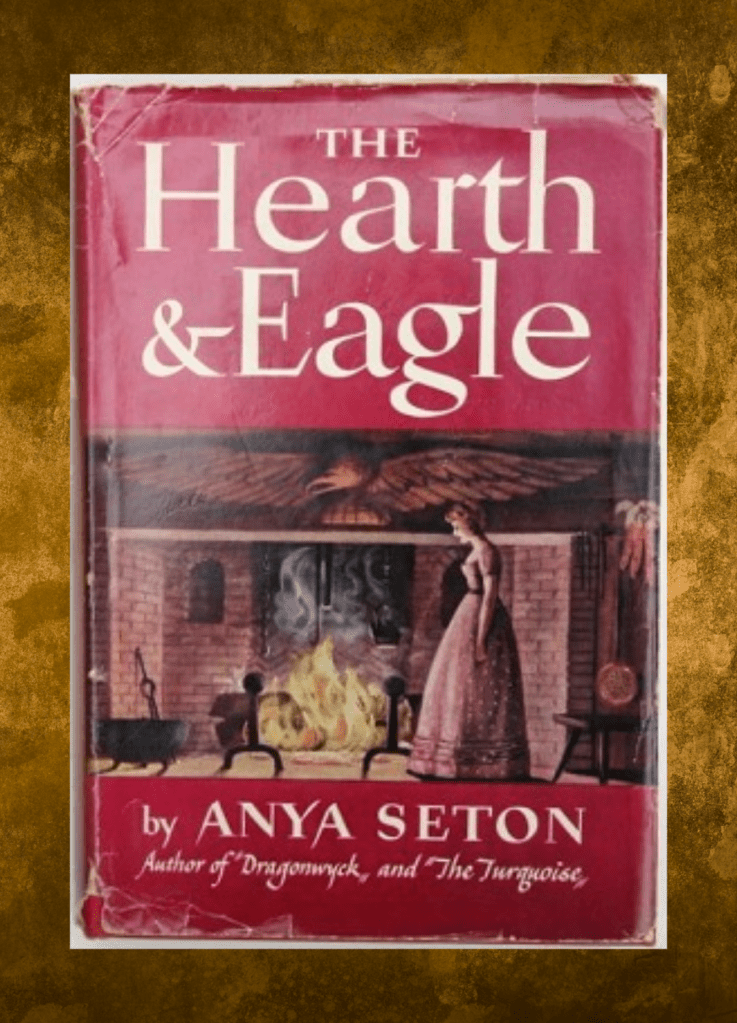
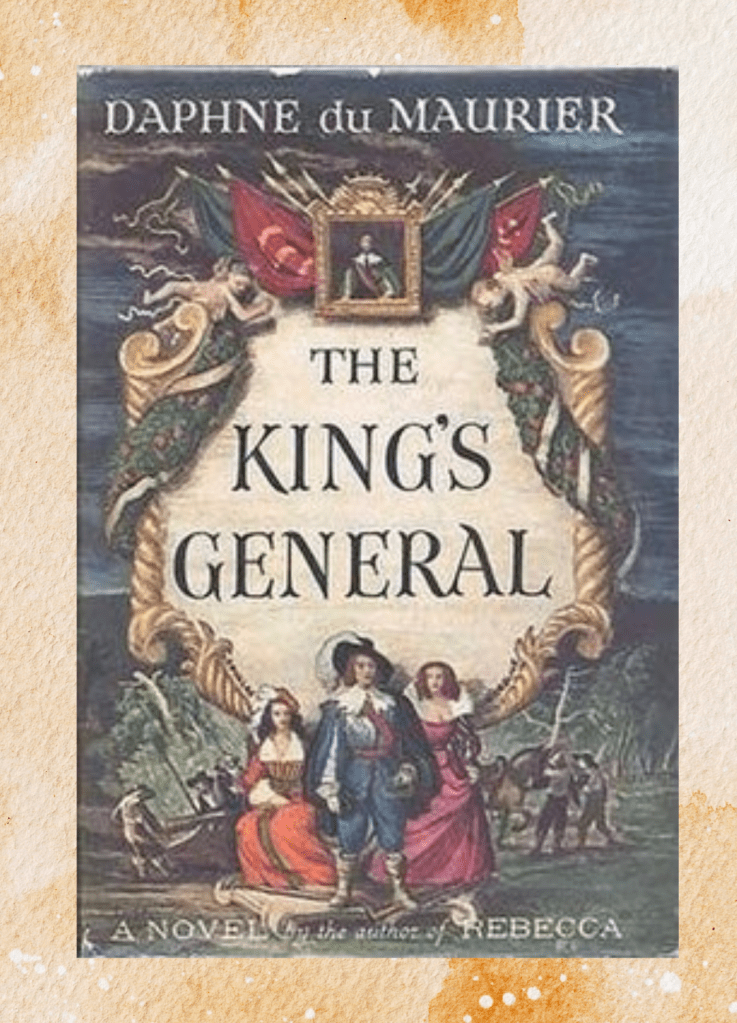
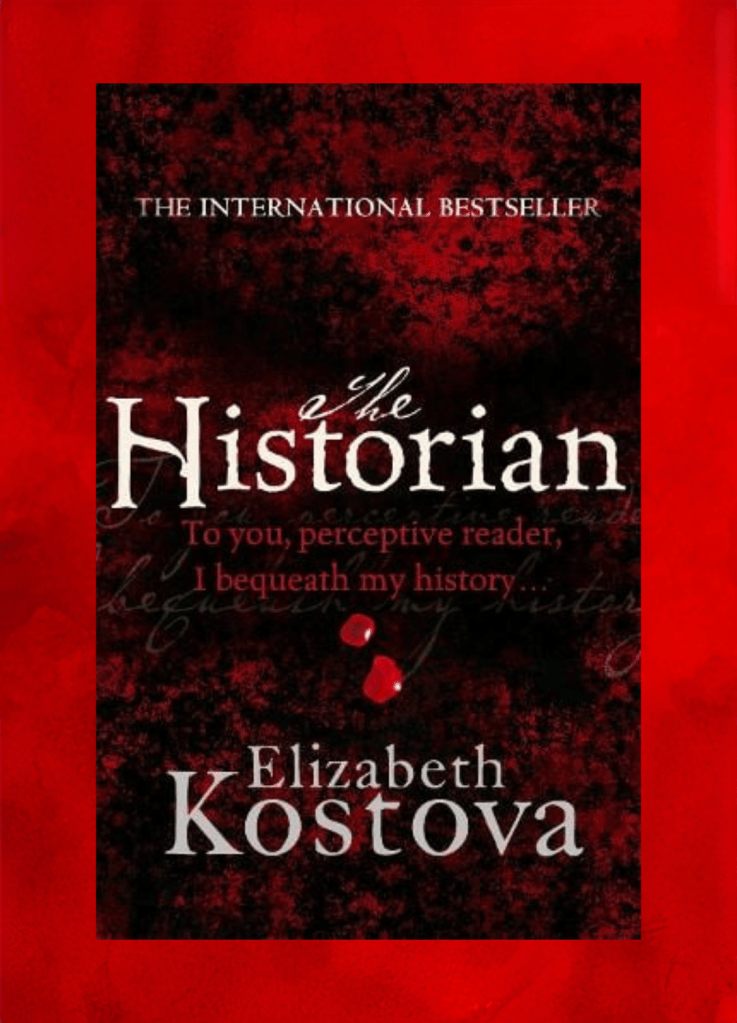
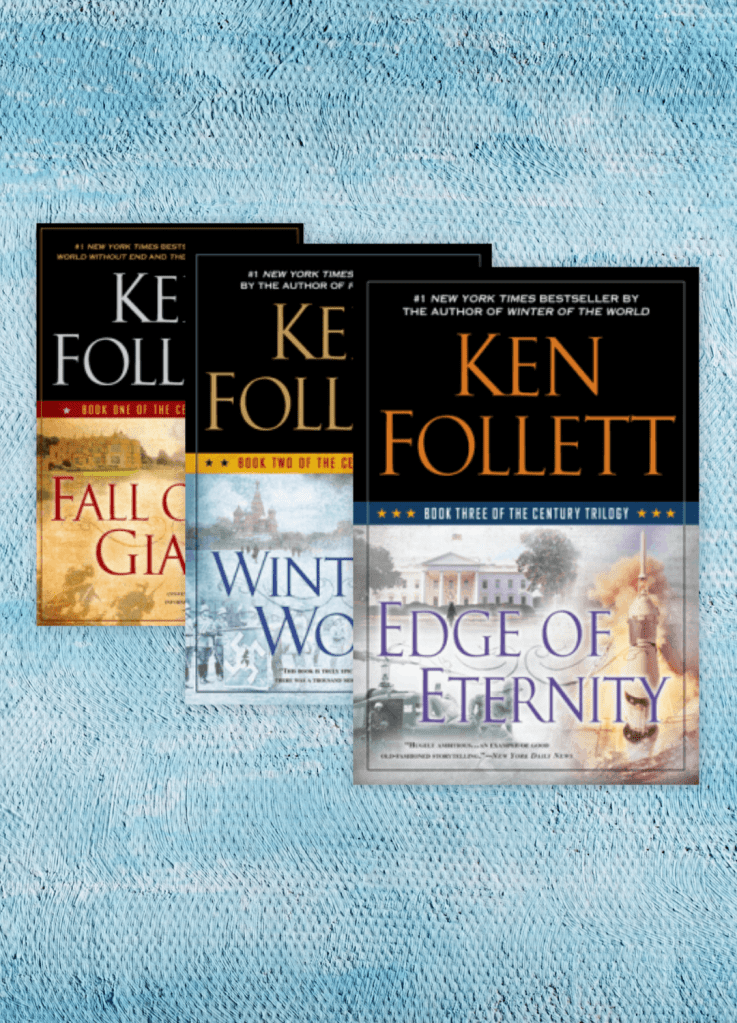
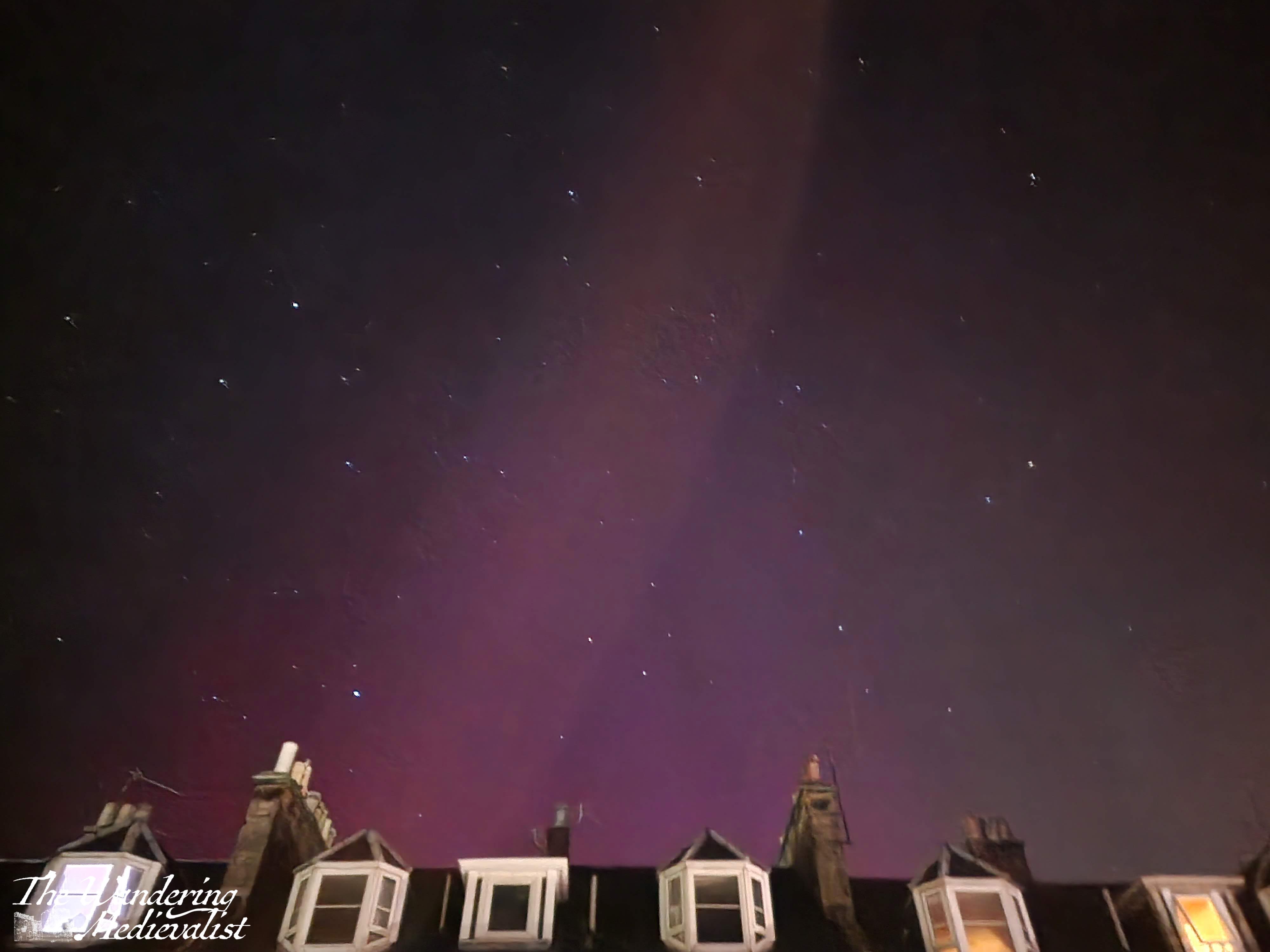
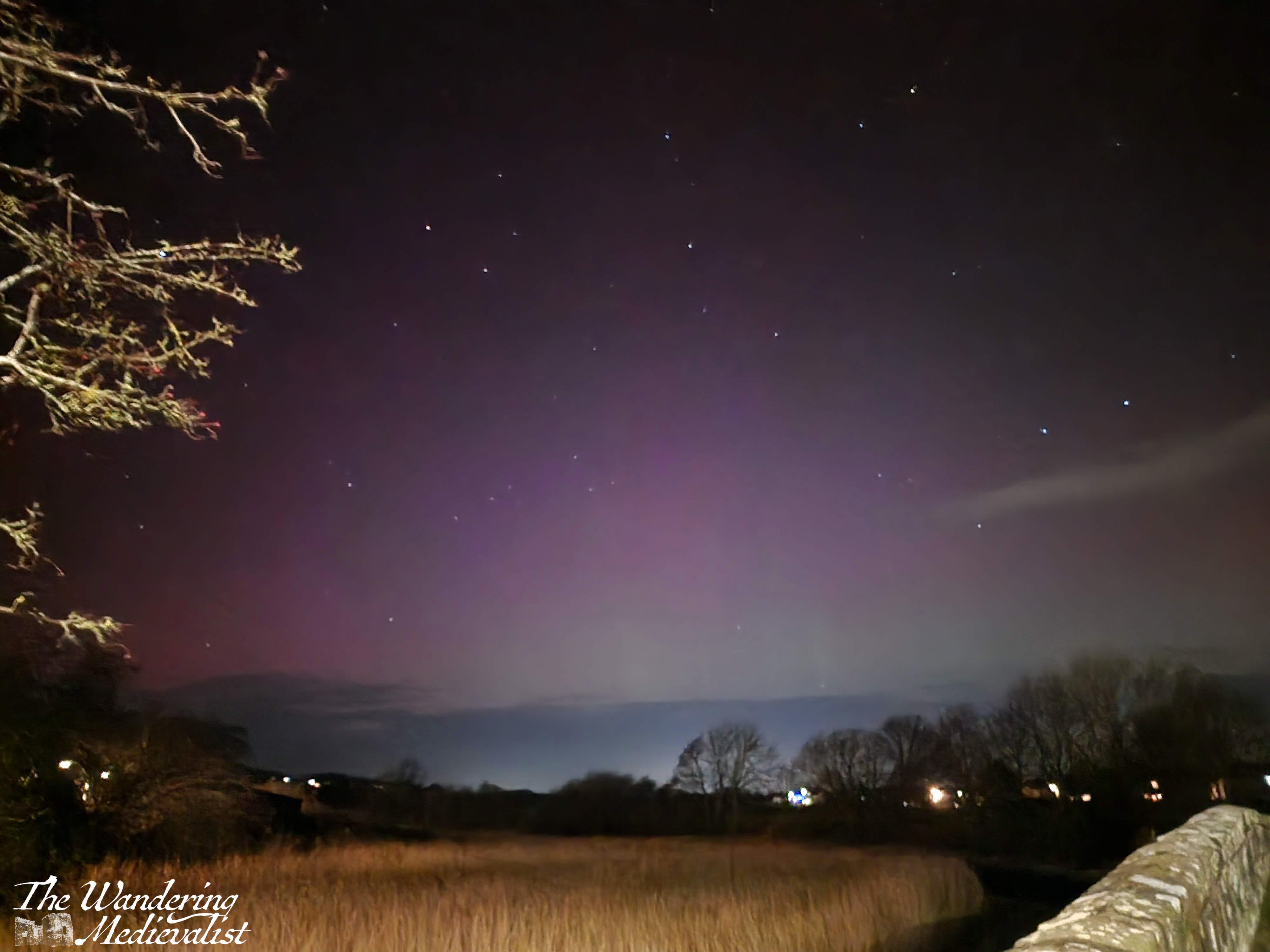
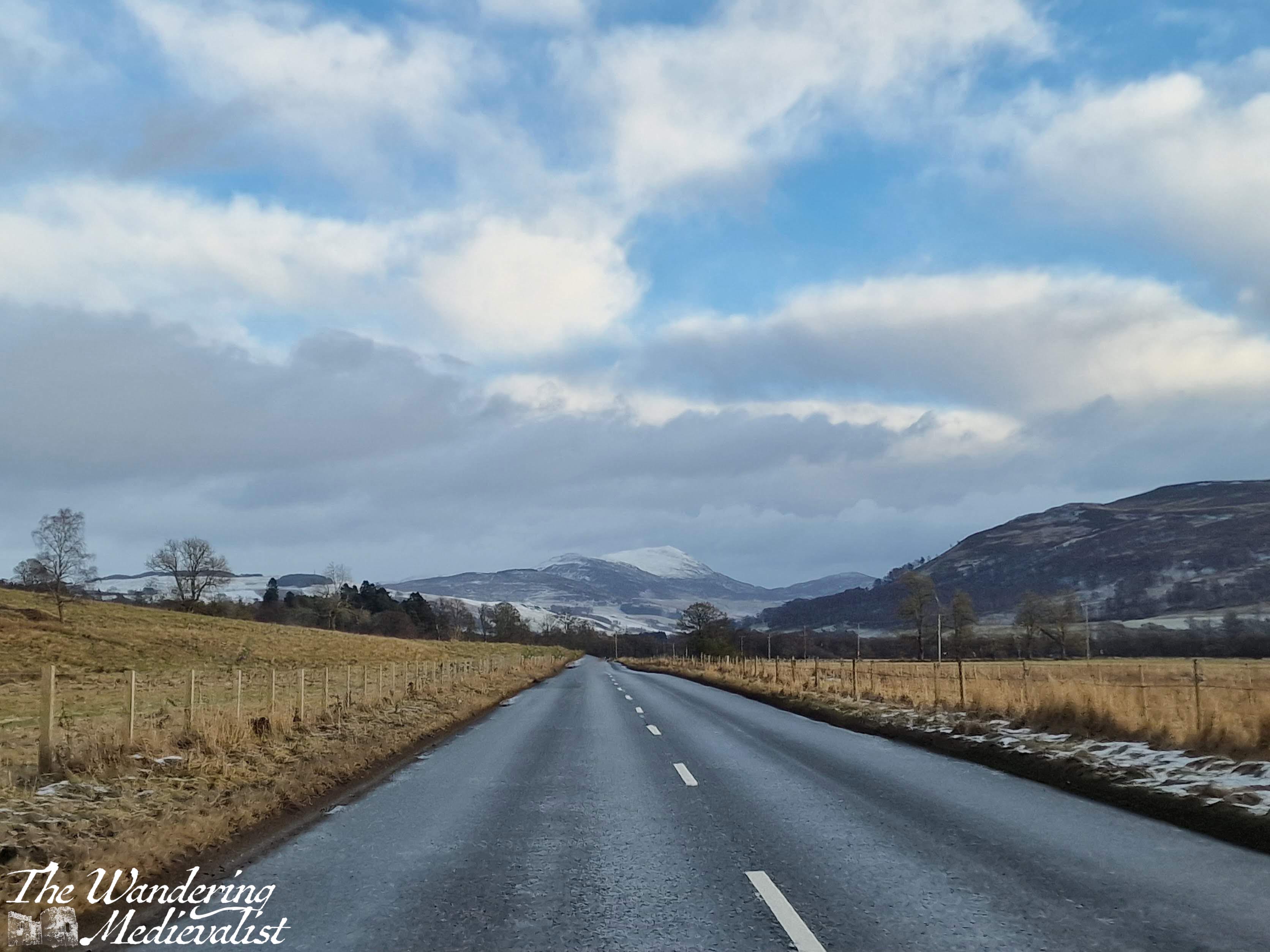

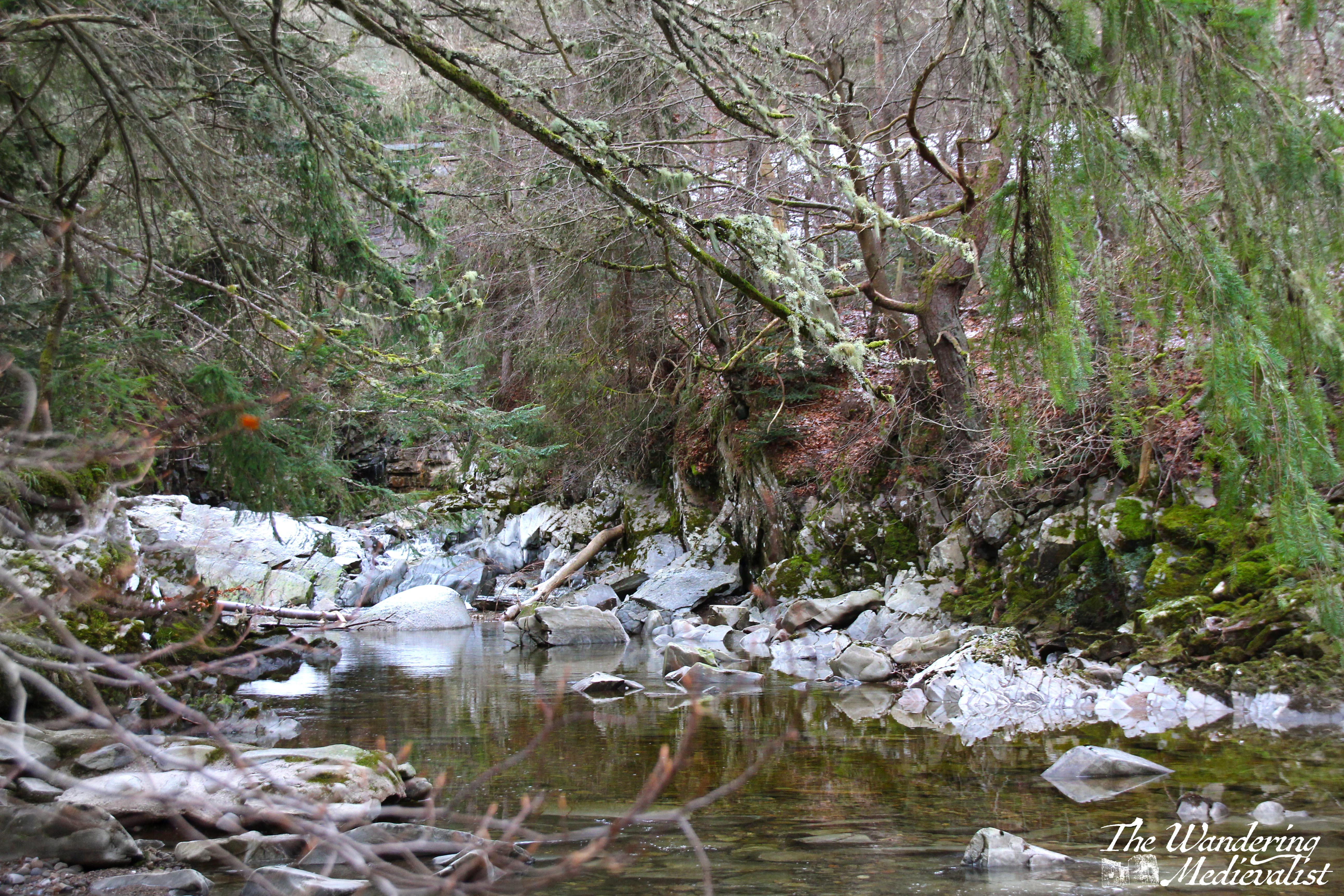
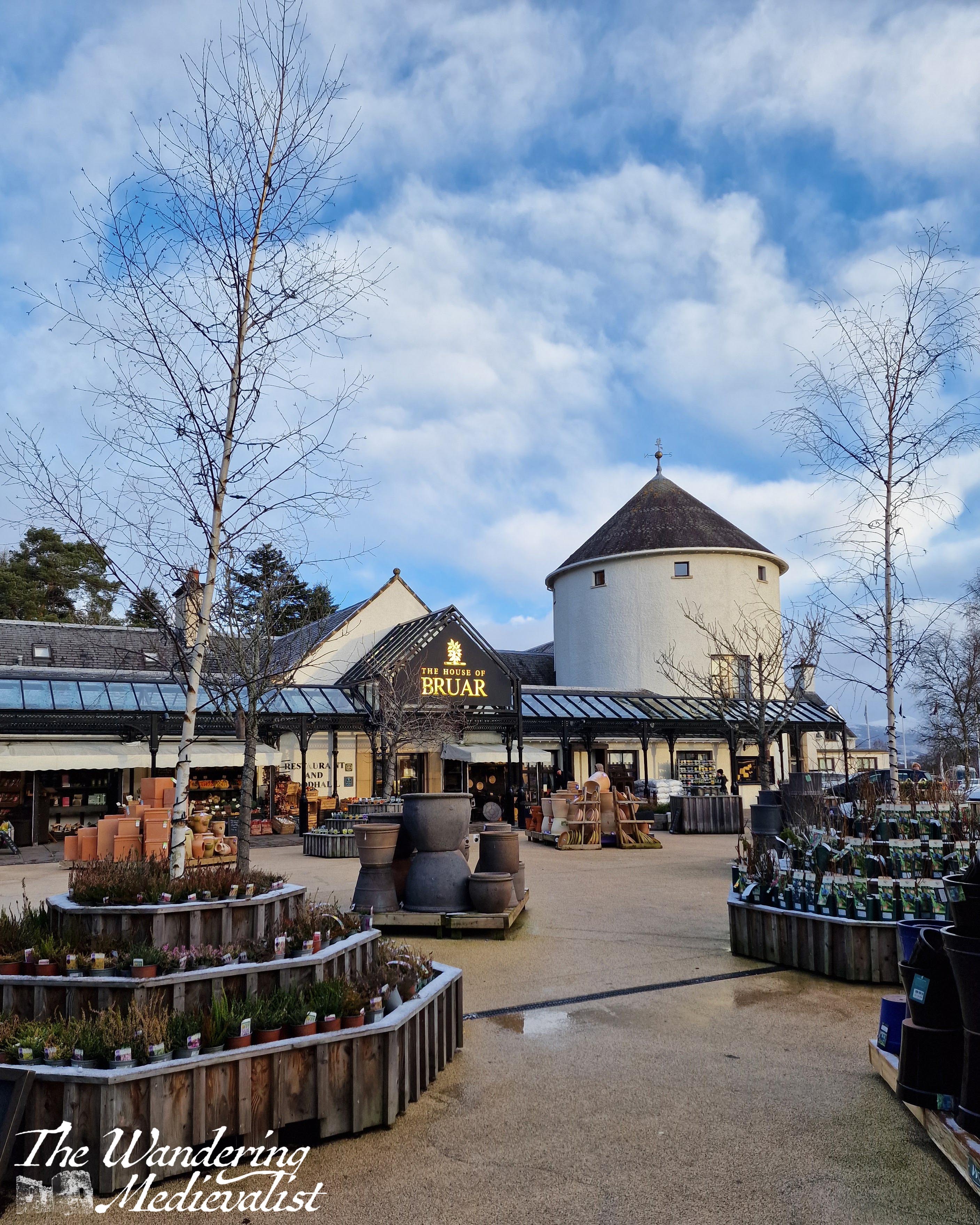
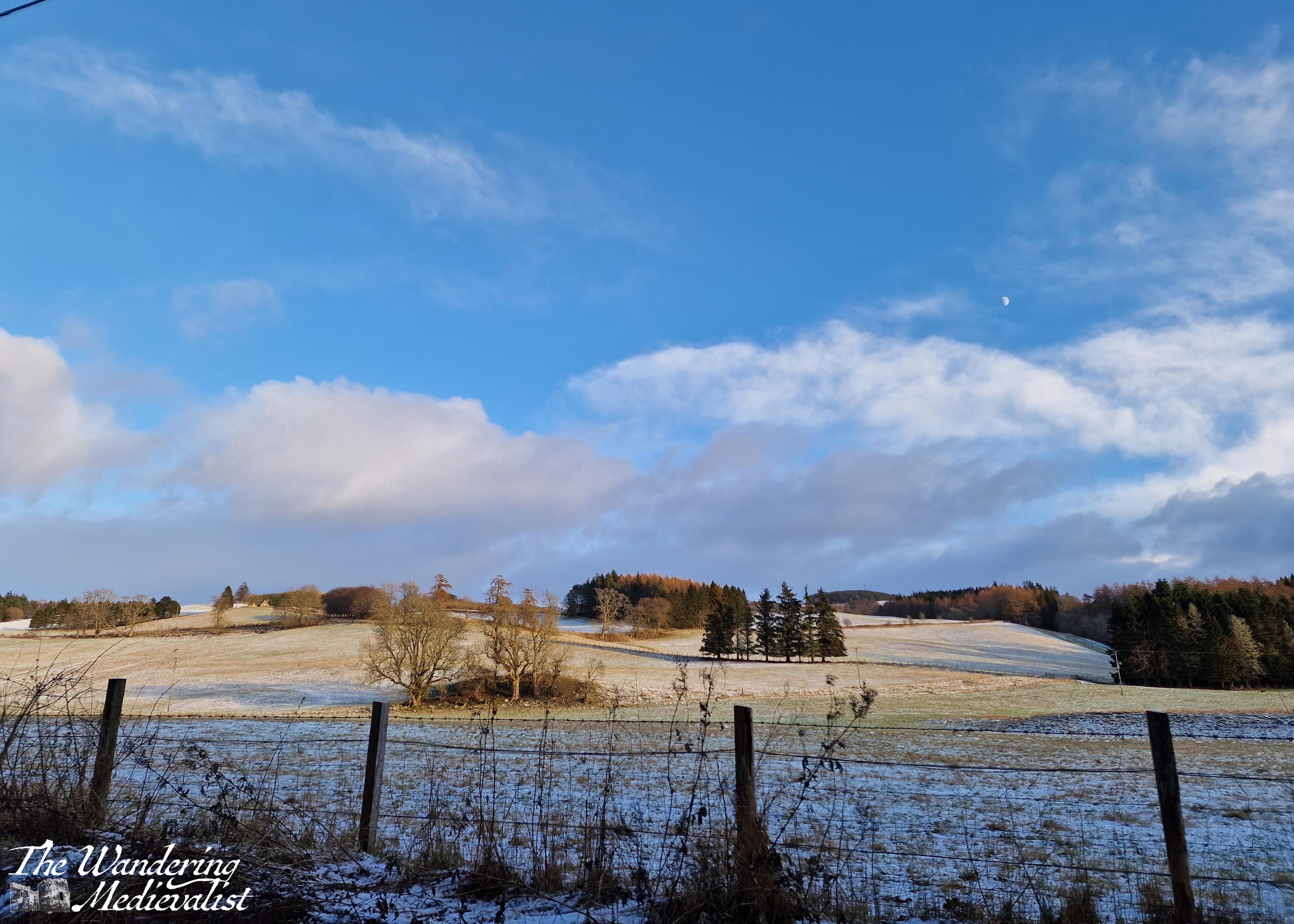
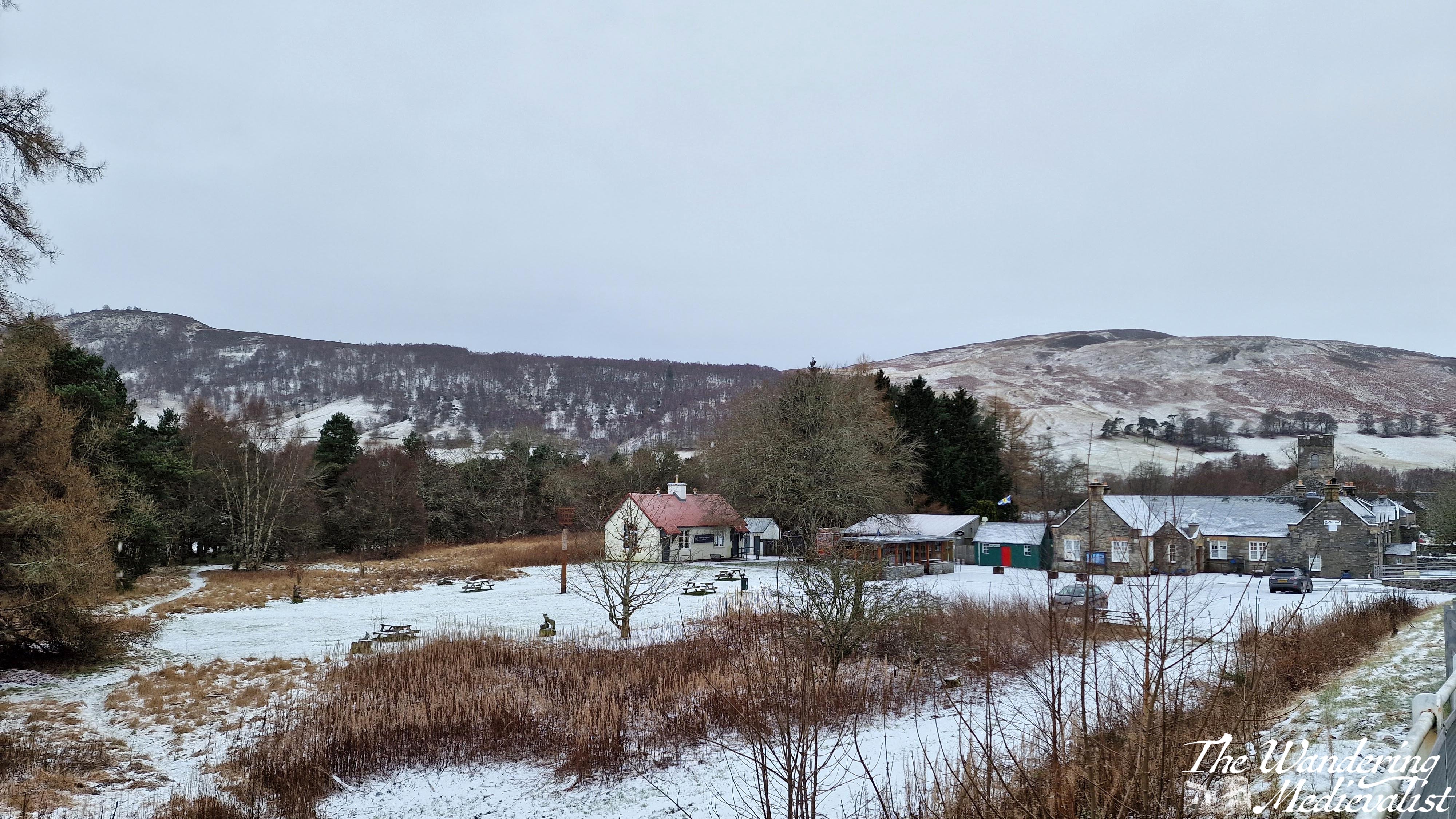
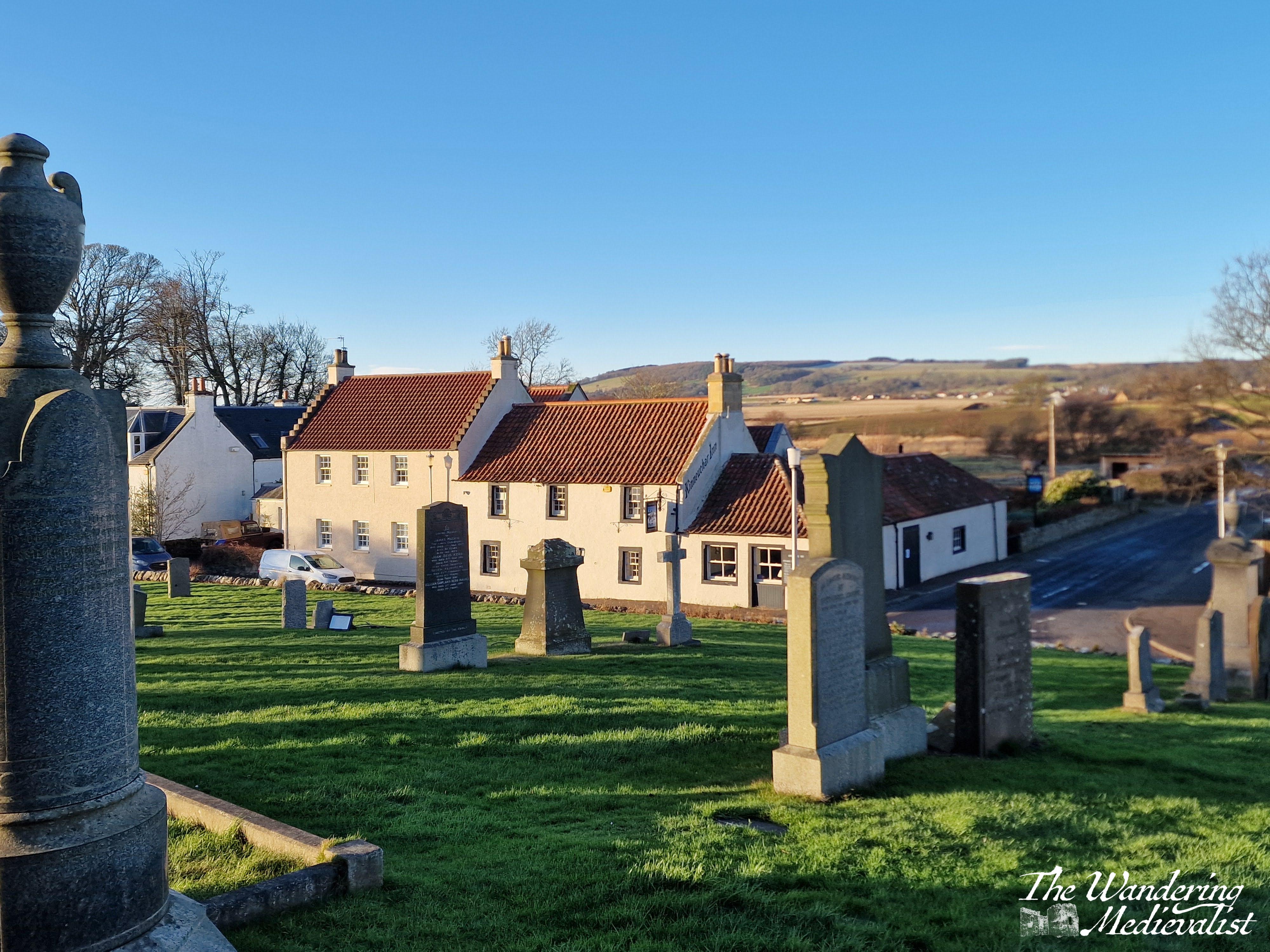
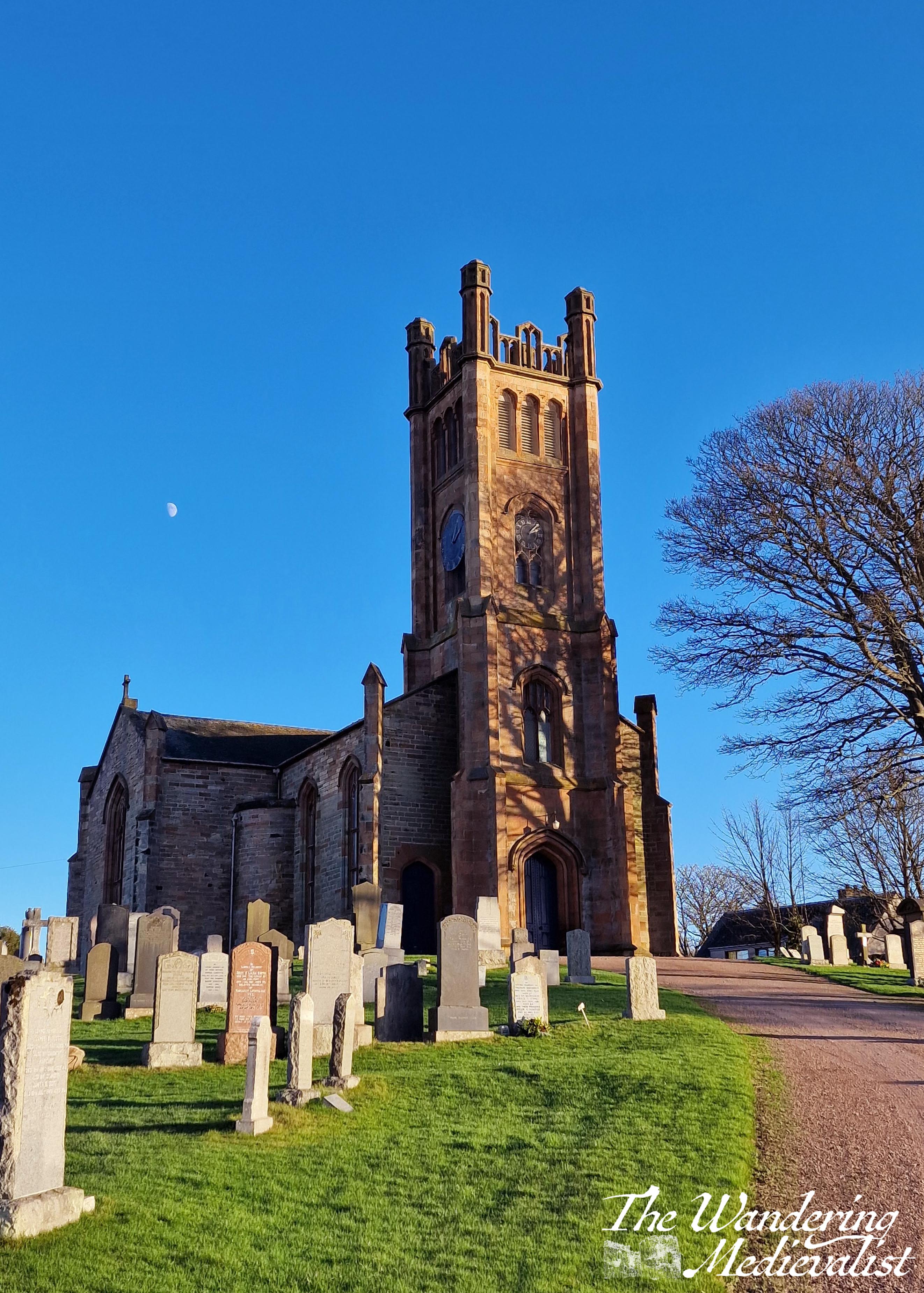


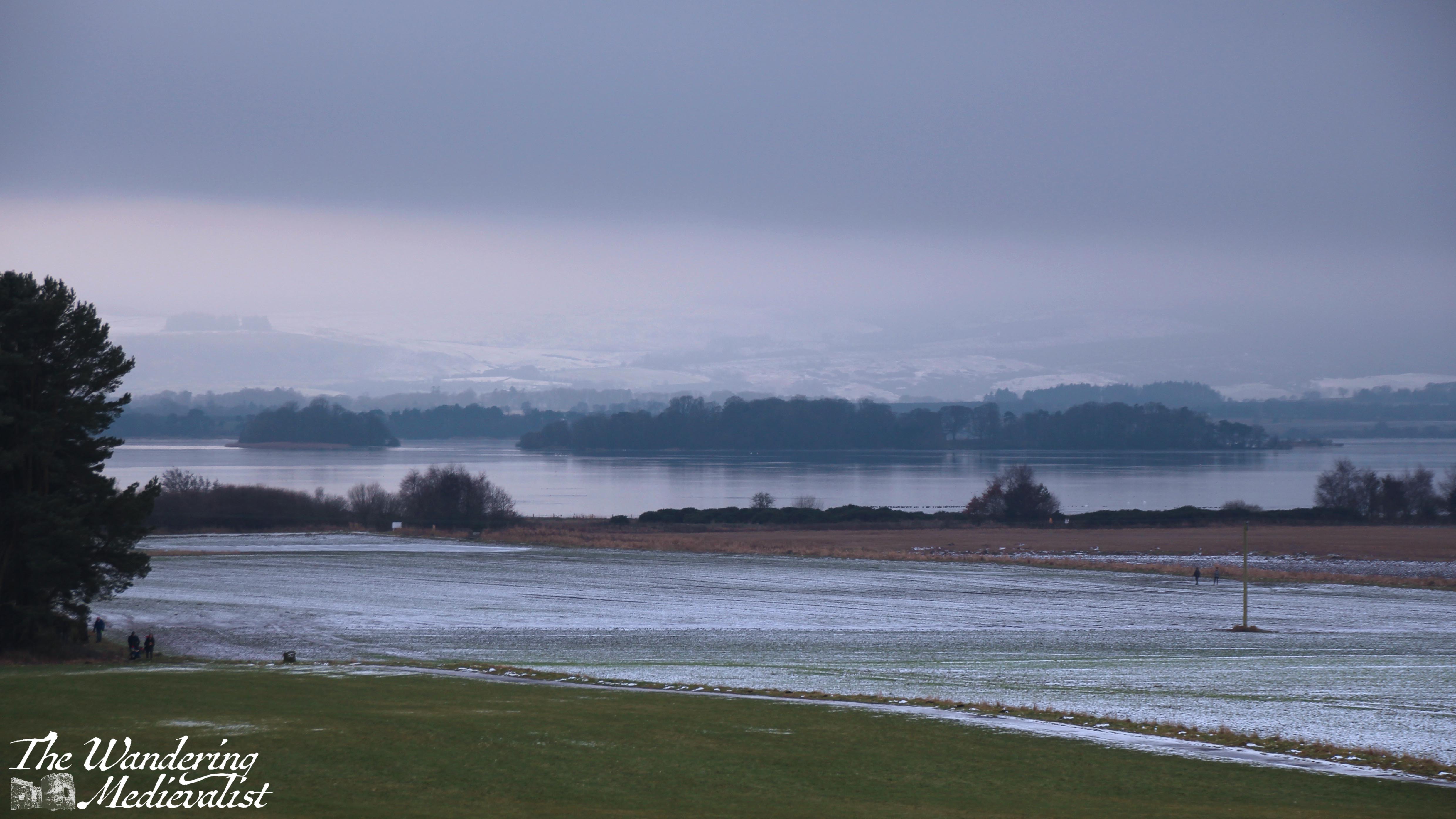
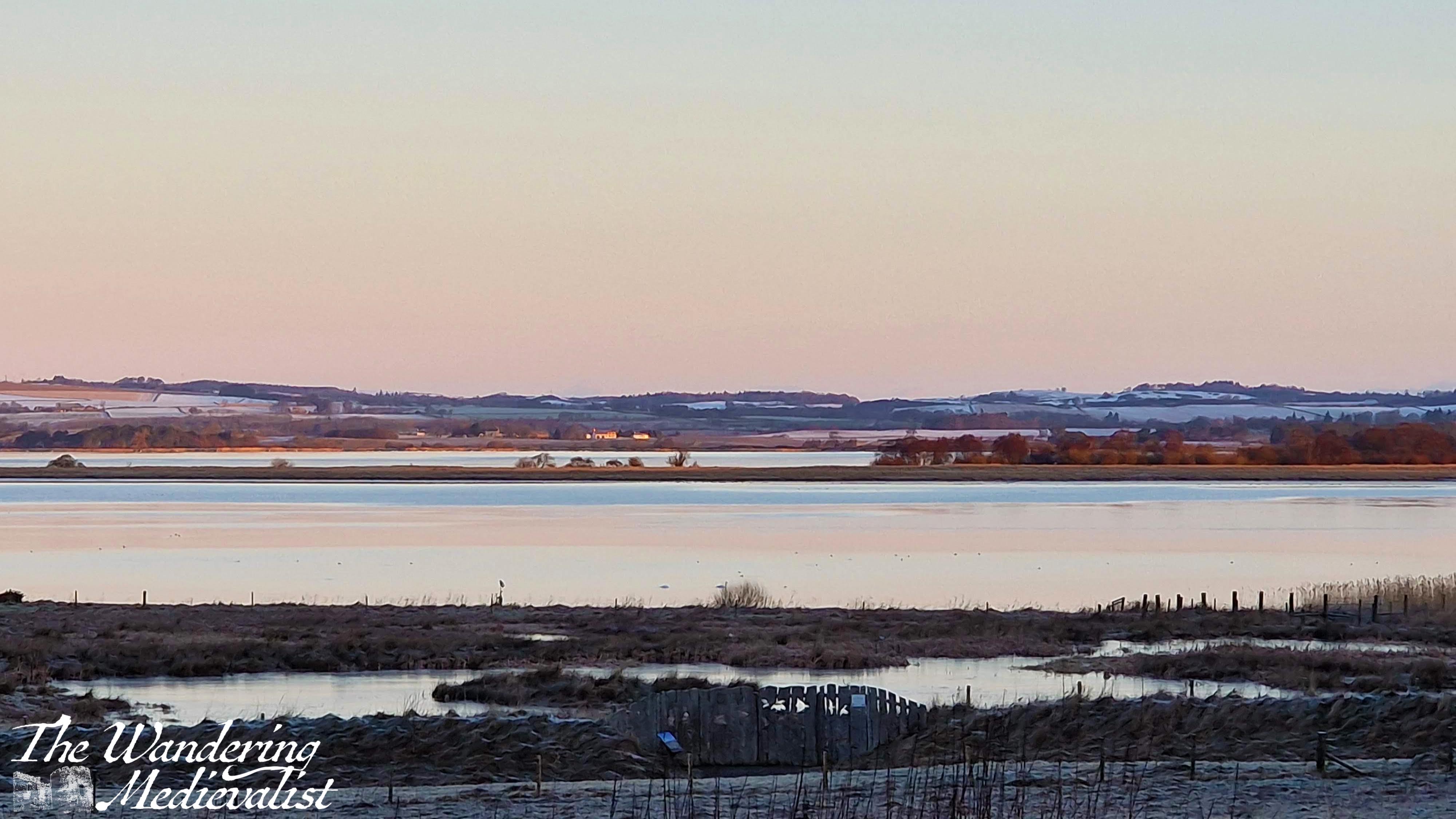
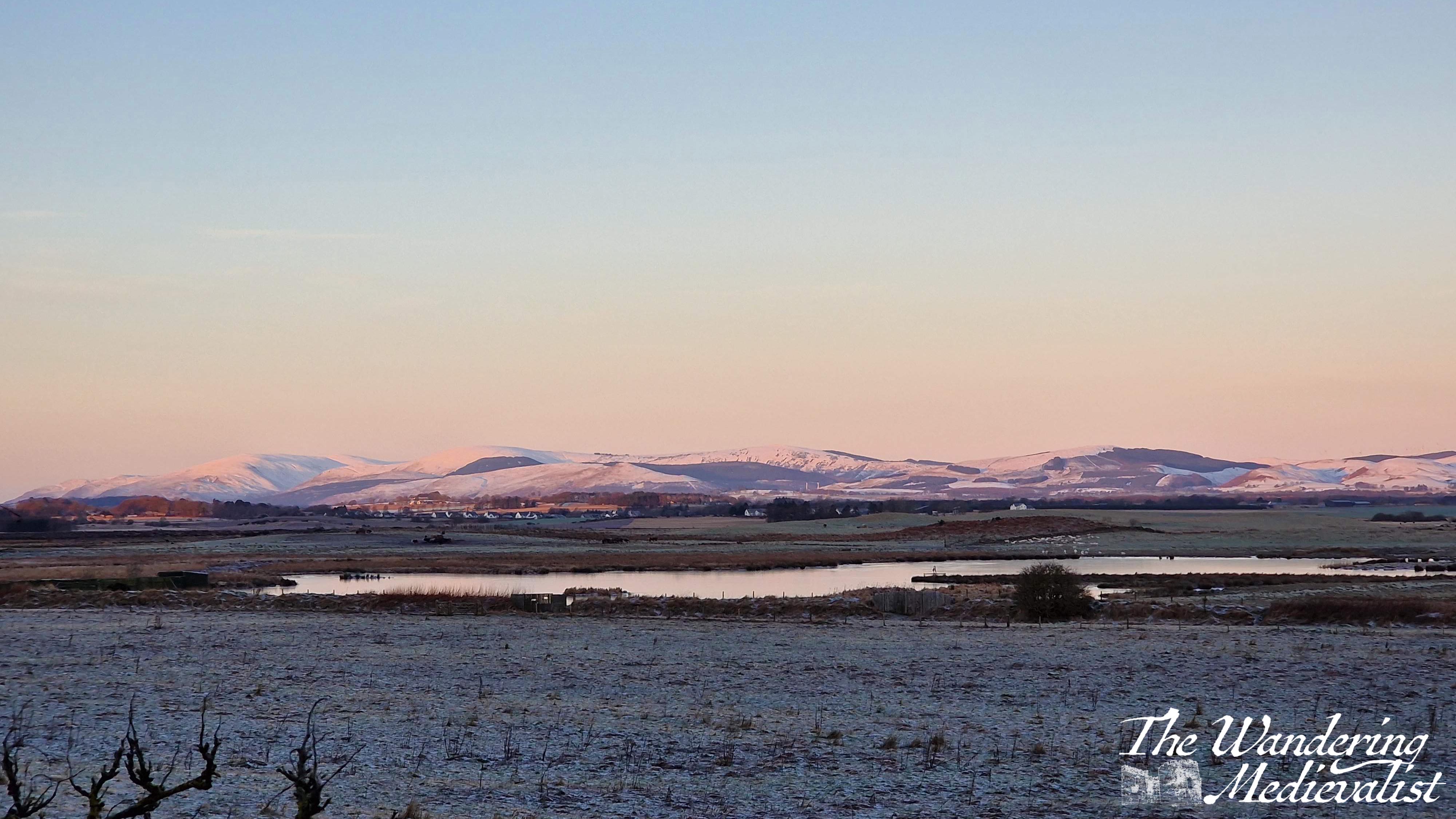
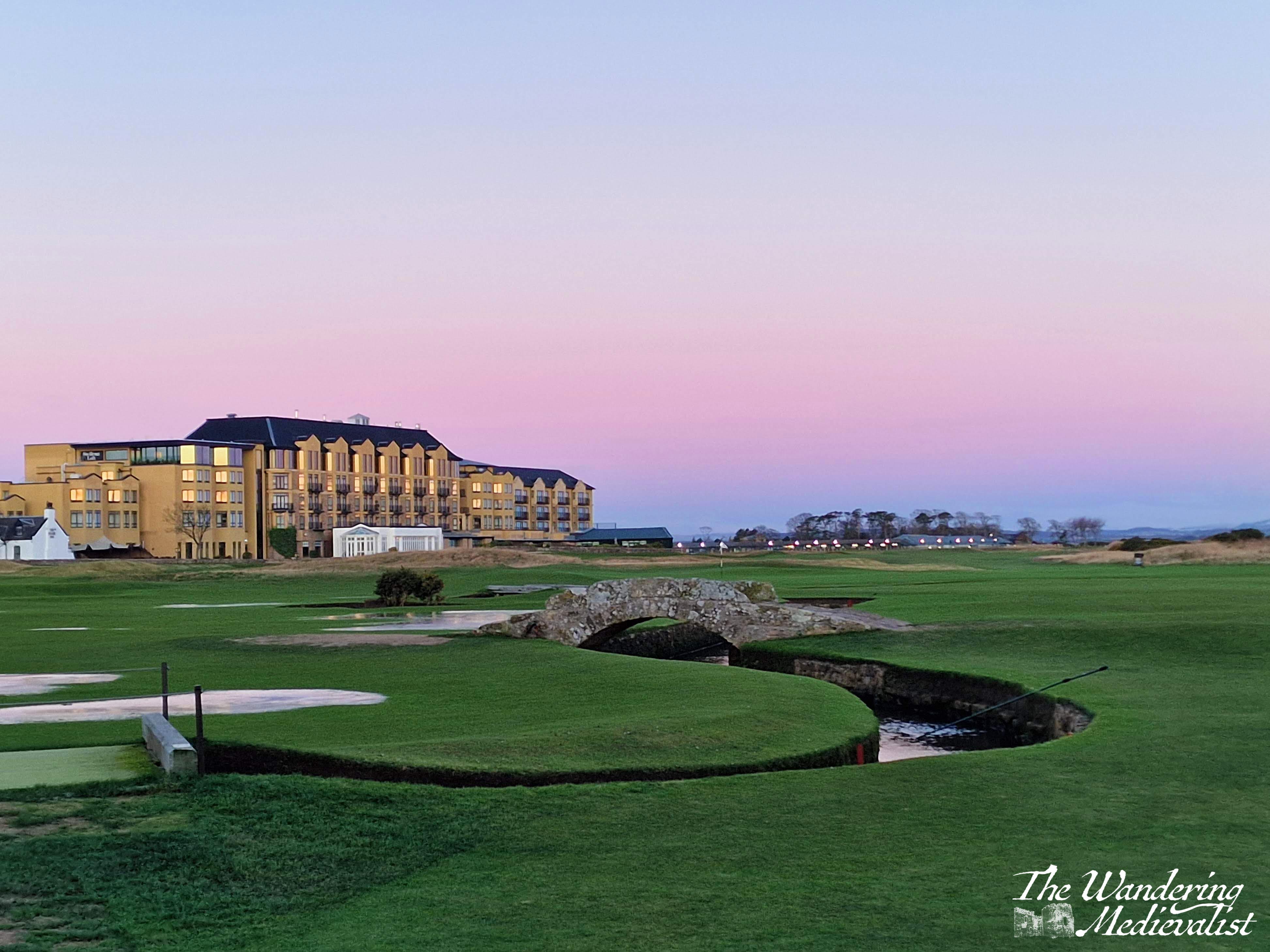

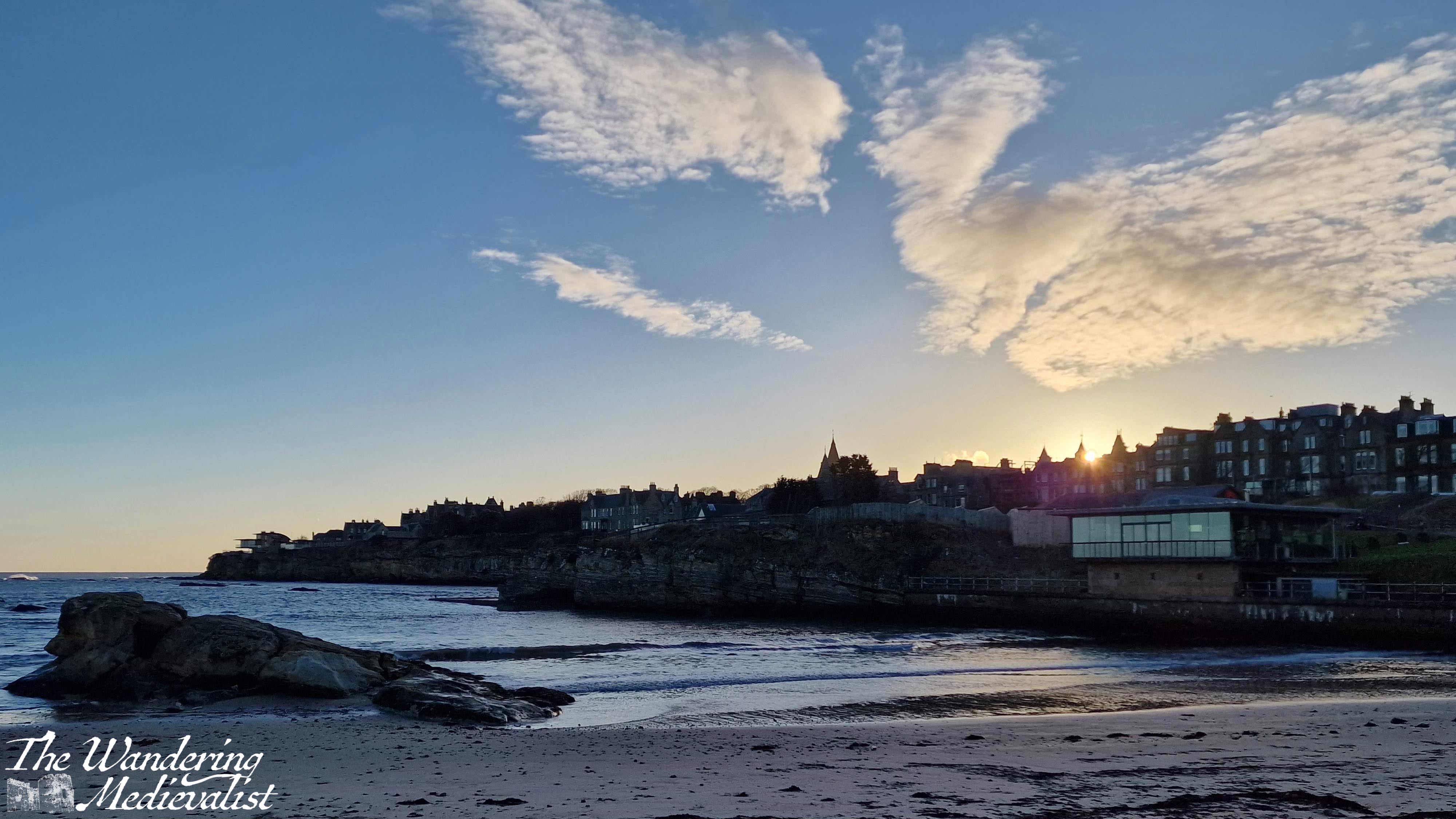
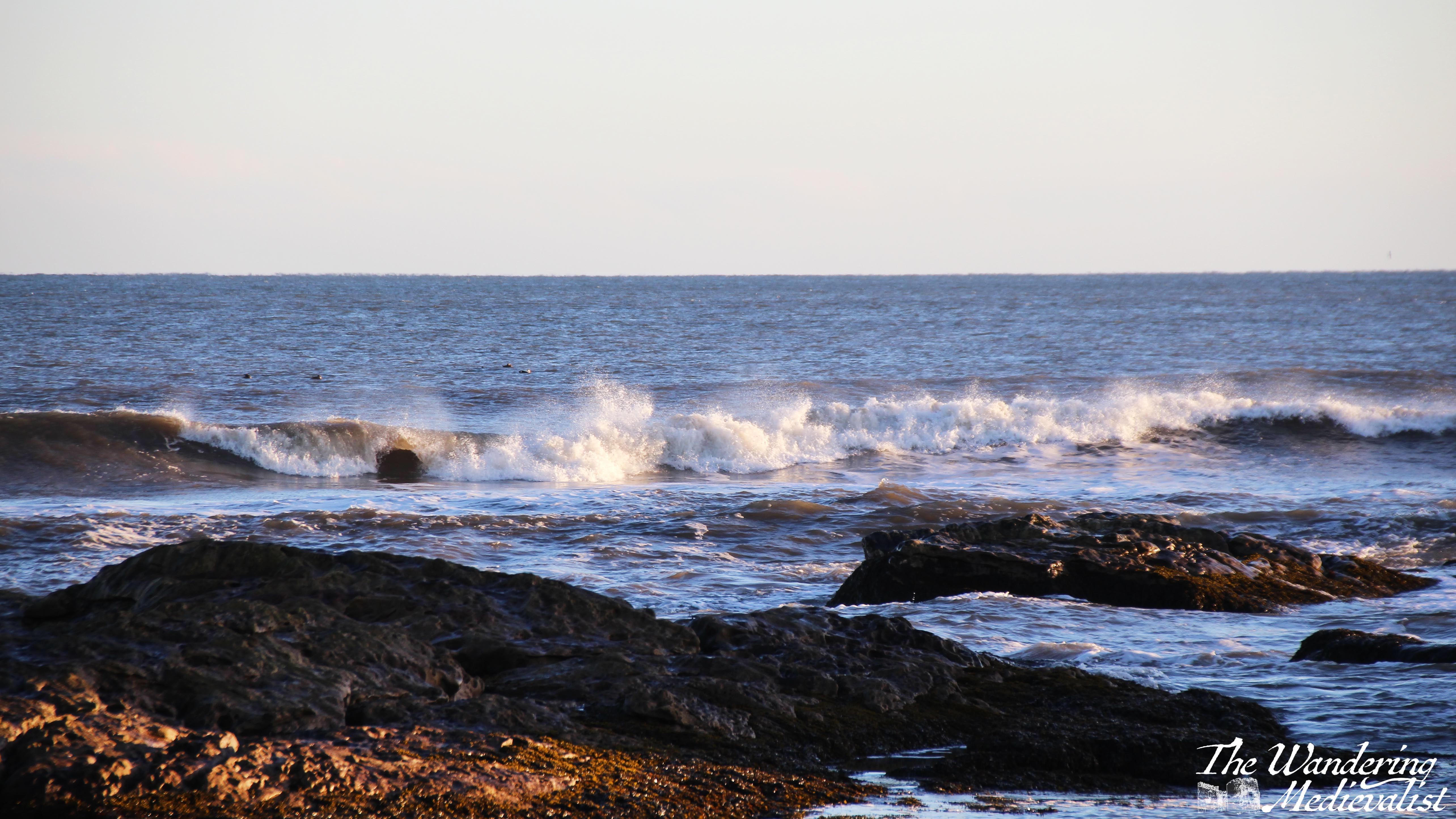
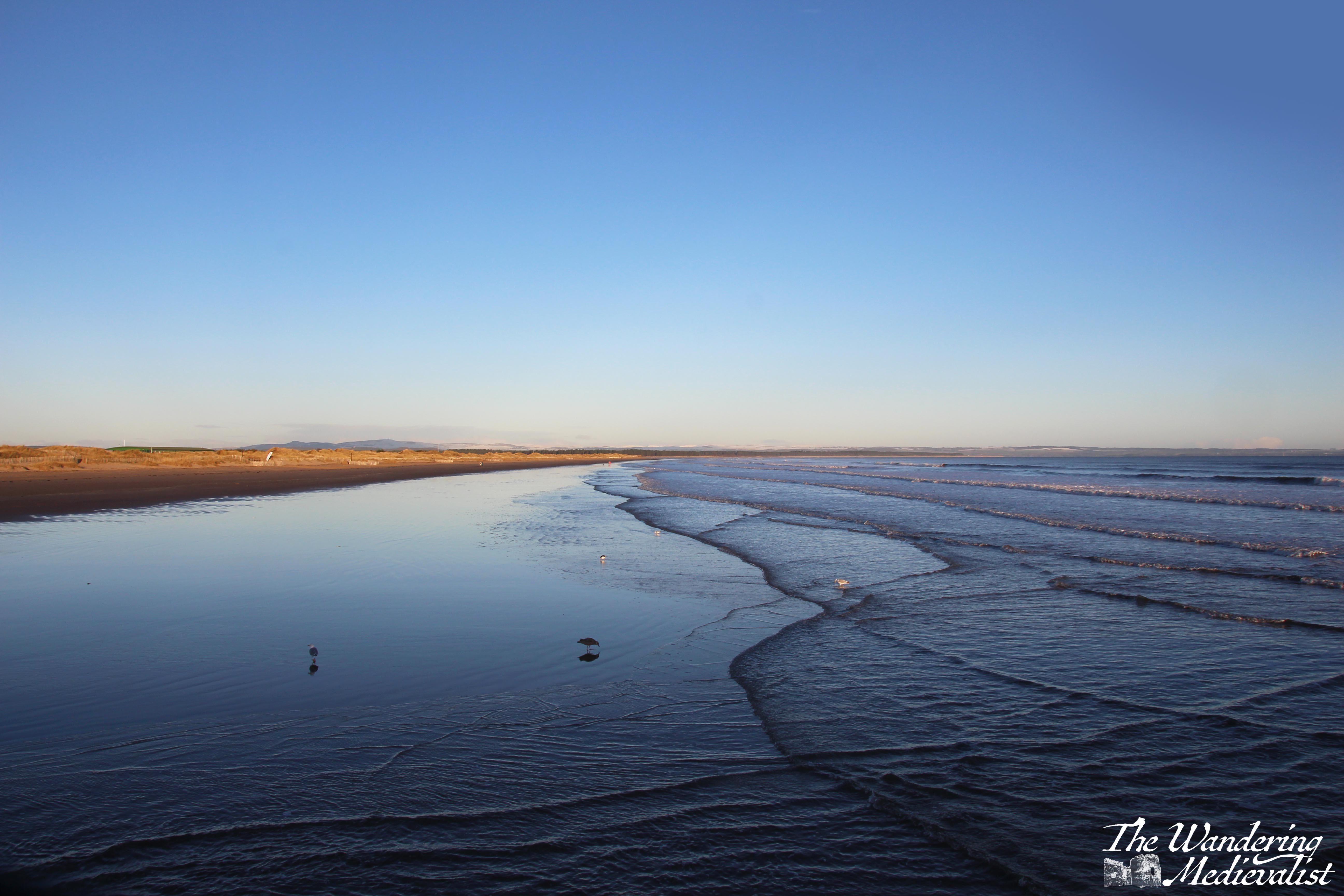
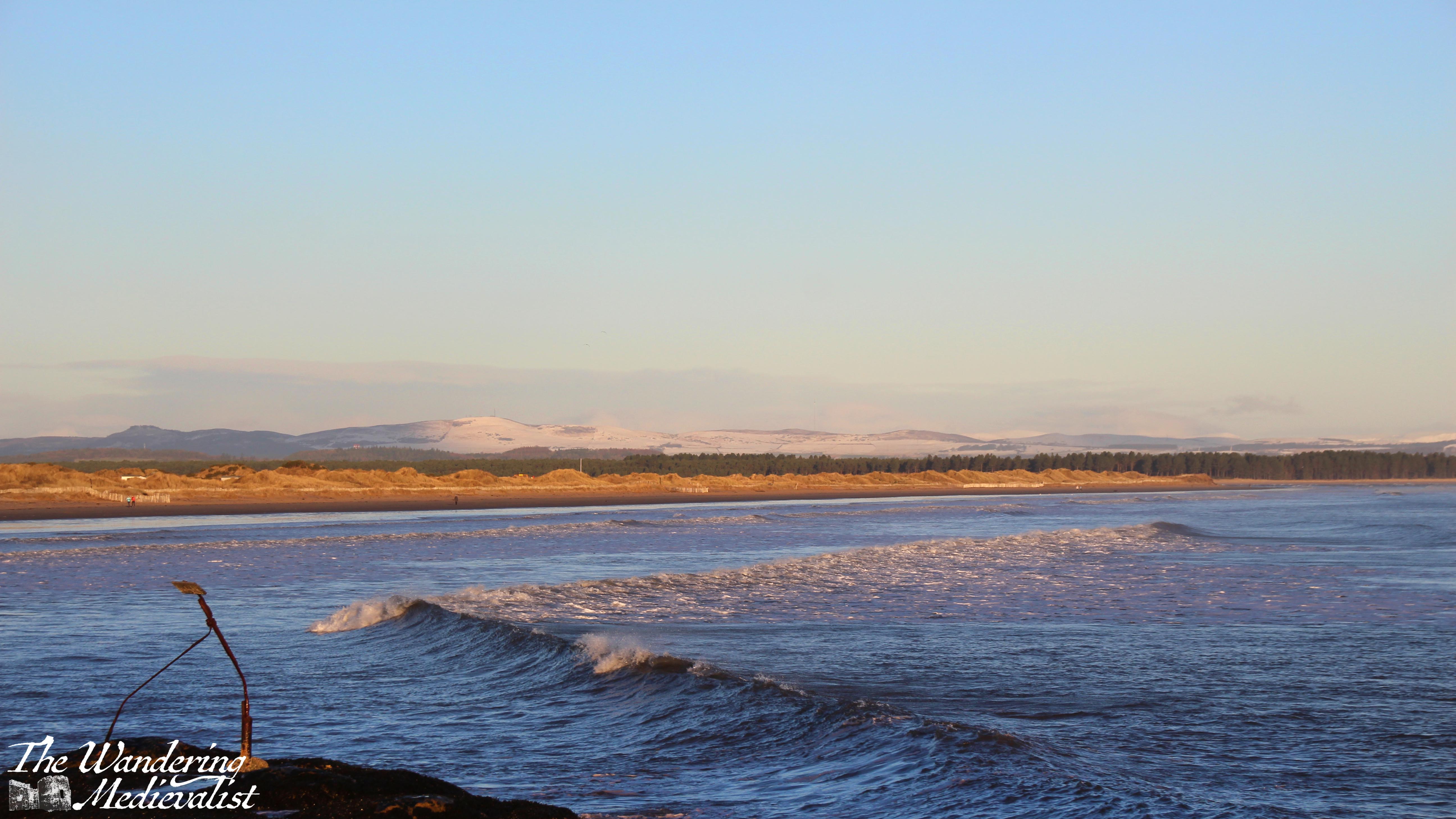
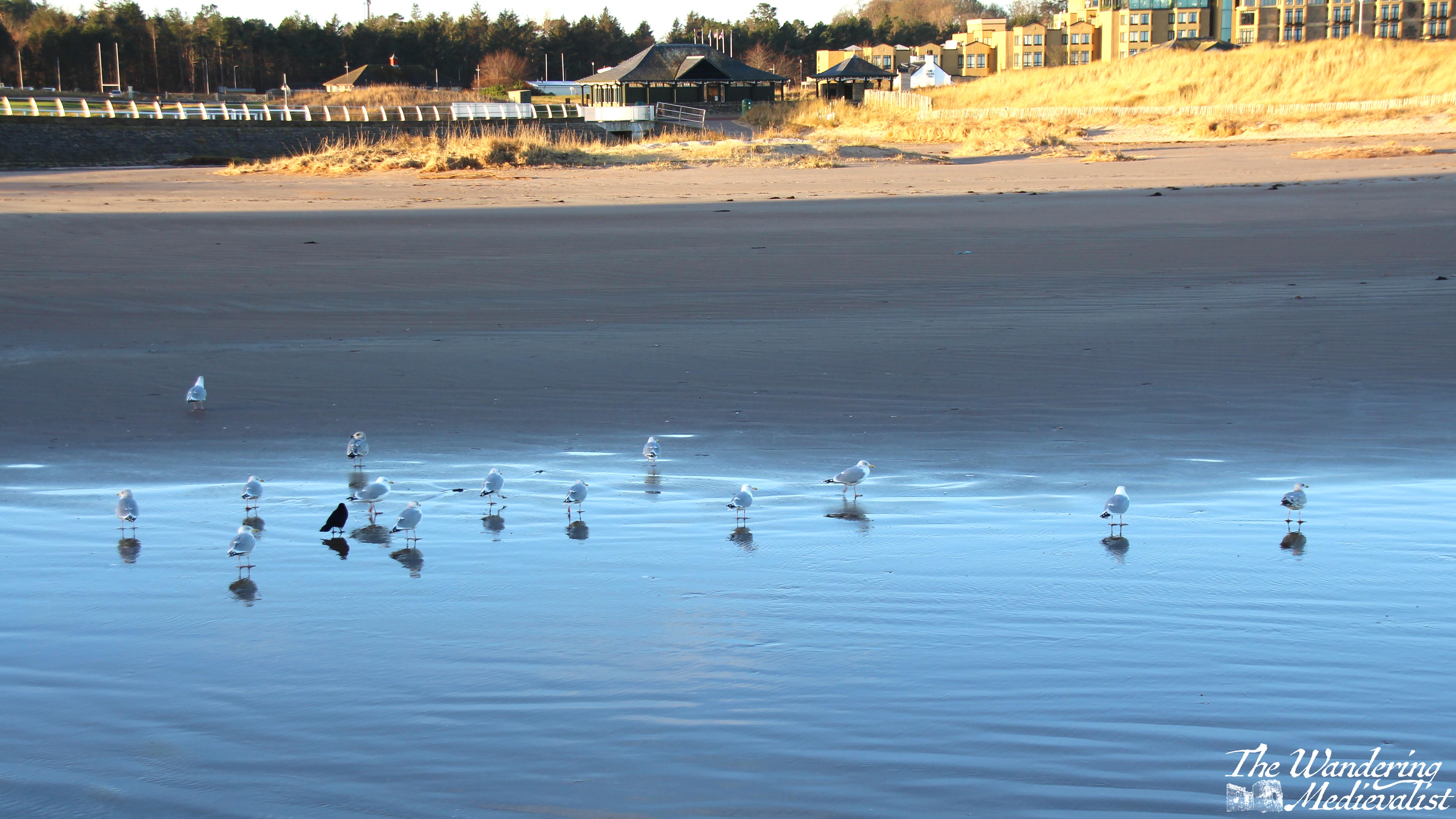


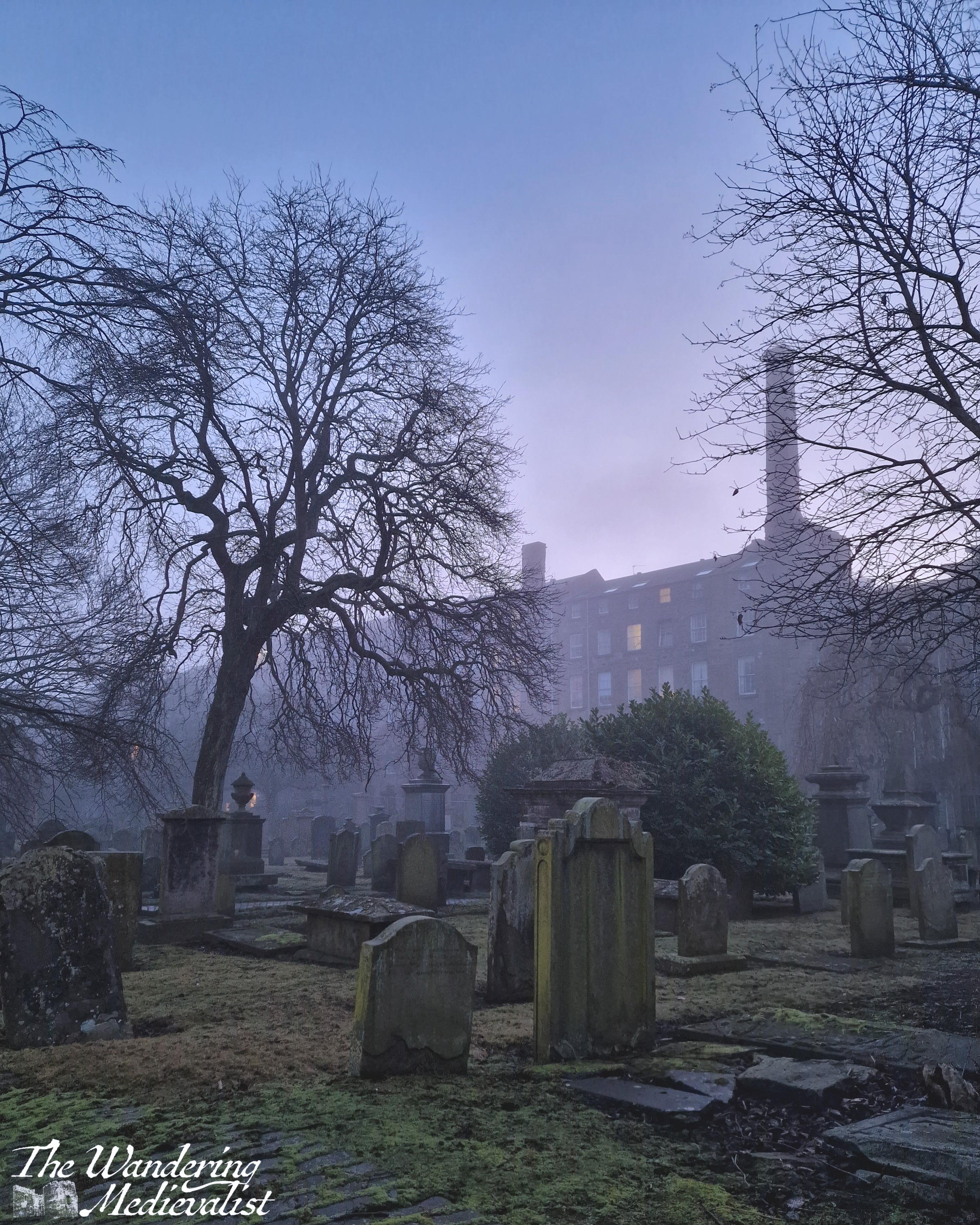
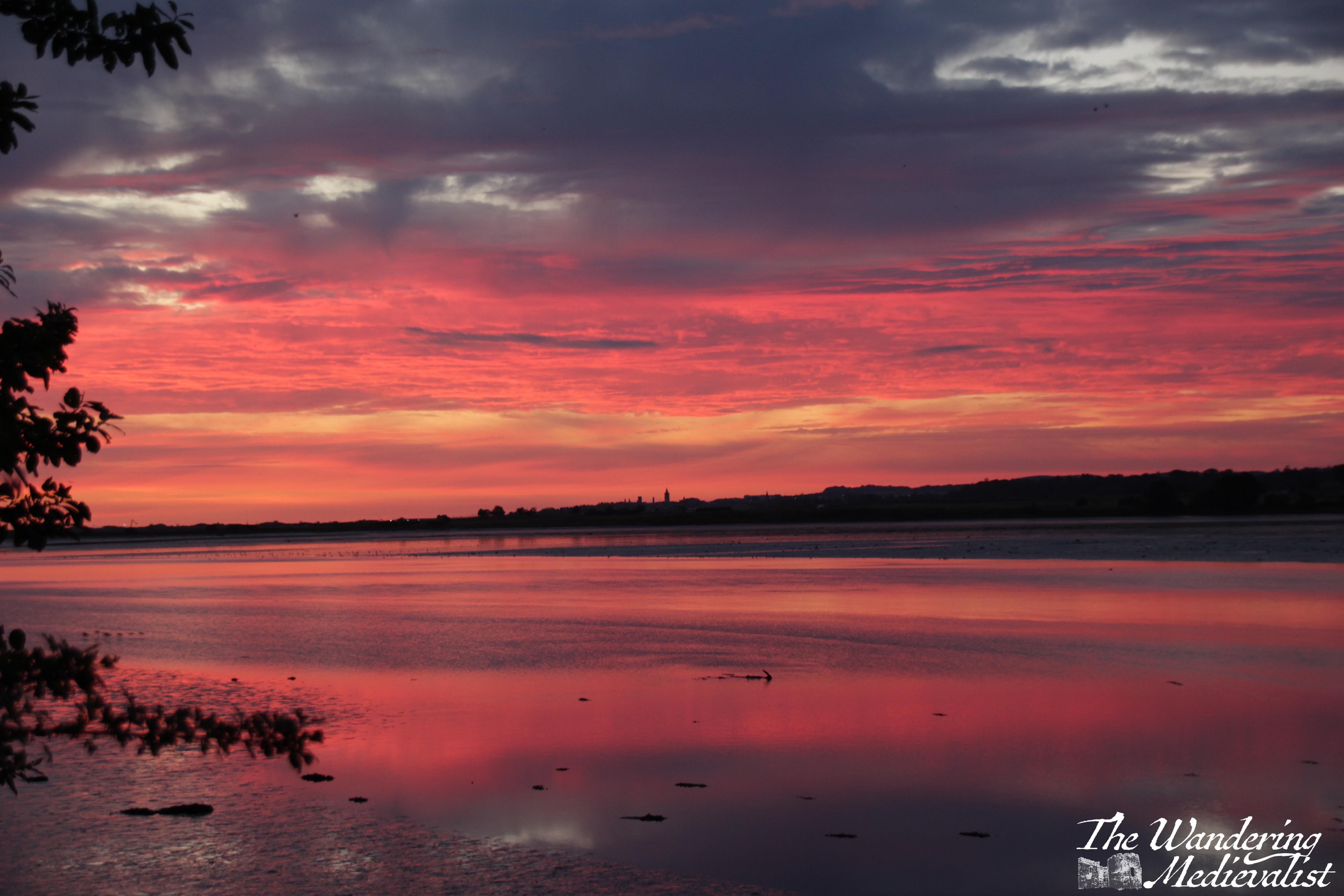
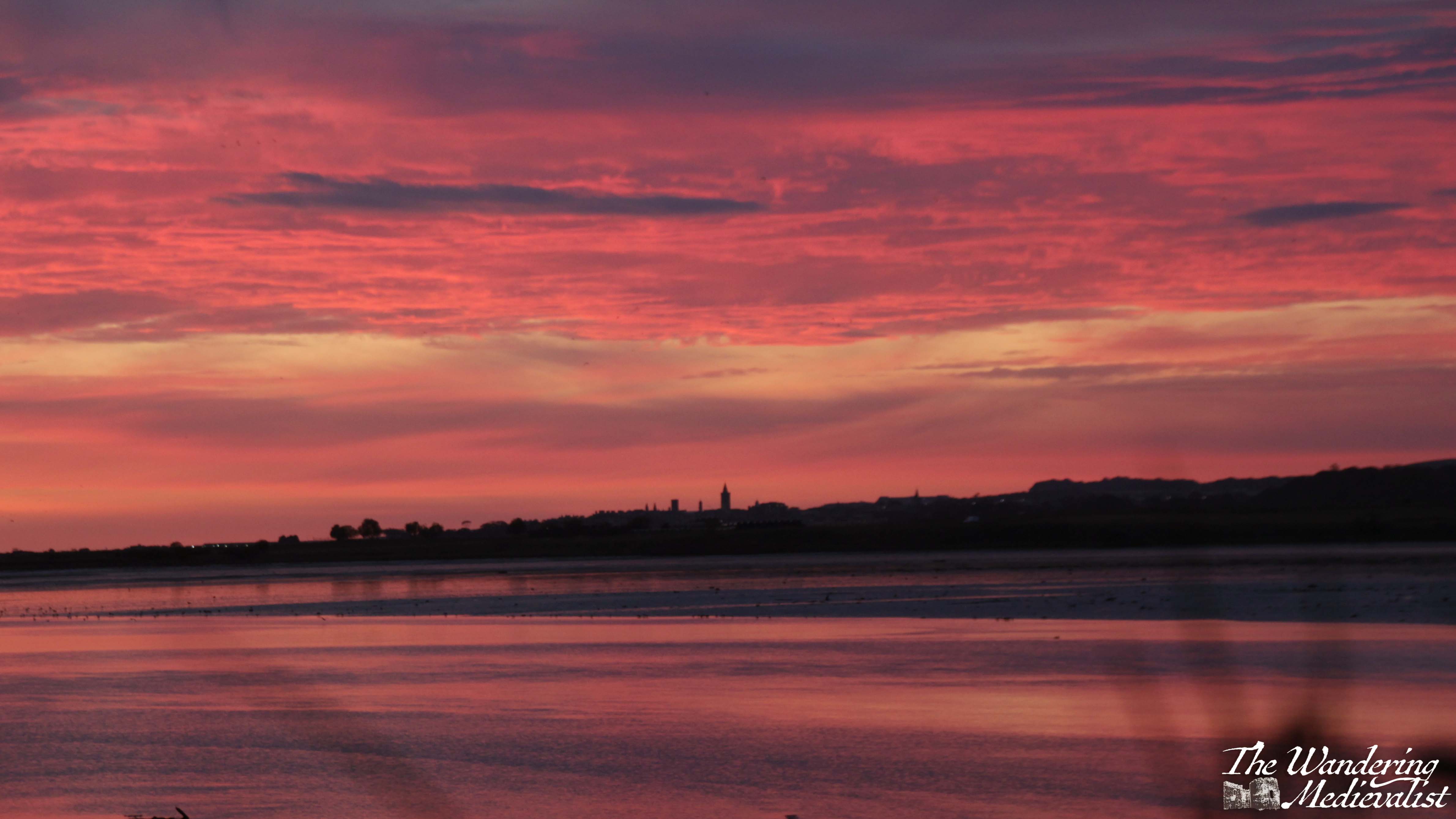
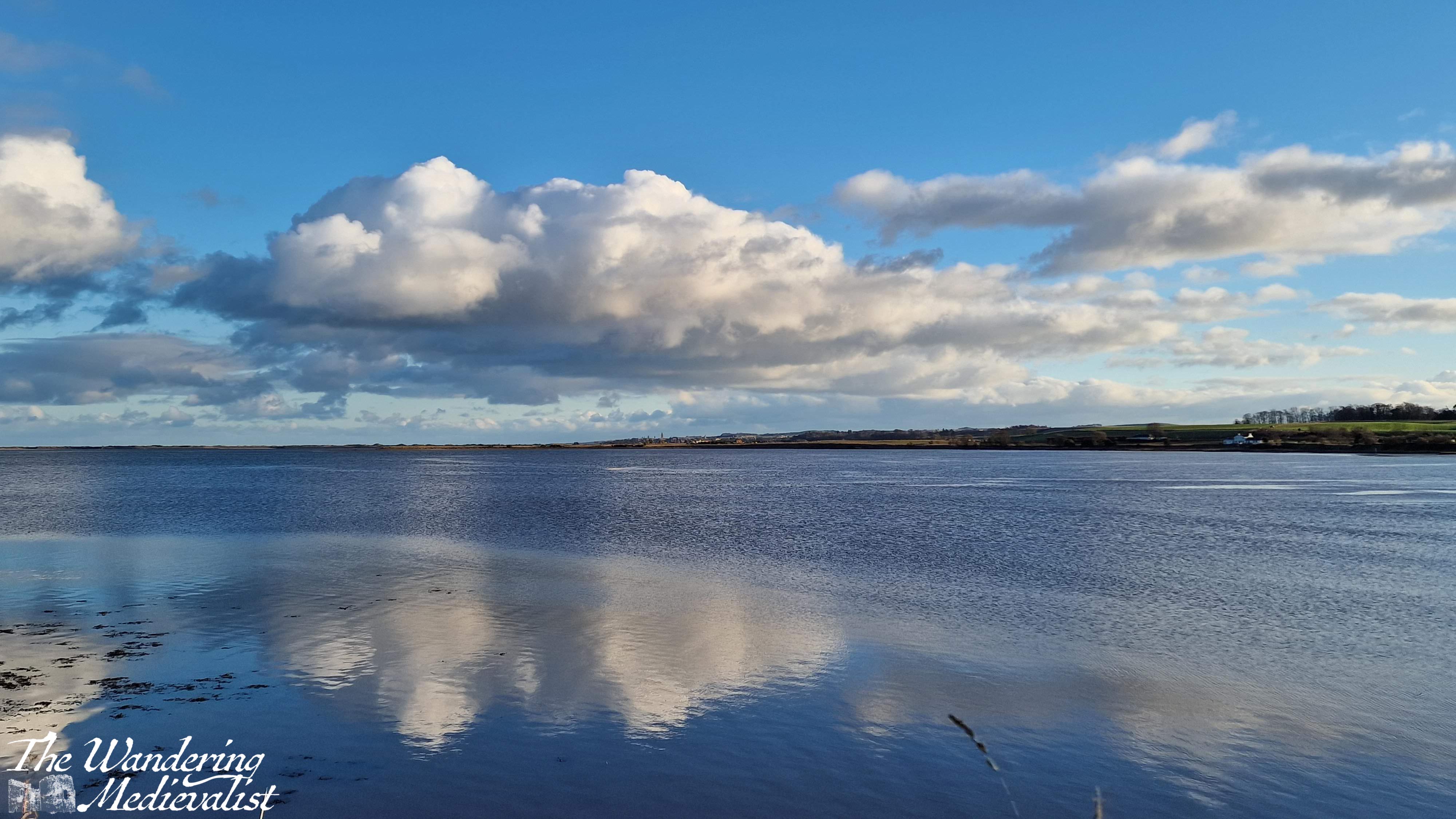
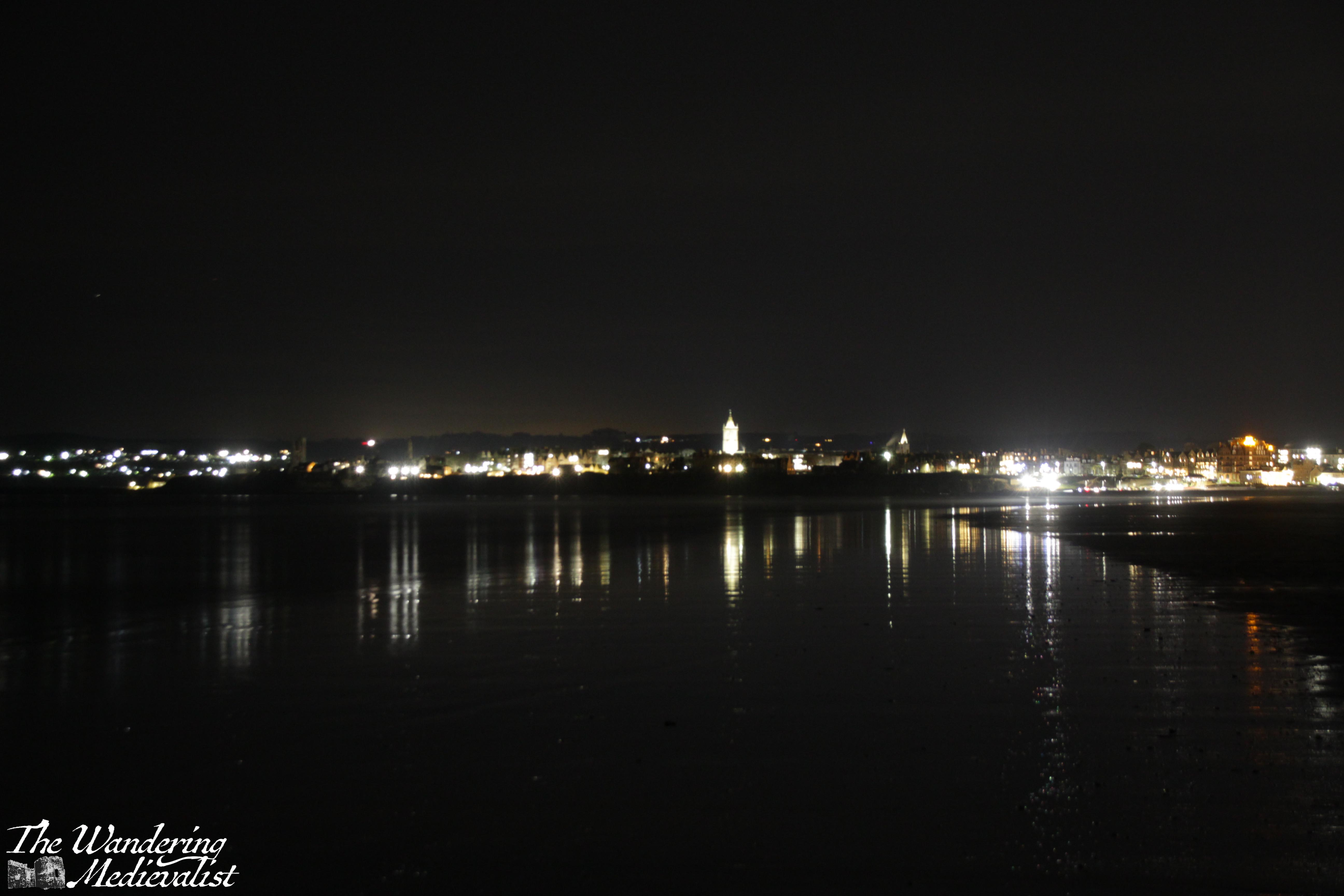
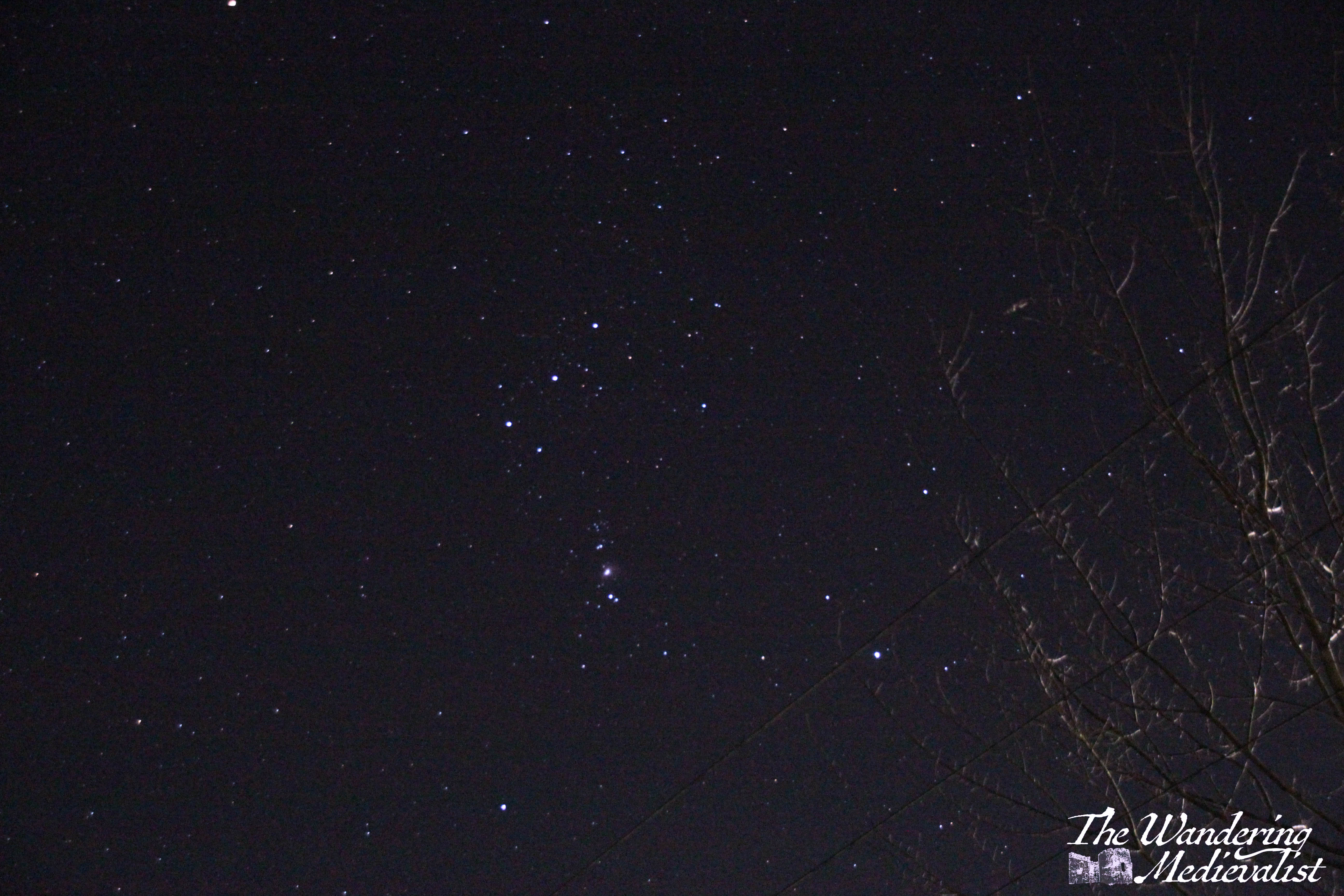

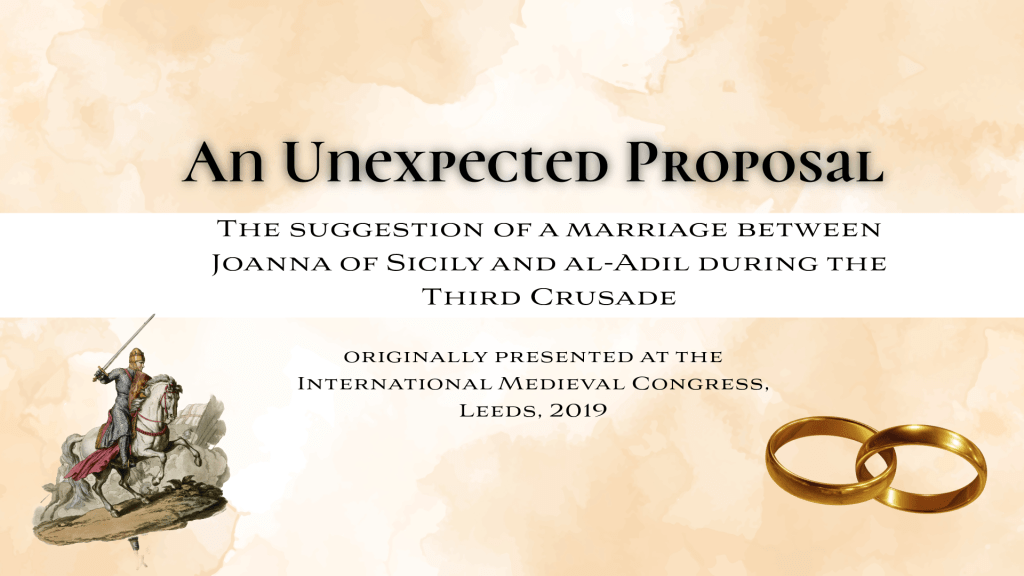
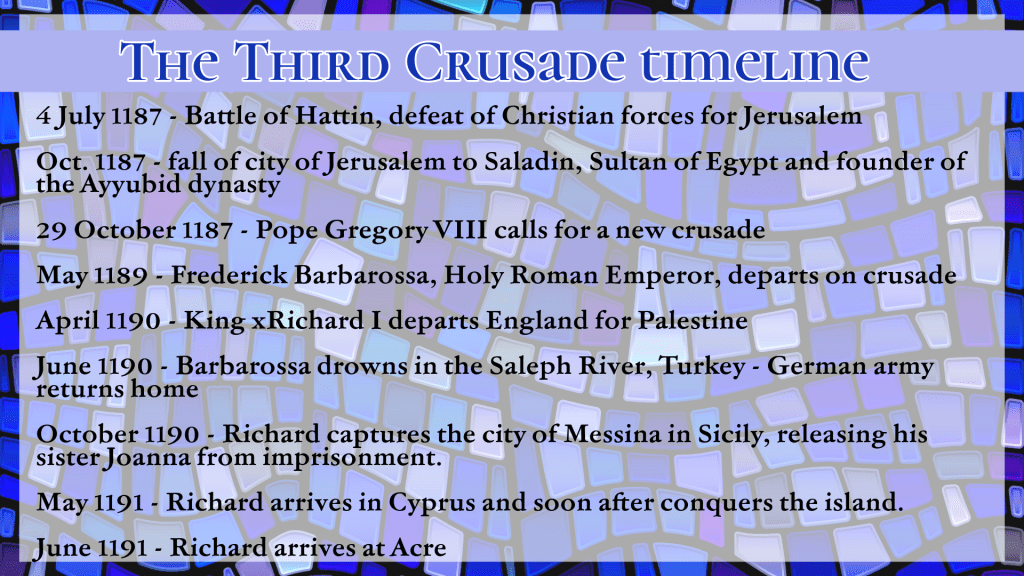
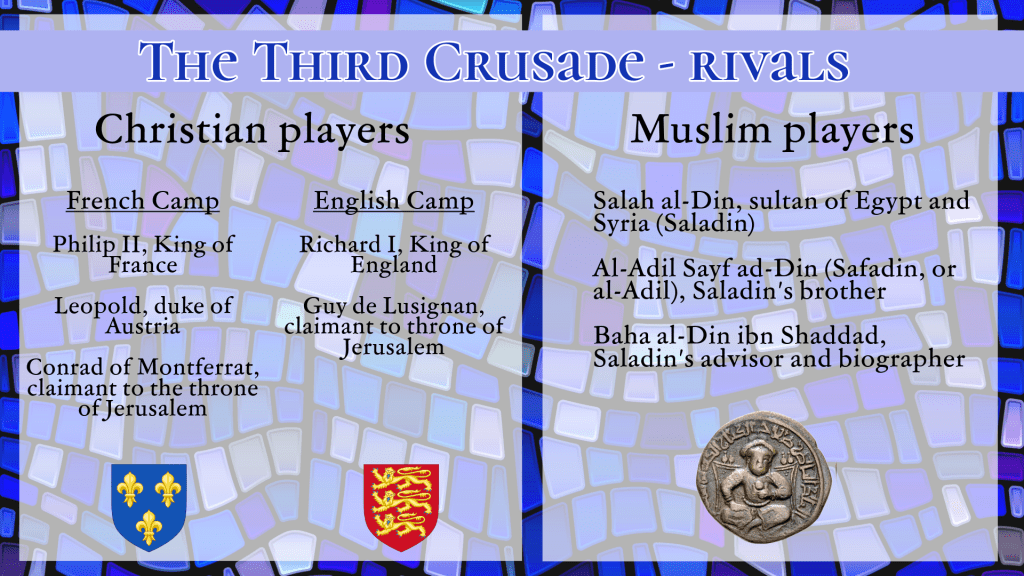
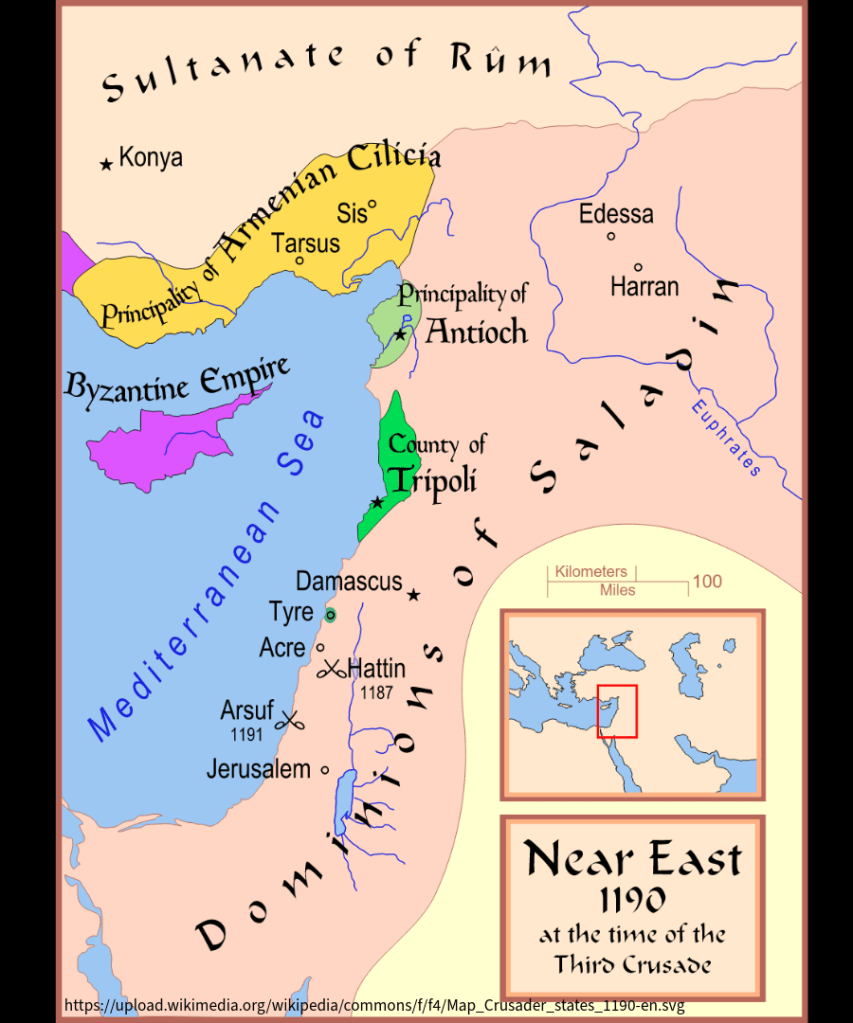
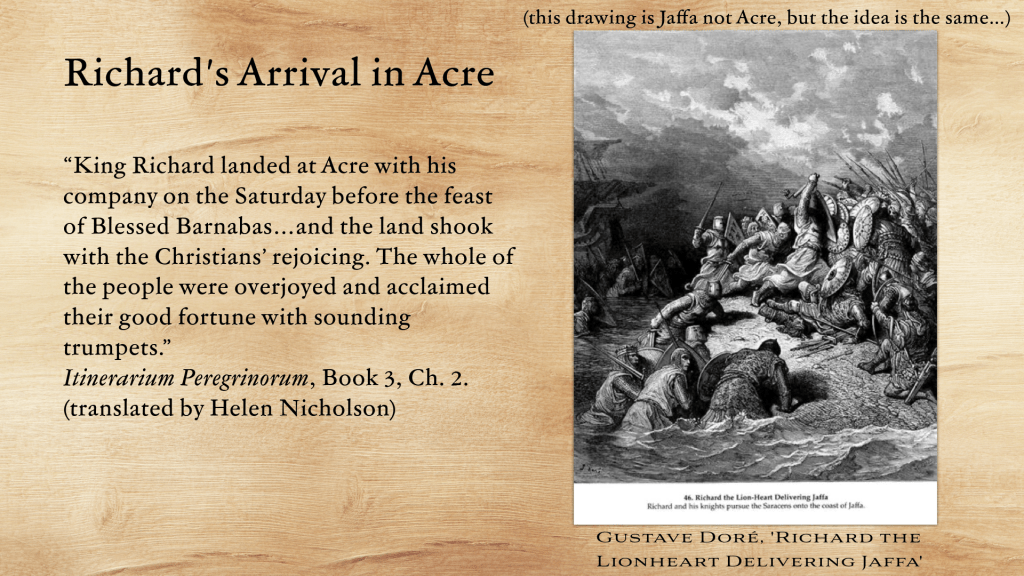
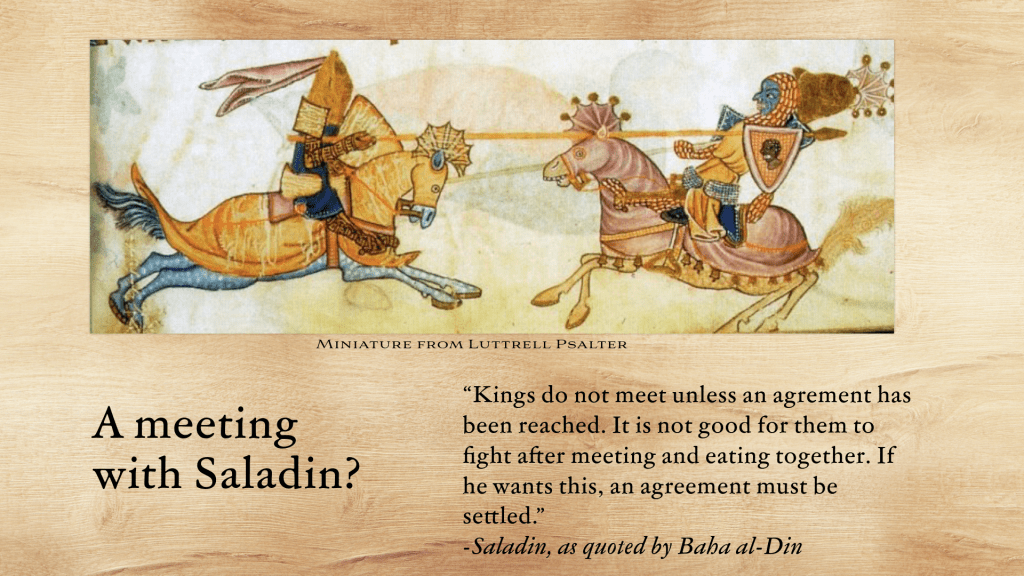

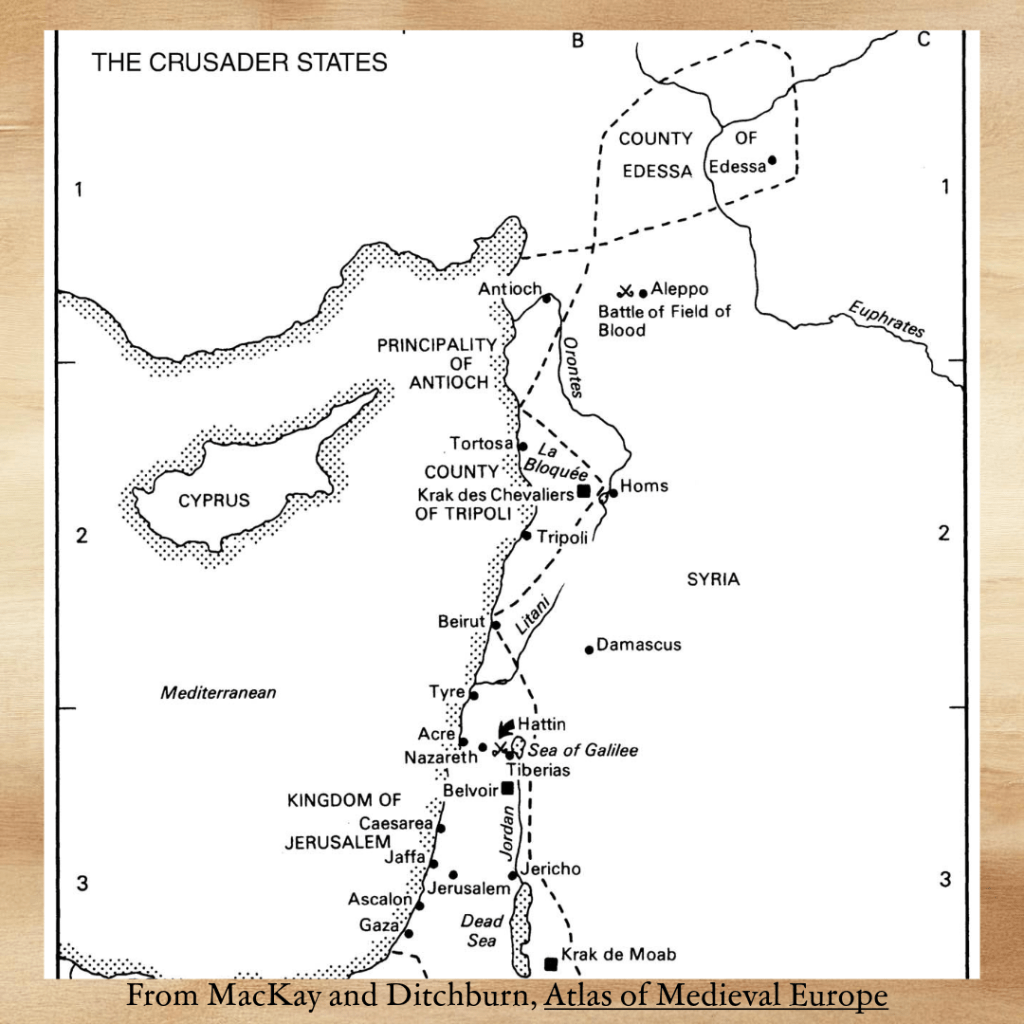
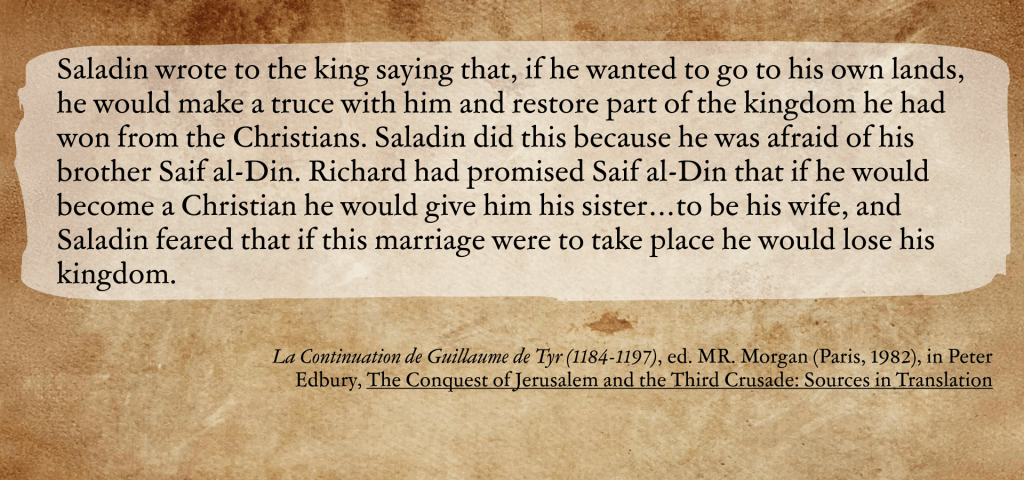
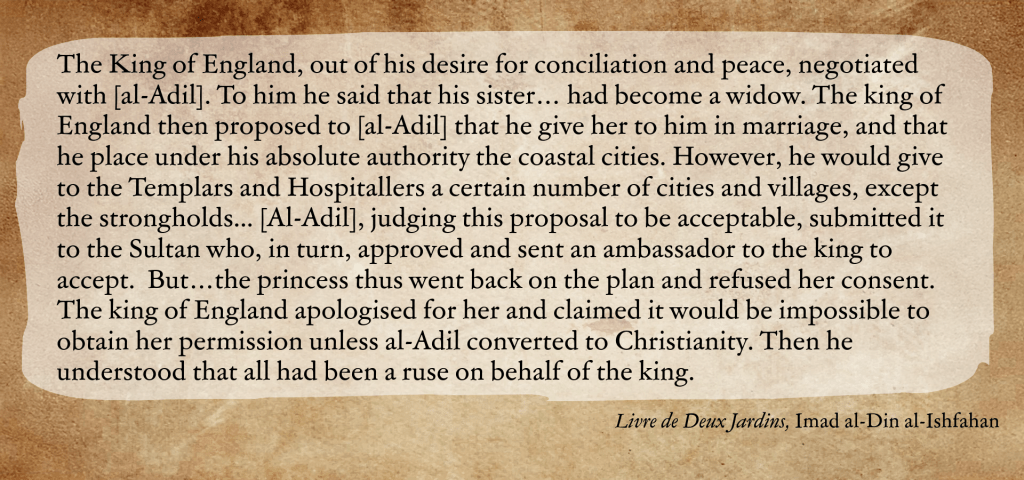


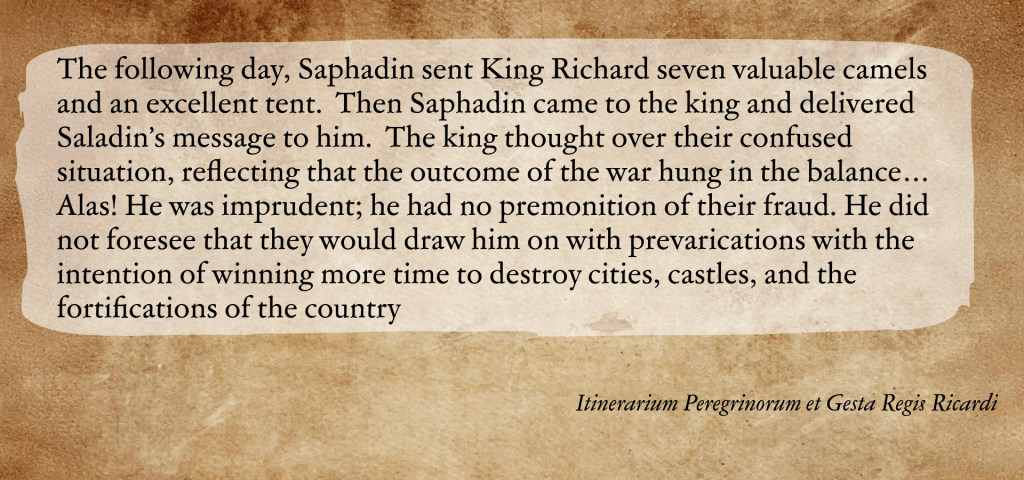
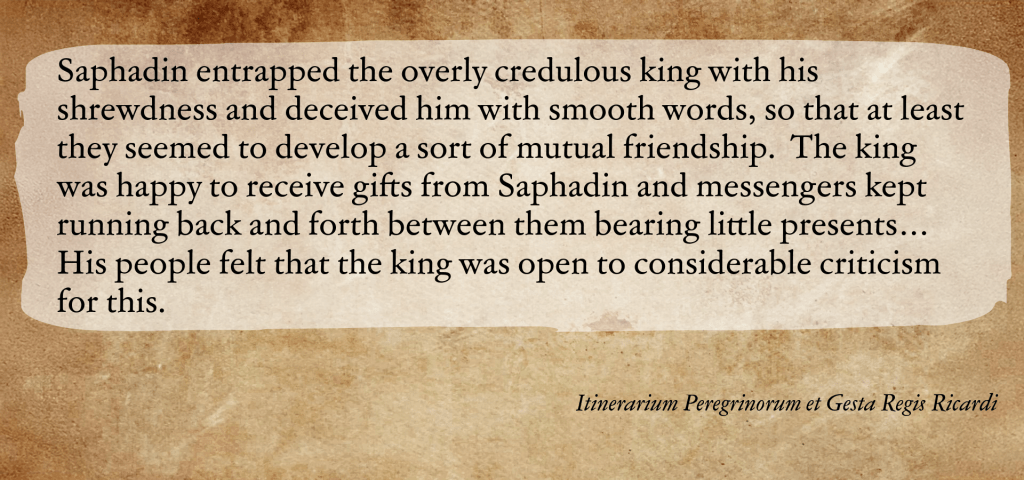

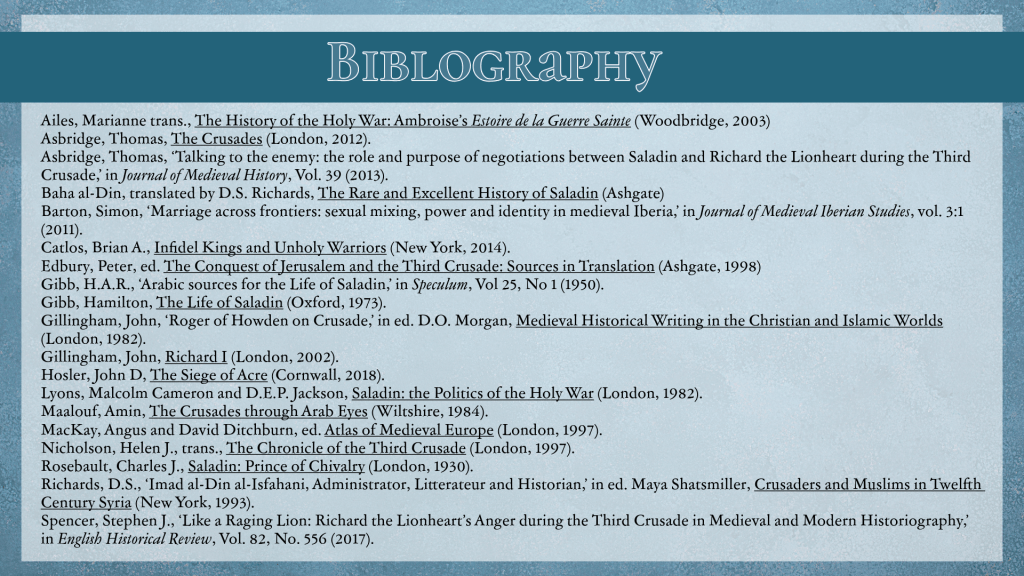


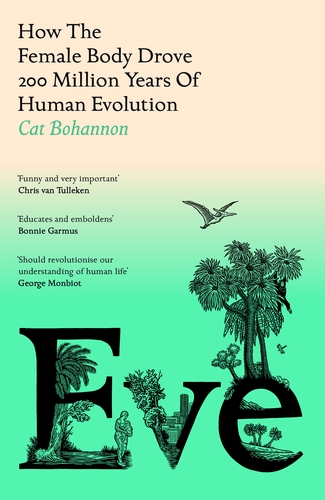
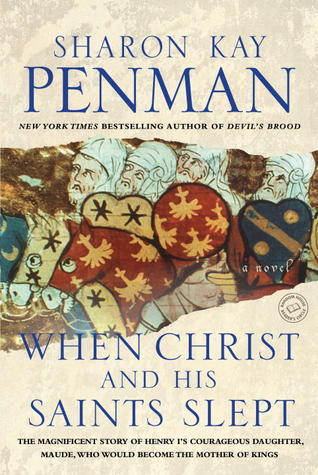



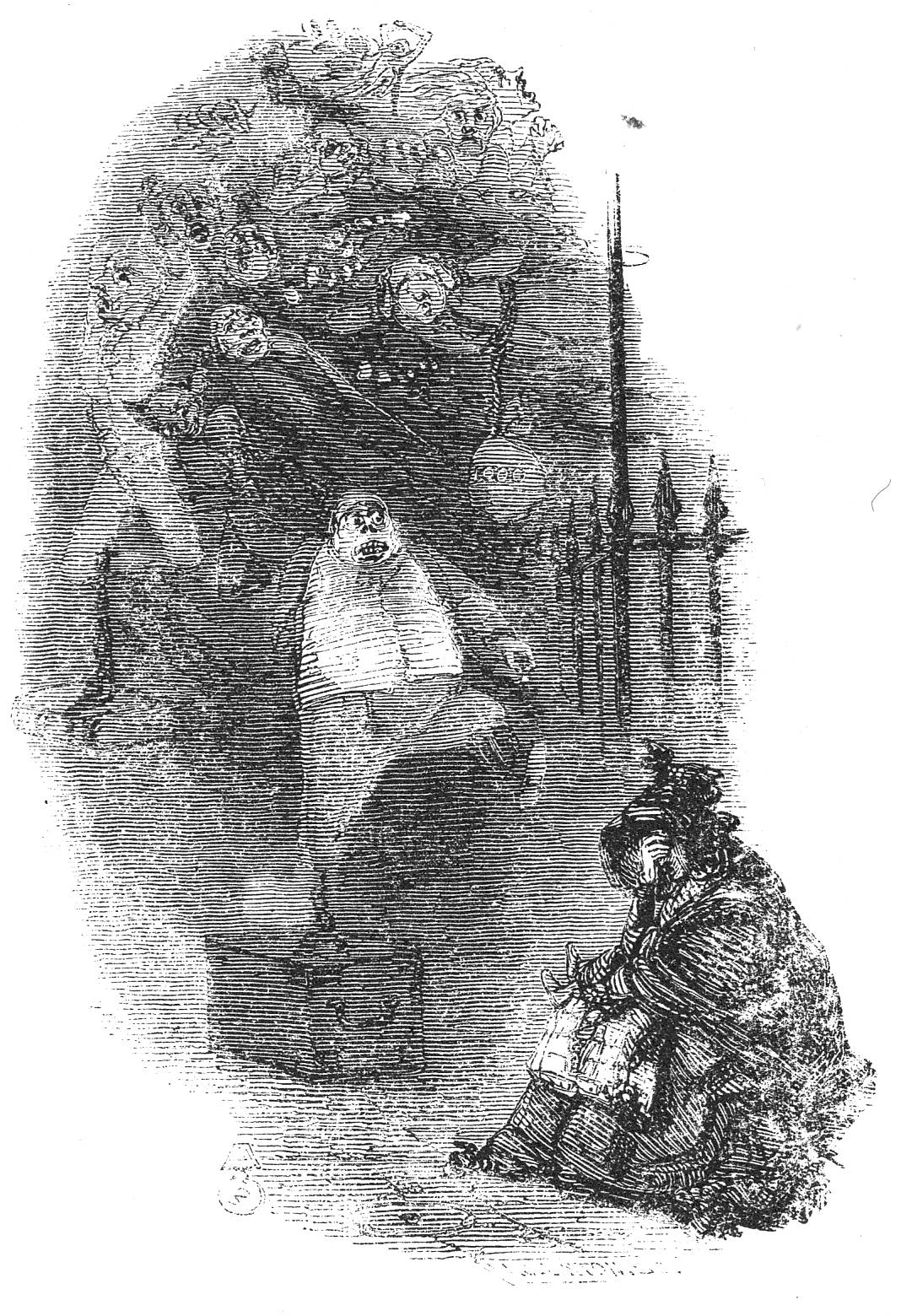

 The Wandering Medievalist