Last year in December, struggling to think of a post, I decided to pull together and share some of my favourite pictures from the past year; many o them I have not shared before, or have only done briefly in an Instagram story. It struck me that this might be a nice tradition to start.
Throughout the year, wherever I am and no matter how tired I am, taking pictures of the beauty around me keeps me inspired. And so in this post, I would like to share with you MY favourite pictures that I have taken this year, and a bit of why they are special to me. They are, for the most part, entirely unedited except for some cropping.
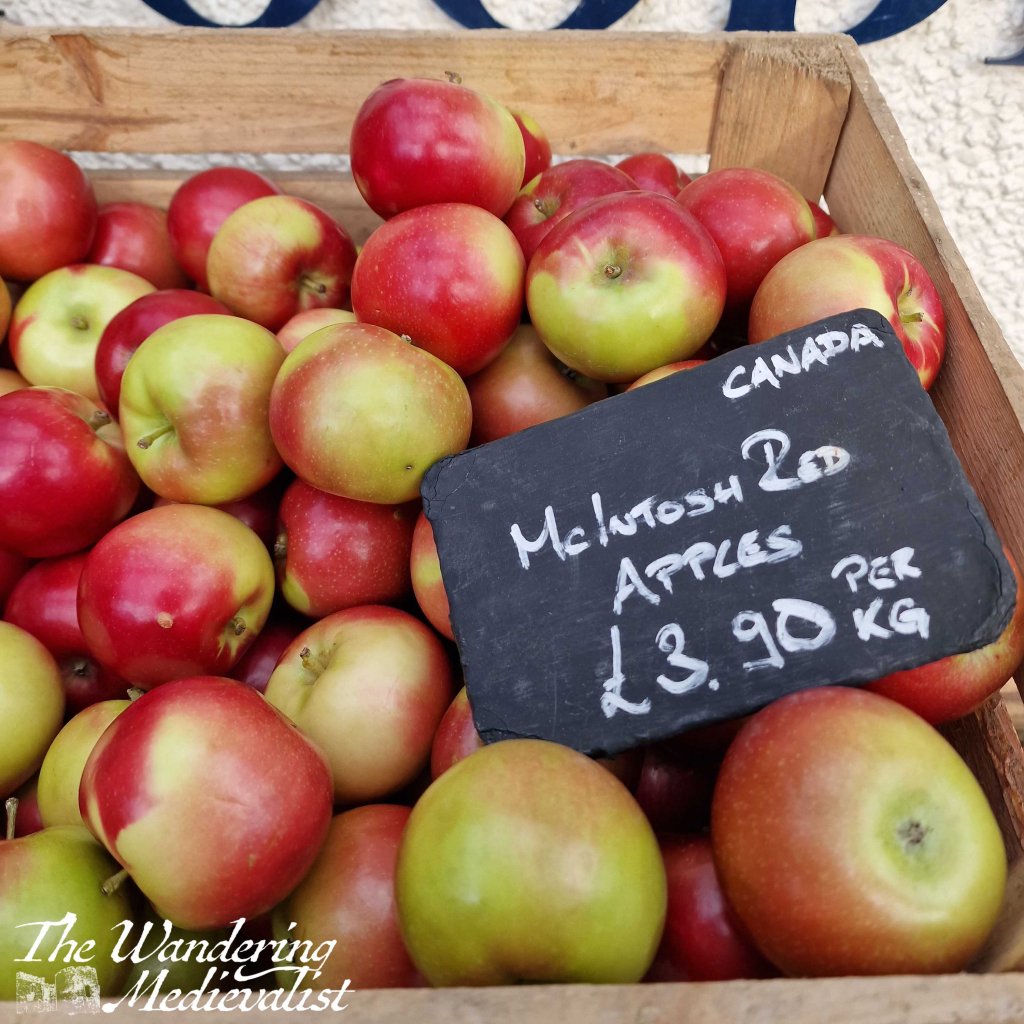
When I was young and growing up in Massachusetts, every autumn we would go apple picking, and the apple of choice was McIntosh. So, I grew up eating them in pies, applesauce, and of course straight off the tree. They are seldom found in Scotland though, and so when I found these at House of Bruar, I was overjoyed.
We visited House of Bruar on a cold January afternoon, and we left in time to drive home mostly in daylight, with the hilltops frosty. I love winter and this picture reminds me of that lovely day in Perthshire.
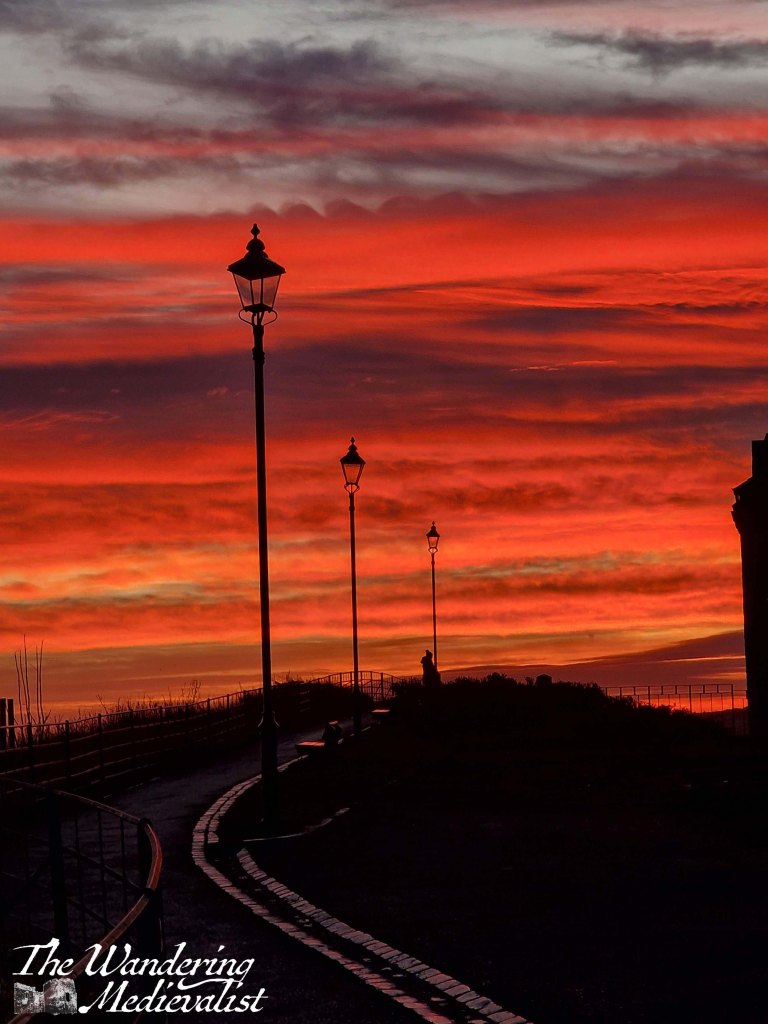
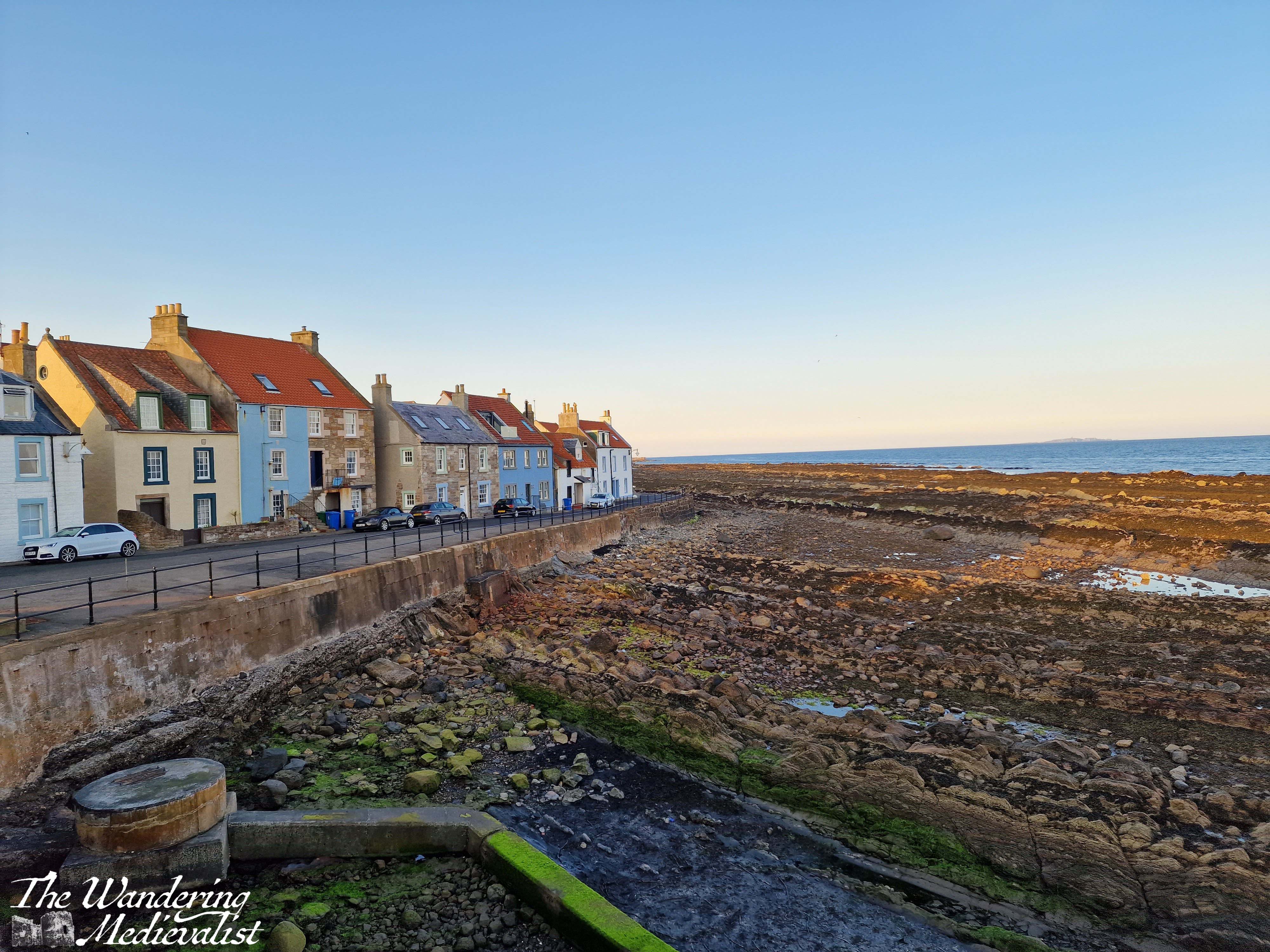
St Andrews is one of the most photogenic places on earth, and I used to get up early just to catch the sunrise here. Fortunately, in January, the early part is not required.
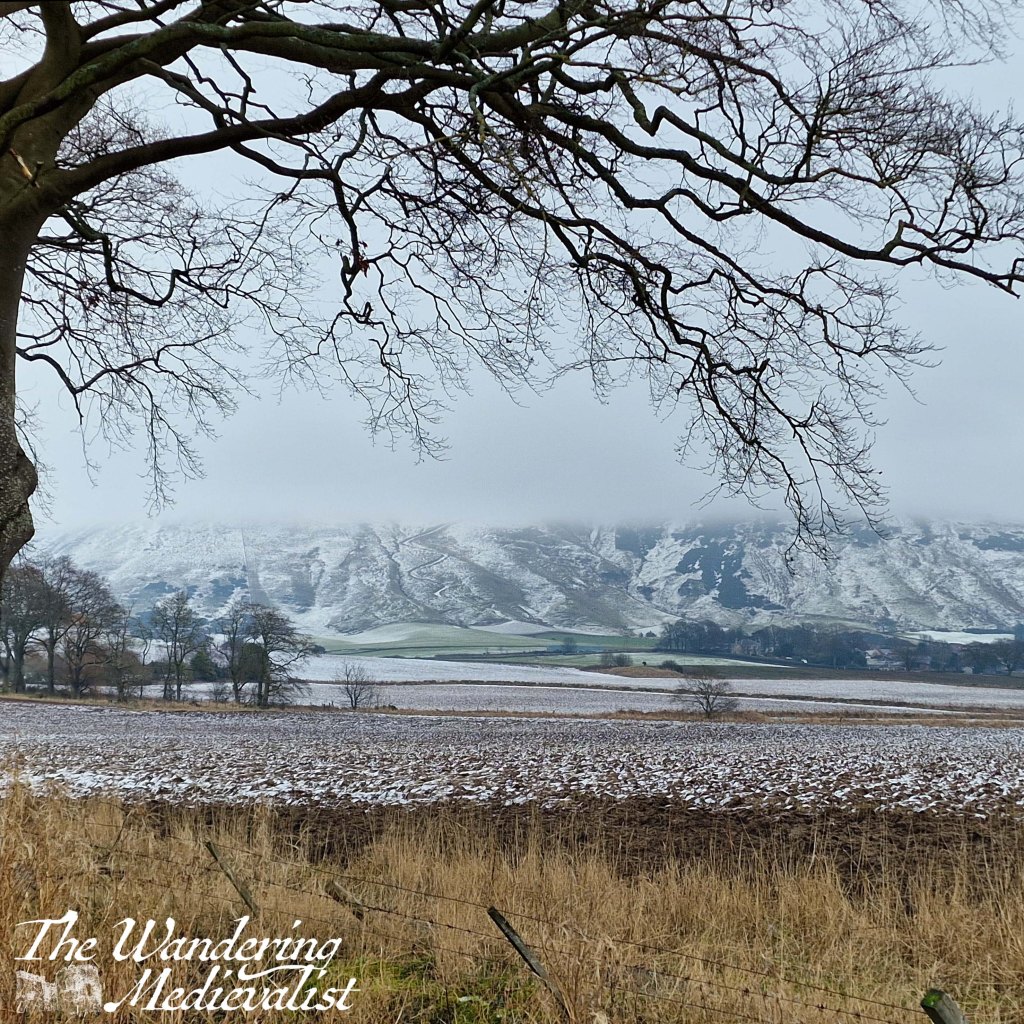
We had very little snow this past winter, but on visiting Loch Leven we discovered a dusting had made it inland. I loved this hill half-hidden by cloud.
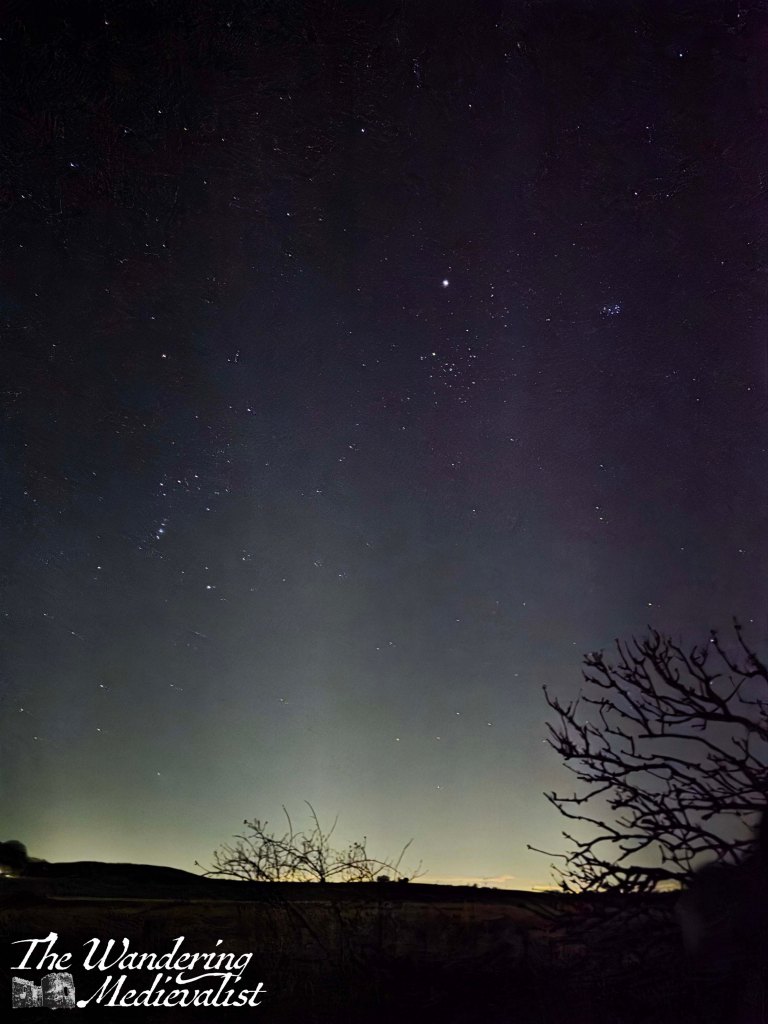
The winter months are by far the best for night sky, if only because it gets so very dark. Nonetheless, this picture was taken in the middle of an unlit field and shows the rather extreme light pollution here in Fife.
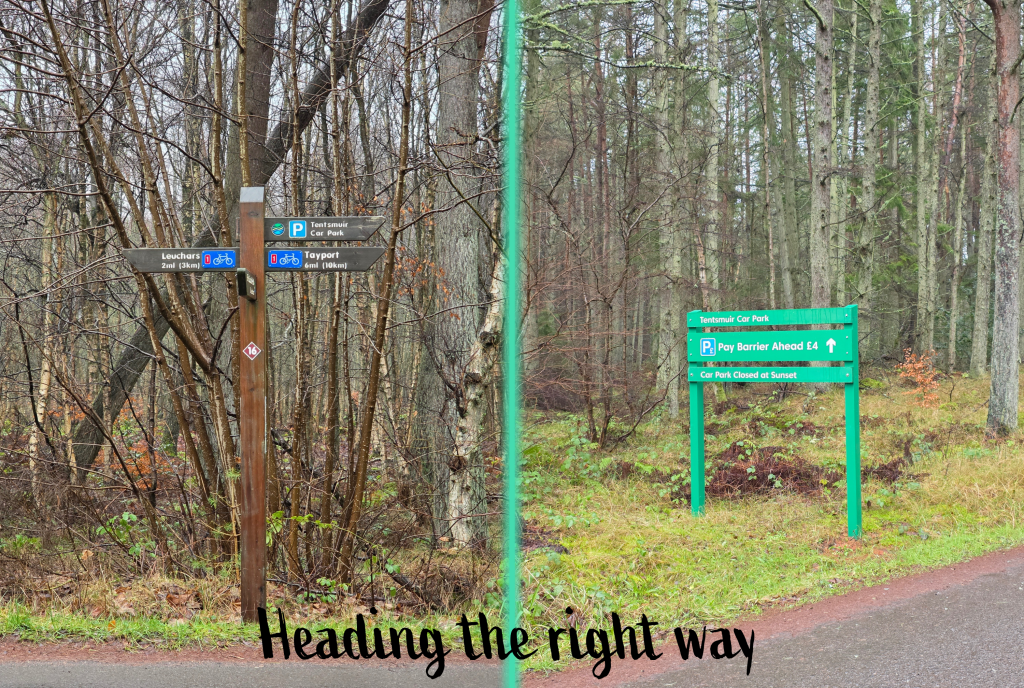
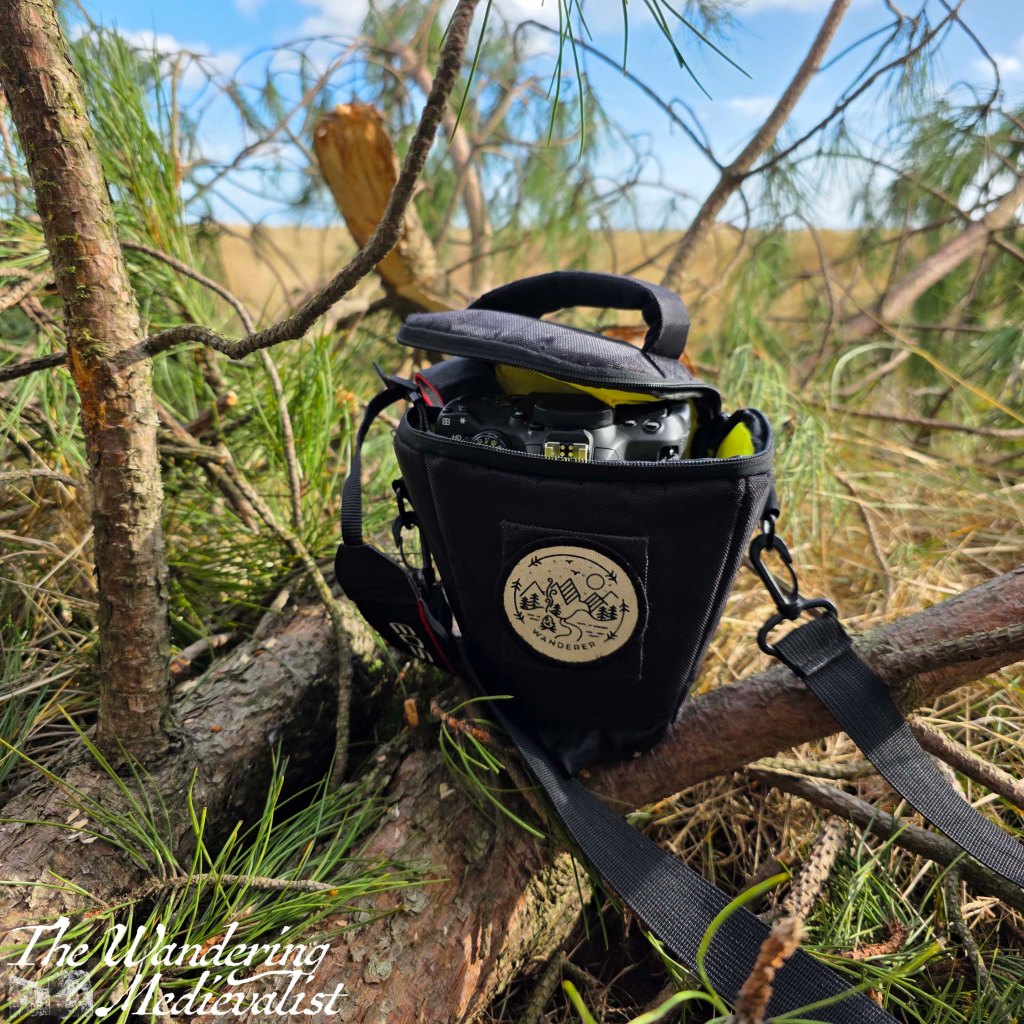
I decided to show off my new camera case patch with this posed picture on my walk along Tentsmuir. Love how it turned out.
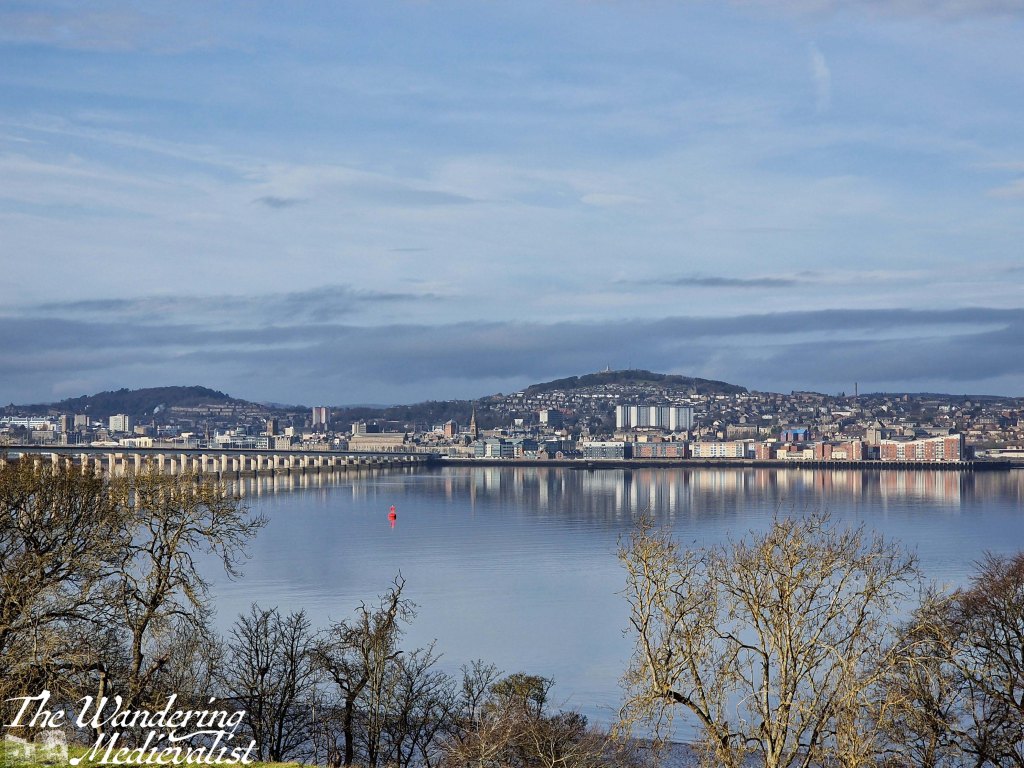
Dundee is not always thought of as the prettiest city, but on this day walking from Tayport to the bridge, we caught the river in stillness as the tide turned. I love the reflections.
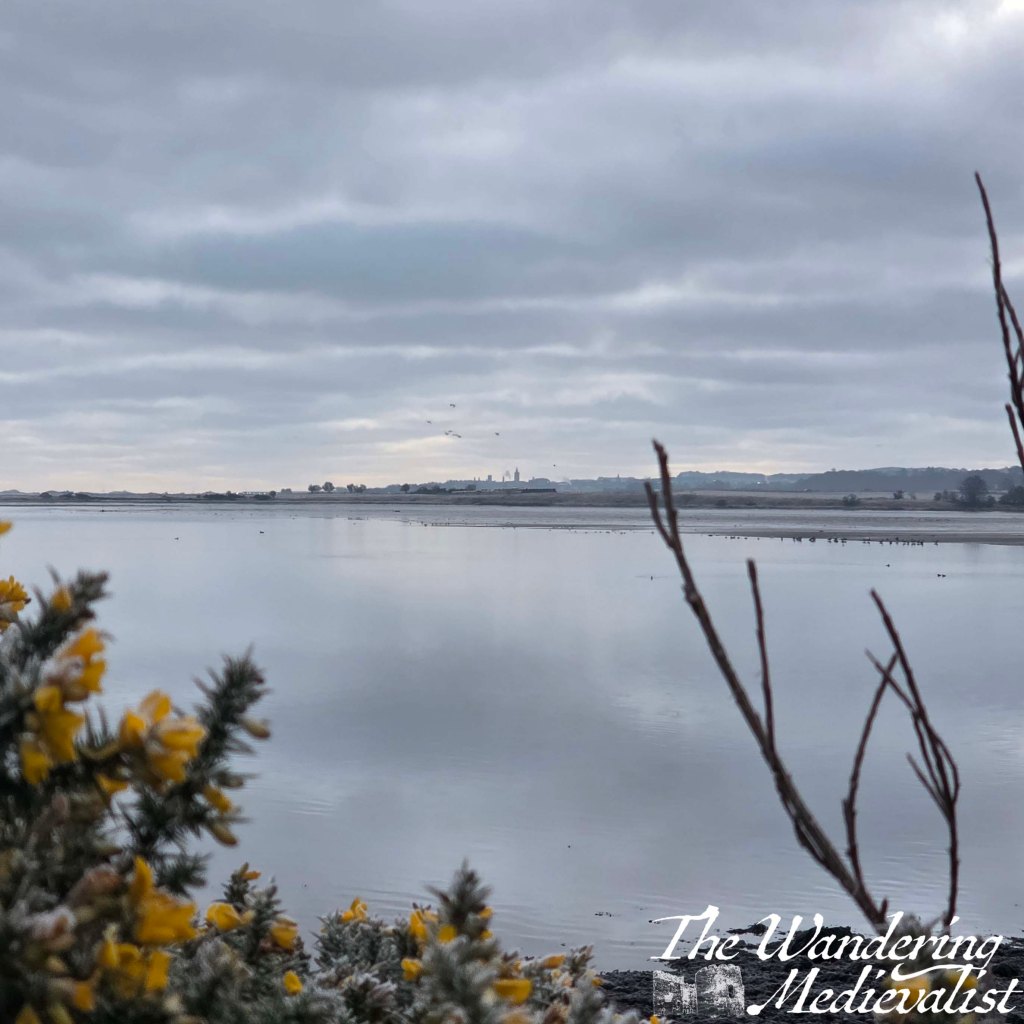
I have 100s of versions of this view, but this is one of my favourites, with frost just touching the flowering gorse on a grey and silver morning.
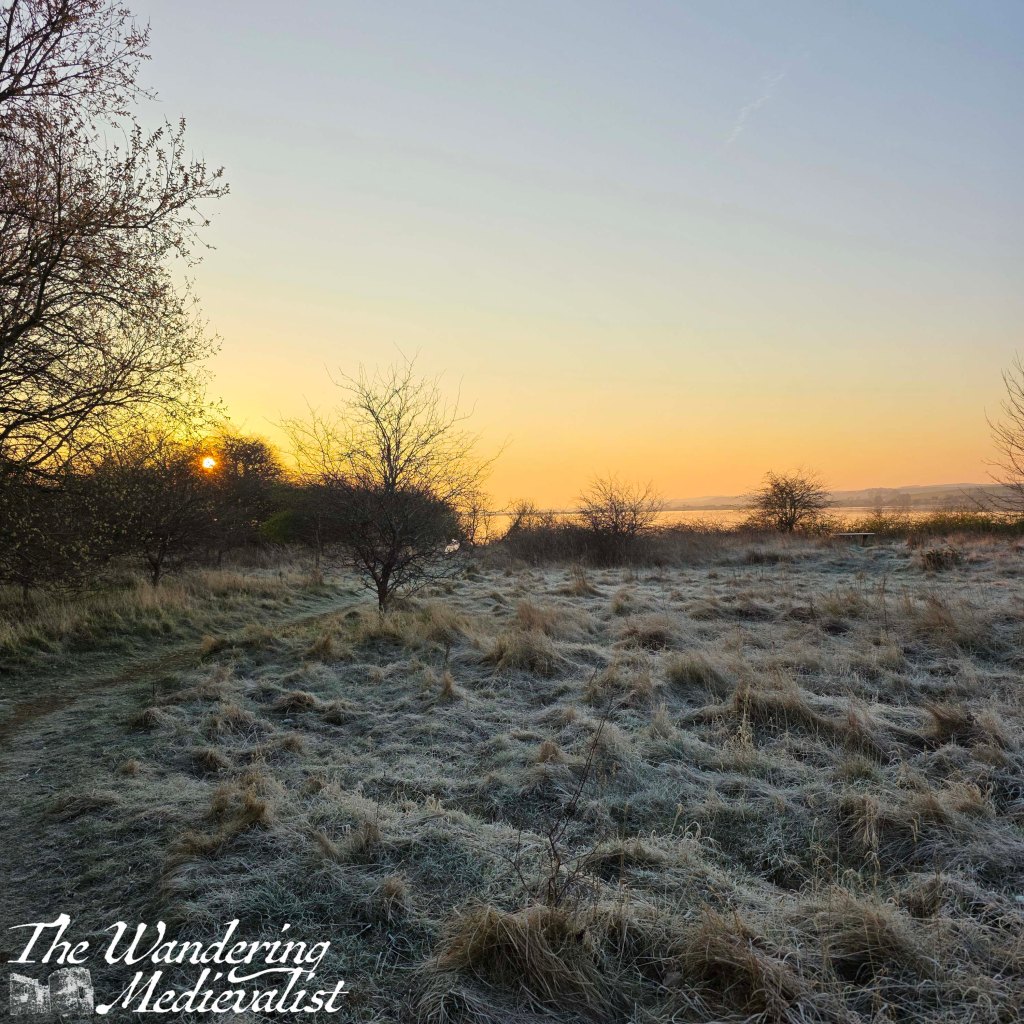
Sunrise over a frosty field. Does it get better?
I did this walk every day in lockdown, and it is still the best way to start off any day.
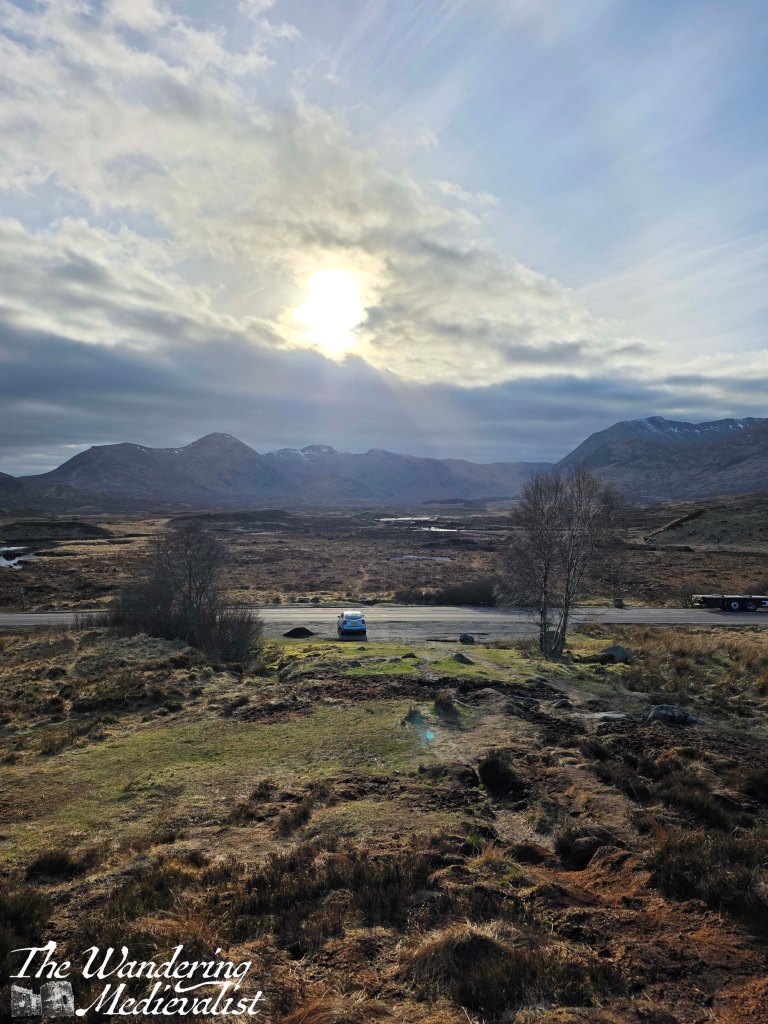
In March we drove up to Ballachulish for a long weekend, and stopped at the Loch Ba viewpoint. The loch is behind me, but this view of the sun fighting through the clouds was just as impressive.
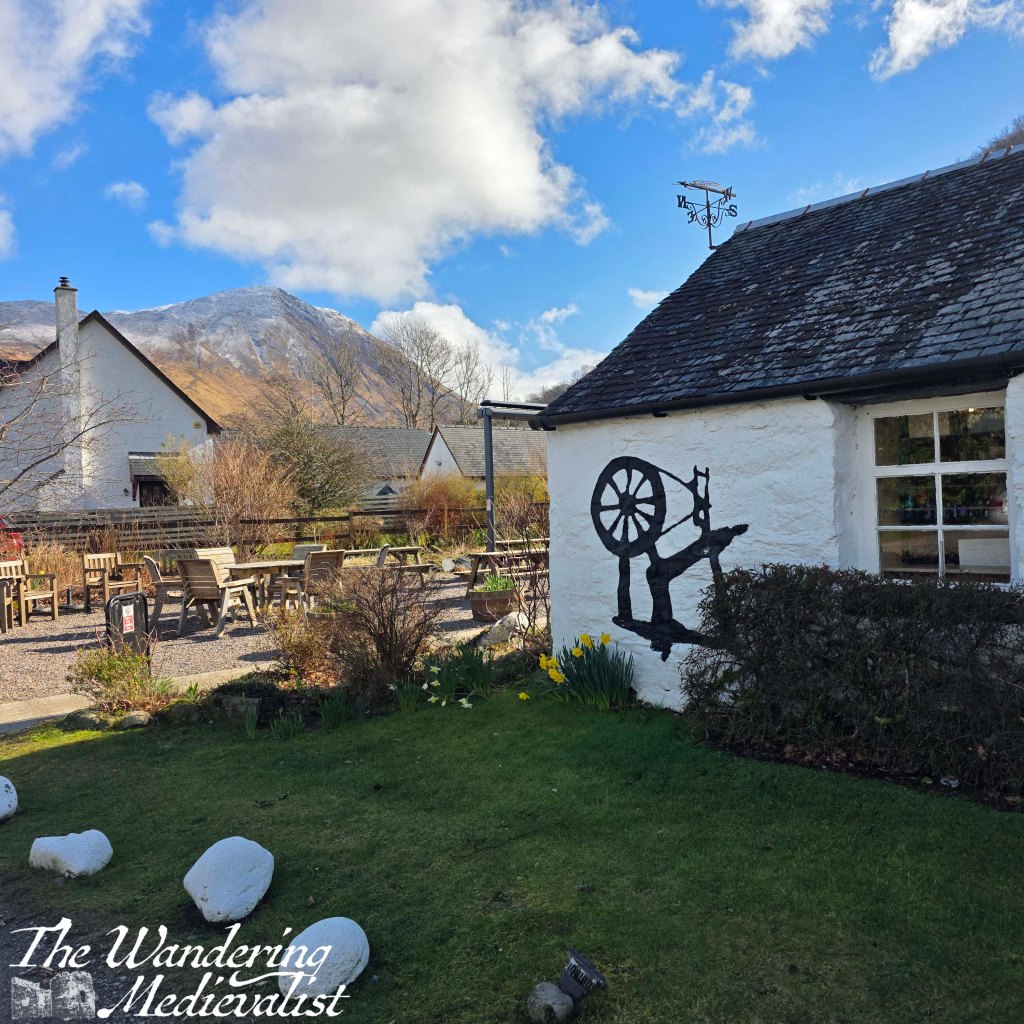
Our favourite snack spot in Glencoe since our first weekend away in 2009. Great coffee and an even better view.
On our first morning, the cold night had left a heavy frost over everything, and there is nothing I love more than white mountains against a crystal blue sky. Also shows our hotel’s excellent location.
Frosty mountains are definitely one of my things…I can’t not take a picture. Just as my other half.
On a clear night, we drove to Loch Achtriochtan in Glencoe to try to get some excellent star pictures. A full moon rising and the busy road made for far too much light pollution, but I like this picture anyway, especially as that isn’t the sun setting behind the hills – that light is just from the moon.
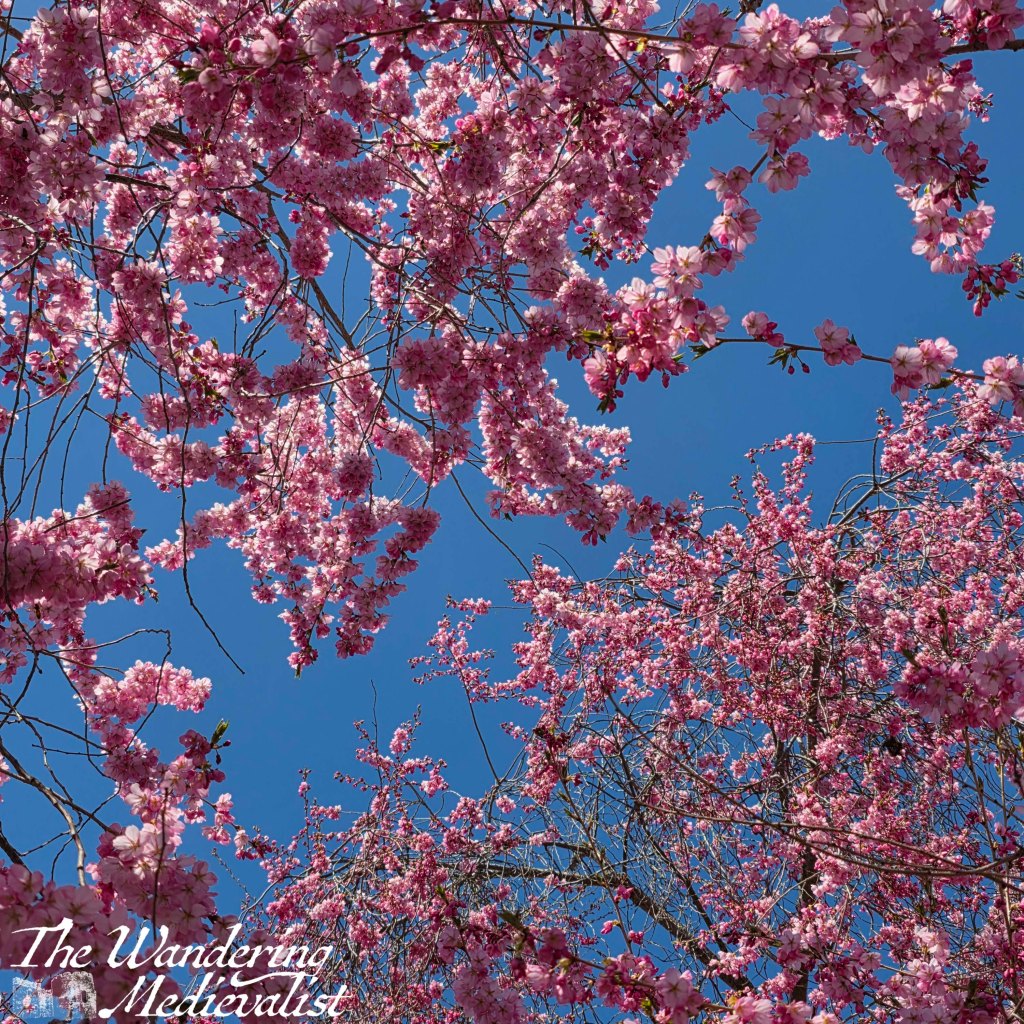
April blossoms, stunning colour contrast.
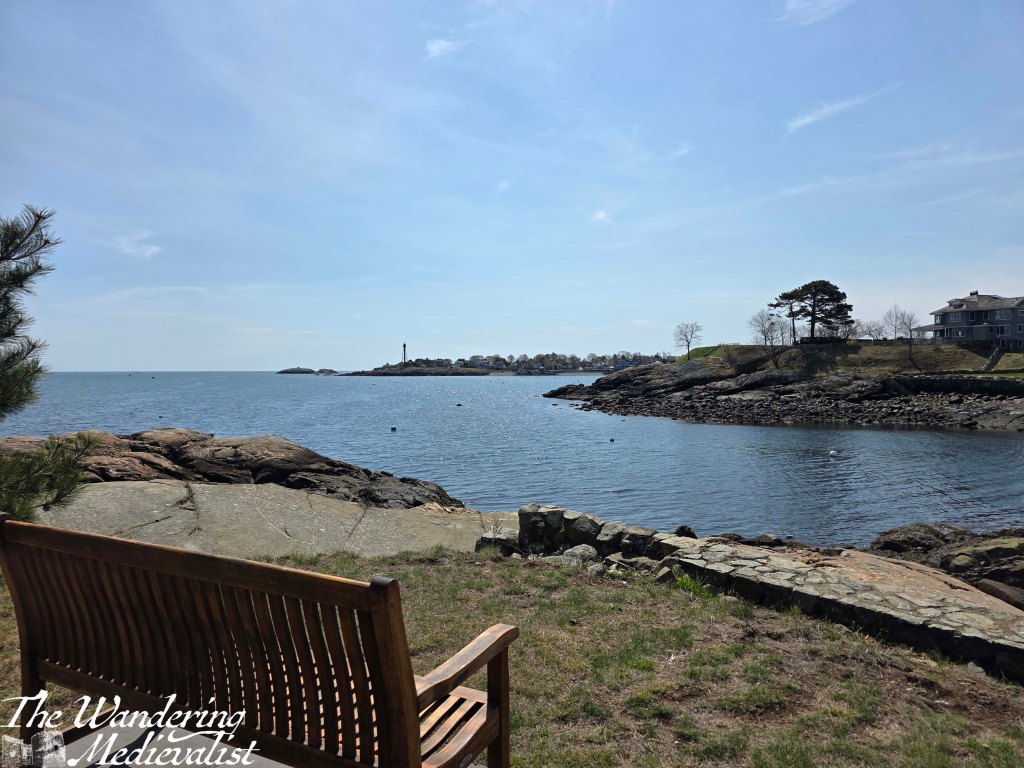
I spent my childhood playing on this island in Marblehead, long before it was cleared or with a bench to enjoy the view. Still, it brings back so many fond memories to see it.
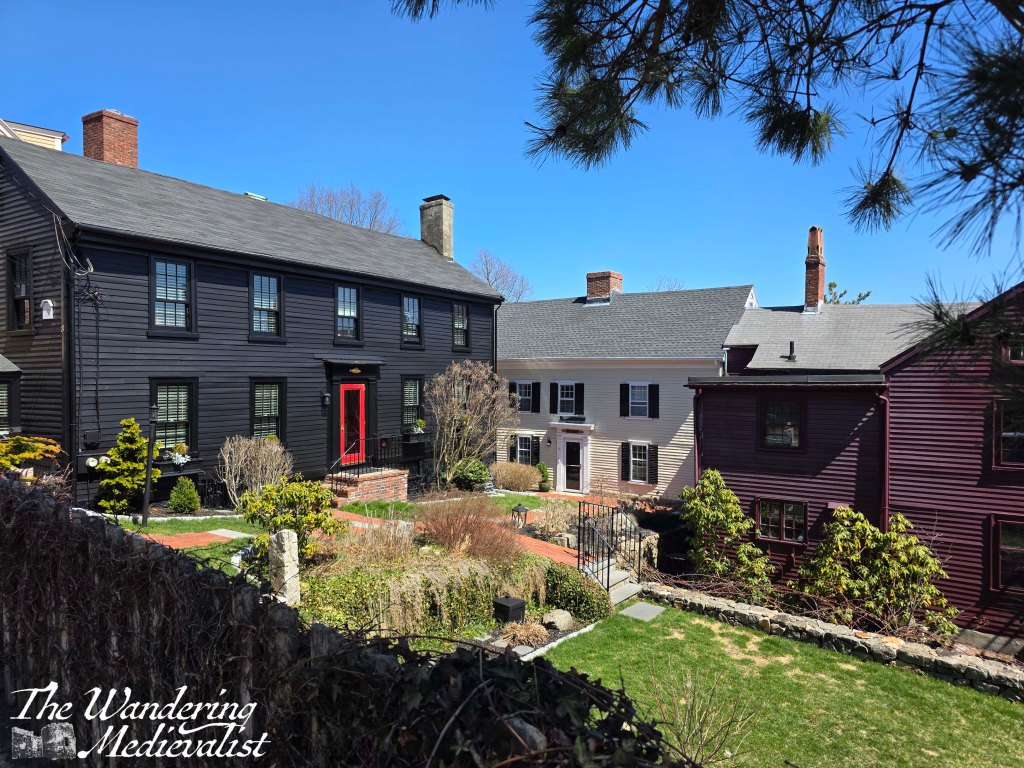
One of my favourite views in Marblehead, overlapping Colonial houses and rocky gardens. The old town in a nutshell.
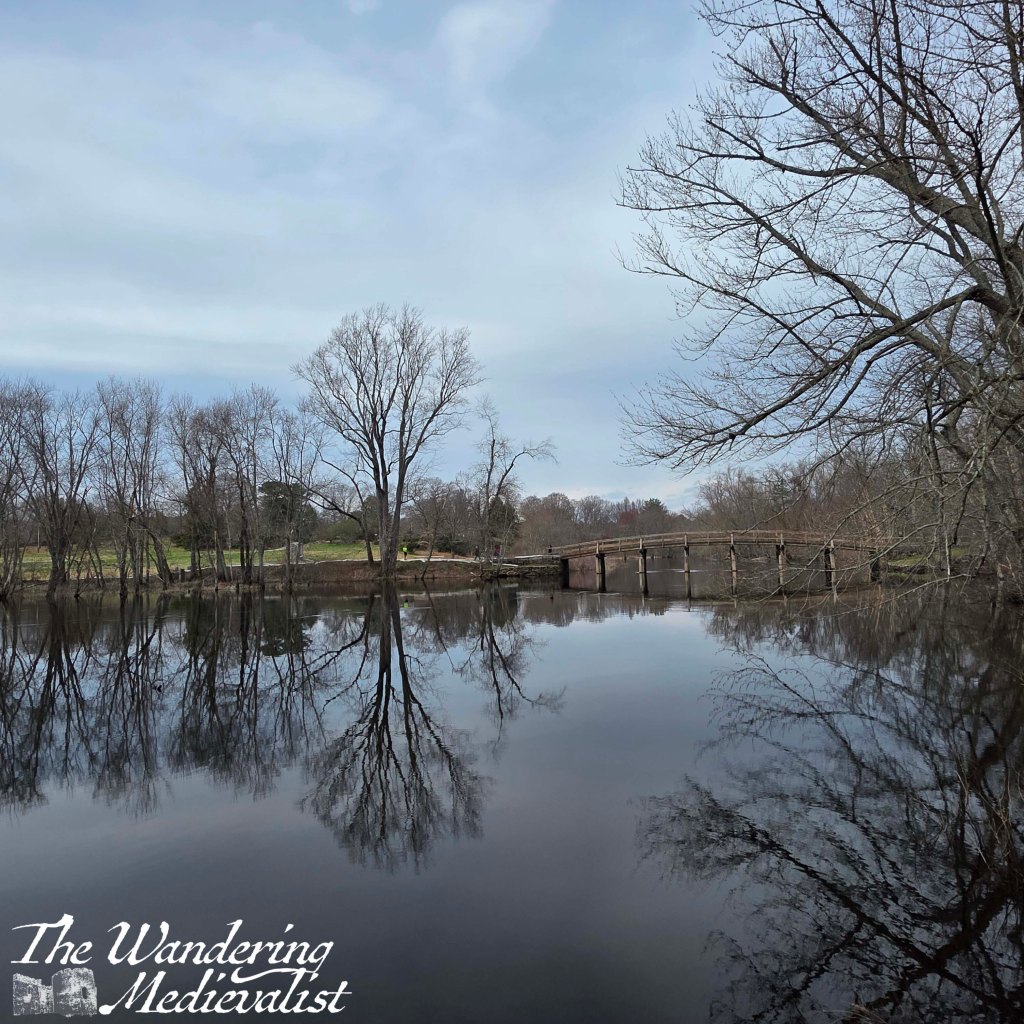
Old North Bridge in Concord MA, the location of the shot heard round the world.
Mostly I just love reflections.
May was the month in which I really focussed on my fitness and in making a dent in my Coastal Path plans. The weather cooperated most of the time, but not always, like this rainy day when I walked from Newport to Balmerino. It is Scotland after all. No one would believe me if it was always sunny.
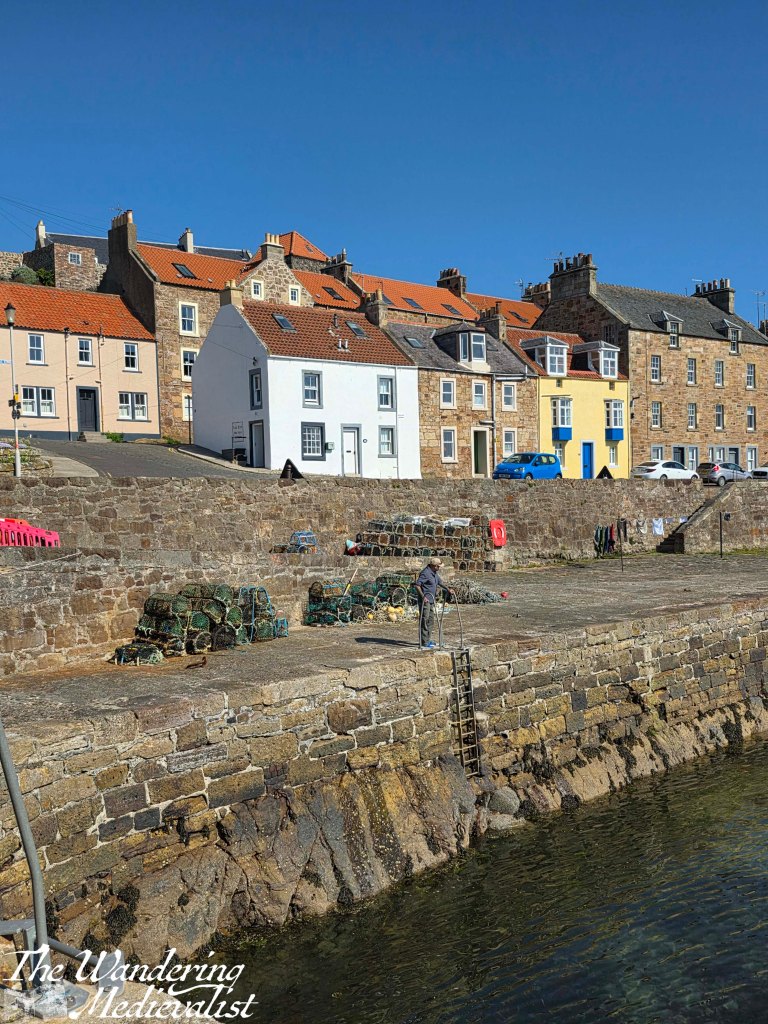
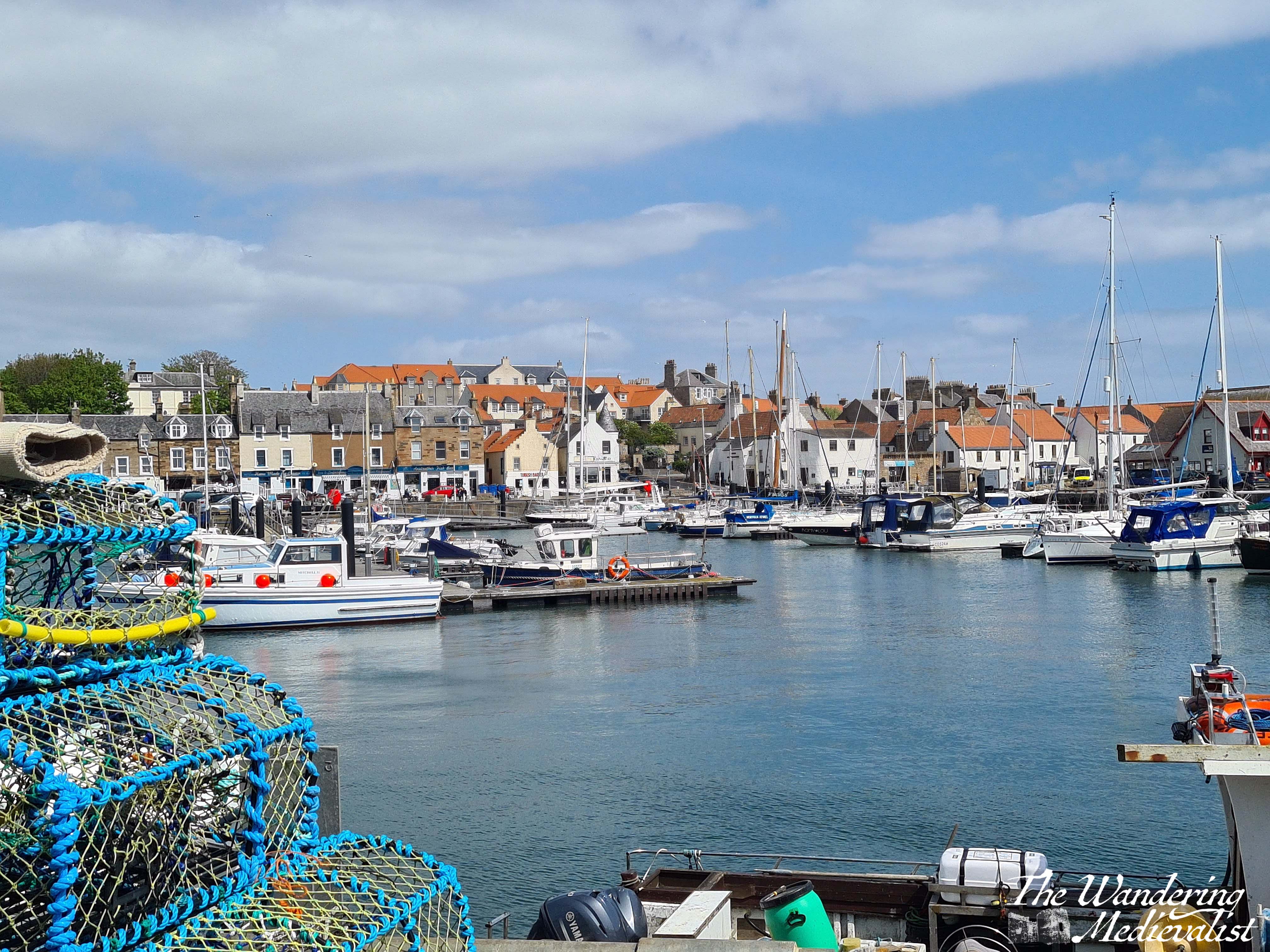
That said, most of my walk WAS sunny. Cellardyke harbour on this Saturday morning was calm and quiet, and just the epitome of the East Neuk.
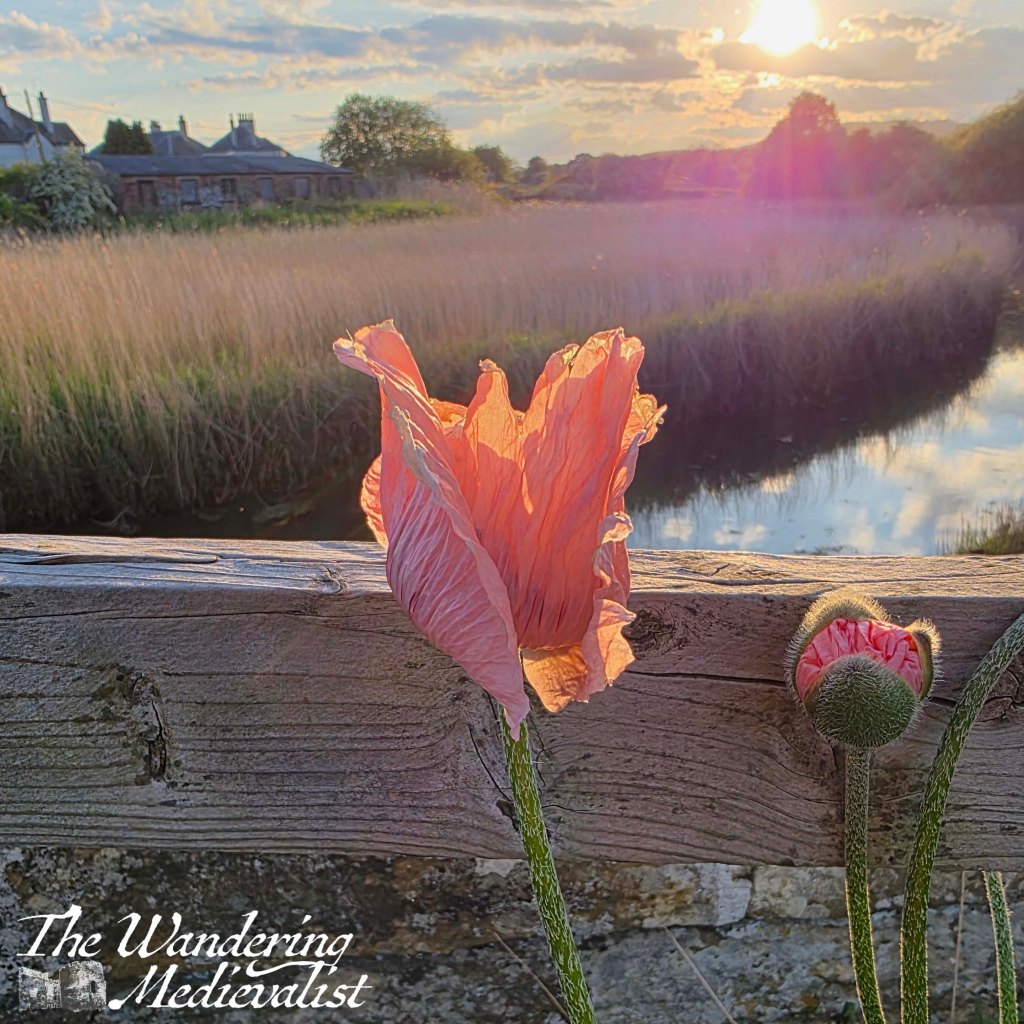
I love a good flower against the sun picture. Had you noticed?
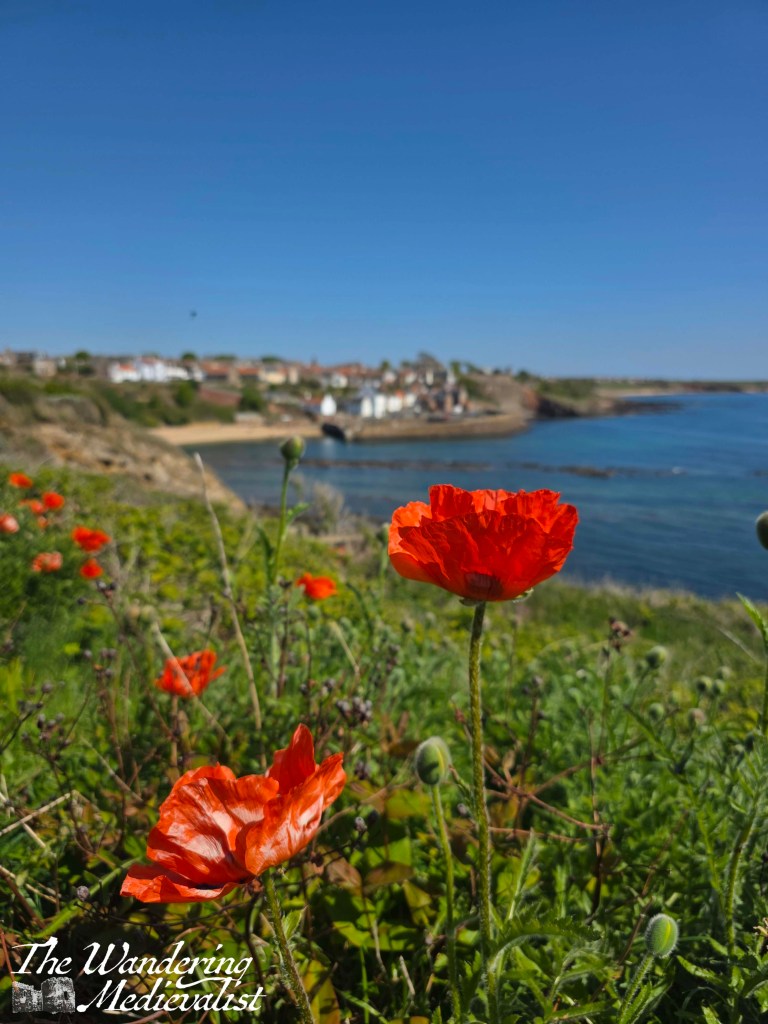
The walk into Crail is simply stunning, and when I completed this section the poppies were just blooming. The town is in the background, but the stunning red was the subject for this picture.
San Antonio in June. Whose idea was that?
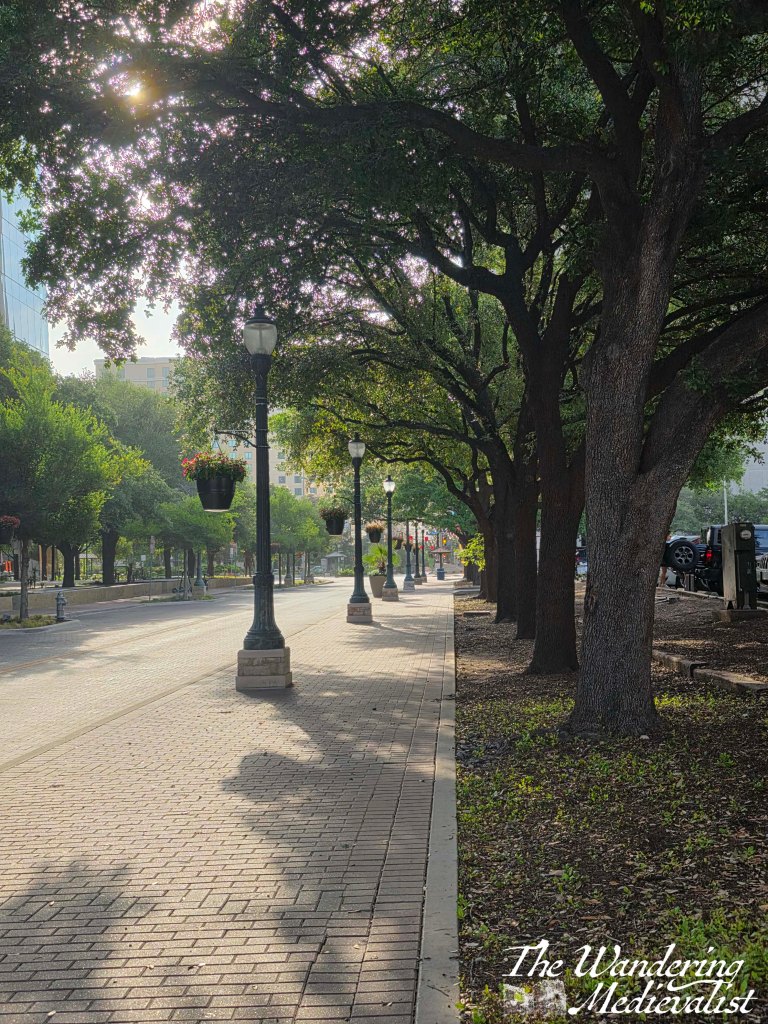
Taken relatively early in the day, this picture shows the heat that would come.
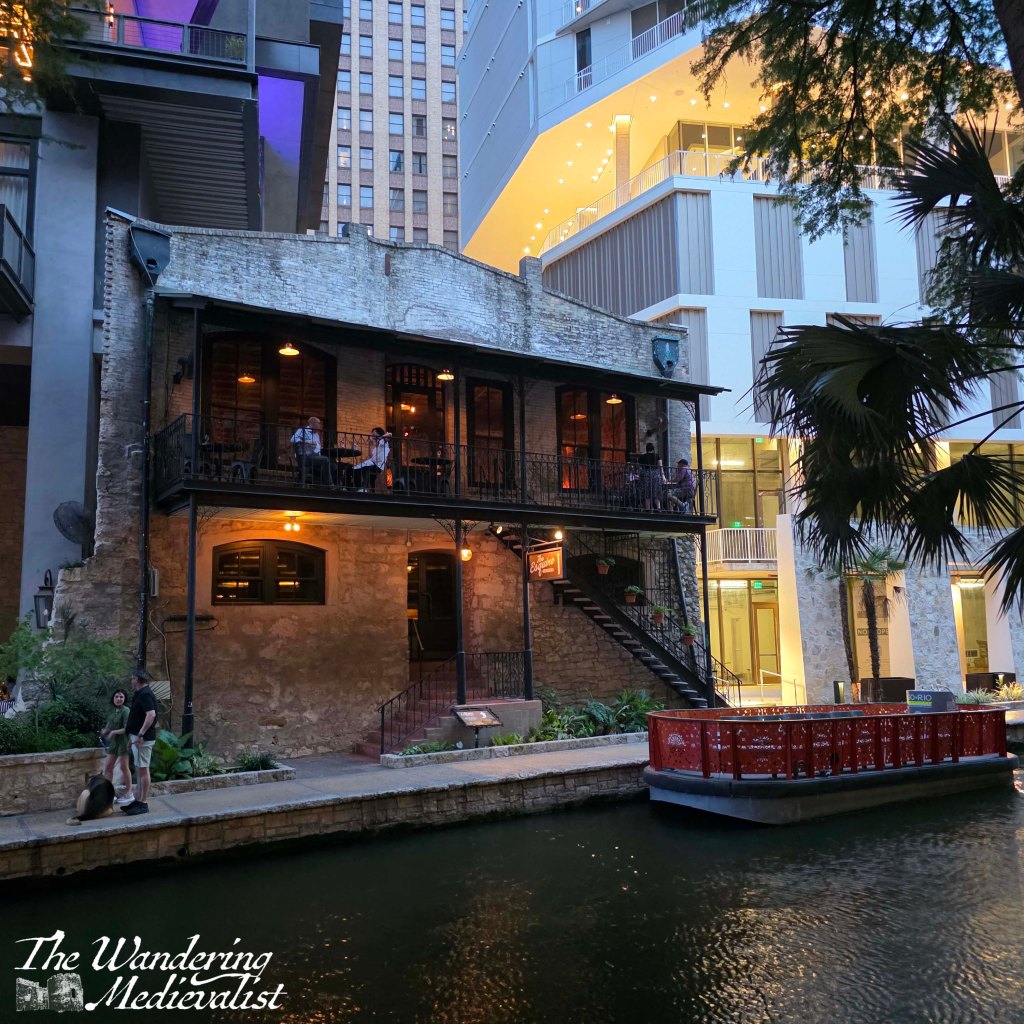
I fell in love with the Riverwalk in, and I have plenty of daytime pictures. But this one shows what is clearly an old building, just as the evening begins. So much promise of the night’s entertainment to be had!
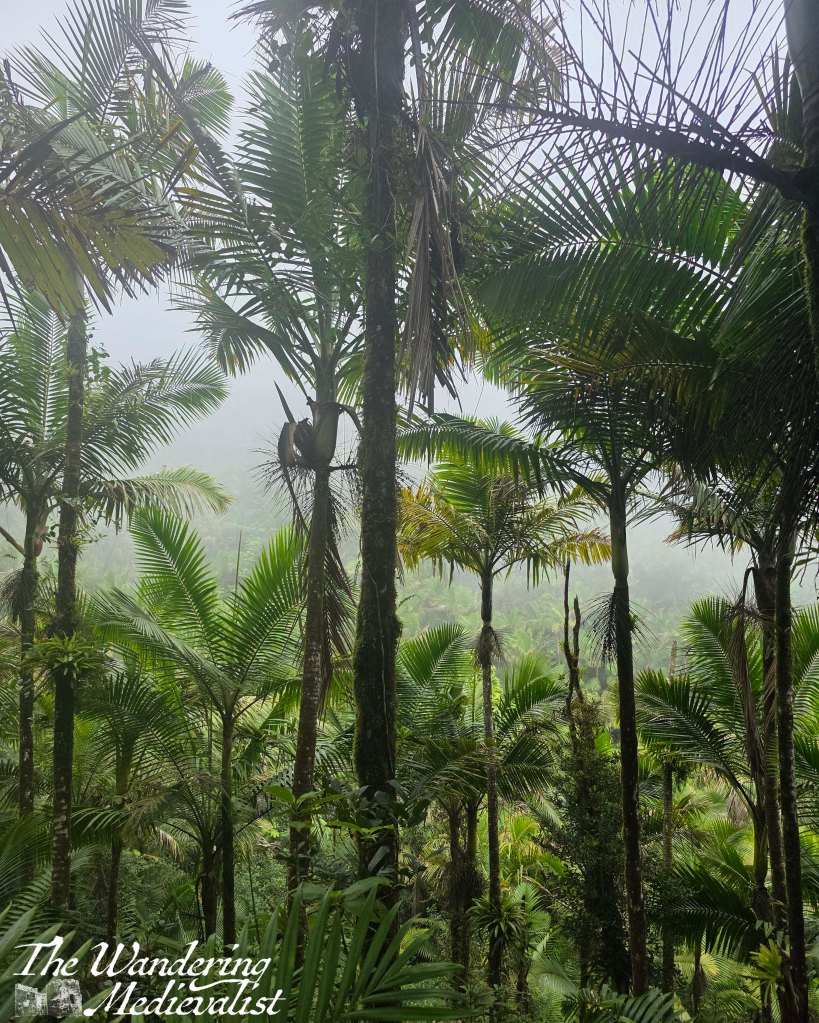
While I was visiting my father in Puerto Rico, we climbed a mountain. We hiked up through the cloudy mist, and never quite came out above it. It doesn’t matter if you get rained on here, and I like the mysterious feel.
Flowers and castle ruins.
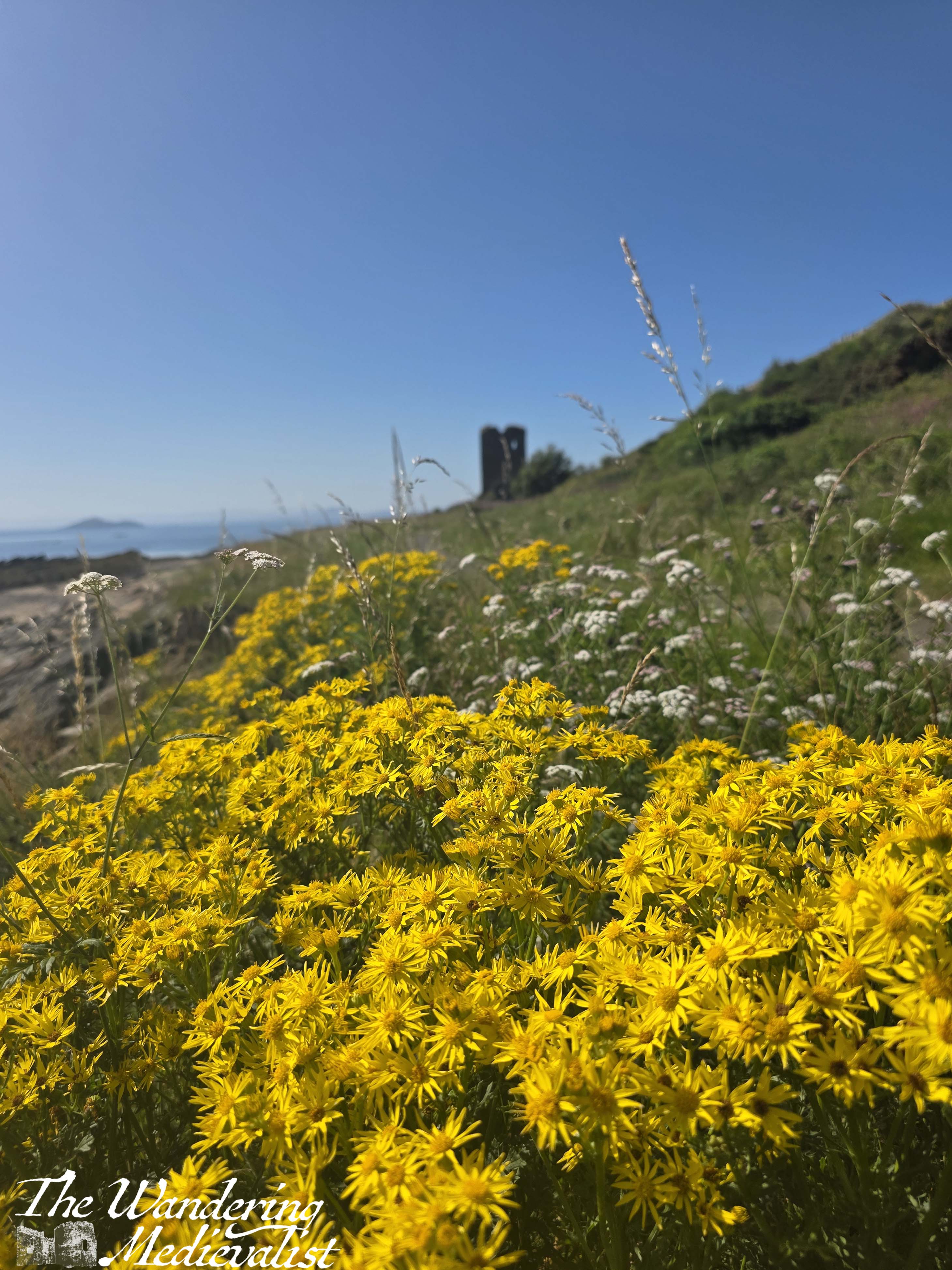
I did several more chunks of the Coastal Path in July, and there was no shortage of these small yellow beauties.
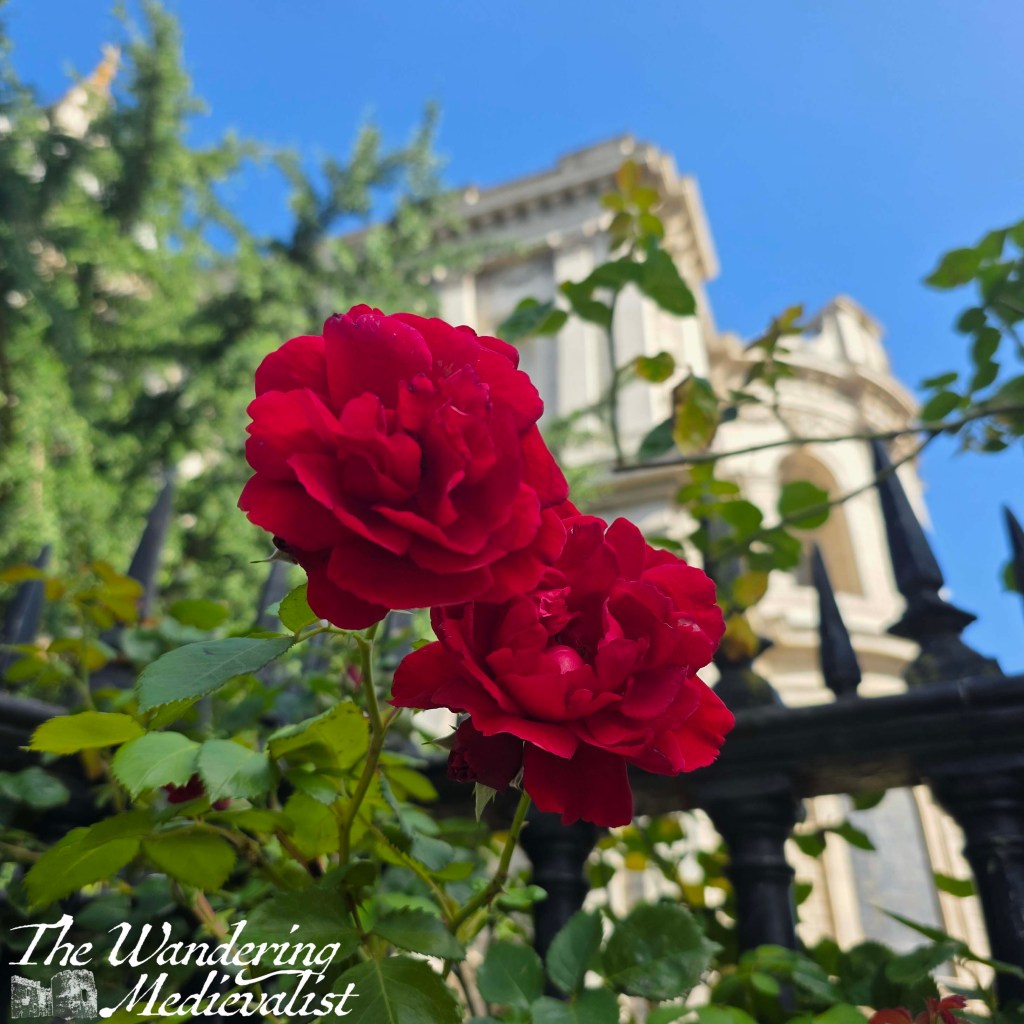
I also visited London, where the roses were in full bloom around St Paul’s Cathedral. I can’t miss a rose.
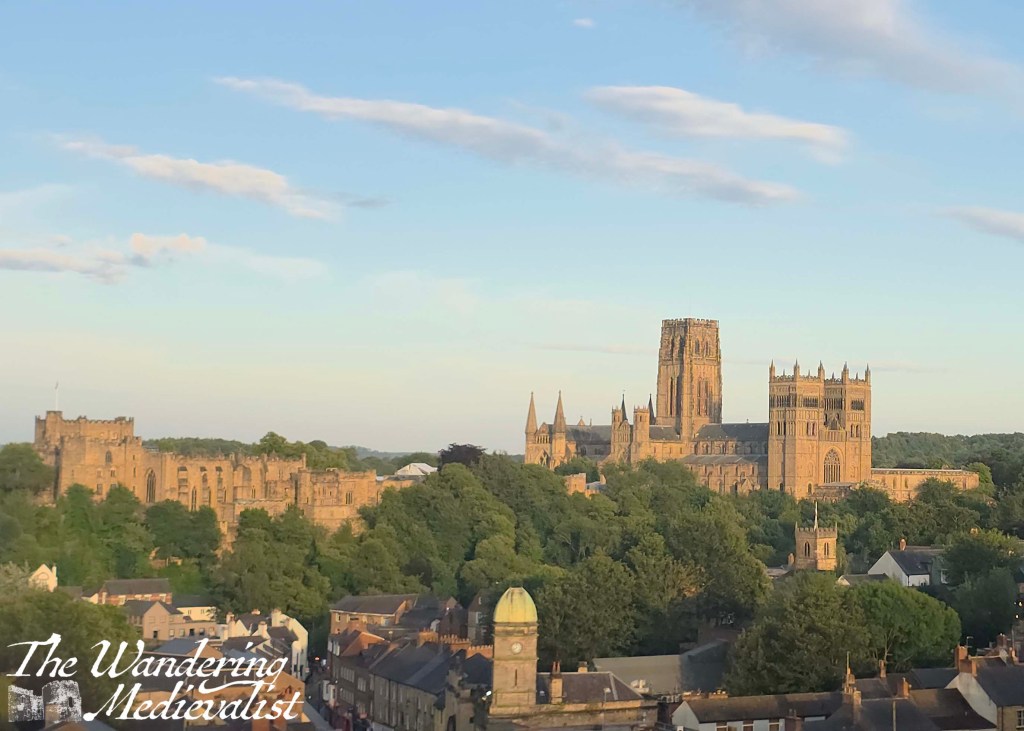
Durham Cathedral and Castle from the train. The sun was setting and the medieval stones glowed orange and yellow. Breath-taking.
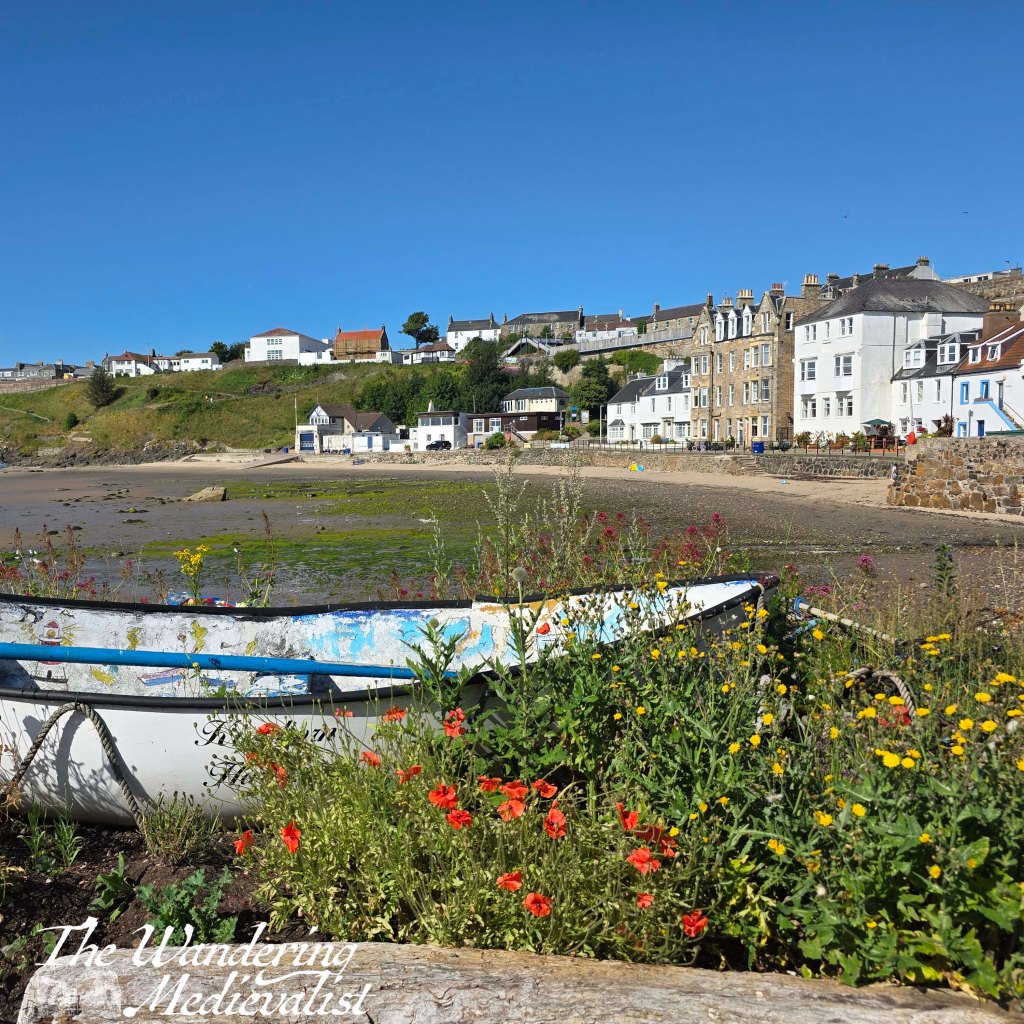
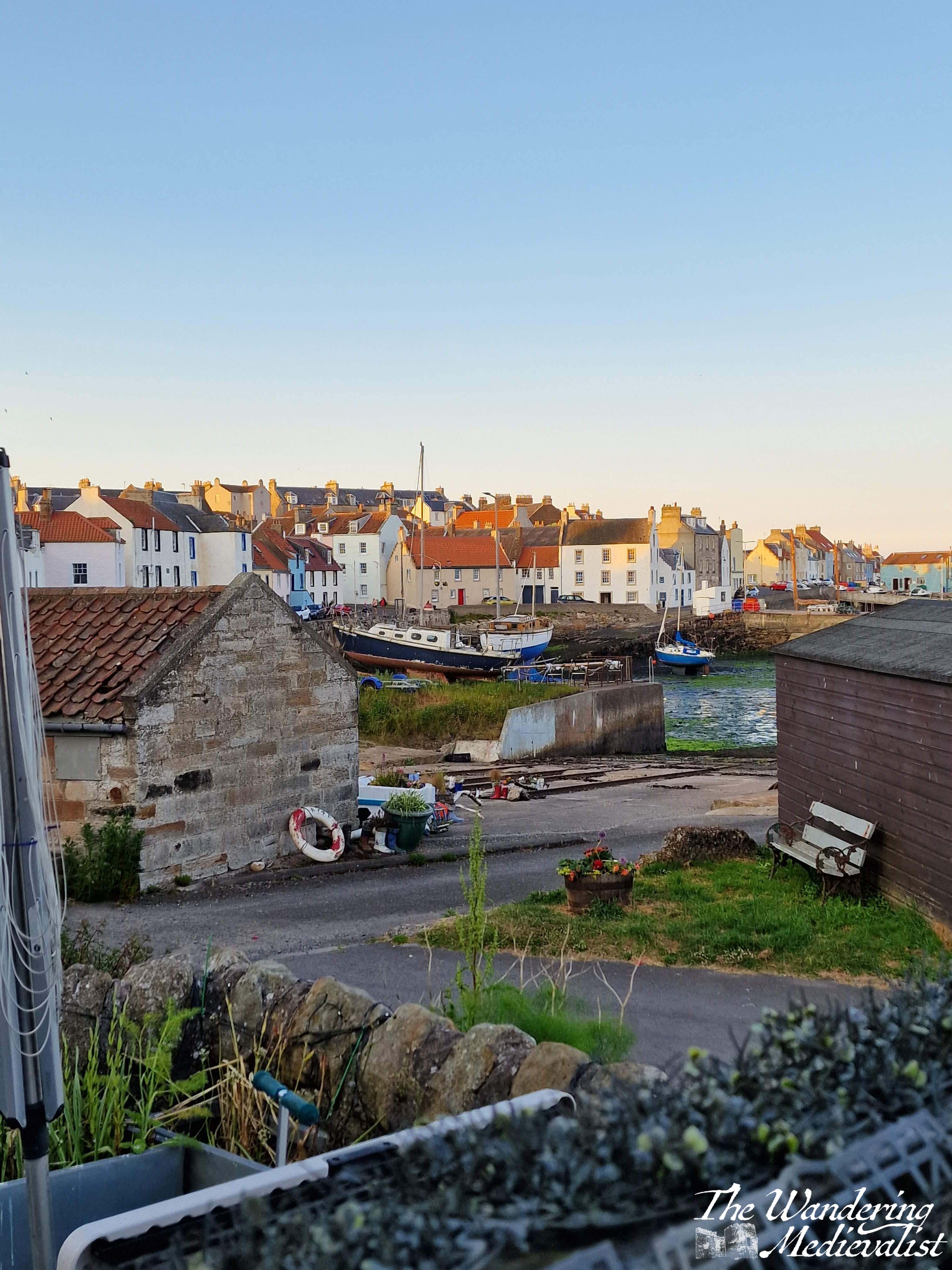
Most towns in the East Neuk have small gardens planted in or around a fishing dinghy, like this one. One of the many echoes in this area of New England.
Who doesn’t enjoy a photobomb by a seagull? Well, I sure do.
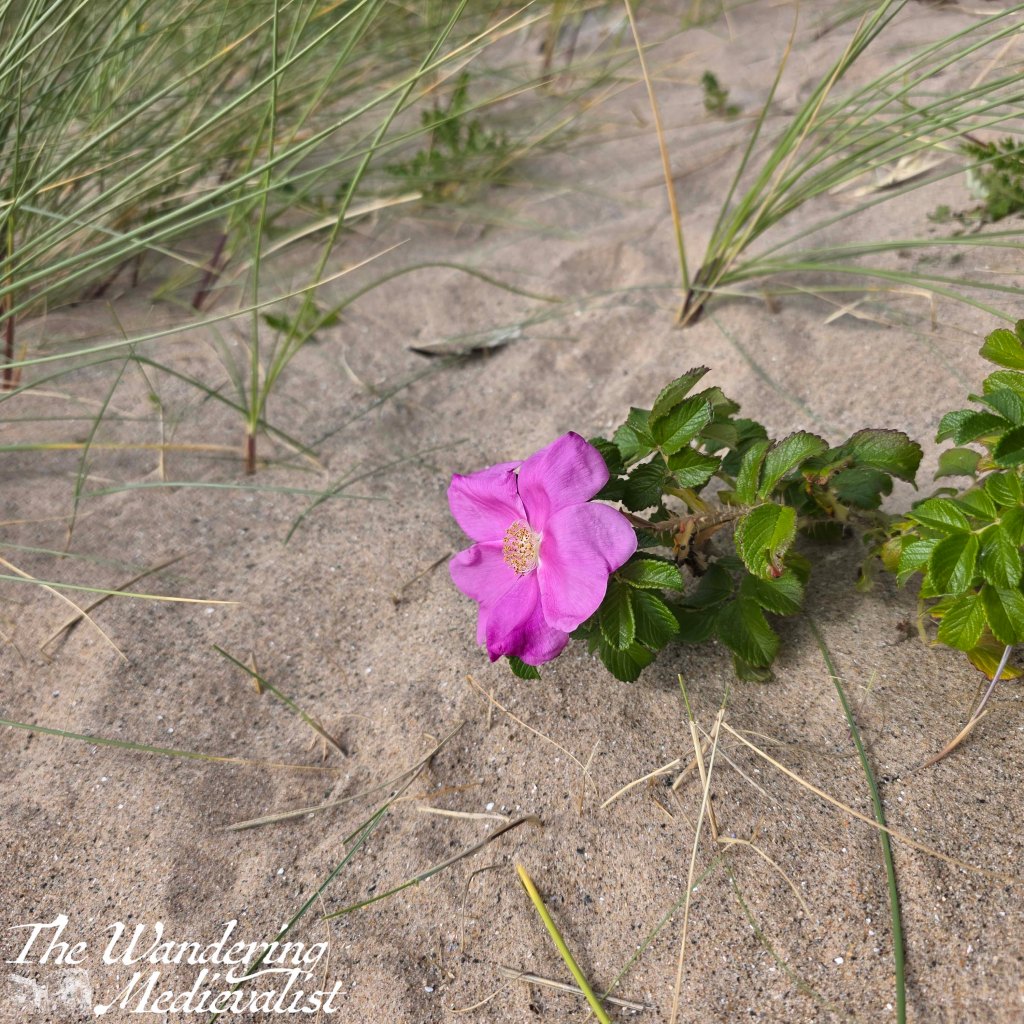
Sea roses are a special kind of delicate, and remind me of summers on Cape Cod. This picture could be taken on either side of the Atlantic (though it was of course in Fife, near Kinghorn)
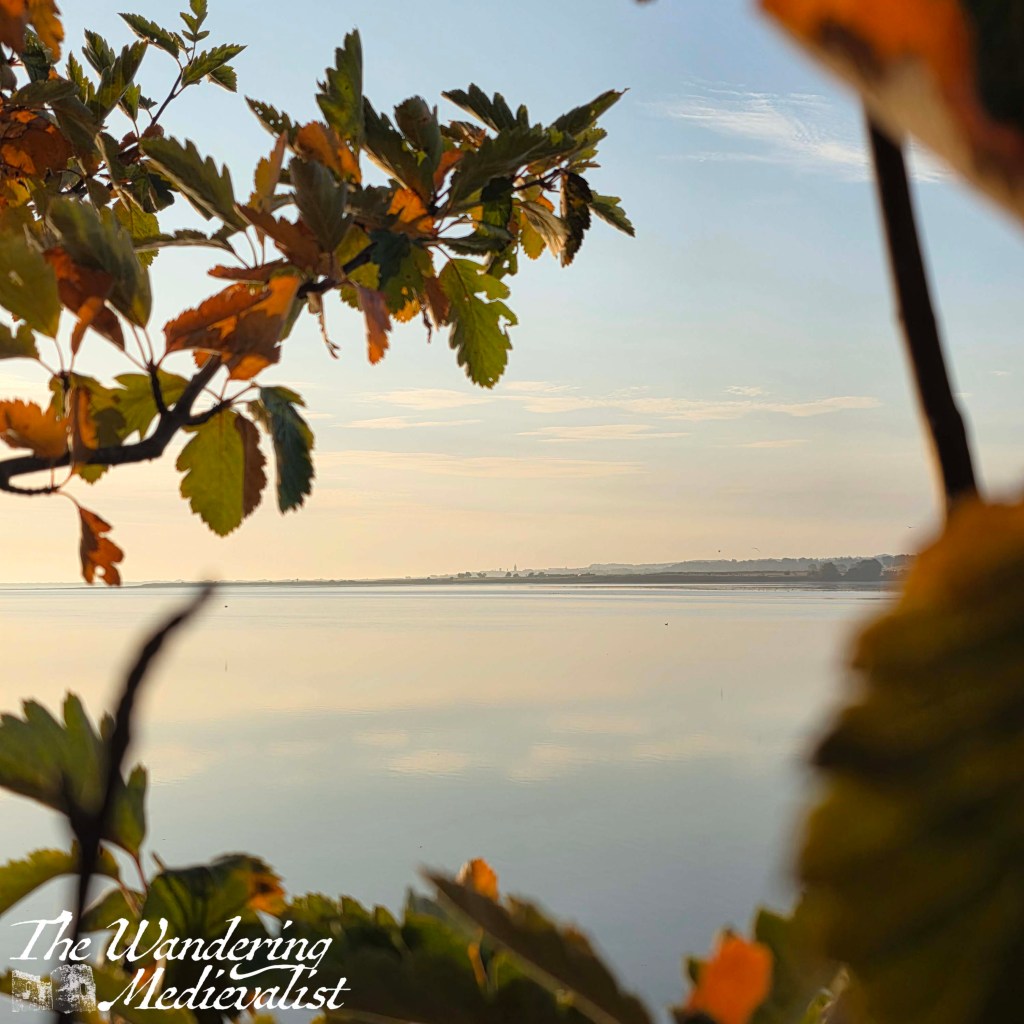
It was such a dry summer in Scotland that the leaves started to turn an orange-brown even in late August. Super calm water, and you can just see St Andrews in the distance.
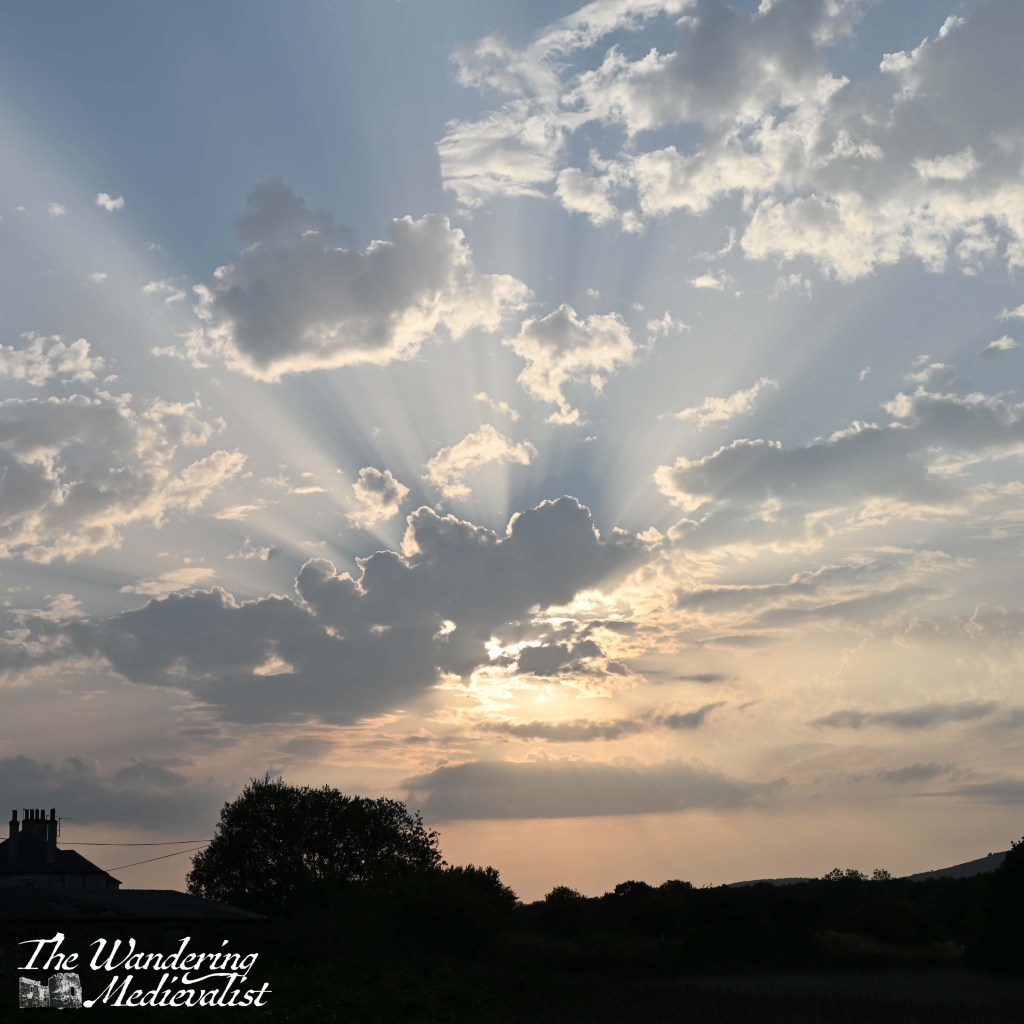
Summer late light. I cannot resist.
One cool evening in early September, four of us trooped out to West Sands to see if we could catch the Aurora. We did.
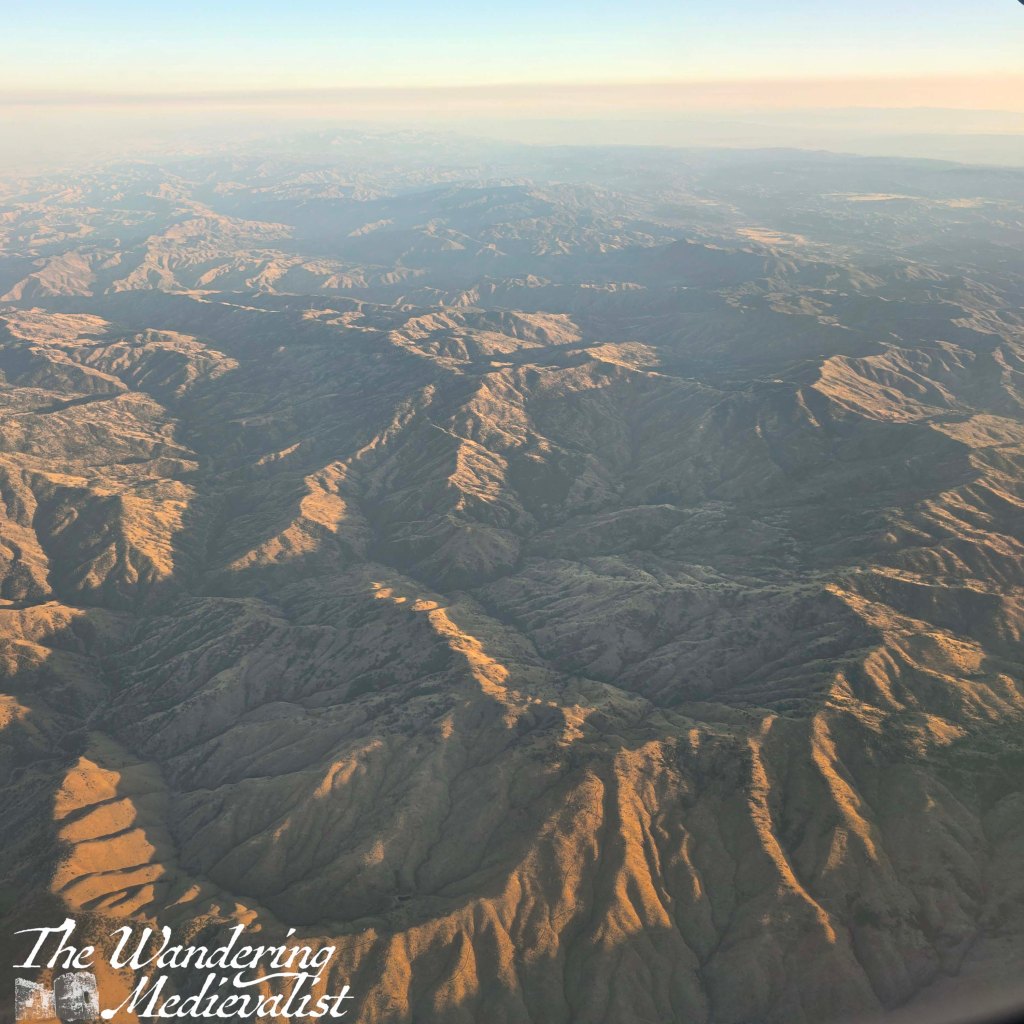
Plane views are a big thing with the amount of travel I do now. The flight into San Francisco included these fantastic vistas of the mountains of eastern California and western Nevada.
Pure Americana, in the perfectly mid-west town of Columbus, Ohio.
Another plane view!
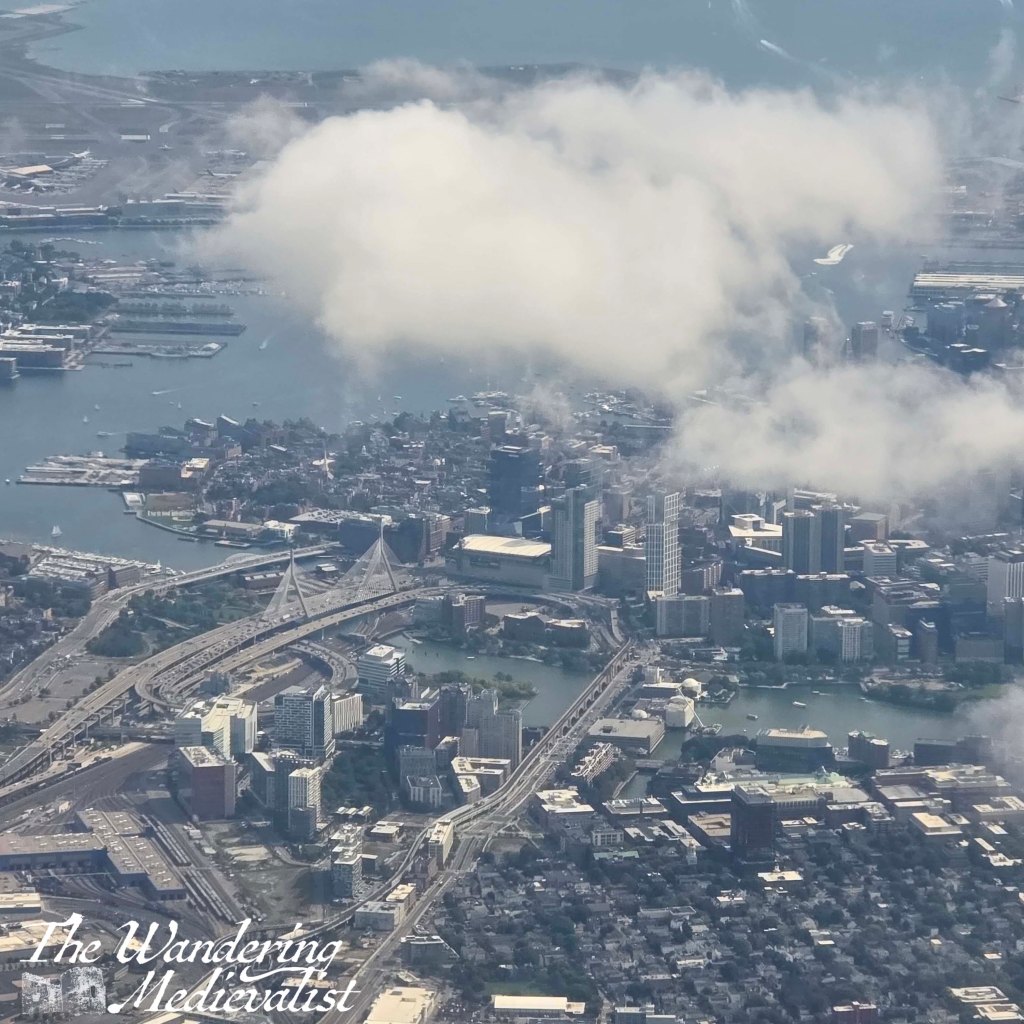
I have visited and enjoyed many cities, and would happily live in many of them. But none will ever surpass Boston (even with a cloud obscuring downtown).
A misty late September morning – five minutes later this had cleared. Silver and grey again, just beautiful.
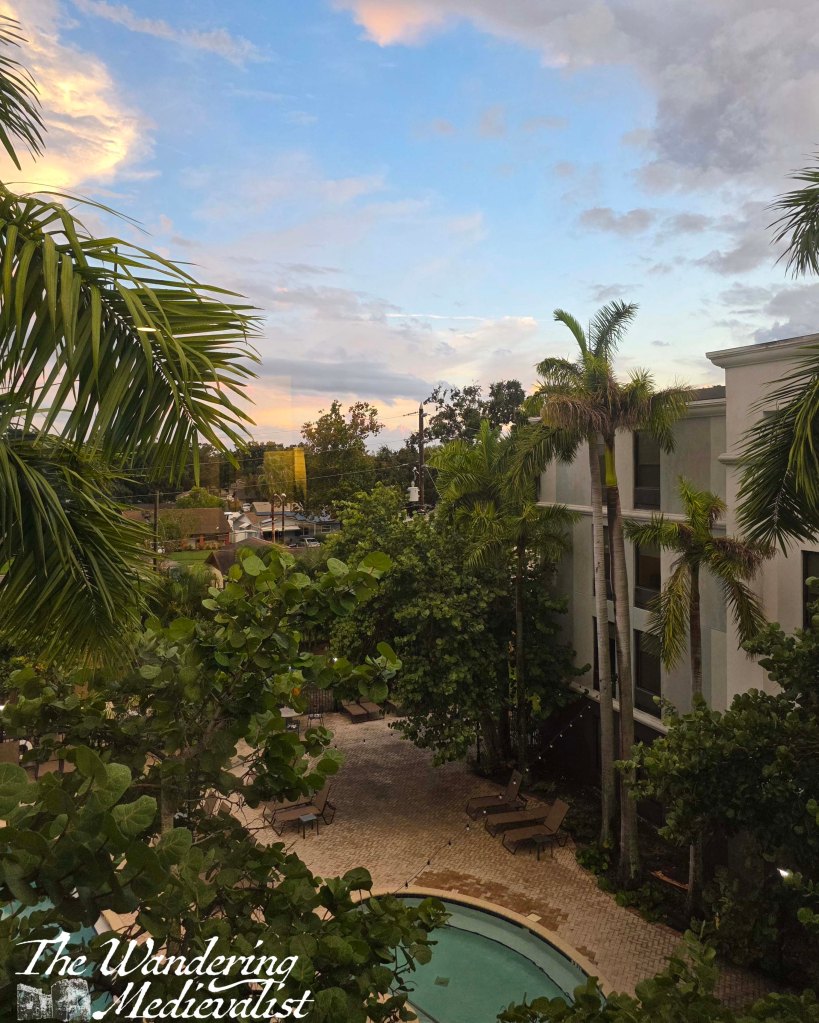
To me, this picture is the epitome of Florida: palms, beach grapes, a pool and a hotel. I loved even this small hotel view.
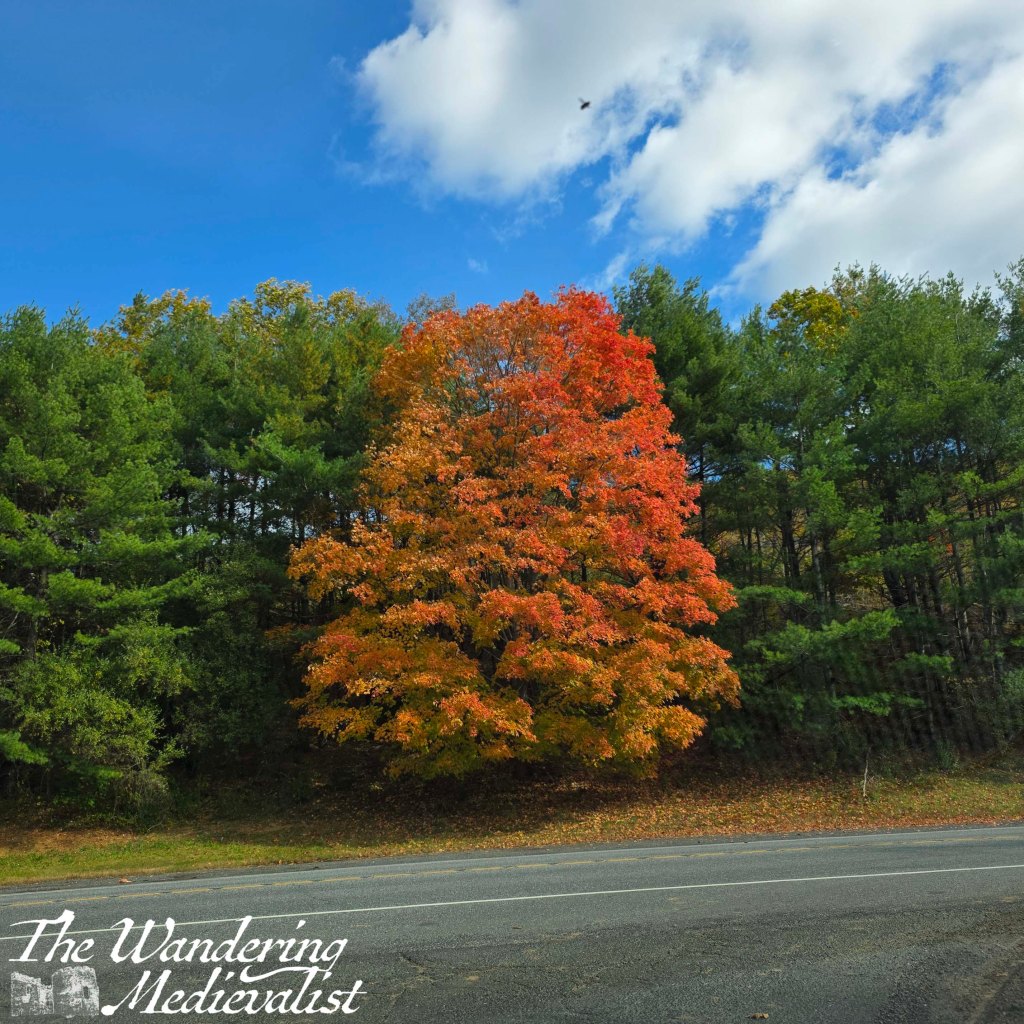
Travelling in Connecticut in October reminded me why New England is famed for its autumn. I’ve even written a post about it. I stopped the car briefly coming out of a parking lot to take this – gorgeous.
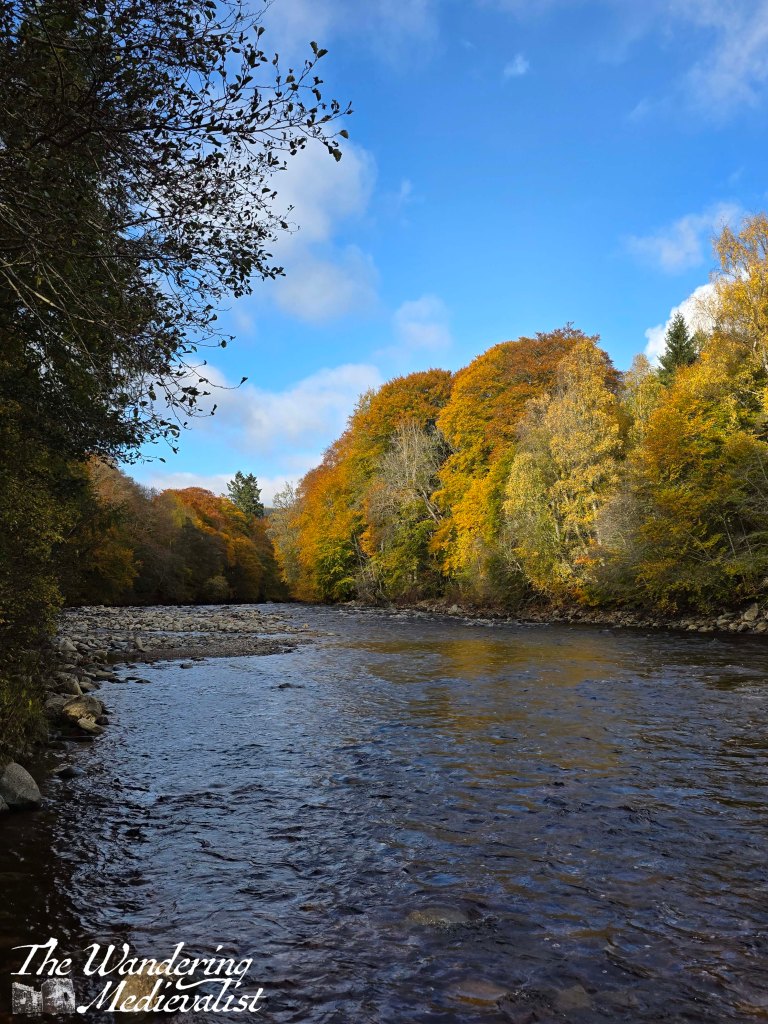
Autumn colour in Perthshire. Always gold and orange, even in a dry year like this one.
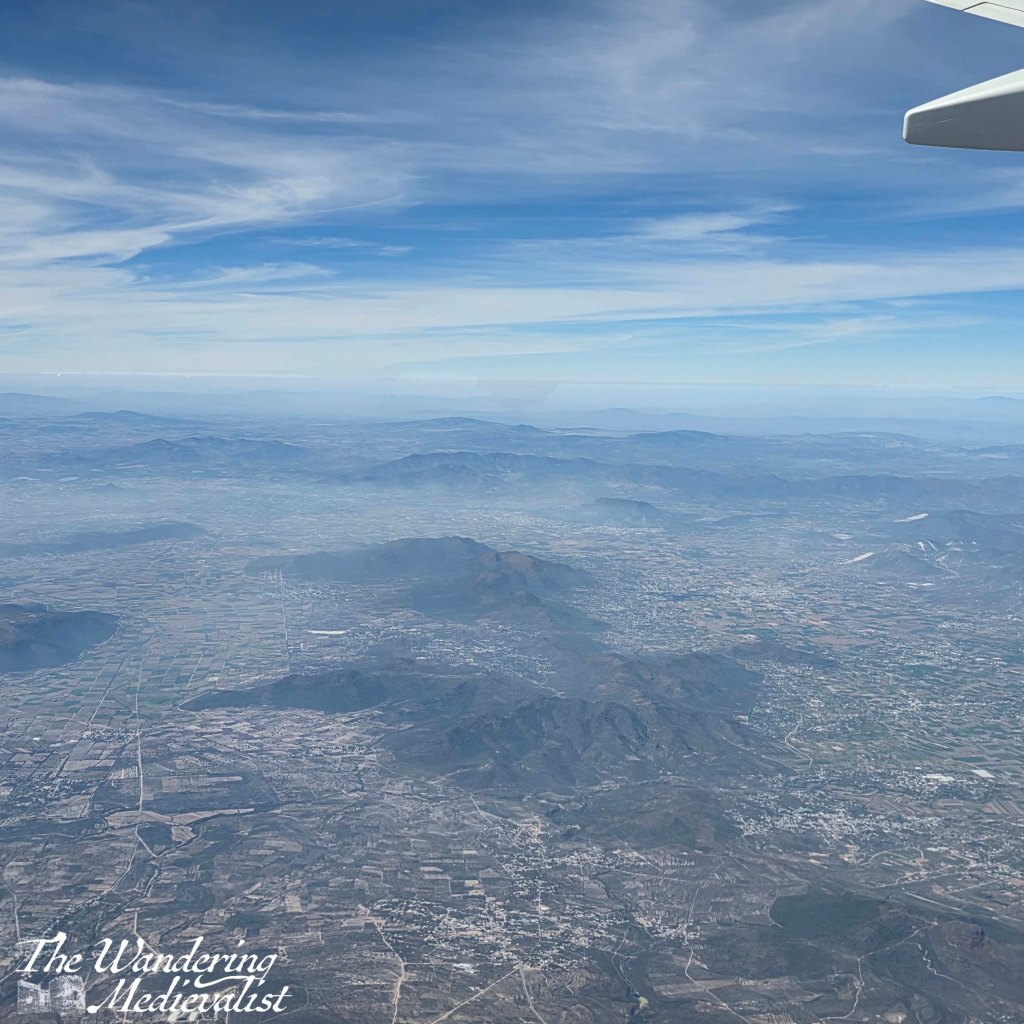
I absolutely fell in love with this view of the sun rising over Mexico City’s distant mountain barrier. They were never as clear as before the sun rose, and an hour later were obscured by haze.
I was fascinated by these mountains, peeking out of the otherwise civilised centre of Mexico.
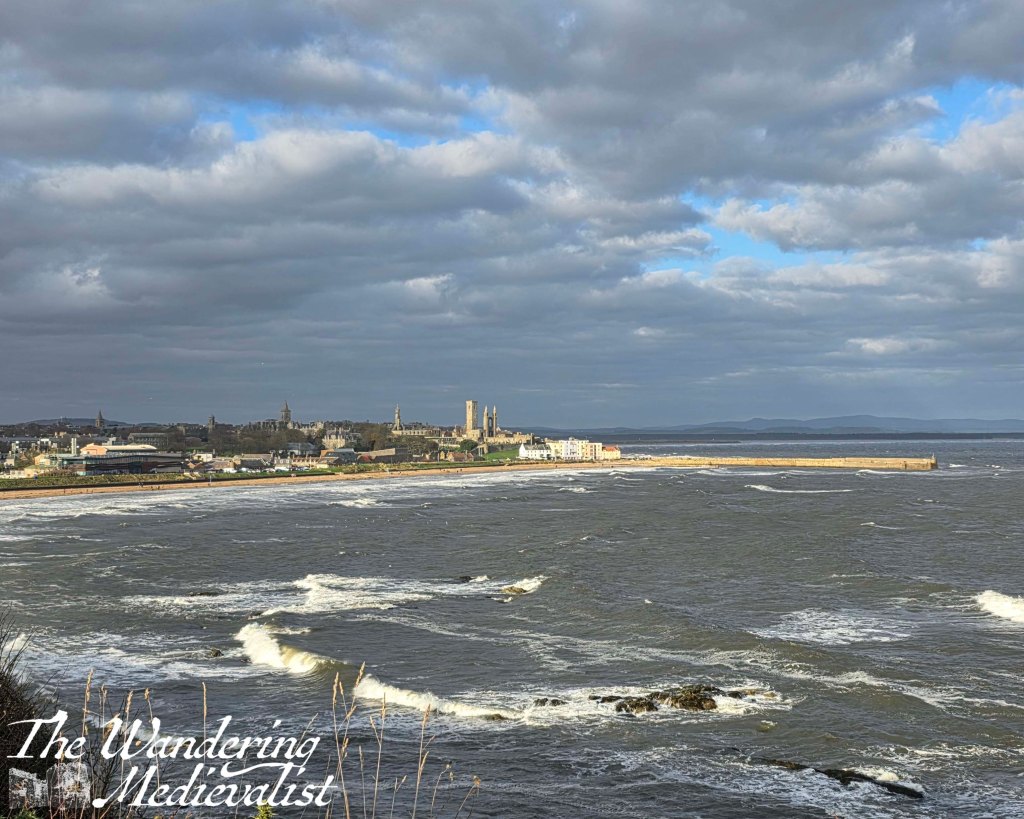
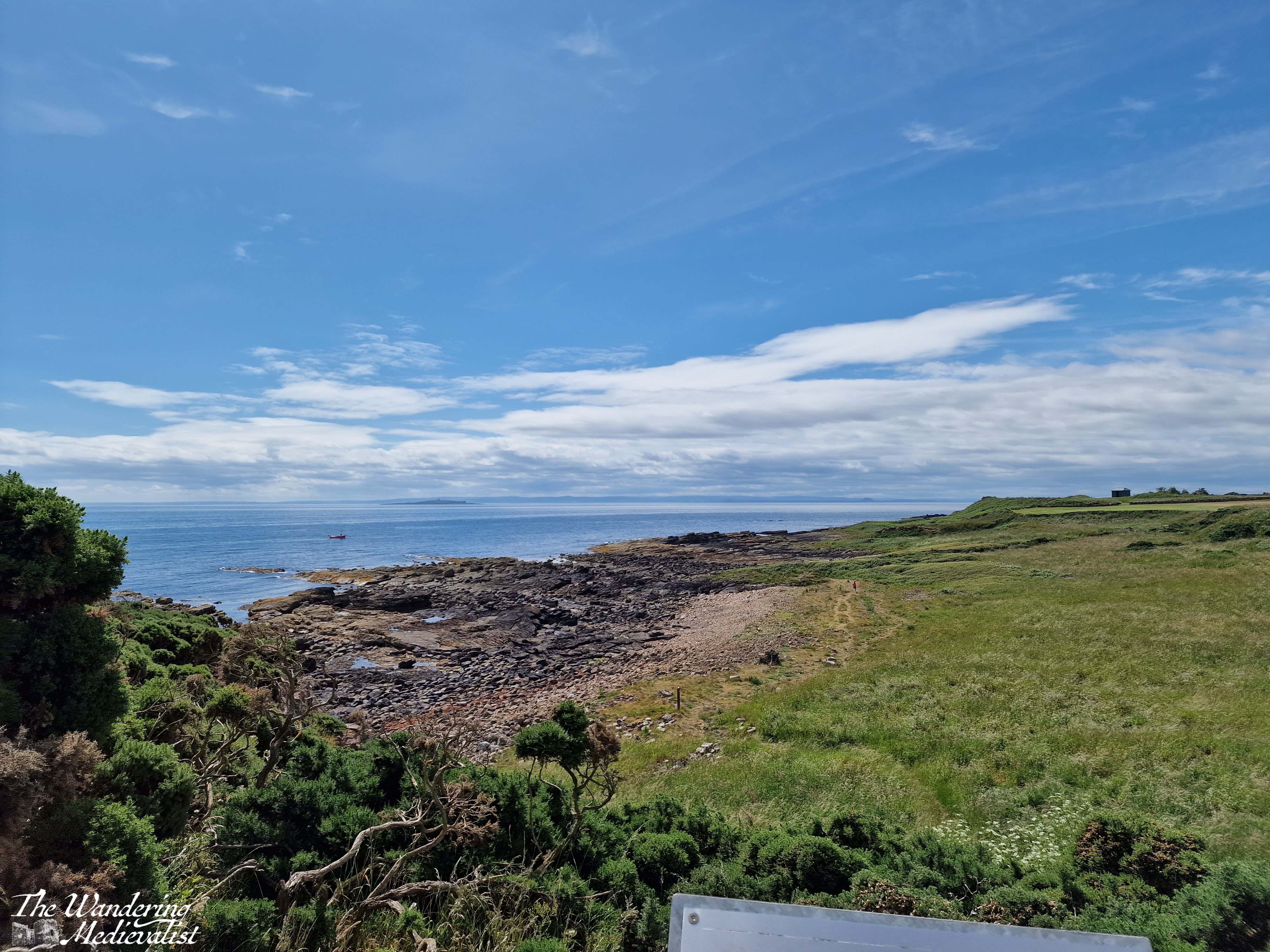
My one coastal path walk in November was on a cloudy windy day, with the sun fighting through. I loved this view with crashing grey waves and some blue sky.
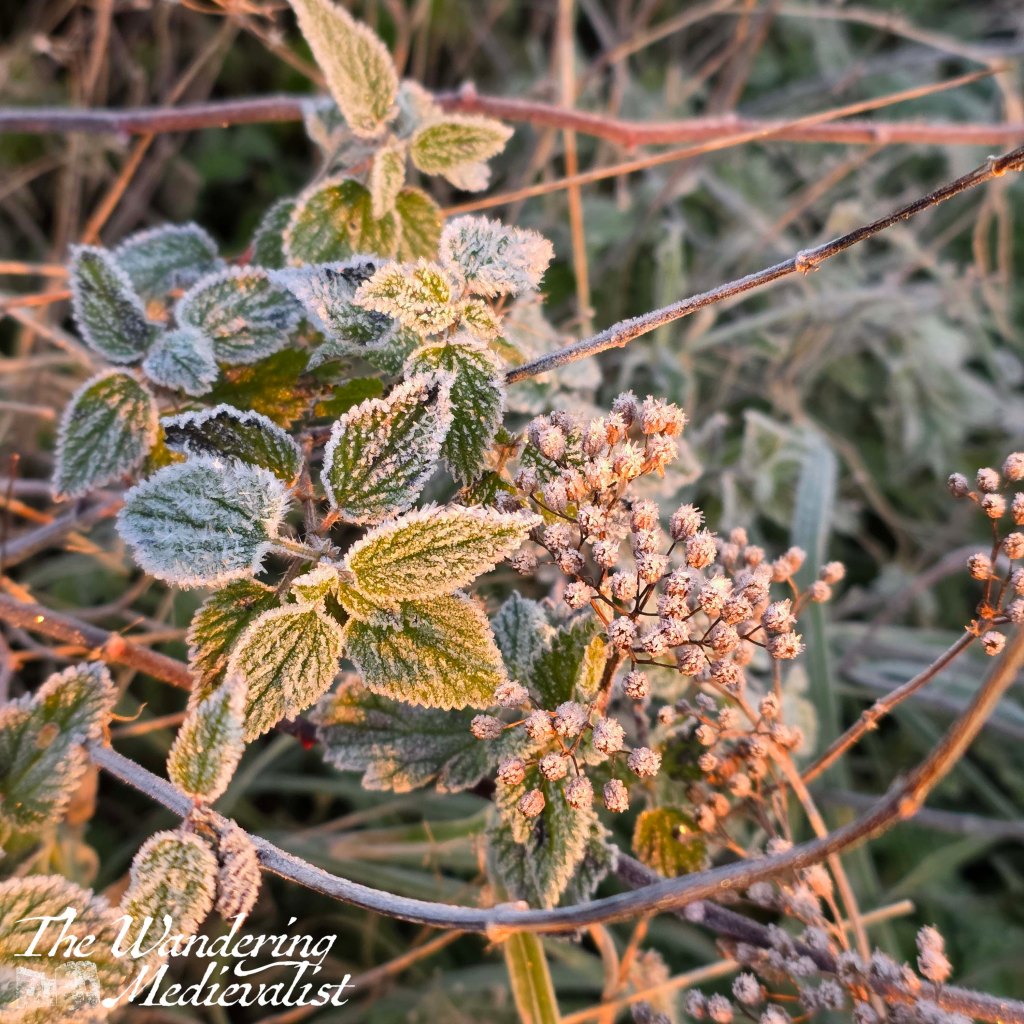
A heavy frost on my morning walk. I took so many plant pictures this morning…
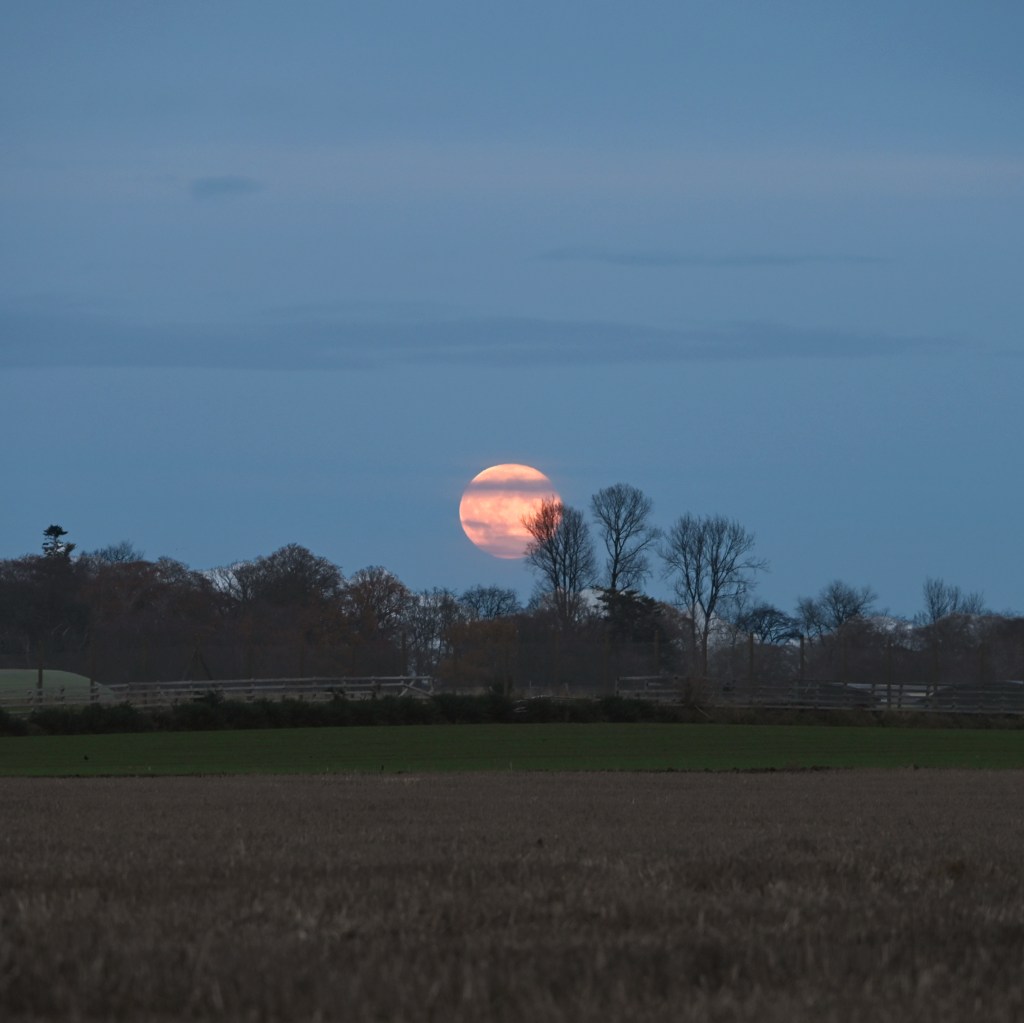
Full moon rising – just managed to catch it before it disappeared into the clouds again.
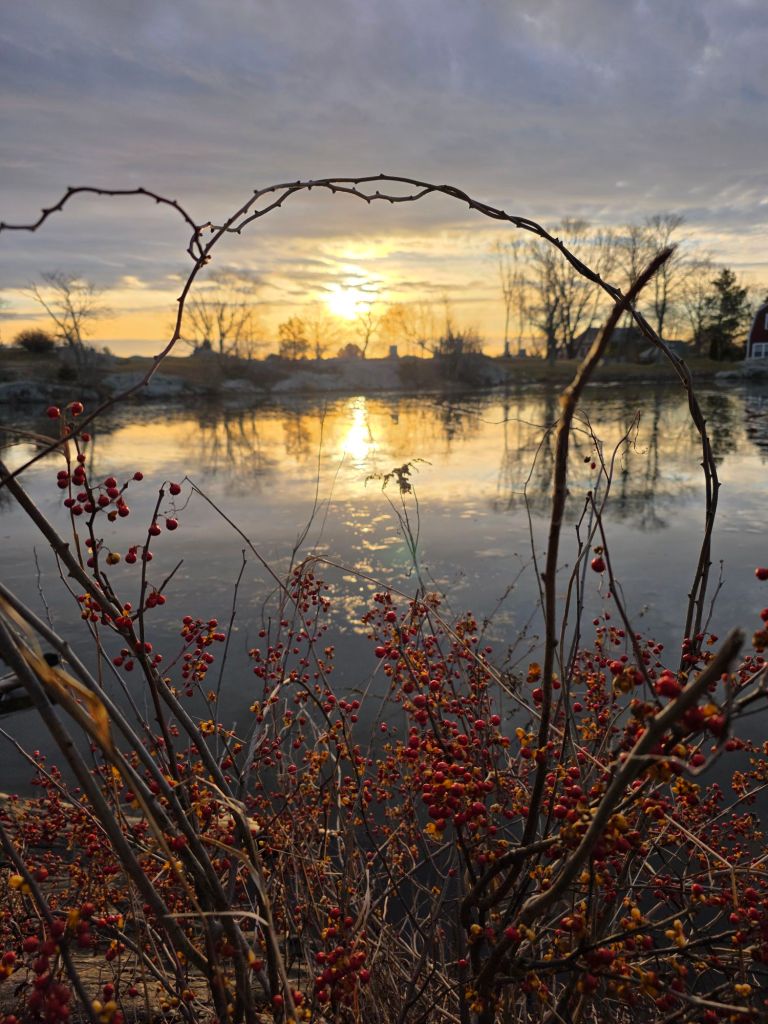
Rising sun in Marblehead on the shortest day of the year, taken across a partially frozen Redd’s Pond. Gorgeous morning to be out and about.
And finally, to wrap up…
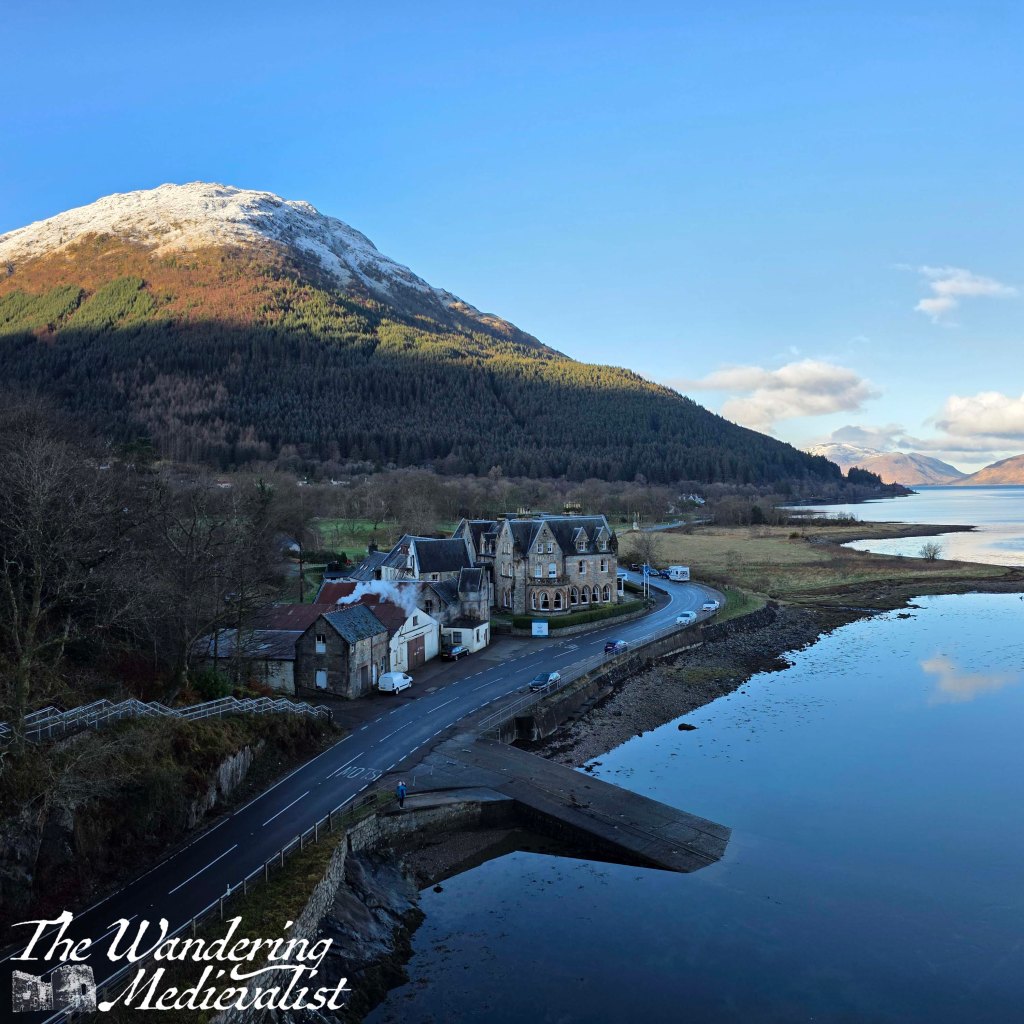
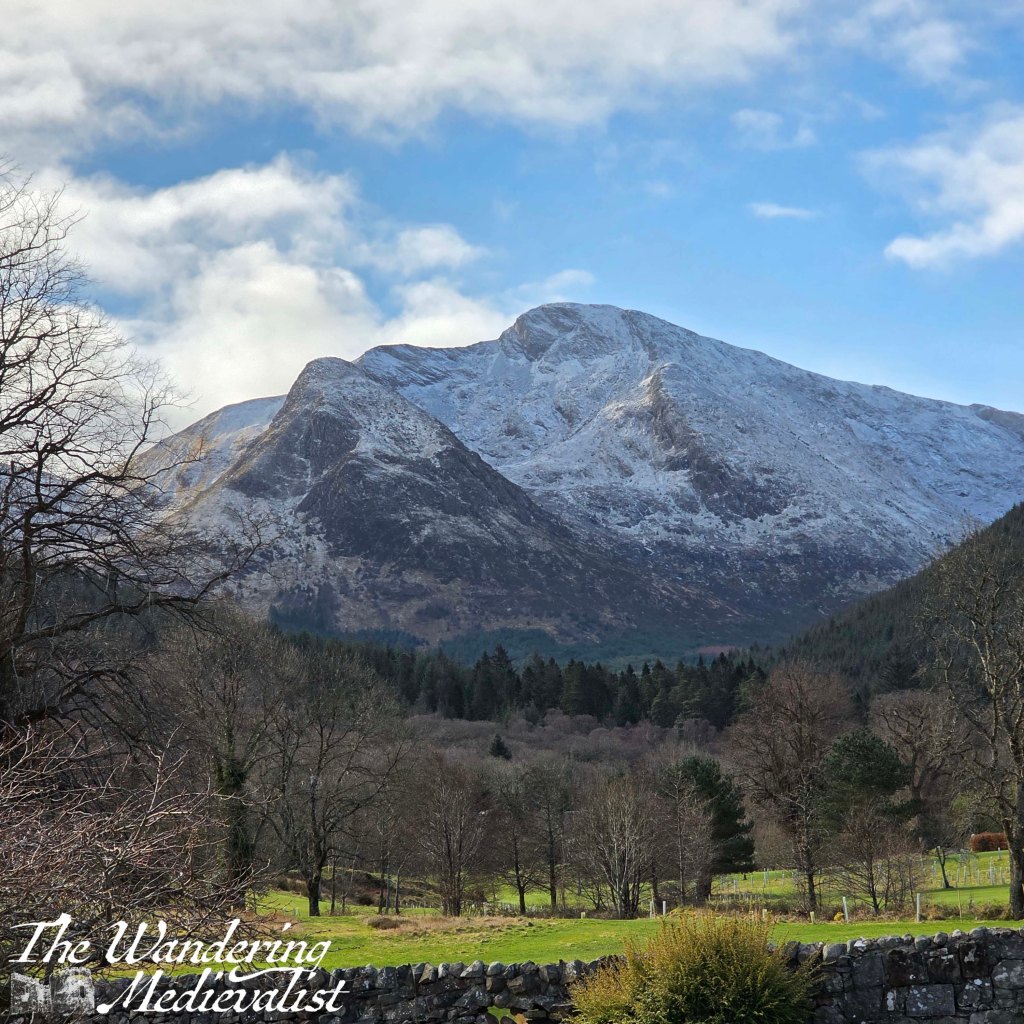
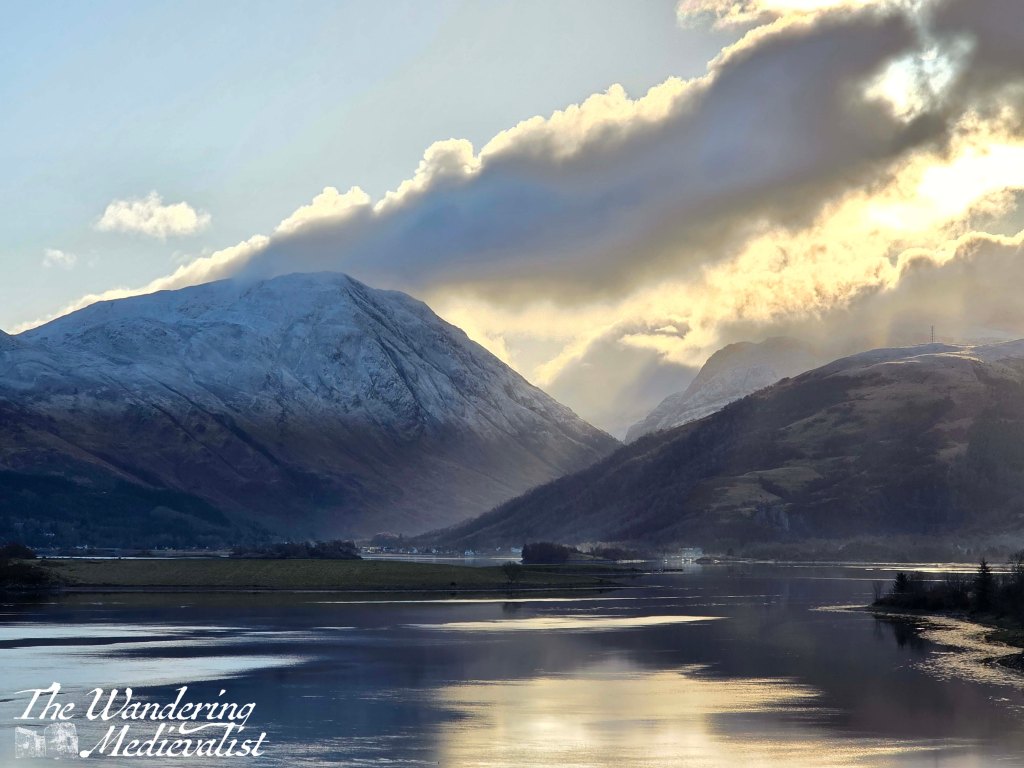
This is my absolute favourite picture I took all year; I’ve shared it before, but I want to share it again – the snow, the light through the clouds, the still loch. And the memories it evokes, of a lovely weekend away hiking and enjoying late winter in the Highlands.
Loch Leven and Glencoe, Scottish Highlands
I hope you have enjoyed this photographic trip through my year! Have you checked out my online shop yet?
Scotland (and indeed the whole UK) was blessed last week with a stretch of sunny, hot weather that encouraged everyone to get outside. And then back inside, quickly, to get sun screen and water bottles. In England the temperatures hit the 30s (about 90°F), and in Scotland the high 20s which qualifies as a genuine heat wave.
I was eager to get back to my Coastal Path goal after several weeks of travel and then post-travel illness (I blame Charles de Gaulle airport, where I was re-routed after a flight delay), and this sunny spell was the perfect incentive to get out there. So, I chose a slightly shorter route than I had been doing in May, only 4 miles rather than 5, for while I’d kept up my walking during my travels, the cold/cough combo on my return meant I’d had two weeks for my stamina to unravel.
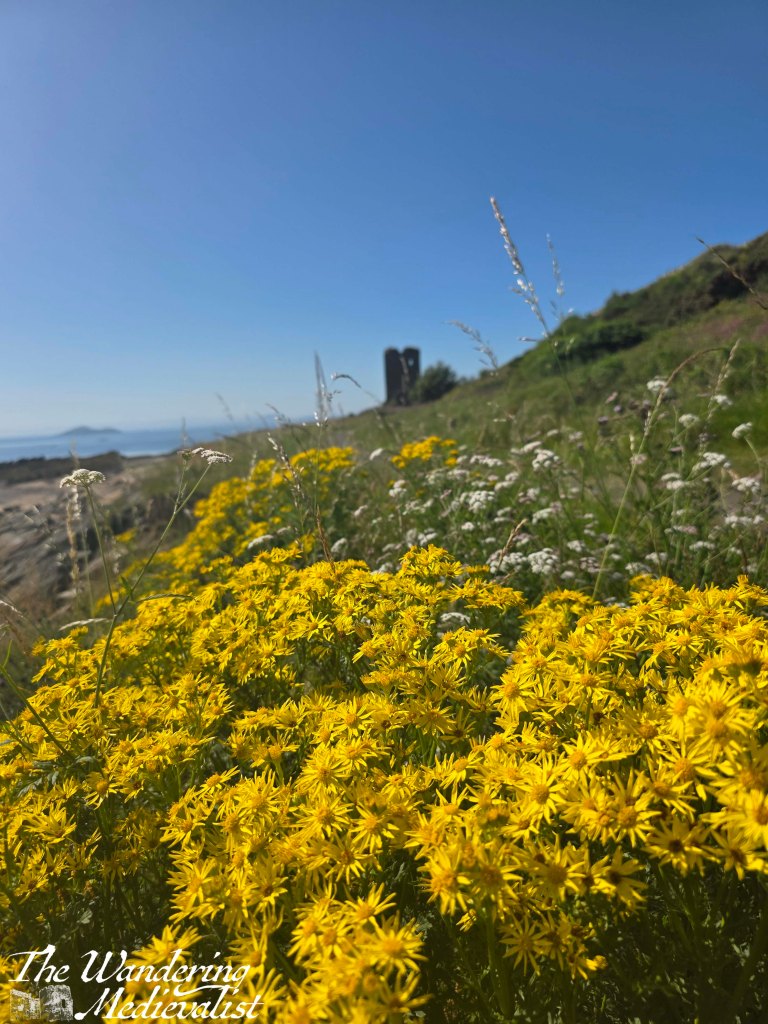
It was time, I decided, to tackle some of the south coast of Fife beyond the East Neuk, and so I planned the train trip to Kinghorn, where the rail station is almost immediately on the Coastal Path. Since the opening of the Leven Rail line, the trains from Edinburgh to Dundee no longer stop at these smaller stations, and so I was required to change trains in Kirkcaldy. Fortunately, the Leven train was only 5 minutes behind, so I was only slightly delayed; if coming from the Edinburgh direction, it would be easy to get on the direct Leven train.
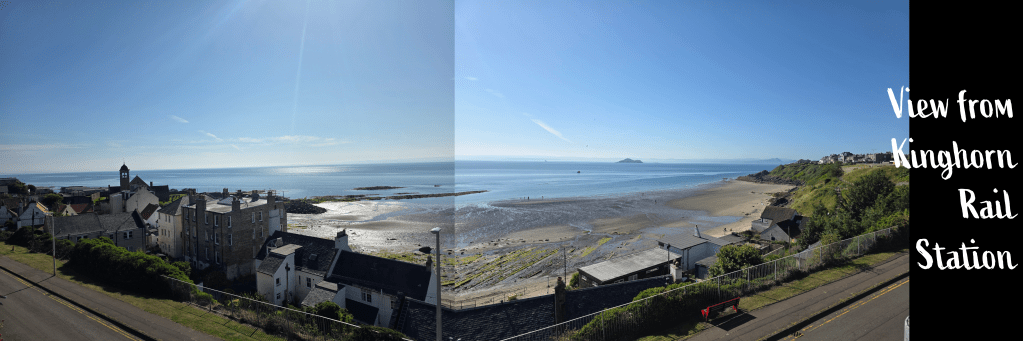
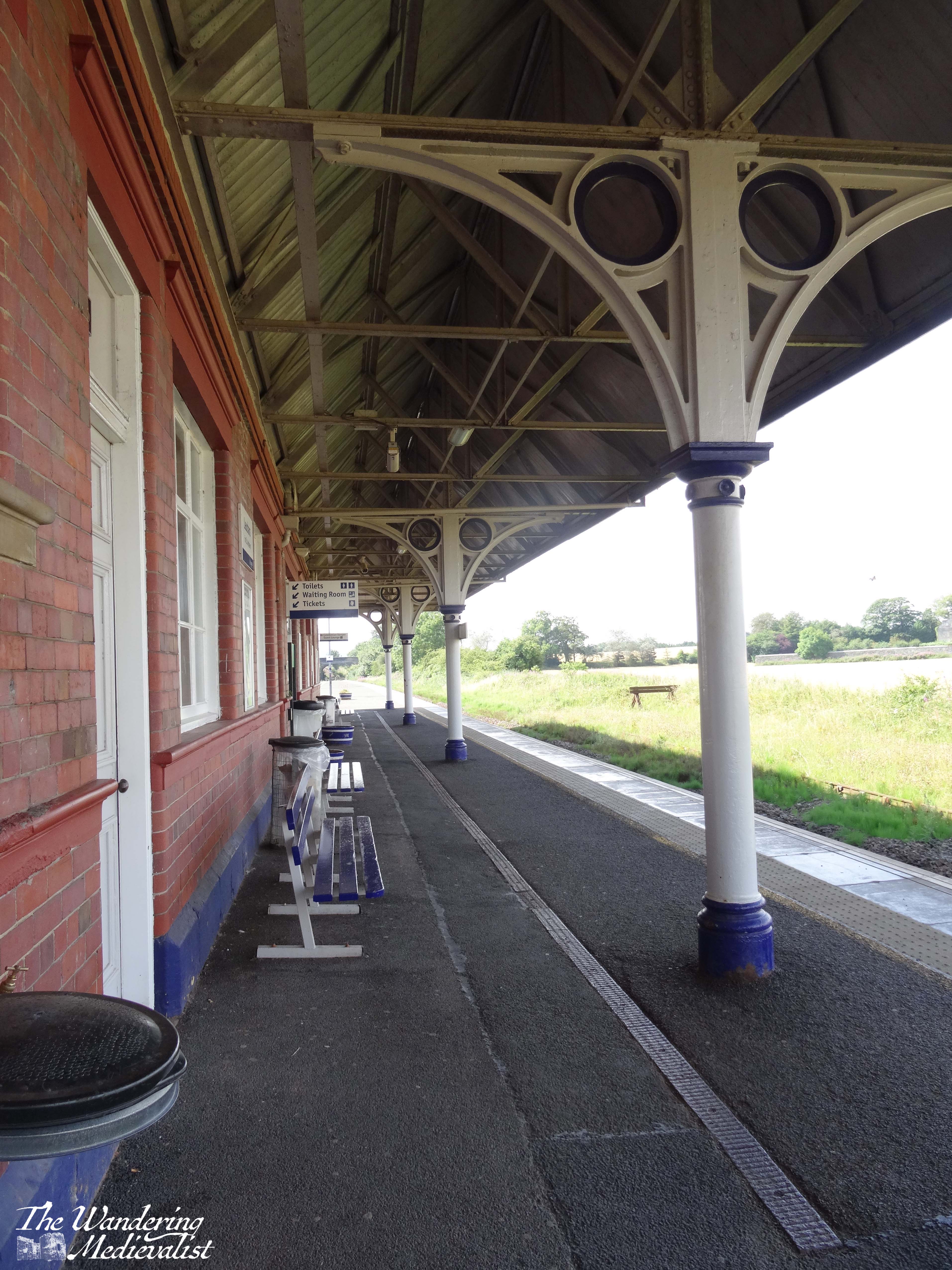
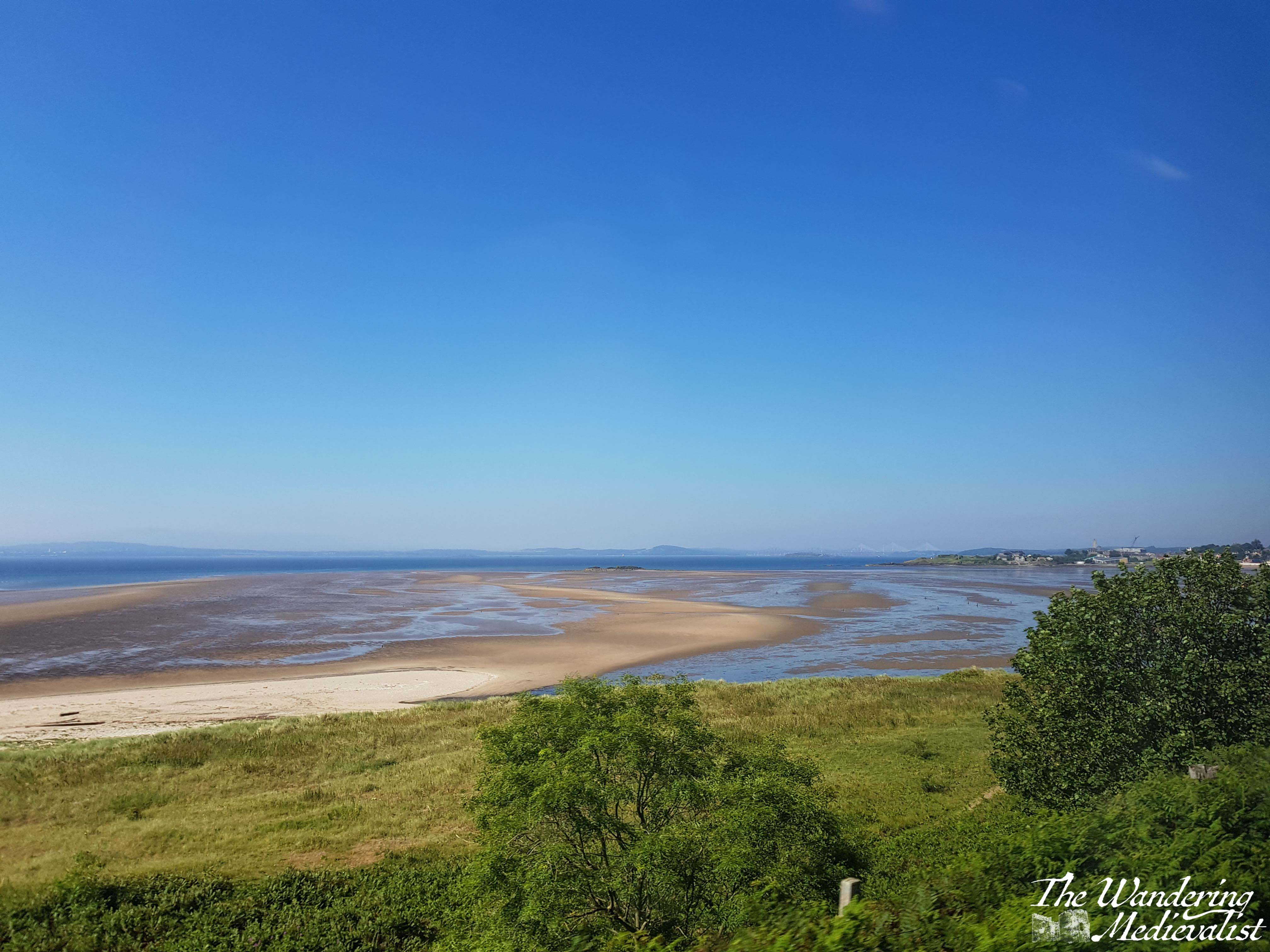
The day was sunny and bright when I alighted in Kinghorn, which is a station I have always wanted to stop at due to the beautiful view from the train at this point. This section of the track is why I always encourage visitors to sit on the right-hand side of the train coming north.
I paused to take a few pictures and hoped to use the facilities in the small station, but found them out of order. So, I headed down the steep hill towards the coastline and beach.
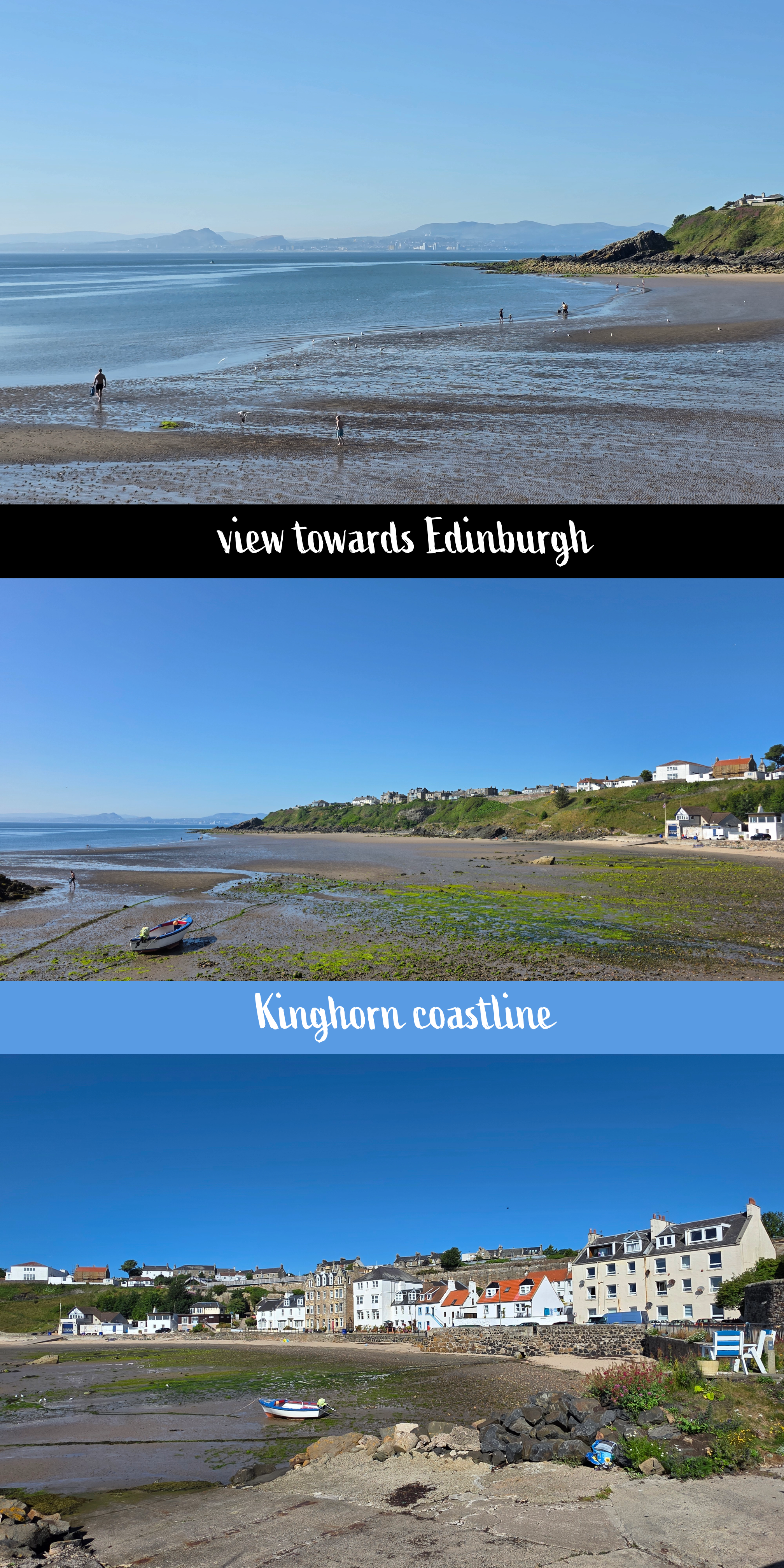
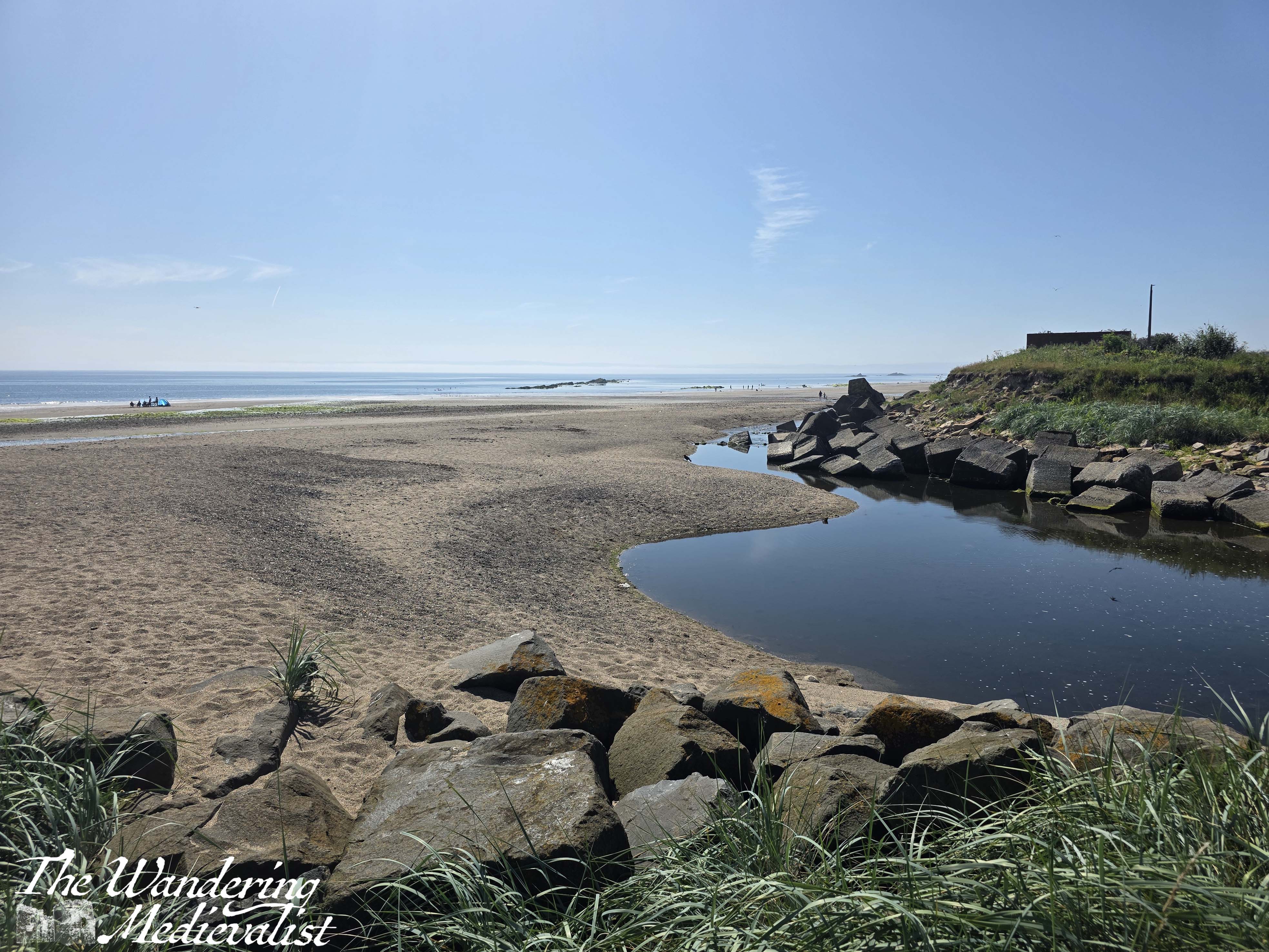
Kinghorn may not boast quite the same stunning nature as some of the East Neuk villages, but the beach is beautiful and there are regular views across the Firth of Forth towards Edinburgh. It was a clear day so that I could see the outline of Arthur’s seat and the coastal town of Leith clearly, while a gentle breeze kept the temperature comfortable and the bugs at bay.
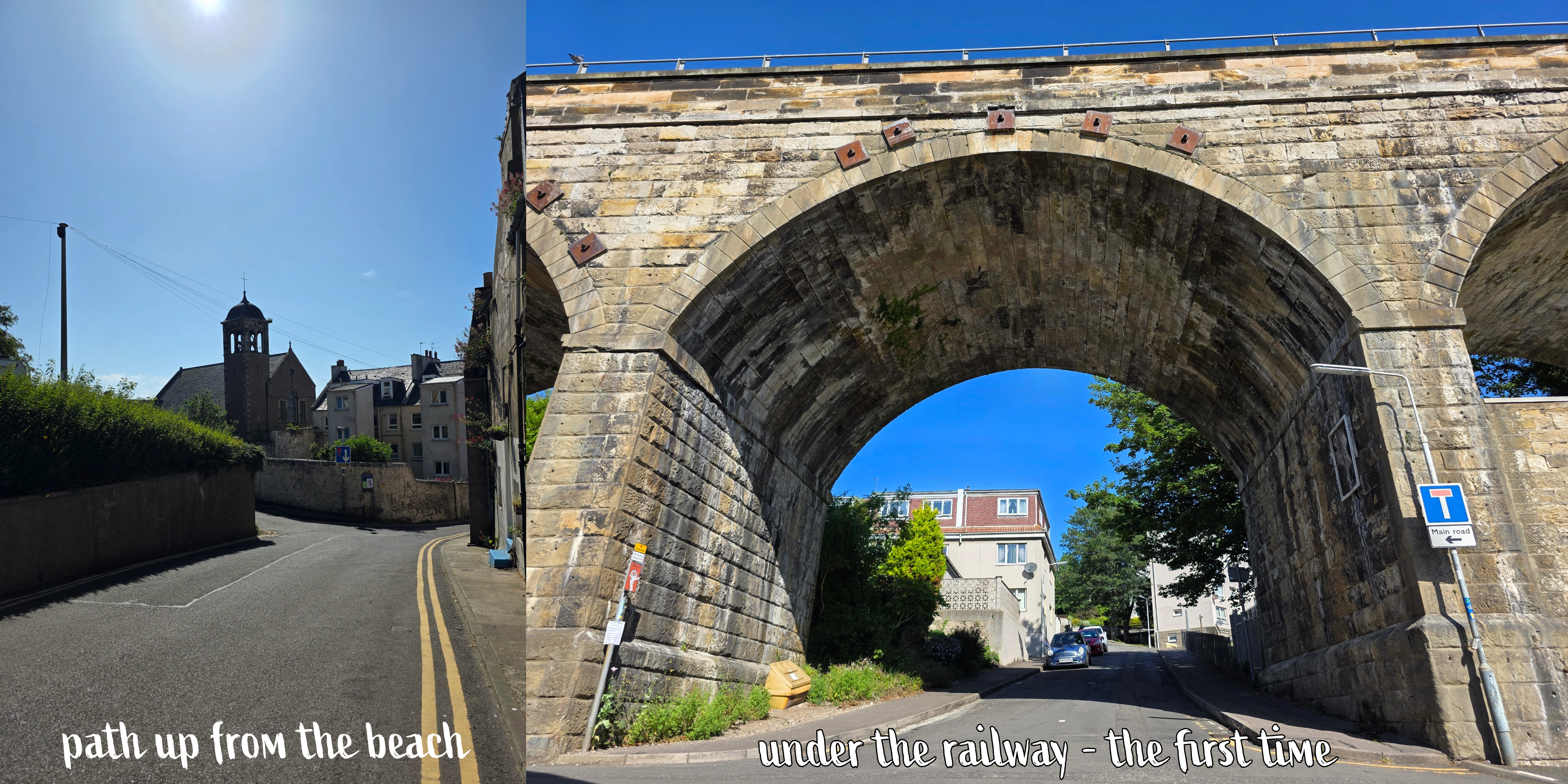
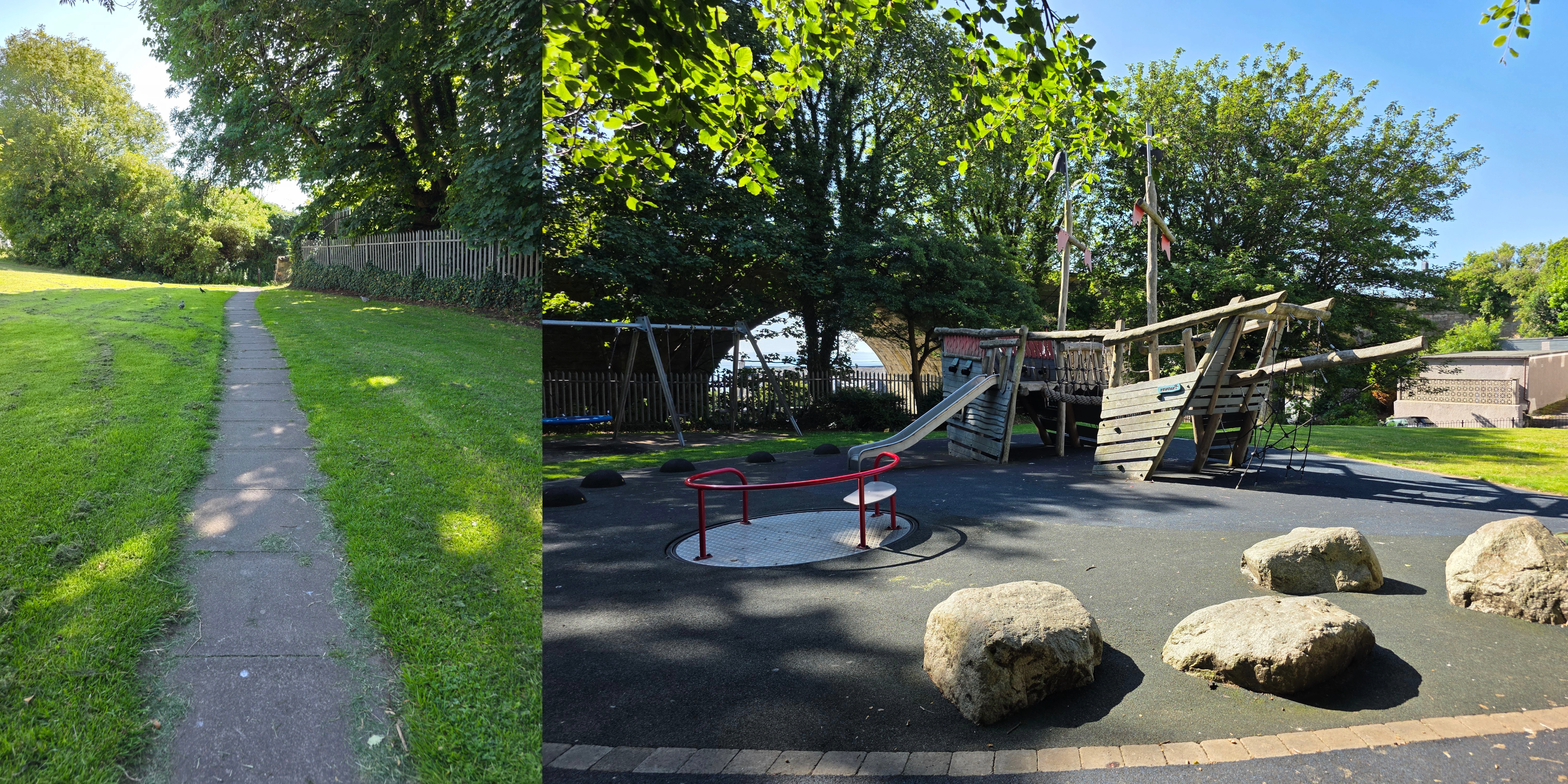
The path starts off along the coast then loops back up under the train track and through a fantastic pirate-themed play park.
Beyond the park, the route passes once again under the rails, then turns left along the back side of a caravan park. This portion of the trail is quite narrow, stuck between the fence for the park and the fence for the train line, so keep a look out here for other walkers/runners and cyclists. I should say, I did not pass many people at the Kinghorn end of the trail, but as I approached Kirkcaldy there were more and more people using the path for a Saturday morning jog or stroll with the dog.
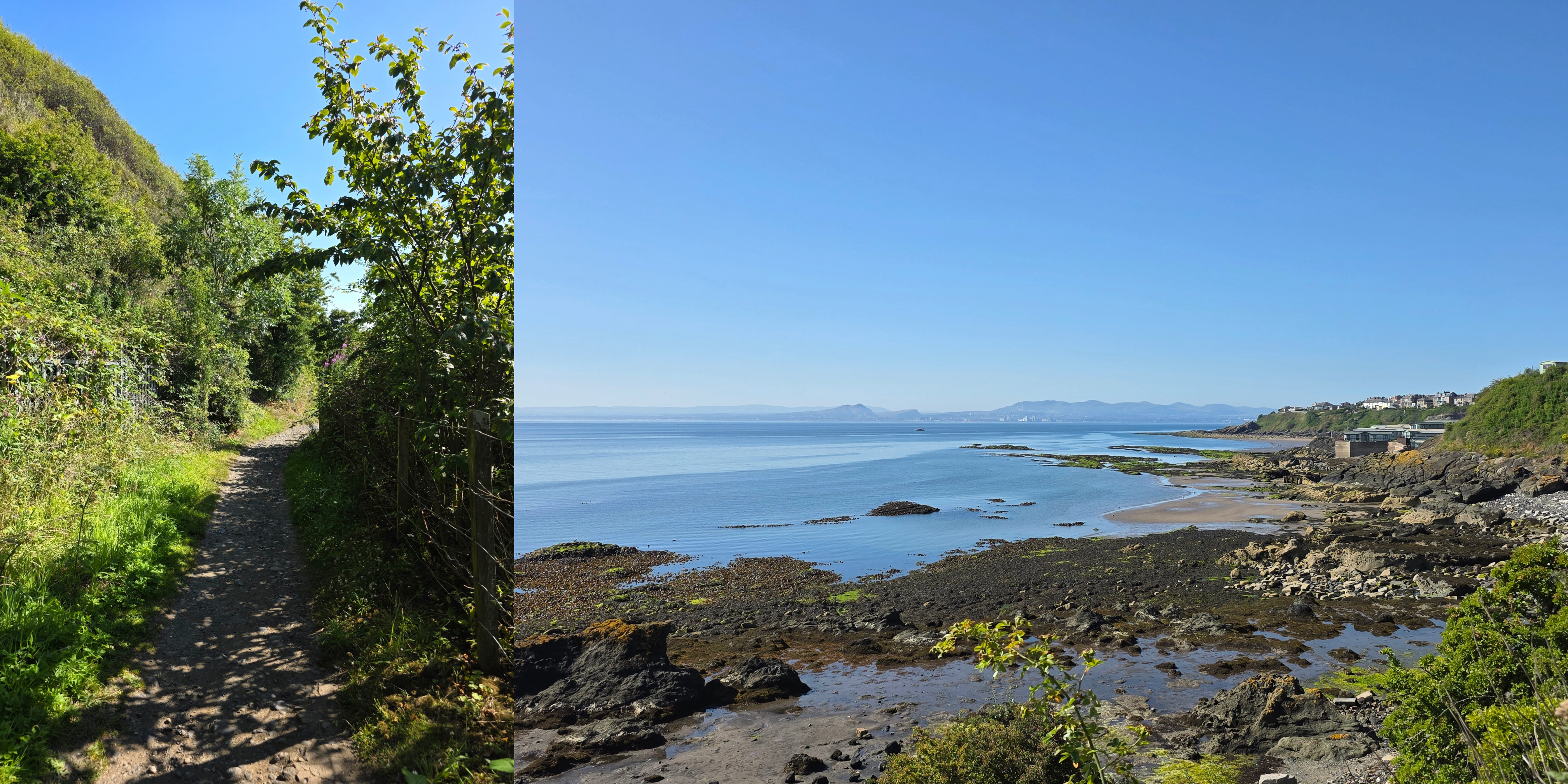
I mentioned above the rail track, and it’s worth pointing out that this is a relatively busy line, so don’t be alarmed by a sudden, speedy train interrupting your peaceful walk. And peaceful it is, gently rising and falling along with the coast, a similar feel to other sections of the walk with the rocky beach on one side and a grassy slope on the other, dotted with bushes, wild flowers and the occasional tree.
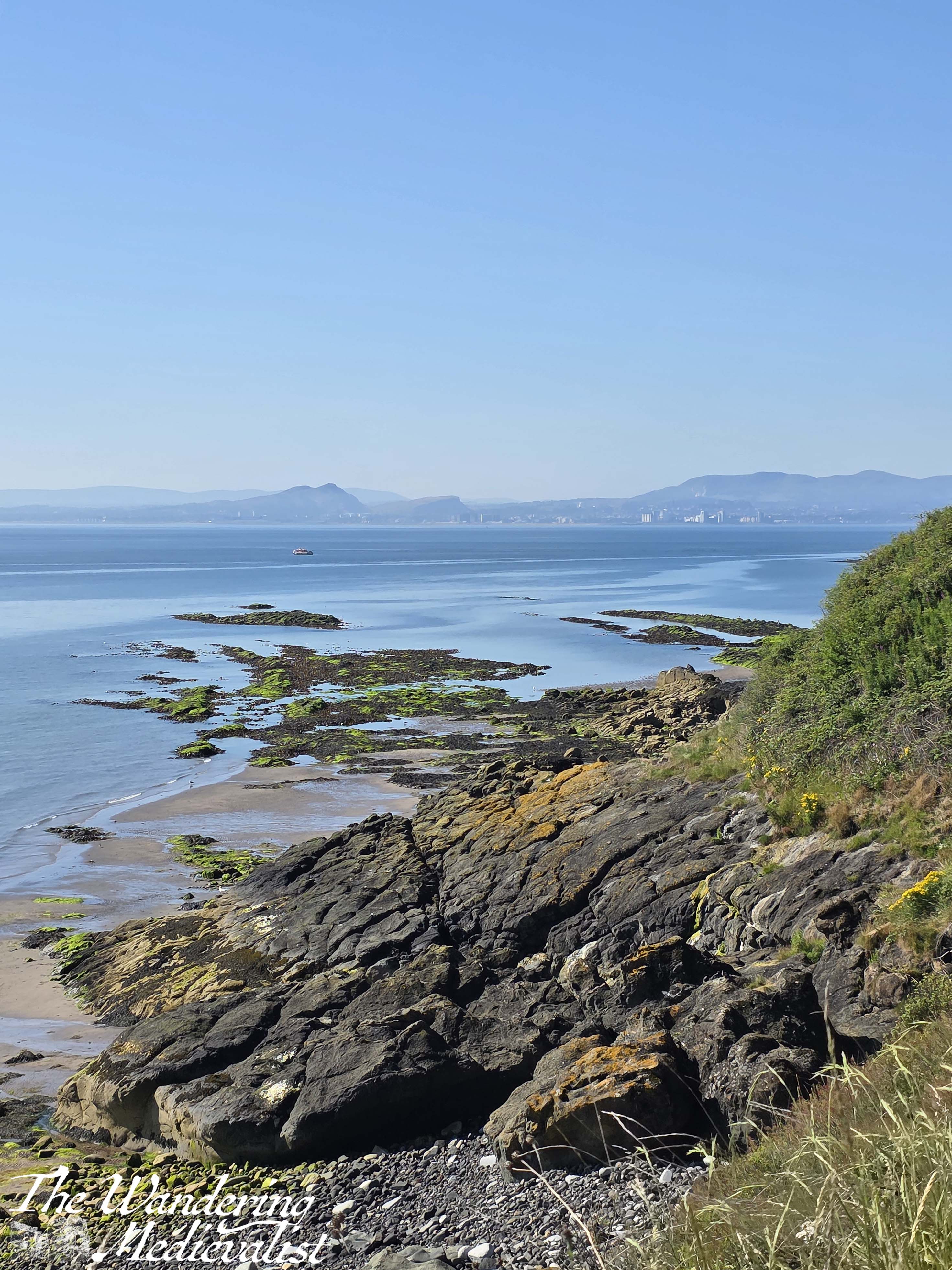
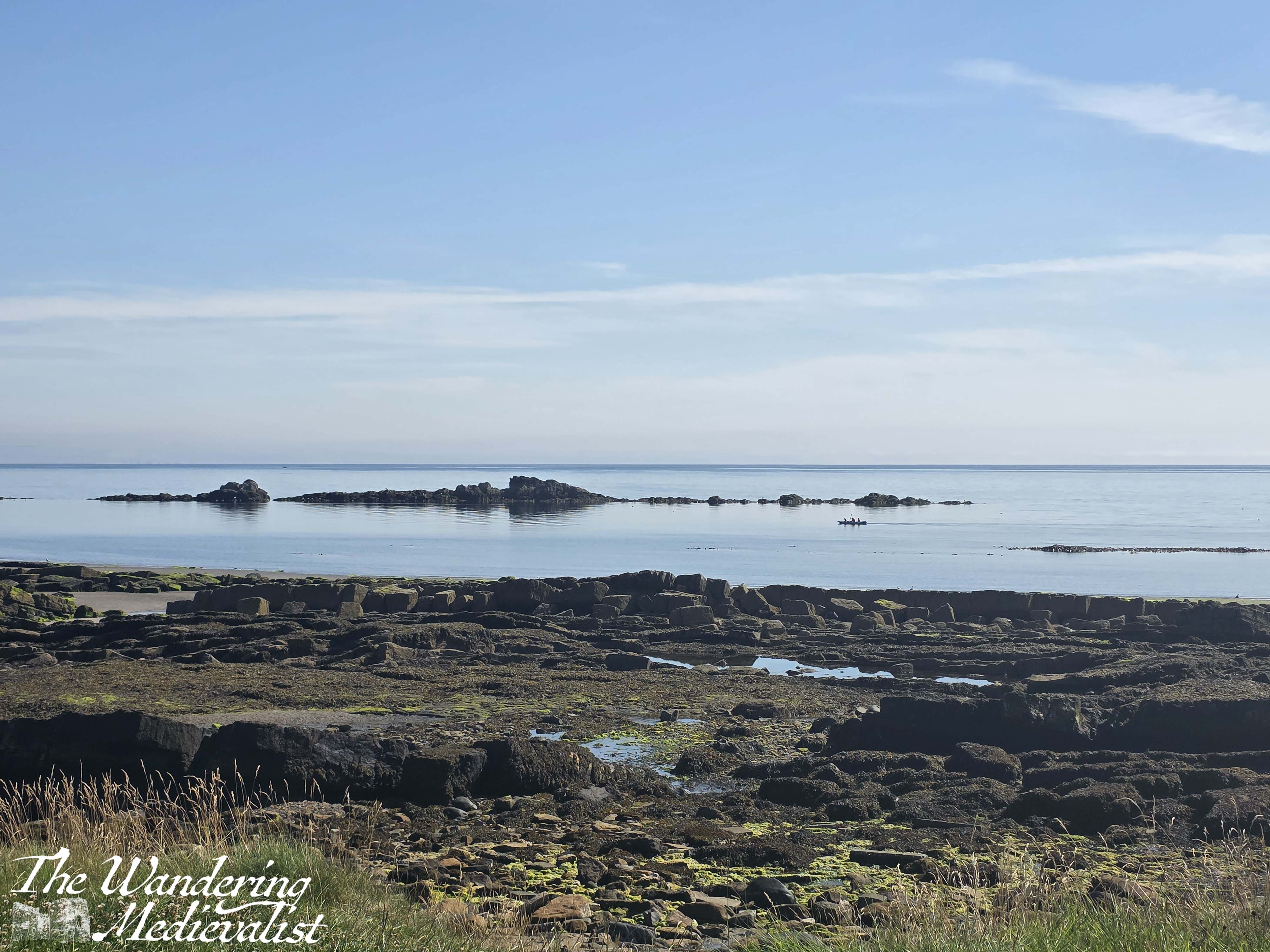
The ocean was incredibly still on the morning I walked, with only one or two fishing boats out; the gentle breeze I enjoyed was definitely not enough for sailing. It was difficult not to pause regularly to enjoy the view back to Edinburgh , and if my camera battery had not died 10 minutes in (my own fault for not checking it), there would be many more I am sure. Fortunately, my phone takes good pictures so I made up for the lack as best I could.
Gradually the path goes around a curve in the coast, and rises temporarily away from the beach on a sharp switch-back style path. The view from the top is even better, though it does not last long, with the trail gently descending over several stair cases. One advantage I noted of this portion of the path was that there was a fair amount of shade, relieving the heat of the sun for a short while. This is definitely not the case closer to Kirkcaldy.
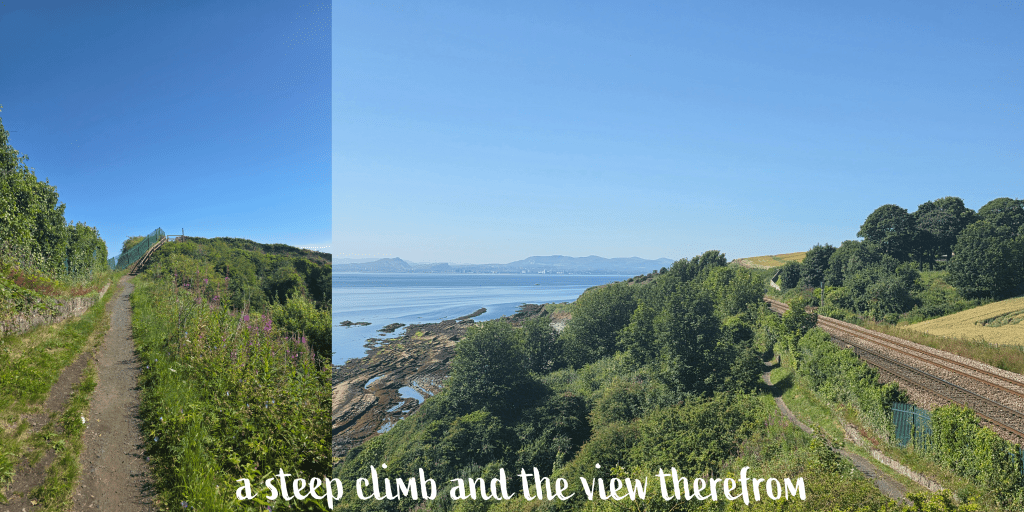
Just over a mile out from Kinghorn, there is a steep climb up to the top of a hill, to a viewpoint at the top. This is one of the last really good views back towards Edinburgh and along the rail line, while ahead you can start to see the buildings of Kirkcaldy.
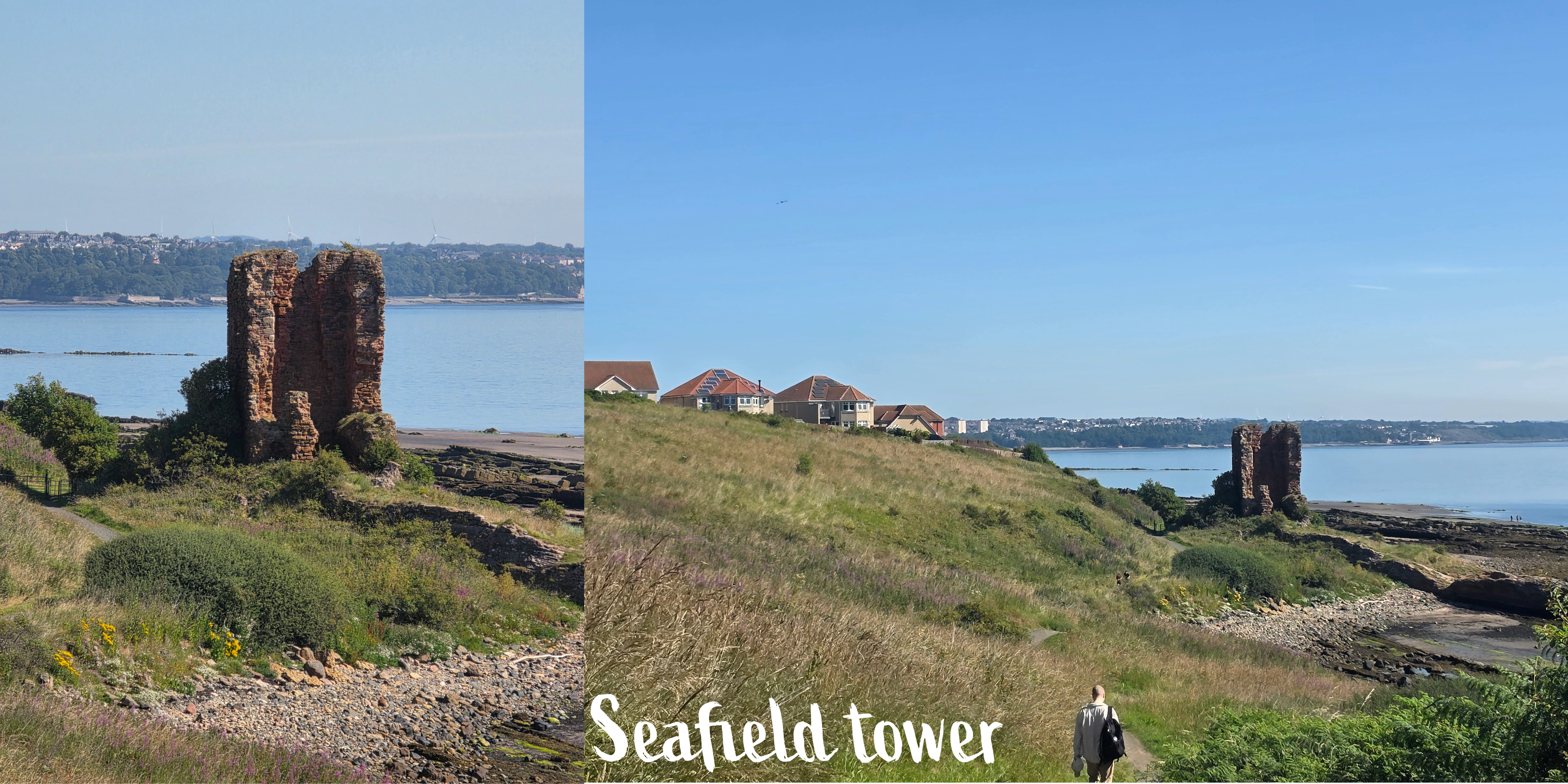
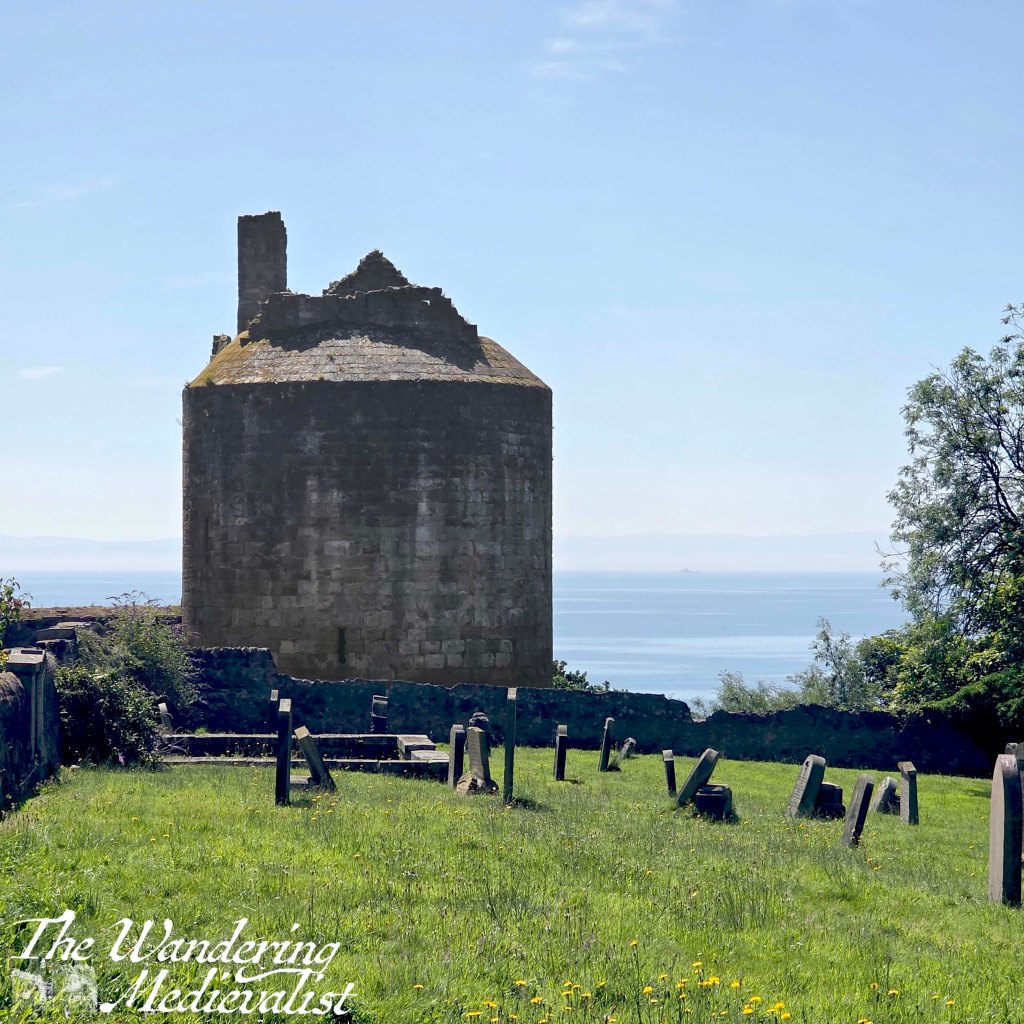
The path descends again towards the beach level, and around a corner the houses at the very edge of Kirkcaldy come into view, along with the ruined Seafield Tower.
Upon a bit of searching, I discovered later that this tower is all that remains of a late medieval (sixteenth-century) castle. It was sold to the Bishop of Glasgow in 1631 and after passing through several families was allowed to deteriorate to the state it is in today.
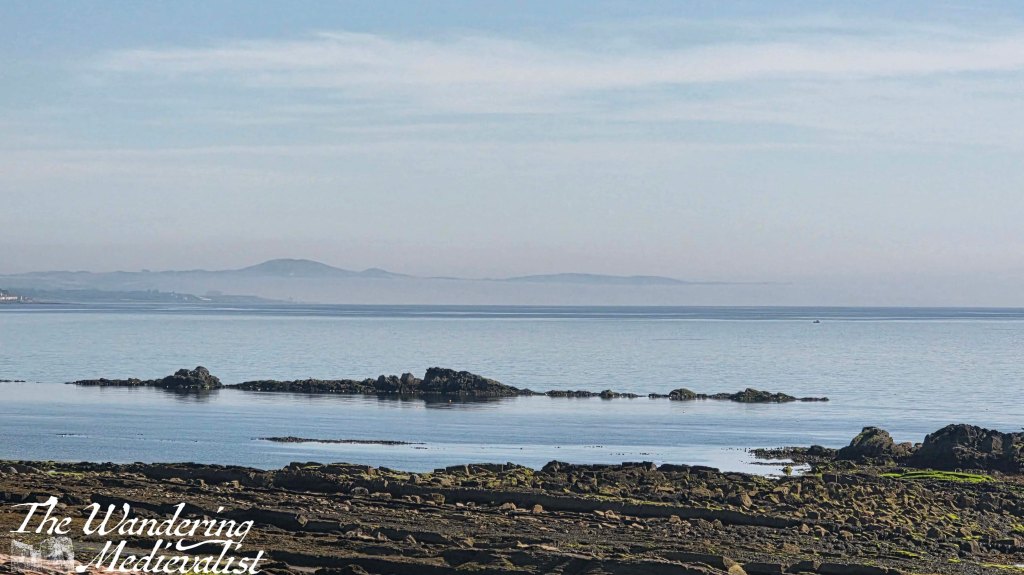
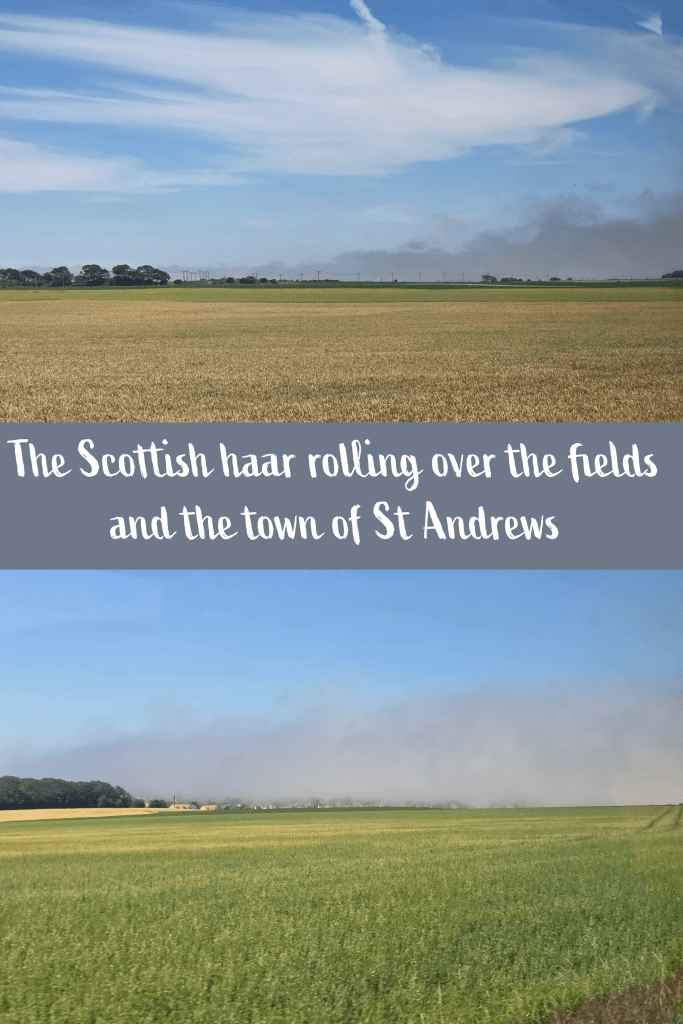
While the day was still clear and sunny, in the distance I could see that further north and east in Fife, the experience was not the same – instead, a thick haar (Scottish fog) was layered over the coastline from Elie around to Tayport.
From where I stood, I could just see Largo Law rising above the clouds.
And here I’ll take a break for a short opinion poll – let me know your answer in the comments!
Would you rather be able to see the end of your walk, even if it is several miles away, or would you rather have no idea how much longer you have to go?
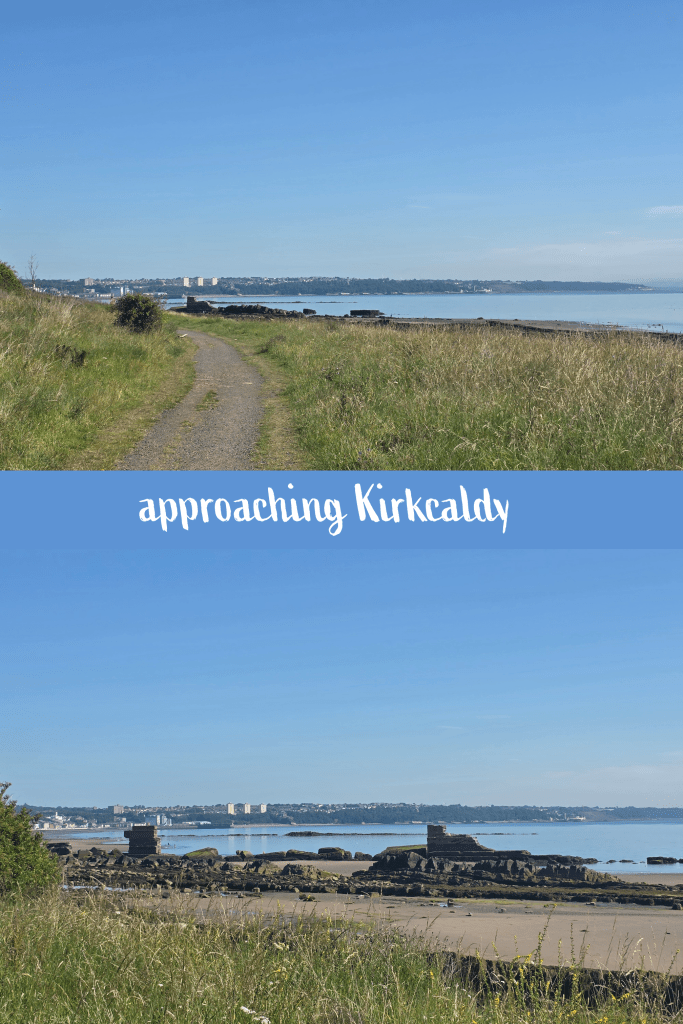
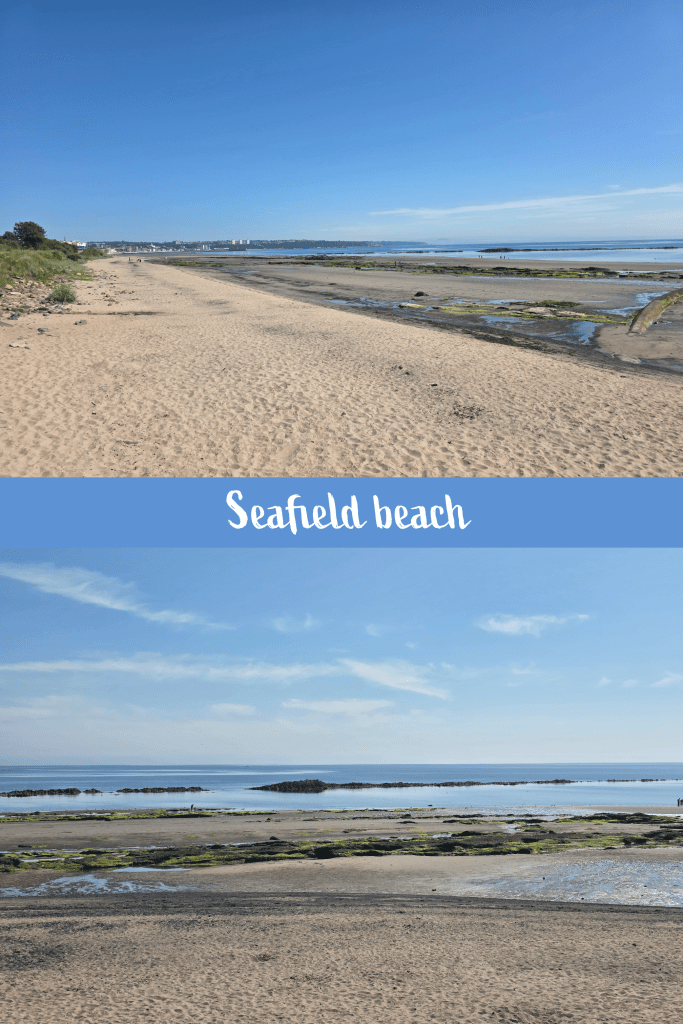
As I walked towards Kirkcaldy, I could see in the distance the faint outline of Ravenscraig Castle, and the much more prominent high-rises of the Ravenscraig flats, which I knew were my goal but still seemed a long way away. Fortunately, I was distracted by how lovely the beach and coast are. It was approaching low tide so there was an expanse of sand, interspersed with rocky outcroppings. The old sea wall is still present though large portions have been washed away, creating dramatic gaps through which to see the view. Above me on the top of the hill to the left were increasingly well-appointed houses, many with large balconies overlooking the ocean.
Once past the old sea wall, the path continues along the beach which is now completely sandy, and was already starting to become busier with poeple eager to enjoy the sun.
I found the coastal path to be less well sign-posted here, and eventually had to look up the proper route on my phone, as I walked along the grass at the edge of the beach, past the car park for Seafield beach. There is a large Morrisons here, and officially the coastal path leads up to the left and around the store and car park. This is a good spot to stop for a snack or cold drink, if you need it. There is also, I am relatively certain, a route that takes you between Morrisons and the beach – or you can walk on the beach of course – but I was doing my best to follow the ‘official’ trail that loops around and then follows the main road past a Lidl supermarket.
There is no need to cross the road – stay on the Morrisons side and follow the sidewalk (or pavement, for the Brits) around the edge of the car park – this is now the A921.
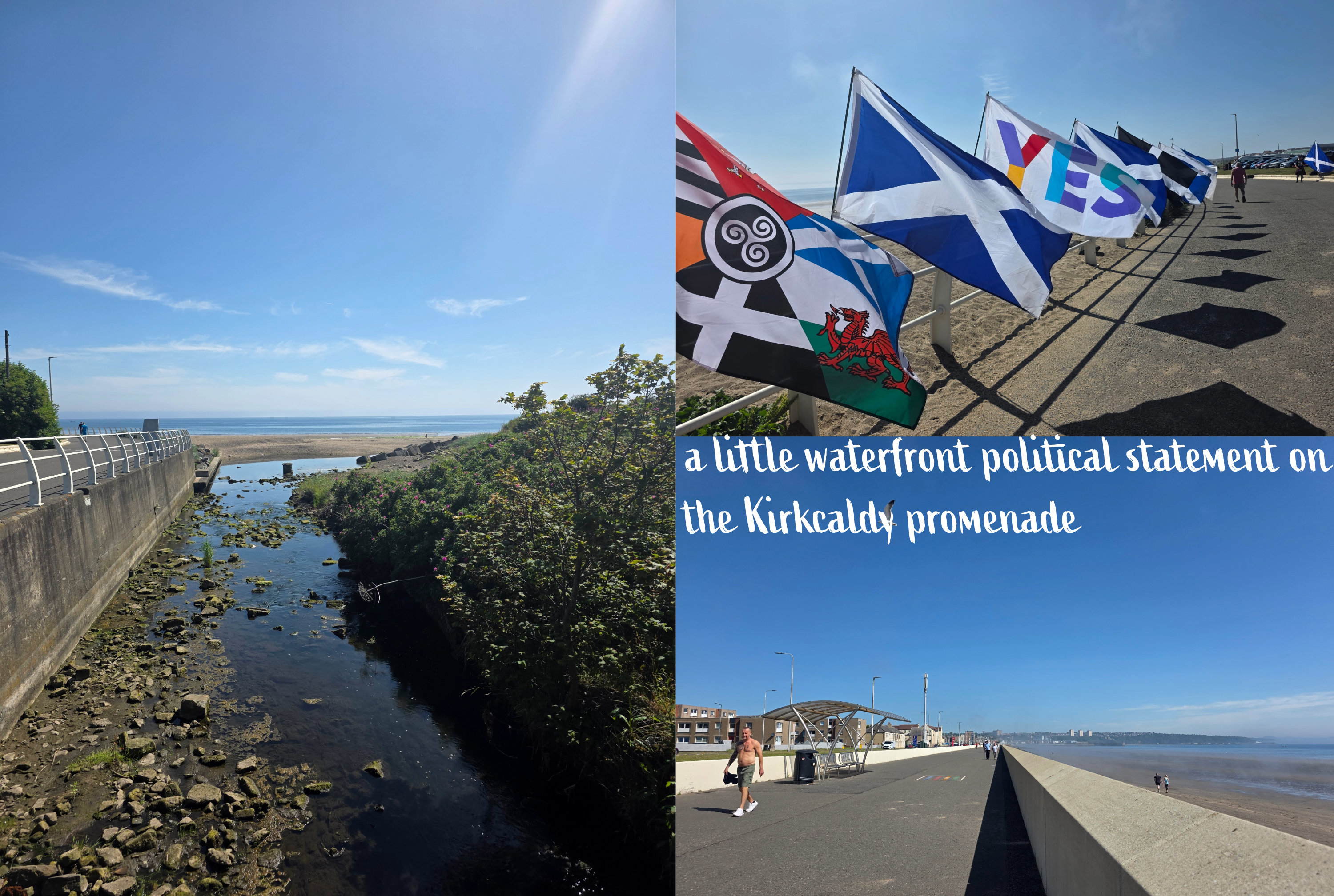
In short time, the road crosses a small burn – Tiel Burn – and here there are public restrooms should you need them. At this point, the path is not well-marked at all, but I determined that it made sense to swing to the right and follow the seawall at the edge of the beach, onto Kirkcaldy Esplanade.
I admit to being really impressed with how well-kept the esplanade is, especially as it was first built just over 100 years ago. Stretching for just about a mile, it is wide pedestrian route with a relatively new seawall separating it from the sandy beach. There are periodic breaks in the wall for paths down to the beach, and very recent additions to the pavement in the form of games to entertain children. There was a world map, several hopscotch outlines, suggestions of places to run, hop and skip, and much more, all brightly painted in clear colours.
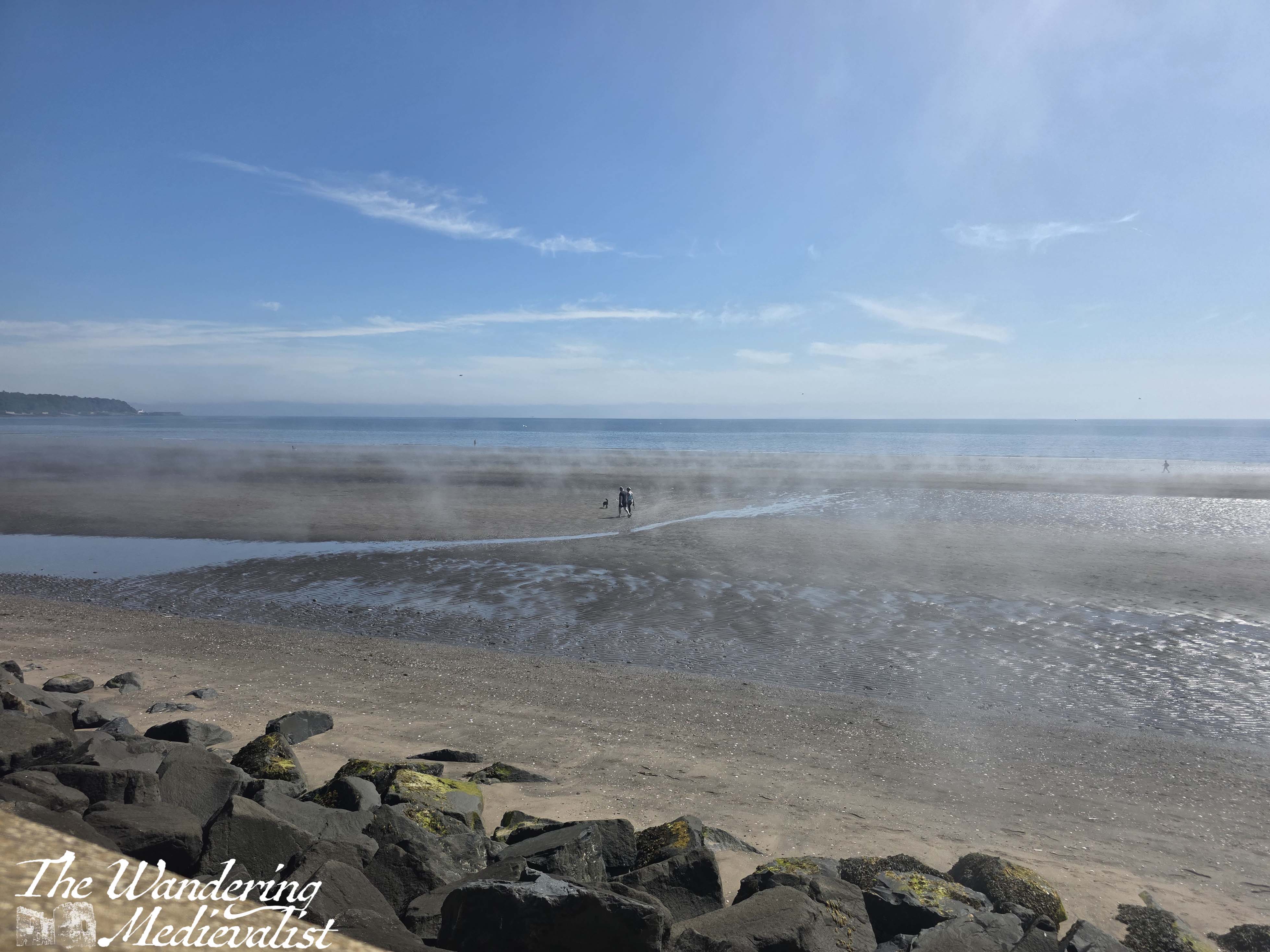
Beside the pedestrian area is the busy A921, and across the road a series of shops, parking areas, and some apartment blocks. As I walked along the coast, I began to notice wisps of mist blurring the view – while not a full-on haar, there were gentle clouds rising from the sand and hovering in the still air. While it did not come together into a total blockage of the sun, the mist was gathering more heavily, and as I reached the end of the esplanade, the sea wall at the far end of the beach was hard to see.
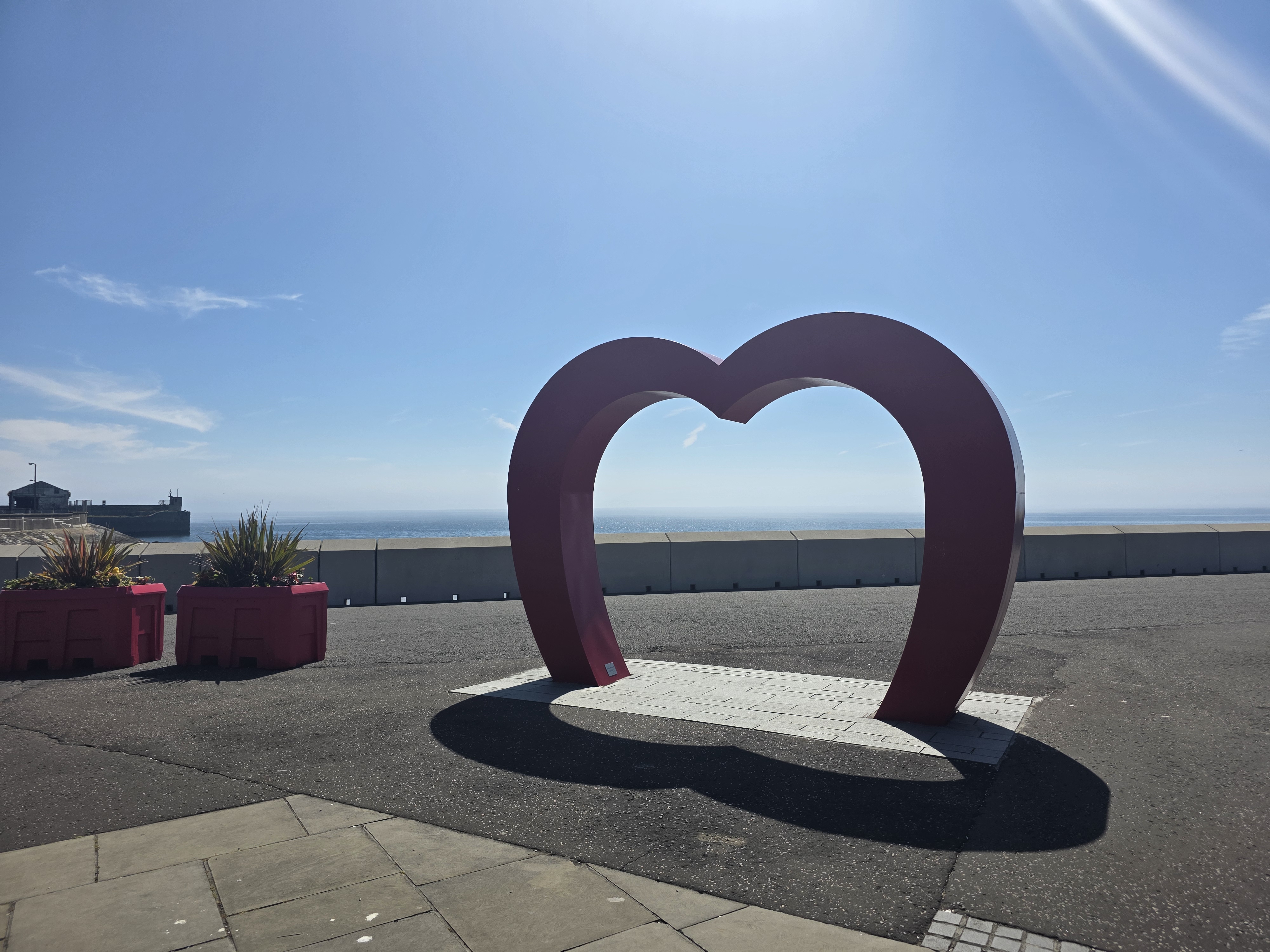
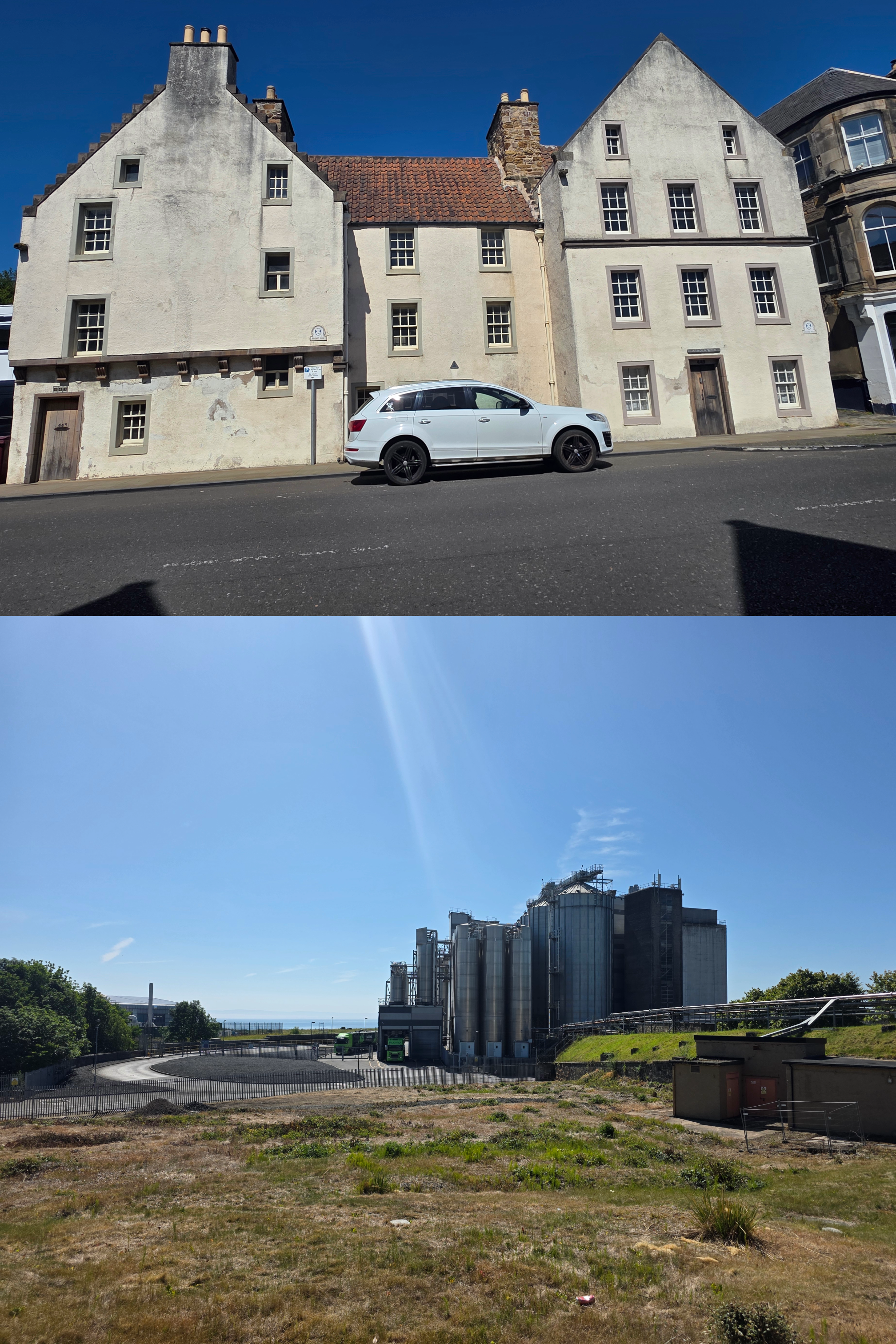
At the end of the esplanade is the Heart of Kirkcaldy, a famous art installation that is popular with selfie-takers, and here I started again seeing signs for the Coastal Path. Rather than following the coastline around to the right, the path crosses at the stoplight and heads straight along the A921. Here there is an odd mix of much older buildings on one side of the street – 17th and 18th century – and very new apartment blocks on the other, as all of Williamson’s Quay is much more modern accommodation.
About five minutes later, there are two onward alternatives, marked by a pedestrian crossing. One is to continue straight up the hill ahead, along the road. The other is to take a right and then almost immediate left past the Carr’s Flour plant, and along the coast. I have to admit to getting this bit wrong, as the Coastal Path signs seemed to point directly into the factory grounds, and were a touch vague. So, I deviated from the path and went straight up the hill which is quite steep and a good long climb, especially after walking for about 4 miles.
My goal for the end of this walk was Ravenscraig Castle, a mostly-ruined edifice at the edge of Ravenscraig park. I did just see it from the road, but realised as I planned my route to it that I had firstly lost the Fife Coastal Path but perhaps more importantly, was about to miss the only bus I could get in that hour. So, I took a quick picture from across the burial ground then legged it across the street to the bus shelter, where a kind woman assured me that the bus had not yet come.
On the rather long and winding bus trip back to St Andrews, I was able to see just how all-pervasive the hair had become in Fife, with heavy clouds of mist reaching over the land from the coast and settling into valleys.
Observations on this section of the path are that the first section, which reminded me of many others with rocky beach and grassy slope, was a much shorter part of the 4 miles than I realised; instead, at least half of the walk ran through Kirkcaldy, both the along the beach and then the Esplanade. It’s a less nature-focussed walk, but the views are impressive and it was a good way to get back into my habit of waking on a Saturday and getting moving.
So, I shall soon have to repeat this section of the walk and actually visit Ravenscraig Castle, then make my way along the coast towards East Wemyss – who knows, perhaps next weekend?
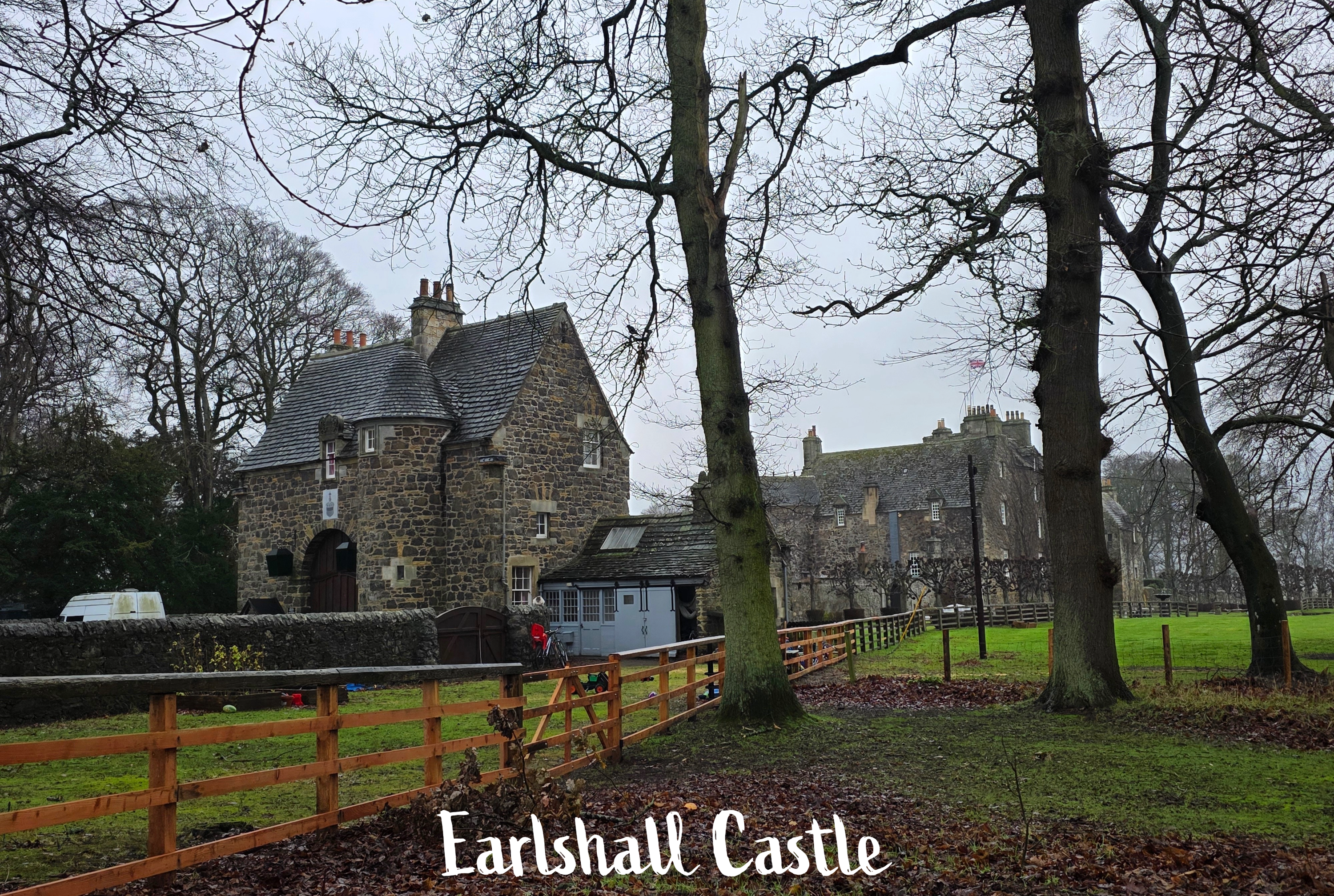
I woke up on Saturday morning and was welcomed the bright sunlight I could see peeking in around the edges of the curtains. I leapt out of bed and immediately set to work enacting my planned walk for the weekend: picking up from last weekend, I intended to walk from Earls Hall Castle to Kinshaldy Beach, a walk – I estimated – of a bit over 4 miles. It was more than I had done in one go in a while (hence fitness goals) but I thought I could manage.
So, I started off at St Athernase in the centre of Leuchars and walked the five or so minutes along the road to the castle grounds.
The day was sunny but with generous puffy clouds, and cool enough that the warmth from the sun was appreciated, as was the Vitamin D. It is worth reminding anyone that when walking along the type of narrow road this stretch requires, it is important to be on the correct side – walking against the traffic – so that you can see it approaching. I’d also caution that it’s a good time to keep your music either off or quiet enough that you can hear vehicles at a distance, as when the road is winding, they can come upon you suddenly.
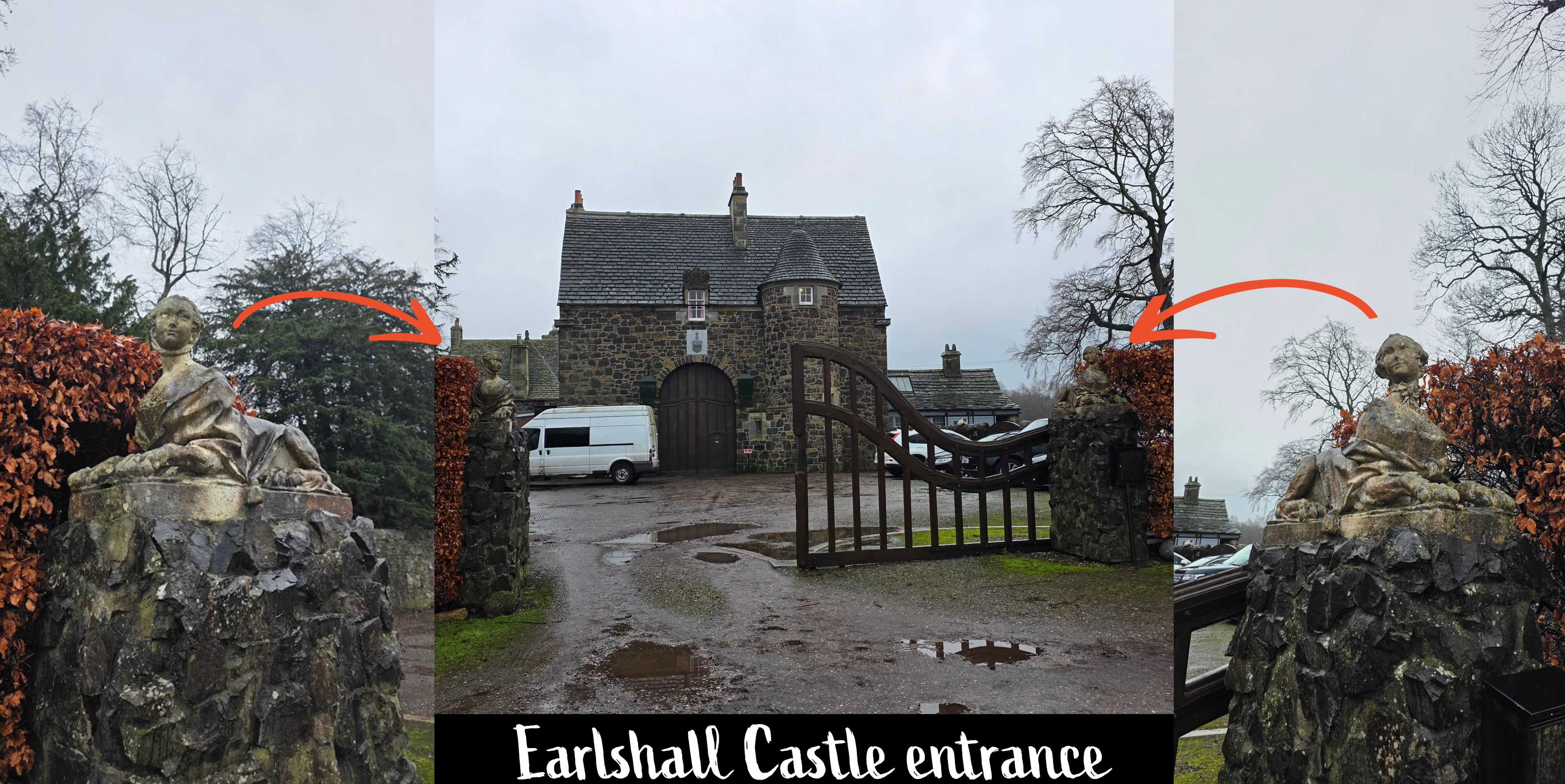
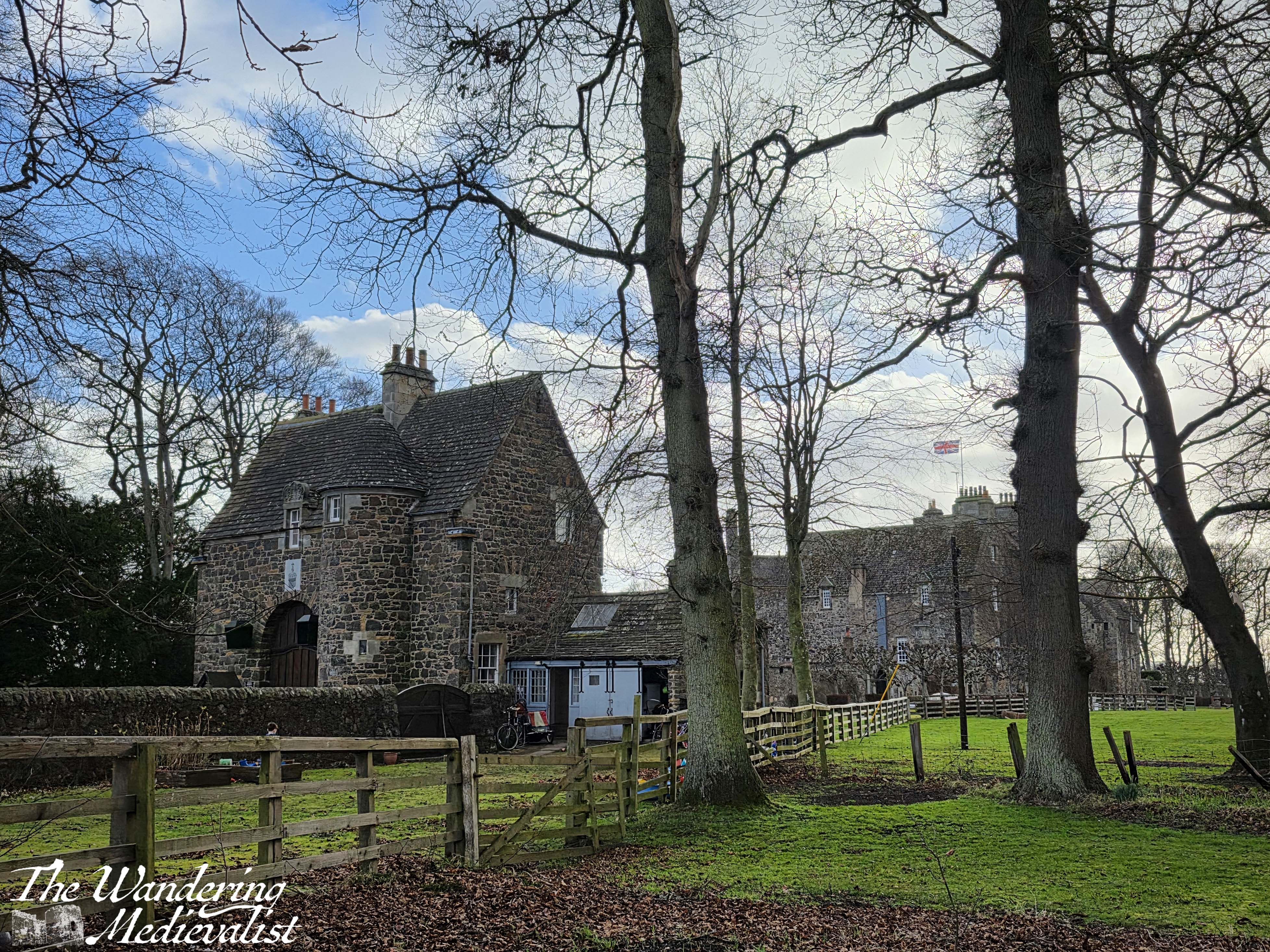
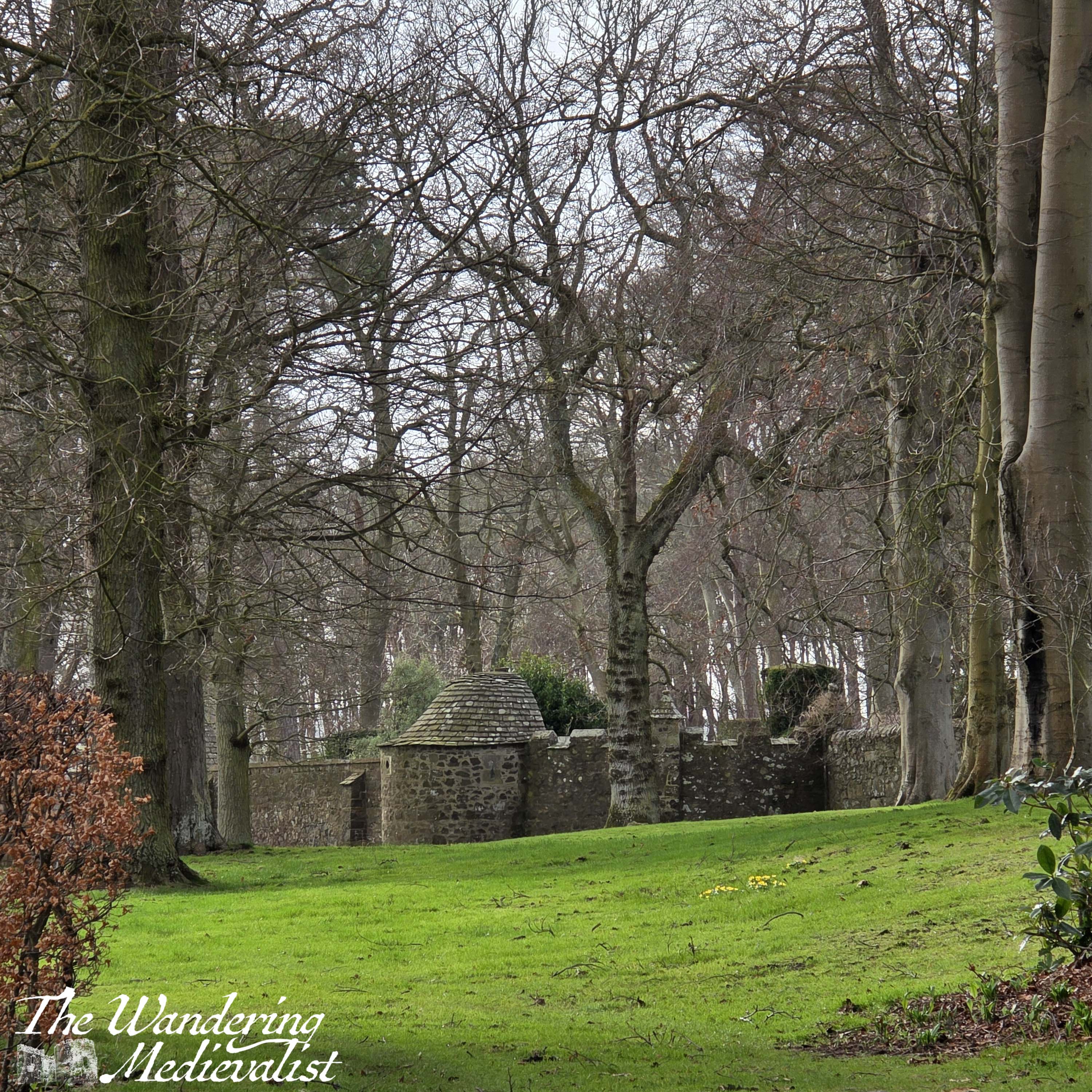
Starting at the entrance to the castle estate, the Fife Coastal Path leads along the road almost due east, and the wall is just short enough that even I was able to to catch glimpses of the castle and out-buildings. As with so many Scottish estates, the wall is lined with large rhododendrons bushes that at correct time of year are, I imagine, stunning.
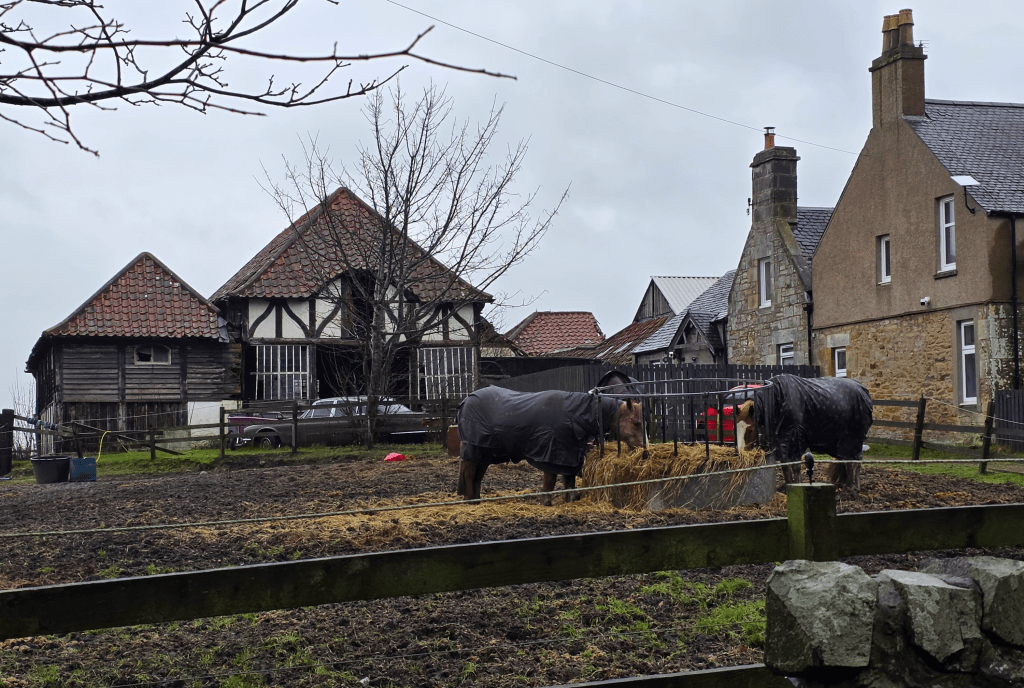
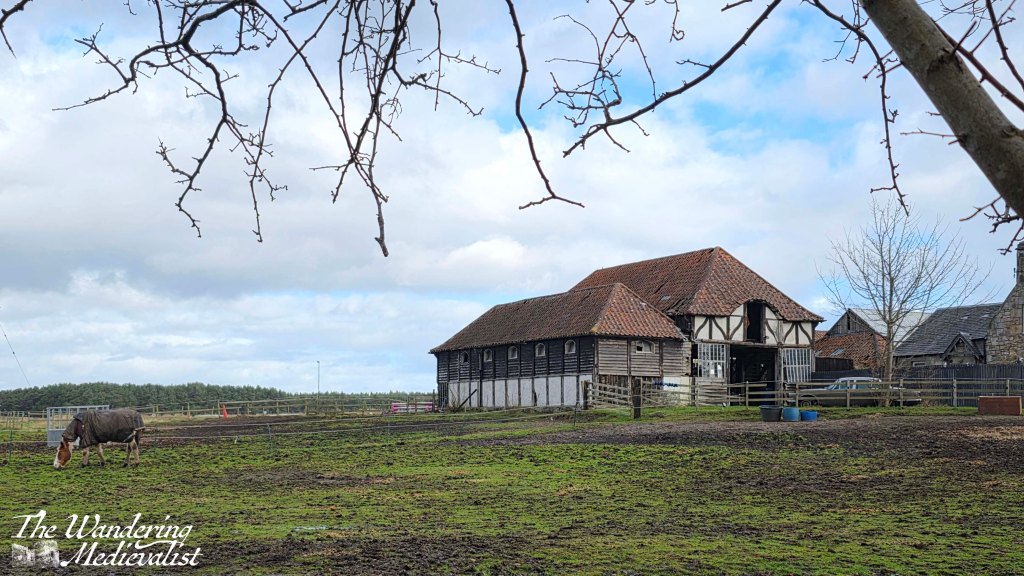
Not far beyond the main entrance – blocked by a massive gate house – is another exit to the estate, where you can just see hints of the wall and gardens. A short distance later, through the bushes on the other side of the road, comes into a view a beautiful old barn with several horses in the field/ The accompanying farm house is a bit less grand, but the presence of several rows of now decaying farm crofts indicate that this may have been a thriving community at one time.
On the right, it becomes increasingly clear that you are hugging the edge of Leuchars Air base; there are no pictures due to the very large, regularly repeated and threatening ‘no photos’ signs, as well as ‘no drones’ and soon, guard dog warnings.
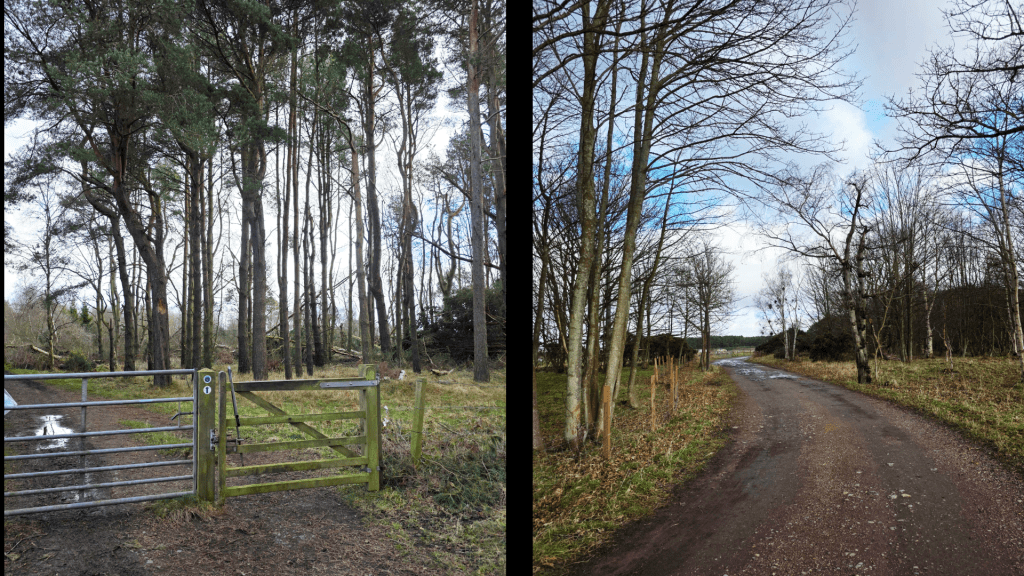
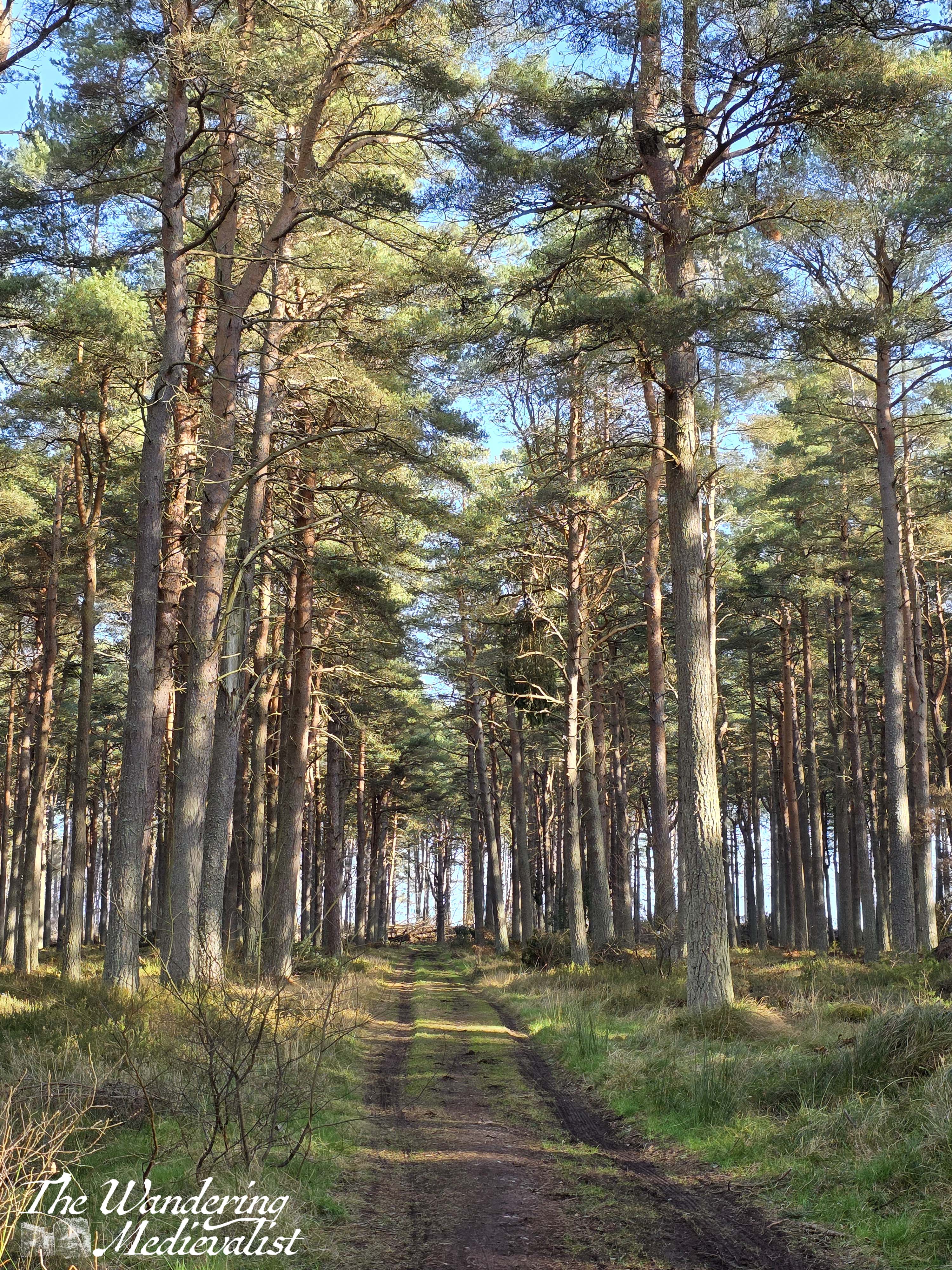
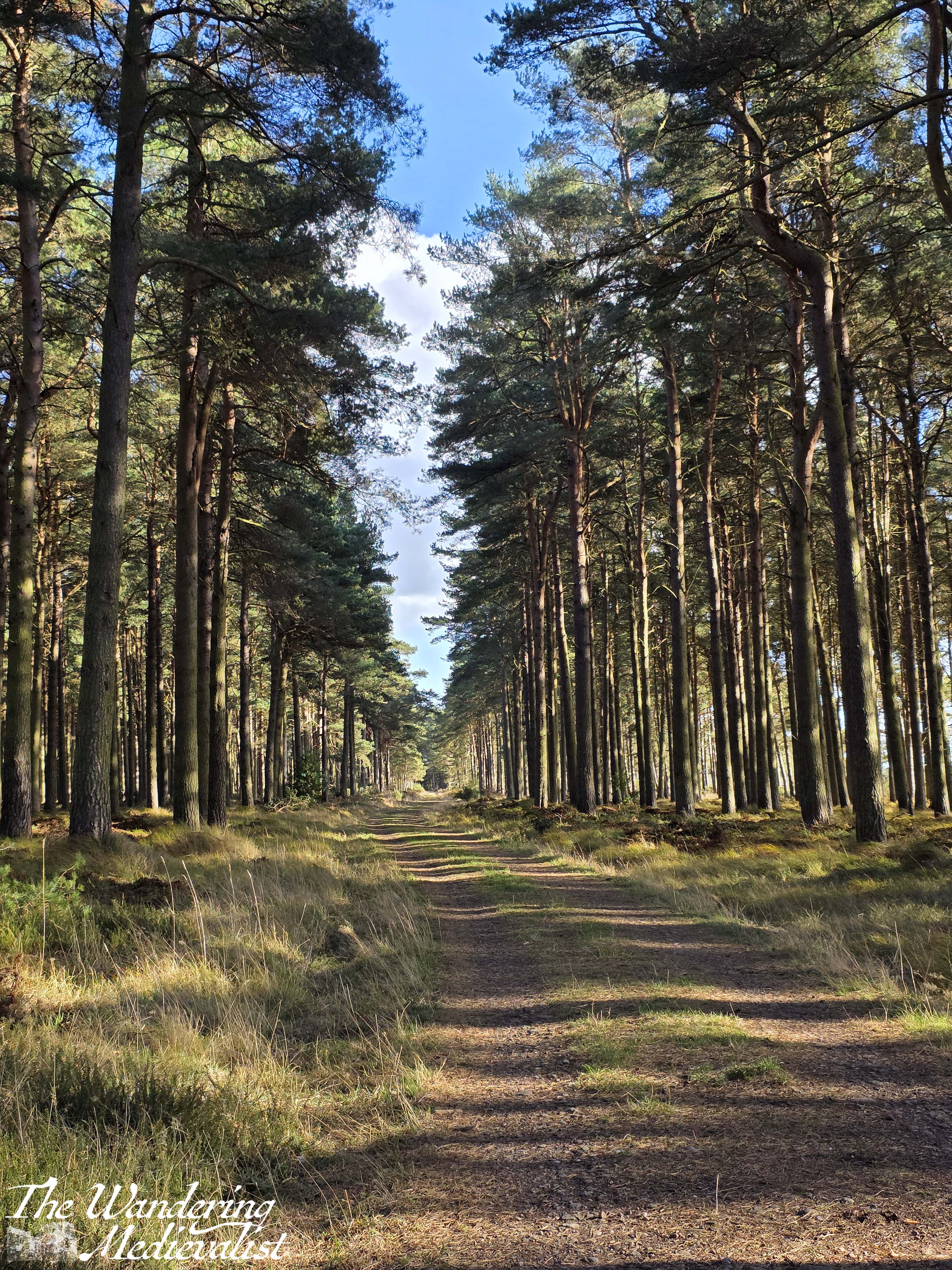
The path skirts past a large radio tower and I started to wonder if I was lost when finally the sign appeared on a gate, directing off of the road and onto a wide farm track. This track curves several times through a beautiful stand of silver birch, passing fields of horses on the left, before going through another gate and entering the stands of tall pines.
This is about when I started to catch hints of revving from the nearby motocross track, an irritating sound when one is enjoying a nature walk, but eventually it faded into the distance. As the trees closes in around the track it became muddier – I was very happy to have my proper boots – and the revving disappeared into the increased rustling of trees from the wind. It was a bit concerning to look behind me and see dark clouds coming my way, but one of the best things about a windy day in Scotland is that dark clouds tend to be quickly blown past.
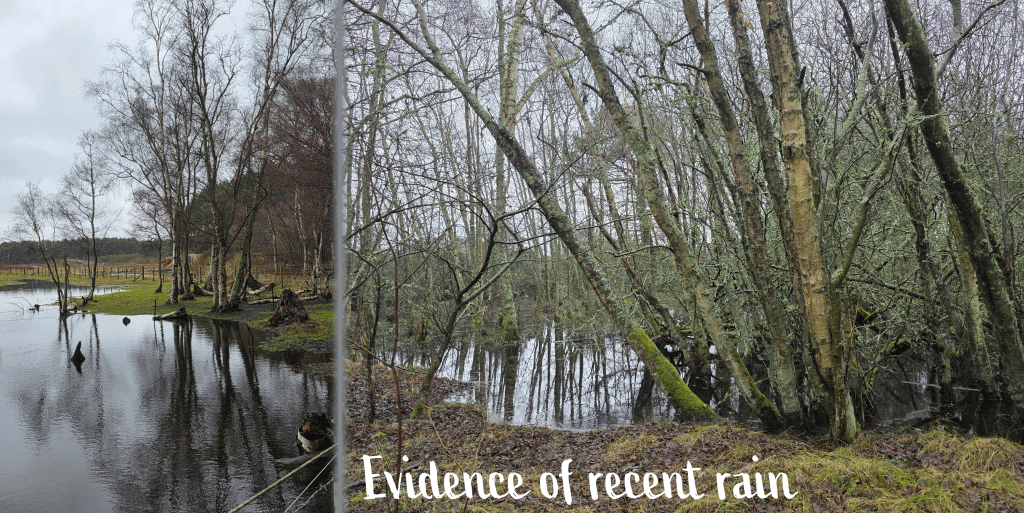
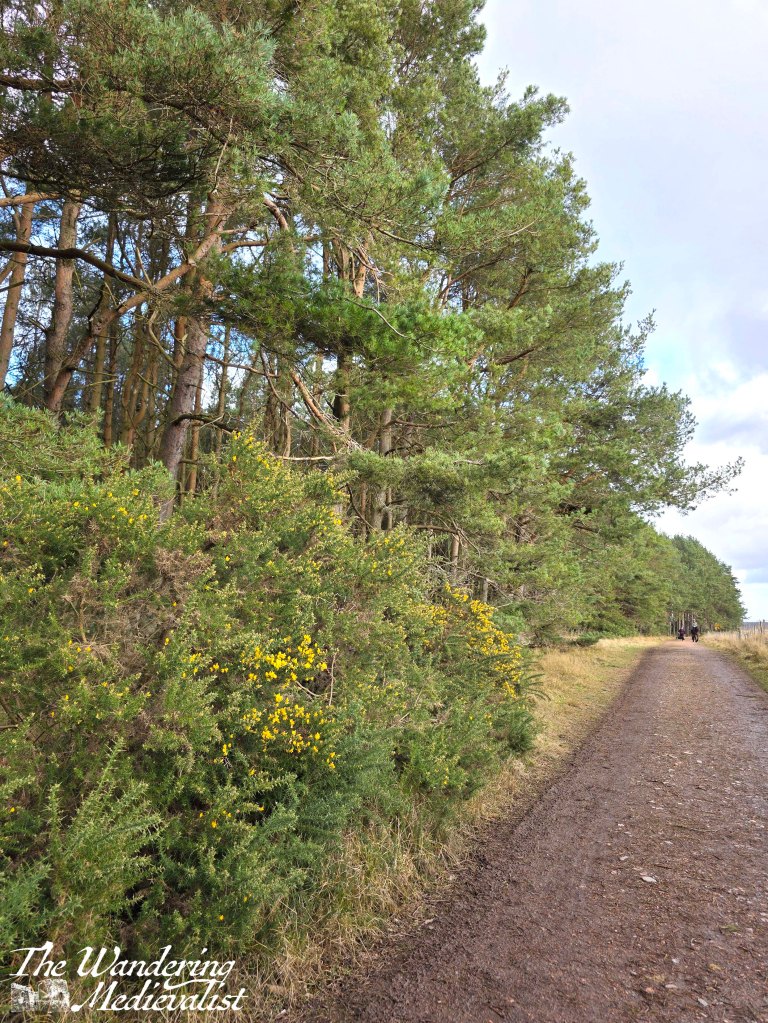
The path is straight here, with fields on one side and tall pines with underbrush of gorse along the other. I can see the appeal of doing this walk at a time of year when bugs are minimal as there are some pools of standing water and animals in the fields. I am quite allergic to gorse so was relieved to see it only just starting to flower – granted earlier in the year than I might have expected. I was making good time here, and I think it was at least partly due to my racing against the approaching rain.
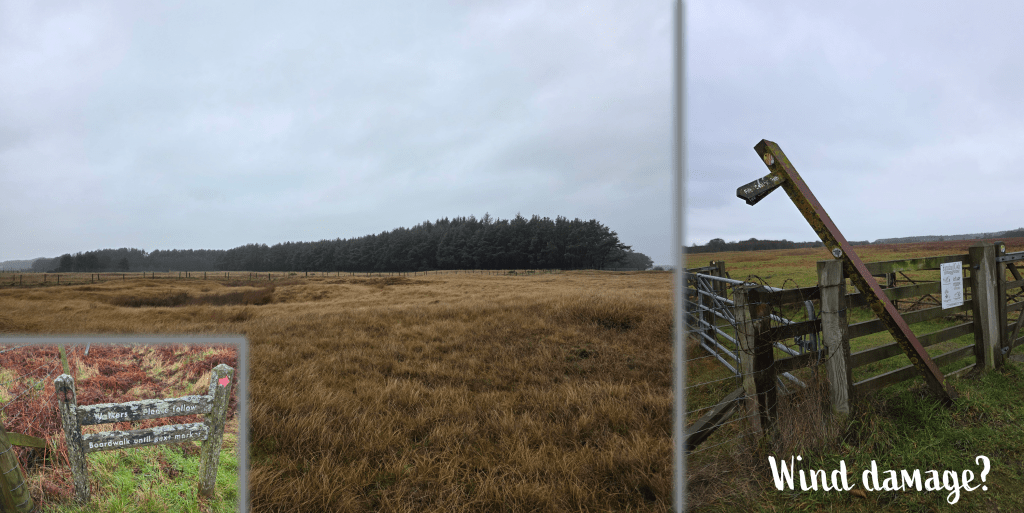
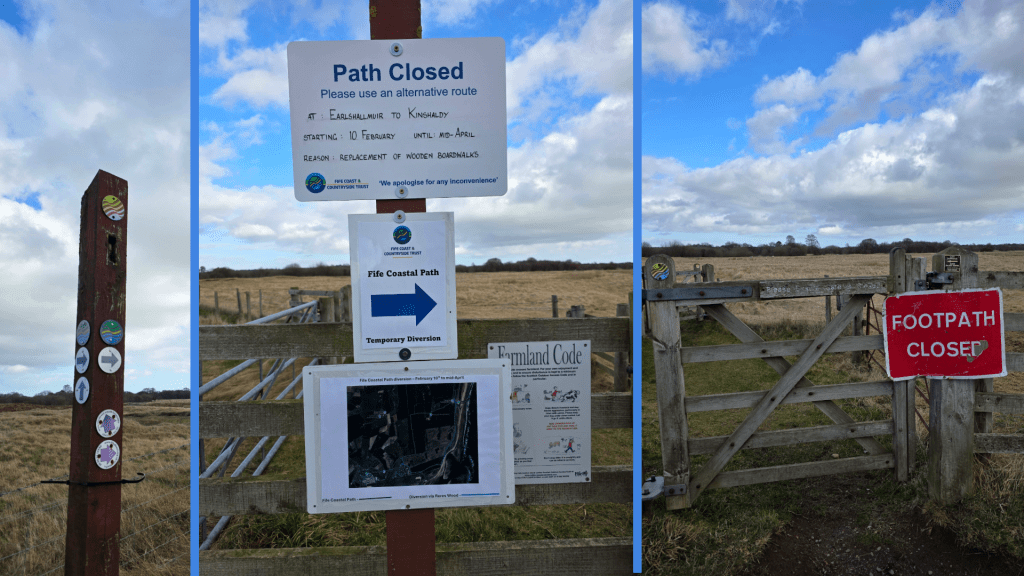
About a mile or so from the castle, the path swings away from the trees and into the fields, approaching what should be a sharp left then right jog of the coastal path. However, this is here my plan ran into a hitch. Not due to impending rain, which somehow continued north and missed me completely, but because the quiet season evidently inspired the Fife Coast and Countryside Trust to do a bit of maintenance on the path.
So, as you can see, there was a detour, with a well-marked path leading in the opposite direction. But, I was stubborn and ready for an adventure, and at first glance at the picture, it did not seem as though I would be walking terribly much further than originally planned, and probably in quite similar surroundings. The purist in me will insist upon re-doing this section, but for now it was the best I could do.
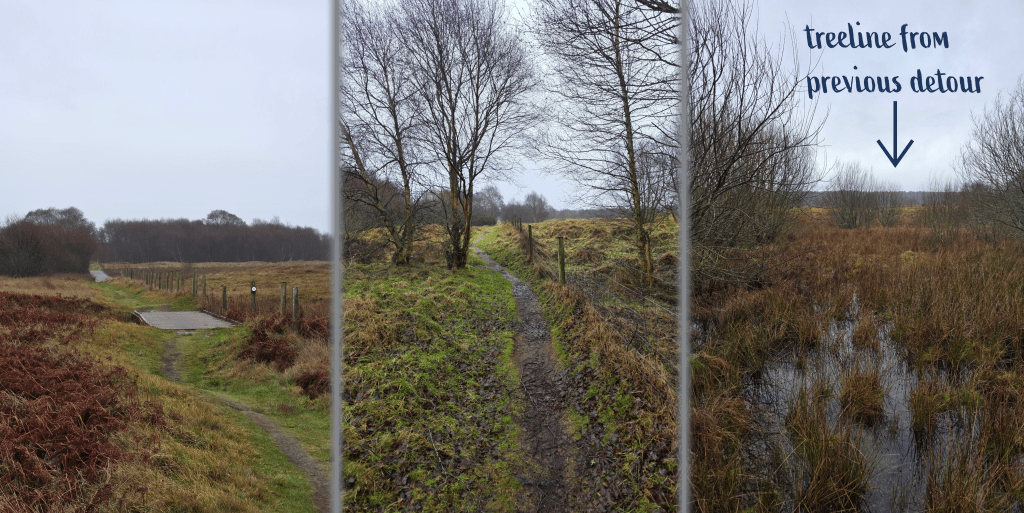
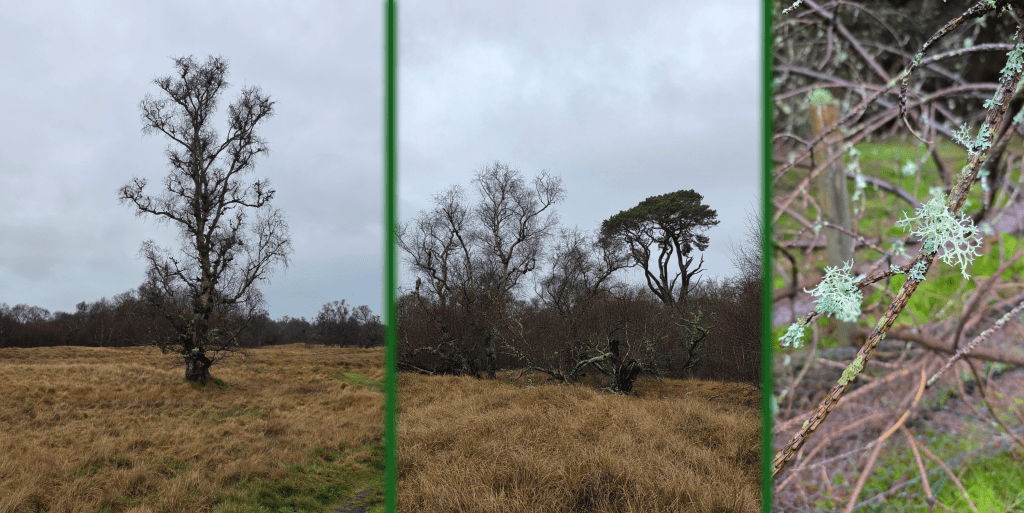
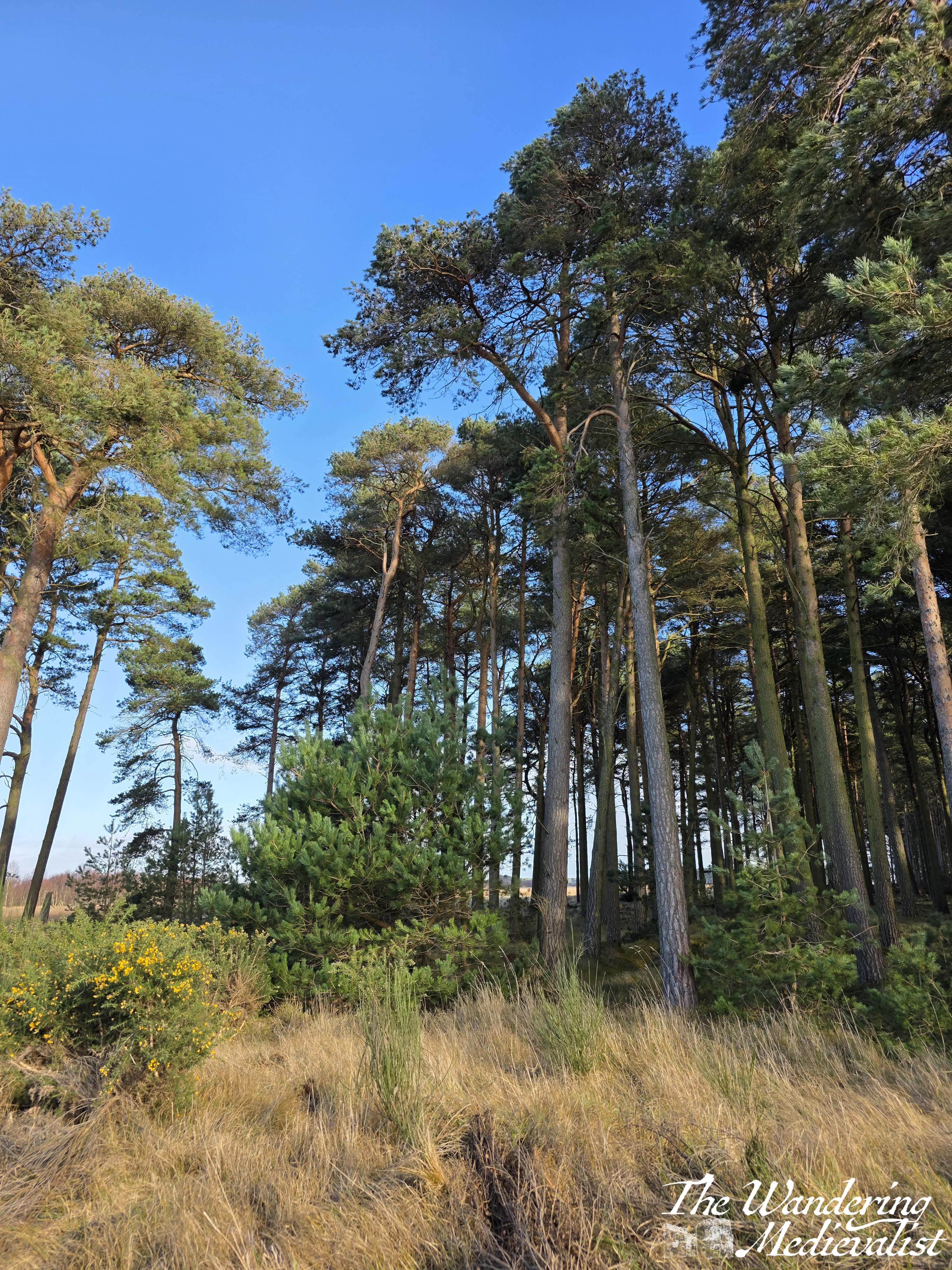
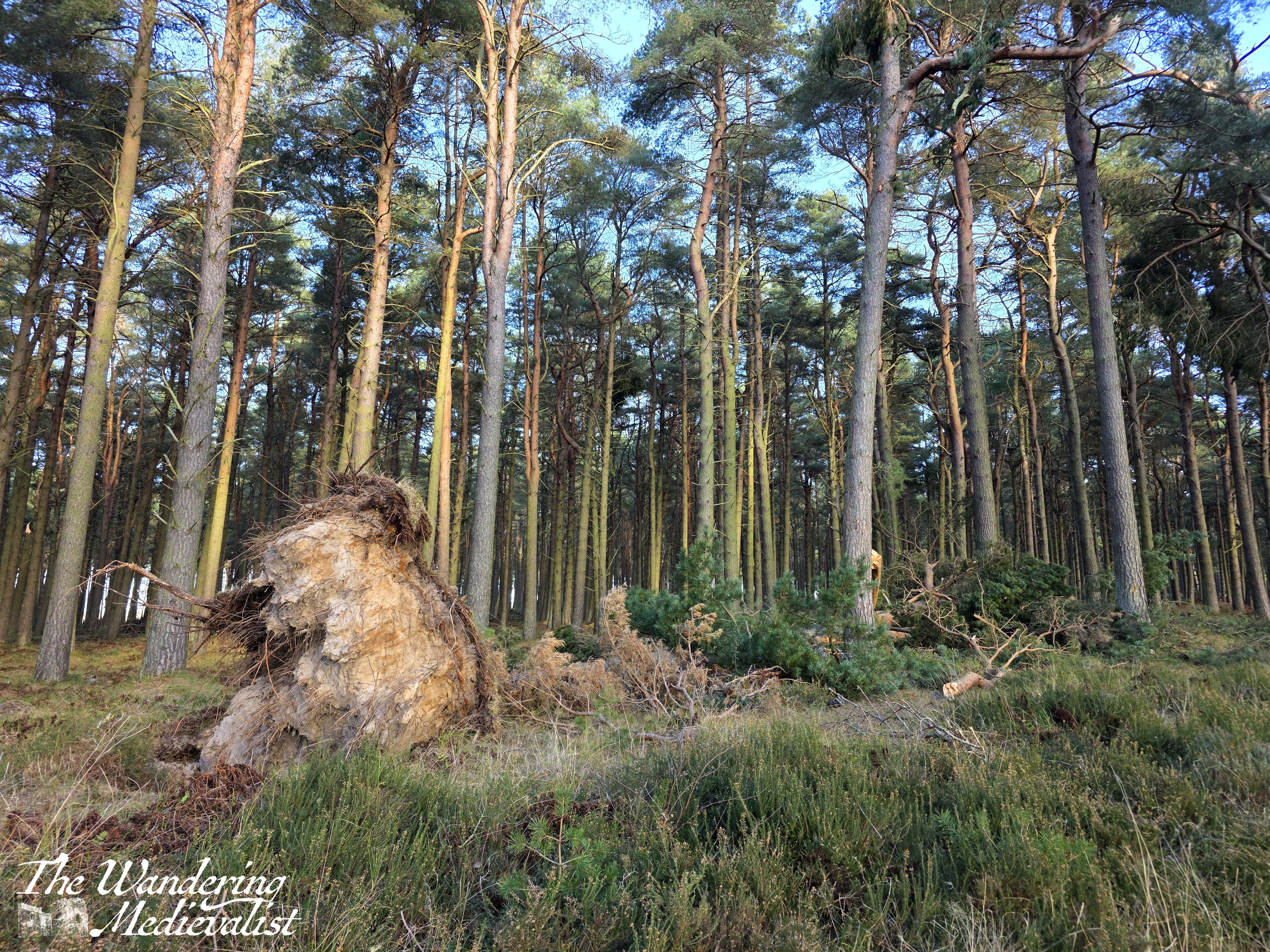
Muttering slightly to myself, I set out along the farm road indicated, with fields on one side and the base on the other. It became clear that the road followed the edge of the MOD property which was appropriately signposted with threats. On both sides of the fence there was damage to trees from recent storms, but generally was a pleasant, quiet trail on which I passed only a few cyclists and one horseback rider. The aggressive signs slowly became overgrown by gorse – arguably a more effective barrier than metal fences – and on the left high grass gave way to another stand of tall, straight pines. In about 3/4 of a mile, the path heads straight into the trees and it became a really pleasant stroll through the woods. Finally, I figured, we were heading towards the coast.
Eventually.
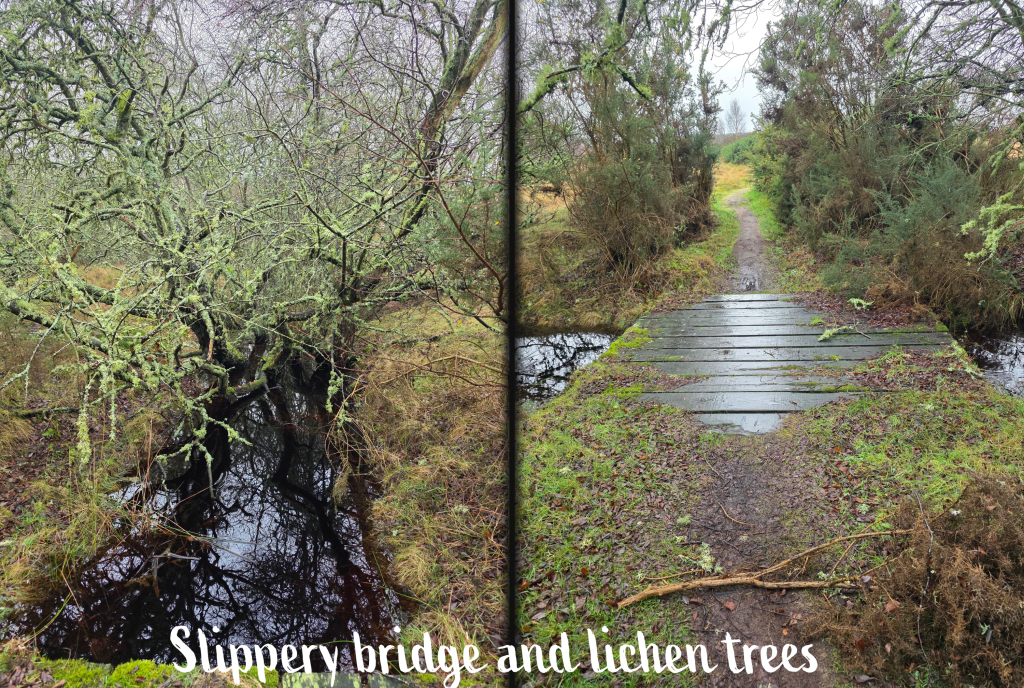
Storm damage became more and more evident as I walked, though I also noted that this would be a stunning walk at a time of year when the heather was blooming, as it carpeted the edge of the tree line and the forest floor. This stretch through the trees was a bit longer than I expected, and then just as I wondered if I was stuck forever in the forest tunnel, I realised that behind the distant trees was the blue of the open sky. Patches of sand interrupted the dirt trail, and many more fallen trees were stacked in piles – all signs of the approaching open coastline.
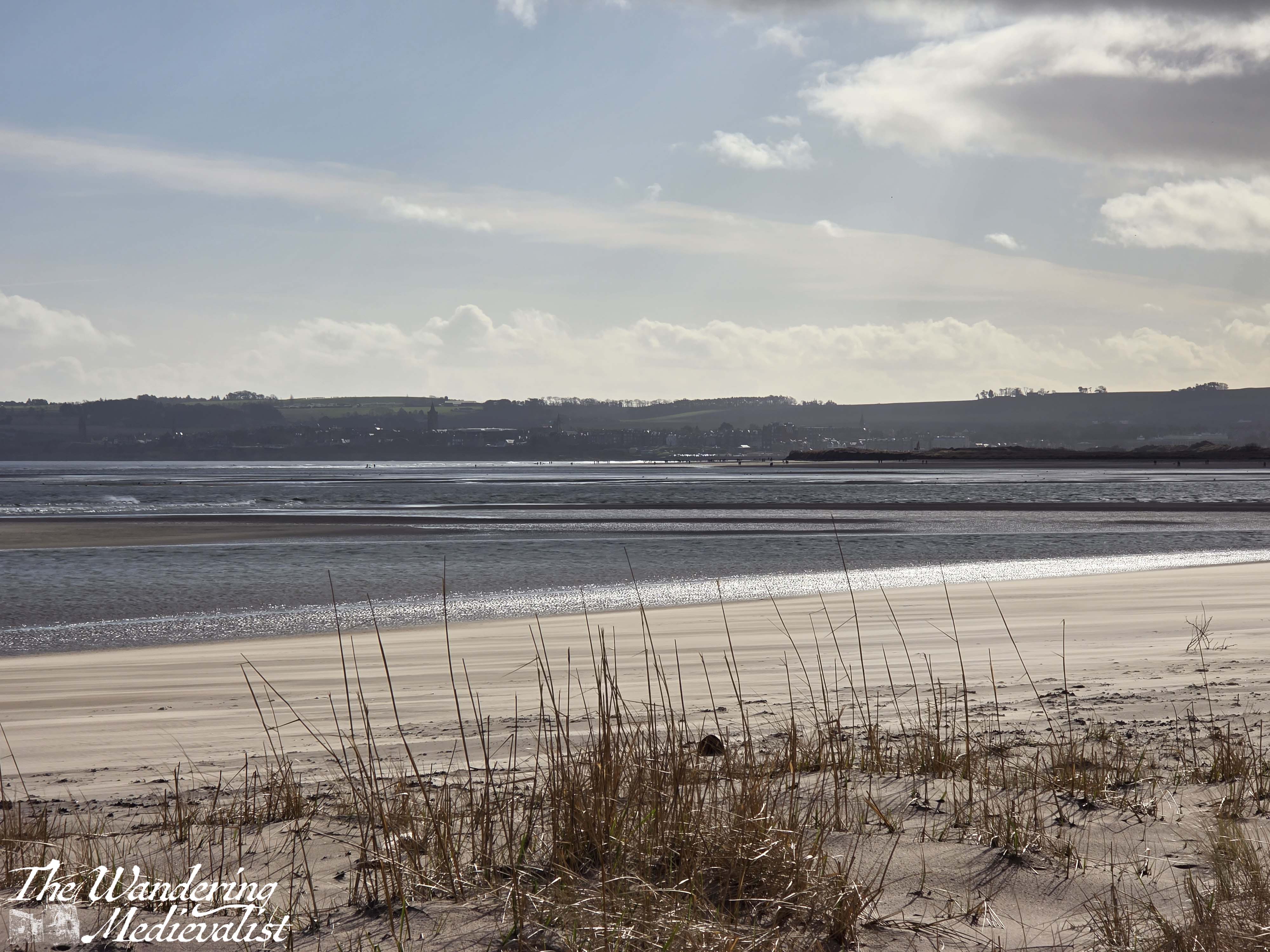
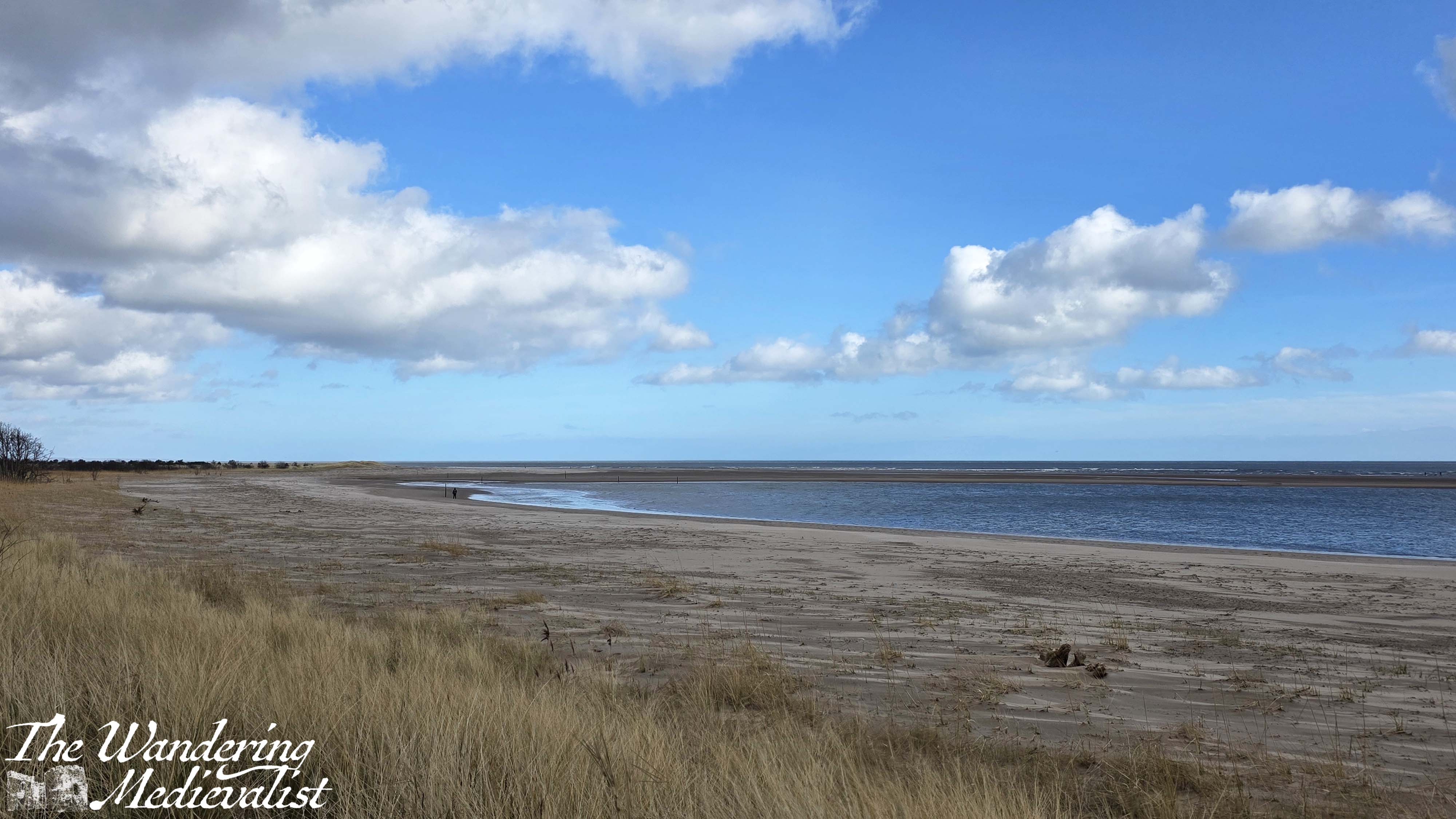
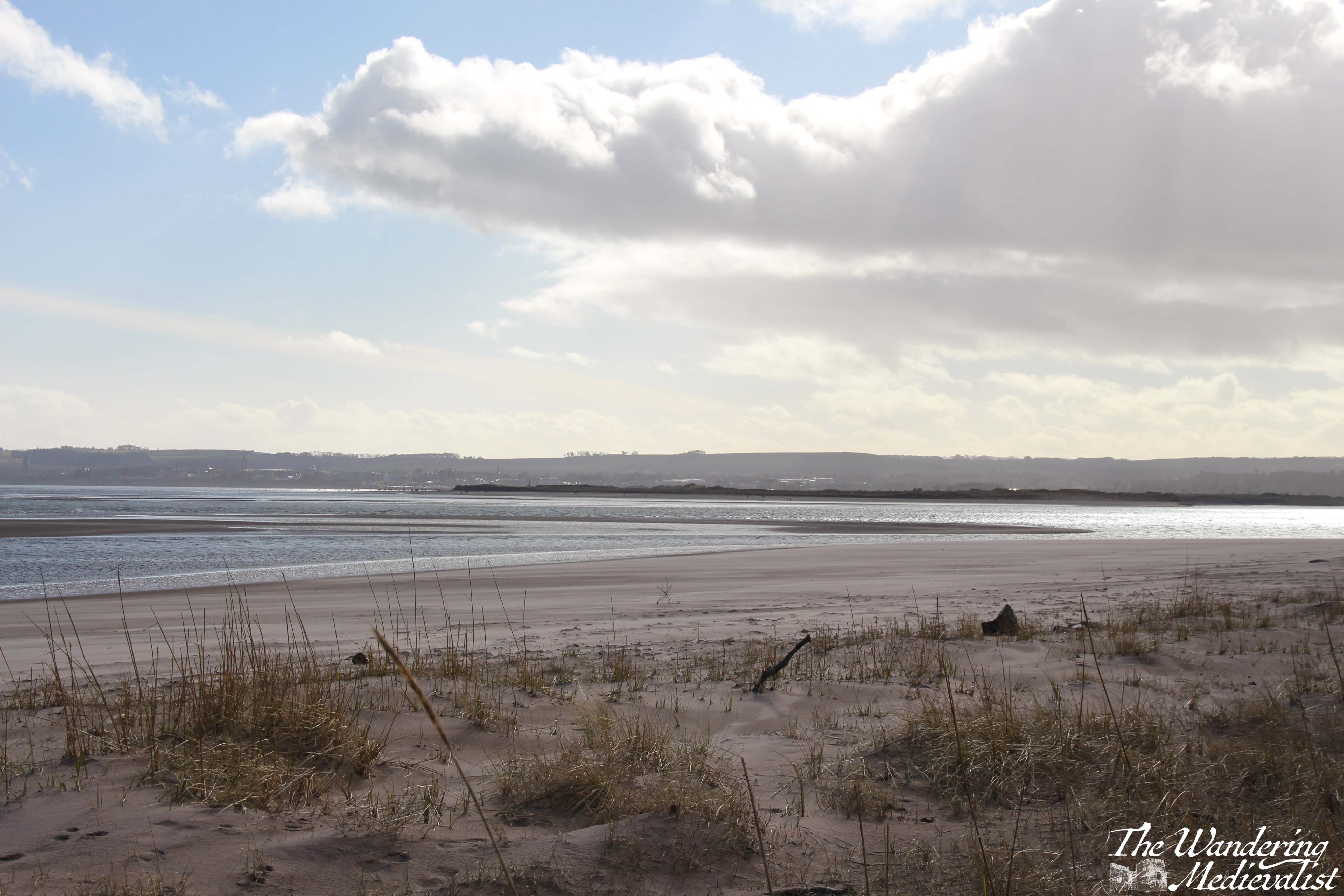
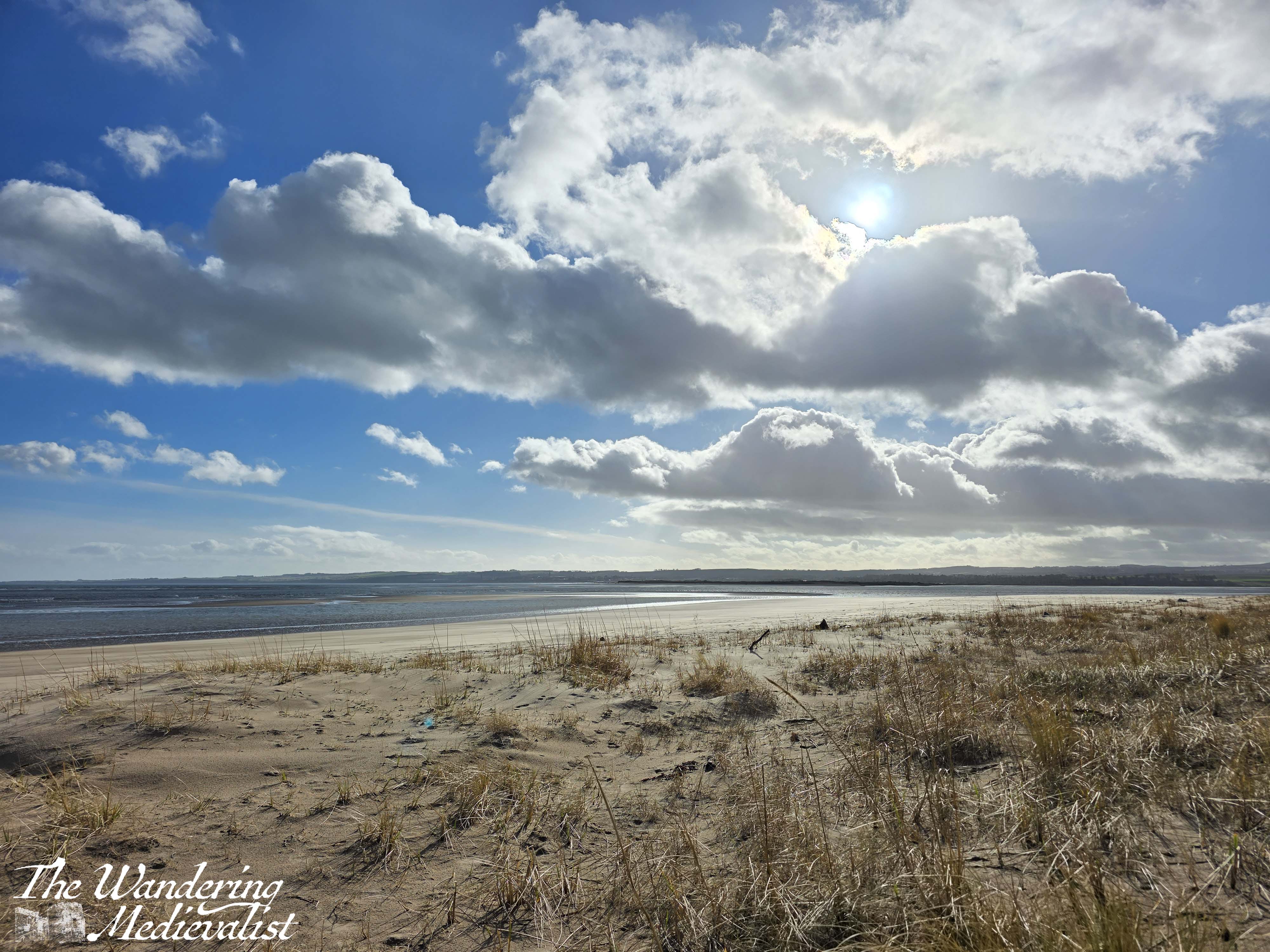
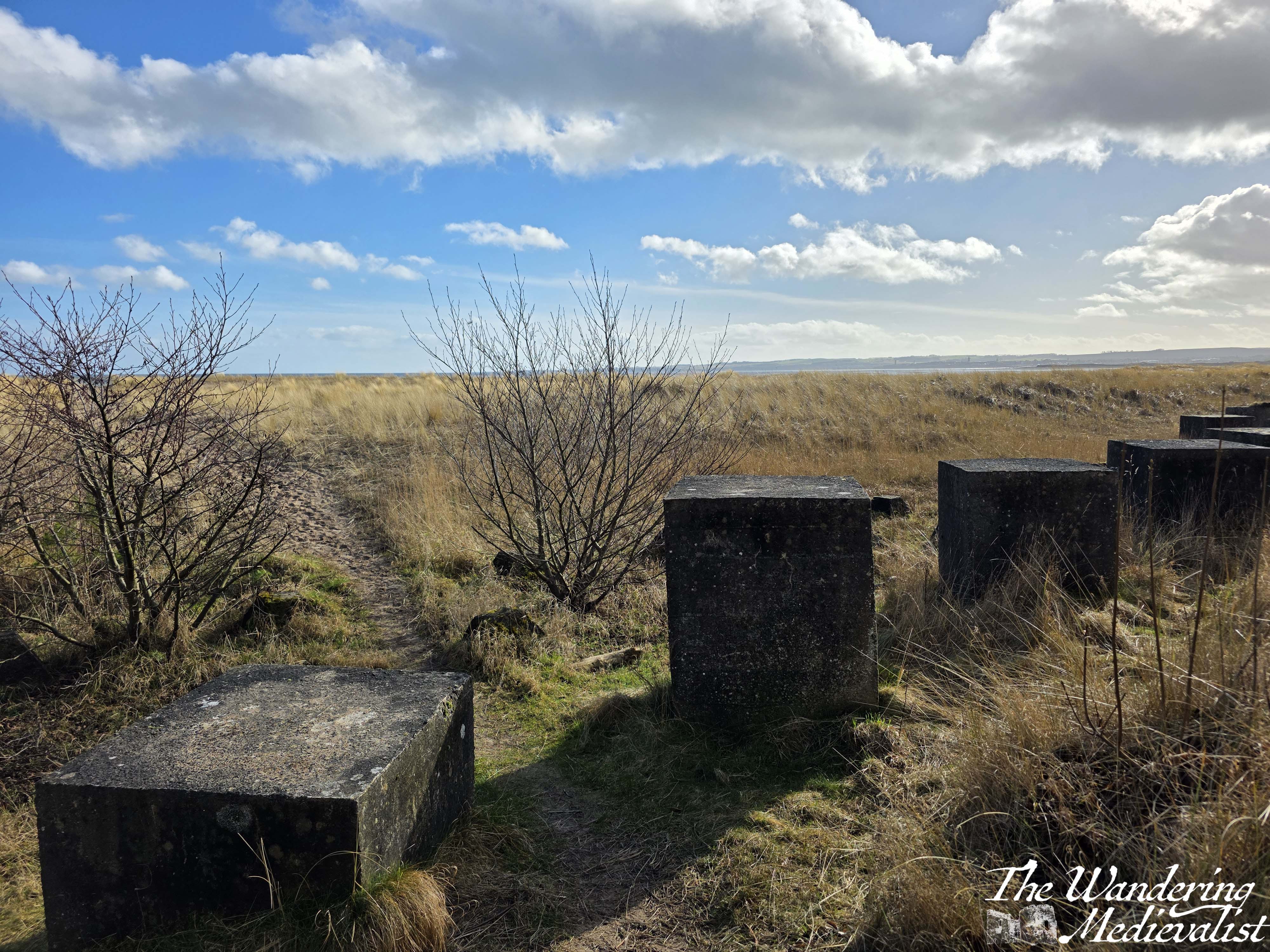
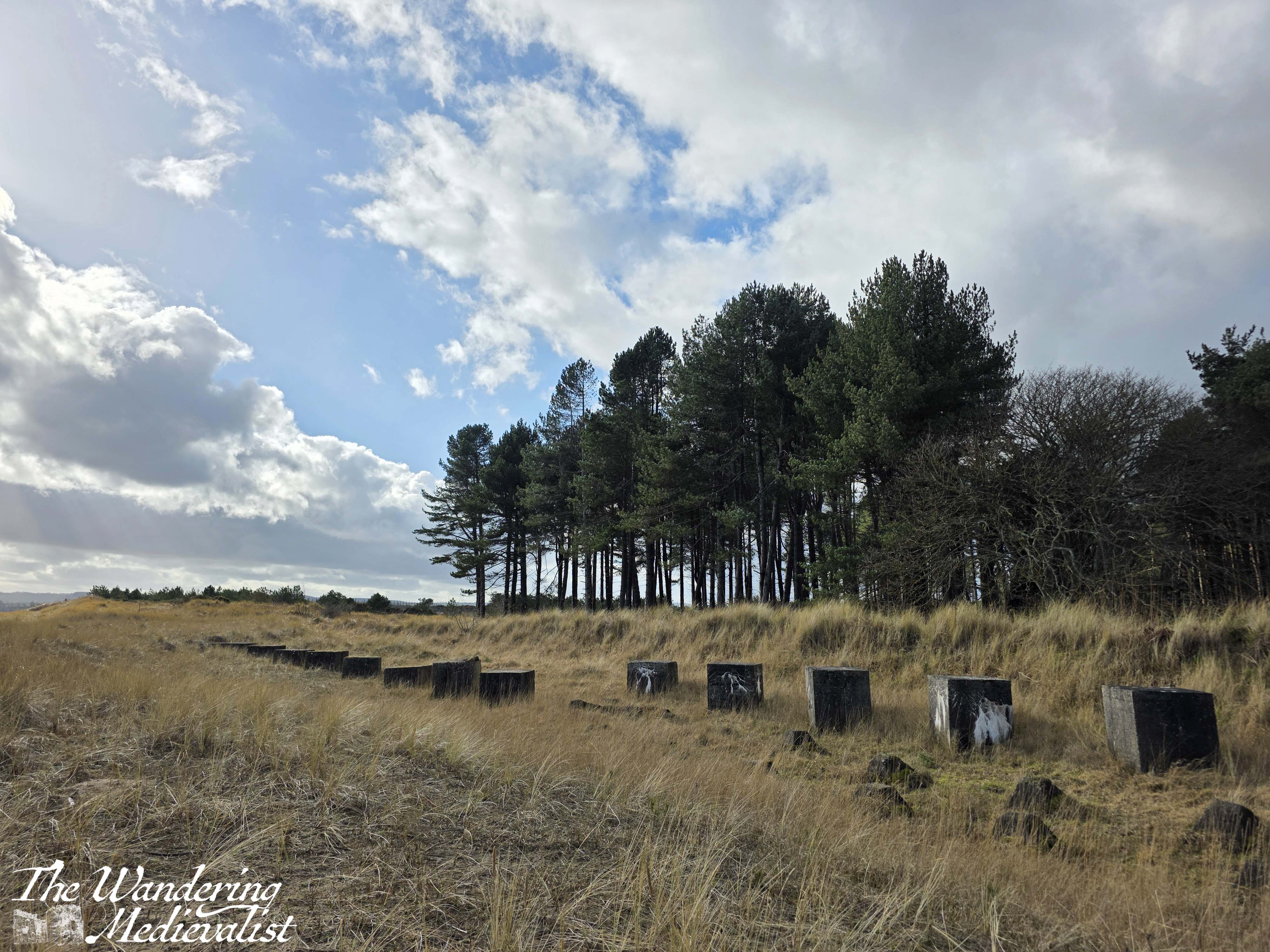
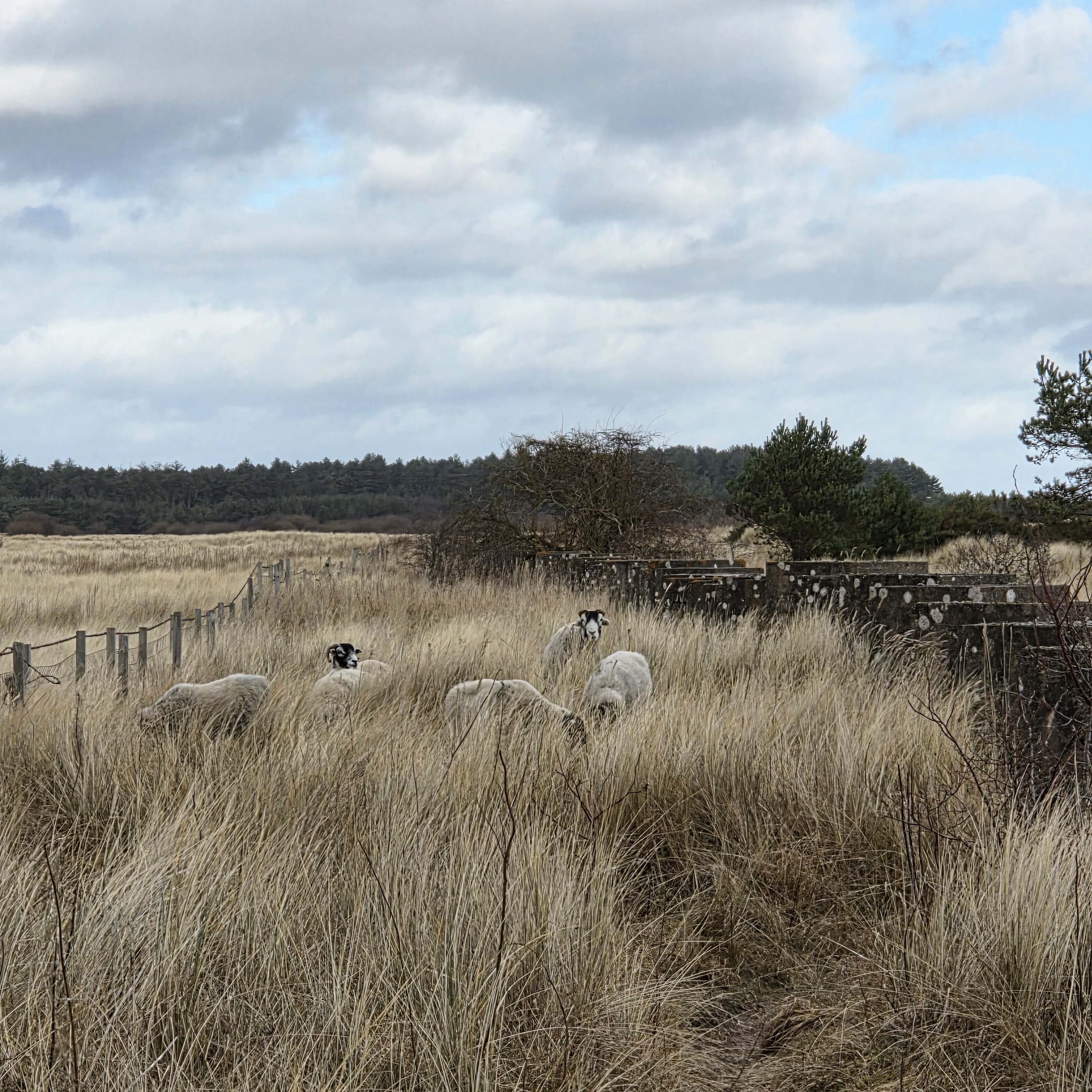
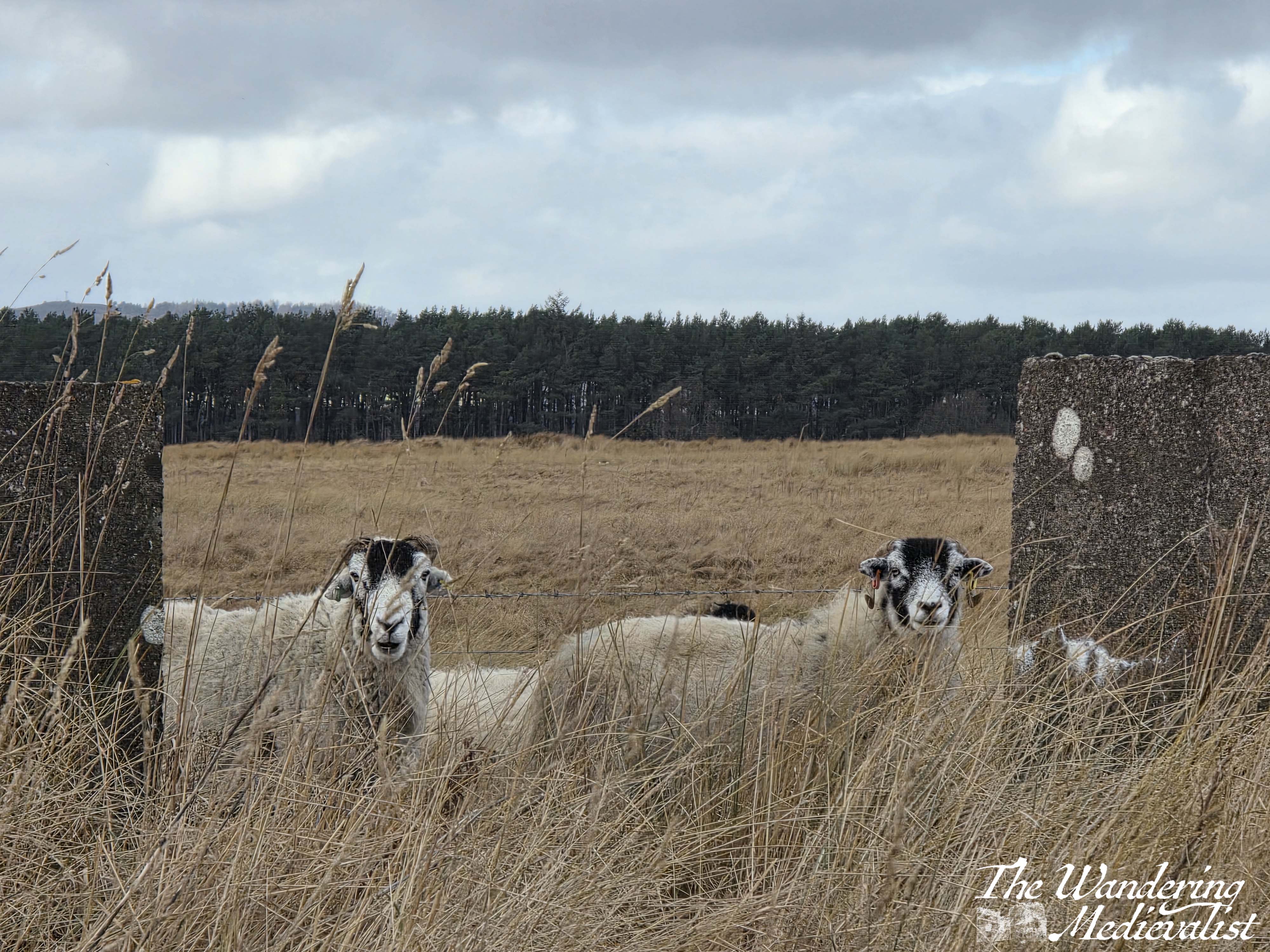
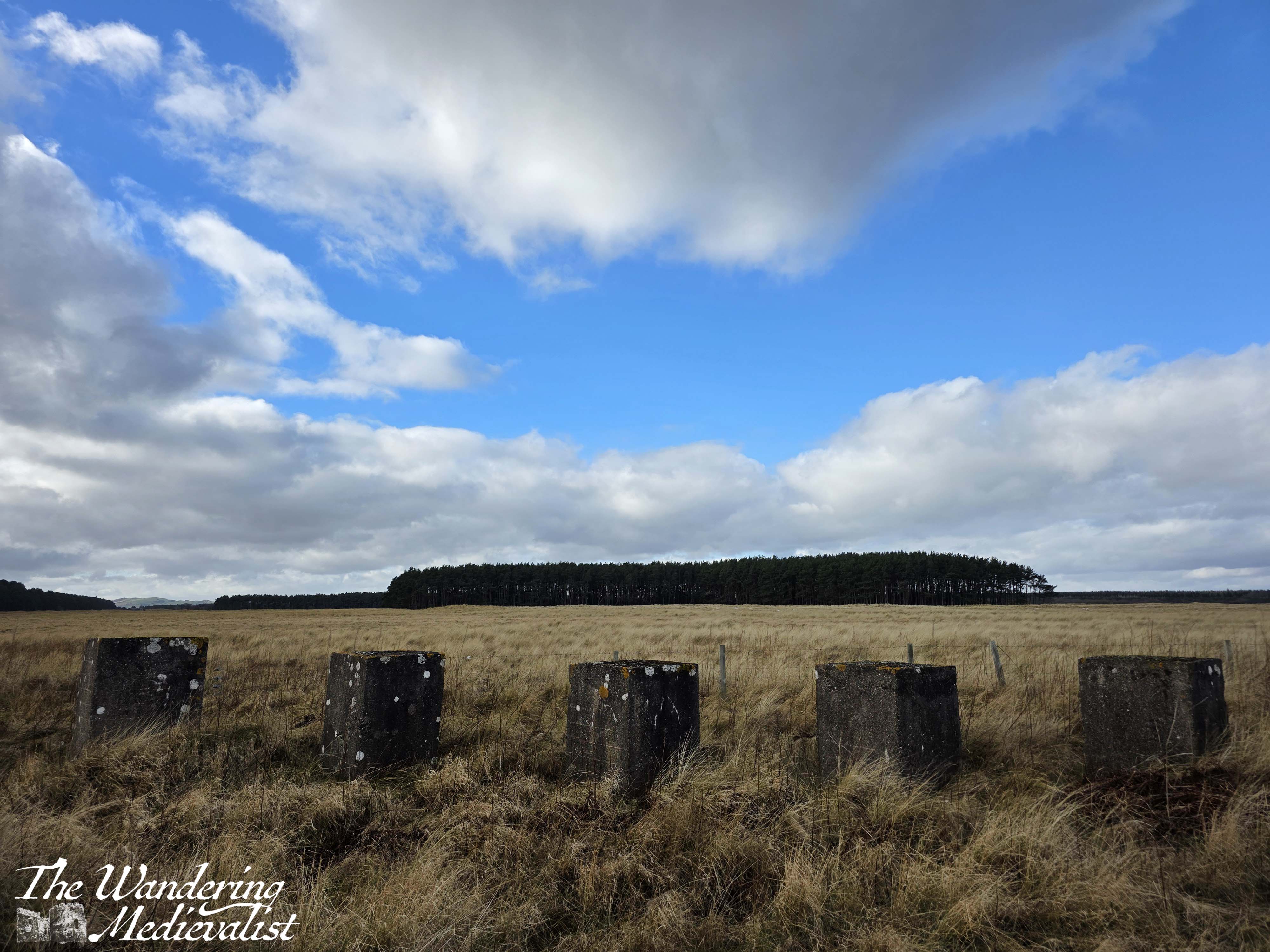
About 1.5 miles from where the path should have branched off, I finally reached the beach. The view across the Eden Estuary towards St Andrews was spectacular, the sun came out just at the right time, and even the giant blocks of concrete half buried in the sand were beautiful. These blocks can be found all along this stretch of beach, constructed during World War II in the hopes that they would prevent the Germans from landing on the wide sand and rolling tanks into the farmland.

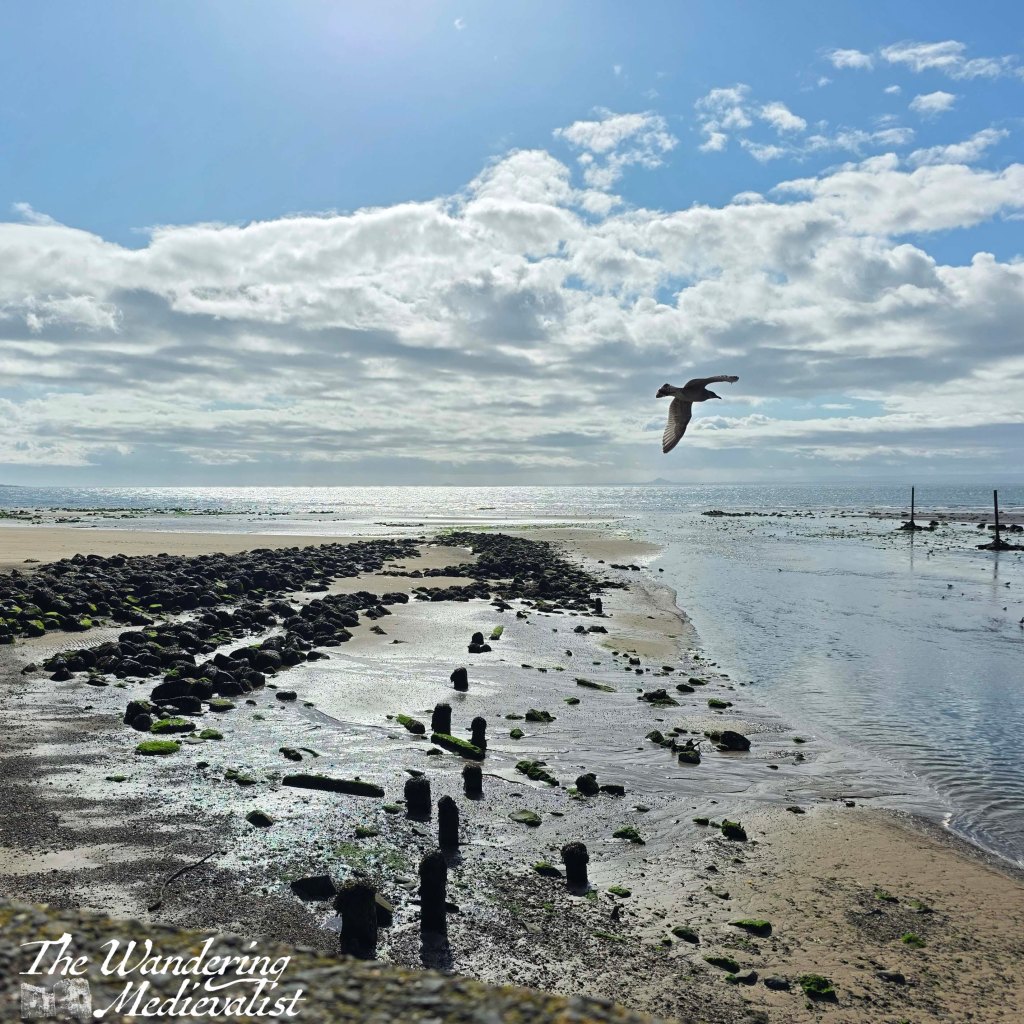
At the access point to the Estuary, there are signs informing you as to the wildlife living here, and reminding walkers to be considerate of what they find. There is also a detour sign, on this occasion, and I found myself stopping temporarily to work out how much longer I had to walk – I soon wished I had not bothered.
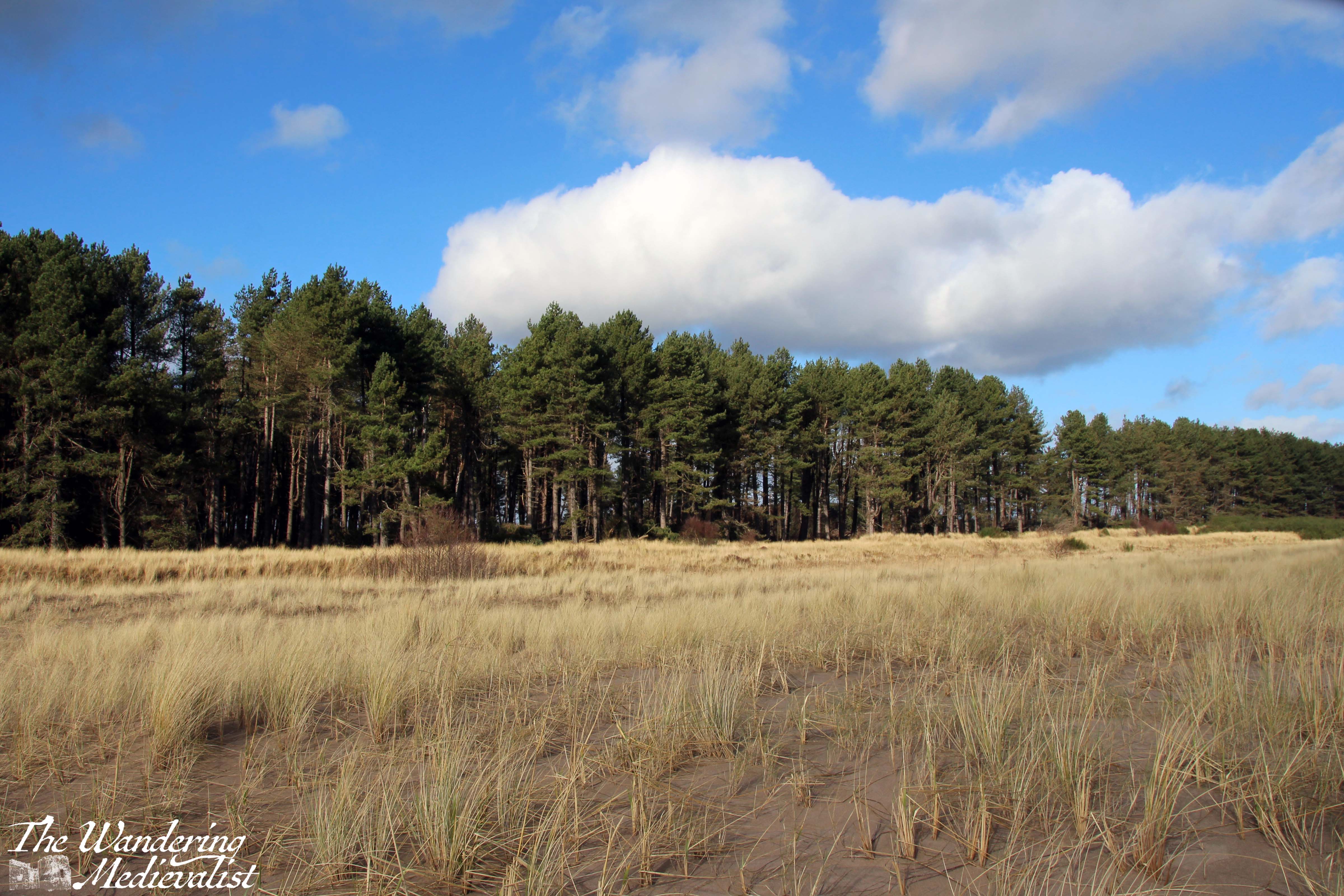
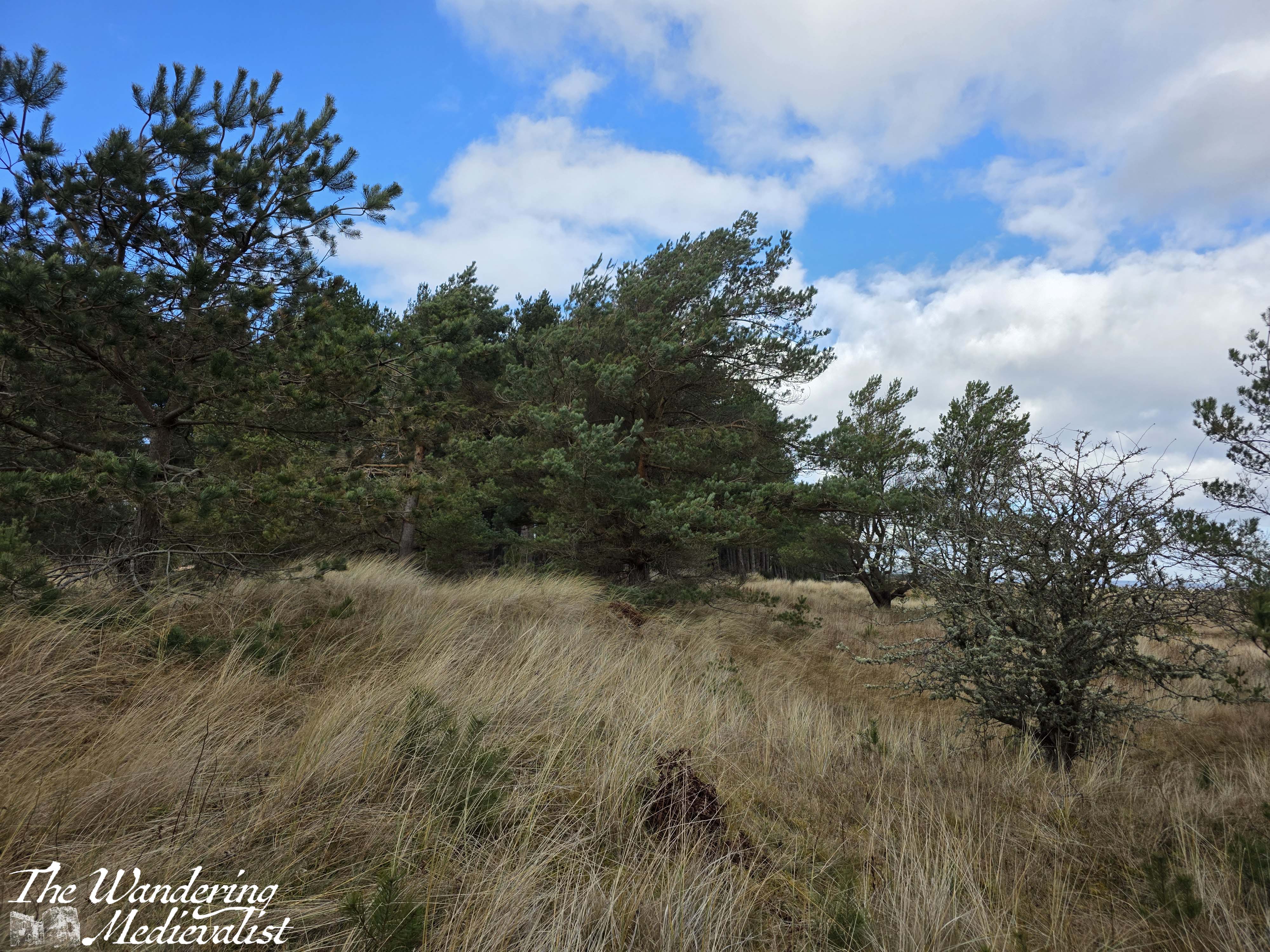
From this point, the path led along the edge of the trees, with dunes on the right – a pleasant view for sure.
In retrospect it may have been sensible to stop here and rest for a short while, or to stay on the beach, but I did neither of those things, instead heading onwards along the coast. It is a lovely path. The trees fall away after a while, and the path winds away from the beach into the fields; it was here I came across a small flock of sheep who were mostly unbothered and watched me as if to say, ‘what in the world are you doing here?’
I did start to wonder that, myself.
Now, I am not a completely inexperienced hiker. I know perfectly well that I should have water and even snacks for a long hike, but that was not what I intended this to be. So I bought neither, figuring I had managed 3.5 miles last weekend, I could do 4 this weekend. I will never make that daft mistake again.
Away from the beach, the trail is considerably less even away from the beach, rising up and down over small dunes and hillocks of tall grass. To the left are fields stretching to distant trees, and to the right more grass, small trees and a patch of marshland separating the trail from the beach.
Eventually the grass fades into stands of small trees, then gradually larger ones, and I was relieved to once again joined the more familiar route with pines on the left and dunes and beach on the right. I hoped, and believed, that I was getting steadily closer to the car park where my other half had promised to meet me. I wished several times that I had brought headphones, as I felt like music might have kept me going a bit better, and my old hiking boots were feeling increasingly heavy and more of a drag on my energy than helpful.
Side note, these boots are almost 20 years old and have served me very well, but they are heavy and are probably more designed for climbing hills than walking. Certainly my sore hip flexors over the next few days were an indication that it was time to be rid of them. So, this was their last hike and I have since purchased some new walking boots from Mountain Warehouse – I will be sure to report upon their success.
Back to the walk. Gradually, the number of people on the trail grew and I sensed I was getting close. Light reflecting off of unnatural surfaces glistened through the trees – cars!
I was there.
In all, I walked almost 5.5 miles, a bit longer than my intended 4. I made more than a few mistakes along the way, not the least of which was thinking I could push myself in a way I could in my 20s.
It was an enjoyable walk – until the last mile or so – and I look forward to trying it again in the summer when the boardwalk is open. It allowed me to push my limits and remember why I was doing this in the first place – to walk more, and to remind myself just how unprepared I am for a longer trek. But I’ll get there.
And I’ll bring snacks.
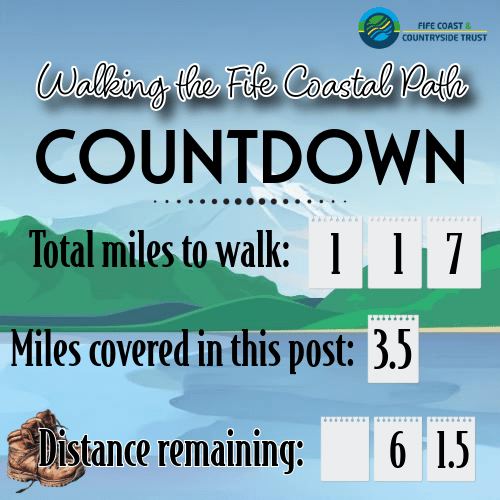
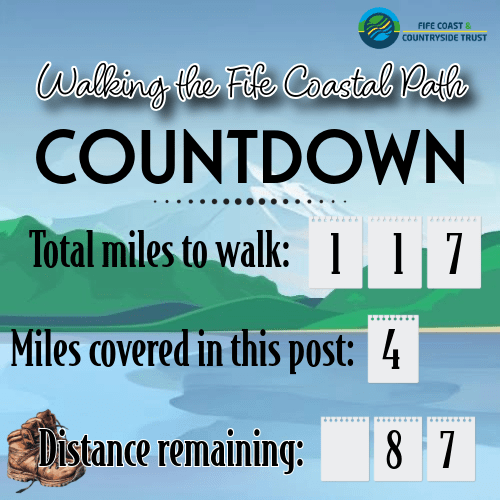
This weekend’s walk total (considering that only a portion of this walk was actually on the official Coastal Path):
The other morning as the other half and I batted around options for where to walk, an idea came to me. It was born partly out of curiosity, partly inspiration, and partly the drive to become more fit this year: I want to walk the Fife Coastal Path.
Not, as some do, in a few days or as some endurance feat, but broken up into manageable chunks that will grow longer as I become more fit. I want to start with small bits and move up to the longer stretches. I know weather will prevent walking every weekend, I’ll be travelling, and there are plenty of things to hold me back, but the only one I’ll really disappoint should I not manage this is myself. There are some incredibly fit and determined people I know who have run the path, or walked it in a few days, but I’m not nearly ready to attempt that; so I’ll do it the way I know how.
Here goes.
Stats:
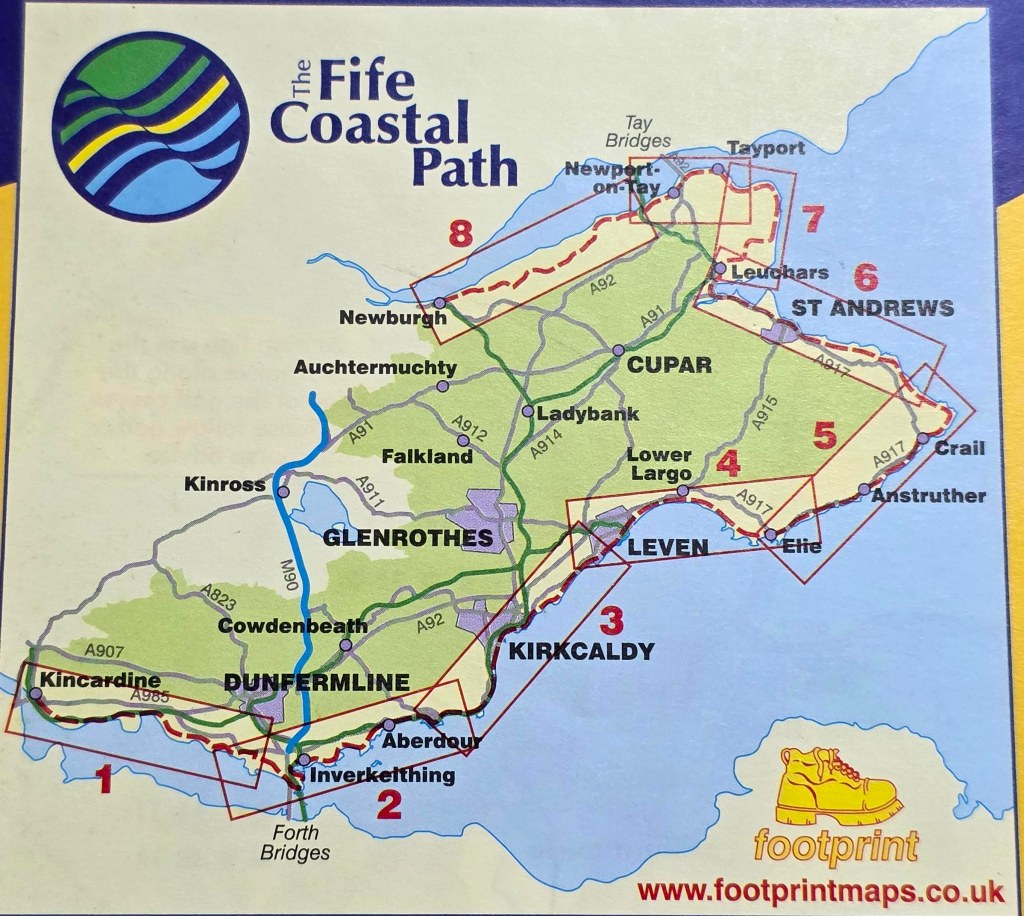
The Fife Coastal Path runs from Kincardine around the edge of Fife to Newburgh. A while ago a purchased a fold-out map which suggests large segments of the walk, but also includes every mile count along the way.
This map is taken from the Fife Coastal Path fold-out map, and not my own.
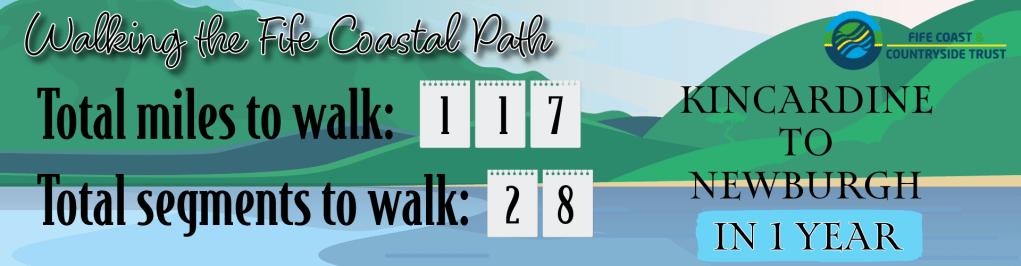
Using this mile count, I’ve divided the nearly 117 miles into roughly 28 segments of my own, of reasonable length – some short, 2-3 miles, and some quite a bit longer. A good portion of the path passes regularly through towns – especially along the south – but as the route curves up the east coast and along the north, the path segments get a bit, or a lot, longer. So I’m not going to do this in order, but I’ll start off with the shorter bits and attempt the longer ones when I feel more prepared and the weather is better.
I’ve also got some serious logistics to plan, assuming the other half will accompany me: how to we get to various points, and if we’re walking in one direction, how do we get back to our car? I foresee that public transport will be playing a massive role, and we’re lucky that transport in Fife is pretty good. There’s also the issue that the Kincardine end of the trail is a good 60 minute journey from here by car, so I’m not certain when that will happen. But happen it shall, especially as the days are growing steadily longer and brighter, it will be easier to take day trips.
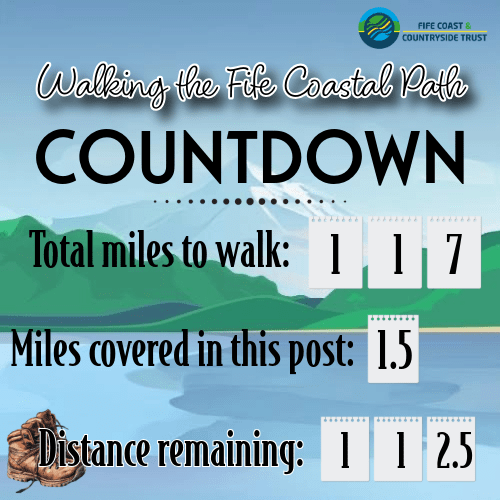
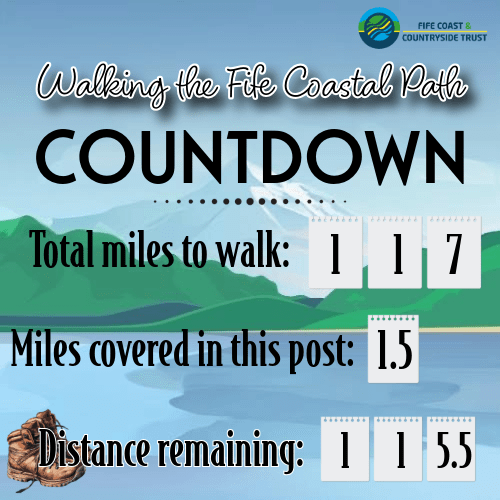
Finally, naturally, I will of course be sharing my progress and documenting it along the way. I’ve got my countdown clock running, and I’m determined to get this done by 31 January 2026.
Here we go!
Part 1 – Newburgh
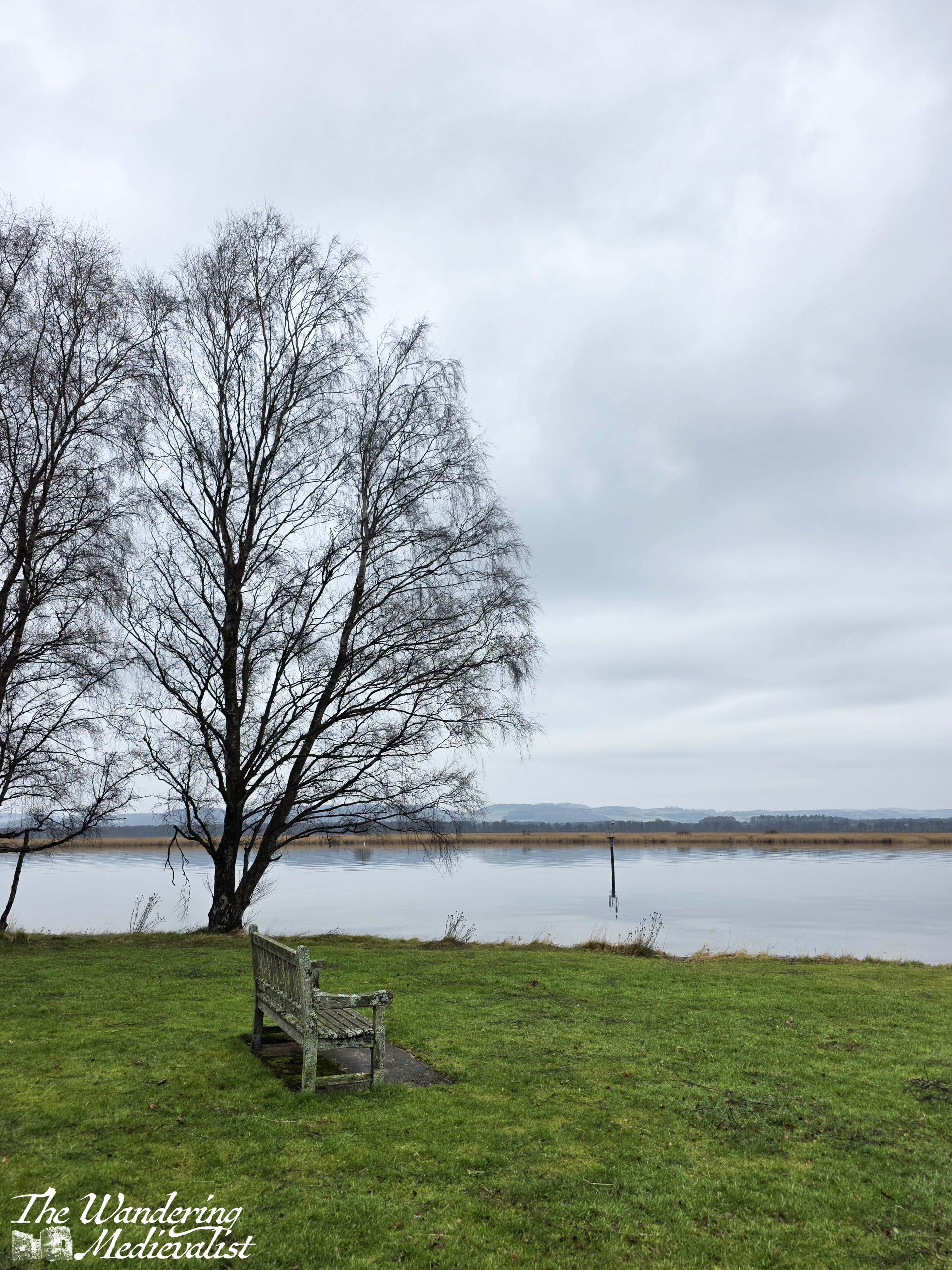
It was a grey, damp weekend, typical of many at this time of year, when it’s cold but not freezing and not quite raining but still muddy. So, I decided that it was time to start this trail at the beginning (or end, depending on how you view it). So, we braved the two sets of road works to drive to Newburgh, and park at one end of the coastal path.
Newburgh is an old burgh, granted royal burgh status in 1266. It is less than two miles from the nearby Lindores Abbey, which is now in ruins next to the distillery – see later in the post. The town boasted several industries including fishing and the making of nets, linen, linoleum and oilskin fabric. It saw some growth after the Second World War, though most industries had closed down by the first part of this century. The high street offers a mix of Edwardian and Victorian structures – plus some far older – along with some newer blocks. There are a few shops and cafés; we stopped for a post-walk coffee and scone at Café de Kathy, which was quiet but made a good Americano.
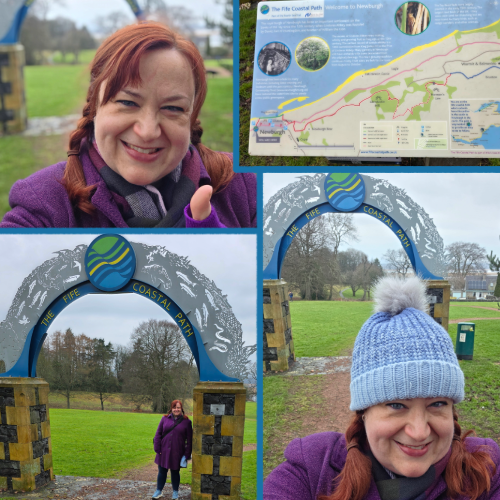
The start of the Coastal Path is served by a good-sized car park and is marked (as you can see in these photos) by an arch which makes a good selfie spot. There is also a small plaque showing you the first 10 miles or so of the path – evidence of why I am not attempting much of the north-Fife portion first.
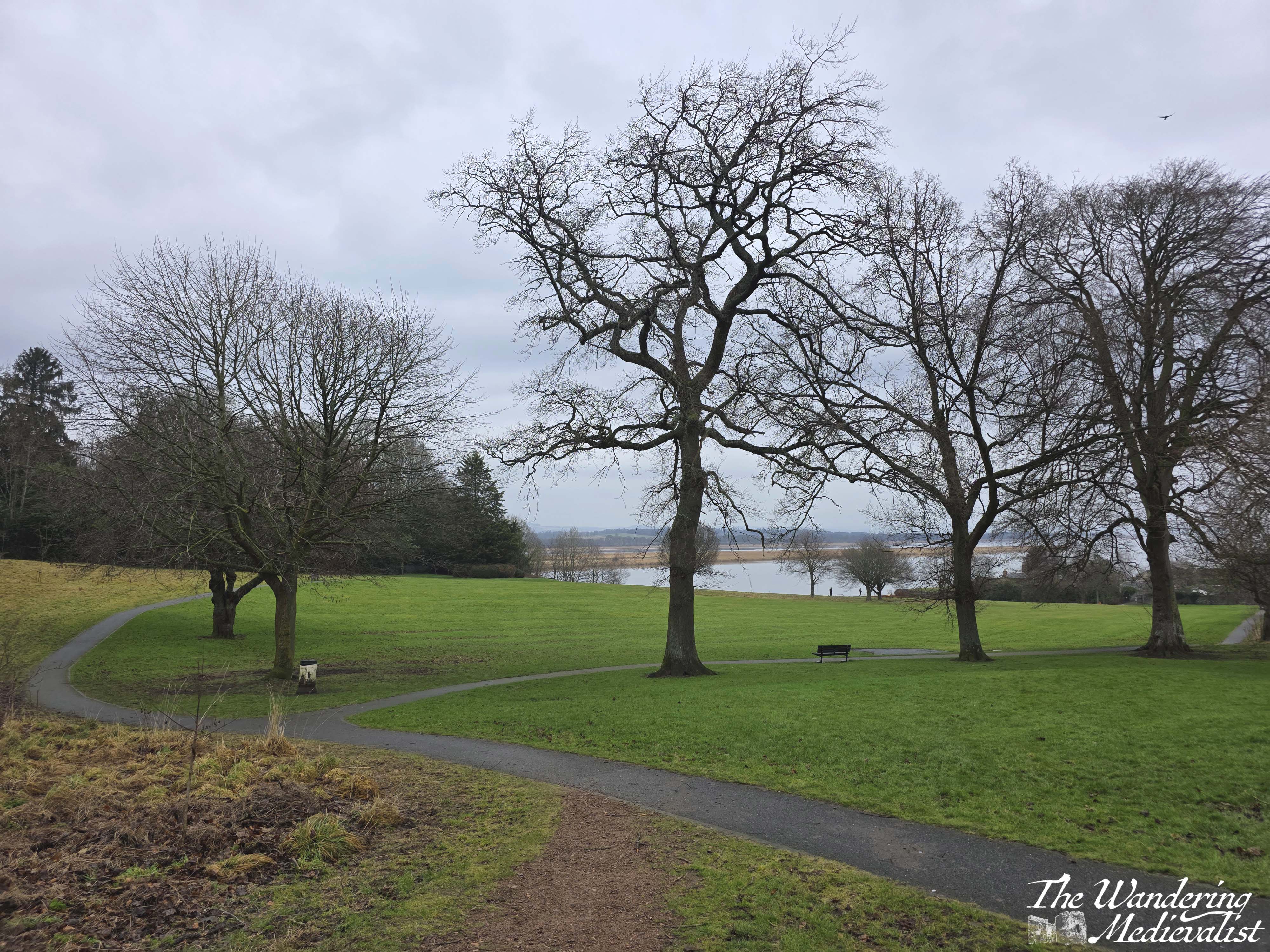
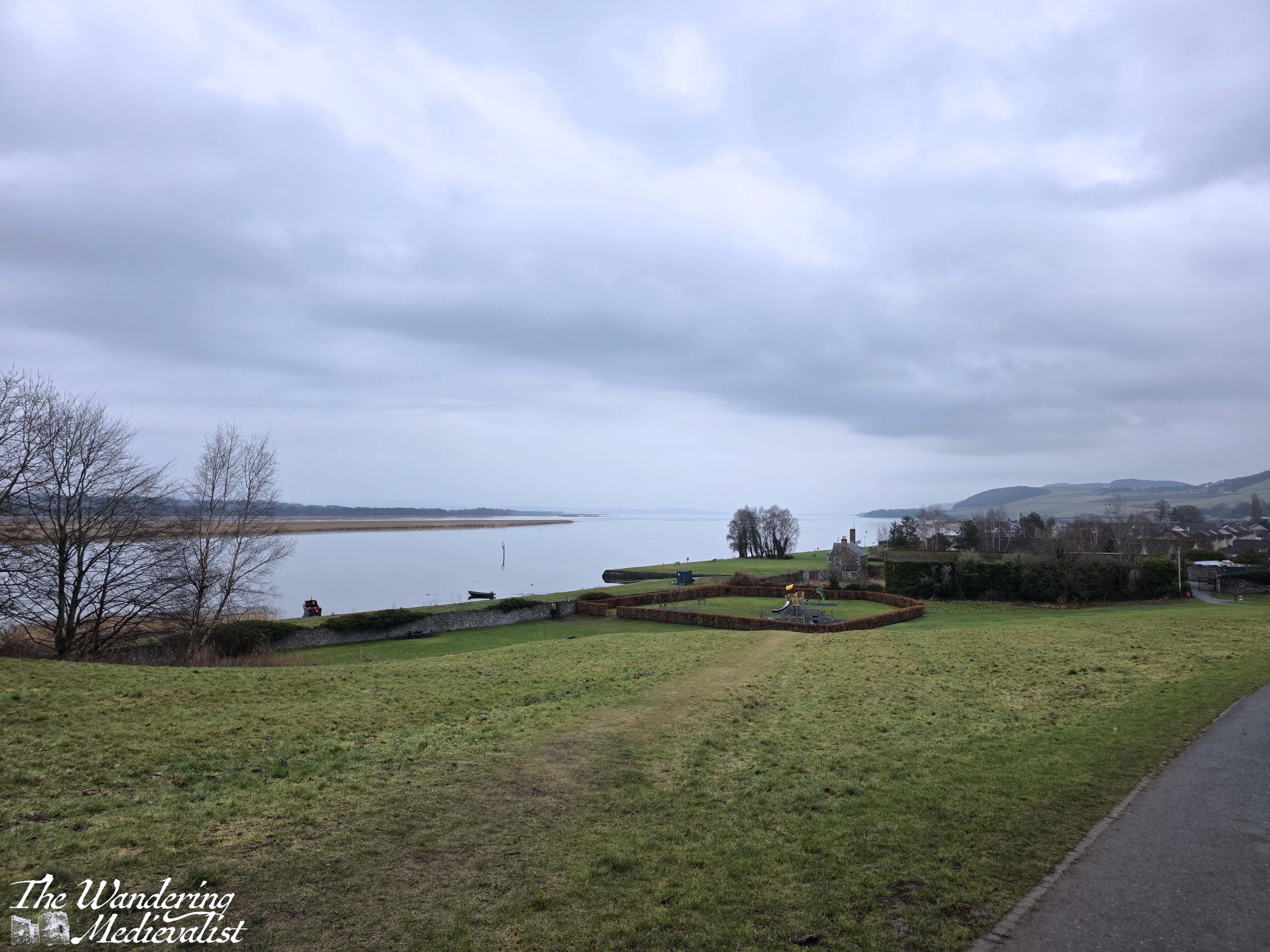
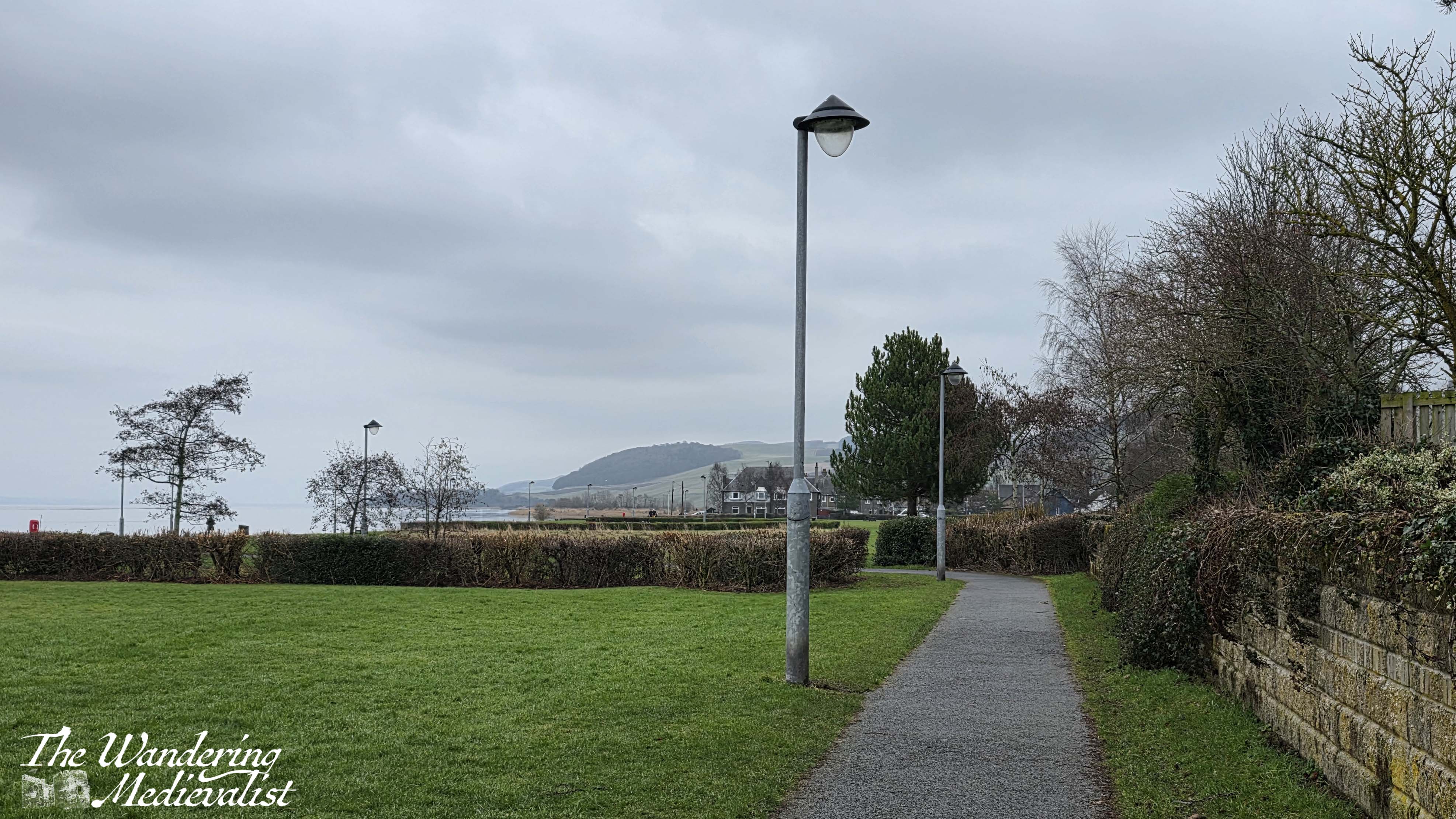
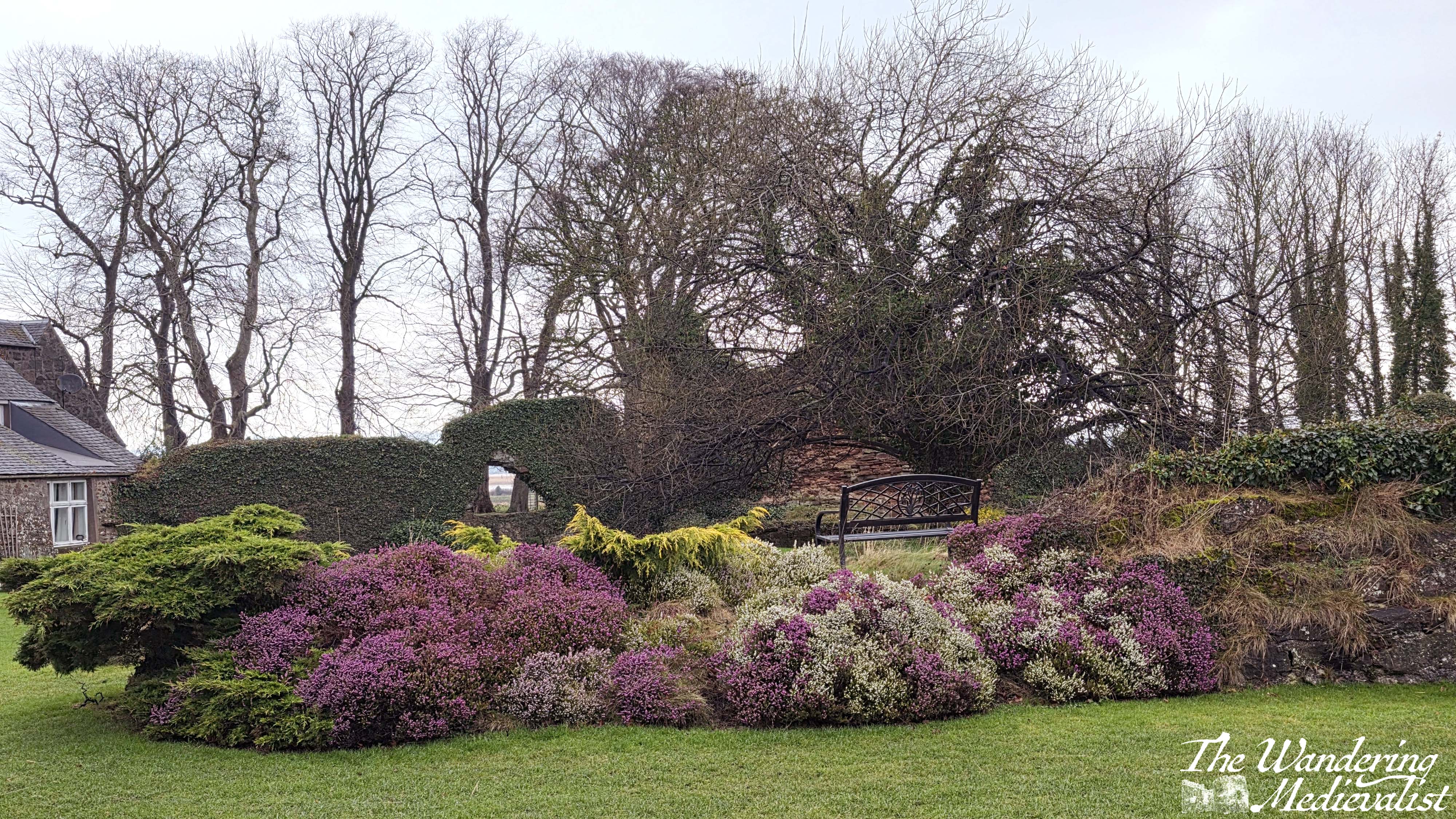
Around the arch is a lovely park with picnic benches and plenty of grass for animals and children to frolic (even in the wet there were dog-walkers a plenty). The well-kept path winds down through the park towards the distant Tay; resist any urge to turn right along the ridge, and eventually you will make your way gently down the slope and finally turn right along a play park, heading for a break in the stone wall. Beyond the wall is the village, but the Coastal Path is very well marked so easy to follow.
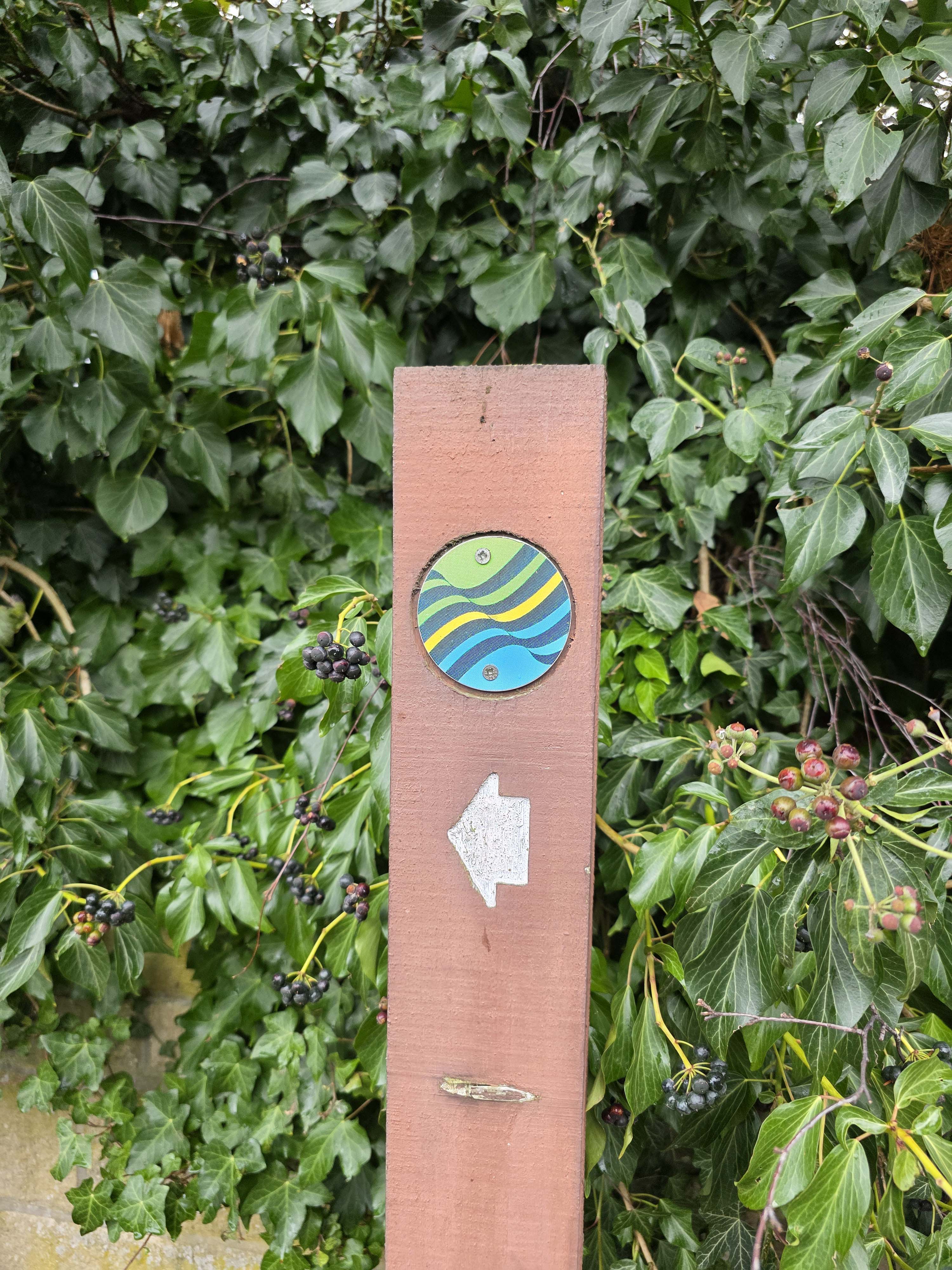
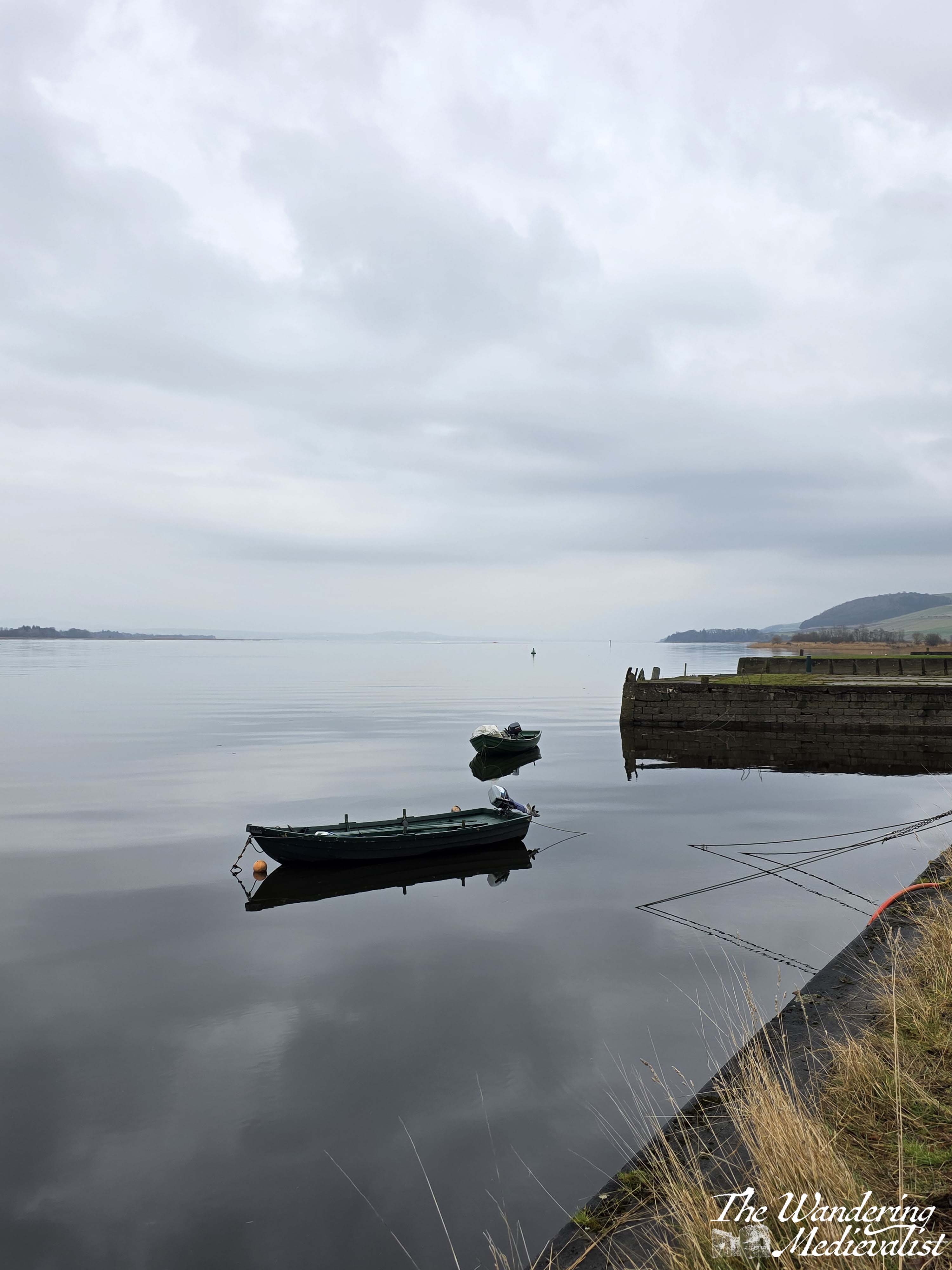
Go straight along the street and you will find a left-hand turn with a soon-to-be familiar arrow and coastal path logo. Once you reach the water’s edge, turn right and follow the path as it skirts the edge of the village between the houses and the River Tay. This is generally a quite easy portion of the walk – flat, well-kept, a bit muddy in places but clearly well-used. You will pass through several parks, and a number of different architecture styles including some newer post-war constructions, but many older 1800s-style Scottish dark grey stone houses that are familiar in most coastal towns. The view over the Tay can be very clear, and on the day we walked was almost as still as glass.
Small fishing boats and dinghies are tied to the small stone quays, and water fowl of various kinds swim in and out – mostly ducks and cormorants not scared away by the dogs.
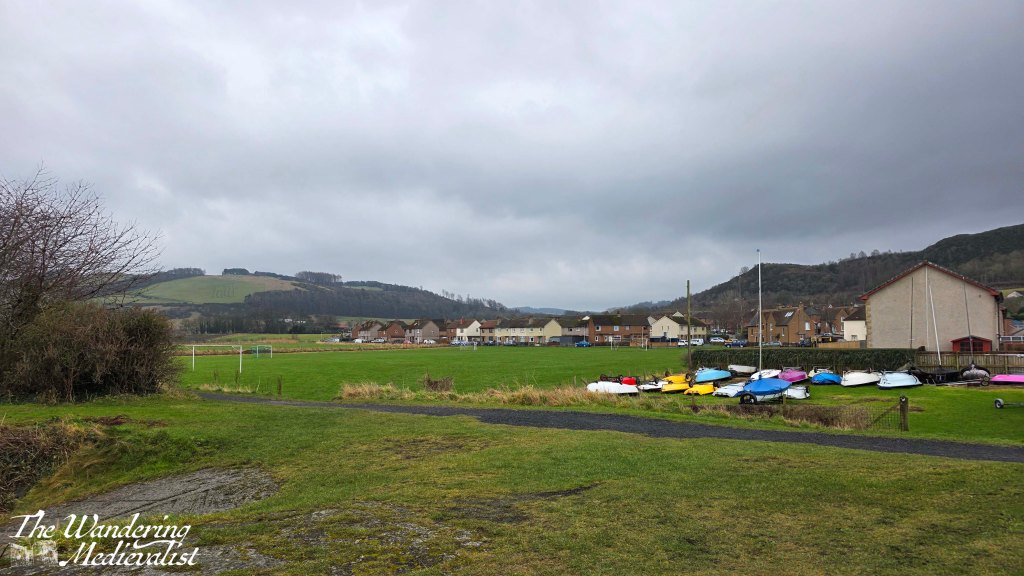
In about ten minutes you start to reach the far edge of the town, passing through another park. Ahead you will start to notice boats – a few catamarans and smaller sailing vessels – stored on the right-hand side of the path, as on the left you will soon pass the Newburgh Sailing club, a building that could easily be mistaken for a Coast Guard lookout.
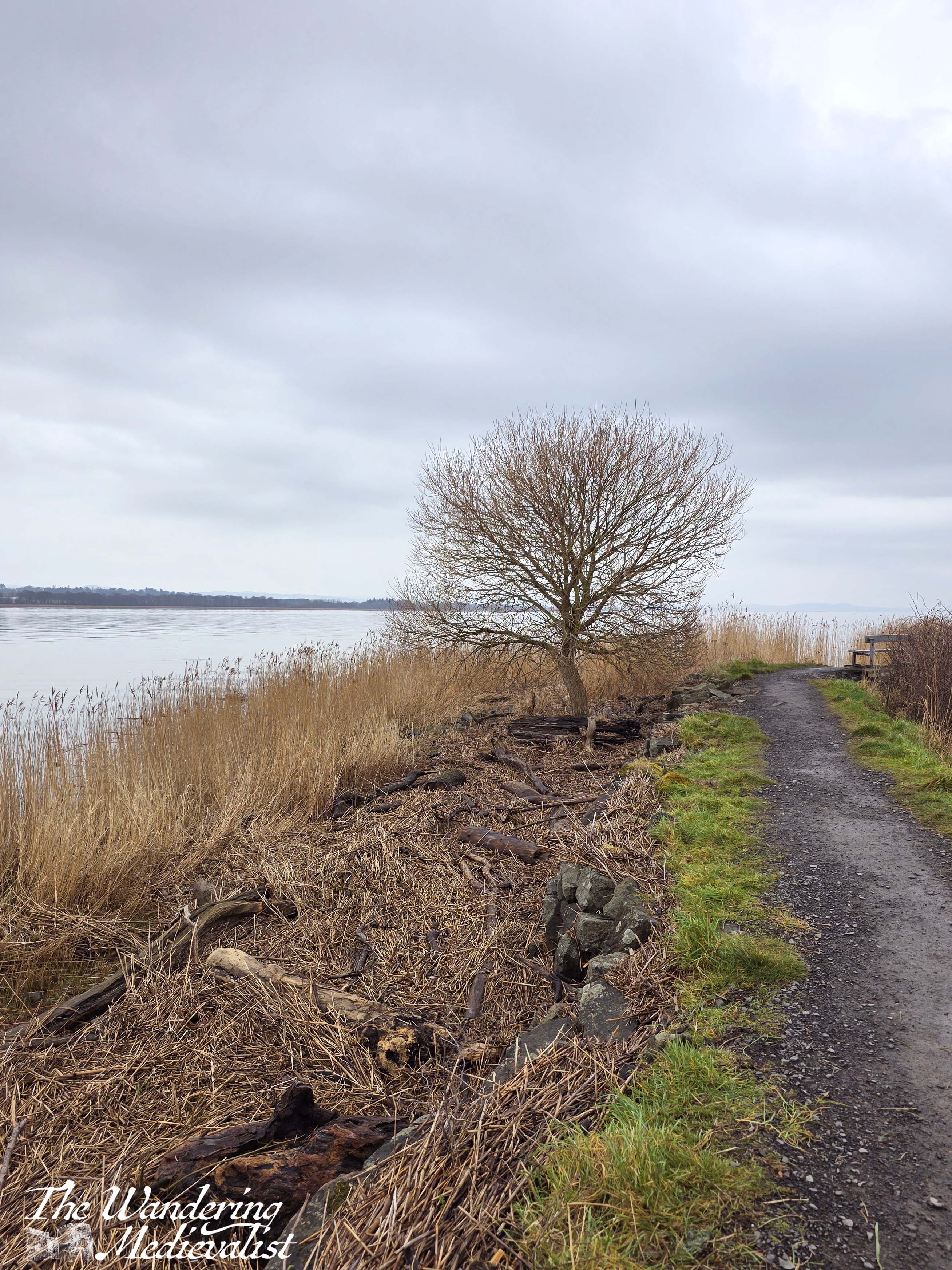
Soon after, you leave the town behind and find yourself with a field on one side, and tall reeds on the other, with water beyond. The path continues to be level and well-kept. Turning around, you are welcomed by a view back over the Tay towards Perth and distant hills.
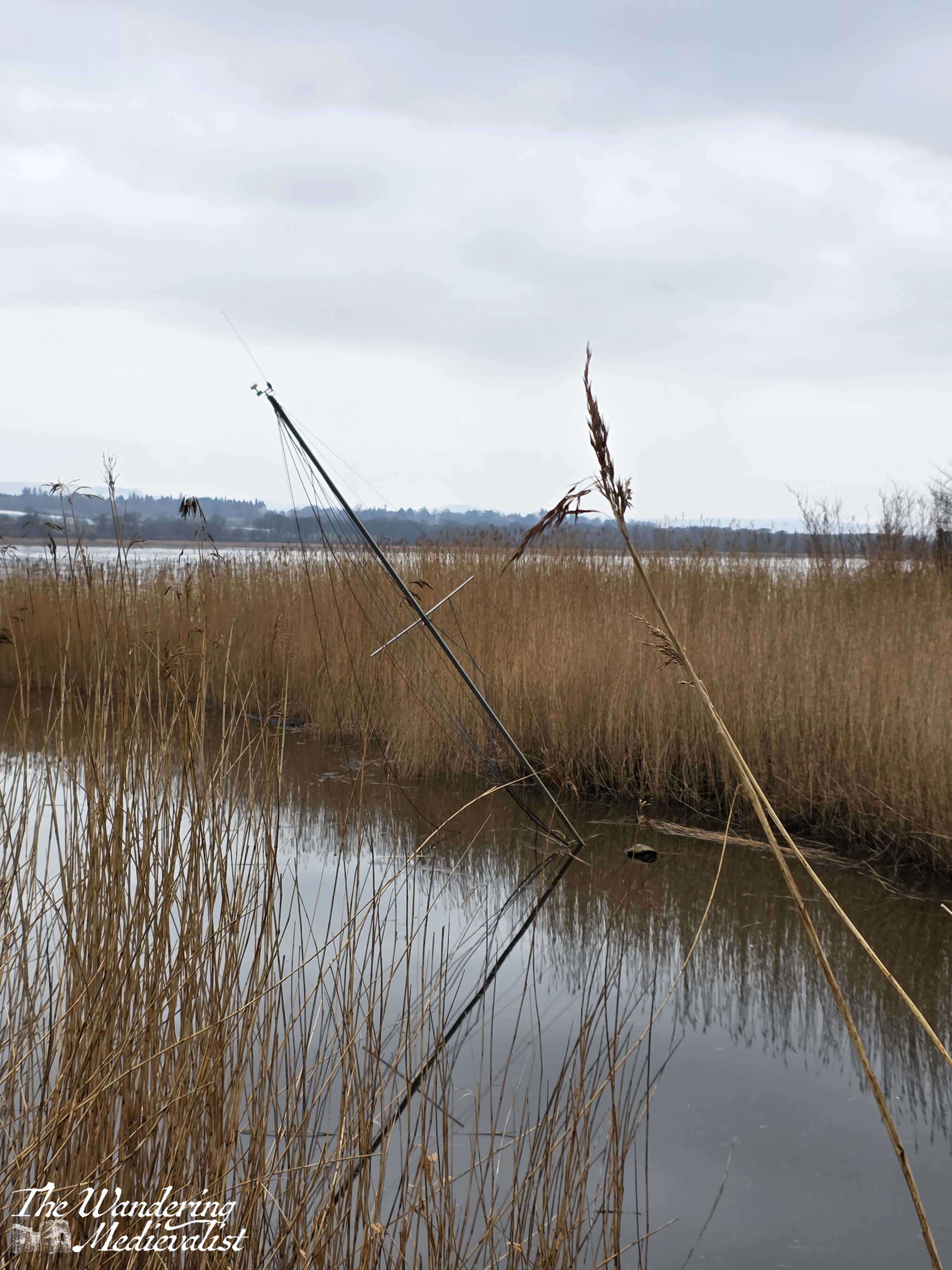
After about five minutes or so, the trail curves around to the right, heading inland along a gentle burn lined with reeds. We noticed a sadly sunken sailing dinghy not far from the edge of the river. Continuing inland, you will begin to notice a group of lovely steading houses peeking over the brush, all old stone with terraced gardens.
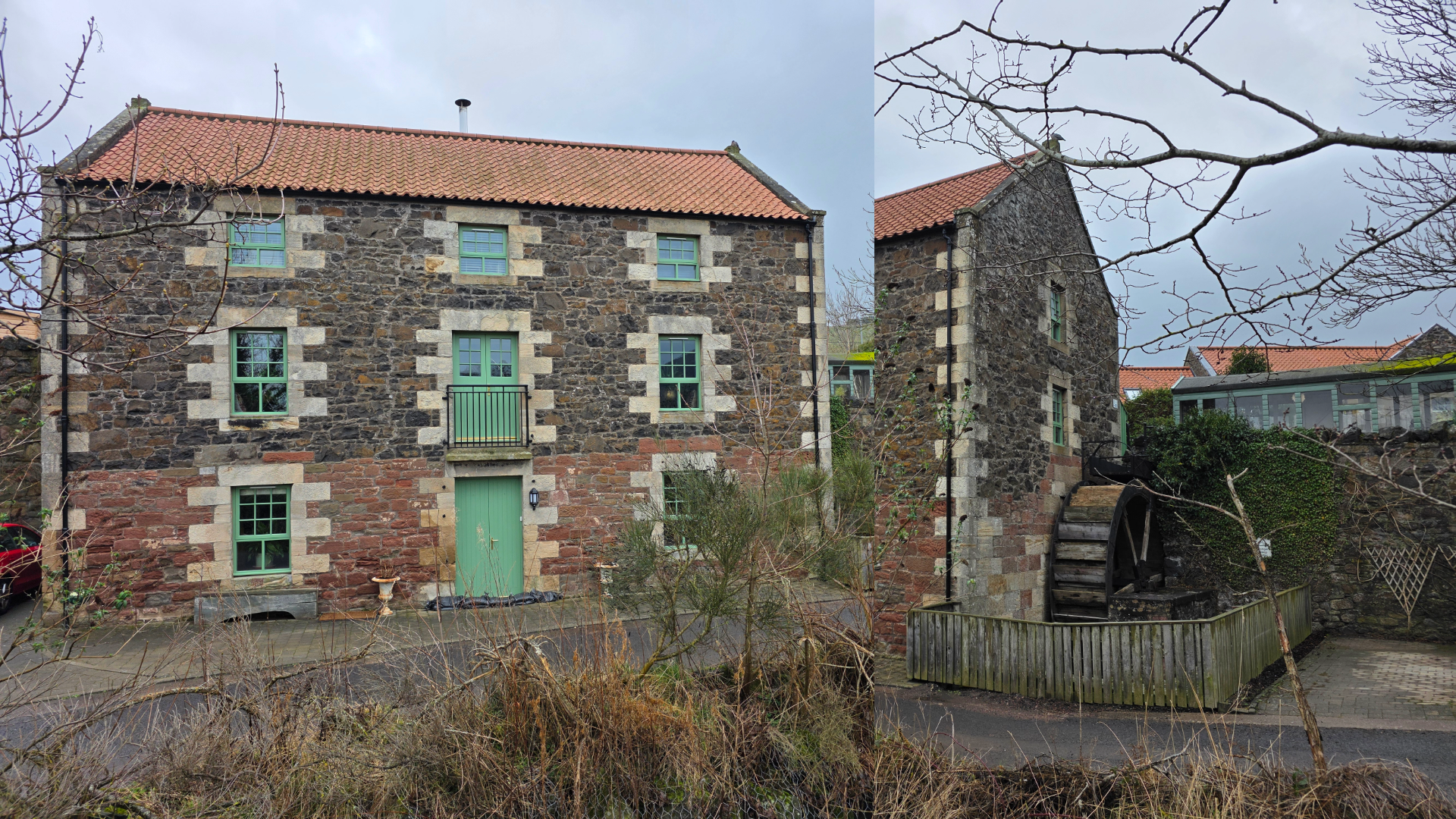
Presently a bridge appears, but the path clearly directs you not to cross but instead to continue towards the road ahead, passing the steading and a beautifully preserved old mill building.
At this point you will meet the road, with the coastal path heading off to the left. This is about 1.4 miles from the starting arch, and here you can either continue on your way or, if you are feeling less energetic, you can turn right and head back into Newburgh to complete a loop.
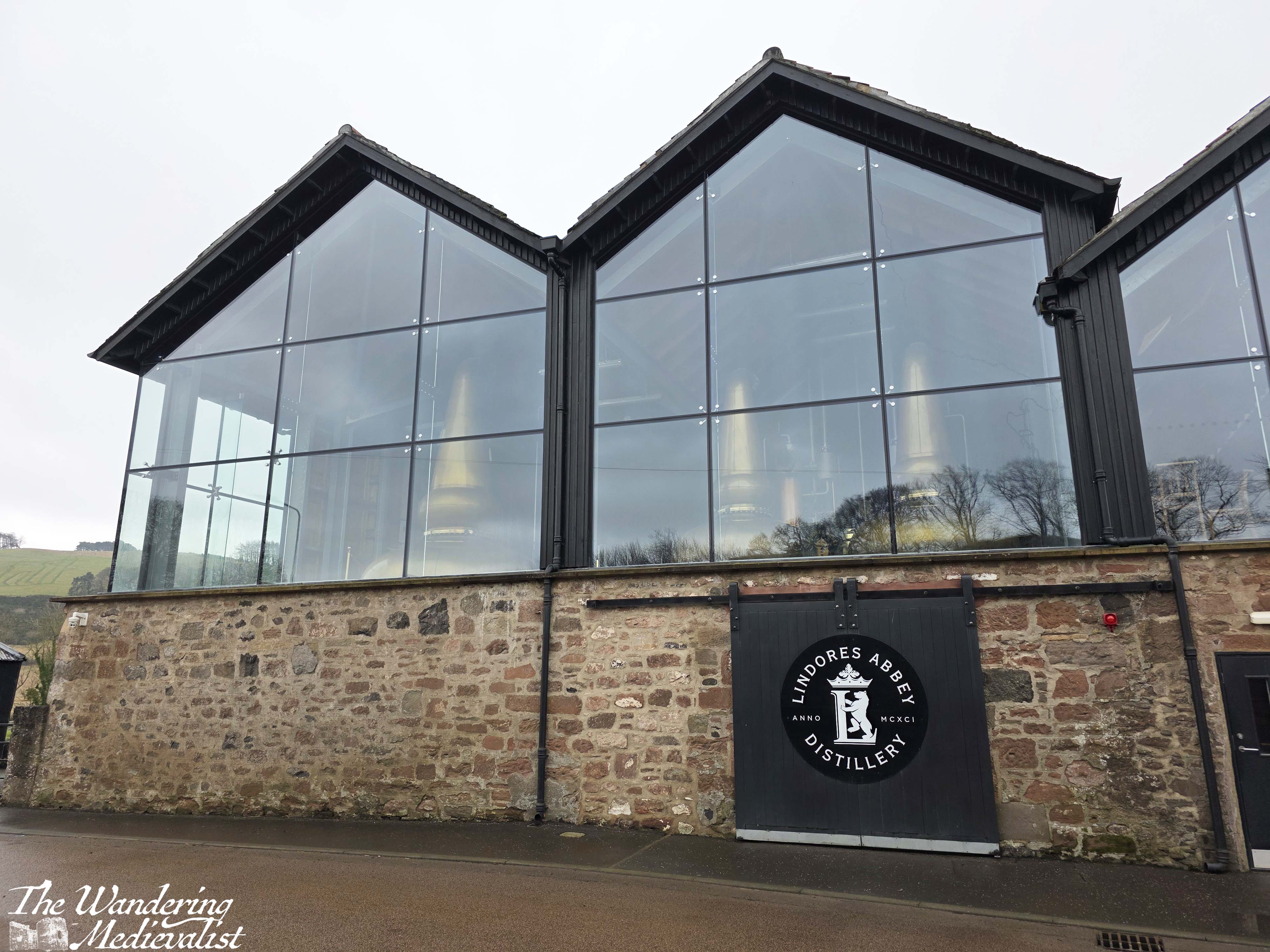
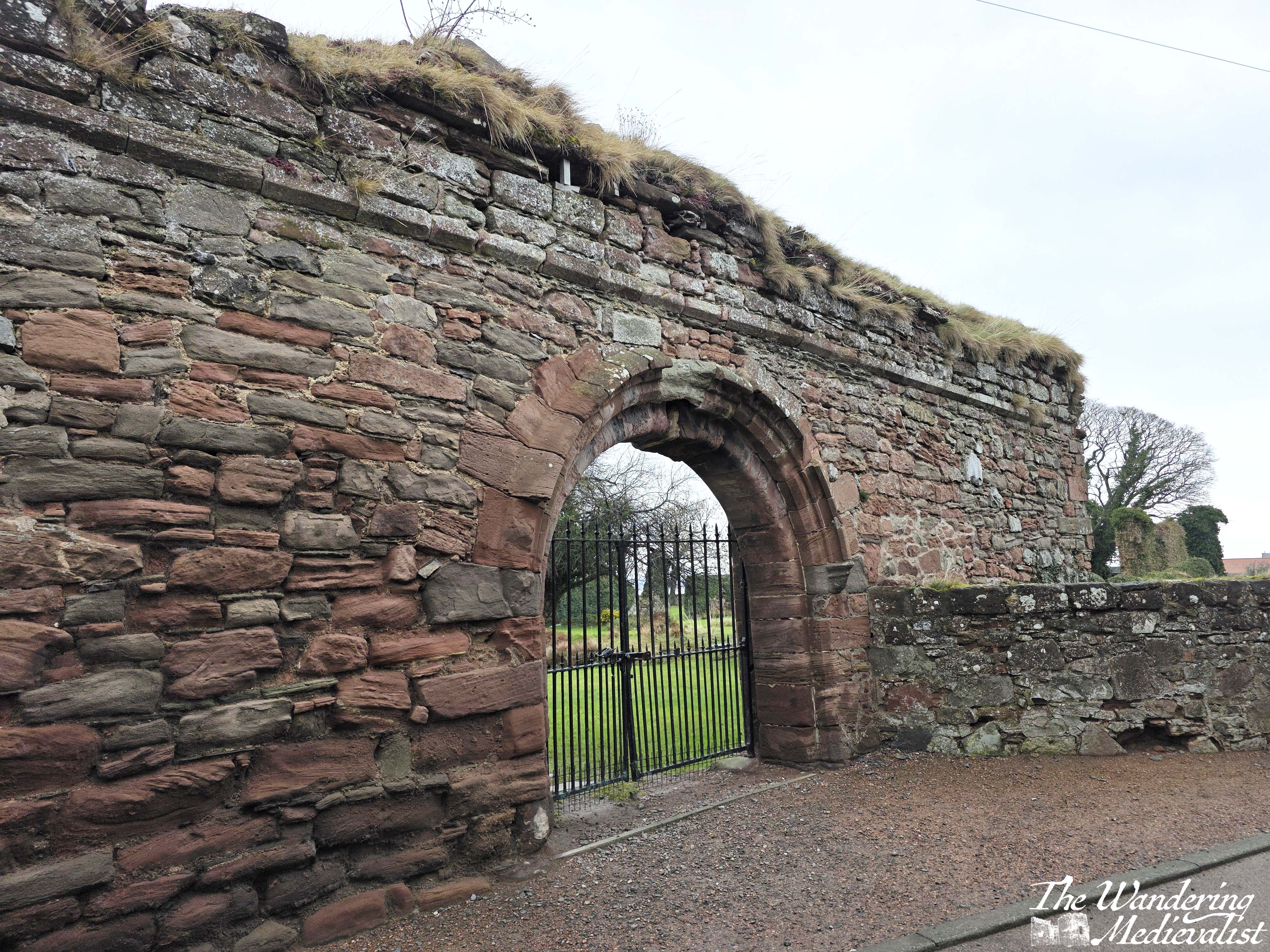
The dreary weather and a few niggling pains drove us in that direction this weekend – the aptly named Abbey Road takes you past the ruins of Lindores Abbey (I must return here in better weather) and the Lindores Abbey Distillery, immediately across the street (this appears to have a very nice-looking visitor centre, but was not open).
From here it only remains to join the high street and make your way past the shops and interesting mix of houses, including a beautiful old inn (Abbey Inn).
This whole loop is about 2.5 miles, quite gentle and easy-going. It was the perfect start to my Fife Coastal Path adventure – I am excited to try again next weekend (weather permitting – so far this week is appalling).
Are you travelling in Scotland but not willing to rent a car? Maybe you’re from overseas, and don’t fancy driving on the other side? Perhaps you’re looking for a more carbon-friendly option?
Fortunately, Scotland has a really robust public transport network and you can see a large part of the country just using busses and trains. I was lucky enough to have experienced excellent public transport where I lived for so much of my life that I didn’t learn to drive until quite late. This means I also became well-acquainted with British public transport and both its pros and cons. I have done several of these trips with family who have more limited mobility, but I have always been there to help with luggage; once you get off of trains and major busses, I would imagine the routes are more challenging if you are not able to carry your own luggage and traverse coach stairs easily.
First, a few tips if you plan to attempt a tour of Scotland using trains and busses:
Pack light. Most busses have little to no room for luggage.
Have a book or alternative method of entertainment. You will be doing a bit of waiting.
Always have a plan B. Most of the time, public transport works pretty well, but aiming for the first or last transport of the day can be a bit risky and sometimes there are last-minute cancellations.
Always expect a delay and be pleasantly surprised if there isn’t one. If you’re needing to catch a plane or train at a specific time, give yourself plenty of extra wiggle room.
Don’t rely on the internet; depending on how far north you go, you may find that reception drops, so make sure you have a backup payment method as well as the basic timetable.
Take a bit of time to get used to the way the timetables look, and how to read them.
A note on cost
I have not estimated or stated cost for any of the journeys below, as they change regularly. You may find the best rates if you purchase online ahead of time, and there may also be group or family rates, as well as rail card discounts. Contactless payment should be available on all transport, and if you wish to pay with cash, be aware that operators will expect the exact change.
The routes
Below you will find a suggestion of some great trips you can take and a rough loop that will cover most of my favourite bits of Scotland. This is only the tip of the iceberg though – Scotland’s transport network allows you to explore even the far reaches of Mull, Skye or the North Coast without once setting foot in a rental car. I’ve popped links to all the major travel websites you may need at the end of this post.
Route 1 – Edinburgh Airport to Edinburgh City Centre
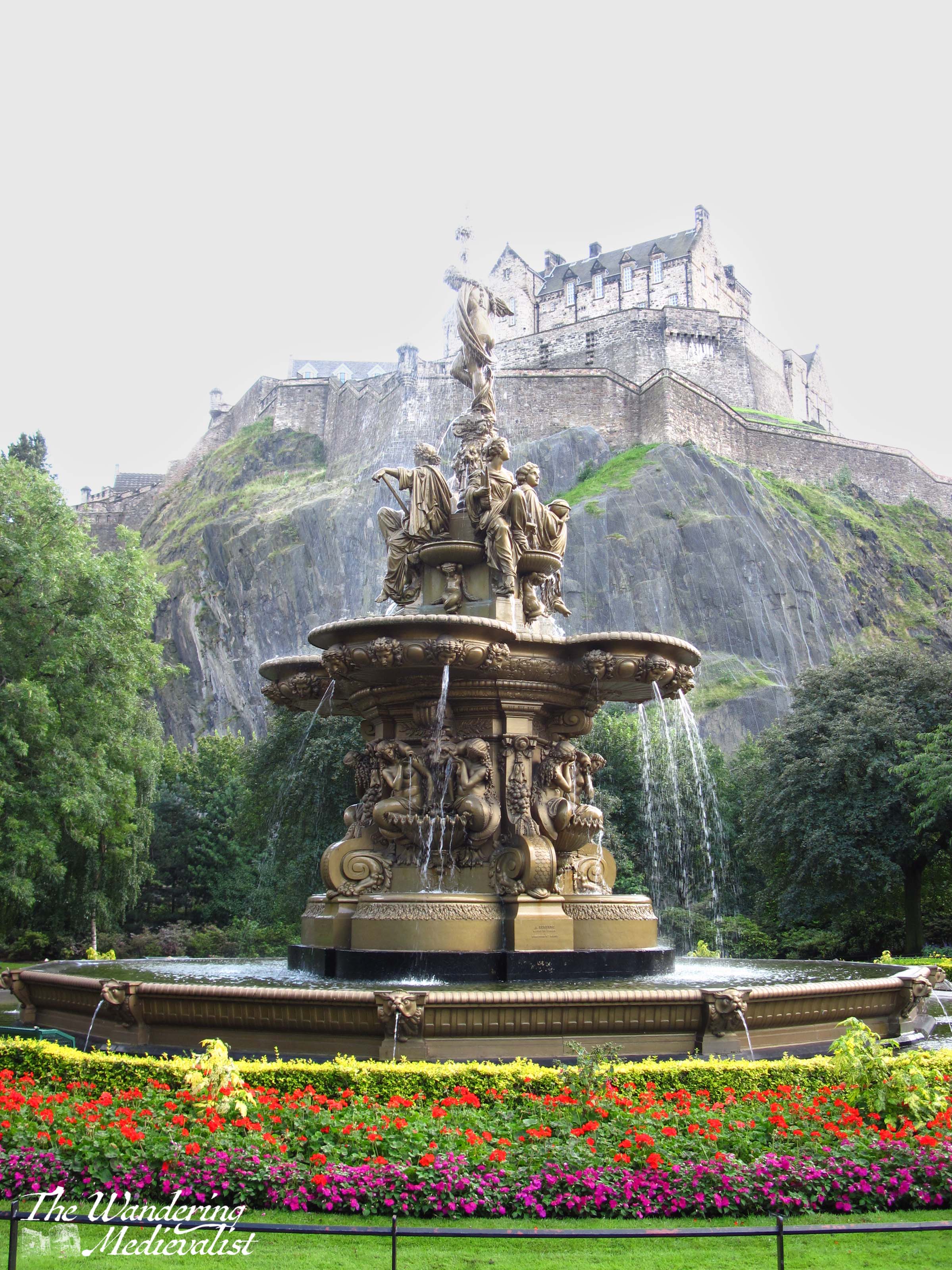
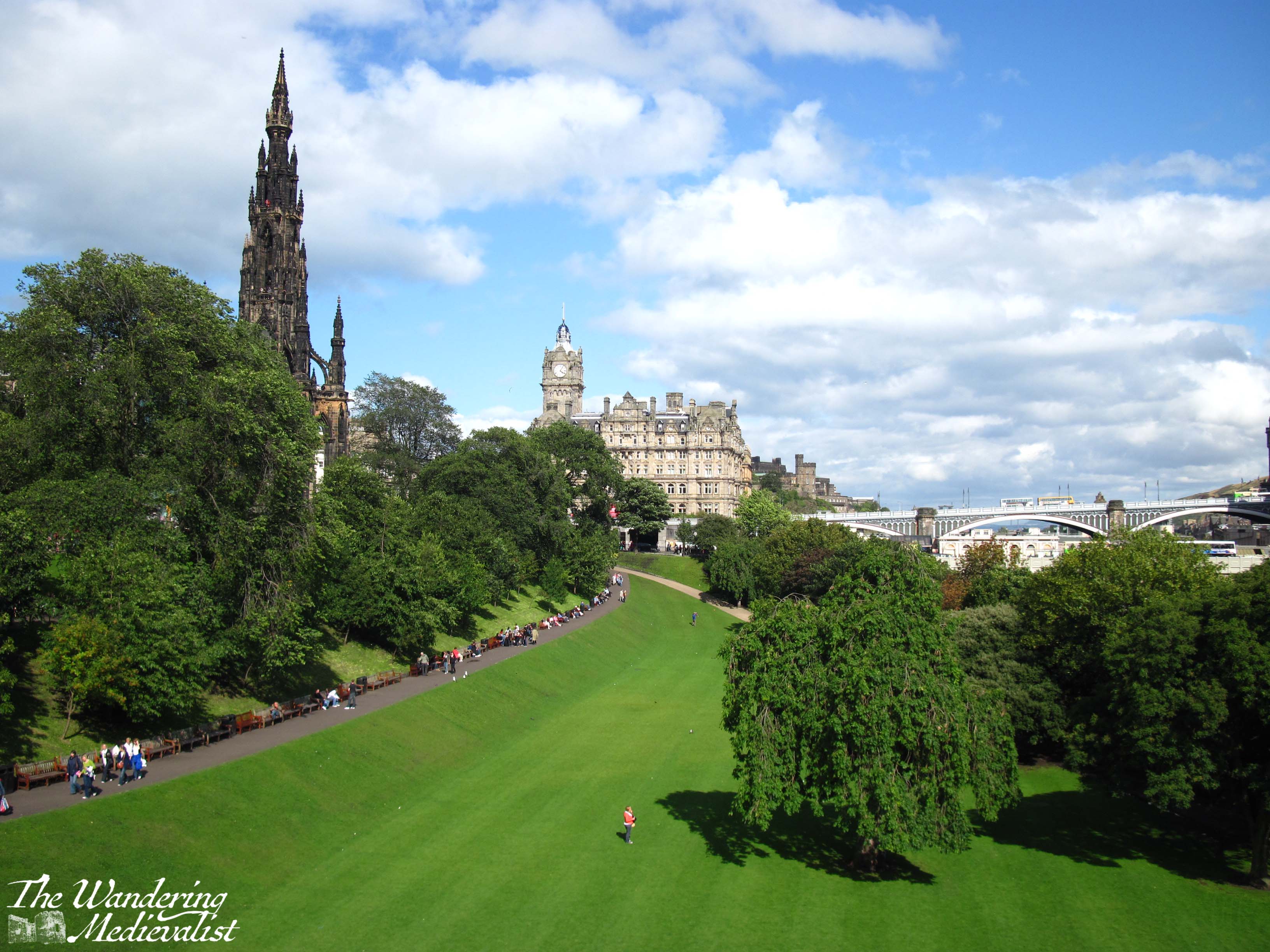
There are two options here: tram or bus. The tram is a nice calm modern choice, as the line is only ten years old – it opened in May 2014. But I actually prefer the bus, particularly the Airlink 100. The route into the city passes through some lovely neighbourhoods, the West End, and kisses the end of Princes Street, providing excellent views of the castle and Princes Street Gardens. It then cuts up to George Street, providing a peek down the side streets towards the water. Definitely sit upstairs if you can.
There are a few bus options with varying prices, but the 100 drops you right at Waverley Bridge, which is a perfect spot from which to explore the rest of the city. If you want to continue exploring by bus, you can pick up a hop-on, hop-off tour of the city from Waverley Bridge, too.
Boarding the airport bus was my favourite part of journeying back to St Andrews after time at home as a student. I was almost always half asleep after an overnight flight, but sitting back to watch the streets of Edinburgh speed by and then the majestic castle rising over Princes Street Gardens rejuvenated me long enough to stay awake for the train ride north.
Route 2 – Edinburgh City Centre to St Andrews
There is a bus that leaves from Edinburgh City Centre (confusingly, from St Andrews Bus Station) and takes you directly to St Andrews (St Andrews Bus Station, Fife), but I recommend the train. You’re looking for a route that stops at Leuchars, which is the local St Andrews station. Any train heading to Dundee or Aberdeen will stop there. If you can, start your journey at Waverley – you’re more likely to get a seat – and sit on the right-hand side of the train. This journey can take anywhere from 60 to 90 minutes depending upon the route and train operator – some trains go almost directly to Leuchars but some will stop at every small village along the way.
Once you pull out of Haymarket station (which often smells faintly of yeast from the local brewery), you start to get some great views of Edinburgh: you’ll pass Murrayfield Stadium and go right past the end of the airport runway, then out across the historic Forth Rail Bridge.
My video of trips across the rail bridge:
From the bridge you can see down the Firth of Forth in either direction, either west towards Stirling or east towards the islands and North Sea.
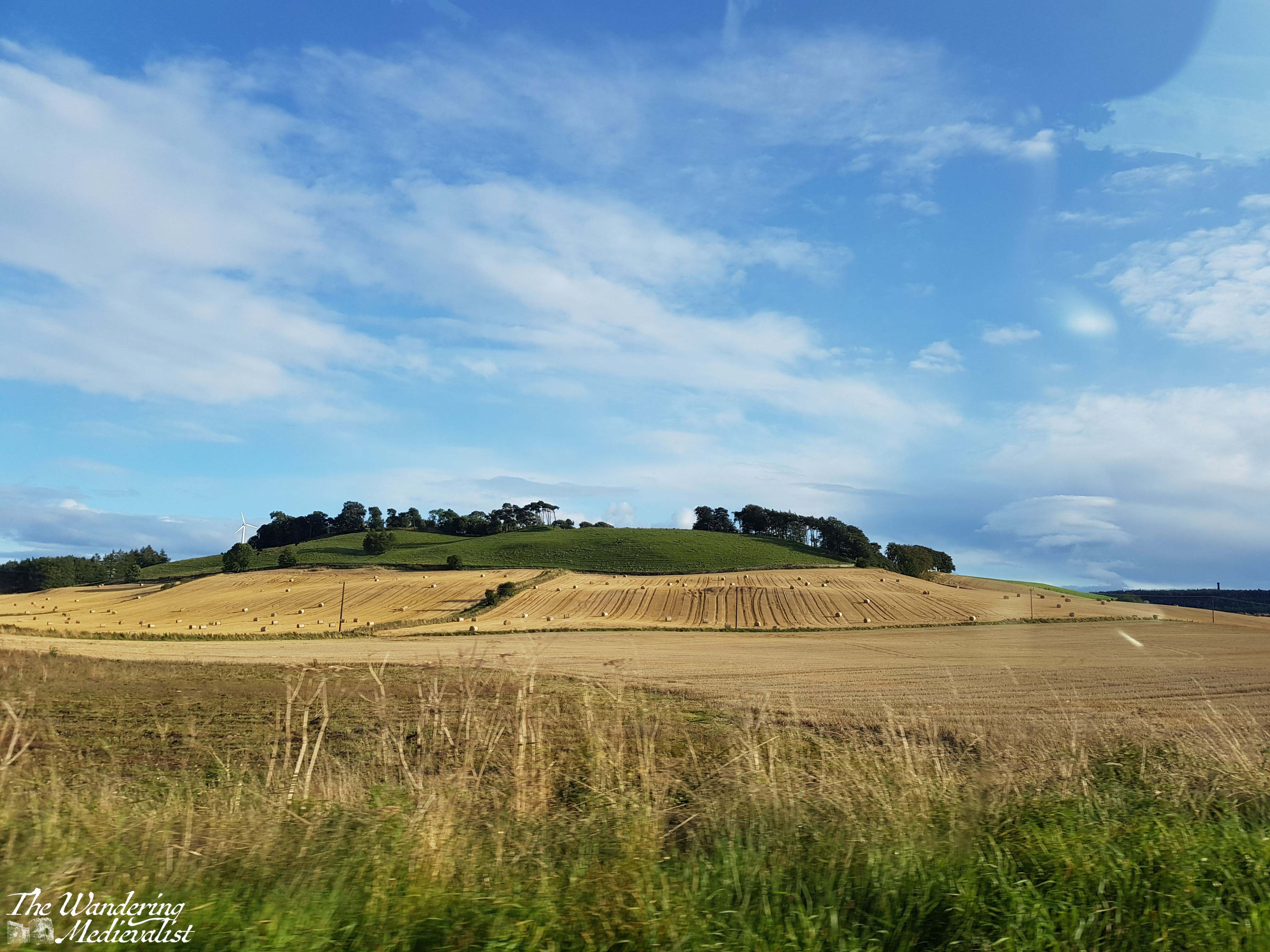
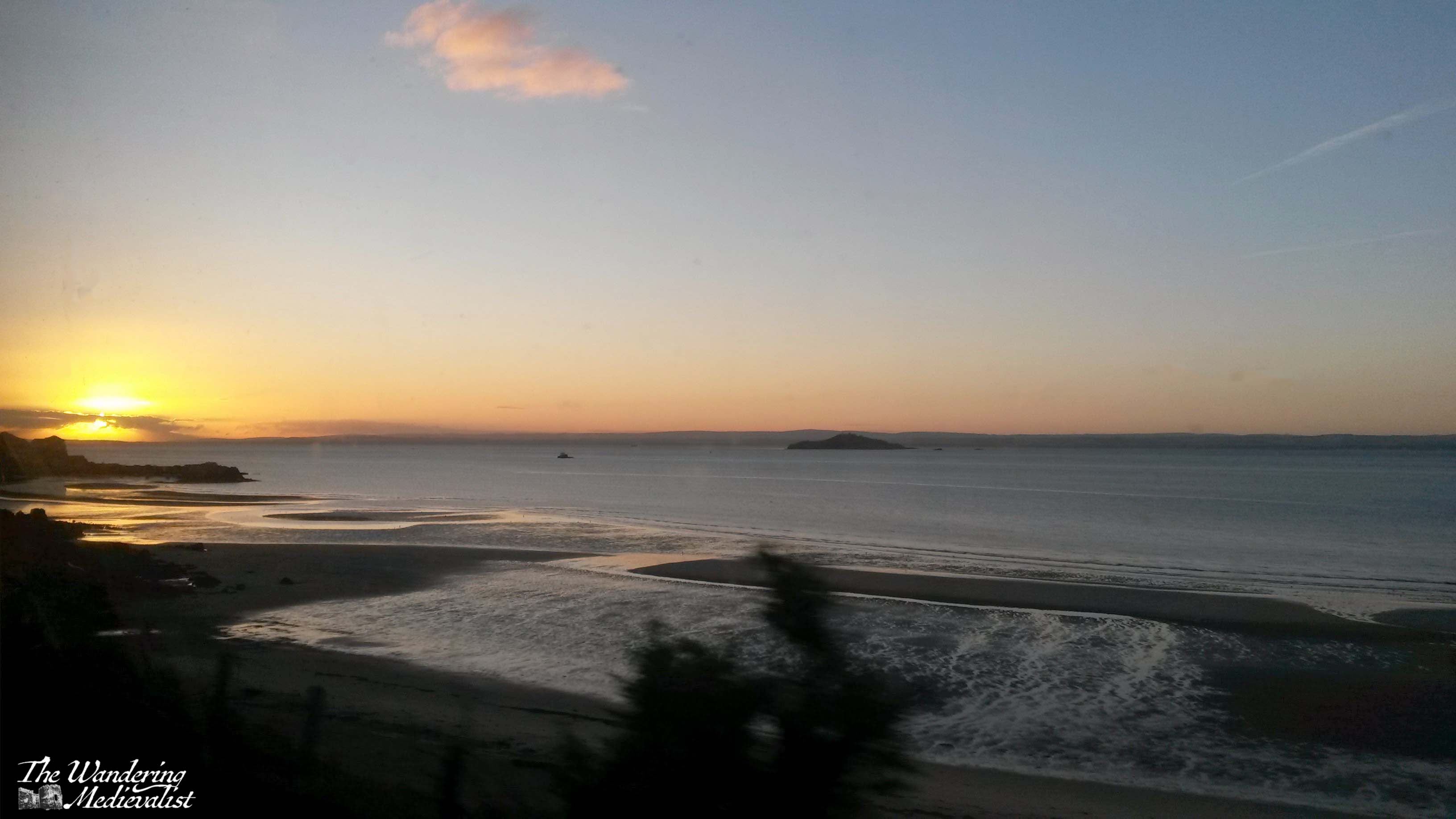
As you pass into Fife, the train line continues to hug the coast and offers some spectacular views of the beaches, Bass Rock, and Edinburgh itself across the water. Once the train cuts inland, you get a great feel for the farmland and rolling hills of Fife. You will know you are approaching Leuchars if you catch sight of the chimney of Guardbridge Paper Mill (now a biomass plant).
From the station in Leuchars, it’s easy to grab a taxi or one of the very regular busses into St Andrews. In total, the journey should take no longer than 2 hours.
One small warning – phone signal is very patchy along this route, and if you find yourself having to make a phone call or trying to check your email, you may be scuppered. The stretch between Inverkeithing and Kirkcaldy is particularly bad, but the hills of Fife seem to block signal quite effectively no matter where on the line you are.
Route 3 – St Andrews to Elie
Several years back I happily discovered this route while exploring with my father. We hoped to walk some of the Fife Coastal Path, but were without a car.
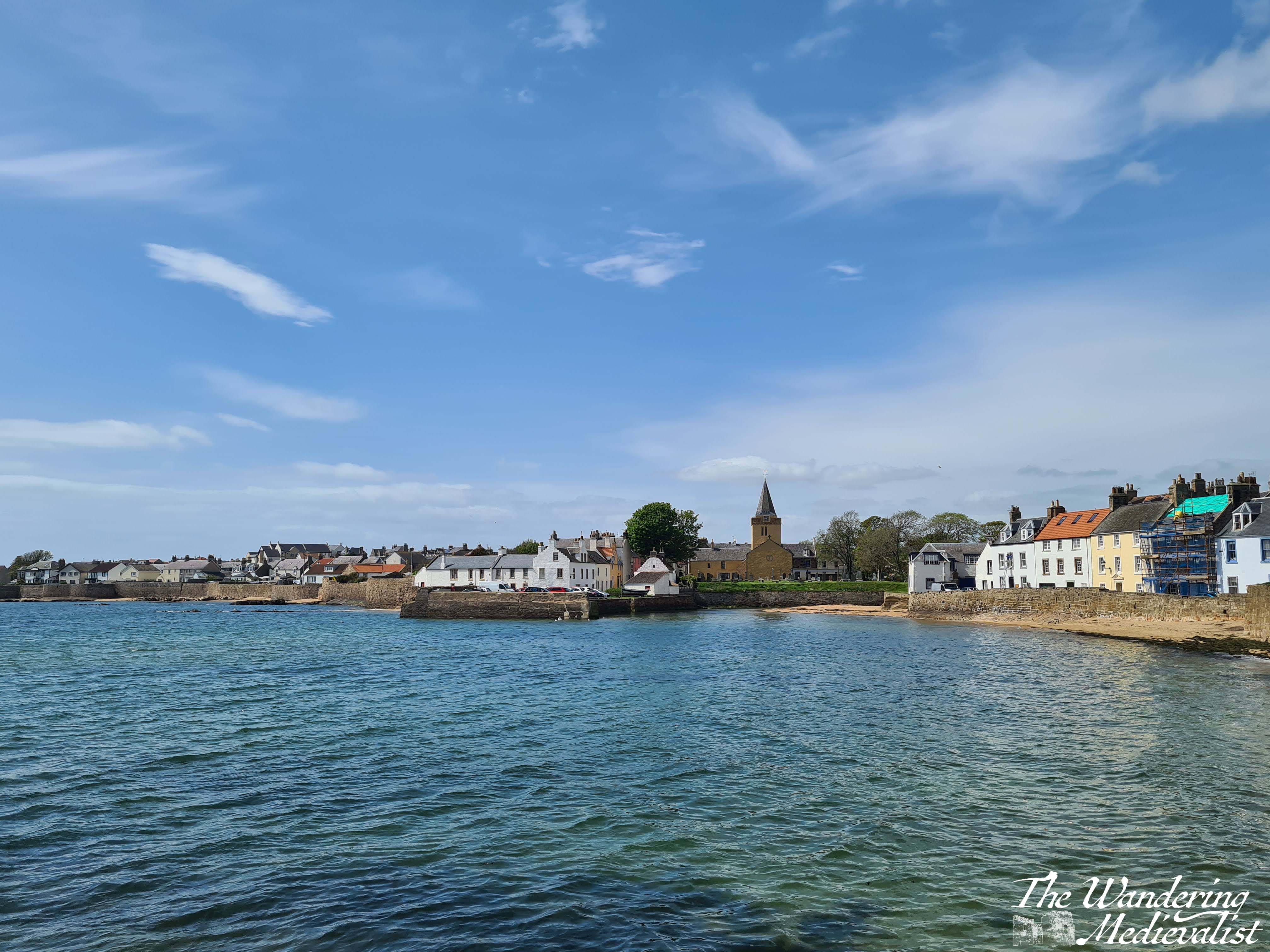
The Stagecoach 95 route runs from St Andrews to Leven and passes through all of the charming wee towns of the East Neuk, which is the area of Fife south of St Andrews. The 95 stops in Kingsbarns, Crail, Anstruther, St Monans, and eventually cuts inland at Elie to pass through Kilconquhar and Colinsburgh.
If you can, get on at St Andrews and go up to the top level – this bus is almost always a double-decker. The views are awesome, and it’s a great way to see Fife. If you tend towards travel sickness, however, be careful up there – the road is narrow and quite winding, while the bus drivers seldom slow for the corners.
You can hop on and hop off using a North-East Fife dayrider ticket, or even get off and walk along the Fife Coastal Path to the next town, as we did (Elie to St Monans, for the record). Just keep an eye on the timetable, as the bus only runs about once an hour.
All of these villages will have places for you to get refreshments, often a charming little pub or chippy. Anstruther is famous for having award-winning Fish and Chips!
The whole route from St Andrews to Leven is about 90 minutes.
Route 4 – St Andrews (or Edinburgh) to Inverness
There is no direct train from Leuchars or Dundee to Inverness, and so my recommendation for this next leg is – if starting from St Andrews – that you take the 99 bus to Dundee Rail Station (it stops there immediately after crossing the bridge). From Dundee you get a train to Perth, where you switch to the Inverness train. If you can, book in advance and make sure you have a seat reserved on that train, which is often busy. These trains come from Edinburgh, so you can also get on there if you prefer to spend more time in the city.
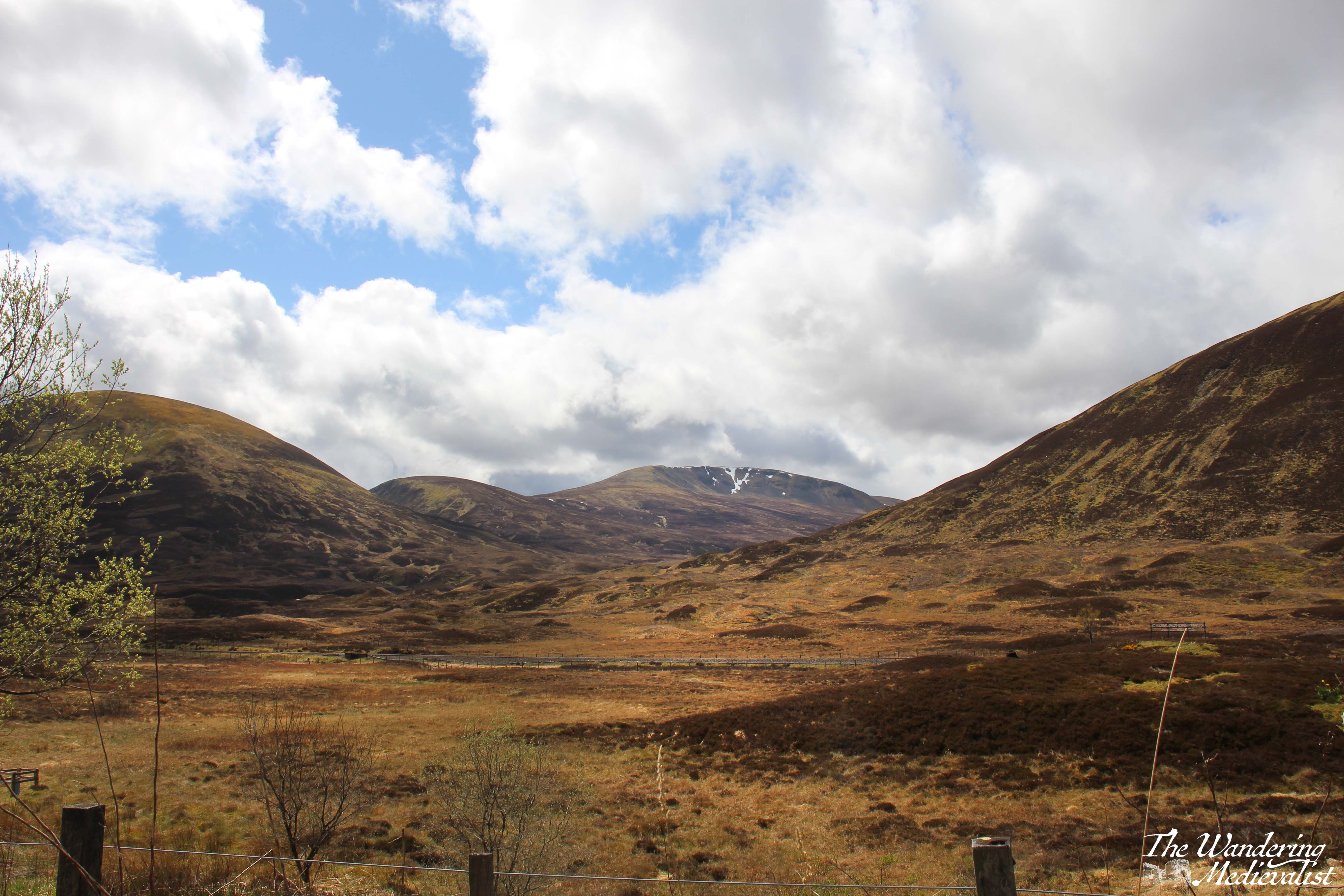
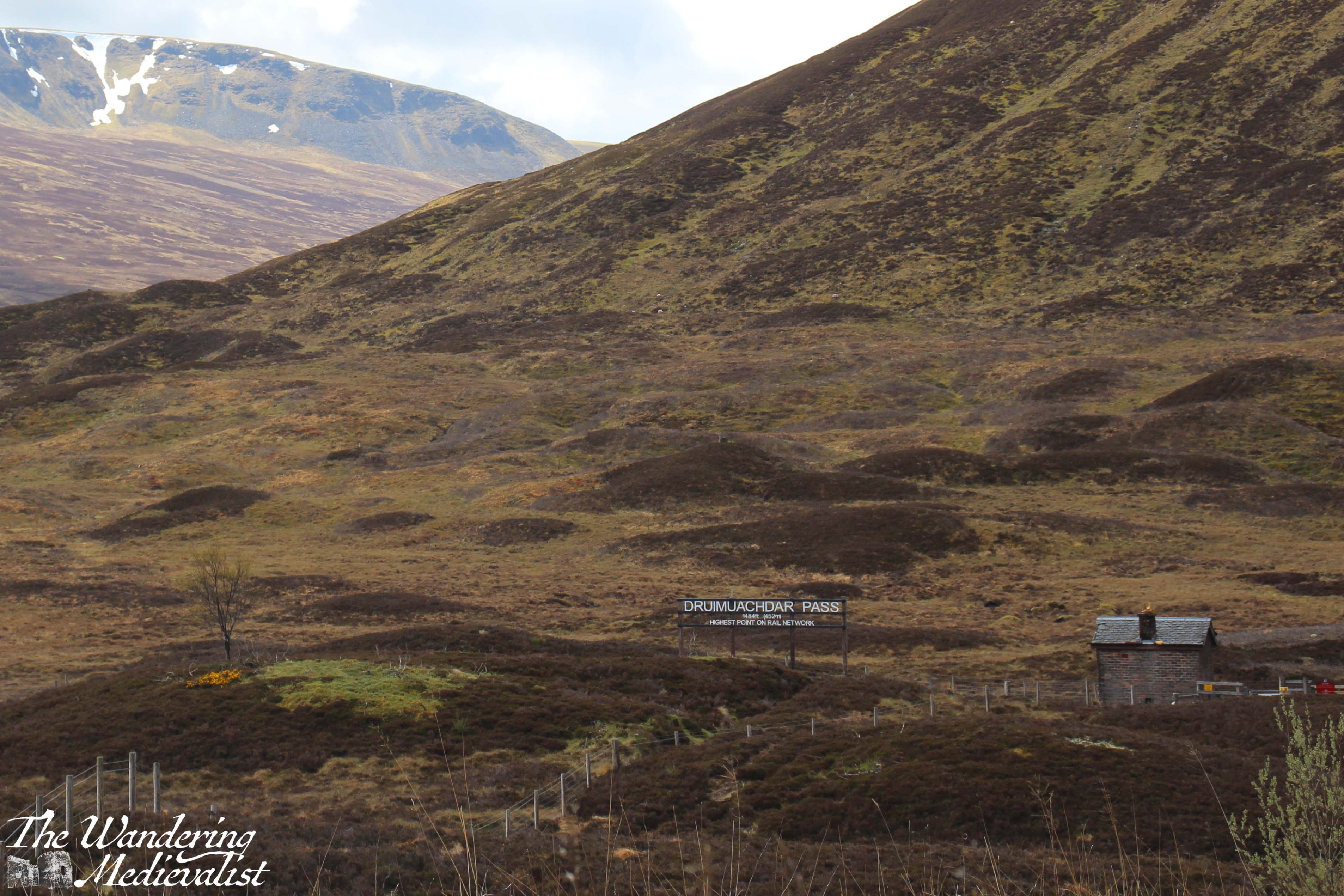
The train from Perth to Inverness stops in some fantastic places such as Dunkeld, Pitlochry, Blair Atholl, and Aviemore. There are stunning views as the train passes through the forests of Perthshire and then the Highlands; my favourite spot is the Drumochter Pass, which is the highest point in the pass between the north and south. Often the weather is very different here than only a few miles in each direction, with snow common in the winter.
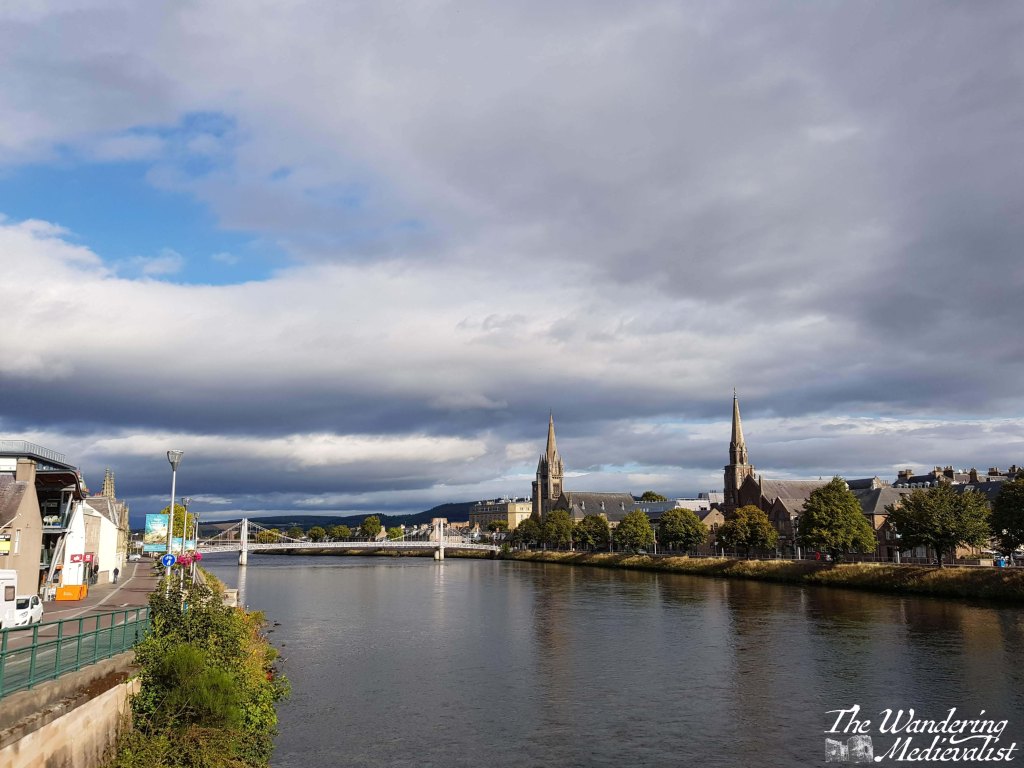
As the train winds down out of the mountains you start to see villages and then the town of Inverness.
The journey from Perth to Inverness is just over two hours.
Route 5 – Inverness to Culloden Battlefield
Inverness is a lovely little city to walk around, with paths along the river and over bridges, and of course it has its own castle. It is a popular destination for coach trips and tours, partly for its size and the plentiful hospitality options, but partly for its proximity to one of the most famous battlefields in the UK, if not beyond: Culloden.
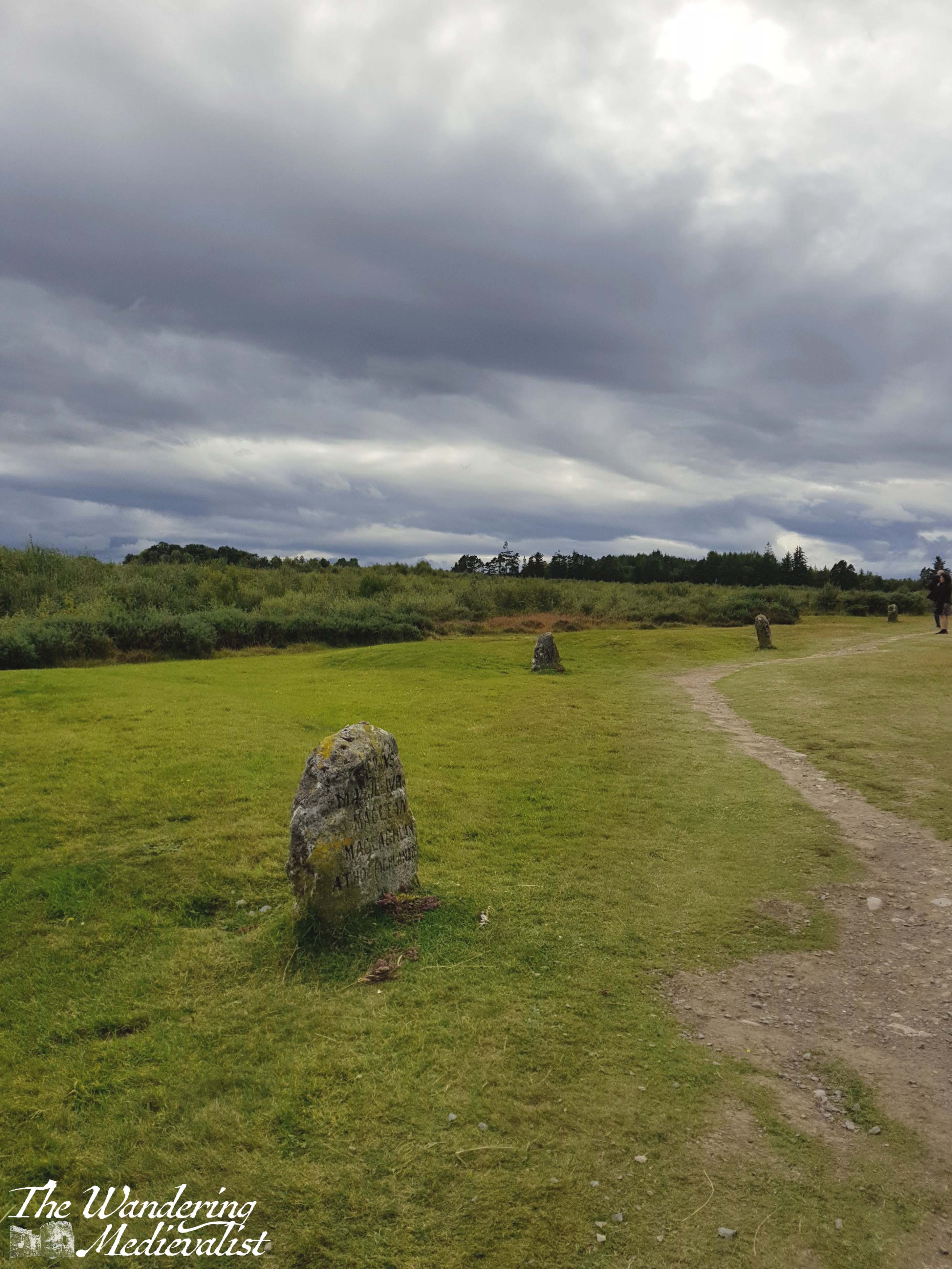
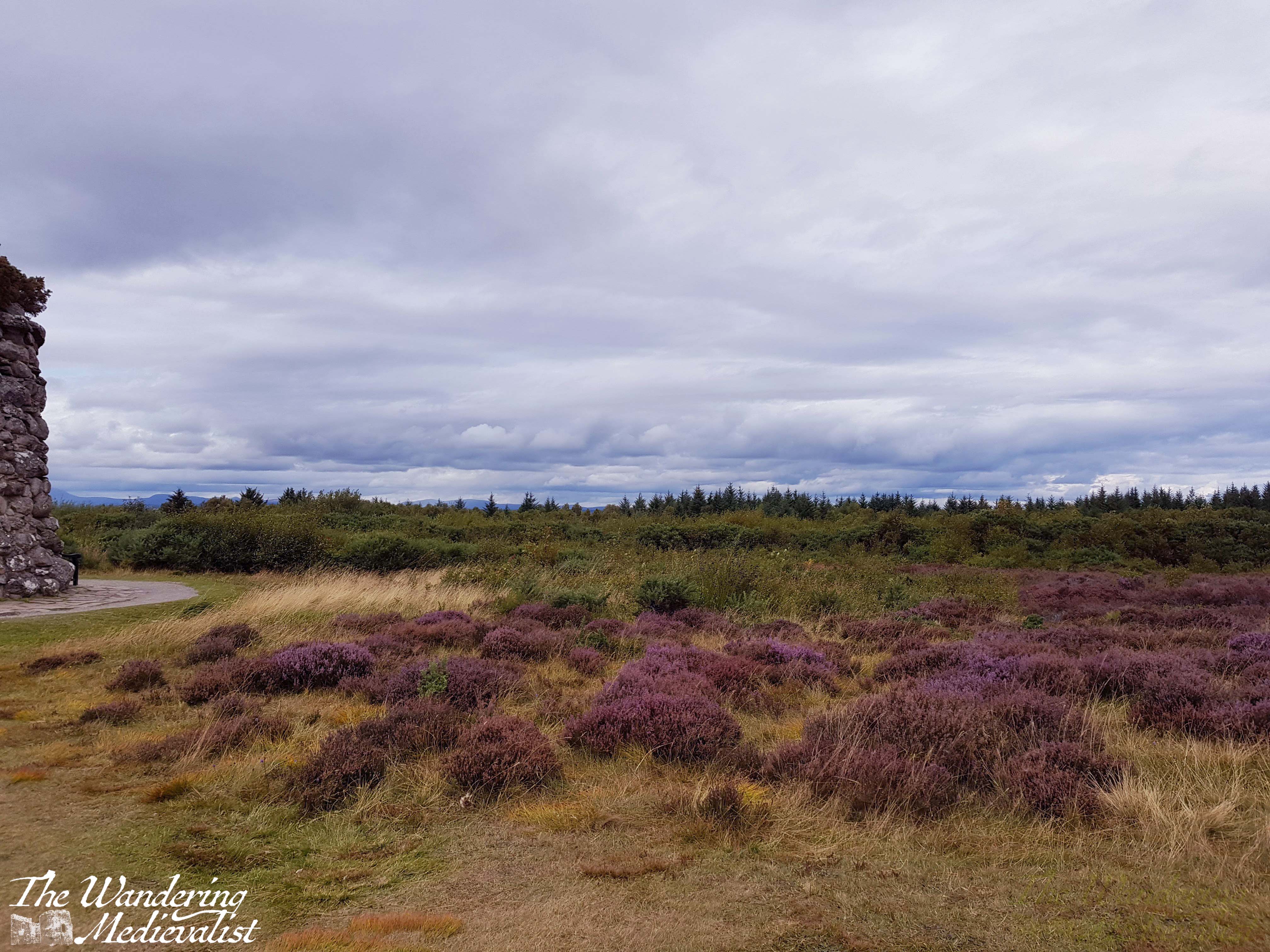
Whether you are a Scottish history fiend, a military history fan, a fan of Outlander, a Scot, someone descended from Scots, or someone who is looking for the most popular spots to visit in Scotland, you will have come across Culloden. It is of course the famous field where, in April 1746, Bonnie Prince Charlie and his Jacobites lost their fight against the forces of King George II, and where many Highland clansmen lost their lives. A major turning point in Scottish history, Culloden marked the beginning of the end for Highland culture, and the battlefield site has been preserved well. The visitor centre has some fascinating displays that immerse you in the battle, and provides a solid historical understanding. The battlefield itself is incredibly moving, with stone cairns marking the burial places of the clans.
Fortunately, Culloden is easily accessible via bus from Inverness city centre. Absolutely a must-visit, and only about 20 minutes away.
Route 6 – Inverness to Fort William
Before I go too far in describing this route, one small caveat – I have never actually done it by bus. But, I know it can be done by hopping on a Citylink bus at Inverness bus station – sit on the left if you want the best views for the first half of the journey. The route follows the Great Glen down Loch Ness, Loch Oich, Loch Lochy, and then through Spean Bridge to Fort William. This alone is a spectacular route, but the Citylink stops along the way at several points that may be of interest to you, if you have time.
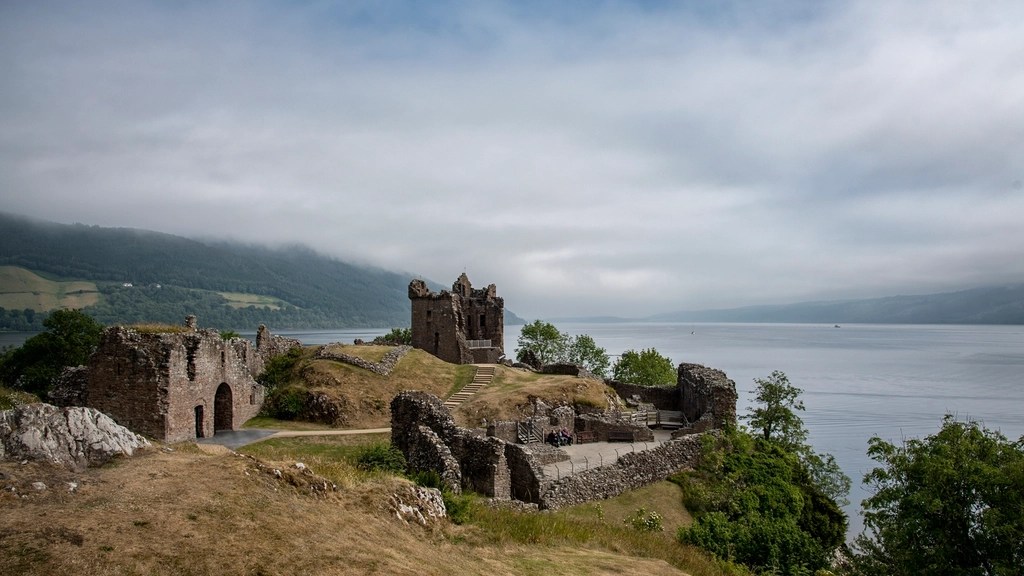
The first is Urquhart Castle, which is one of the most picturesque castles in Scotland and a perfect place to look out for Nessie.
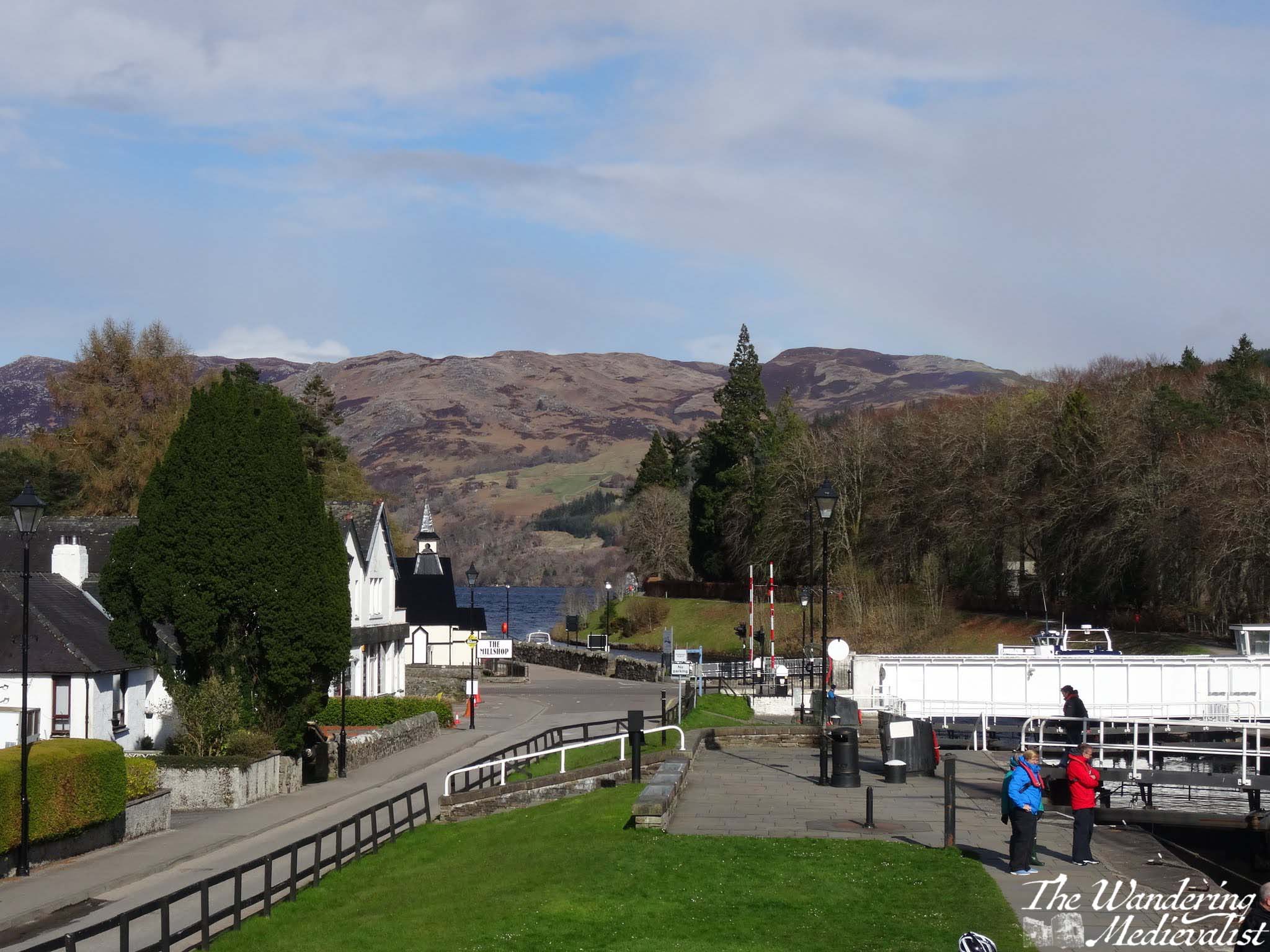
The next is Fort Augustus, the town at the far end of Loch Ness from Inverness, where you can grab lunch and watch ships navigating the locks of the Caledonian Canal.
After Fort Augustus, the bus will continue to Invergarry and eventually cross to the other side of the glen to hug the coast of Loch Lochy. Here the A82 lifts away from the water and climbs over the rise on which the Commando Memorial stands – you may just catch sight of it before the road drops again into the town of Spean Bridge.
There are a few hotels and B&Bs here which are sometimes a bit less pricey that Fort William, though you are still 20 minutes away. The road between here and Fort William is quite pretty, with the Nevis Range ahead and rolling hills off to the right.
The whole route takes about two hours if you do not get off at all, and runs relatively regularly – hourly during the summer though less often in colder months.
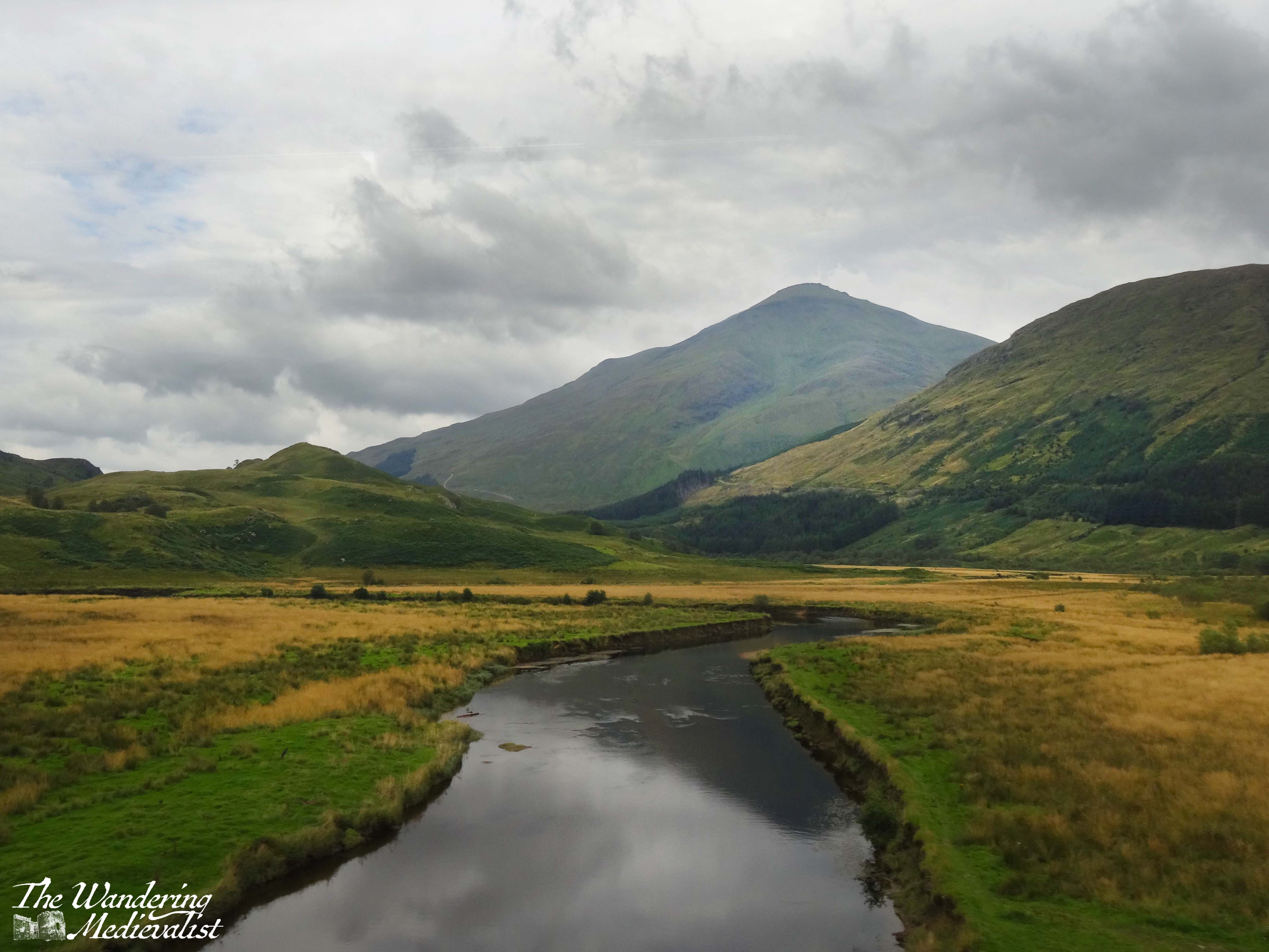
River Spean at Spean Bridge
Route 7 – Fort William to Nevis Range
Fort William has plenty to keep you busy with hikes of all different lengths from a short wander to climbing Ben Nevis, the UK’s highest peak.
If you are less inclined to hiking, I would definitely recommend trying one of the Loch Linnhe Seal Cruises, which you can book ahead even if it is just the day before. There is also a small cinema, plenty of pubs and restaurants to explore, and numerous places to stay. That said, definitely book your accommodation well in advance, as Fort William is almost always busy.
Fort William and Loch Linnhe from the Old Fort
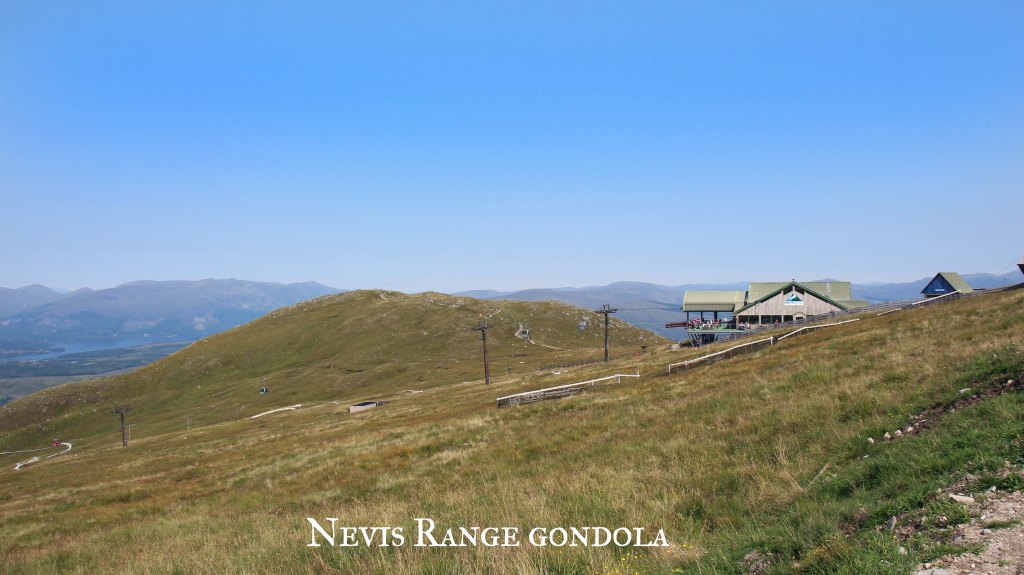
Another fantastic option for the Fort William area is to take a bus out to Nevis Range, where you can find more walks in the woods and the gondola up Aonach Mor. The gondola can be taken by those of all abilities and ages, and at the top you can enjoy the cafe or walk along the side of the mountain to two viewpoints: Meall Beag and Sgurr Finnisg-aig. The gondola ride alone is worth trying, even if you do not wish to hike.
The way to get to Nevis Range is to pick up a Shiel bus from one of the bus stops just outside Morrisons, on MacFarlane way. As of writing it is the N41 route you want, and it runs frequently enough that you can get out and back in a day. But, as always, keep a close eye on the timetables. The route is only about 20 minutes.
Should you miss the return bus, you may need to order a taxi, and those can take some time – I’d recommend making note of a local taxi number, as Uber has not yet reached Fort William.
Route 8 – Fort William to Glasgow
If the train route from Glasgow to Fort William does not make it on to some list of one of the world’s most beautiful, someone goofed. Whether you are boarding in Glasgow, Fort William, or one of the several stops in between, I do recommend booking in advance if you can, and selecting a seat. I cannot really recommend a side of the train though – both offer stunning views.
If you are travelling the whole distance, you may want to bring your own snacks and refreshments, as the train trolley can be pricey. The trip is about 4 hours, but delays around Crianlarich are not uncommon, so it is best to be prepared for a longer ride.
Any delay is 100% worth it, though. For one thing, it often allows you a few minutes to get out of the train and walk around on the platform, and get some fresh air. It is also just a fact – you will be stopped in Crianlarich for a short while even without delays, as that is where they split the train (or join it together again), with one half going to Oban and the other to Fort William. This is another good reason to book your ticket – it guarantees you are sitting in the correct part of the train.
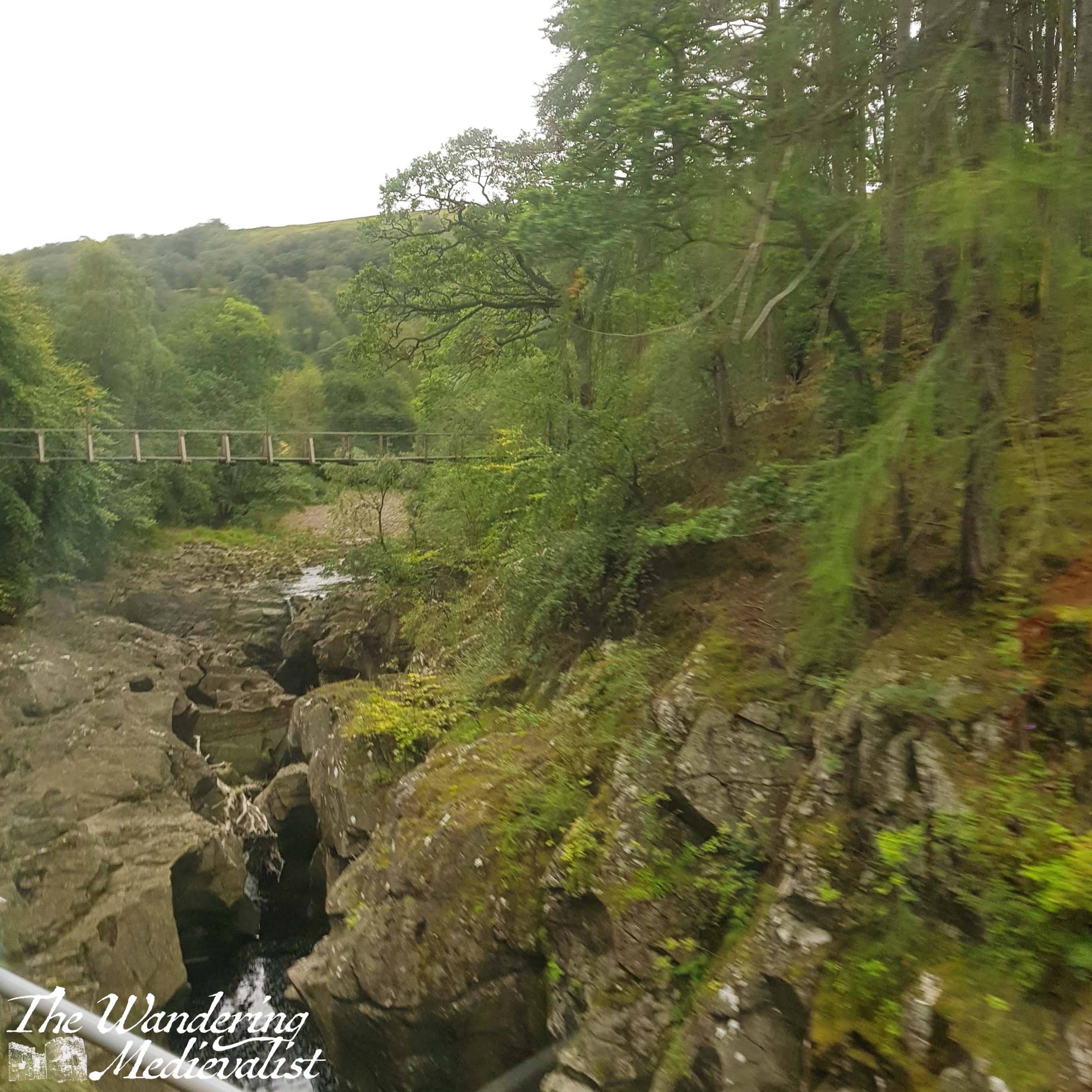
If you board in Fort William, you will find that the train passes out of the town almost immediately and follows the River Spean through the towns of Roybridge and Spean Bridge. The line hugs the side of a gorge and then at Tulloch cuts south to head across Rannoch Moor.
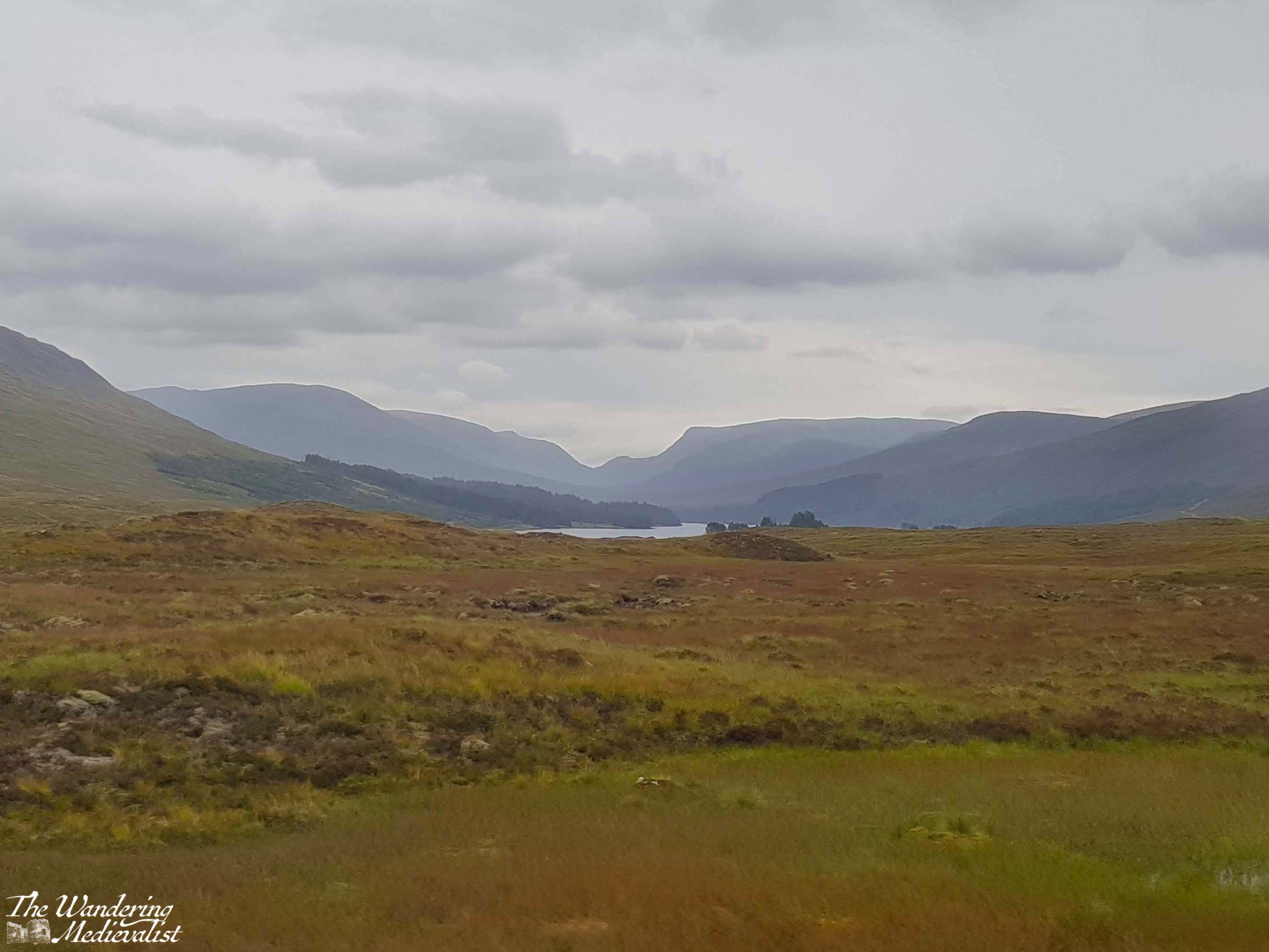
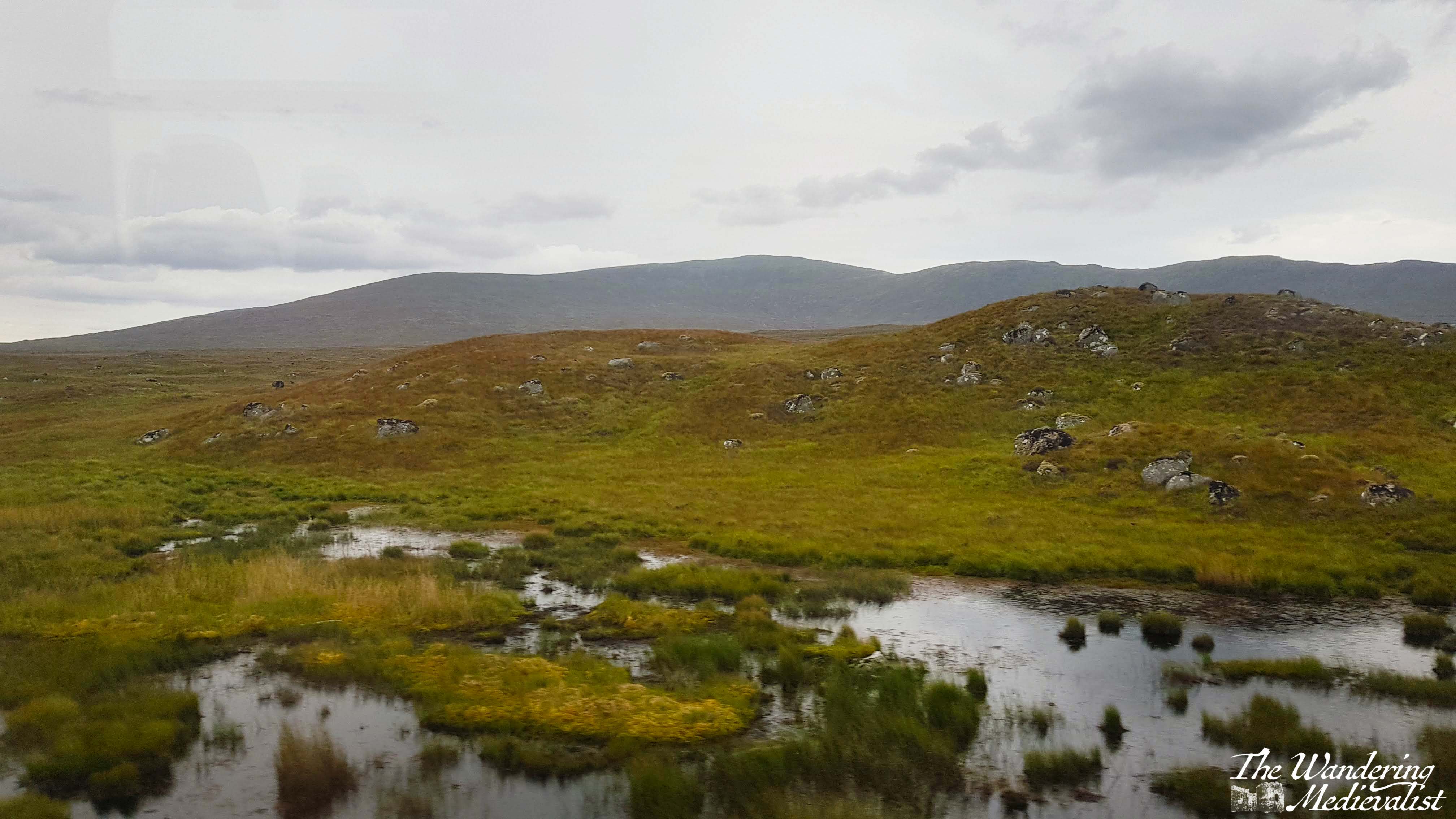
The moor is a stretch of land composed of bogs, lochs, rivers and rocky soil that is one of the last great wildernesses in Europe. The train offers a unique opportunity to see it, as the only other way to experience this part of the Moor is on foot – the roads go around in either direction. Corrour Station, one of the stops in the middle of the Moor, is more than 10 miles from the nearest road. The train runs just frequently enough that you could take a train in the morning, have a hike, and then catch one of the trains back again to Fort William, but be warned – as mentioned above, trains on this line are not 100% reliable and accommodation is very limited.
Barren, rocky, boggy, and breathtaking, the Moor alone is – in my opinion – worth the train trip. You may even catch sight of a deer or other Highland fauna.
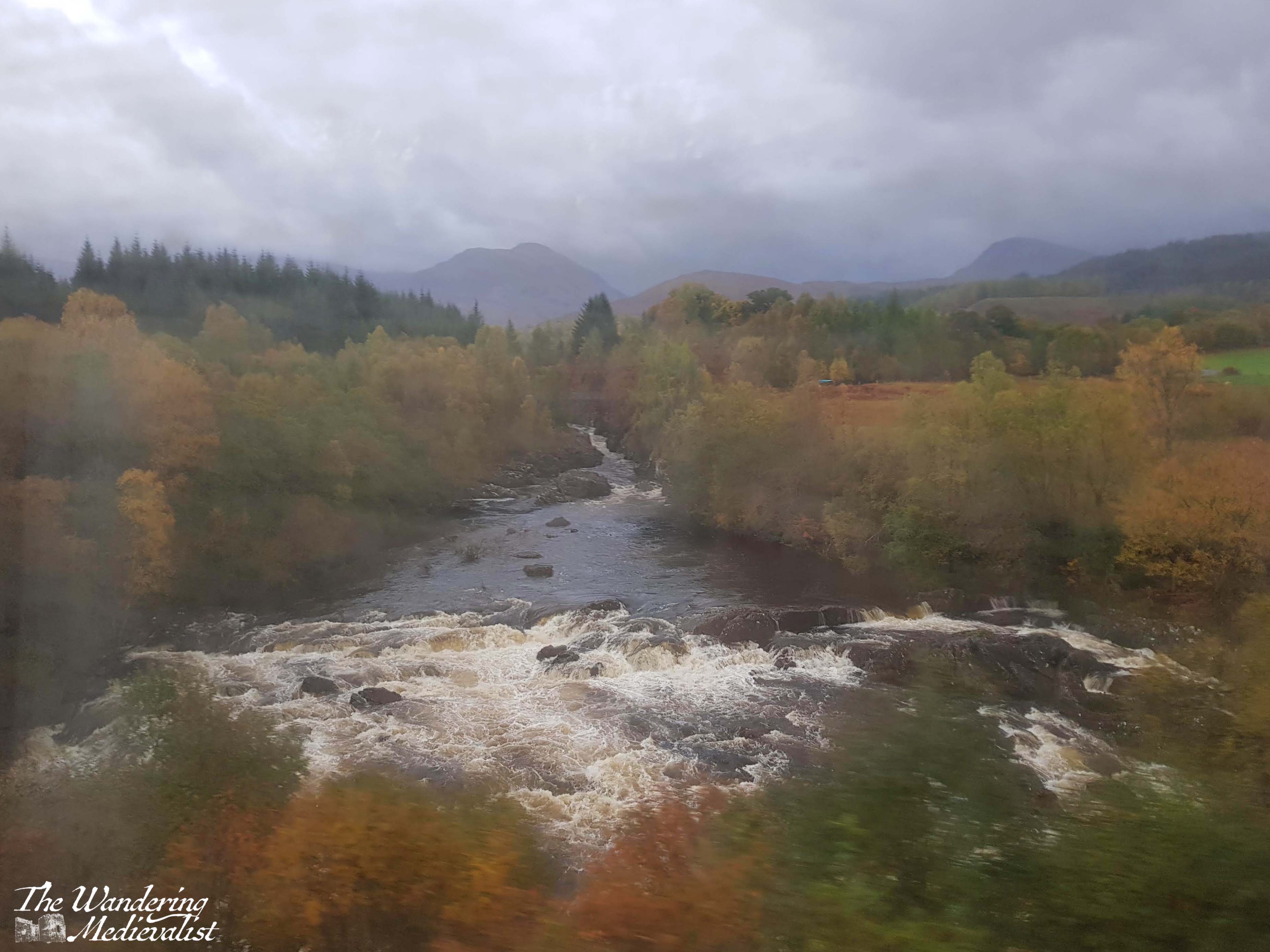
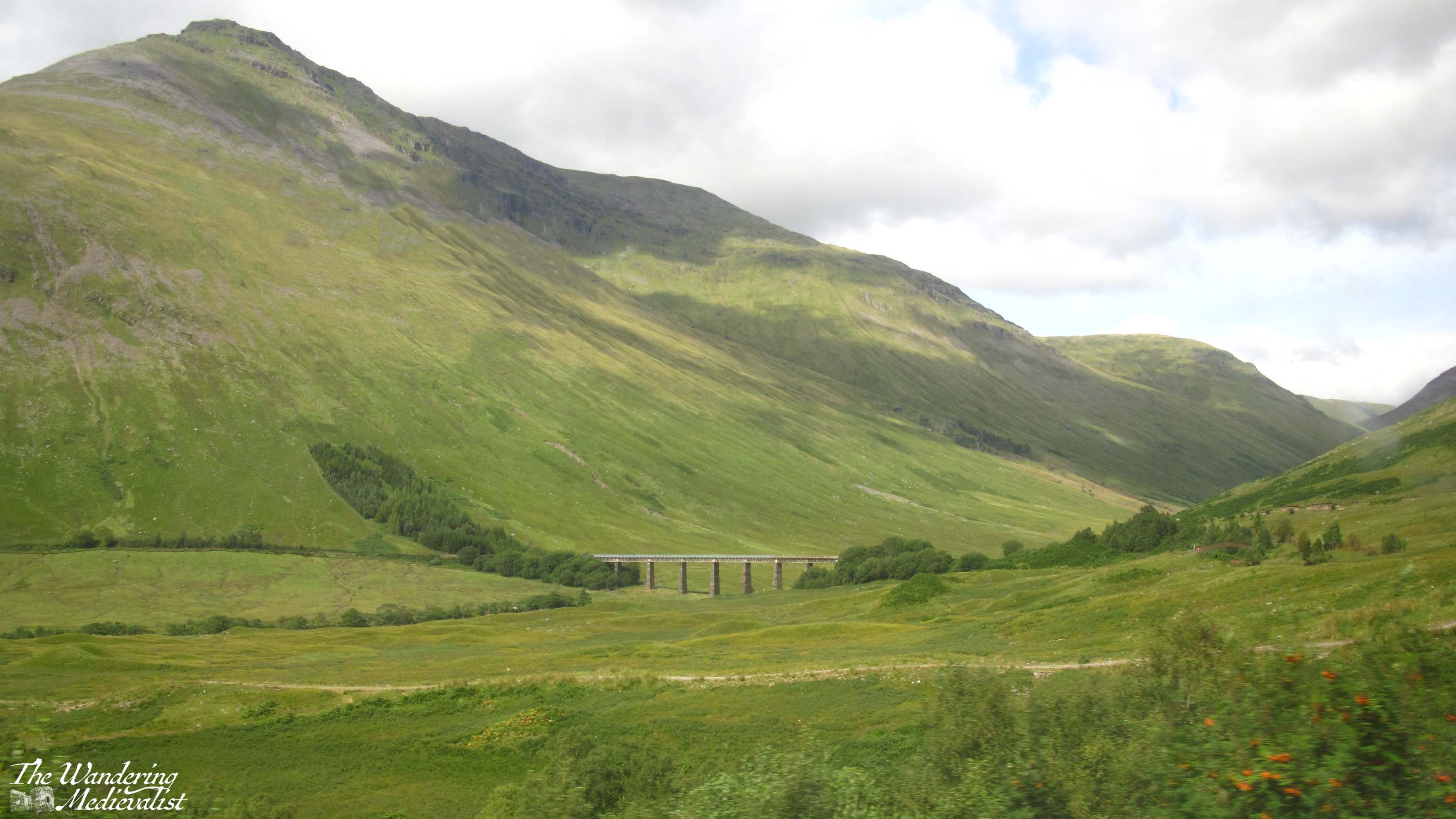
Once across the Moor, the train line cuts through mountains and valleys, eventually re-discovering the A82 highway not far north of Tyndrum. Just beyond Tyndrum, the train line loops west to cross the viaduct seen in the picture above, hugging the hills as it heads south.
After stopping at Crianlarich, the line touches the north shores of Loch Lomond before cutting over to Loch Long at Arrochar and Tarbet. From there, beautiful views down the loch and of the distant mountains will keep you glued to the windows all the way to Helensburgh, only a few minutes from Glasgow.
If you take the train in reverse, the scenery becomes more stunning the further north you travel, and I always find it a touch disappointing when you finally reach Fort William. Once we did continue on the line all the way to Mallaig, and while doing so will give you a good feel for the barren nature of the coastal Highlands, nothing is quite like crossing the Moor.
Give yourself most of the day for this journey of at least four hours, and cross your fingers for a rain-free trip. I have never yet had one, but rain makes the pictures more genuine!
Travel from Glasgow back to Edinburgh is incredibly easy, with regular trains and busses from Buchanan and Queen Street stations.
Other options:
The loop I have suggested above is just one of the many options available to you. Want to try a truly epic journey? Citylink offers busses from Glasgow to Uig on Skye. It’s a long trek but crosses some stunning scenery, and Skye can be explored on foot if you’re ready for it.
Here are a few more suggestions:
Hop on the train from Fort William to Glenfinnan, crossing the famous viaduct. There is a hike from the train station back towards the parking lot with spectacular views over Loch Shiel and the viaduct itself.
Take the train from Dundee to Aberdeen, along the stunning coastline.
Take a bus or train to Stirling and walk up to the castle and old town.
Take a bus to Doune and explore the castle and town.
Hop a bus from Glenrothes to Falkland and visit the Palace and Gardens, or climb up East Lomond Hill.
Board a bus in Aberdeen to take you to Crathes and Drum castles.
For a truly epic journey, you can take a train or bus to Oban, a ferry to Mull, another bus from Craignure to Fionnphort, and a ferry to Iona! Lots of coordination required, but entirely possible.
The bottom line is, busses go almost anywhere you want. Be aware of travelling on Sundays as things are always less flexible, and make sure you have the most up to date timetables.
Here are some useful links to help you plan your adventure:
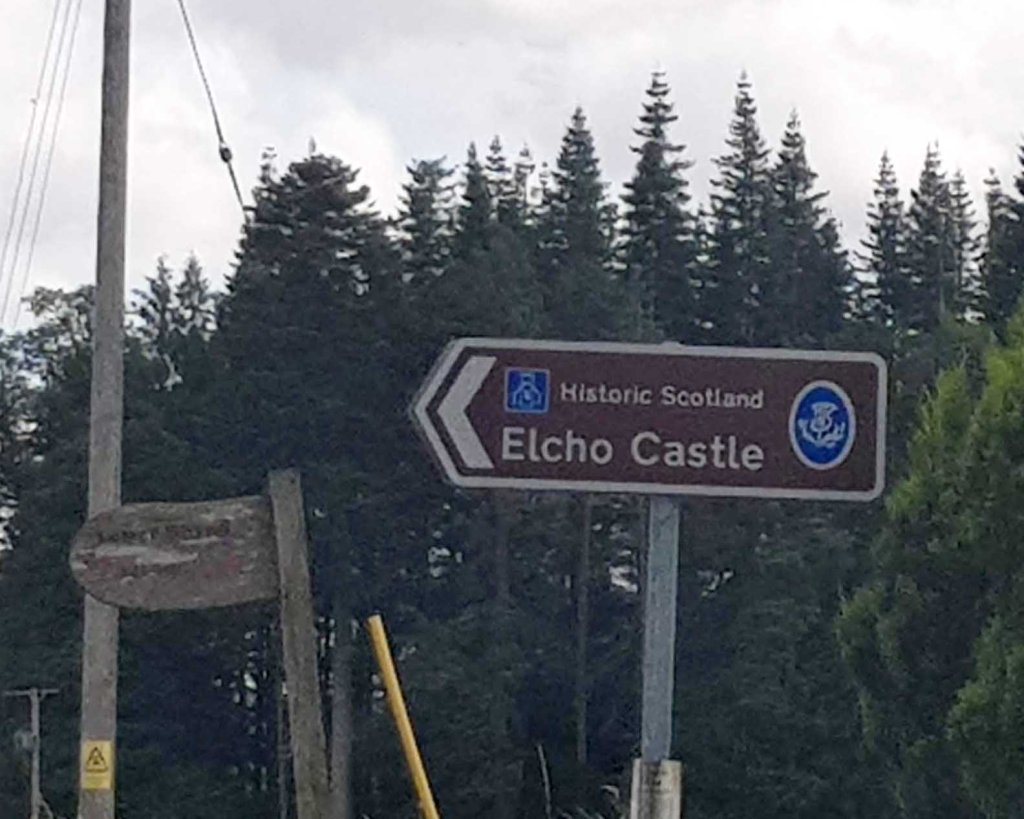
Our excursion to Elcho Castle was part of a late summer weekend during which we met a friend – and fellow medievalist – in Perth for lunch and decided to explore this heretofore unknown castle. I had identified it on one of my many castle maps of Scotland, and the Historic Scotland website confirmed it to be a well-preserved example of a late medieval Scottish tower-house. I note that as of writing, the castle is one of the many currently closed while masonry inspections are undertaken.
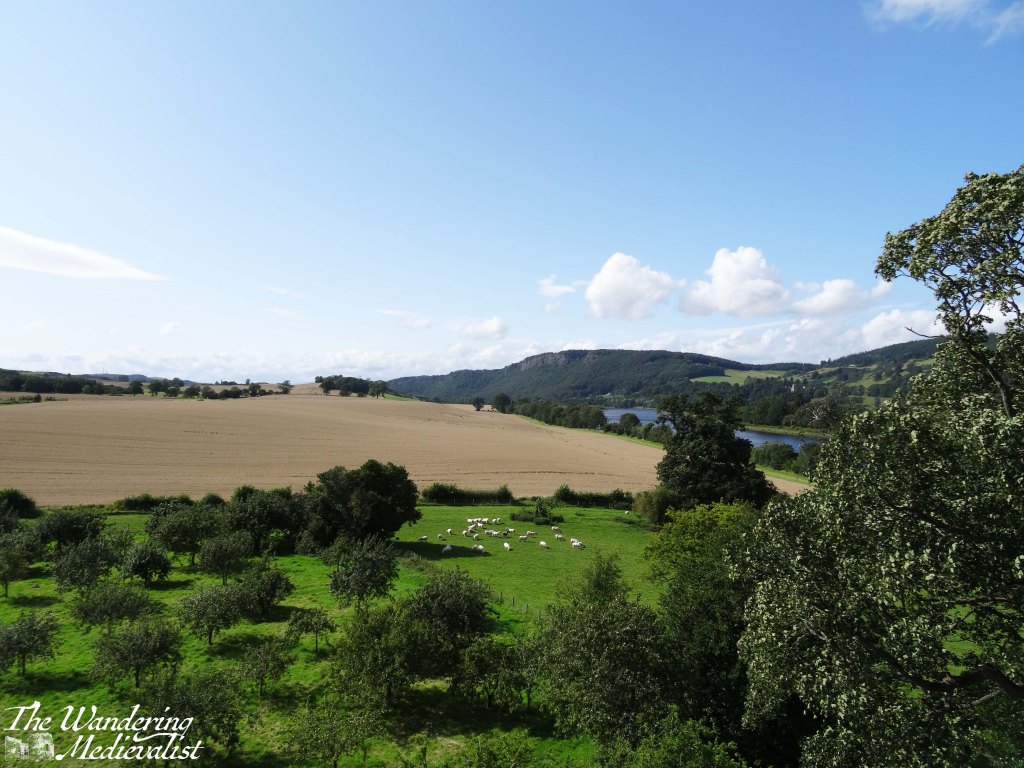
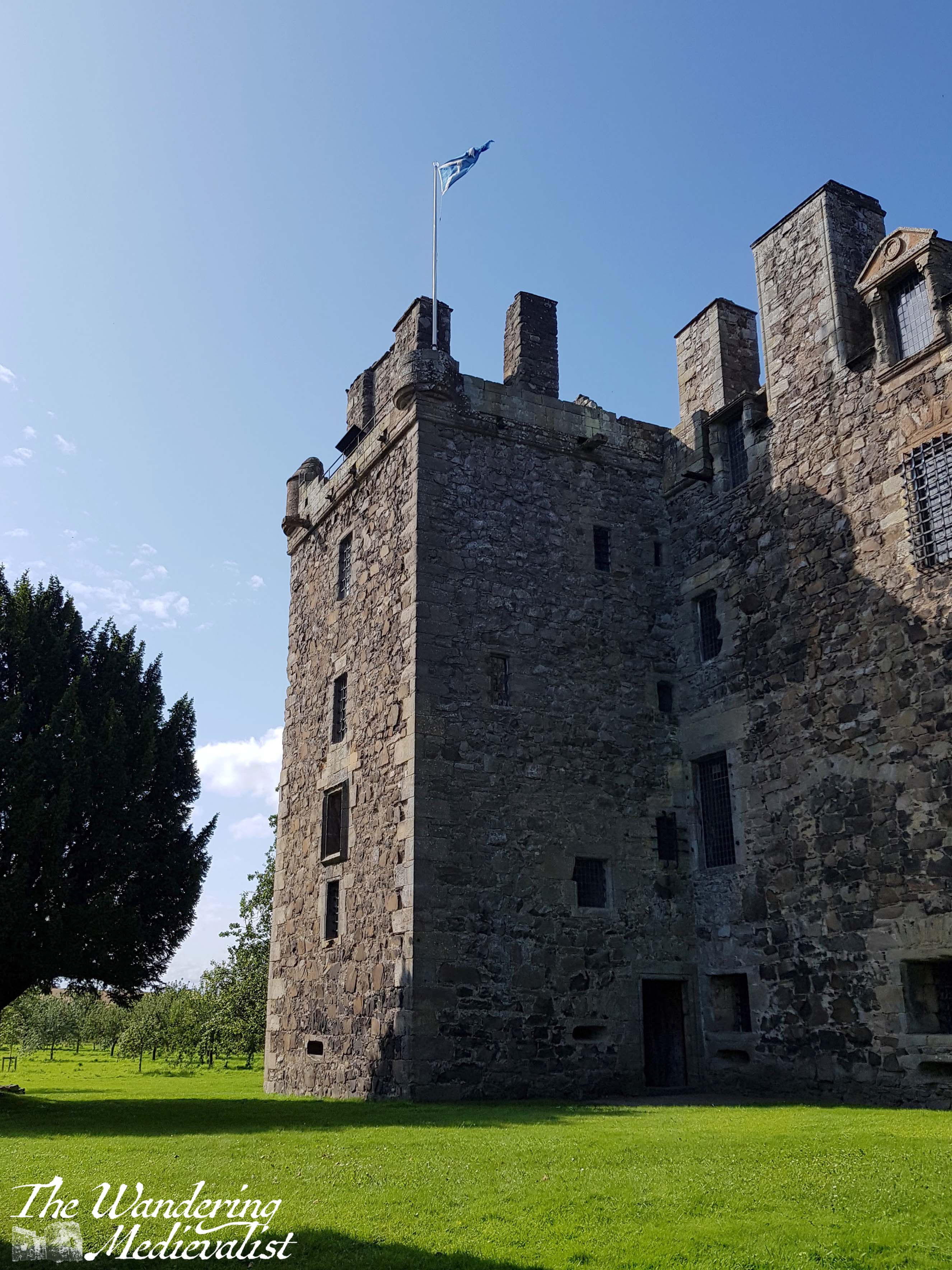
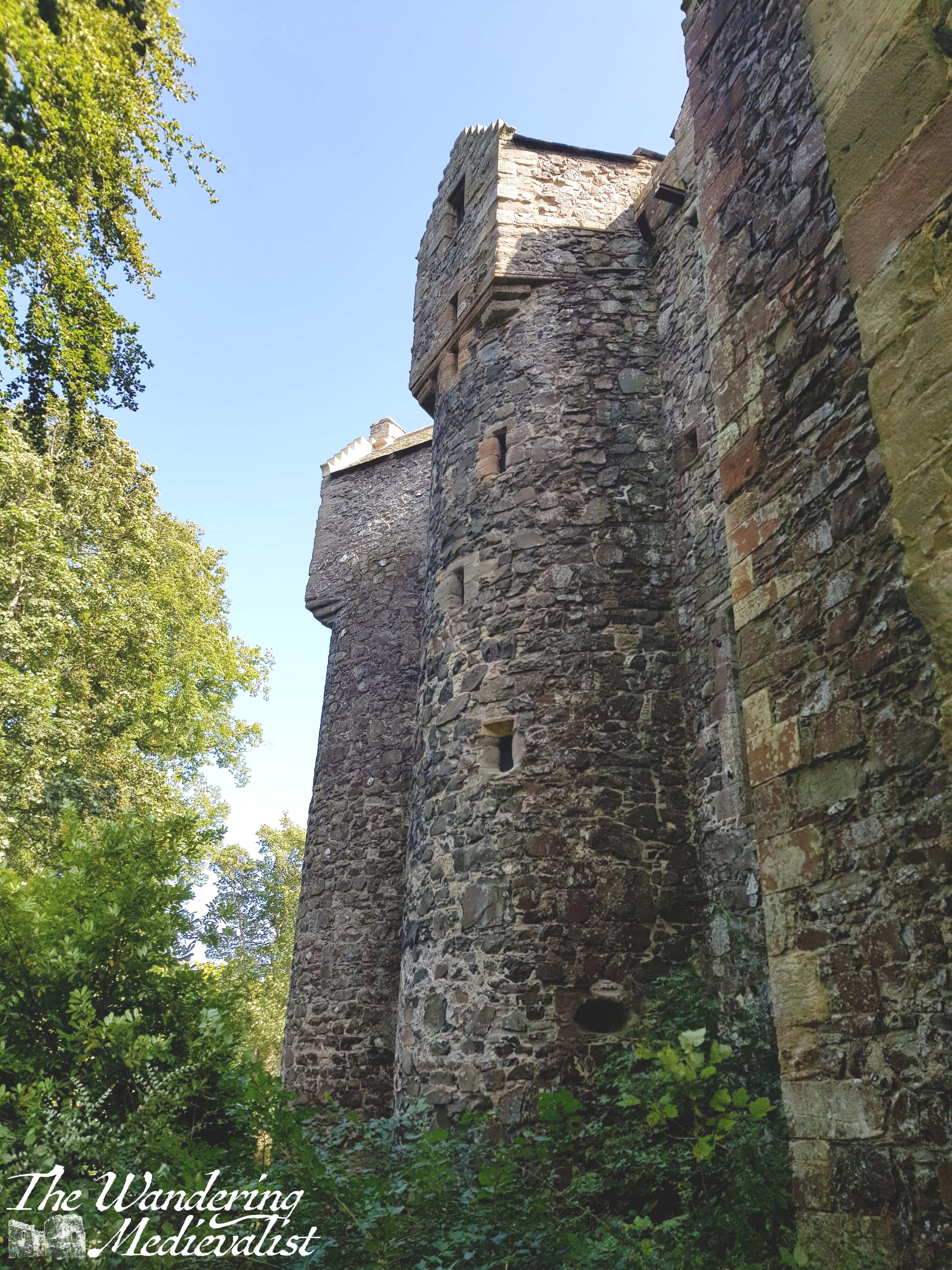
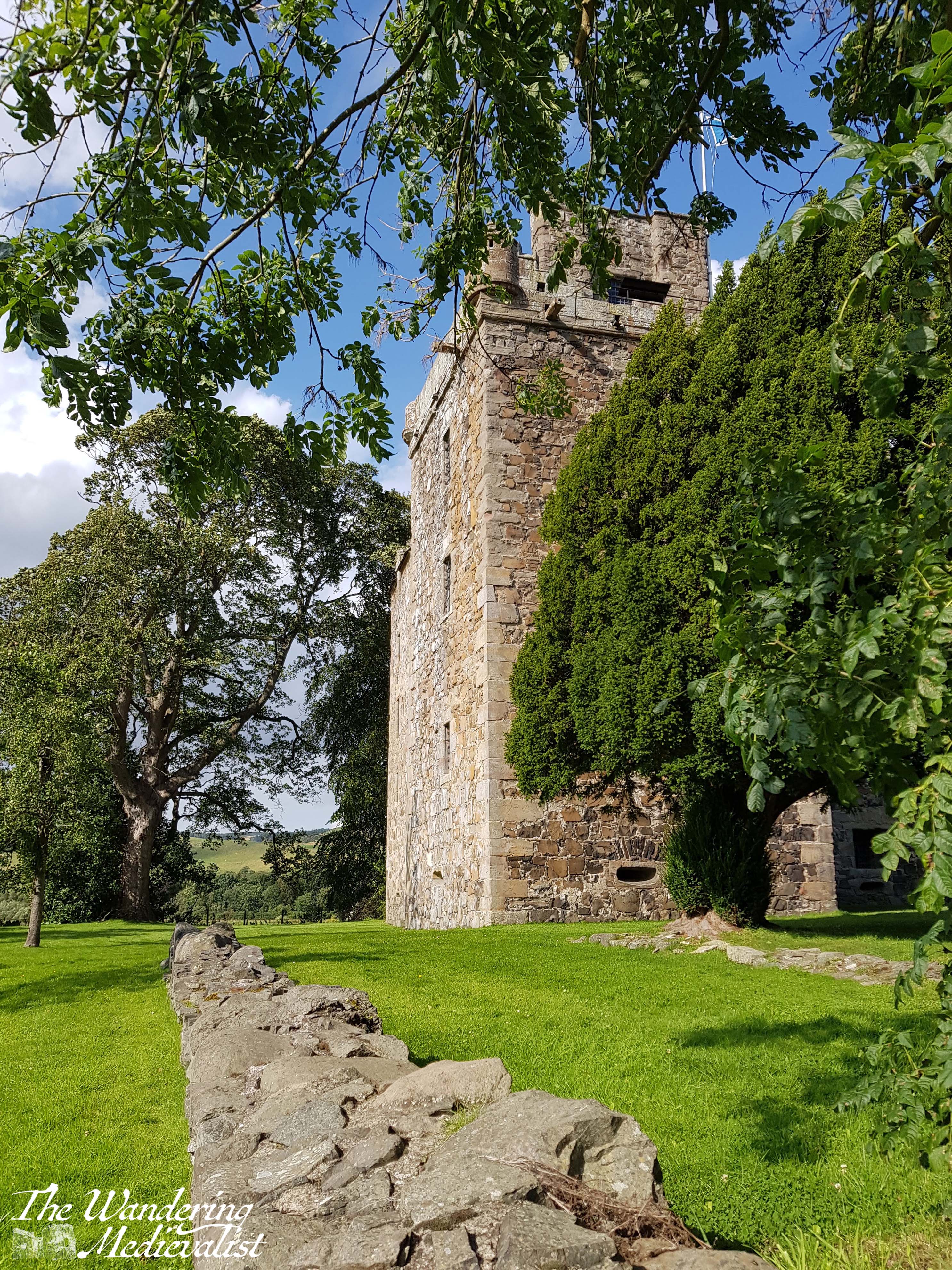
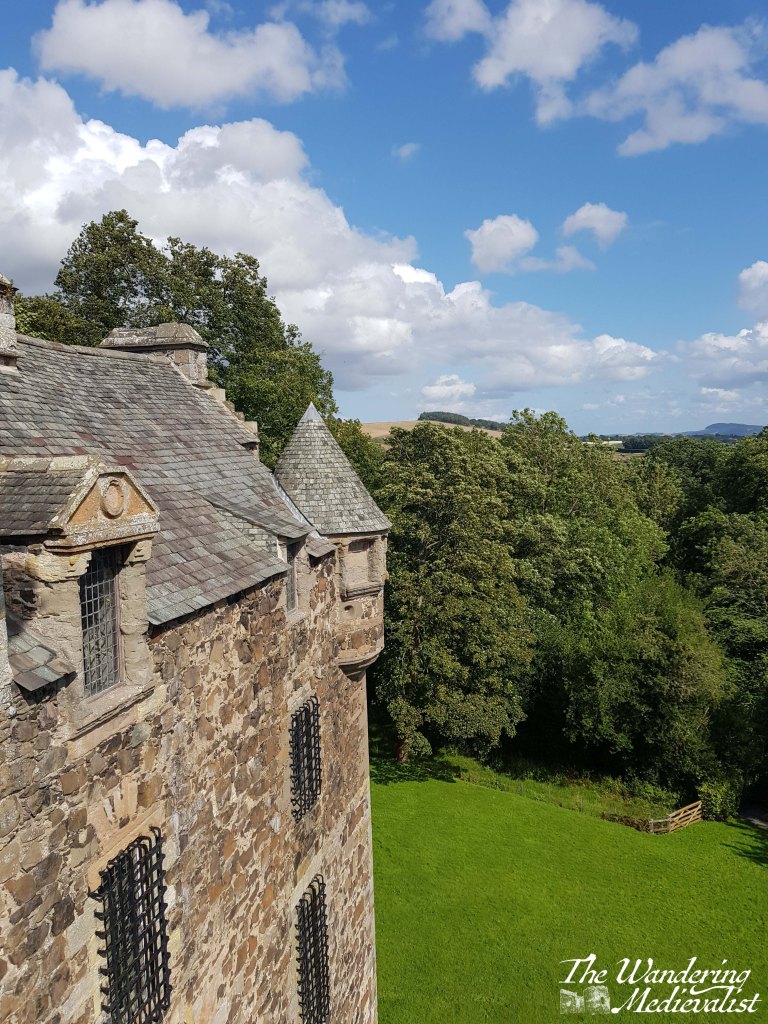
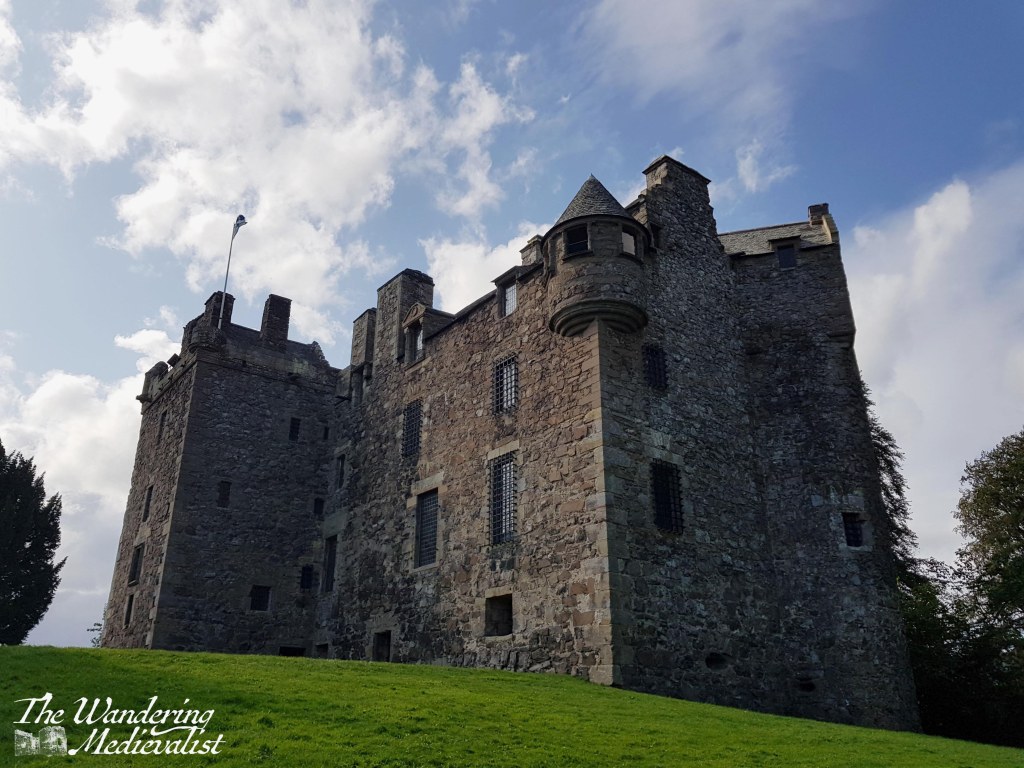
Only four miles from Perth, Elcho is accessed by narrow back roads that eventually lead to a small car park, the castle, and the nearby listed cottage. It was built by the family of Wemyss of that Ilk, around 1560, and is an interesting example of a comfortable country manor residence that was also defensive. It has both guest rooms and gun ports. As one can see from the view from the castle walls, it was happily situated beside the River Tay, amidst fields for crops and sheep, as well as an orchard. In the distance one can just make out the cliffs of Kinnoull Hill.
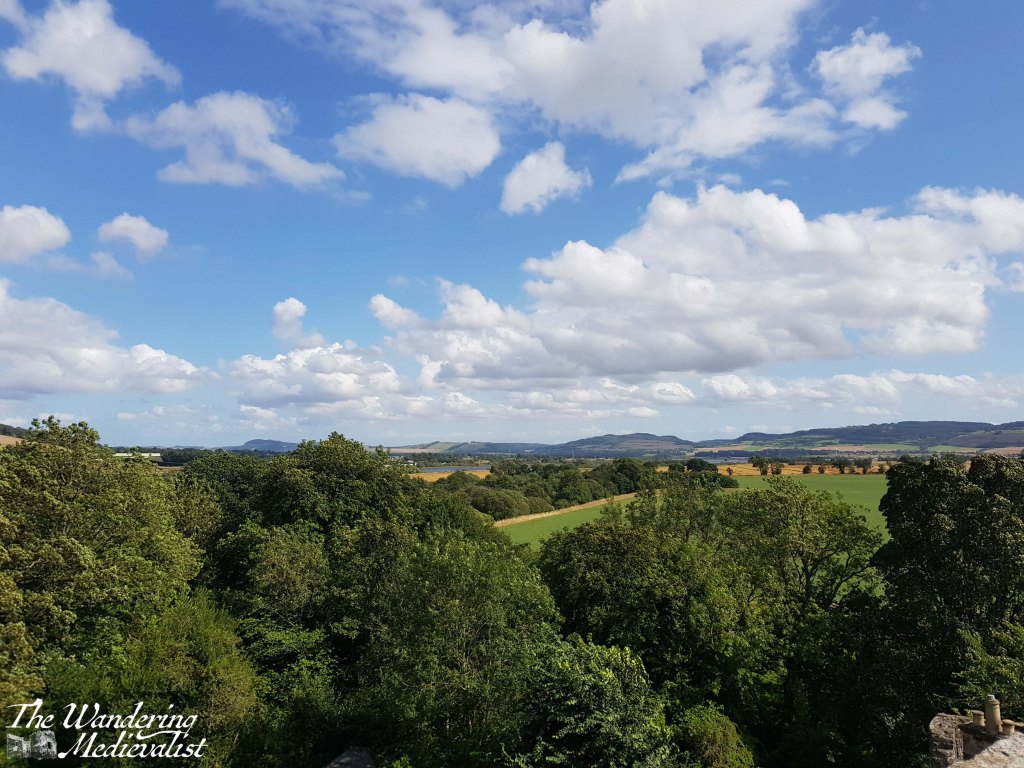
The view to the west is towards Perth, just out of sight beyond the rise, and to the east along the river in the direction of Dundee and Fife.
It is just about possible to walk around the outside of the castle, though the river side is well-treed and the view of the walls is obscured somewhat. There is evidence of a formerly walled courtyard and at the edge of the orchard are some well-placed picnic tables.
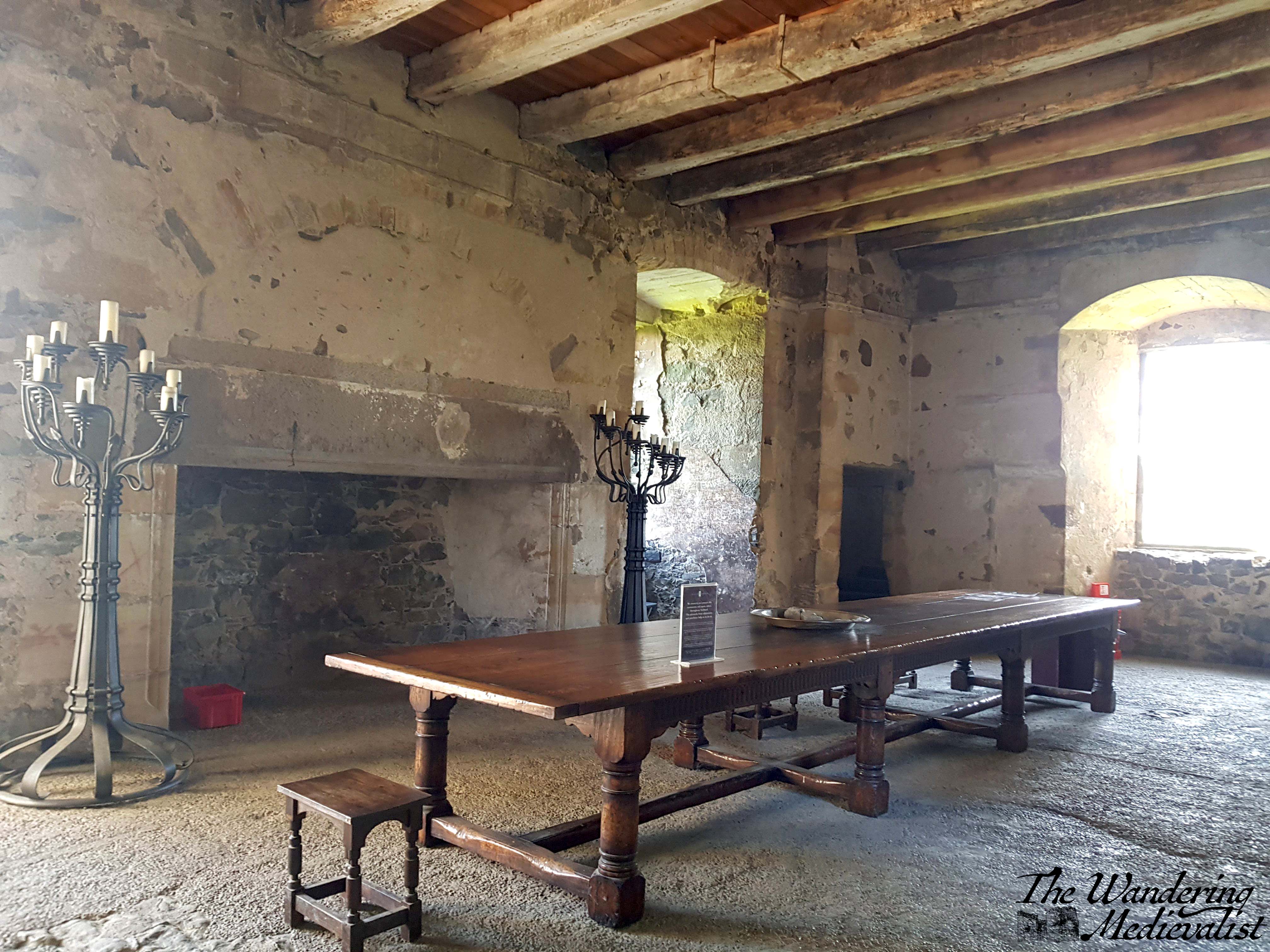
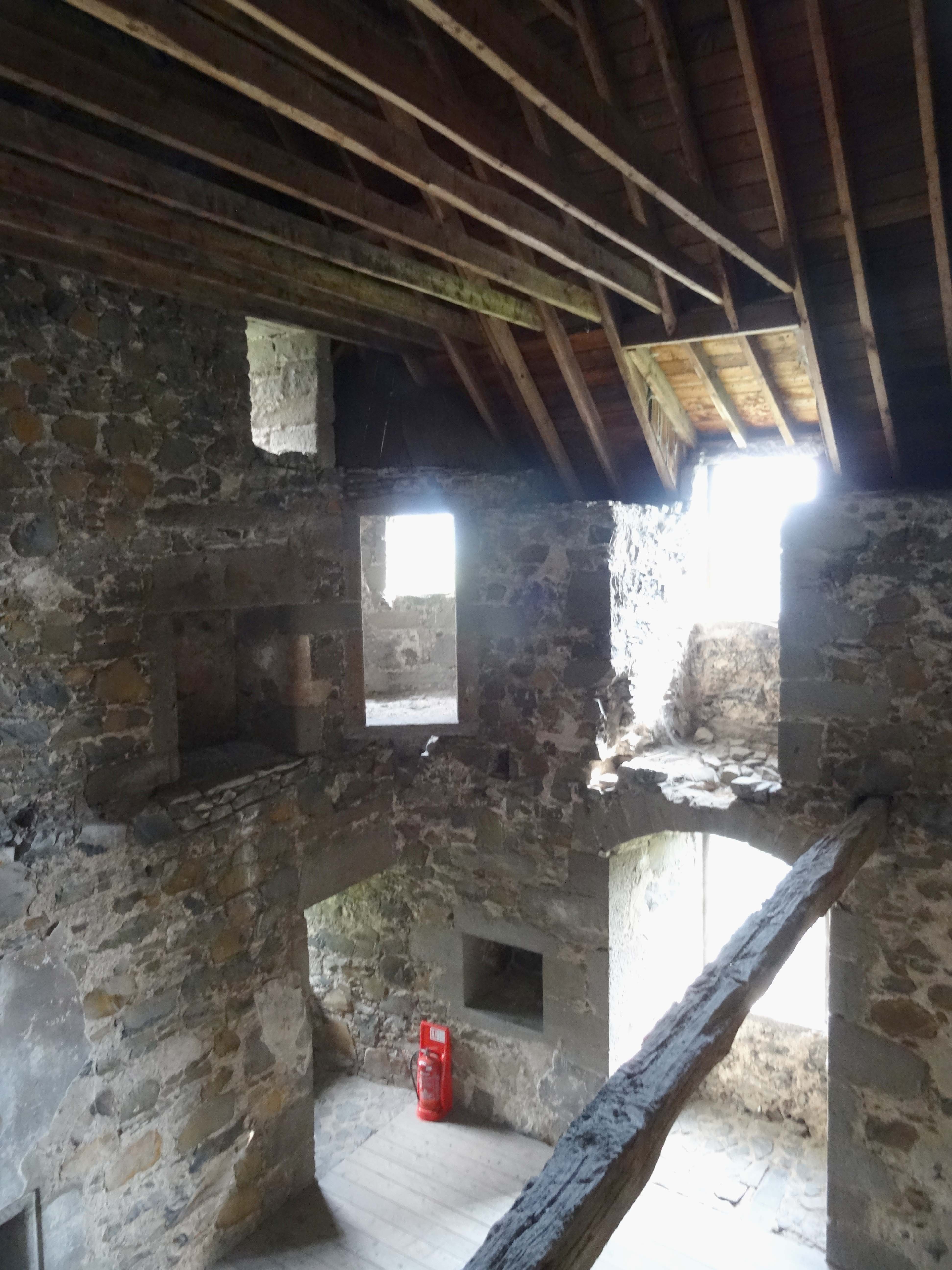
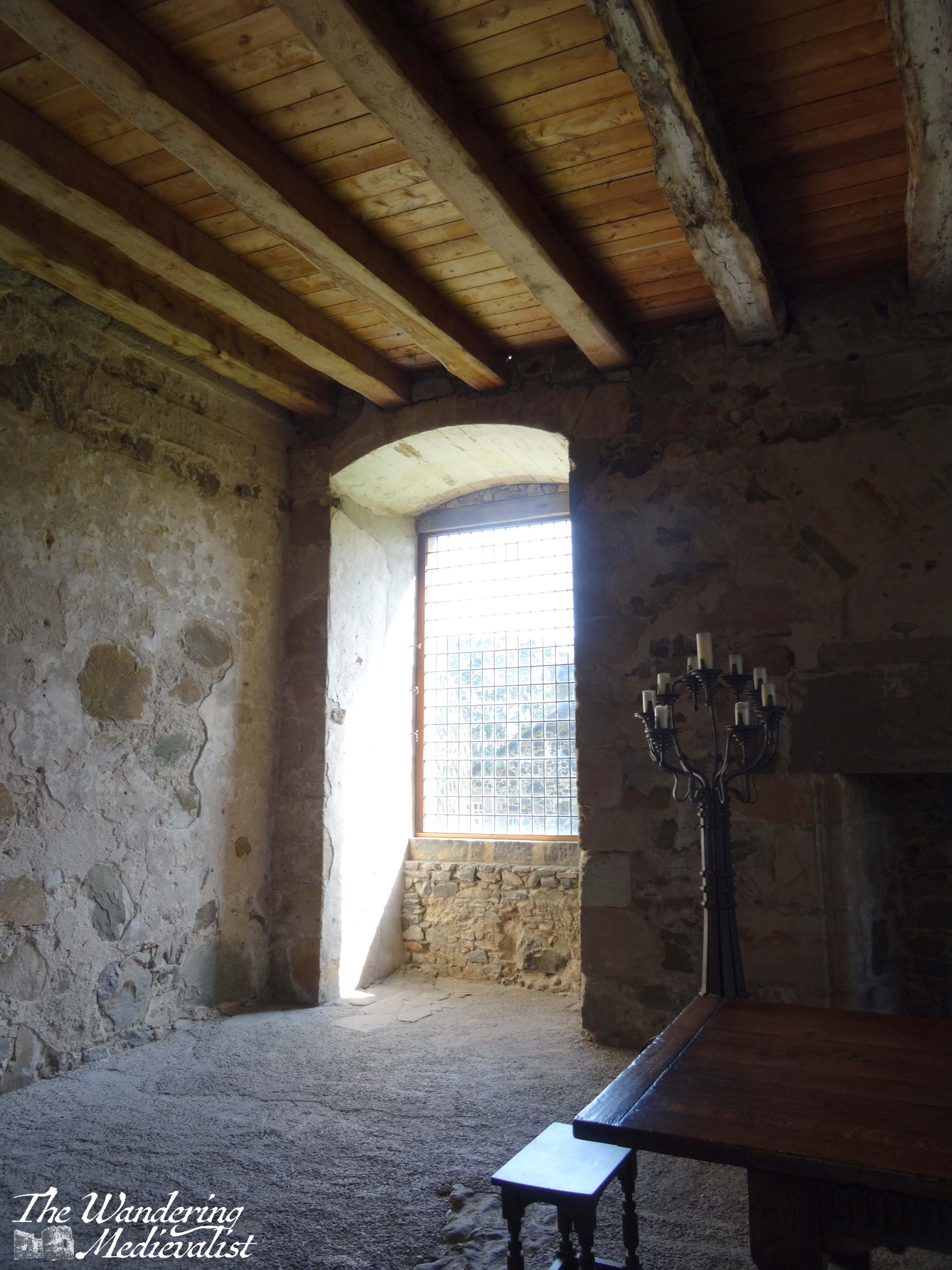
The true joy for a castle lover, though, comes inside, where the main hall, vaulted pantry and cellars, and numerous floors are all visible. Deep kitchen hearths and ovens can be explored, and there is a combination of restored rooms, but also open space where you can look up the walls to see where additional floors and fireplaces would have been.
And of course, one can climb to the top of the castle walls to see the views above, and examine the turrets and roof that was replaced in the 19th century.
It is quite easy to see, while wandering through these rooms and the nearby land, how this could be a comfortable spot to live. The surrounding fields are plentiful, the river is close by for fish and transport, and while the orchard is clearly young, one can imagine there may also have been one in the 16th century.
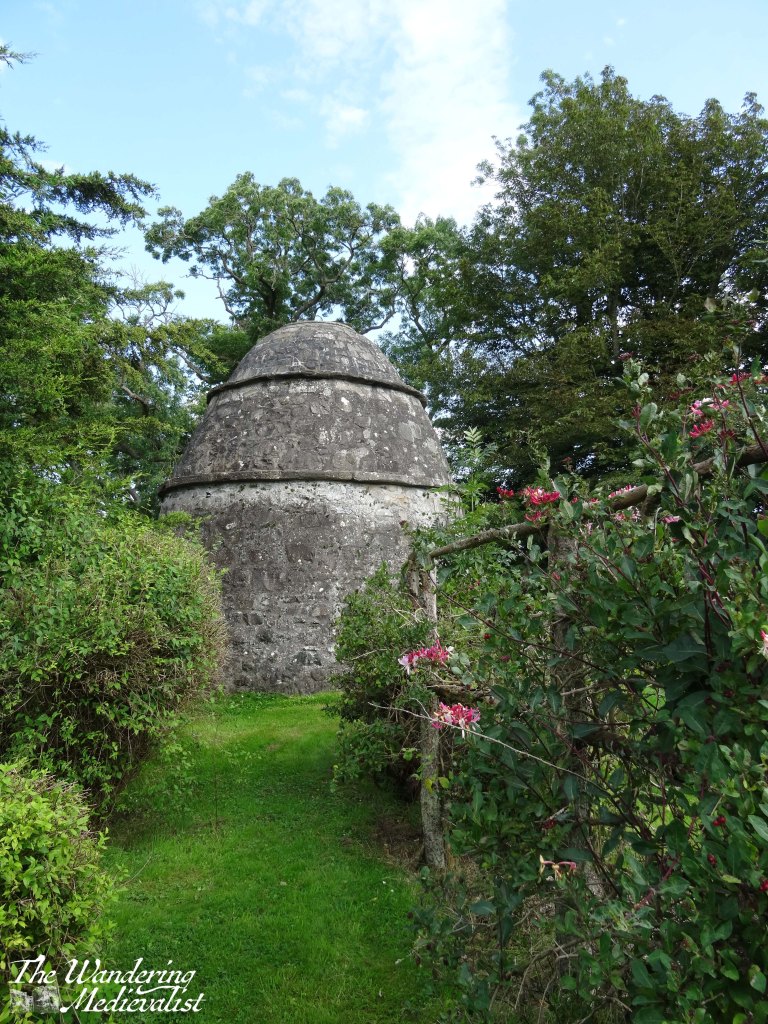
Also on the grounds is a well-preserved doocot (Scots for dovecote), surrounded by a small garden. This doocot would have provided valuable food for the castle through the winter months, both from the birds living within and their eggs.
We did not spend a great deal of time at Elcho but it was the perfect castle for an afternoon jaunt; photogenic and well cared-for, it also boasts a small gift shop which, to our delight, sold ice cream. We happily enjoyed our treat, which also kept the other half patient while I scurried around taking pictures of the castle exterior. Though it does not necessarily hold a dramatic place in history, Elcho is an excellent window into the past, demonstrating how comfortable life might be for a lord living in the late 1500s. It is also an excellent castle to explore, and once it has opened again I could see it as a good spot for children, with lots of rooms to get lost in. Furthermore, it is an easy day trip from Perth, Dundee or anywhere in Fife, the perfect spot for a picnic!
In Scotland, a den is a narrow, often wooded valley, usually following a small burn or rivulet. Craighall Den, the subject of this post, is hidden on the outskirts of the town of Ceres in Fife, and it offers a gentle walk through some woodland, ending at the ruins of an old limekiln. It is quite popular, and very seldom have I visited without running into at least a few other walkers and, often, horseback riders.
I discovered the walk through the den in the midst of lockdown in March 2021, when we were desperate for outdoor adventures but could not leave Fife, and so I consulted my favourite walking site, Walkhighlands, which despite its name details walks throughout Scotland. The route suggested involved parking in the town centre and walking up what turned out to be an abominably muddy farm track, to join the den almost at its furthest point.
I have never tried this circular again, instead have several times parked in Ceres and walked an extra few hundred yards up the road to join the path. This adds a few steps that pass some lovely farm houses and an old mill that I secretly covet (or not so secretly to anyone with whom I have walked this route).
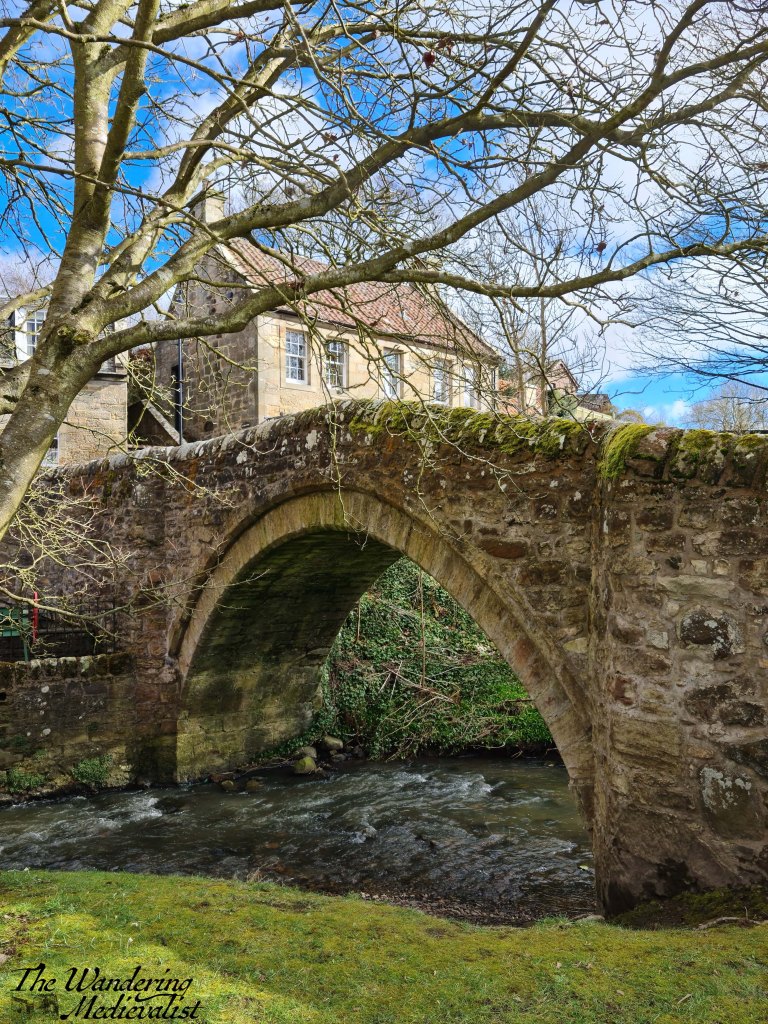
Ceres itself is a picturesque village full of historic stone houses and bridges, complete with an old tavern and a town green – the Bow Butts, where archery would have been practiced. It will likely earn itself a post of its own, but for now, here is the bridge next to the central car park, where one starts the route up the hill.
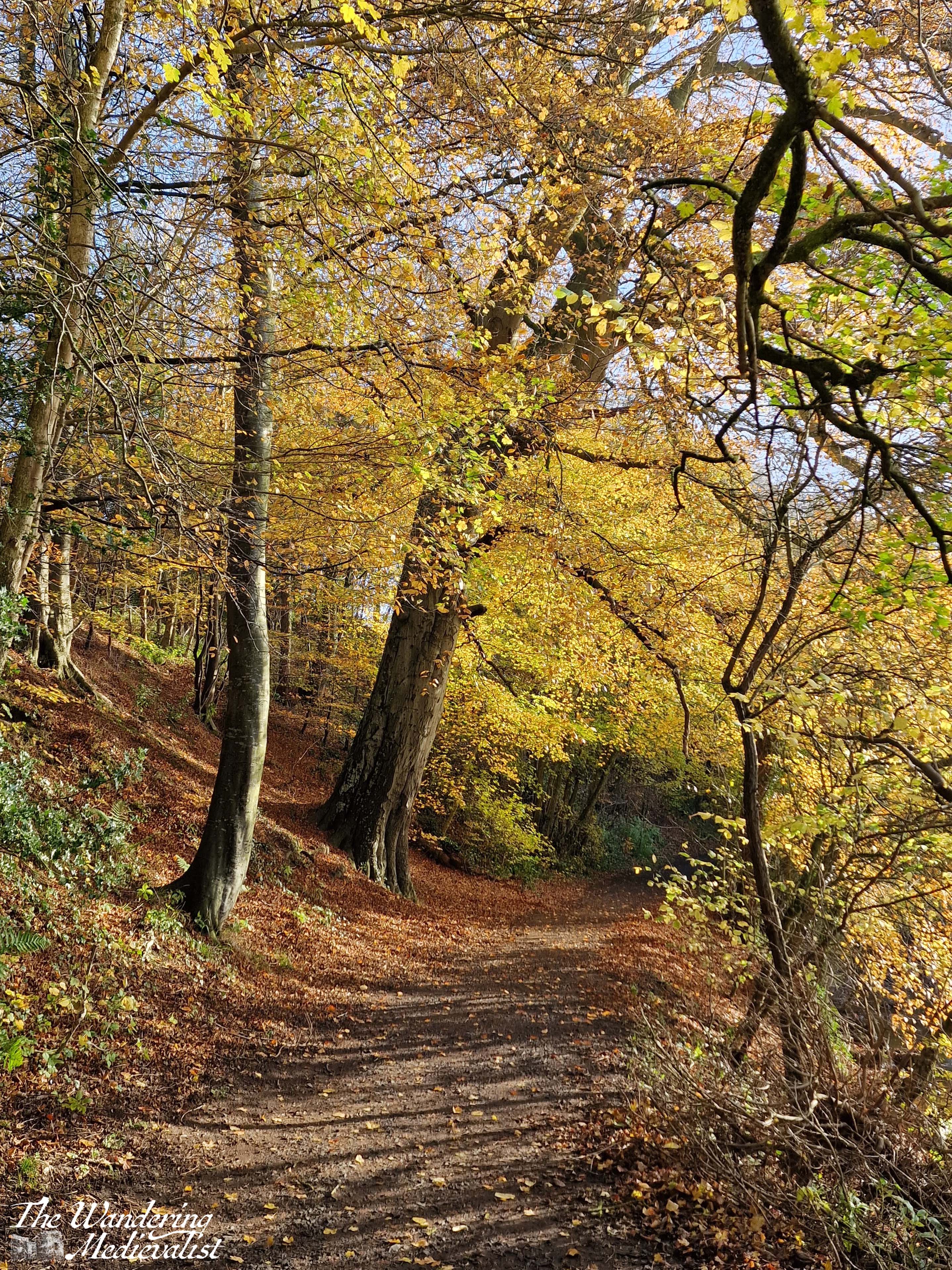
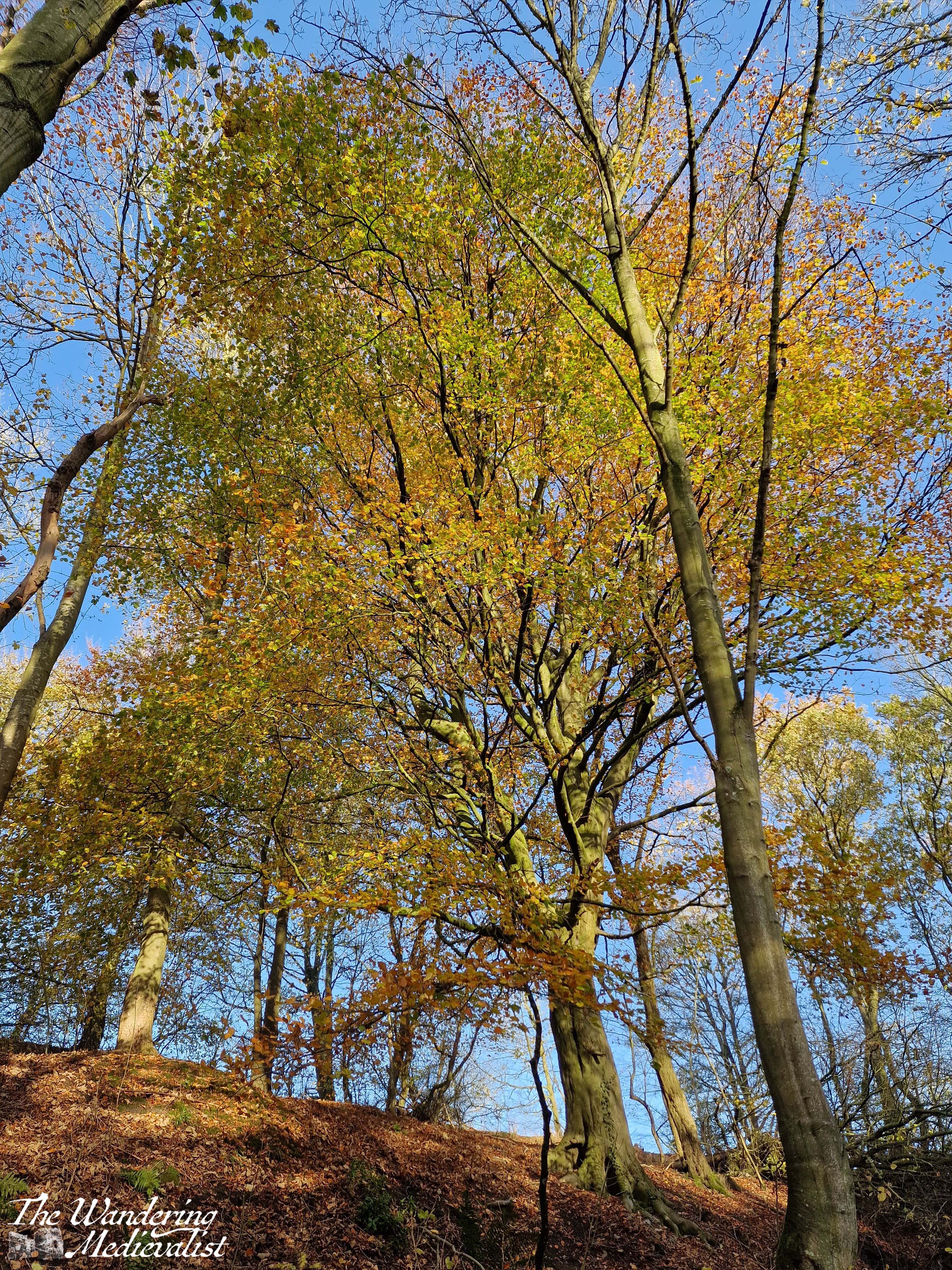
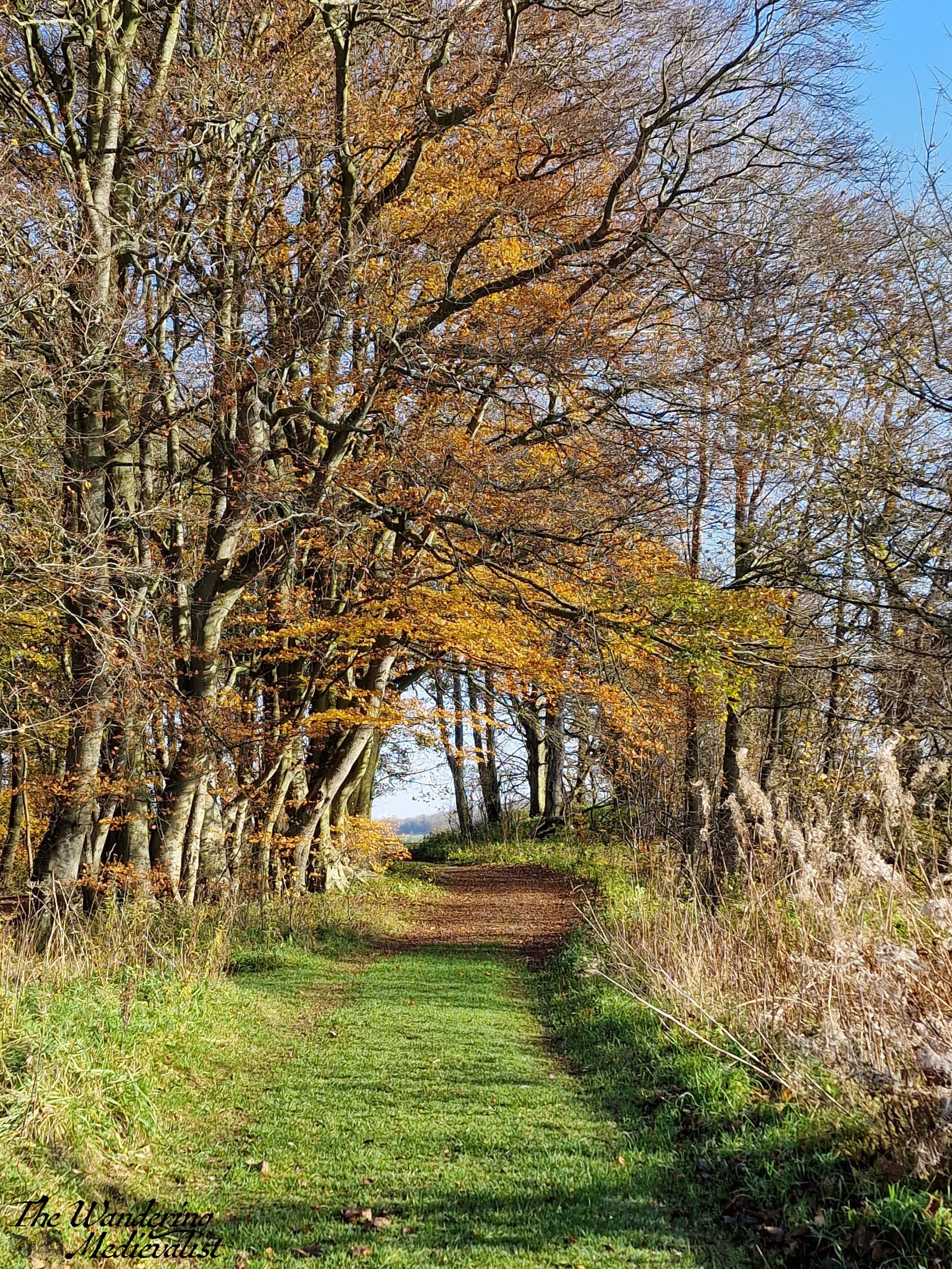
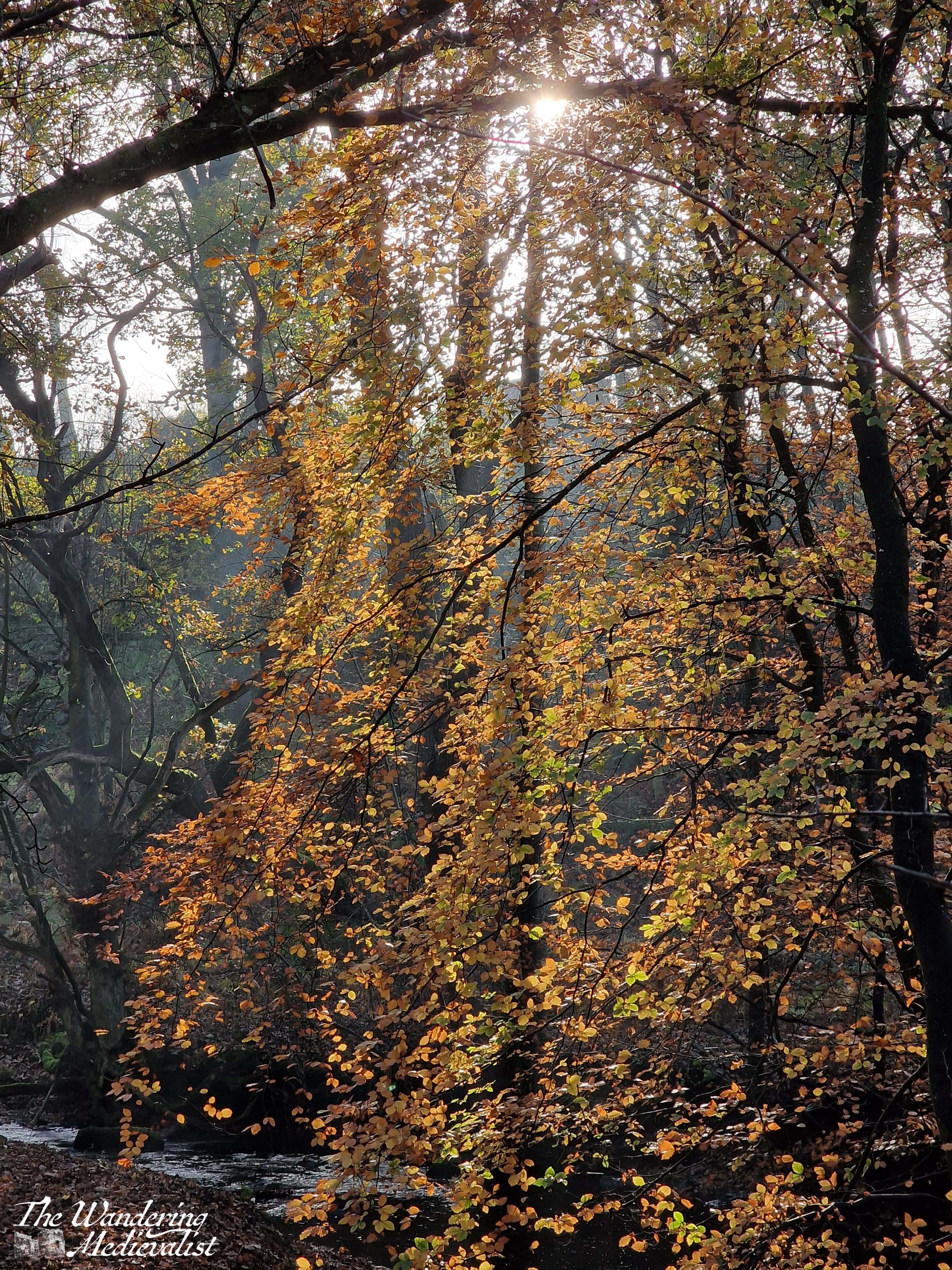
The day that inspires this post however was one that came about entirely by chance – I had been to Cupar shopping and there were major roadworks that encouraged me to take the long way home. It was an atmospheric autumnal day with heavy fog everywhere except Ceres, where sun broke through as I entered the town limits. Almost without thinking, I turned right and up towards the den, deciding a short walk might be nice. As I parked in the small lot at the road end of the walk, I quickly discovered what a good choice I had made. November colours of yellow, gold and amber were perfectly highlighted against the sun and peeking blue sky, and I found myself in a perfect autumn paradise.
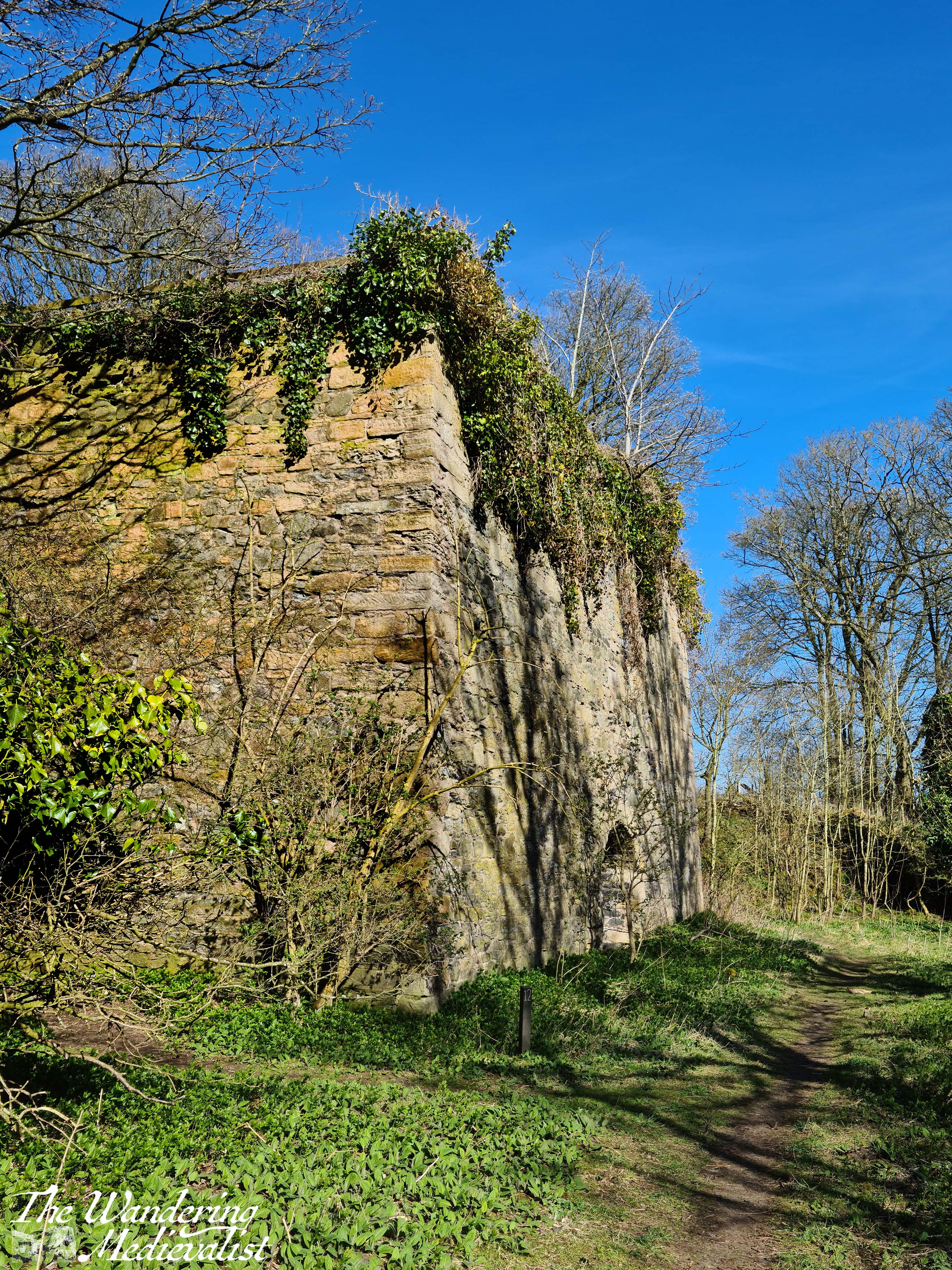
Despite wearing shoes entirely inappropriate for walking, I was encouraged by the colours to do the whole walk – about 30 mins in total so not hugely challenging. The path stays close to the burn before eventually climbing up to the ridge above as the valley sides grow steeper; on the left is a steading and farm with an old stone farmhouse. Eventually one reaches the endpoint of the walk, which as mentioned above is an old lime kiln. Below you see the grassy path leading up to it, as well as a picture I took one summer as we took this walk.
At this point, there is a rock face to the left through the trees and on the right one can either walk out on top of the kiln or follow the path down the hill and around it. There has been occasional evidence here of local teens using it as a place to hang out, and once remnants of a fire, but there are active farms on all sides so I cannot imagine there is much secrecy.
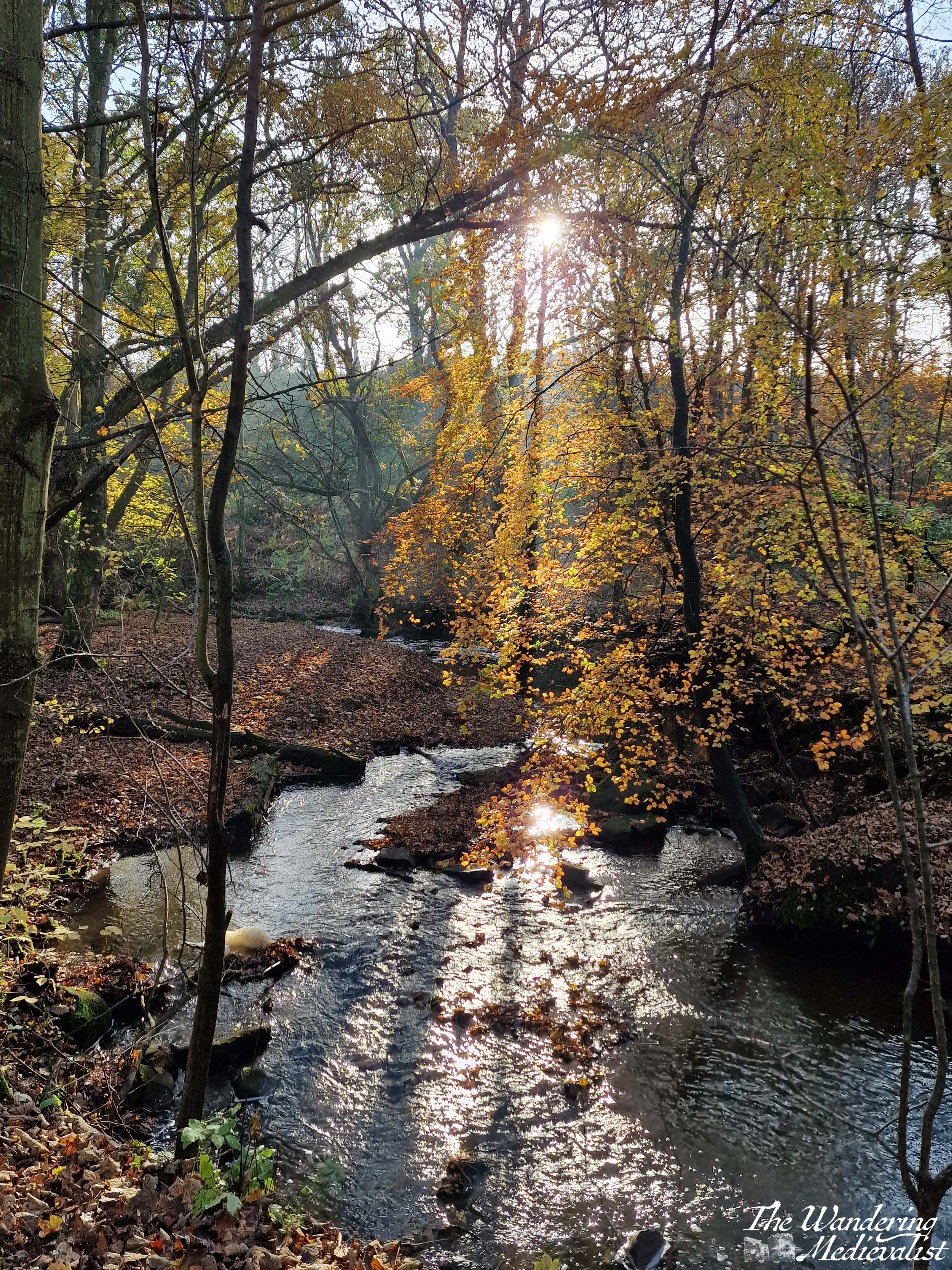
It seemed a shame to head back to the car, but I had shopping to get home and my other half to collect from work, so I enjoyed the sun glinting through the trees onto the burn on my return walk.
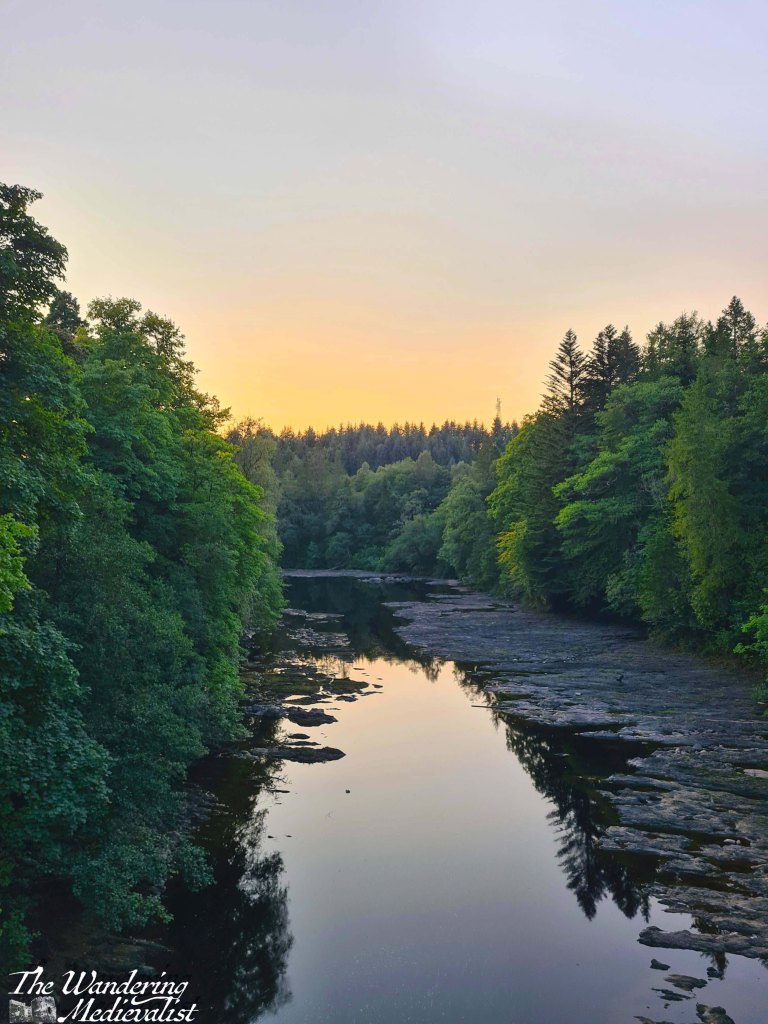
For reference, here is how the burn normally looks…I’ve tried to catch it many times but have never been particularly happy with it. As anyone who has read this blog is aware I have an affection for burns and rivers, but this one has often eluded me in that the light is often more grey than blue or, as on this autumn day, yellow.
There is no shortage of charming dens in Scotland and even in Fife, but this one holds a particular place in my mind, not least because of the stunning autumn walk. In the spring it is graced by carpets of crocus and snowdrops, and I am constantly struck by how peaceful and quiet the path always is, even when comparatively busy with walkers. I look forward to a return visit in the near future.