
For a good part of my tween and teen years, I spent several weeks each year visiting my father in Puerto Rico. So much of the island is stunningly beautiful, with sunny beaches and tree-covered mountains of a rugged nature unlike those we have in New England and Scotland. The flowers are bright yellows, pinks, oranges and clear whites, the greens varying from almost yellow to dark rich near-black hues. The architecture is modern and also historic, with cities like San Juan and Ponce demonstrating their European connections.
But there is also striking damage from numerous hurricanes and generations of poverty. I recall vividly driving through the mountains past corrugated metal houses, and coming across a road that had been washed away by Hurricane Maria’s rainfall. I could spend a great deal more time discussing the economy of Puerto Rico, but this is a photo blog and not a political one; I will likely return to the topic when I post about Vieques.
The many sides of Puerto Rico mystified me when I was young, and it is only during my last few visits as an adult that I have truly come to appreciate the unique nature of the place, and realise how lucky I have been to see it change over the past 30 years.
I have been trying to work out the best way for me to share my favourite places for some time, so I’ve settled on my highlights of Puerto Rico, starting off with the city of Ponce, on the south coast.
Ponce
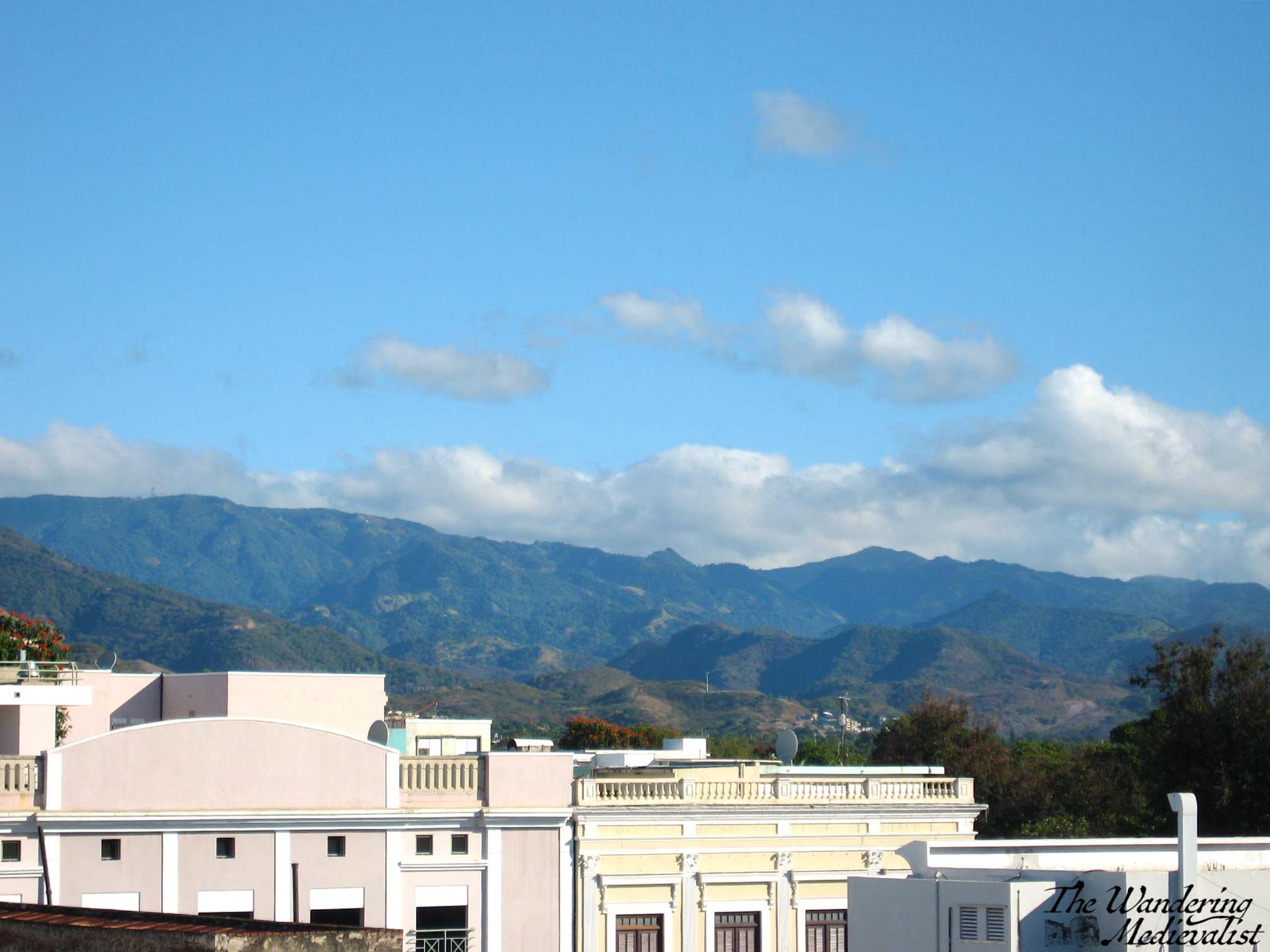
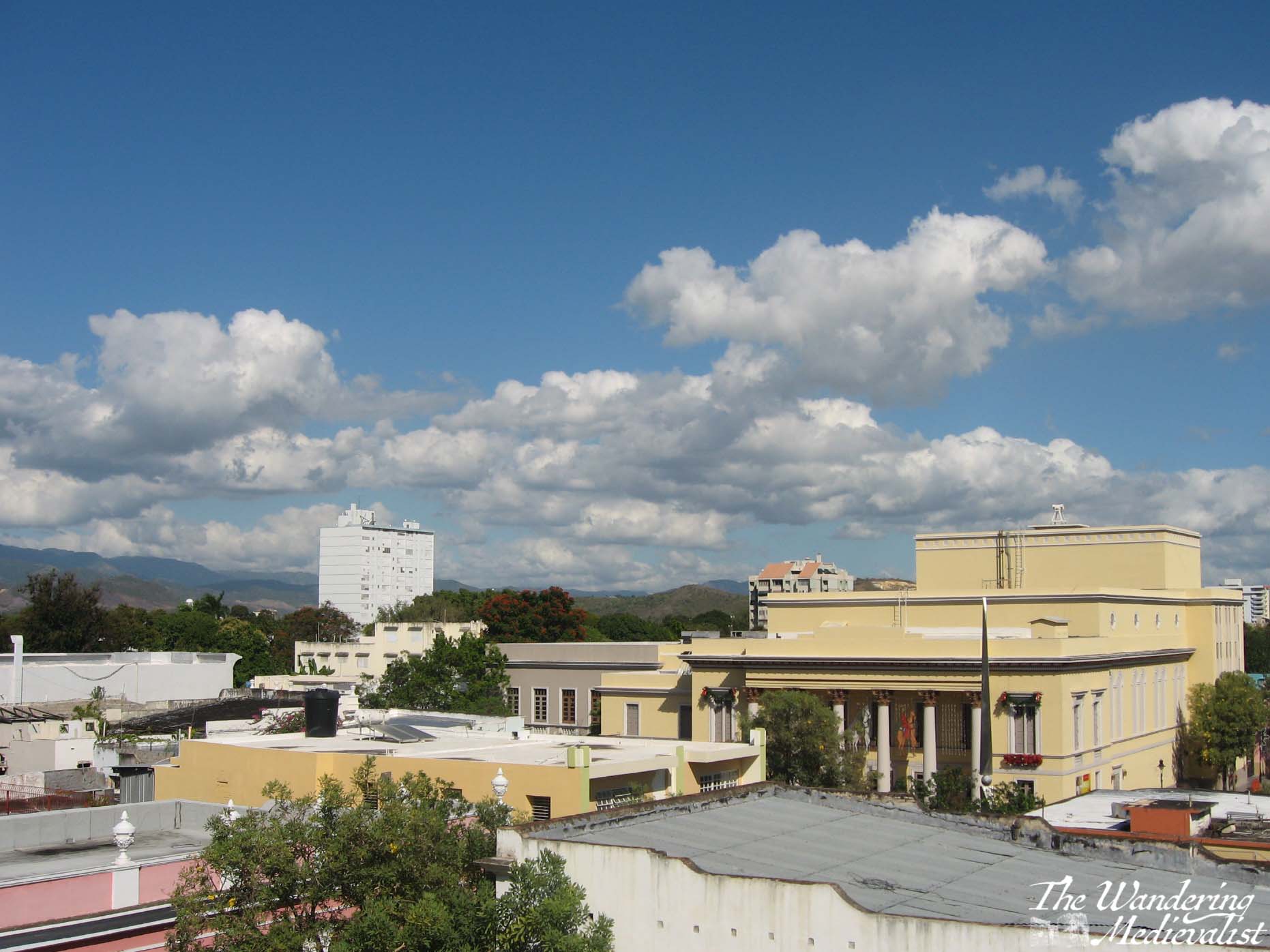
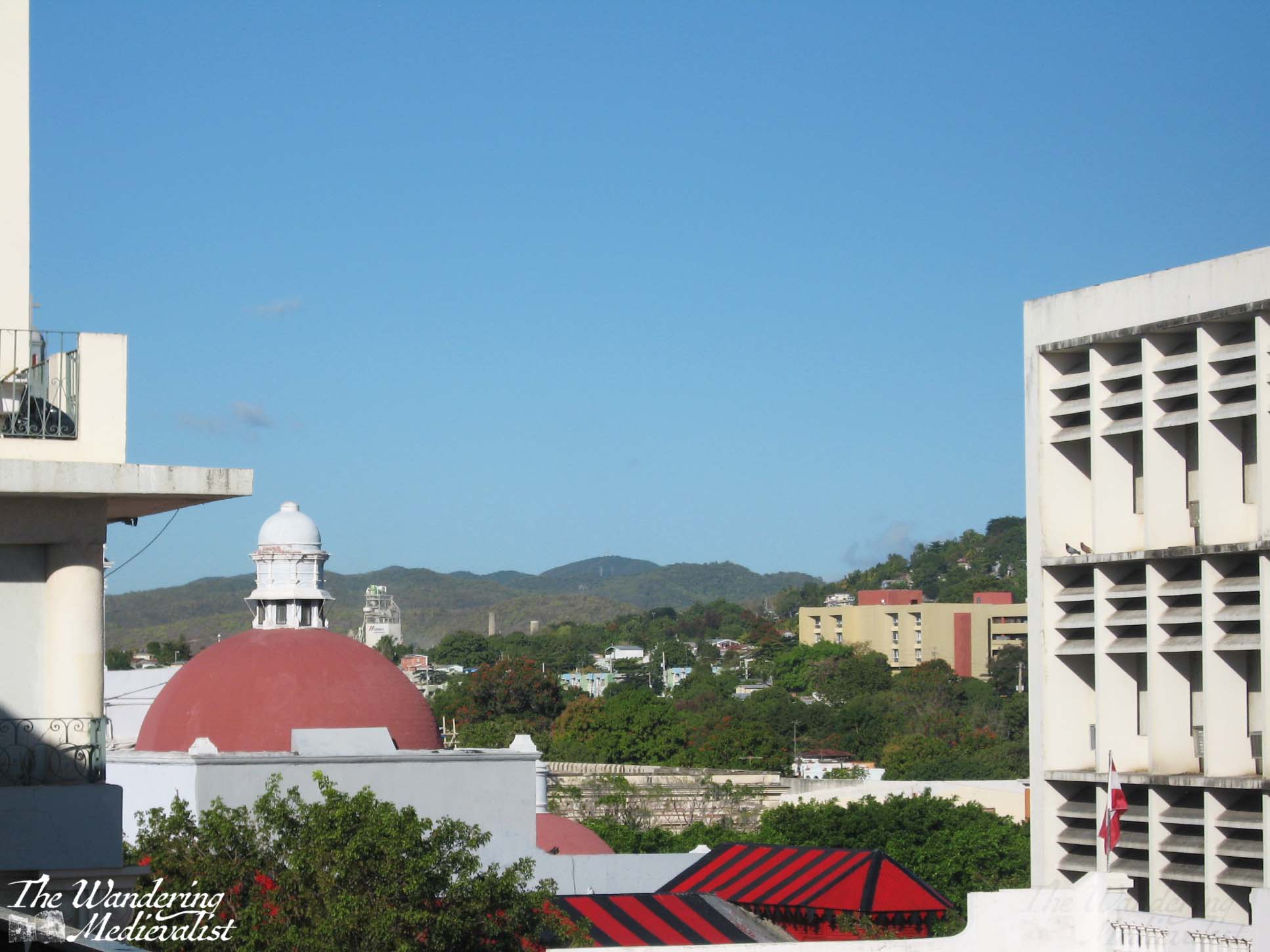
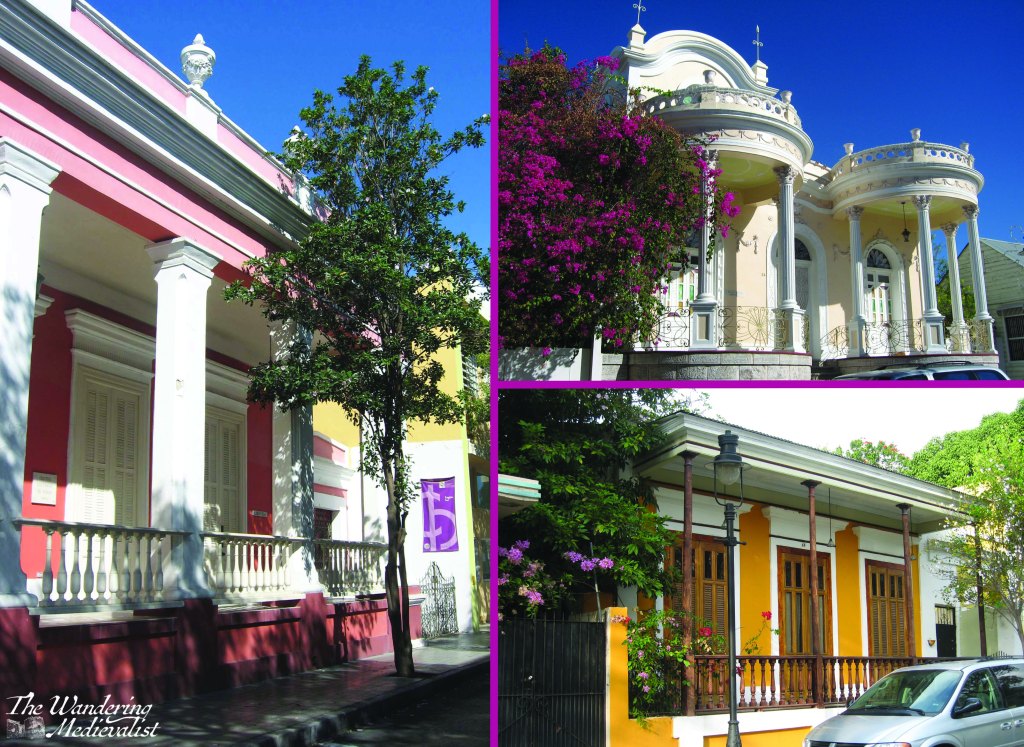
I really enjoyed our short trip down to Ponce a few years ago, and was struck by its clear European roots – the architecture is very Spanish Caribbean. Newer buildings offer views up towards the mountains that form the spine of the island. The second-largest city on the island, Ponce was founded by the Spanish in 1692. It boasts a beautiful fountain in the square and the extraordinary Rincón Argentino, serving mouth-watering steaks.
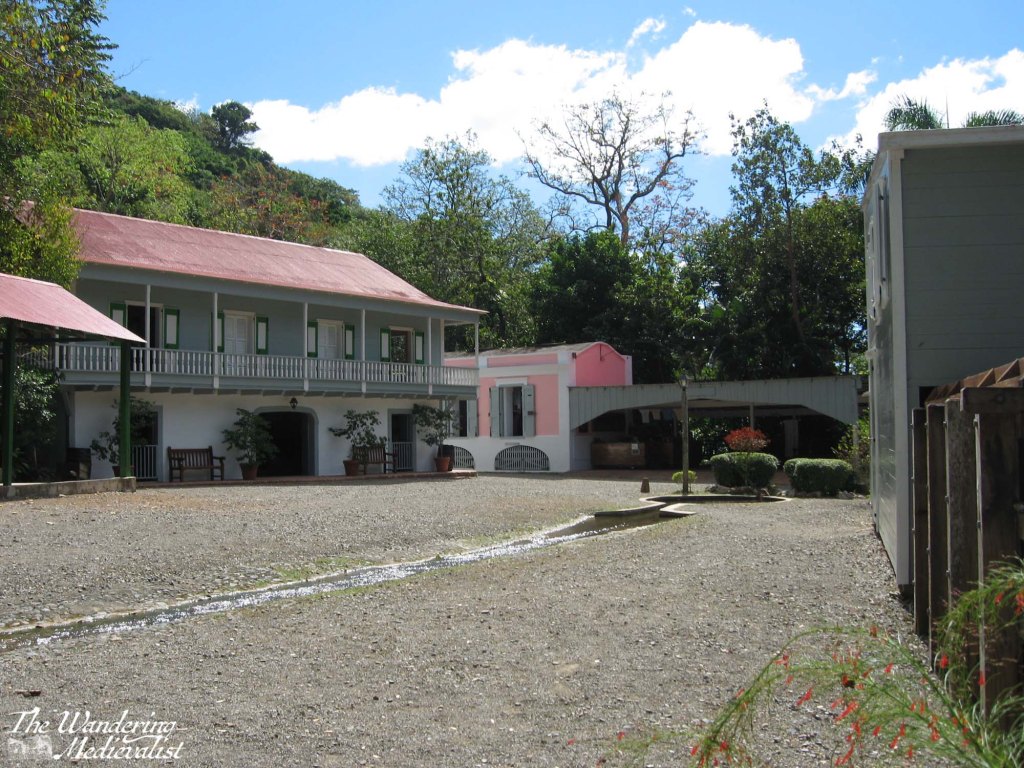
In the mountains above Ponce is Hacienda Buena Vista, an old coffee plantation run on water power. It is beautiful and fascinating, with several enormous water wheels and a series of tunnels and rivulets carrying water all over the plantation.
Hacienda Gripiñas
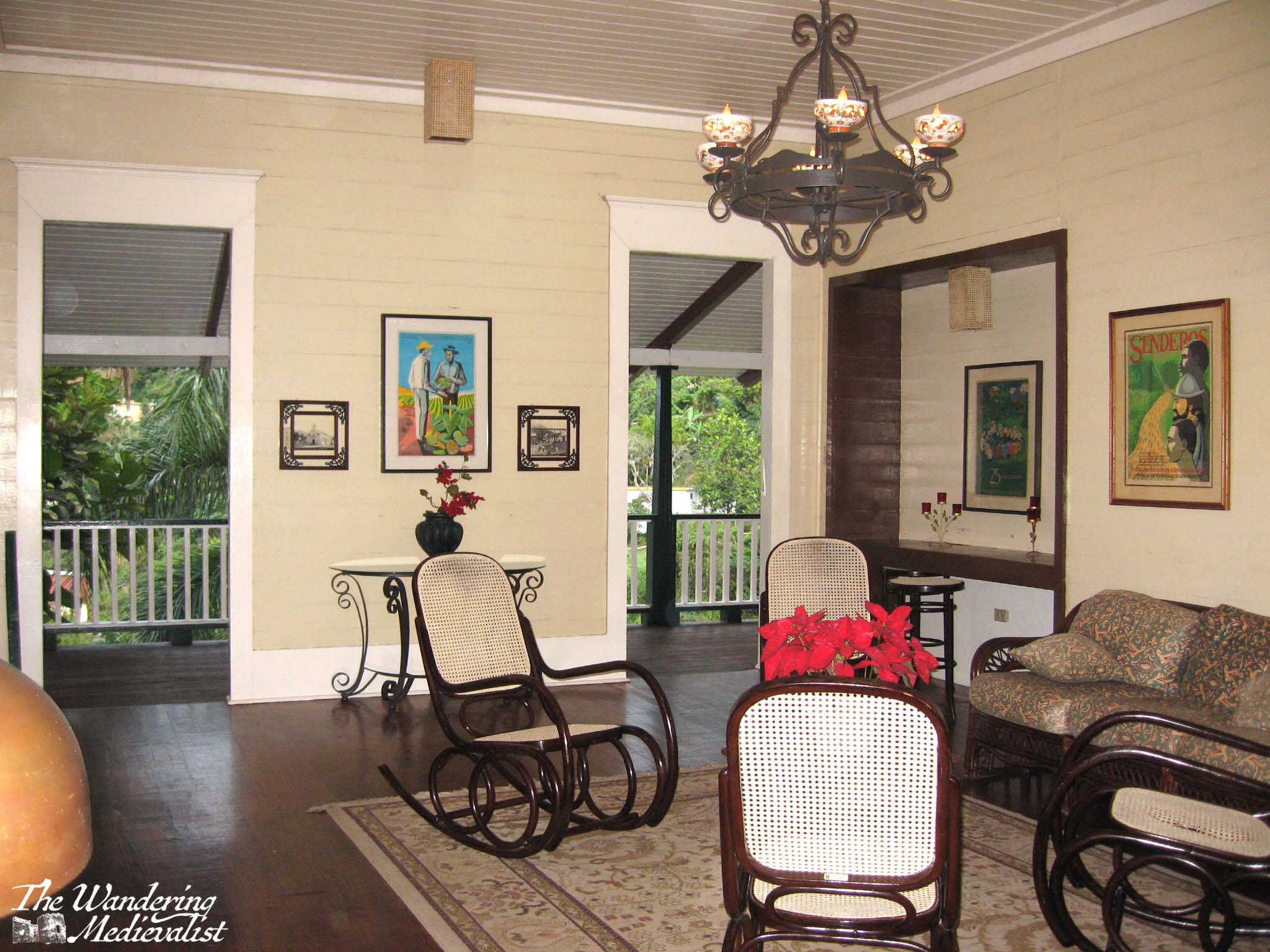
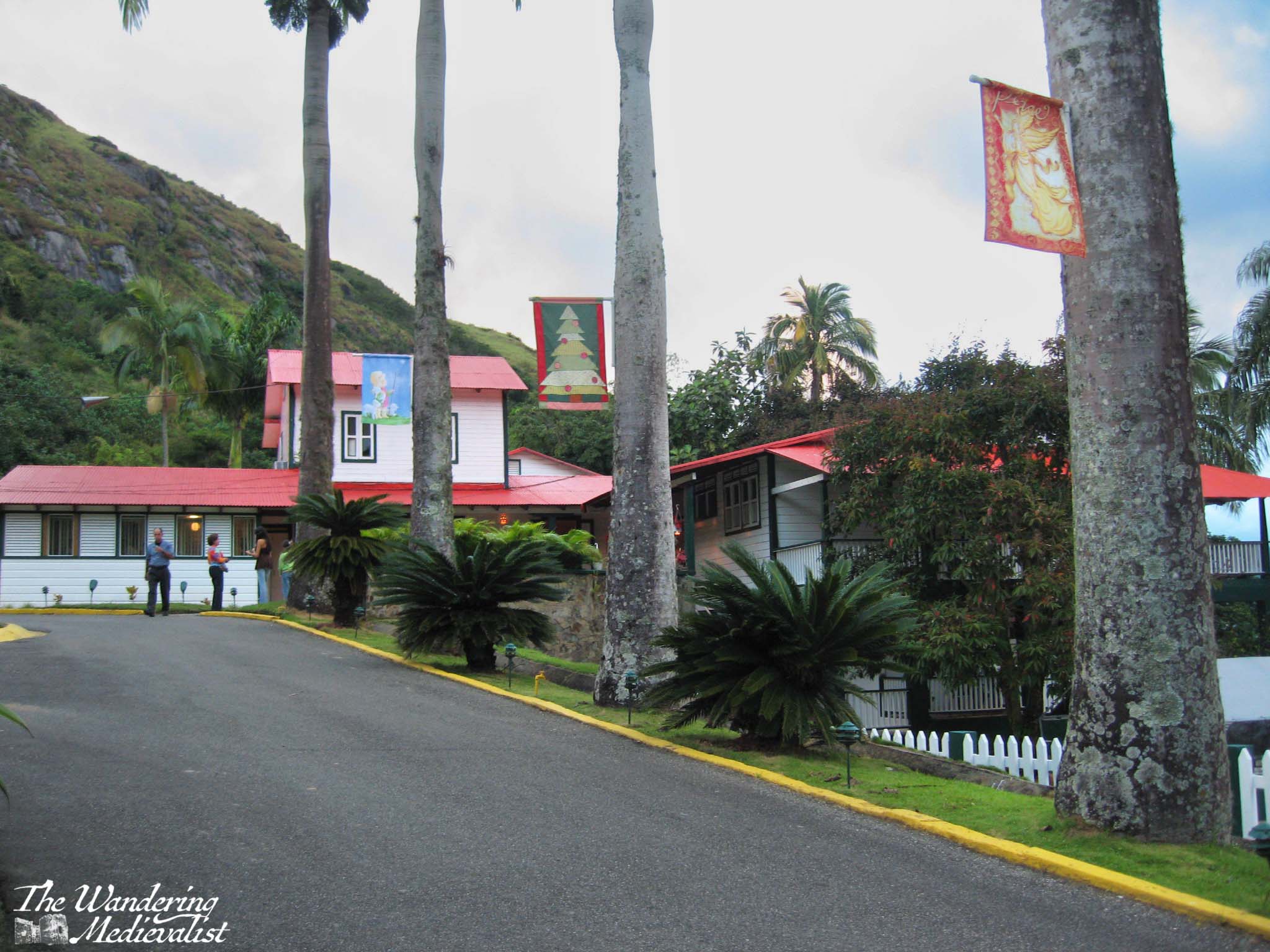
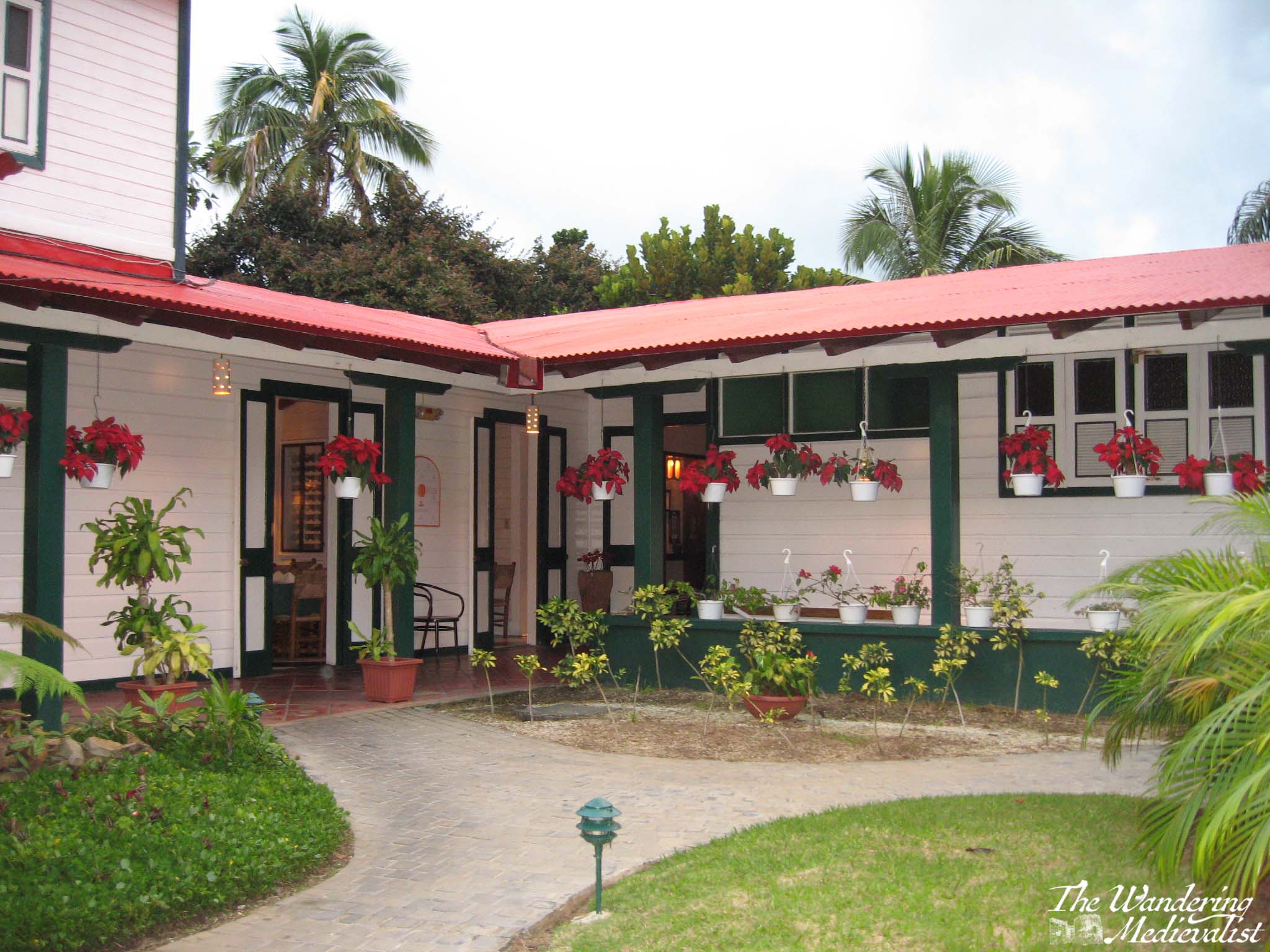
Further into the mountains near the town of Jayuya is Hacienda Gripiñas, another old plantation that has been transformed into an inn. Dad took me here many years ago and it stood out in my mind for its stunning beauty in the mountains, and the fried plantains we had with breakfast. The accommodation is basic, but the food was classic Puerto Rican and the surroundings quiet and peaceful.
Mountains of Puerto Rico
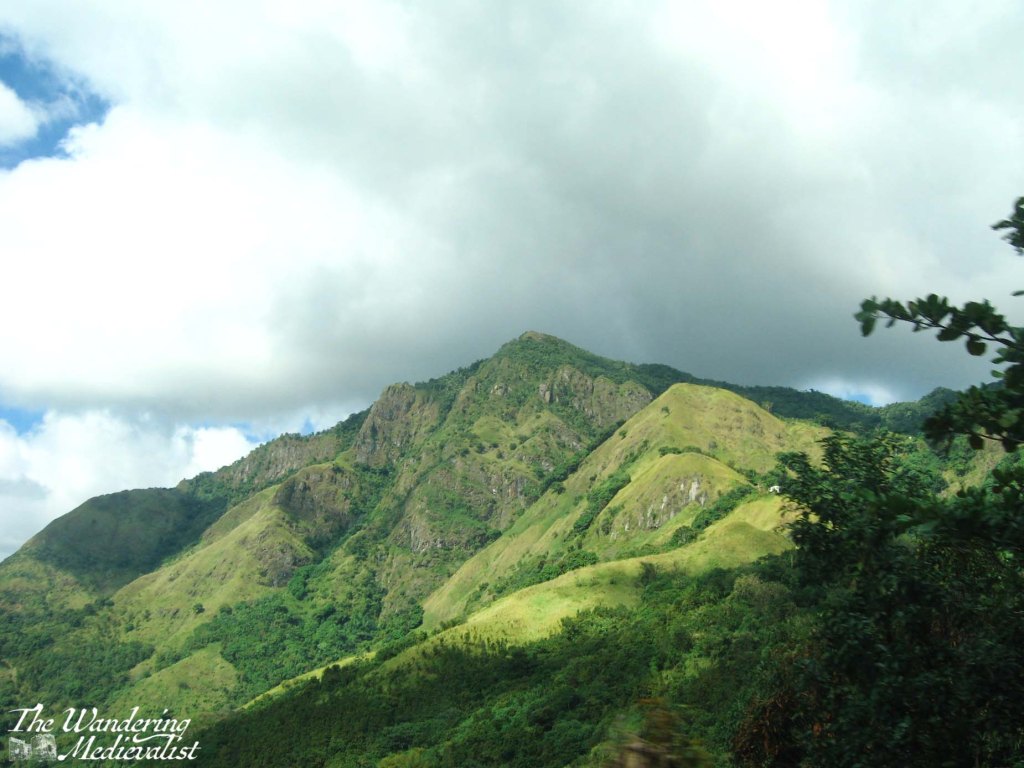
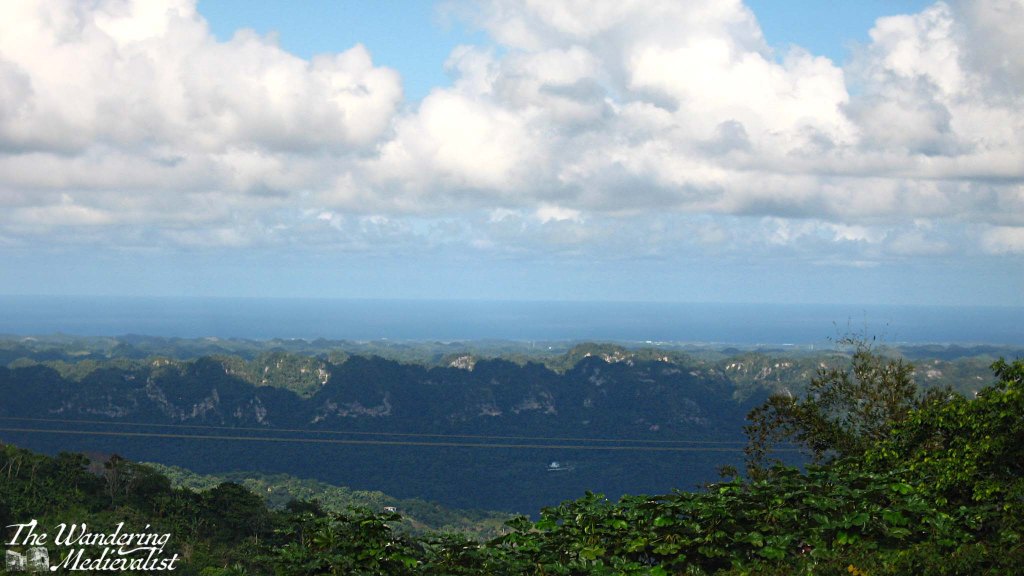
As is quite common in the Caribbean, Puerto Rico boasts a coastline of beautiful beaches and interior of lush, craggy mountains. Unlike northern mountains that were smoothed by glaciers, these have lots of sharp edges and cliffs. One of the only crops that grows at altitude and on such steep hillsides is coffee, and Puerto Rican coffee is some of the best I have ever tasted (costing about $1.50 from a roadside caravan).
El Morro, Old San Juan
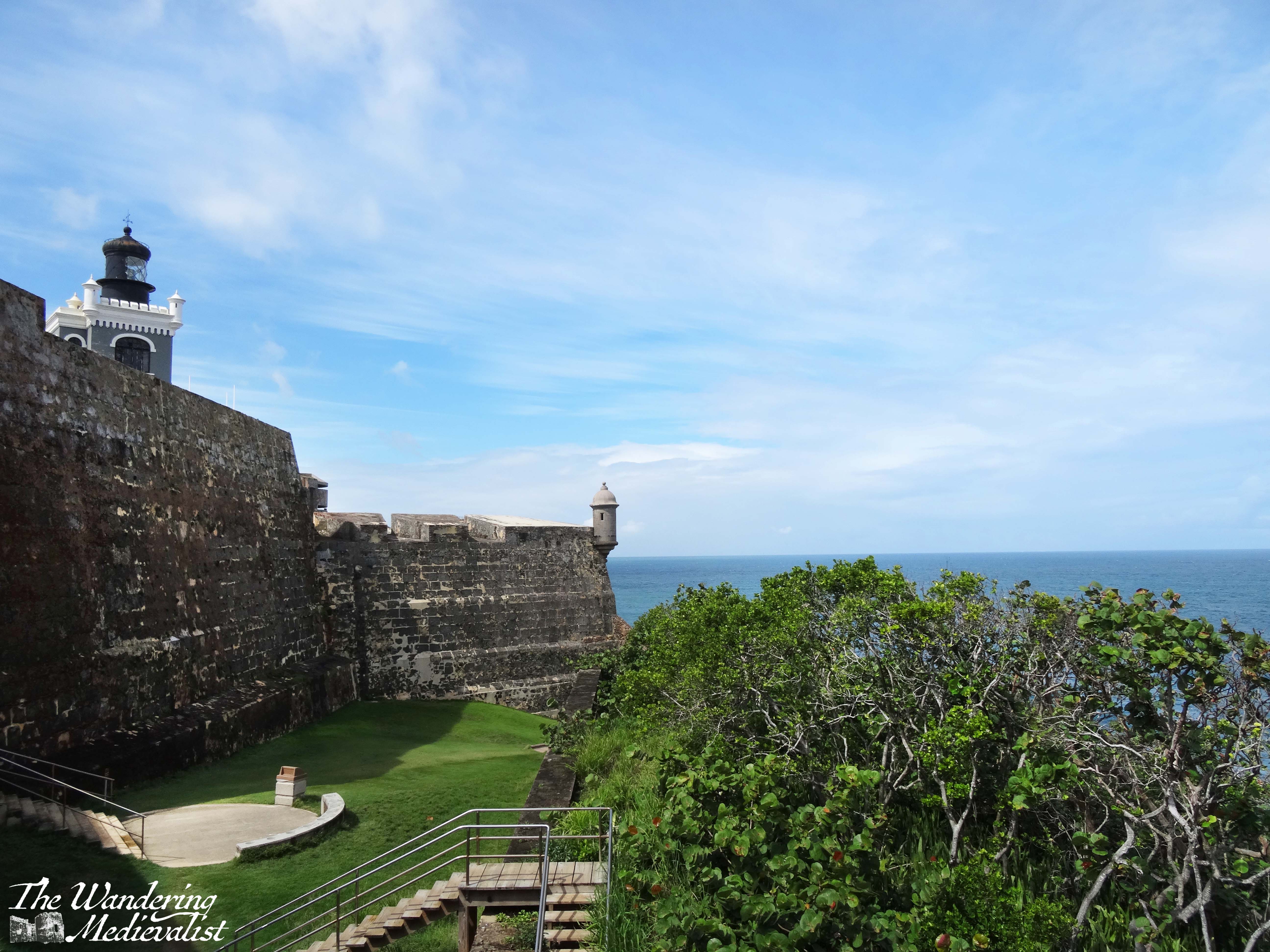
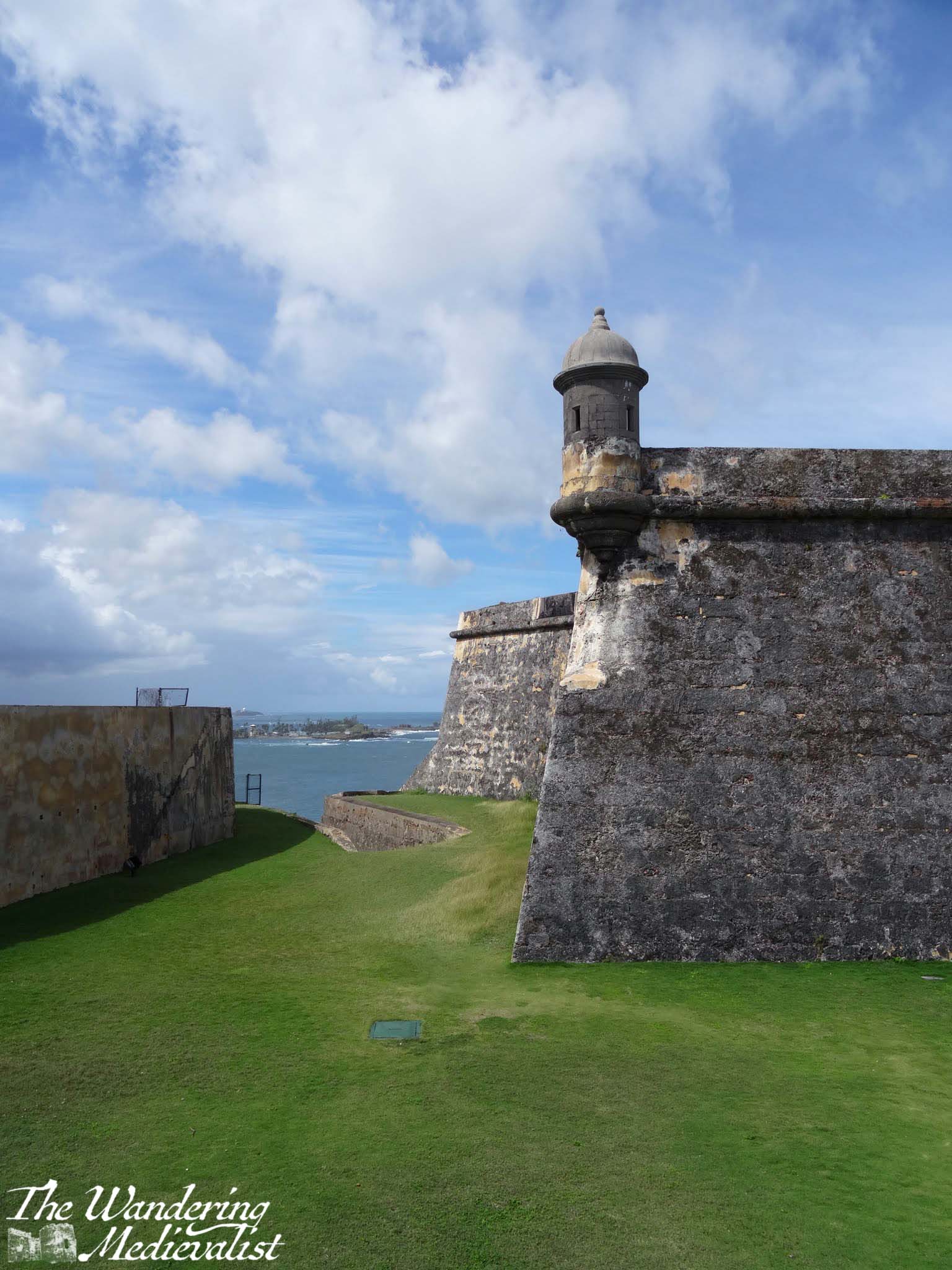
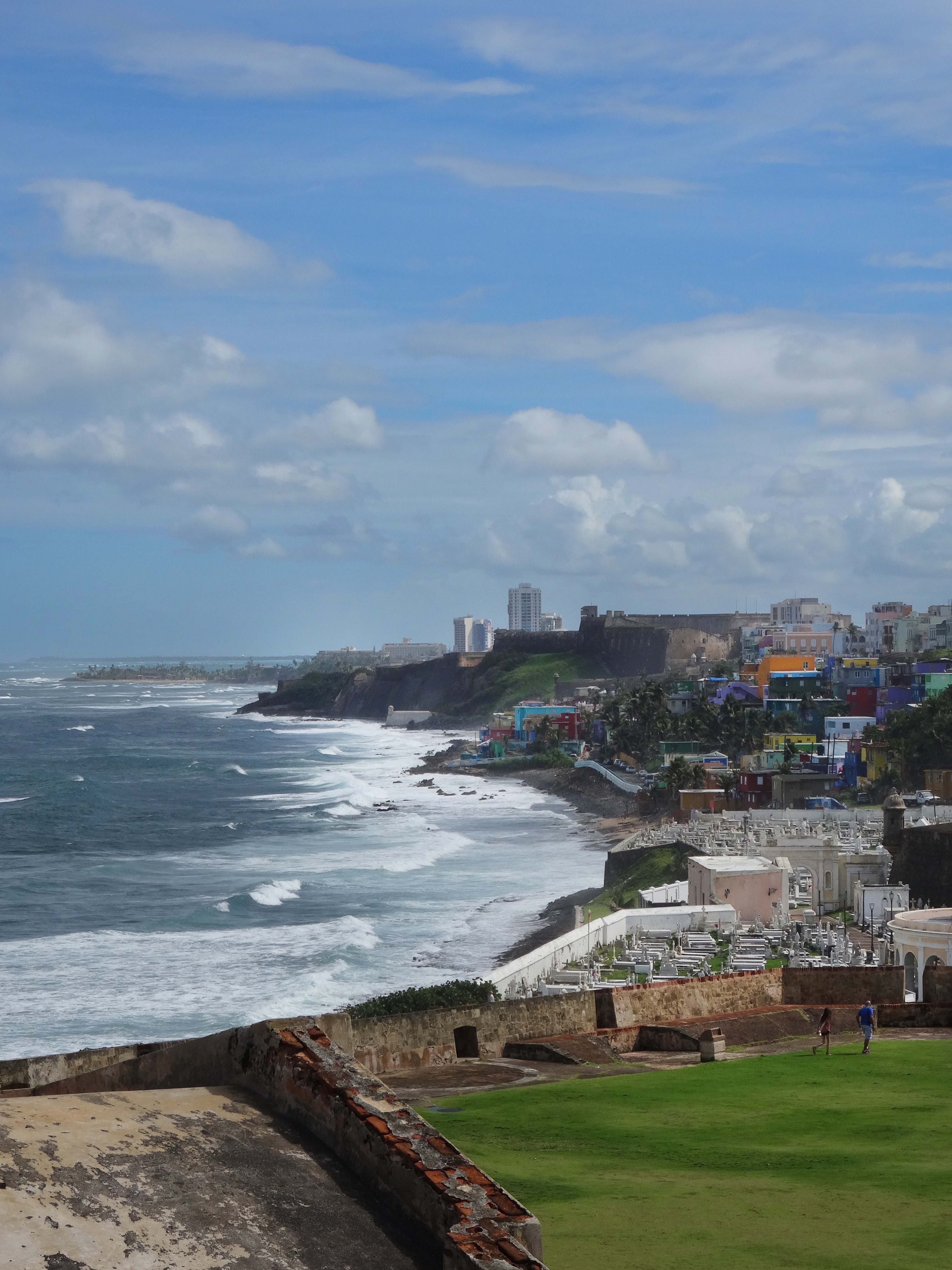
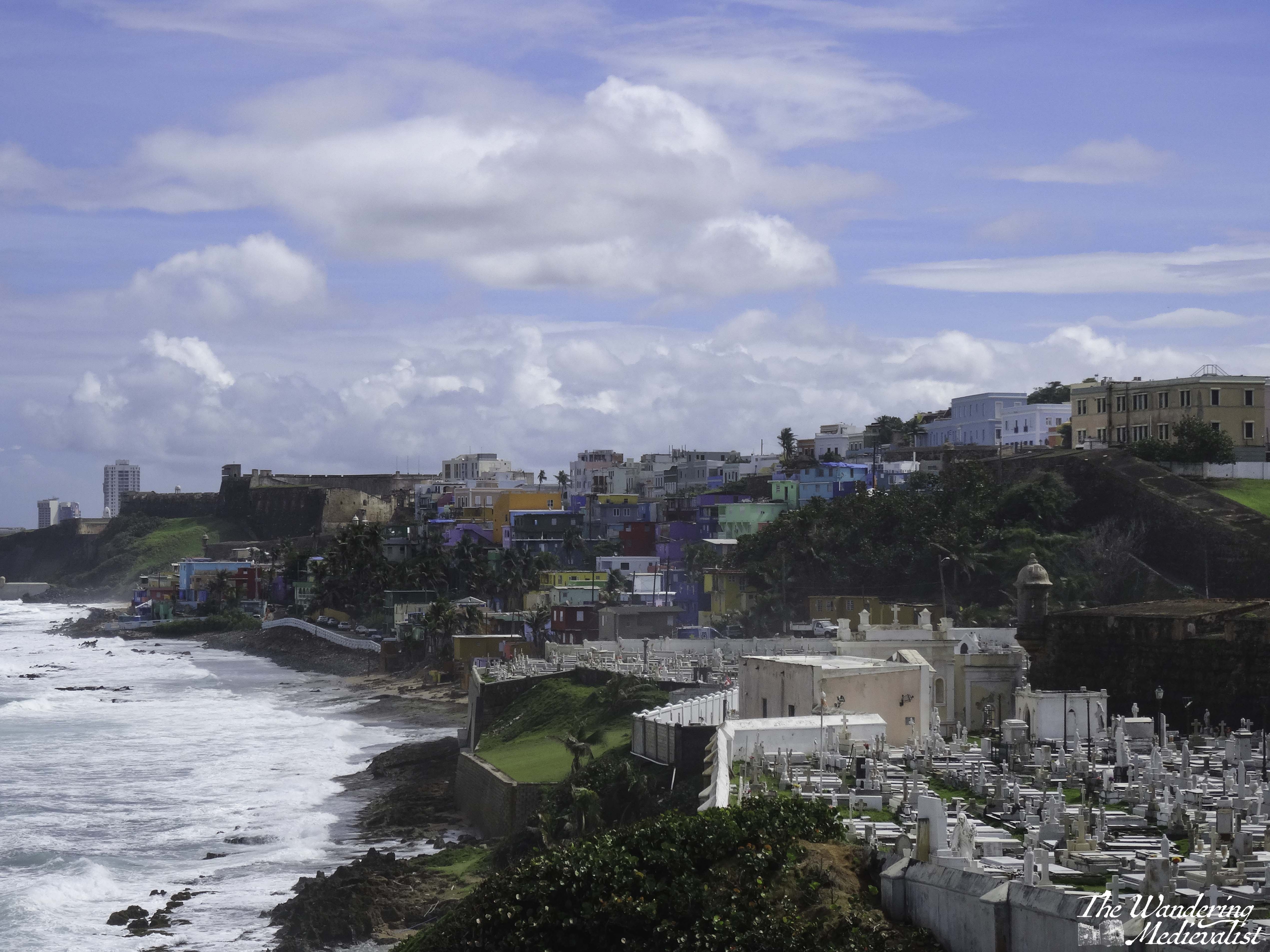
Castillo San Felipe del Morro is arguably Puerto Rico’s most famous building; the iconic garitas (overhanging, wall-mounted turret or sentry box) are a symbol of the island throughout the USA. Construction started in the 16th century and continued for more than 100 years, until it reached its current state in the late 1700s. While we did not manage to get inside the fortress, we did explore the outer walls and I was able to capture some of the stunning views along the north coast of San Juan, as well as one photogenic local.

Luquillo Beach
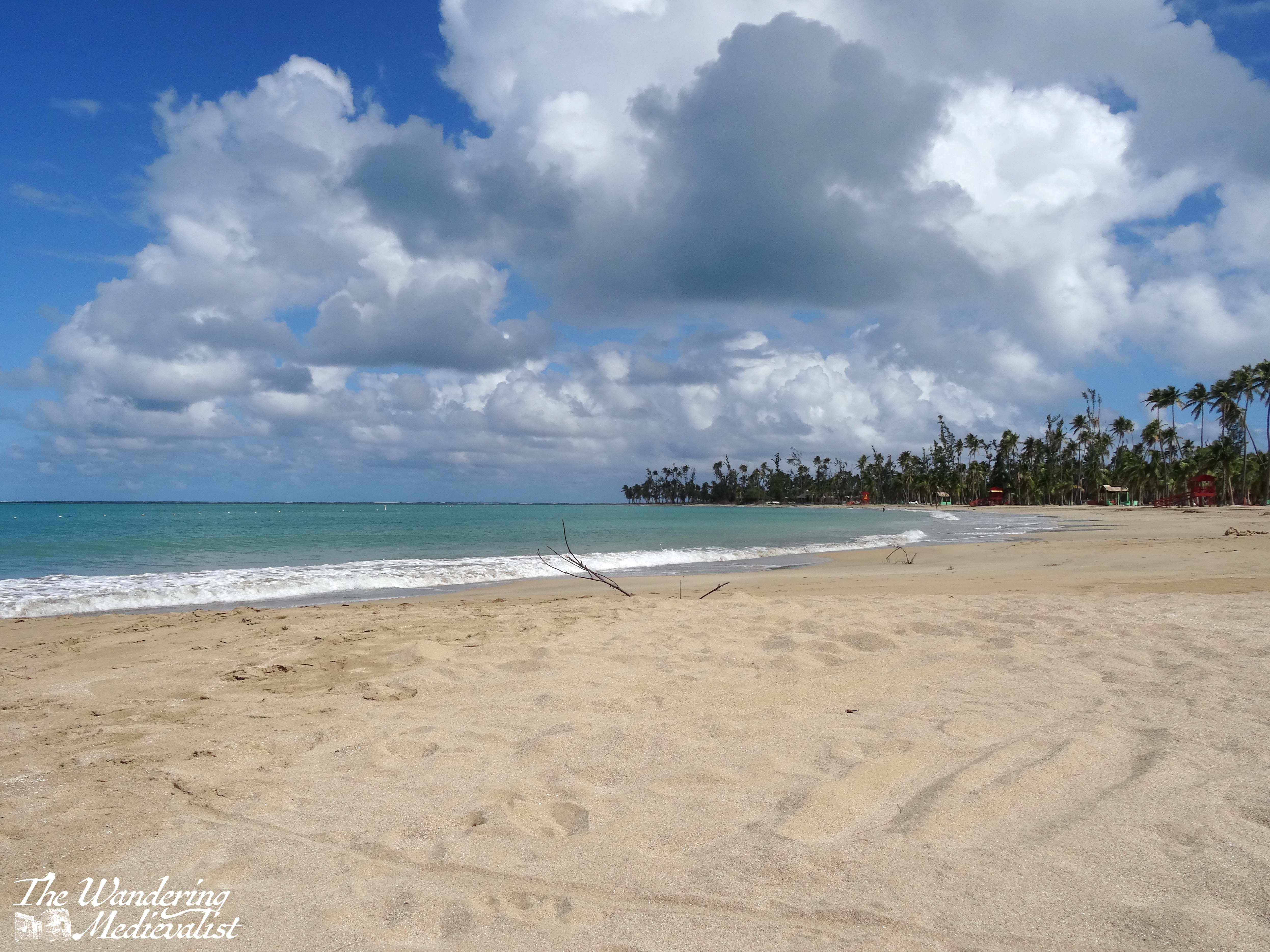
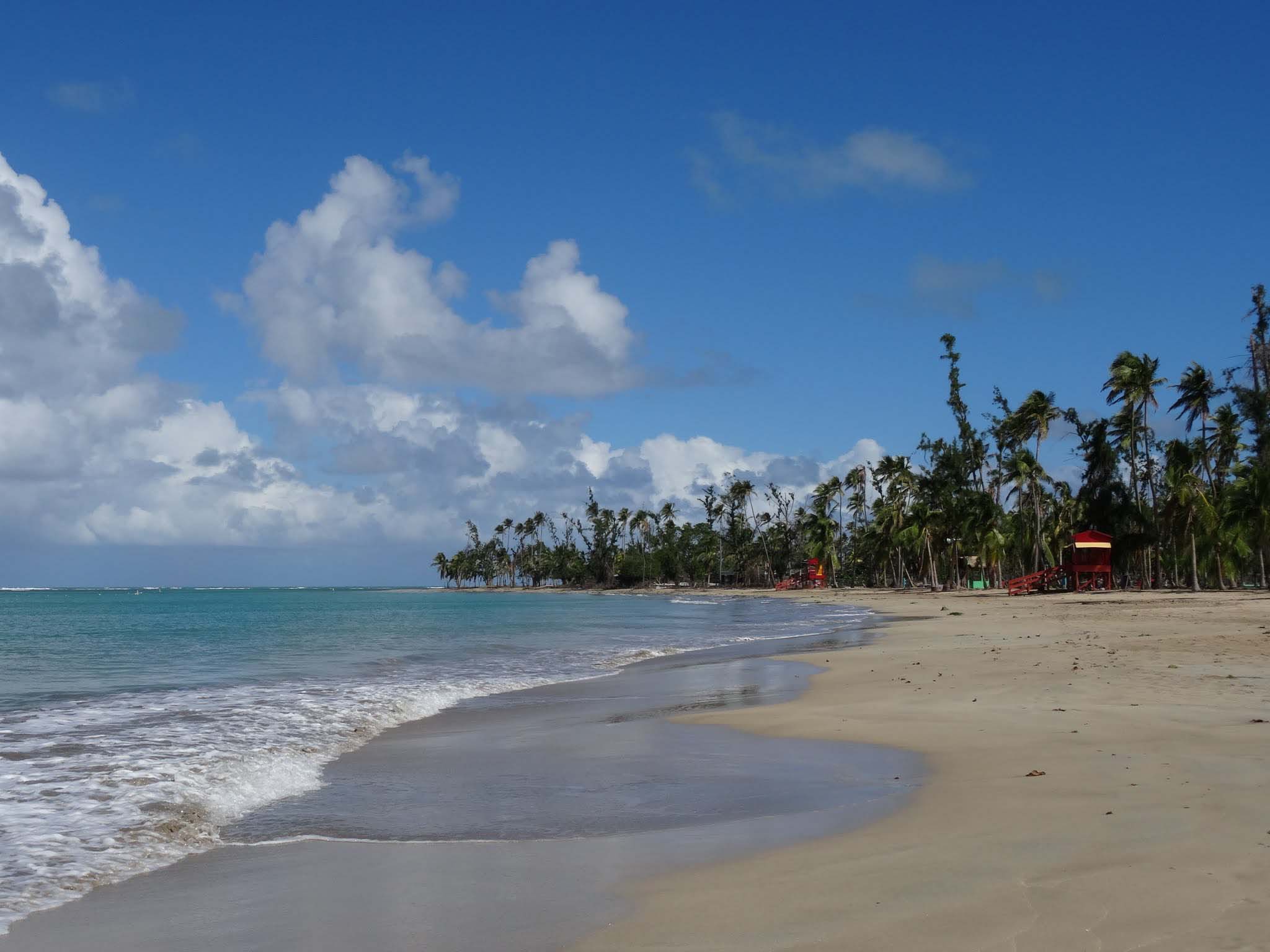
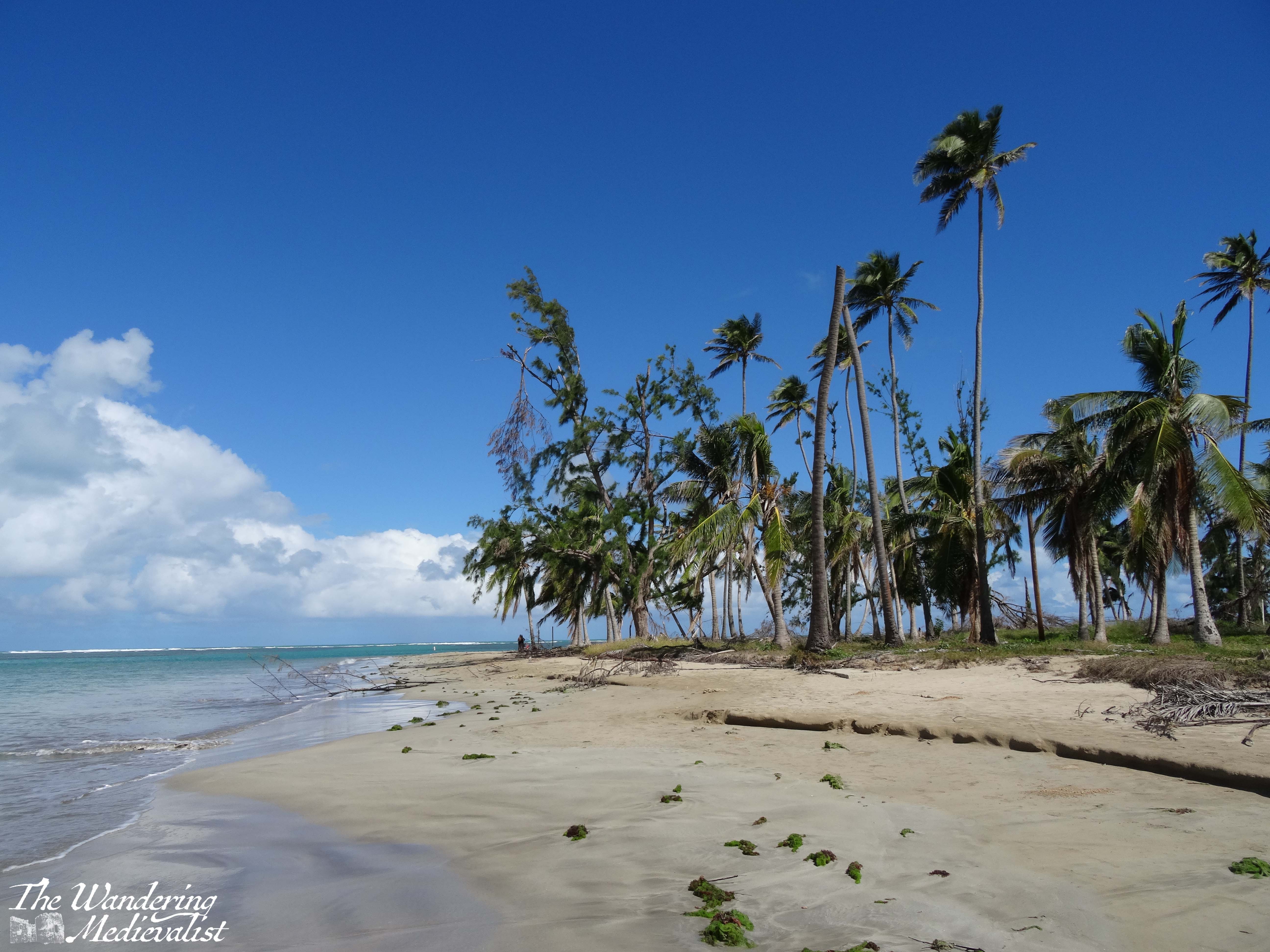
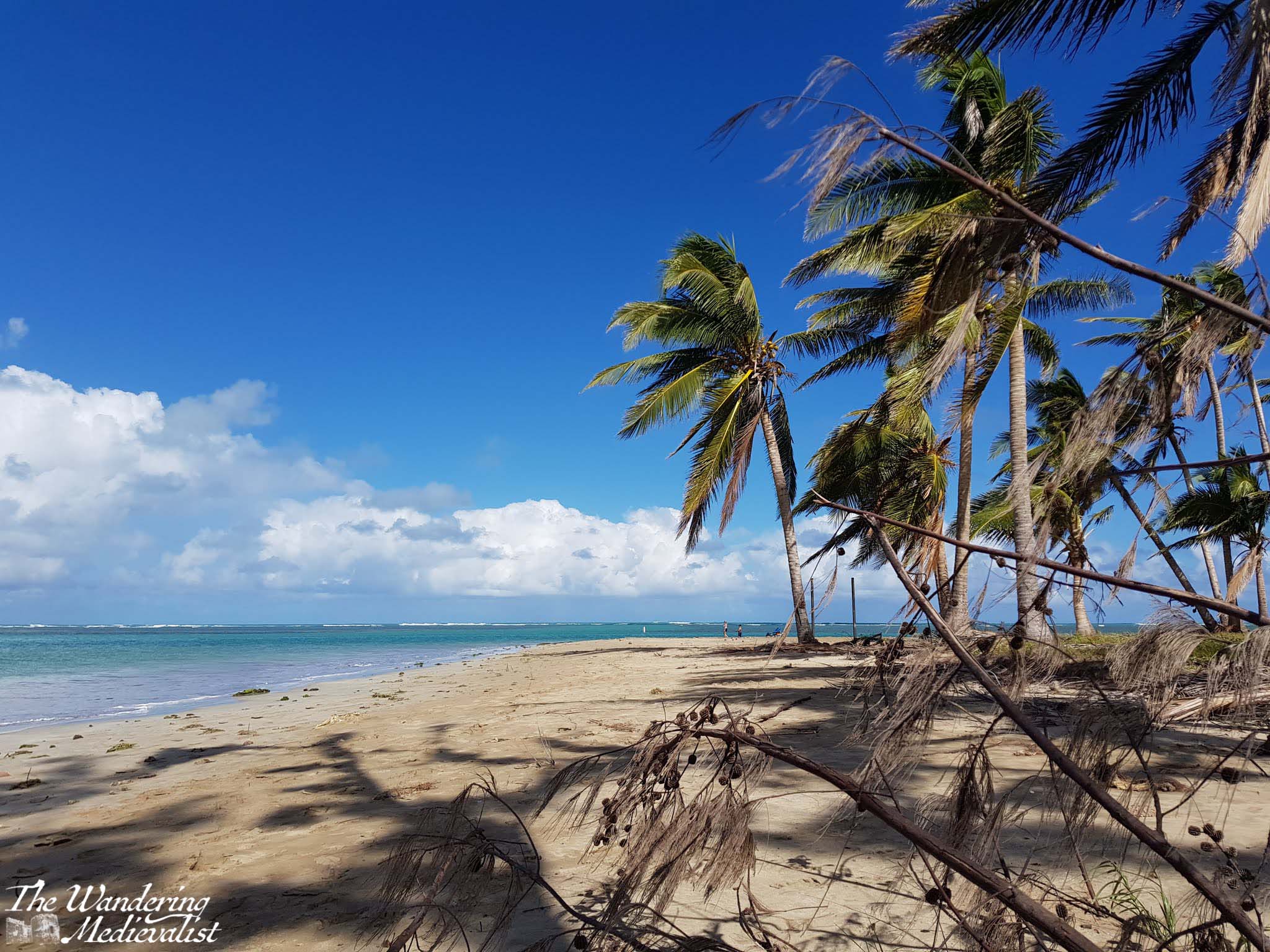
Moving eastward along the north coast of the island, one reaches the famous beach of Luquillo. At certain times of year, it is crowded with tourists and locals, taking advantage of the numerous kioskos offering food and drink refreshments like seafood, burgers, chicken, beer and cocktails. It is also a stunning beach with plenty of palms and warm clear water. We visited on our last day and wished we had never gone anywhere else! Though we were also lucky enough to have it all to ourselves…
Seven Seas Beach, Fajardo
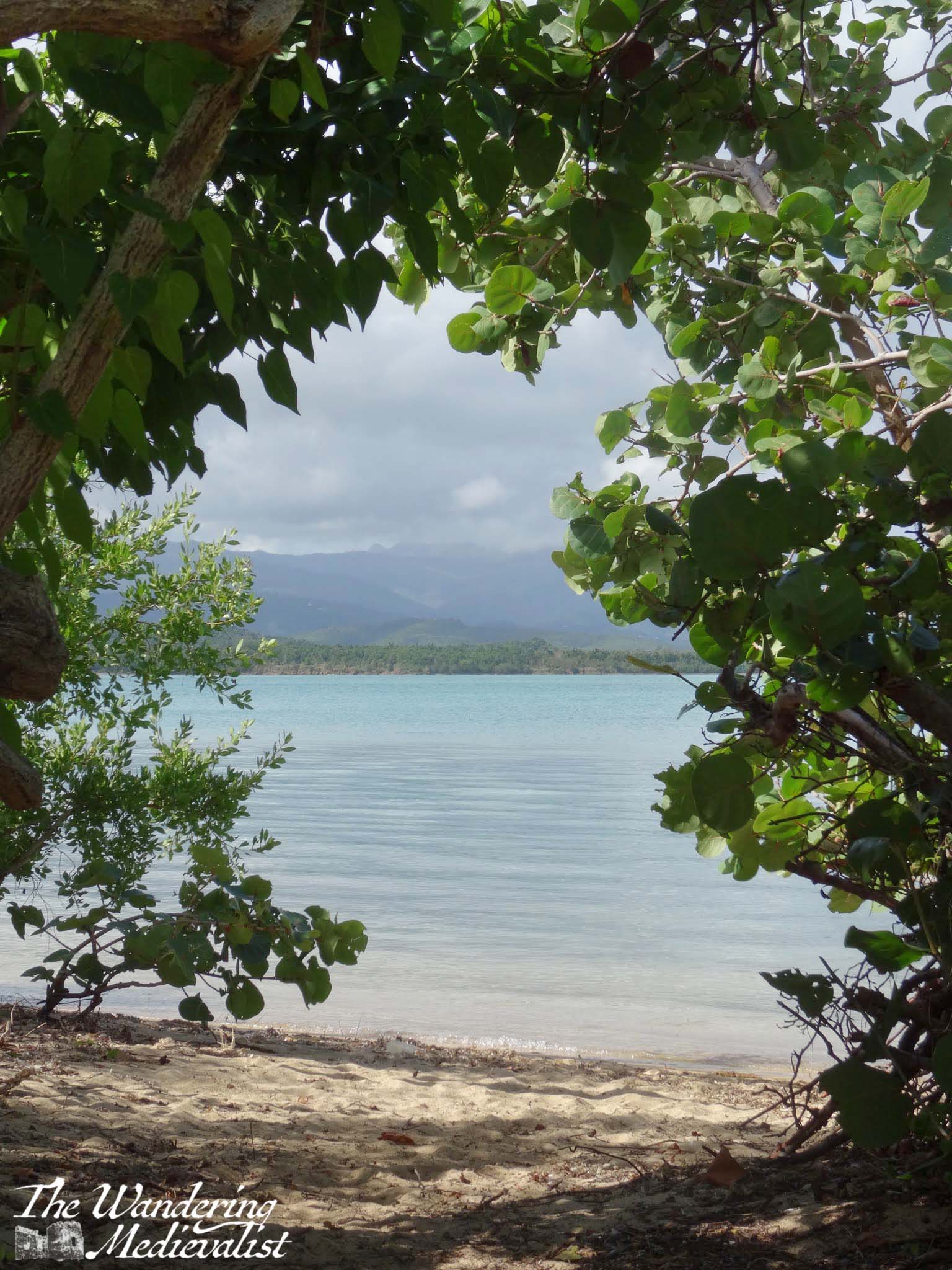
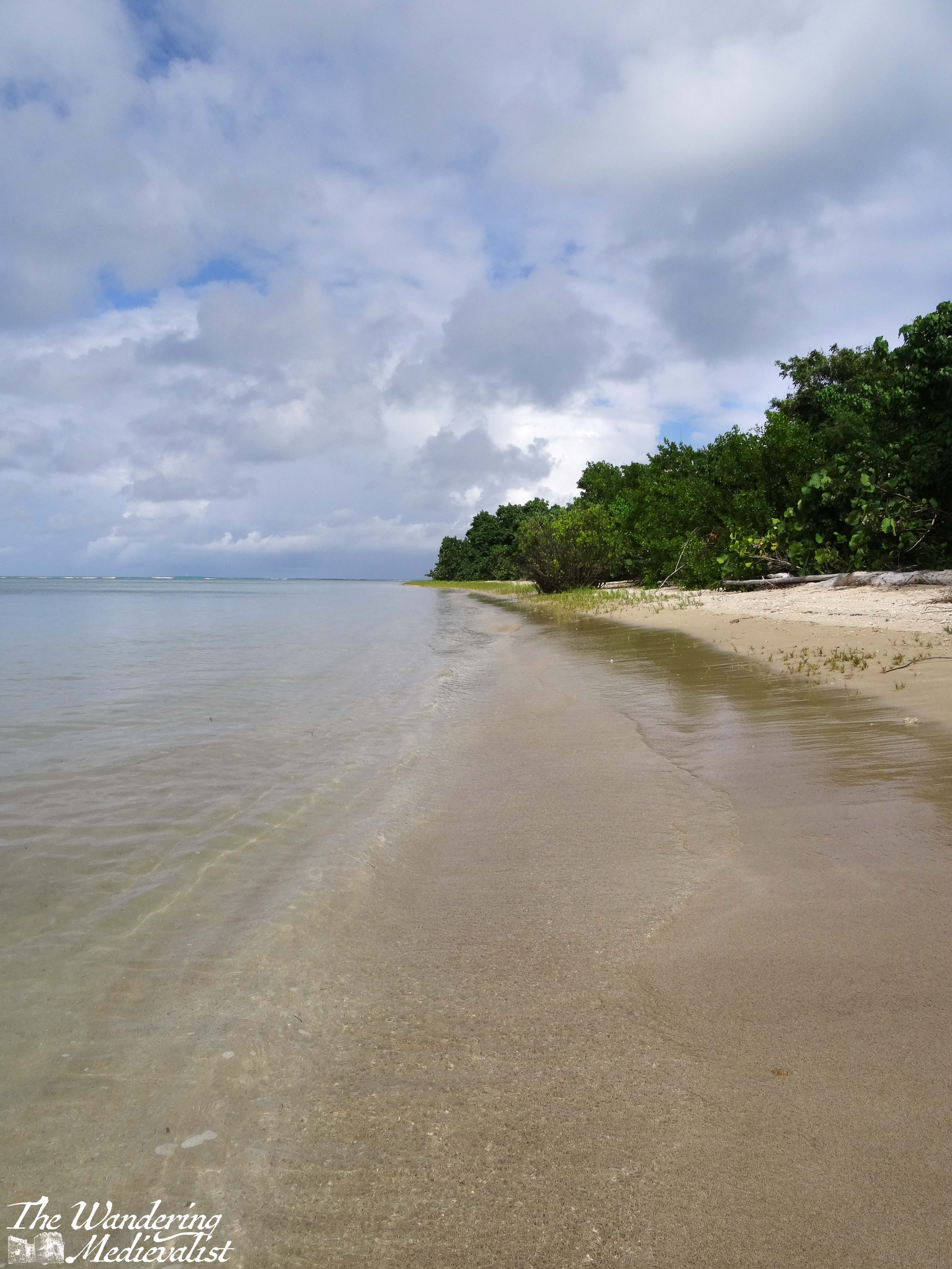
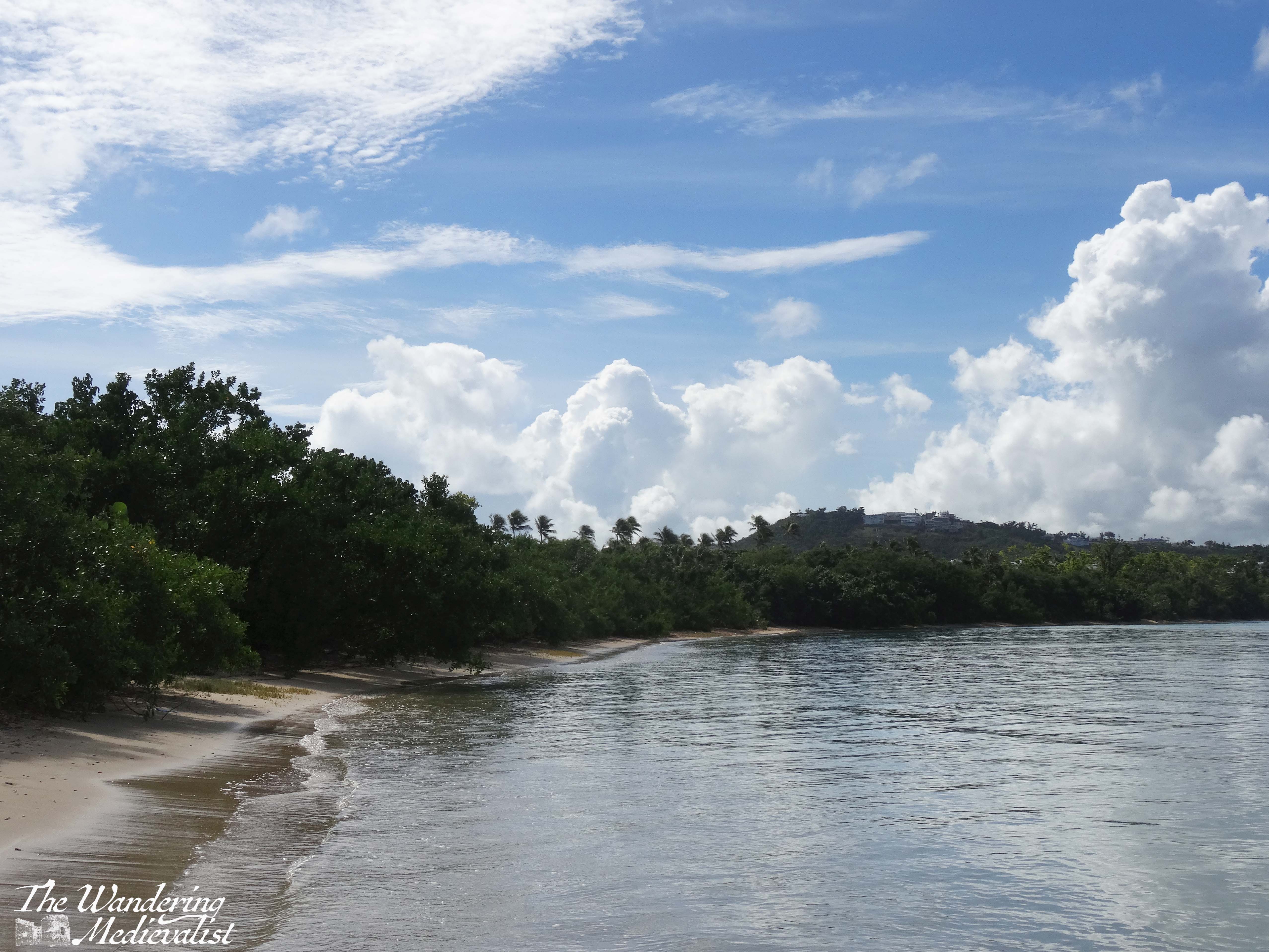
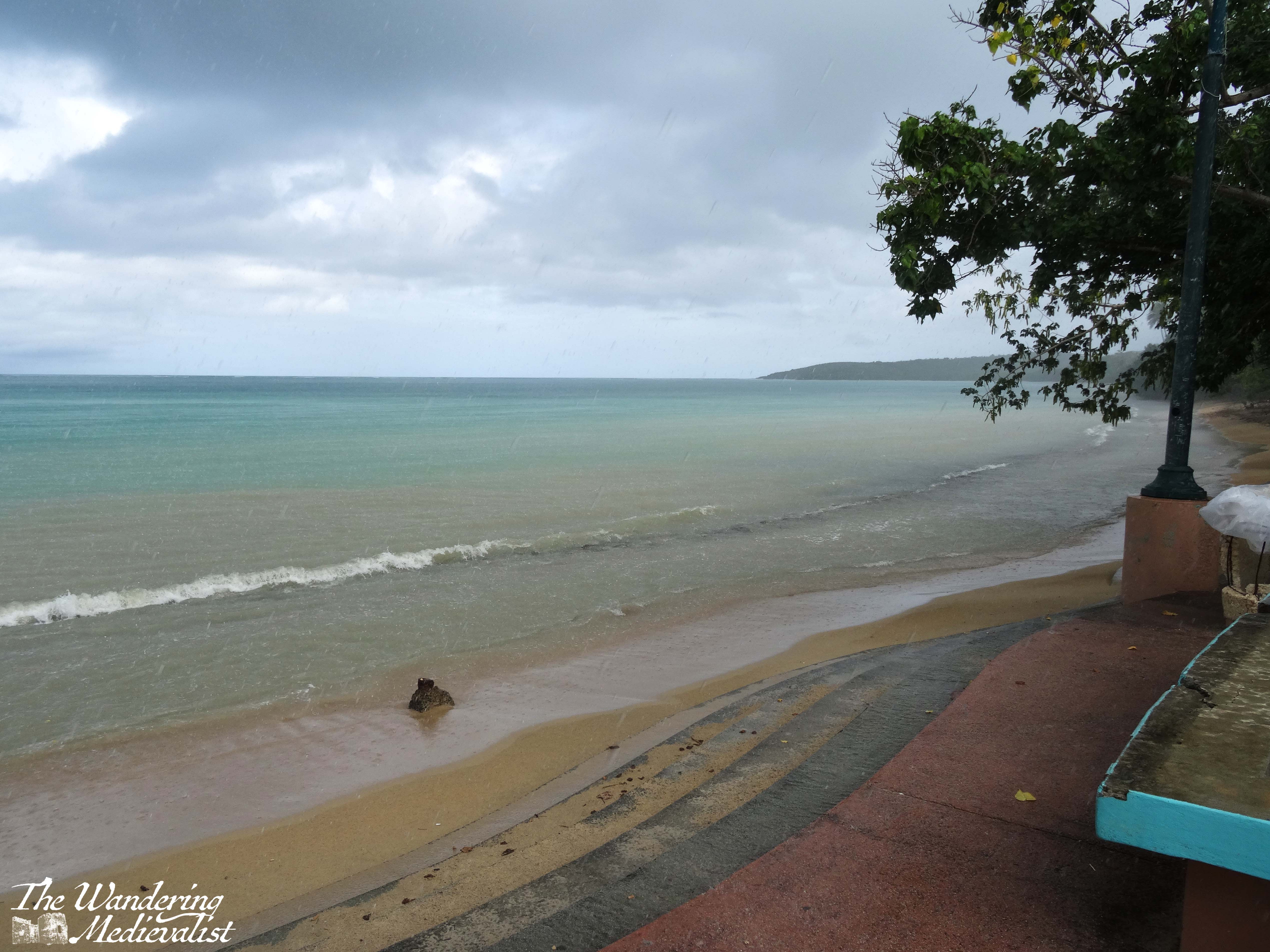
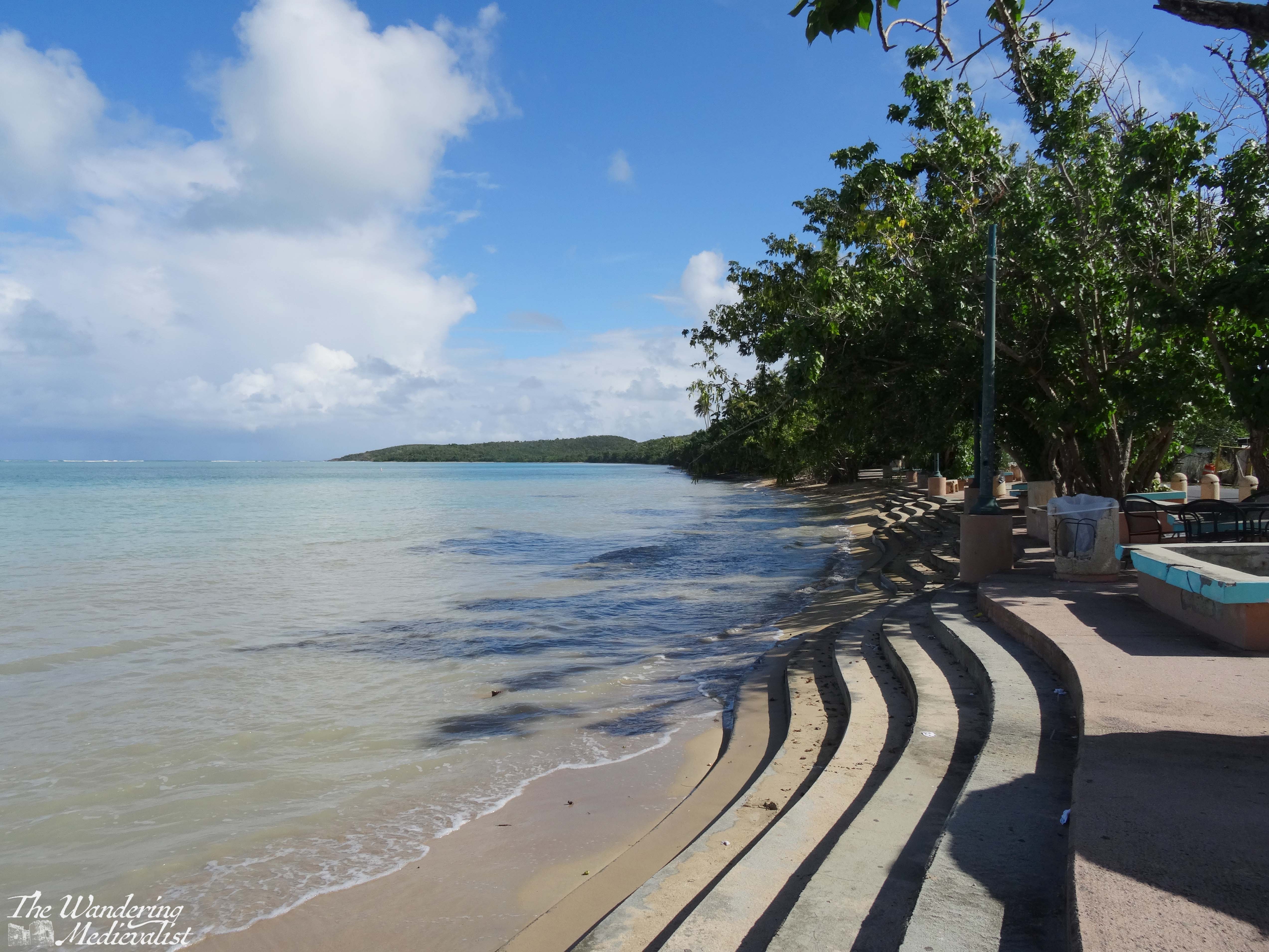
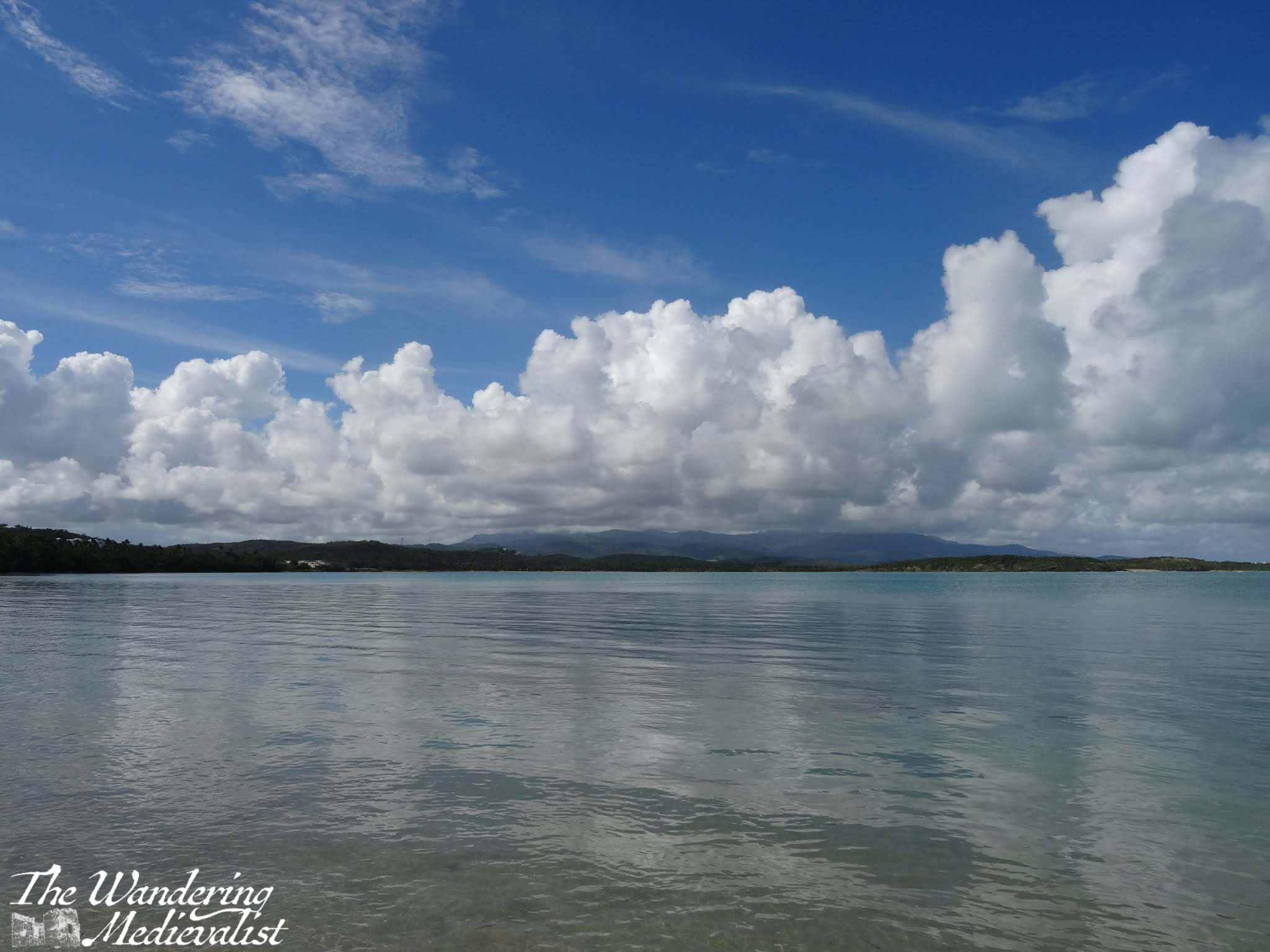
Our ‘local’ beach when visiting, Seven Seas is not as spacious as Luquillo but it is a great beach for a walk and a swim; the water is warm and relatively shallow, and its location makes it easy to reach. And, if you walk far enough, you can see through the trees into Laguna Grande, one of Puerto Rico’s eco-masterpieces, a bioluminescent bay. I was lucky enough to take a boat ride in a bio bay on Vieques years ago, and it is a truly unique experience.
Punta Puerca and the Vieques sound
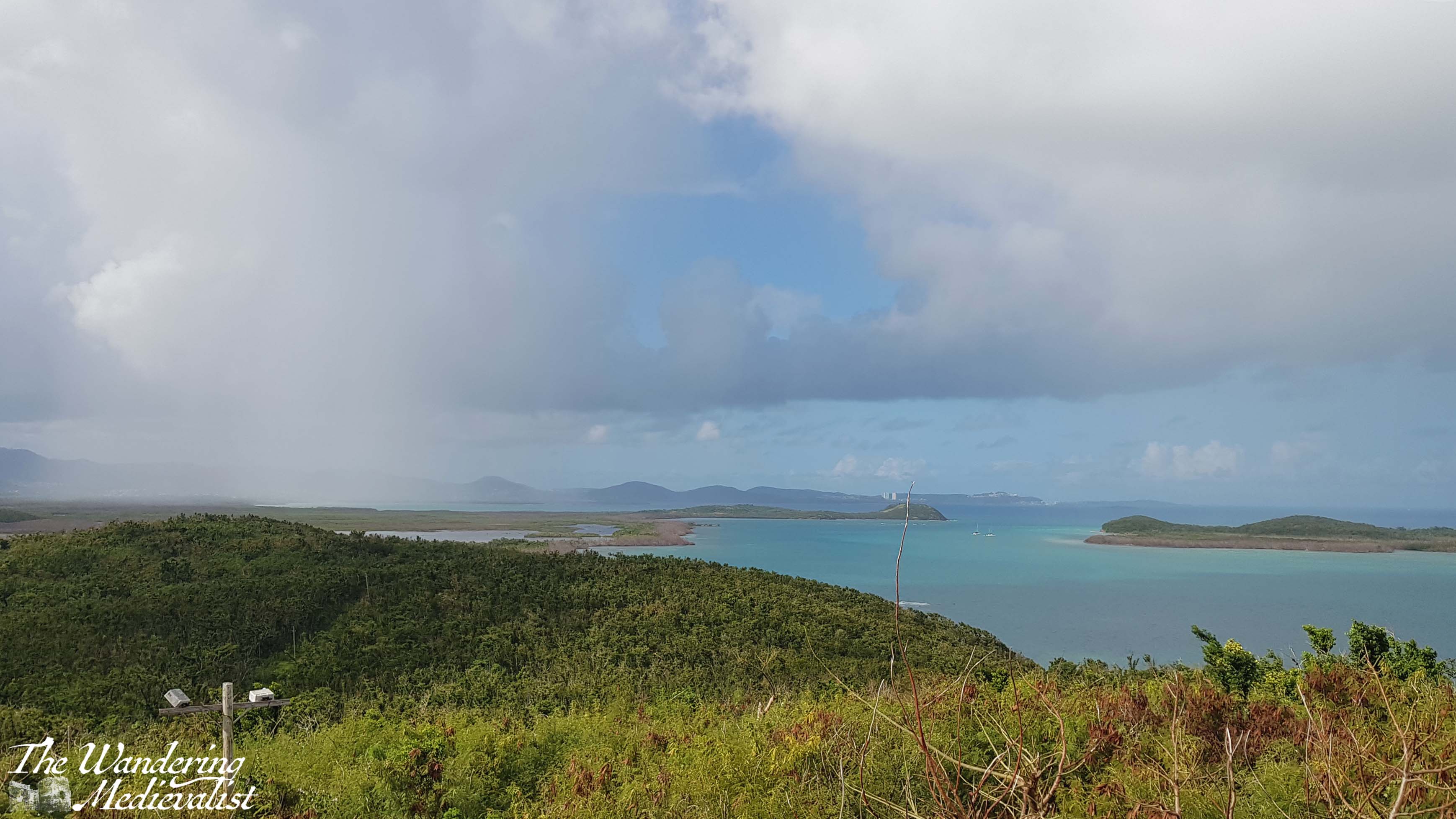
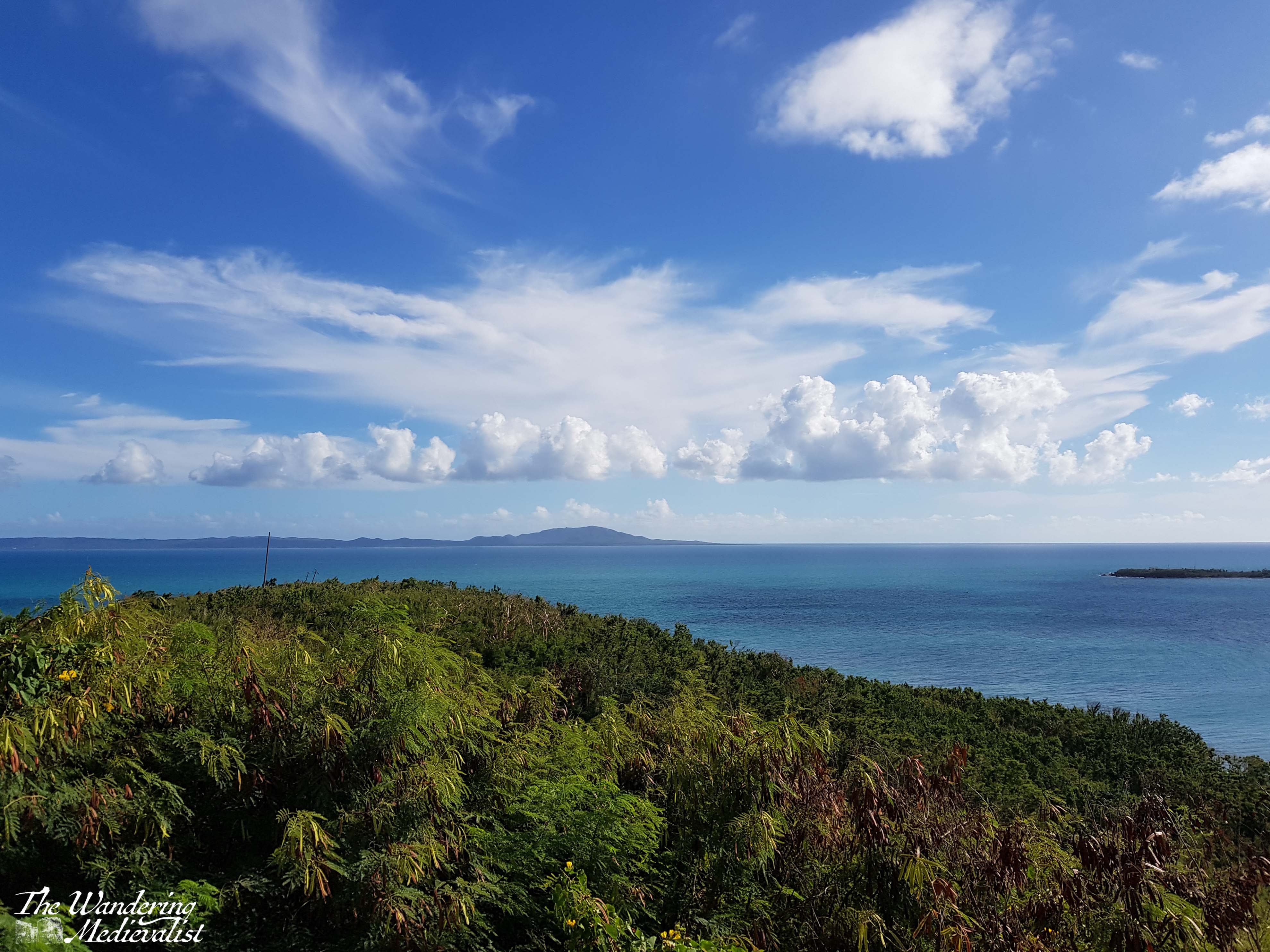
Not a small part of Puerto Rican history is a complex and often troublesome relationship with the US government. This was embodied by the US Naval occupation of more than half of Vieques island, and the enormous Navy base at Roosevelt Roads, near Ceiba. The base has been inactive since 2004, replaced by a large area of abandoned military buildings and the Jose Aponte de la Torre Airport. The hills of Punta Puerca offer lovely views back towards Fajardo and across the sound to Vieques. I plan to write more about Vieques in the near future.
Balneario de Humacao
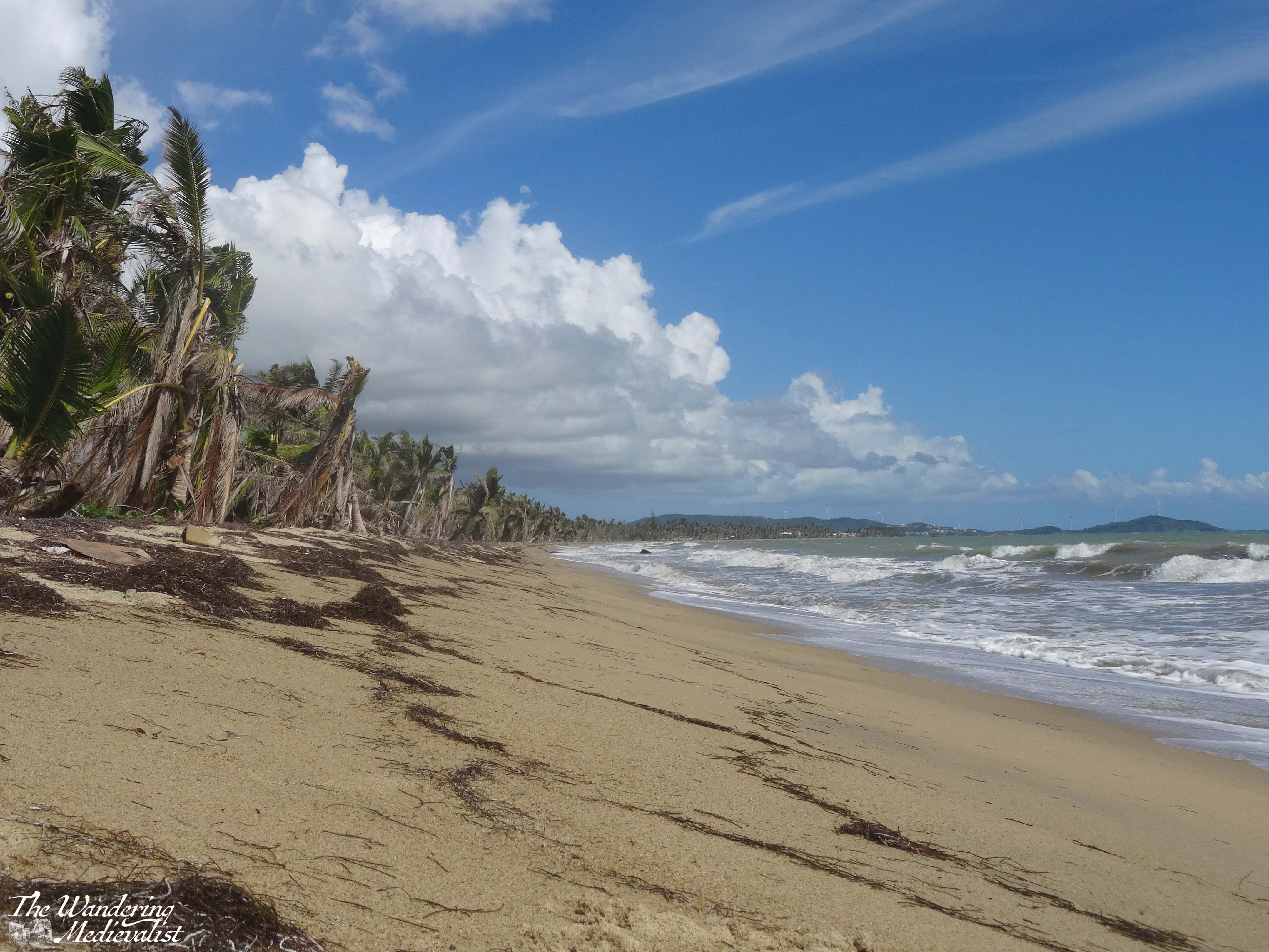
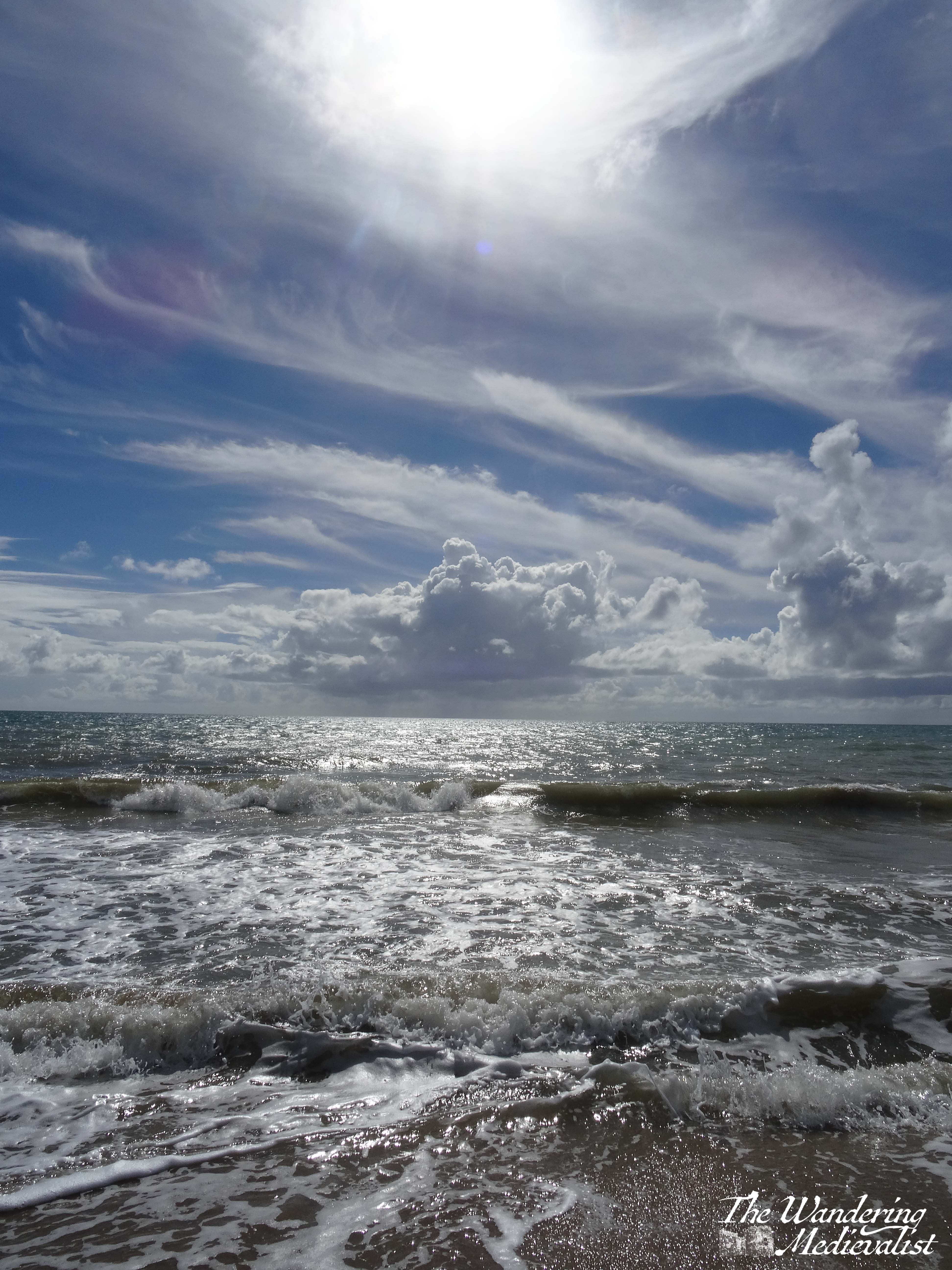
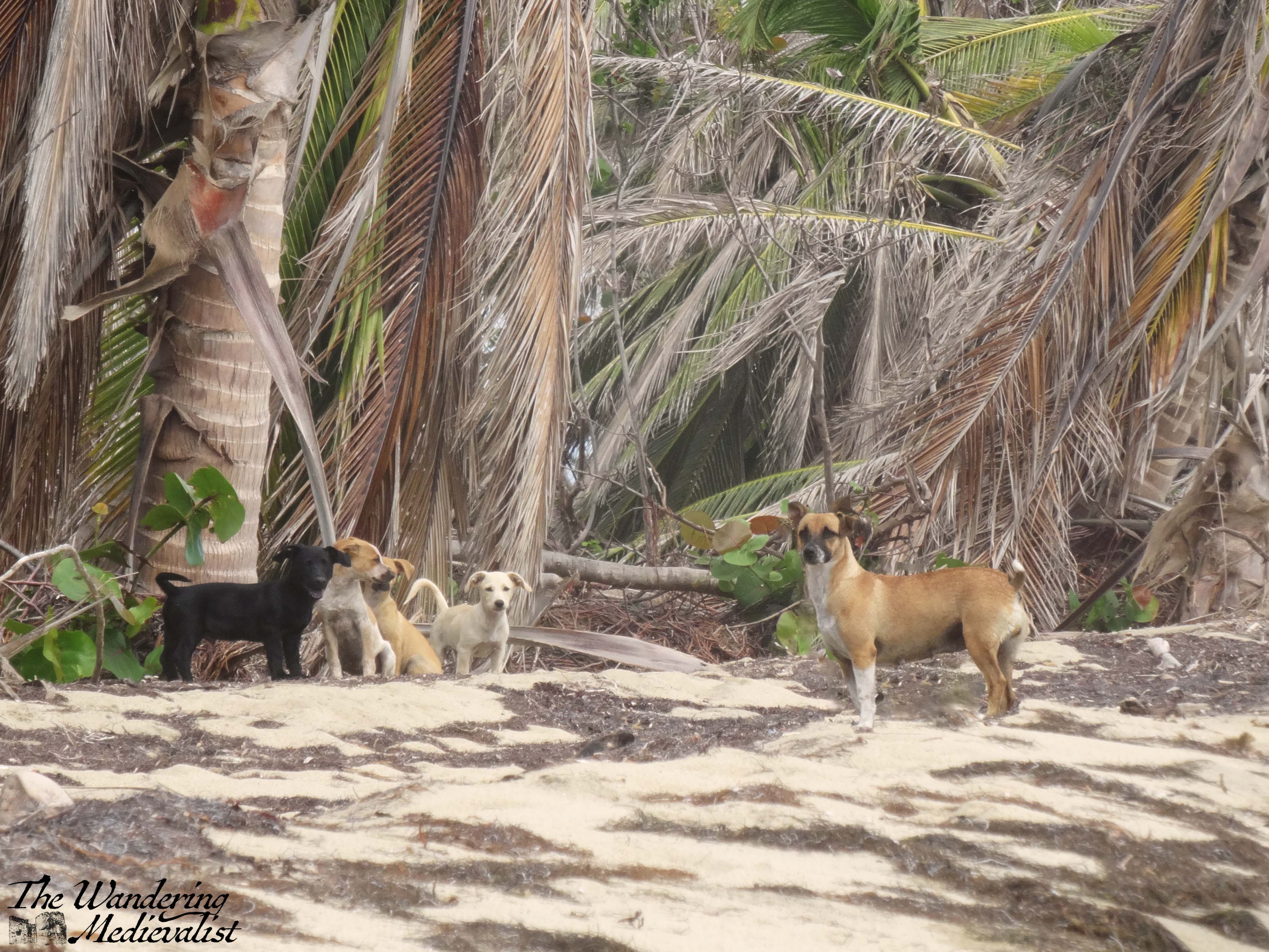
I cannot really recall how we ended up at this beach, other than my father must have recommended it. When we visited it was completely abandoned, and the recent hit by Hurricane Maria was evident in severely damaged palms and other foliage. The waves were a bit high for swimming and the beach quite narrow, but we were graced by a visit from the local gang of wild perros puertorriqueños. We didn’t have any food for them, so they watched us for a bit and trotted off down the beach.

El Nuevo Horizonte
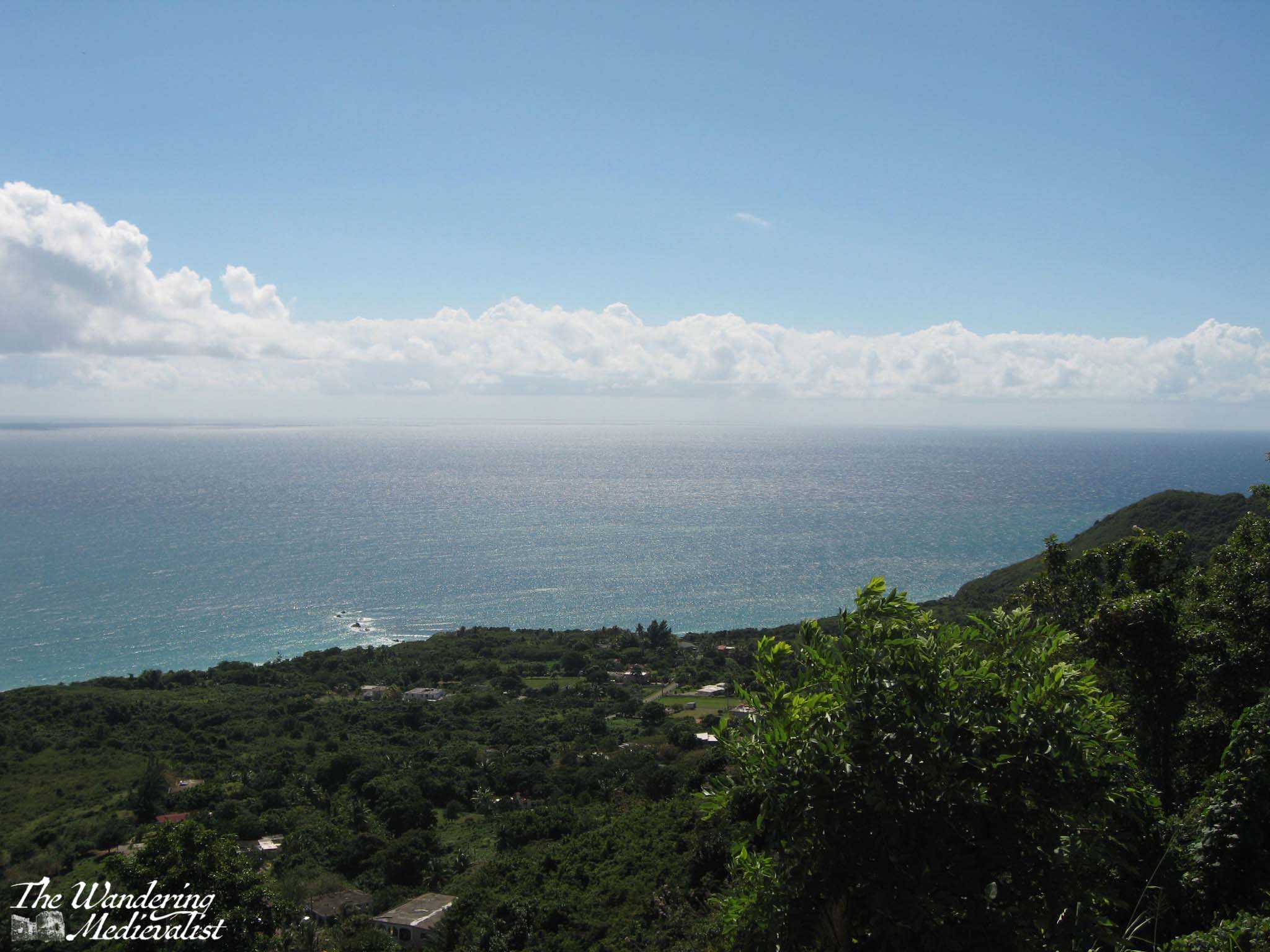
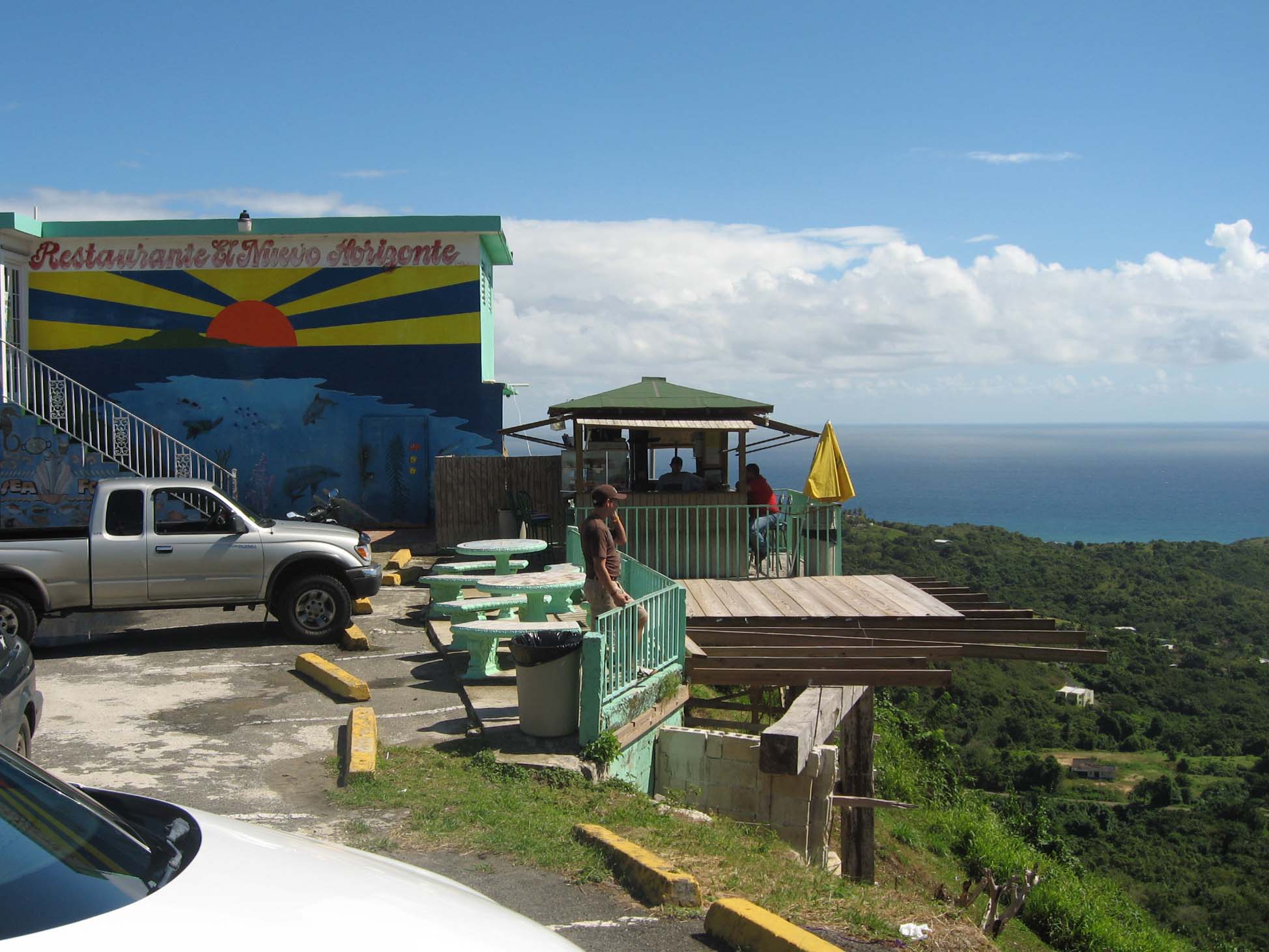
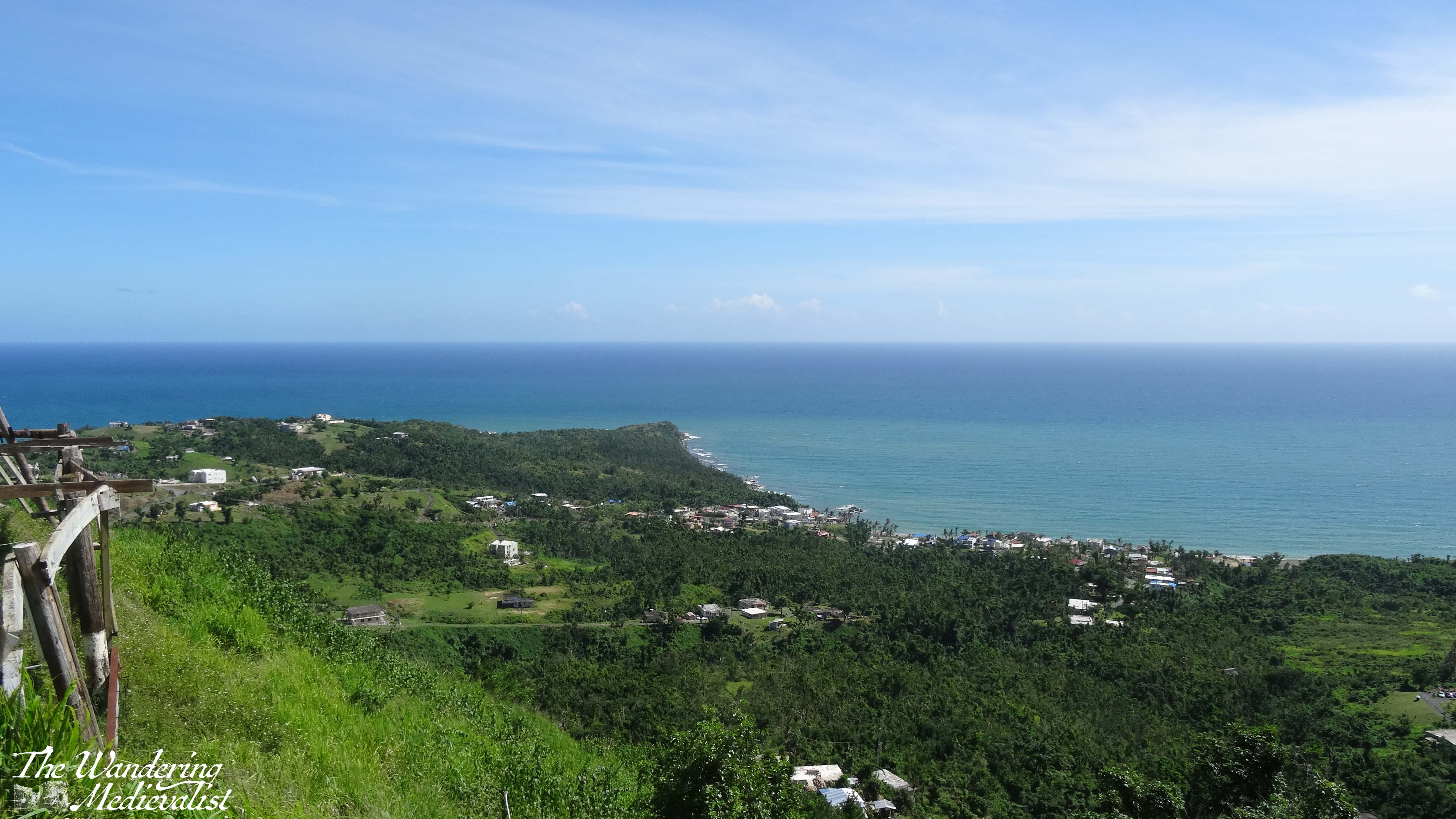
One of the most stunning drives in Puerto Rico – and harrowing at times due to narrow, steep and winding path – is route 901 that runs through the community of El Negro and up along the coast before plunging down the hills into Emajagua and Maunabo.
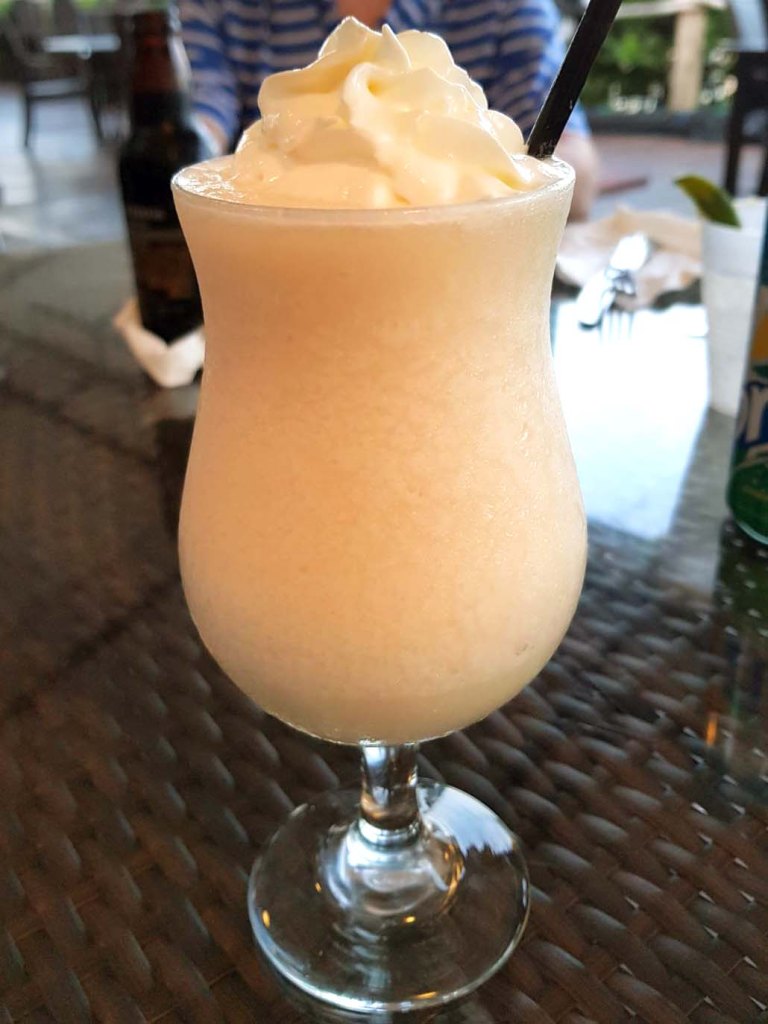
At the apex of the road, as it tops the hills, is Restaurant El Nuevo Horizonte, where one can find amazing views and very tasty frozen piña coladas, both with and without rum.

Playa Larga
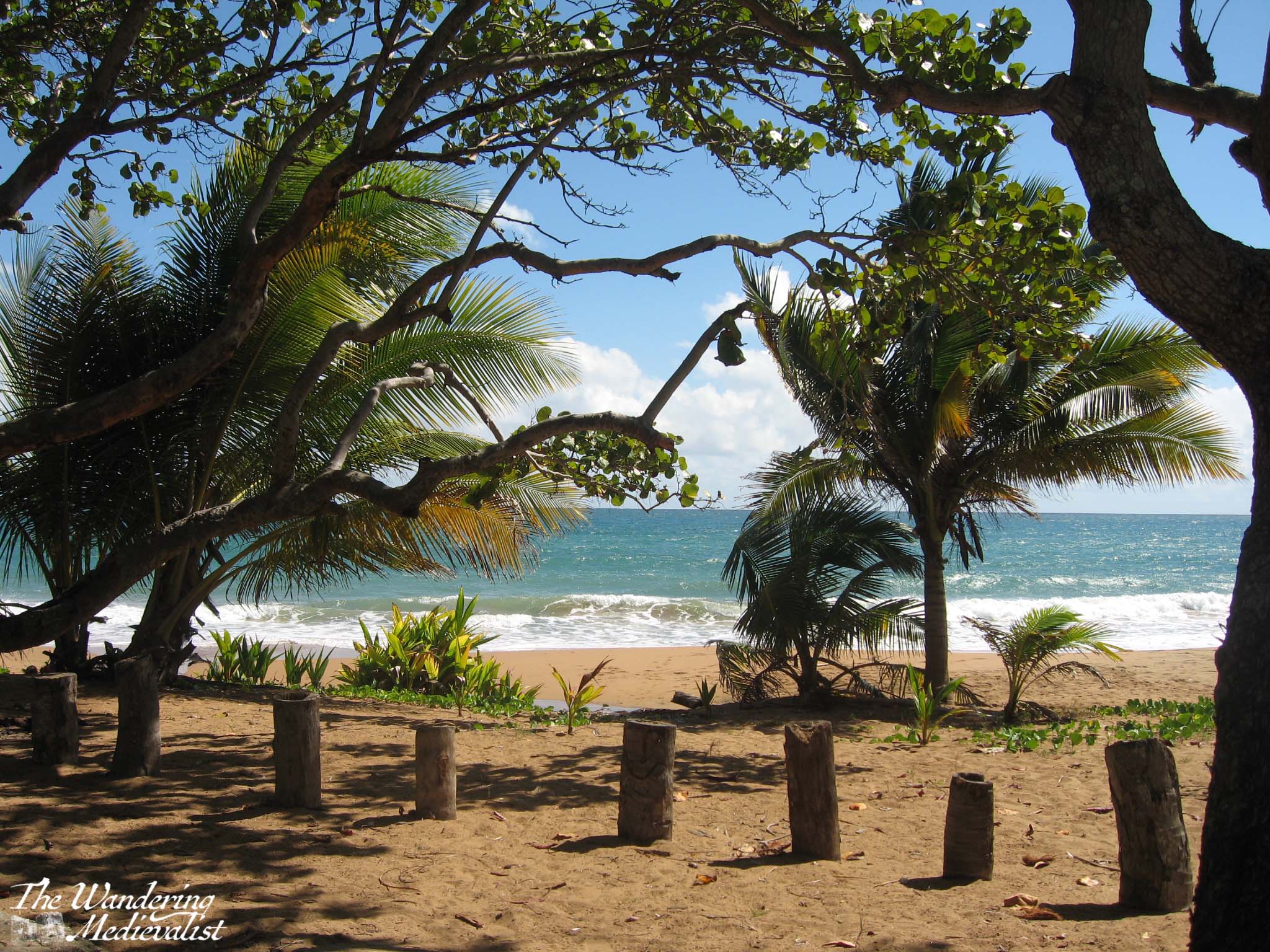
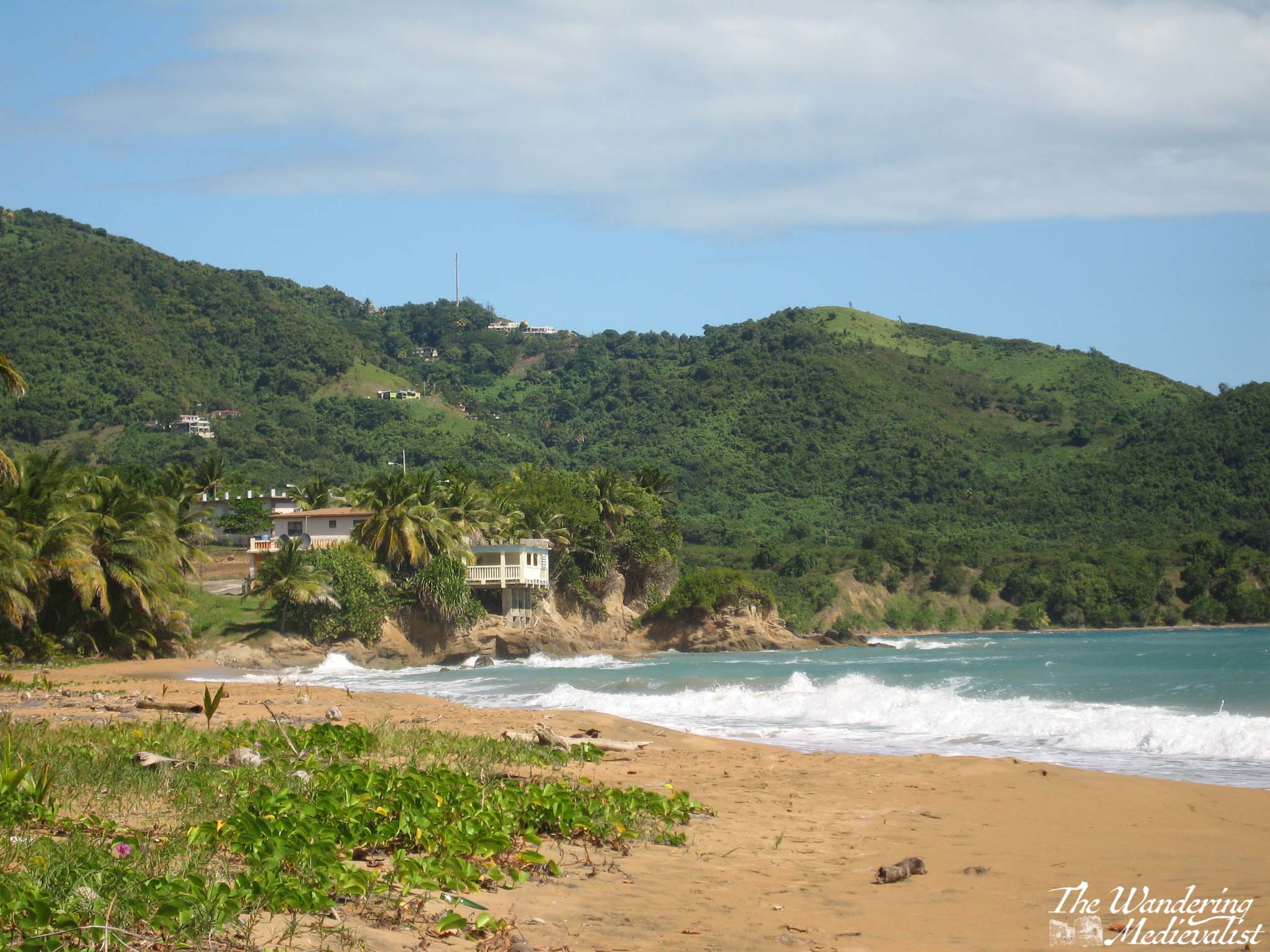
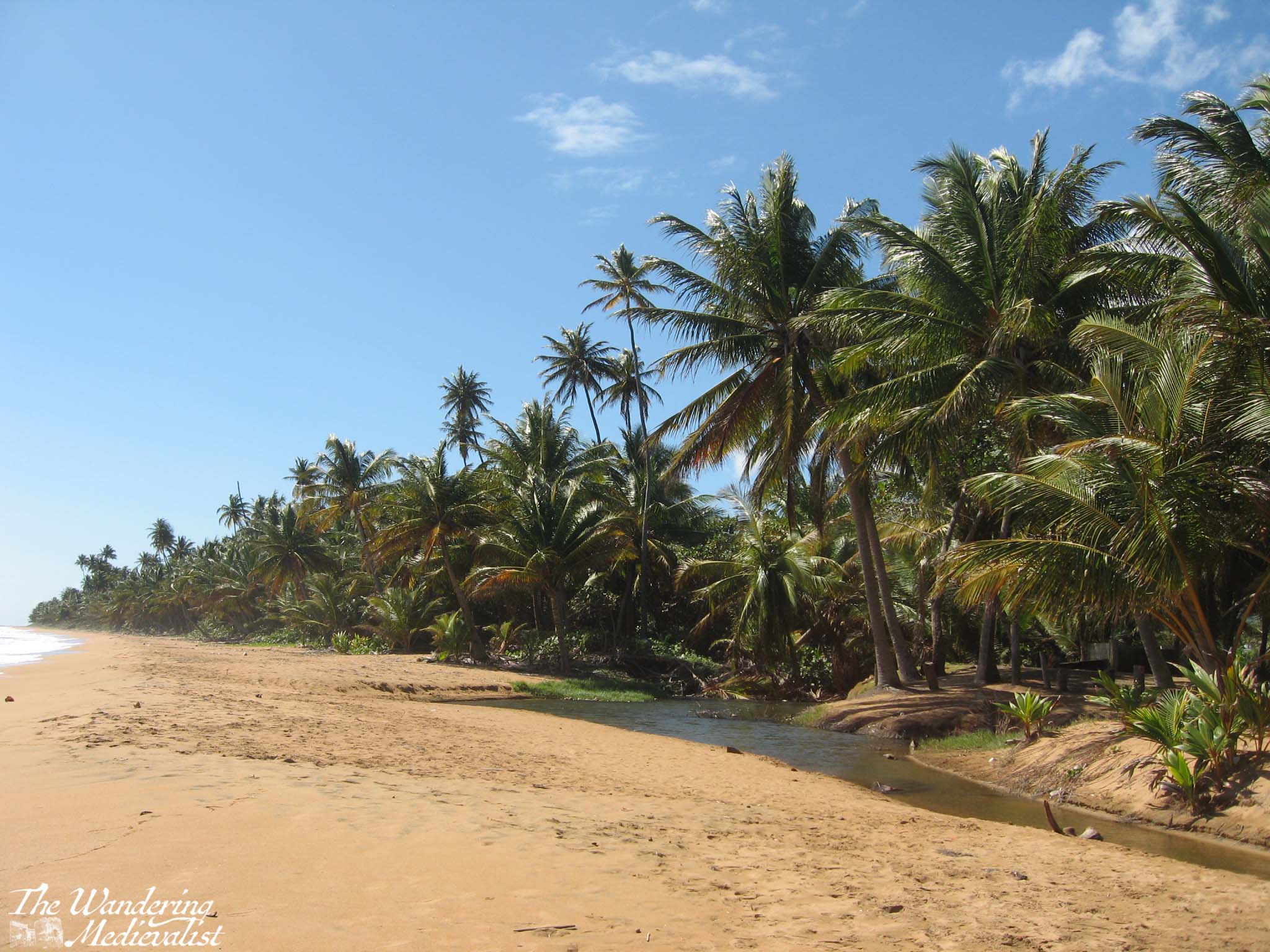
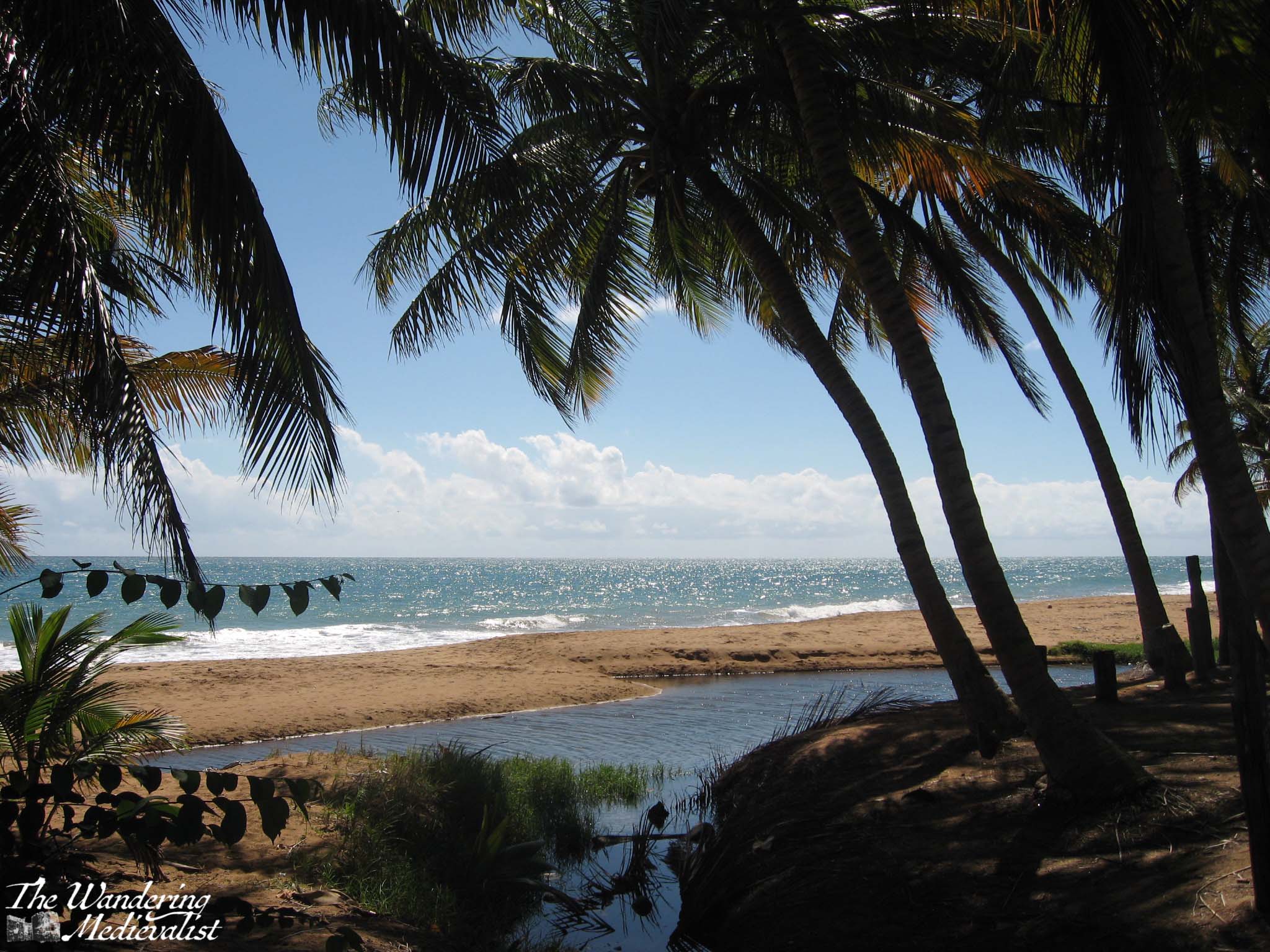
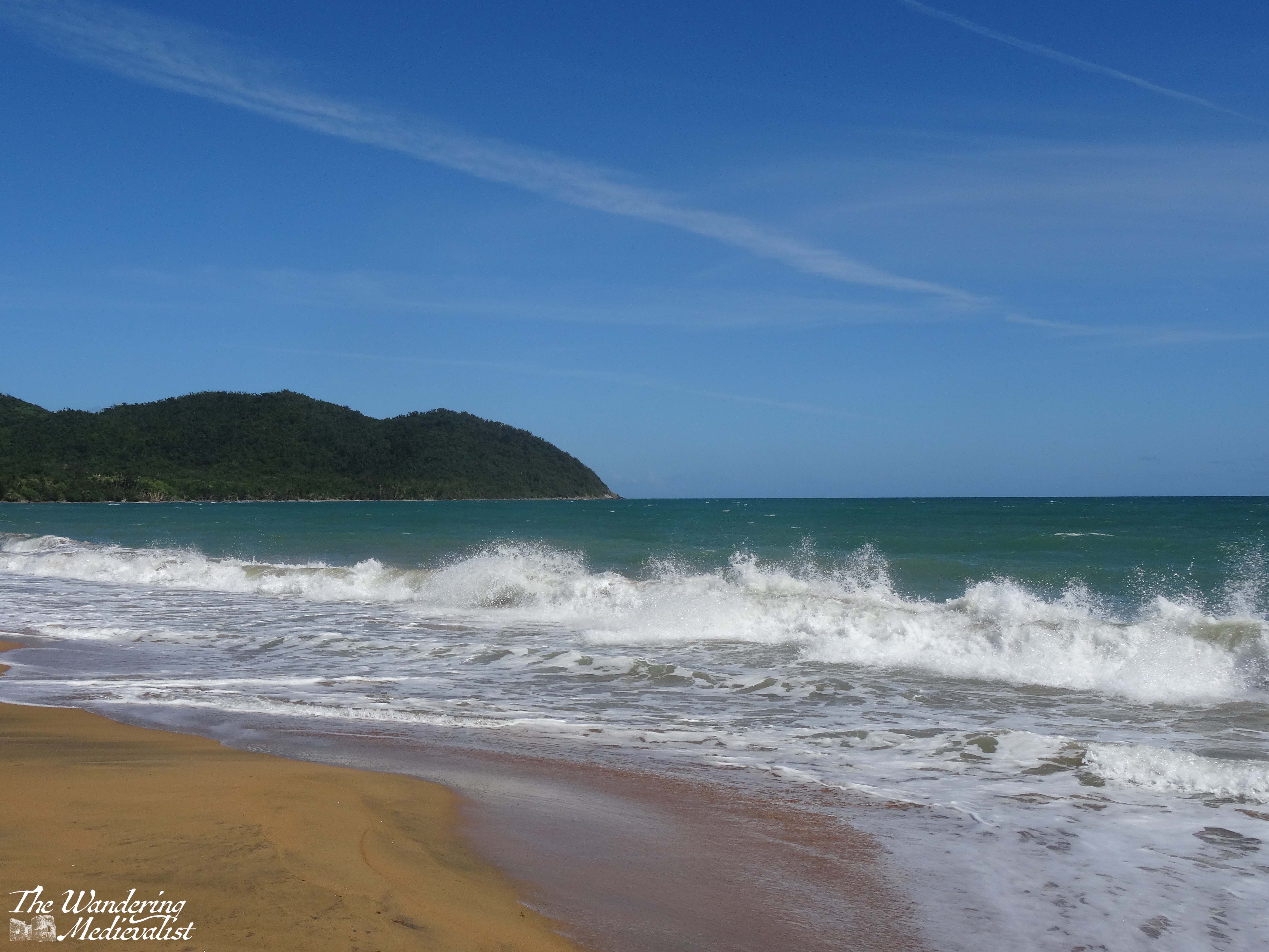
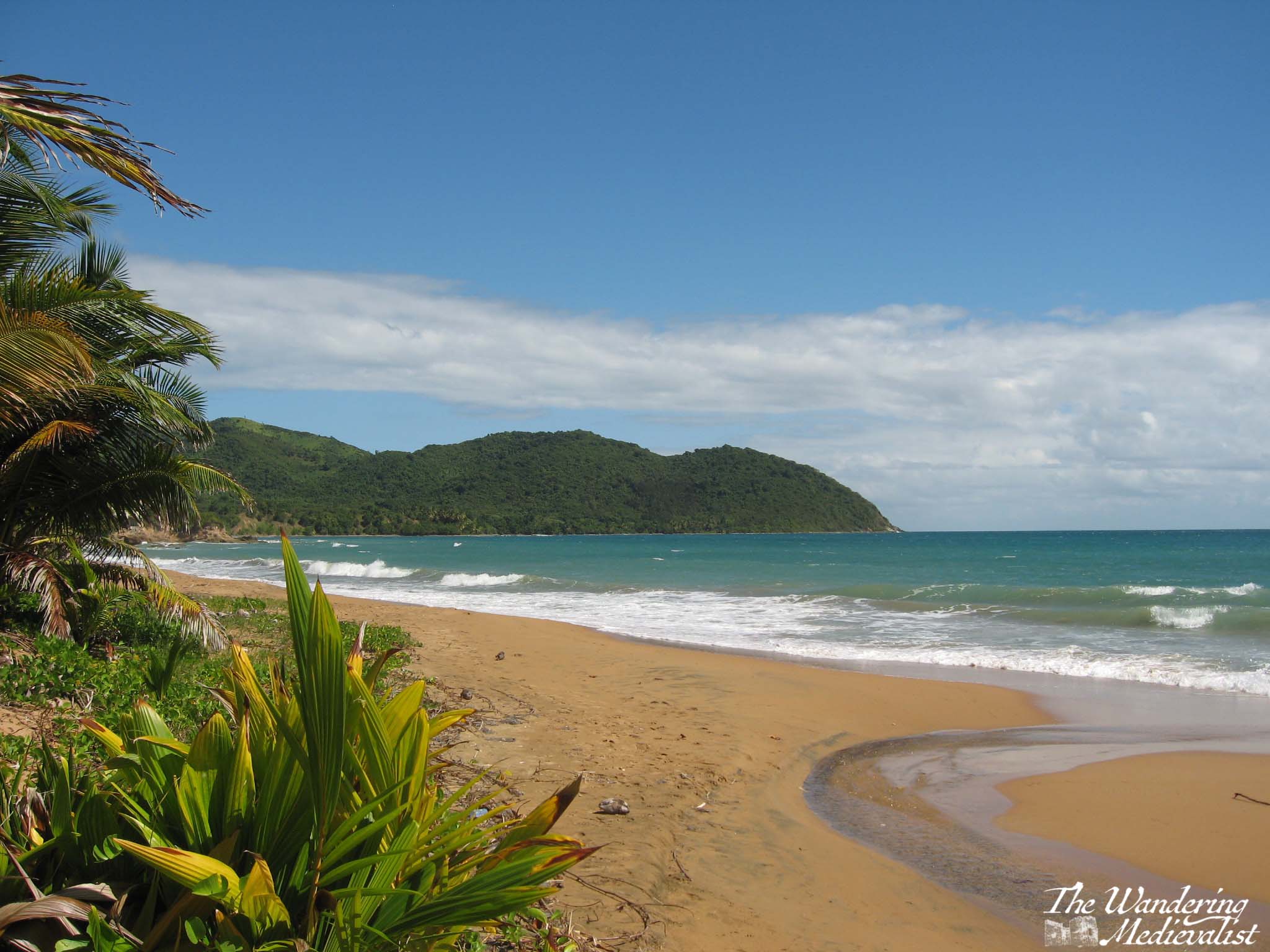
After visiting this beach for the first time, I routinely referred to it as ‘paradise beach’ (not partly because I didn’t know its real name). It is simply one of the most stunning beaches I have ever seen, lined with palm trees and with a small river that emerges from the palms to meander down towards the water. I have also taken some of my favourite pictures of all time at this beach. Yup, it’s one of the best.
Faro de Punta Tuna
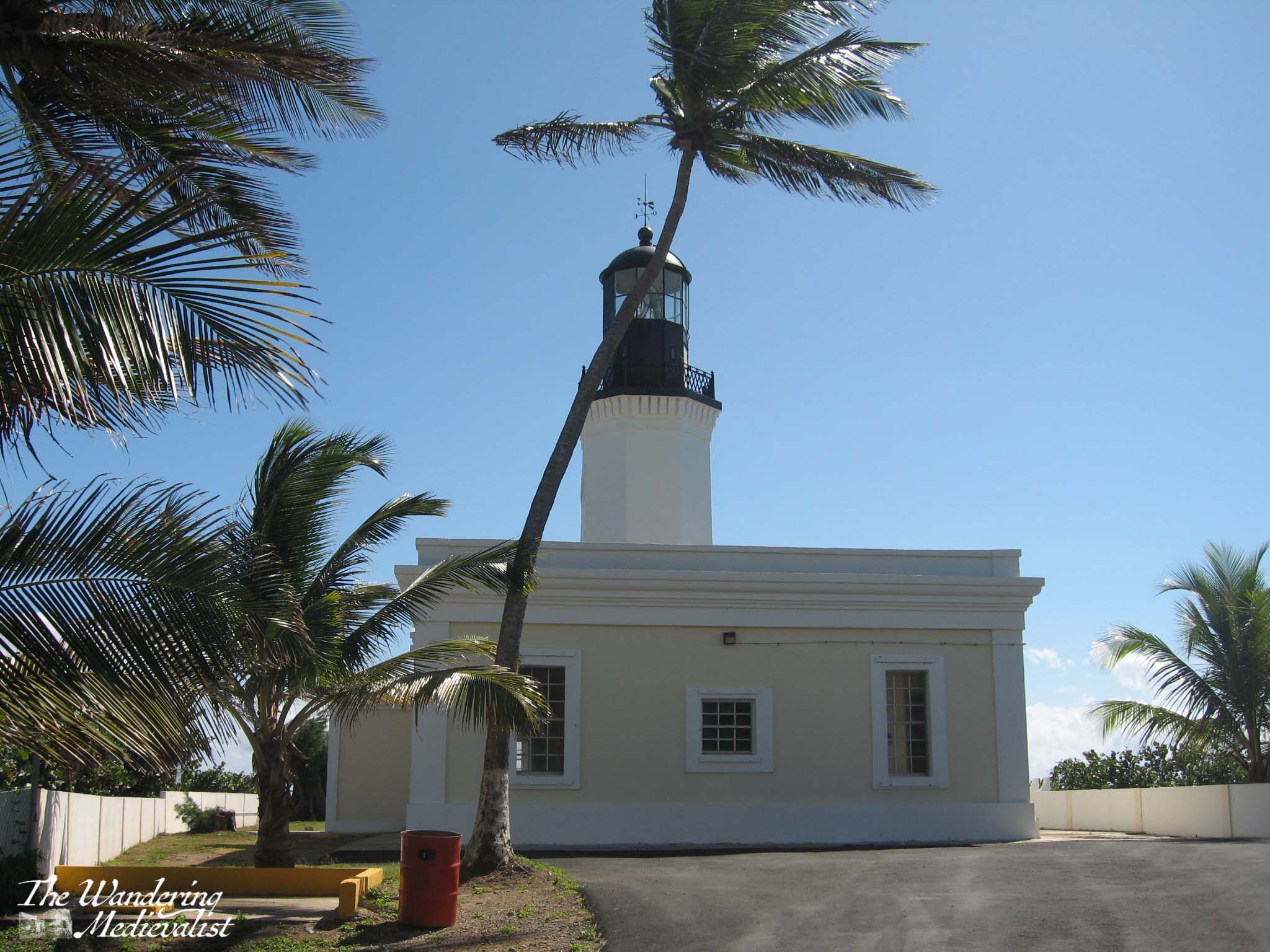
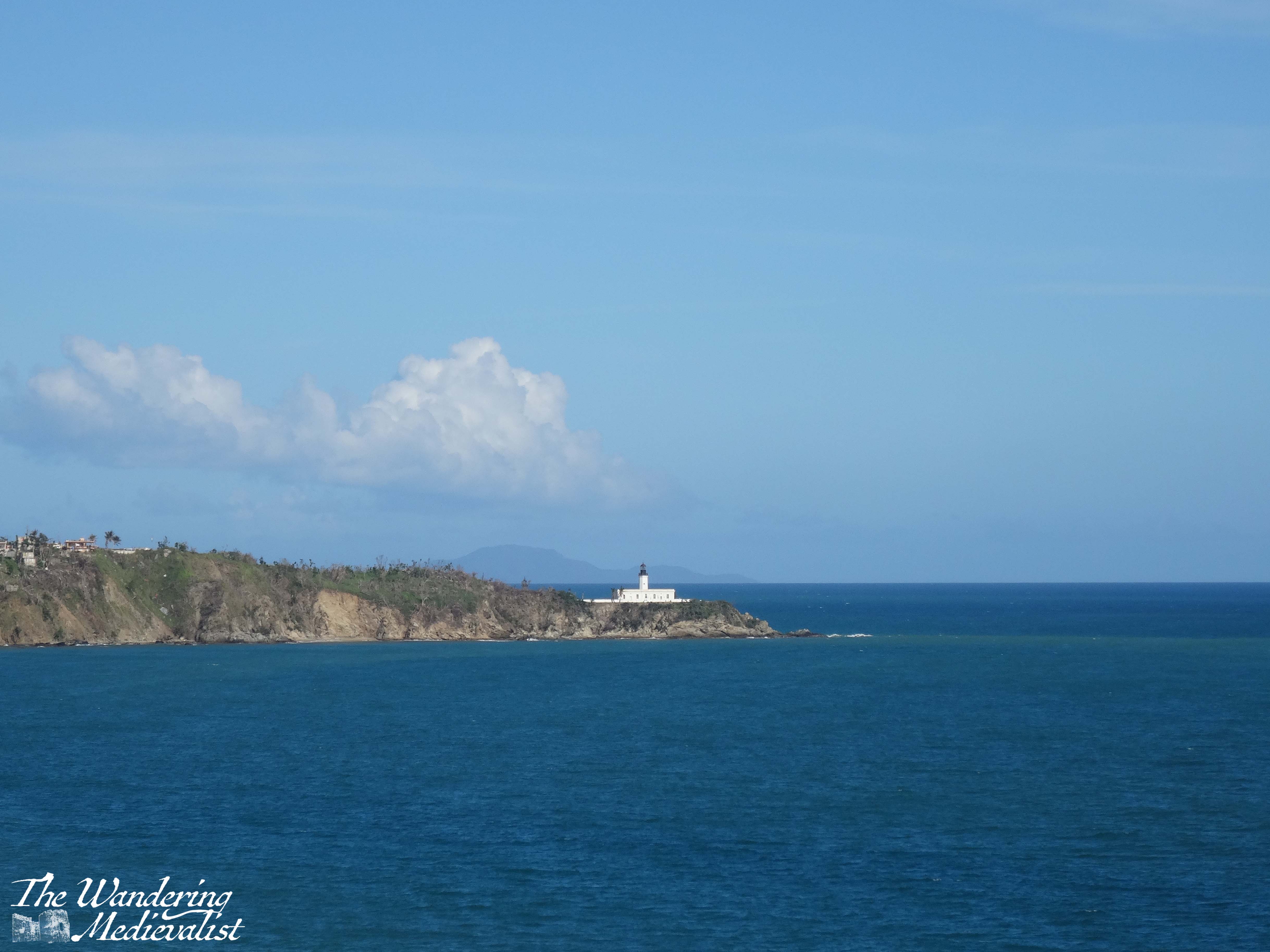
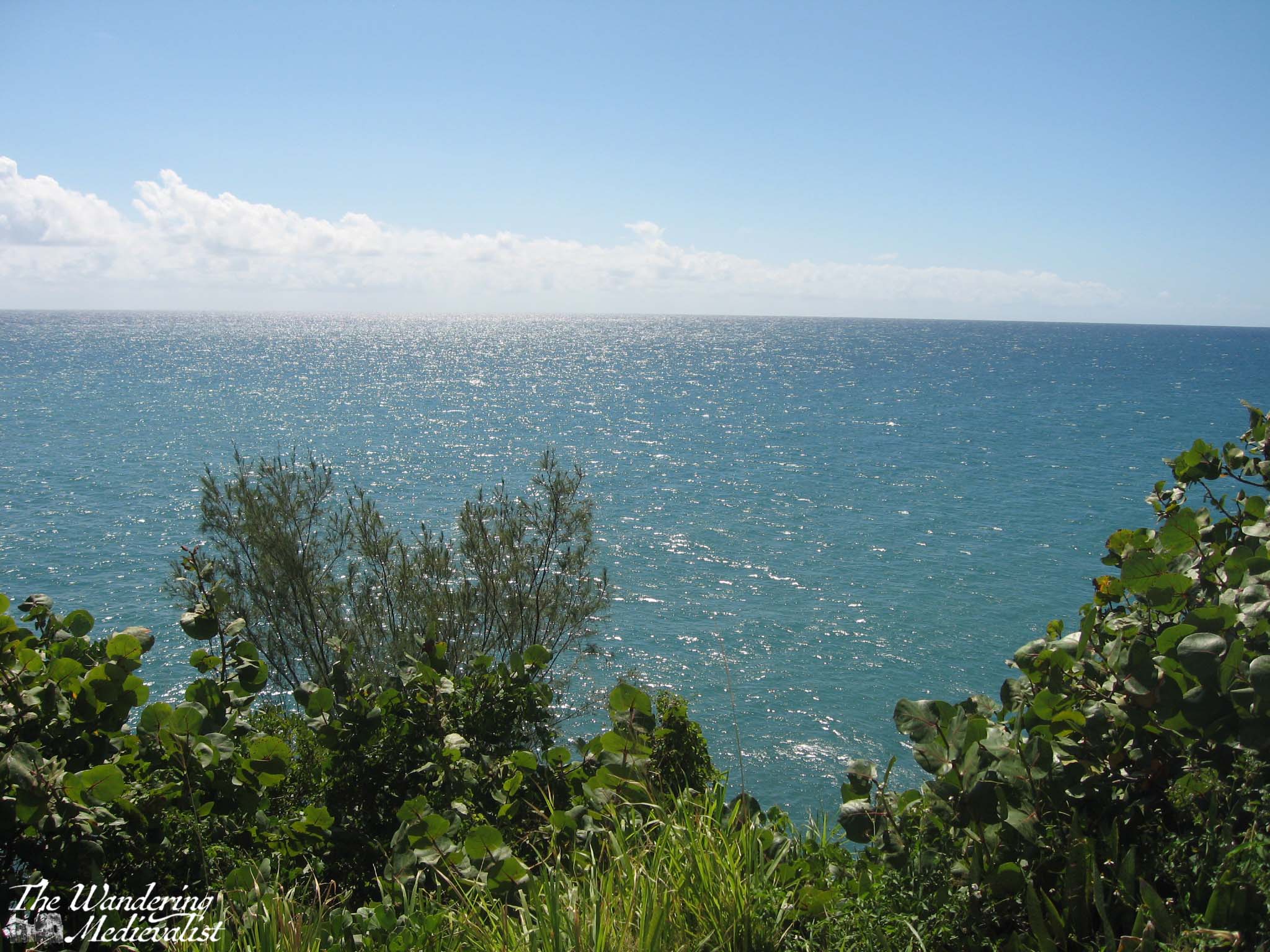
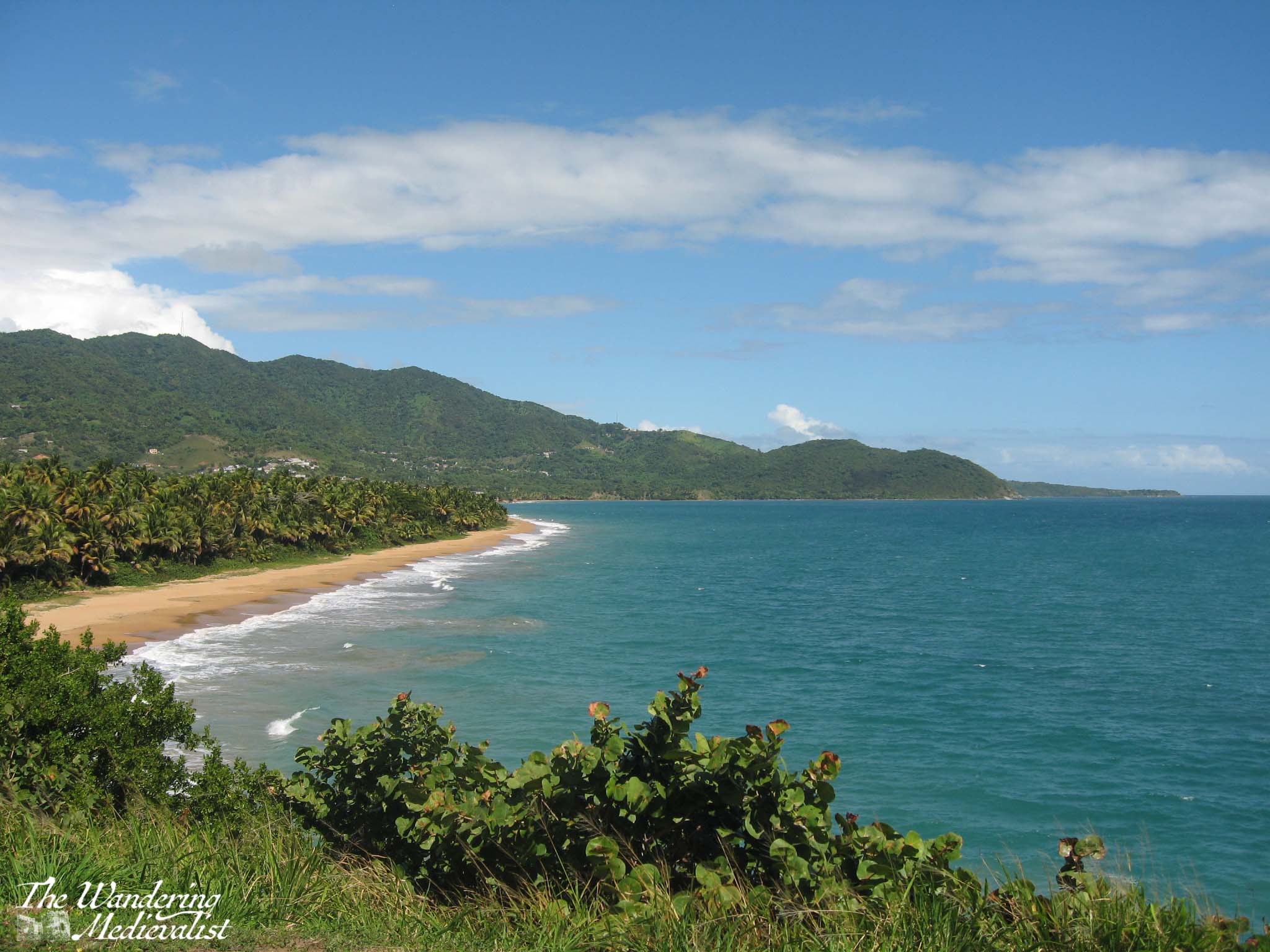
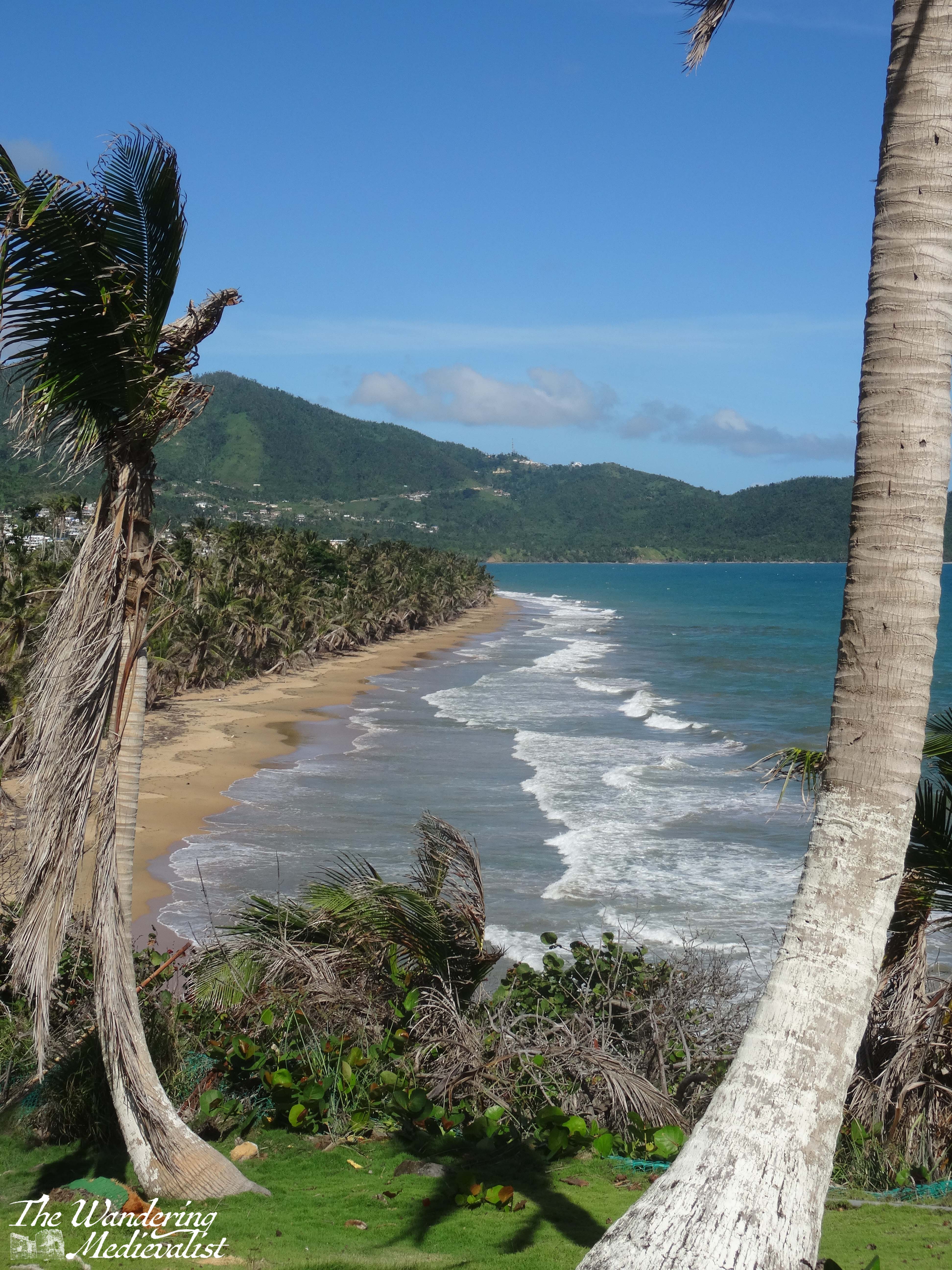
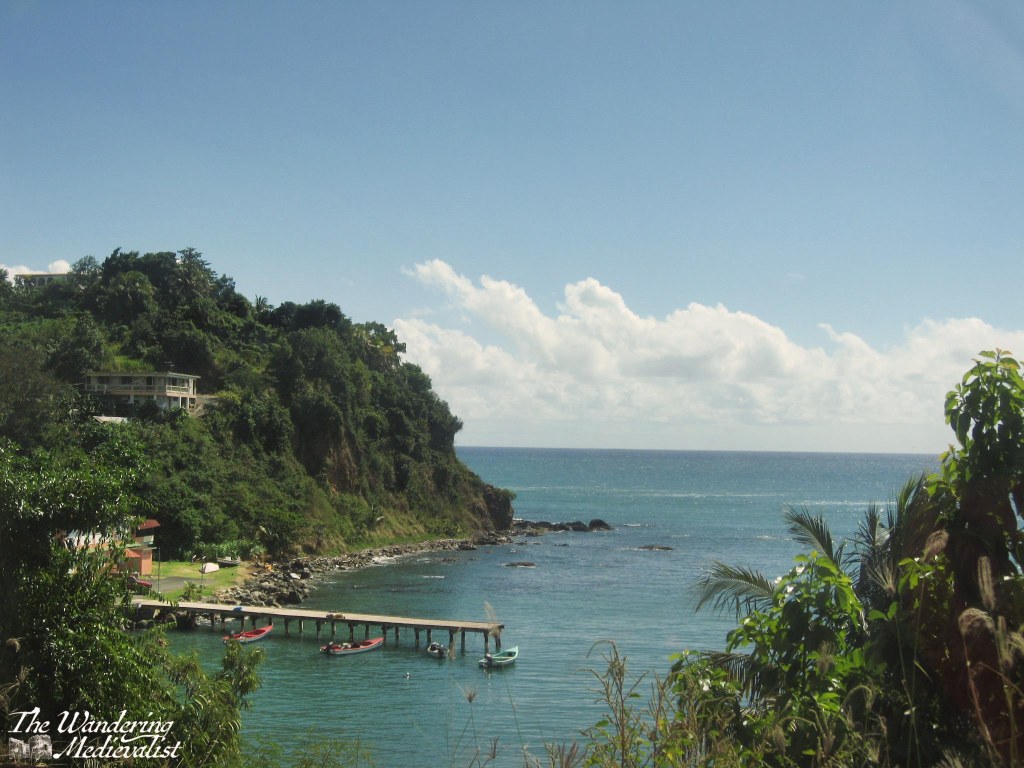
First built in the 1890s, Punta Tuna lighthouse is a close sister in style to the lighthouse looking over Isabela Segunda harbor on Vieques. It sits high on a promontory with my paradise beach on one side and Puerto Maunabo on the other. When we visited in 2018 it was also one of the clearest spots to observe the hurricane damage wrought by Maria, only a few months previous (check out the scars on the palm trees in the view overlooking the beach).
Puerto Maunabo
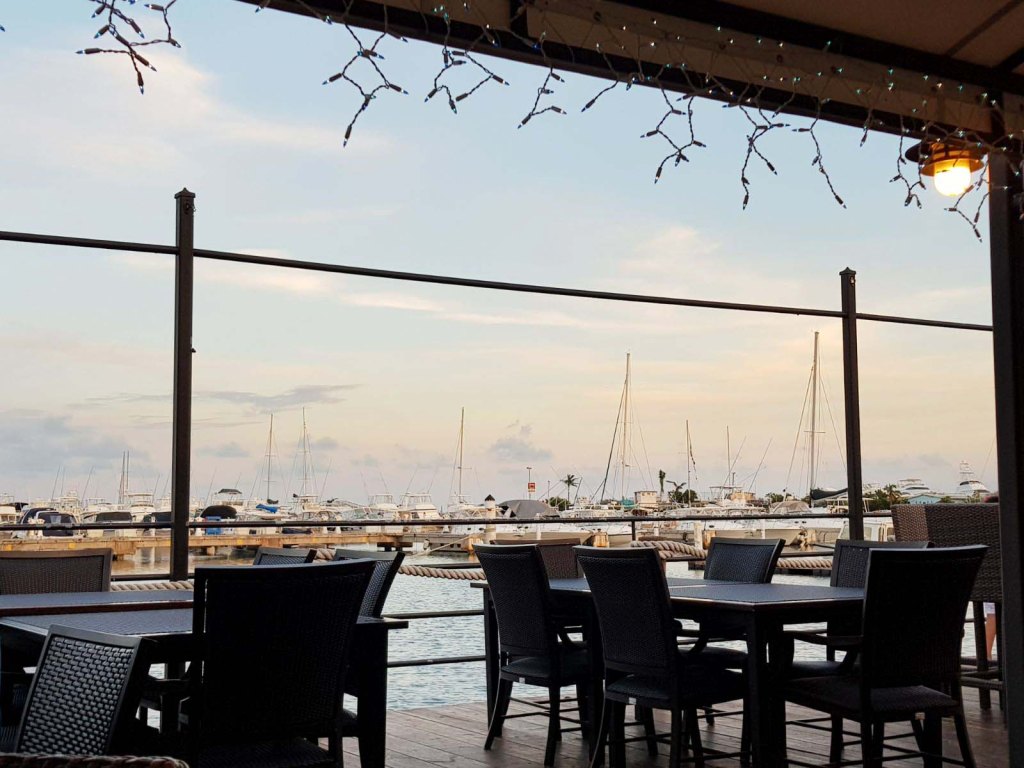
Last but not least, La Cueva del Mar, a spot in Fajardo overlooking the marina, where you can get fantastic fish tacos and of course, piña colada 🍹.


 The Wandering Medievalist