
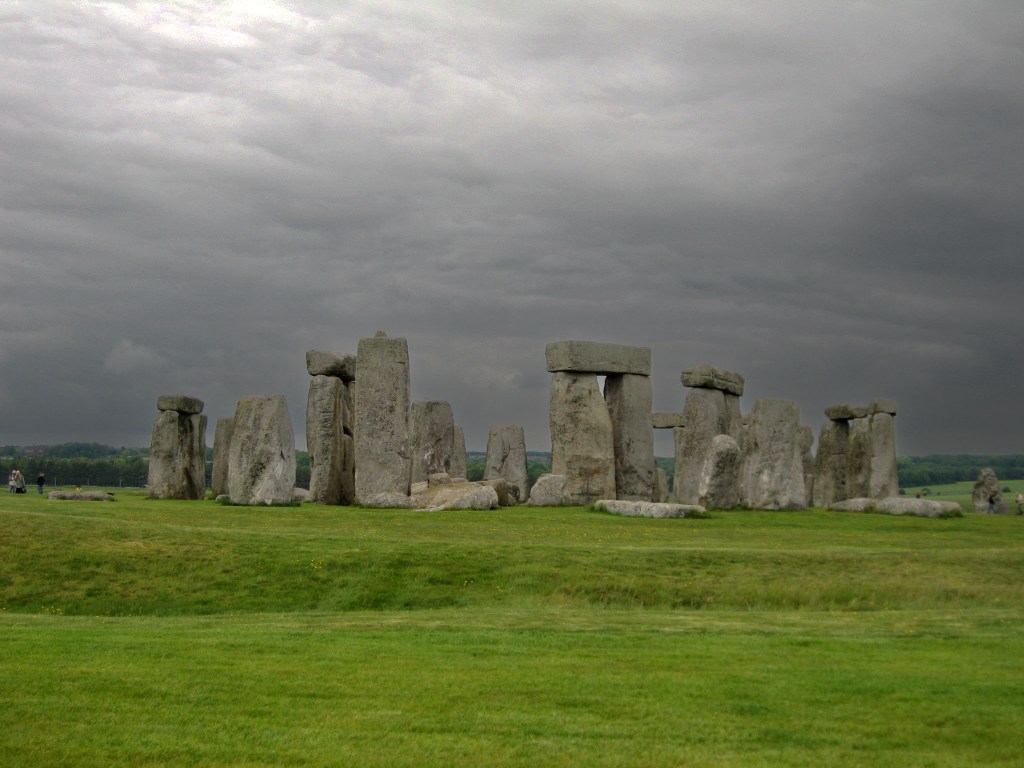
Epic. Spiritual. Mysterious. Ancient.
All words that evoke one particular place: Stonehenge, one of the most easily recognisable World Heritage sites that has fascinated and baffled Britons for millenia.
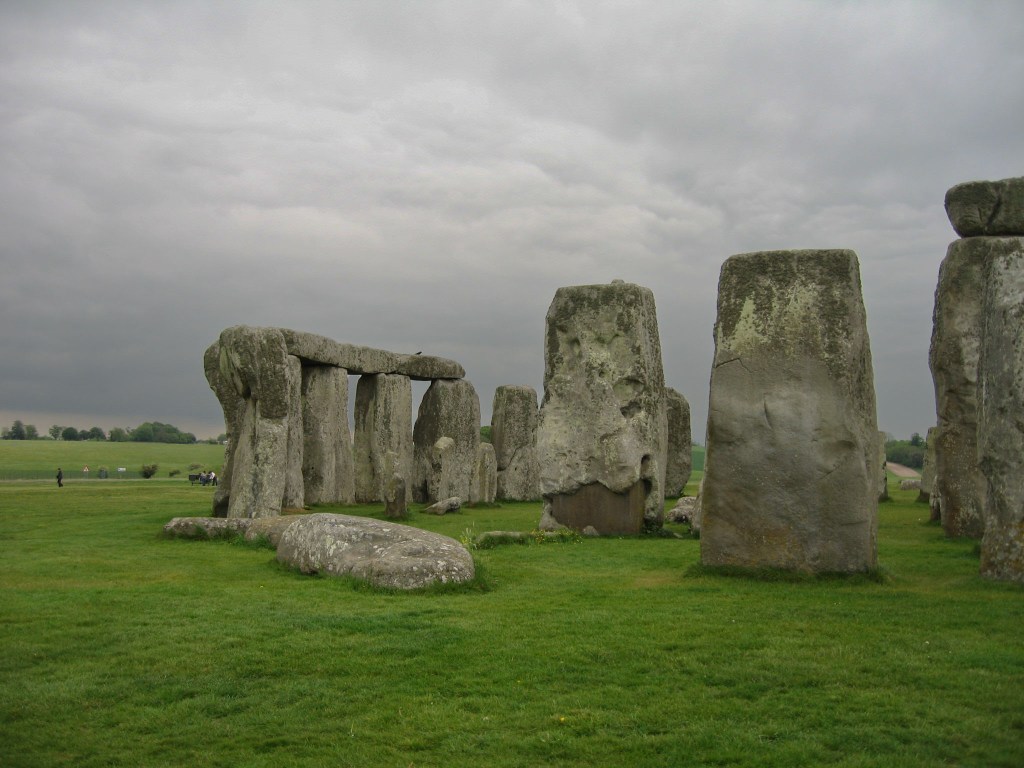
I visited Stonehenge more than fifteen years ago, as part of a trip through southern England with my mother, and it took my breath away. The sky was grey and cloudy, it was windy and there were spots of rain, but the weather only enhanced the atmosphere. I have said this about other places, but I will say it here too – Stonehenge does not disappoint.
It was the highlight of a trip which included Salisbury Cathedral, Wells, and the Tower of London, all done by public transport. Fortunately for me, southern England has very efficient transport and the busses and trains were super convenient. Plus, most cities offered lovely bus tours like this CitySightseeing tour – reminiscient of those in London, Edinburgh, and numerous other places worldwide.

The hop-on, hop-off bus allowed us not only a visit to Stonehenge, but also a spectacular introduction to Salisbury itself, a city rich in medieval history that I would love to return to explore in more depth – a post on Salisbury Cathedral will come in time!
When we visited we were fortunate enough to be allowed to walk up quite close to the henge, and I have more than 100 pictures from different angles. I also have some rather awful early-00s selfies which I will not burden you with. A few of these are nearly identical, I realise, but I choose to share them all anyway 😊
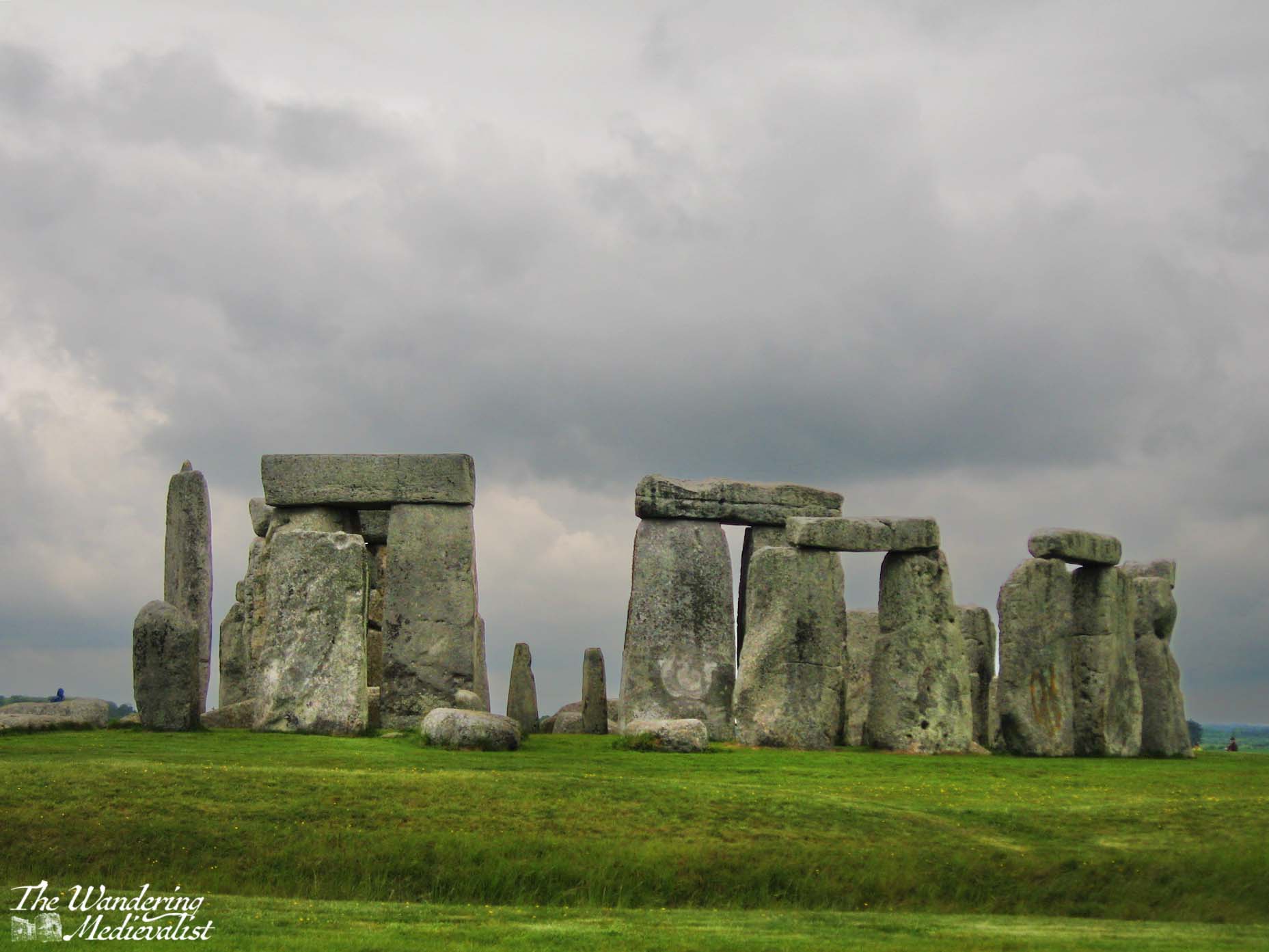
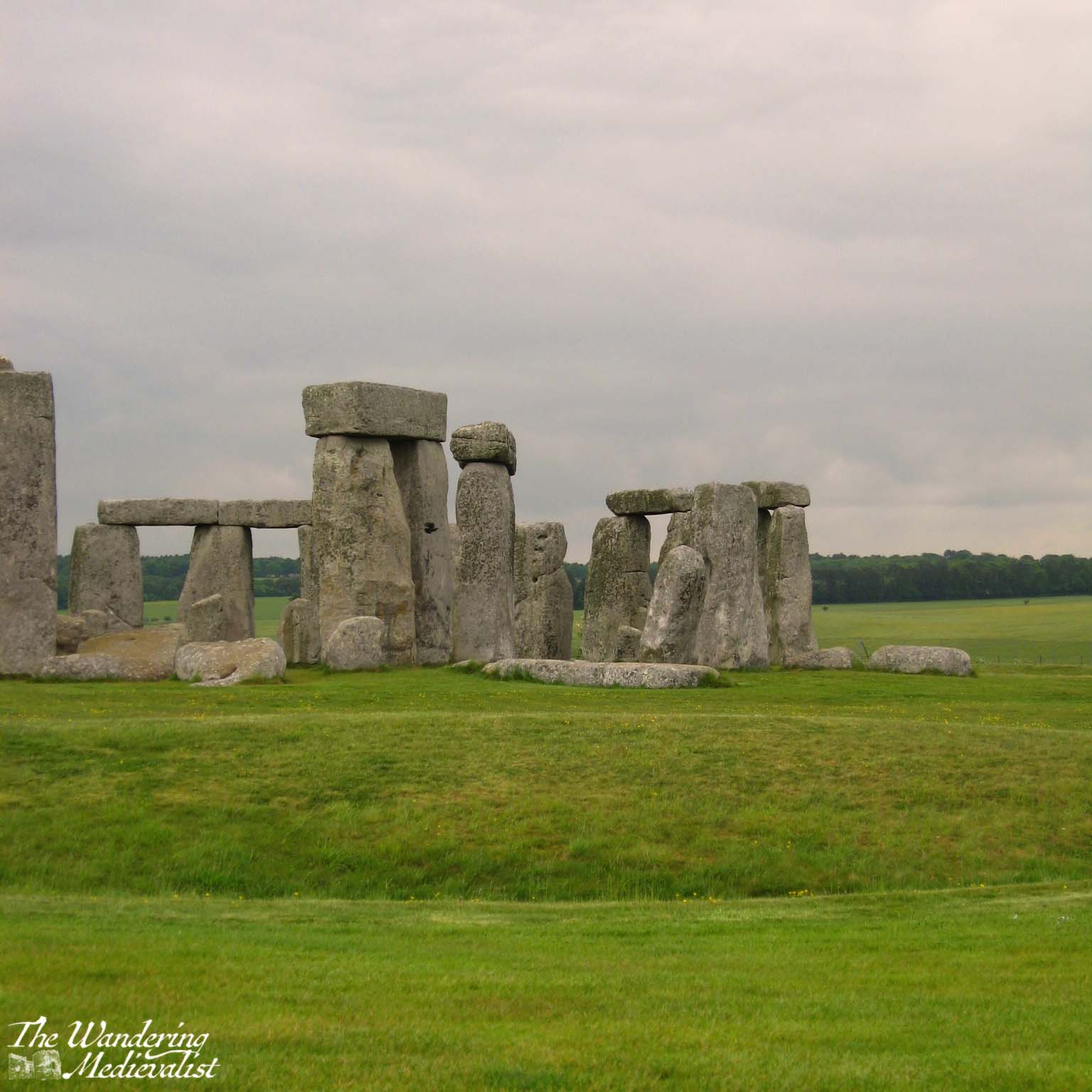
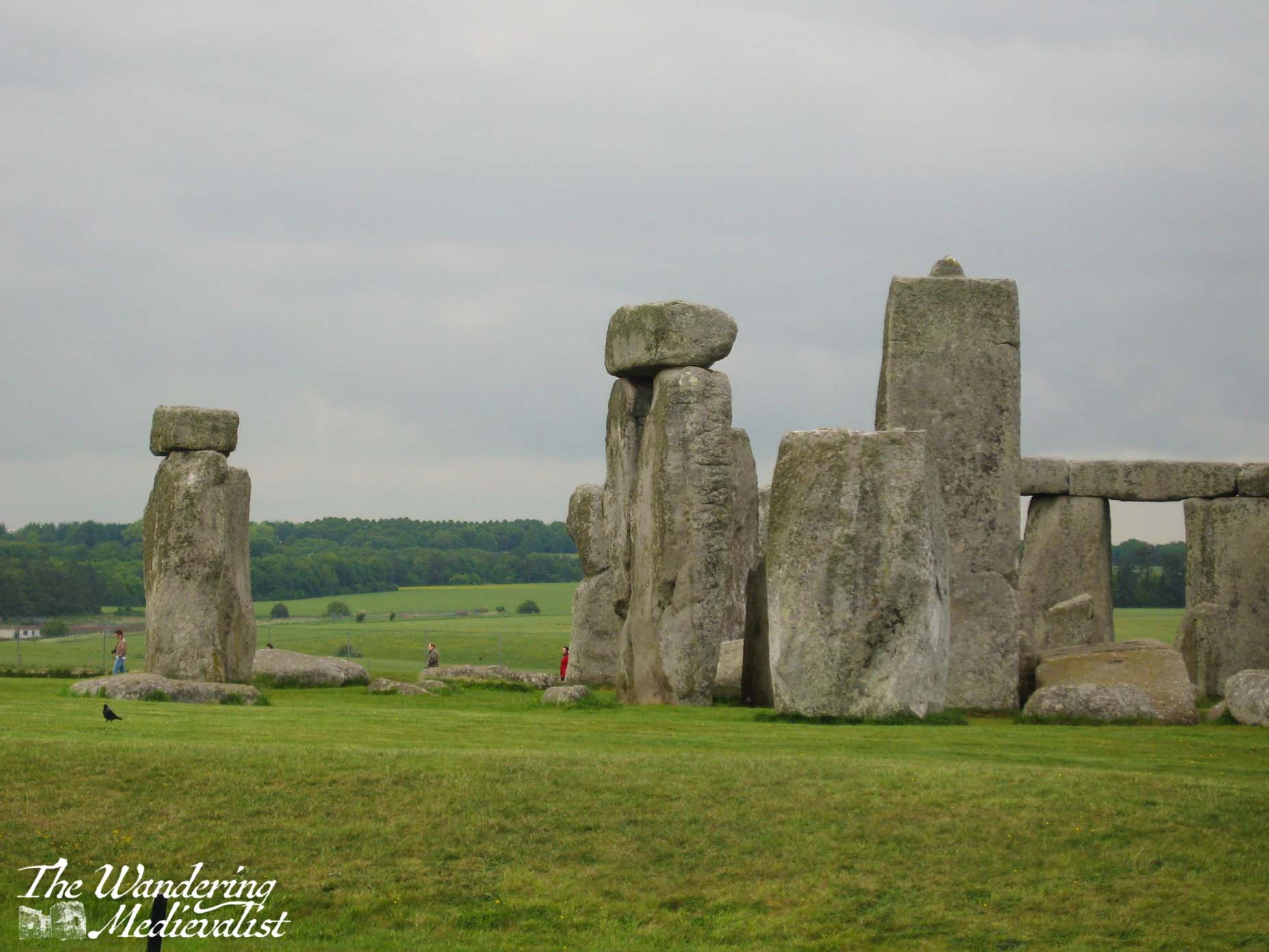
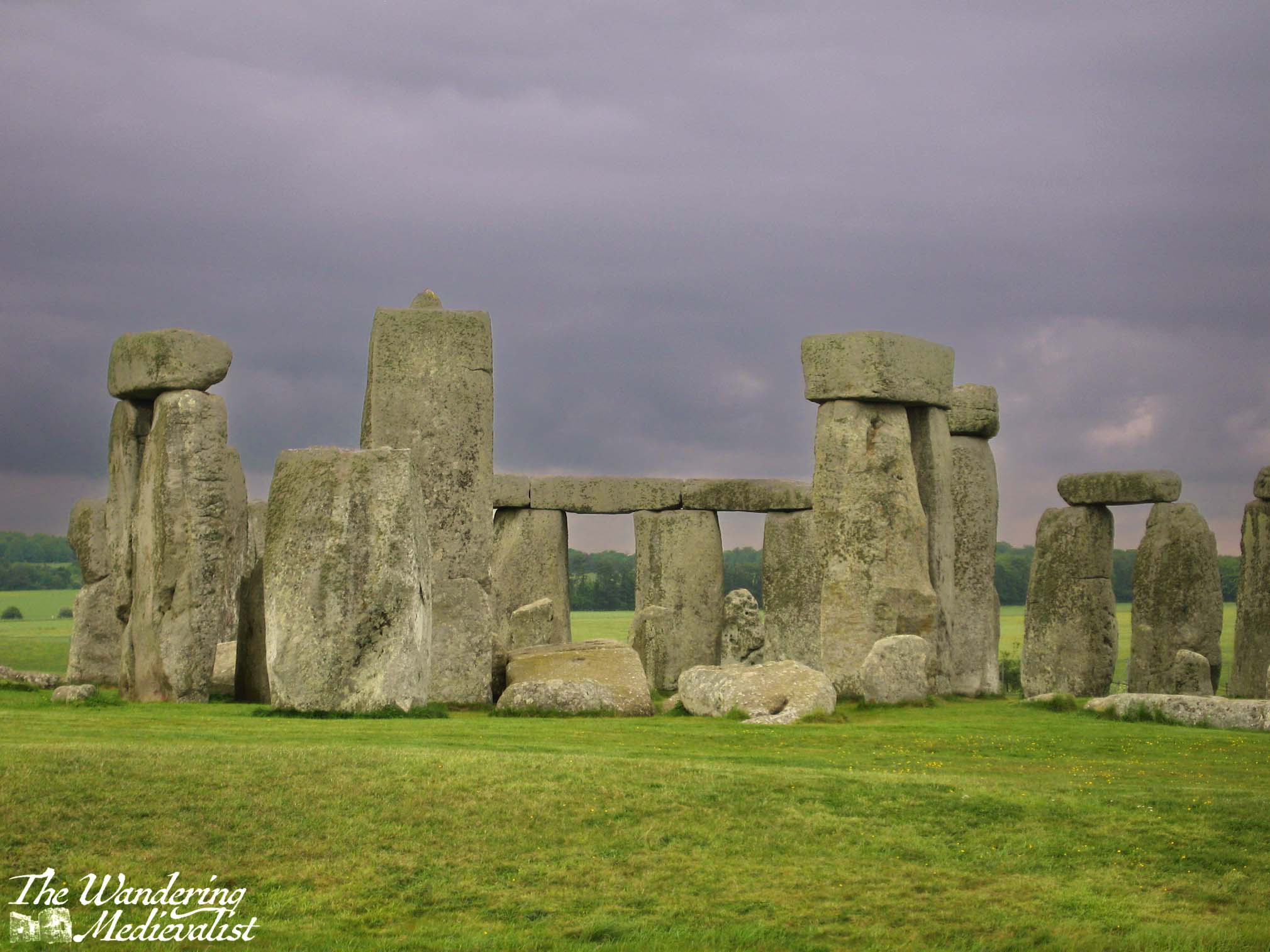
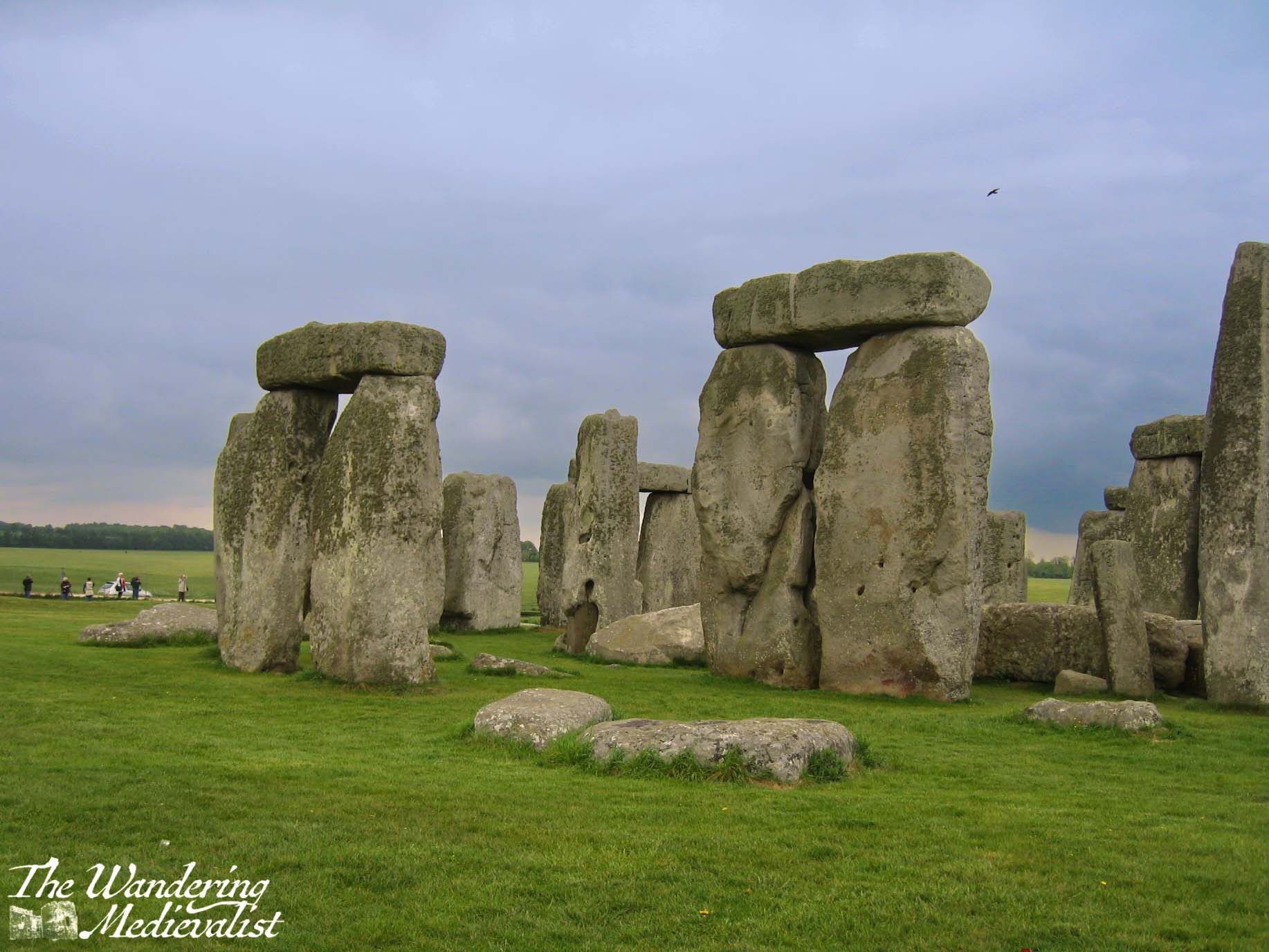
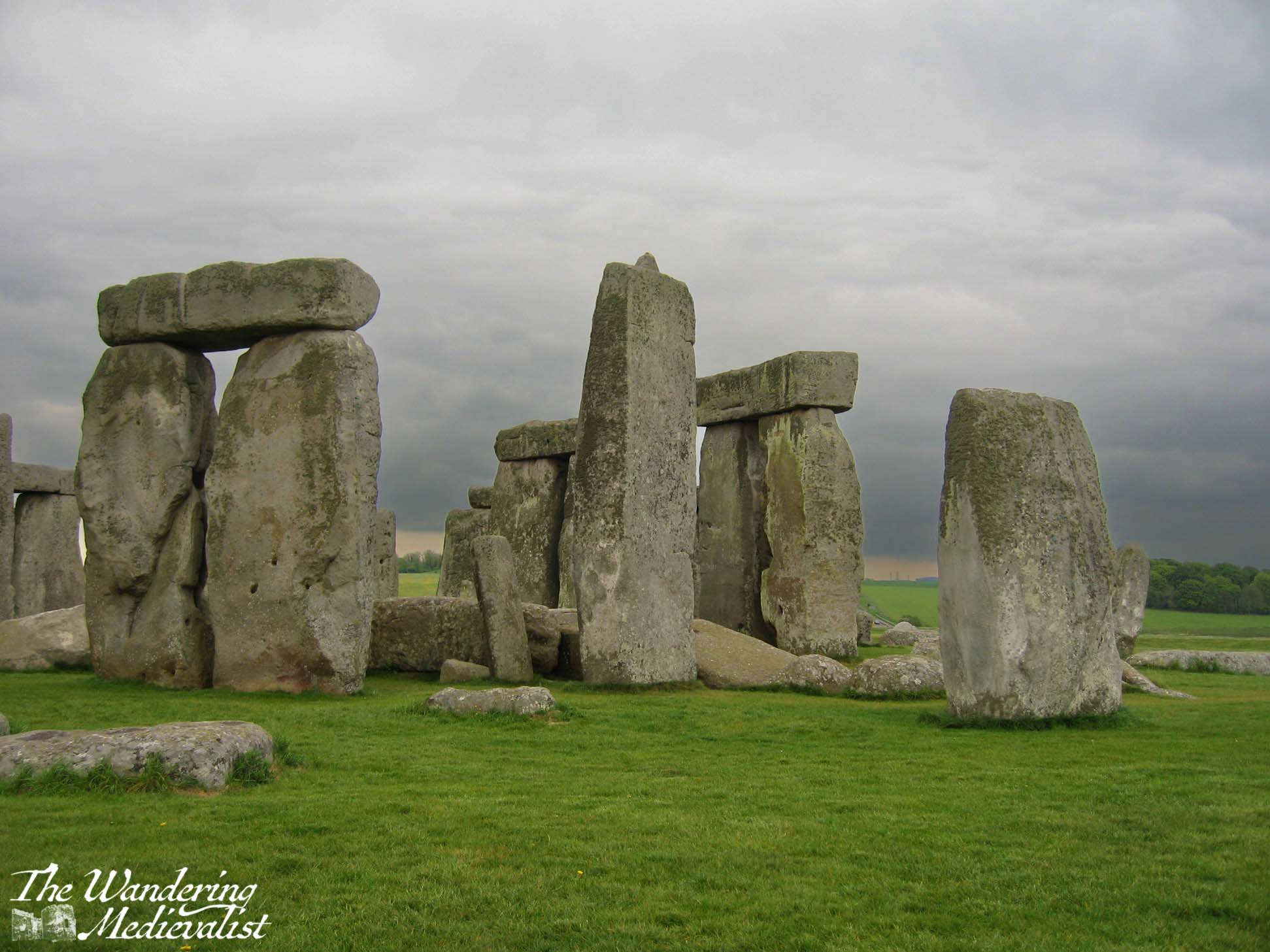
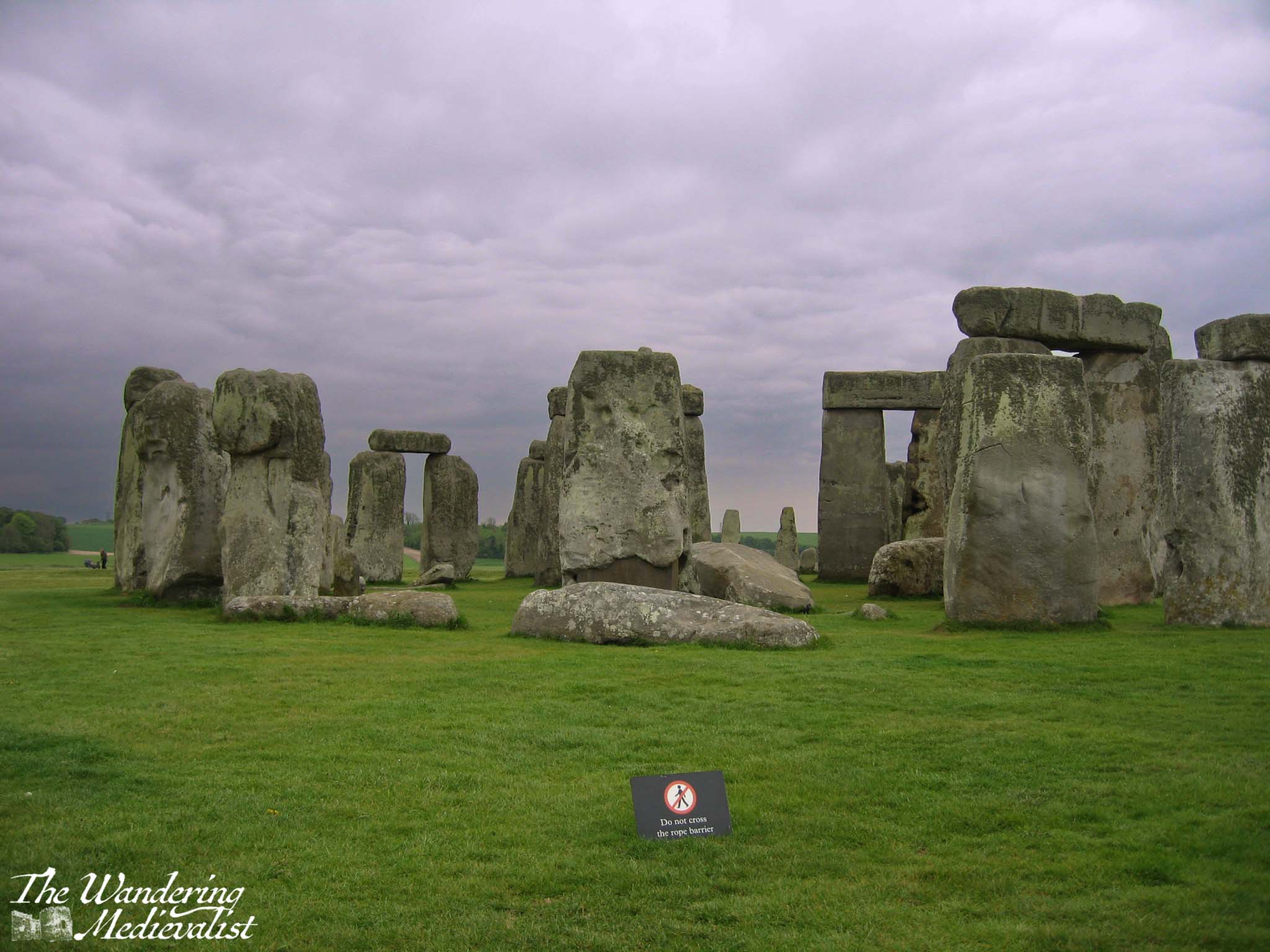
I do not think one could call oneself a historian and not feel a connection to this site. Even in the Middle Ages, writers hypothesised about its creation, with theories ranging from giants assisting Merlin in its construction to it having been built as a memorial to British lords murdered by Saxons. Henry of Huntingdon, a well-known 12th-century chronicler, chose the safest and most regular route of just stating its marvellous mystery, but claiming ignorance as to origin.
According to English Heritage, the first excavations at Stonehenge took place in the 17th century, directed by King James I. An architect also commissioned to survey the site perhaps understandably concluded that the feat of engineering could only have been accomplished by the Romans. Later, the Druids were mentioned, and this is an idea that stuck around for some time.
And here lies the key, really – why Stonehenge remains one of the most discussed of ancient sites. Because we still don’t know for sure – we learn more every year, with every excavation and scientific study. But there are still answers out there.
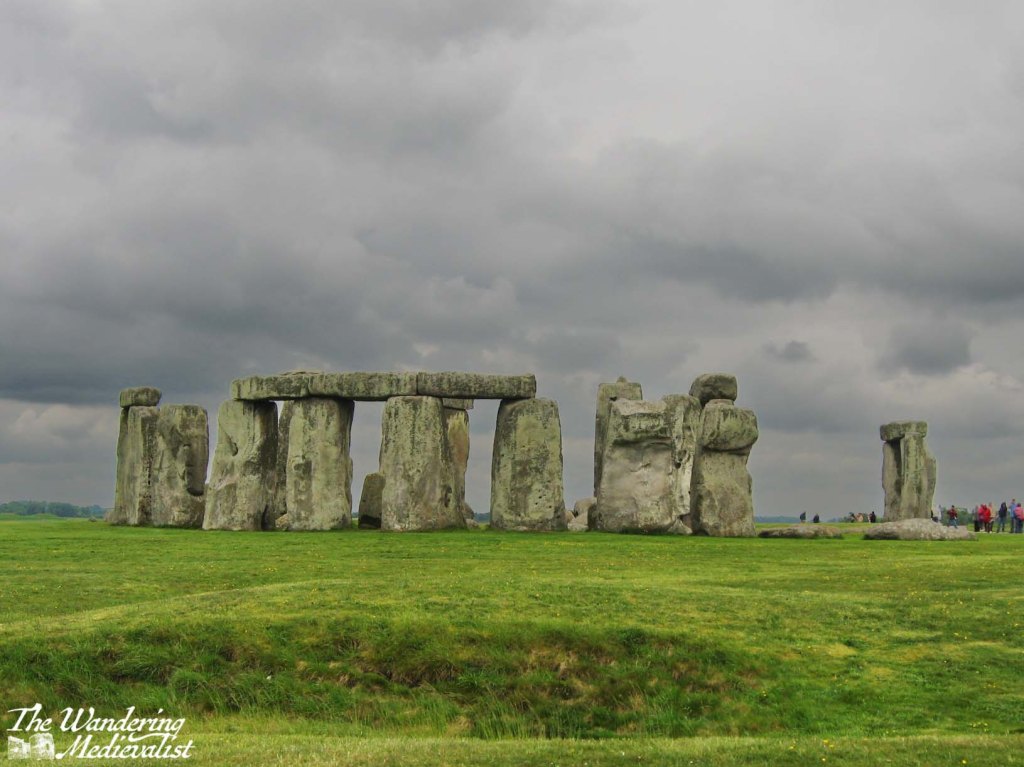
In fact, Stonehenge is the ideal counter-argument for anyone who claims that history is static, and that we already know everything. Our perception and understanding of the monument is constantly changing, evolving, and growing. We know, for instance, that the stones were brought from long distances, some as many as 150 miles, though details of exactly how that happened are still being clarified. The techniques of dressing the stones and using interlocking joints are not seen at any other prehistoric monument – why? Did none of them survive, or was this a unique site? We know that it was built to align with the movements of the sun – particularly at the winter and summer solistices – but we also know that the use of the monument changed over the millenium or more during which it was used.
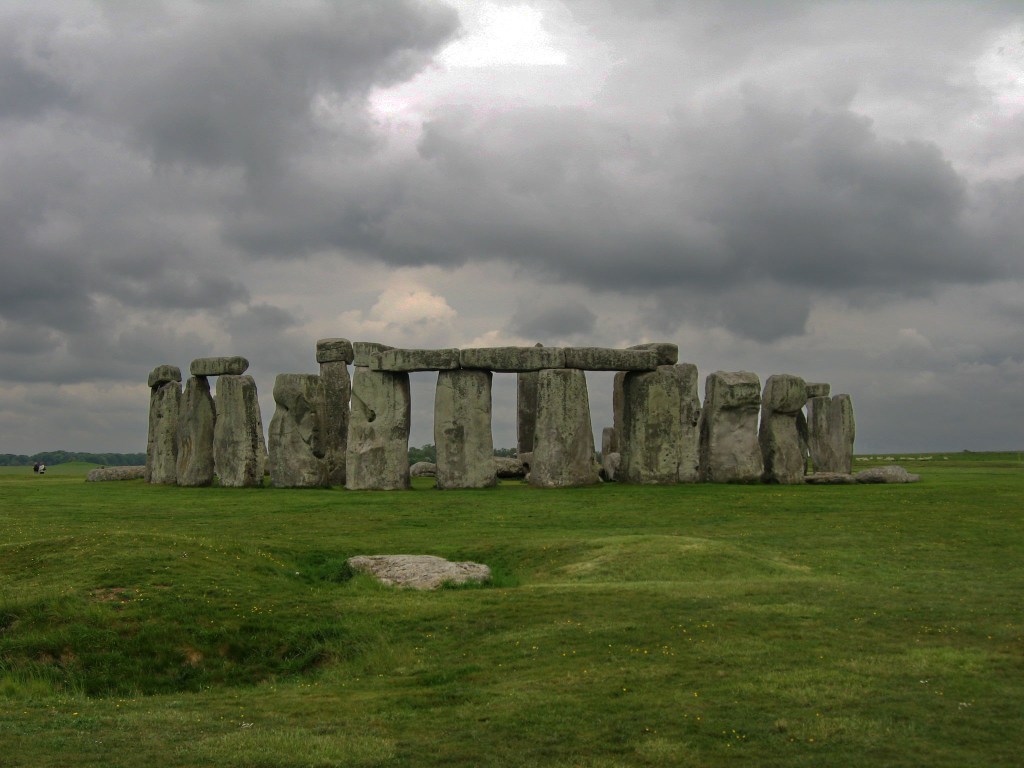
First work began on the henge about 5000 years ago; it was constructed over a series of stages, and several times stones were moved and the shape changed. It is far from a lone monument, and instead exists as part of a complex of burial sites, enclosures, other henges, and causeways. Construction seems to have stopped about 1500 B.C.E., so even by the time of the Roman invasion of Britain, the site was ancient and mysterious. That fascination remained, and one of the earliest photographs of the henge was captured in 1875, of a family touring the site. In my mind, the respect for the monument is evident in that it did survive for millenia – unlike many other stone buildings and monuments which were stolen from over the years and reduced to rubble.
Restoration work on the by-then crumbling momunment began about 100 years ago, in the early 1900s, and has continued since, with scientists and historians working tirelessly to ensure that future generations will also enjoy the site. In recent years, controversy has arisen around a plan to dig a tunnel nearby, part of an expansion of the road running next to the henge, which connects Wiltshire and Cornwall to London. National Highways argues that this key road is not fit for purpose, frequently congested as tourists slow to see the view. The proposal will, it is said, improve the landscape and safety of the road.
But there is also strong evidence that the tunnel will cause irreparable damage to the site – planning inspectors have stated it in bold language. The battle between conservationists and the government ended abruptly in June 2023 when the transport secretary approved the scheme – though there are indications that another appeal is in place. While I do not have the knowledge required to assess one way or the other, my instinct is to think that a major contruction project this close to the site can not be anything but damaging. But then I’m from Boston, where the Big Dig took 8 years longer than estimated.
I would very much like to re-visit this area of England and hopefully catch Stonehenge on a day where there is a touch of sun. All over the UK there are standing stones and cairns that provide evidence of cultures and societies long-past, and each one I have visited provides a touch of wonder – it is impossible not to think, to imagine the people who built and used these monuments. None is more thought-provoking than Stonehenge.
 The Wandering Medievalist
One response to “Stonehenge”
Your photos remind me of that special trip through Wells, Salisbury, and London. I remember the inn where we stayed in Salisbury as being quaint and the cathedral spectacularly calming.
LikeLike