We have not long returned from a trip back to the States, and are still fighting to get over jet-lag. The motivation was of course to visit family, but also to introduce the other half to parts of New England he had not yet visited. While we have done plenty of exploring around Marblehead, Boston, and Hanover NH, I wanted him to get a feel for the coast of Maine and the White Mountains, and so we planned a circuit that would cover both in just a few days. It was far from in-depth, but it was a start, and a return for me to areas I had spent a good deal of time in as a child.
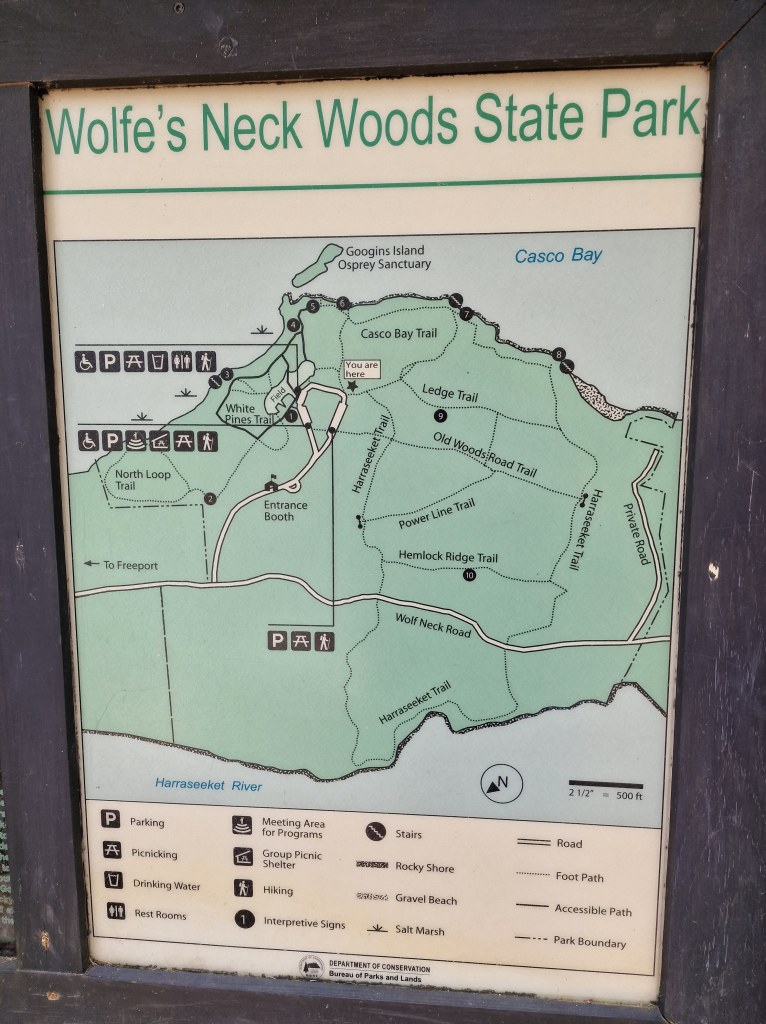
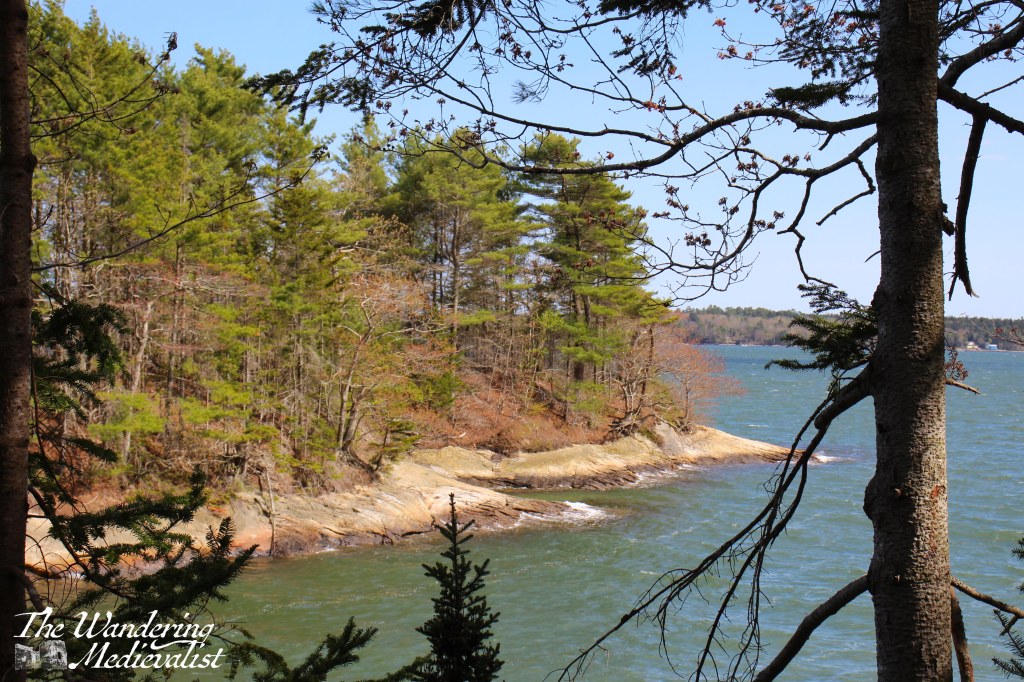
Our first stop was Freeport, Maine. Yes, to visit LL Bean (my family has a tendency to give out vouchers for Christmas) – but also to see a bit more of the town and the local area. This walk was recommended by a friend who knows the area much better than we do, and it was a fantastic option – only about 10 minutes from Freeport by car, and with a range of trails that could be a day’s adventure or only that of an hour. The paths are well-kept and wander along the gorgeous coastline as well as what I would consider ‘standard’ New England forest – lots of pine, birch and maple.
One caveat, there is a daily parking fee of about $6, but it is well worth it if it keeps the trails in this good shape.
We chose to try the Casco Bay Trail, as we had been in the car for a few hours and wanted to stretch our legs, but also had a time-limit to check into our Inn.
There is a large picnic area just beyond the parking lot, and I could easily see how this could be a great day trip for families, while more serious hikers could follow the loops of trails for a longer walk.
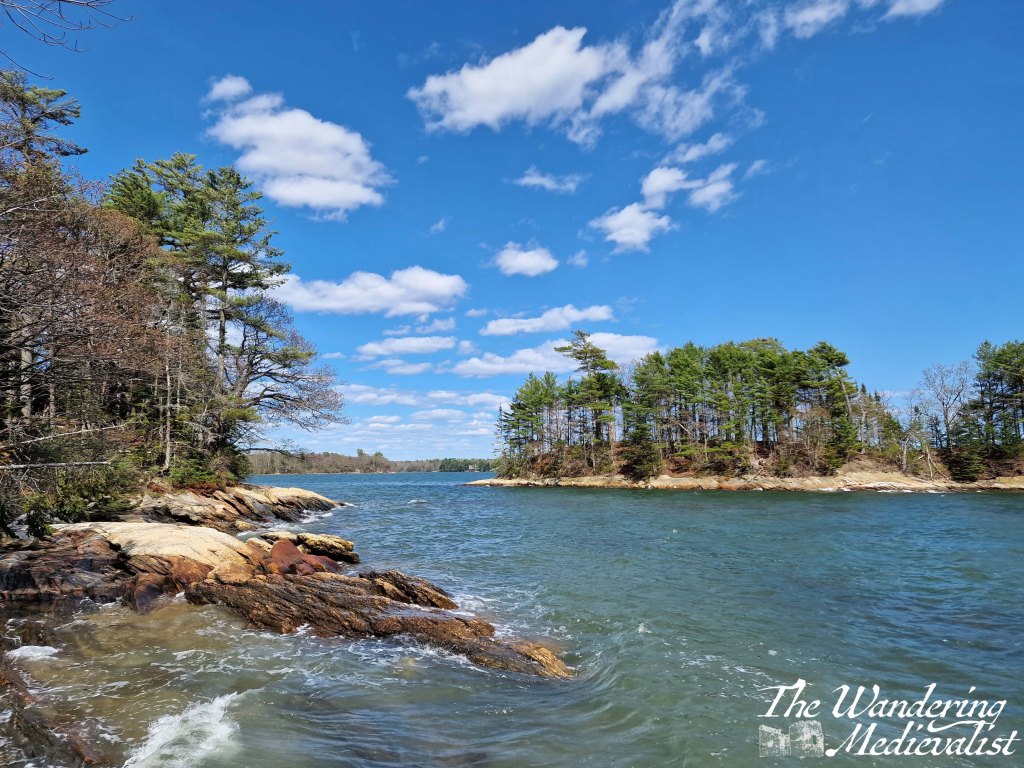
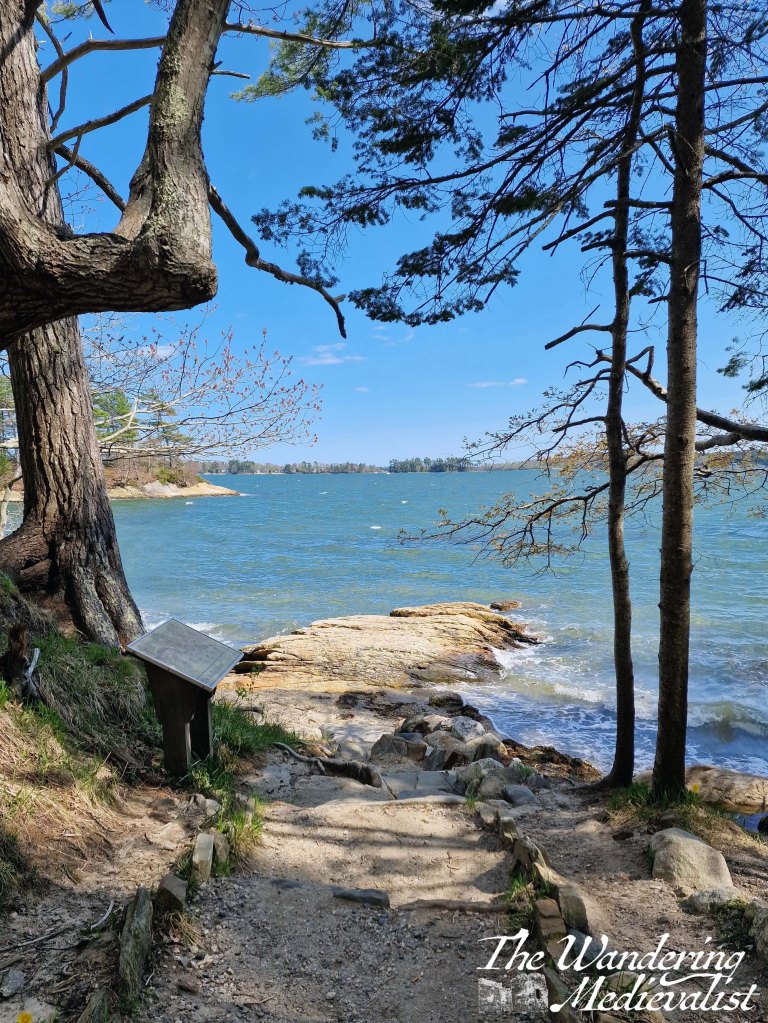
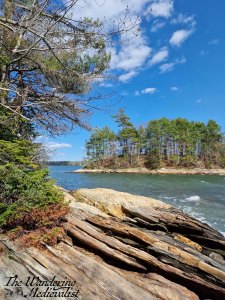
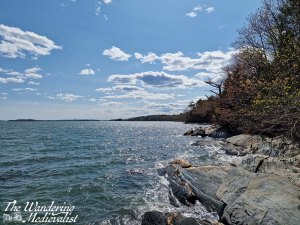
Almost immediately, we found ourselves facing the glorious Maine coastline. I am an absolute sucker for any view of trees leading right down to the rocky shore, and the scent of the dry pine needles on the forest floor sent me right back to my childhood summers in Canada.
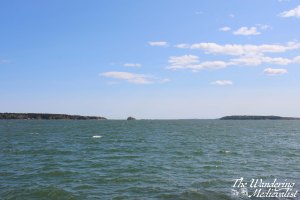
The angled slate rocks here also reminded me strongly of the coast of Scotland, though paler and a bit less jagged. Along the water there were a number of view points over the bay and coastline. We then turned up the hill at the edge of the park and after a short – and relatively steep – climb, cut across to walk through the forest, where what I am relatively sure are blueberry bushes were abundant.
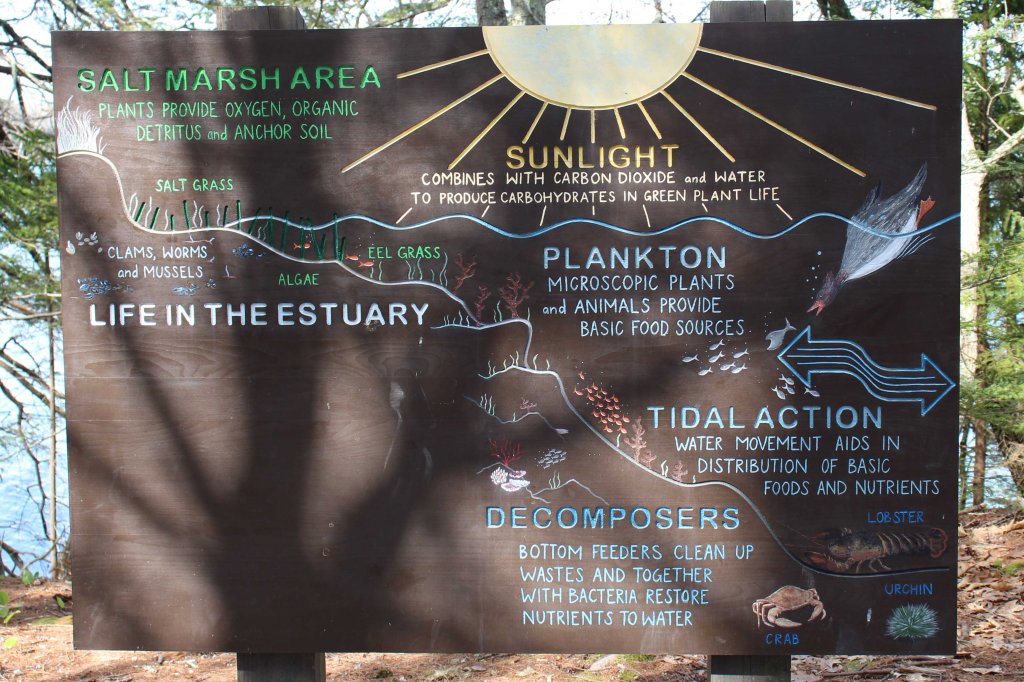
It was almost painfully windy, but the sun and blue sky made for an absolutely stunning day and walk. I also love that Bureau of Parks and Lands has put up information plaques along the way, telling visitors about the islands, flora and fauna of the area – perfect for kids and families, and those not familiar with the area.
I actually wish that we had more time to explore, and would definitely return here armed with a picnic. Both Scotland and New England are wealths of opportunity for walks and hikes that allow you to explore in a way you never could from a car, and it is particularly nice to find a walk so close to a place to which I know we will return – our love of all things LL Bean is too strong to ignore!
Full disclaimer: this post should not be considered anything other than pure geeky historian fun.
I was trained in Medieval History at St Andrews, where for the most part, the dividing line between Medieval and Modern History was about 1500; in the British Isles, this can be marked by the Battle of Bosworth Field in 1485 and the accession of Henry Tudor as King Henry VII. The actual division is relatively trivial, except in one aspect in which I take it personally: the Tudors, particularly Henry VIII and his wives, are not medieval.
Why does this matter? Because at about 90% of pub quizzes, any history section will include a question about Henry and his wives. Then the team will turn to me: you must know this, you studied medieval history.
Well, yes, I did and do – but not the Tudors. Annoyingly enough I tend to know the answer anyway, but when I studied my Late Medieval History module, it ended with Richard III. On the continent, ‘medieval’ tended to fizzle away with the end of the Hundred Years’ War and the peasant rebellions. Much of this really depends upon the definition of the word ‘medieval’, and there is plenty of scholarly debate on whether it is accurate or in any way useful to define eras like this.
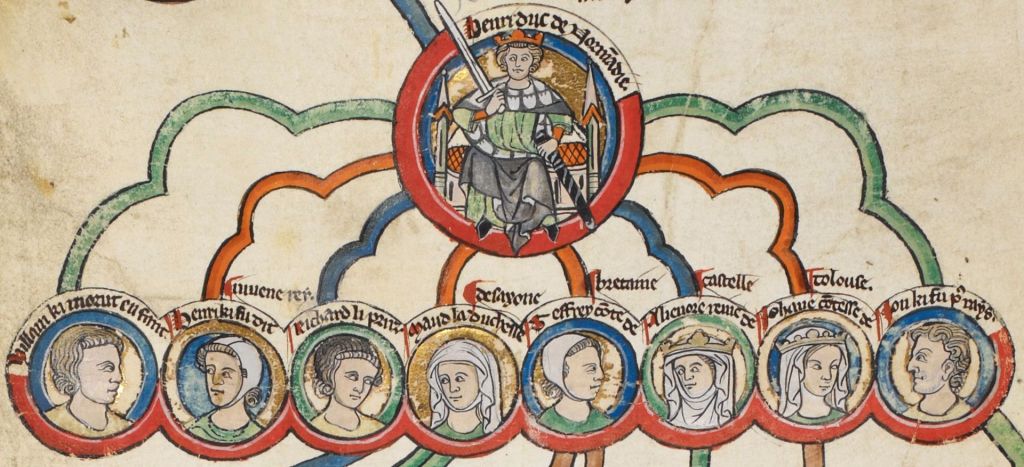
But that’s not the point of this post. What it really comes down to is the attention the Tudors get – books, TV shows, movies, all obsessed with Henry and his inability to sire a son, his insane relationships with women, the politics around his reign and those of his daughters. While I loved Cate Blanchett as Elizabeth, this is well past my time of interest and, more importantly, there is an equally – if not more – fascinating and dysfunctional historical English royal family waiting in the wings. And by this of course I mean the Angevins – Henry II and his sons, Richard I and John.
Richard the Lionheart, the evil Prince/King John – the basis of the Robin Hood myth: most people have heard of these characters, and their mother Eleanor of Aquitaine, one of the most famous of medieval queens.
As is evident to anyone who has seen the play or movie of The Lion in Winter, the Angevin royal family was properly dramatic, and I have always thought deserved an equally angsty and historically dubious drama. There are elder sons who are annoyed at their lack of power, younger sons who are their parents’ favourites, daughters married off but somehow still involved, affairs and heartbreak, illegitimate children, and of course, best of all, a family-led rebellion. I could see one season on Henry and Eleanor in their early years, starting with a furtive meeting in Paris and her flight across France after the end of her marriage to Louis VII, when she was pursued, quite literally, by lords and younger sons intent upon capturing and ‘marrying’ her. Then there are the early years of their reign, the Becket controversy and his death, and so much more. The side-characters are enticing, too: William Marshall, Louis VII and Philip II of France, Henry the Lion of Saxony, and Henry’s three daughters, all married off when young but still active in their parents’ lives and living fascinating lives of their own. There are even ‘spin-off’ opportunities if you want to go as far forward as King Richard’s reign and his crusade.
One of my favourite facts of all time about Henry II is that he was rebelled against in 1173-4 by an alliance including: his eldest sons, the King of France, the King of Scotland, most of the nobles in England, Normandy and Aquitaine, and his wife – but he won. Now of course historians might argue as to how much this was due to his skill and how much to the incompetence of the rebels, but either way, it’s a great story.
But there is more to it than just I like the Angevins better. The time of Henry VIII is infamous for the schism with the Pope and the naming of the king as the head of the Church of England, but it is worth observing that plenty of kings before Henry would have welcomed such a move, and Henry II during his arguments with Becket was hinting in that direction. Also, the marriage of Henry II and Eleanor of Aquitaine was without hyperbole one of the most significant royal marriages of the Middle Ages. Not only did it combine two powerful inheritances into an empire that stretched from Scotland to the Mediterranean, it also brought the Kings of England well and truly into the continental sphere. For a time, Henry II was – almost without argument – the most powerful man in Europe, commanding considerably more of France than the king of France himself. As I argued in my PhD thesis, the significance of these continental connections are mirrored in the many marriage arrangements made by Henry for his children – suddenly the English royal house was making regular alliances with the kingdoms of Spain, the realms of southern France like Toulouse and Savoy, even the Kings of Sicily. Spanish connections in particular were a significant part of English royal marriage policy from this point onwards, due to the throne’s interest in Aquitaine – and they would of course continue through to the time of the Tudors: Henry VIII’s first wife of course was Catherine of Aragon. Henry II’s reign transformed royal marriage policies and, arguably, English royal policies overall to have a much stronger continental interest, so much so that his son Richard would spend only six months of a ten-year reign actually in England. The next century’s Hundred Years’ War can arguably be traced back – at least partially – to the connections made by Henry’s marriage and those of his children.
So, rant over. But my belief in the supremacy of the Angevins over the Tudors will return, I am sure. And don’t believe me that the family was dramatic and fascinating? Watch the 1968 version of The Lion in Winter, starring, amongst others, Peter O’Toole, Katherine Hepburn, Timothy Dalton and Anthony Hopkins. I rest my case.
I came across this walk while exploring hikes near Spean Bridge and Fort William, particularly hoping for one that would be scenic but not overly strenuous. As it turns out, this trail was both – around 2 hours in total and with a few inclines but nothing as serious as climbing one of the many nearby Munros. For the record, the website I have found to be most helpful in exploring walking routes is Walkhighlands, which despite its name details walks all over Scotland. In any given location there is usually a range of walks offered, with accurate ratings on difficulty, distance and time, as well as usually quite detailed descriptions of the paths themselves. There are a few occasions on which vague directions have caused uncertainty, but many of the trails on the website are included on signs at the actual location, and are well way-marked.
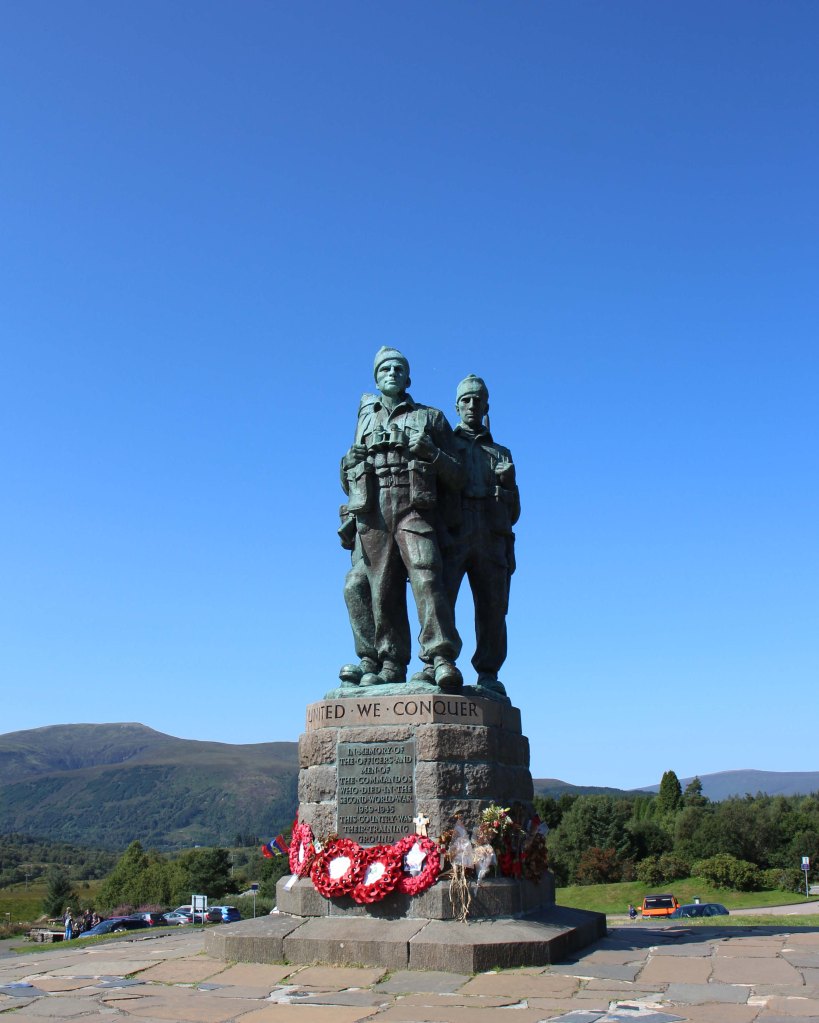
Firstly, the Memorial – it was unveiled in 1952 and is dedicated to the men of the British Commando Forces who trained in nearby Lochaber during World War II.
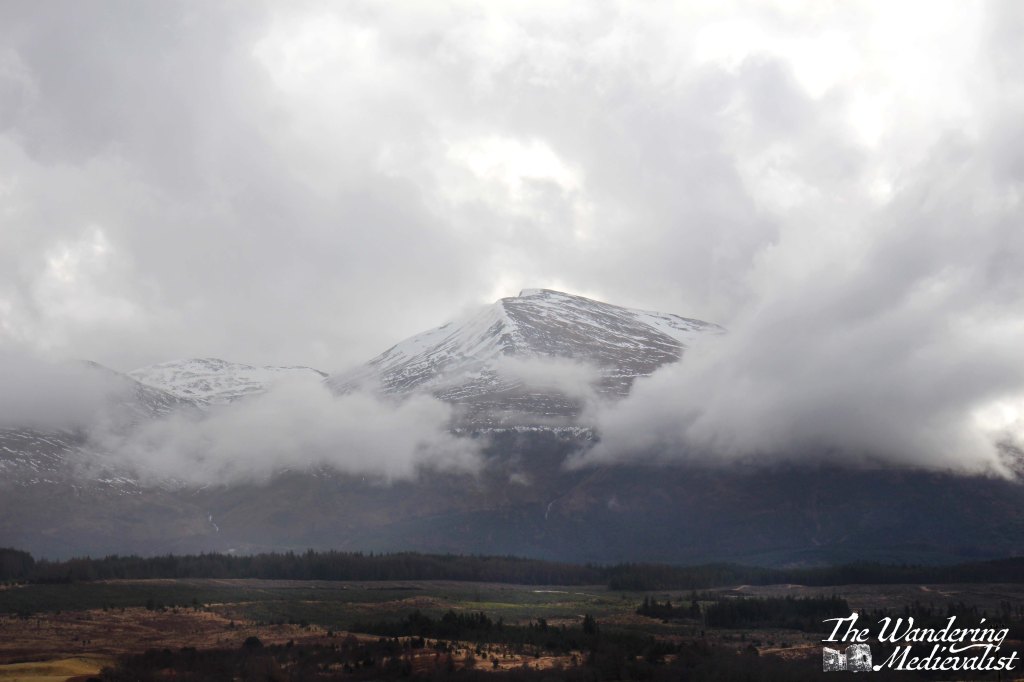
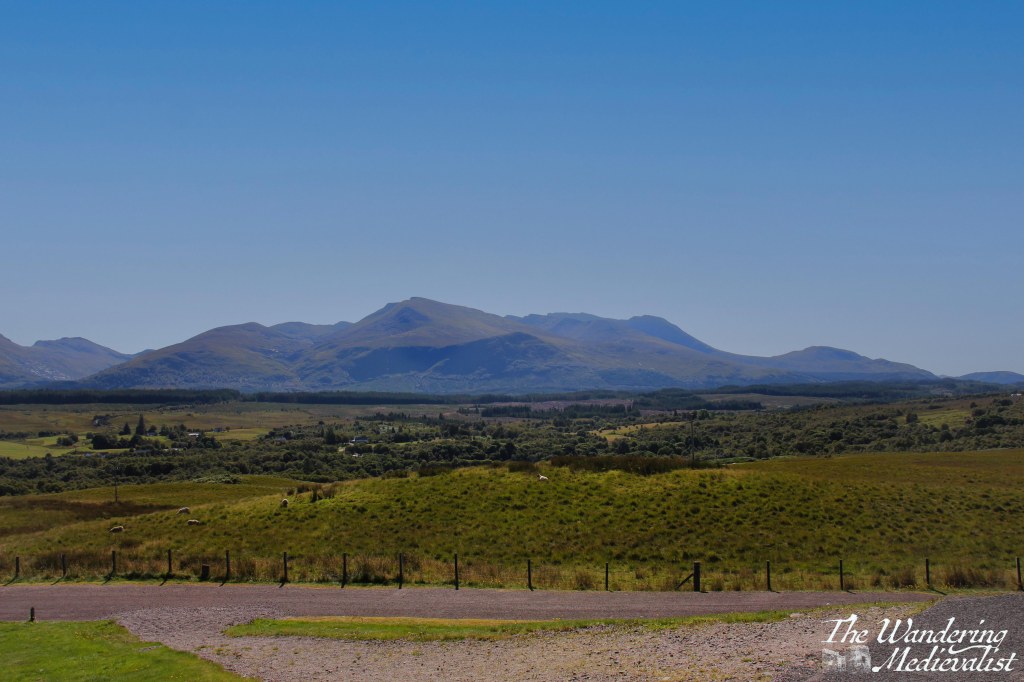
The Memorial stands in one of the most stunning locations in Scotland, with 360-degree views of the mountains – Aonach Mòr, Ben Nevis, and others. I have visited both on a clear day and a cloudy one, and still do not know which view I prefer. It would be a moving spot even without the Memorial, and despite the regular busloads of tourists getting their 2 minutes to take pictures, there is a palpable sense of respect.
The High Bridge walk starts just below the Memorial, down to the right if you are standing looking out at Ben Nevis. One note is that the path described by the Walkhighlands page indicates that walkers should make a loop, with the final stretch of the path following the road that climbs up to the Monument from Spean Bridge. We were not convinced that there was definitely a path alongside the road that would be safe, and so we went back the way we came out, adding probably 30 mins to the walk. As it turns out, there is indeed a path along the road and some hikers may find it more pleasant to hike down the road first, doing the walk in reverse. I think if I did it again, that is the option I would choose.
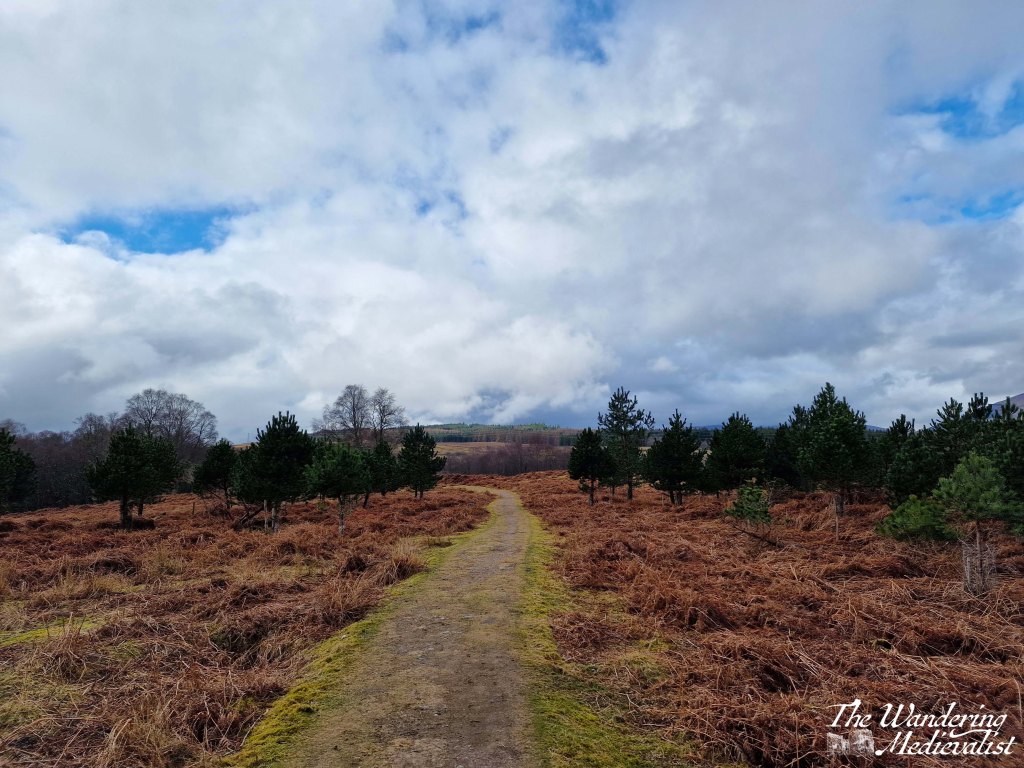
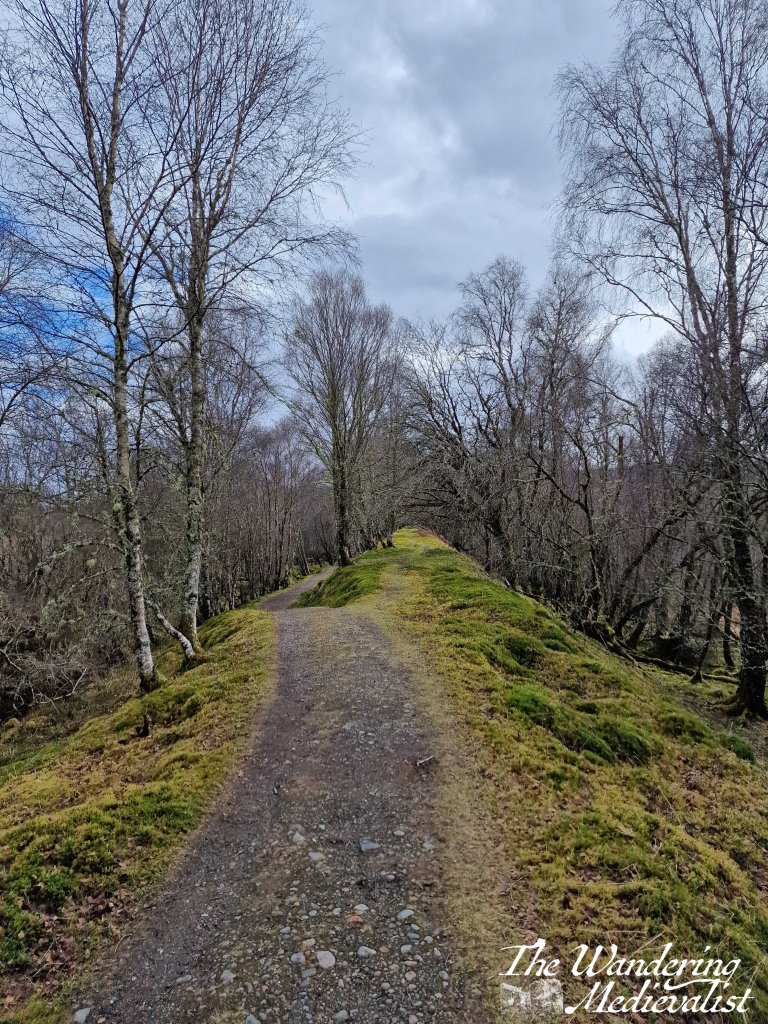
On the day we did this hike, we started at the Monument and followed the clear path along the grassy open plain, avoiding sheep droppings and boggy areas as best we could. At first the path follows the B8004, towards Gairlochy, but eventually swings left and leads gently down the hill towards a stand of birch trees.
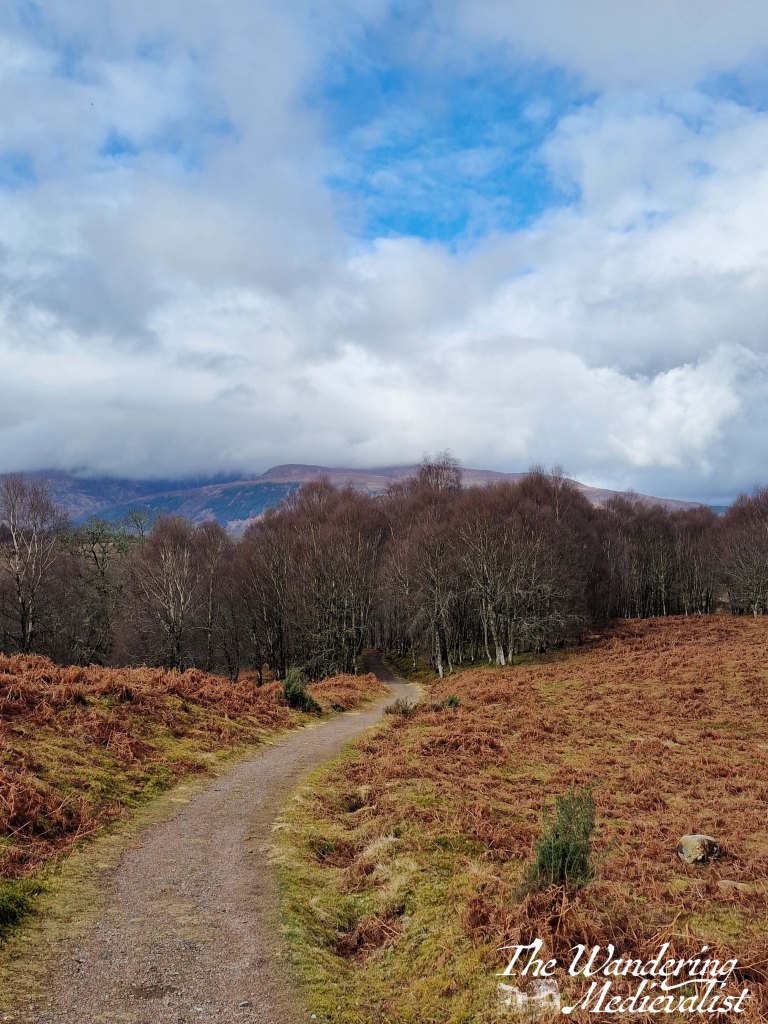
The trail is relatively level as it makes its way through the woods, in some places very straight, and down to the right the river is just visible and audible as it rushes through the ravine. Along the edge of the trail is a ditch where water alternately runs and gathers in pools, and we quickly discovered this water to be absolutely full of frogs and frogspawn – so many frogs that we almost stepped on a few who refused to get off the path. A number of small waterfalls tumble down the hill on either side of the walk.
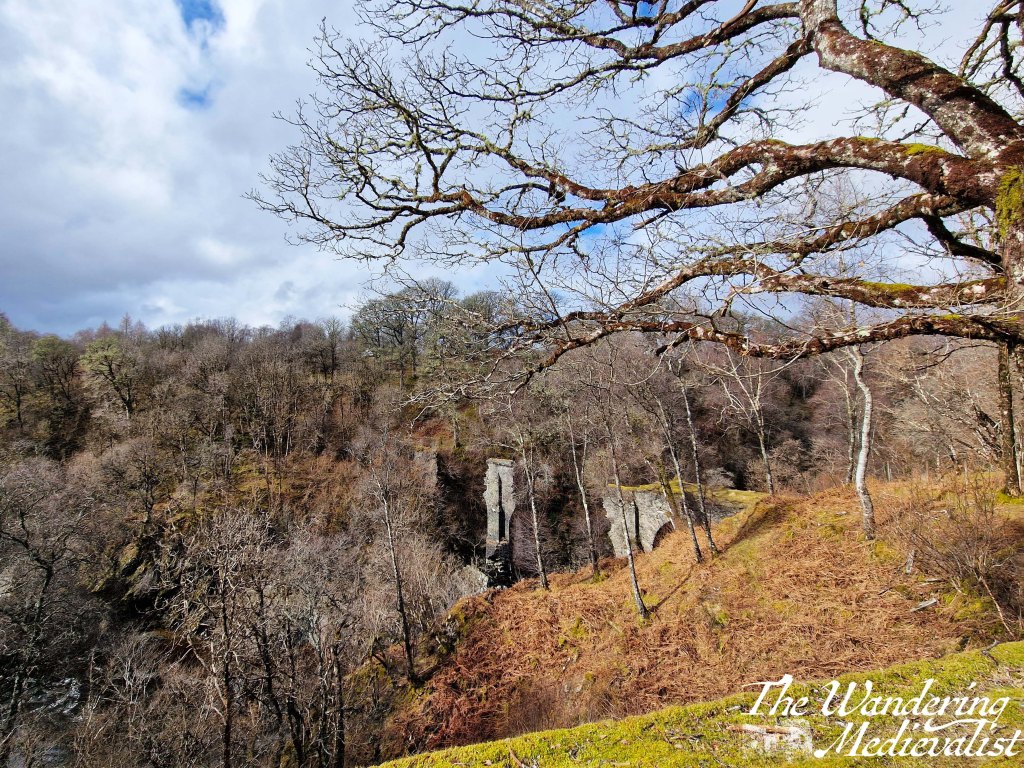
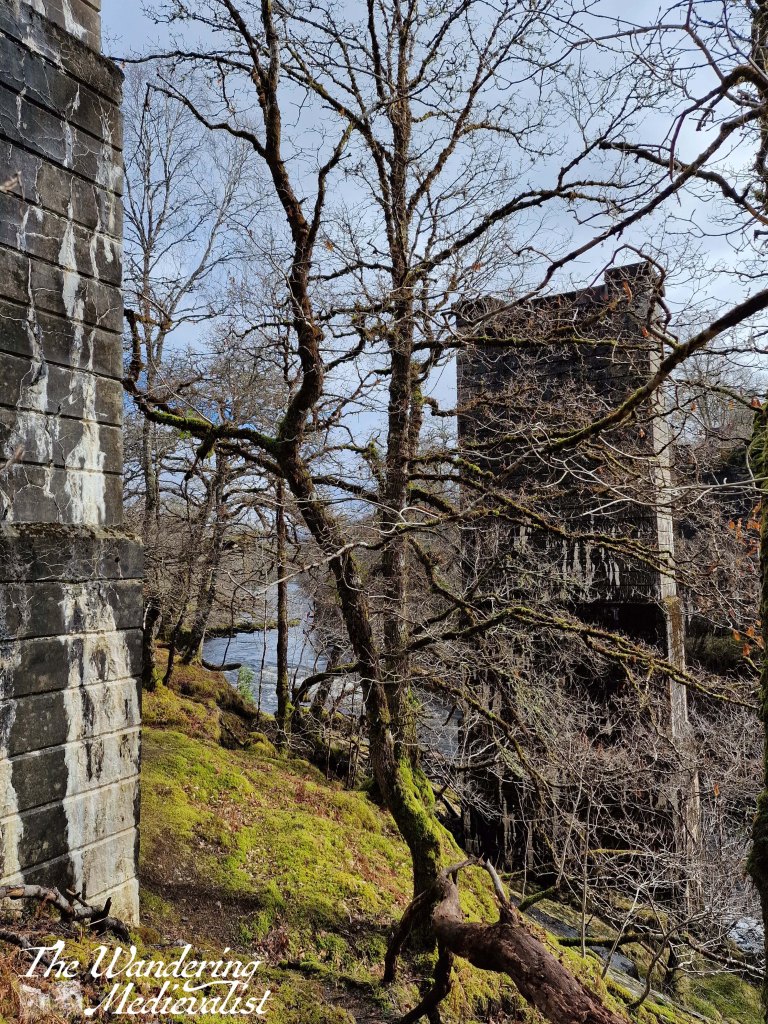
After perhaps 20 minutes, we reached the ruins of the High Bridge, originally built by General Wade in 1736. The bridge was the primary crossing of the River Spean on the military road between Inverness and Fort William, and in August 1745 it was the location of the first shots fired in the Jacobite uprising that would end at the Battle of Culloden the following year.
It is probably difficult to see at certain times of year due to leaf cover, but it was still early enough when we visited to be visible – I think it has an almost Tolkien-like quality about it.
The bridge is by no means the end of the trail, however – instead it continues along the river’s edge – though quite a ways above it – gradually turning towards the left. The trail appears, I believe, to follow an old train line, and eventually you reach a split where you can follow the path slightly higher or down to the left. Whichever option you choose, the trail merges again around the piers of another former bridge.
Veering off to the left, the path continues to follow the river, which is a lovely peaty brown in colour; there are rhododendron bushes along the edge and I imagine we were just a bit early in the year to enjoy their colour.
After crossing several wooden footbridges, the path starts to edge away from the water and heads up towards the road, where it joins after a bit of a climb. Though we did not go up that high, we did find a nice bench to rest on for a bit that would have boasted excellent views back towards Ben Nevis on a clearer day.
Which ever direction of loop one chooses, this is a really lovely woodland walk, not overly strenuous but with enough hill to get the blood moving a bit. I imagine it could be a bit buggy during the summer months, but even in early spring it showed potential for lovely views and colour, particularly the multitude of rhododendron.
While there are plenty of writers out there who have tackled the Middle Ages and indeed my favourite period of the Angevin kings of England, not one has done it as well as Sharon Kay Penman. I was first given one of her books when I was 16, and while it was seriously weighty – more than 750 pages – I was immediately hooked by the thrilling tale of the Empress Maude and her efforts to take the English throne from her cousin Stephen. The opening pages include a devastatingly emotional account of the White Ship disaster of 1120, and I was utterly fascinated by her ability to make you sympathise with both sides of a battle.
It didn’t hurt that Maude’s war with Stephen also happened to be the ‘prequel’ so to speak to the Angevin era, and towards the end of the book you meet a young Henry Plantagenet, cheeky and confident and full of energy. One can understand why Eleanor, widely acclaimed as one of the most beautiful women in Christendom, would fall in love with his charisma.
I can fully appreciate that not everyone might find her writing as comfortable as I do – the nuances of medieval politics, characters, and the family trees can be intimidating. Her final book, The Land Beyond the Sea, covering the life of Balian of Ibelin and the relatively short period of the Christian Kingdom of Jerusalem, was inspired I imagine by the research she did for her book on Richard the Lionheart on Crusade. While this era isn’t my specialty, I was able to follow the story, understanding many of the names and families. I did provide the book as a gift to another Penman-lover who did not know the history as well, and that reader struggled I think to keep all the history straight. Here are some of my many reasons why Penman remains one of my favourite writers:
Character development. I find her writing of people to be powerful, particularly her ability to show both sides of an argument or even a war. Villains are never outright villains, and even the most unlikeable characters are sympathetic at points, and often she makes an effort to explain the reasoning behind unpopular decisions or actions, even if the action is still not justified. Likewise, even the favourite characters, the heroes and heroines, are flawed – much as people are in real life.
Historical authenticity. Note I do not say accuracy – these are fiction books not textbooks and of course there is creative licence taken. Nonetheless, the in-depth research behind each book is evident in the care taken to have the right people at the right place at the right time, as much as possible. Furthermore, Penman will go into detail in the writer’s note at the end of each book, detailing where her chosen changes were, why she made them, and what the background of the history was. She also admits mistakes in some later re-publications of earlier works. I suppose the only criticism here could be that at times the story is so complex, with many historical characters sharing the same first name, that it can be difficult to follow for someone unfamiliar with the history.
Historical characters. I happen to agree with Penman’s ‘take’ on many of the historical characters she deals with. She has real sympathy for John, even through his most heinous acts, and her portrayal of Henry and Eleanor is spot-on. I confess that for me, Henry will always be Peter O’Toole in The Lion in Winter (which I am sure I will write about at another point). Penman is perhaps a bit kinder to Richard I than I would have been, but I have very strong opinions on the Lionheart…
Emotion. I have never managed to finish one of her books without, at least once, being reduced to tears. Her writing can be incredibly poignant, whether it is the defeat of an enemy, true love overcoming all odds, or the end of an independent Wales in the late thirteenth century, the death of Simon de Montfort and the heartbreak of his family, or the chilling helplessness of a woman struggling in childbirth, knowing her battle is for her own life and that of her baby. Her death scenes overall tend to be moving and often heartbreaking, her accounts of famous battles enthralling.
Despite their length, I have read and re-read most of Penman’s books multiple times, and it is incredibly difficult for me to rank them in terms of most or least favourite, though oddly it may be easiest to choose my least. Here is a quick run-down:
While enjoyable, I was less of a fan of her Justin de Quincy mysteries – but really only because I have such a devotion to two of her others series. I found Time and Chance, which focusses largely on the relationship between Henry II and Thomas Beckett, to be hard to follow due to the in-depth sections on the religious controversies, and my general distaste for Becket as a historical character.
The Welsh Princes series is phenomenal and covers most of the thirteenth century, but is also so phenomenally sad in places that I have to prepare myself for what I know is coming.
I’ve already mentioned her final book, The Land Beyond the Sea, which both stands on its own but also serves as a prequel in a way to Lionheart.
The Sunne in Splendour was her first book and covers the life of King Richard III, painting him in a much more sympathetic light than most historians would agree with. It includes, as most of her books do, wonderfully written depictions of medieval battles and a touching love story, a few solid villains and plenty of misunderstood relatives, and as usual, powerful women.
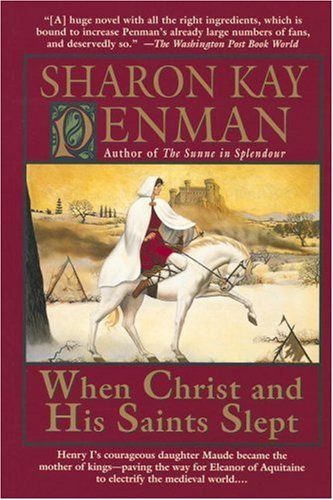
But finally, there is her Plantagenet series, which begins with When Christ and His Saints Slept, above, and ends with A King’s Ransom, the story of Richard I’s imprisonment and the end of his life. This series dovetails nicely into the Welsh Princes story, ending with the start John’s reign. It is also, essentially, my PhD thesis in fictional form, covering the ins and outs of the dramatic Plantagenets with aplomb. All of the people I spent years researching came to life in her pages and for that reason, this series of books are my favourite.
If I had to recommend an introduction to Sharon Kay Penman’s work, I think I would have to start where I did, with When Christ and His Saints Slept. If that does not draw you in, then nothing will!
Several years ago as part of our summer holidays, I convinced my other half to come with me to the International Medieval Congress in Leeds, a massive medieval interdisciplinary conference spanning five days, hundreds of sessions and thousands of papers given by academics from early postgraduates to lauded professors. I was giving a paper, we know a solid group of attendees through the St Andrews Department of Medieval History, and every evening ends up in the pub – it seemed like a win-win.
In exchange for his attendance at the IMC, I agreed to spend the second half of our week visiting Scarborough and Whitby, where he had spent summers when he was younger. I was really not sure what to expect of Scarborough, but I was delighted to discover that along with the quaint seaside streets, it also boasted a castle. Even better? A castle whose heyday was in the 12th century, the time of King Henry II.
Firstly, I must admit that I enjoyed the town of Scarborough itself a lot more than I thought I might. It reminded me in feel of the fishing towns of New England – though of course it looked nothing like them – and the streets and buildings were all steeped in the centuries of people who had lived and visited.
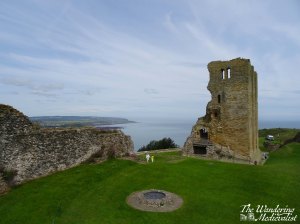
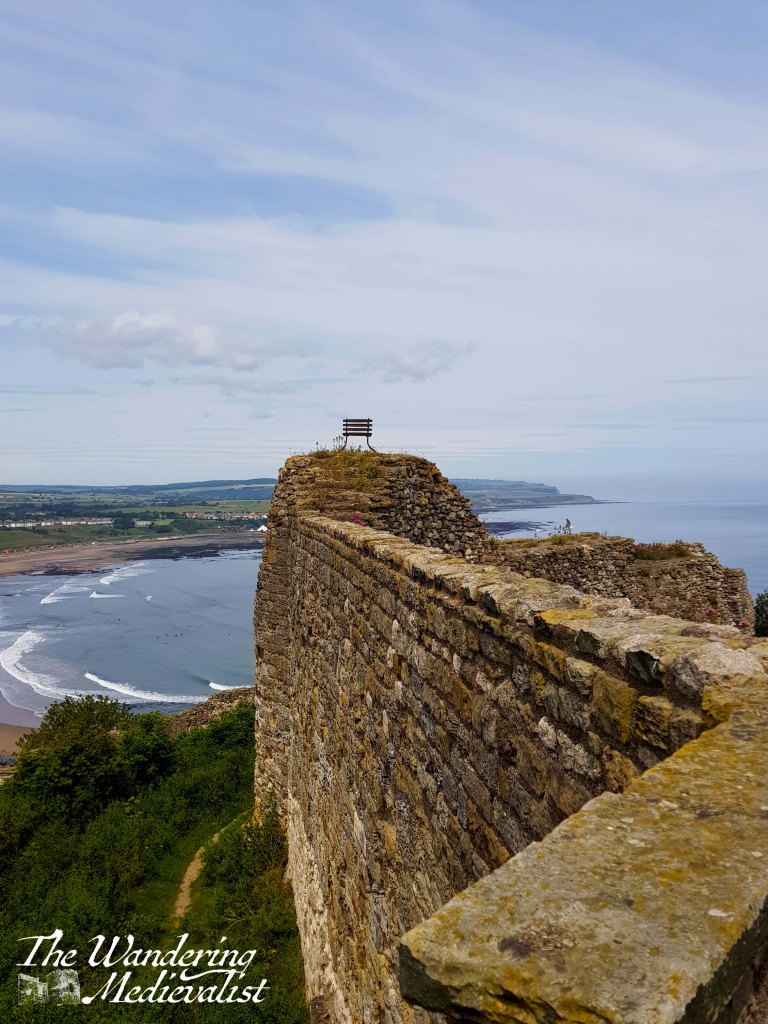
Now on to the castle. The location is strategically a no-brainer – atop a cliff overlooking the sea, with views in all directions and an obvious spot to protect the harbour below. Henry II was far from the first person to recognise the headland as a good place to build; there is evidence he was building in the same place as an Anglo-Scandinavian settlement, a Roman signal station, and even Iron Age hill fort.
From the beachfront, one can already get a good feel for the size; the curtain wall rises spectacularly out of the cliff. To get up to the castle, one can start in the car park by the pier and follow the path up the hill – about 15 minutes, and a good climb that offers lovely views back down to the town and harbour.
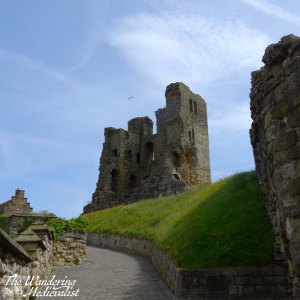
One caveat I suppose is that there is not a huge amount of the structure left – other than some walls and the remnants of the keep, it is up to the visitor to imagine what it might have looked like in its prime.
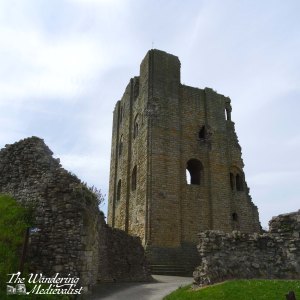
Most of the pictures are focussed on the keep for that reason – even with what you can see, you get a good feel for the style of building that Henry constructed at other castles – a solid, imposing keep, more than 100 feet high, the focal point for anywhere else in the castle grounds. What is left of the interior architecture shows clear windows, alcoves, staircases and fireplaces.
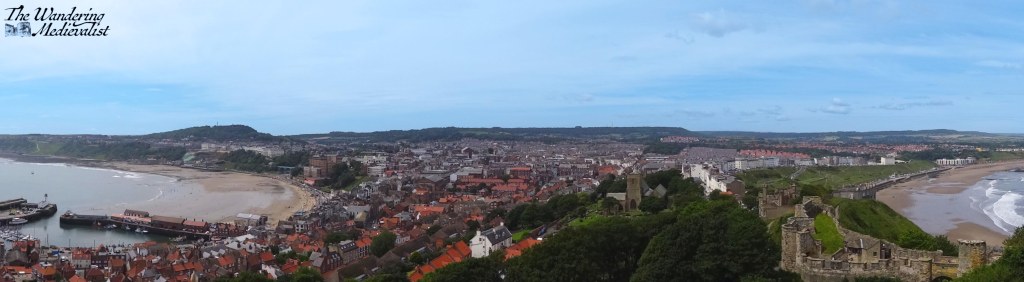
But probably the most impressive part of Scarborough Castle is the view.
I could have spent most of the day taking pictures from this spot, looking down at the town and beaches on both sides, but it was an intensely hot summer and the pub was calling us! Both for the pure enjoyment of this trip and for the link to Henry II, this remains one of my favourite spots in the north of England, and well worth a visit for any proper medieval castle enthusiast!
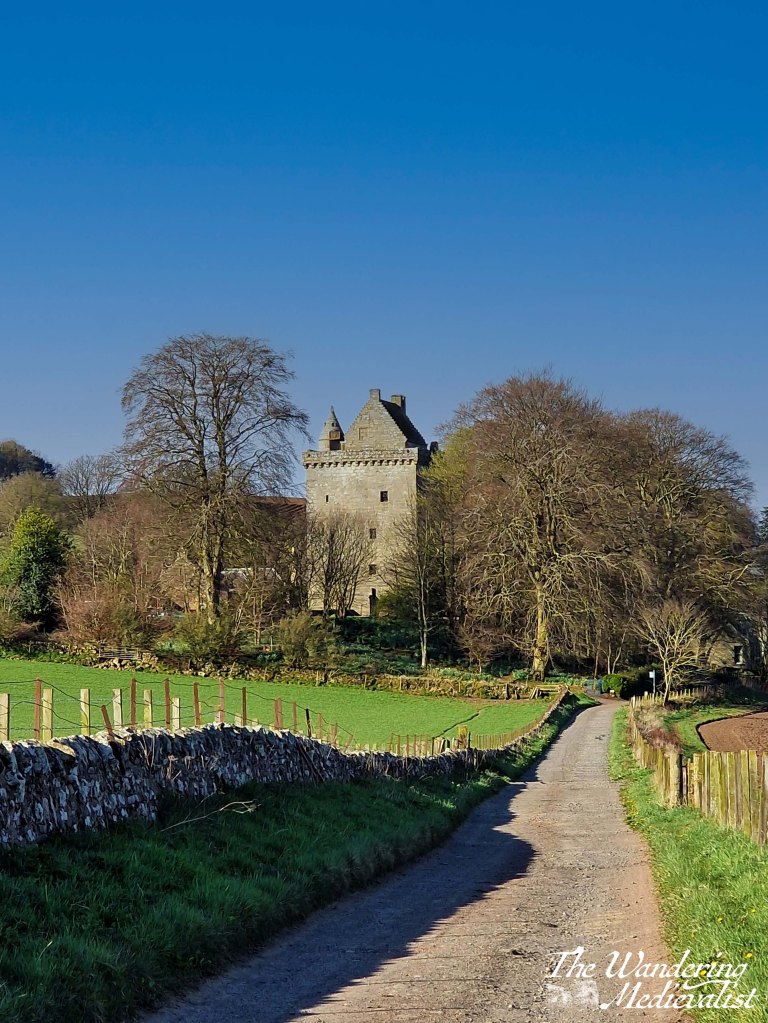
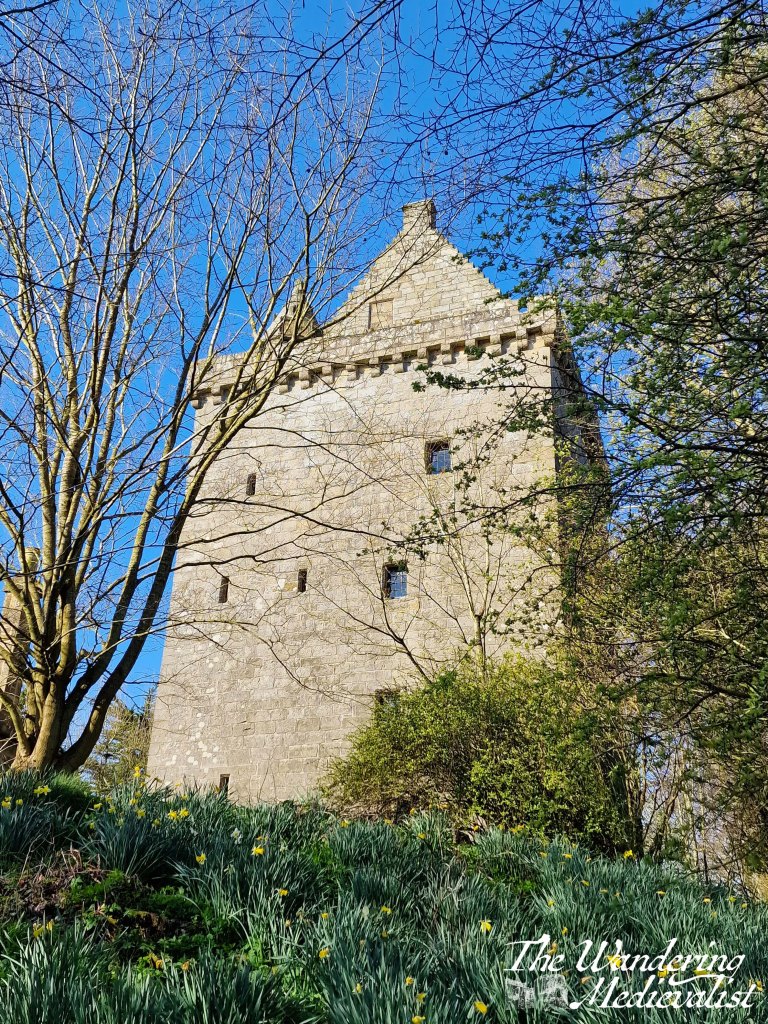
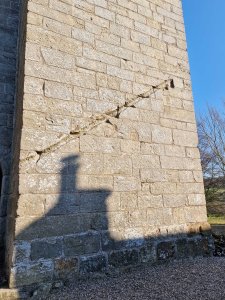
Yesterday was a positively gorgeous sunny day – in the morning anyway – and so I got myself going early to finally explore this tower, which we drove by on our daily commute for years. I had been led to believe that you could not go inside, but was excited to discover that fact had changed. Scotstarvit Tower was likely built in the late 1480s or 90s, by the Inglis family, and was renovated in the early 17th century to the form seen today. A true tower, it has one large room on each floor, connected by a spiral staircase, though there are small ‘closet’-type rooms built into the wall in places.
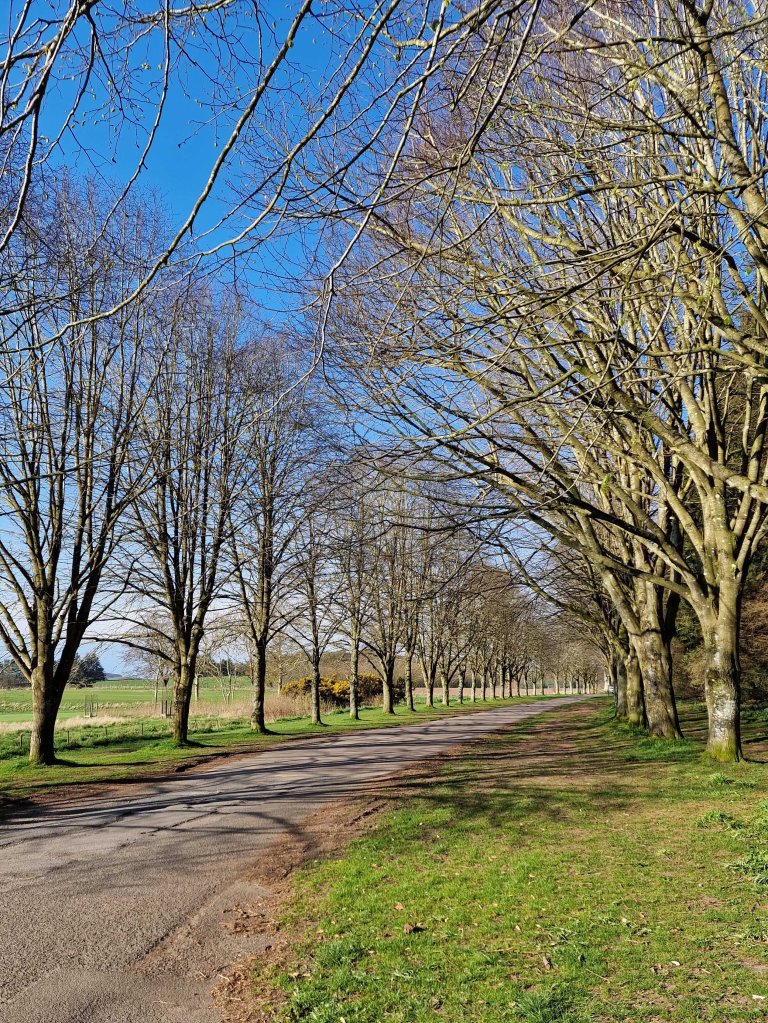
Scotstarvit Tower sits about half a mile off the road linking Craigrothie to Cupar. You cannot drive to it, but instead can find easy parking at the nearby National Trust property, the Hill of Tarvit mansion house. Parking is £3, and from the parking lot, I walked back towards the main road along a lovely tree tunnel.
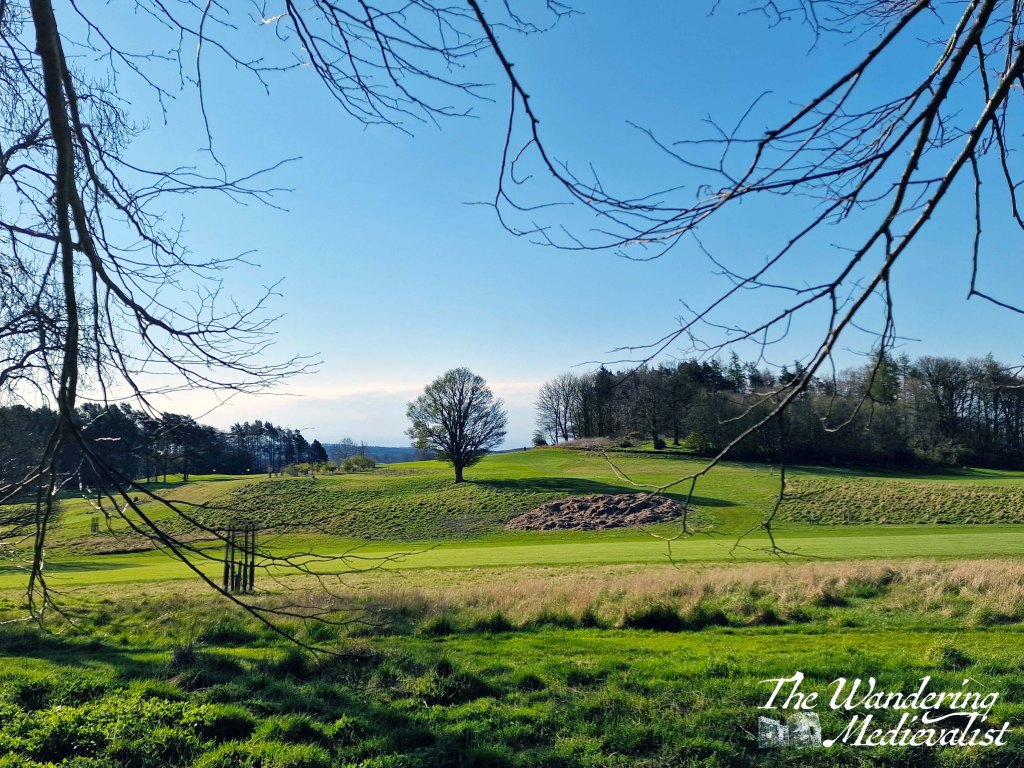
Along the left of the path there are views through the trees up to the Hill of Tarvit monument, and to the right is the lovely green rolling expanse of the historic Kingarrock Hickory Golf course.
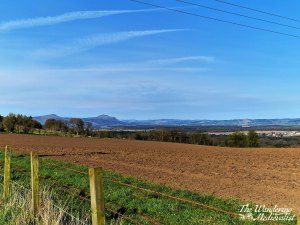
Eventually I reached the main entrance to the property, and the A916. Cars come incredibly fast along this road in both directions, but I was able to scamper across and to the safety of the farm track which is only accessible via vehicle to residents. Along the track, there are lovely views out to the right towards the Lomond Hills, and eventually back towards Cupar.
farm trackview towards the Lomonds
After a short walk, there is a path up to the left, lined with daffodils, and a small sign indicates that is the way to go. I found myself a bit hesitant at first as the path to the tower takes you quite close to a private home, but it was well worth the exploration.
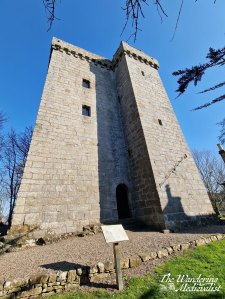
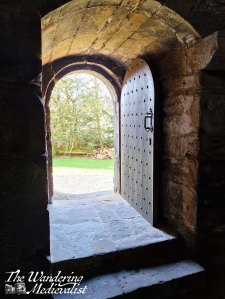
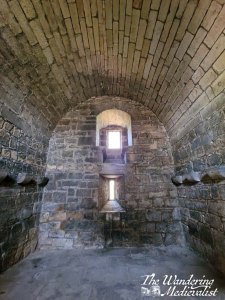
I was delighted to find, as I approached, that the front door to the tower was open, and the interior was quiet but light and well-maintained. I climbed to the staircase, which comes to an end in the little funnel-shaped room on top of tower. Perhaps understandably, the public is not currently able to wander the rooftop. It is also likely that there were outbuildings at some point, and there is evidence of an extension at ground level.
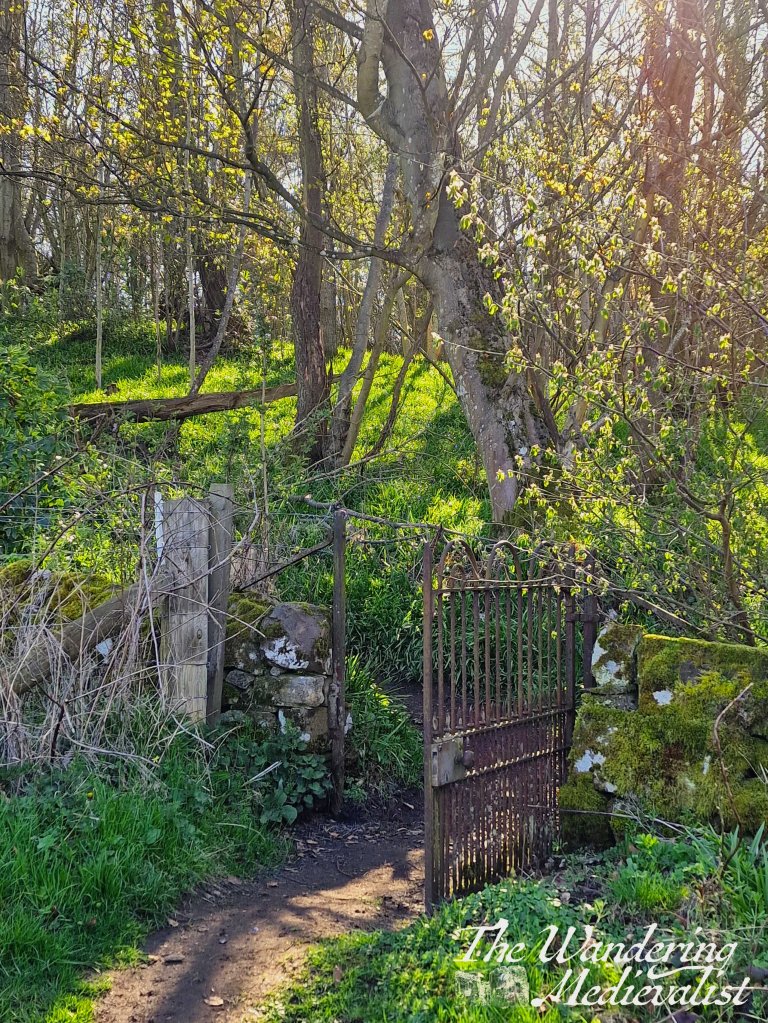
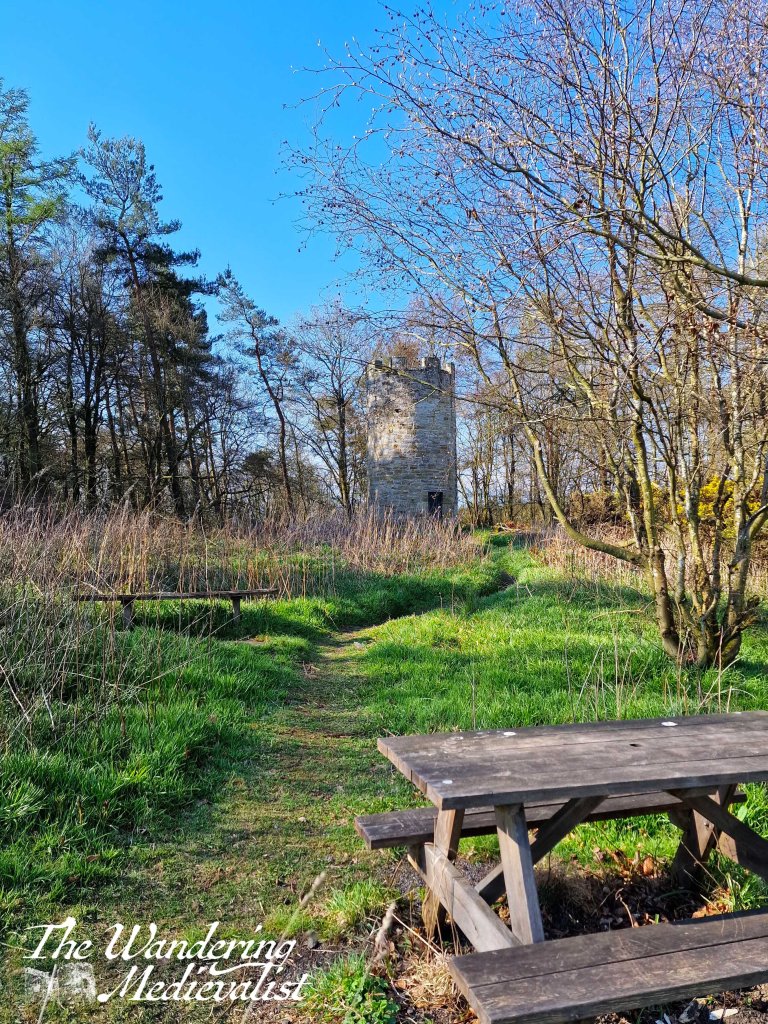
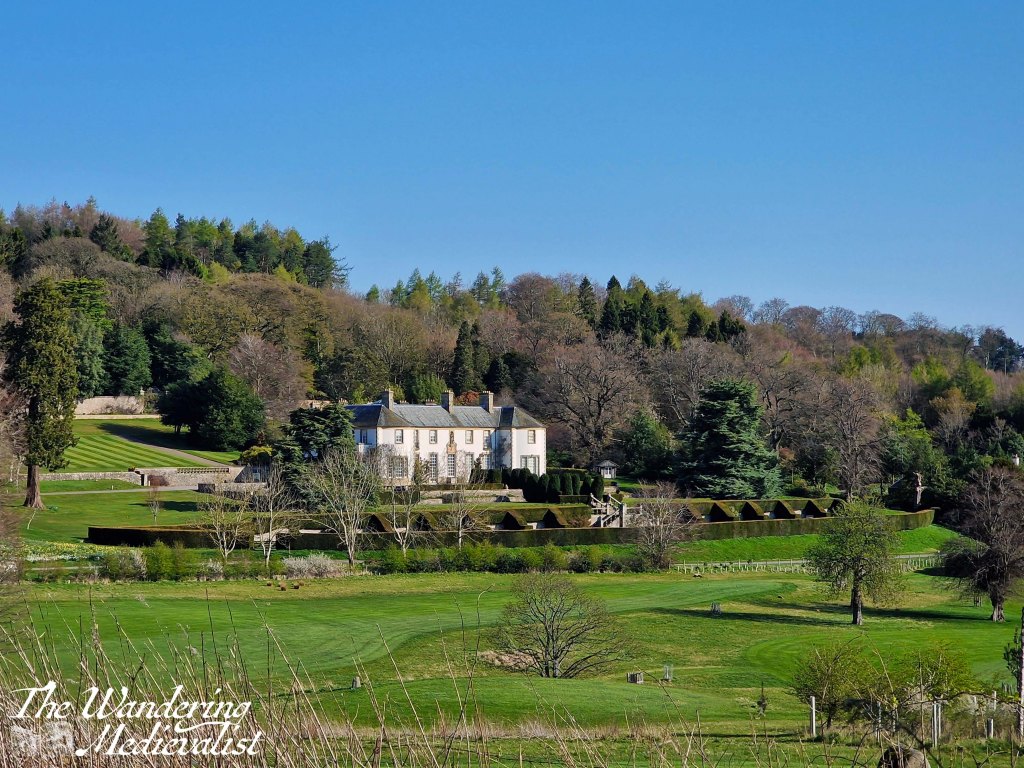
Once I had my fill of the tower, I made my way back towards the car, but I found myself distracted by another path off to the right, running along the edge of the golf course. It seemed to lead in the Craigrothie direction, and I decided I needed a few more steps so made my way through a gate and towards a nearby hill. There is a lovely old iron gate leading to a smaller path that eventually climbs up to an impressive doocot, designed to look like a medieval tower. A picnic table and slightly deteriorated wooden bench are situated perfectly to allow one to enjoy the view back towards the Hill of Tarvit mansion house. While the extra short walk is by no means required as part of the visit to the tower, it was definitely worth the effort.
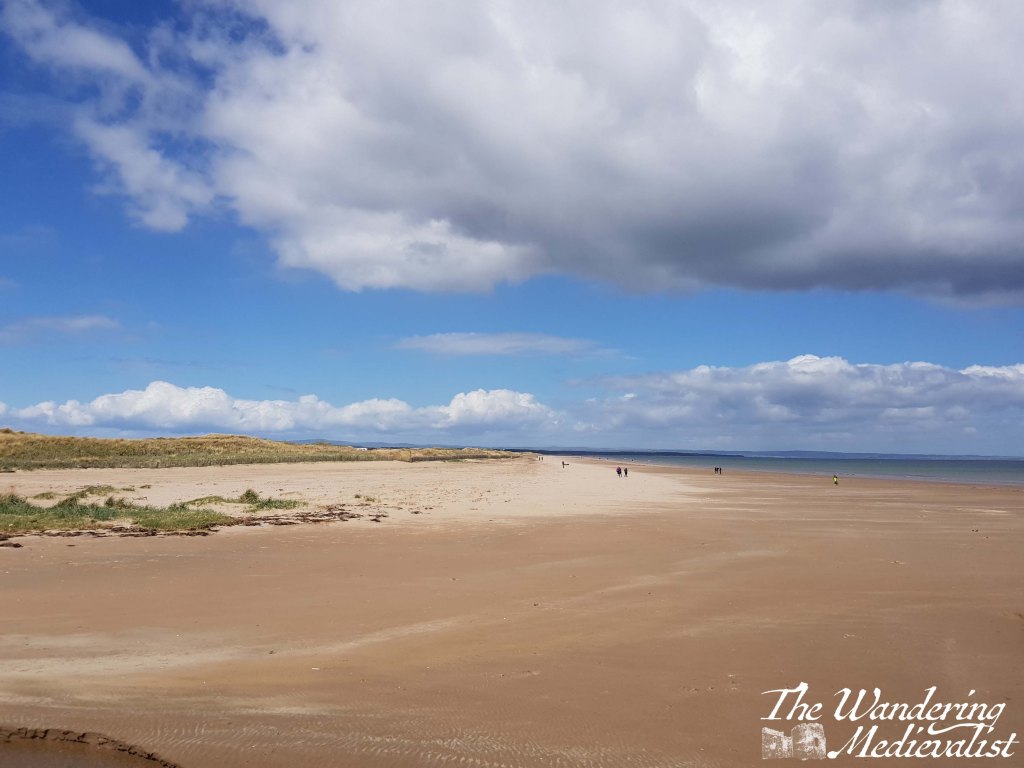
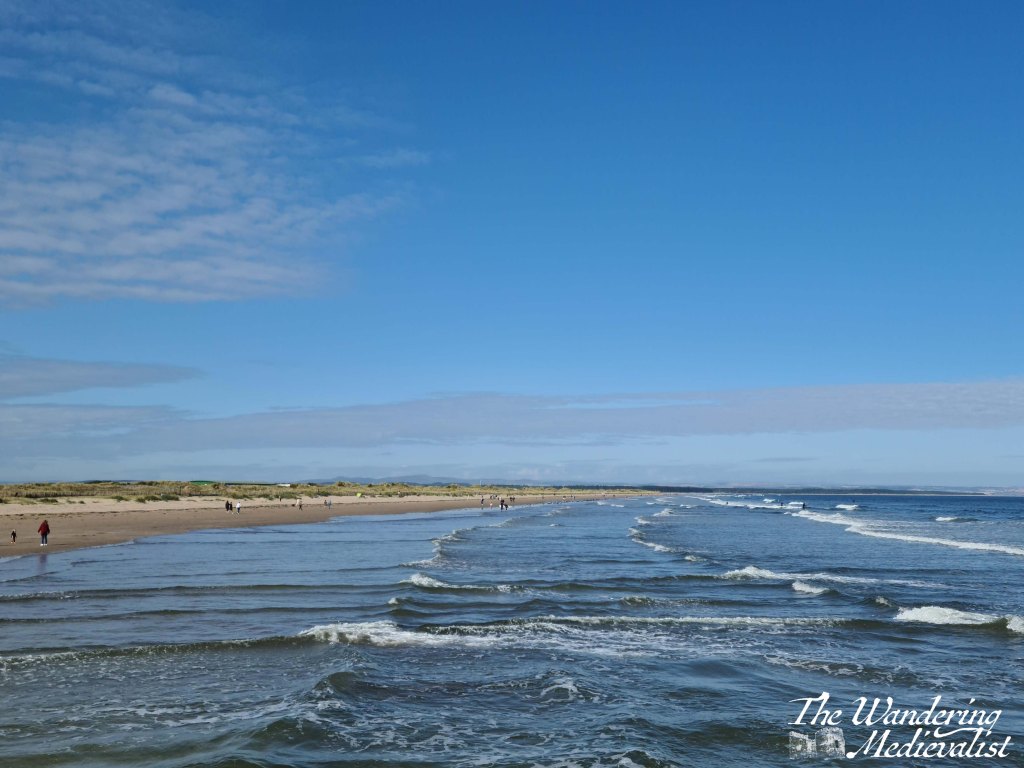
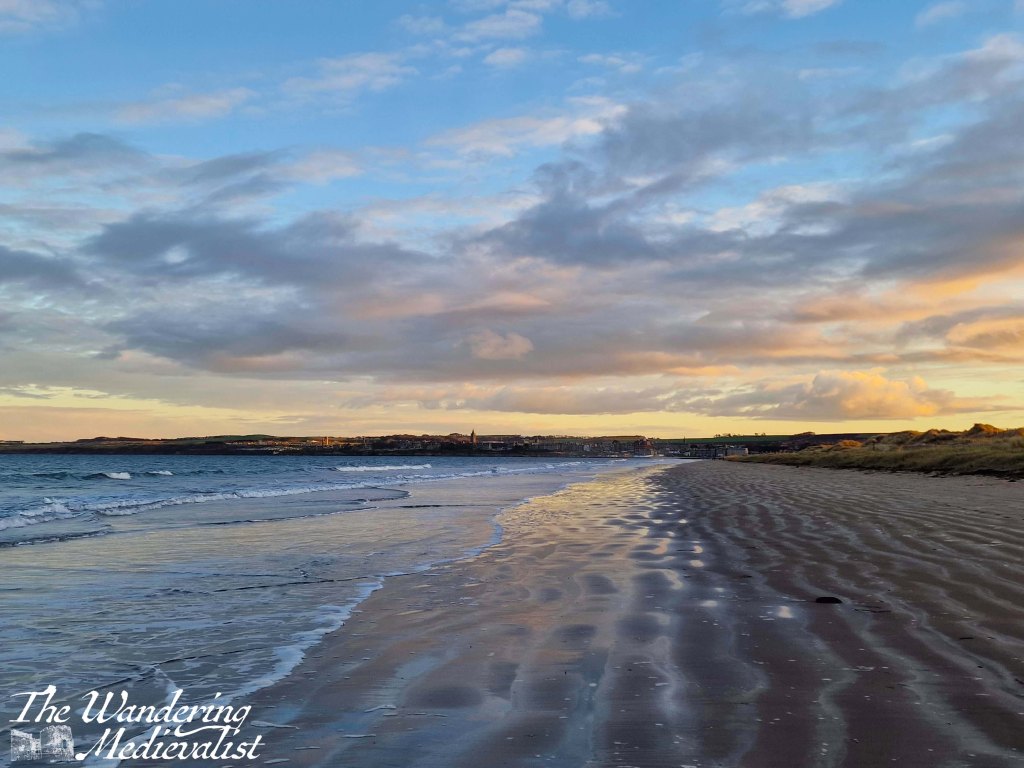
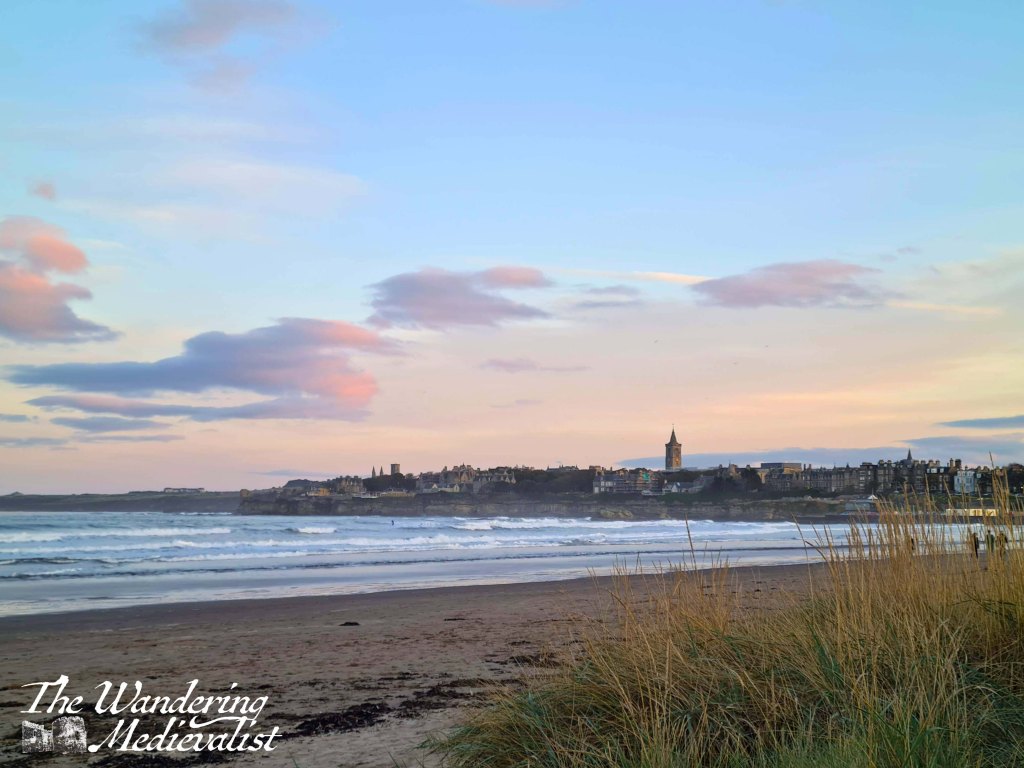
West Sands in St Andrews is a destination beach for many reasons, and it never disappoints. A close friend of mine walks the beach almost every day, and he agrees that it never looks exactly the same. The beach is well-known as the location for the opening scene in Chariots of Fire (check it out here, starting about 2 mins in to really see the beach), and for running alongside the world-famous Old and New Courses.
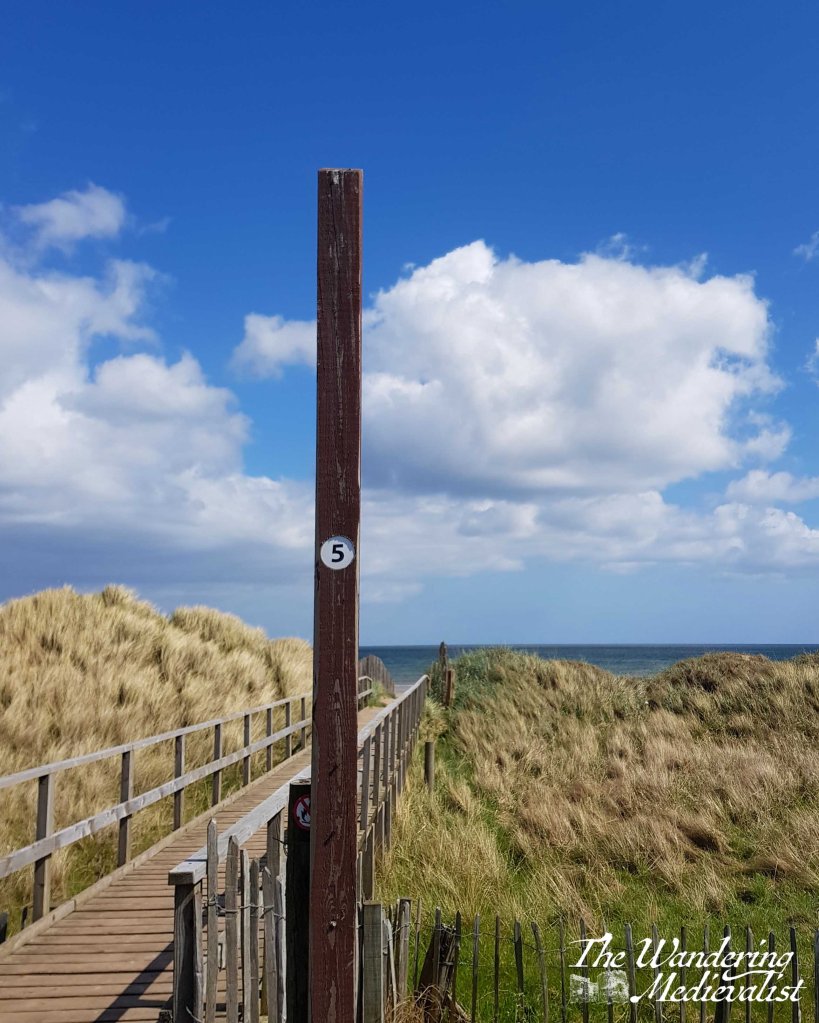
It is also a stunningly preserved (with much work done by the Joint Nature Conservation Committee and Fife Coast and Countryside Trust) example of coastal dunes, which are immensely important defences against erosion and are a protected area. For locals, the beach is a popular walk location for families with children, dogs, horses and everyone else – particularly University students looking to de-stress with a pick-up game, jog, or mind-clearing walk. It is about two miles in one direction, and can seem quite quick when you are walking with the wind – just be aware that walking into the wind is a much harder option. And yes, it is almost always windy.
For most, the walk will start only steps away from the Royal Golf Museum and the Bruce Embankment Car Park (not free). There is a recently refurbished toilet block available, and a bit further on a dog-friendly café, Dook, open 9-5 currently (‘dook’ being a Scottish word for a quick dip or bathe).
There are two options available for walkers: you can start off following the road behind the dunes, and choose one of the many paths that branch off to the right leading to the beach. It is possible to follow the road the whole way out to the end, where there is a small car park, but walkers beware that the pedestrian path ends probably less than a mile along. Alternatively, you can just stick to the beach. At low tide you can walk quite a way out, but at high tide you are quite constricted to a small section of beach – there is about a 5m difference between high and low tide, or 16 ft.
Whichever option you choose, prepare for wind! And bring your camera – West Sands really is one of the more stunning beaches I have ever seen, and it is almost impossible not to take another picture, even if one already has 100s.
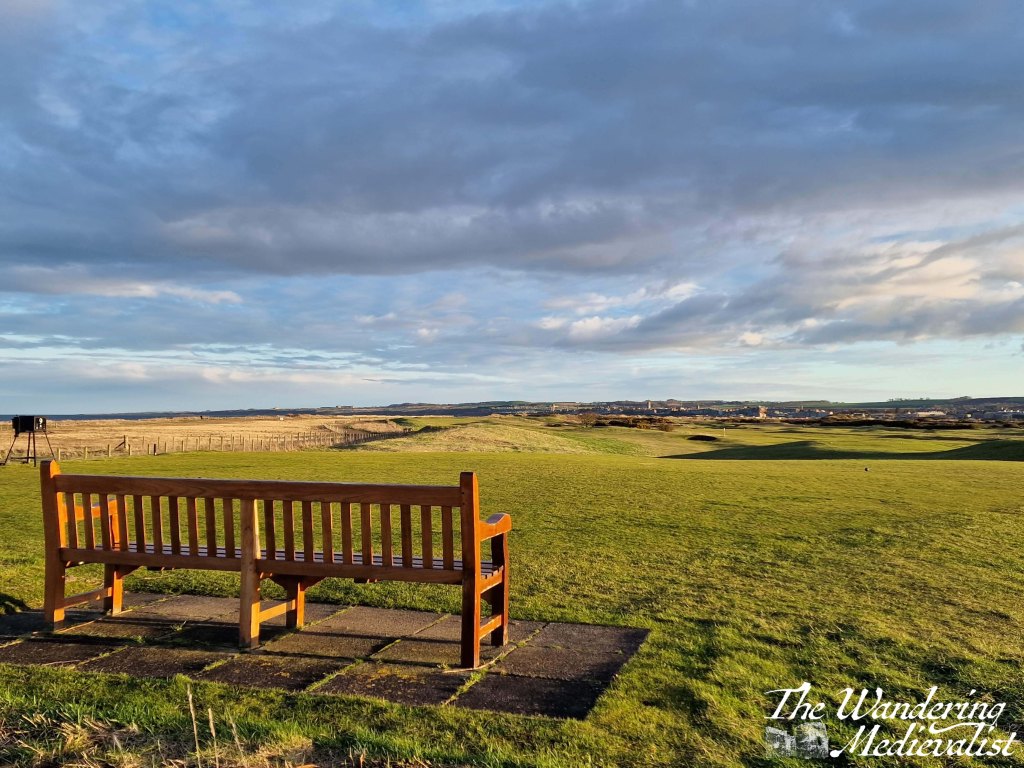
It would be remiss of me not to also point out the potential dangers in getting carried away with your walk. The end of the beach eventually curves around the corner, as the North Sea meets the Eden Estuary, and here the tides can move incredibly fast. It is very easy to get caught out, and so it is recommended that walkers be very cautious around this point. You can in fact cut back up to the car park here and walk along a small access road which takes you another 15 minutes or so out to a viewing platform. This platform offers birdwatching guidance as well as stunning views back across the golf courses towards town, or in the other direction across the water to Leuchars base and Tentsmuir Forest. This end of the beach is quite popular for bird-watchers as well as walkers.
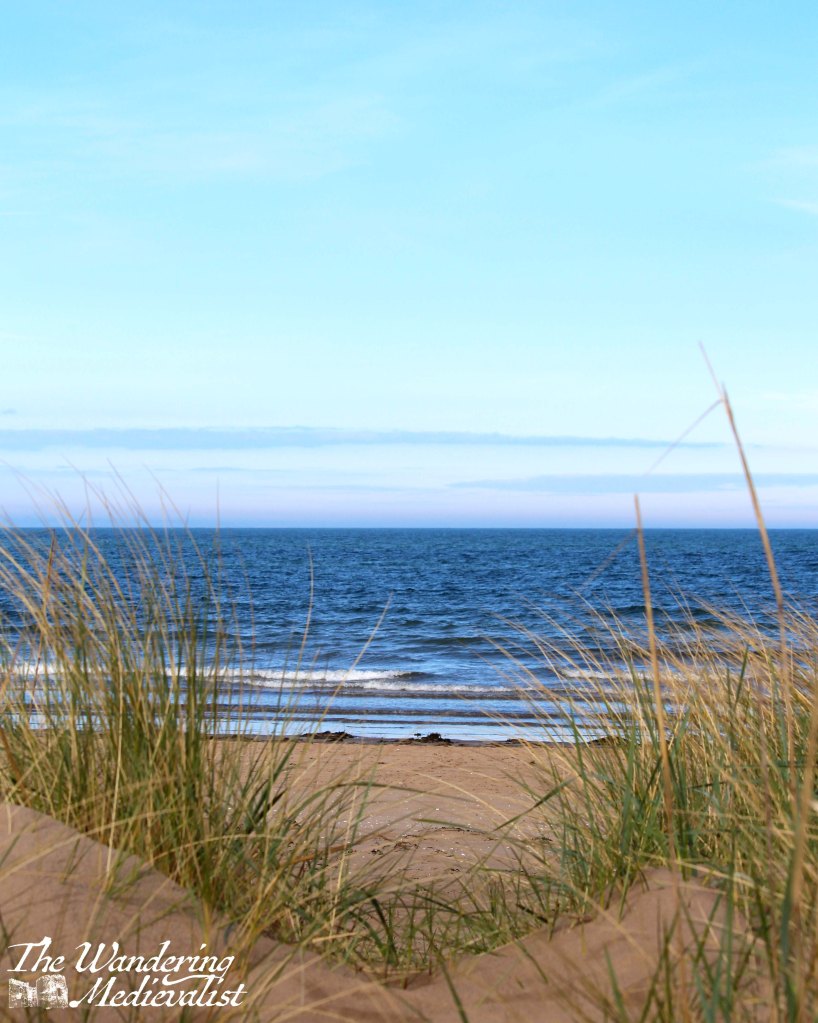
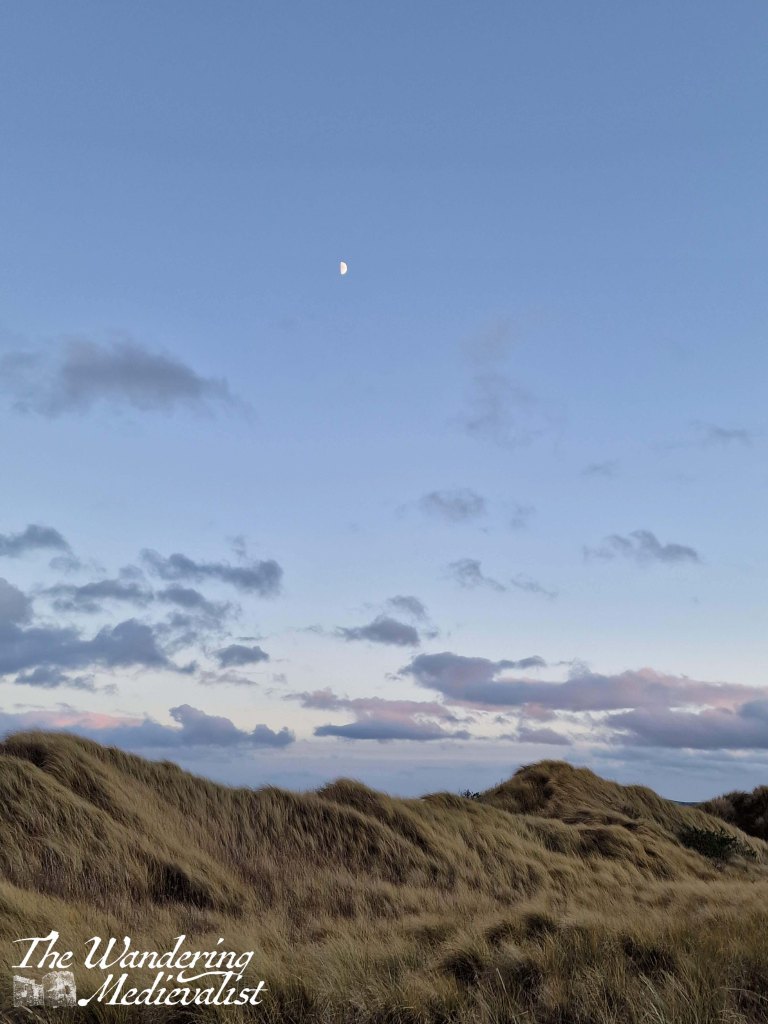
While the beach is no doubt stunning in the middle of a sunny day, the evening hours are what I love the most, as you can see below!
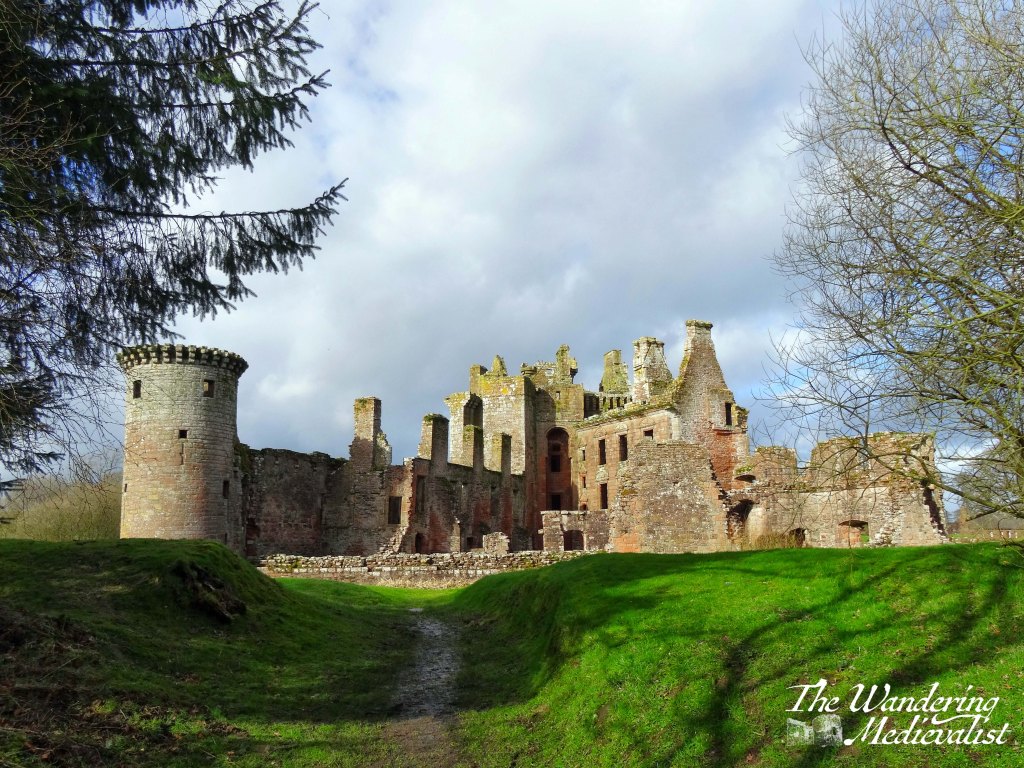
I have to admit that when I first thought about Caerlaverock, it wasn’t top of my list of castles I had to visit. But several years back we decided to go south rather than north for our holidays, and spent a few days exploring Dumfries. I definitely missed the hills and dramatic scenery of the Highlands or more central Borders, but this castle went a long way to making up for the lack.
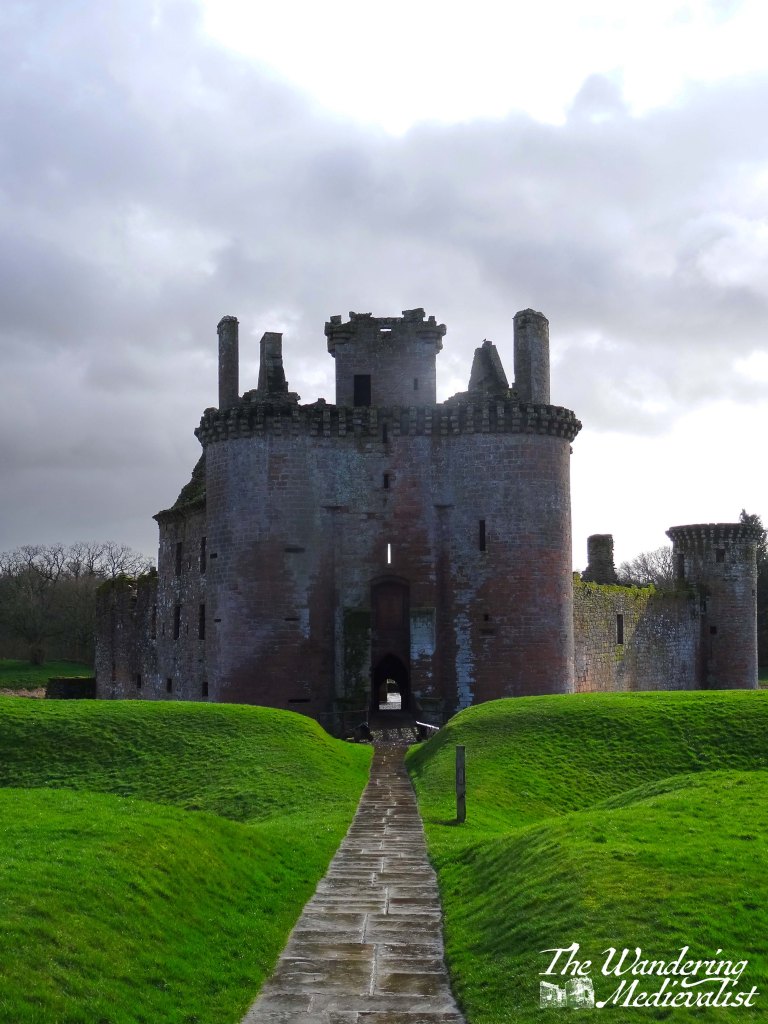
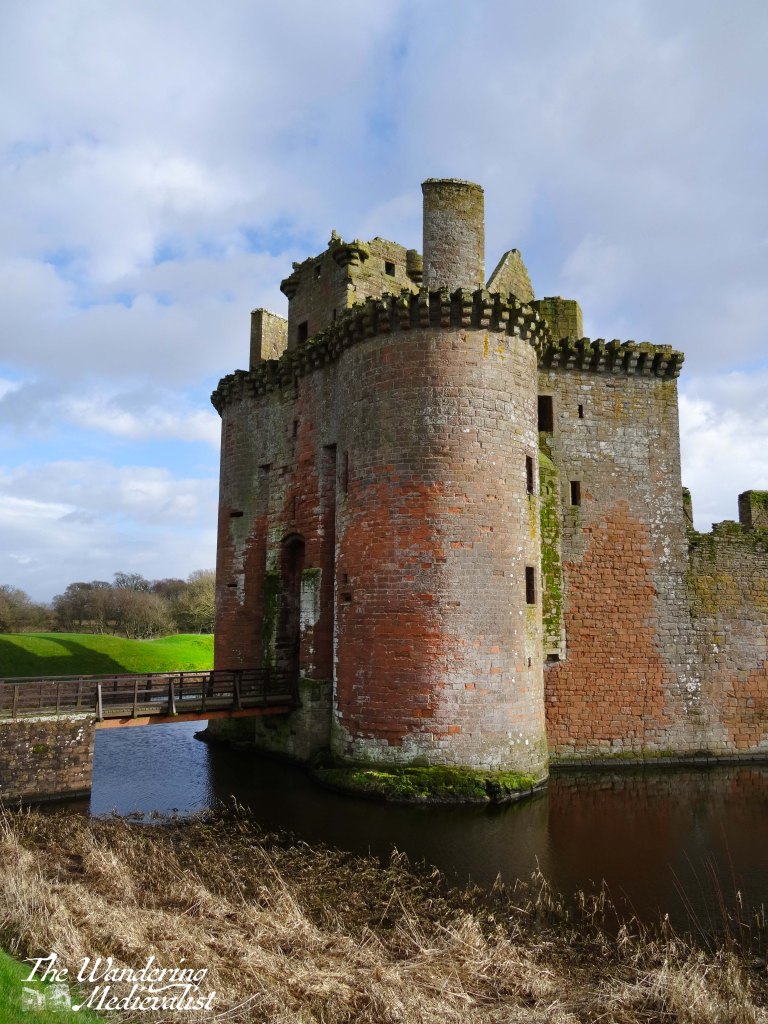
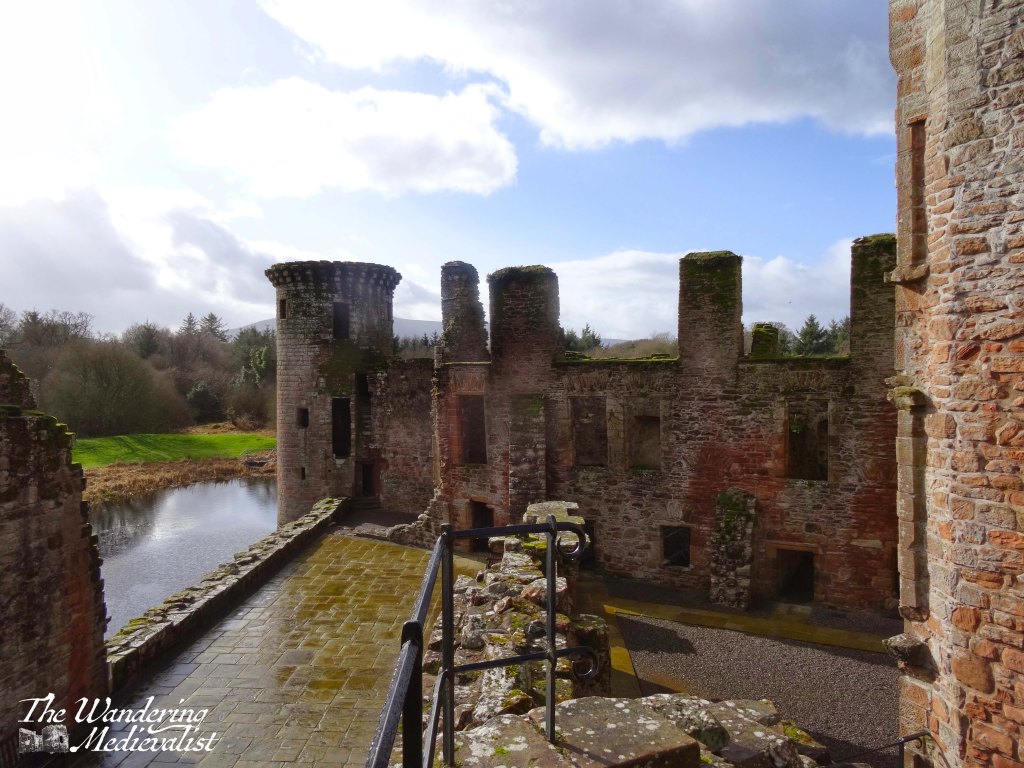
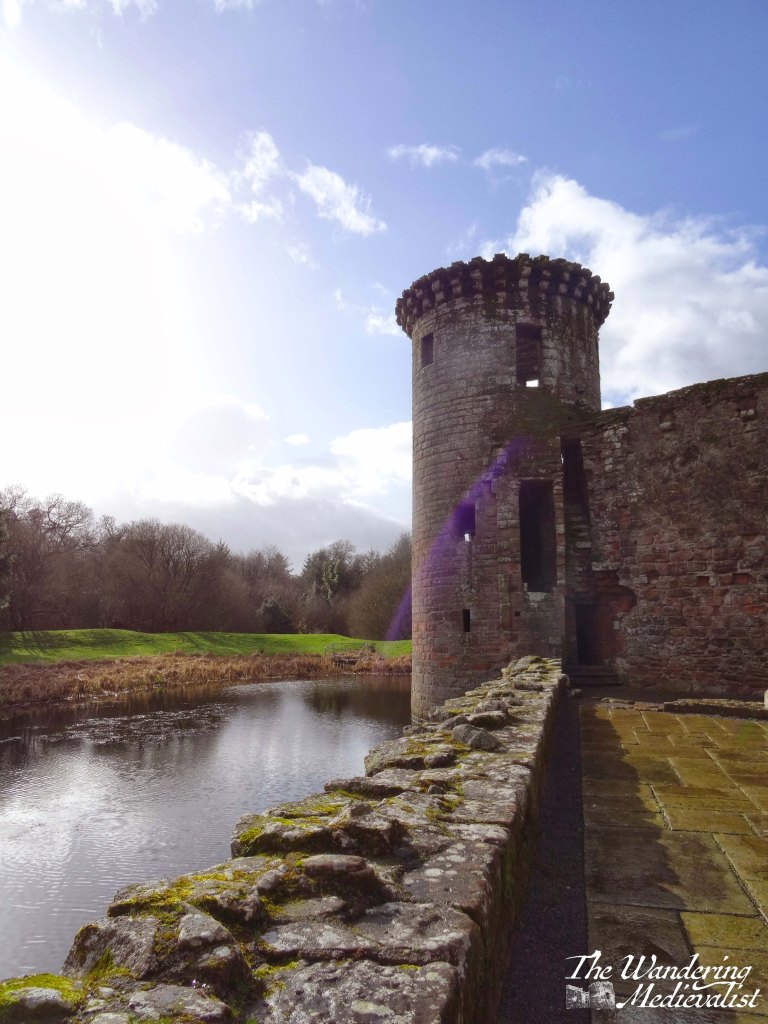
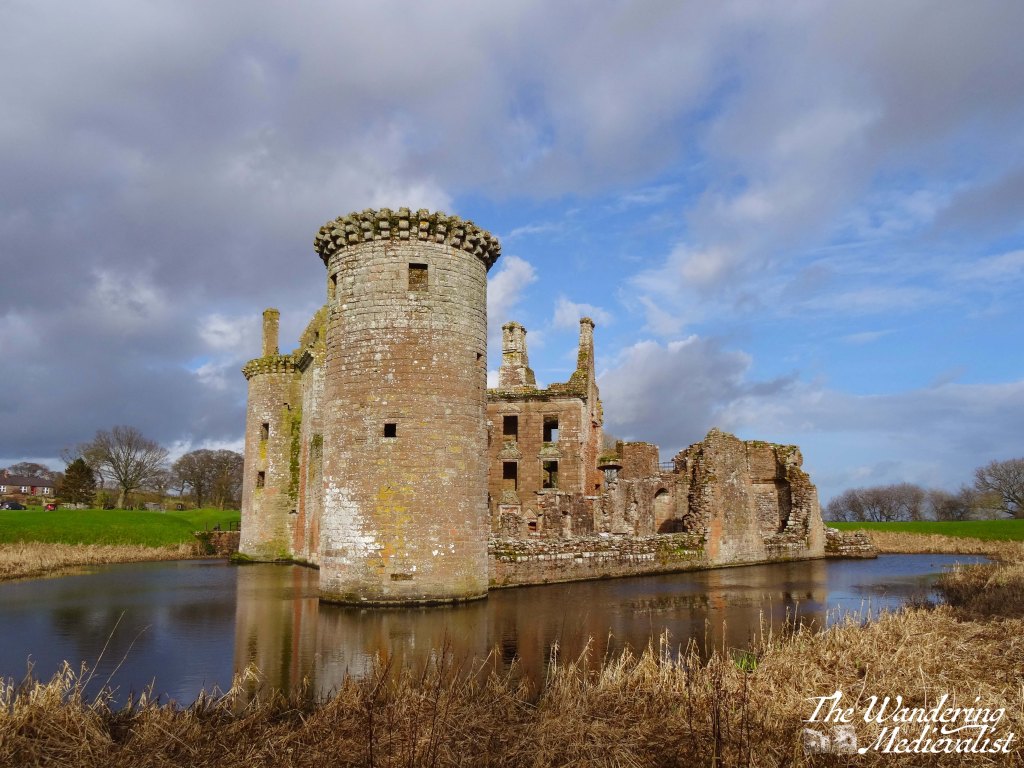
As with many Scottish castles, Caerlaverock boasts a car park a short walk from the castle itself, allowing visitors the joy of discovering its impressive nature upon the approach. Even on the mostly cloudy day we visited – it had been raining not long before – the ruins of the castle are really impressive, particularly its singular triangular shape.
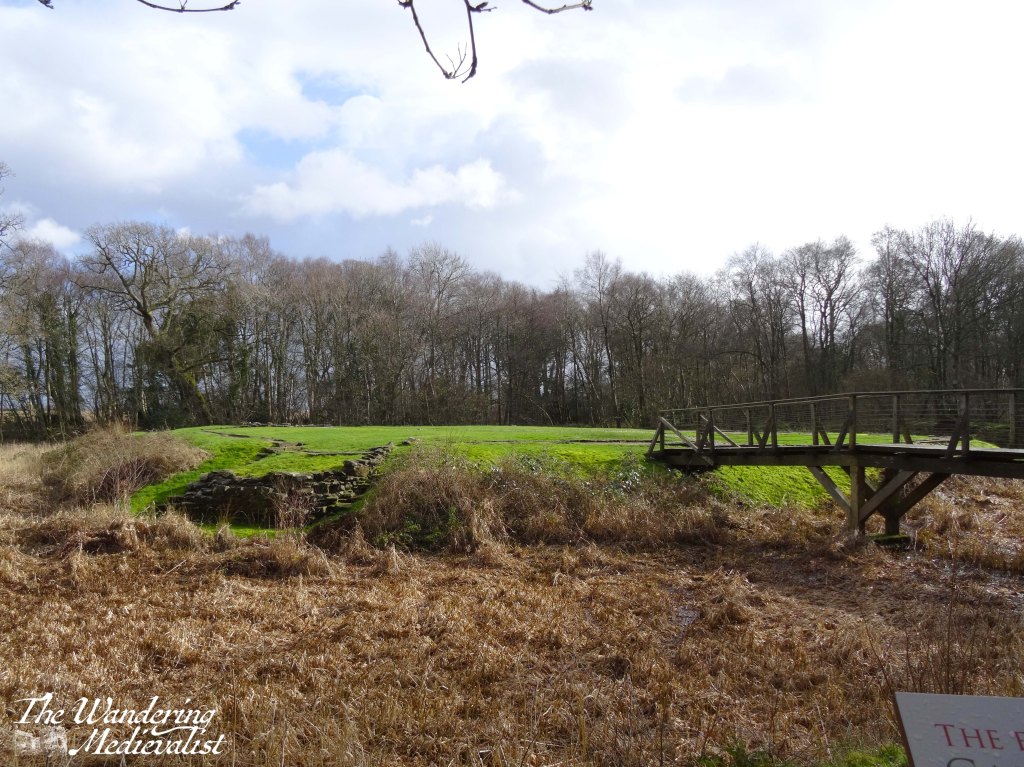
Another oddity about Caerlaverock is that the present castle sits only a short walk through the woods from the location of the first castle built at this spot.
Little more survives of this original location than the shape and a few stones, and focus shifted to the new spot in the 1260s and 70s, but one can get a feel for a well-fortified castle that would, when the sea level was higher, be accessible directly from the nearby Solway Firth. The path through the woods also encourages you to walk completely around the outside of the castle and experience some truly spectacular views that emphasise its unique architecture.
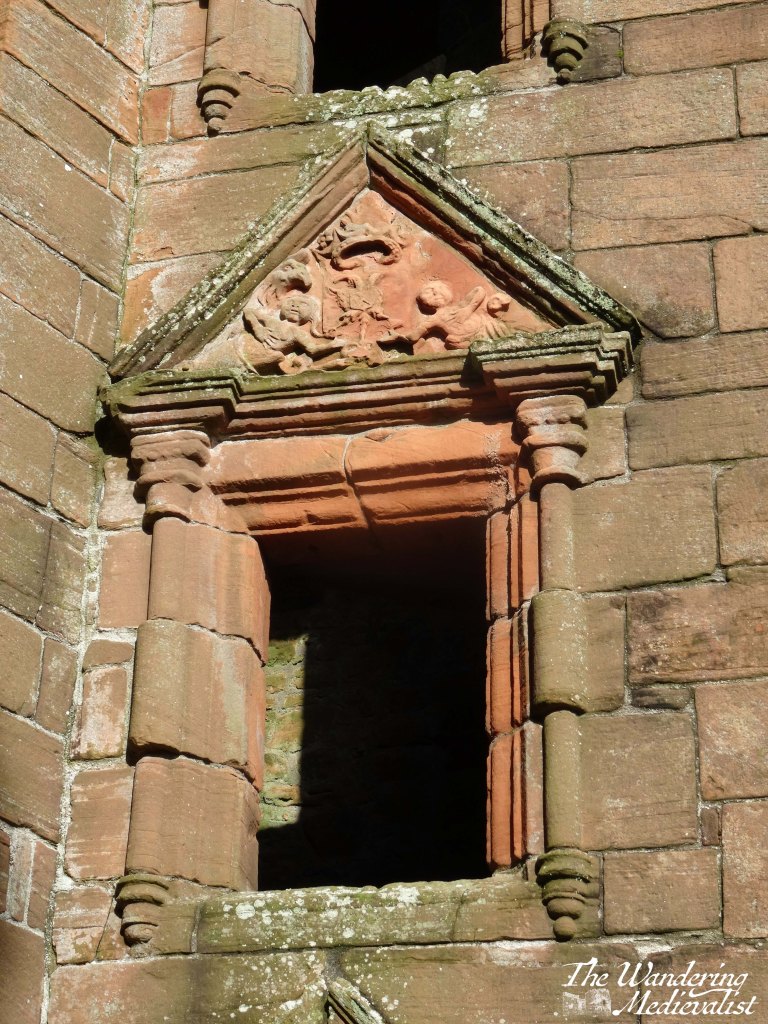
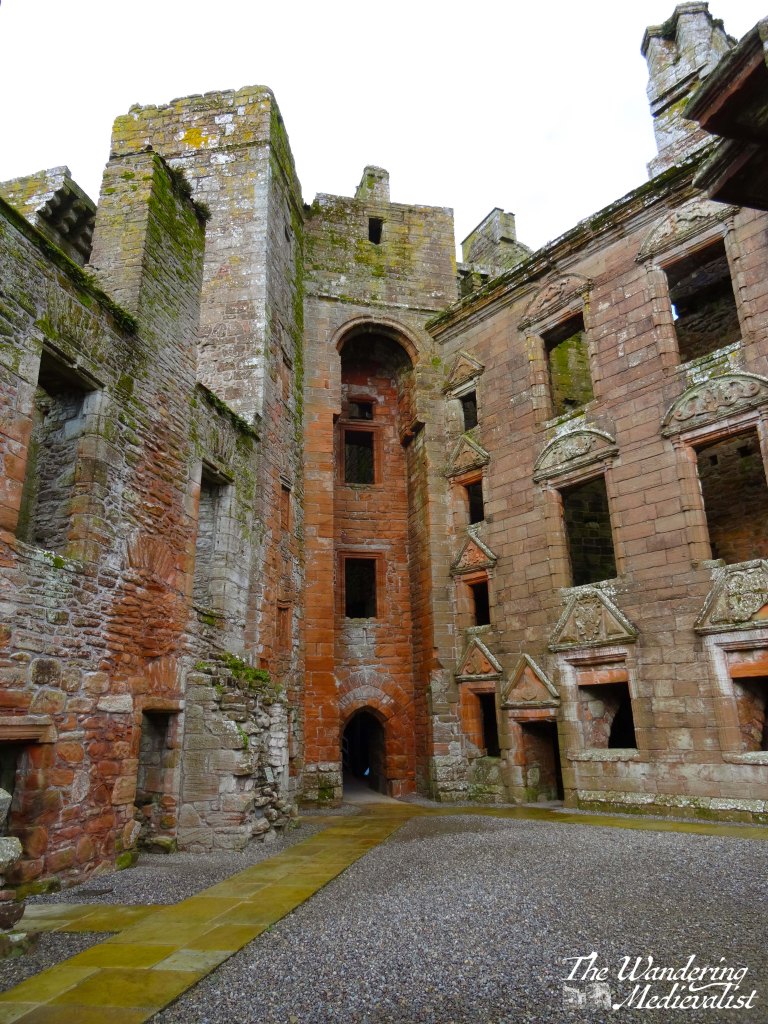
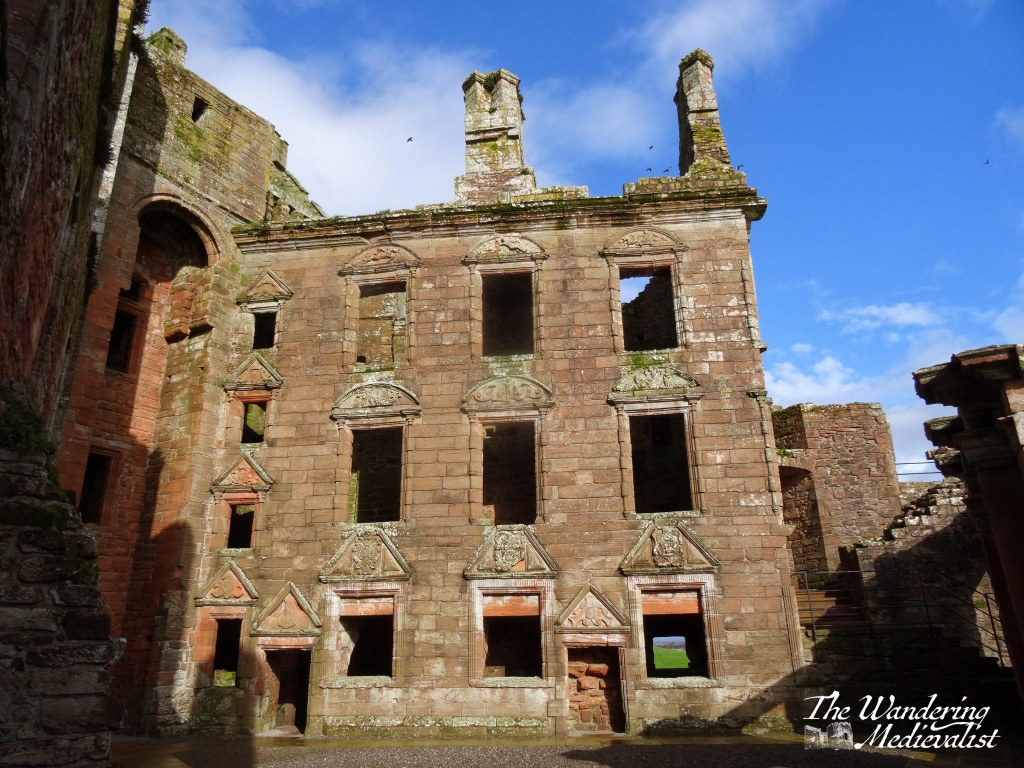
After circling the castle, we crossed the moat to explore the interior buildings and especially the carved façade. It is worth mentioning that this castle was besieged in 1300 by King Edward I, and while the garrison was eventually compelled to surrender, the size of the force defending the castle was significantly smaller than expected, demonstrating the effectiveness of the defences.
I strongly believe that clouds make for the most dramatic pictures – better even that bright sunshine – and this is particularly true in one of my favourite photos of Caerlaverock, which we have actually printed out on canvas for our living room walls. It may be a touch out of the way if you are exploring Edinburgh and points north, but for a true castle enthusiast – or a fan of the Scottish Wars of Independence – I would highly recommend making the trip.
Whenever anyone asks, ‘so, why the Middle Ages?’ I tell the story of a book I read when I was about 12. I’d gotten it as a Christmas present (as I often did get books in those days) and wasn’t entirely certain I would enjoy it.
Then on the plane to go visit my grandmother, I finally gave in and began to read…and I was hooked. It remains one of my favourite books to this day: a perfect mix of not-quite-fantasy, a touch of romance, a female character who finds her strength, discovers what will make her happy and has the courage to pursue that happiness. This book inspired not just my love of history but my love of writing, and I will forever enjoy going back it. It also inspired me to veer away from pure historical fiction, and to explore creating my own medieval world for my writing.
And here it is! On Fortune’s Wheel by Cynthia Voigt, though my understanding is that recently it has been re-published under a different name that ties it into the loose trilogy – or possibly quadrilogy – around her kingdoms. These include Jackaroo and The Wings of a Falcon, both worth a read especially if you fall in love with the kingdoms.
Medieval historical fiction remains one of my favourite things to read – when done well that is – and so here is a list of some of the books I have enjoyed the most. I do also enjoy a bit of a love story along the way.
Katherine, by Anya Seton. A beautifully written imagining of the life of Katherine de Roet, John of Gaunt’s third wife and long-time mistress. Seton perfectly details the brutality of arranged marriage and medieval life including the first wave of the Black Death, all against a passionate love story.
Avalon, by Anya Seton. A winding tale of Anglo-Saxon England and the Viking expansion. To be fair, I’ll read almost anything by Anya Seton.
World Without End, by Ken Follett (and the whole Kingsbridge series though this was my favourite). Sequel to The Pillars of the Earth, includes the start of the Hundred Years’ War and first outbreak of the Black Death.
The House on the Strand, by Daphne du Maurier. Haunting, the main character takes a drug to transport him back in time to the 14th century. Another of my favourite authors, and I have read almost everything she has written.
Lion Let Loose, by Nigel Tranter. The story of King James I and his return to Scotland after long incarceration in England.
MacBeth the King, by Nigel Tranter. The historical MacBeth made fictional, my paper critiquing this book earned me my highest mark ever at University. Very far from Shakespeare.
The Wind from Hastings, by Morgan Llywelyn. A moving and romantic account of the life of Edyth, wife of King Harold Godwinson of England, and her life before the Battle of Hastings. I also enjoy many of Llywelyn’s other books including The Horse Goddess, On Raven’s Wing and Druids.
There are many more including a host of trashy romance.
I have never had overwhelming affection for Arthurian myths or the stories within, but there are two arguably more ‘realistic’ versions that I have enjoyed:
The Mists of Avalon, by Marion Zimmer Bradley. Pure fantasy, but a female-centric take on the myths that I quite enjoyed.
Skystone, by Jack Whyte, and the whole Camulod chronicles. An at-times touching on tediously detailed imagination of a purely historical and non-fantasy version of the Arthurian myth, beginning in Roman Britain and carrying on through the early days of the Anglo-Saxon invasion and departure of Rome.
BUT above all, my absolute favourite medieval author of all time is Sharon Kay Penman, who devastatingly passed away in January 2021, less than a year after the publication of her final novel. But I will need a separate post to write about her.
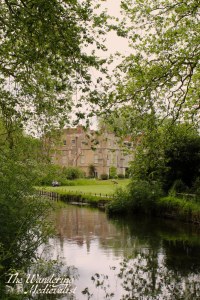
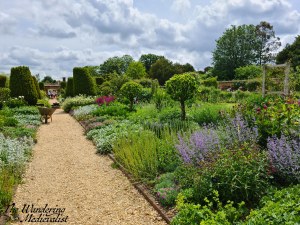
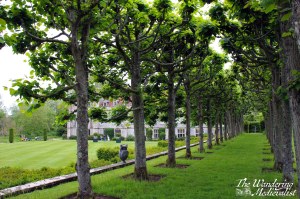
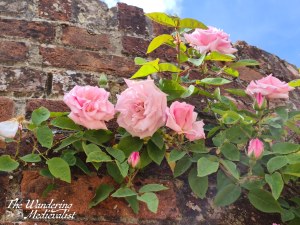
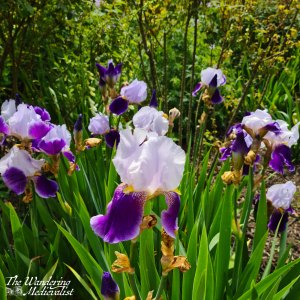
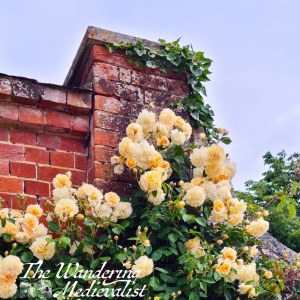
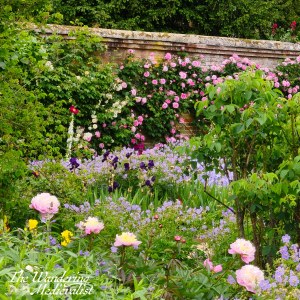
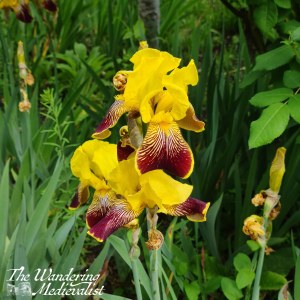
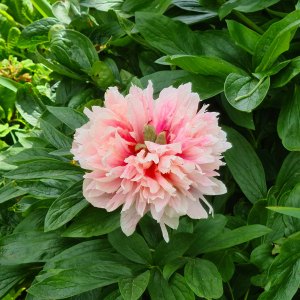
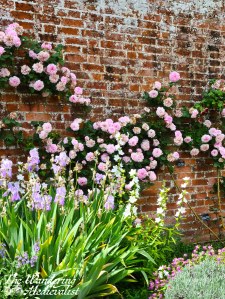
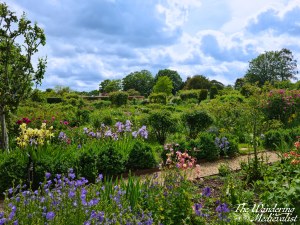
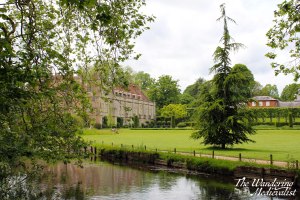
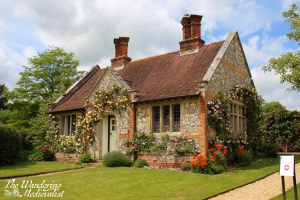
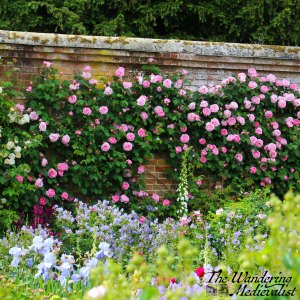
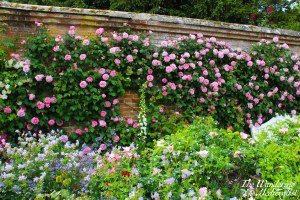
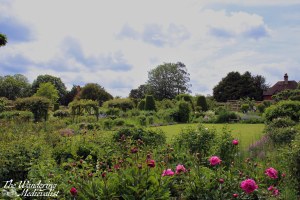
Cast your mind back to June 2021 – Covid was still inflicting relatively serious restrictions, but we were allowed to travel within the UK. I had two weeks off – a year’s delay from two weeks we were supposed to have in the US in 2020 – and spent part of one of them visiting our friends in southern England. The time of year and pandemic encouraged outdoor activities, and so my friend reserved us a slot to view Mottisfont estate and breath-taking walled rose gardens.
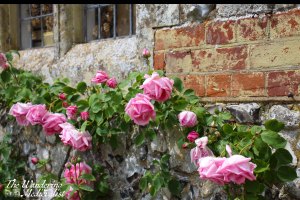
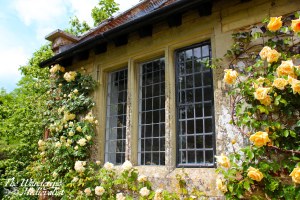
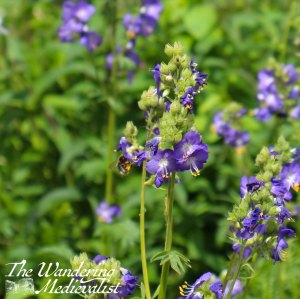
The day was perfect – sunny, hot (almost too hot inside protected brick walls), and the roses and iris were in bloom. I took more than 200 photos that day, so here is a selection of my favourites – I positively love roses and iris were my grandmother’s favourite so hold a special appeal.
It was quite busy, even during lockdown restrictions, so while well worth a visit I would say booking is essential!














 The Wandering Medievalist