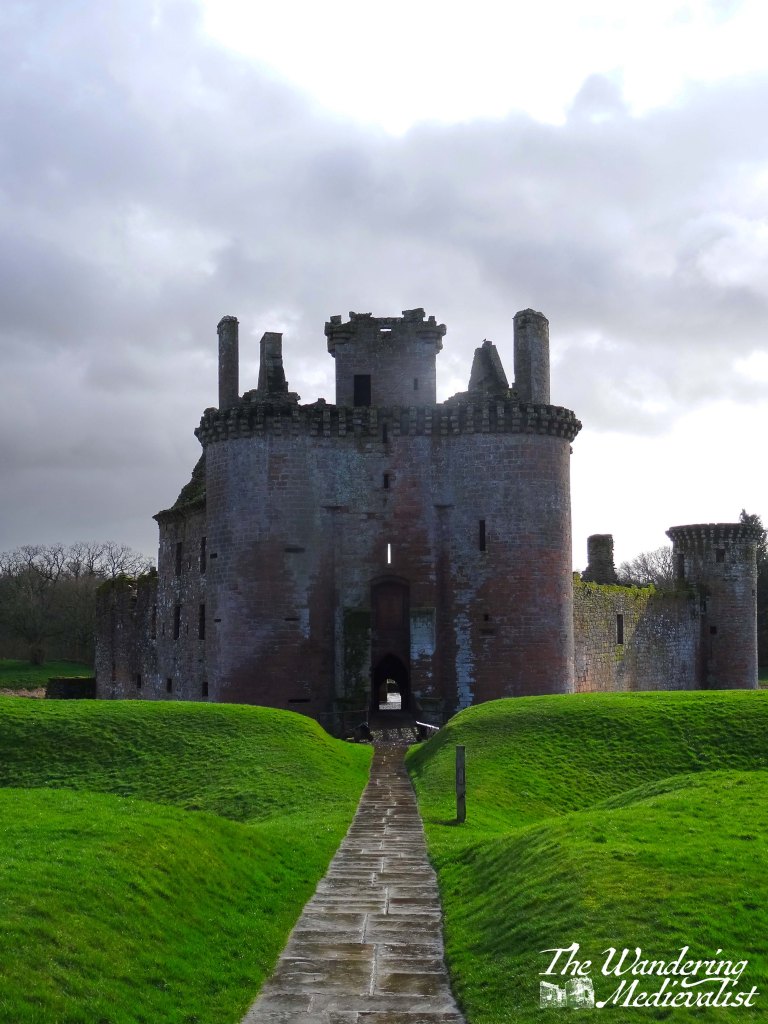
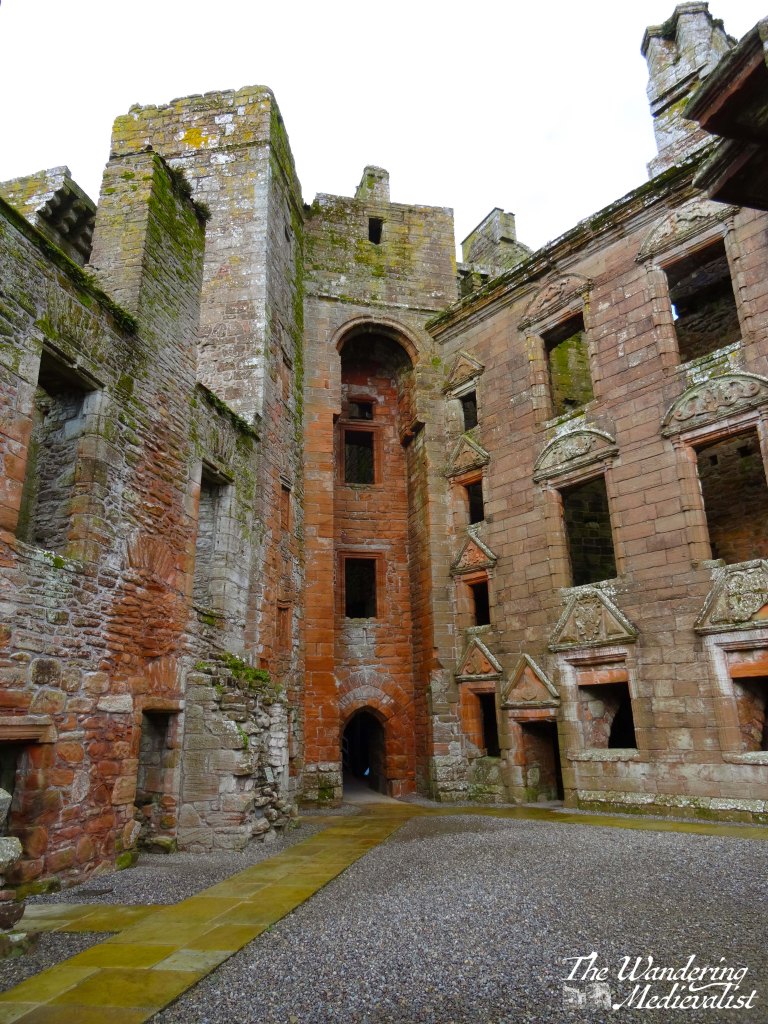
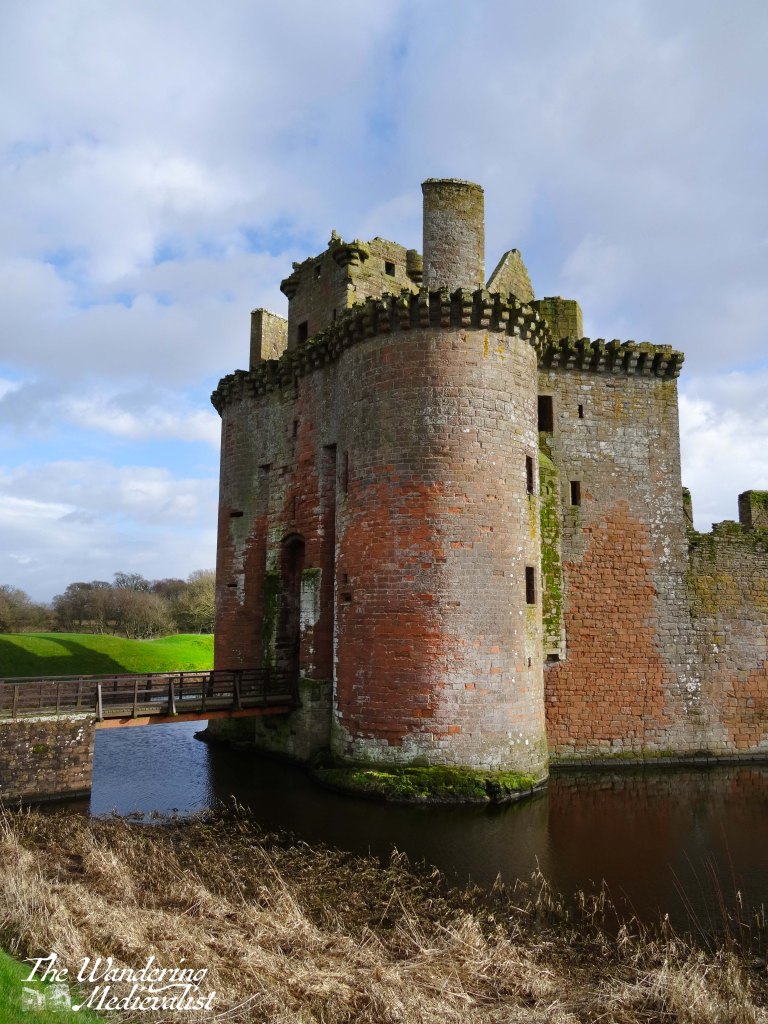
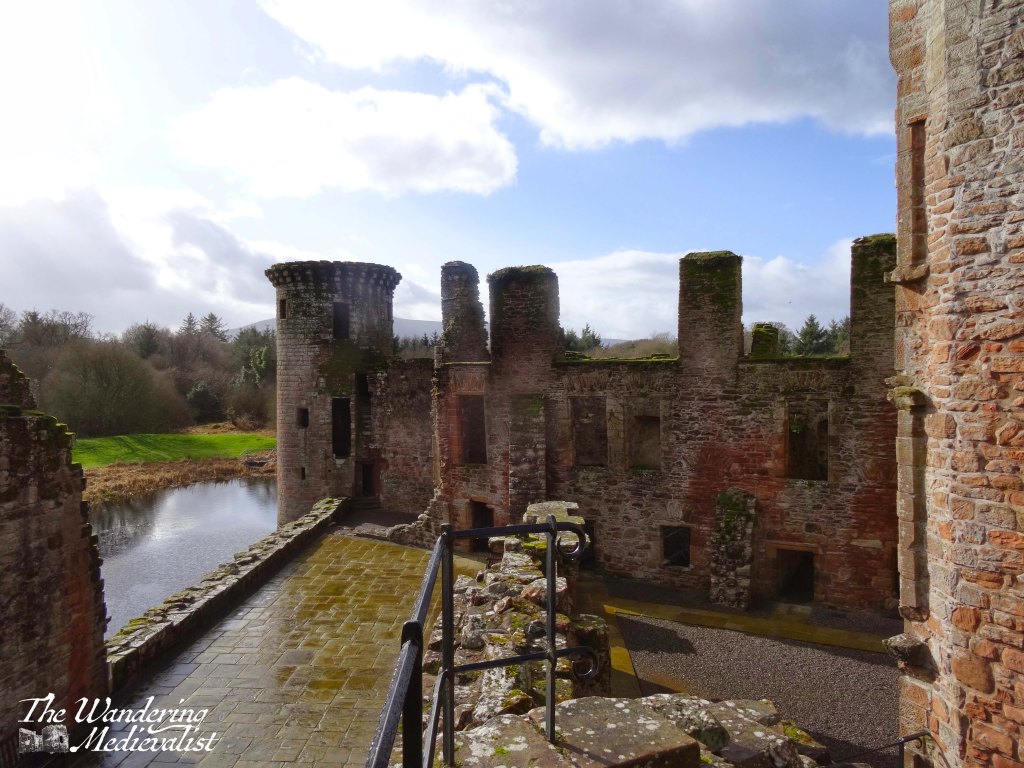
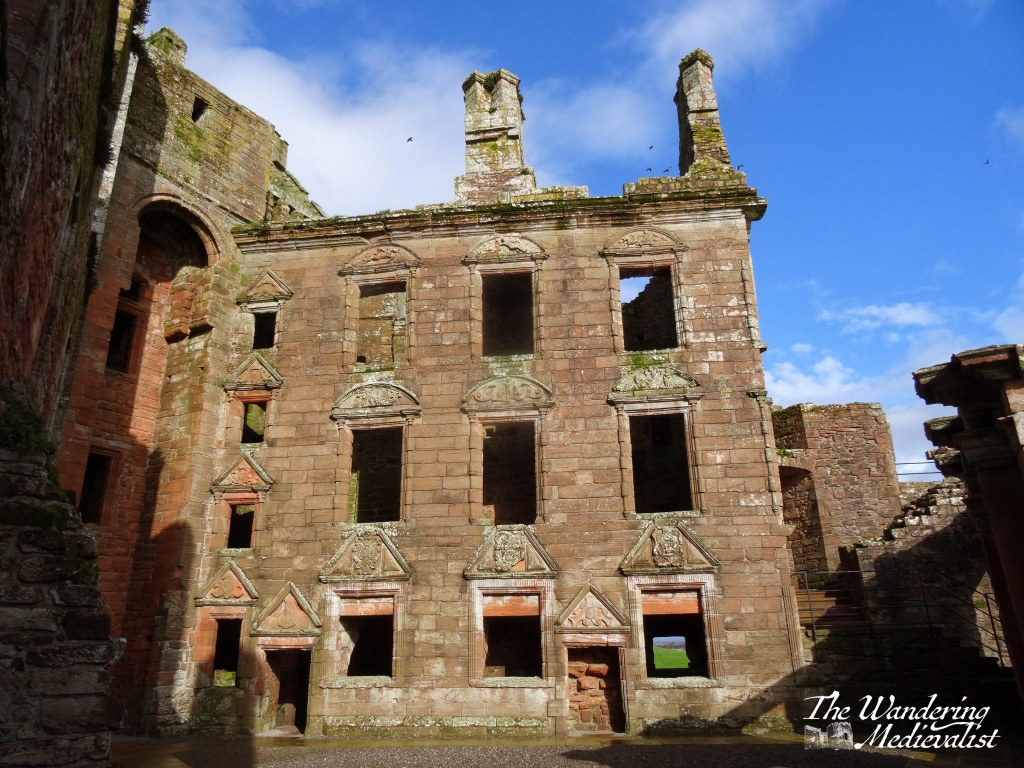
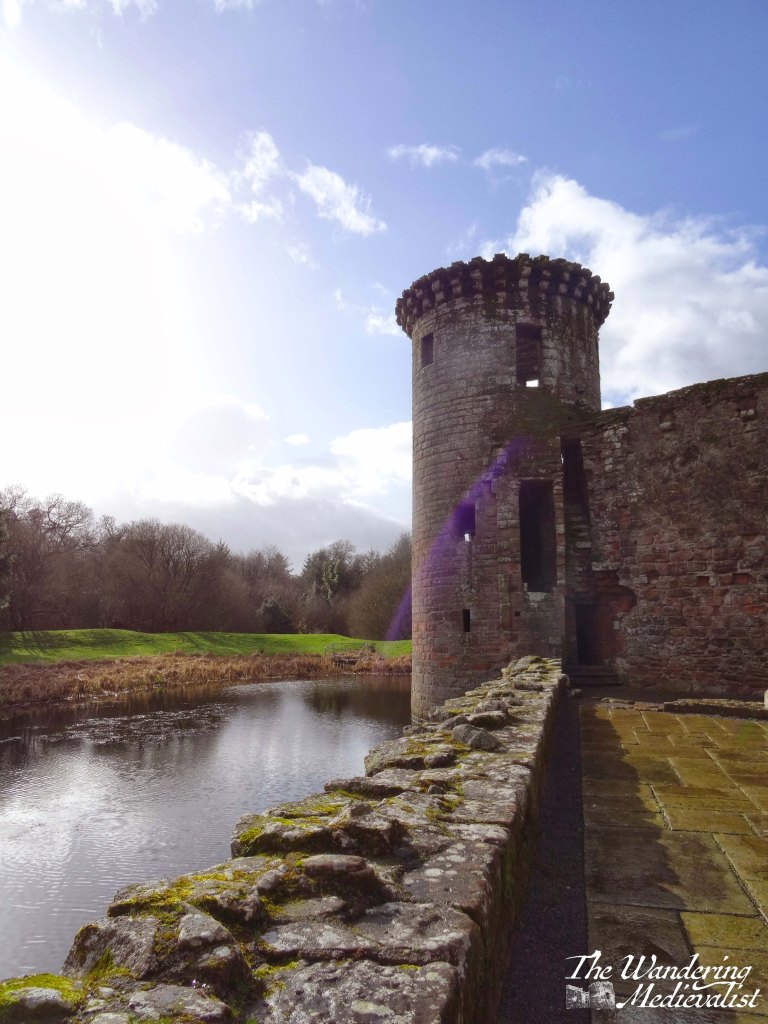
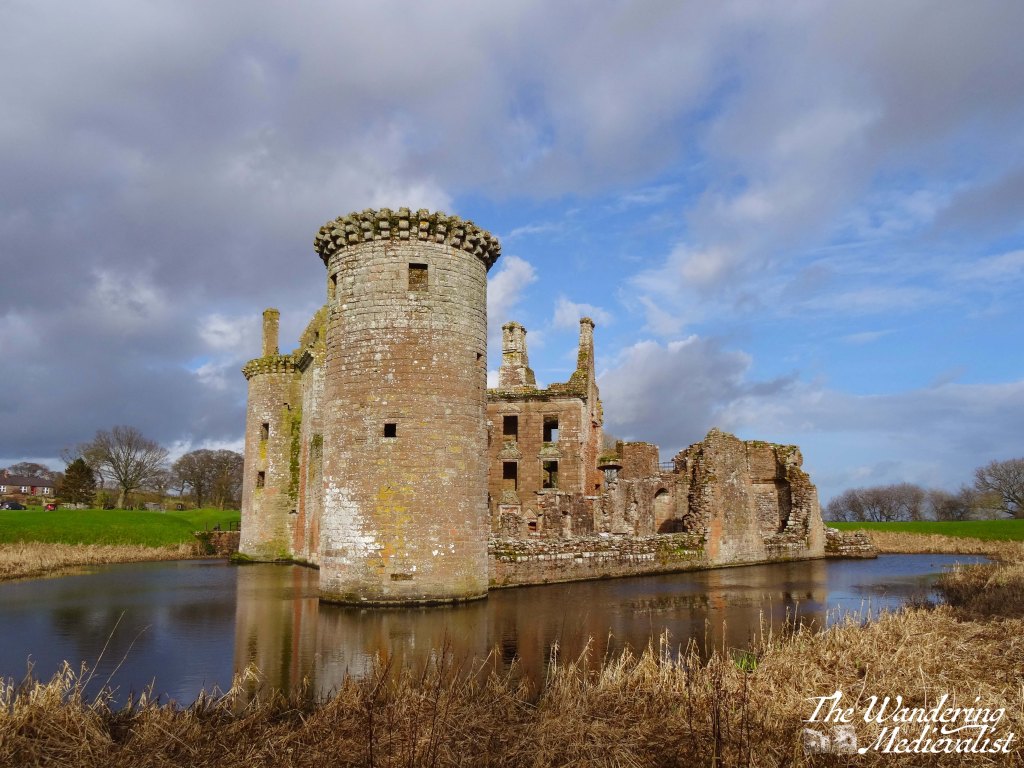
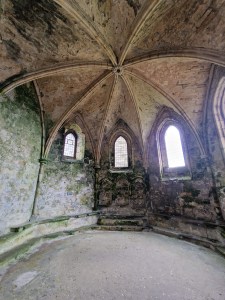
I have to admit that when I first thought about Caerlaverock, it wasn’t top of my list of castles I had to visit. But several years back we decided to go south rather than north for our holidays, and spent a few days exploring Dumfries. I definitely missed the hills and dramatic scenery of the Highlands or more central Borders, but this castle went a long way to making up for the lack.
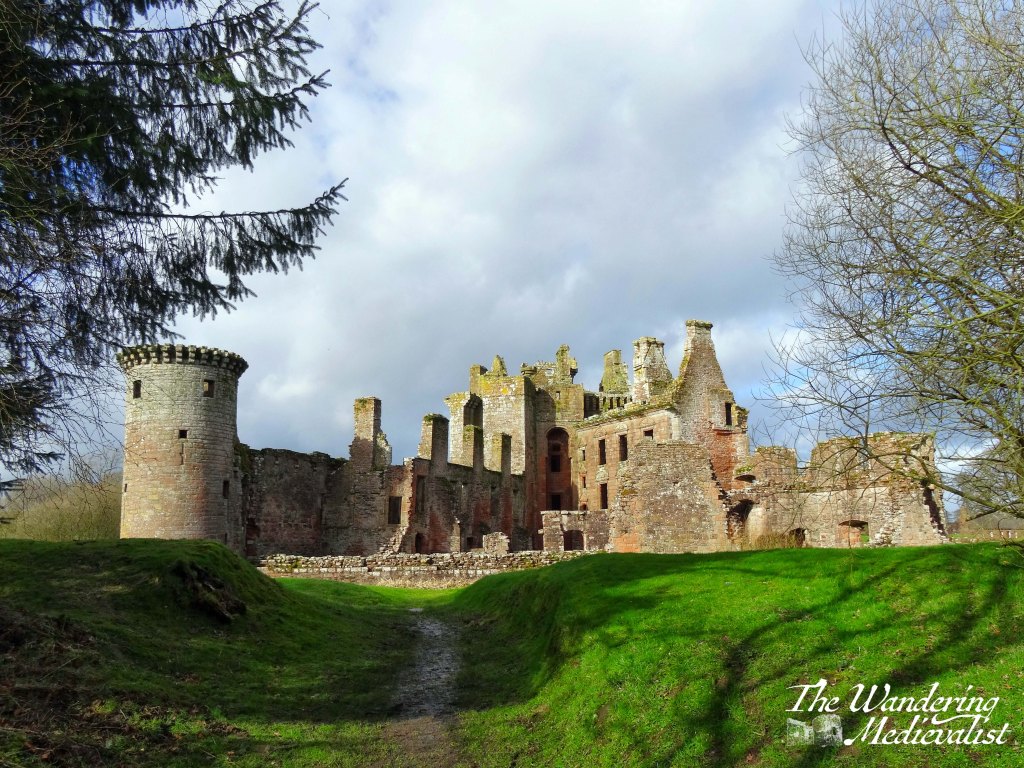
As with many Scottish castles, Caerlaverock boasts a car park a short walk from the castle itself, allowing visitors the joy of discovering its impressive nature upon the approach. Even on the mostly cloudy day we visited – it had been raining not long before – the ruins of the castle are really impressive, particularly its singular triangular shape.
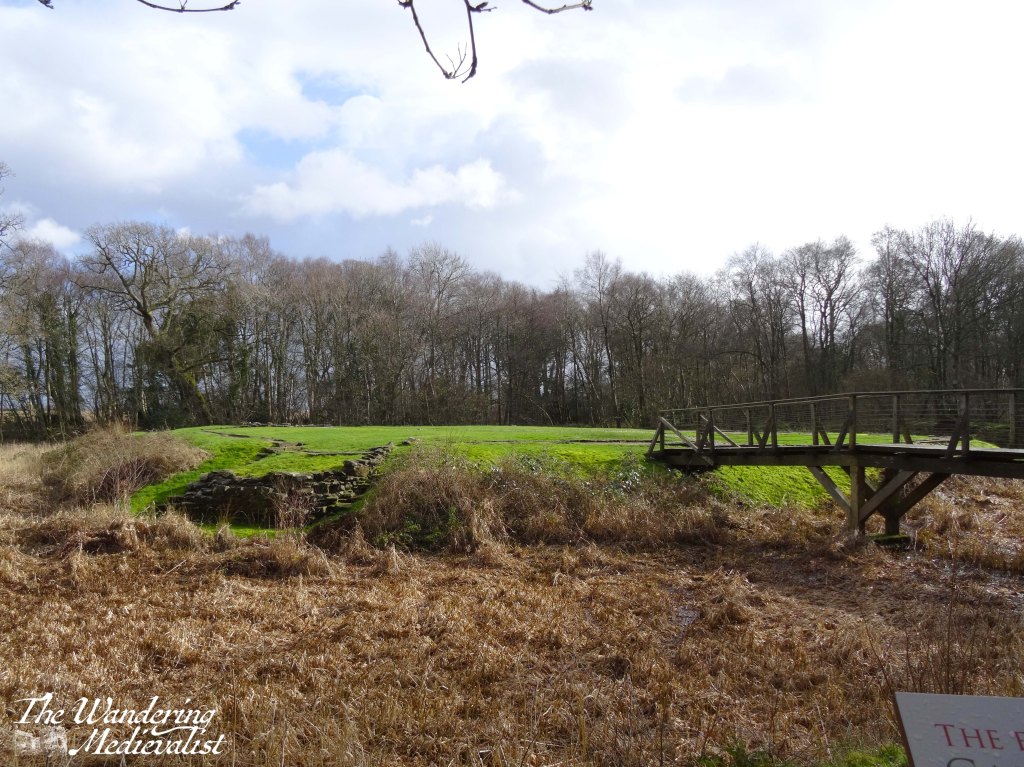
Another oddity about Caerlaverock is that the present castle sits only a short walk through the woods from the location of the first castle built at this spot.
Little more survives of this original location than the shape and a few stones, and focus shifted to the new spot in the 1260s and 70s, but one can get a feel for a well-fortified castle that would, when the sea level was higher, be accessible directly from the nearby Solway Firth. The path through the woods also encourages you to walk completely around the outside of the castle and experience some truly spectacular views that emphasise its unique architecture.
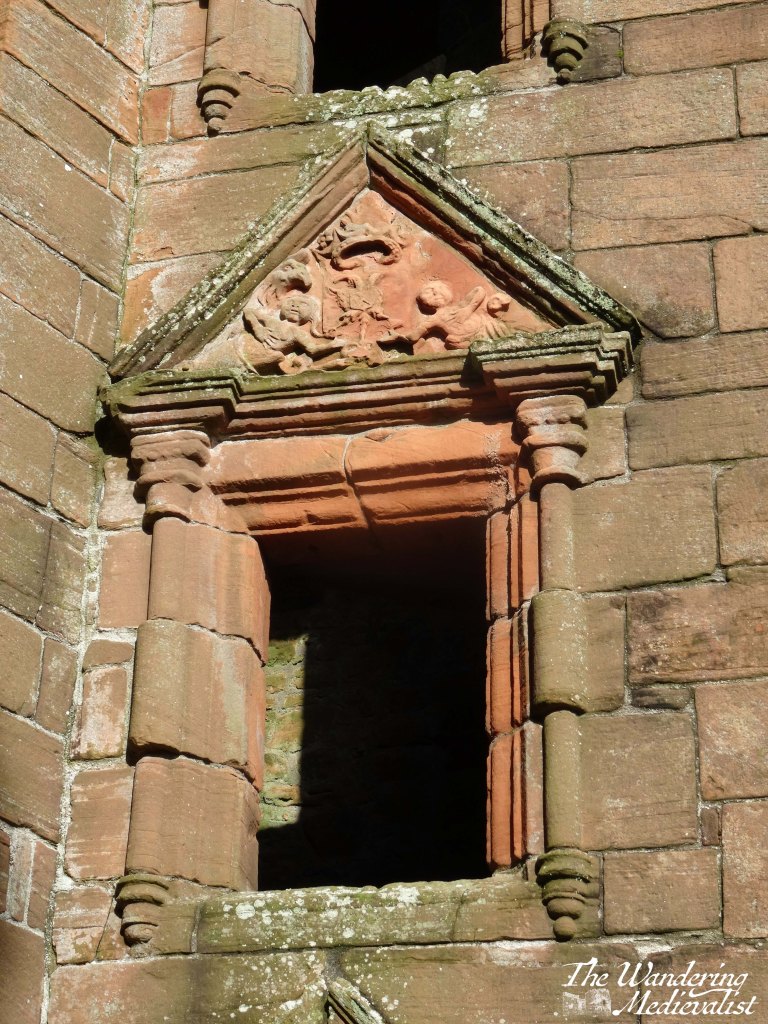
After circling the castle, we crossed the moat to explore the interior buildings and especially the carved façade. It is worth mentioning that this castle was besieged in 1300 by King Edward I, and while the garrison was eventually compelled to surrender, the size of the force defending the castle was significantly smaller than expected, demonstrating the effectiveness of the defences.
I strongly believe that clouds make for the most dramatic pictures – better even that bright sunshine – and this is particularly true in one of my favourite photos of Caerlaverock, which we have actually printed out on canvas for our living room walls. It may be a touch out of the way if you are exploring Edinburgh and points north, but for a true castle enthusiast – or a fan of the Scottish Wars of Independence – I would highly recommend making the trip.
Whenever anyone asks, ‘so, why the Middle Ages?’ I tell the story of a book I read when I was about 12. I’d gotten it as a Christmas present (as I often did get books in those days) and wasn’t entirely certain I would enjoy it.
Then on the plane to go visit my grandmother, I finally gave in and began to read…and I was hooked. It remains one of my favourite books to this day: a perfect mix of not-quite-fantasy, a touch of romance, a female character who finds her strength, discovers what will make her happy and has the courage to pursue that happiness. This book inspired not just my love of history but my love of writing, and I will forever enjoy going back it. It also inspired me to veer away from pure historical fiction, and to explore creating my own medieval world for my writing.
And here it is! On Fortune’s Wheel by Cynthia Voigt, though my understanding is that recently it has been re-published under a different name that ties it into the loose trilogy – or possibly quadrilogy – around her kingdoms. These include Jackaroo and The Wings of a Falcon, both worth a read especially if you fall in love with the kingdoms.
Medieval historical fiction remains one of my favourite things to read – when done well that is – and so here is a list of some of the books I have enjoyed the most. I do also enjoy a bit of a love story along the way.
Katherine, by Anya Seton. A beautifully written imagining of the life of Katherine de Roet, John of Gaunt’s third wife and long-time mistress. Seton perfectly details the brutality of arranged marriage and medieval life including the first wave of the Black Death, all against a passionate love story.
Avalon, by Anya Seton. A winding tale of Anglo-Saxon England and the Viking expansion. To be fair, I’ll read almost anything by Anya Seton.
World Without End, by Ken Follett (and the whole Kingsbridge series though this was my favourite). Sequel to The Pillars of the Earth, includes the start of the Hundred Years’ War and first outbreak of the Black Death.
The House on the Strand, by Daphne du Maurier. Haunting, the main character takes a drug to transport him back in time to the 14th century. Another of my favourite authors, and I have read almost everything she has written.
Lion Let Loose, by Nigel Tranter. The story of King James I and his return to Scotland after long incarceration in England.
MacBeth the King, by Nigel Tranter. The historical MacBeth made fictional, my paper critiquing this book earned me my highest mark ever at University. Very far from Shakespeare.
The Wind from Hastings, by Morgan Llywelyn. A moving and romantic account of the life of Edyth, wife of King Harold Godwinson of England, and her life before the Battle of Hastings. I also enjoy many of Llywelyn’s other books including The Horse Goddess, On Raven’s Wing and Druids.
There are many more including a host of trashy romance.
I have never had overwhelming affection for Arthurian myths or the stories within, but there are two arguably more ‘realistic’ versions that I have enjoyed:
The Mists of Avalon, by Marion Zimmer Bradley. Pure fantasy, but a female-centric take on the myths that I quite enjoyed.
Skystone, by Jack Whyte, and the whole Camulod chronicles. An at-times touching on tediously detailed imagination of a purely historical and non-fantasy version of the Arthurian myth, beginning in Roman Britain and carrying on through the early days of the Anglo-Saxon invasion and departure of Rome.
BUT above all, my absolute favourite medieval author of all time is Sharon Kay Penman, who devastatingly passed away in January 2021, less than a year after the publication of her final novel. But I will need a separate post to write about her.
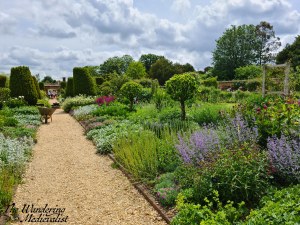
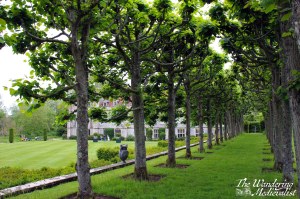
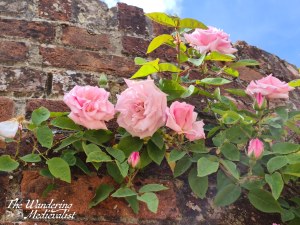
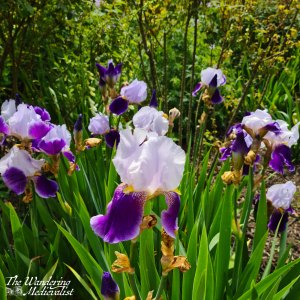
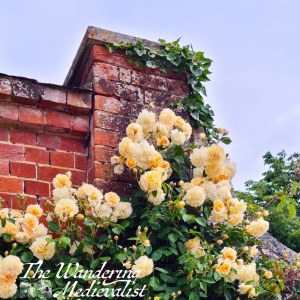
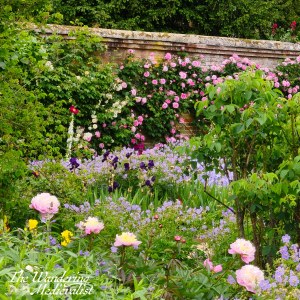
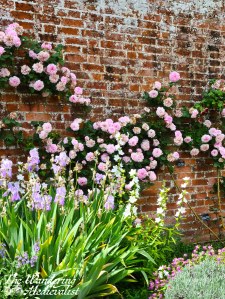
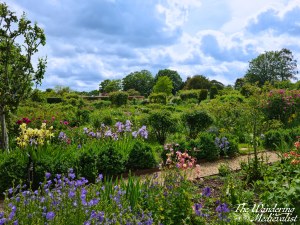
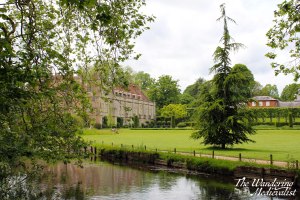
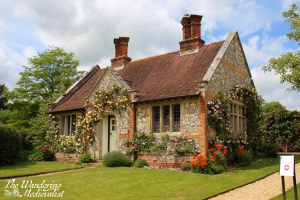
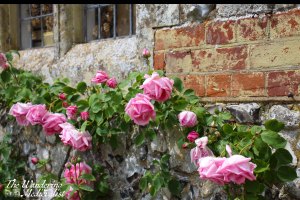
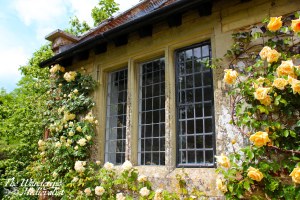
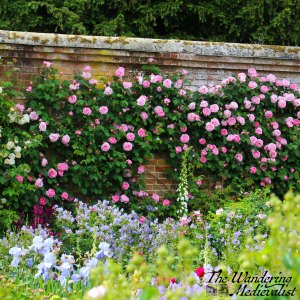
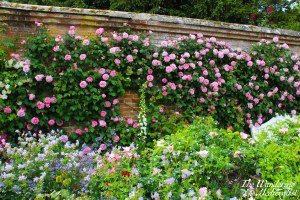
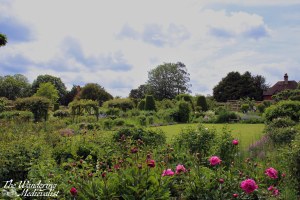
Cast your mind back to June 2021 – Covid was still inflicting relatively serious restrictions, but we were allowed to travel within the UK. I had two weeks off – a year’s delay from two weeks we were supposed to have in the US in 2020 – and spent part of one of them visiting our friends in southern England. The time of year and pandemic encouraged outdoor activities, and so my friend reserved us a slot to view Mottisfont estate and breath-taking walled rose gardens.
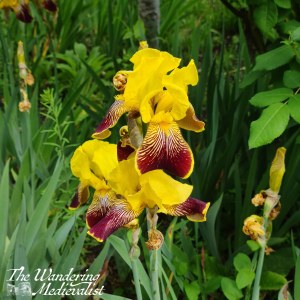
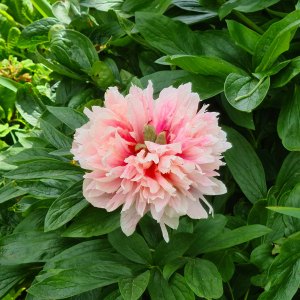
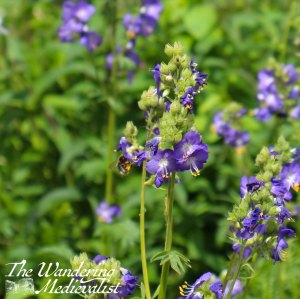
The day was perfect – sunny, hot (almost too hot inside protected brick walls), and the roses and iris were in bloom. I took more than 200 photos that day, so here is a selection of my favourites – I positively love roses and iris were my grandmother’s favourite so hold a special appeal.
It was quite busy, even during lockdown restrictions, so while well worth a visit I would say booking is essential!
Easter may be the most important holiday in the Christian religious calendar, but my experience has involved mostly flowers (and flowery dresses as a child), jelly beans, chocolate, and family. I must admit also to a weakness for Handel’s Messiah, which I find to be supremely beautiful music, especially when echoing in a church.
This year, Easter quickly became the one weekend this spring during which we and some of our closest friends could all manage a few days off, and it was our turn to make the journey from Scotland to southern England – about 8 1/2 driving hours total. Granted, this is nothing in the US, but is substantial nonetheless, and required since the mid-pandemic collapse of FlyBe means flights are astronomical. We had never done a drive this long together before – the Midlands was as far as we had managed – but this time I was able to drive as well. So we packed far more than needed (the joy/danger of not having to squeeze things into a carry-on bag) created a new 7-hour driving playlist on Spotify, and reserved a hotel for just north of Birmingham, around 3 hours north – we hoped – of our final destination.
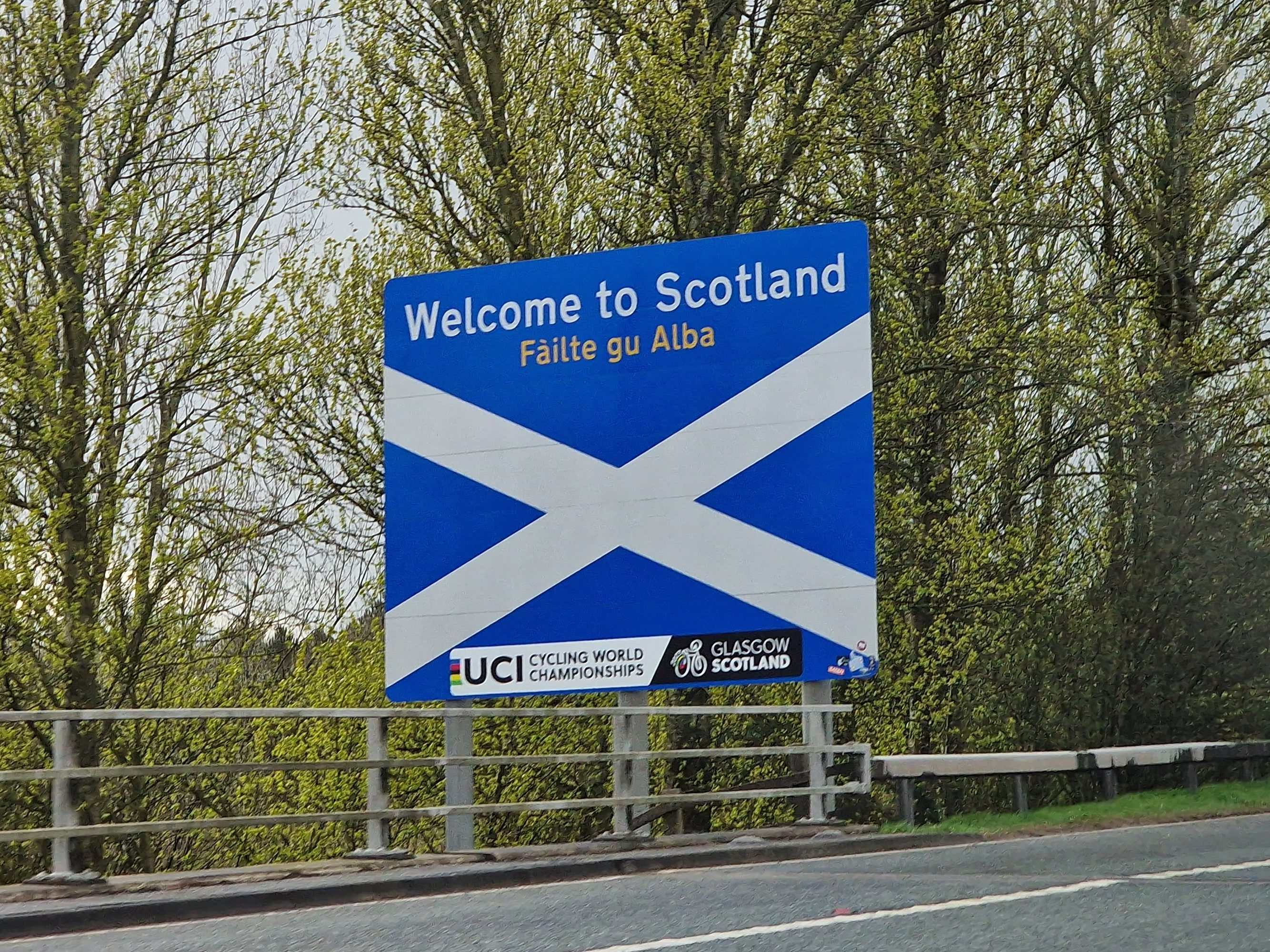
I started off, more confident driving in Scotland, and we made it almost all the way to the border before swapping over. I think my other half was antsy to get some motorway driving in, and our speed definitely picked up a bit as we headed south. At the border, our route turned from the A74 into the M6, one of the largest roads in the UK.
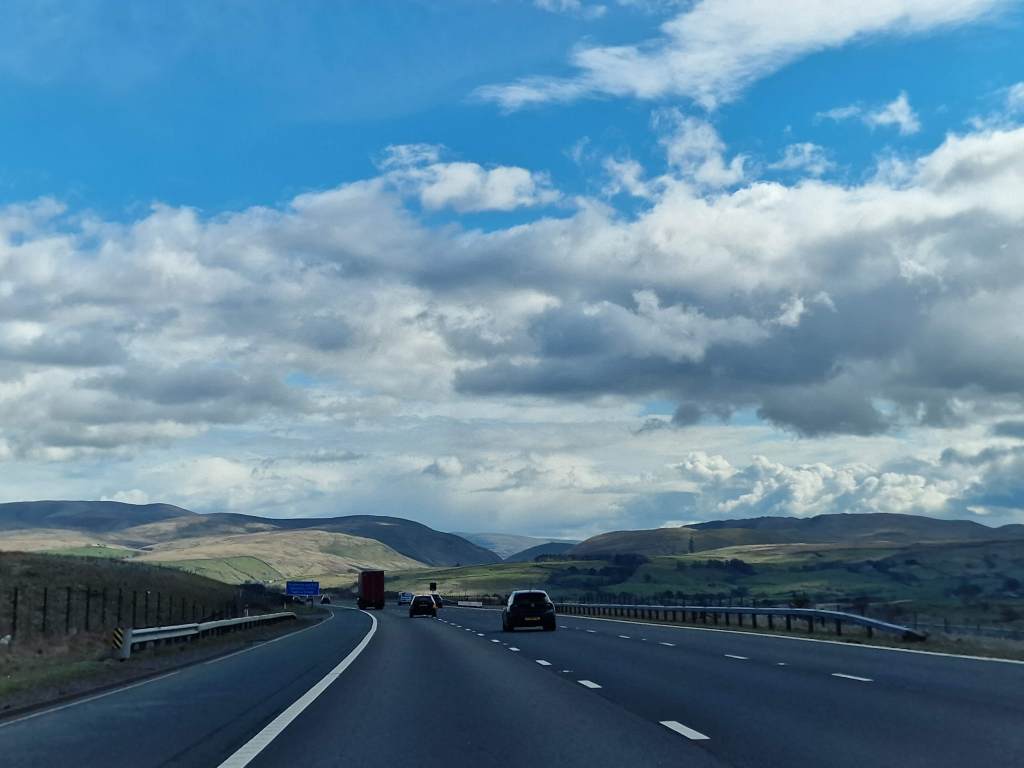
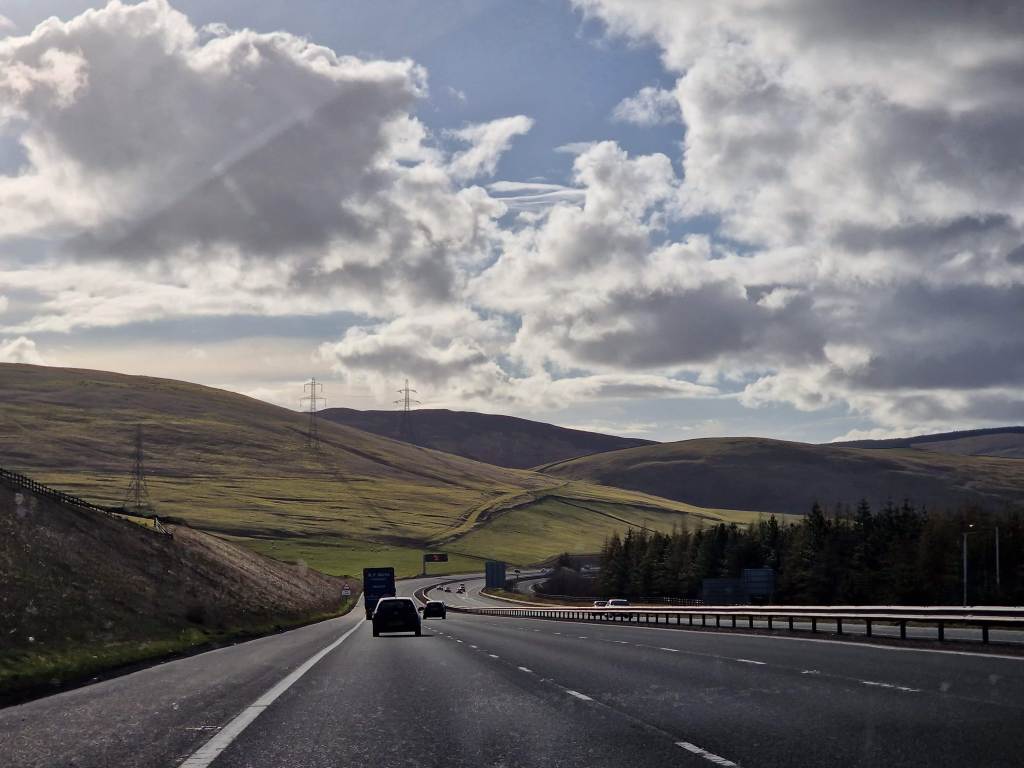
It had been a number of years since our last venture down the M6, but I quickly remembered how stunning the northern part is – after the Scottish borders the hills become those of the Peak District, perhaps less dramatic than the Highlands but still lovely.
As the M6 winds south, though, the differences between England and Scotland quickly became clear. The fields were flatter and greener, and the housing areas along the side of the road were red brick. The sun shone in a way that reminded me of the American midwest.
We had plenty of opportunity to enjoy the view, too – traffic quickly backed up and it took us almost two hours longer than we expected to reach Stafford. On wise advice from our friends, the next day we took the toll road around Birmingham – gloriously empty – but ran into issues again as we re-joined the main road and turned south towards Oxford. By this point I really felt the Englishness of the countryside – there were great estates and castles at every exit (though my interest in stopping was overruled by a wish to see our friends) and the houses on the estates were larger and, generally, a bit better kept than the ones we tend to see in Scotland. England is just so clearly designed for more people, and that change in population is almost palpable.
Another thing that of course abounds in southern England is stunning, quaint villages with meandering rivers, thatched rooves, and dramatic gardens. Some of the stunning summer flowers of a previous visit will, I am sure, make for another post at some point in the near future.
Advice of both friends and the Google maps lady meant that we managed to bypass Winchester and Southampton traffic, and enabled us to stop in Stockbridge for a short snack before completing our trek to Romsey.
Romsey and the surrounding area will more than complete another post; it is an absolutely gorgeous area and we had a fantastic weekend with our friends. But instead of going into detail, I will fast-forward a few days to our eventual trip home, a drive we decided we would do all in one day. Almost immediately, the change was obvious. As soon as we passed Birmingham we found the roads much clearer and had almost no hold-ups (which cannot be said for M6 south, a parking lot). I cannot decide if it was the speed we were able to travel – normal speed that is – or the fact that we did the trip in one day, or that we were heading home, but for whatever reason we both enjoyed the drive north considerably more. I especially found myself feeling almost relieved as the hills started to rise around us. We were able to stop at the famous Tebay services – missed on the way down – and I have to admit, it is a magical spot with everything that you would hope to find in a high-quality farm shop plus a lot more.
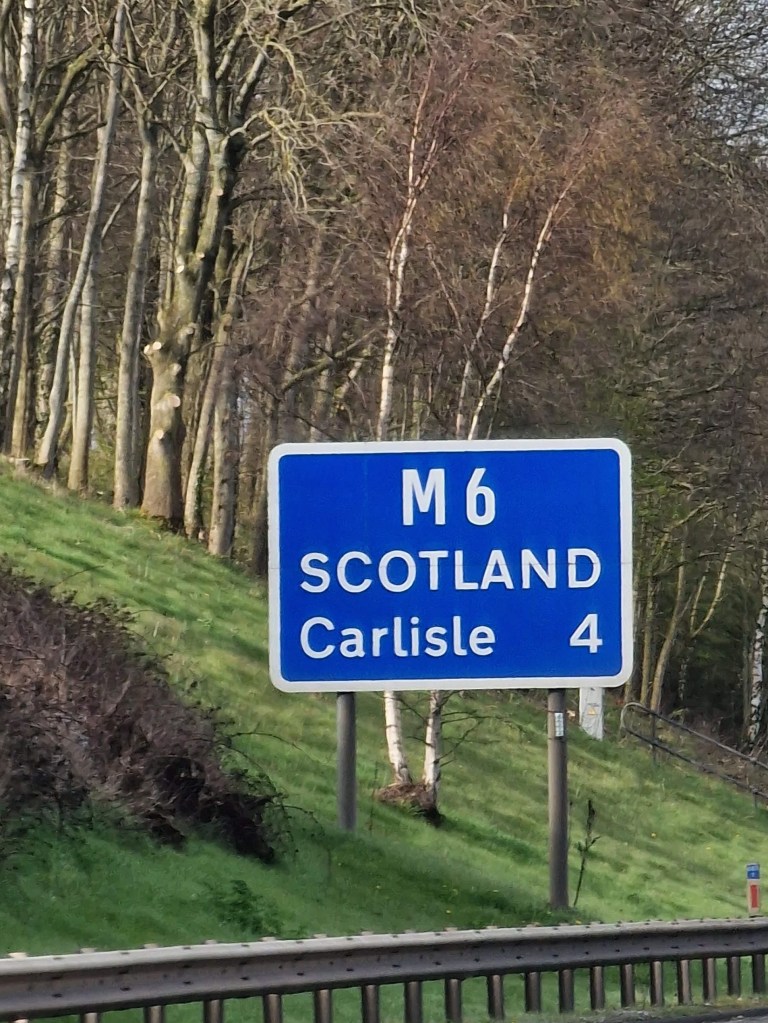
Not too long after Tebay, we started to see signs like this. An aside here as an American who finds British road signs hilarious; depending on where you are, you will often find that they list towns and then, ‘the SOUTH’ or ‘the NORTH’, and one on this trip, ‘the MIDLANDS’. It says so much about how the country defines itself, really – but makes me chuckle.
As for this sign, it and along with a number of others felt to me as though they were almost warning us – you DO know what lies ahead? SCOTLAND? Are you SURE? (I jest of course)
The road through the borders was positively stunning – the sun came out after a series of incredibly hard rainstorms in England, and I found myself smiling as we sped north. We almost could not believe our luck; I was following Google closely, looking for signs of hold-ups, but all the orange and red spots cleared and by the time we reached the borders of Fife, the last of the evening sun was glinting off the Ochil hills as if welcoming us home.
What did I learn from this trip? A number of things:
driving in England is terrifying (but I know I’d manage if I had to)
driving south is just busier, or at least it is for a holiday weekend
the UK is a gorgeous country, even in the rain – fields, villages, rivers, castles, even tower blocks can be lovely in the right light
I enjoy visiting England, but my heart is definitely north of the border
and finally, having adventures and visiting friends is one of the best ways to spend a weekend, especially when you are then welcomed home with a view.
Many years ago, my mother and I met in Paris, picked up a rental car, and drove around Normandy and the Loire Valley visiting various medieval sites I had chosen. It was a spectacular trip and one I wish I could repeat; we saw the Bayeux Tapestry (where I got in a touch of trouble for objecting to the subjective historical display), Mont-St-Michel, Angers, Loches, Chinon, Fontevraud and a number of other Plantagenet-era sites.
What did we not see? Almost all of the famous chateaux of the Loire Valley – Chenonceau, Usse, Amboise, Blois. Anything I considered to be ‘too new’ or, at least, updated ‘too recently’. I was happy to see castles that had a medieval base or still had some medieval aspects, but I refused to visit a palace.
And believe it or not, my mother put up with this vague, completely nonsensical selection of places to visit. Loches, Chinon, Langeais all ok, but not Amboise. One might have thought that she would tell me that she had flown across the Atlantic and she was driving in a foreign country and we would see what she wanted too, but she indulged me, as long as I was able to spout some history about the place. It was my own version of ‘Mary Queen of Scots slept here’ – ‘Henry II was here’.
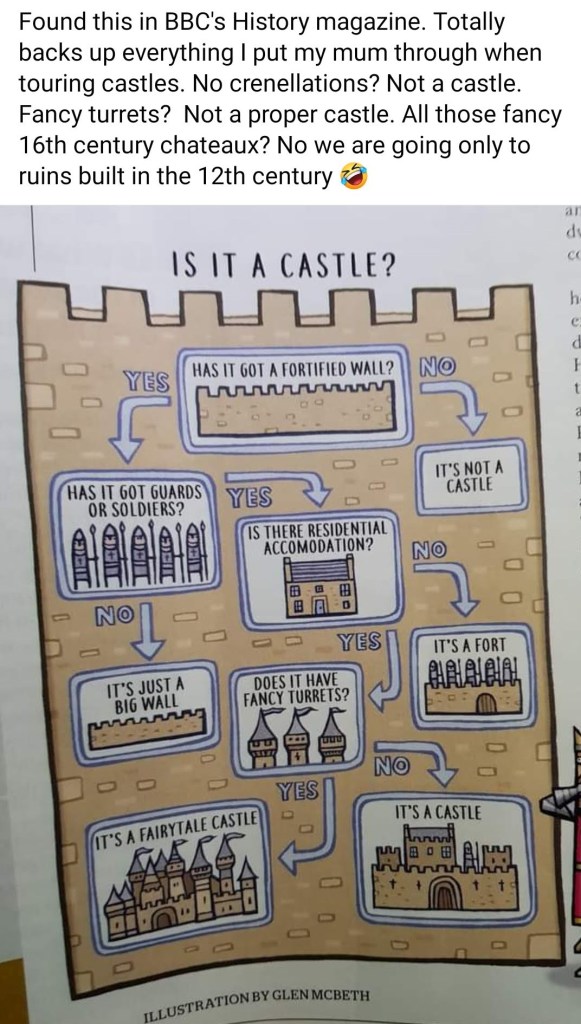
Then, a few years later, I saw this brilliant illustration by Glen McBeth in BBC History Magazine that completely validated my ideas, in cartoon format. I include, for reference, my comment from when I first posted it to Facebook in defence of my actions.
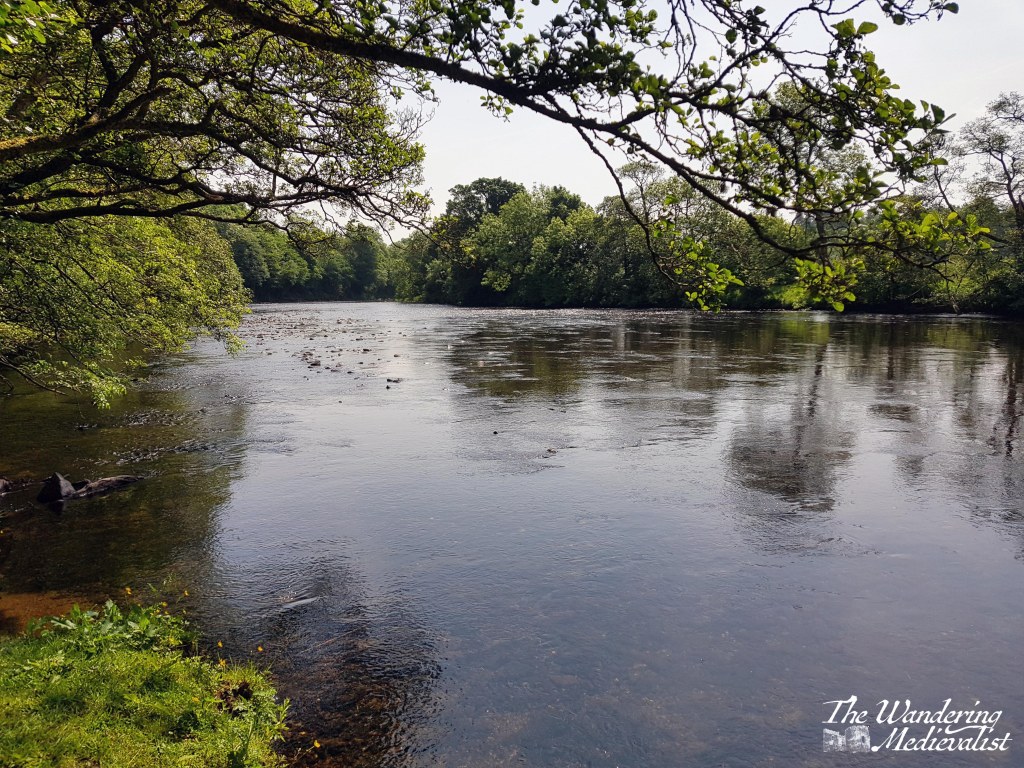
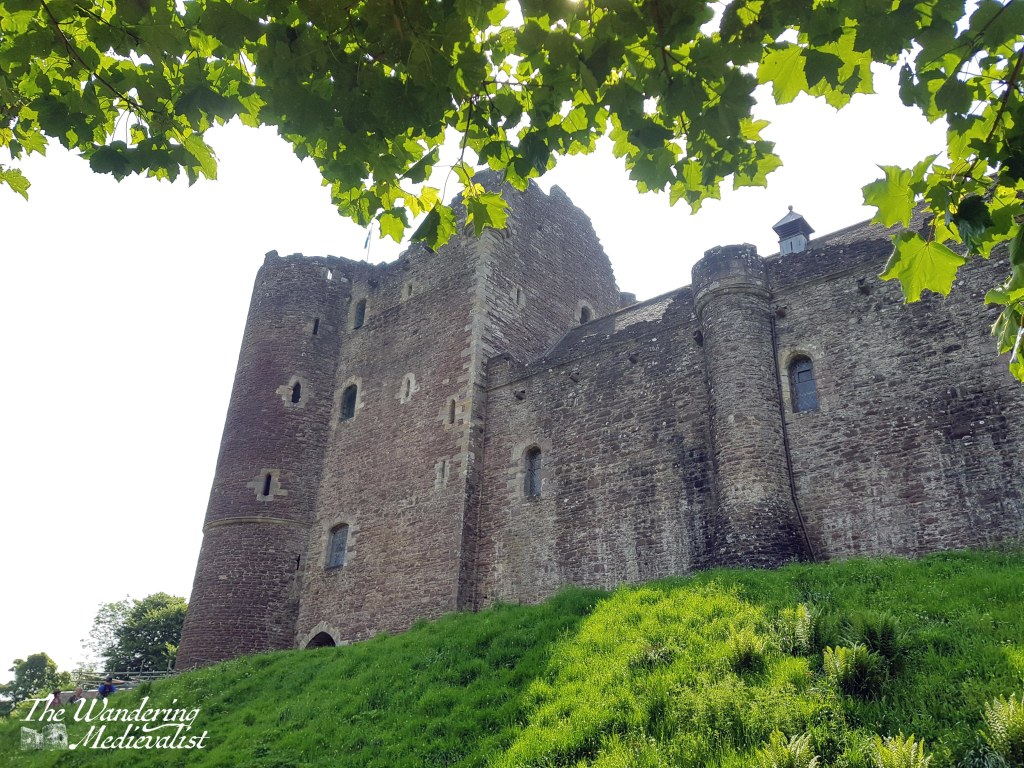
For my first featured castle, Doune was an obvious choice. Located not far from Stirling, it sits in a lovely wooded area by a river, and is easily recognised from a number of movies and TV shows including Monty Python and the Holy Grail, Outlander, Outlaw/King, Game of Thrones, and more. It also holds many fond memories as one of my earliest castle explorations.
One has only to approach on foot to understand its appeal – it is in quite good shape for a castle built (in its present form anyway) in the late 14th century. The gatehouse and tower house are in good condition and can be explored, though on my recent visit I could not get as far up the tower as I had originally in 2003. This is likely due to safety, as many castles in Scotland are currently under refurbishment and are closed or partially closed to allow for safety checks and stonework. As of writing, Doune is open to the public with some restrictions.
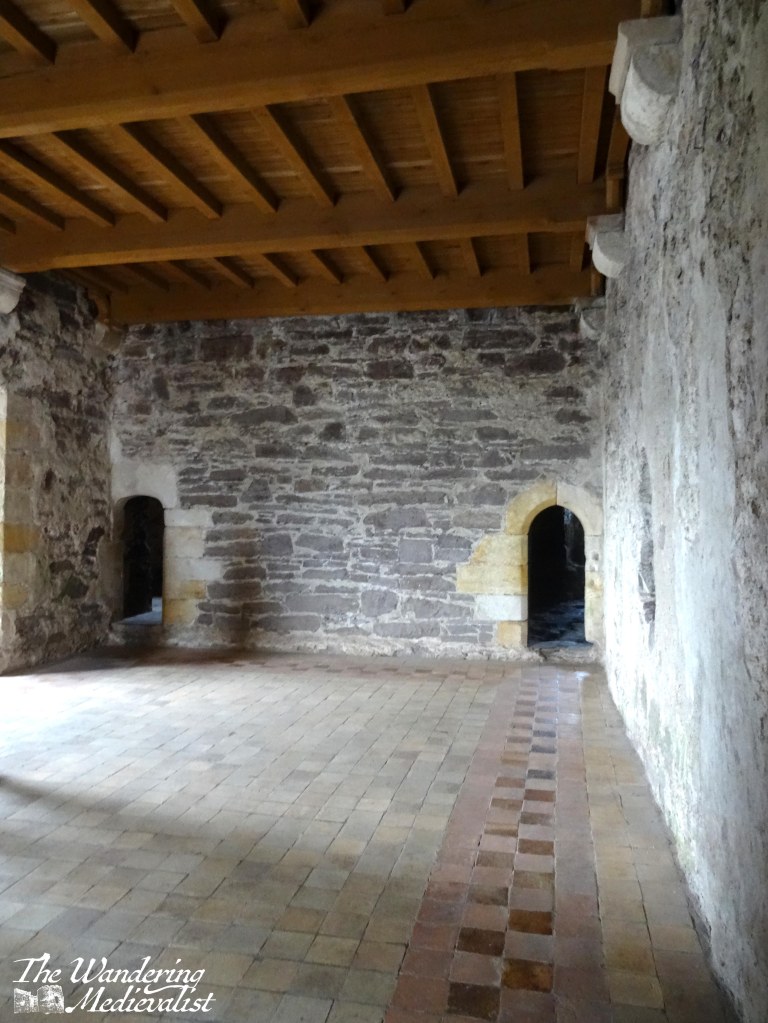
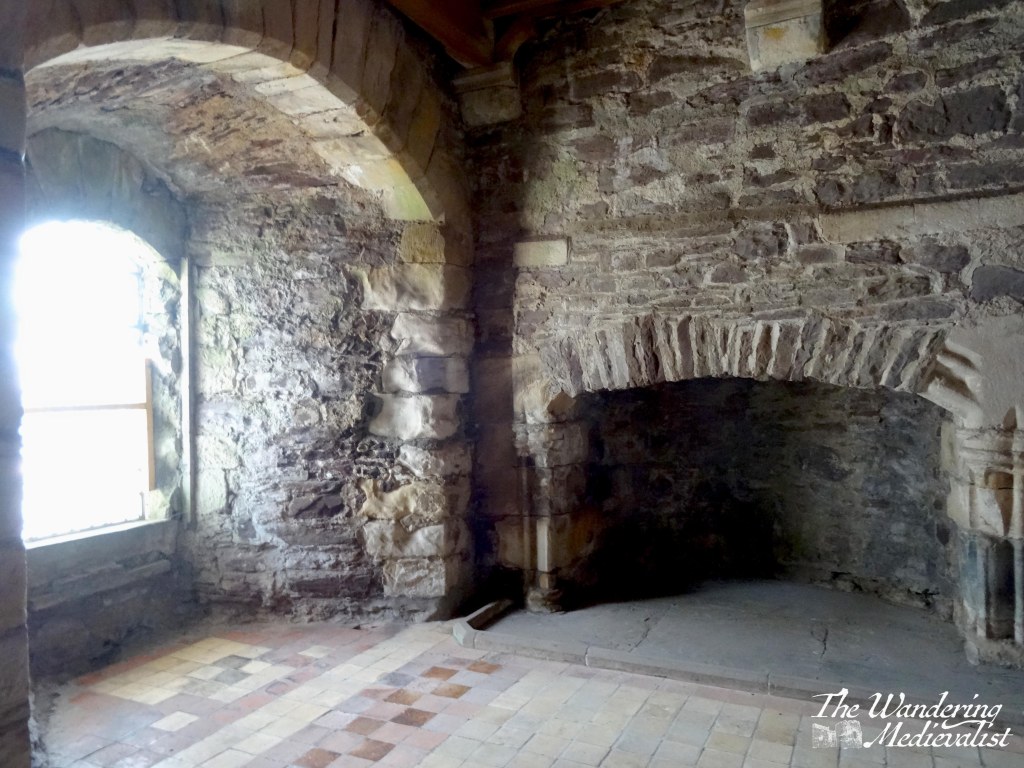
Inside the castle itself there are numerous rooms to explore including a kitchen with enormous fireplaces and plenty of stairs and chambers.
But it is the outside where you can get some really excellent shots of the stonework and architecture of the castle, and there is a short walk from the castle along the Ardoch Burn to where it flows into the River Teith – highly recommended.
I visited Doune for the first time during my final year of university, when everyone else was studying for exams but I had turned in my dissertation and needed something to do for a few days. It was standard Scottish January, but I managed to find a local hotel that was open out of season and I spent the better part of a few hours in the castle, exploring and making friends with the keeper. It was much less famous then, and so when an overnight snowstorm drove me to return the next day, I was allowed to roam the castle again for free, the keeper clearly recognising me as a major fan. Somewhere I must have snowy pictures of the castle and countryside that I simply cannot find.
When I returned more recently, the Outlander craze had shaped the gift shop and there were far more people enjoying a guided tour. For me though, it will always be Robert of Albany’s castle – the villain in my mind of the story of King James I of Scotland and his long incarceration in England. James I was a long-standing obsession of mine ever since I had discovered a book of his poetry in a used bookstore, and I should point out that Robert’s villainous status is certainly in question. Historically accurate or not, Robert became the villain in the first novel I ever wrote, a fictionalised account of James I’s life, and I have been drawn to Doune ever since I learned that James may have walked the halls himself.
The January 2003 visit to Doune was one of my first solo adventures in Scotland and led to my first visit to another iconic local spot – Castle Campbell – but that will have to be a tale for another post!
I had every intention today of diving in with a castle post, but the gorgeous weather inspired me instead to take and then write about one of my favourite walks for when it is sunny but time, transportation or inclination prevent me from wandering further afield.
The walk is about a 1 1/2 miles if you do it straight out and back, or a bit longer if it is turned into a loop. It starts across the road from the Guardbridge Inn, though one must be careful in darting across the busy A91. If you are coming from Guardbridge, I recommend crossing at the roundabout before the bridge, it will be a bit easier.
One more caveat about this walk is that if it has been the least bit wet, it will be muddy and squidgy in places, so be warned and wear proper footwear!
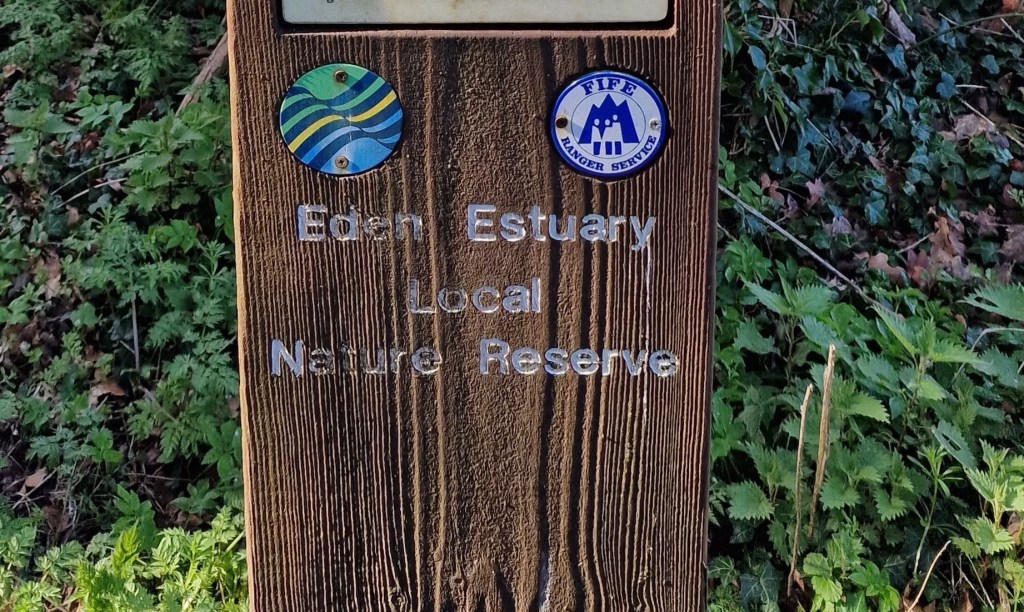
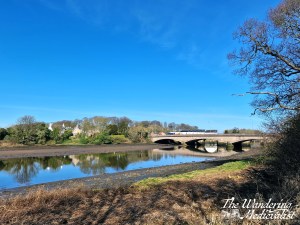
The path heads off along the Eden Estuary, with lovely views through the trees towards the water. It takes only minutes to pass out of the trees and onto the wider path, where the ground can be very spongey and wet depending on how high the tide and water are. This is an excellent spot to find ducks, heron, swans, and many other birds that a proper birdwatcher would glory in I am sure.
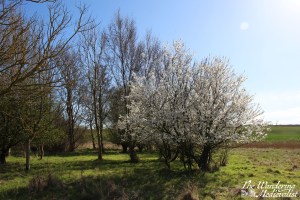
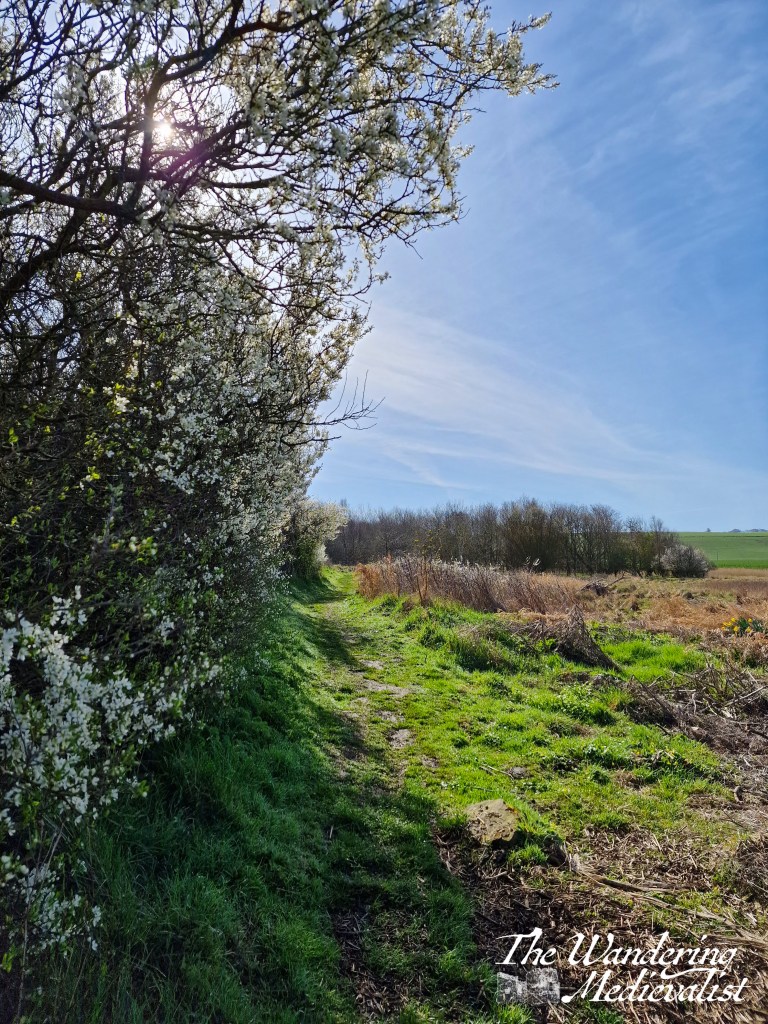
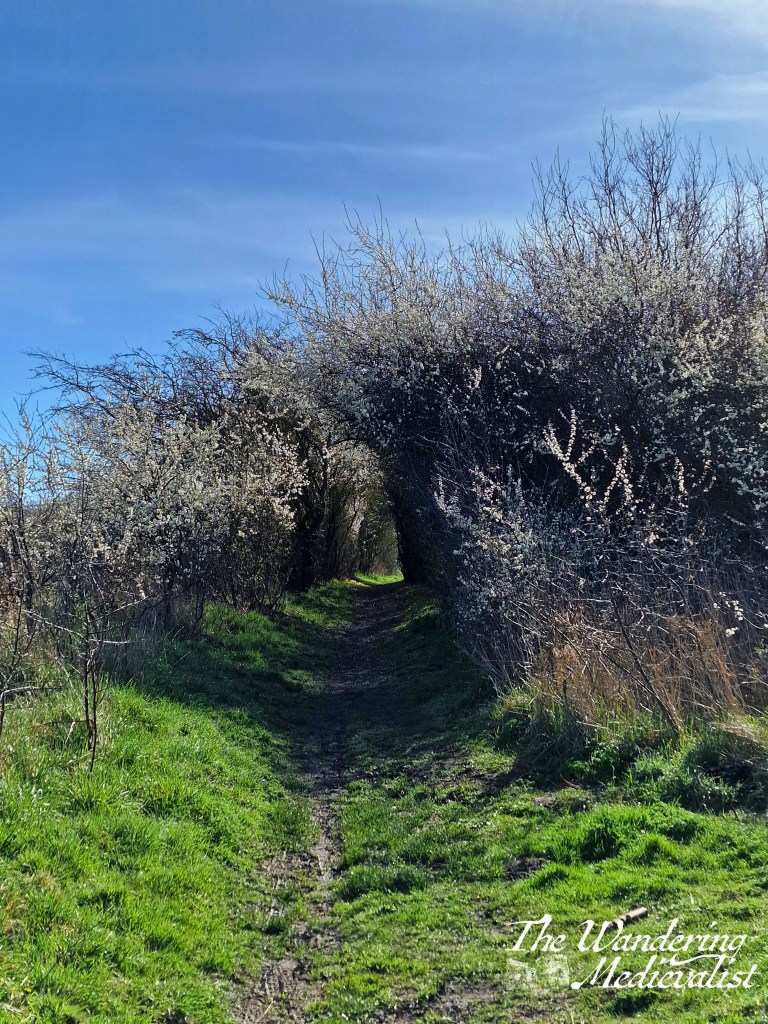
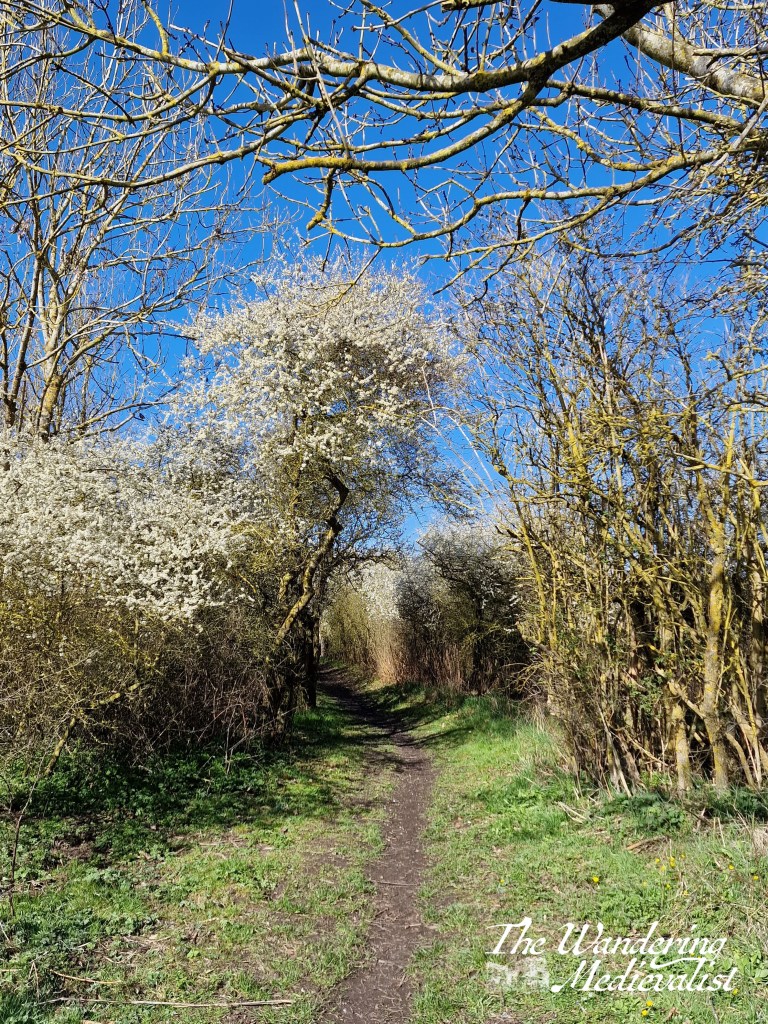
On days like today in the spring there are glorious white blossoms everywhere, and even a small bench you can sit on if you wish to enjoy the view. One advantage of this walk is that it is almost impossible to go the wrong way or get lost, instead you just follow the path along the edge of the field until it curves around and leads you through a tunnel of lovely bushes.
Once you have emerged from the tunnel, follow the path for another five or ten minutes along a small burn – sometimes dry in the summer – between two fields. A large planting of gorse is bright yellow in the spring, and I am relieved to see that some work was put in recently to improve the path, which could prove a bit treacherous.
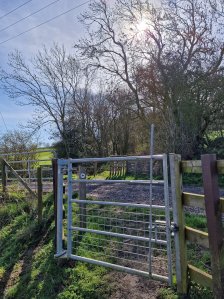
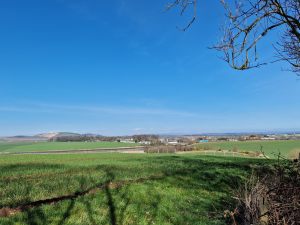
Eventually you will come to this farm gate, and immediately across the road you will see the path disappearing into the trees. Again it is very well marked and quite muddy as it climbs up the hill – a relatively gentle incline but enough to get your heart rate up a bit. Down below on the left there is a small burn, and there are a few points along the way where you can cut over to the edge of the field for a view back towards Guardbridge and Balmullo Law.
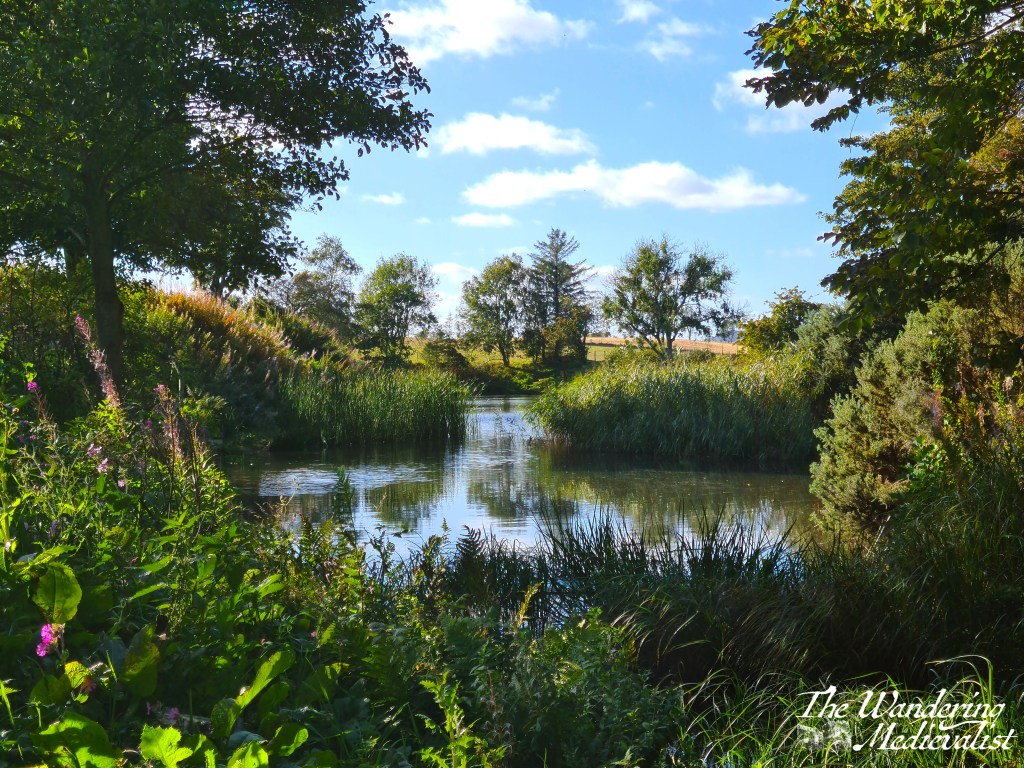
Eventually the path levels out, and provides a bench – though with no view – and you will start to see the raised ground that surrounds the Kincaple fishing ‘loch’, a private fishing pond. You can either cut off to the right to walk around the water, or continue on to where the path meets the road. Below are several pictures I have taken over the year of the loch, with today’s boasting the flowering yellow gorse.
The fishing loch is essentially your goal for this walk. At this point you can turn left along the farm track and eventually meet the main road that runs from the A91 up to Strathkinness. At that point, however, you must walk along that road back down the hill, and I have never felt a desire to do so as I know it is busy with fast cars and busses. Or, you can re-trace your steps back towards the Guardbridge Inn, which is an excellent place to stop for a snack, meal, or drink. In the colder months they often have a fire burning, and in summer their beer garden stretches out behind the inn along the estuary and is a very pleasant place for a coffee or a few pints.
One last picture of my favourite part of this walk, heading into the tunnel.
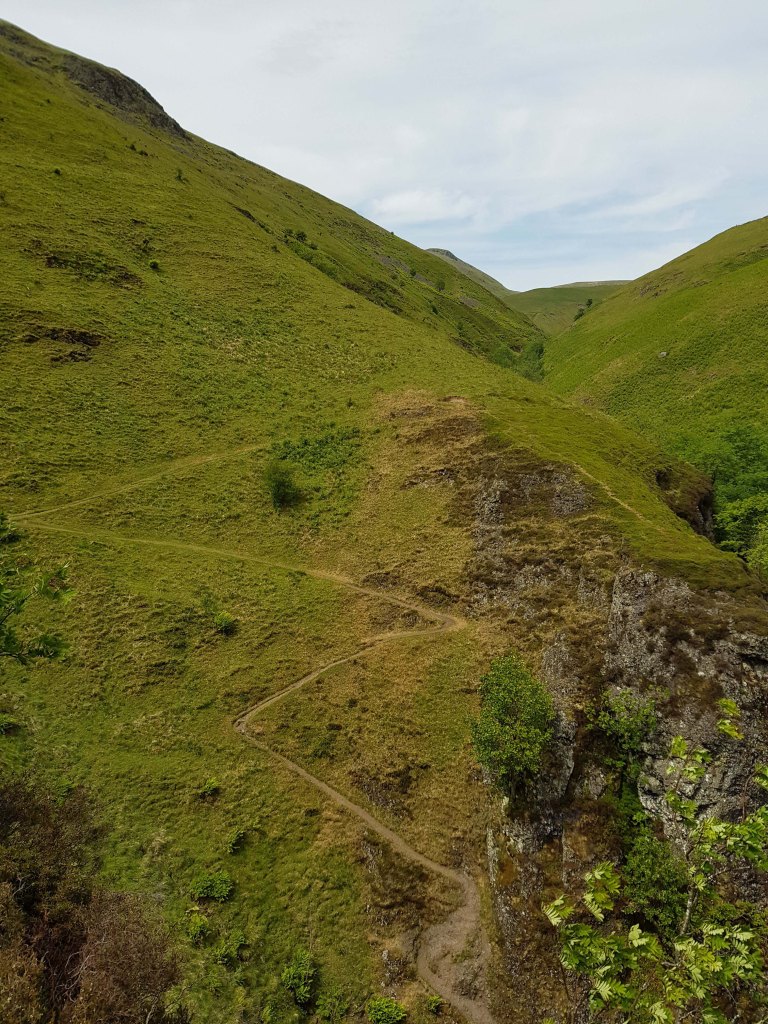
This walk will always have fond memories for me as one of the first we took after being allowed to leave our local area as Covid restrictions eased in summer 2020. The walk takes you up through one of the many lovely glens in the Ochils, where if you are determined enough, you can climb up to the grassy hills and see some lovely views over Clackmannanshire, Fife, and Stirlingshire – depending on which glen you choose!
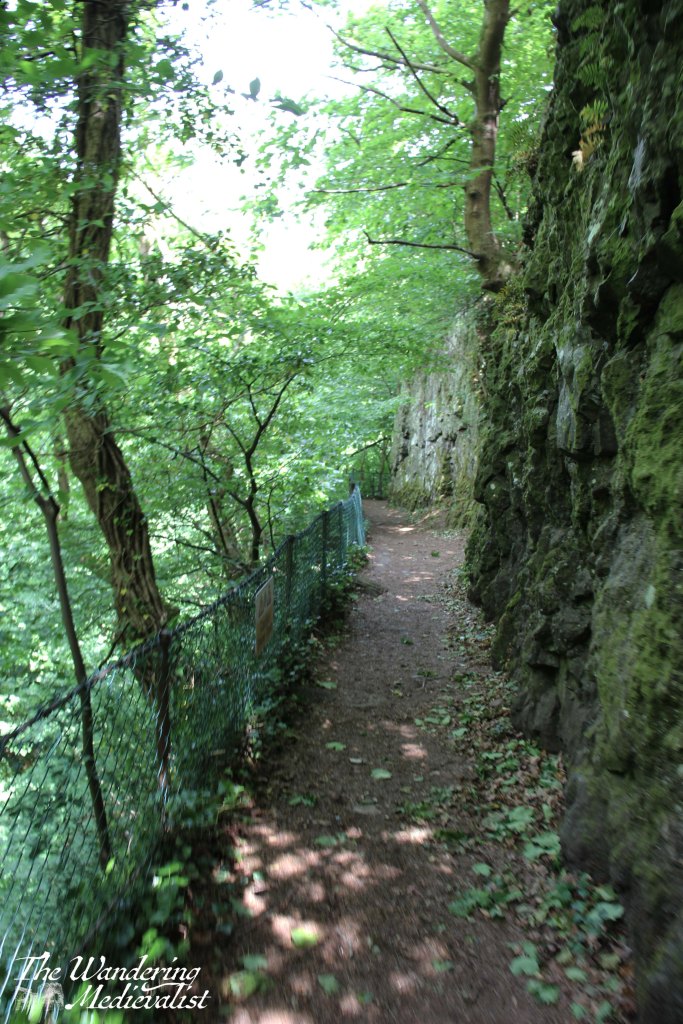
‘Determined enough’ may be a touch misleading as this really is not a particularly long or strenuous trail. Like most of the glen walks, it has a few steeper bits and a good climb or two, but even after a few months of Covid laziness we were able to make it without too much difficulty.
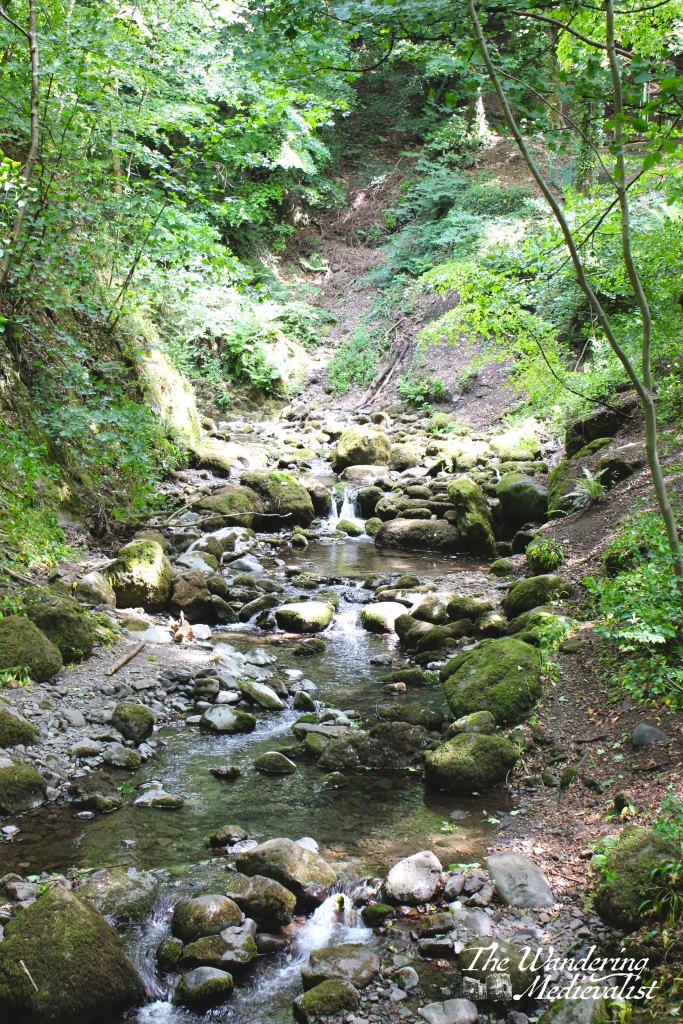
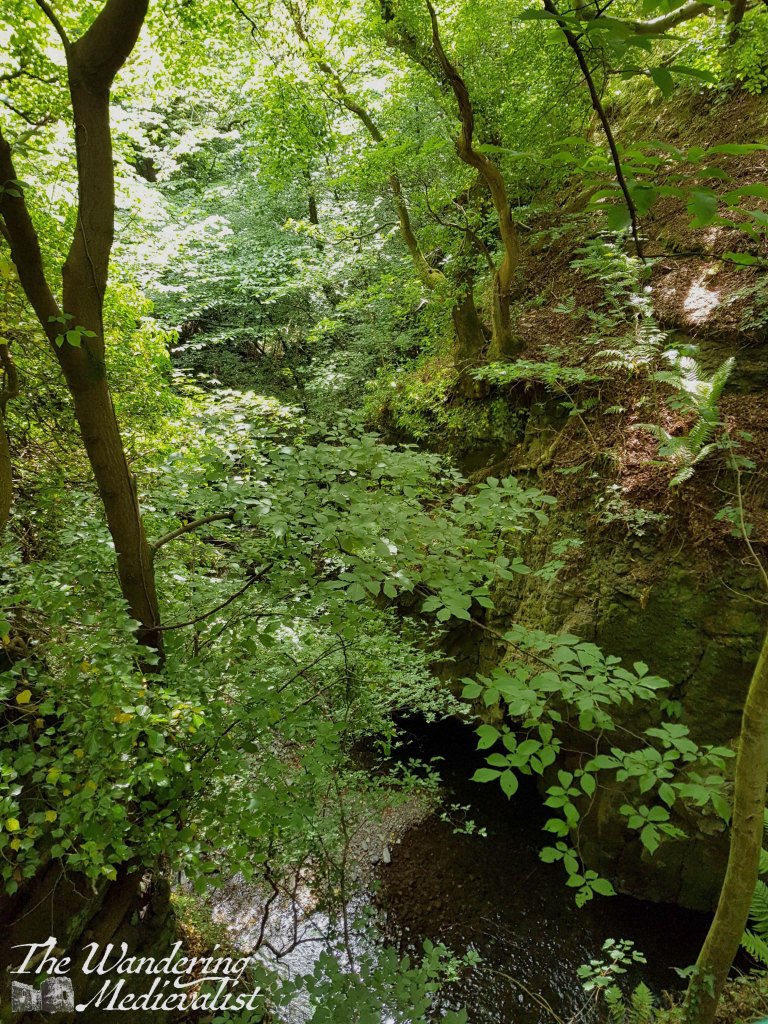
The walk starts in a good-sized car park and follows a lovely babbling burn through the trees as it climbs.
Aside: I confess to having a massive weakness for rocky rivers, though I come by it honestly after childhood holidays in the White Mountains of New Hampshire. There is always a part of my brain seeking a way to get across even though falling in is often more likely. Whether I attempt to cross or just snap plenty of pics, I am sure to at least stop, so you can be assured of more to come.
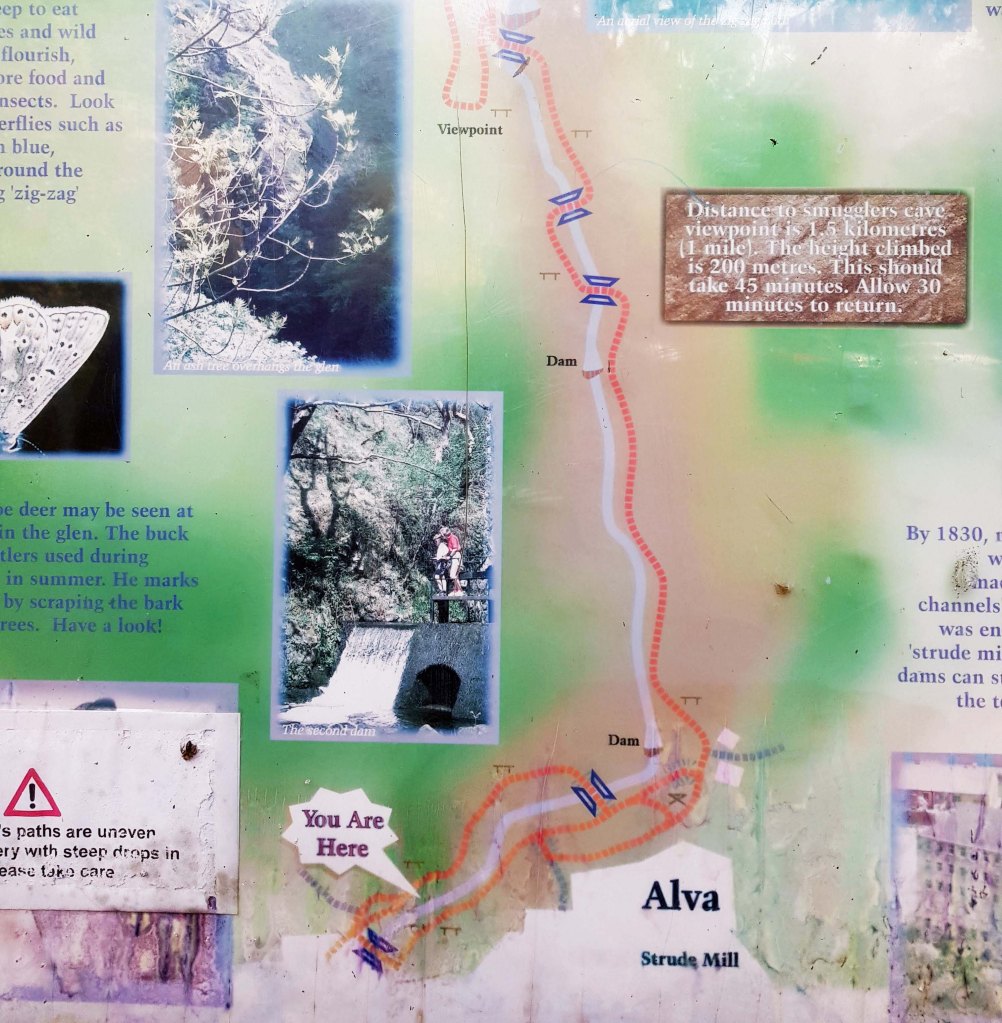
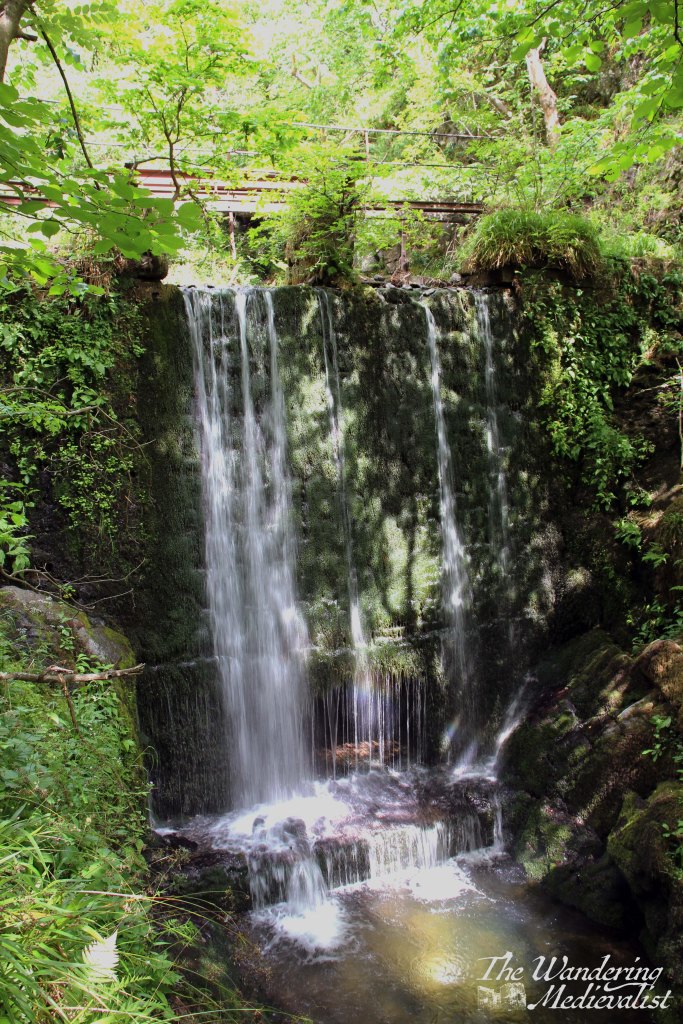
Another weakness is waterfalls – closely related to rivers really. This one is just visible on the map above, and was courtesy of my at-the-time brand new fancy camera which I splurged on after the first few months of lockdown during which I was still working like mad but spending very little.
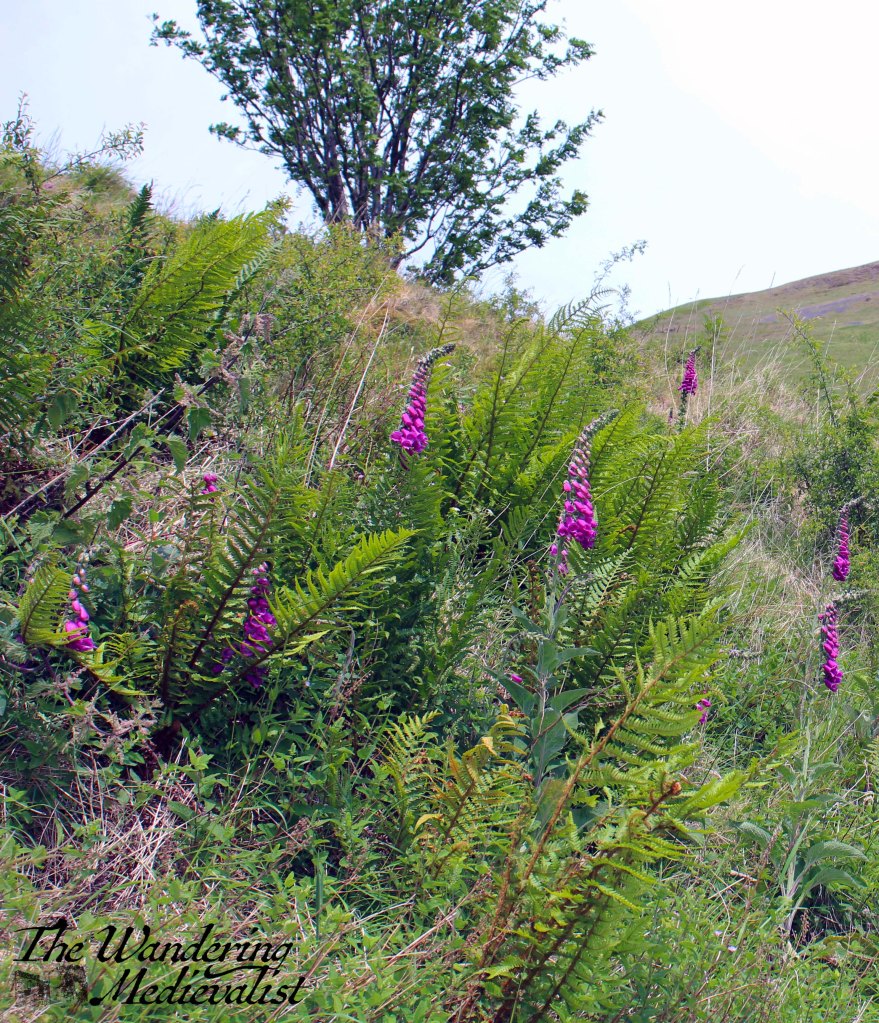
As we climbed up out of the trees, we were met by clumps of gorgeous purple, and the view opened up behind us. Both of us were struggling with knee pain a bit, so we stopped to enjoy the view.
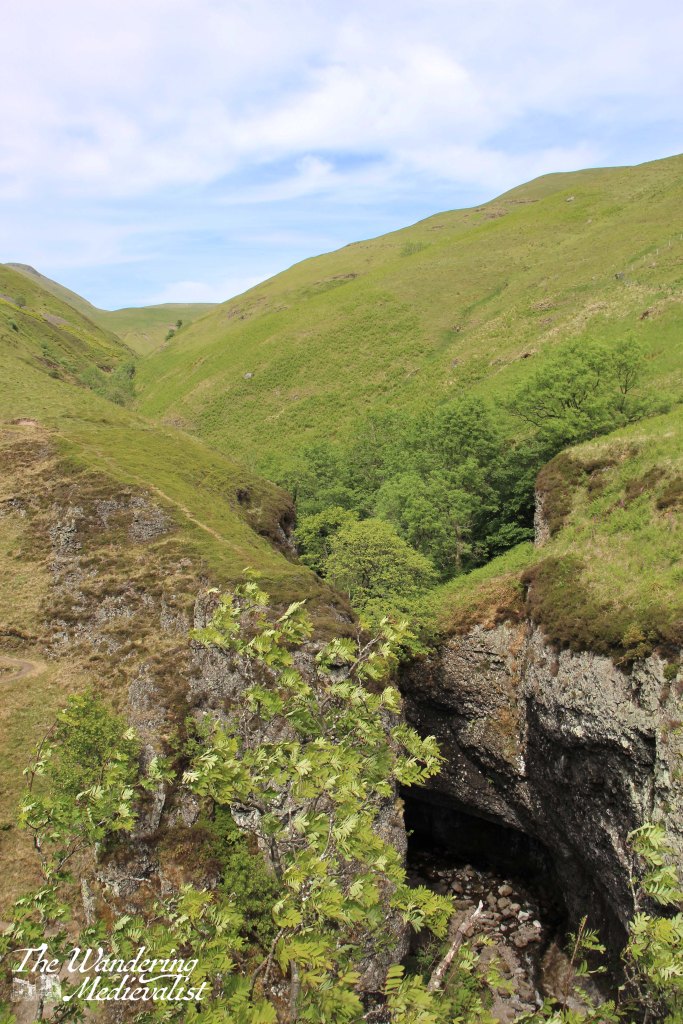
The ‘goal’ of this walk is to make it to Smuggler’s Cave (L) but the path does continue on up the glen (R). We found a good spot for lunch and had a picnic before heading back down again. Overall not a particularly long walk, and we saw more than a few families with young children at the start. Of the Ochil glens I have explored it isn’t my favourite but it was something new and definitely a good weekend wander, well-maintained and easy to follow.
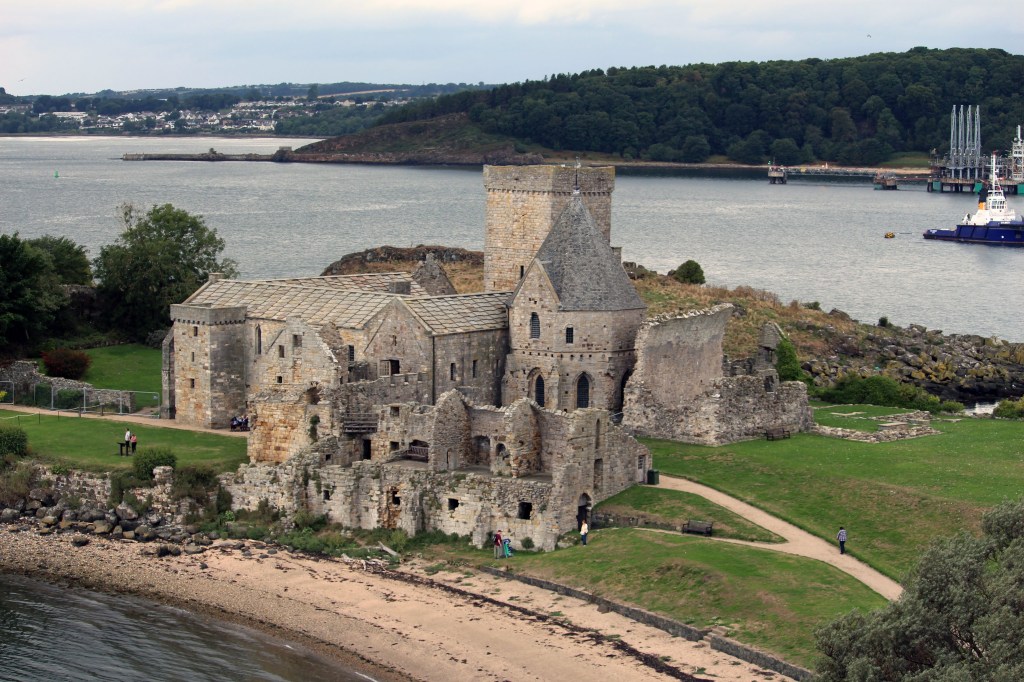
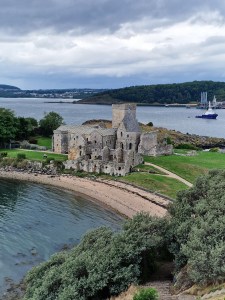
I thought it perhaps wisest to start my blog in the same place I started my Instagram account – the stunning Inchcolm Abbey, a medieval abbey founded in the 12th century on a island in the Firth of Forth, not far from Edinburgh. The island is still relatively easily accessible for day trips via a fantastic series of tours leaving from South Queensferry.
The island is also home to the ruins of World War II defences and a large colony of seagulls, as well as some local seals.
We used the Maid of the Forth which allows you about 90 minutes to explore the island in your own time before the next boat back – there are limited refreshment options available and a small shop. The boat tour itself takes you back under the three bridges crossing the Forth – rail and two road bridges – and is incredibly informative about the local area.
When I was seven years old, my parents took me along on my father’s business trip to Europe. I was a curious, well-behaved child, and so I was gifted with something to keep me busy – my first camera. I remember it well: 110mm, rectangular and bright yellow, with film cartridges shaped like dumbbells that were very easy to use.
It became my self-appointed task to record the trip on film, and so a hobby was born. I have been fortunate enough over the years to live in two of the most beautiful parts of the world I can think of – New England and Scotland – and my affinity for weathered stone was only confirmed during my years studying medieval history.
Photos have been my way of capturing a moment of history on film, and this blog is my way to share this love – for castles, cathedrals, stunning views and charming streets, the uniqueness of nature, and the many amazing walks and hikes I have taken in pursuit of these views.
Follow me on Instagram for some on-the ground pics, and I’ll post here as often as I can.