
This post has been very long in coming, due in part to a month of February that both sped by and was quite challenging. I was also very keen to include some history of this magnificent spot, and so even more research than normal was required.
Several years back, I was fortunate enough to be invited to speak at the Mortimer Historical Society autumn conference. A work colleague knew one of the conference organisers, who along with being passionate about the Mortimers was a knowledgable and kind host. My train ticket and accommodation were taken care of, and one afternoon before the conference I was able to visit the stunning castle. Ludlow is the type of castle I adore – ruined but only partially, with a solid feel for what it would have looked like in its heyday. I could happily have spent hours exploring the towers and keep, as well as the unique round chapel.
Ludlow – the town
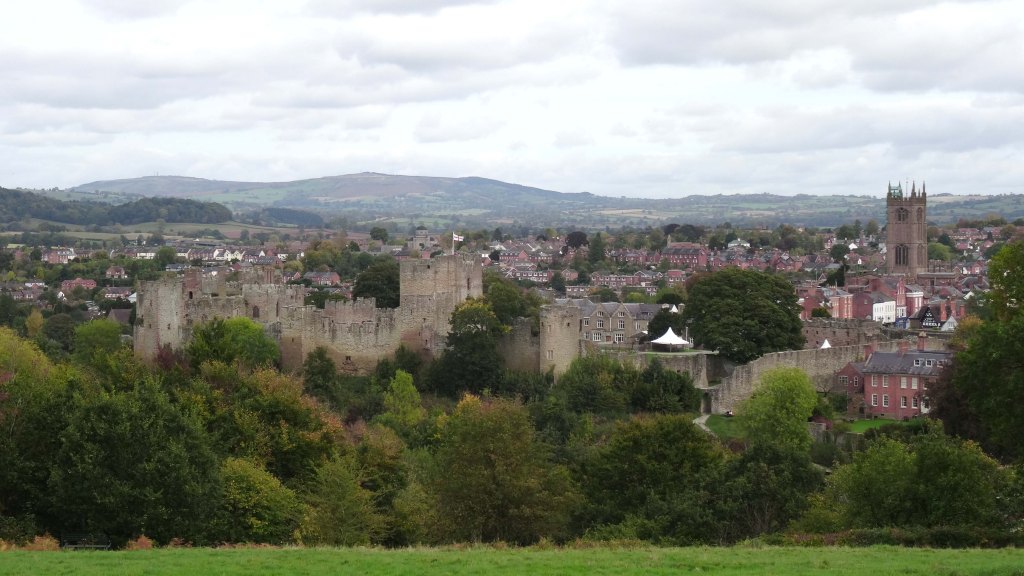
Dating back to 1086, Ludlow was a planned town, built around the castle. Situated on the Welsh marches – border lands – the fortress was constructed to help subdue the local Anglo-Saxons and of course keep an eye on neighbouring Wales. For this reason, town walls were constructed in the 1230s, several stretches of which are well-preserved.
The plan of the town is evident. Before the castle is a large market square, and the streets lead away in what feels like a very un-medieval planned grid of sorts. There are reams of beautiful buildings from different styles and time periods, and I spent a good few hours wandering the streets and discovering unusual paths and construction. But the castle, of course, was the pièce de résistance.
Ludlow – the castle
Ludlow is one of those epic castles that has played a part in many points throughout history. The first phase of construction was begun by Walter de Lacy, one of many Normans who came to England with the conquest of 1066. Throughout the 11th, 12th and 13th centuries, the subsequent rulers of the castle were frequently at odds with the king, but that did not mean there was no time for construction.
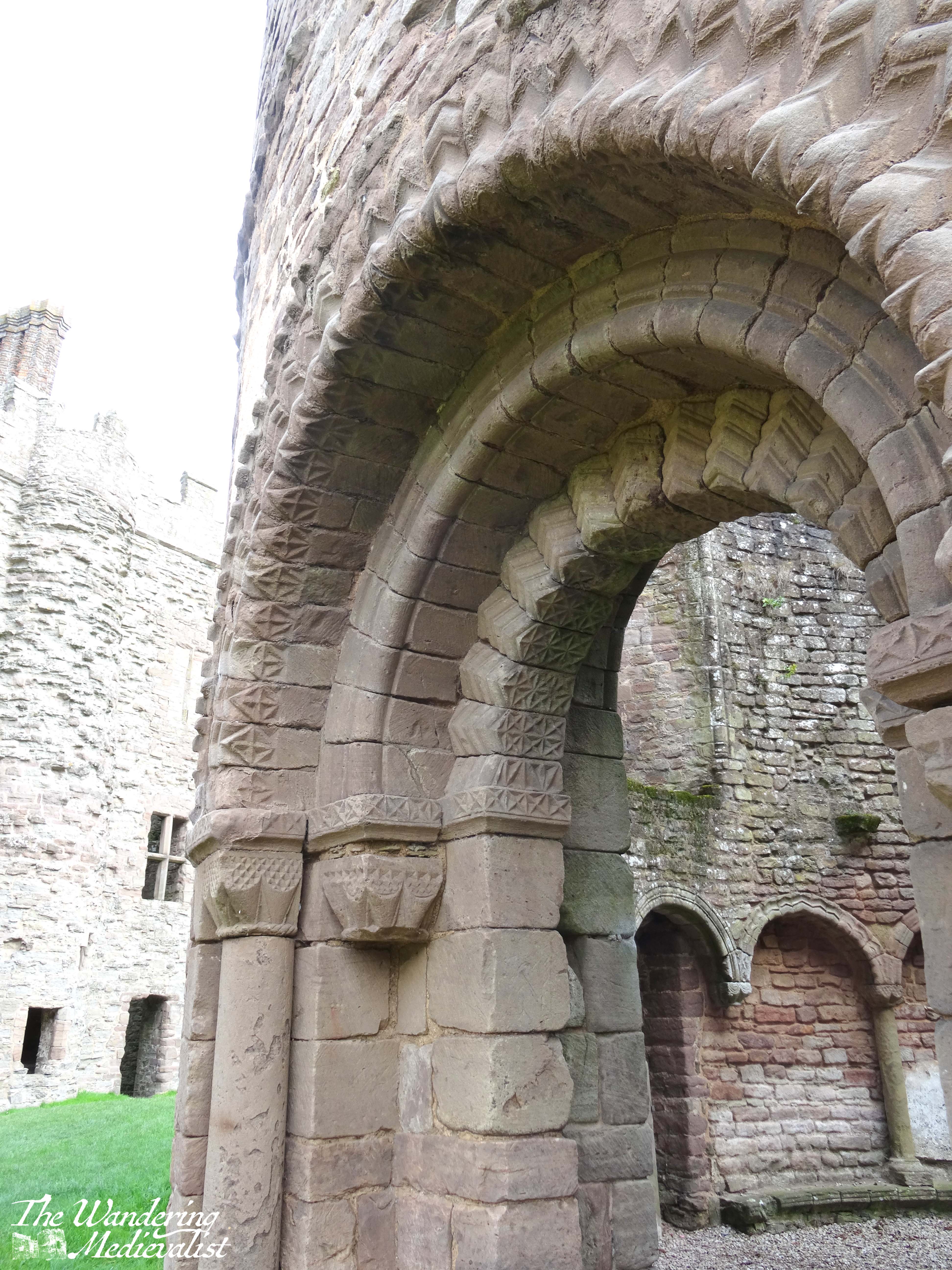
The unusual round chapel of St Mary Magdalene was build in the early 12th century, likely modelled after the round churches of the Knights Templar, an order which the castle’s owner Gilbert de Lacy later joined.
Chapel of St Mary Magdalene
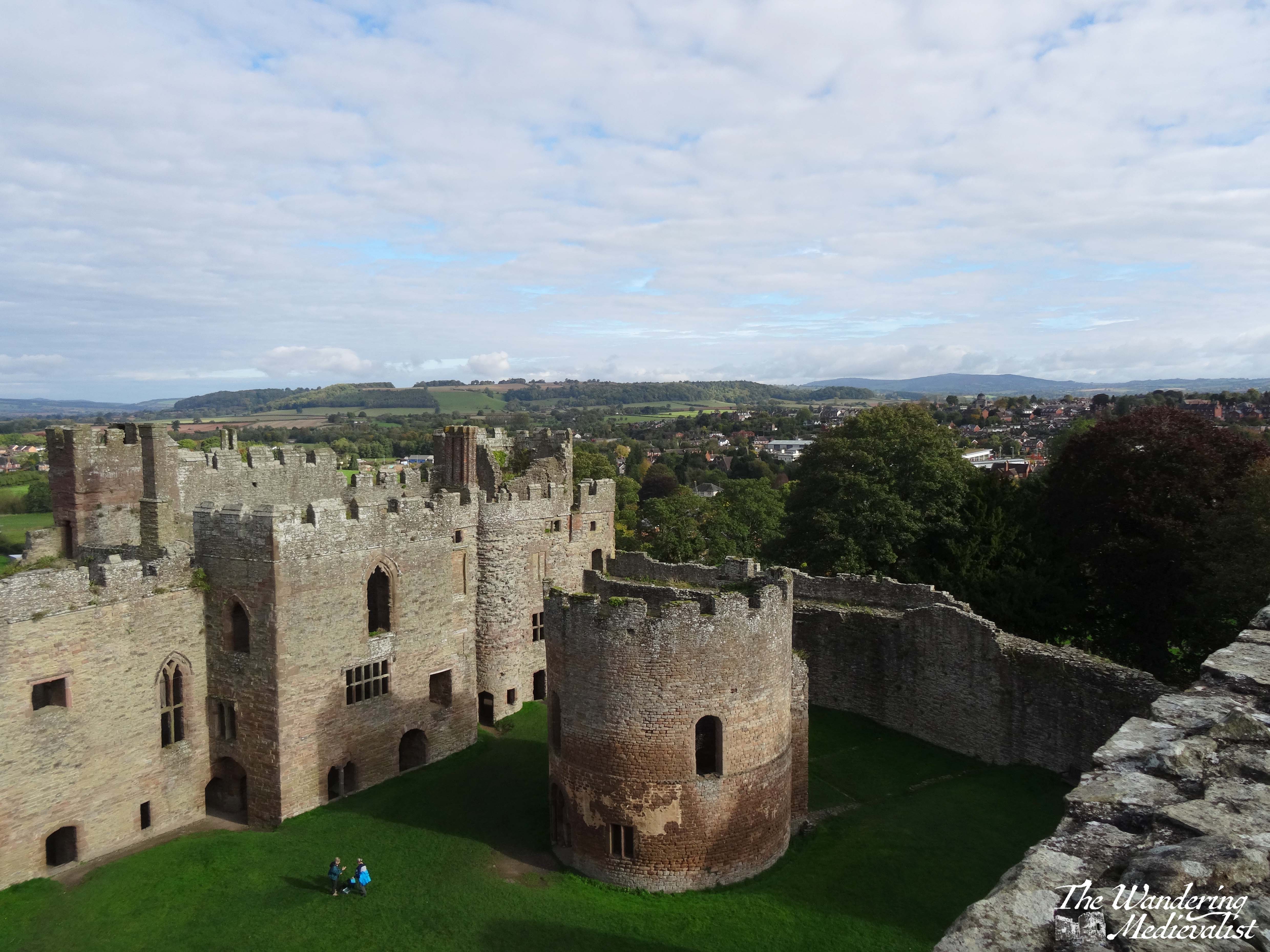

The Great Tower that dominates the outer bailey likely dates from the 1130s.
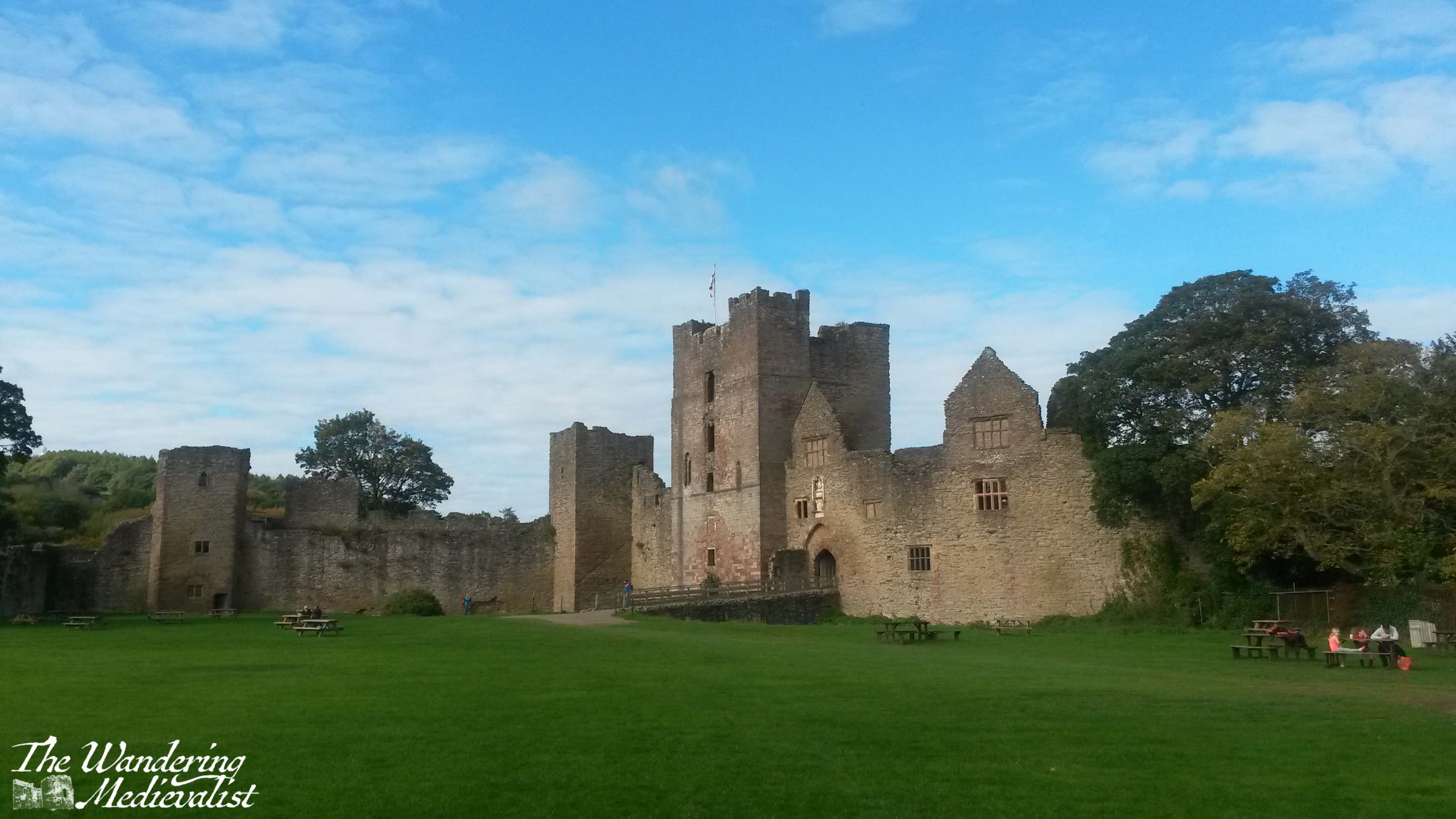
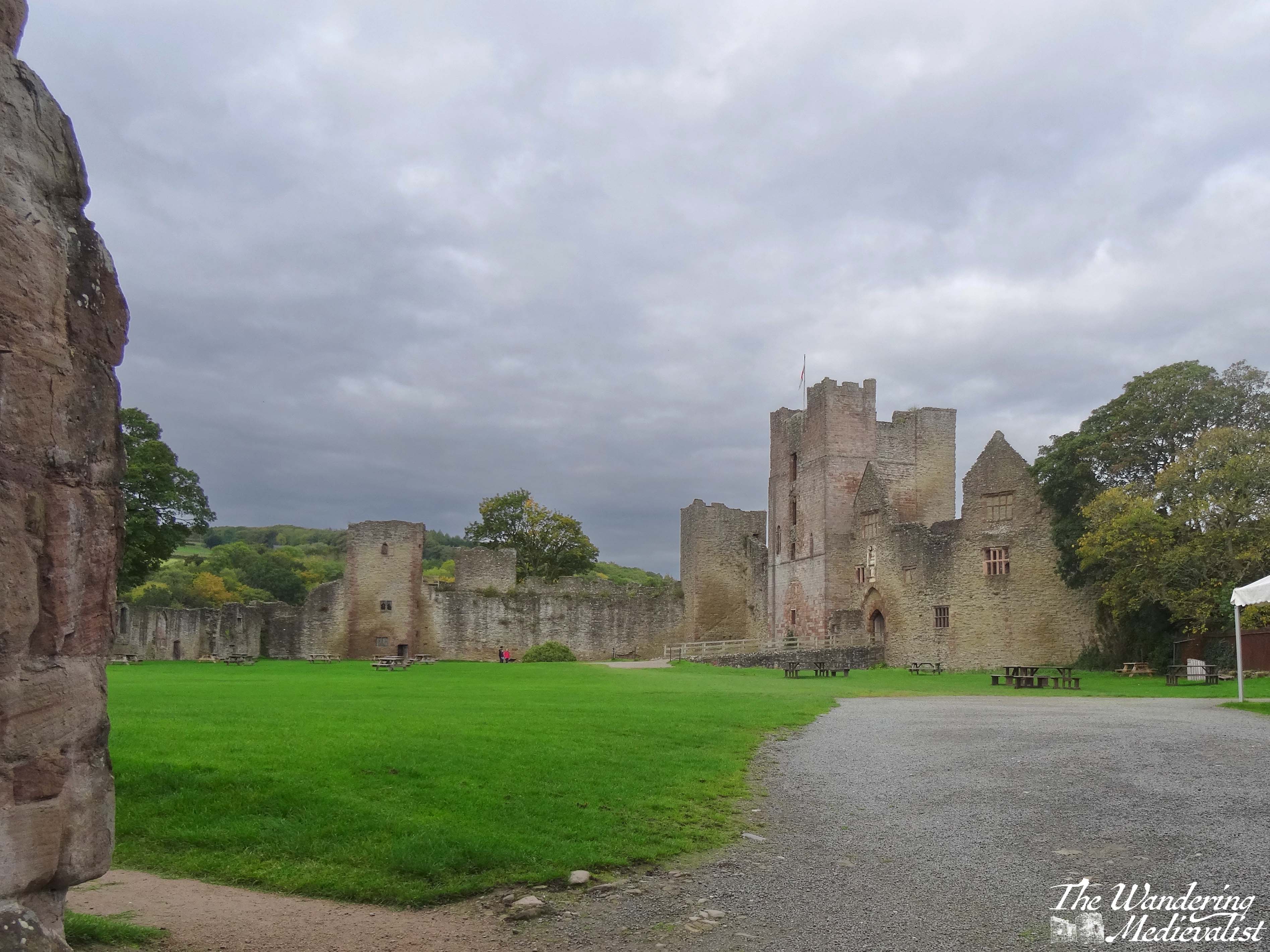
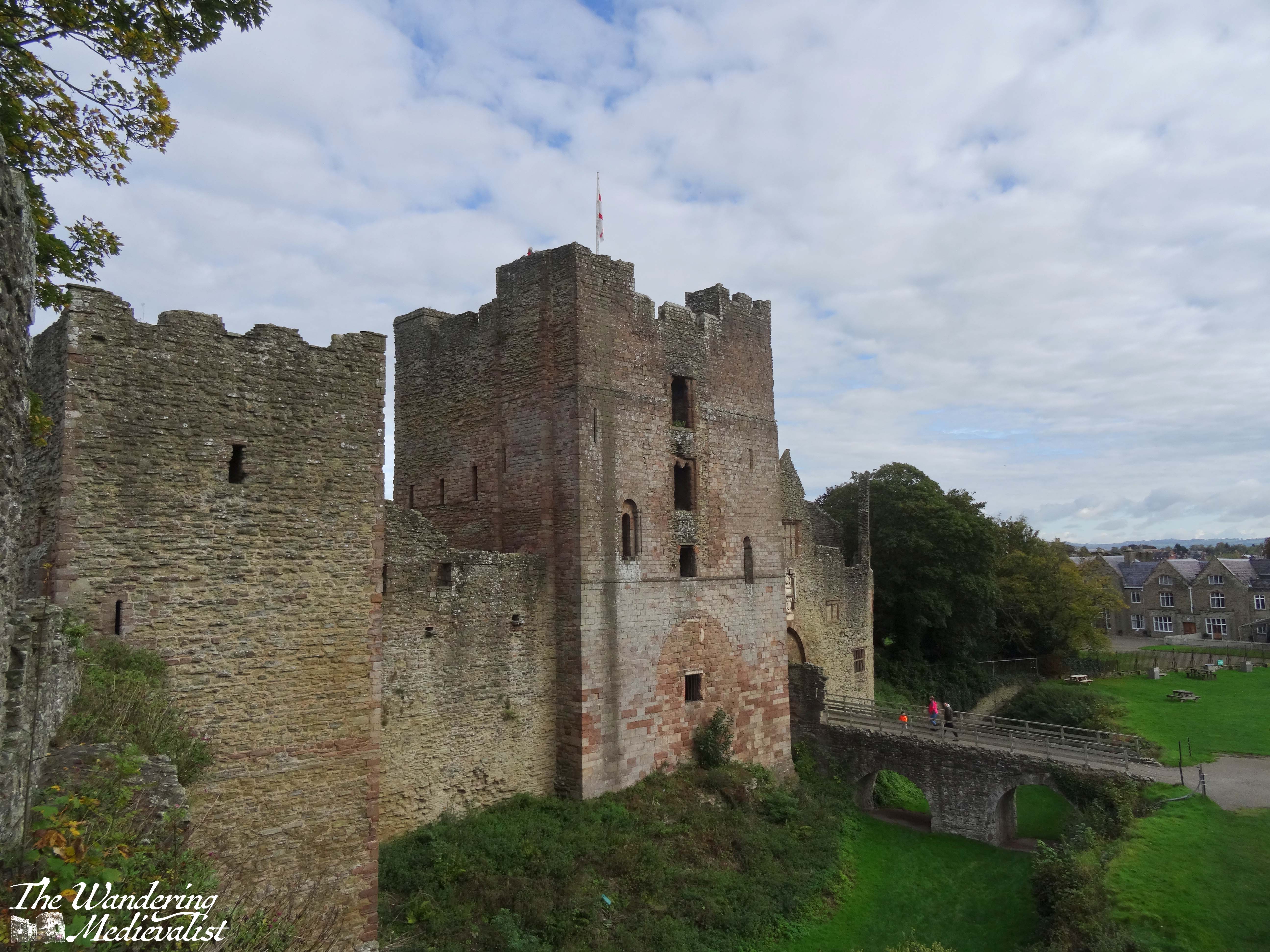
In the 13th century, the solar block was added, creating more comfortable living space for the family and enabling the lords to more adequately welcome guests. In 1223, Ludlow was the site of unsuccessful peace talks between King Henry III and his brother-in-law, the Welsh Prince Llywelyn ab Iowerth.
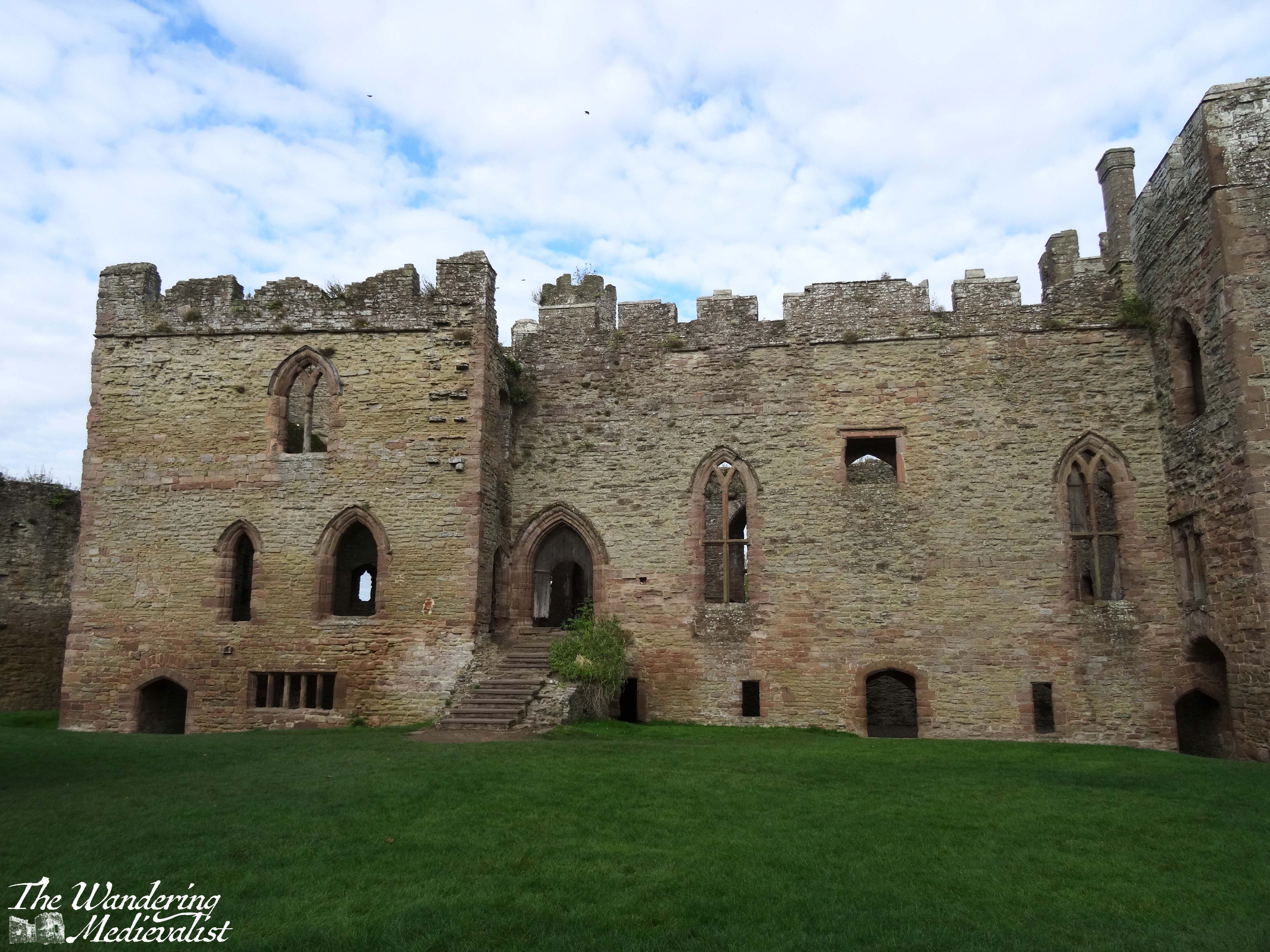
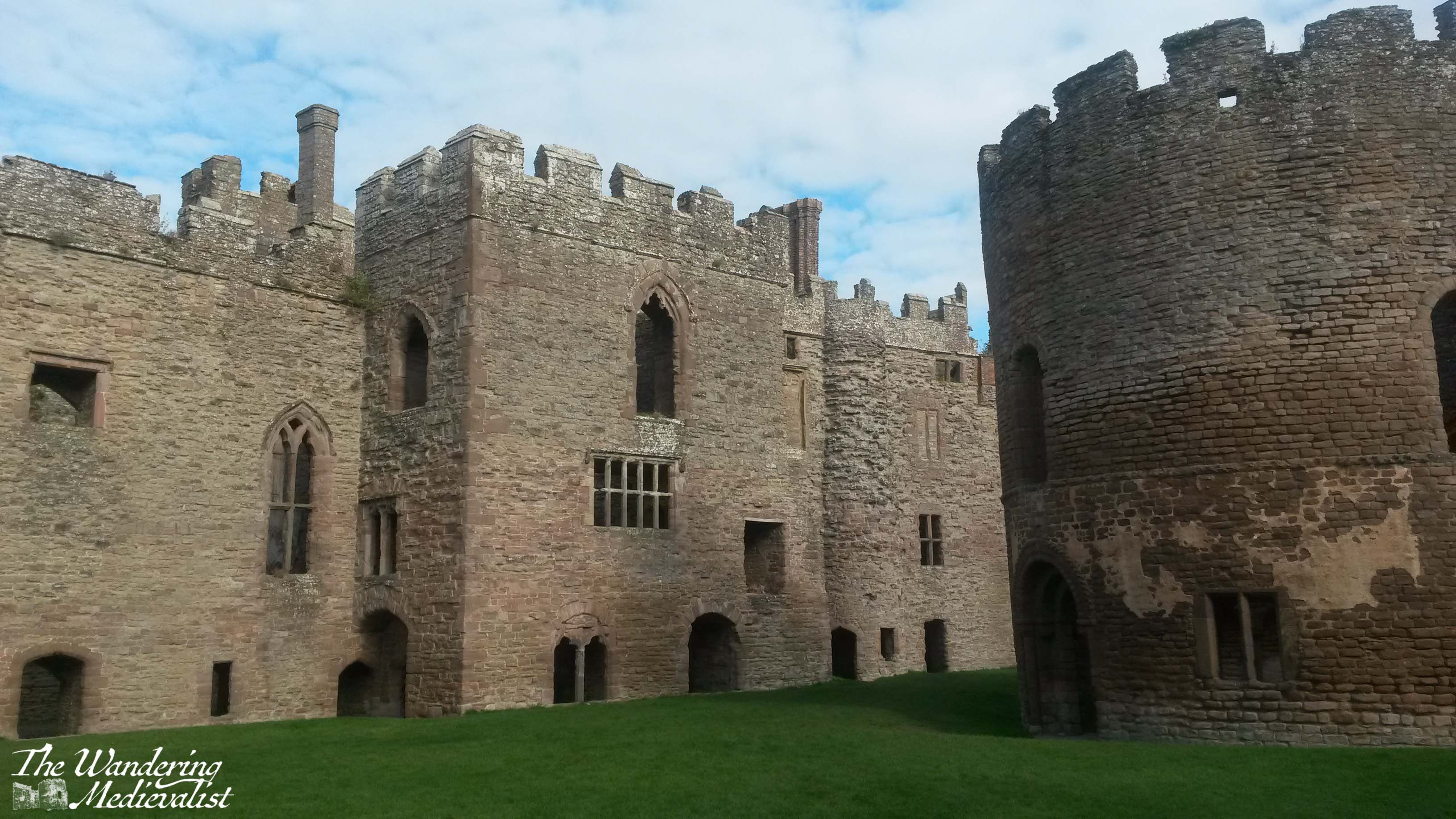
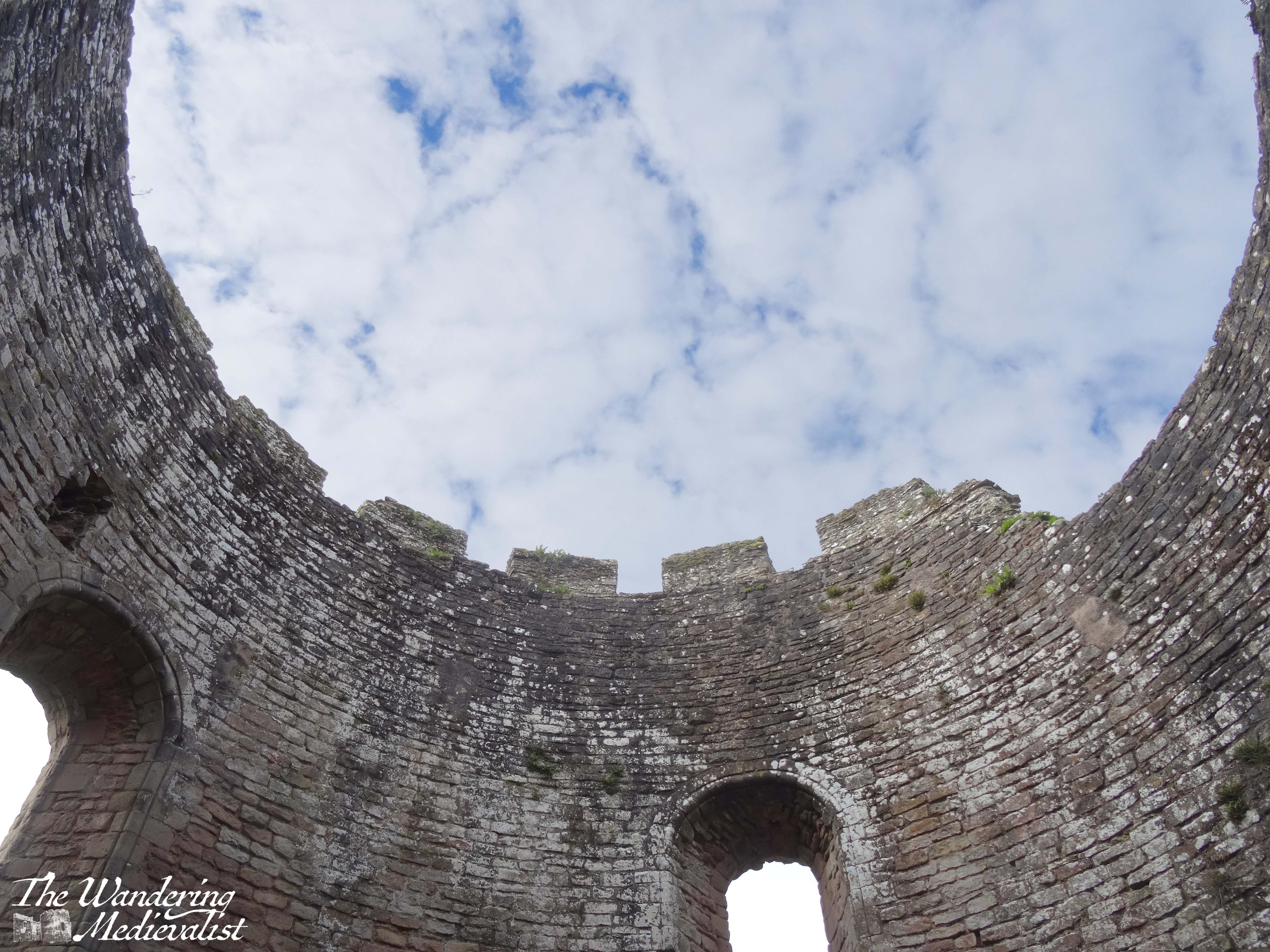
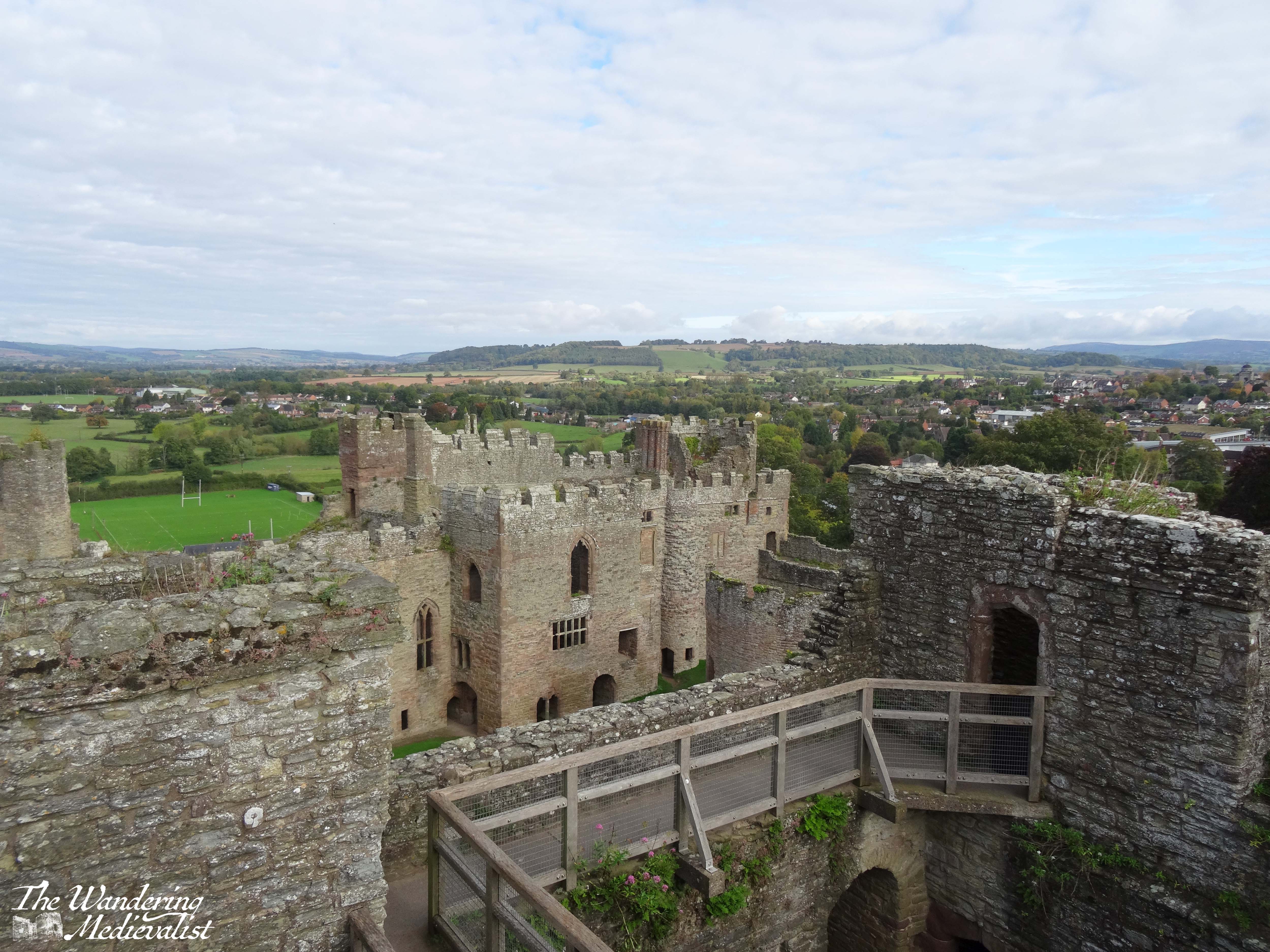
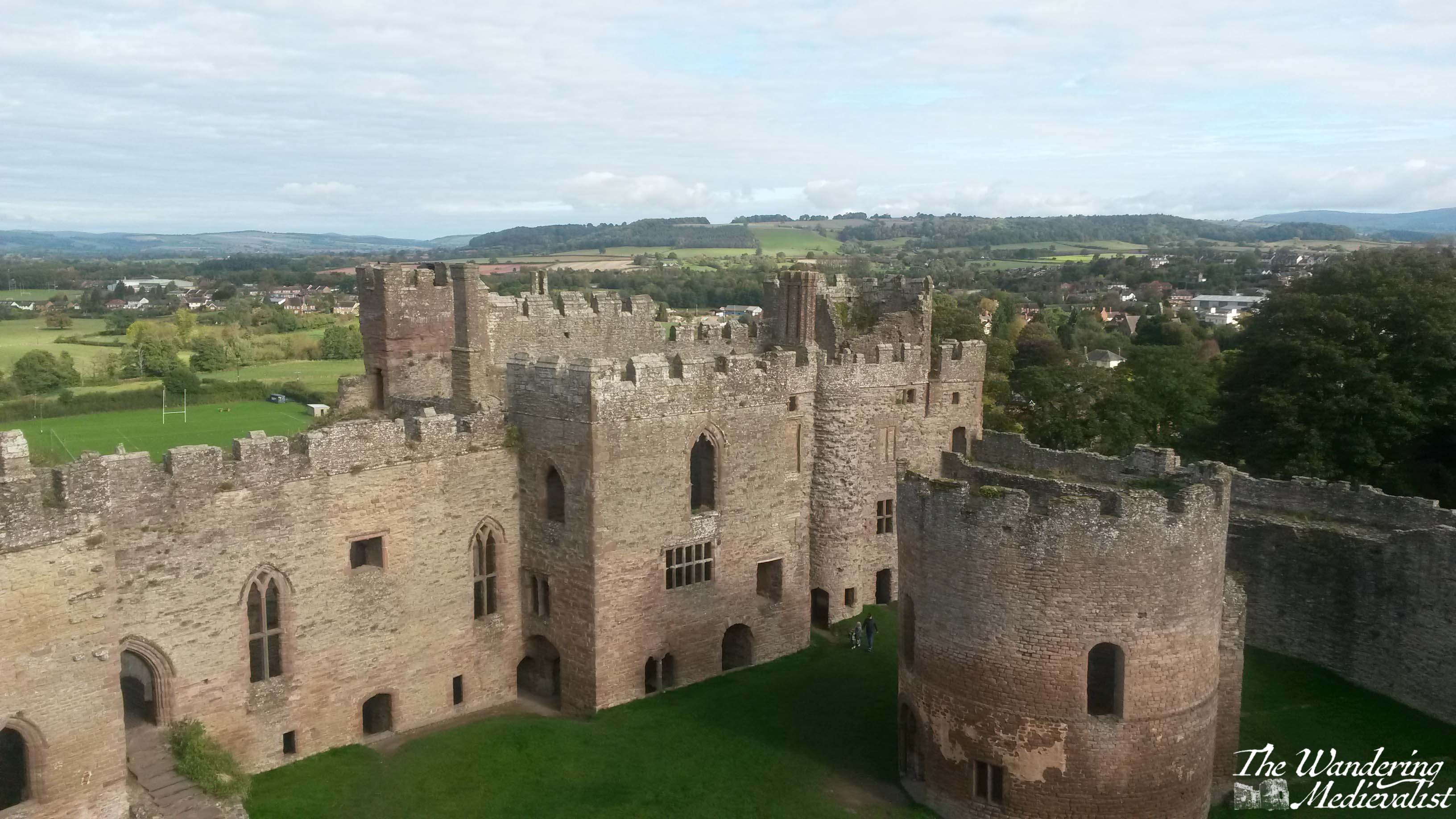
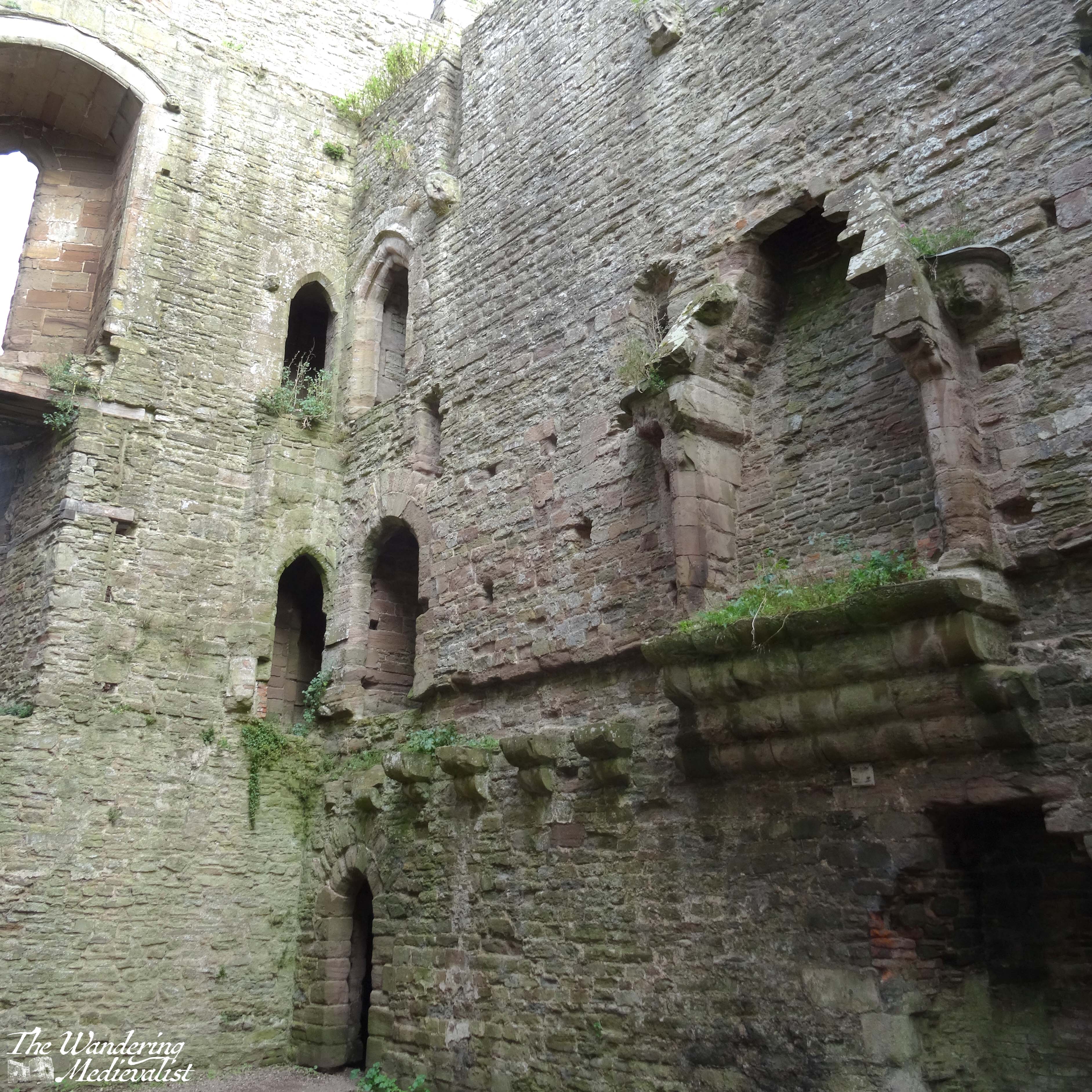
These buildings are more clearly viewed when you climb up the Great Tower, and look over the castle interior. Like in many ruined castles where the floors are long gone, you can look up the walls to see doorways, corbels to support the floors, fire places, and of course windows.
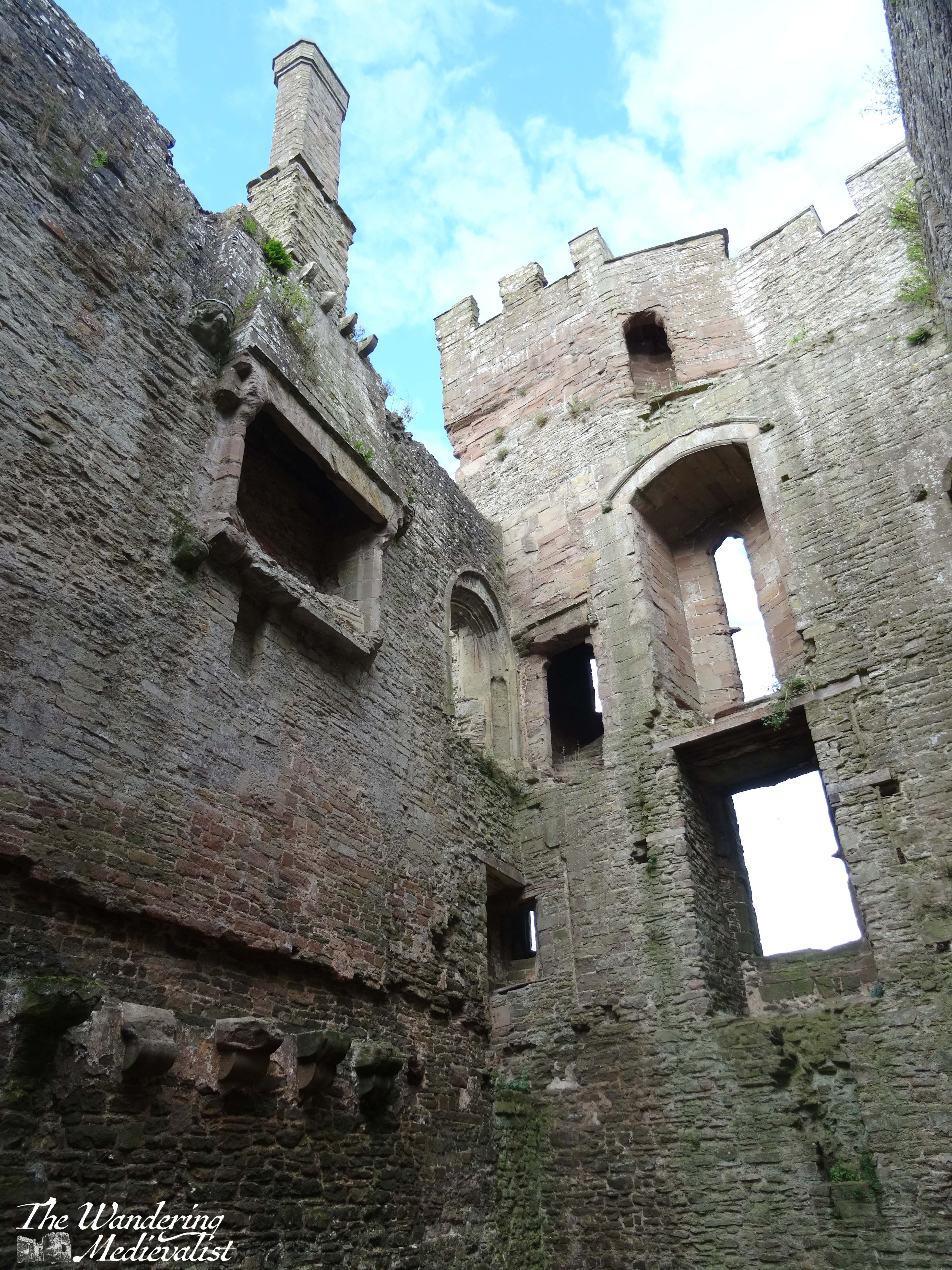
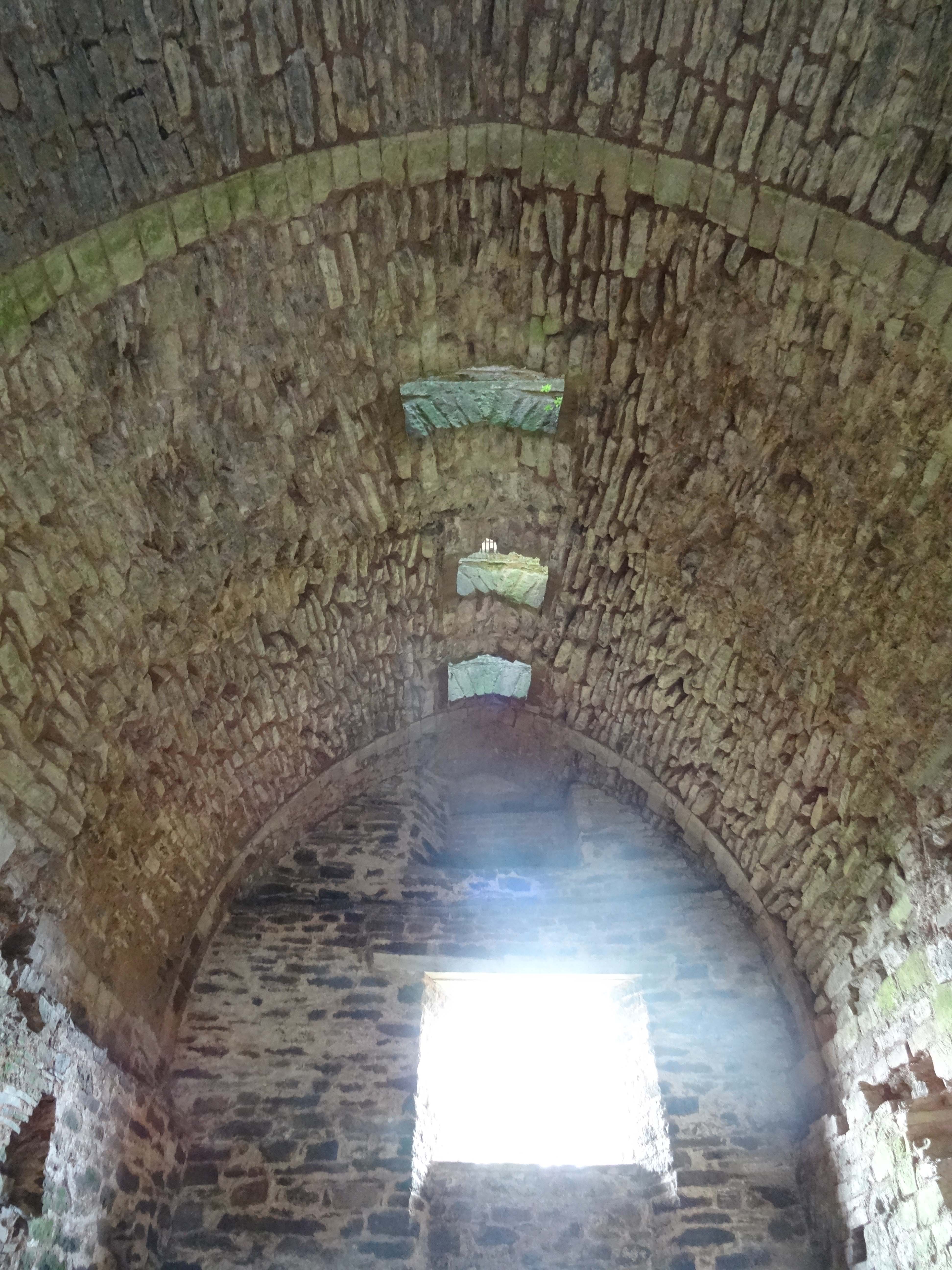
In the 1260s, the hapless Henry III lost most of his power during the Second Barons’ War, and his son Prince Edward was held captive for some time by the de Montfort cause. Upon his escape, Edward used Ludlow as a rallying point for supporters with whom he launched his campaign to re-take the throne. For Edward, Ludlow was considerably better luck than it was for his father – the Battle of Evesham was a resounding victory that created Edward de facto king, though his father would survive for some years more.
The Mortimers who inspired the creation of the society for whom I presented a paper gained control of the castle in 1301, when Roger de Mortimer married the heiress, Joan. Roger’s tenure included the addition of the Great Chamber block, another concerted effort to turn a defensive castle into a residential one.
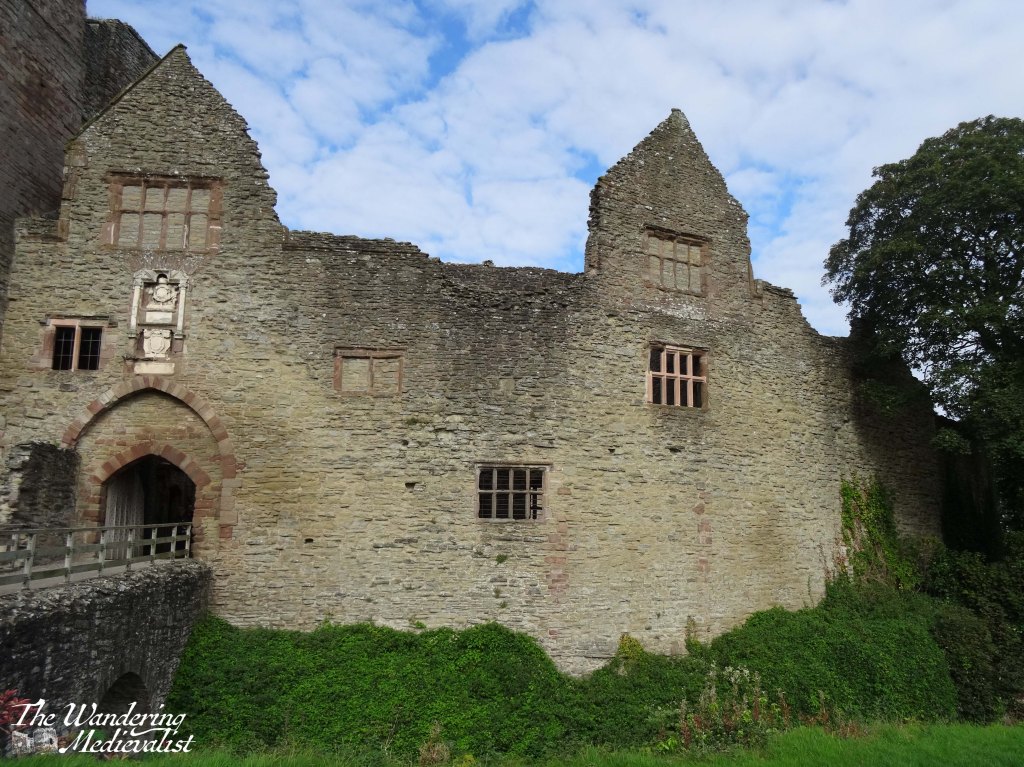
Mortimer was notorious in history for a much more prominent reason, however, in that in the 1320s he would be exiled to France, where he made an alliance with Queen Isabella, estranged wife of King Edward II. Together they returned to England in 1327 and seized power, imprisoning Edward II. Mortimer was named Earl of March, and Ludlow gradually became the Mortimer family’s most important property. Though Roger was eventually hanged, the castle stayed in Mortimer hands.
In the 1400s, the castle was inherited by Richard, Duke of York, a primary combatant in the Wars of the Roses and father to kings Edward IV and Richard III. He installed his family in the castle in the 1450s, and when Edward IV eventually gained the throne in 1461, he added Ludlow to the royal holdings. Edward evidently held great affection for the castle, visiting regularly and establishing his heirs – the Princes in the Tower – there in the 1470s. The boys would live there more or less until their father’s death and their fateful journey to London in 1483. (Side note, I will not discuss here my thoughts on Richard III’s capability in the deaths of the princes, though I may at another point.)
During the English Civil War and Interregnum in the 17th century, the castle fell into decline, and at one point there was even a suggestion that it should be totally dismantled. Fortunately it was leased from the crown by the Earl of Powis, whose family eventually bought the castle in the 1880s and maintain it to this day. The Trustees of the Powis Castle Estate manage it as a tourist attraction, allowing more than 100,000 visitors annually to explore the historic walls.
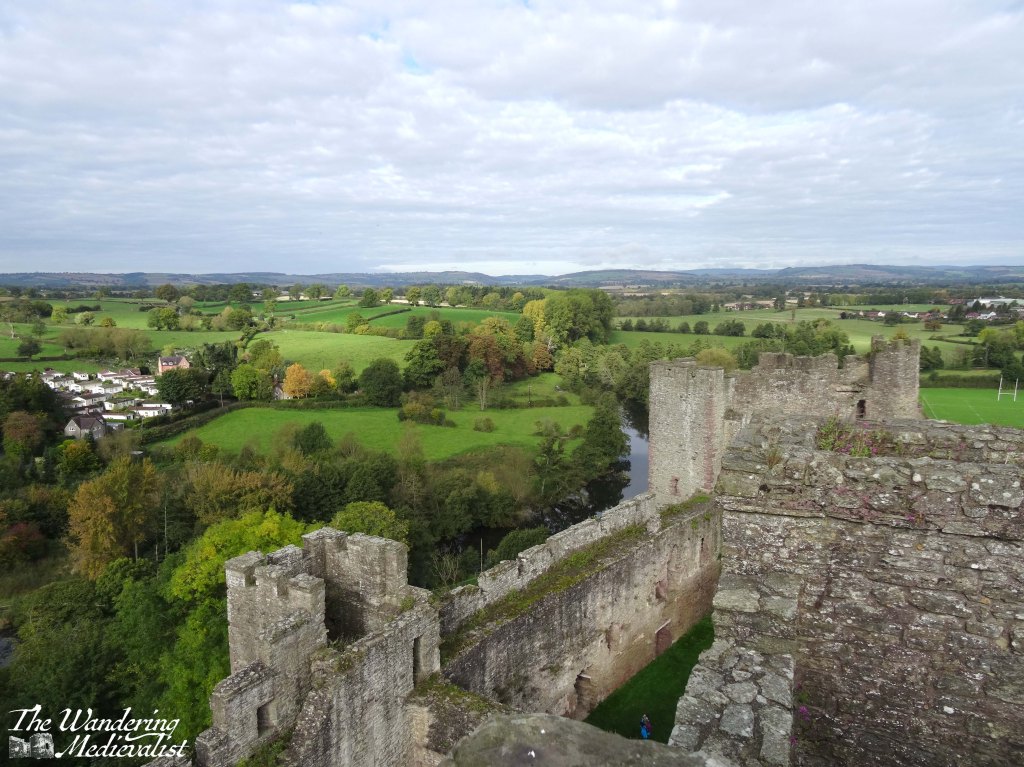
I count myself lucky to have been one of them! Ludlow is definitely one of those castles that appeals to castle nerds like me; you can see the evolution of the building style, from defensive structures like the Great Tower to more decorative buildings inside. And in a perk I always enjoy, you can still climb high enough on the walls and in the tower to see out across the grounds and the surrounding countryside. Not only is the view lovely, but it further supports the building of a castle in that spot; the hills and river made this an ideal location for a proper medieval fortress.
 The Wandering Medievalist