
We have had a rough few weeks here in the Wandering Medievalist house, but I am excited to get back to writing, not in part as a catharsis and way of moving forward.
I have been trying for some time to work out the best way to showcase Marblehead. Should I write a series of posts on specific locations, or try to share a bit of everything? I’m sure I will do the former at some point, but in the meantime I’m focussing on the latter, sharing a few of my favourite viewpoints in Marblehead, where you can get some excellent views and photos, and a real understanding for the flavour of the town. These spots are my go-to locations whenever I visit, and I have dozens of pictures of each. Here are a few of my favourites.
I’m sure there are Marbleheaders who will disagree with me, but so be it. 😁
1. Marblehead Lighthouse and Chandler Hovey Park
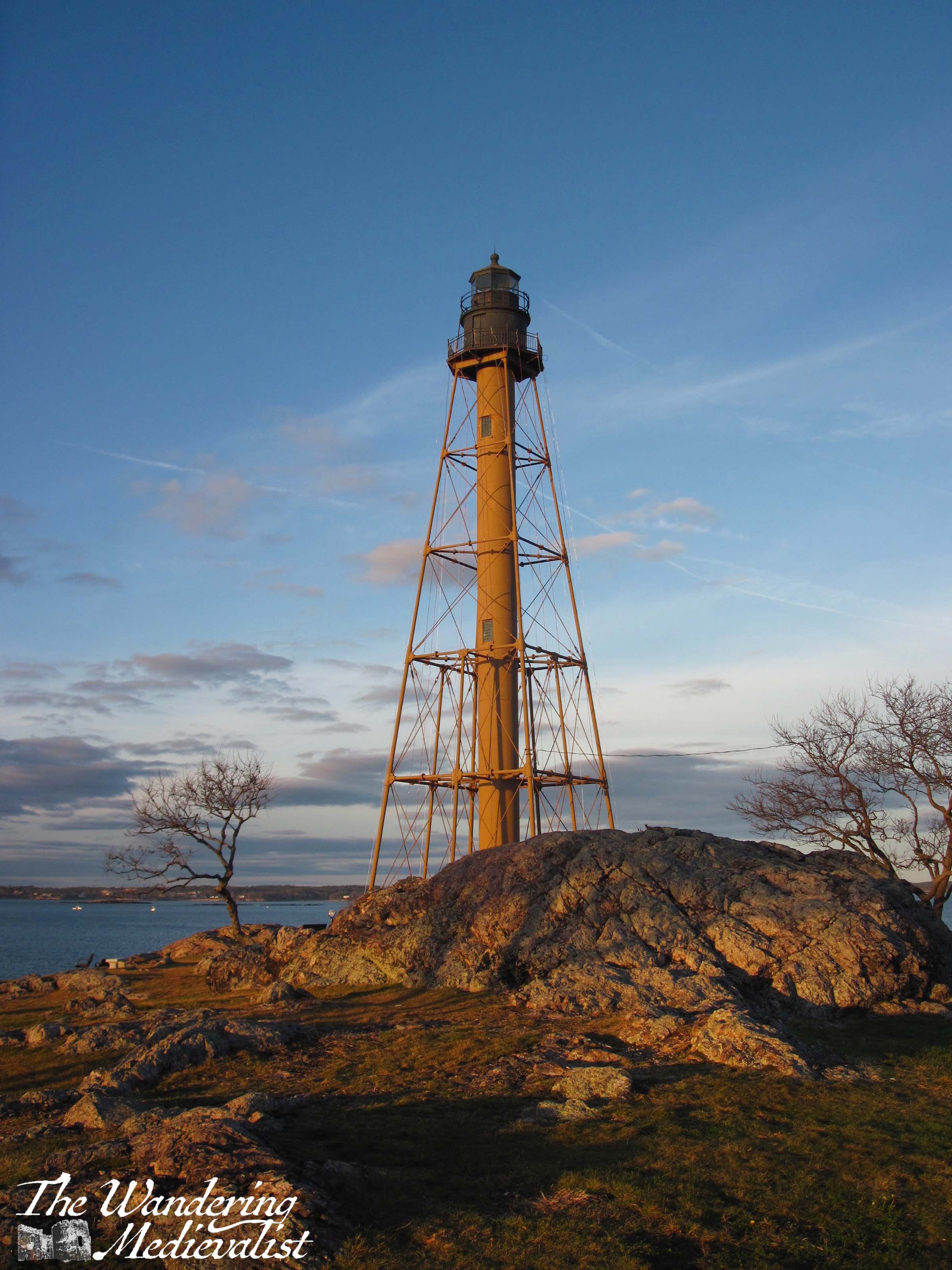
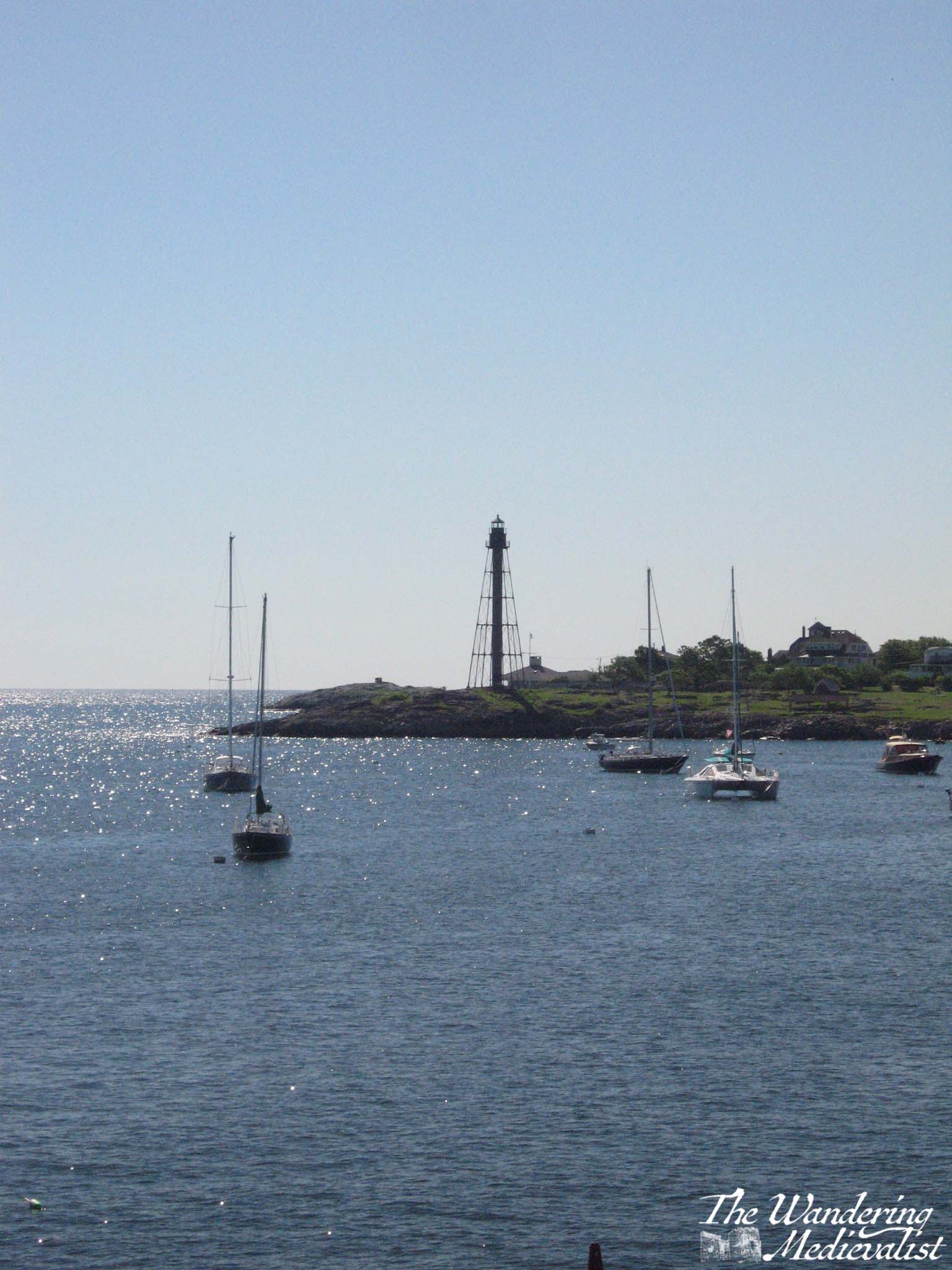
Marblehead Lighthouse is iconic and appears on all Marblehead memorabilia as well as ‘famous lighthouse’ lists. It isn’t the traditional style lighthouse, but was built as a skeletal metal structure – replacing the more conventional version – in 1895. It isn’t to everyone’s taste necessarily, but it is the only one of its type in New England.
The area around the lighthouse, Chandler Hovey Park, is popular for many uses – picnics, summertime church services, games, and much more. It also commands a spectacular view down the harbor, across to Fort Sewall, and of course out to sea. It is the perfect place to watch the busy comings and goings of pleasure and fishing boats, to view boat races, or to watch the sunset.

2. Devereux Beach and the causeway
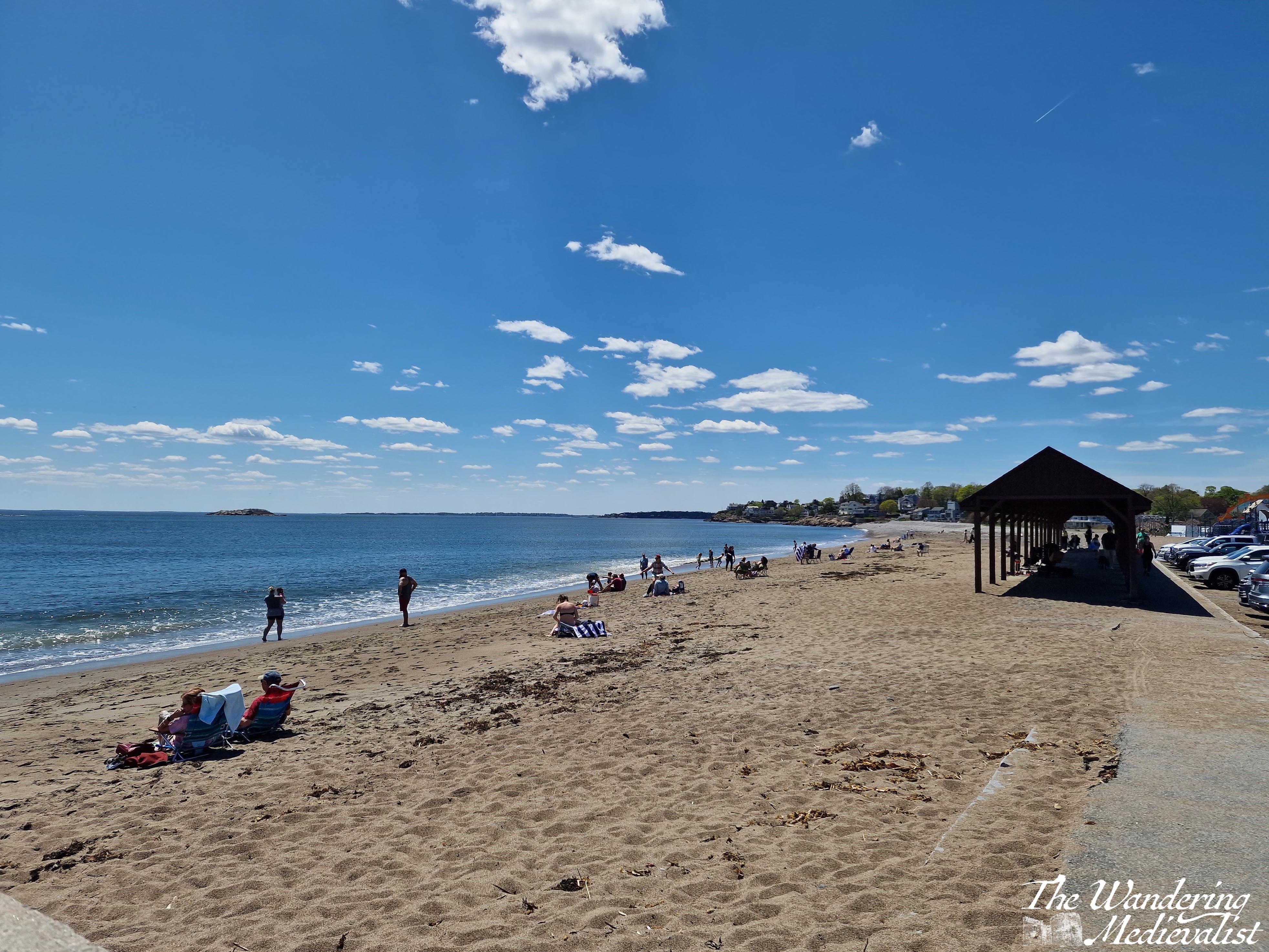
Most beaches in Marblehead are rocky with only small patches of sand, if they have any at all. Many are also hedged in by rock cliffs that divide them from the next beach or cove (Gas House Beach, Fort Sewall Beach, Grace Oliver Beach – few are the sandy havens you picture when you hear the word ‘beach’).
The exception is Devereux Beach, a long sandy expanse created by the causeway that connects the Neck to Marblehead proper. Like Revere and Lynn beaches further down the coast and many more further north, Devereux is ideal for building sandcastles and enjoying the sun, and sometimes even waves. Parking is free for Marblehead residents with a sticker, and there are public restrooms open in-season. You can even rent a kayak to explore the inner harbour.
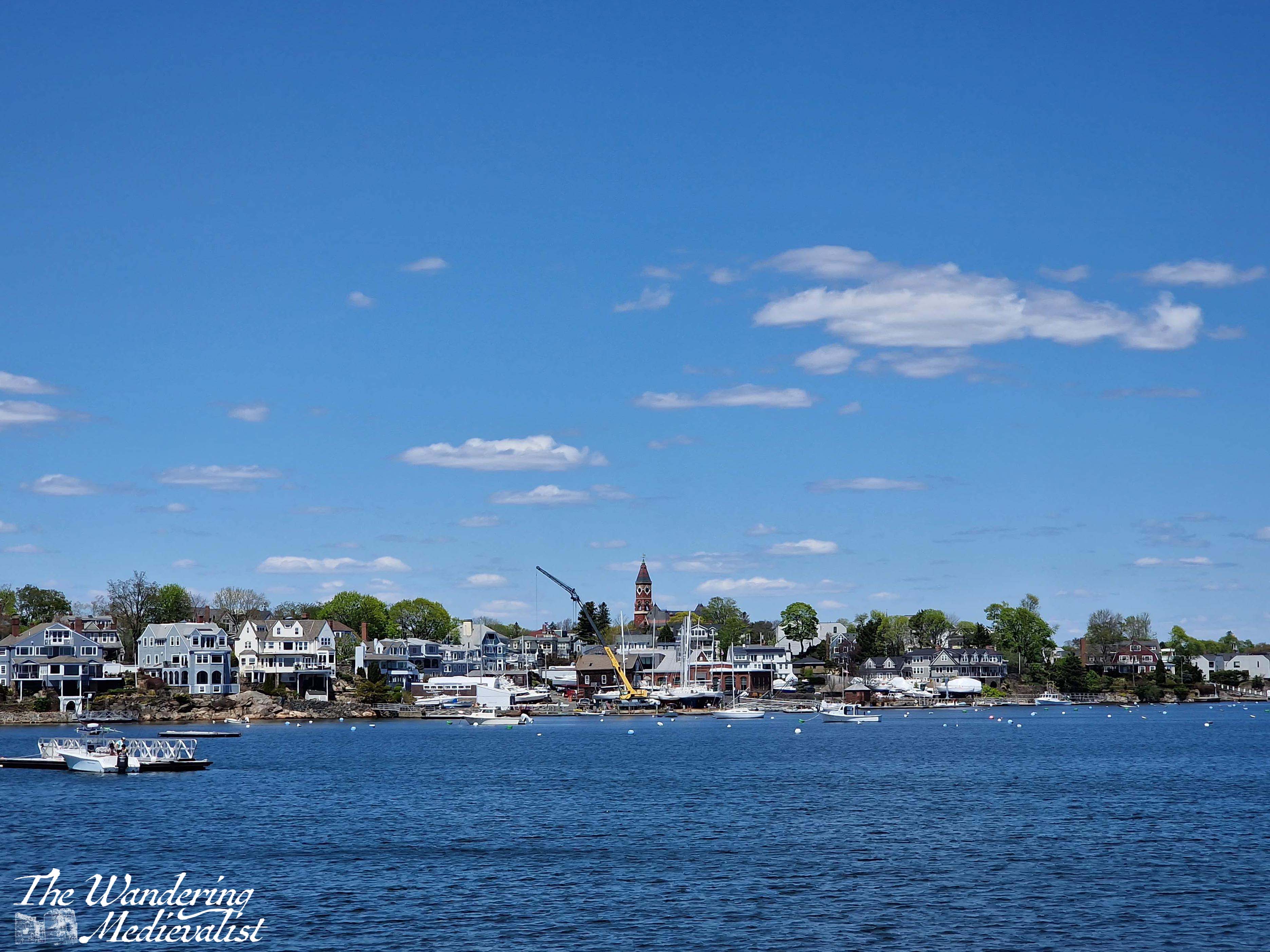
The beach’s popularity is evident in the shaded bench area and seasonal concession stand that has changed hands numerous times. On a clear day you can view the Boston skyline in the distance, or cross the road for views of Old Town and up the harbor.
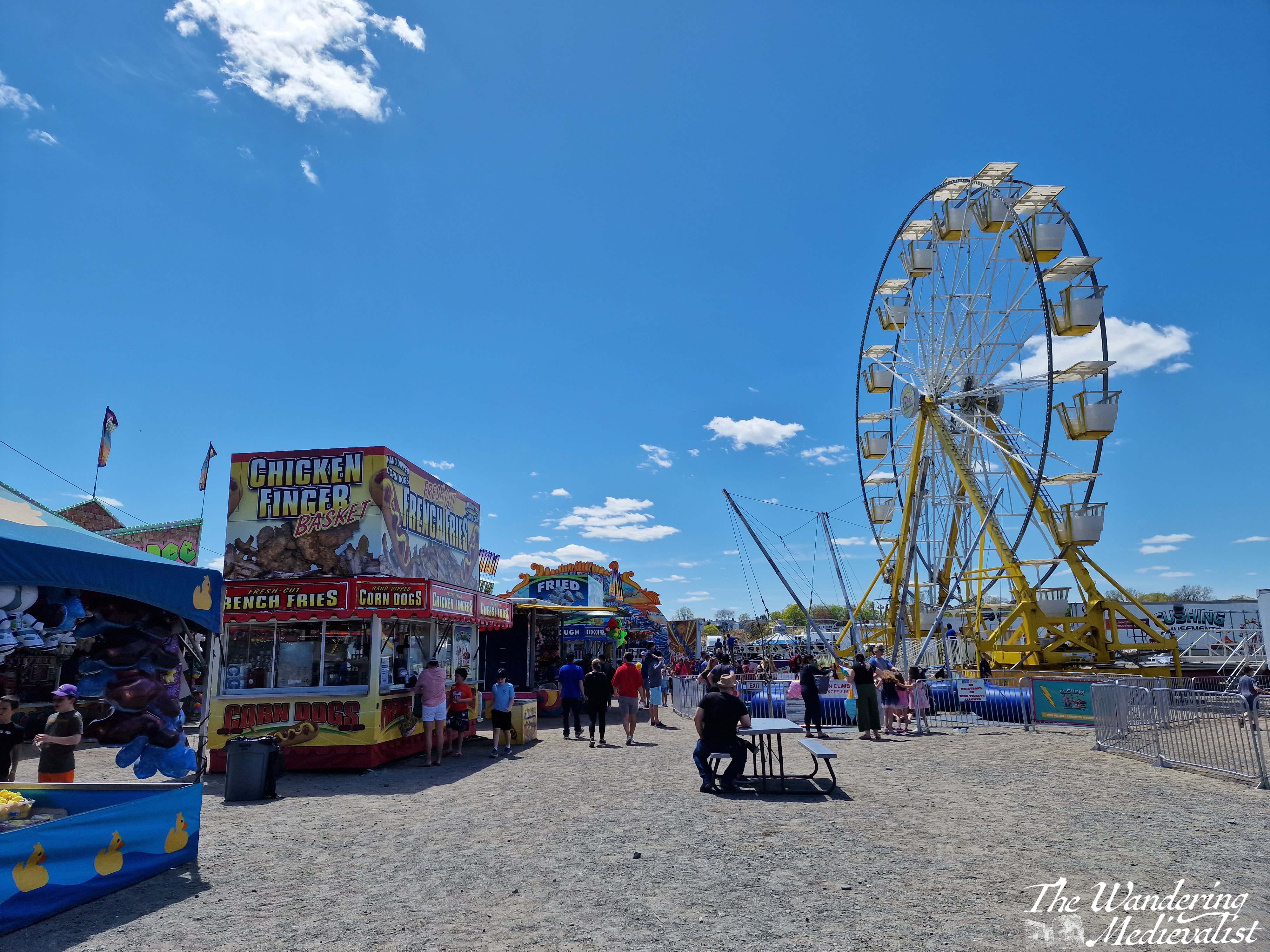
Devereux is also famous for hosting the annual Marblehead High School Junior Carnival, where the rising seniors put on a fun fair to raise money for their final year. It is a highlight of spring and really marked the start of summer for all students in Marblehead.
3. Abbot Hall and Washington Square
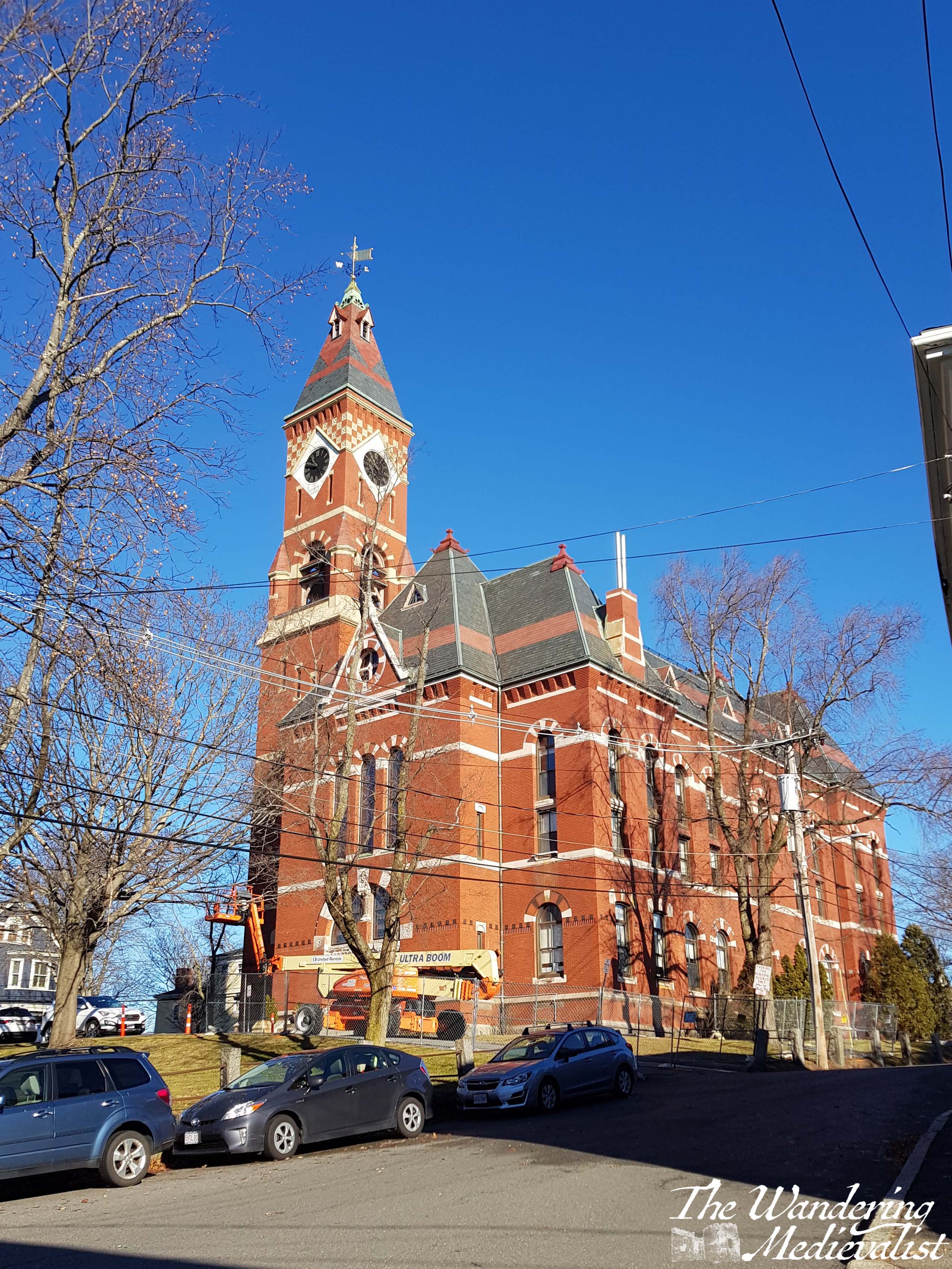
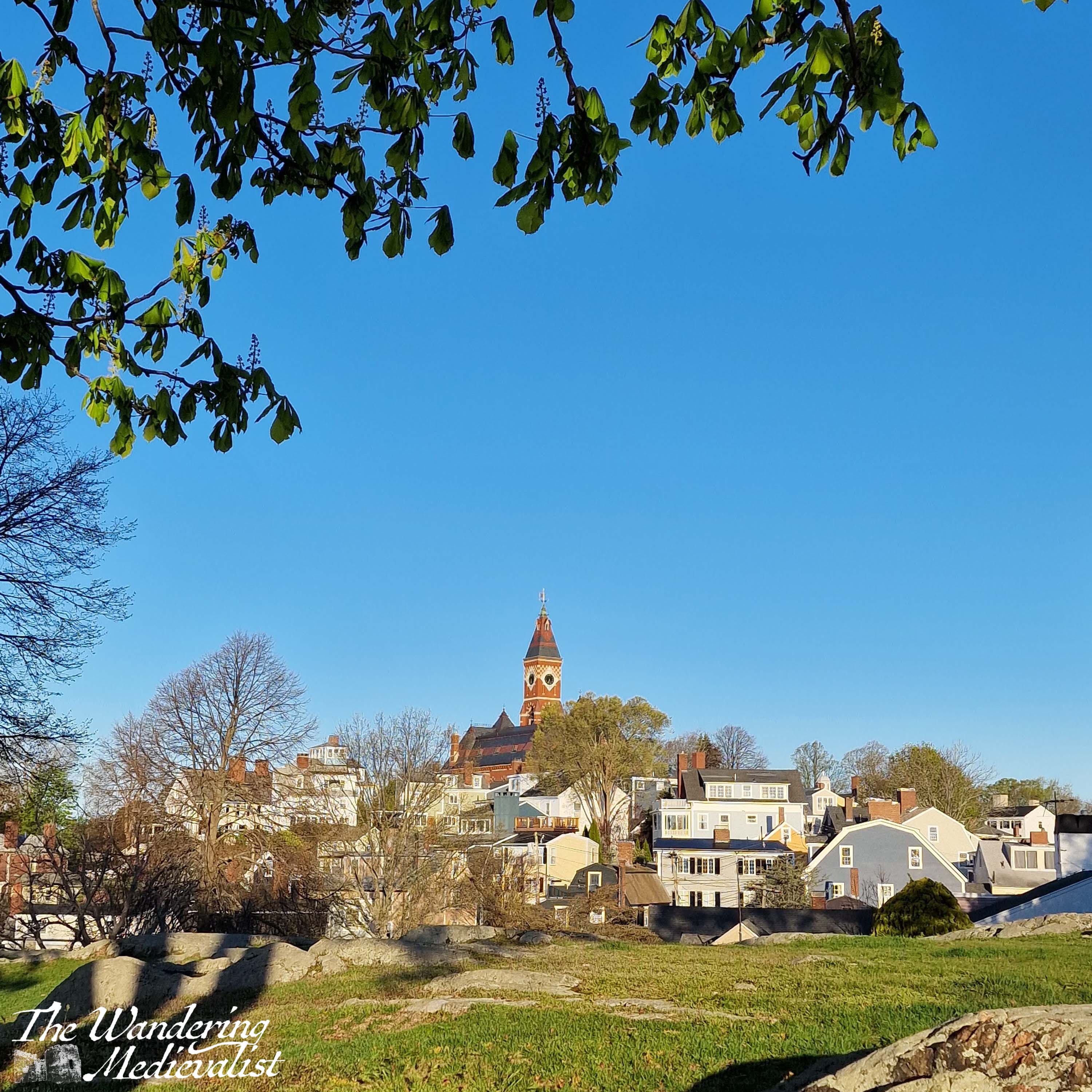
Built in 1876 to replace the Old Town House, Abbot Hall is the current town hall for Marblehead, seat of the local government and also a museum. The clock tower is the pinnacle of the skyline, visible from many of the viewpoints on this list as the highest point in the old town. The original ‘Spirit of ’76‘ painting is housed here, depicting a fife and drum player against an early American flag, and ‘Spirit of ’76’ was a long-time bookstore in Marblehead until its untimely closure. During the Marblehead Arts Festival in July, there are often arts and crafts taking place in the grassy park, and an auditorium inside is a well-used recital or concert venue for local schools.
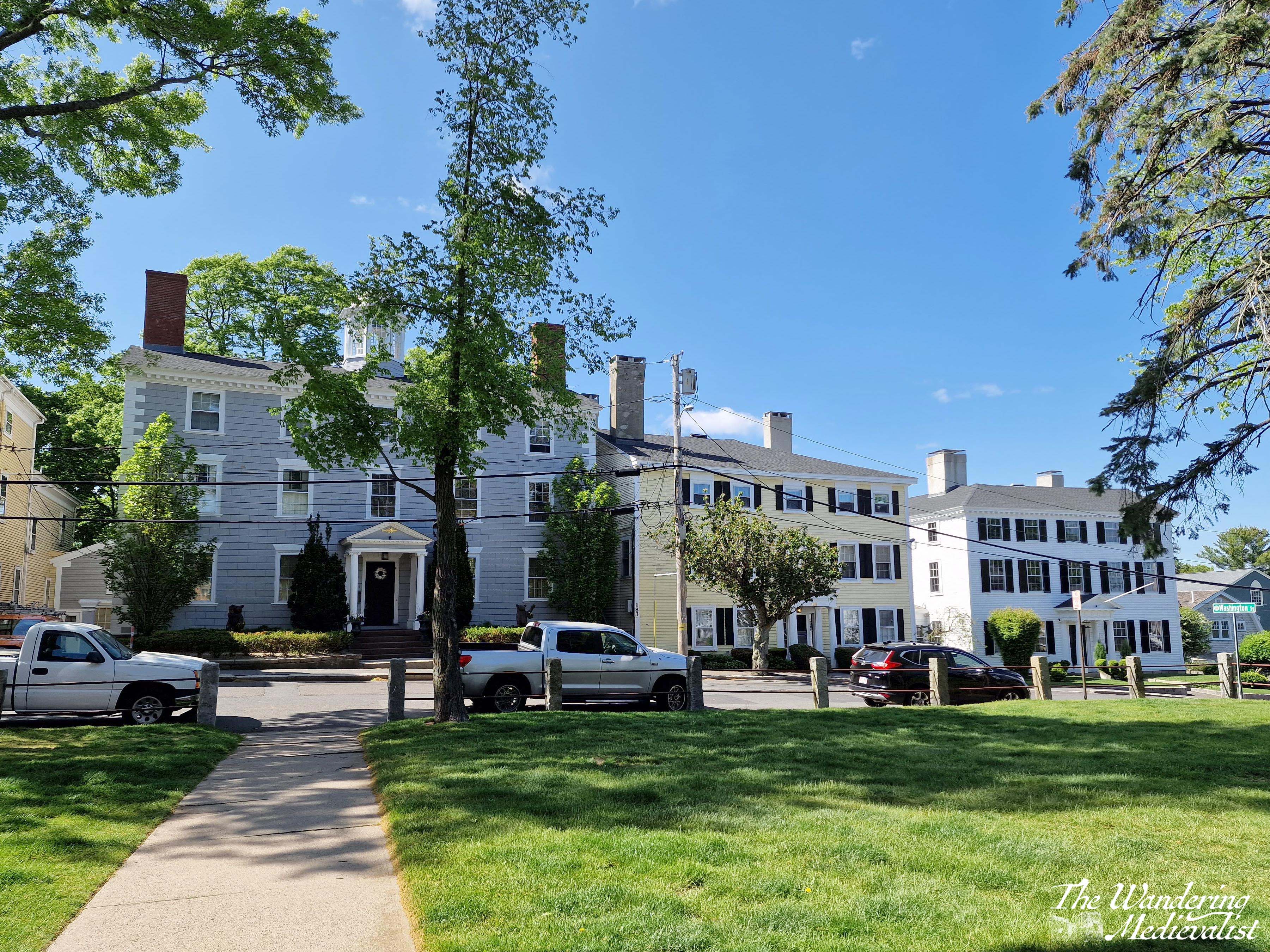
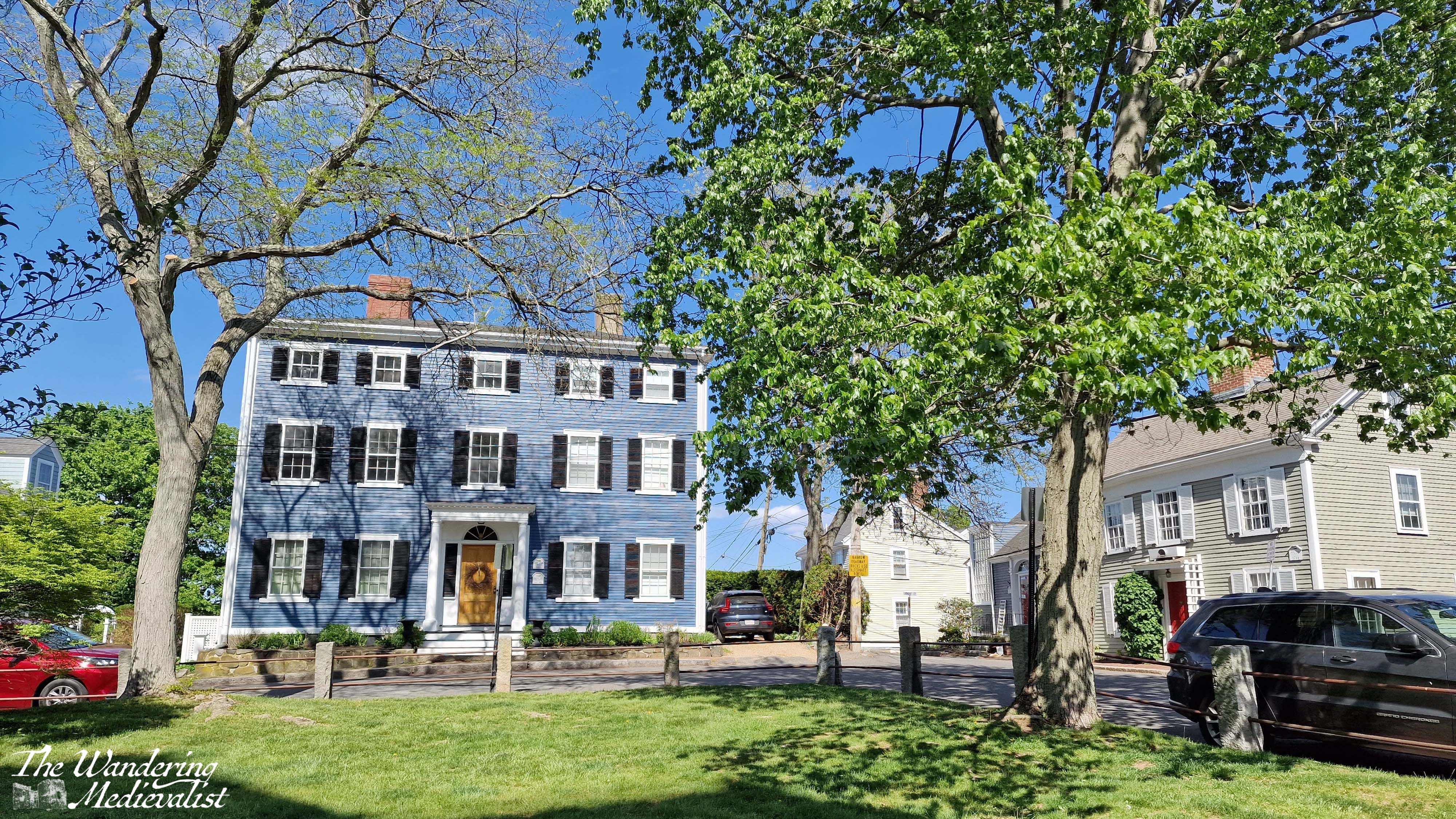
The red brick Romanesque hall itself is a stunning picture, but Washington Square, which runs along three sides of the hall (Washington Street makes up the 4th) is equally beautiful, lined with well-kept colonial houses from old sea captain’s houses to some of the oldest in Marblehead. It is reminiscent of some parts of Salem, and the square will be recognisable to anyone who has seen ‘Hocus Pocus’ as doubling for the larger town. Washington Street continues down to the Old Town House, one of the main arteries of old Marblehead, and the walk from Abbot Hall down to the centre of old town is a must for visitors.

4. Little Harbor
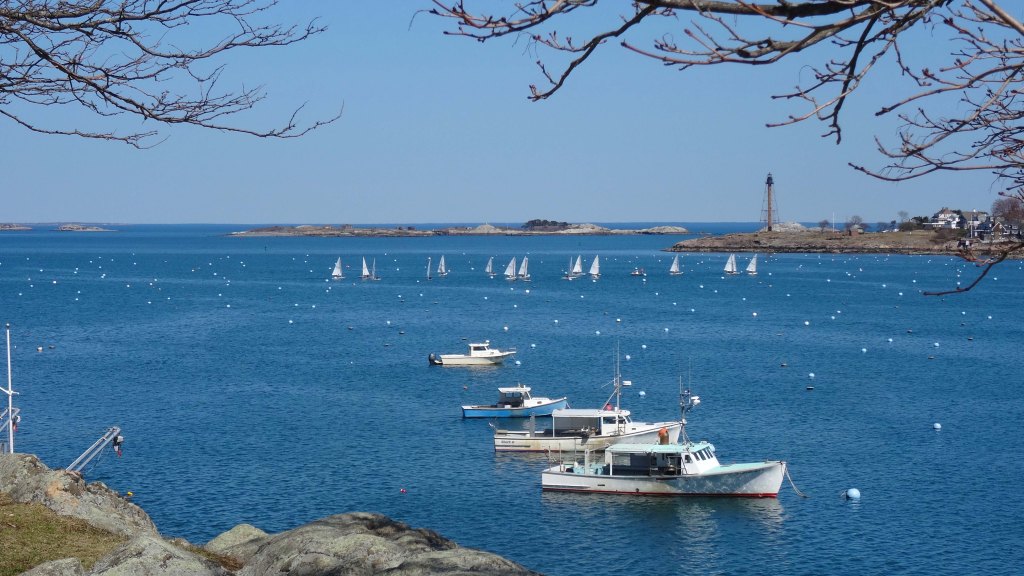
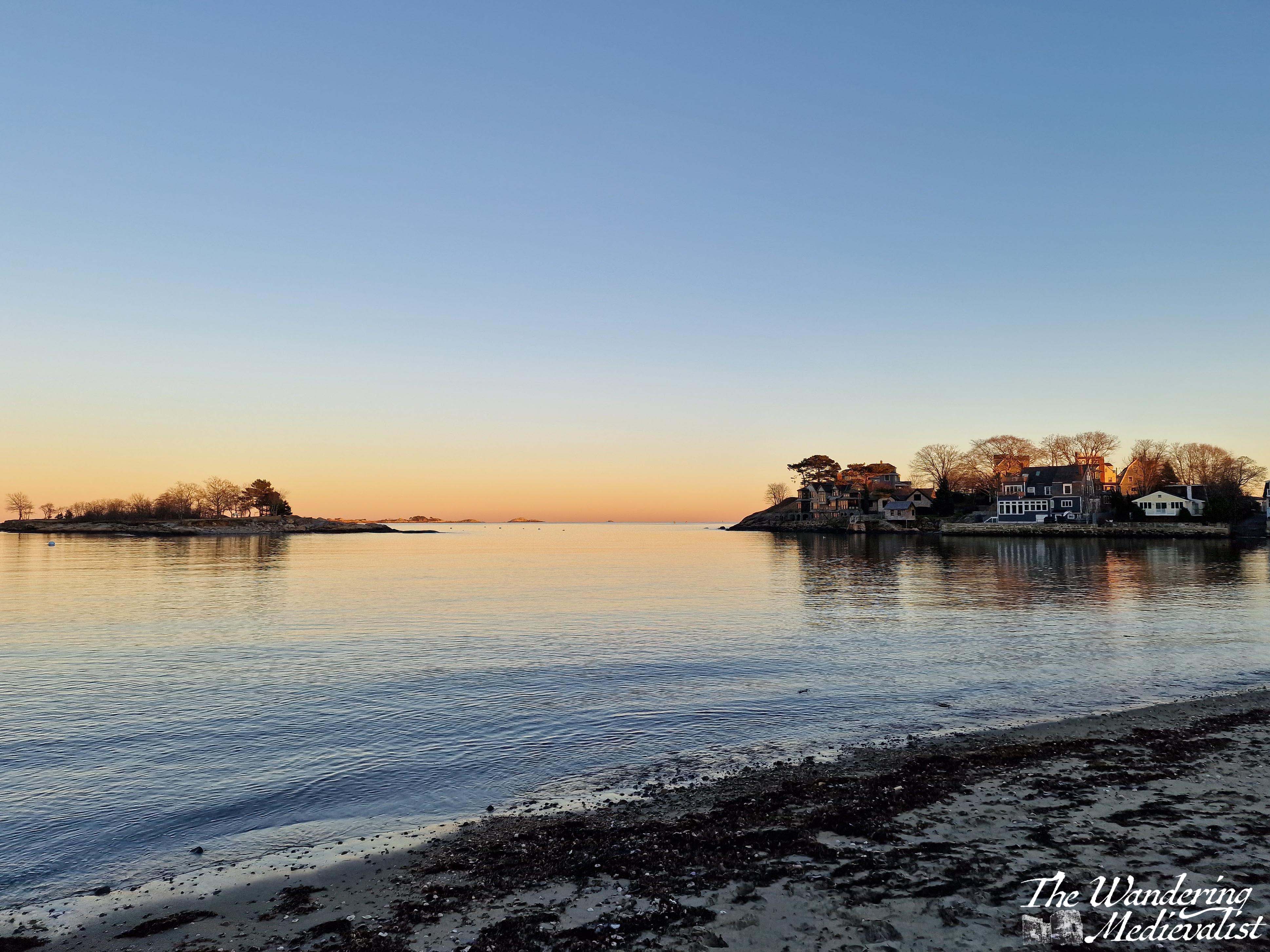
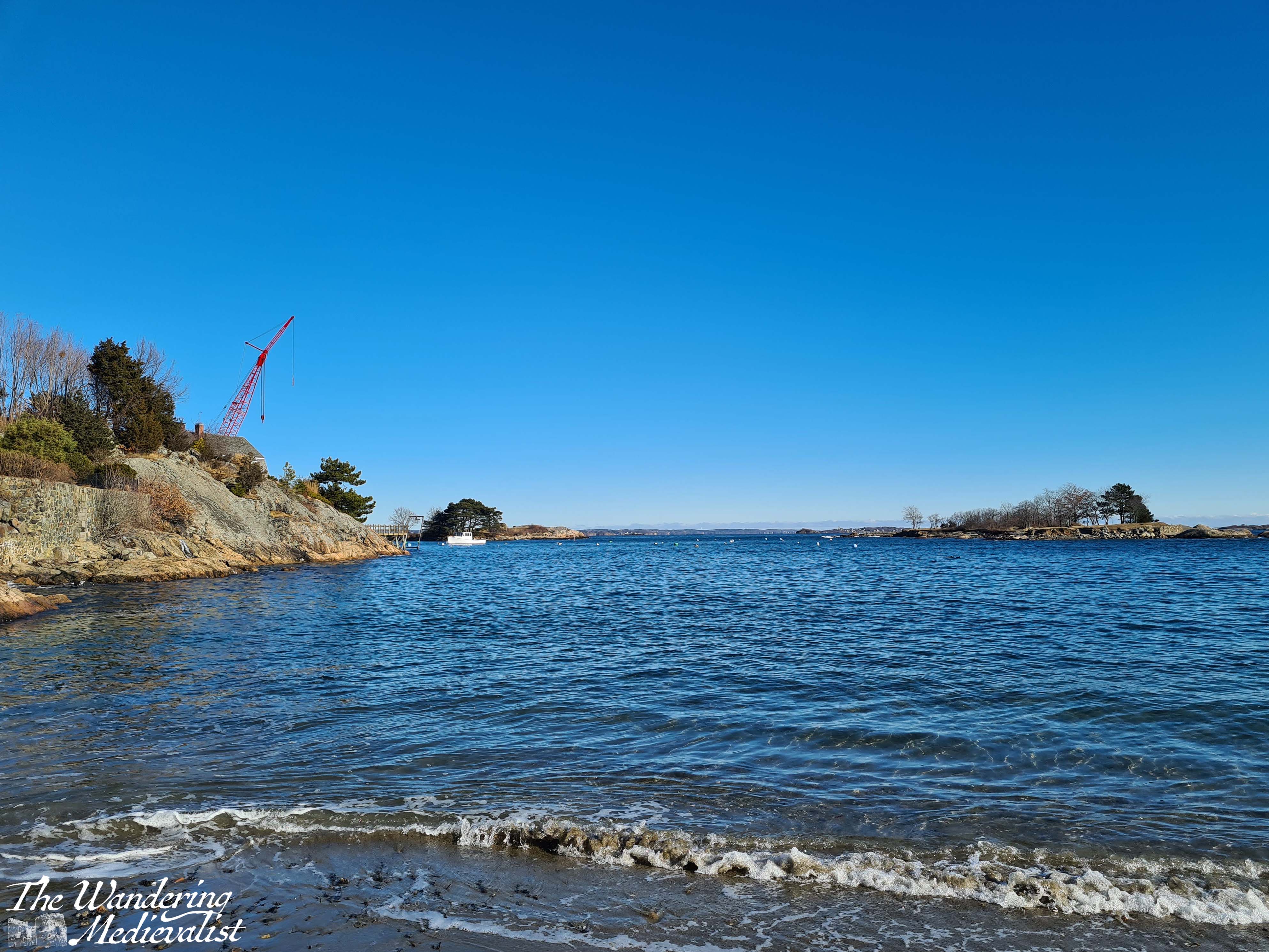
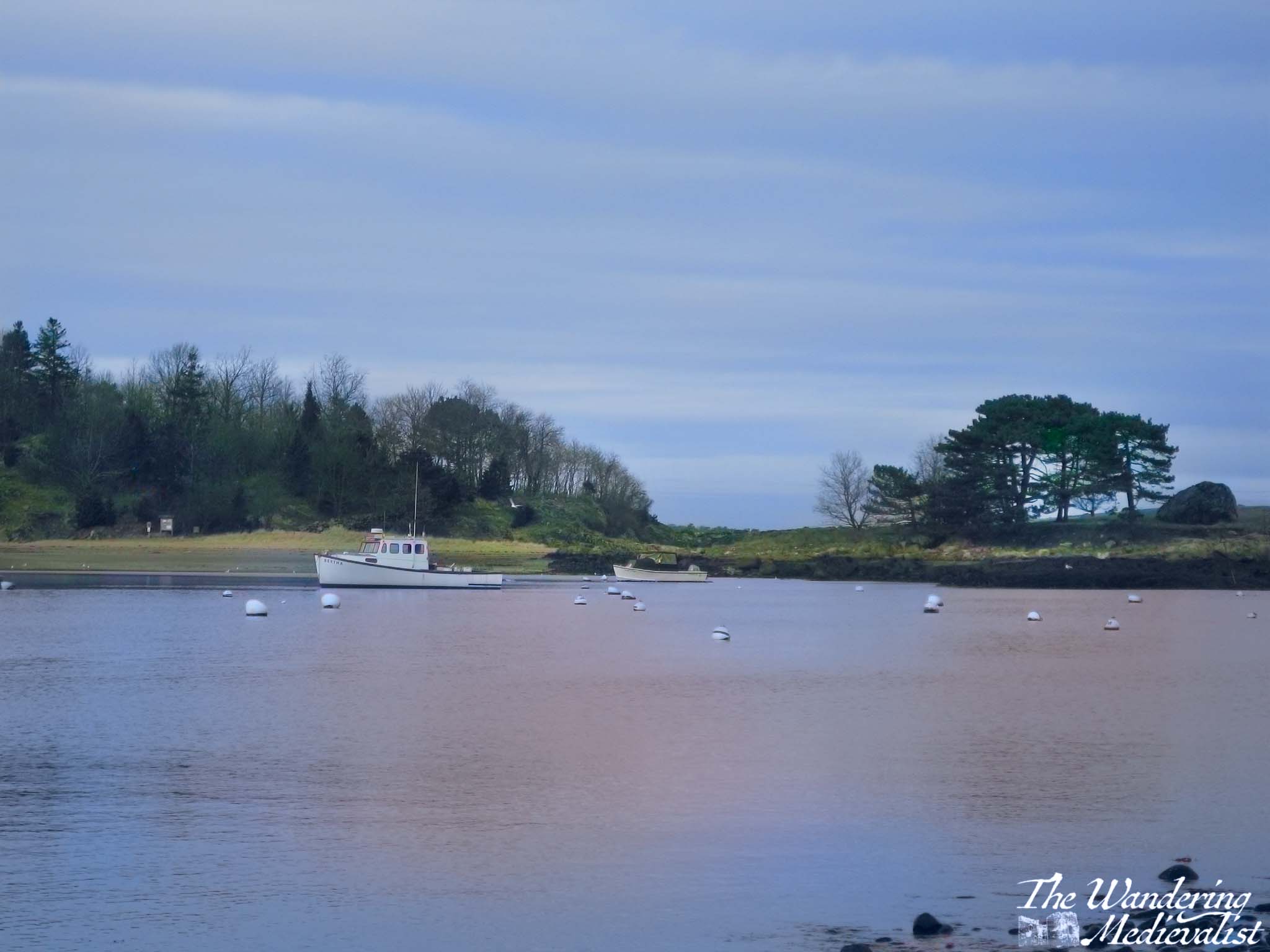
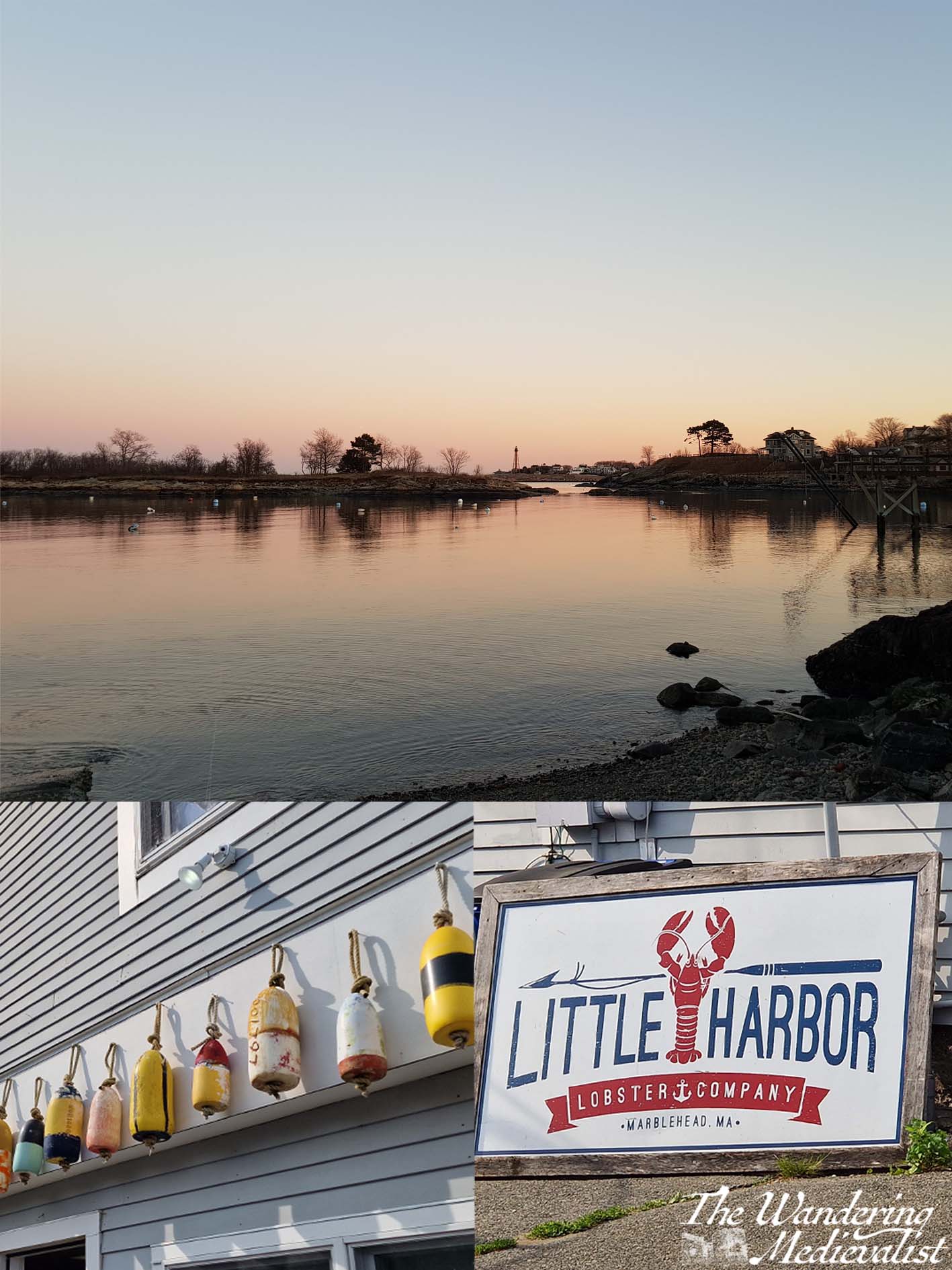
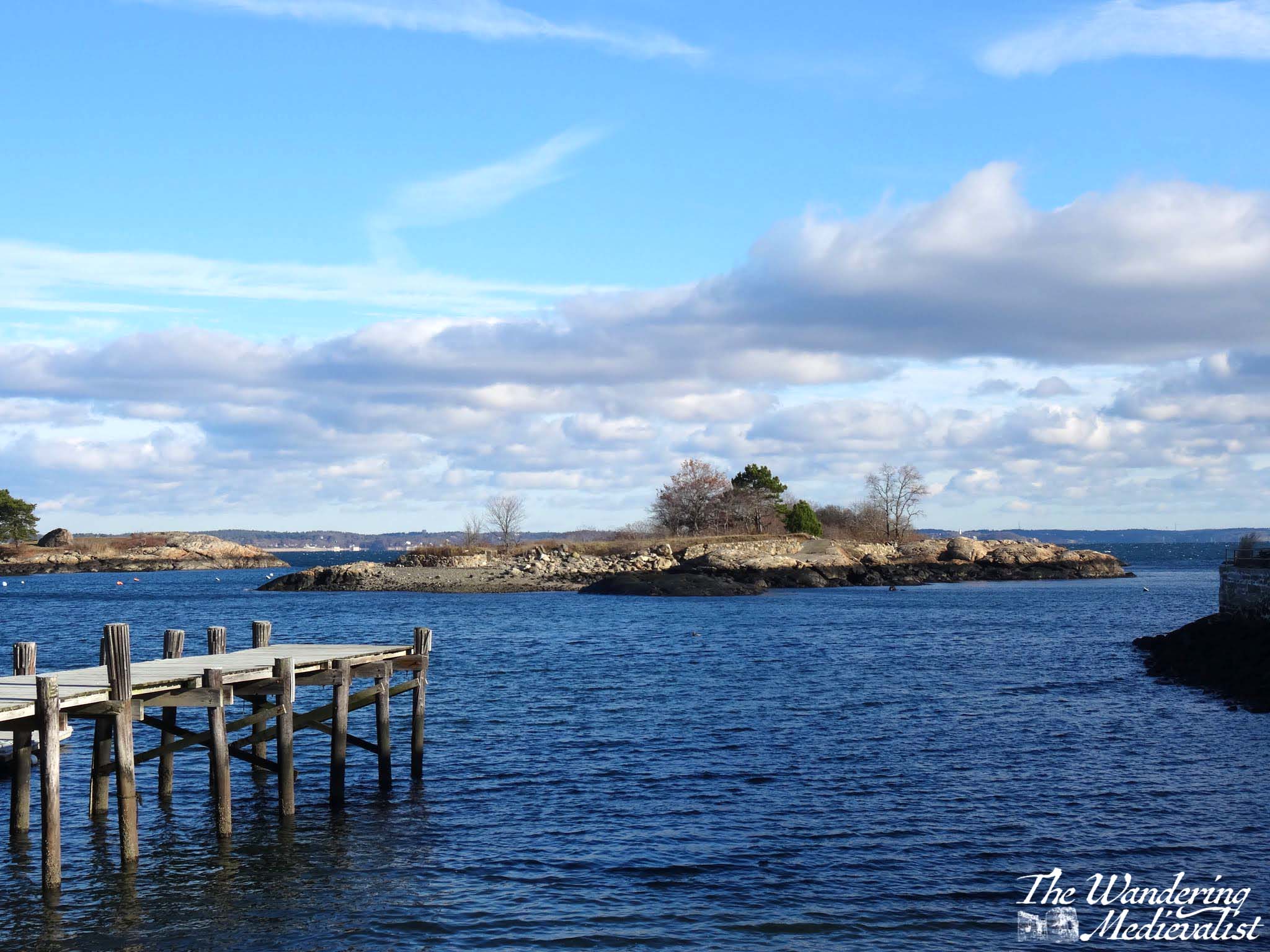
Little Harbor lies just around the Fort Sewall point from the main harbor and is protected by Gerry Island, which is accessible at low tide. At high tide the water is deep enough for a full sailboat, and several of the town’s boat yards, where sailboats dry dock during the winter, are accessed through Little Harbor. Most of the permanent ‘residents’ are fishing or lobster boats, and you can buy that day’s fresh seafood and lobsters of all sizes, either cooked or still kicking, at the Little Harbor Lobster Company.
Little Harbor is also the location of Gas House beach, my childhood playground. The beach is protected from the waves by Gerry Island and so the water is often warm, though at low tide it can be a bit mucky.
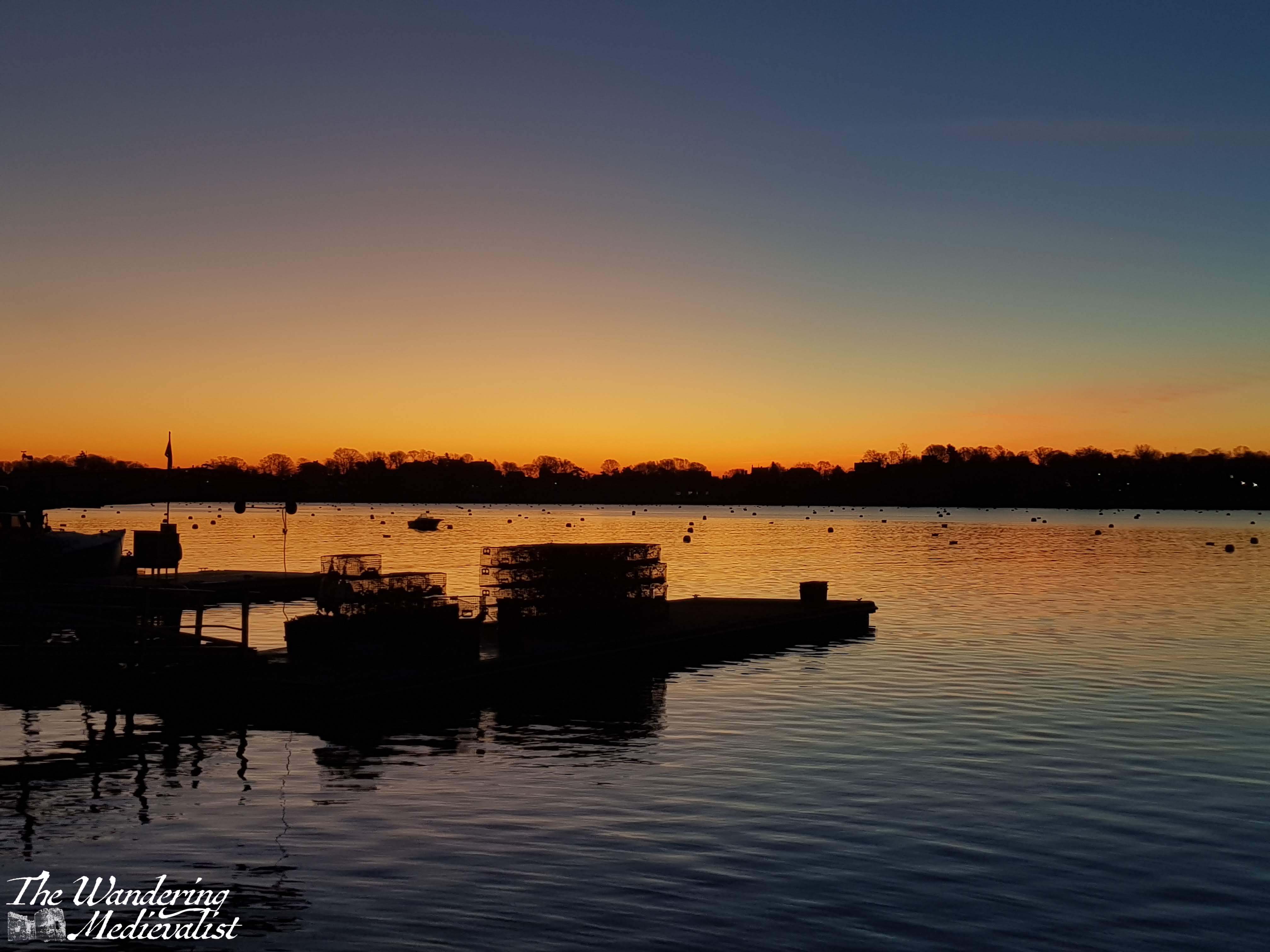
I have always loved the view from Gas House beach at sunrise or sunset, when the edge of the horizon turns orange and pink while the sky stays blue, but it is equally lovely on a blue summer day. At Christmas, one of Marblehead’s icons sits in Little Harbor – a white dingy bearing a Christmas tree decorated with starfish and other oceanic decorations.
5. Joe Brown’s Pond and Steer Swamp
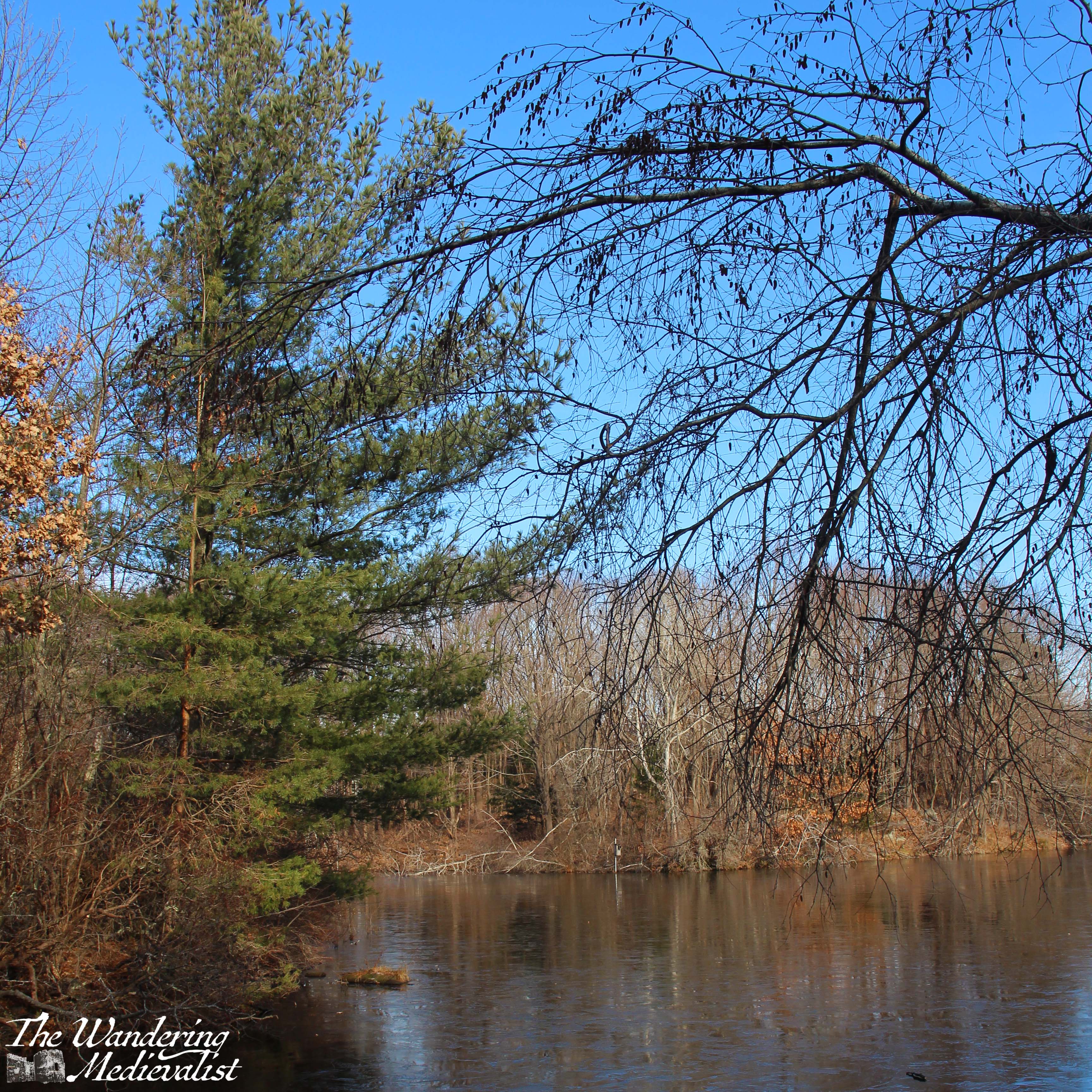
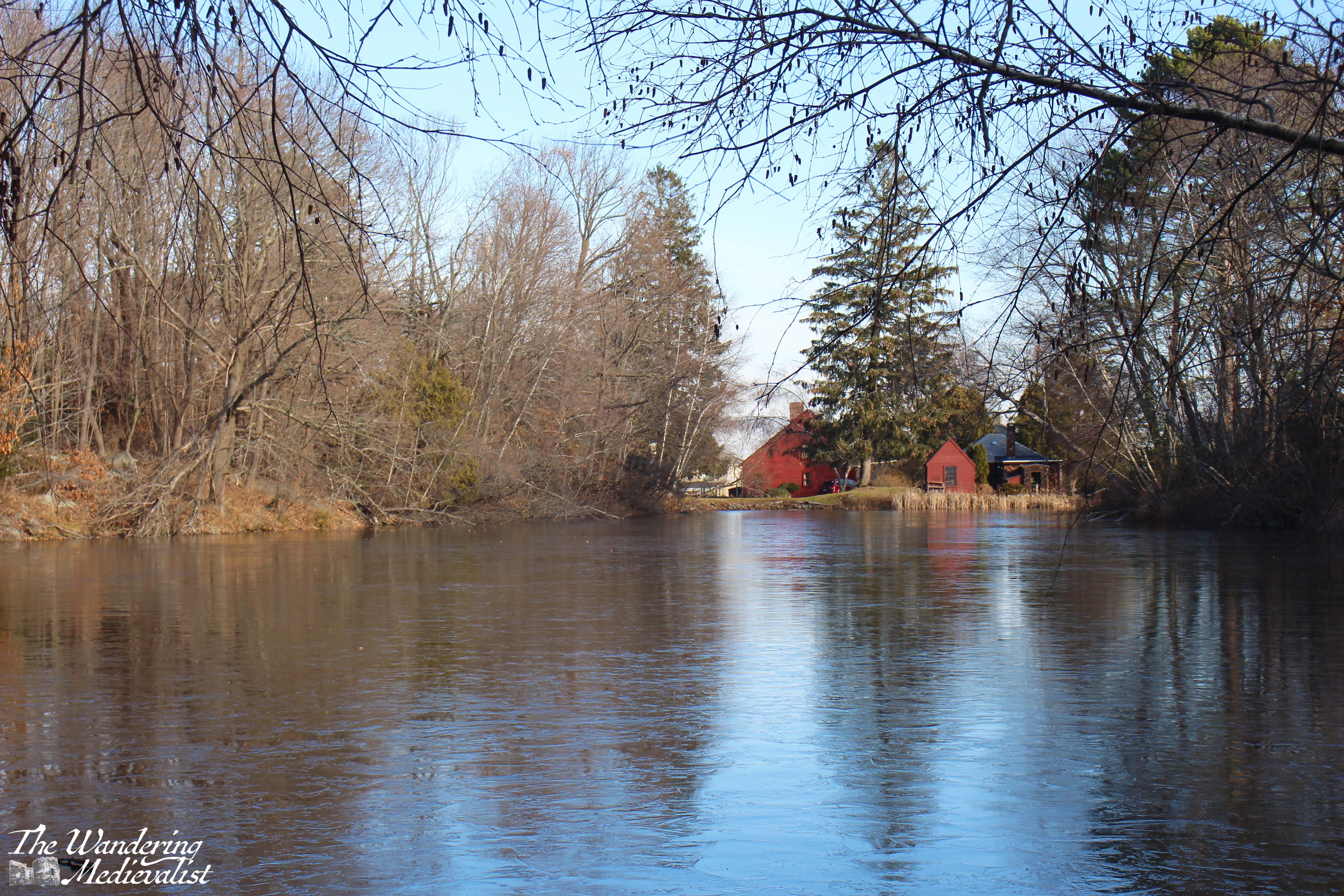
For a relatively small town, Marblehead has its fair share of ‘wild’ spaces, including the Steer Swamp Conservation land that is most easily accessible from Gingerbread Hill, and the network of streets behind Redd’s Pond. I recall spending many weekends walking our dog here when I was young, exploring all of the many winding paths. While named a ‘Swamp’, much of the land is plenty dry to explore, but there are definitely some low bits that can be unpleasantly buggy or wet.
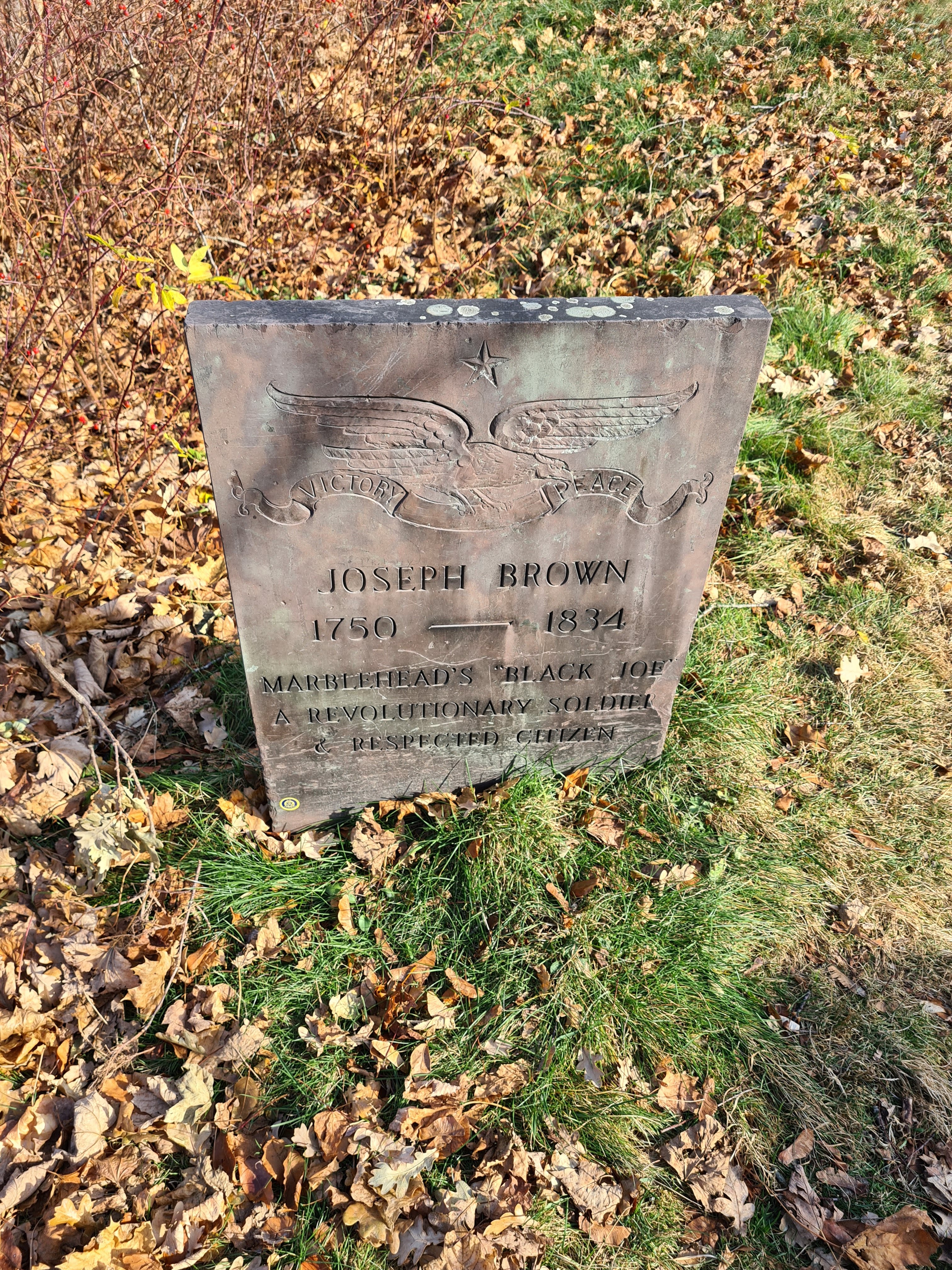
At the edge of the conservation land lies what was known in my childhood as Black Joe’s Pond, a body of water that has received attention recently for its insensitive name. ‘Black’ Joe is a famous Marblehead resident – his grave is well-marked at Old Burial Hill – who was a former slave, Revolutionary War veteran and opened a tavern near the pond with his wife, Lucretia. Joe Froggers, a famous local cookie made with molasses, were originally created and sold by Lucretia, and the recipe lives in most Marblehead cookbooks and stores.
The tavern still stands, well-preserved as so many old Marblehead buildings are, and the pond was a good place for skating and hockey playing when I was young. Slightly less popular than nearby Redd’s Pond, this pond is a bit more traditional, surrounded mostly by woodland.
In 2021 the town re-named the pond and conservation area to the ‘Joseph Brown Conservation Area’, though I believe the tavern sign may still refer to ‘Black” Joe and his wife.
6. Fort Sewall and Fort Sewall Beach
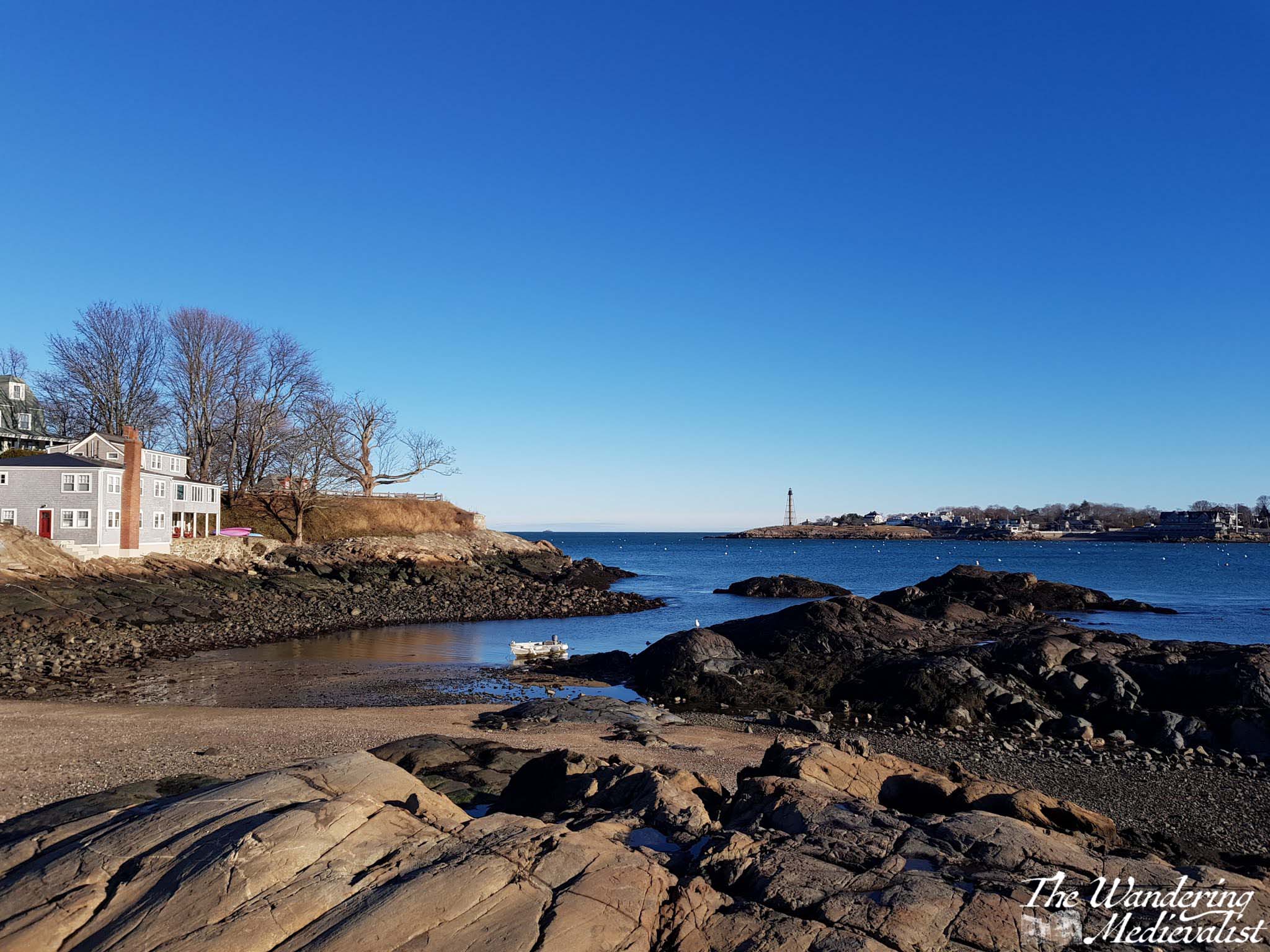
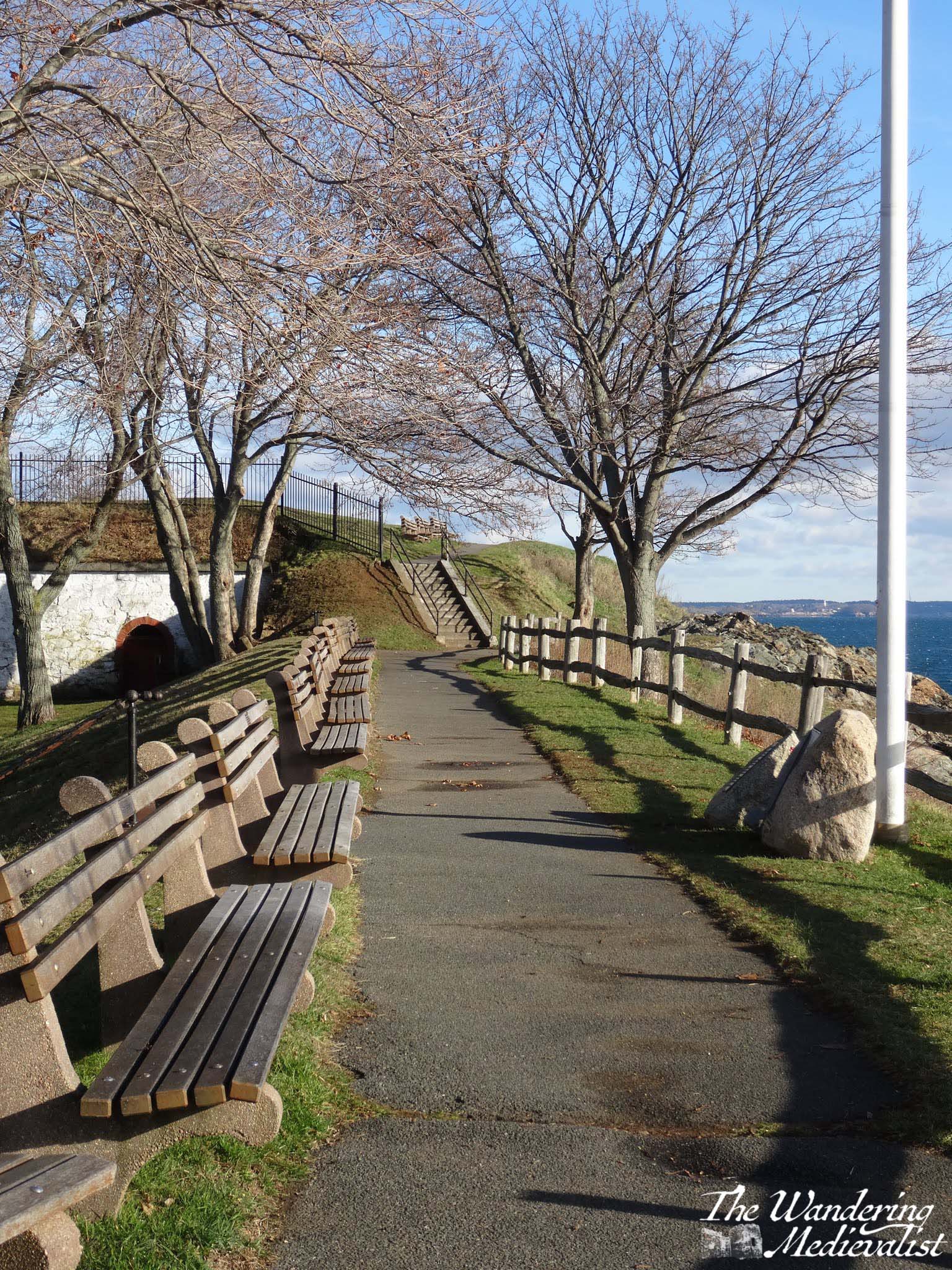
Fort Sewall is iconic in Marblehead for so many reasons. Steeped in history, it overlooks the entrance to the deep harbor, and the architecture of the fort is still present in the barracks with barred windows dug into the hill. The promontory known as Gale’s Head was first fortified in 1634, and rebuilt as a fort during the Revolutionary War, where it was garrisoned by Colonel John Glover’s regiment. Marbleheaders were not present at some of the earliest battles of the Revolution, but were responsible for ferrying George Washington across the Delaware River in 1776, a famous turning point in the war. In a moment recreated in the 90s, Fort Sewall protected the USS Constitution as it took shelter in Marblehead harbor during the War of 1812, and the fort was re-named in 1814 for Samuel Sewall, Chief Justice of the Supreme Court.
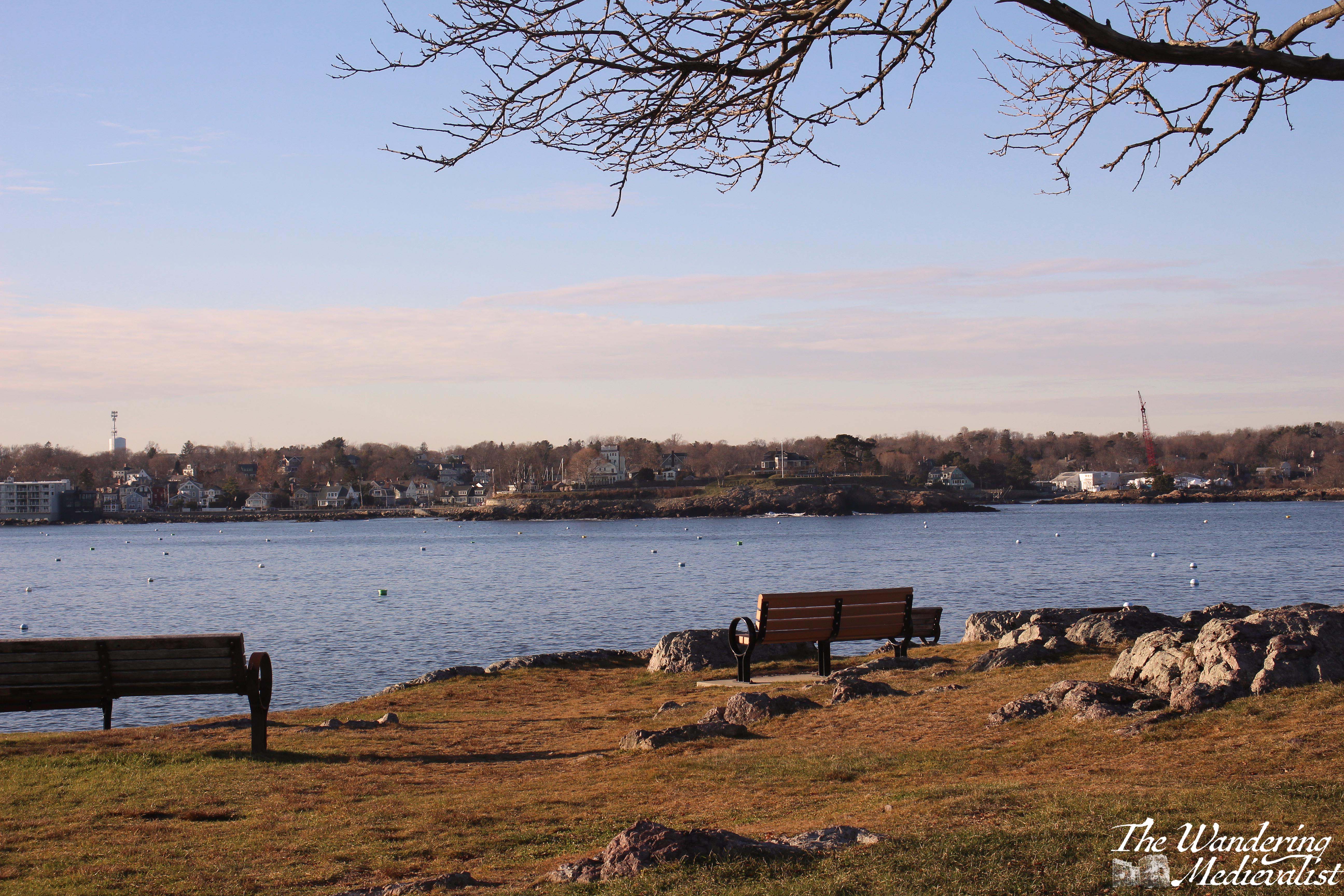
Incredibly popular at all times of year, the fort is where you to go walk, to ride your bike, to view both the little and great harbors. In the summer it has been known to host Festival of Arts activities and Shakespeare in the Park, and at Halloween the dungeons used to be opened for trick-or-treaters – if you dared. In views that mirror Chandler Hovey park across the water, Fort Sewall allows you to look down the harbor or out to sea, and it is a perfect spot for sunrise. The harbor channel, a path free of moorings, starts just off the fort, so sitting here will allow you to watch all of the sea traffic going in and out. It does not take much to see why this point would have been selected for defence of the town and harbor!
7. Crocker Park
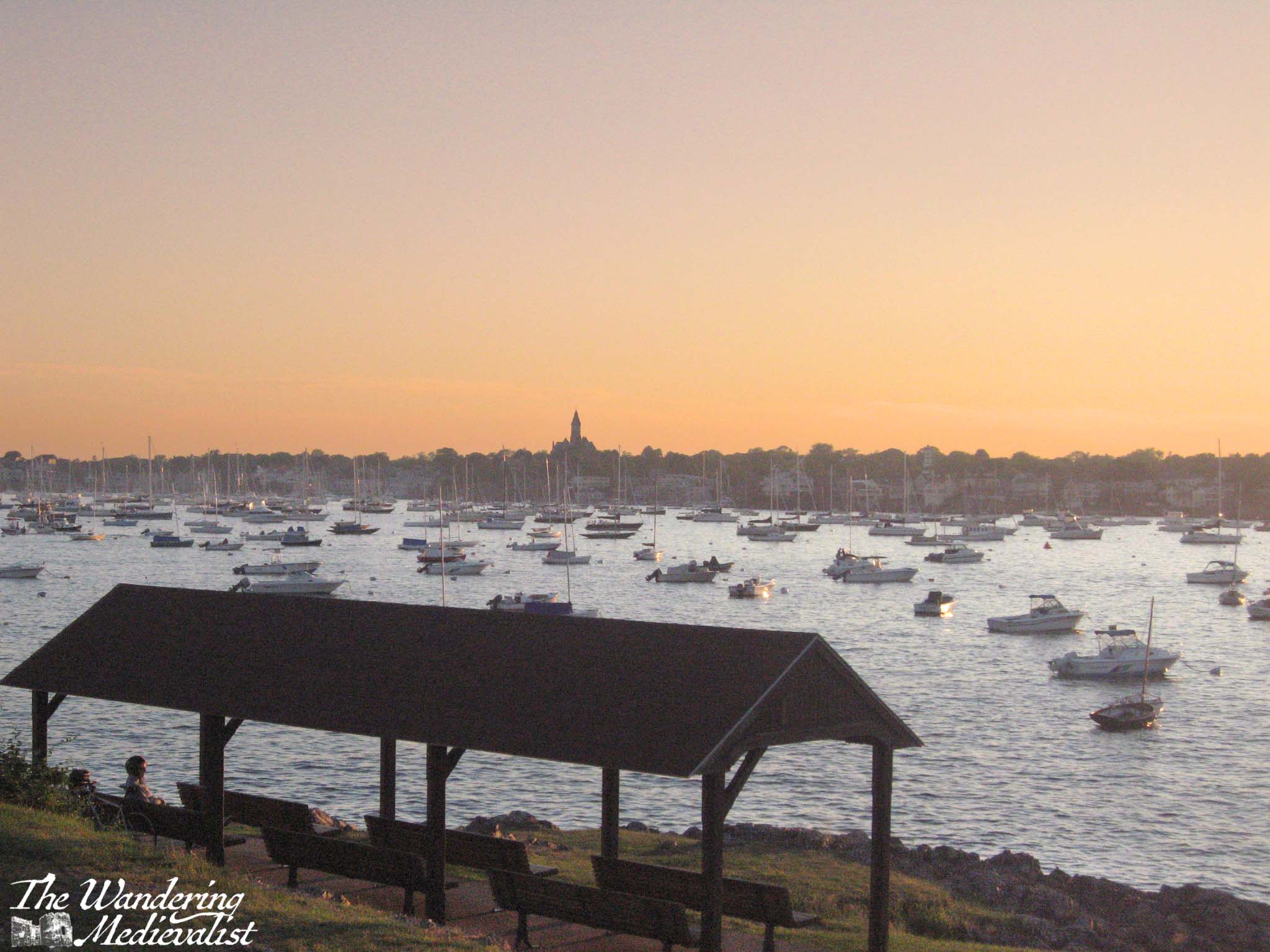
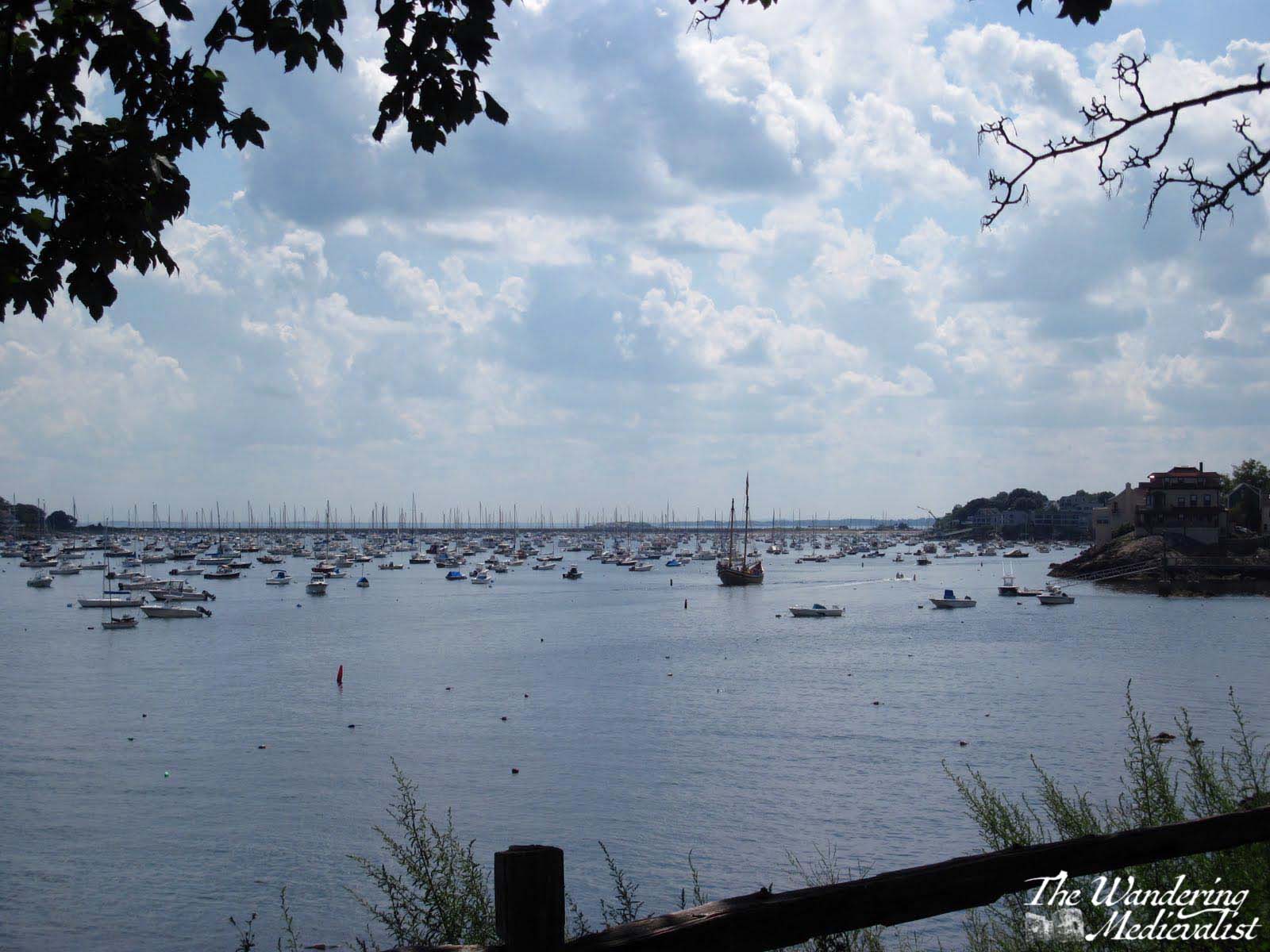
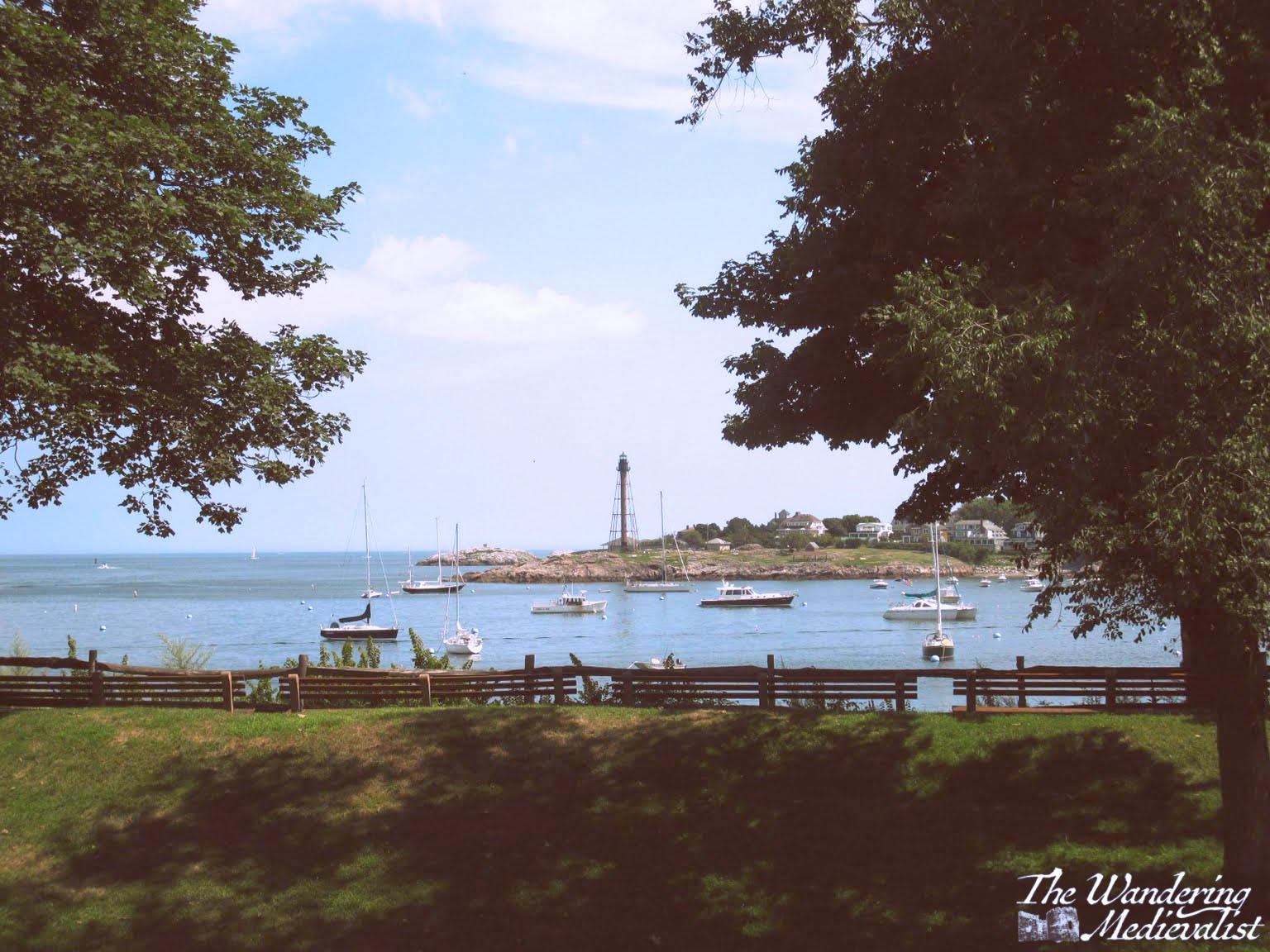
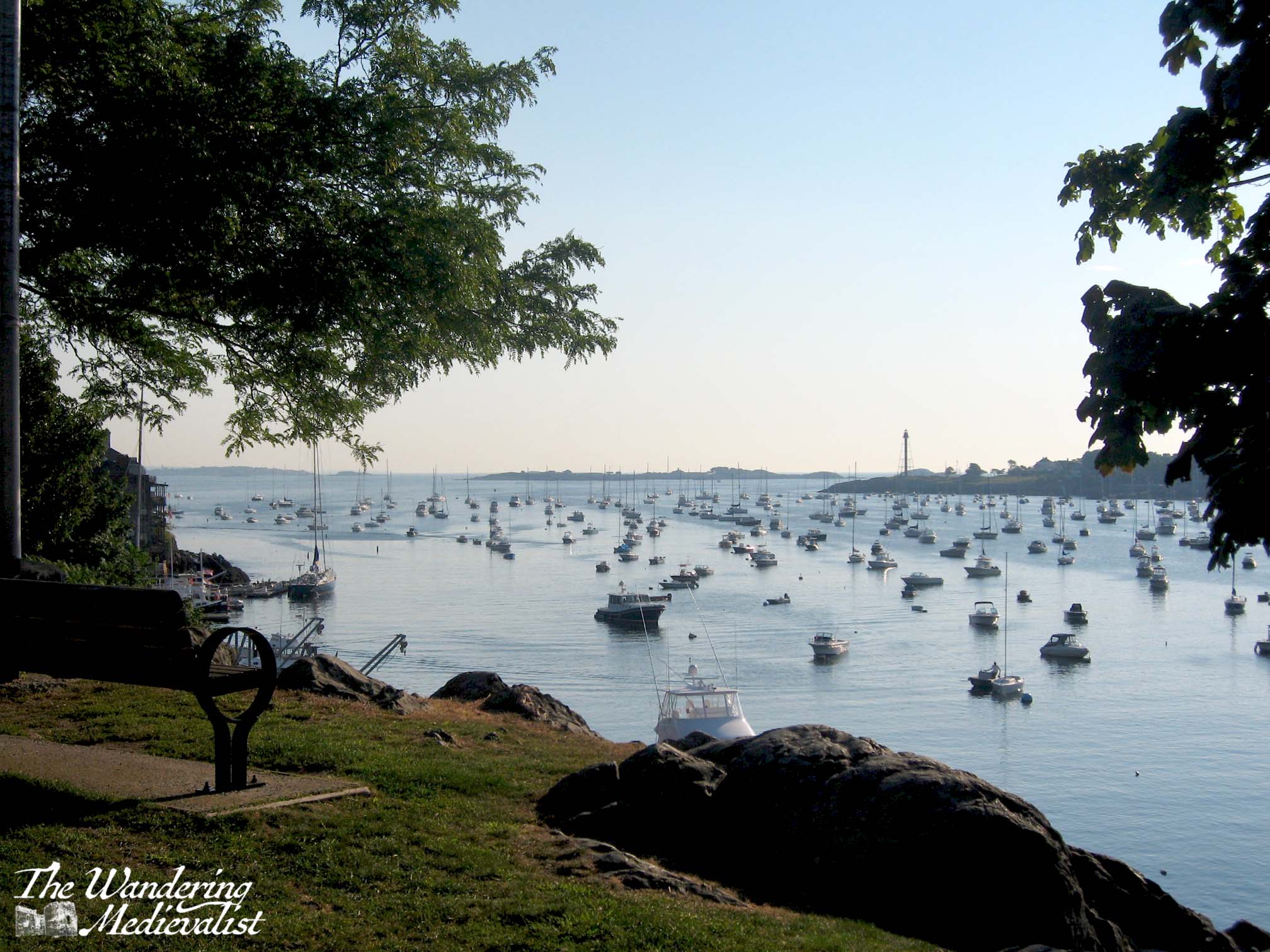
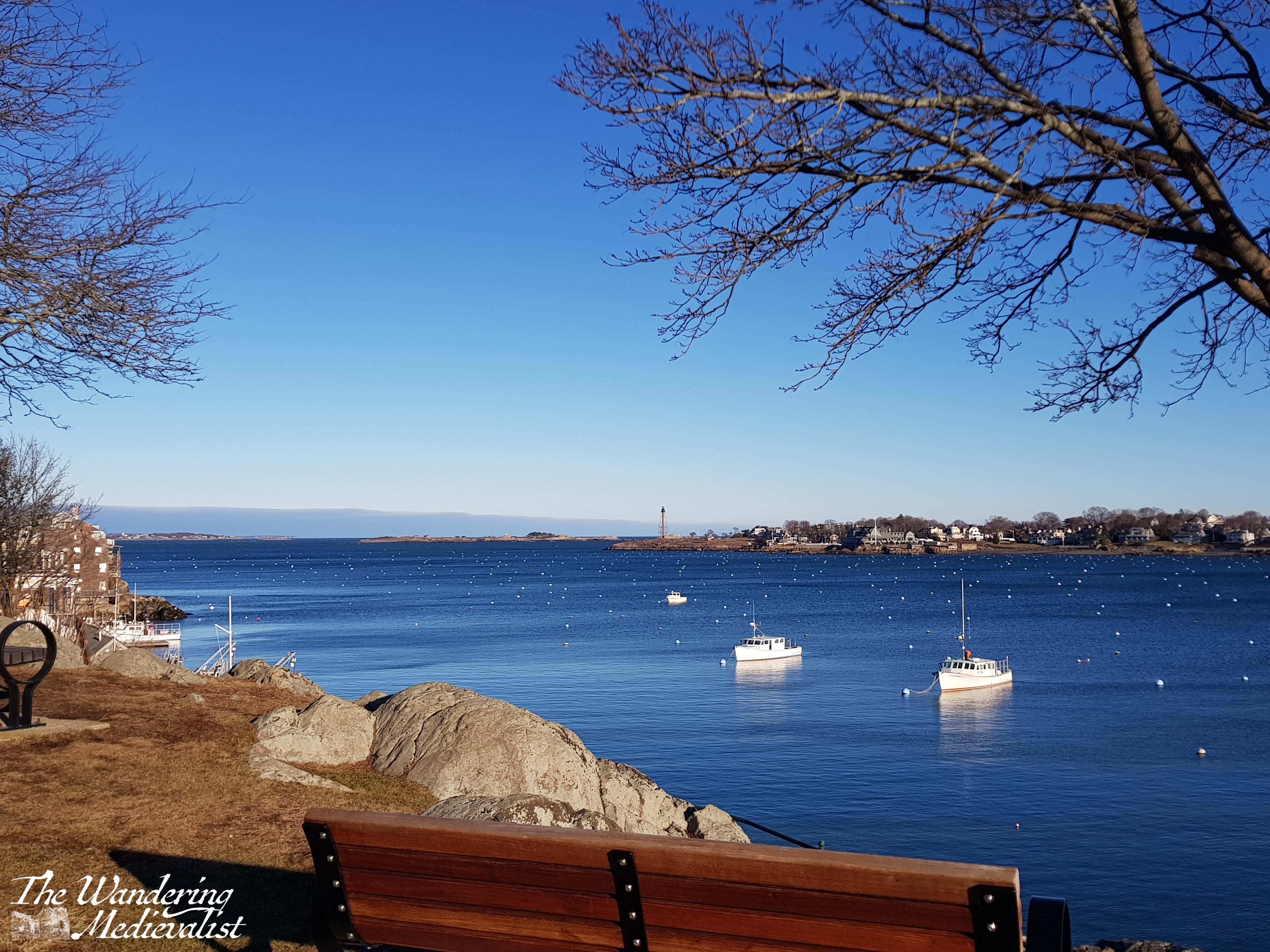
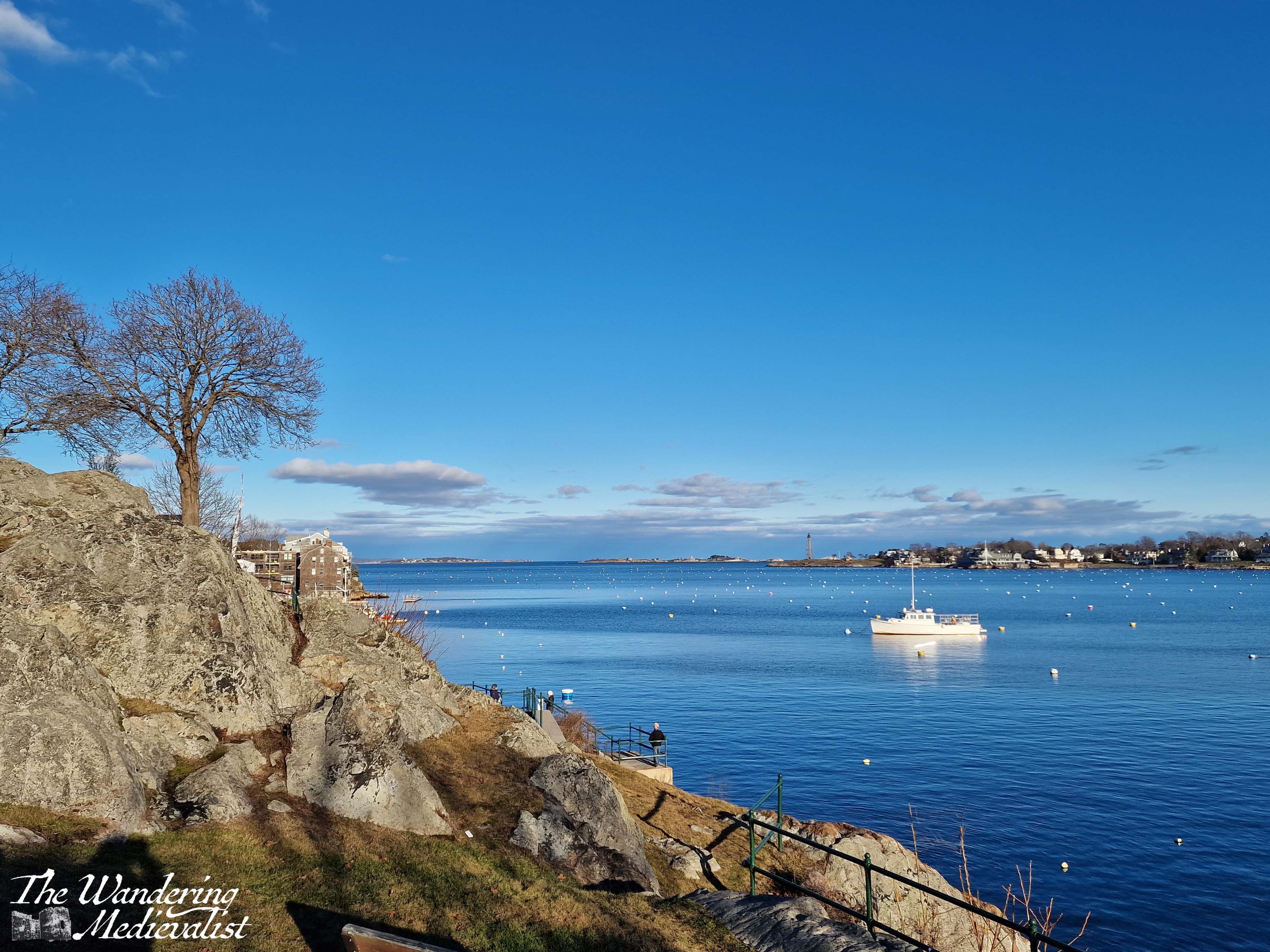
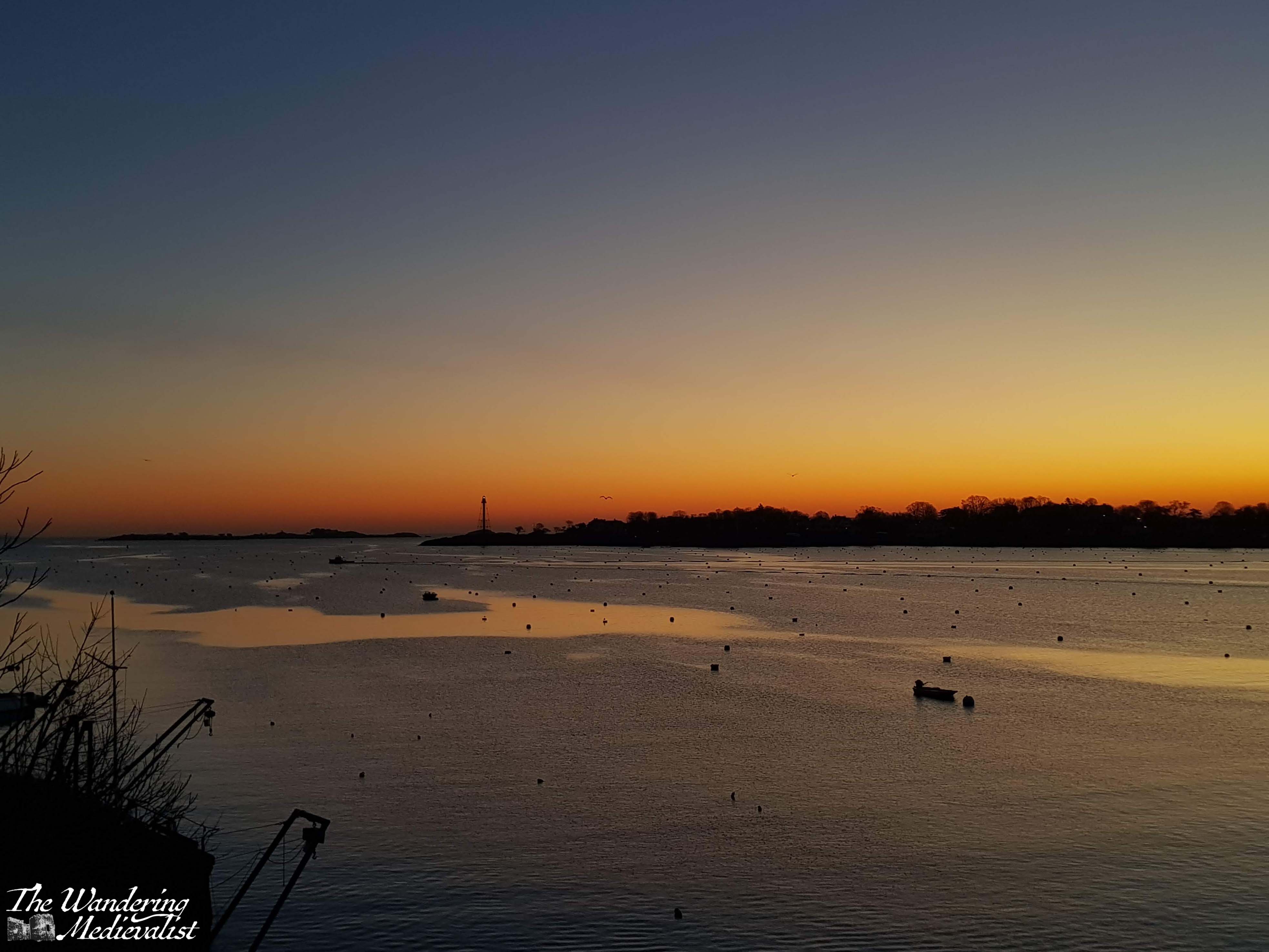
Another famous viewpoint, Crocker Park is located about halfway down the harbor and, like Fort Sewall or Marblehead Light, a good spot for pictures of the harbor at sunrise and sunset. Just off Front Street, the park is a great detour, and is often busy with dog walkers or children playing on the rocks. There are plenty of sheltered seats, a pergola, public toilets, and a large grassy area that is used for weddings, concerts and more in the summer. The park can also be used for swimming, as in the summer the town will float docks for those willing to take a dip in the busy harbor. Even in the winter it is easy to see why Marblehead is such a good harbour; the rocks fall sharply to the waterline and continue 20 – 30 feet below.
Crocker Park is unique in offering a perfect view of old town; if you stand under the chestnut tree, you get an ideal picture of the old houses, piled on top of one another, climbing up the hill to the pinnacle of Abbot Hall.

8. The Landing
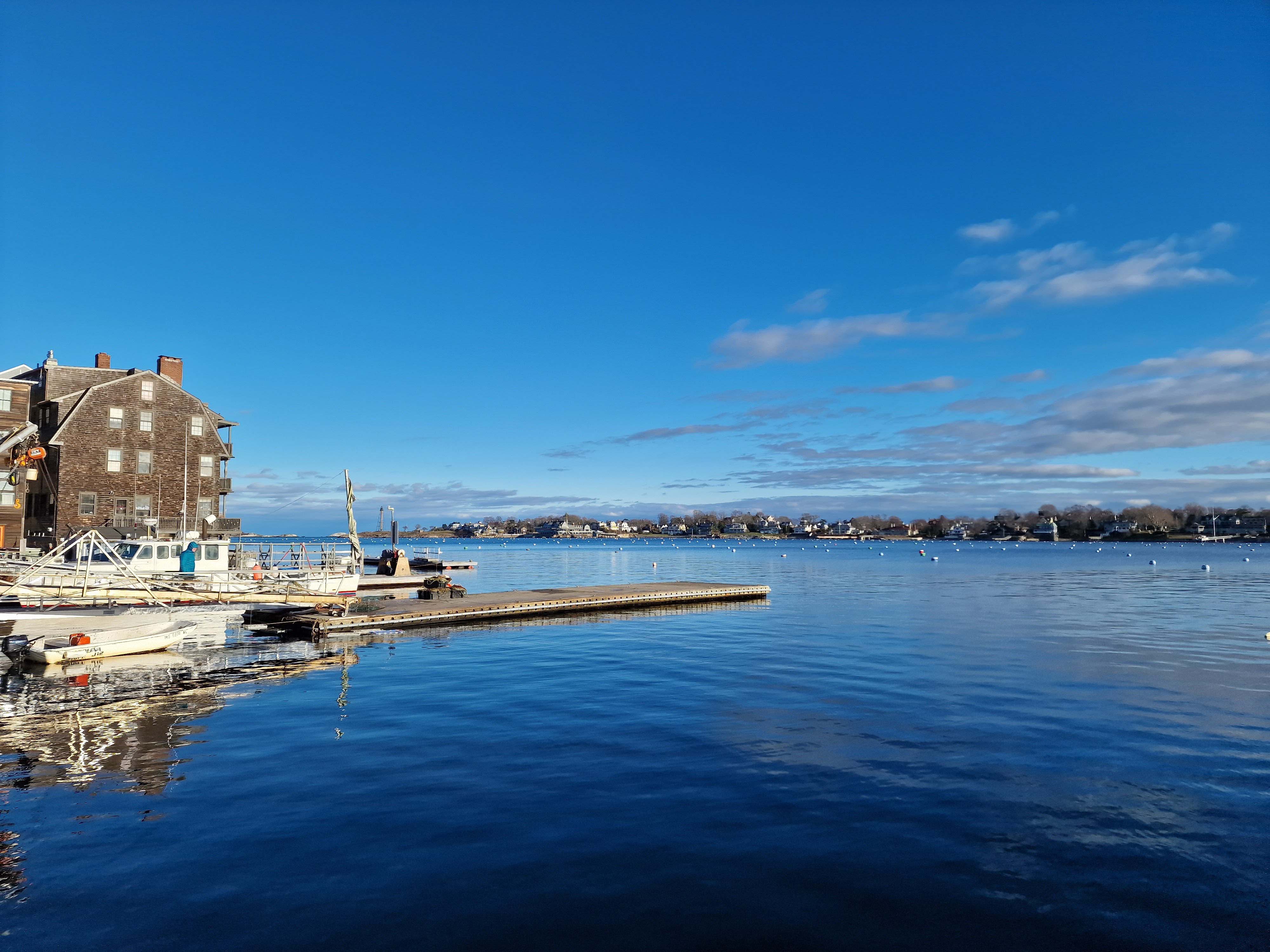
Just around the corner and down the harbor coast from Crocker Park is the Landing, the public town dock of Marblehead. In an old sail loft building now lives the Landing Restaurant, while on the other side of the car park is the Driftwood, the Marblehead institution known for serving good breakfasts from early in the morning. One will often find mariners at the counter chatting with the servers, and when I was young it was a popular spot for Dads and kids on a Saturday morning. There is often a queue out the door after 7am or so, and they only accept cash.
The area of the landing lives in my mind as a key part of childhood. For many years there was a popular ice cream shop – Nancy’s Incredible Edibles – often visited on a summer evening, and the boat to Children’s Island – a summer camp – left from the dock. Perhaps most important of all childhood memories is that on the first weekend of December, also known as Marblehead Christmas Walk weekend, all of the children gather at the landing to watch Santa arrive on a lobster boat. He and Mrs Claus step onto the landing dock and pass out candy canes as they move through the crowd, then disappear until the tree lighting ceremony that evening. There are more than a few pictures of me as a child all wrapped up and waiting to see Santa.
Finally, the Landing offers plenty of bench space where you can sit with a morning cup of coffee – or an ice cream – and watch the comings and goings. The sunrise is beautiful over the Neck, and in early mornings it is one of the most peaceful spots in town.

9. Old Burial Hill and Redd’s Pond
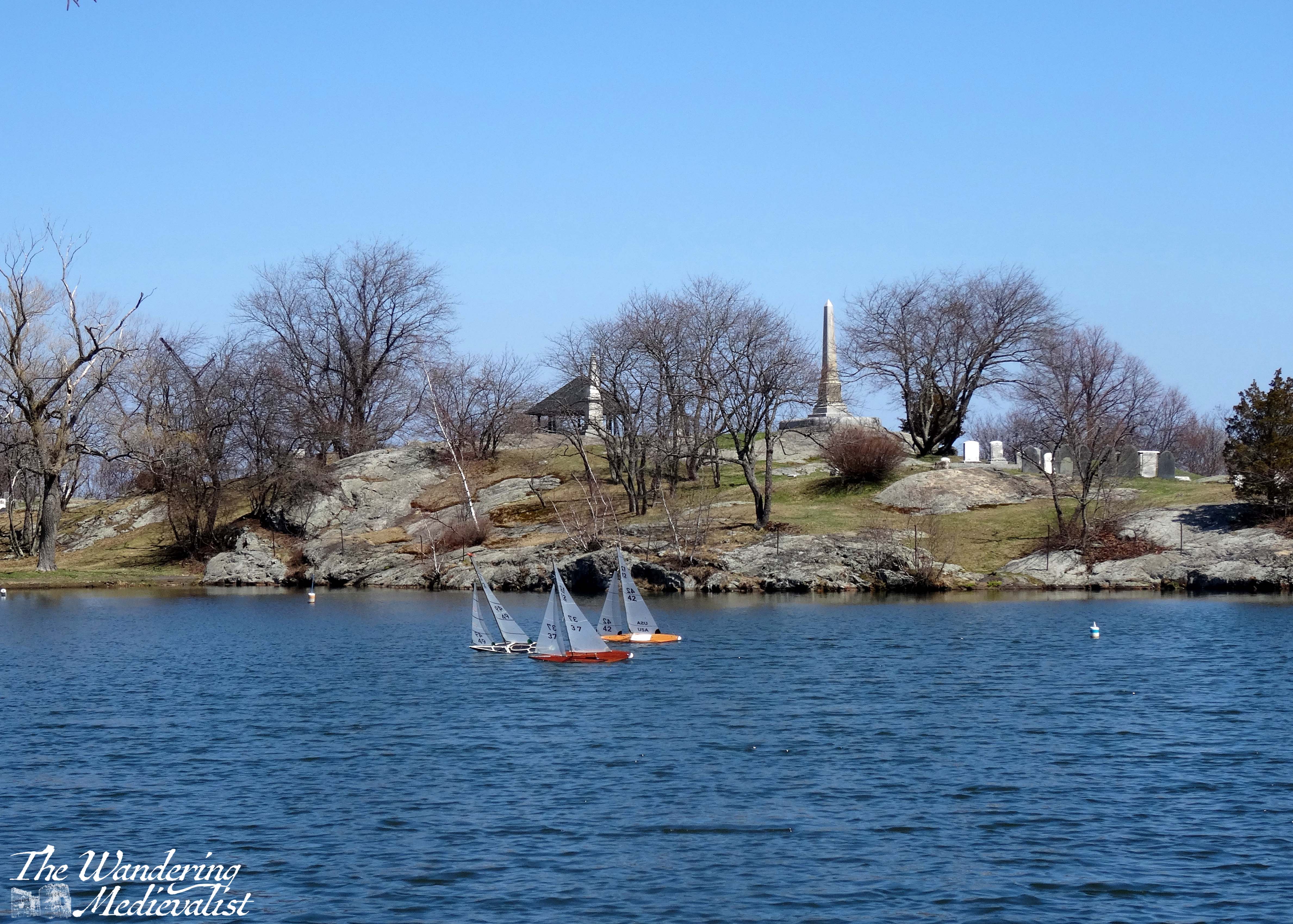
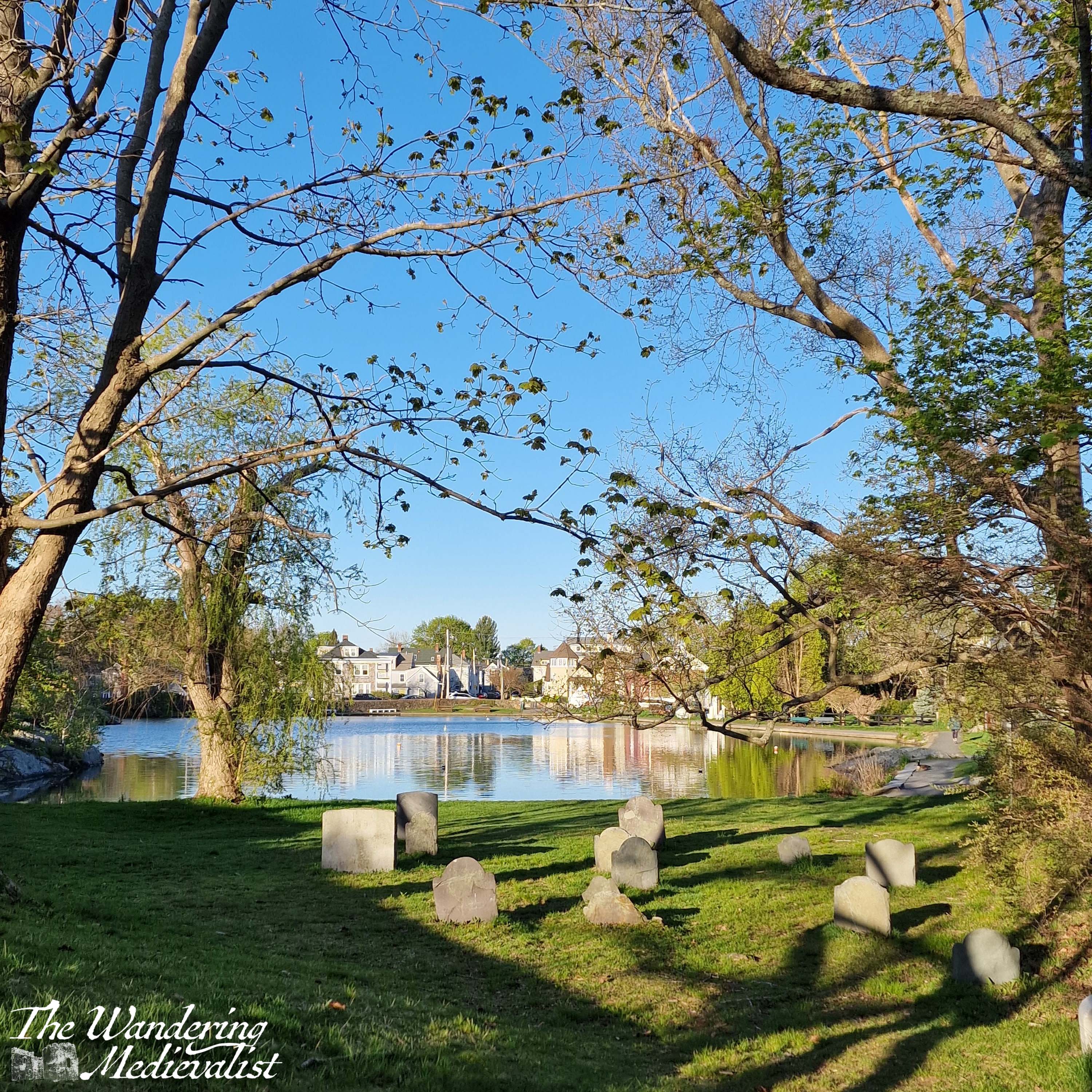
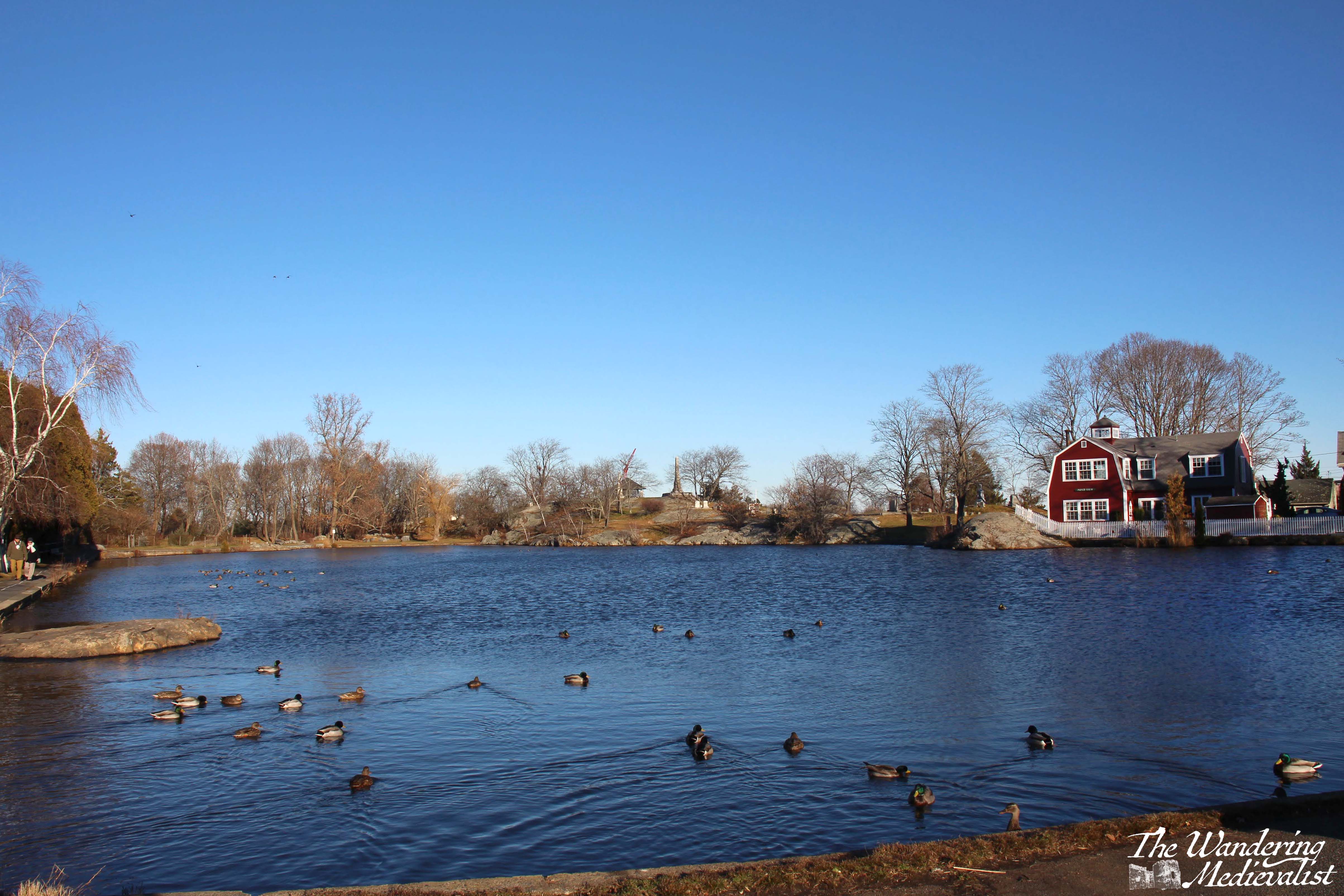
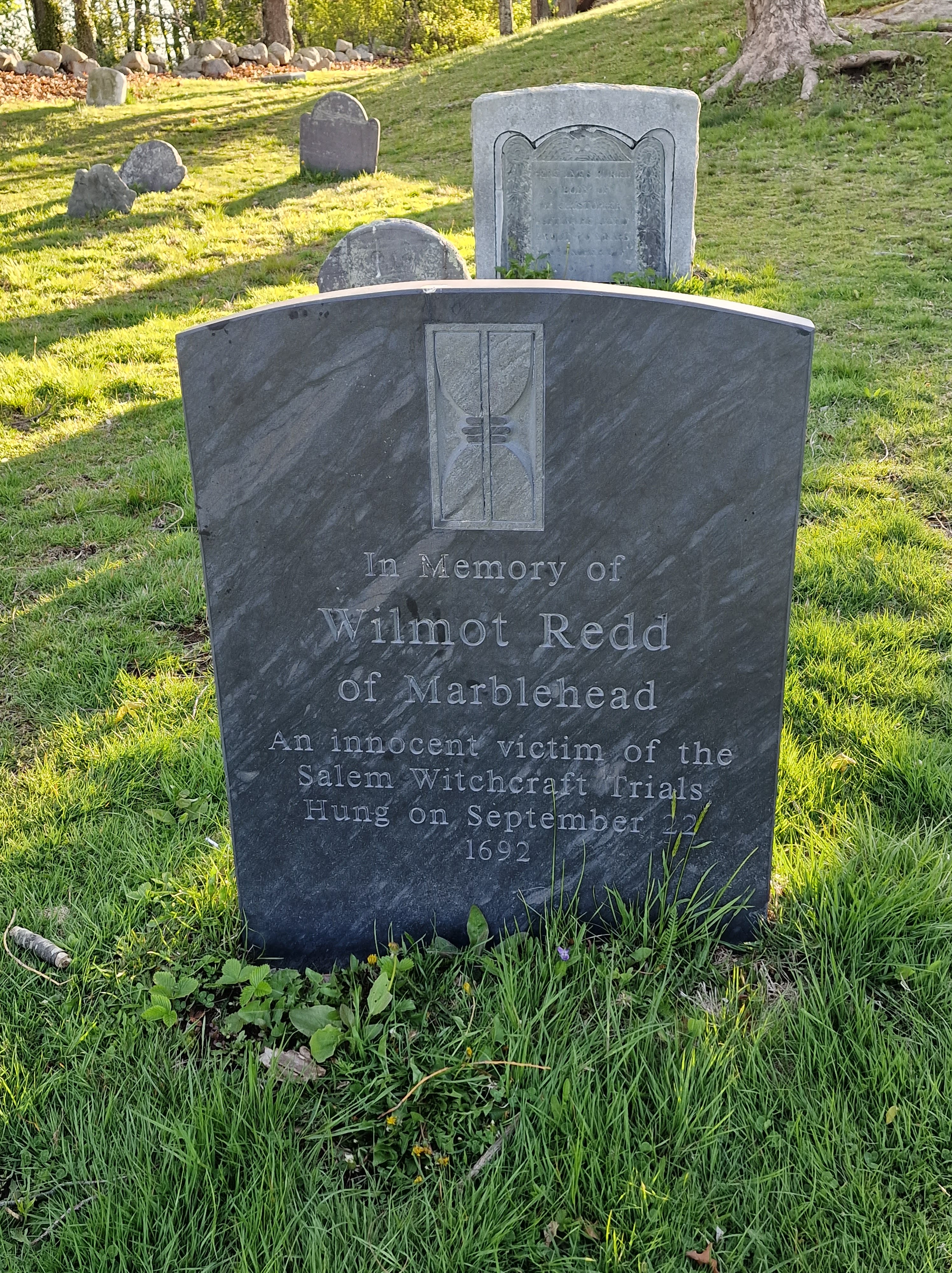
Redd’s Pond was named for Wilmot ‘Mammie’ Redd, who was one of the only non-Salem residents taken as a victim of the famous Witch Trials of 1692. The pond must play a part in most if not all Marblehead childhoods, whether through memories of feeding the ducks and geese, racing toy boats, ice skating or sledding on the nearby hill. I am relatively certain that the pond does not freeze hard enough for skating as often as it did when I was young, nor is there as much snow. The path around the pond invites peaceful contemplation, and offers beautiful views up towards Old Burial Hill, with its monuments standing out against the sky.
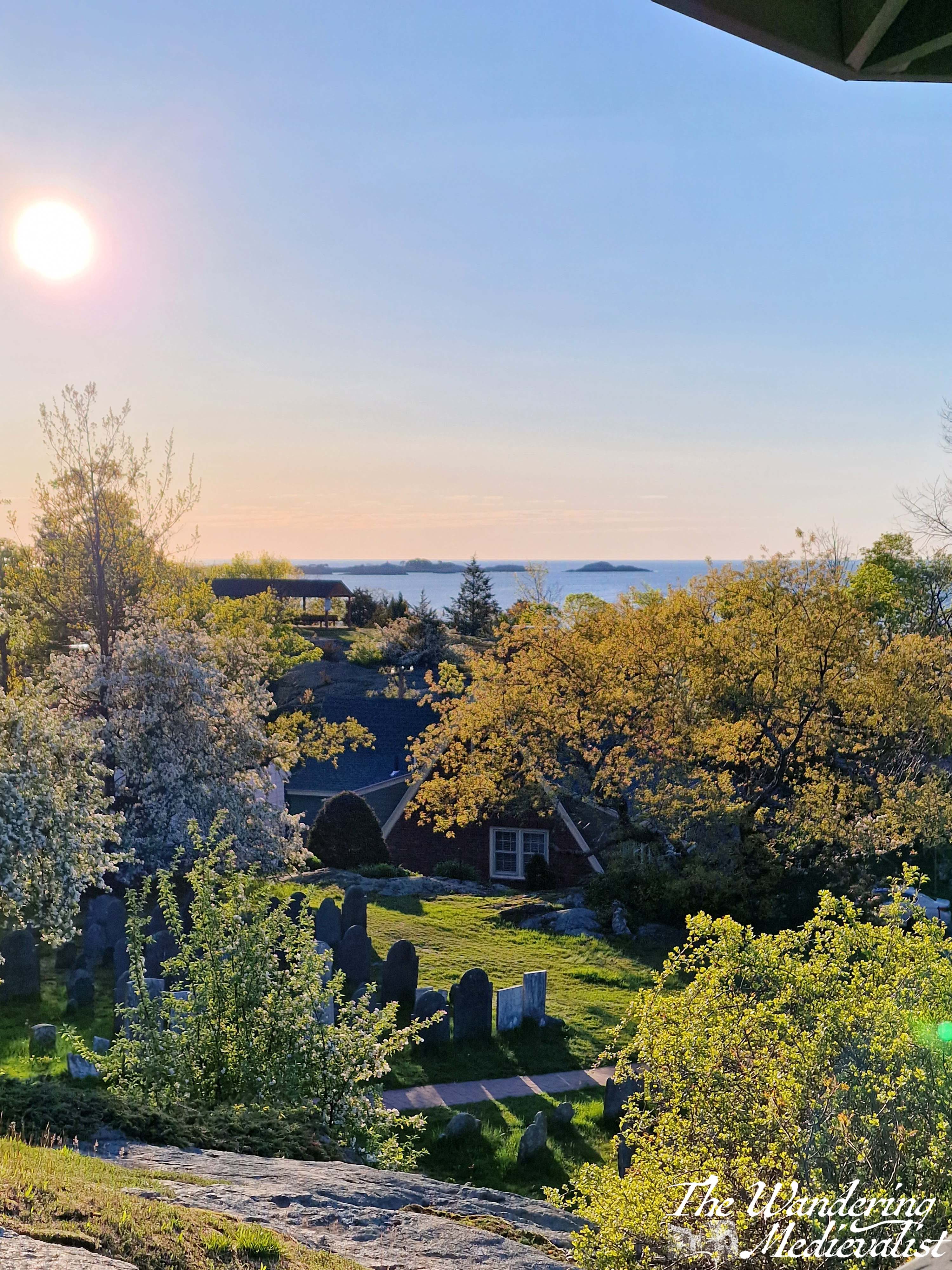
The Burial Hill was established in 1638 and is one of the oldest in New England; it is one of the highest points in town and offers clear views out to sea, over the pond, and over the harbor. I have written a great deal more about Burial Hill, but suffice it to say, it is one of the best places in town for pictures, with nothing but vistas in every direction.
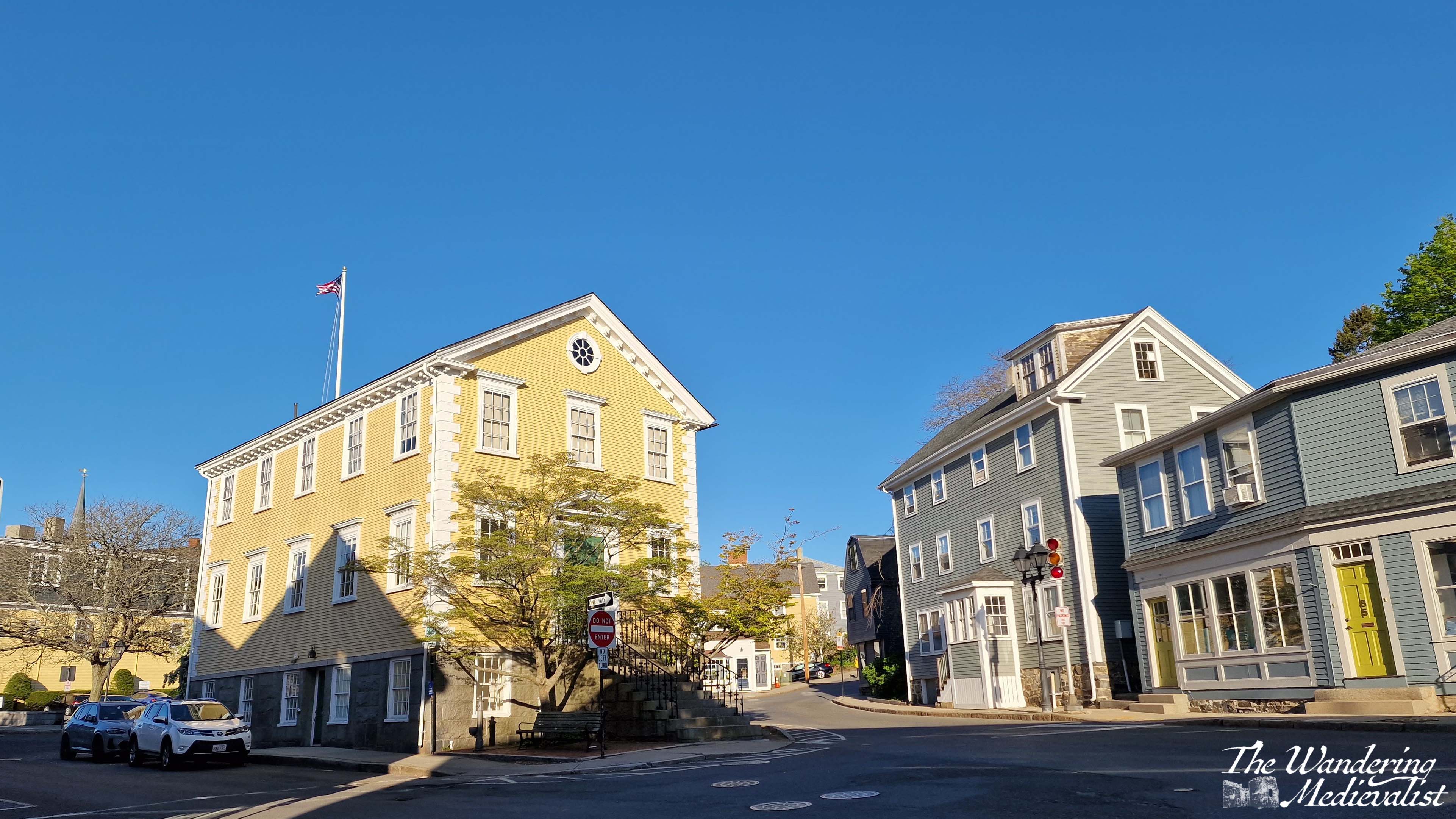
10. Old Town House and State Street
The Old Town House was constructed in the 1720s as a replacement for the even older meeting house on Franklin Street, with the meeting space upstairs and space for a market downstairs. It was then supplanted by Abbot Hall in the 1870s, though it is still used actively as a town hall, polling place and Police Museum. During the Arts Festival in July, it is also used as an exhibition space, as are most public buildings in town. Its location in the middle of Washington Street makes it perfectly placed to grace many photos of old town, and it is as iconic as Abbot Hall.
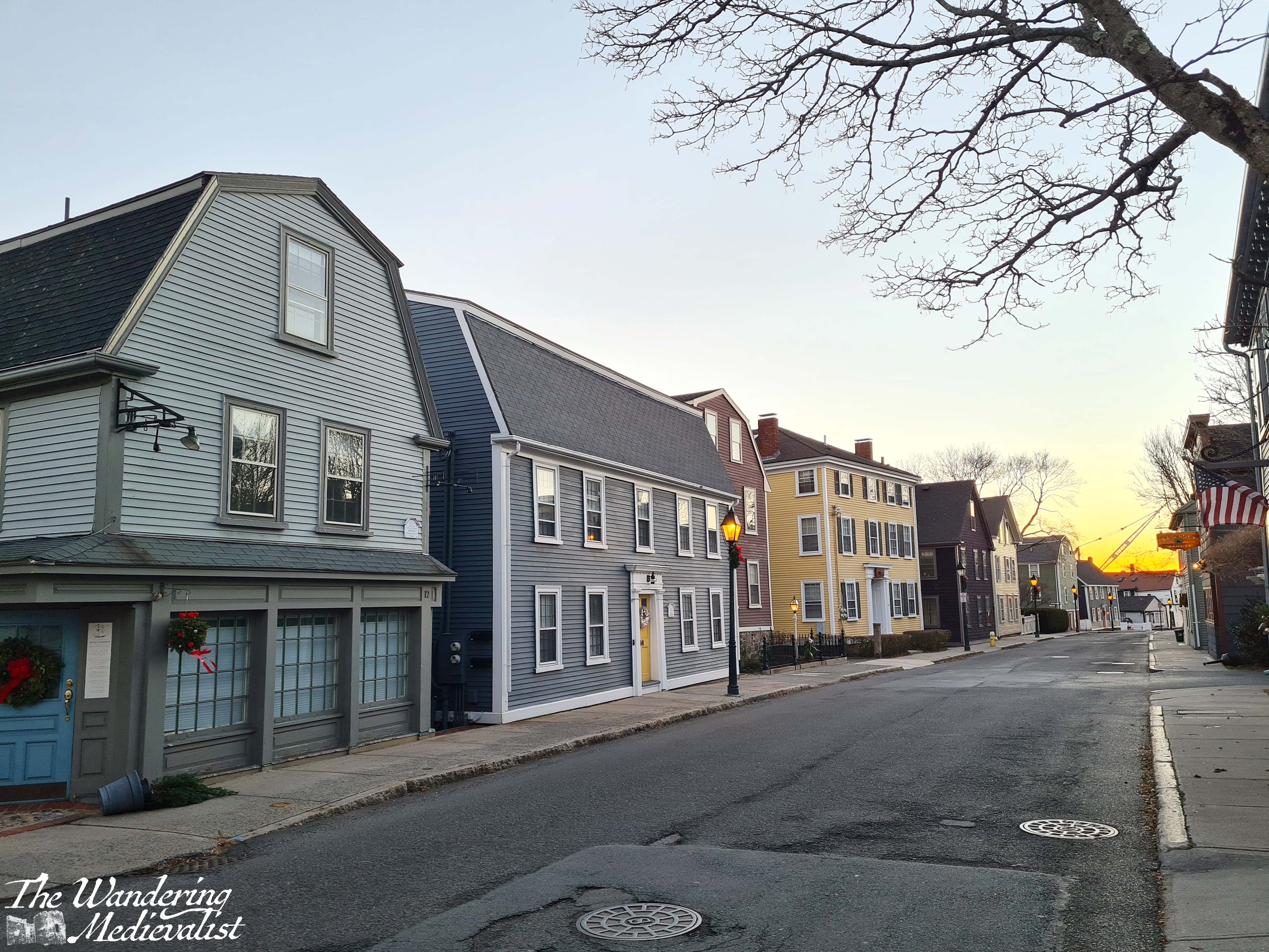
Standing at the corner of Washington and State Streets, just across from the Old Town House, is another of my favourite spots in Marblehead – looking down State Street towards the Landing. Old Town Marblehead has no shortage of charming houses and crooked streets, almost all of them well-kept up and decorated for whatever the current season may be. State Street is one of the loveliest, I think, with each house painted a proper Colonial shade and most bearing a plaque telling passers by about the original owner or builder.
Honourable mention to: Memorial Park
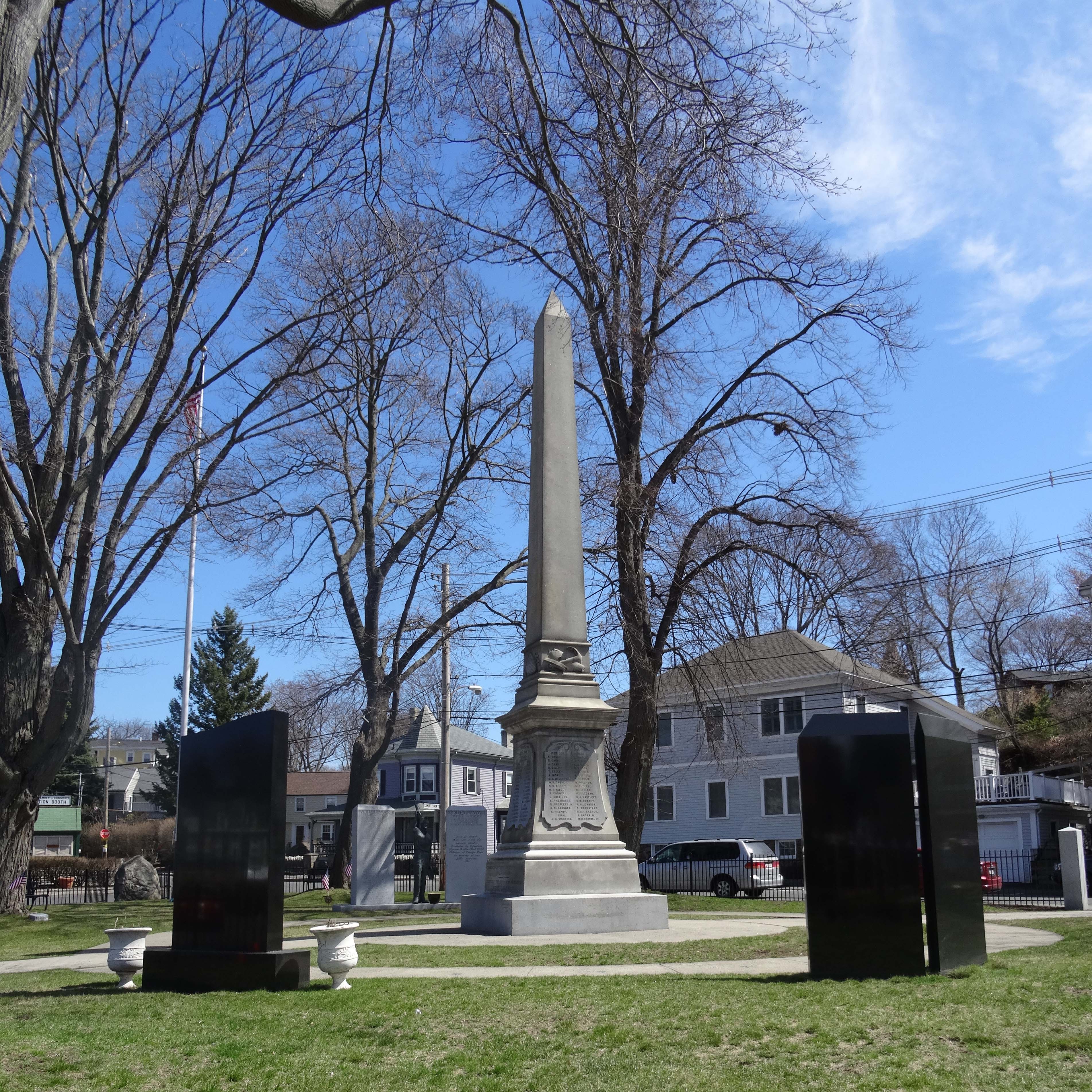
This might seem a bit of an odd one, but I’ve included it for several reasons. Firstly, Memorial Park is where the former YMCA building stood – the site of many swimming lessons and swimming birthdays – as well as the enormous pine tree that was used for the Christmas tree lighting until both were removed in 2011.
Secondly, it is another good place for people watching, as some of the busiest streets in Marblehead intersect. The park is only steps from the Marblehead Grand Bank, the bus stop, and Starbucks.
Thirdly and most importantly, Memorial Park has an annual role to play during the Memorial Day Parade, which I marched in many times as a Girl Scout. Often under meltingly hot May sun, the parade is held every year to commemorate the loss of Marbleheaders from the Revolutionary war onwards. The primary memorial in the park centre is devoted to those who died in the Revolution, War of 1812, and Civil War, then there are additional stone slabs for each subsequent conflict. This includes, below, the memorial to those who died on 11 September 2001, of which several were from Marblehead. Two of the planes that day took off from Boston, and I recall walking through town that afternoon, when everything was quiet and flags suddenly appeared as they often do on the 4th of July. As many Americans – and doubtless those around the world – experienced, it felt very personal. Our small town, like so many, was touched by that horror. And would continue to be as the years went on.

I hope you have enjoyed this brief trip around Marblehead, and that if you ever visit yourself, you can stop by some or all of these points to experience some of the best views in town. I am personally fond of an early morning – often jet lag-fuelled – walk through Crocker Park, along Front Street to Fort Sewall, and then back over the Old Burial Hill. But I am sure all Marbleheaders have their favourite routes.
Loving these pics of Marblehead? Get one for your wall from my online shop!

 The Wandering Medievalist
2 responses to “Discover the top 10 Best Viewpoints in Marblehead, Massachusetts”
Loved the photos, your mom took me to several of those places when I visited years ago
LikeLiked by 1 person
Thanks Carol! Glad you enjoyed them 😊
LikeLike