

A short time ago, I was fortunate enough to be sent to a work conference in the US. I was excited to go to San Antonio, where I have family, until the relatively quick realization that the south of Texas in June is not a particularly welcoming place for those of us used to temperate summer weather. In fact, a quick check of the weather website showed temperatures of 37 Celsius (about 100°F). As I said in a joke to my office mates, now I have a real sense for why my San Antonio family leave in the summer, to escape the heat!
So, I packed my bags to prepare for heat and away I went – I had been to San Antonio many years ago in the early 90s, and all I could really remember was Sea World and a riverbank where we had a picnic lunch. A riverbank well outside the city centre, I should clarify.
I landed in San Antonio after a long journey from the UK and hopped in a taxi. As we drove through the city, I found myself very aware of the other, more sober reason that I had been looking forward to a re-visit, and that was that my cousin who grew up there and was very close to me in age had passed away 18 years ago in a road traffic accident. We had not been in touch for years before he passed, and I have always regretted not being able to know him as an adult; I felt his presence, or more accurately his absence, very keenly for most of my visit.
The morning after my arrival, I woke early – as I always do on day 1 travelling west – and decided it was a good time to go out for a walk through the city, as it was still early and not yet as hot as it would become. Even so, the temperature outside the hotel made me gasp, and I realised I would need to quickly adjust my walking speed from Scottish stride to a slower amble.
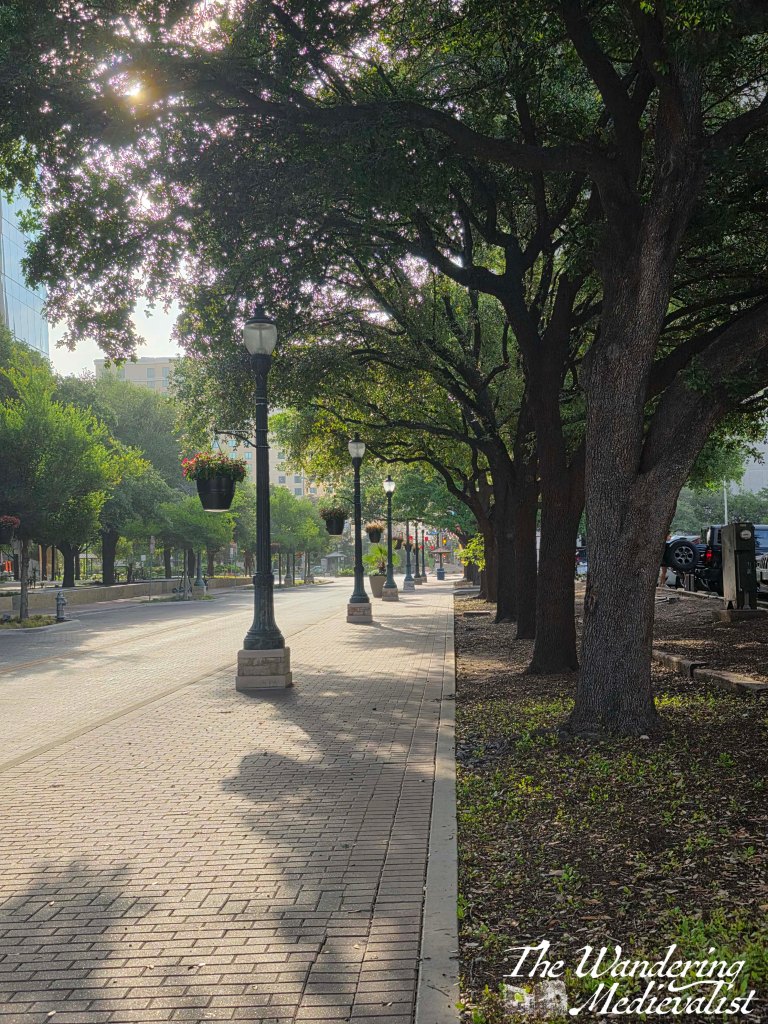
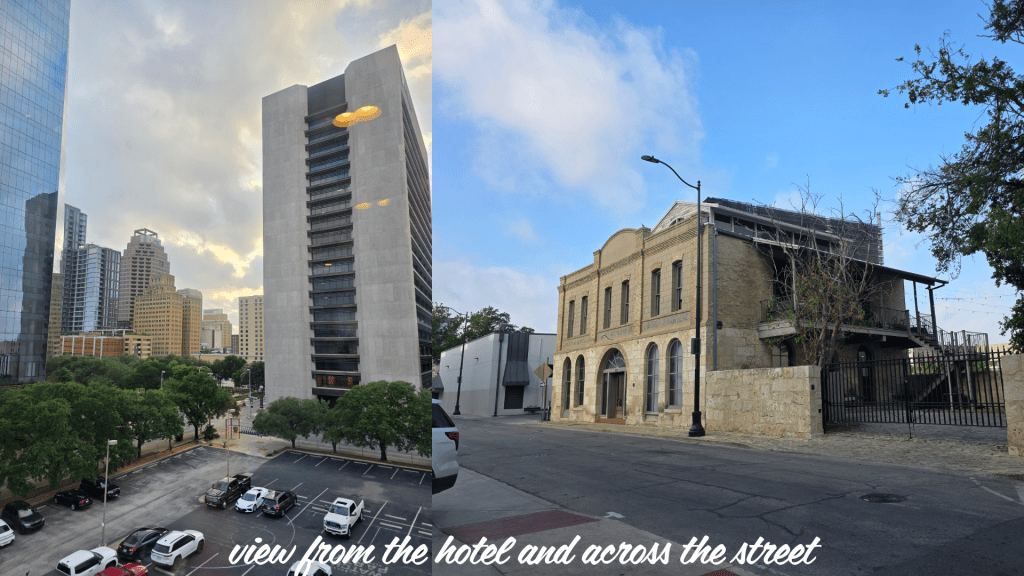
My first goal was that most Texan of locales – the Alamo. I knew it was only about ten minutes on foot from my hotel, and so I set out along West Houston Street. As expected on a Sunday morning, the streets were quiet and peaceful, though the aura of impending heat was in the air.
It was a pretty much straight shot down the one street to reach the Alamo, and I passed more than a few purely San Antonio sites: La Panandería, a popular bakery already with along queue outside; the Buckhorn cafe, including the Texas Ranger Museum; one of the original Walgreen Drug Stores from 1901…

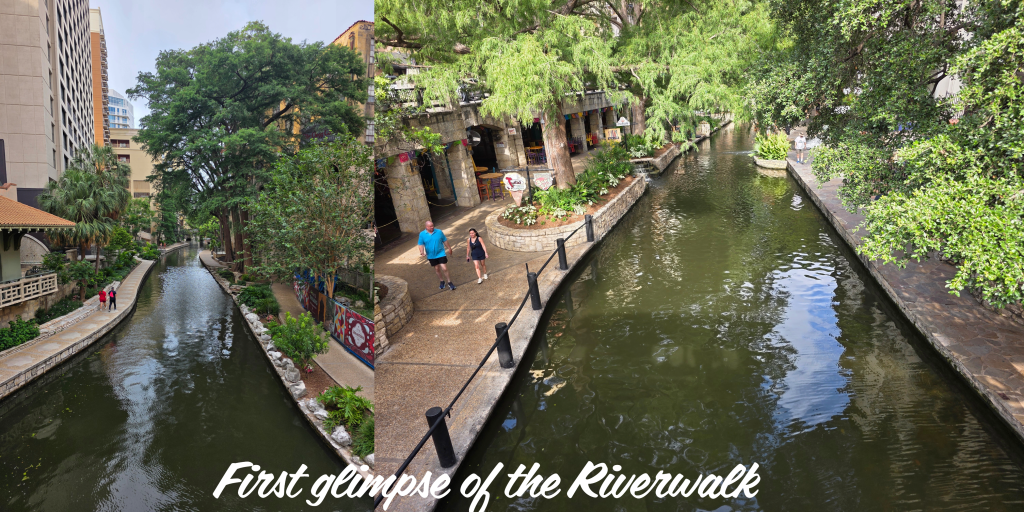
…and perhaps most importantly, my first introduction to the River Walk, which I loved immediately, with its lush foliage and the tantalizing glimpses of another world you get as you walk along the main streets. More on this to come.
The Alamo plaza area itself was surrounded by construction, including work being done on a building where there were enormous scaffolds holding up the historical frontispiece of a building that was otherwise torn down – a scene familiar from Edinburgh, where listed buildings are being renovated. The Alamo is probably one of the most famous spots in the world for being considerably smaller than one might expect – so much so in fact that I imagine most visitors are prepared to be under-whelmed.
The approach from East Houston Street passed first the construction, and then turned right along the Alamo Plaza. The stone stockade is still in place, with barred windows facing the foot traffic.
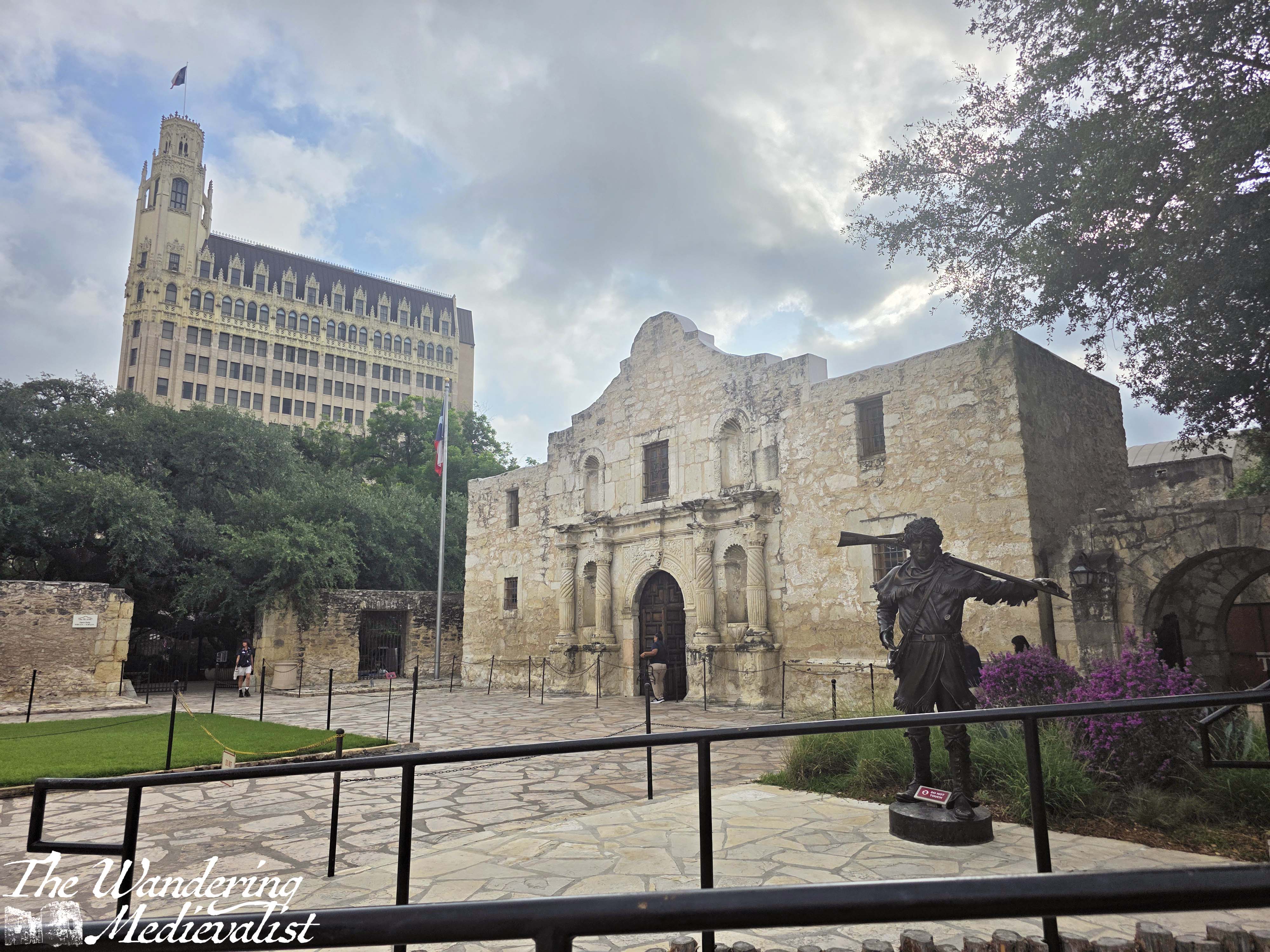
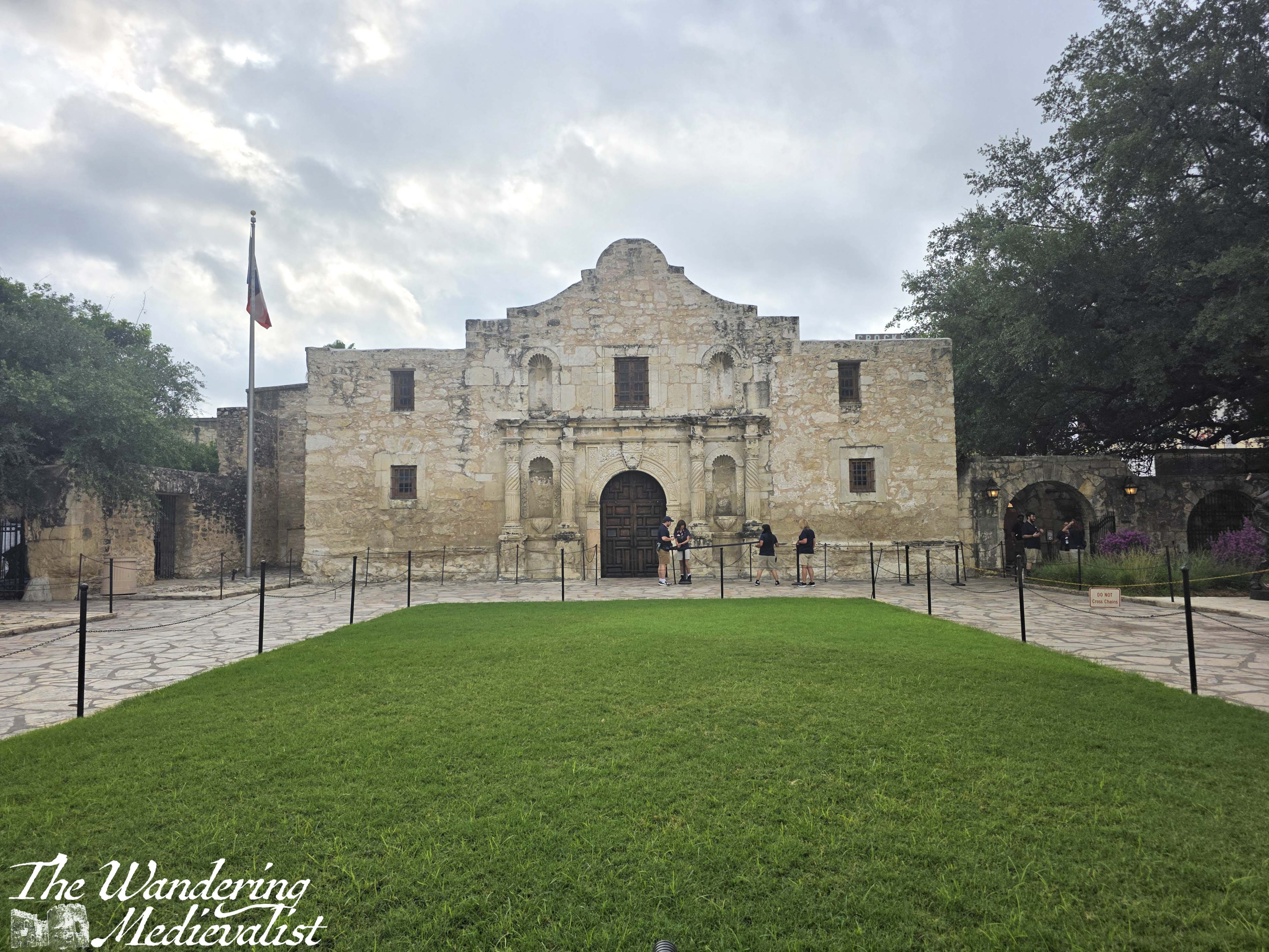
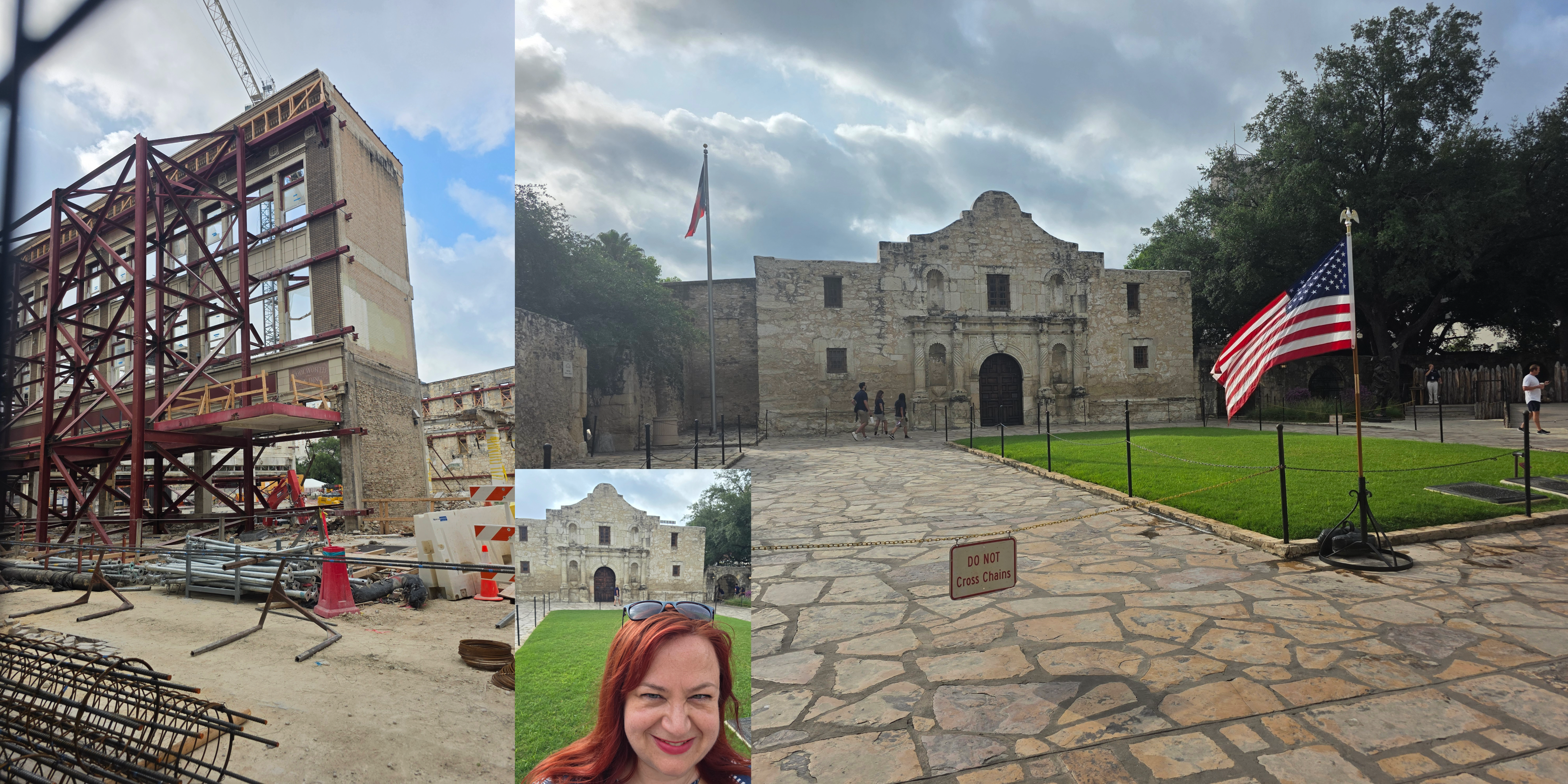
I admit that I did not spend a lot of time at the Alamo, as I only had a day to explore and I did not want to go inside the building itself. Still, its a majestic spot that recalls the Spanish architecture that still dominates most of the city; and of course, there is a great statue of Davey Crockett just by the entrance, looking over the site.
As one would expect, there are plenty of shops near the Alamo to indulge any need for souvenirs, but my favourite was that of a local artist Alejandra Martinez Hernandez, whose style includes lots of bright colours and florals, and scenes of south Texas.
As the heat was increasing swiftly, I decided that it was time to pick up the trolley tour I had researched, which left from nearby the plaza – Old Town Trolley Tours. It wasn’t inexpensive, but was worth the cost!
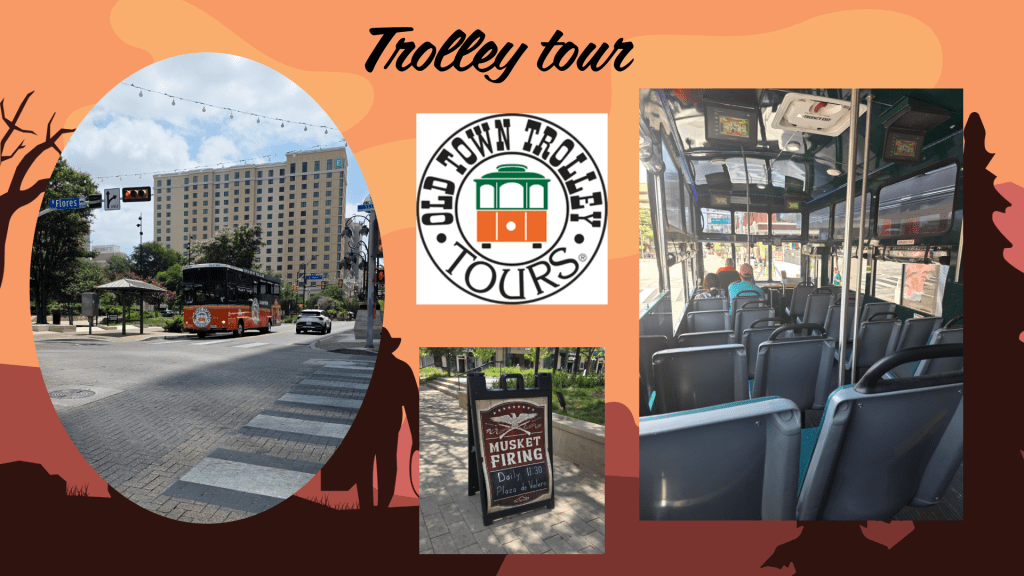
I was fortunate enough to just catch a trolley about to leave. As with many trolley tours, the driver provides information as they weave through the traffic, and my driver – Elaine – was incredibly knowledgeable about the city, its history, and so much more. She kept asking if I wanted to get off at particular stops, as I was the only one on the tour at times, but I said to her, this is what I want from the day: I just want to sit and see the city and enjoy it all. Which I did!
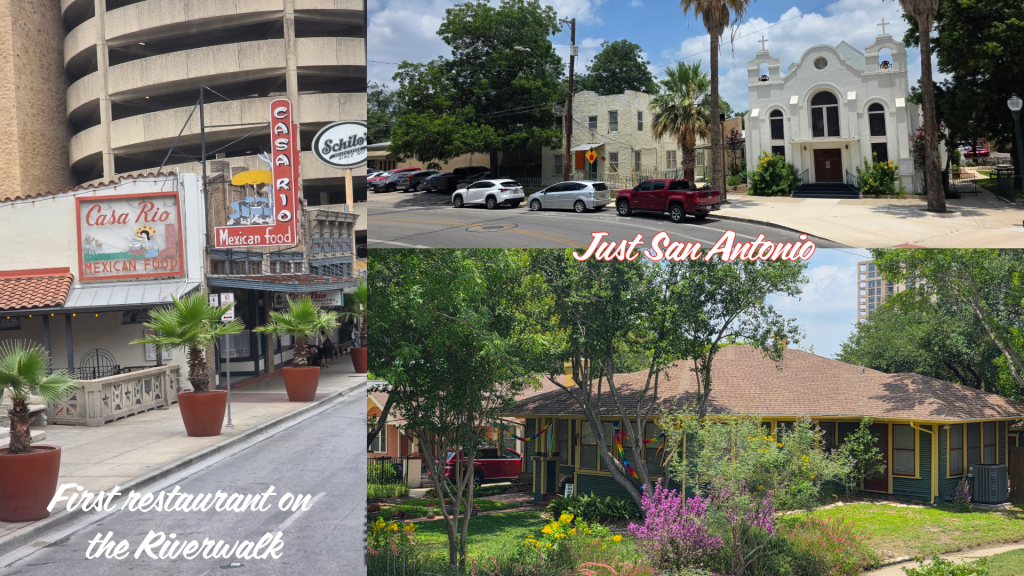
Starting just by the River Walk, the tour passed by Casa Rio, the oldest restaurant on the River Walk, then continued out of the city centre past The Pearl, the former brewery of San Antonio – I felt a strong draw to this area, doubtless due to the German brewer roots in my own family. We did a large loop out through the edges of the city, passing by UT San Antonio, the Zoo, the Botanical Garden and some of the large parks.
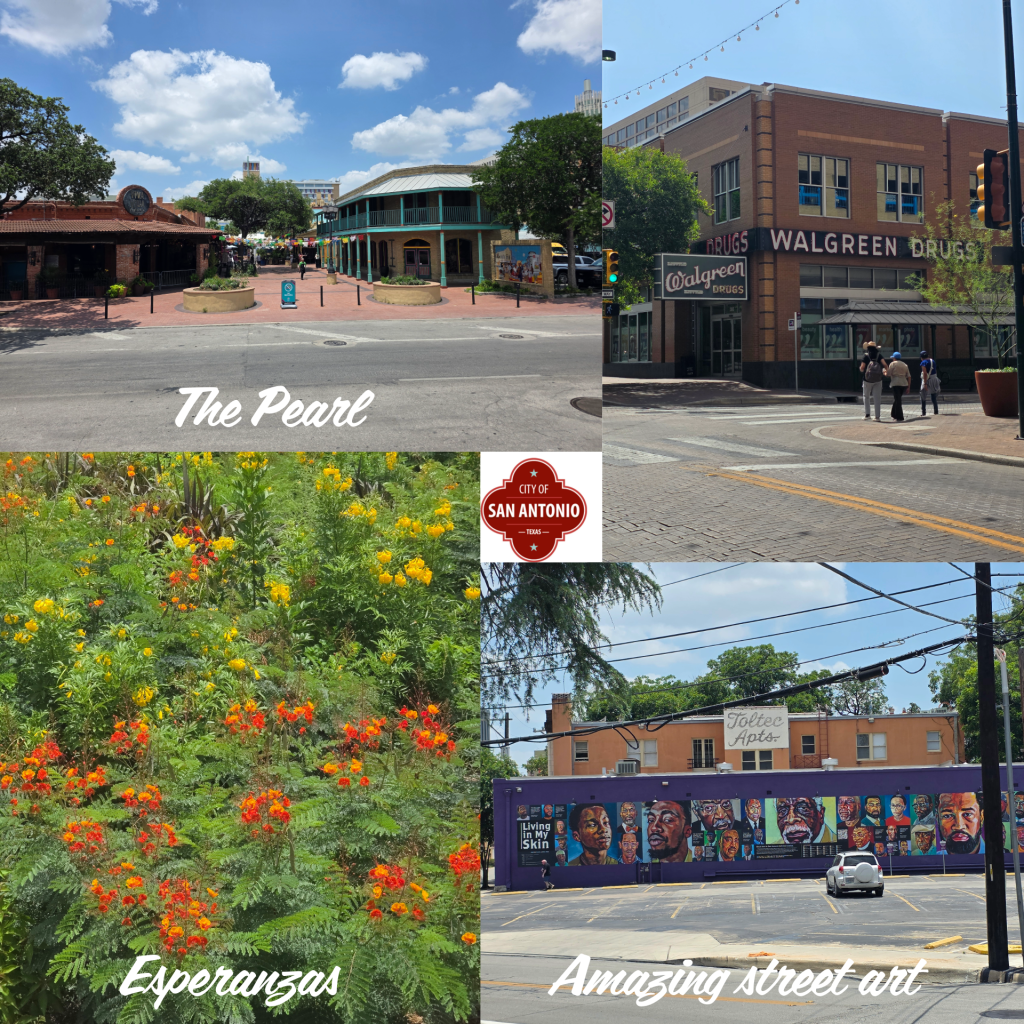
I learned about the San Antonio Street Art Initiative, which grants local artists permission to paint murals on walls, the columns of the underpasses, and so much more. It is truly extraordinary, and beautiful.
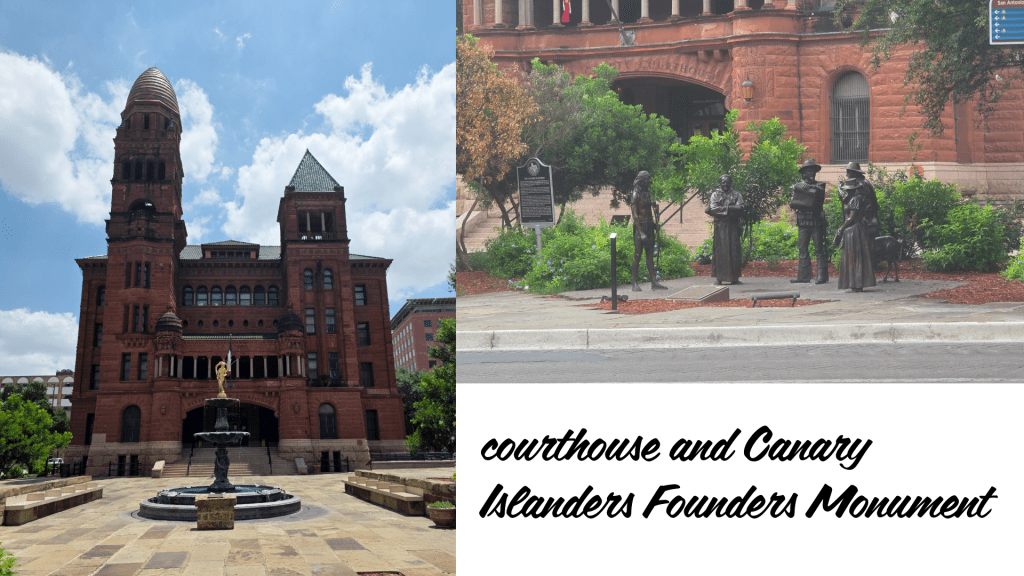
In time we looped back into the city, and while I enjoyed the tour immensely, I wanted to explore the San Fernando Cathedral, which I had passed briefly earlier in the day. So, I alighted just outside the city courthouse, where I was surprised to see a group of statues labelled ‘Canary Islanders’. This seemed incredibly random to me, and on later research I discovered that this is known as the Founders Monument, honouring 56 Canary Islanders who arrived in San Antonio in March 1731 and established the first civilian government in the area.
Immediately across the busy road from the courthouse is San Fernando Cathedral, the seat of the Archbishop of San Antonio that was built between 1738 and 1750.
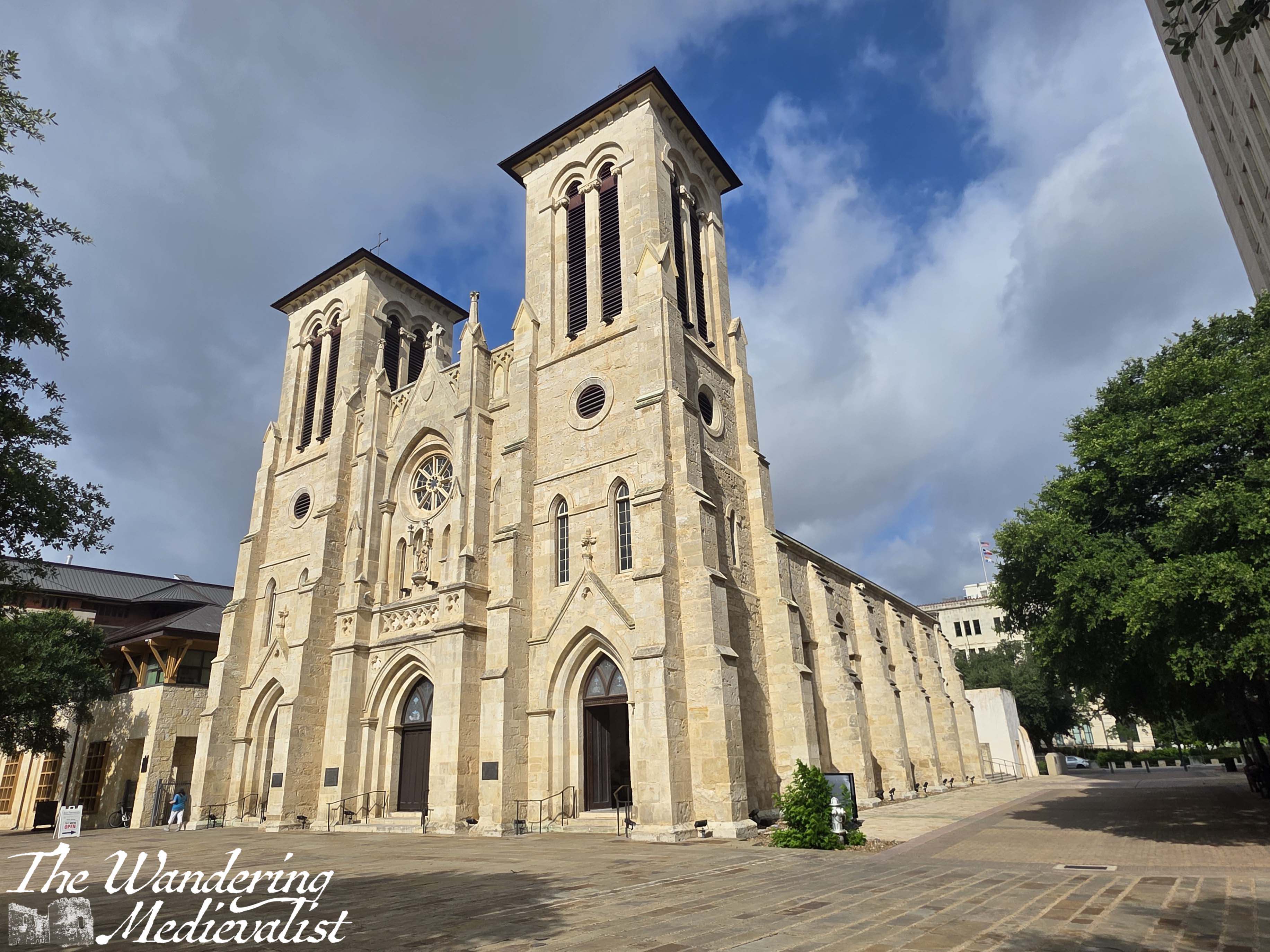
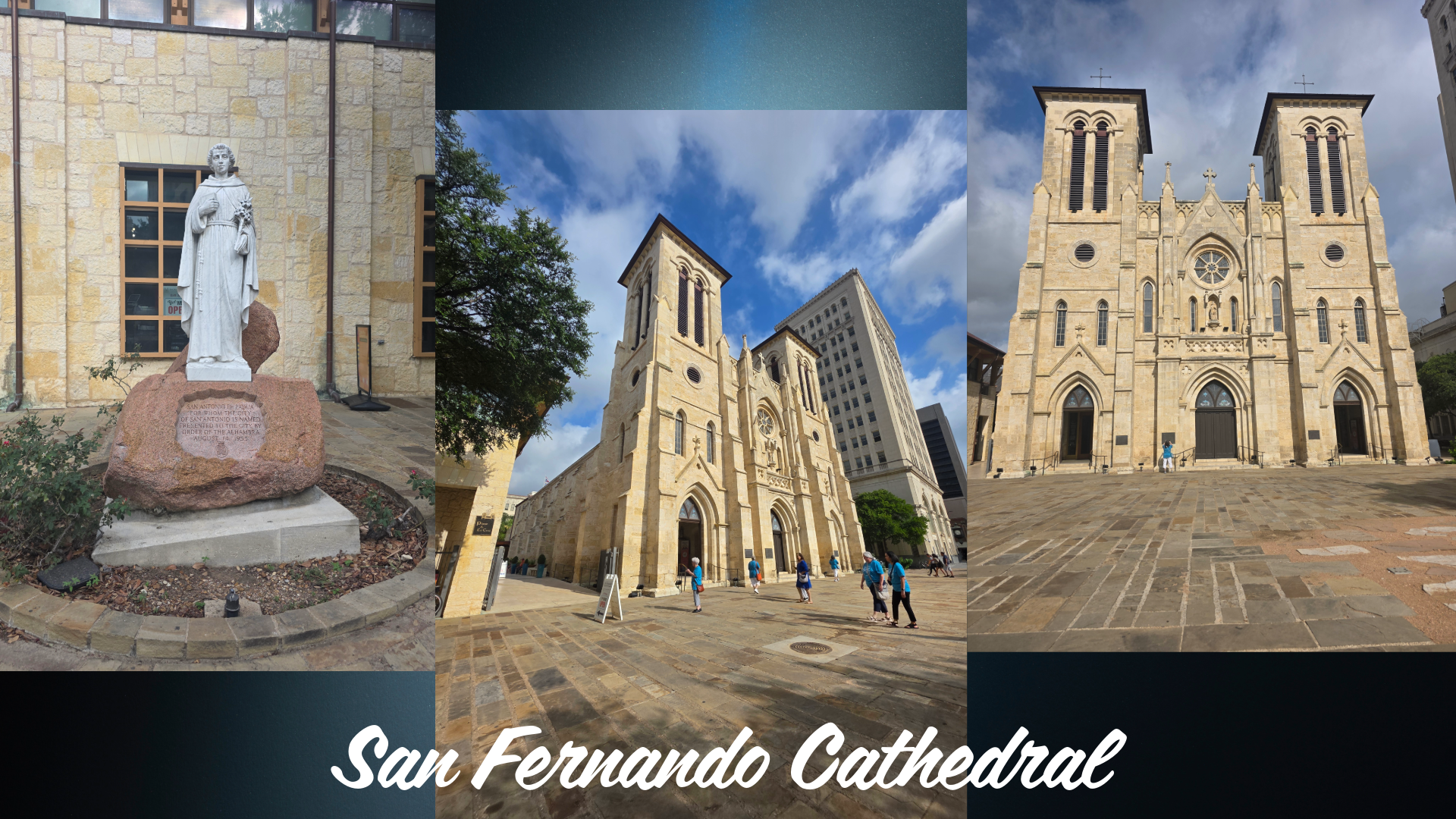
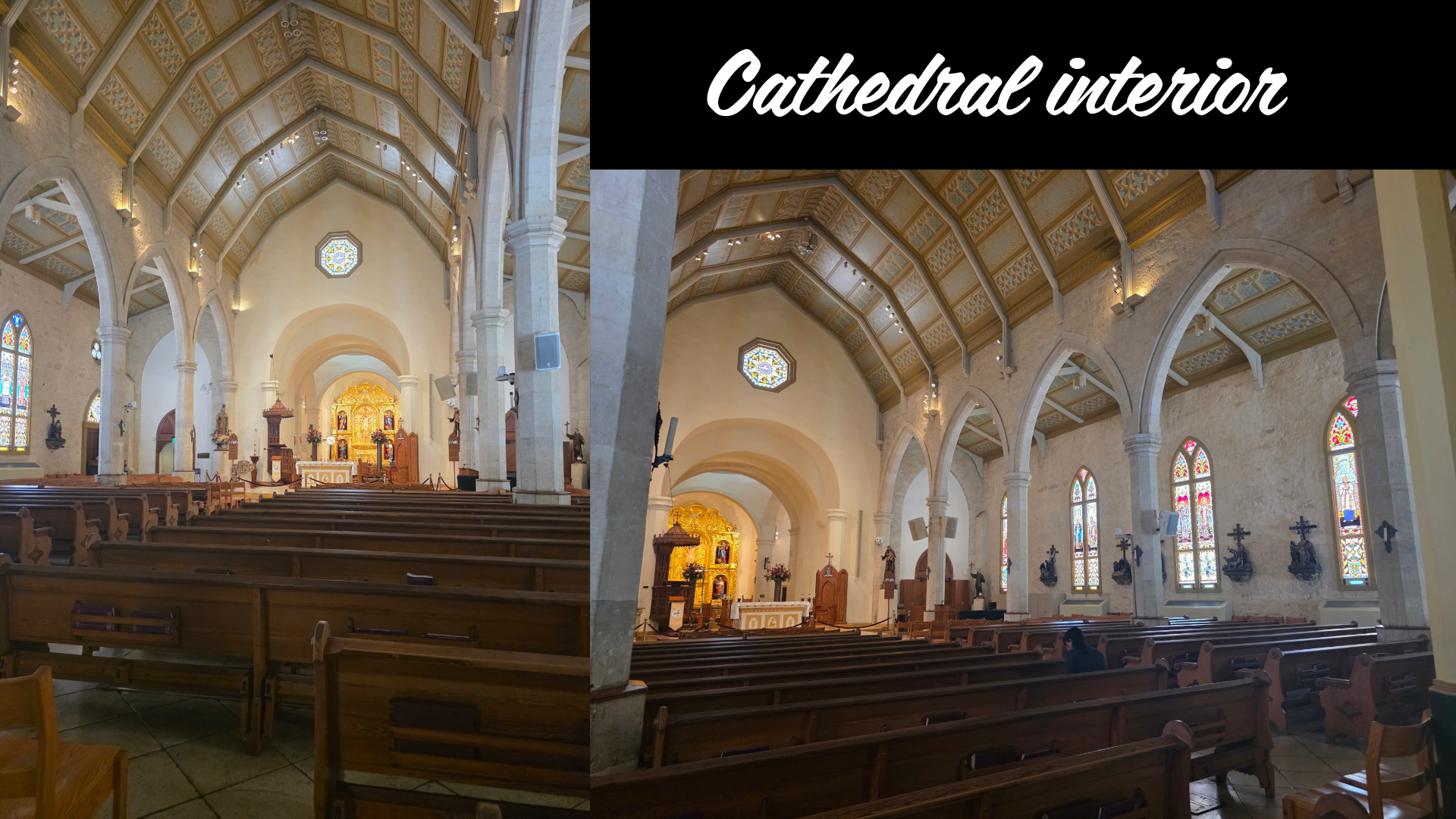
The cathedral was founded in 1731 by the Canary Islanders mentioned above, who had come to Texas at the invitation of King Philip V of Spain, and it is the oldest continuously functioning religious community in Texas. The heroes of the Alamo are buried here, and weekend masses are held to this day, as I discovered when I visited; I did not want to take pictures during mass and so came back later in my visit to take the interior views above.
By the time I had explored the cathedral, I realised that I was starting to experience some symptoms of being overly hot and under-hydrated. While I had been sitting still in the trolley, there was a constant gentle warm, dry breeze wafting over me that completely stripped me of energy and hydration. The afternoon sun was incredibly hot, and in the end, to avoid heatstroke I stumbled into a CVS, where I enjoyed their excellent air conditioning and a large bottle of cold water. I do love CVS.
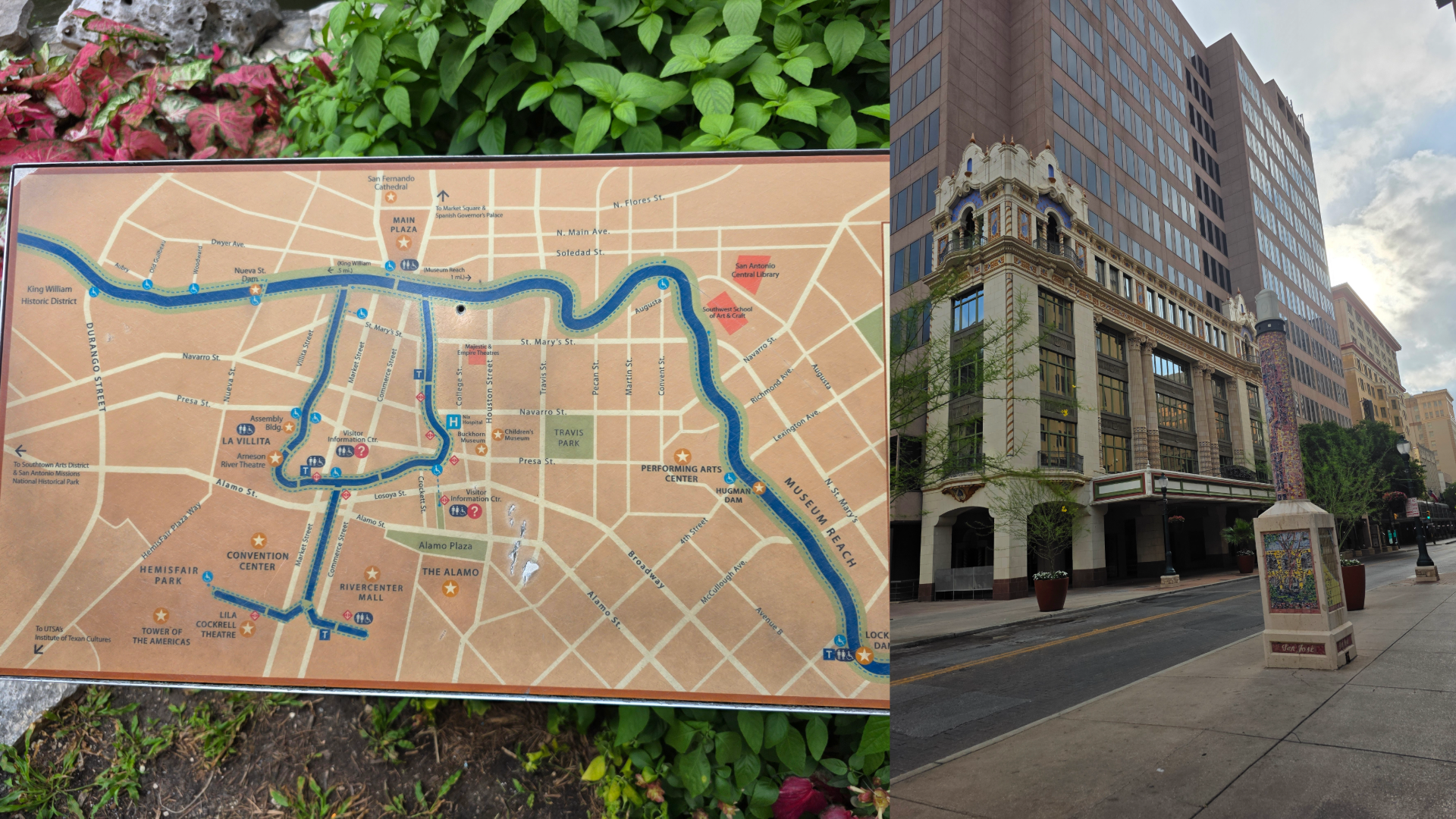
Finally feeling a bit more myself, I decided that it was time to head back to my hotel for a rest. To avoid any more potential heatstroke, I opted to descend the nearest stairs to the River Walk, which I quickly realised was not always the most direct route through the city, but was cooler and much more comfortable. Yes, it is very tourist-focused with its river tours, 100s of dining options and drinking establishments, but it is a great way to get away from the traffic and the heat of the streets.
San Antonio River Walk
The history of the River Walk is heartbreakingly relevant in today’s news, considering the very recent flooding that took place close to the city and the tragic loss of more than 130 people.
Back in 1921, there was another disastrous flood, this time of the San Antonio River, which of course runs through the city centre. More than 50 citizens lost their lives, and so plans were developed for flood control of the river, including an upstream dam (the Olmos dam) and a bypass channel. The bypass channel was disapproved of, and a few years later, a San Antonio native submitted plans for what would become the River Walk – an evolution of the river into the present 2.5-mile River Walk. The key to his plan was not in paving over the proposed bypass, but a series of flood gates and dams that allowed for the bend in the river to be surrounded by commercial development.
While not immediately supported, the plan grew in popularity over the next 10 years and eventually received crucial funding in 1939, enabling the initial construction of walkways, bridges, and plants. Another flood would threaten downtown San Antonio in 1946, but this time the dam and bypass channels minimized damage. Casa Rio, the first River Walk restaurant, was opened in 1946, and the rest was history.
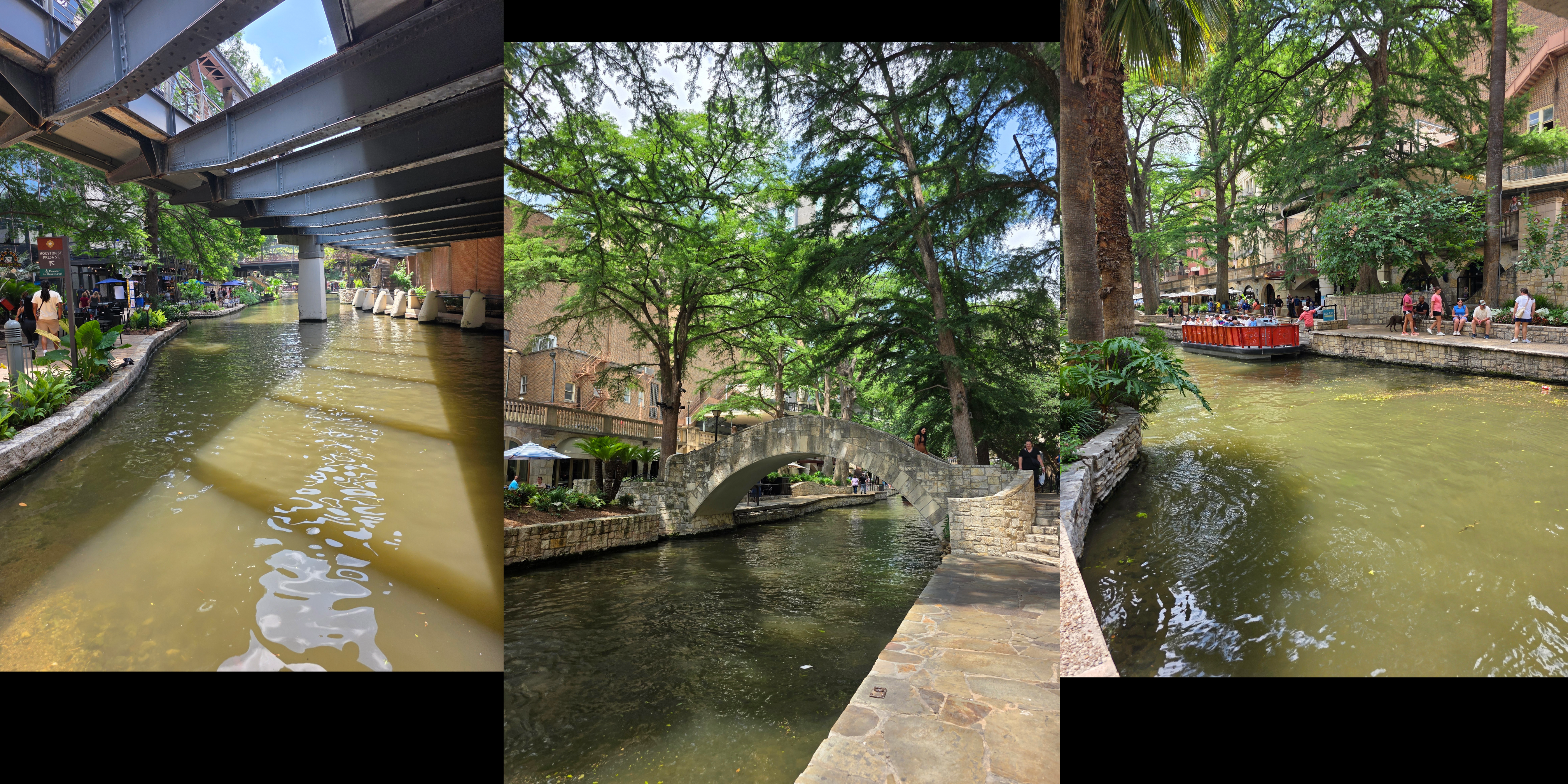
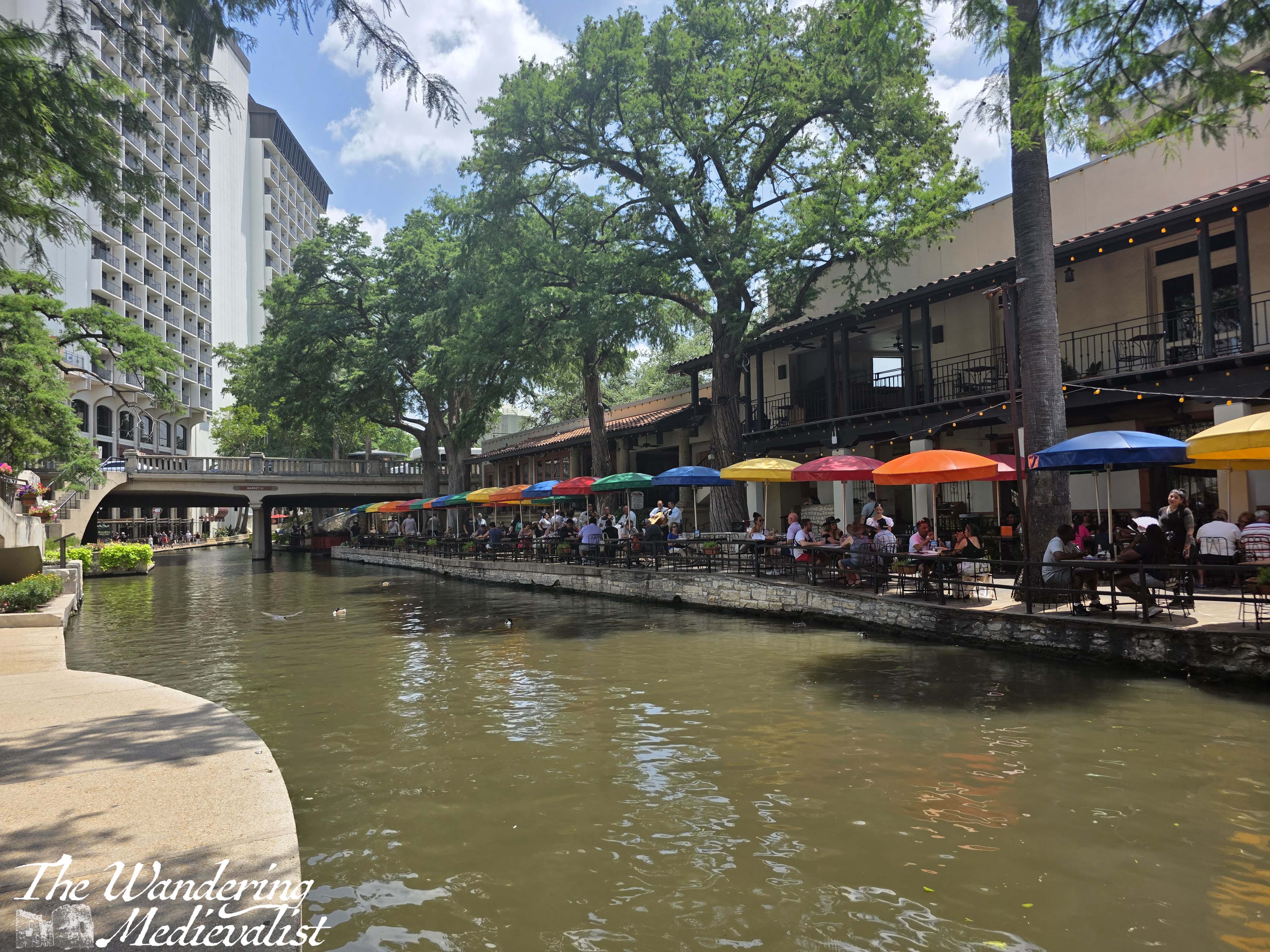
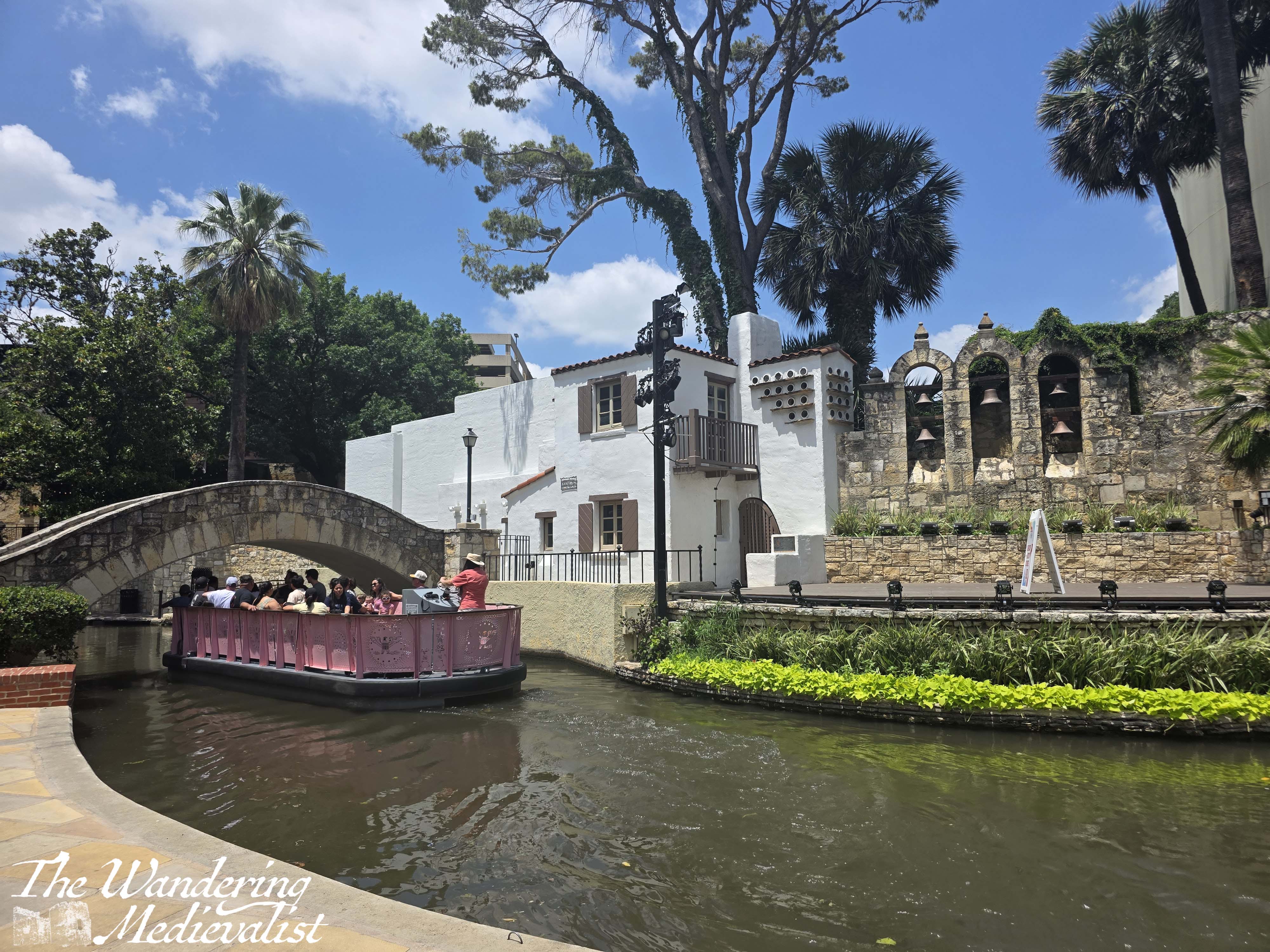
Today, the River Walk is highly commercialized. There are endless options for food and drink, small bars and restaurants, hotels, shops, and of course a narrated river cruise that passes by every few minutes. The foliage and trees are beautiful and well-kept, there are occasional water features and plenty of ducks, as well as picturesque foot bridges, and the buildings are a mix of modern and charmingly historical.
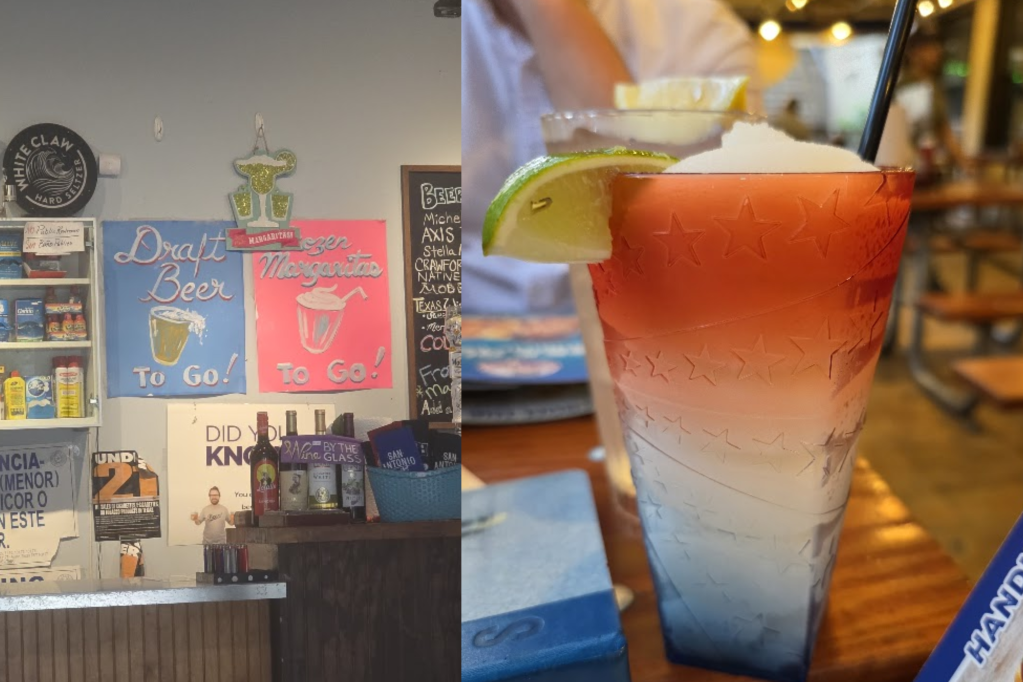
While I certainly did not walk every step of the path, I did find myself trending towards the River Walk whenever I could. I also managed to snag one of the many frozen margarita options (including some in take-away cups) on offer.
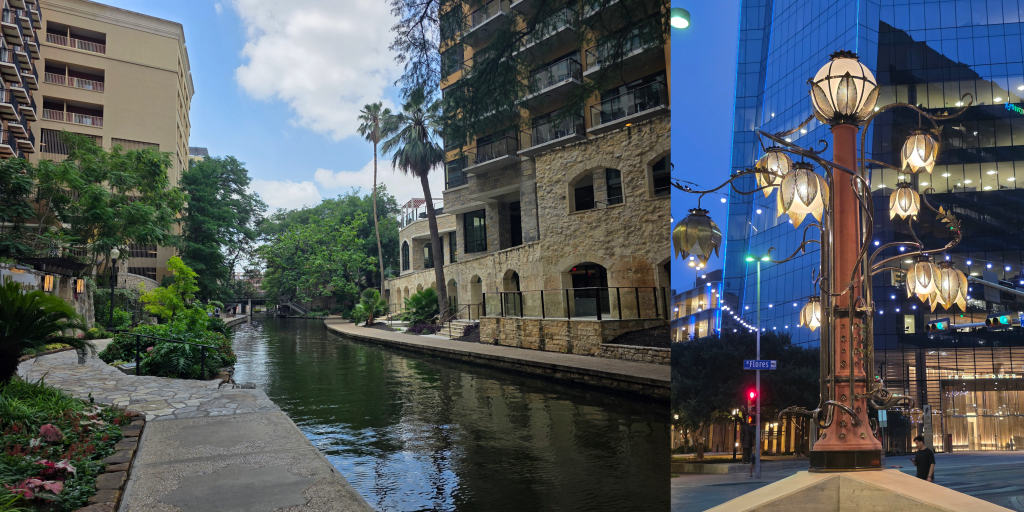
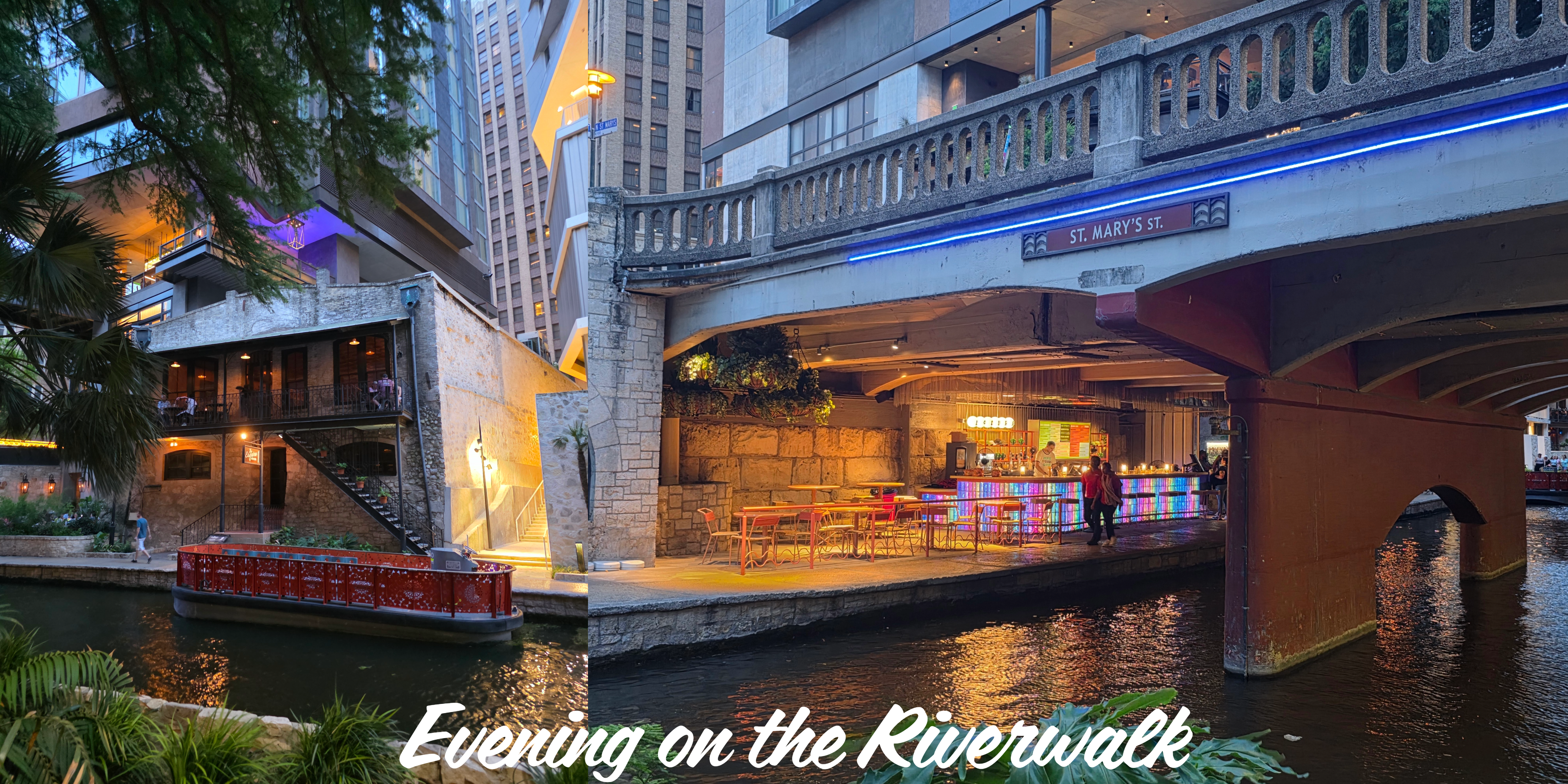
On my final night in San Antonio, some colleagues and I had a relaxing dinner sitting on the River Walk and enjoying a light breeze, people watching as tourist families from around the world wandered by. As evening fell, I walked back towards my hotel and was delighted to see the incredibly beautiful street lamp you see in half of the picture above. I had passed it in the daylight, but at night it was even more stunning.
In case y’all could not tell, I really enjoyed San Antonio. Like my home town of Boston, it is a city proud of its history that makes sure it is visible everywhere. Like Edinburgh, it prefers to re-use old buildings rather than construct new ones, and high-rises are limited. There is so much of the city I never got to, only scratched the surface, but I feel like I have a good sense of what else there is from the excellent trolley tour. There is a massive military connection with one of the largest Joint Bases in the US, a strong gastronomic connection as one of the locations of the Culinary Institute of America, it is considered the birthplace of Tex-Mex and the five 18th-century Spanish missions are together classed as a UNESCO World Heritage site.
The city is incredibly artistic, and one of the most diverse in the US, with more than 65% of the population identifying as coming from a Hispanic background. There is fantastic food and drink, plenty to do, and if you can manage the heat, San Antonio is an essential visit. And, now officially my favourite city in Texas.

 The Wandering Medievalist