
Or more exactly, Tayport Shanwell Road to Newport High Street roundabout. I had calculated the route ahead of time and expected it to be about four miles. As appears to be my habit recently, I was underestimating a touch.
This portion of the coastal path is easily accessible by public transport. I took the 42A bus (picked up in either St Andrews or Dundee) right to the Shanwell Road turning circle, location of the Foodmek manufacturing plant and one entrance to Tentsmuir Forest nature reserve. The bus from St Andrews is about 25 minutes as it winds through several villages, from Dundee closer to 10 minutes.

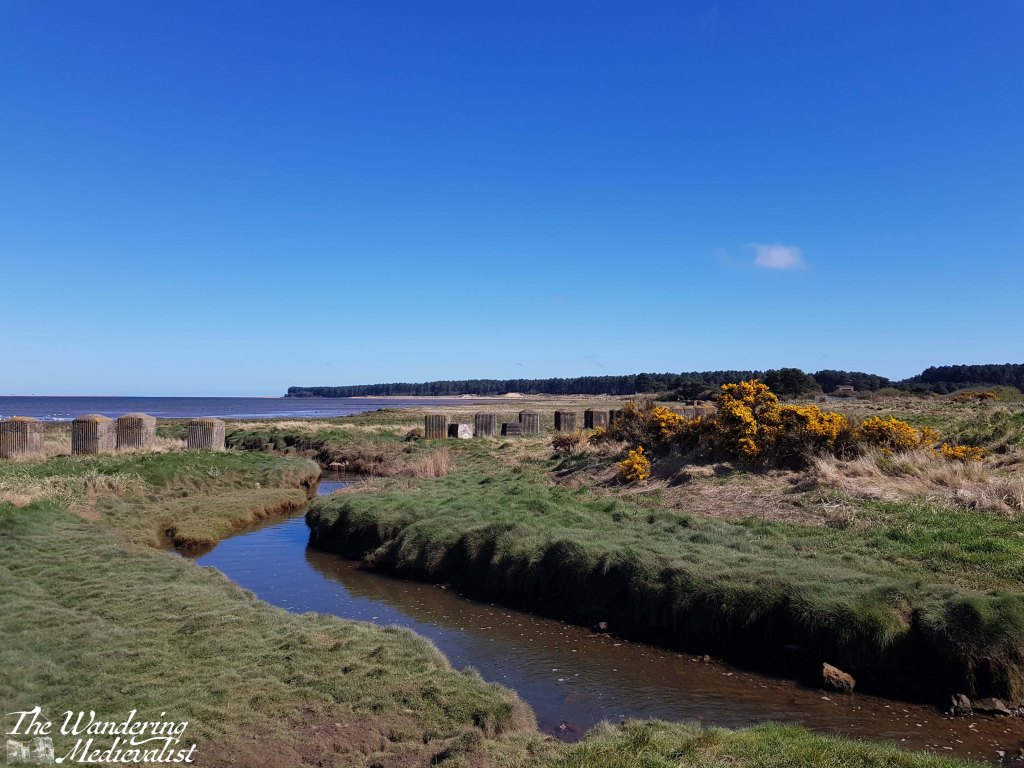
My official starting point was the bridge over a small burn; there are several displays here telling walkers about the wildlife – primarily birds – that they can enjoy if heading into Tentsmuir. In the other direction, the one I was taking, the path is well-marked and winds around between the beach and a park.
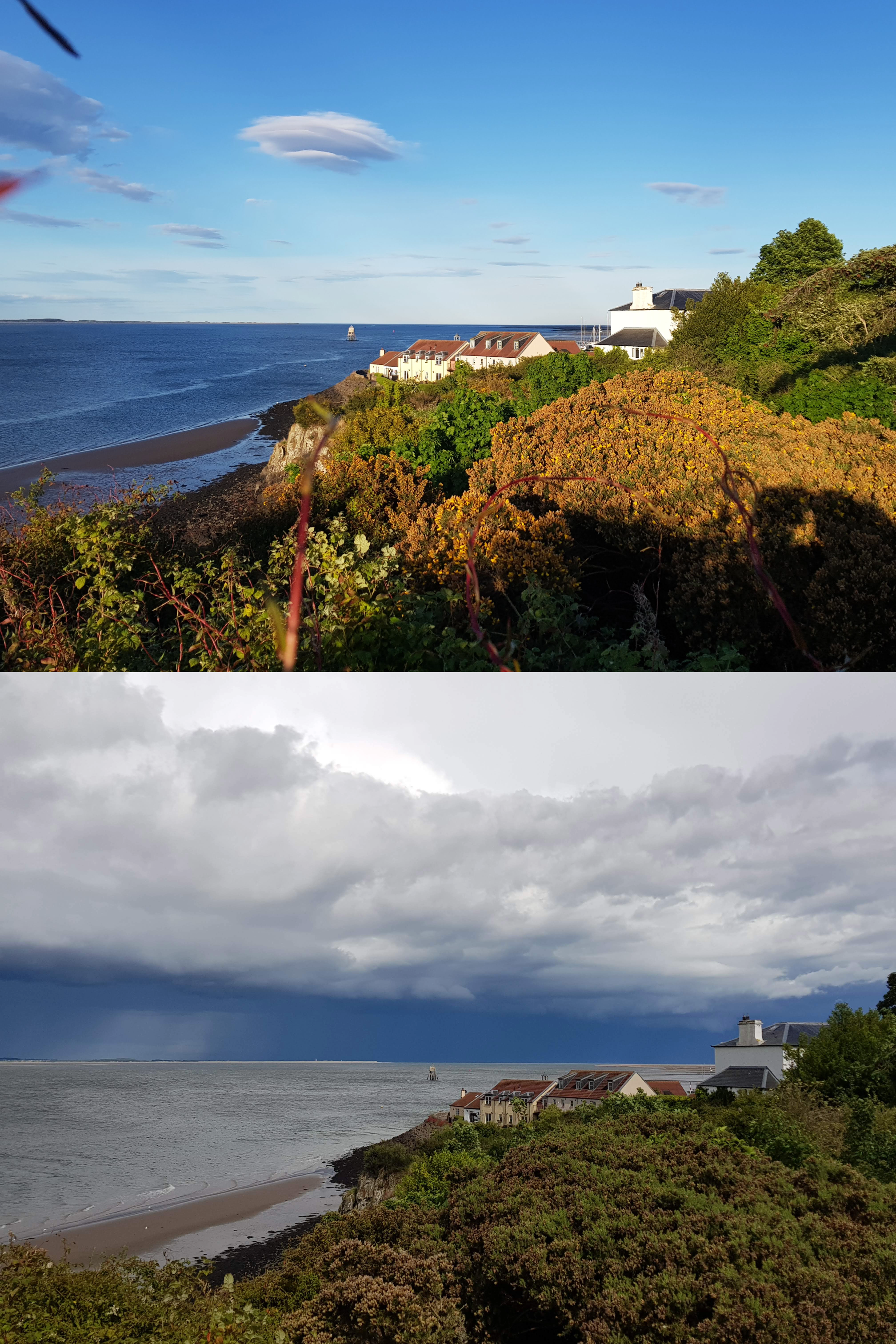
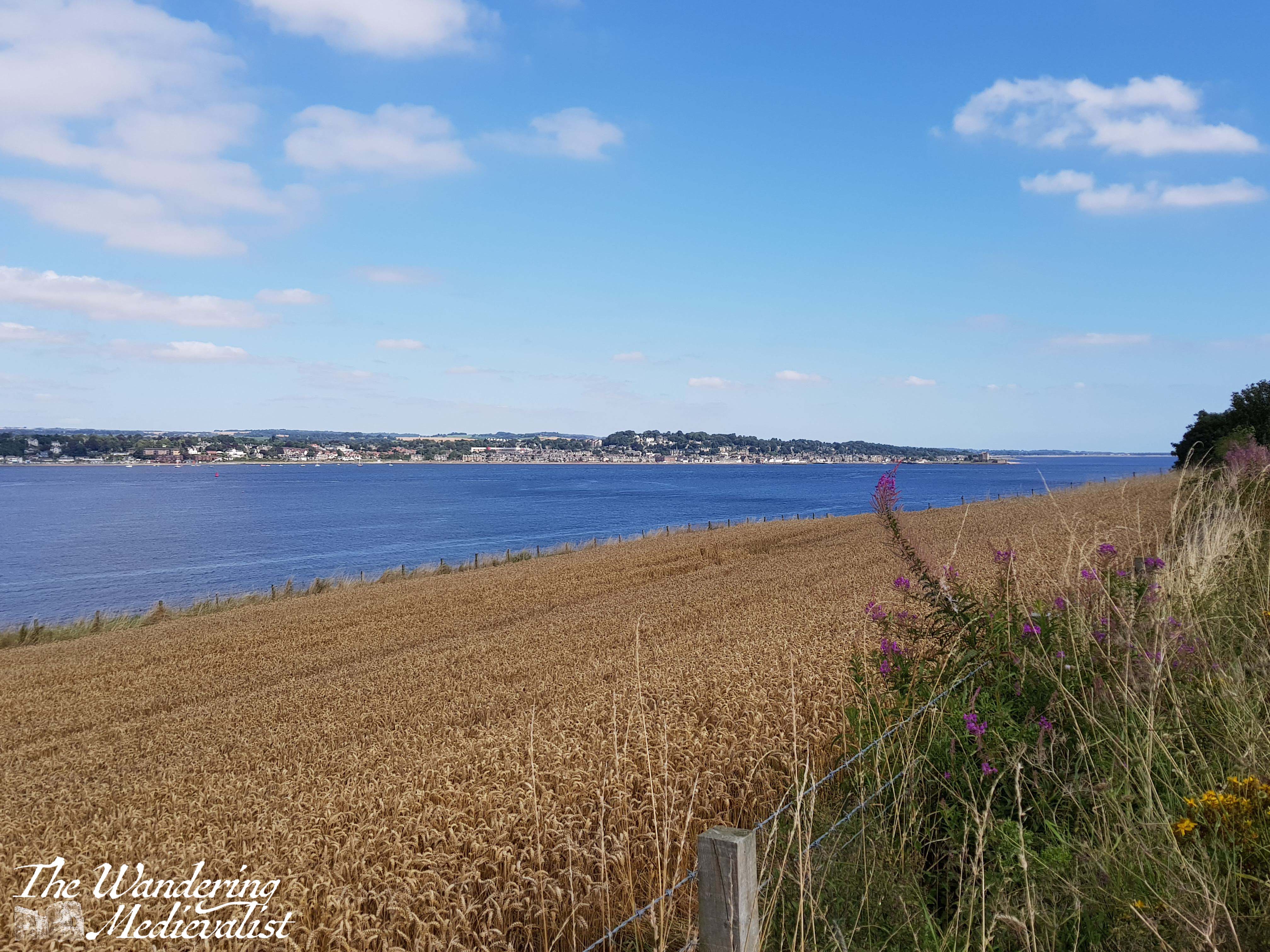
As you may have learned in my Broughty Ferry post, we lived in Tayport for just over a year, including during the first six months of the pandemic in 2020. Those of you living in the UK at that time will remember when we were permitted 30 minutes of outdoor exercise daily. For us, loops walking through Tayport were that exercise. I therefore have many pictures of the Tayport area, some significantly better than I was able to take while on this walk, as the day was overcast and windy. I’ve decided that as long as they are part of this route, it makes sense to substitute the lovely sunny views for the overcast ones.
One of the first things I noted before getting started was the significant difference visible in the treeline of Tentsmuir forest. As I noted the weekend before, there has been a significant amount of tree loss due to recent storms, and it is really evident in these two pictures. The intensity of the last storm which swept through Scotland in February actually caused a red warning for large portions of the country, with winds reaching hurricane force.

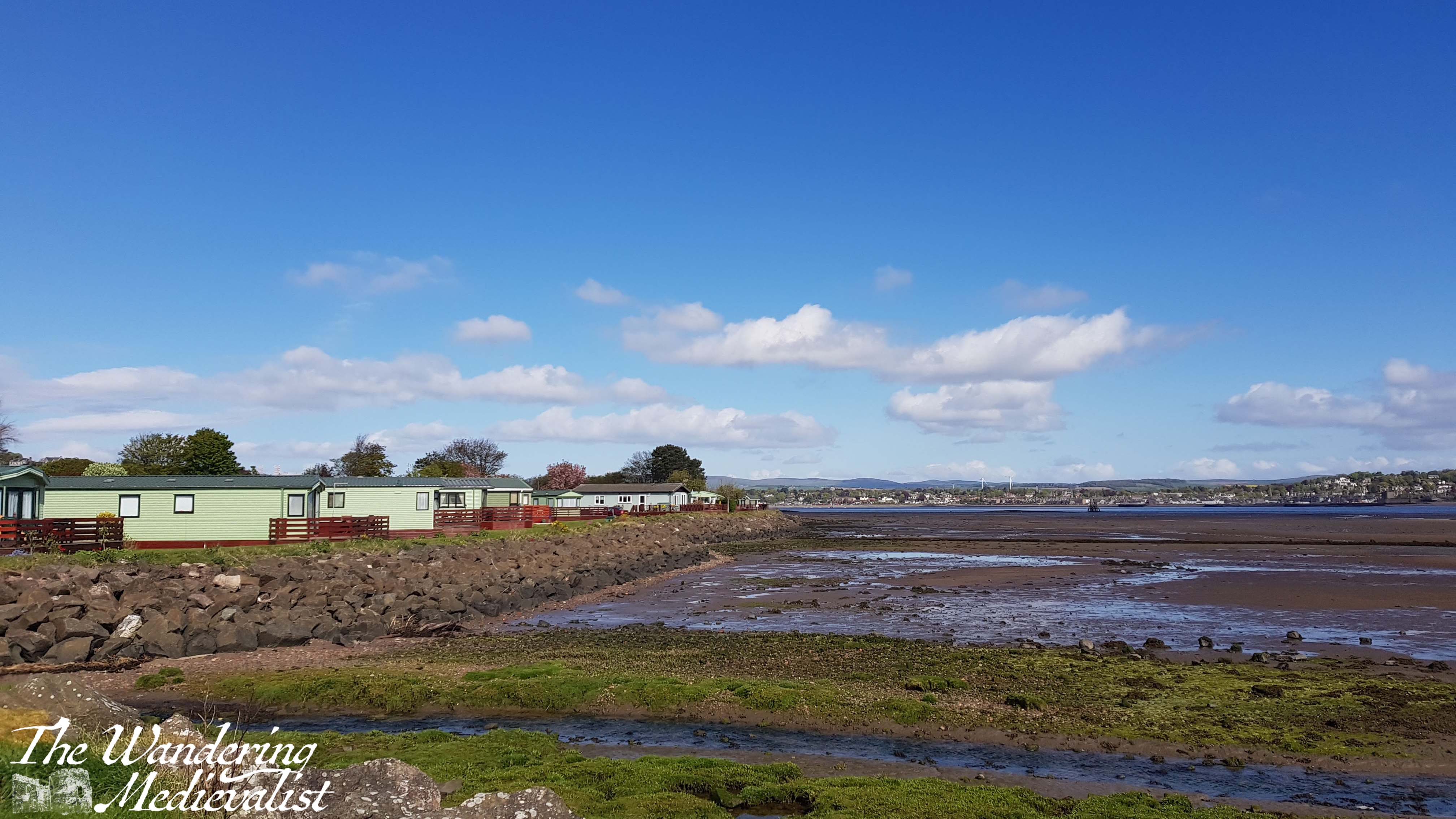
Five minutes or so after leaving the bridge, the path approaches a caravan park, and I was not certain if the coastal path route was meant to lead through the park proper, or along the edge of the seawall. For those in the US who may not be aware, caravan parks in the UK are very common holiday destinations, often located on the edge of popular towns and cities, allowing families a self-catered option for accommodation. Some caravans are permanently owned, and some are rented by the week. The Tayport park is very well-kept and beautifully manicured, and the caravans themselves almost all include a wrap-around porch for outdoor seating, as well as views over the Tay estuary. Crocus were just starting to bloom with daffodils a promised week or so behind.
I opted on this occasion to cross the small concrete bridge over the burn and follow the path along the edge of the beach, where there is a carefully-maintained sea wall and warnings not to play on the rocks or muddy sand flats below (at low tide, anyway). The view, as seen on the sunny day, is across towards Broughty Ferry and leading up the coast towards Buddon Ness and Carnoustie. This is an often busy stretch of water, with pleasure boats sometimes overshadowed by tankers or transport ships headed to Dundee. Occasionally, you can see dolphins and seals as well.
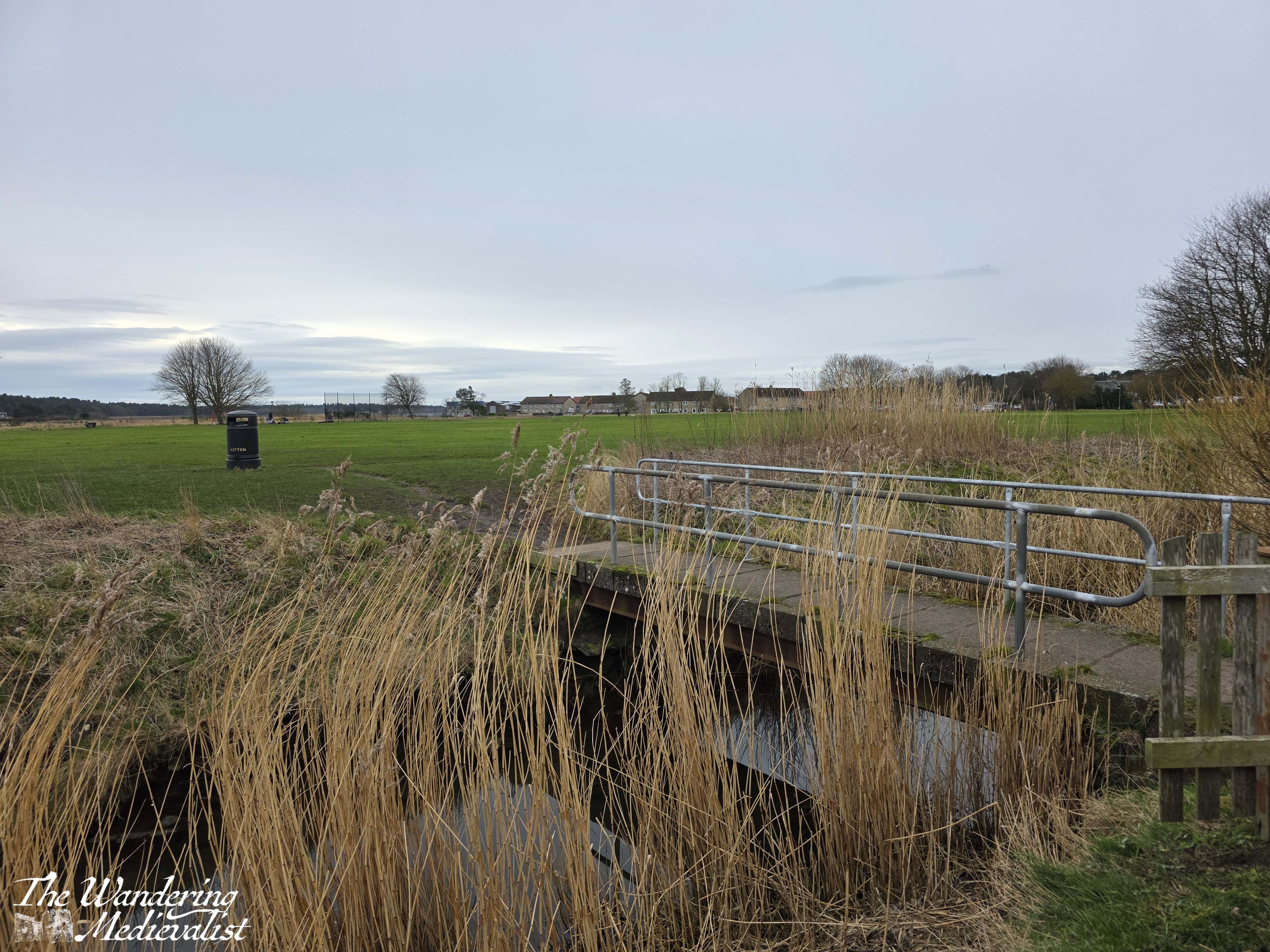

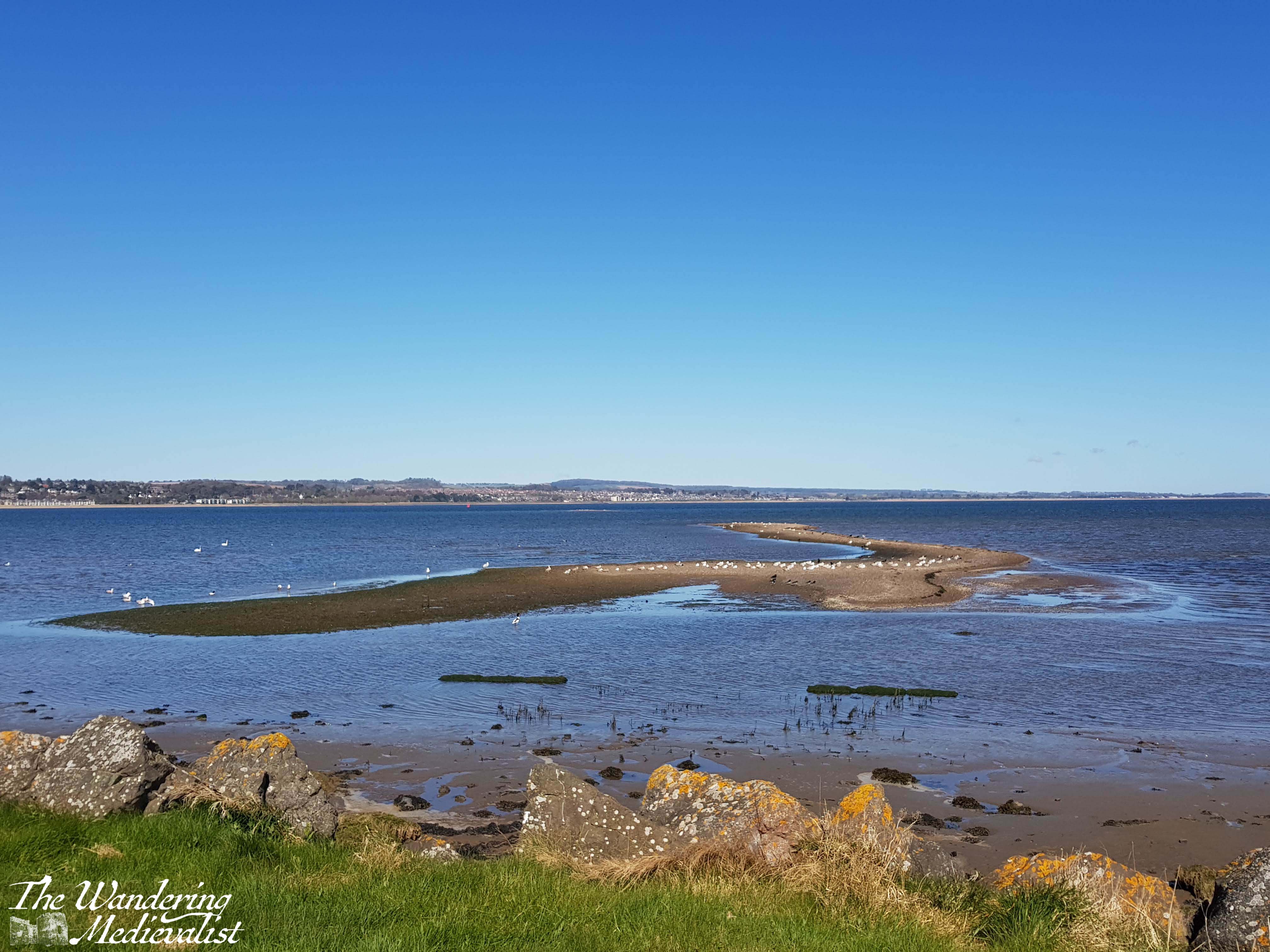
Upon emerging out the other side of the caravan park, I discovered that officially the coastal path does opt for the road, but oh well – the distance was the same either way. Ahead is a grassy park and a long seawall protecting the road from surf and curving along towards the houses of Tayport proper, ahead. The park is a popular spot for dog-walkers, but also for children as there is a pond in the middle, surrounded by reeds and acting as the home for numerous ducks and swans. During the pandemic the local school children painted stones with messages of hope and displayed them on the seawall for the community to enjoy.

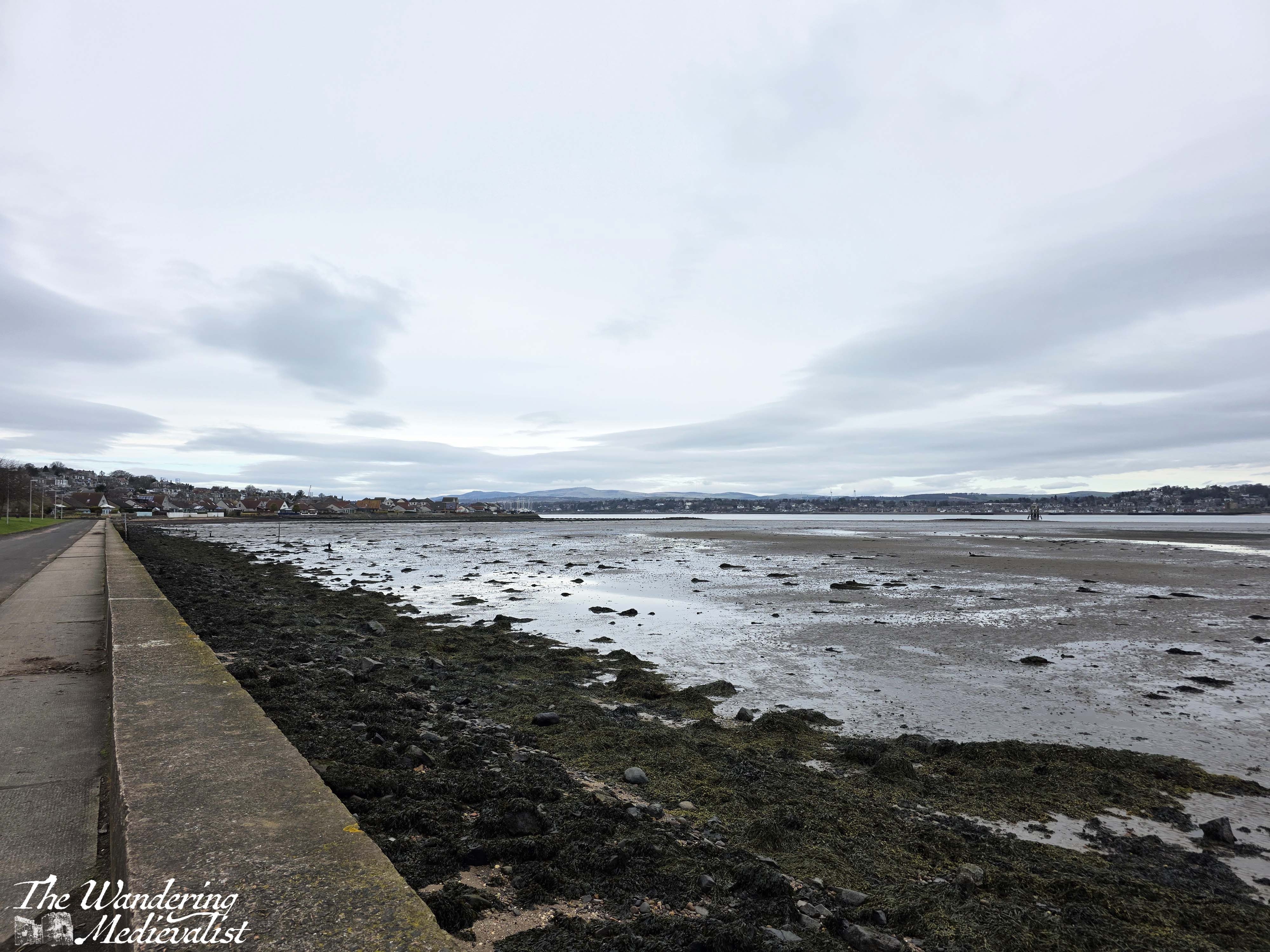

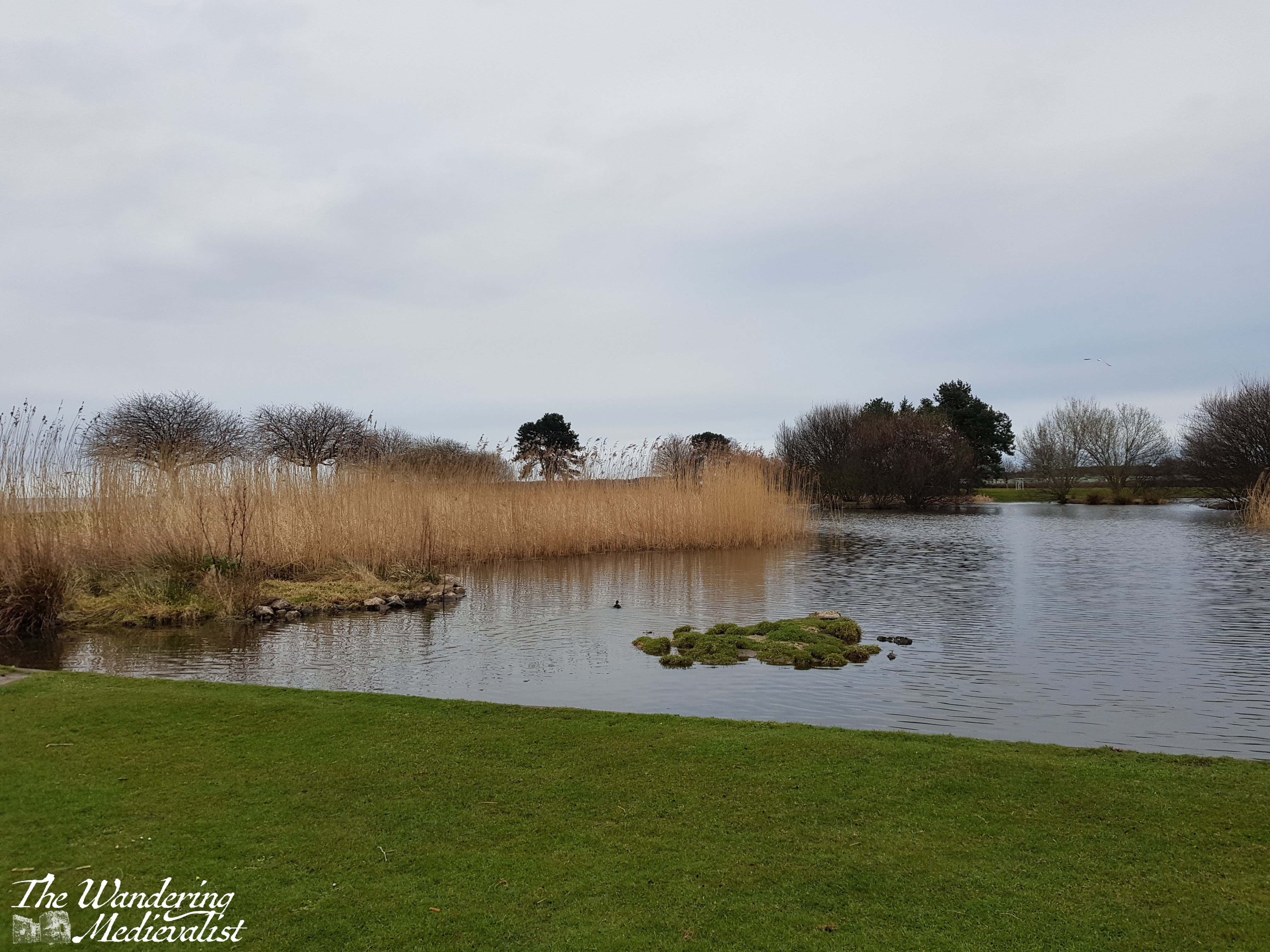
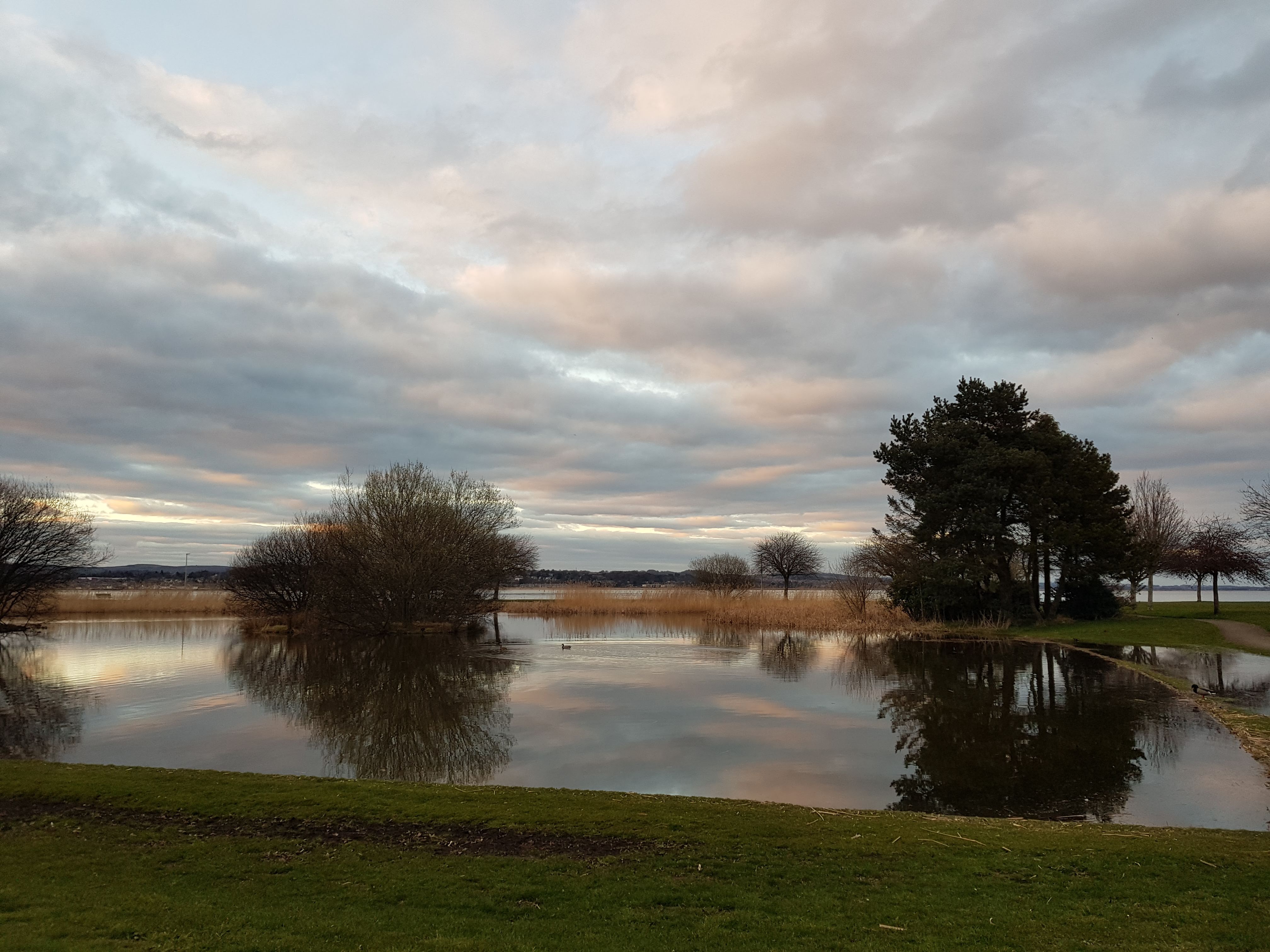
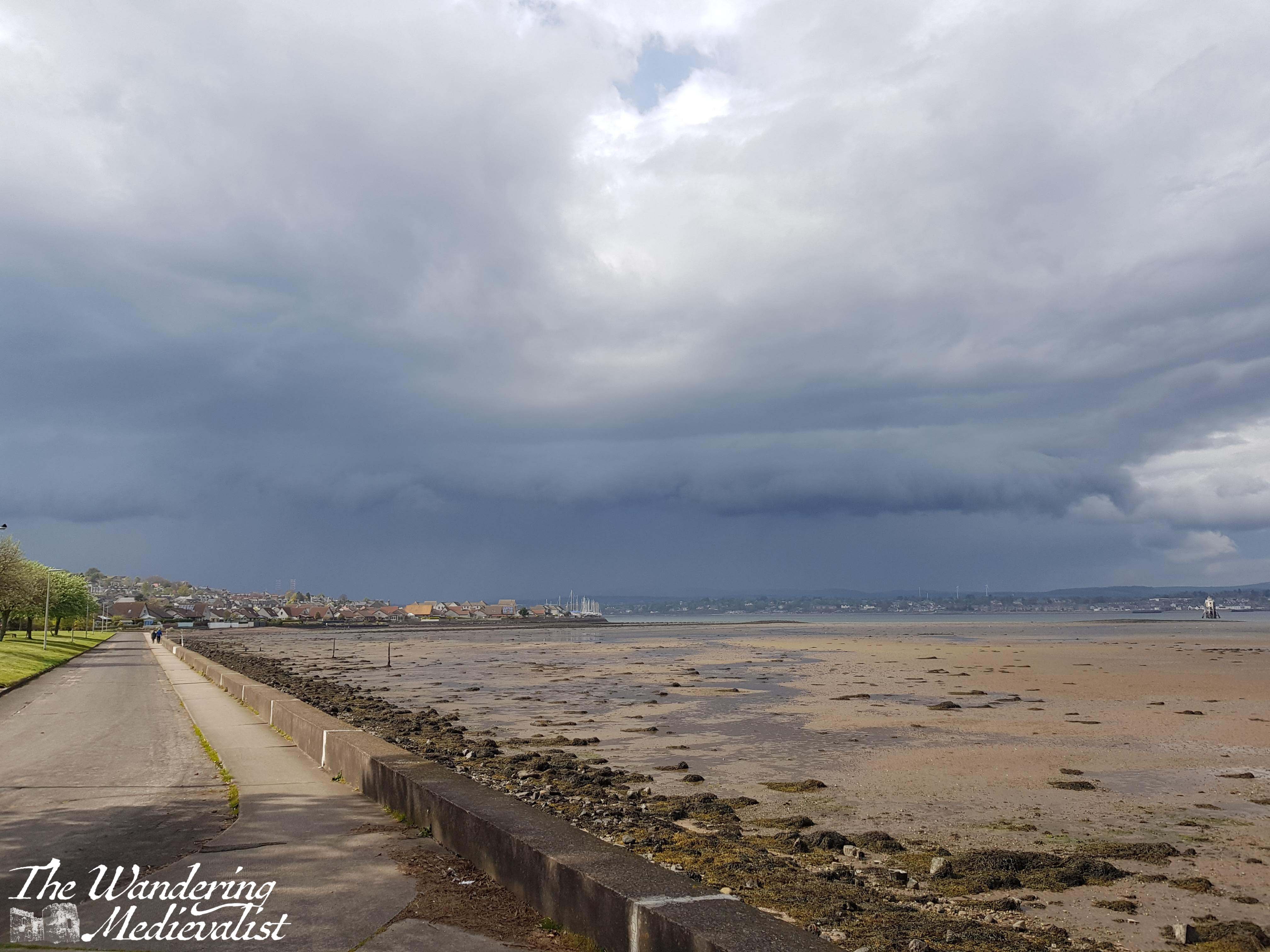
From here, a walker has two options, though in fairness one is only sensible at low tide. There is a path along the wall between the houses and the ocean, though several times at high tide I found my feet damp from the waves when I chose this route. The proper route is to follow the road up and turn right along Harbour Road, through a residential area. The gardens in this stretch of town are well-kept, with lots of heather, lavender and daffodils, and looking up to the left affords a view of the way houses stack up the hill, with narrow roads between. Some of the bungalows along the waterfront are really beautiful, with gardens that face the ocean, but the seaside-dweller in me is a bit reluctant to trust being quite that close to the surf.


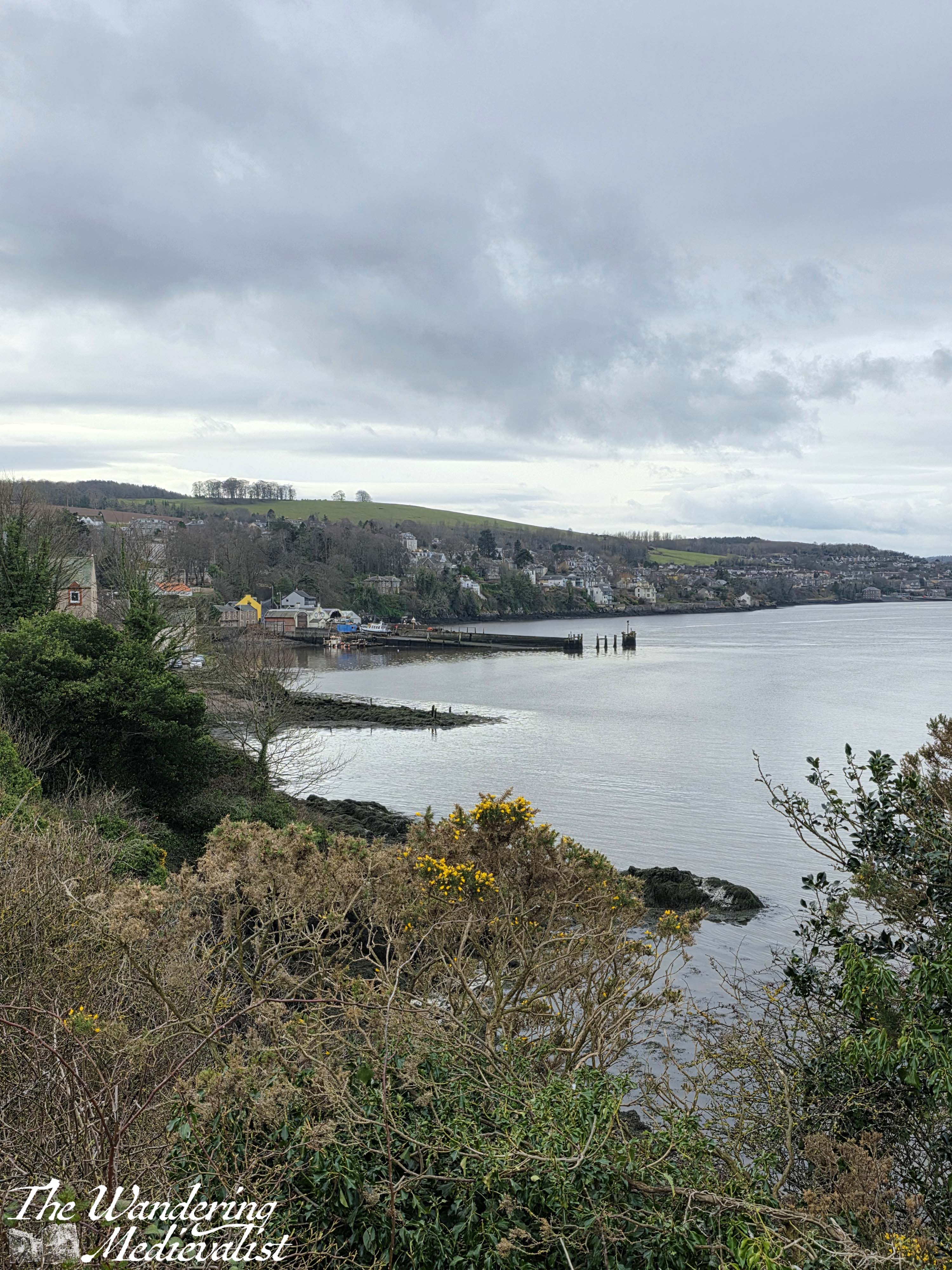
In a short time, one approaches Tayport Harbour, which was the site of one end of the ferry that carried rail cars across the Tay before the bridge was built. As one sees in Broughty Ferry, there is a wide ramp leading into the harbour which is still busy with fishing boats, pleasure sailing vessels, and of course ducks, swans, and the occasional seal. I loved lying in our house and listening to the halyards slapping against the masts in summer, a throw-back to my childhood sailing.
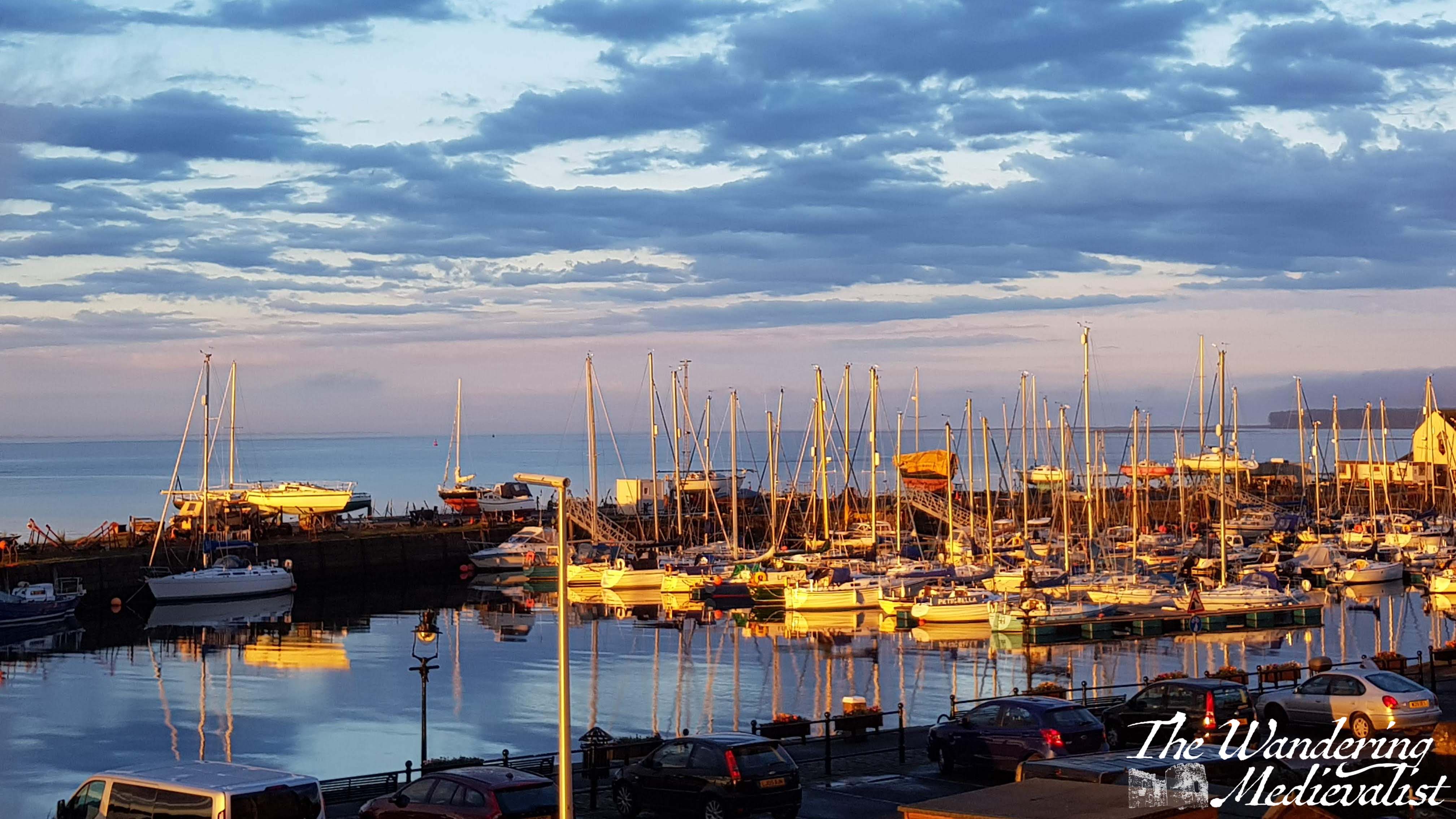
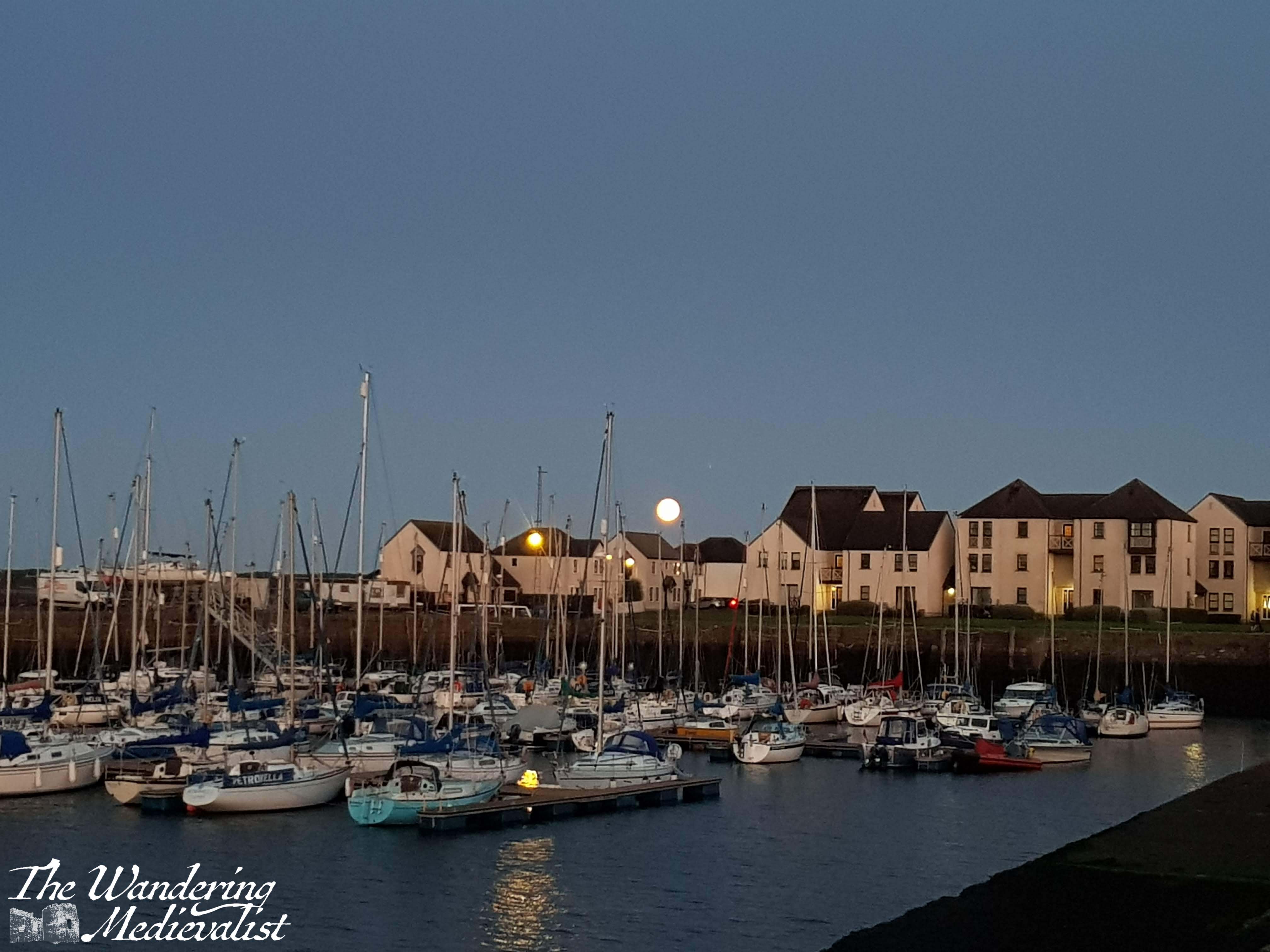
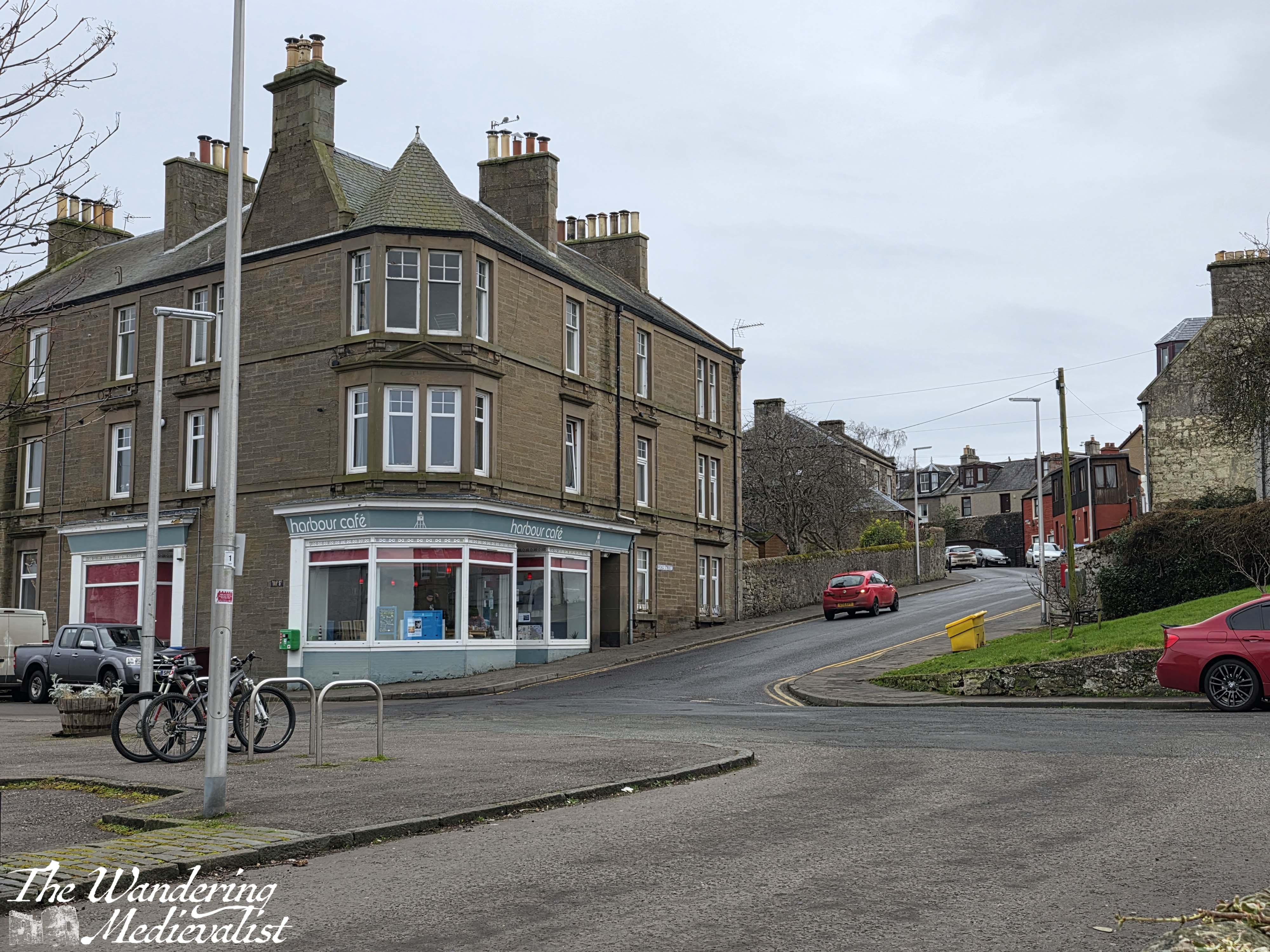
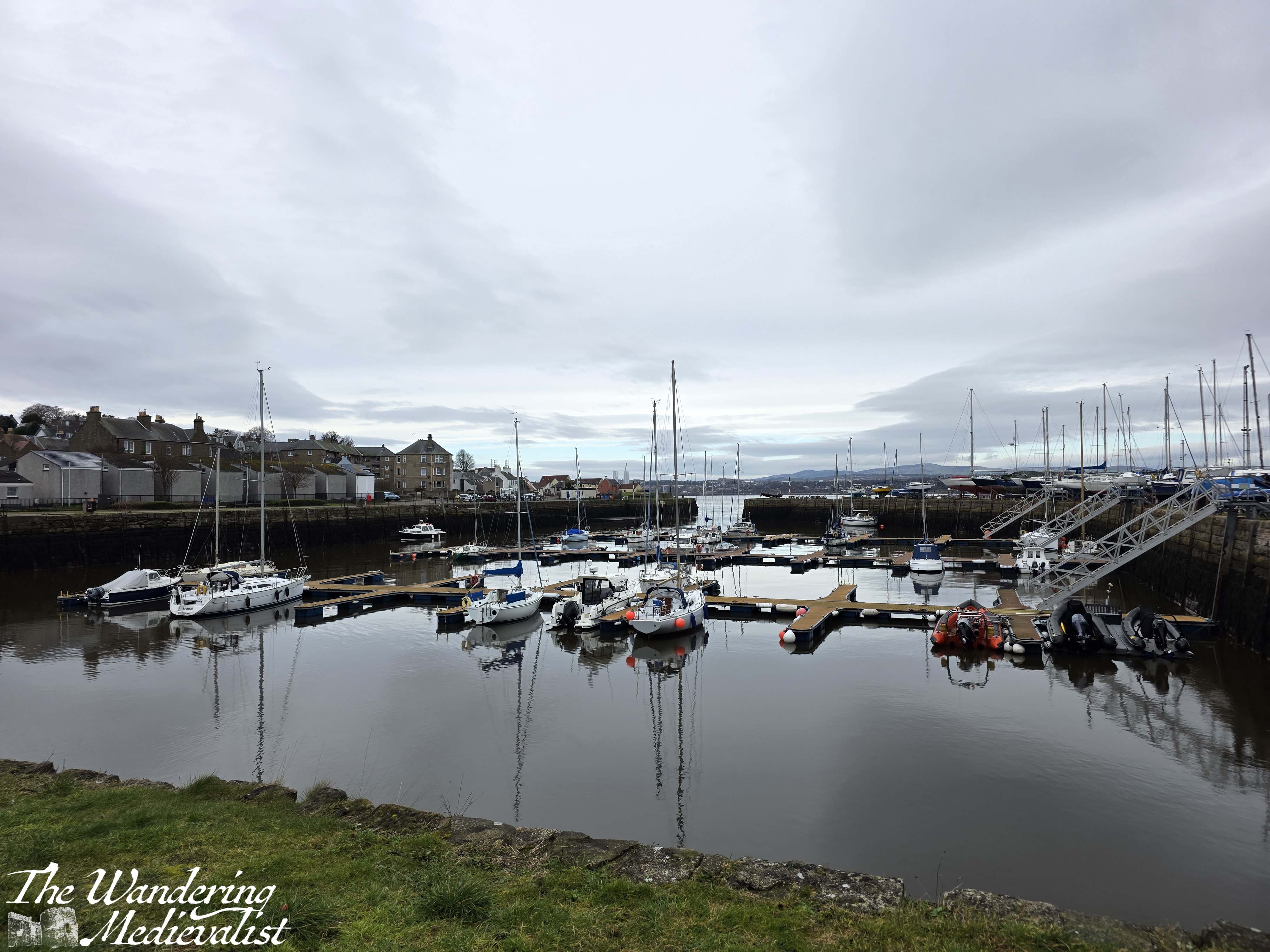
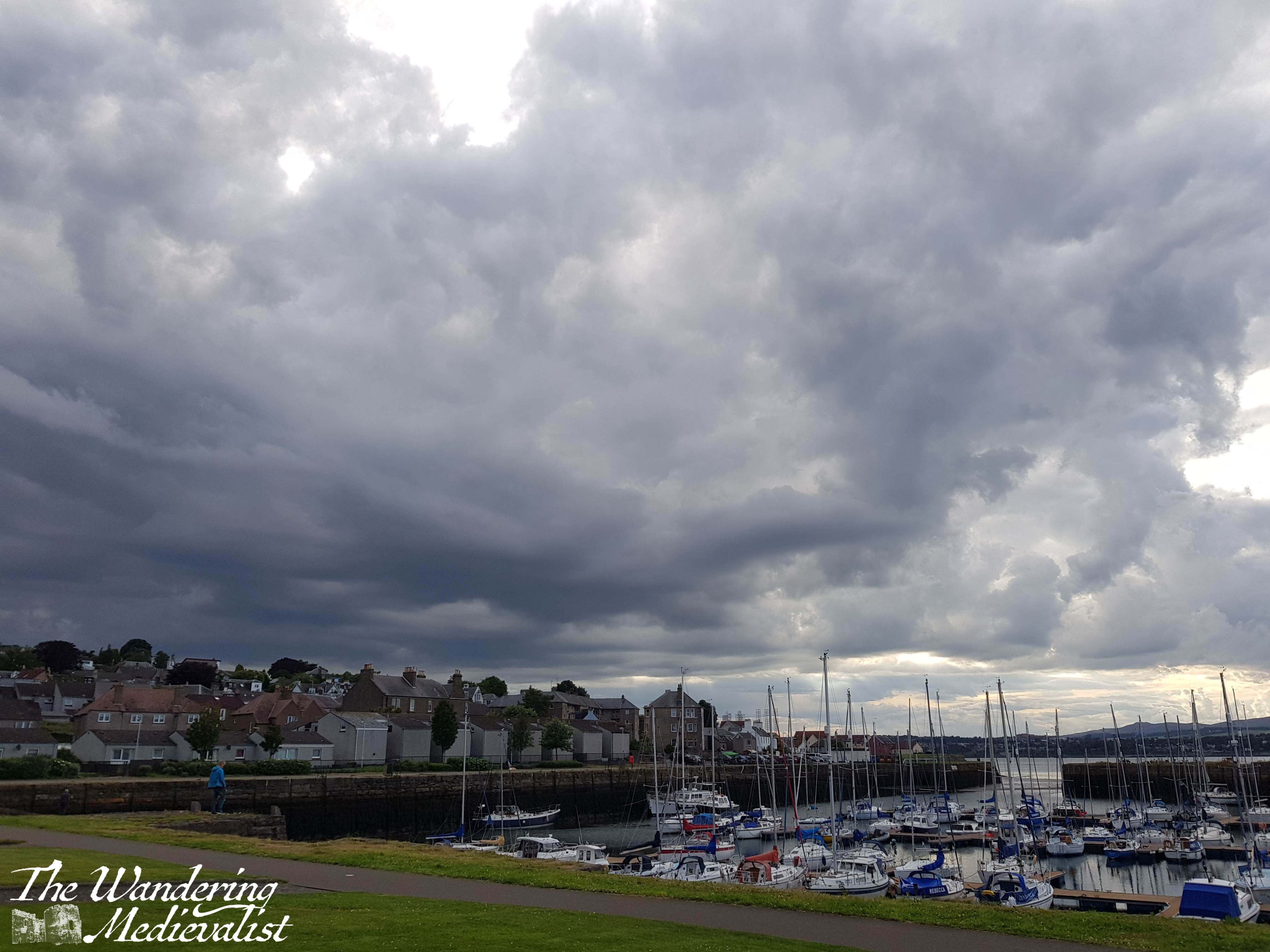
As I walked past the harbour on this occasion, I was pleased to see that the Harbour Café was still open, and I detoured up to the Main Street temporarily to pick up some lunch for later. One of my favourite things about Tayport was just how comprehensive the tiny neighbourhood Scotmid was. In a pinch you could find meat, veg, and anything you needed to make a quick meal; the variation in things you could buy always surprised me, from yogurt to fruit and veg, meat, pasta, snacks, beer, ice cream, sweets, and of course Scottish bakery items like pies, donuts and fresh rolls. It’s a perfect place to pause if you do need a bit of refreshment, and down by the harbour is a public toilet (you can pay by card or coin) that is mostly clean.
If you need a short detour, skirt along past the toilet block to walk out the grass knoll that juts into the water here, surrounded by a stone seawall. I spent many evenings here watching the water traffic, sunset, approaching storms, and moonrise.

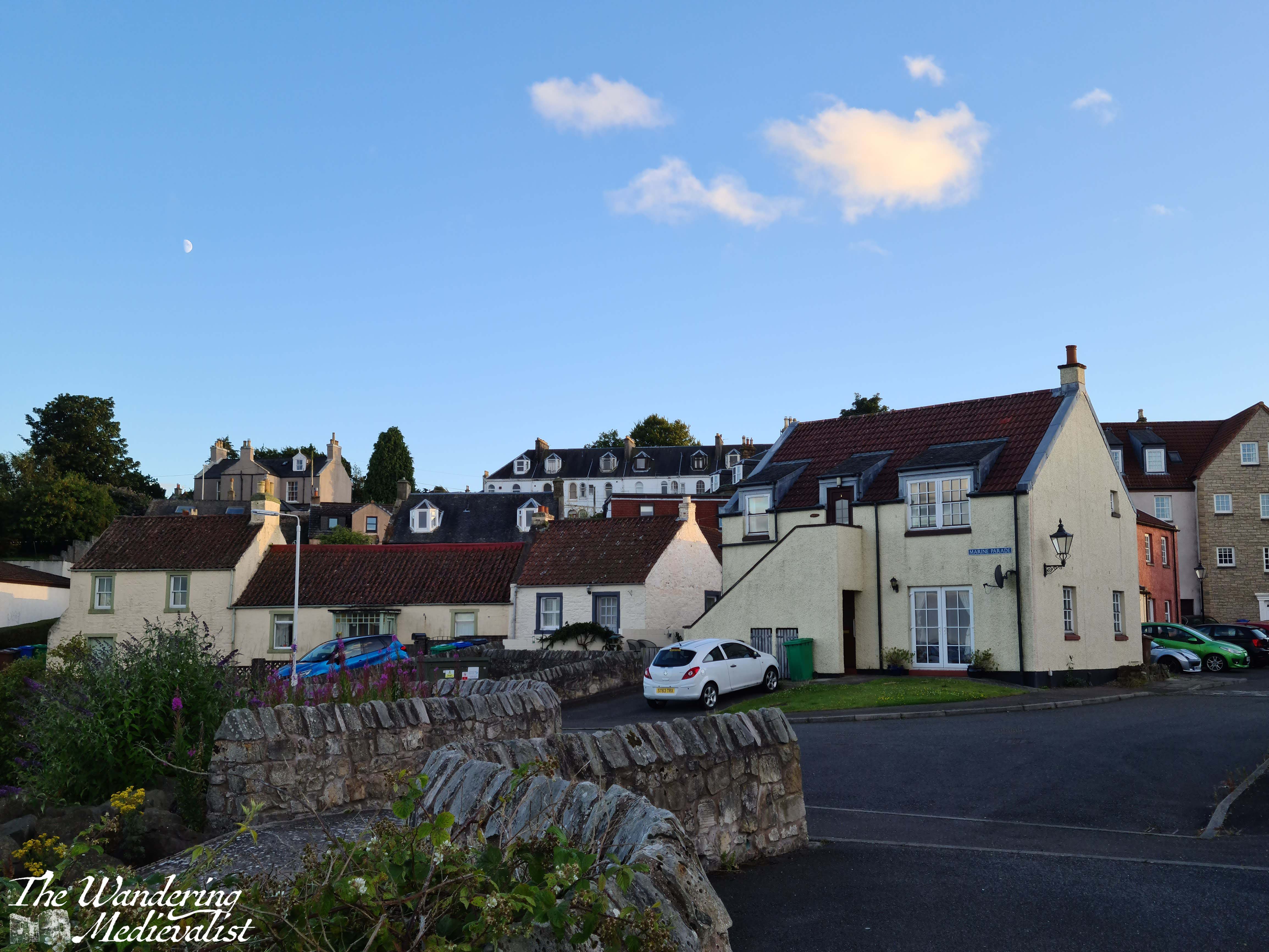
Across the water is Broughty Ferry and the castle, and you can often hear the train whistle drifting across the estuary on a still day.
Continuing on the path leads you through a neighbourhood of obviously older houses, built in a style reminiscent of the fishing villages of New England, though of different material. Shortly, the path cuts up to the left between some houses, and leads through a set of bushes up to the road. One of my favourite views is just a bit further up on the right, standing at the edge of the steep cliffs and looking back at Tayport village and the view out to sea.
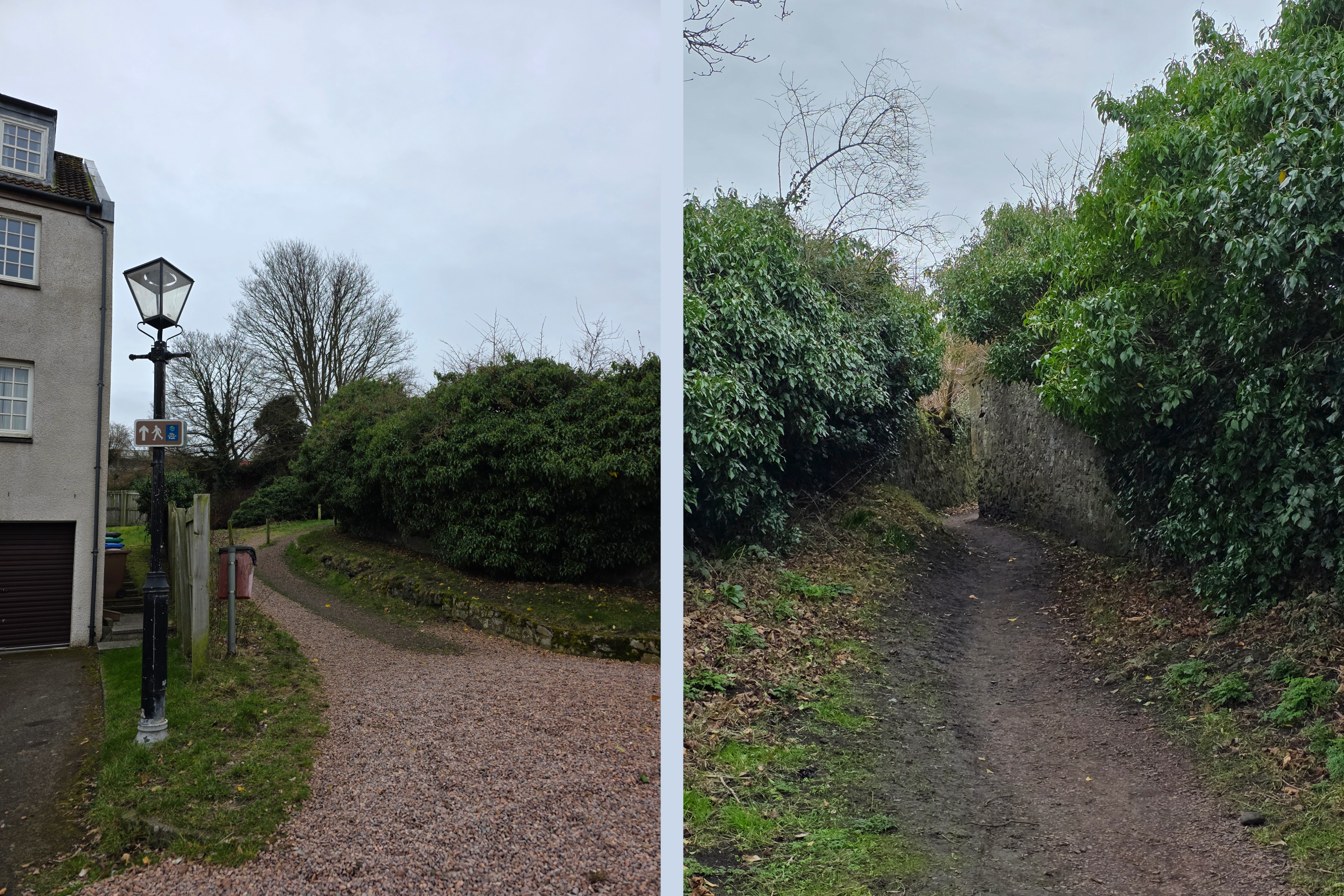
Following the signs for the coastal path takes walkers down a short decline, and here the path splits into – to paraphrase – the high road and low road.
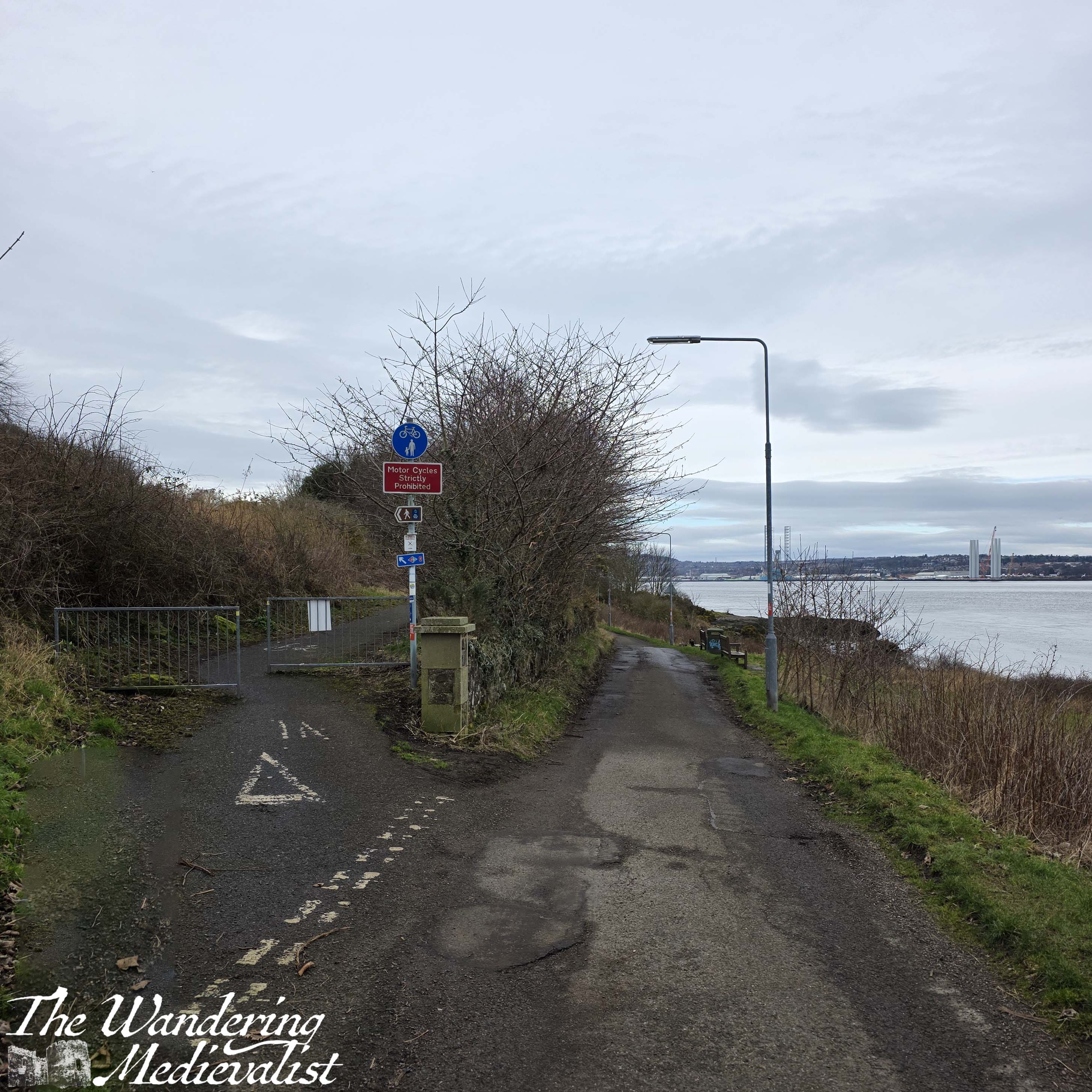
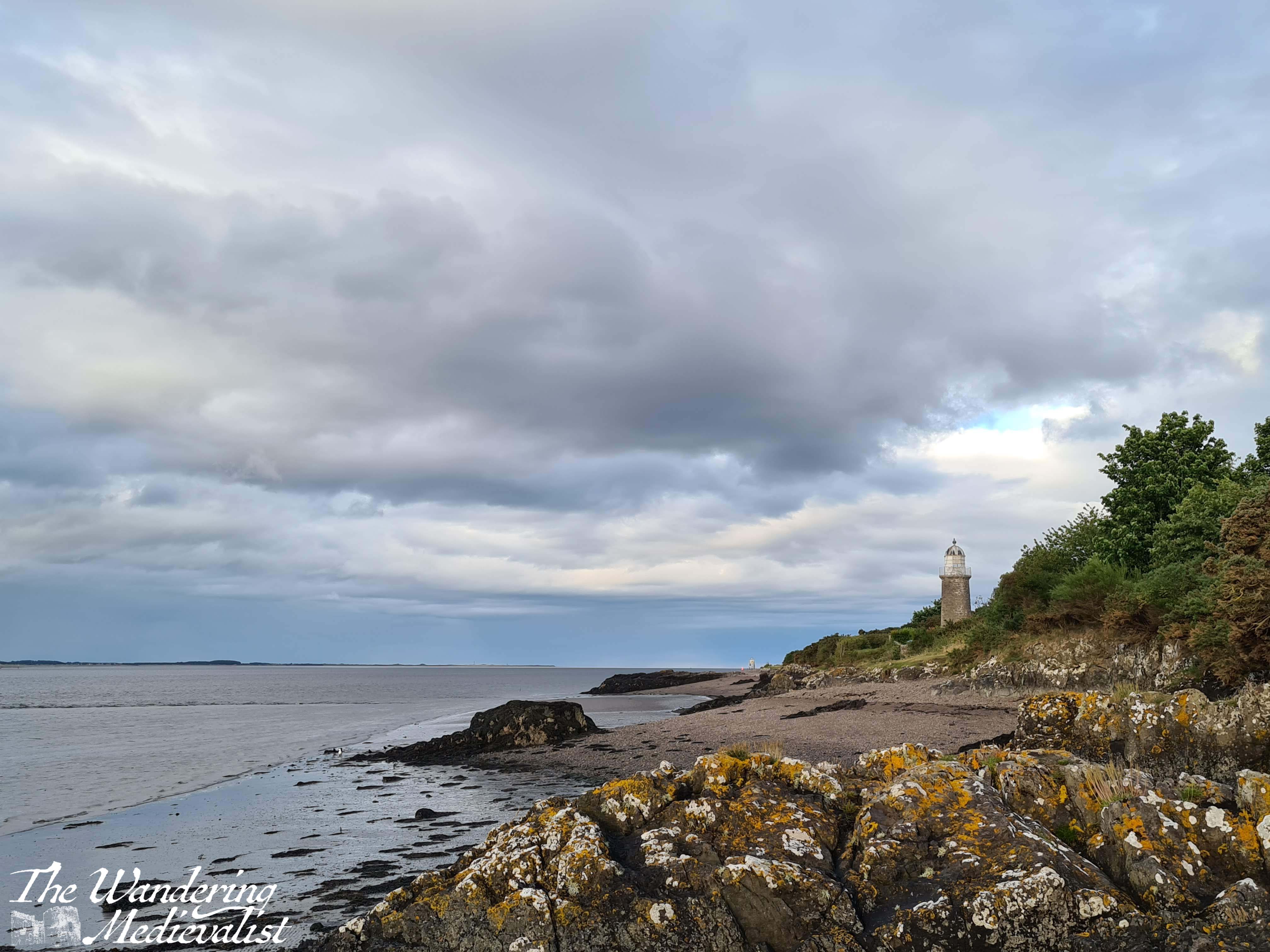
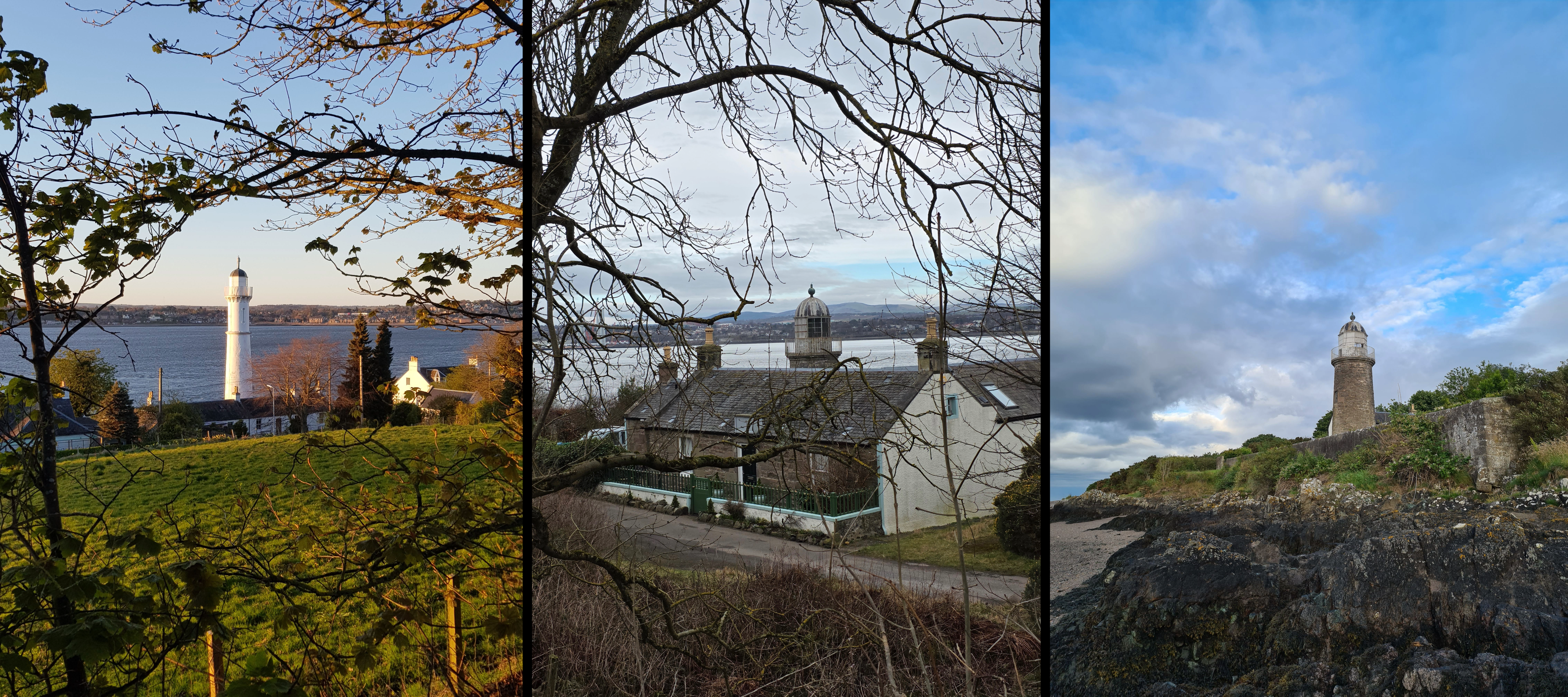
The low road stretches out another half mile or so along the coast, through some woods and past several groupings of houses, some of which we watched being built through the pandemic. There are also two old lighthouses, one grey and one white, which I frequently photographed from the rocky beach below. In fact, this was a good loop for us as there is a path where the lower road ends, that cuts up to the main route. But I’m getting distracted.
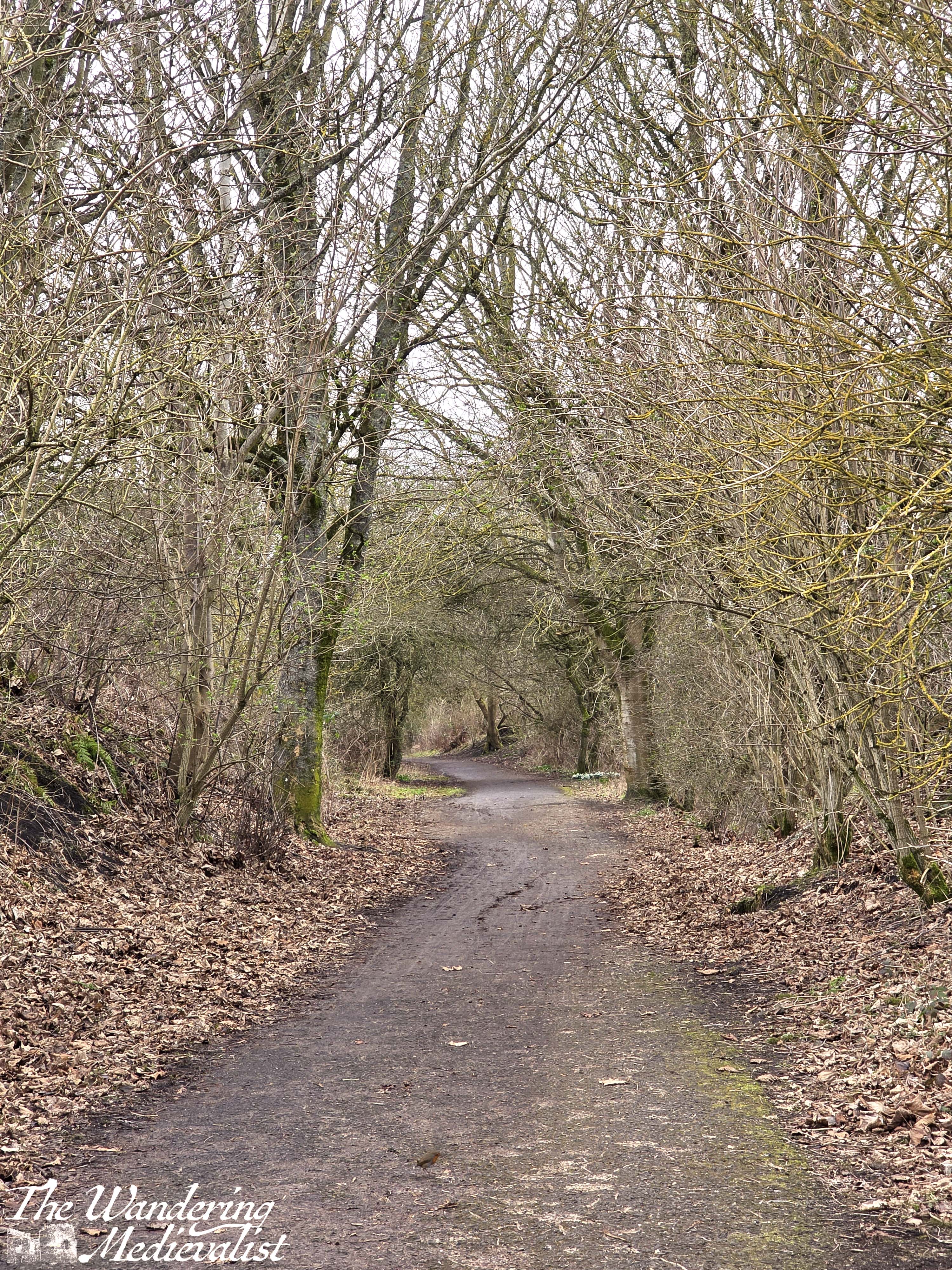
The higher route is the proper coastal path and runs through a wooded area. It is well-paved here and worth remembering that it is also a cycle path that is very well-used; while in my opinion it would be ideal always for cyclists to alert you to their presence by use of a bell, but far too many seem to assume you will hear them and just speed past.

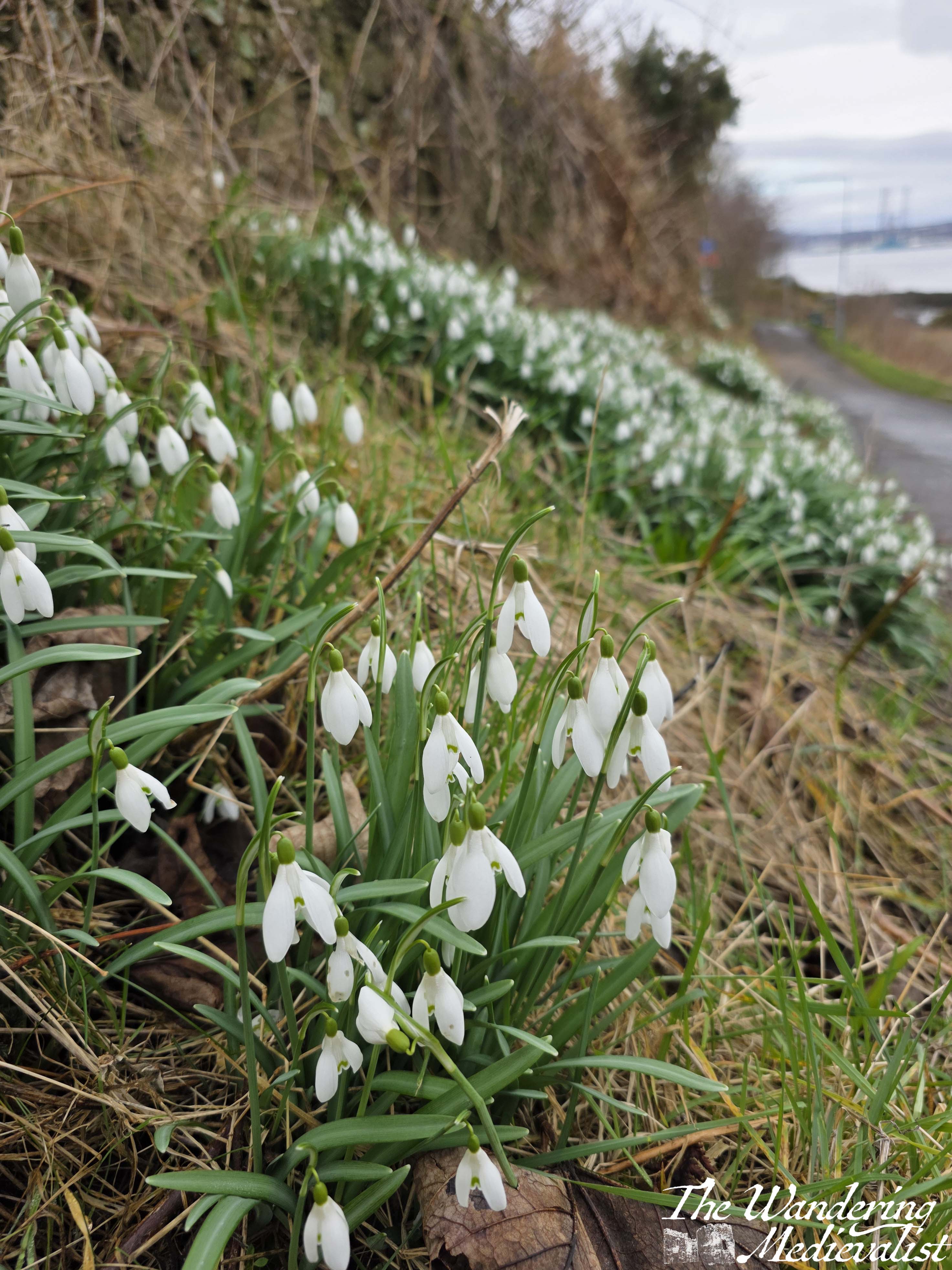
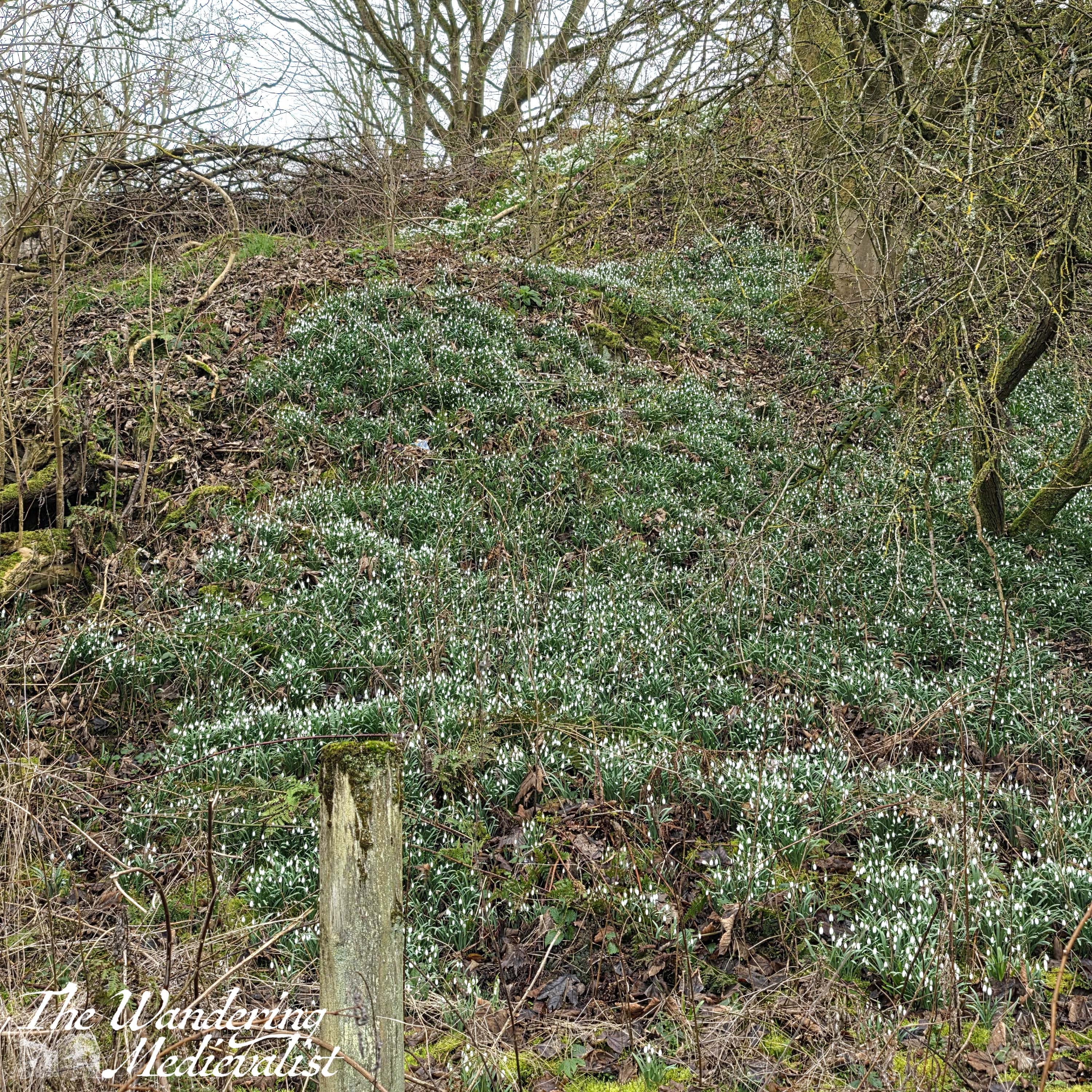
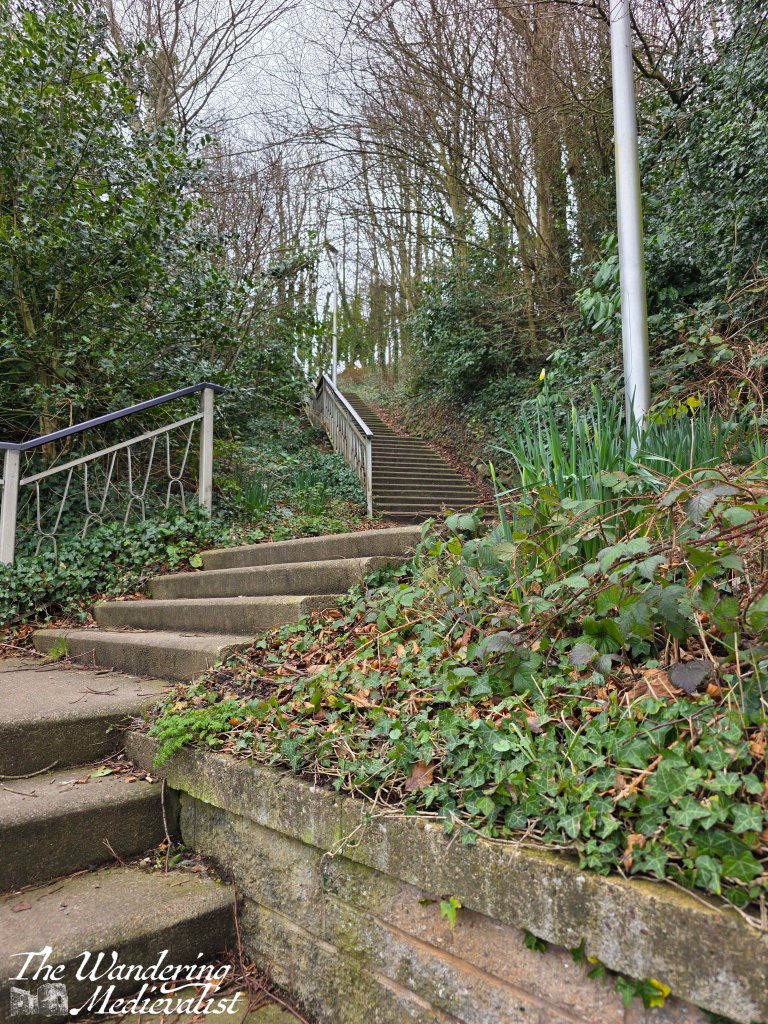
On my walk I was pleasantly surprised to find the hills liberally covered with snowdrops, standing out from the grey-brown winter brush. Gradually the road rises above the coastal path, which quiets and becomes very peaceful.
A little aside here about Tayport, which I have massive affection for. The town is an odd mix of beautifully kept older houses and also a number of newer, less affluent neighbourhoods. The closer you get to the harbour, the less affluent the housing becomes, while walking up to the top of the hill allows you to pass by some almost mansion-like houses clearly built by rich families from Dundee during its more prosperous era. There is some really lovely architecture and gardening, and houses from a number of different eras.
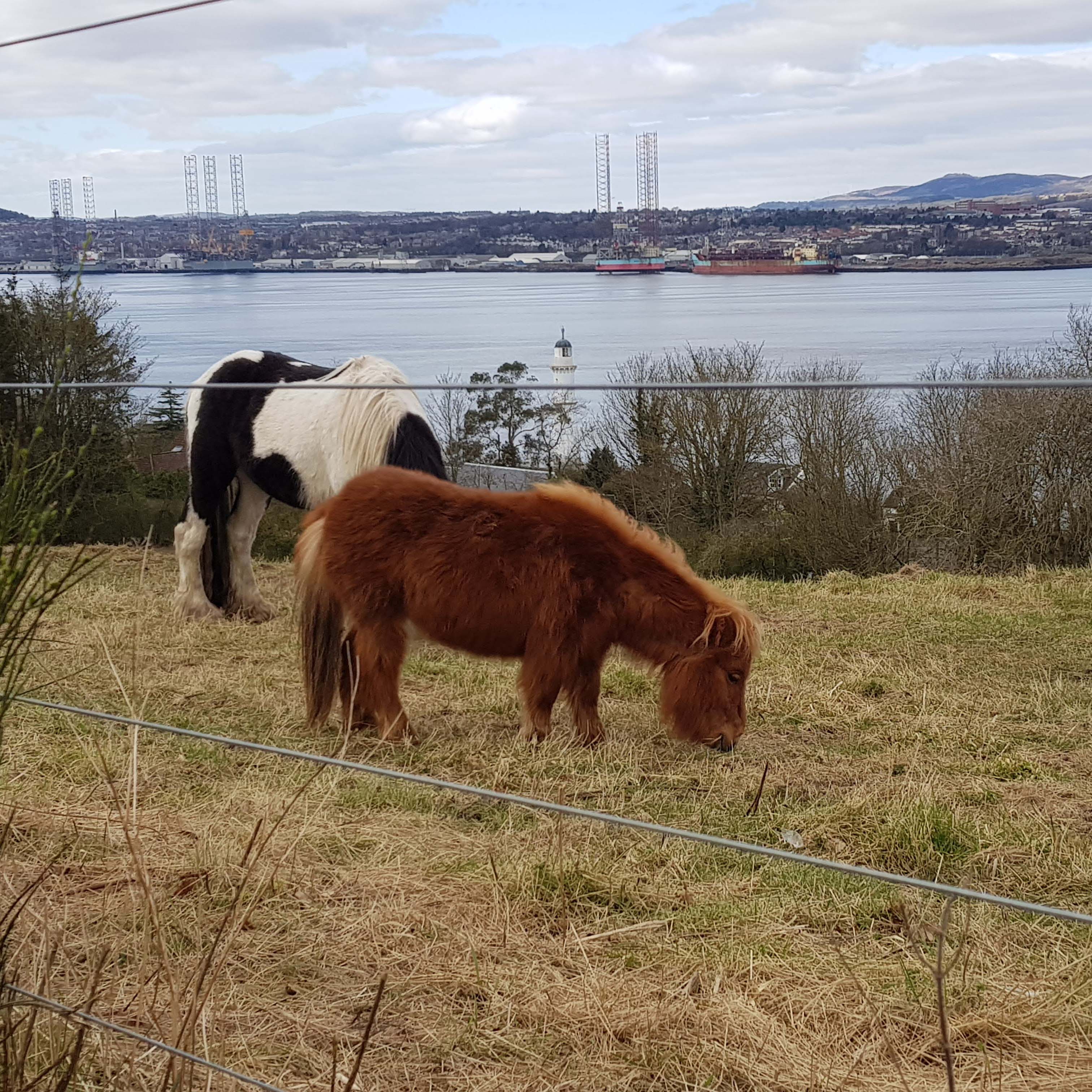
As the coastal path leaves Tayport, it crosses several wooden-edged bridges, and as the houses vanish into fields, you start to get a view down towards the water, and a pasture on the left where miniature horses live. Shortly beyond the horses, the wall of the town cemetery rises up from the hill, and you can see Dundee and the Tay Road bridge in the distance.

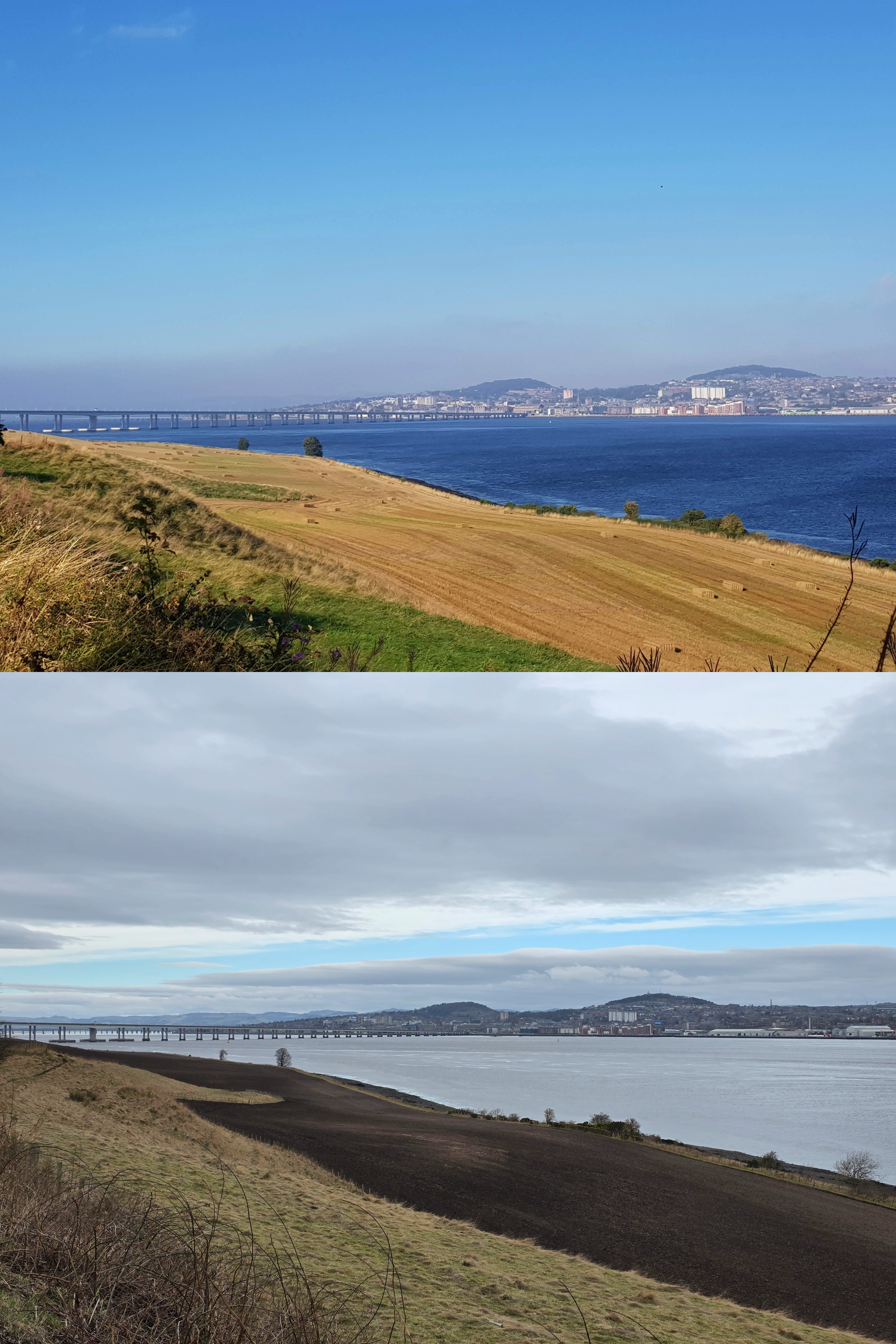
If you are planning a Tayport loop this is another place where you can cut up through the cemetery to the main road, or here you are about one mile from the bridge. The trees disappear into open fields, and the wind will hit a bit harder and make it colder than when the path was protected by woodland. You will be able to catch sight of the tall Scots pines of the Scotscraig estate on the top of the hill – I had always wanted to walk through the estate but it was closed during the pandemic; it looks open again now.
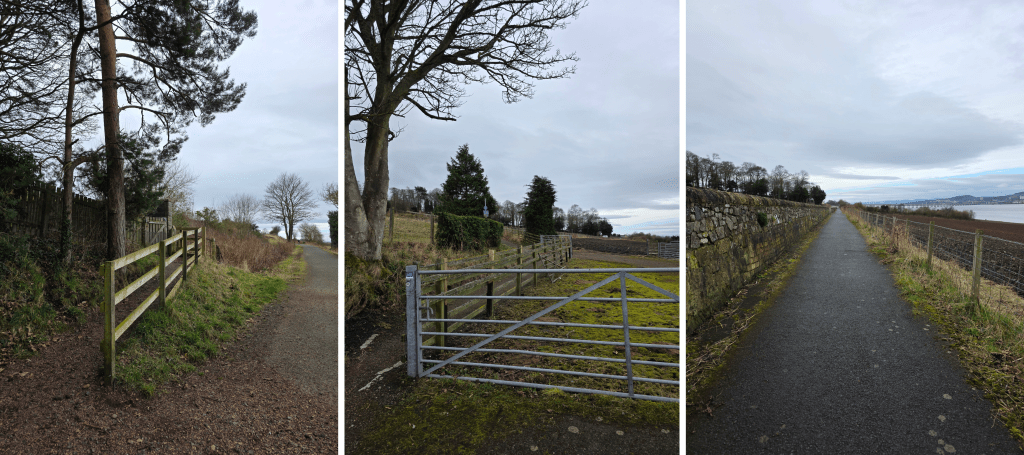
Presently the coastal path moves up closer to the road, though there is still a solid stone wall between walkers and traffic – a relief as the cars to tend to zip along this stretch quickly. It’s a bit less peaceful with the road noise, though many of course choose to walk with headphones in, I generally prefer not to.
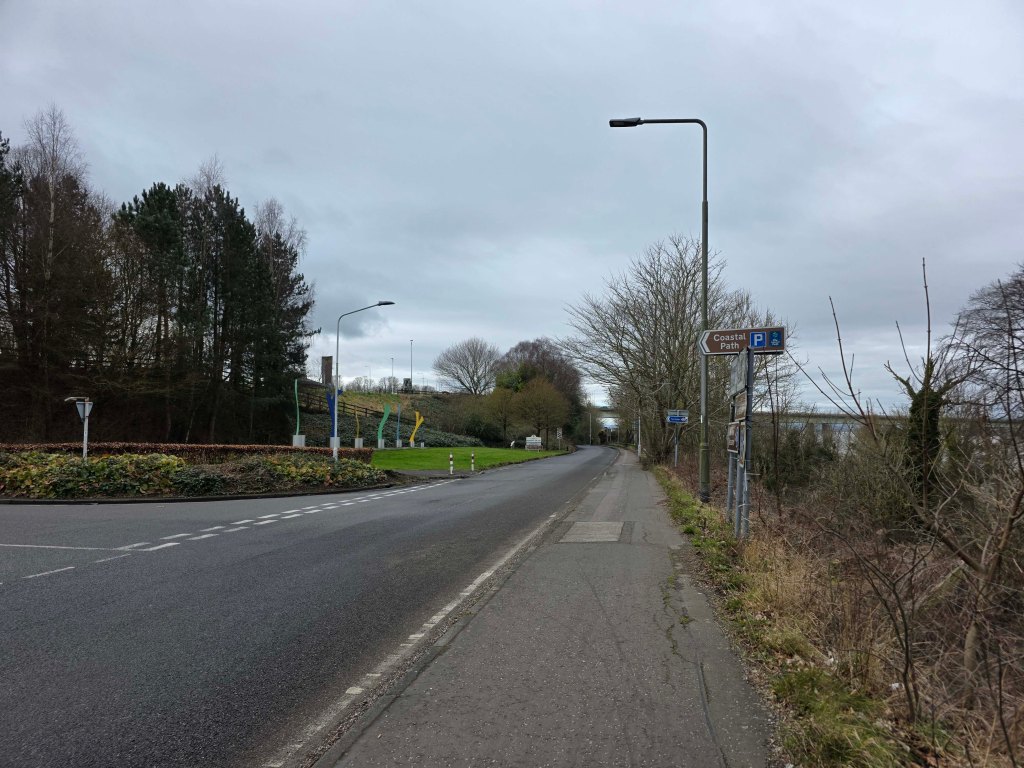
There are a few small groupings of houses on the upper side of the road, and in a short time the path approaches the Tay bridge; this is an excellent place to park or pick up the bus.
At the top car park, there is a public toilet and a stand that sells snacks and drinks, always smelling delectably of Scottish square sausage and bacon. My walk took me straight along the path however, and as you pass under the bridge, you get an excellent view of the structure and pylons. This is also where the town of Newport begins; immediately there is a stark change in architecture.
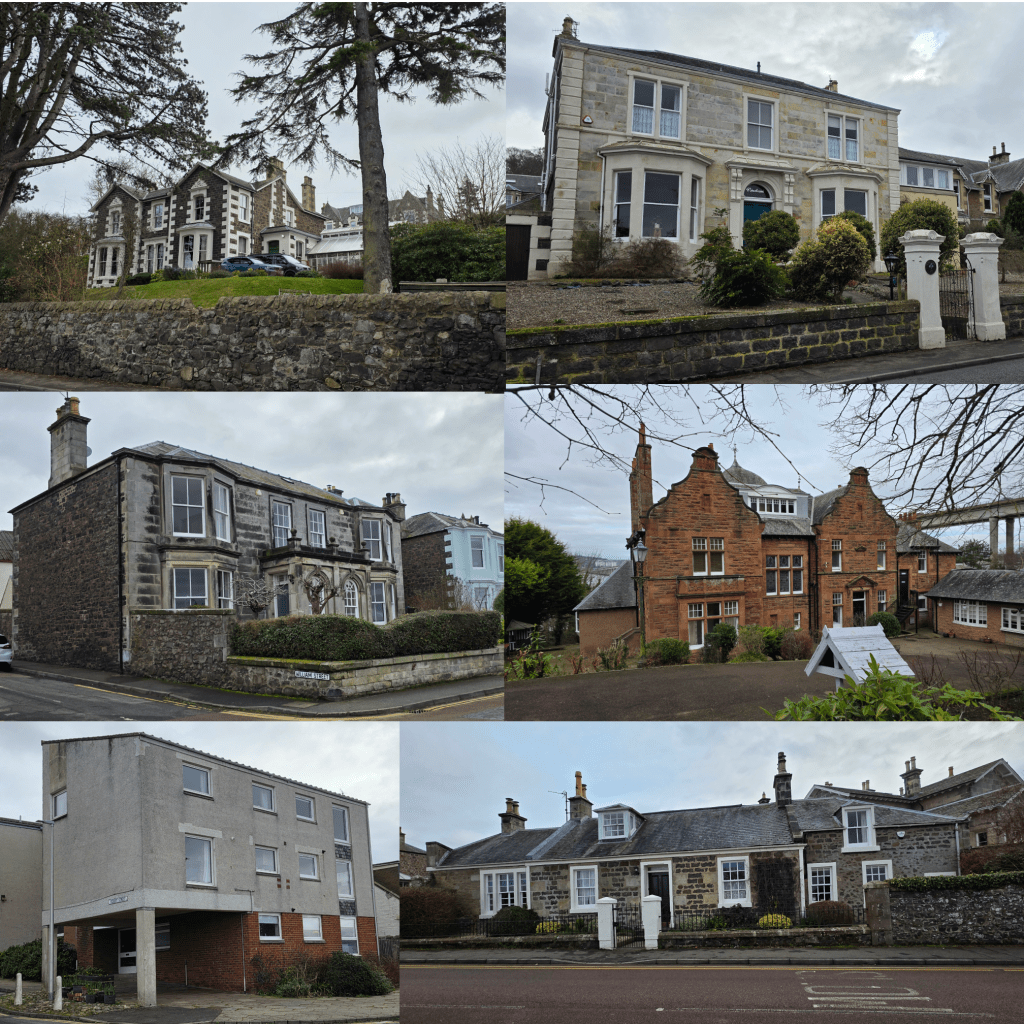
The main road of Newport, along which the coastal path leads, is a lovely mix of beautiful old stately houses and more modern homes designed to fit in with the coastal surroundings. Gardens are well-tended, and the traffic slows well down as the road narrows to just allow two vehicles to pass.
It is hard not to enjoy this part of the walk, about half a mile of enviable residences with a myriad of architectural quirks.
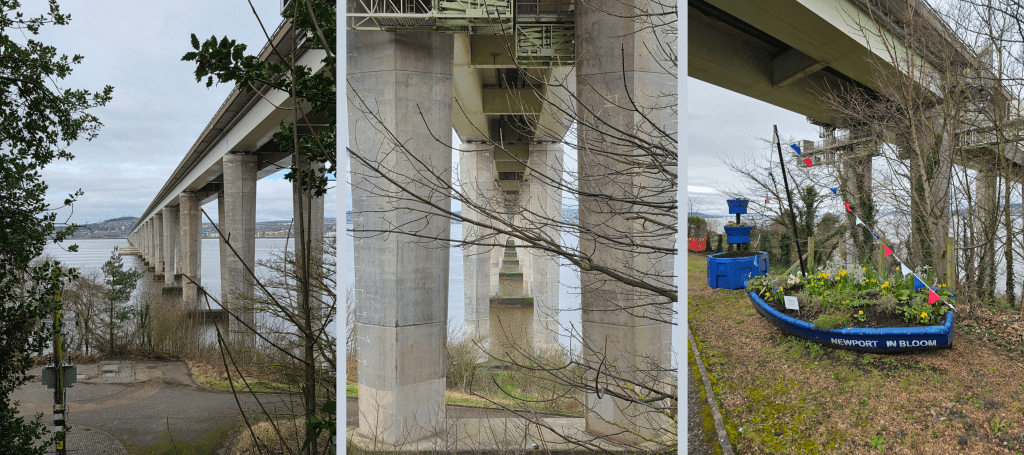
In about five minutes, the houses on the coast side disappear and there is a narrow park with steep stairs allowing access to the rocky coastline, and views westward to the rail bridge and the coast of Fife.
For my walk, I decided that my stopping point was the War Memorial, just short of the main roundabout in the village. This part of Newport is the High Street and boasts some lovely independent shops and bakeries; I chose to sit on a bench looking over the view and enjoy the lunch I had picked up back in Tayport – the Scottish invention I still marvel has not crossed the Atlantic: a macaroni pie.

I really enjoyed this portion of the coastal path, and it was a good distance for a Saturday morning. Once I had walked back to the bridge to wait for my bus home I was getting closer to 5 miles total walked, so I decided I had well earned my carby, cheesy lunch. It’s a relatively flat walk – except for a hill in Tayport – and includes some lovely views, neighbourhoods, and some quiet woodland.
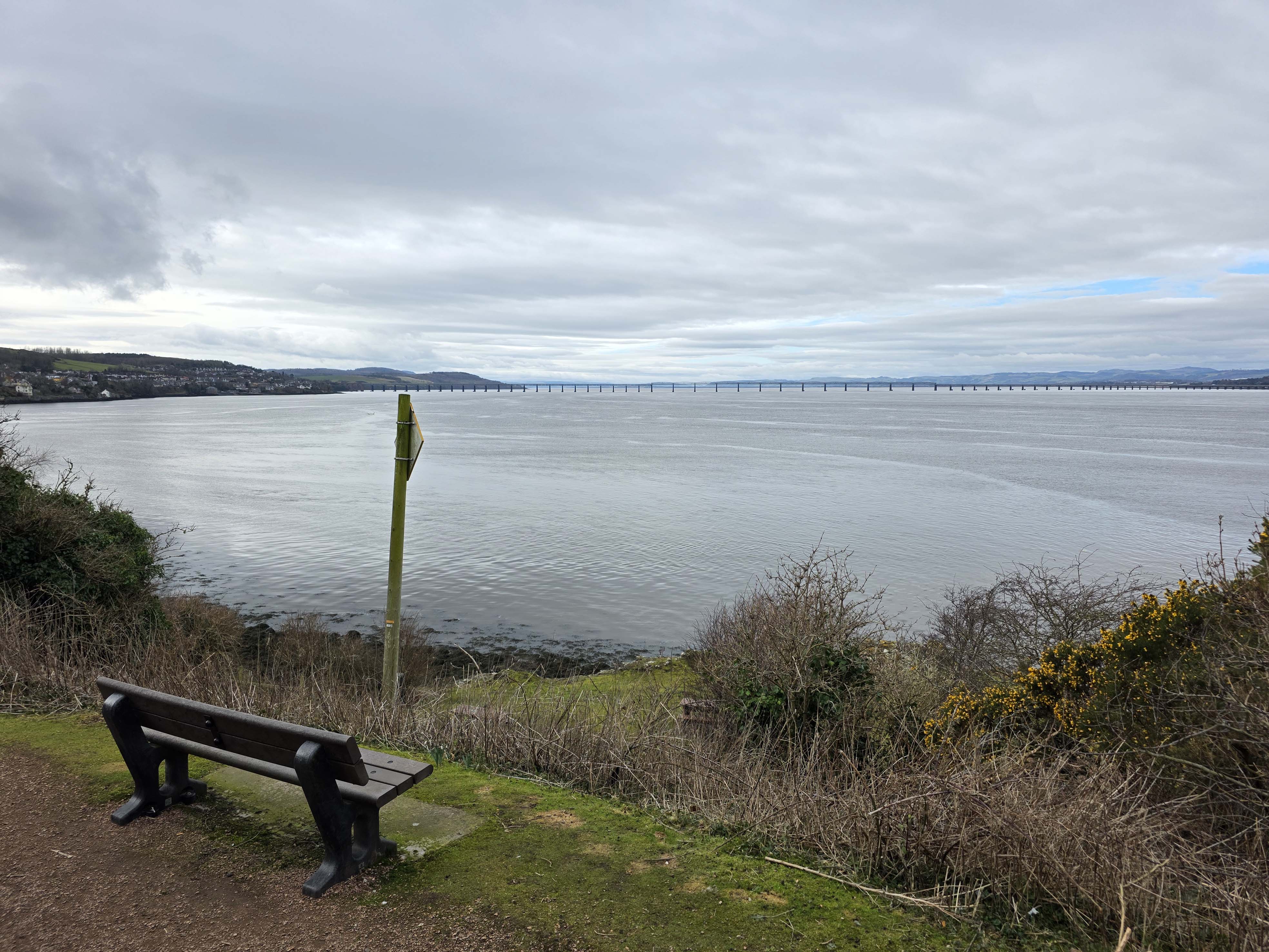


Work and life have gotten in the way of my making any more progress on the coastal path in the last week or two, but that was partly due to a trip to the Highlands which I will regale you with soon!
Oh…and my new walking/hiking boots were excellent! First time on and not a blister to be had. Well done Mountain Warehouse!

 The Wandering Medievalist
One response to “Fife Coastal Path: Tayport to Newport”
[…] and I proved to myself that I could do a longer walk and not be exhausted. I also really loved the Tayport to Newport stretch, as it brought back many fond memories of living […]
LikeLike